The chain is fine...but I ordered the wrong size. Nine links of the chain I ordered equals six of the size I wanted. My error...
How can I straighten out the springs? I can't use them coil uo as is.
Your payment information is processed securely. We do not store credit card details nor have access to your credit card information.
Get fitment advice & recommendations
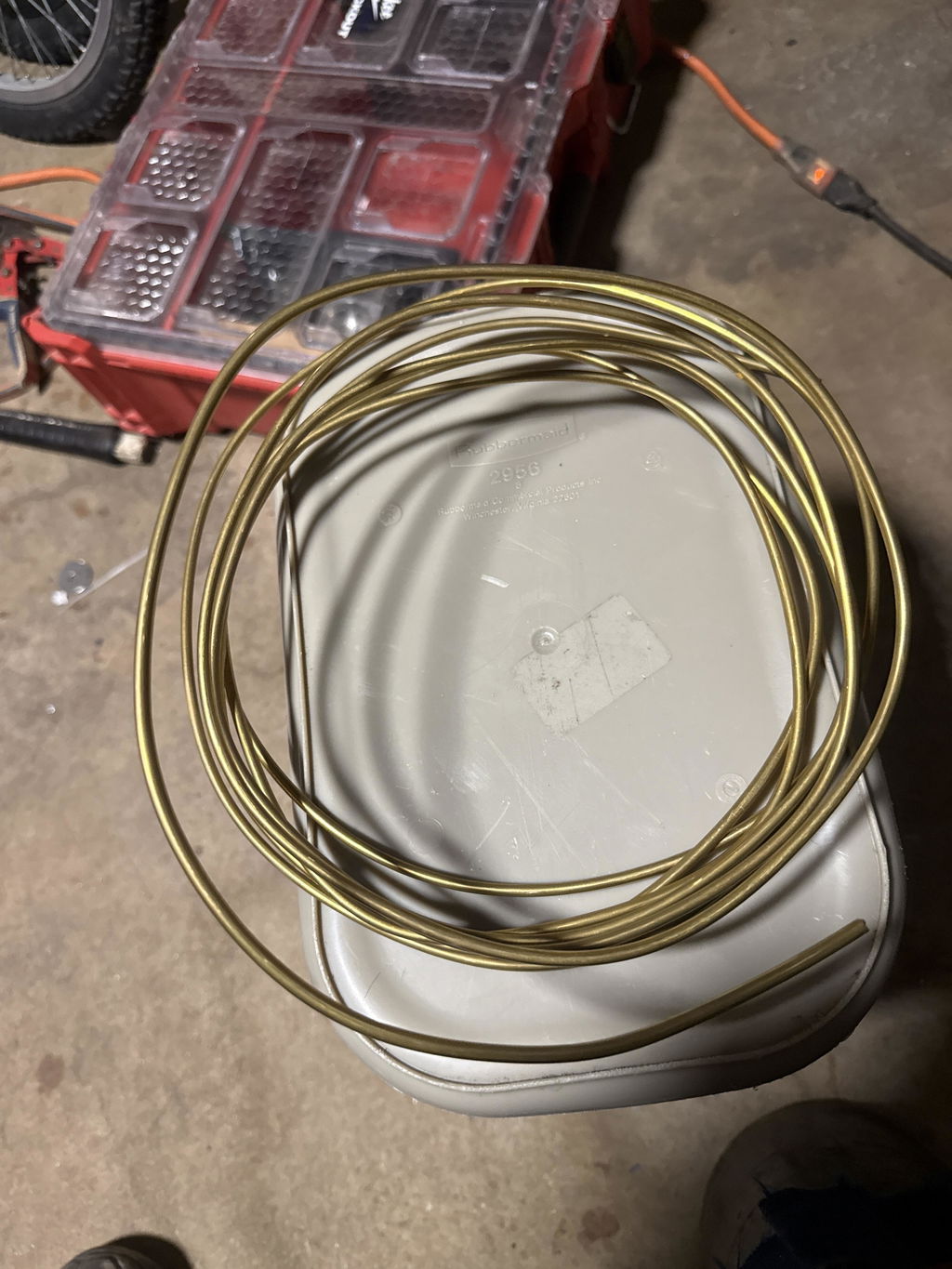
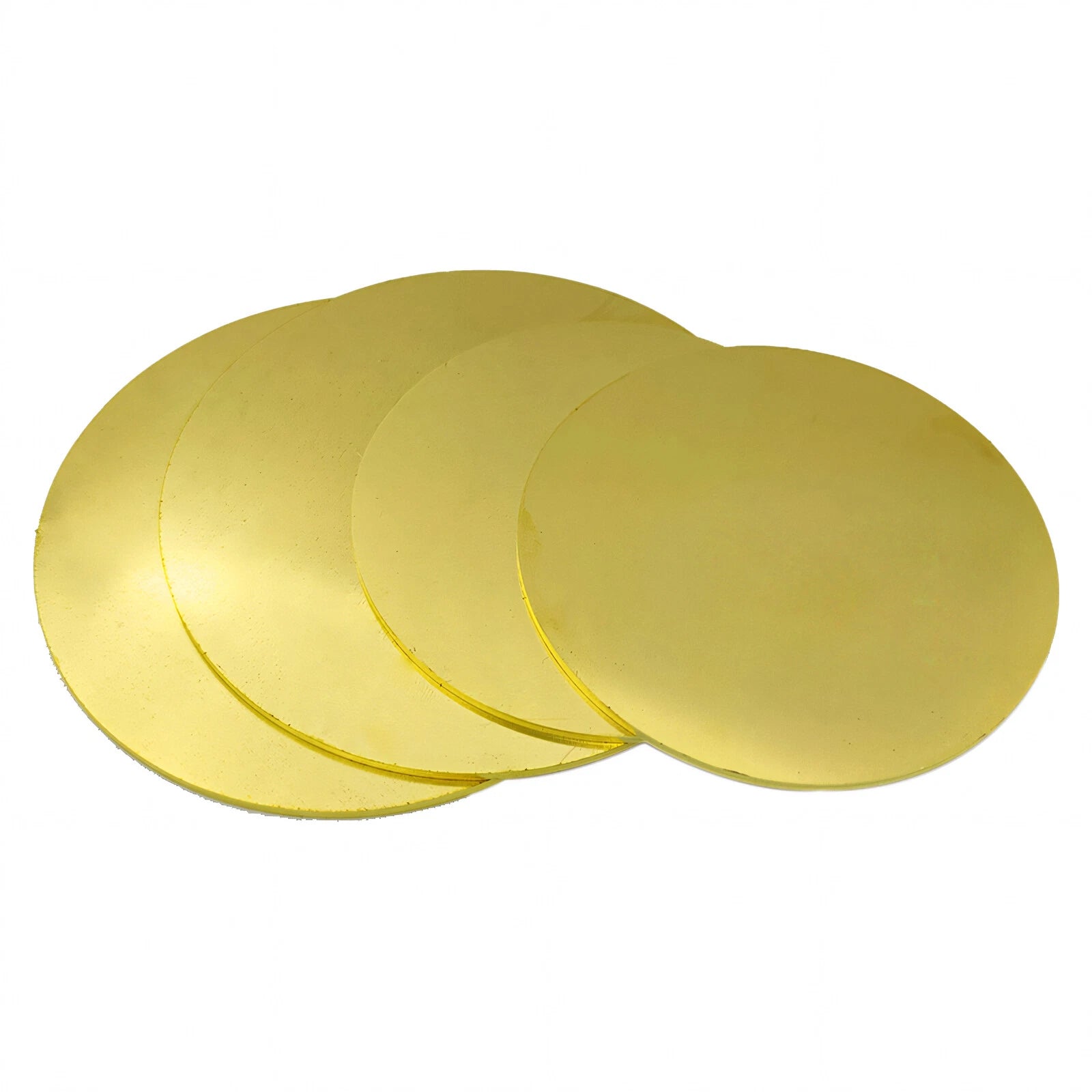
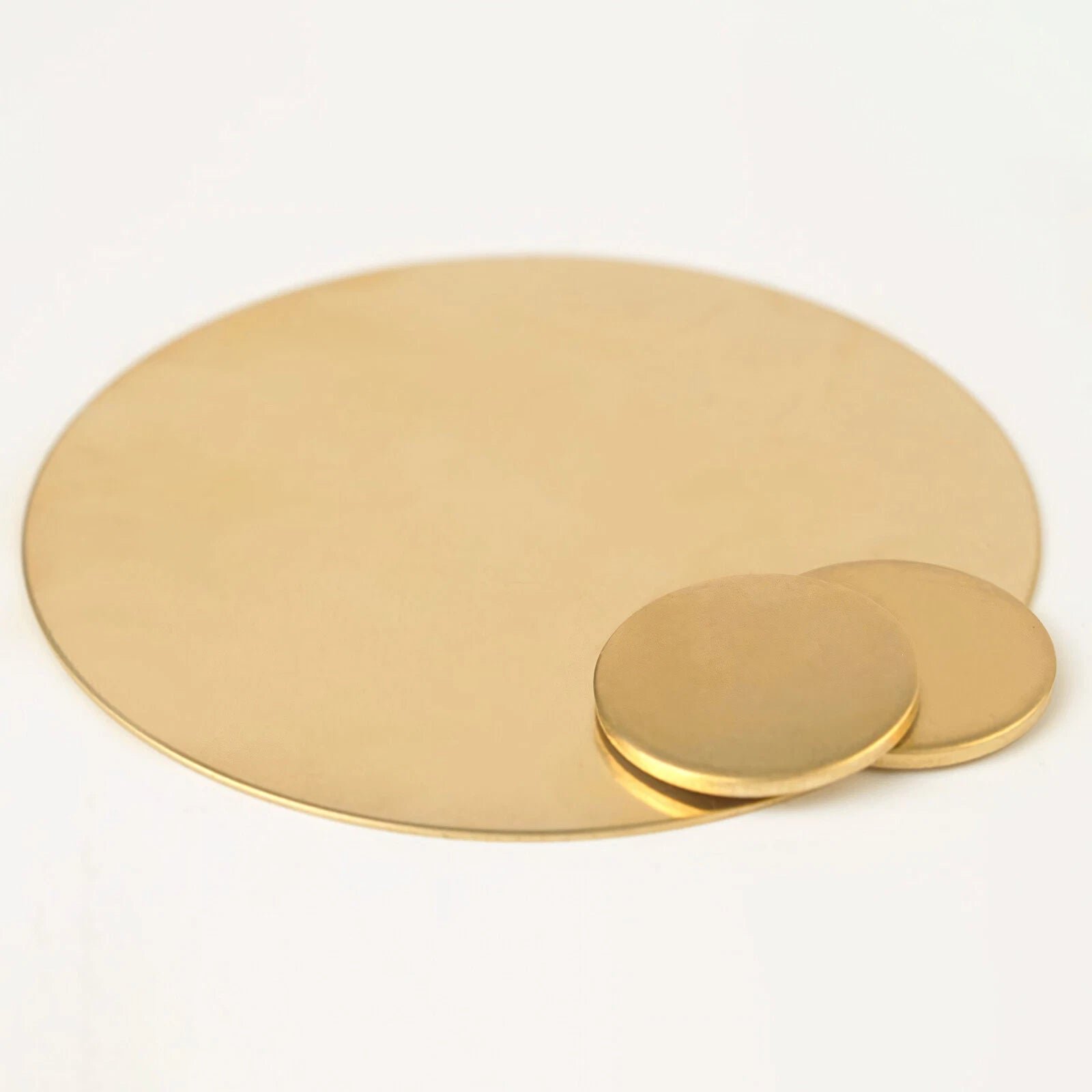
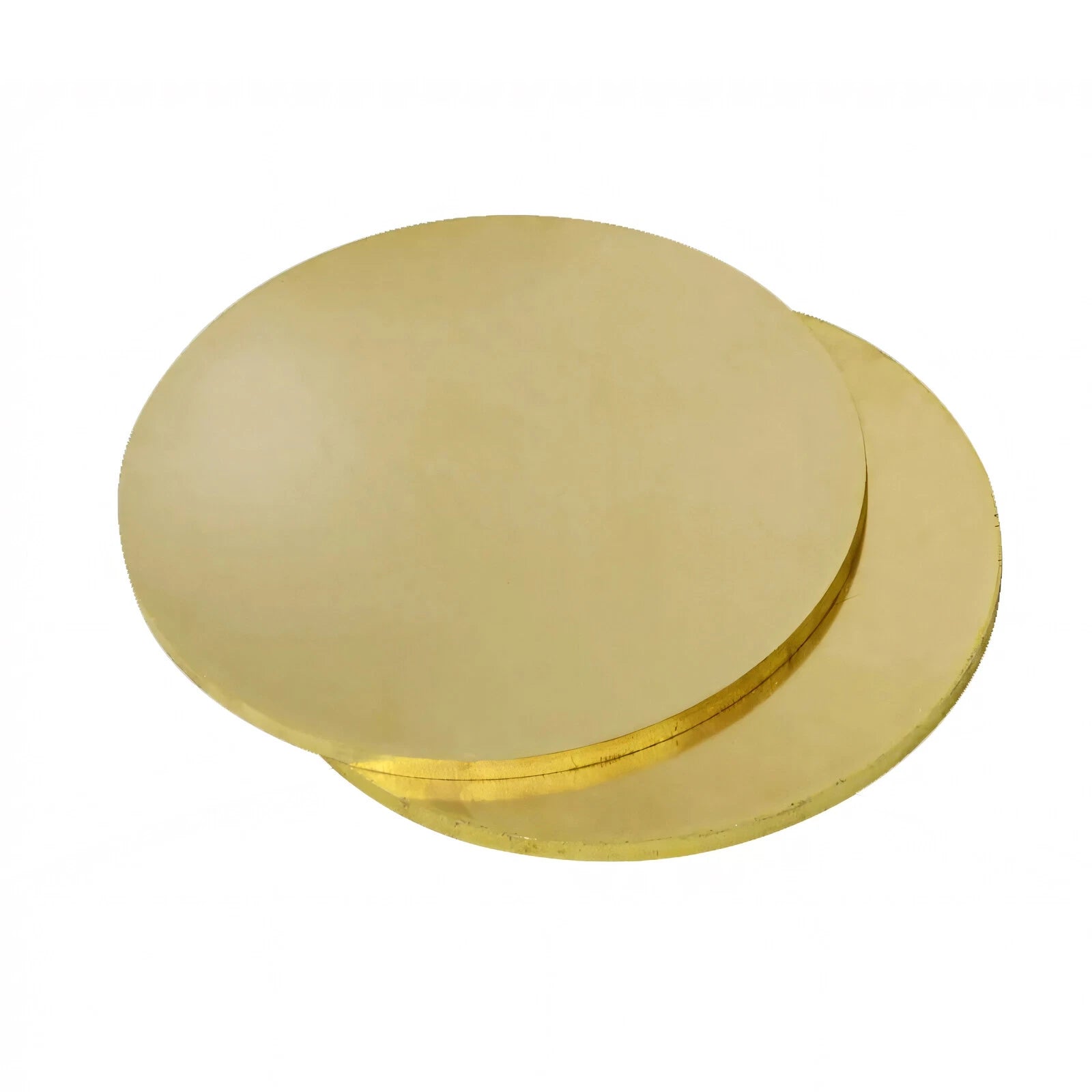
When your project demands a flat, true-round metal blank that machines cleanly and holds a polished finish, generic hardware store offcuts simply fall short. Whether you are a hobbyist metalworker, a jewelry maker, or a maker tackling engraving and stamping work, these solid round brass sheet discs give you a reliable starting point in the exact diameter and thickness you need — without the waste of cutting from a larger sheet.
Each disc is cut from solid brass (copper-zinc alloy, typically CuZn30–CuZn37 composition), delivering a warm golden tone and excellent workability. Diameters range from 10 mm (approx. 0.39 in) up to 200 mm (approx. 7.87 in), and thickness options span 1.2 mm (approx. 0.047 in), 1.5 mm (approx. 0.059 in), 2 mm (approx. 0.079 in), and 3 mm (approx. 0.118 in). Faces are flat-cut and edges are deburred, ready for further finishing.
Typical applications include DIY craft blanks for hand-stamping and engraving, custom clock faces and dial plates, decorative inlays and furniture hardware, small-batch jewelry pendants and coin-style tokens, and prototype gaskets or shim stock for mechanical assemblies. Long-tail search terms that describe this product well: brass round plate blank, copper alloy disc for engraving, metal circle blank for jewelry making, flat brass disc shim stock.
| Material | Solid Brass (Copper-Zinc Alloy) |
|---|---|
| Shape | Round / Circular Disc |
| Diameter Range | 10 mm – 200 mm (0.39 in – 7.87 in) |
| Thickness Options | 1.2 mm / 1.5 mm / 2 mm / 3 mm |
| Surface Finish | Flat-cut, deburred edges |
| Colour | Golden Yellow (natural brass) |
| Quantity per Pack | See variant options |
| Weight per Piece | See variant options |
| Hardness | See variant options |
| Applicable Processes | Drilling, turning, engraving, stamping, soldering, brazing, polishing |
Select the diameter that matches or slightly exceeds your finished part size — you can always remove material but cannot add it back. For thickness, consider the structural load: 1.2 mm and 1.5 mm suit decorative blanks, pendants, and light shims; 2 mm works well for clock faces, dial plates, and moderate-duty gaskets; 3 mm is appropriate for heavier mechanical parts, thick inlays, and structural prototypes. Use the variant selector above to compare sizes and pack quantities.
These are solid brass discs — not brass-plated steel. The material is a copper-zinc alloy throughout the full thickness of the disc. You can verify this by testing with a magnet: brass is non-magnetic, so a magnet will not attract it. This matters for applications such as engraving, soldering, and chemical patina work where a plated surface would behave differently.
Brass does not rust (rust is specific to iron and steel). However, brass can develop a natural patina — a darkening or greenish tarnish — when exposed to moisture, humidity, or certain chemicals over time. For indoor decorative use, a coat of clear lacquer or paste wax will preserve the bright golden finish. For outdoor or high-humidity environments, periodic re-coating is recommended.
Yes. Brass solders and brazes readily with standard silver solder, soft solder (tin-lead or lead-free), and brass brazing rod. Use an appropriate flux for brass (e.g., paste flux for silver soldering) and ensure the surface is clean and free of oils before joining. Brass conducts heat well, so use adequate heat and work quickly to avoid heat-spreading to adjacent areas.
The edges are deburred during production, meaning sharp burrs from the cutting process have been removed. However, as with any metal disc, we recommend wearing gloves when handling larger or thicker pieces, particularly the 2 mm and 3 mm variants in larger diameters, as the edges can still feel firm. If you need a fully rounded or chamfered edge for your application, a few passes with a fine file or bench grinder will achieve that quickly.
Standard HSS (high-speed steel) drill bits work well for drilling brass — use a slow-to-moderate speed with light feed pressure and a drop of cutting oil to prevent work-hardening and bit wandering. For lathe turning, HSS or carbide tooling both perform well. For engraving, a rotary tool with carbide or HSS engraving bits is suitable. Avoid high-speed dry drilling without lubrication on thicker (2 mm and 3 mm) discs, as this can cause the bit to grab.
Yes — smaller diameters (10 mm to 50 mm) in 1.2 mm and 1.5 mm thickness are popular choices for pendant blanks, coin-style charms, and hand-stamped jewelry. The flat surface accepts metal stamps cleanly, and the brass takes patina solutions (e.g., liver of sulfur alternatives for brass) to highlight stamped impressions. Drill a small hole near the edge before stamping if you plan to add a jump ring for a necklace or keychain.