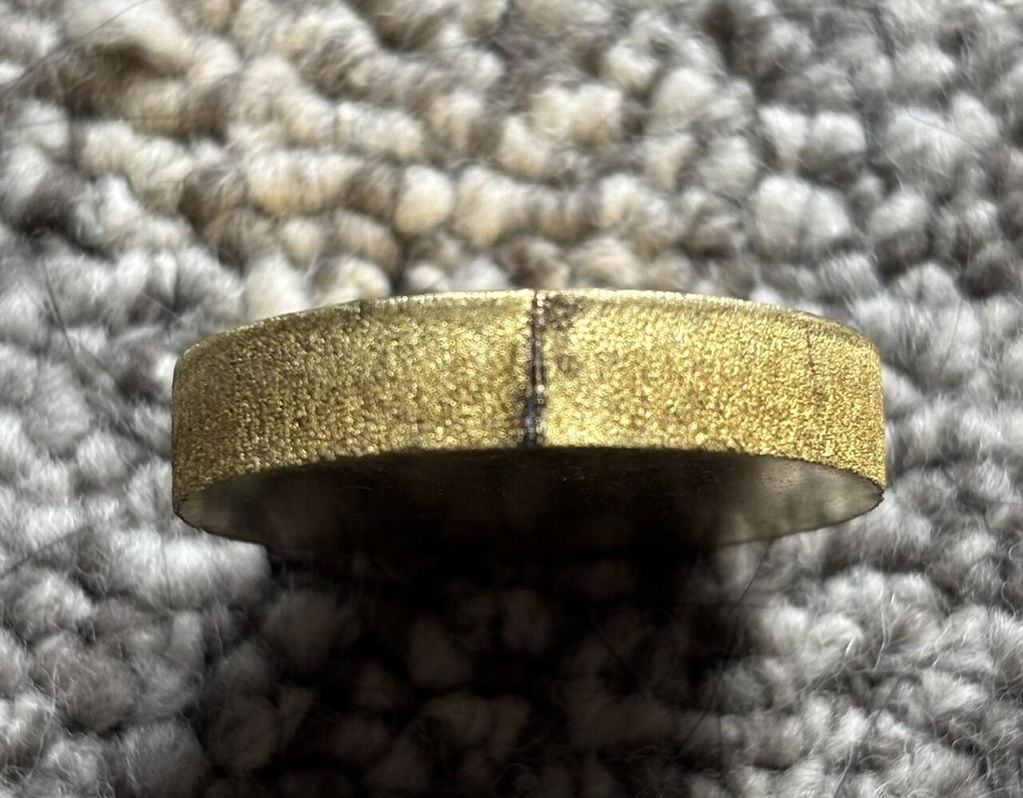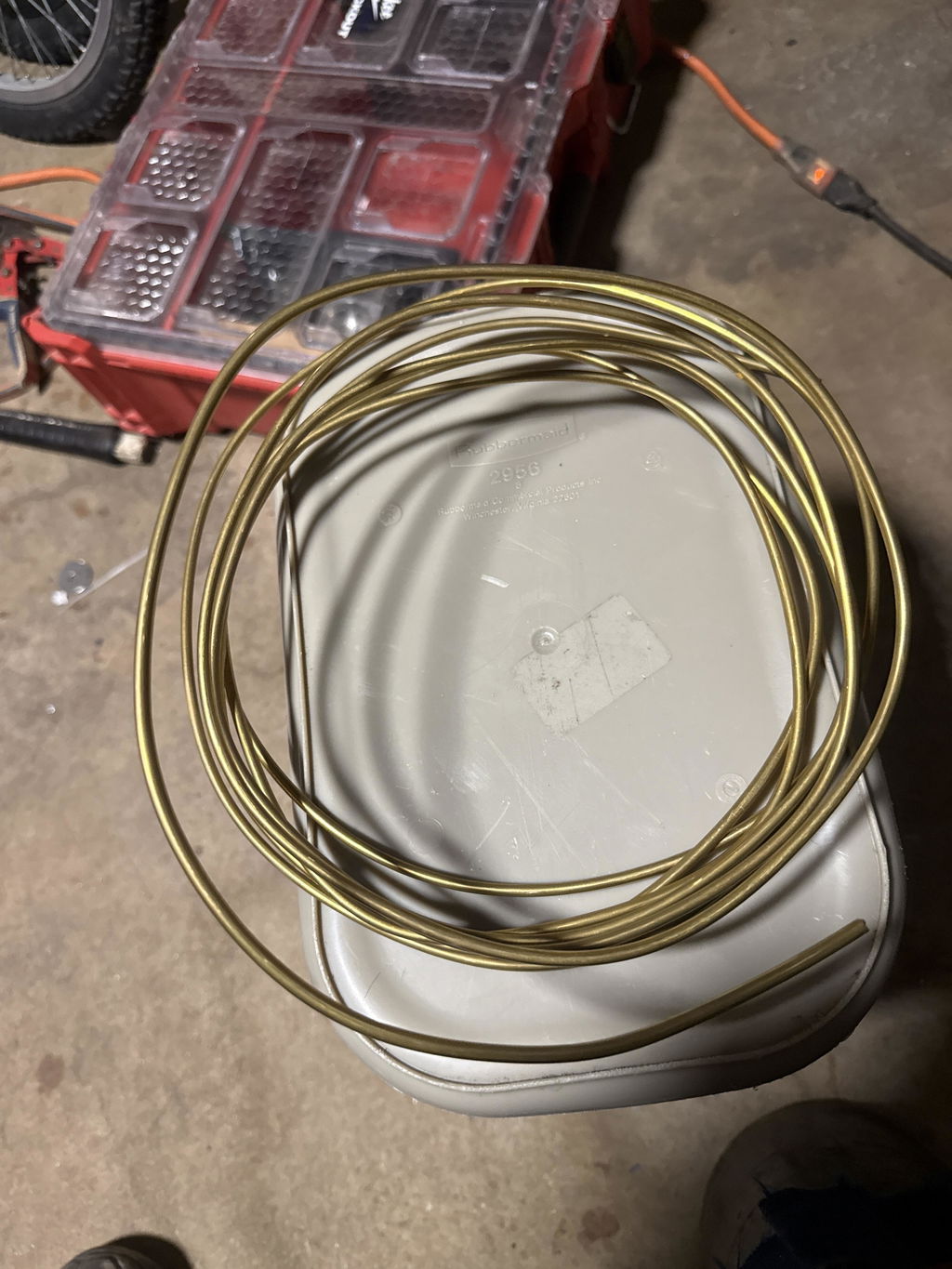
The chain is fine...but I ordered the wrong size. Nine links of the chain I ordered equals six of the size I wanted. My error...
How can I straighten out the springs? I can't use them coil uo as is.
Your payment information is processed securely. We do not store credit card details nor have access to your credit card information.
Get fitment advice & recommendations
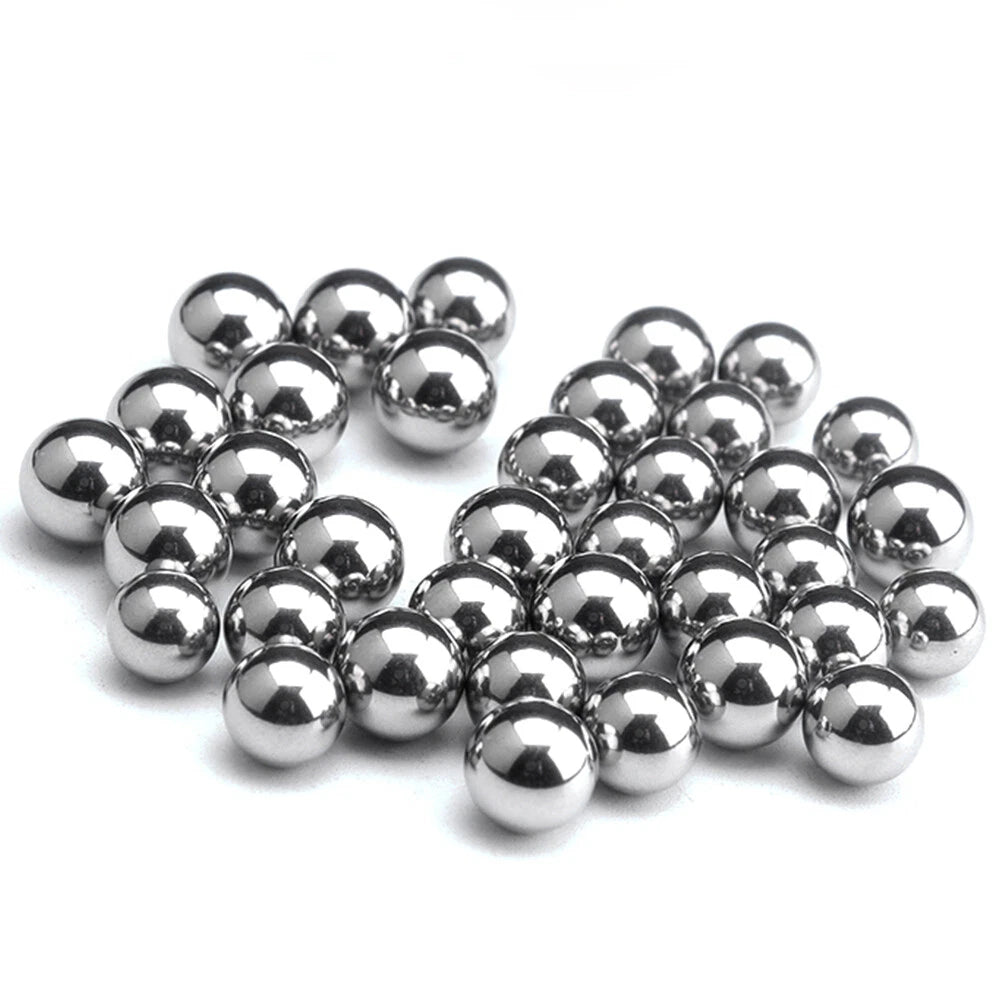
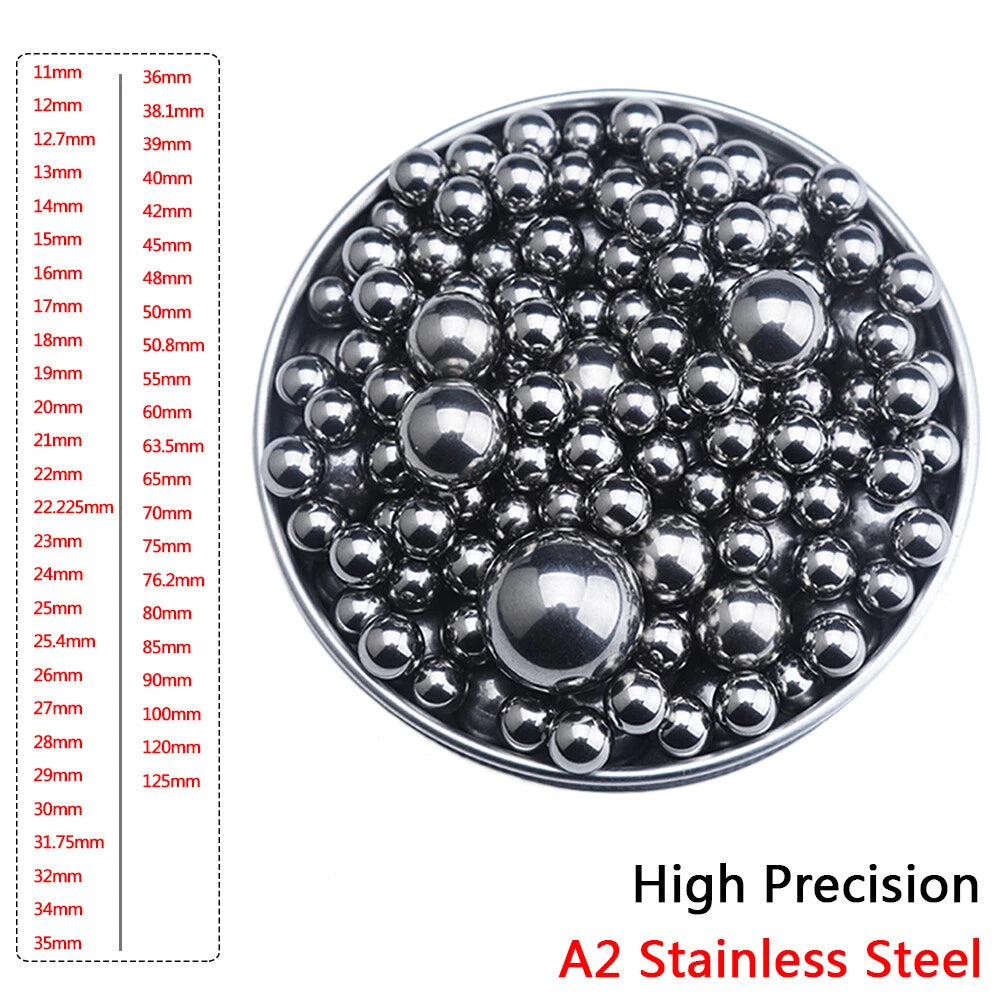
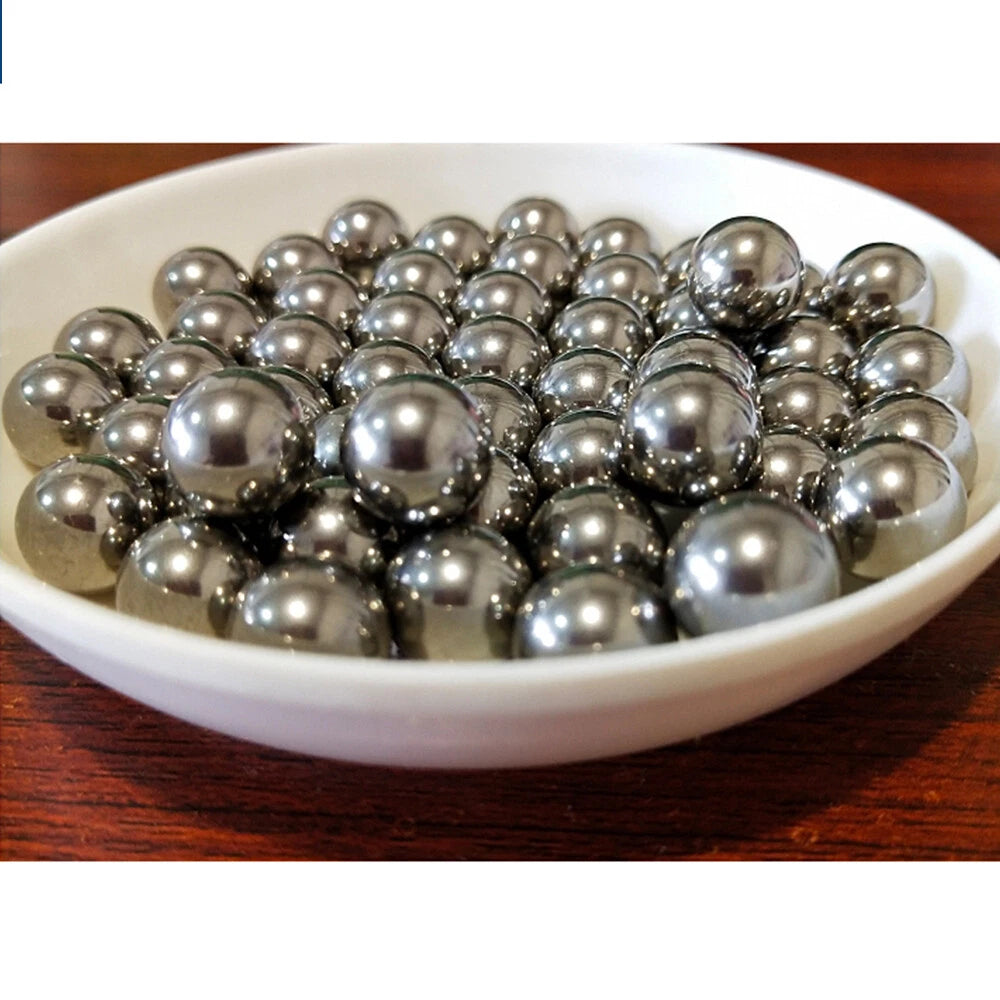
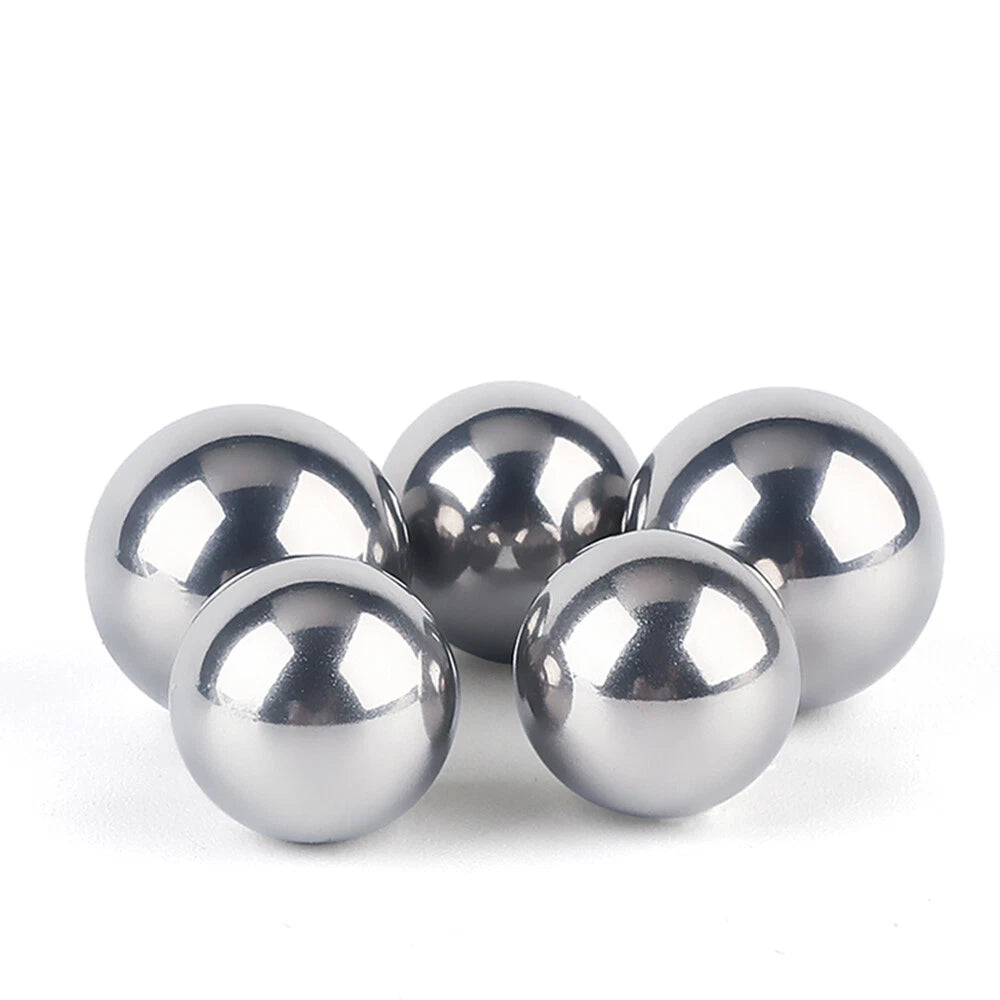
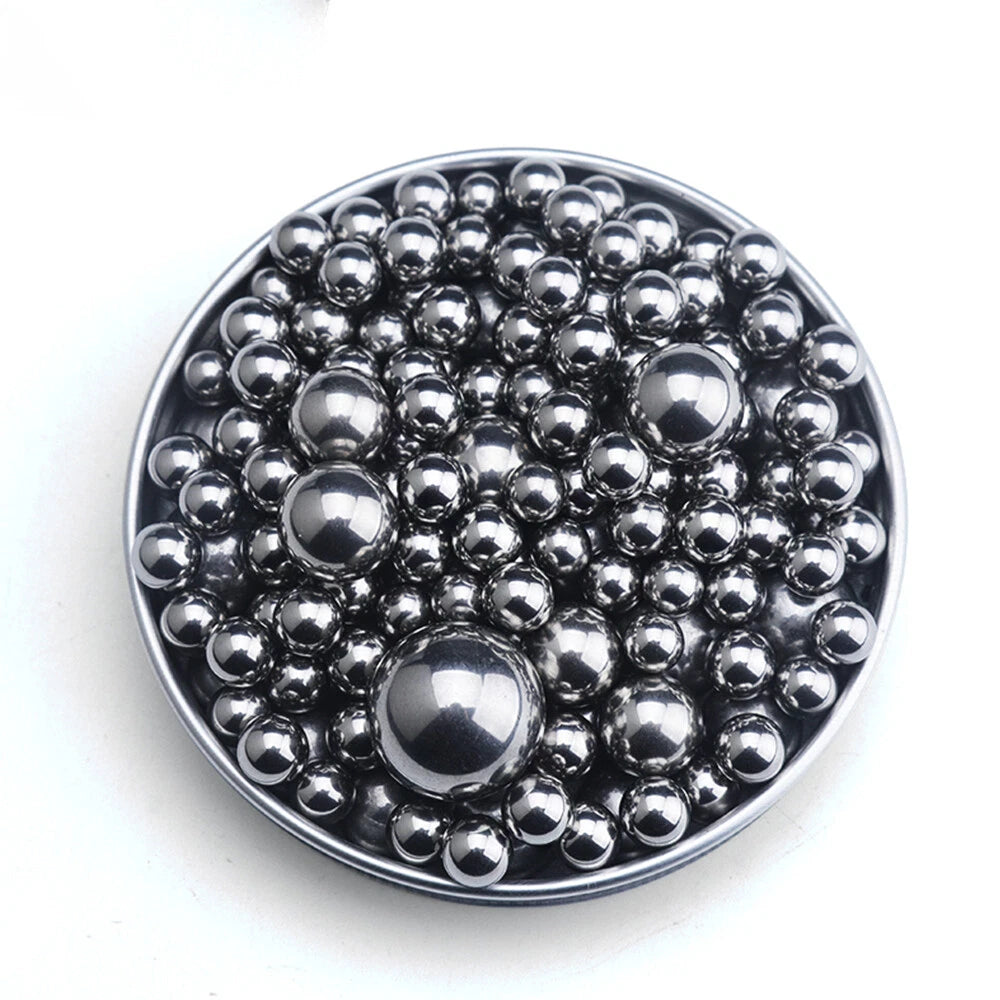
When a worn or undersized ball causes play, vibration, or premature failure in a bearing assembly, valve seat, or linear slide, finding the exact replacement diameter quickly is critical. These solid stainless steel precision balls are stocked in 49 sizes from 11 mm (0.433 in) to 125 mm (4.921 in), giving engineers, machinists, and serious DIYers a single source for both metric and inch-equivalent diameters without waiting on special orders.
Each ball is machined from A2-grade 304 stainless steel — a low-carbon austenitic alloy that combines a tensile strength of approximately 515 MPa with strong resistance to oxidation and mild chemical exposure. Diameters span 11 mm through 125 mm (roughly 7/16 in to 5 in), with select inch-standard sizes such as 12.7 mm (1/2 in), 22.225 mm (7/8 in), 25.4 mm (1 in), 31.75 mm (1-1/4 in), 38.1 mm (1-1/2 in), 50.8 mm (2 in), 63.5 mm (2-1/2 in), and 76.2 mm (3 in) included in the range. Surface finish and sphericity tolerance are consistent across the range, supporting smooth rolling and reliable seating.
Typical applications include replacement rolling elements in radial and thrust ball bearings, check-valve and float-valve seats in plumbing and hydraulic circuits, decorative hardware and furniture leveling feet, and load-distribution media in jigs and fixtures. The corrosion resistance of 304 stainless makes these balls well-suited for food-processing equipment, marine hardware, and outdoor DIY builds where carbon-steel balls would rust.
| Material | 304 Stainless Steel (A2 grade) |
|---|---|
| Diameter Range | 11 mm – 125 mm (approx. 0.433 in – 4.921 in) |
| Available Sizes | 49 sizes; metric and selected inch-equivalent diameters |
| Construction | Solid one-piece |
| Surface Finish | See variant options |
| Sphericity Grade | See variant options |
| Tensile Strength (typical) | ≥ 515 MPa (304 SS) |
| Hardness (typical) | Approx. HRB 70–90 (304 SS, annealed) |
| Corrosion Resistance | Good resistance to moisture, mild acids, and salt spray |
| Magnetic | Slightly magnetic (austenitic 304, work-hardened) |
| Operating Temperature | Typically –196 °C to +870 °C (304 SS) |
| Quantity Options | 1, 5, 10, 20, 30, 40, 50, 100, 200 pcs |
| Product Type | Ball Bearings / Precision Rolling Elements |
Measure the bore of your bearing race or the seat diameter of your valve using a micrometer or digital caliper. The replacement ball should match that dimension within the tolerance specified by the original manufacturer. For ball bearings, the ball diameter is typically stamped on the bearing shield or listed in the bearing's datasheet (e.g., a 6205 bearing uses 7.938 mm balls — not in this range). For valve seats, measure the seat opening and select the next standard size up to ensure a positive seal. If you are between sizes, contact us to confirm the closest available diameter.
304 stainless steel has a typical tensile strength of approximately 515 MPa and a yield strength of around 205 MPa. For moderate-load radial or thrust bearing applications — such as caster wheels, drawer slides, or light industrial machinery — these balls perform reliably. For heavy-duty or high-speed precision bearing replacements (e.g., machine tool spindles), a chrome steel (52100) or ceramic ball is generally preferred due to higher hardness and fatigue resistance. If your application involves impact loads or very high RPM, contact us to discuss suitability.
304 stainless steel offers good resistance to oxidation, fresh water, and mild chemical exposure. It performs well in outdoor DIY builds, marine hardware (above the waterline), food-processing equipment, and plumbing applications. However, 304 SS is not fully immune to corrosion: prolonged exposure to chloride-rich environments (e.g., seawater immersion, de-icing salts) can cause pitting. For highly corrosive marine or chemical environments, 316 stainless steel balls would be a more appropriate choice. For general outdoor and wet-area use, 304 is a practical and cost-effective option.
Several sizes in this range are manufactured to exact inch-standard dimensions: 12.7 mm (1/2 in), 22.225 mm (7/8 in), 25.4 mm (1 in), 31.75 mm (1-1/4 in), 38.1 mm (1-1/2 in), 50.8 mm (2 in), 63.5 mm (2-1/2 in), and 76.2 mm (3 in). These are not rounded metric conversions — they are produced to the inch dimension and are suitable for use in inch-standard bearing races and valve seats. All other sizes in the range are metric.
304 stainless steel is widely used in food-processing equipment and is generally considered food-safe for incidental contact. However, suitability for your specific application depends on local regulations, the nature of the food product, and cleaning chemicals used. If your application requires certified food-grade compliance (e.g., FDA, EU 10/2011), please contact us to confirm documentation availability before ordering.
Each quantity tier (1, 5, 10, 20, 30, 40, 50, 100, or 200 pieces) is priced per order, not per piece — the per-unit cost decreases as quantity increases. Ordering a single piece is ideal for a one-off repair or fit-check. Bulk quantities (50–200 pcs) suit maintenance departments that stock common sizes, small manufacturers assembling batches of valves or casters, or hobbyists building multiple units. Select your size and quantity from the variant dropdowns above before adding to cart.
Yes. Solid stainless steel balls are a standard choice for check-valve and float-valve applications. The smooth spherical surface seats reliably against machined or cast valve seats, and the corrosion resistance of 304 SS is compatible with water, light oils, and many non-aggressive process fluids. Ensure the ball diameter is slightly larger than the valve seat opening to achieve a positive seal. For high-pressure or aggressive-chemical valve applications, verify material compatibility with your process fluid before installation.