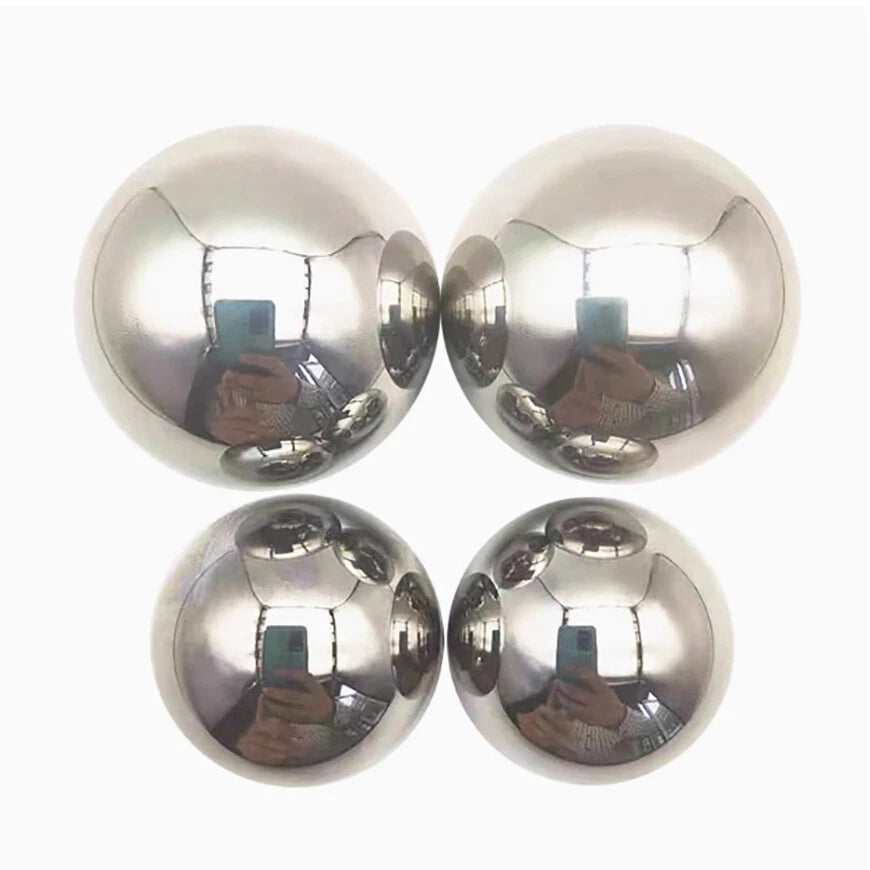
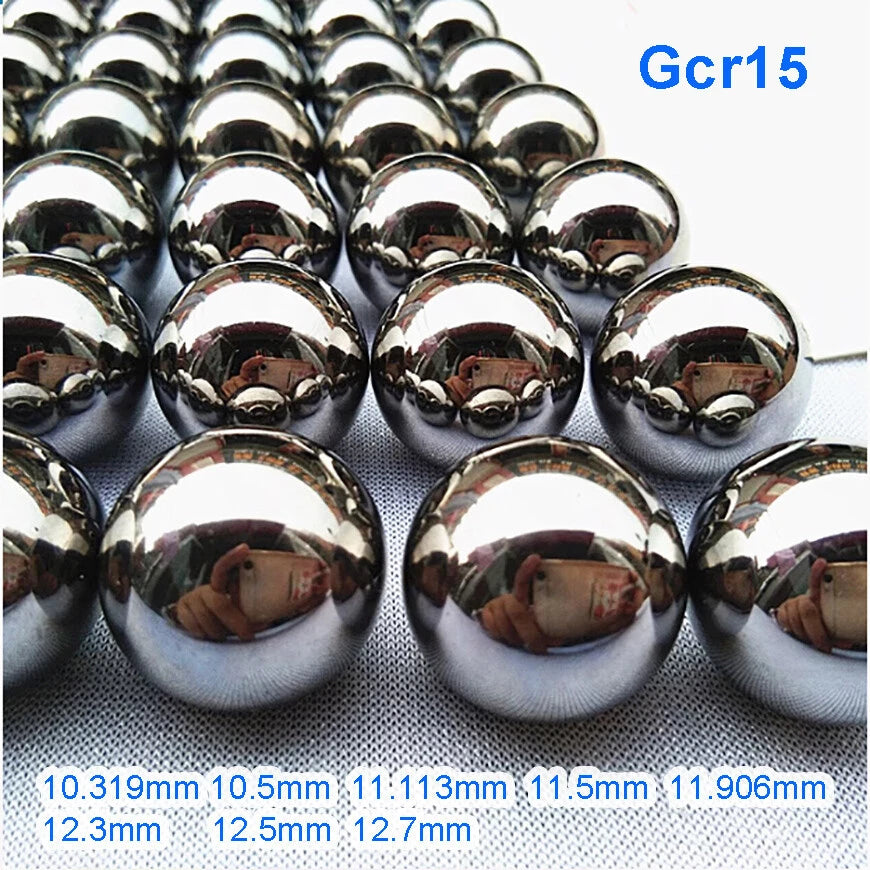
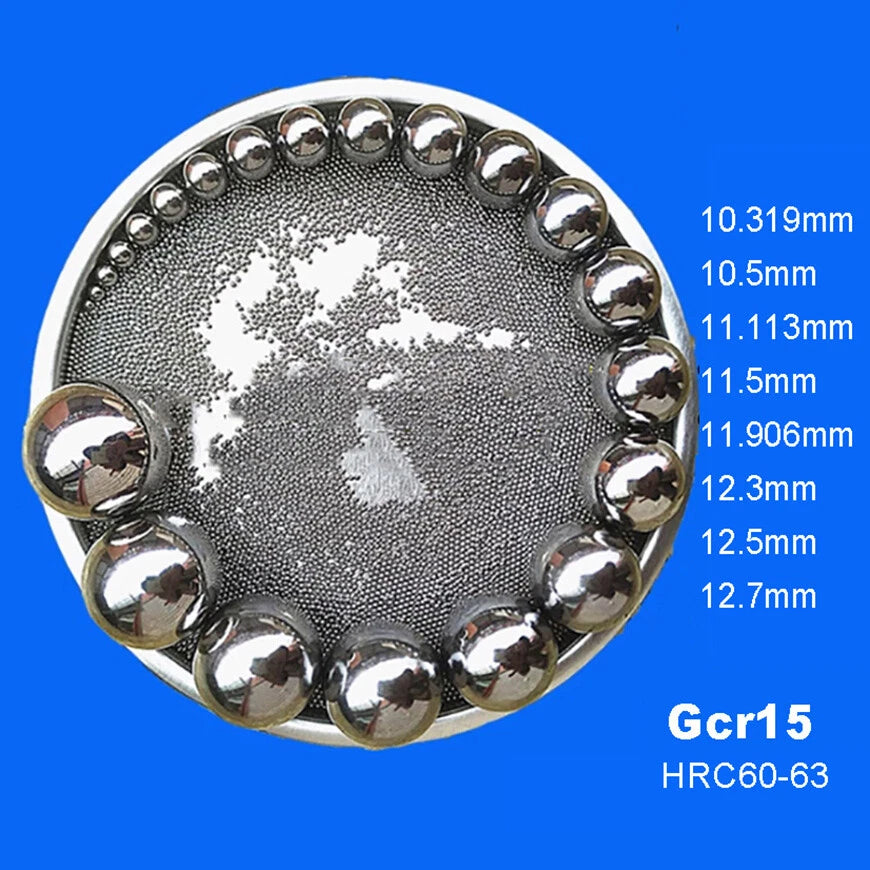
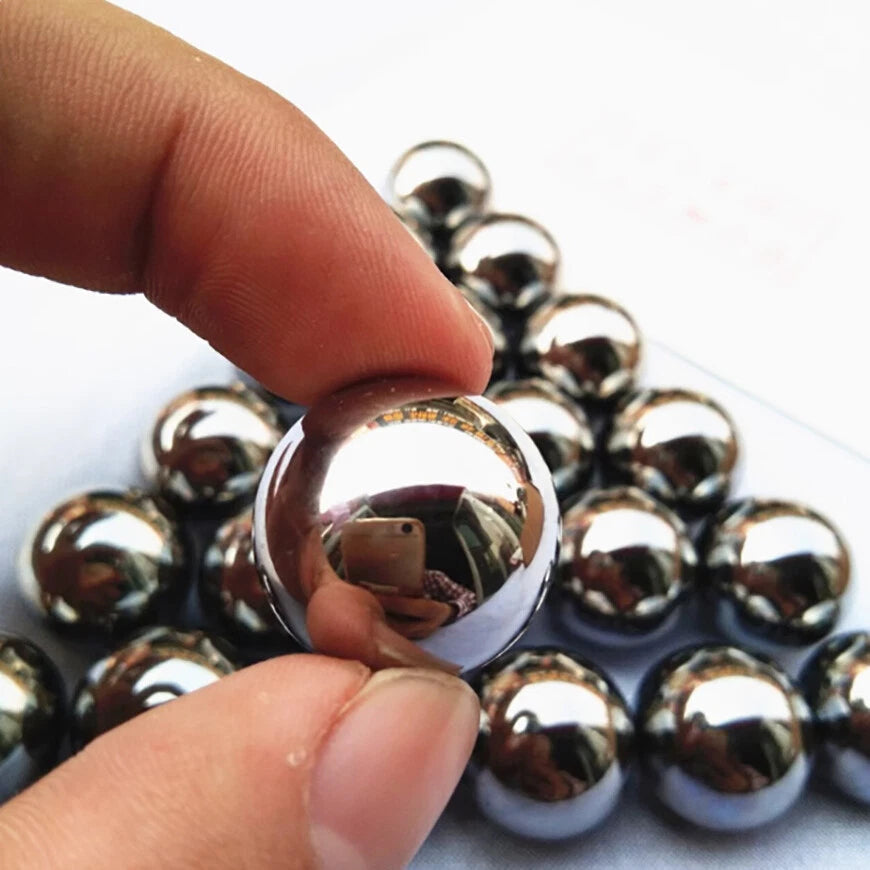
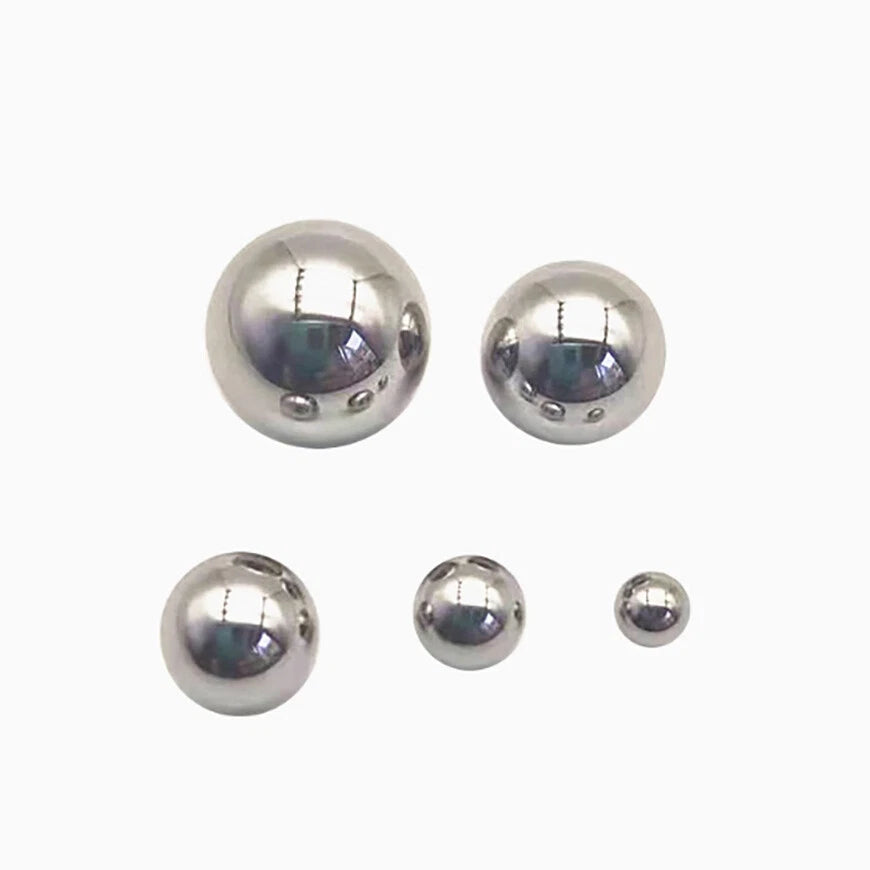
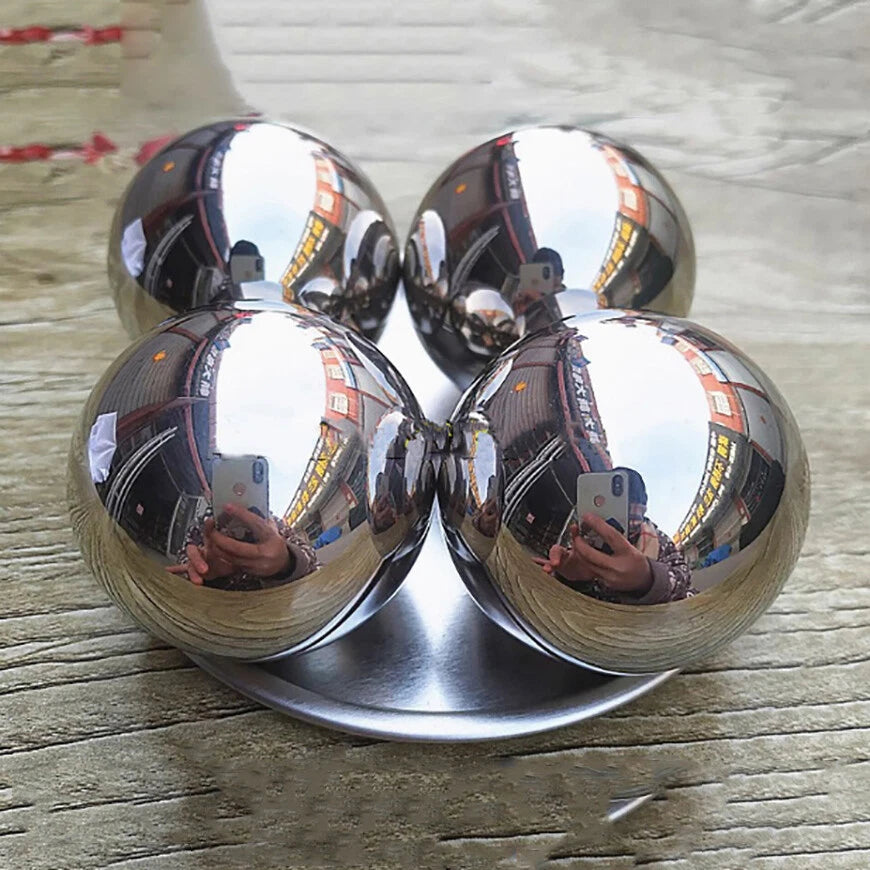
Solid Steel Balls Bearing Precision Bearings 10.319 11.5 11.9 12.3 12.5 12.7mm

No reviews

Price:
Sale price$3.60 USD
Stock:
In stock (500 units), ready to be shipped

Payment & Security

Ach Direct Debit Amazon American Express Apple Pay Bancontact BLIK Diners Club Discover EPS Google Pay iDEAL Wero JCB Maestro Mastercard Multibanco MobilePay PayPal Przelewy24 Shop Pay Twint Union Pay USDC Visa

Your payment information is processed securely. We do not store credit card details nor have access to your credit card information.

Quantity Discount Promotion
🎯 BULK DISCOUNT: Buy More, Save More!
Buy 2 Items
5% OFF
Buy 4 Items
10% OFF
Buy 6 Items
15% OFF
Expert

DIY Expert Support

Get fitment advice & recommendations

Mon-Fri, 8:30AM-8PM
24-Hour Fast Ship
🚚
Arrives in 3-14 days
🌍
Global Reach
↩️
30-Day Returns
🌱 1 tree planted with every purchase

Description

Solid Steel Precision Bearing Balls — Consistent Roundness for Smooth Rolling Applications

When a loose or undersized ball causes wobble, noise, or premature wear in a bearing seat, the fix starts with sourcing the right diameter. DIYers rebuilding wheel hubs, machinists fitting custom housings, and hobbyists assembling linear slides all share the same frustration: generic balls that are slightly off-spec and ruin the fit. These solid steel precision bearing balls are sized to tight tolerances so they seat correctly the first time.

Each ball is machined from hardened carbon steel and is available in eight diameters ranging from 10.319 mm (~0.406 in) to 12.7 mm (exactly 0.500 in). The range covers both metric and fractional inch standards, including the common 10.319 mm (13/32"), 11.113 mm (7/16"), 11.906 mm (15/32"), and 12.7 mm (1/2") sizes. Packing options of 1, 5, 10, and 50 pieces let you order a single replacement or stock up for a project run.

Typical use cases include replacing worn balls in deep-groove radial bearings, filling ball-detent mechanisms in jigs and fixtures, acting as check-ball valves in hydraulic or pneumatic circuits, and serving as load-transfer elements in custom linear guides. The consistent surface finish reduces friction and extends service life in any of these solid steel bearing ball applications.

⚙️ Compatibility: Fits standard bearing housings and races designed for the selected diameter. Verify your housing bore and race groove radius before ordering. Fractional-inch equivalents: 10.319 mm = 13/32", 11.113 mm = 7/16", 11.906 mm = 15/32", 12.7 mm = 1/2".

✅ Key Features of These Solid Steel Precision Bearing Balls

  • Eight diameter options: 10.319, 10.5, 11.113, 11.5, 11.906, 12.3, 12.5, and 12.7 mm — covering both metric and fractional-inch standards in a single product listing.
  • Hardened carbon steel construction: Provides the surface hardness needed to resist deformation under radial and axial loads in bearing and detent applications.
  • Tight spherical tolerance: Consistent roundness and diameter accuracy ensure even load distribution and smooth rotation within the race or housing.
  • Smooth surface finish: Reduces rolling friction and minimizes wear on mating surfaces, extending the service interval of the assembly.
  • Flexible pack quantities: Choose 1, 5, 10, or 50 pieces — single-unit replacement or bulk stock for production and repair runs.
  • Broad application range: Suitable for radial bearings, ball-detent mechanisms, check-ball valves, linear guides, and other precision rolling-element assemblies.

📐 Technical Specifications — Solid Steel Bearing Balls

Material Hardened carbon steel
Surface Finish Smooth ground
Diameter Range 10.319 mm – 12.7 mm (see variant options)
Diameter Options 10.319 mm, 10.5 mm, 11.113 mm, 11.5 mm, 11.906 mm, 12.3 mm, 12.5 mm, 12.7 mm
Fractional Equivalents 13/32", 7/16", 15/32", 1/2" (selected sizes)
Packing Quantity 1 pc, 5 pcs, 10 pcs, 50 pcs (see variant options)
Ball Type Solid (no hollow core)
Typical Application Radial bearings, detent mechanisms, check valves, linear guides
Weight per Ball See variant options

❓ Frequently Asked Questions

How do I choose the correct diameter for my bearing?

Measure the inner diameter of your bearing race or housing bore with a caliper. The ball diameter should match the race groove radius — typically the ball OD equals the bore diameter of the housing it seats in. If you are replacing existing balls, measure one of the originals directly. For fractional-inch bearings, note that 12.7 mm = 1/2", 11.113 mm = 7/16", and 10.319 mm = 13/32".

Are these balls hardened, and what load can they handle?

Yes, the balls are made from hardened carbon steel. Exact load ratings depend on the bearing assembly design (race geometry, number of balls, cage type) rather than the ball alone. For critical load-bearing applications, consult your bearing housing specification and confirm the dynamic and static load ratings of the full assembly.

Will these balls rust if used in a damp environment?

Carbon steel is susceptible to surface oxidation in humid or wet conditions. For outdoor, washdown, or submerged applications, apply a light machine oil or grease after installation, or consider stainless steel balls instead. In sealed bearing housings with adequate grease, carbon steel balls perform reliably in typical workshop environments.

Can I use these in a standard deep-groove radial bearing (e.g., 6200 series)?

These balls are sized to match common bearing diameters, but standard 6200-series bearings are factory-assembled with matched ball sets. These balls are best suited for replacing individual balls in open bearings, filling custom housings, or use in detent and valve applications where a precise diameter is needed. Verify the ball diameter against your specific bearing's ball complement specification before ordering.

What is the difference between the 10.319 mm and 10.5 mm options?

10.319 mm (13/32") is a fractional-inch standard size used in many North American bearing designs, while 10.5 mm is a metric size. They are not interchangeable — using the wrong diameter will result in excessive play or an inability to seat the ball. Always match the ball to the specification of your housing or race.

How many balls should I order for a repair or project?

For a single bearing replacement, the 1-piece or 5-piece pack is usually sufficient — most small-to-medium radial bearings use between 6 and 12 balls. For a production run, fixture build, or stocking a repair kit, the 10-piece or 50-piece pack offers a lower per-unit cost. Select your pack quantity from the Packing Qty option above.

Are the 50-piece packs all the same diameter, or mixed?

Each pack contains balls of a single diameter — the one you select from the Diameter option. Packs are not mixed. If you need multiple diameters, add each diameter as a separate line item to your cart.

🛒 Select your Diameter and Packing Qty above, then add to cart.


You may also like

Recently viewed