
The chain is fine...but I ordered the wrong size. Nine links of the chain I ordered equals six of the size I wanted. My error...
How can I straighten out the springs? I can't use them coil uo as is.
Your payment information is processed securely. We do not store credit card details nor have access to your credit card information.
Get fitment advice & recommendations
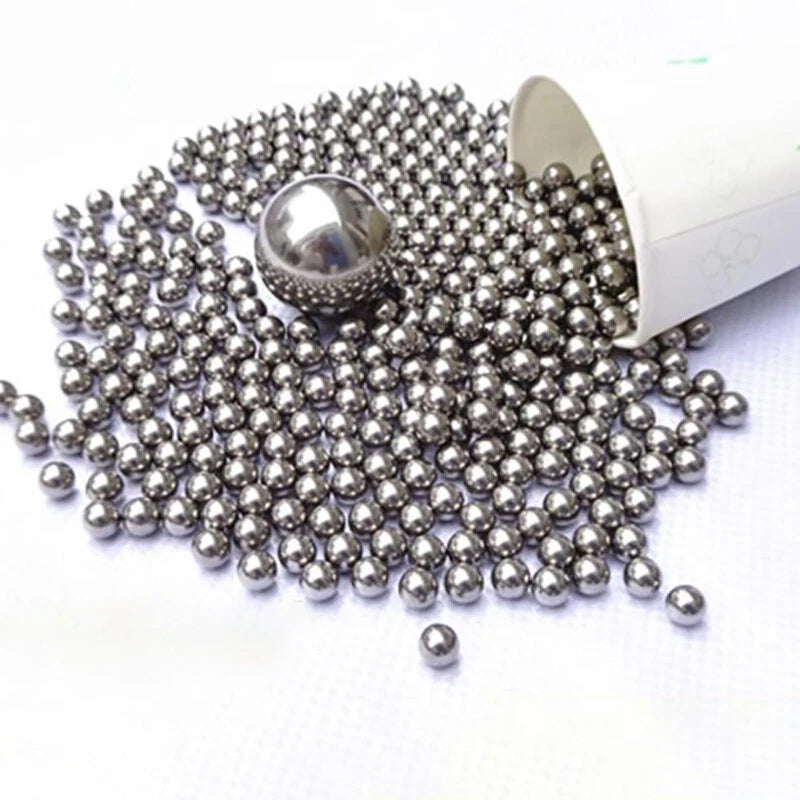
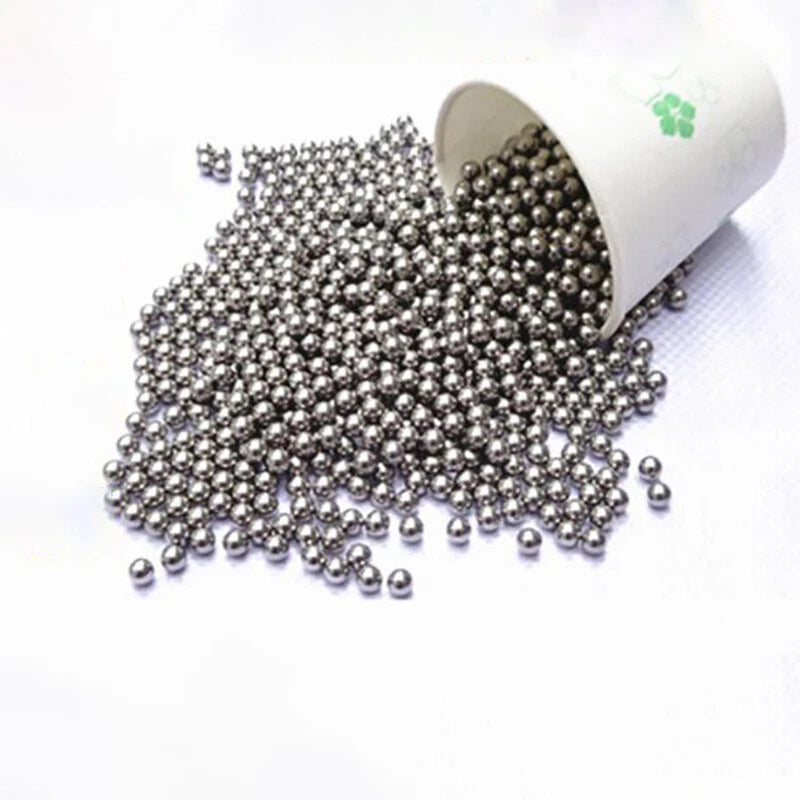
When a seized bearing or undersized rolling element brings a project to a halt, finding the exact diameter quickly is what separates a one-hour fix from a multi-day delay. These stainless steel 304 ball bearings are stocked across a continuous diameter range — from 11 mm (0.43 in) up to 60 mm (2.36 in) — so engineers, machinists, and hands-on builders can match the spec without compromise.
Each ball is a solid, single-piece rolling element machined from 304 stainless steel. The full diameter range spans 11 mm through 60 mm (approximately 0.43 in – 2.36 in), with intermediate sizes including 11.11 mm, 12.7 mm, 15.8 mm, 19.05 mm, 25.4 mm, and other precision increments to cover both metric and imperial-equivalent applications. Quantity options of 1, 5, or 10 pieces per order allow flexible purchasing for prototyping or small-batch production.
Typical use cases include replacement rolling elements in ball-bearing assemblies, check-valve seats in fluid systems, load-distribution balls in linear slides, and decorative or functional bead applications in DIY fabrication. The corrosion-resistant alloy makes these stainless steel ball bearings well-suited for moist environments, food-adjacent machinery, and marine-adjacent hardware where carbon steel would corrode prematurely.
| Material | Stainless Steel 304 (UNS S30400) |
|---|---|
| Diameter Range | 11 mm – 60 mm (approx. 0.43 in – 2.36 in) |
| Available Diameters | See variant options |
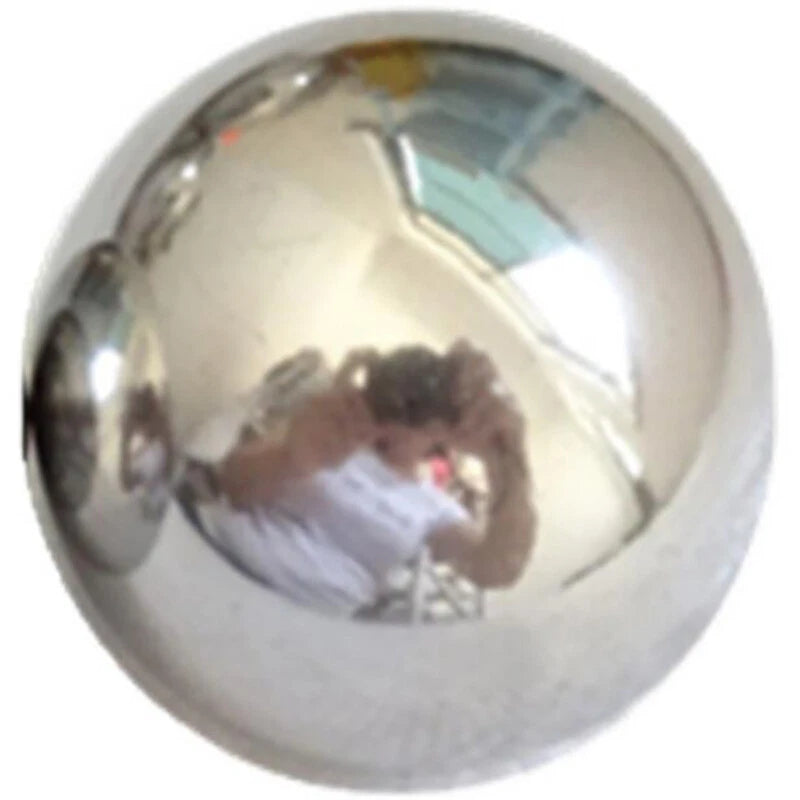
| Surface Finish | Precision-ground spherical |
| Magnetic Properties | Largely non-magnetic (annealed condition) |
| Corrosion Resistance | Suitable for moist, mildly acidic, and food-adjacent environments |
| Pack Quantity | 1 pcs / 5 pcs / 10 pcs (select above) |
| Weight (per piece) | See variant options |
| Hardness | Contact us to confirm |
| Tolerance Grade | Contact us to confirm |
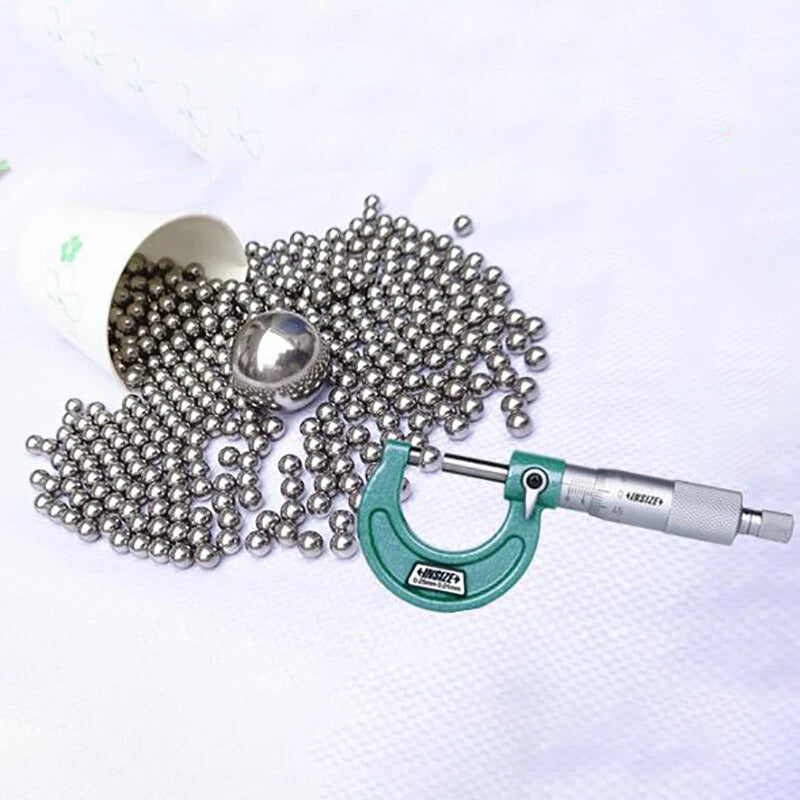
Measure the inner race bore or valve seat using a micrometer or digital caliper. The ball diameter should match the seat diameter within the manufacturer's specified tolerance — typically a light interference or clearance fit. If you are replacing worn balls, measure an unworn ball from the same assembly or consult the original equipment specification sheet.
Yes. 304 stainless steel offers good resistance to water, mild acids, and many process fluids, making it a common choice for check-valve seats in plumbing, hydraulic, and pneumatic systems. For highly corrosive media (e.g., chloride-rich or strong-acid environments), consider 316 stainless instead and contact us to confirm compatibility.
Both are austenitic stainless alloys with similar mechanical properties, but 316 adds molybdenum, which significantly improves resistance to chloride pitting and crevice corrosion. For most freshwater, food-processing, and general industrial applications, 304 performs well. For marine, saltwater, or chloride-heavy environments, 316 is the preferred choice.
These are loose rolling balls, not pre-assembled bearing units. They can replace worn balls inside an open bearing race if the diameter and tolerance grade match the original specification. Verify the required ball grade (e.g., G10, G25, G100) with the bearing manufacturer before substituting, as tolerance grade affects load capacity and noise level.
Yes — 12.7 mm equals 1/2 inch, 19.05 mm equals 3/4 inch, and 25.4 mm equals 1 inch exactly. These sizes are stocked to serve applications originally specified in imperial units, such as older American machinery, plumbing fittings, and hardware designed to inch standards.
Store balls in a clean, dry environment away from abrasive particles and dissimilar metals that could cause galvanic corrosion or surface scratching. A sealed container or zip-lock bag with a desiccant packet is sufficient for most workshop conditions. Avoid stacking heavy objects on top of stored balls, as point-contact pressure can cause surface indentation over time.
For a single repair or prototype, the 1-piece option lets you confirm fit and function before committing to more stock. The 5-piece pack suits small batch repairs or keeping a few spares on hand. The 10-piece pack offers a lower per-unit cost and is practical for recurring maintenance schedules or small-volume production where consistent availability matters.





