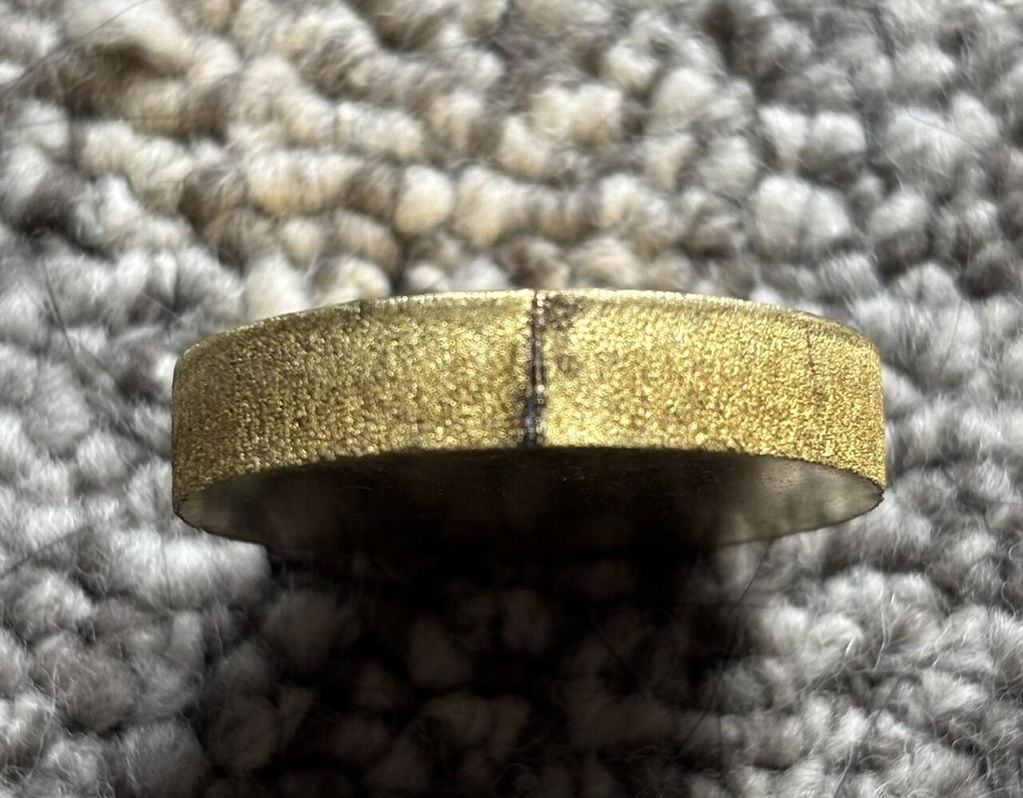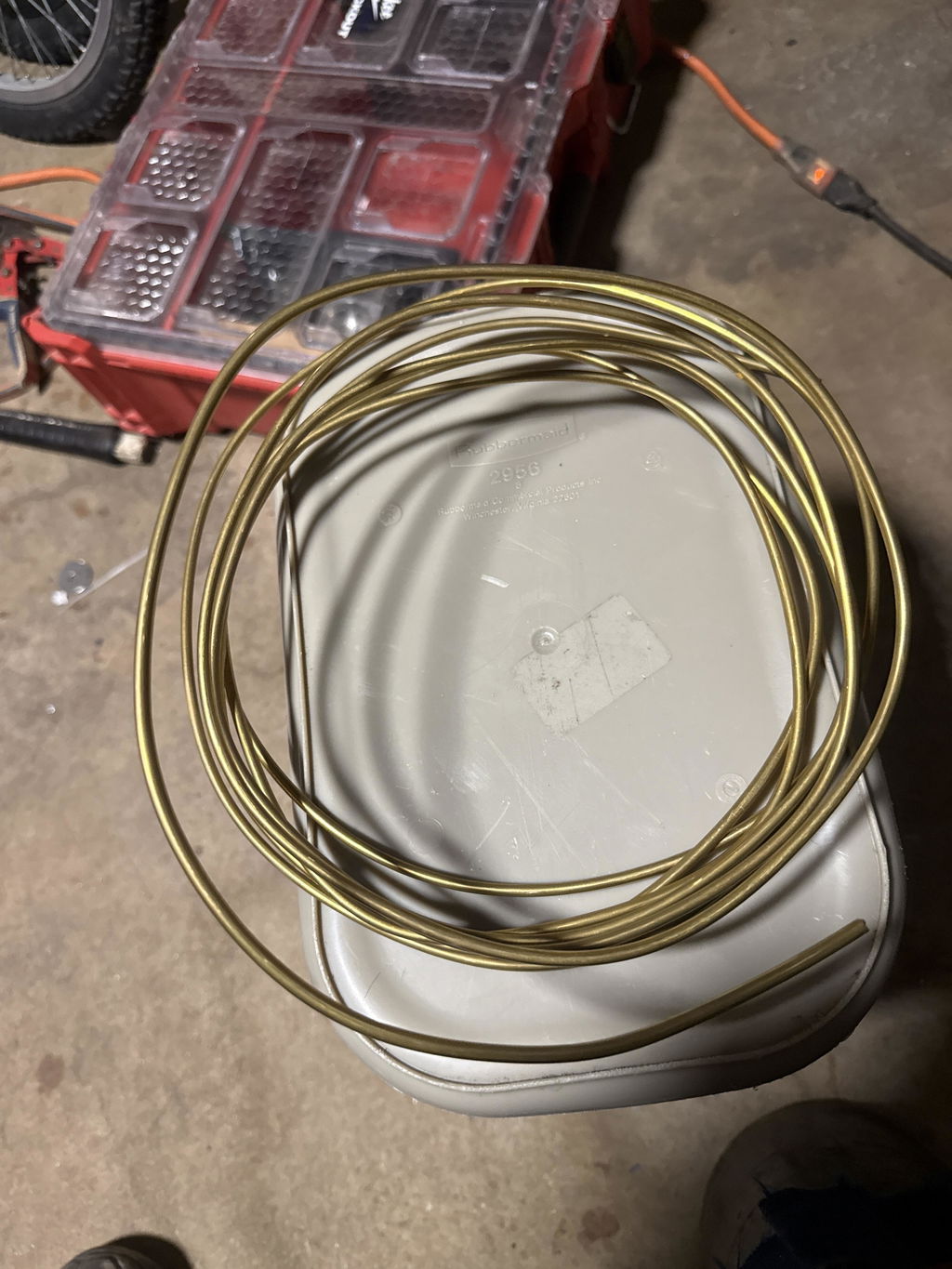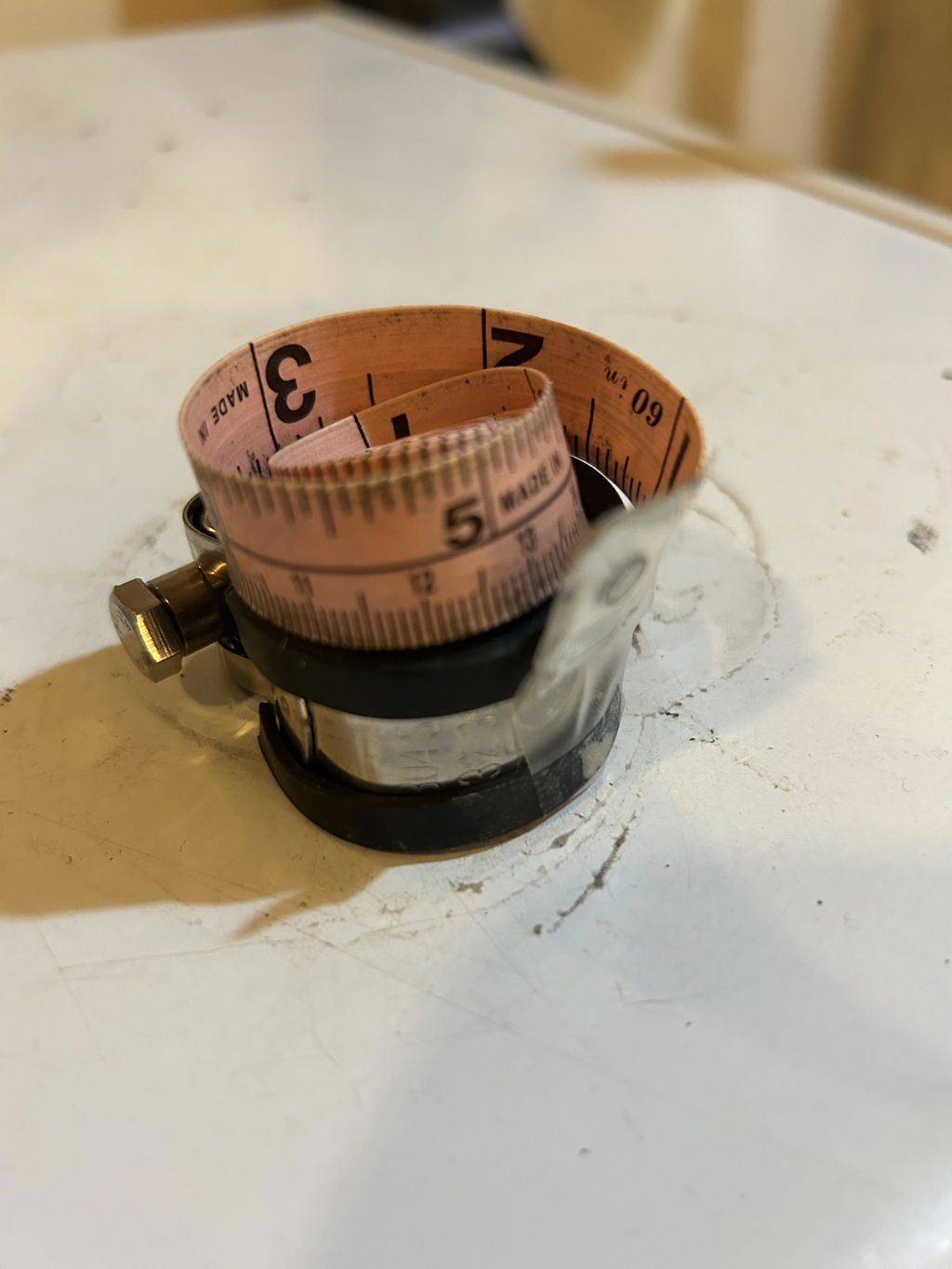
The chain is fine...but I ordered the wrong size. Nine links of the chain I ordered equals six of the size I wanted. My error...
How can I straighten out the springs? I can't use them coil uo as is.
Your payment information is processed securely. We do not store credit card details nor have access to your credit card information.
Get fitment advice & recommendations
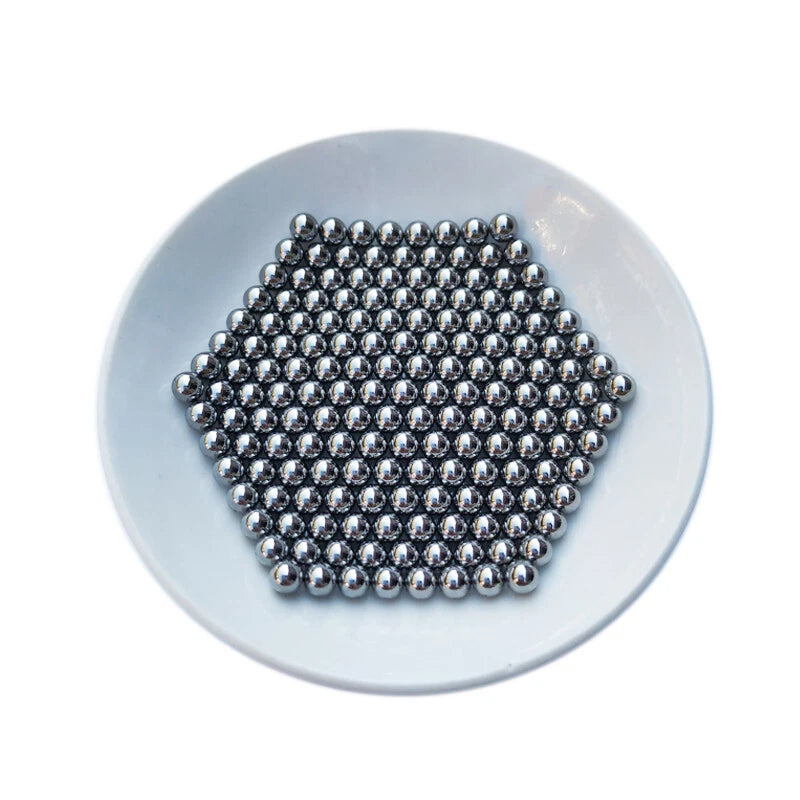
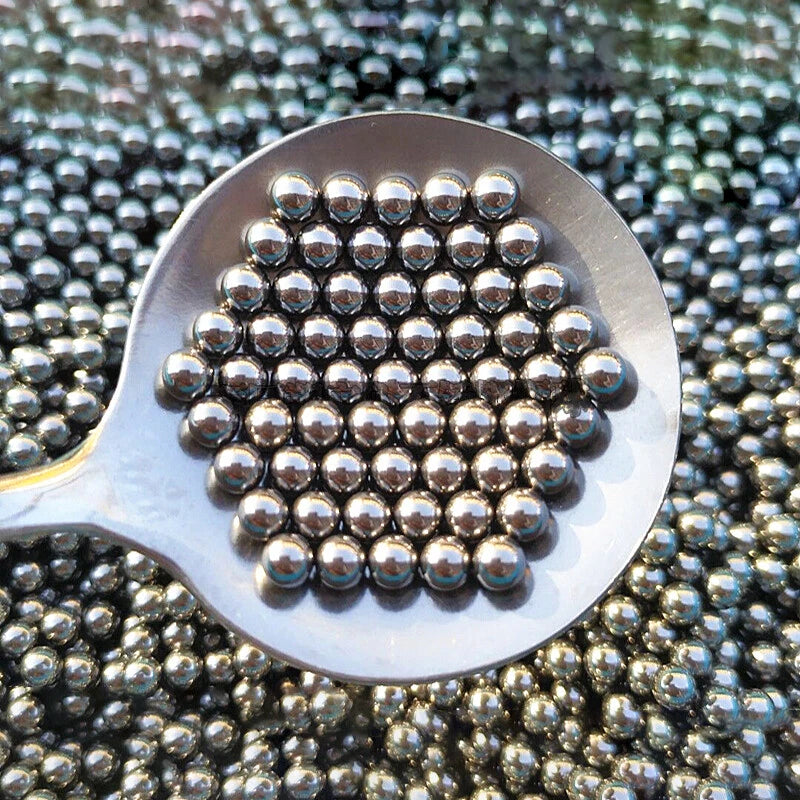
When a worn or pitted bearing ball causes your wheel to feel rough, your headset to notch, or your bottom bracket to drag, the fix is straightforward — but only if the replacement ball matches the original diameter exactly. Cyclists, mechanics, and DIY builders who need a reliable, corrosion-resistant G10 precision bearing ball in a specific size will find the full range here, from 3.0 mm up to 9.525 mm.
These stainless steel bearing balls are manufactured to ABEC/ISO G10 grade tolerances, meaning diameter deviation is held to ±0.000125" (±0.003 mm) or better. The material is 440C-equivalent stainless steel, offering a hardness of approximately 58–62 HRC and strong resistance to moisture and light corrosion. Diameters span 3.0 mm (≈ 0.118") through 9.525 mm (≈ 0.375"), covering the most common imperial and metric sizes used in bicycle and light-machinery bearings. Each listing ships in packs of 100 or 200 pieces.
Typical applications include bicycle wheel hub bearings (front and rear), threaded and threadless headset cups, square-taper and cartridge bottom bracket assemblies, and small industrial or hobby bearings where a G10 stainless ball is specified. The corrosion-resistant alloy makes these stainless steel bearing balls a practical choice for wet-weather riding and outdoor equipment maintenance.
Diameter held to ±0.003 mm, ensuring consistent preload and smooth rotation in precision bearing races.
Approximately 58–62 HRC hardness with stainless alloy composition for resistance to moisture and mild corrosive environments.
Covers the most common metric and imperial bicycle bearing ball diameters in a single product family — no need to source from multiple suppliers.
Sized to fit standard cup-and-cone hubs, threaded and threadless headsets, and square-taper bottom brackets used across road, mountain, and commuter bikes.
Order the quantity that suits your job — a single wheel rebuild or a full workshop stock-up — with consistent quality across every piece in the pack.
Stainless alloy construction withstands wet-weather riding, washing, and outdoor storage better than carbon steel alternatives.
| Material | Stainless Steel (440C-equivalent) |
|---|---|
| Hardness | Approx. 58–62 HRC |
| Precision Grade | G10 (ISO 3290) |
| Diameter Range | 3.0 mm – 9.525 mm (≈ 0.118" – 0.375") |
| Diameter Tolerance | ±0.003 mm (±0.000125") |
| Surface Finish | Bright polished |
| Pack Quantity | 100 PCS or 200 PCS (see variant options) |
| Typical Applications | Bicycle hubs, headsets, bottom brackets, light industrial bearings |
| Corrosion Resistance | Stainless alloy — suitable for wet/outdoor use |
| Size (mm) | See variant options |
Remove the existing bearing balls from the race and measure one with a digital micrometer or caliper. Alternatively, consult your hub, headset, or bottom bracket manufacturer's service documentation, which lists the specified ball diameter. Common bicycle sizes include 3/16" (4.763 mm), 1/4" (6.35 mm), and 5/32" (3.969 mm), but many hubs use metric sizes. Always verify before ordering.
G10 is an ISO 3290 grade designation for bearing balls. It specifies that the diameter deviation (difference between the largest and smallest measured diameter on a single ball) does not exceed 0.25 µm (0.00025 mm), and the lot diameter variation is controlled to ±0.003 mm. This level of precision is appropriate for bicycle cup-and-cone bearings and light industrial applications.
These loose bearing balls are intended for cup-and-cone style bearings, where individual balls sit in an open race. Sealed cartridge bearings (such as those used in many modern hubs and bottom brackets) are pre-assembled units and are not serviceable with loose balls. If your bearing is a cartridge type, you will need to replace the entire cartridge rather than individual balls.
Stainless steel bearing balls resist surface rust and corrosion significantly better than standard carbon steel balls, making them a practical choice for wet-weather cycling, bikes stored outdoors, or applications where water ingress is likely. Carbon steel balls are harder and slightly more load-resistant at the same grade, but they require more frequent replacement in humid or wet conditions. For most bicycle service applications, stainless steel offers a better balance of durability and corrosion resistance.
No. All bearing balls in a single race must be the same diameter. Mixing sizes — even by 0.01 mm — creates uneven load distribution, accelerates wear on the race, and can cause the bearing to run rough or fail prematurely. Always replace all balls in a bearing set at the same time, using balls of identical diameter from the same batch where possible.
The number varies by hub model and ball diameter. A standard cup-and-cone front hub typically uses 10 balls per side (20 total), while a rear hub uses 9 balls on the drive side and 10 on the non-drive side (19 total) — though this varies. Consult your hub's service manual for the exact count. Ordering a 100-piece pack is generally sufficient for a full front and rear hub rebuild with spares.
A medium-weight bicycle-specific bearing grease (such as a lithium-complex or synthetic grease rated for bearing use) is recommended. Apply a thin, even layer to the race before placing the balls. Avoid using chain lube or light oils, as they do not provide adequate film strength for bearing loads and will wash out quickly. For wet-weather use, a waterproof grease formulation is preferable.