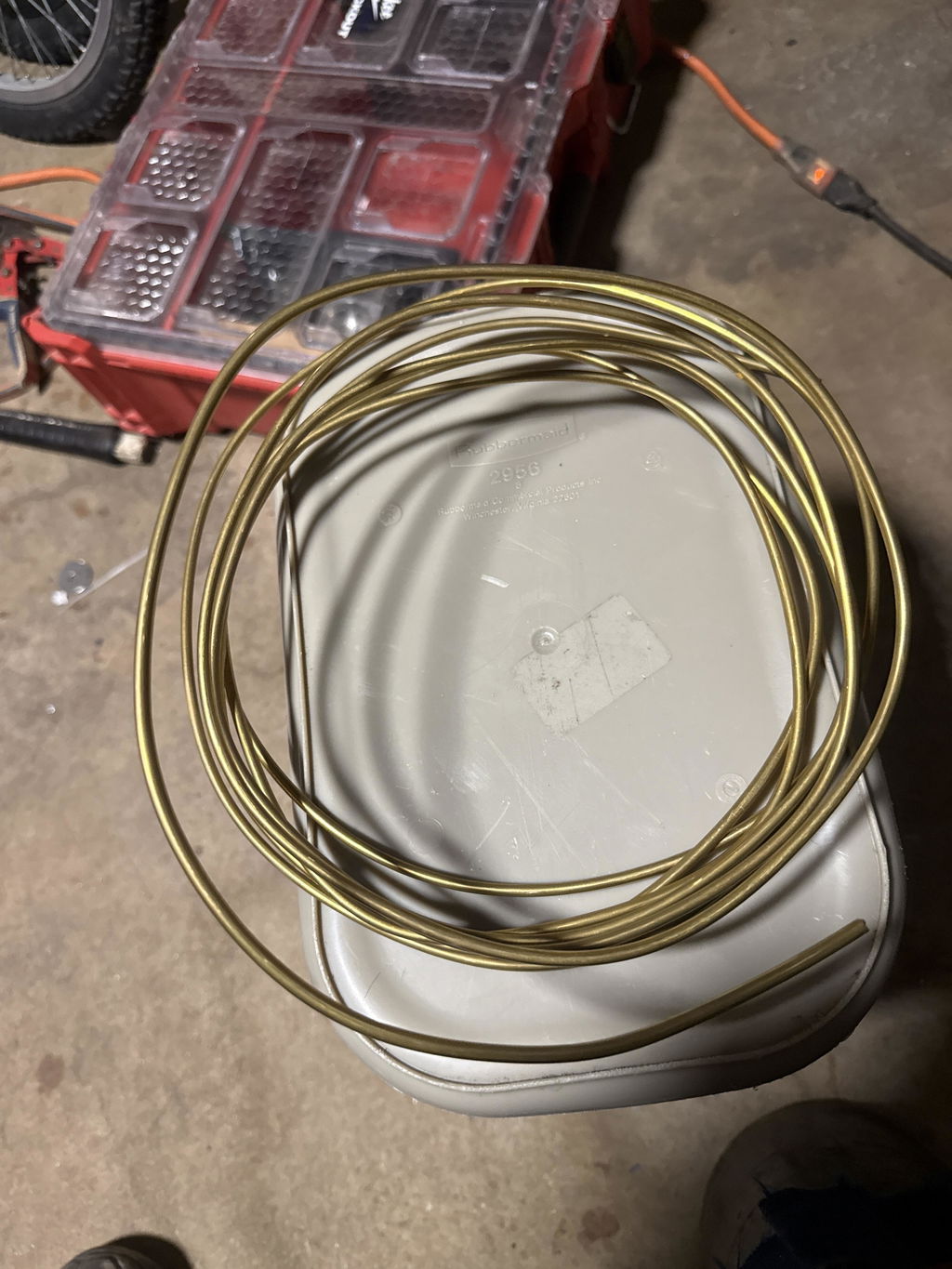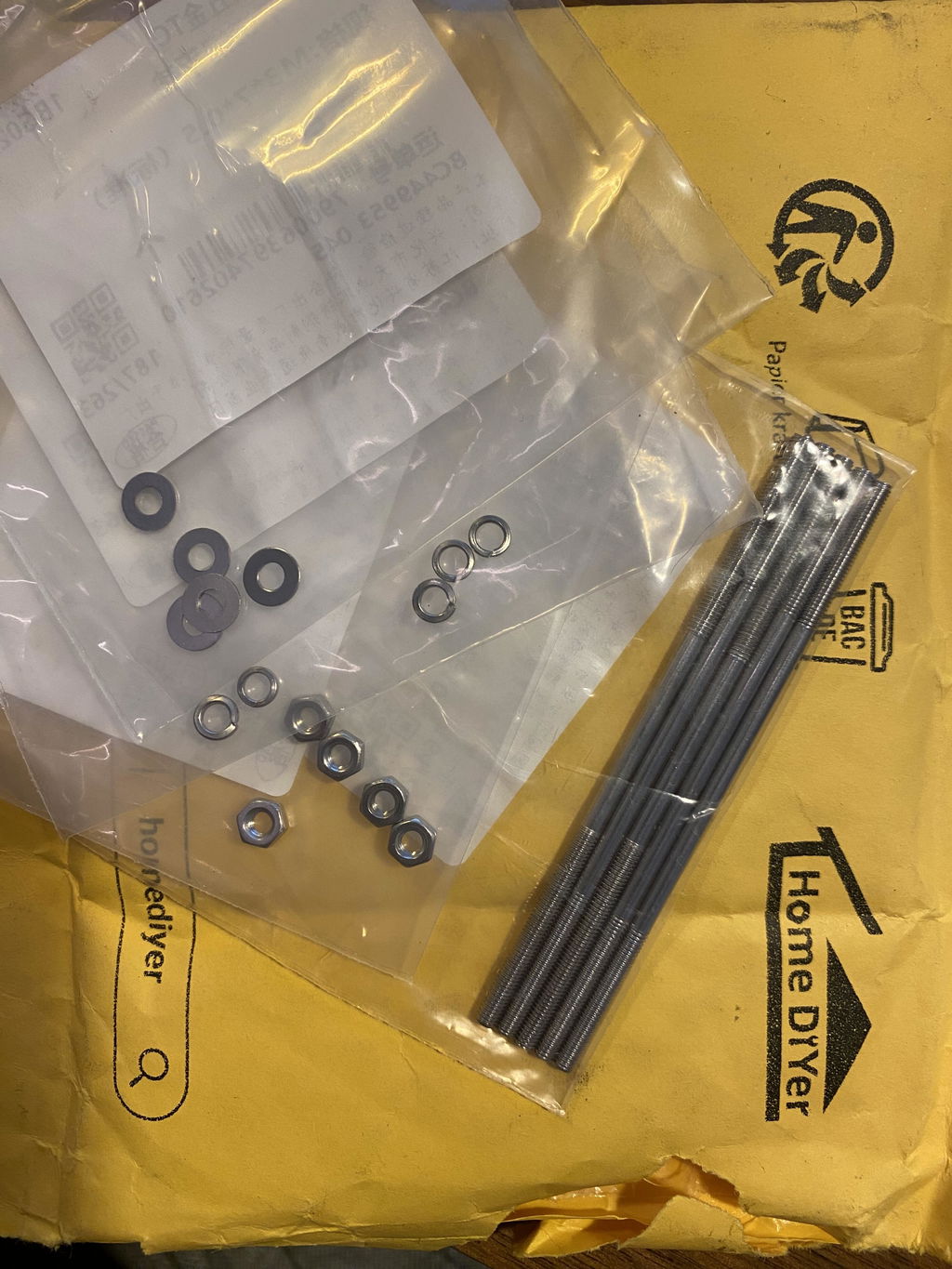
The chain is fine...but I ordered the wrong size. Nine links of the chain I ordered equals six of the size I wanted. My error...
How can I straighten out the springs? I can't use them coil uo as is.
Your payment information is processed securely. We do not store credit card details nor have access to your credit card information.
Get fitment advice & recommendations
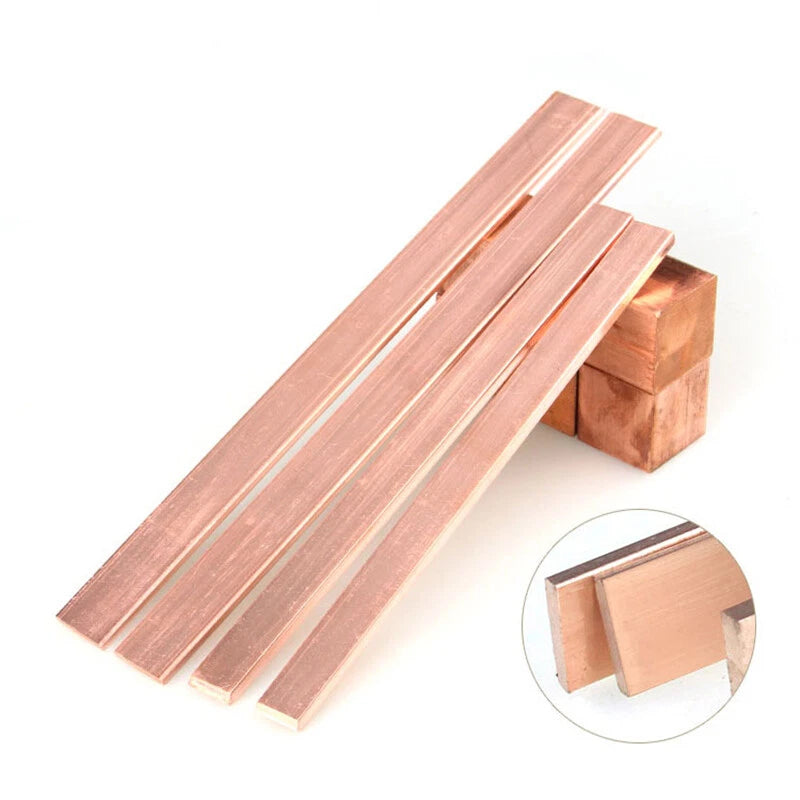
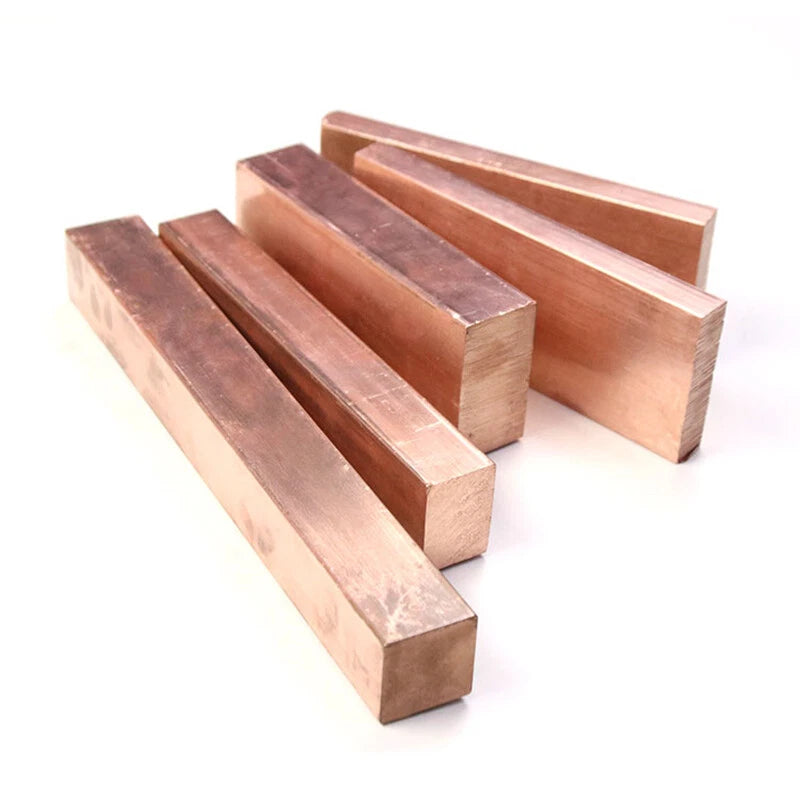
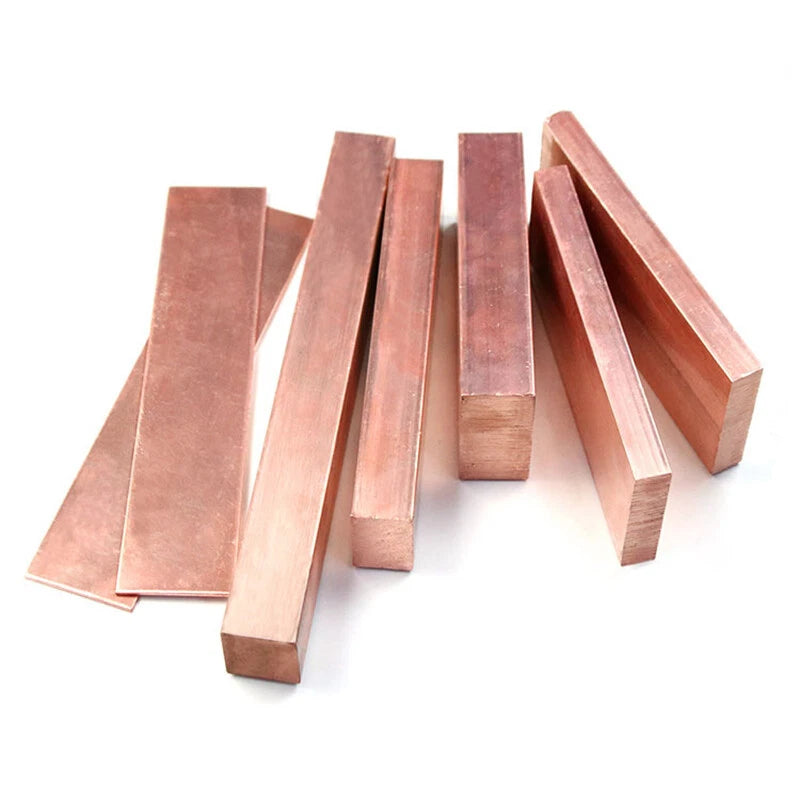
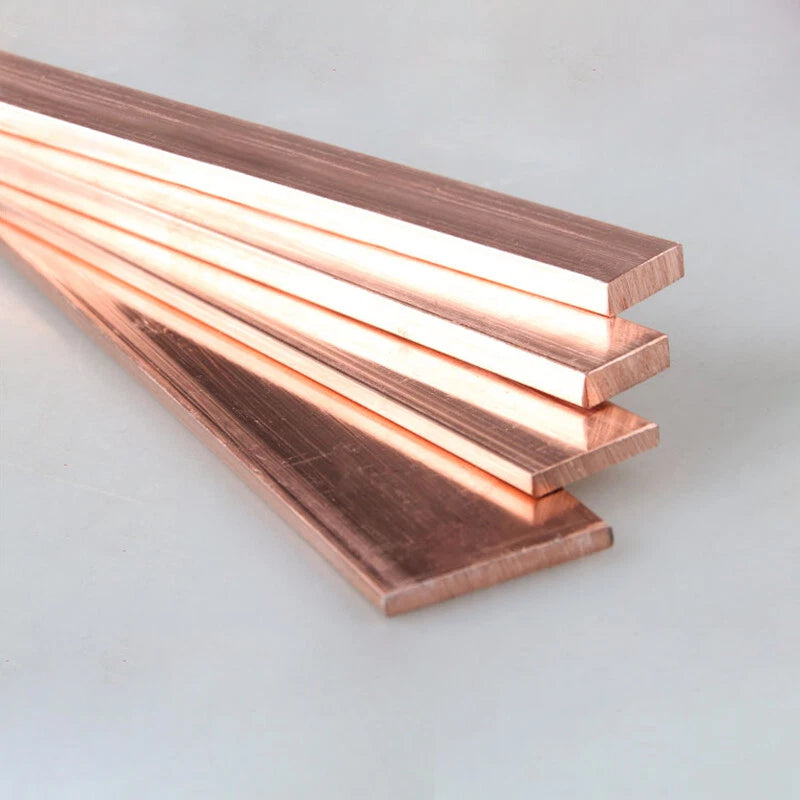
When your electrical panel, grounding system, or custom fabrication project demands a conductor you can trust, undersized or impure copper stock creates costly failures. Electricians, hobbyist makers, and small workshop operators who need a dependable T2 copper flat bar bus bar strip will find this 500mm bar delivers consistent performance across demanding applications.
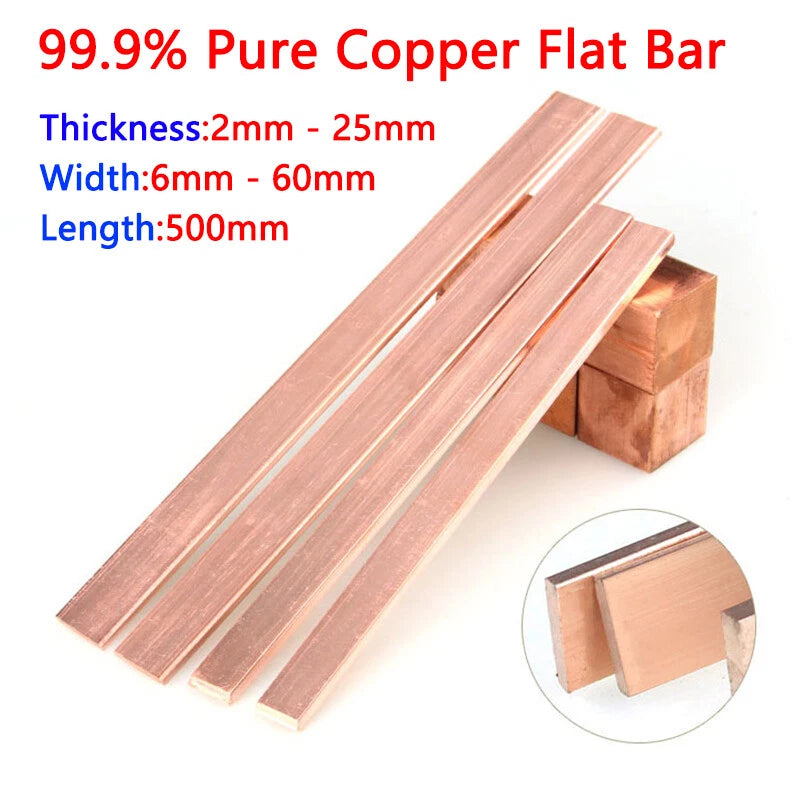
Each bar is made from T2 (C11000-equivalent) pure copper — a commercially pure grade with copper content typically ≥99.9% — offering excellent electrical conductivity and thermal transfer. Bars are available in thickness × width combinations ranging from 2mm × 6mm (approx. 0.08" × 0.24") up to 25mm × 25mm (approx. 0.98" × 0.98"), all cut to a fixed 500mm (approx. 19.7") length. The flat, smooth surface finish allows direct contact connections without additional preparation.
Typical use cases include DIY electrical bus bar fabrication for distribution panels, custom grounding straps for workshop equipment, copper strip inlays for decorative woodworking and metalwork, and short-run conductive bridging in battery bank or solar off-grid builds.
| Material | T2 Pure Copper (≥99.9% Cu) |
|---|---|
| Length | 500mm (approx. 19.7 in) |
| Thickness Range | 2mm – 25mm (approx. 0.08" – 0.98") |
| Width Range | 5mm – 60mm (approx. 0.20" – 2.36") |
| ThicknessxWidthxLength | See variant options |
| Surface Finish | Bare / Bright copper |
| Conductivity | Typically ≥58 MS/m (IACS ≥100%) |
| Hardness | Soft annealed (O temper), typically 40–65 HV |
| Density | Approx. 8.9 g/cm³ |
| Melting Point | Approx. 1083°C (1981°F) |
| Packing Quantity | 1 Pcs per order |
| Weight | See variant options |
Select your cross-section based on the continuous current load. As a conservative rule of thumb for bare copper bus bars, allow approximately 1 A per mm² of cross-sectional area in open-air installations with adequate ventilation. For example, a 3mm × 20mm bar (60 mm²) can typically handle around 60 A continuous. Always verify against your local electrical code and derate for enclosed or high-ambient-temperature environments.
T2 is the Chinese national standard designation for electrolytic tough pitch (ETP) copper, which closely corresponds to ASTM C11000. Both specify a minimum copper content of ≥99.9% and are the standard grade used for electrical bus bars, wiring, and conductive components worldwide.
Bare copper naturally forms a thin oxide layer (patina) when exposed to air and moisture. This patina is stable and does not significantly impair conductivity at connection points when surfaces are properly cleaned and torqued. For outdoor or high-humidity environments, consider applying a thin coat of electrical joint compound, tin plating, or a clear lacquer to slow further oxidation.
Yes. T2 pure copper solders and brazes readily. Use rosin-core or no-clean flux solder for electrical joints, or silver-bearing brazing alloy (e.g., 45% silver) for higher-strength mechanical joints. Ensure the bar surface is clean and free of oxide before applying heat for best results.
Direct copper-to-aluminum contact can cause galvanic corrosion over time. If you need to connect to aluminum terminals, use a bi-metal (Cu-Al) transition lug or apply an anti-oxidant joint compound rated for dissimilar metals. This is standard practice in electrical installations where mixed metals are unavoidable.
Yes. Soft-annealed T2 copper machines well with standard HSS drill bits, angle grinders, hacksaws, or metal-cutting band saws. Use cutting fluid or lubricant to extend tool life and achieve a cleaner cut. Deburr cut edges with a file or deburring tool before making electrical connections.
The terms are often used interchangeably for flat copper conductors. "Bus bar" typically implies use as a common distribution point in an electrical panel — connecting multiple circuits to a single conductor. "Copper strip" or "flat bar" is a broader term covering the same physical form used in fabrication, grounding, and decorative applications. These bars serve both roles depending on how you use them.