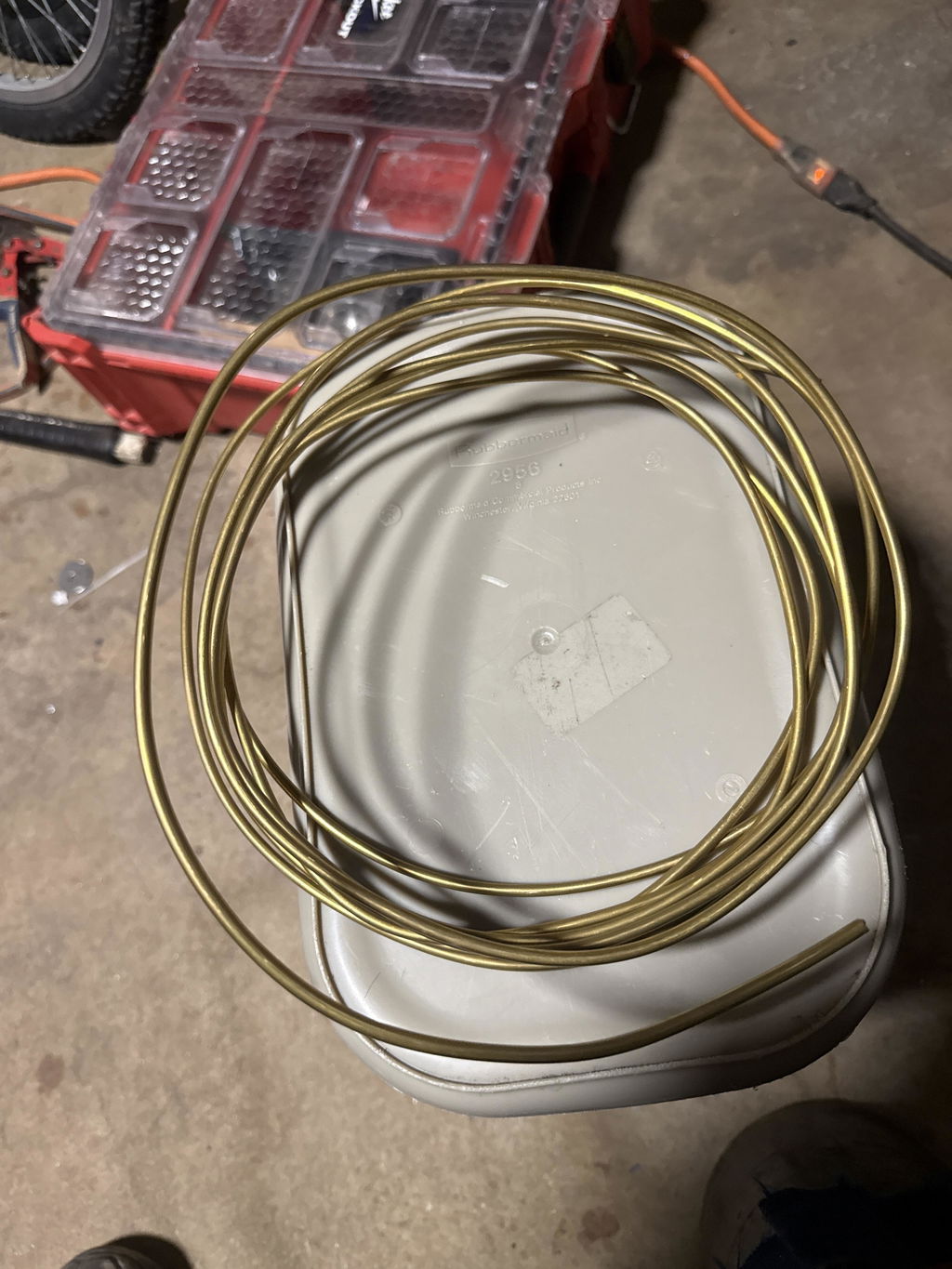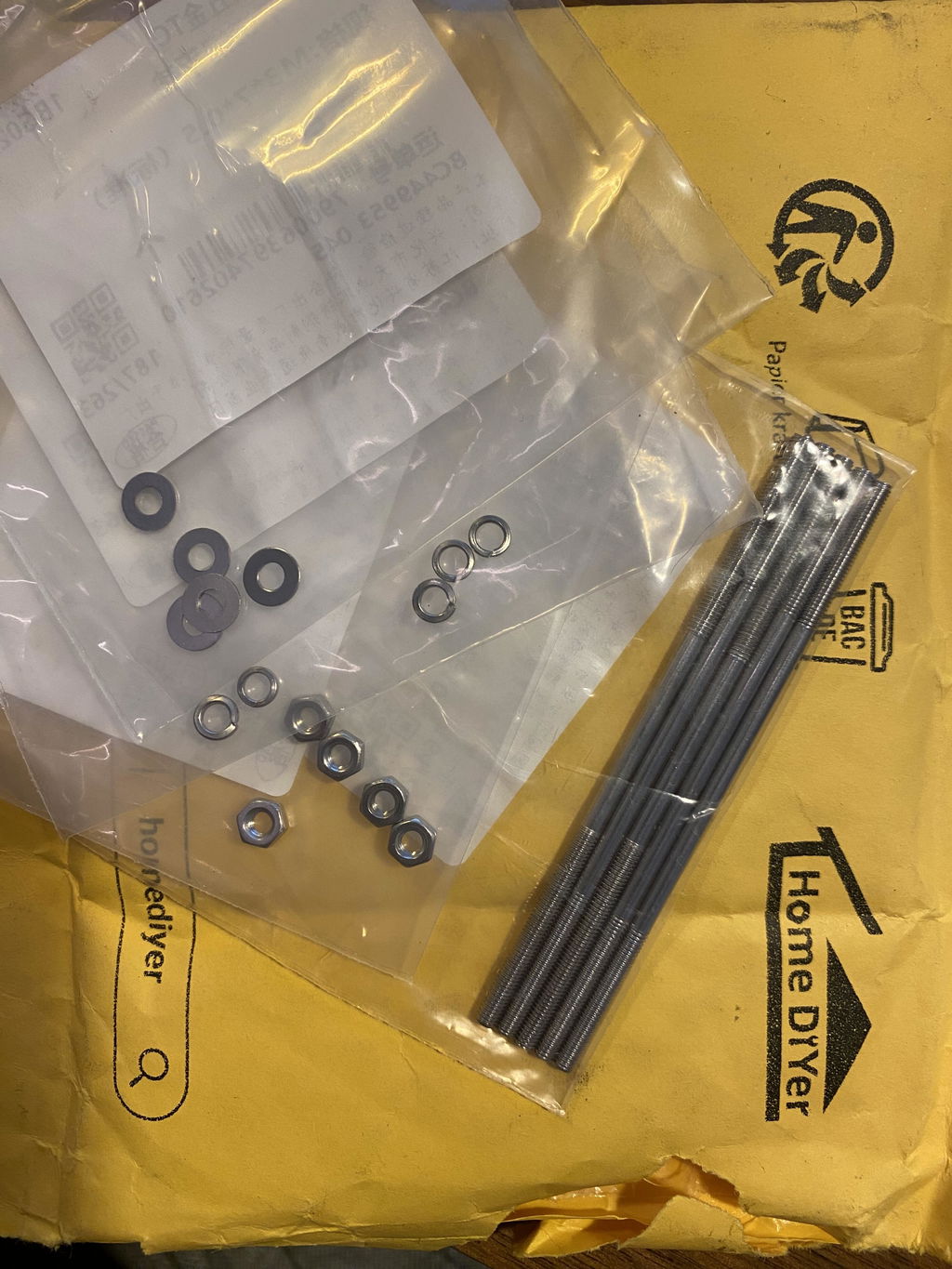
The chain is fine...but I ordered the wrong size. Nine links of the chain I ordered equals six of the size I wanted. My error...
How can I straighten out the springs? I can't use them coil uo as is.
Your payment information is processed securely. We do not store credit card details nor have access to your credit card information.
Get fitment advice & recommendations
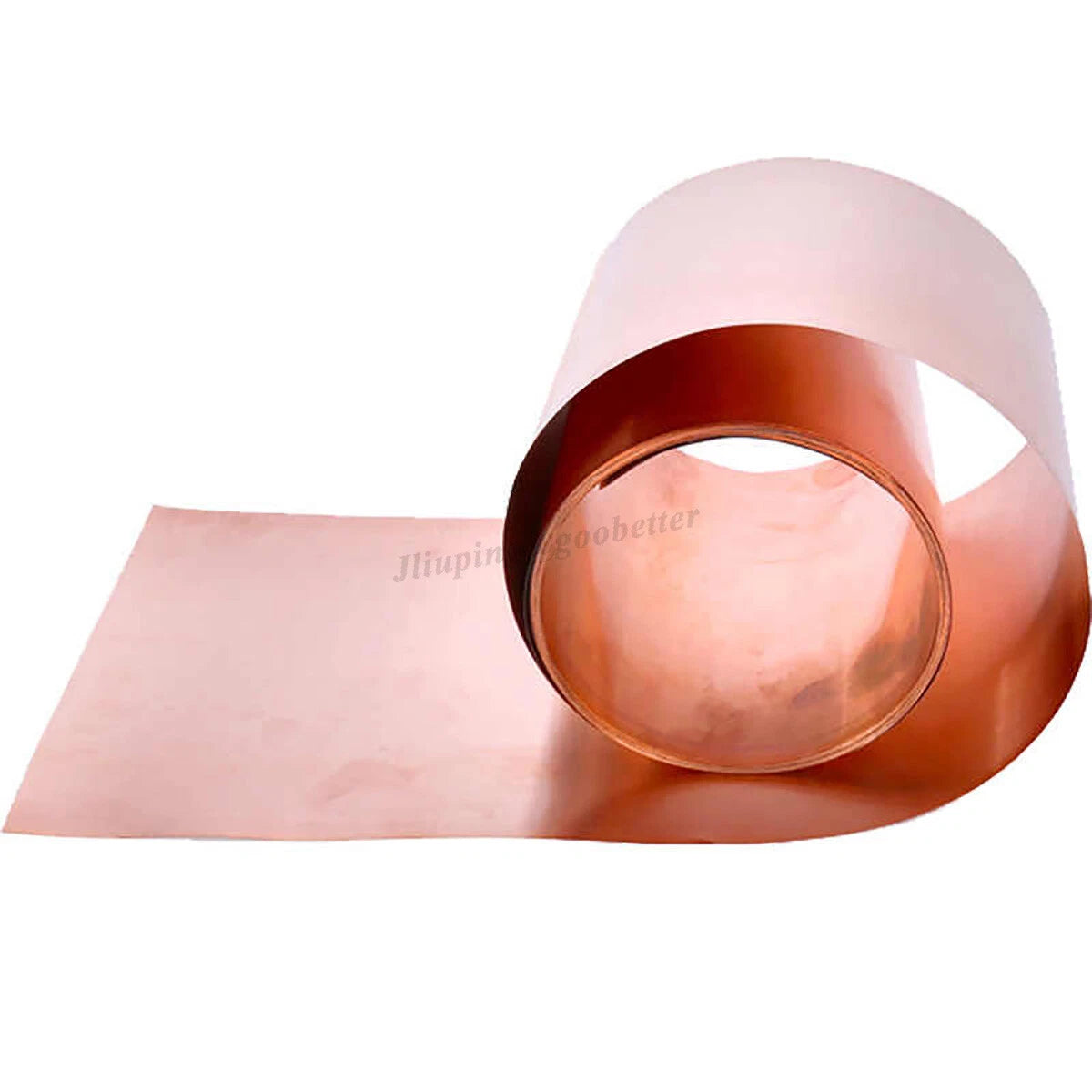
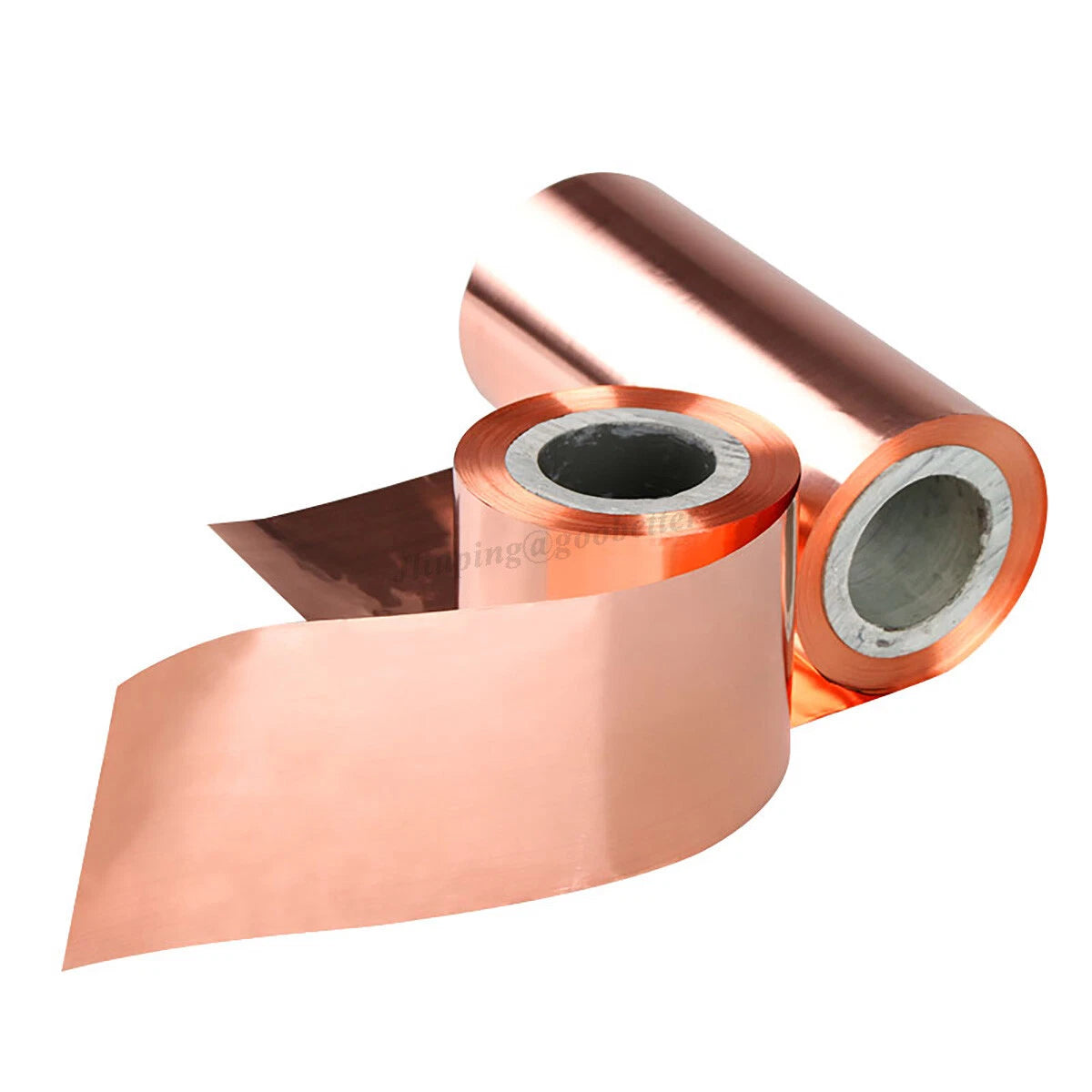
When your project demands consistent conductivity and tight dimensional tolerances, standard sheet metal rarely delivers. Engineers, hobbyists, and fabricators working on EMI shielding, PCB grounding straps, transformer windings, and decorative metalwork need a T2 copper foil strip that holds its thickness across the entire roll length — without pinholes, burrs, or width variation that wastes material and time.
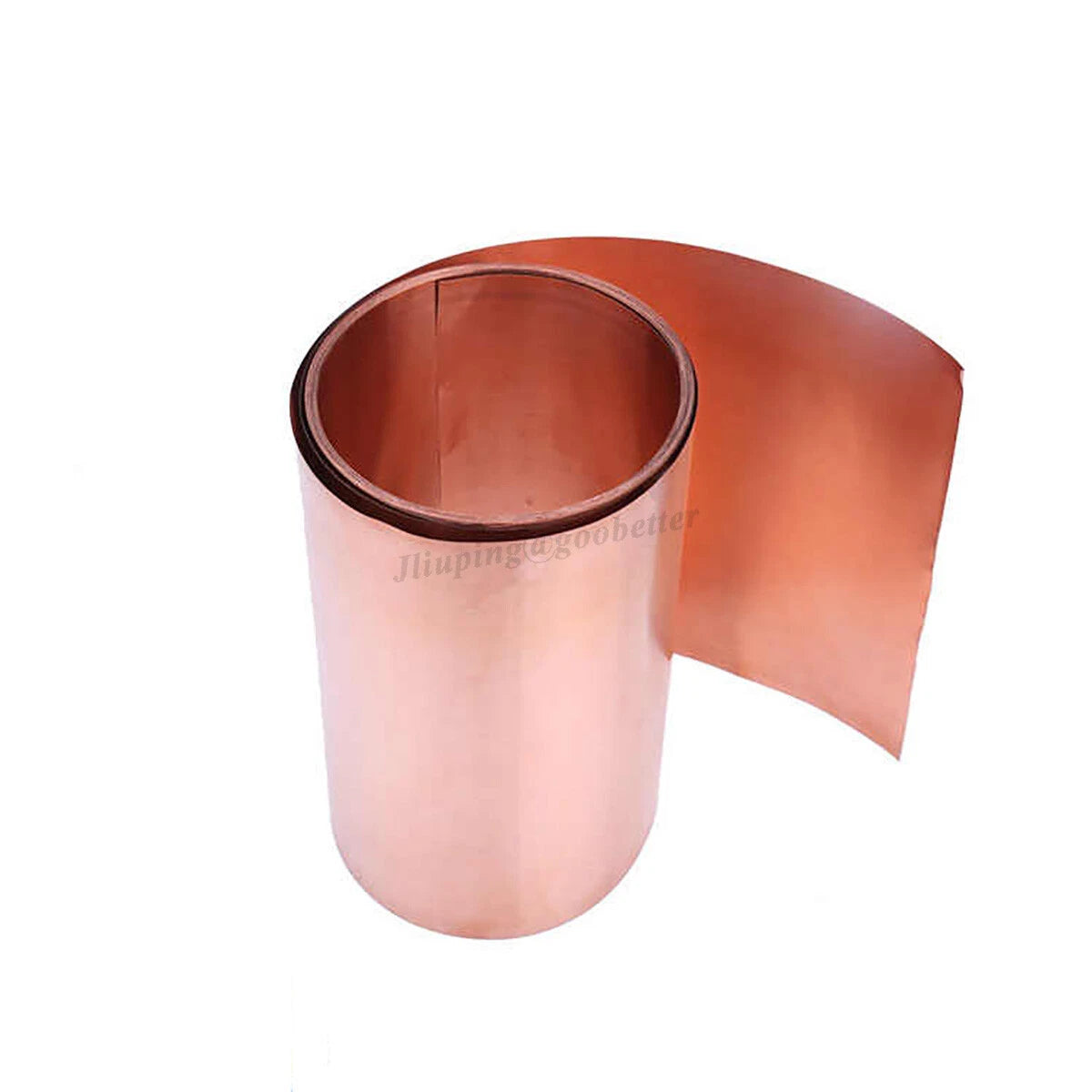
These T2 copper sheet rolls are produced from 99.9%+ pure T2 electrolytic copper, cold-rolled to three precise thicknesses: 0.06 mm (~0.0024 in), 0.07 mm (~0.0028 in), and 0.09 mm (~0.0035 in). Each roll is 1000 mm (≈39.4 in) long, with widths selectable from 10 mm to 90 mm (≈0.39 in to 3.54 in) in increments to match your cut plan and minimize offcuts.
Typical use cases include EMI/RFI shielding tape for electronics enclosures, copper inlay strips for woodworking and resin art, flexible bus bars in low-voltage DC systems, heat-spreader shims in thermal management assemblies, and gasket blanks for precision mechanical seals. The soft-annealed temper allows hand-bending and die-forming without cracking, making these rolls equally suited to prototyping benches and small-batch production runs.
Cold-rolled from T2-grade electrolytic copper for consistent electrical conductivity (typically ≥57 MS/m) and thermal conductivity (≈390 W/m·K), meeting the demands of both electrical and thermal management applications.
Choose 0.06 mm, 0.07 mm, or 0.09 mm to match your clearance requirements. Thinner gauges flex easily around curved surfaces; the 0.09 mm option provides added rigidity for structural shims and gasket blanks.
Fifteen width options from 10 mm to 90 mm let you select the strip closest to your finished part width, reducing waste. Each roll is 1000 mm long, giving you a known starting area for material planning.
The annealed condition keeps the foil pliable enough to hand-bend, shear with scissors or a craft knife, and form around tight radii without cracking — no annealing oven required before fabrication.
Precision slitting produces clean lateral edges that won't snag wiring insulation or scratch mating surfaces, important for EMI gaskets and sliding contact applications.
Used in electronics shielding, PCB repair, stained-glass leading, resin art inlay, transformer winding, jewelry fabrication, and architectural accent strips — one roll format serves multiple disciplines.
| Material Grade | T2 Electrolytic Copper (≥99.9% Cu) |
|---|---|
| Temper | Soft-annealed (O temper) |
| Thickness Options | 0.06 mm / 0.07 mm / 0.09 mm (±0.005 mm) |
| Width Options | 10 mm – 90 mm (see variant options) |
| Roll Length | 1000 mm (≈39.4 in) per roll |
| Surface Finish | Bright rolled, oxide-free at time of packaging |
| Electrical Conductivity | Typically ≥57 MS/m |
| Thermal Conductivity | Approx. 390 W/m·K |
| Tensile Strength (annealed) | Typically 200–280 MPa |
| Edge Condition | Precision slit, burr-free |
| Quantity per Order | 1 roll |
For EMI shielding tape and flexible wrapping around cables or curved enclosures, 0.06 mm offers the most conformability. The 0.07 mm gauge is a balanced choice for PCB grounding straps and resin art inlay where moderate stiffness helps with placement. The 0.09 mm option is best when you need a self-supporting shim, gasket blank, or bus bar that holds its shape without a backing substrate.
Measure your finished part width and select the next size up. For example, if your channel is 22 mm wide, order the 25 mm strip and trim 3 mm. Ordering a width much larger than needed increases offcuts and cost. If your required width falls between two options, the wider strip is usually easier to trim than to join two narrower strips.
Yes. T2 electrolytic copper solders readily with standard rosin-core or water-soluble flux solders (Sn63/Pb37 or lead-free SAC305). It also braze-joins with silver-bearing alloys. Clean the surface with isopropyl alcohol before soldering to remove any handling oils that could cause dewetting.
Bare copper will develop a natural patina (cuprous oxide) when exposed to air and humidity. For electrical contact applications, clean the surface before assembly. If long-term oxidation resistance is critical, consider applying a thin coat of clear lacquer, flux, or a conformal coating after installation. For decorative applications, the patina can be accelerated or sealed depending on the desired aesthetic.
Yes. At 0.06–0.09 mm thickness, the foil cuts cleanly with sharp scissors, a craft knife and steel ruler, or a rotary cutter. For straight cuts on wider strips, a guillotine paper trimmer works well. Avoid tearing, which can leave ragged edges that may cause shorts in electrical applications.
T2 copper's high electrical conductivity (≥57 MS/m) makes it effective for EMI and RFI shielding at frequencies from low MHz into the GHz range when properly bonded and grounded. For best shielding effectiveness, ensure continuous electrical contact at seams and ground the foil to the enclosure chassis. The 0.06 mm and 0.07 mm gauges are commonly used for this purpose due to their flexibility.
Each roll is wound on a protective core and wrapped to prevent scratching and deformation of the edges. If you receive a roll with any edge damage or thickness inconsistency, contact us with photos and we will arrange a replacement or refund.