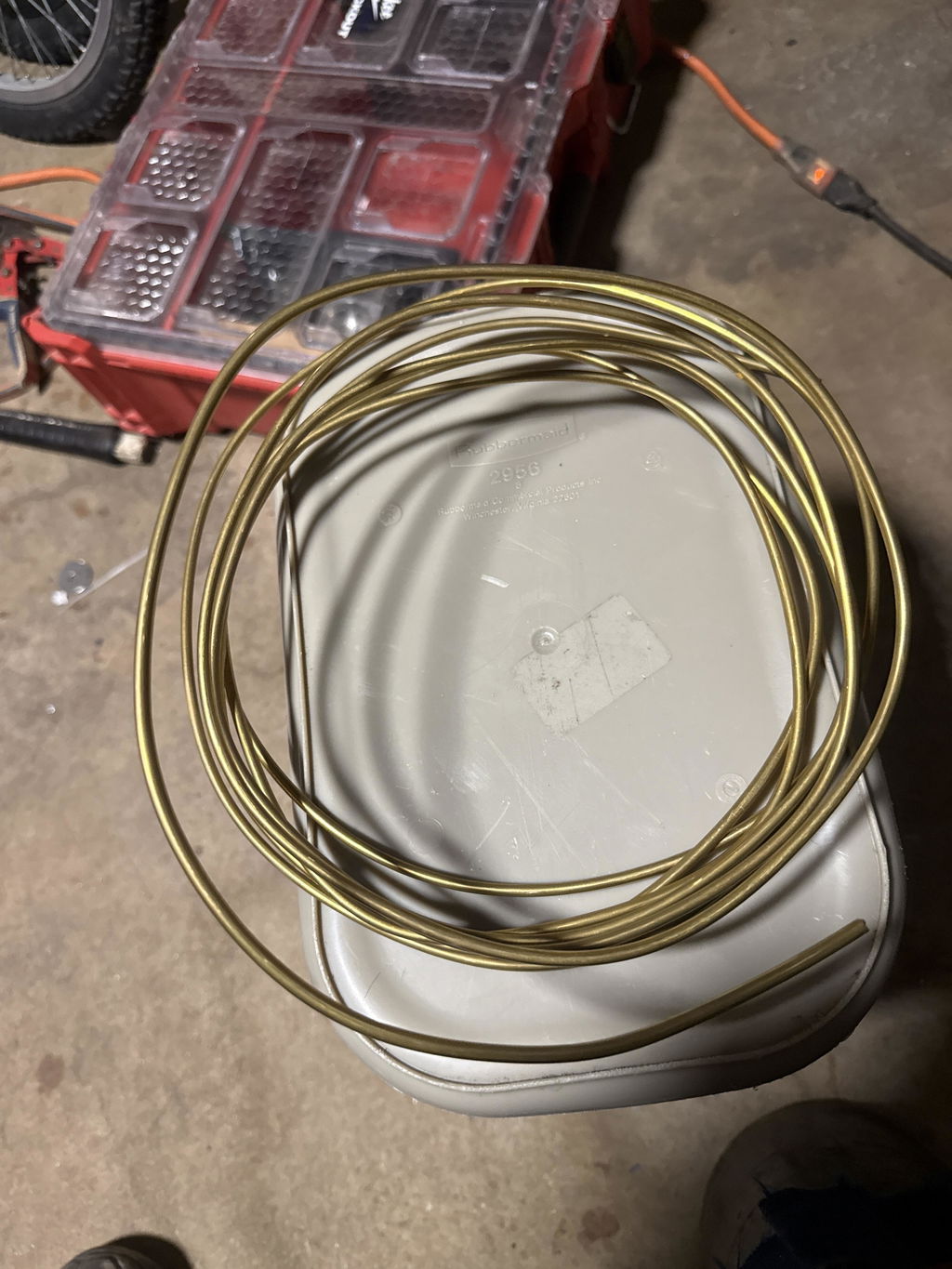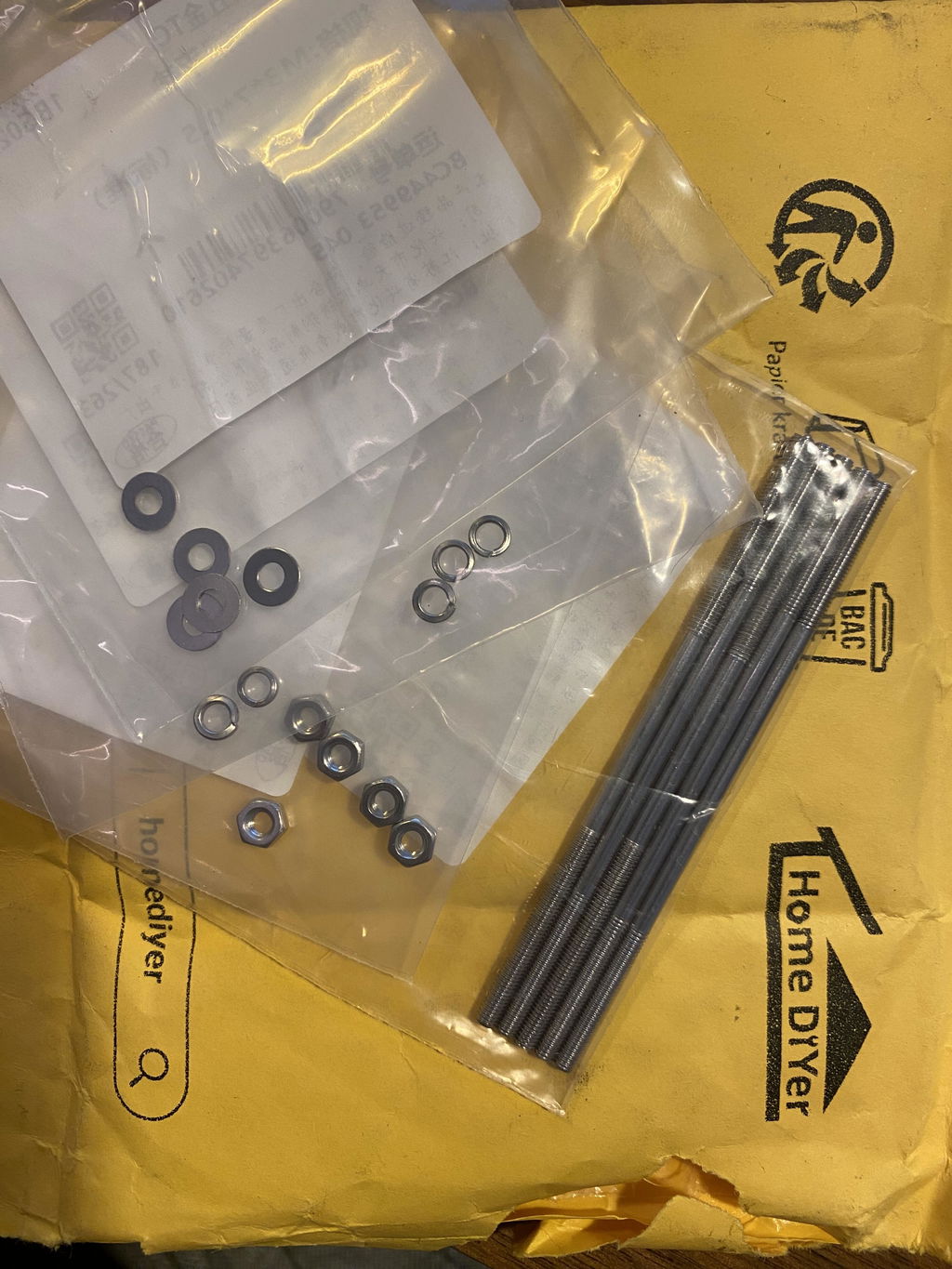

The chain is fine...but I ordered the wrong size. Nine links of the chain I ordered equals six of the size I wanted. My error...
How can I straighten out the springs? I can't use them coil uo as is.
Your payment information is processed securely. We do not store credit card details nor have access to your credit card information.
Get fitment advice & recommendations
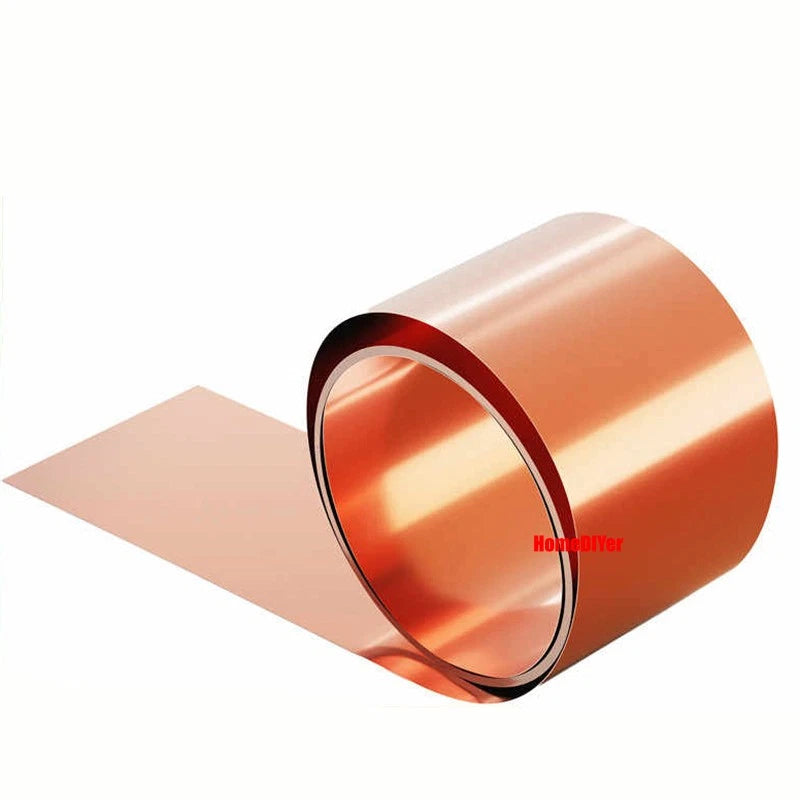
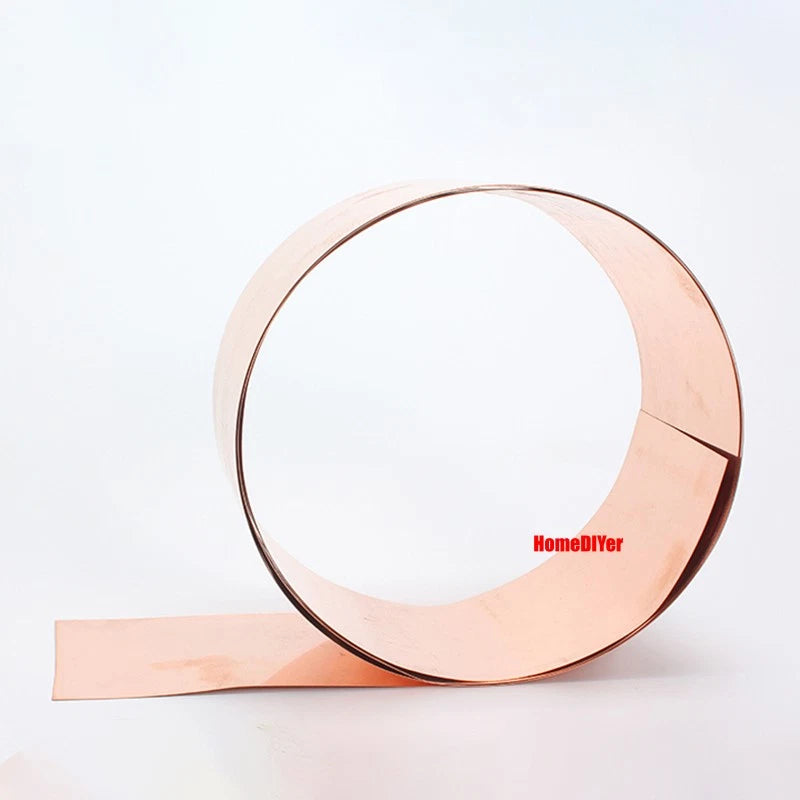
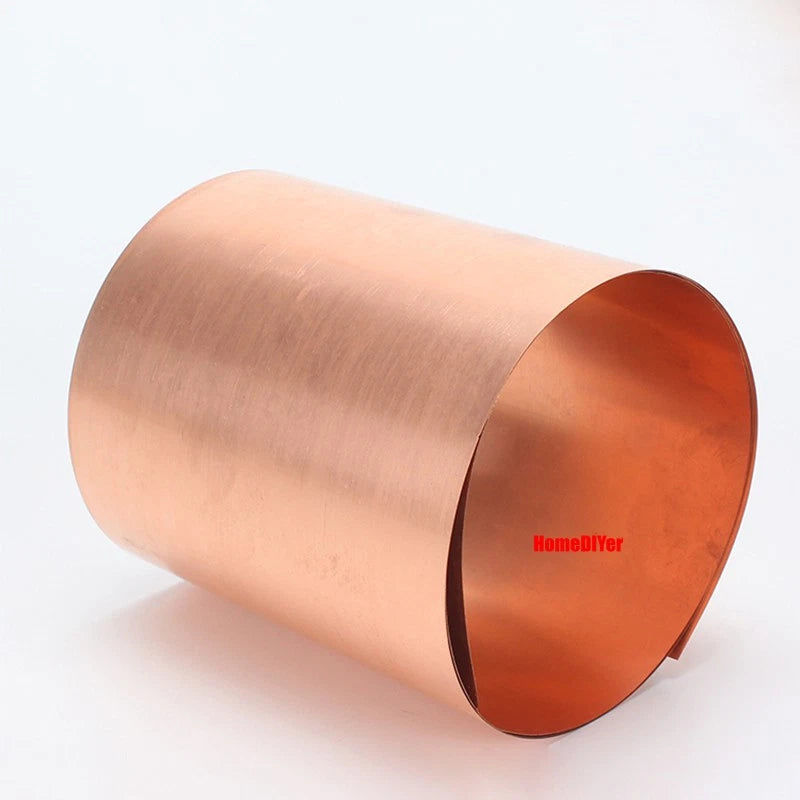
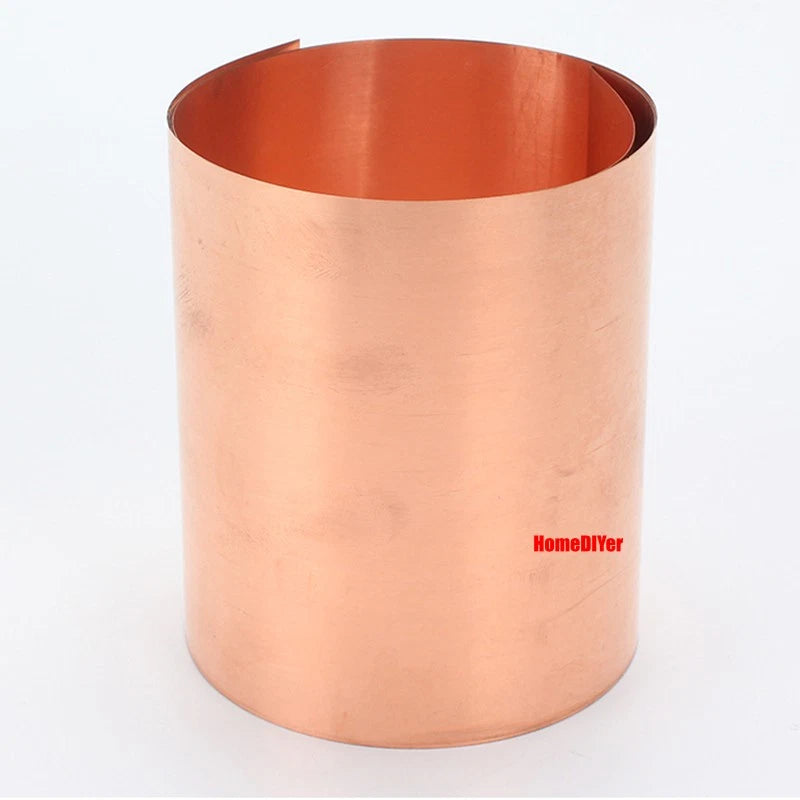
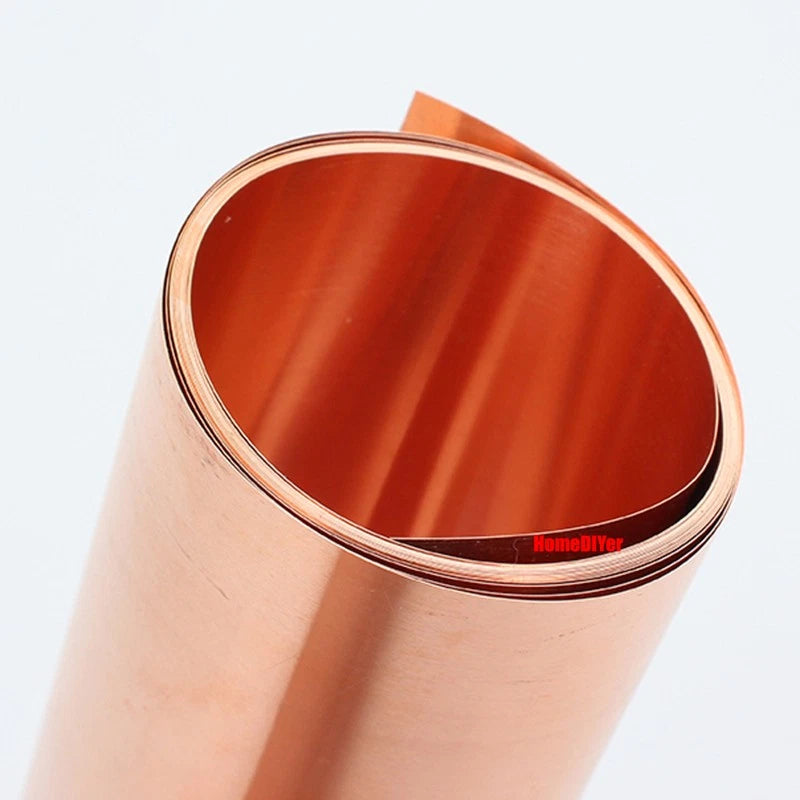
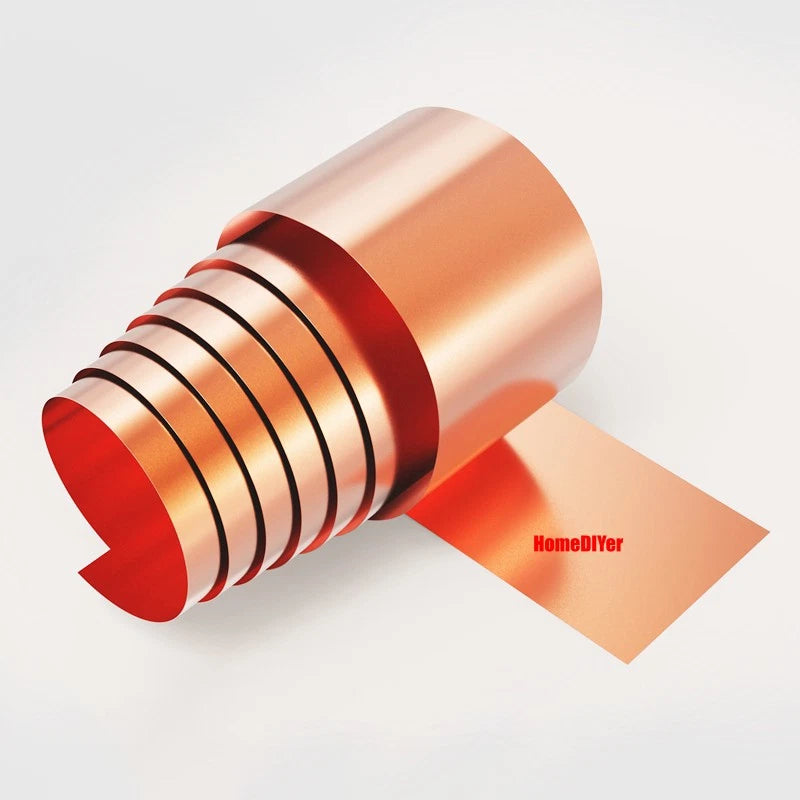
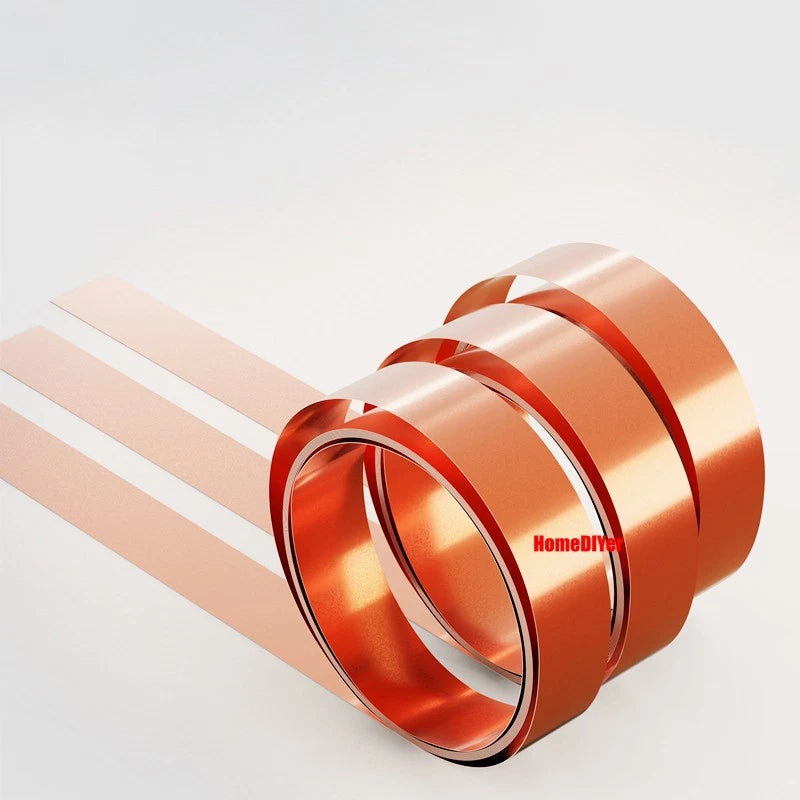
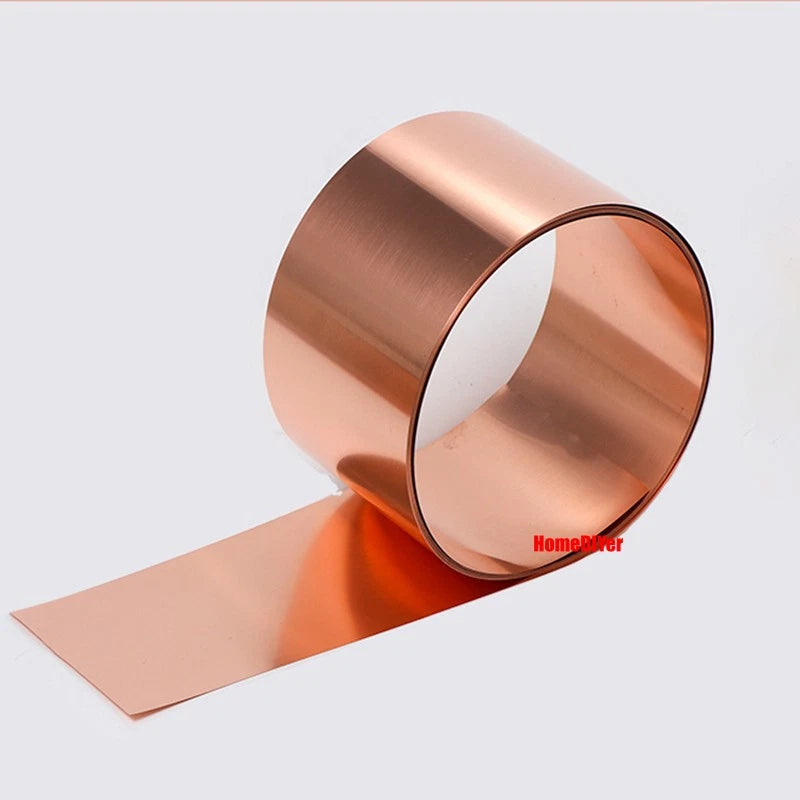
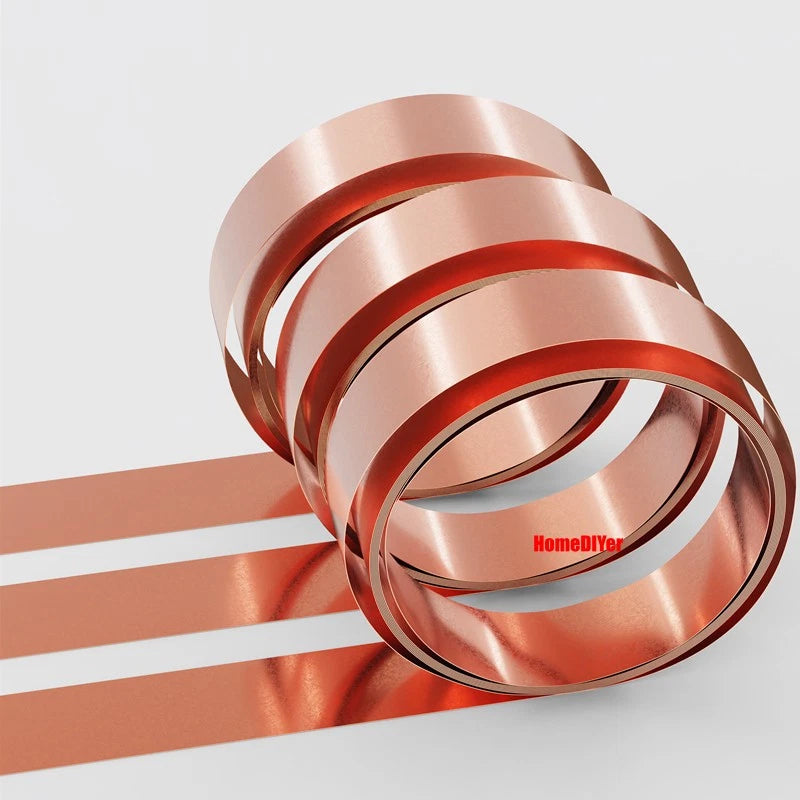
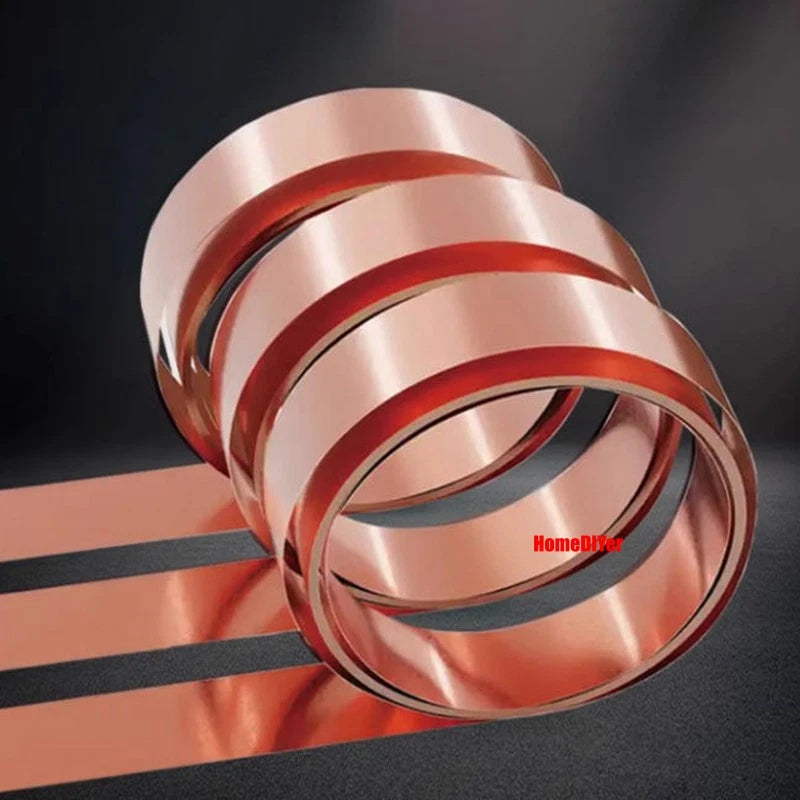
When your project demands a conductor that bends without breaking and carries current without compromise, finding the right copper strip in the exact thickness and width can feel impossible. Whether you are a maker building custom battery busbars, an electronics hobbyist crafting RF shielding, or a craftsperson working on decorative metalwork, this T2 pure copper sheet strip is engineered to meet your exact dimensional needs.
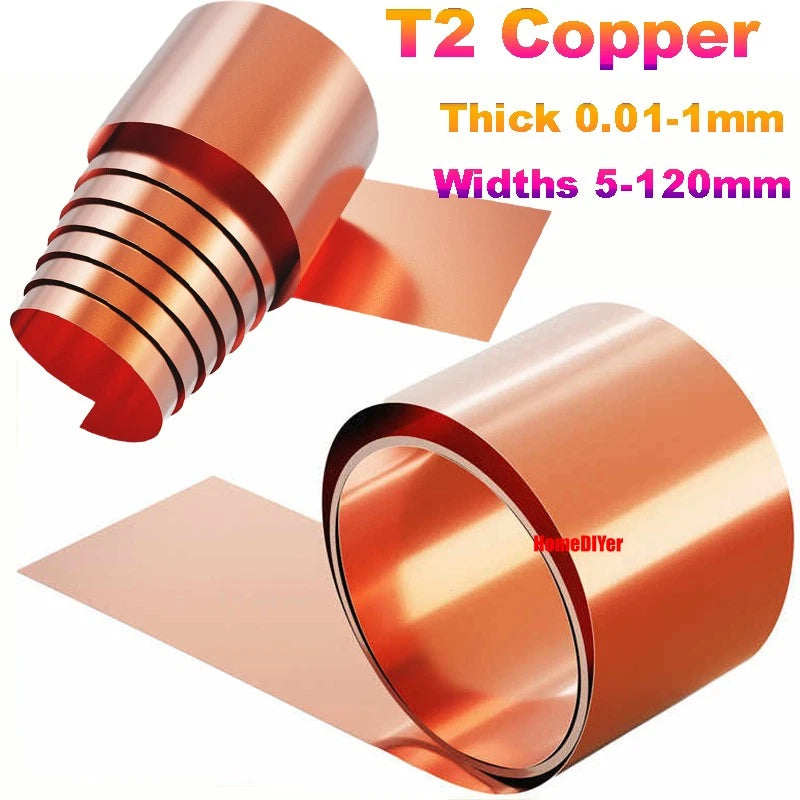
Each strip is made from T2-grade pure copper (≥99.9% Cu), offering outstanding electrical conductivity and excellent flexibility. Thickness ranges from 0.01 mm to 1 mm (approximately 0.0004 in to 0.039 in), and width options span 5 mm to 120 mm (approximately 0.2 in to 4.7 in), with each piece supplied in a 1-meter length. The foil-thin variants roll and conform easily around curved surfaces, while the thicker gauges provide structural rigidity for bus bar and grounding applications.
Typical use cases include DIY lithium battery pack assembly with copper busbar strips, electromagnetic interference (EMI) shielding tape for electronics enclosures, precision shim stock for mechanical gap-filling, decorative copper inlay work in woodworking, and custom heat-spreader fabrication for thermal management projects.
| Material | T2 Pure Copper (≥99.9% Cu) |
|---|---|
| Thickness Range | 0.01 mm – 1 mm (0.0004 in – 0.039 in) |
| Width Range | 5 mm – 120 mm (0.2 in – 4.72 in) |
| Length per Unit | 1 M (39.4 in) |
| Temper / Condition | Soft annealed (flexible) |
| Surface Finish | Bright / mill finish (bare copper) |
| Electrical Conductivity | Typically ≥57 MS/m (IACS ≥98%) |
| Thermal Conductivity | Typically ~390 W/(m·K) |
| Tensile Strength | See variant options |
| Weight per Unit | See variant options |
| Applicable Standards | GB/T 5585 (T2 copper) |
For EMI shielding tape or decorative inlay, 0.05–0.1 mm is typically sufficient. For battery busbar connections carrying moderate current (up to ~20 A), 0.2–0.5 mm widths of 20–30 mm are common. For high-current busbars or structural grounding straps, 0.5–1 mm thickness with wider widths (40 mm+) is recommended. Use the cross-sectional area (thickness × width in mm²) as your guide: a rough rule is 1 mm² per 3–5 A for copper at room temperature.
Width determines the cross-sectional area together with thickness. Narrow strips (5–15 mm) suit fine wiring, shielding tape, and decorative work. Medium widths (20–50 mm) are ideal for battery cell interconnects and grounding straps. Wide strips (60–120 mm) are used for bus bars, heat spreaders, and large-area shielding panels. Select the width that fits your physical space and current requirements.
The strips are supplied in a soft-annealed temper, which prioritizes flexibility and formability over tensile strength. For purely structural applications requiring high mechanical load, a harder temper or thicker gauge (0.5–1 mm) is advisable. For electrical and thermal applications where the strip is supported by a substrate or enclosure, the soft temper is generally adequate.
Bare copper naturally tarnishes (turns darker) when exposed to air and humidity, forming a copper oxide layer. This layer is electrically resistive and may affect contact resistance in sensitive applications. For long-term reliability, consider tinning the contact surfaces with solder, applying a clear lacquer, or storing unused strips in a sealed bag. In outdoor or high-humidity environments, a protective coating is strongly recommended.
Yes. T2 pure copper accepts both tin-lead and lead-free solder readily. For best results, lightly abrade the surface with fine sandpaper or a fiberglass pen to remove any oxide layer, apply a small amount of rosin flux, and solder at a tip temperature of approximately 300–350 °C (570–660 °F). Thicker strips (0.5 mm+) may require a higher-wattage iron or brief pre-heating to ensure good heat transfer.
For thin foil (0.01–0.1 mm), sharp scissors or a craft knife against a steel ruler work well. For mid-range thicknesses (0.1–0.5 mm), tin snips or a rotary cutter on a cutting mat give clean edges. For thicker strips (0.5–1 mm), a metal shear, angle grinder with a thin disc, or a hacksaw with a fine-tooth blade is recommended. Always deburr cut edges with a fine file or sandpaper before handling to avoid cuts.
Yes, T2 pure copper is a common choice for DIY lithium battery busbars due to its high conductivity and ease of soldering or spot-welding. For 18650 or 21700 cell packs, 0.1–0.2 mm thick strips in widths of 8–20 mm are widely used. For prismatic or pouch cell packs requiring higher current capacity, 0.3–1 mm thick strips in wider widths are more appropriate. Always calculate the required cross-sectional area based on your pack's maximum discharge current and acceptable voltage drop.