
The chain is fine...but I ordered the wrong size. Nine links of the chain I ordered equals six of the size I wanted. My error...
How can I straighten out the springs? I can't use them coil uo as is.
Your payment information is processed securely. We do not store credit card details nor have access to your credit card information.
Get fitment advice & recommendations
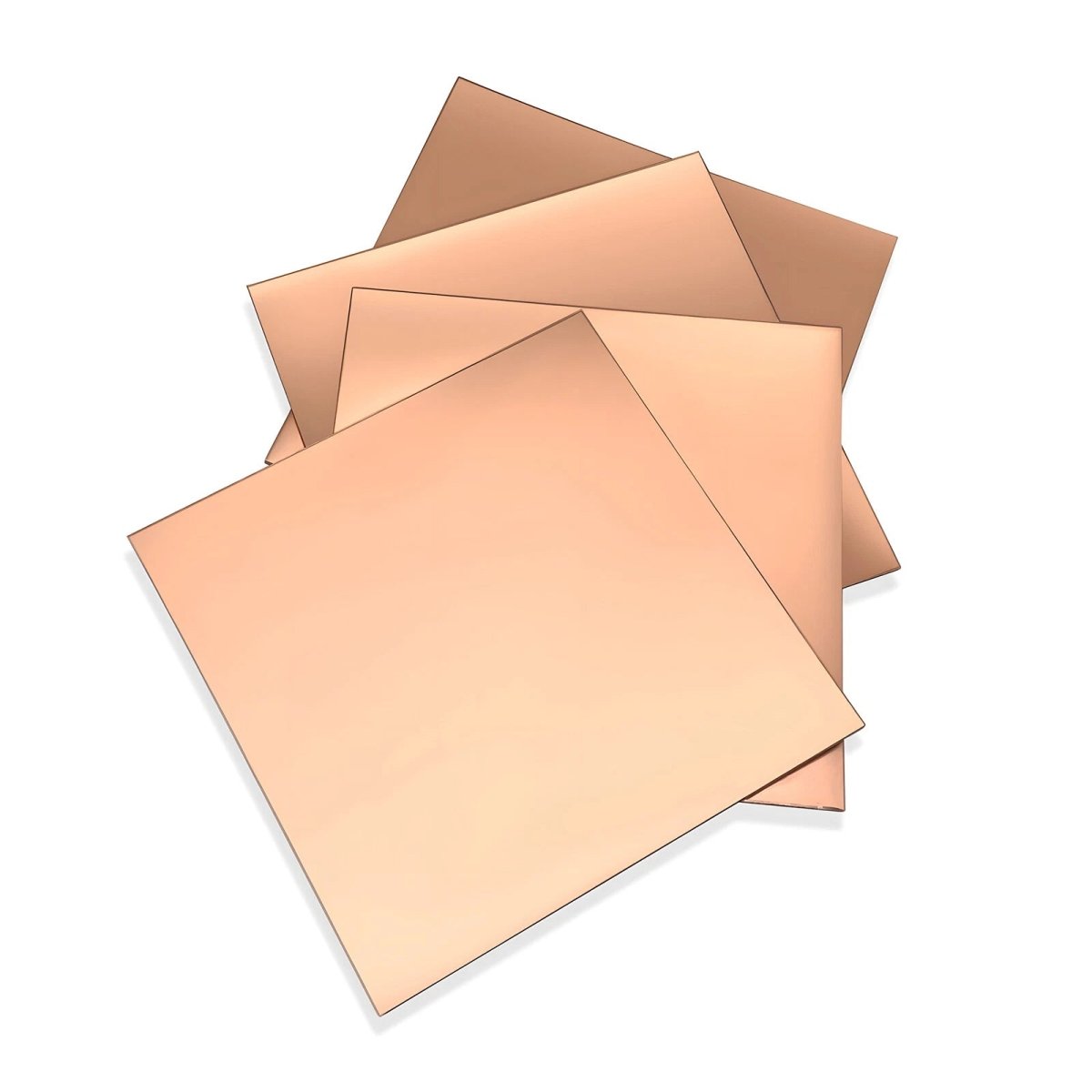
When your project demands reliable electrical conductivity, thermal transfer, or a clean metallic finish, standard hardware-store sheet metal simply falls short. Whether you are a hobbyist fabricating custom bus bars, an engineer prototyping heat spreaders, or a craftsperson cutting decorative inlays, you need a copper sheet that is dimensionally accurate and free of surface defects. T2 pure copper sheet plates are laser-cut to order, giving makers and professionals a dependable raw material that arrives ready to use.
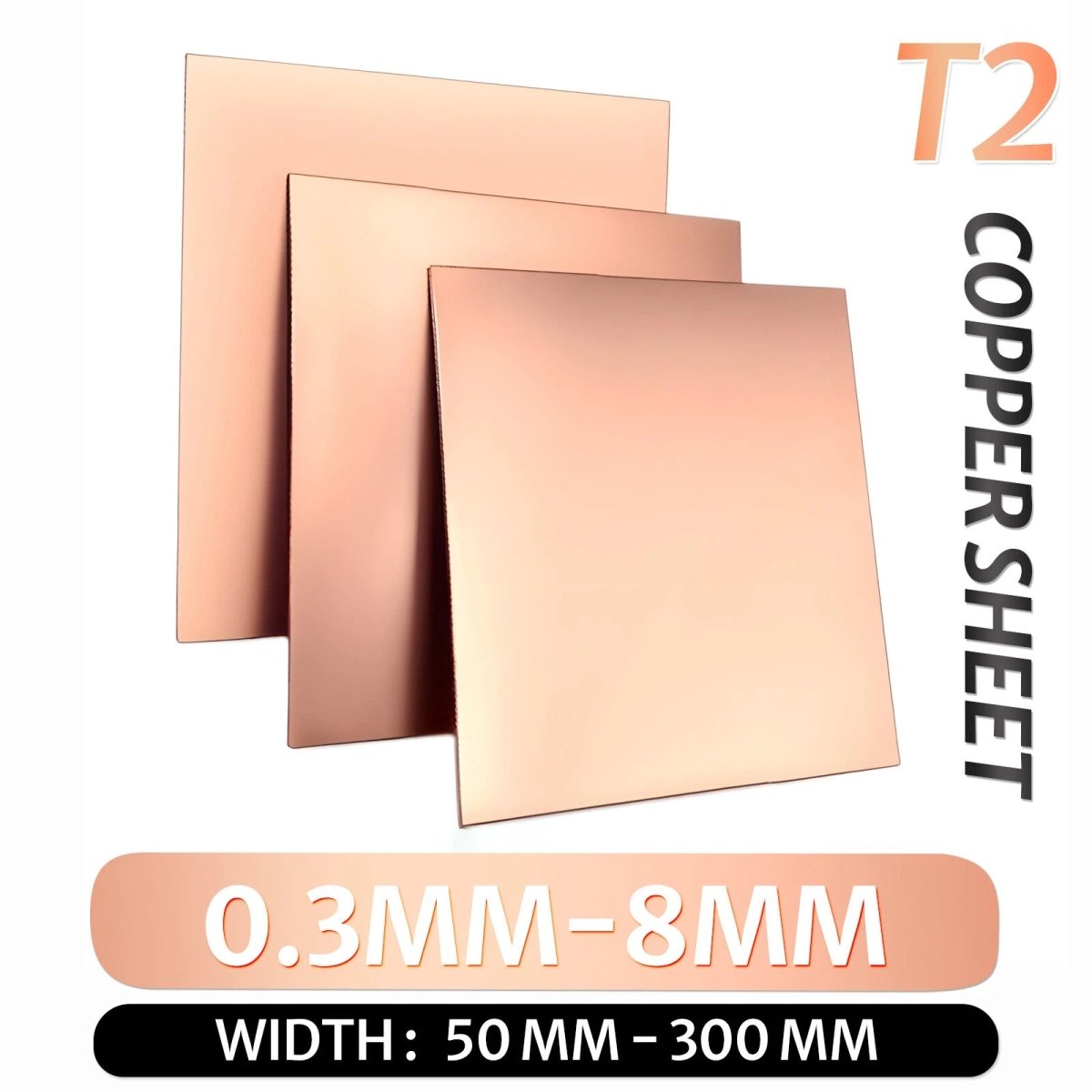
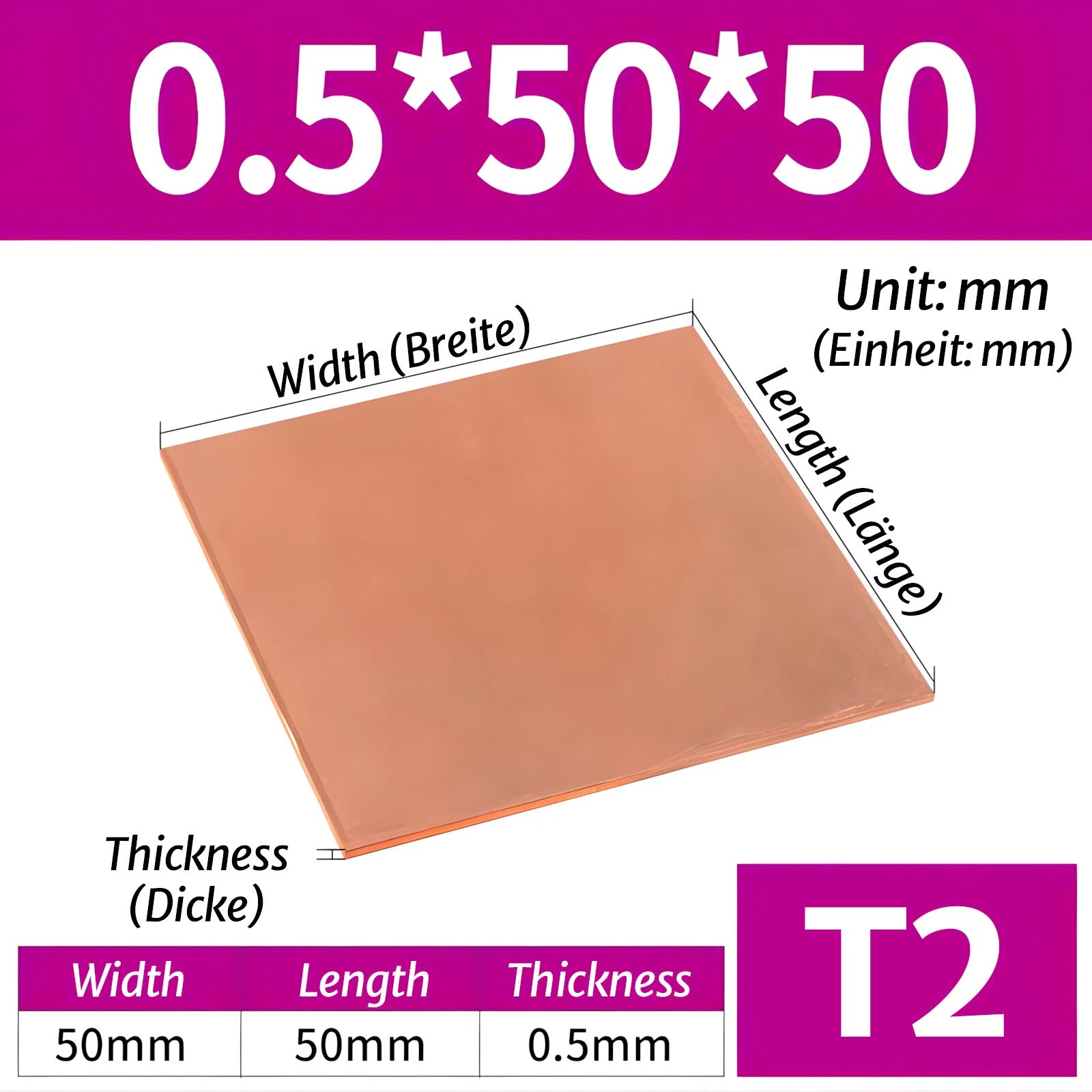
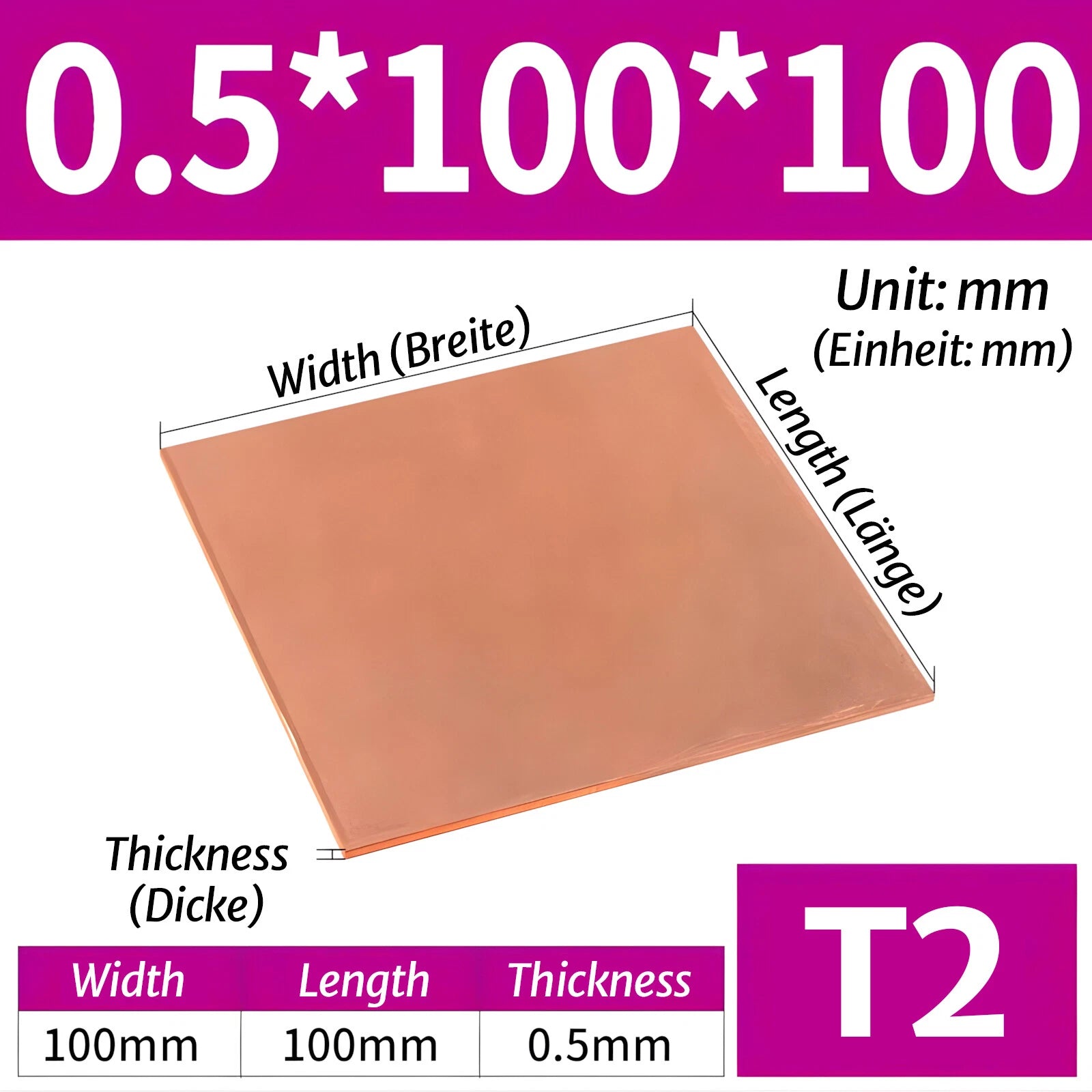
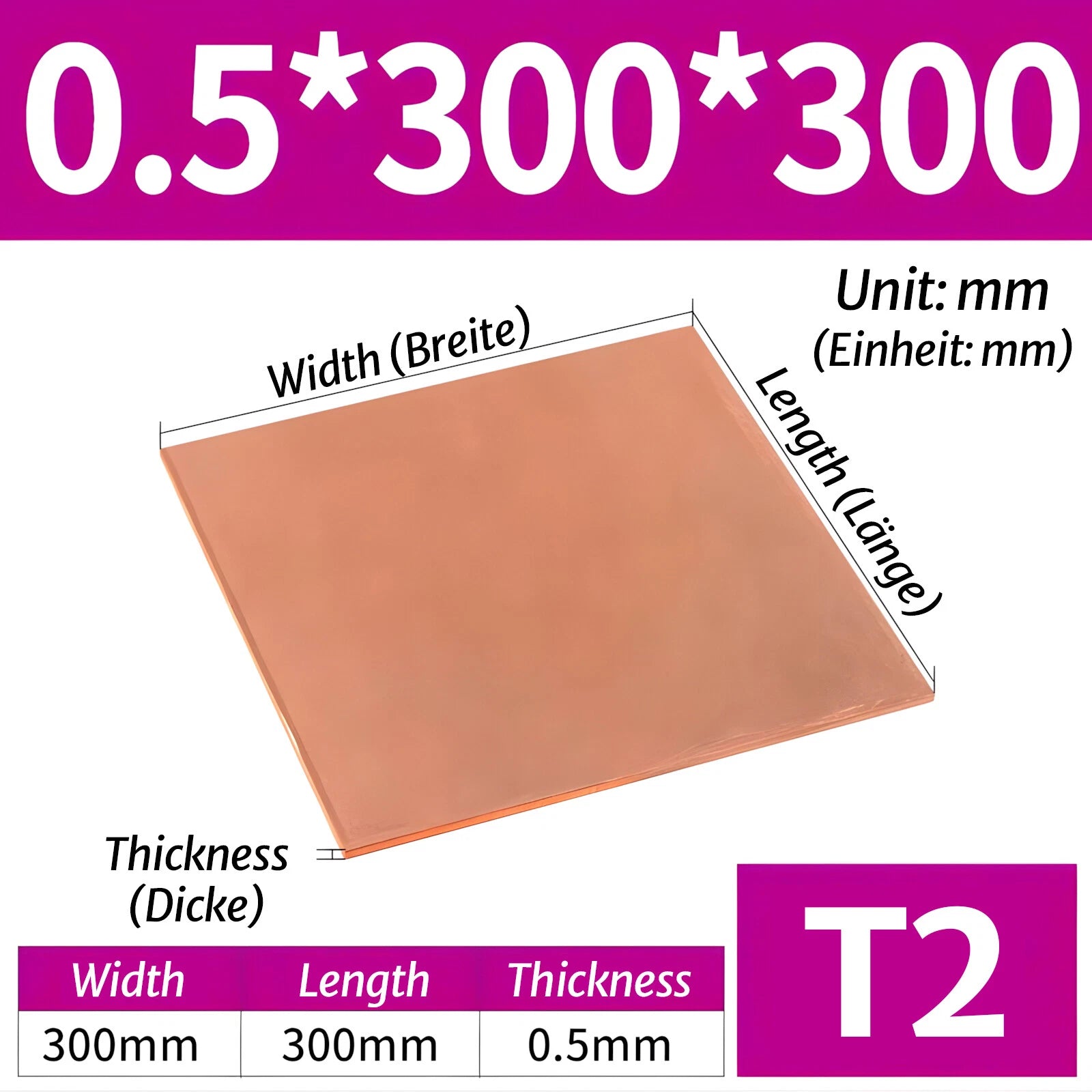
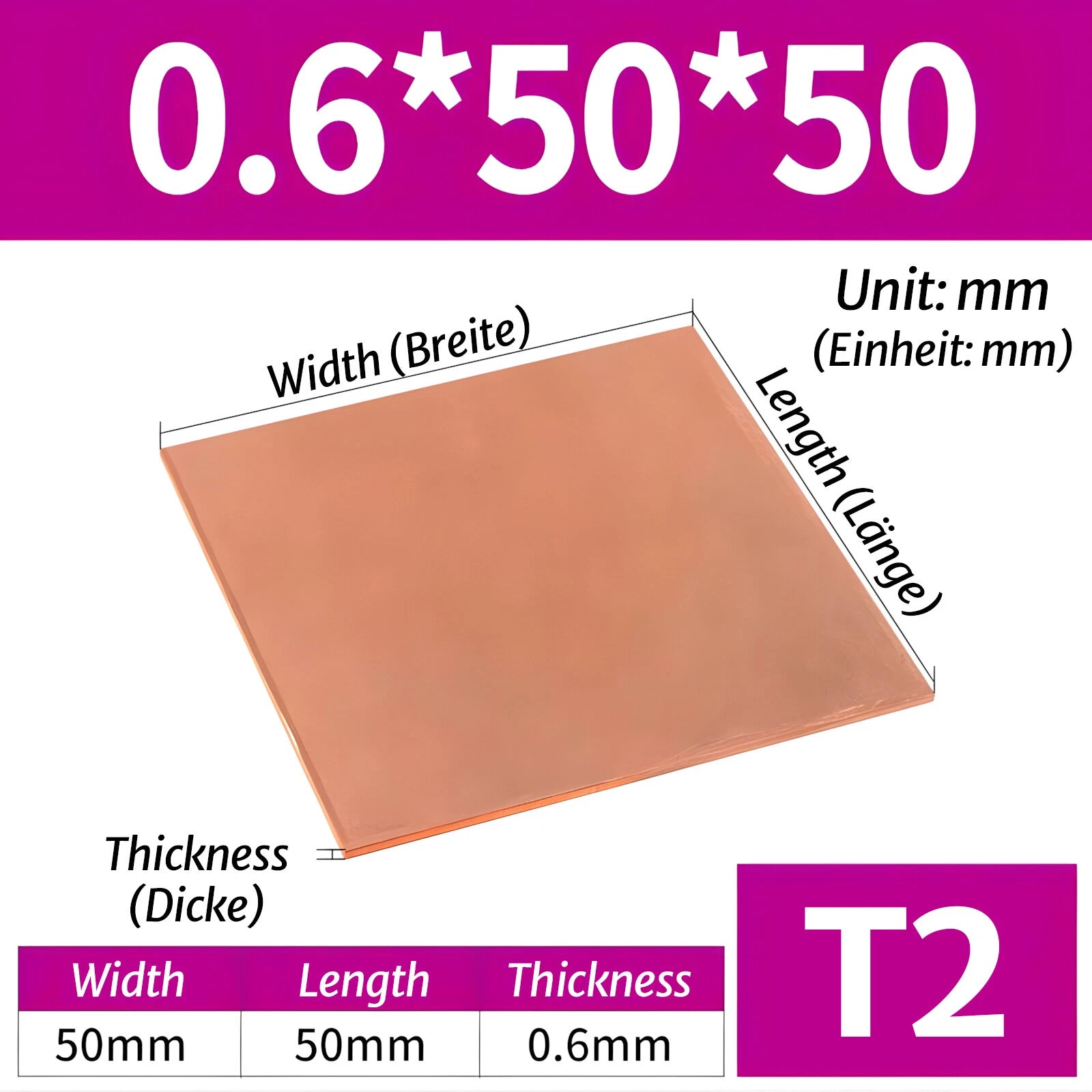
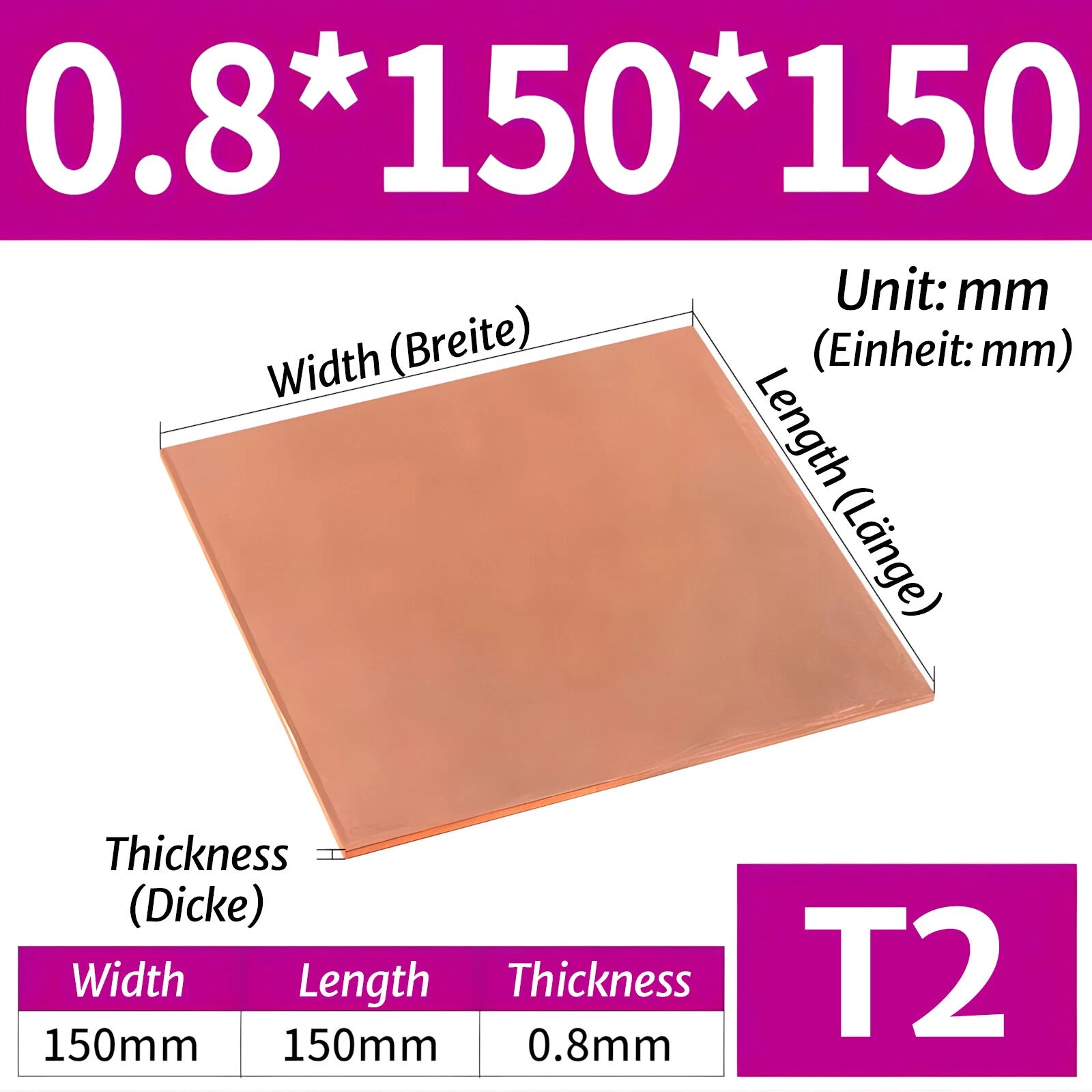
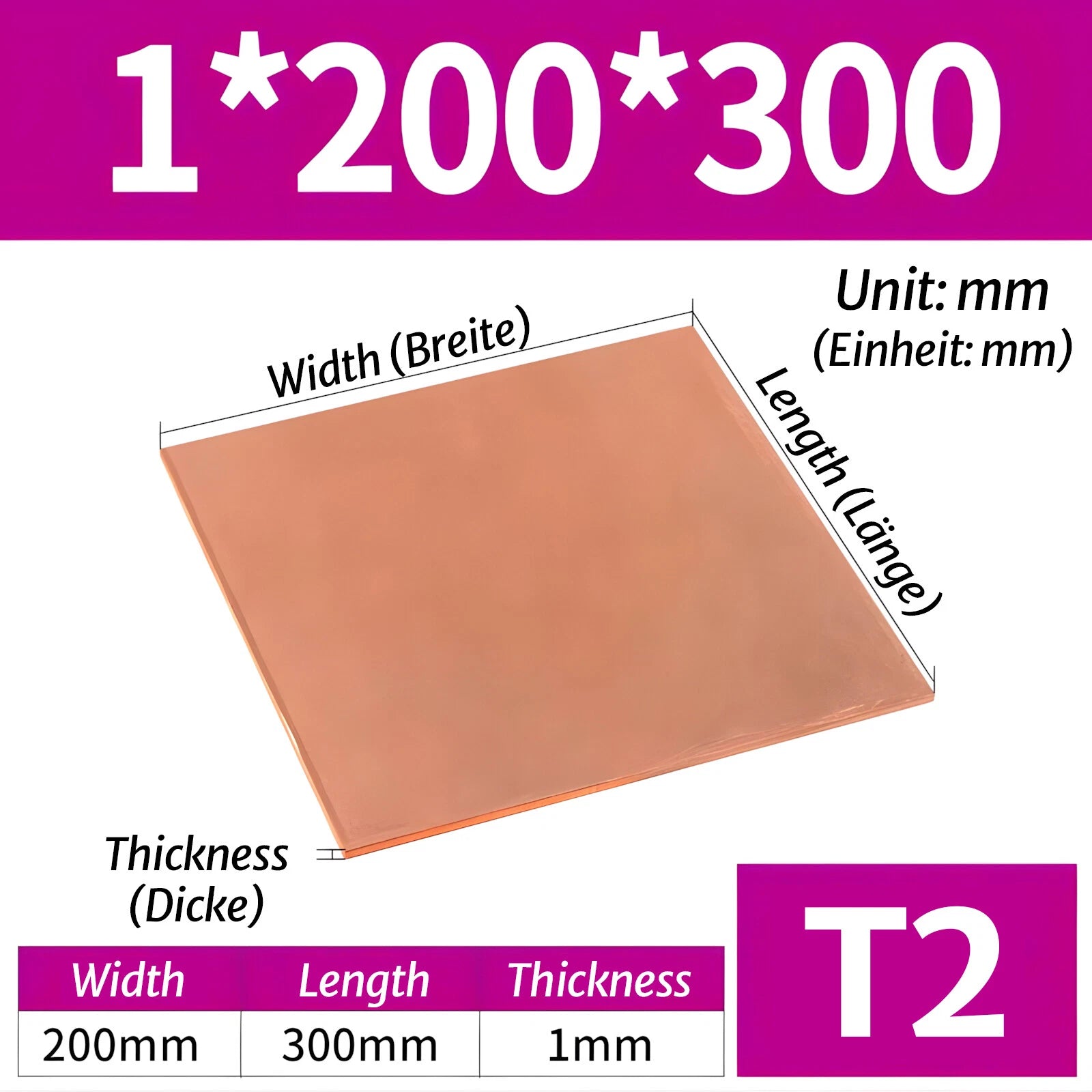
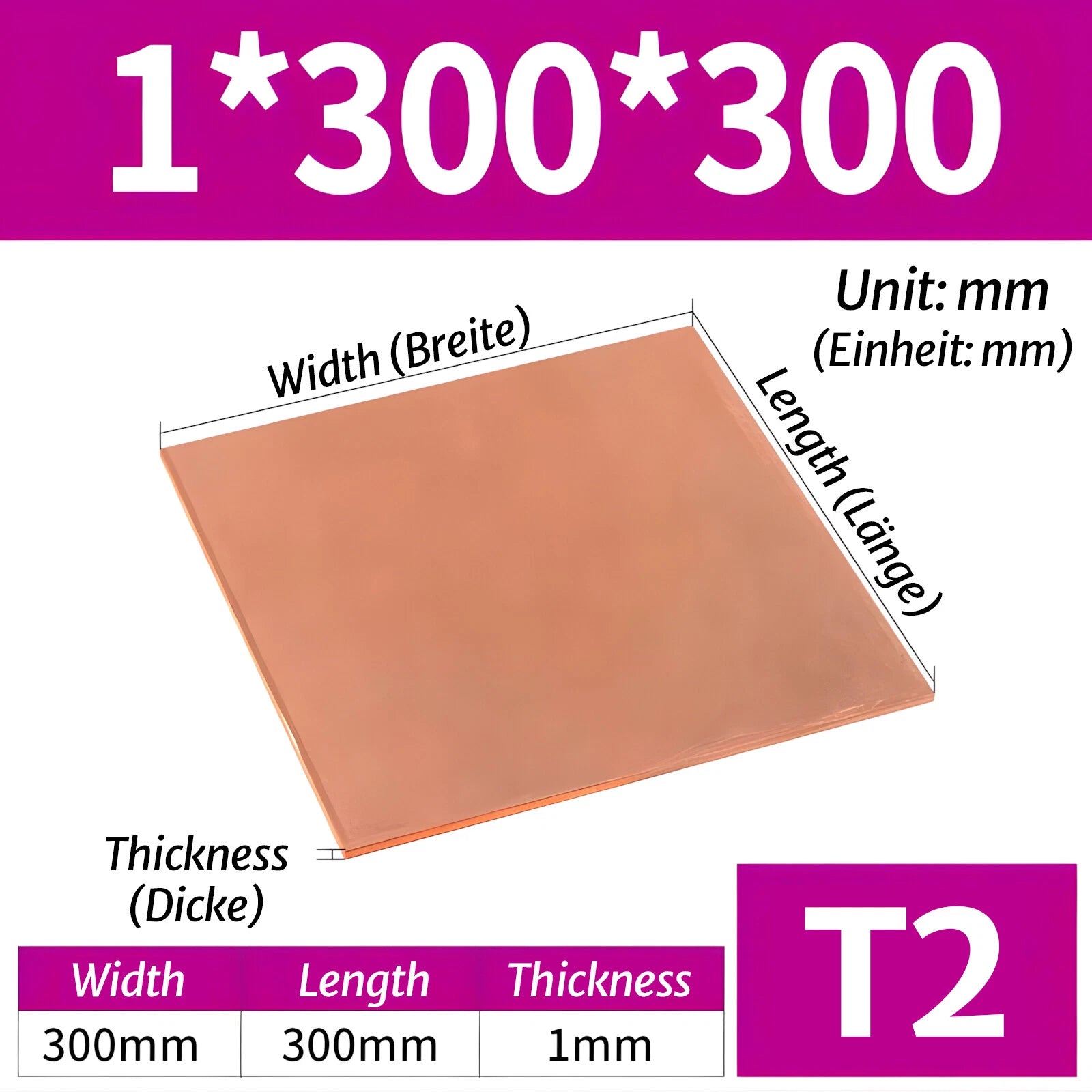
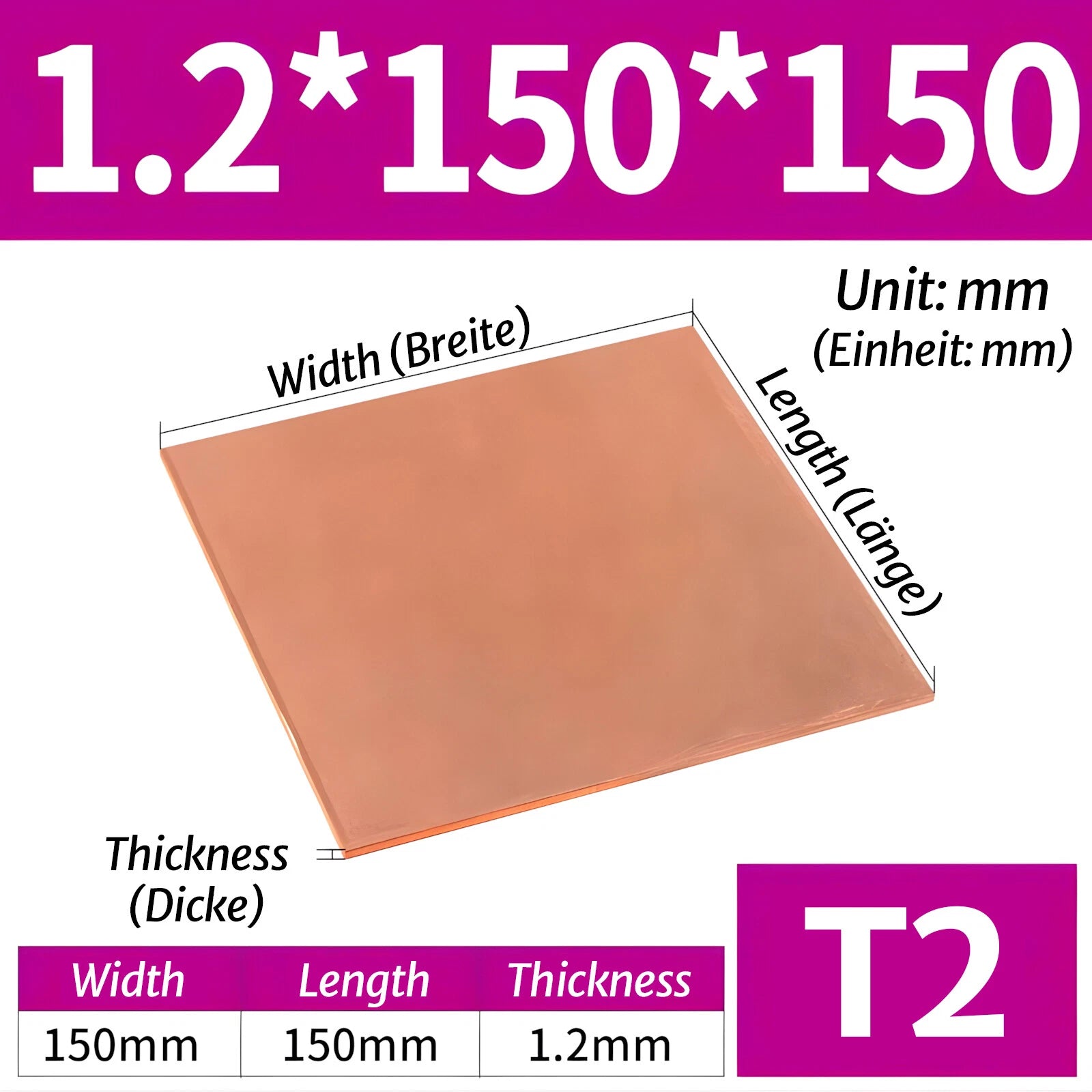
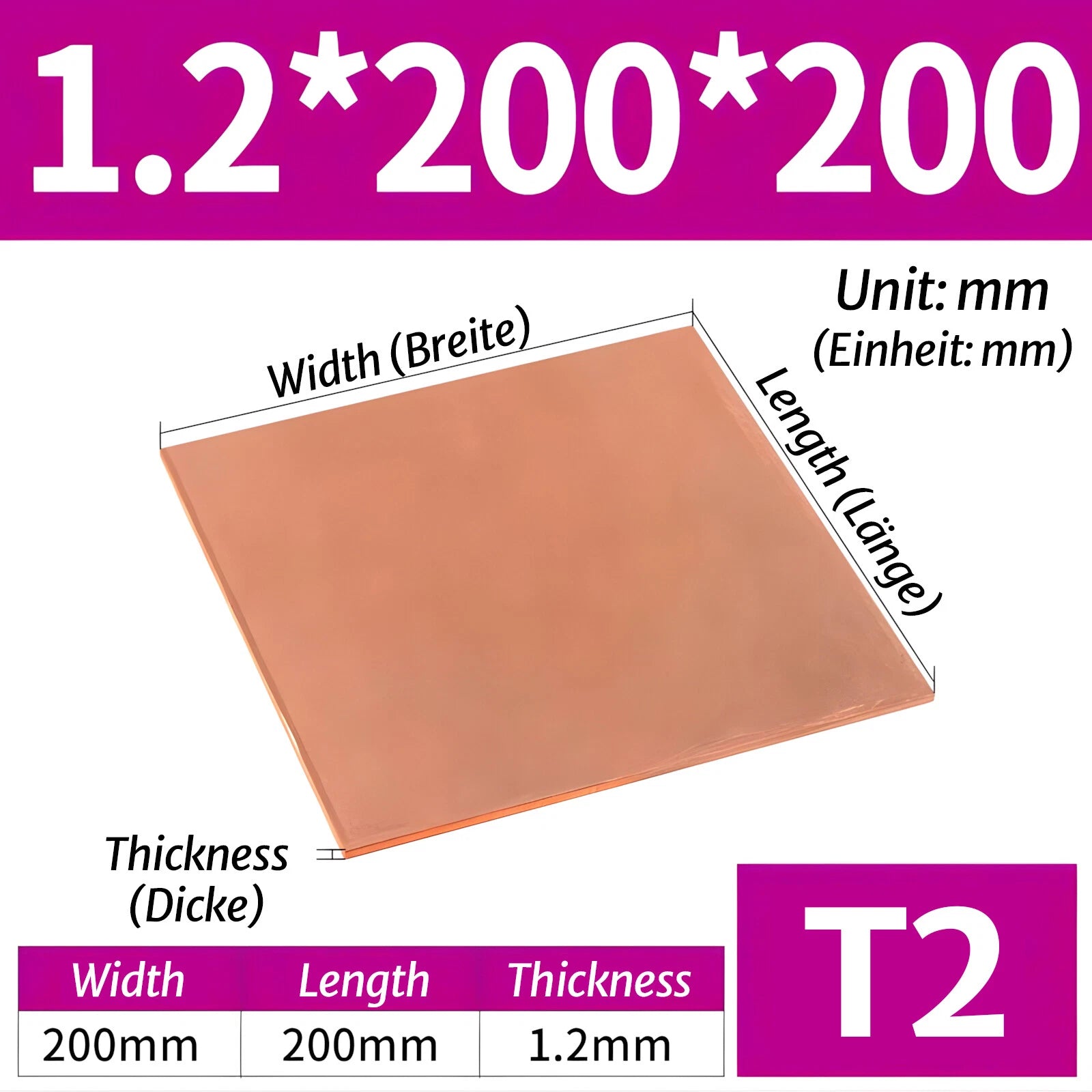
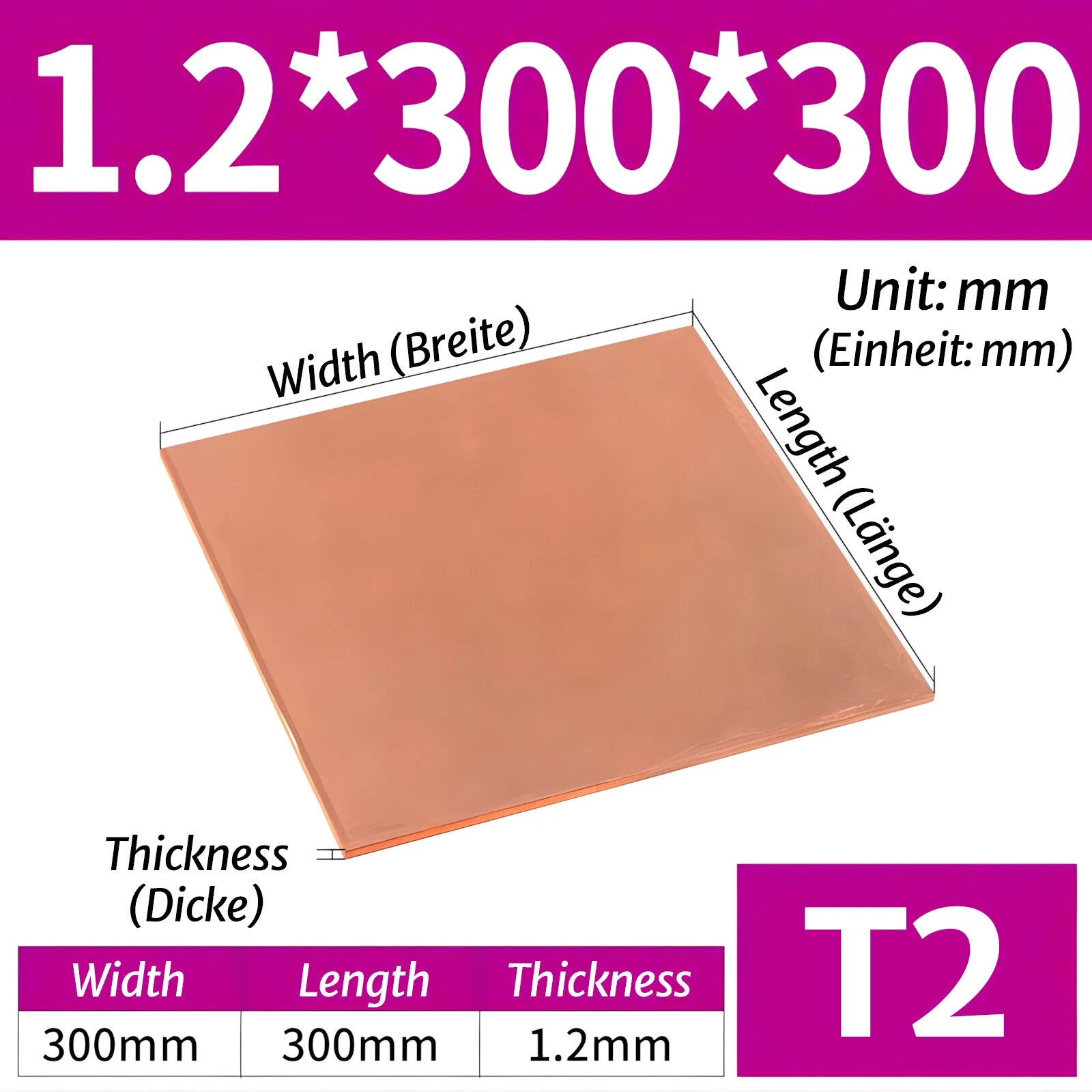
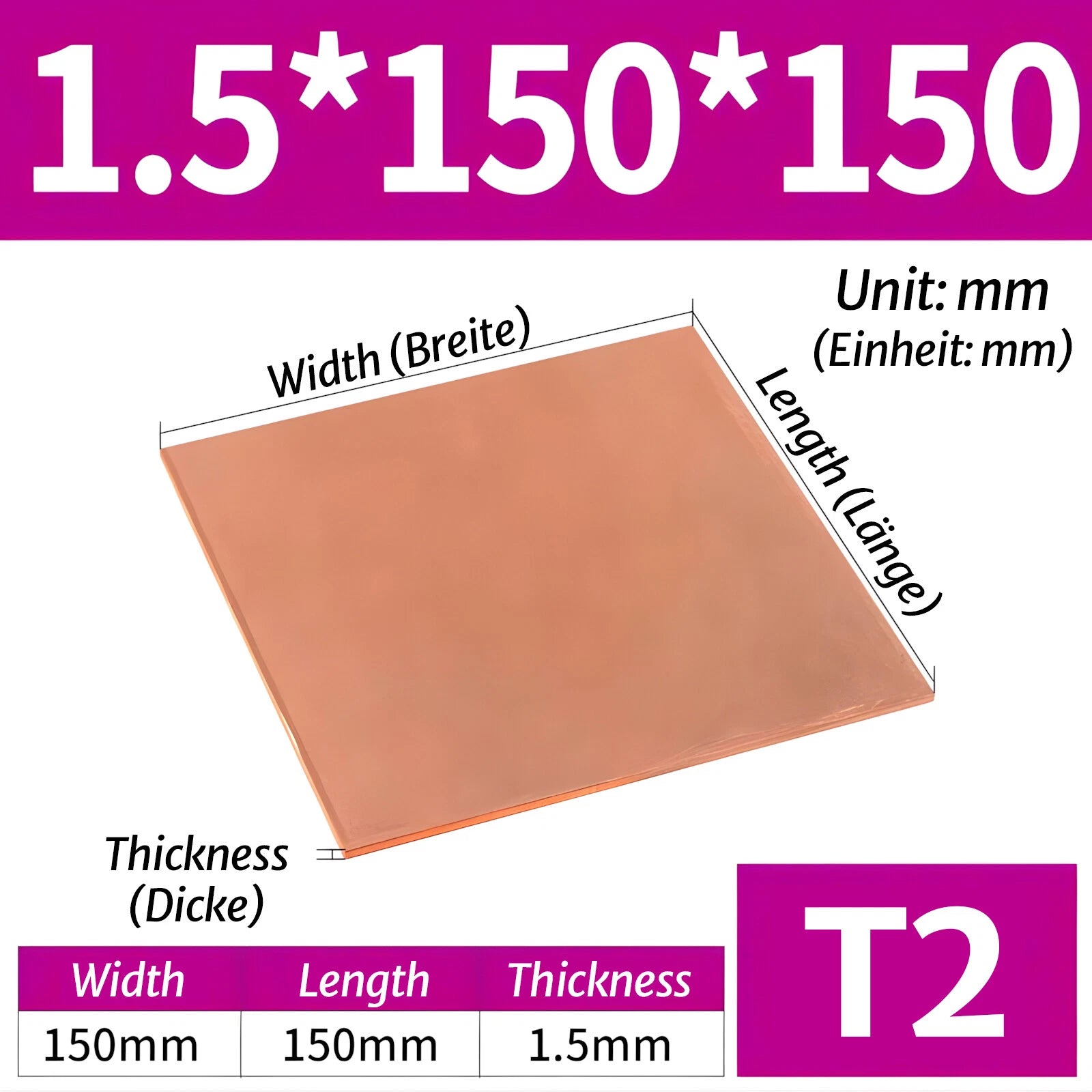
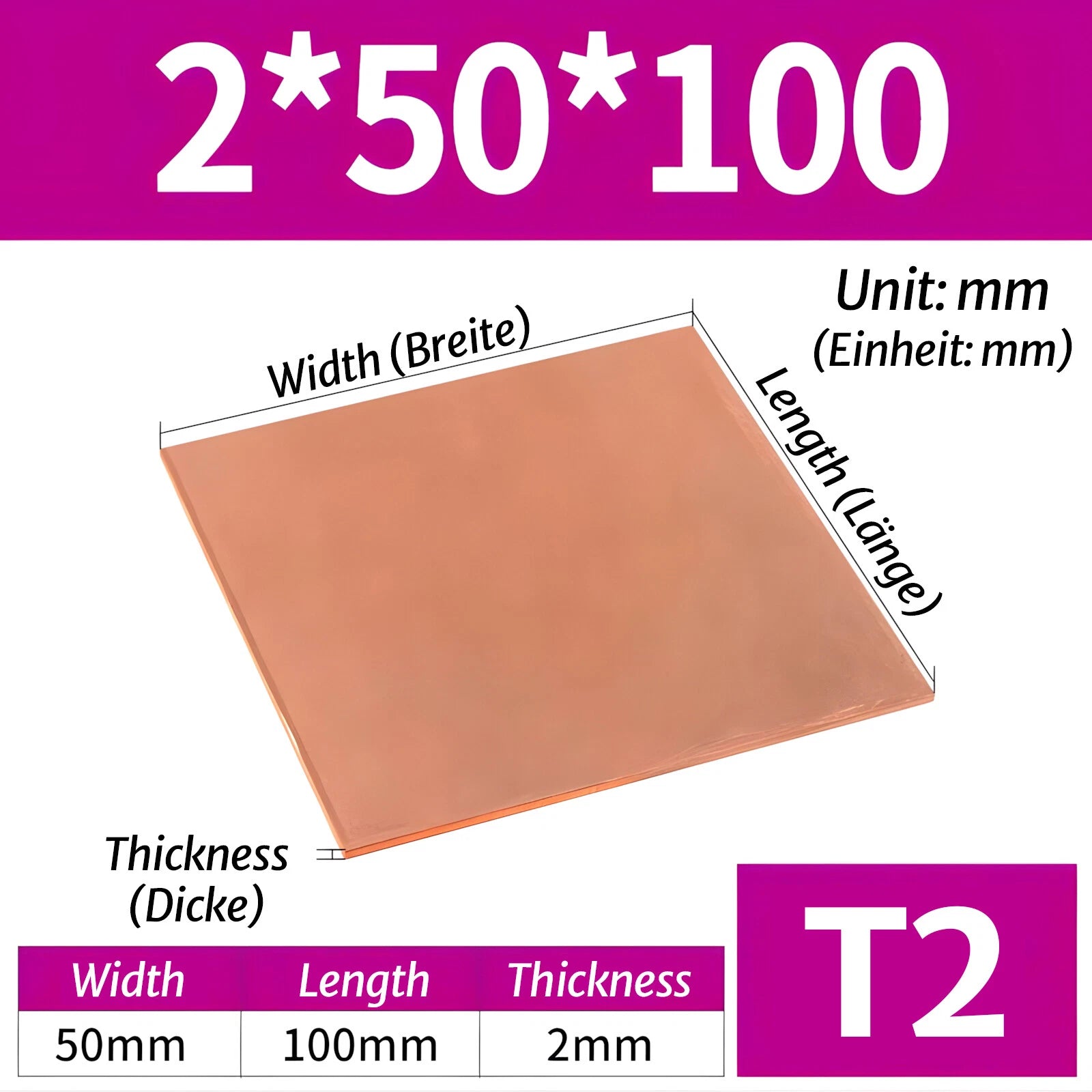
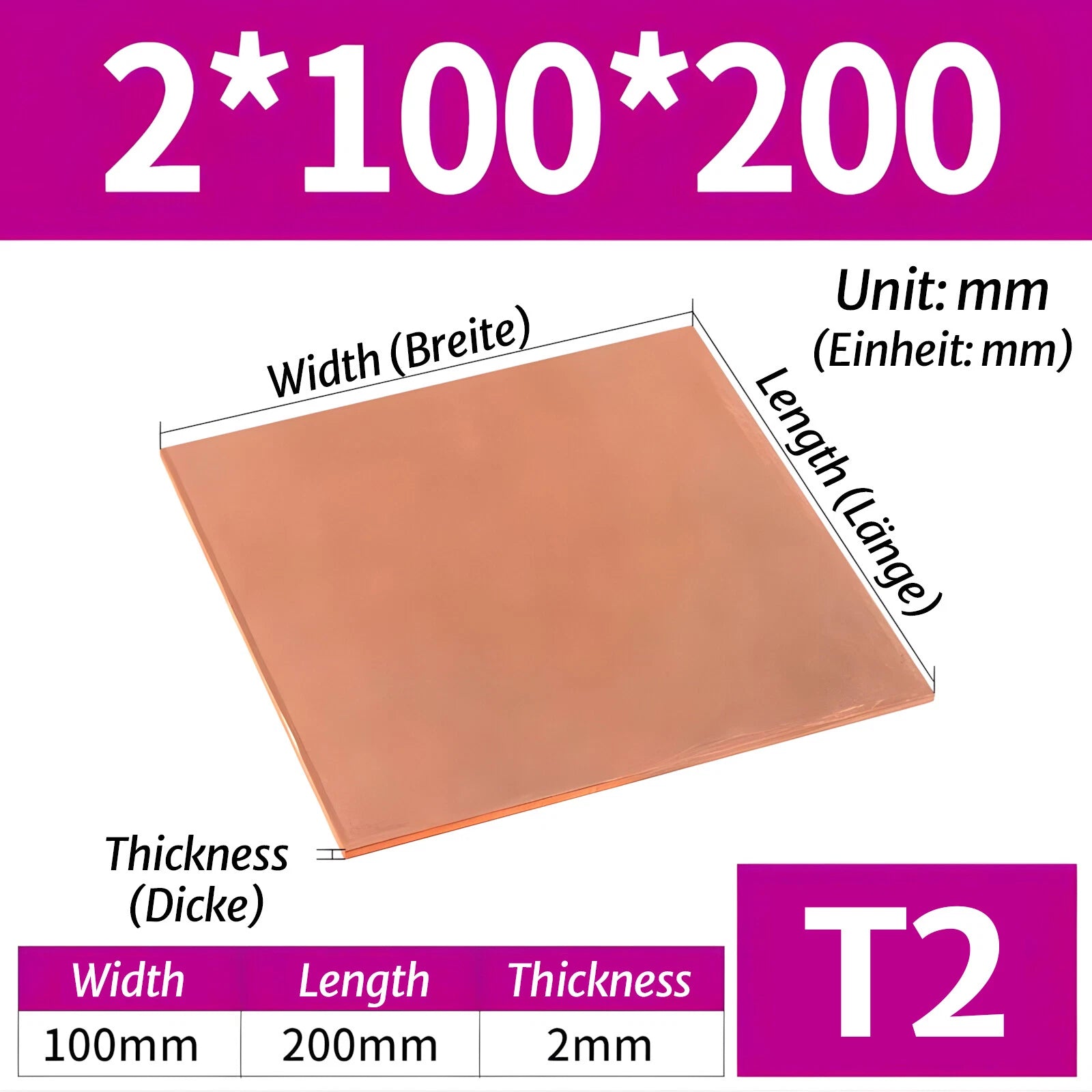
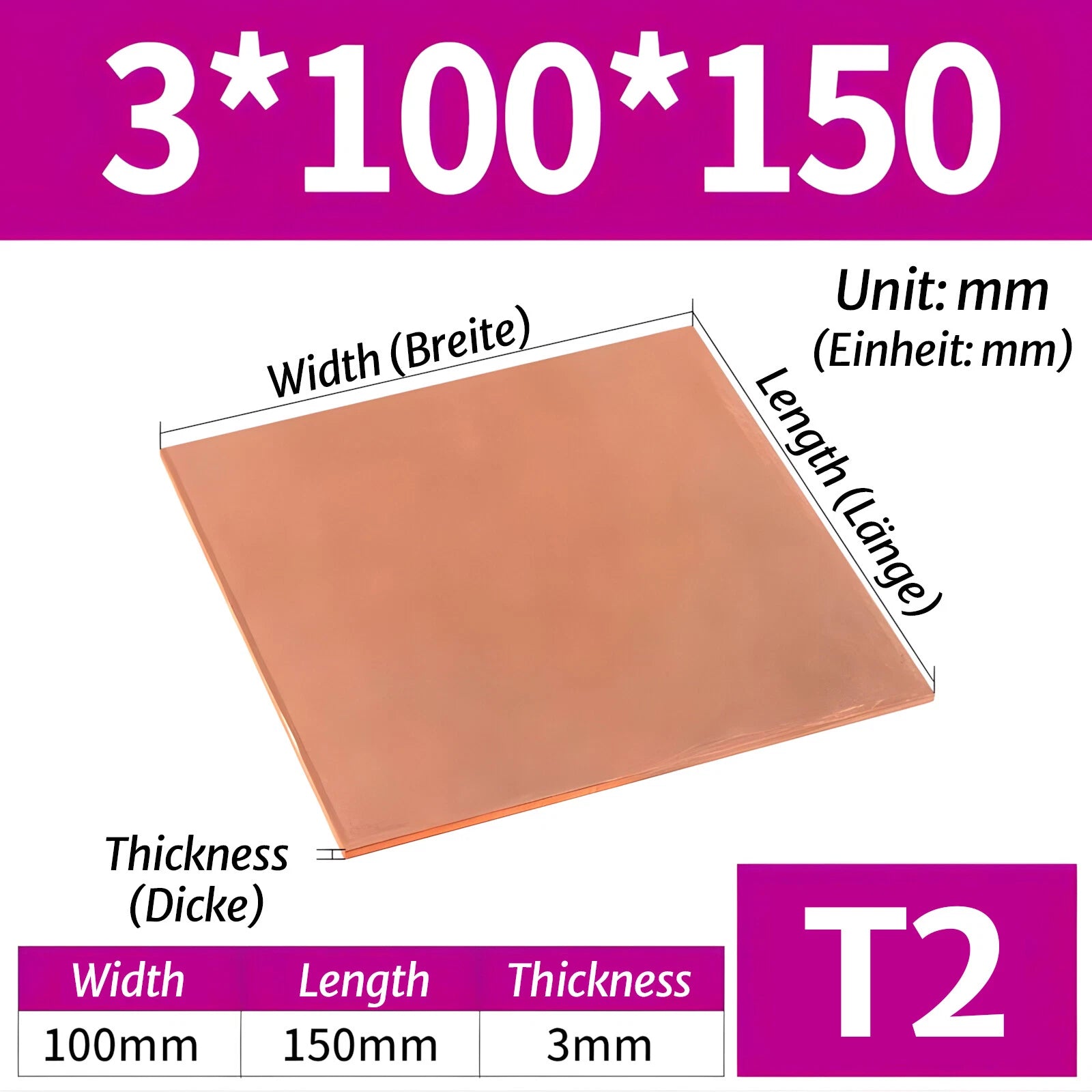
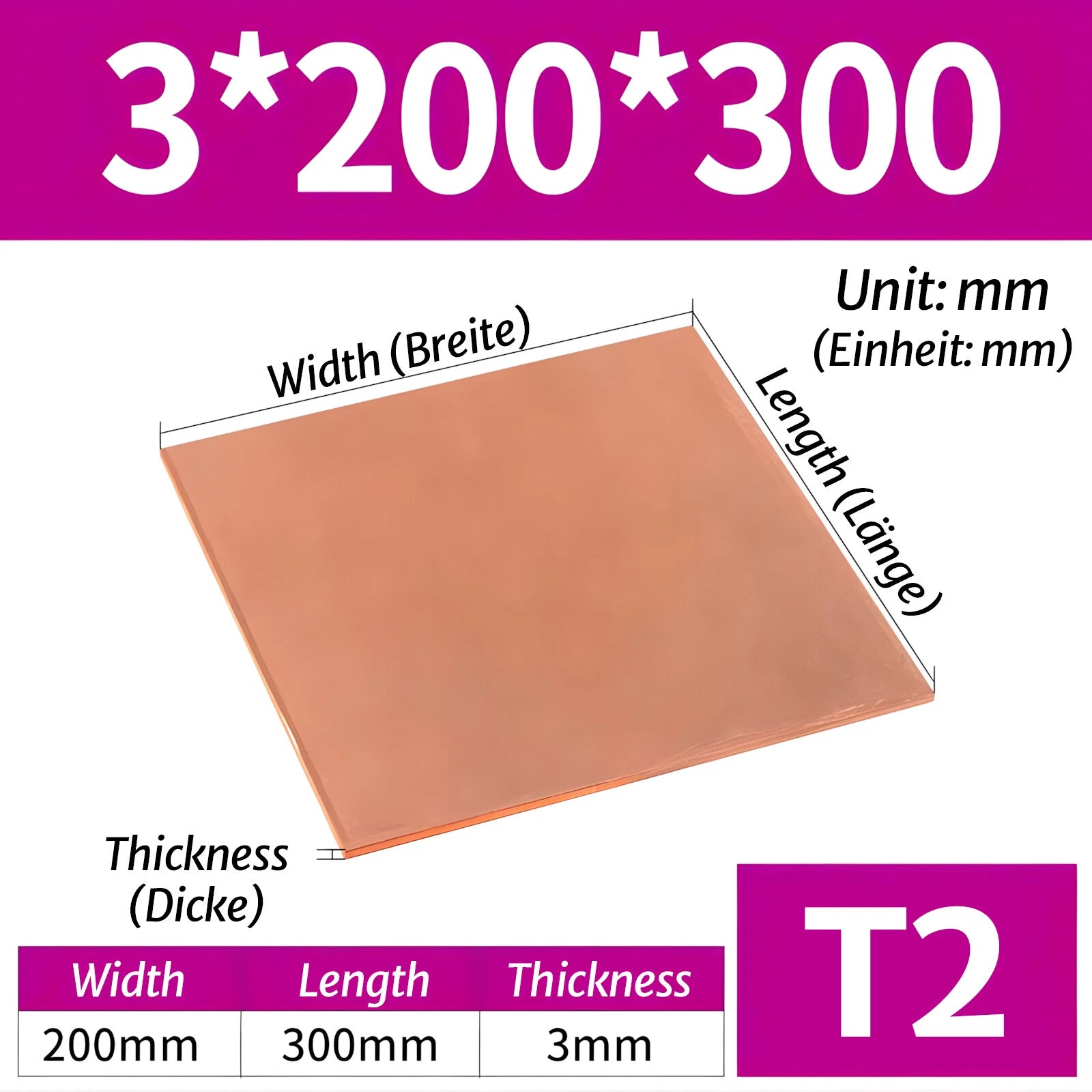
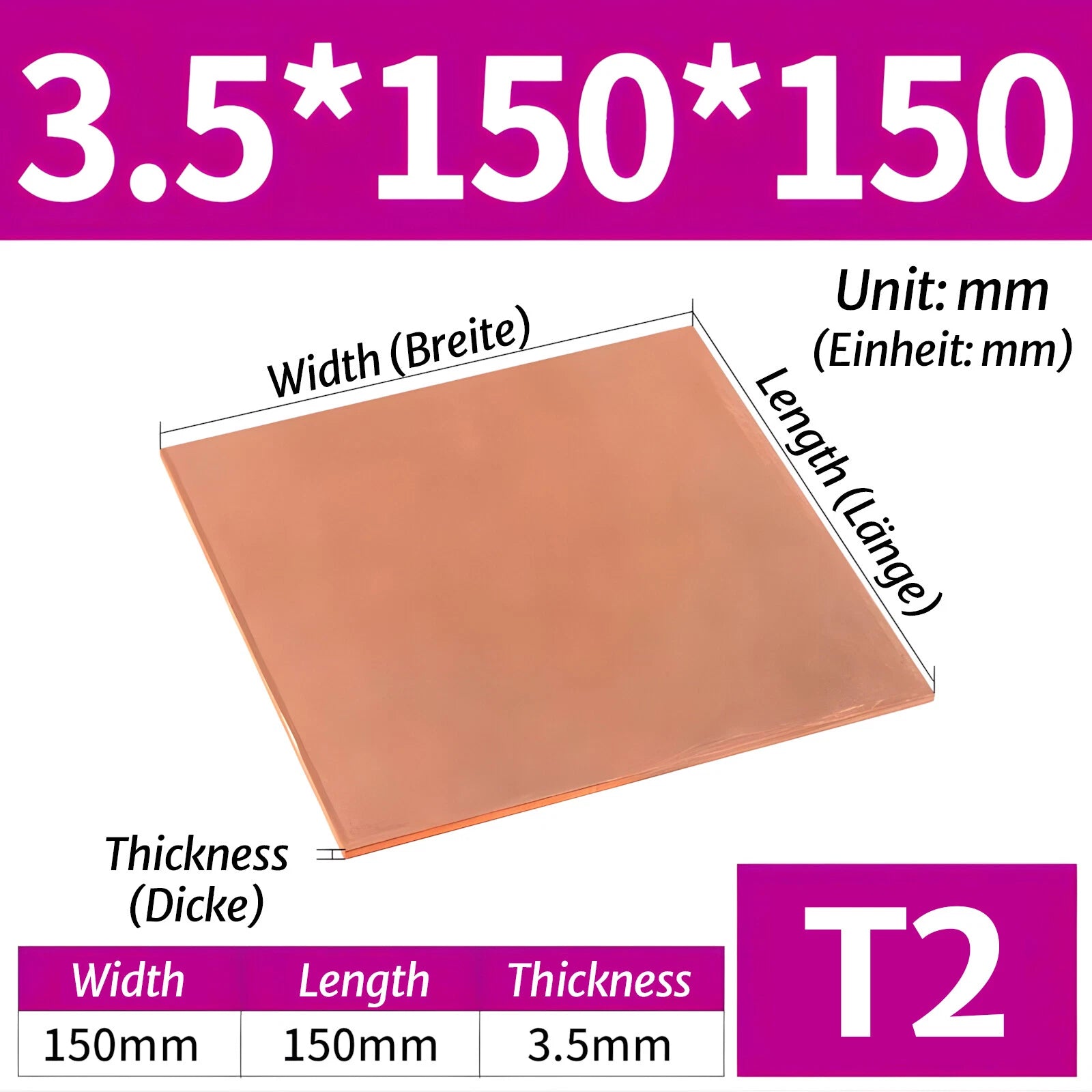
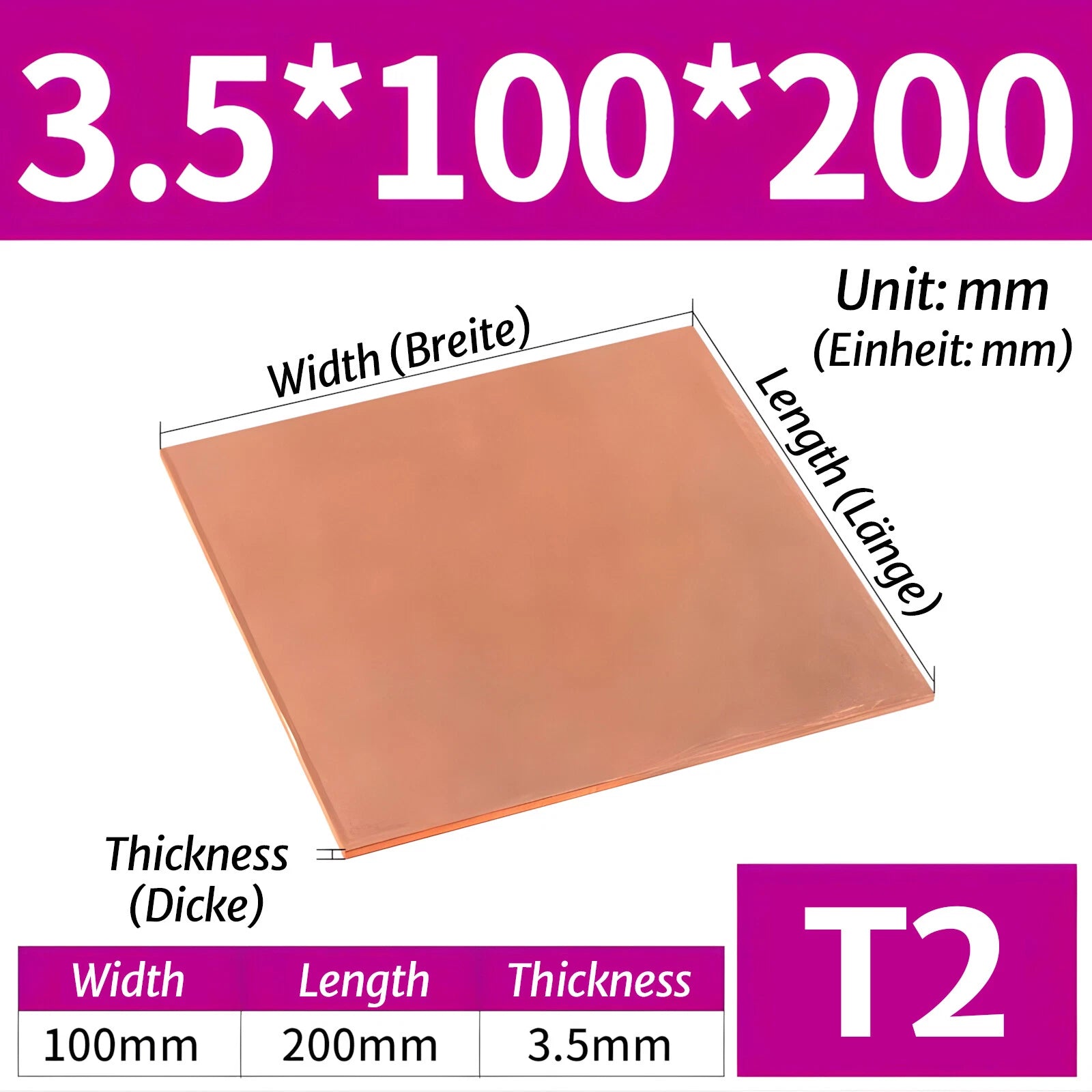
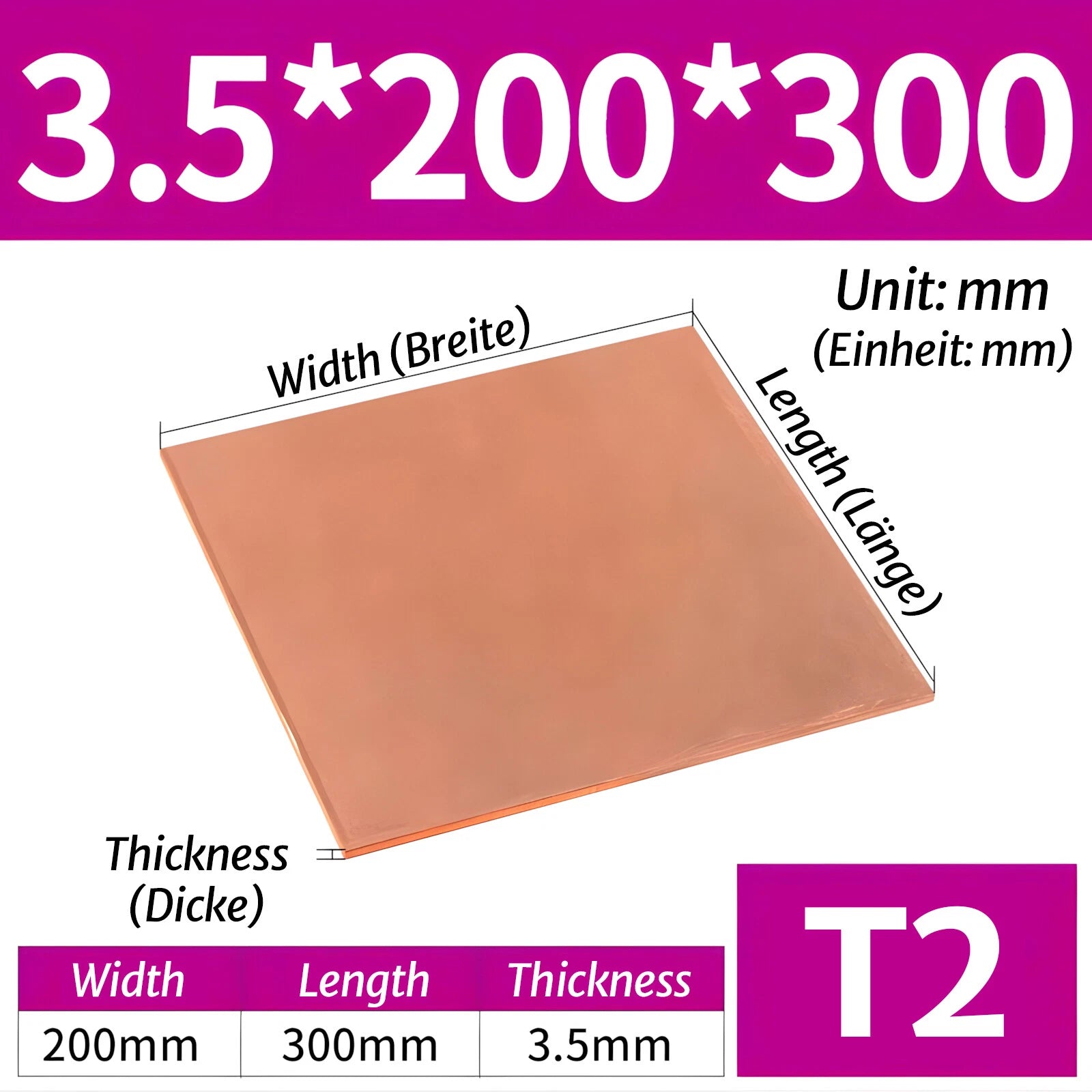
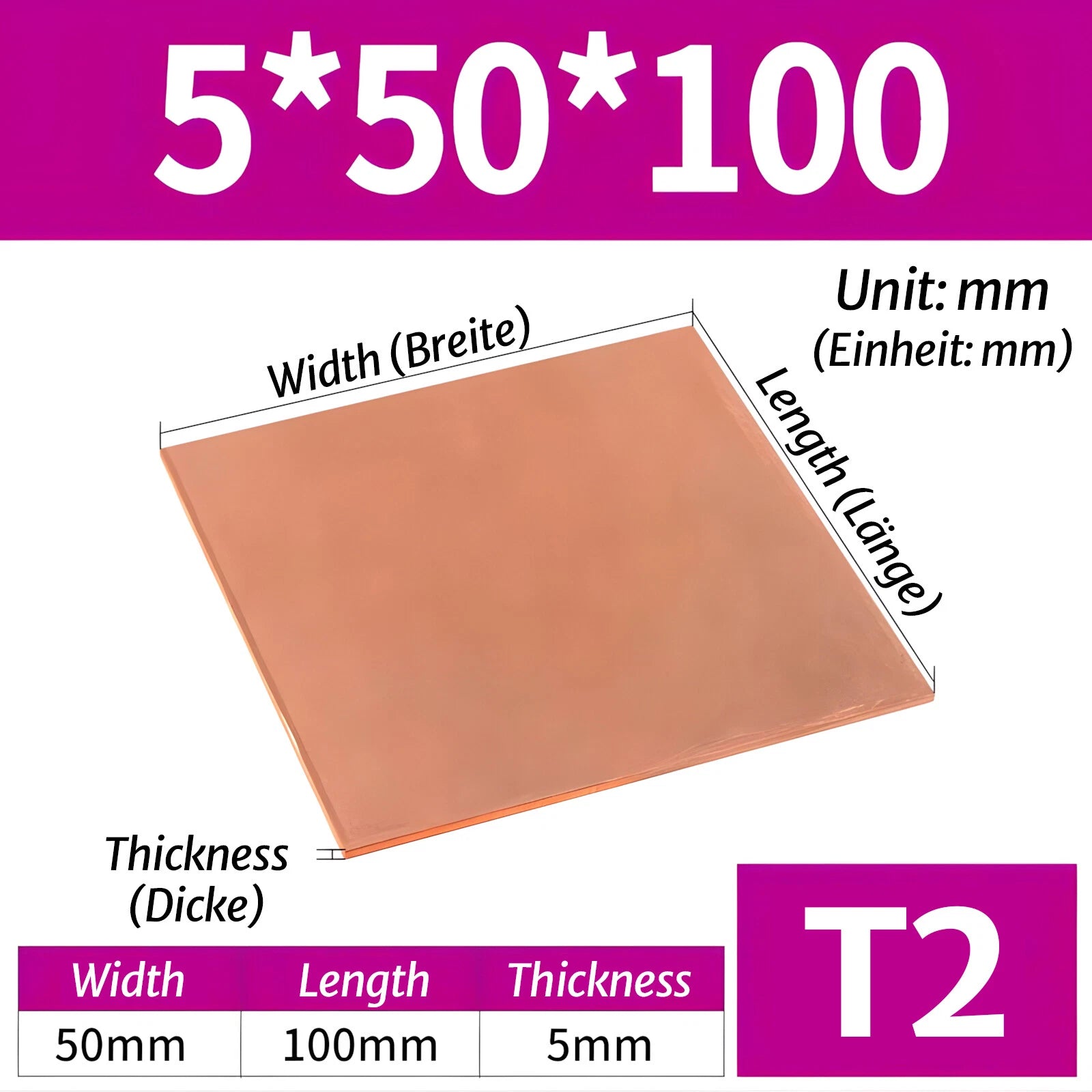
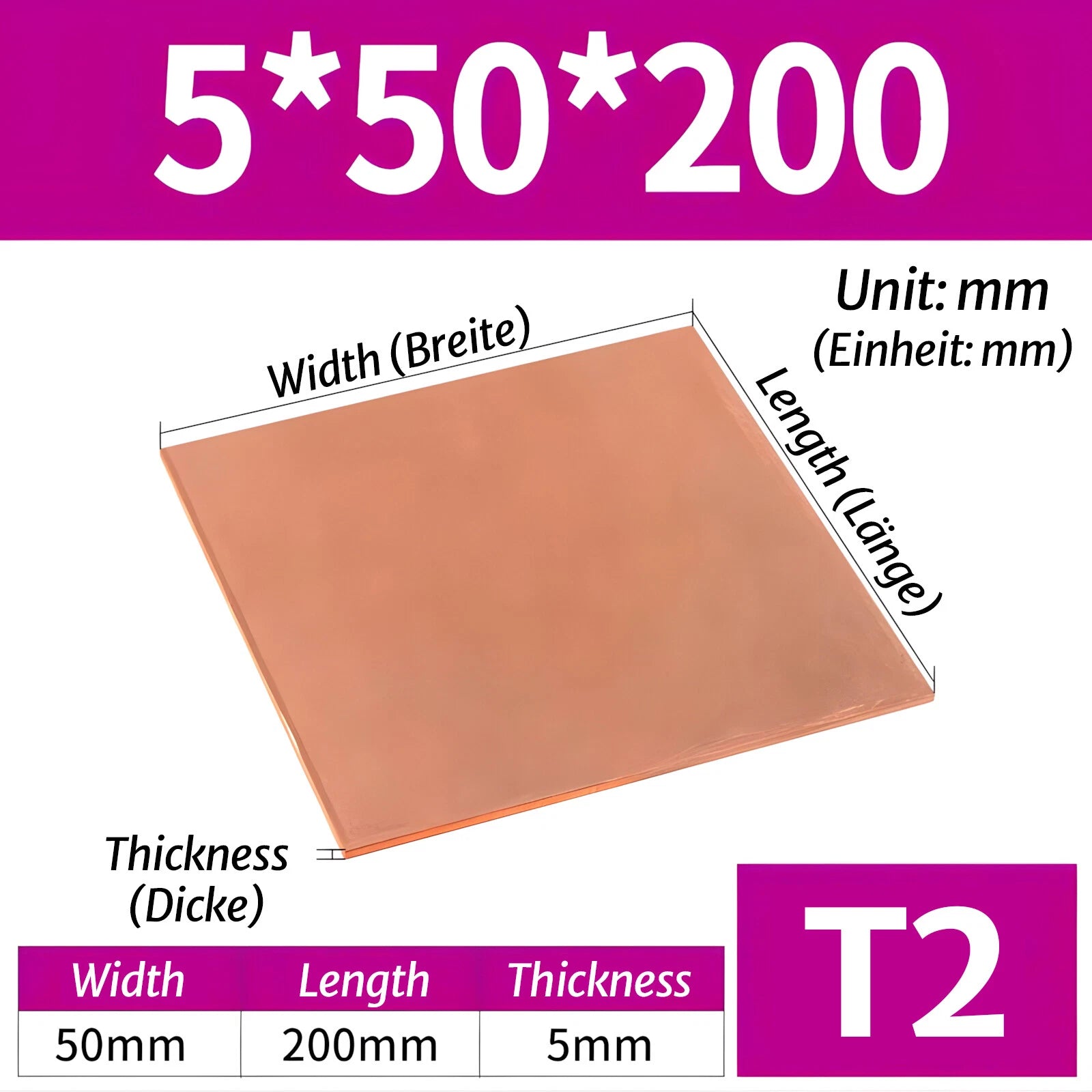
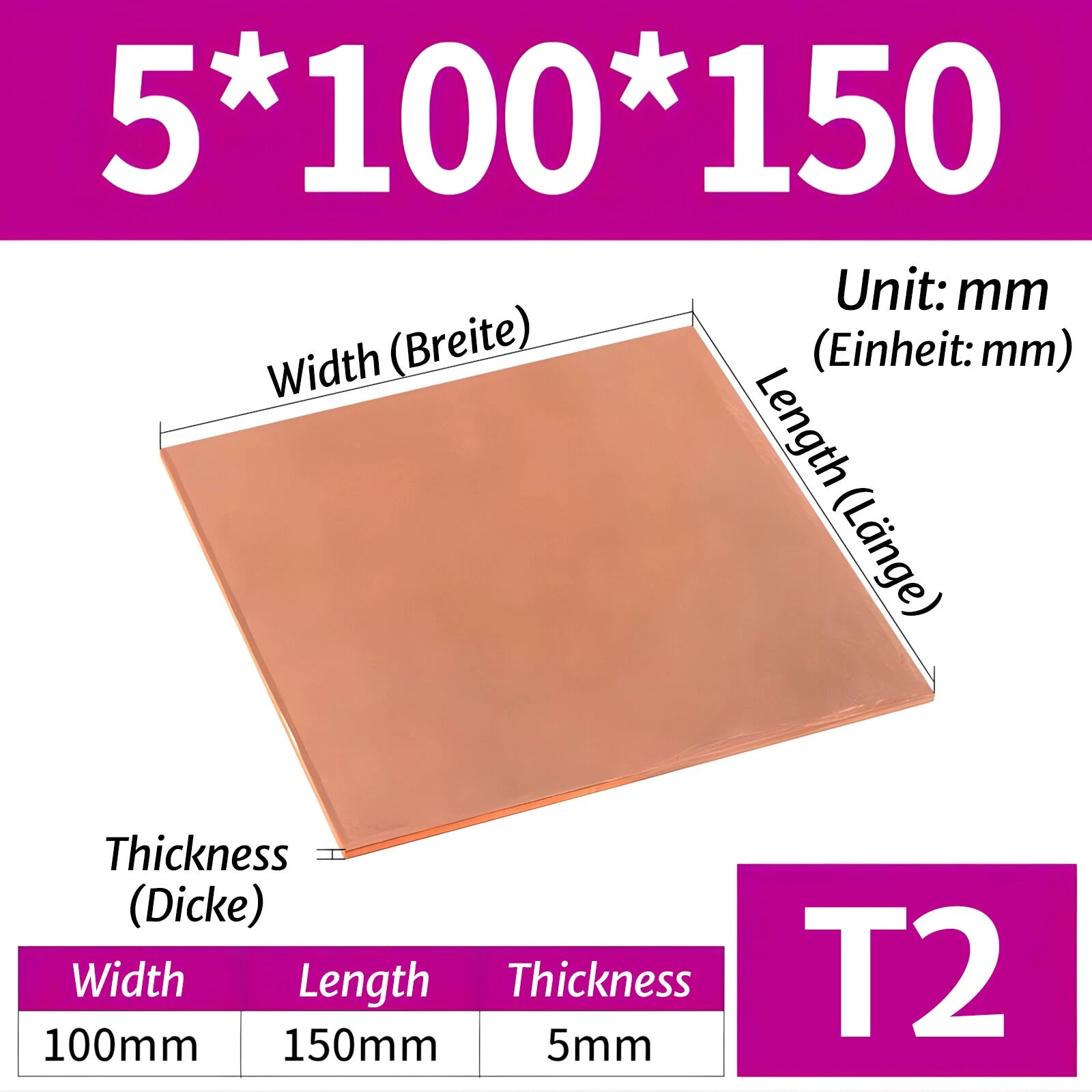
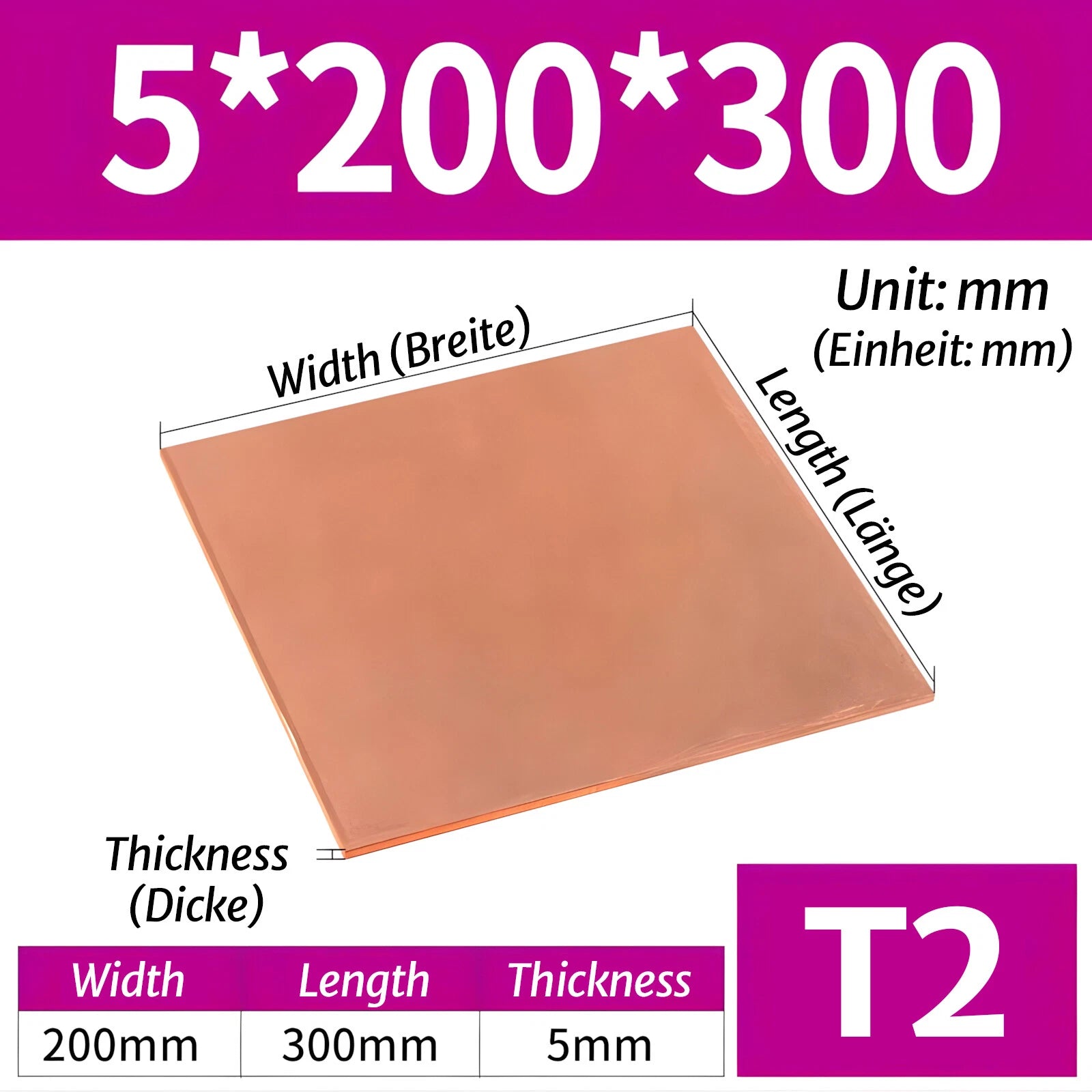
These copper sheets are made from T2-grade (99.9%+ purity) electrolytic copper, known for its outstanding electrical conductivity (typically ≥58 MS/m) and excellent thermal performance. Available in thicknesses from 0.3 mm (approximately 0.012 in) to 8 mm (approximately 0.315 in) and sheet dimensions ranging from 50 × 50 mm (approx. 2 × 2 in) up to 300 × 300 mm (approx. 11.8 × 11.8 in), each piece is laser-cut for clean, burr-minimized edges.
Typical applications include DIY electrical grounding straps and bus bars, custom heat spreaders for electronics cooling, decorative metalwork and jewelry blanks, RF shielding panels for enclosures, and precision gaskets or shims in mechanical assemblies — all scenarios where a laser-cut copper sheet plate delivers measurable performance advantages over generic alternatives.
Electrolytic-grade T2 copper delivers exceptional electrical conductivity and thermal transfer, making it the material of choice for precision electrical and thermal management applications.
Each sheet is laser-cut to your selected dimensions, producing clean, straight edges with minimal burring — reducing finishing time and improving fit in tight-tolerance assemblies.
Choose from 0.3 mm to 8 mm thickness and sheet sizes from 50 × 50 mm to 300 × 300 mm, covering everything from ultra-thin foil-like sheets to solid copper blocks for heavy-duty use.
T2 copper's excellent ductility allows bending, stamping, drilling, and CNC routing without cracking, giving fabricators the flexibility to shape it into custom components.
Copper naturally forms a protective oxide layer that resists corrosion in most indoor and light outdoor environments, extending the service life of finished parts and assemblies.
Order 1, 2, or 4 pieces per variant to match your project scale — whether you need a single prototype sheet or a small batch for production runs.
| Material | T2 Electrolytic Pure Copper (≥99.9% Cu) |
|---|---|
| Thickness Range | 0.3 mm – 8 mm (approx. 0.012 in – 0.315 in) |
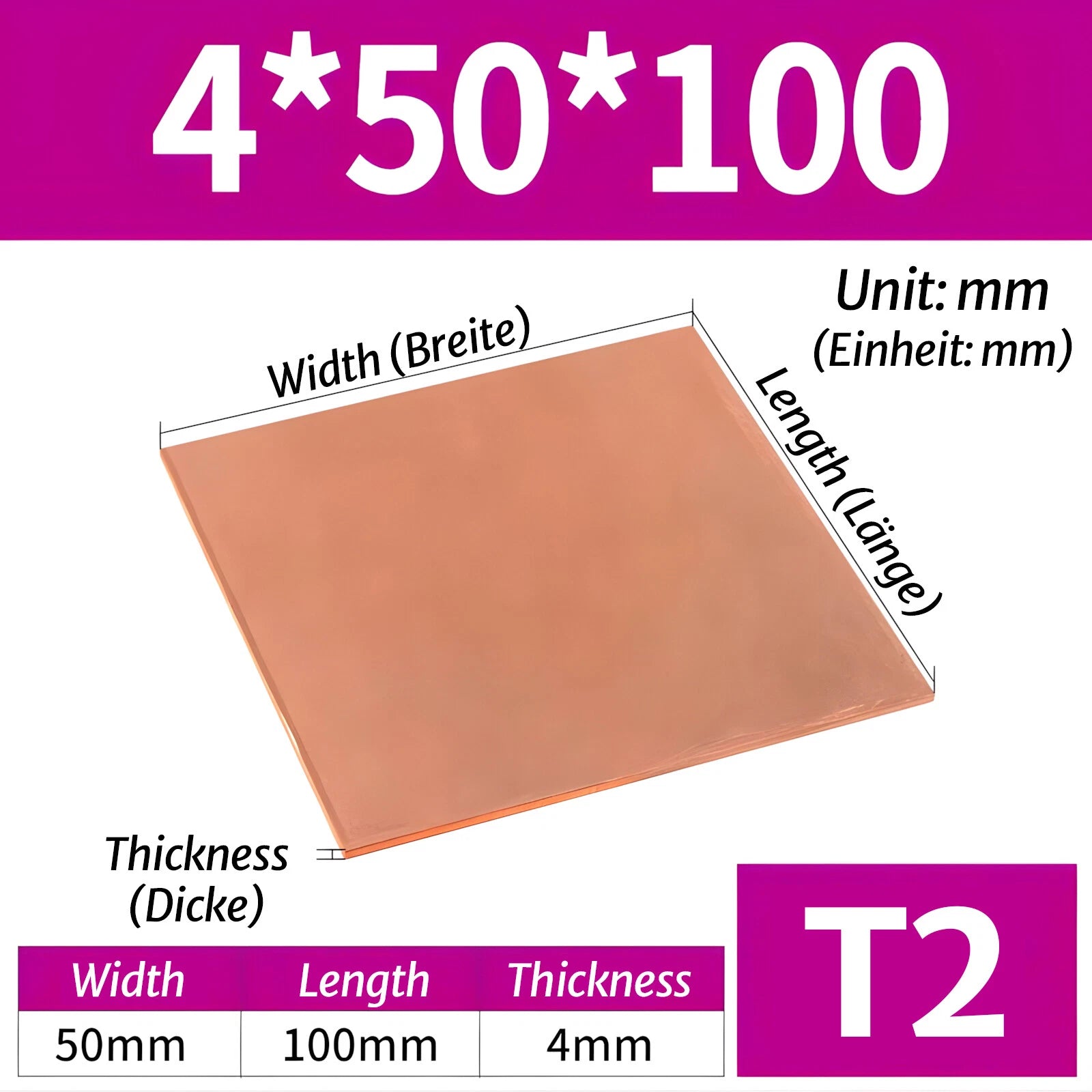
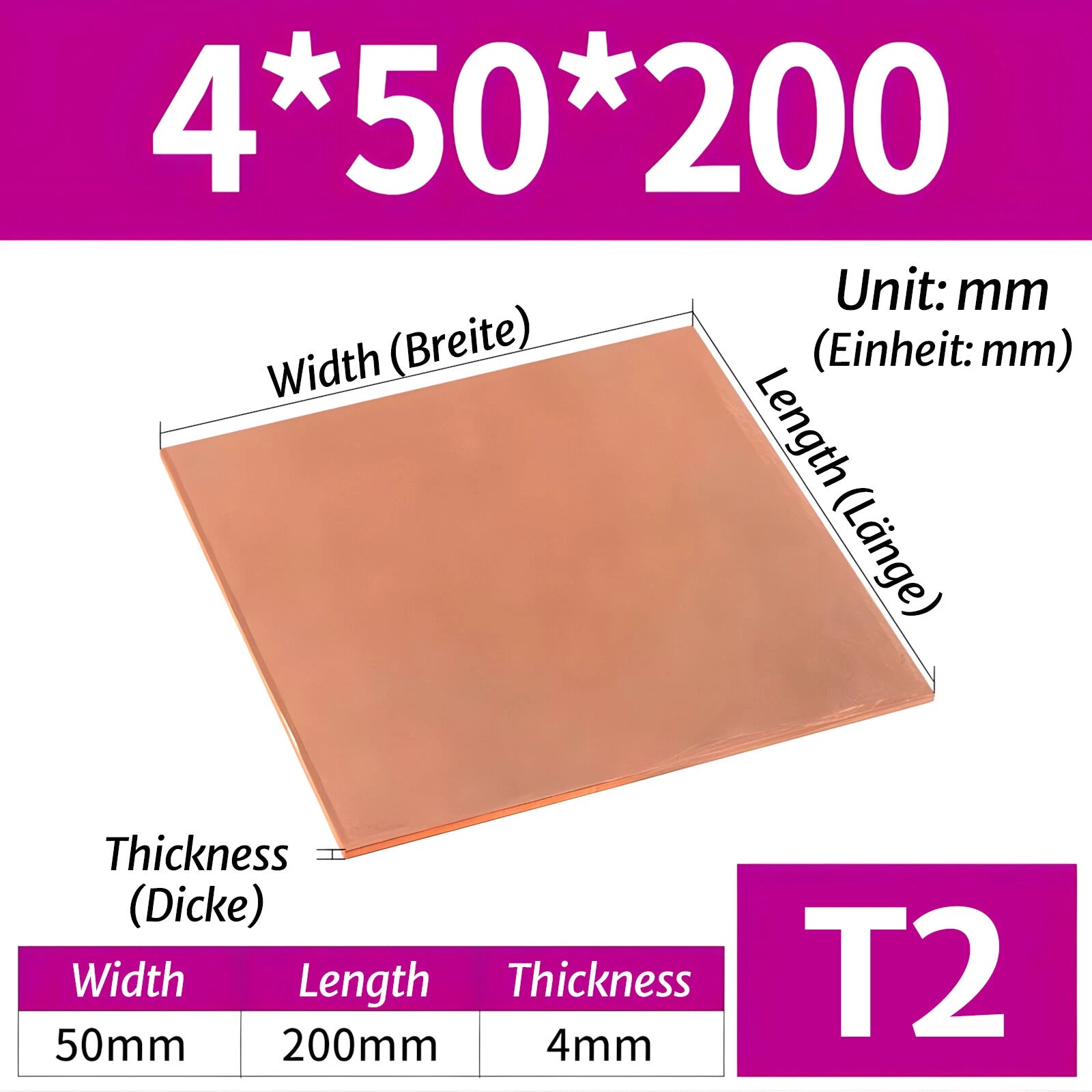
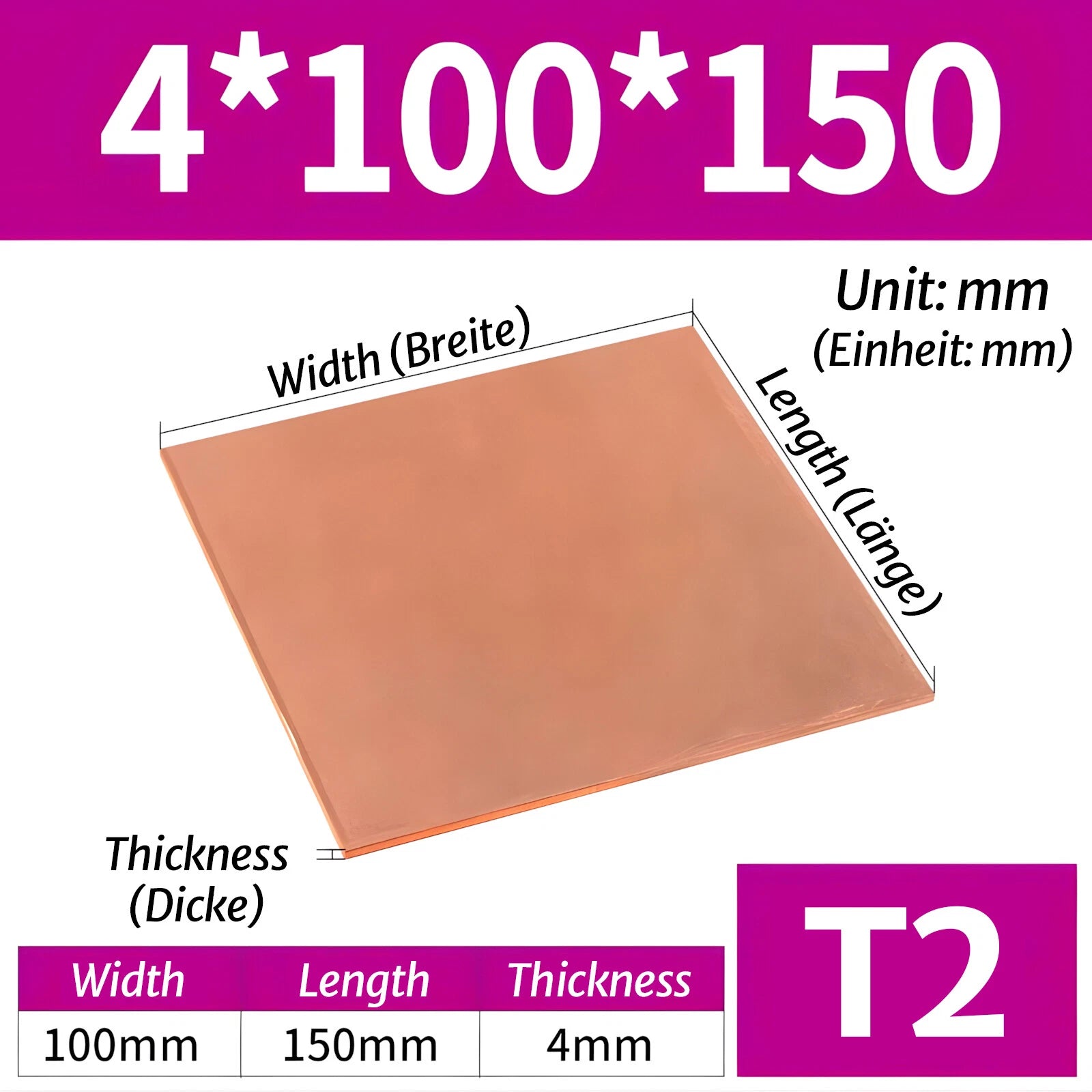
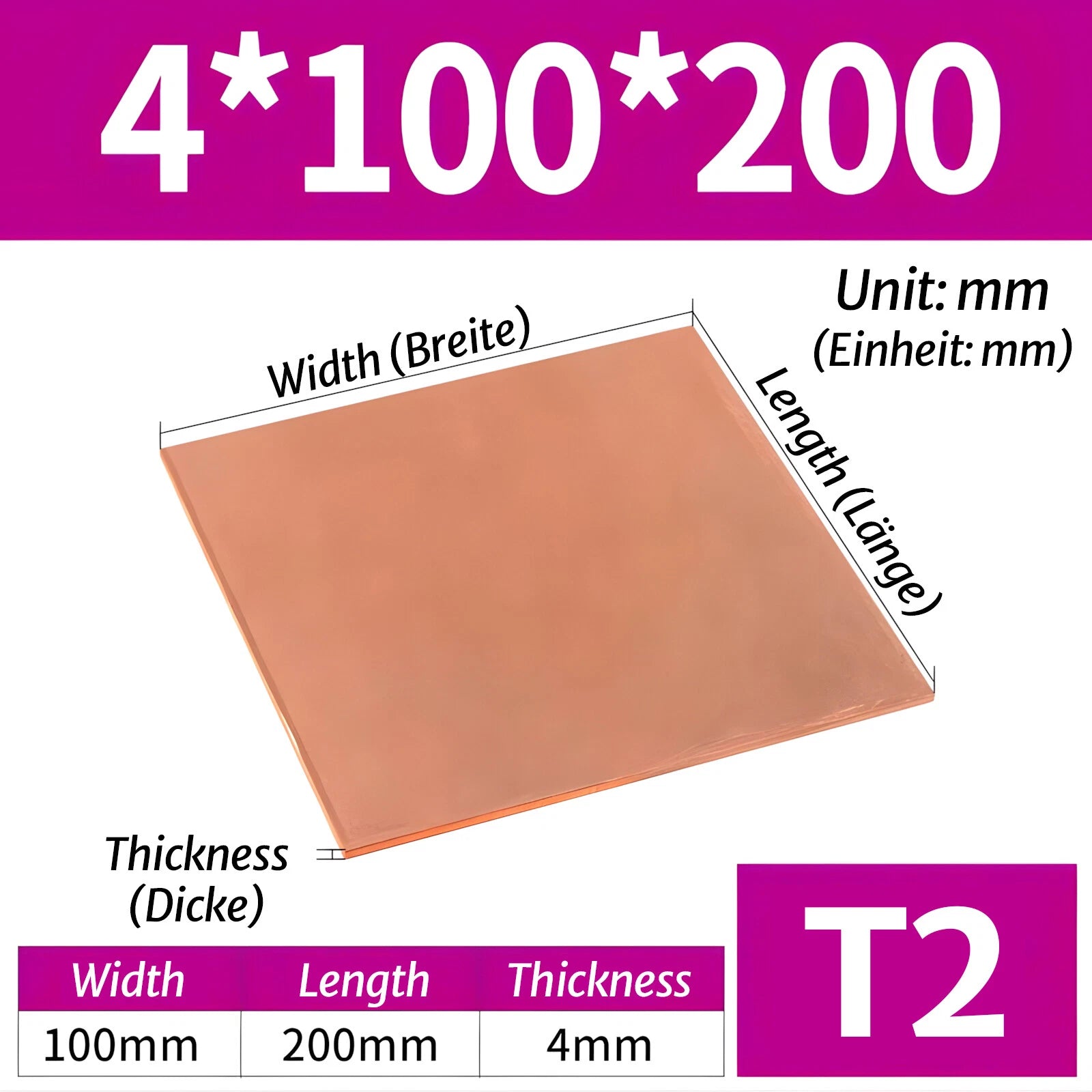
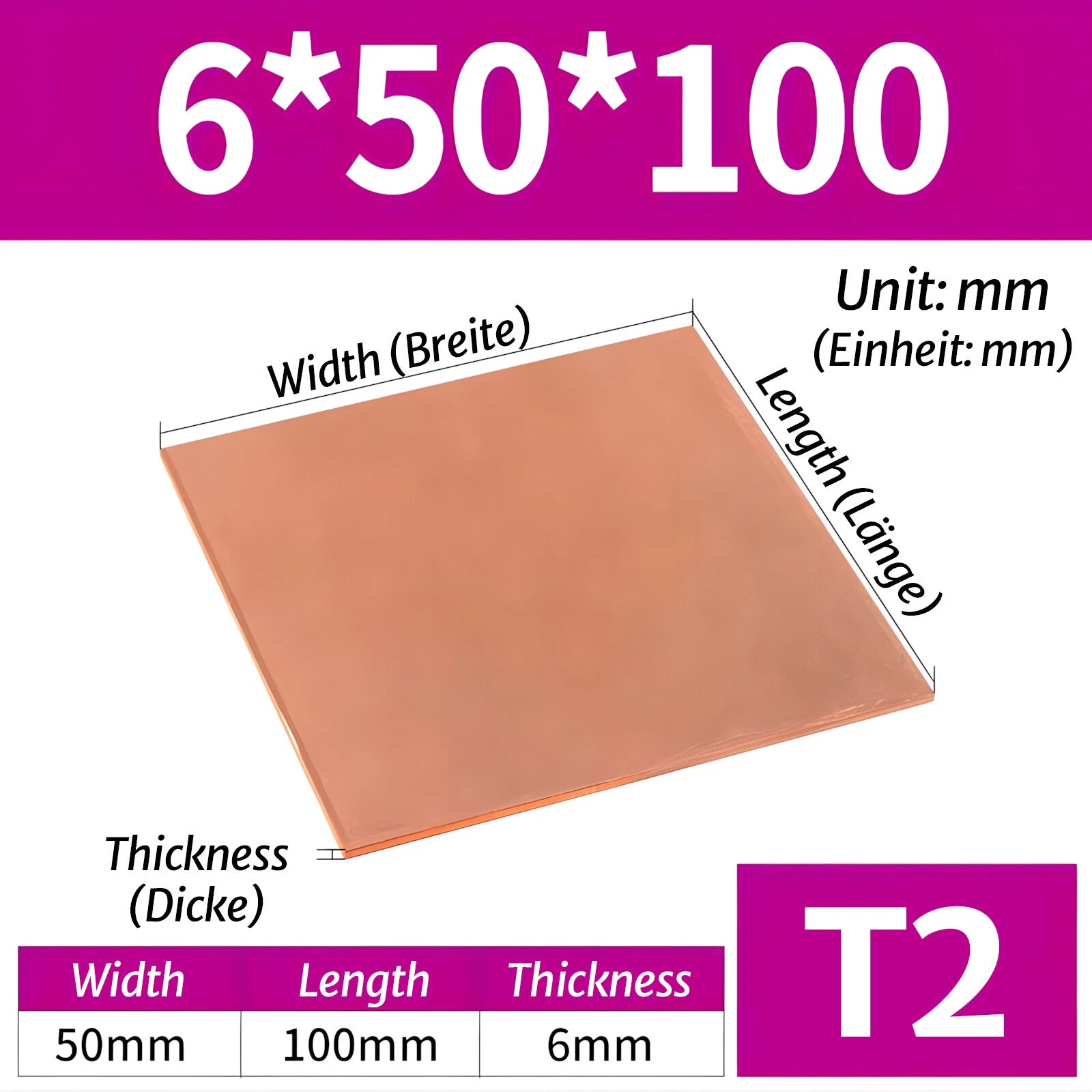
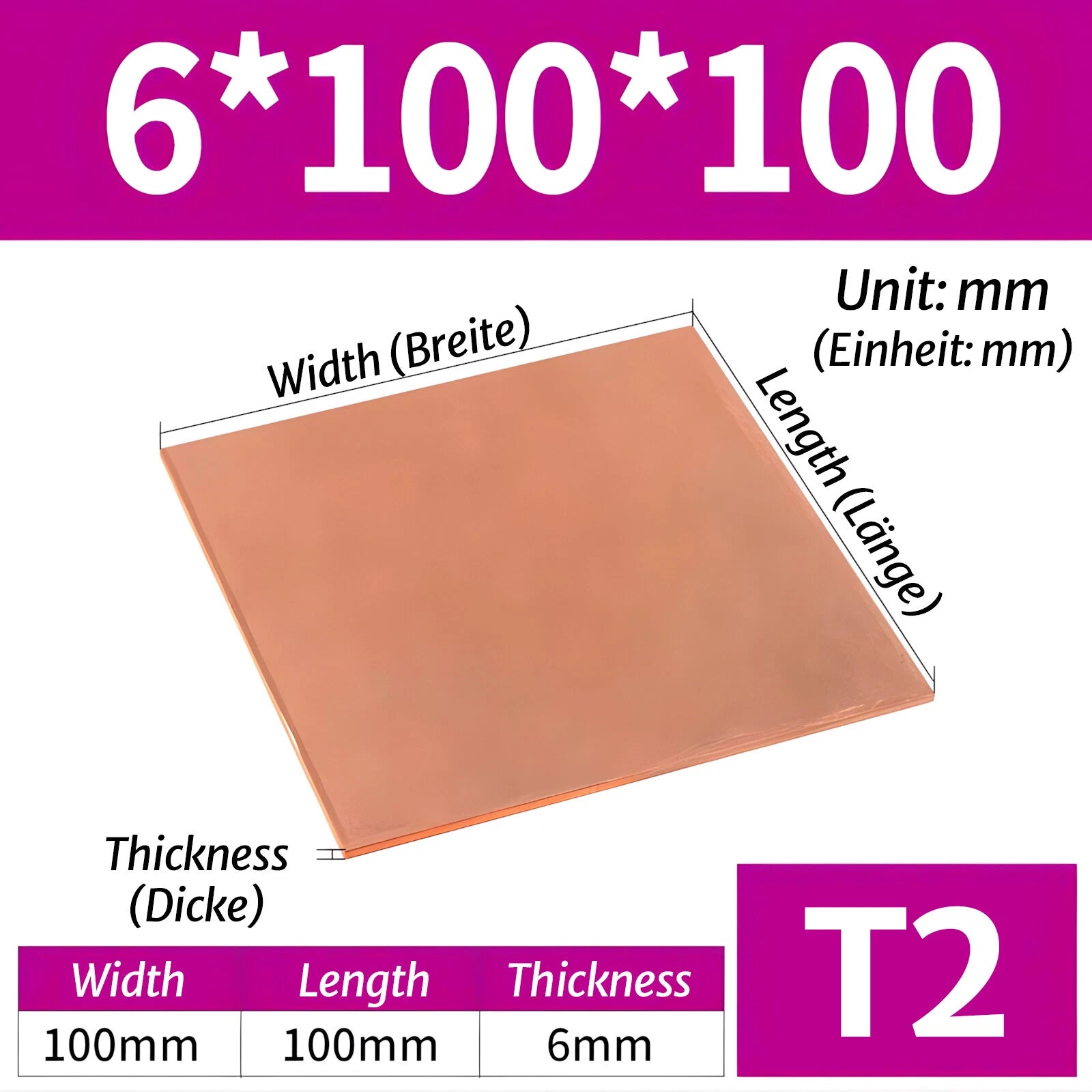
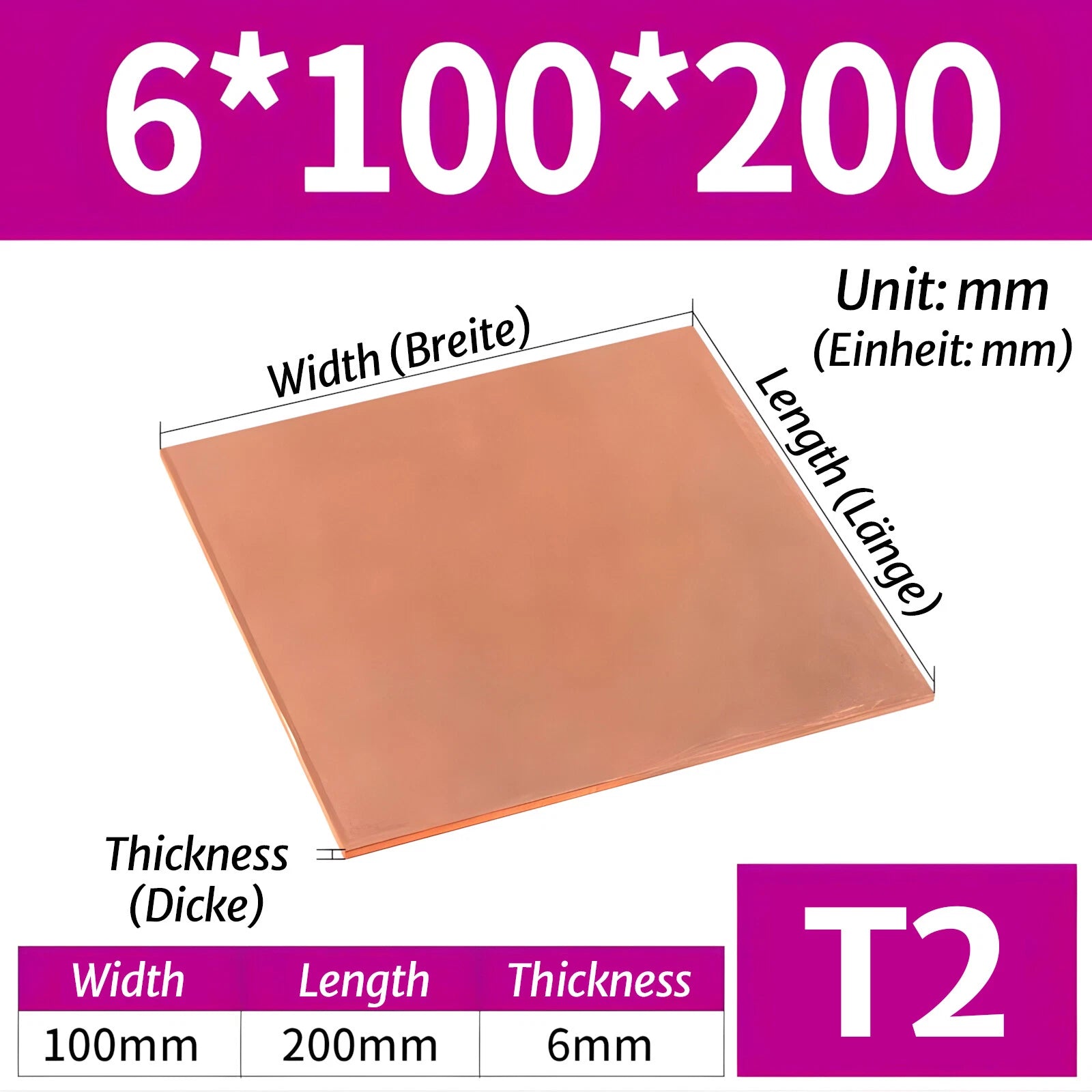
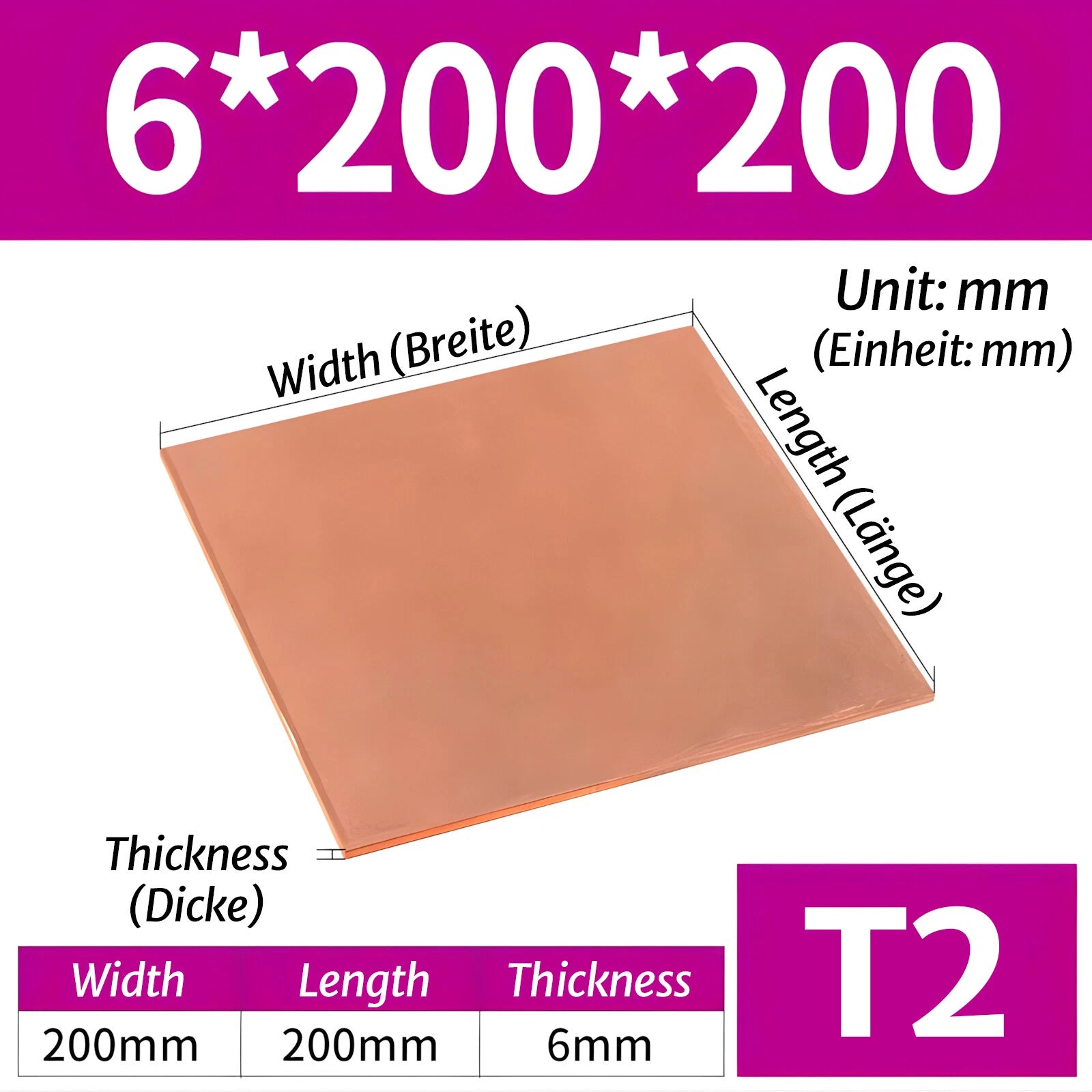
| Sheet Size Range | 50 × 50 mm to 300 × 300 mm (approx. 2 × 2 in to 11.8 × 11.8 in) |
| Cutting Method | Laser Cut |
| Electrical Conductivity | Typically ≥58 MS/m (IACS ≥100%) |
| Thermal Conductivity | Typically ~385–400 W/(m·K) |
| Surface Finish | Mill finish (natural copper, may show light oxidation) |
| Color | Reddish-orange copper |
| Quantity per Order | 1 Pcs / 2 Pcs / 4 Pcs (see variant options) |
| Weight | See variant options |
| Tolerance | See variant options |
Thinner sheets (0.3 mm–1 mm) are ideal for flexible electrical connections, shielding foils, and decorative inlays. Mid-range thicknesses (1.2 mm–3 mm) suit bus bars, heat spreaders, and structural brackets. Thicker plates (3.5 mm–8 mm) are used for heavy-duty grounding blocks, machined components, and solid copper electrodes. Select based on the mechanical load and conductivity requirements of your application.
T2 is the Chinese national standard designation for electrolytic tough-pitch (ETP) copper, which is closely equivalent to ASTM C11000 (C110). Both specify ≥99.9% copper purity and are recognized for their excellent electrical and thermal conductivity. They are functionally interchangeable in most DIY and industrial applications.
Copper naturally oxidizes when exposed to air, developing a darkened patina over time. This oxide layer is actually protective and slows further corrosion. For applications requiring a bright finish, you can clean the surface with a mild acid solution (such as diluted citric acid) or apply a clear lacquer coating. In outdoor or high-humidity environments, consider a protective sealant.
Yes. T2 pure copper is one of the most solderable metals available. It bonds readily with standard tin-lead and lead-free solders using rosin or no-clean flux. For higher-temperature joints, silver brazing alloys work excellently. Ensure the surface is clean and free of heavy oxidation before soldering for the strongest bond.
Laser cutting produces cleaner edges than shearing or sawing, with minimal burring. However, thicker sheets (3 mm and above) may have slightly sharp corners. We recommend wearing gloves when handling larger or thicker pieces, and lightly deburring edges with fine sandpaper (400–600 grit) if a smooth finish is required for your application.
For heat spreaders on electronics (e.g., under a CPU or power module), a 100 × 100 mm sheet at 1 mm–2 mm thickness is a common starting point. For grounding straps, a 50 × 100 mm sheet at 0.5 mm–1 mm thickness offers a good balance of flexibility and conductivity. For bus bars, thicker plates (2 mm–4 mm) in longer rectangular sizes (e.g., 50 × 200 mm or 100 × 200 mm) are typical.
Yes. Thinner sheets (up to about 1.5 mm) can be cut with sharp tin snips or a utility knife scored repeatedly. Thicker sheets are best cut with a jigsaw fitted with a metal-cutting blade, or a bandsaw. Drilling is straightforward with standard HSS drill bits — use cutting oil and a slow speed to prevent work-hardening. Always clamp the sheet securely before cutting or drilling.





