The chain is fine...but I ordered the wrong size. Nine links of the chain I ordered equals six of the size I wanted. My error...
How can I straighten out the springs? I can't use them coil uo as is.
Your payment information is processed securely. We do not store credit card details nor have access to your credit card information.
Get fitment advice & recommendations
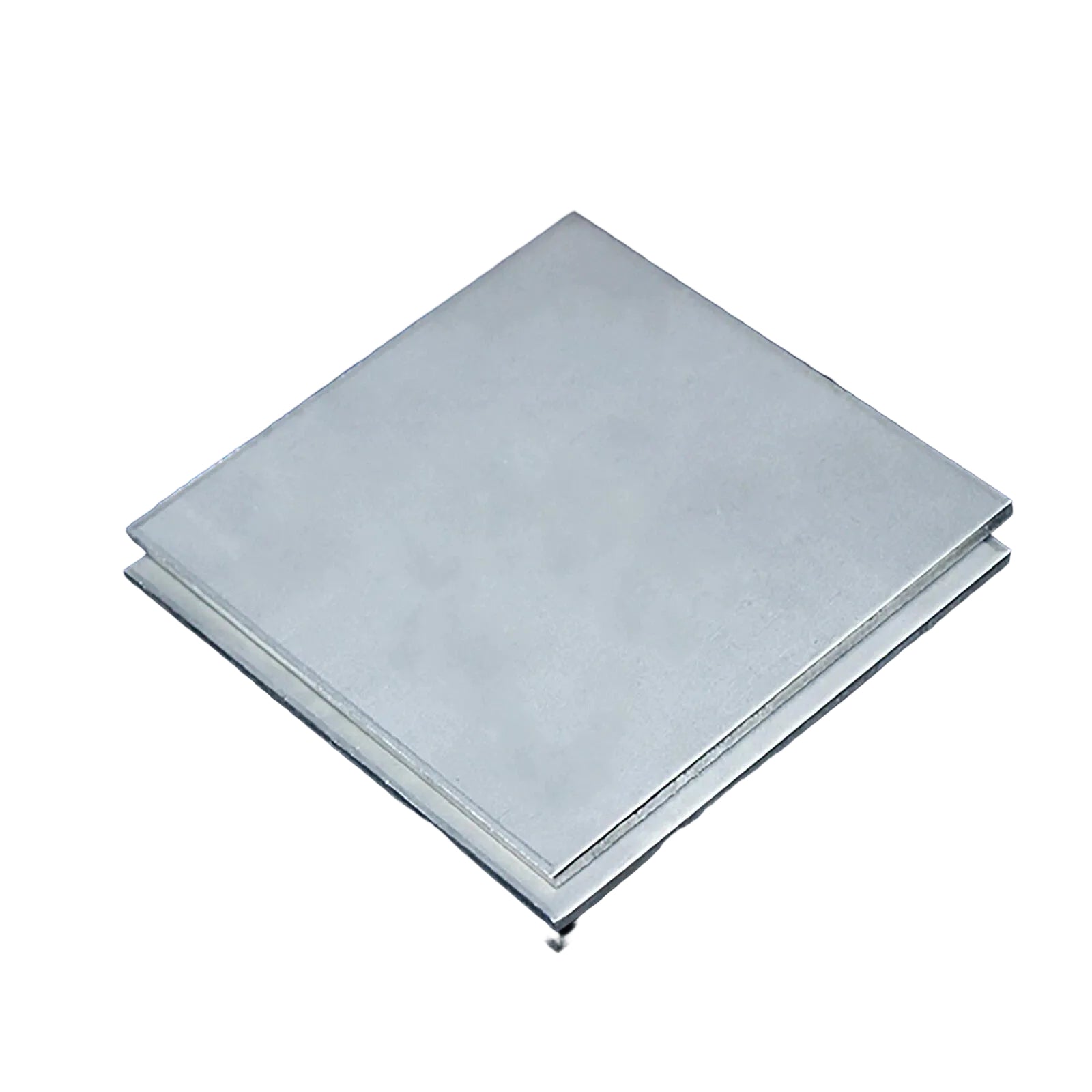
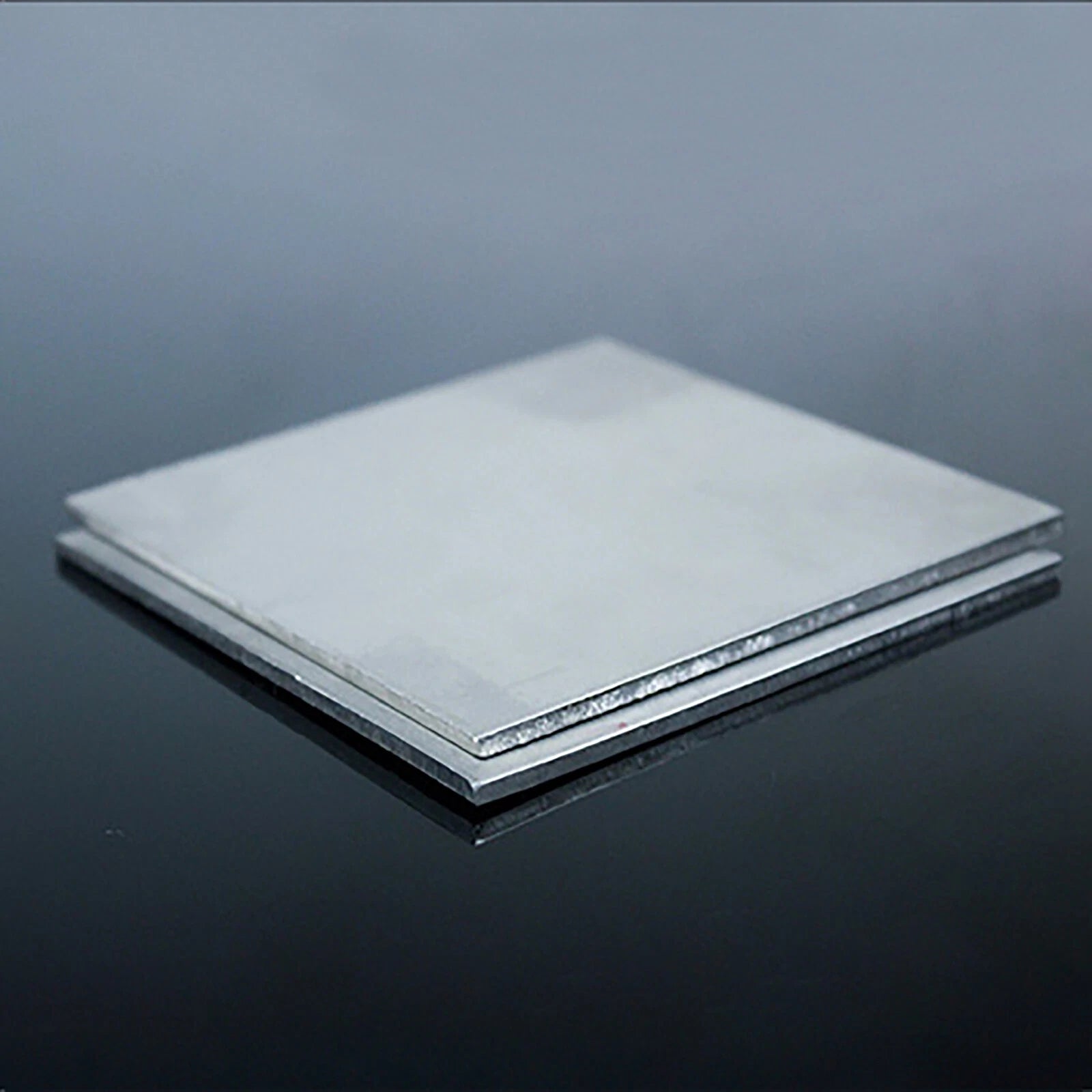
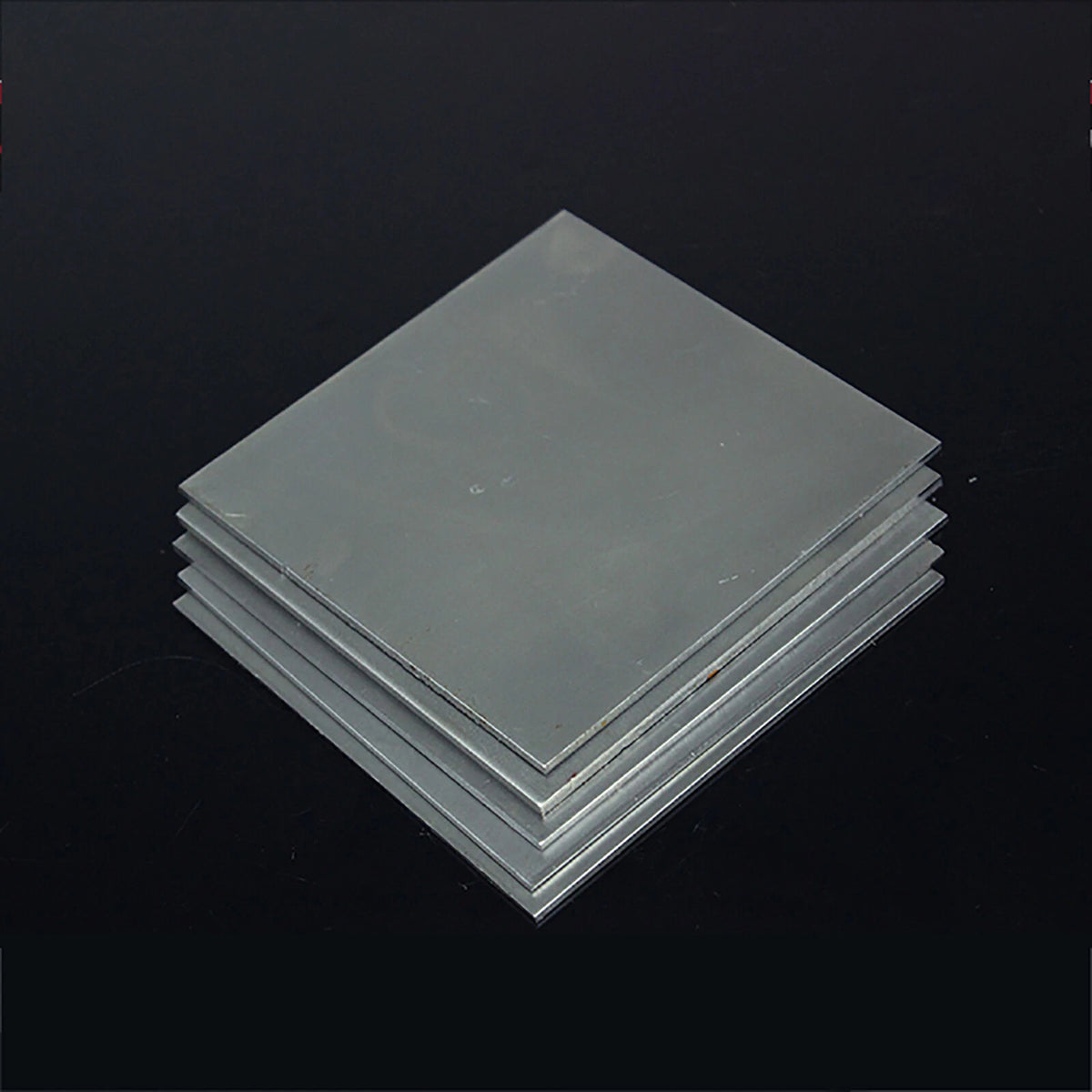
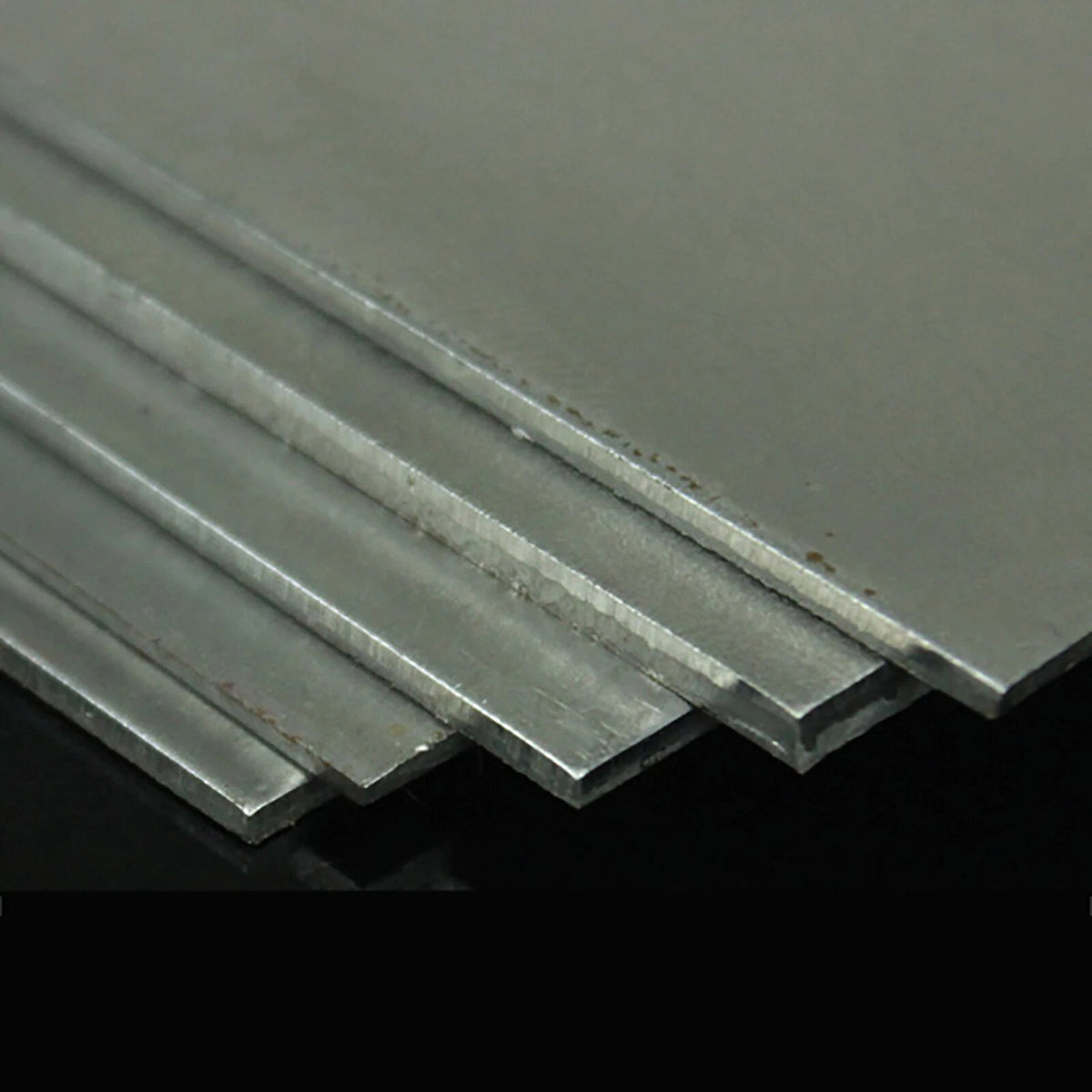
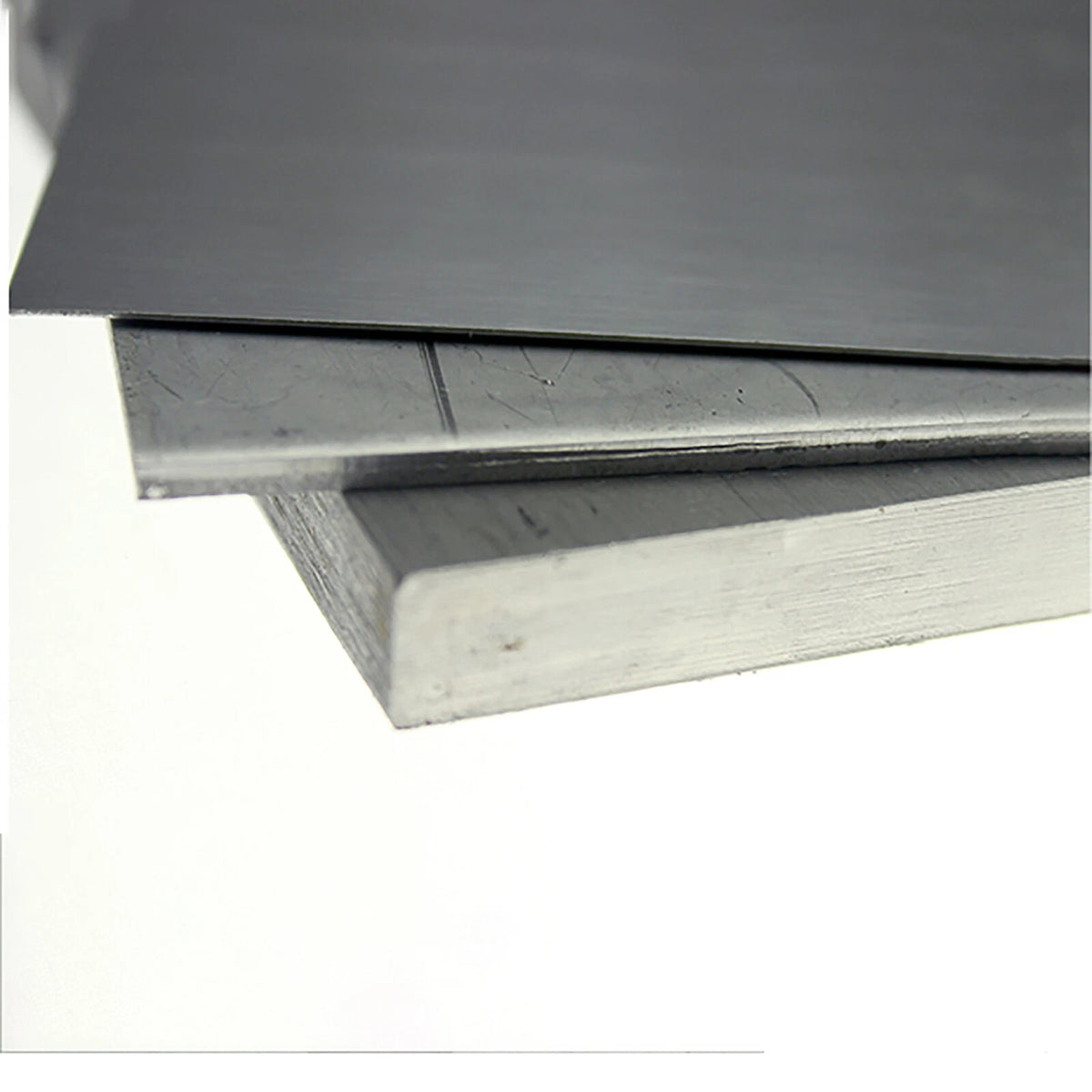
When a project demands a flat metal substrate that holds its shape under load, resists aggressive chemicals, and stays lightweight, standard steel or aluminum plate often becomes the bottleneck. Fabricators, engineers, and precision hobbyists working on aerospace brackets, marine fittings, chemical-process components, and medical device housings rely on TA2 titanium sheet plate to meet those requirements without compromise.
Each panel is cut from TA2 commercially pure titanium (ASTM Grade 2 equivalent), available in thicknesses of 0.5, 0.8, 1.0, 1.5, 2.0, and 3.0 mm. Planform dimensions span from 100×100 mm (approx. 3.94×3.94 in) up to 200×200 mm (approx. 7.87×7.87 in), with a 100×150 mm (3.94×5.91 in) and 150×250 mm (5.91×9.84 in) option also available. The surface carries a mill finish — flat, low-oxide, and ready for machining, anodizing, or direct assembly.
Typical applications include structural shim plates and spacers in aerospace sub-assemblies, corrosion-resistant backing plates for marine through-hull fittings, heat-shield panels in motorsport exhaust tunnels, and electrode substrates for electrochemical reactors. The combination of ~4.51 g/cm³ density and 345–485 MPa tensile strength makes TA2 titanium sheet plate the go-to choice for weight-critical structural panels in demanding service environments.
| Material Grade | TA2 (Commercially Pure Titanium, ASTM Grade 2 equivalent) |
|---|---|
| Thickness Options | 0.5 mm / 0.8 mm / 1.0 mm / 1.5 mm / 2.0 mm / 3.0 mm (see variant options) |
| Planform Size Options | 100×100 mm / 100×150 mm / 150×250 mm / 200×200 mm (see variant options) |
| Surface Finish | Mill finish (as-rolled, low-oxide) |
| Density | ~4.51 g/cm³ |
| Tensile Strength (typical) | 345–485 MPa |
| Yield Strength (typical) | 275–410 MPa |
| Elongation (typical) | ≥20% |
| Max Continuous Service Temp. | ~300 °C (572 °F) |
| Corrosion Resistance | Seawater, dilute acids, oxidizing chlorides |
| Weldability | TIG / laser (inert atmosphere required) |
| Machinability | Carbide tooling recommended; low feed rate, flood coolant |
| Packing Quantity | 1 pc per order unit |
The 0.5 mm and 0.8 mm options work well as shim stock, flexible heat shields, or thin backing plates where weight is critical and bending is acceptable. The 1.0 mm and 1.5 mm options offer a balance of rigidity and formability, suitable for brackets, covers, and structural liners. The 2.0 mm and 3.0 mm options are intended for load-bearing plates, electrode substrates, and components that must hold tight flatness tolerances under mechanical load. If you are unsure, share your load and deflection requirements via the contact form.
Order the next size up from your finished part dimensions to allow for saw kerf, waterjet taper, or milling stock. For example, if your finished part is 90×140 mm, the 100×150 mm variant provides adequate material. If your part exceeds 200×200 mm, contact us to discuss custom cut options.
Yes, with the right tooling. Use sharp carbide-tipped drills and end mills at lower spindle speeds than you would use for aluminum, with flood coolant or cutting oil to manage heat. Titanium's low thermal conductivity concentrates heat at the cutting edge, so dull tooling or dry cutting will cause work-hardening and rapid tool wear. For the thicker 2.0–3.0 mm plates, a rigid setup and consistent chip evacuation are important to avoid chatter.
Yes. TA2 titanium is one of the most corrosion-resistant structural metals available for marine service. Its TiO₂ passive layer resists seawater, including crevice corrosion in stagnant or low-oxygen zones that cause rapid failure in 316 stainless steel. It is used in marine heat exchangers, propeller shaft components, and underwater structural brackets. For hot concentrated chloride environments above 80 °C, consult a materials engineer before specifying.
TA2 titanium is approximately 43% lighter than 304 stainless steel at the same thickness, with superior corrosion resistance in chloride and acidic environments. Stainless steel has higher absolute stiffness (Young's modulus ~193 GPa vs. ~116 GPa for titanium), so for deflection-critical applications you may need a slightly thicker titanium section. However, the weight saving and corrosion advantage typically outweigh this in marine, chemical-process, and aerospace contexts.
Yes. TA2 is readily weldable to other TA2 or TA1 components using TIG (GTAW) or laser welding. An inert gas shield — argon or helium — must cover both the weld face and the back side of the joint to prevent oxygen and nitrogen pickup, which would embrittle the heat-affected zone. Spot welding is also feasible for thin-gauge lap joints (0.5–1.0 mm). Welding to dissimilar metals such as steel or aluminum requires a transition insert and is not recommended for structural joints.
Yes. TA2 titanium anodizes readily using a dilute electrolyte (typically phosphoric or sulfuric acid solution) and a DC power supply. The interference color produced depends on the anodizing voltage: lower voltages yield gold and bronze tones, higher voltages produce blue, purple, and green. No dye is required — the color comes from the oxide thickness. The anodized layer also provides mild additional corrosion protection and electrical insulation.