The chain is fine...but I ordered the wrong size. Nine links of the chain I ordered equals six of the size I wanted. My error...
How can I straighten out the springs? I can't use them coil uo as is.
Your payment information is processed securely. We do not store credit card details nor have access to your credit card information.
Get fitment advice & recommendations
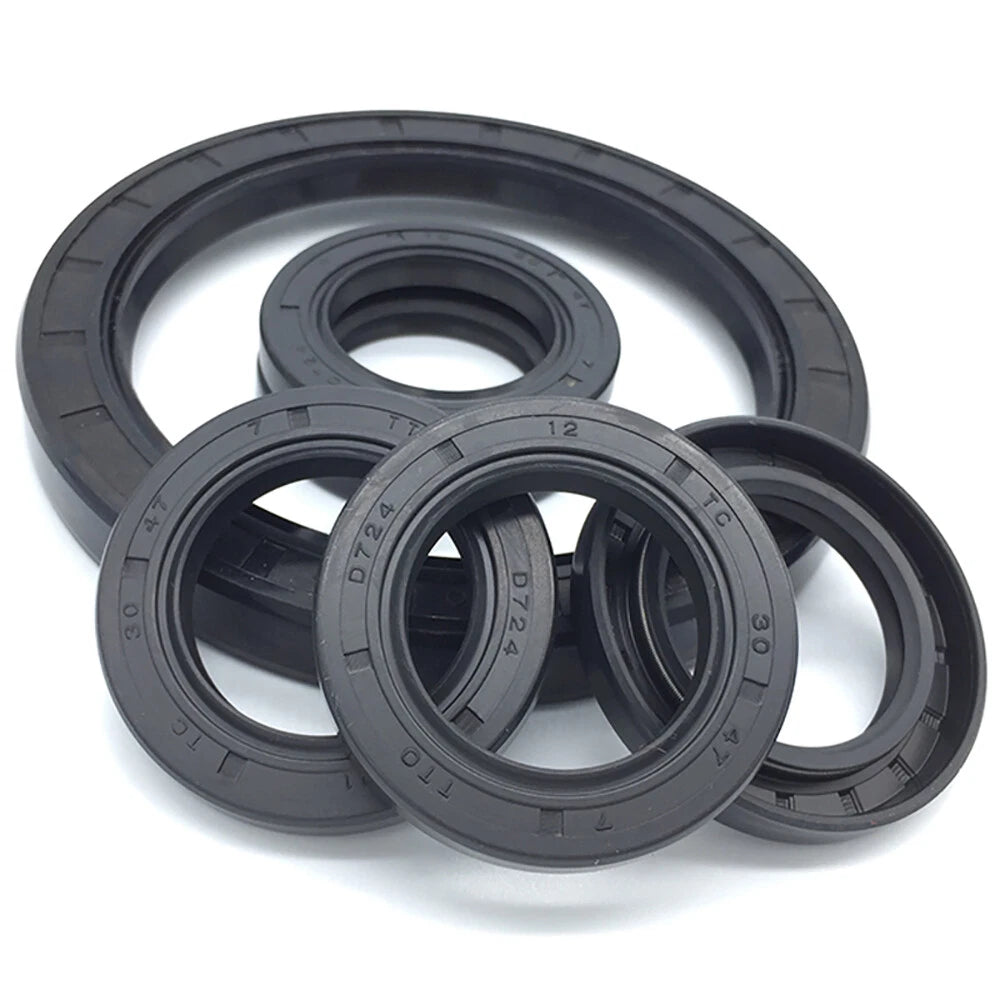
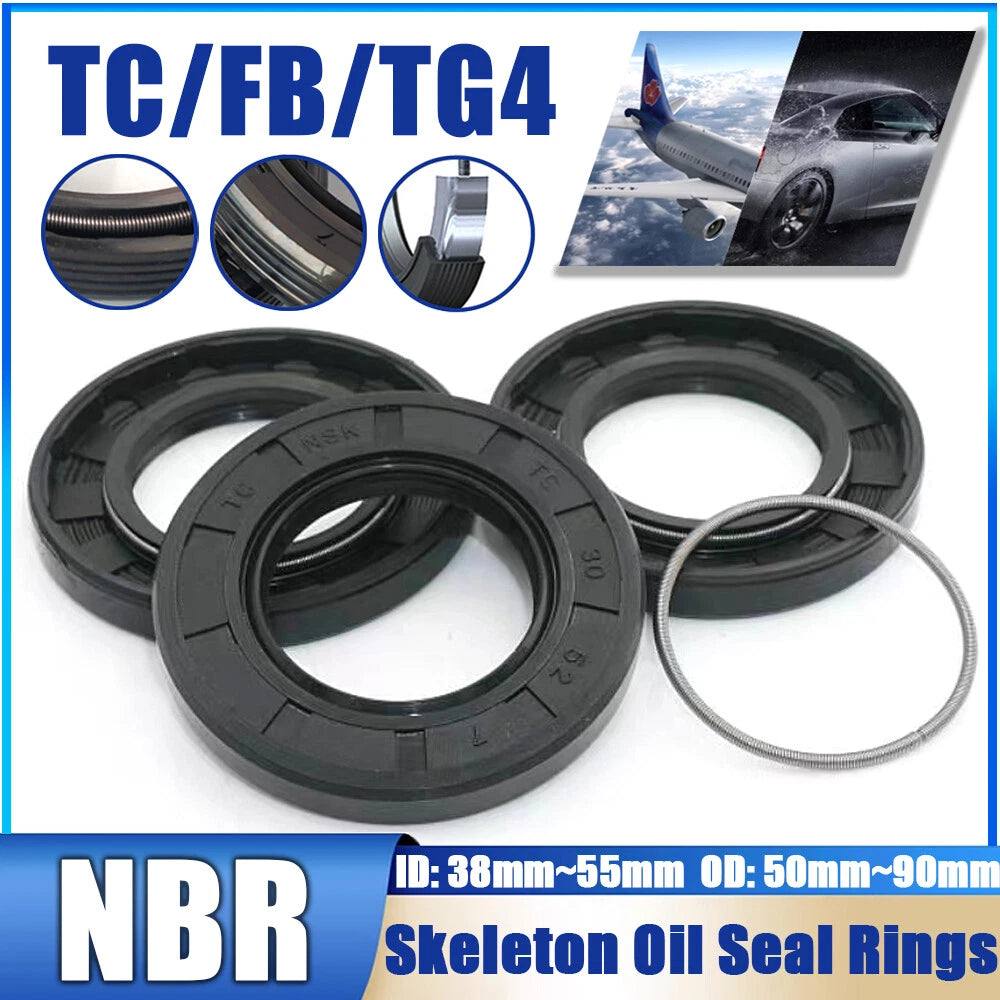
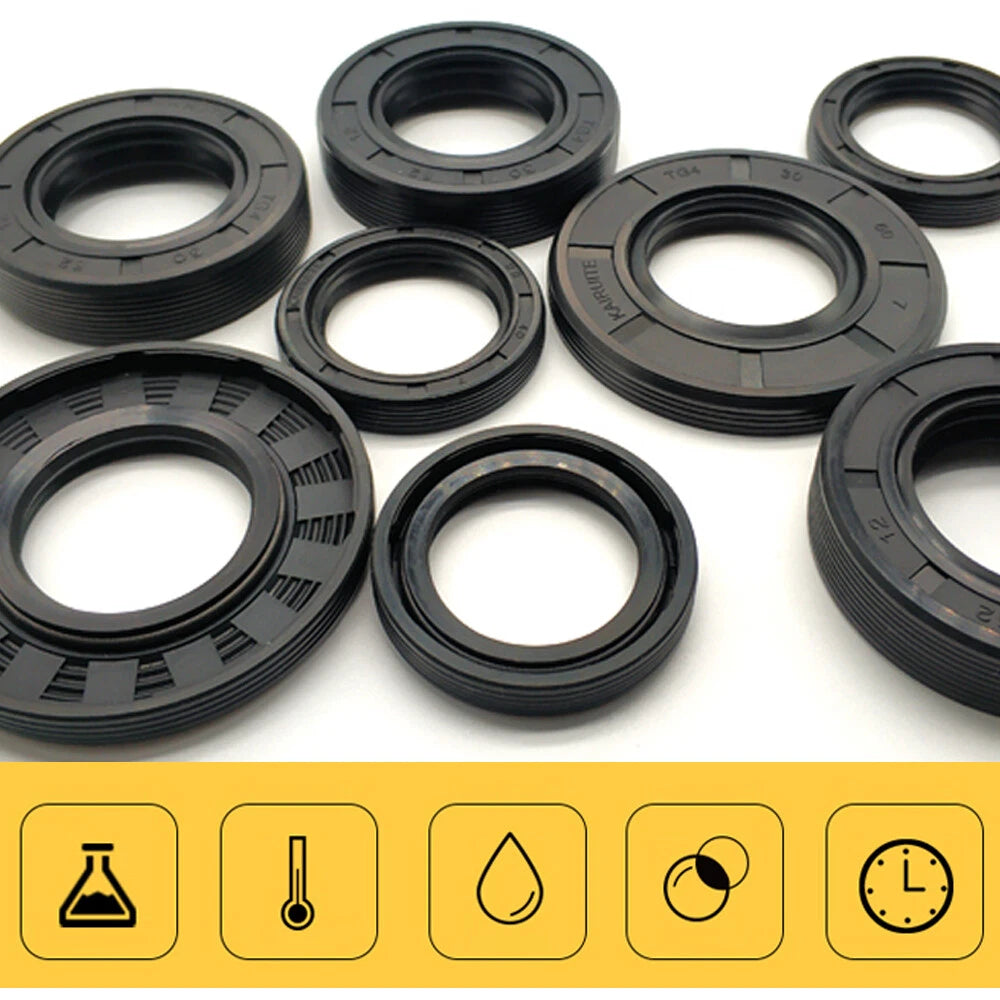
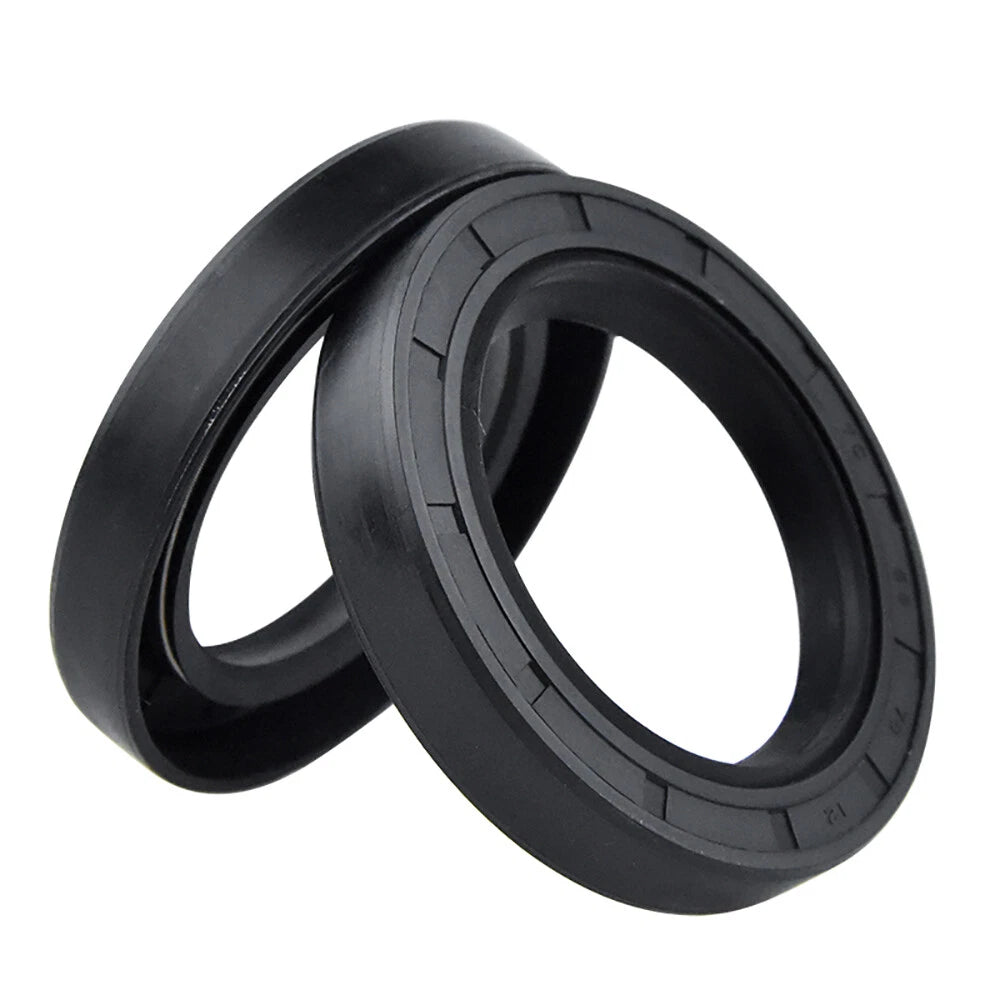
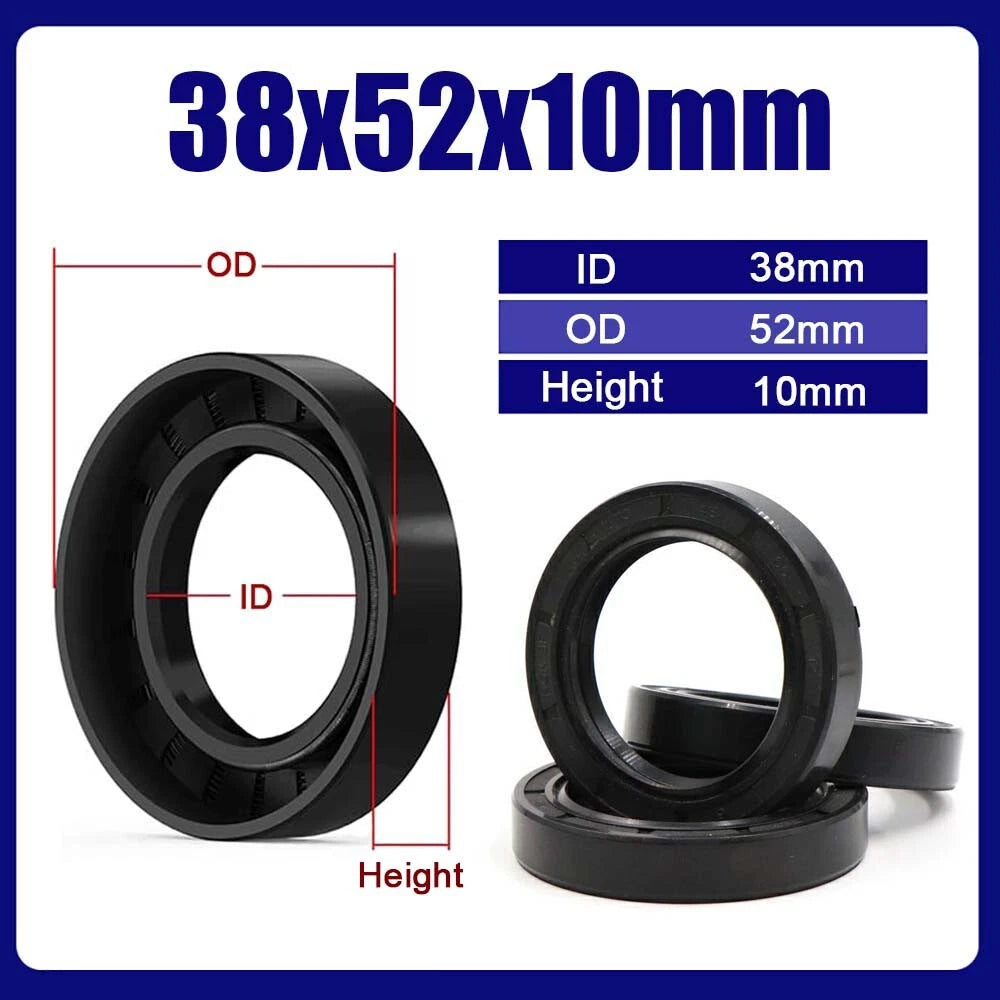
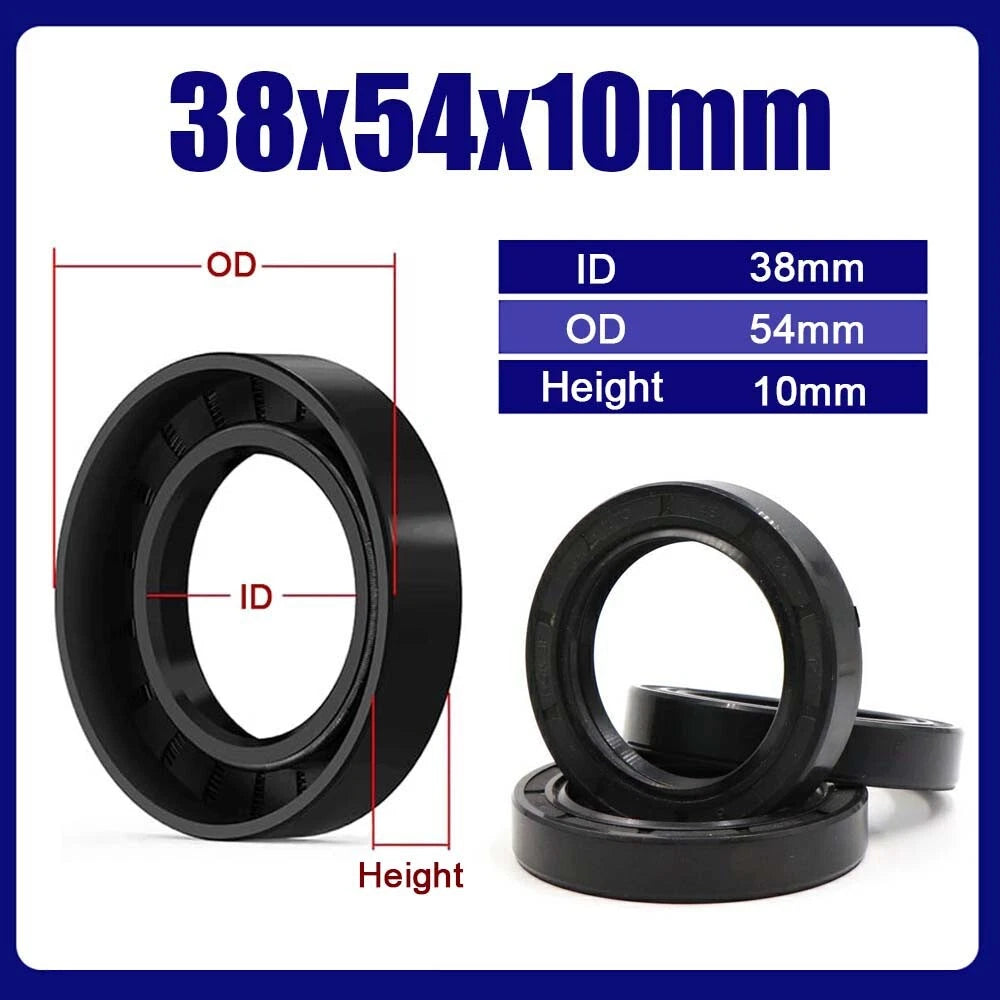
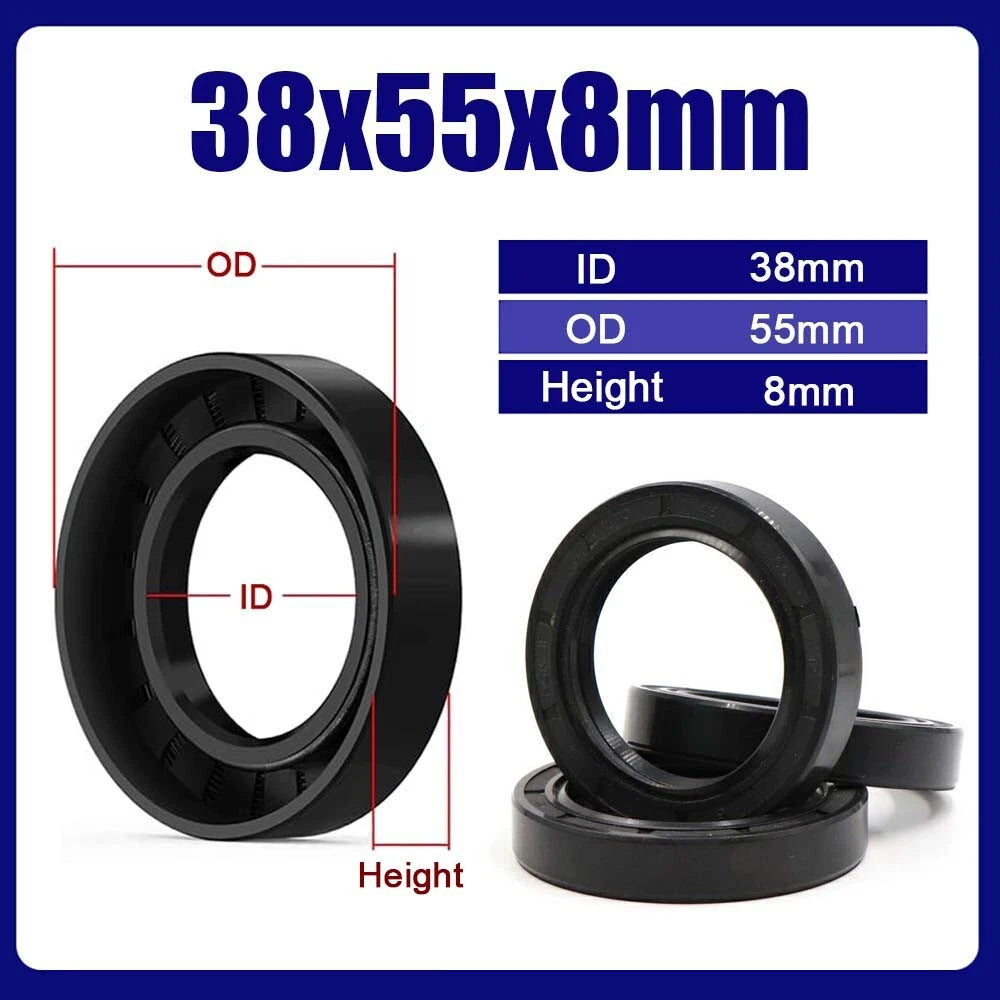
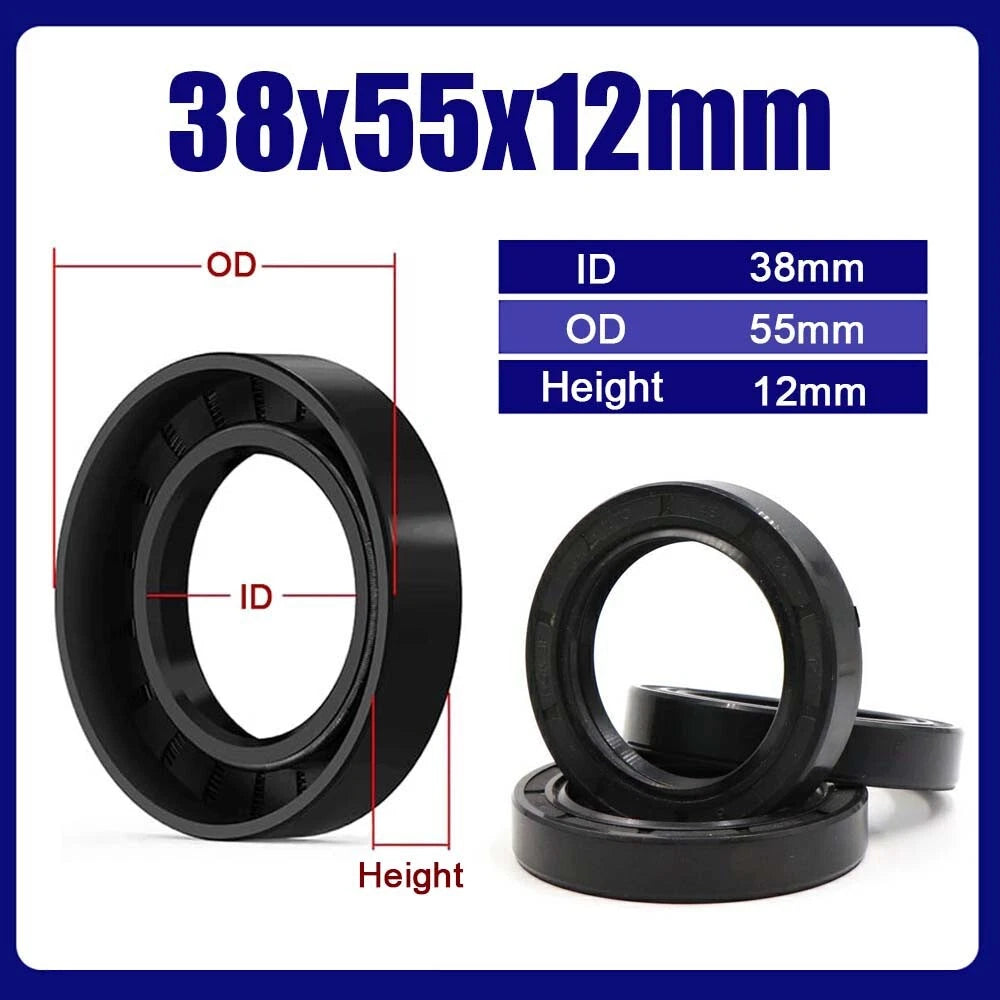
When a worn or undersized shaft seal lets lubricant escape and contaminants creep in, the damage compounds fast — bearings fail, housings corrode, and downtime climbs. These TC NBR skeleton oil seal rings are engineered for mechanics, equipment builders, and DIY machinists who need a dependable, drop-in replacement that holds under continuous rotation.
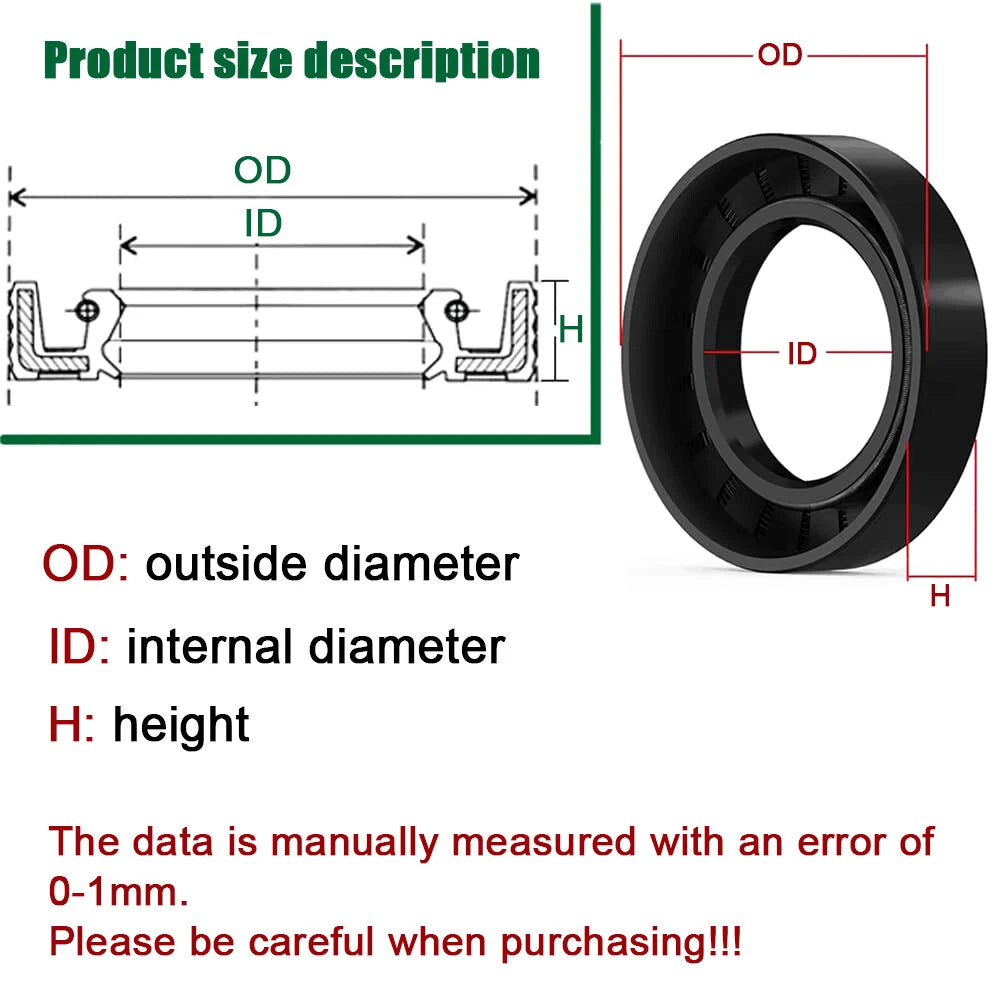
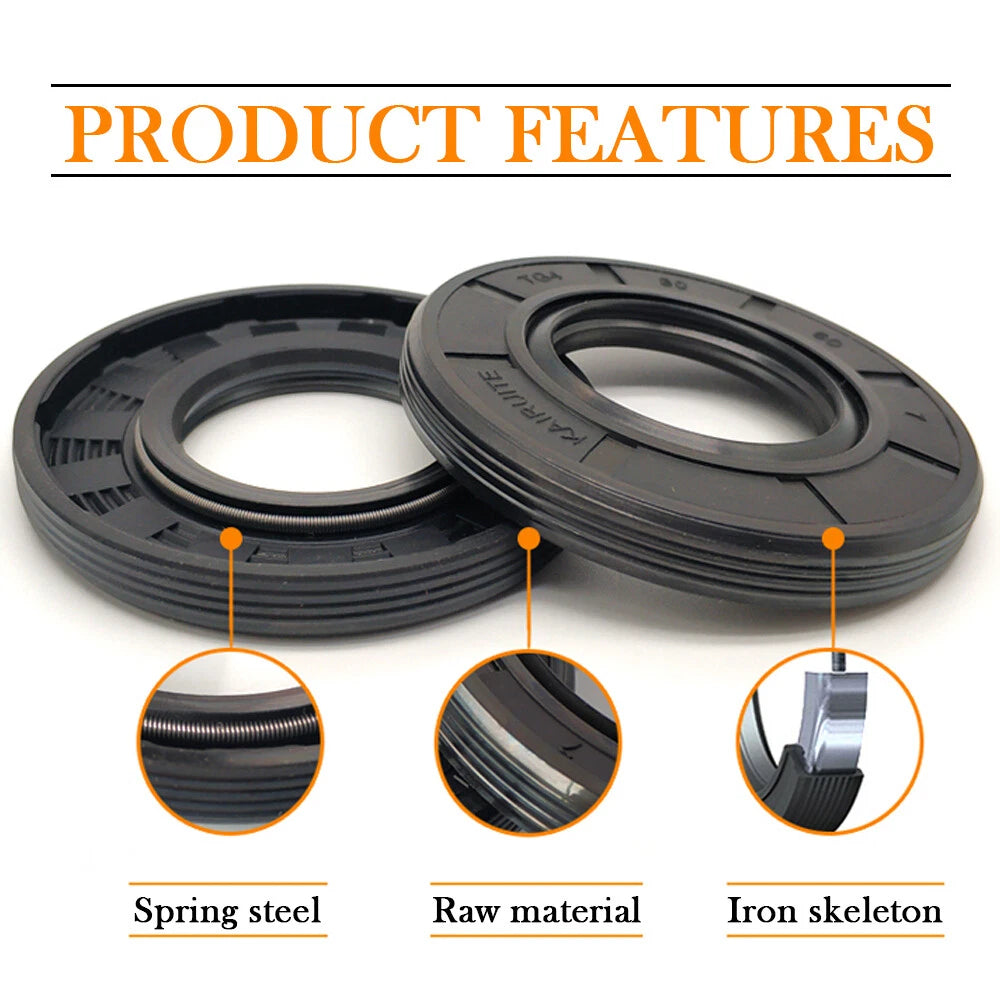
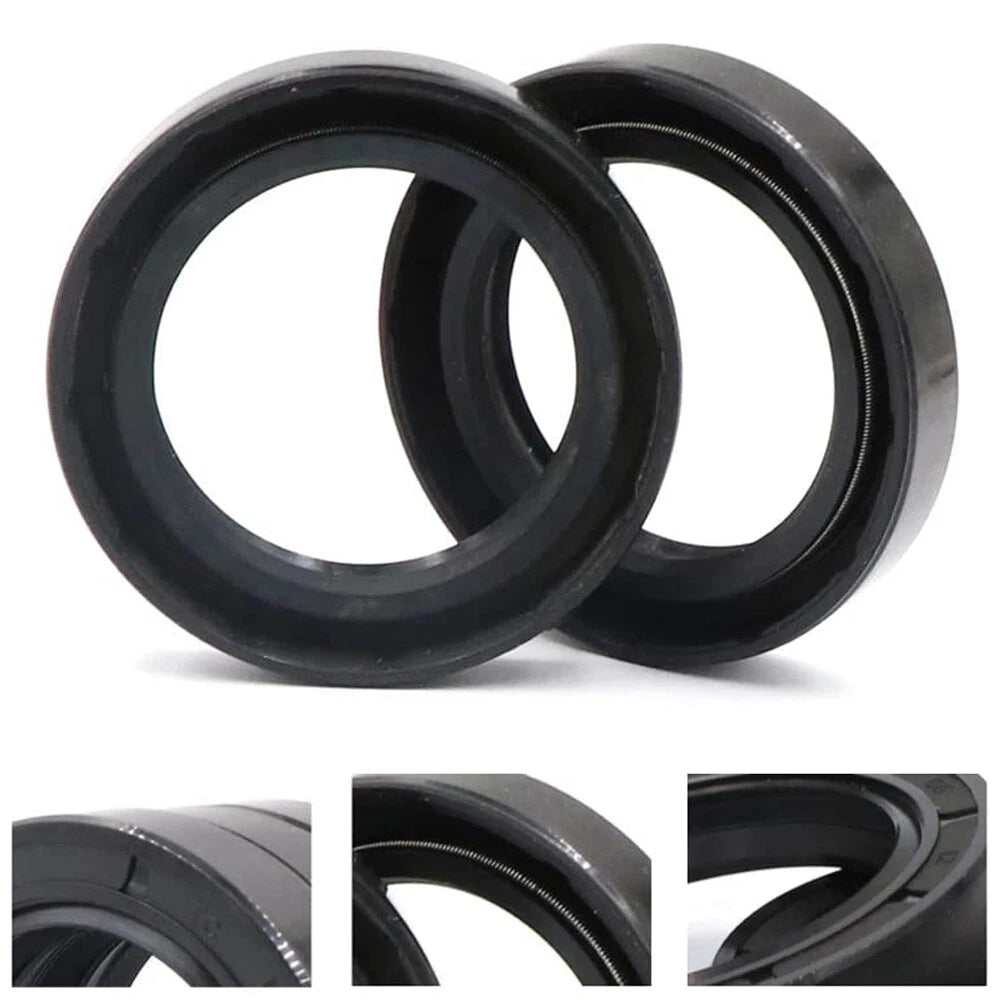
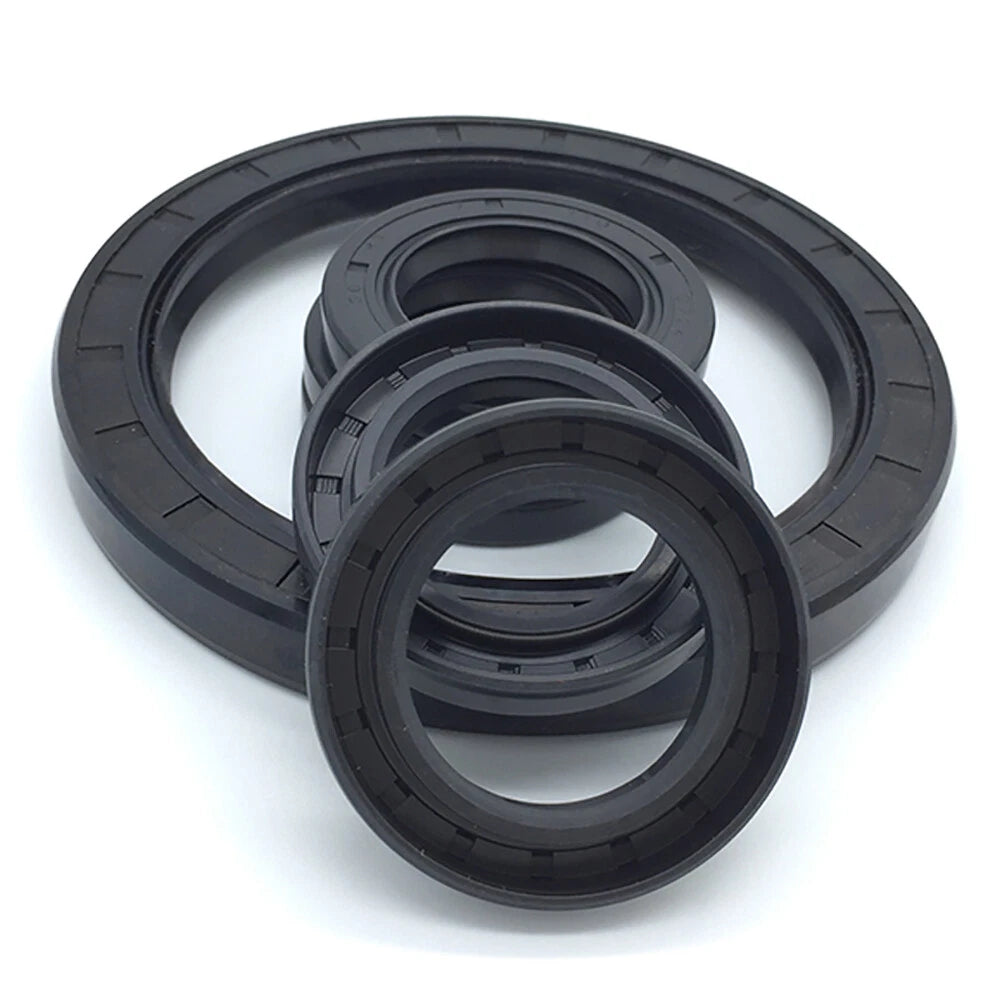
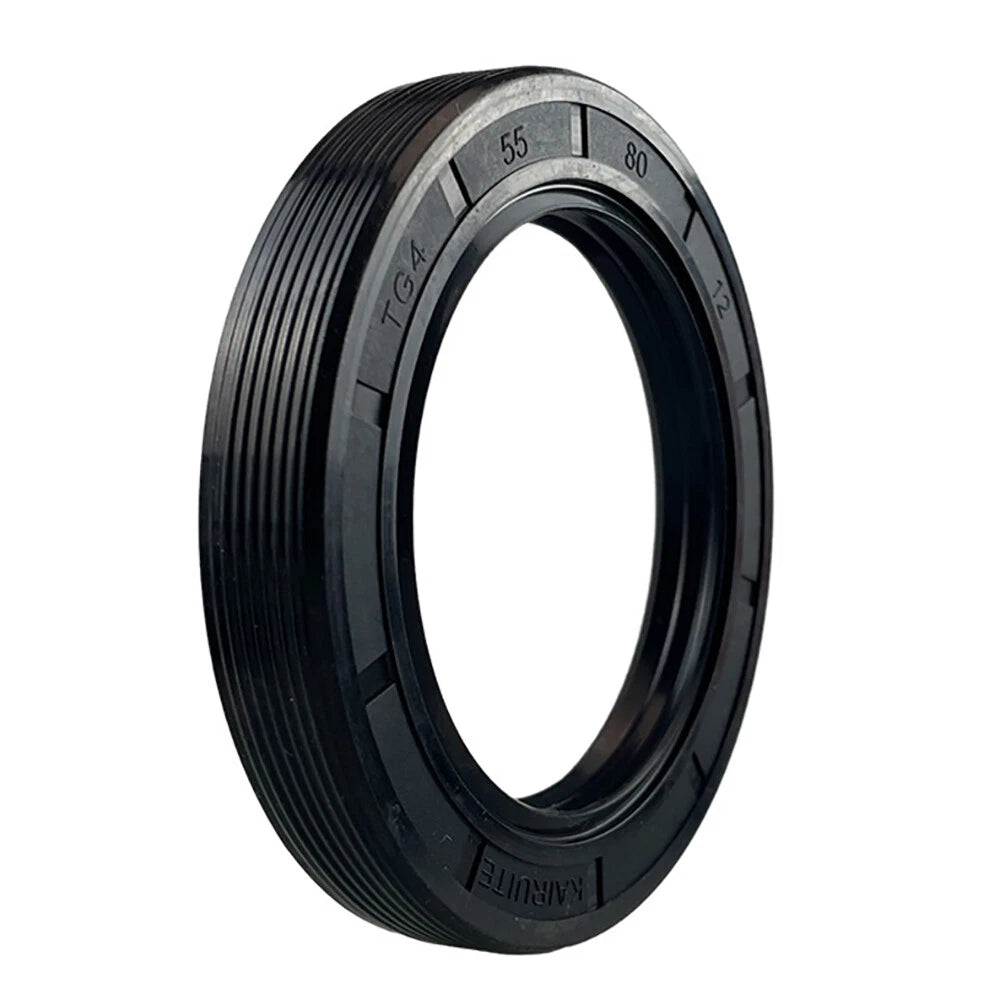
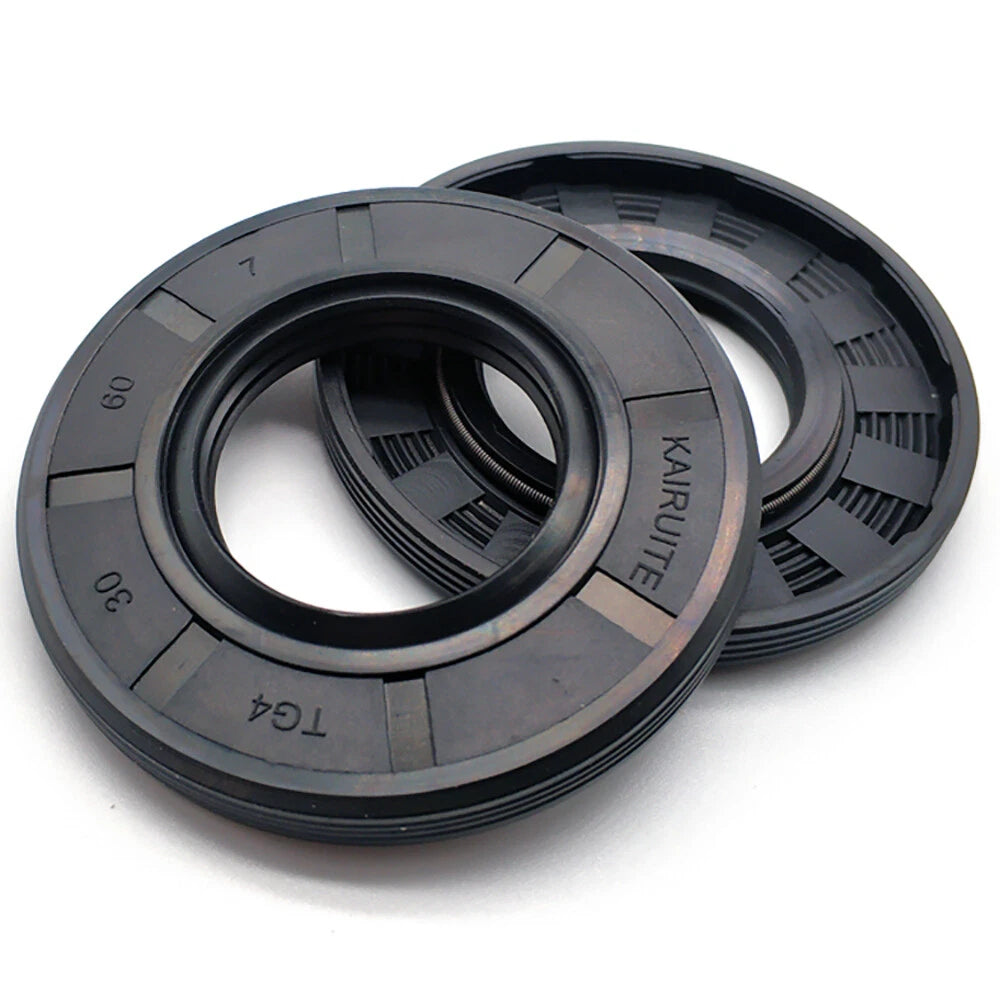
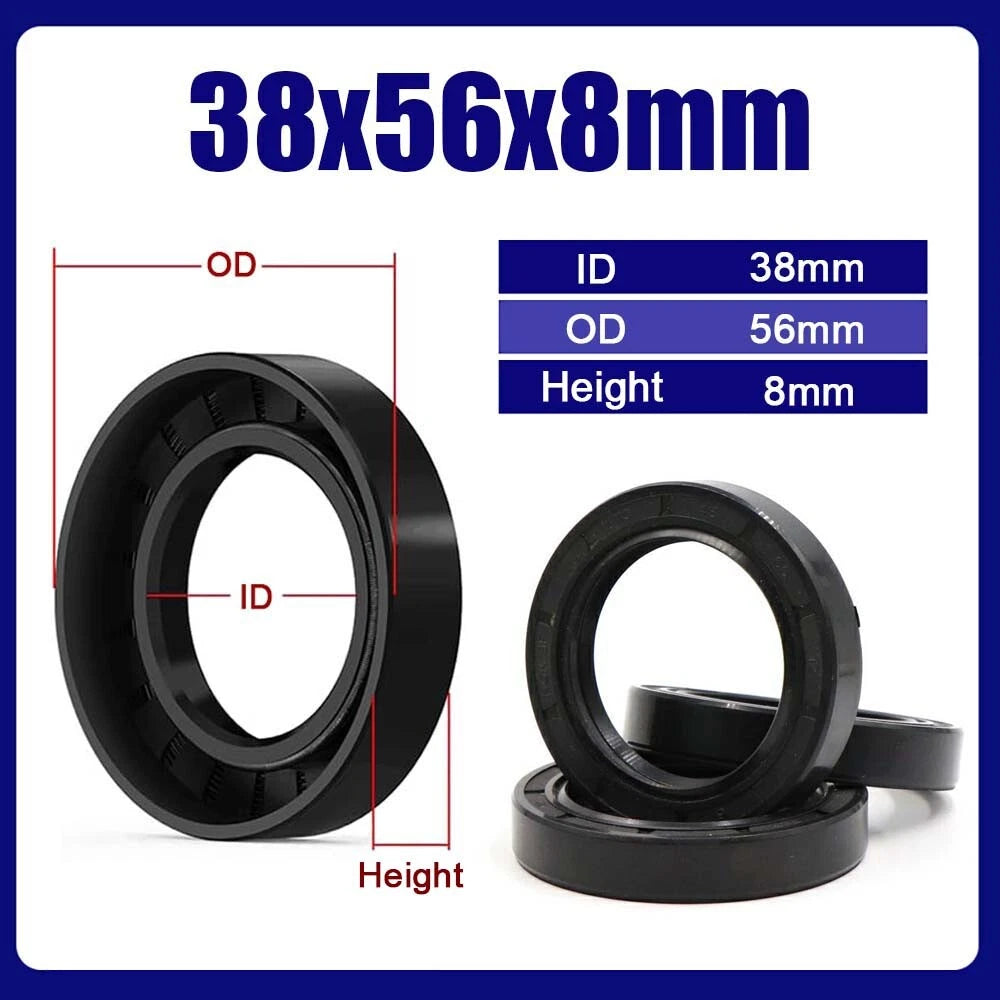
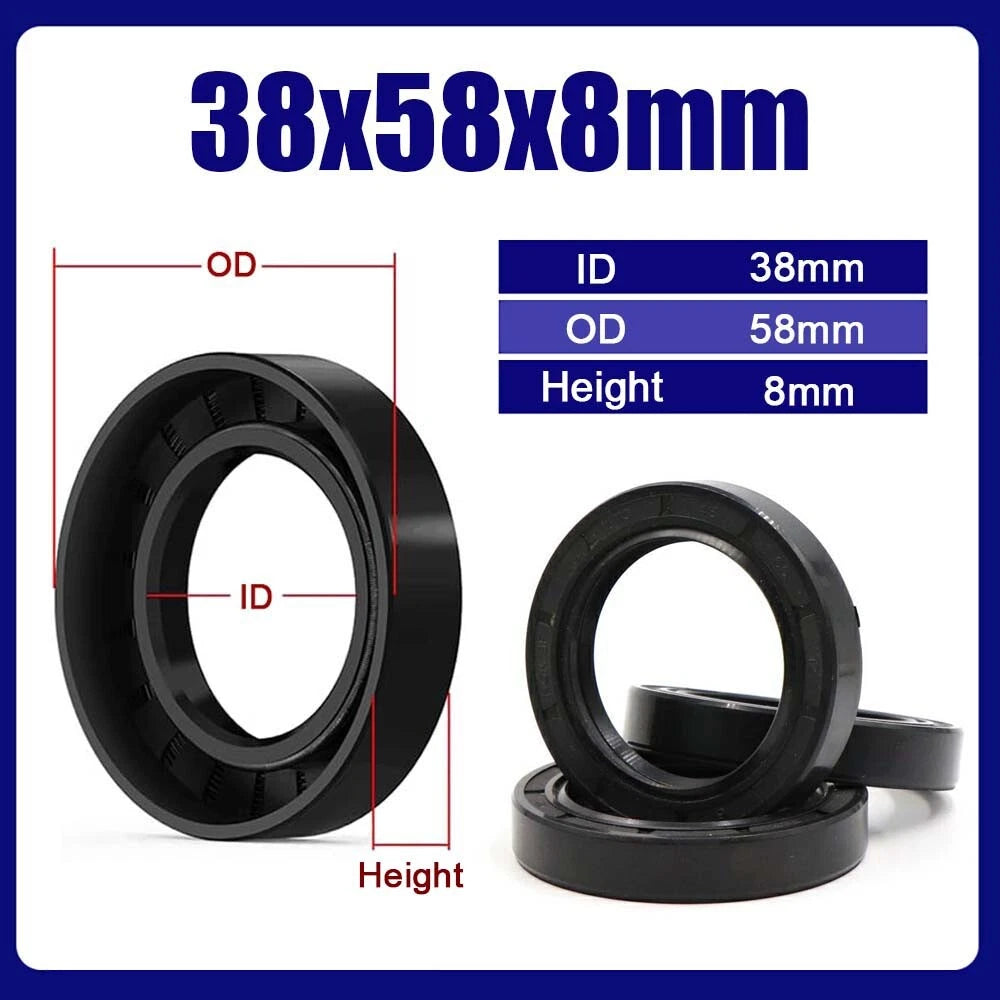
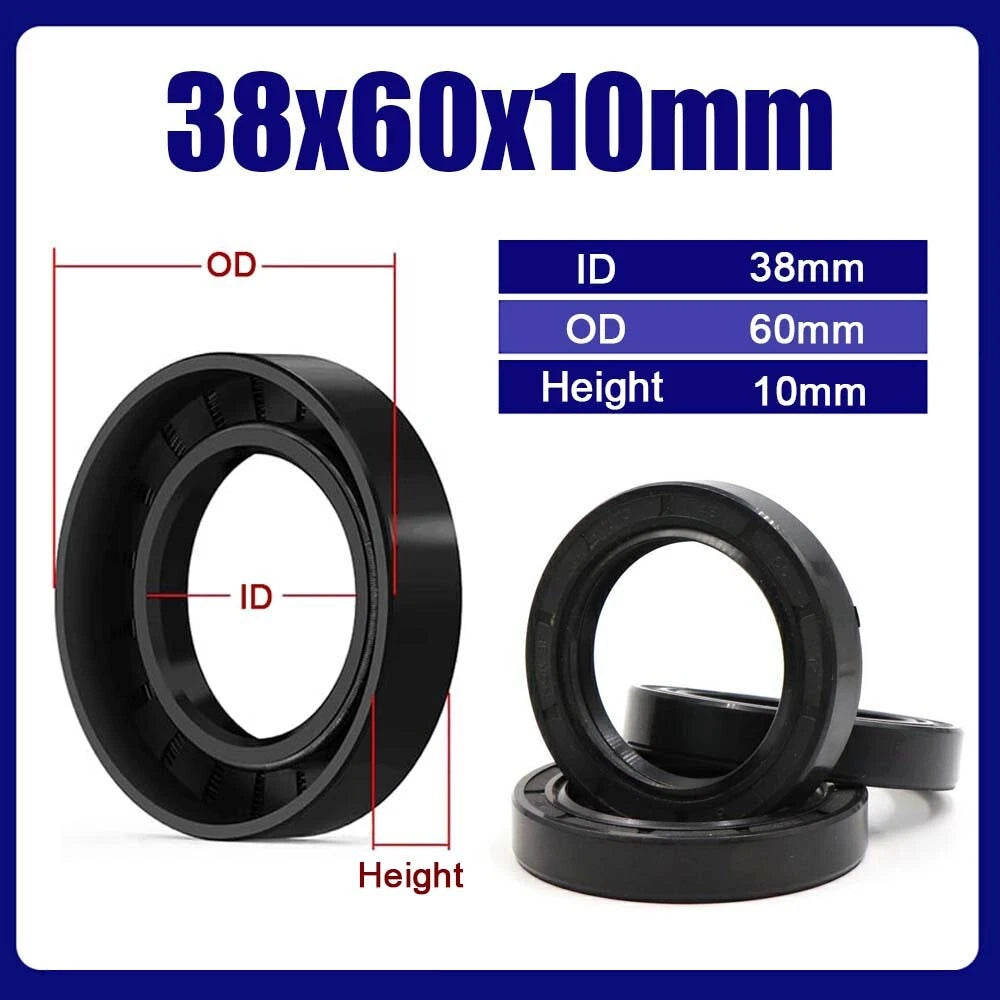
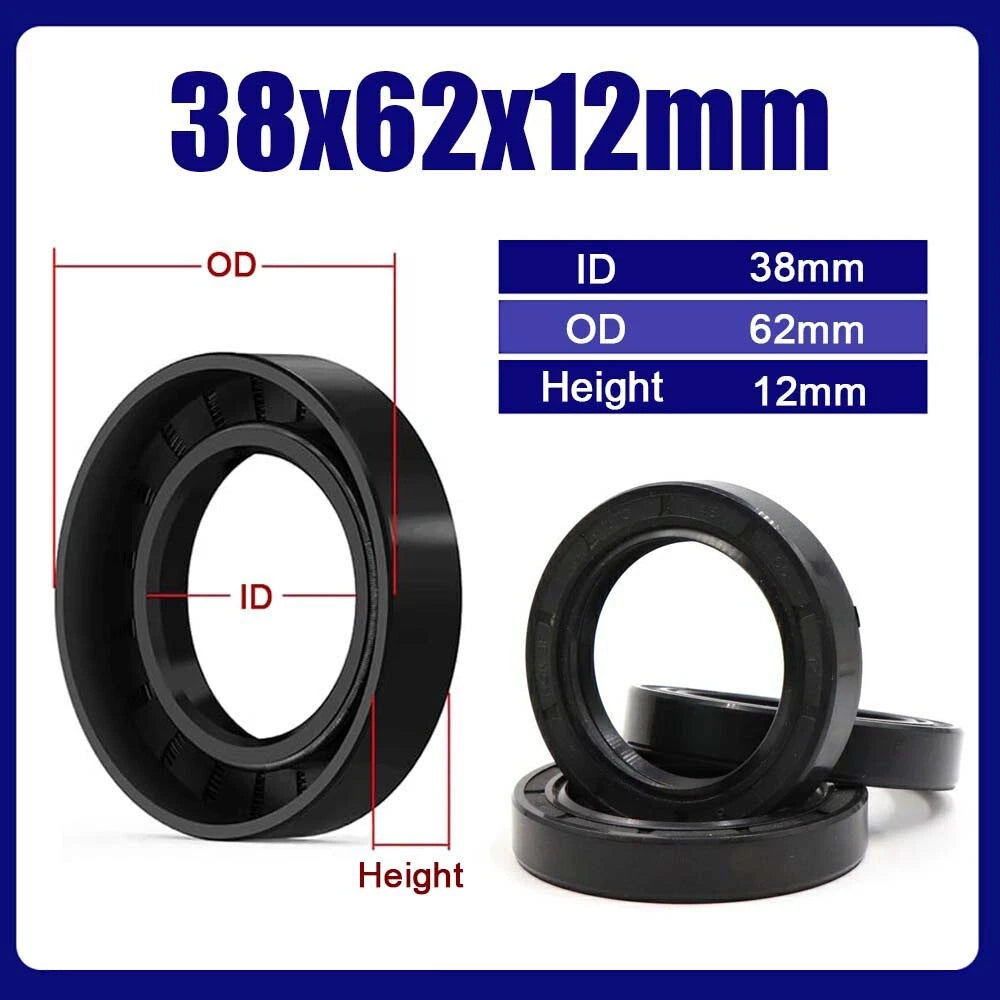
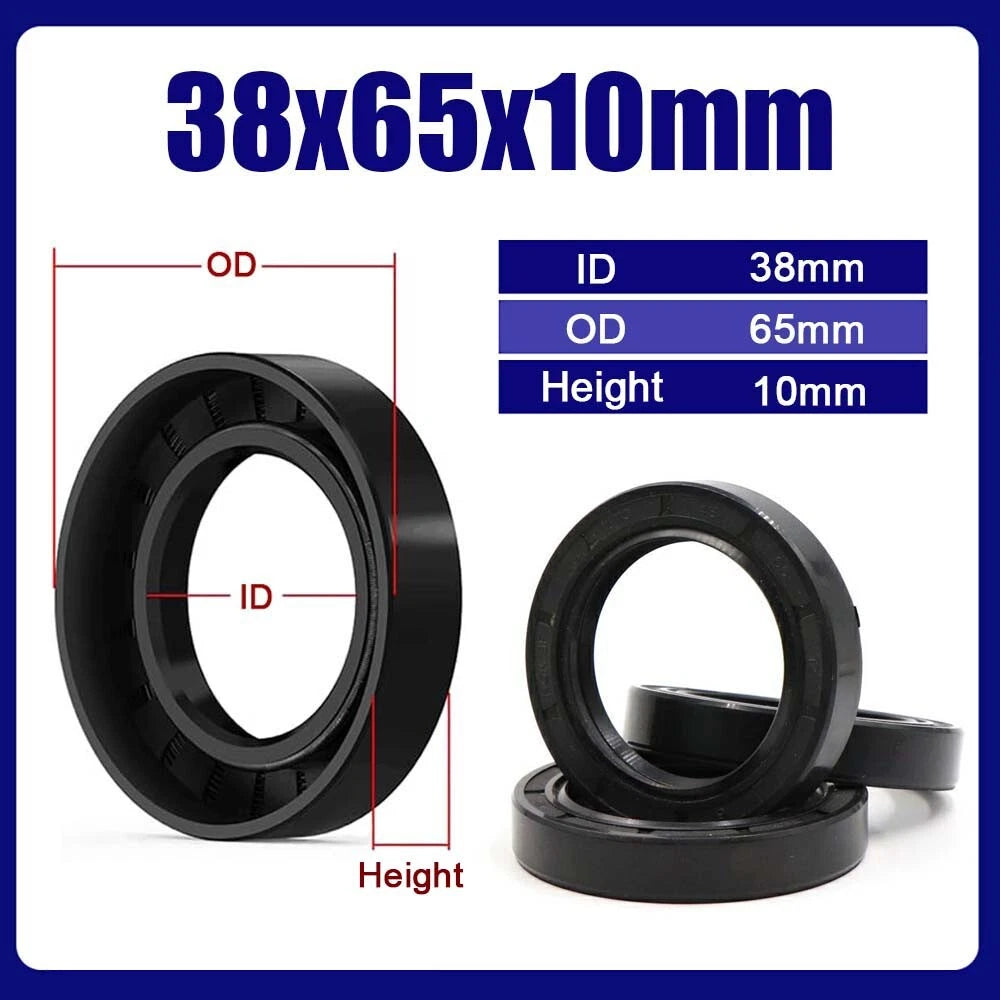
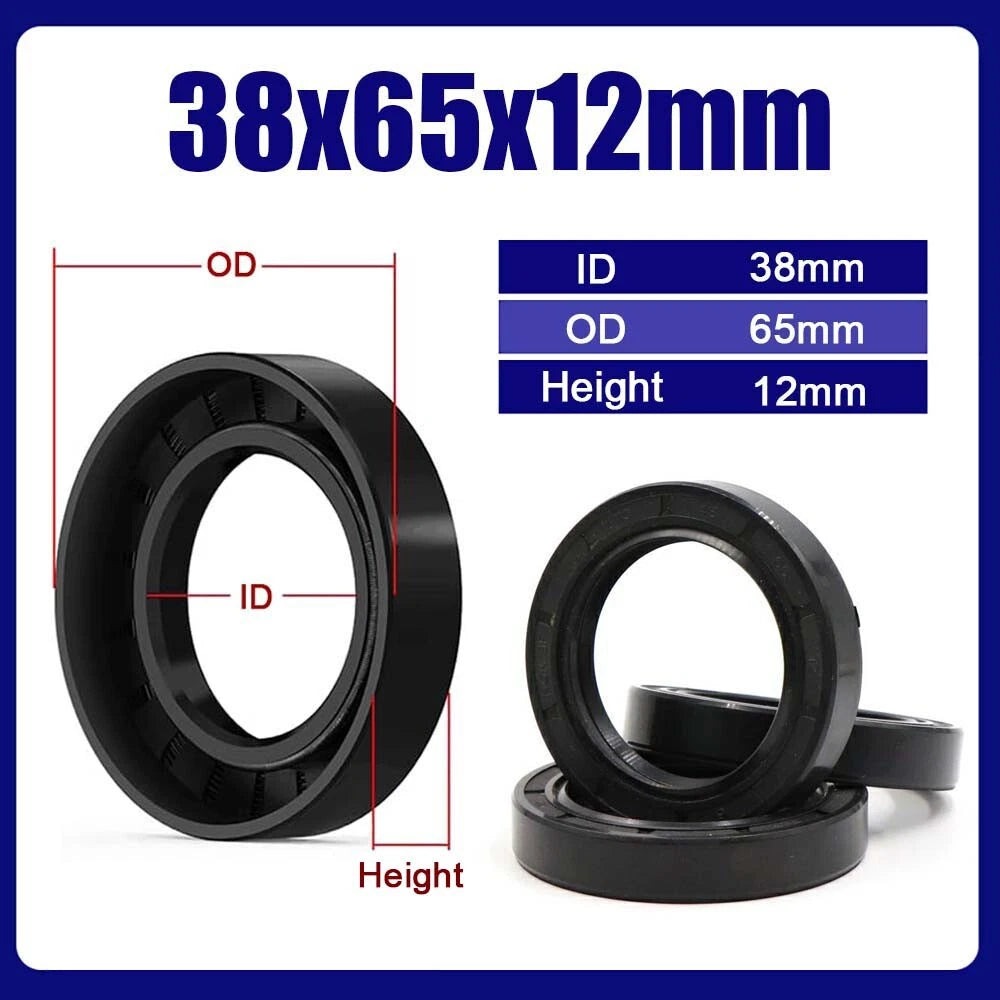
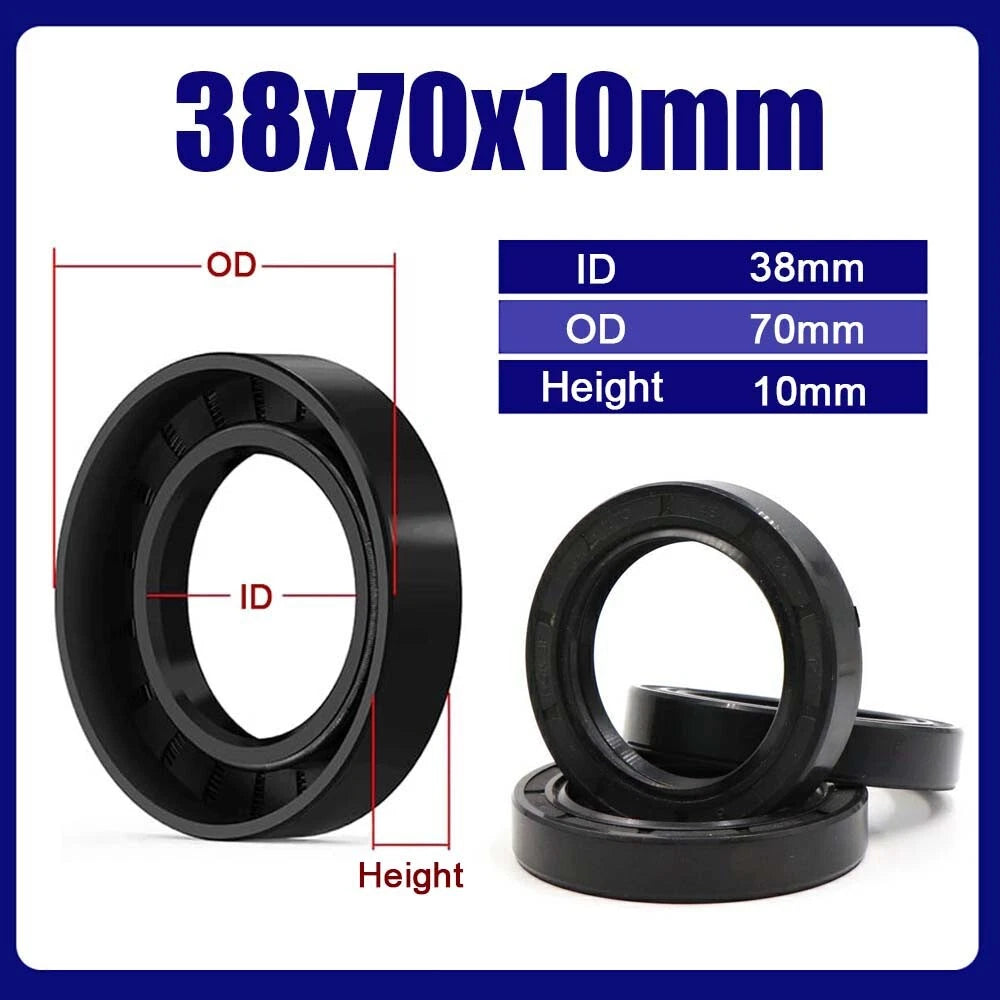
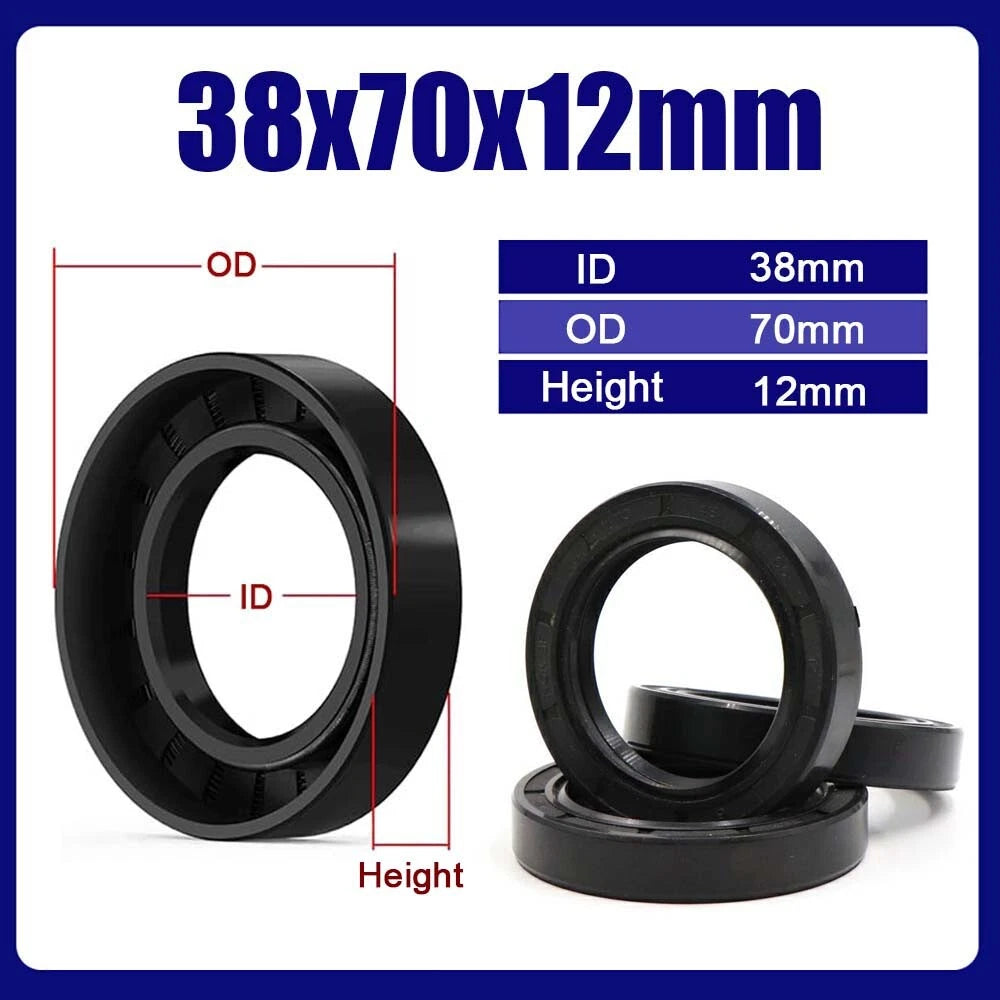
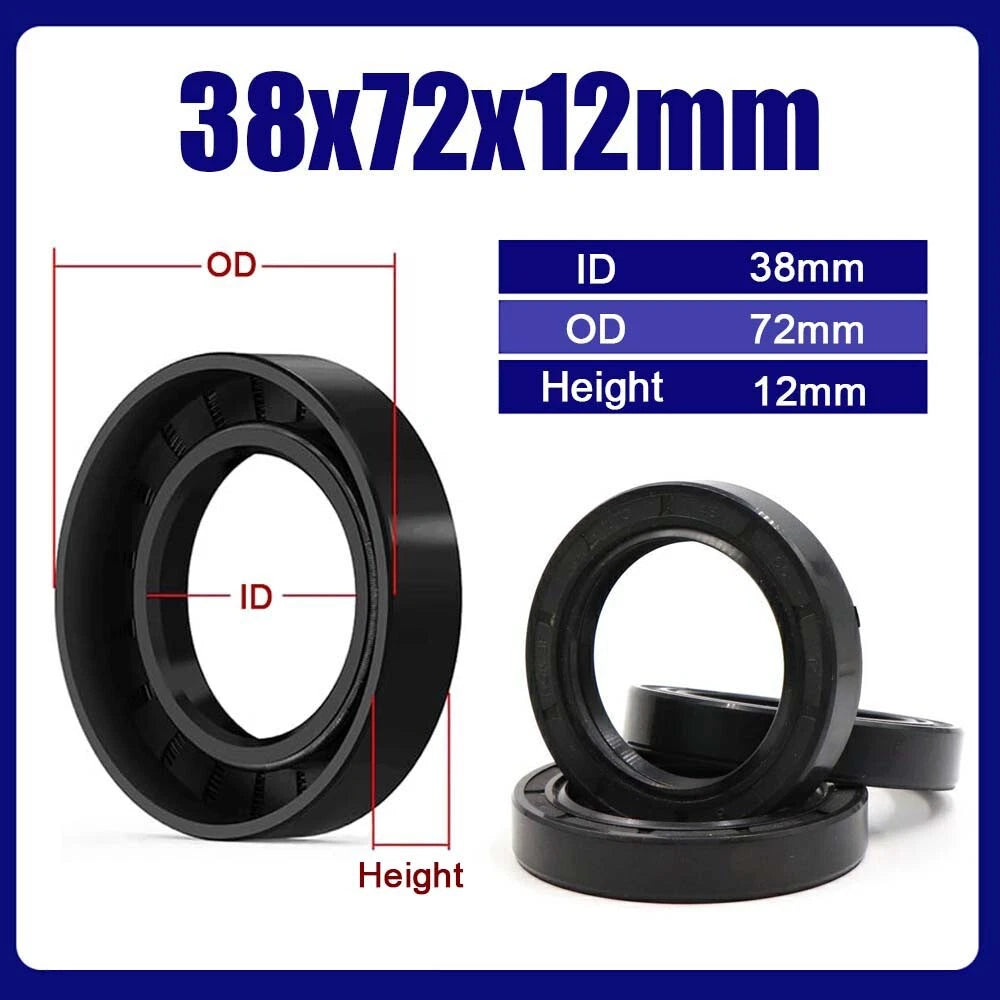
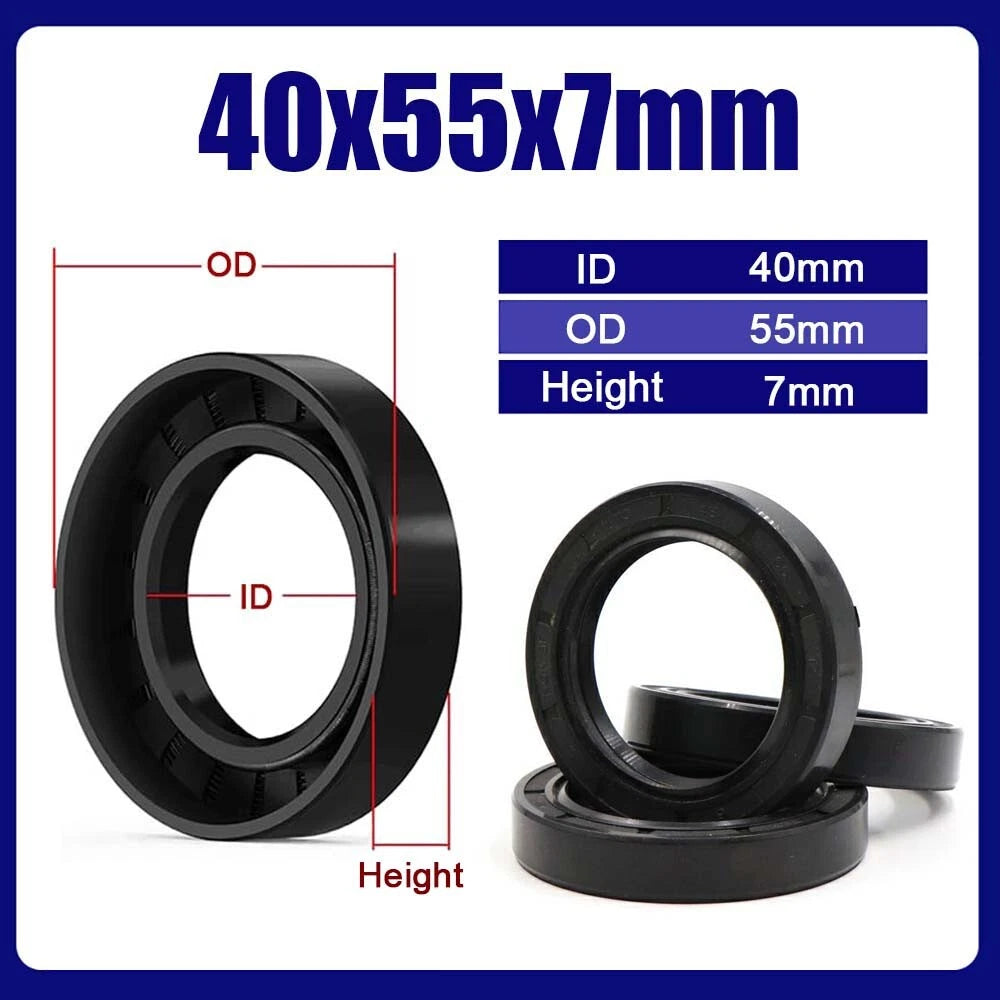
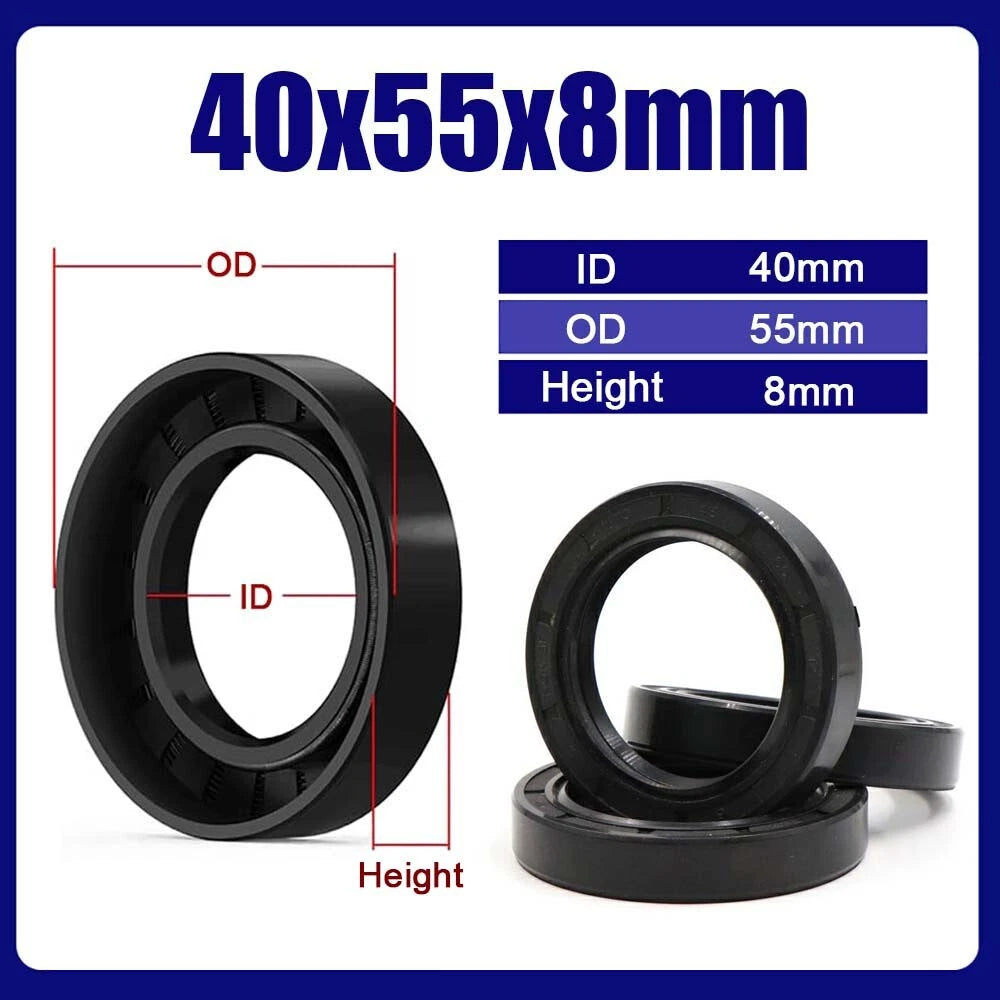
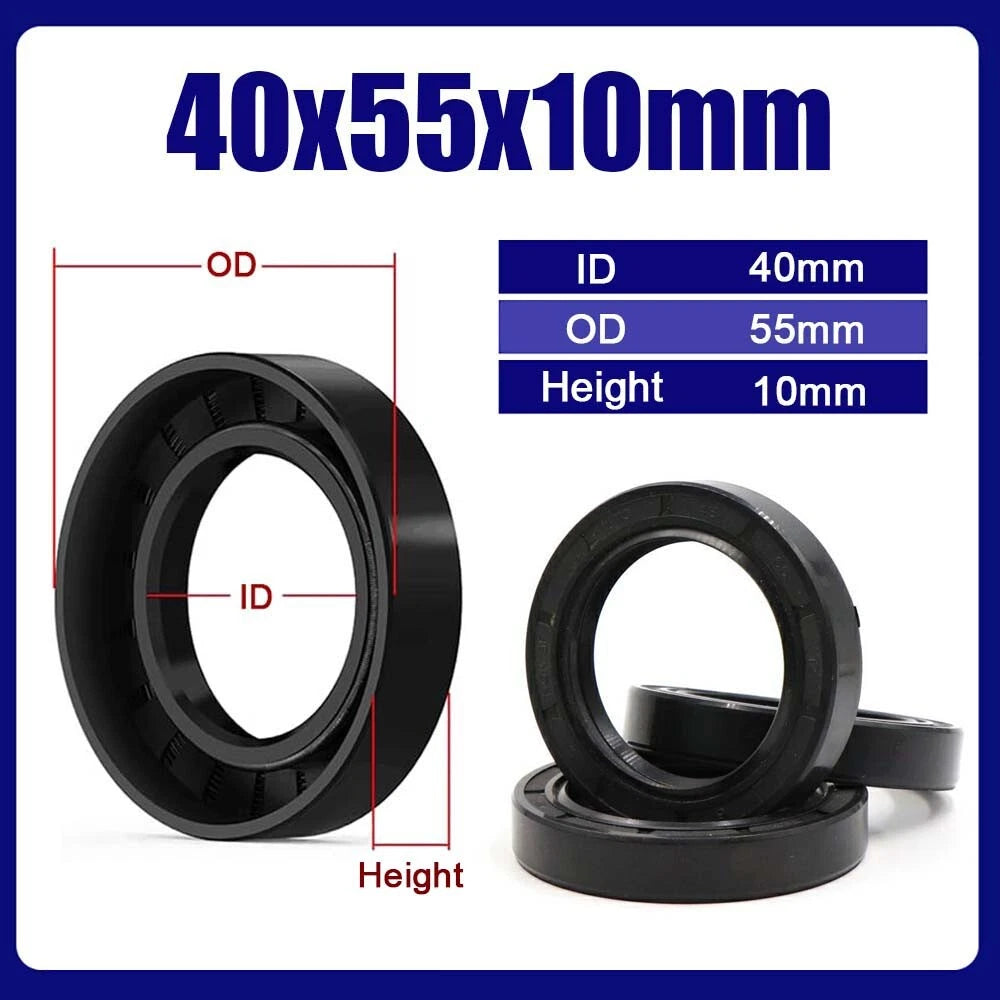
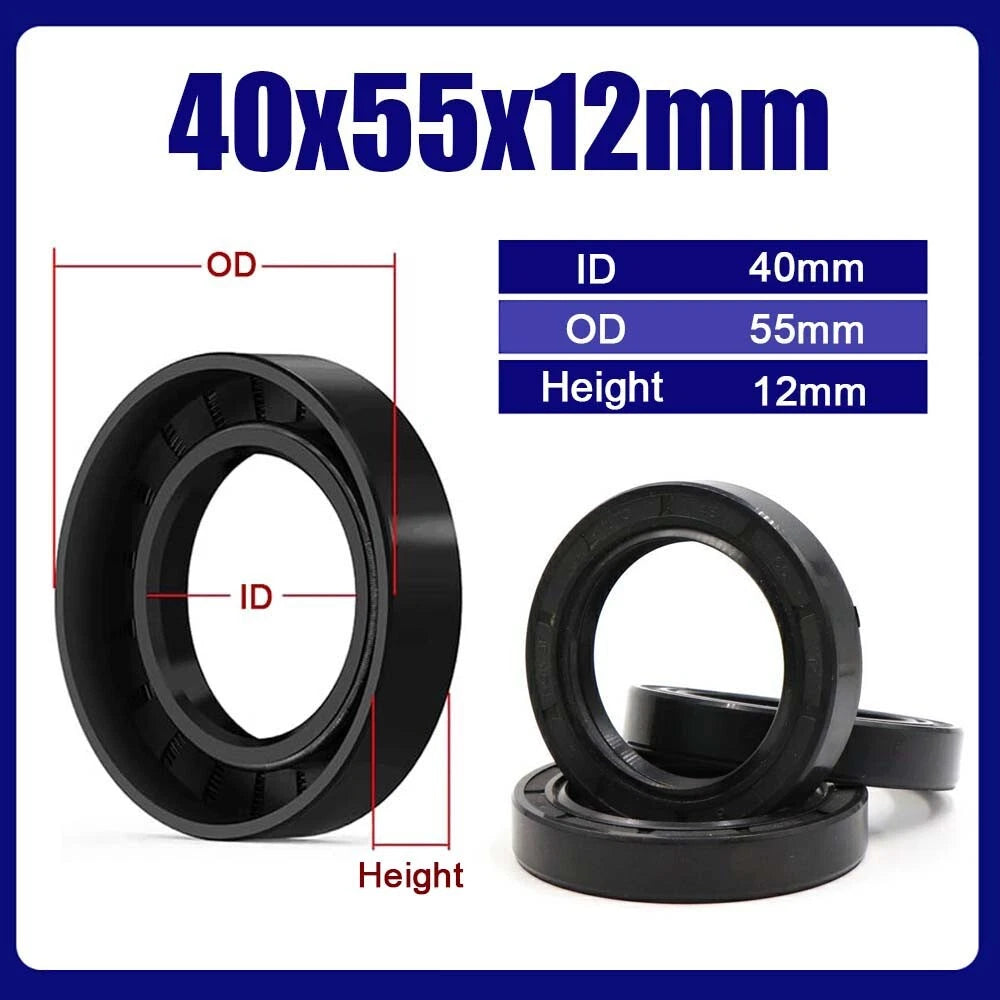
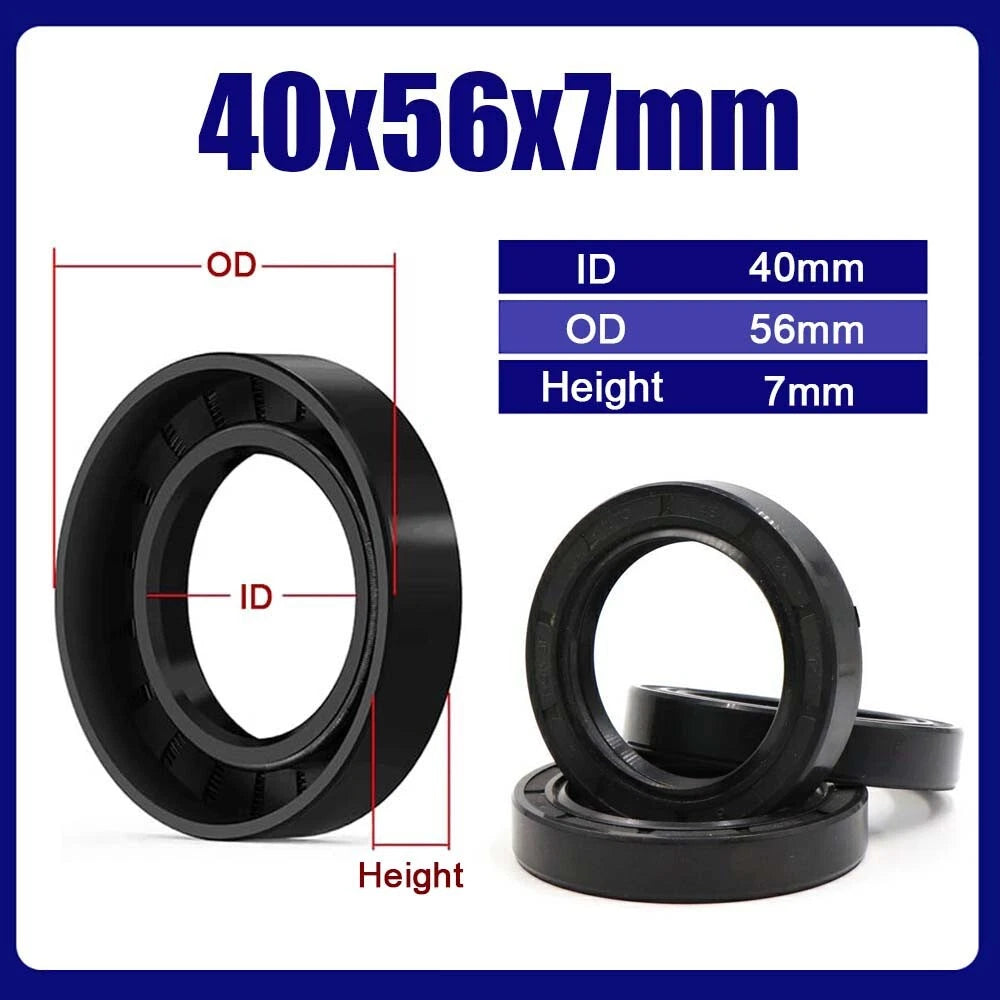
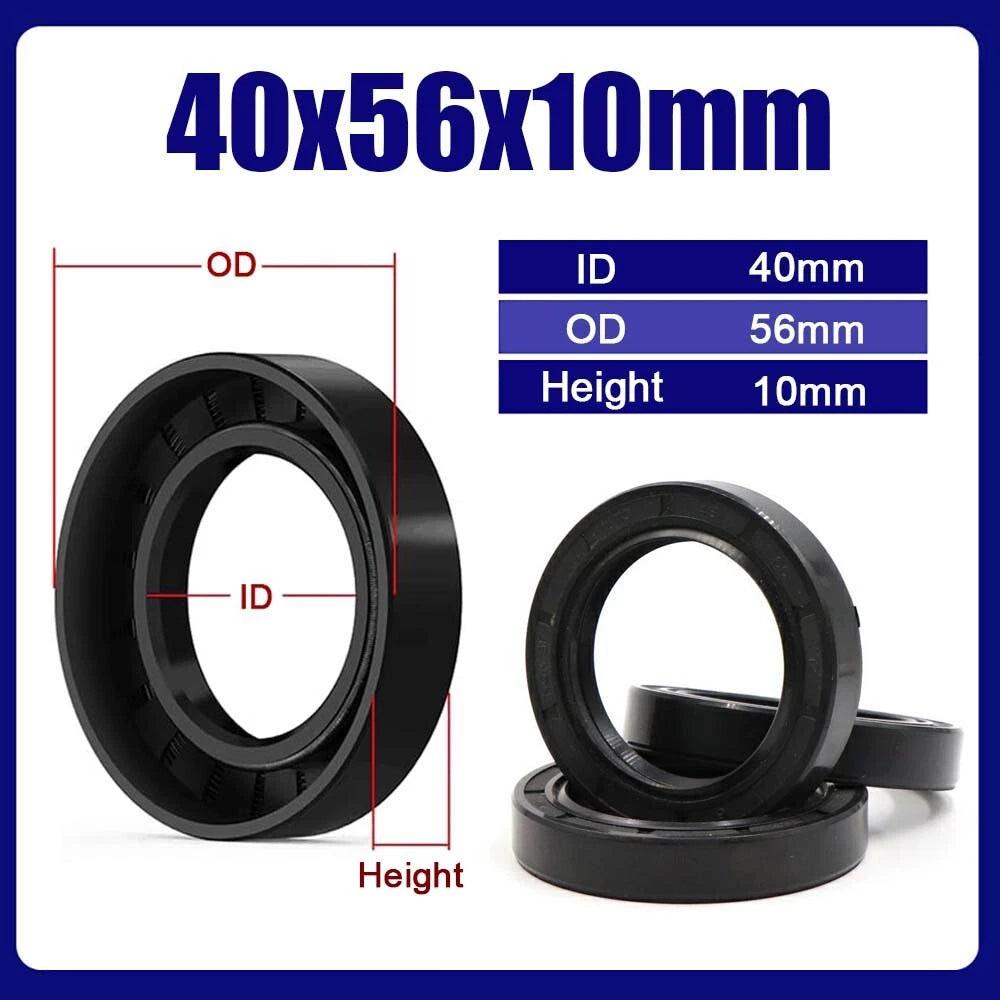
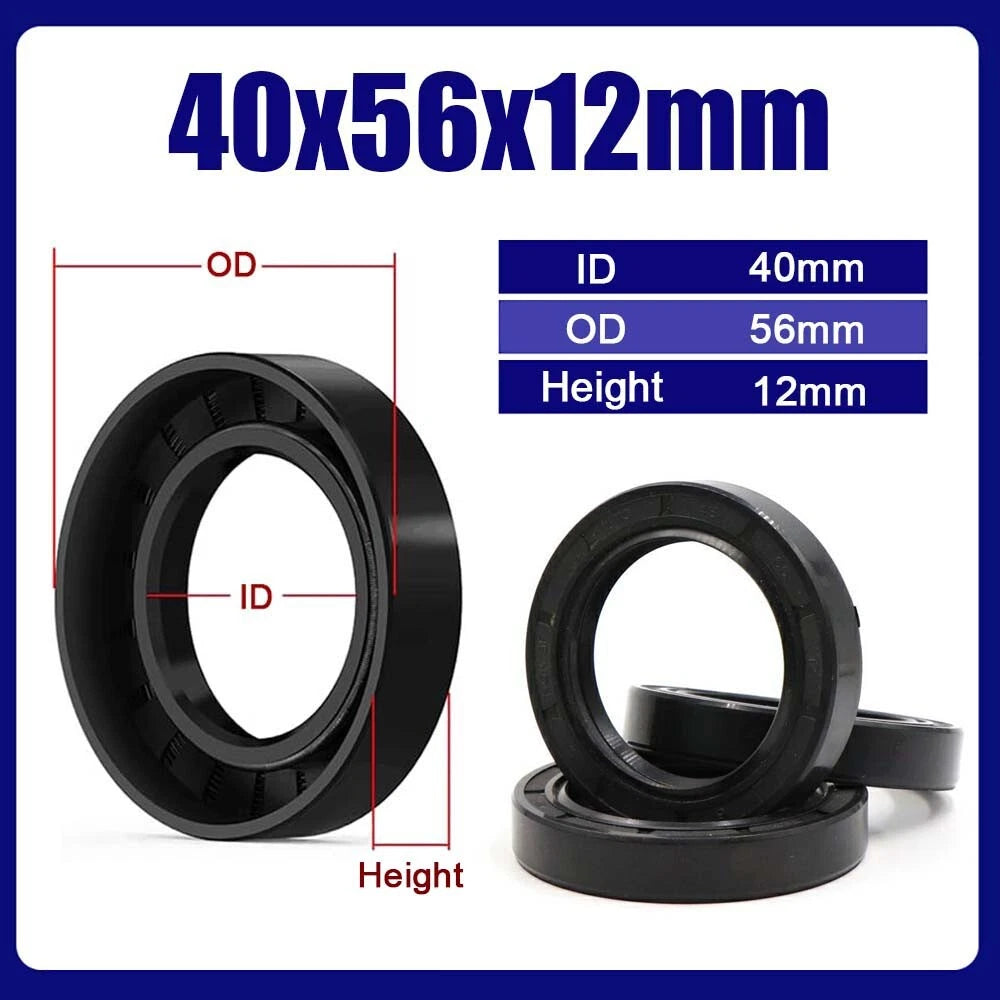
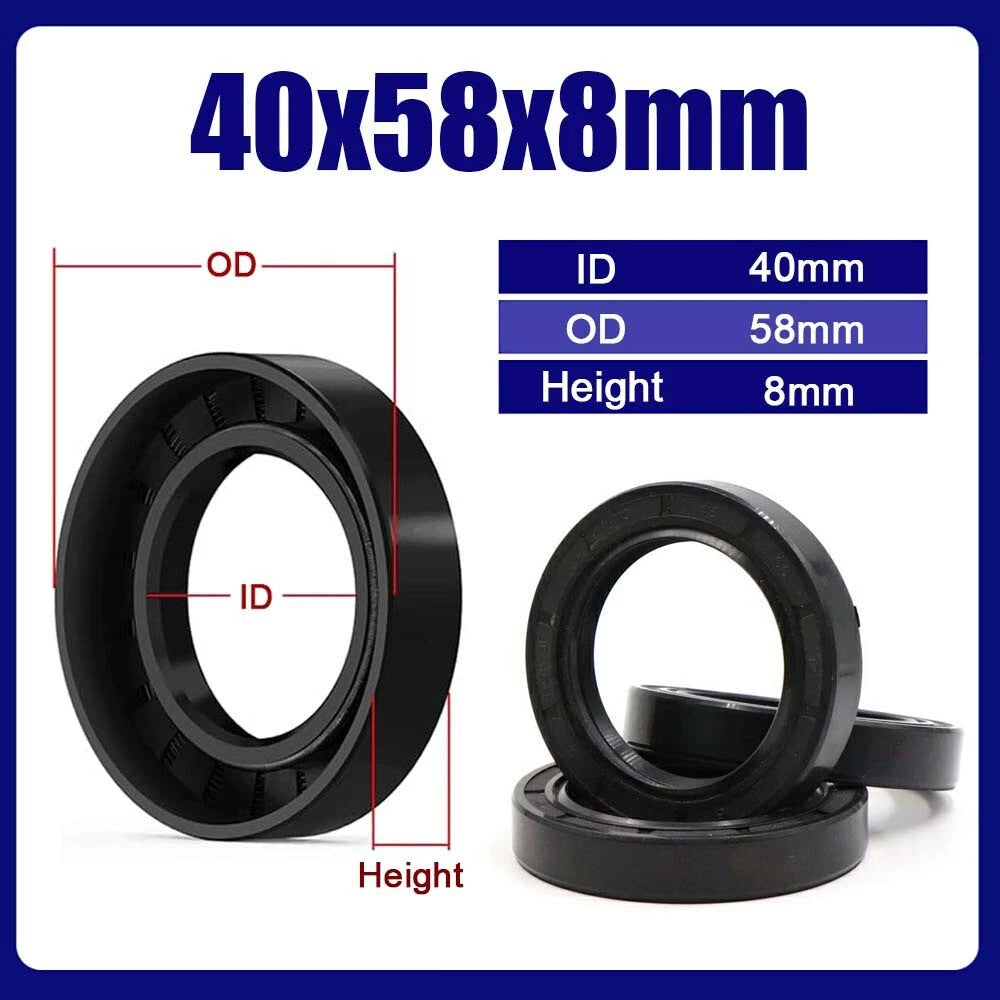
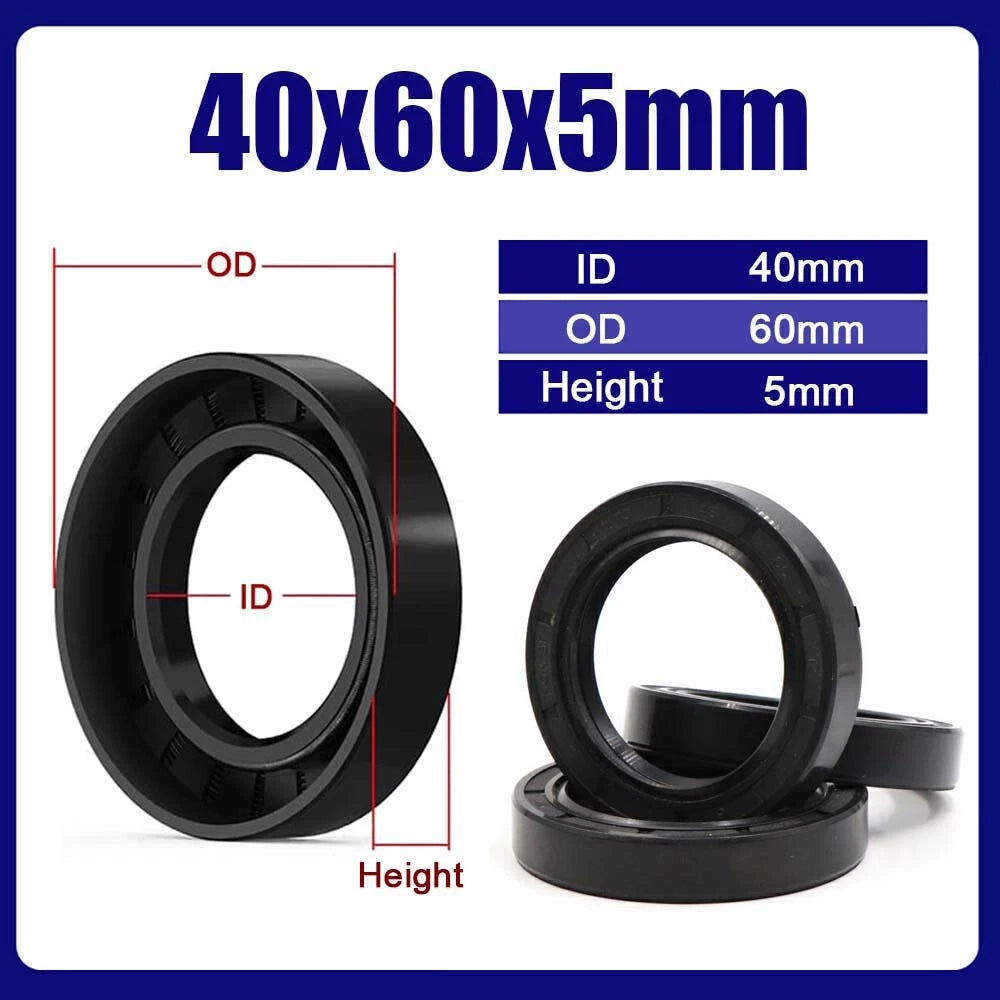
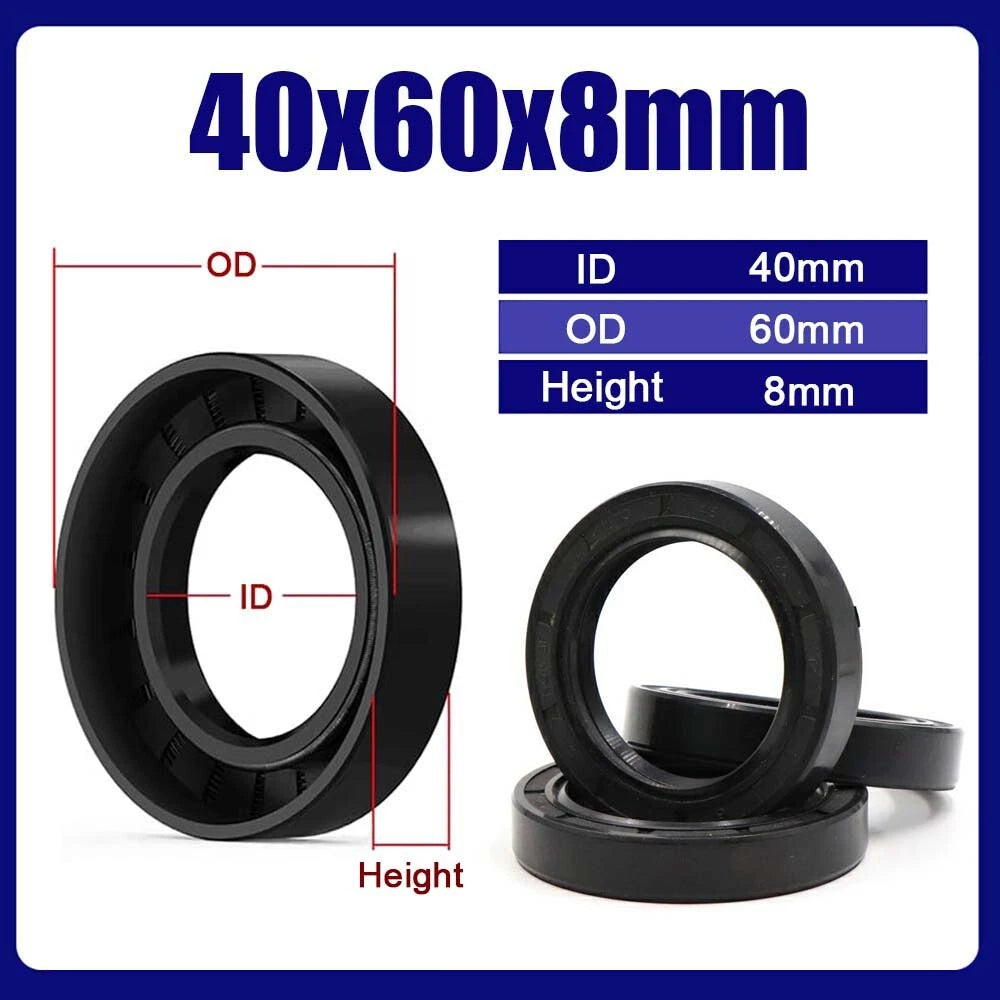
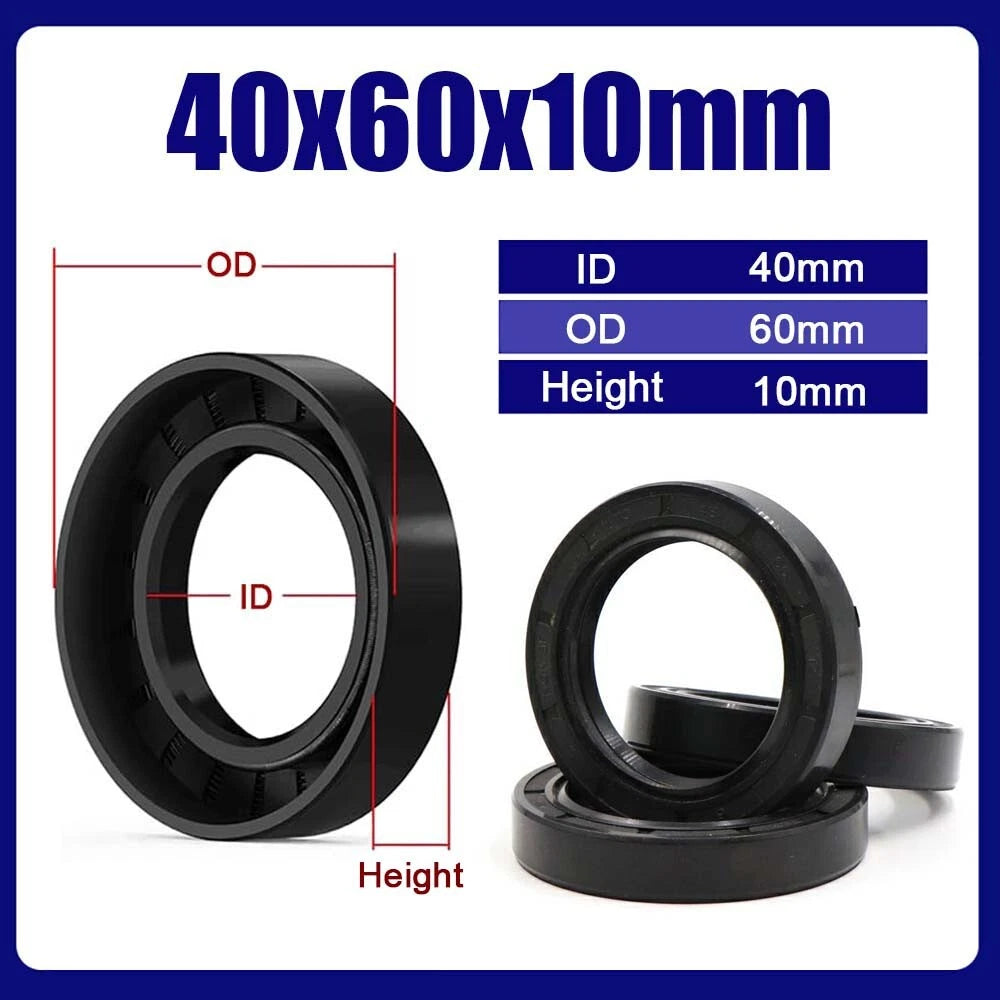
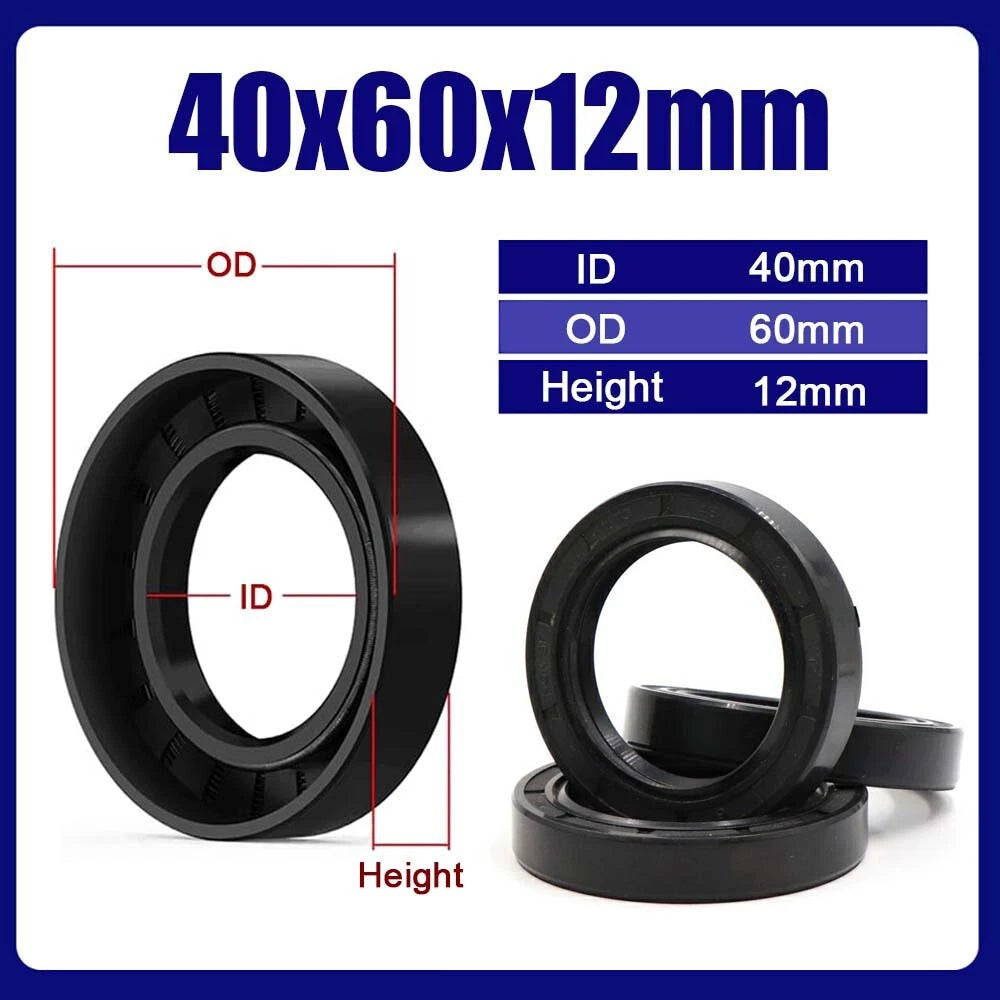
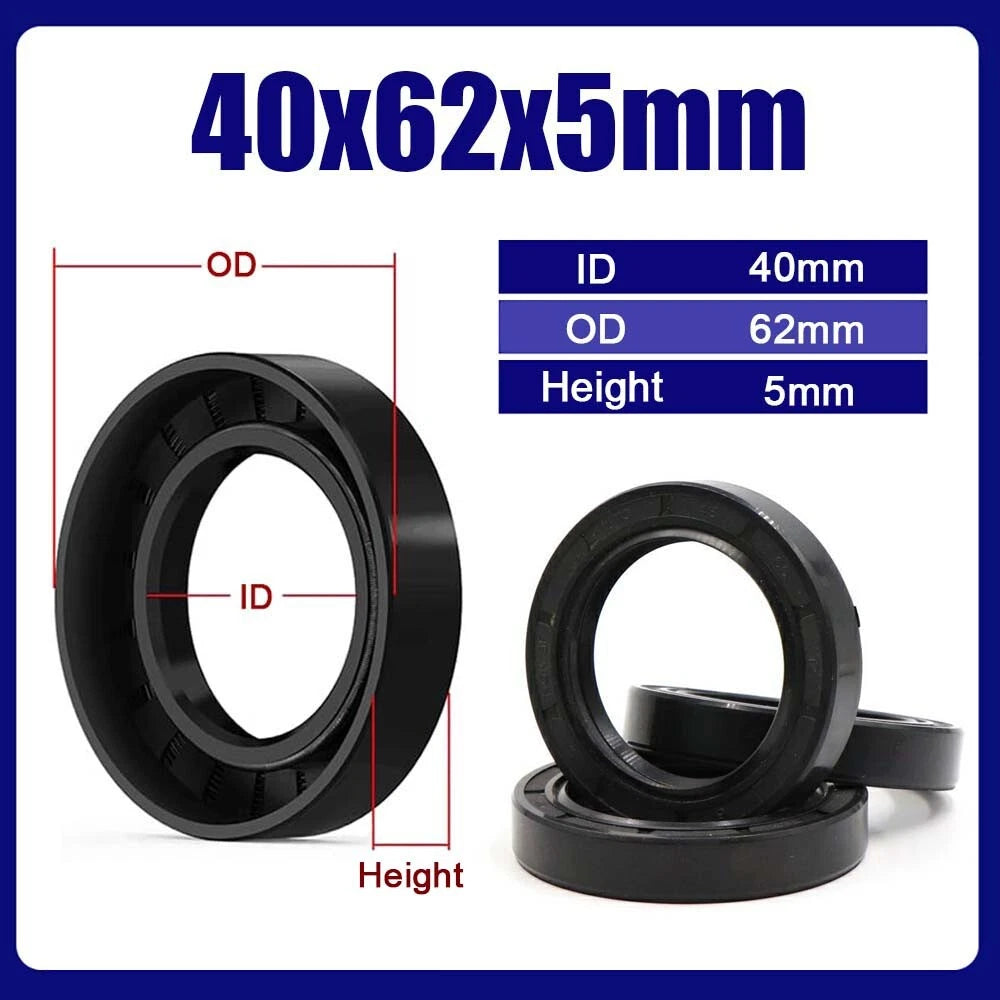
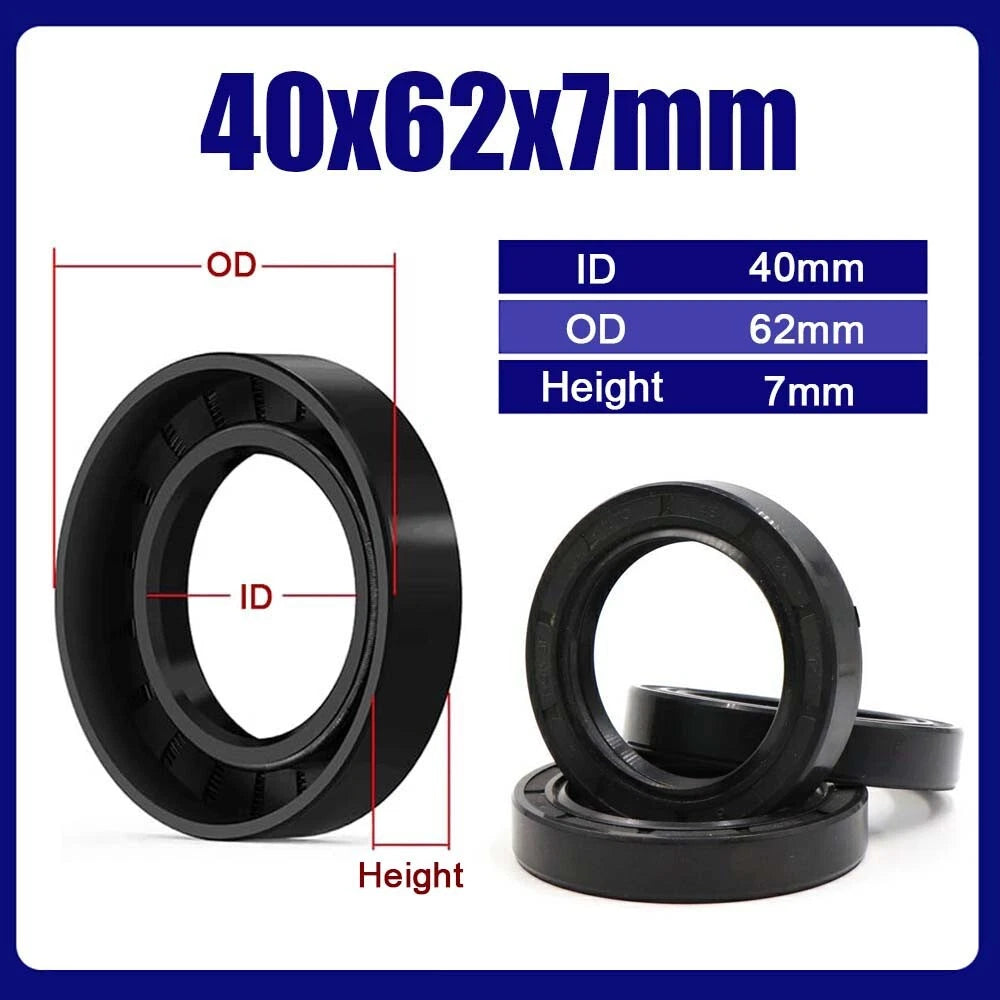
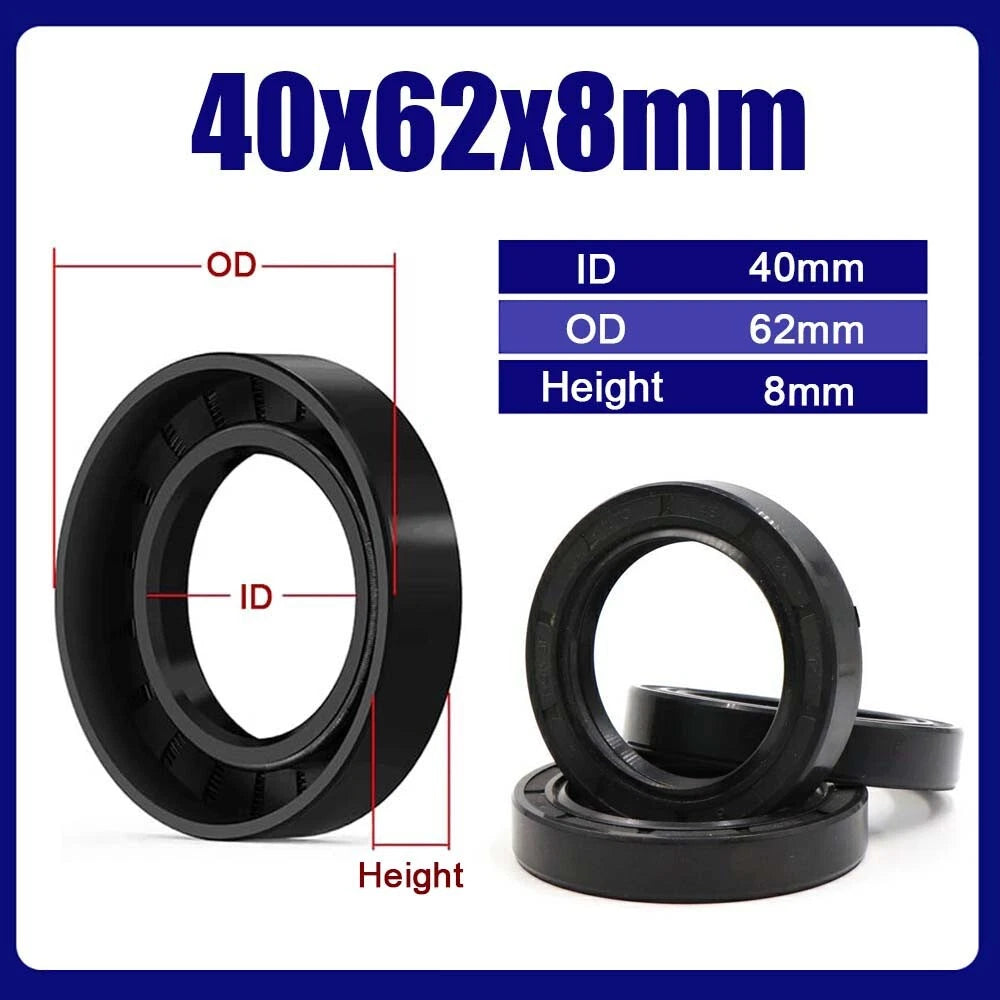
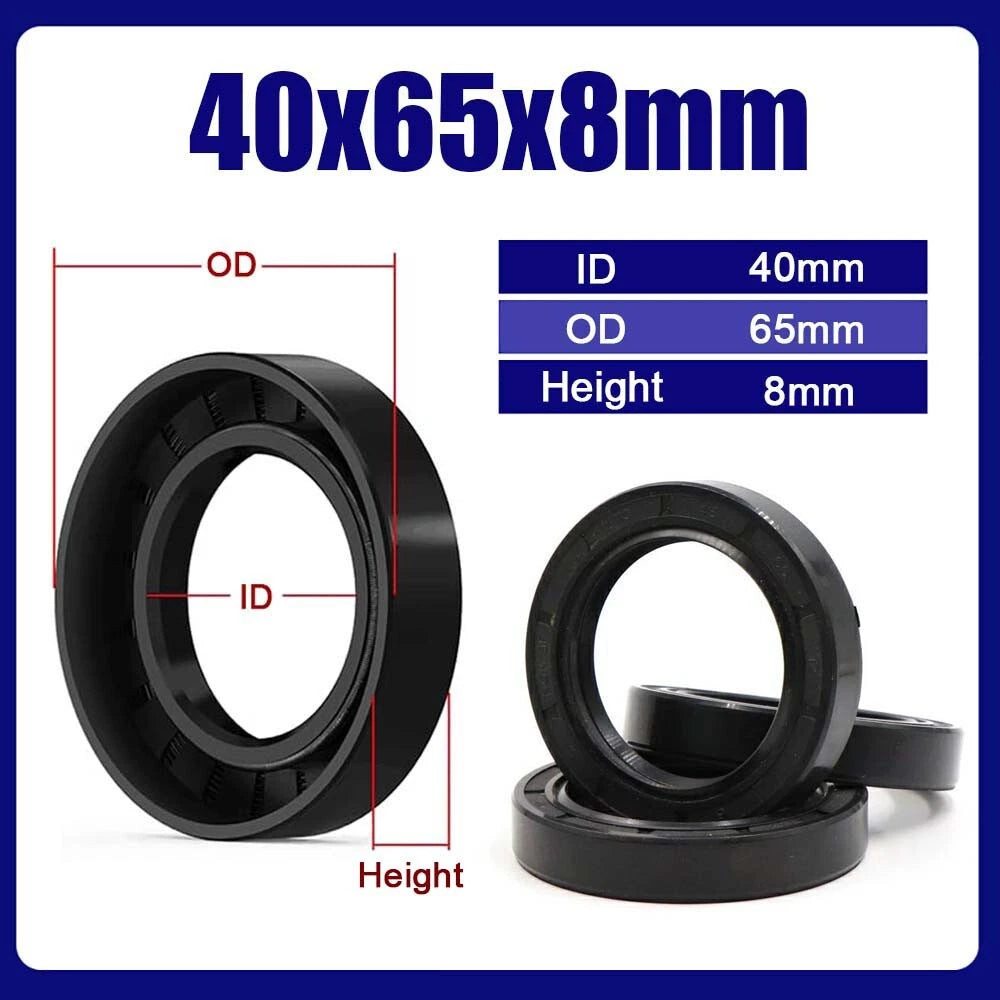
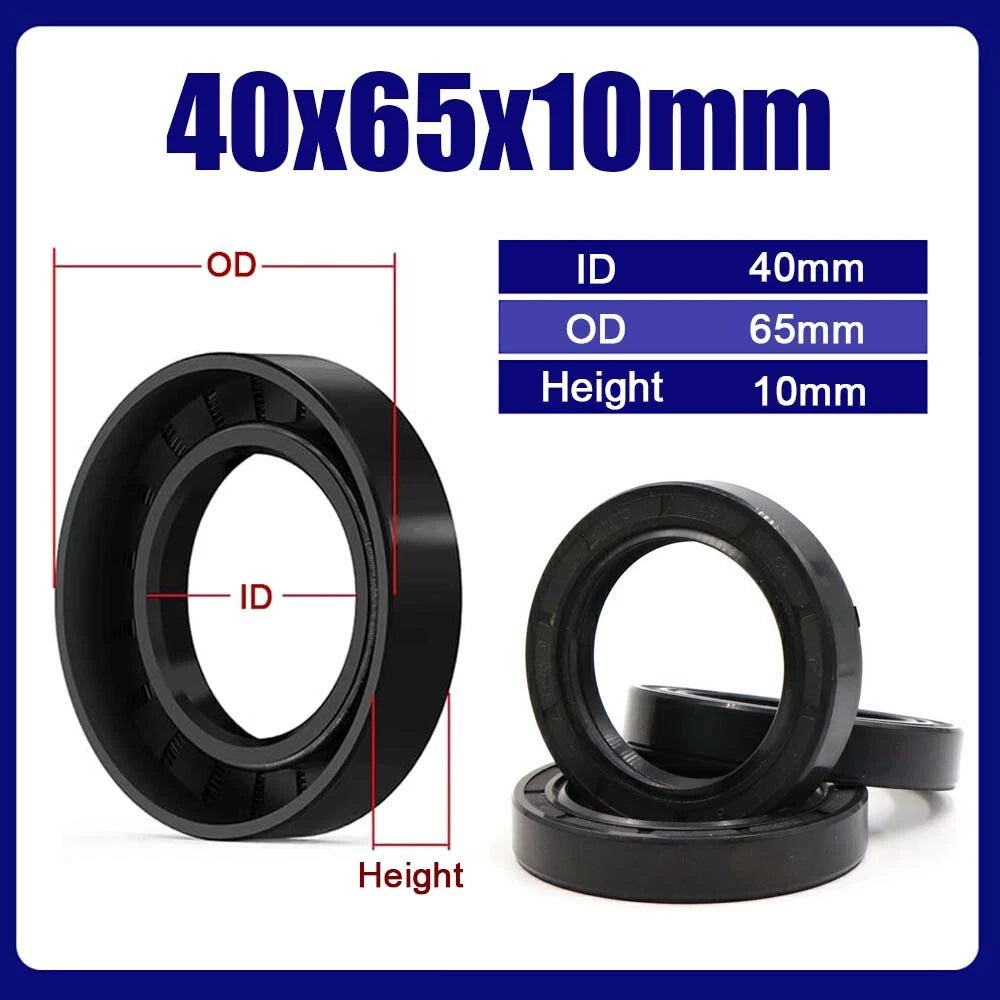
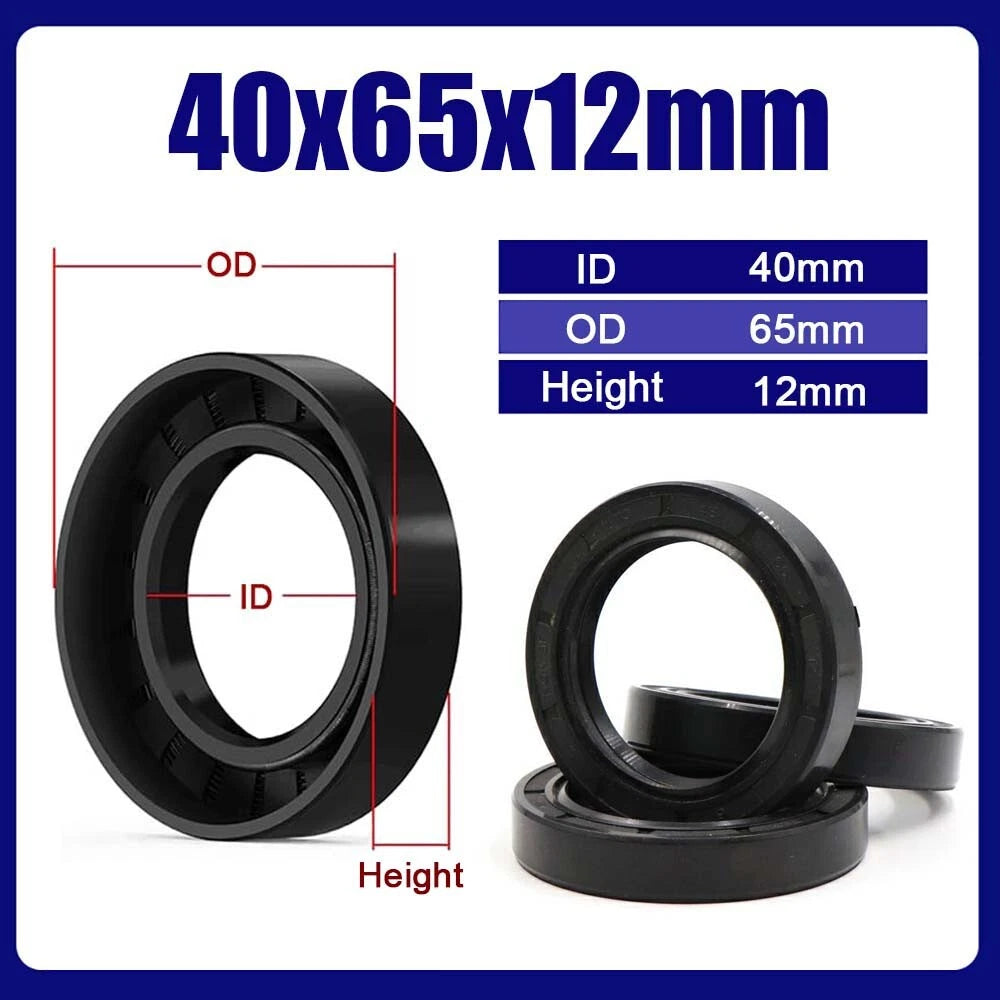
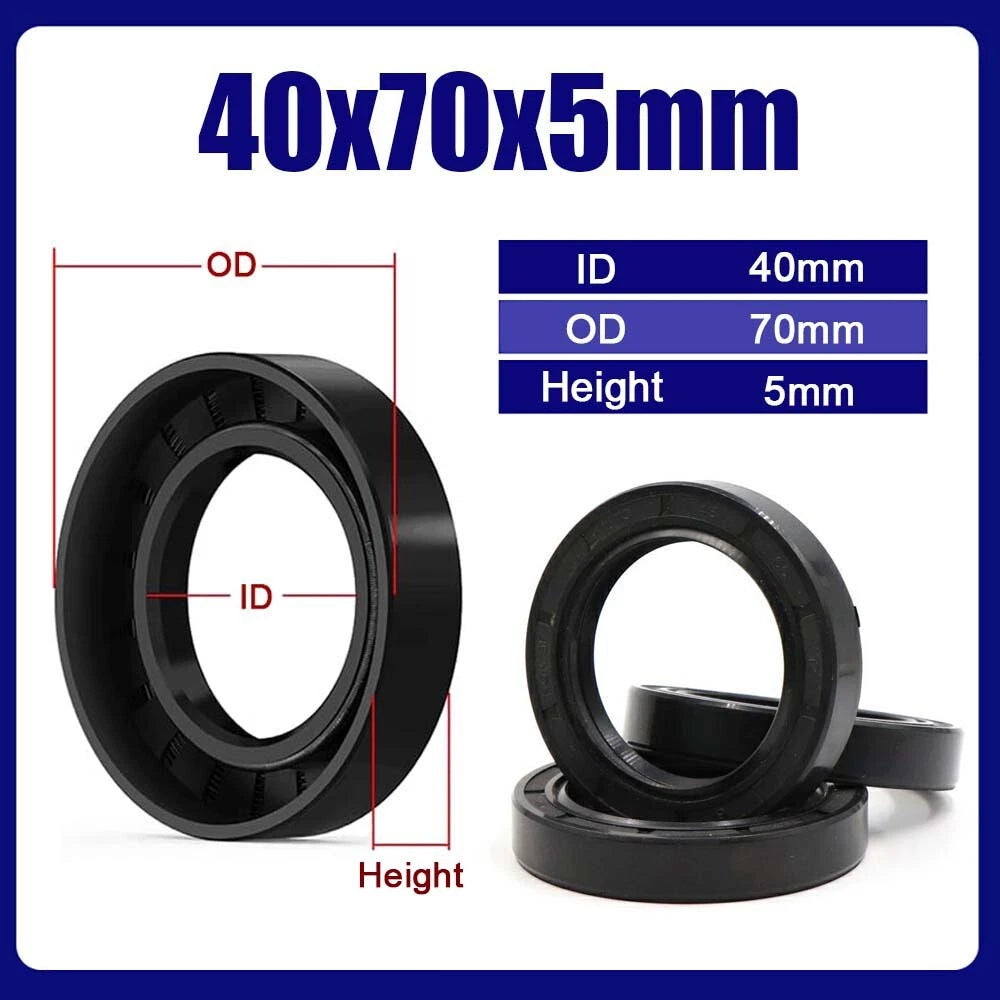
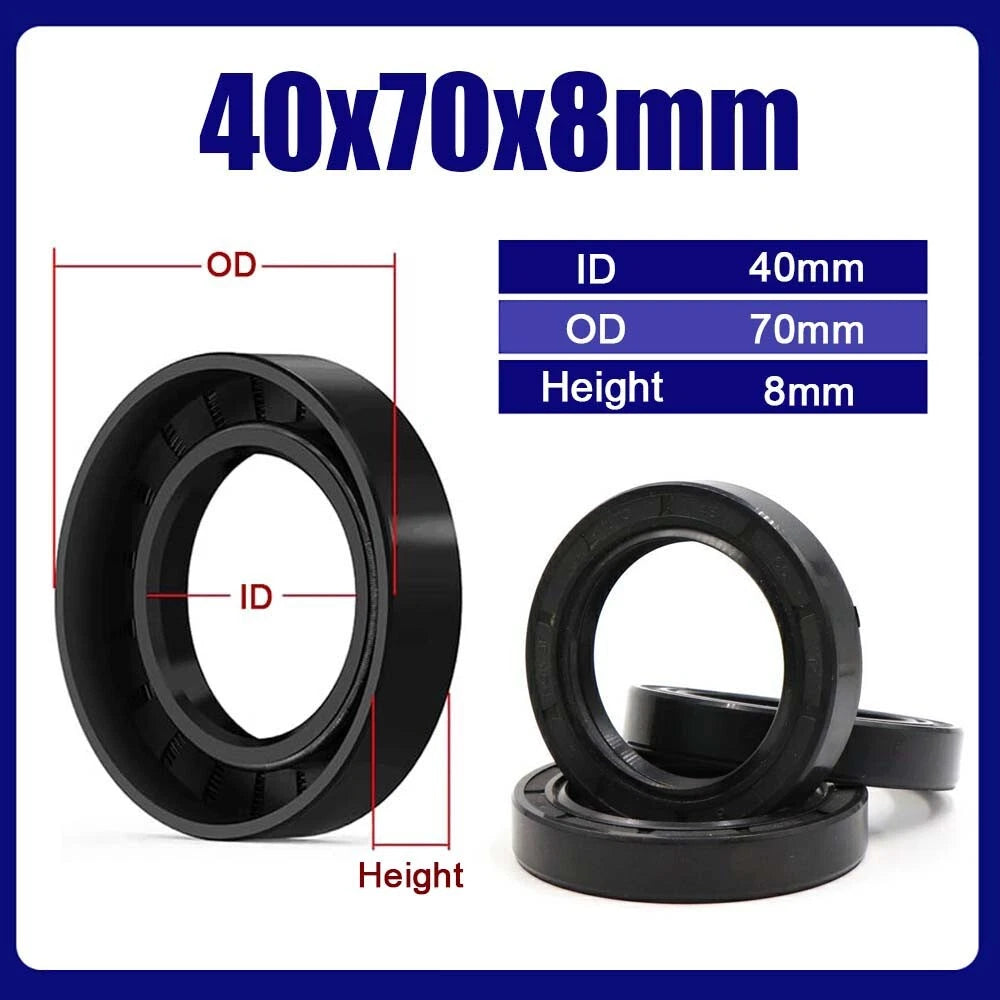
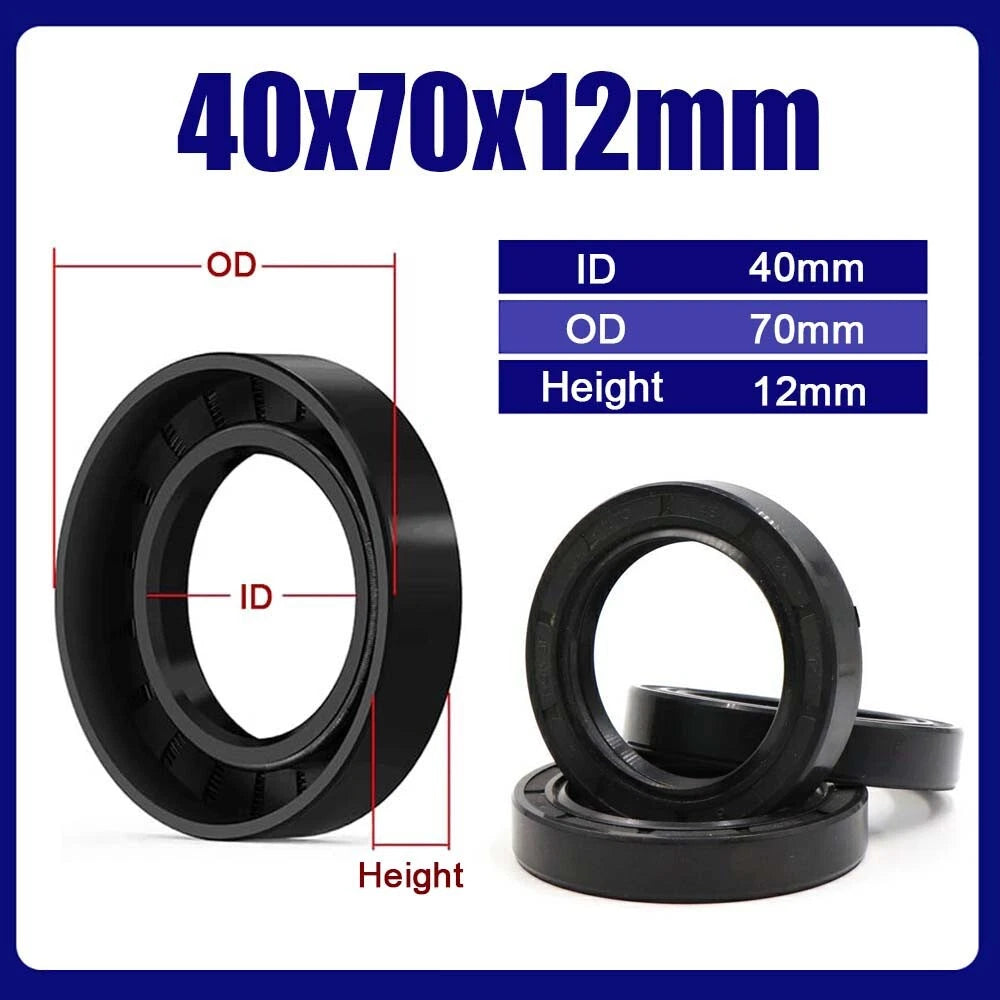
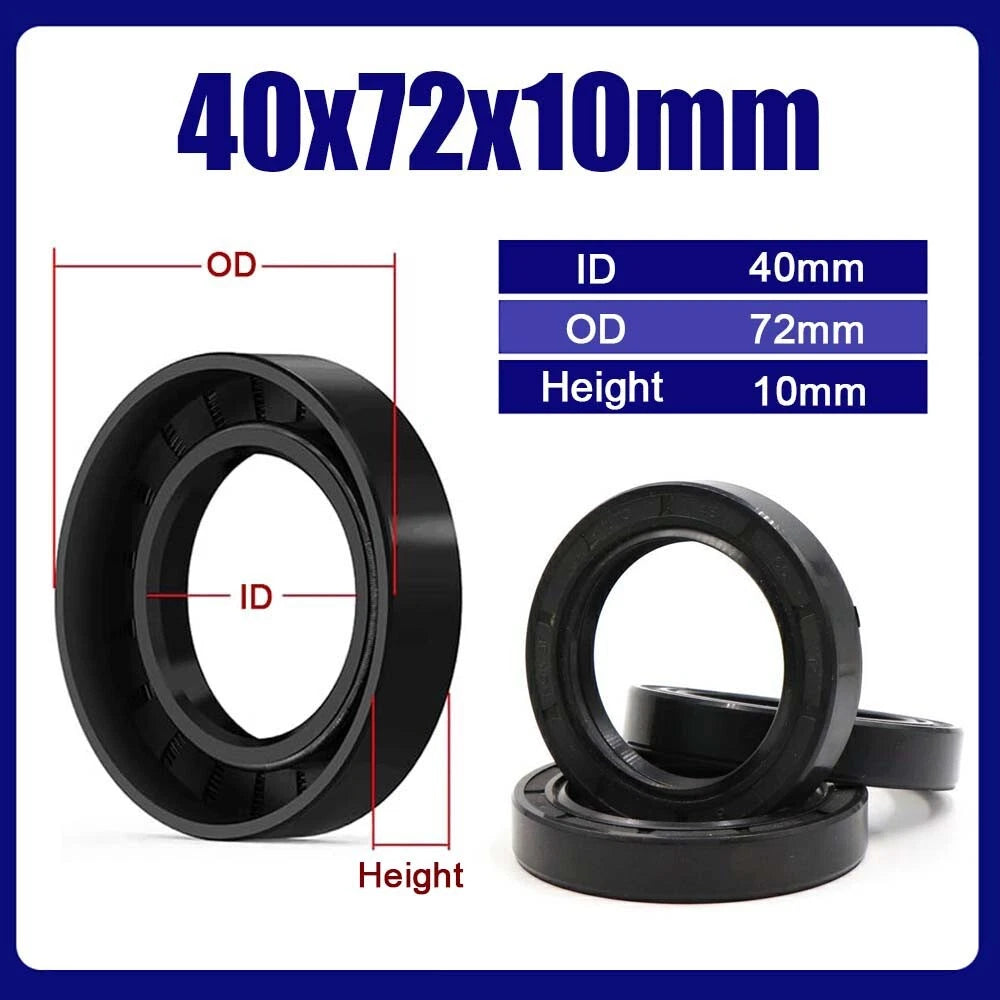
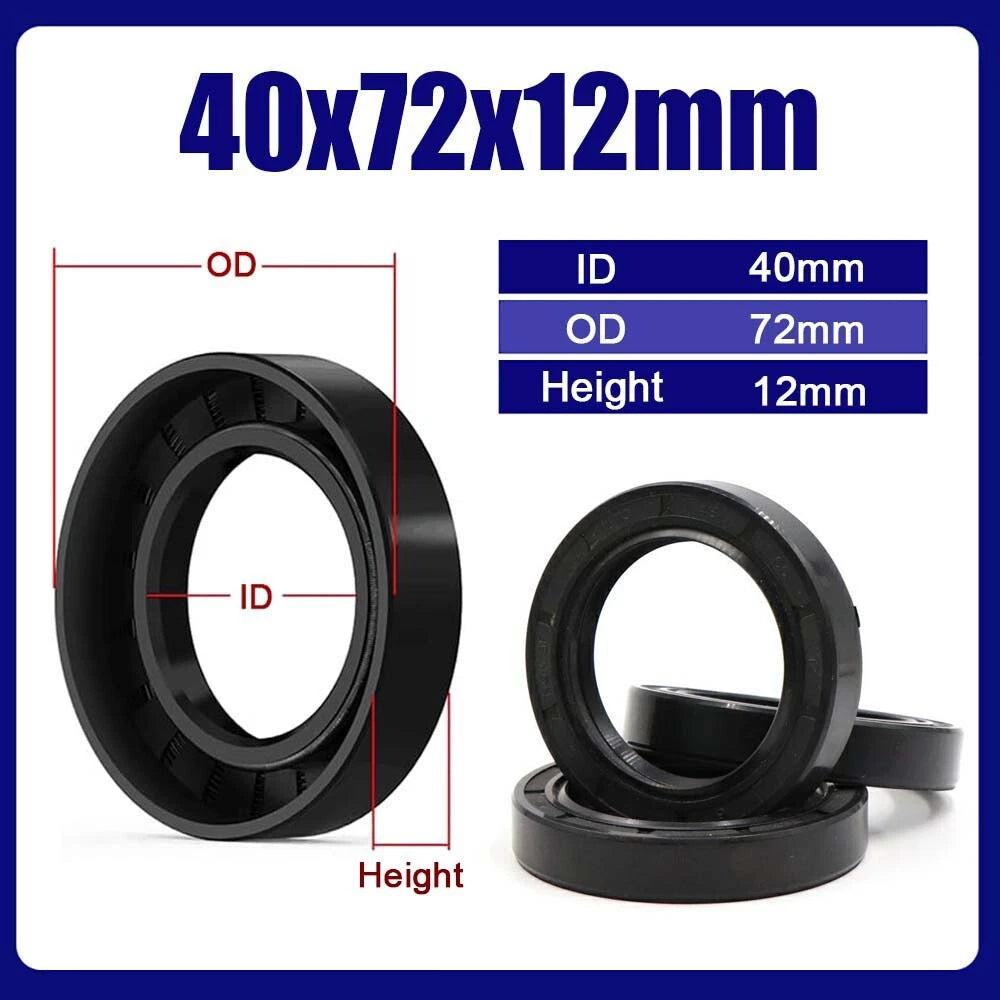
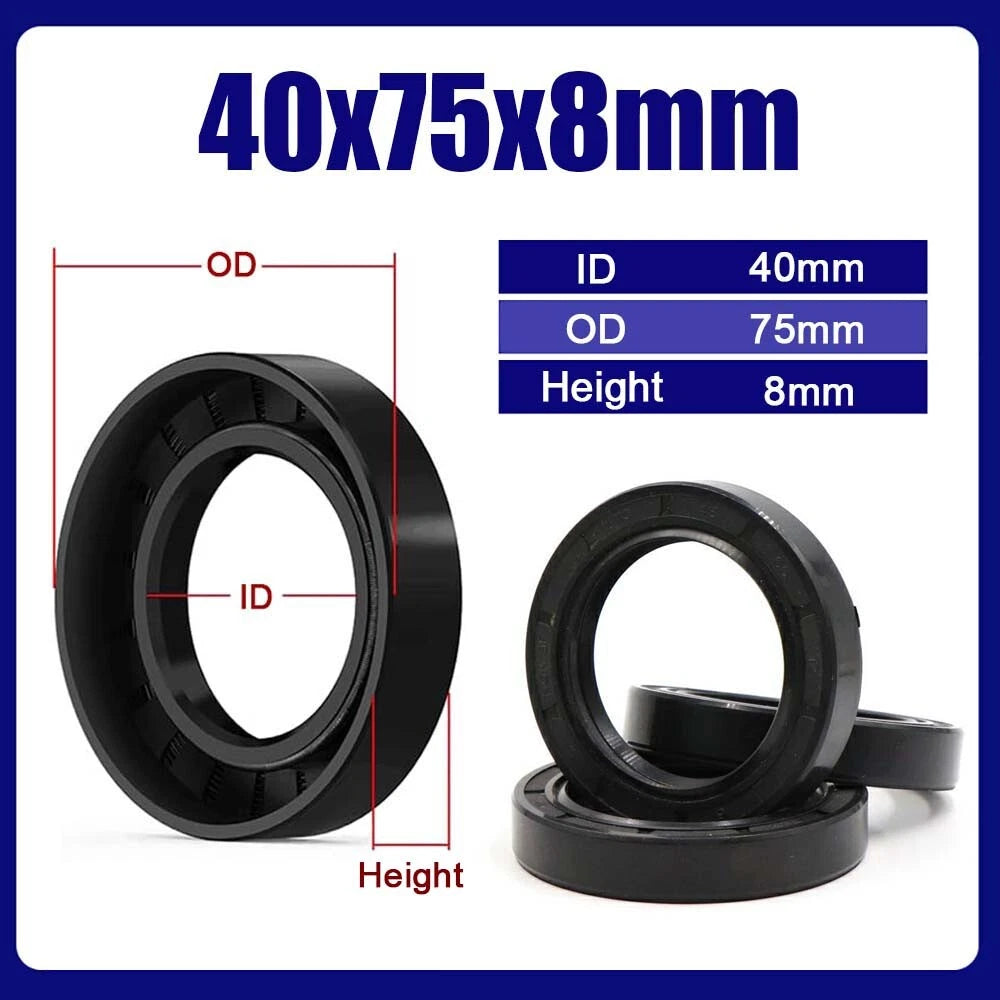
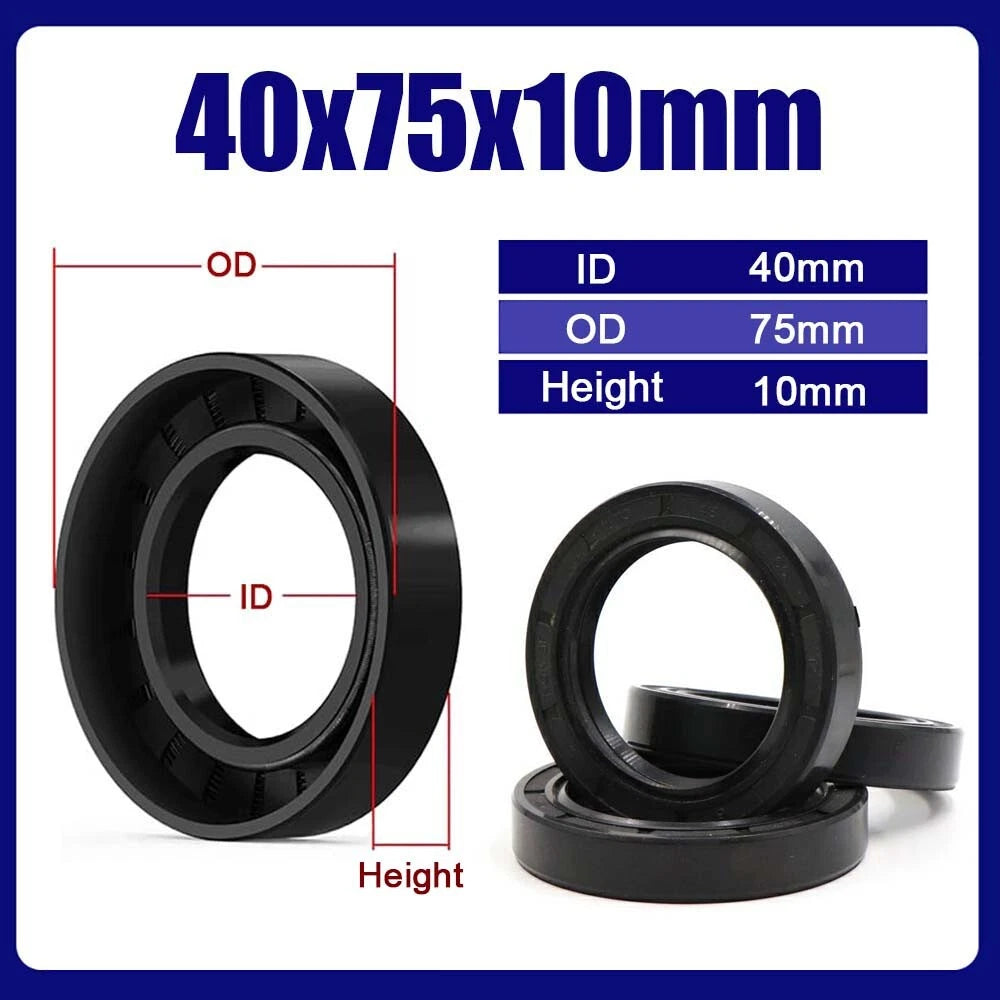
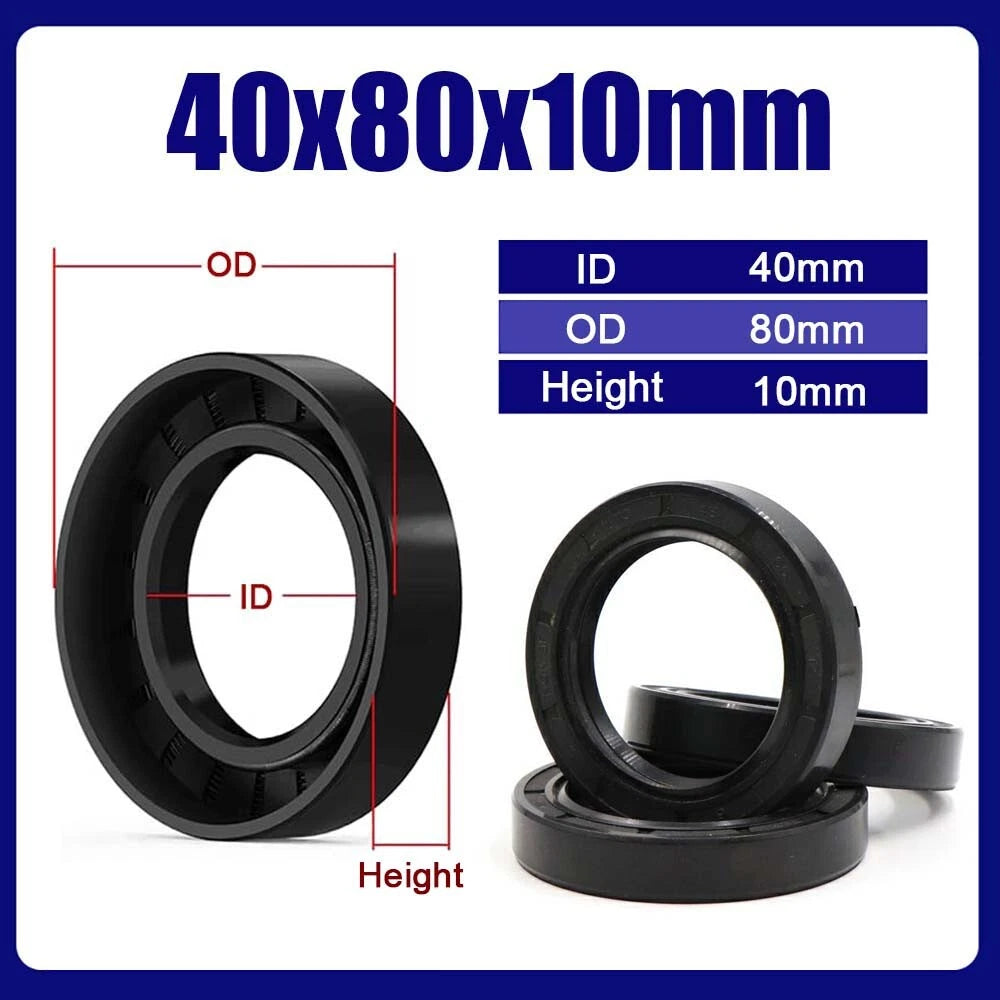
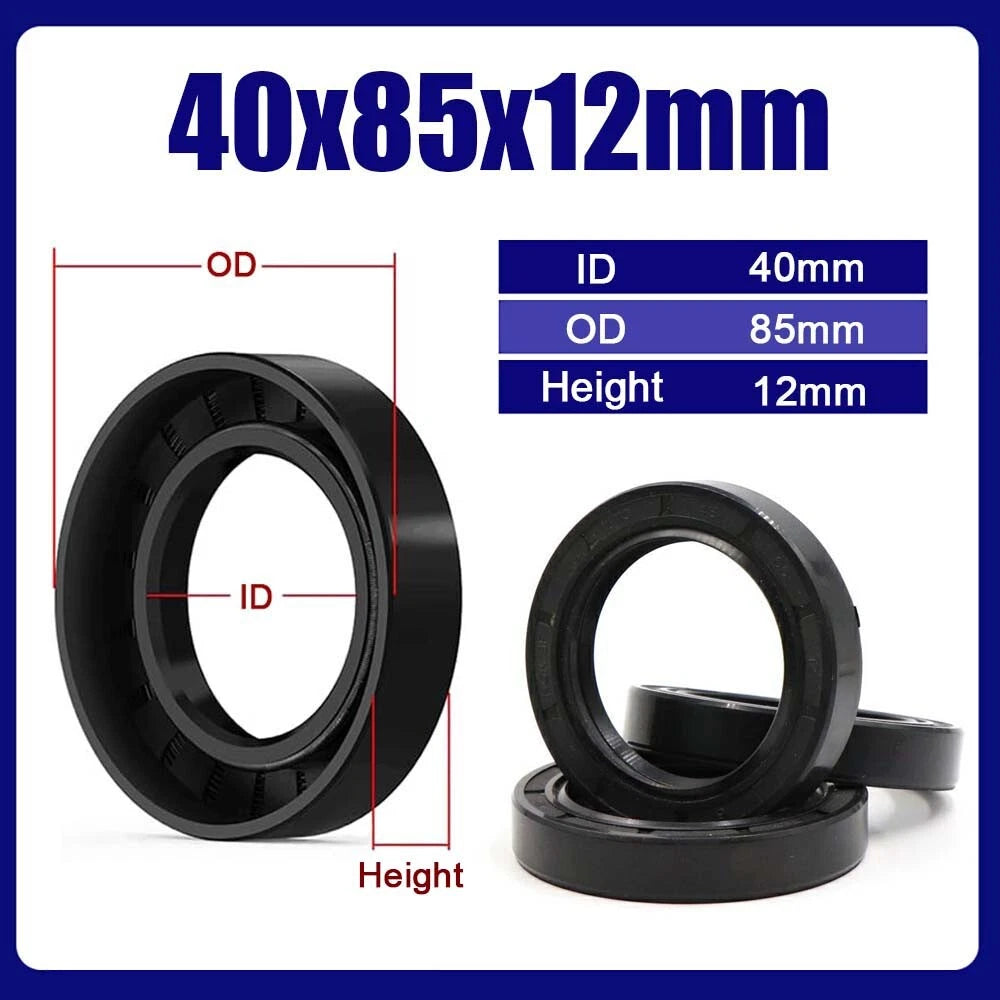
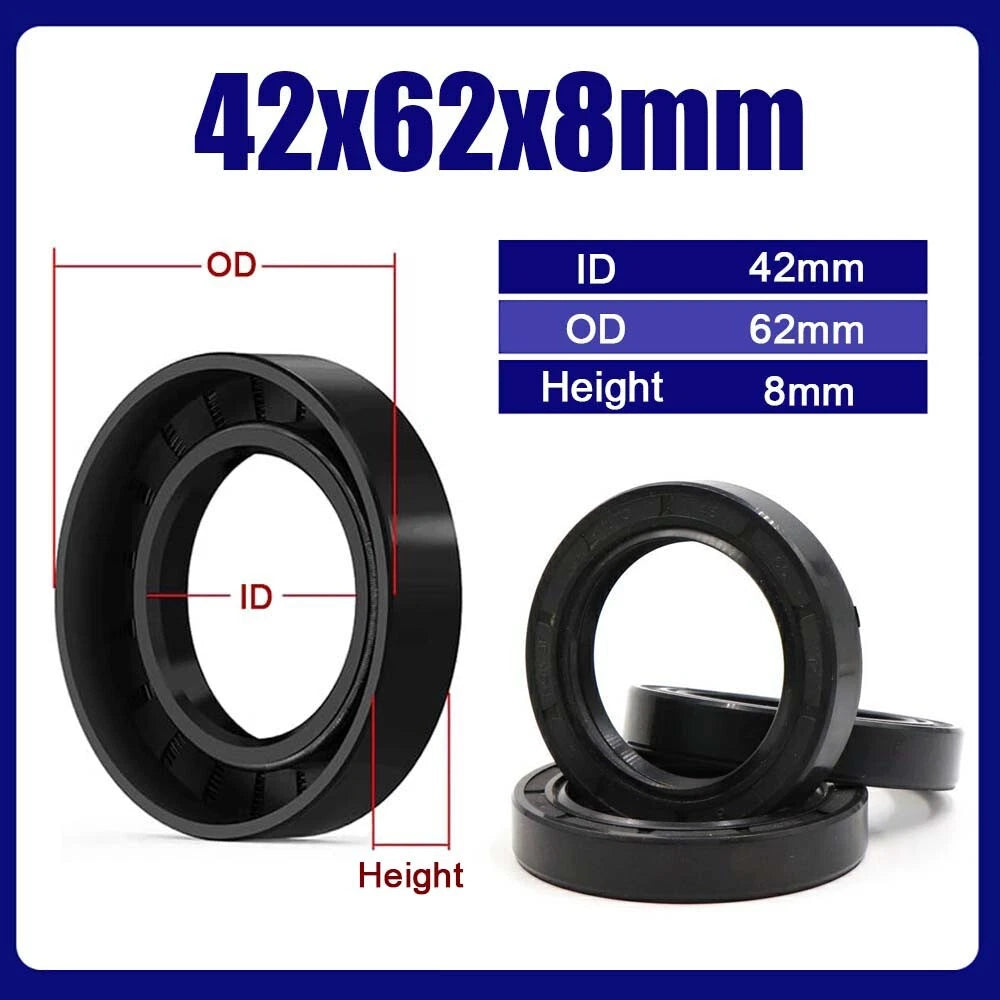
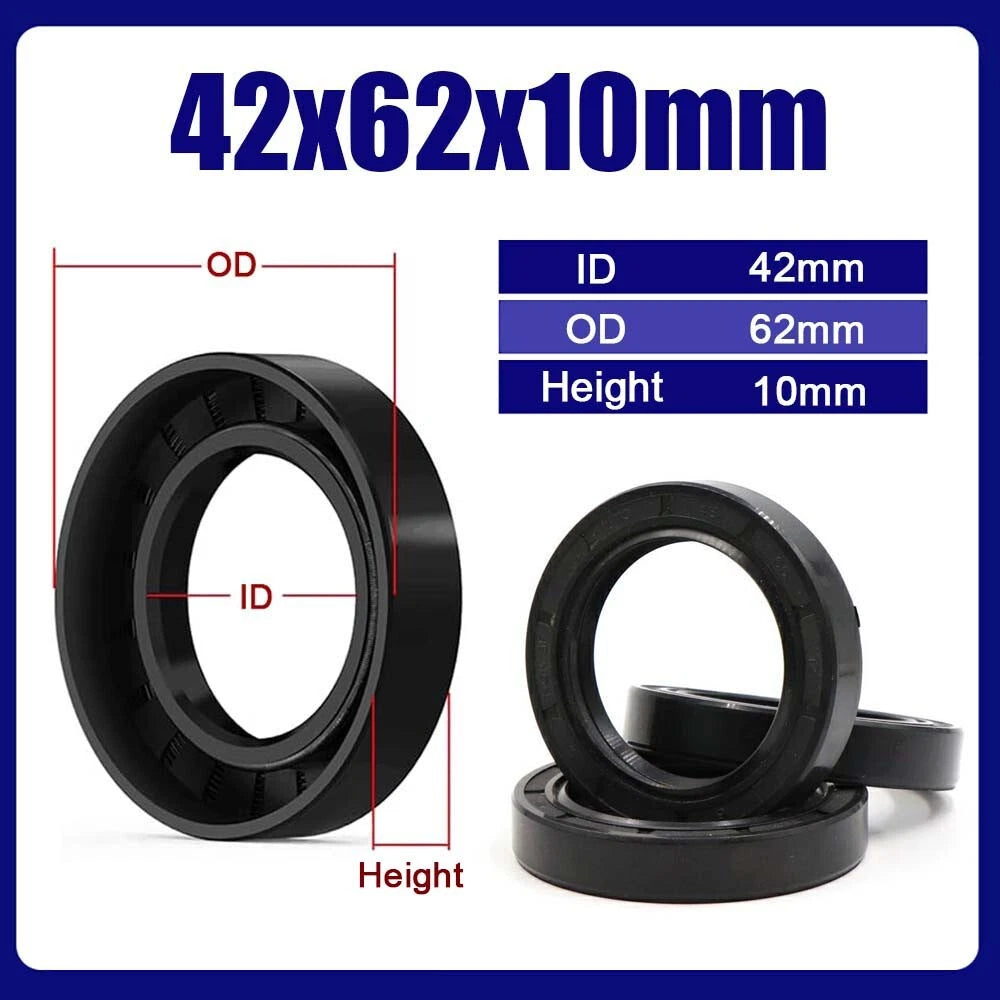
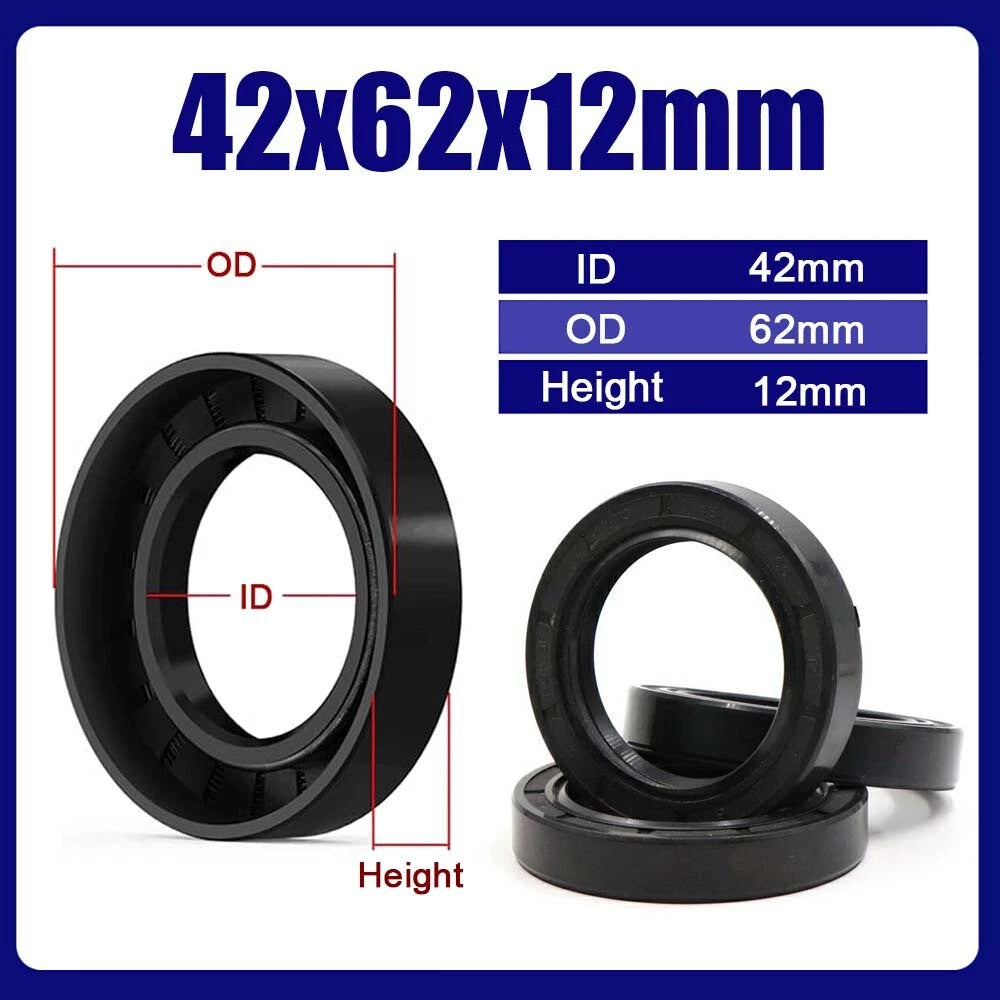
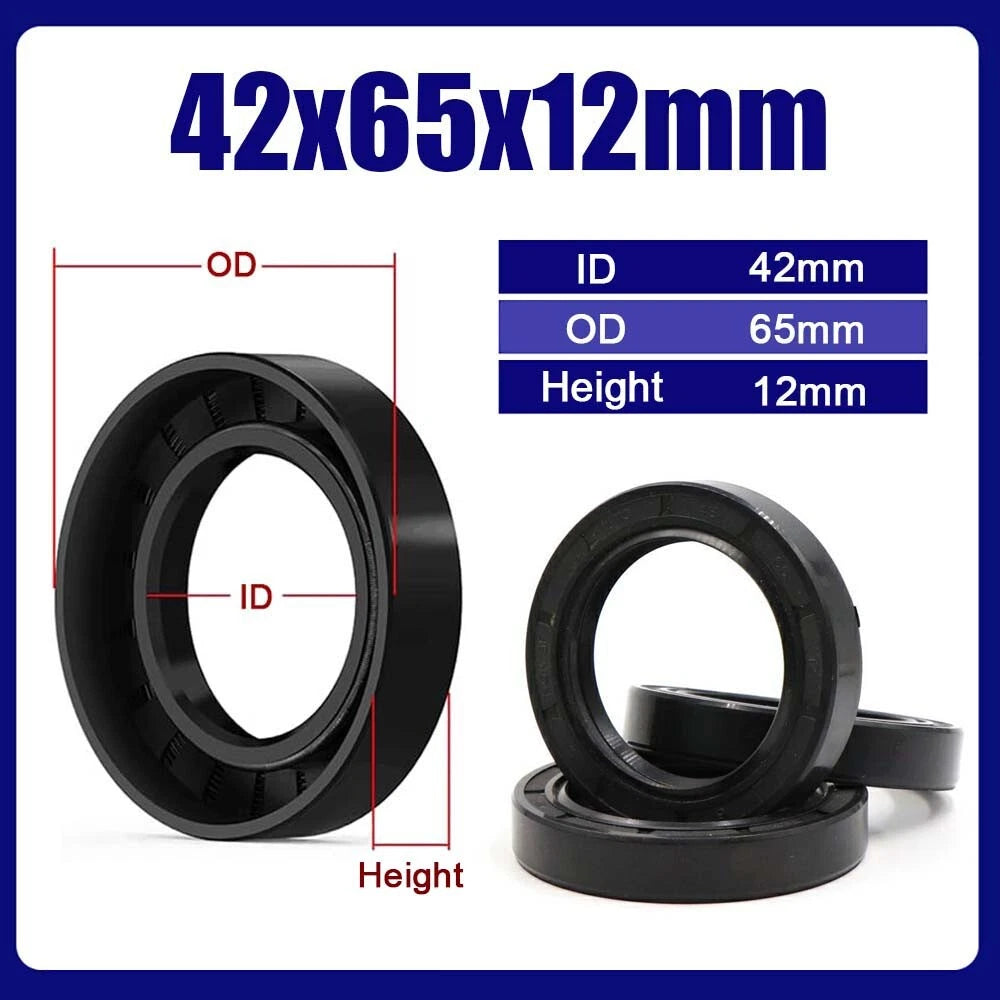
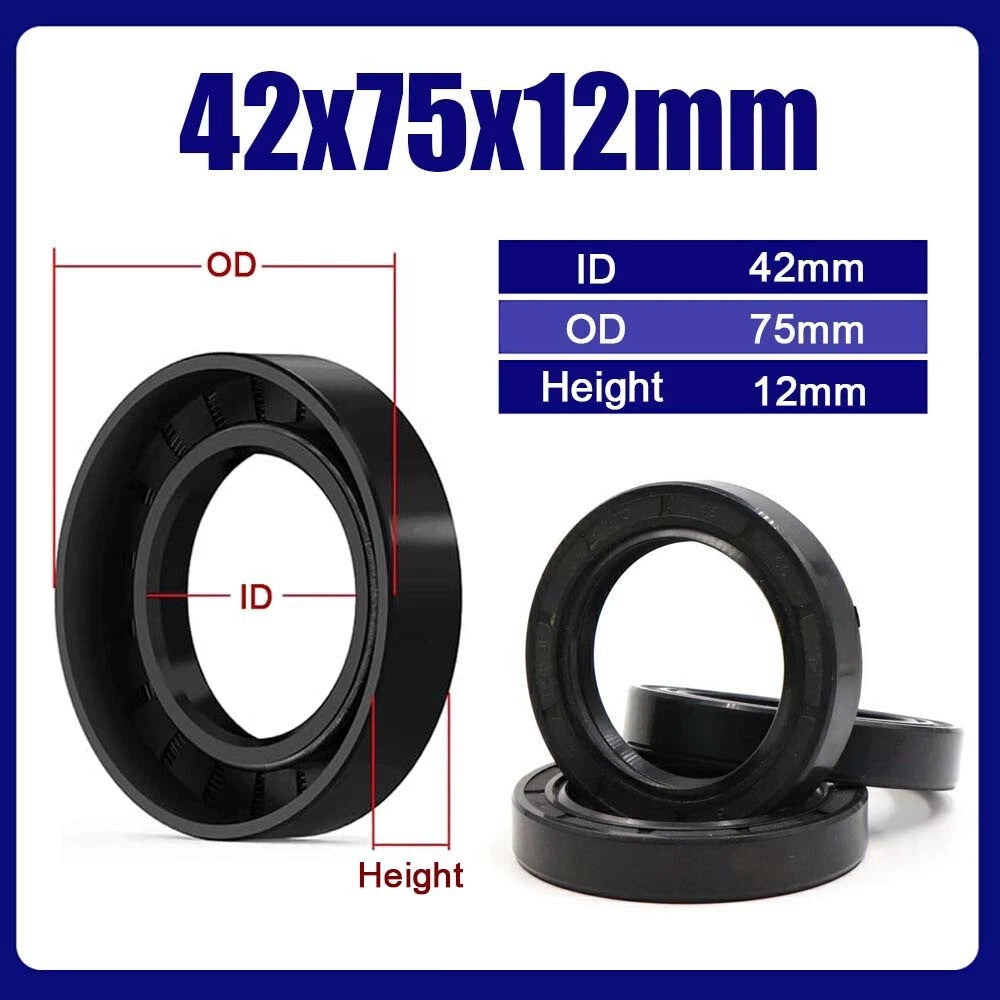
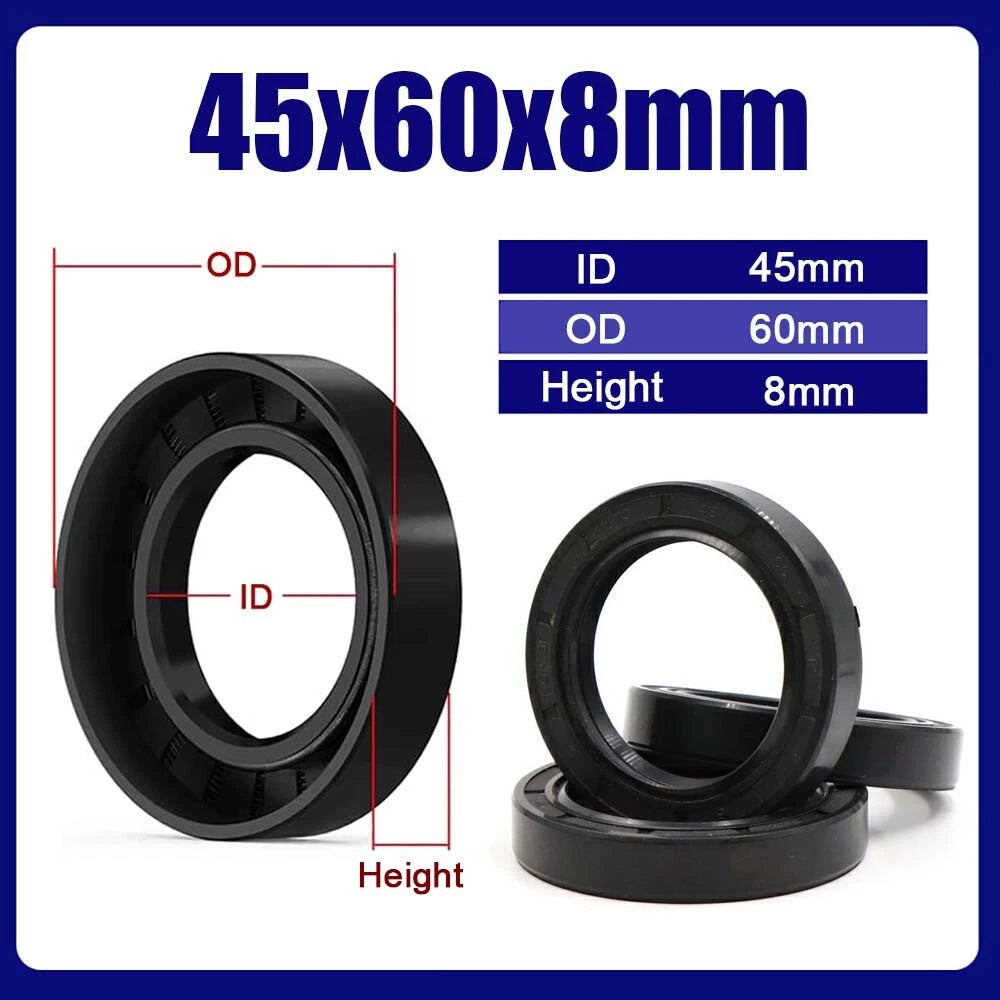
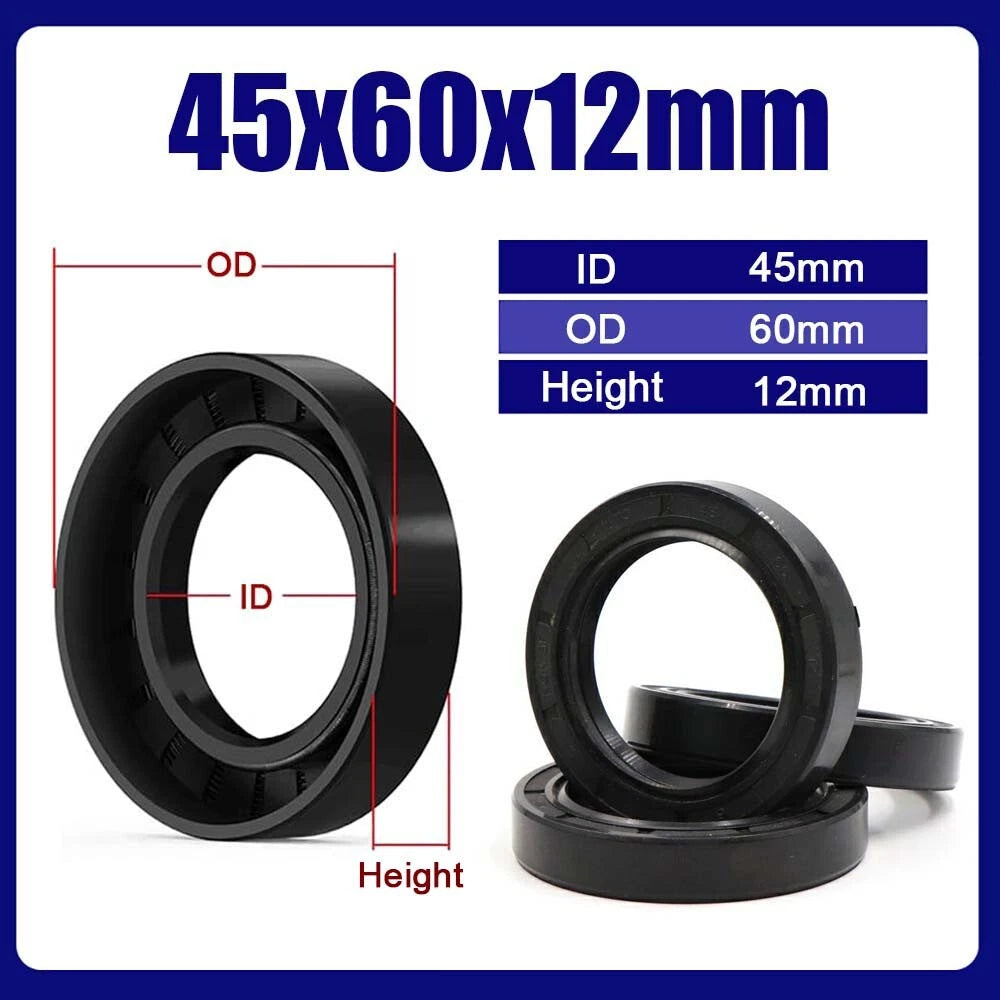
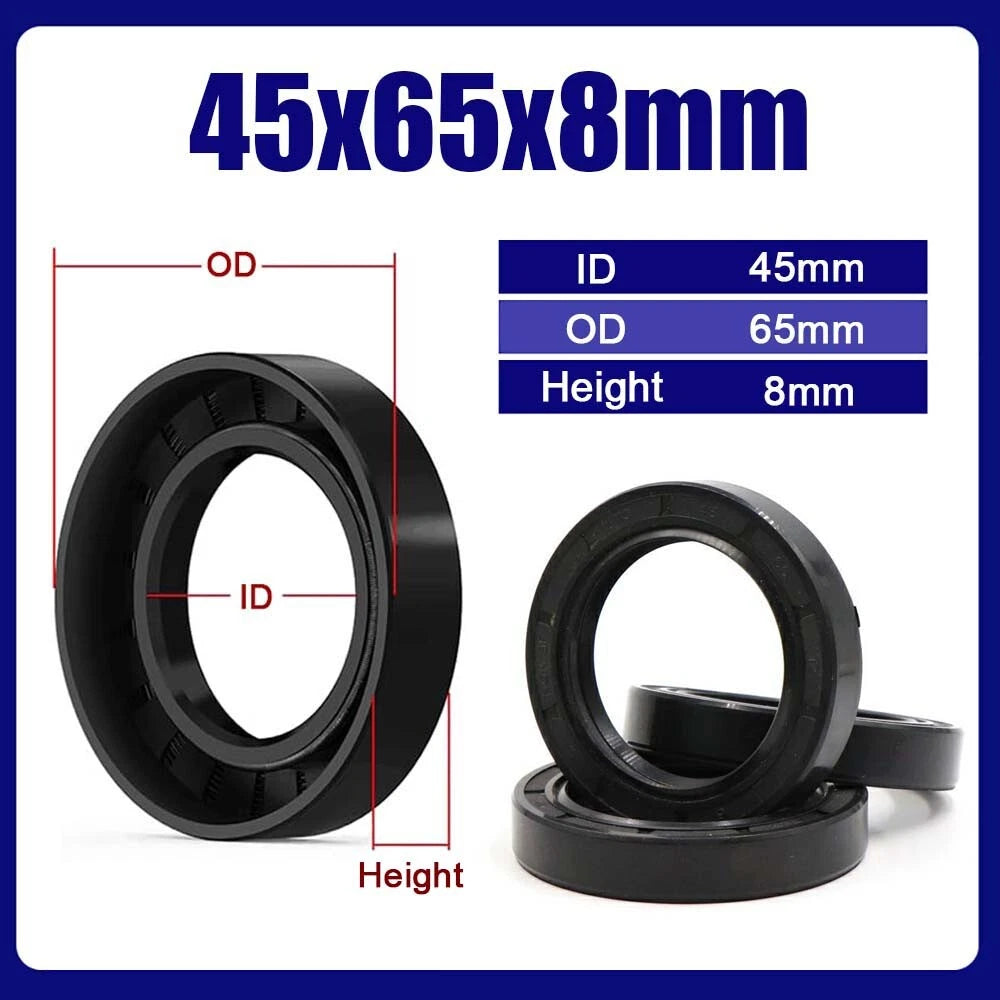
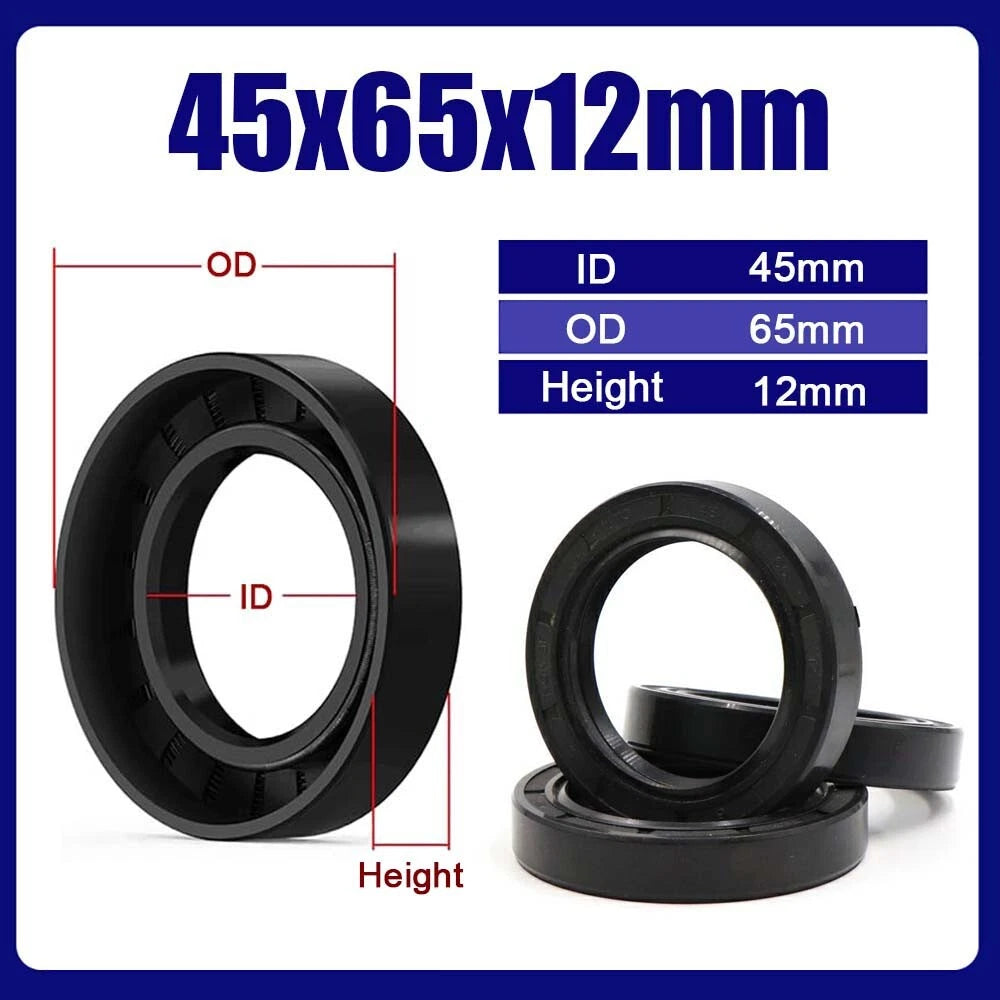
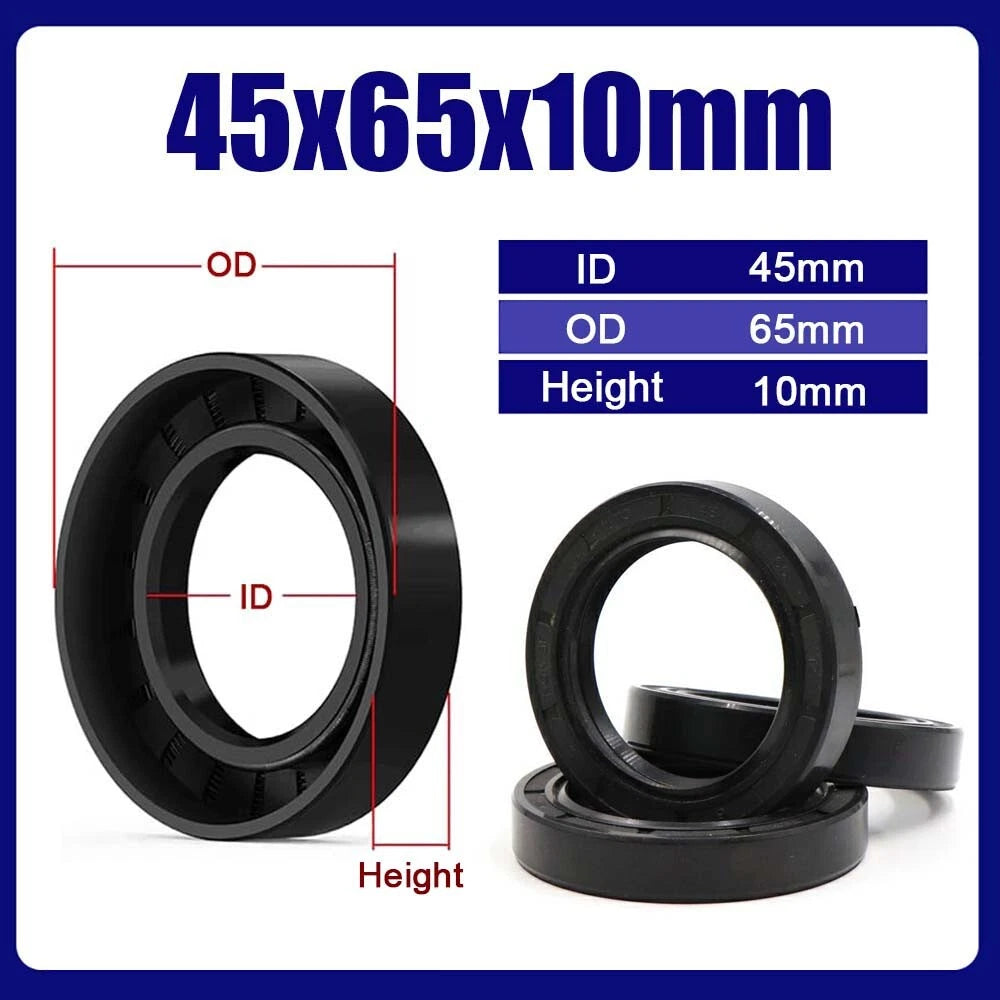
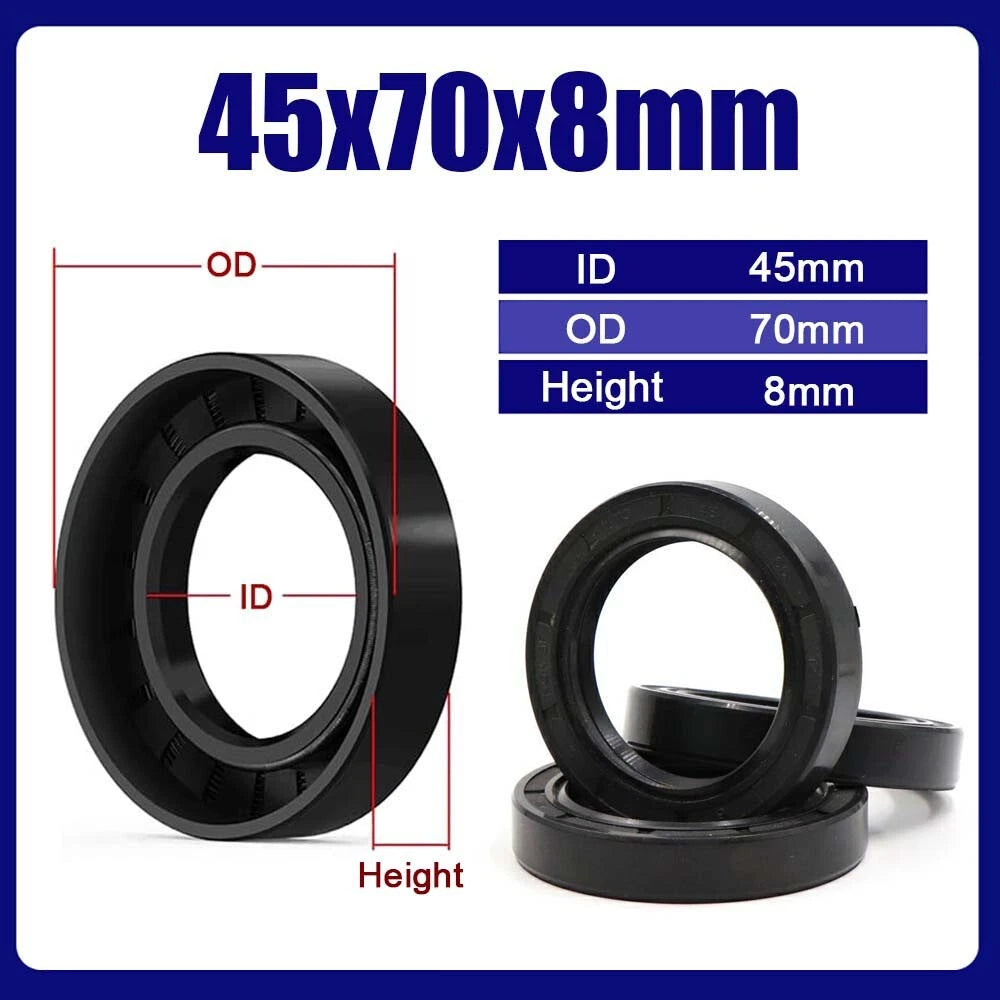
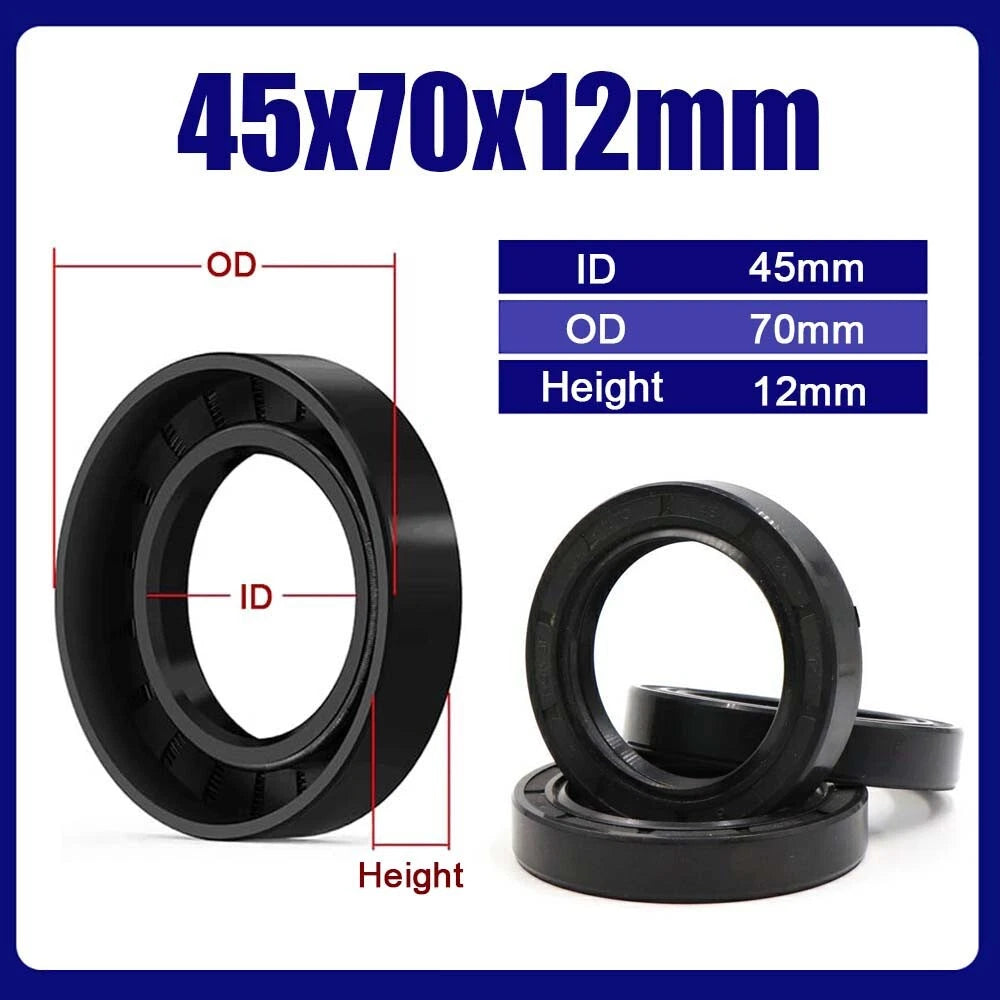
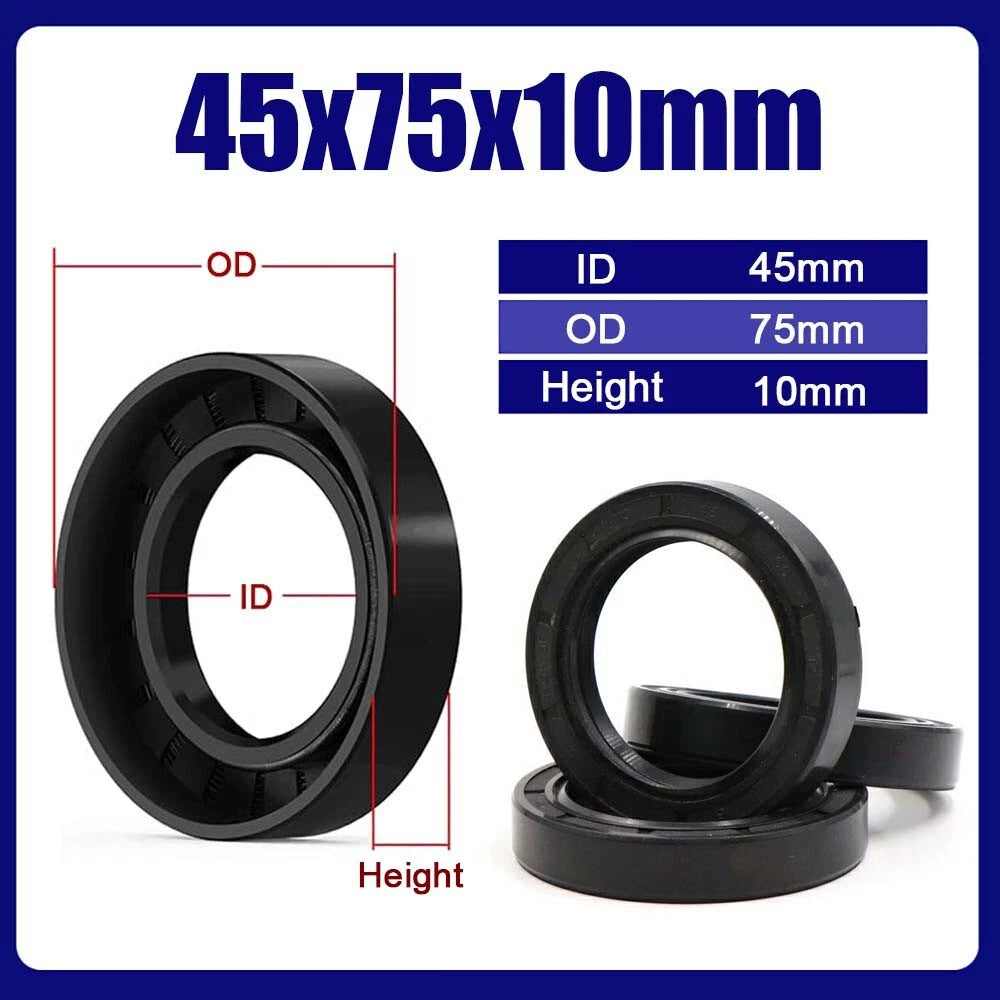
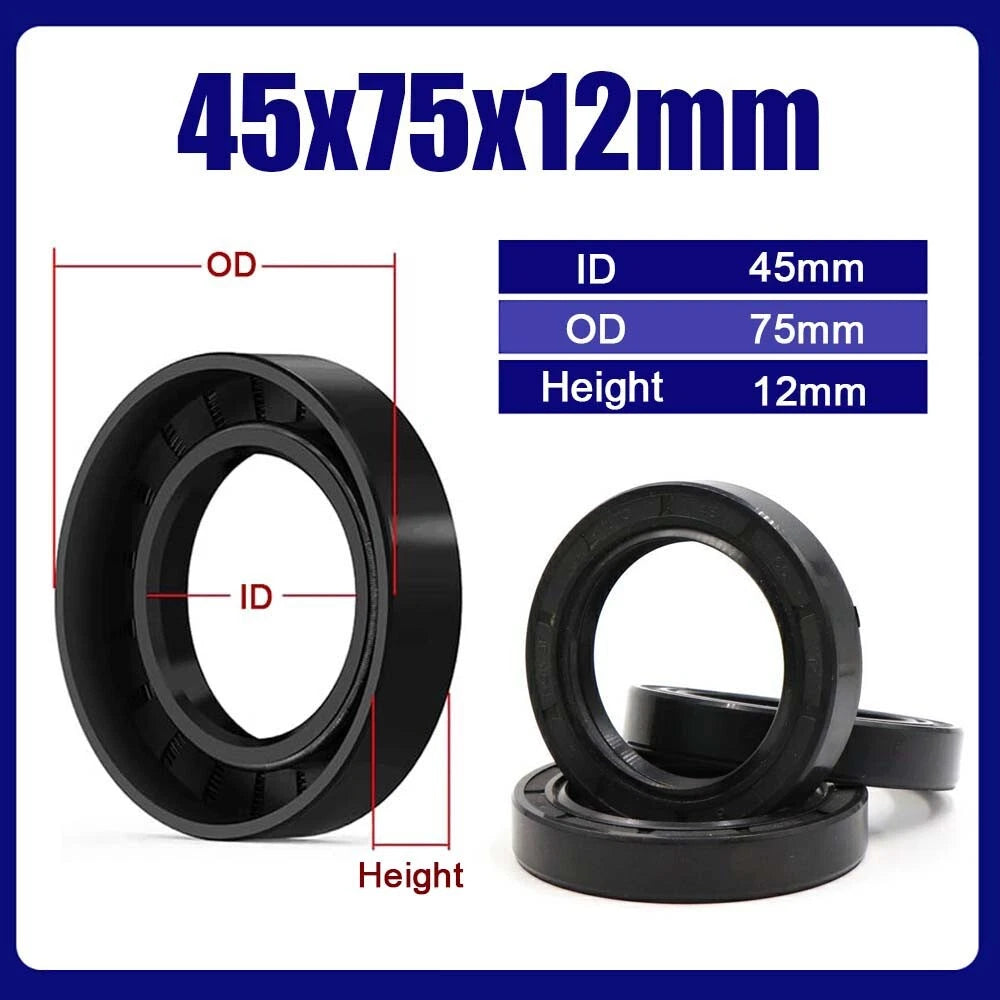
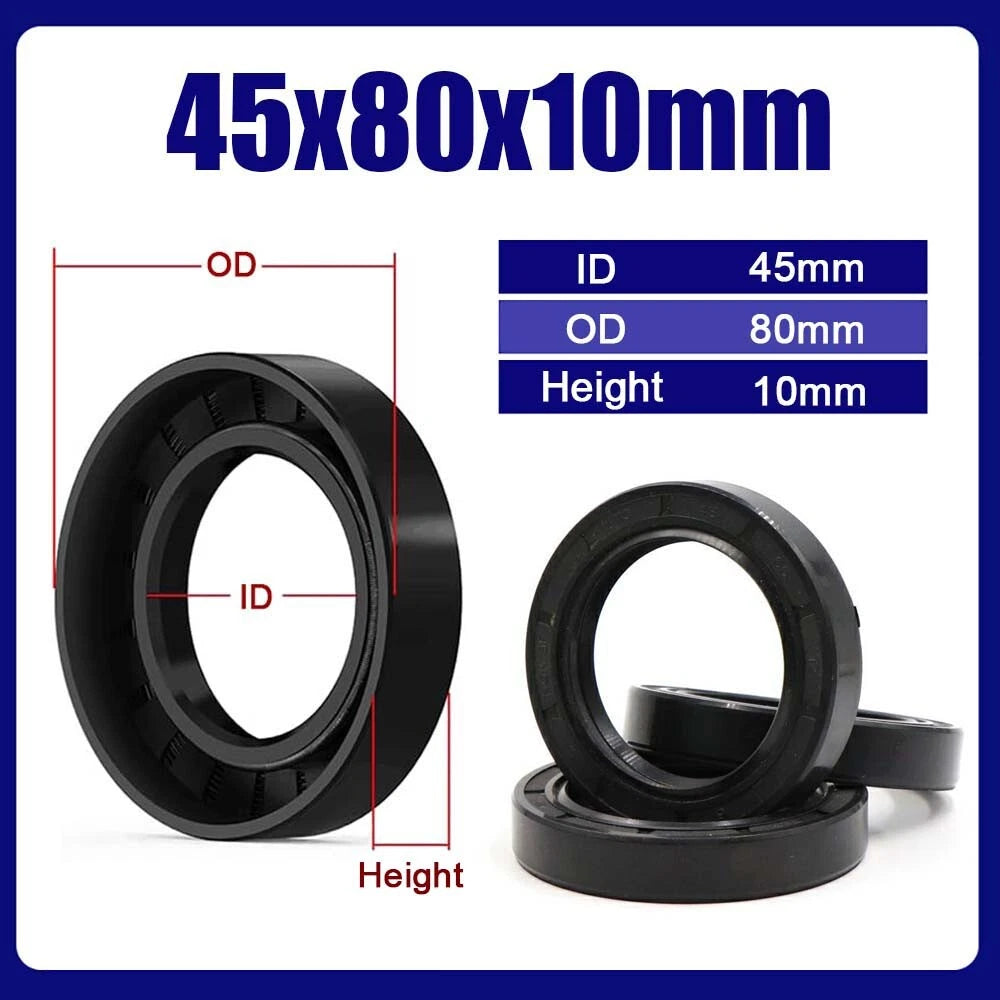
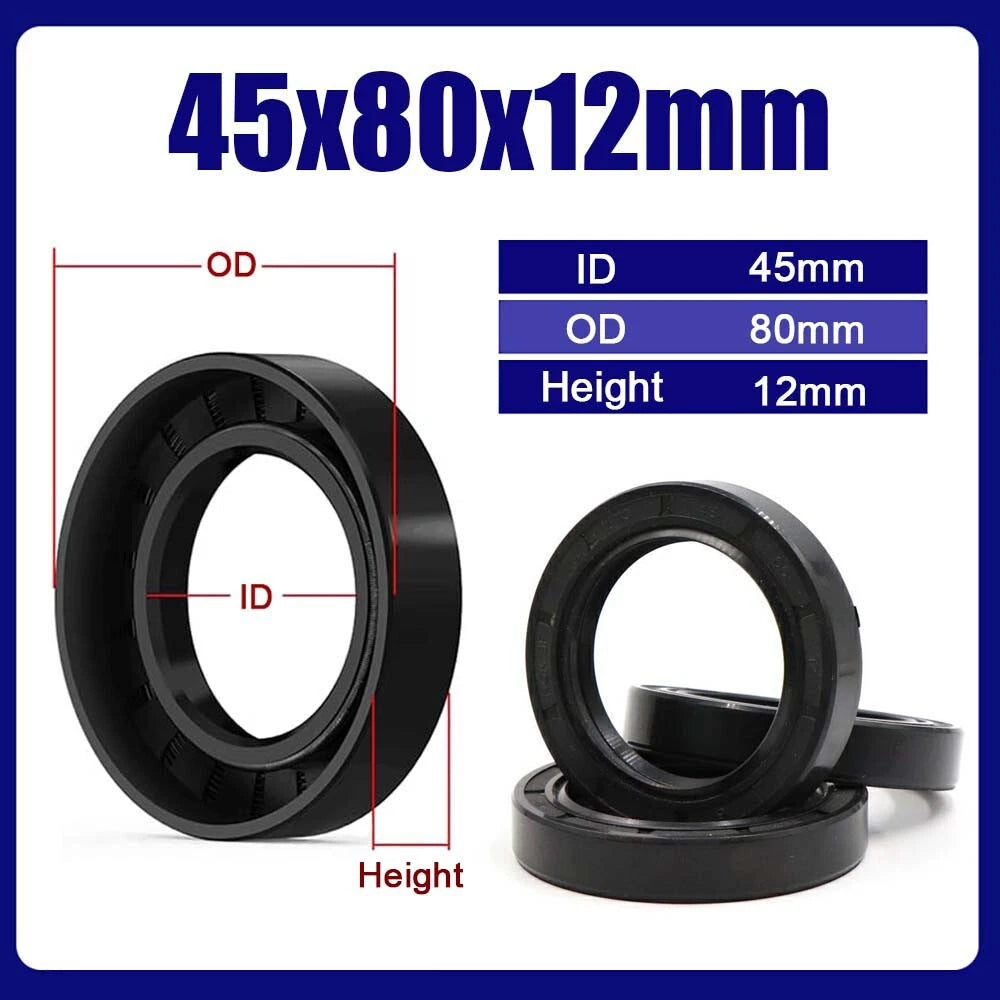
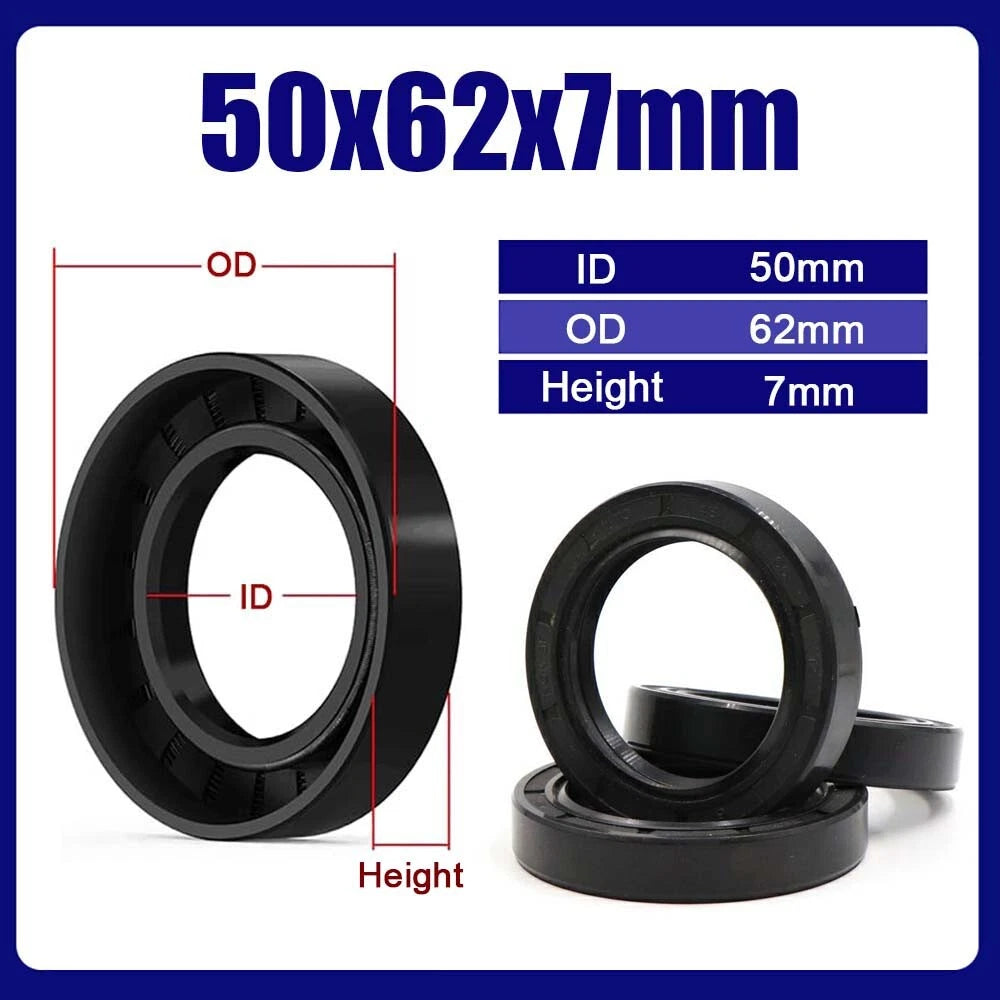
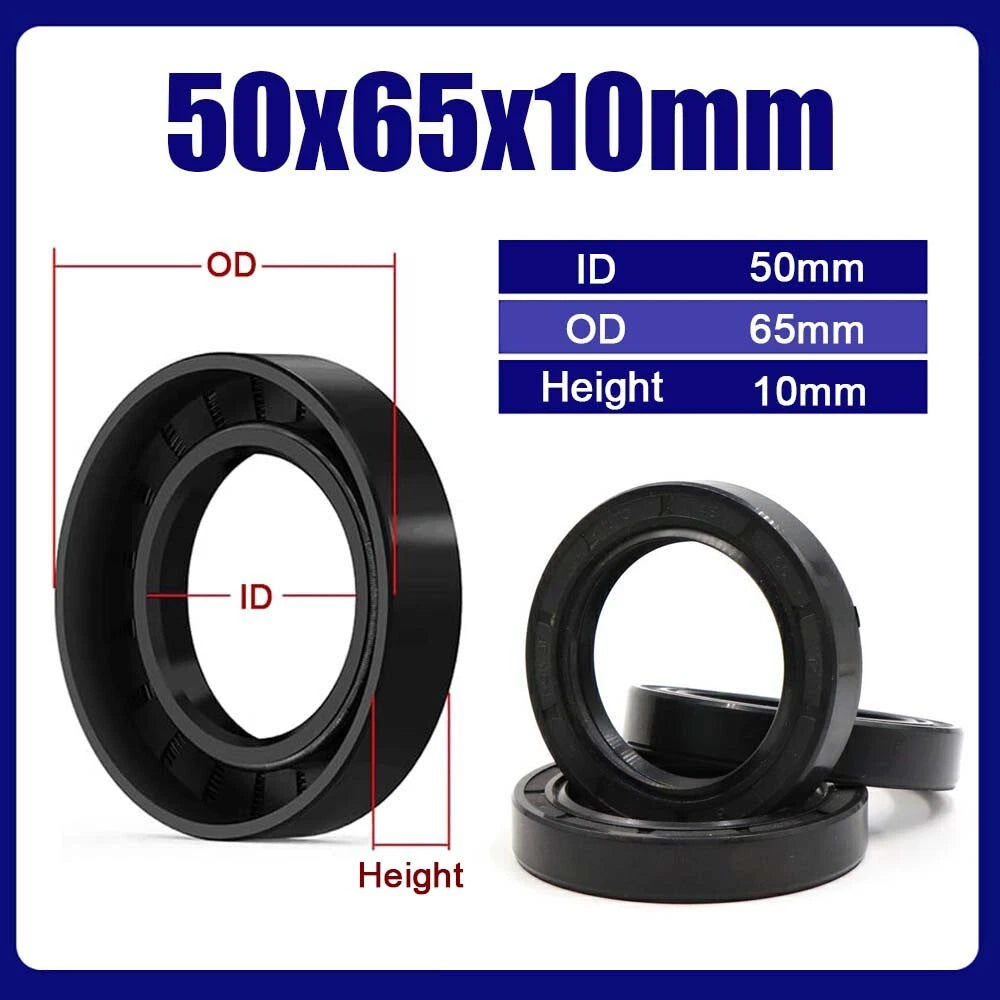
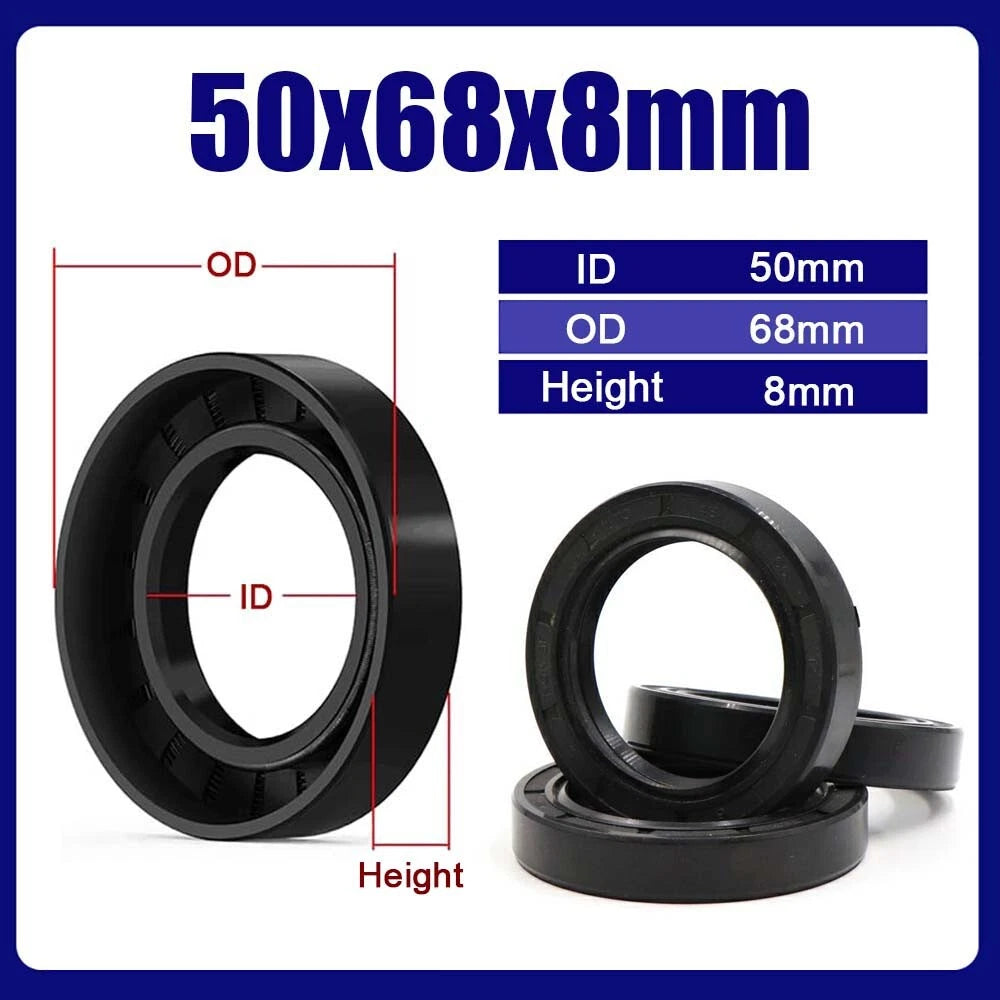
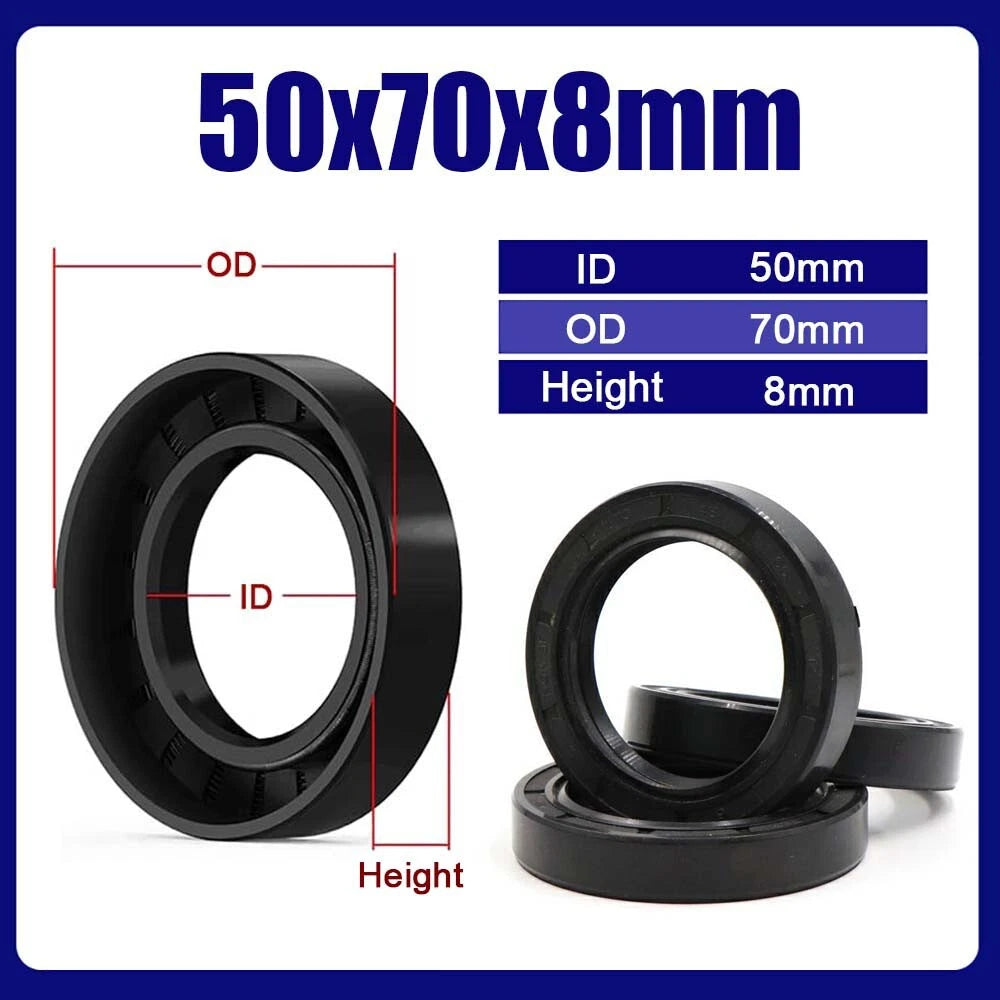
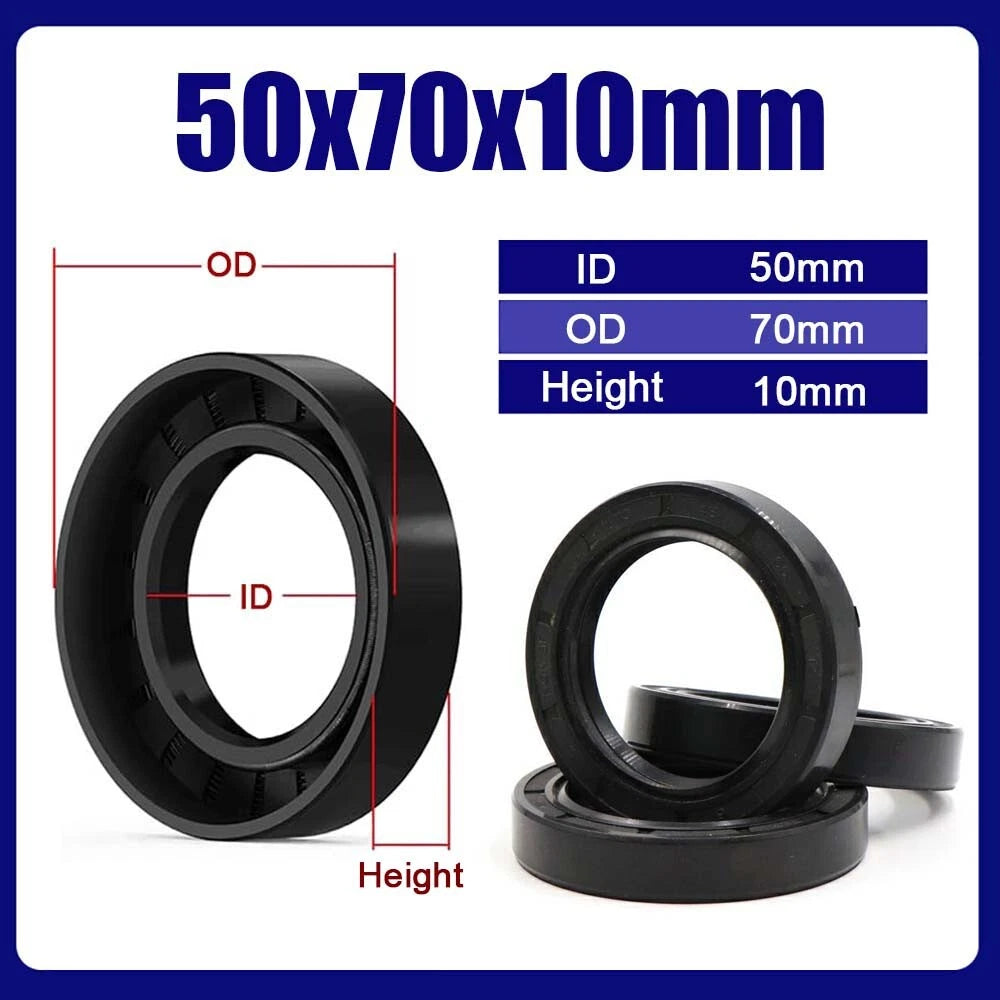
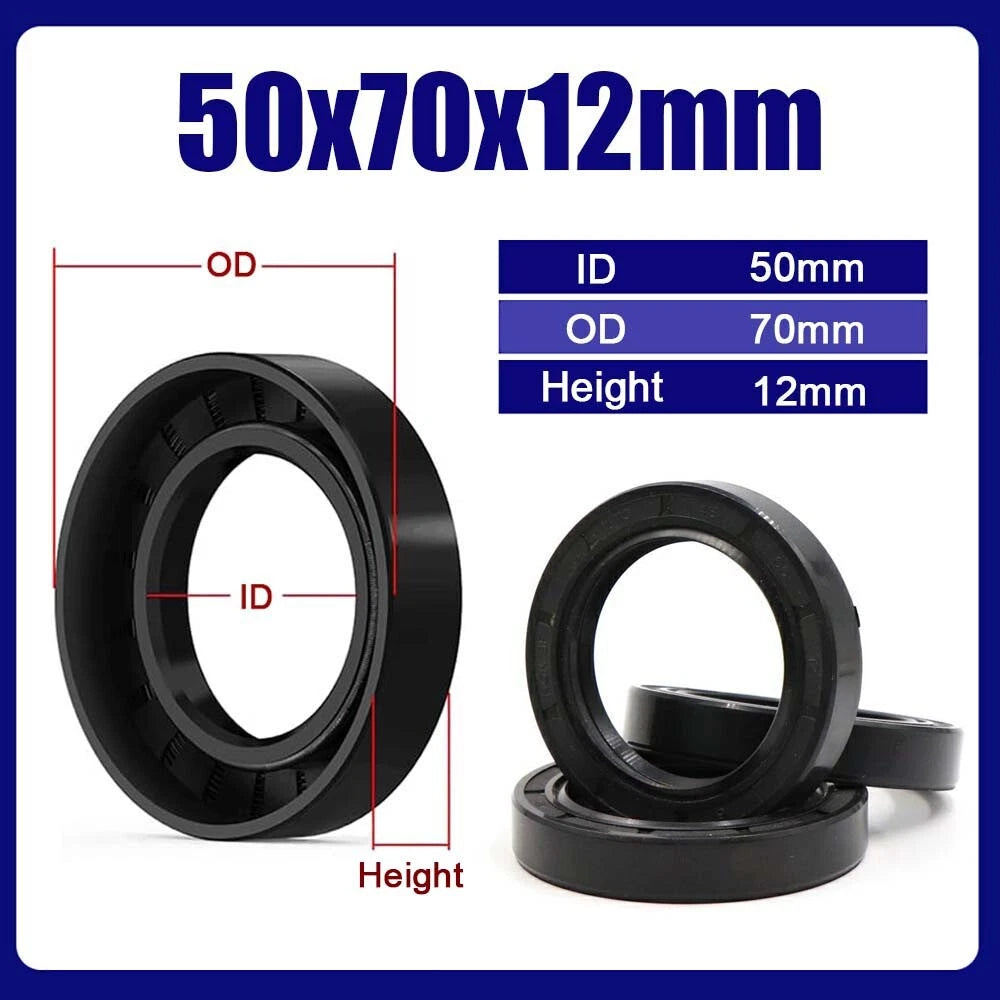
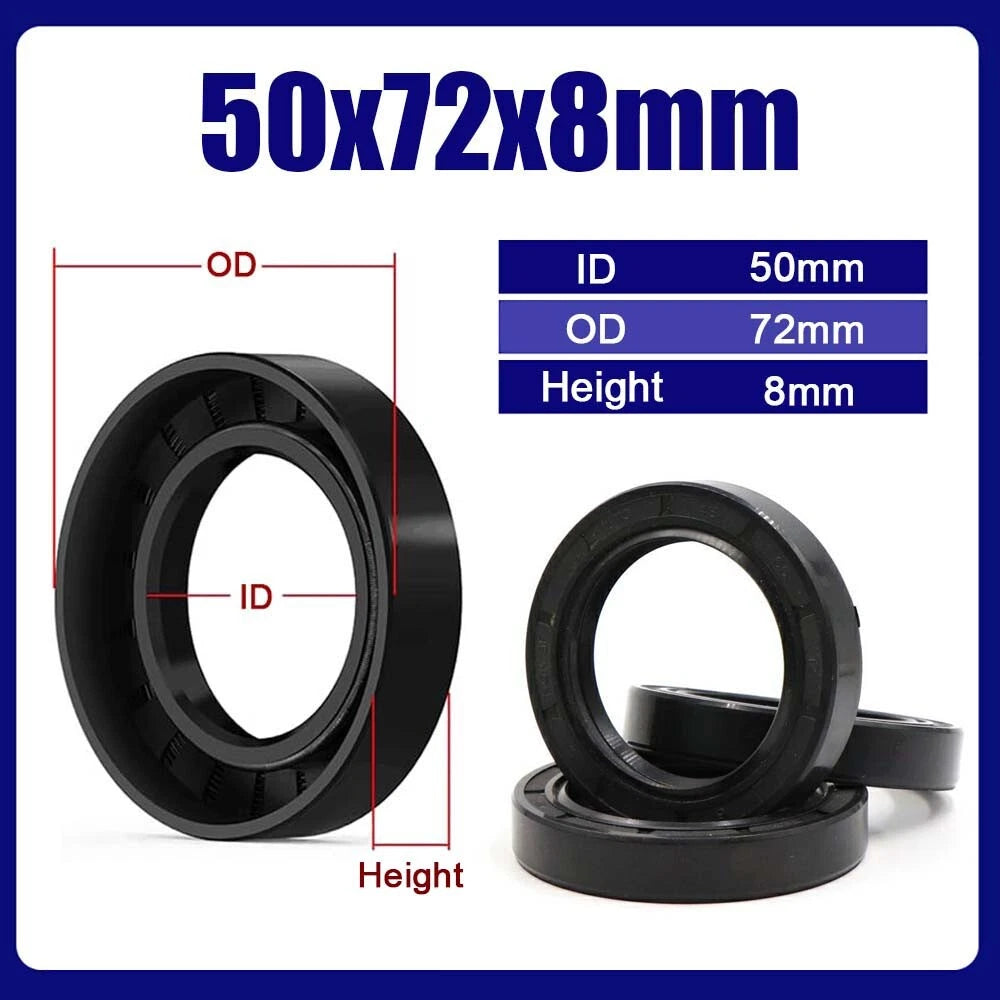
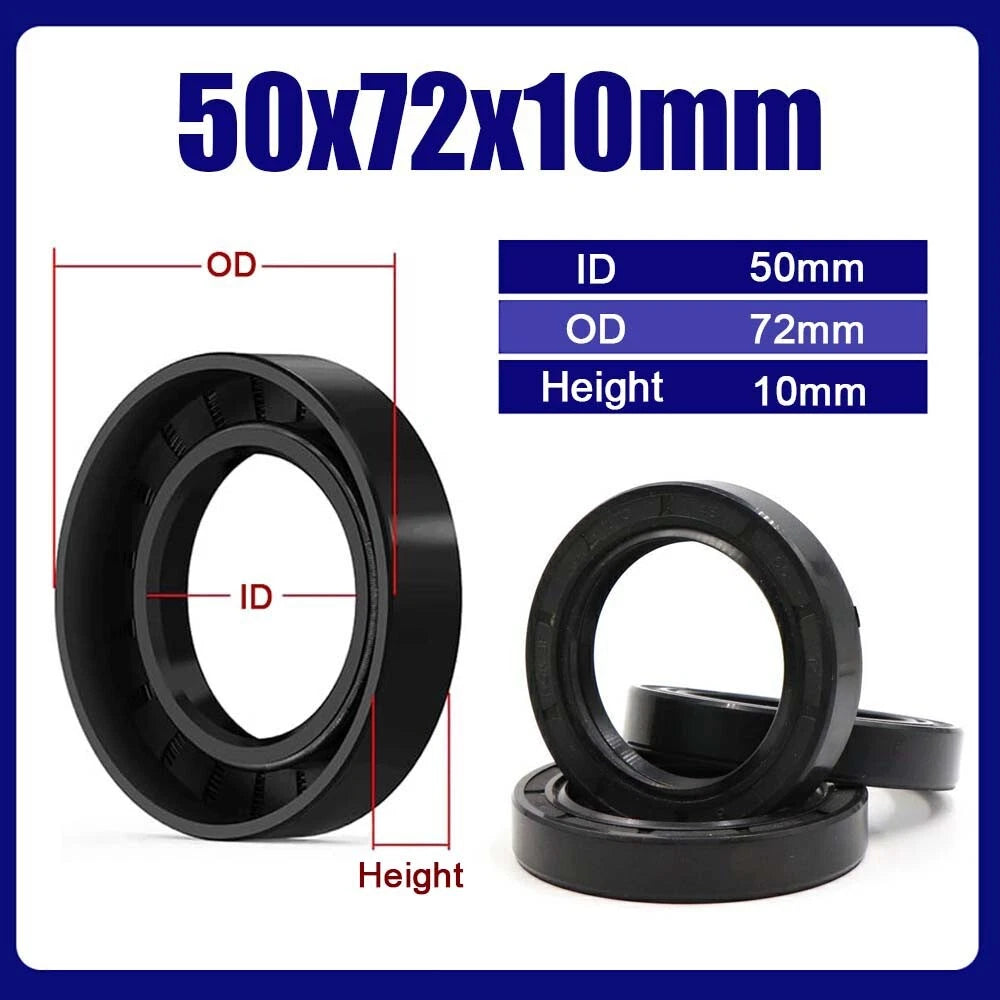
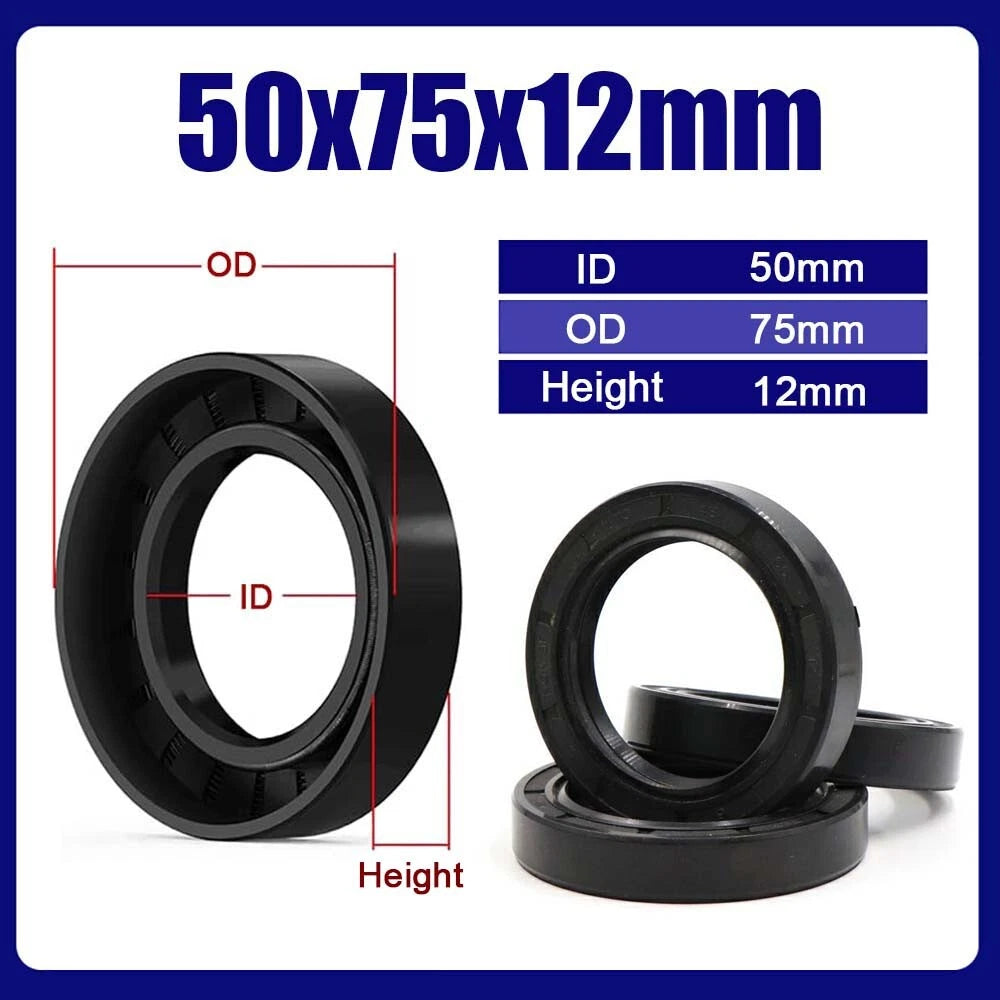
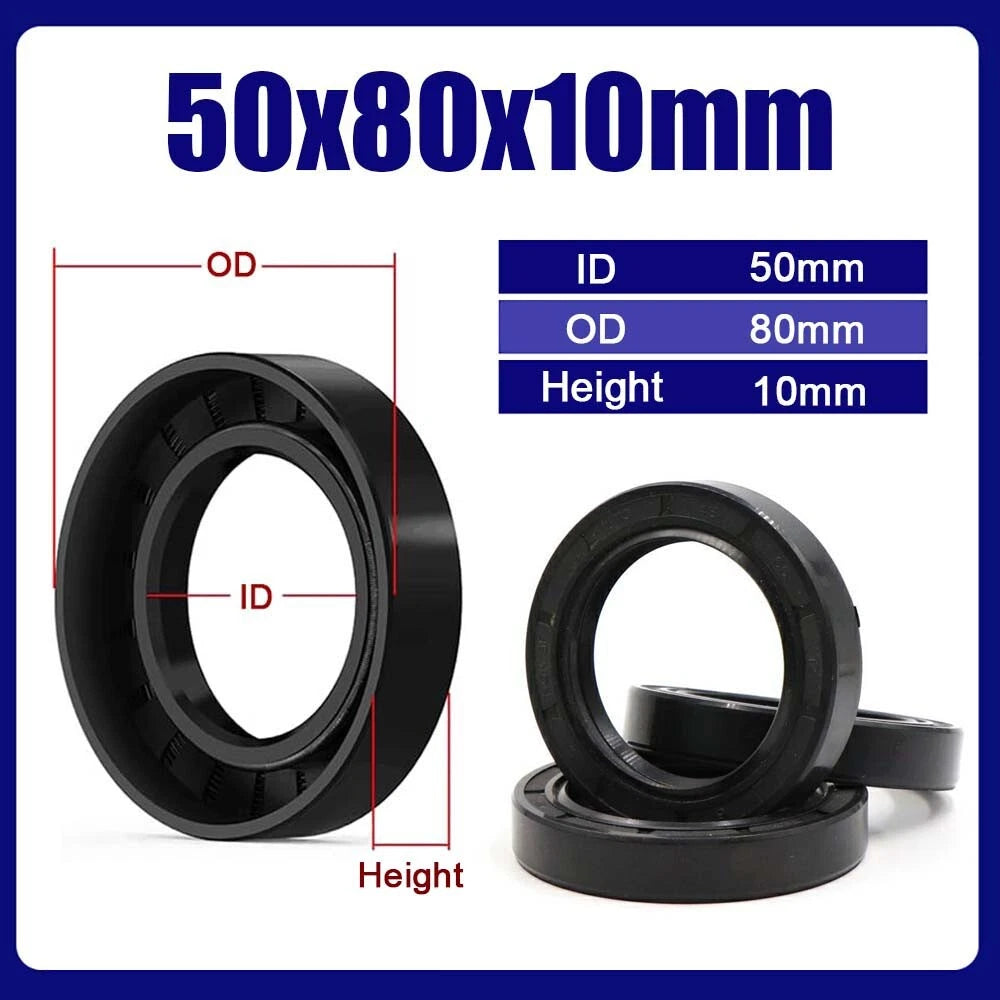
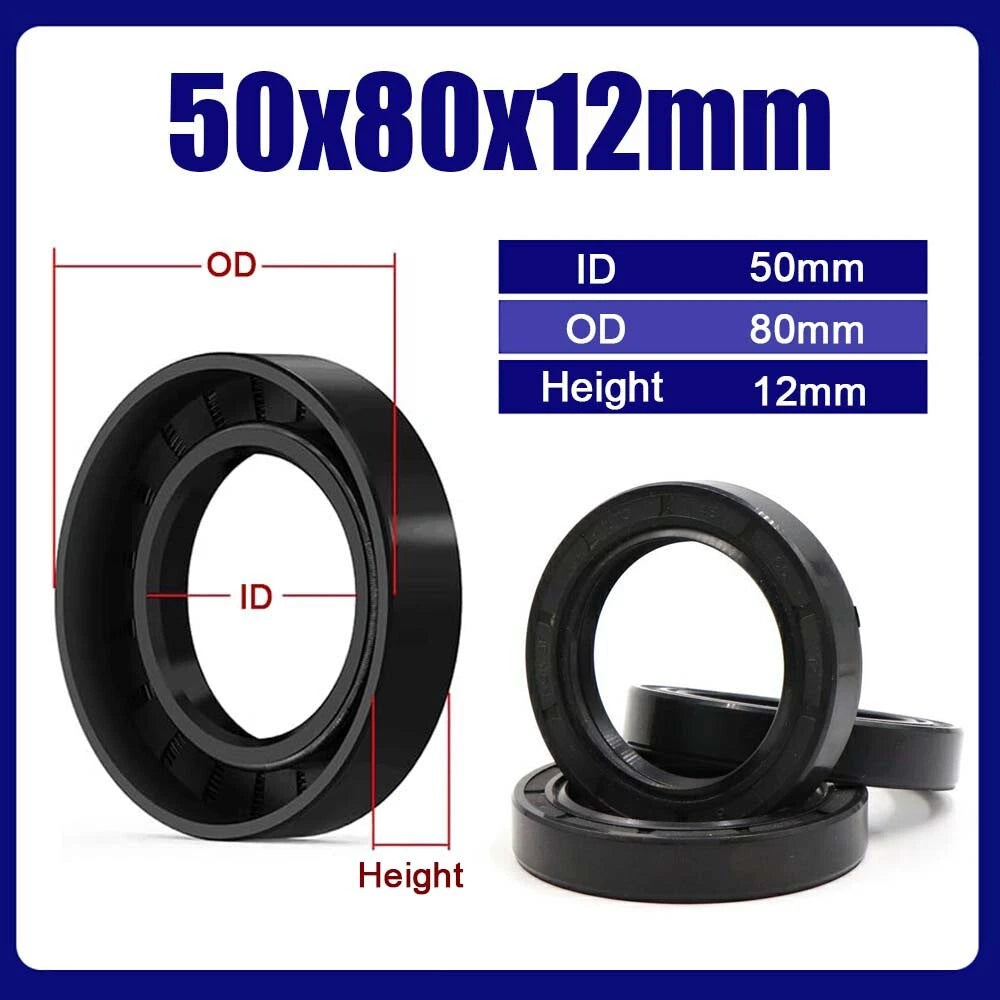
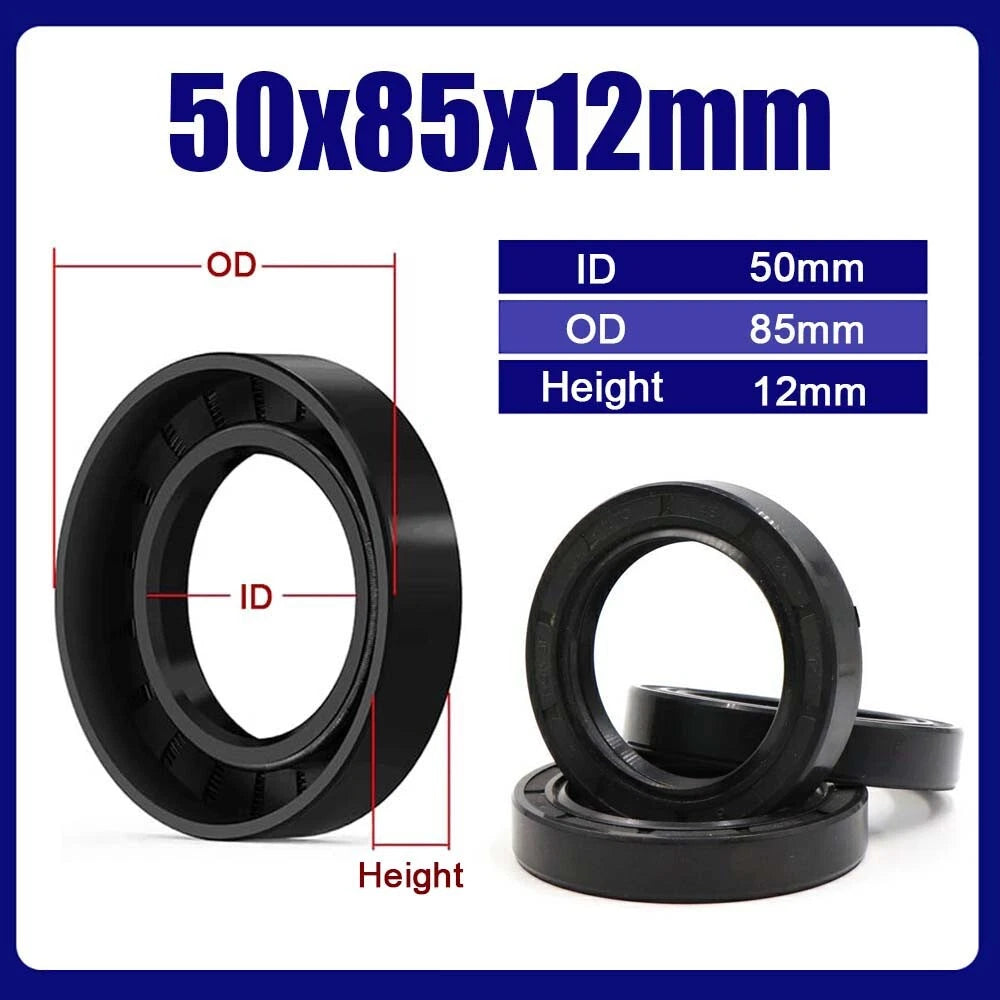
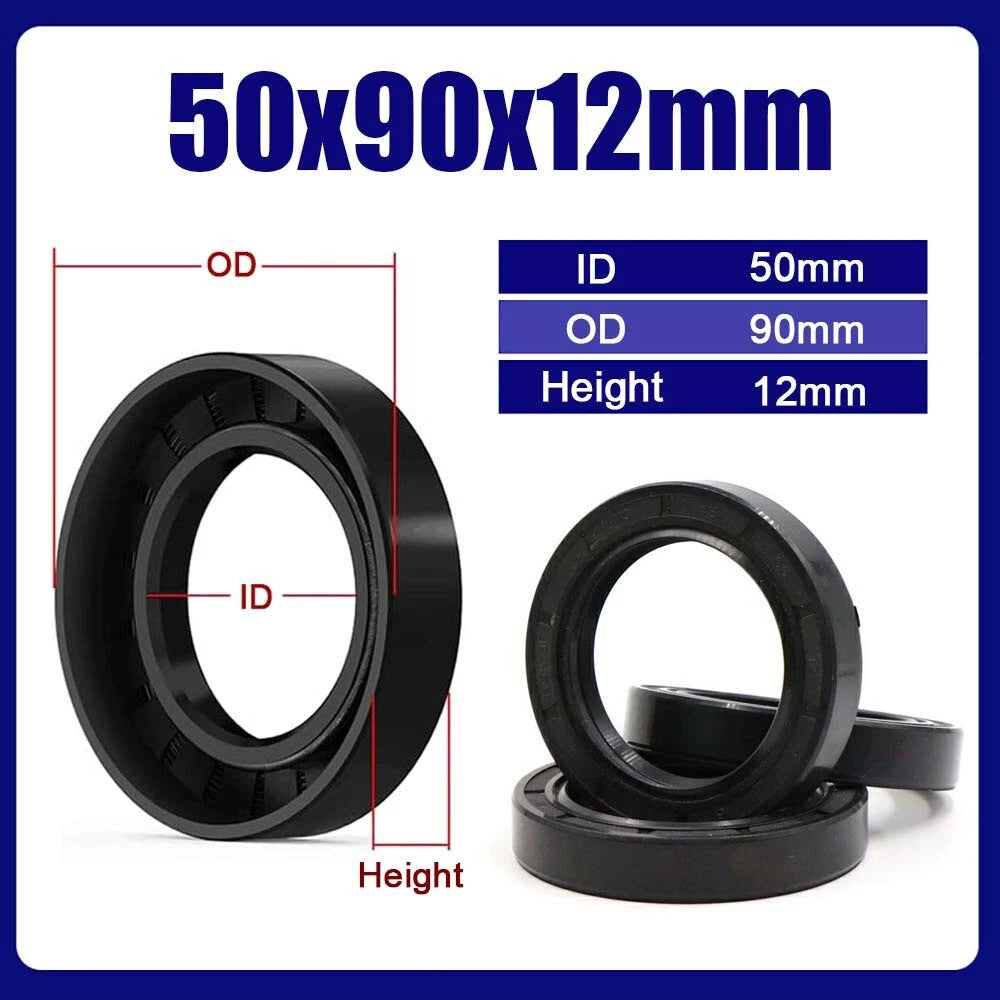
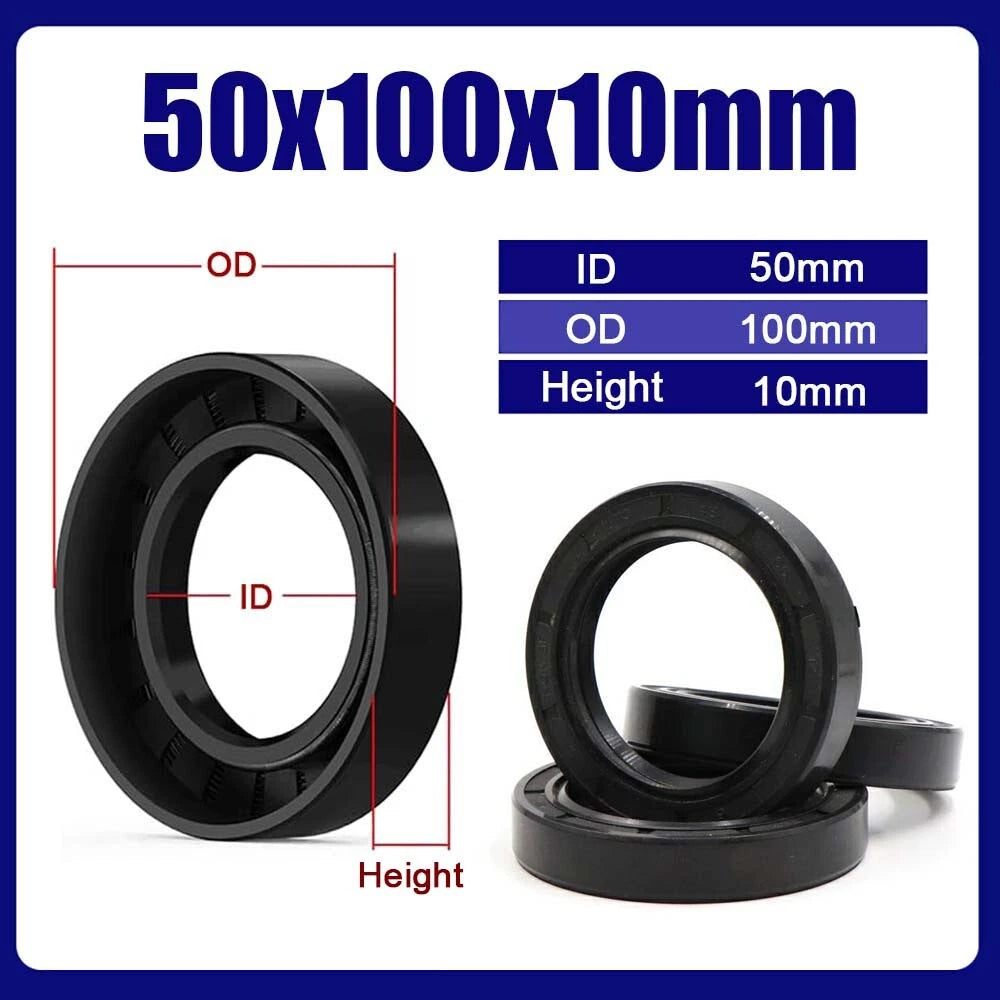
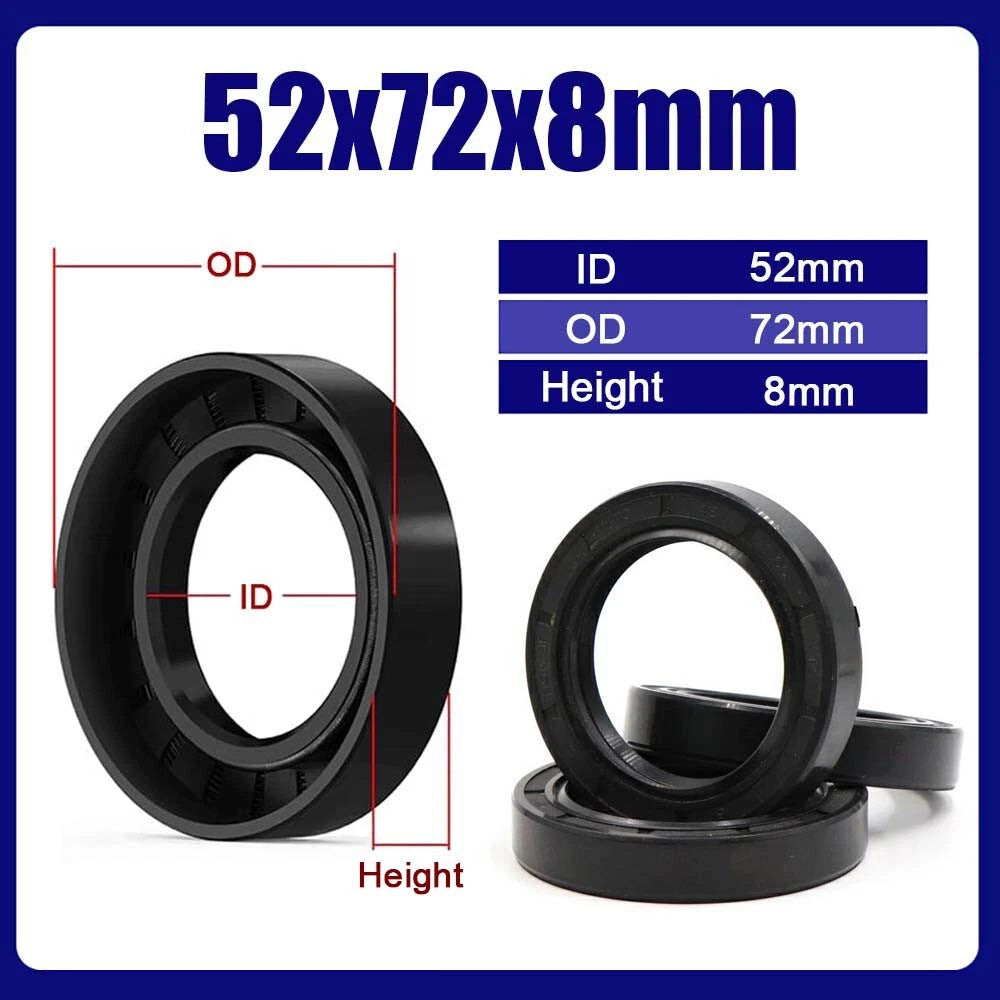
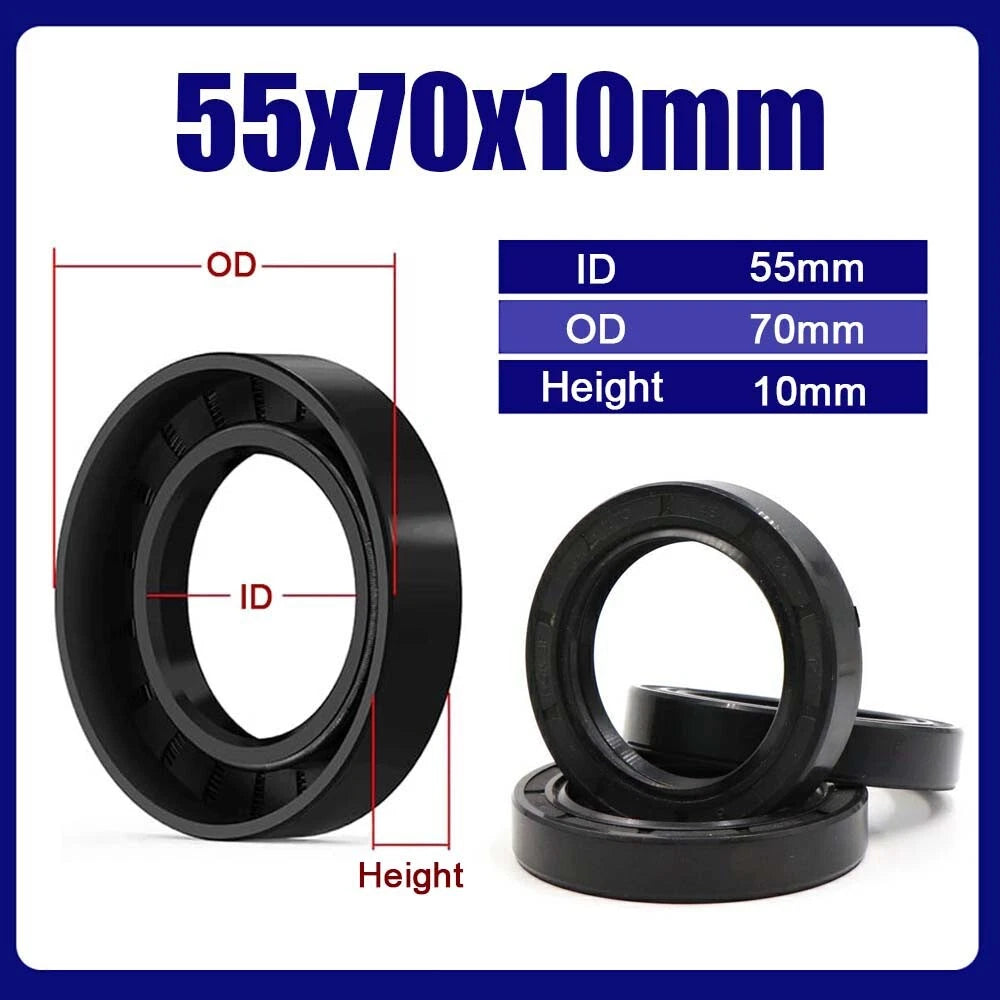
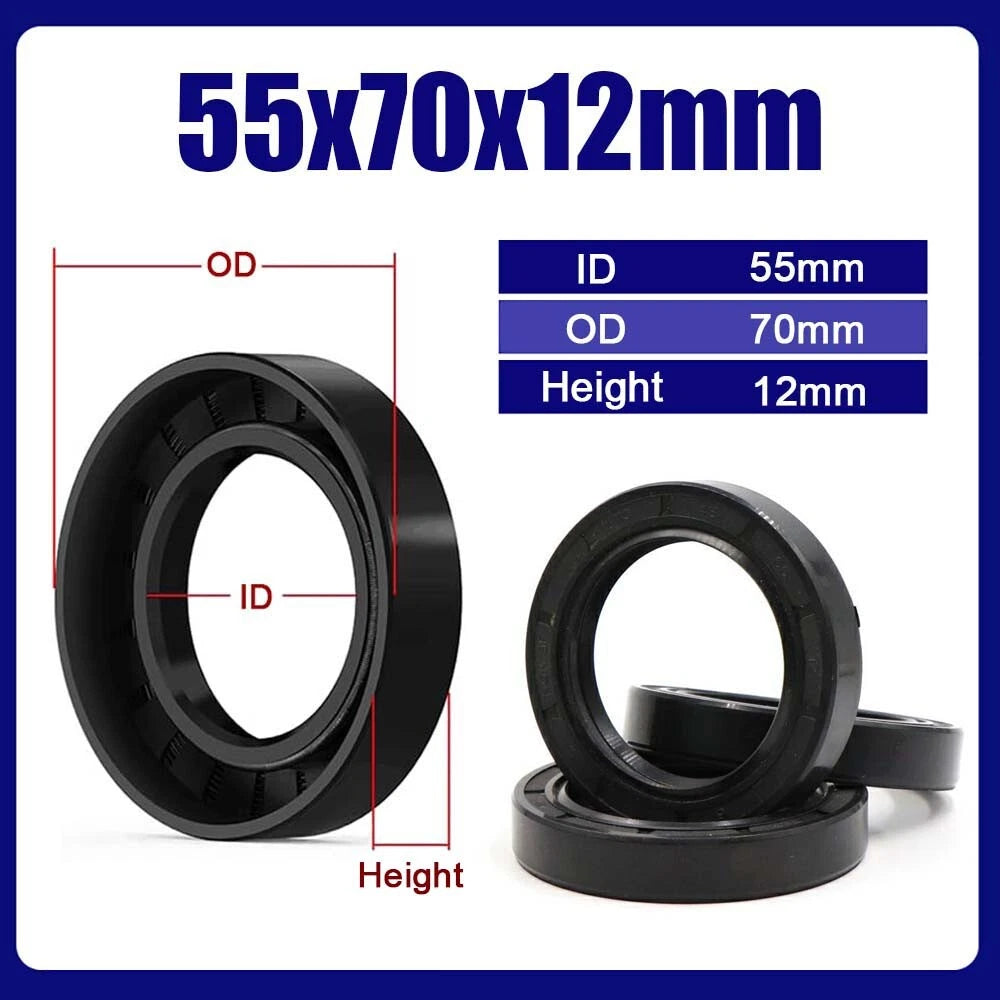
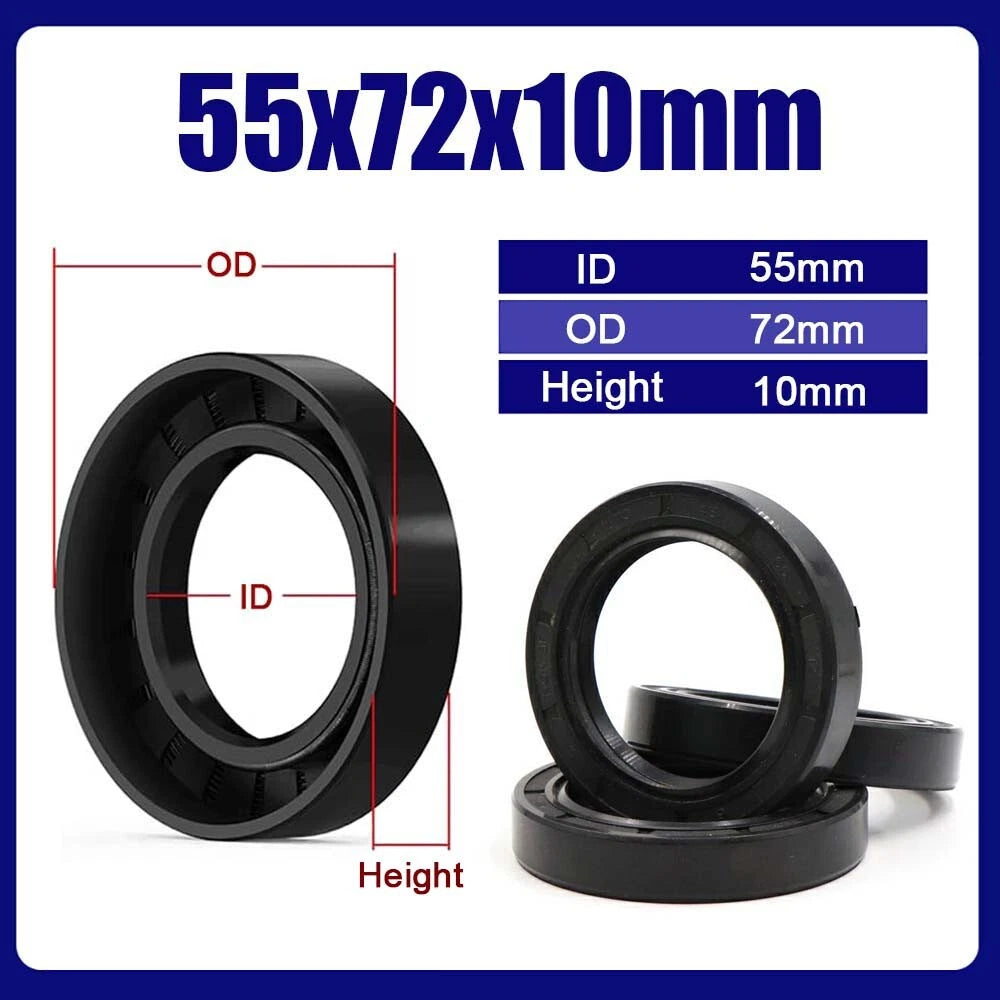
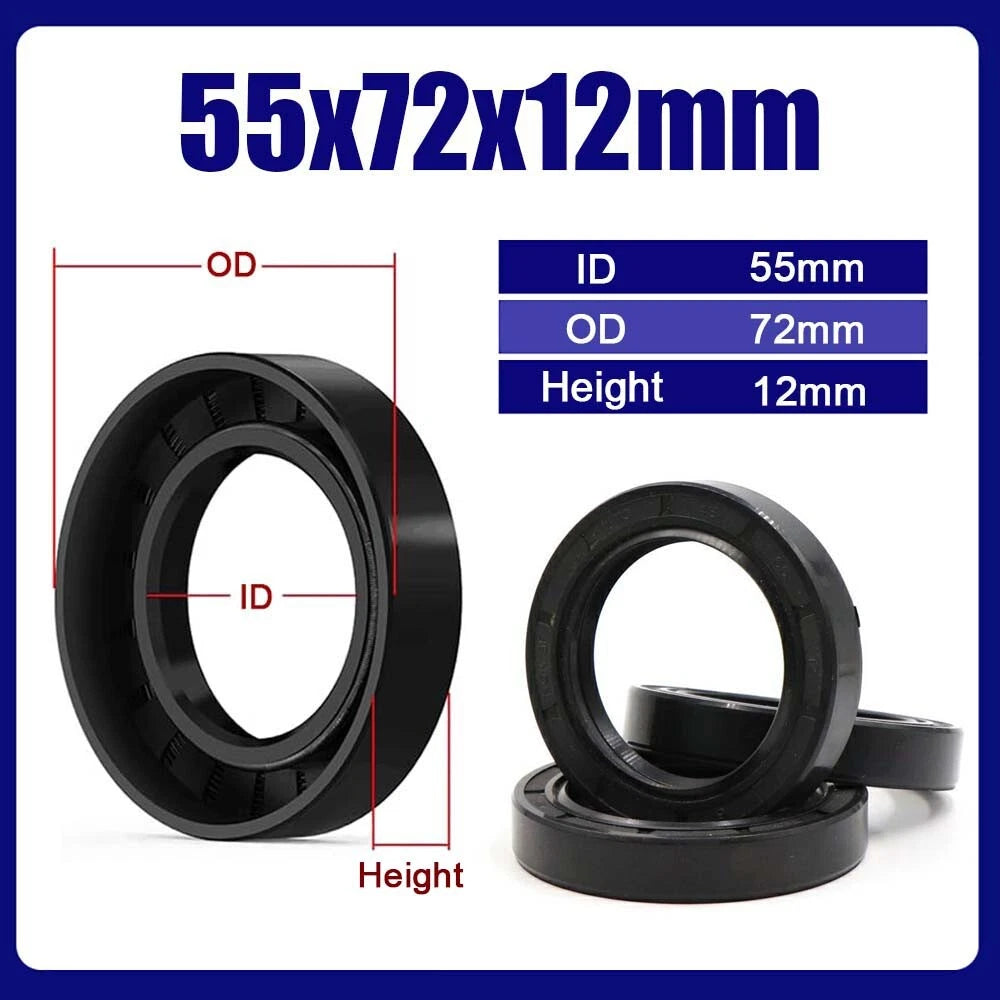
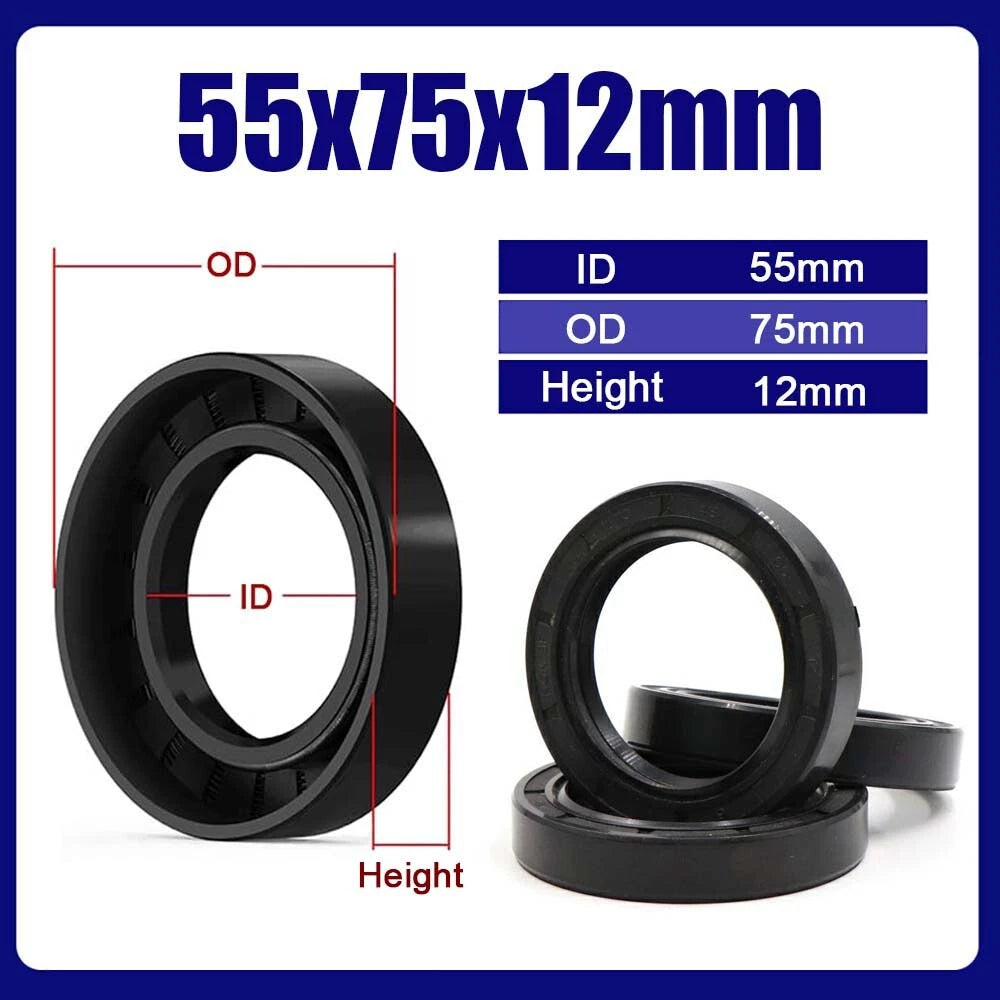
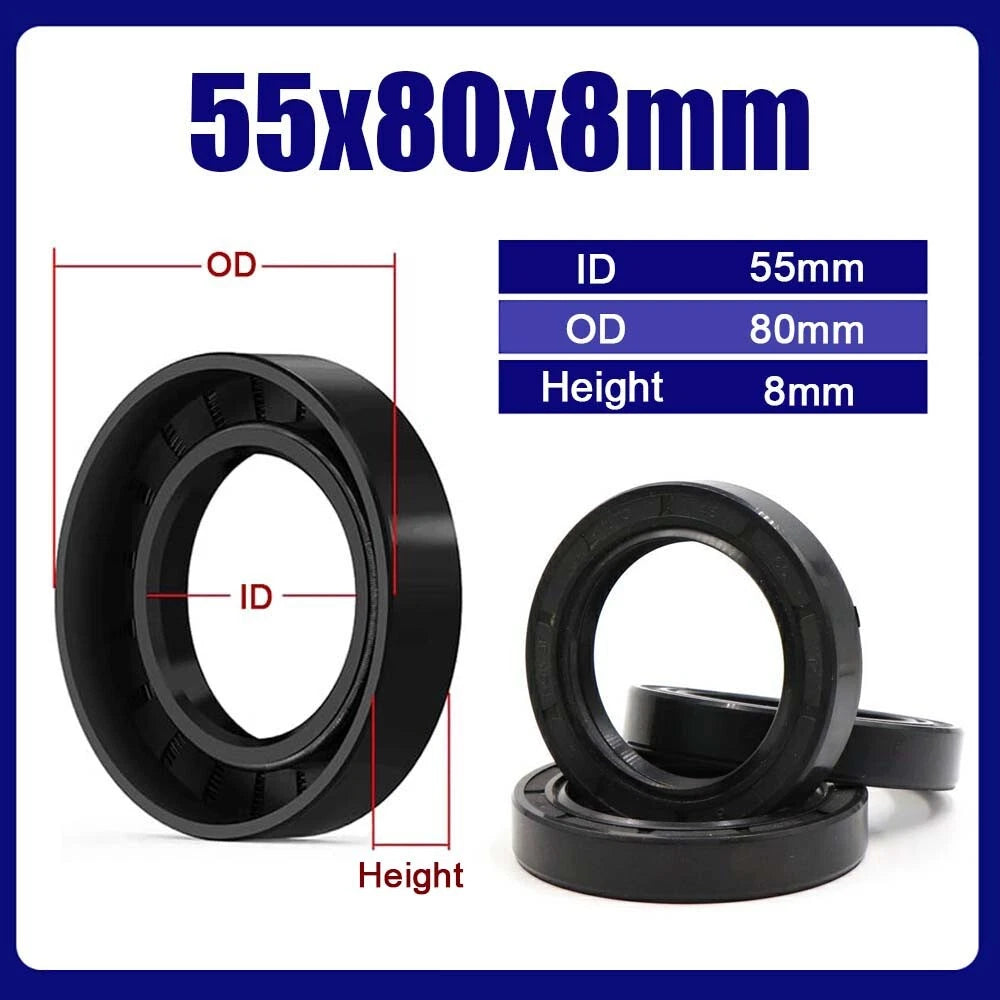
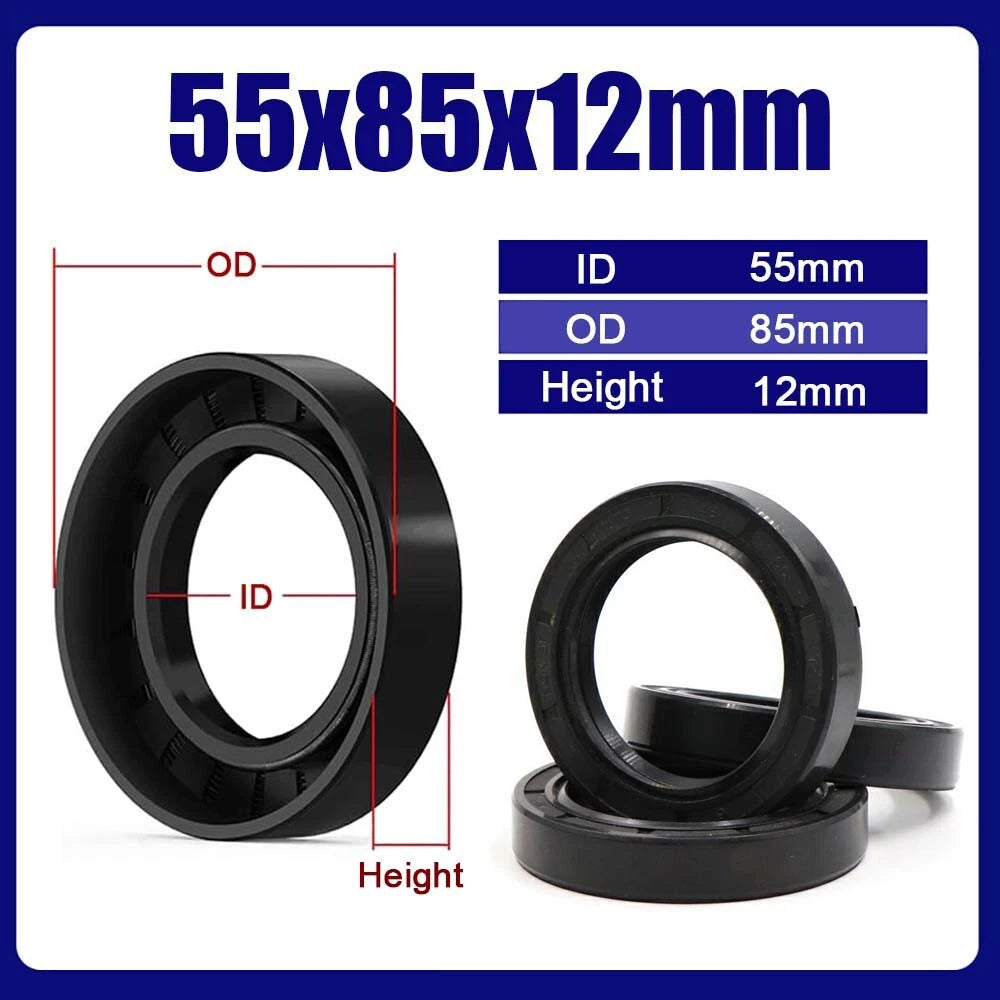
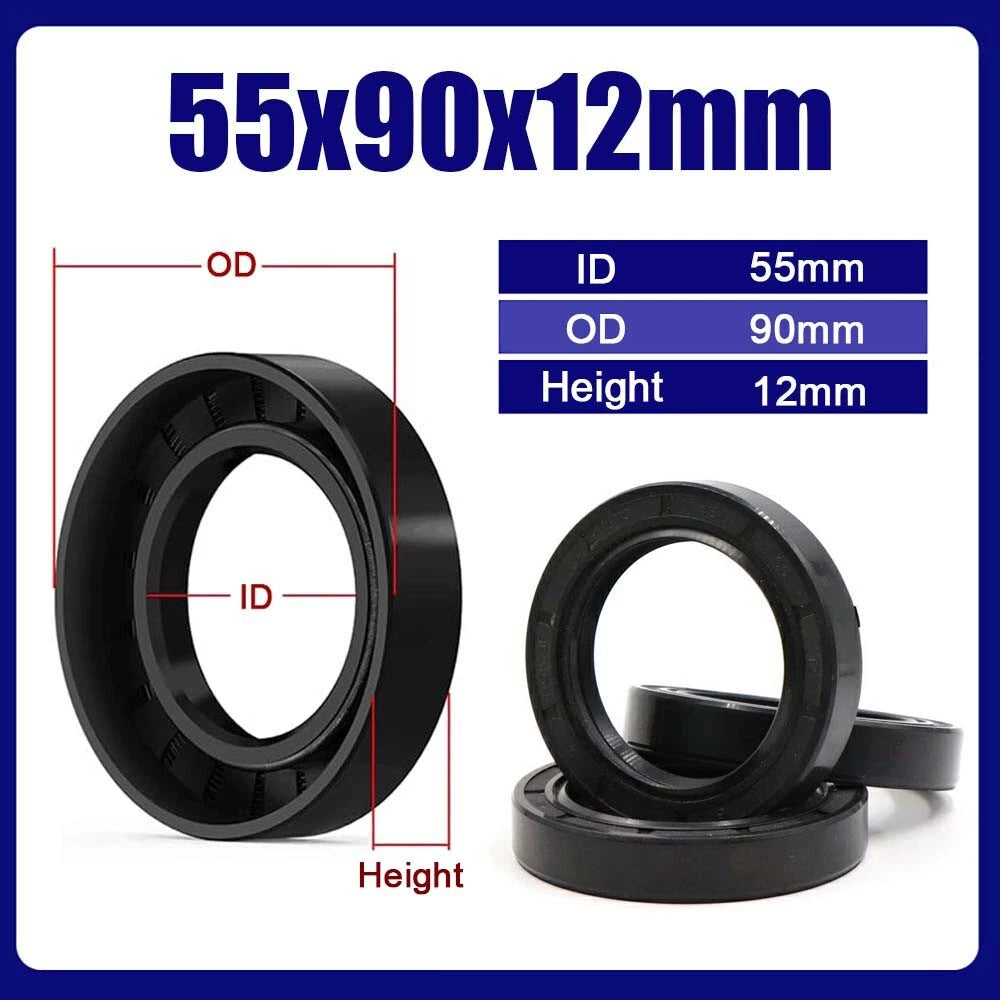
Each seal is built around a steel skeleton frame bonded with NBR (nitrile butadiene rubber), delivering a firm housing fit and flexible lip contact. Inner diameter (ID) ranges from 38 mm to 55 mm (approximately 1.50 in to 2.17 in), outer diameter (OD) from 50 mm to 100 mm (approximately 1.97 in to 3.94 in), and lip height from 5 mm to 12 mm (approximately 0.20 in to 0.47 in). The double-lip TC profile adds a secondary dust exclusion lip behind the primary grease-retention lip.
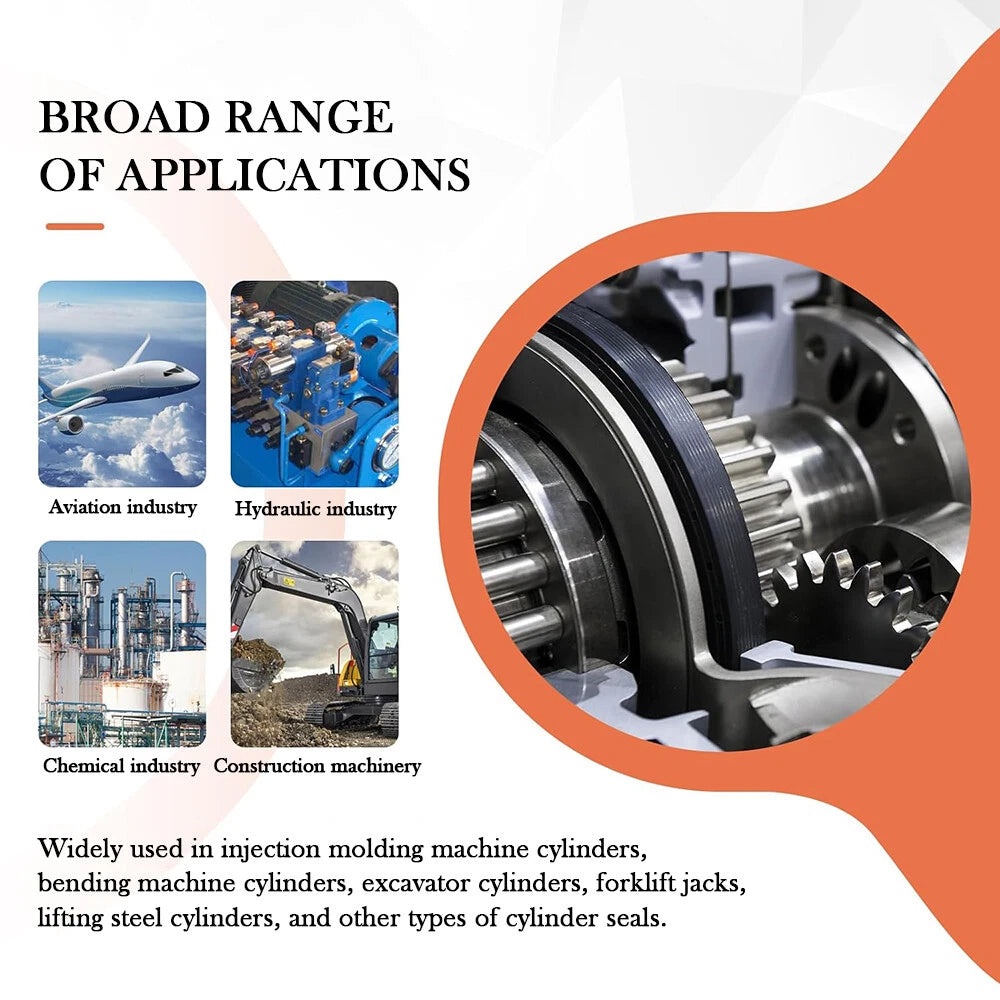
Typical applications include gearbox output shafts, agricultural PTO shafts, hydraulic pump shafts, electric motor end caps, and light industrial conveyor drives — anywhere a rotating shaft passes through a stationary housing and must stay sealed against oil loss and ingress of dust or moisture.
Primary lip retains lubricant; secondary dust lip blocks contaminants — two lines of defense in one compact seal.
Rigid metal insert maintains roundness under press-fit installation and prevents distortion in the housing bore.
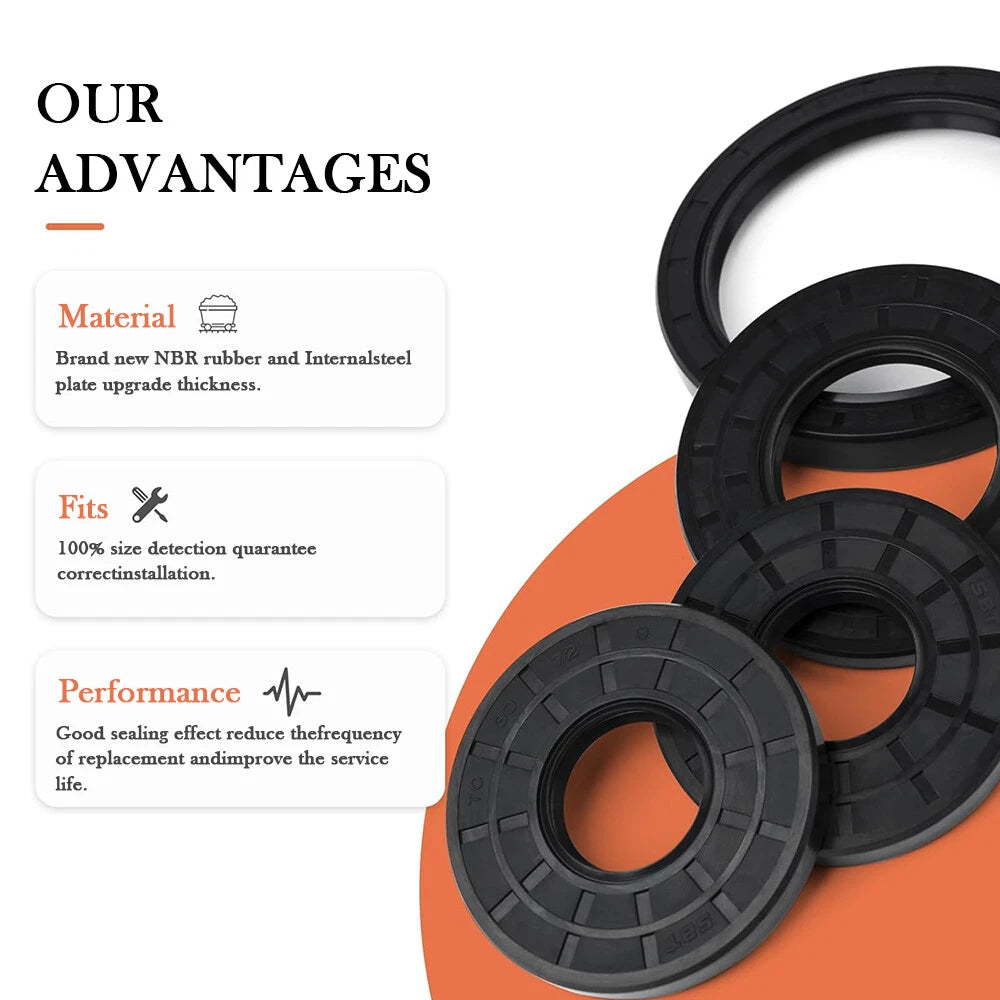
Nitrile rubber resists petroleum-based oils, greases, and fuels across a typical operating range of −30 °C to +100 °C (−22 °F to +212 °F).
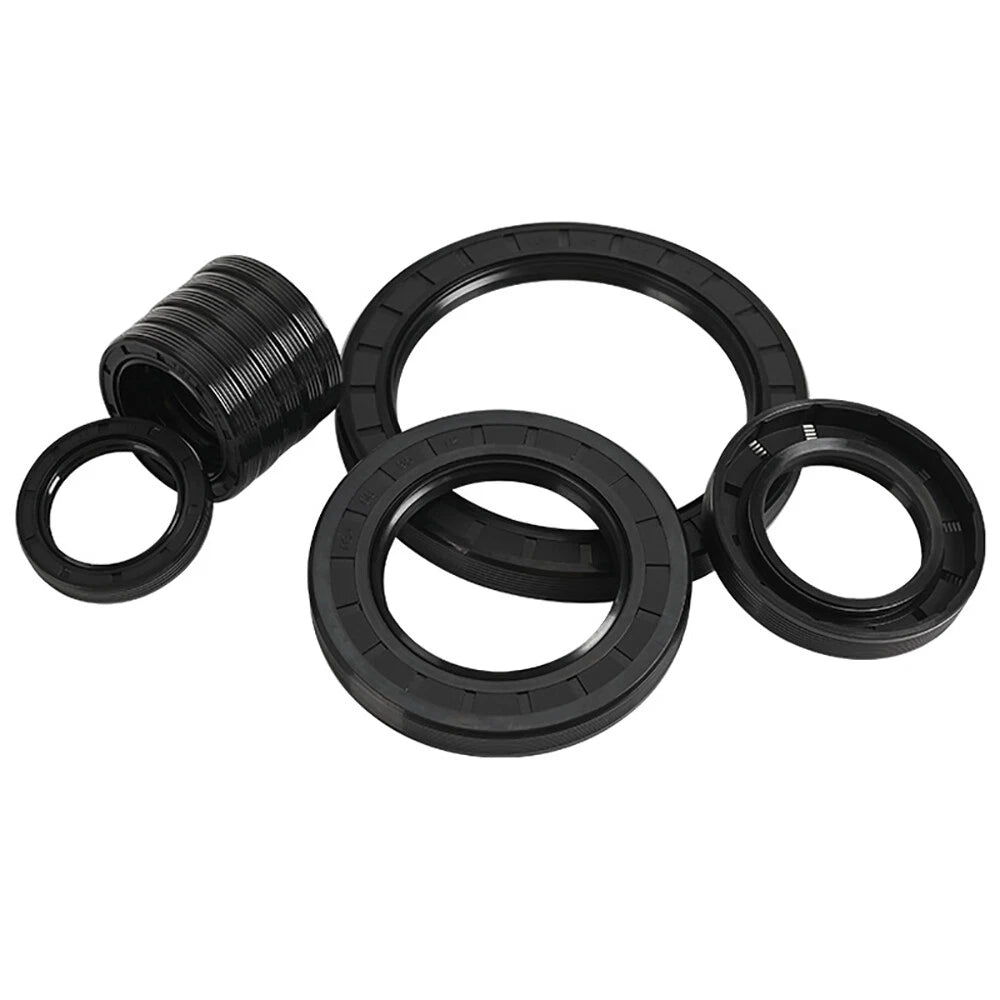
ID 38–55 mm × OD 50–100 mm × Height 5–12 mm — over 100 size combinations to match your exact shaft and housing dimensions.
Smooth OD surface seats flush into standard machined bores without adhesive; a seal driver or socket of matching OD is recommended for even seating.
Available in single-piece (1 pc) or value packs of 5 pcs — stock up for fleet maintenance or grab one for a single repair job.
| Seal Type | TC (Double Lip with Dust Lip) |
|---|---|
| Material — Lip | NBR (Nitrile Butadiene Rubber) |
| Material — Frame | Carbon Steel Skeleton |
| Inner Diameter (ID) | 38 mm – 55 mm (1.50 in – 2.17 in) |
| Outer Diameter (OD) | 50 mm – 100 mm (1.97 in – 3.94 in) |
| Lip Height | 5 mm – 12 mm (0.20 in – 0.47 in) |
| Operating Temperature | −30 °C to +100 °C (−22 °F to +212 °F) |
| Media Compatibility | Petroleum oils, greases, fuels |
| Installation Method | Press-fit into housing bore |
| Pack Options | 1 pc / 5 pcs |
| Shaft Speed | See variant options |
| Pressure Rating | See variant options |
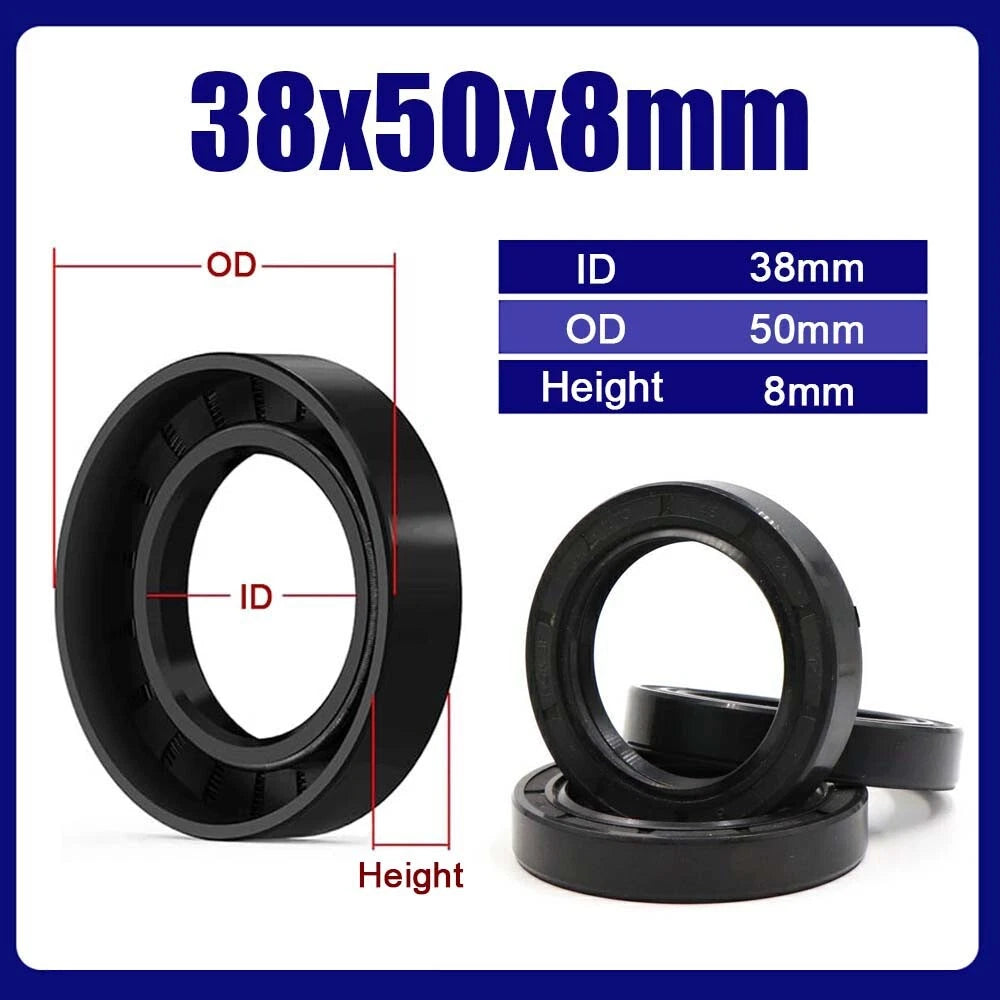
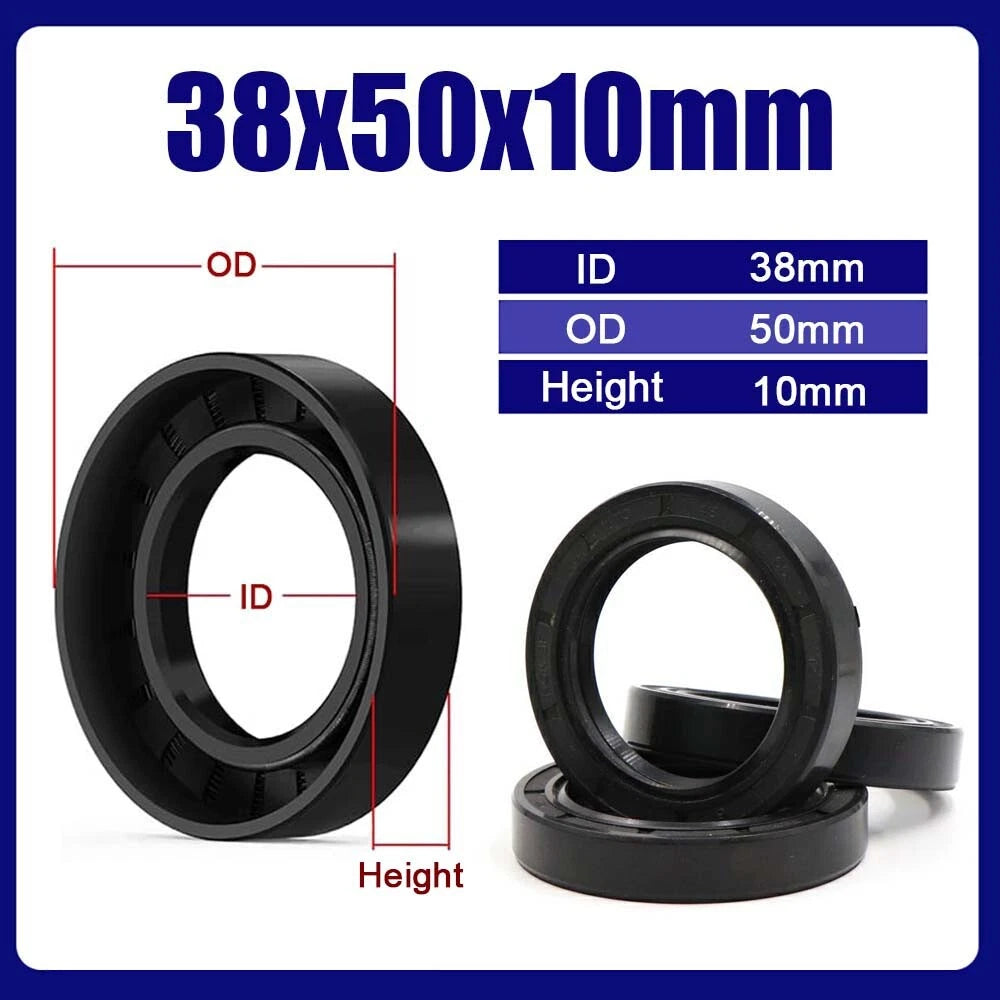
Measure three dimensions on your existing seal or housing: the inner diameter (ID) that contacts the shaft, the outer diameter (OD) that presses into the housing bore, and the lip height (thickness). Match all three to the variant listed as ID×OD×Height in millimeters. If your shaft is in inches, convert: 1 inch = 25.4 mm.
TC is an industry-standard seal type code indicating a double-lip rubber oil seal with a metal skeleton. The primary lip seals lubricant inside; the secondary (dust) lip faces outward to block dirt, water, and debris from entering the housing.
NBR performs well with mineral (petroleum-based) oils, greases, and fuels. Compatibility with fully synthetic PAO or ester-based oils varies — for those applications, consider a FKM (Viton) seal instead. When in doubt, check the fluid manufacturer's elastomer compatibility chart.
Clean the housing bore and lightly lubricate the OD of the seal and the shaft contact surface with the same oil or grease the seal will retain. Use a seal driver or a flat socket matching the OD to press the seal in evenly and squarely. Never hammer directly on the rubber lip. Press until the seal face is flush with or just below the housing surface.
TC NBR seals are suitable for moderate-speed rotating shafts typical of gearboxes, agricultural equipment, and light industrial drives. Maximum allowable shaft speed depends on the specific ID and surface finish of the shaft. For high-speed applications (above approximately 4–6 m/s lip velocity), consult the equipment OEM specification or select a seal with a PTFE-coated lip.
Common causes include: incorrect size (ID too large allows leakage; OD too small causes the seal to spin in the bore), shaft surface roughness outside the recommended range (typically Ra 0.2–0.8 µm), misalignment between shaft and housing, excessive shaft runout, and fluid incompatibility that causes the rubber to swell or harden. Always inspect the shaft for wear grooves before fitting a new seal.
The 1 pc option is ideal for a single repair. The 5-pack offers a lower per-unit cost and is practical for fleet maintenance, workshop stock, or applications where seals are replaced on a scheduled interval. Both options ship the identical seal — only the quantity differs.