
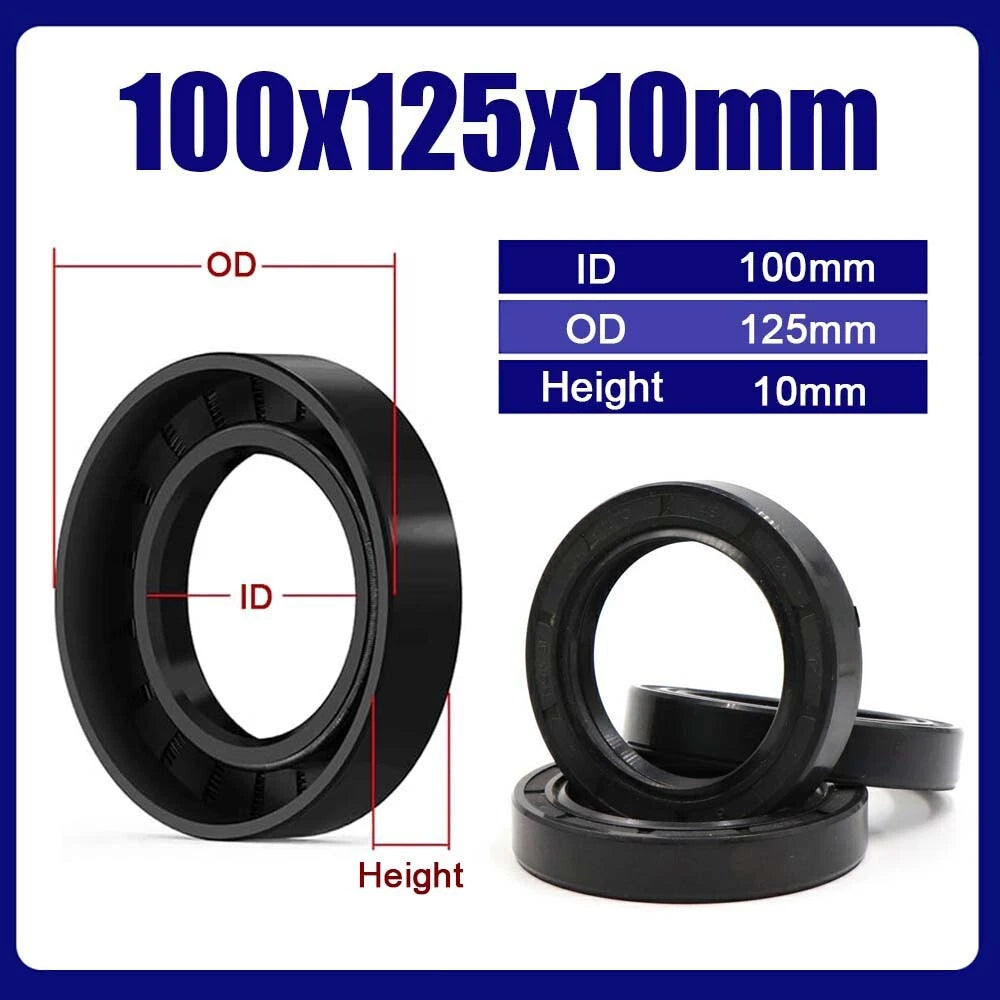
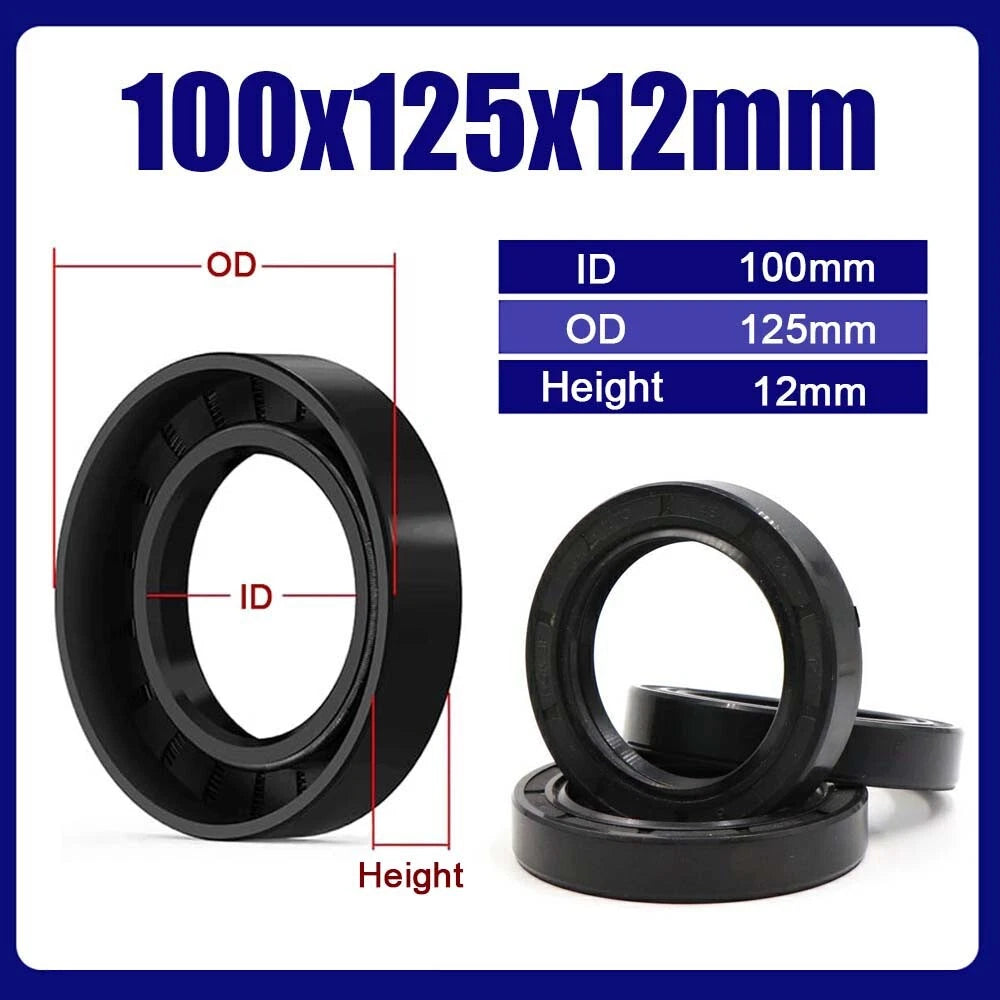
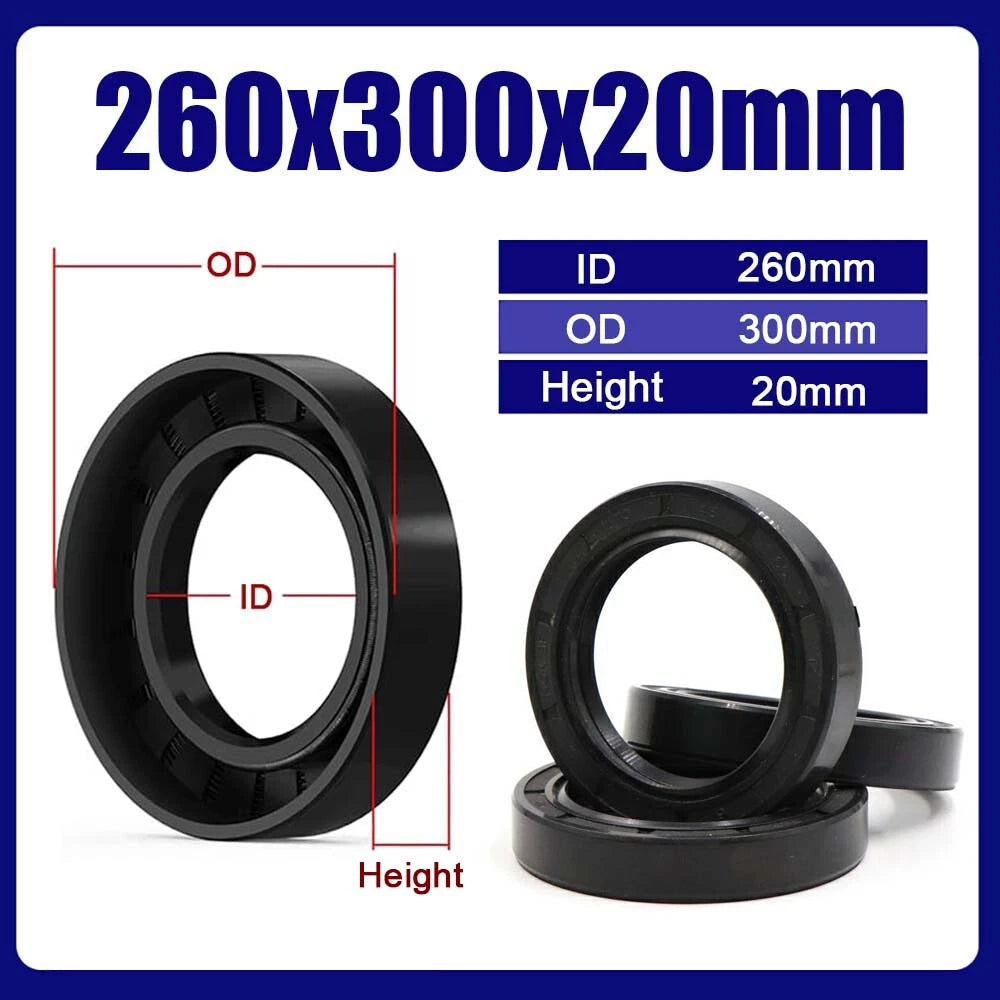
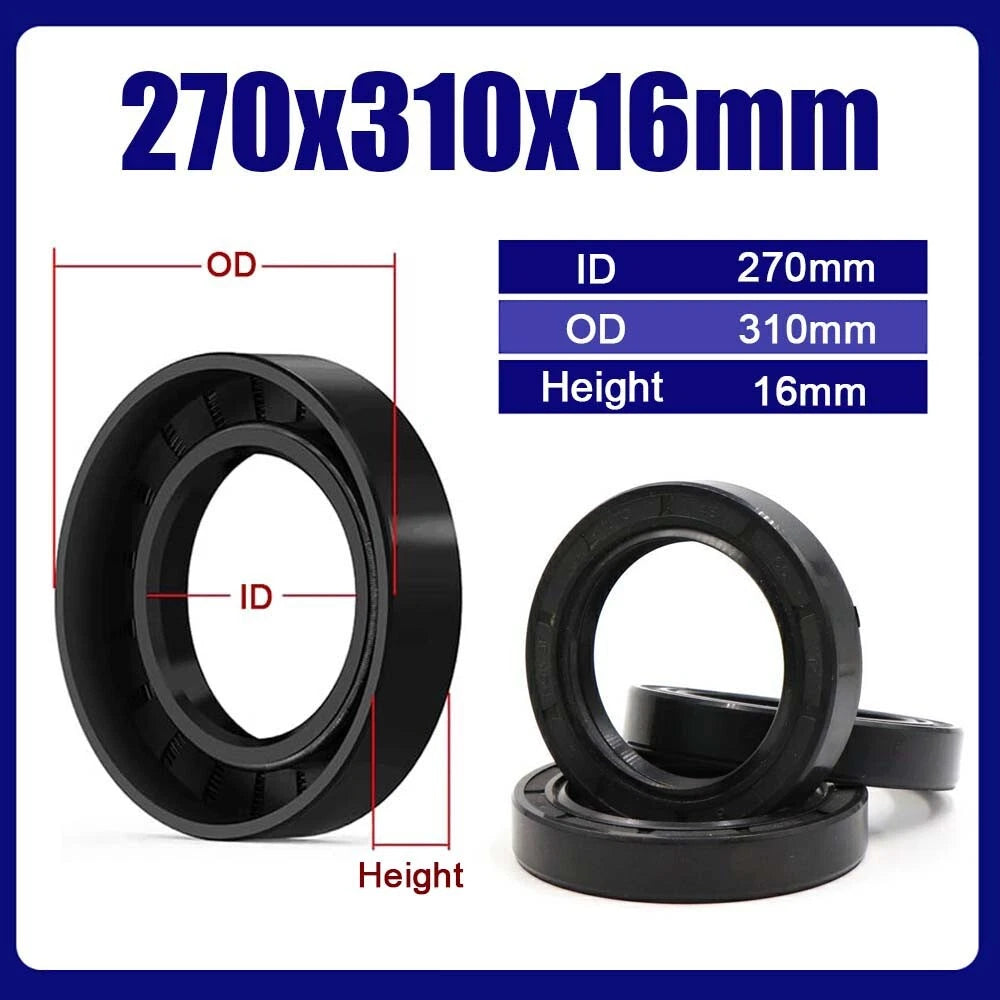
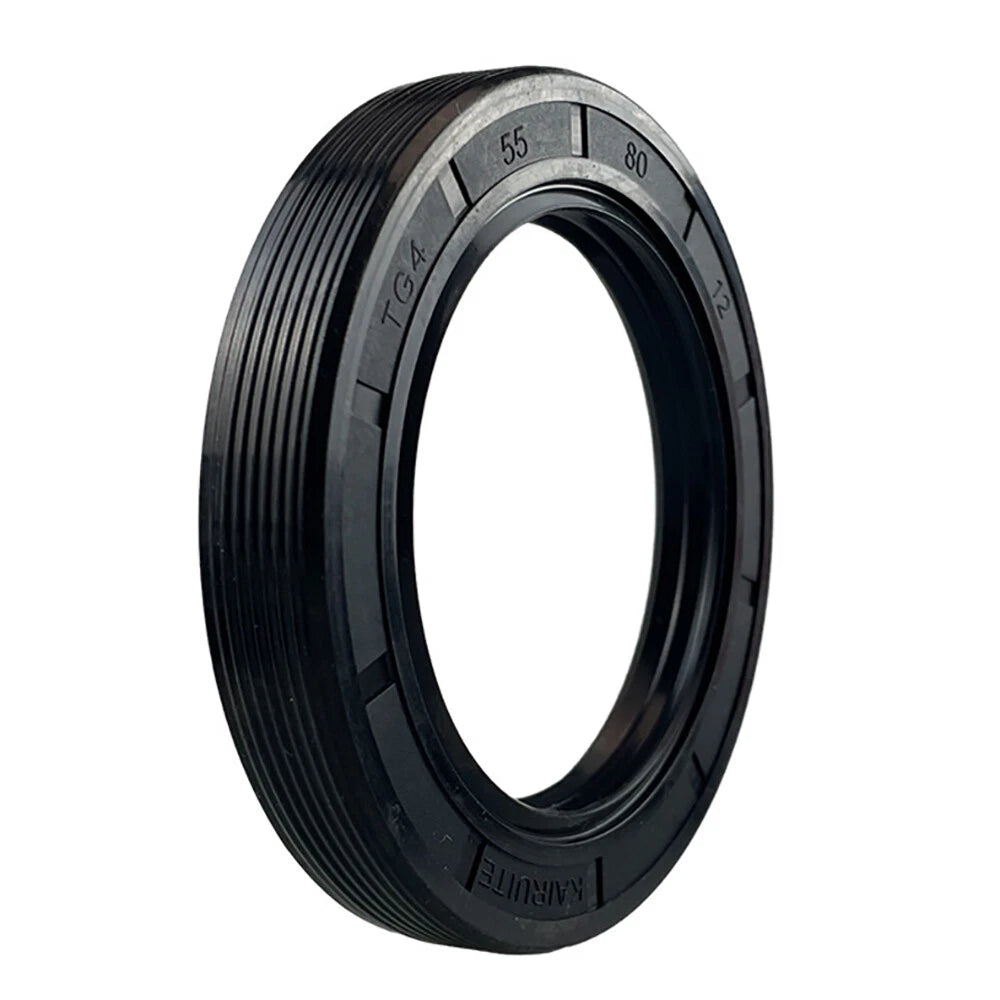
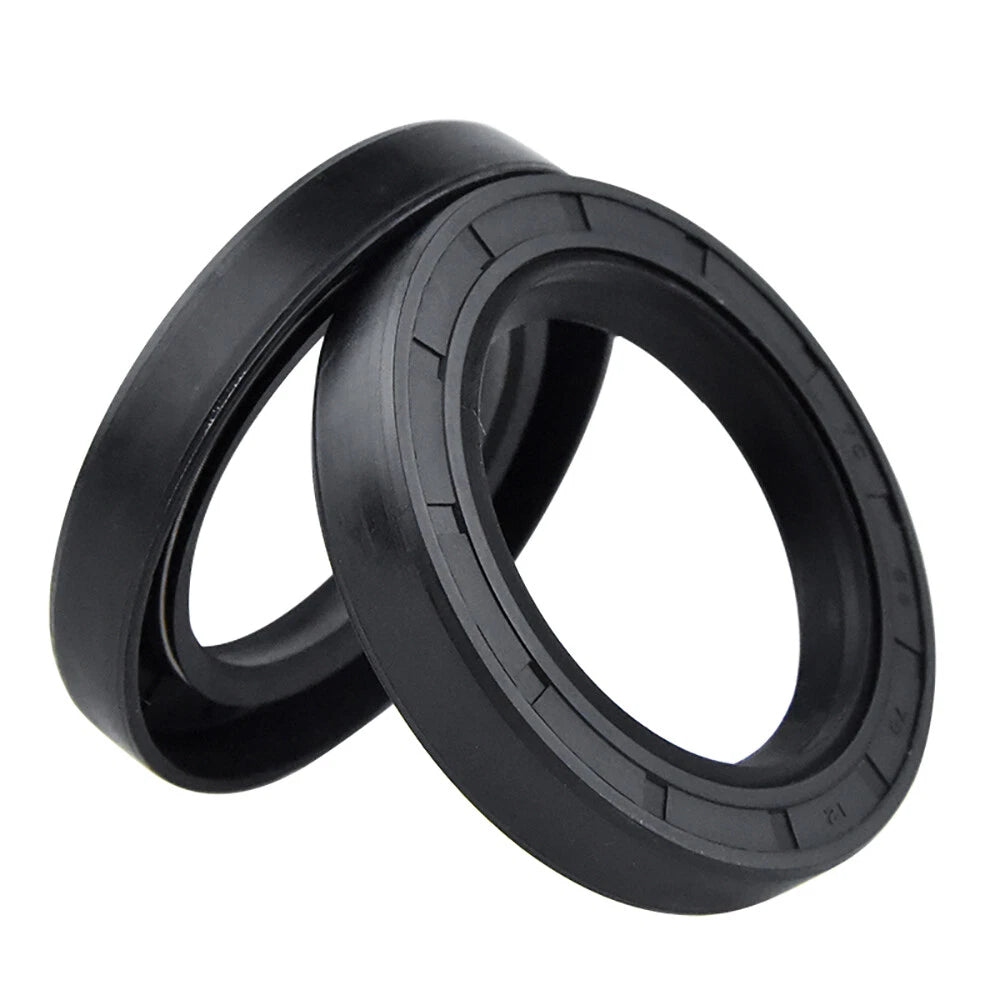
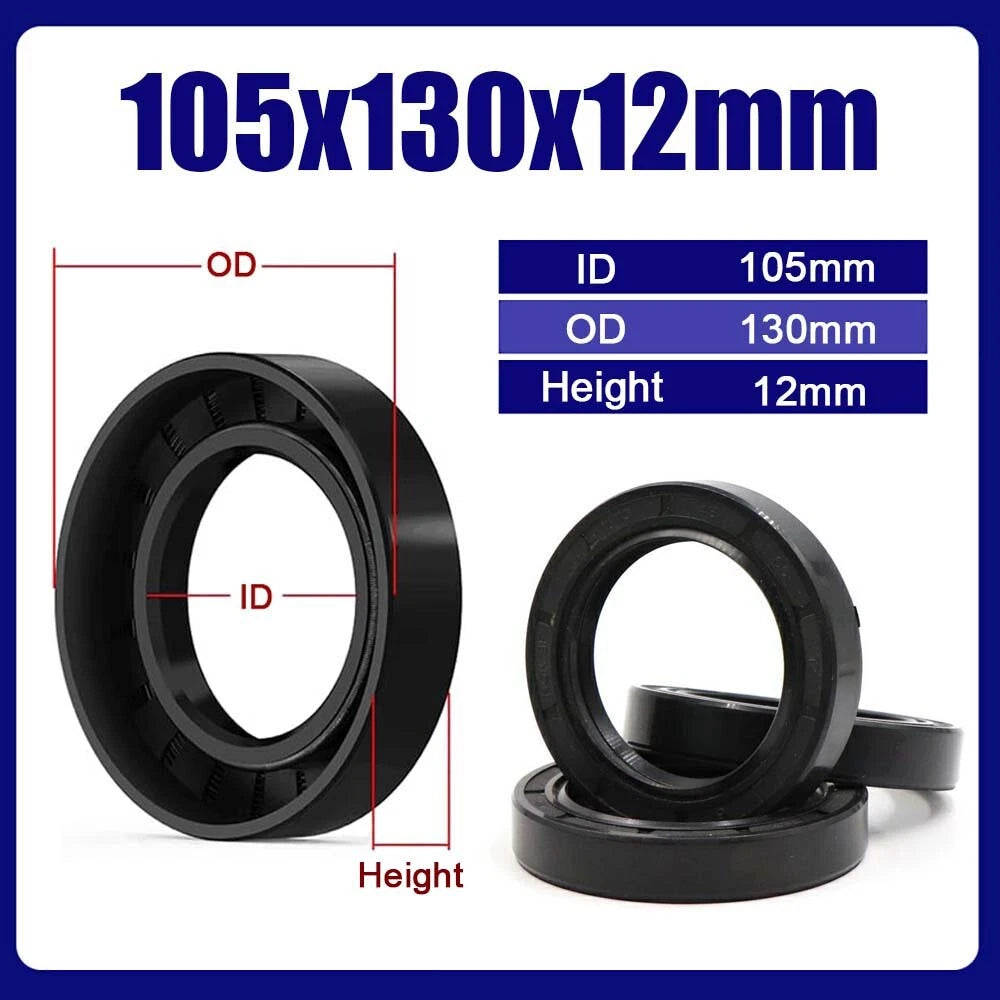
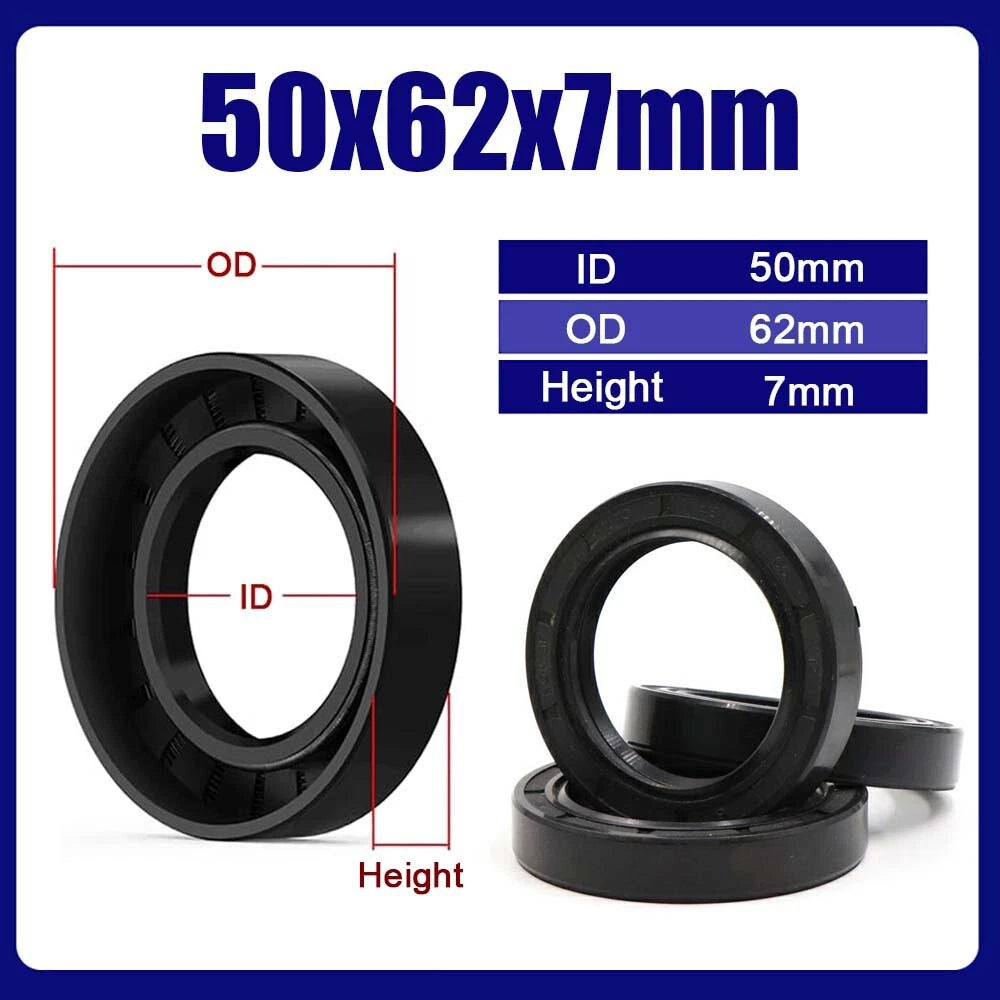
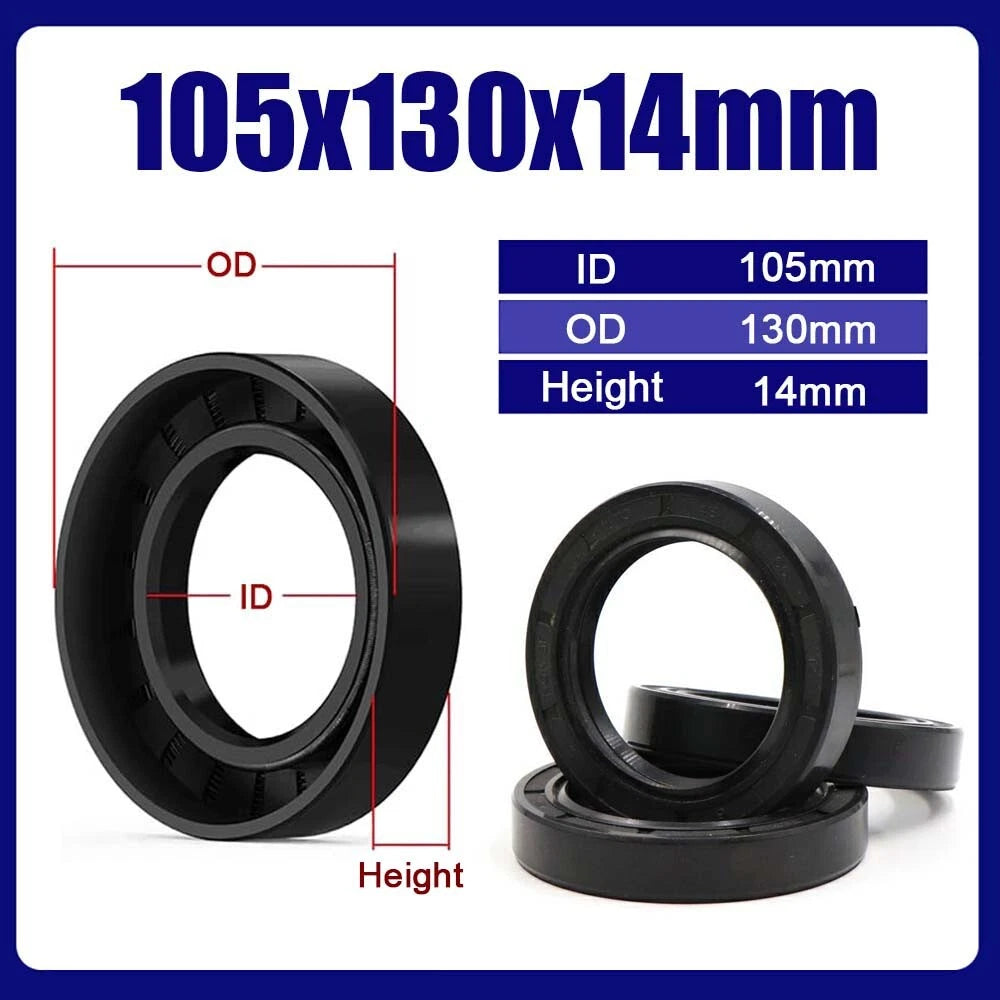
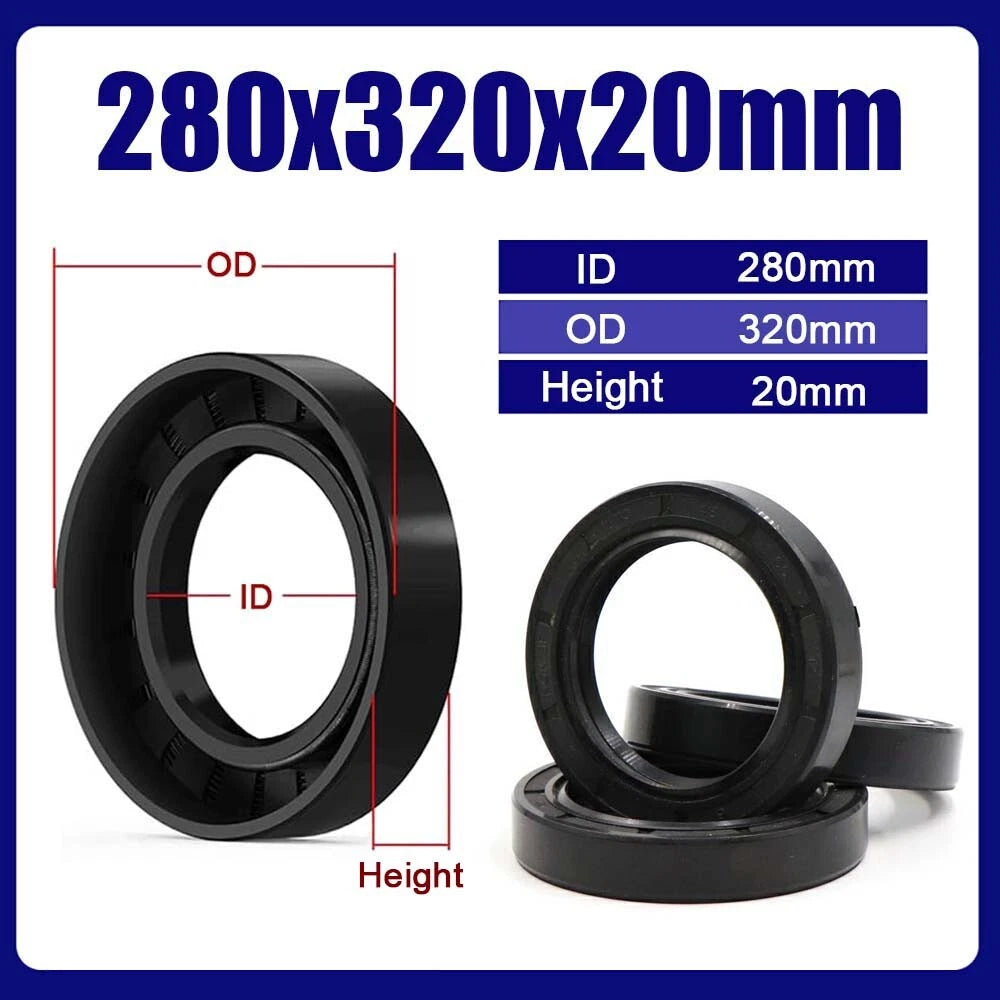
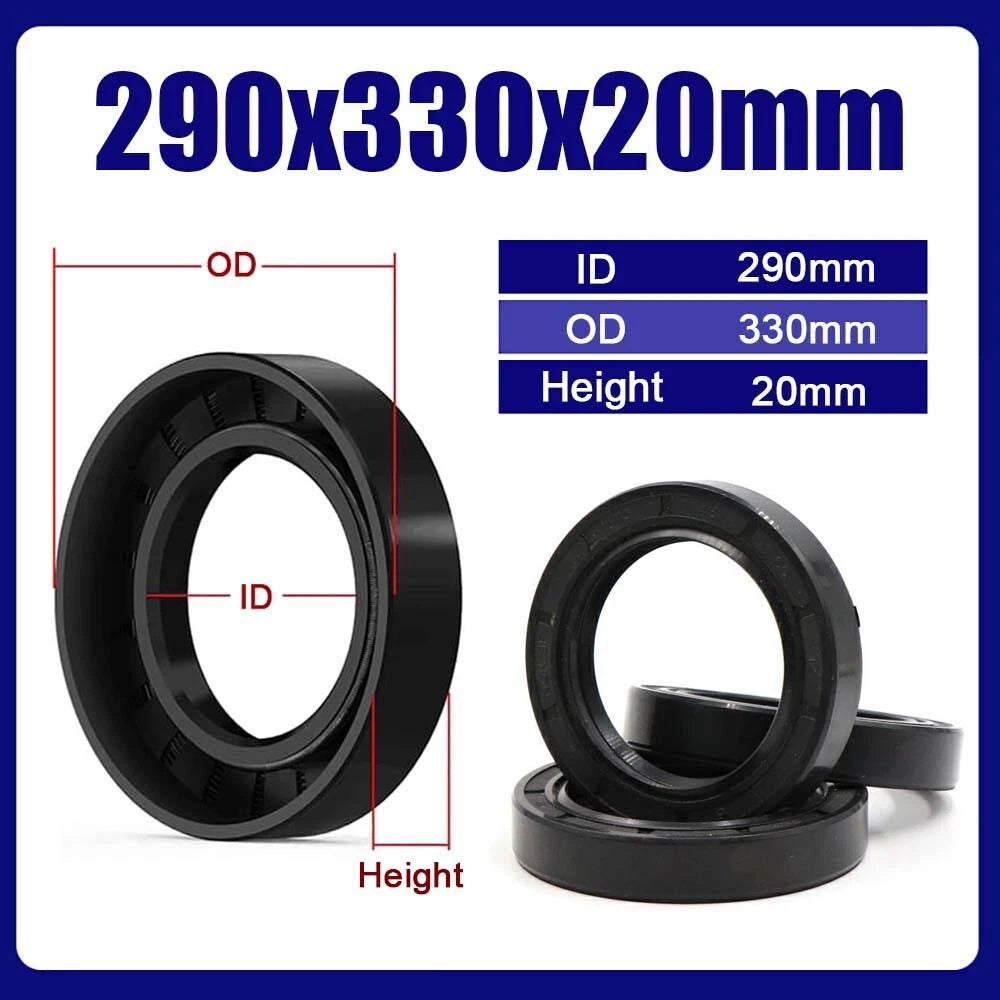
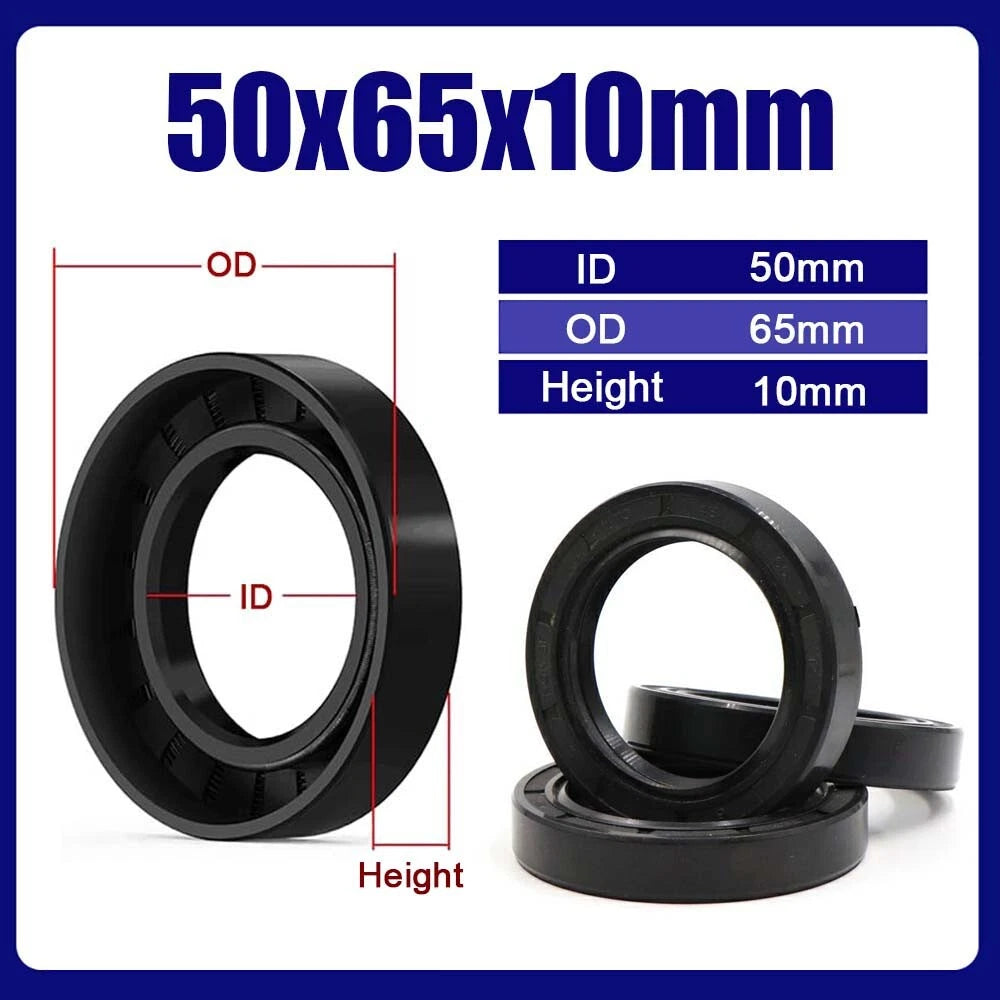
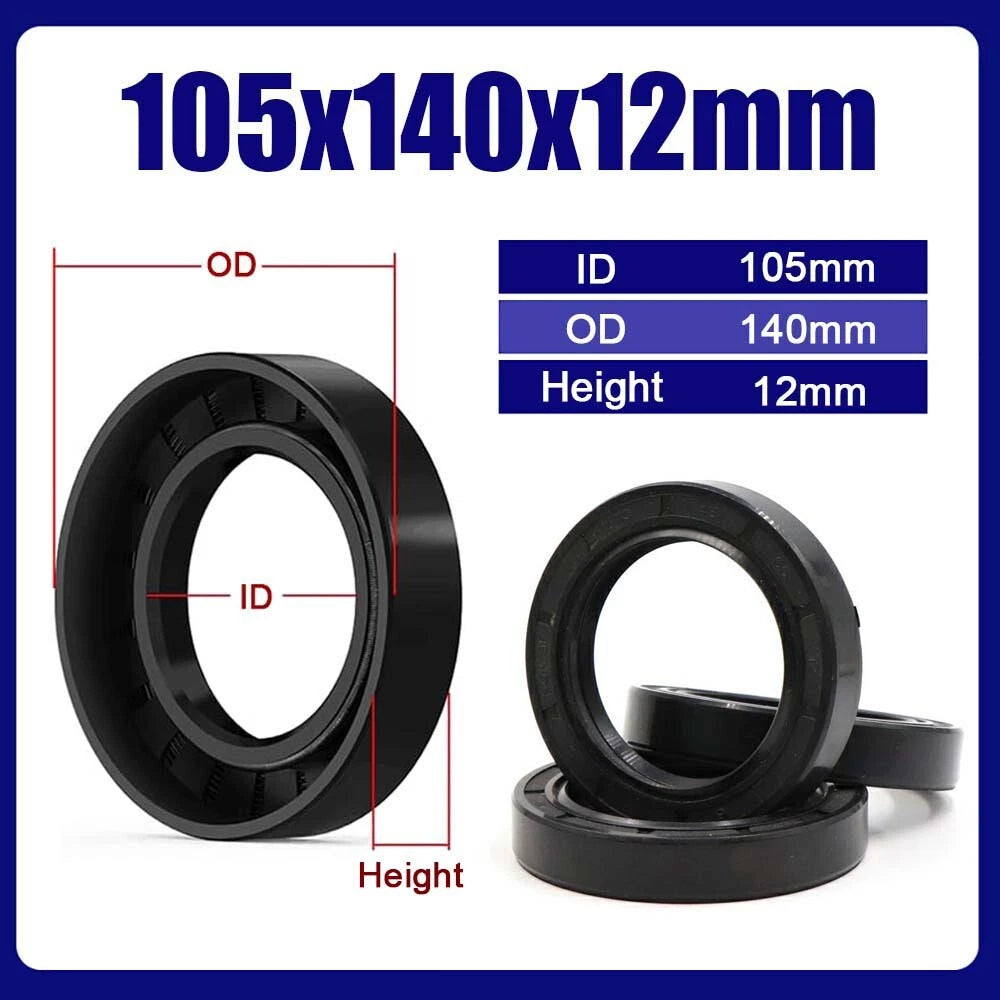
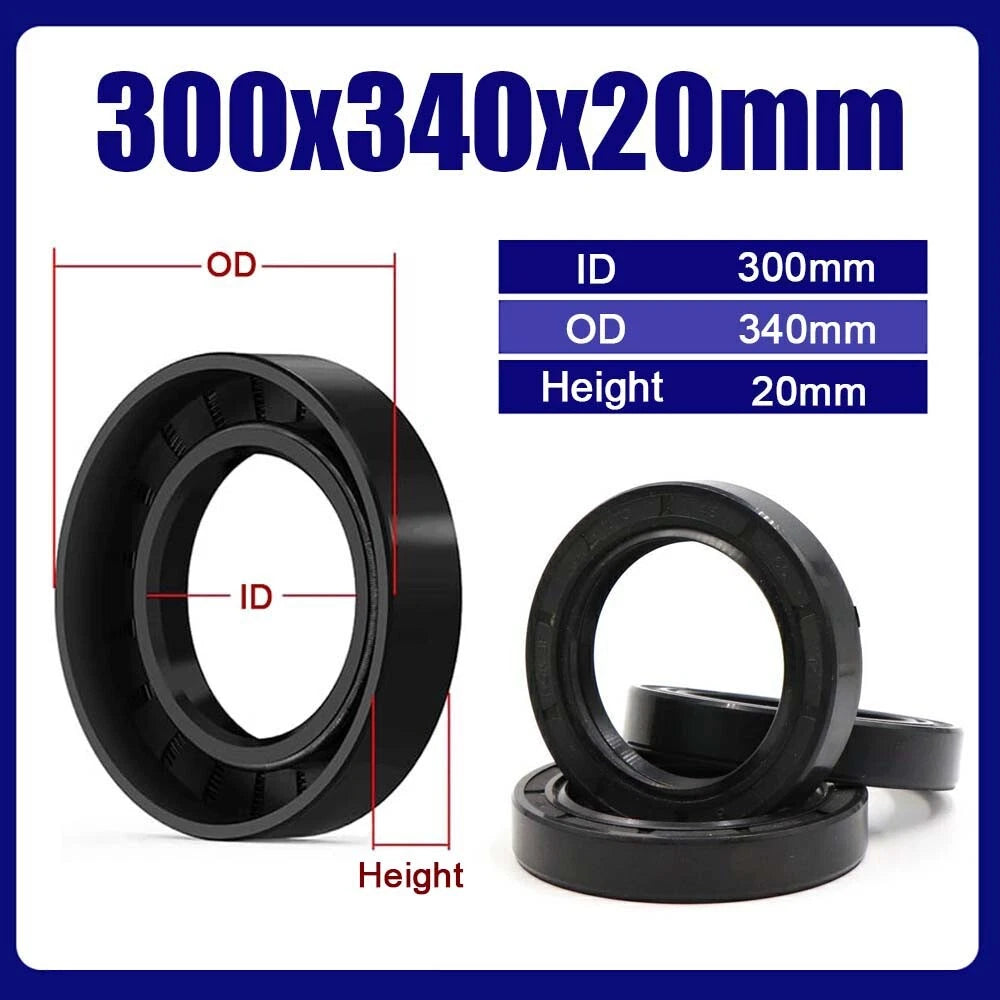
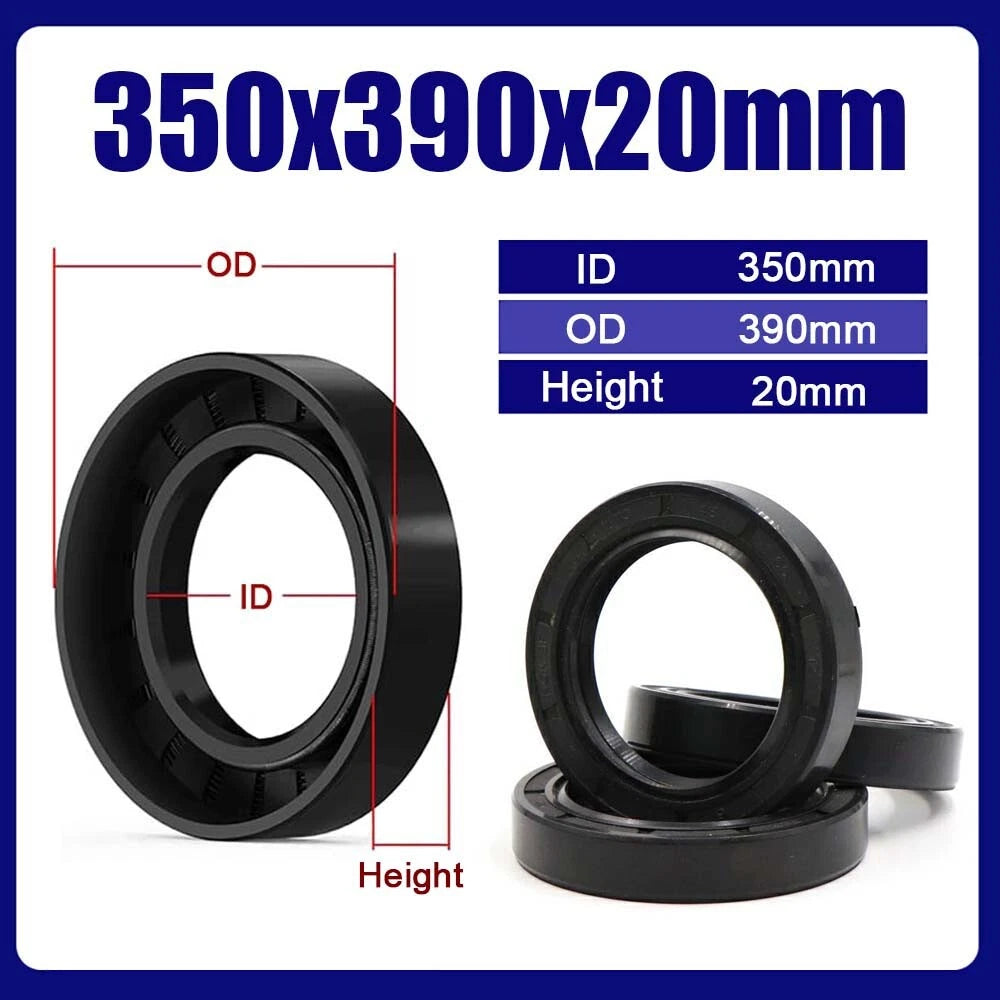
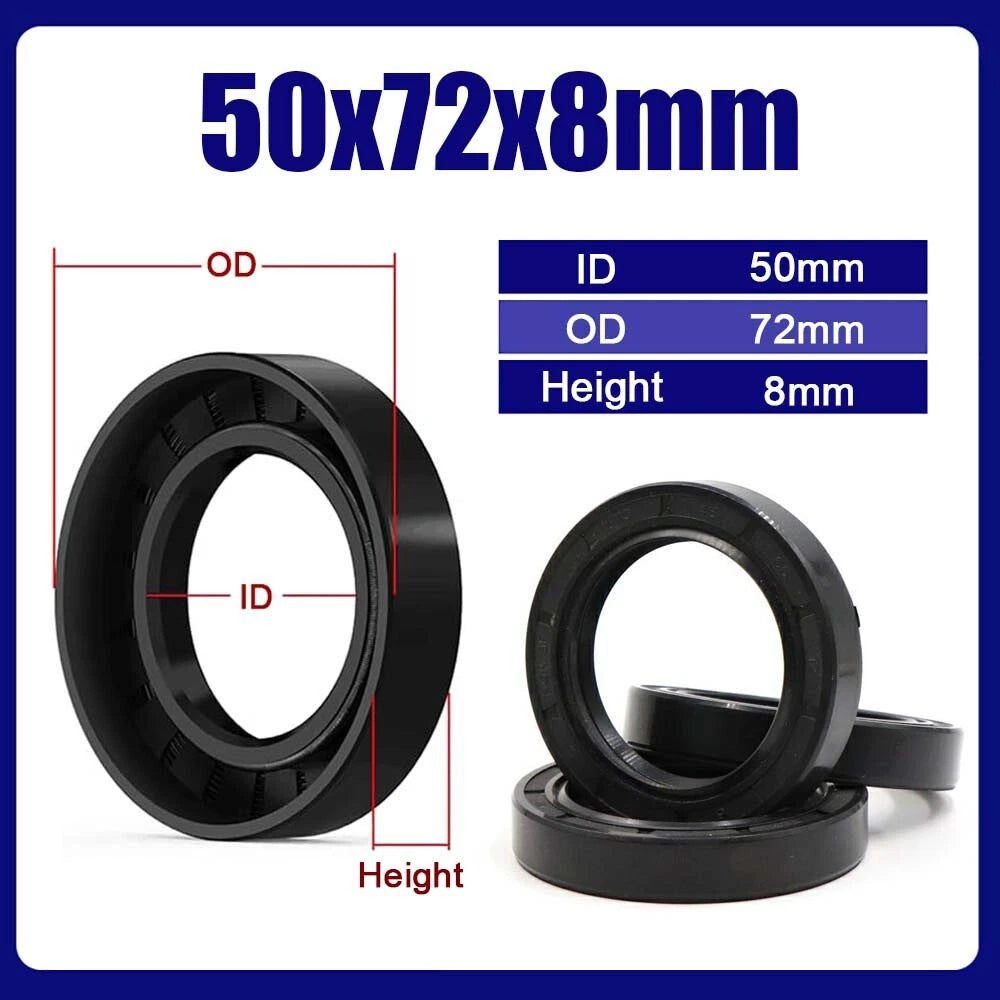
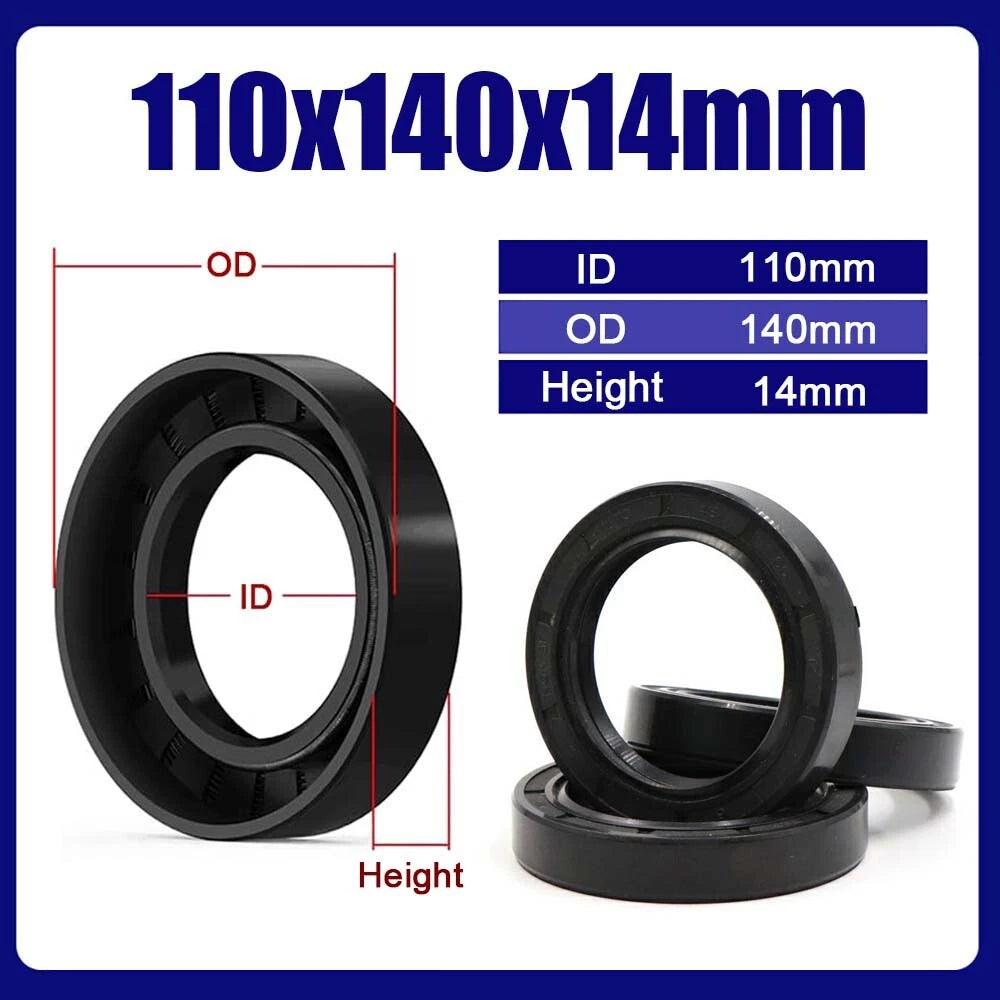
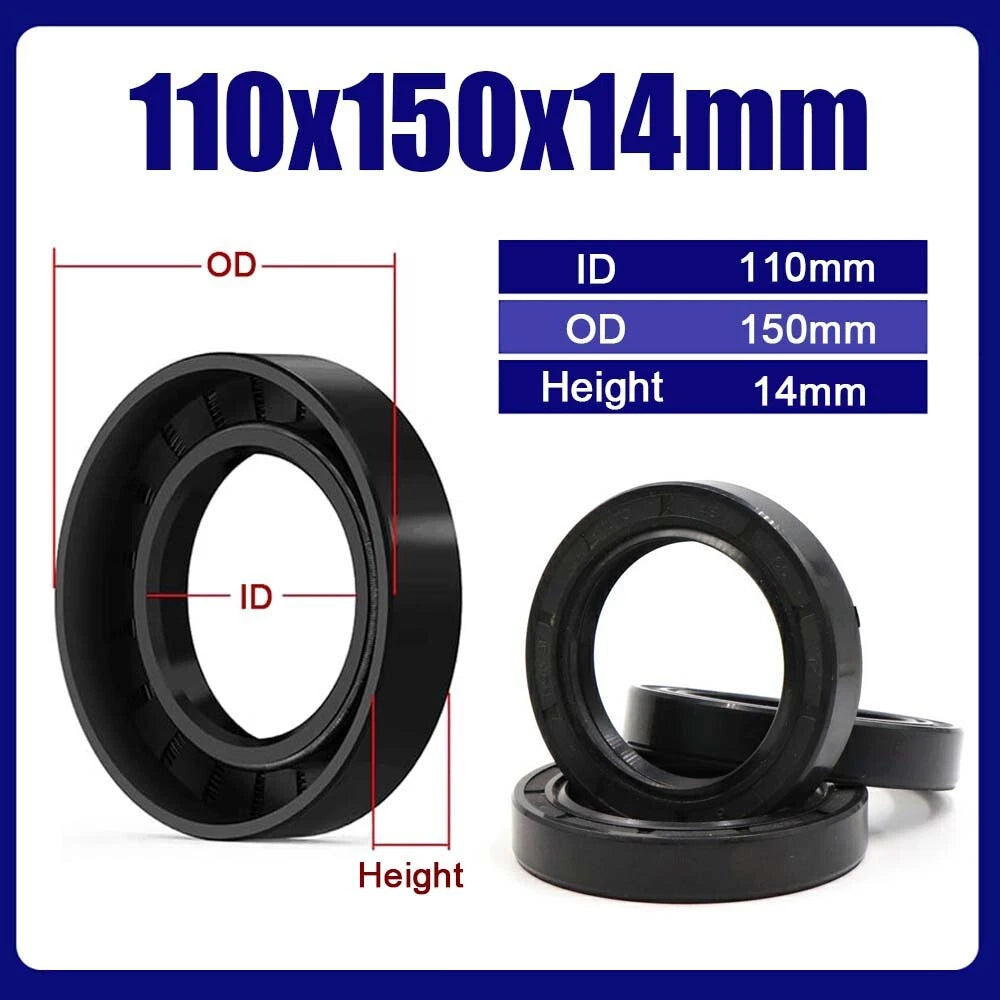
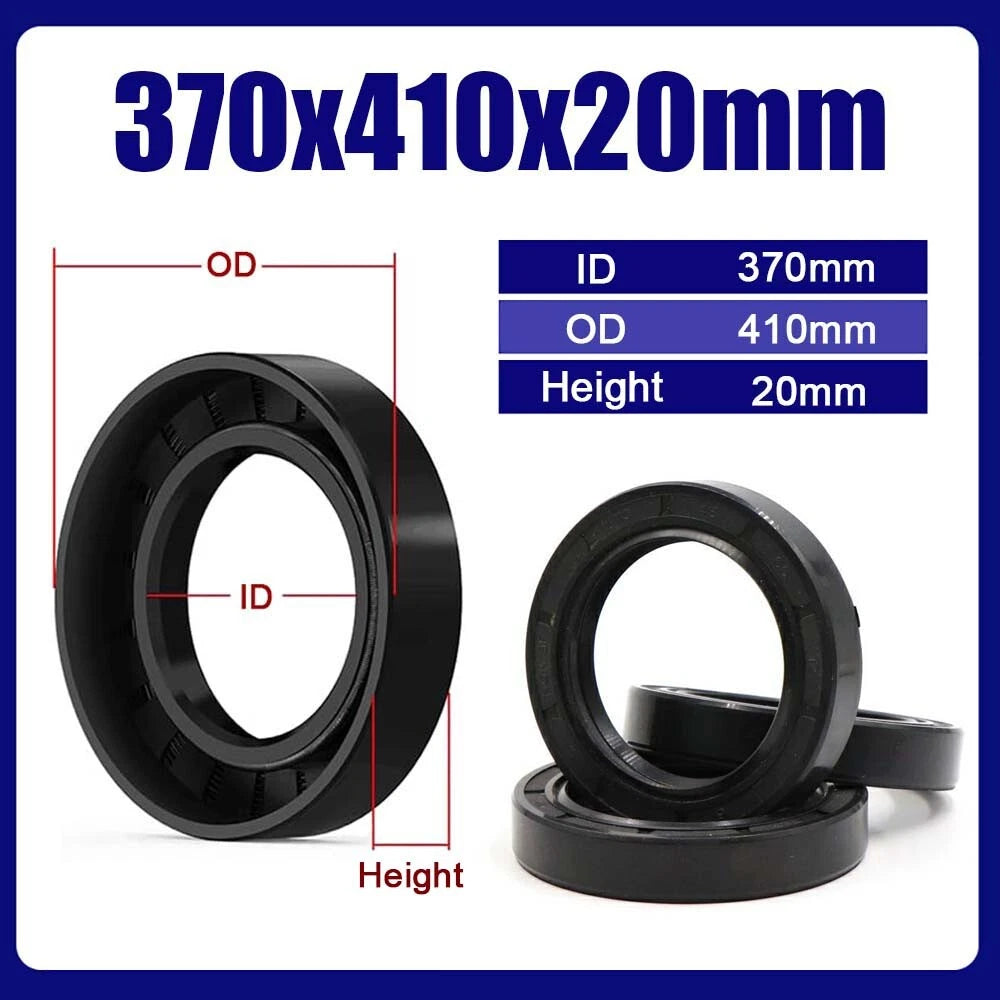
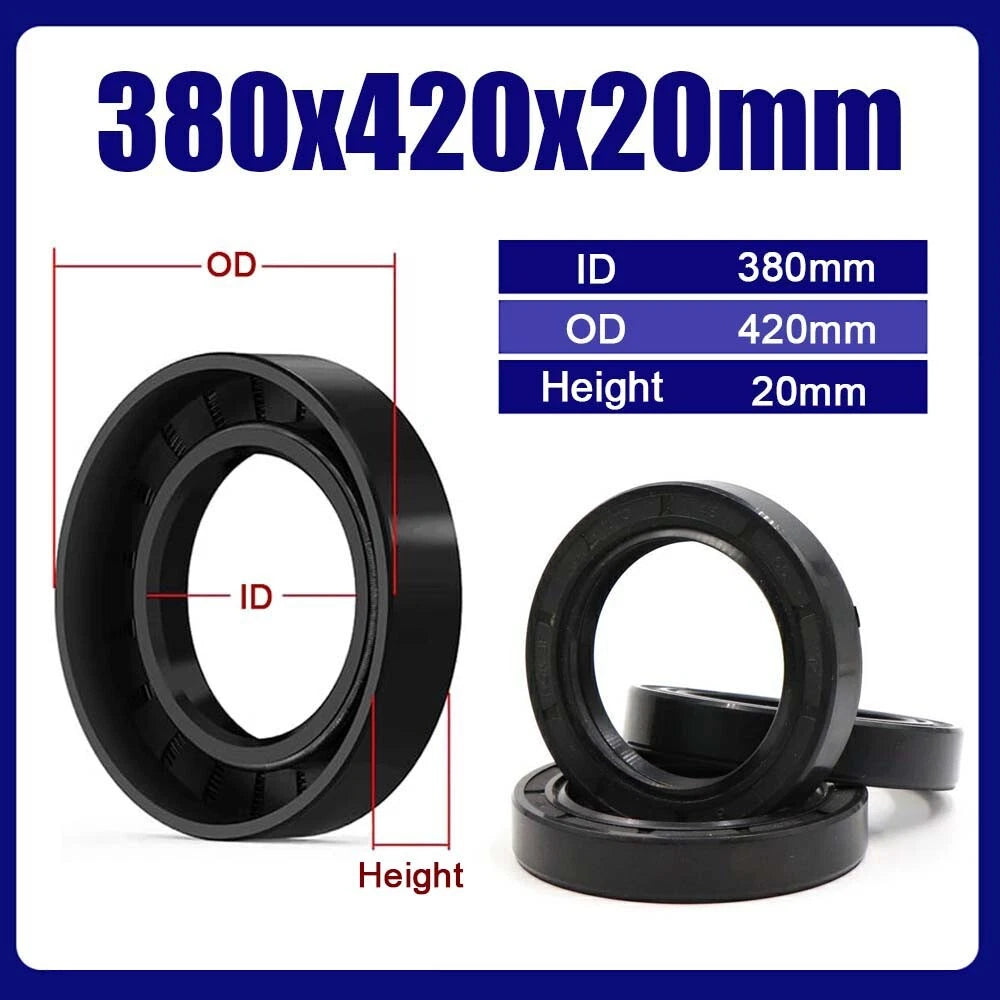
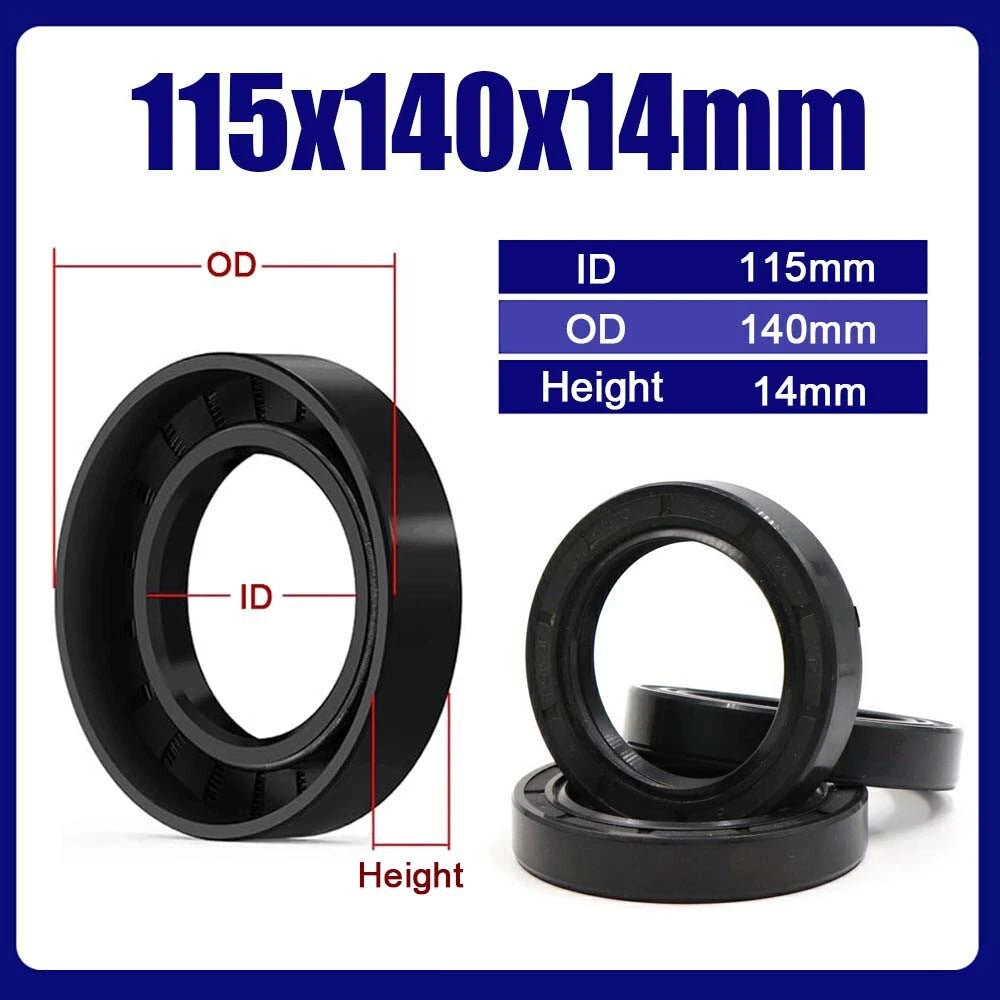
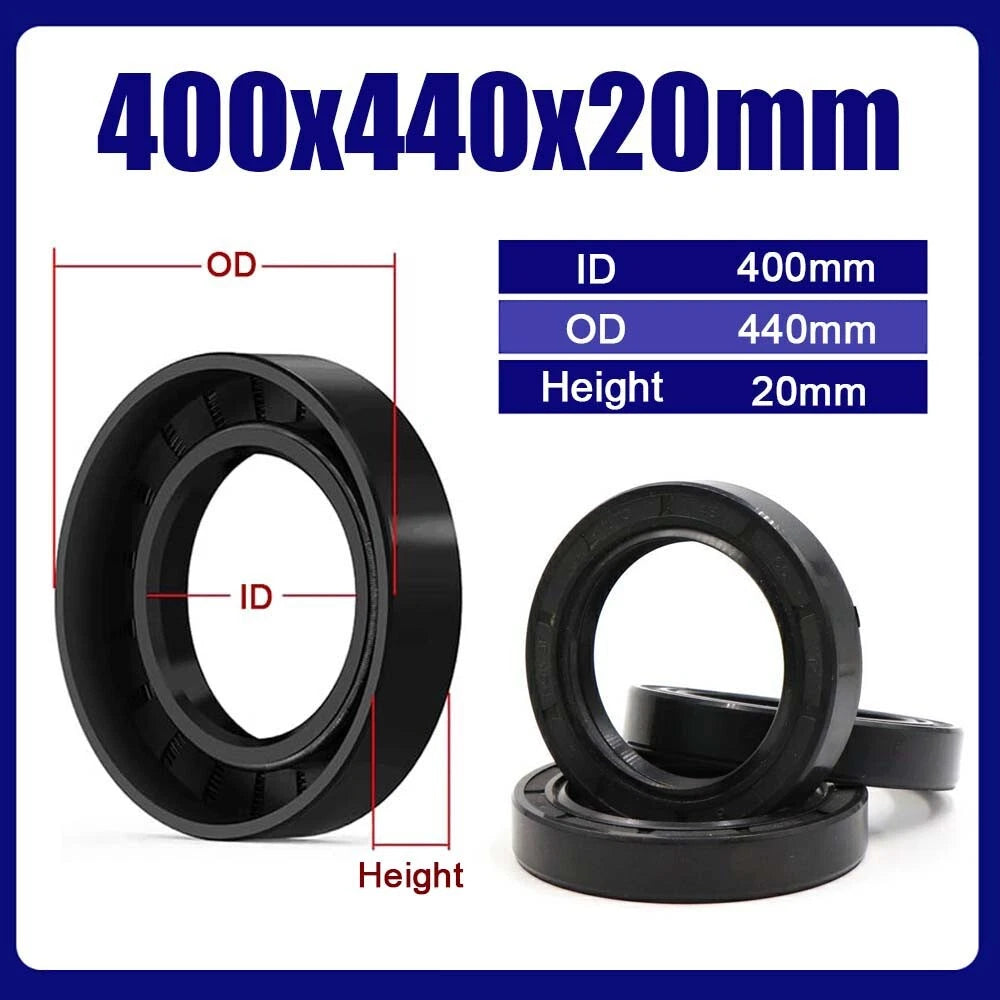
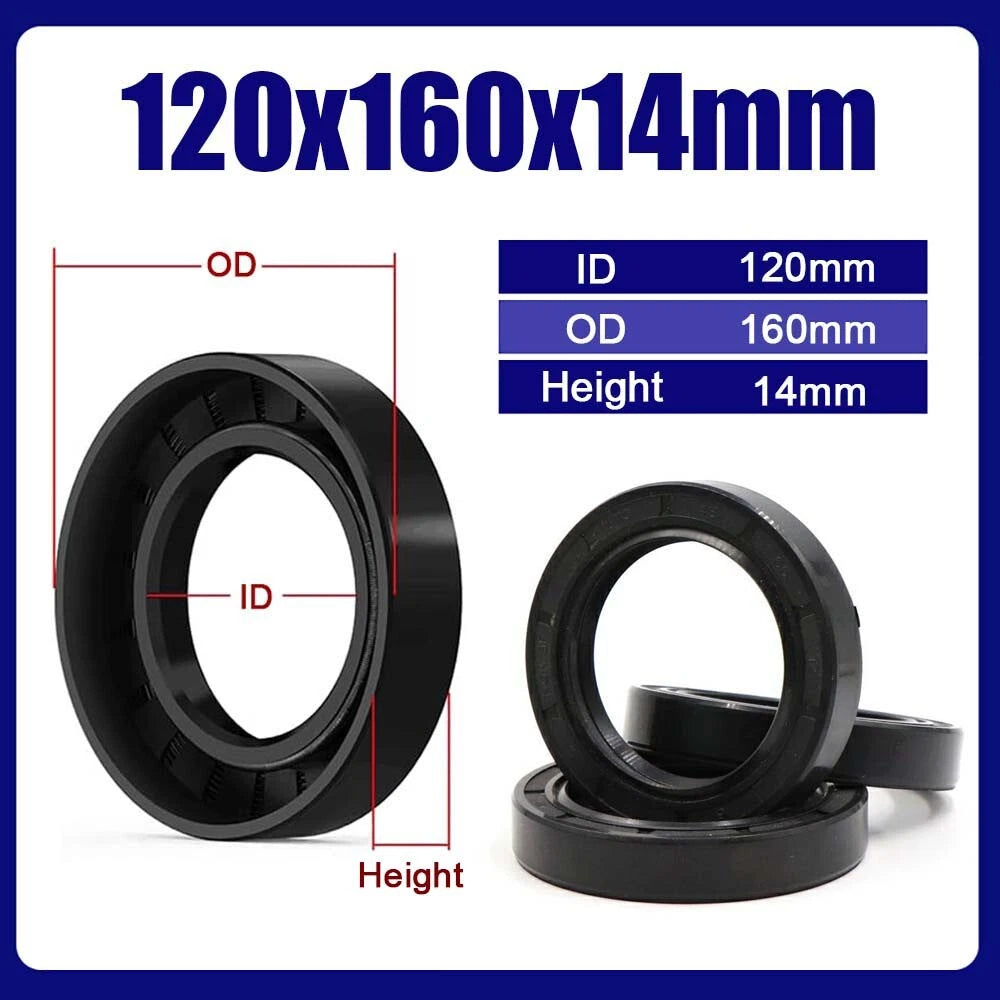
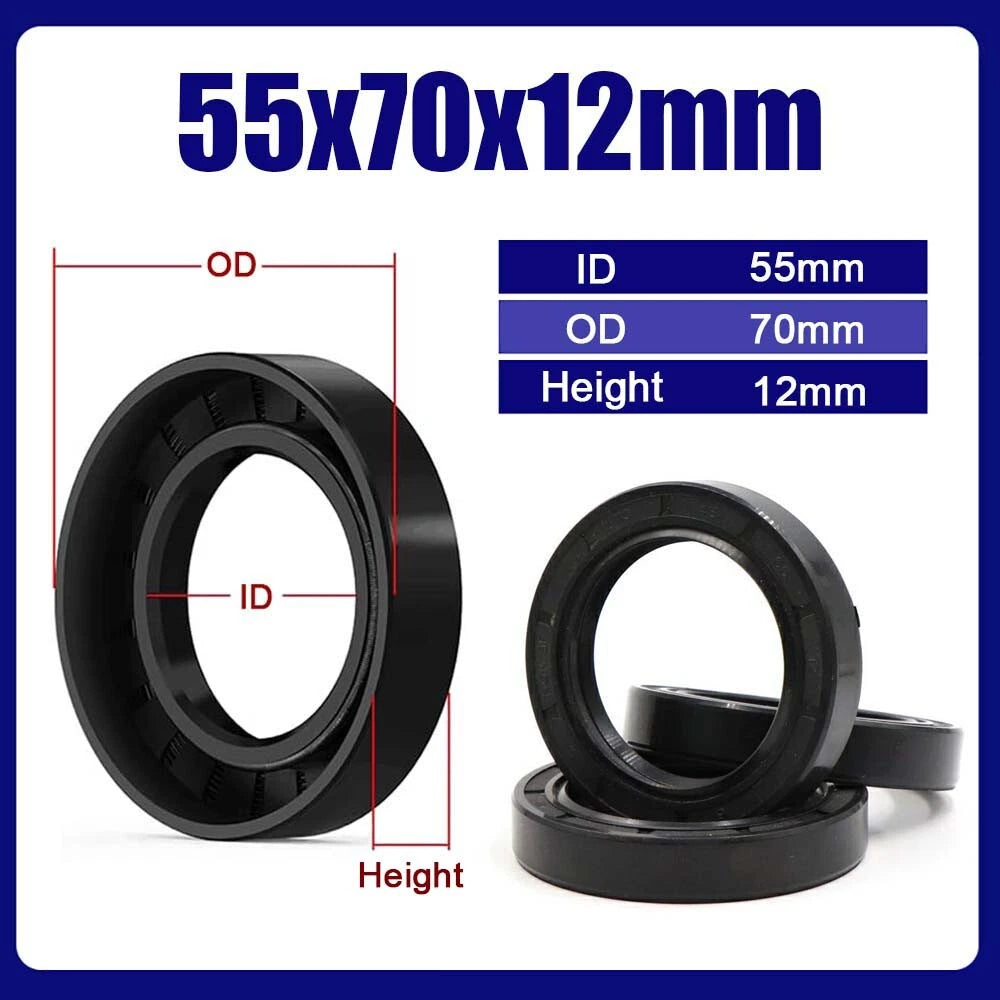
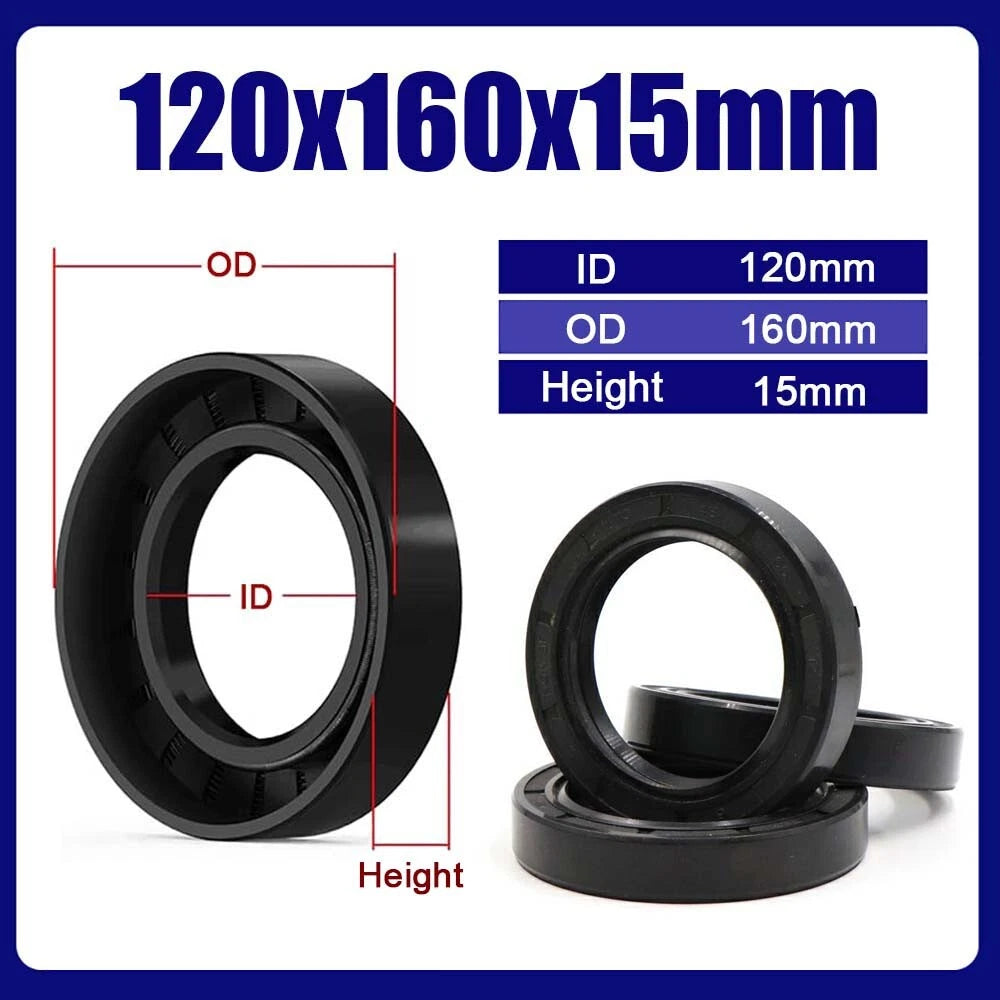
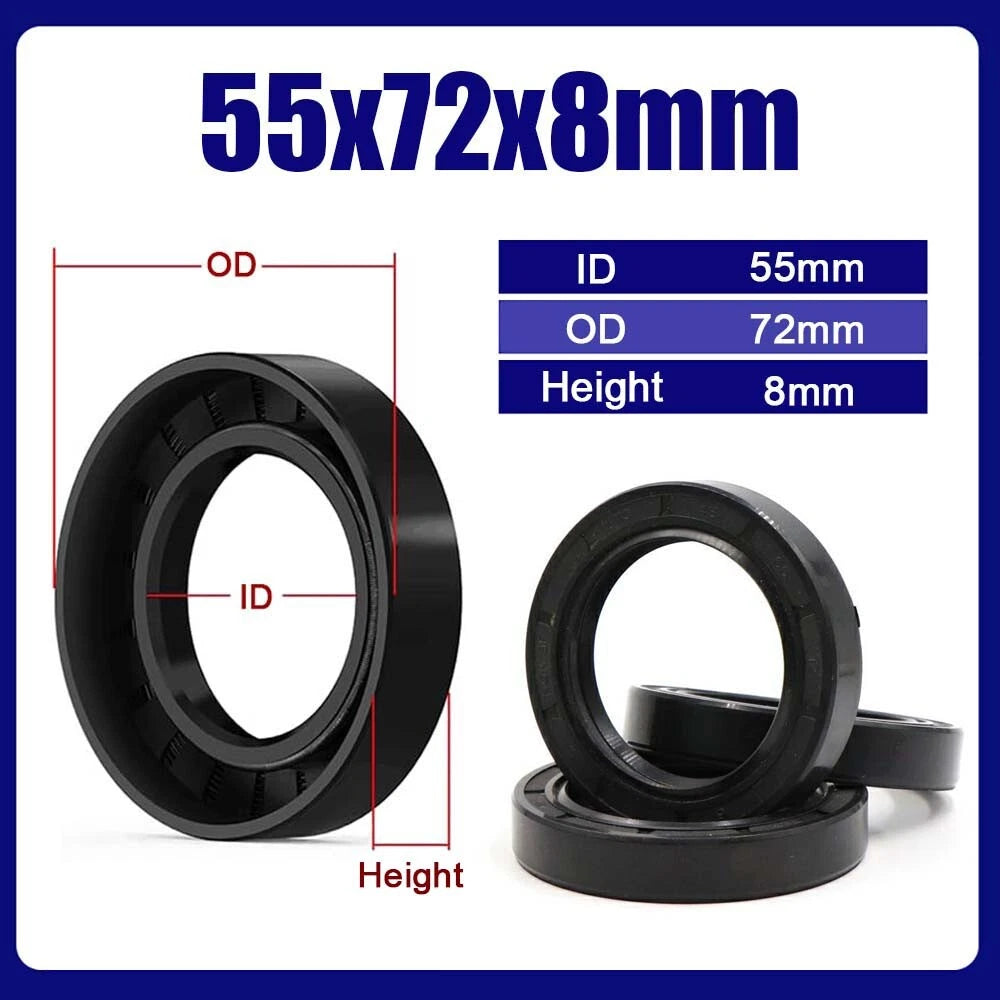
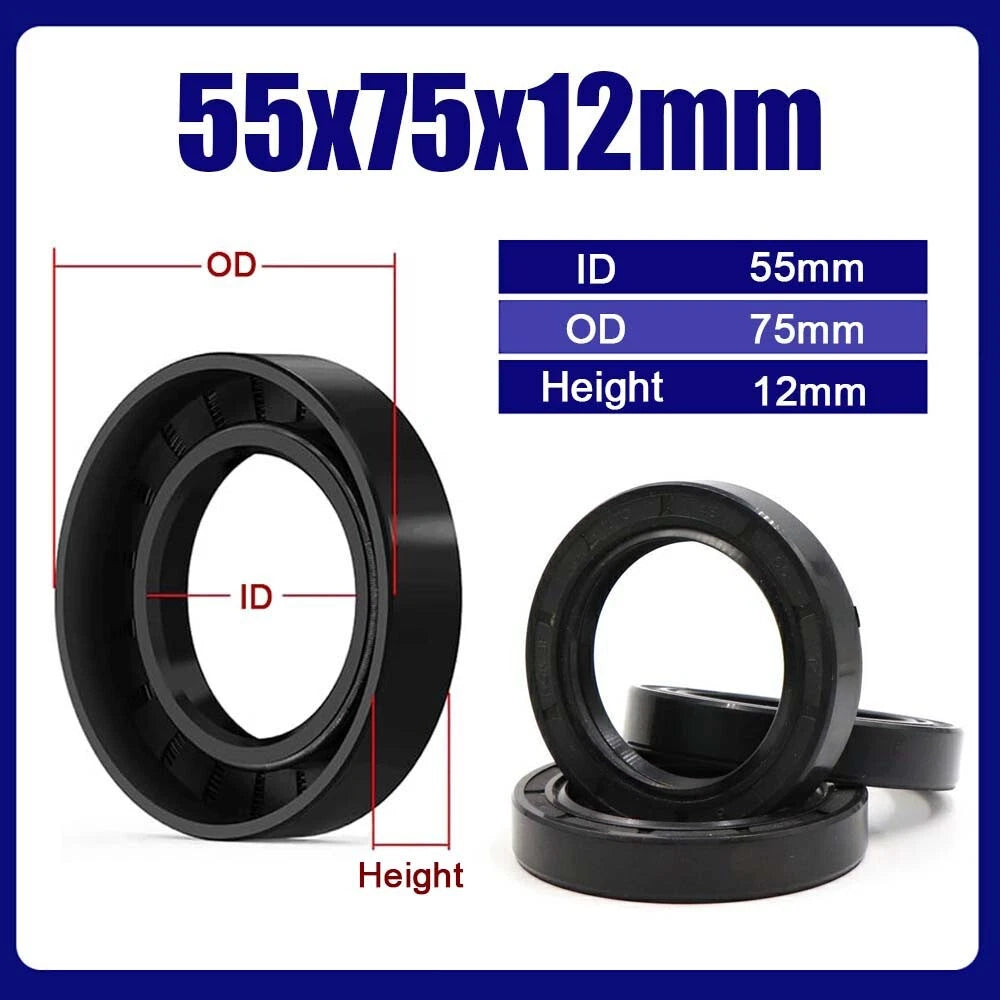
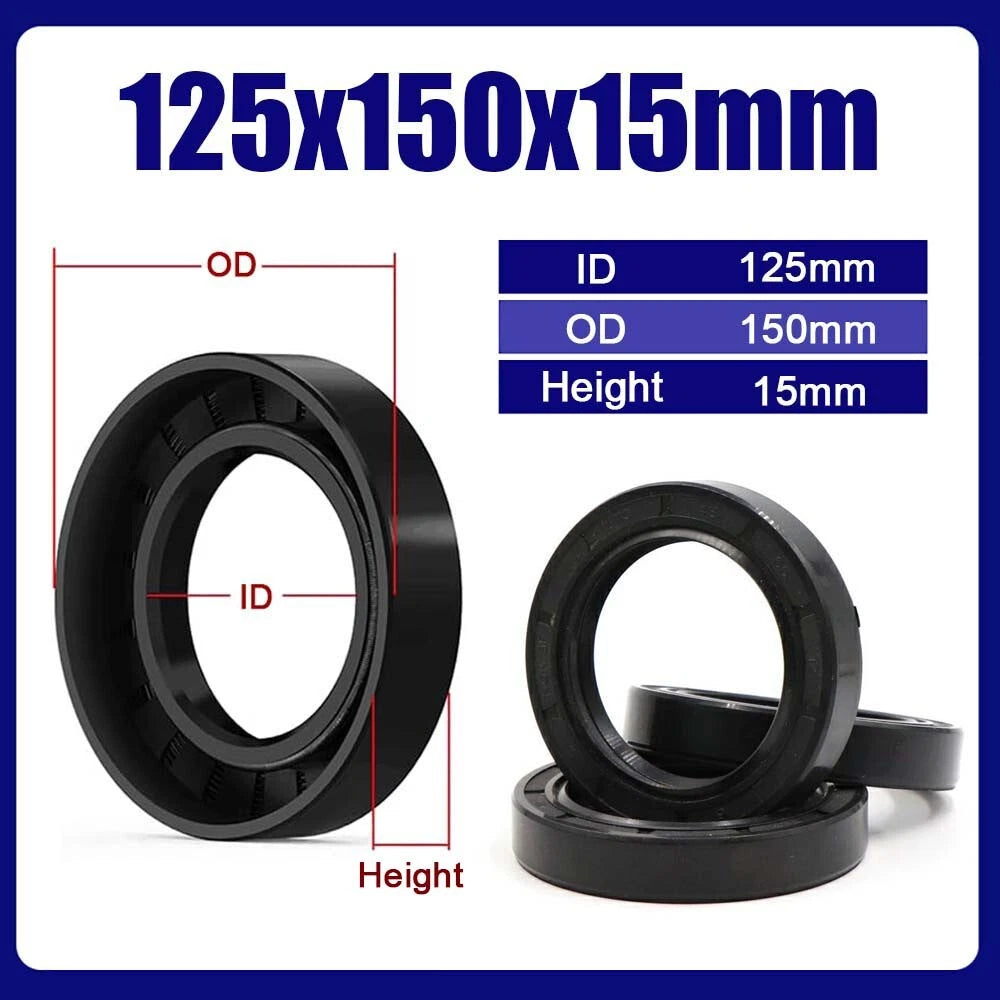
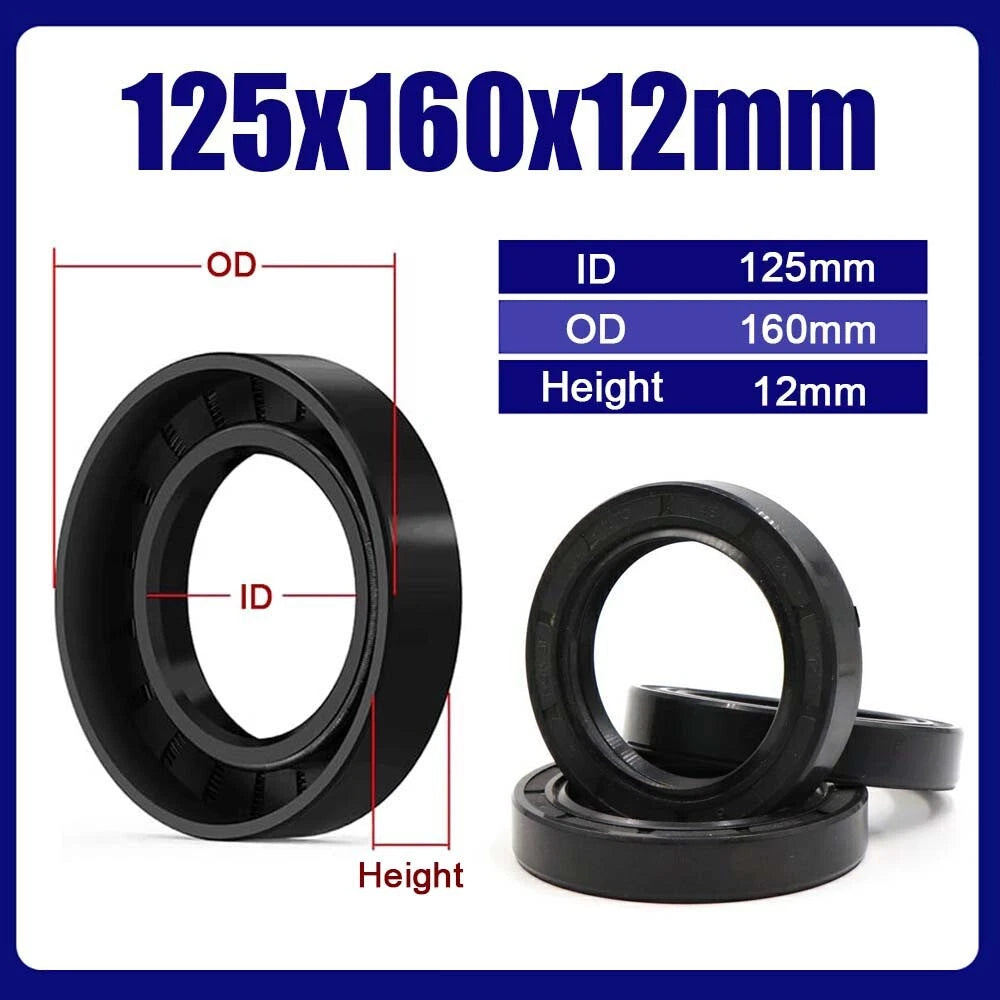
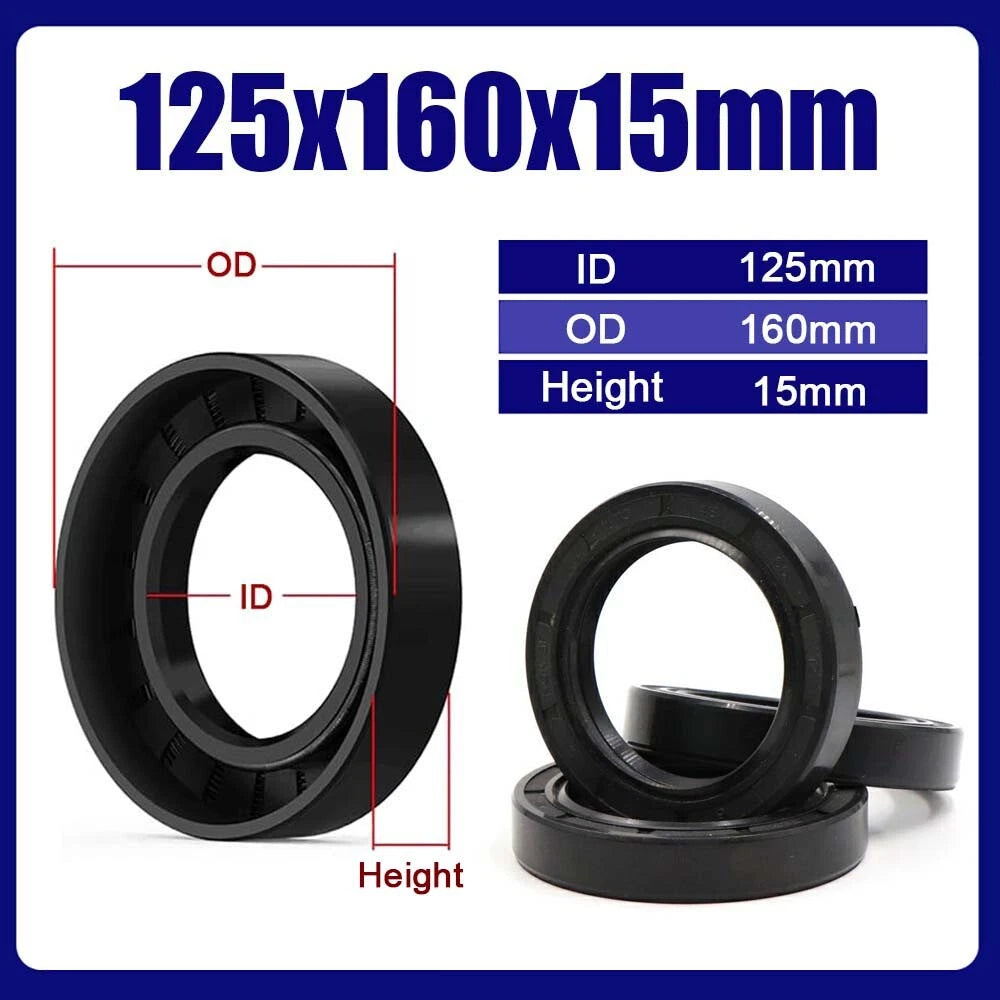
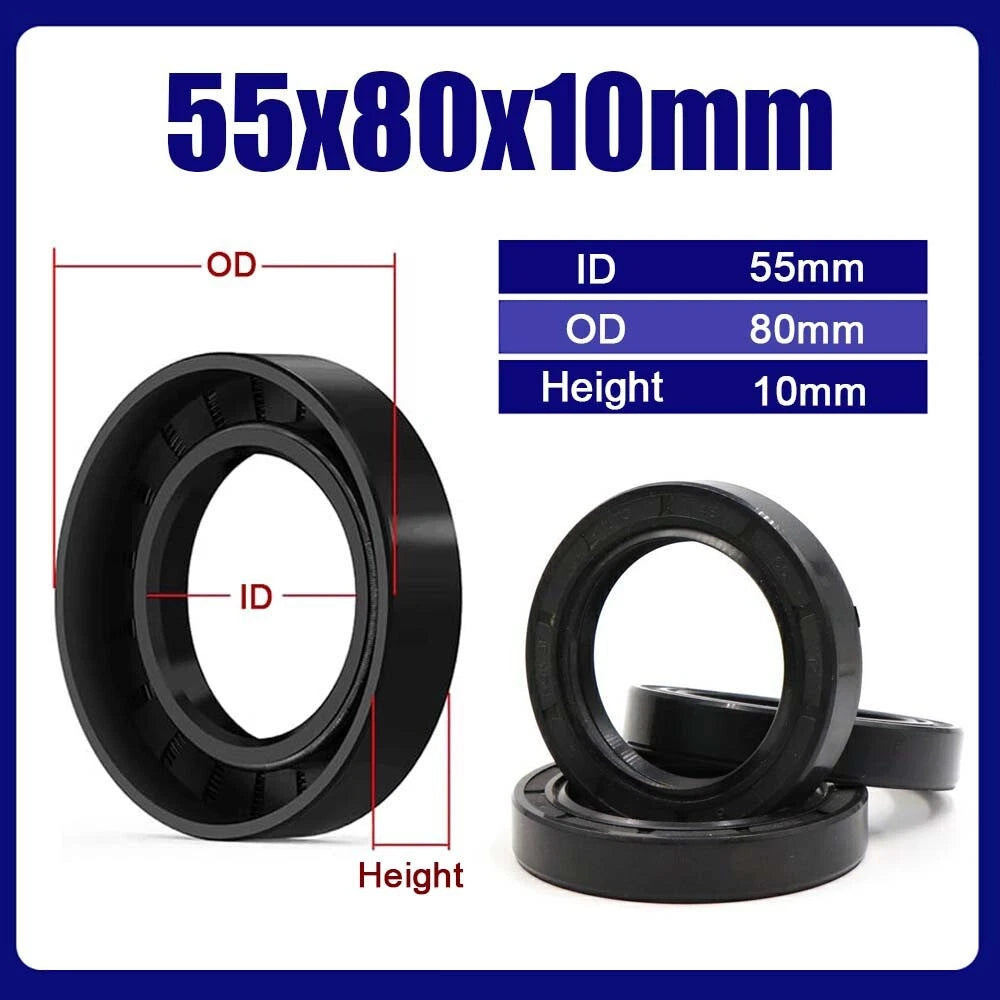
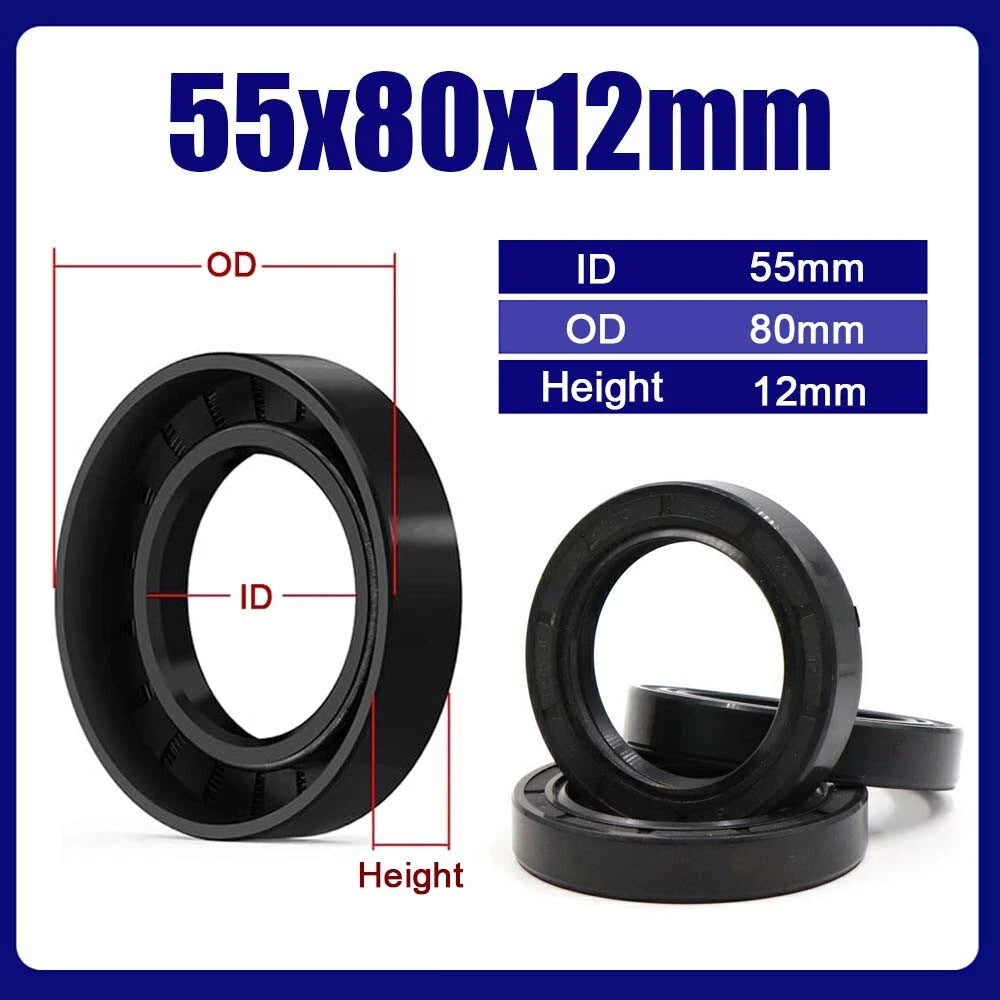
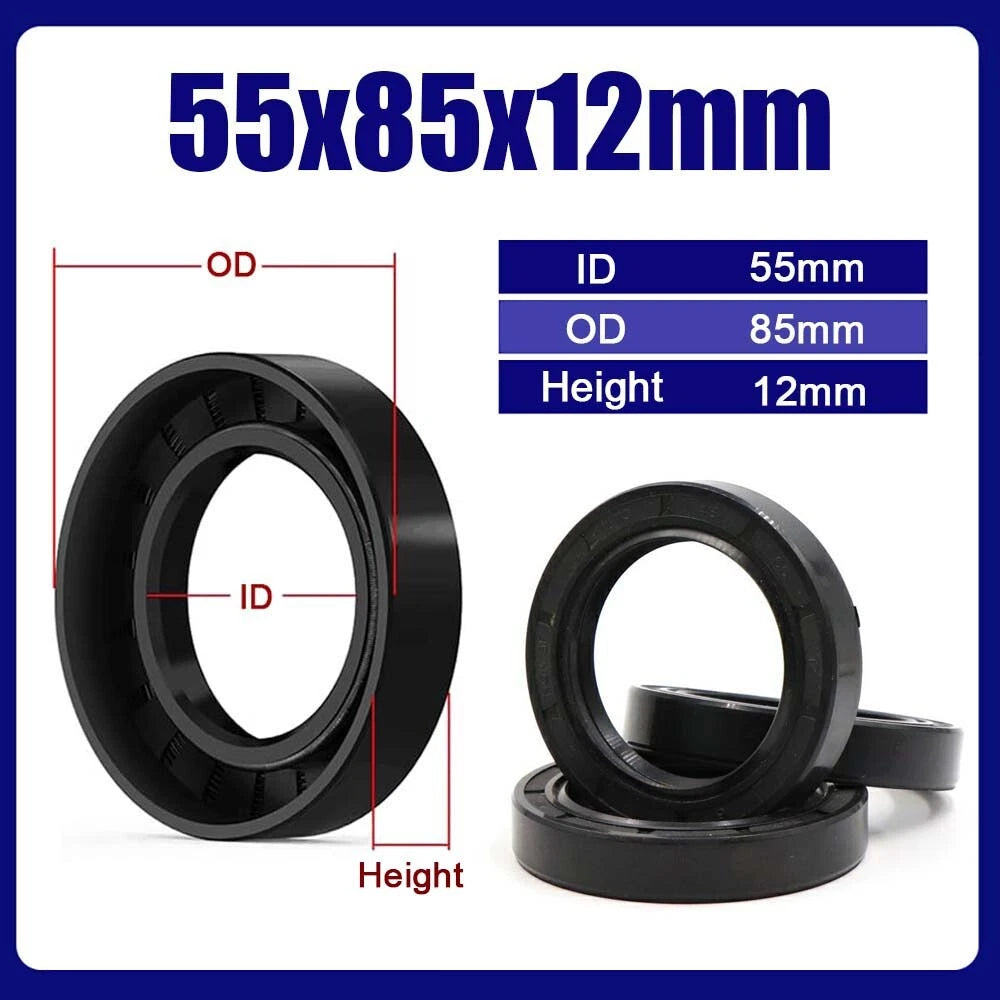
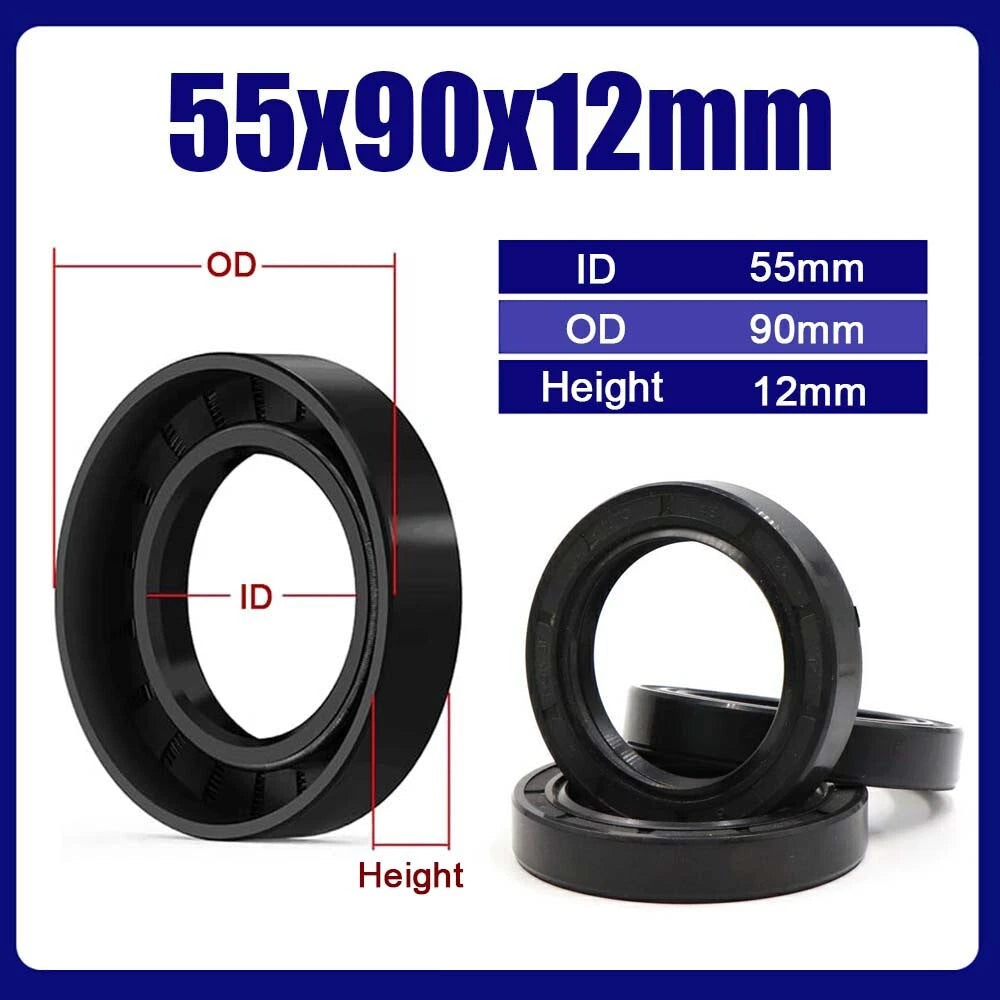
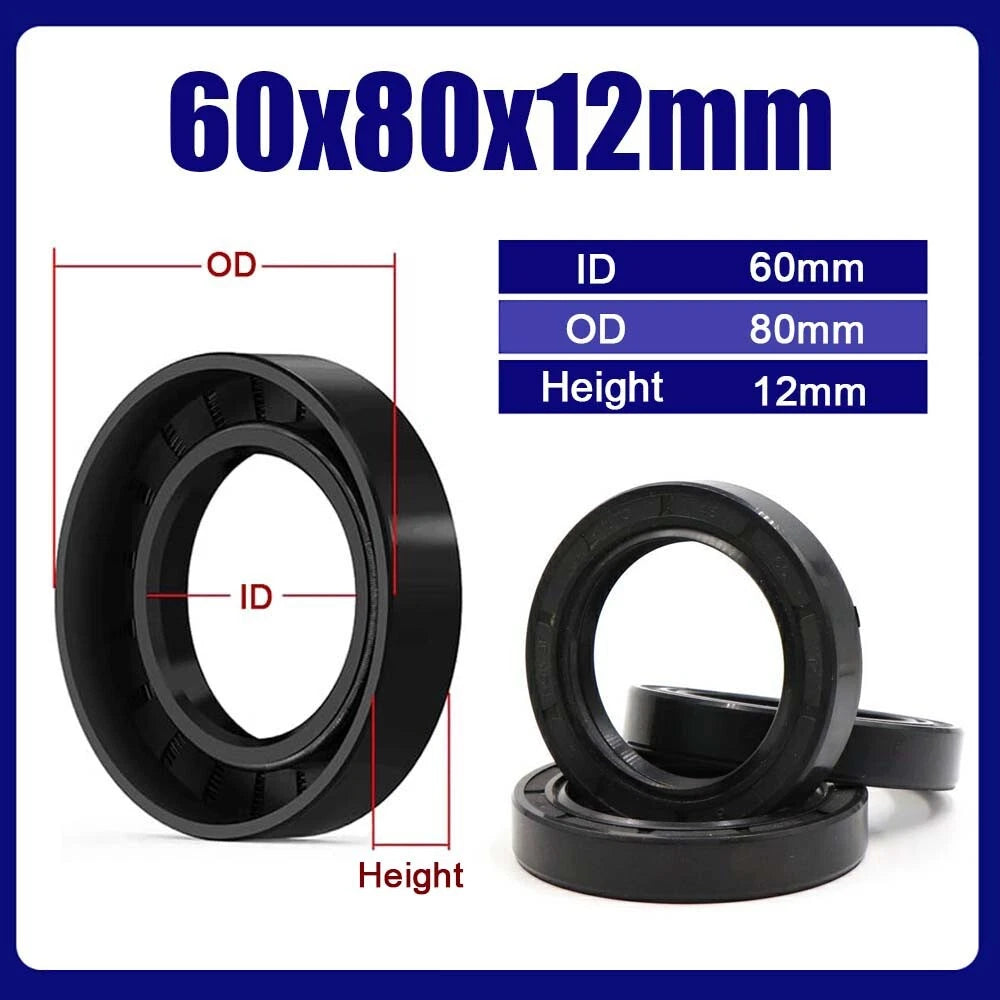
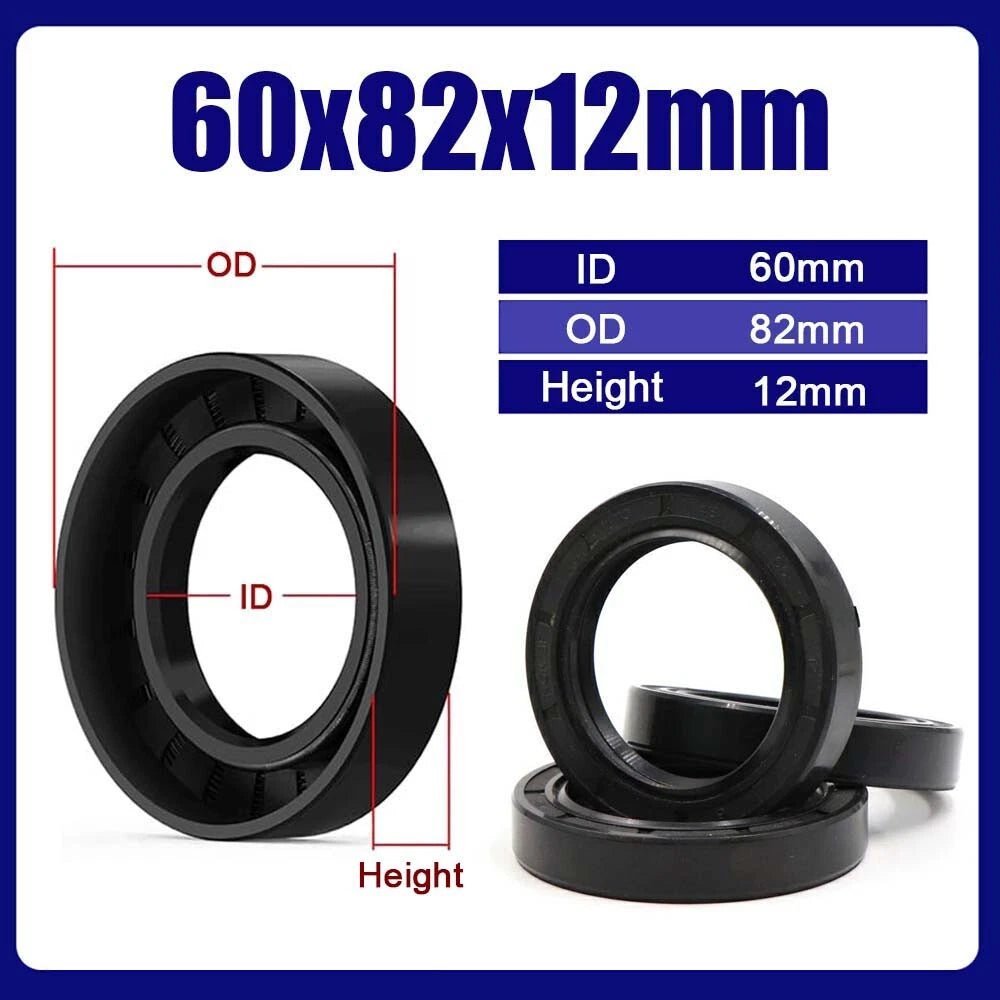
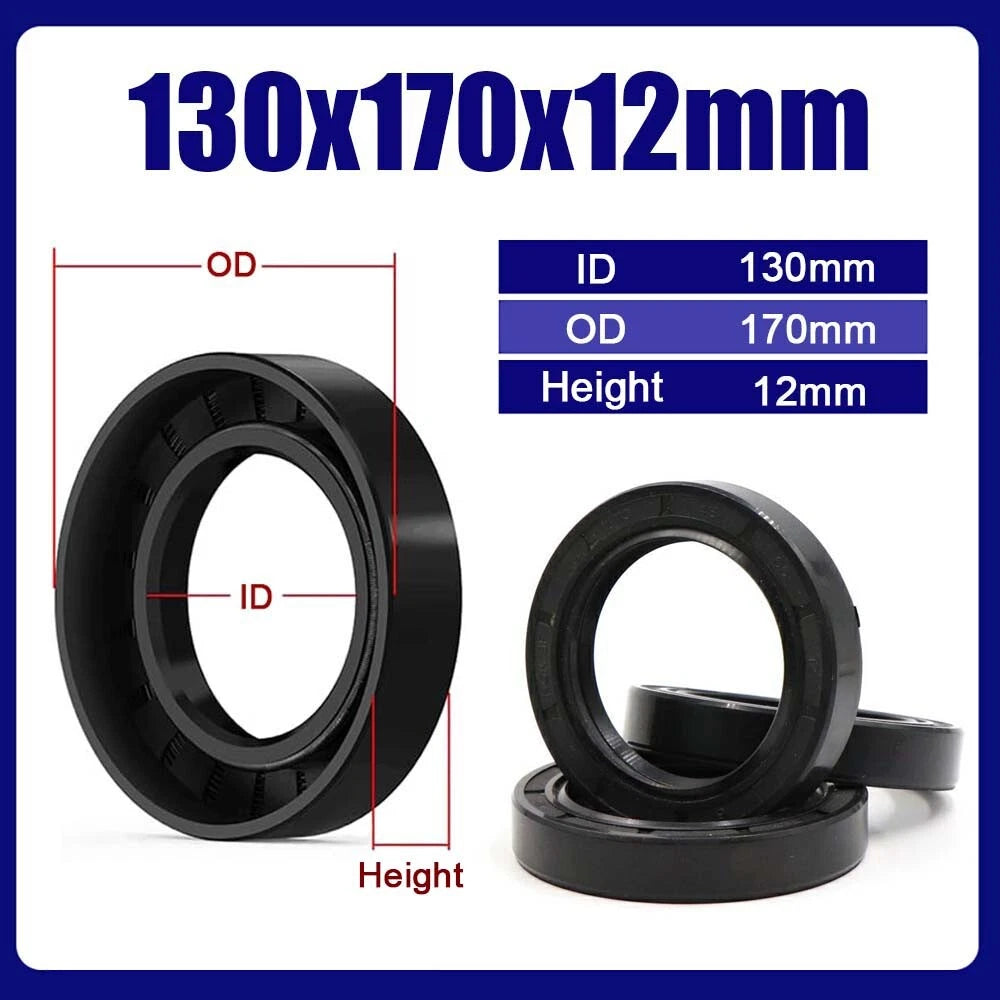
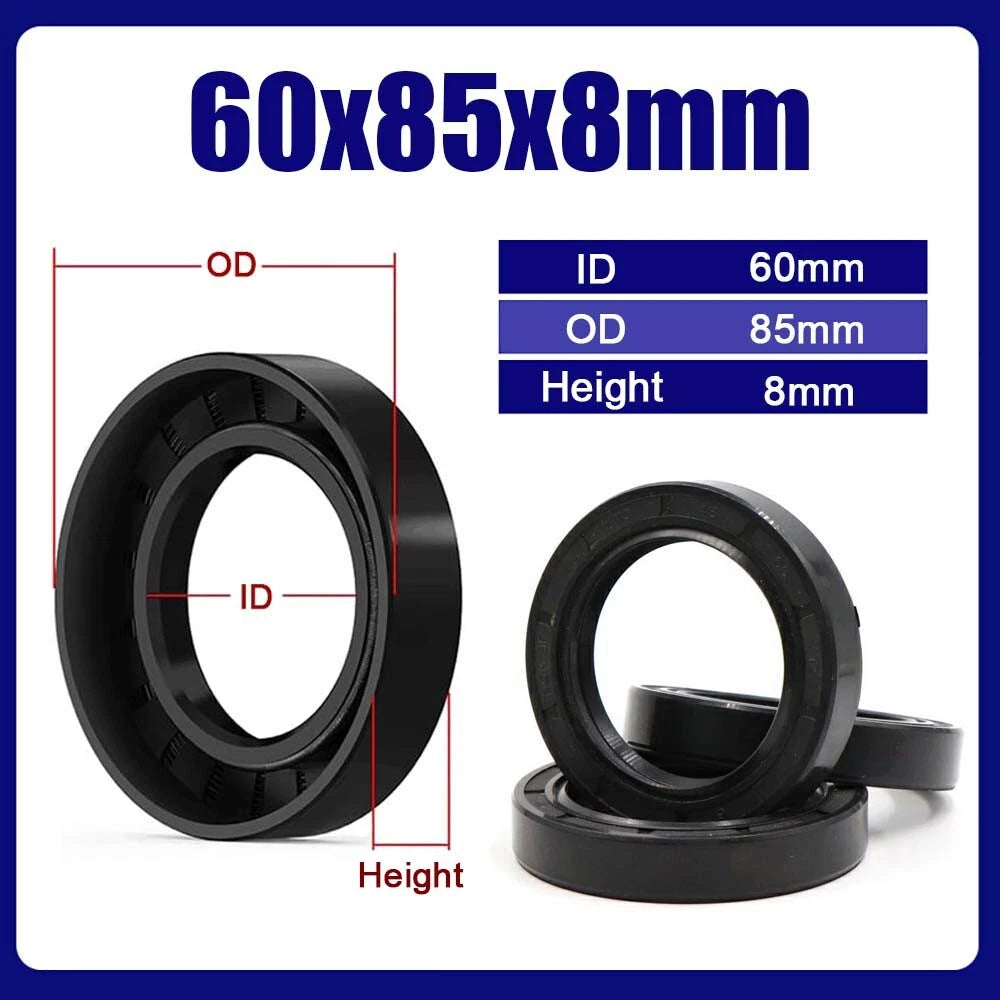
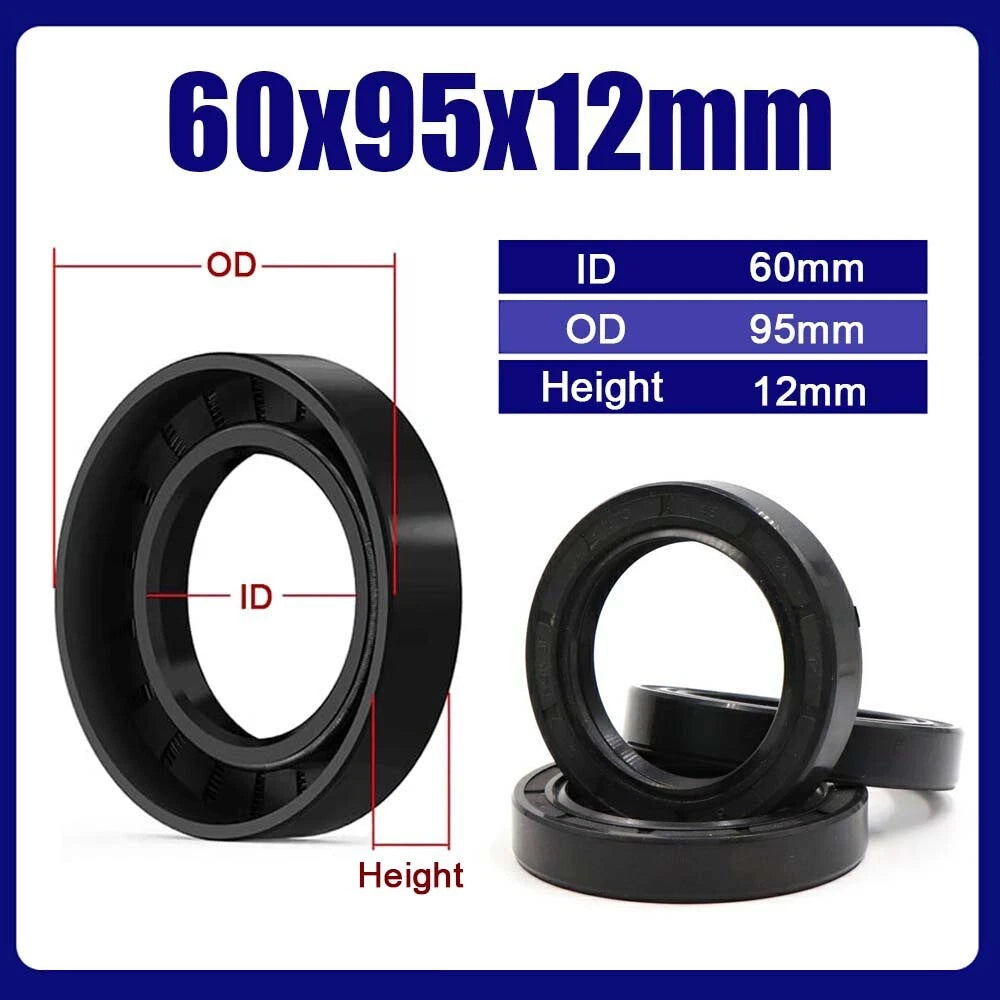
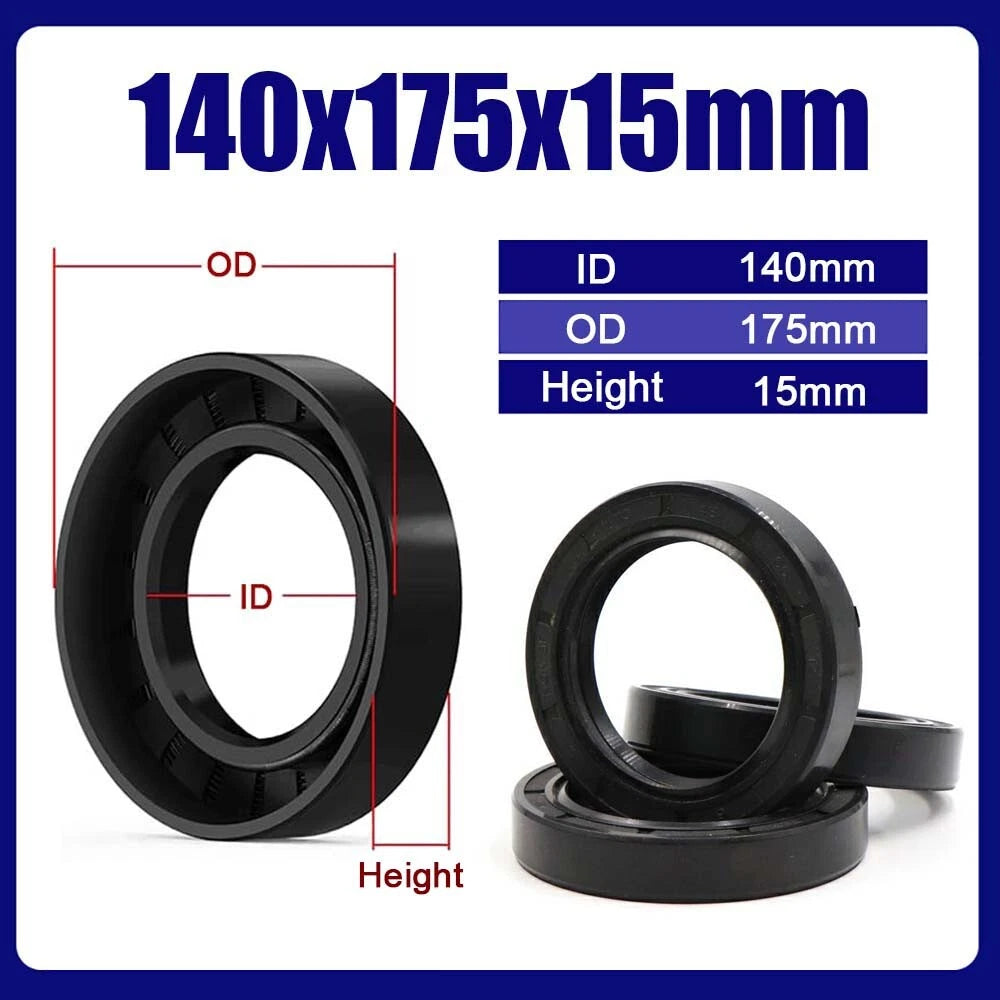
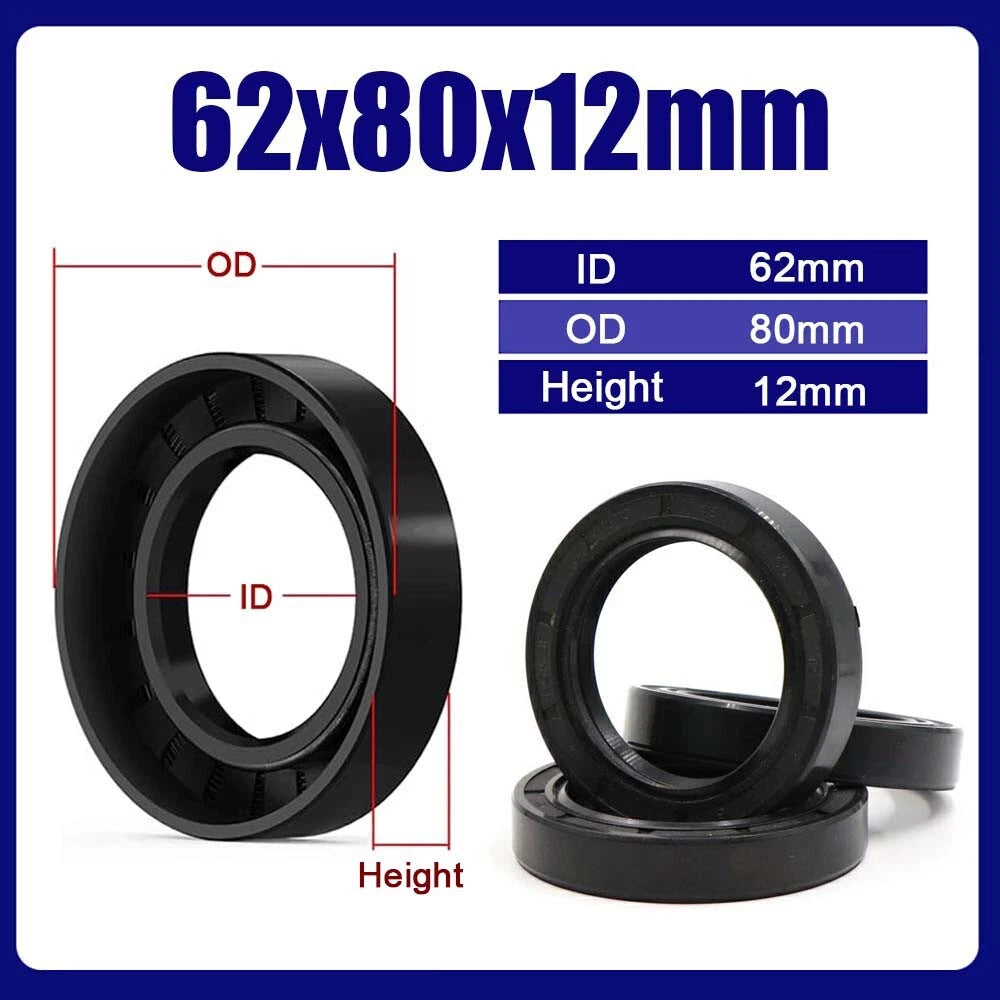
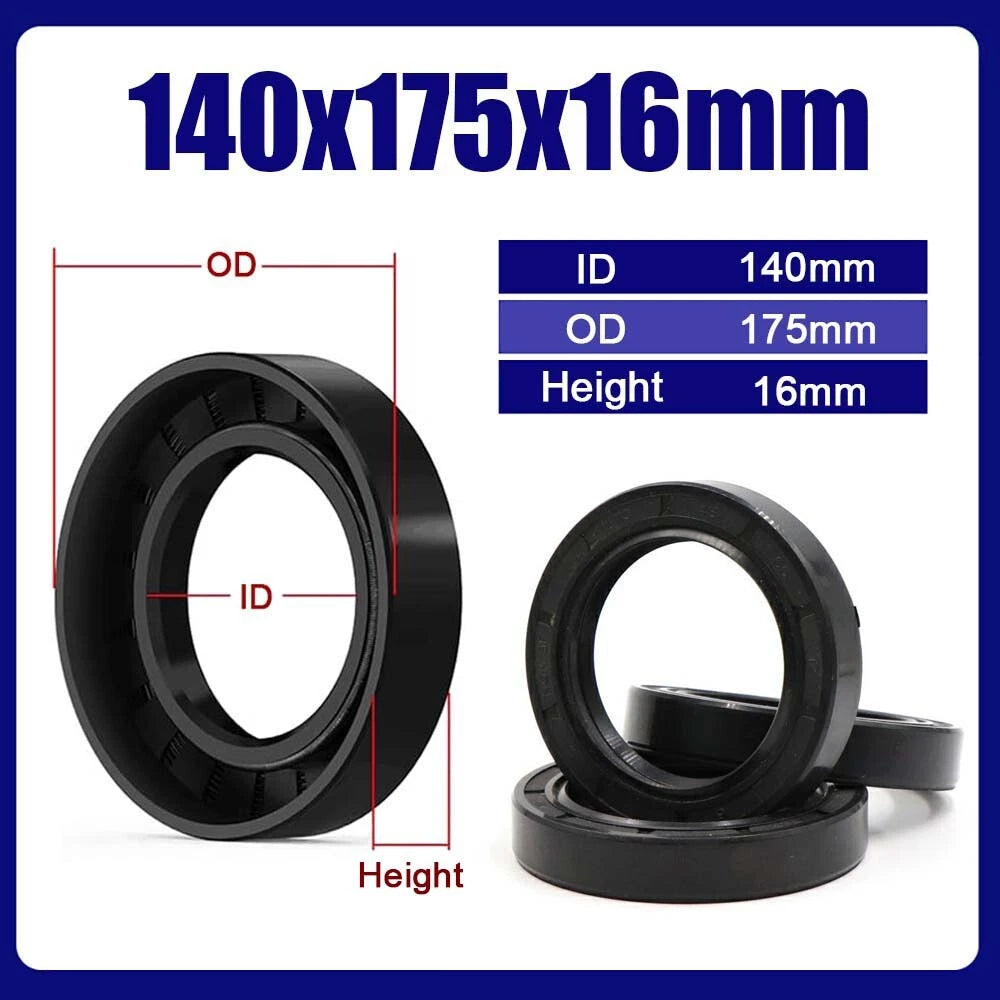
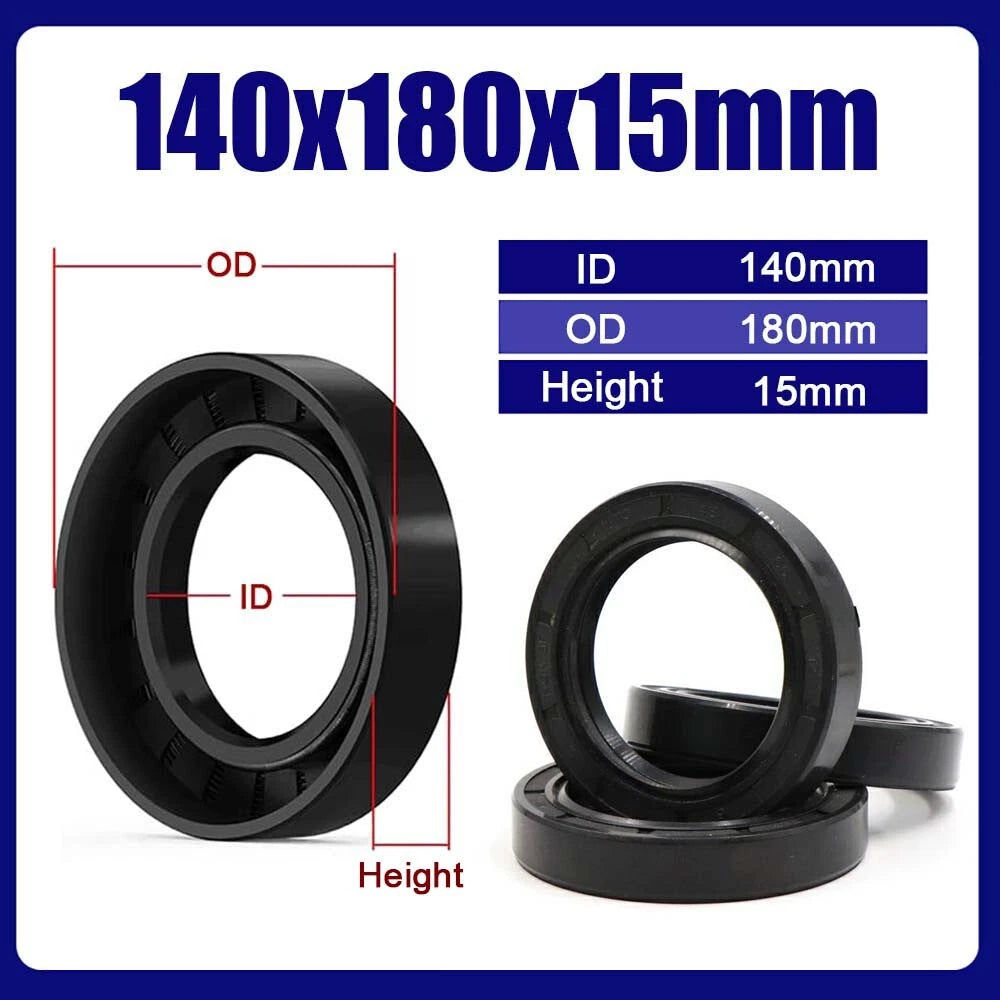
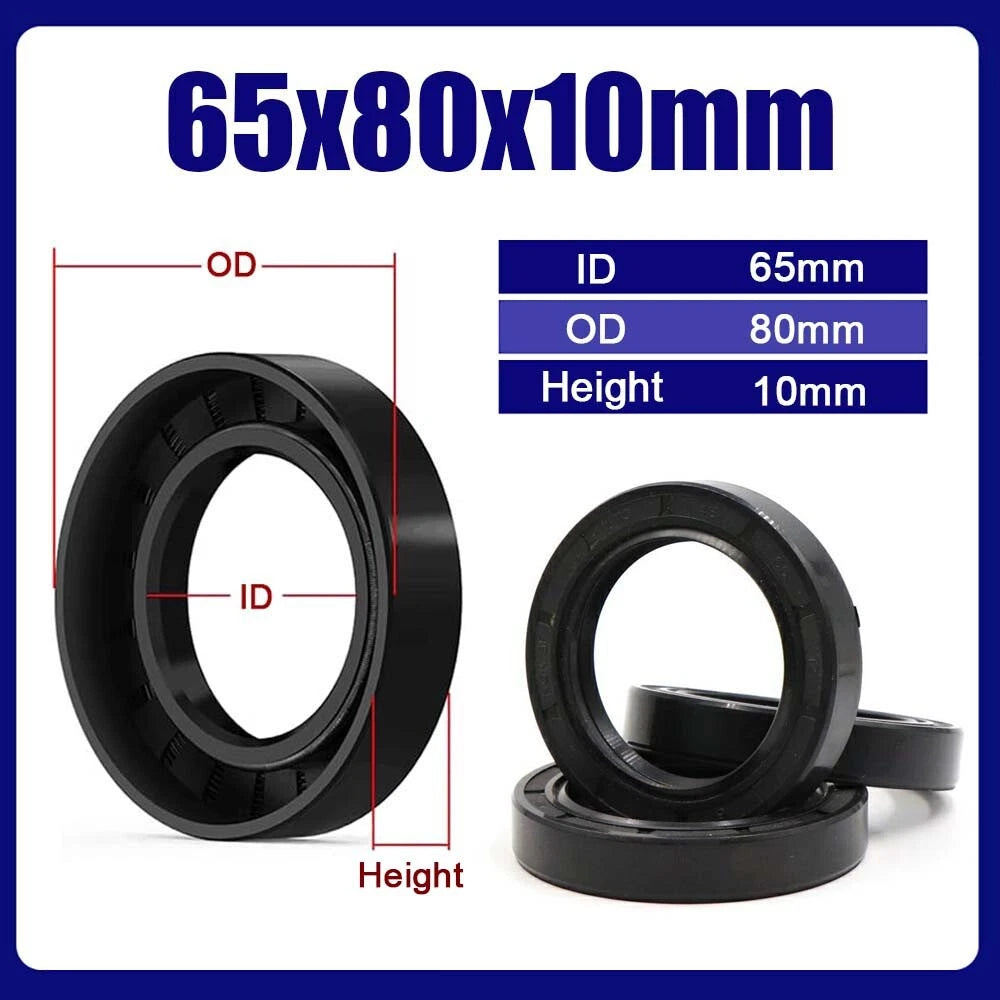
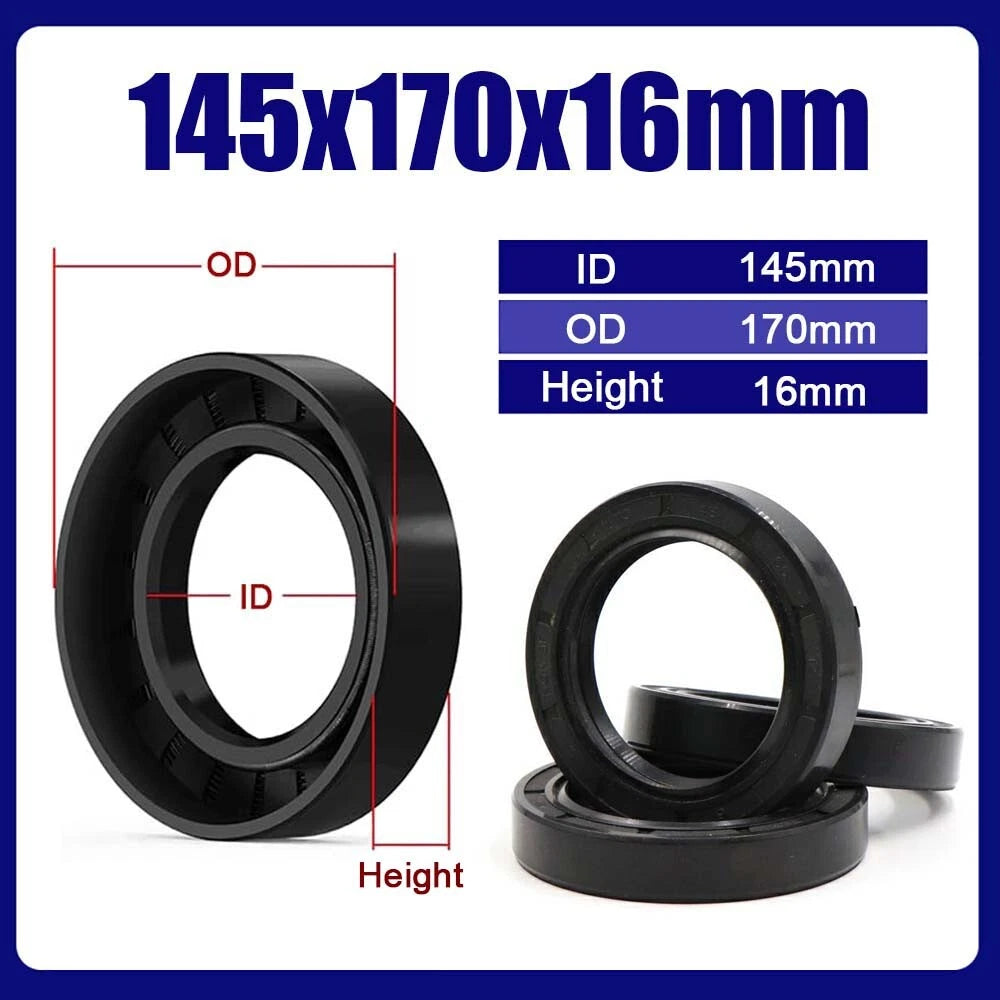
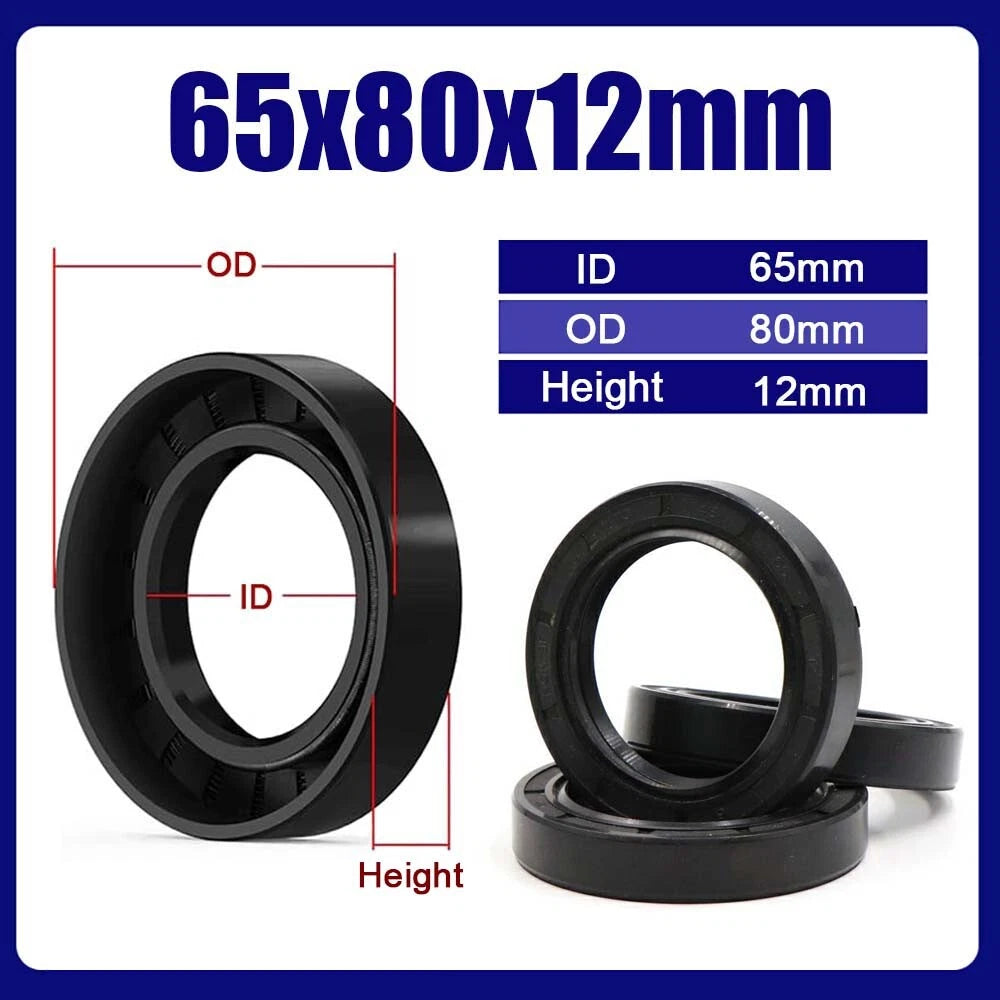
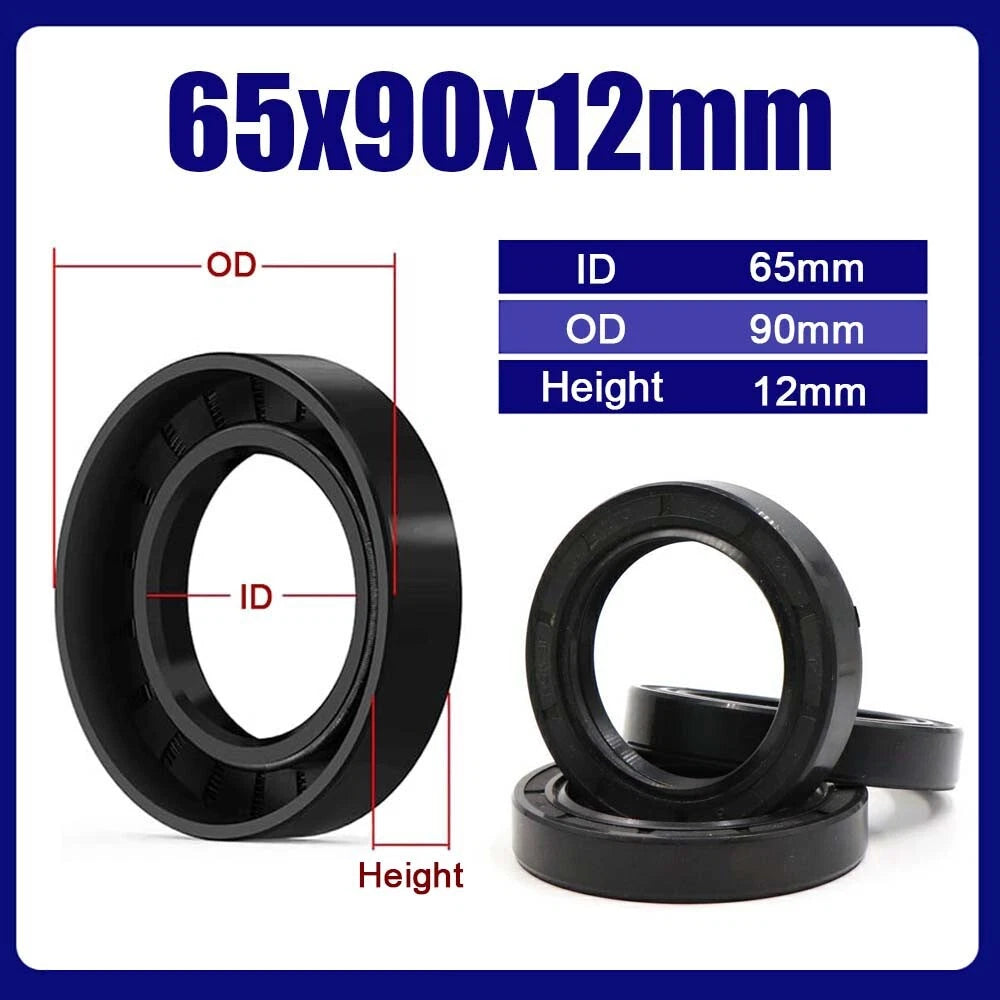
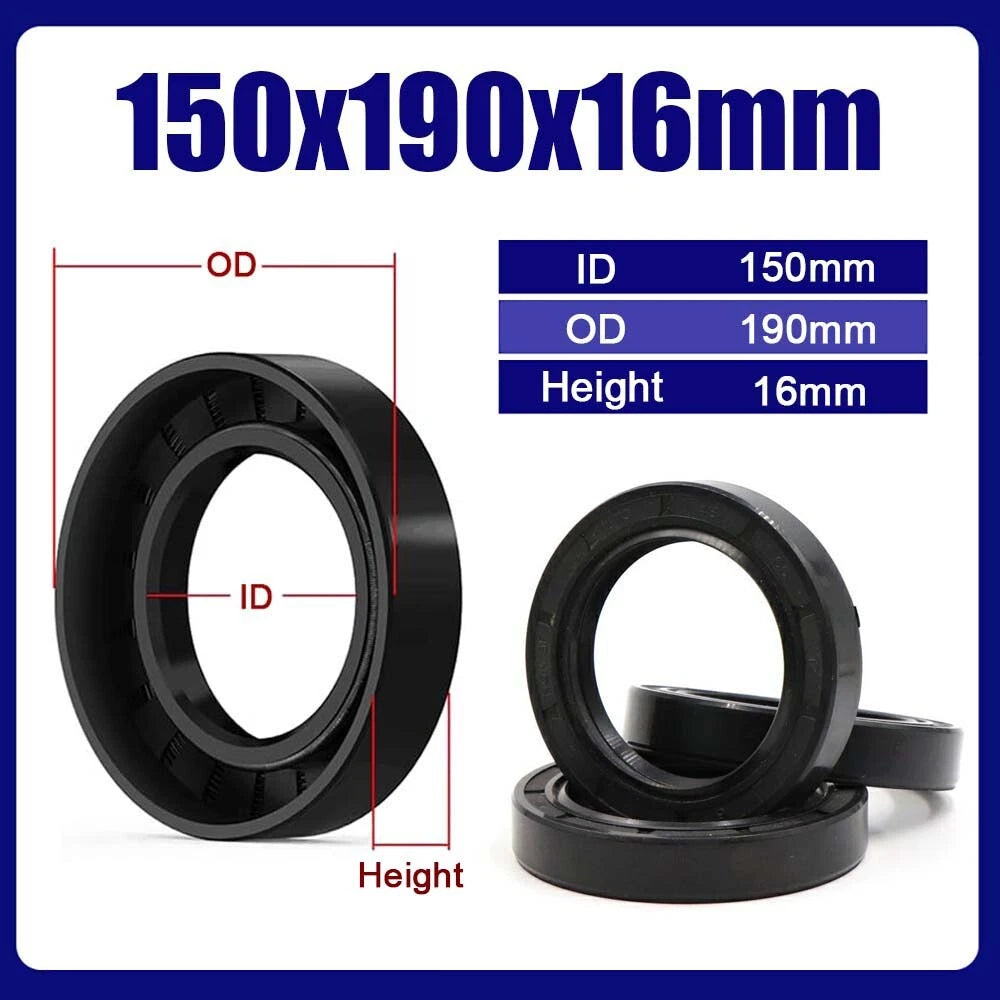
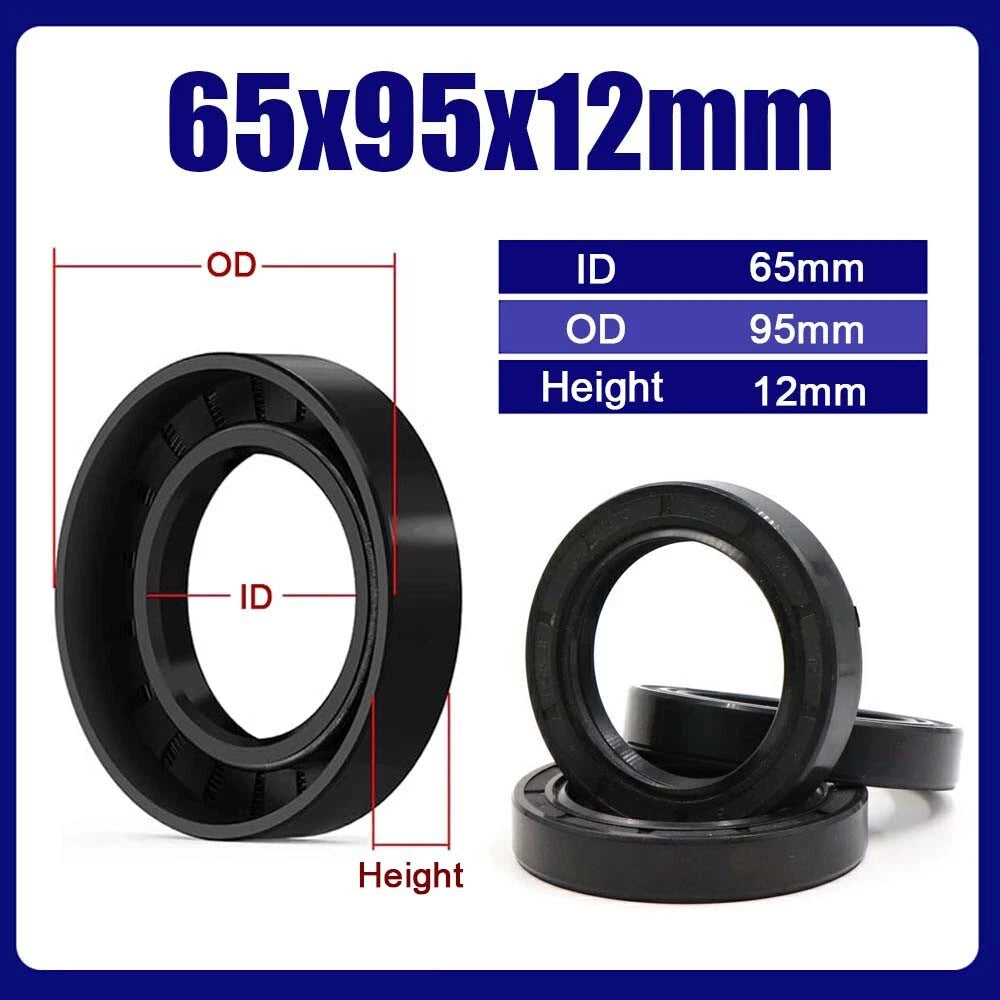
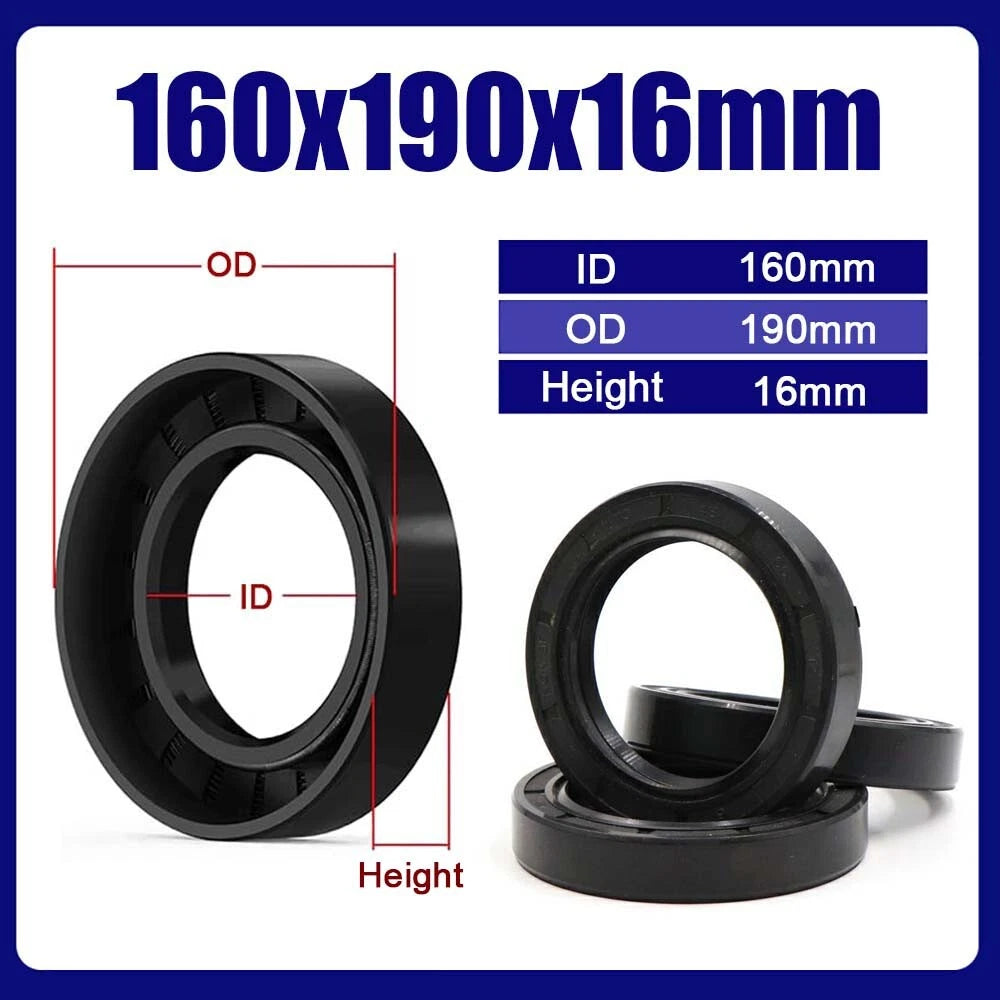
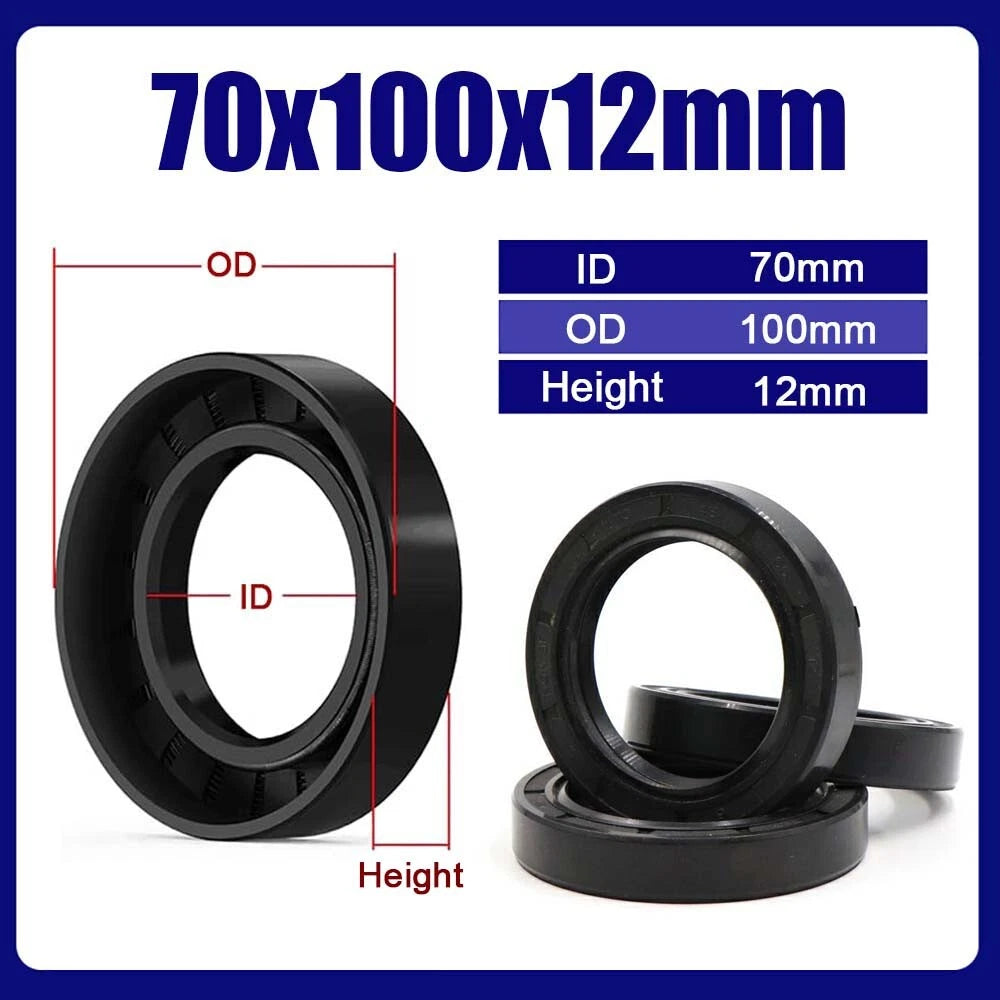
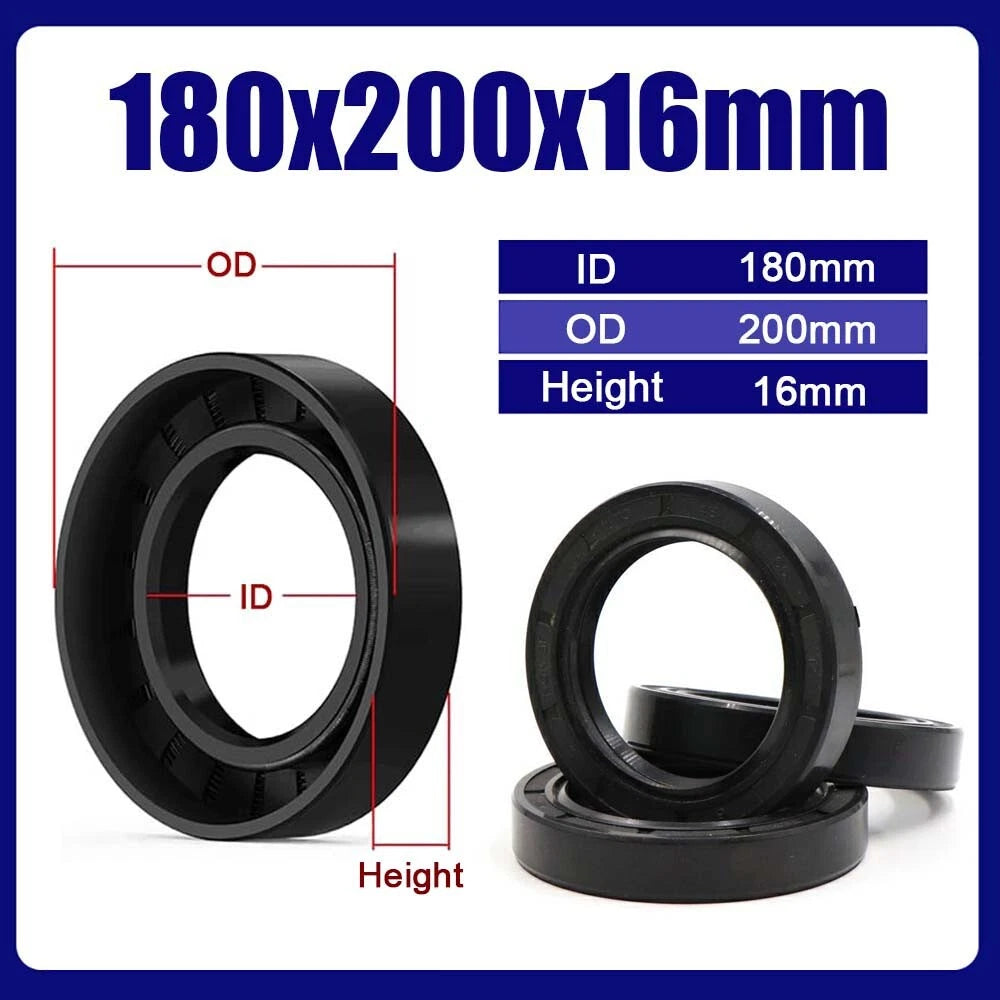
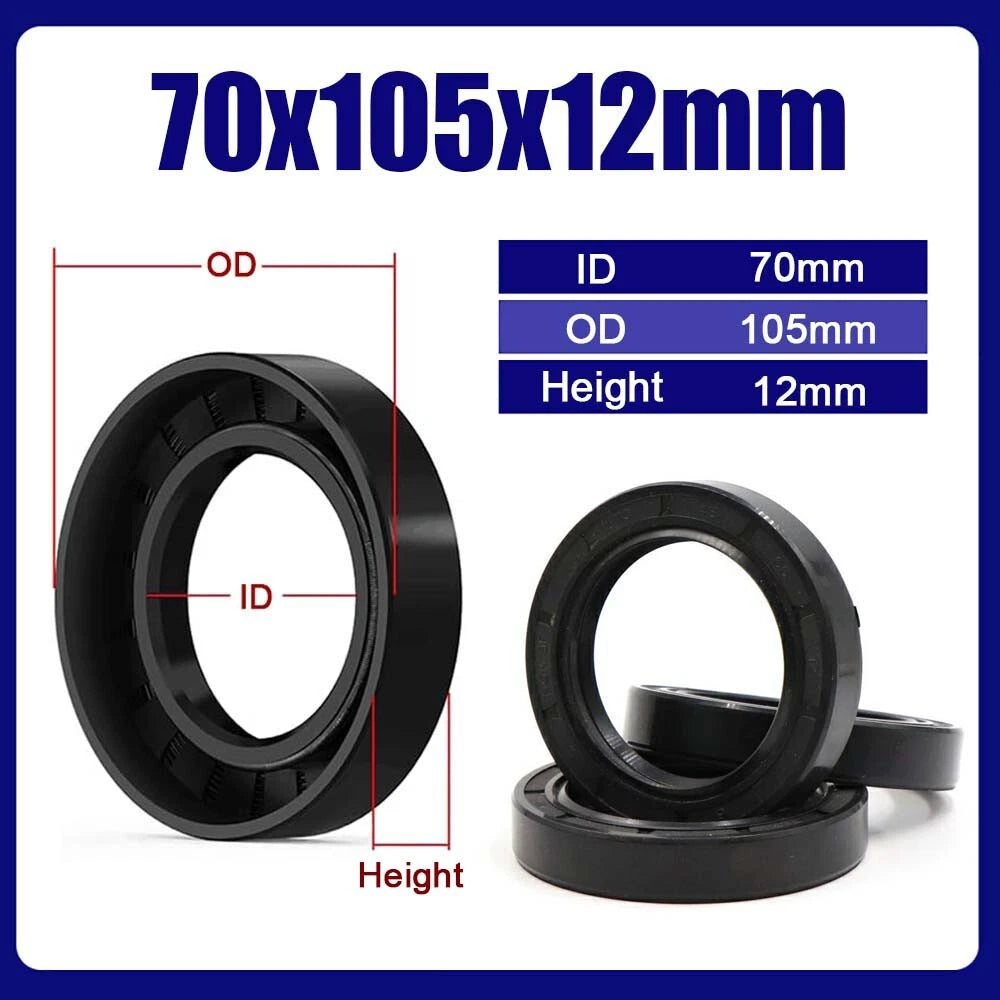
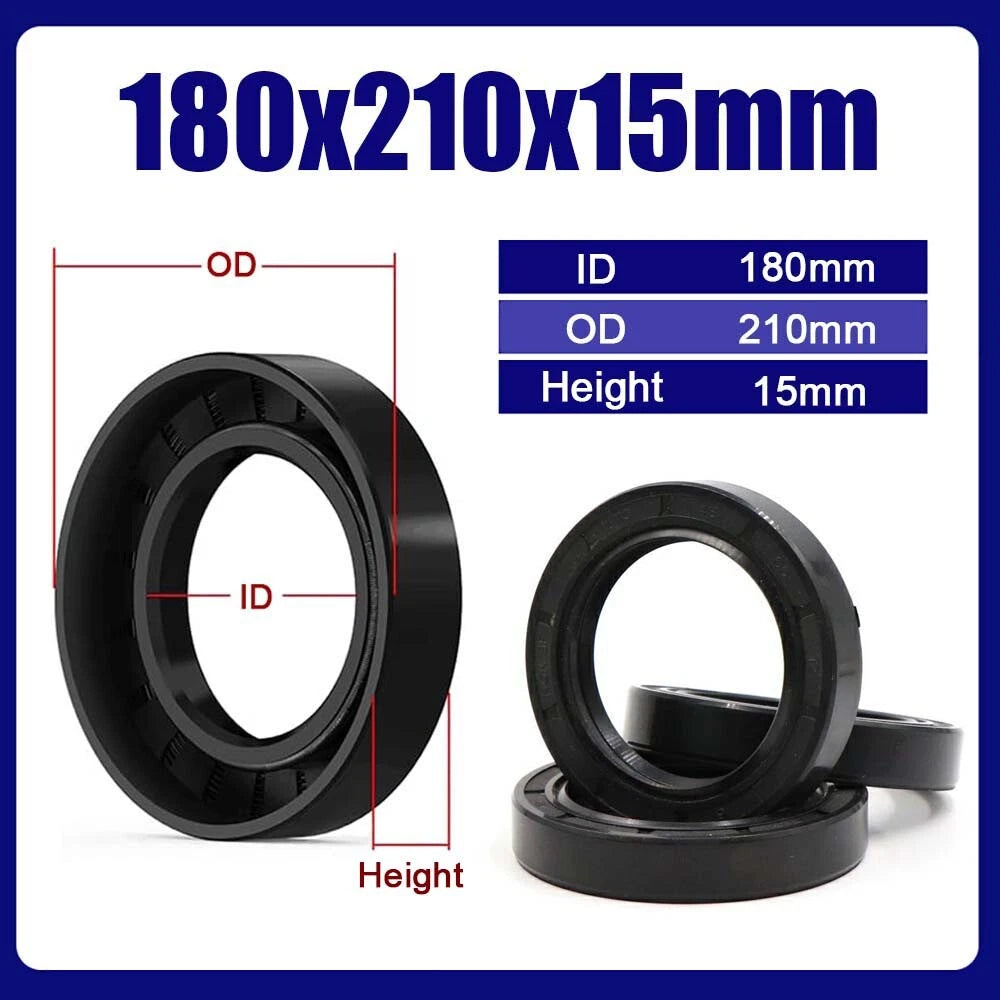
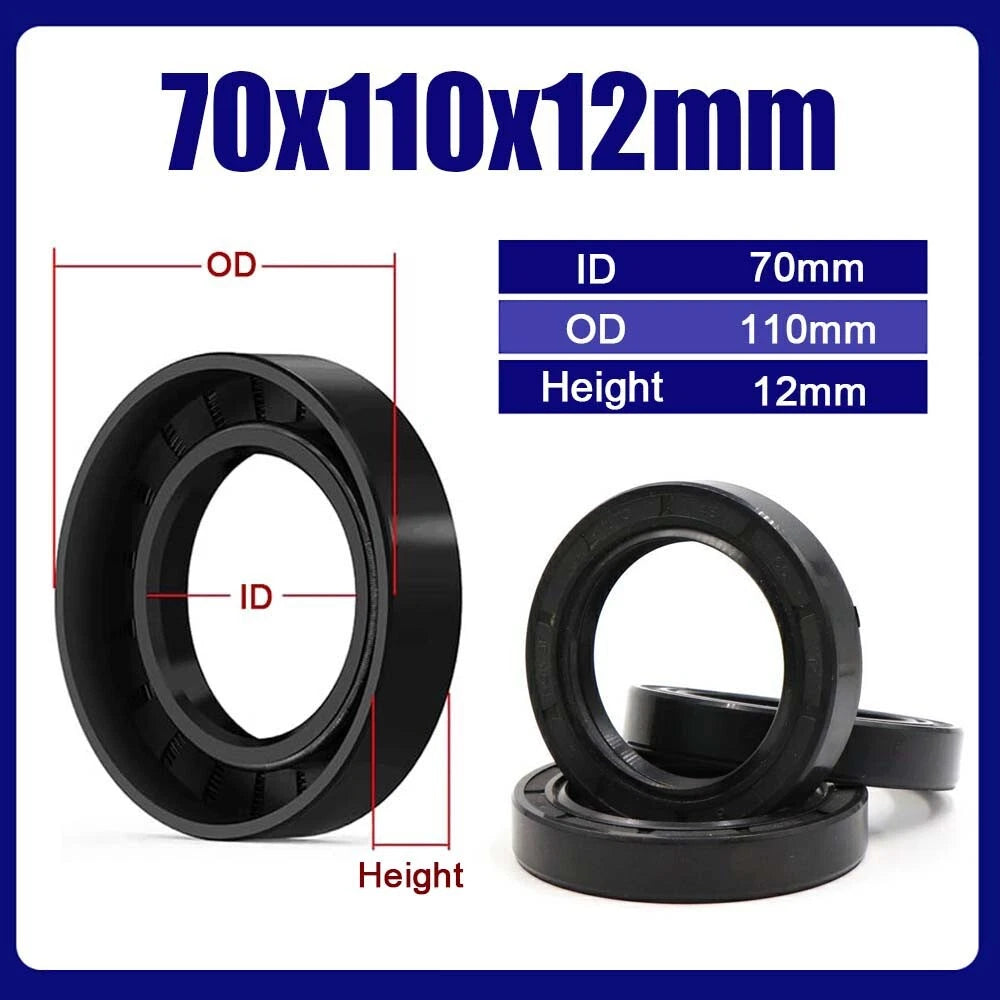
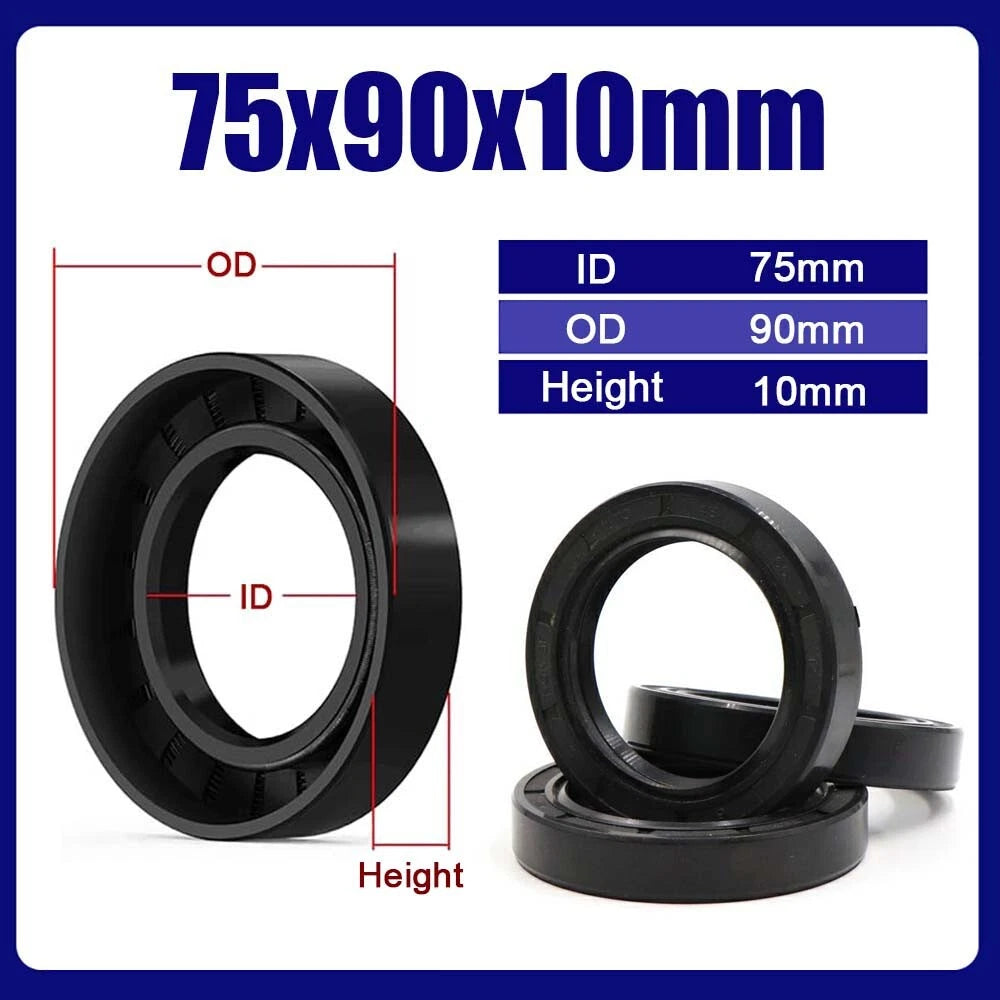
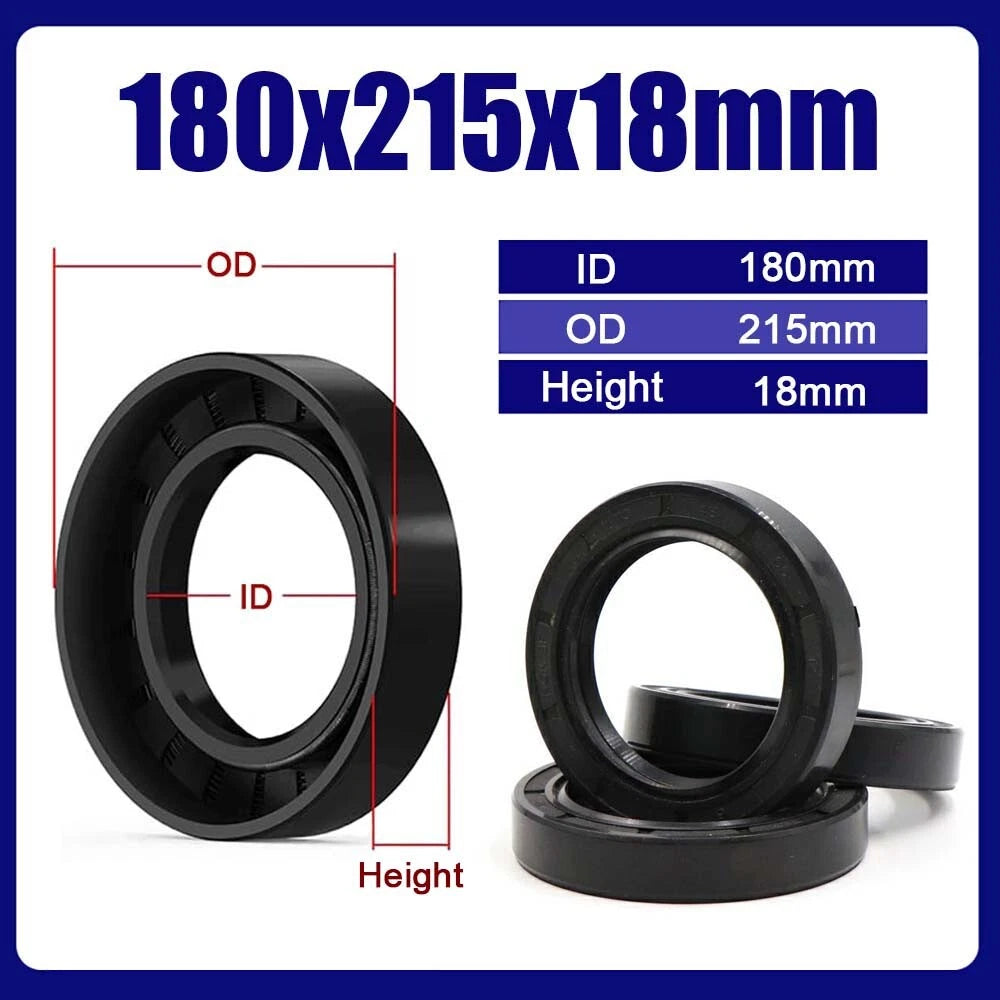
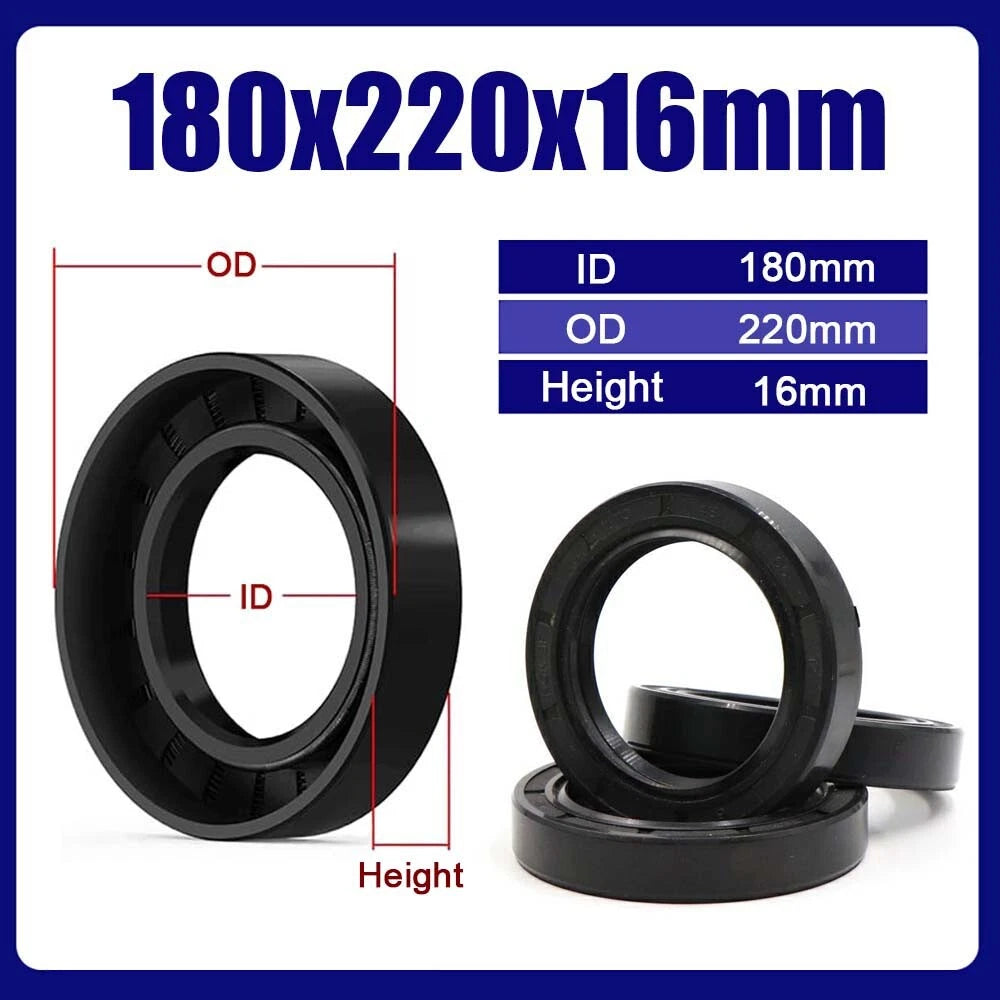
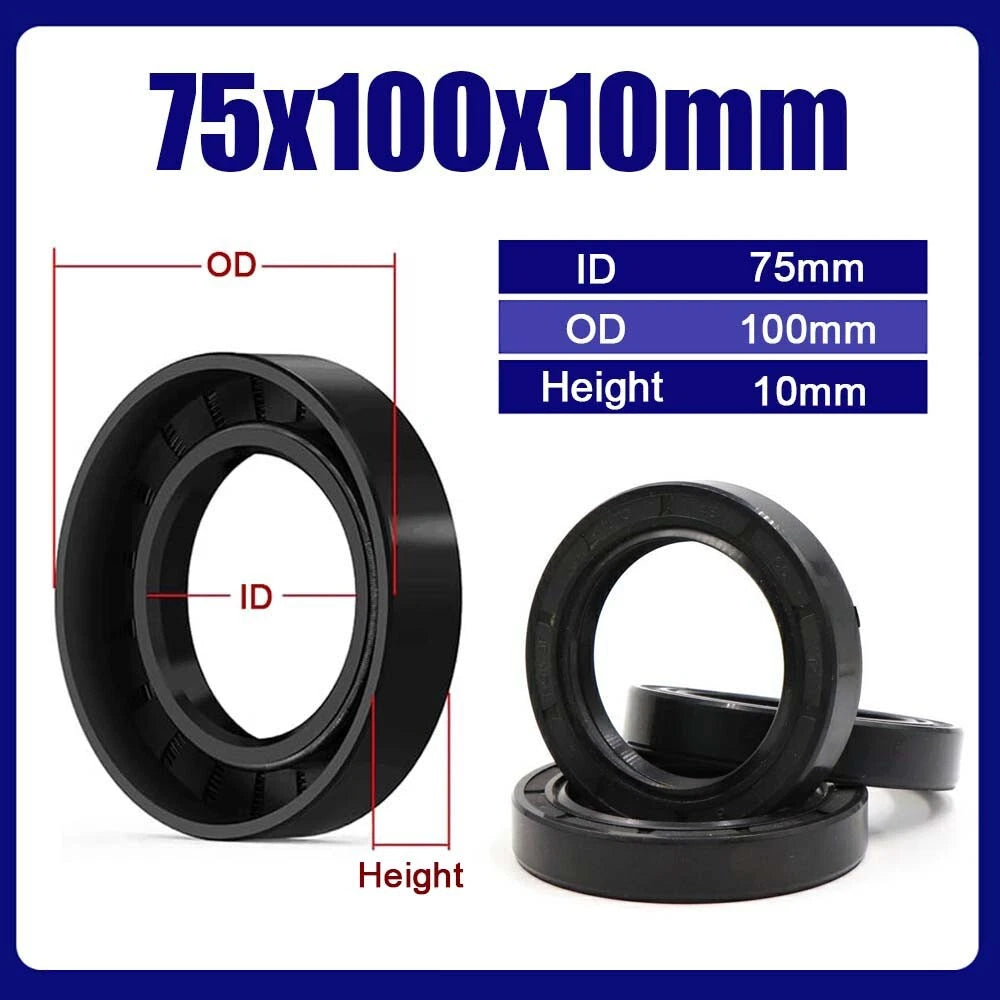
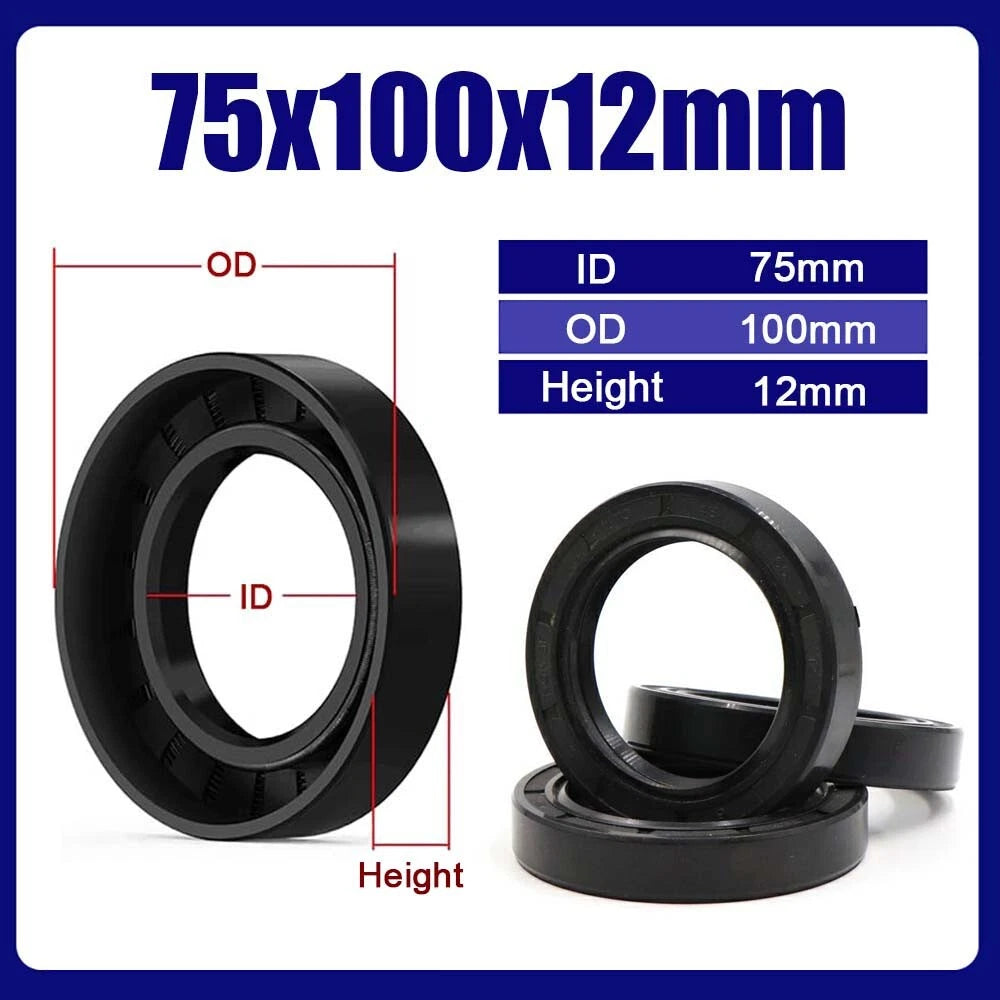
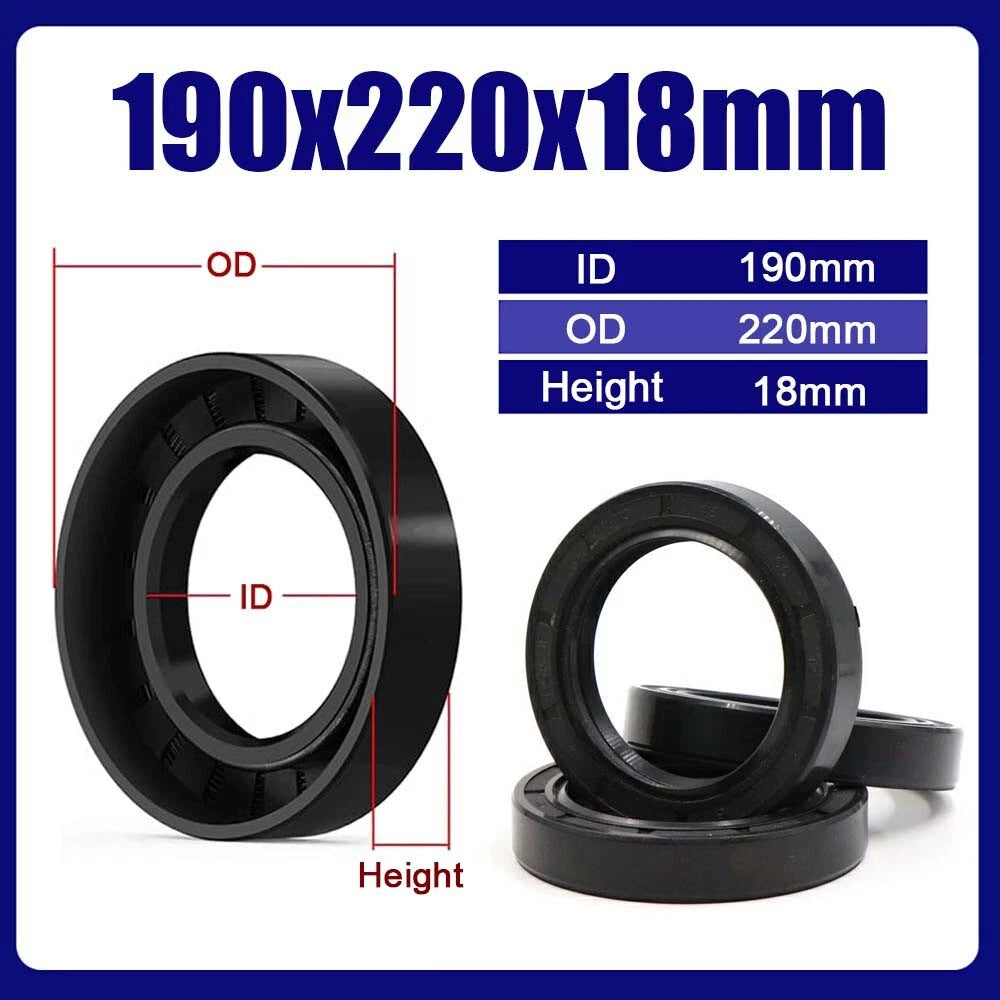
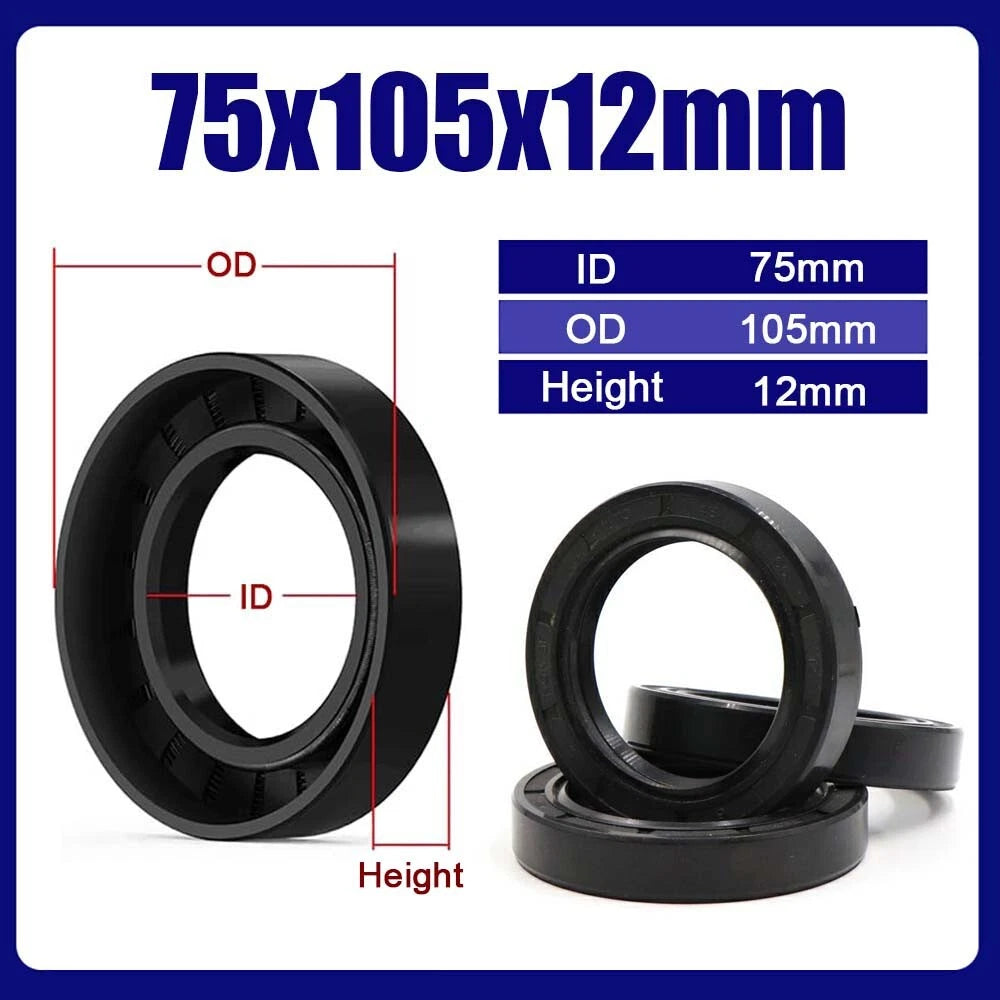
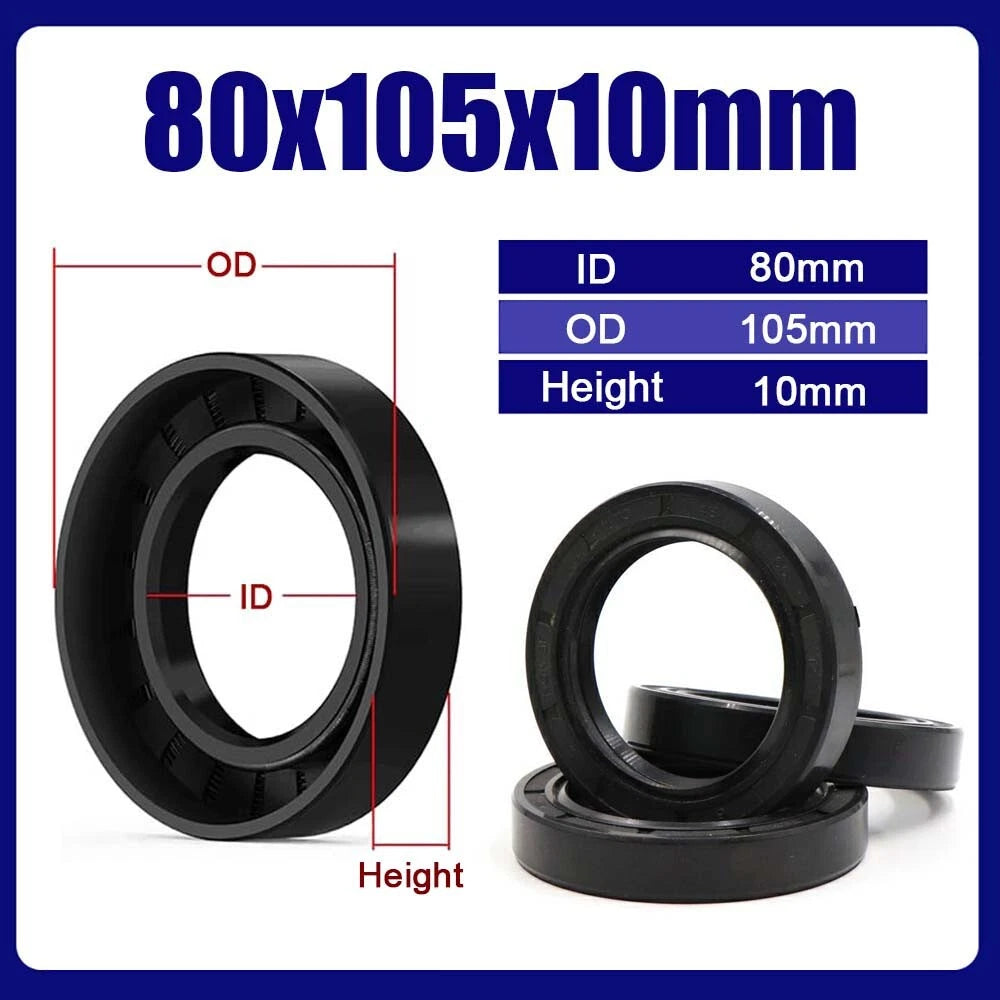
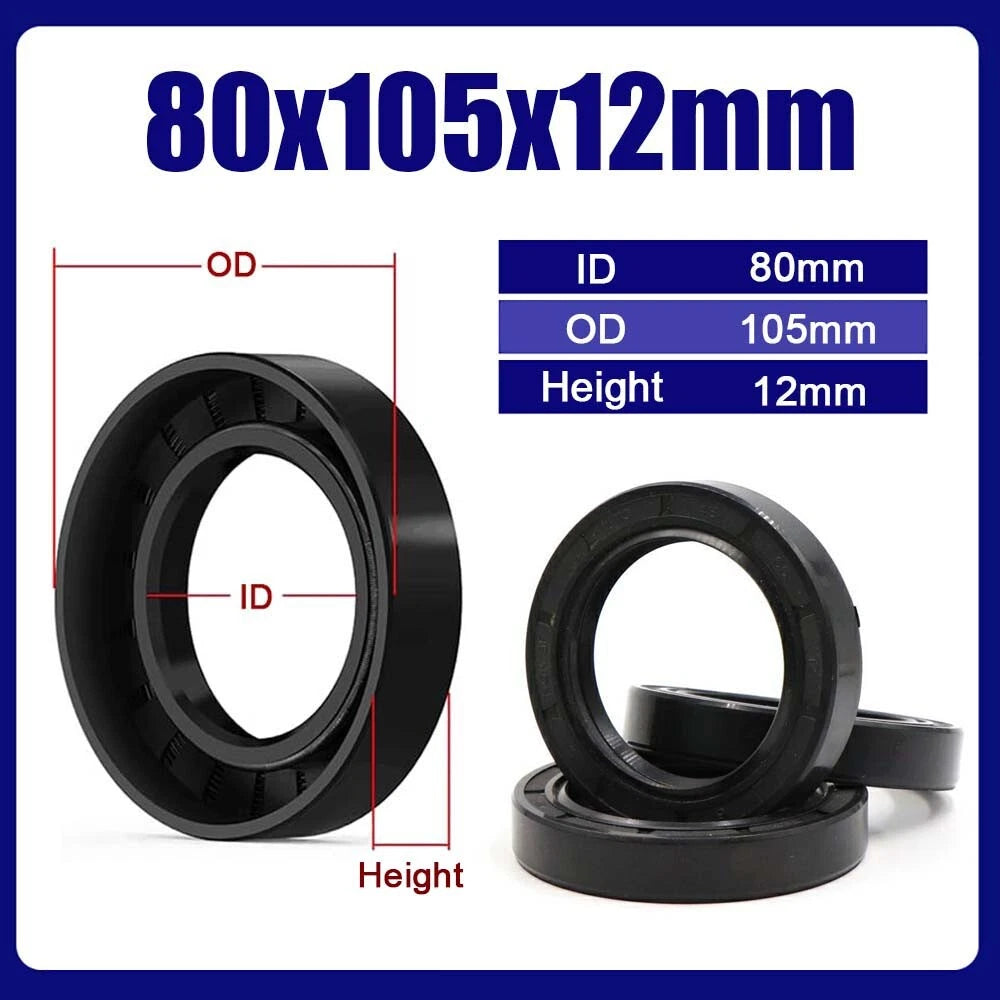
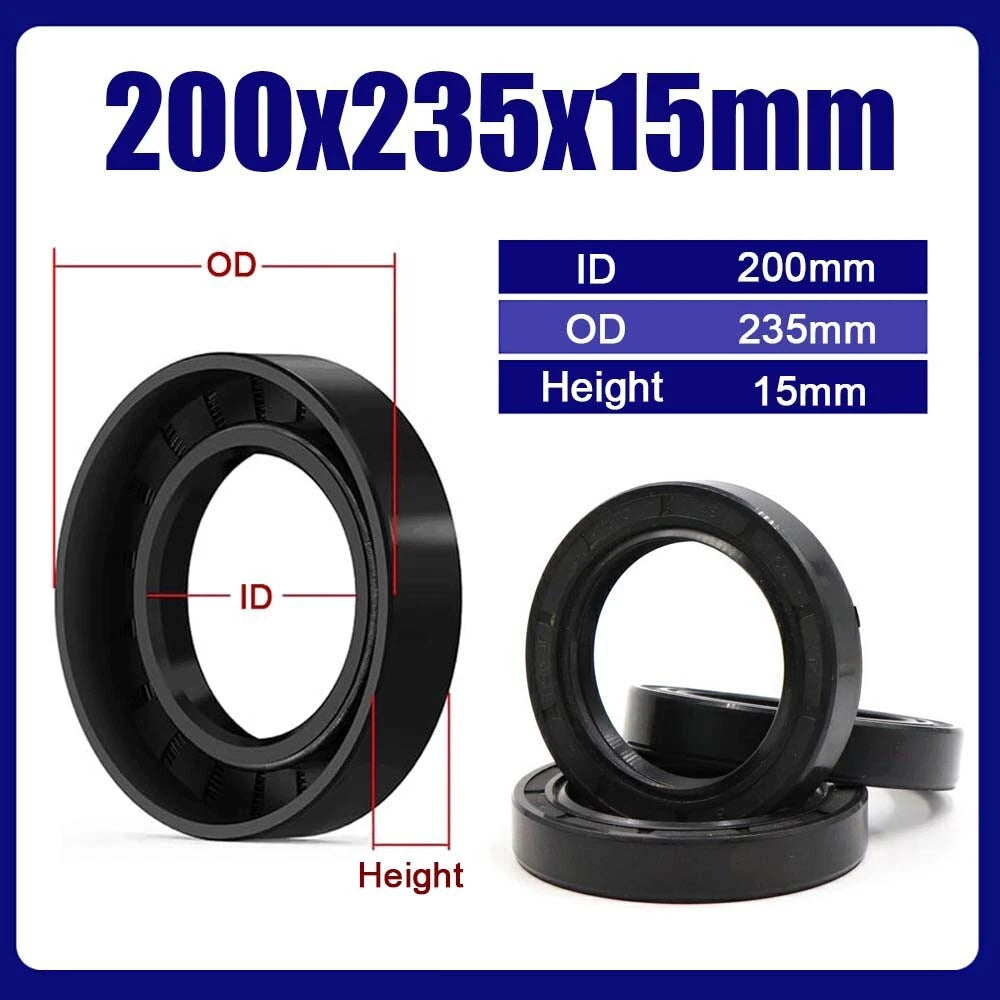
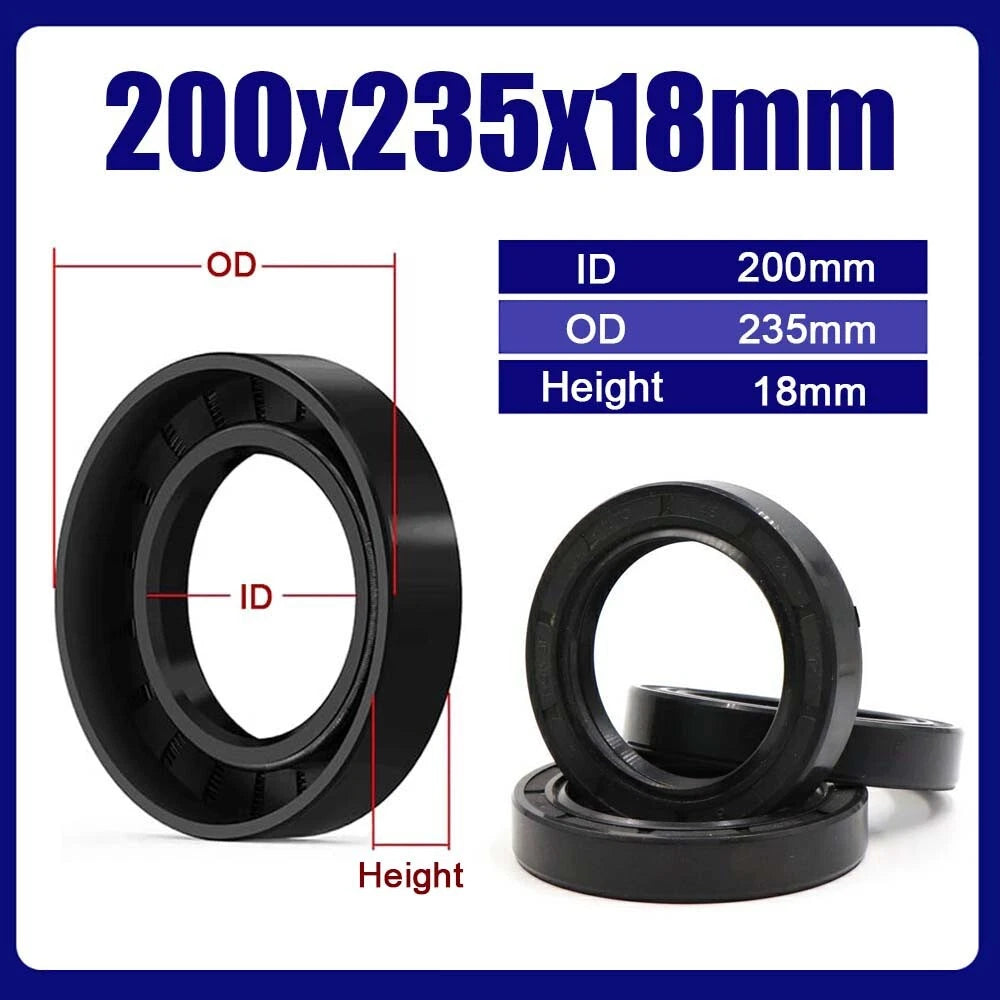
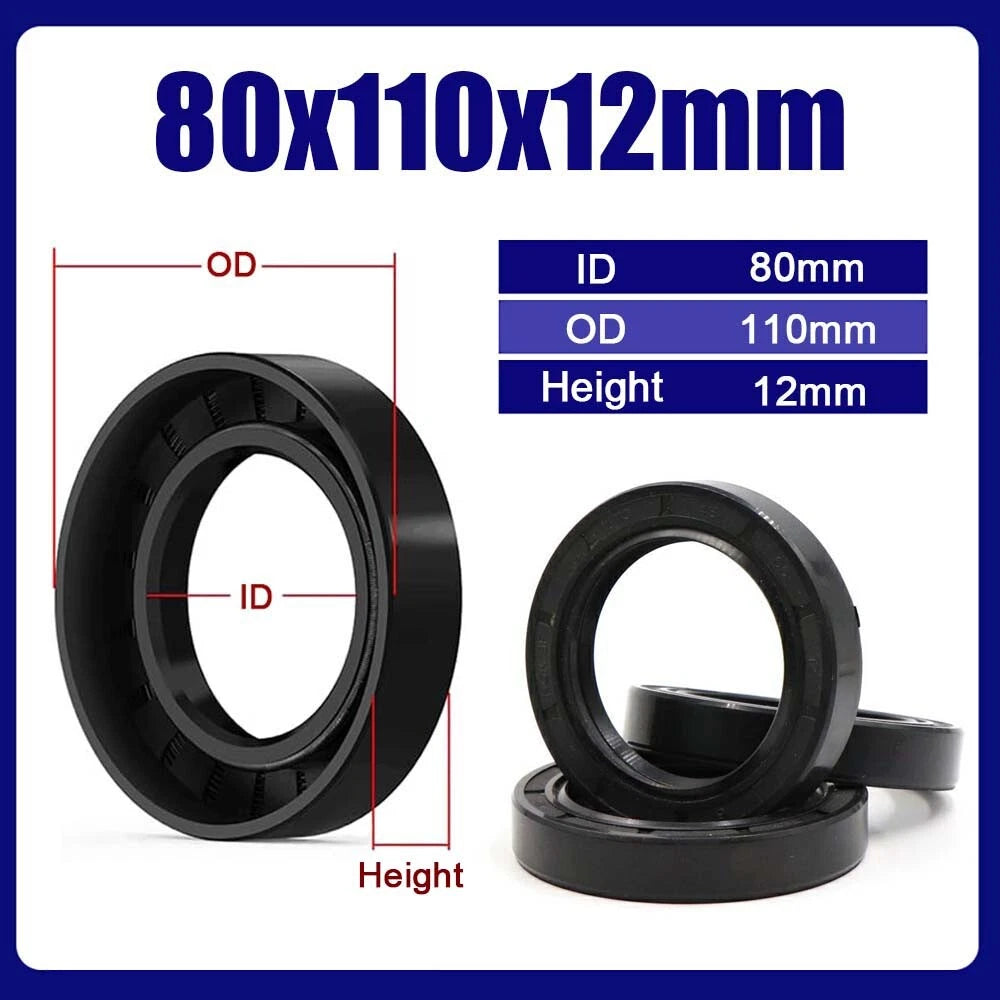
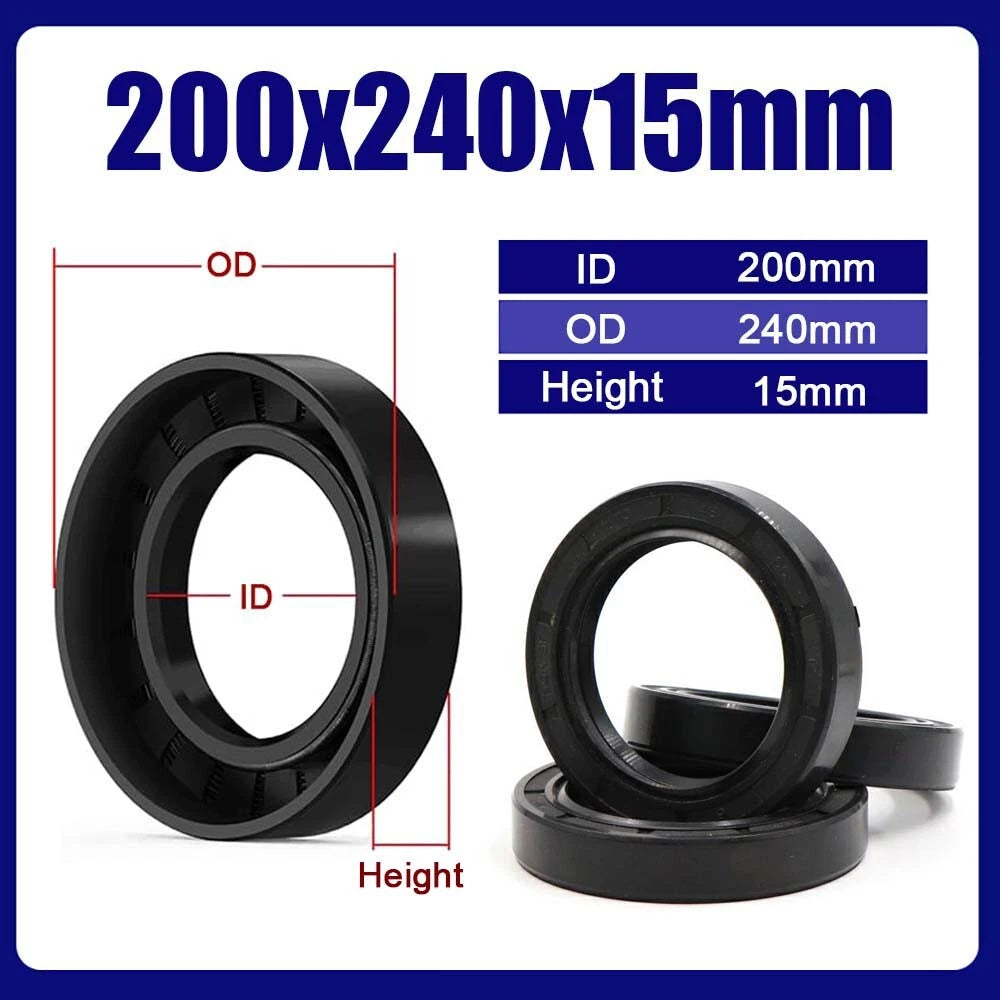
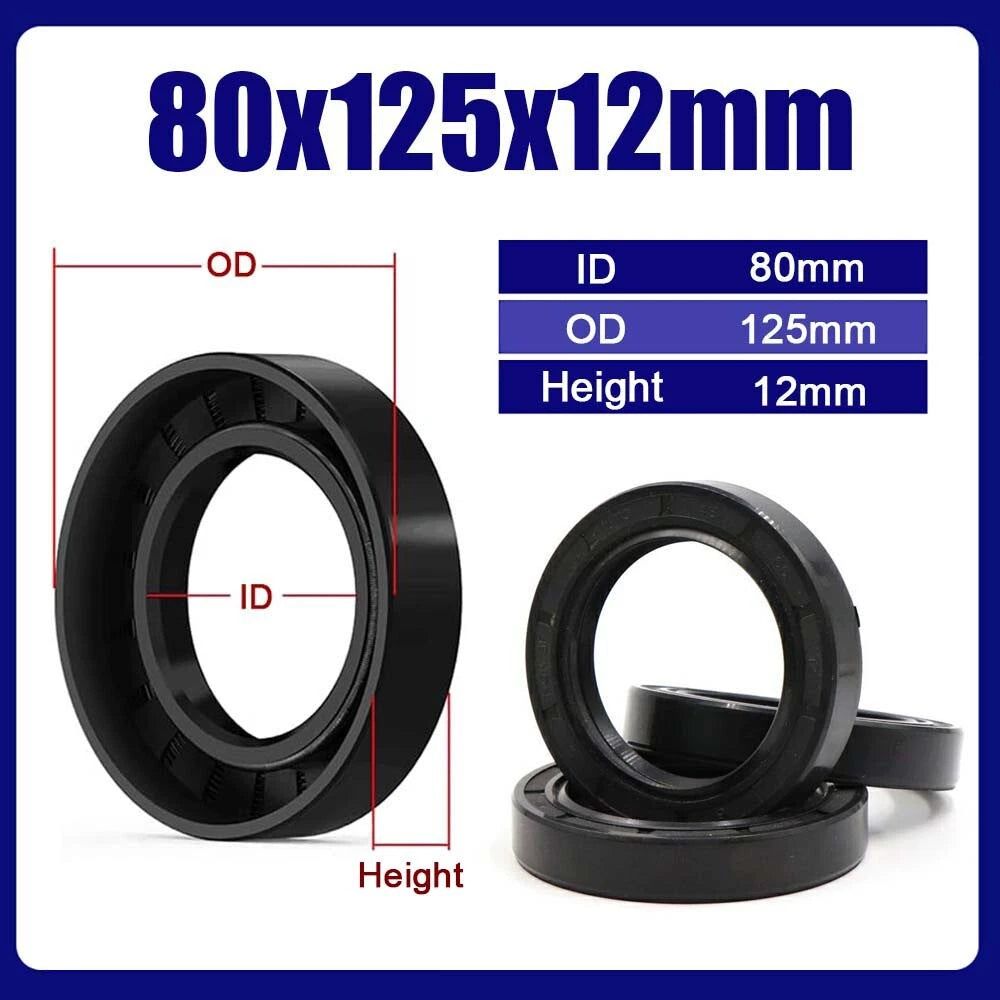
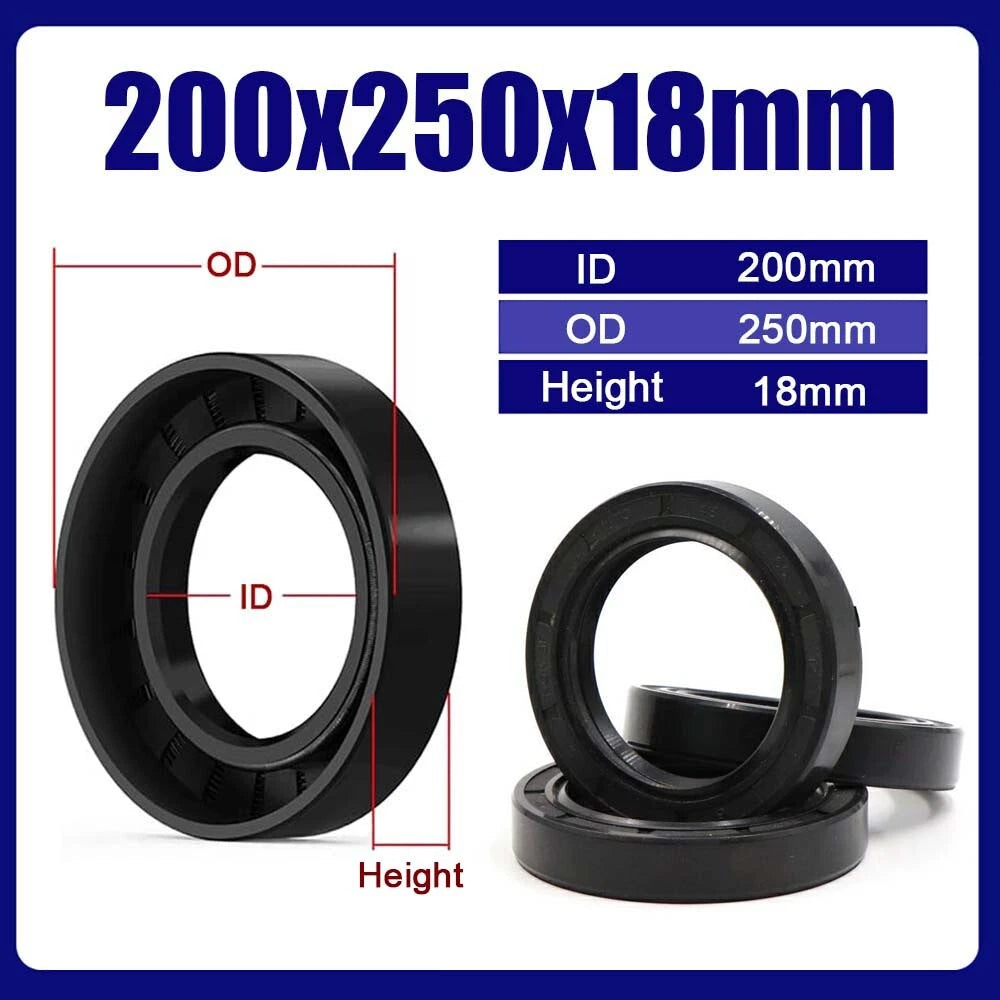
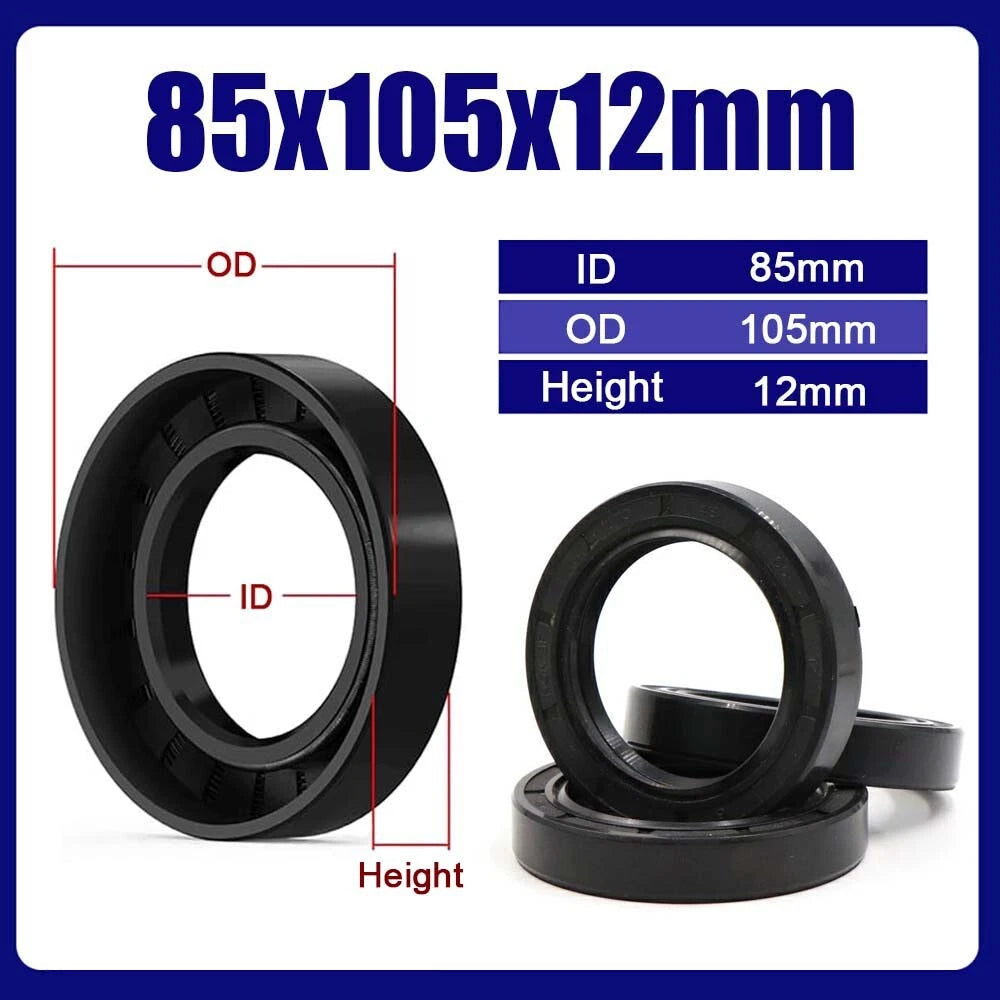
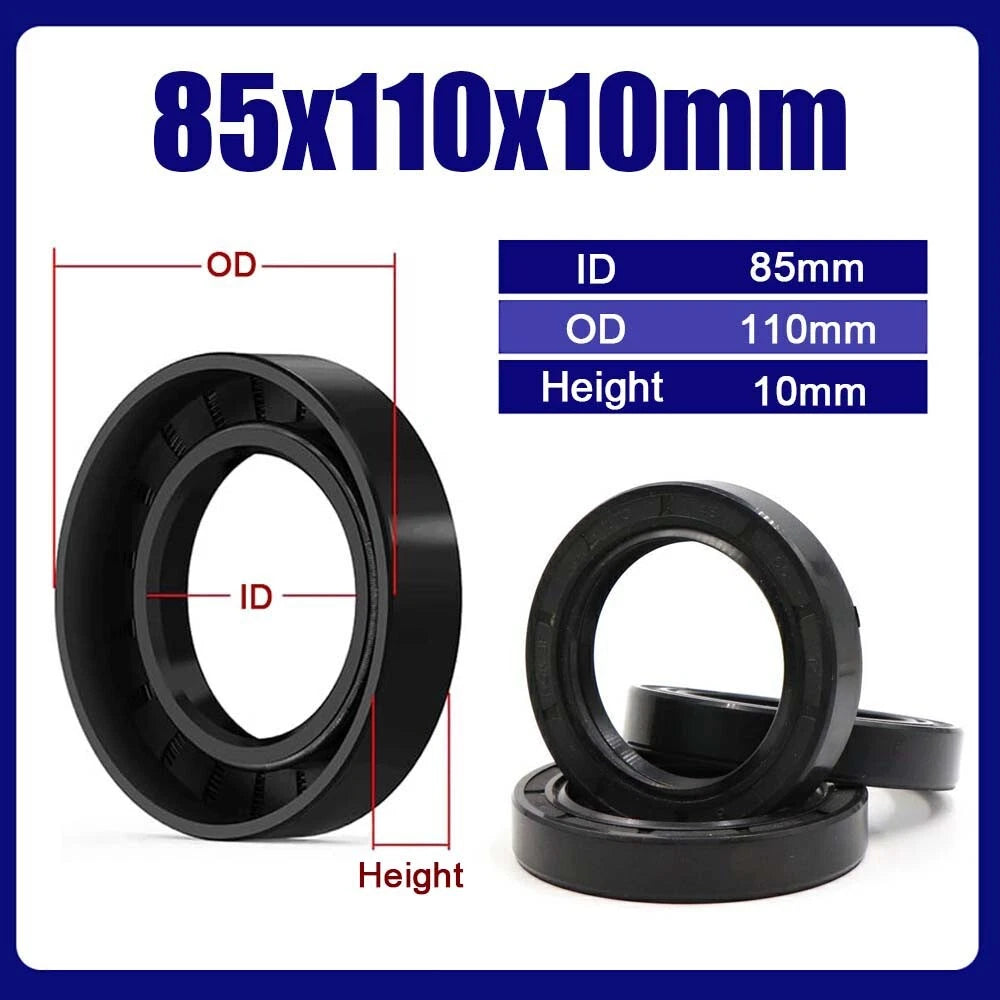
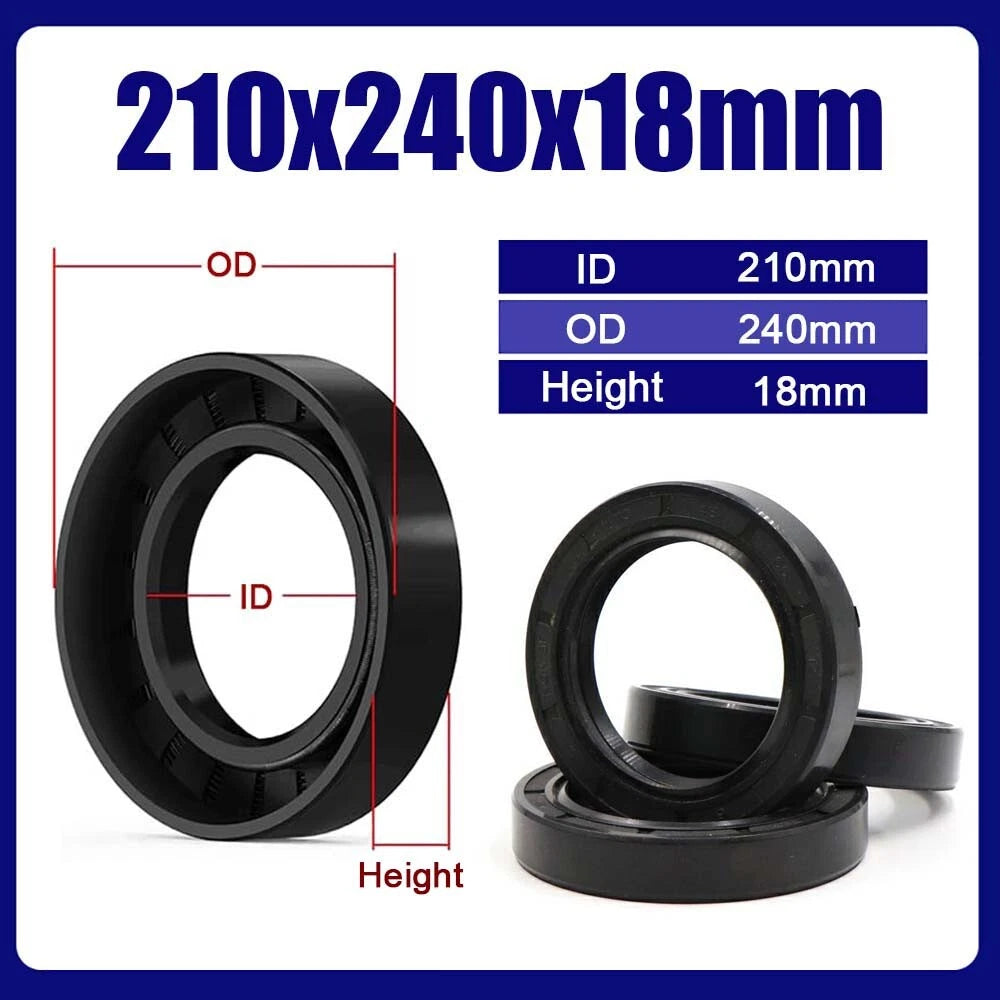
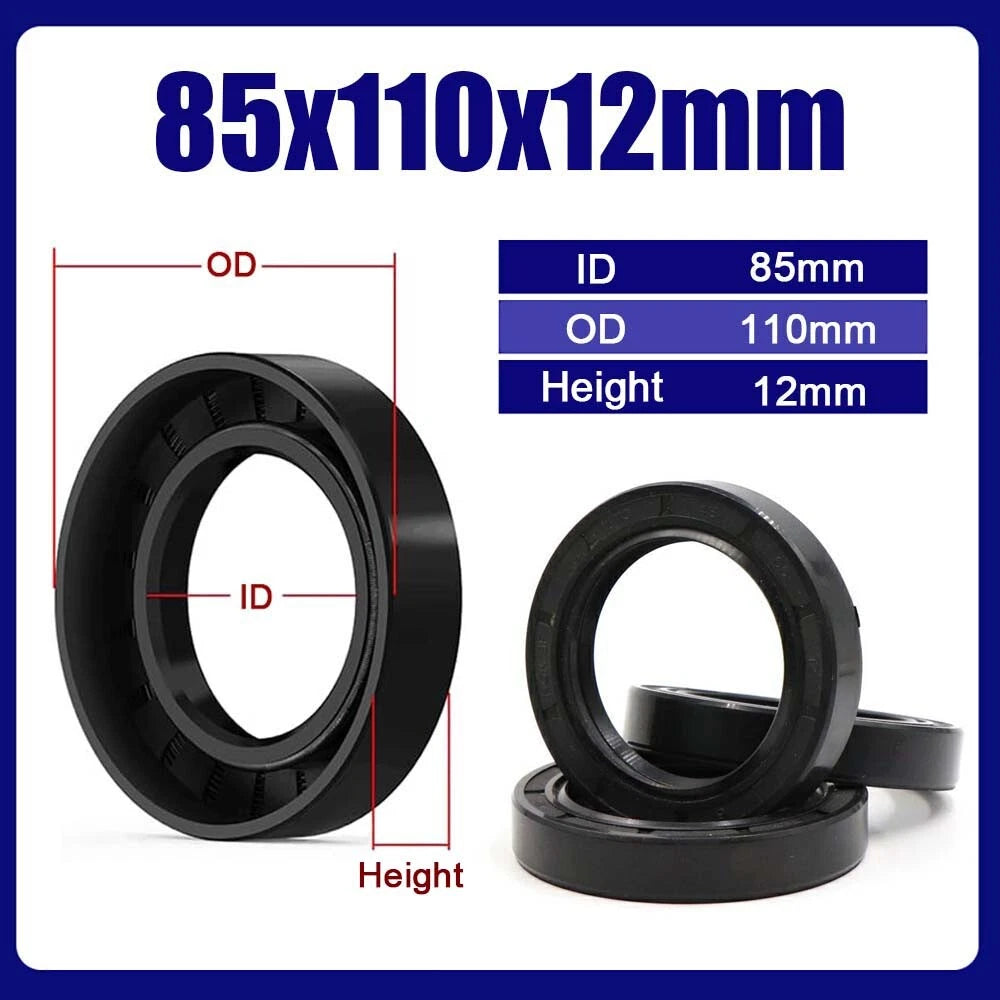
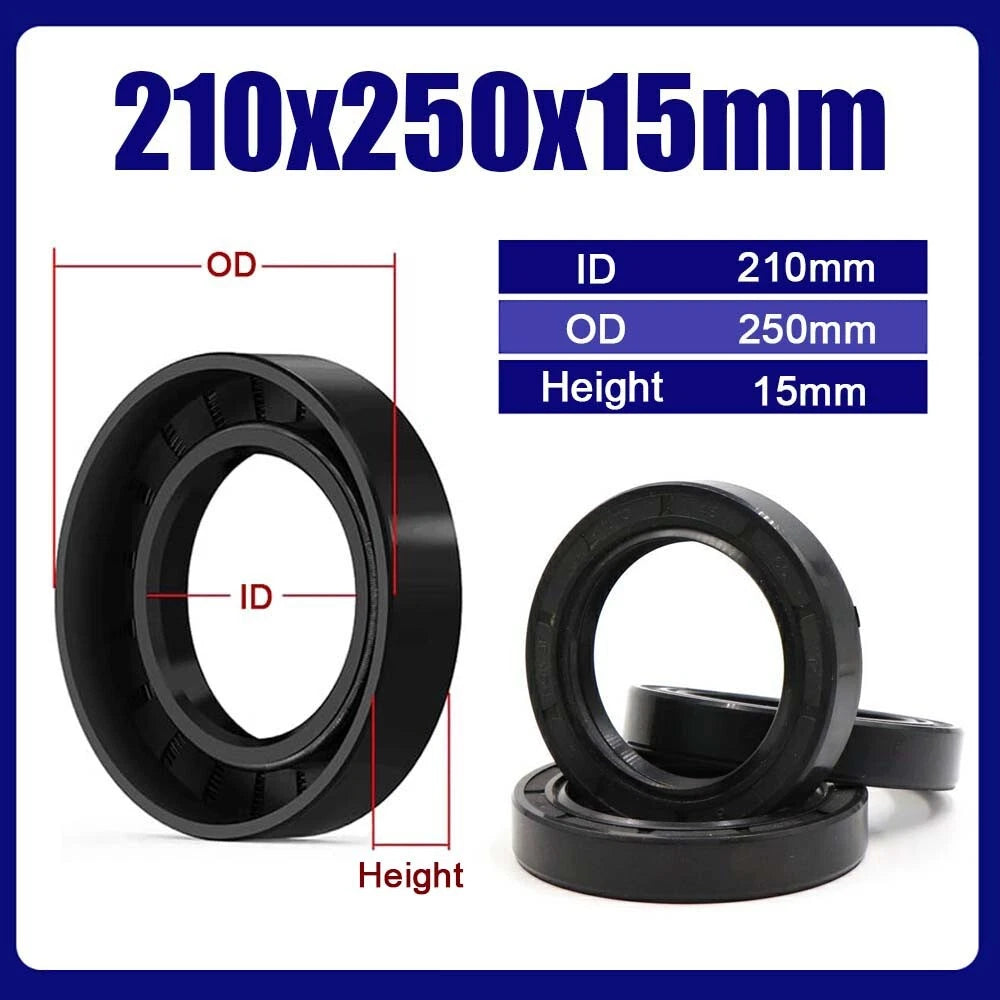
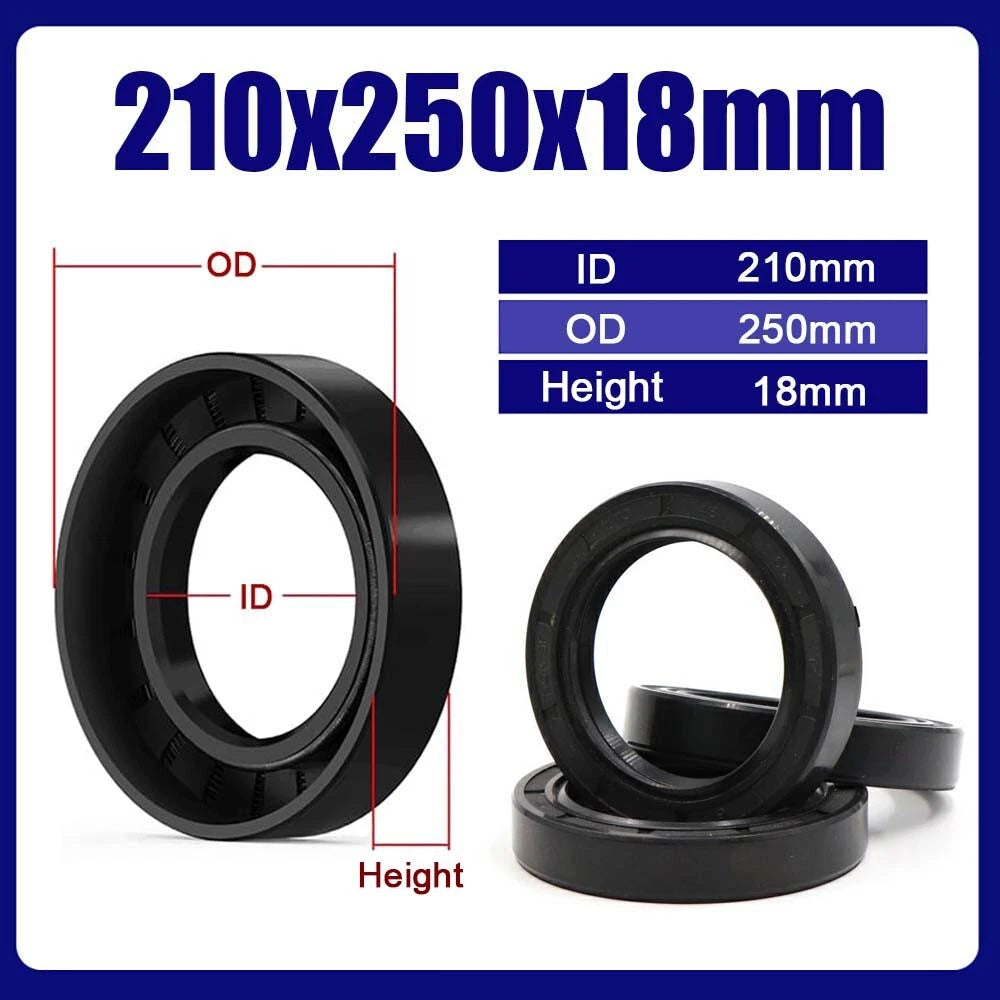
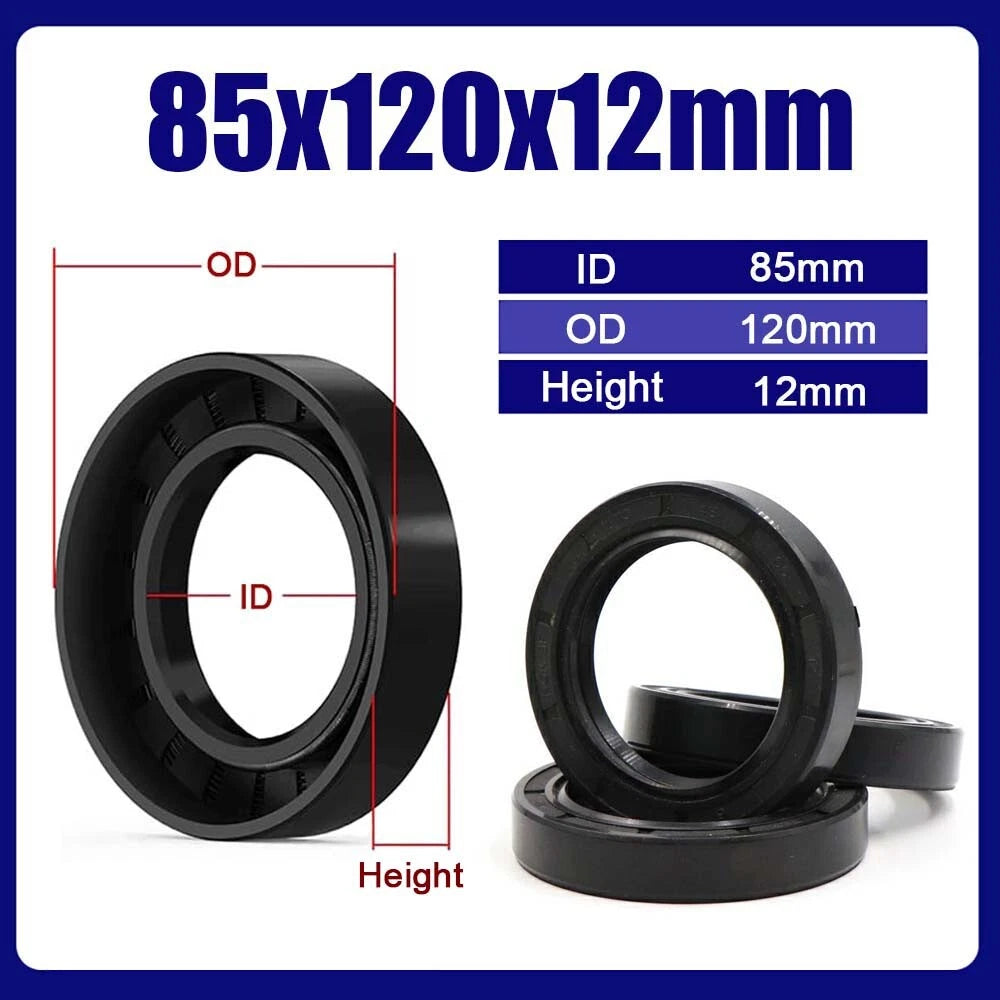
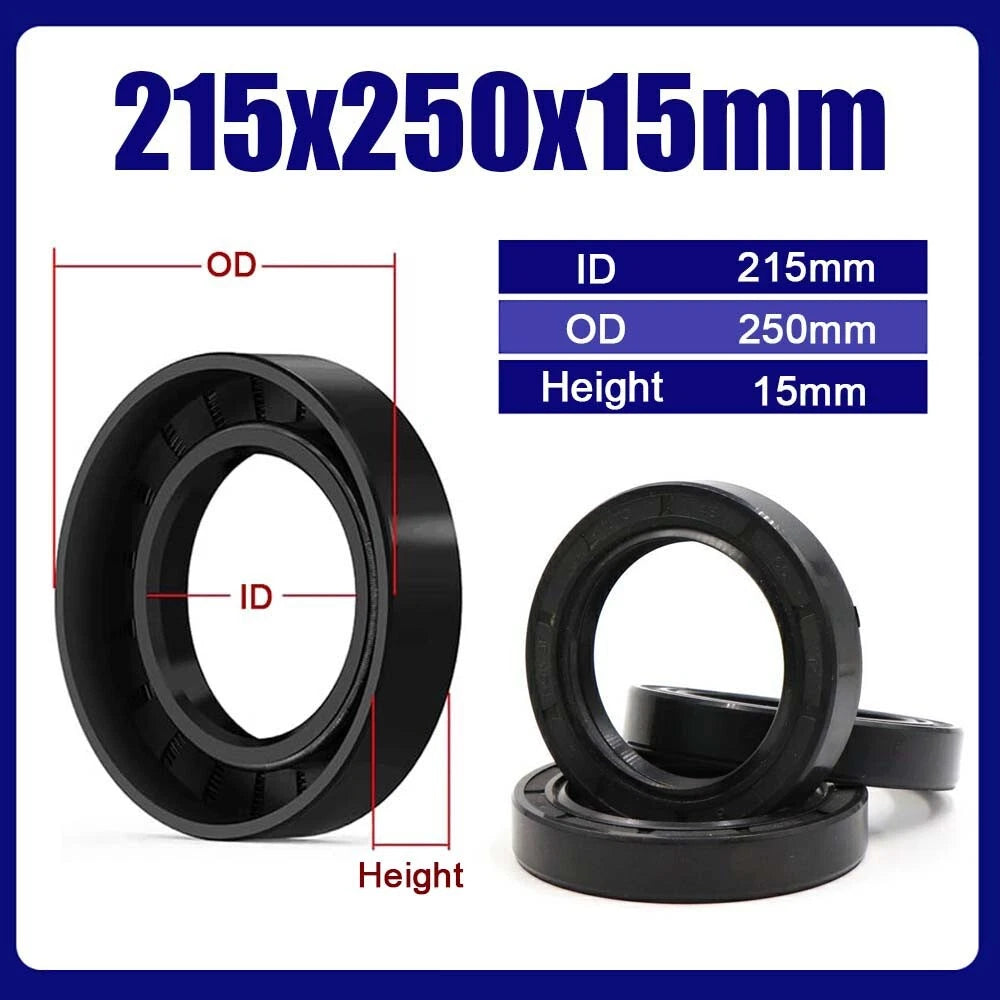
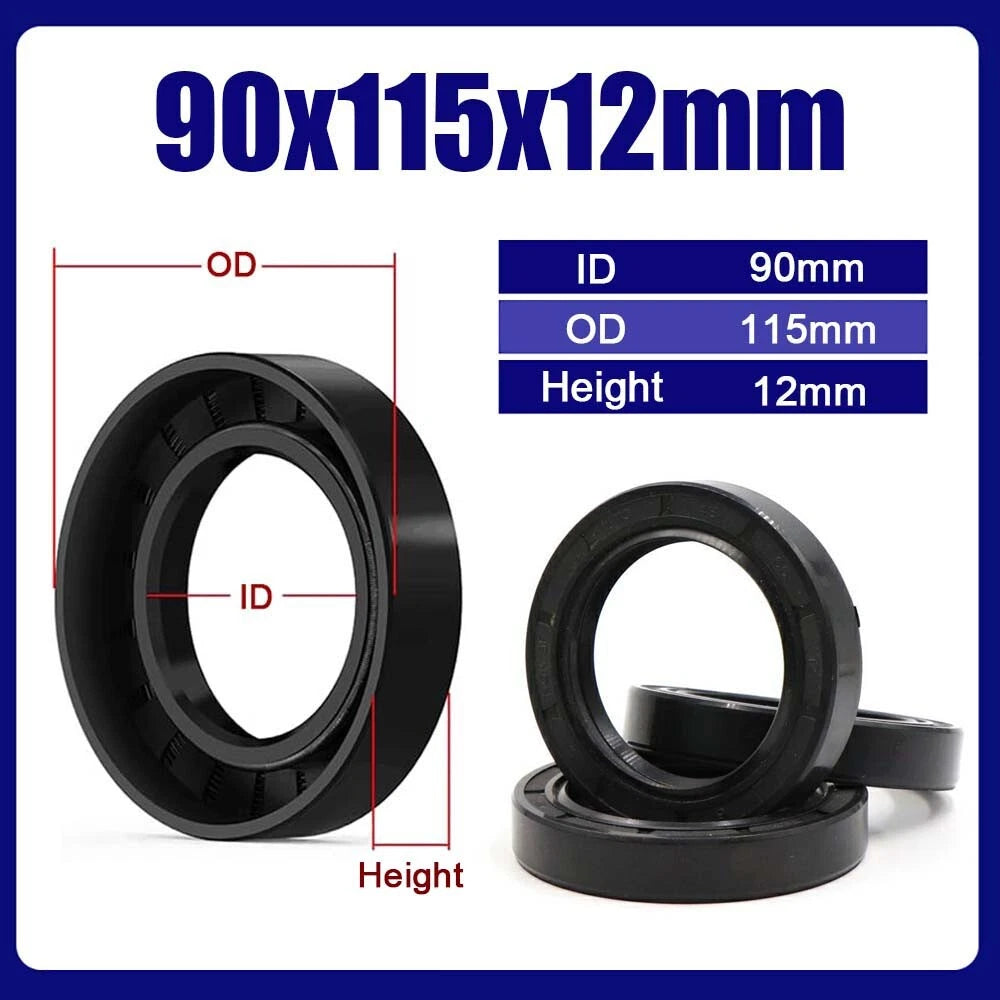
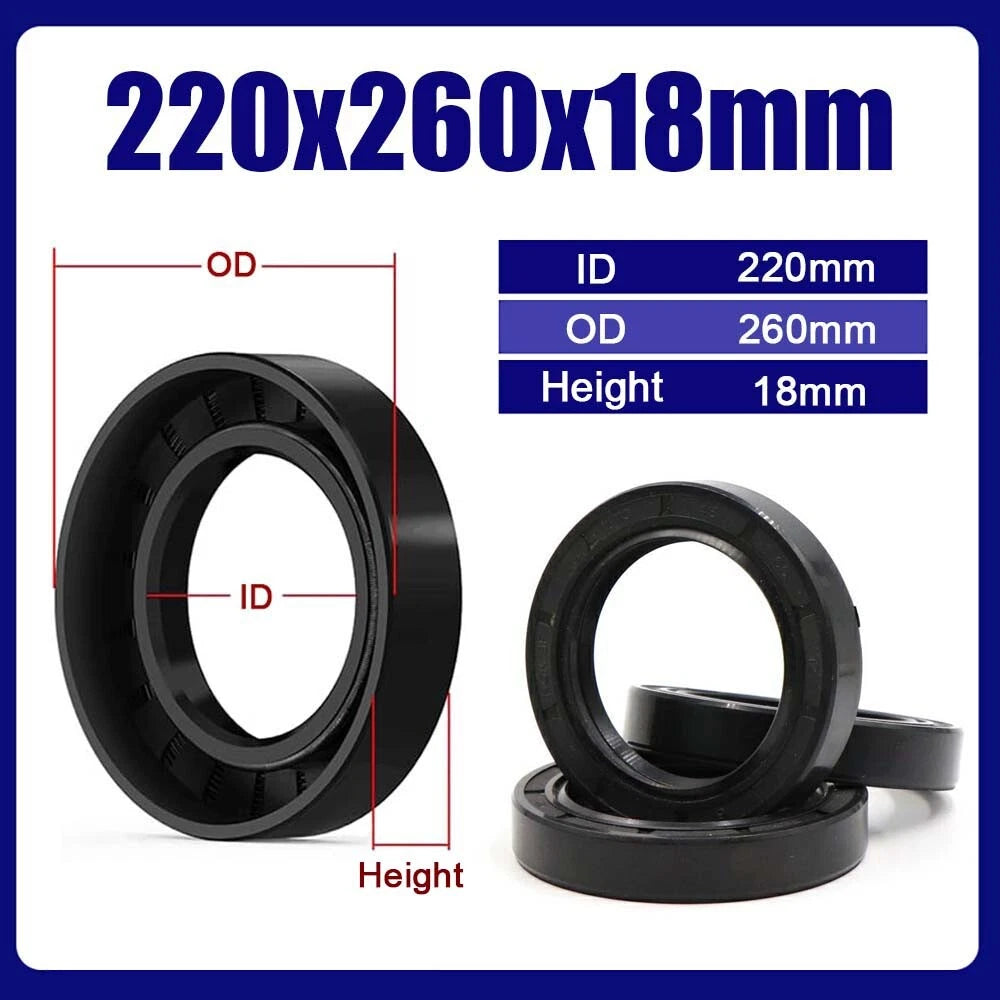
TC NBR Skeleton Oil Seal Rings Double Lip Sealing ID 50~400mm for Rotation Shaft

No reviews

Price:
Sale price$6.64 USD
Stock:
In stock (500 units), ready to be shipped

Payment & Security

Ach Direct Debit Amazon American Express Apple Pay Bancontact Diners Club Discover Google Pay iDEAL Wero Mastercard PayPal Shop Pay USDC Visa

Your payment information is processed securely. We do not store credit card details nor have access to your credit card information.

Quantity Discount Promotion
🎯 BULK DISCOUNT: Buy More, Save More!
Buy 2 Items
5% OFF
Buy 4 Items
10% OFF
Buy 6 Items
15% OFF
Expert

DIY Expert Support

Get fitment advice & recommendations

Mon-Fri, 8:30AM-8PM
24-Hour Fast Ship
🚚
Arrives in 3-14 days
🌍
Global Reach
↩️
30-Day Returns
🌱 1 tree planted with every purchase

Description

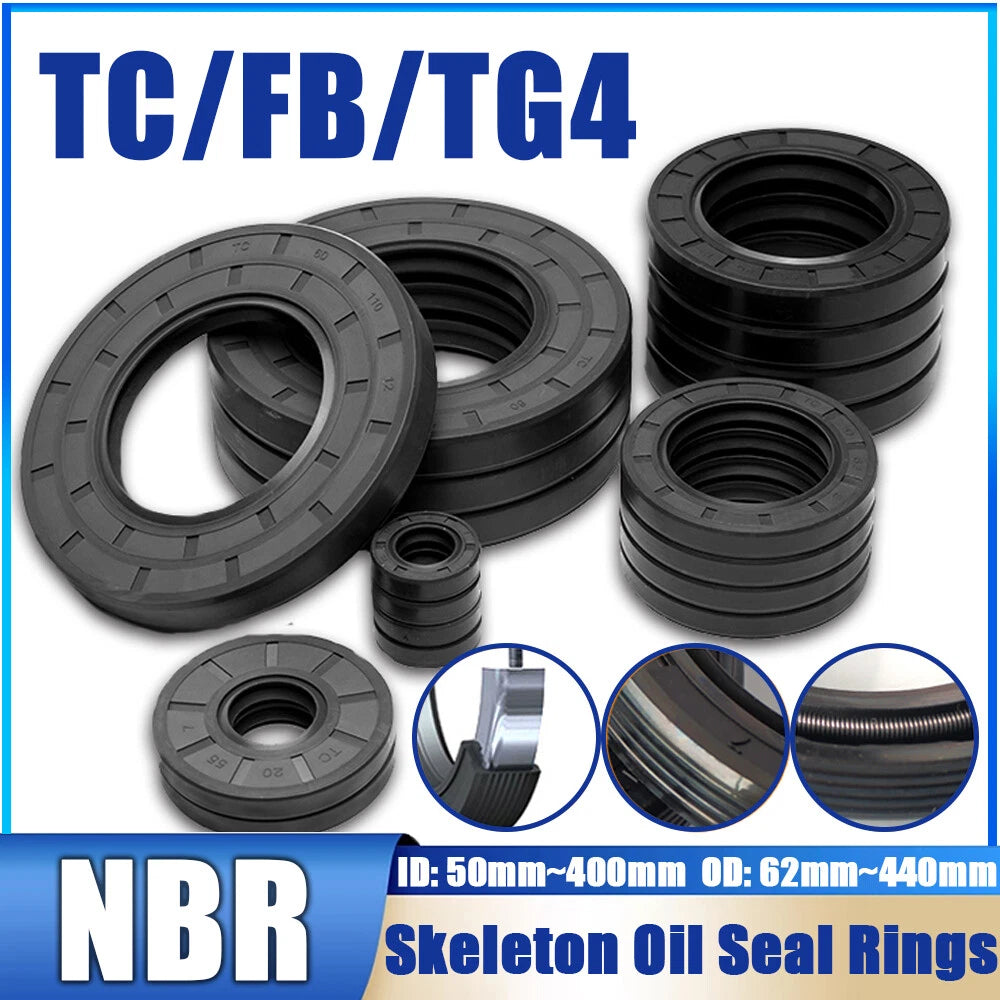
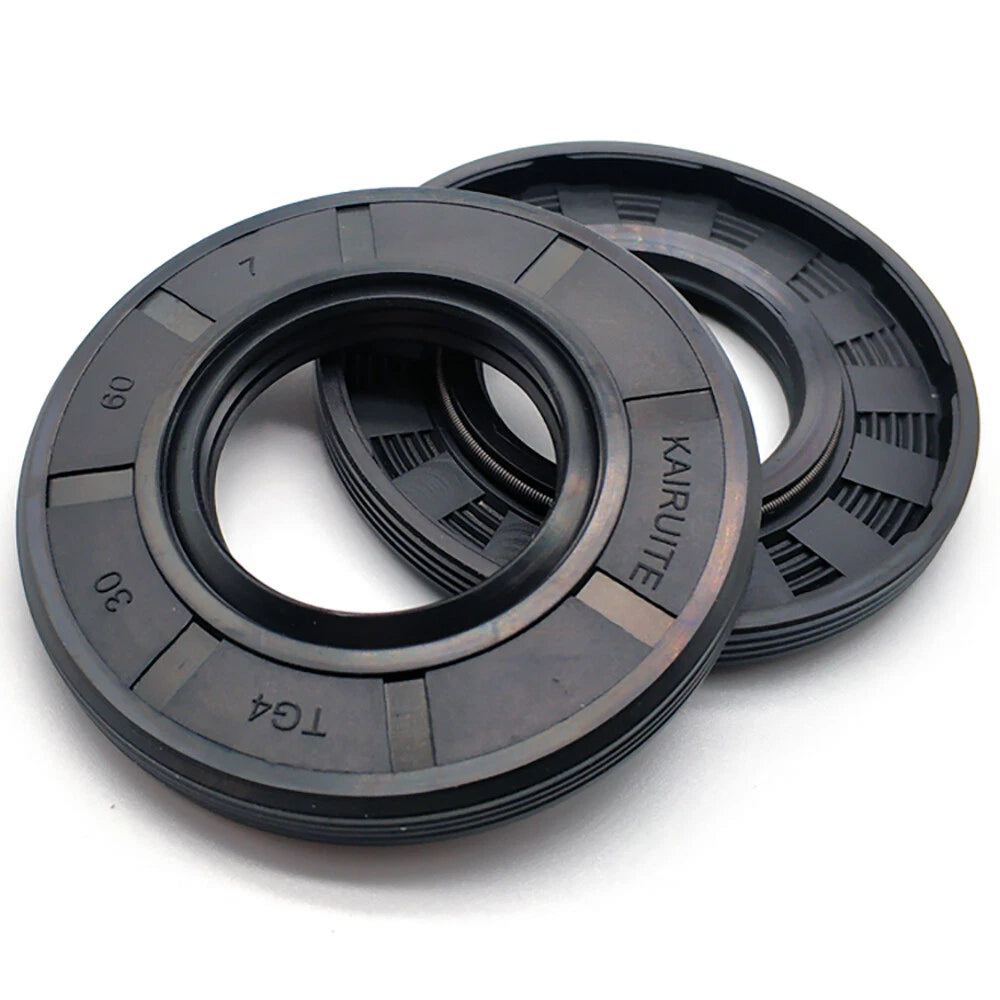
TC NBR Skeleton Oil Seal Rings — Double-Lip Sealing for Rotation Shafts, ID 50–400mm

When a leaking shaft seal turns a routine maintenance job into a messy, time-consuming repair, having the right replacement on hand makes all the difference. Mechanics, equipment operators, and DIY builders who work with gearboxes, pumps, axles, and hydraulic cylinders need TC oil seals that hold up under continuous rotation without weeping lubricant or letting contaminants in. These TC NBR skeleton oil seal rings are engineered for exactly that scenario.

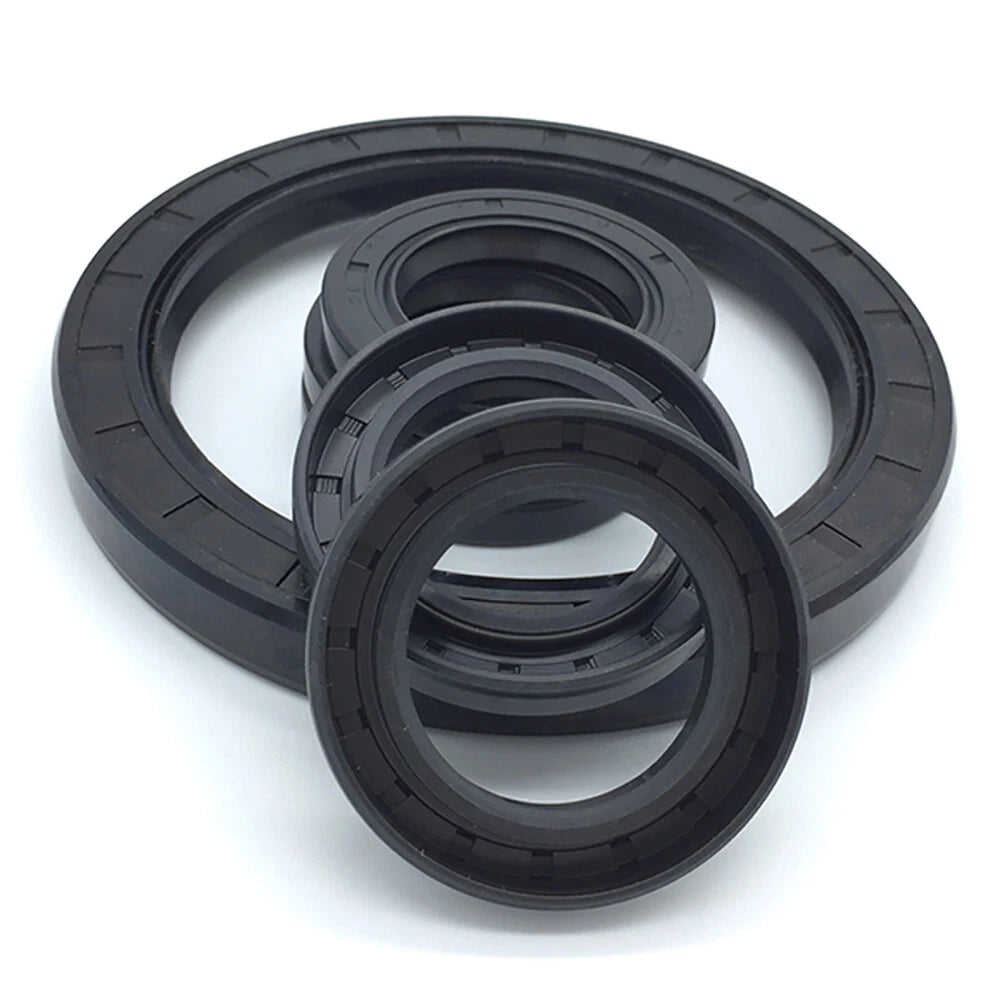
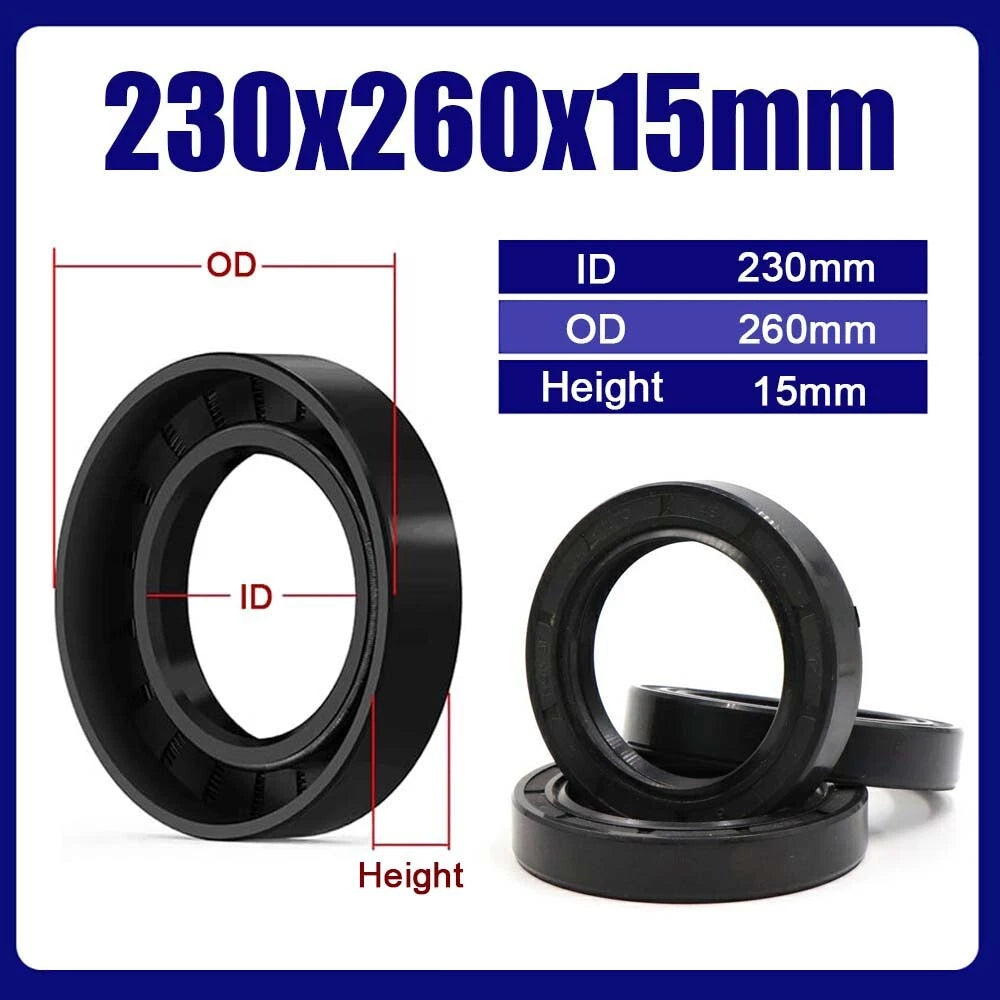
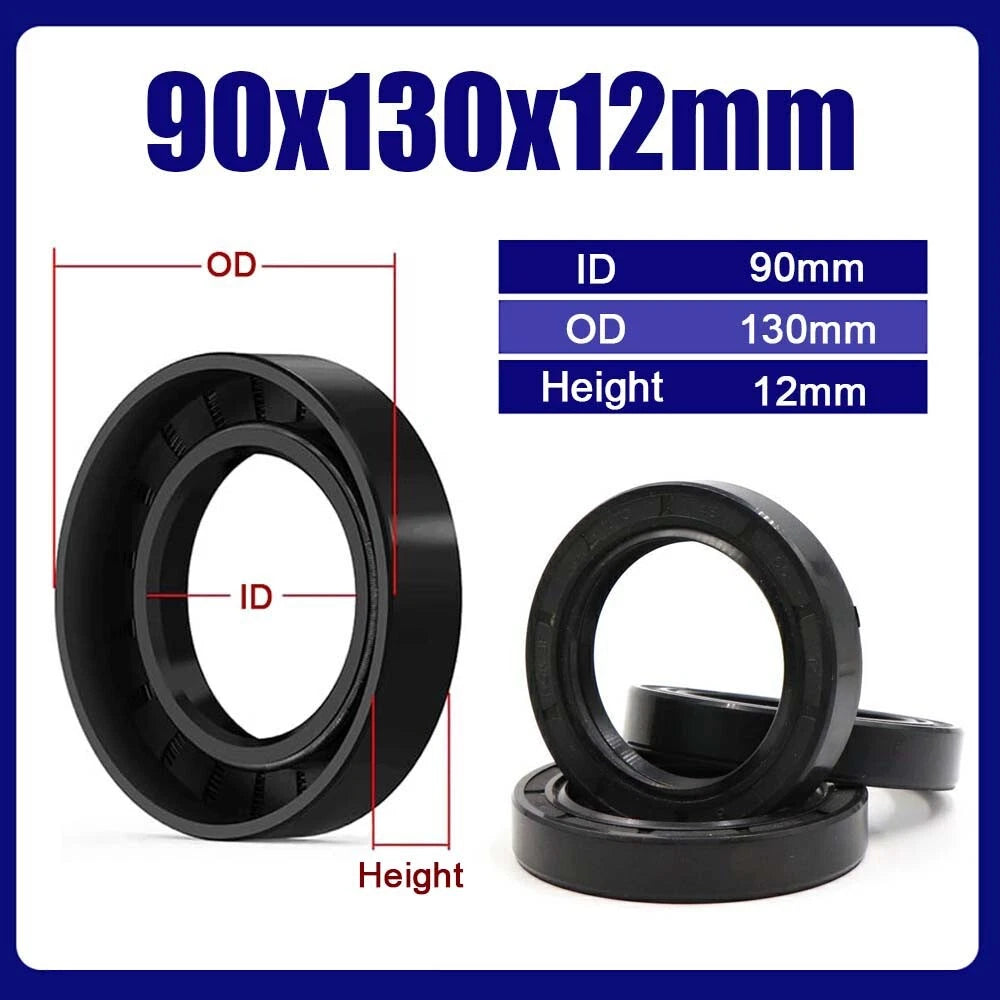
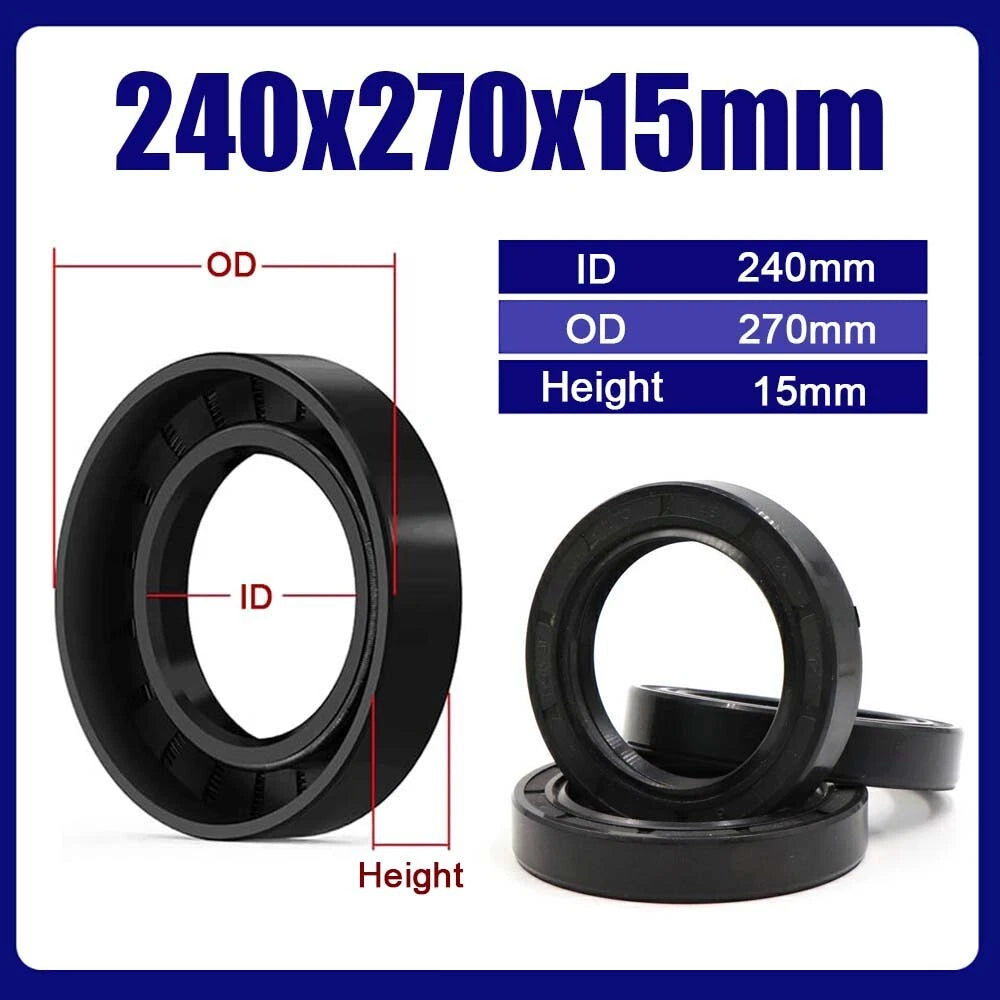
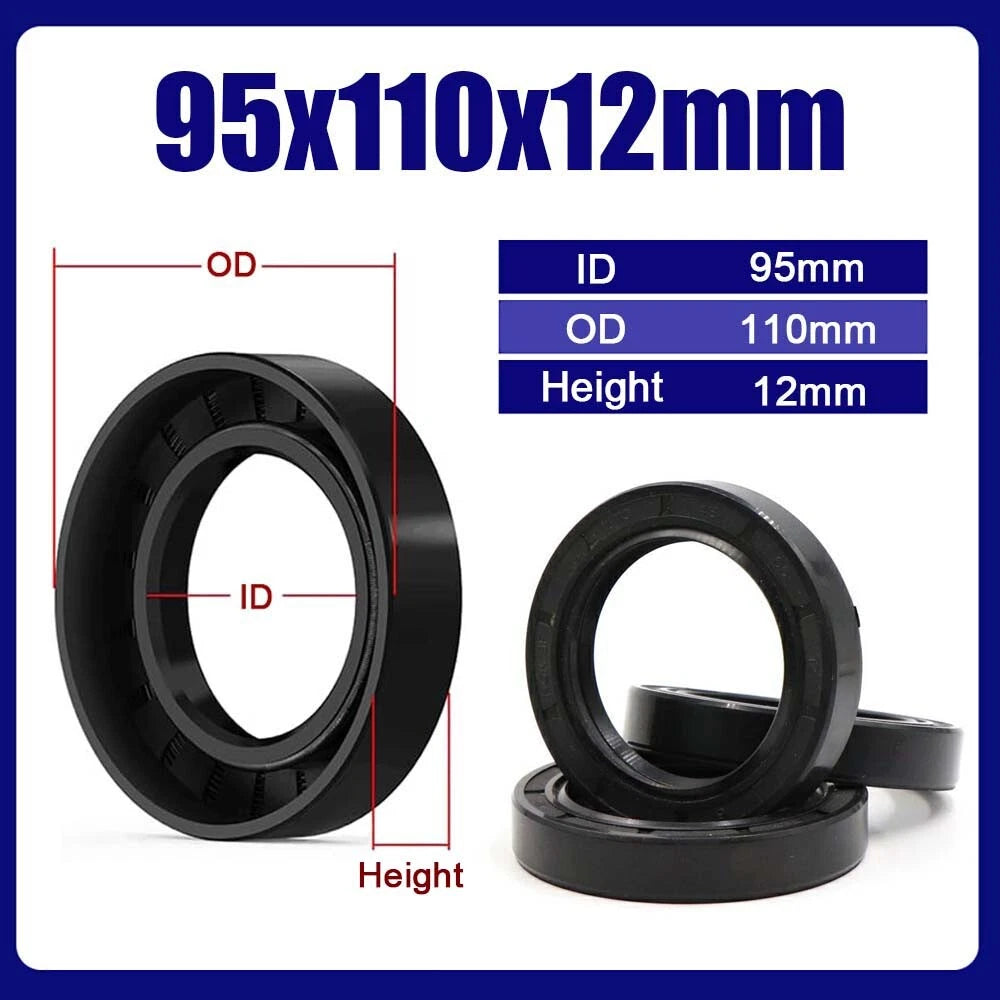
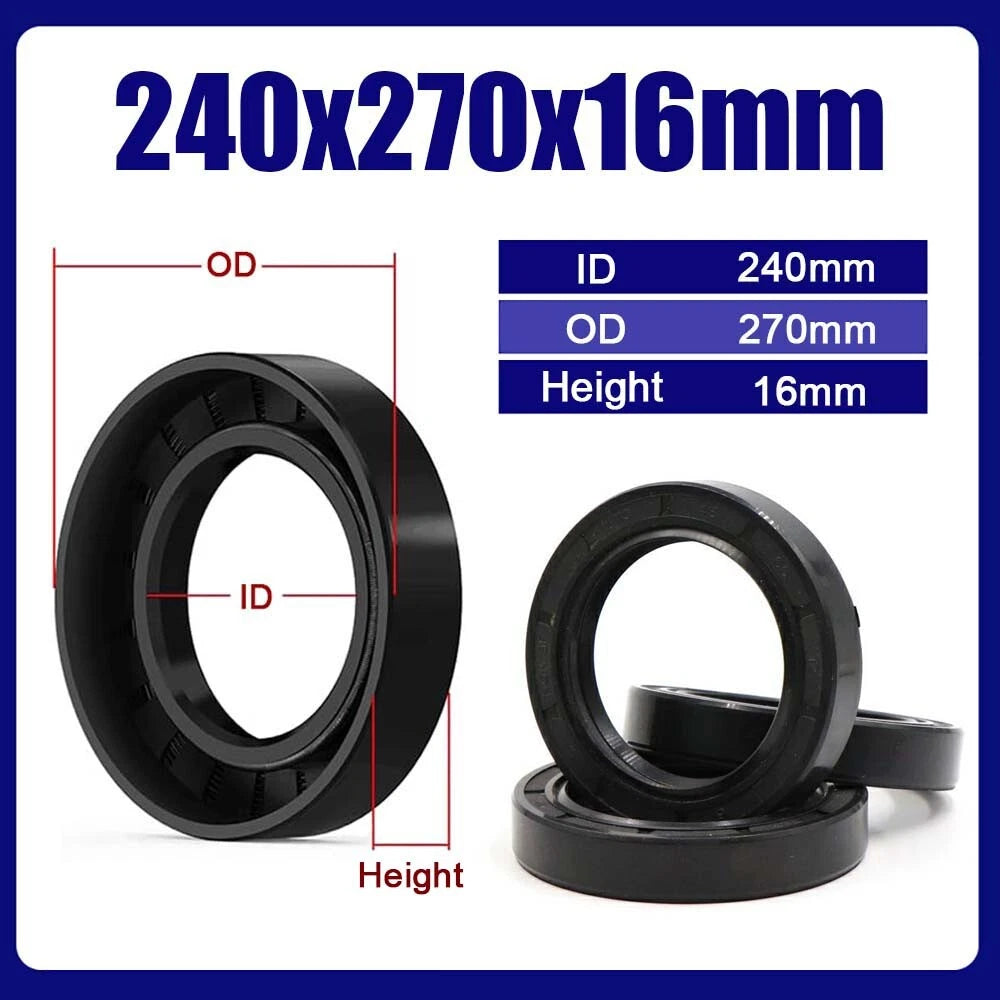
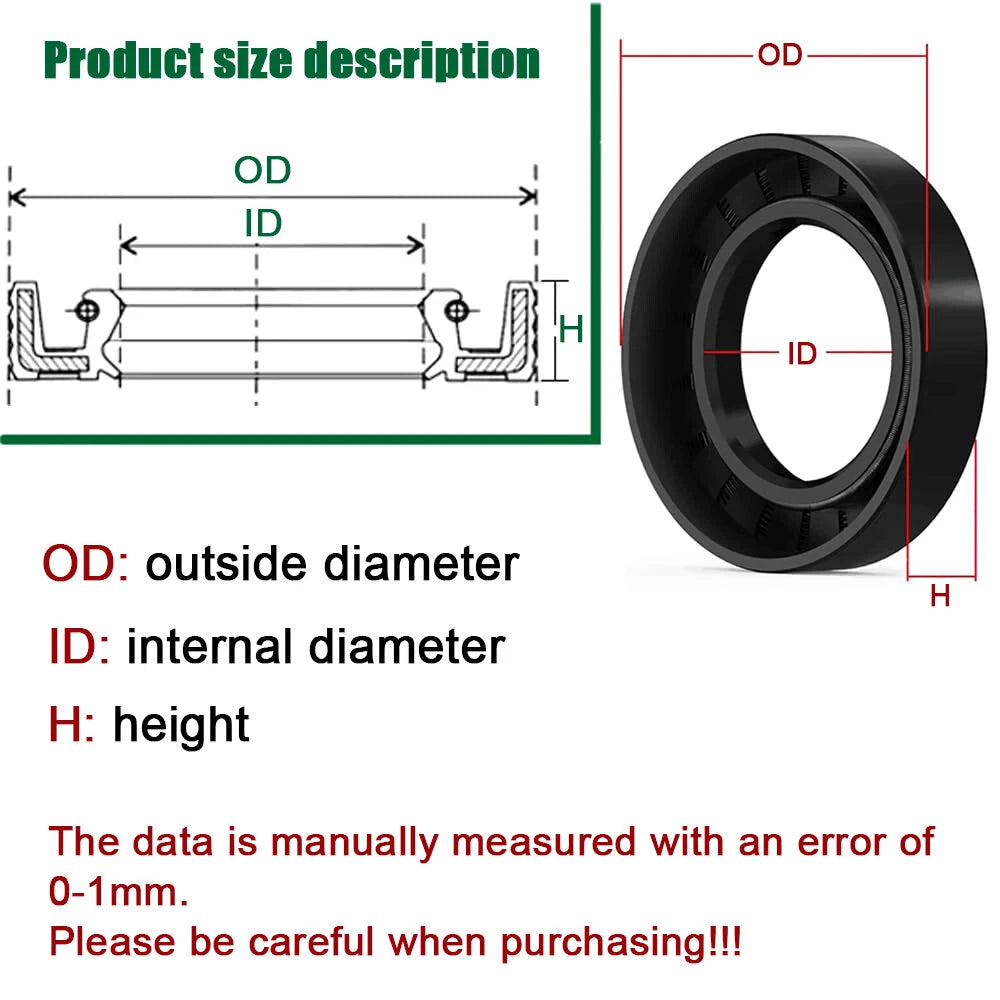
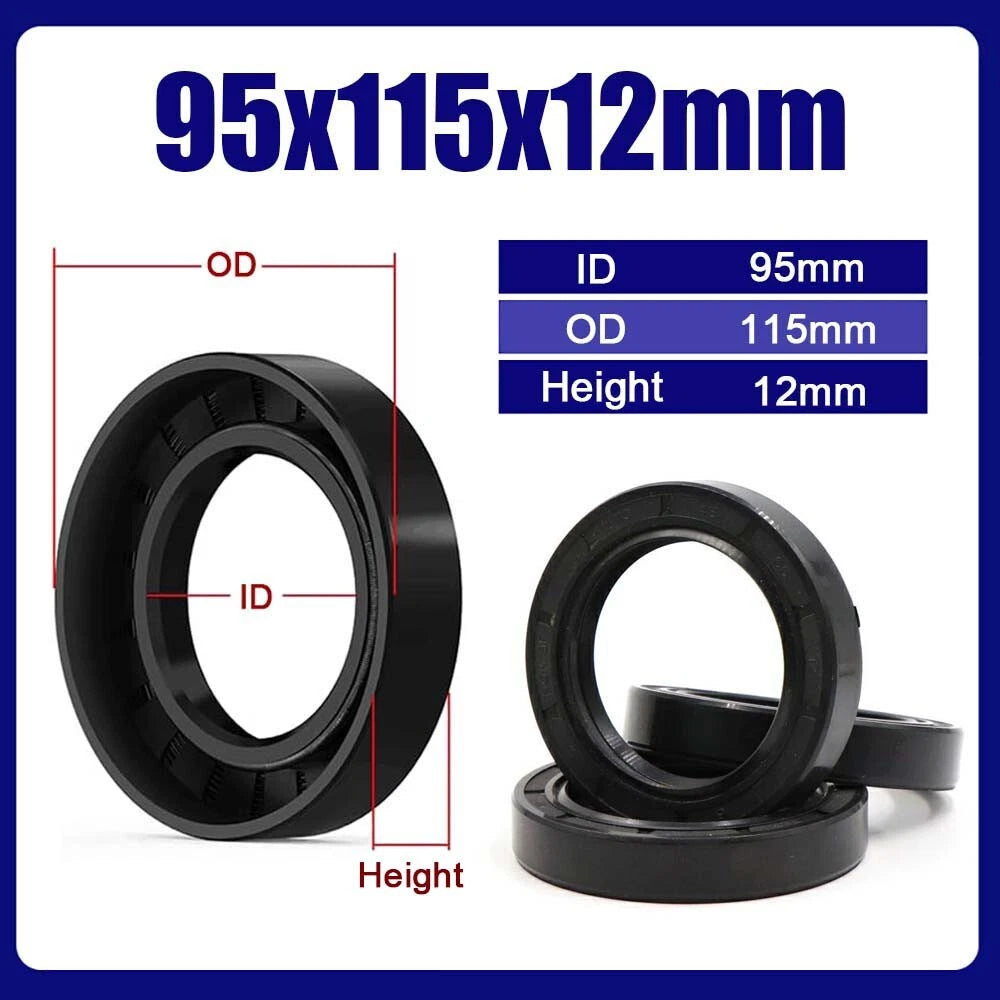
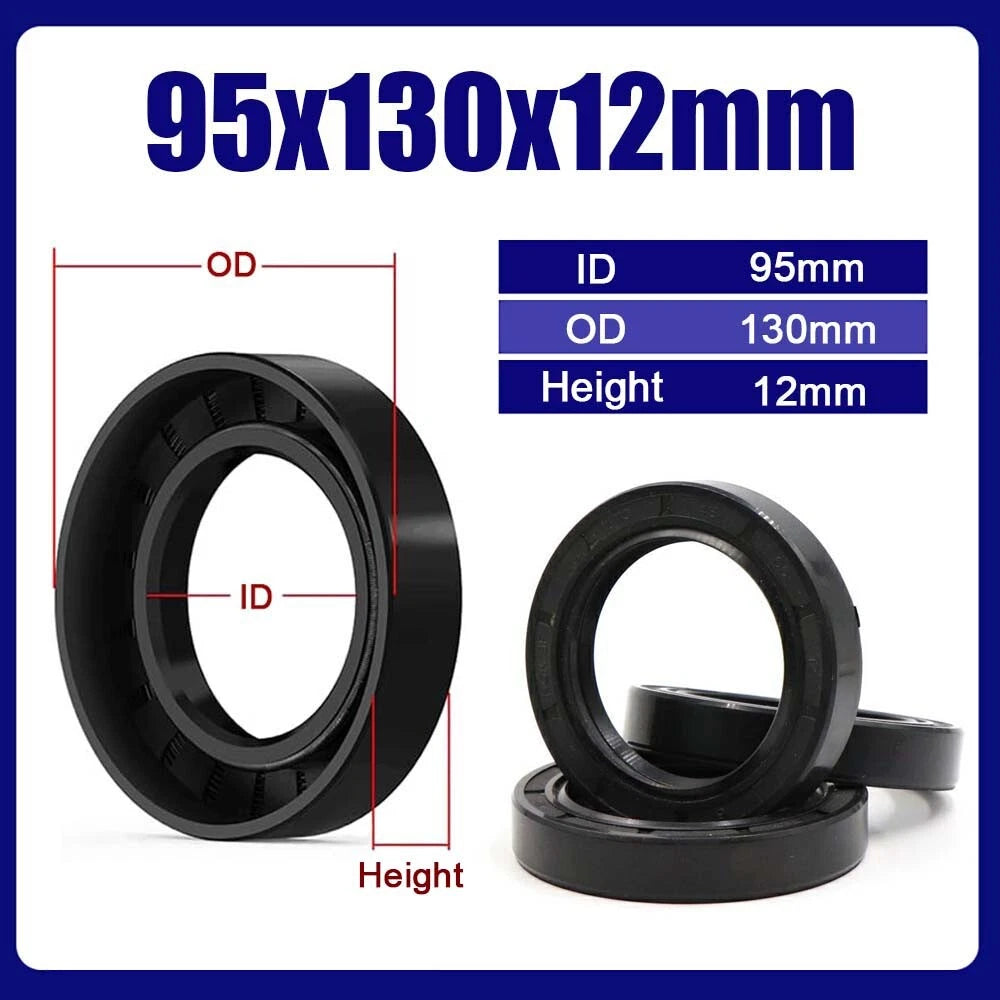
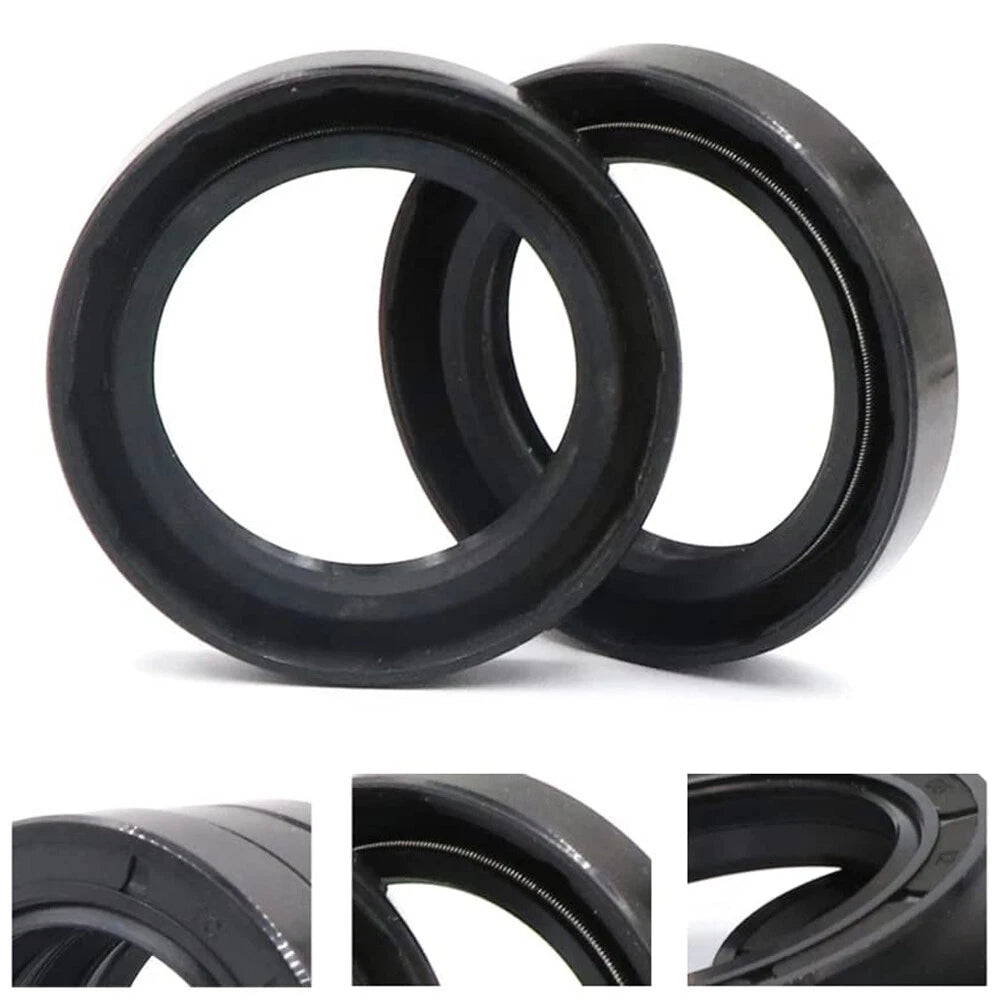
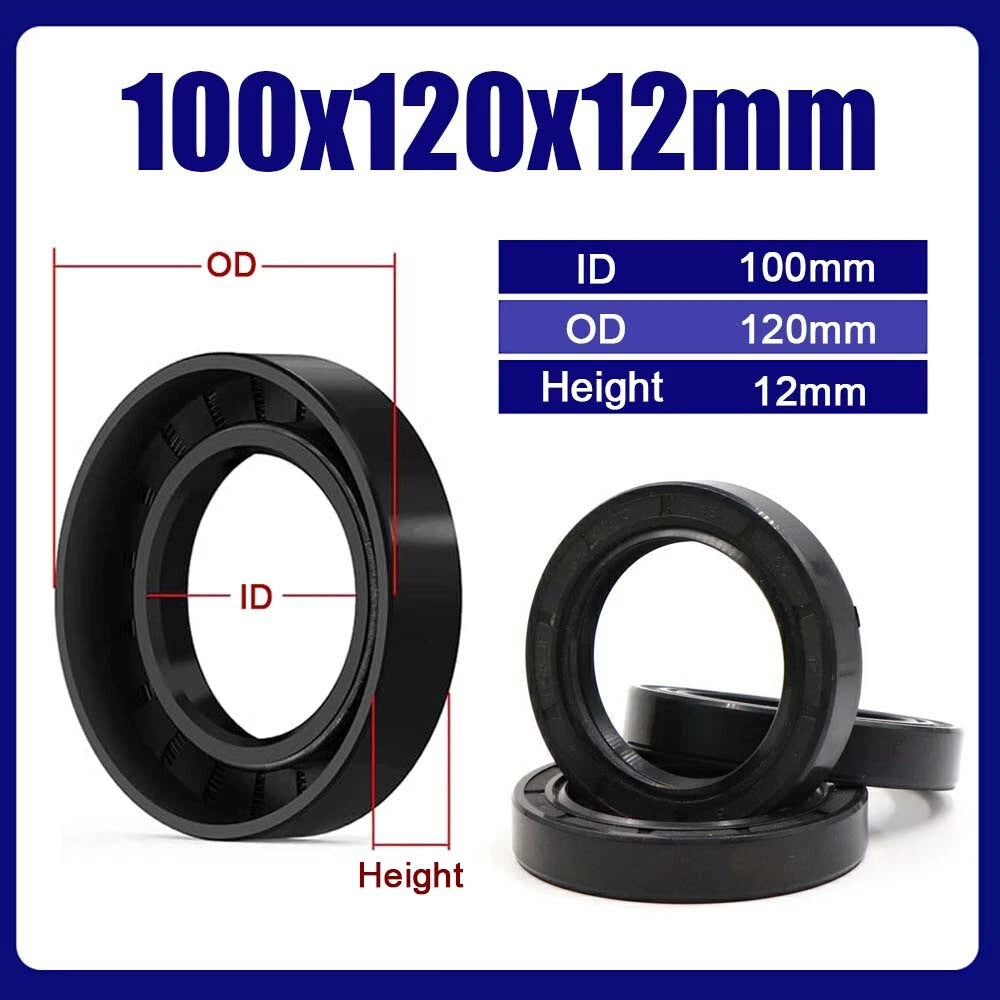
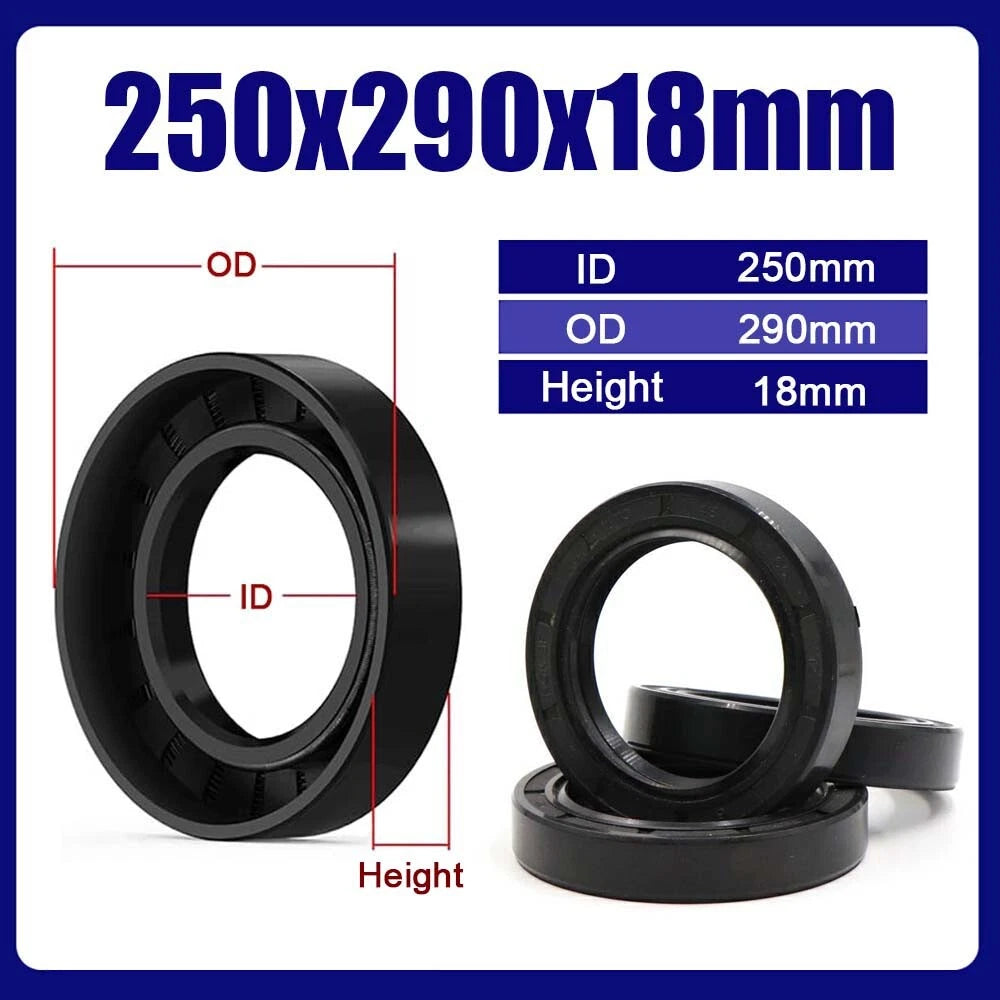
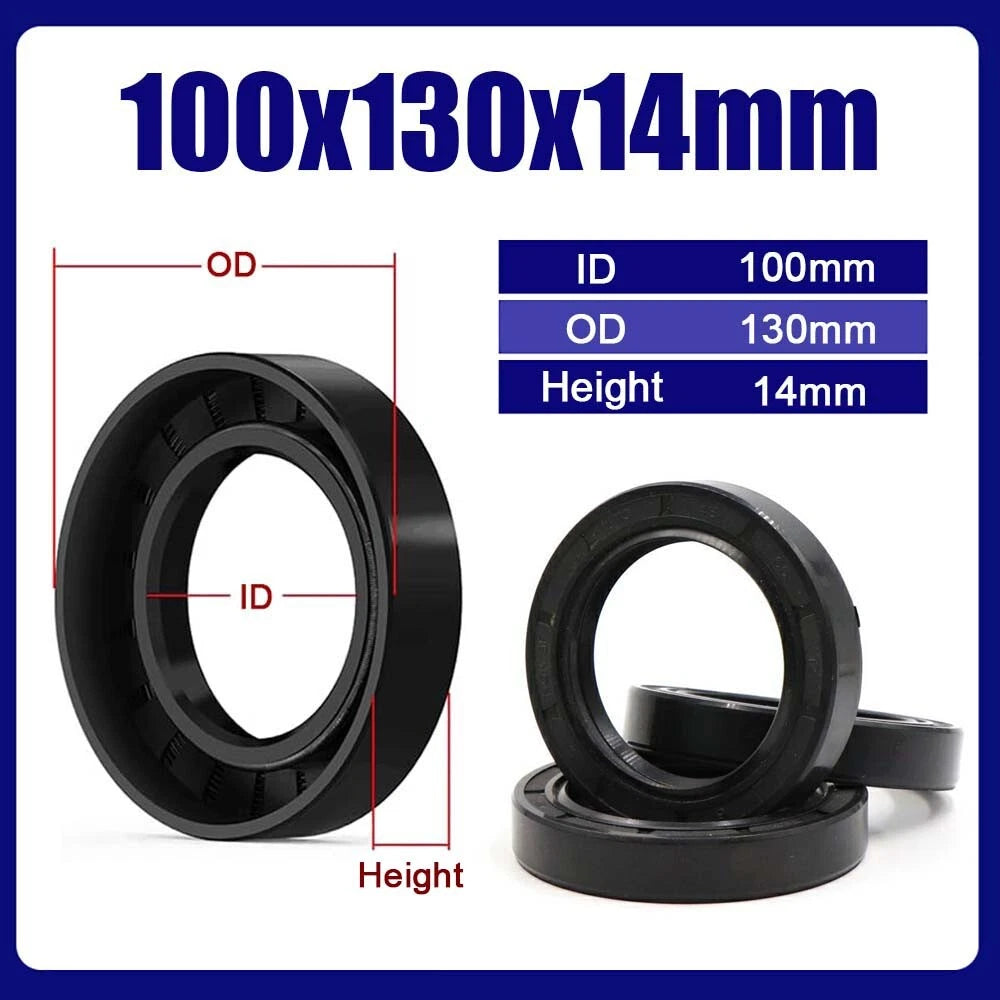
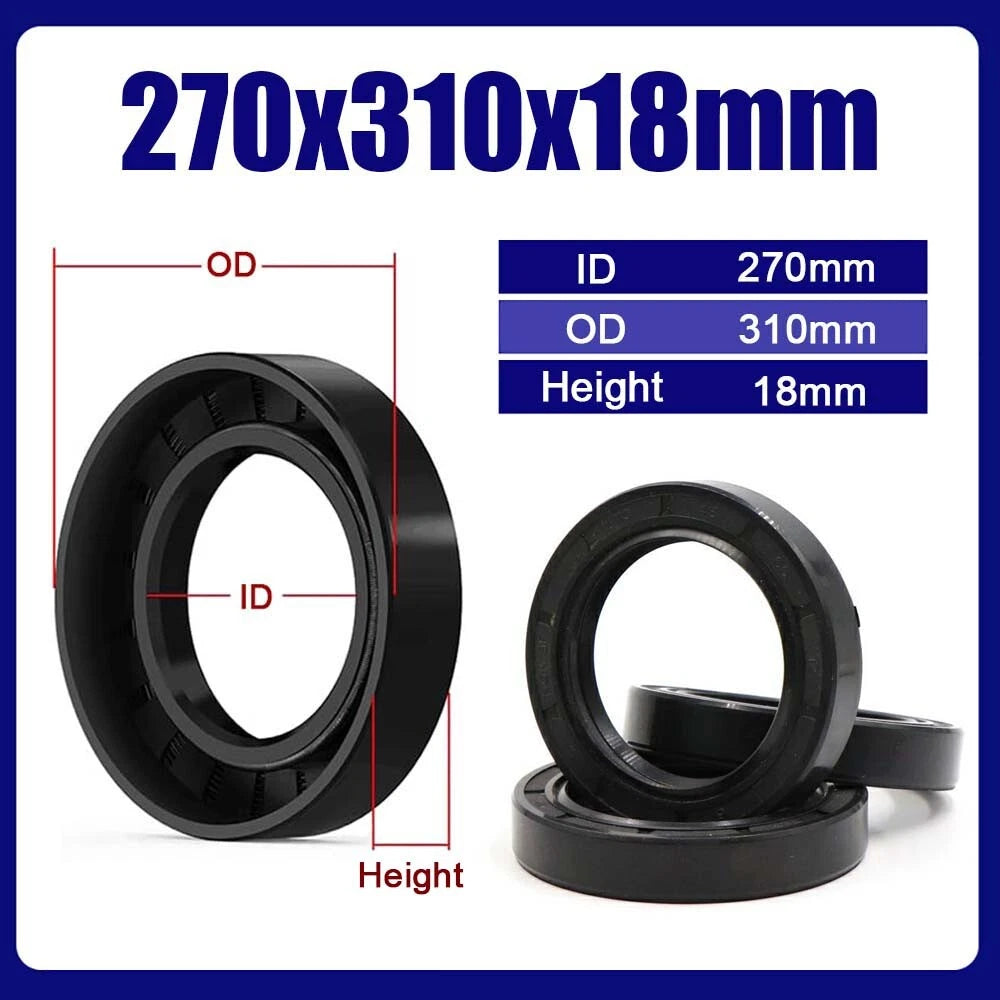
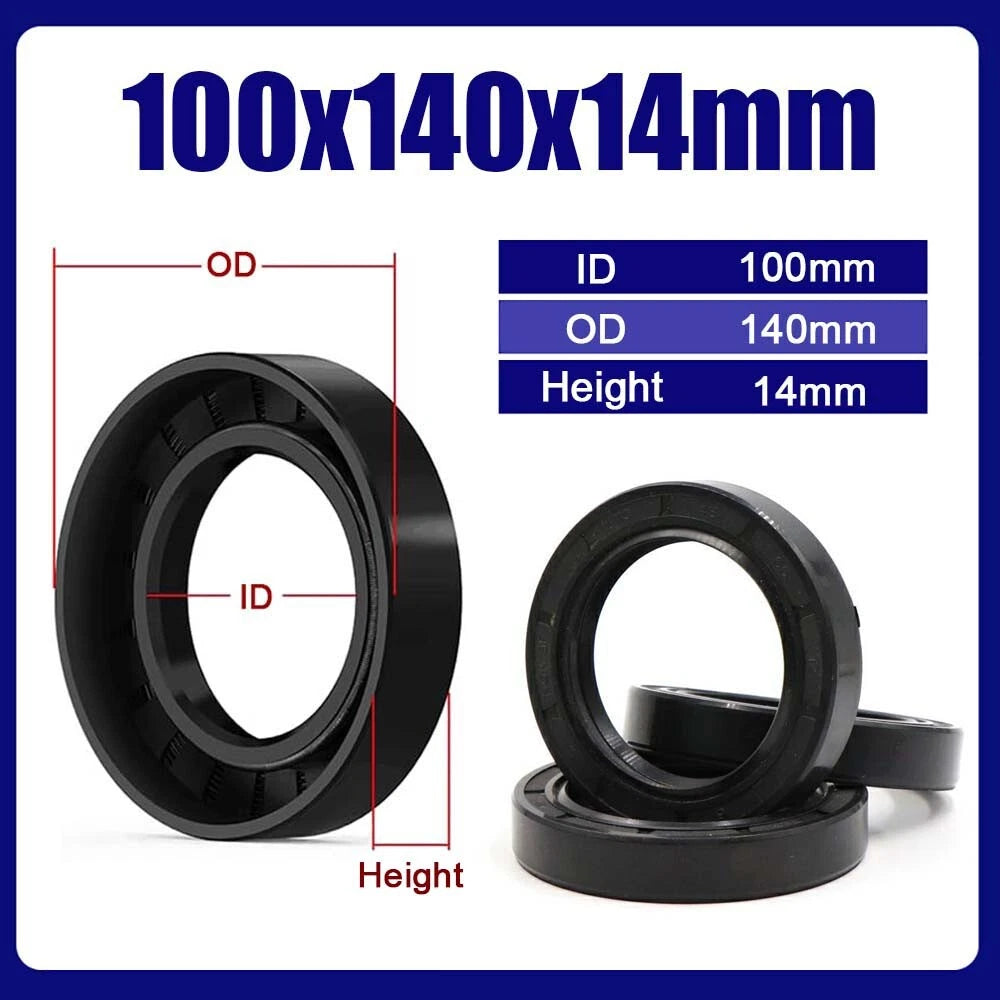
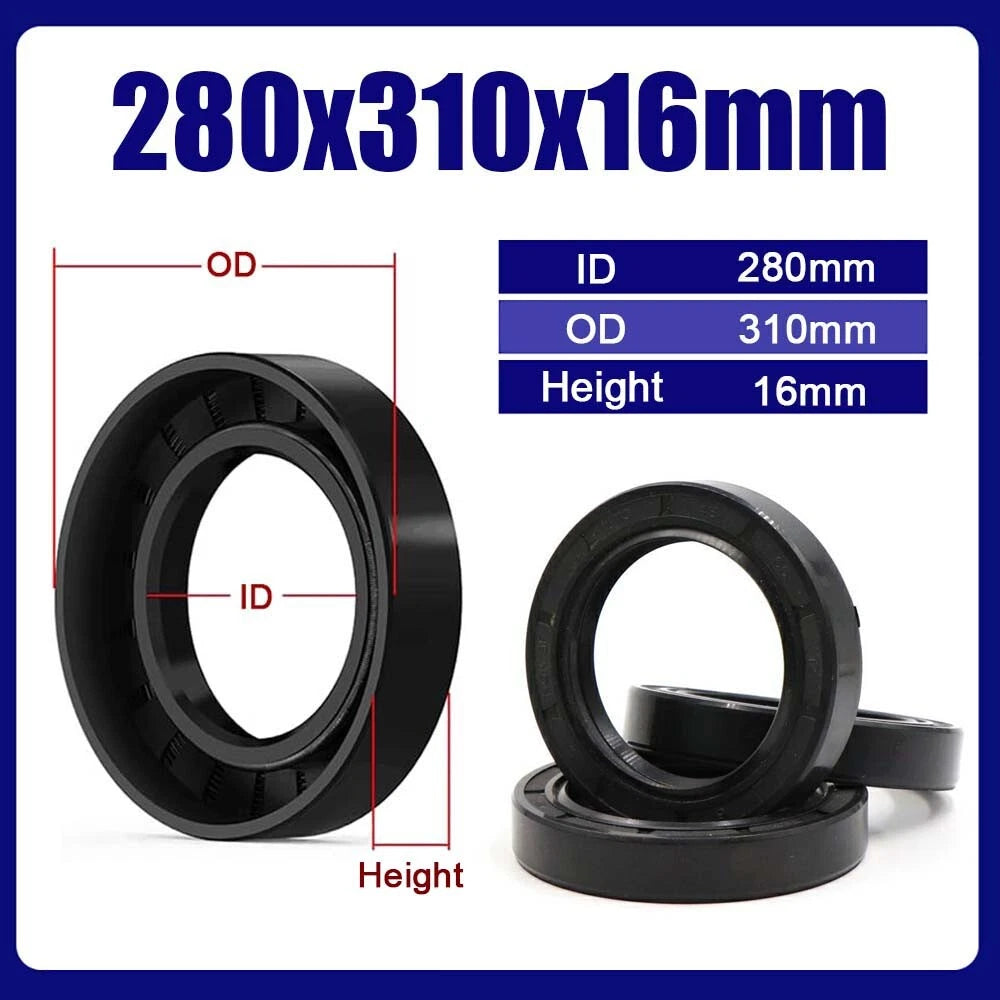
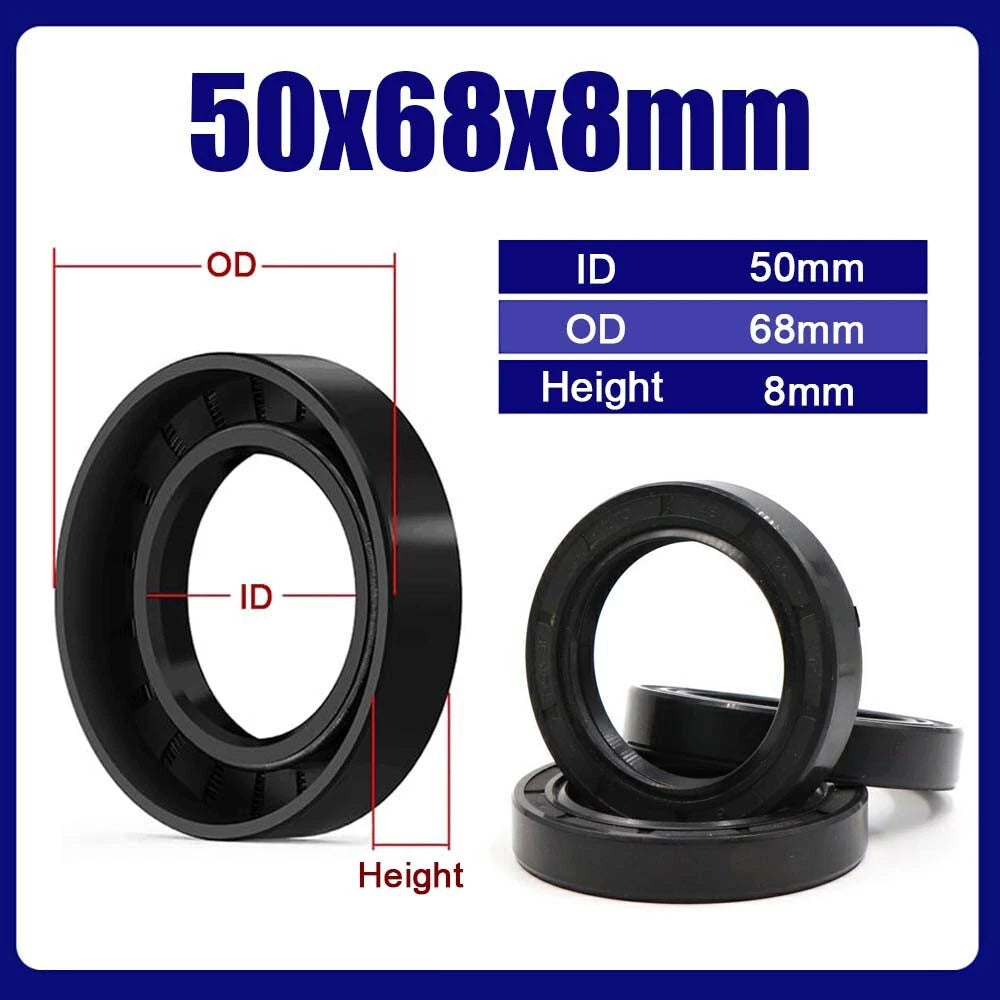
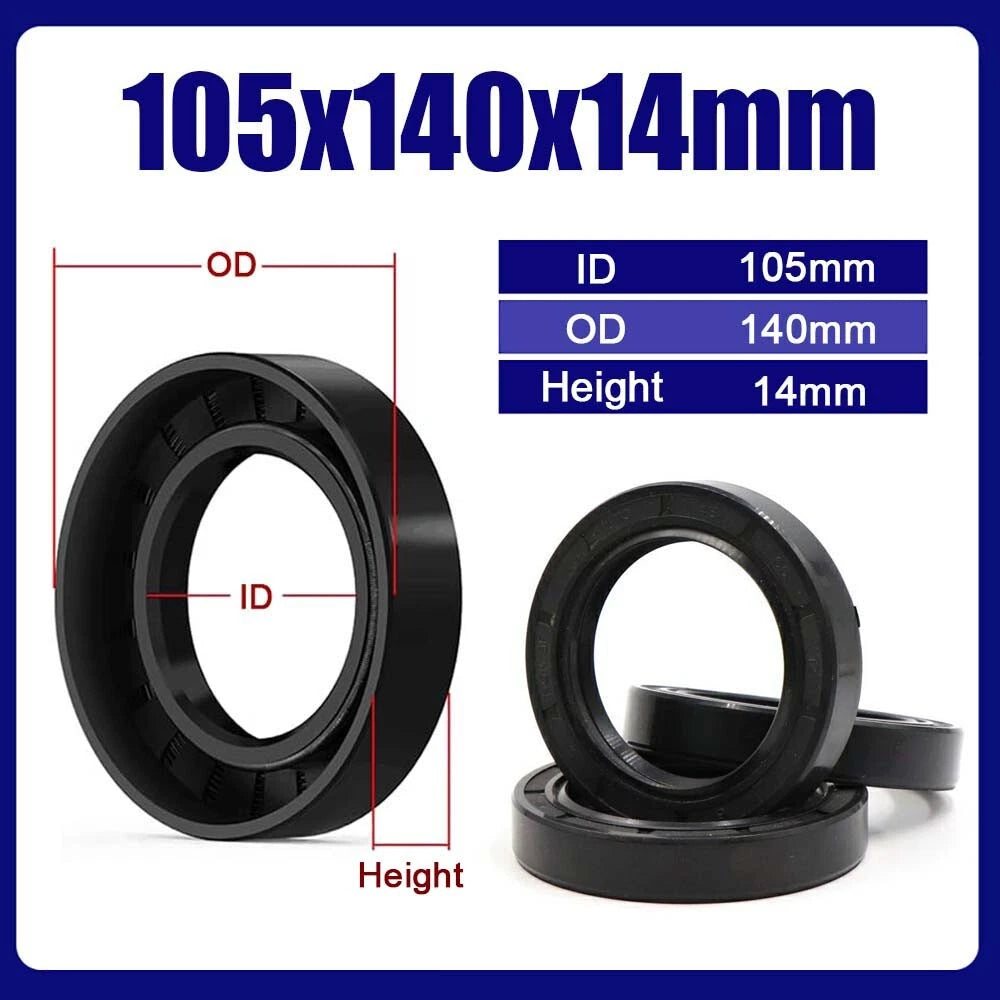
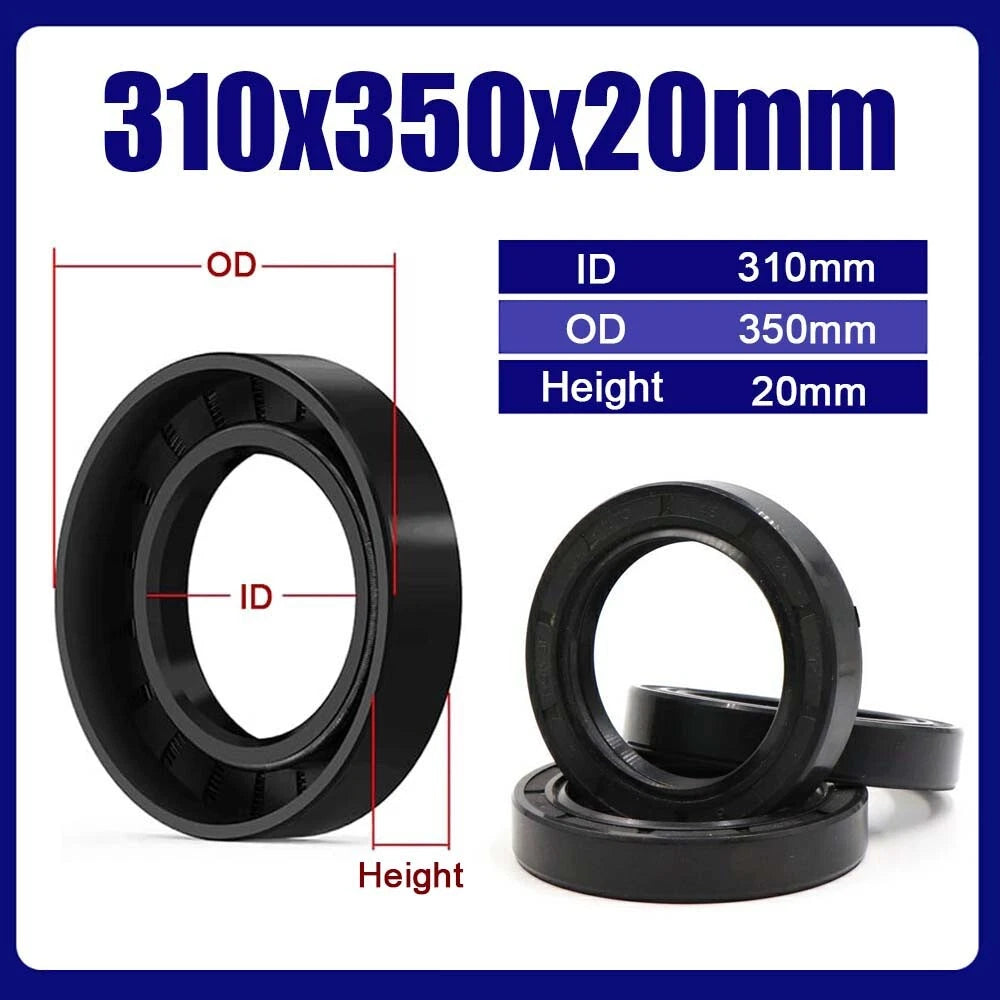
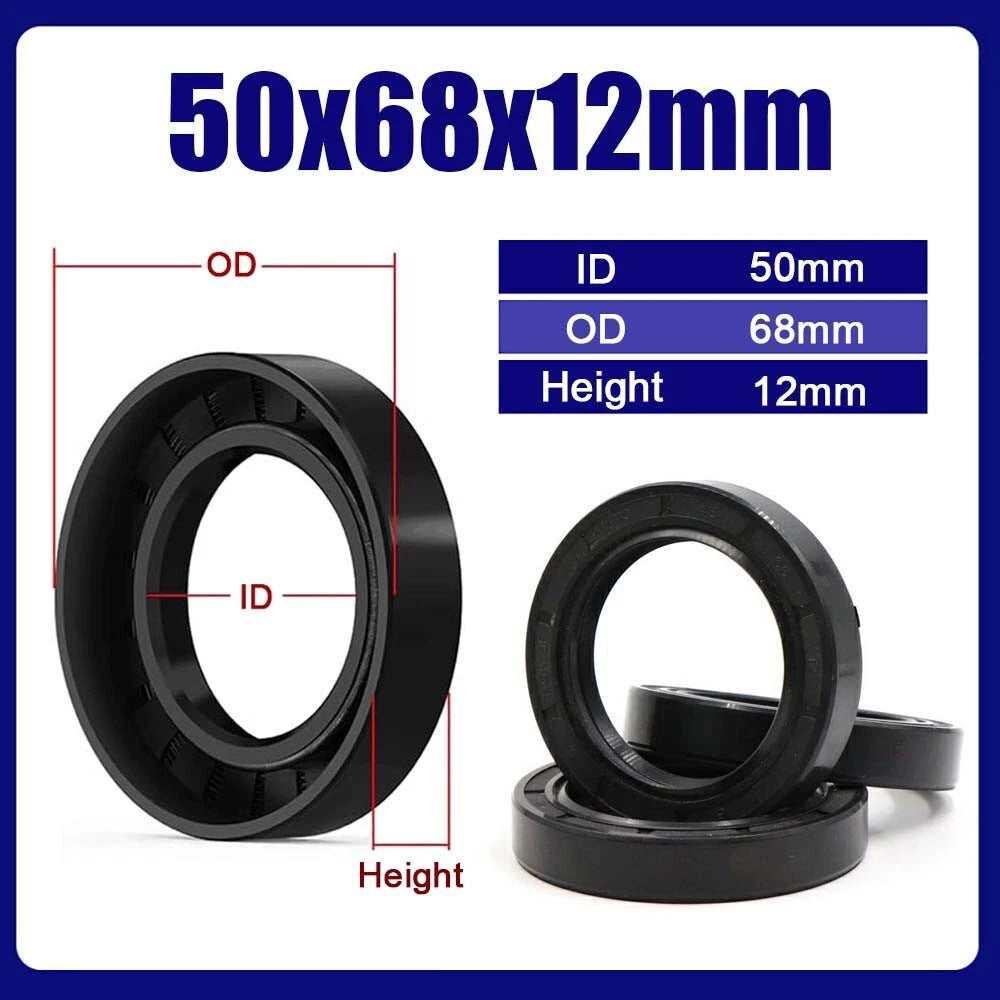
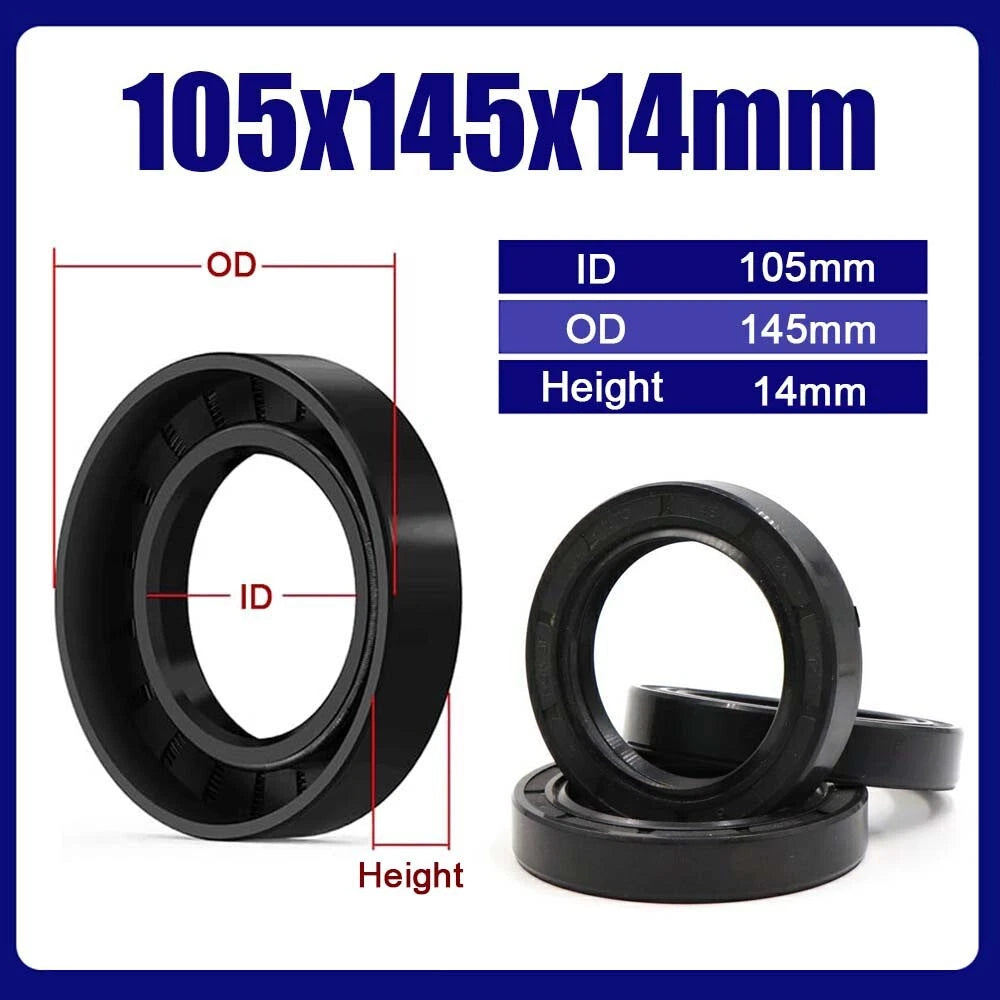
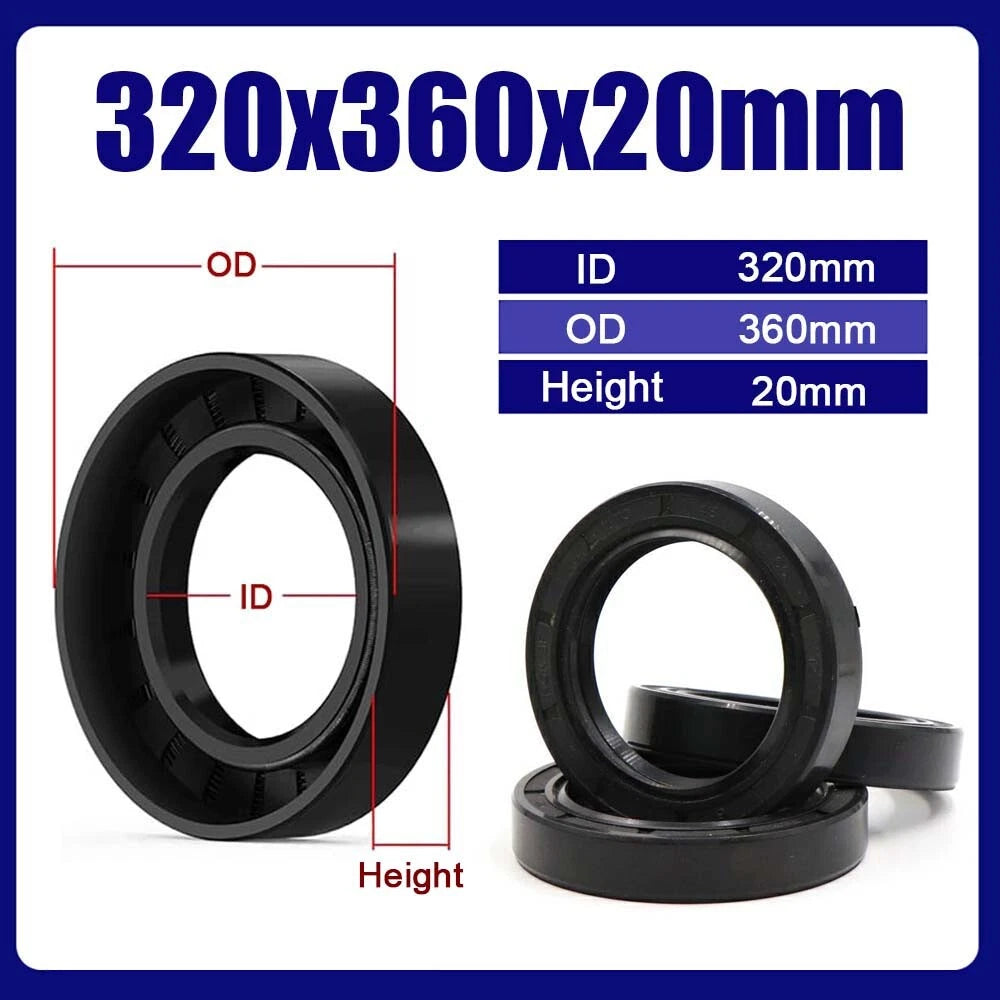
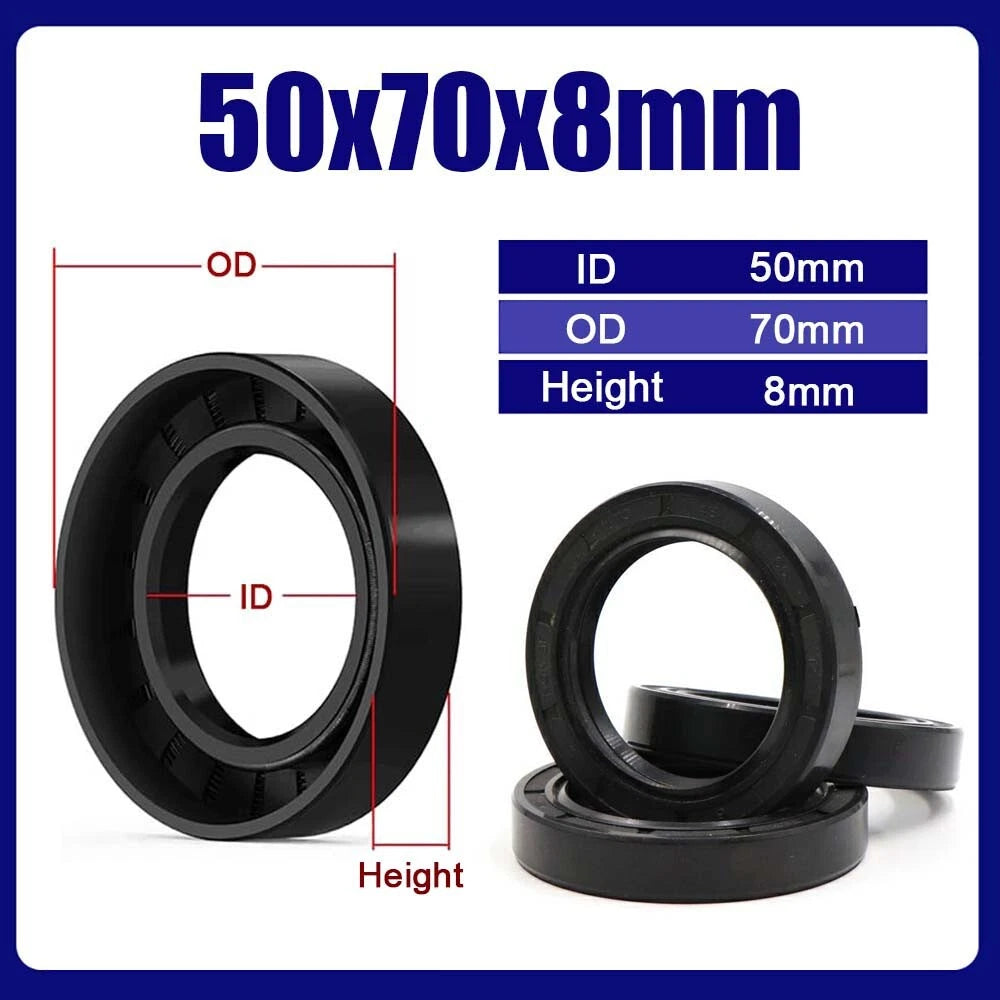
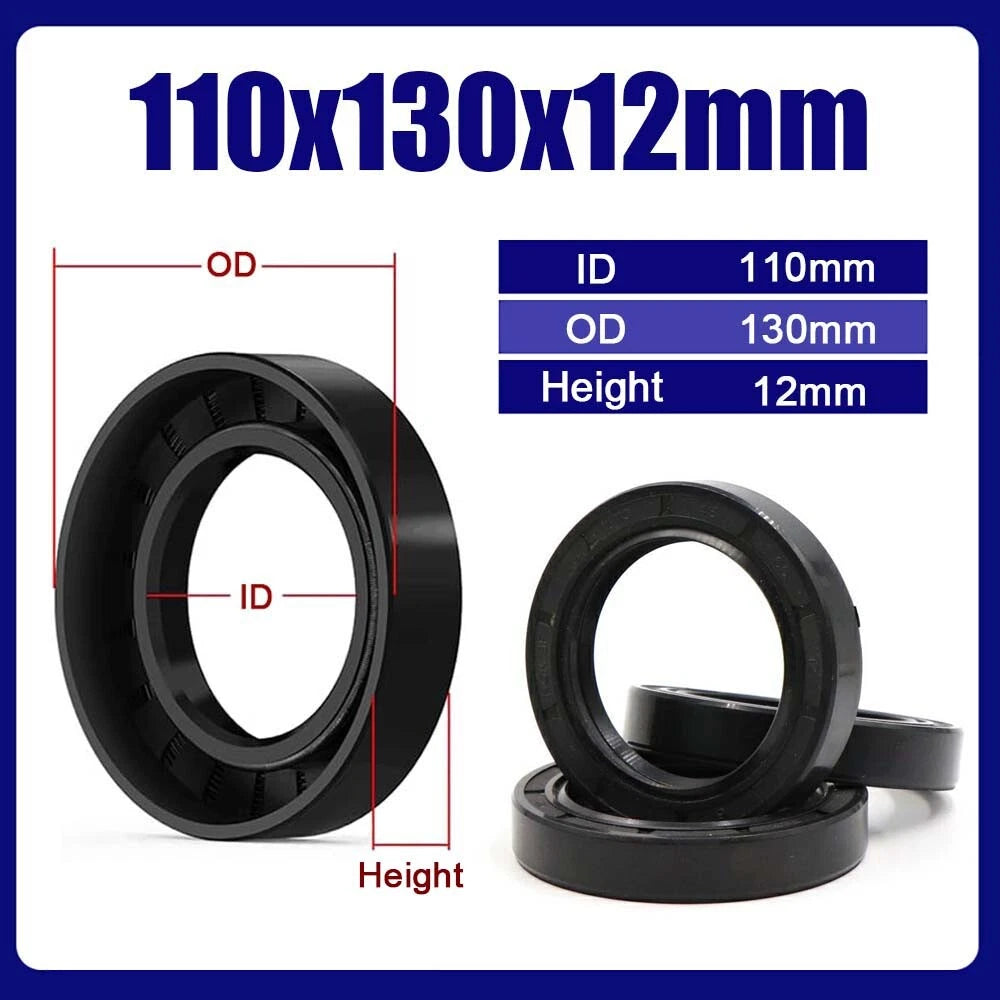
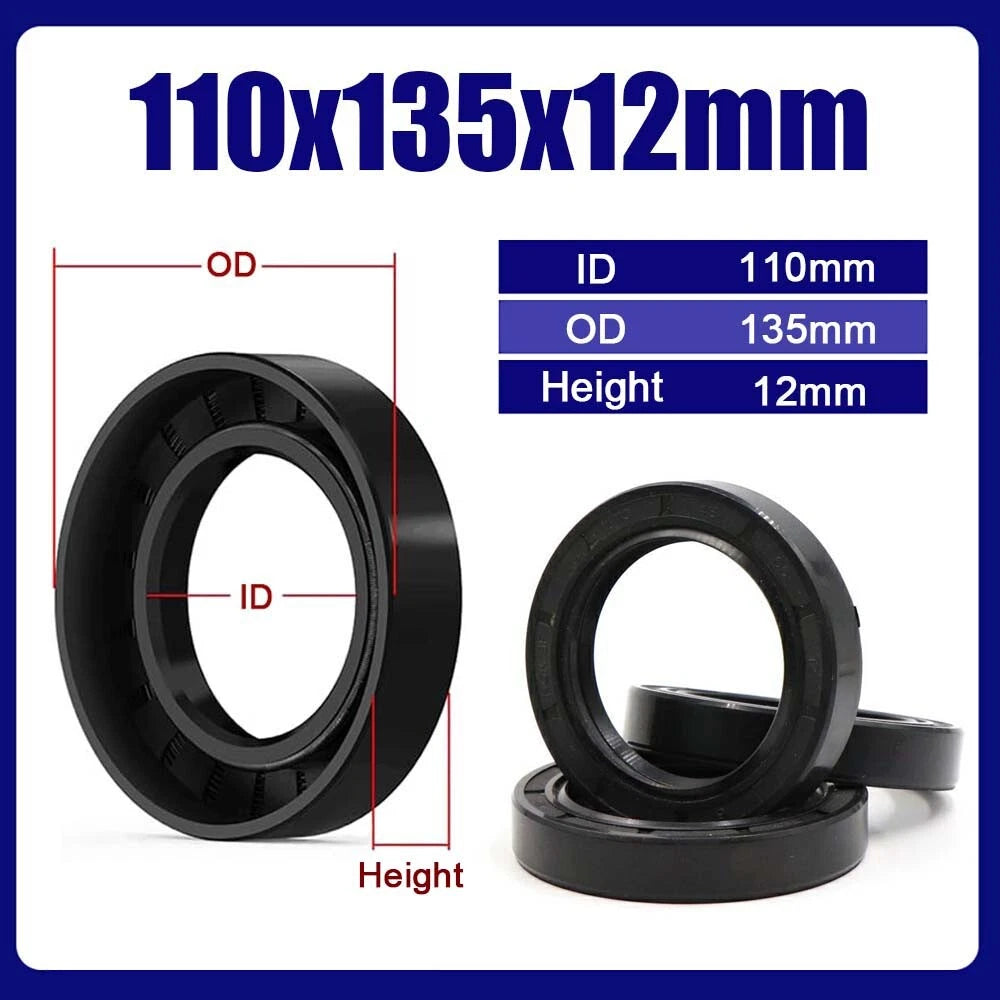
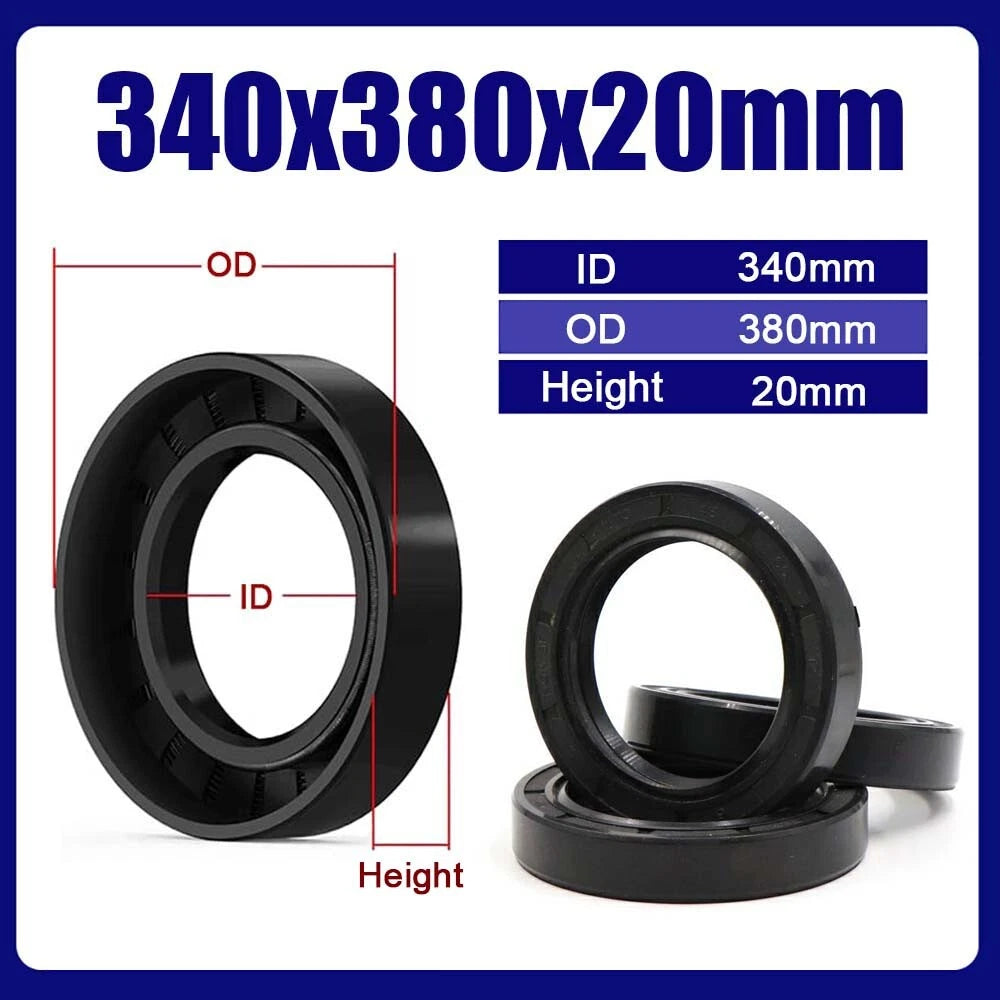
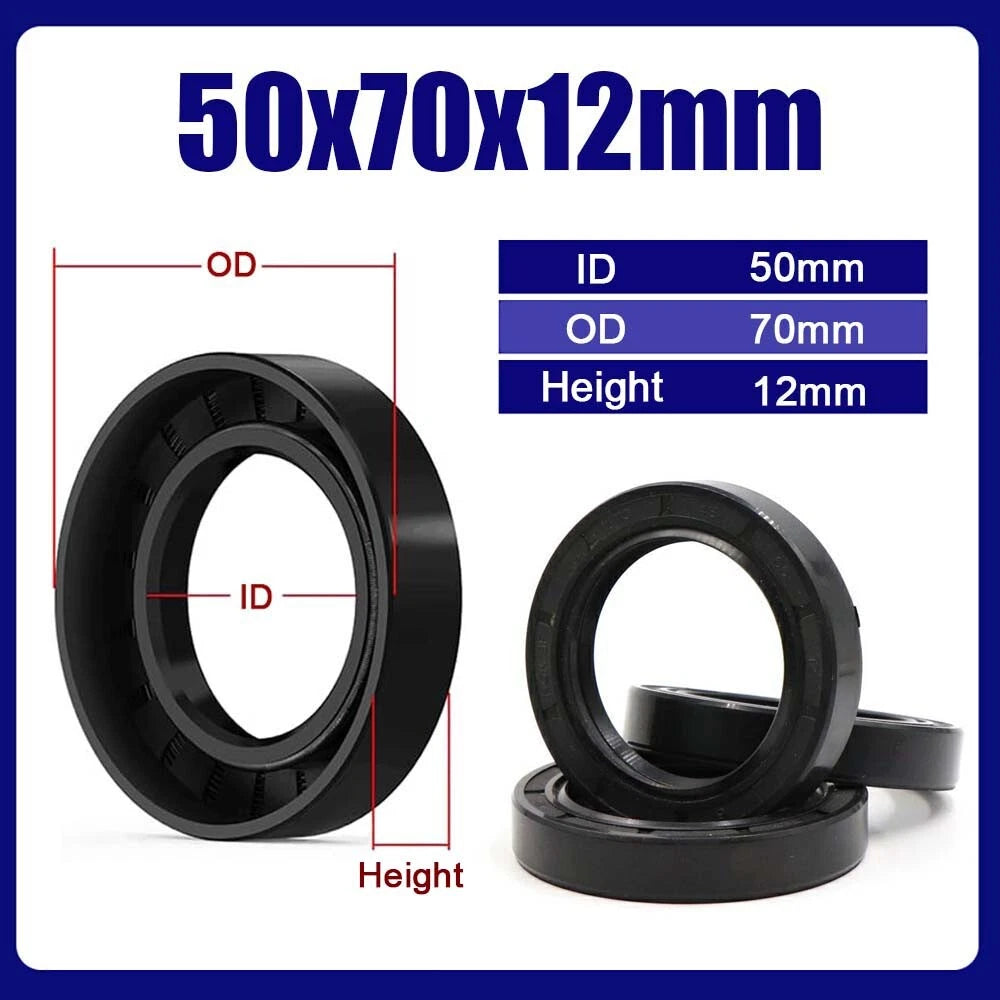
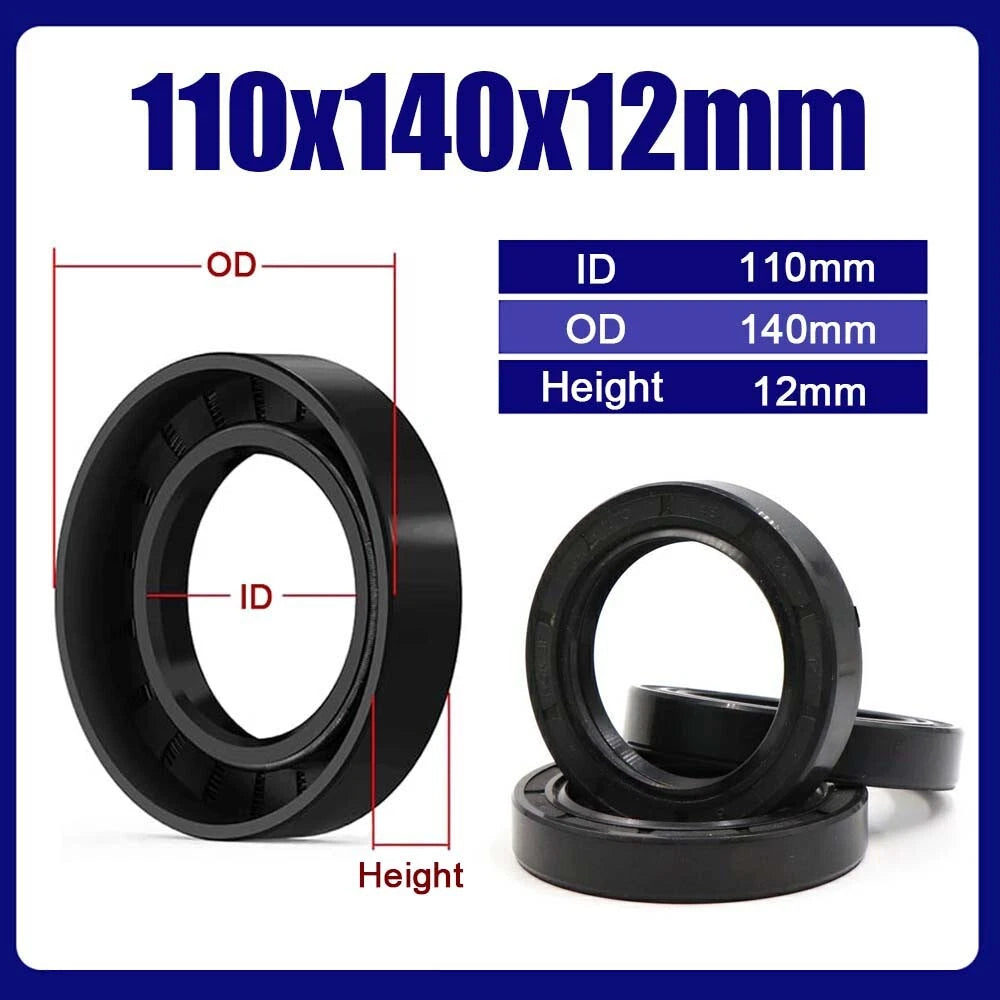
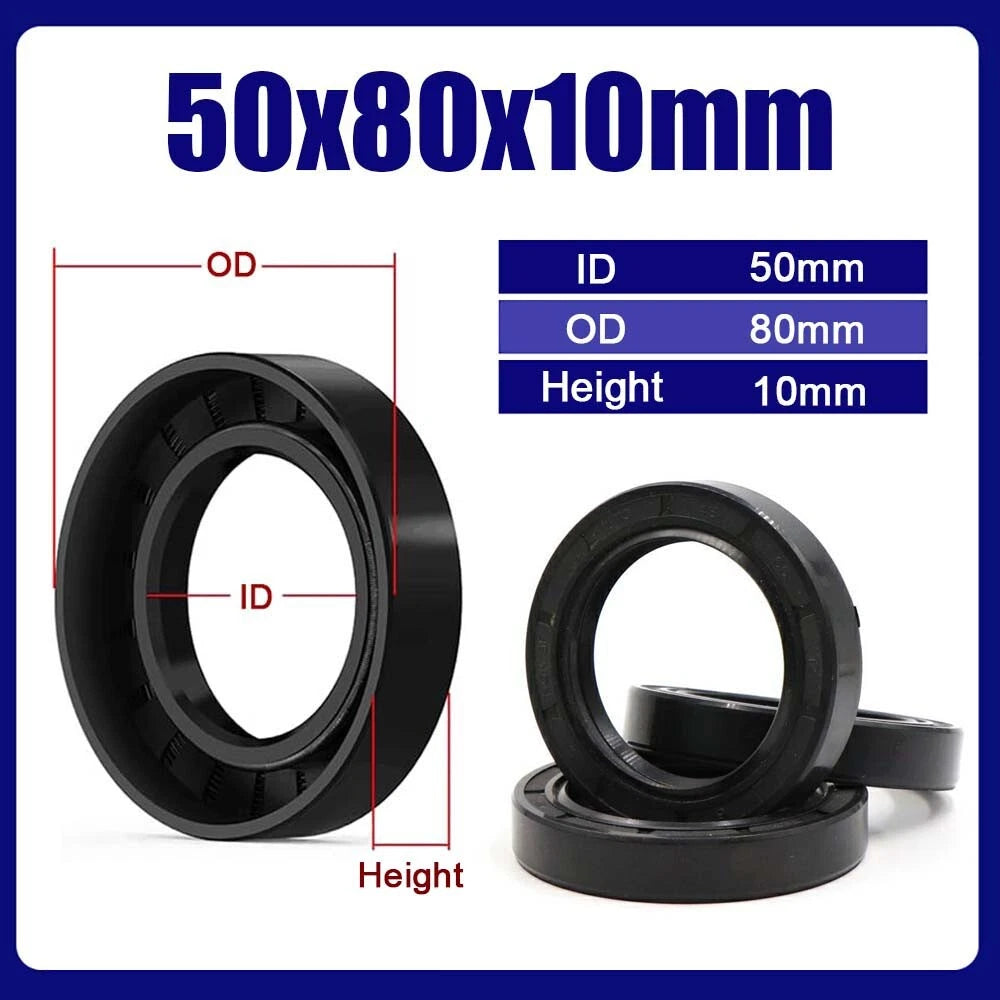
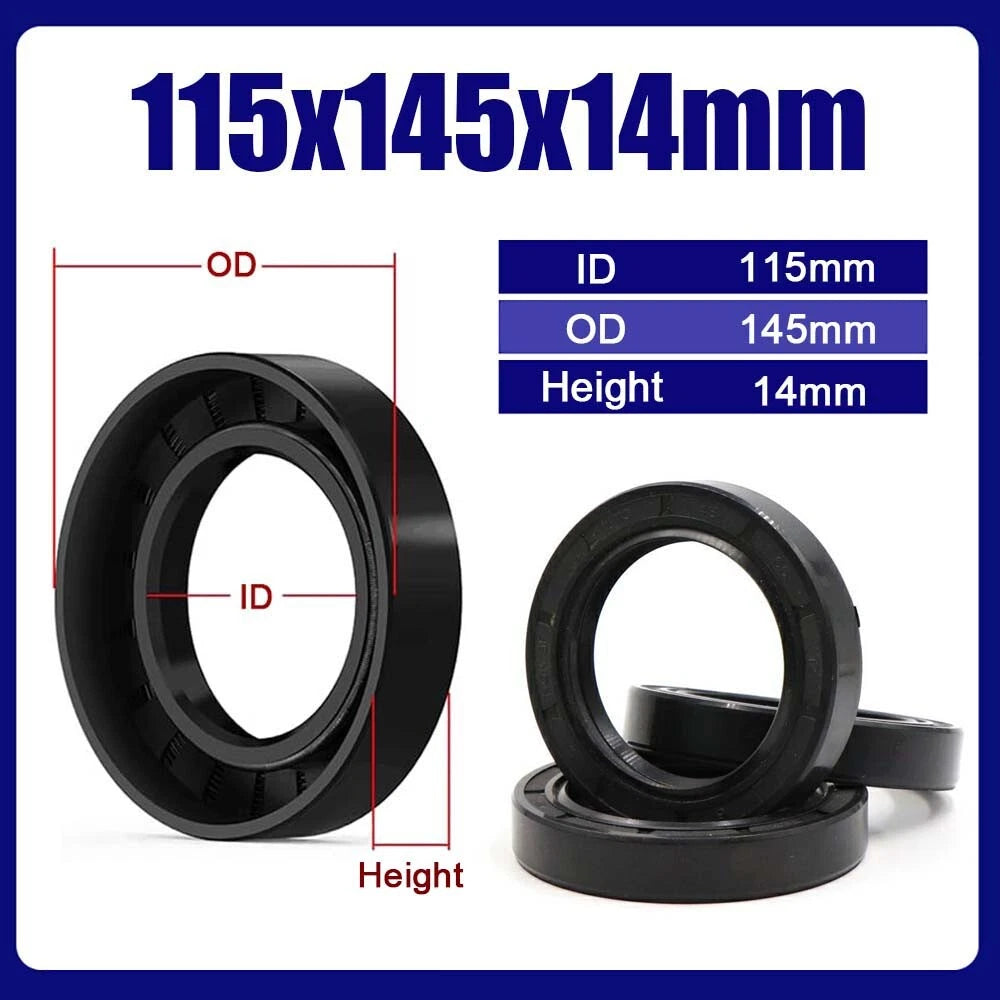
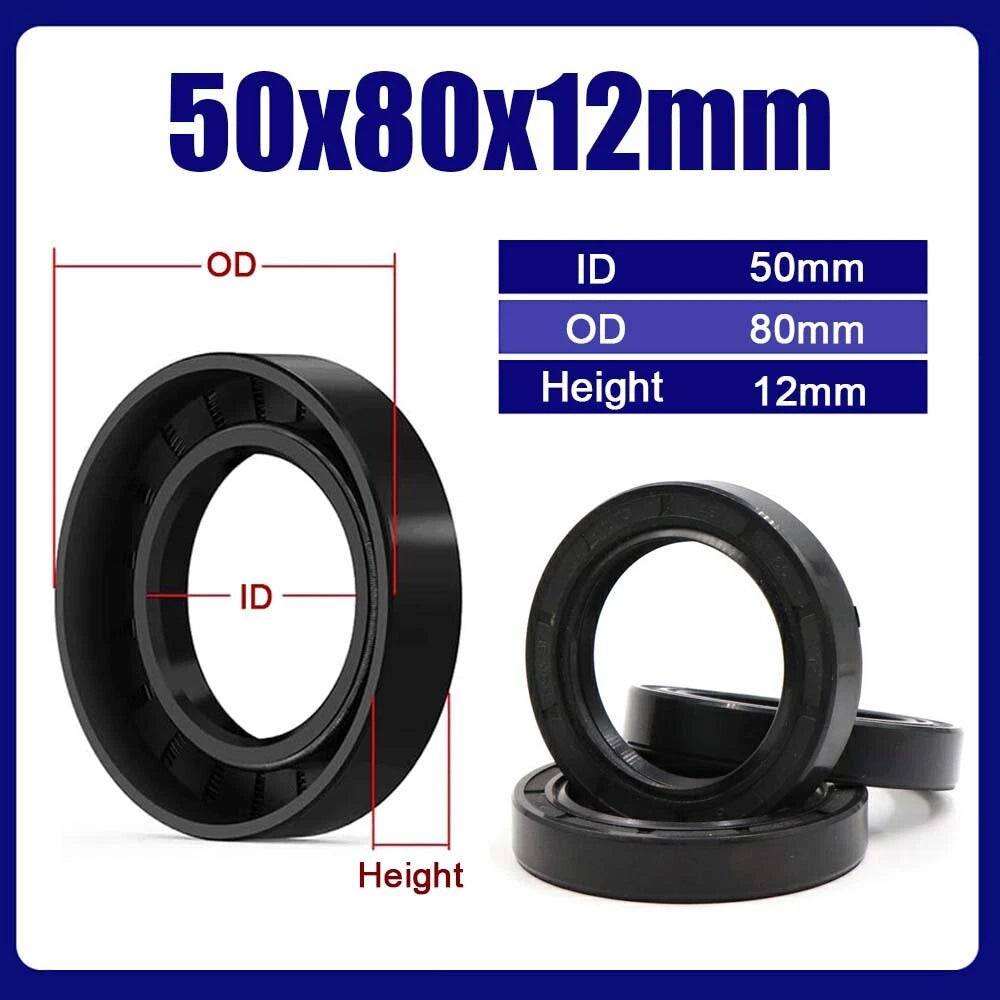
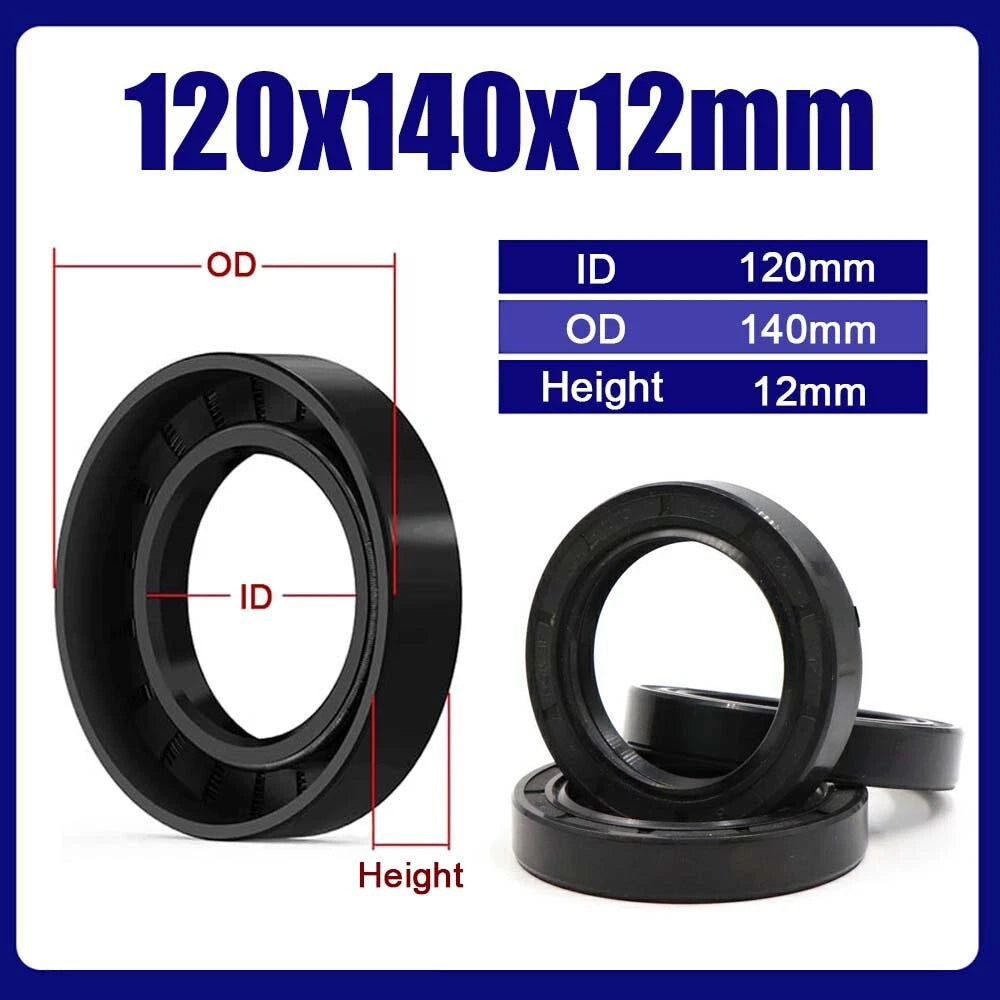
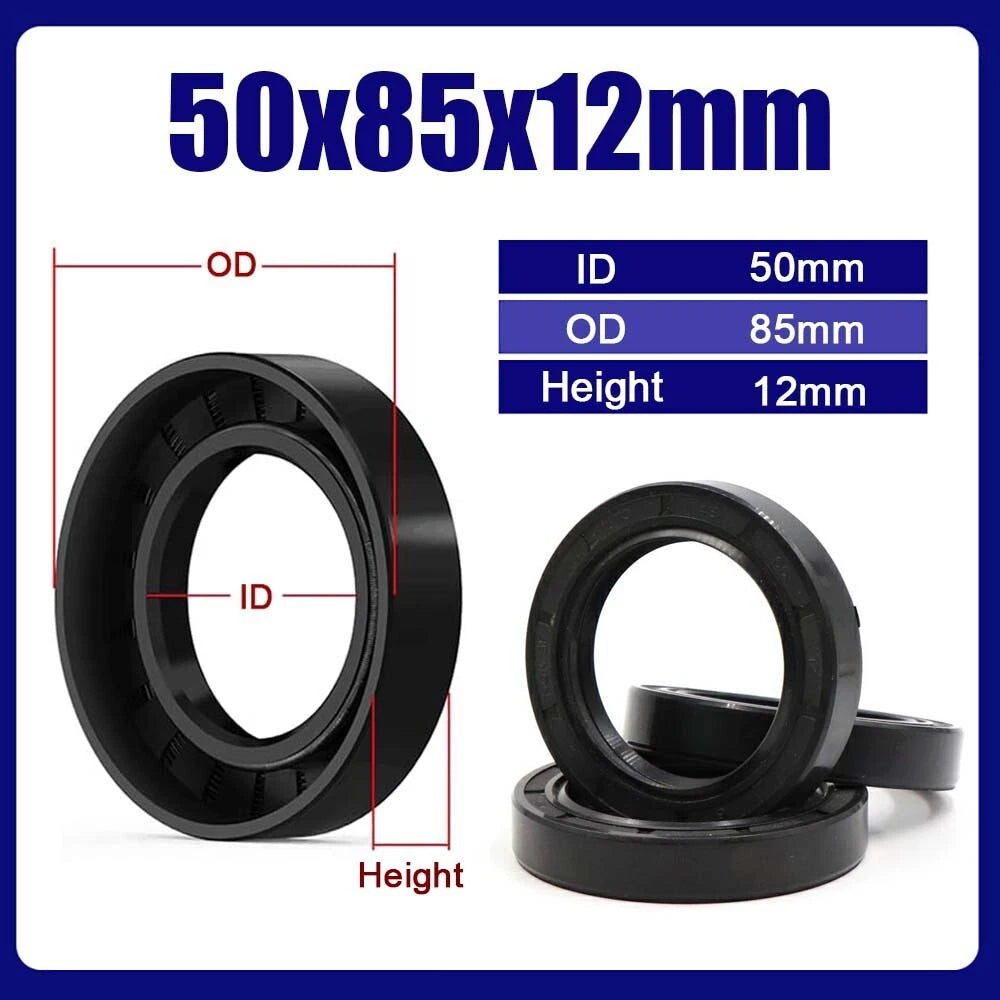
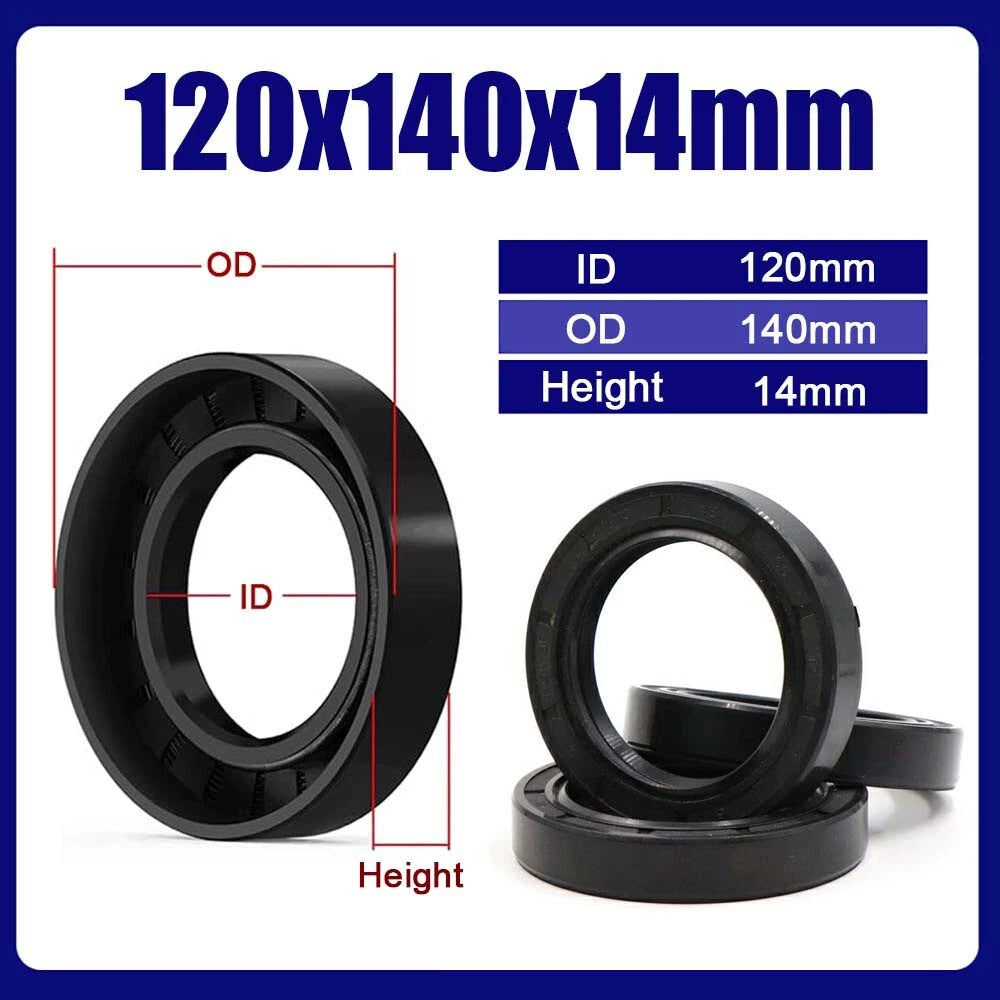
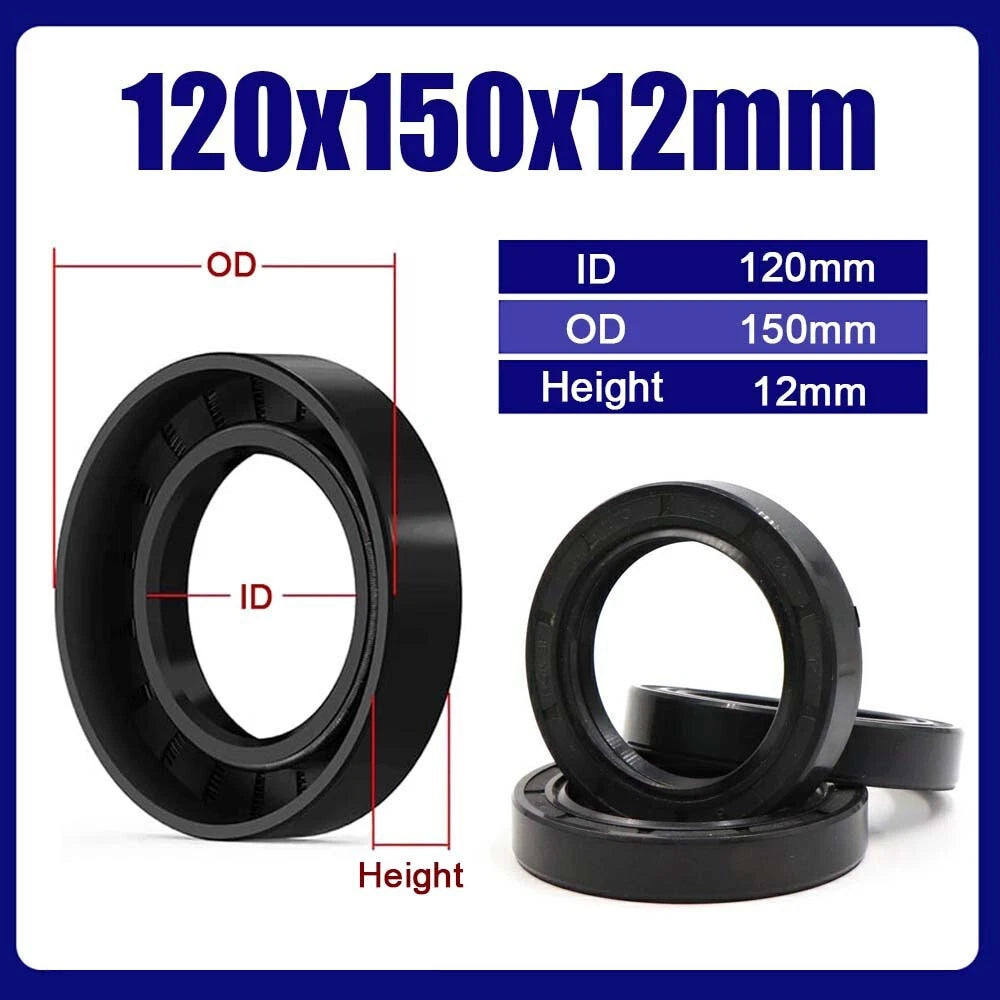
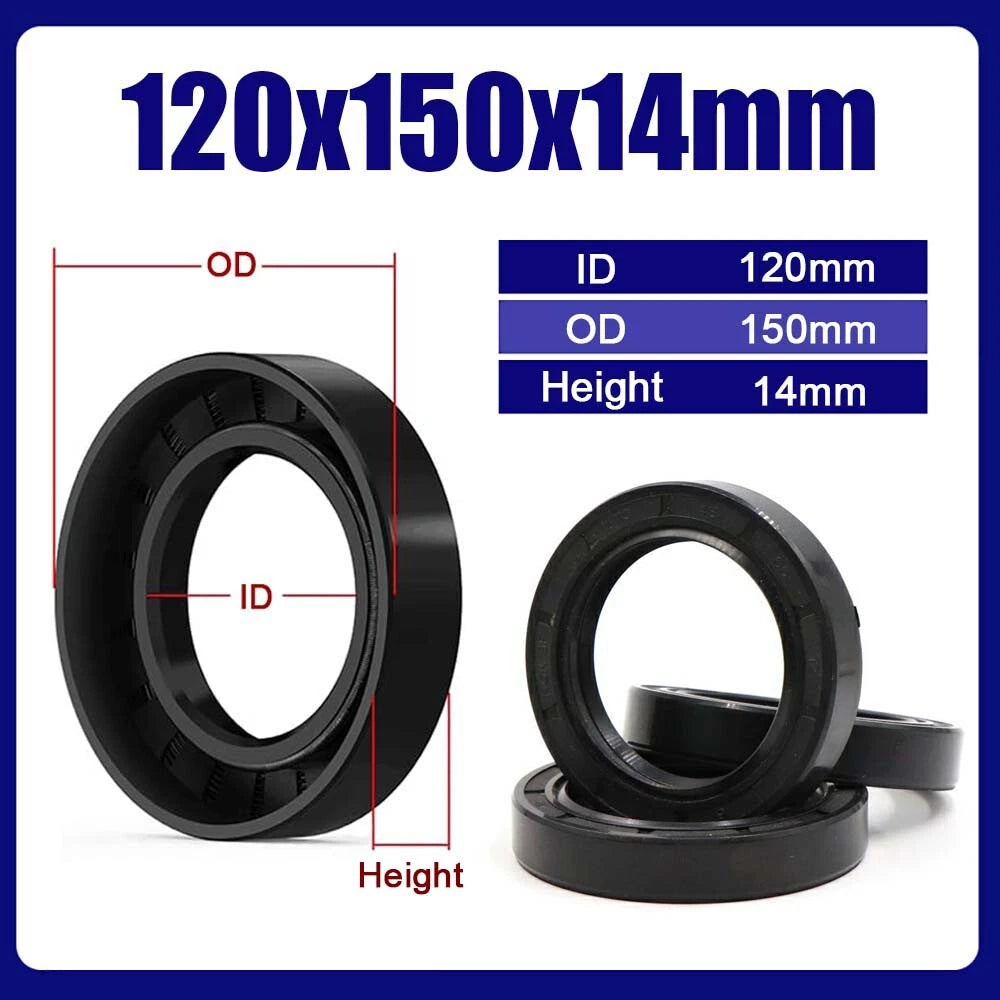
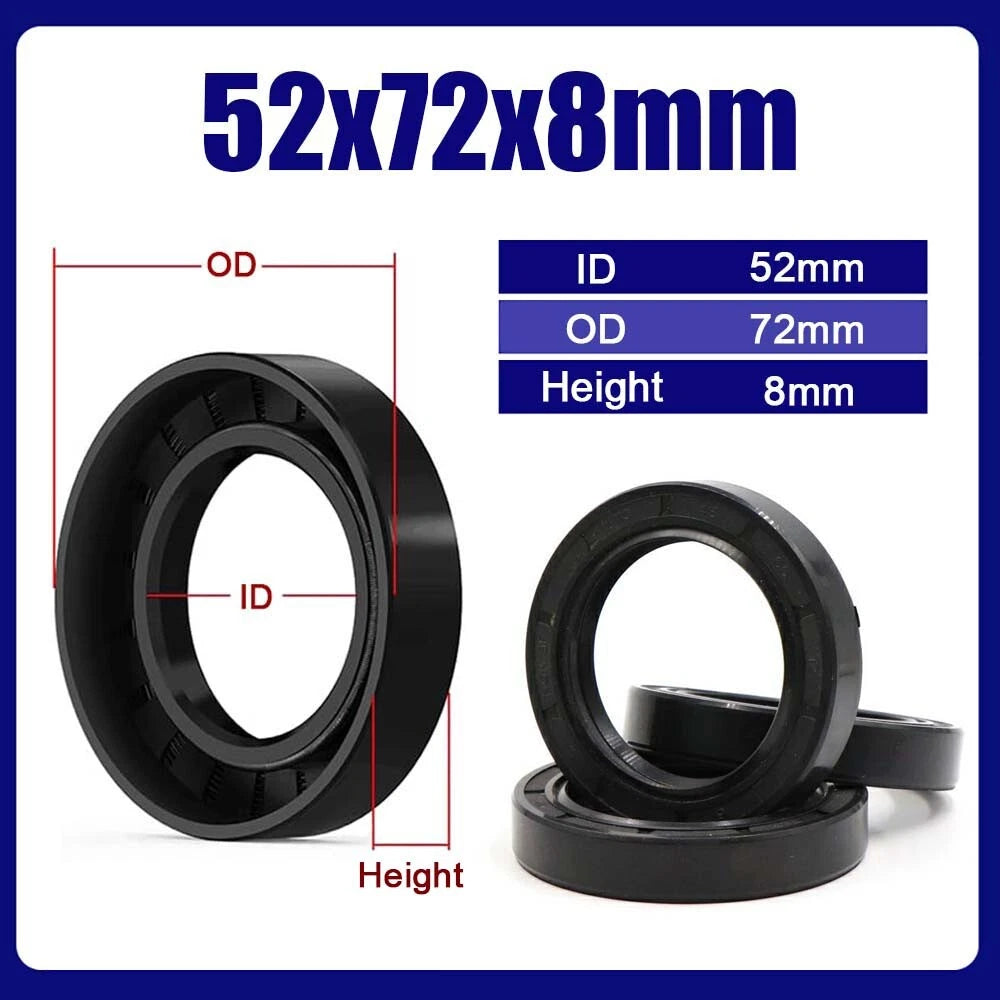
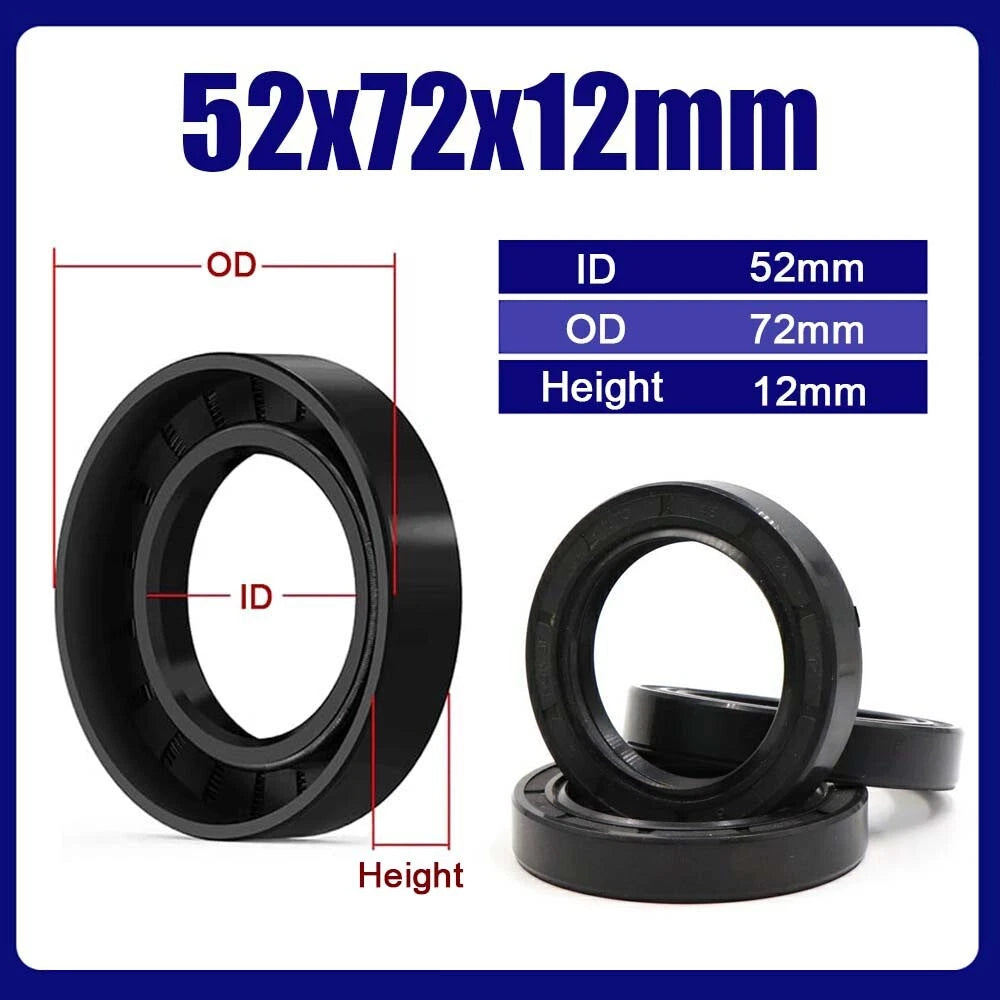
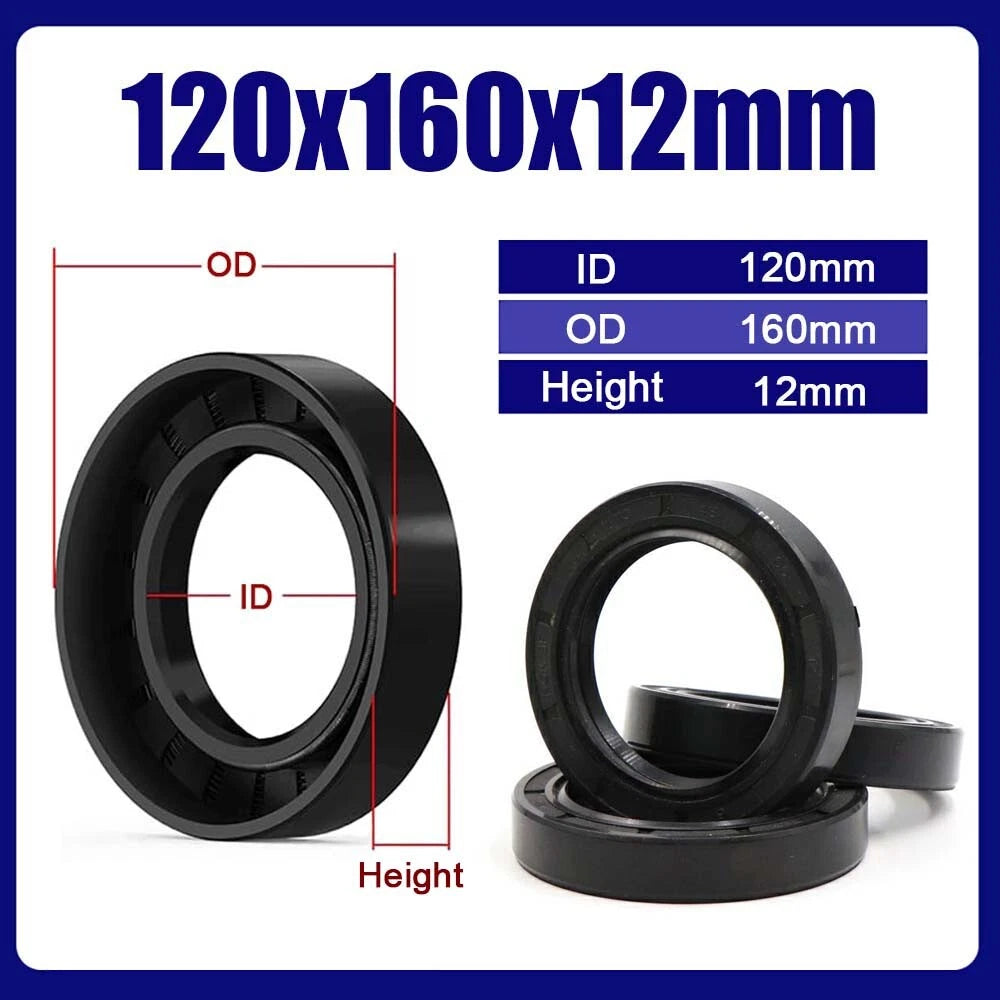
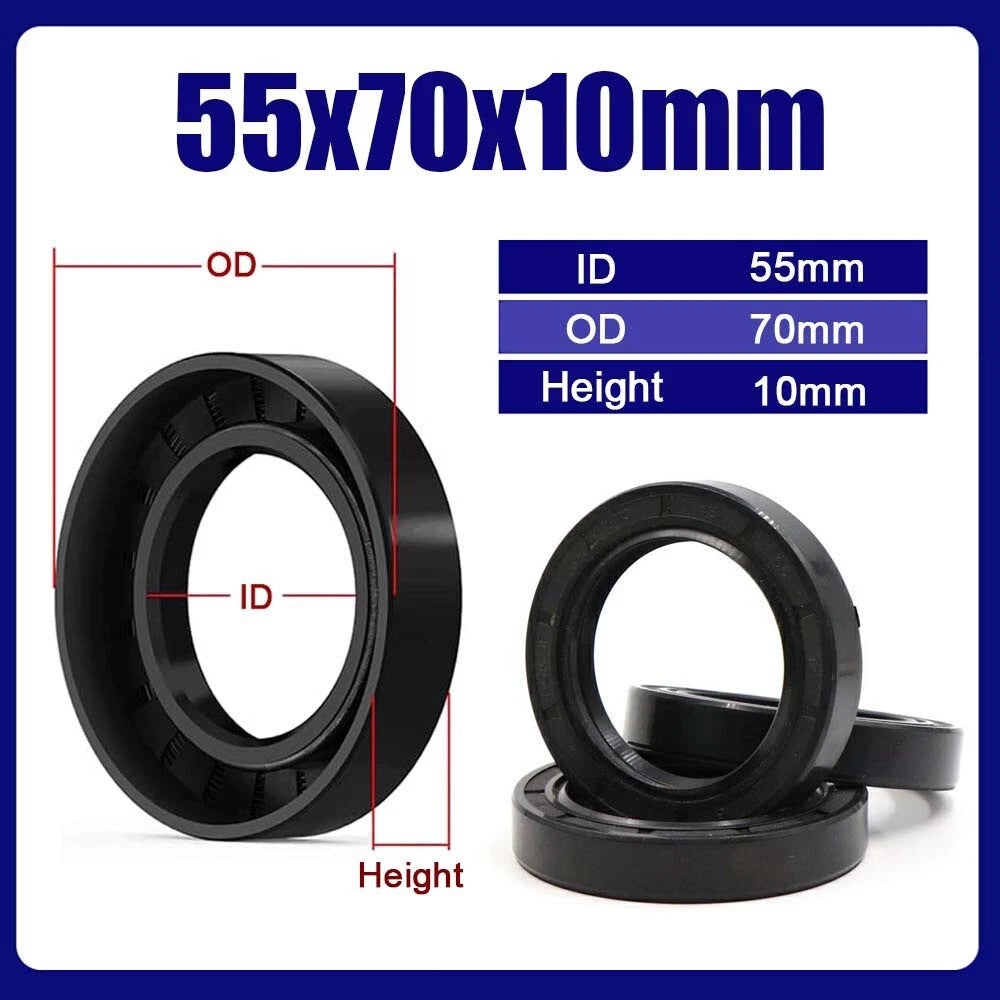
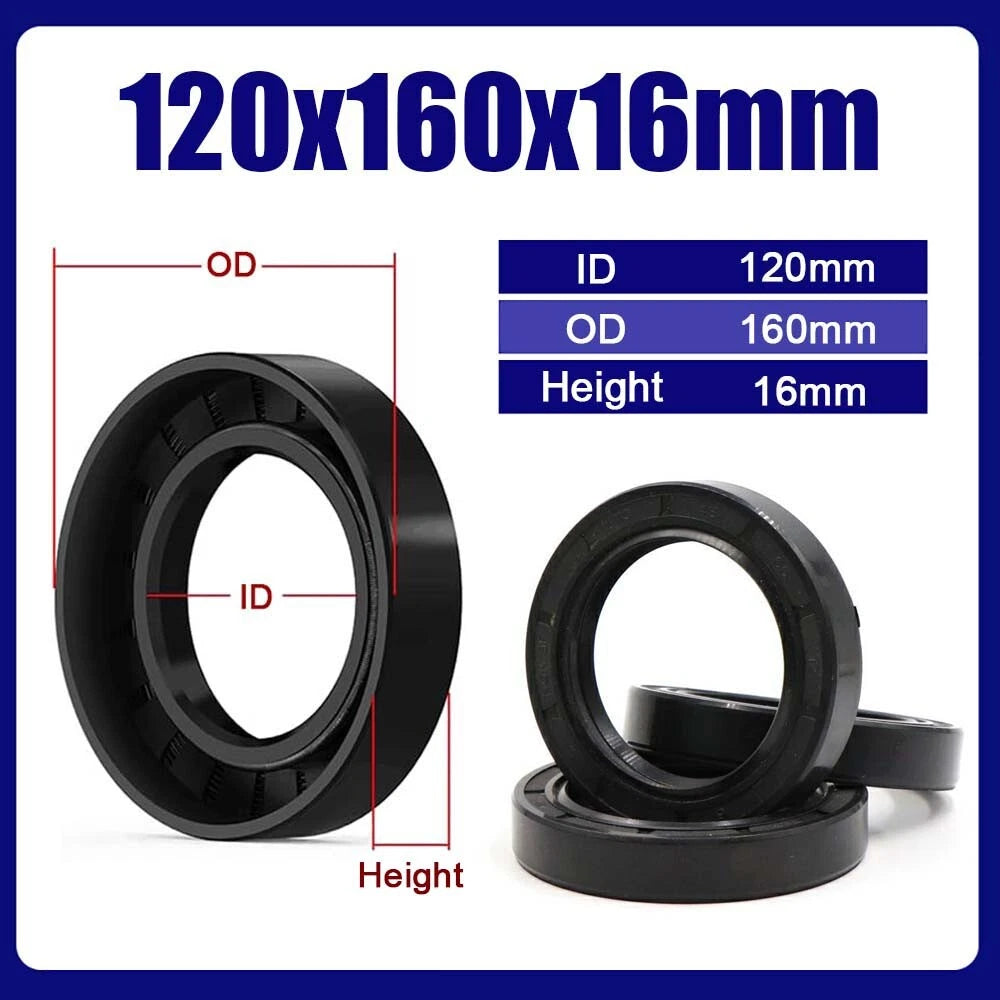
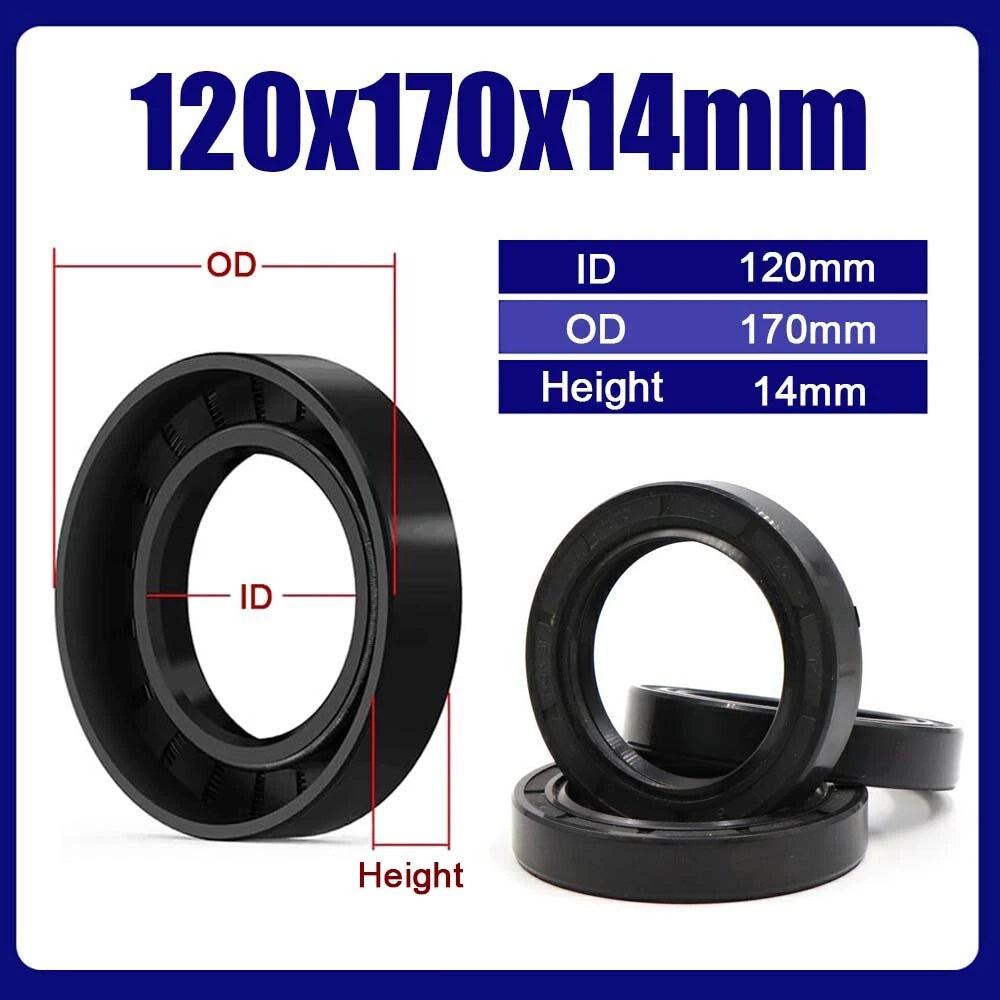
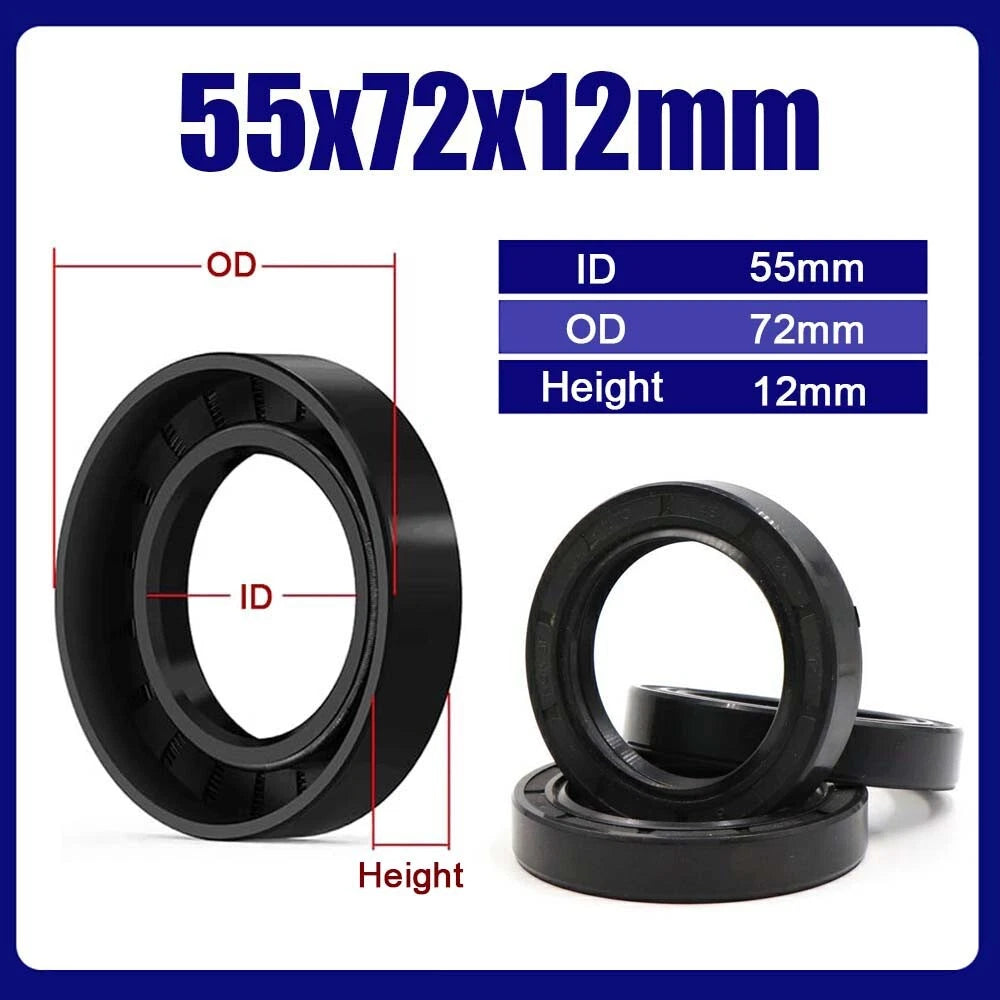
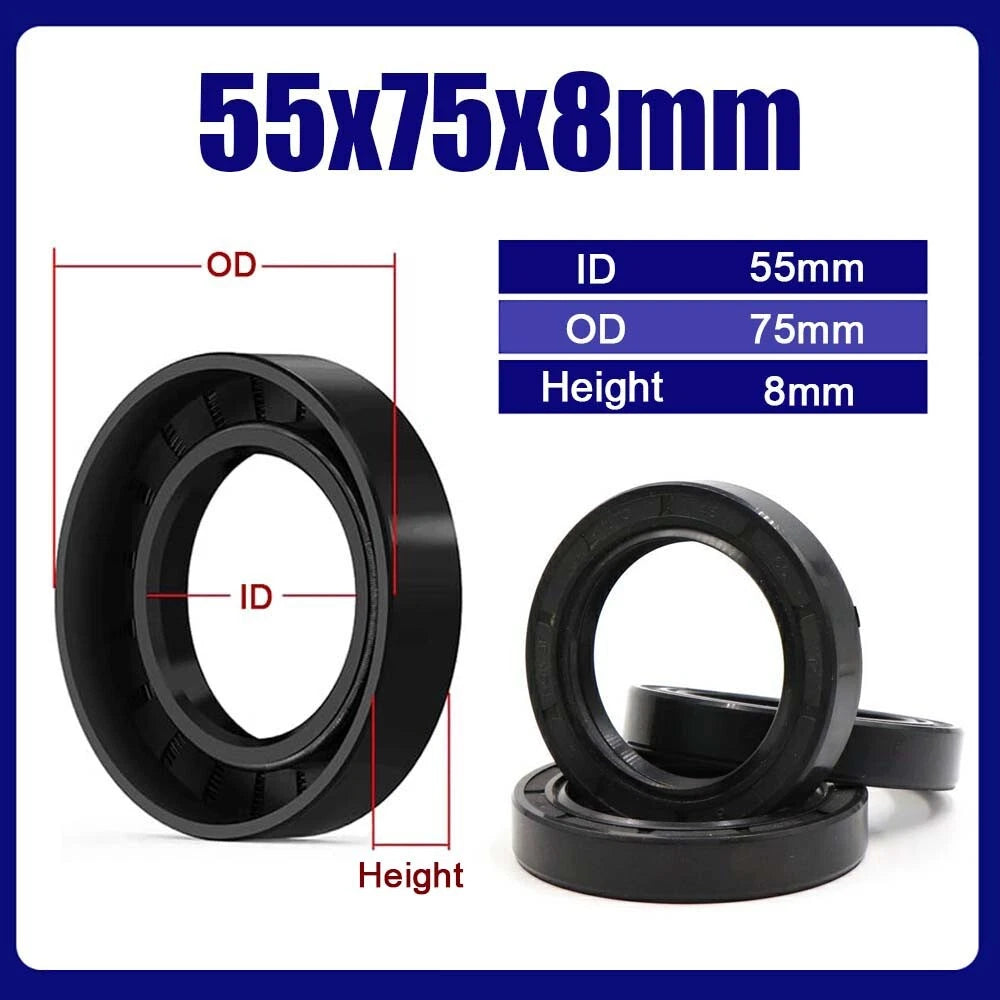
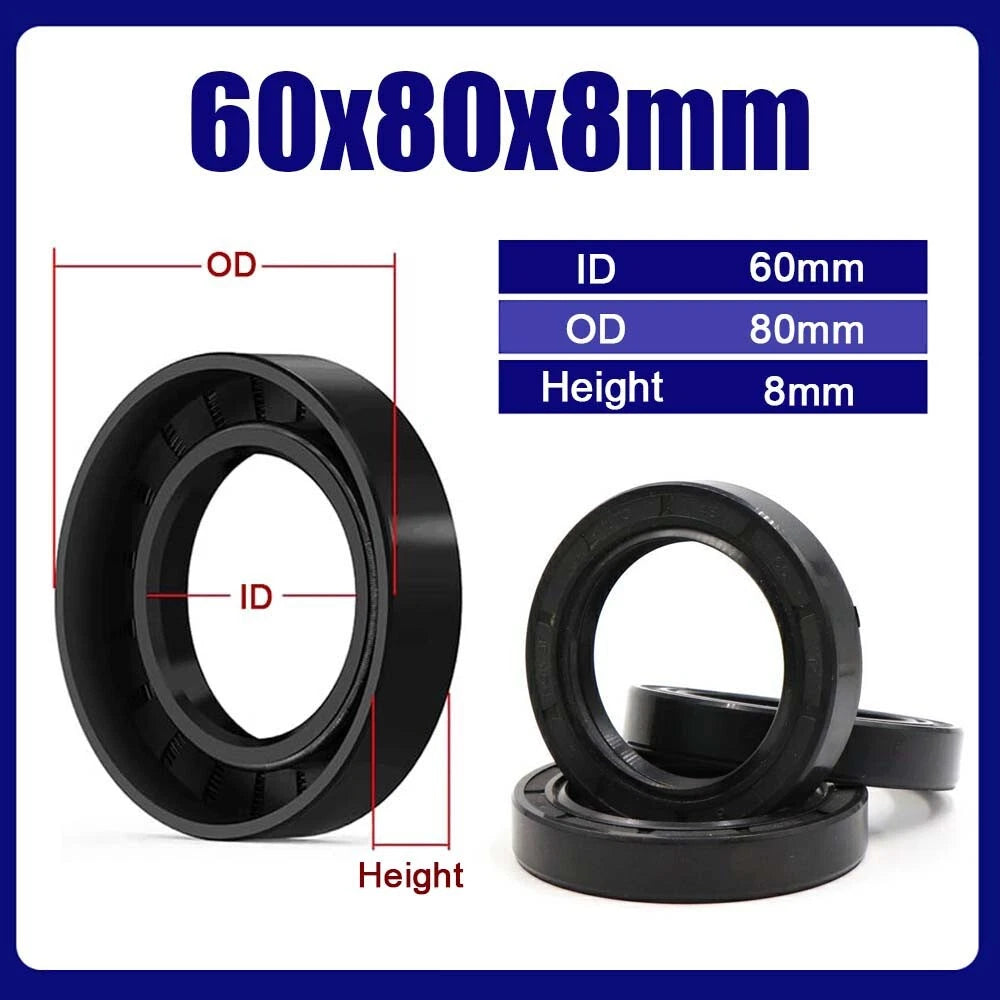
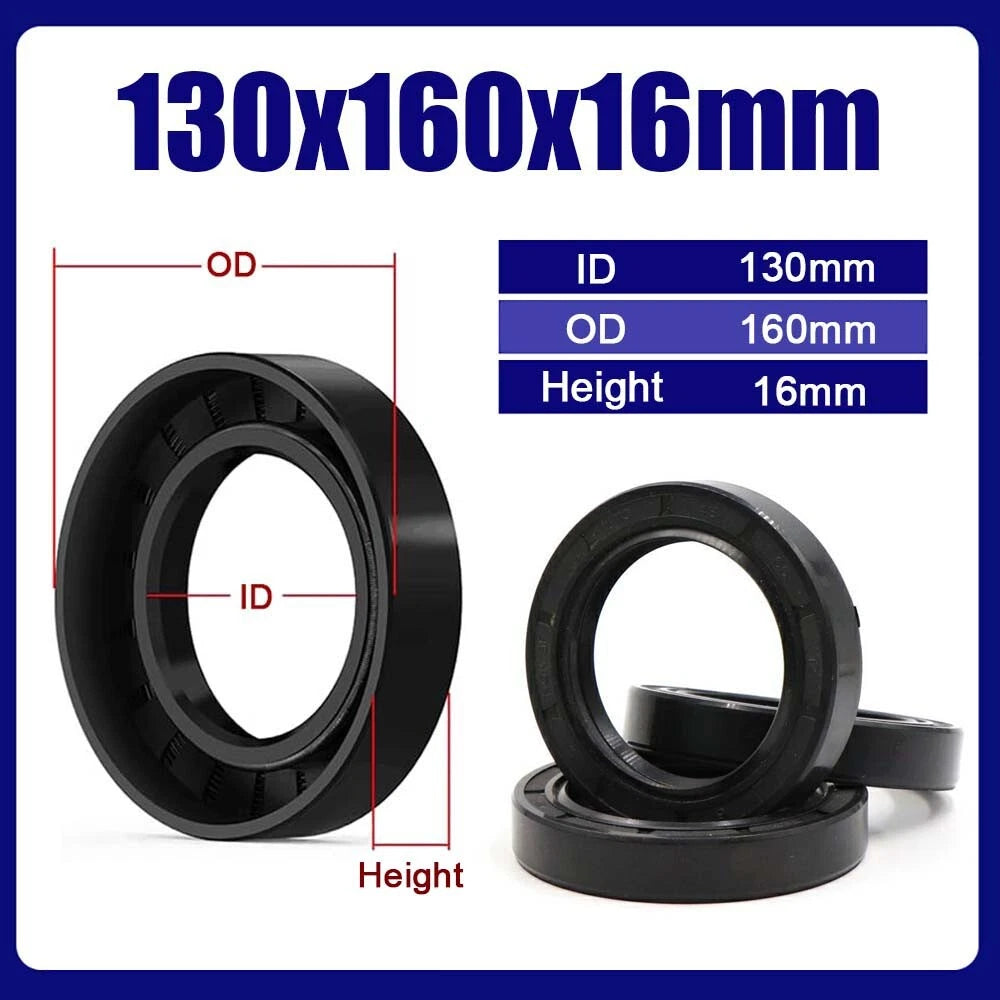
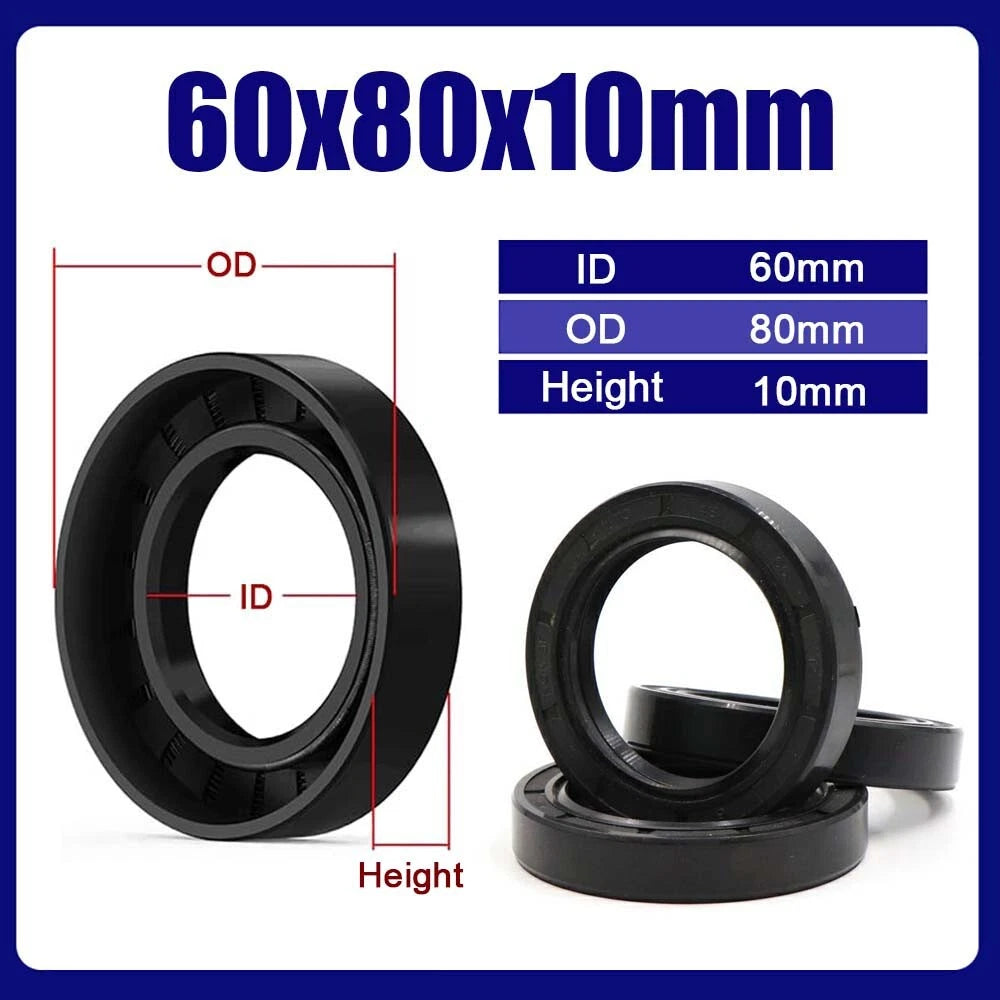
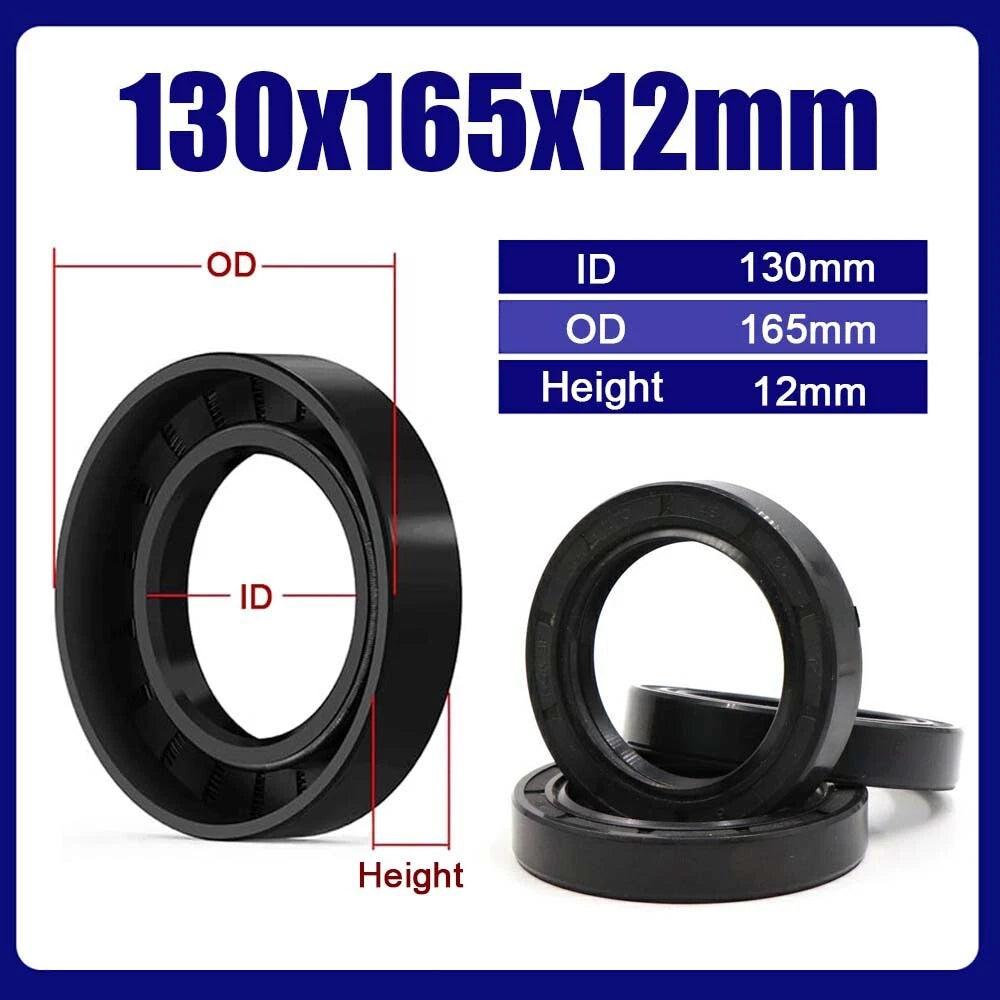
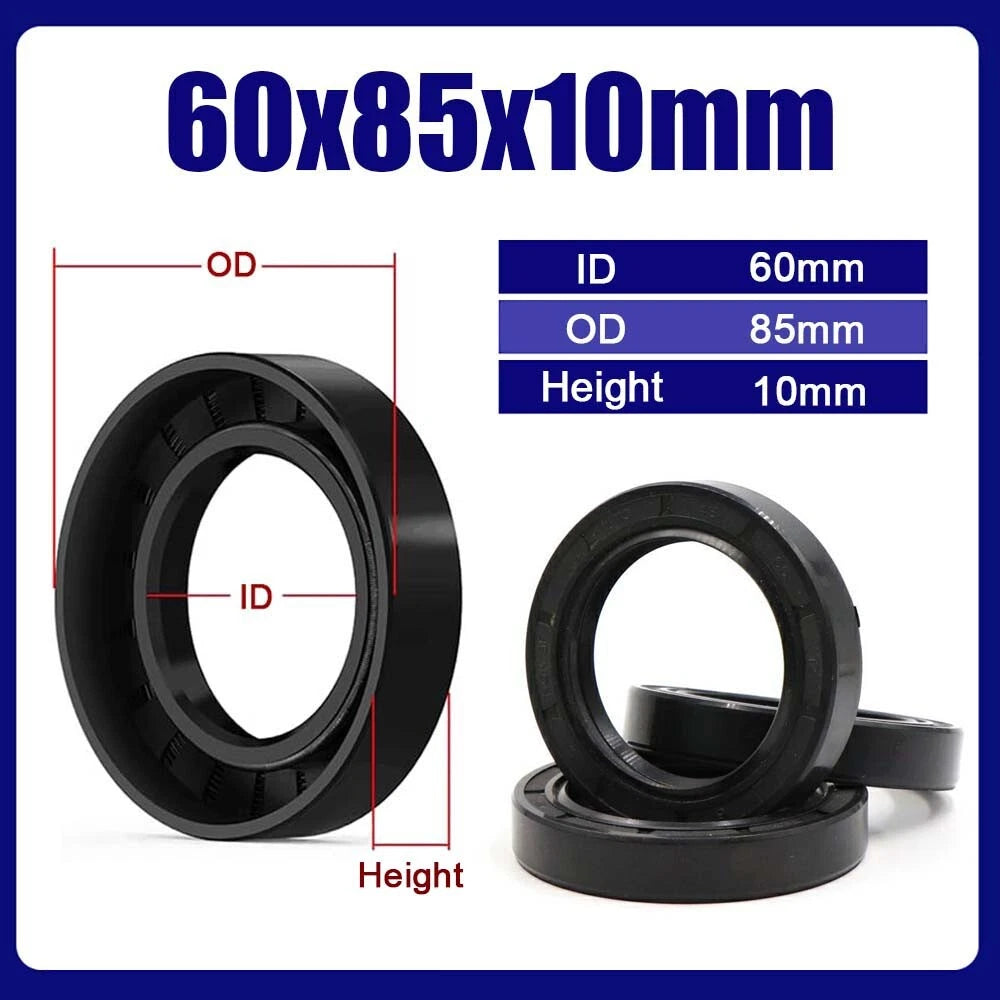
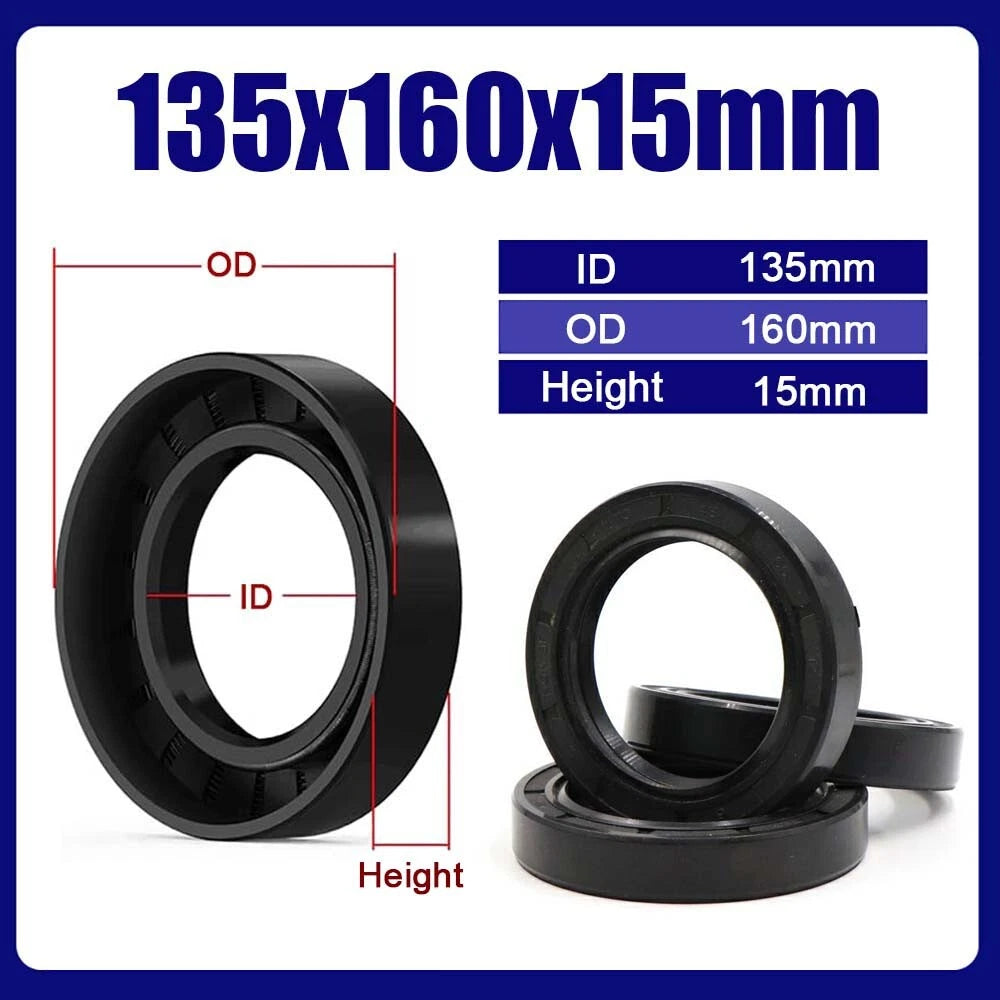
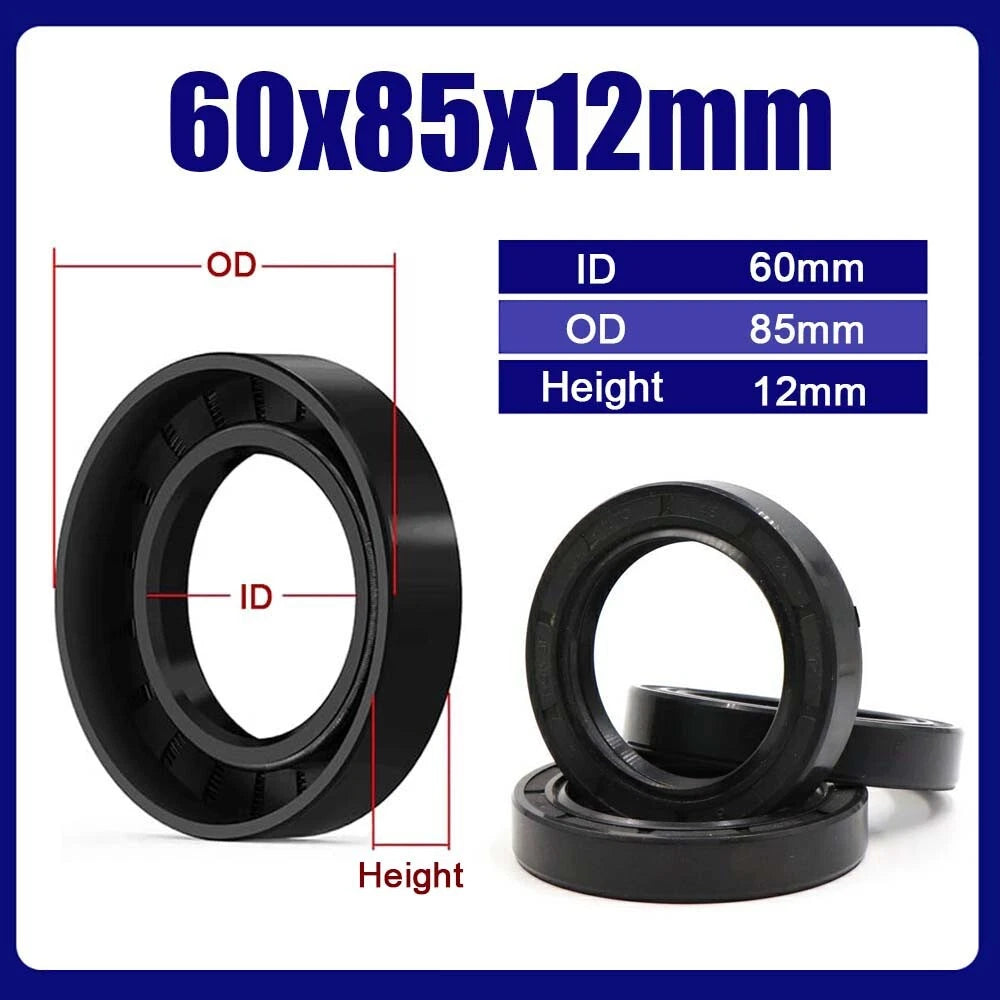
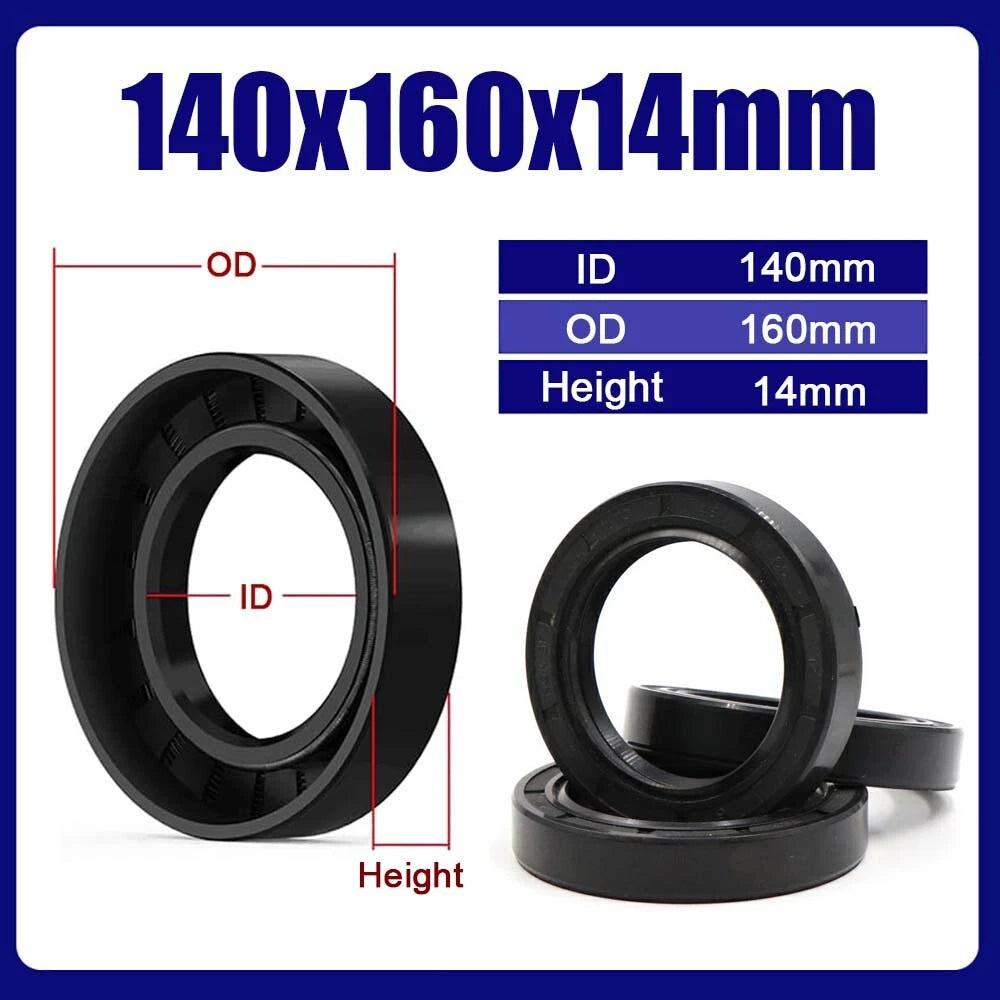
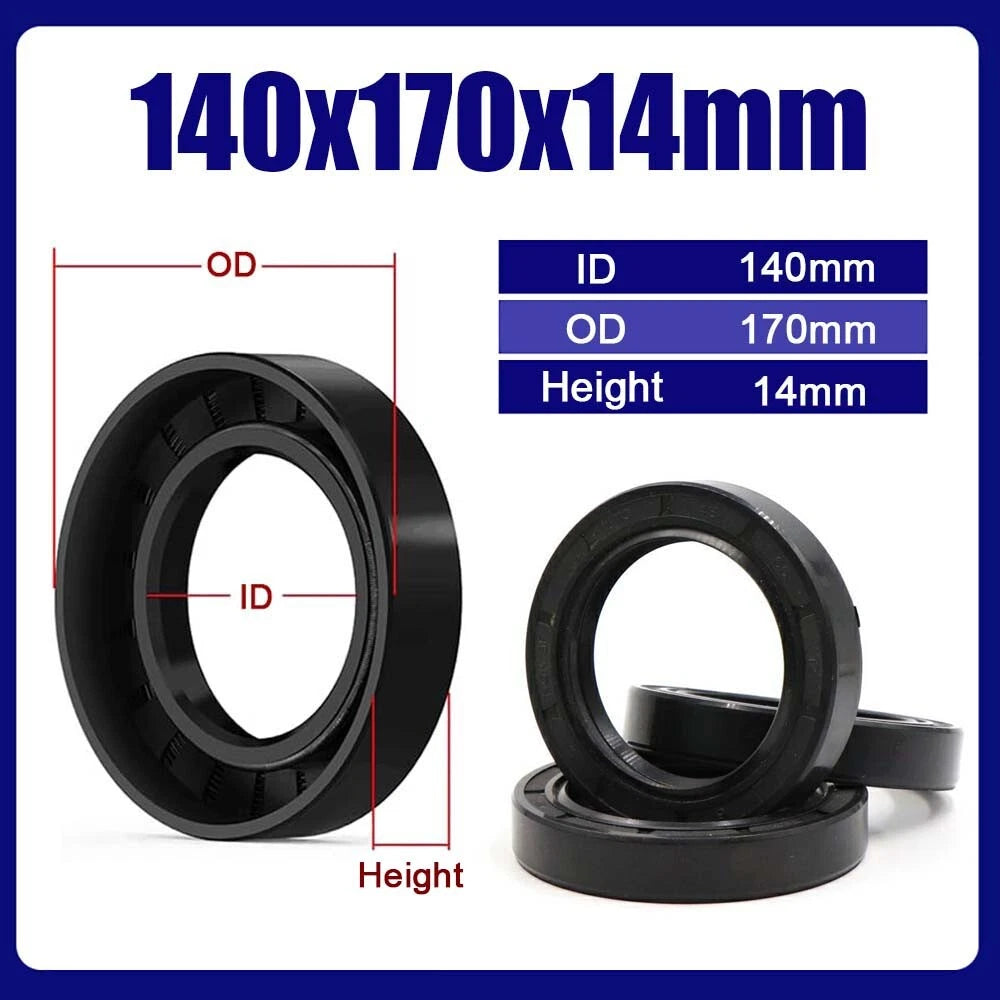
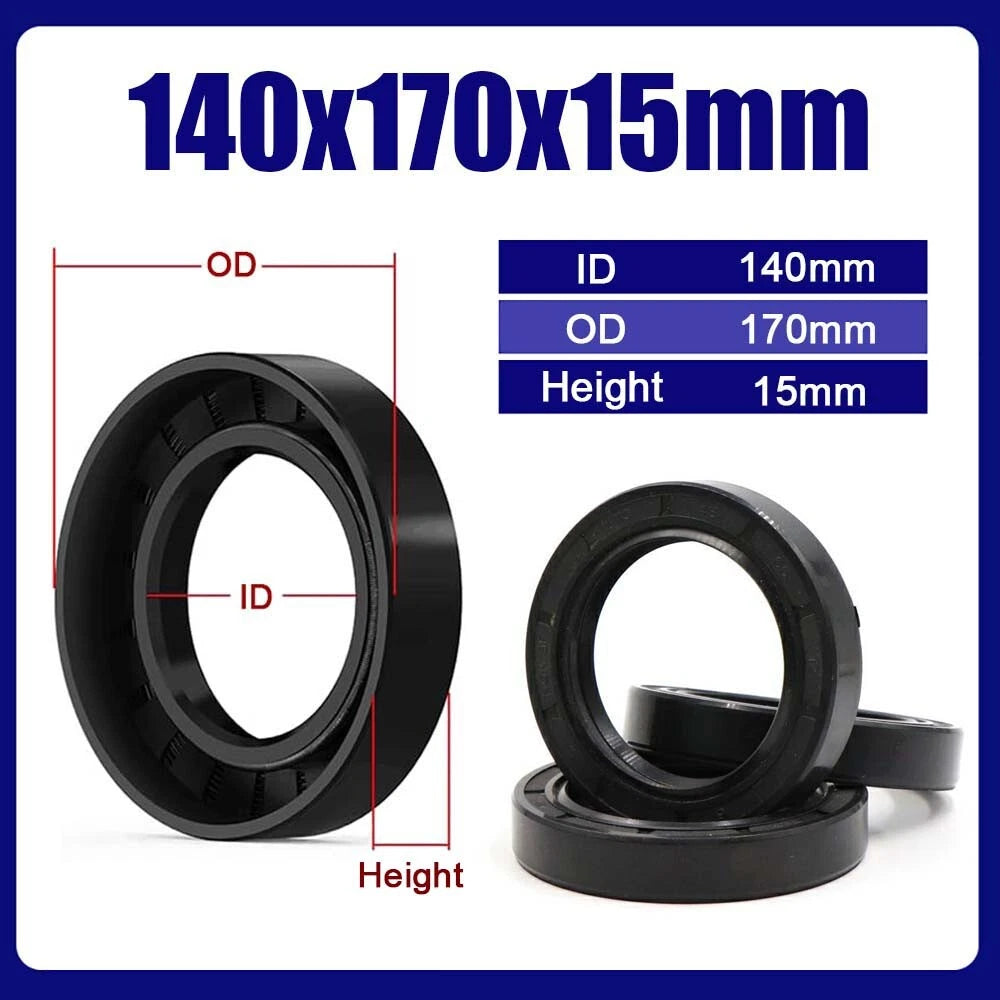
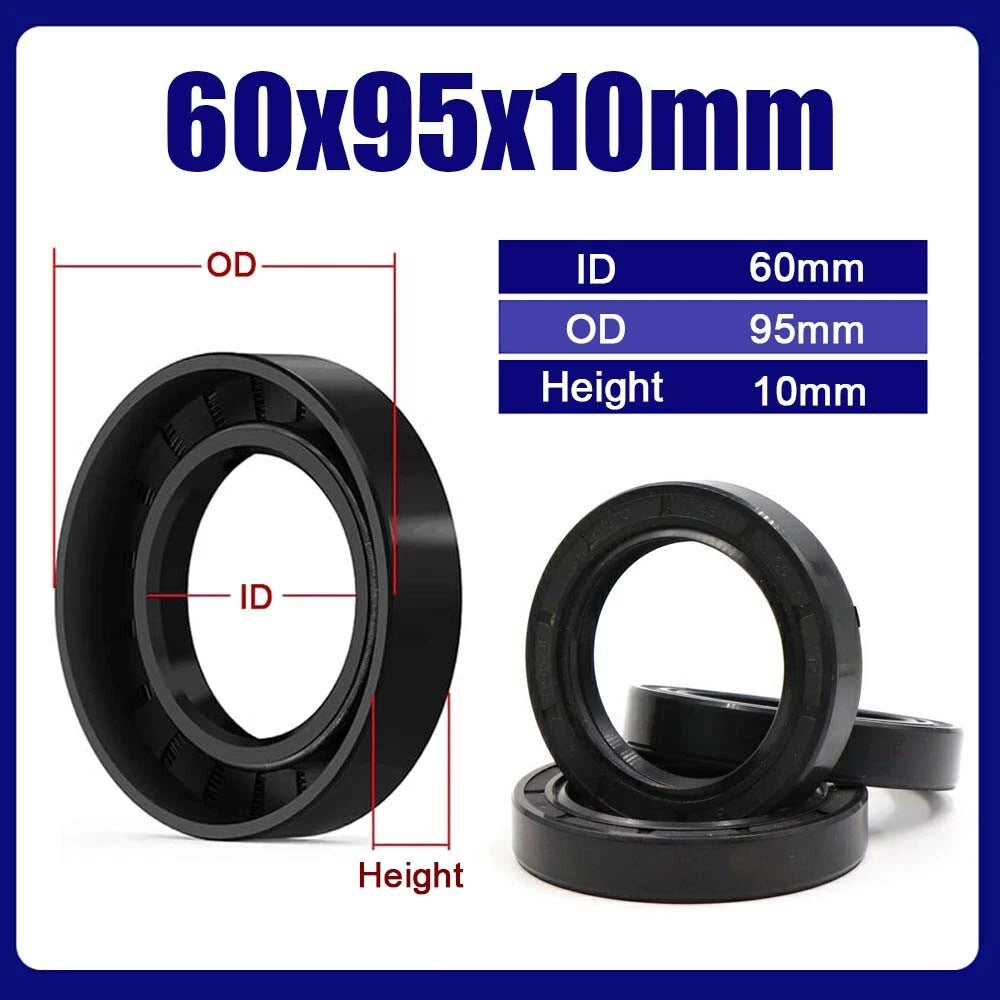
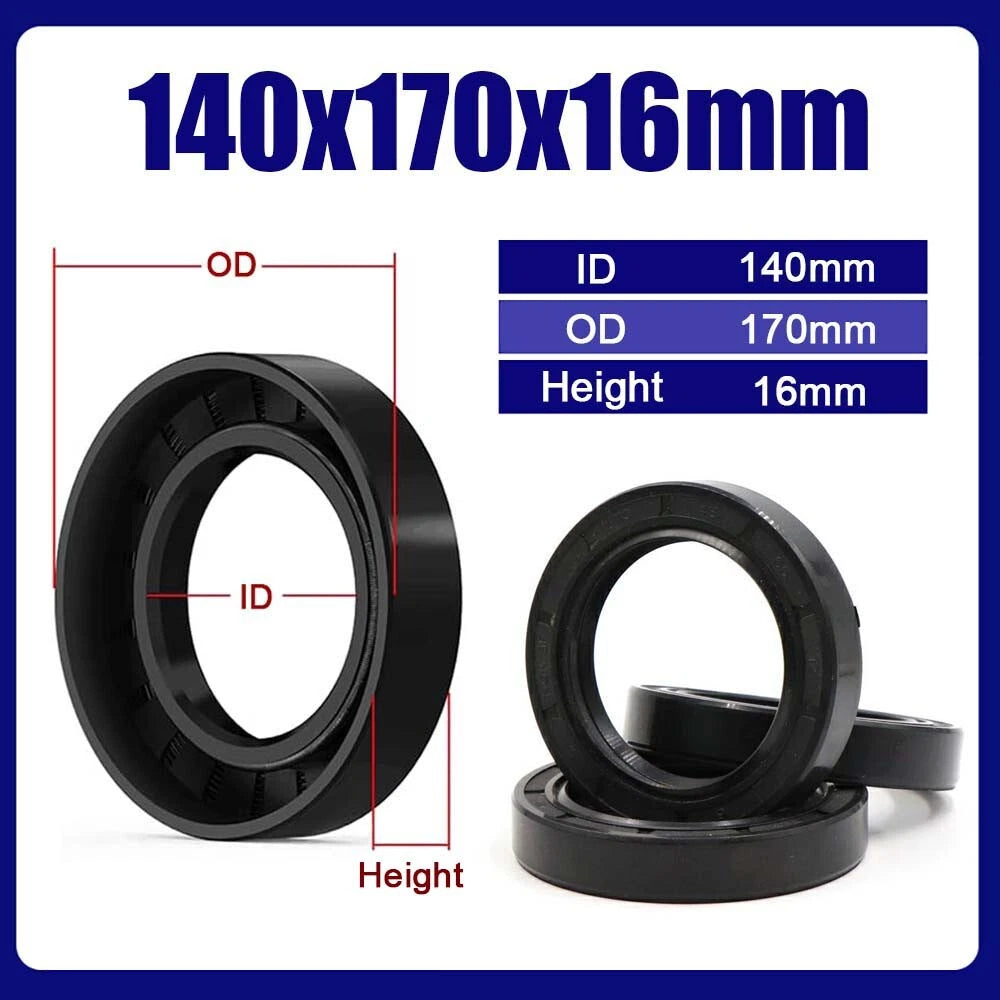
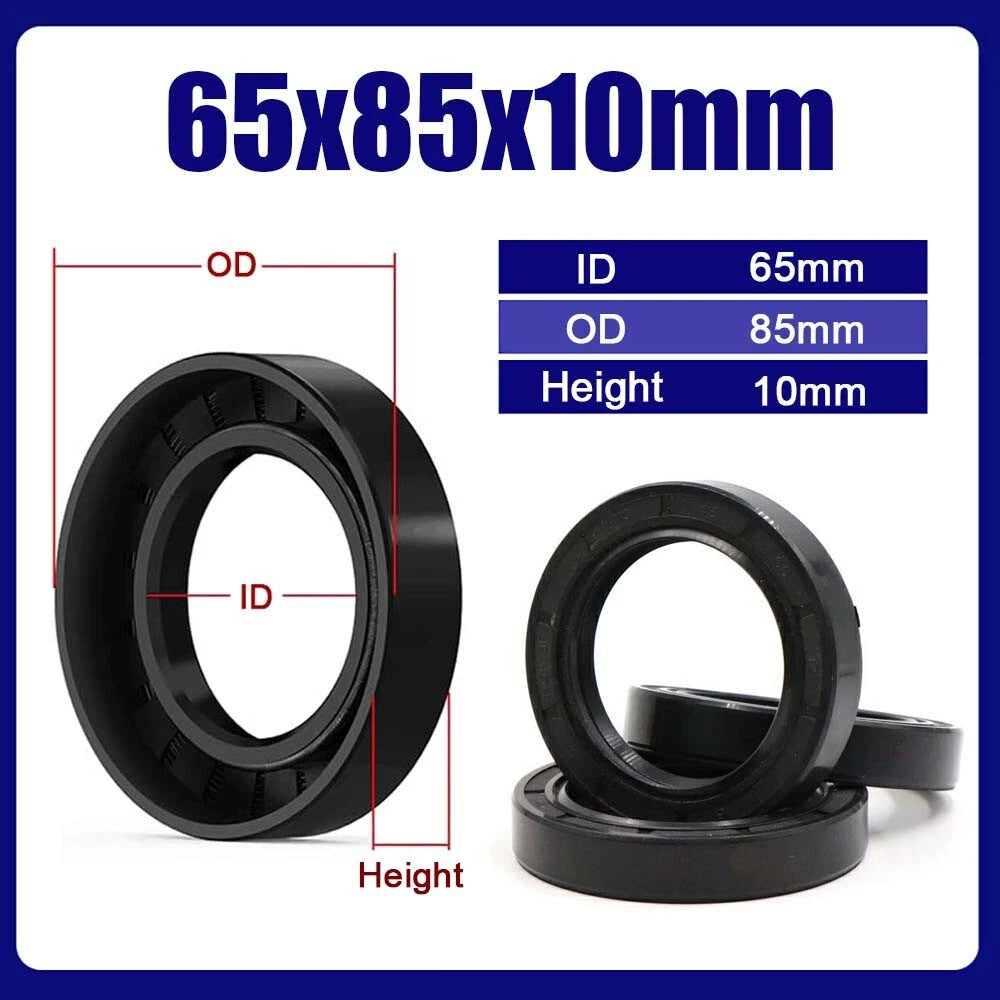
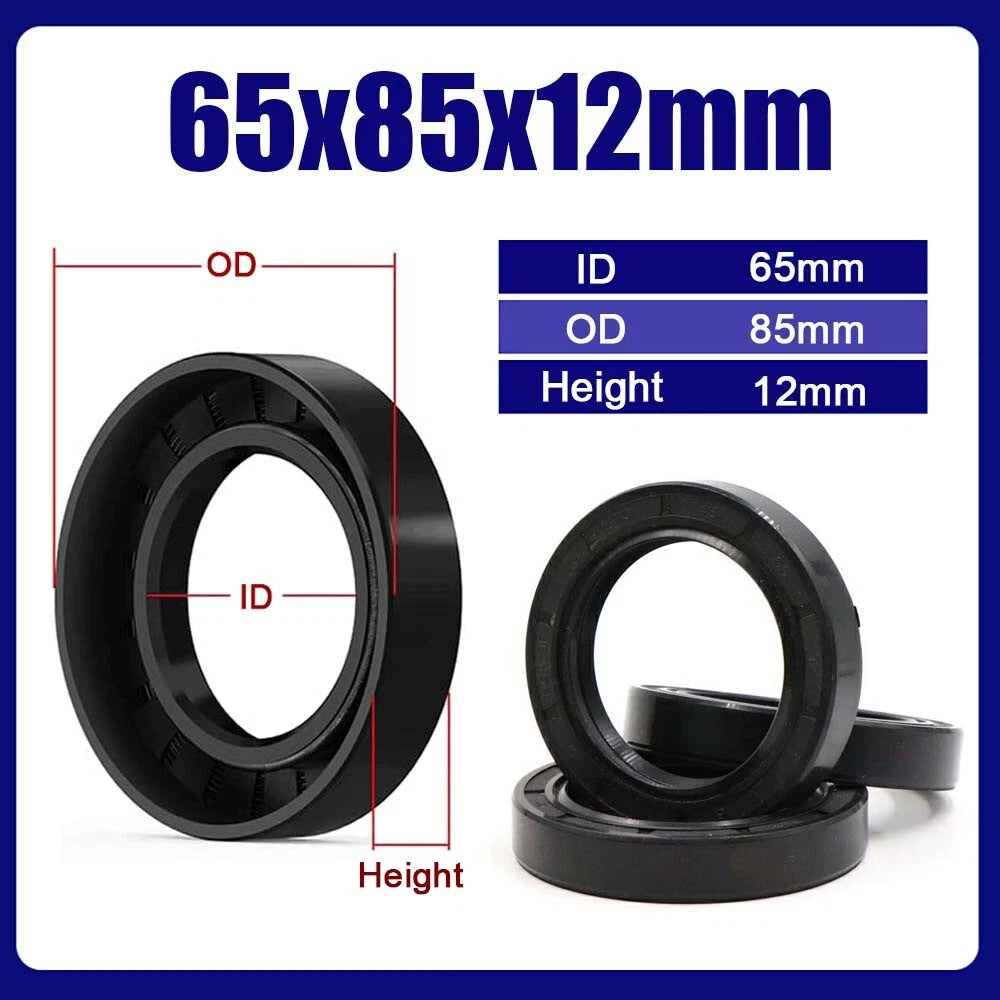
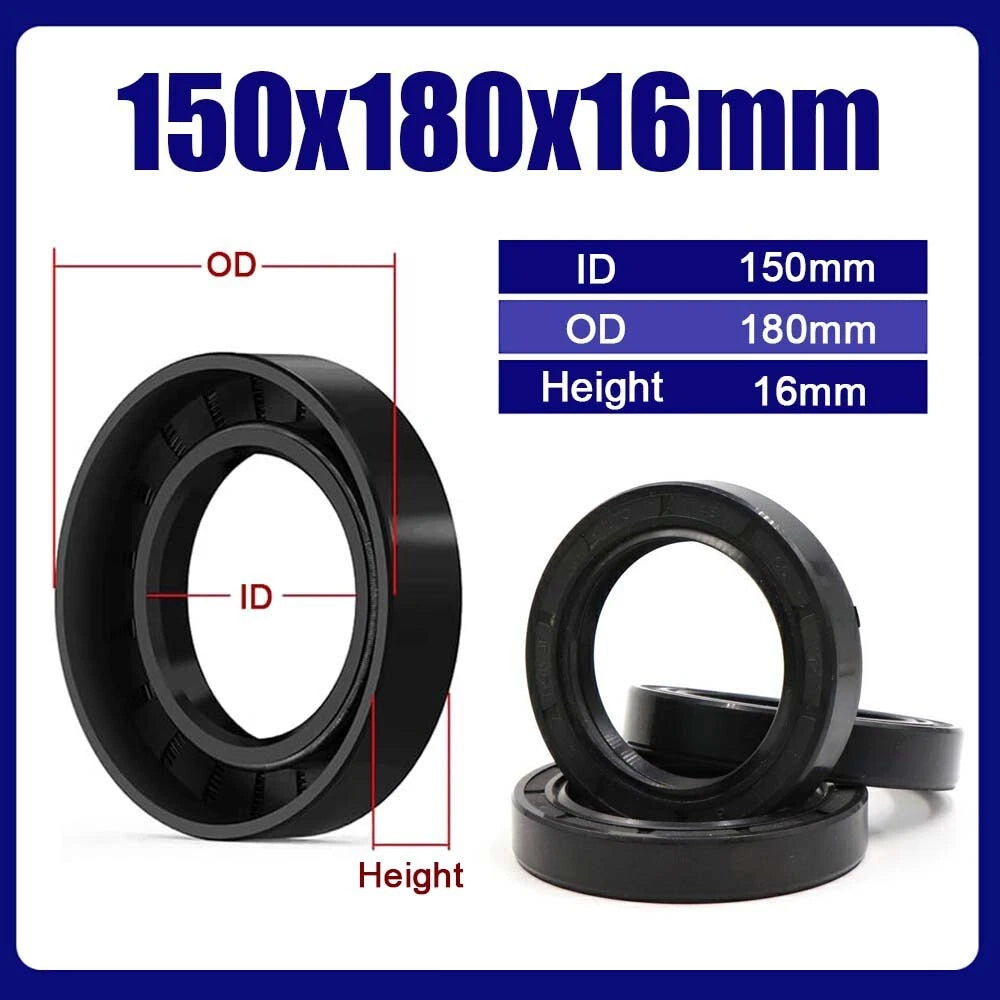
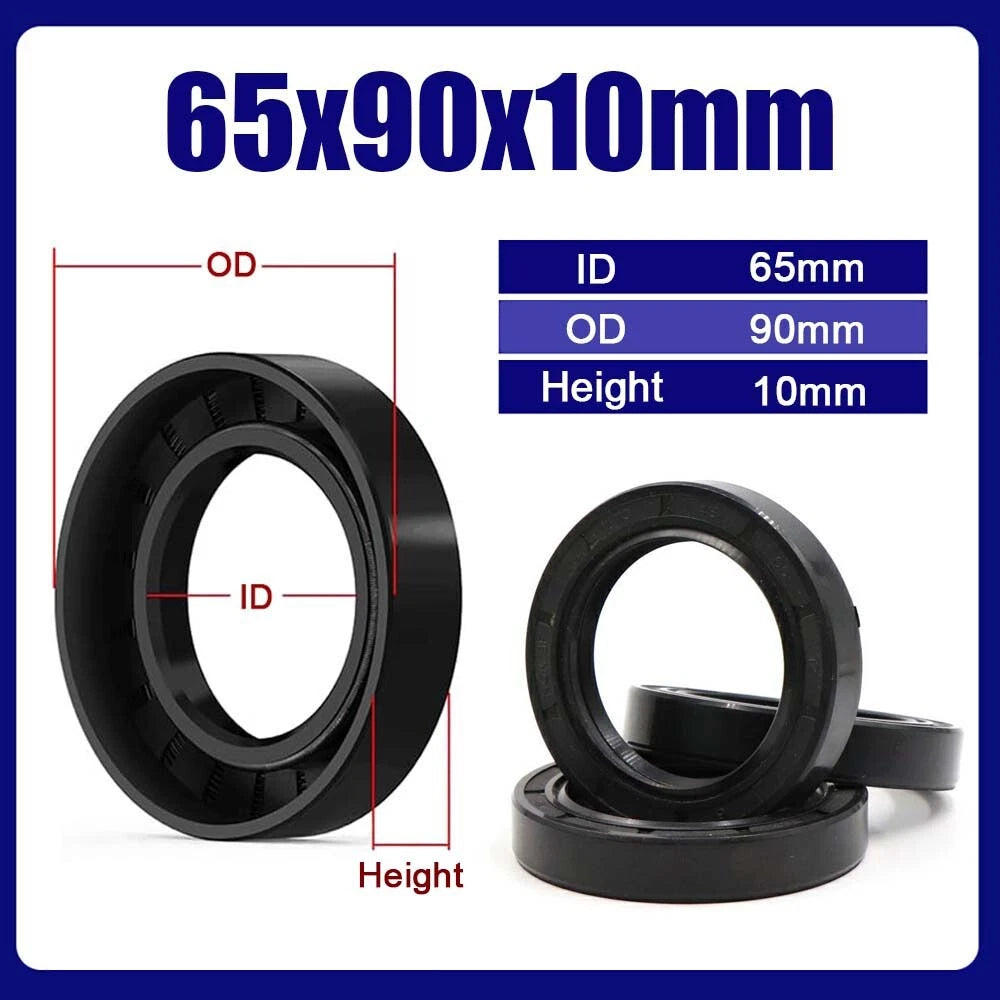
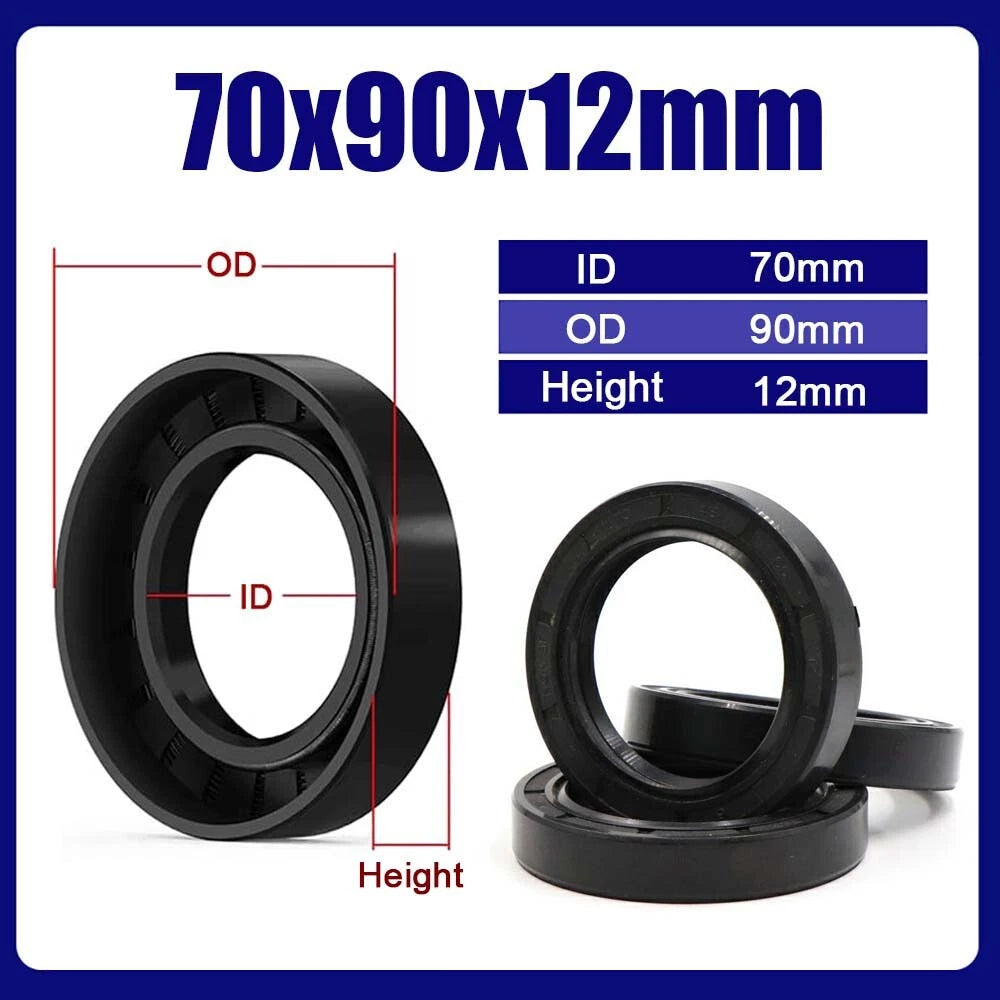
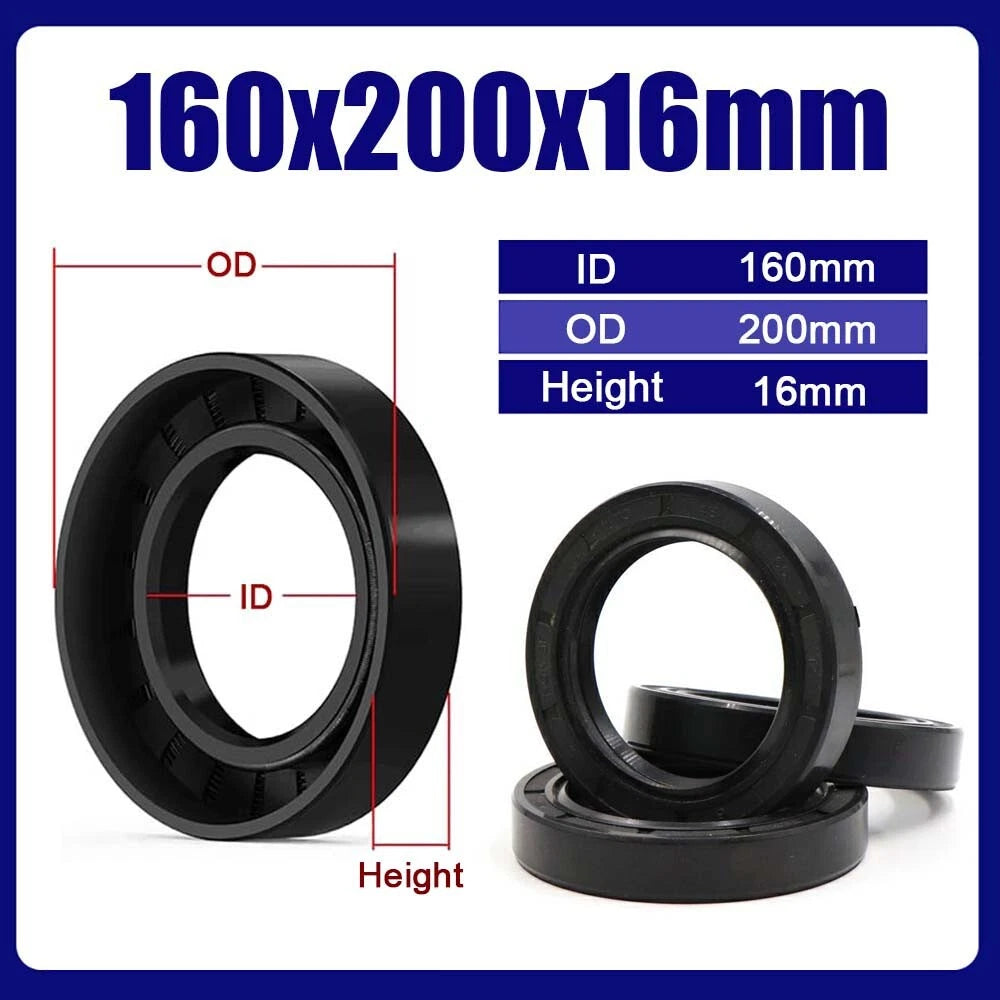
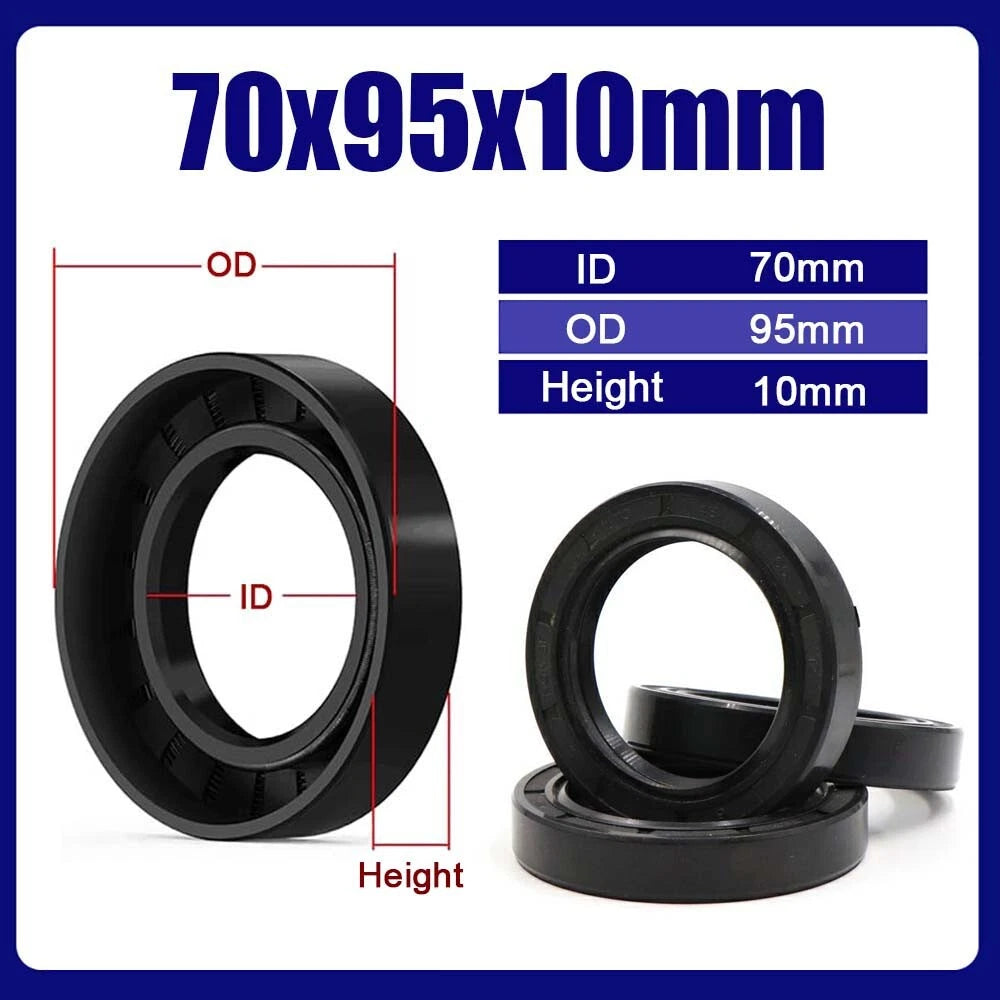
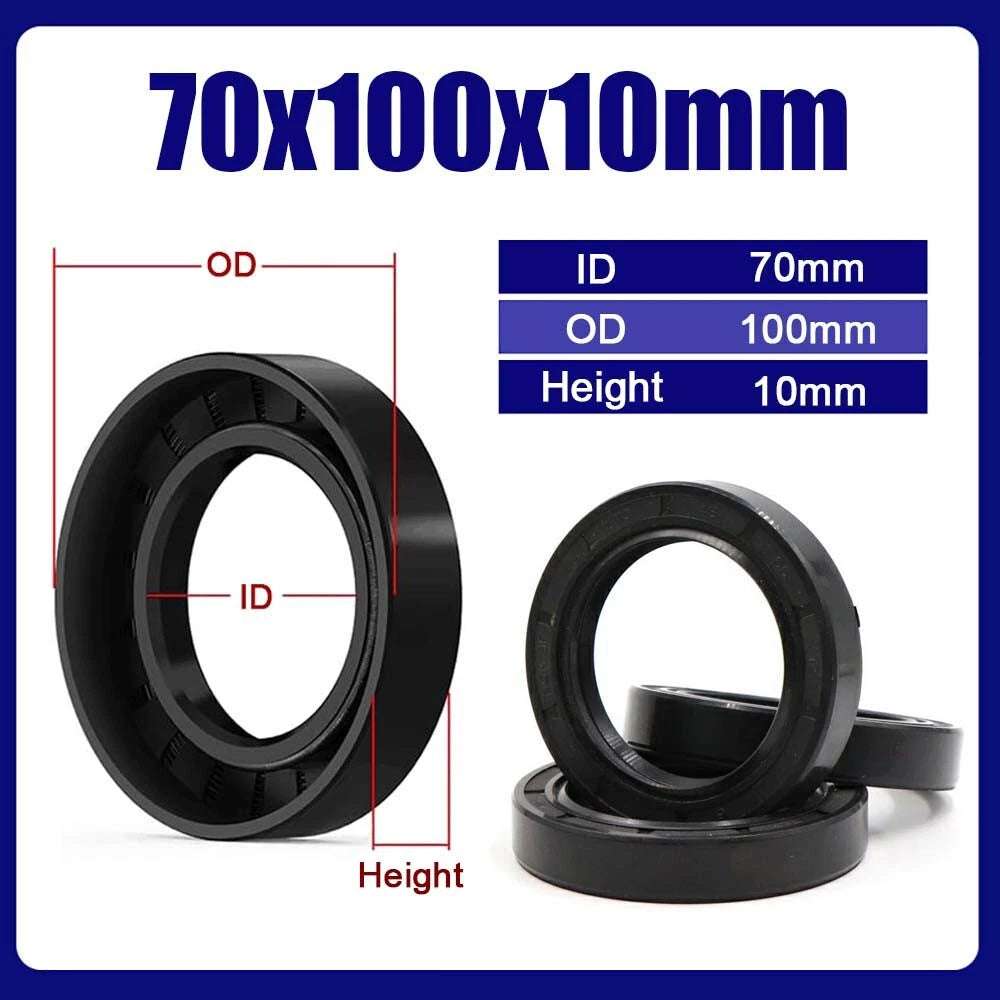
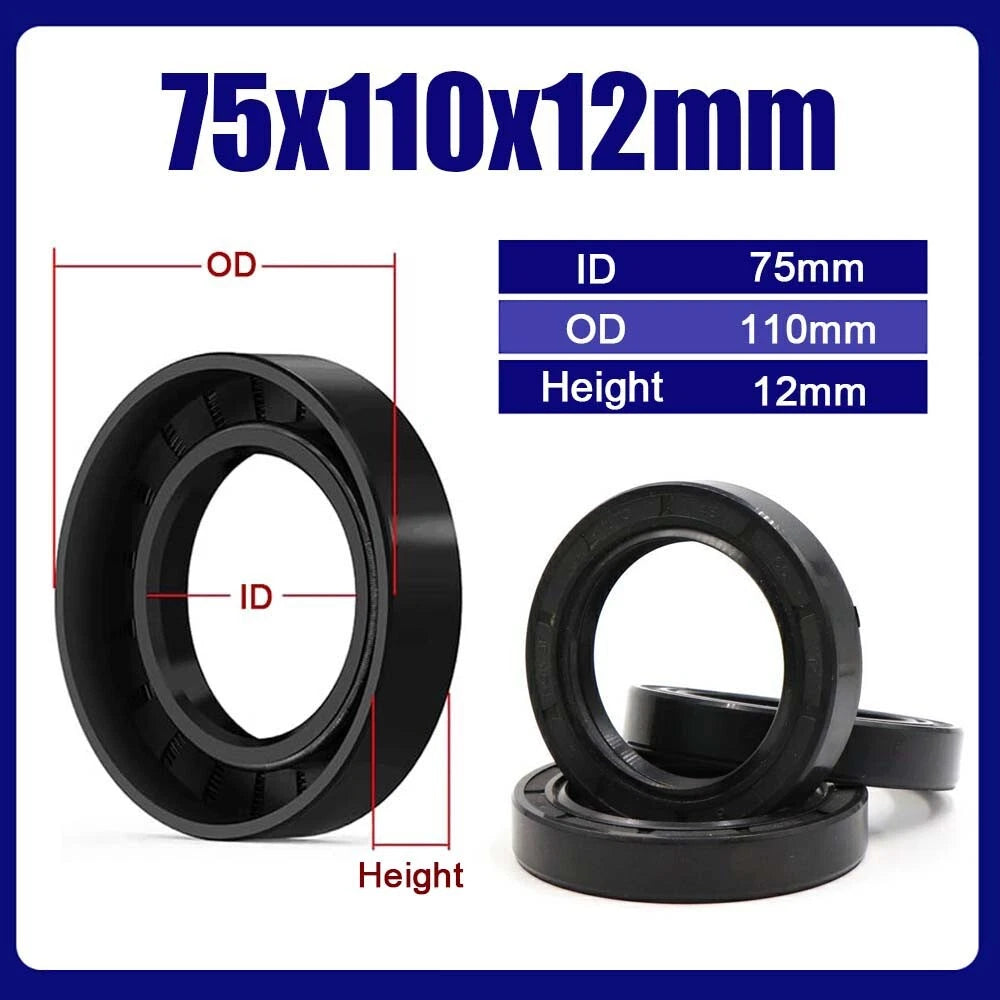
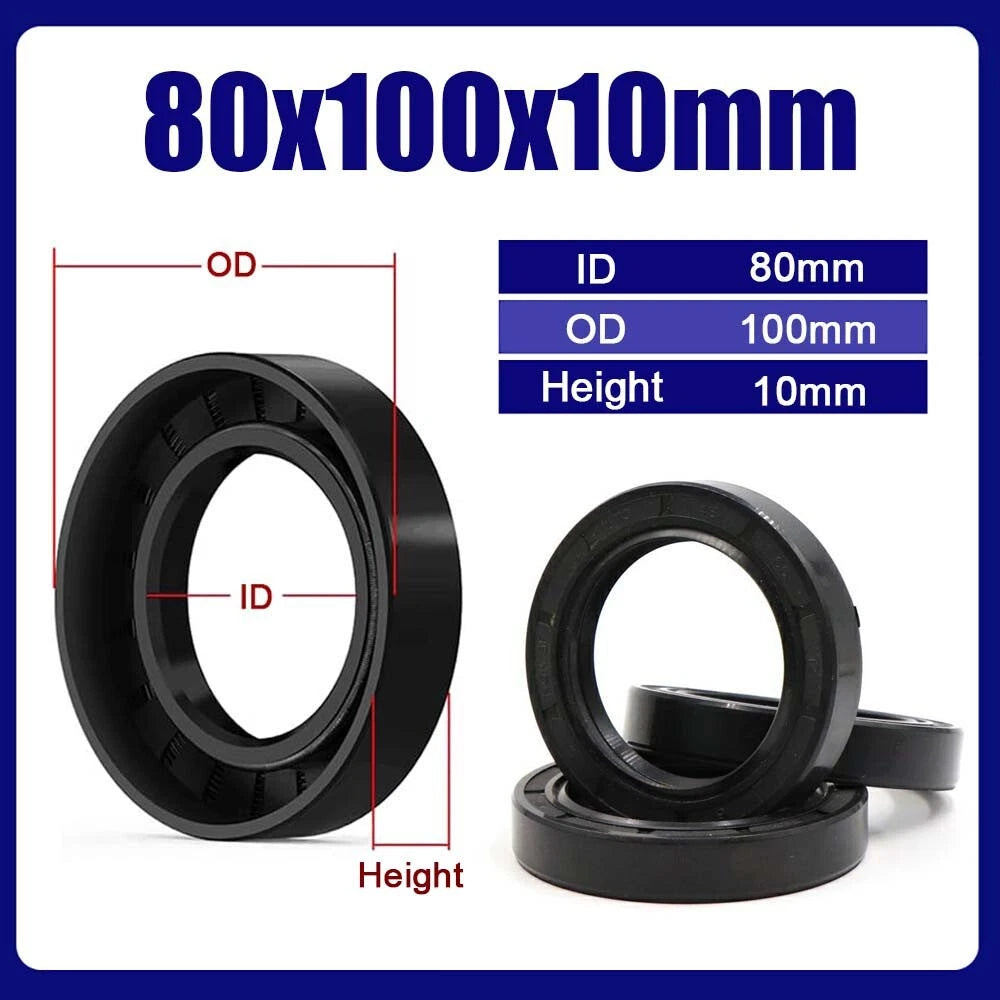
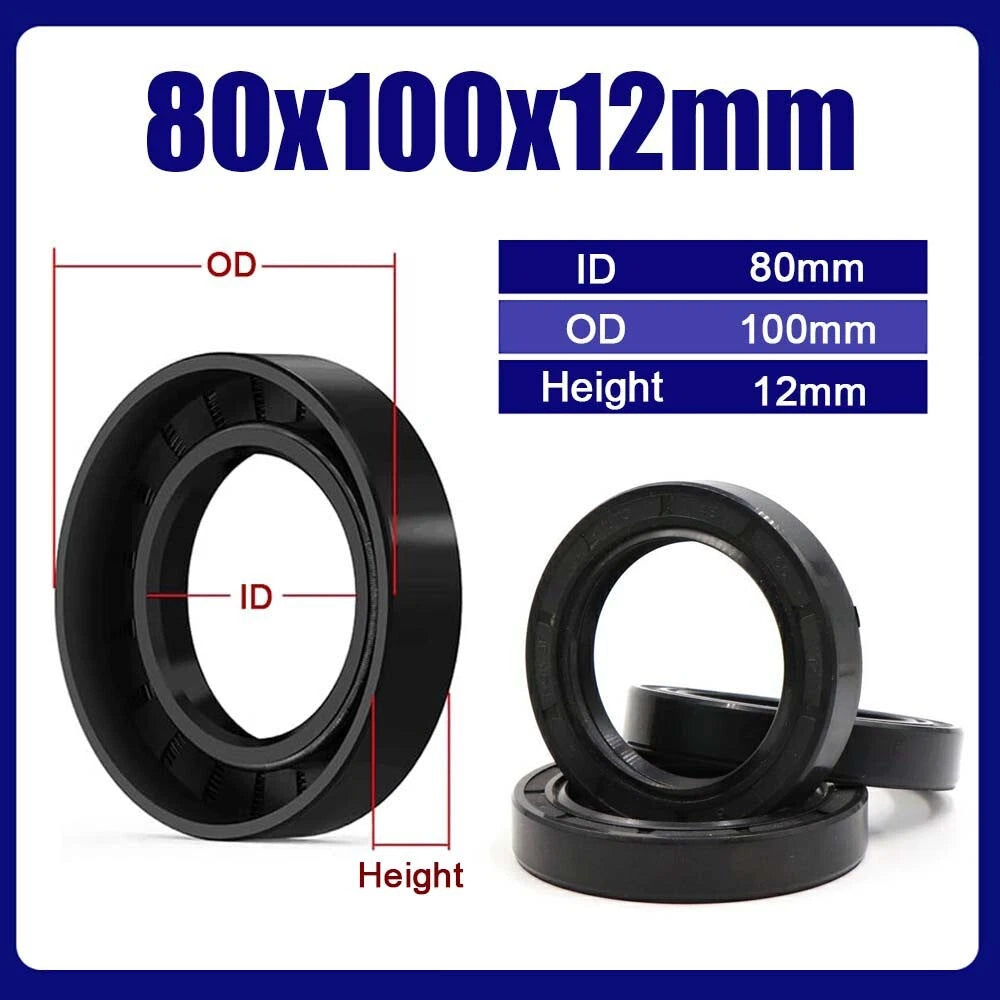
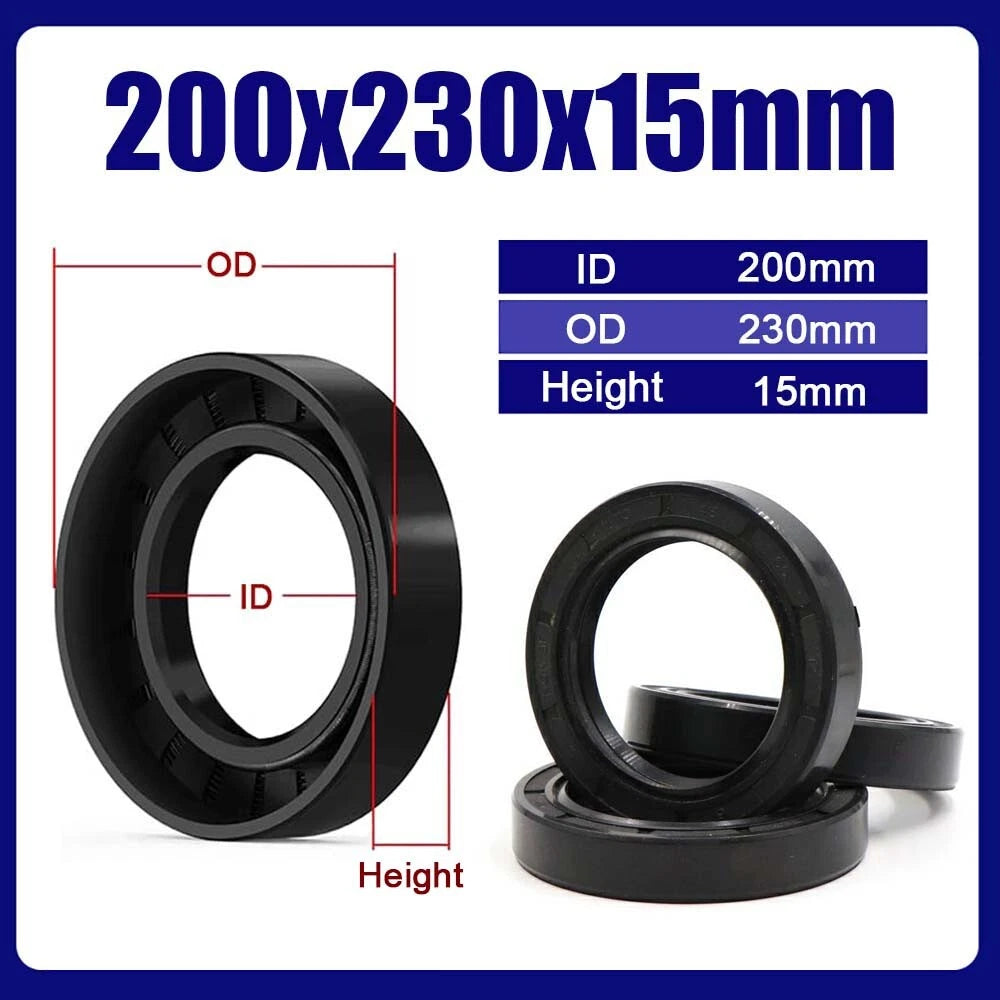
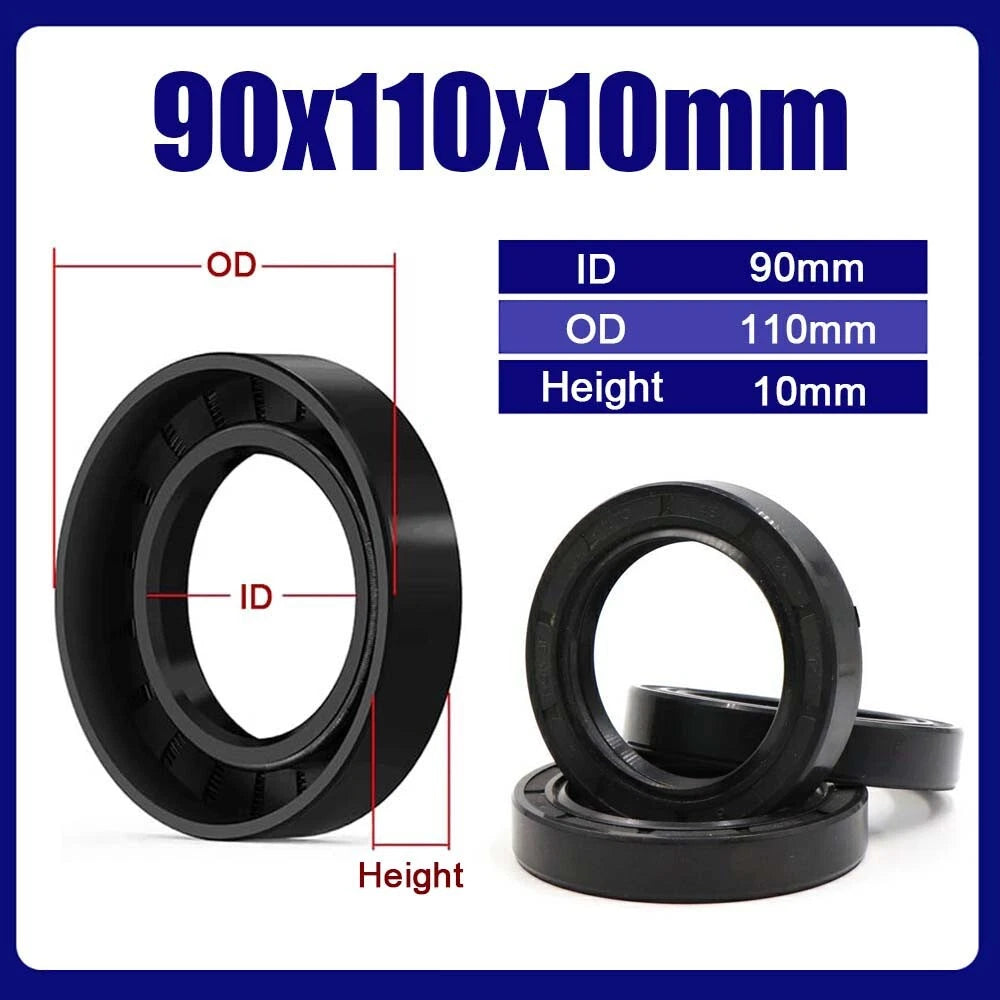
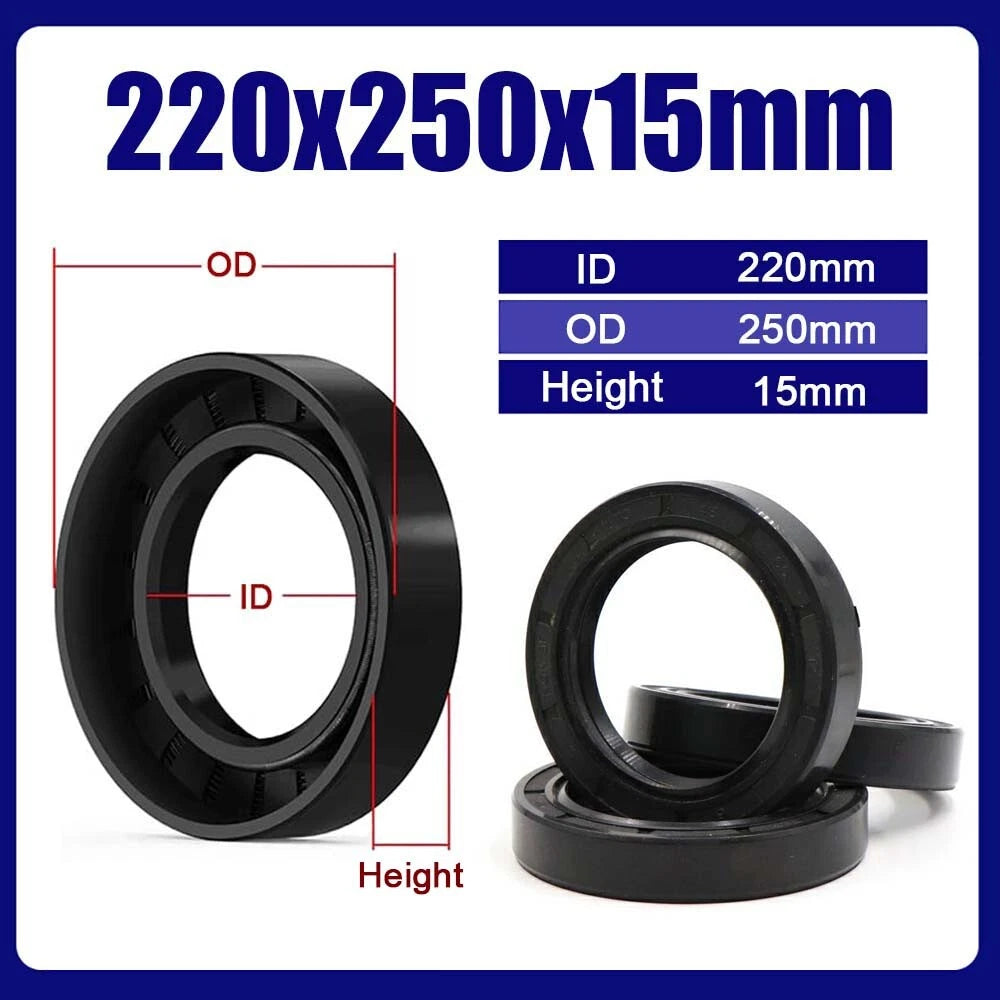
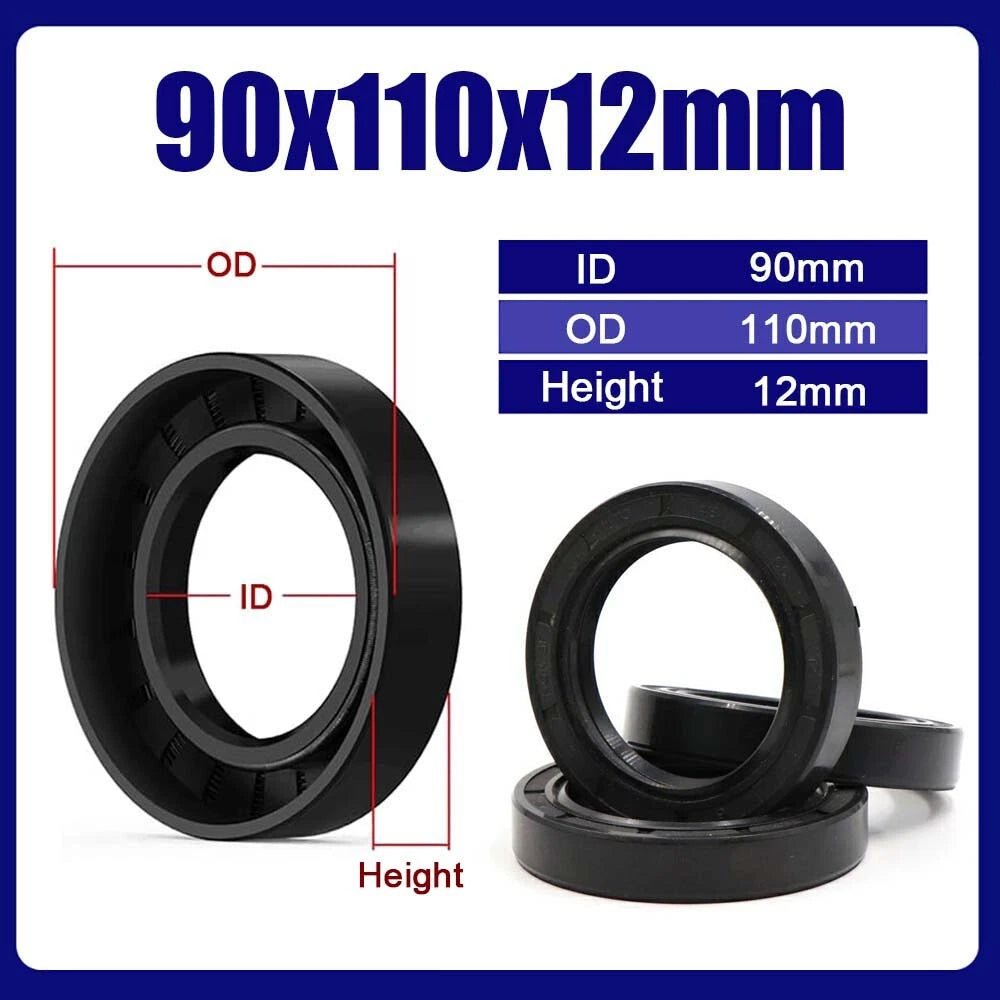
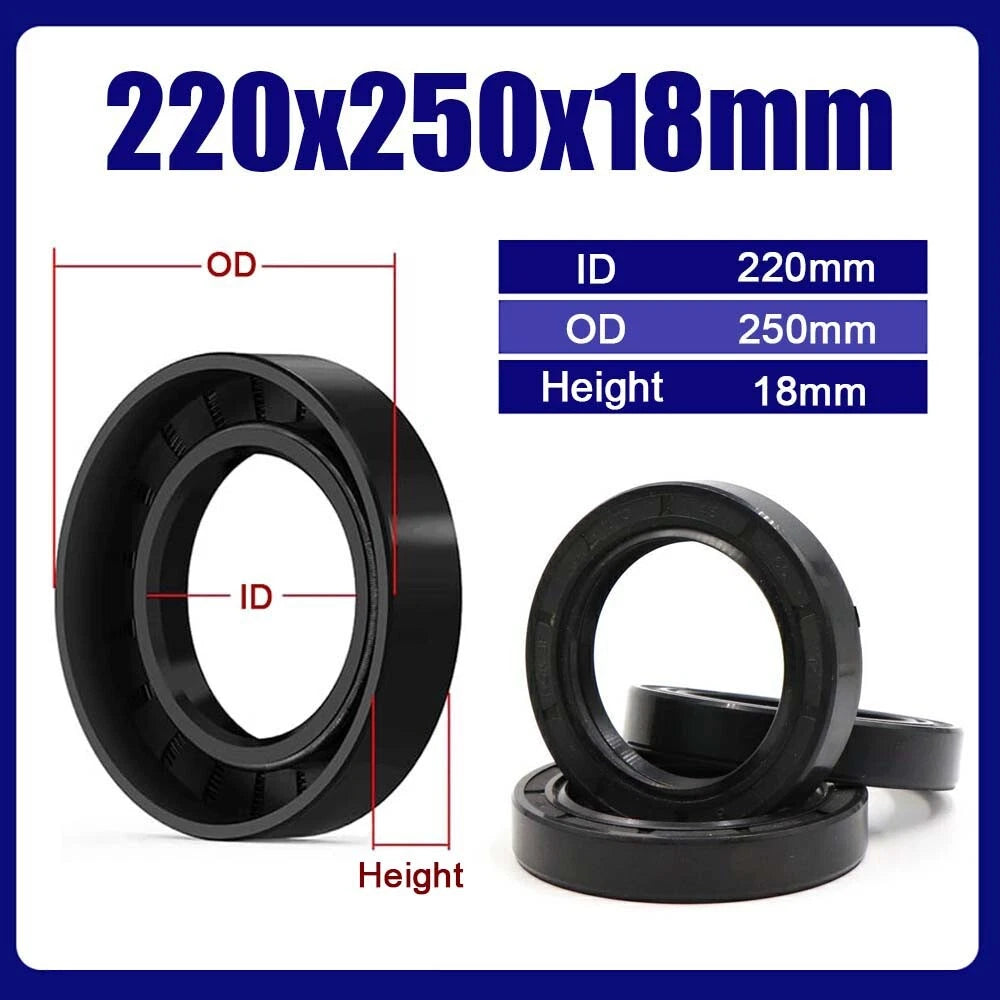
Each seal is constructed with an NBR (nitrile butadiene rubber) elastomer body bonded to a steel skeleton frame, with a TC-type double-lip profile. The primary lip retains oil and grease; the secondary dust lip blocks dirt, water, and particulate from the shaft side. Inner diameters span 50mm to 400mm (~1.97" to ~15.75"), outer diameters and heights vary by size — full dimensions are listed in the variant selector above. Wall thickness (the difference between OD and ID) typically ranges from 7mm to 40mm depending on the selected size.

Typical applications include agricultural gearbox shaft seals, industrial pump bearing housings, automotive rear axle seals, and rotating shaft assemblies in woodworking or metalworking machinery. Whether you are rebuilding a tractor PTO shaft, replacing a worn pump seal, or sourcing a hard-to-find size for industrial equipment, this range covers the most common metric shaft seal dimensions in a single listing.

⚙️ Compatibility: Designed for metric rotating shafts. Verify shaft OD, housing bore ID, and seal cavity depth before ordering. Refer to the Size (IDxODxHeight) variant options for exact dimensions.

✅ Key Features of These TC NBR Skeleton Oil Seals

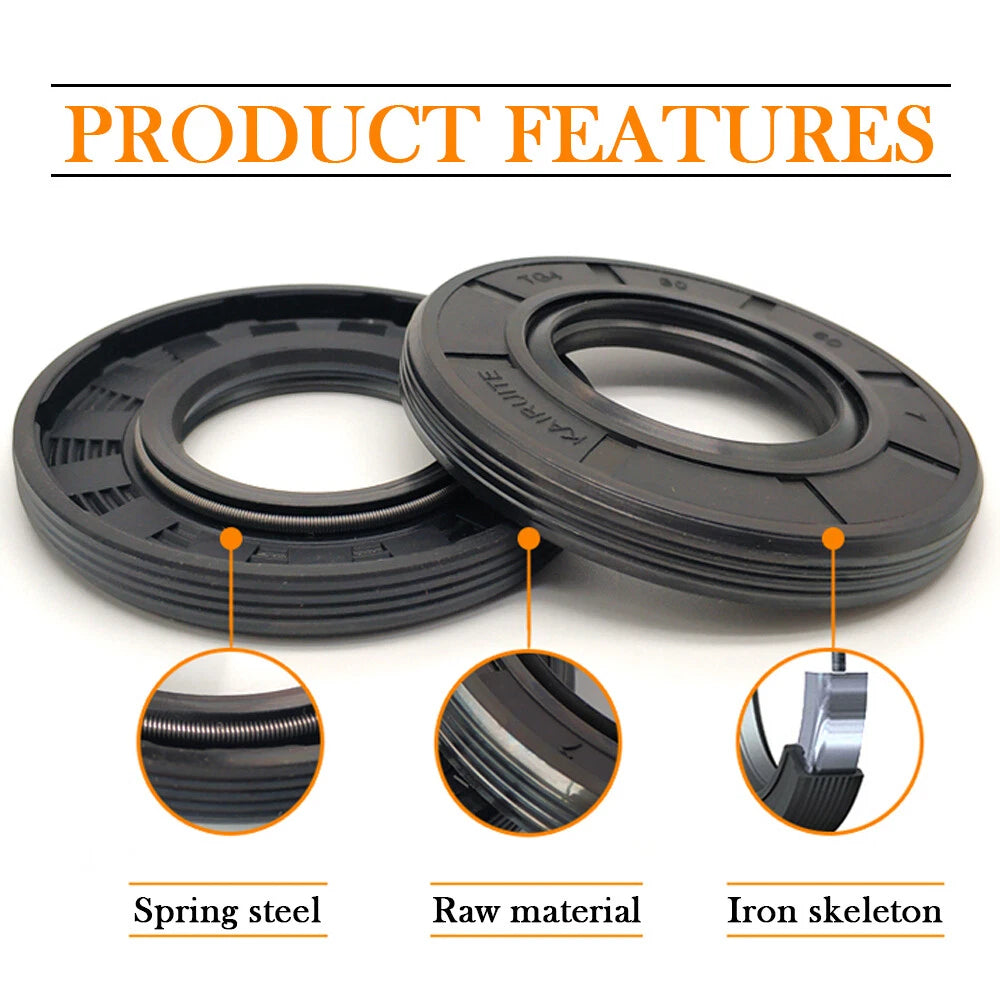
  • Double-Lip TC Profile — Primary sealing lip retains lubricant; secondary dust lip excludes contaminants, providing two independent barriers on a single seal.
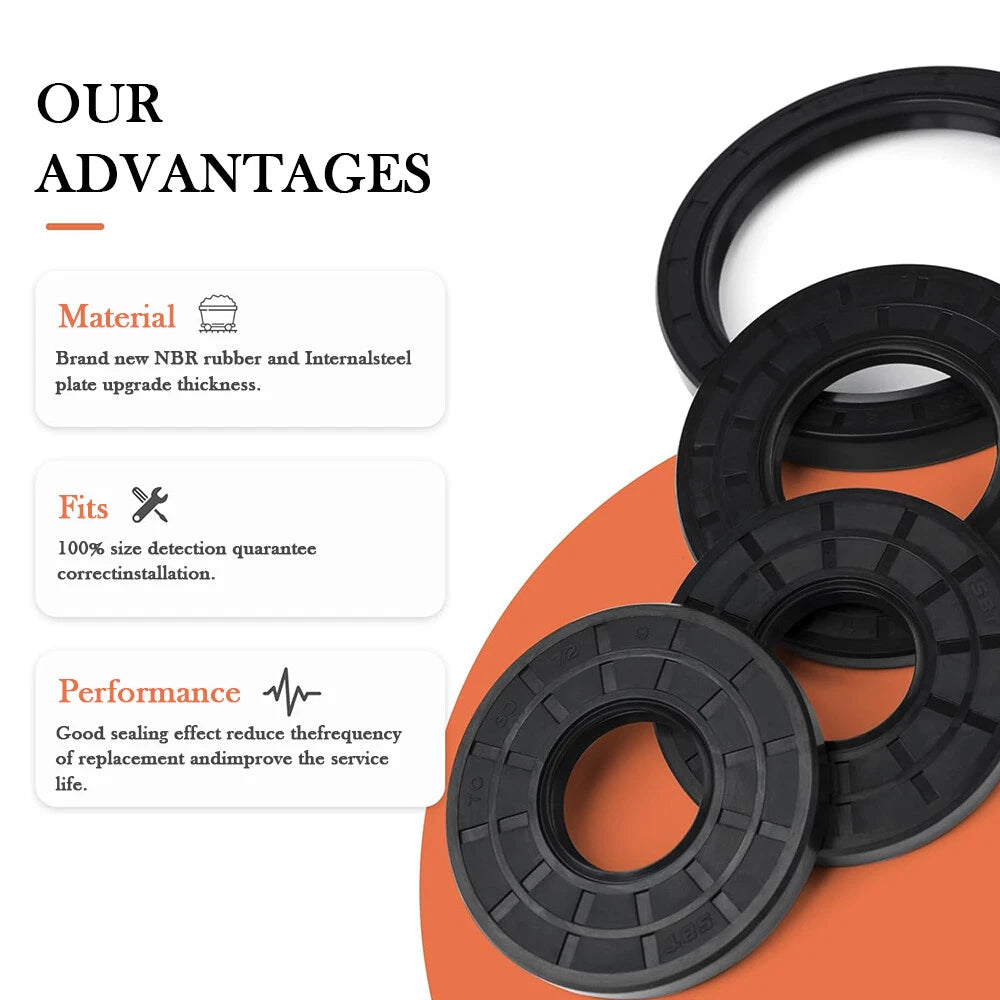
  • NBR Elastomer Body — Nitrile rubber resists petroleum-based oils, greases, and hydraulic fluids across a working temperature range of approximately −40°C to +120°C (−40°F to +248°F).
  • Steel Skeleton Reinforcement — Embedded metal frame maintains dimensional stability under press-fit installation and prevents the seal from distorting under housing pressure.
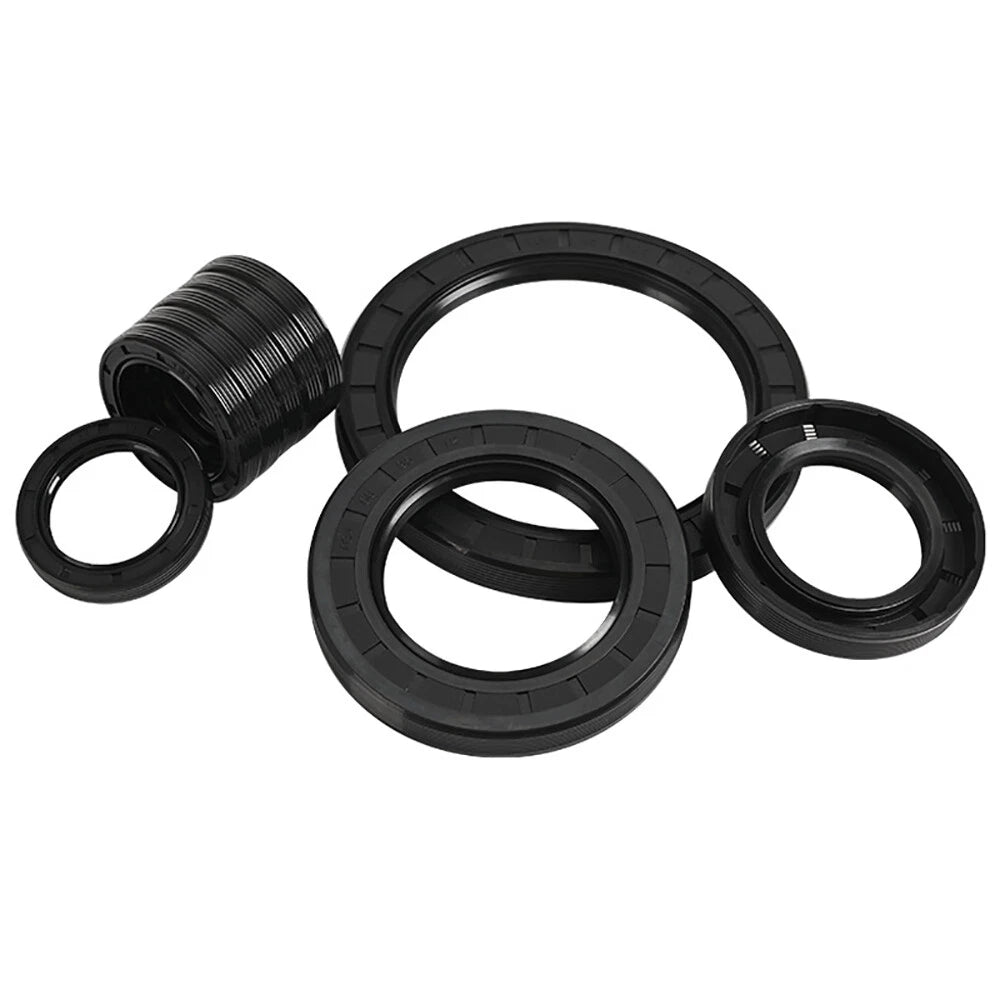
  • Wide Size Range — 213 variants from 50×62×7mm up to 400×440×20mm cover the most common metric shaft seal sizes for agricultural, industrial, and automotive applications.
  • Garter Spring Loaded Lip — An internal garter spring maintains consistent radial lip pressure against the shaft as the rubber wears, extending effective service life.
  • Press-Fit Housing Design — Smooth OD surface seats securely in standard machined bores without adhesive; the interference fit prevents rotation of the seal body in the housing.

📐 Technical Specifications — TC NBR Skeleton Oil Seals

Seal Type TC (Double Lip with Dust Lip)
Material NBR (Nitrile Butadiene Rubber) with steel skeleton
Inner Diameter (ID) Range 50mm – 400mm (approx. 1.97" – 15.75")
Outer Diameter (OD) Range See variant options
Height Range 7mm – 20mm (approx. 0.28" – 0.79")
Operating Temperature Typically −40°C to +120°C (−40°F to +248°F)
Compatible Fluids Petroleum-based oils, greases, hydraulic fluids
Spring Type Garter spring (internal, lip-loaded)
Installation Method Press-fit into housing bore
Dimension Standard Metric
Quantity per Order 1 piece (per variant)
Color / Finish Black rubber body, bare steel skeleton

❓ Frequently Asked Questions

How do I choose the correct oil seal size for my shaft?

Measure three dimensions: the shaft outer diameter (this becomes the seal ID), the housing bore inner diameter (this becomes the seal OD), and the depth of the seal cavity (this determines the seal height). Match all three to the Size (IDxODxHeight) variant listed above. If your shaft is worn, measure at the unworn section or consult the equipment service manual for the nominal shaft diameter.

What does "TC" mean on an oil seal?

TC is a standardized designation for a double-lip radial shaft seal. The primary lip (inner) seals lubricant inside the housing; the secondary lip (outer) acts as a dust and dirt excluder. This two-barrier design makes TC seals suitable for applications where both oil retention and contamination exclusion are required, such as gearboxes, axles, and pump housings.

Is NBR rubber compatible with synthetic gear oils and ATF?

NBR performs well with conventional petroleum-based oils, mineral hydraulic fluids, and many ATF formulations. It is generally not recommended for use with phosphate-ester hydraulic fluids, ketones, or highly aromatic fuels. If your application uses a fully synthetic ester-based fluid, verify compatibility with the fluid manufacturer's seal material guidelines before installing.

What shaft surface finish and hardness are recommended for these seals?

For reliable sealing, the shaft contact surface should have a finish of Ra 0.2–0.8 µm (approximately 8–32 µin) and a hardness of at least 45 HRC to resist lip wear. Avoid lead-in chamfers with sharp edges; a 15°–20° chamfer or radius on the shaft end helps guide the lip over the shaft without folding or cutting it during installation.

How do I install a TC oil seal without damaging the lip?

Clean the housing bore and lightly lubricate the seal OD with a thin film of the same oil used in the application. Apply light grease to the sealing lip. Use a flat driver or seal installation tool that contacts the outer edge of the seal face evenly — never drive on the rubber lip or the center. Press straight in until the seal face is flush with or just below the housing face. Avoid cocking the seal during installation.

Can these seals be used in high-speed rotation applications?

TC NBR skeleton seals are suitable for moderate to medium shaft speeds. As a general guideline, the peripheral shaft speed at the seal lip should not exceed approximately 4–8 m/s for standard NBR lip seals, depending on shaft finish and lubrication. For high-speed applications above this range, consult the equipment OEM specification or consider PTFE-lip variants designed for higher surface speeds.

What is the difference between a single-lip (SC) and double-lip (TC) oil seal?

A single-lip (SC) seal has one sealing element that retains lubricant. A double-lip (TC) seal adds a second, shorter dust lip on the atmosphere side that prevents dirt, water, and debris from reaching the primary sealing lip. TC seals are preferred in environments where the shaft is exposed to contamination — such as agricultural equipment, outdoor machinery, or wet industrial settings — because the dust lip extends the life of the primary seal.

🛒 Select your Size (IDxODxHeight) above, then add to cart.

You may also like

Recently viewed