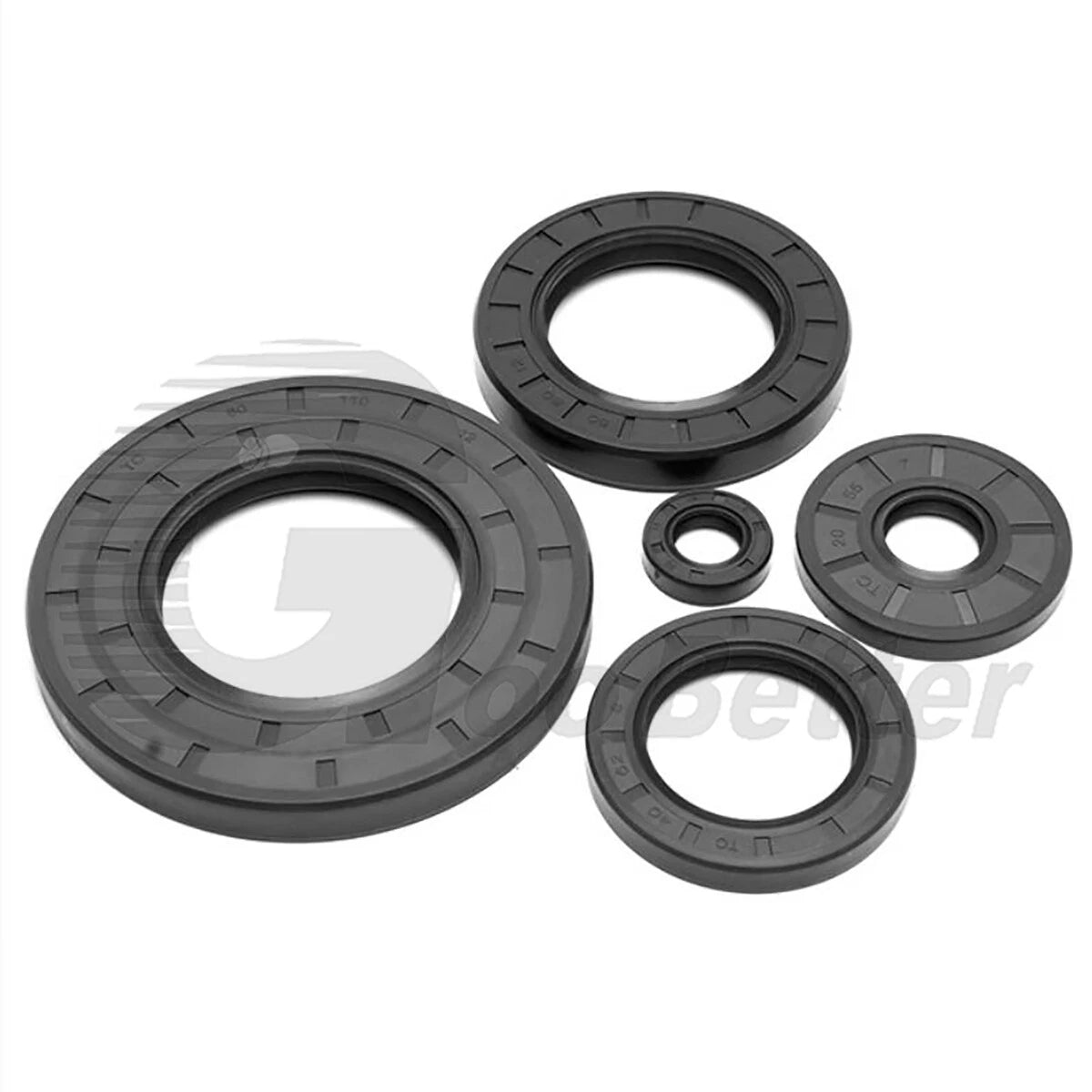
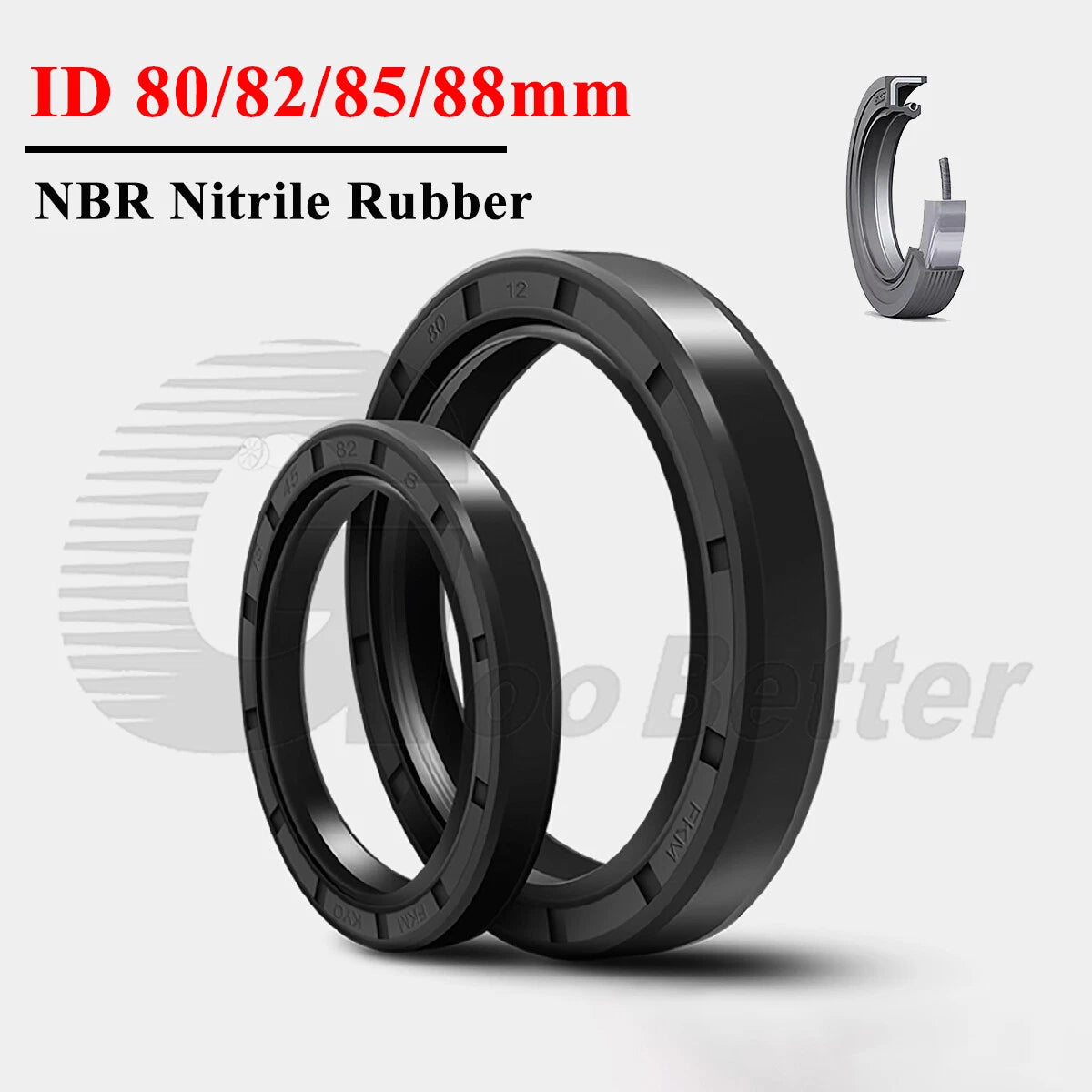
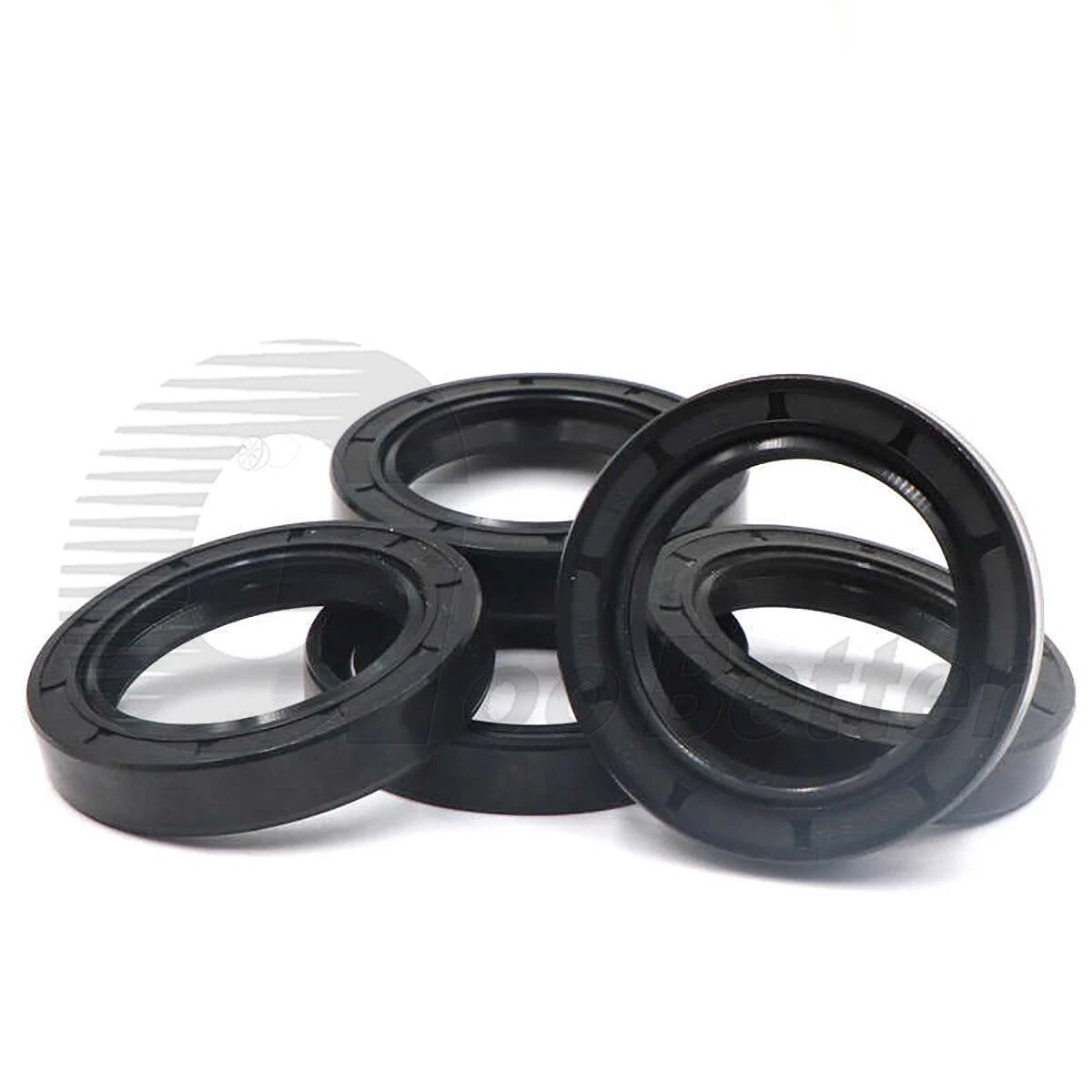
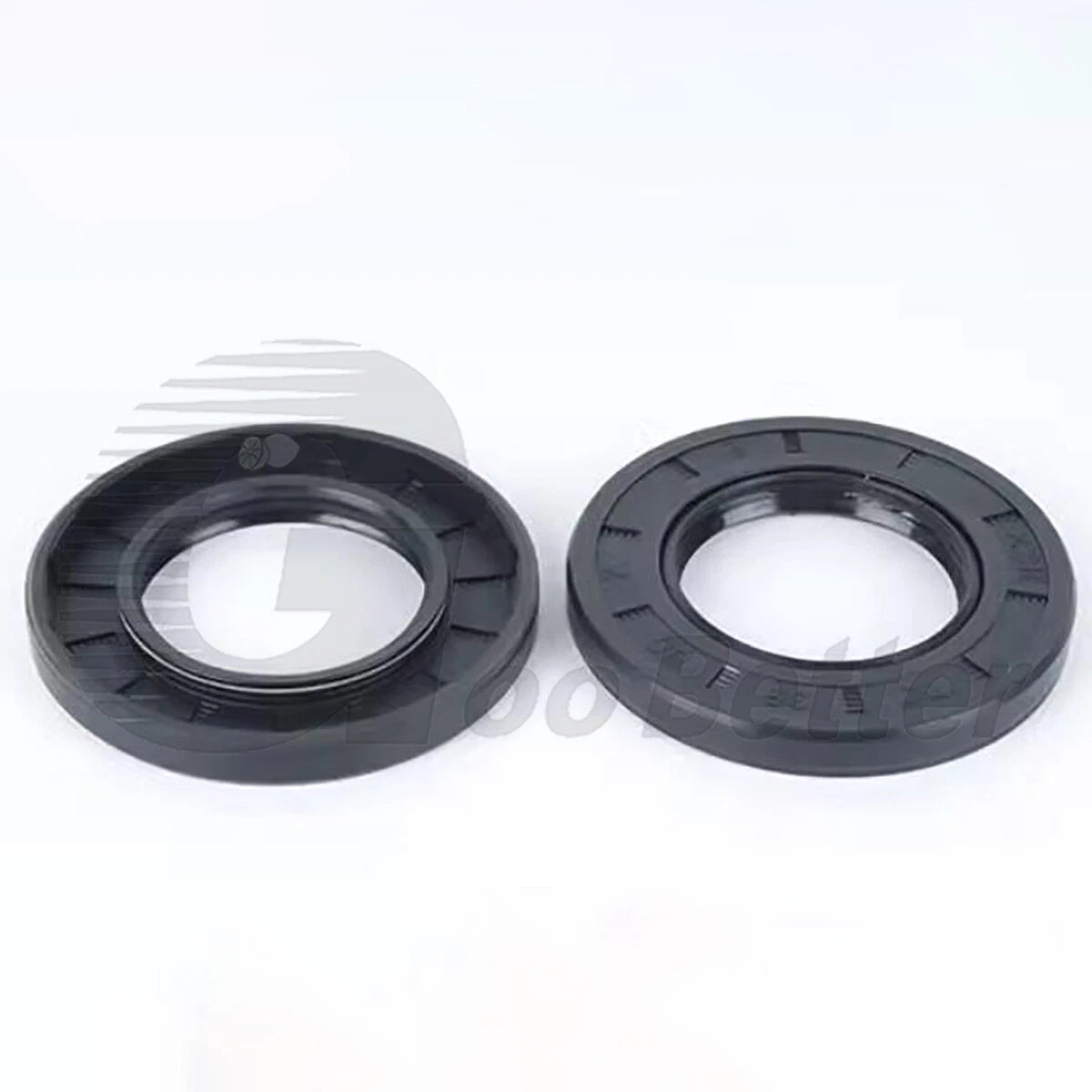
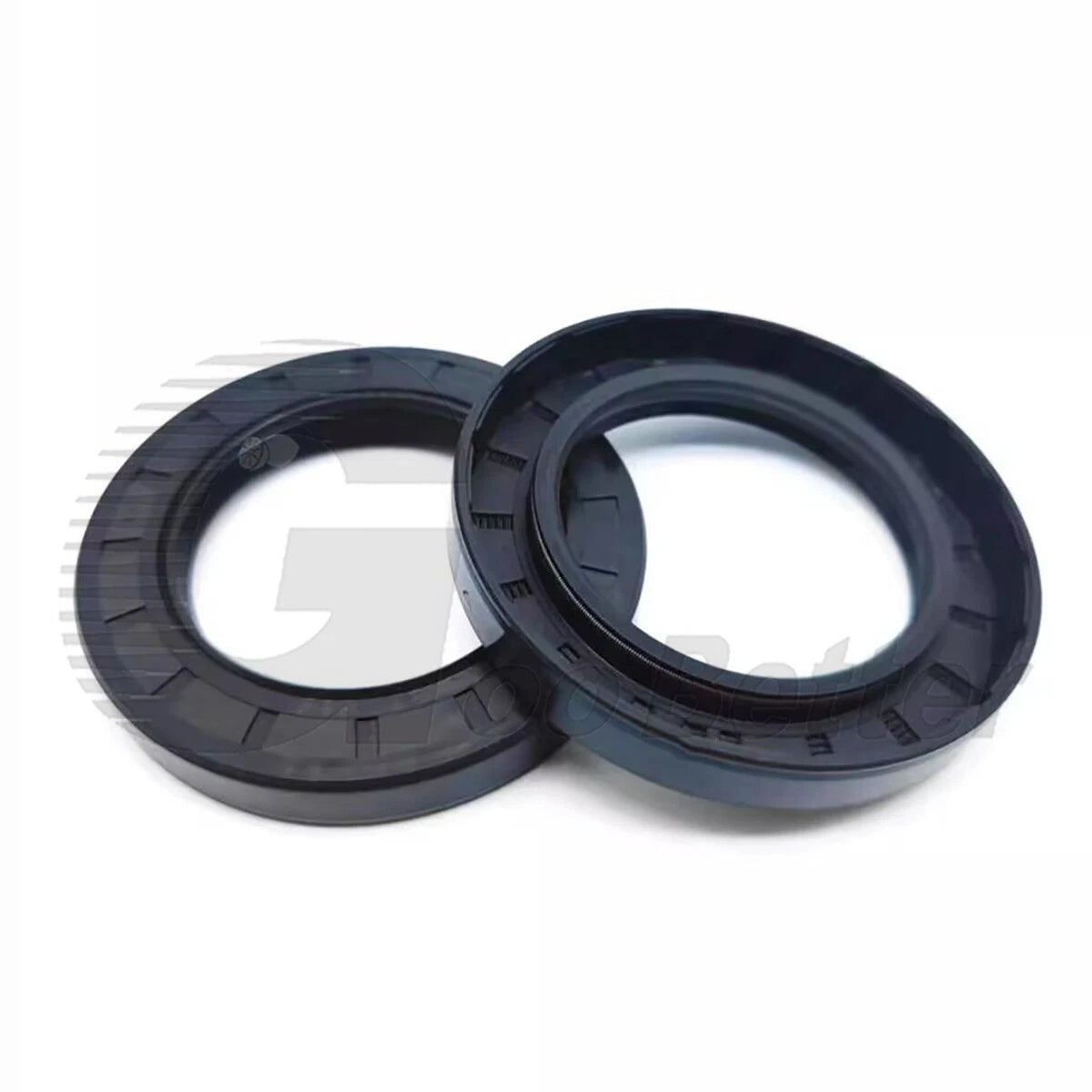
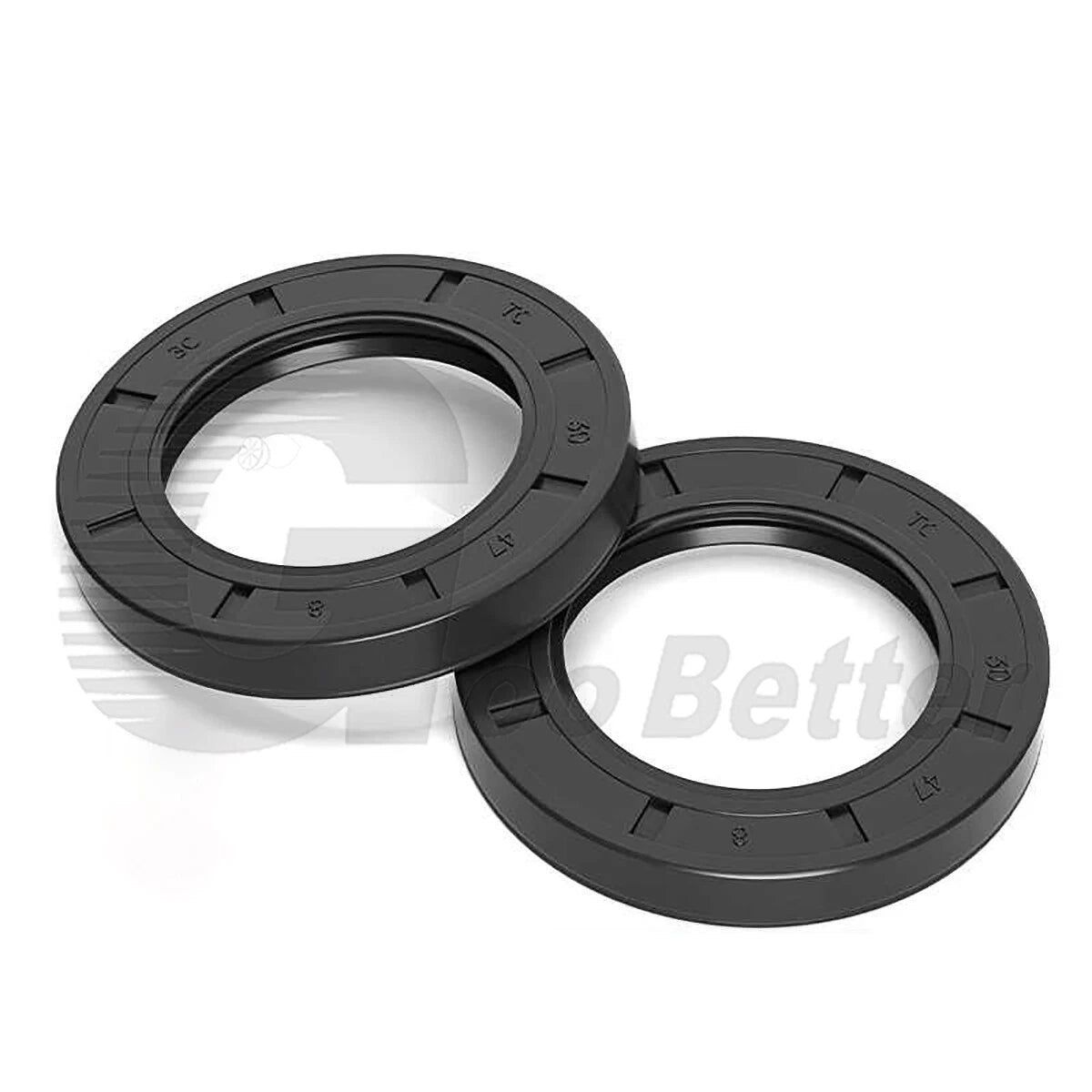
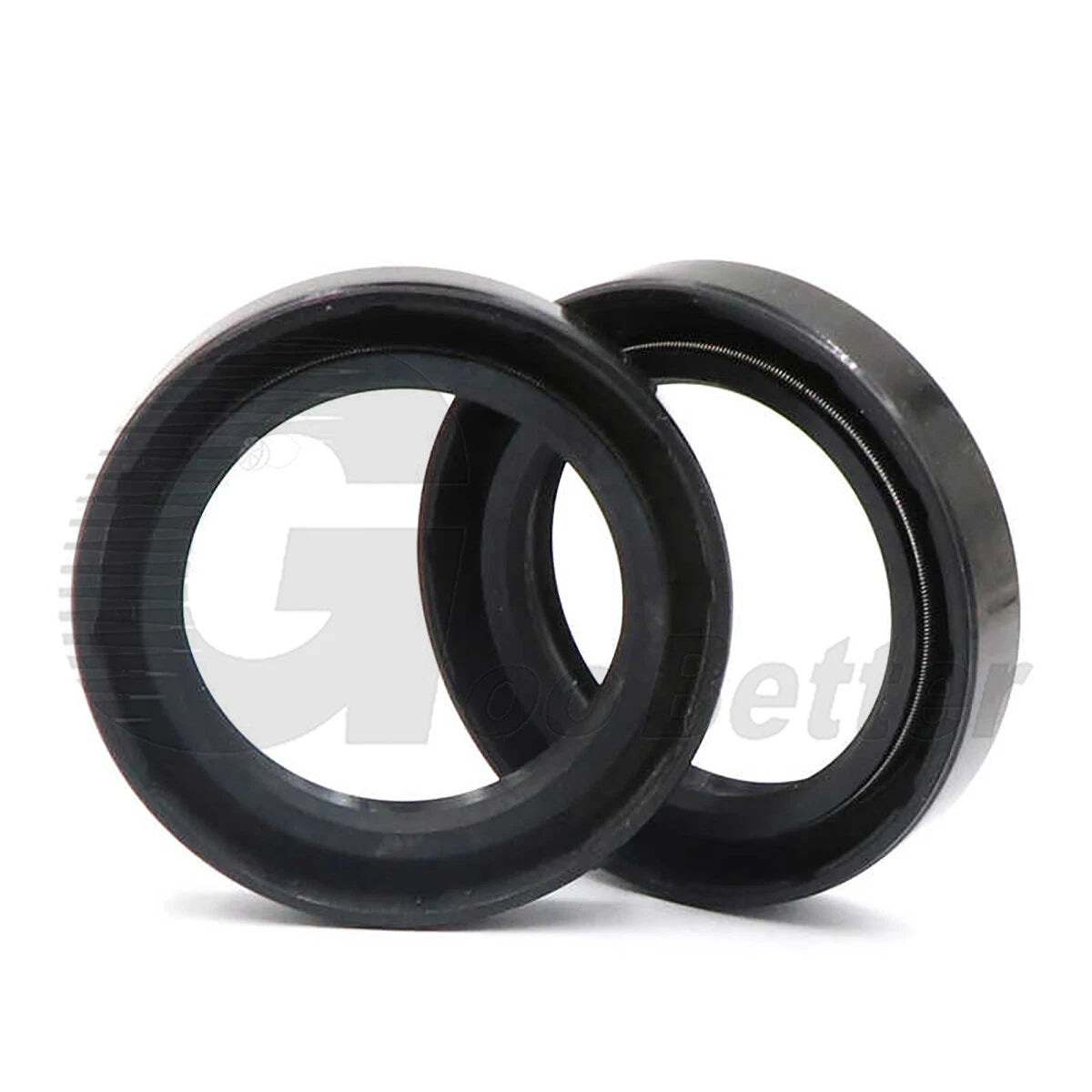
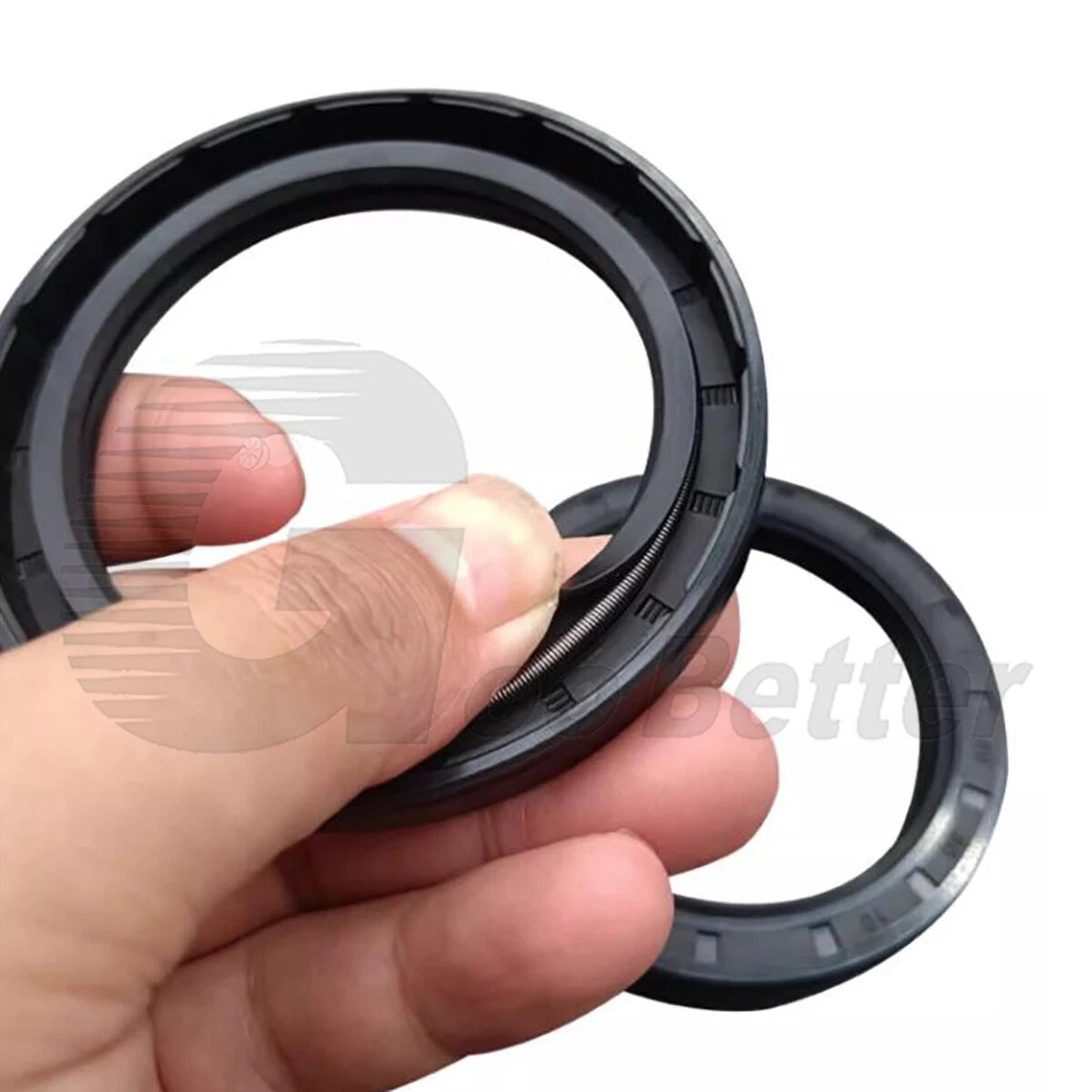
TC Oil Seal ID 80 82 85 88mm NBR Dual Lip Rotary Shaft Sealing Ring

No reviews

Price:
Sale price$5.70 USD
Stock:
In stock (500 units), ready to be shipped

Payment & Security

Ach Direct Debit Amazon American Express Apple Pay Bancontact Diners Club Discover Google Pay iDEAL Wero Mastercard PayPal Shop Pay USDC Visa

Your payment information is processed securely. We do not store credit card details nor have access to your credit card information.

Quantity Discount Promotion
🎯 BULK DISCOUNT: Buy More, Save More!
Buy 2 Items
5% OFF
Buy 4 Items
10% OFF
Buy 6 Items
15% OFF
Expert

DIY Expert Support

Get fitment advice & recommendations

Mon-Fri, 8:30AM-8PM
24-Hour Fast Ship
🚚
Arrives in 3-14 days
🌍
Global Reach
↩️
30-Day Returns
🌱 1 tree planted with every purchase

Description

TC Oil Seal 80–88mm ID — Reliable Rotary Shaft Sealing for Machinery & Equipment

When a worn or mismatched shaft seal causes lubricant leaks, contamination ingress, or premature bearing failure, the repair cost quickly outweighs the part itself. Mechanics, equipment technicians, and serious DIYers working on agricultural machinery, industrial gearboxes, automotive axles, and conveyor systems need a TC oil seal that fits precisely and holds up under continuous rotation. These TC skeleton oil seals with 80–88mm inner diameter deliver the dimensional accuracy and material integrity needed to restore a leak-free seal the first time.

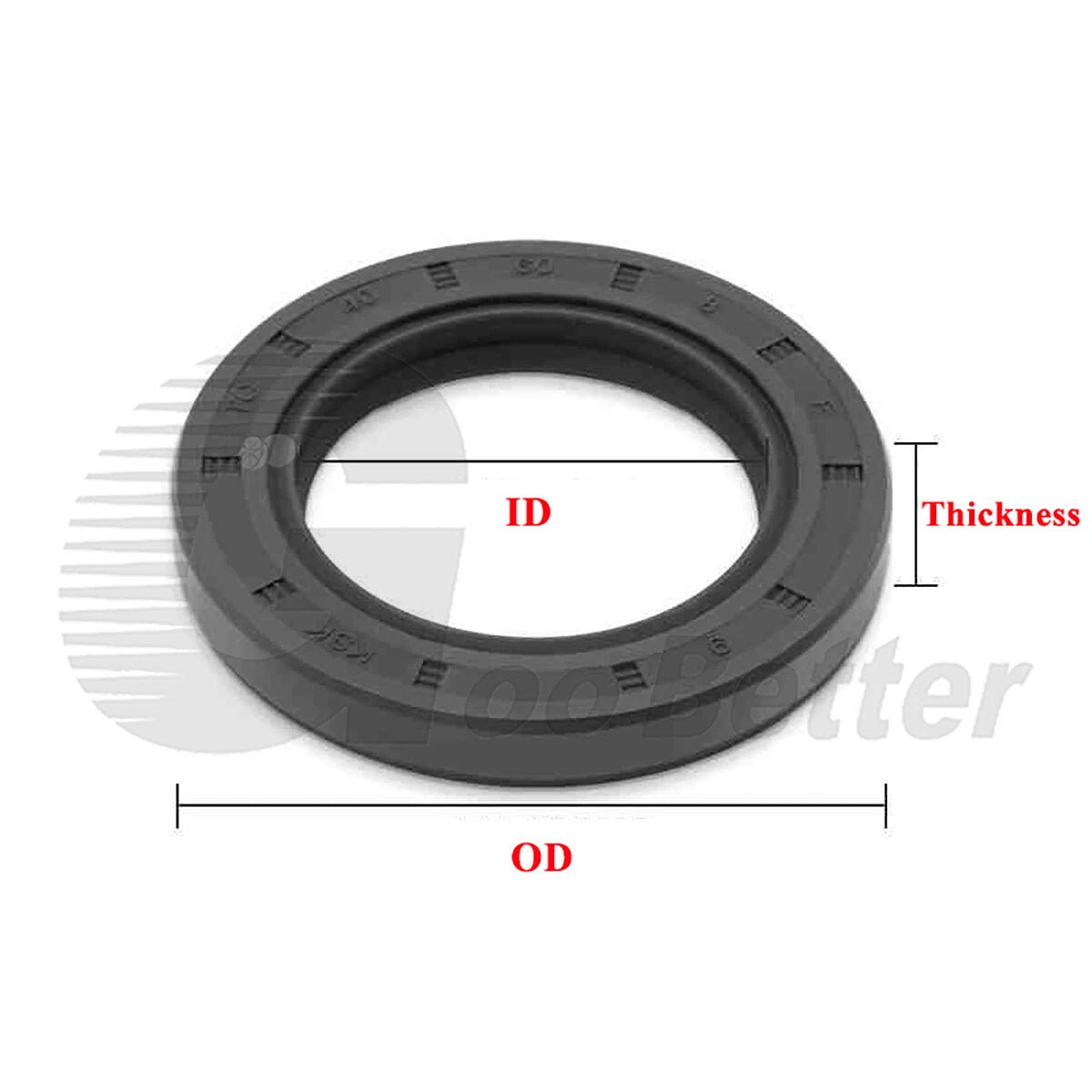
Each seal is a single piece sold individually (1 PCS per order). The inner diameter (ID) ranges from 80mm (≈3.15") to 88mm (≈3.46"), with outer diameters (OD) spanning from 90mm (≈3.54") up to 180mm (≈7.09"), and thickness options from 5mm (≈0.20") to 15mm (≈0.59") — available in multiple size combinations to match your specific housing and shaft dimensions. The sealing element is molded from NBR 70 (Nitrile Butadiene Rubber, 70 Shore A hardness), bonded to a steel skeleton for dimensional stability under press-fit installation.

Typical applications include replacing worn rotary shaft seals on tractor PTO shafts and gearbox output flanges, sealing wheel hub bearings on trailers and agricultural equipment, and restoring oil retention in industrial pump housings and electric motor end caps — all scenarios where a dual lip TC seal with a precise metric fit is the standard solution.

🔵 Compatibility Note: These seals use metric dimensions (ID × OD × Thickness in mm). Verify all three measurements against your shaft diameter, housing bore, and available axial depth before ordering. Refer to the variant selector above for the full size matrix.
⚠️ Sizing Tip: If replacing an existing seal, check the stamped dimensions or part number on the old seal. ID, OD, and thickness must all match your housing for a proper press fit and leak-free seal.

✅ Key Features of These TC Skeleton Oil Seals

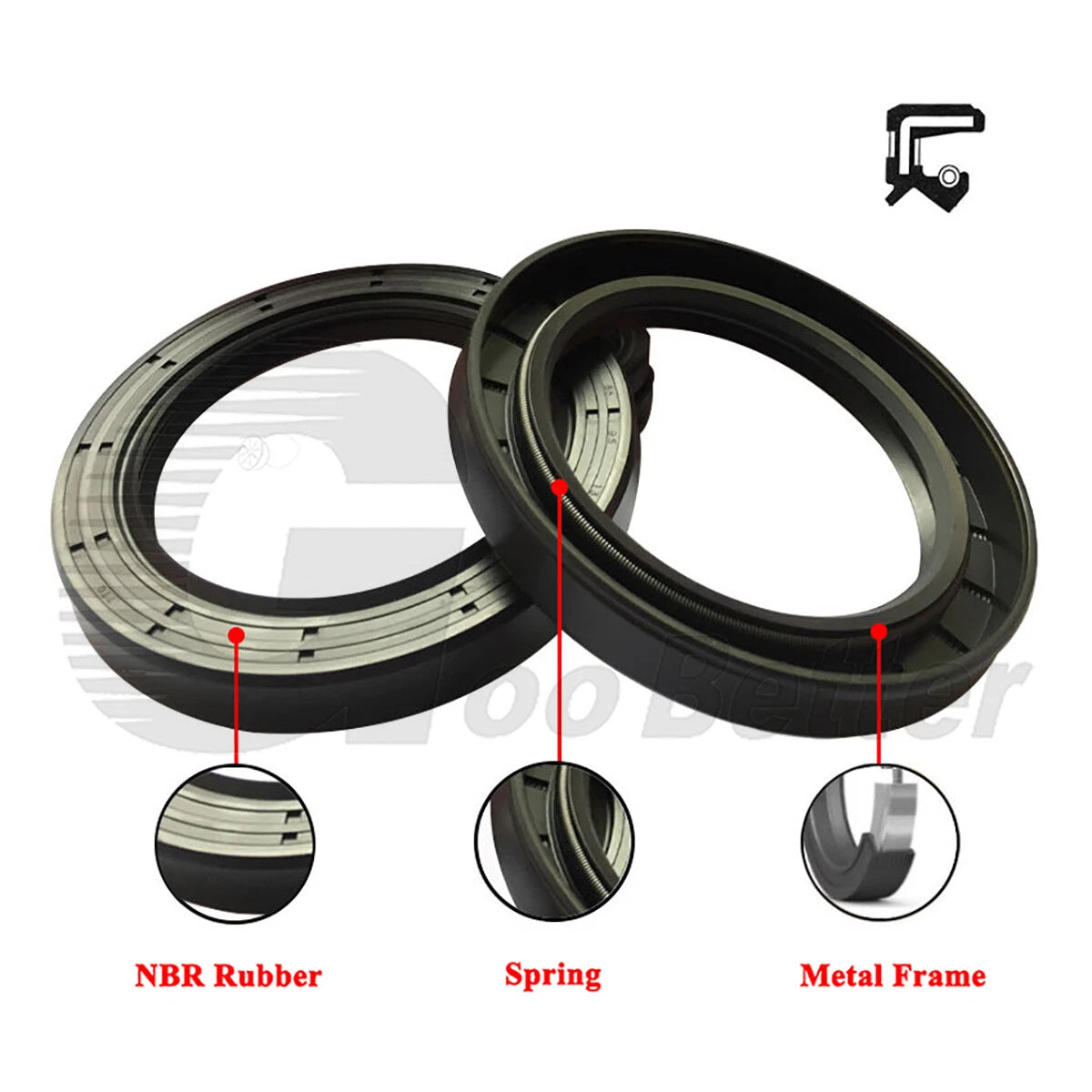
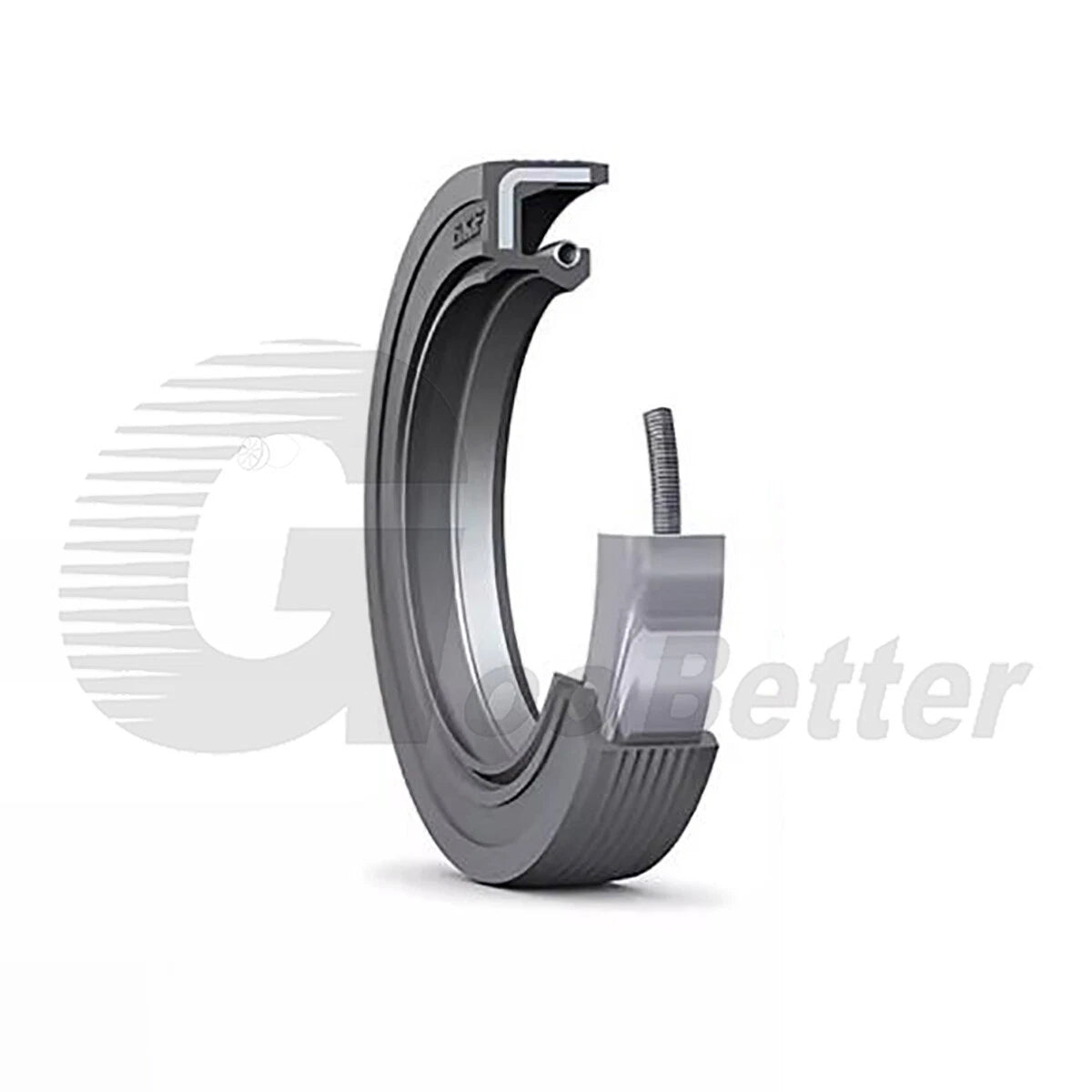
  • 🔩Dual Lip TC Design — The primary lip retains lubricant while the secondary dust lip blocks dirt and moisture, making these rotary shaft oil seals suitable for contaminated or outdoor-adjacent environments.
  • 🧲Steel Skeleton Reinforcement — An internal metal case maintains the seal's round shape during press-fit installation and prevents distortion under housing clamping forces.
  • 🌡️NBR 70 Compound — Nitrile rubber at 70 Shore A hardness resists petroleum-based oils, hydraulic fluids, and water, covering the majority of gearbox and axle lubrication types found in agricultural and industrial equipment.
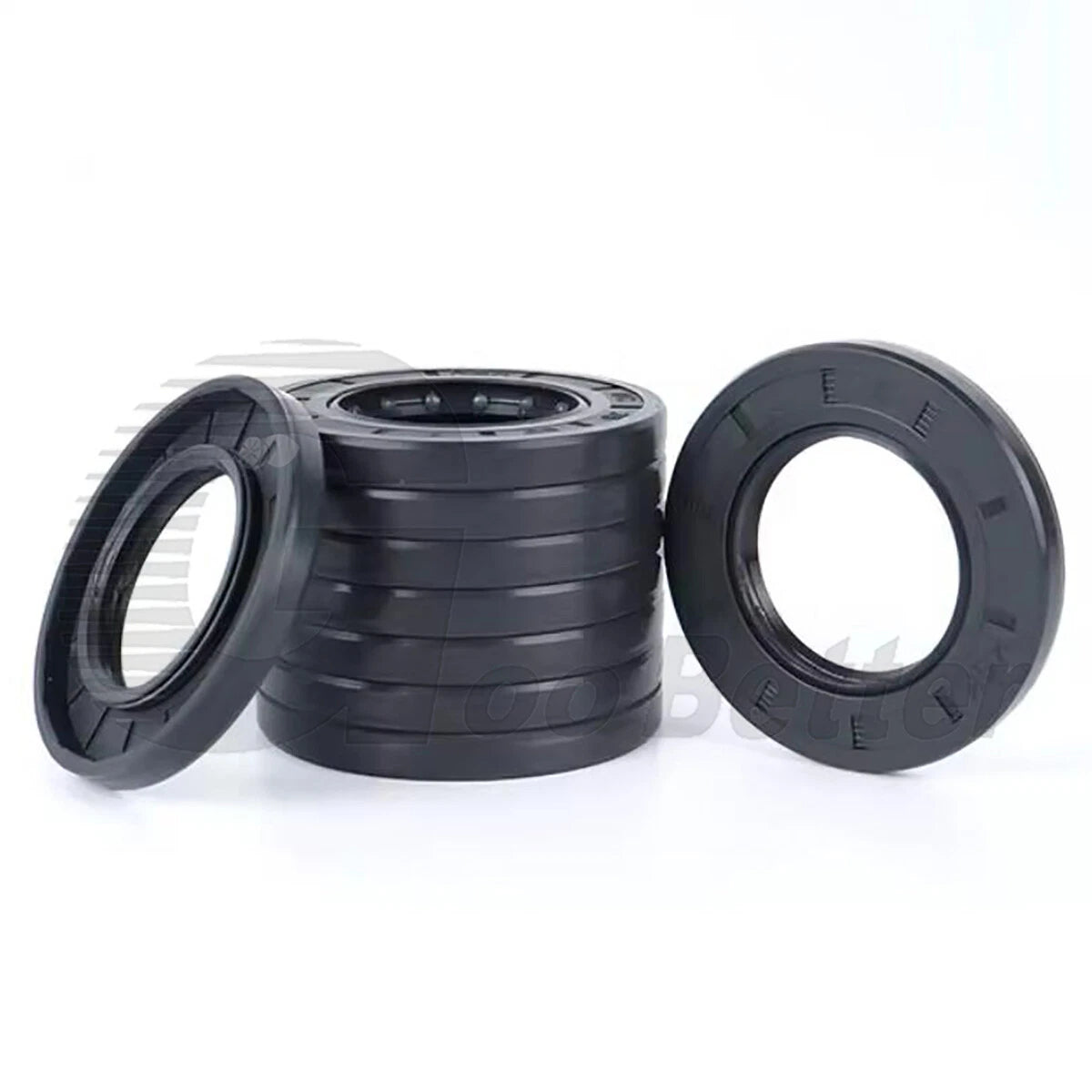
  • 📐Wide Size Matrix — With ID options at 80, 82, 83, 84, 85, and 88mm paired with multiple OD and thickness combinations, these metric shaft seals cover a broad range of replacement scenarios without custom ordering.
  • ⚙️Press-Fit Housing Installation — The OD is sized for a firm interference fit into standard metric bores, eliminating the need for adhesive or sealant in most applications when the correct size is selected.
  • 🔄Interchangeable with ISO/DIN Standards — Dimensional compatibility with ISO 6194 and DIN 3760 metric oil seal standards means these seals generally serve as direct replacements for OEM parts in European and Asian-manufactured equipment.

📐 Technical Specifications — TC Skeleton Oil Seals

Seal Type TC (Double Lip / Skeleton)
Inner Diameter (ID) Range 80mm (≈3.15") — 88mm (≈3.46")
Outer Diameter (OD) Range 90mm (≈3.54") — 180mm (≈7.09")
Thickness Range 5mm (≈0.20") — 15mm (≈0.59")
Sealing Material NBR (Nitrile Butadiene Rubber), 70 Shore A
Reinforcement Steel skeleton (metal case)
Lip Configuration Dual lip — primary sealing lip + secondary dust exclusion lip
Operating Temperature Typically -40°F to +212°F (-40°C to +100°C)
Compatible Fluids Petroleum-based oils, gear oils, hydraulic fluids, water (general)
Dimensional Standard Metric (mm); generally compatible with ISO 6194 / DIN 3760
Installation Method Press fit into housing bore
Quantity per Order 1 PCS
Shaft Surface Finish See variant options — confirm shaft finish with equipment specs
Max Shaft Speed Contact us to confirm for your specific size and application

❓ Frequently Asked Questions

How do I choose the right TC oil seal size for my shaft?

Measure three dimensions with calipers: the shaft diameter (this becomes your ID), the housing bore diameter (this becomes your OD), and the available axial depth in the housing (this determines the thickness). The ID must match your shaft closely — typically within 0.1–0.3mm — for proper lip contact. For example, an 85mm shaft requires an 85mm ID seal; an 85×110×12mm seal fits an 85mm shaft, a 110mm bore, and a housing depth of at least 12mm (≈0.47"). If replacing an existing seal, the stamped dimensions on the old seal are the most reliable reference.

What pressure can these TC oil seals handle?

TC skeleton oil seals are generally designed for low-to-medium pressure applications, typically up to around 0.05 MPa (≈7 psi) of static pressure differential. They are not intended for high-pressure hydraulic circuits. For applications with significant pressure on the sealed side, a spring-loaded or reinforced seal design is generally more appropriate. Contact us to confirm suitability for your specific operating conditions.

Can I use these seals in outdoor or wet environments?

NBR 70 offers good resistance to water, petroleum oils, and mild environmental exposure, making it suitable for agricultural equipment, outdoor machinery housings, and applications where occasional moisture contact occurs. However, NBR is generally not recommended for prolonged direct UV exposure or ozone-rich atmospheres. For continuous harsh outdoor use, a Viton (FKM) compound seal is typically more durable. The dual lip design does provide an added layer of dirt and moisture exclusion compared to single-lip seals.

What shaft and housing standards are these seals compatible with?

These TC oil seals use metric dimensions and are generally interchangeable with seals conforming to ISO 6194 and DIN 3760 standards — the most common metric oil seal standards used in European and Asian equipment. They are compatible with metric shafts and machined housing bores. If your equipment uses inch-based dimensions, convert to millimeters and verify all three dimensions (ID, OD, thickness) before ordering. For example, a 3.346" shaft is approximately 85mm.

How do I decide between multiple OD and thickness options for the same ID?

The OD must match your housing bore precisely — the seal is pressed in and relies on an interference fit for retention and leak prevention. The thickness must fit within the axial space available in your housing without protruding or bottoming out. Always measure both dimensions directly in your equipment. If you are replacing an existing seal, the part number or stamped size on the old seal is the most reliable guide. When in doubt, contact us with your equipment make and model for assistance.

What does the dual lip (TC) design do that a single lip seal does not?

A TC (double contact) seal has two sealing lips: the primary lip faces inward to retain lubricant inside the housing, and the secondary lip faces outward to exclude contaminants — dirt, dust, water — from entering along the shaft. This dual-barrier arrangement is generally preferred in agricultural, construction, and industrial applications where the shaft is exposed to environmental contamination. A single-lip seal provides only lubricant retention without the secondary exclusion function.

What is the operating temperature range for NBR 70 seals?

NBR 70 compound typically performs reliably between -40°F and +212°F (-40°C to +100°C). Short-term temperature peaks up to approximately 230°F (110°C) are generally tolerated without permanent damage. For continuous operation above this range — such as in high-temperature gearboxes or near exhaust components — a silicone (VMQ) or Viton (FKM) seal is typically the more appropriate material choice.

🛒 Select your size (ID × OD × Thickness) above, then add to cart — ships from our US warehouse.

You may also like

Recently viewed