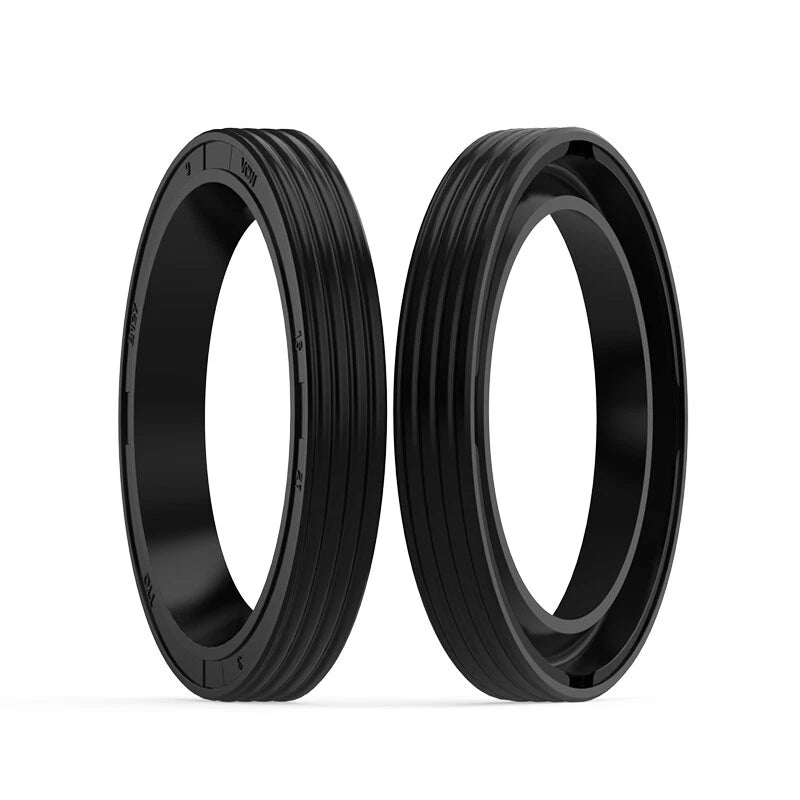
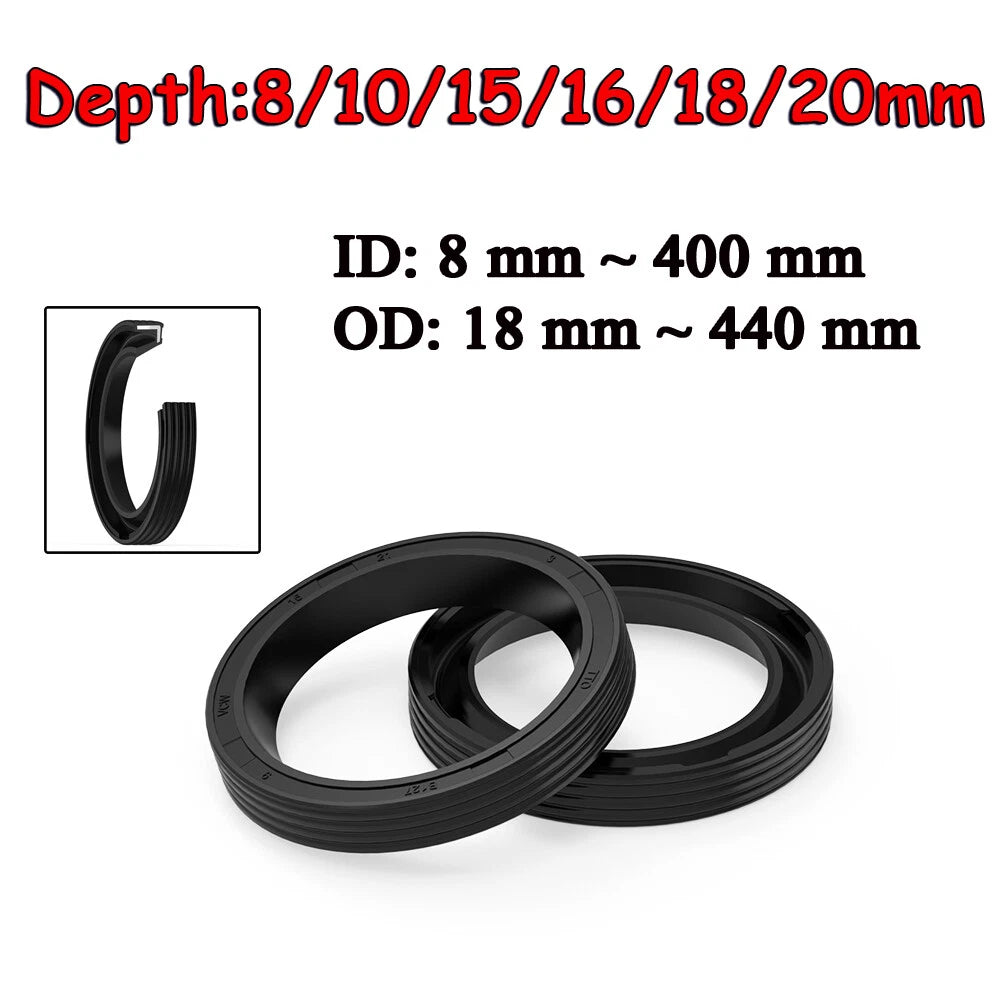
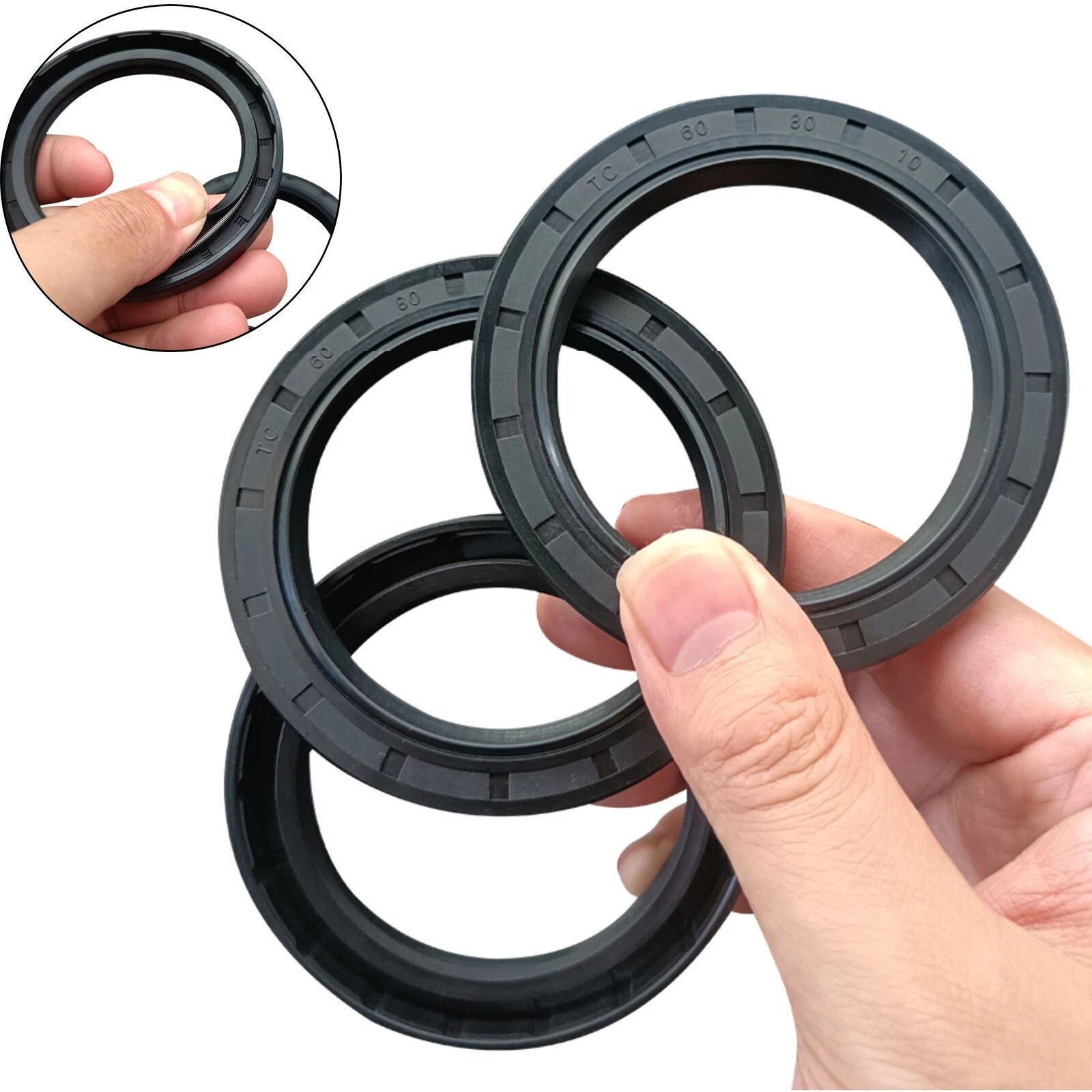
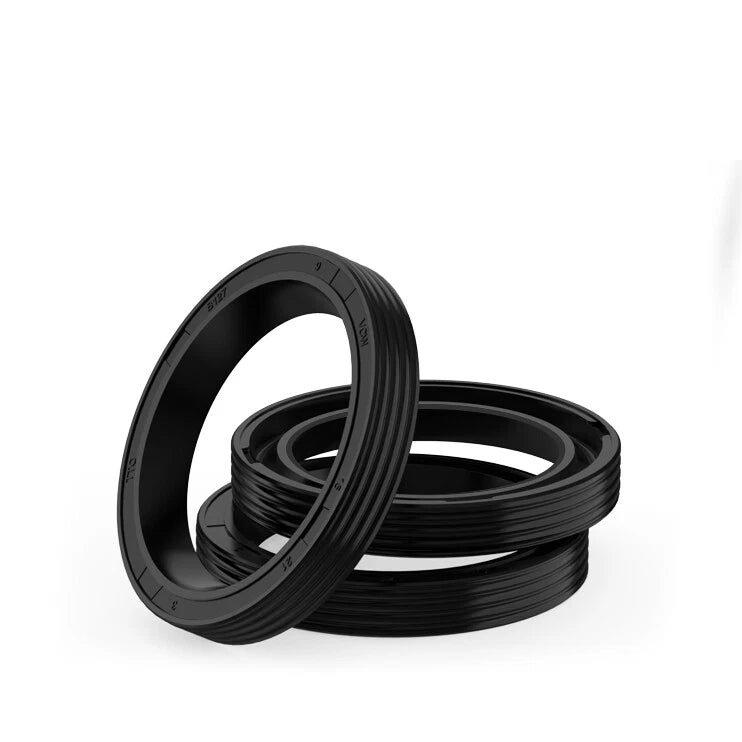
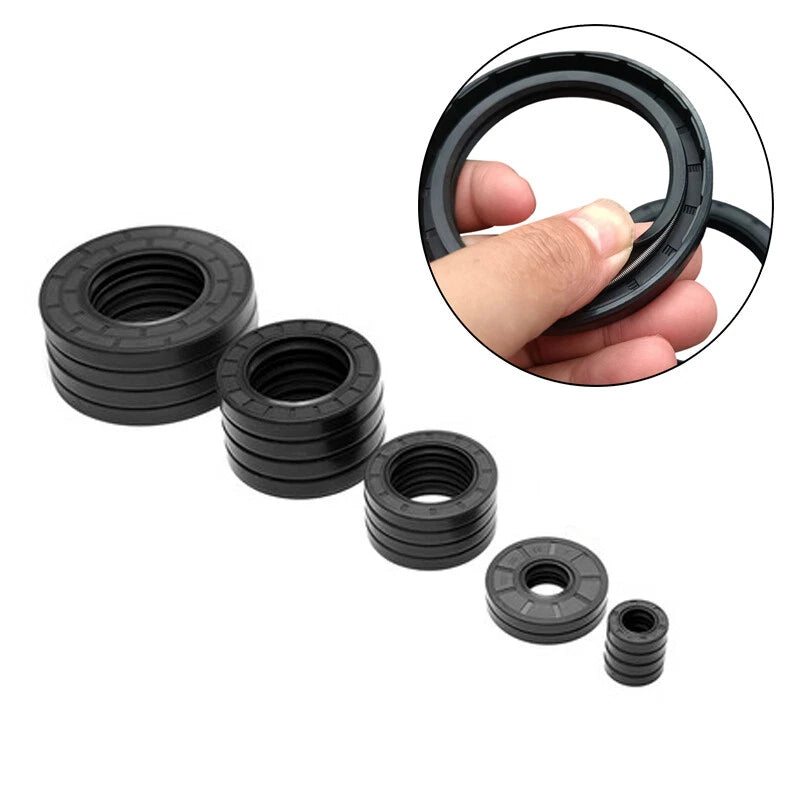
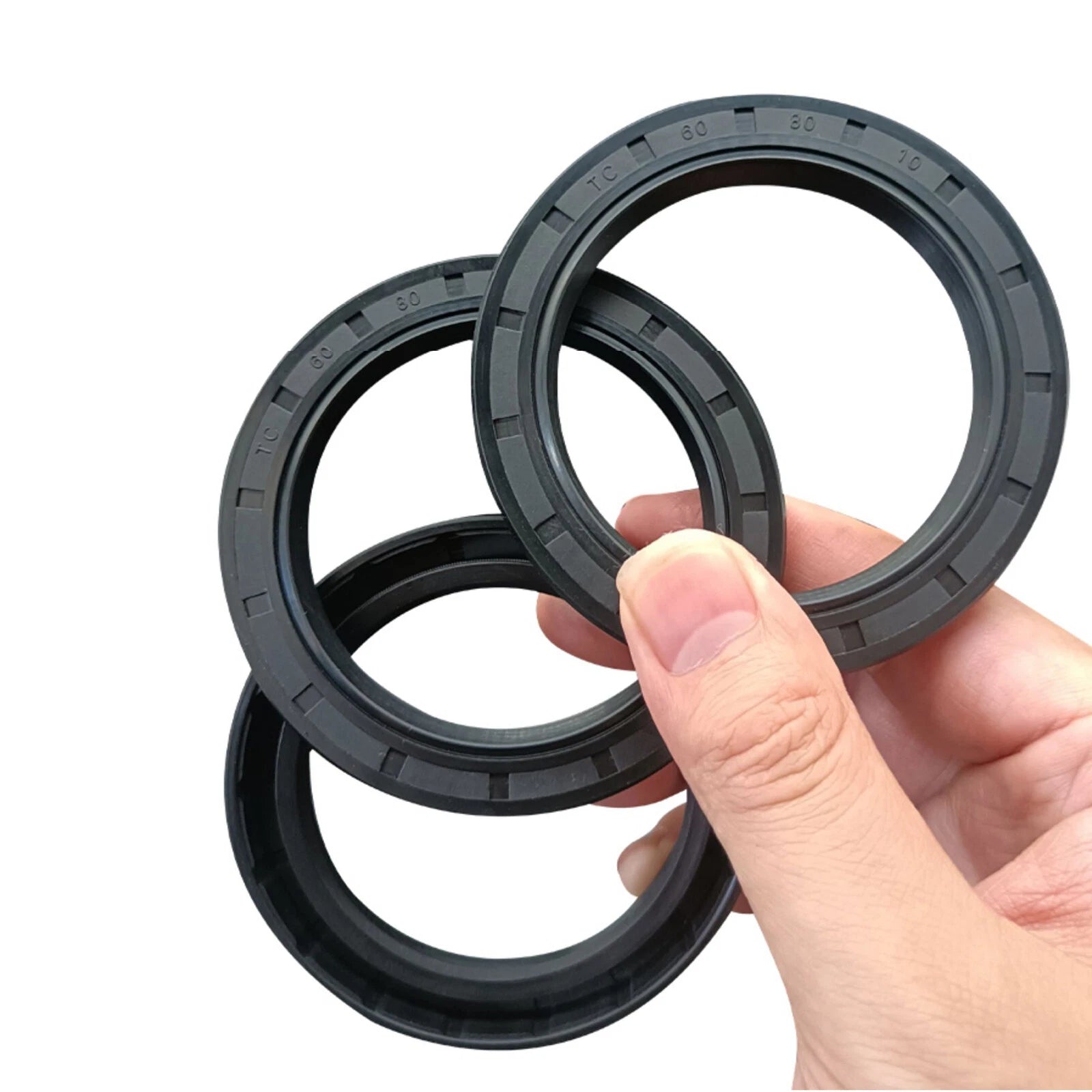
TC Oil Seal NBR Rotary Shaft Seal Shaft Double Lip Metric Size Rotary Shaft

No reviews

Price:
Sale price$1.56 USD
Stock:
In stock (500 units), ready to be shipped

Payment & Security

Ach Direct Debit Amazon American Express Apple Pay Bancontact Diners Club Discover Google Pay iDEAL Wero Mastercard PayPal Shop Pay USDC Visa

Your payment information is processed securely. We do not store credit card details nor have access to your credit card information.

Quantity Discount Promotion
🎯 BULK DISCOUNT: Buy More, Save More!
Buy 2 Items
5% OFF
Buy 4 Items
10% OFF
Buy 6 Items
15% OFF
Expert

DIY Expert Support

Get fitment advice & recommendations

Mon-Fri, 8:30AM-8PM
24-Hour Fast Ship
🚚
Arrives in 3-14 days
🌍
Global Reach
↩️
30-Day Returns
🌱 1 tree planted with every purchase

Description

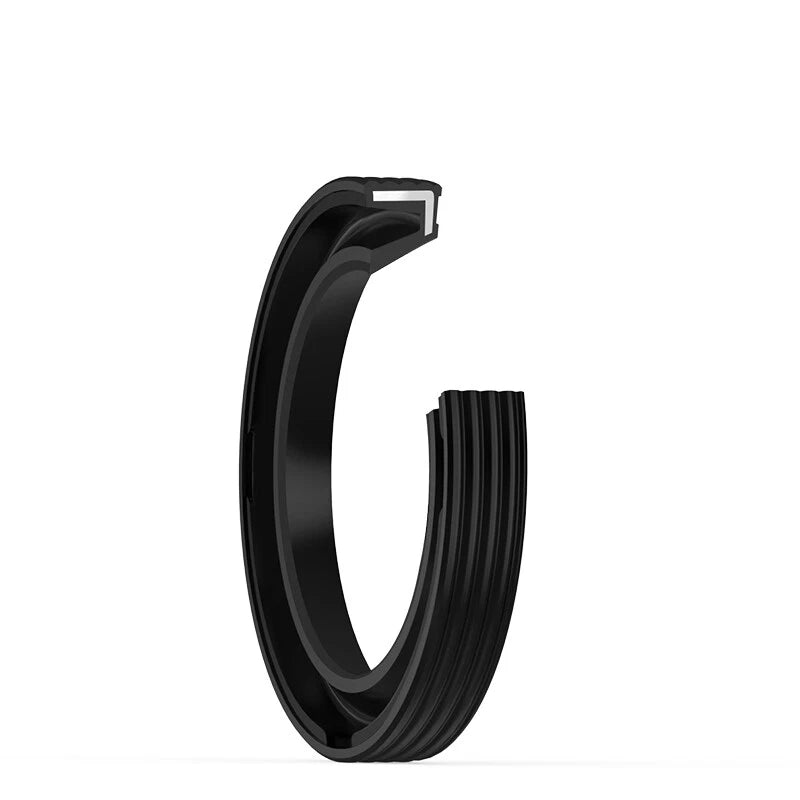
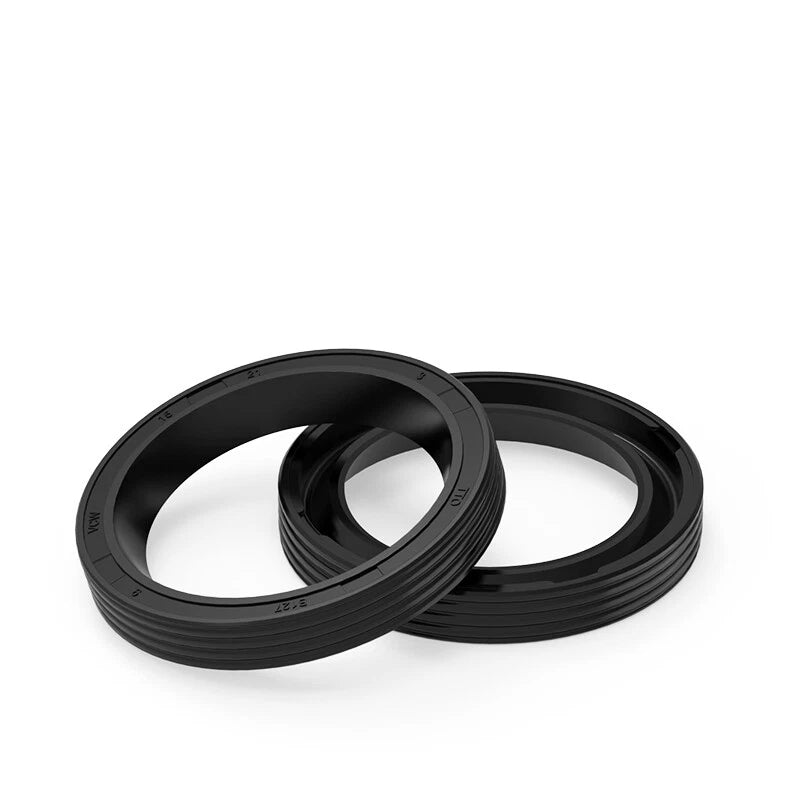
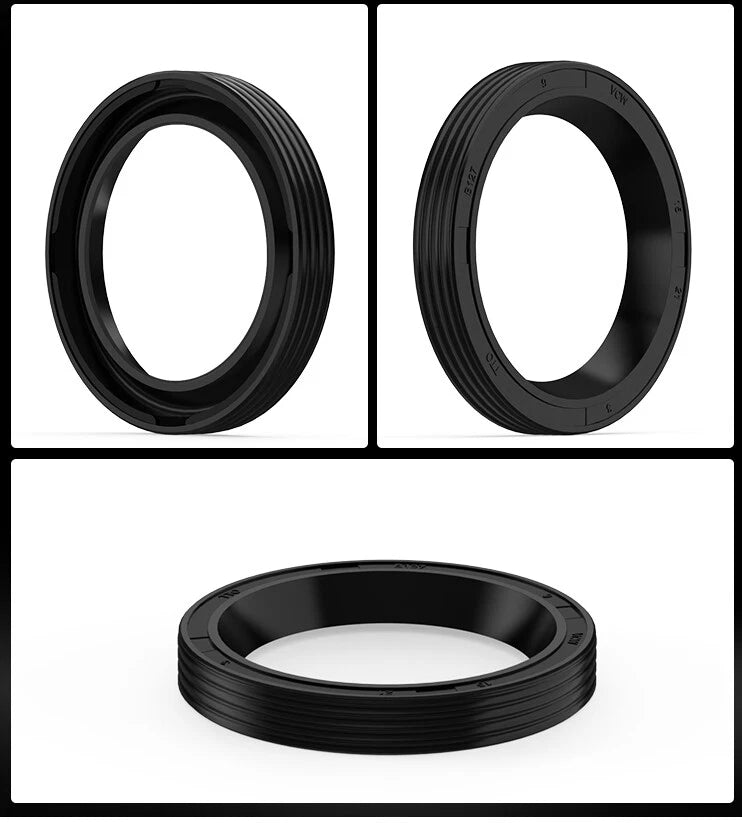
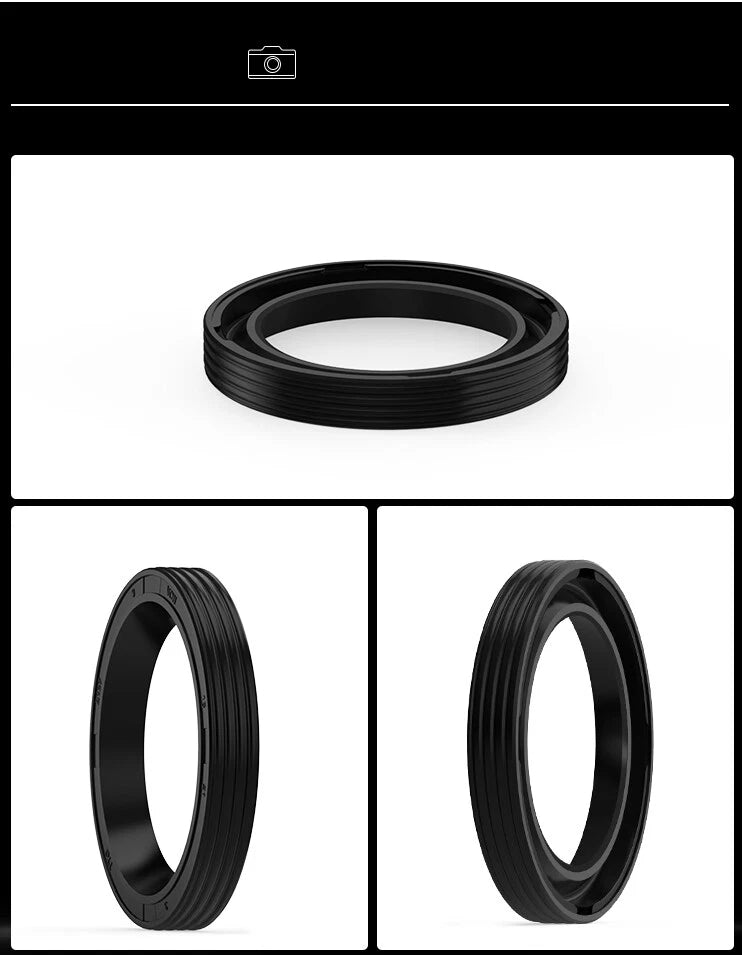
TC Oil Seal NBR Double Lip — Metric Rotary Shaft Seals for Reliable Leak Prevention

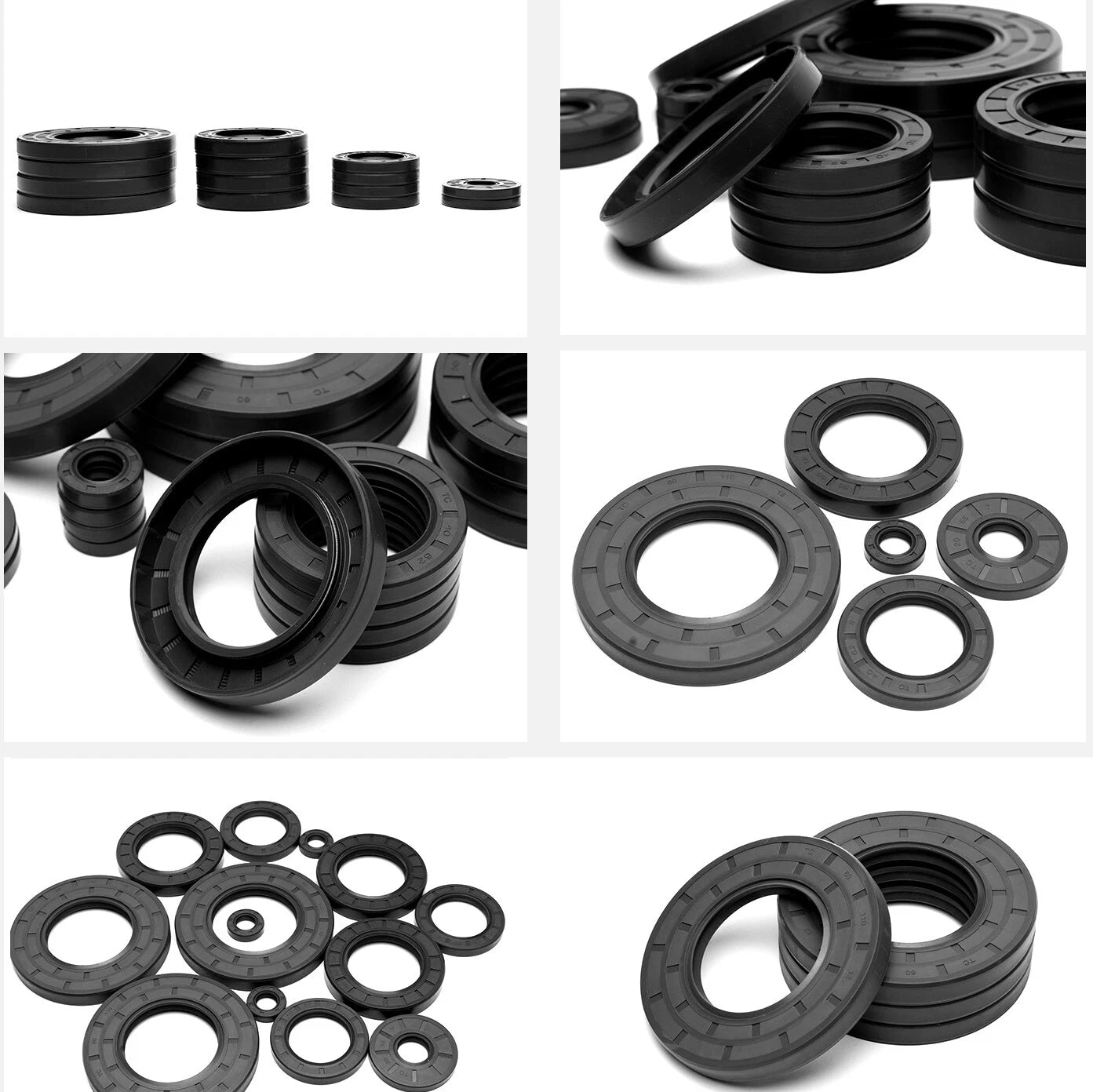
When a worn or mismatched shaft seal lets oil creep past the bearing housing, the damage compounds fast — contaminated lubricant, accelerated wear, and costly downtime. Mechanics, equipment rebuilders, and serious DIYers who need an exact-fit TC oil seal in a metric size know how frustrating it is to source the right part. These NBR TC double-lip rotary shaft oil seals are stocked across a wide metric size range — inside diameter 8 mm (0.31 in) through 400 mm (15.75 in) — so you can match the shaft precisely without resorting to adapters or oversized substitutes.

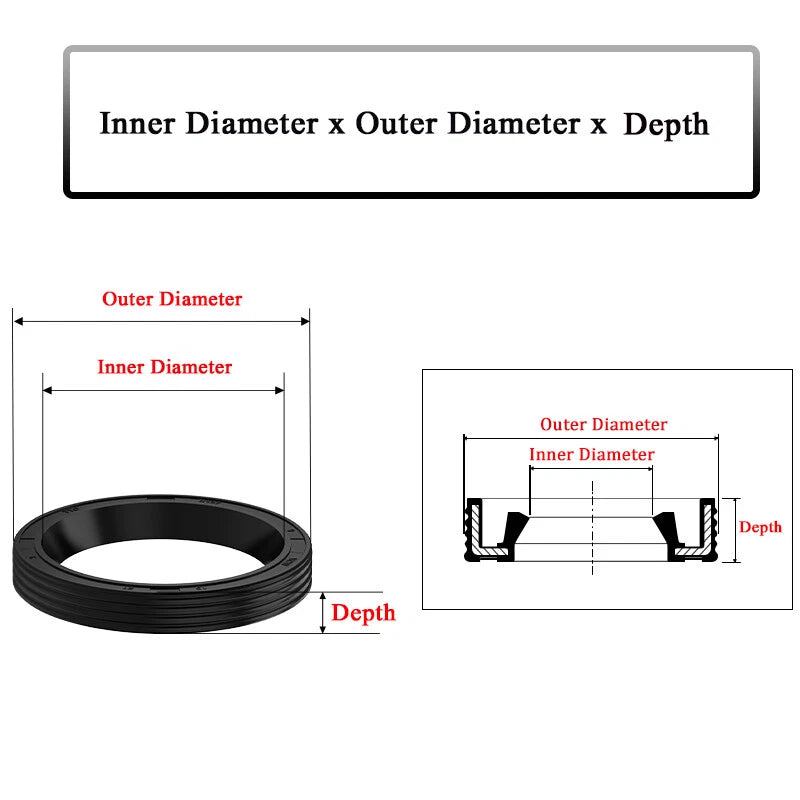
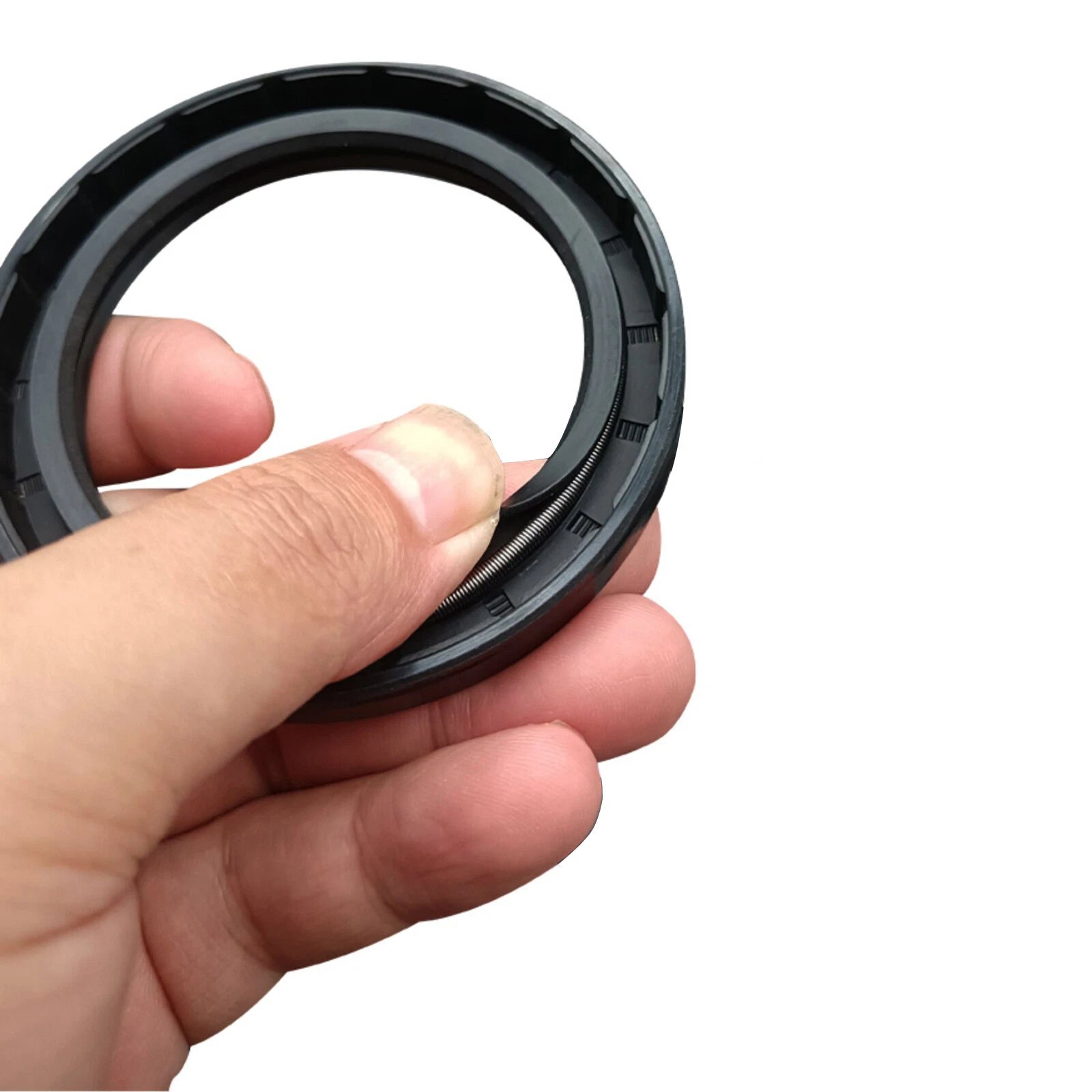
Each seal is a TC-type (double-lip) construction: a primary sealing lip retains lubricant while a secondary dust lip blocks contaminants from entering the bearing cavity. The body is moulded from NBR (nitrile butadiene rubber), a compound that resists petroleum-based oils, greases, and hydraulic fluids across a working temperature range typically from −40 °C to +120 °C (−40 °F to +248 °F). A carbon-steel garter spring maintains consistent radial lip pressure against the shaft throughout the seal's service life. Sizes are expressed as Inside Diameter × Outside Diameter × Depth (all in mm).

Typical applications include automotive gearbox output shafts, differential pinion seals, agricultural PTO shafts, hydraulic pump shafts, electric motor end-shields, and general industrial rotating equipment. Whether you are rebuilding a vintage tractor rear axle, replacing a leaking differential seal on a light truck, or sealing a pump shaft on a production line, selecting the correct TC oil seal by shaft diameter and housing bore eliminates the guesswork and gets the job done right the first time.

⚙️ Compatibility note: Match the seal to your shaft's inside diameter, housing bore (outside diameter), and groove depth. Verify shaft surface finish and speed rating before installation. Consult your equipment service manual if unsure.

✅ Key Features of These TC NBR Rotary Shaft Oil Seals

  • 🔵 TC Double-Lip Design — Primary lip seals lubricant in; secondary dust lip keeps contaminants out, extending bearing and lubricant life.
  • 🧪 NBR Rubber Compound — Nitrile butadiene rubber resists petroleum oils, greases, and hydraulic fluids; working temperature typically −40 °C to +120 °C (−40 °F to +248 °F).
  • 🔩 Carbon-Steel Garter Spring — Maintains consistent radial lip pressure on the shaft surface, compensating for minor shaft runout and housing misalignment.
  • 📐 Wide Metric Size Range — Inside diameters from 8 mm to 400 mm (≈ 0.31 in to 15.75 in) cover shafts found in automotive, agricultural, and industrial equipment.
  • 🏗️ Metal-Reinforced Shell — Steel outer case provides a firm press-fit into the housing bore, preventing rotation and maintaining concentricity during operation.
  • 🔄 Broad Application Compatibility — Suitable for gearboxes, differentials, hydraulic pumps, electric motors, PTO shafts, and general rotating machinery where petroleum-based lubricants are used.

📐 Technical Specifications — TC NBR Rotary Shaft Oil Seals

Seal Type TC (Double Lip with Garter Spring)
Lip Material NBR (Nitrile Butadiene Rubber)
Shell Material Carbon Steel
Spring Type Carbon-Steel Garter Spring
Inside Diameter (ID) Range 8 mm – 400 mm (0.31 in – 15.75 in)
Outside Diameter (OD) Range See variant options
Depth Range 5 mm – 20 mm (0.20 in – 0.79 in)
Operating Temperature Typically −40 °C to +120 °C (−40 °F to +248 °F)
Compatible Fluids Petroleum-based oils, greases, hydraulic fluids
Shaft Surface Finish Contact us to confirm recommended Ra value
Max Shaft Speed See variant options
Quantity per Order 1 piece per variant selected

❓ Frequently Asked Questions

How do I choose the correct TC oil seal size for my application?

Measure three dimensions: the shaft outside diameter (this becomes the seal's inside diameter), the housing bore diameter (this becomes the seal's outside diameter), and the groove depth. Cross-reference all three against the variant options listed above. If the shaft is already installed, use a vernier caliper or digital micrometer for accuracy. When in doubt, consult your equipment's service manual or parts catalogue for the OEM seal part number, then match the dimensions.

What does "TC" mean, and how is it different from a single-lip seal?

"TC" denotes a double-lip seal with a garter spring. The primary (inner) lip faces the lubricant side and is held against the shaft by the spring to maintain a consistent sealing force. The secondary (outer) lip faces the atmosphere and acts as a dust excluder, preventing abrasive particles from reaching the primary lip and the bearing. A single-lip seal ("SC" type) omits the secondary lip and is typically used in cleaner environments or where space is limited.

Is NBR rubber suitable for my application?

NBR (nitrile butadiene rubber) is the most widely used seal material for petroleum-based lubricants — engine oil, gear oil, ATF, and hydraulic fluid. It performs reliably from approximately −40 °C to +120 °C (−40 °F to +248 °F). NBR is not recommended for use with brake fluid (DOT 3/4), phosphate-ester hydraulic fluids, or strong acids. If your application involves these fluids or sustained temperatures above 120 °C, consider a Viton (FKM) seal instead.

How do I install a TC oil seal without damaging the lip?

Clean the housing bore and shaft thoroughly before installation. Lightly lubricate the seal lip with the same oil or grease used in the application — never install a dry seal. Use a seal driver or a flat block of wood to press the seal squarely into the bore; never hammer directly on the seal face. Press until the outer face is flush with or just below the housing surface. Protect the lip from sharp shaft edges or keyways by wrapping the shaft with thin plastic film during installation, then sliding the film out once the seal is seated.

What shaft surface finish and hardness are required?

For reliable sealing, the shaft running surface should have a finish of Ra 0.2–0.8 µm (8–32 µin) and a hardness of at least 45 HRC in the contact zone. Surfaces that are too rough accelerate lip wear; surfaces that are too smooth can prevent the hydrodynamic oil film from forming. Avoid spiral machining marks, which can pump oil past the lip. If the shaft shows a wear groove from a previous seal, offset the new seal axially by 1–2 mm or use a repair sleeve.

Can these seals be used in both rotary and static applications?

TC oil seals are designed primarily for rotary shaft applications where the shaft rotates inside the stationary seal. They can also function in applications where the seal rotates with the housing while the shaft remains stationary ("reverse installation"), but lip wear rates may differ. They are not intended as static face seals or gaskets. For static sealing, an O-ring or gasket is the appropriate choice.

How do I know if my existing seal needs replacement?

Common signs of a failed rotary shaft seal include visible oil weeping or dripping around the shaft exit point, oil staining on the housing or adjacent components, and lubricant contamination with dirt or water (indicating the dust lip has failed). A seal that has hardened, cracked, or lost its spring tension will no longer maintain adequate lip contact. Replacing the seal at the first sign of leakage prevents lubricant starvation in the bearing and avoids more extensive repairs.

🛒 Select your Size (Inside × Outside × Depth) above, then add to cart.

You may also like

Recently viewed