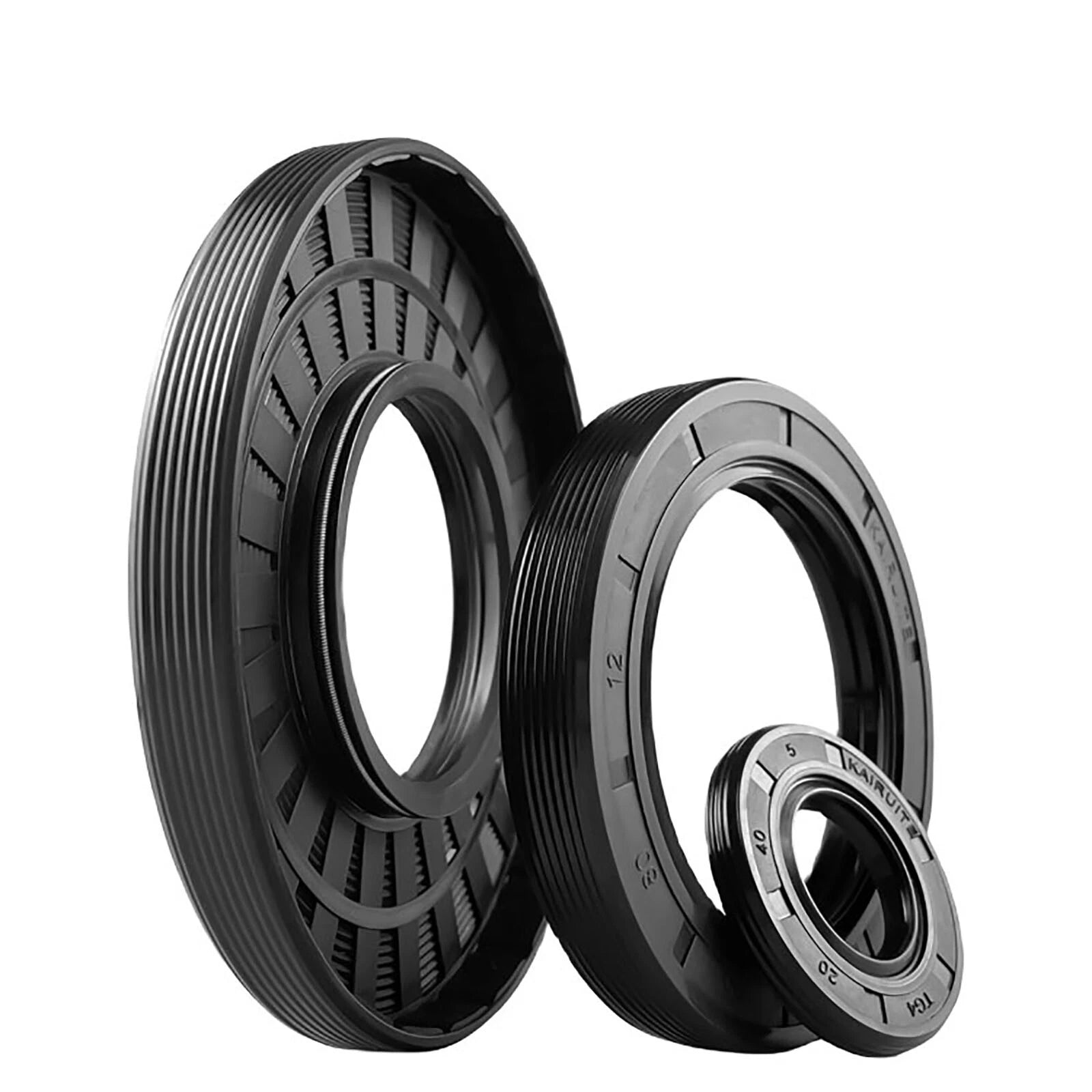
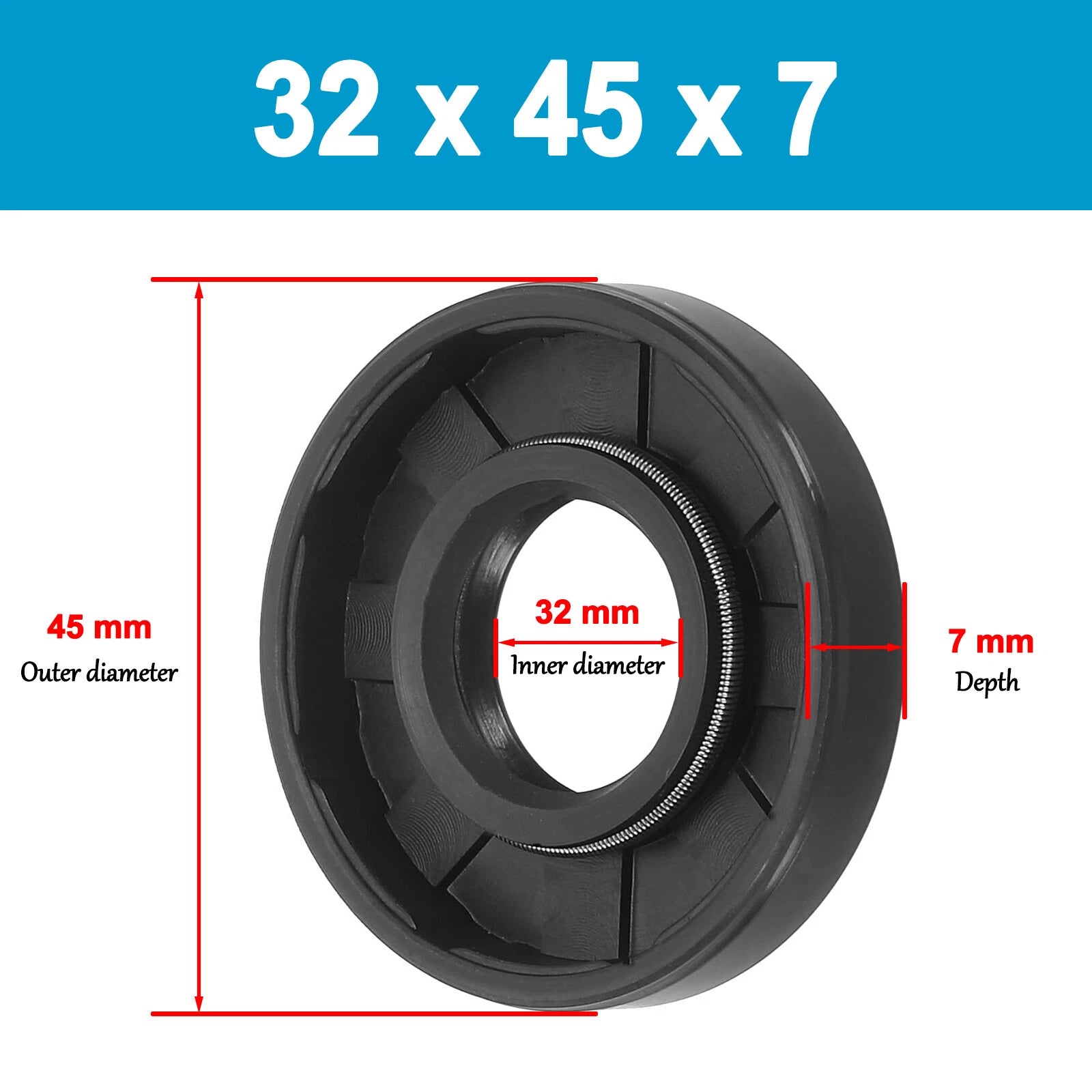
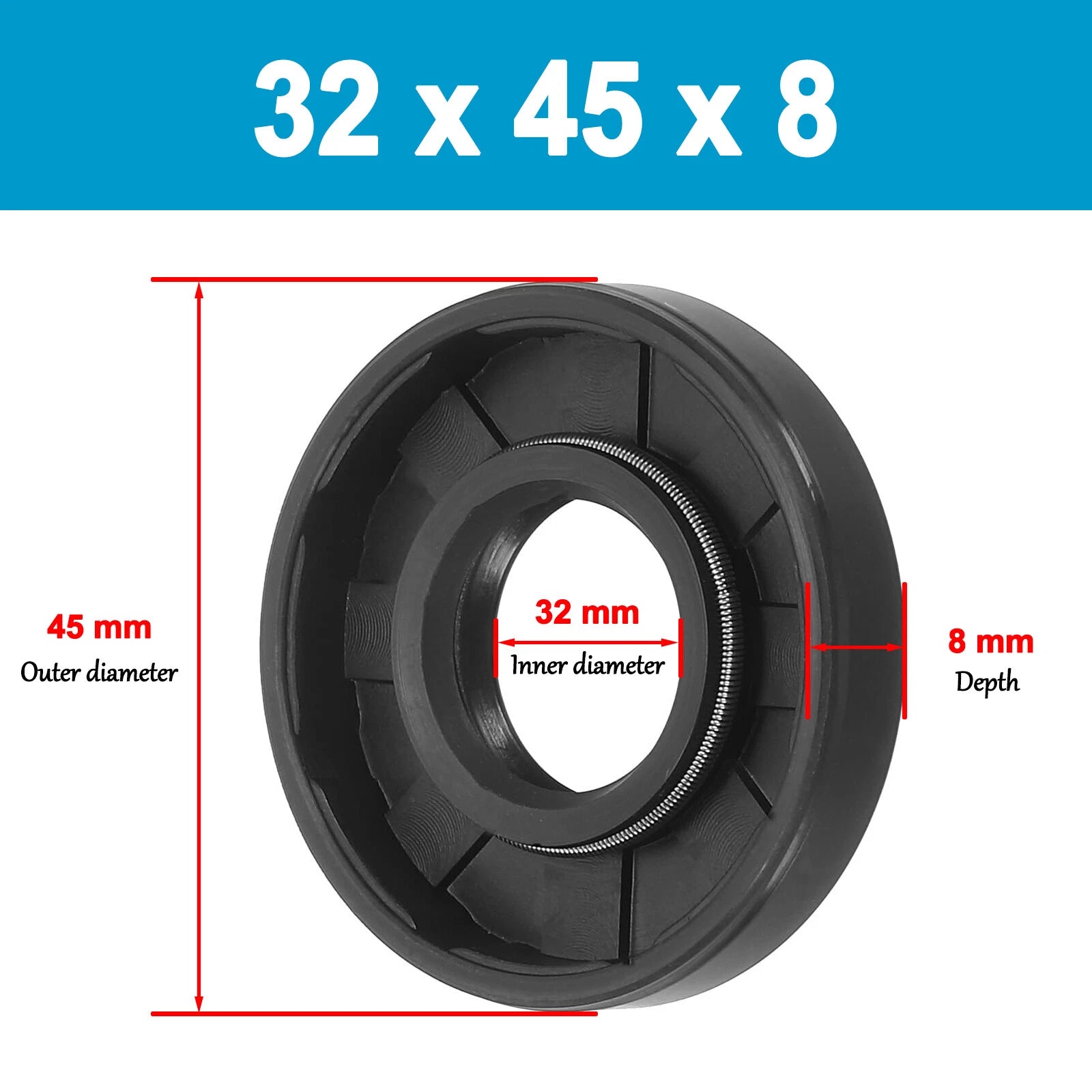
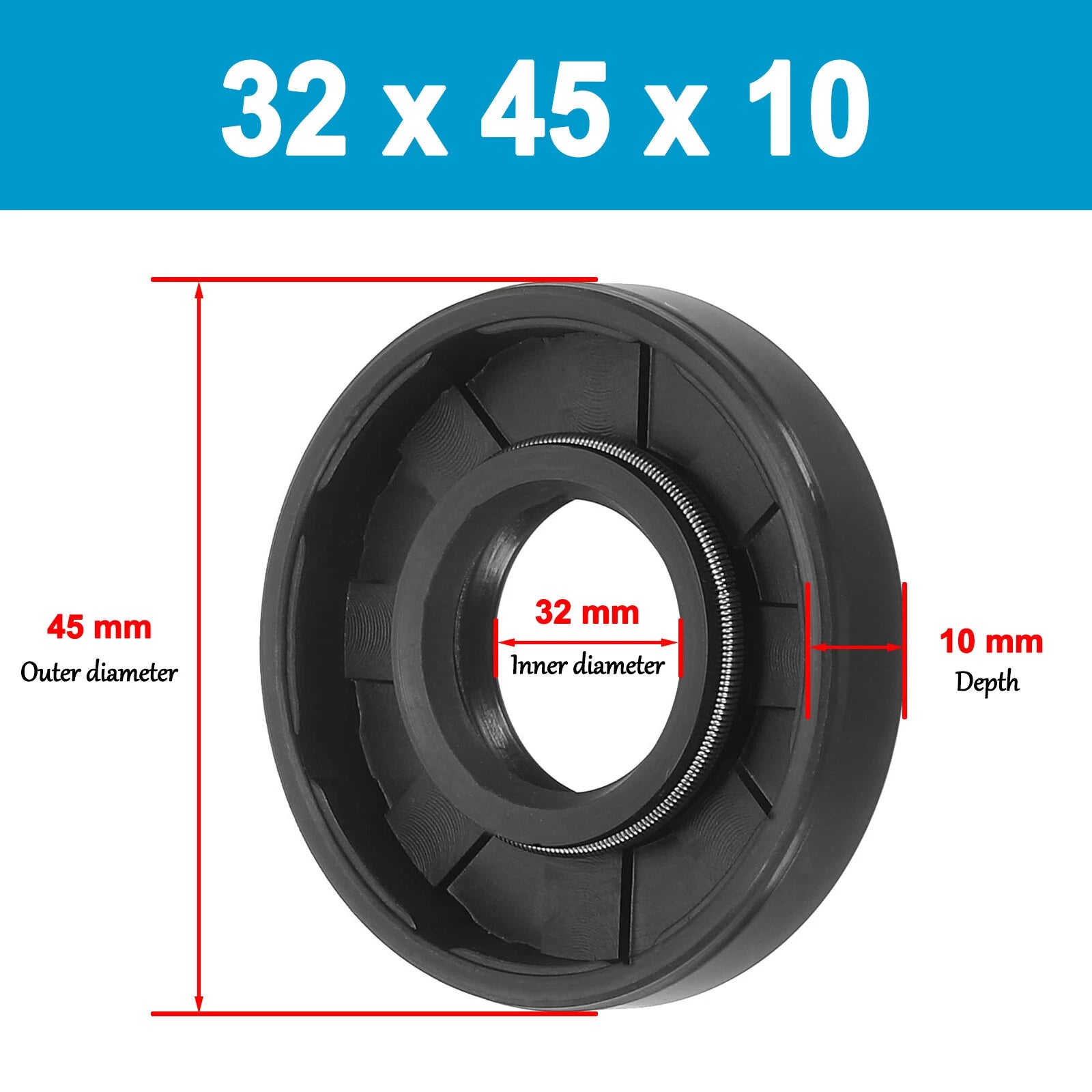
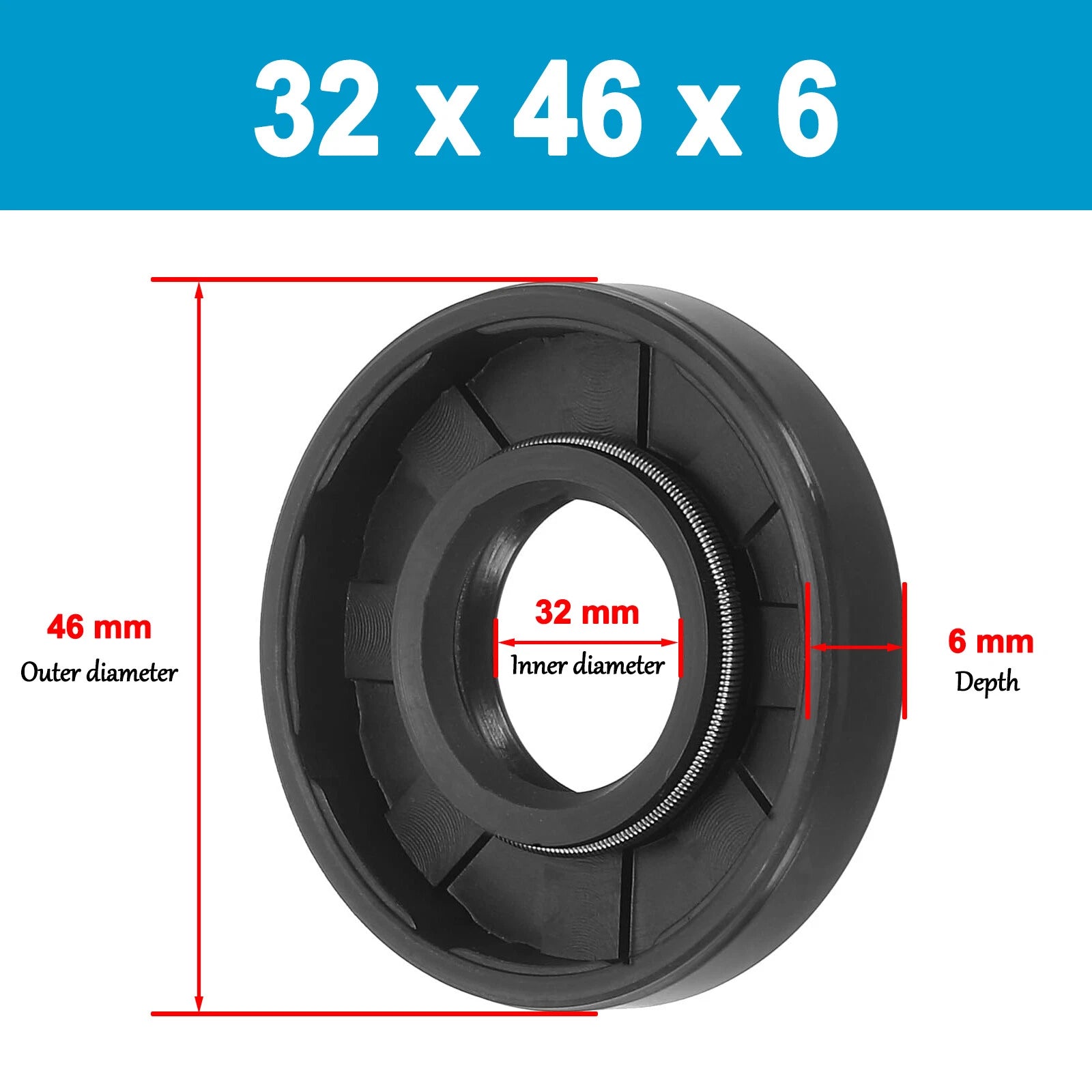
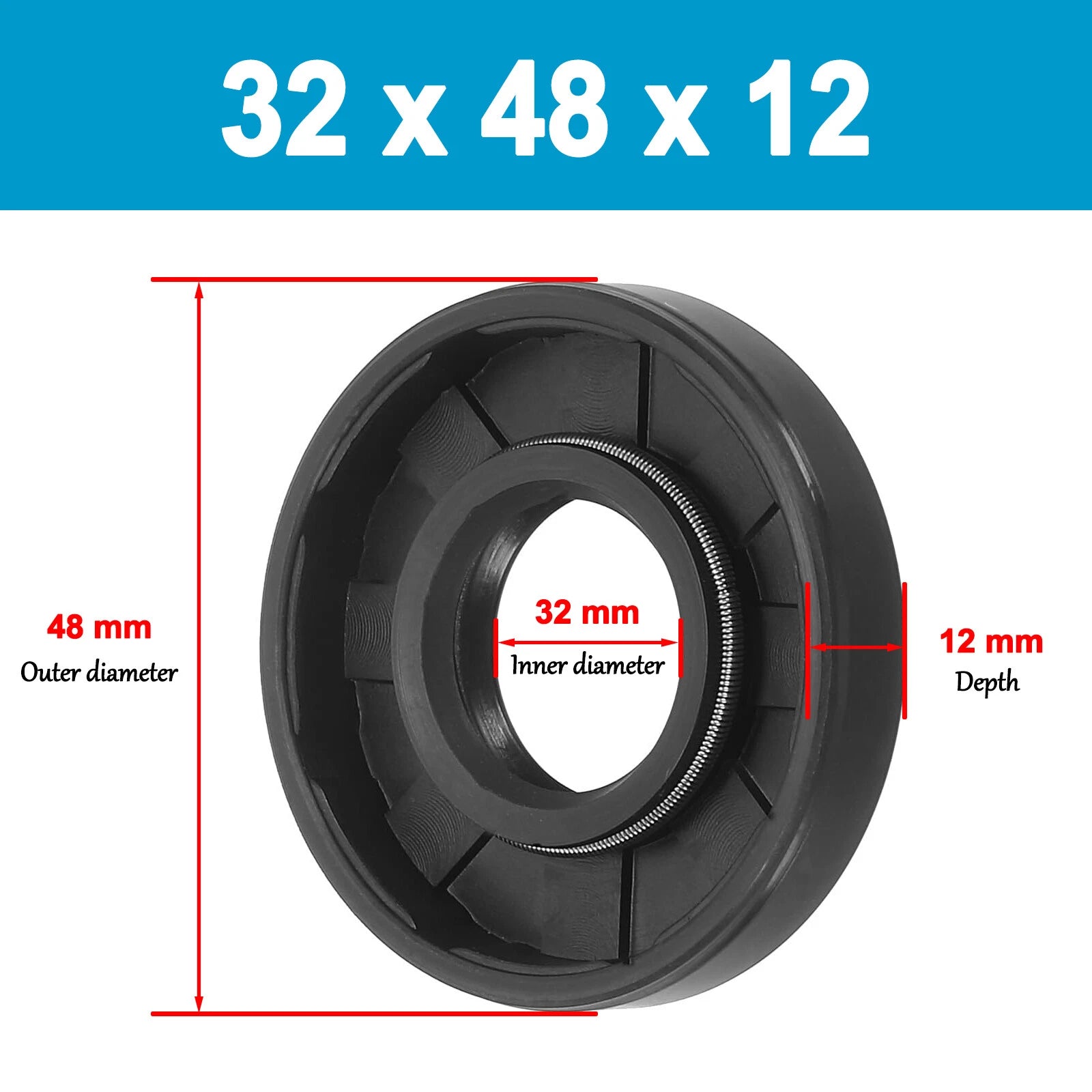
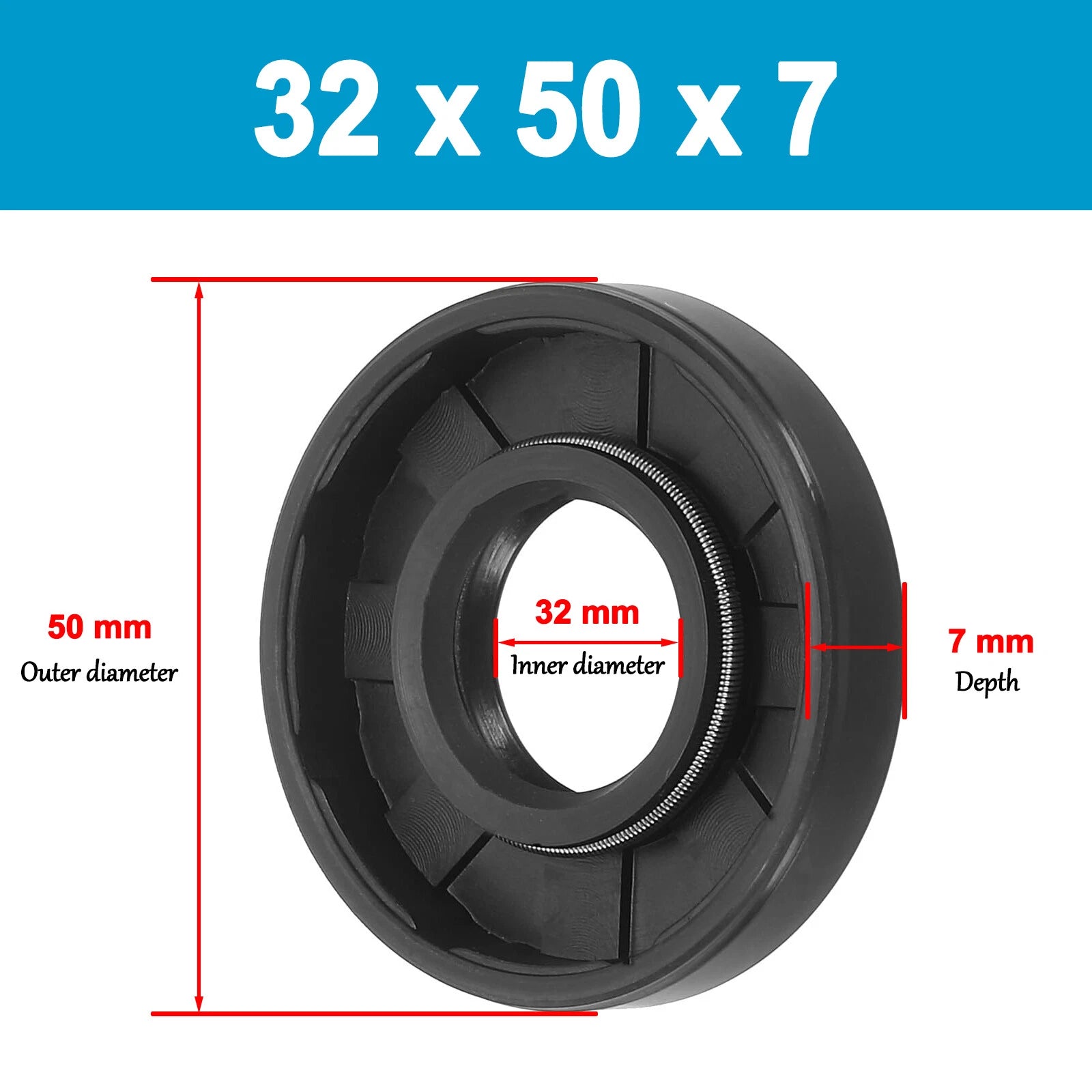
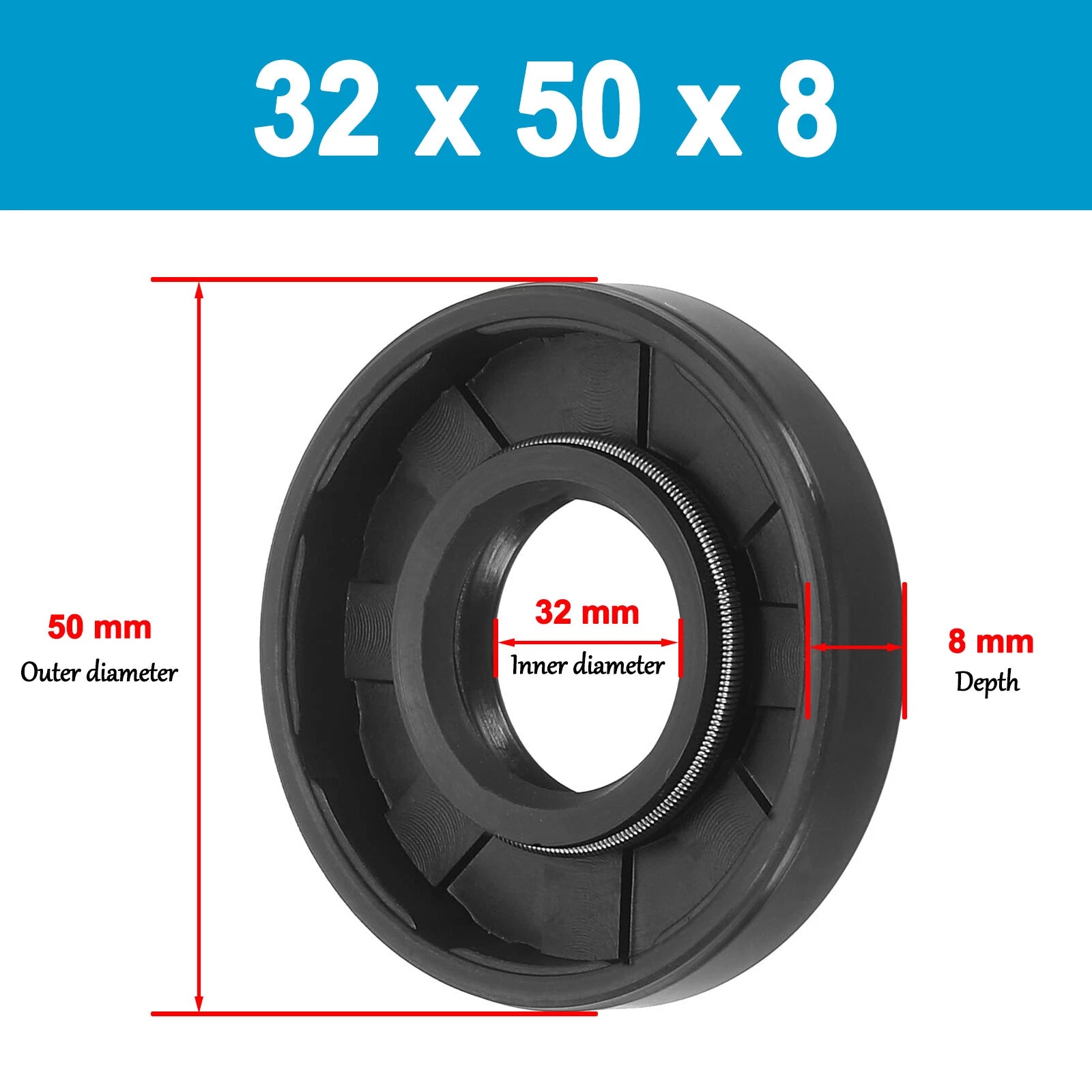
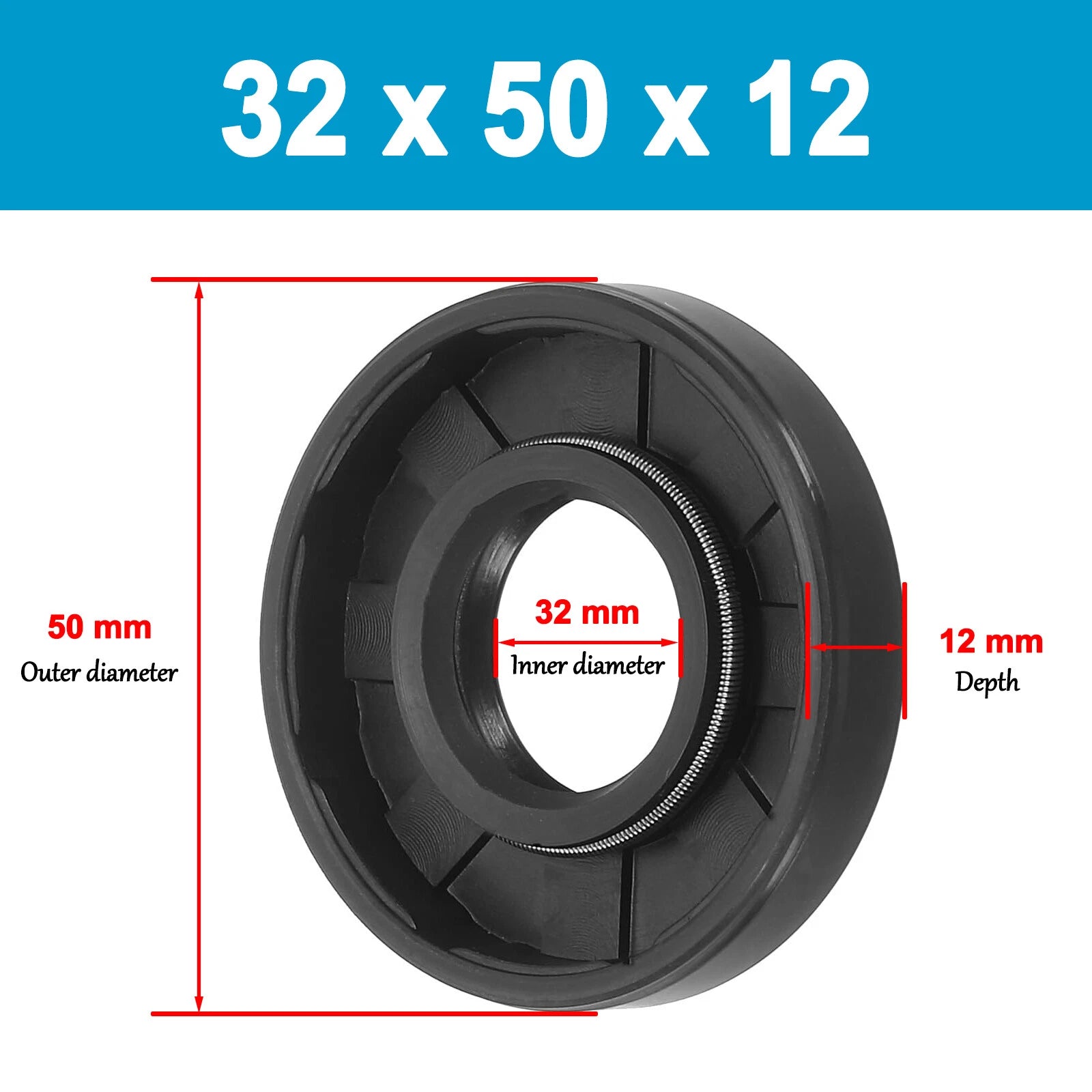
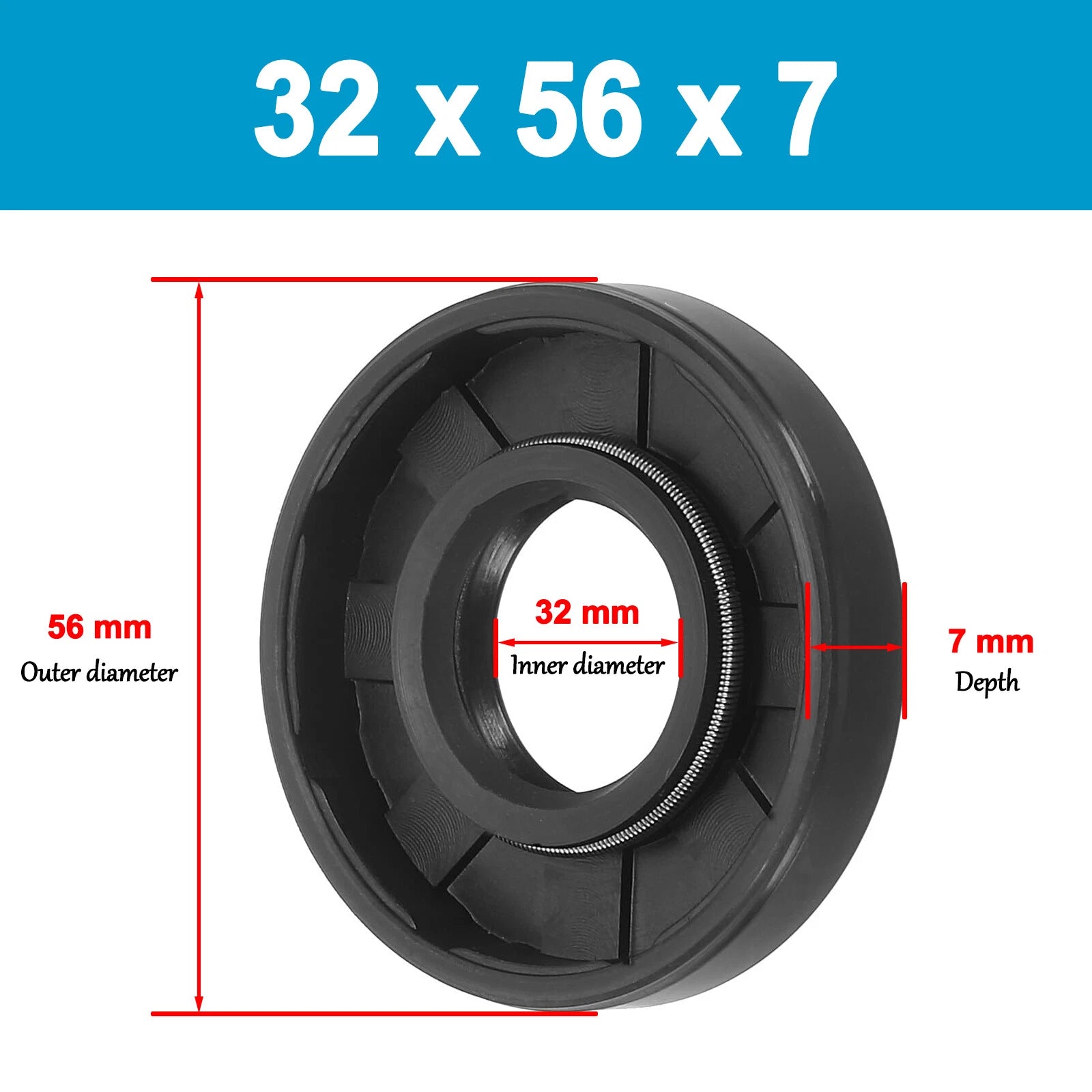
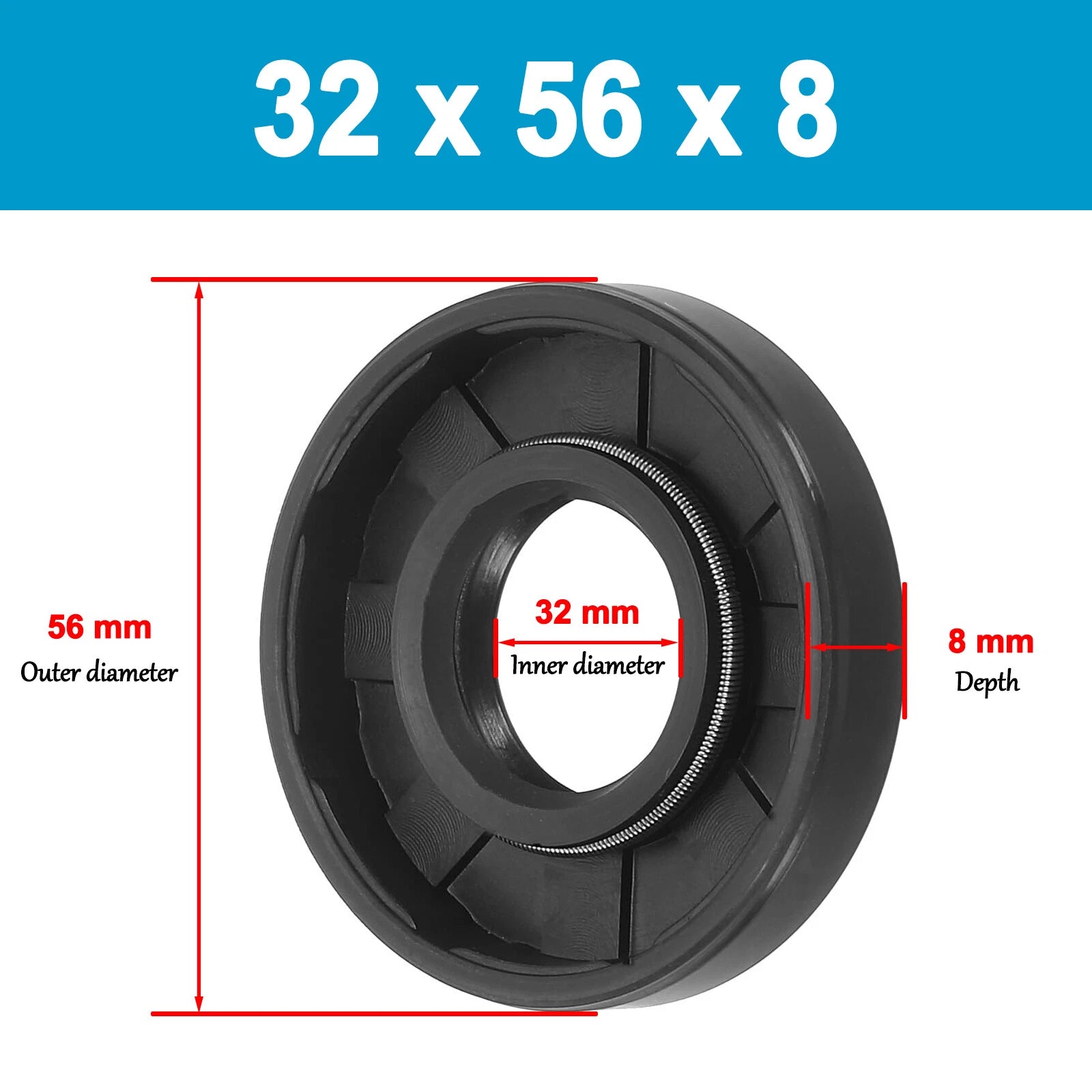
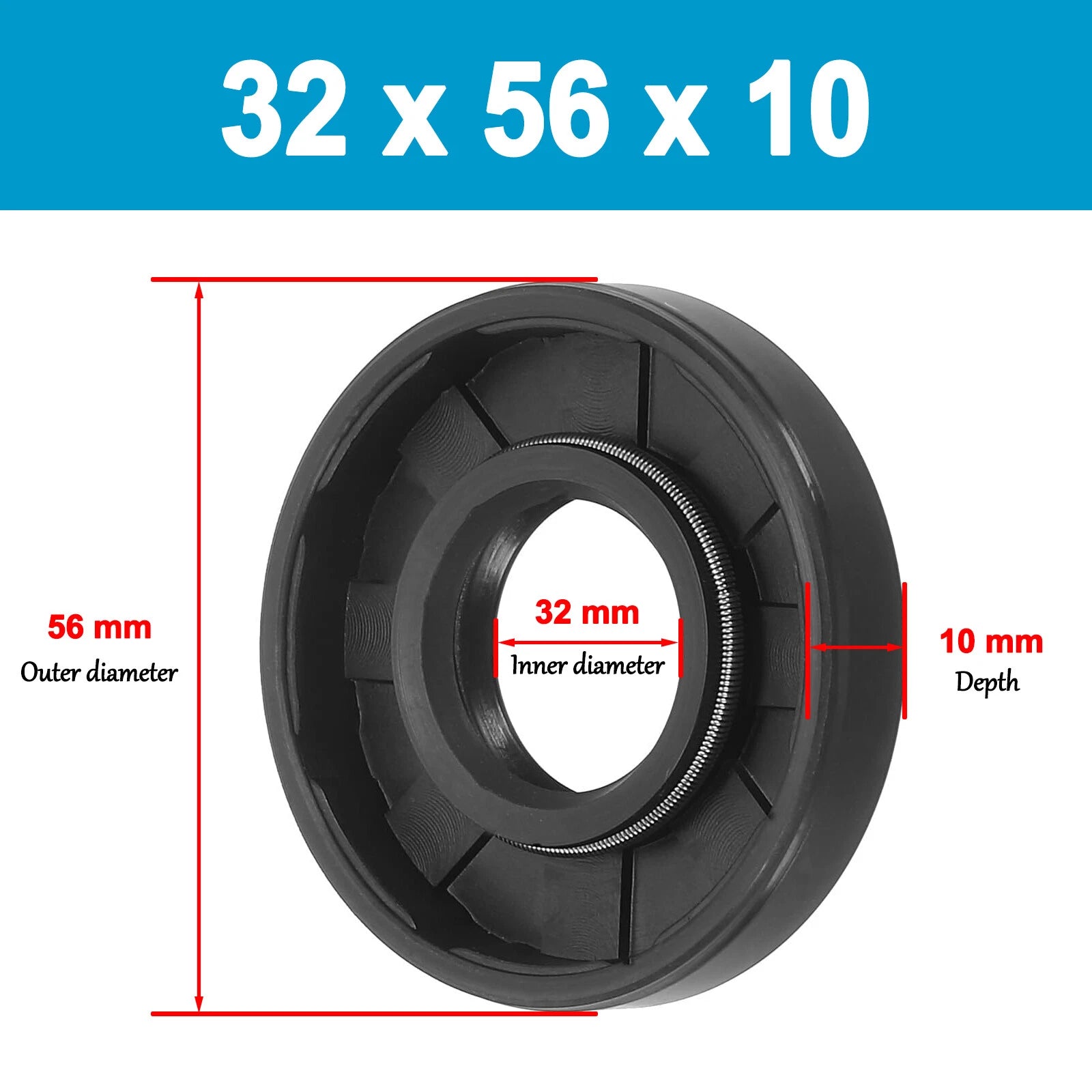
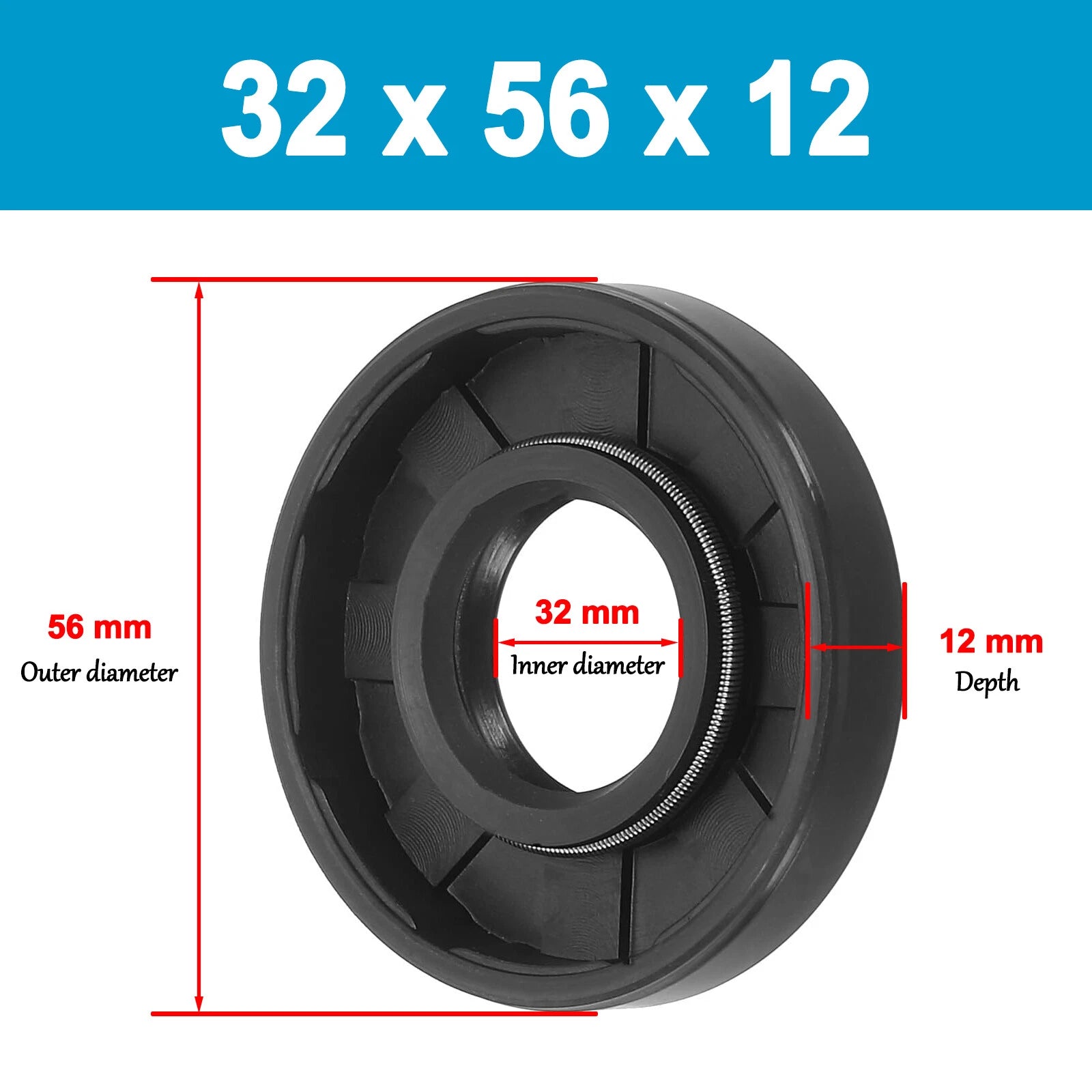
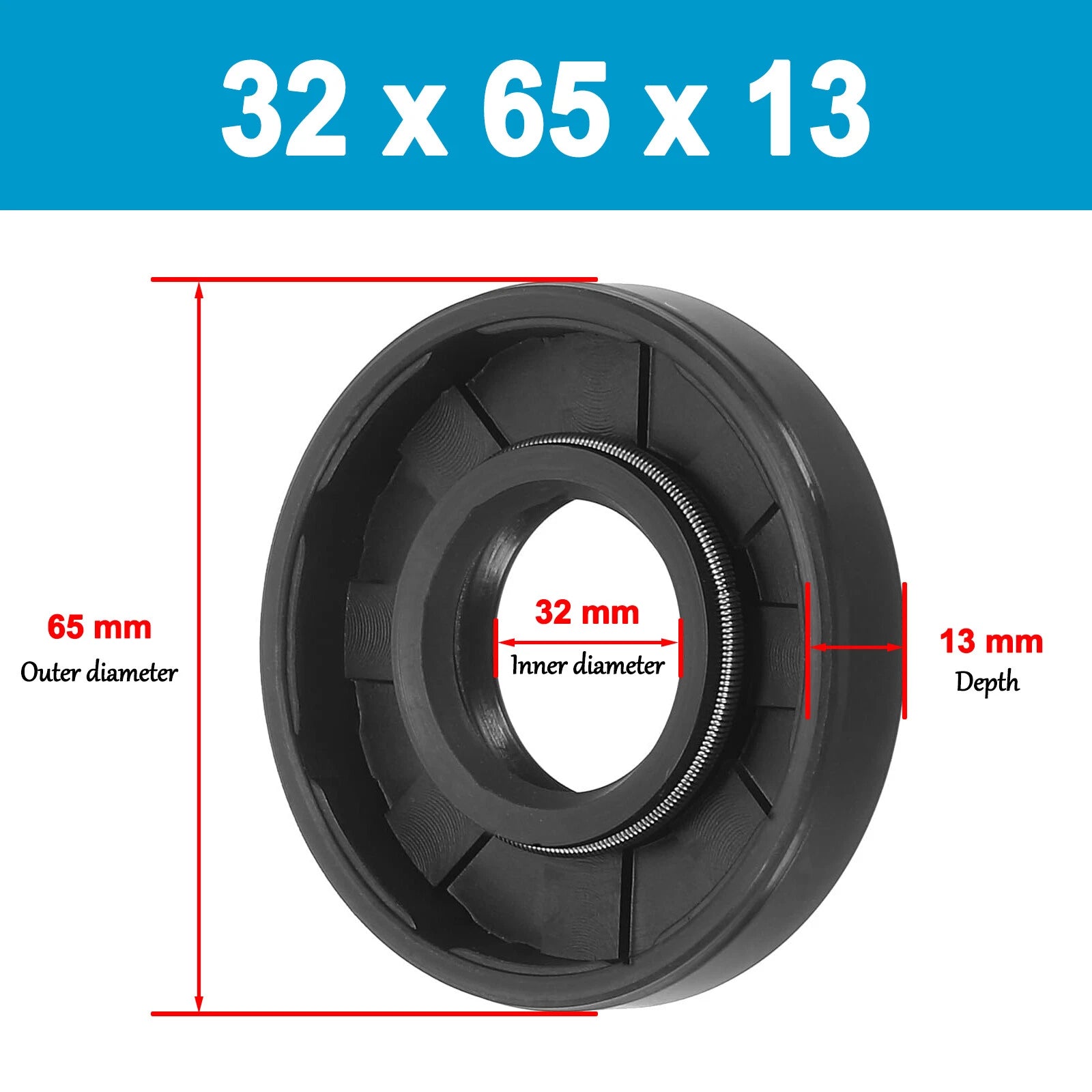
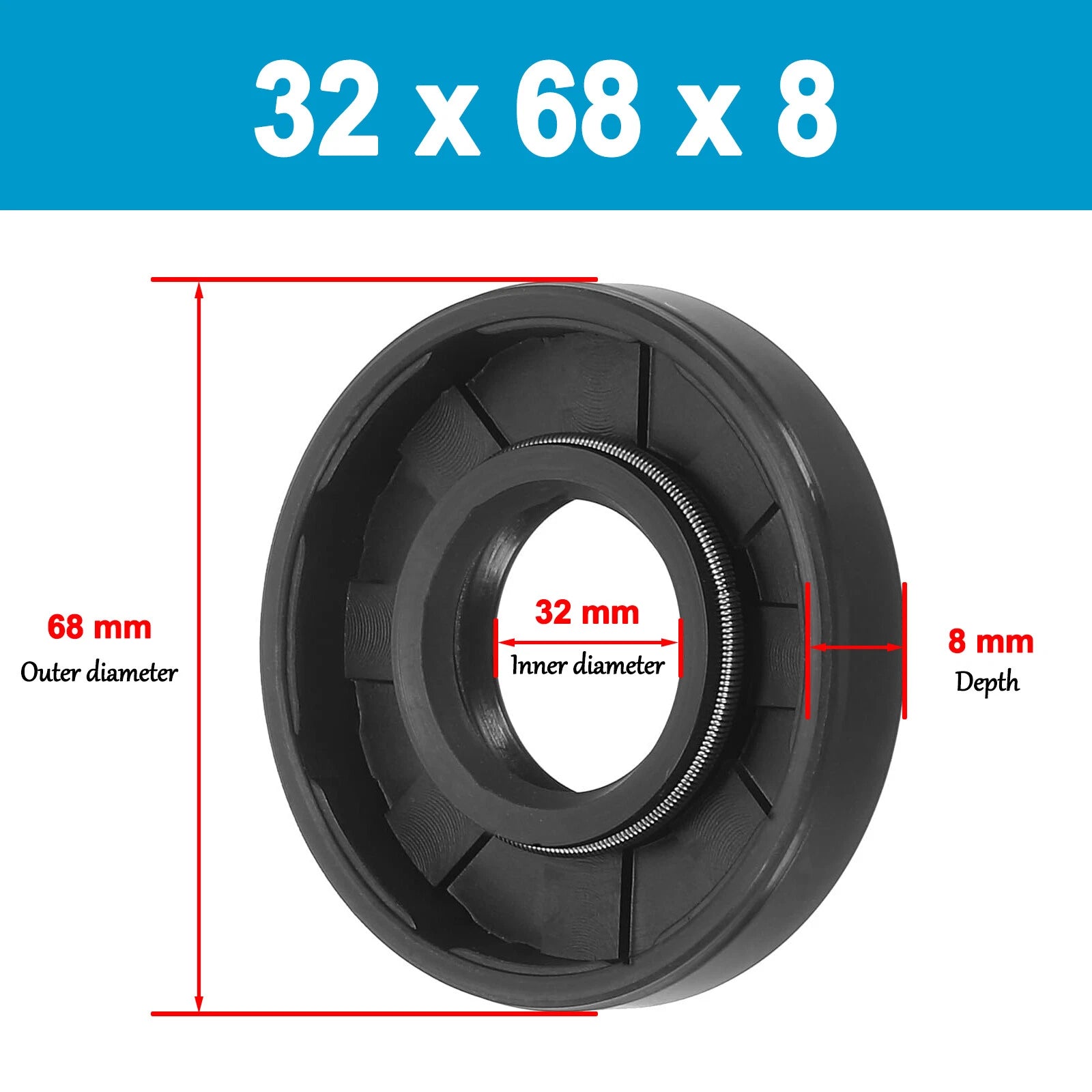
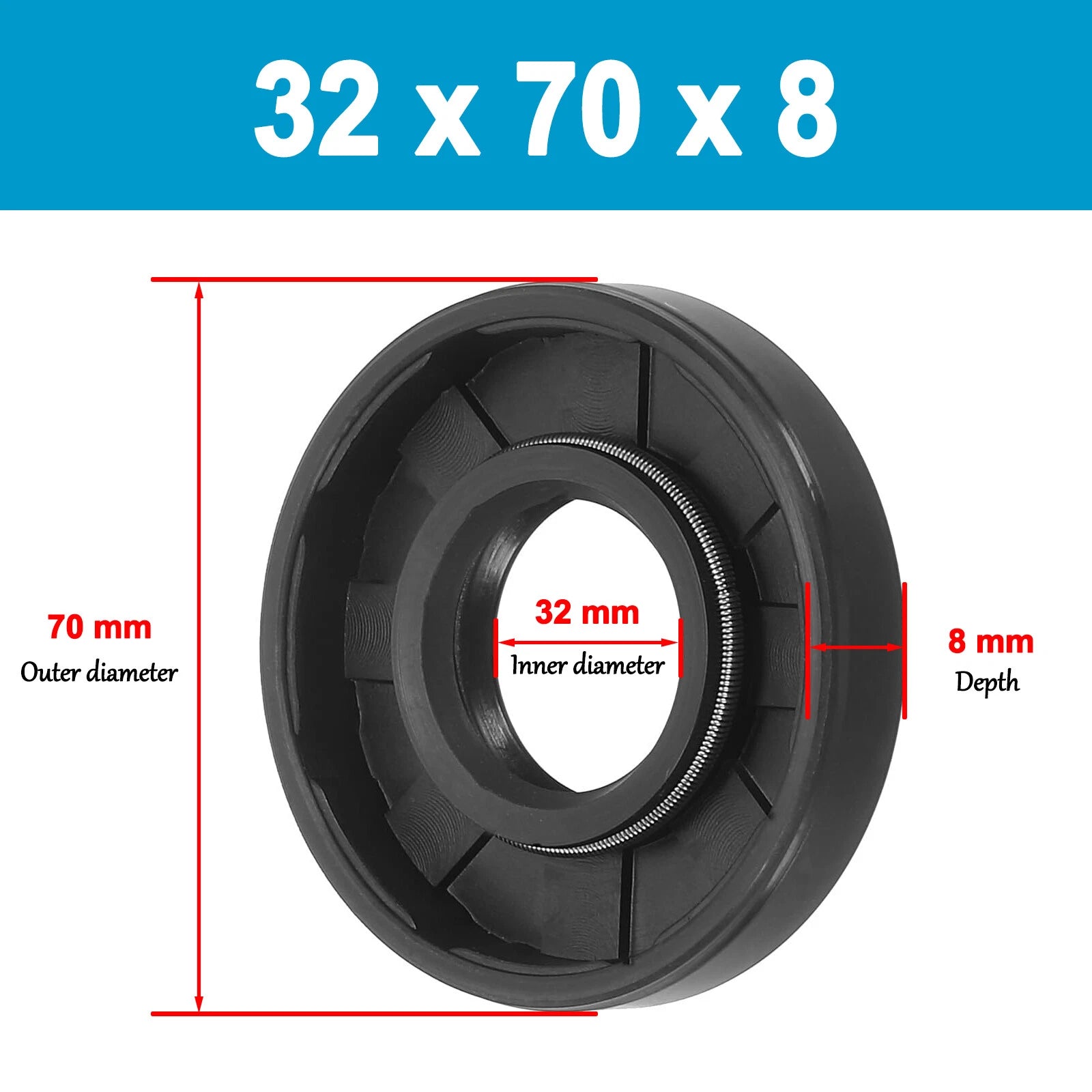
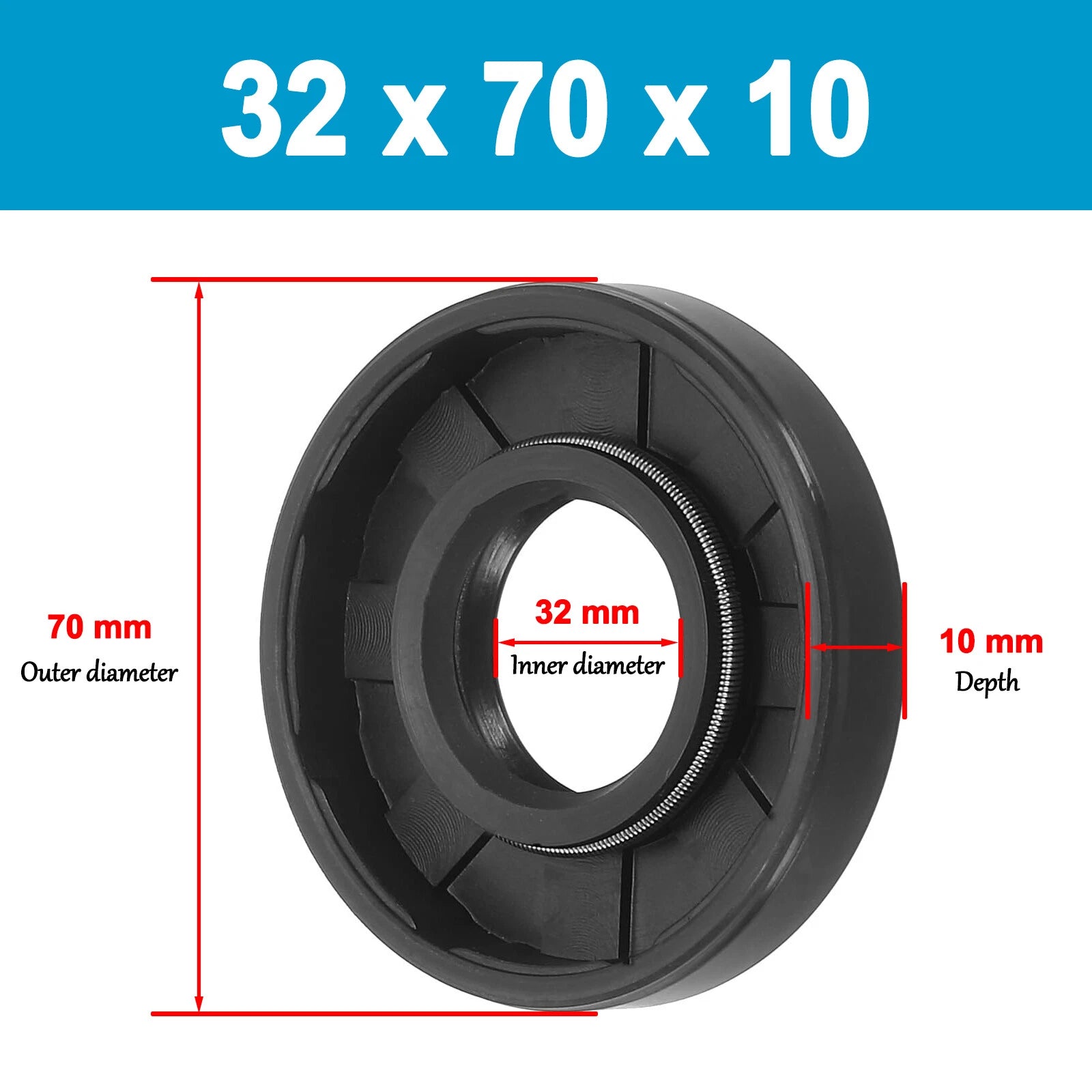
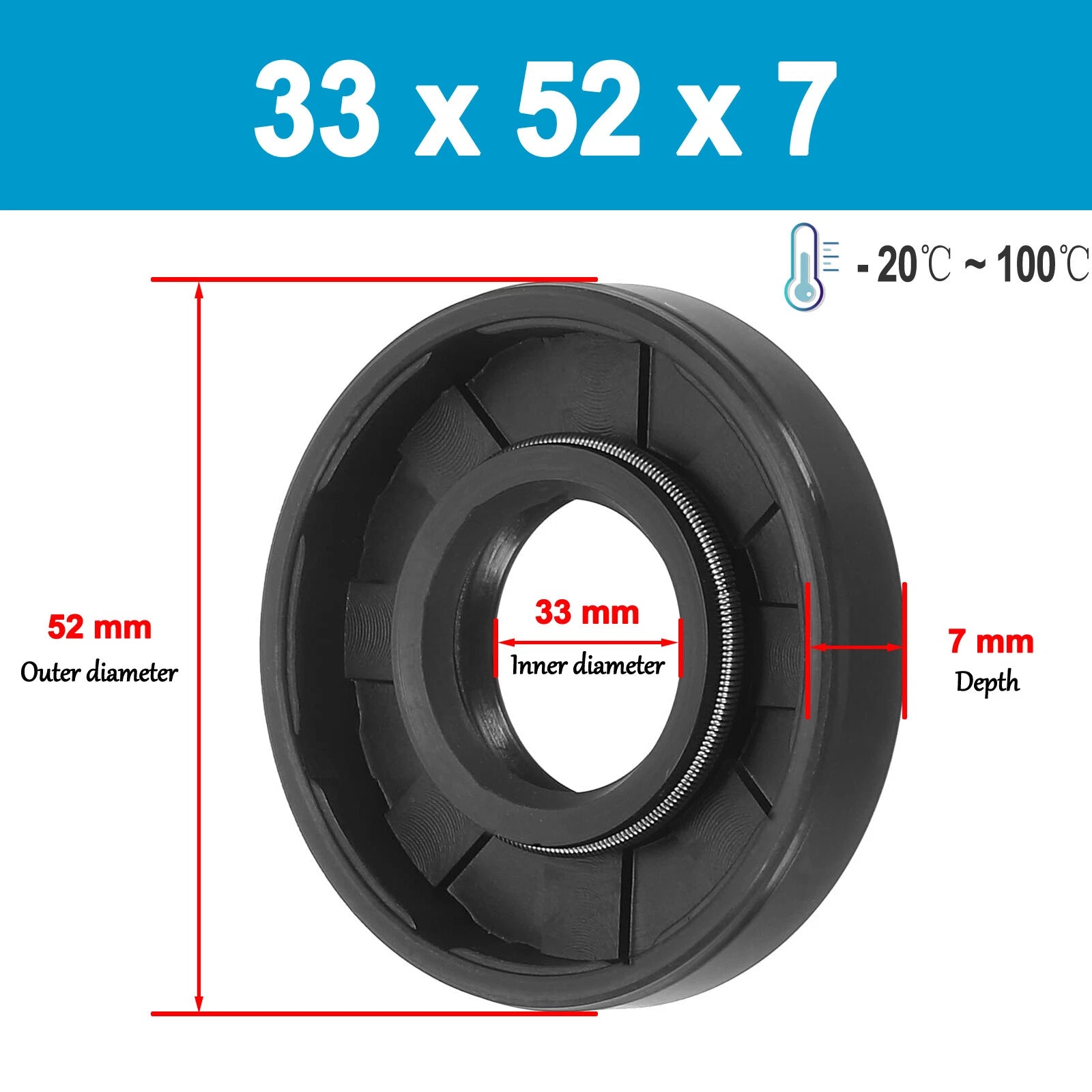
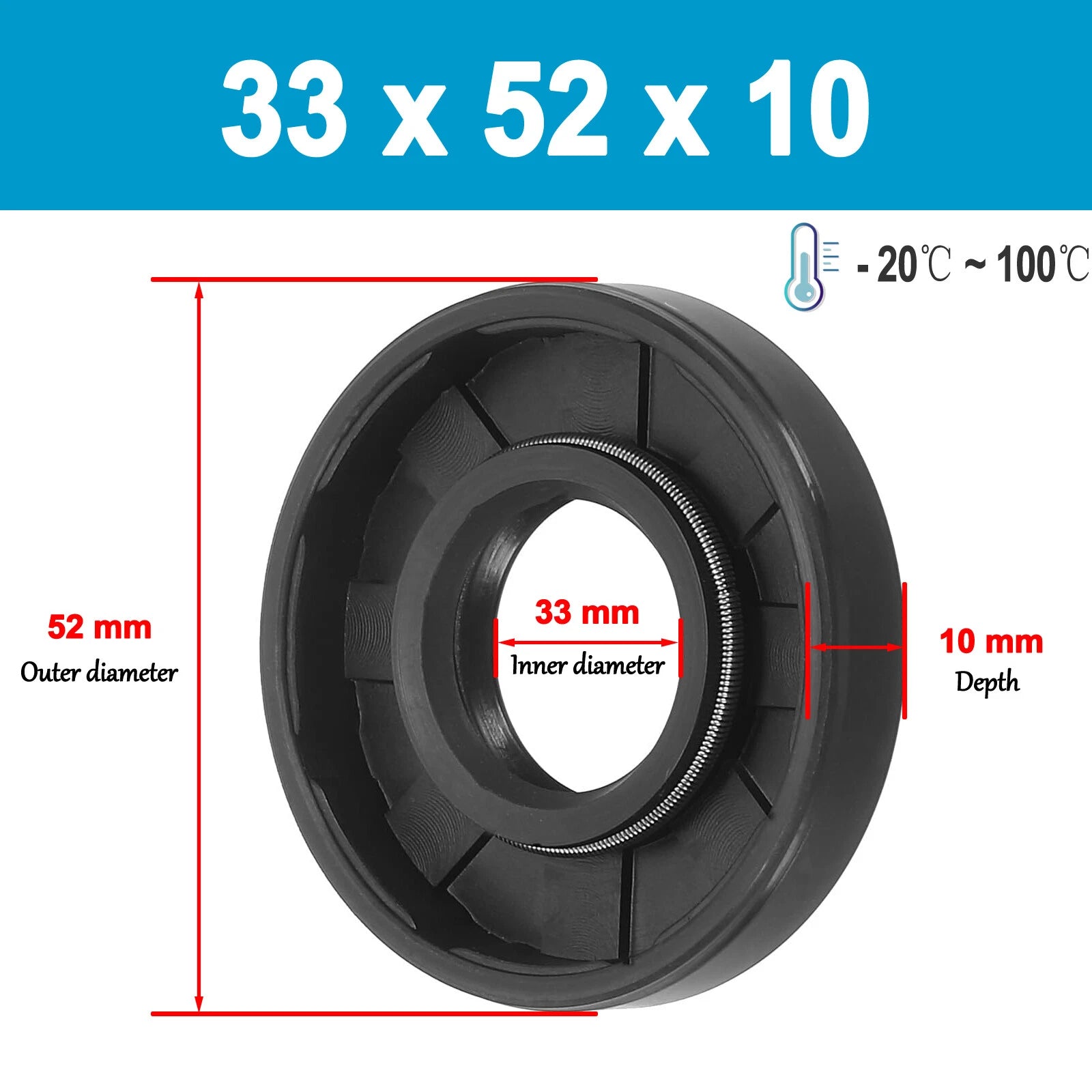
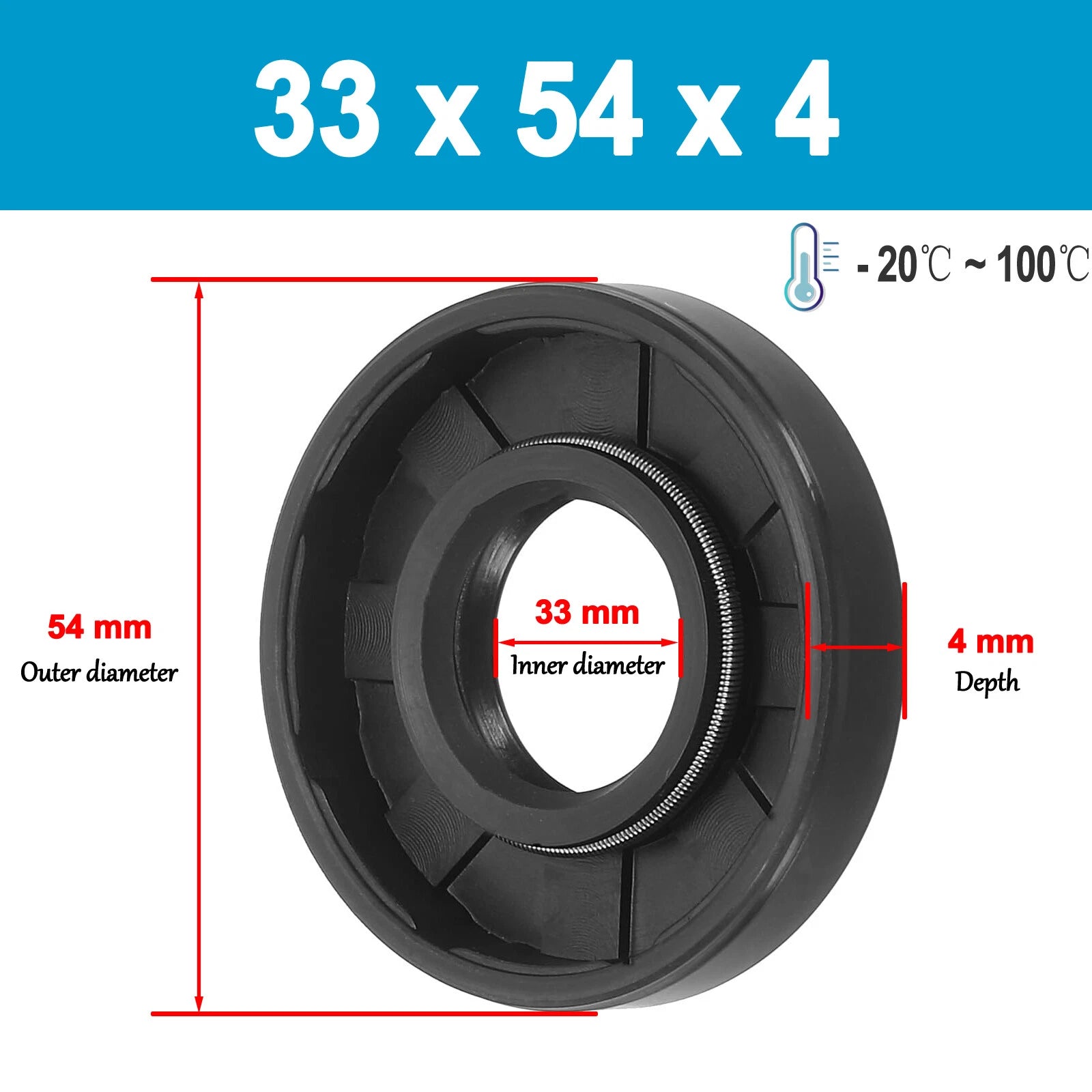
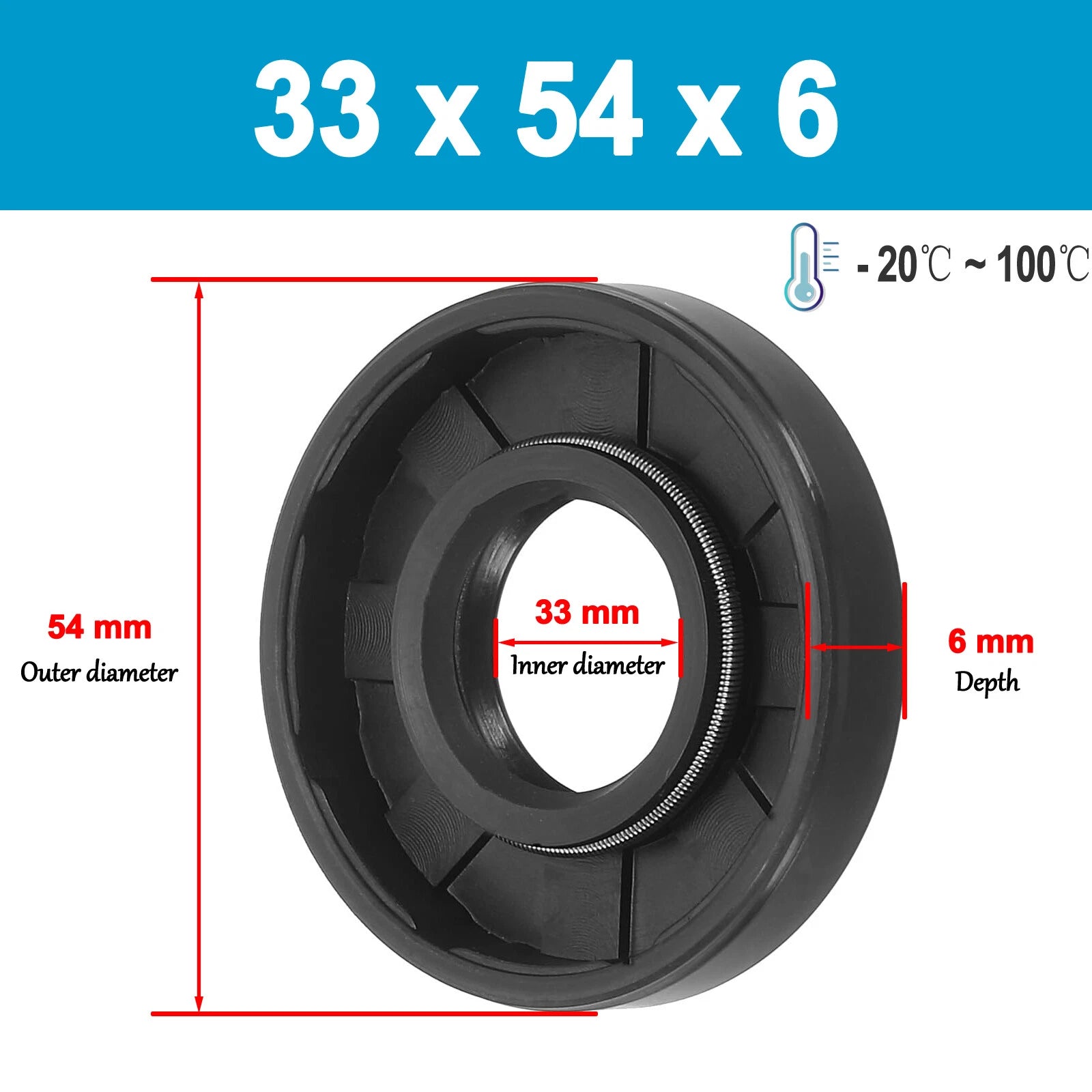
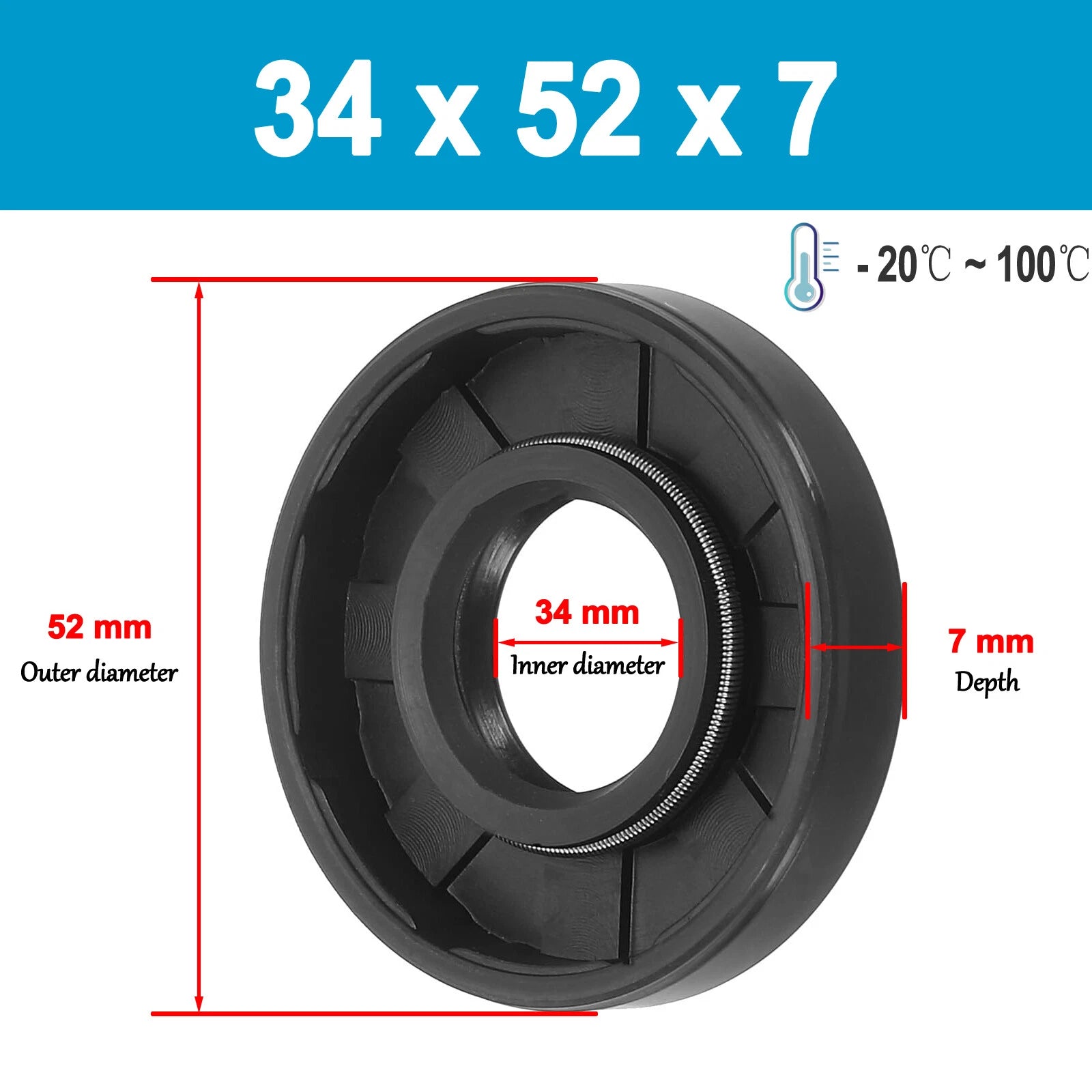
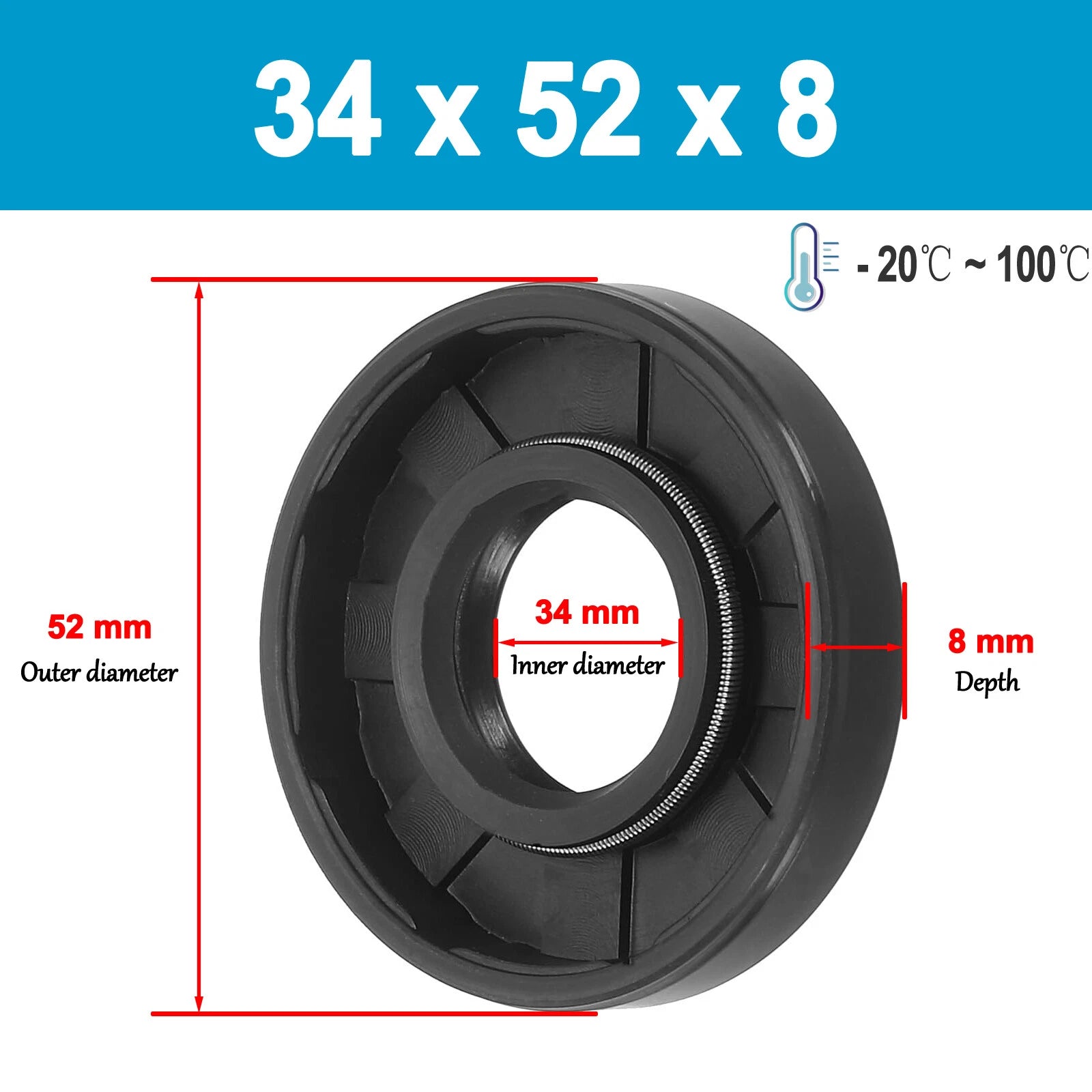
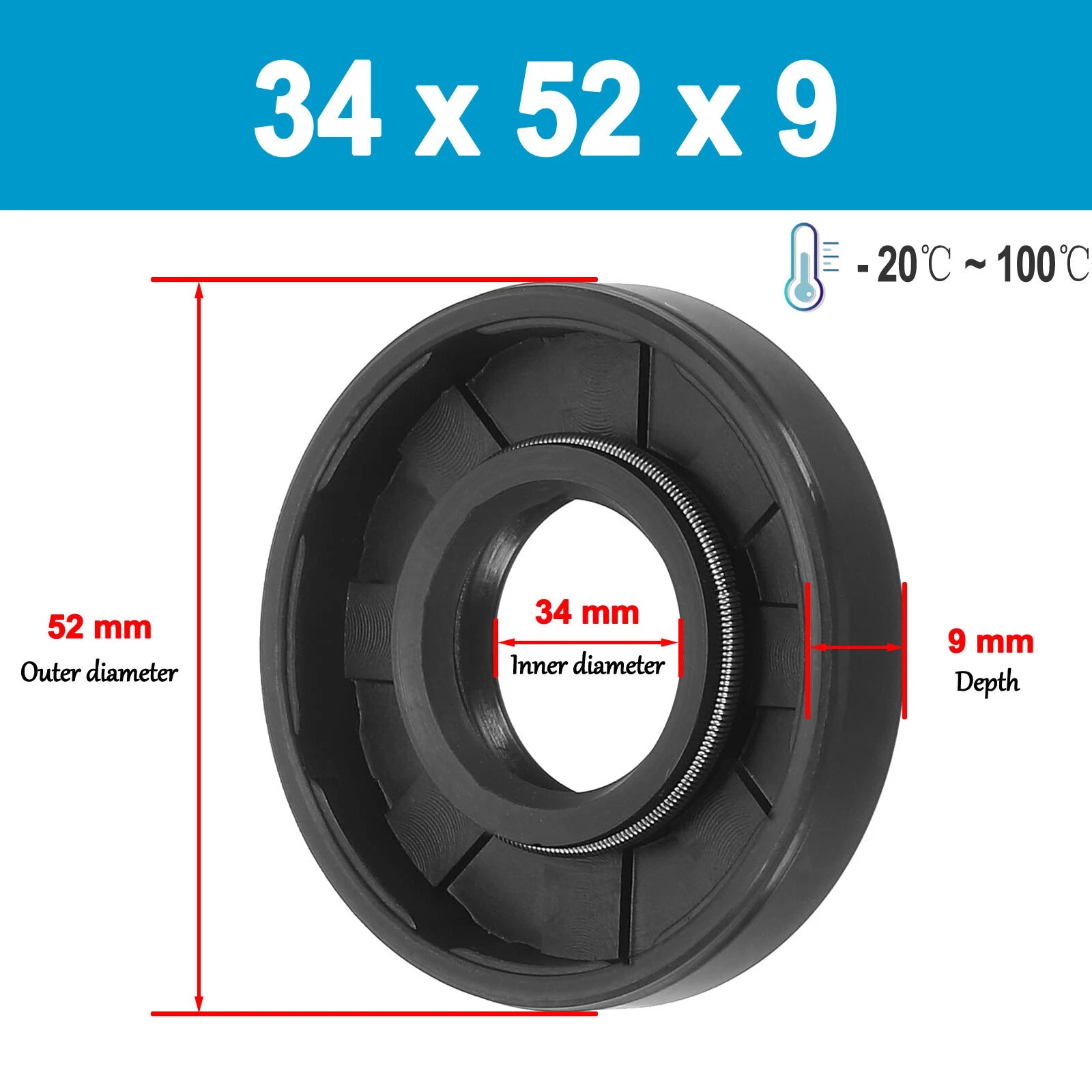
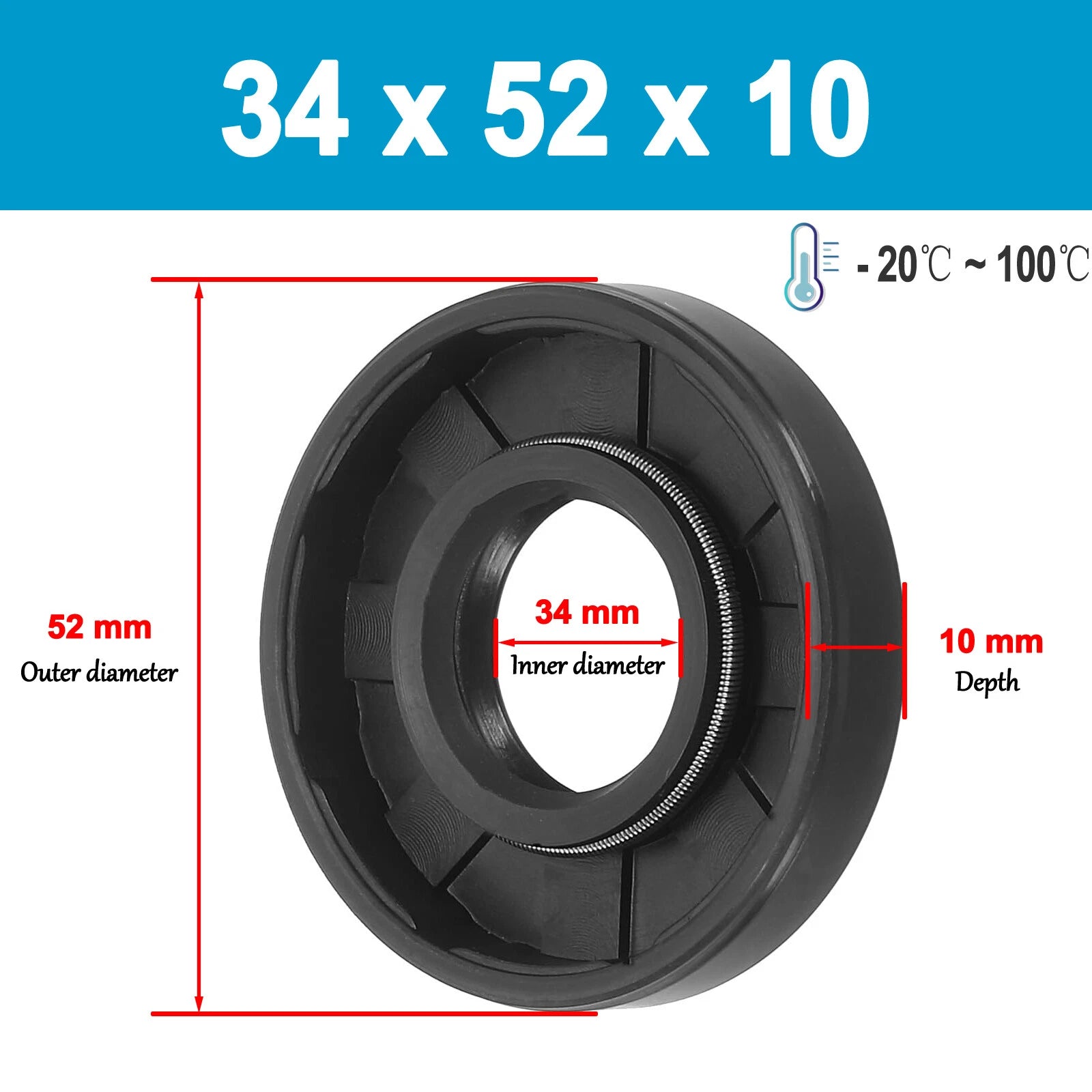
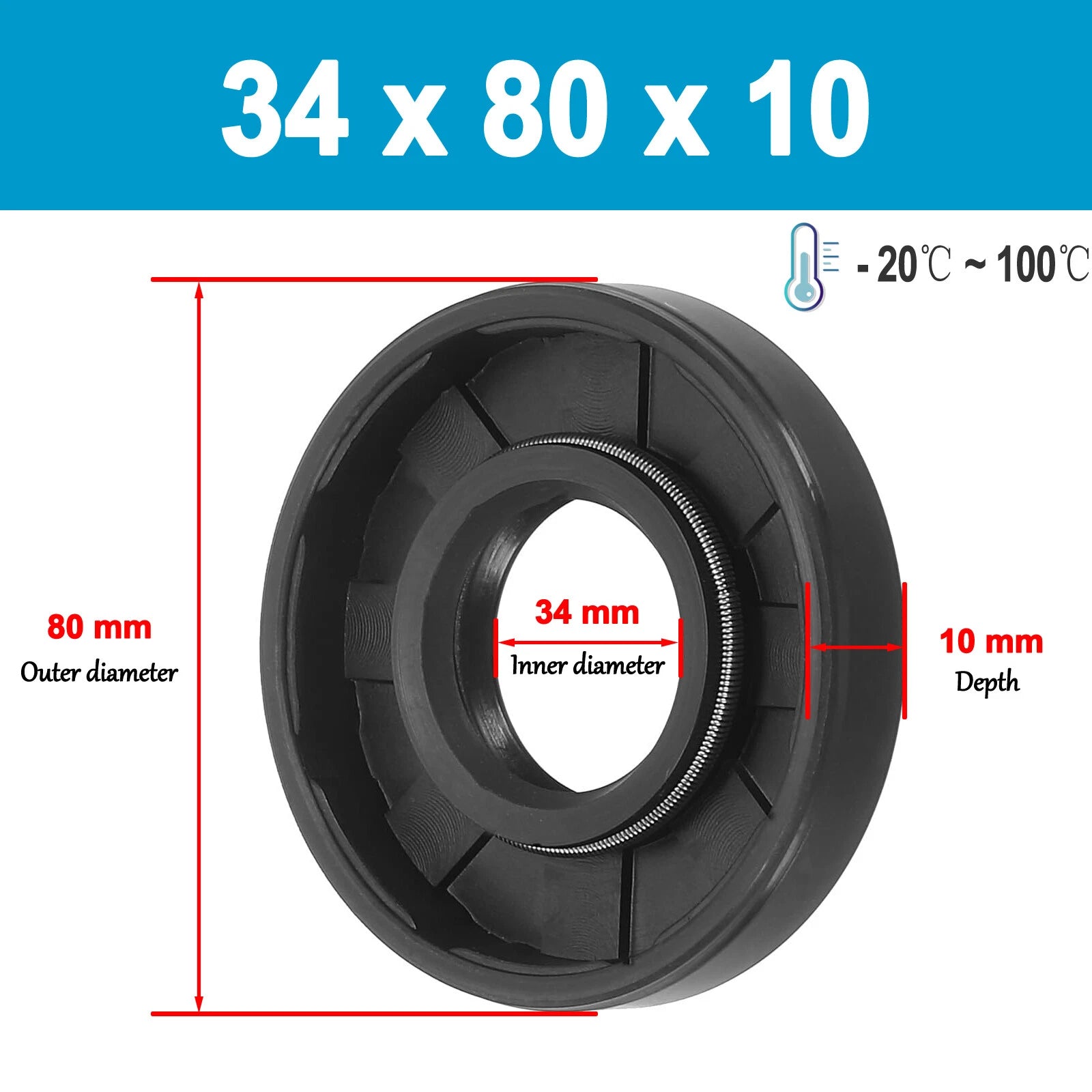
TC R23 Metric NBR Double Lip Rotary Shaft Oil Seal 32 33 34mm with Garter Spring

No reviews

Price:
Sale price$4.60 USD
Stock:
In stock (500 units), ready to be shipped

Payment & Security

Ach Direct Debit Amazon American Express Apple Pay Bancontact BLIK Diners Club Discover EPS Google Pay iDEAL Wero JCB Maestro Mastercard Multibanco MobilePay PayPal Przelewy24 Shop Pay Twint Union Pay USDC Visa

Your payment information is processed securely. We do not store credit card details nor have access to your credit card information.

Limited Offer — Spend More, Save More
Spend $55+
Save $5
Spend $100+
Save $10
Spend $200+
Save $25
HomeDIYer DIY Expert Support

DIY Expert Support

Get fitment advice & recommendations

Mon–Fri  8:30 AM – 8:00 PM
24-Hour Fast Ship
Arrives in 3–14 Days
Worldwide Shipping
30-Day Returns
1 tree planted with every purchase

Description

TC R23 Metric NBR Double Lip Rotary Shaft Oil Seal — Reliable Sealing for 32–34mm Shafts

When a worn or undersized oil seal lets grease escape and contaminants creep in, the result is accelerated bearing wear, costly downtime, and messy repairs. Mechanics, equipment rebuilders, and workshop owners working on gearboxes, pumps, and rotating machinery need a TC R23 metric NBR double lip rotary shaft oil seal they can trust to hold under pressure and keep running clean.

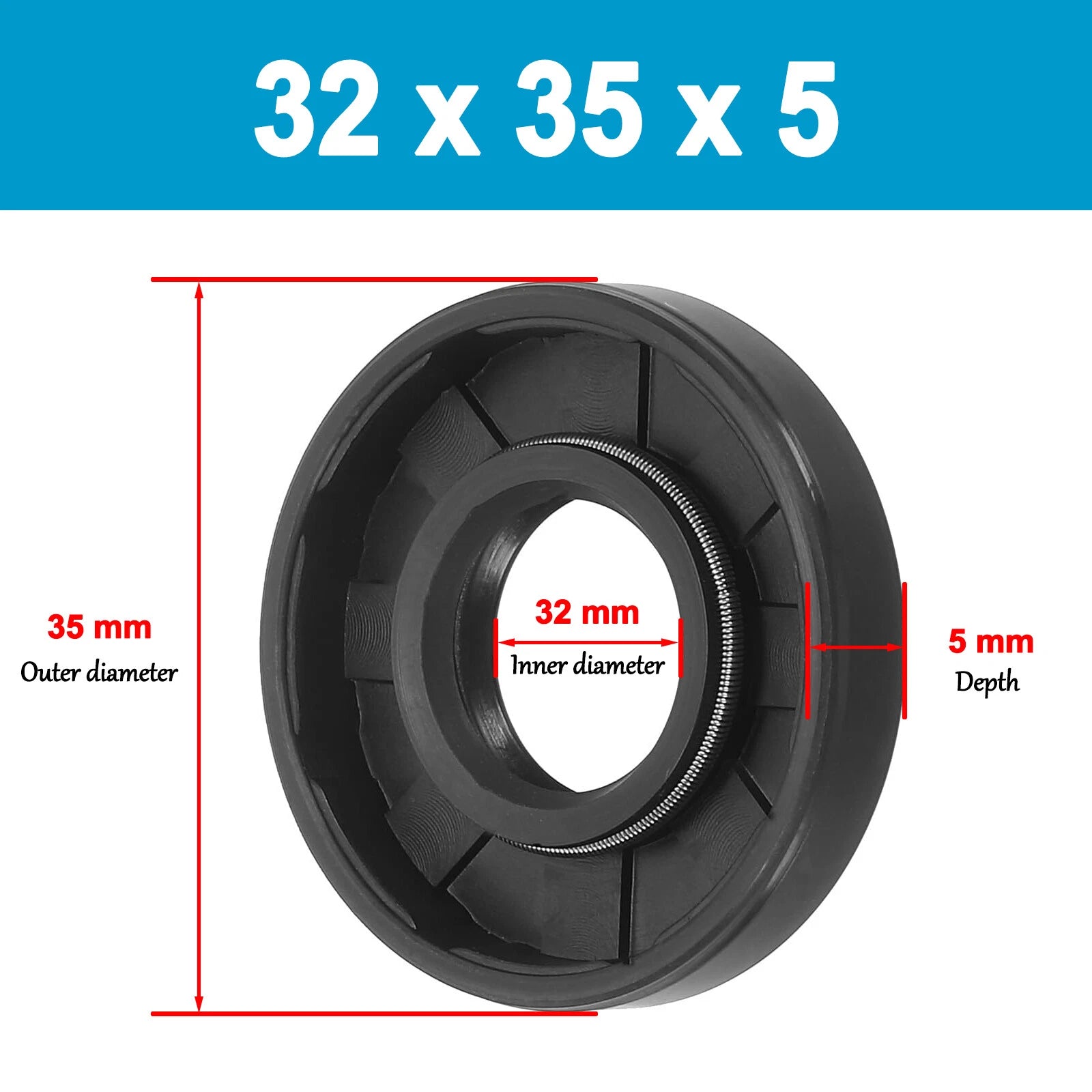
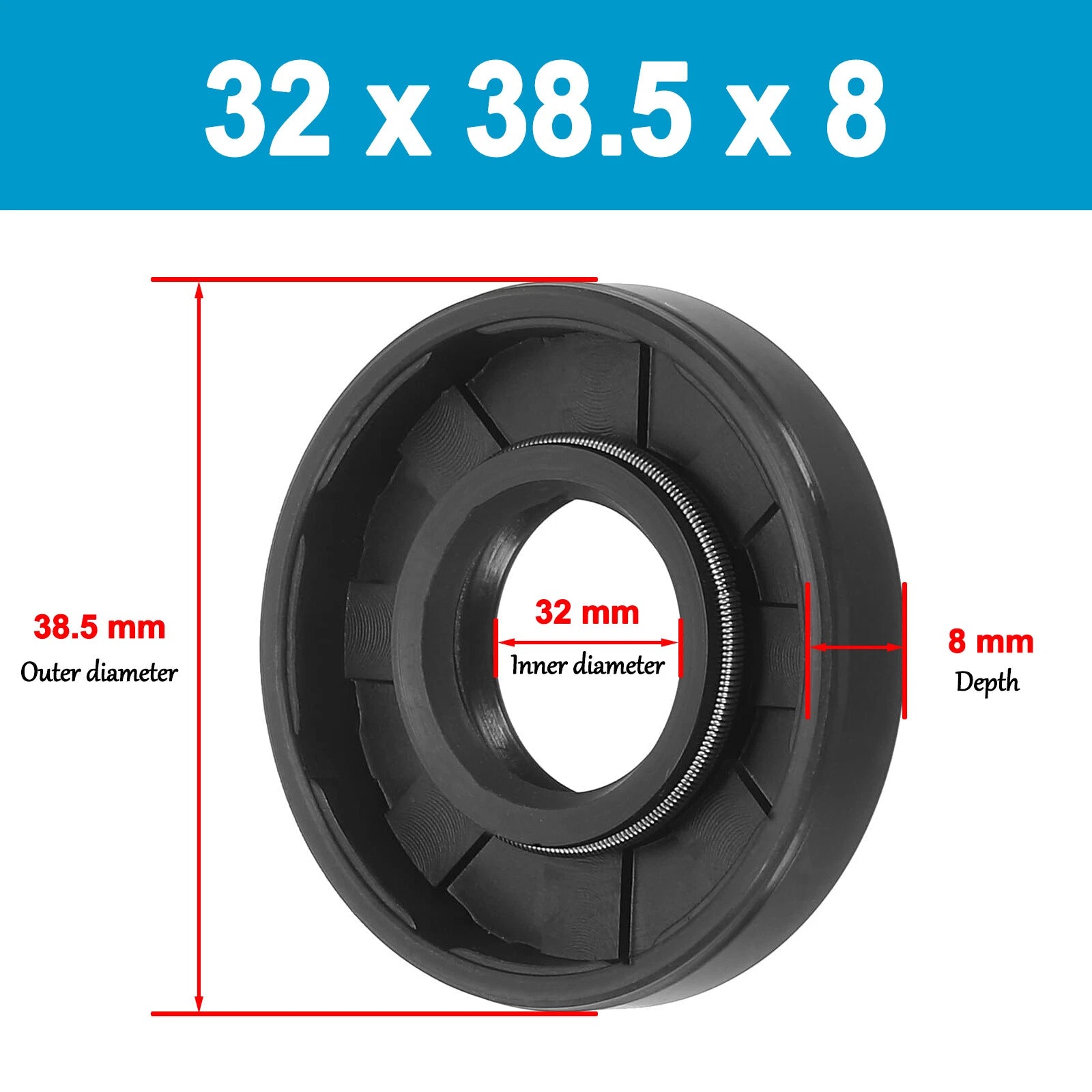
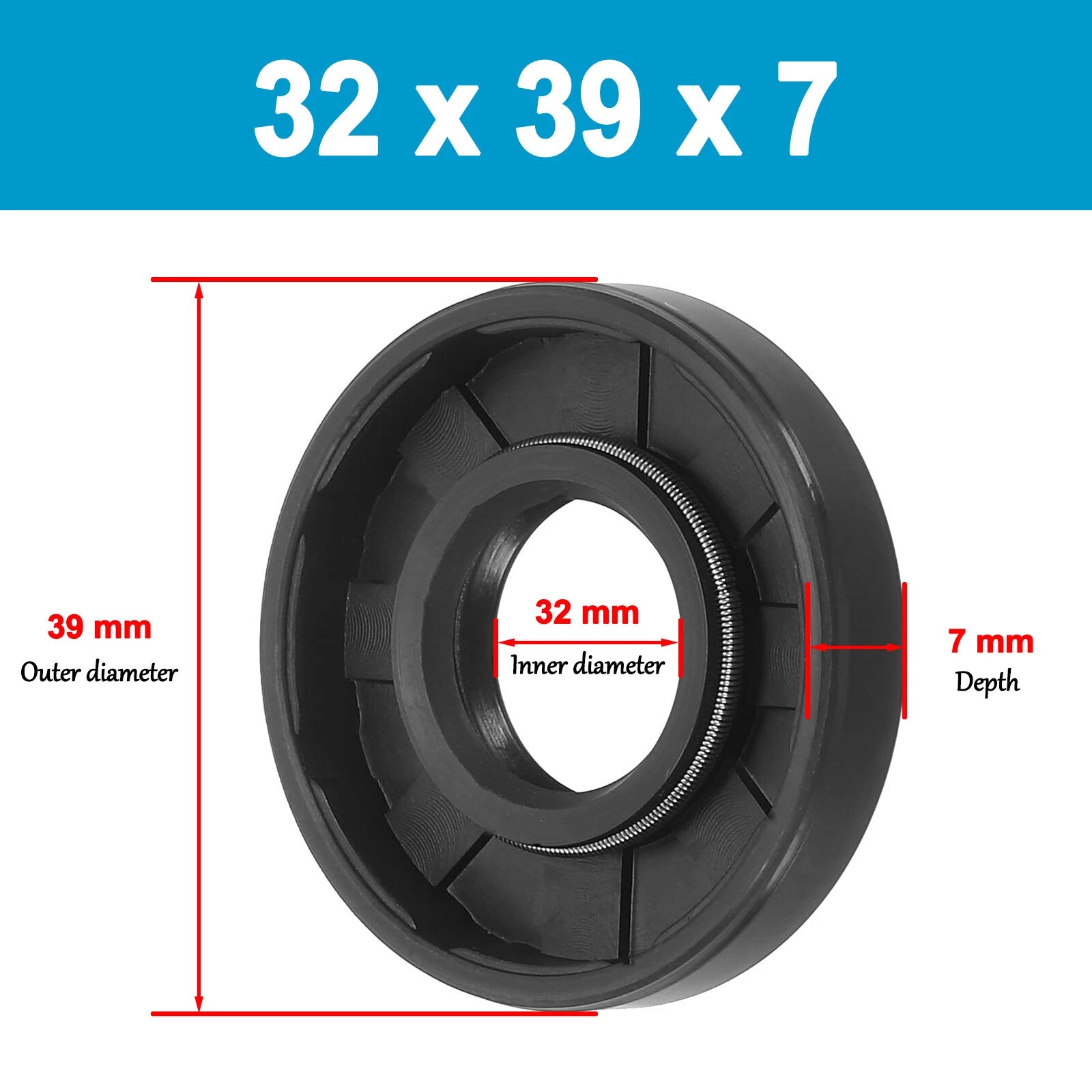
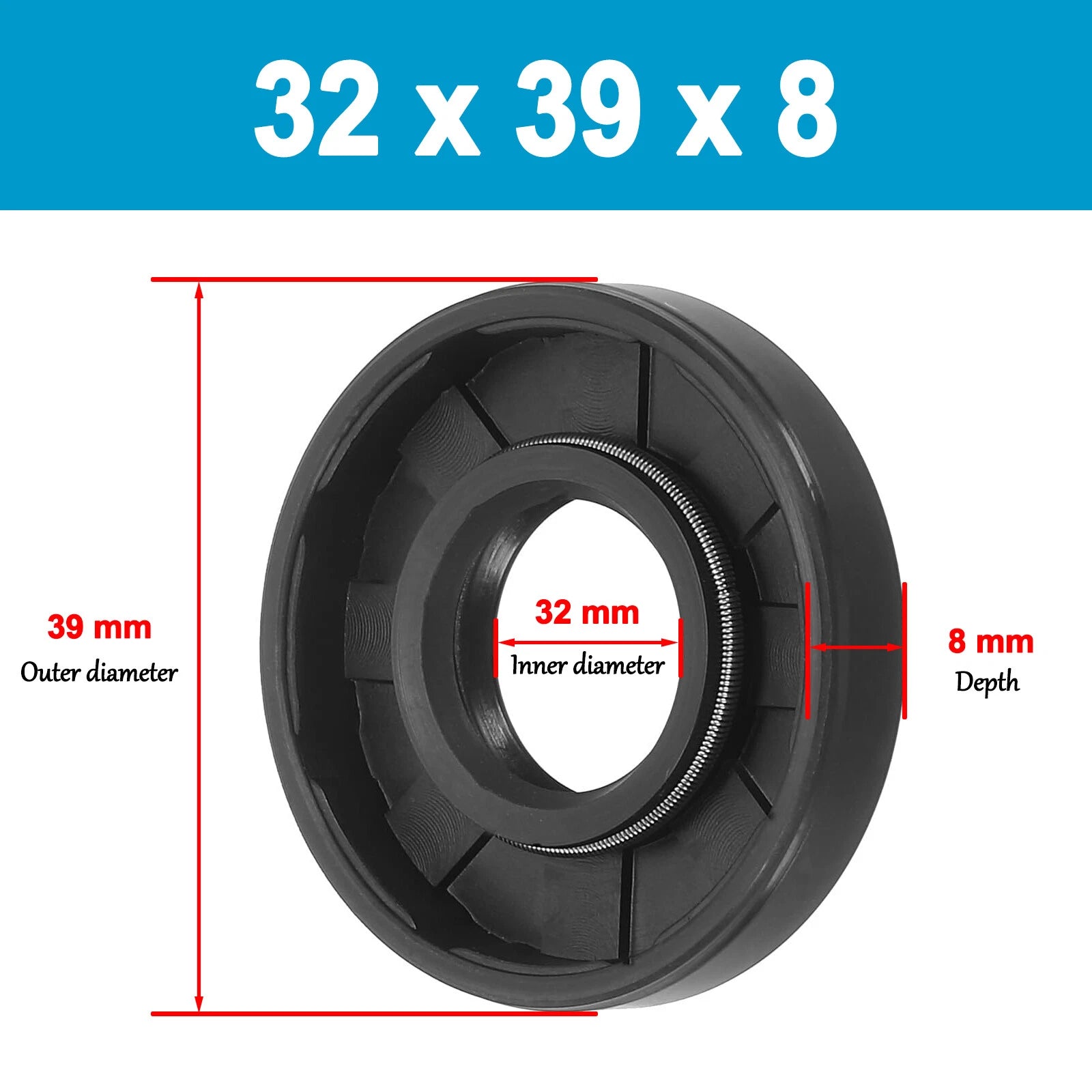
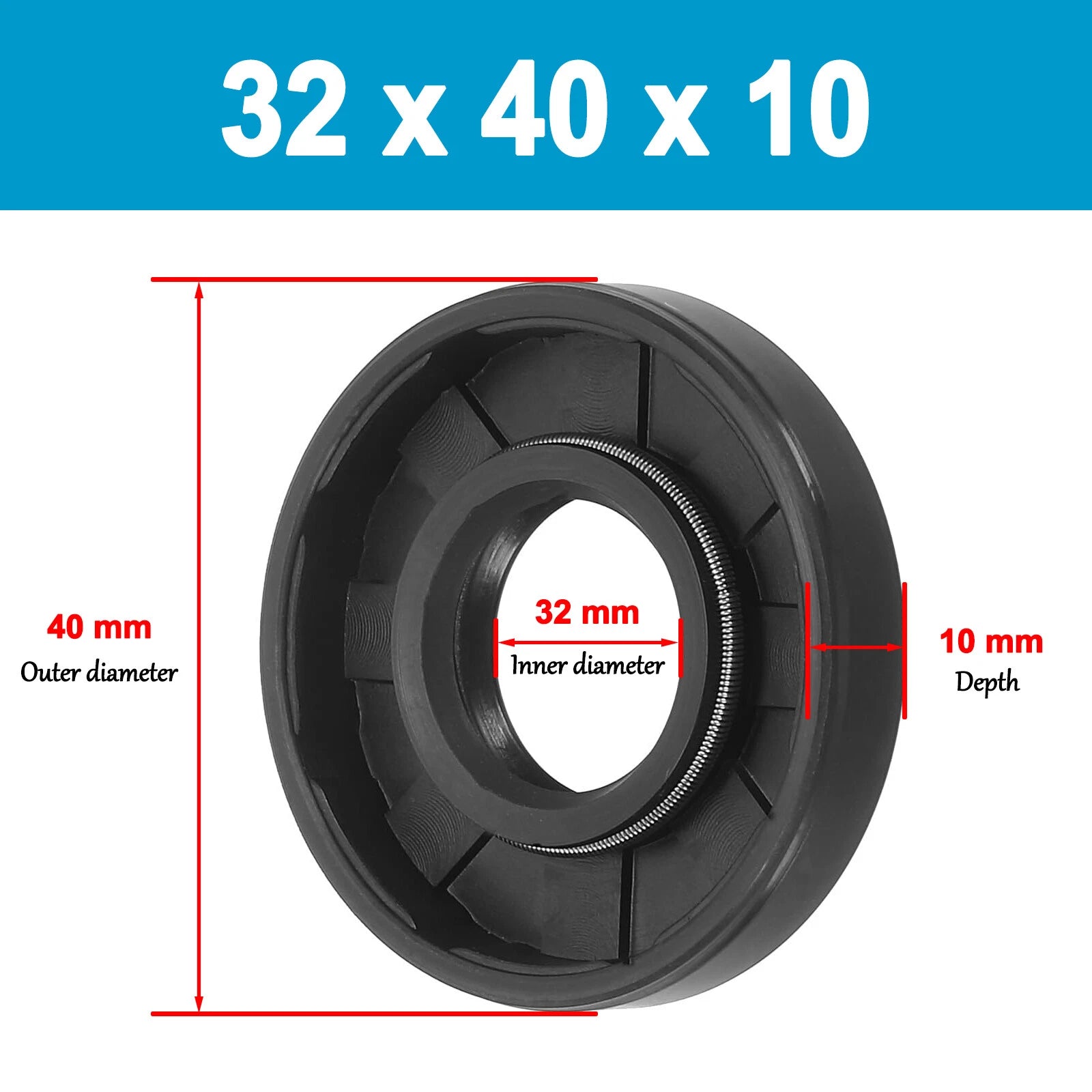
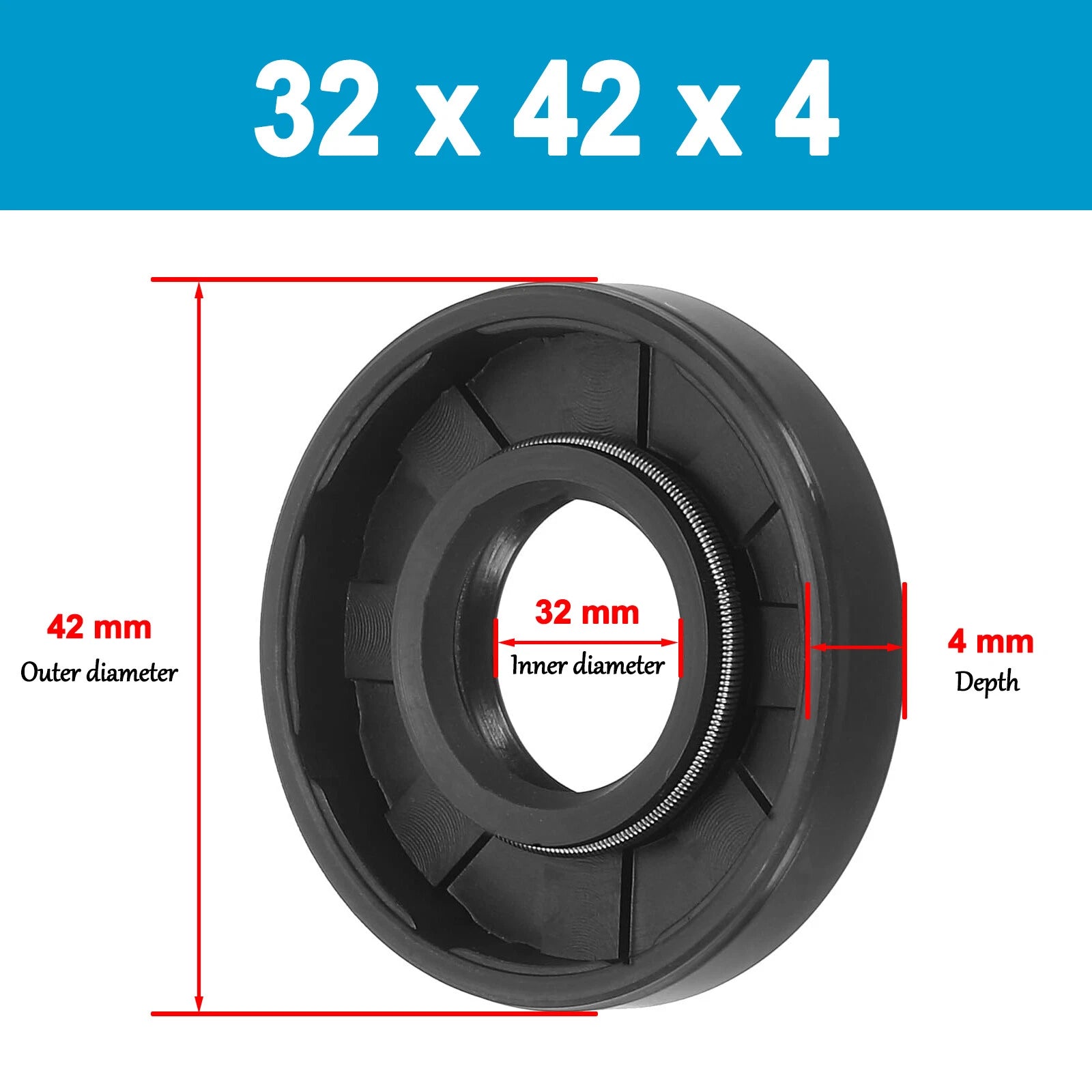
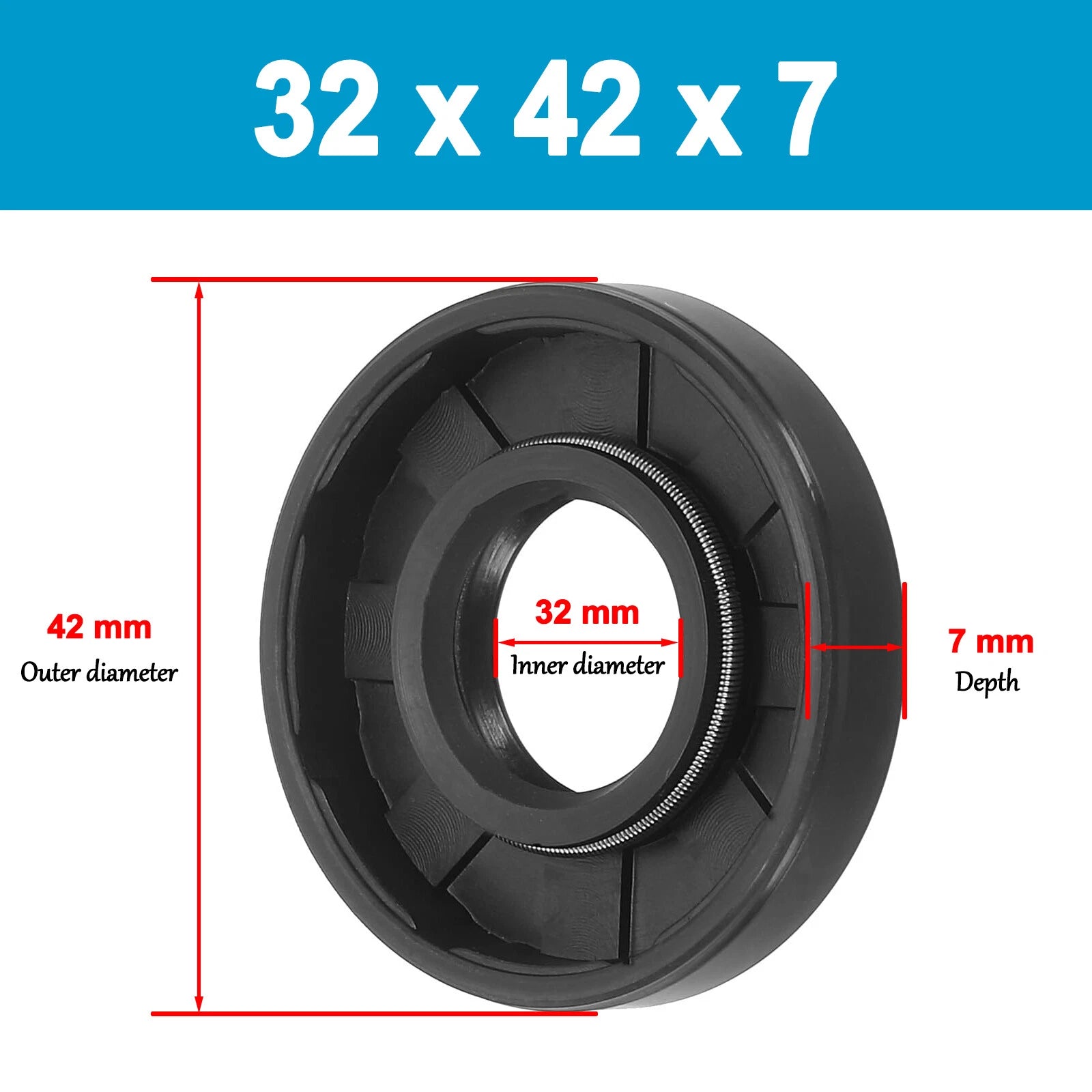
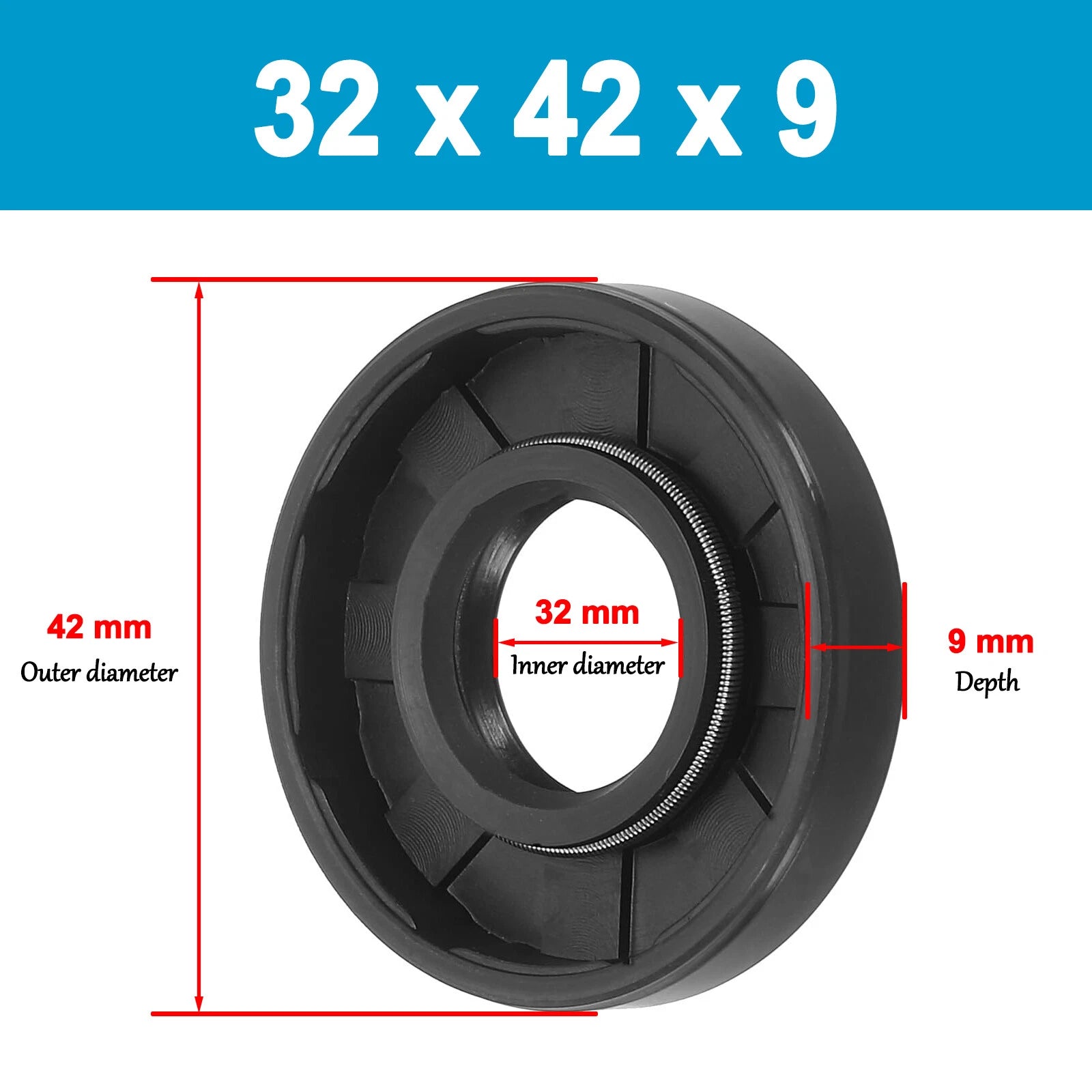
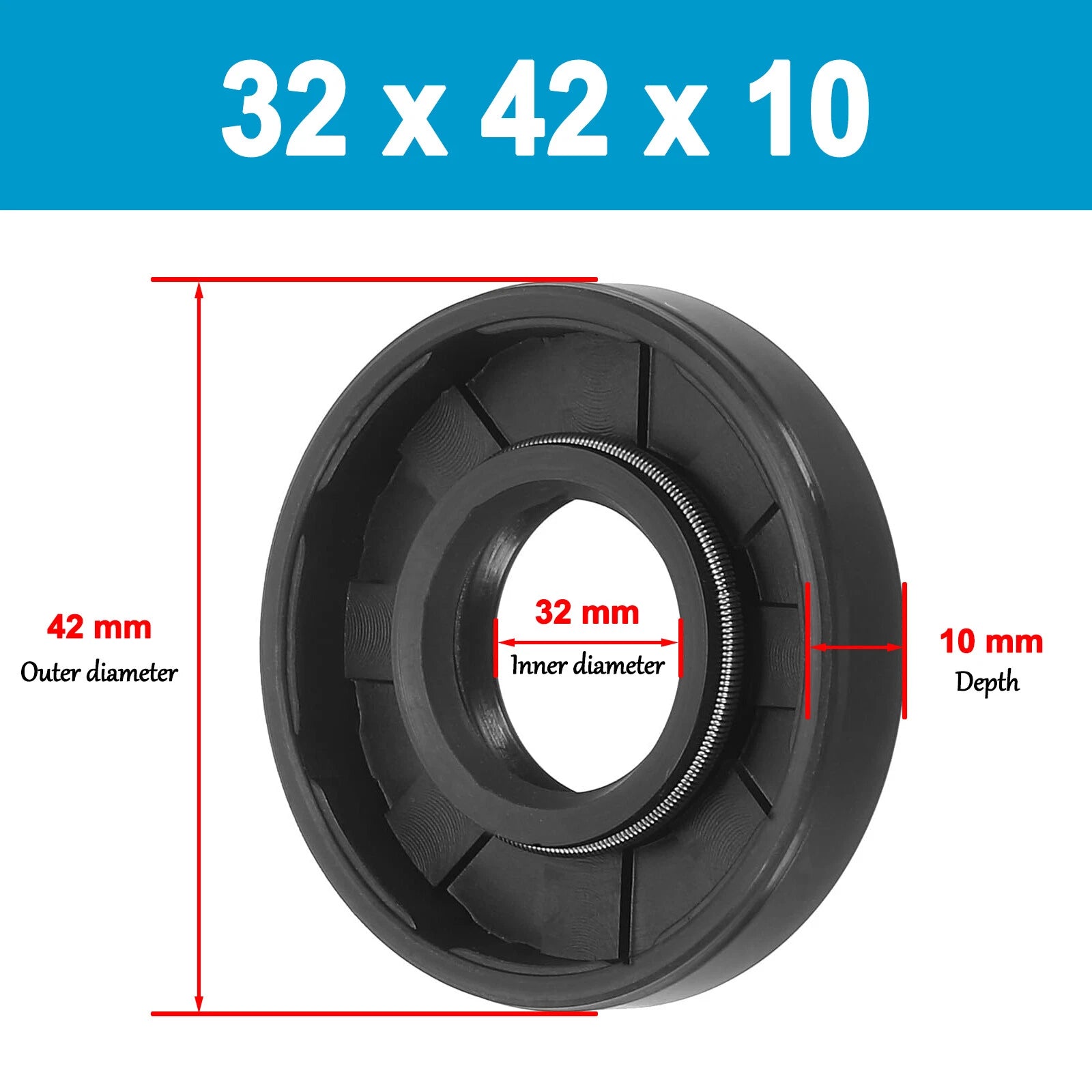
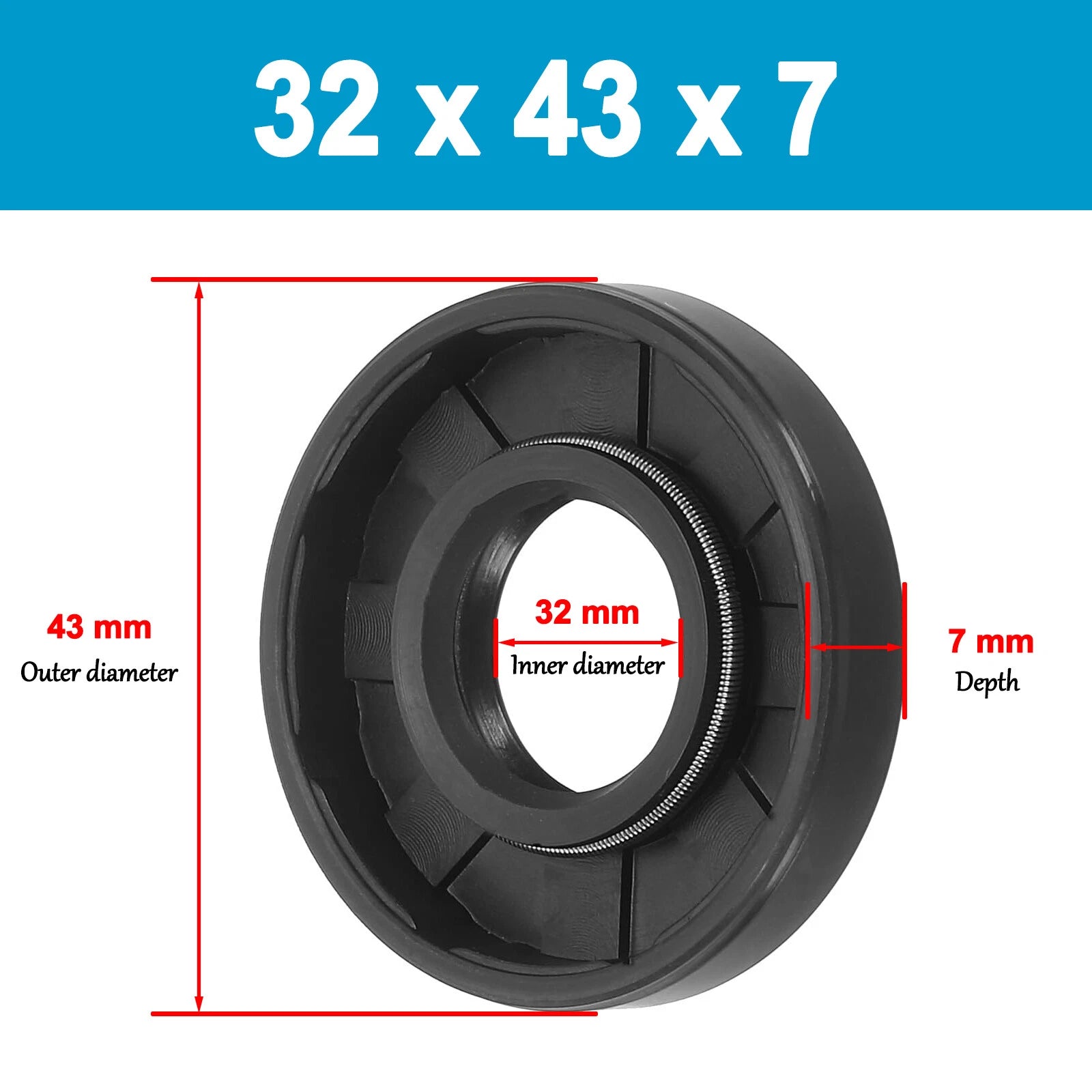
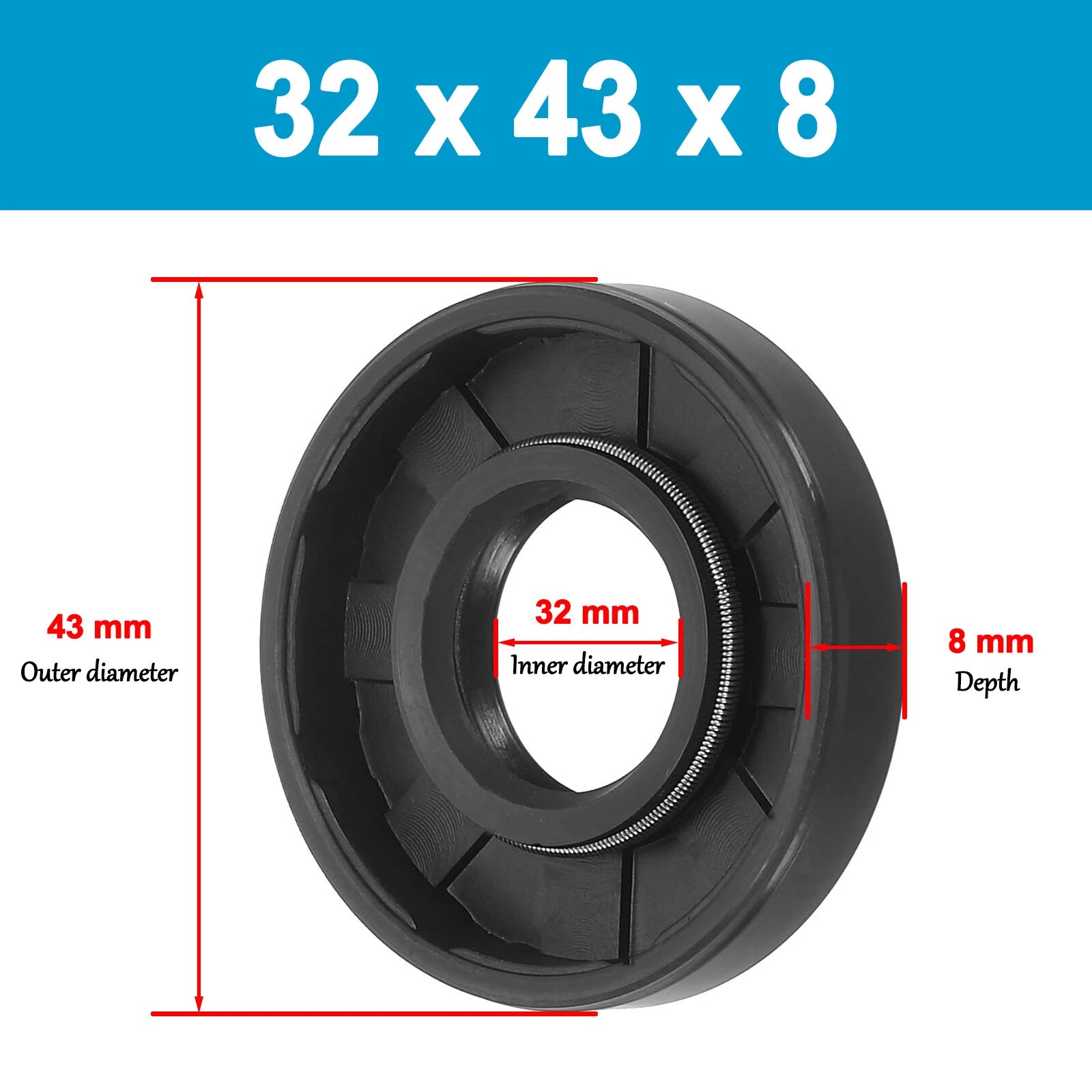
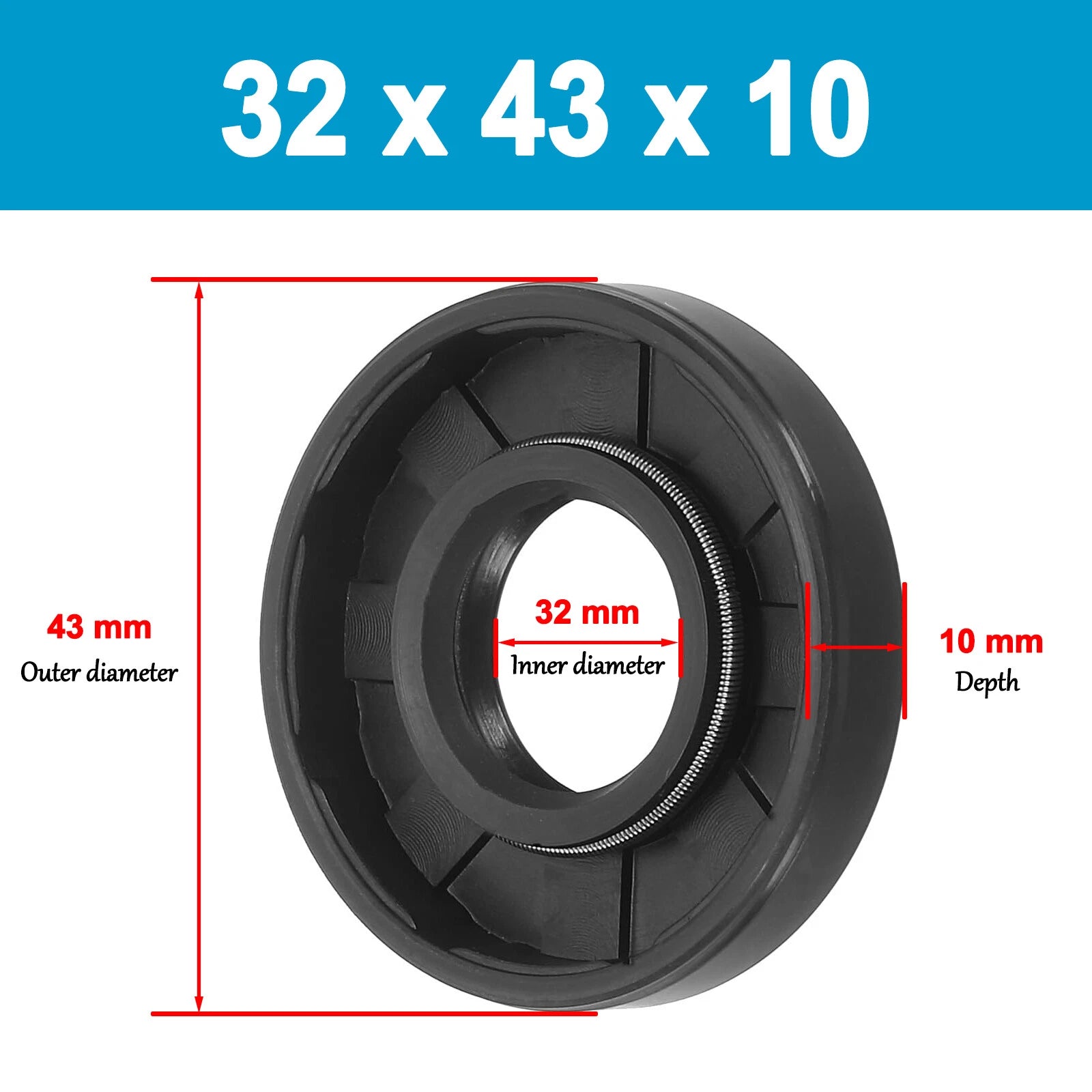
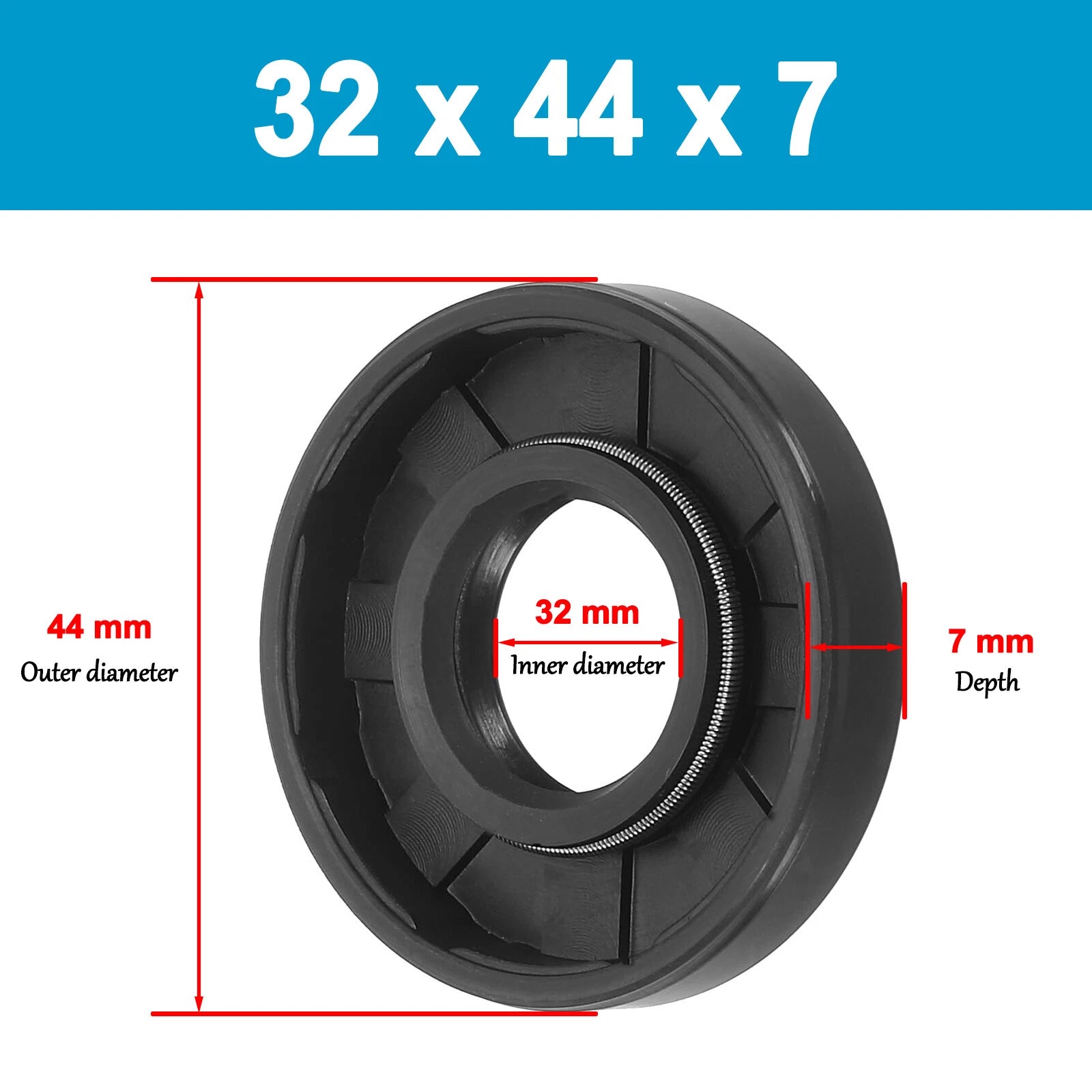
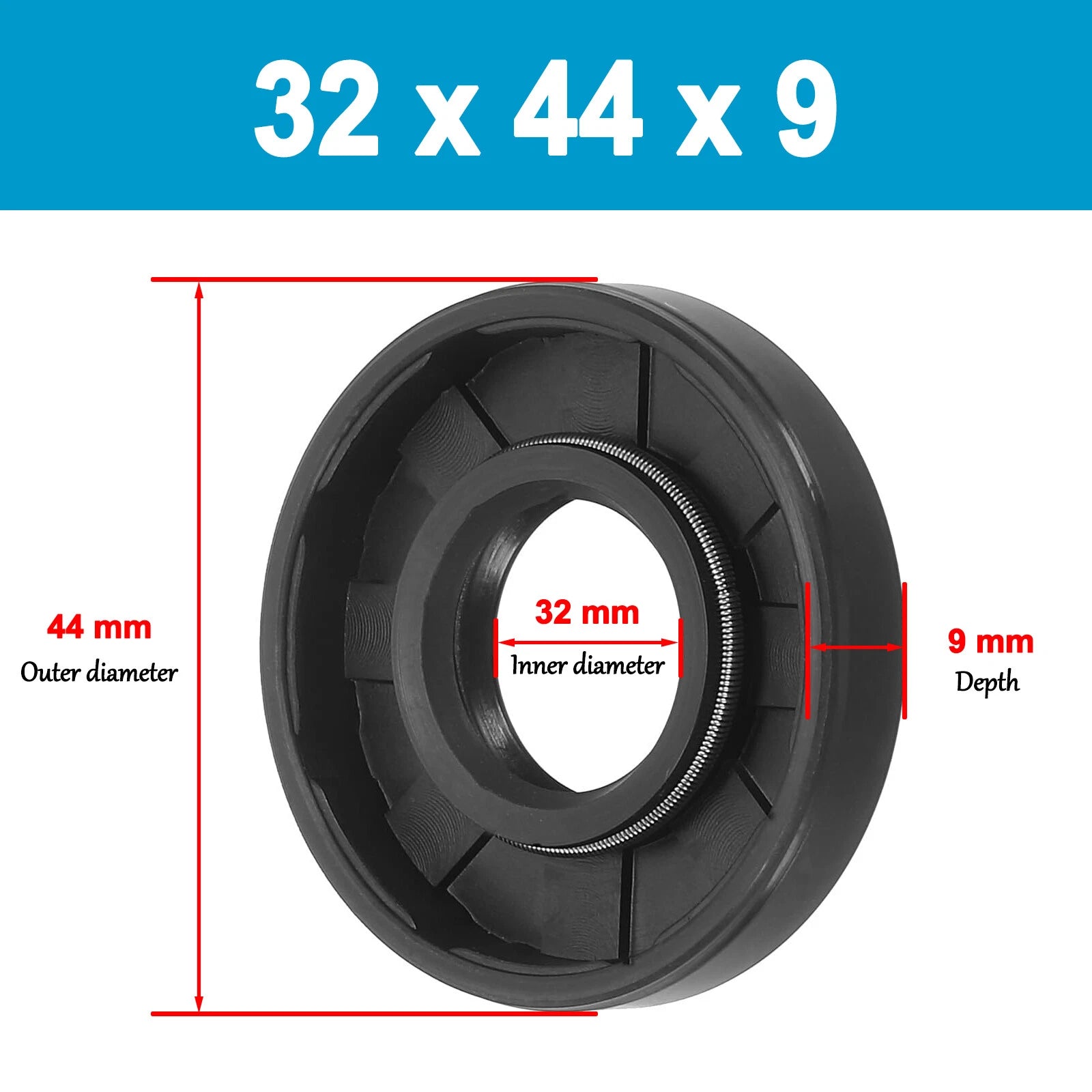
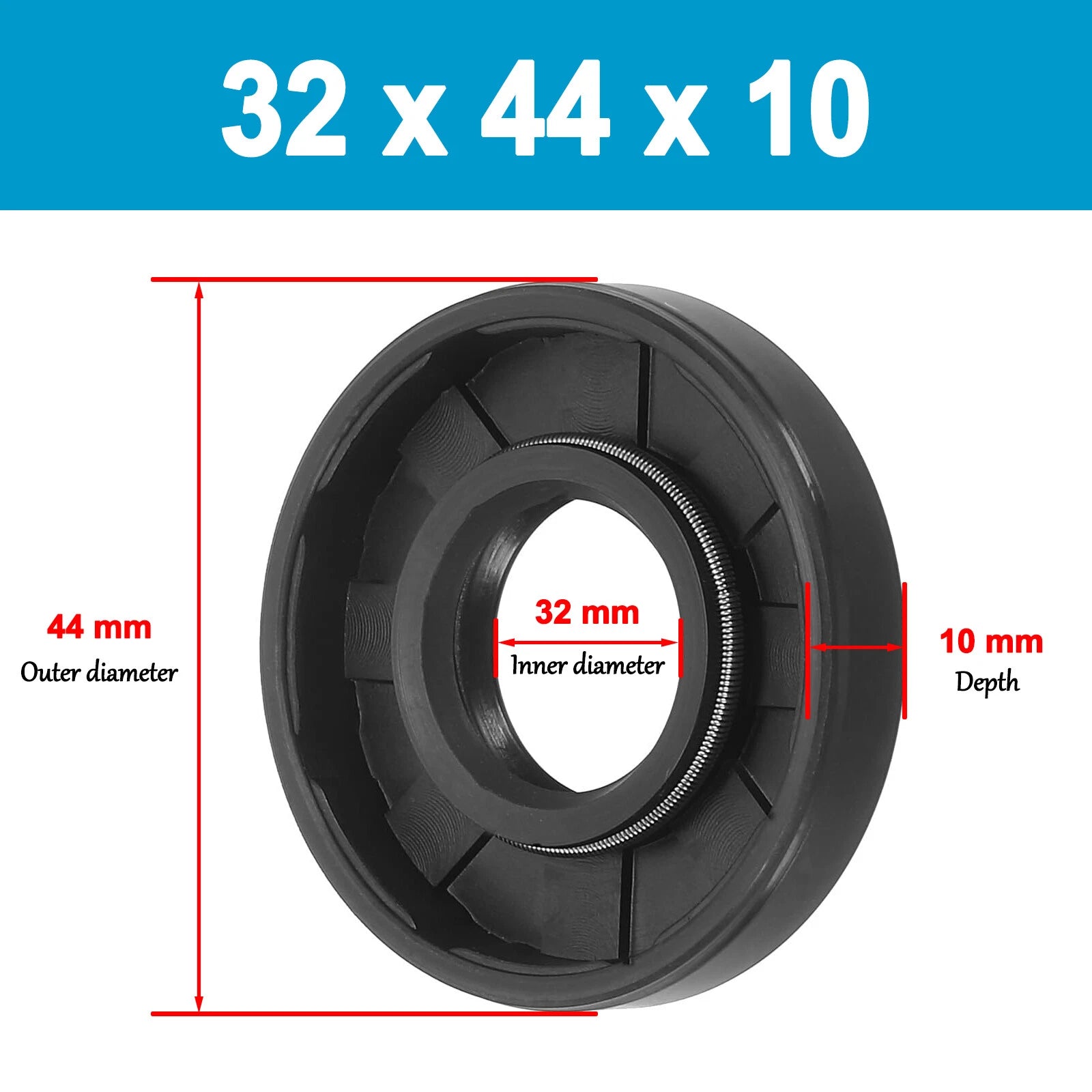
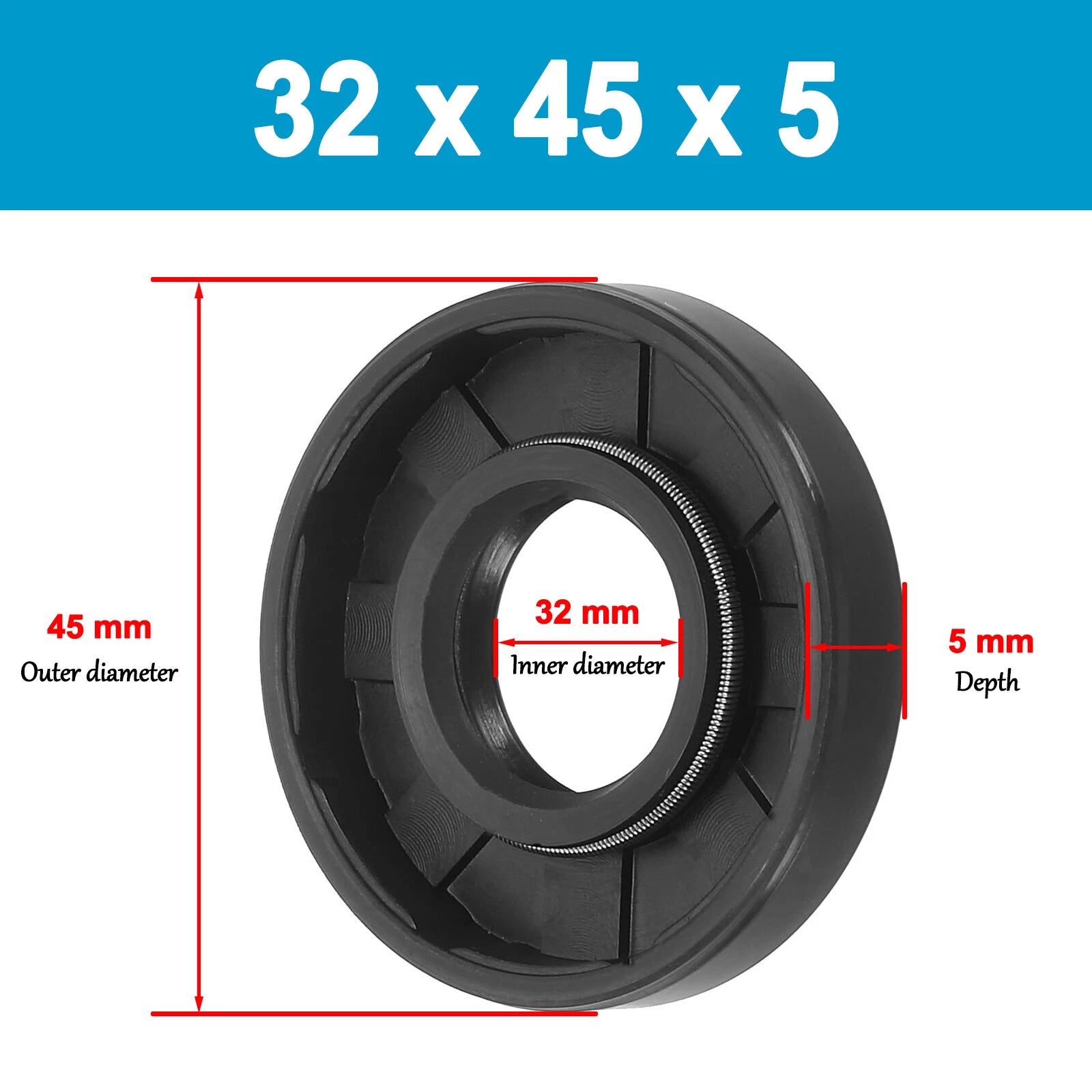
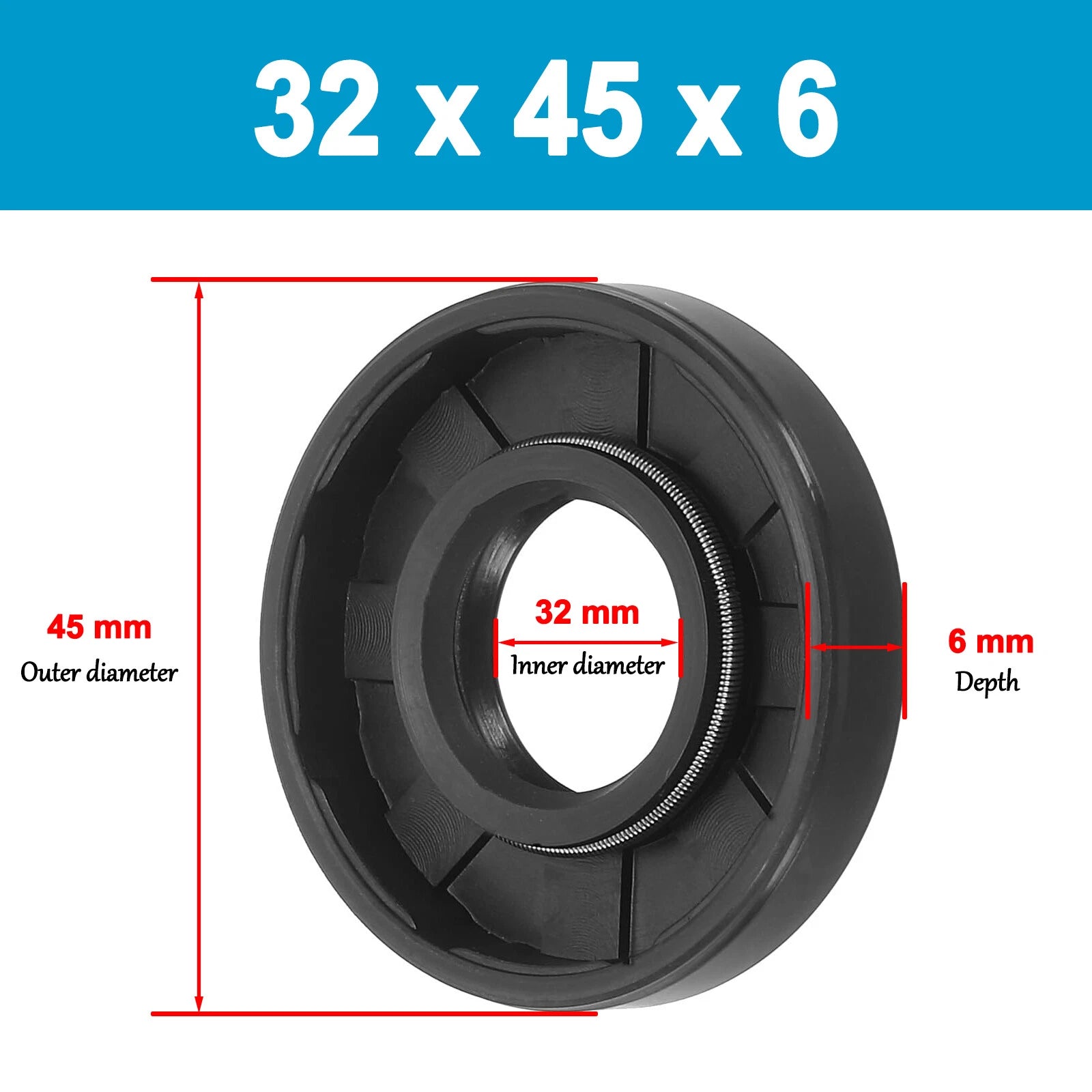
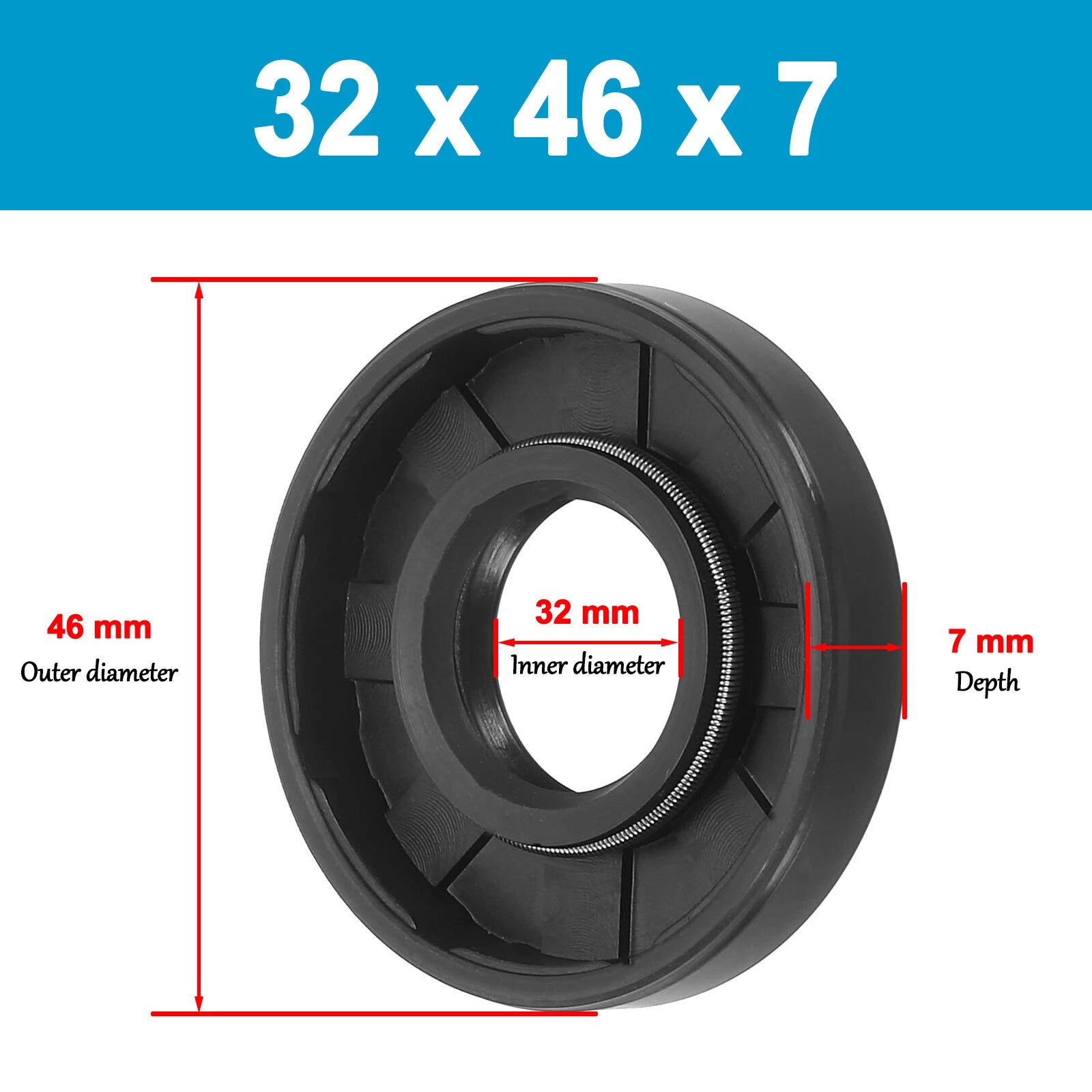
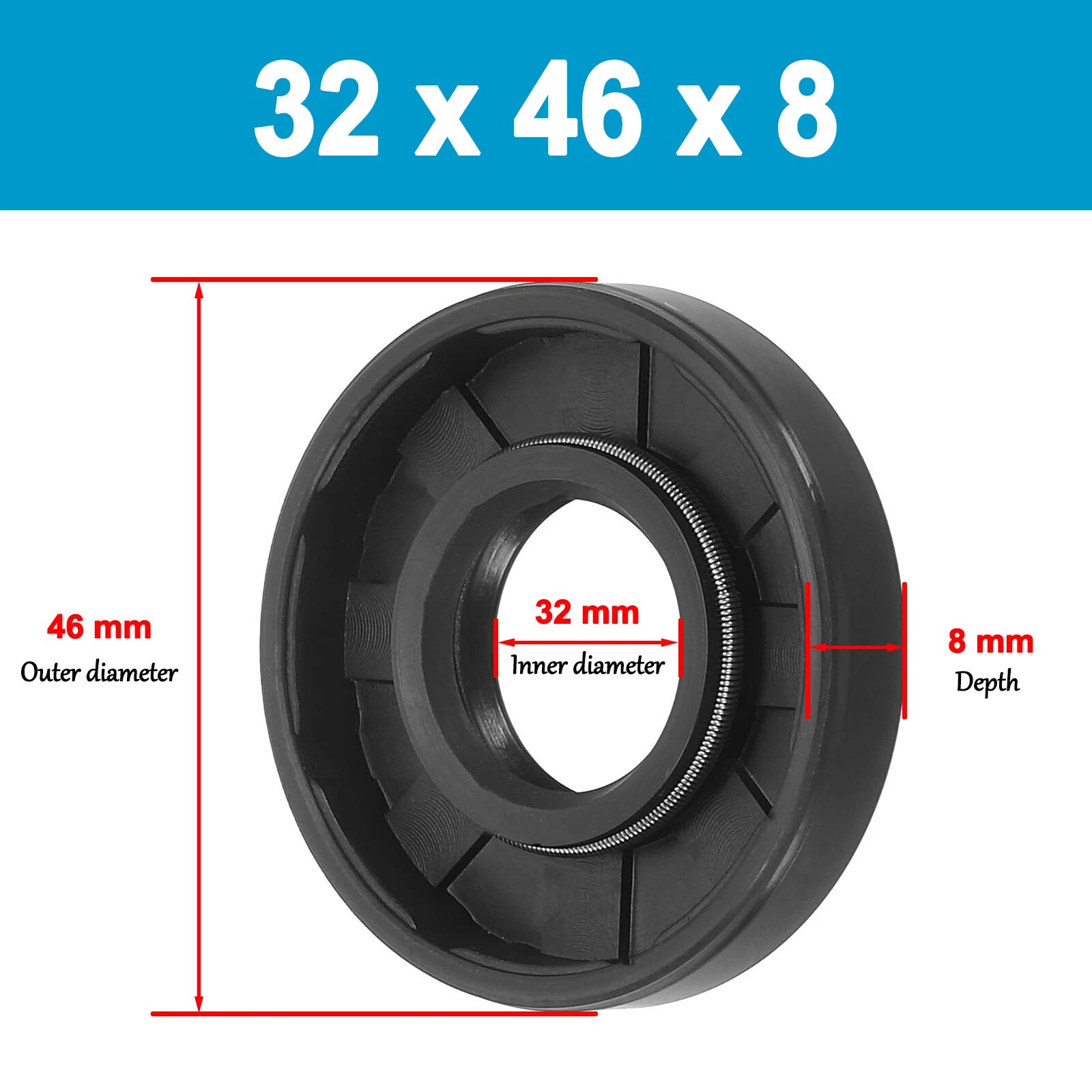
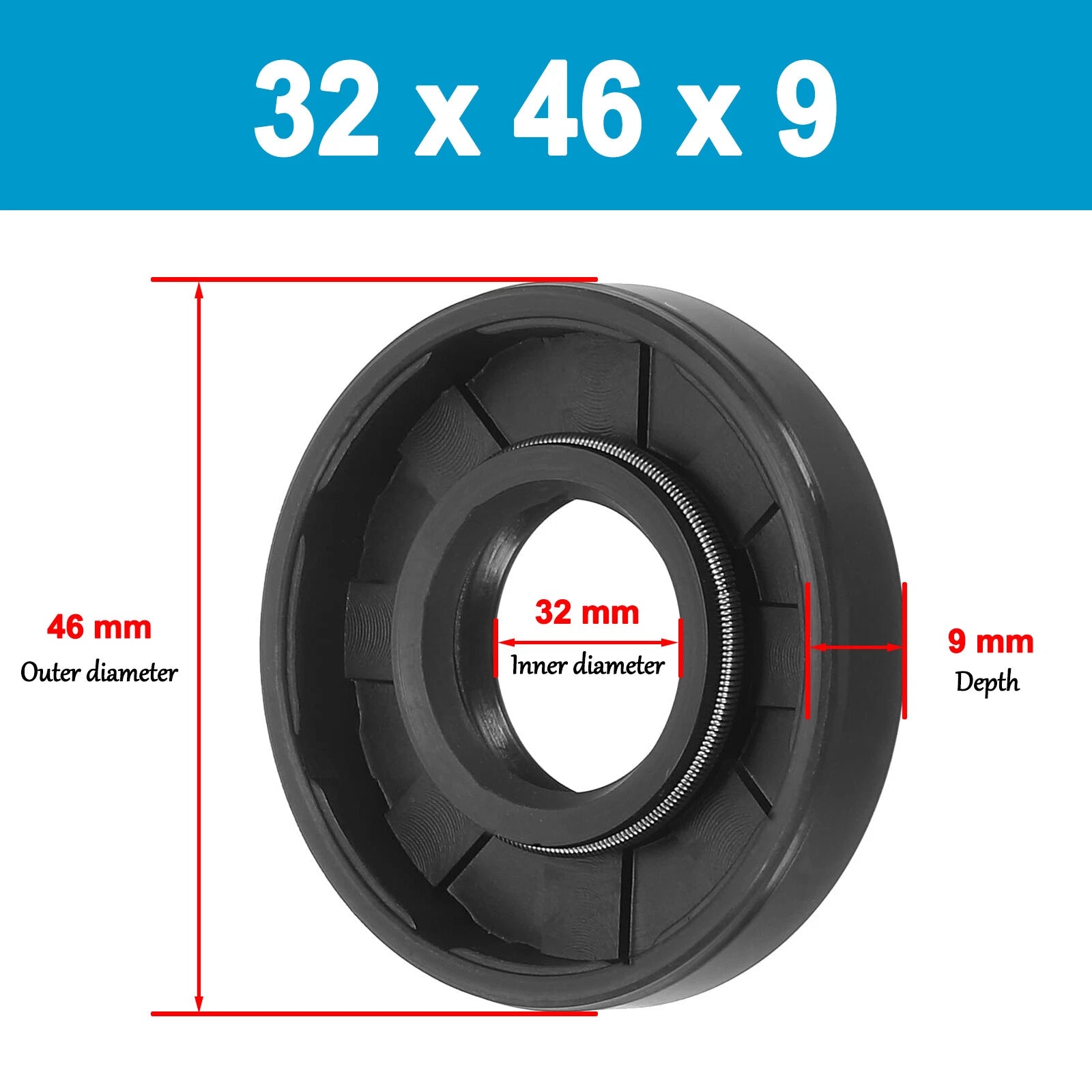
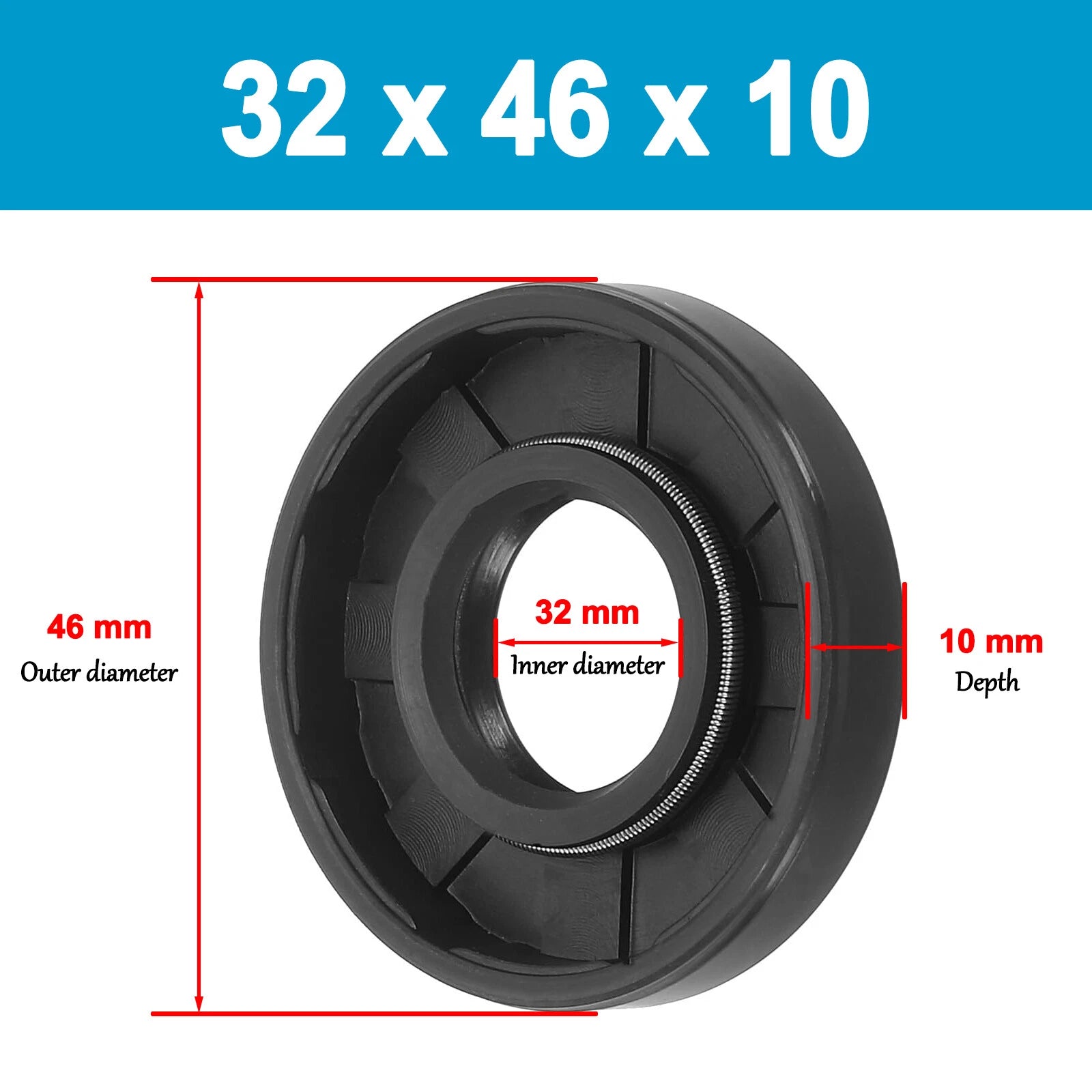
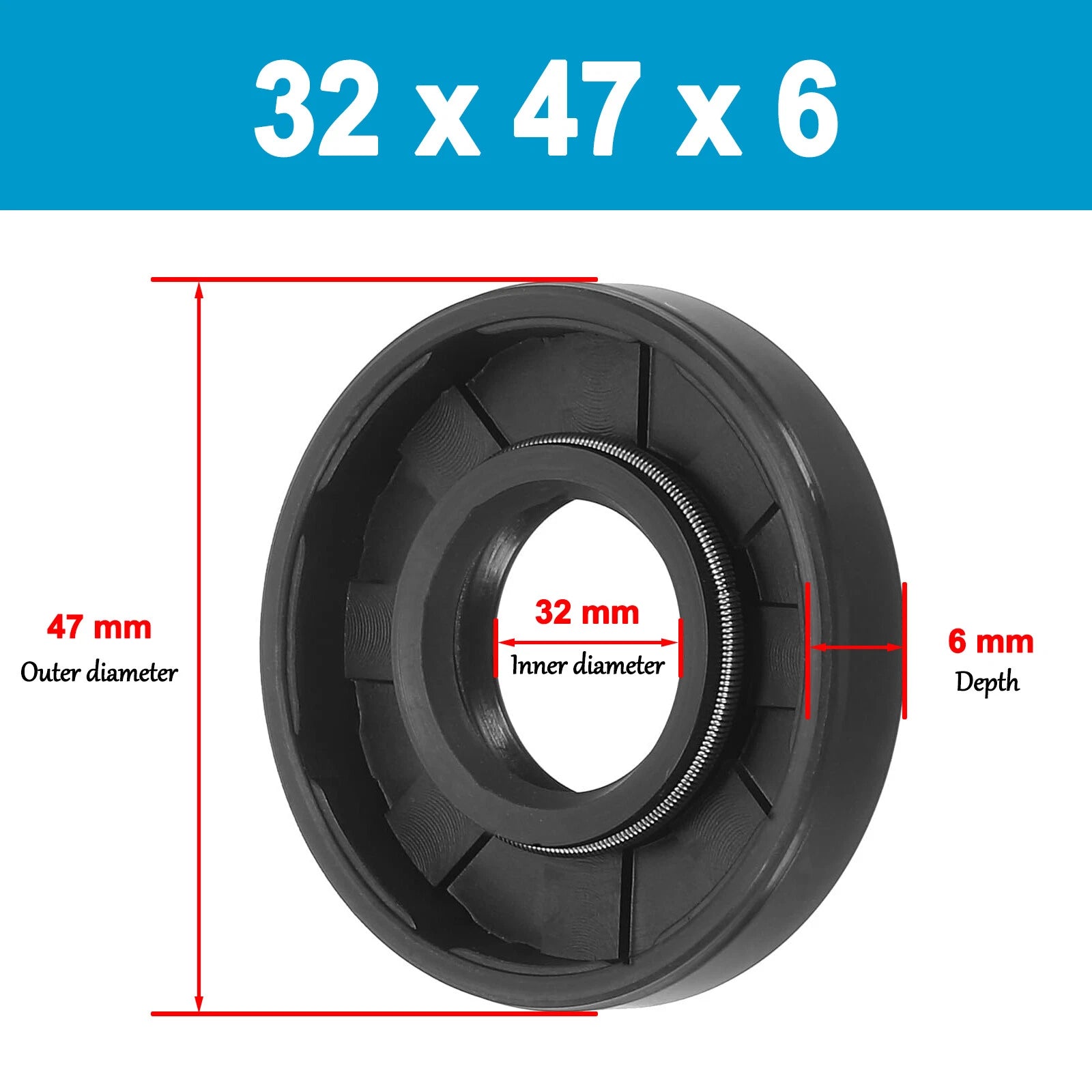
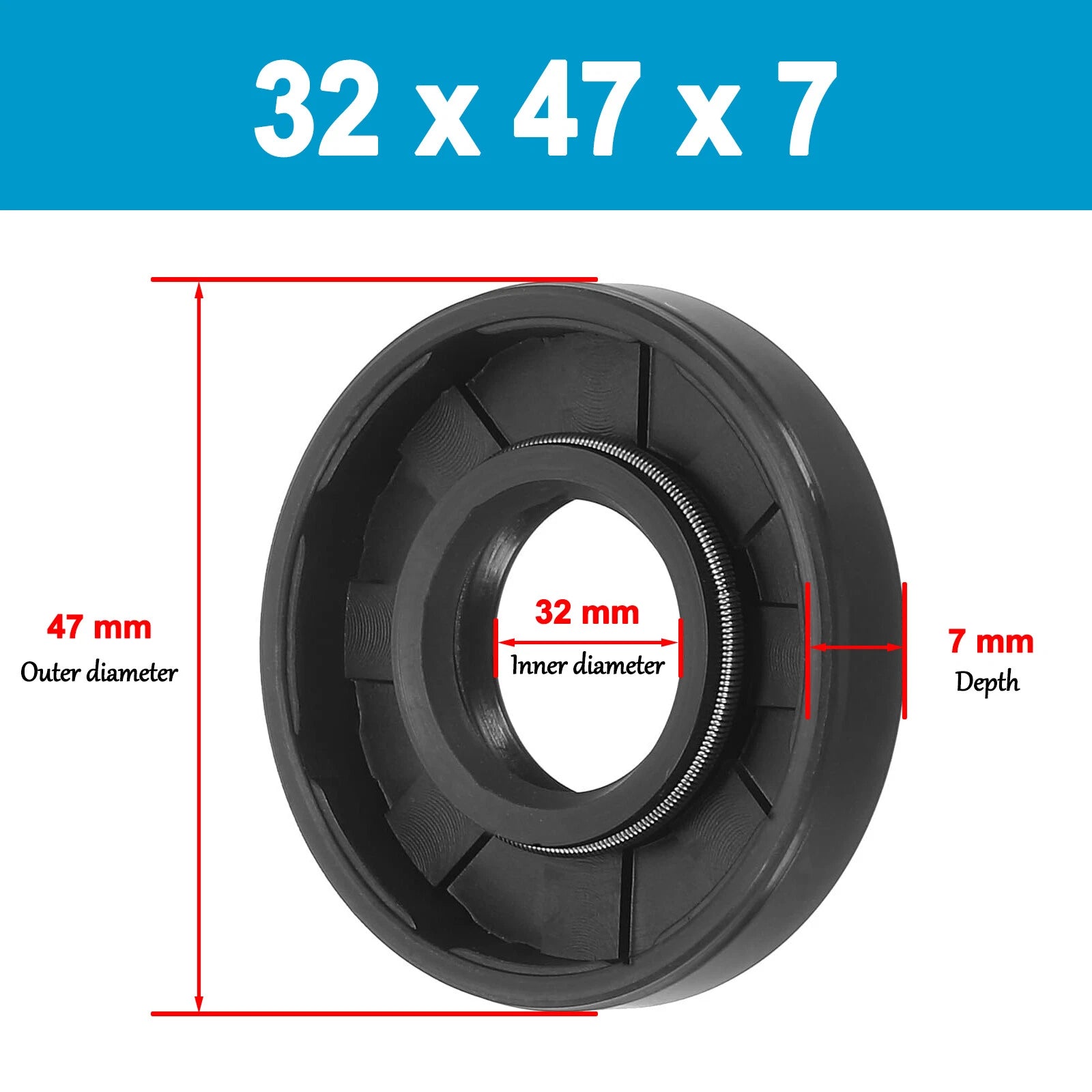
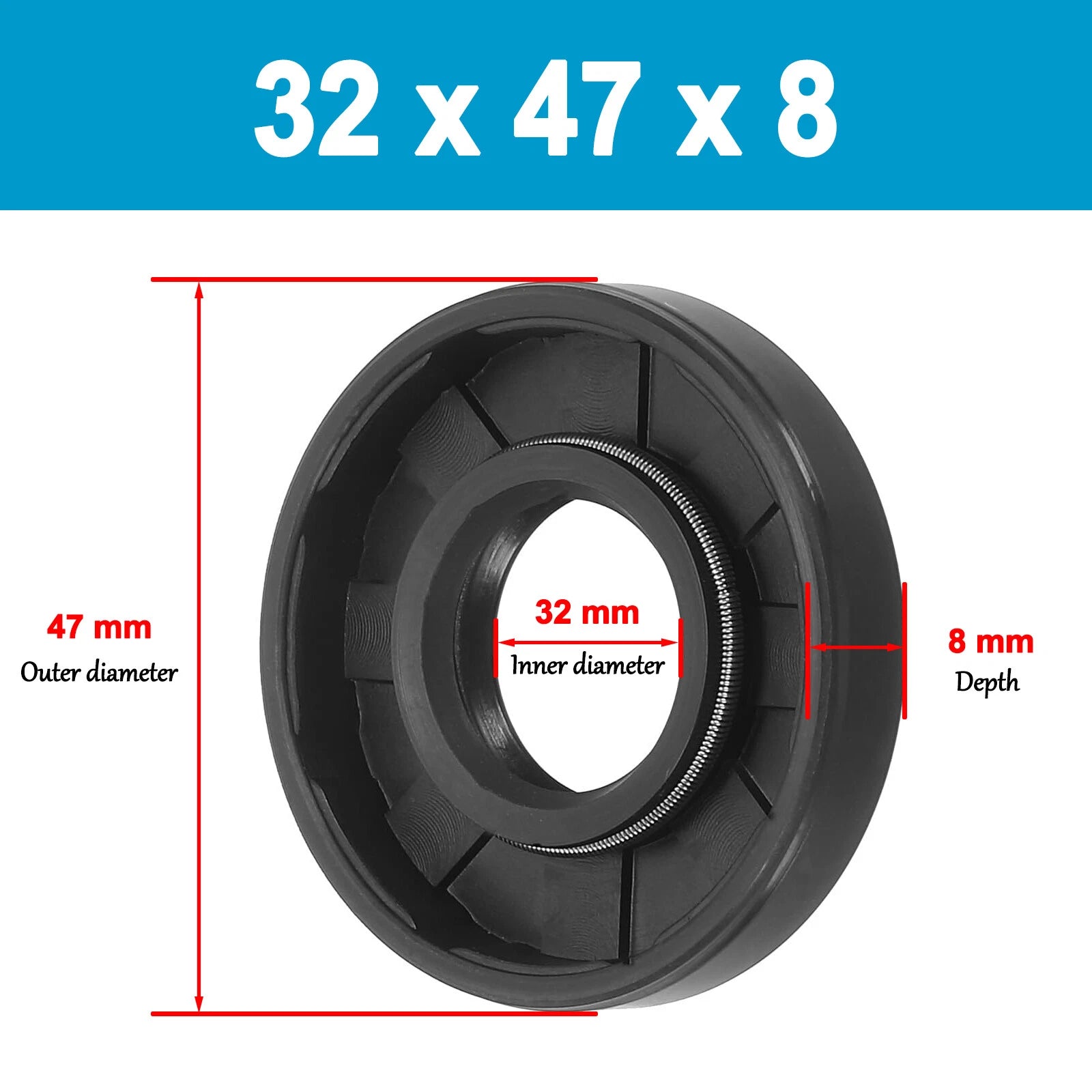
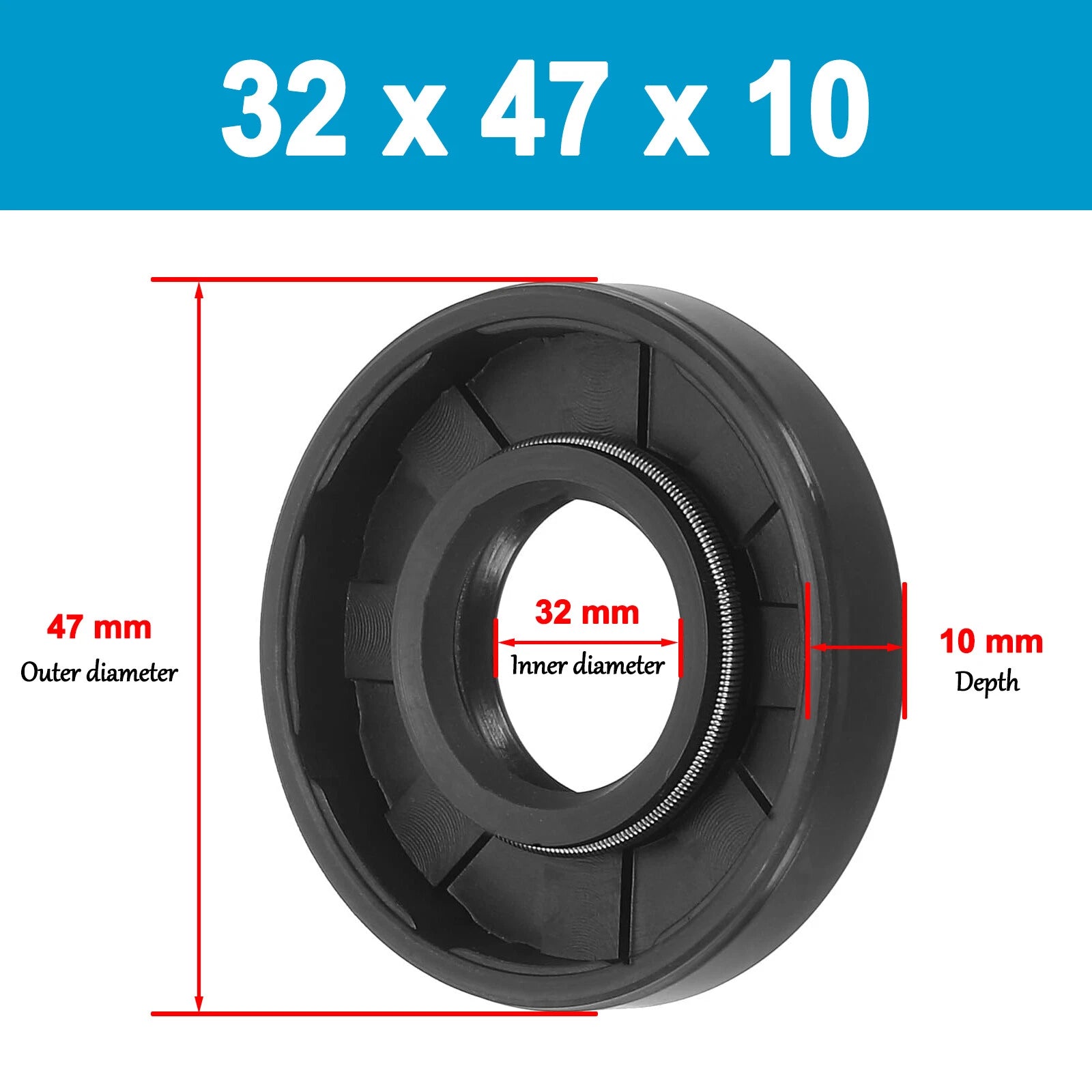
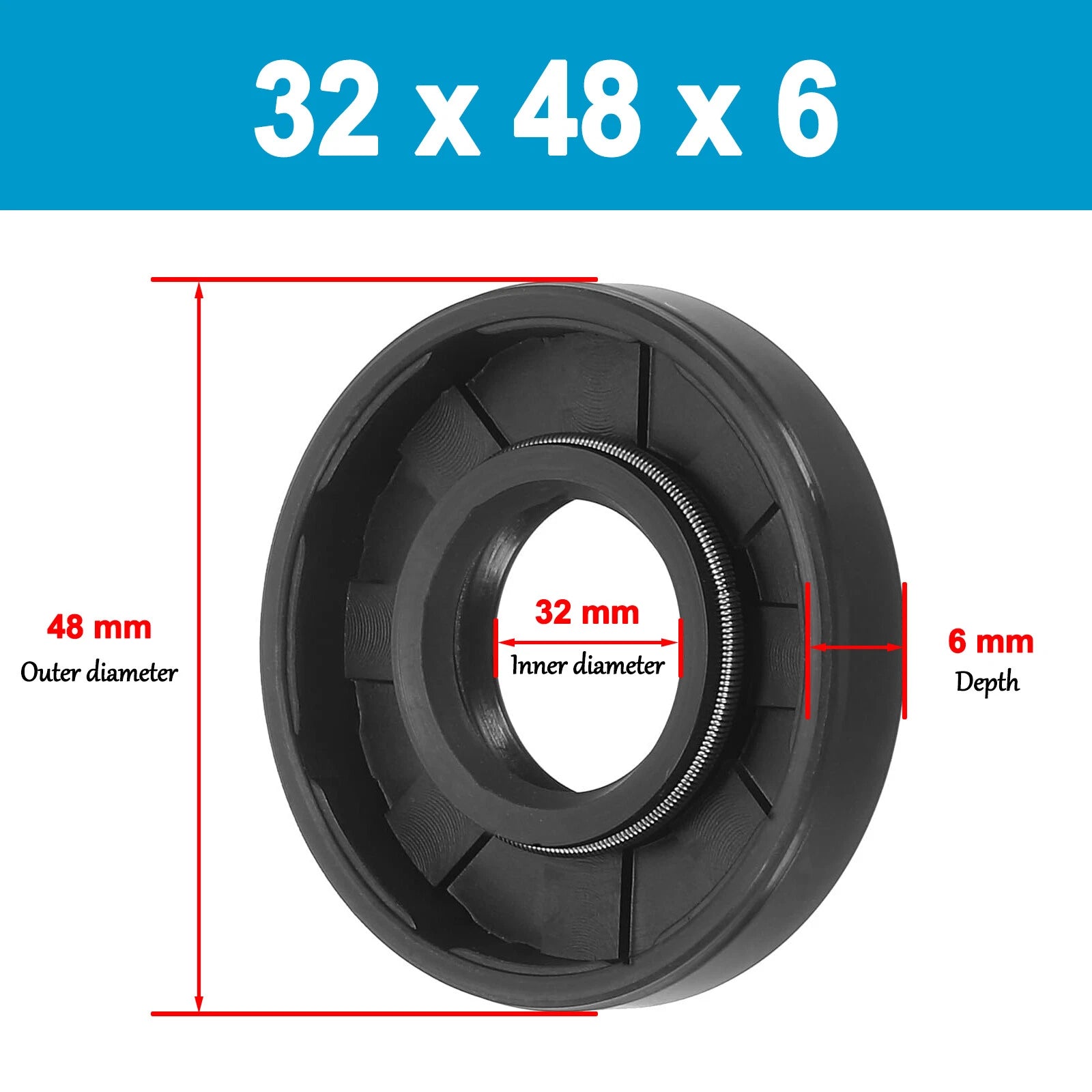
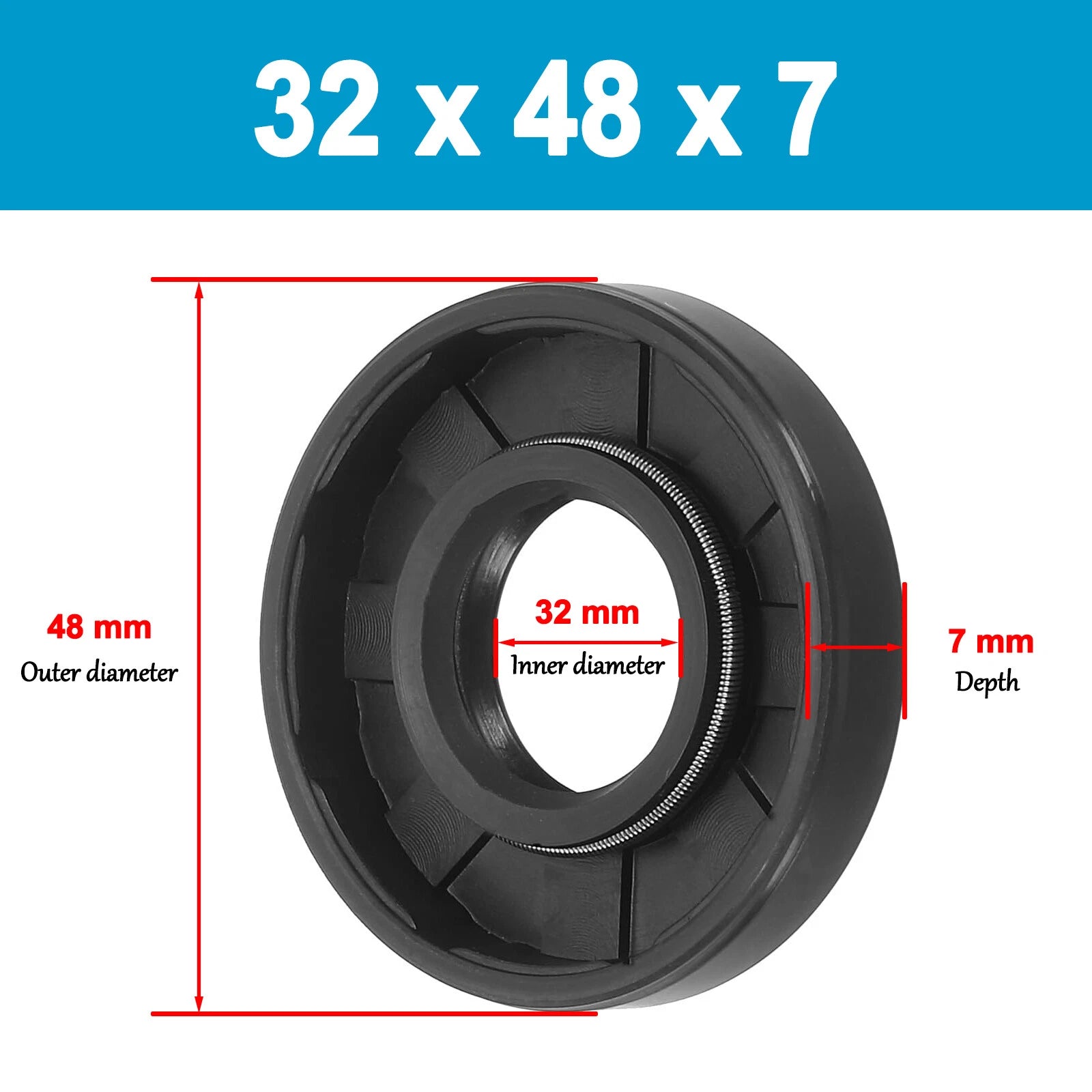
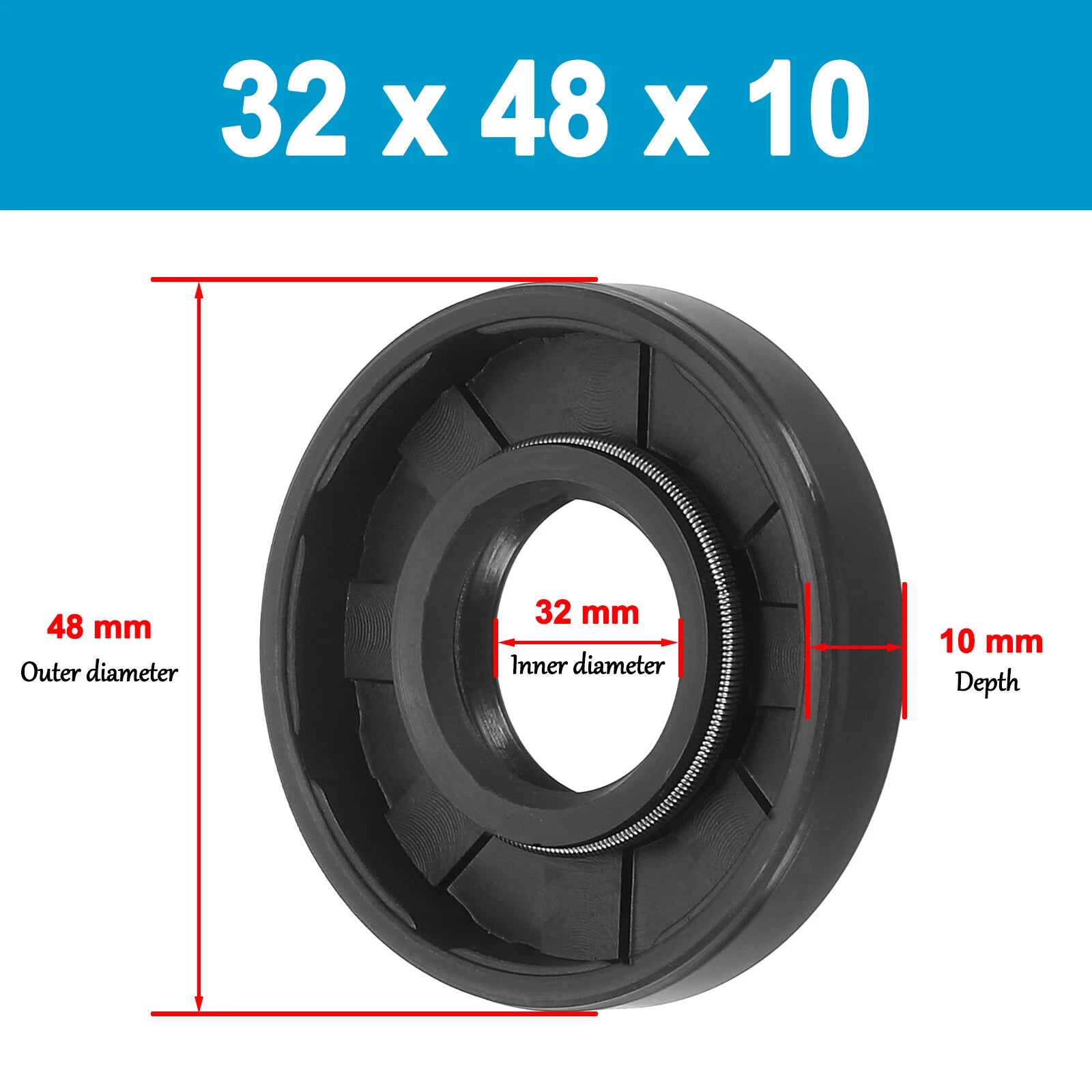
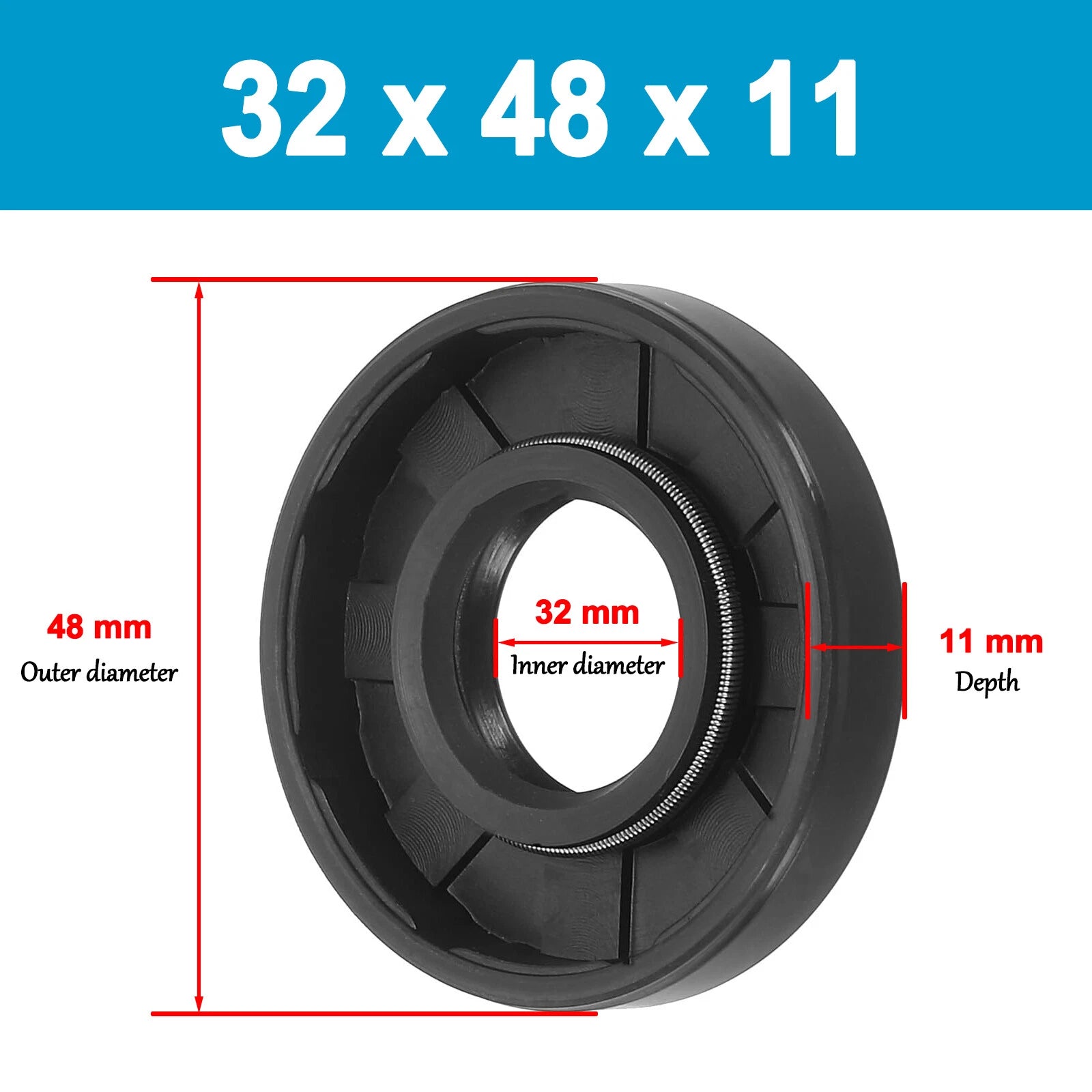
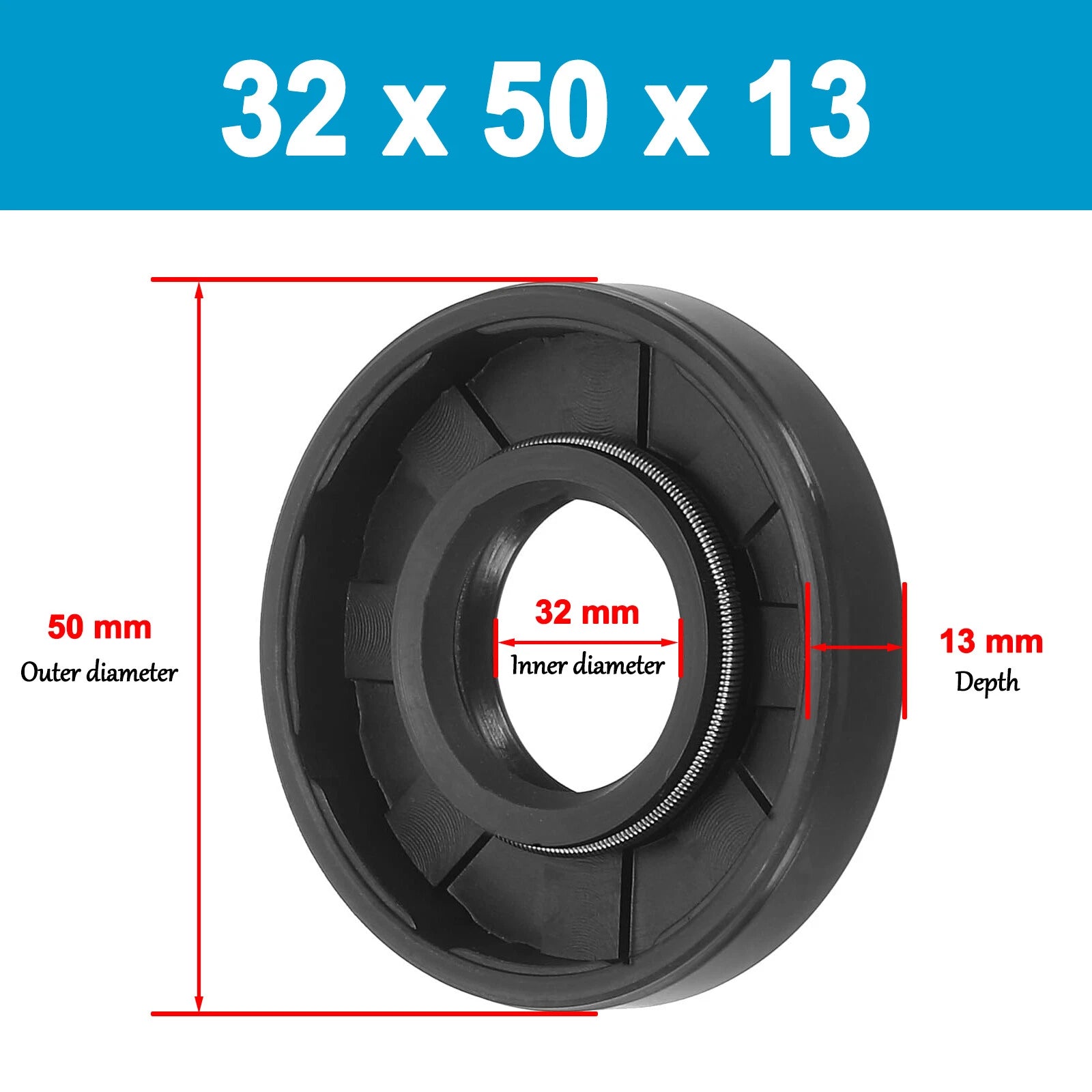
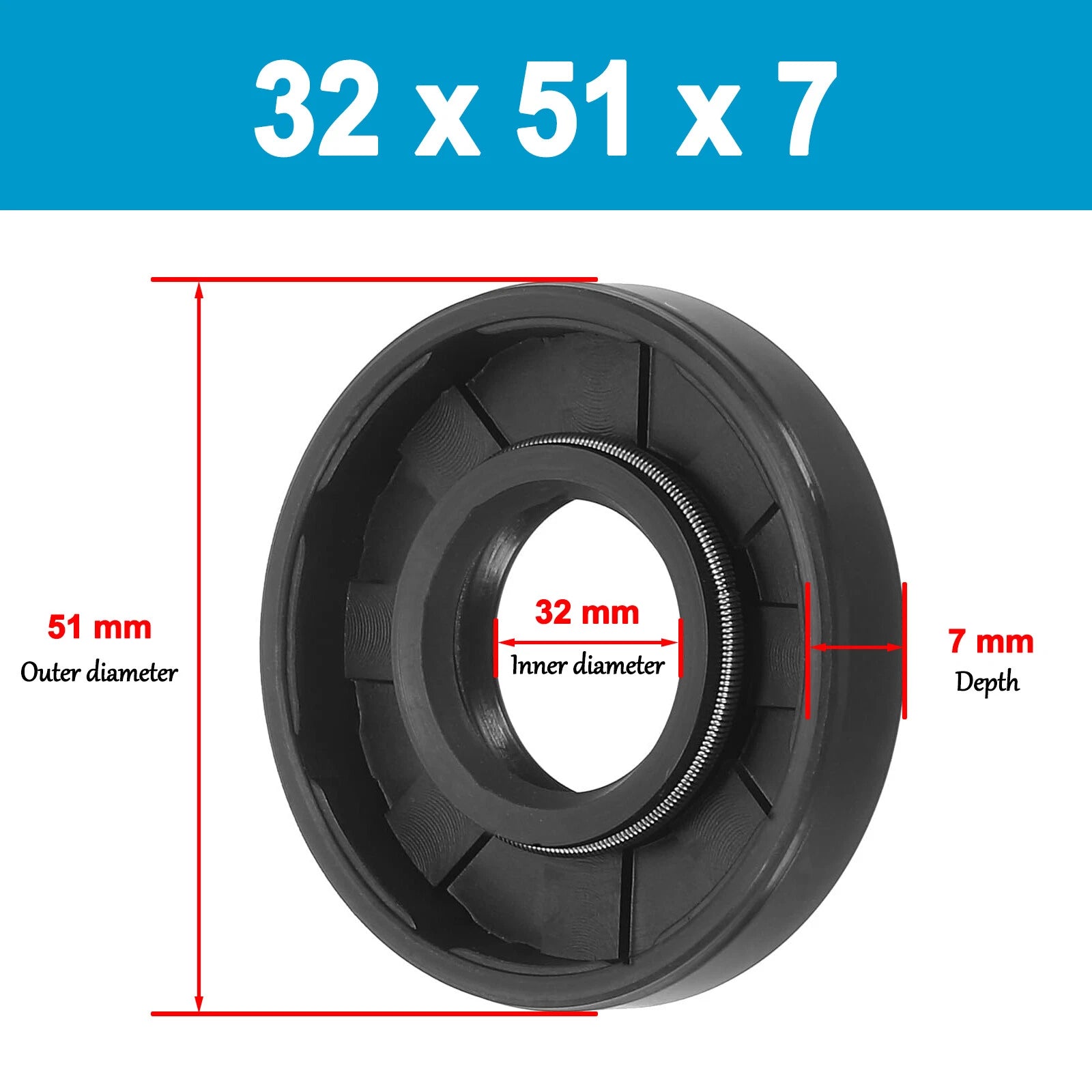
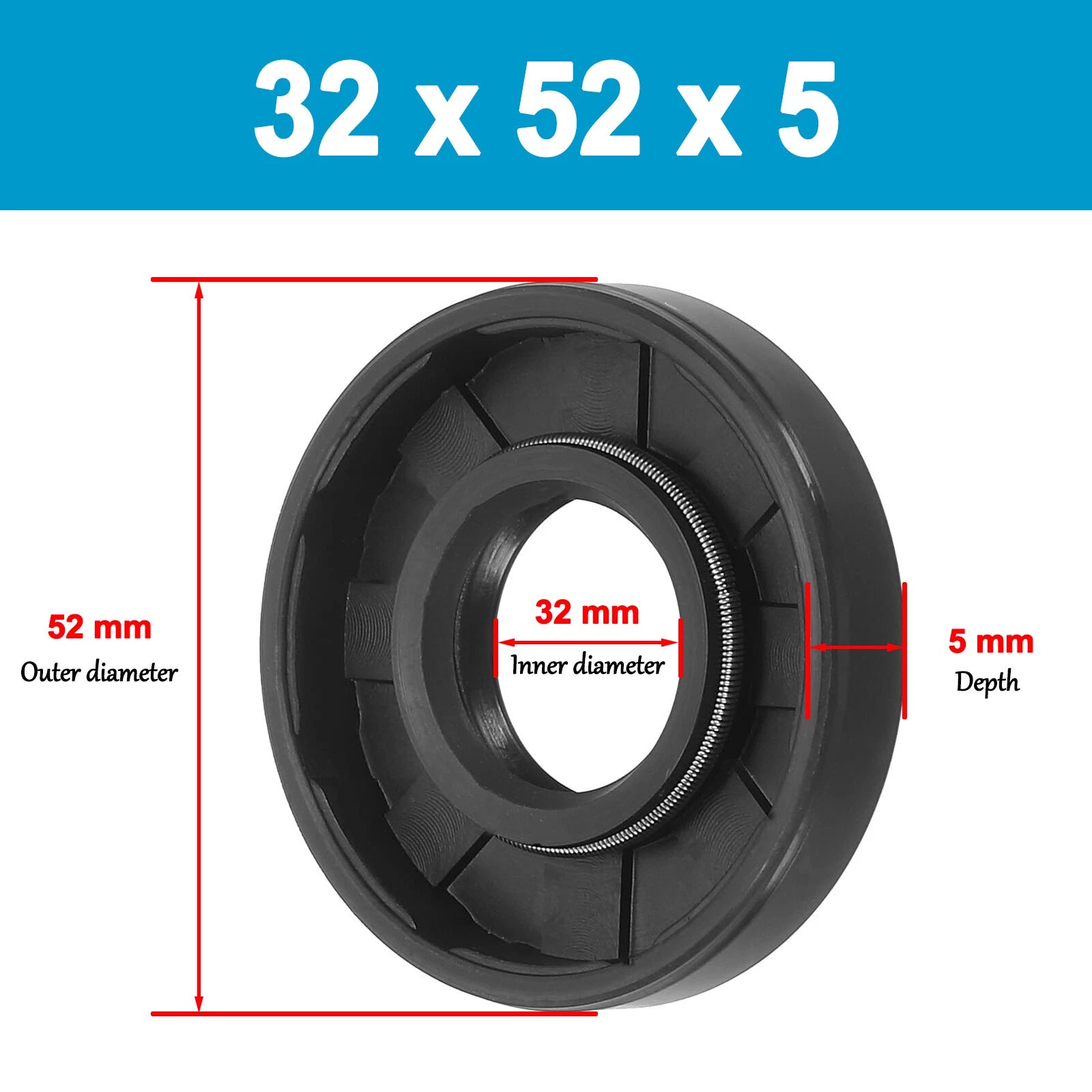
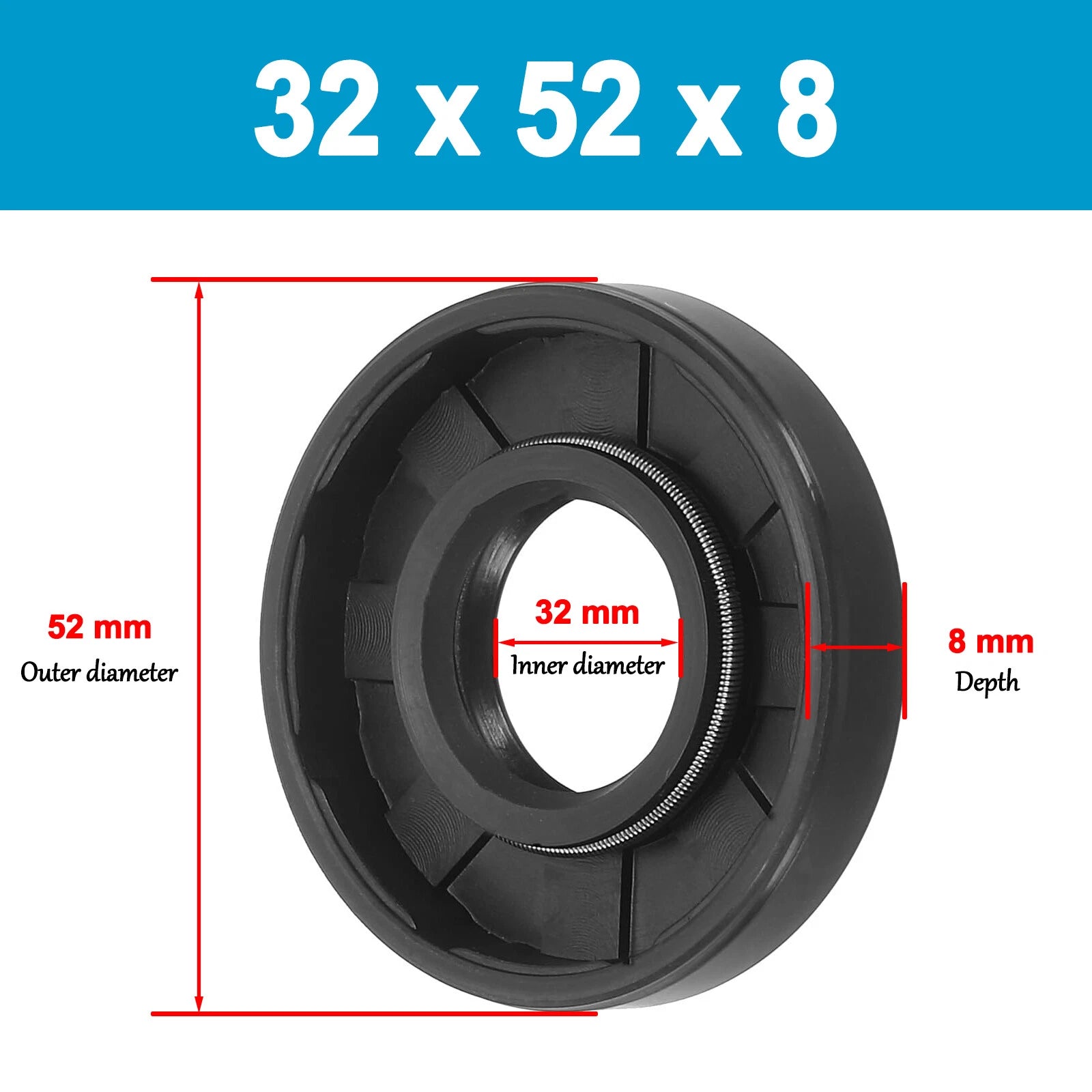
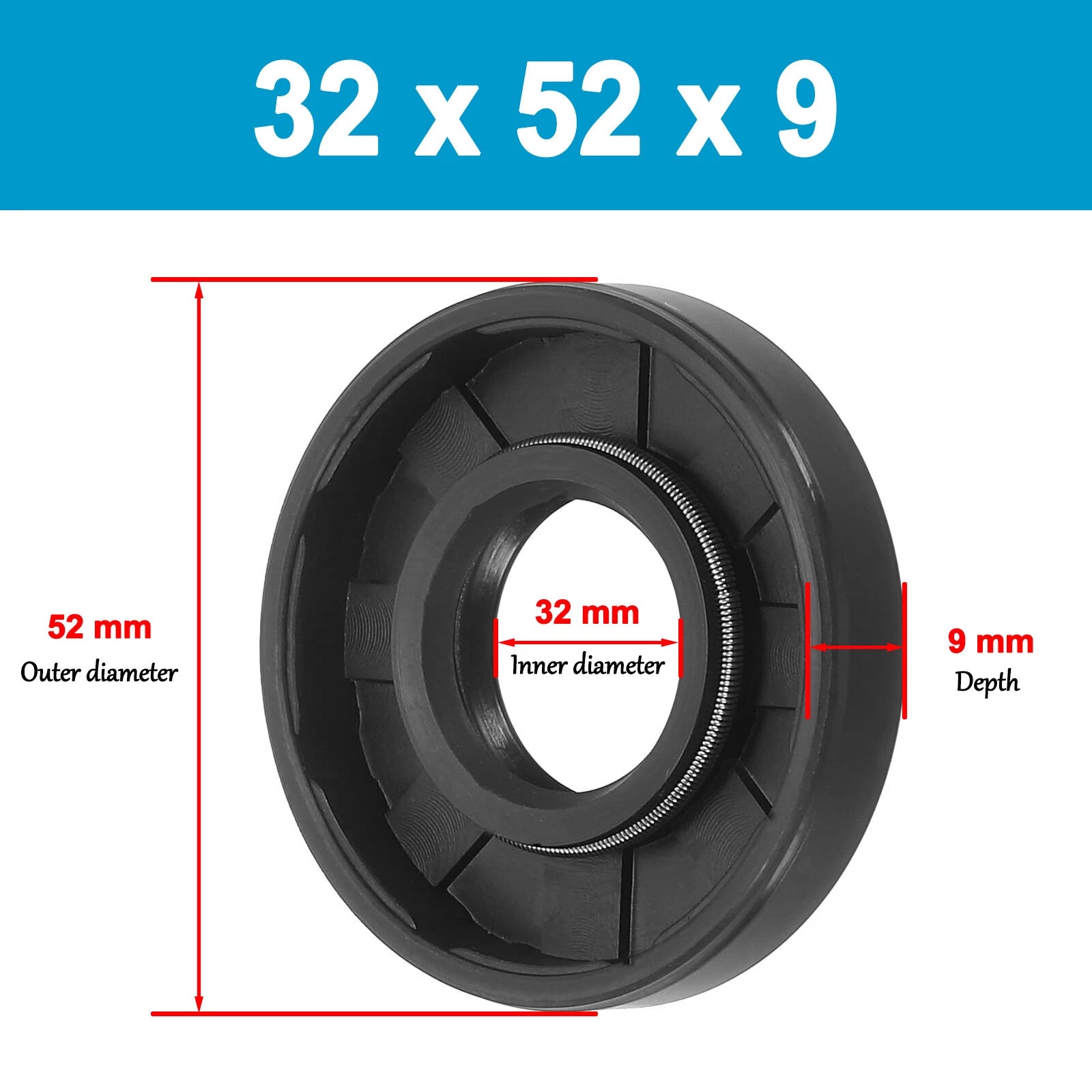
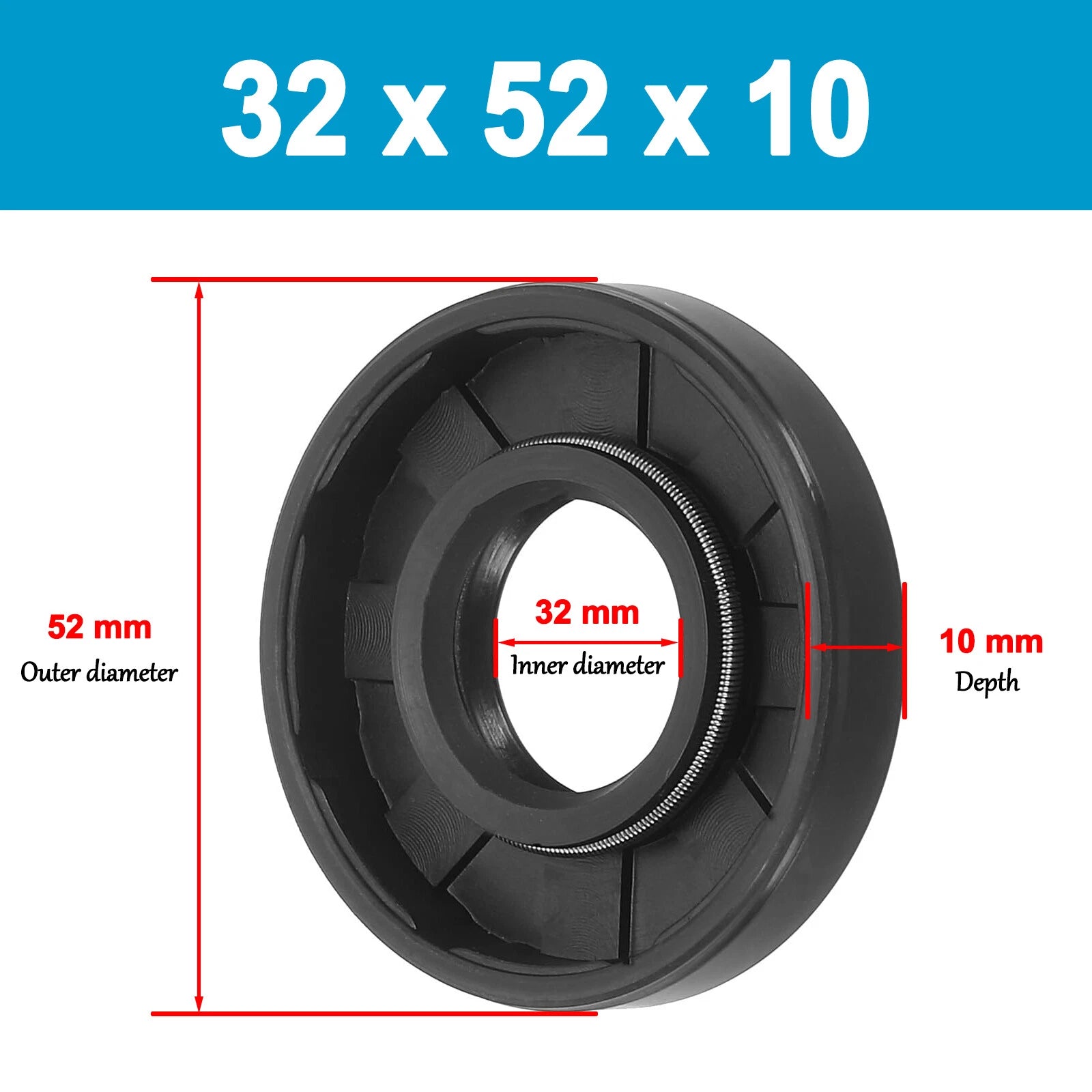
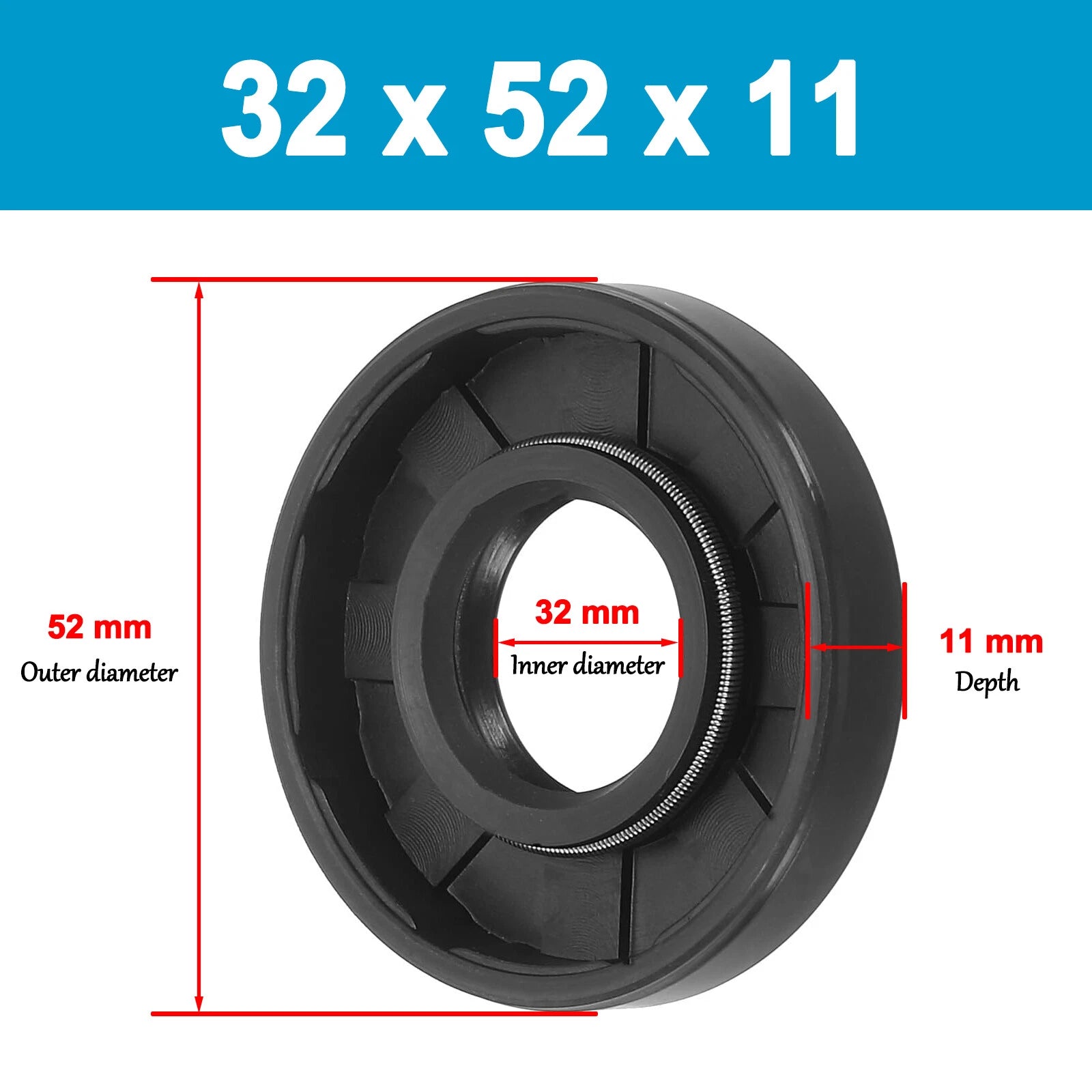
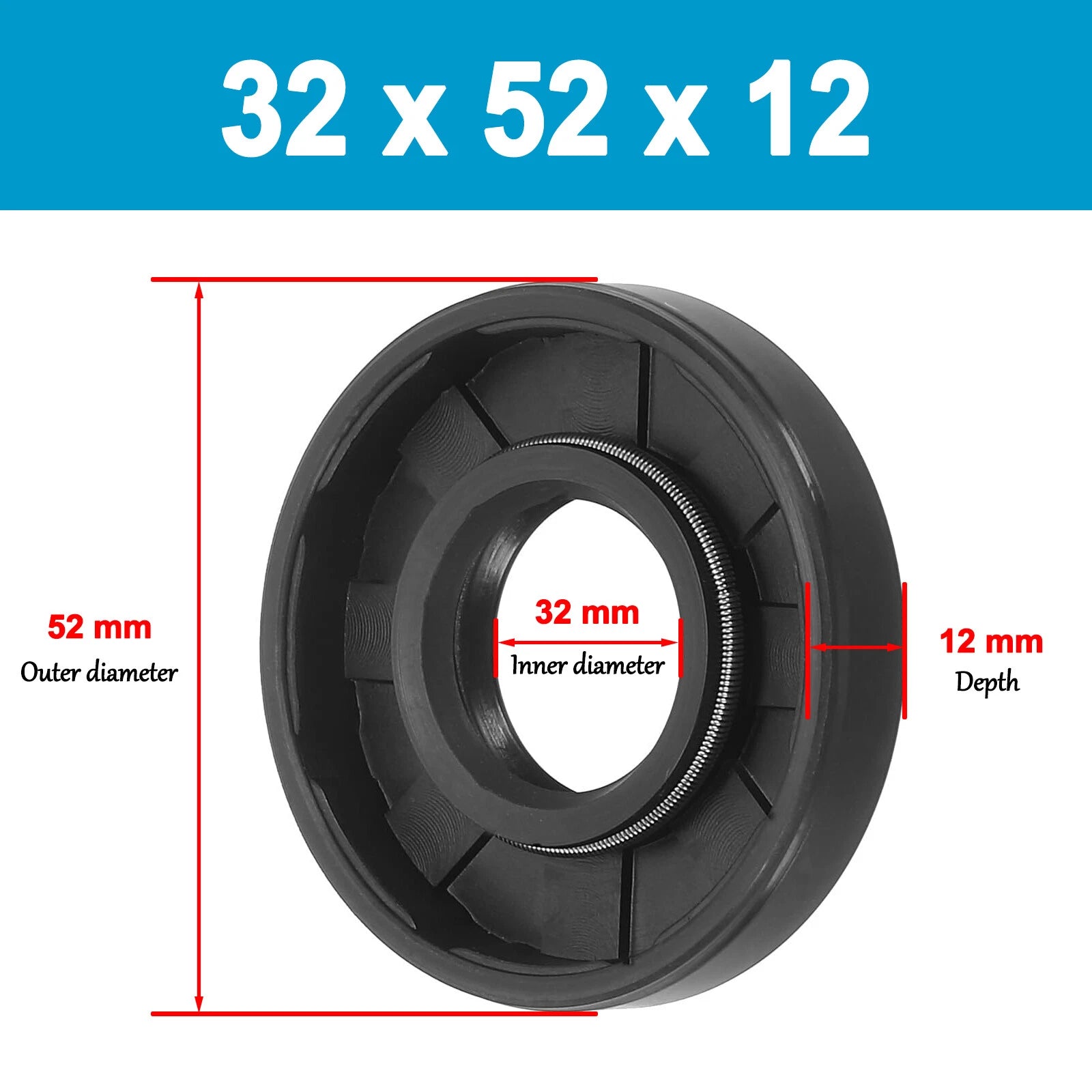
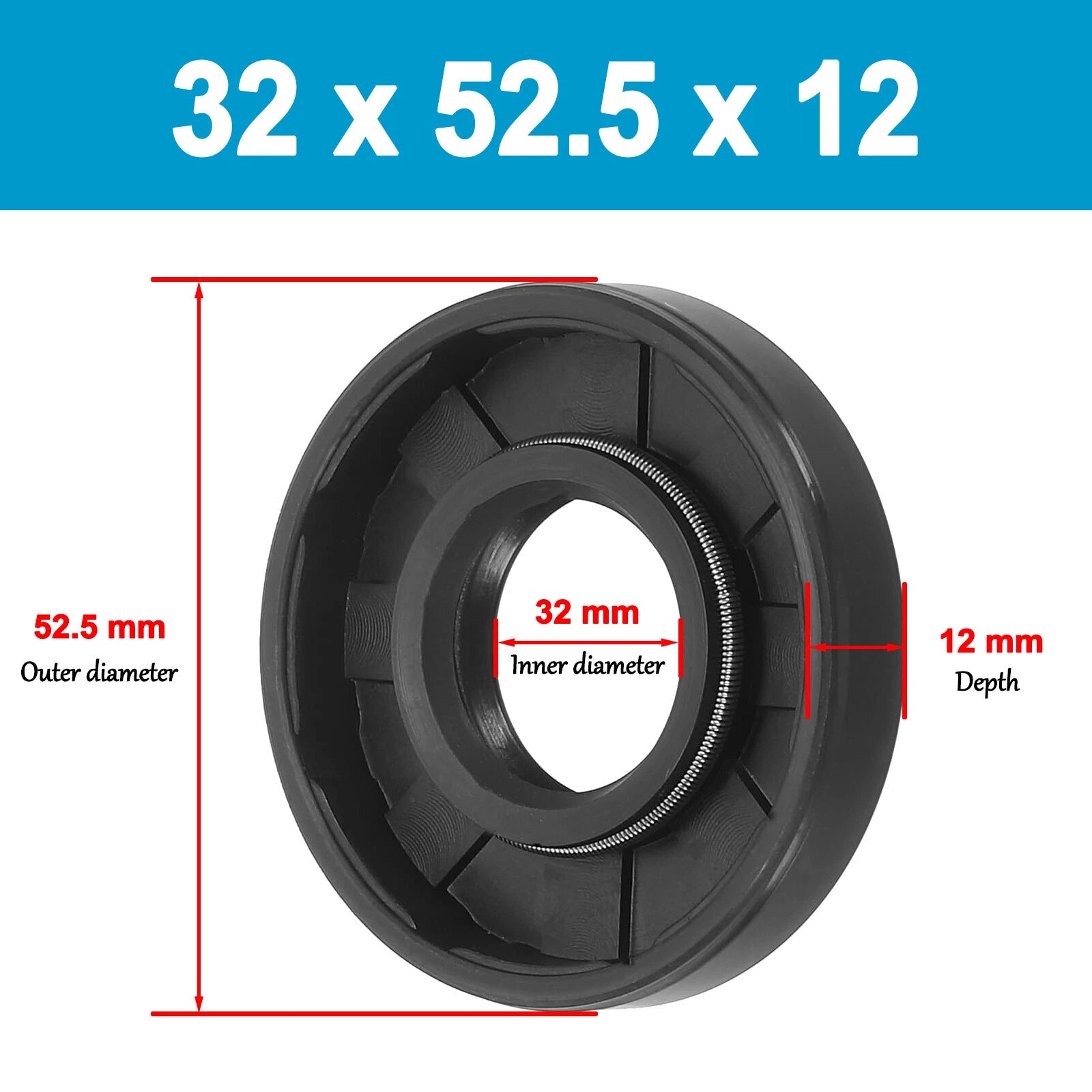
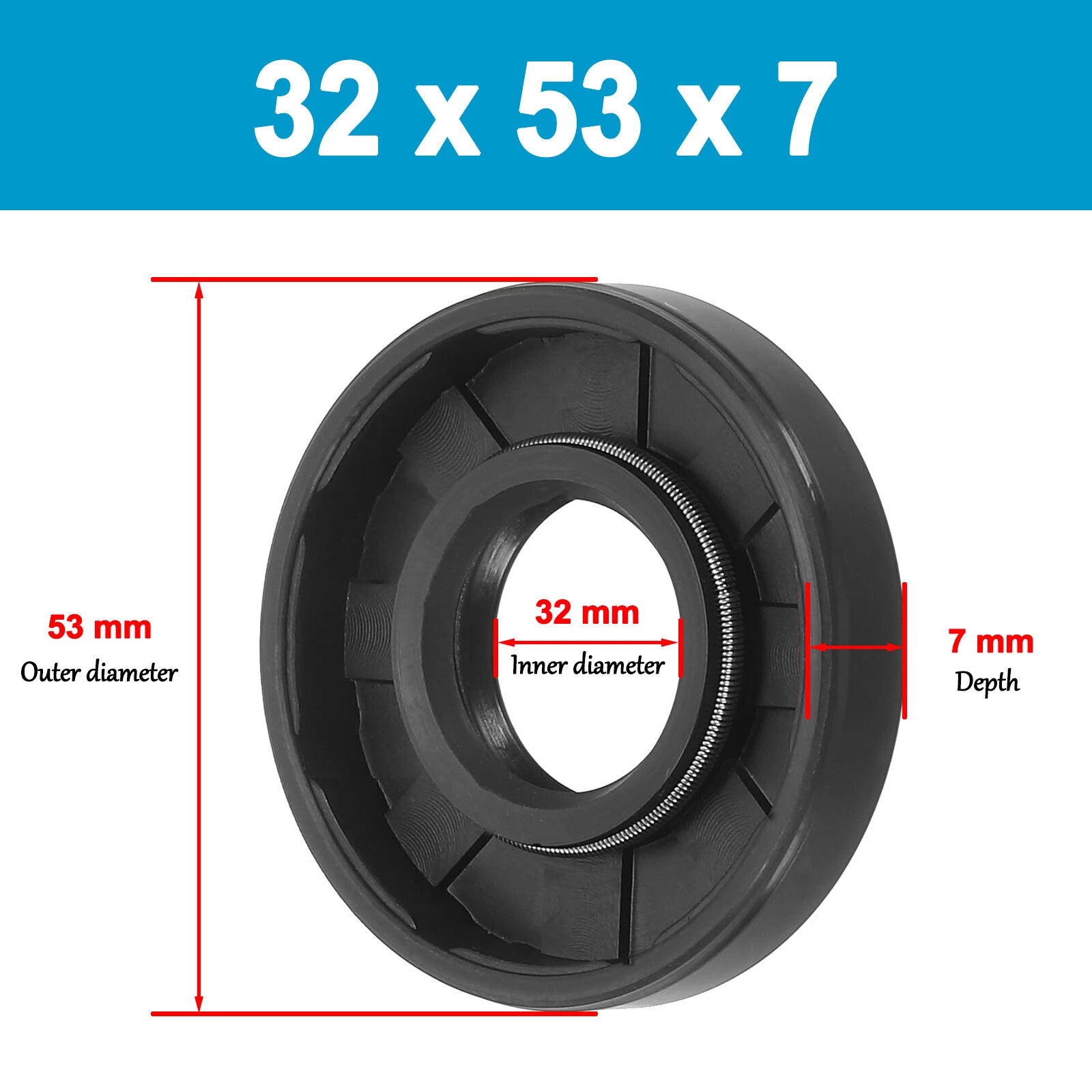
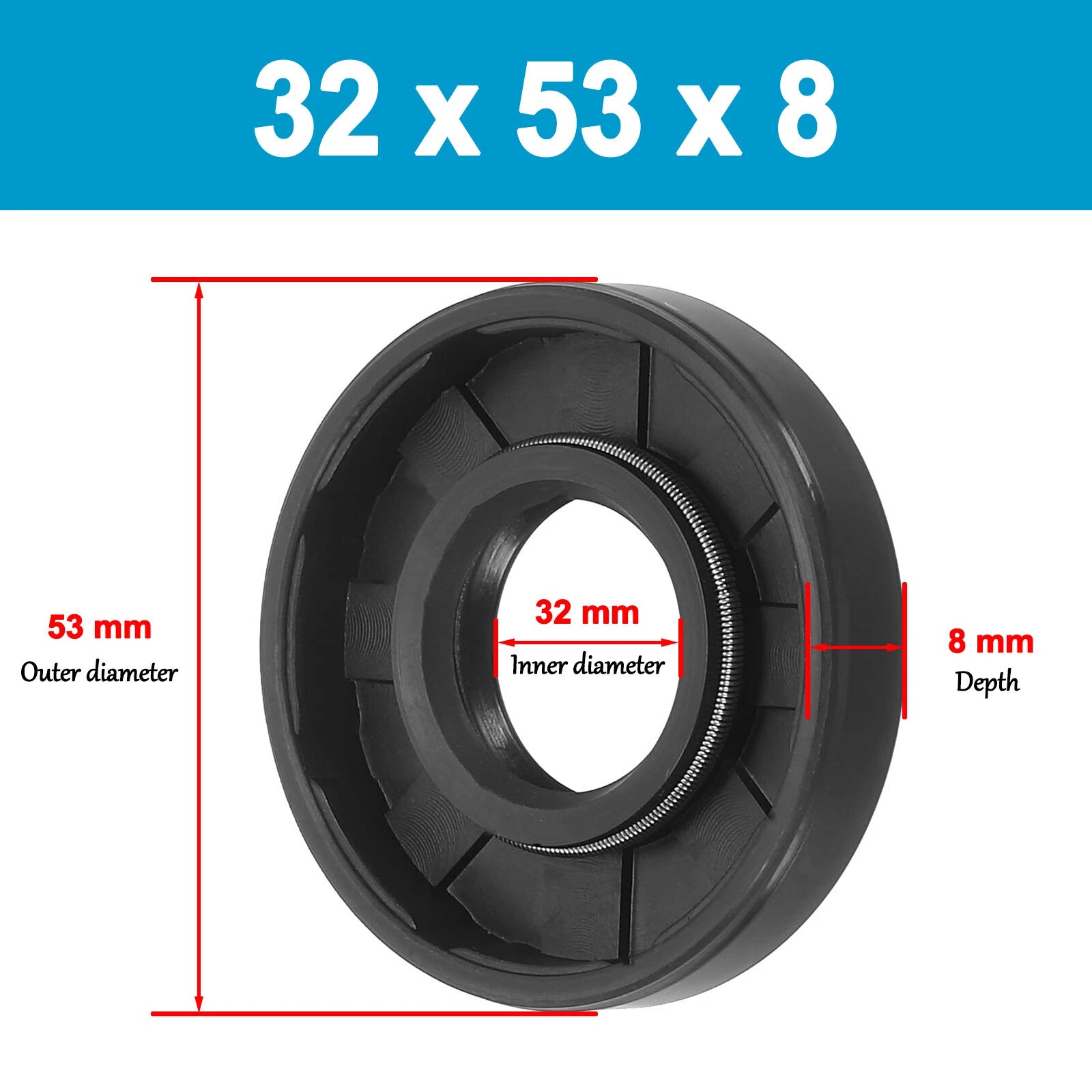
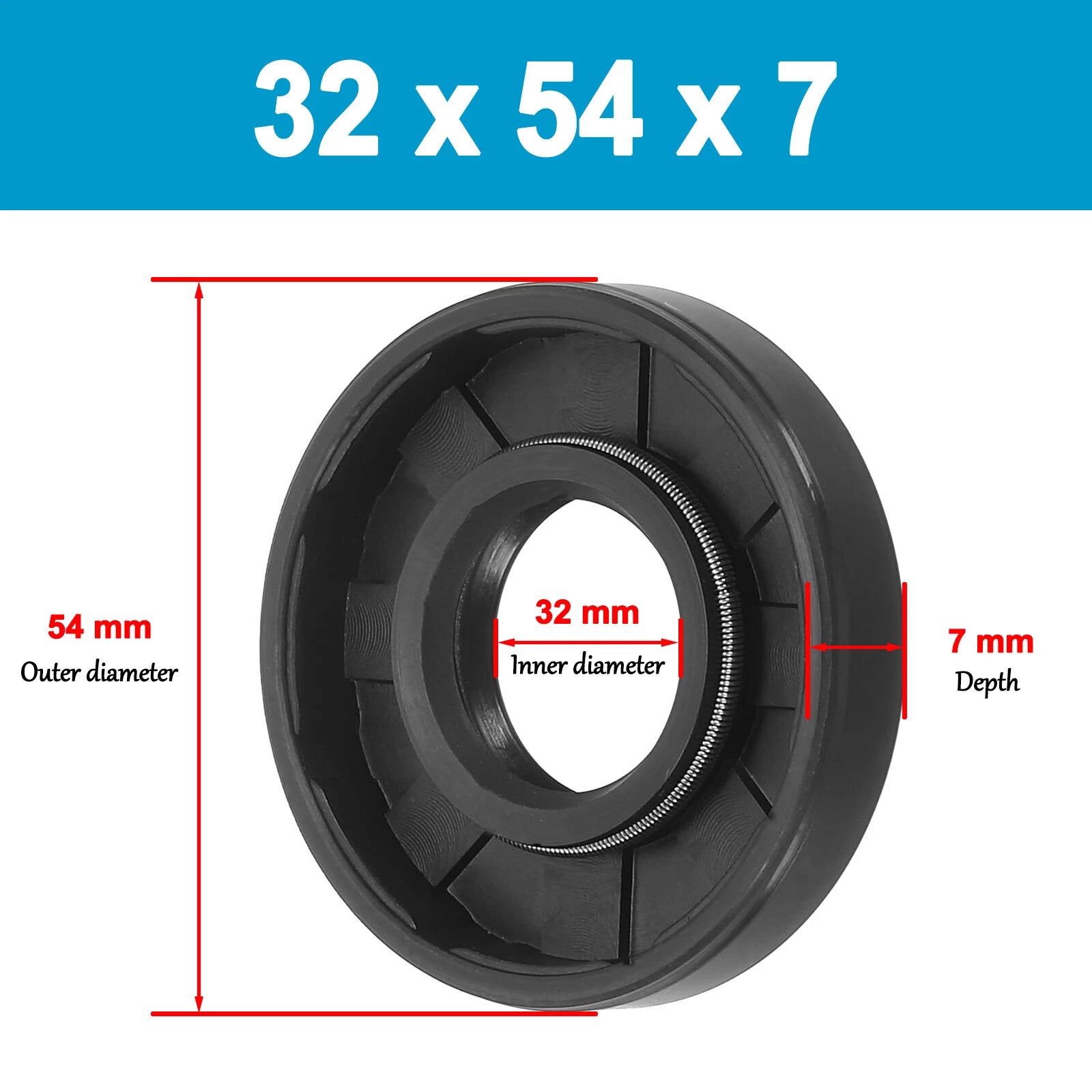
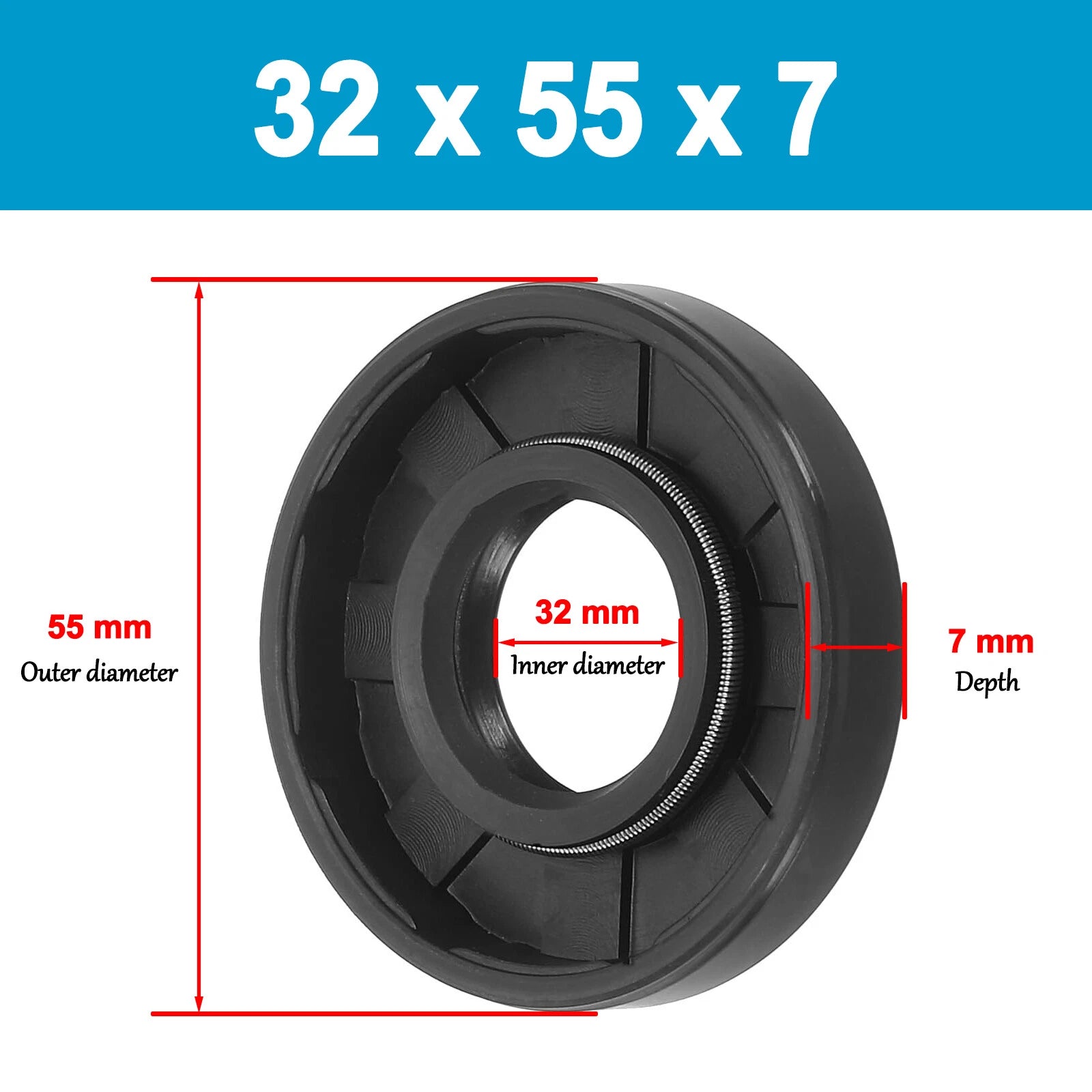
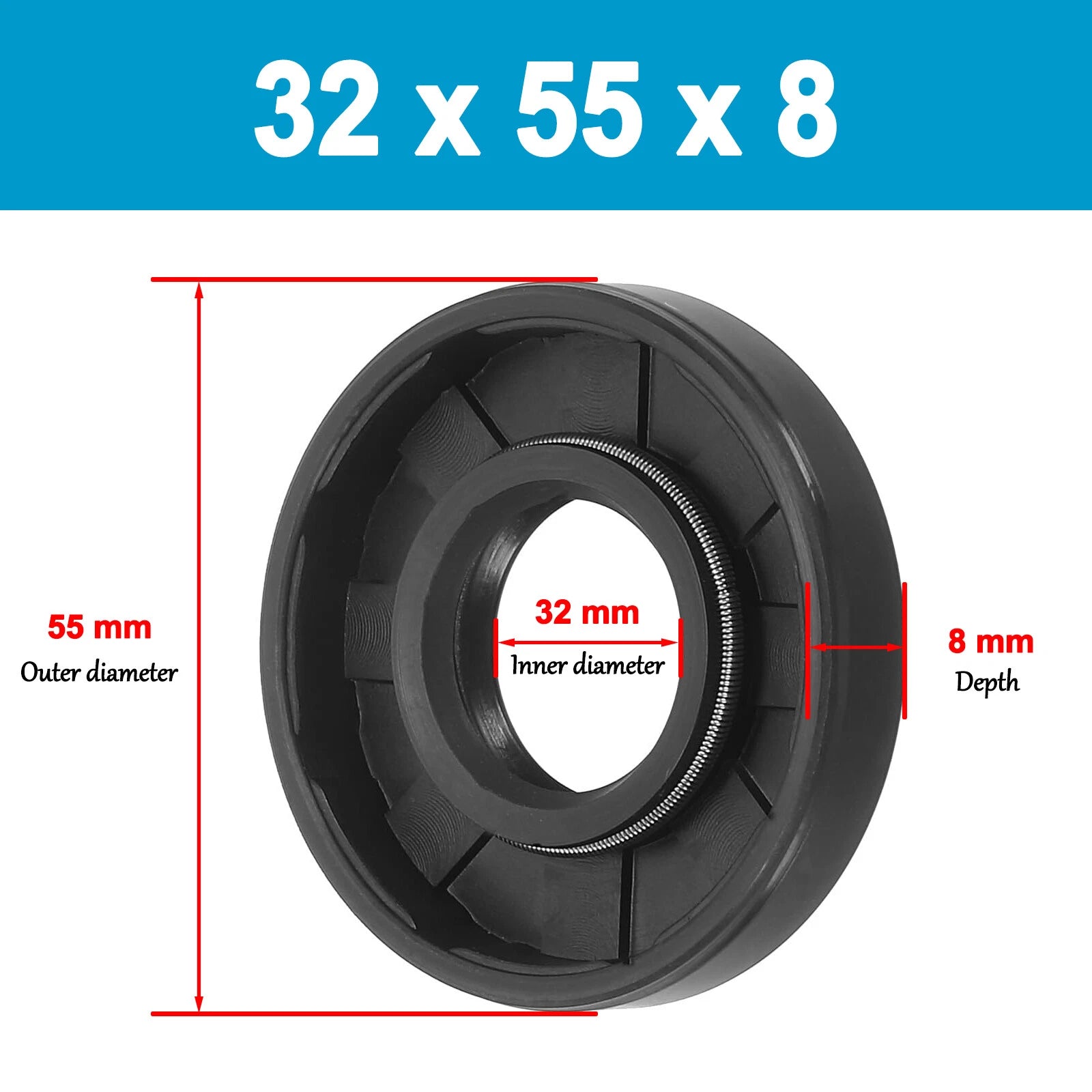
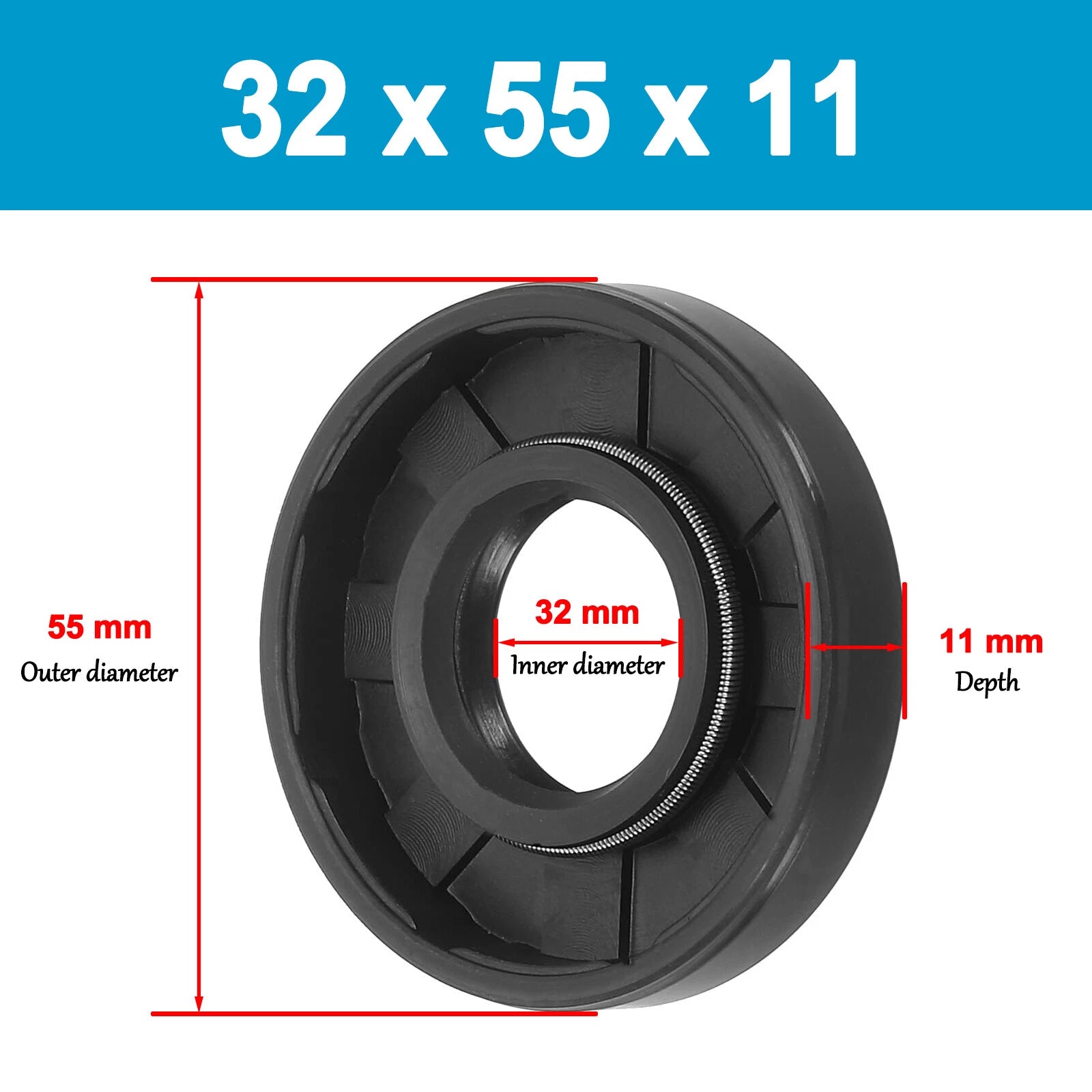
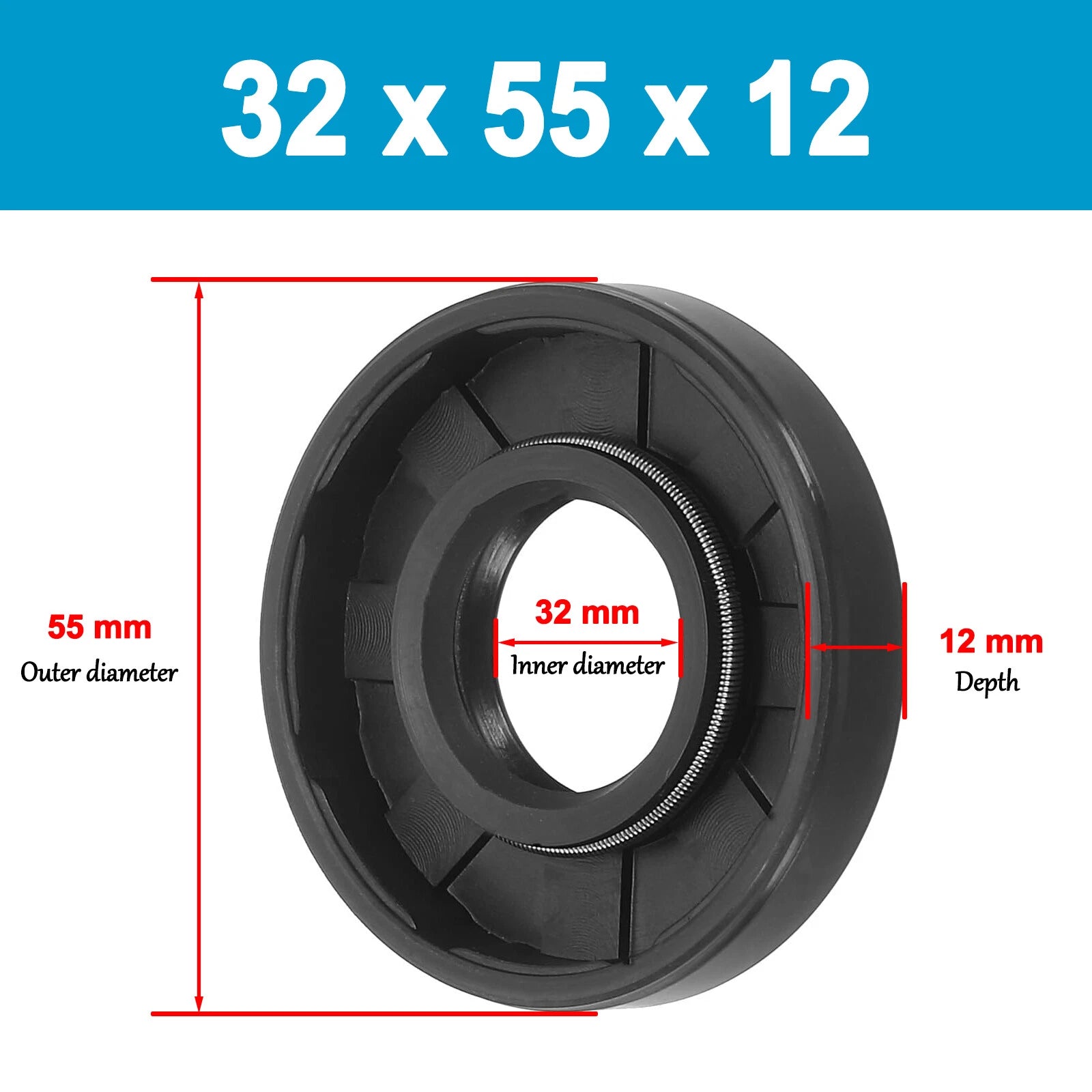
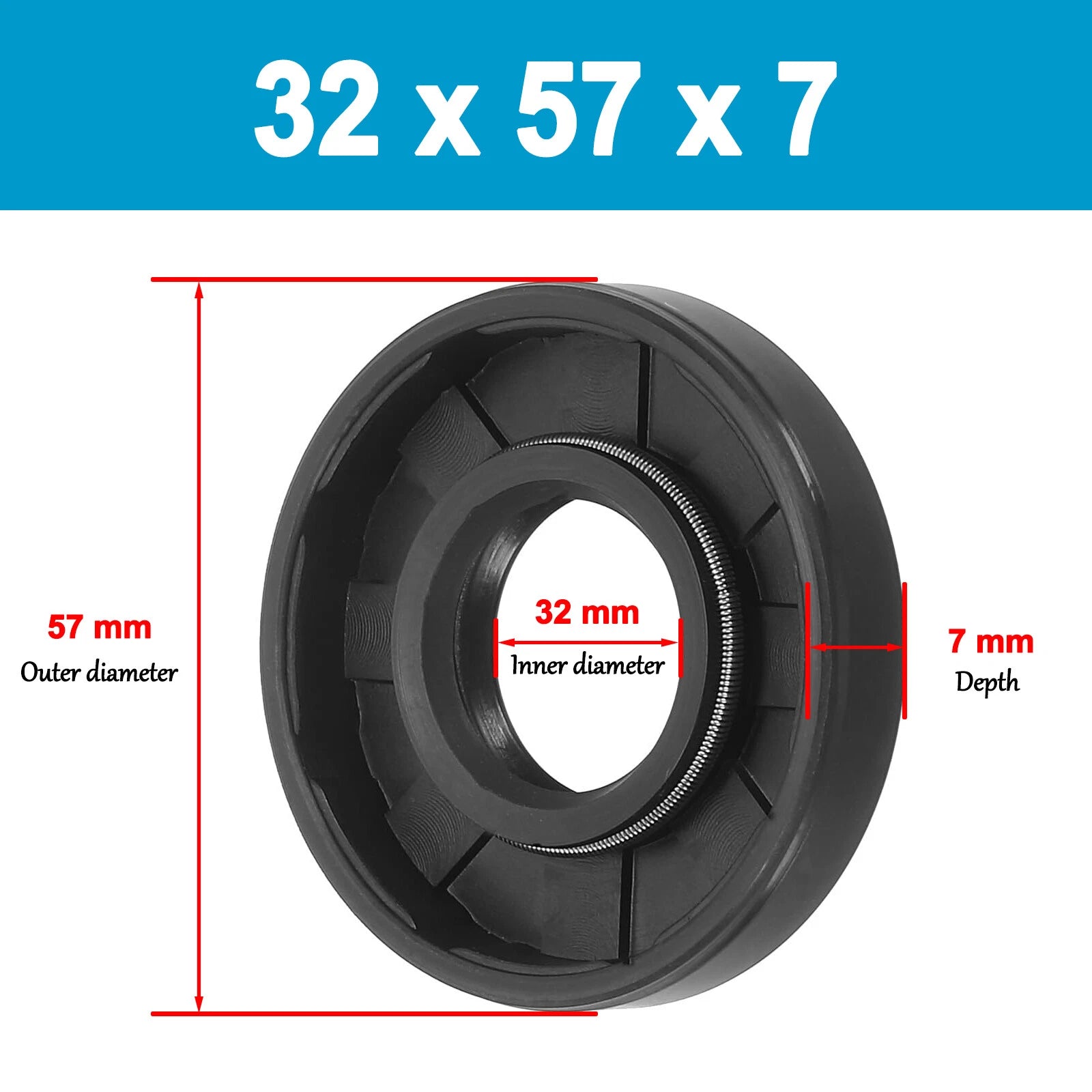
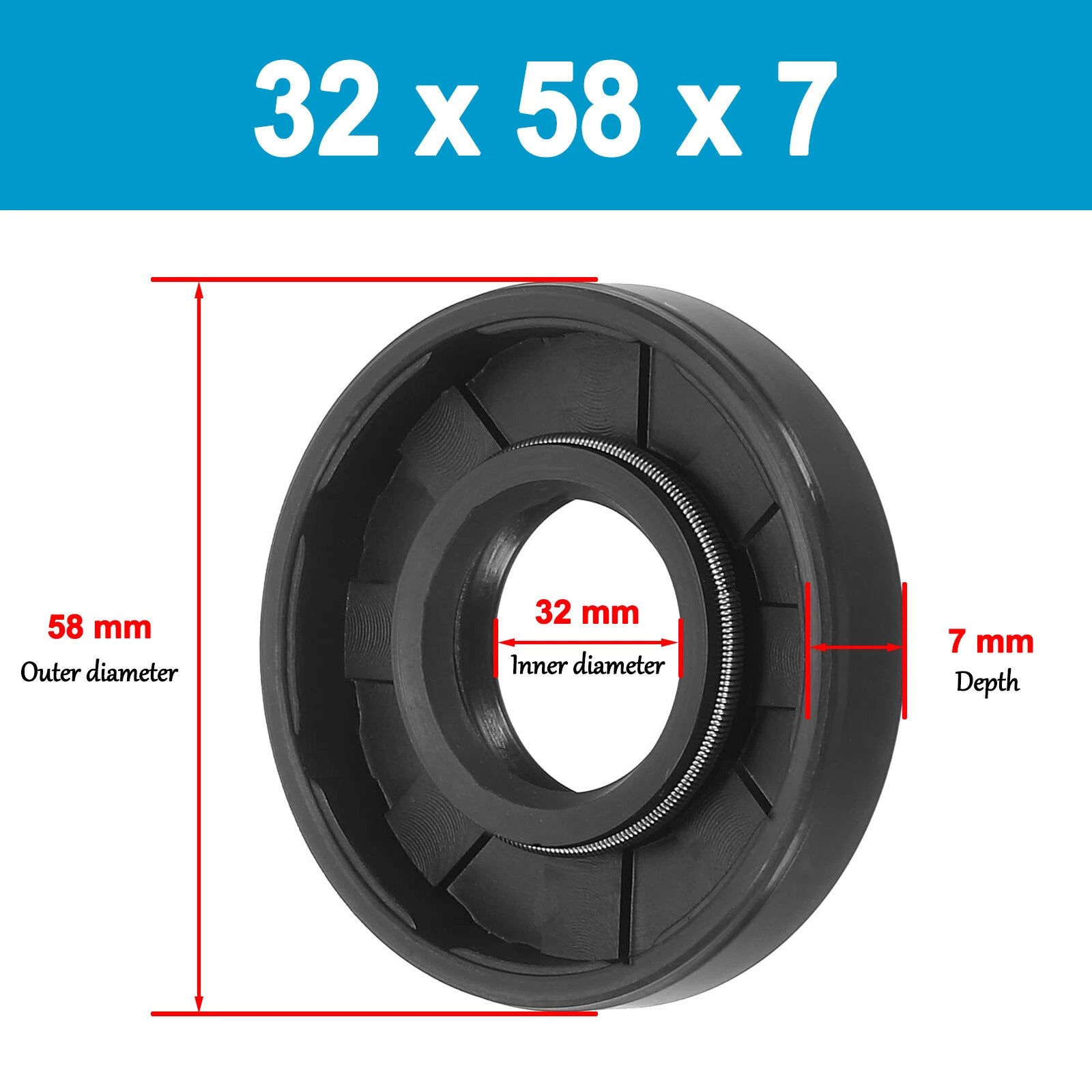
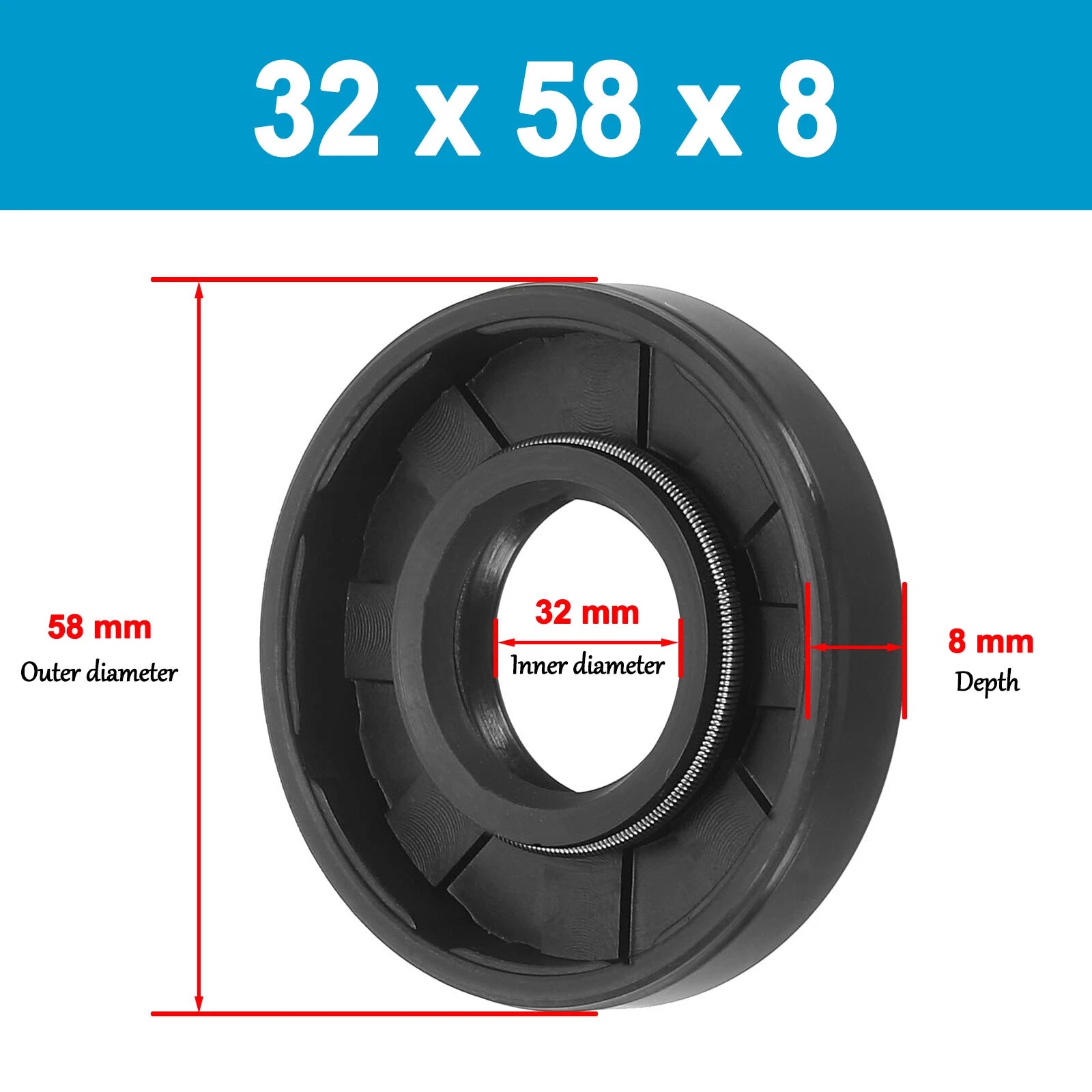
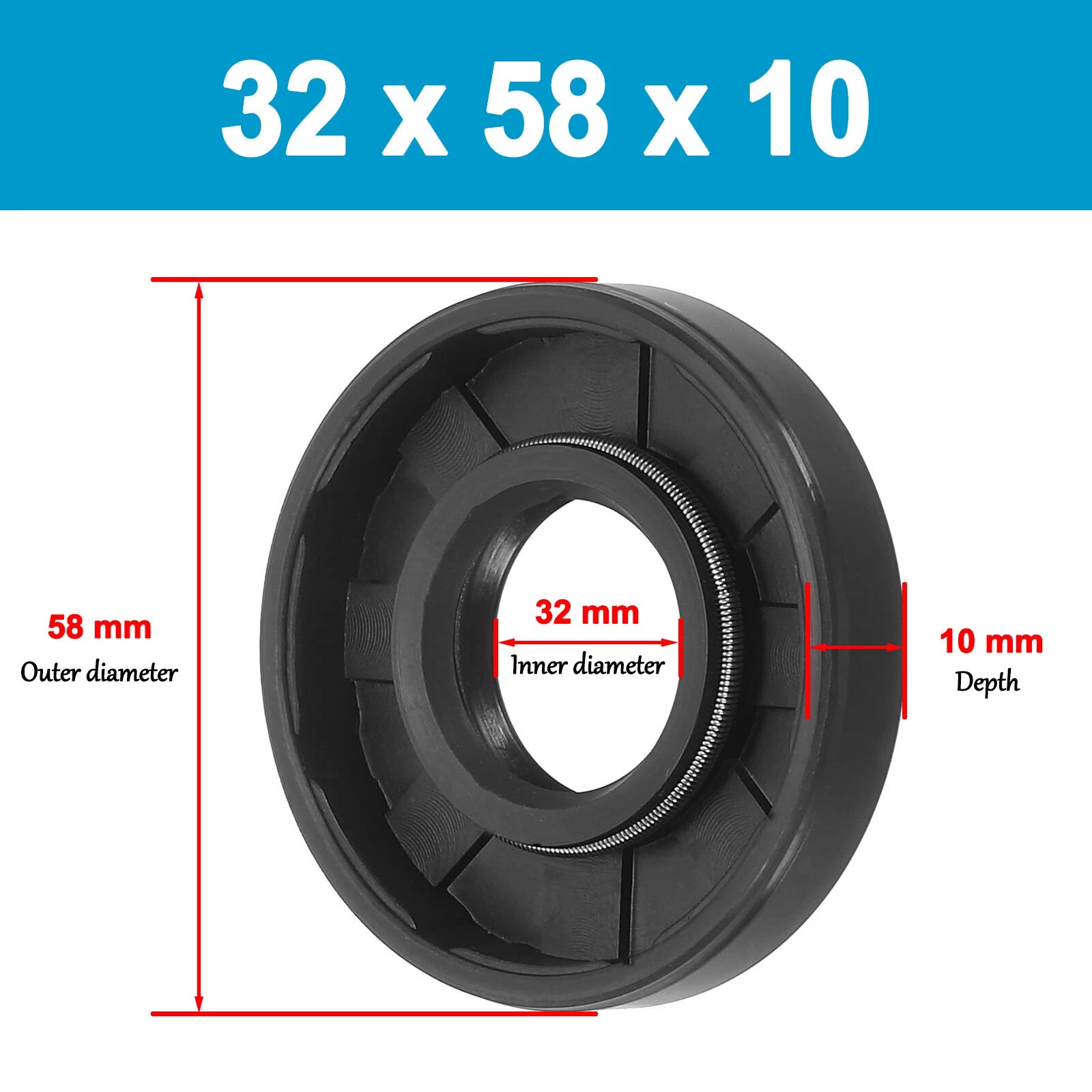
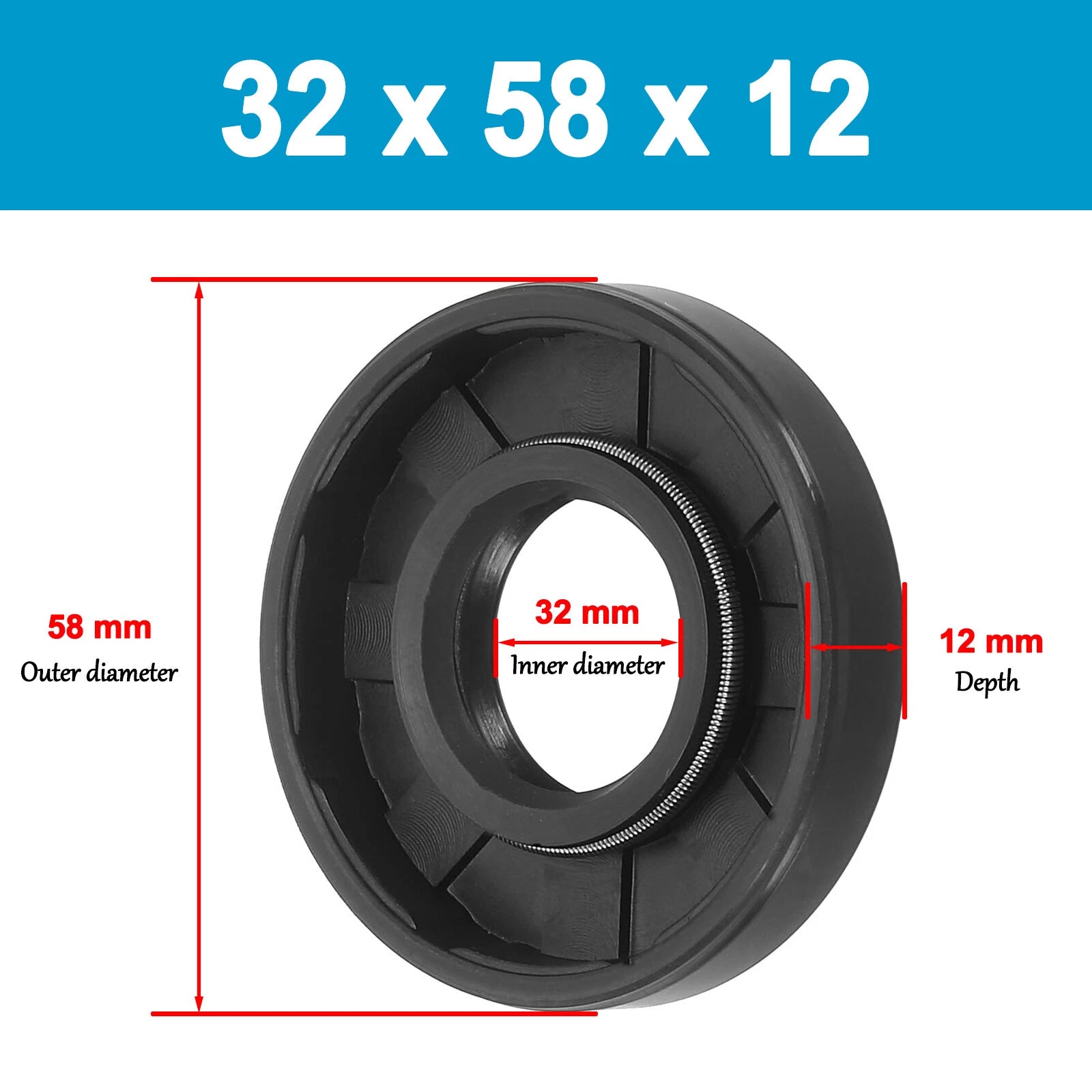
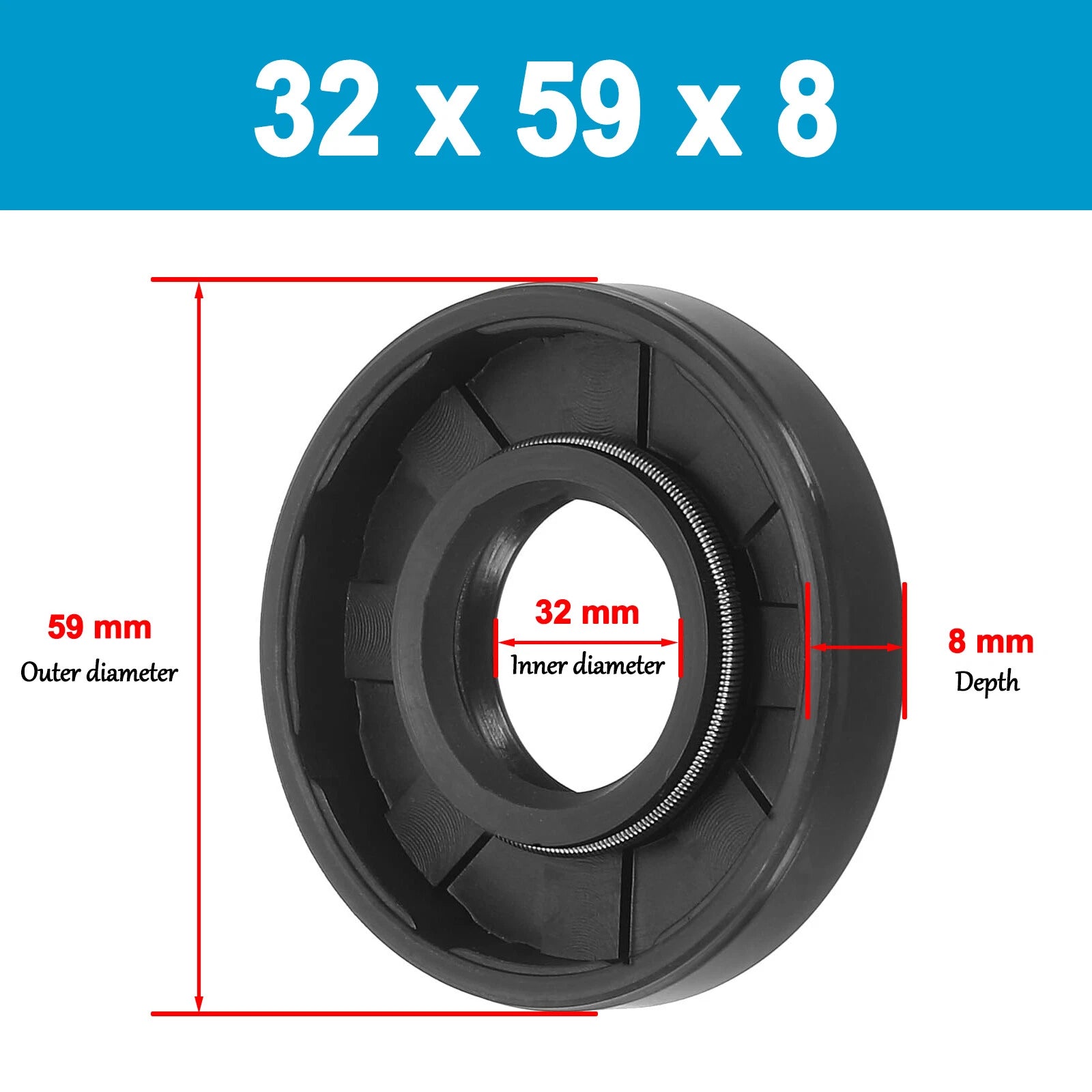
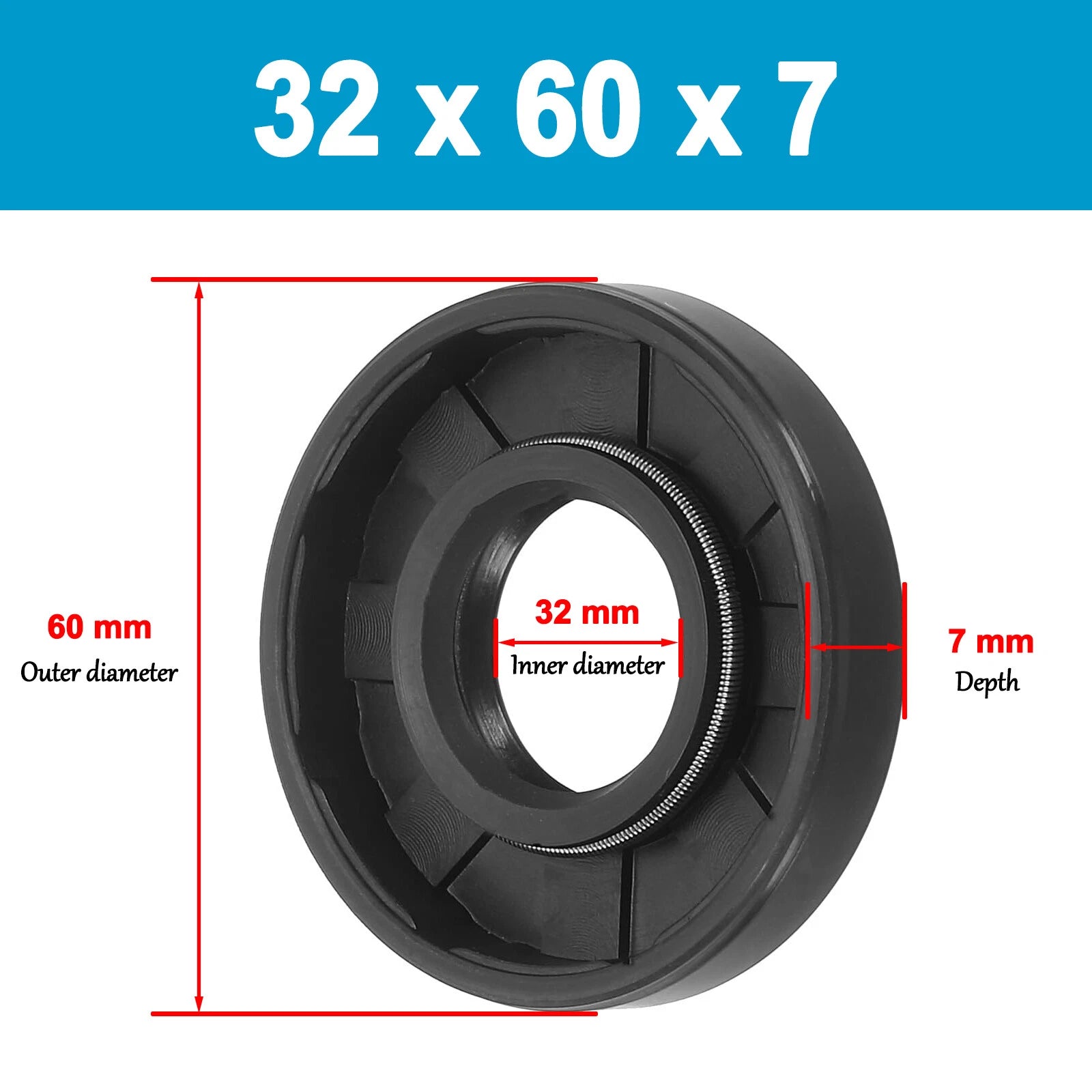
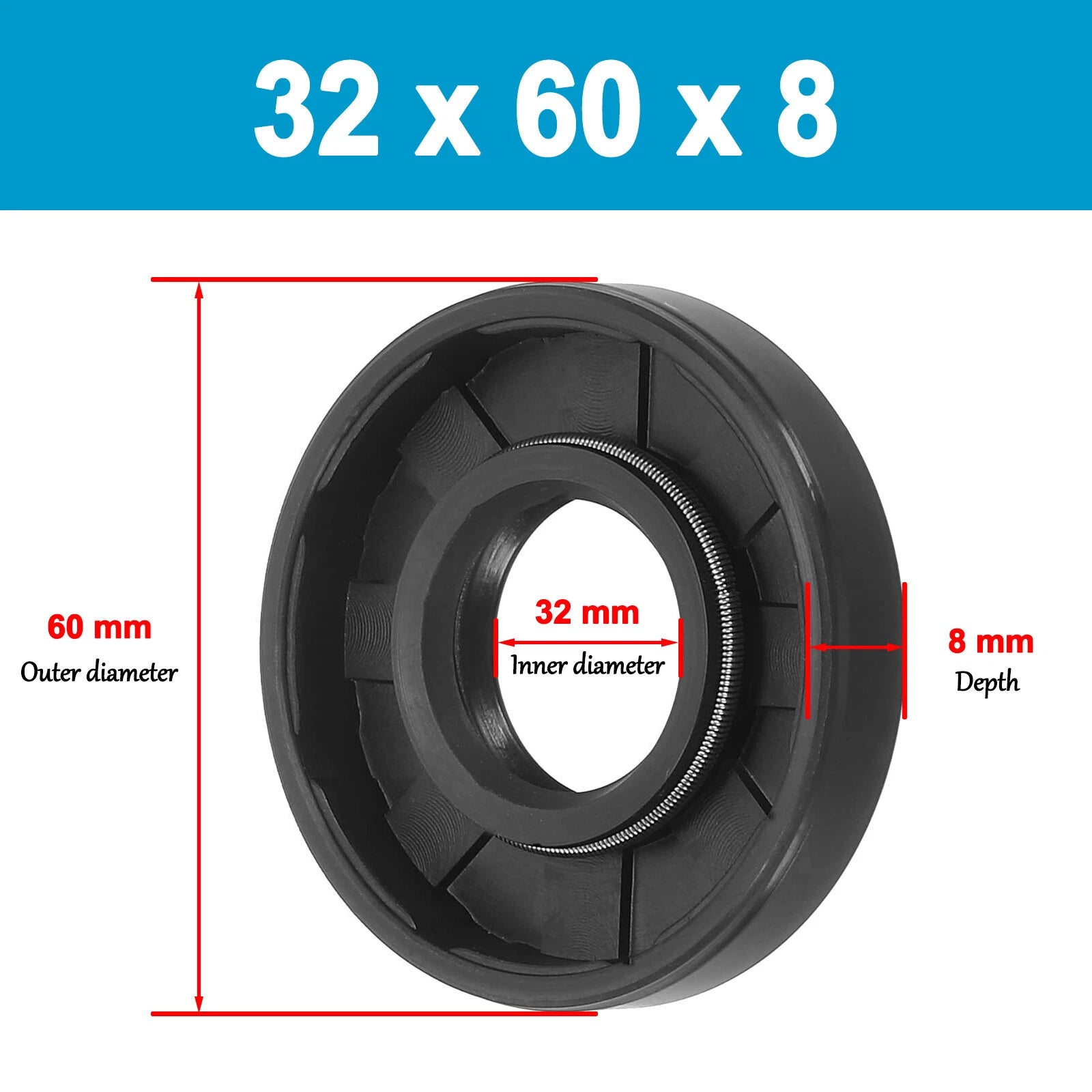
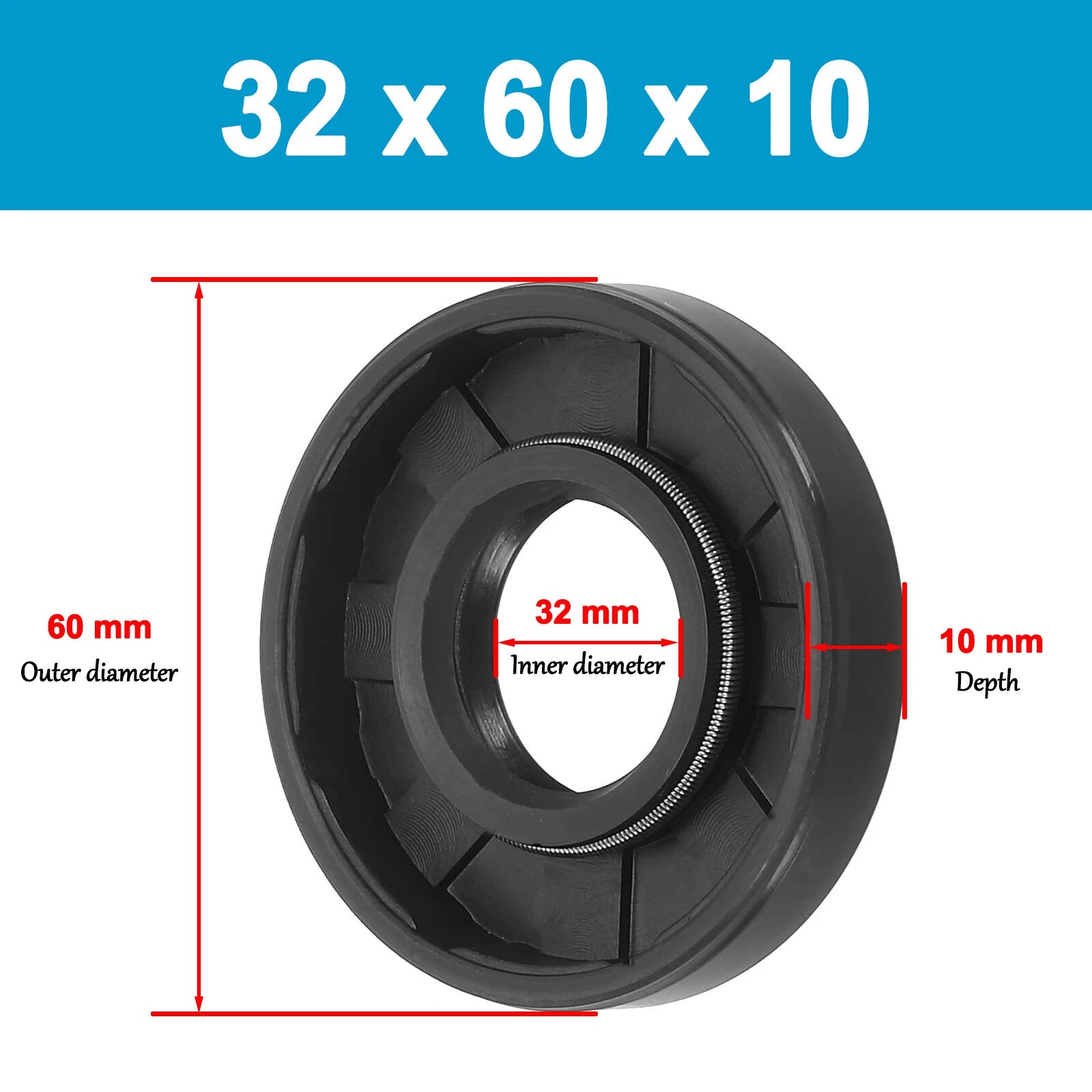
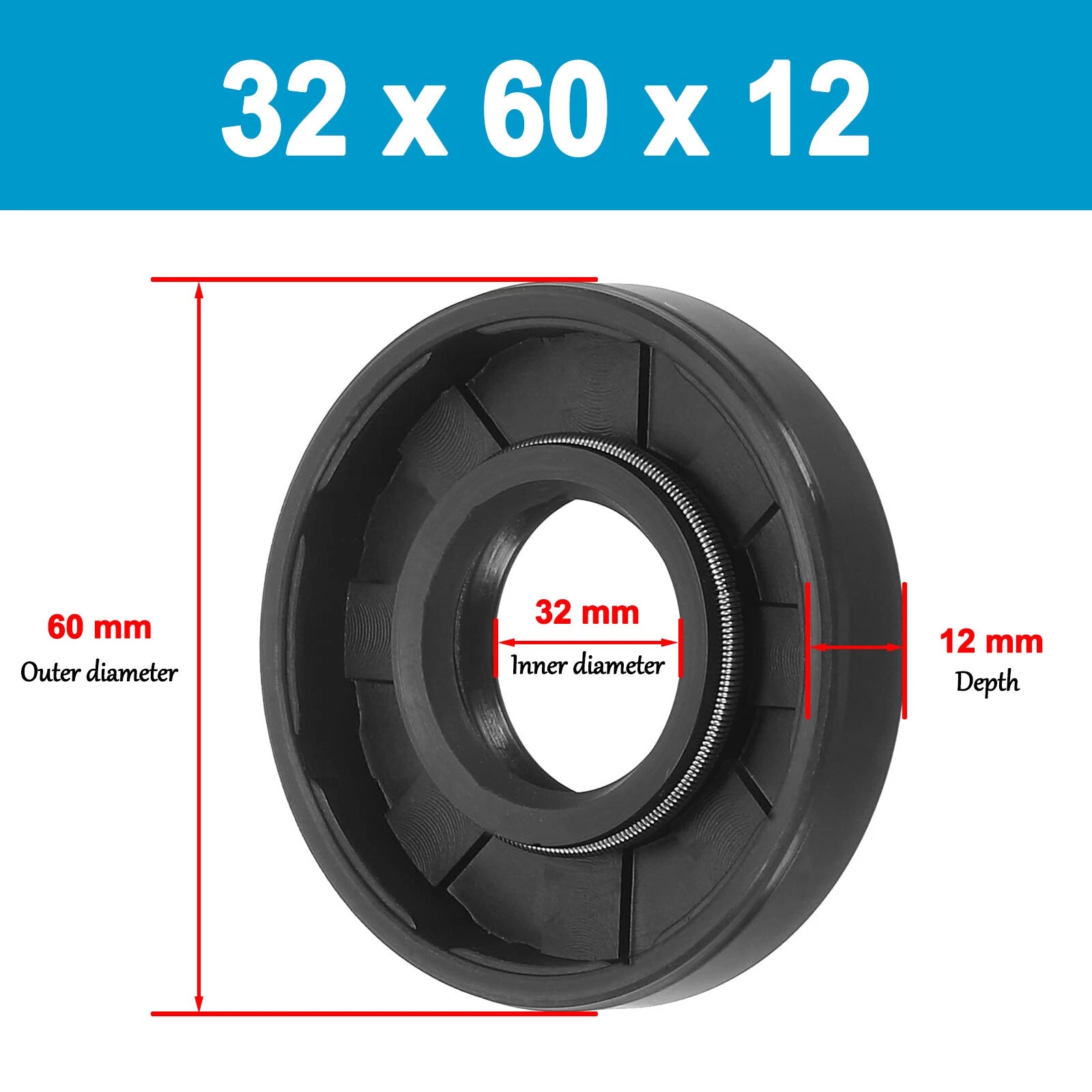
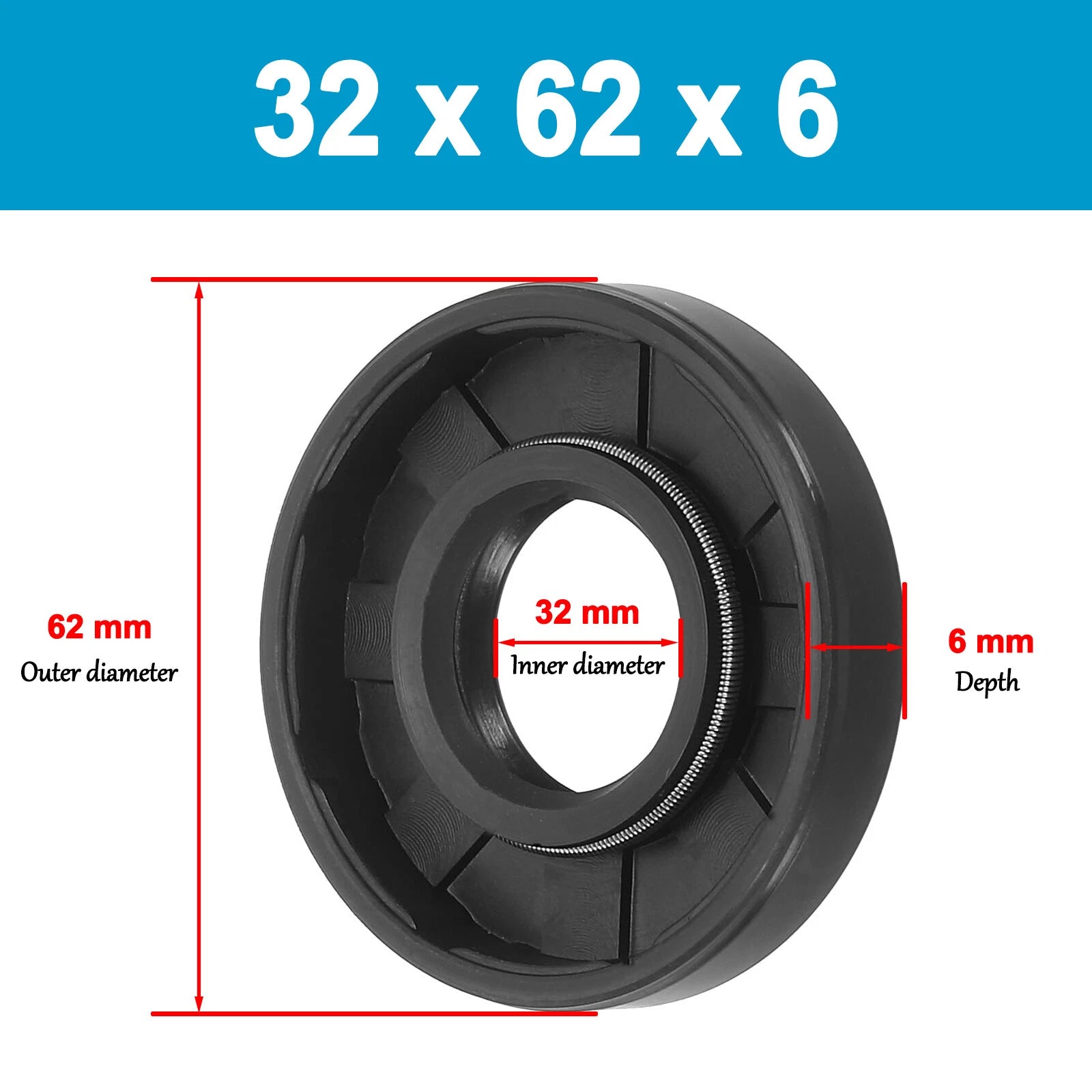
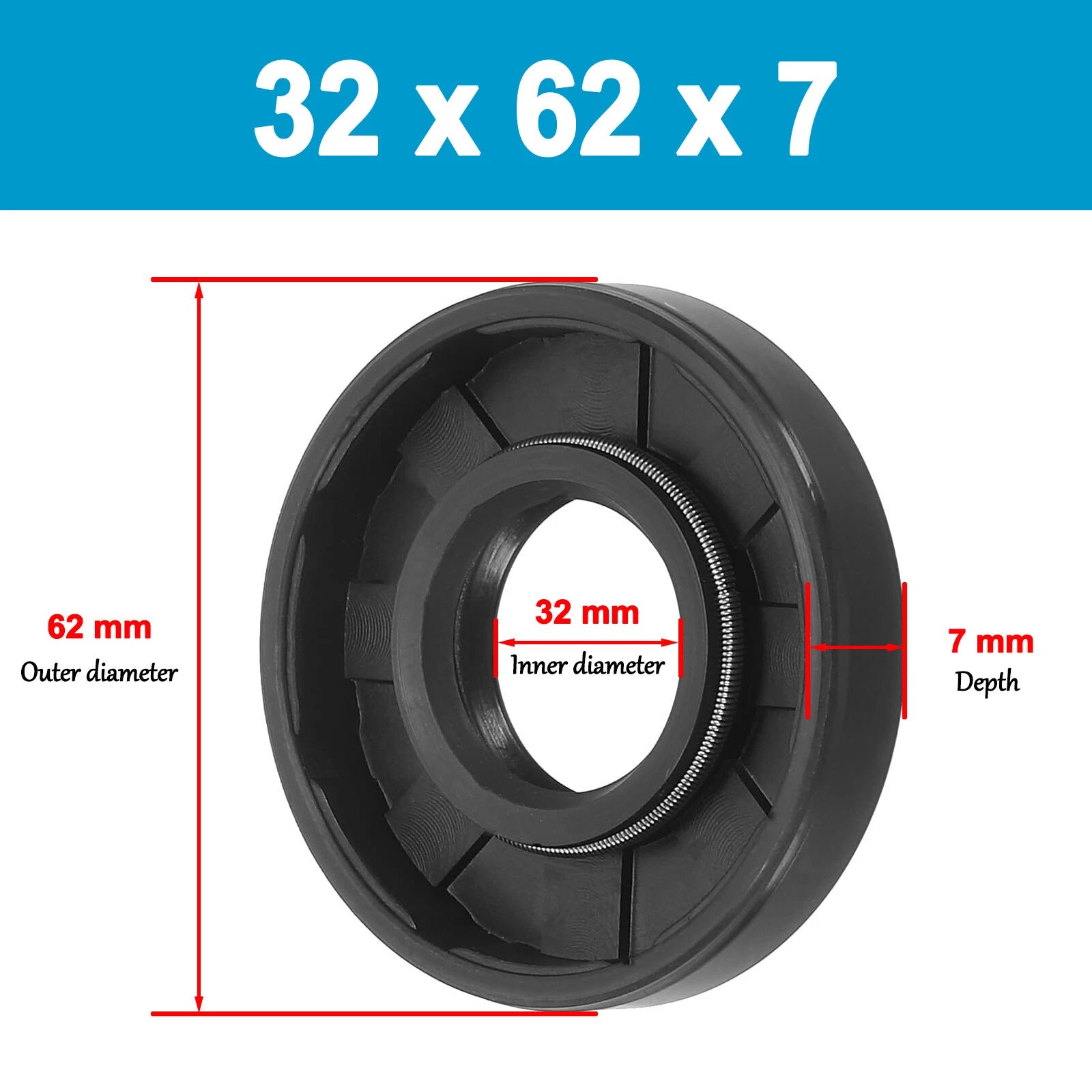
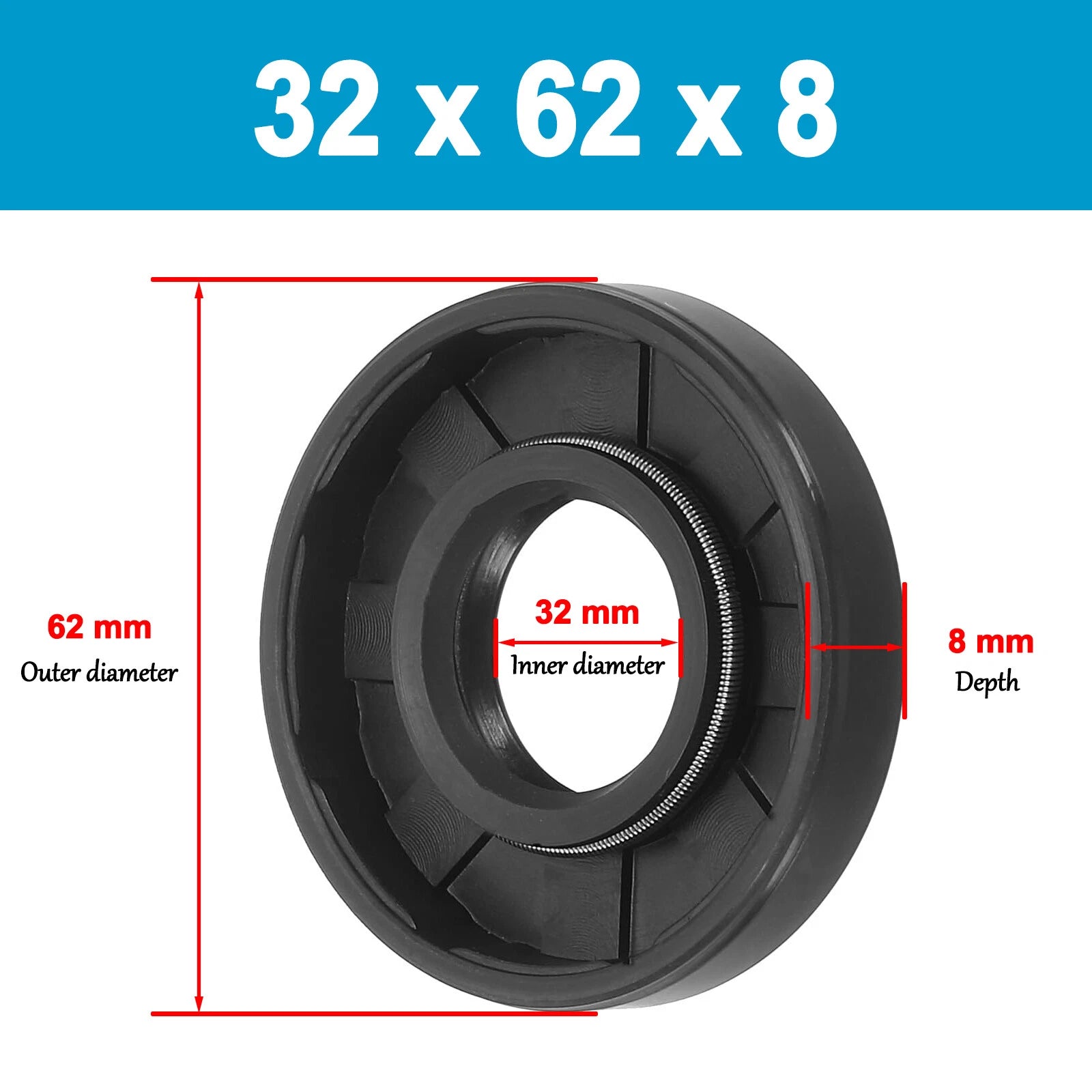
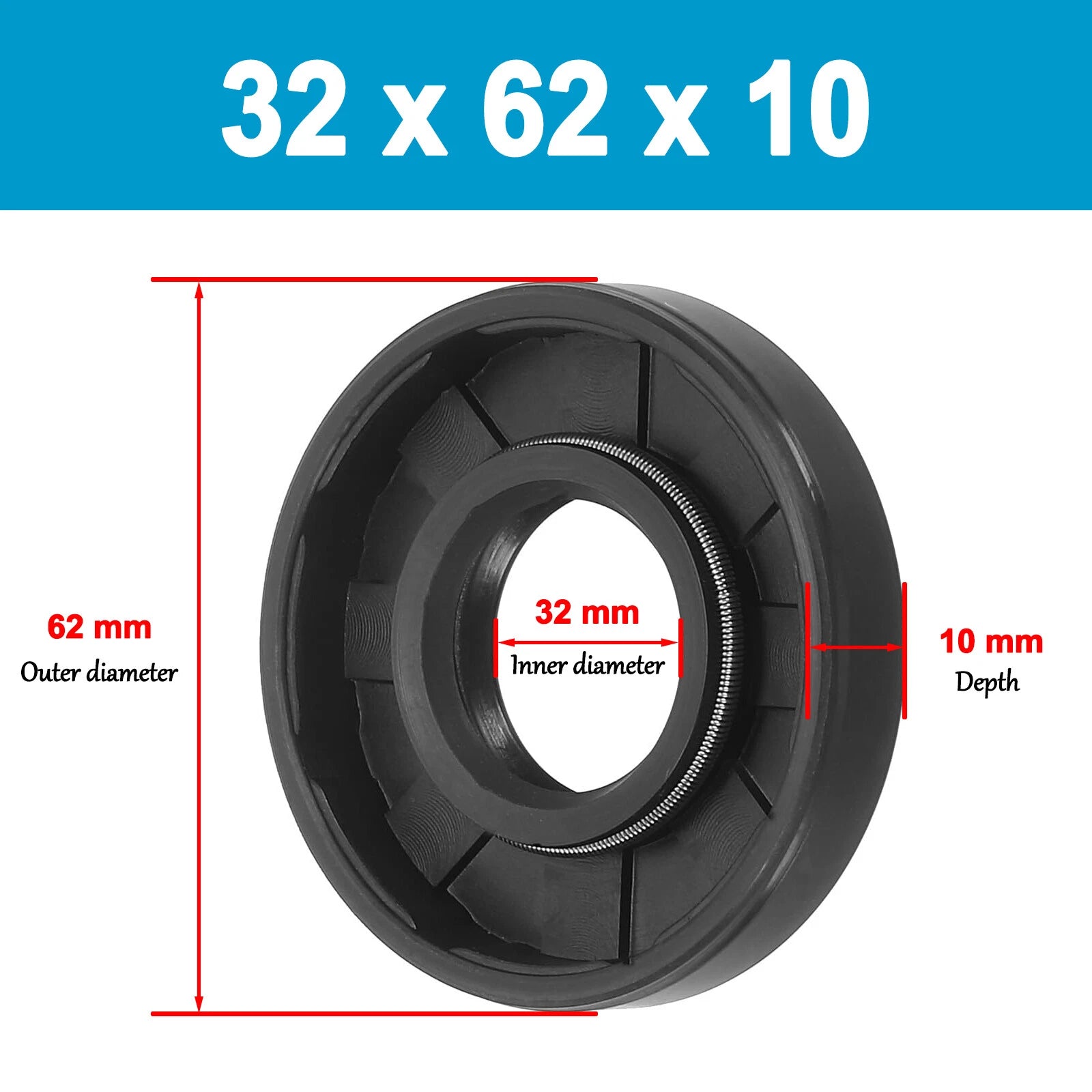
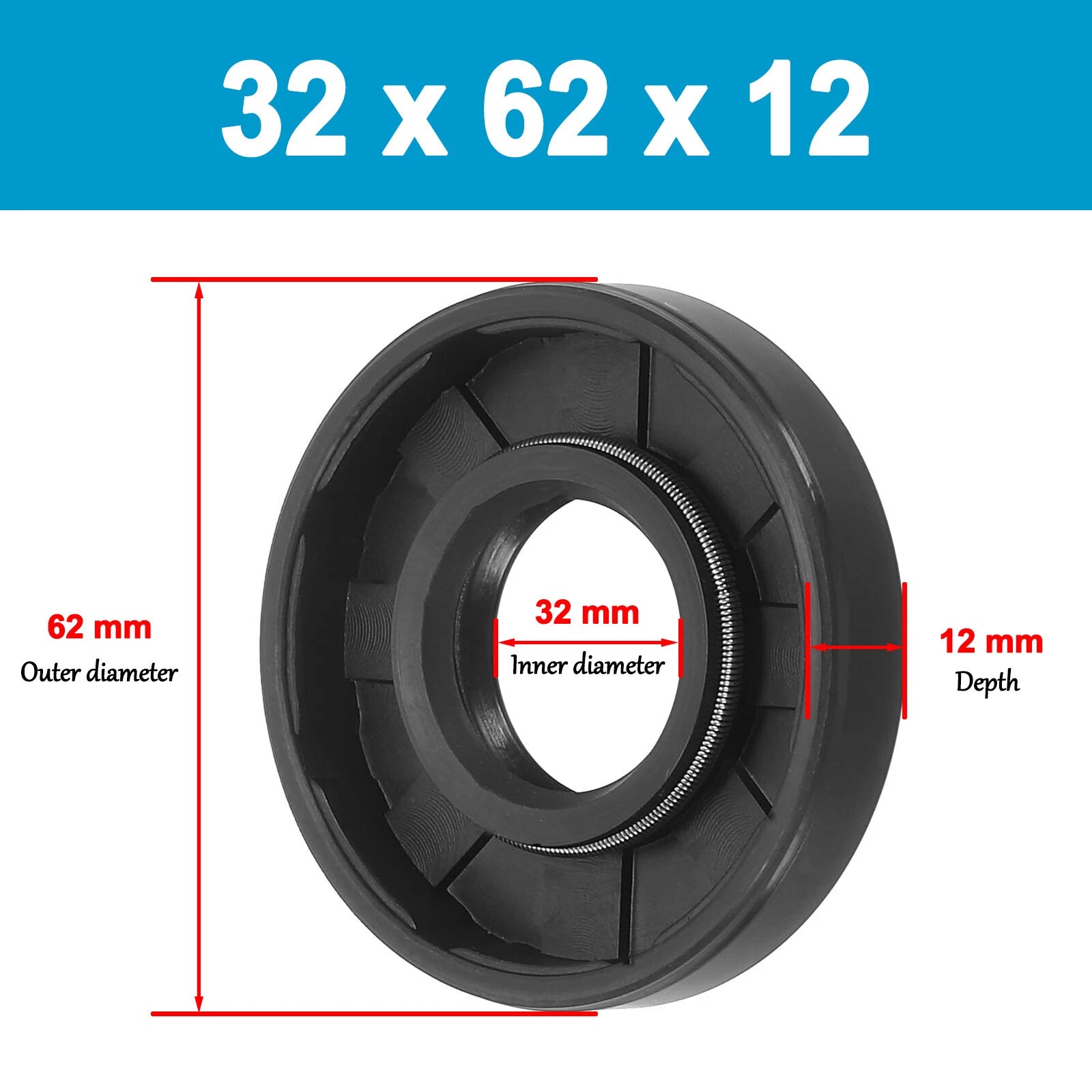
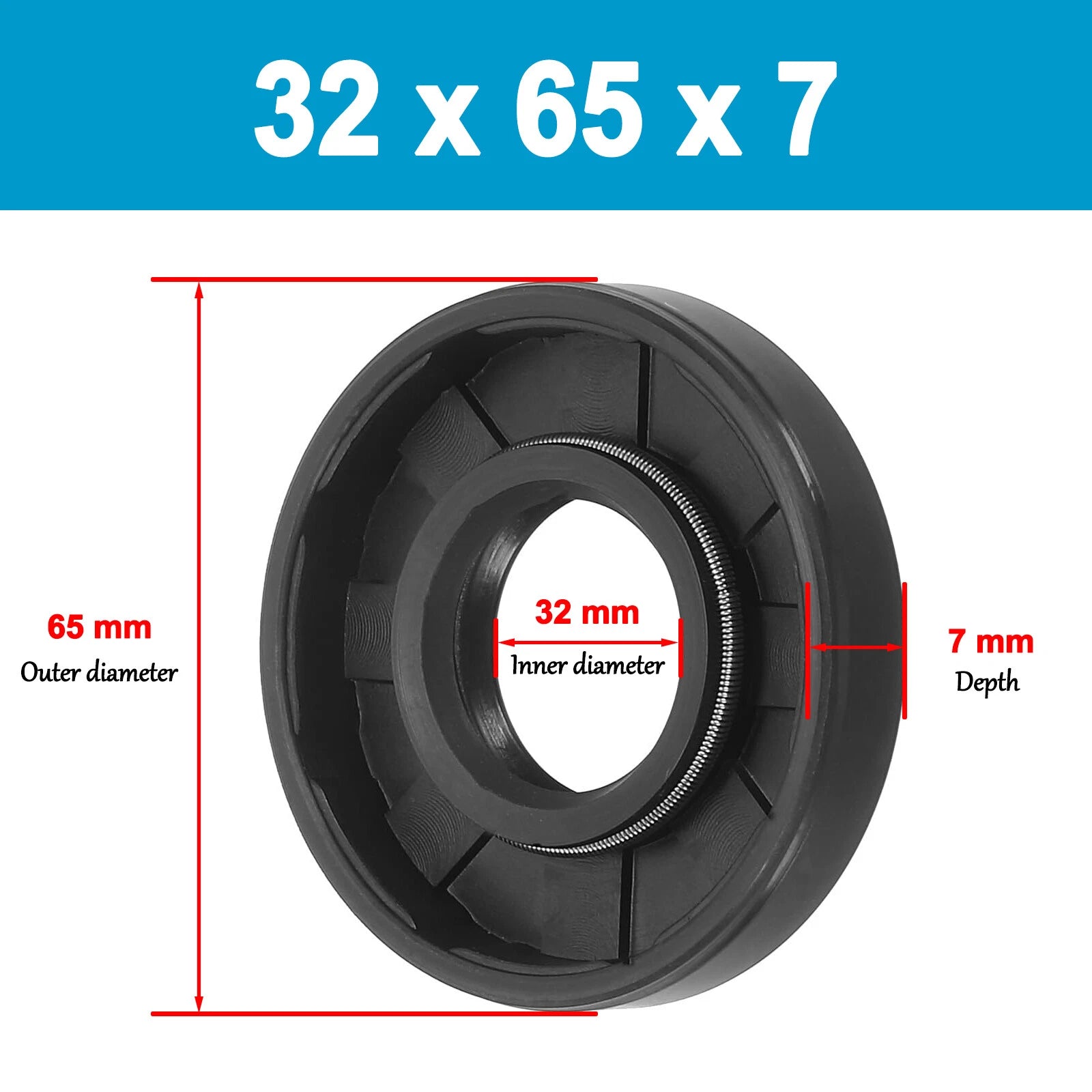
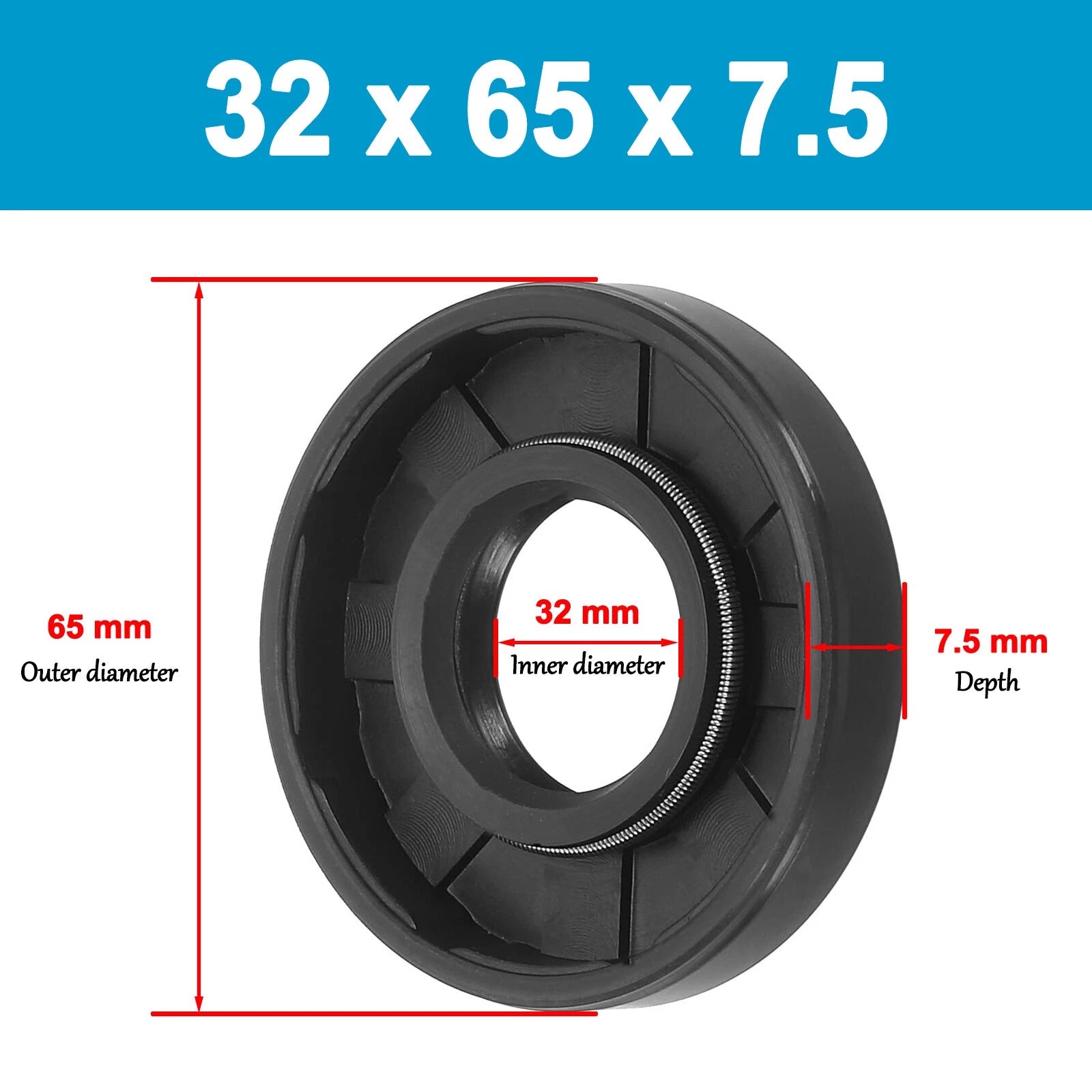
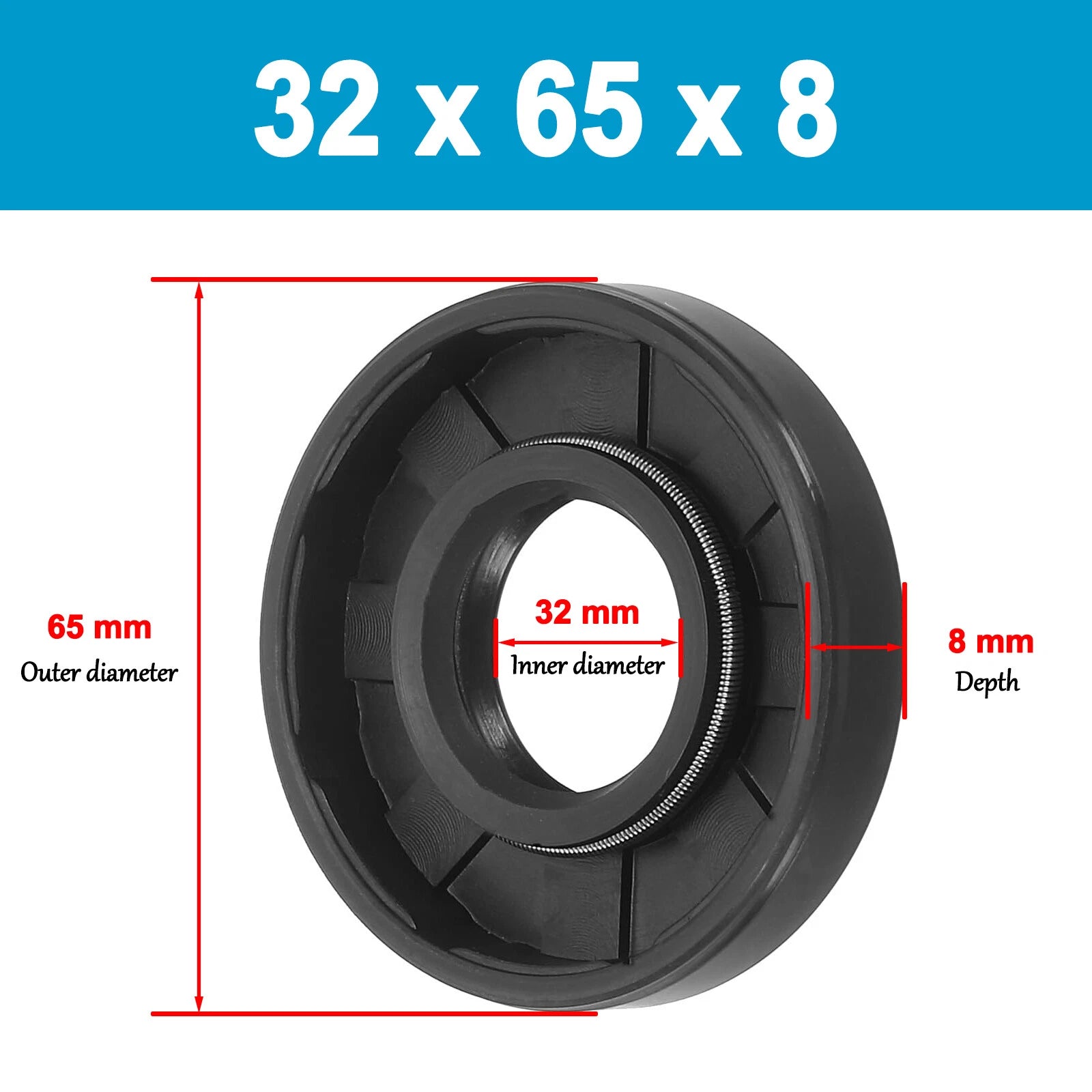
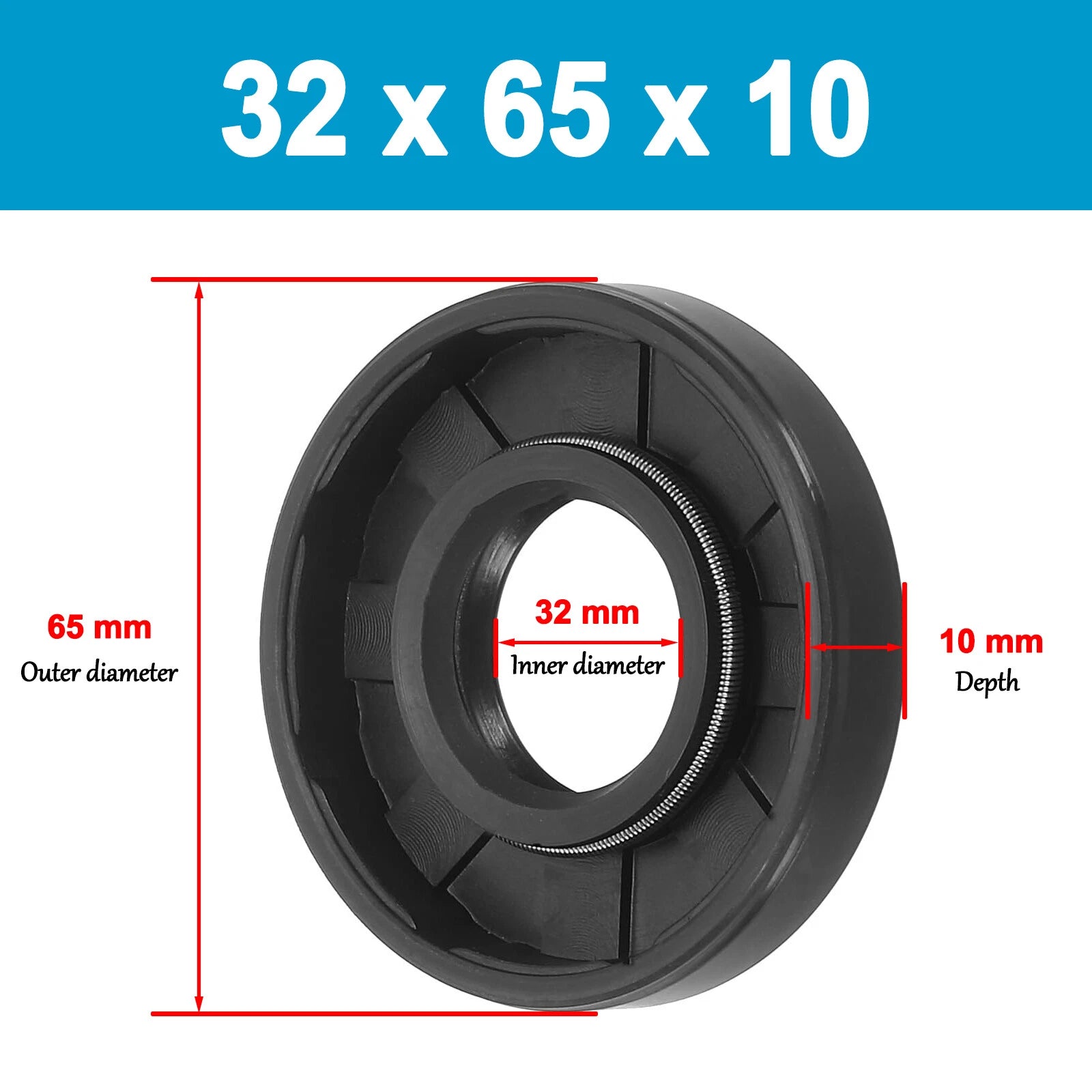
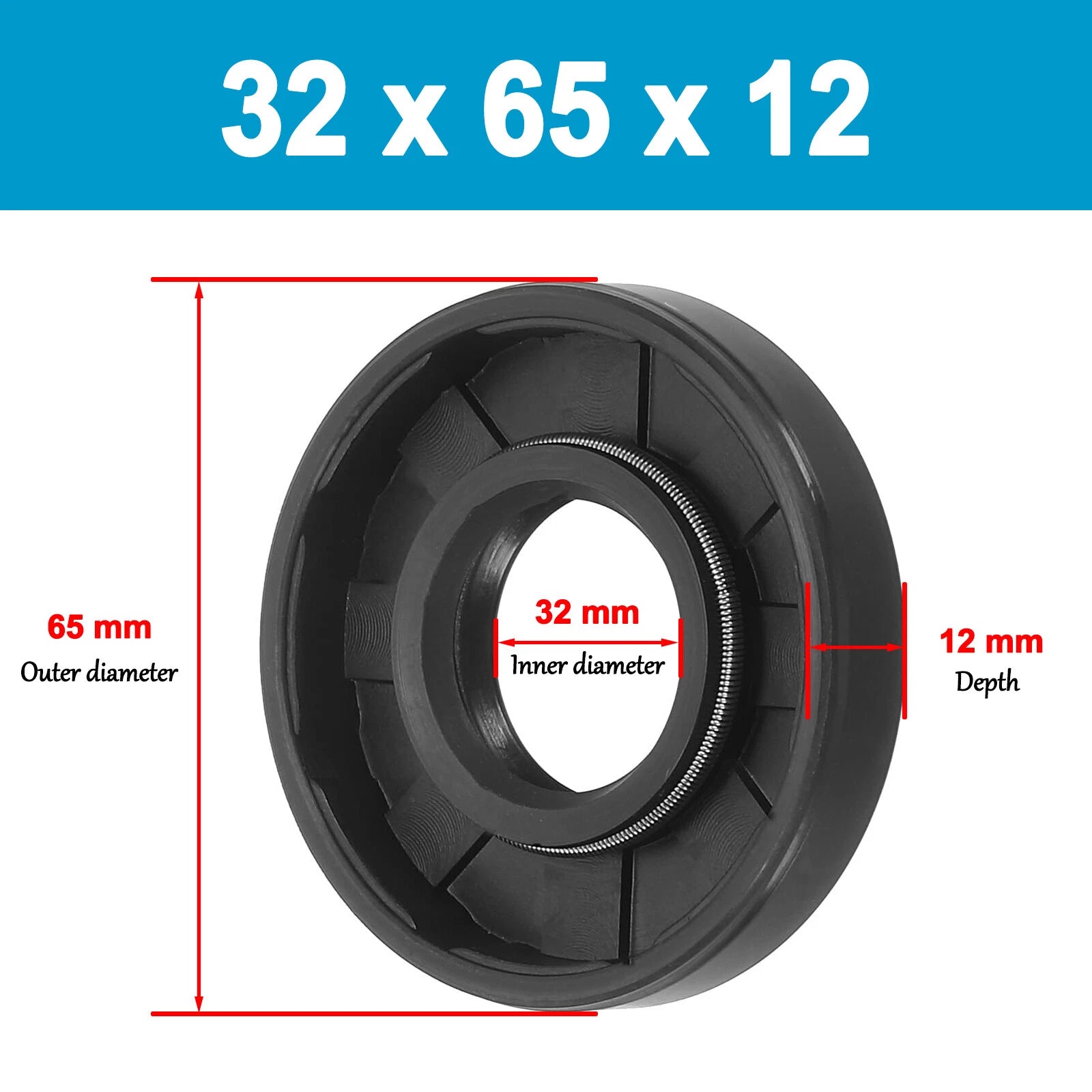
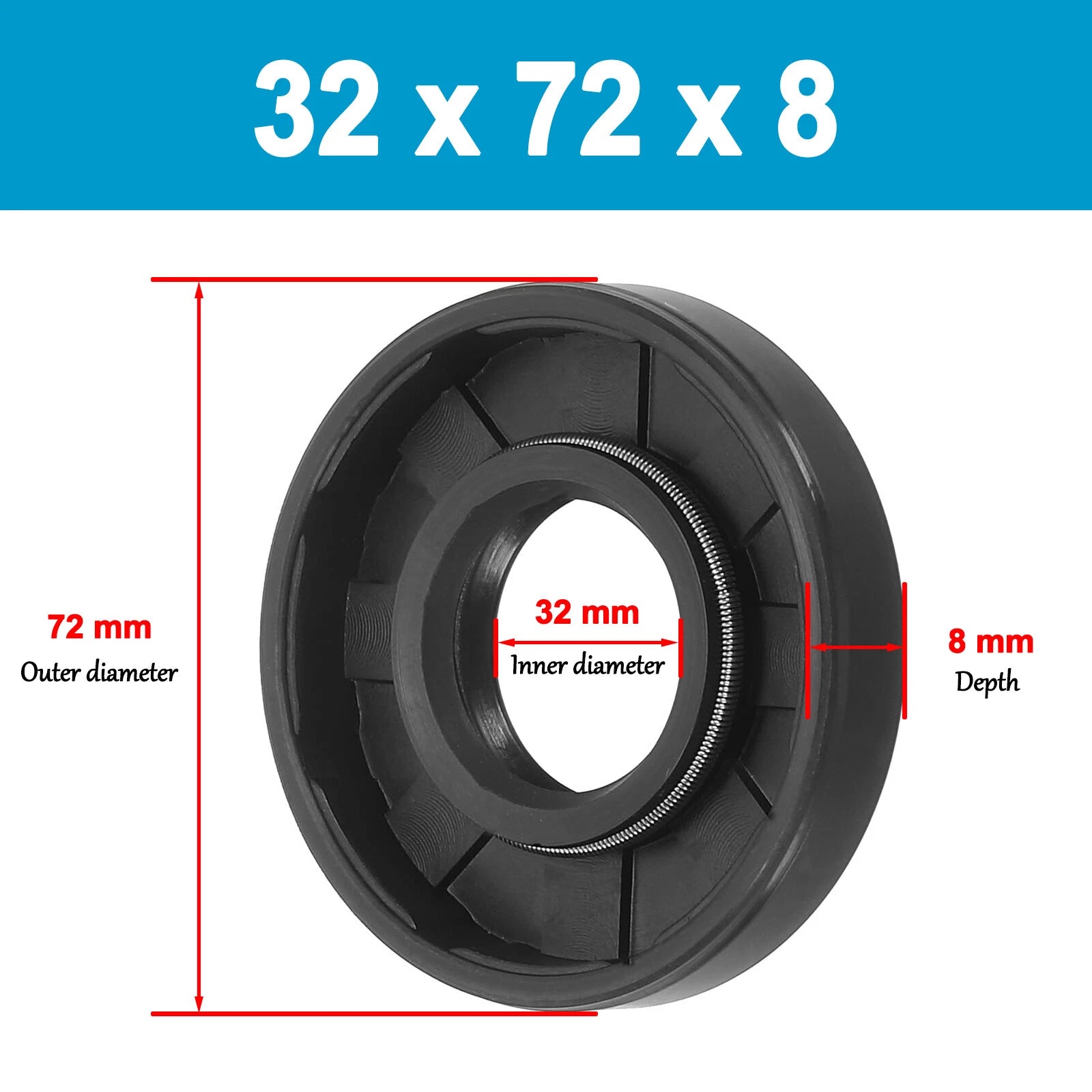
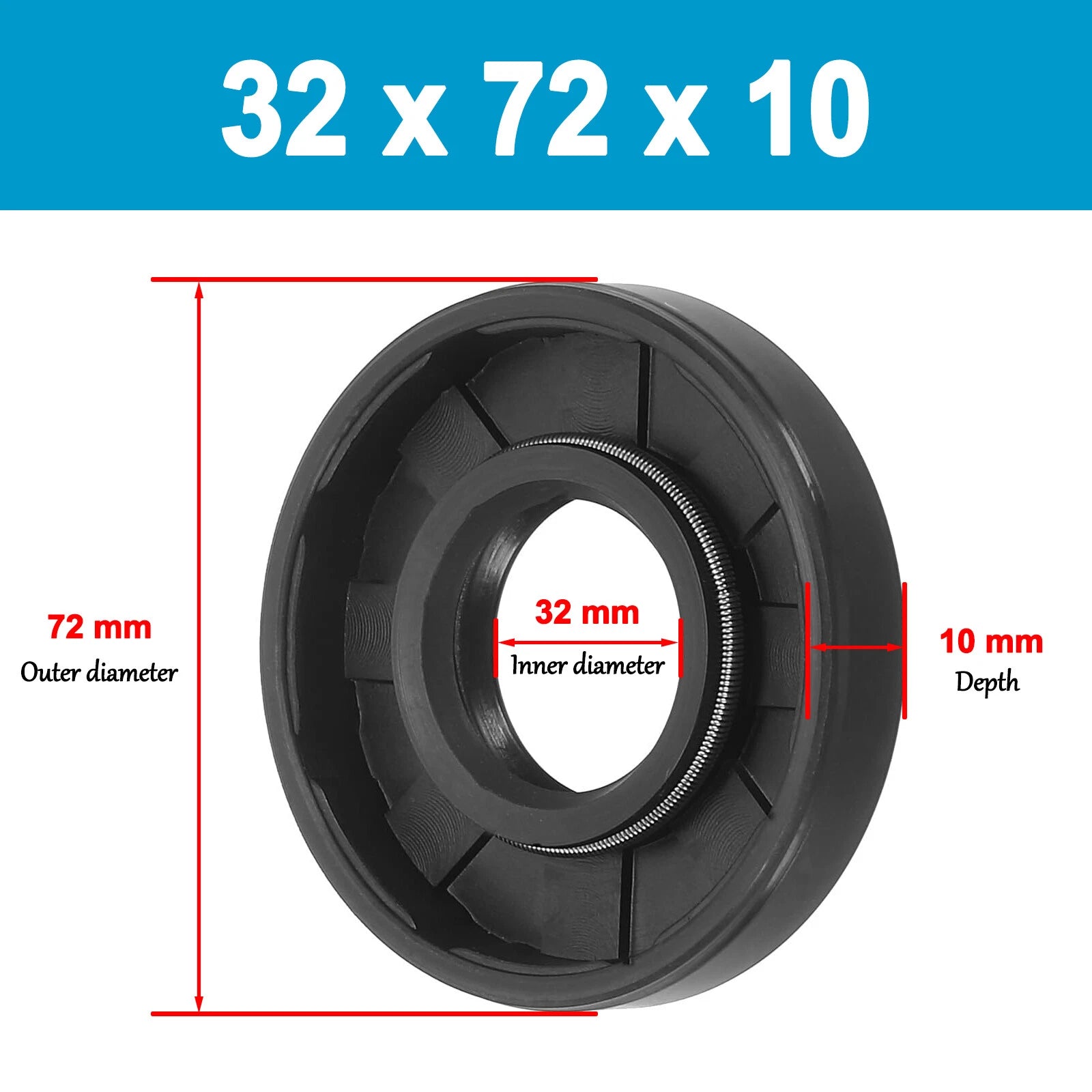
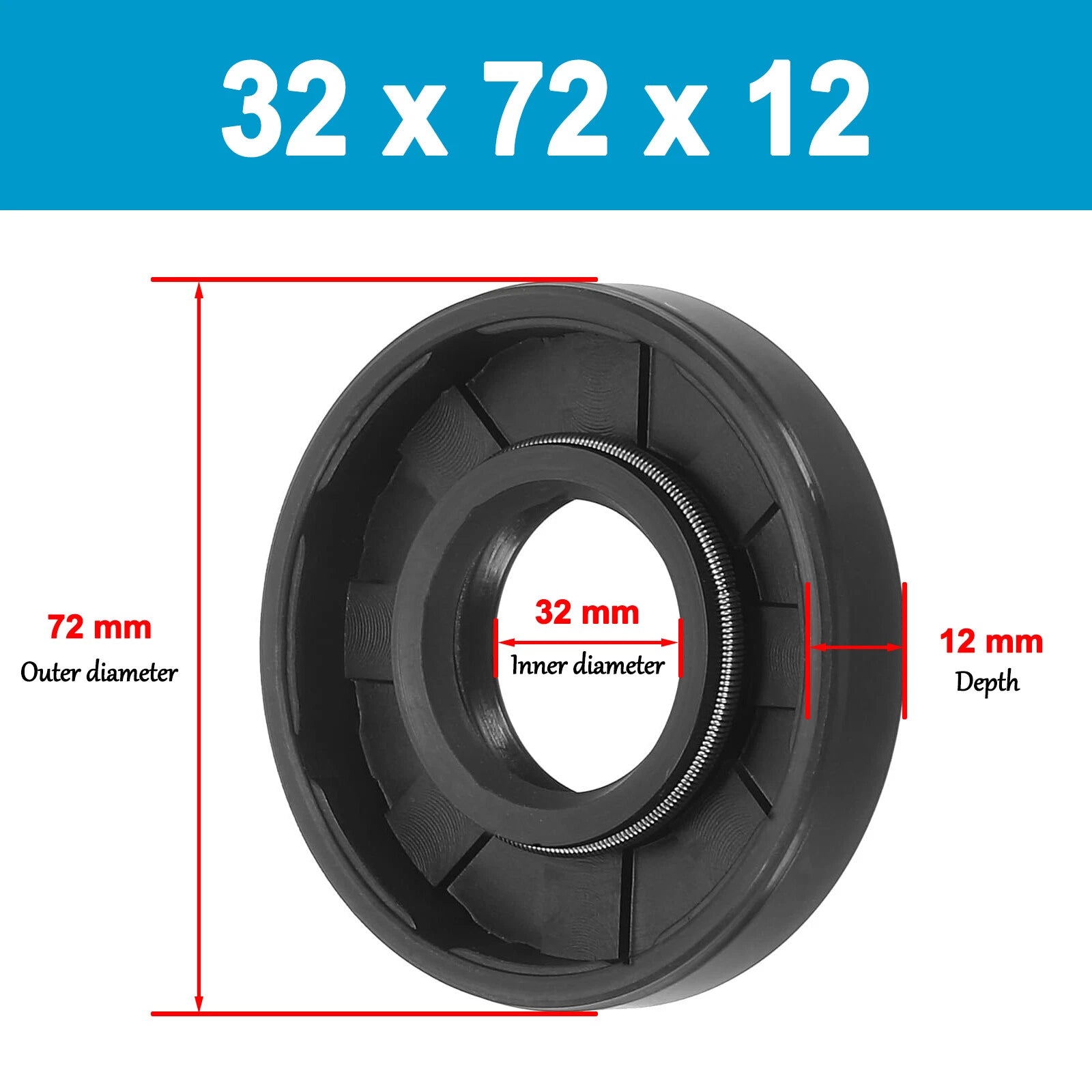
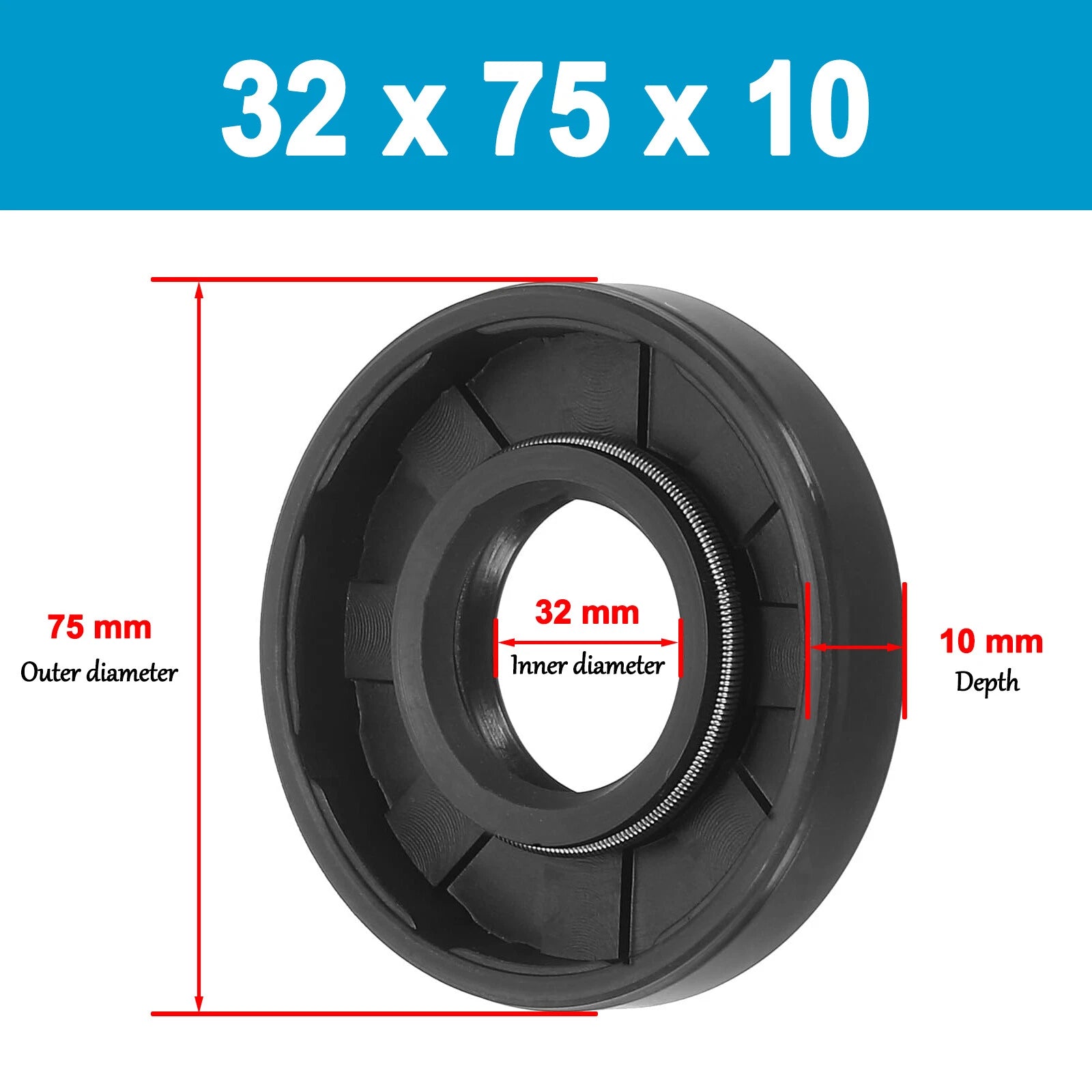
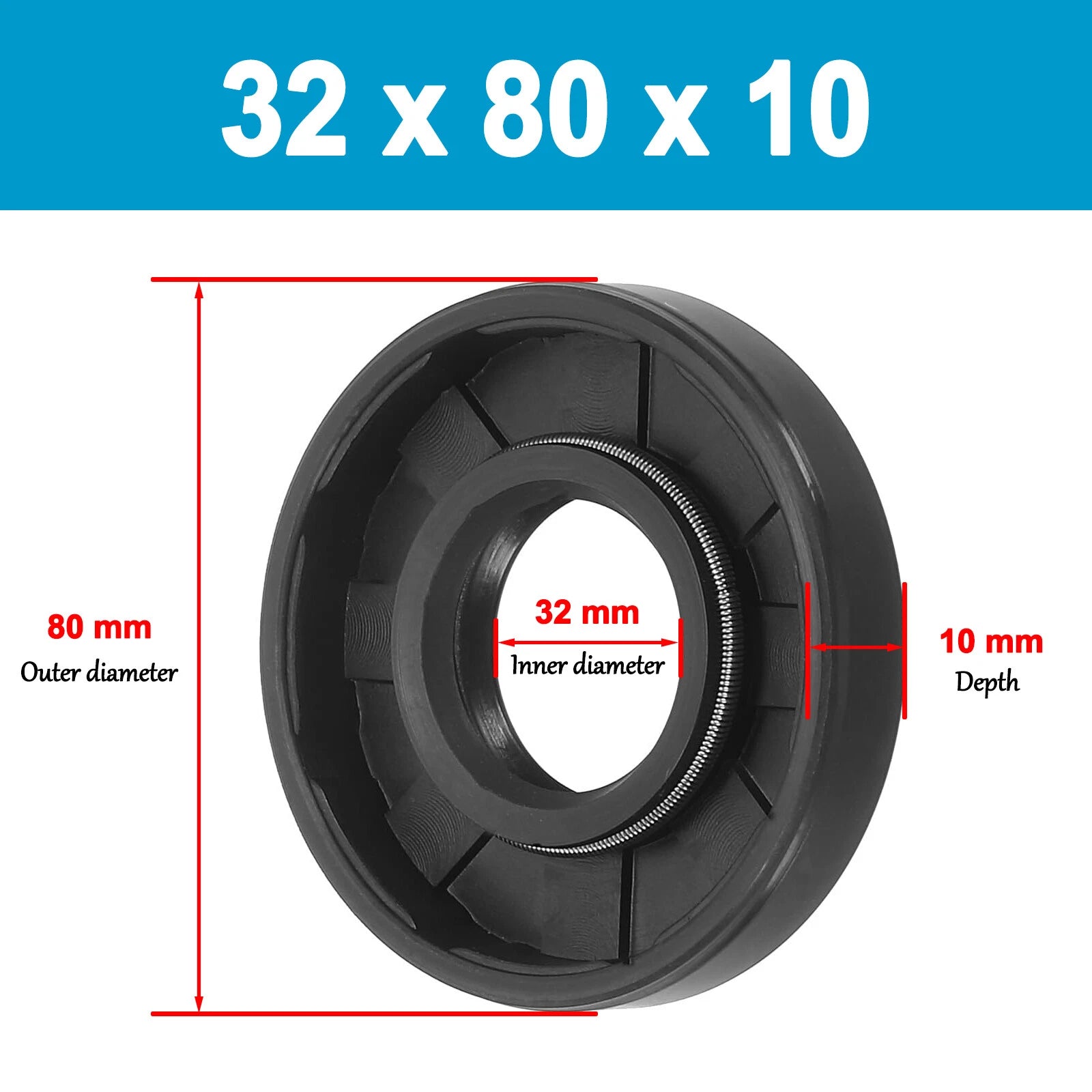
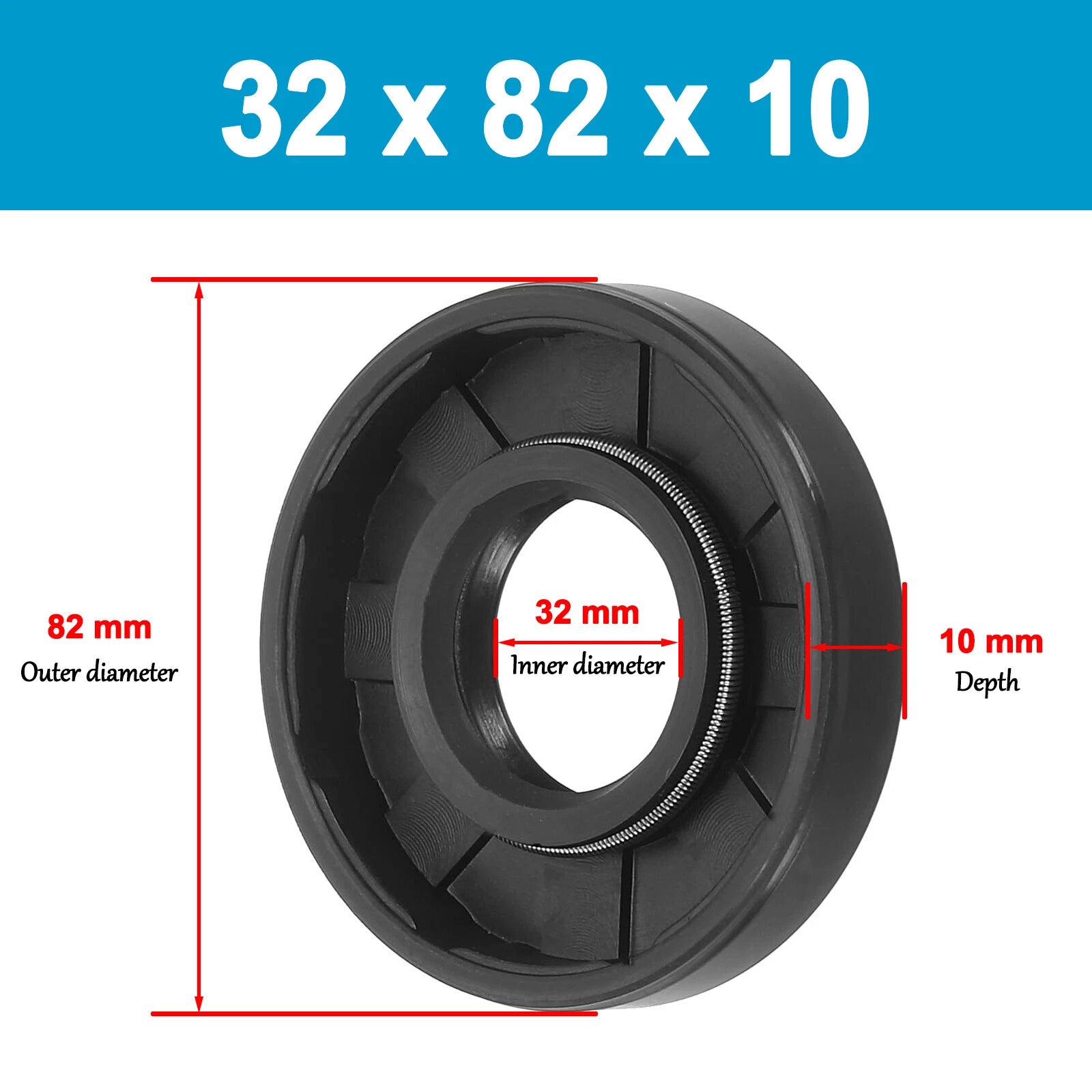
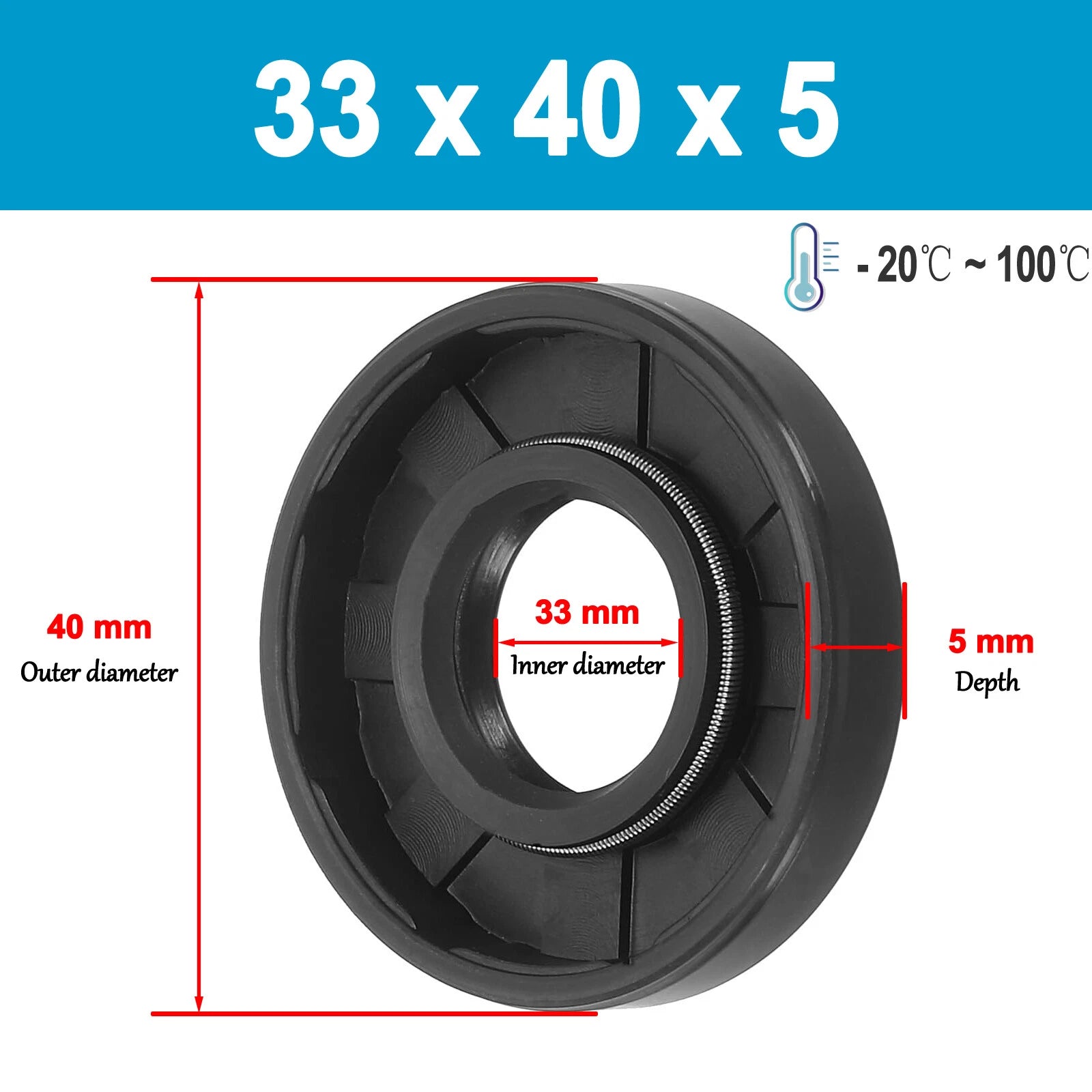
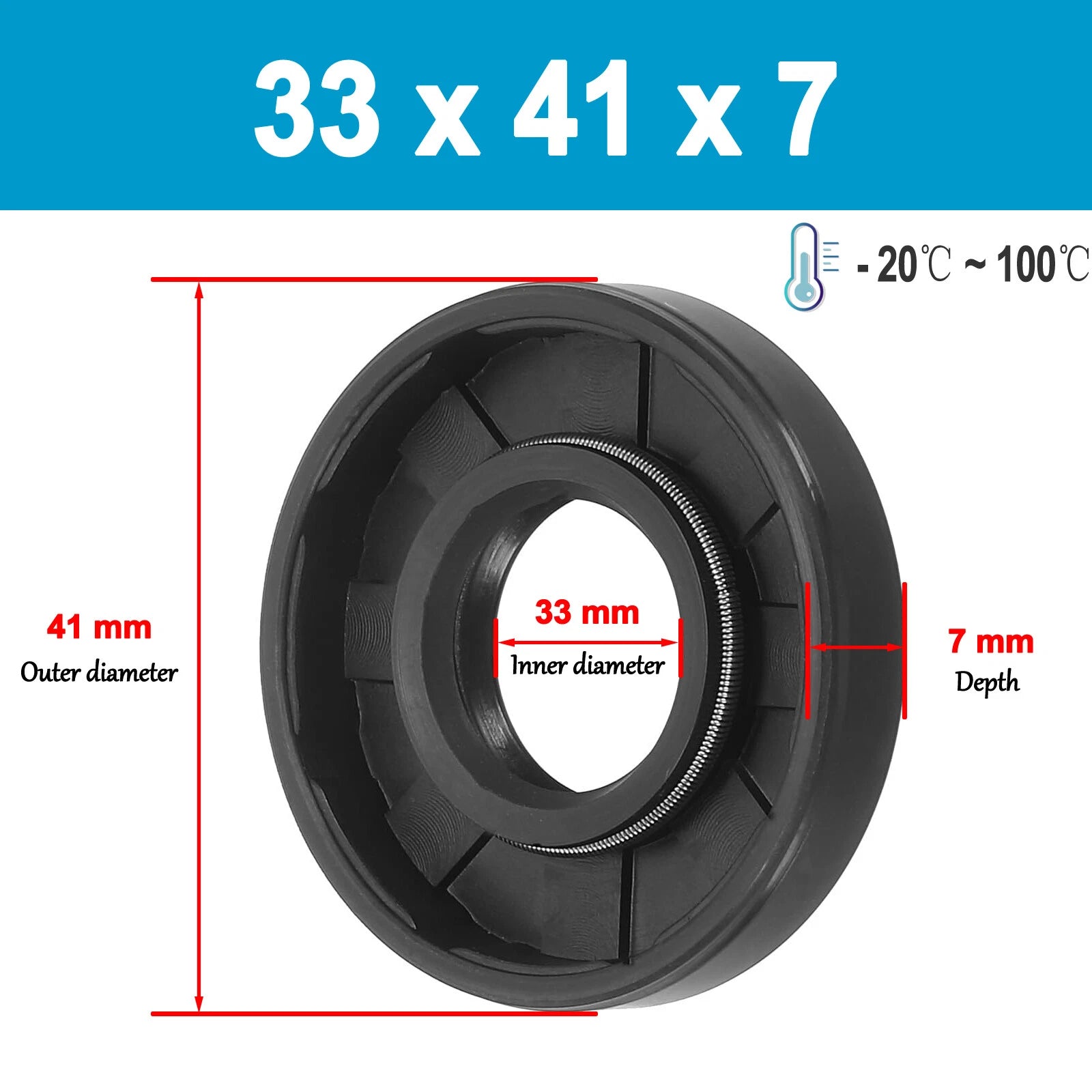
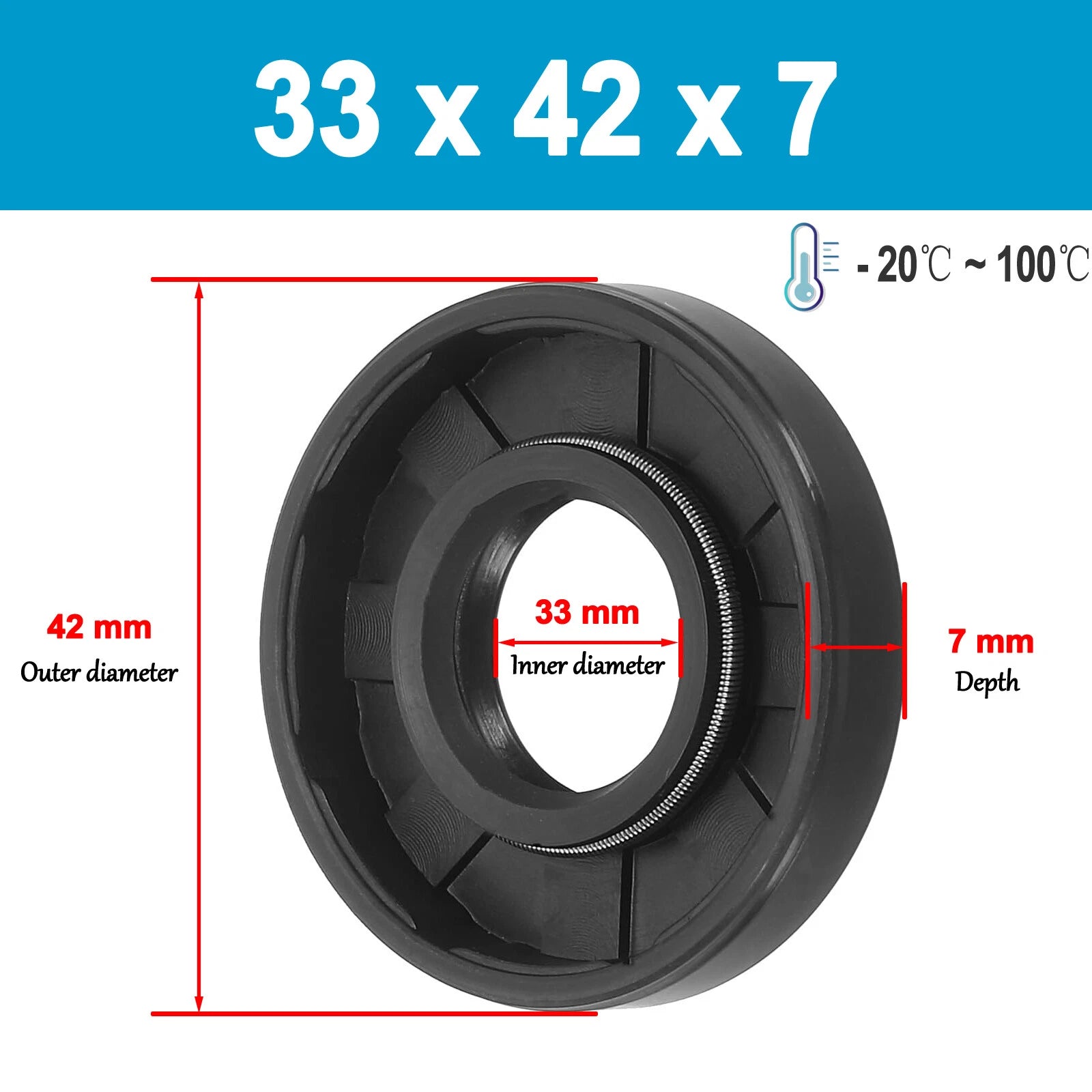
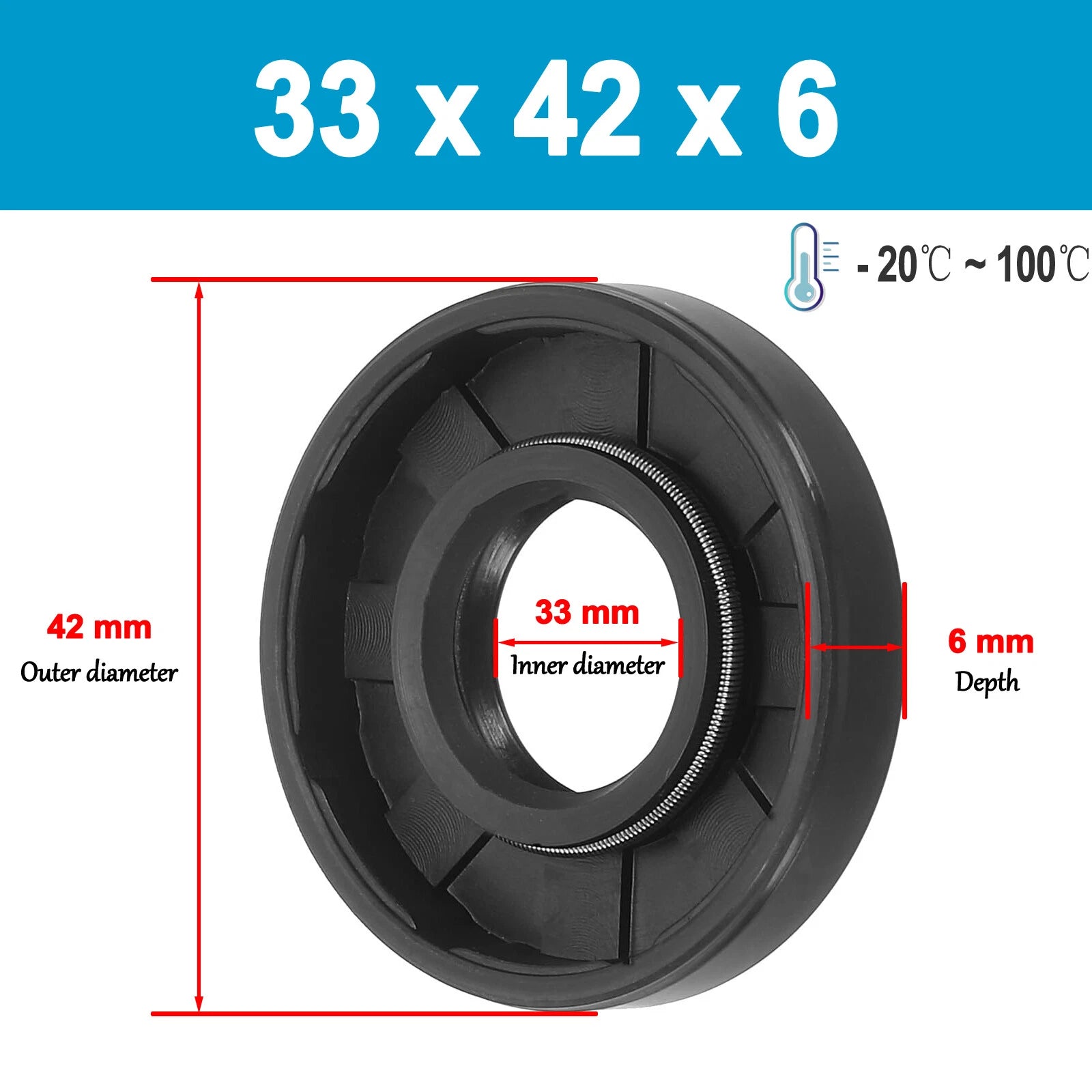
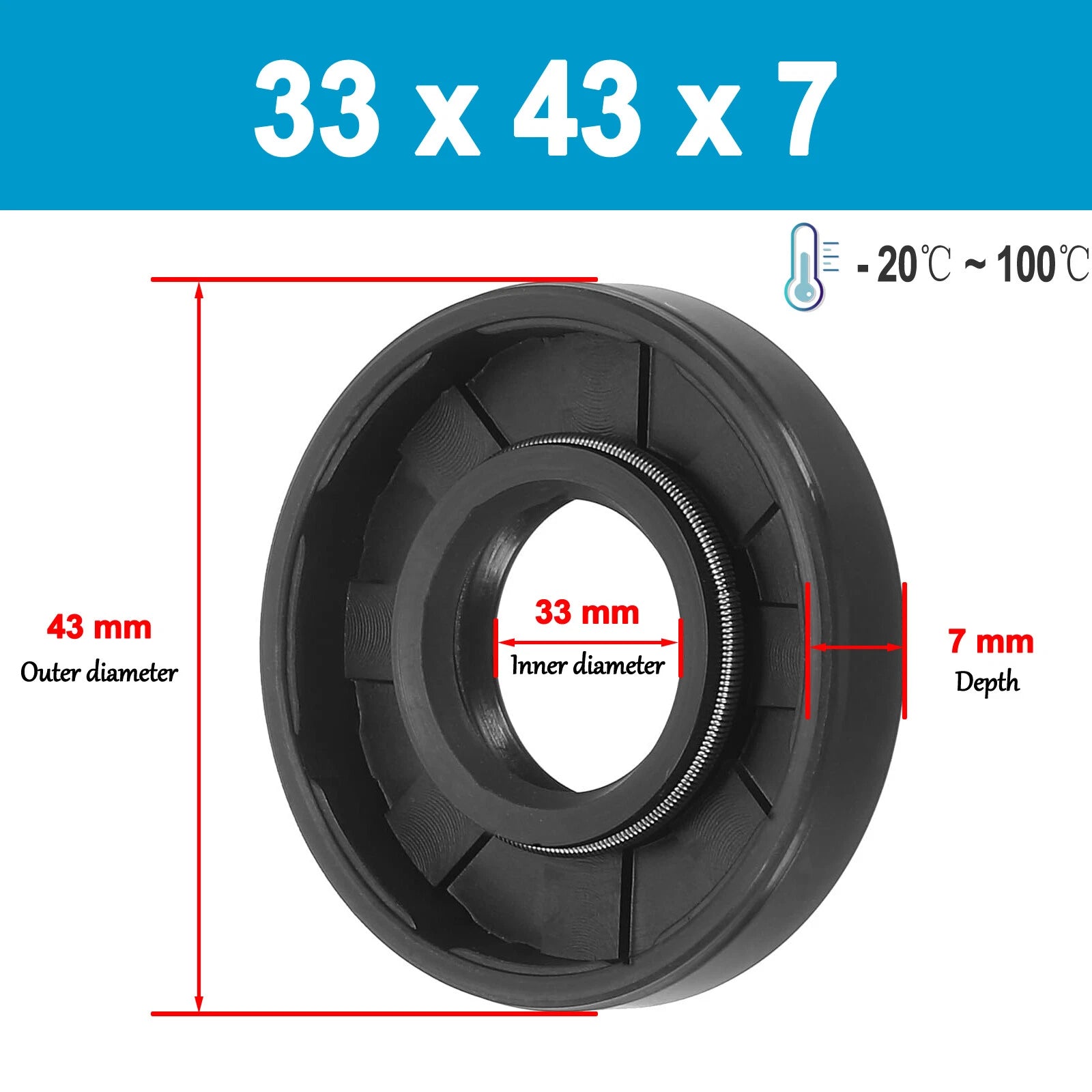
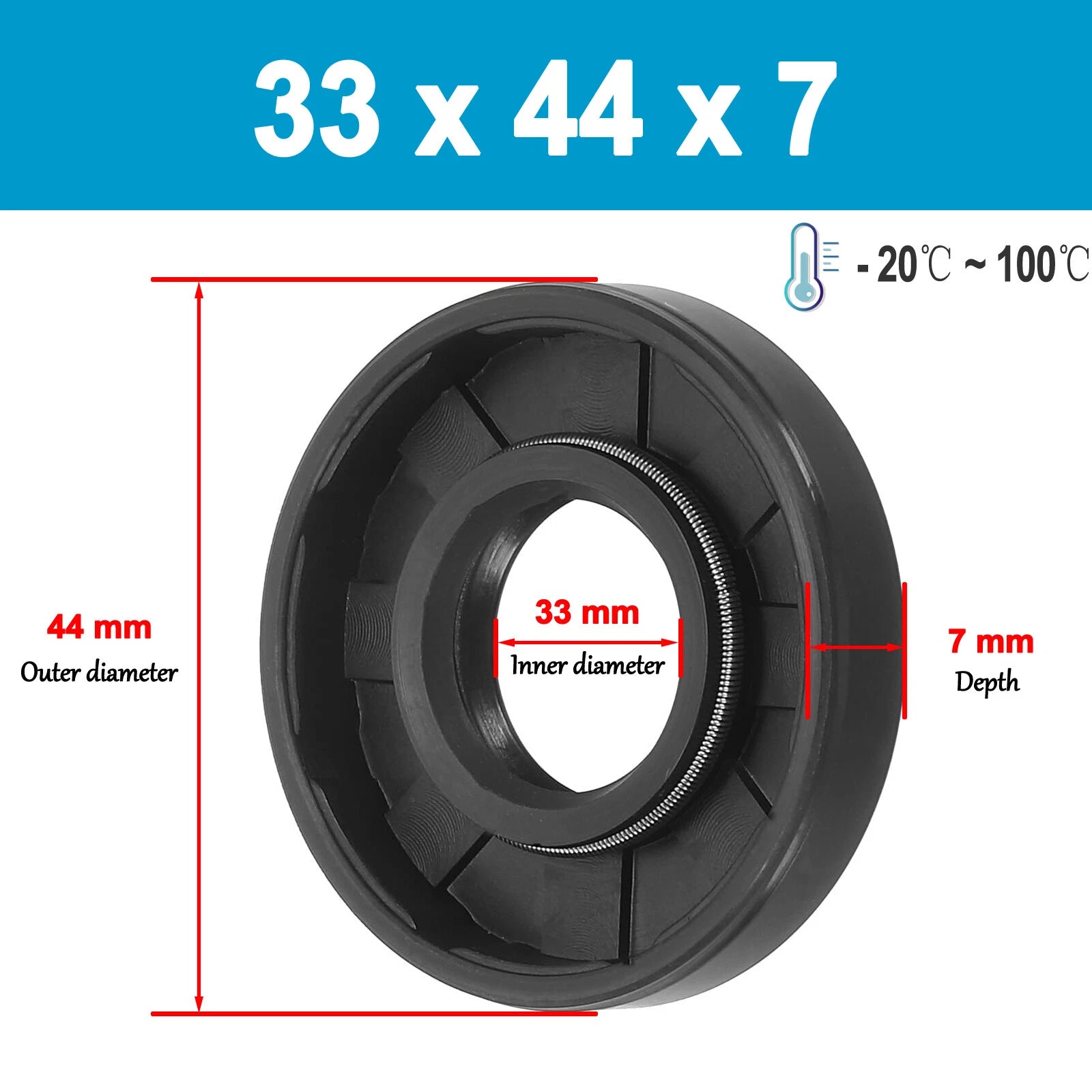
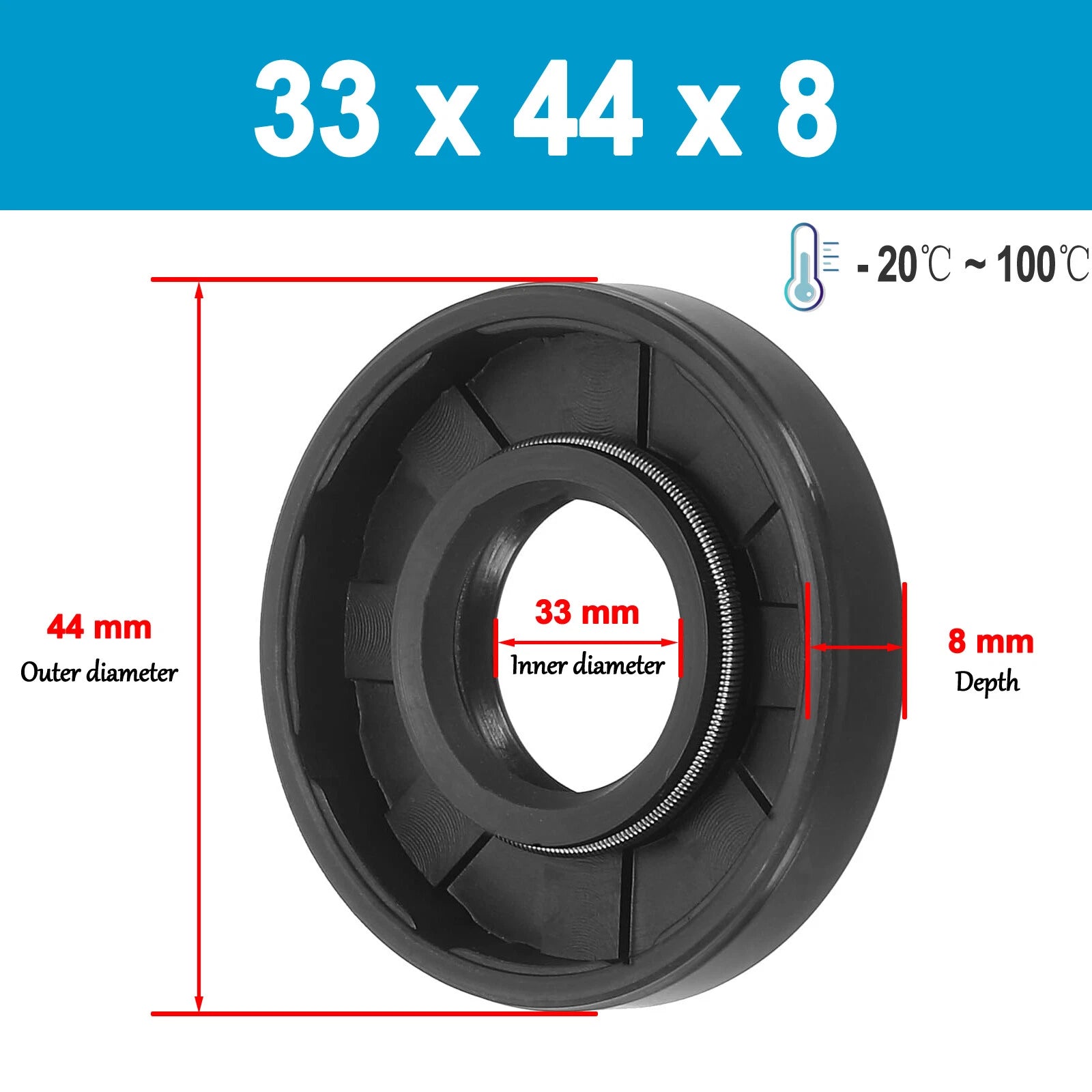
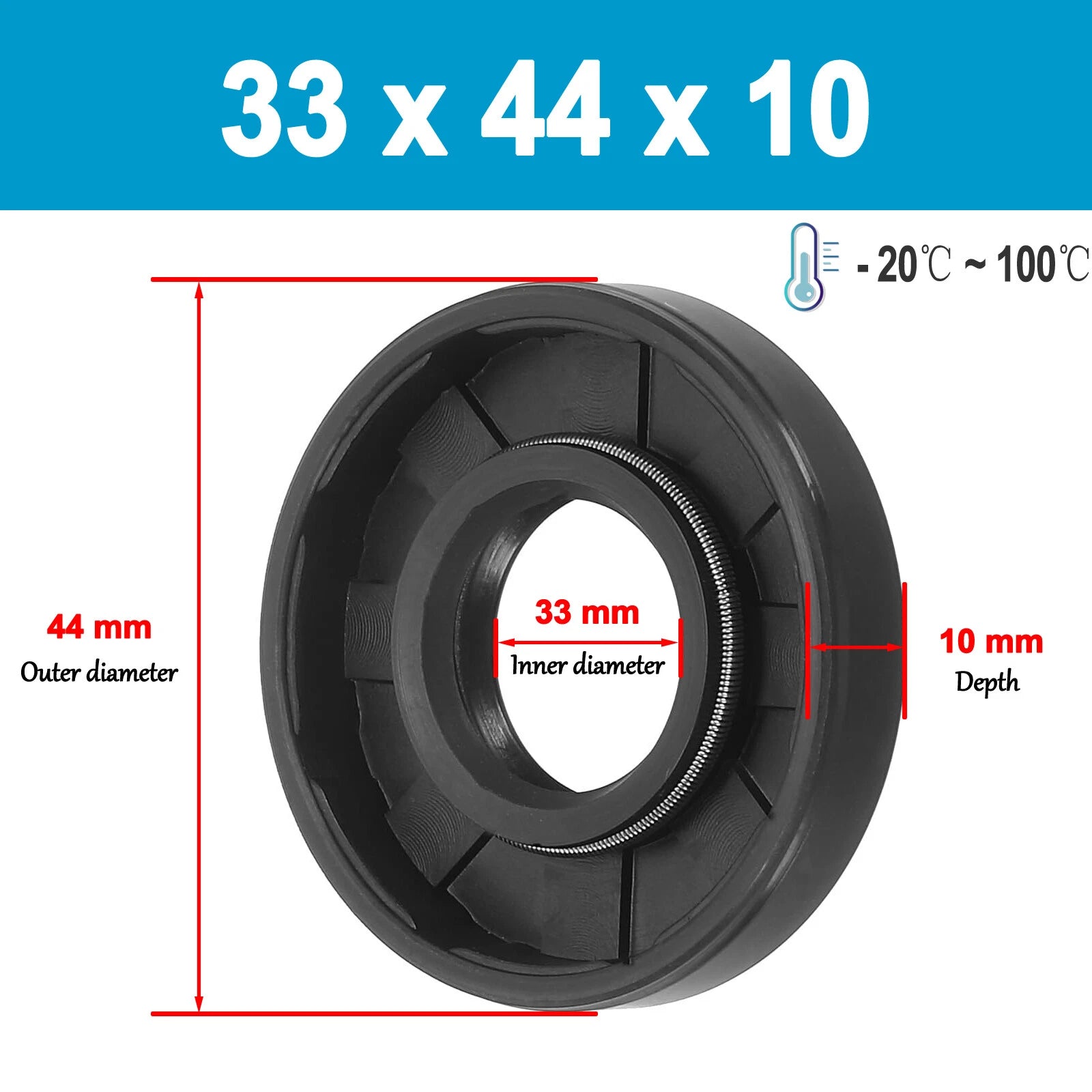
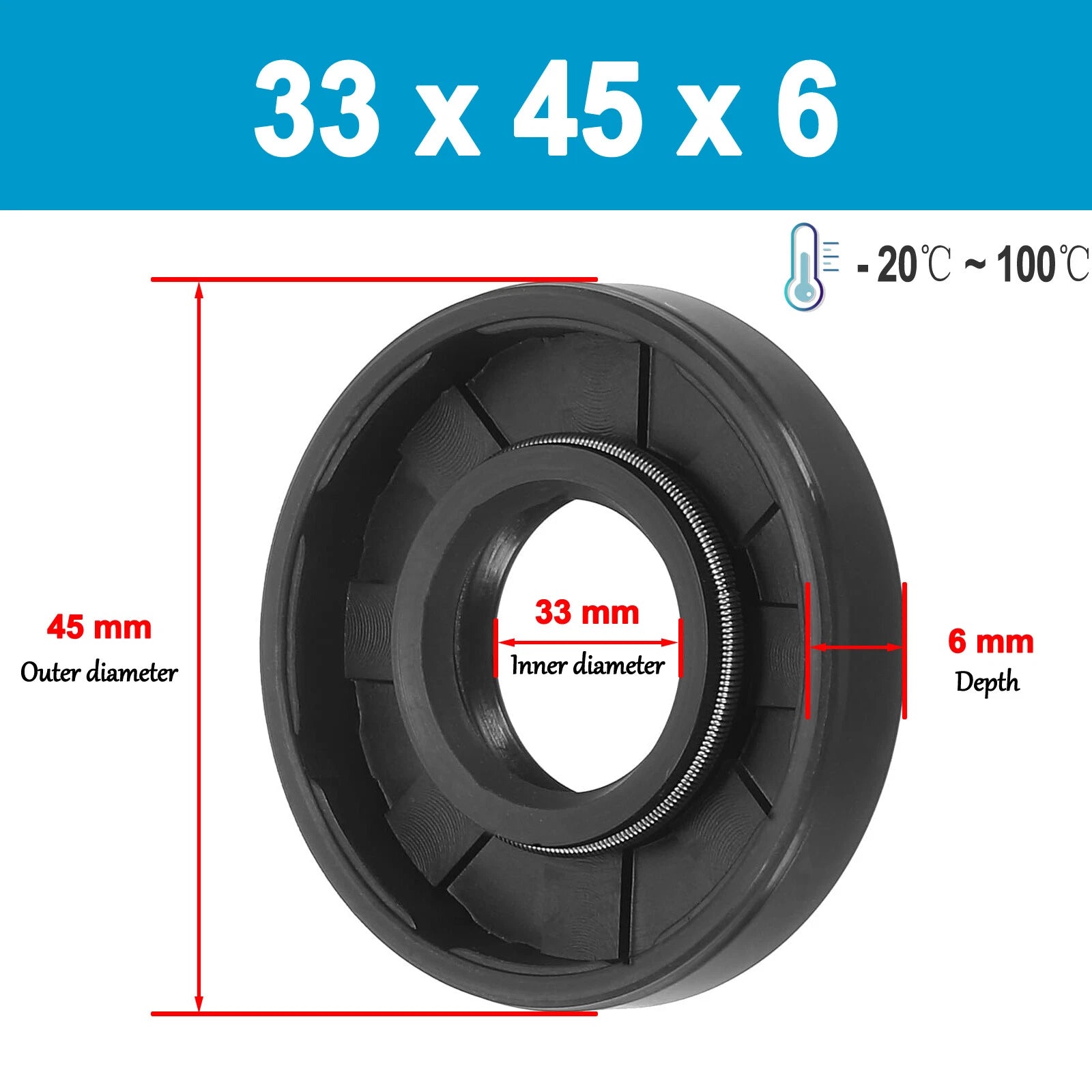
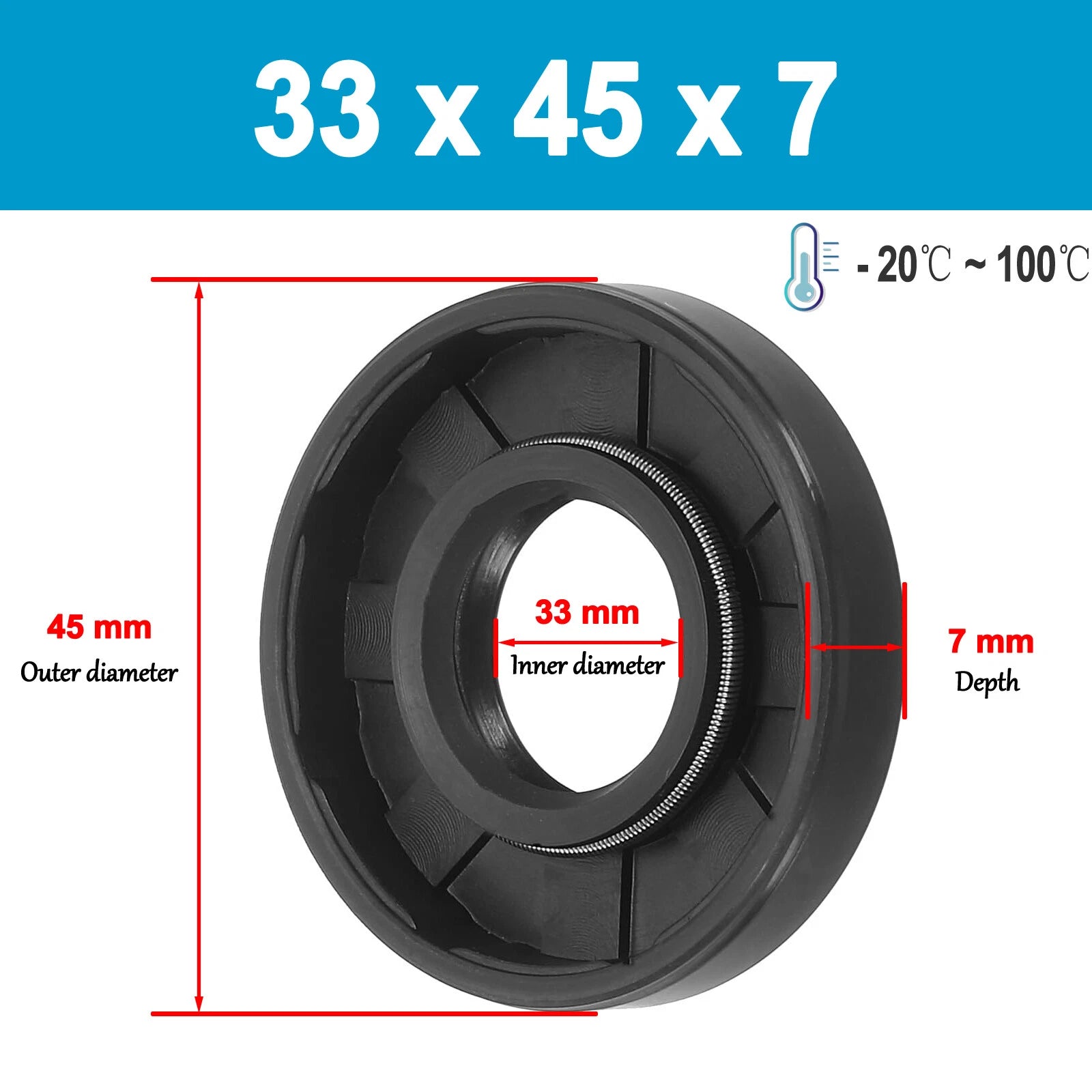
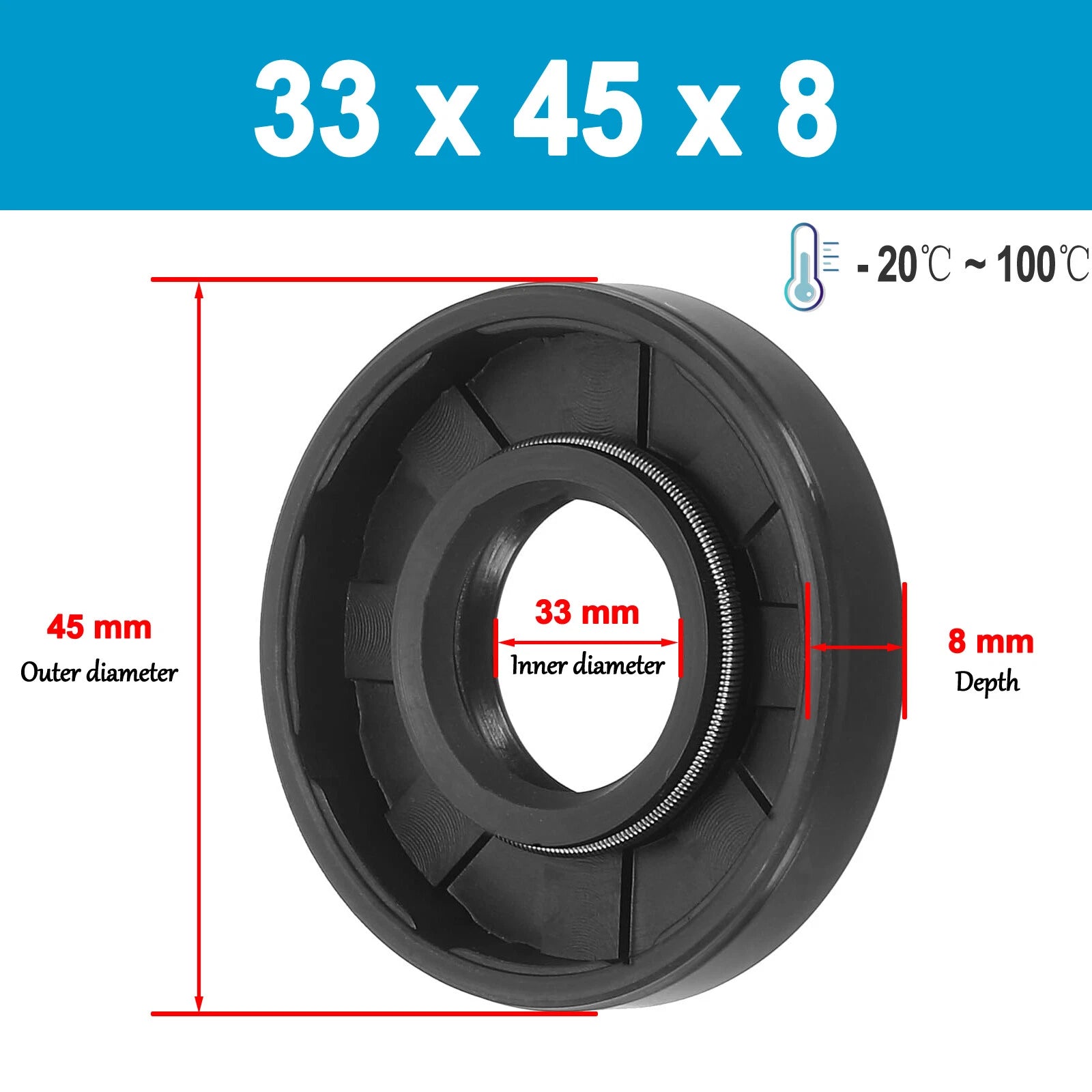
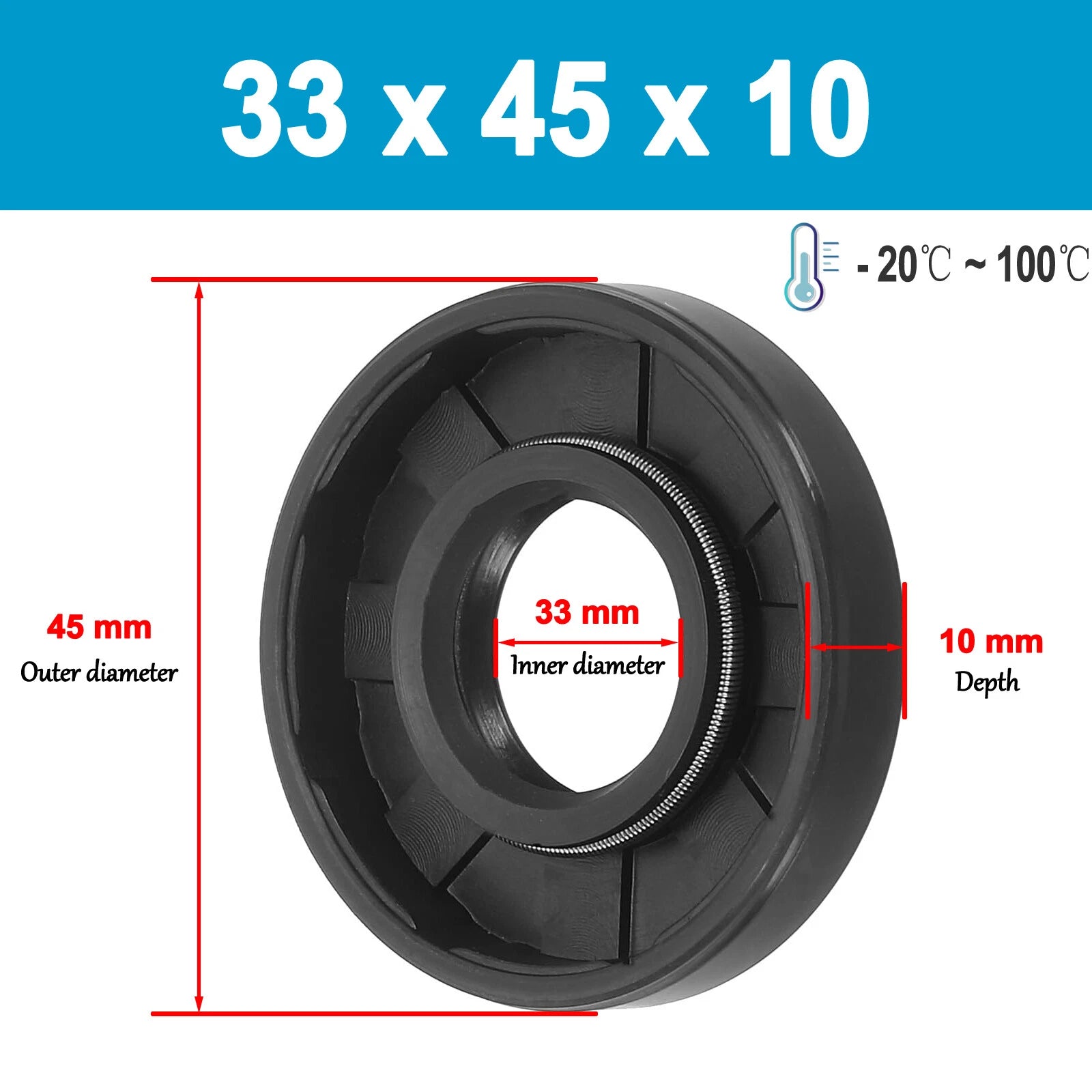
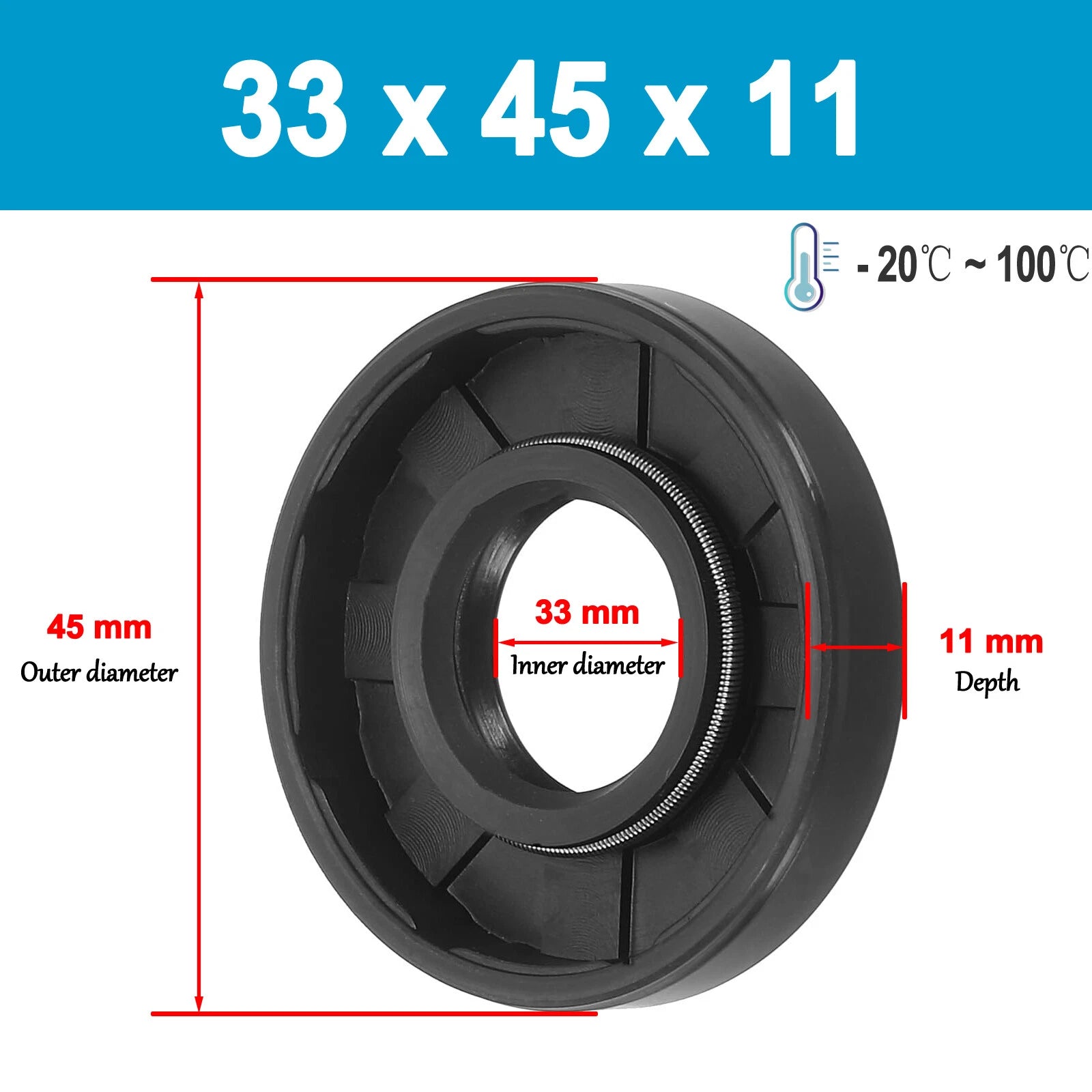
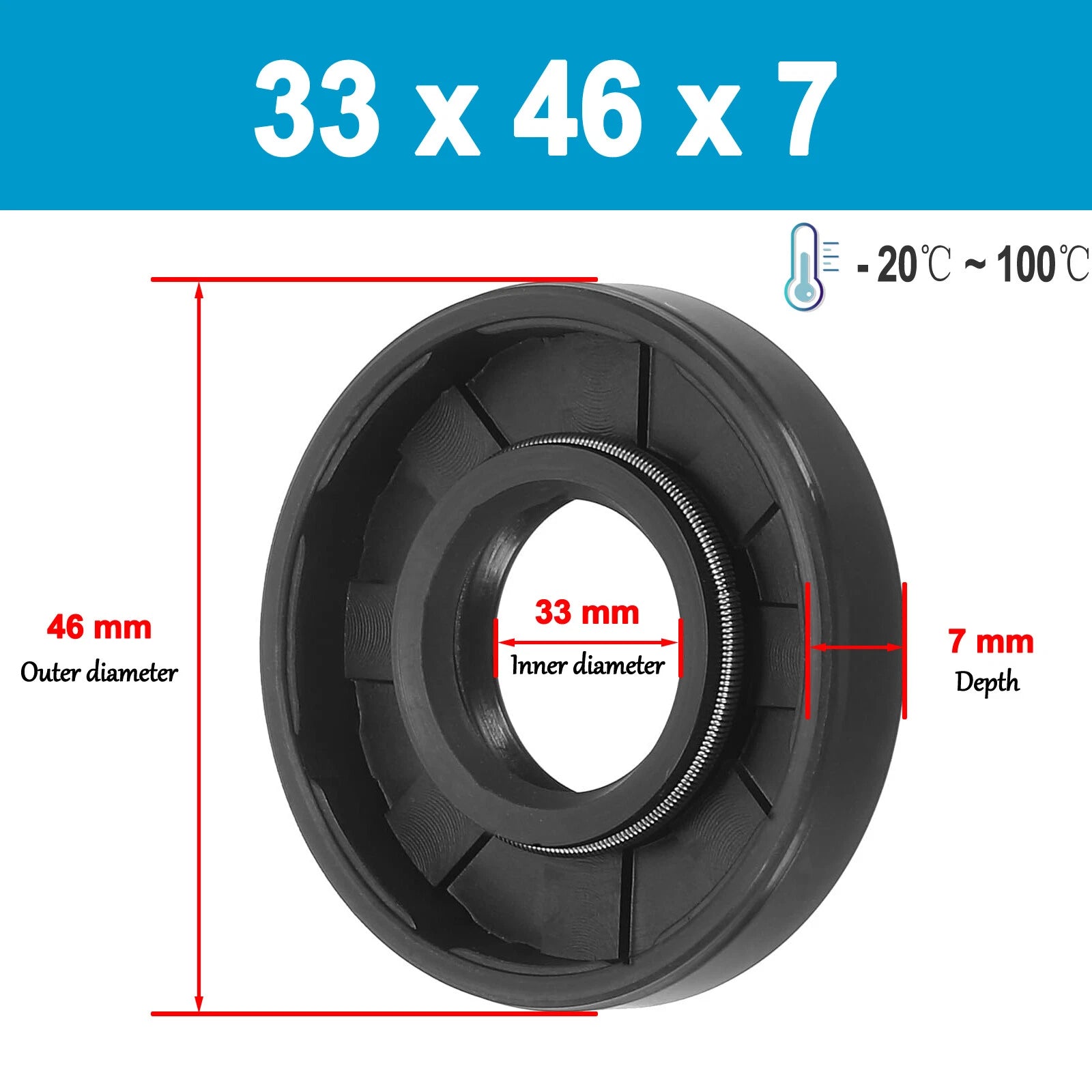
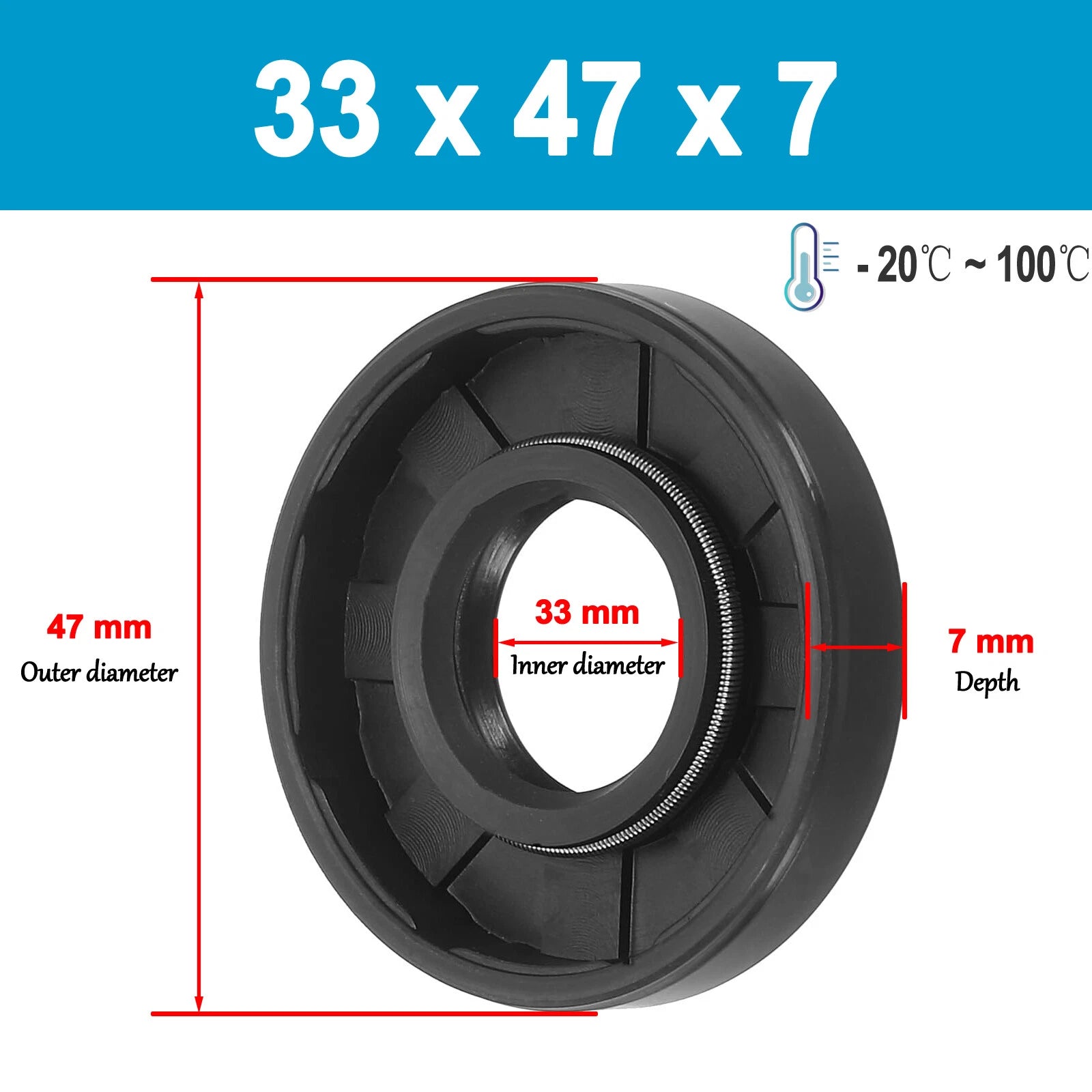
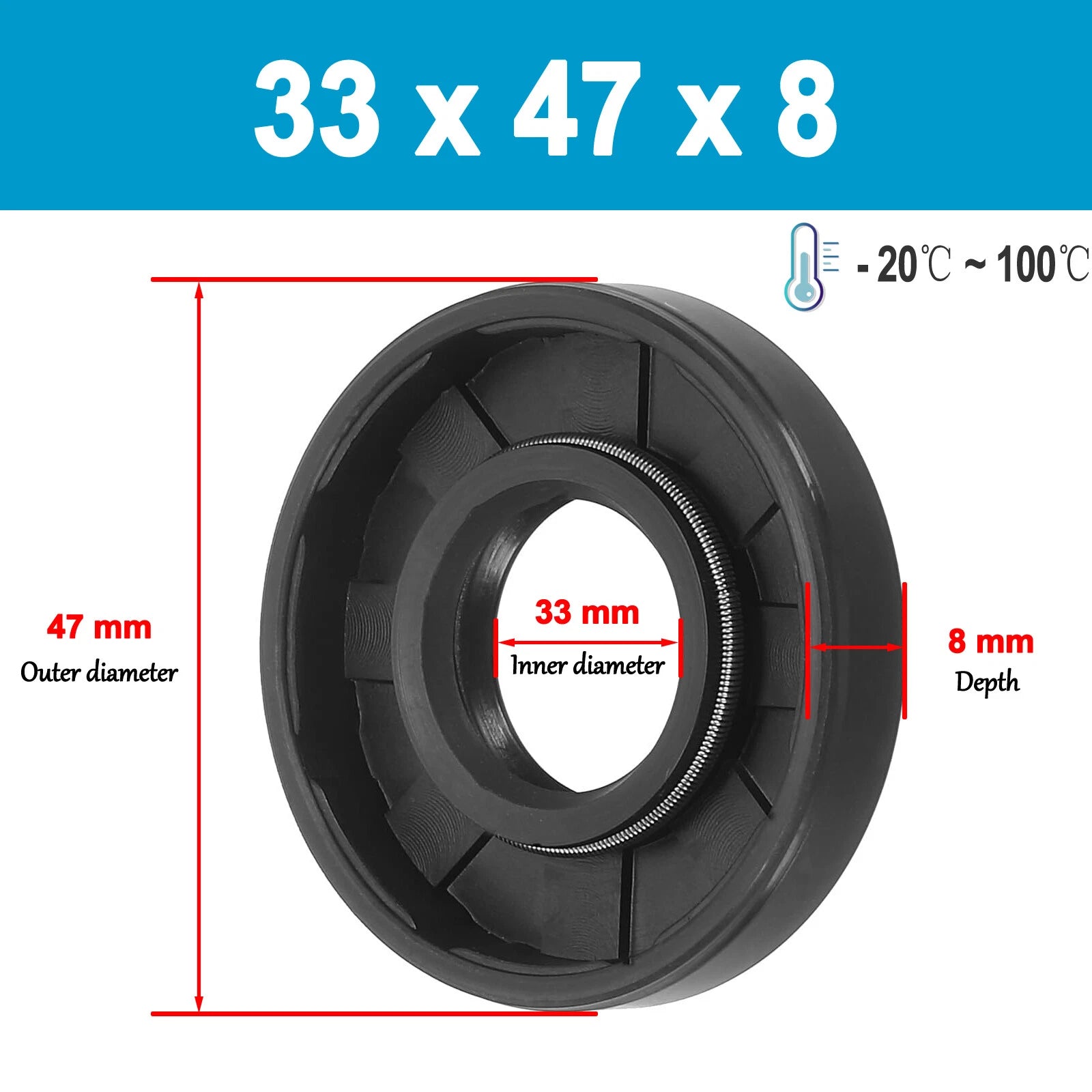
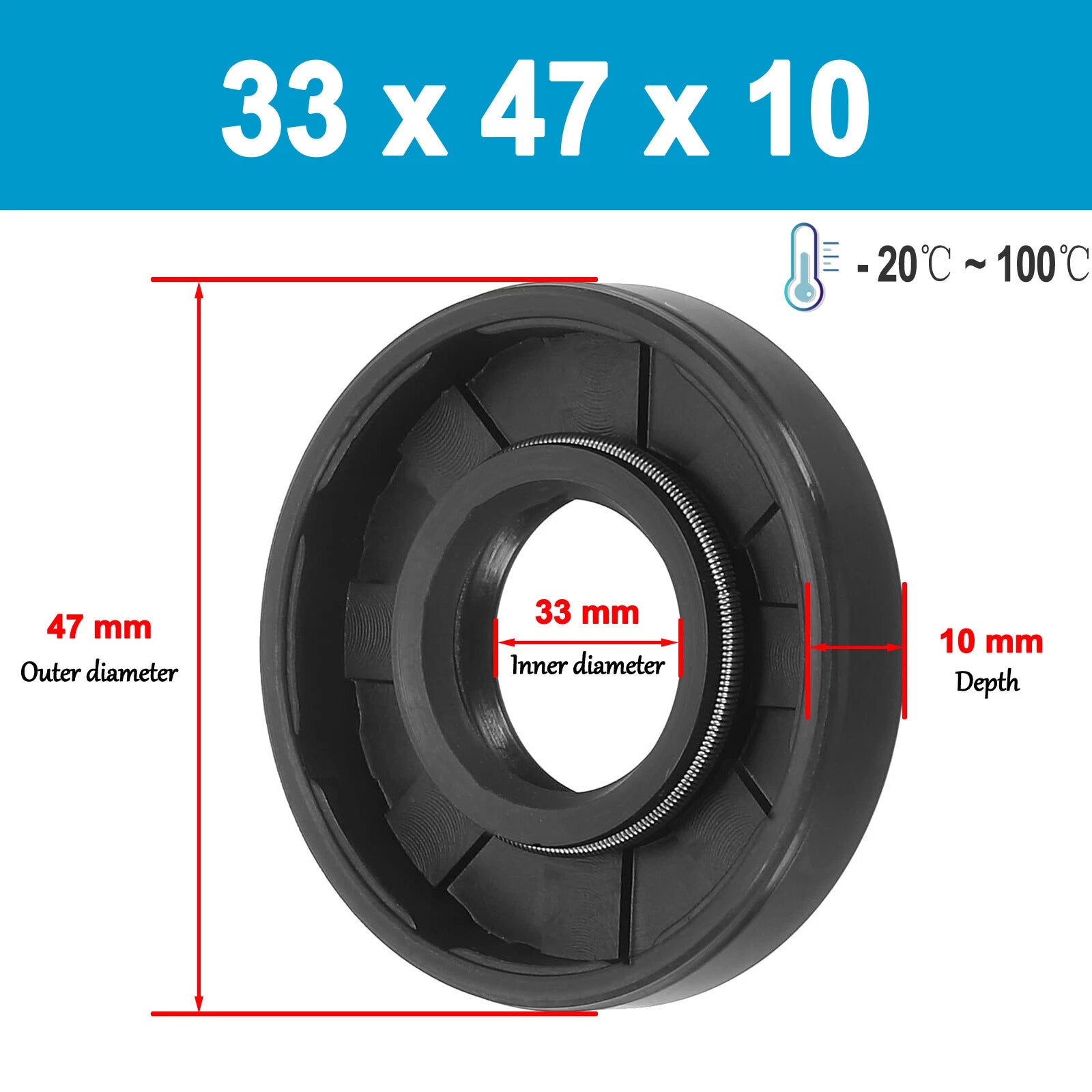
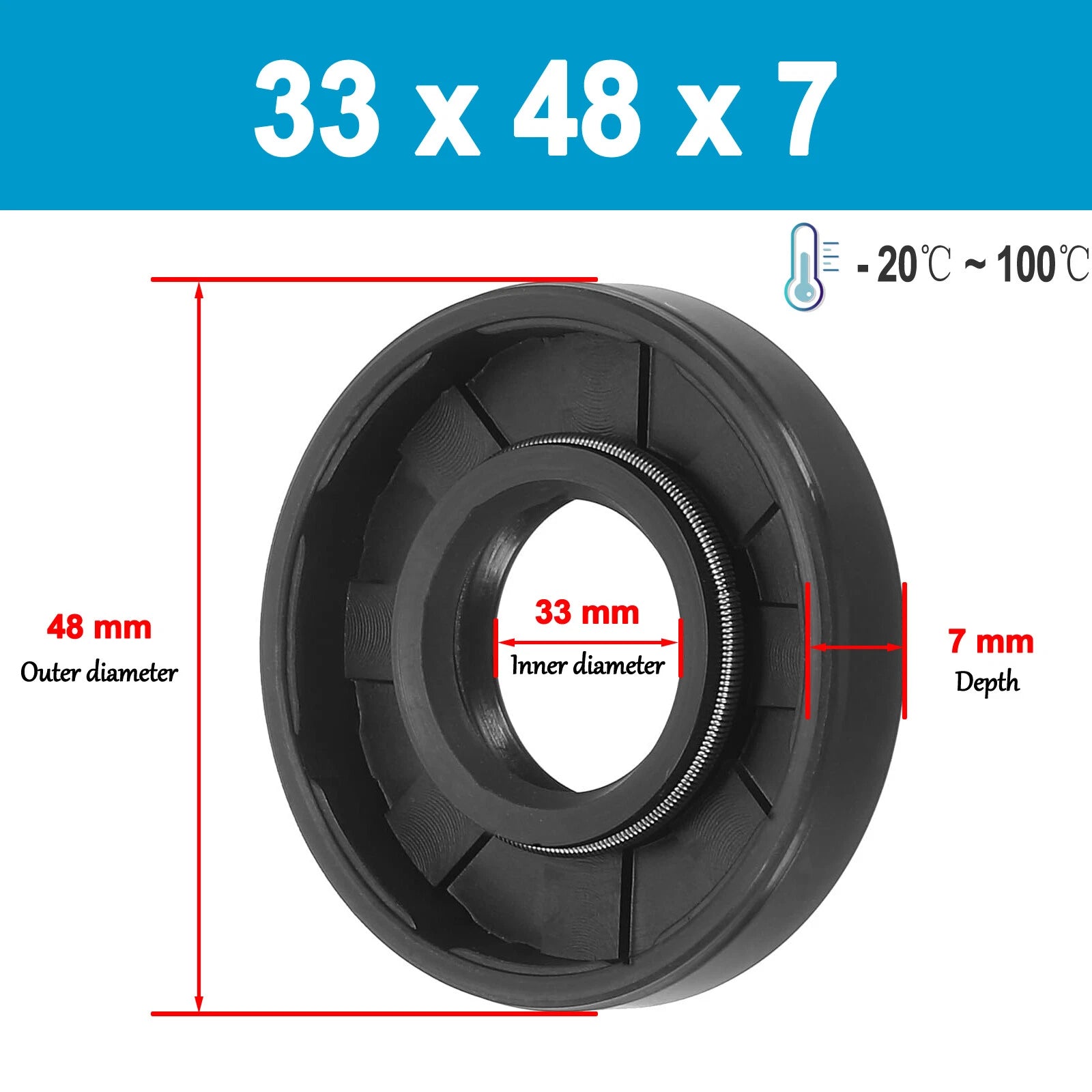
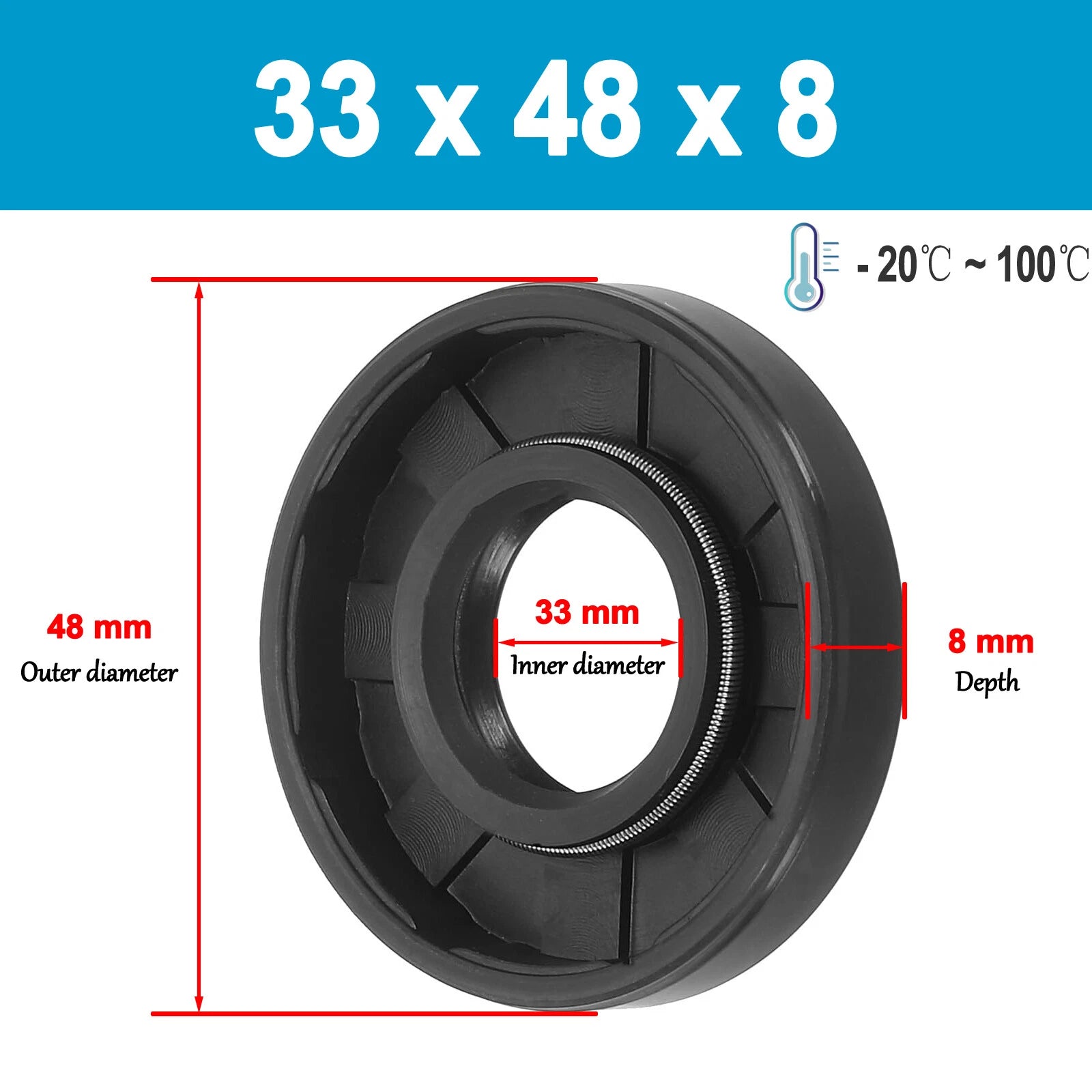
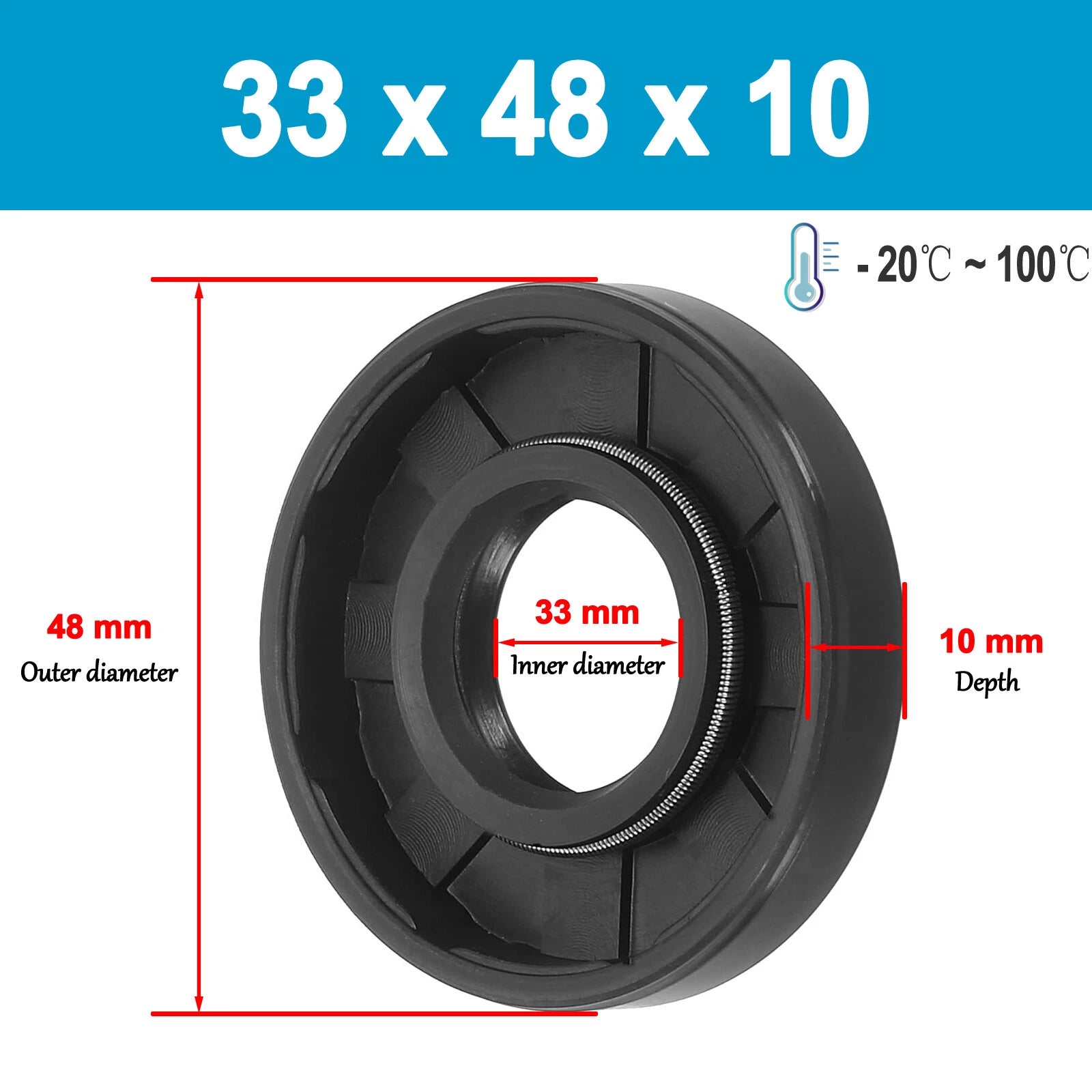
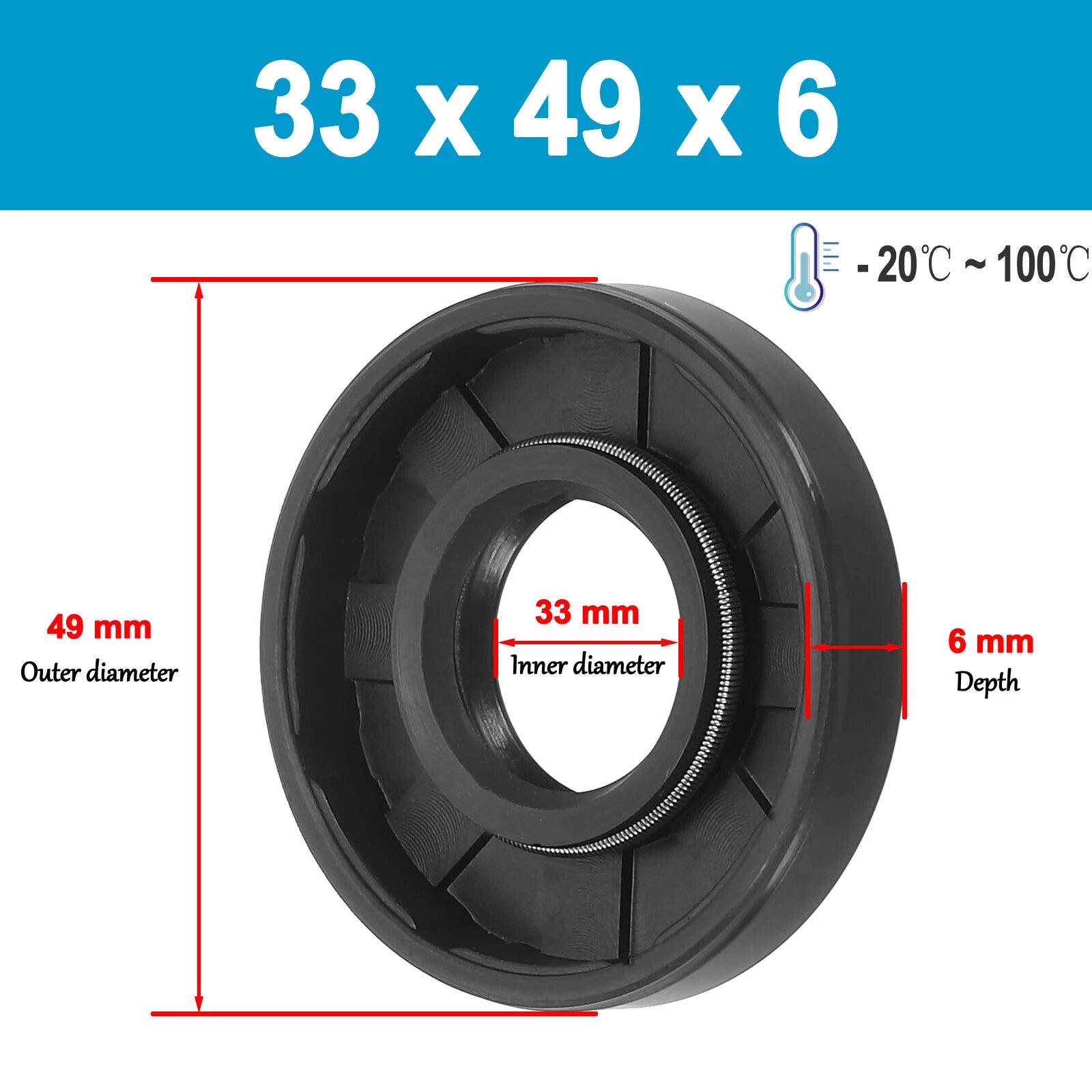
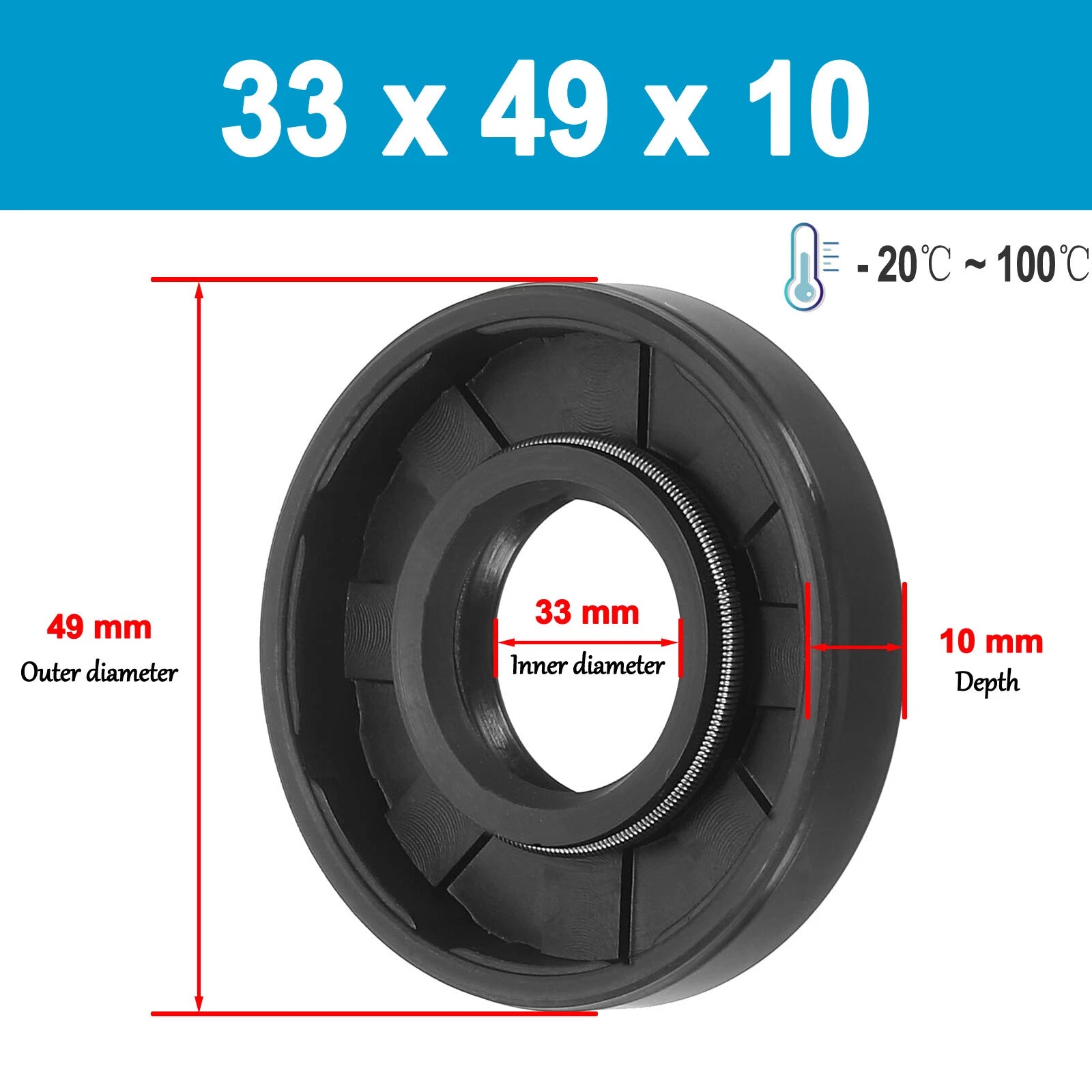
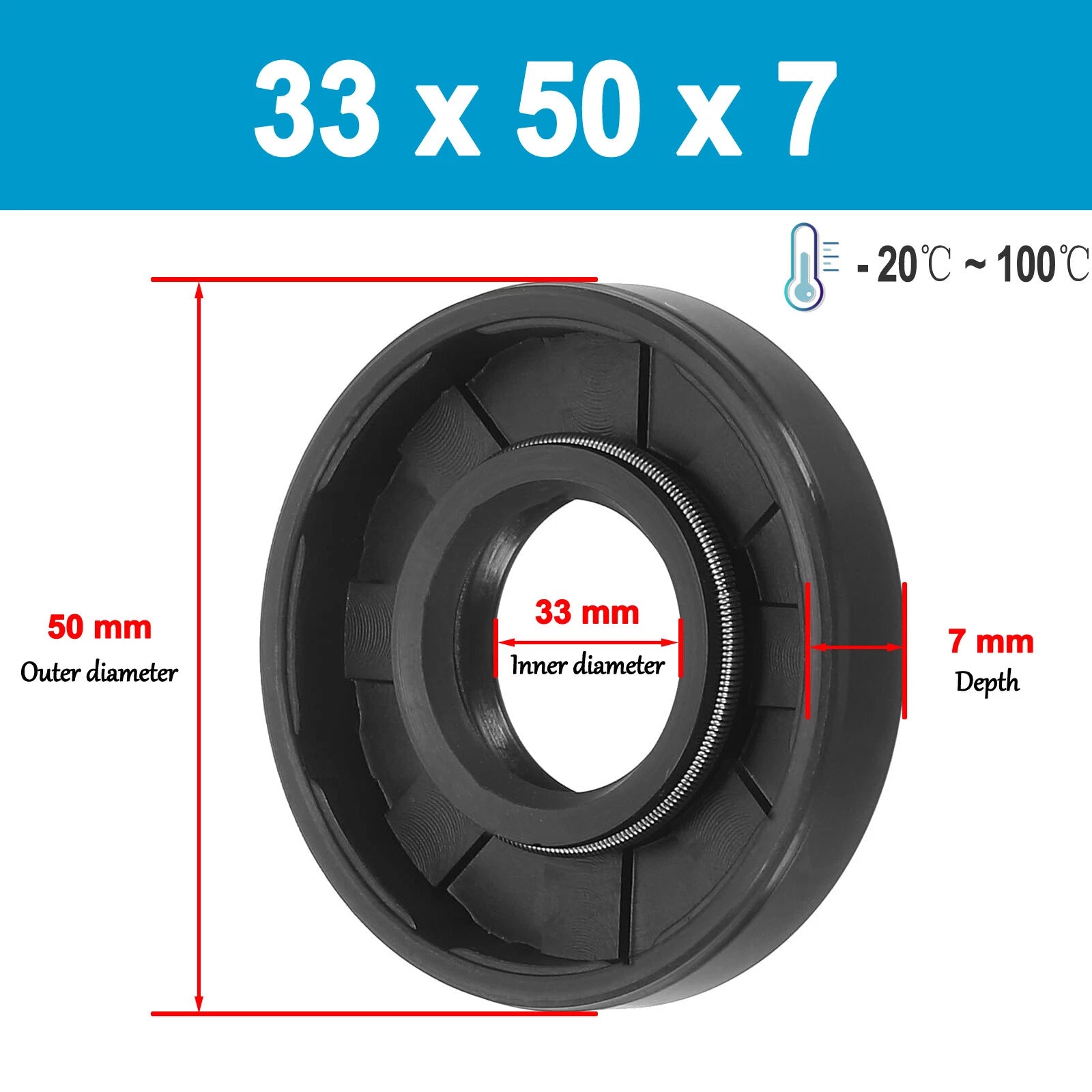
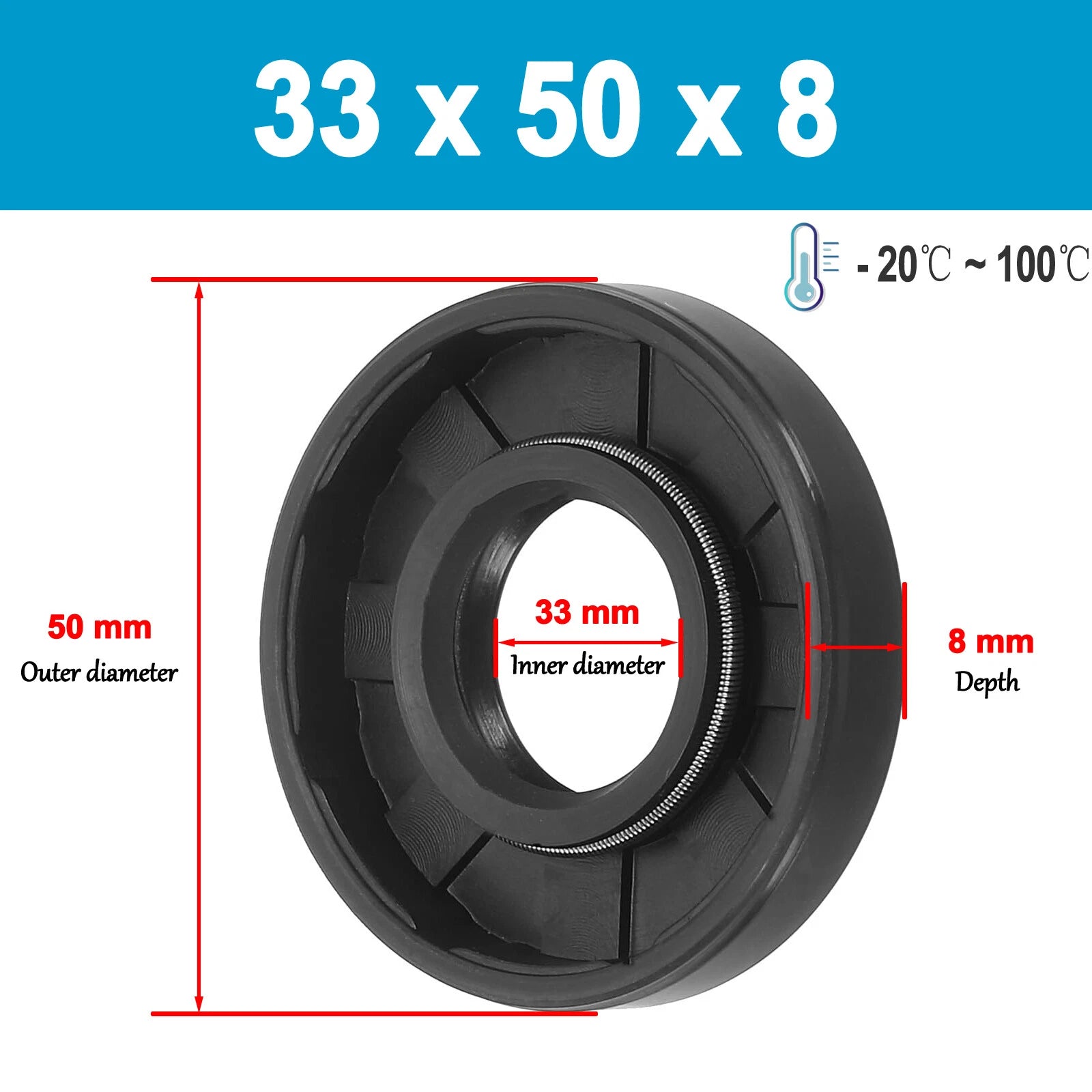
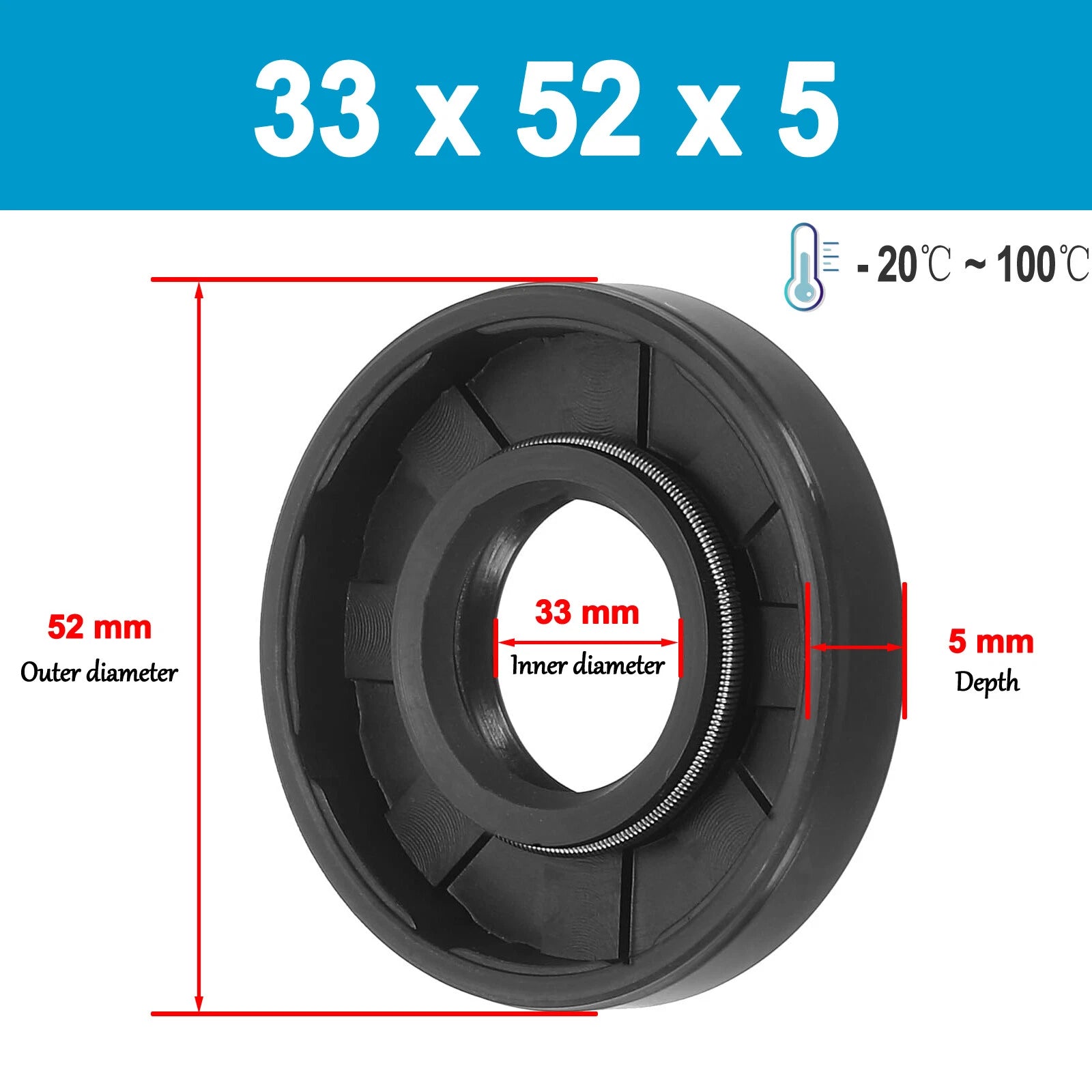
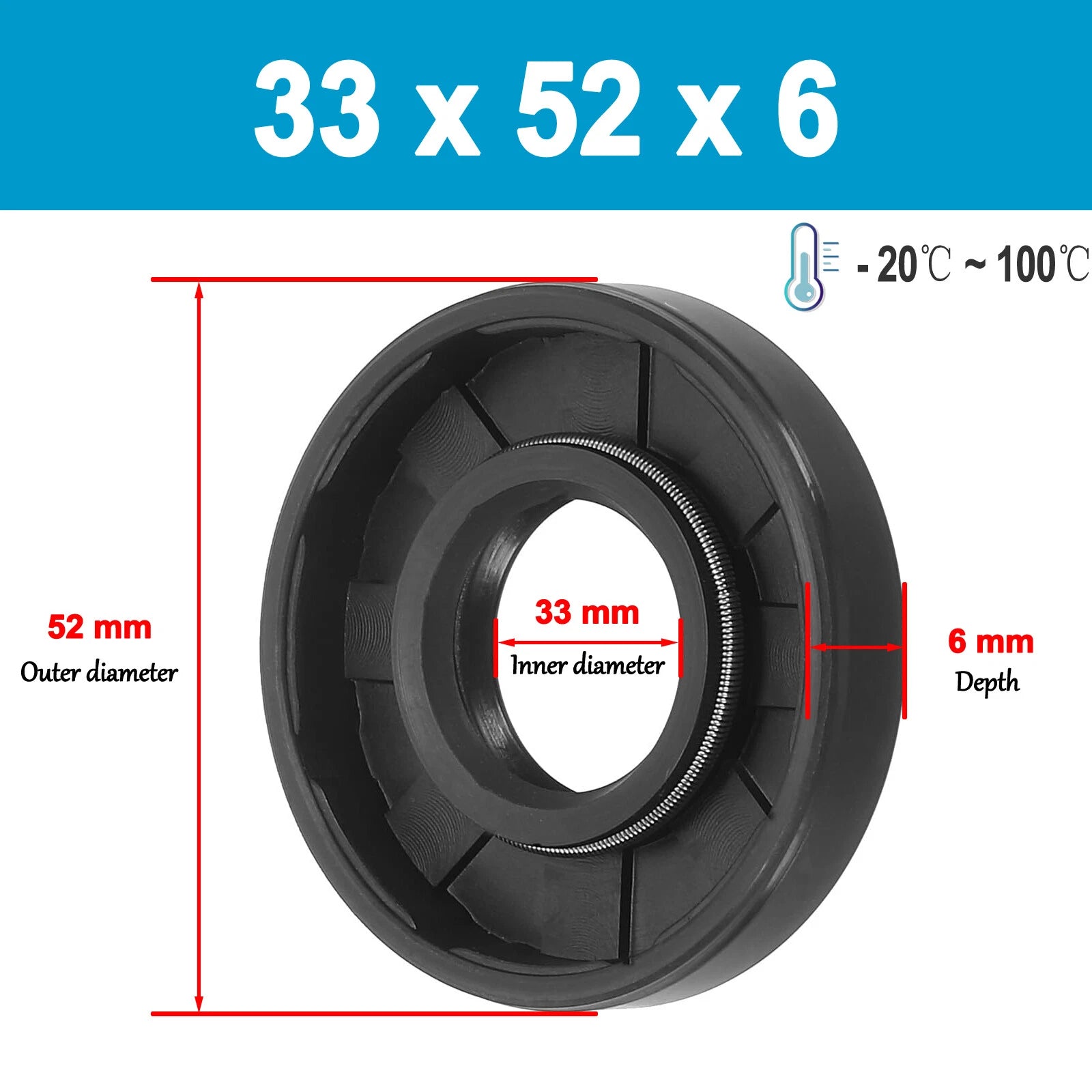
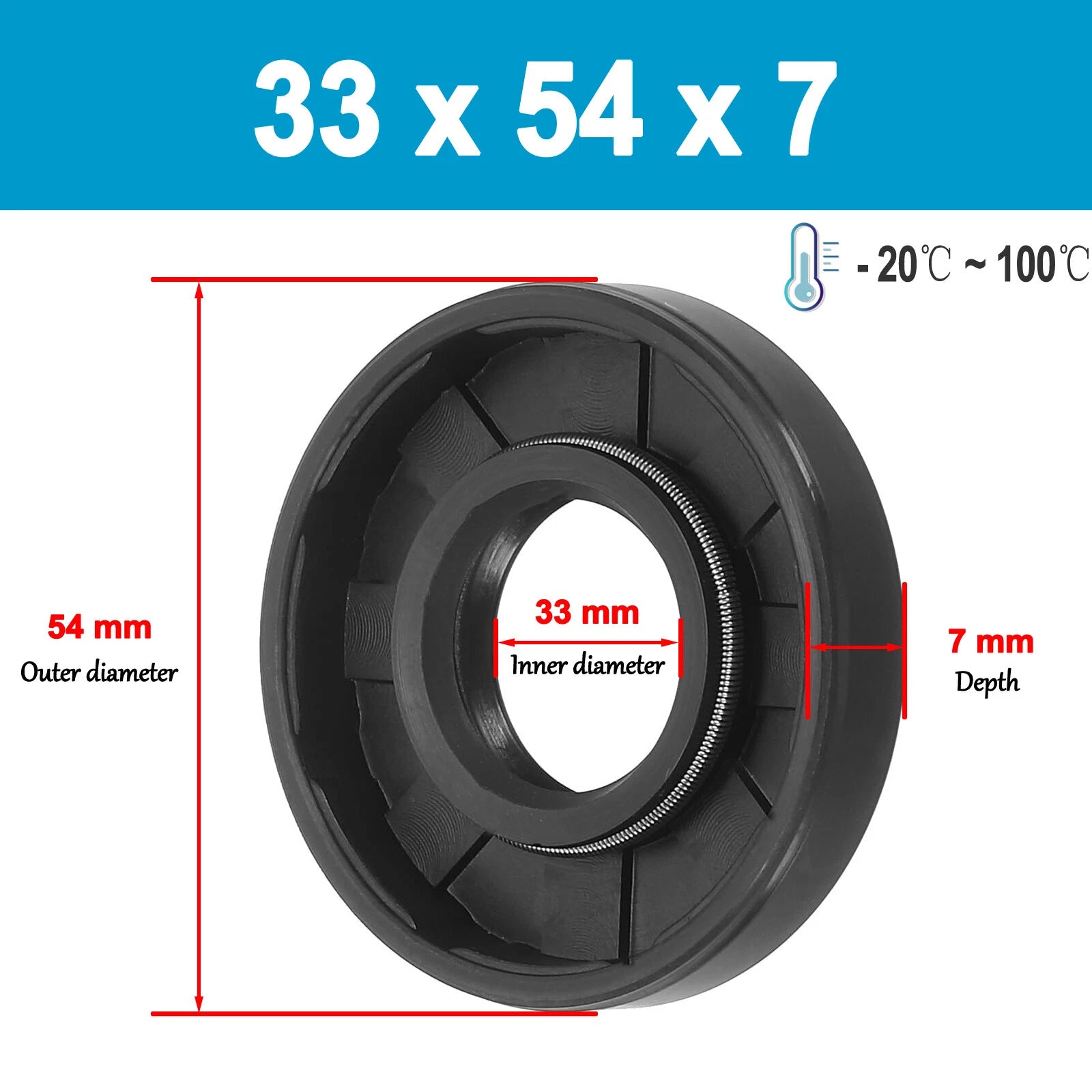
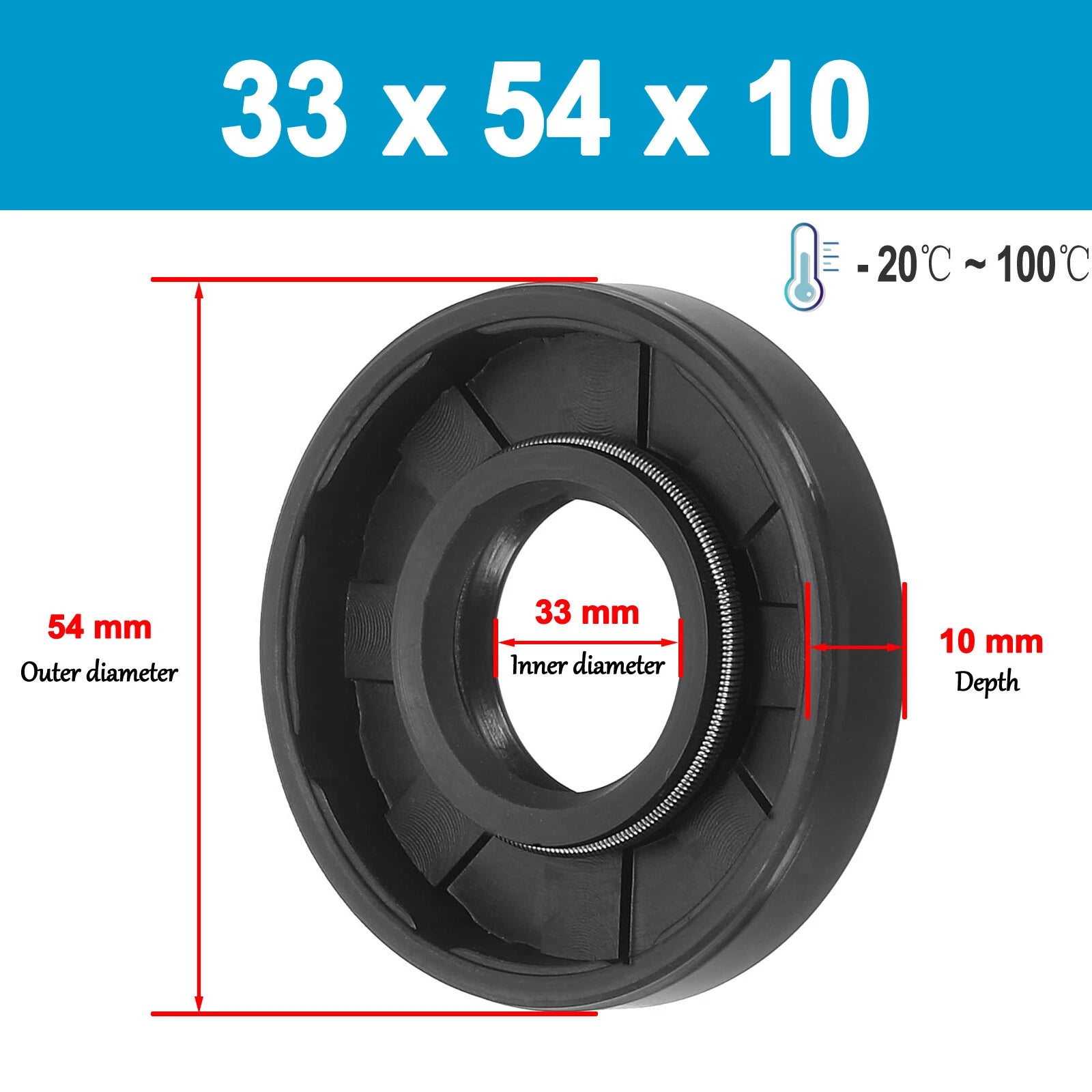
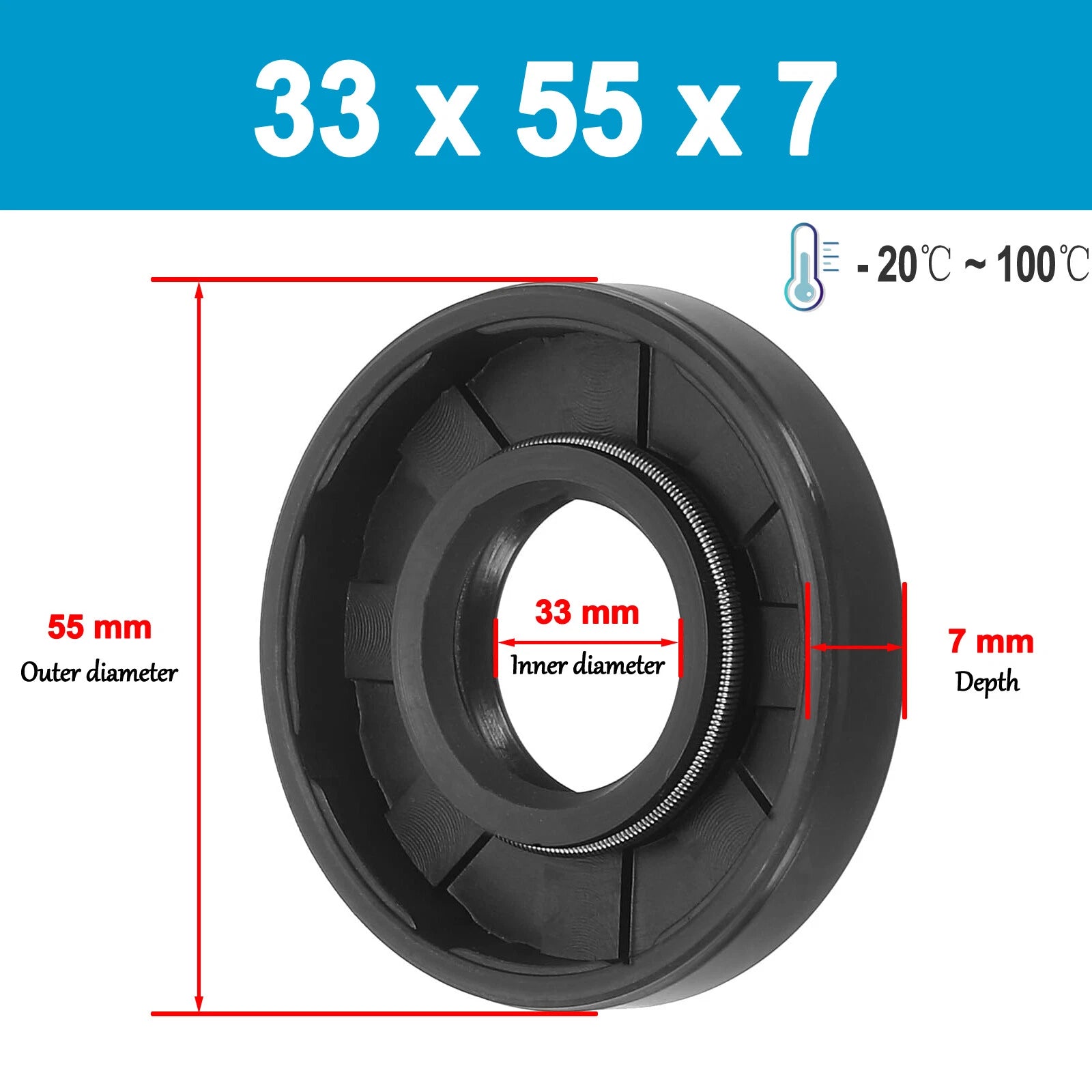
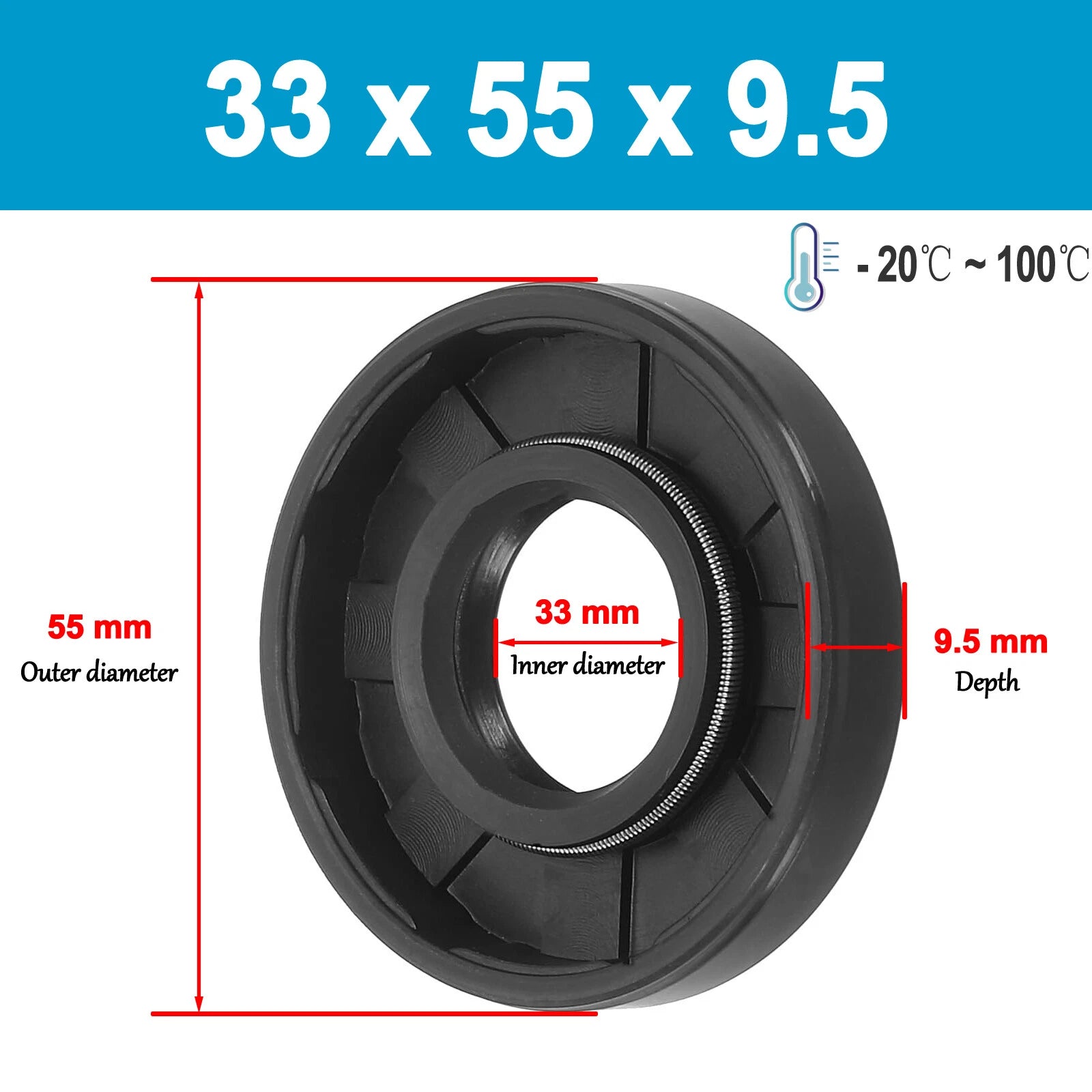
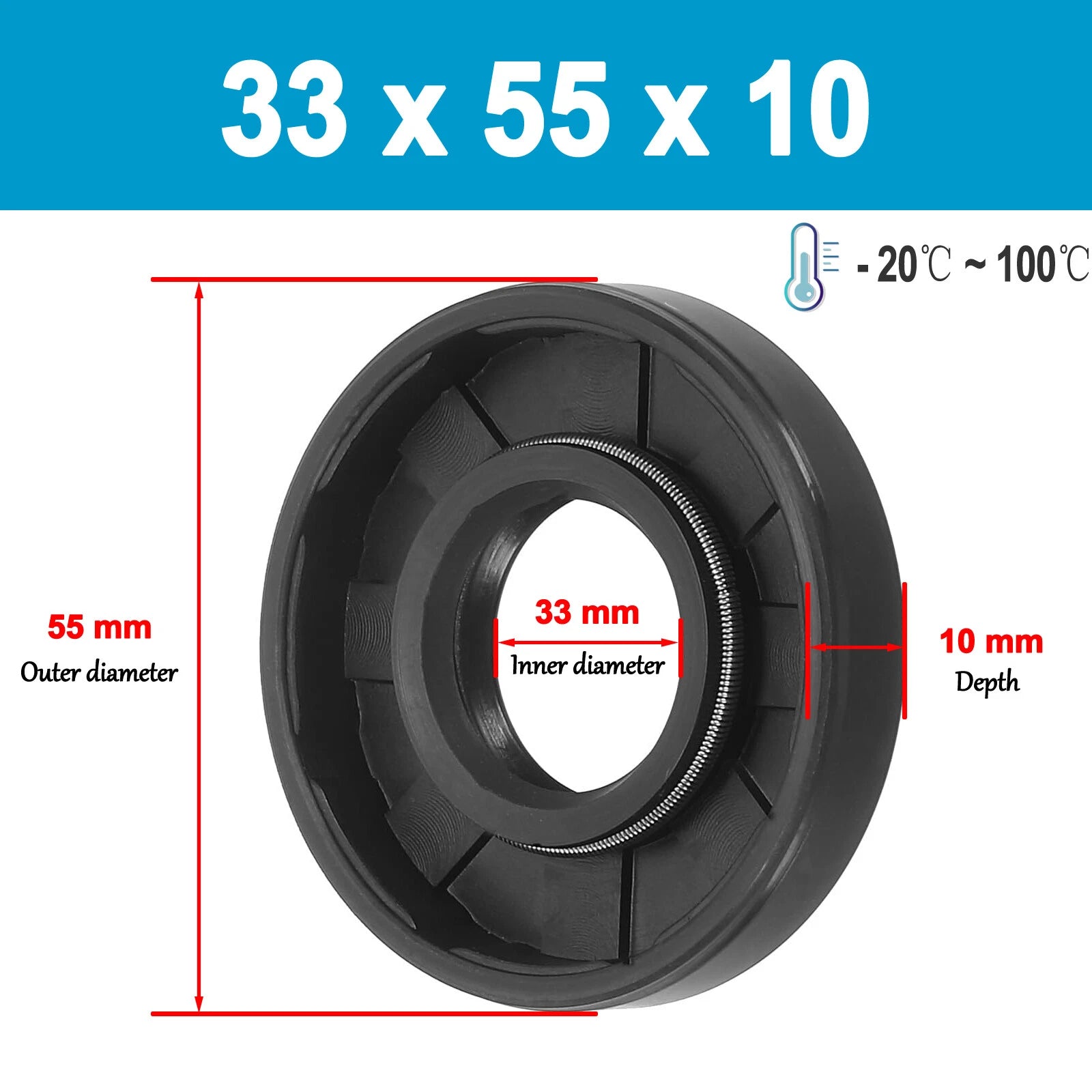
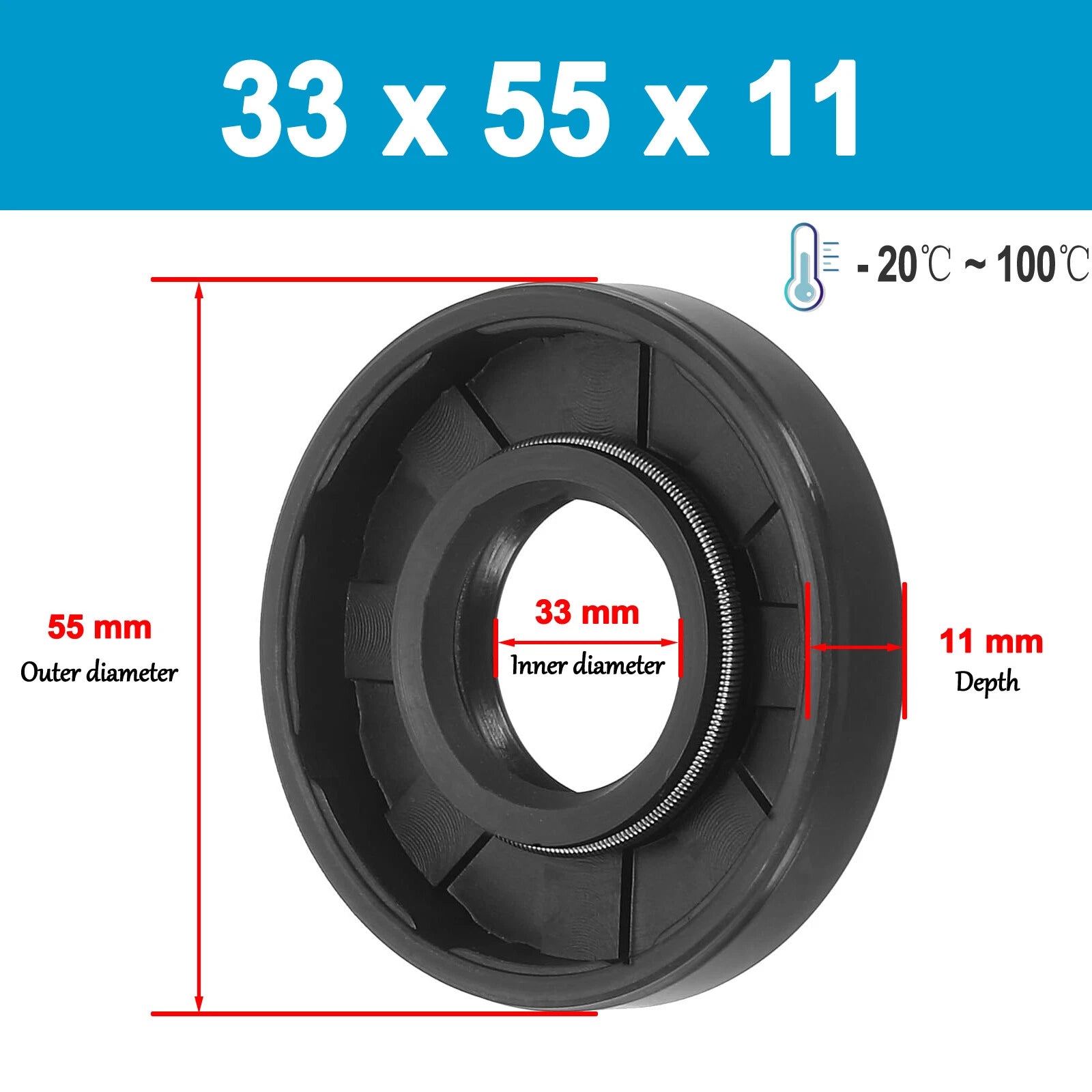
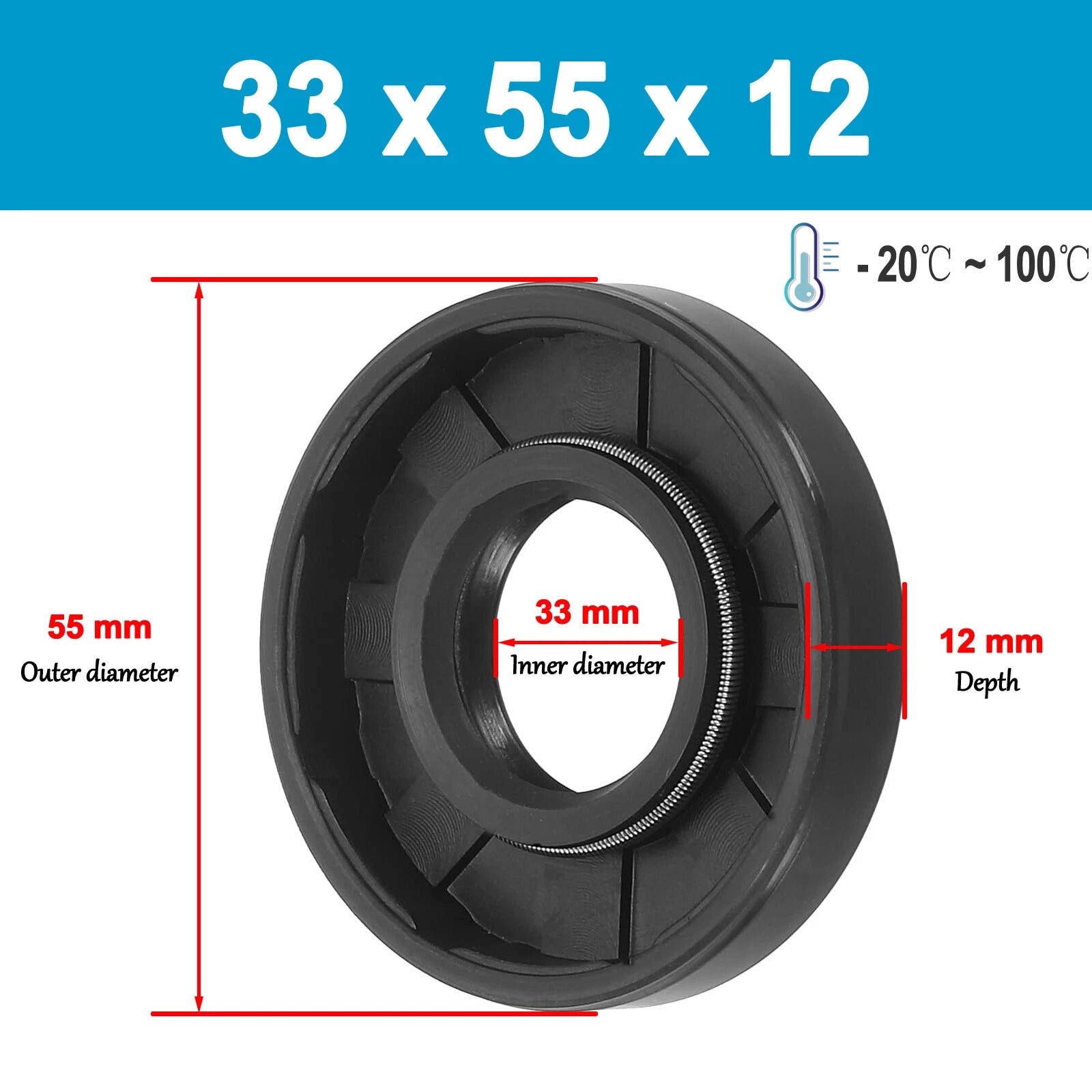
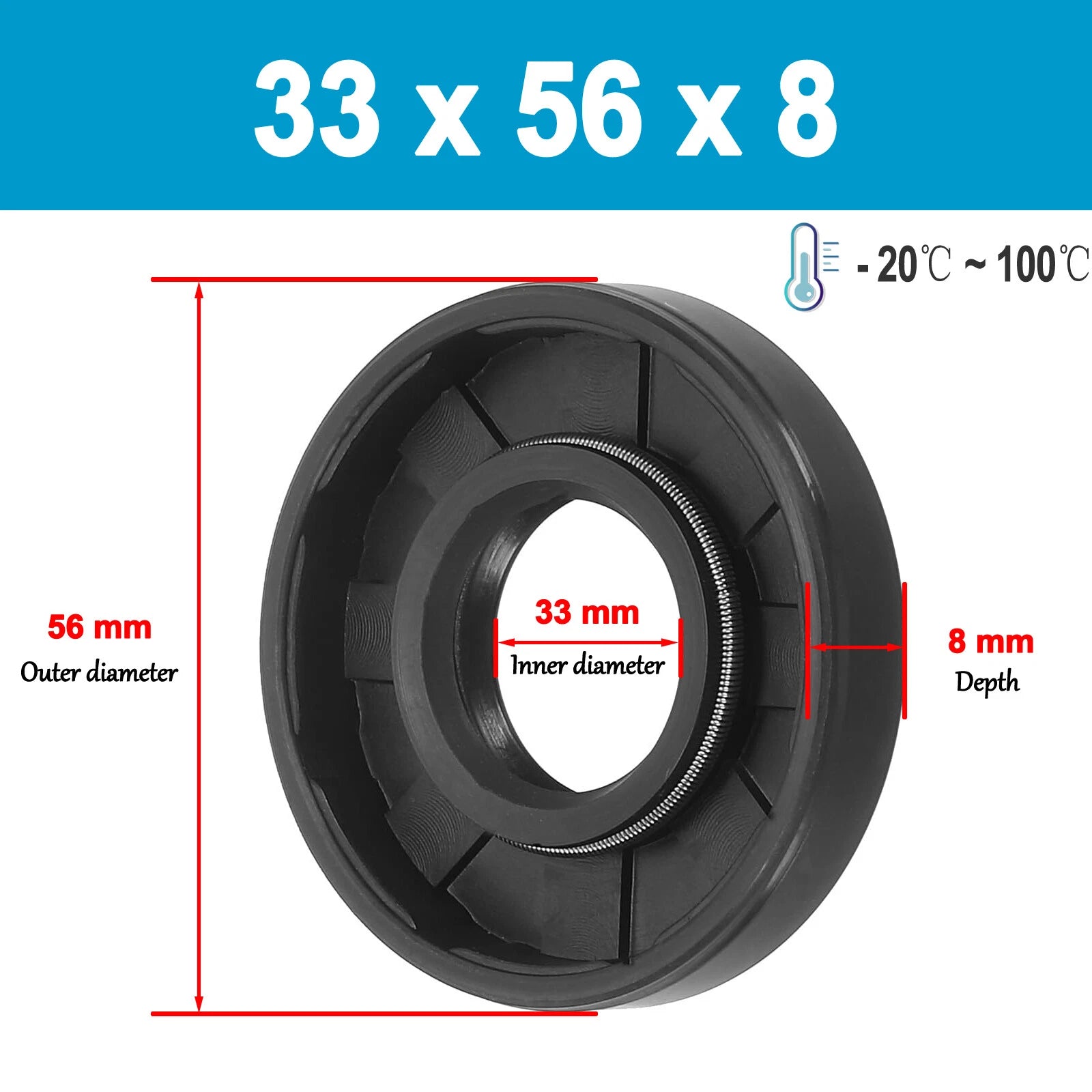
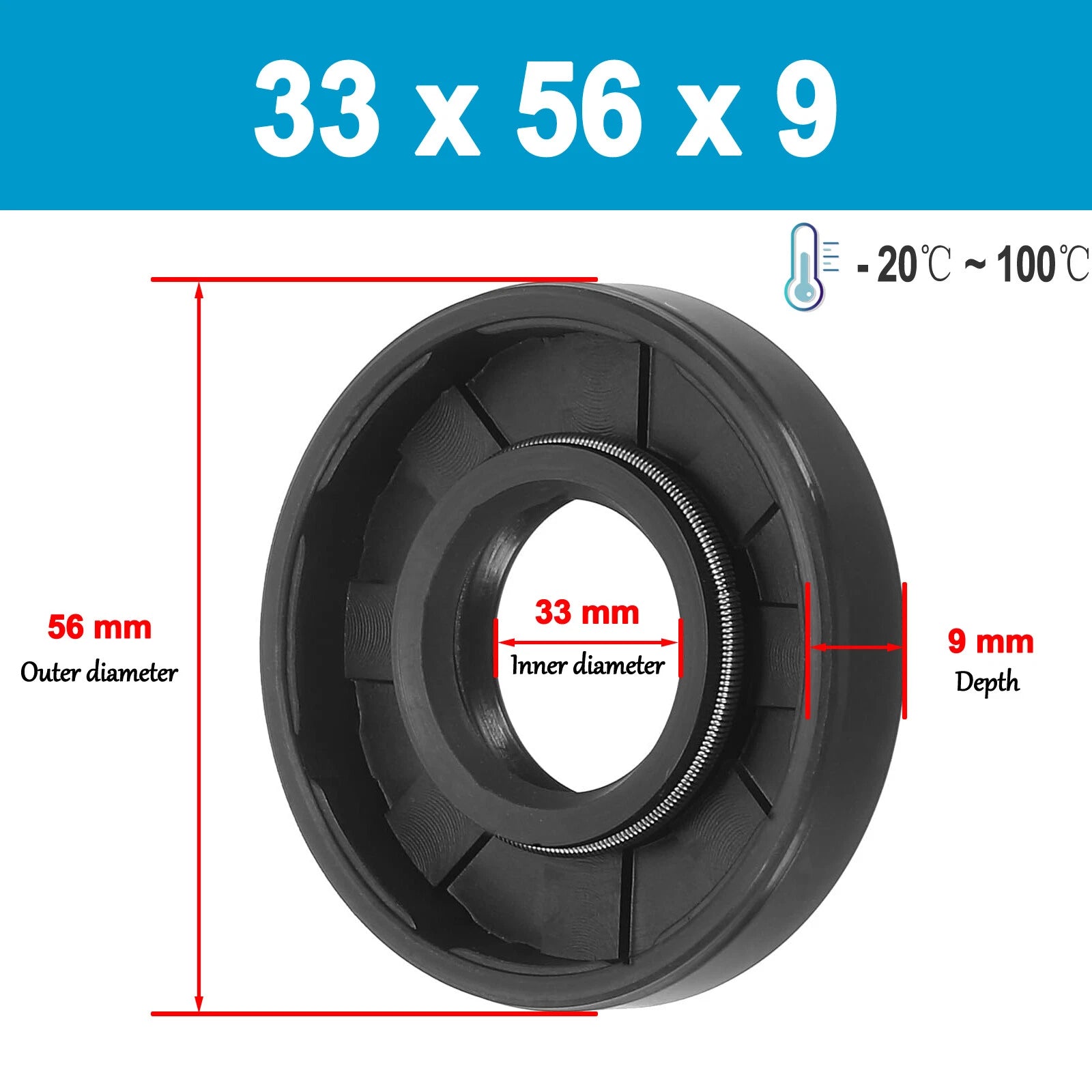
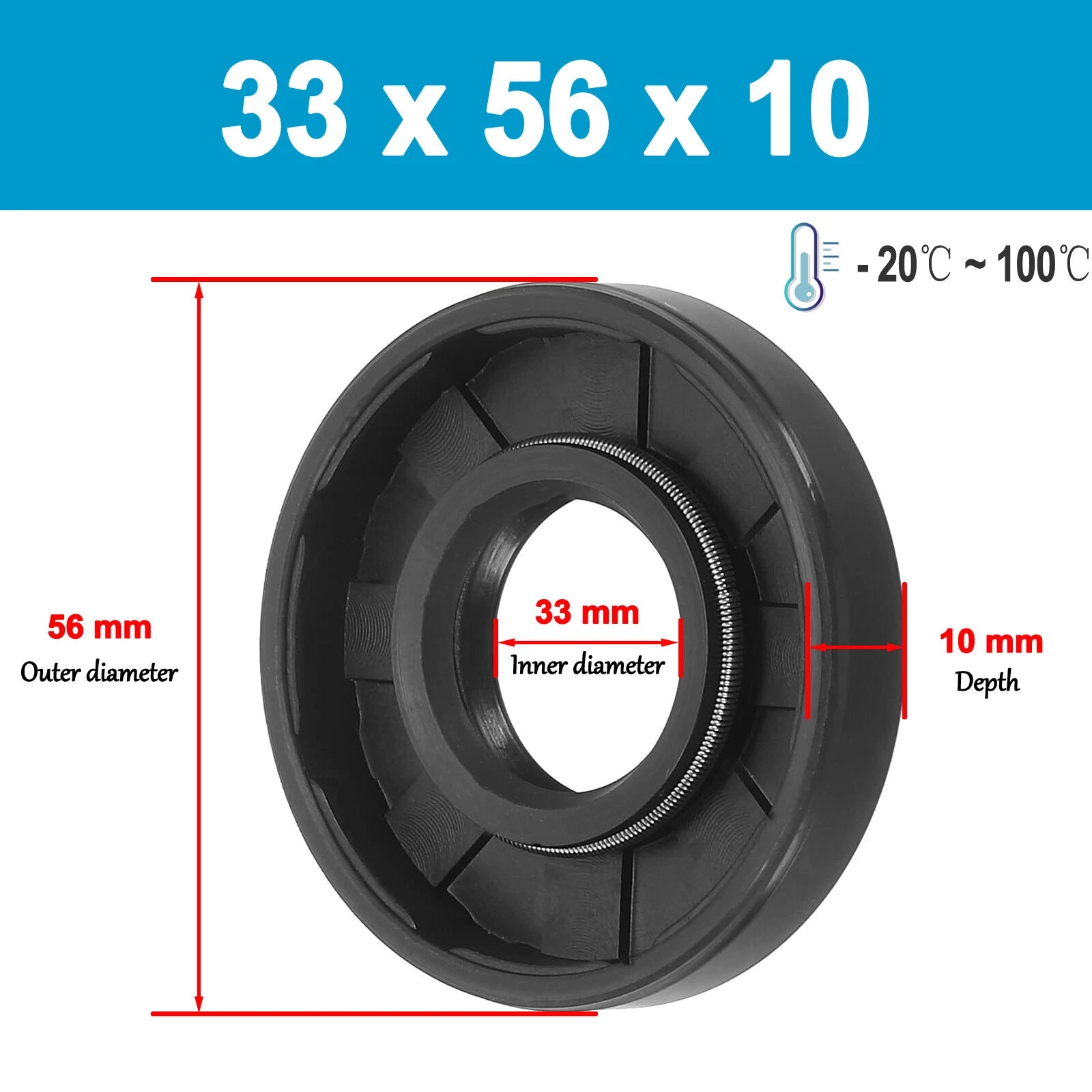
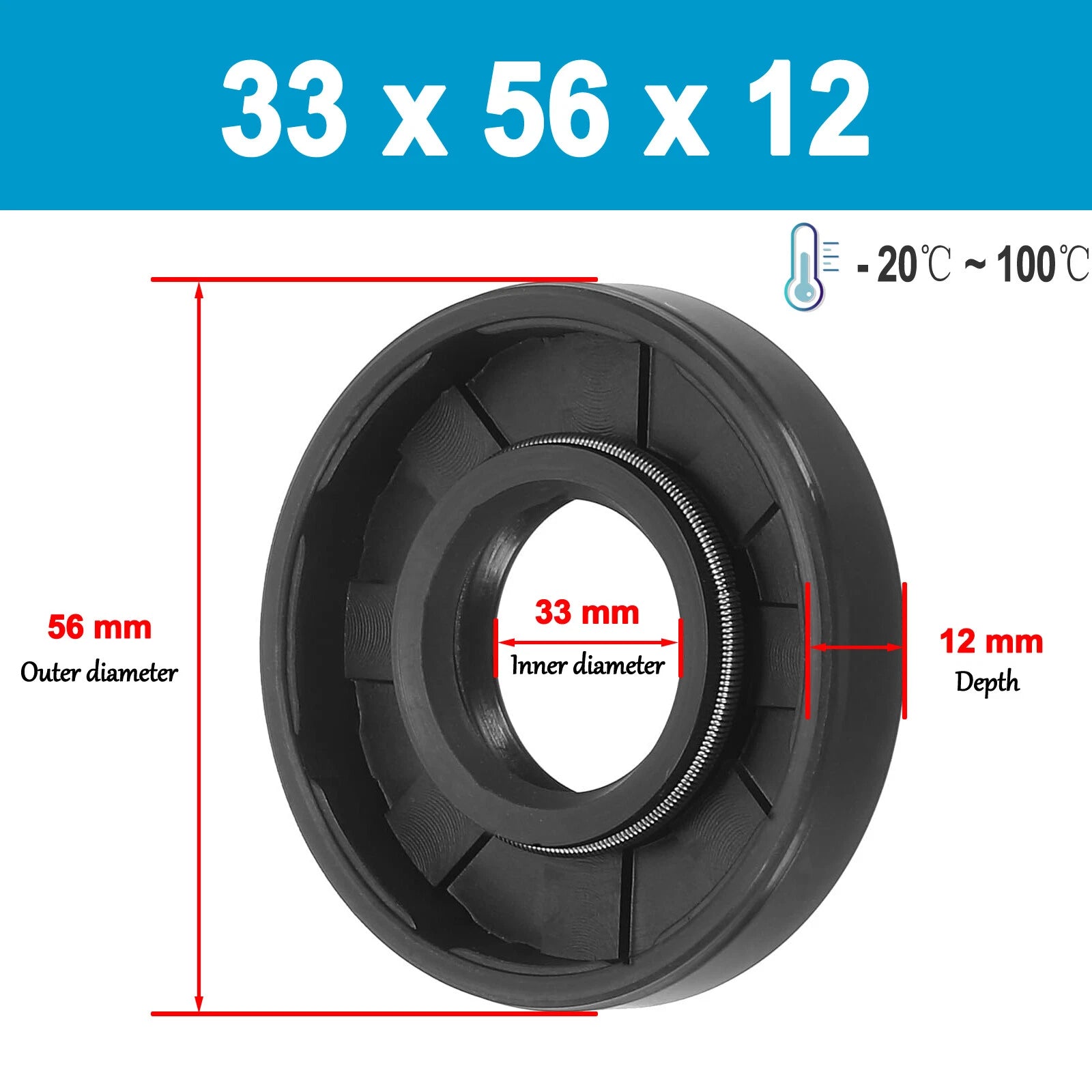
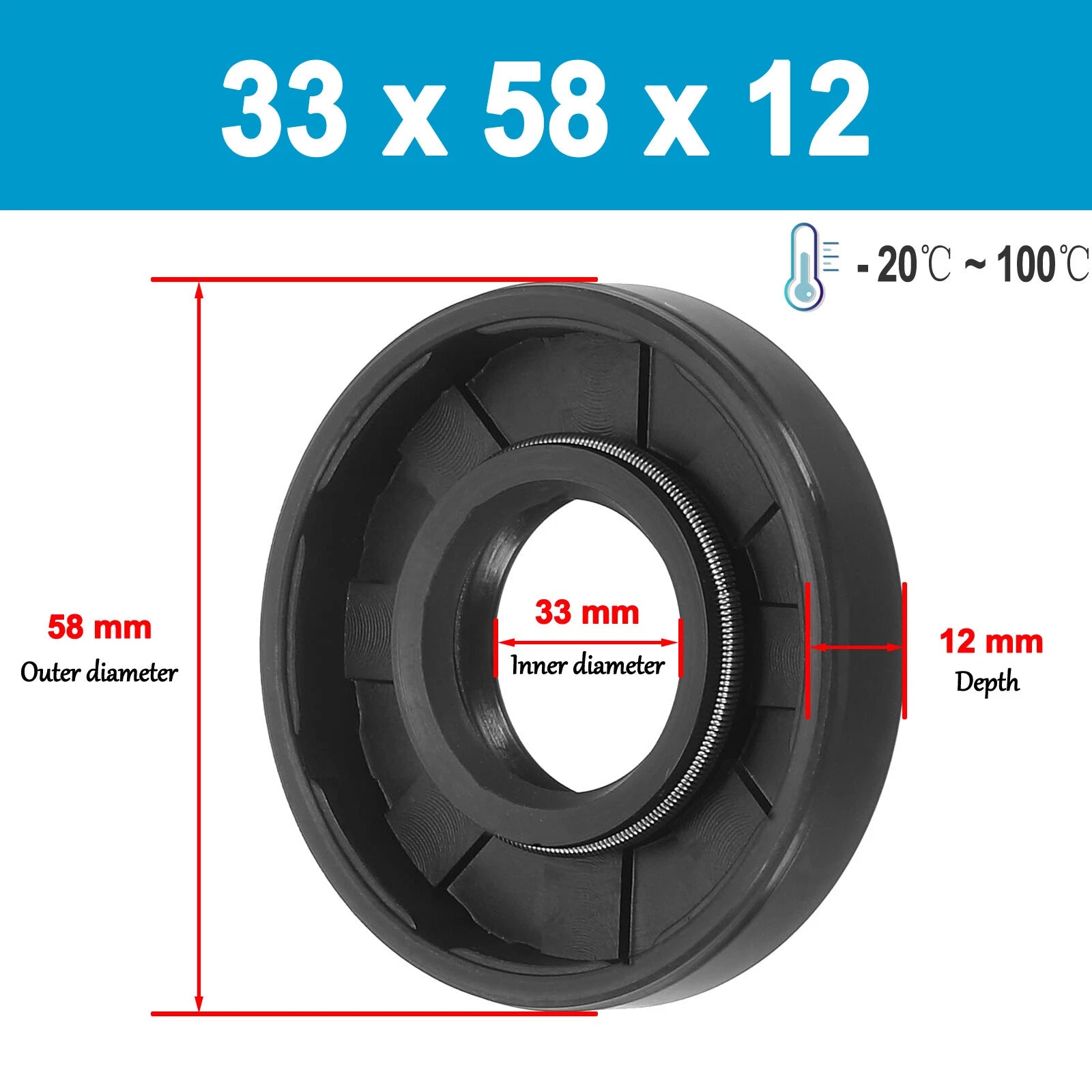
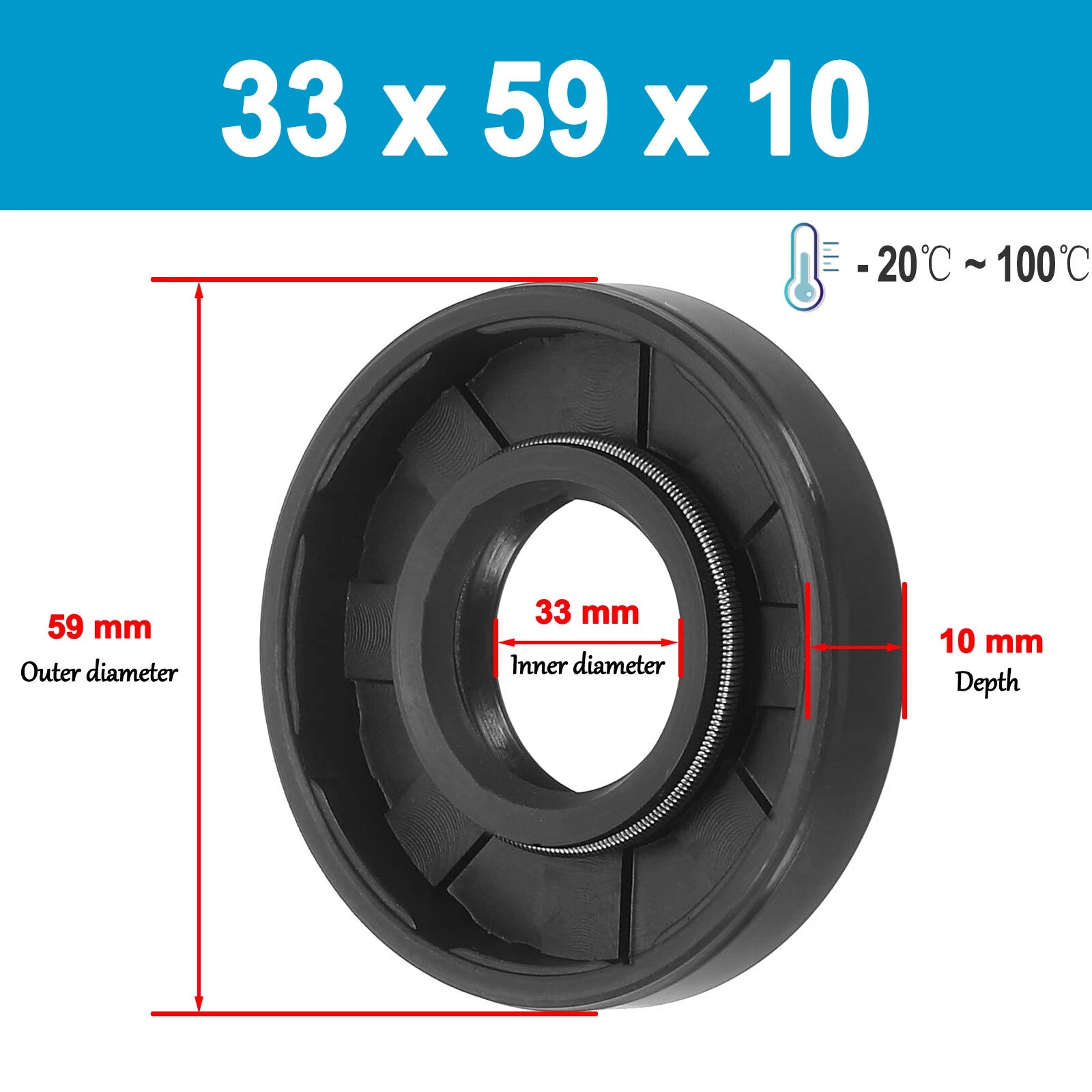
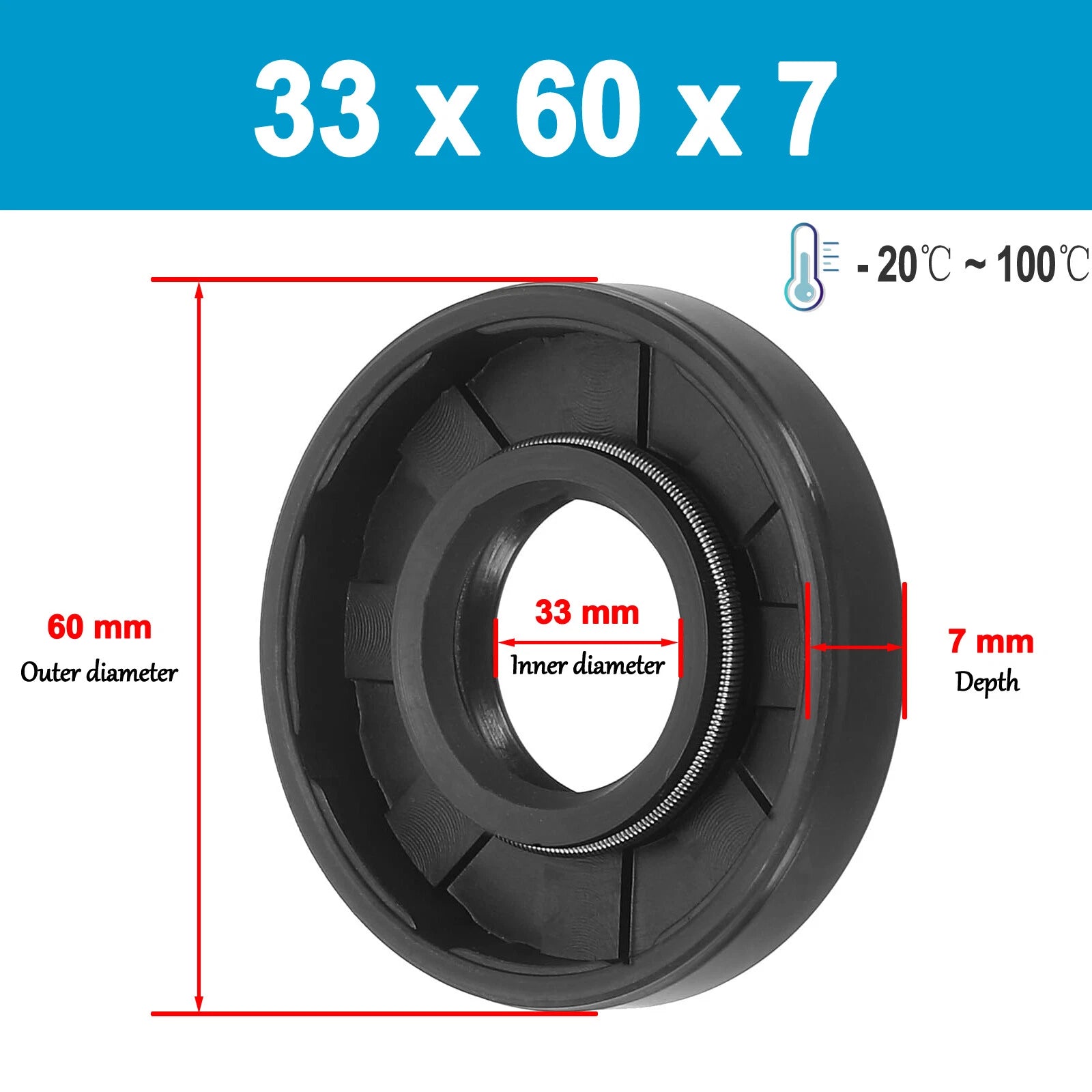
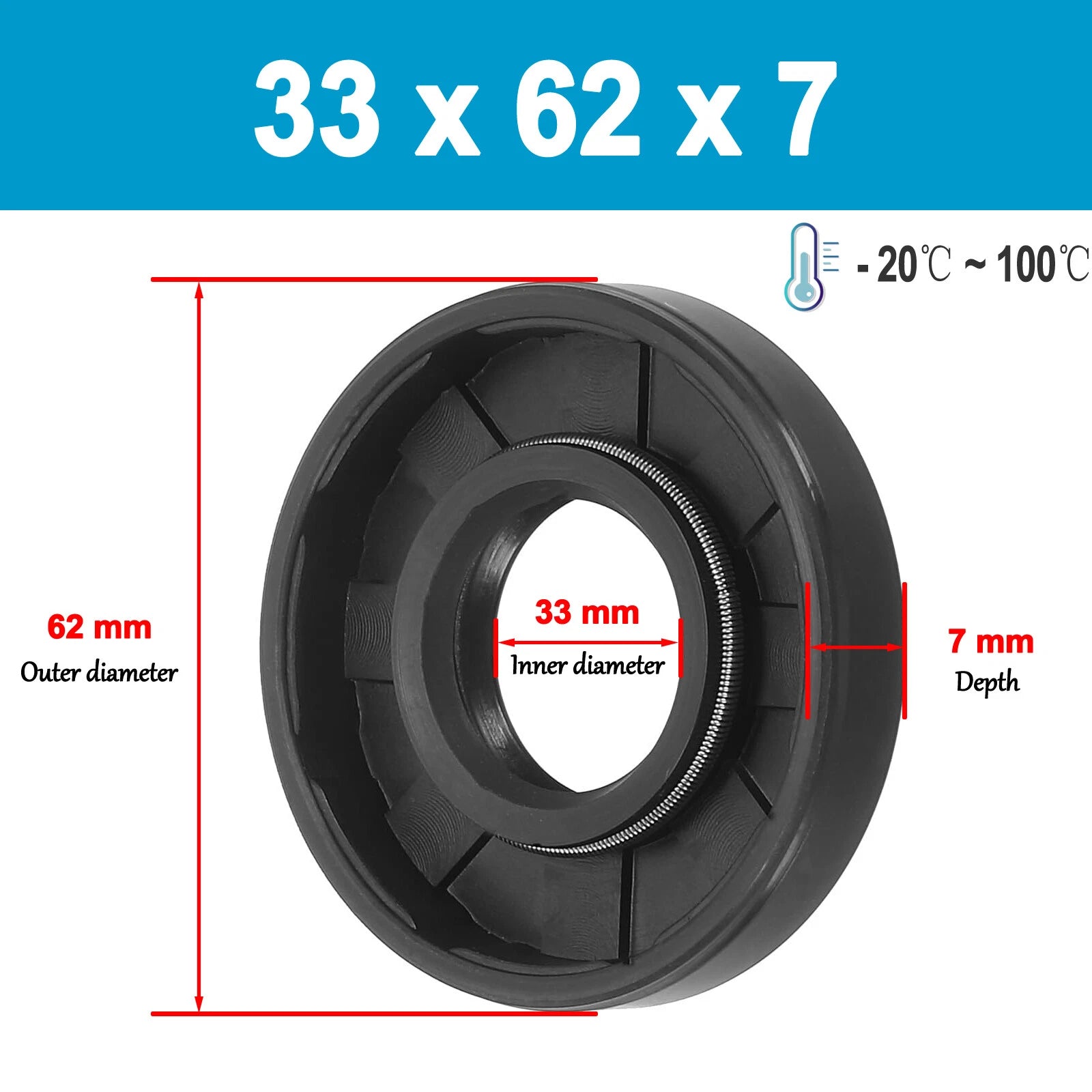
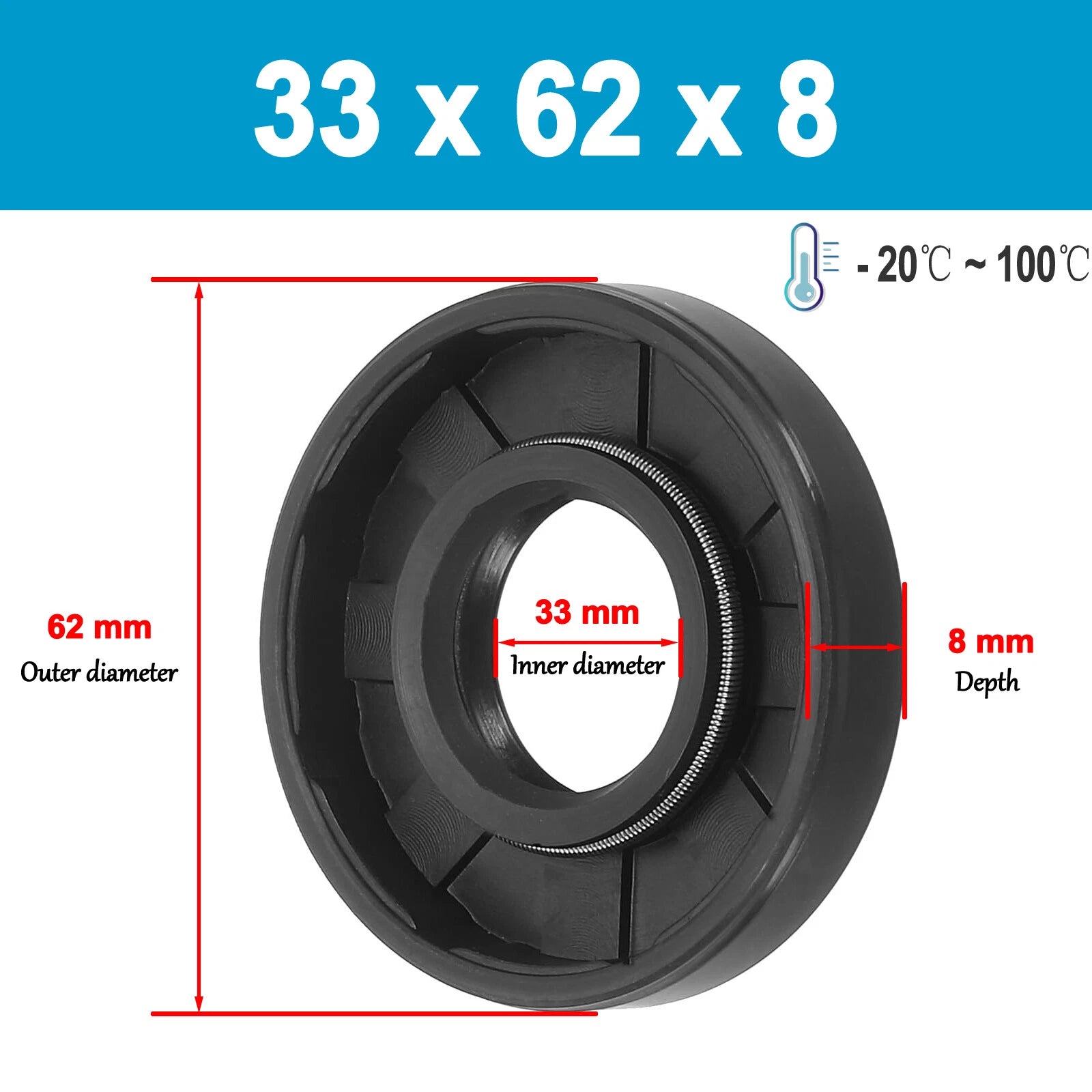
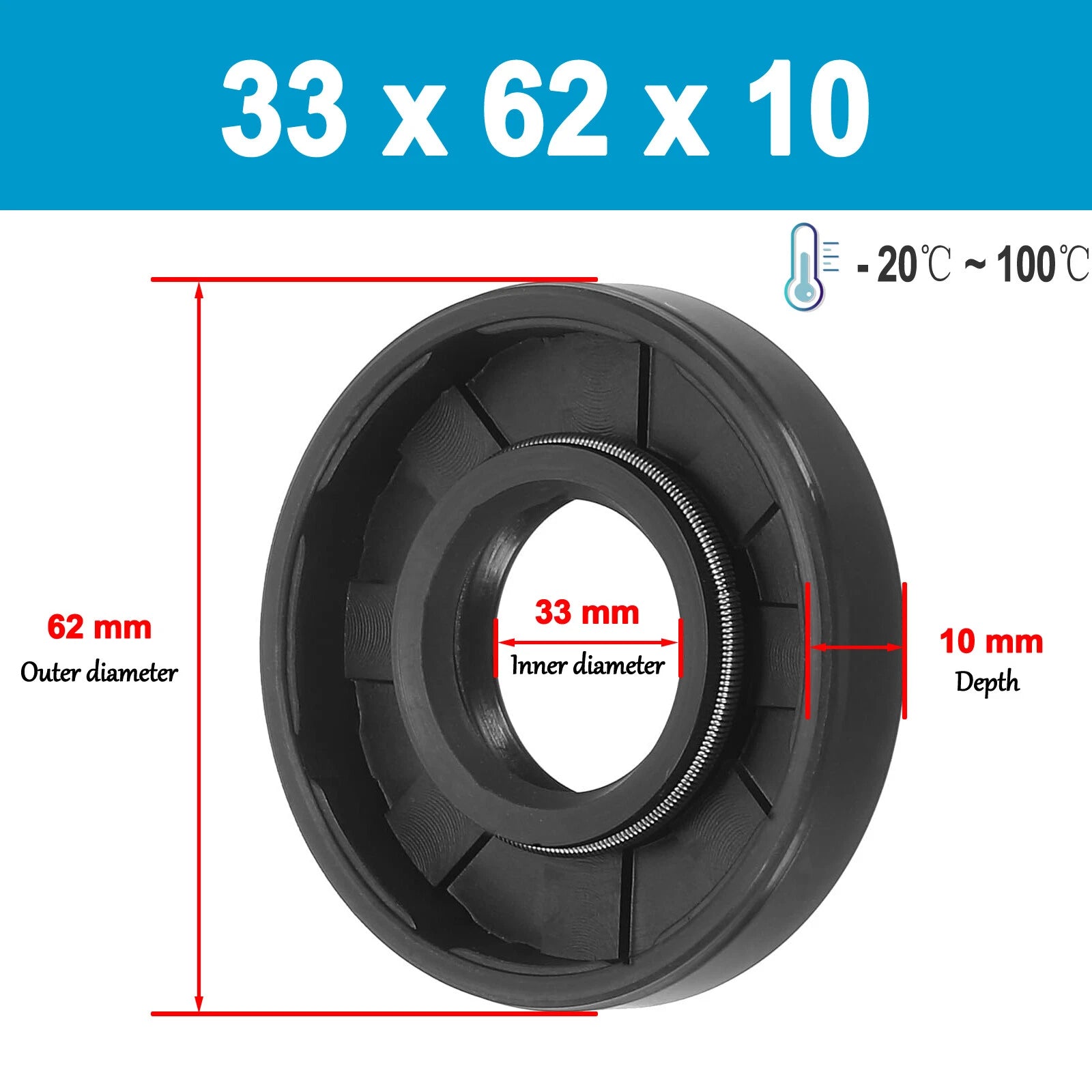
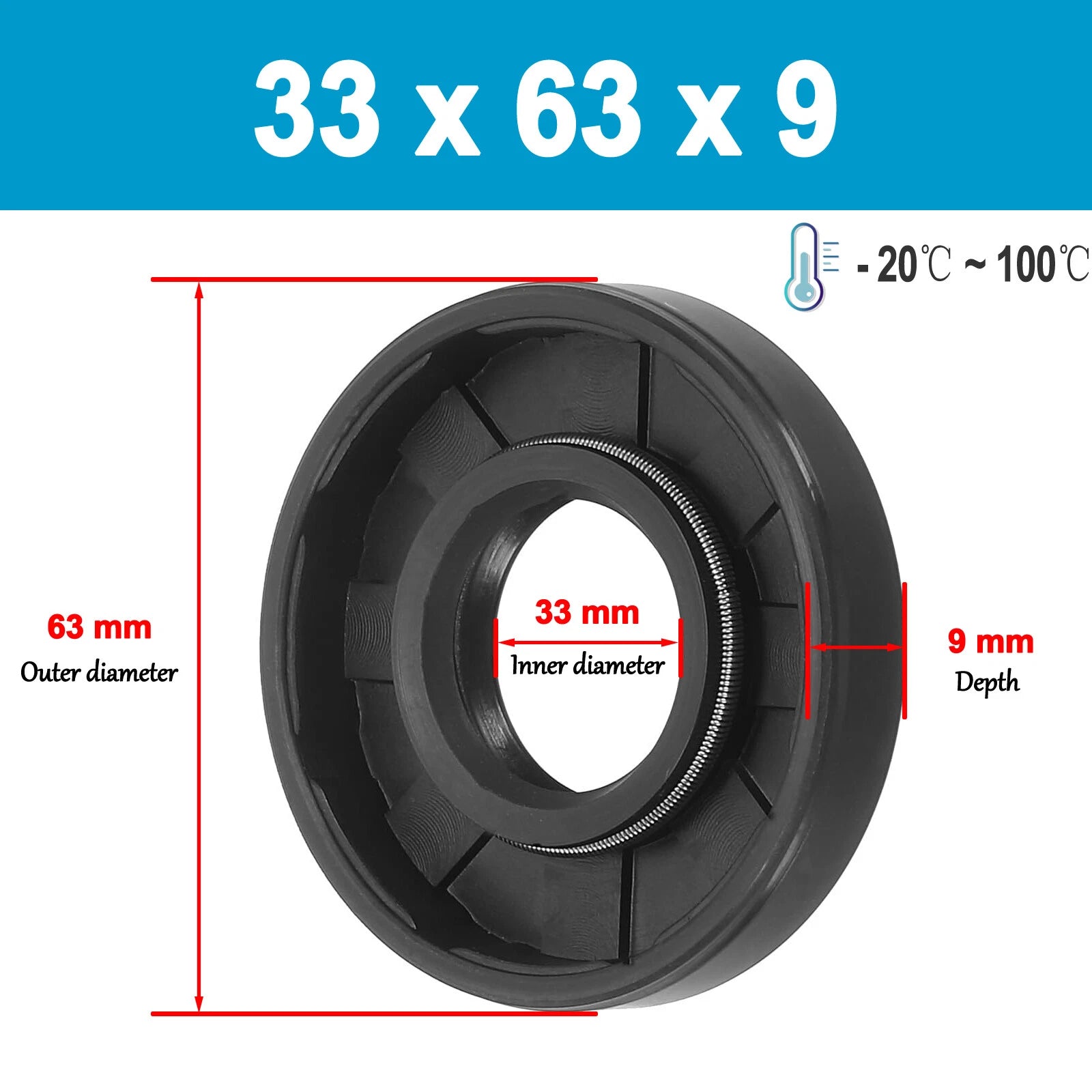
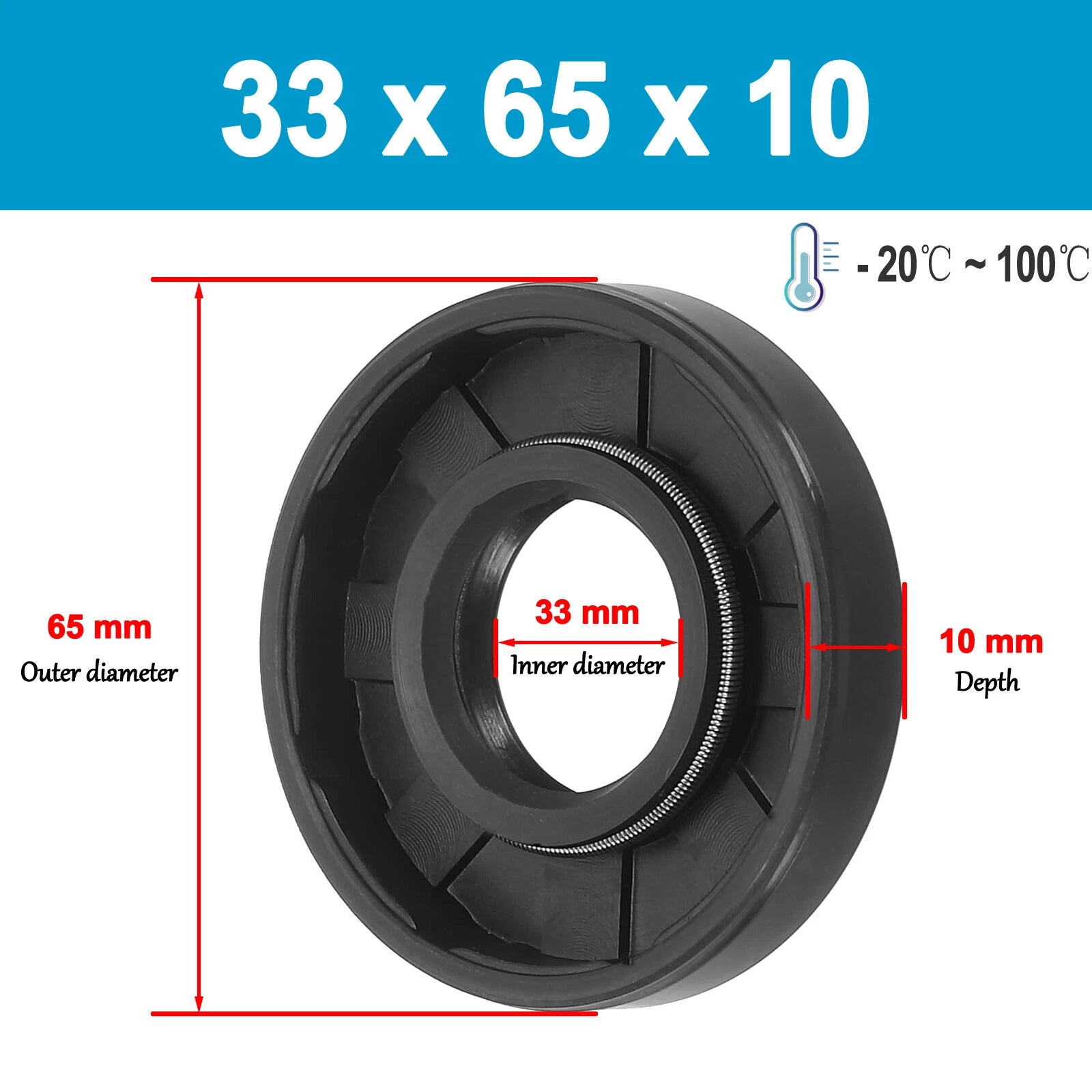
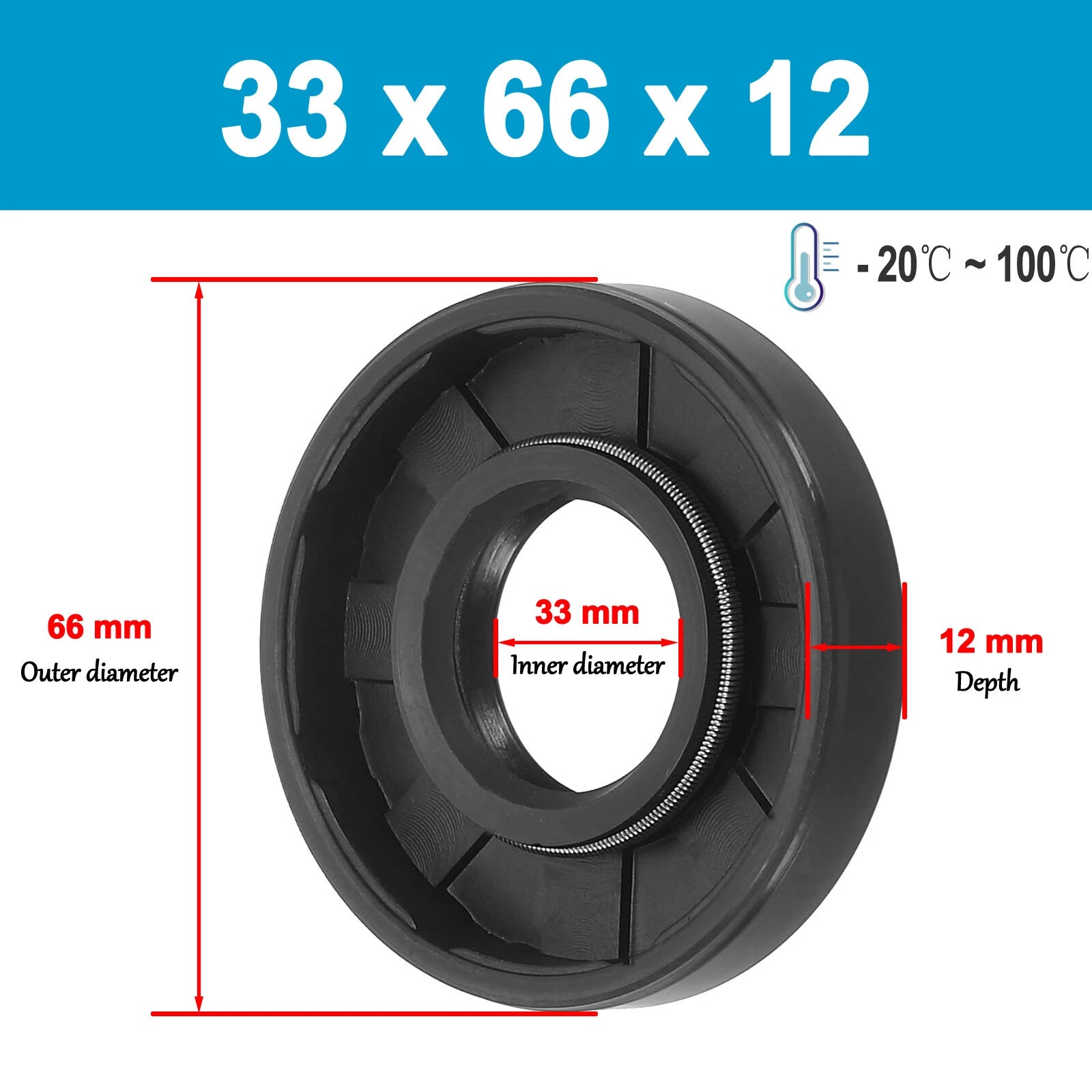
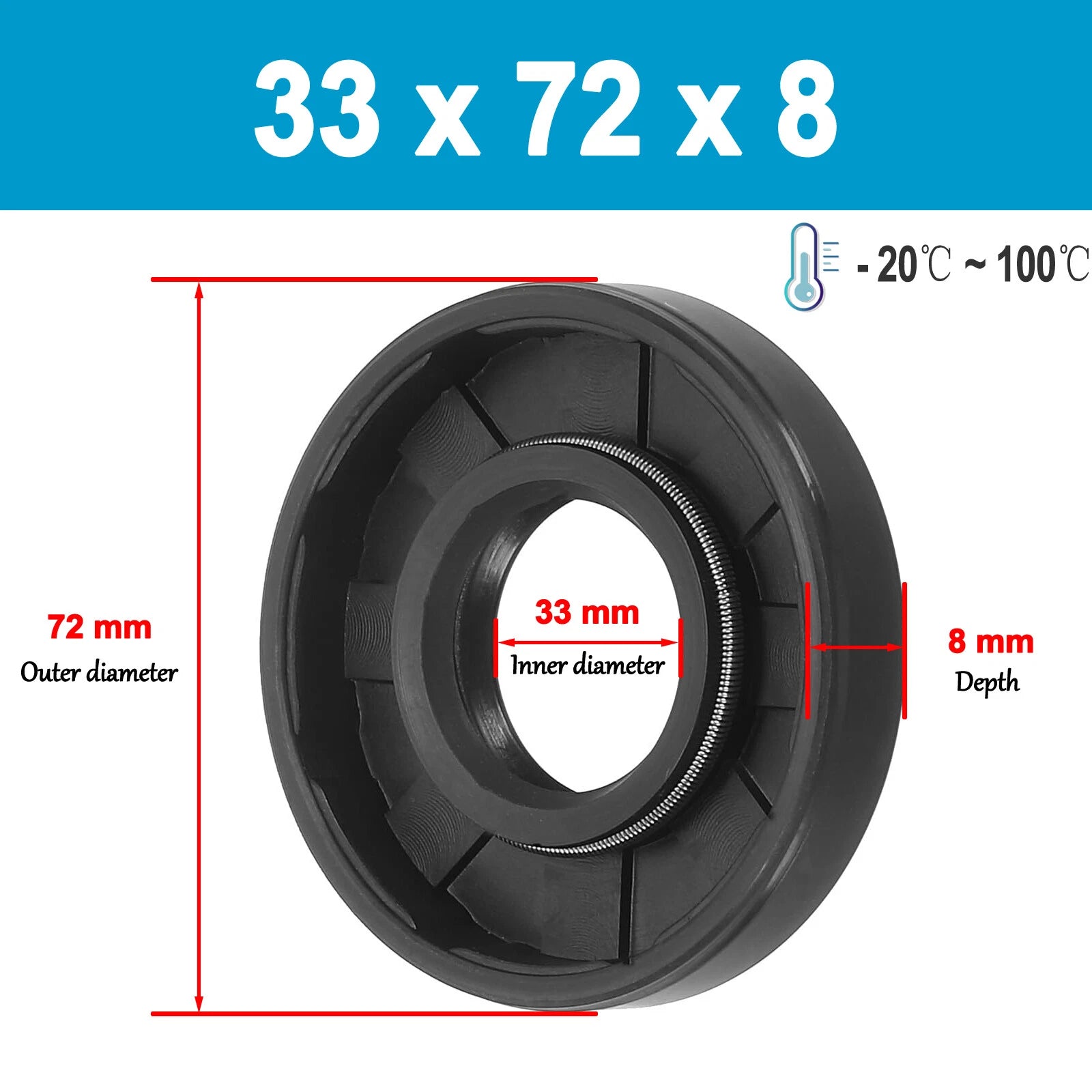
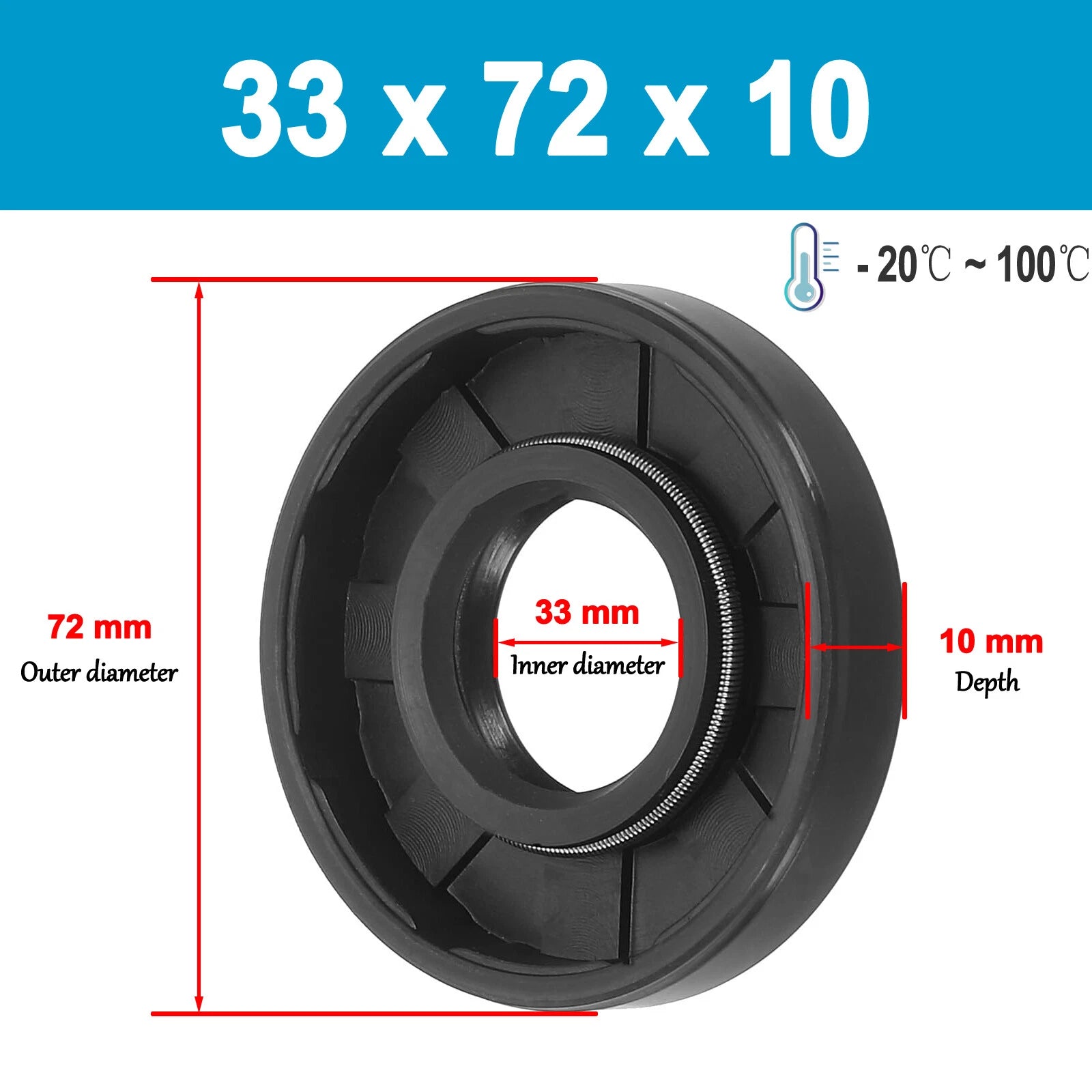
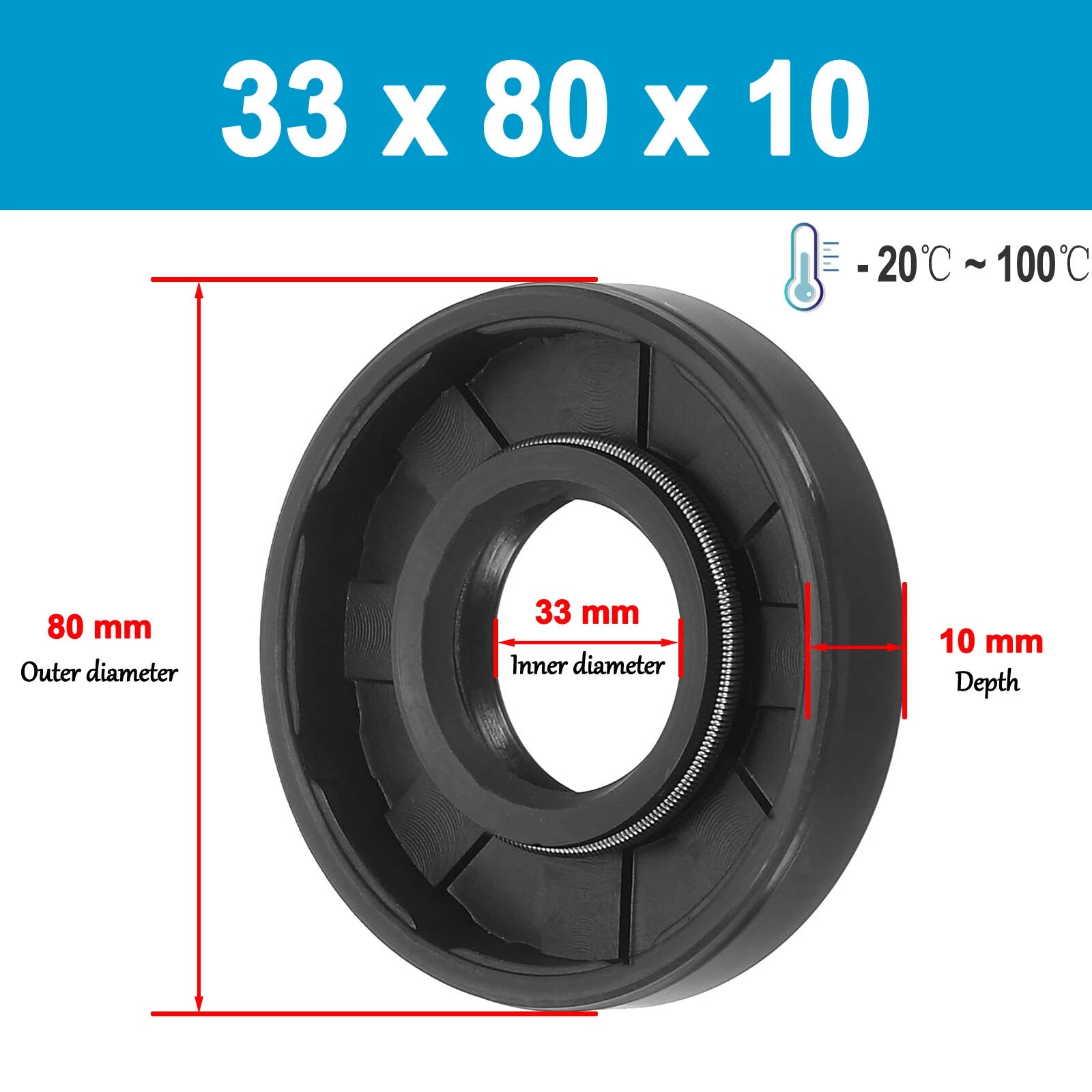
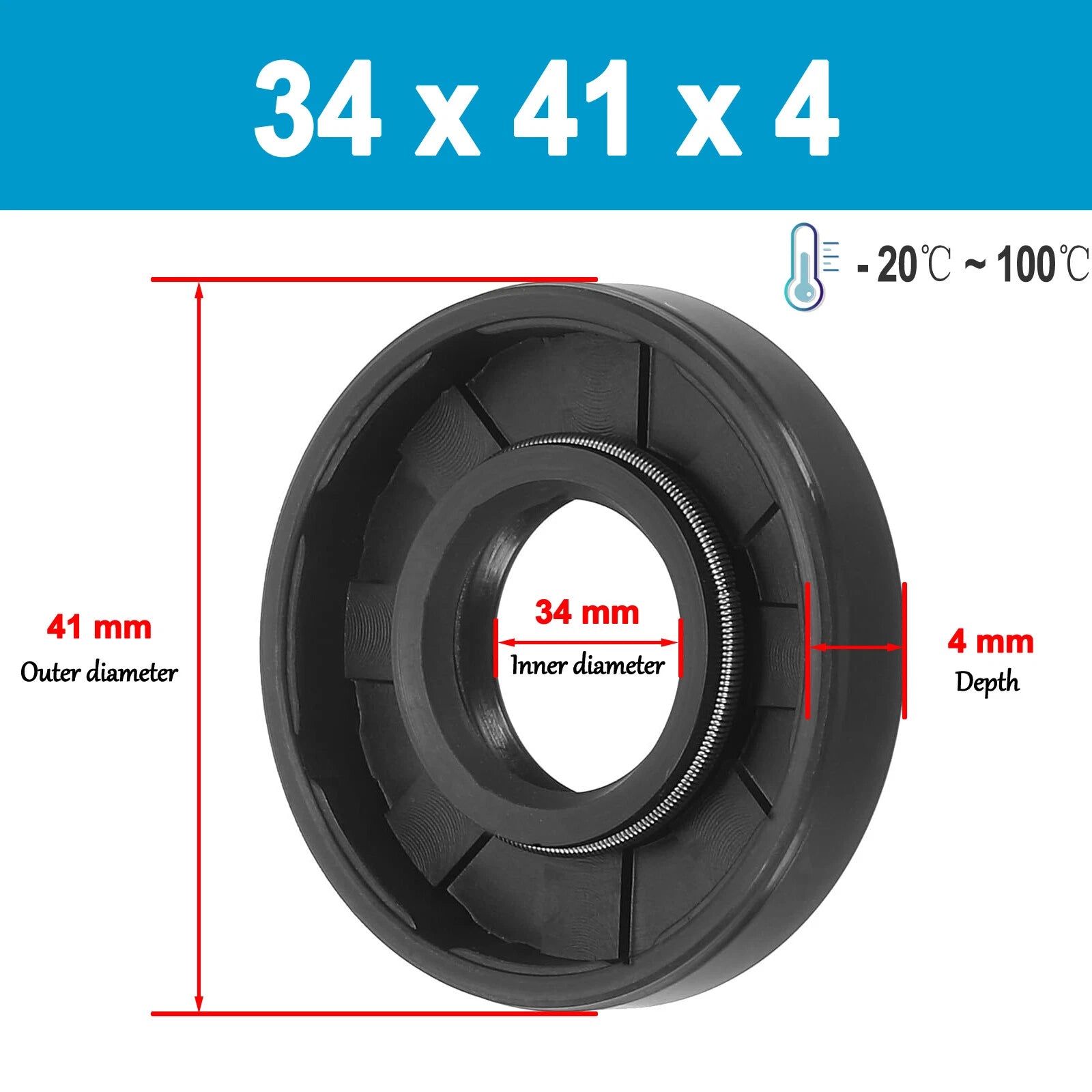
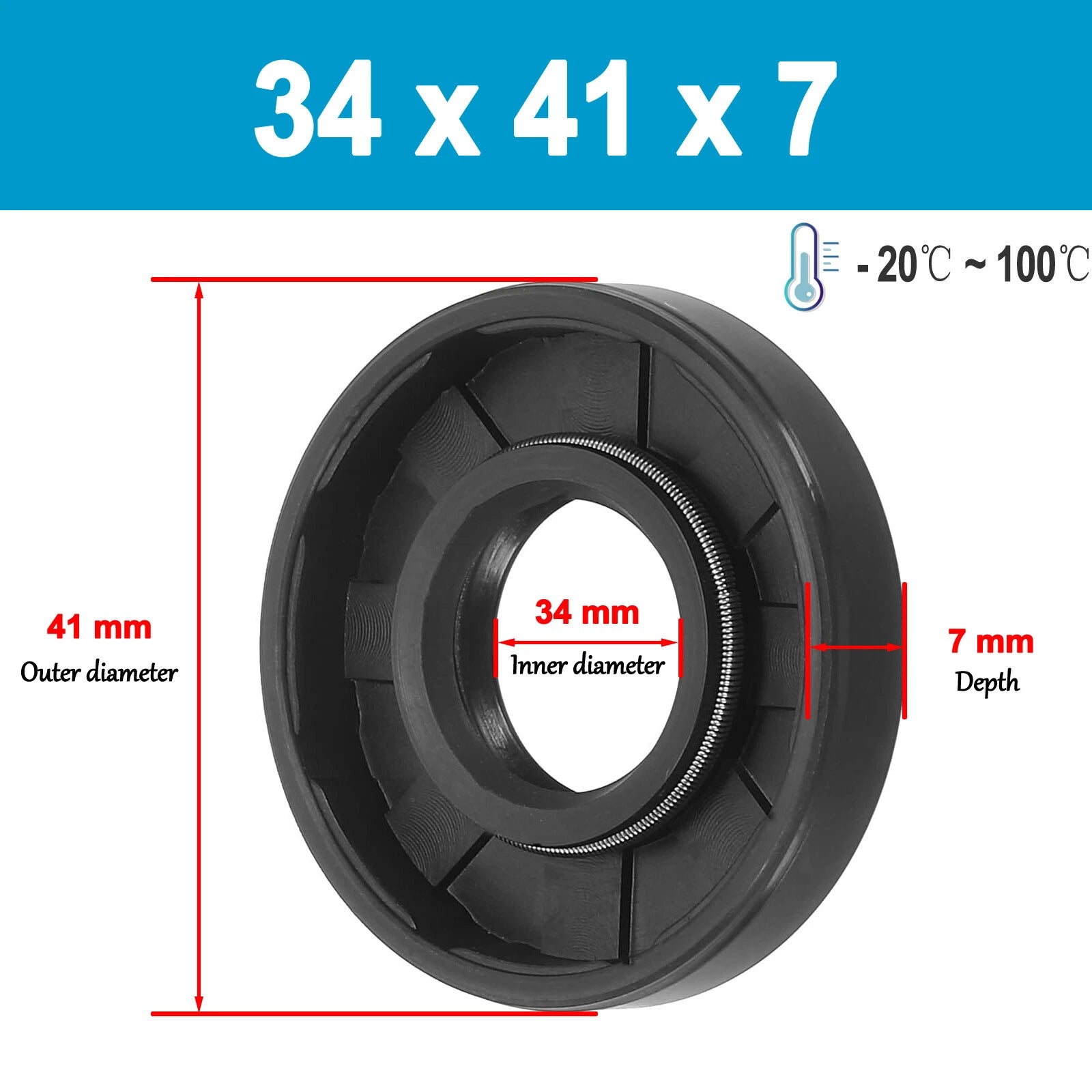
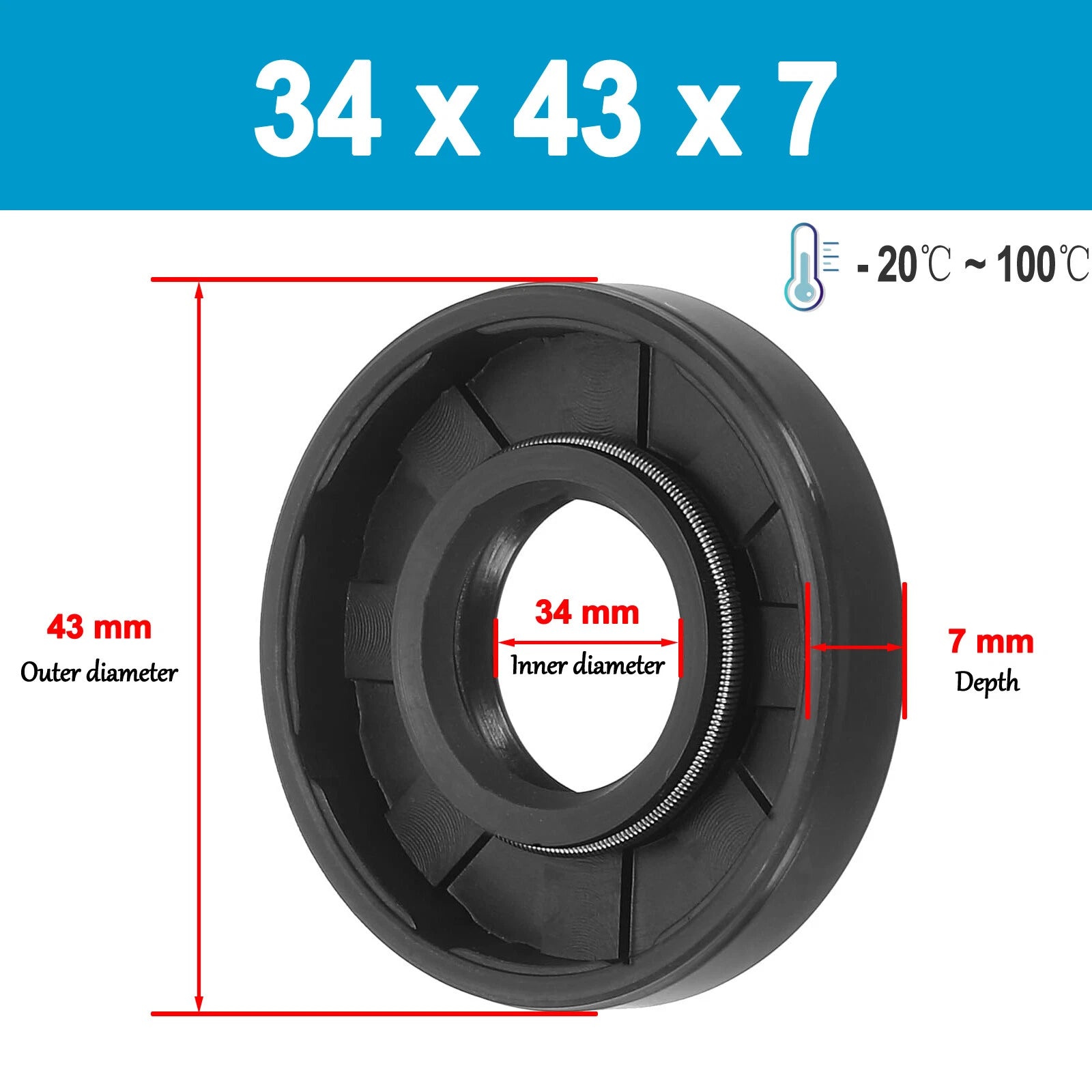
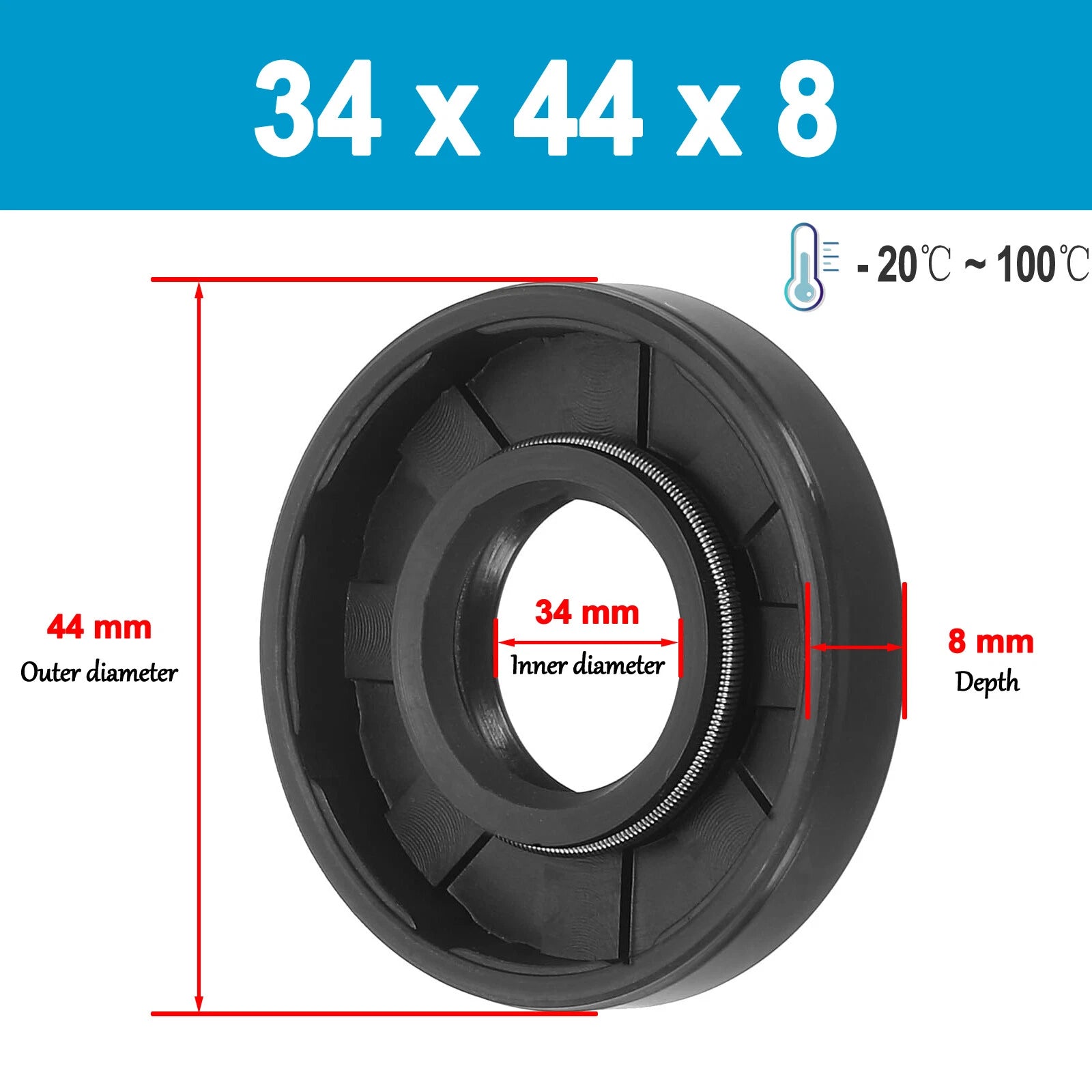
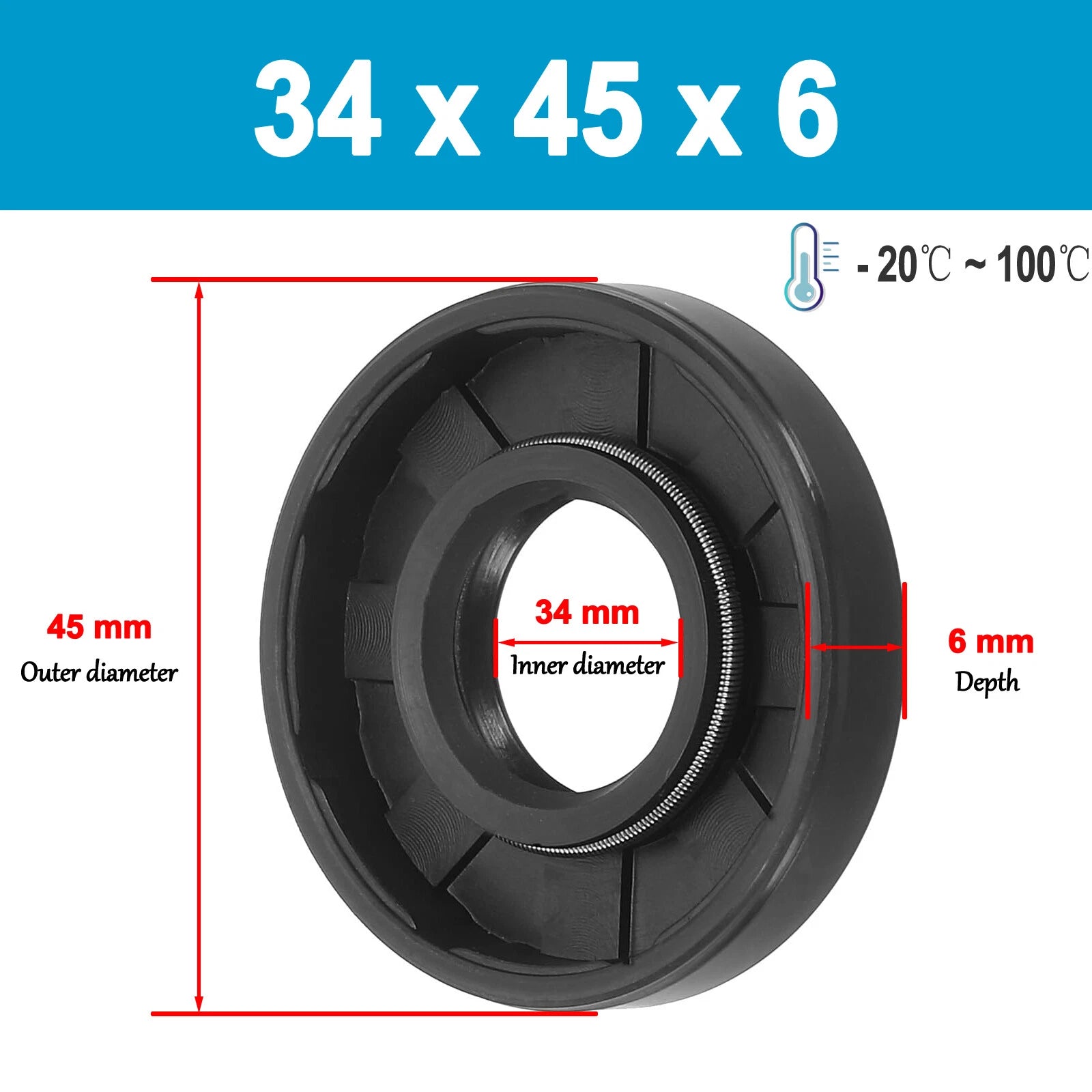
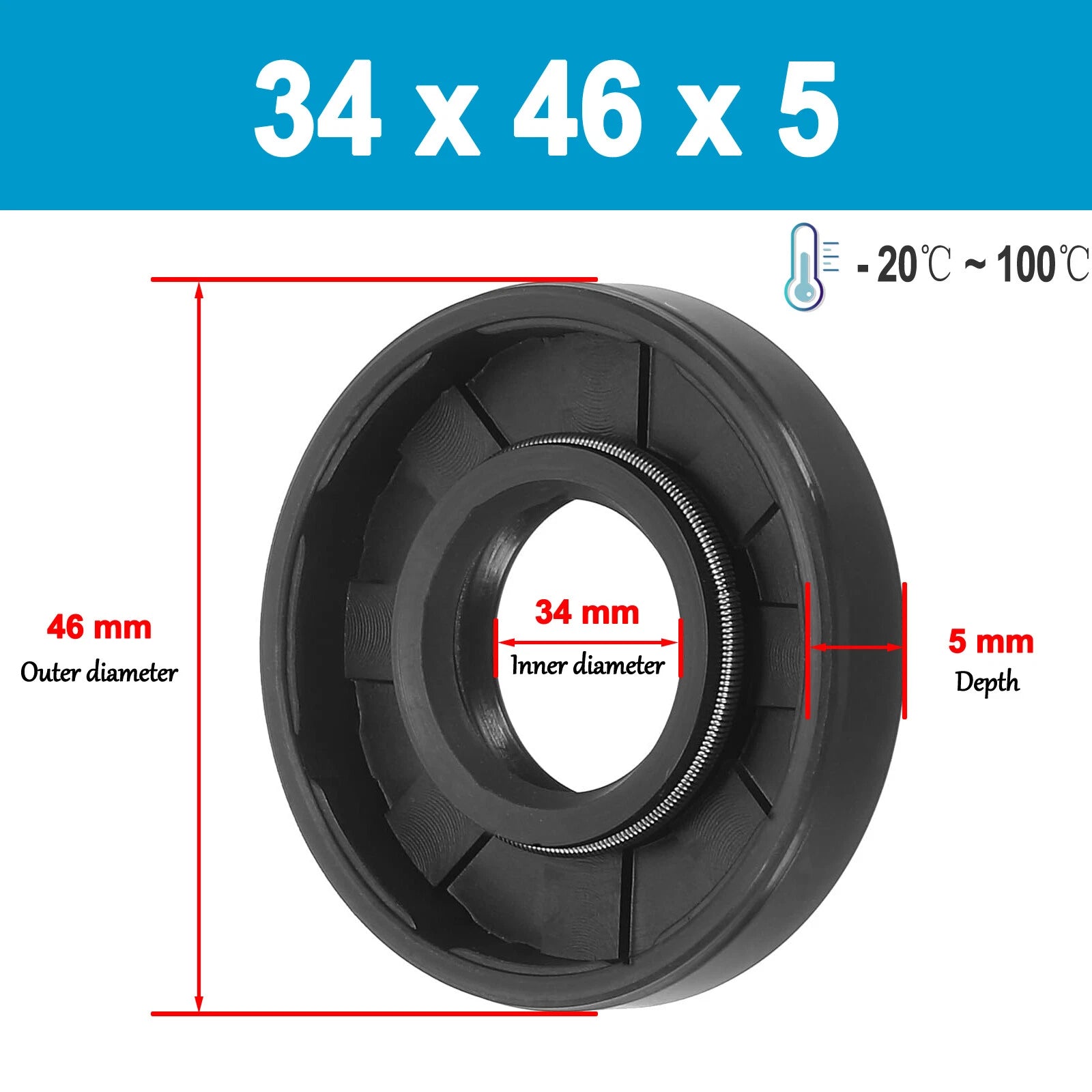
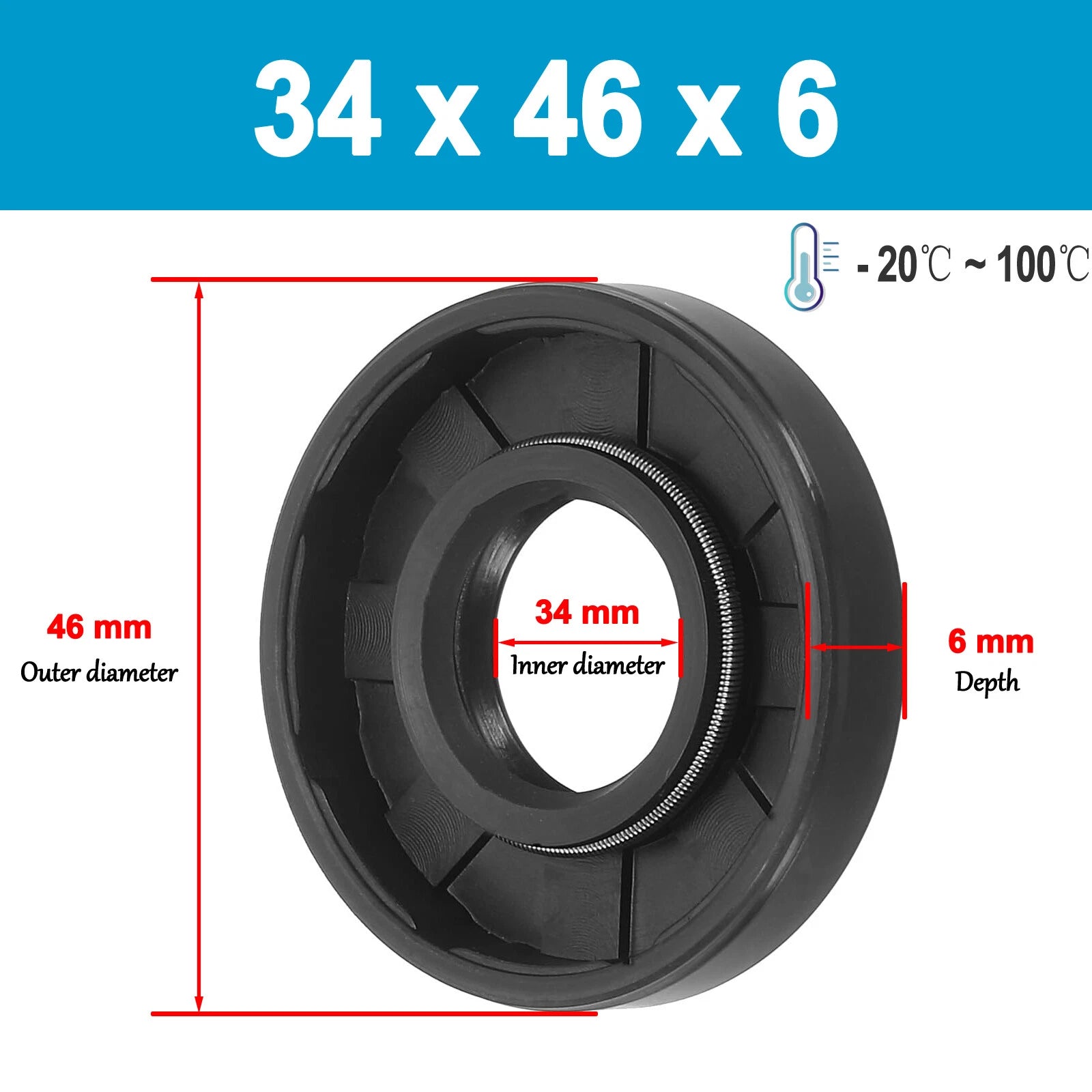
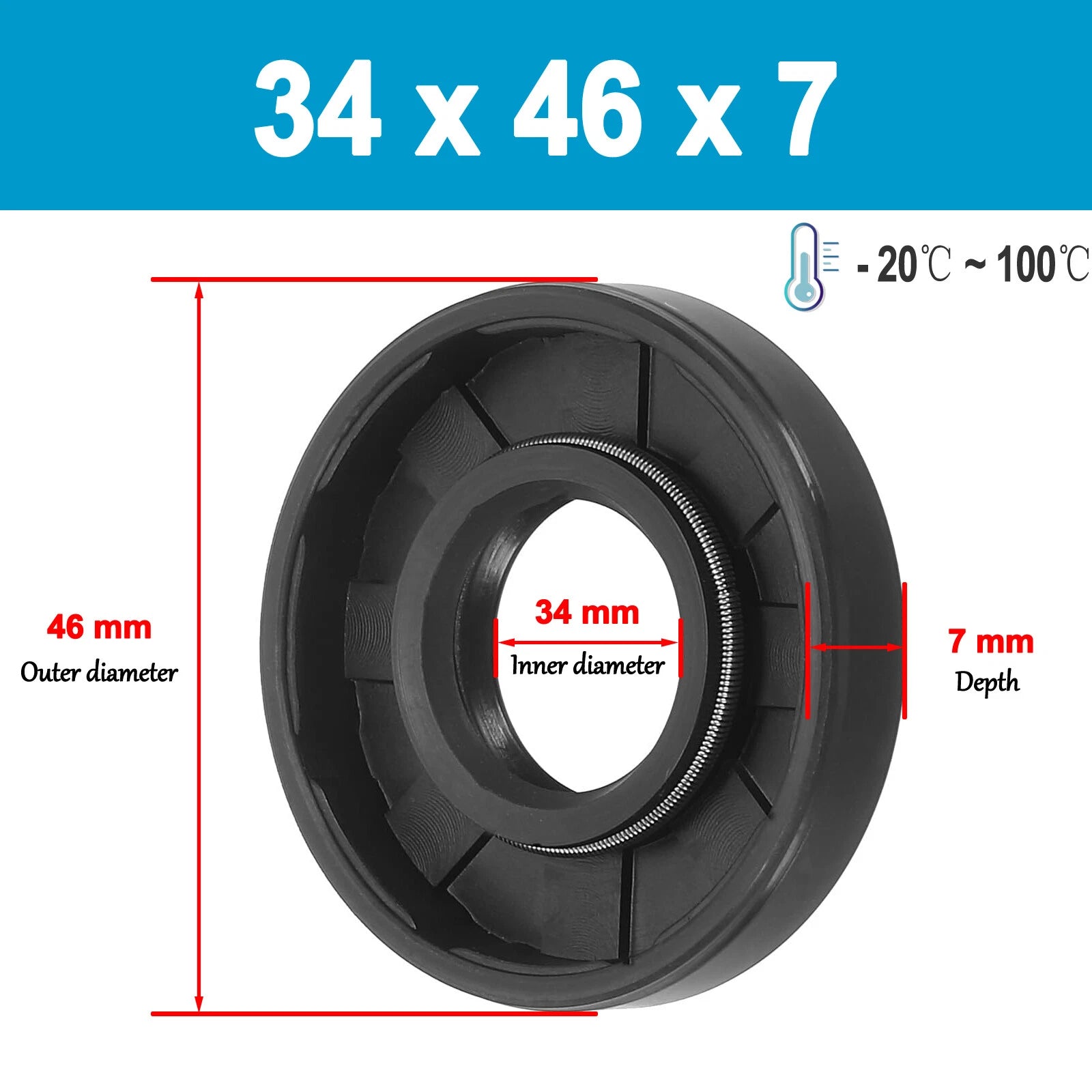
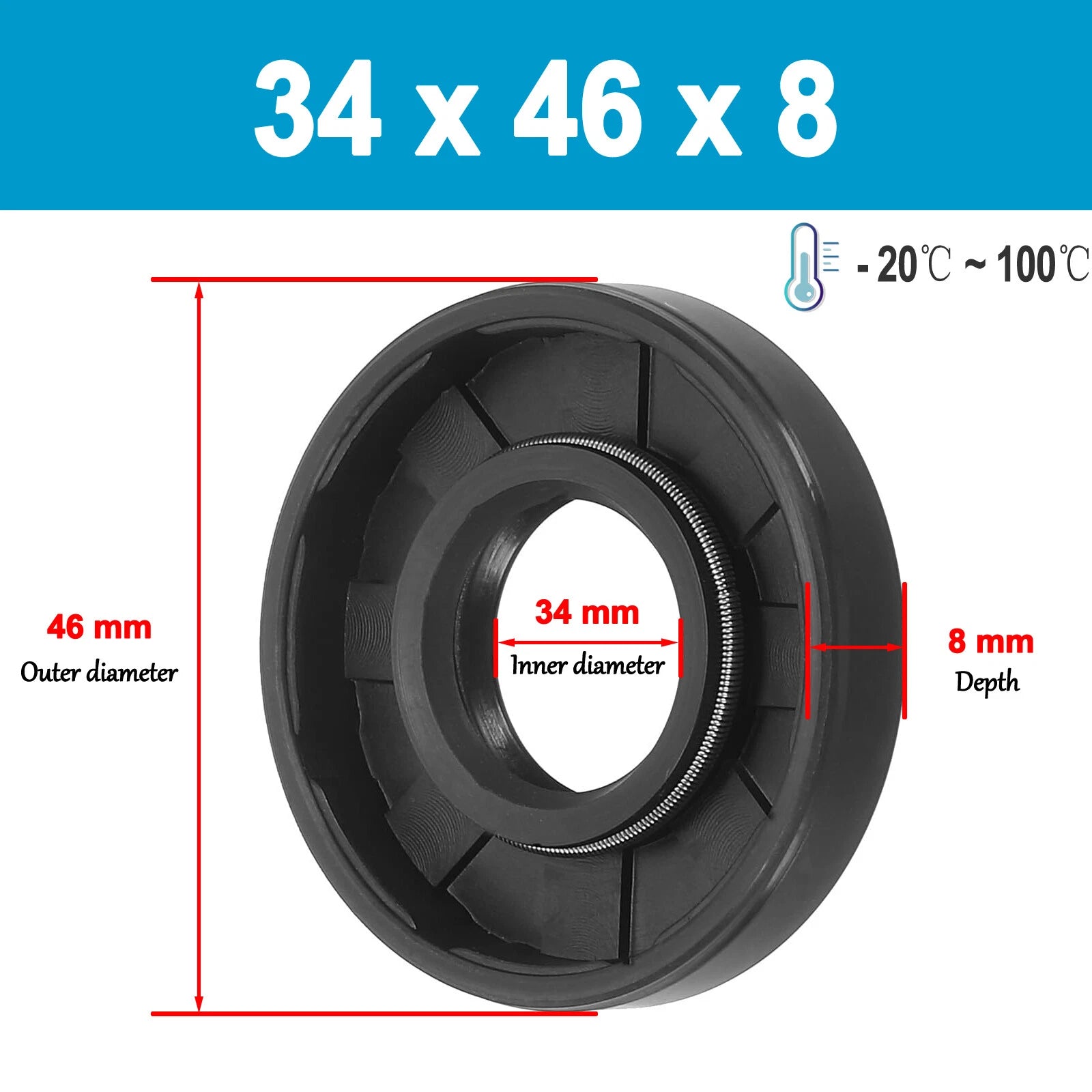
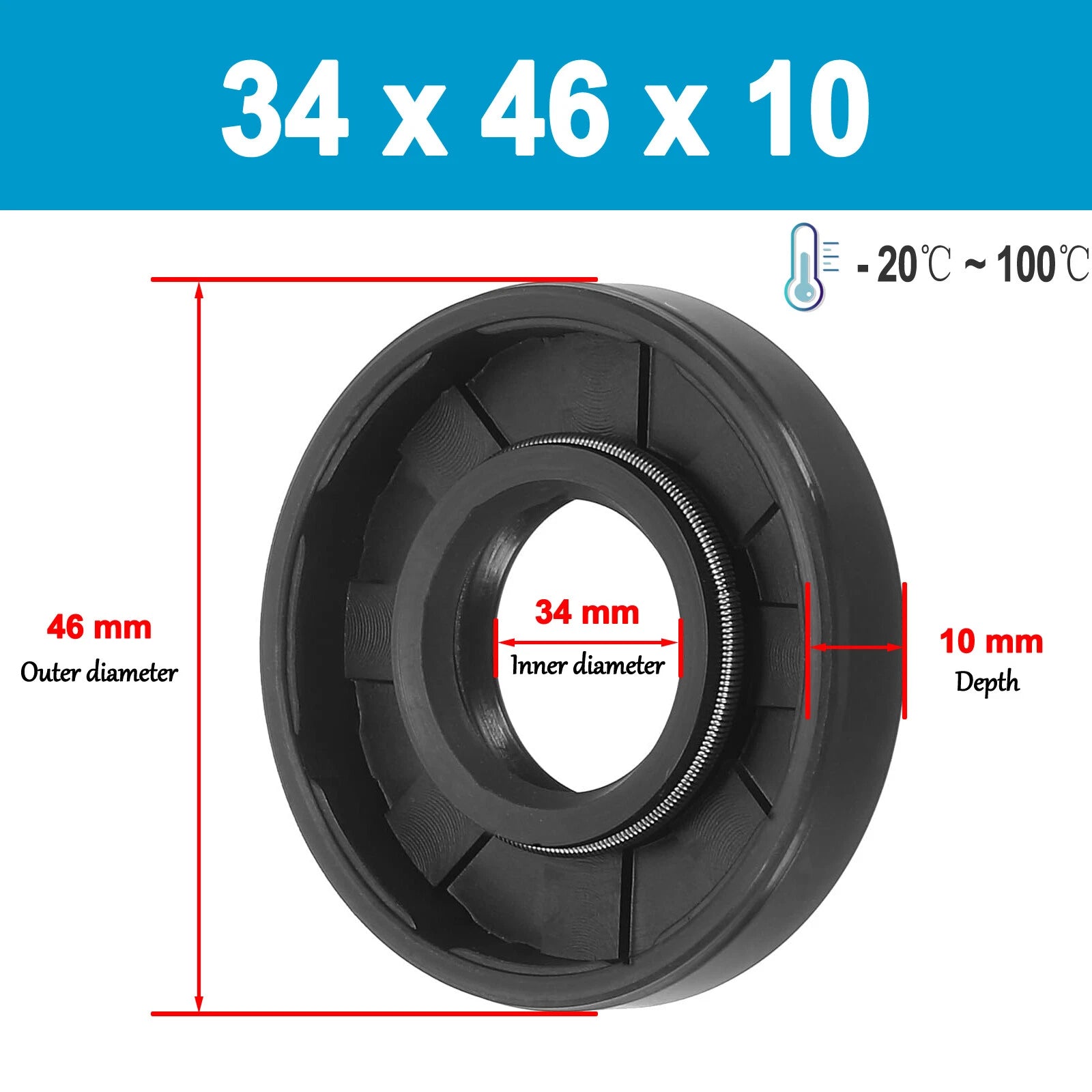
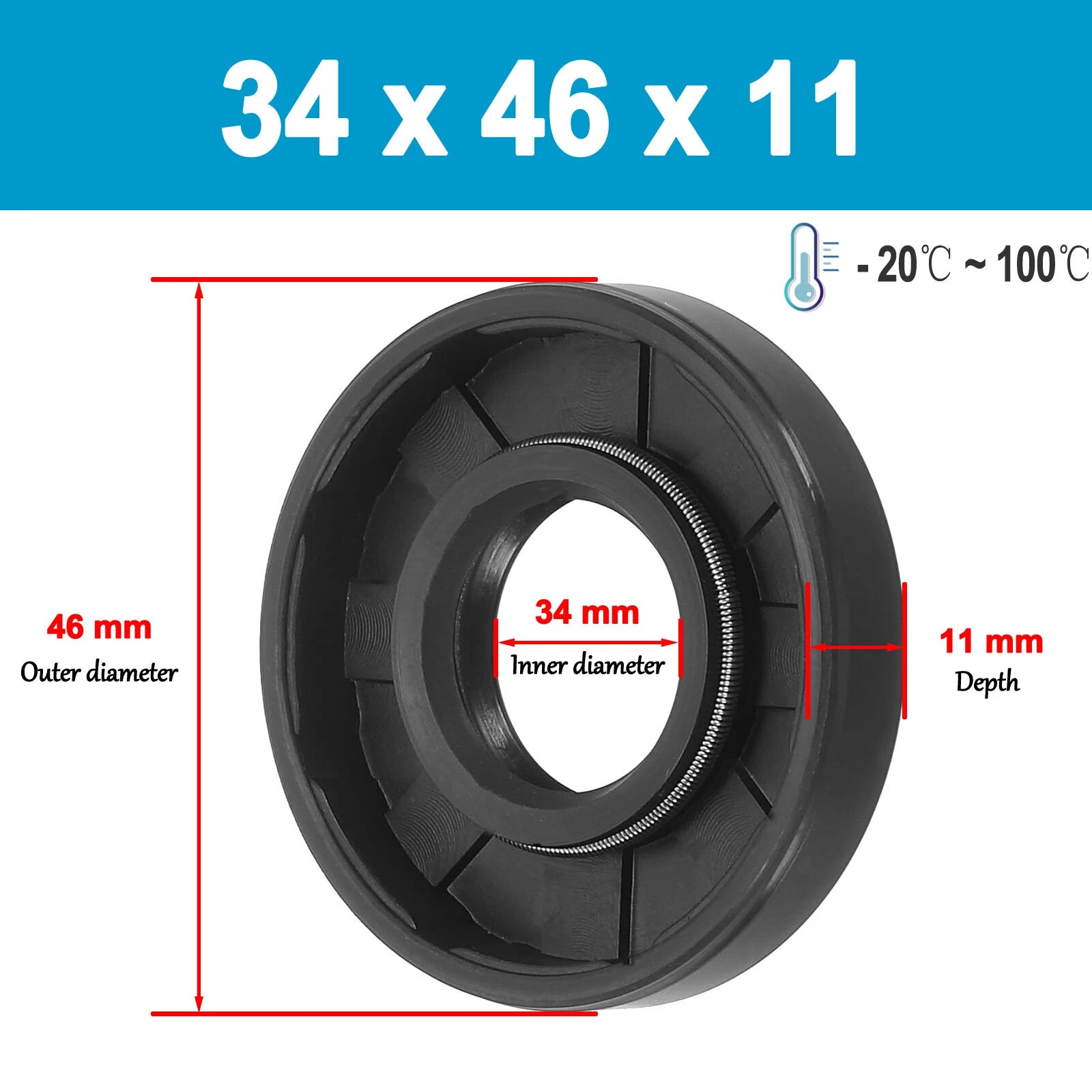
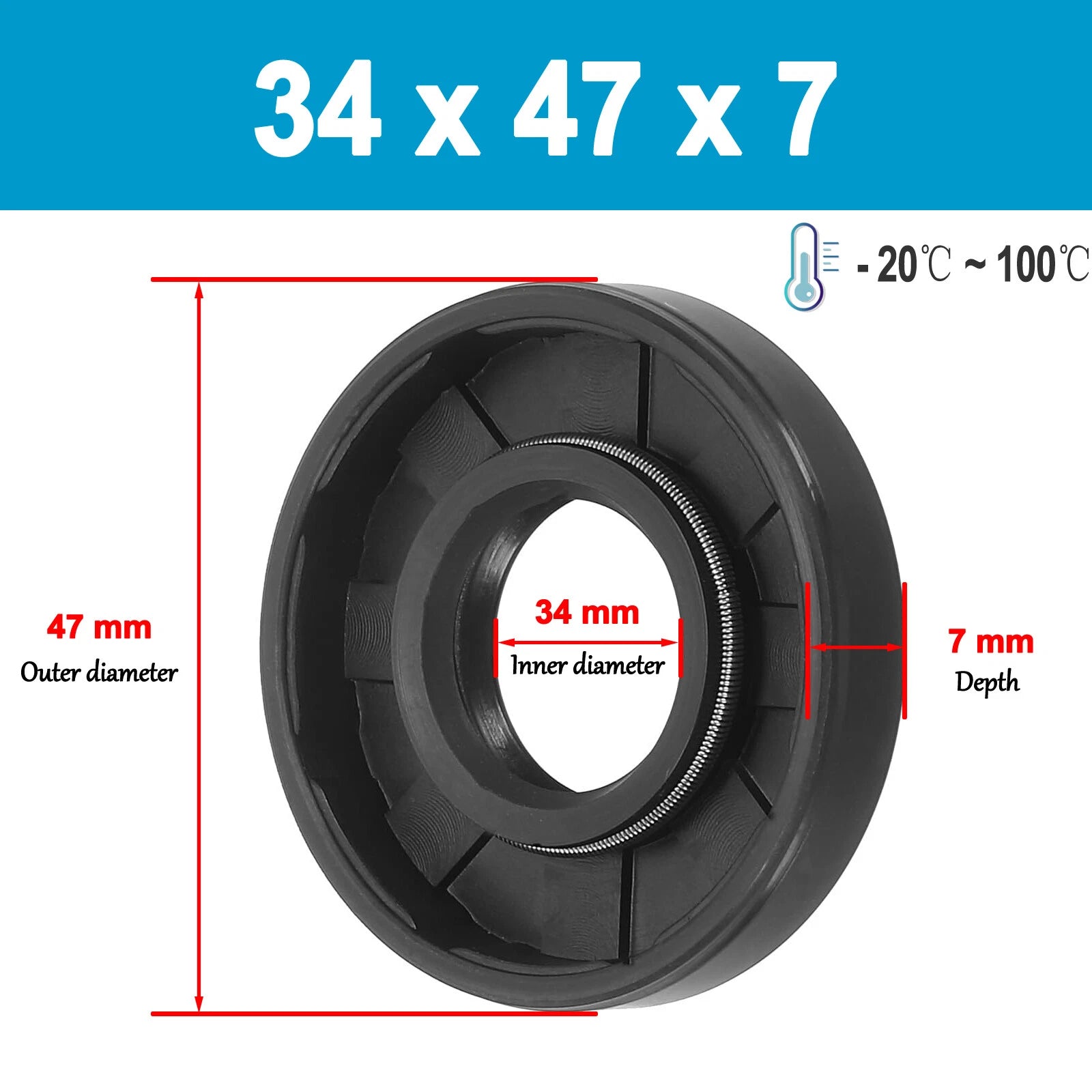
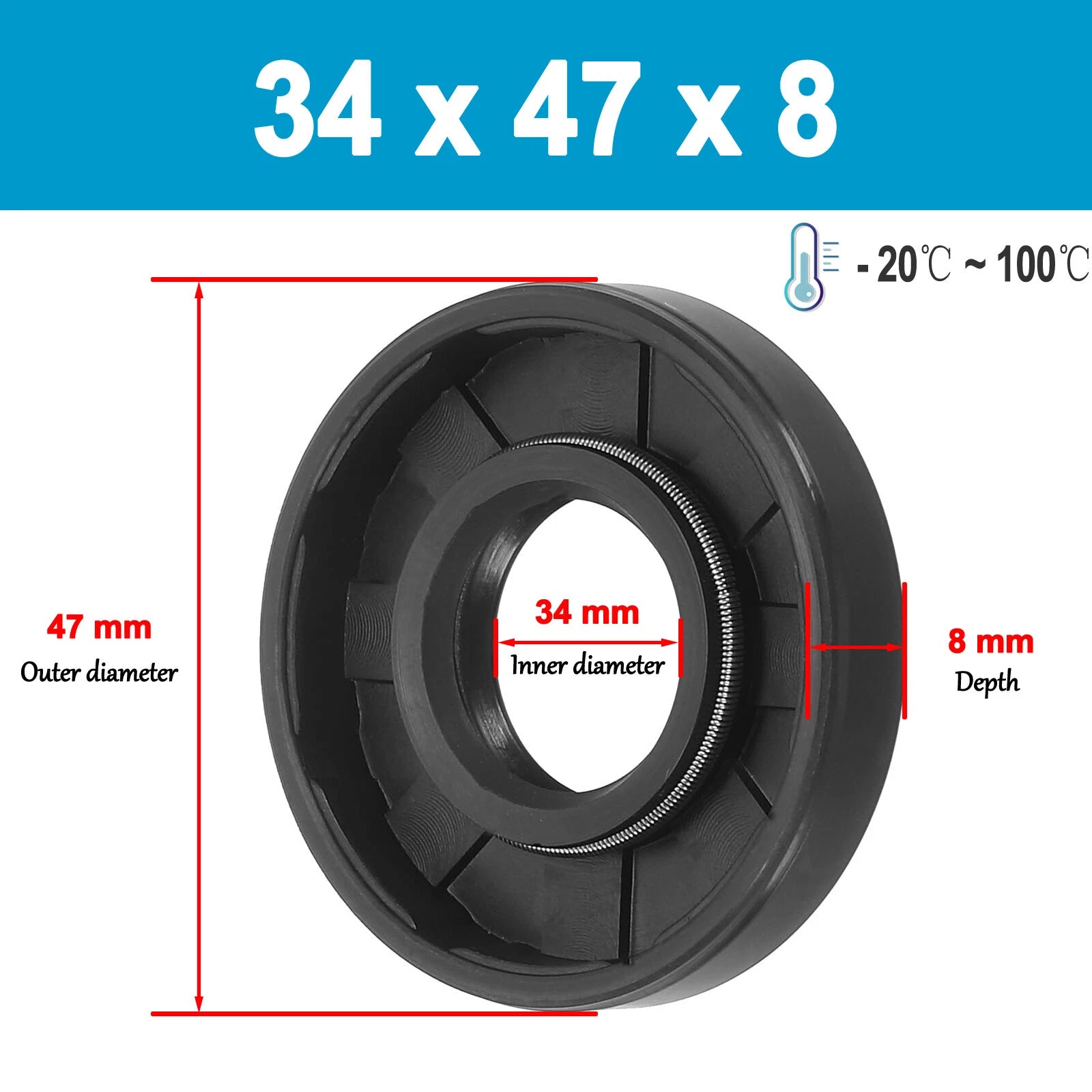
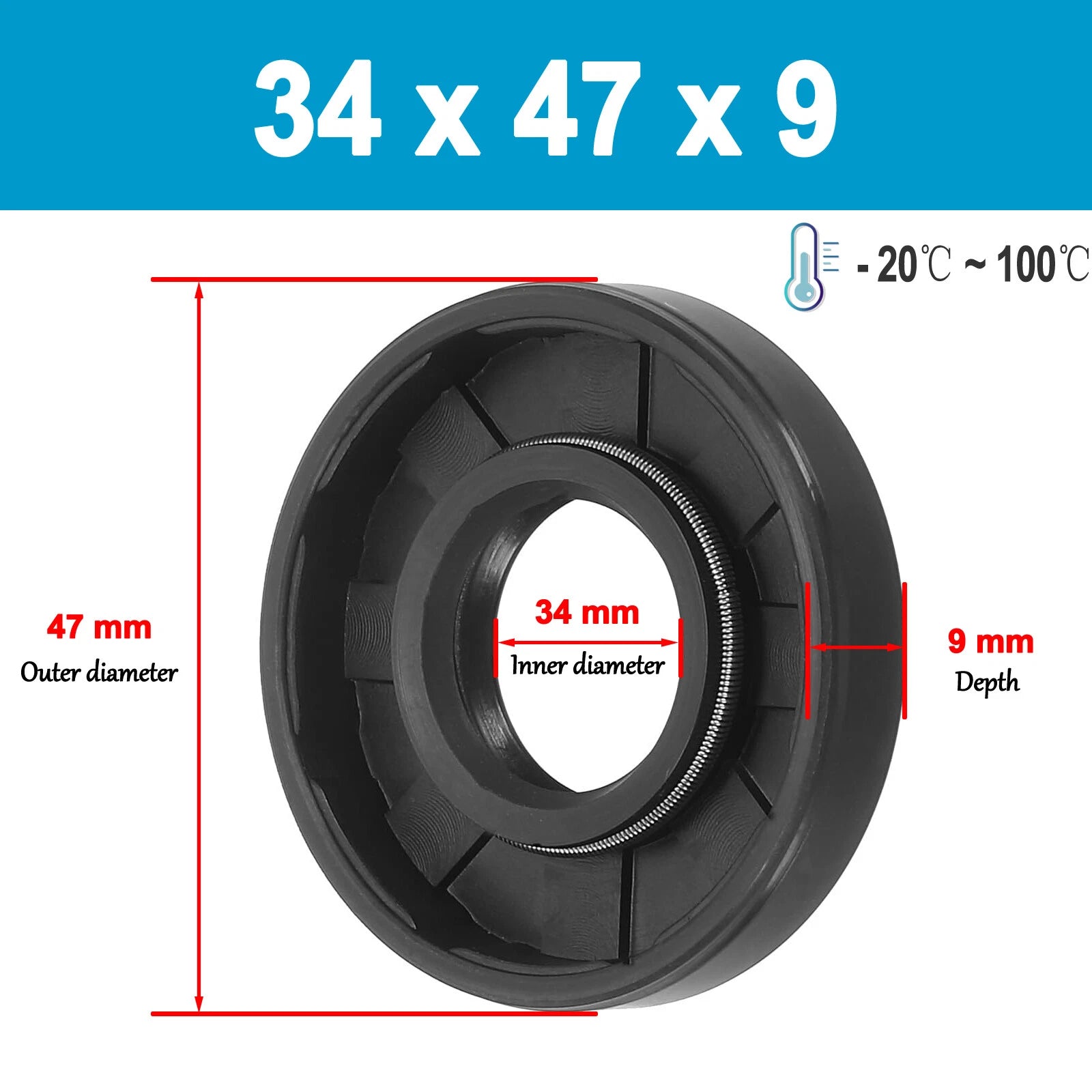
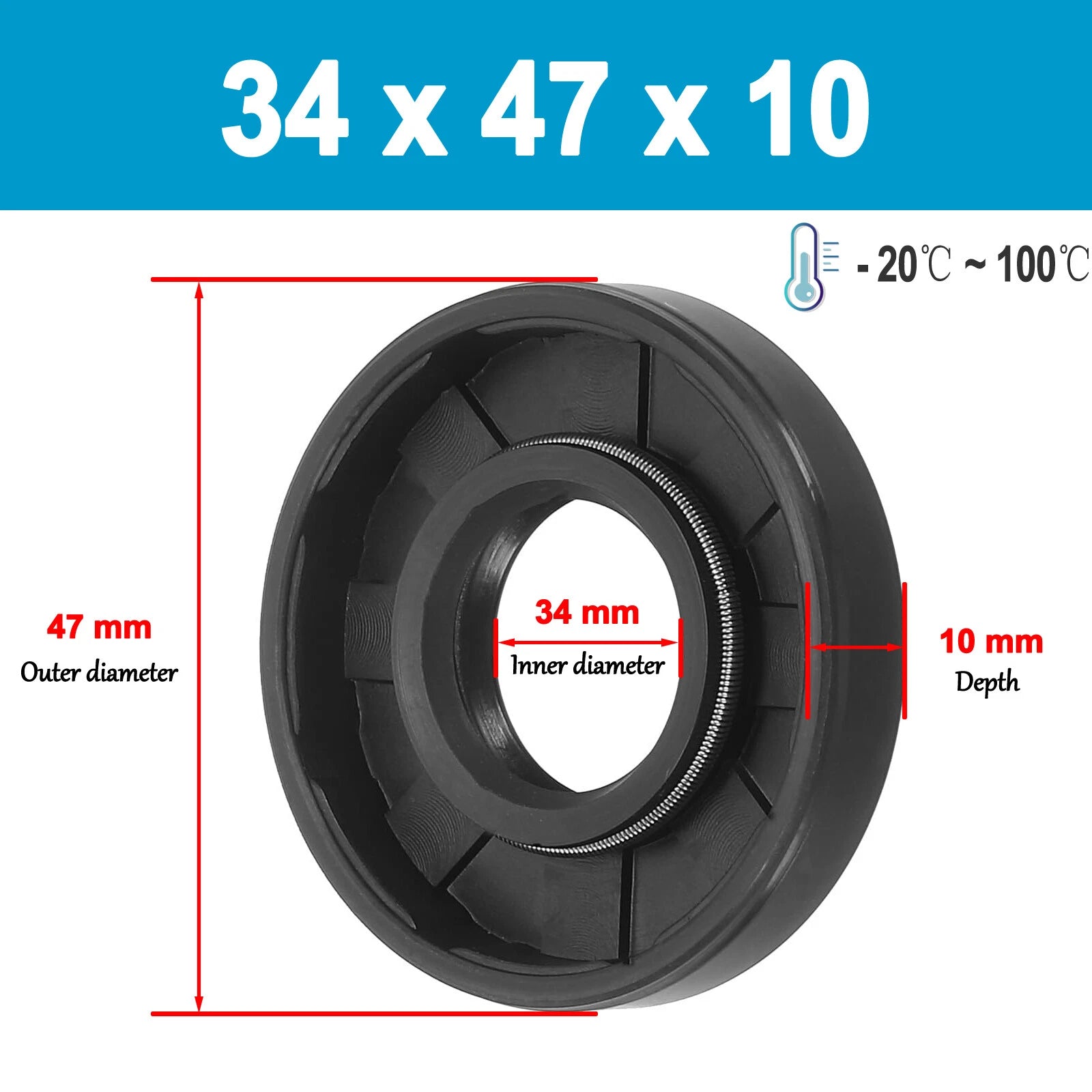
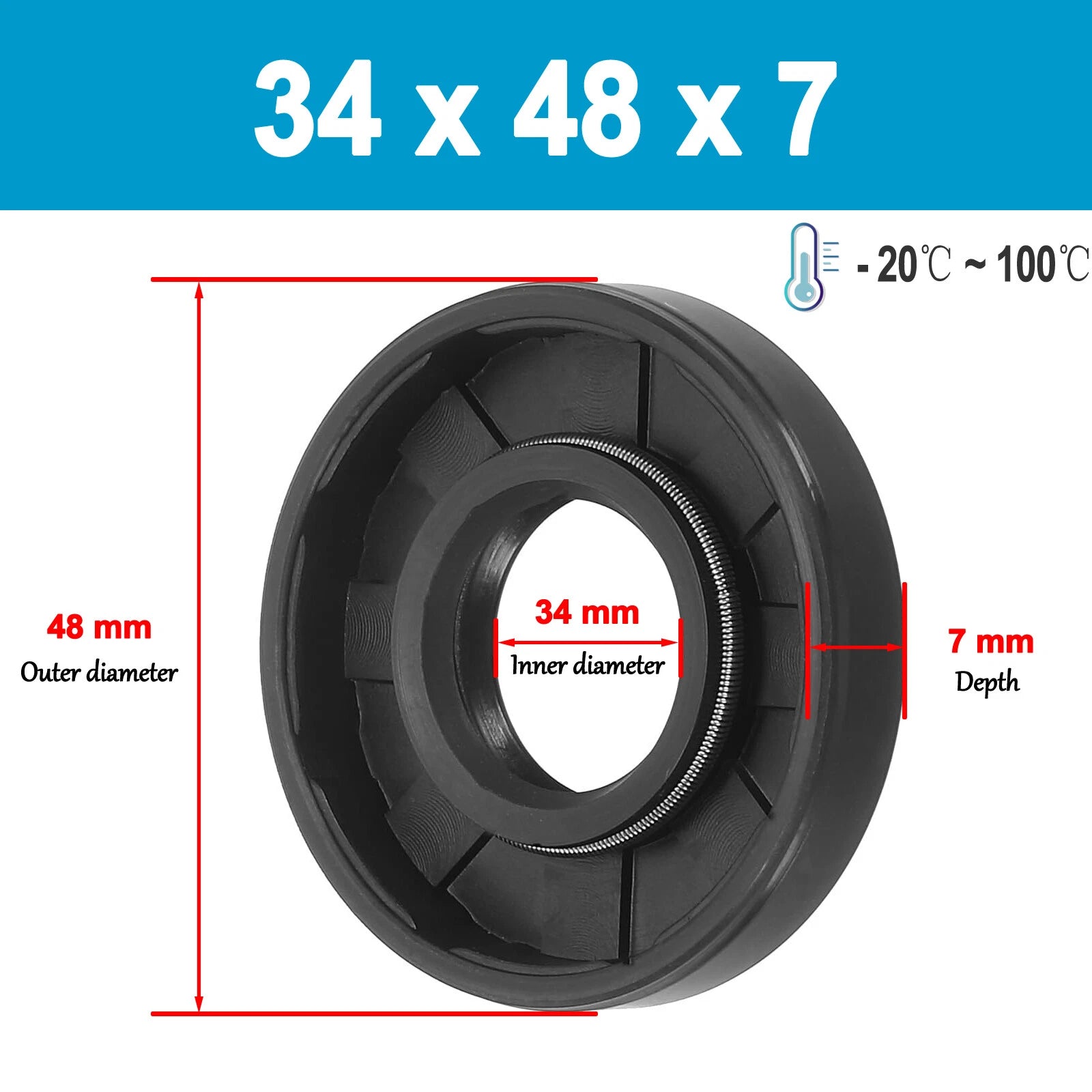
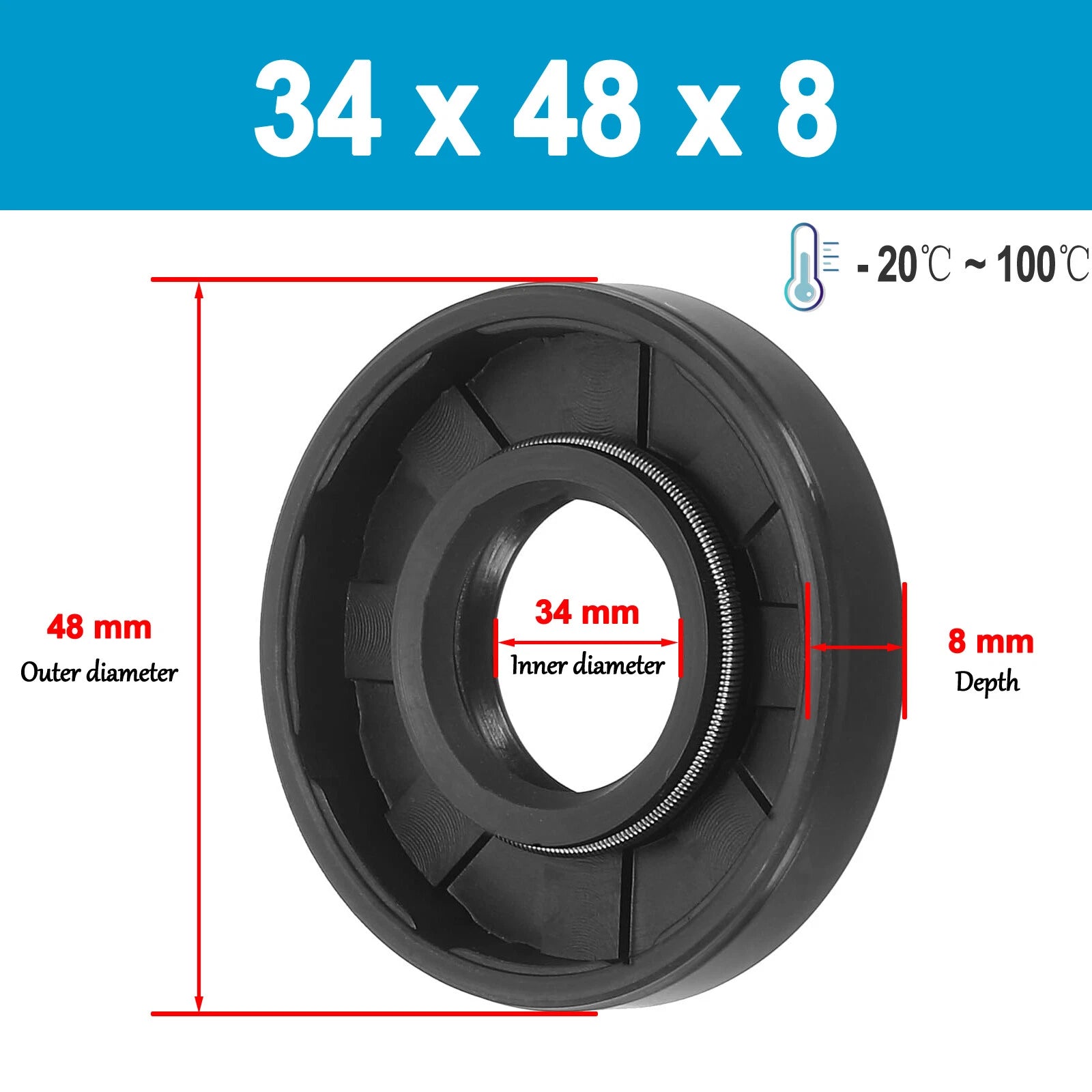
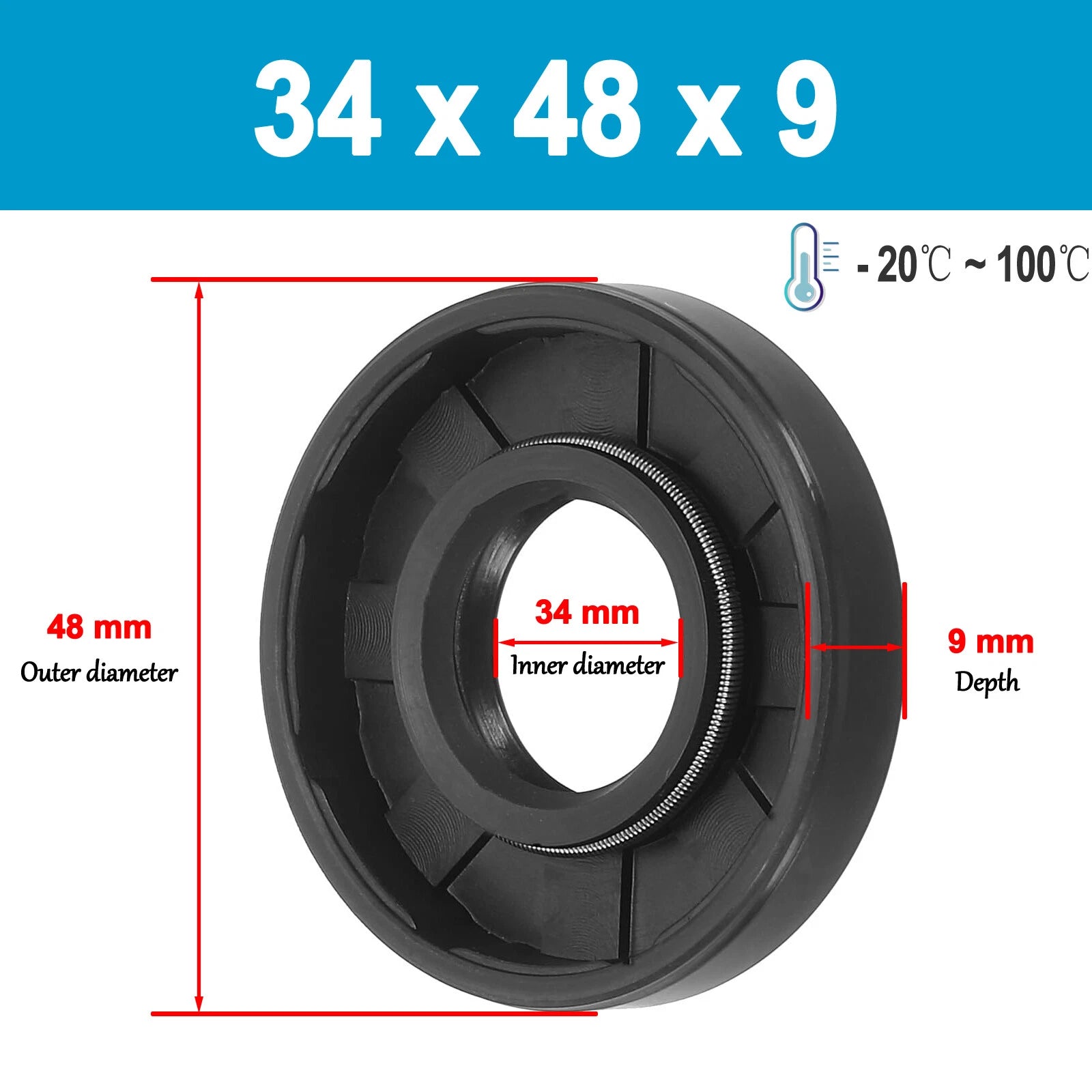
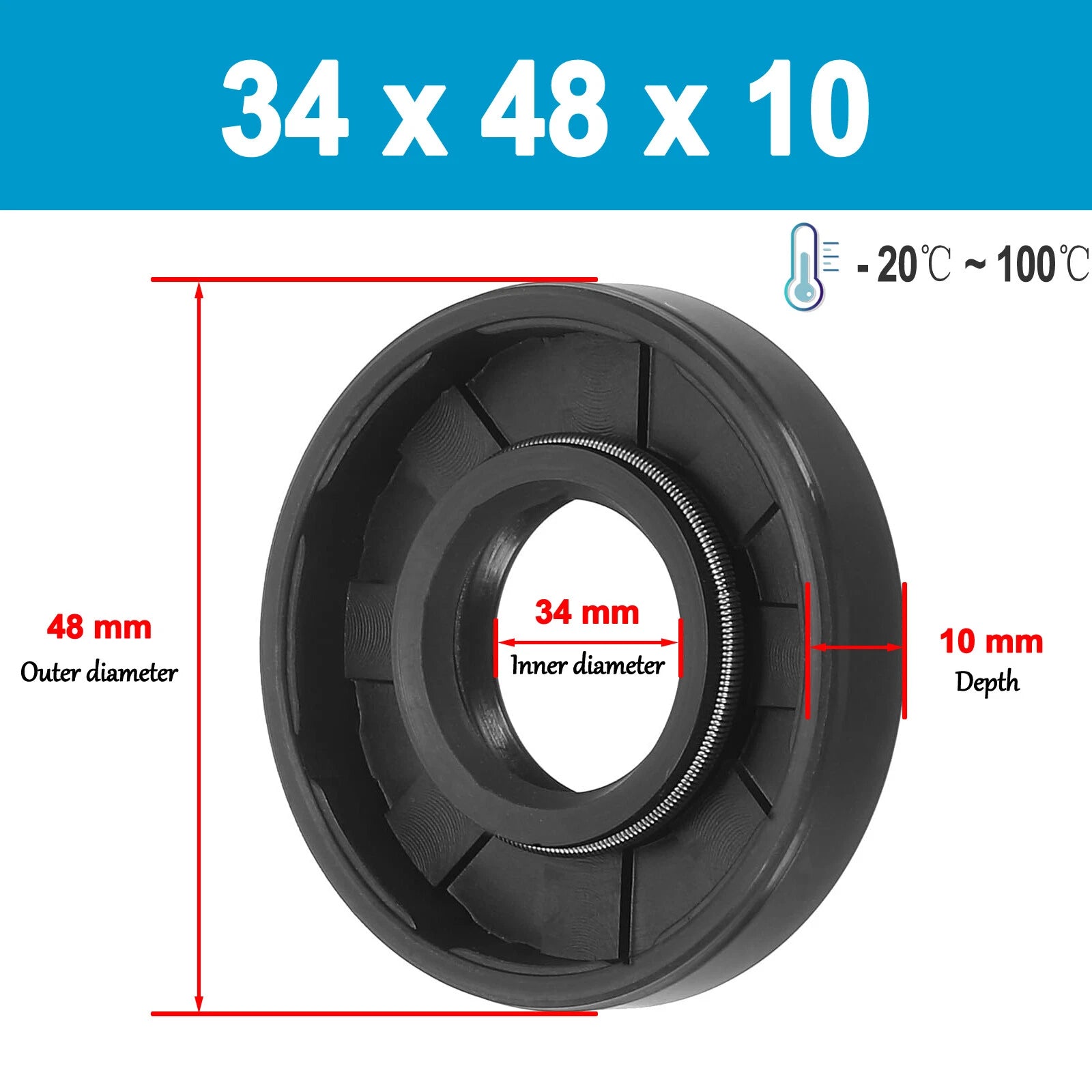
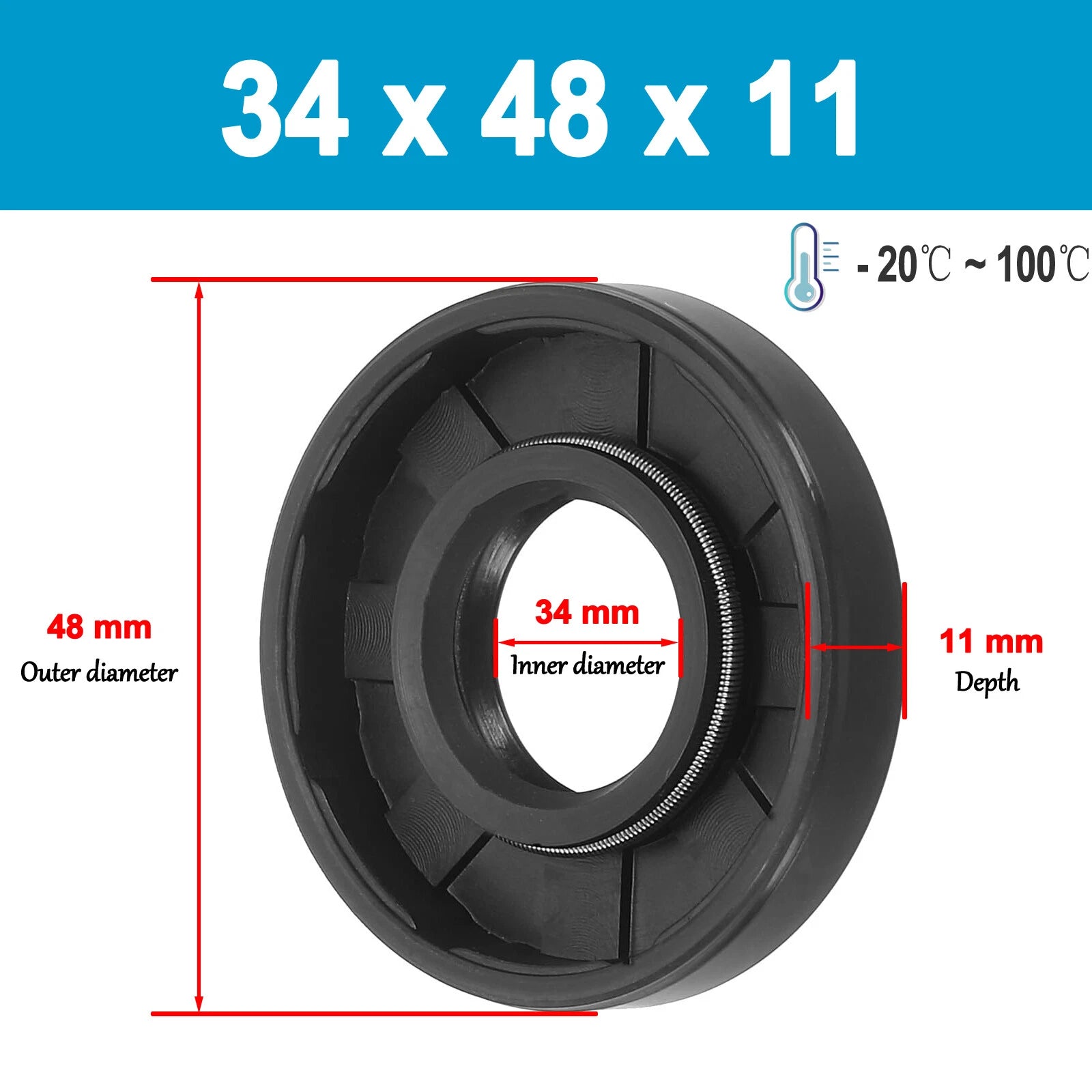
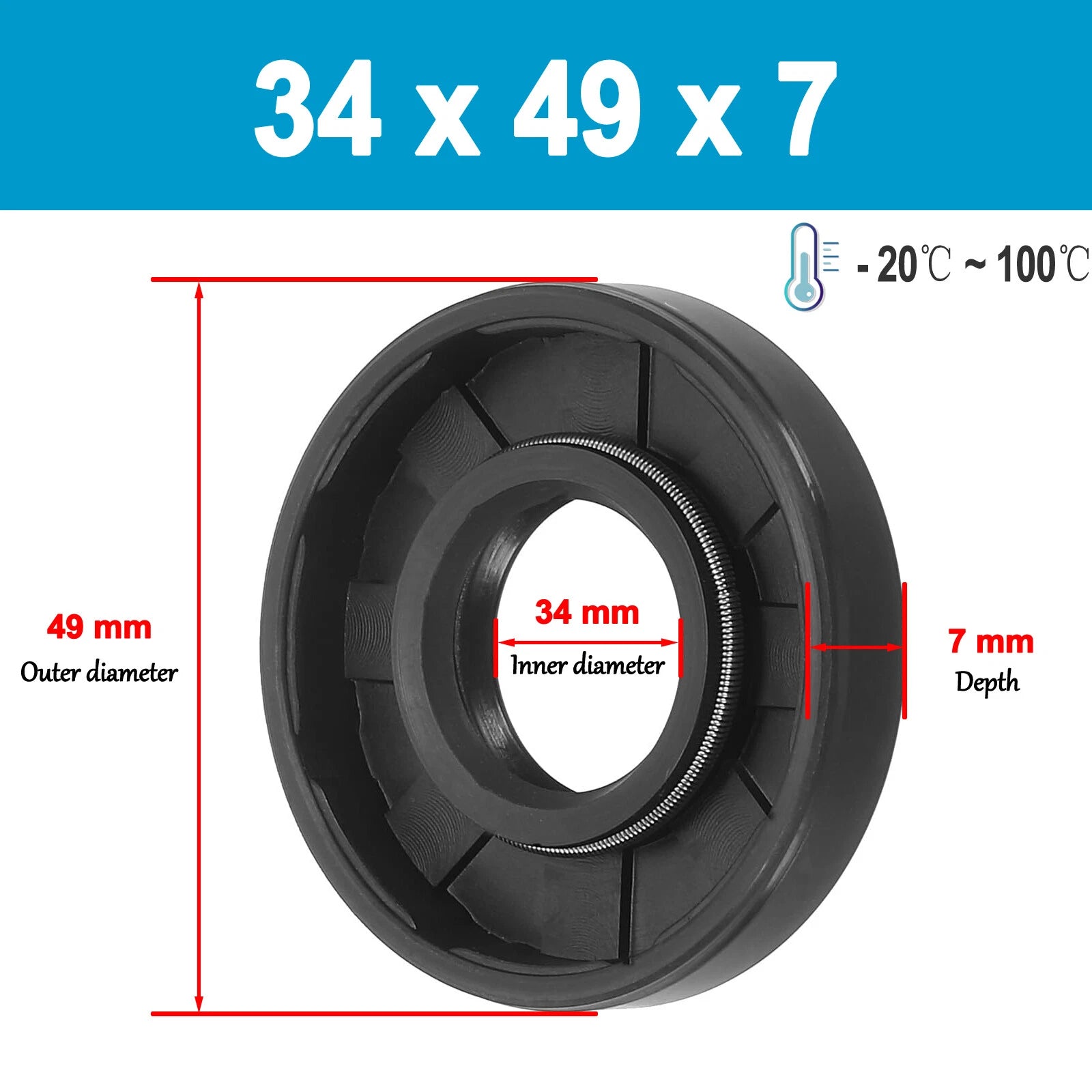
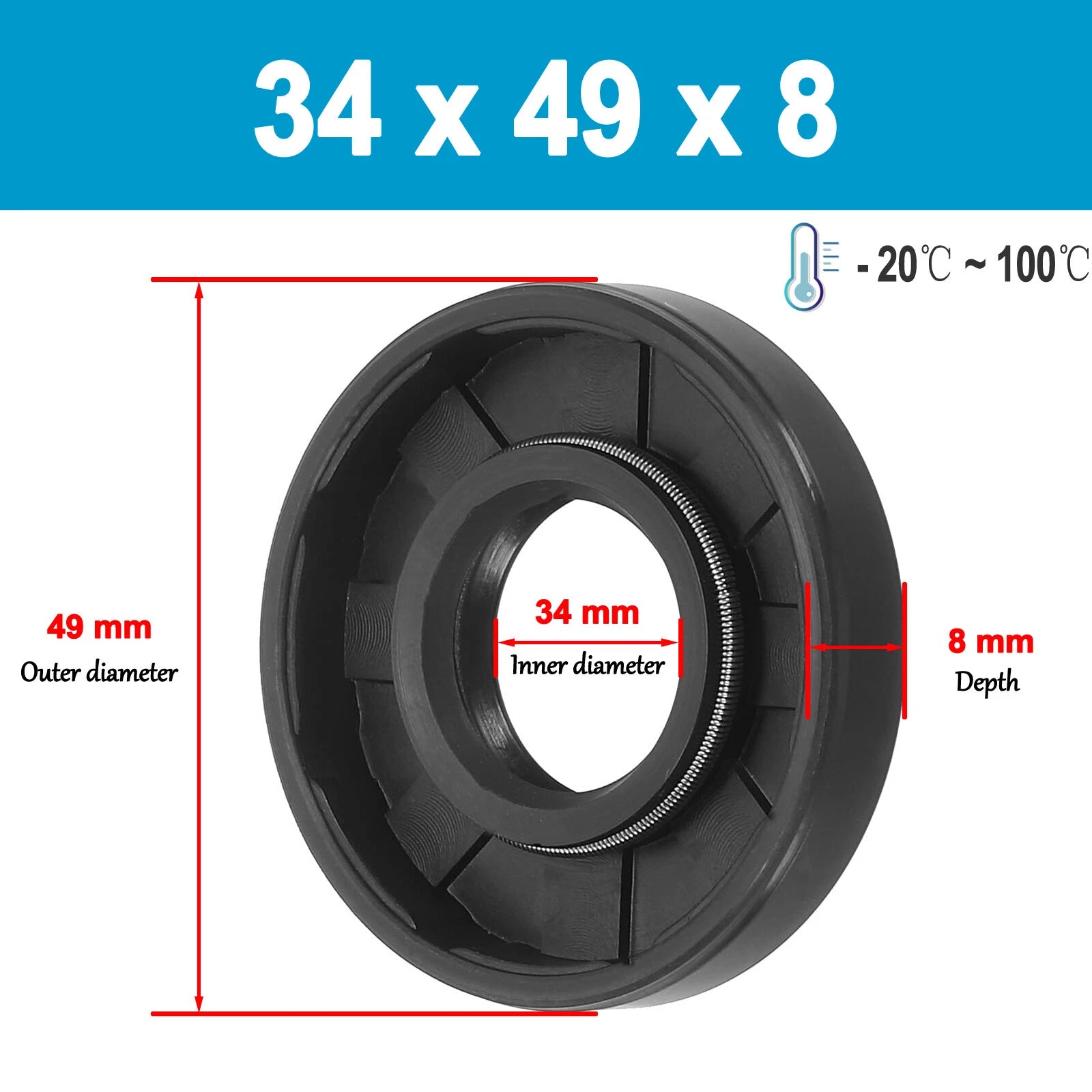
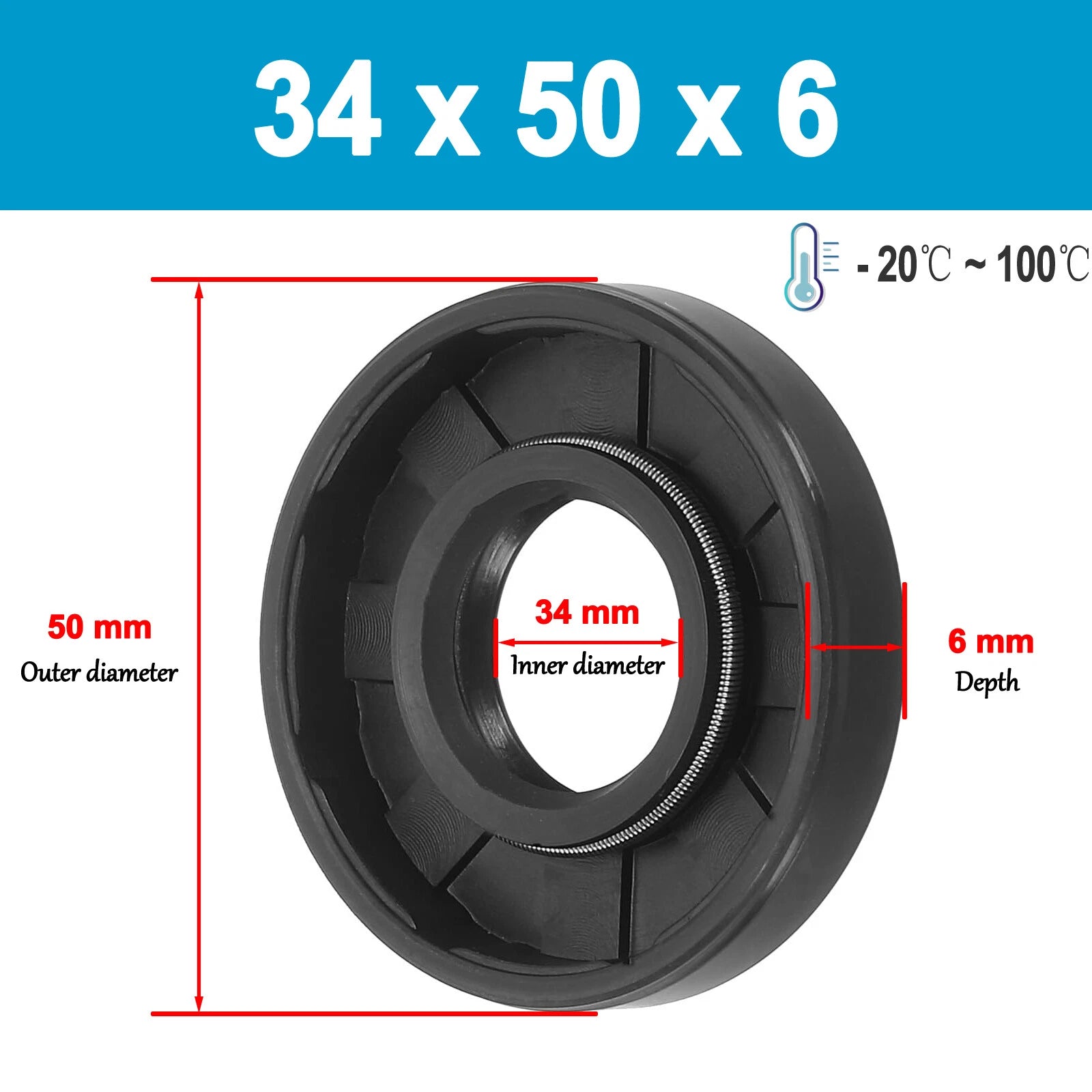
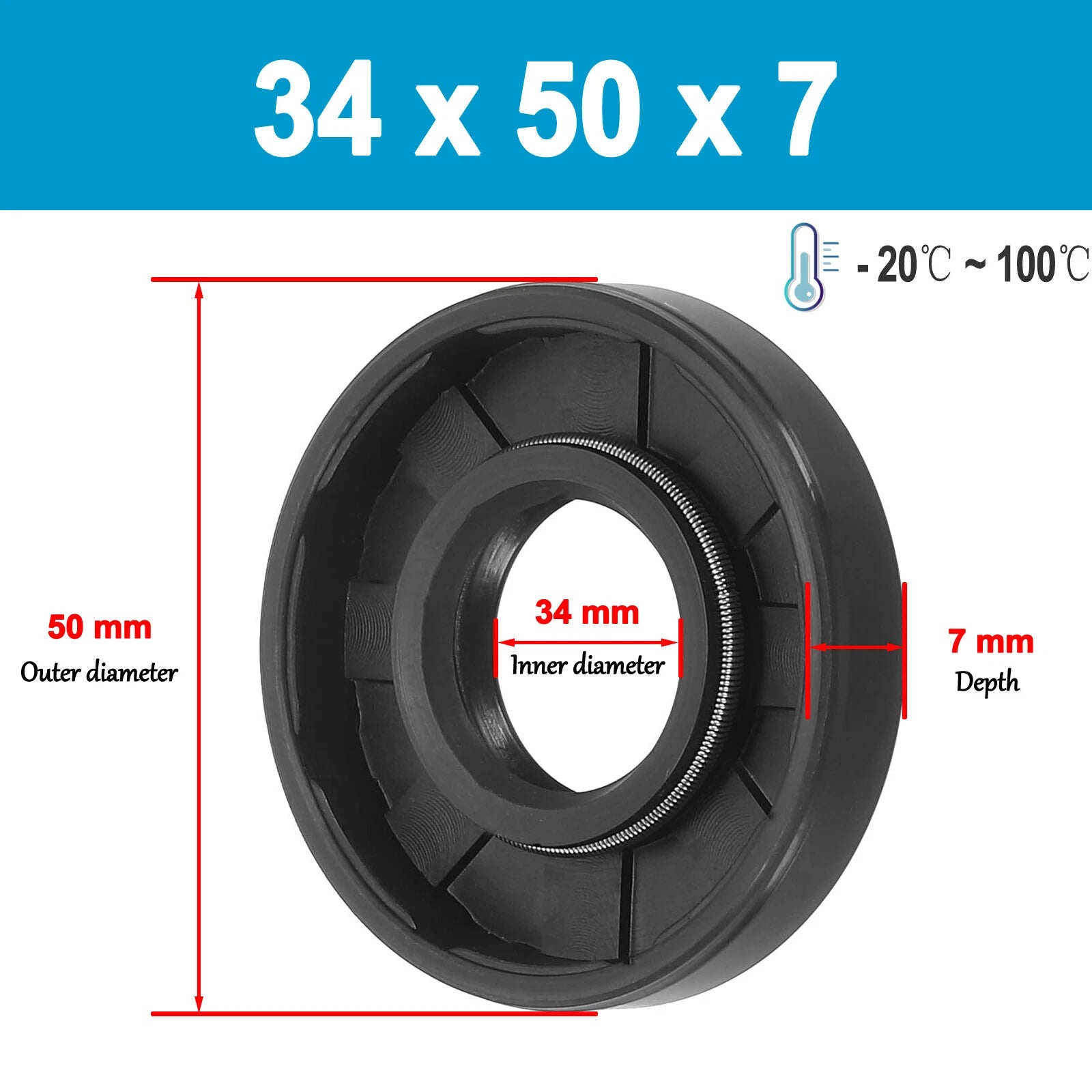
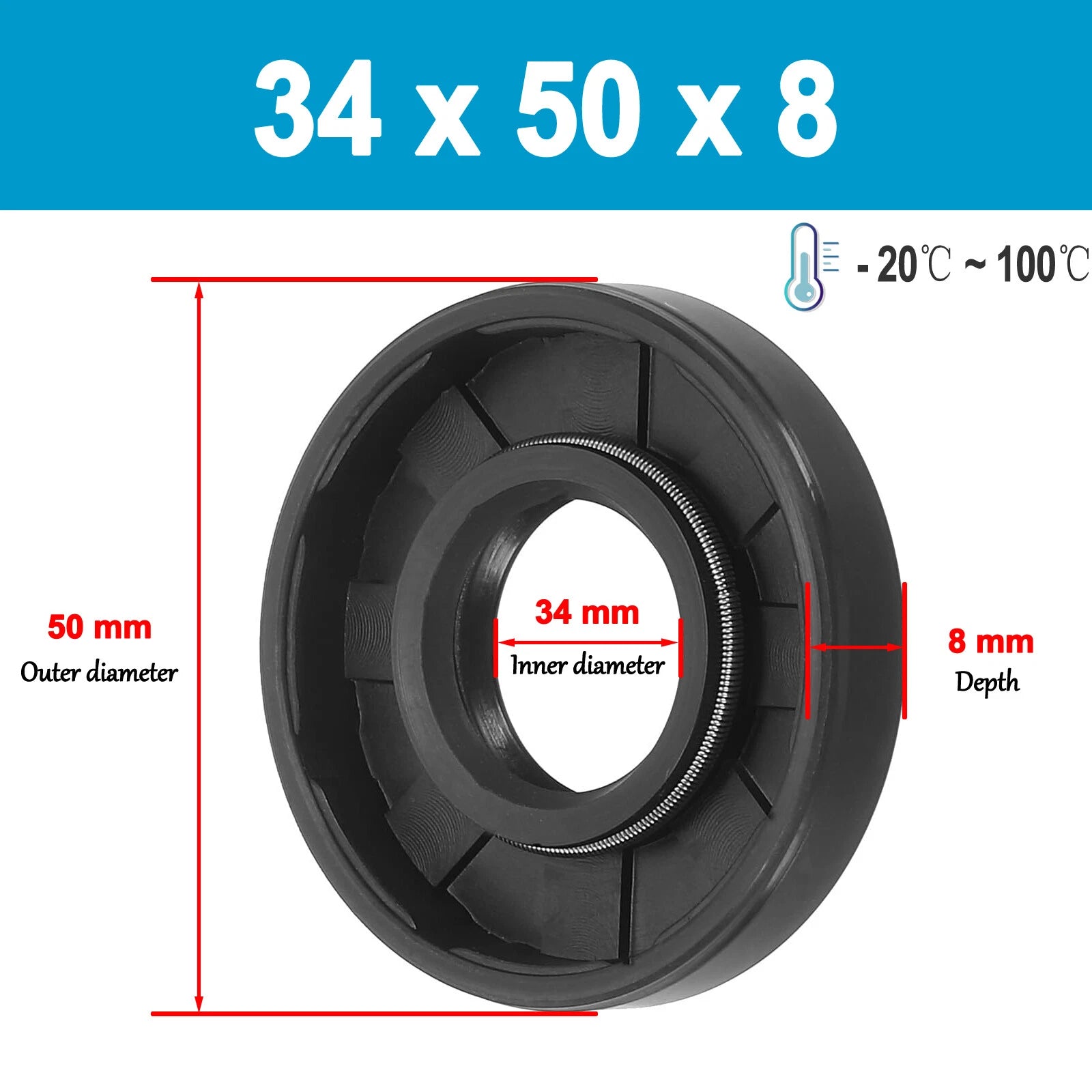
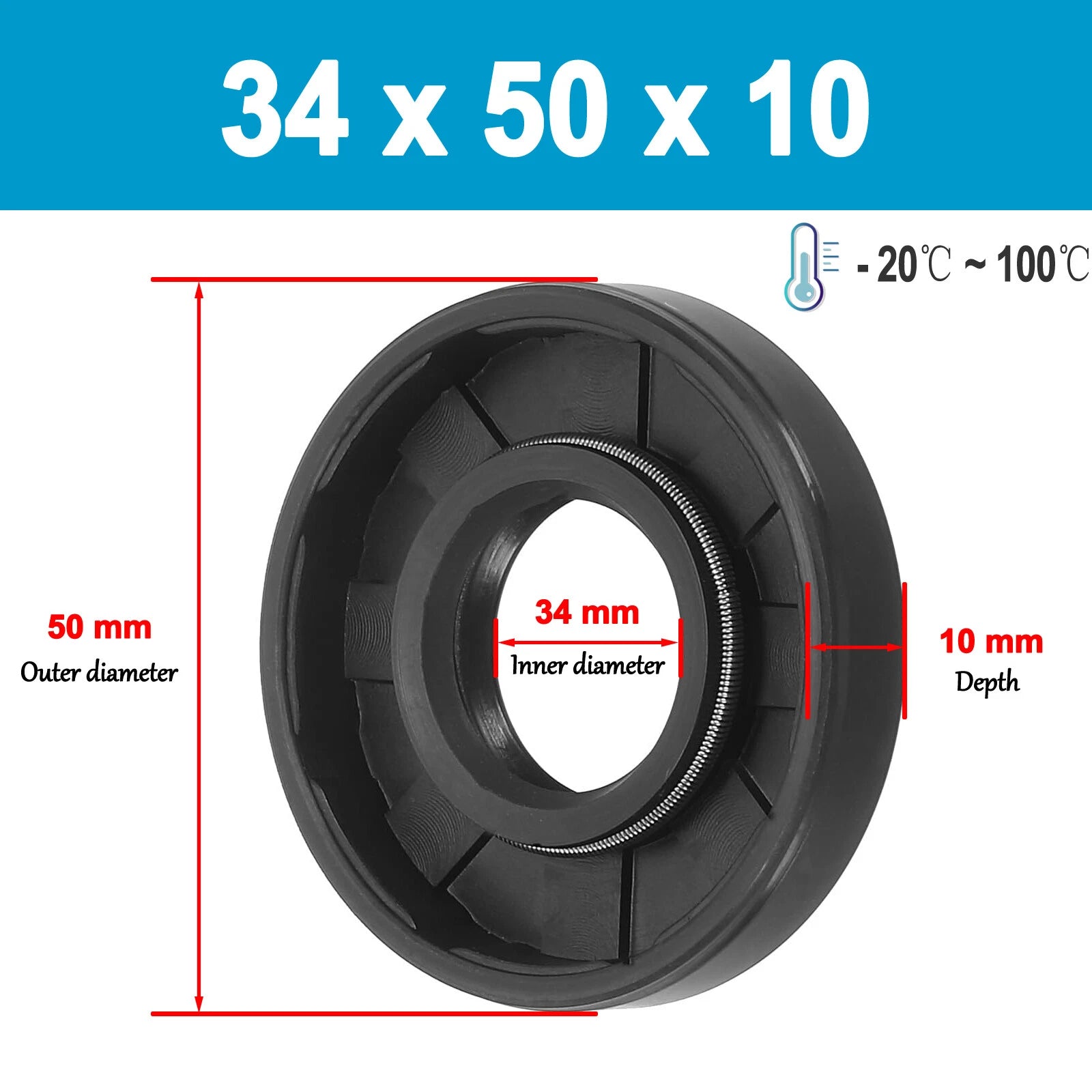
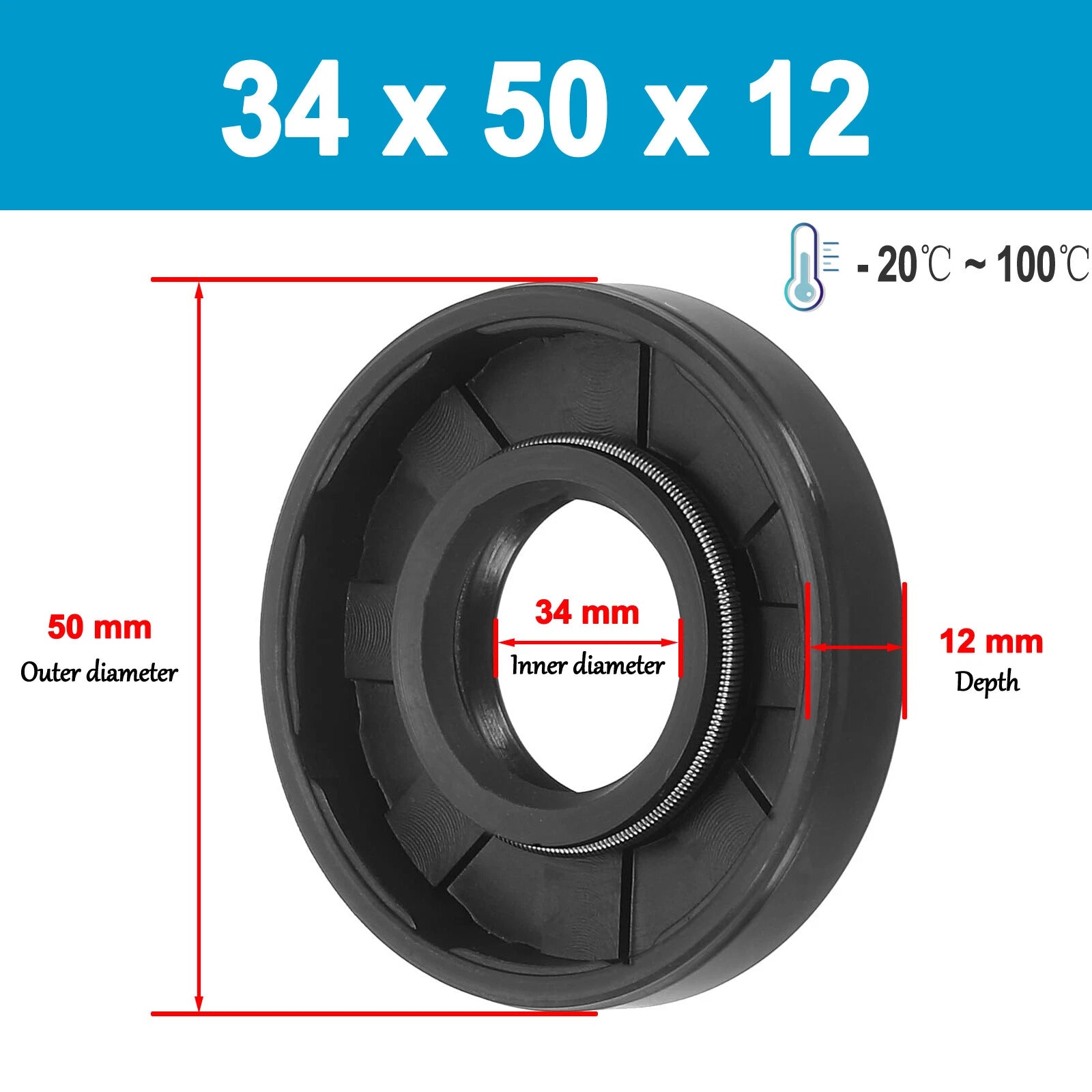
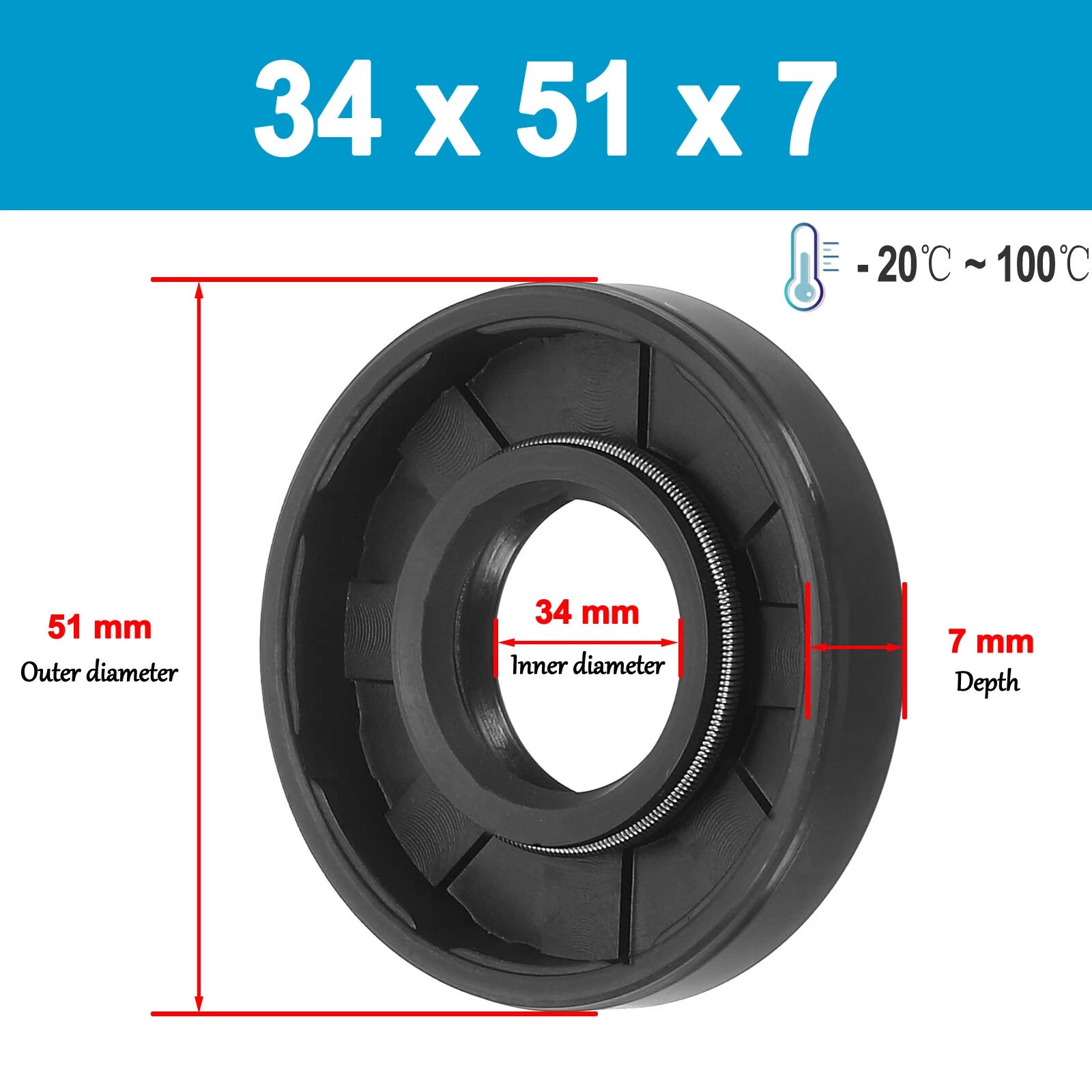
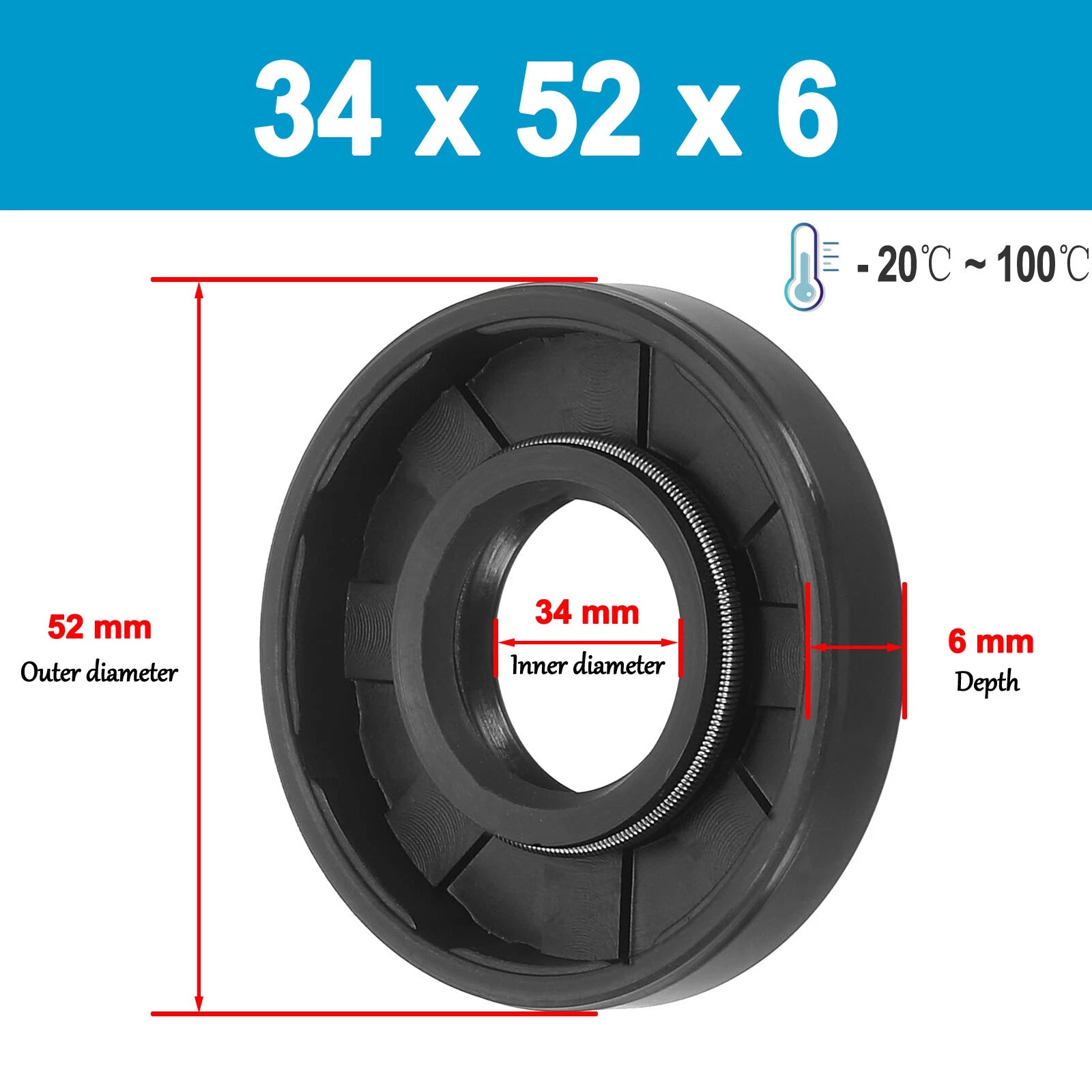
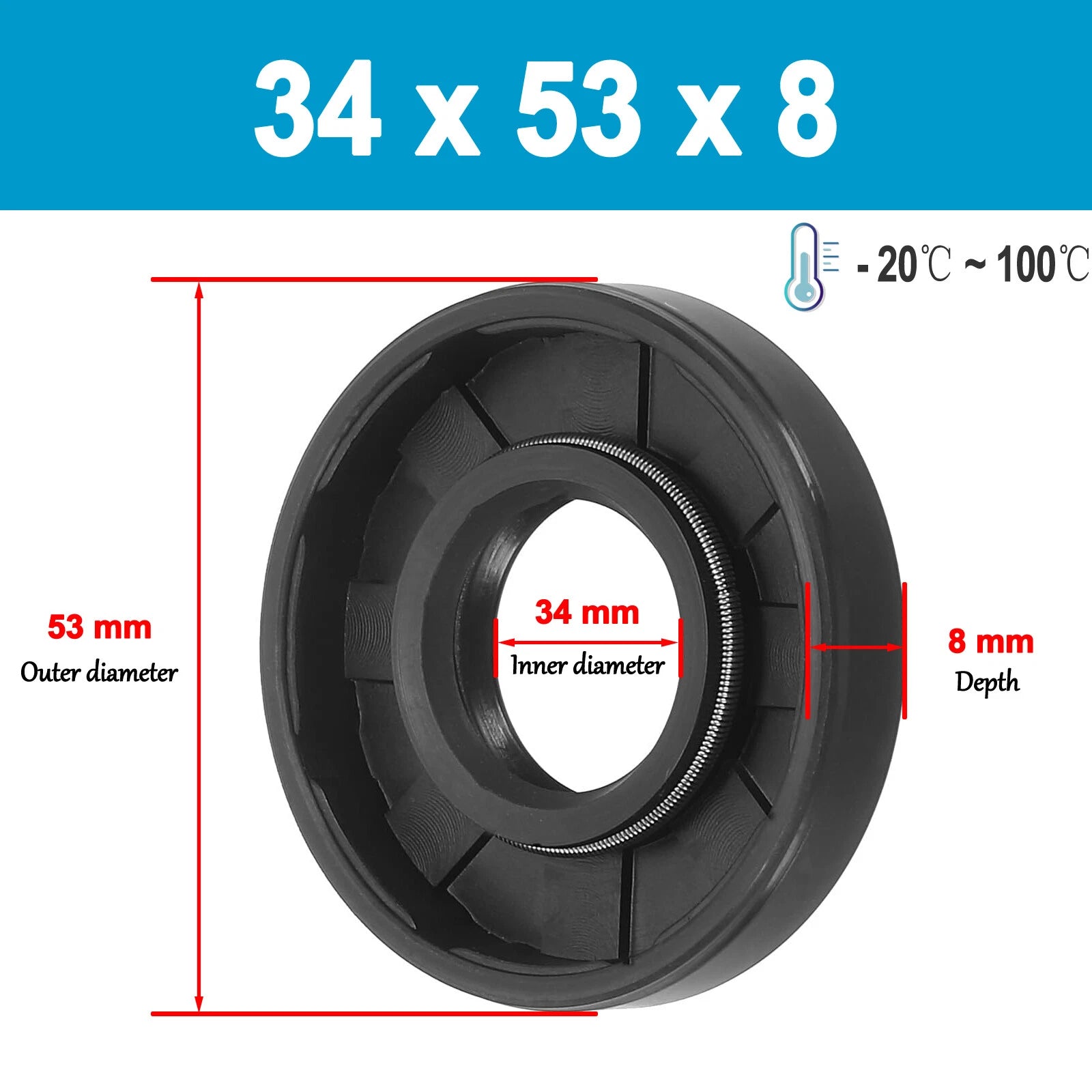
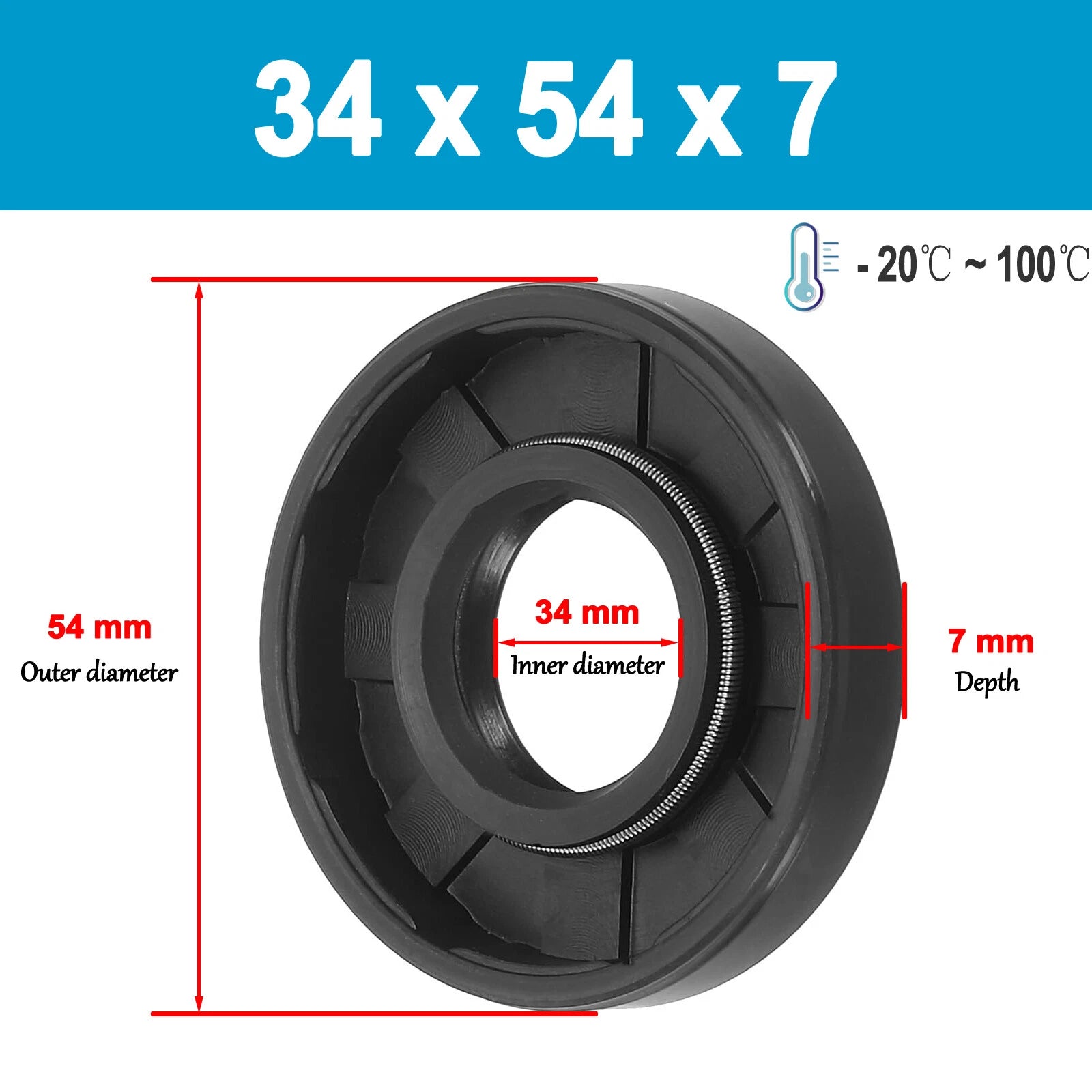
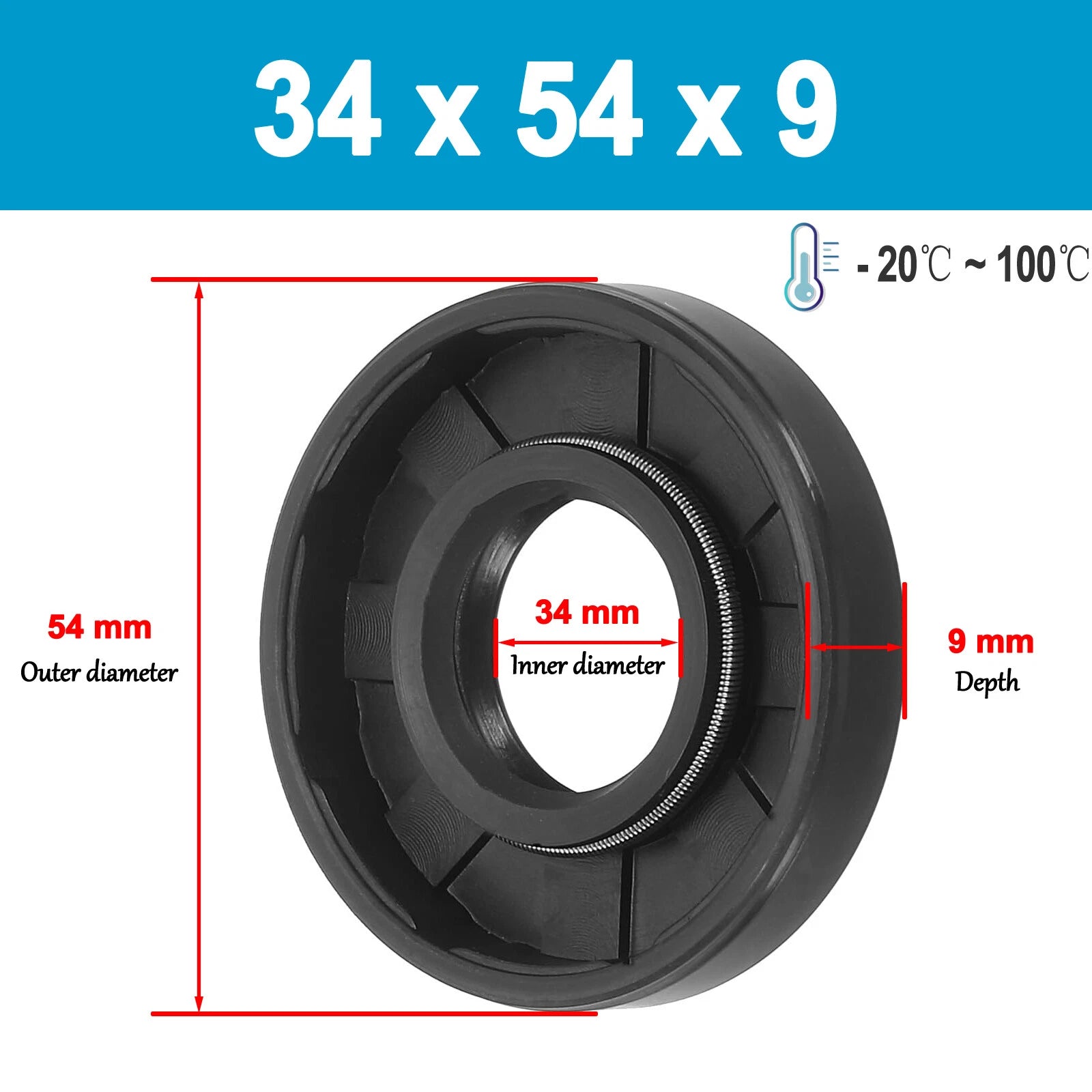
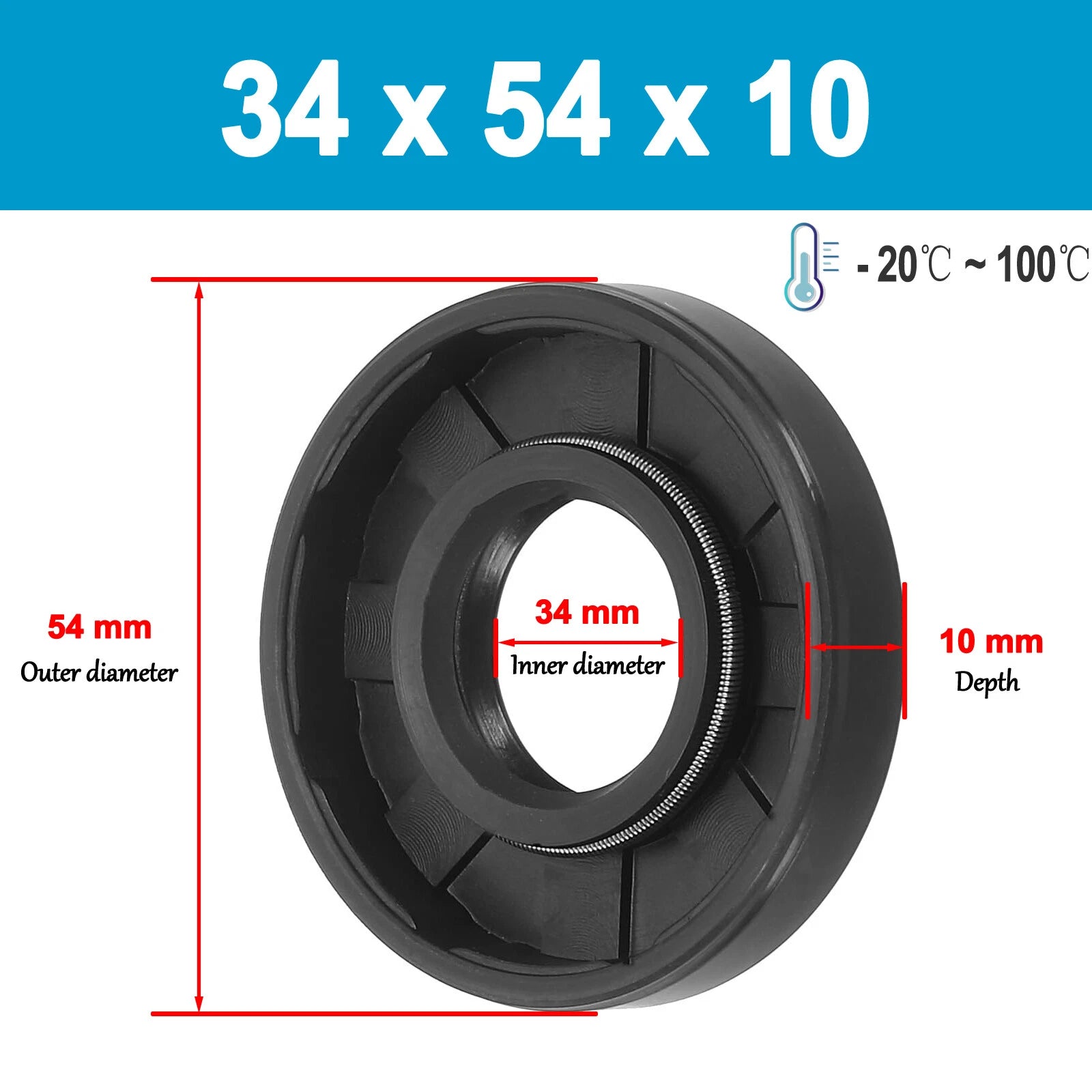
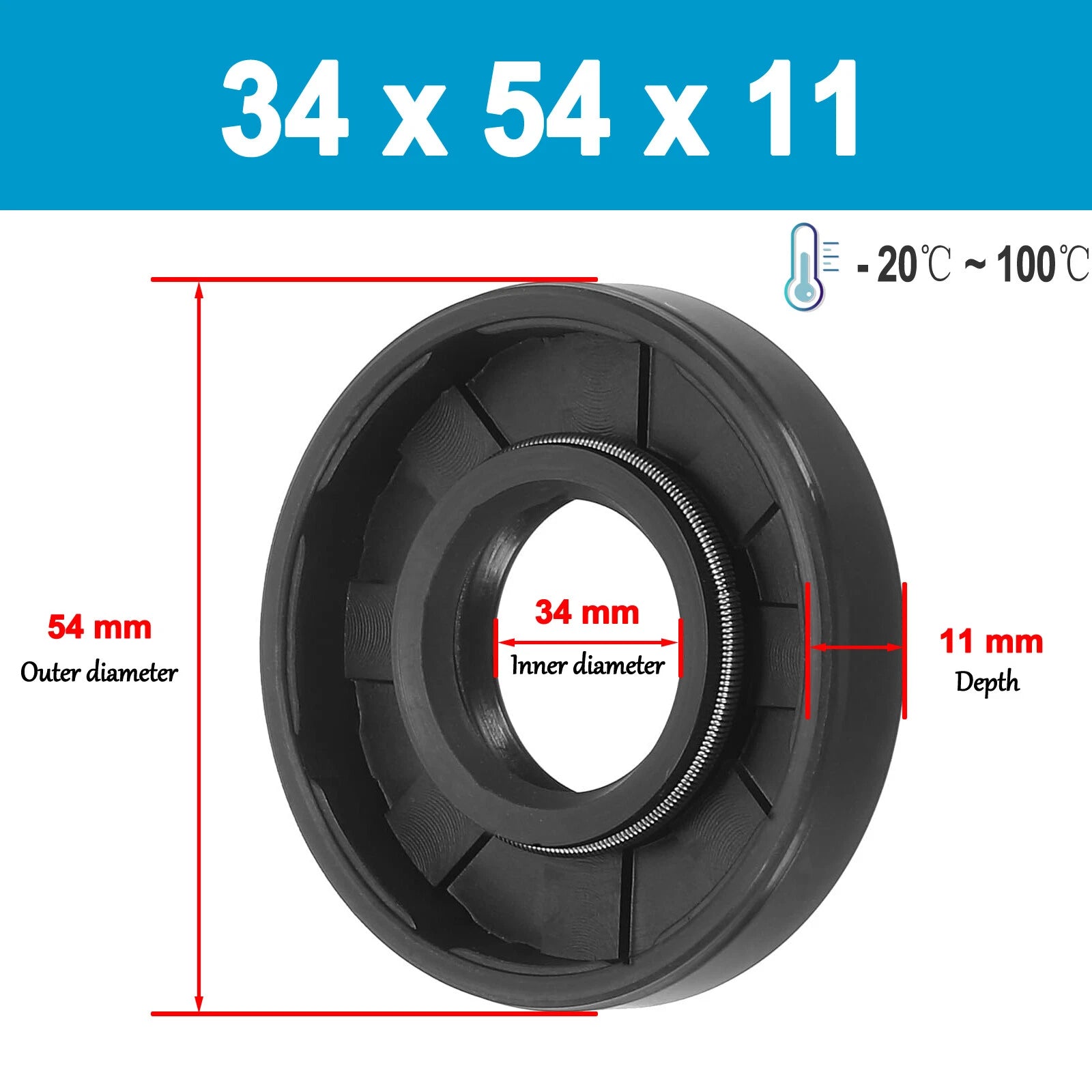
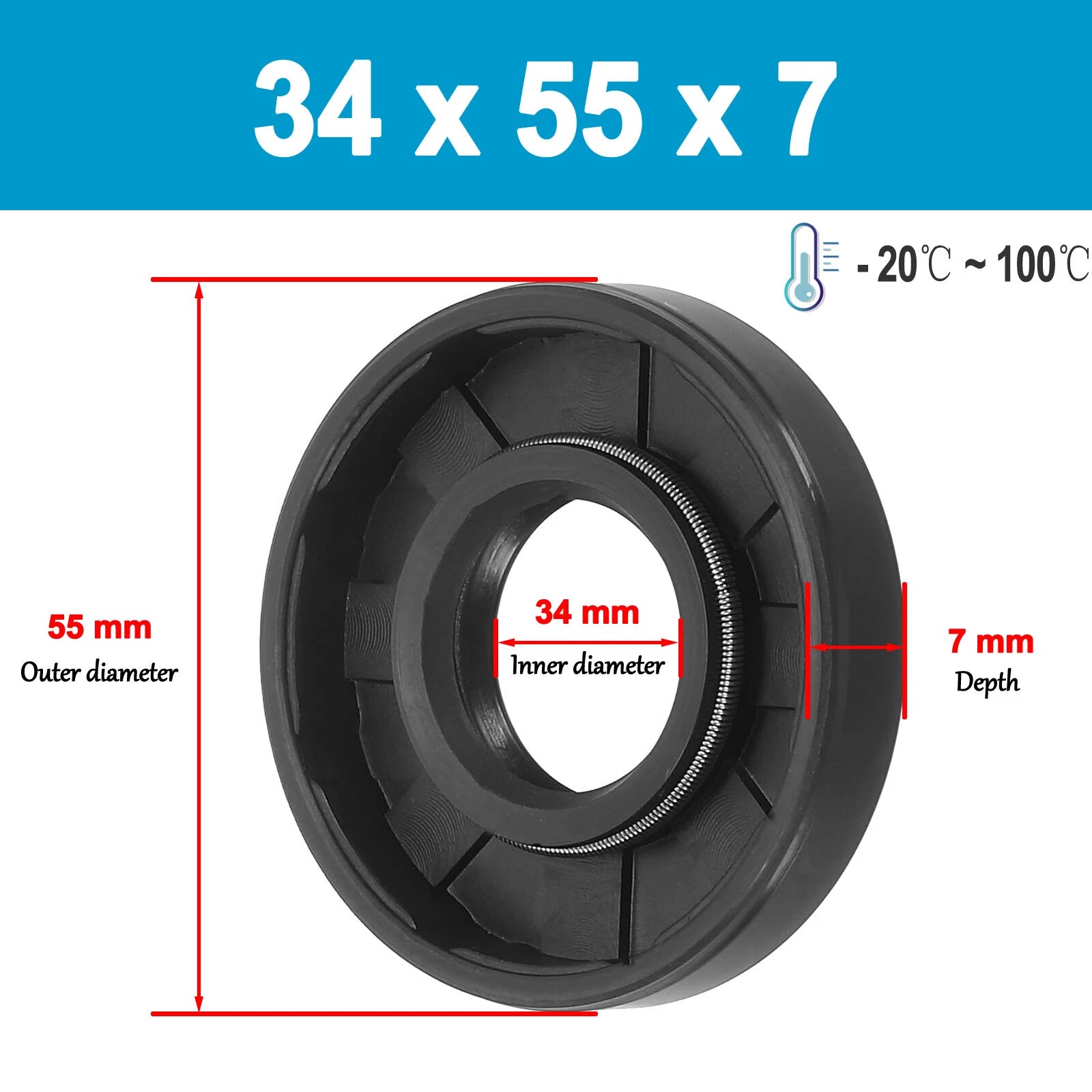
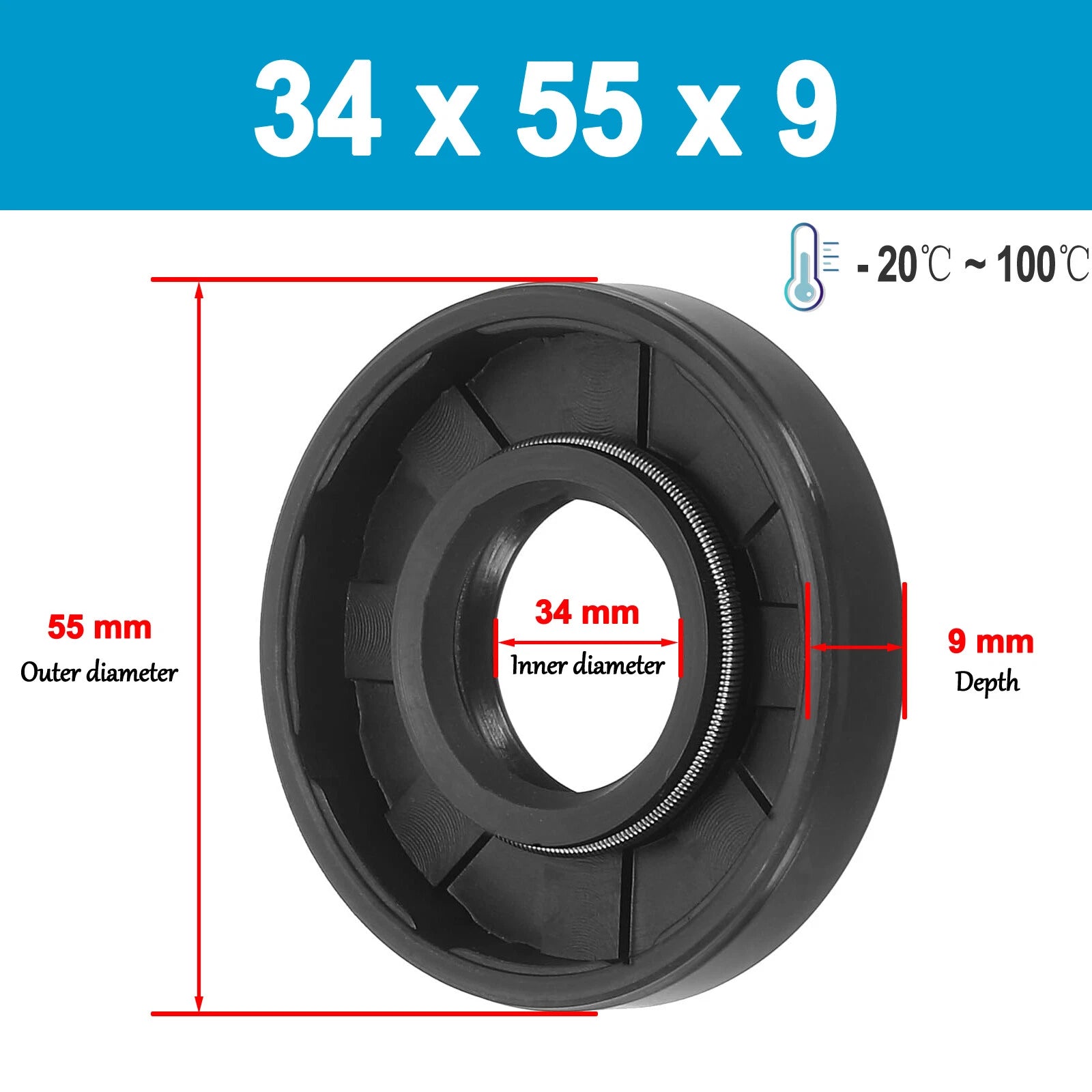
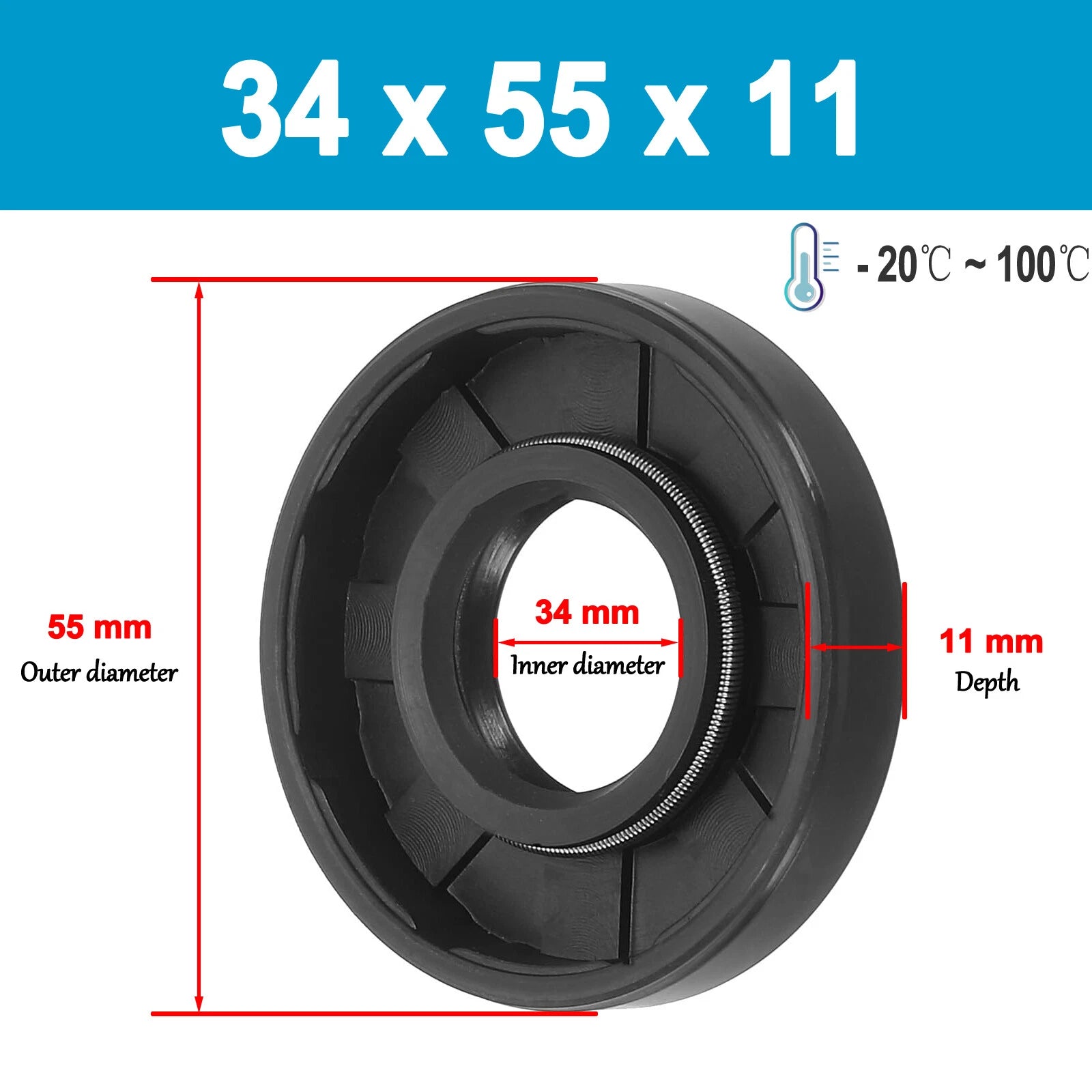
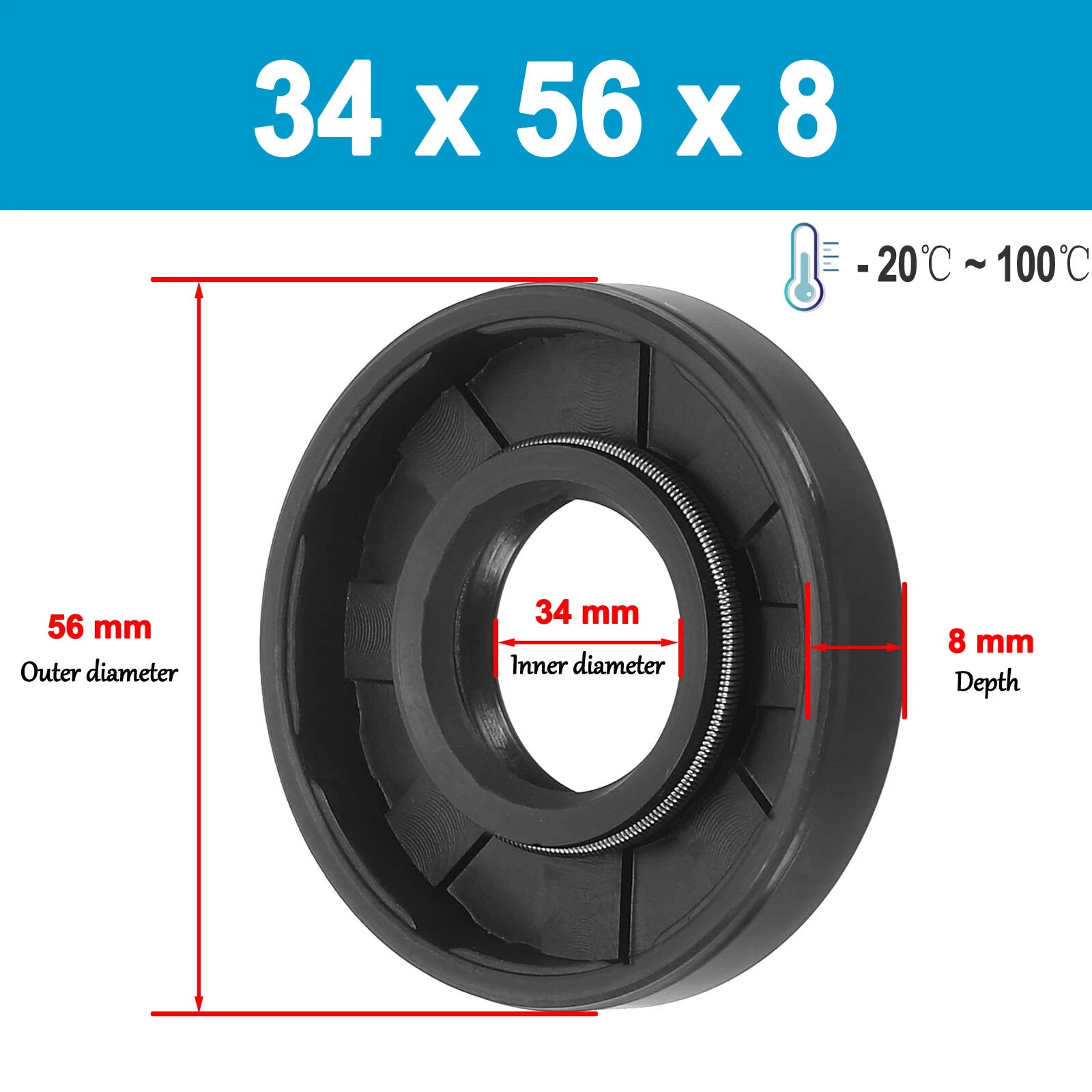
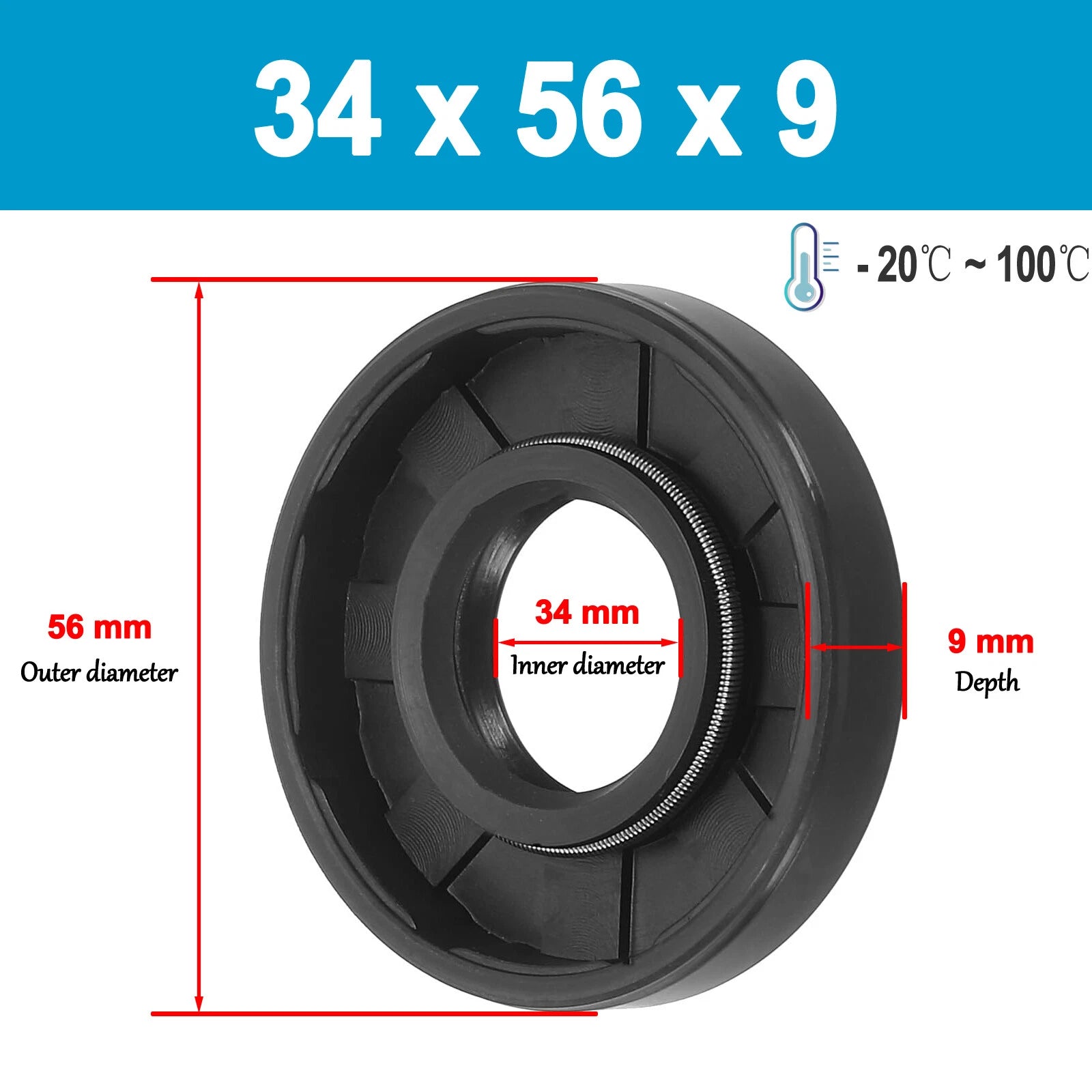
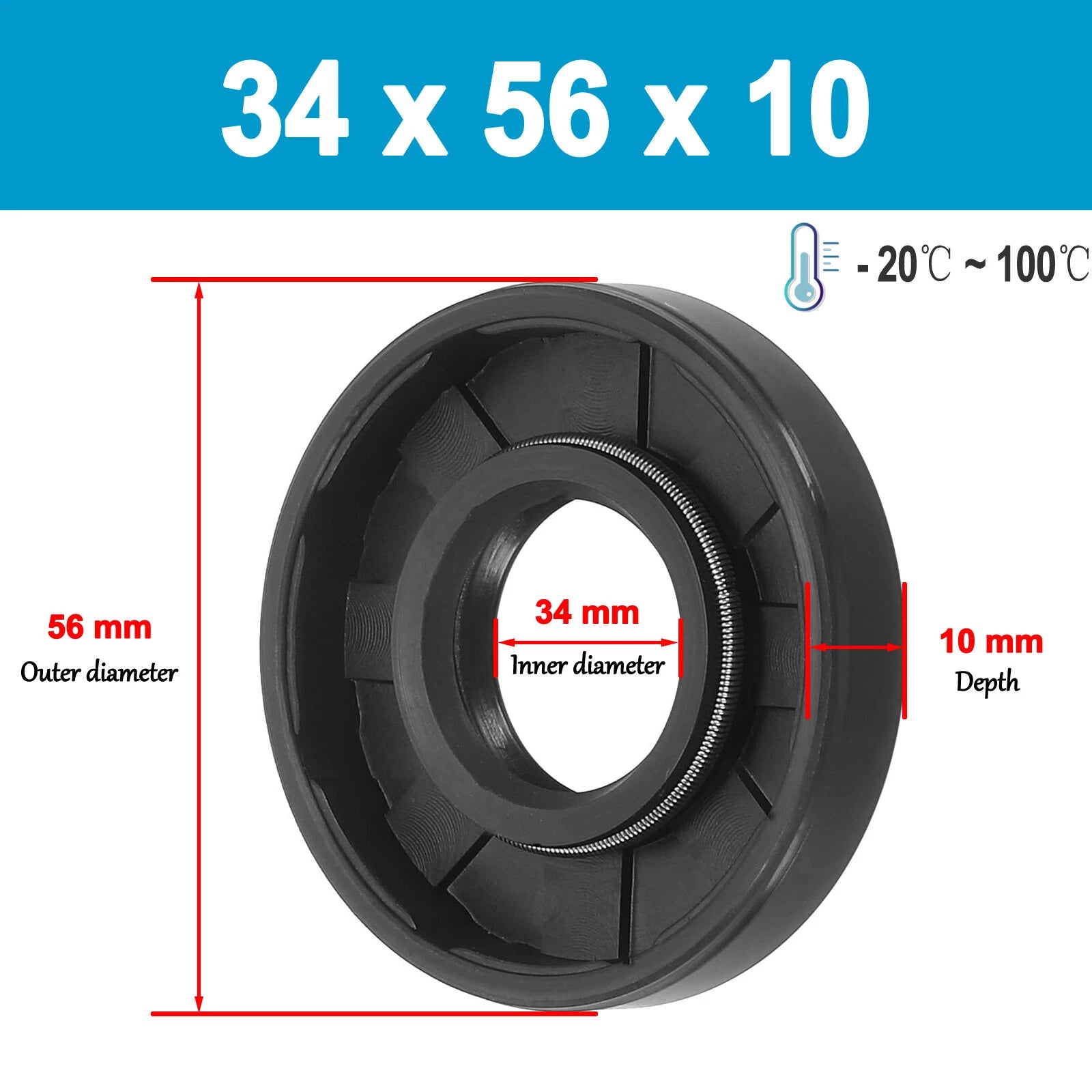
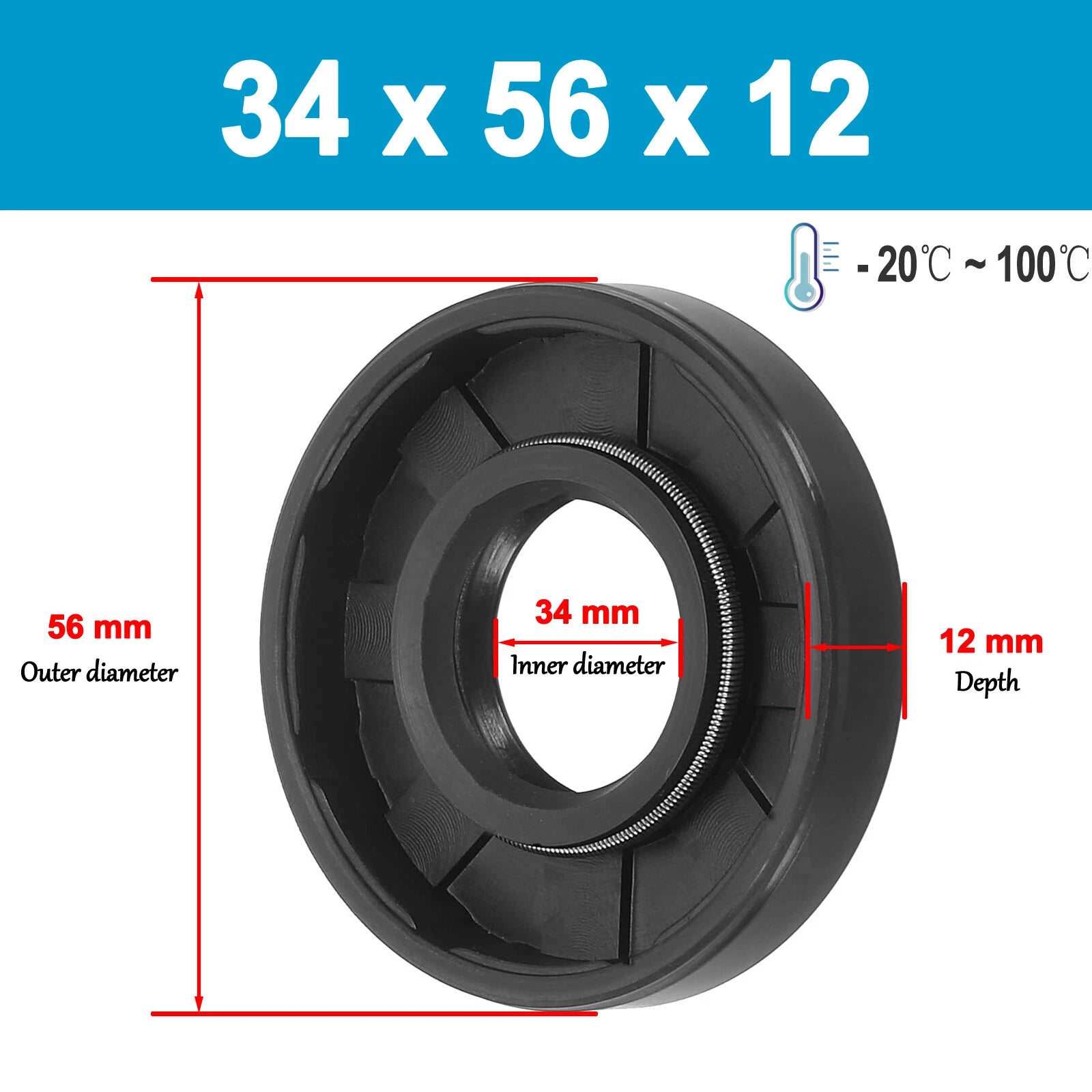
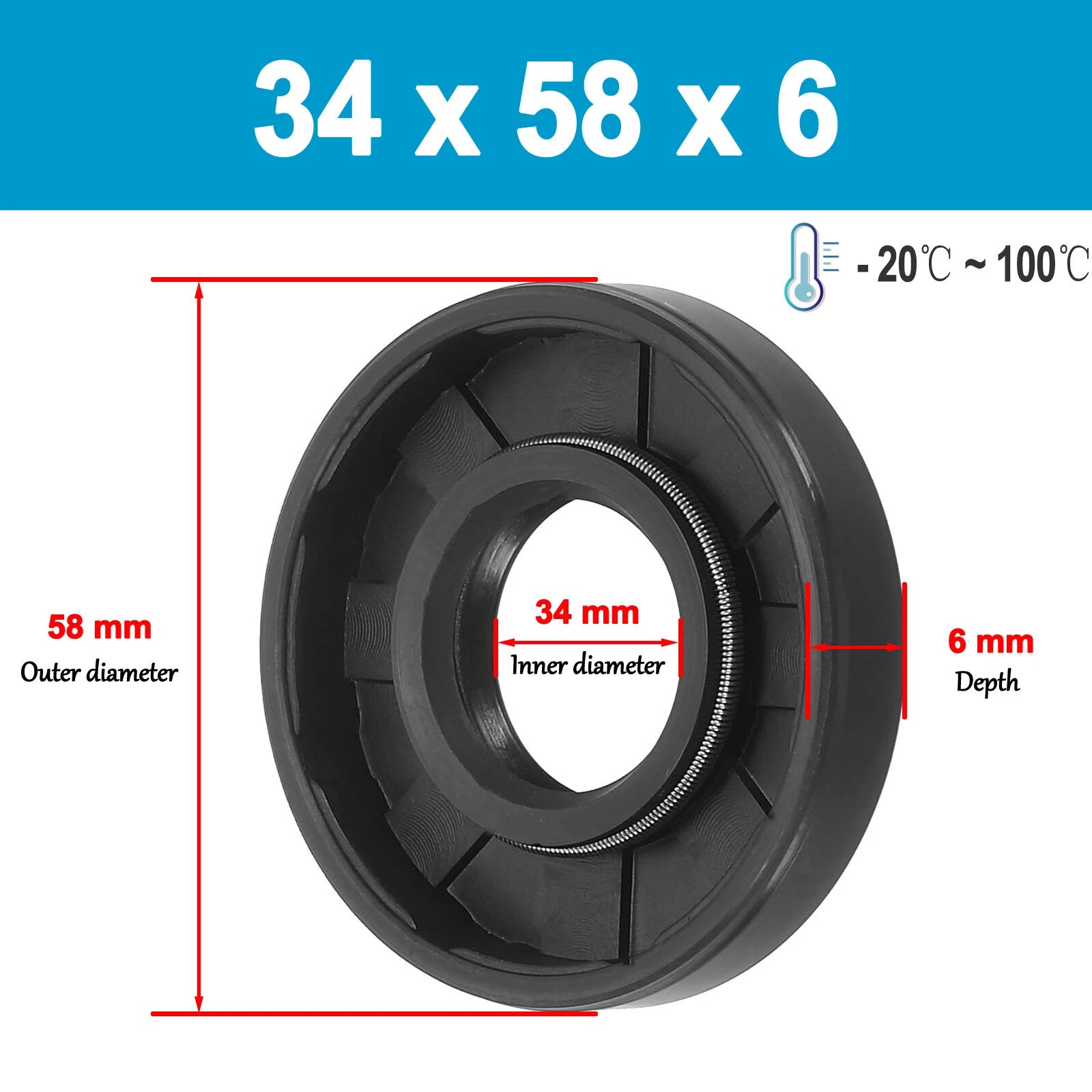
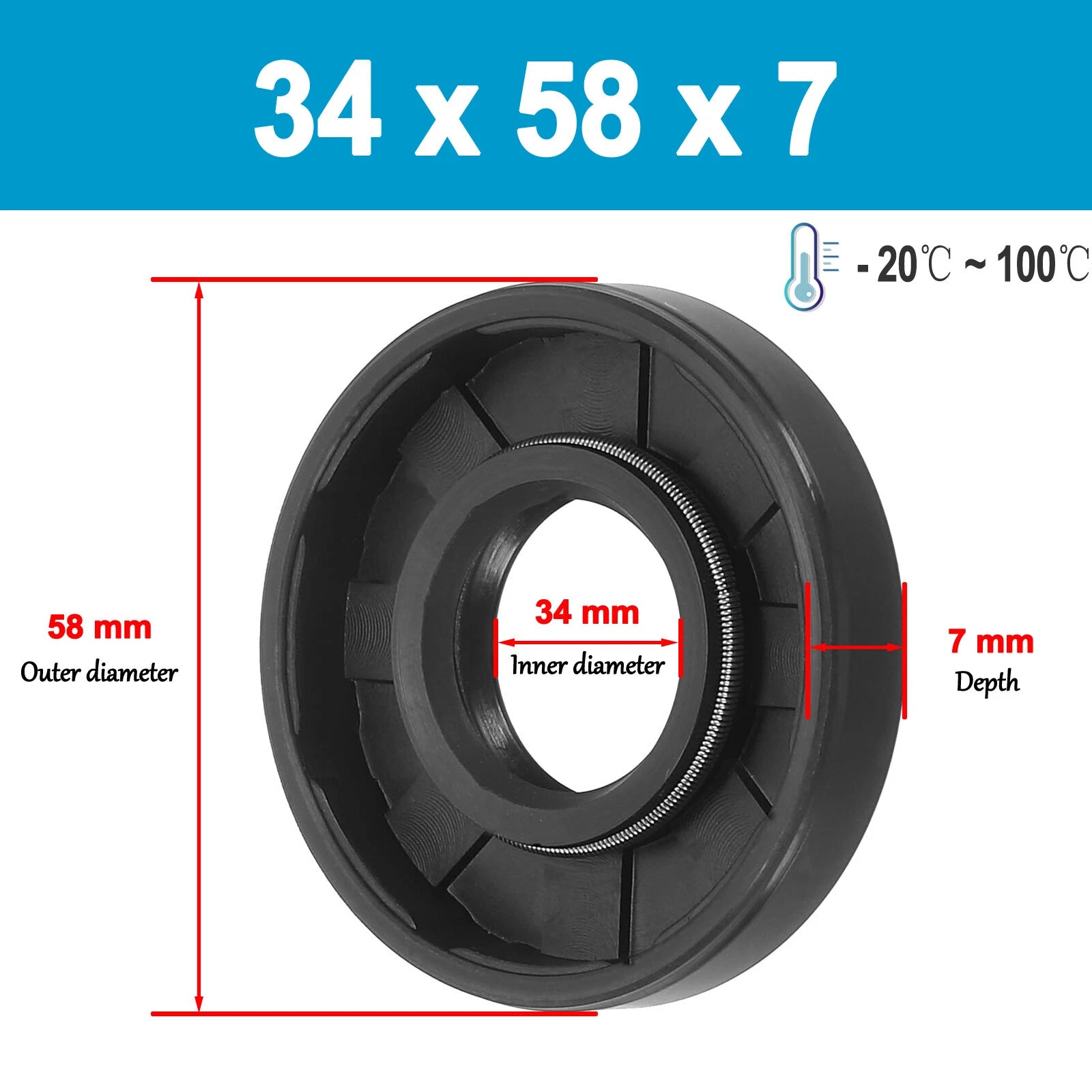
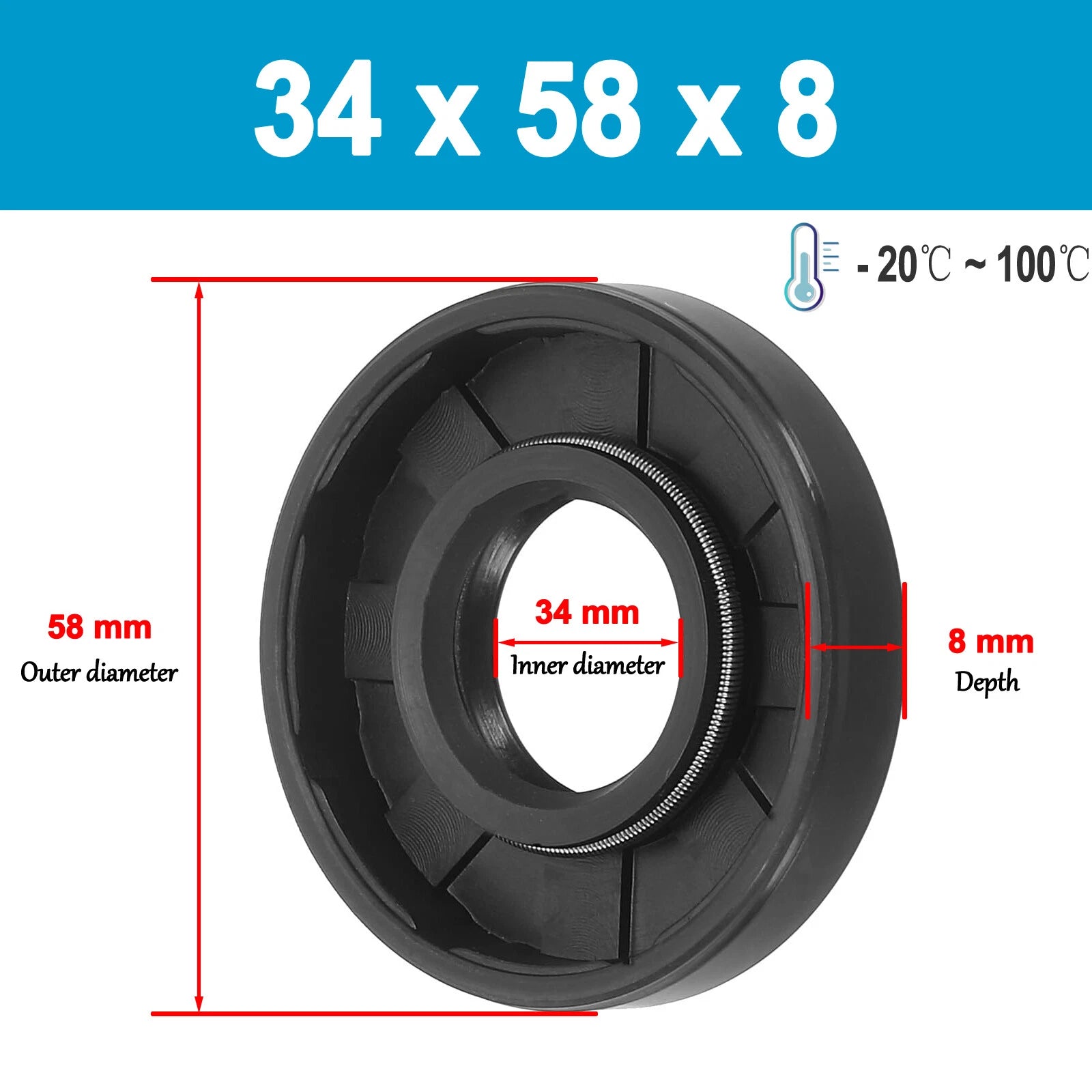
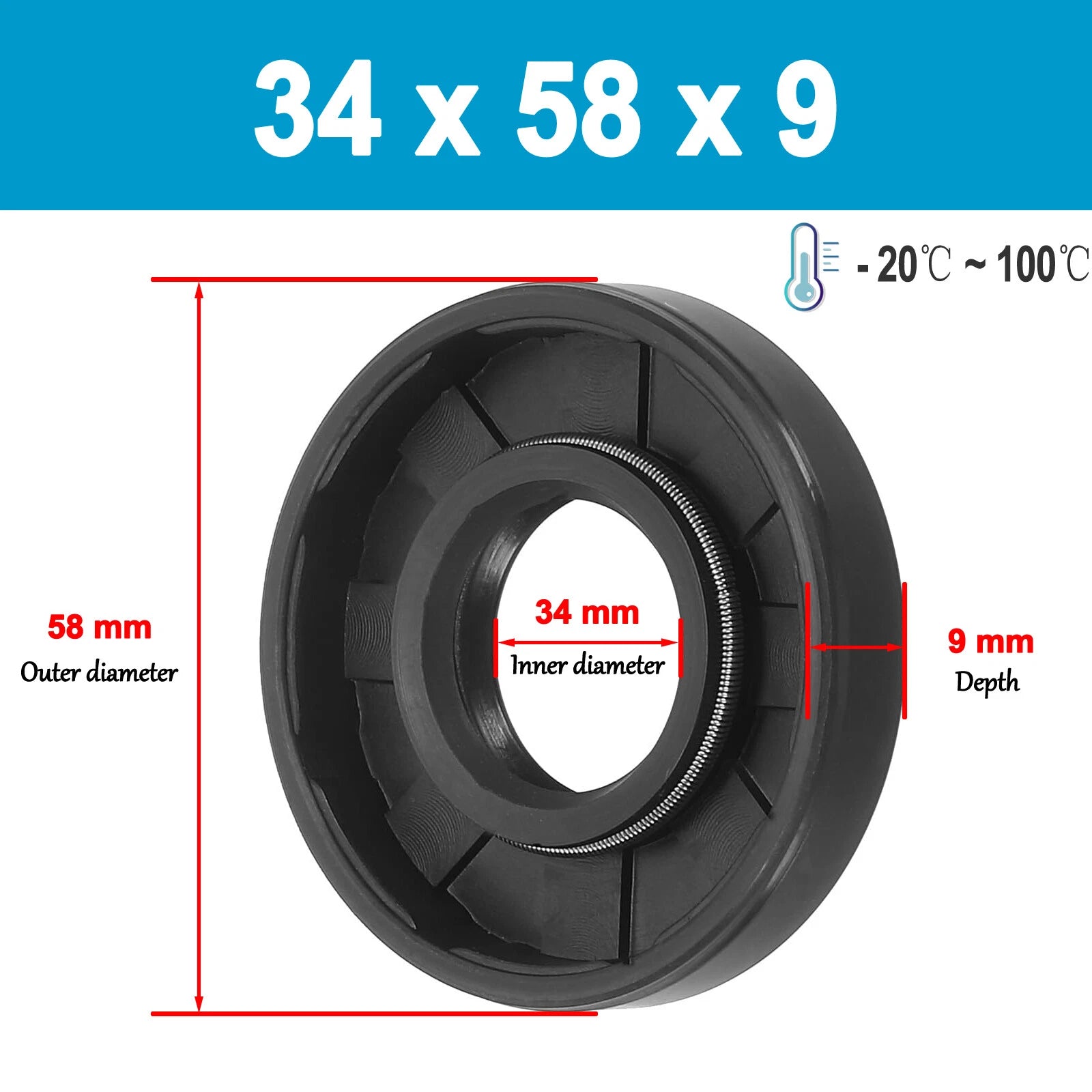
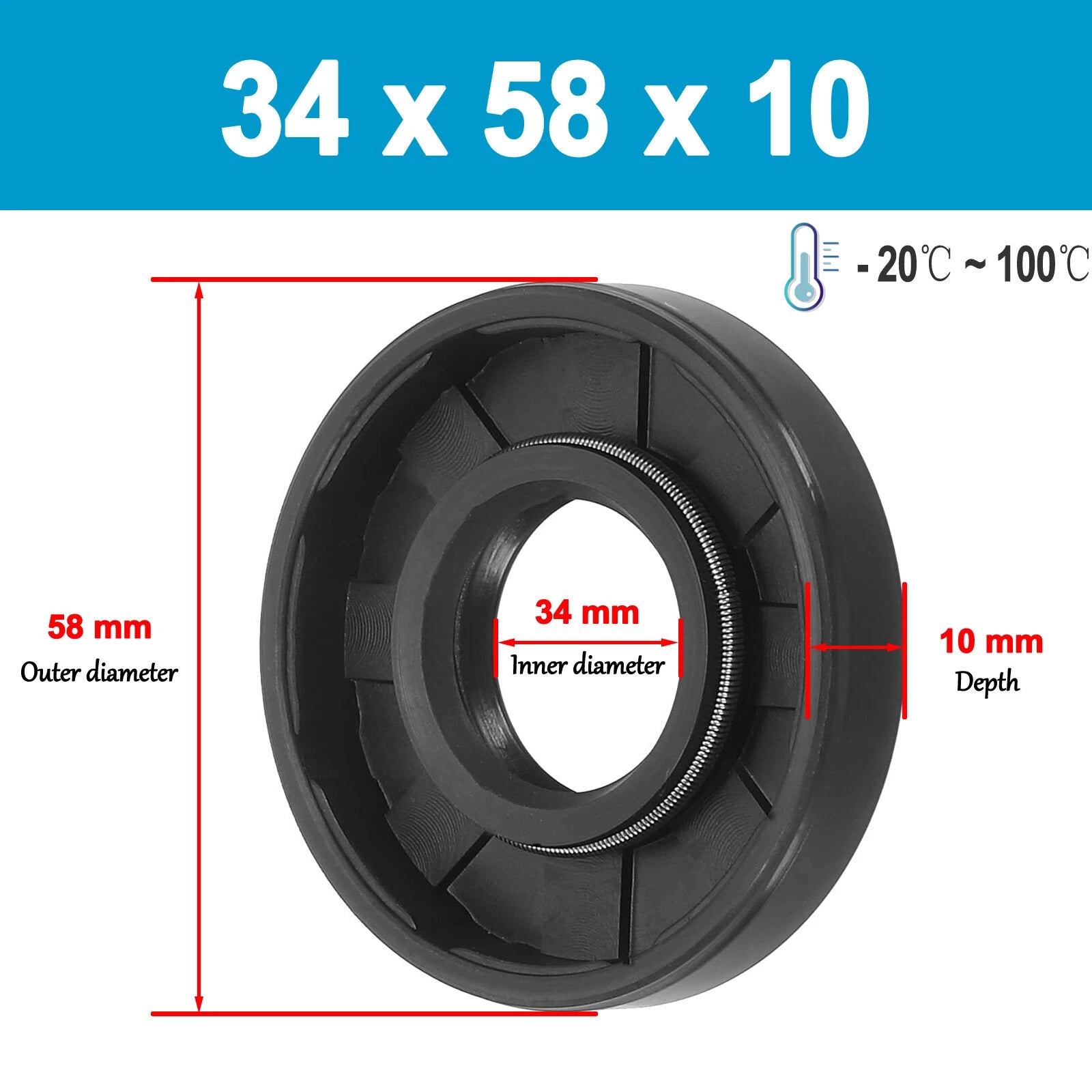
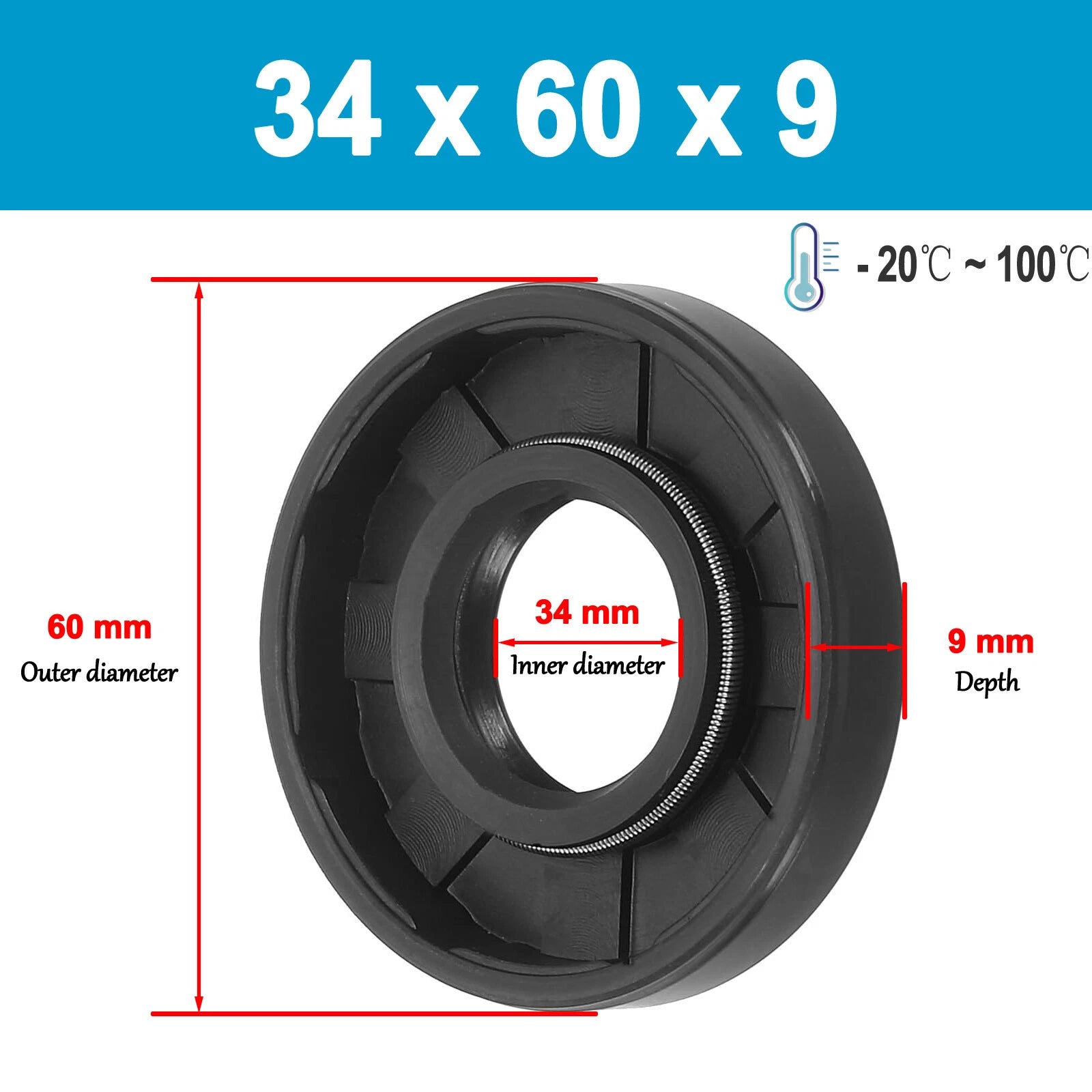
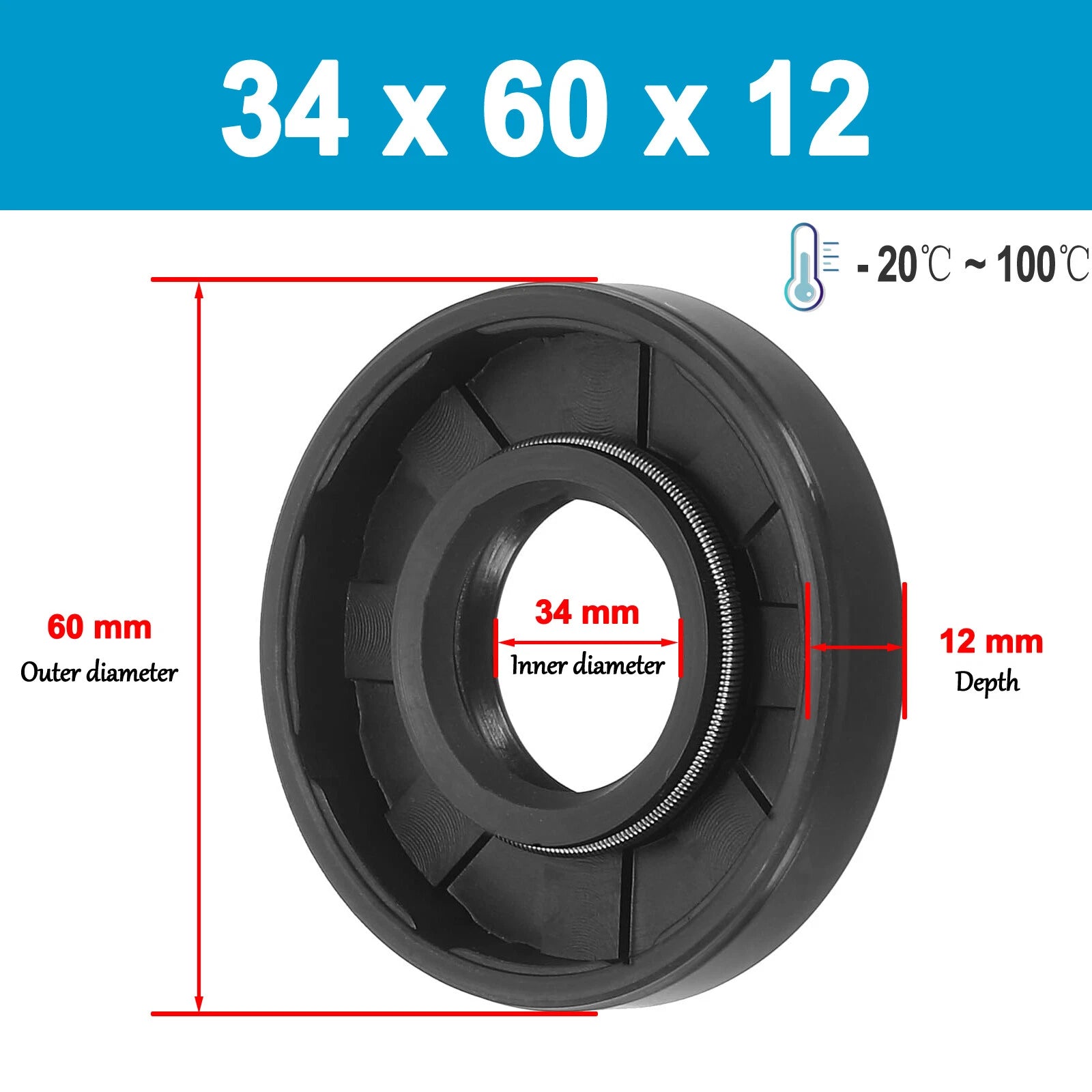
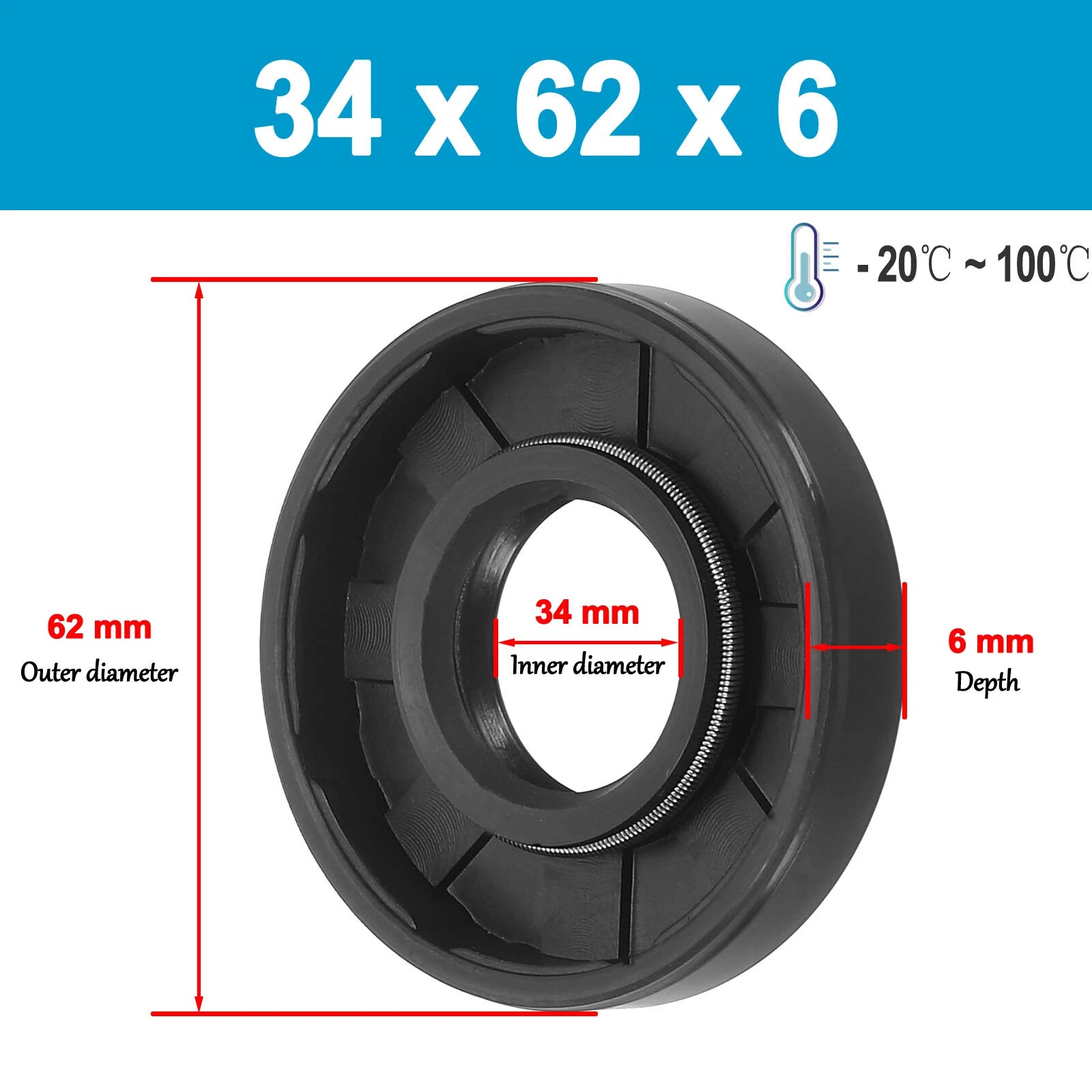
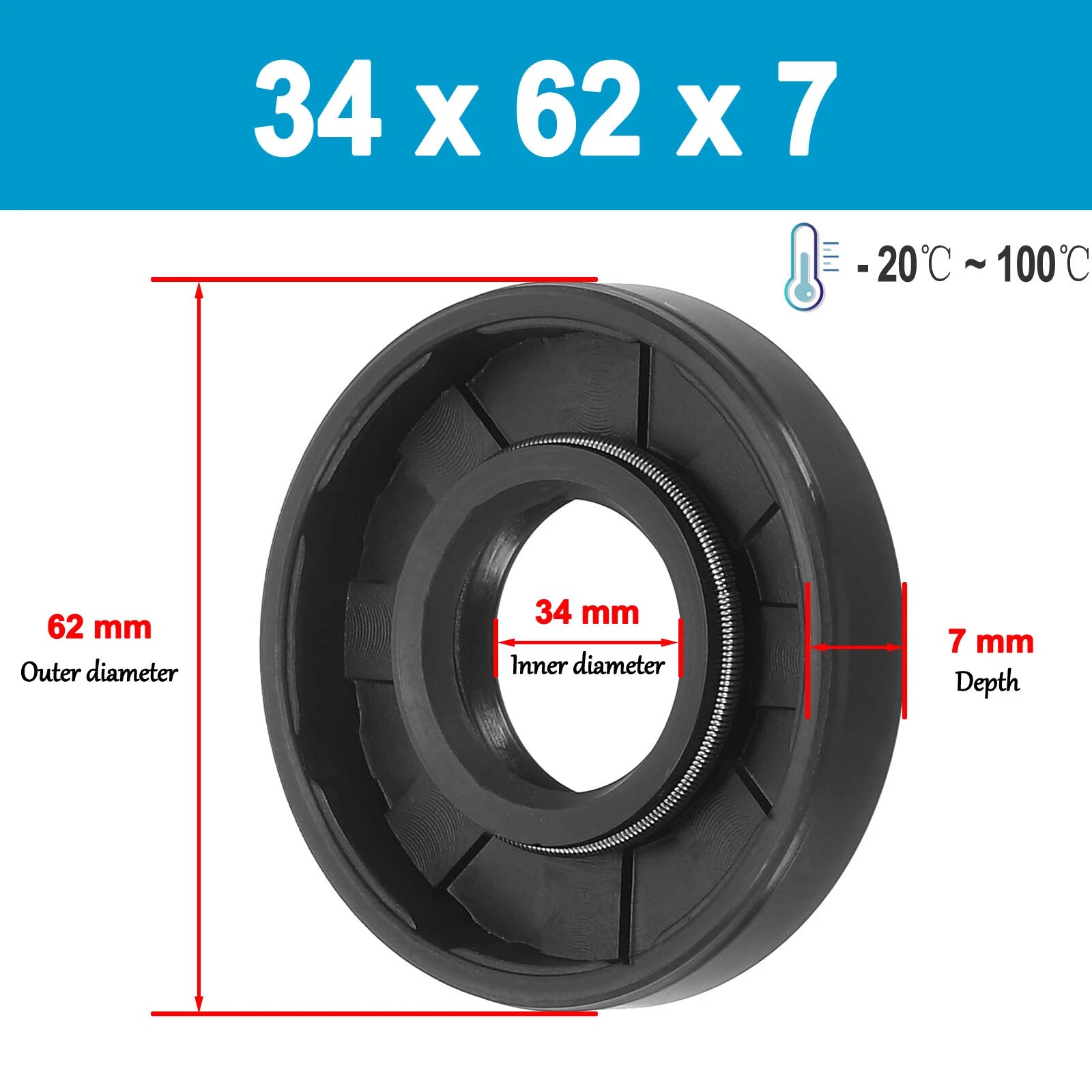
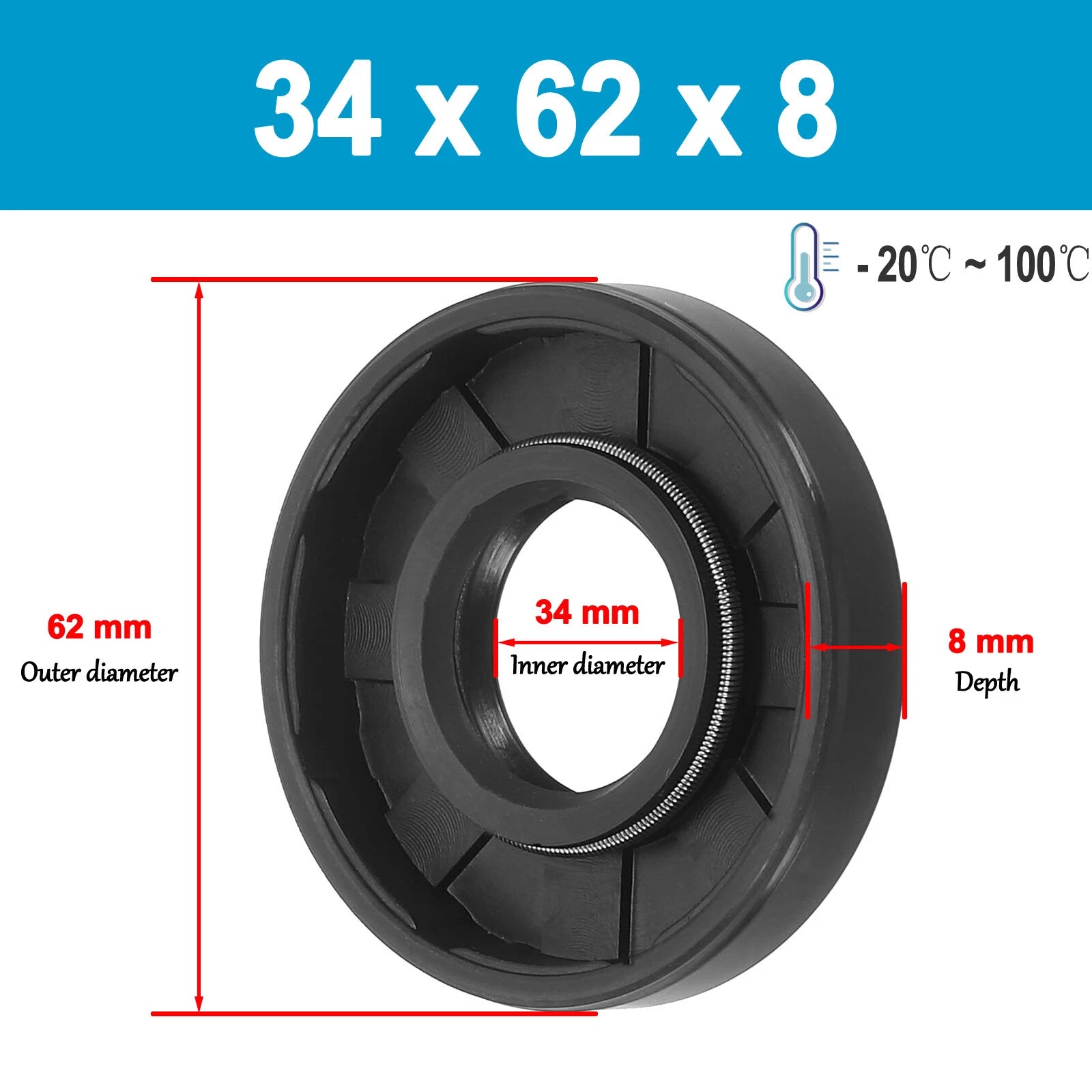
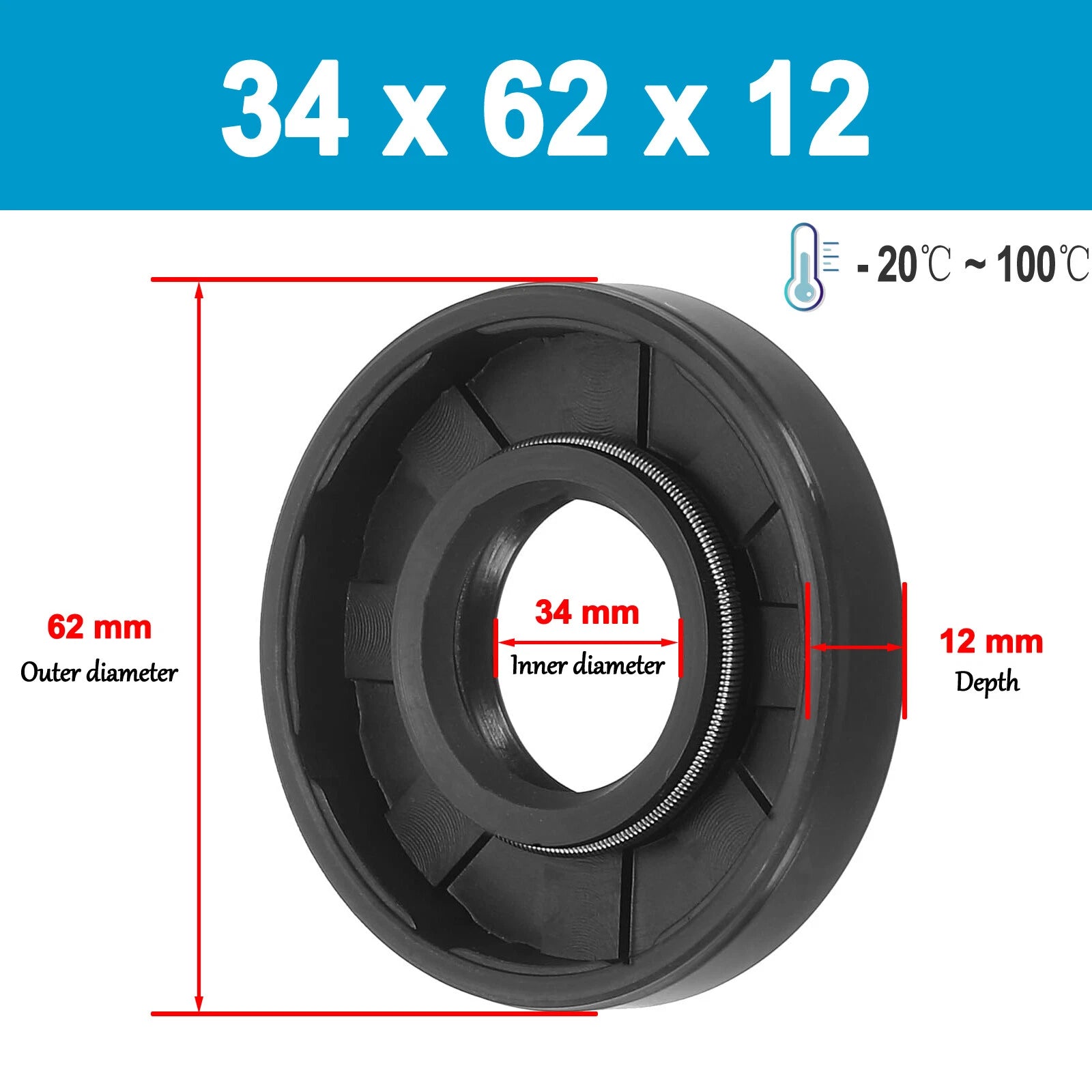
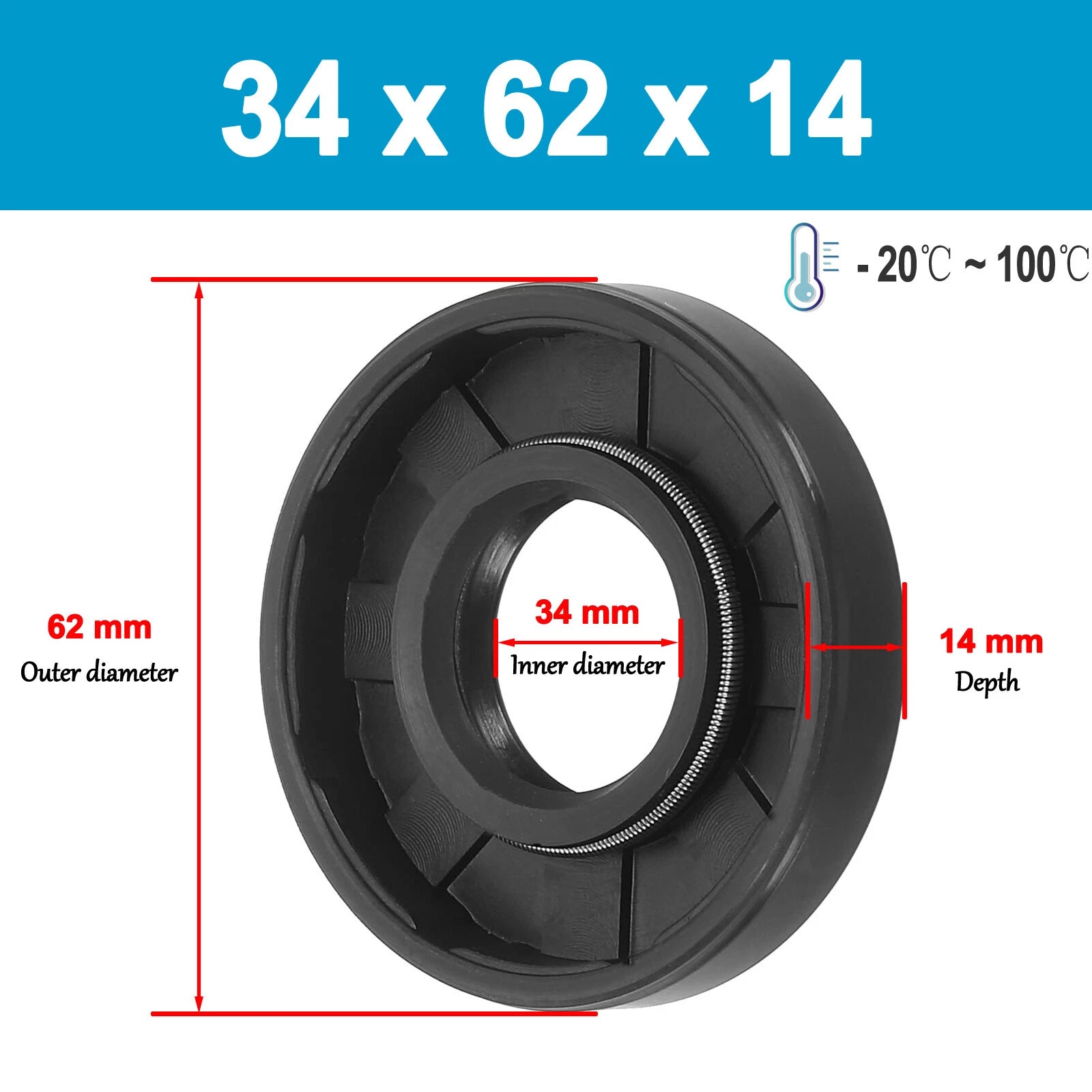
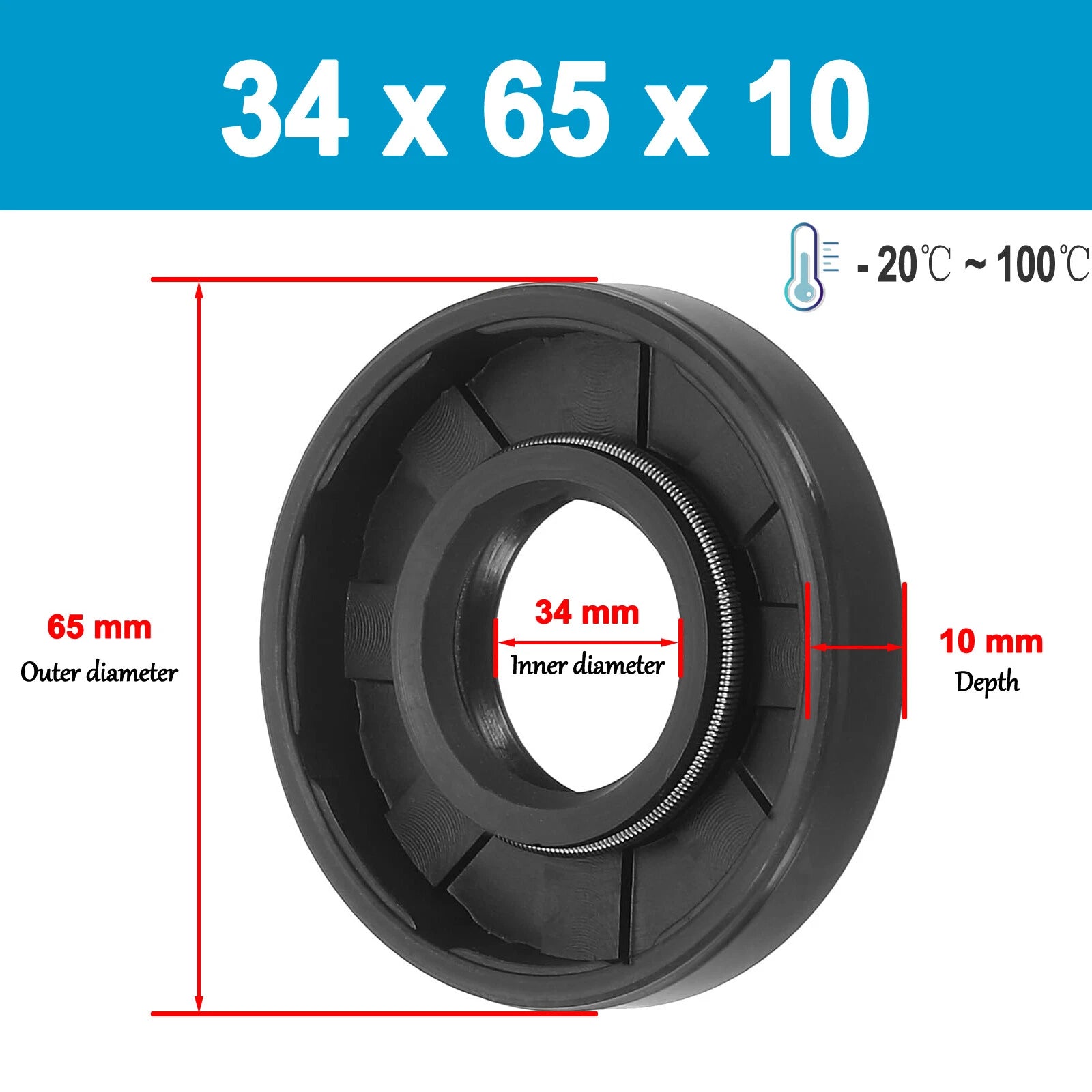
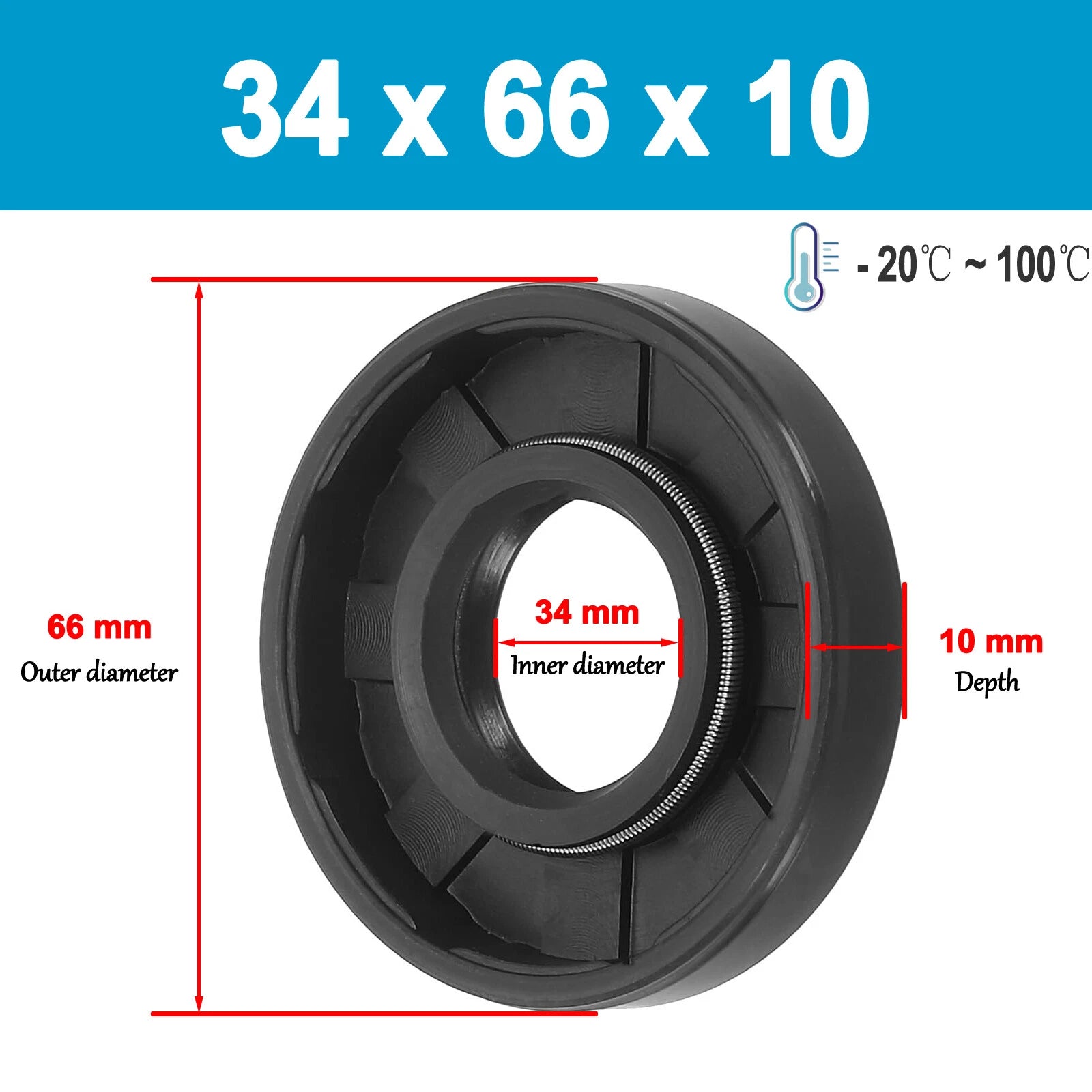
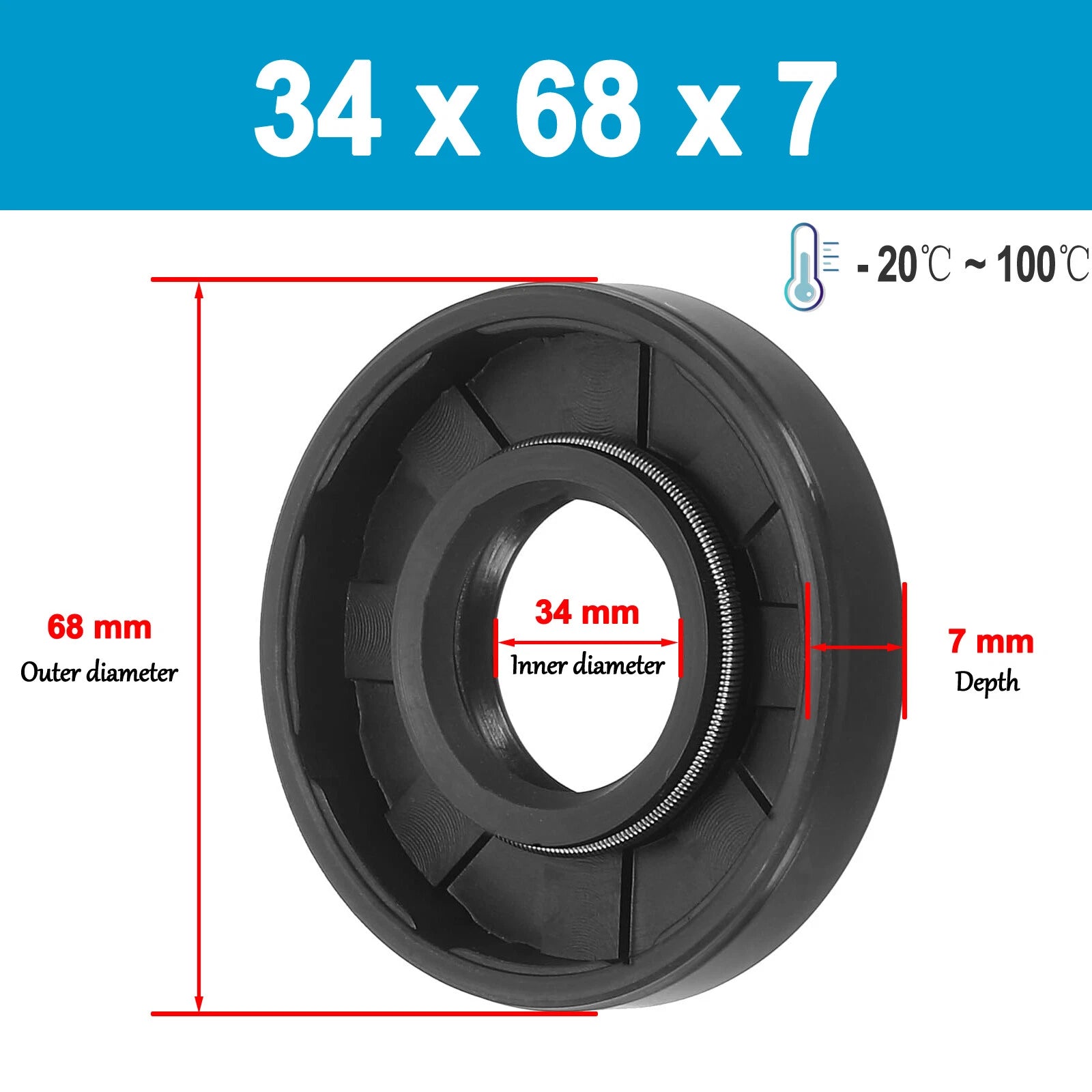
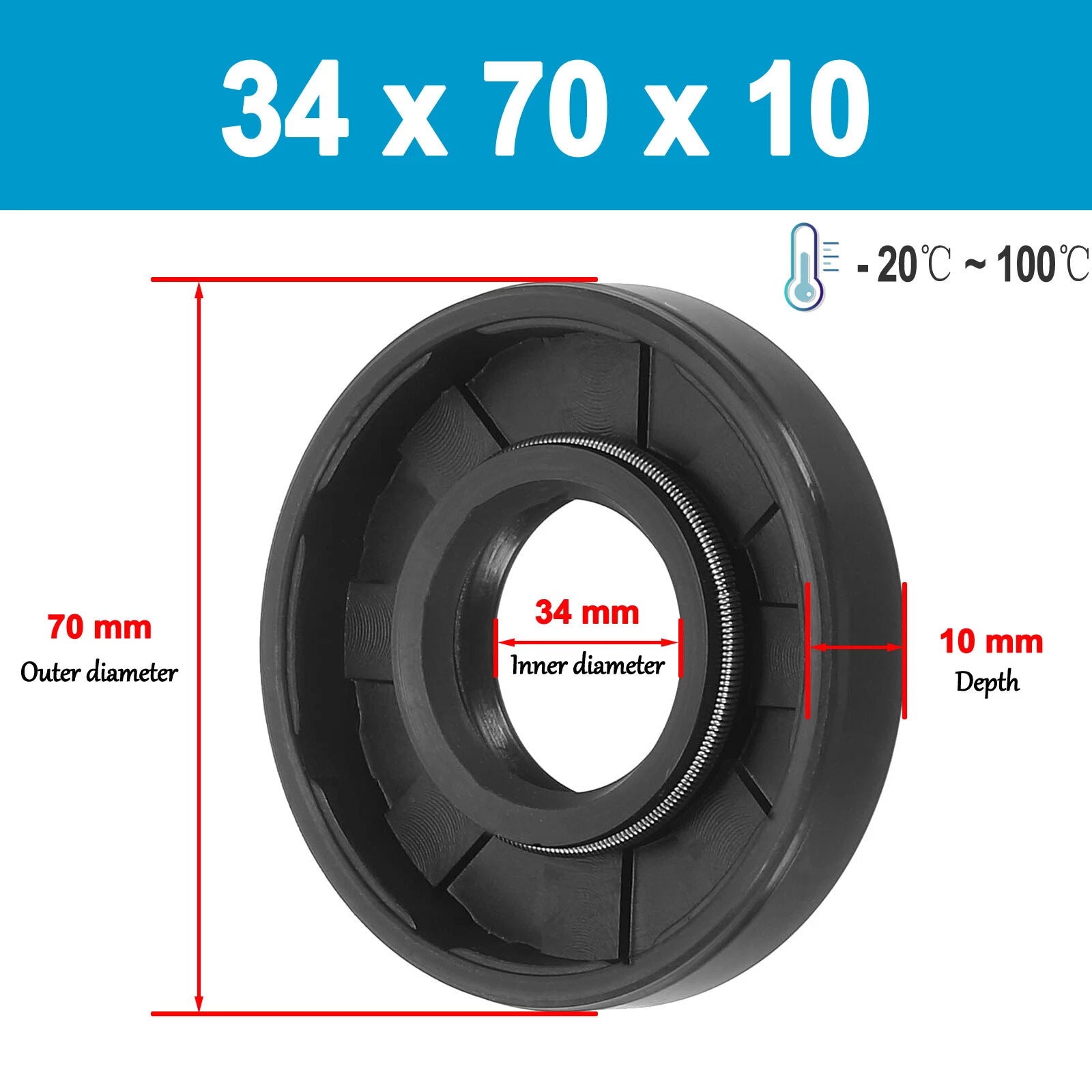
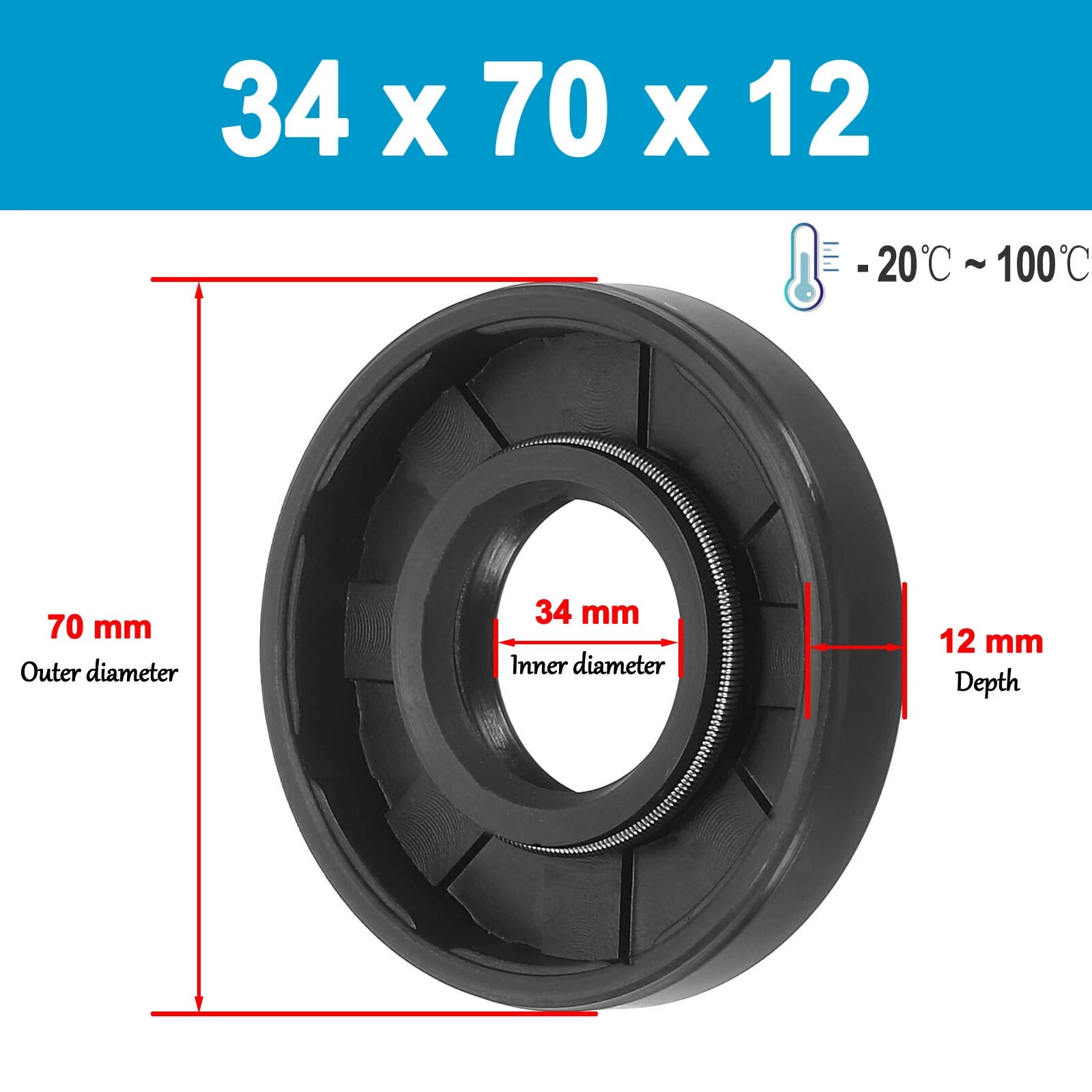
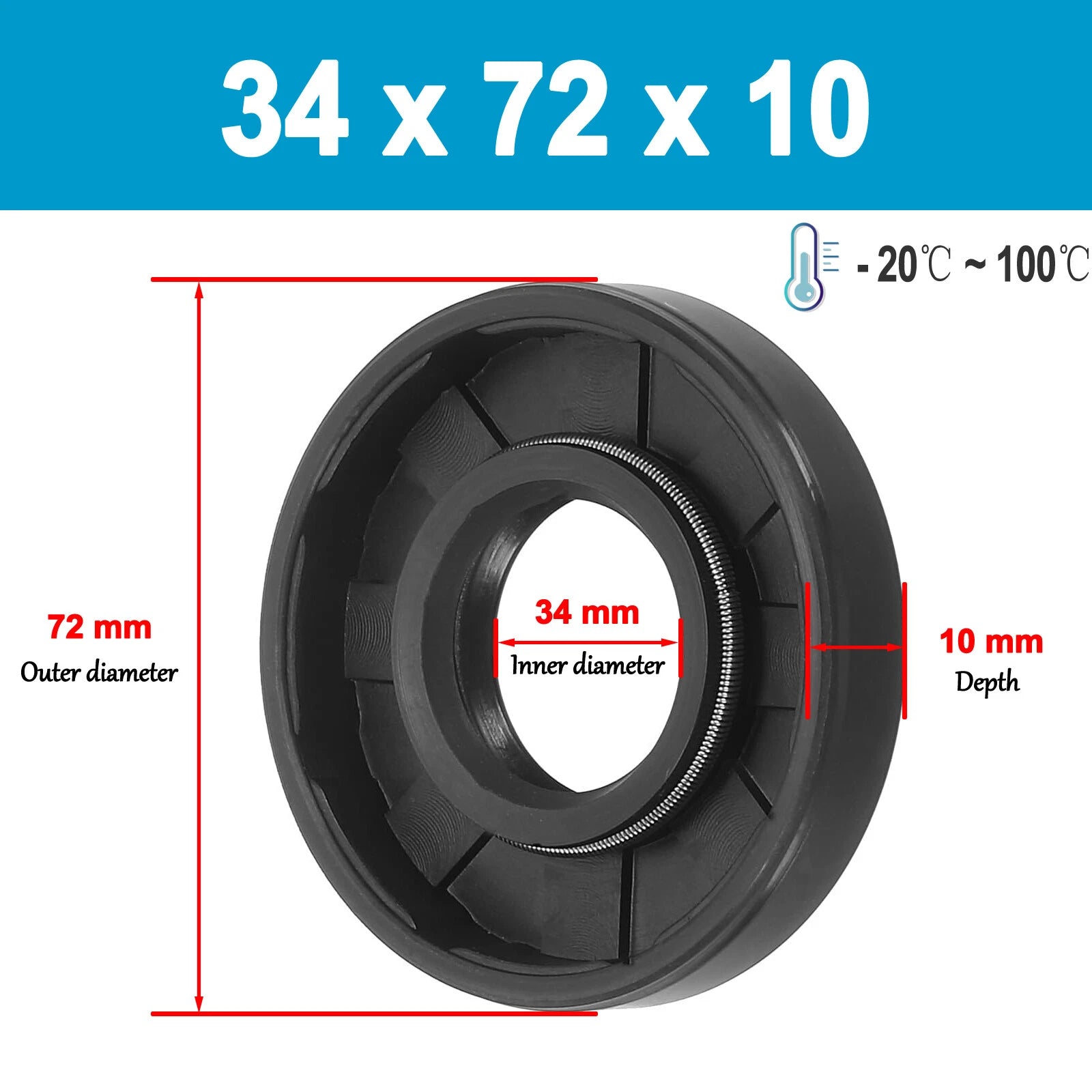
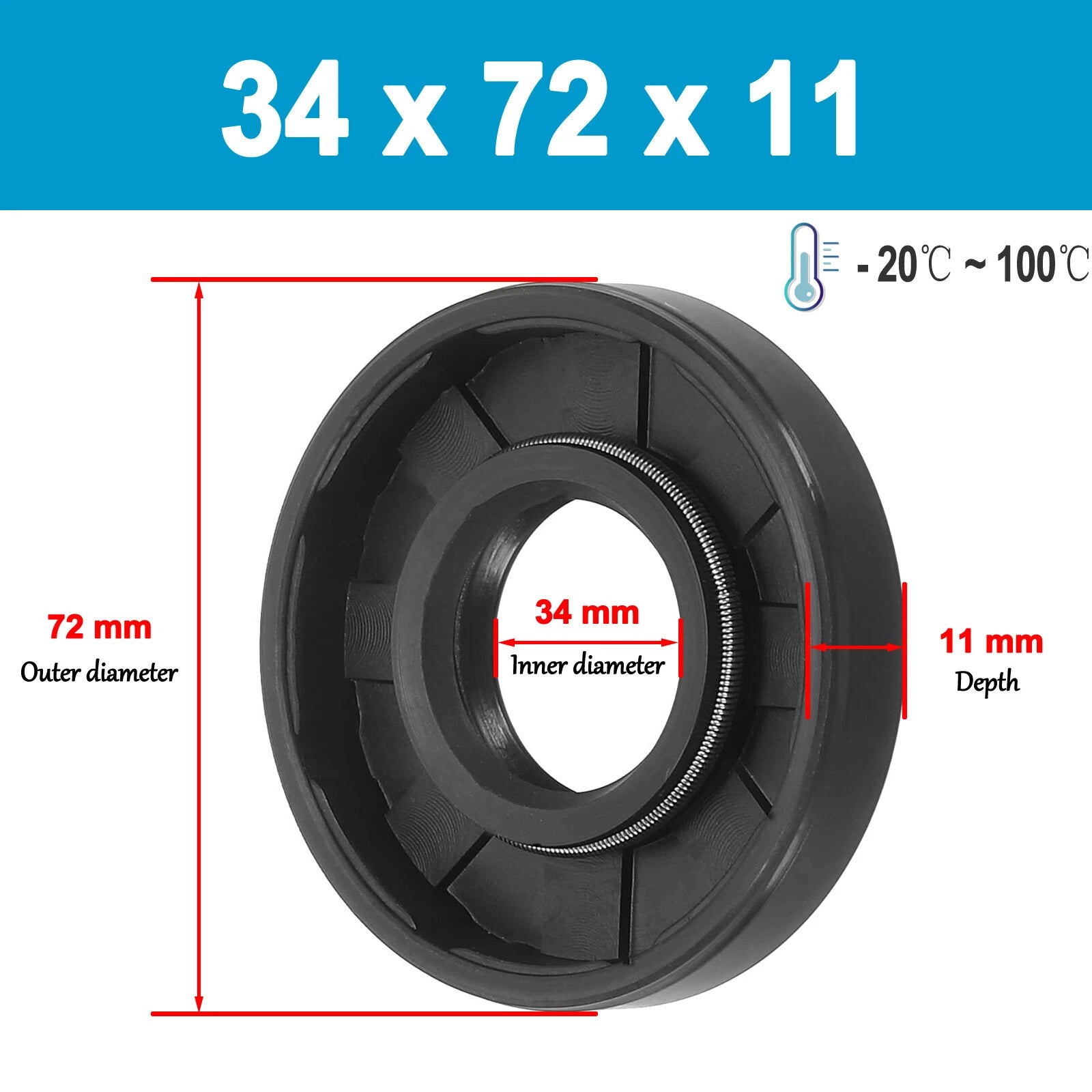
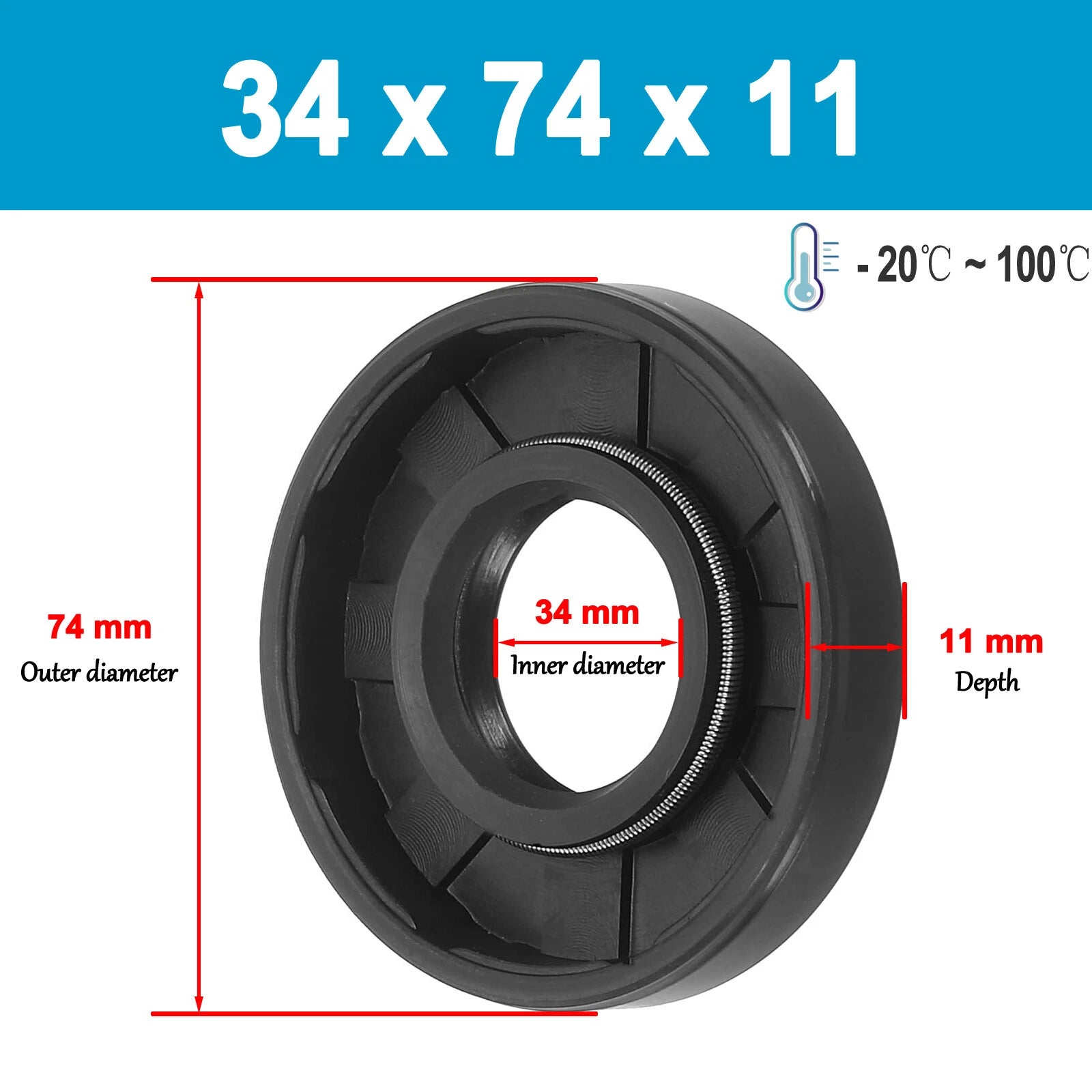
Each seal in this listing is a TC-type (double lip) rotary shaft oil seal built to the R23 metric standard. The sealing element is made from NBR (nitrile butadiene rubber), a material known for its resistance to petroleum-based oils, greases, and moderate temperatures. An internal garter spring maintains consistent radial lip pressure against the shaft throughout the seal's service life. Inner shaft diameters covered are 32 mm (≈1.26 in), 33 mm (≈1.30 in), and 34 mm (≈1.34 in), with outer diameters and depths varying by variant — ranging from 35 mm up to 82 mm OD and 4 mm to 14 mm depth. Each pack contains 10 pieces.

Typical applications include automotive gearbox and differential rebuilds requiring a 32mm shaft oil seal replacement, industrial pump and motor shaft sealing where a 34mm NBR rotary seal is specified, and agricultural or construction equipment maintenance calling for a metric double lip TC seal with garter spring in the 33mm bore range.

⚙️ Compatibility: Designed for rotating shafts with 32 mm, 33 mm, or 34 mm inner diameter. Verify your housing bore (outer diameter) and groove depth before ordering. NBR compound is compatible with mineral oils, ATF, gear oil, and most petroleum-based greases. Not recommended for use with phosphate-ester fluids or strong solvents.

✅ Key Features of These TC R23 Metric NBR Double Lip Oil Seals

🔩 TC Double Lip Design

Two sealing lips — a primary dynamic lip and a secondary dust/exclusion lip — work together to retain lubricant and block contaminants simultaneously.

🌀 Garter Spring Loaded

An internal garter spring applies consistent radial force on the primary lip, maintaining sealing contact even as the lip wears over time.

🧪 NBR Rubber Compound

Nitrile butadiene rubber offers solid resistance to petroleum oils, gear lubricants, and ATF across a typical operating range of approximately −40 °C to +120 °C (−40 °F to +248 °F).

📐 R23 Metric Standard

Manufactured to the R23 metric dimensional standard, ensuring dimensional interchangeability with OEM and aftermarket housings specifying this profile.

📦 Pack of 10 Pieces

Each order ships as a pack of 10 identical seals — ideal for workshop stock, fleet maintenance, or batch rebuilds where multiple seals of the same size are needed.

🔢 Wide Size Range

250+ size combinations spanning 32–34 mm inner diameter, 35–82 mm outer diameter, and 4–14 mm depth — covering a broad spectrum of metric shaft and housing configurations.

📐 Technical Specifications — TC R23 Metric NBR Rotary Shaft Oil Seal

Seal Type TC (Double Lip with Garter Spring)
Standard R23 Metric
Sealing Material NBR (Nitrile Butadiene Rubber)
Inner Diameter (ID) 32 mm / 33 mm / 34 mm — see variant options
Outer Diameter (OD) 35 mm – 82 mm — see variant options
Depth (Width) 4 mm – 14 mm — see variant options
Spring Type Garter Spring (internal)
Lip Configuration Primary dynamic lip + secondary dust exclusion lip
Operating Temperature Typically −40 °C to +120 °C (−40 °F to +248 °F)
Compatible Fluids Mineral oil, gear oil, ATF, petroleum-based grease
Packing Quantity 10 pieces per pack
Outer Case Material See variant options

❓ Frequently Asked Questions

How do I choose the correct size for my application?

Measure your shaft's outer diameter (this becomes the seal's inner diameter), then measure the housing bore (this becomes the seal's outer diameter), and finally measure the housing groove depth. Match all three dimensions — Inner Ø × Outer Ø × Depth — to the variant listed. If you are replacing an existing seal, the size is often stamped on the seal face or listed in your equipment's service manual.

What is the difference between a TC seal and a single-lip seal?

A TC (double lip) seal has two sealing lips: a primary dynamic lip that retains lubricant and a secondary dust/exclusion lip that blocks dirt, water, and debris from entering the housing. A single-lip seal has only the primary lip. TC seals are preferred in environments where external contamination is a concern, such as agricultural equipment, off-road vehicles, and outdoor machinery.

Is NBR rubber suitable for my application?

NBR (nitrile butadiene rubber) is compatible with mineral oils, gear oils, automatic transmission fluid (ATF), and most petroleum-based greases. It performs reliably across approximately −40 °C to +120 °C. It is not recommended for use with phosphate-ester hydraulic fluids, brake fluid (DOT 3/4), or strong aromatic solvents. If your application uses these fluids, consider a Viton (FKM) seal instead.

What does the garter spring do, and is it necessary?

The garter spring wraps around the inside of the primary sealing lip and applies a constant, even radial force against the shaft. This maintains sealing contact as the lip gradually wears and compensates for minor shaft runout. Without the spring, the lip may lose contact with the shaft over time, leading to leaks. For rotating shaft applications, a spring-loaded seal is strongly recommended.

Can I use these seals on a shaft that is slightly worn or scored?

Minor surface irregularities can sometimes be tolerated, but a heavily scored or grooved shaft will cause premature seal failure regardless of seal quality. For best results, the shaft surface in the sealing zone should have a finish of approximately 0.2–0.8 µm Ra and be free of deep scratches or grooves. If the shaft is worn, consider using a shaft repair sleeve before installing a new seal.

How should I install the seal to avoid damaging it?

Clean the housing bore and shaft thoroughly before installation. Lightly lubricate the sealing lip with the same oil or grease the seal will be retaining. Press the seal squarely into the housing bore using a seal driver or a flat plate of the correct diameter — never hammer directly on the seal face. Ensure the seal is flush with or slightly below the housing face as specified by your equipment manual. Avoid dragging the lip over sharp keyways or splines during installation.

Are these sold individually or in packs?

Each listing variant is sold as a pack of 10 identical seals of the selected Inner Ø × Outer Ø × Depth size. This makes them well-suited for workshop stock, fleet maintenance programs, or any rebuild job requiring multiple seals of the same specification.

🛒 Select your Inner Ø × Outer Ø × Depth above, then add to cart.

You may also like

Recently viewed