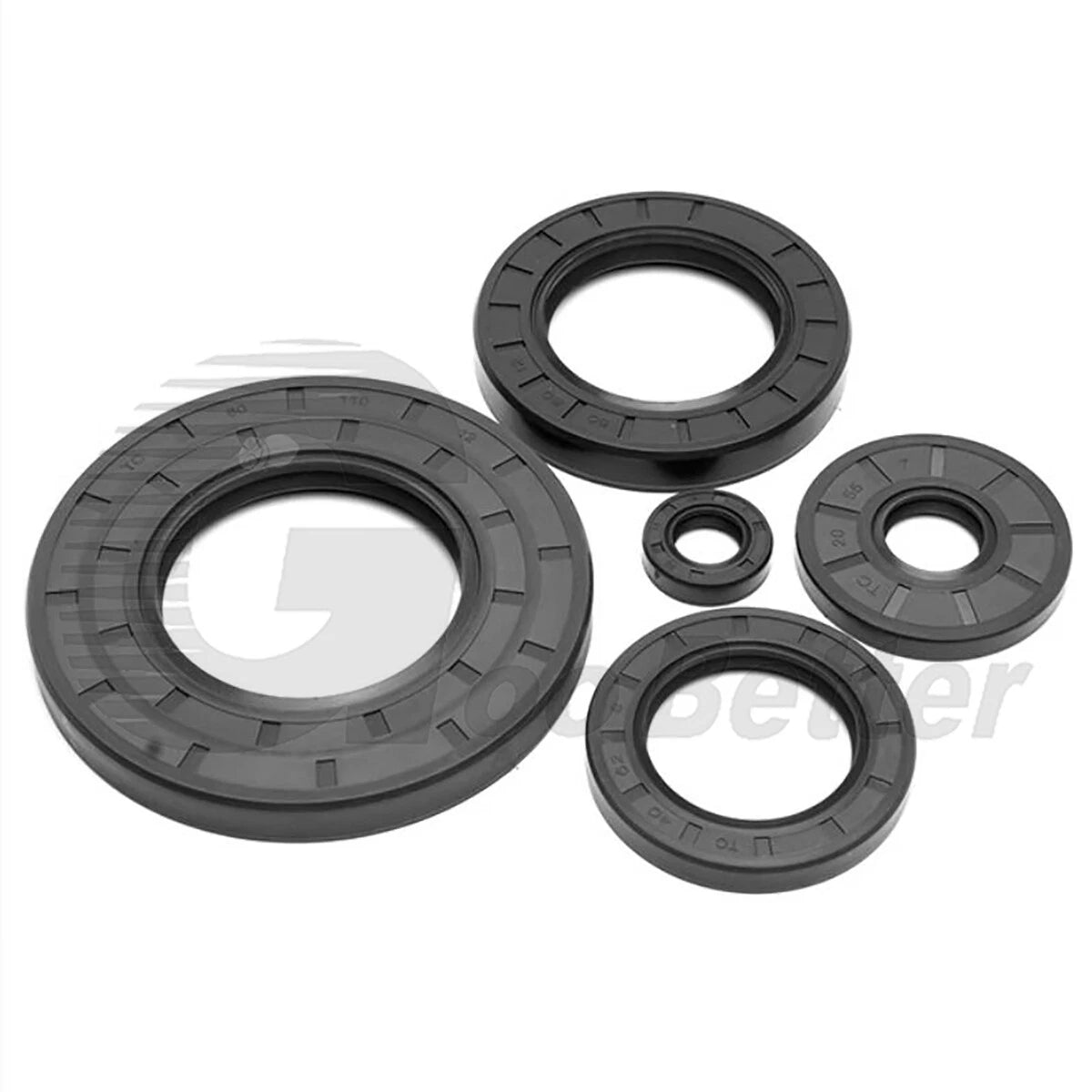
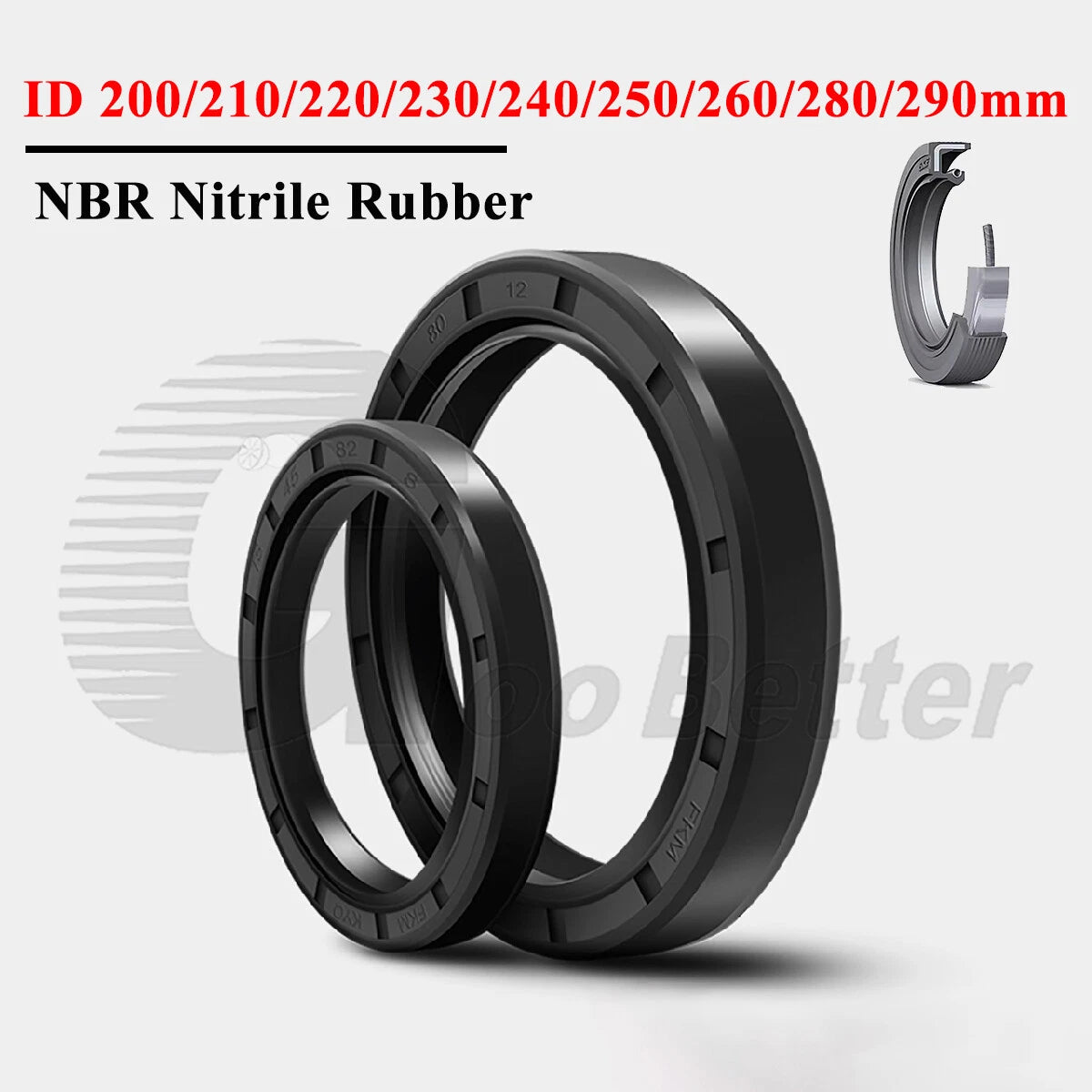
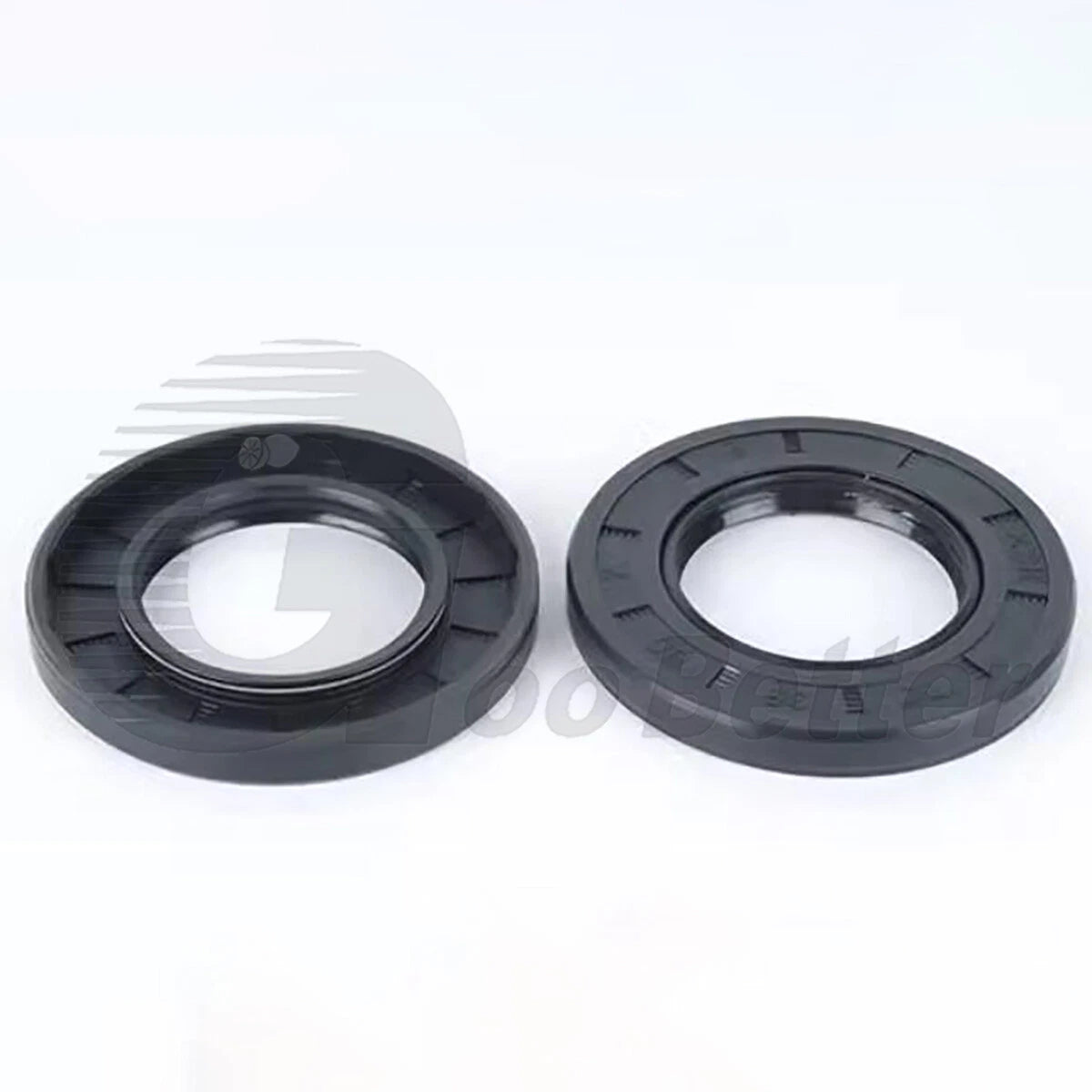
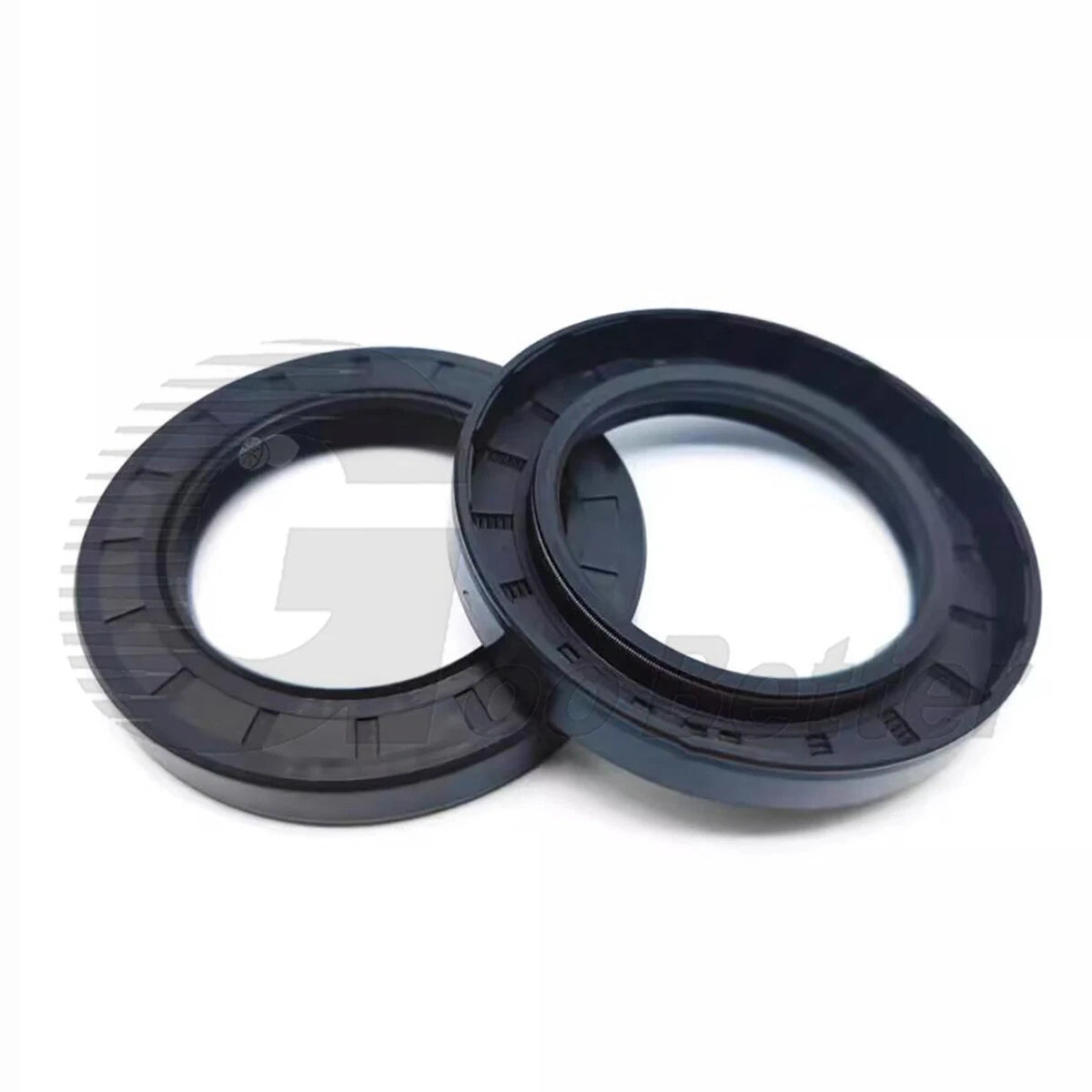
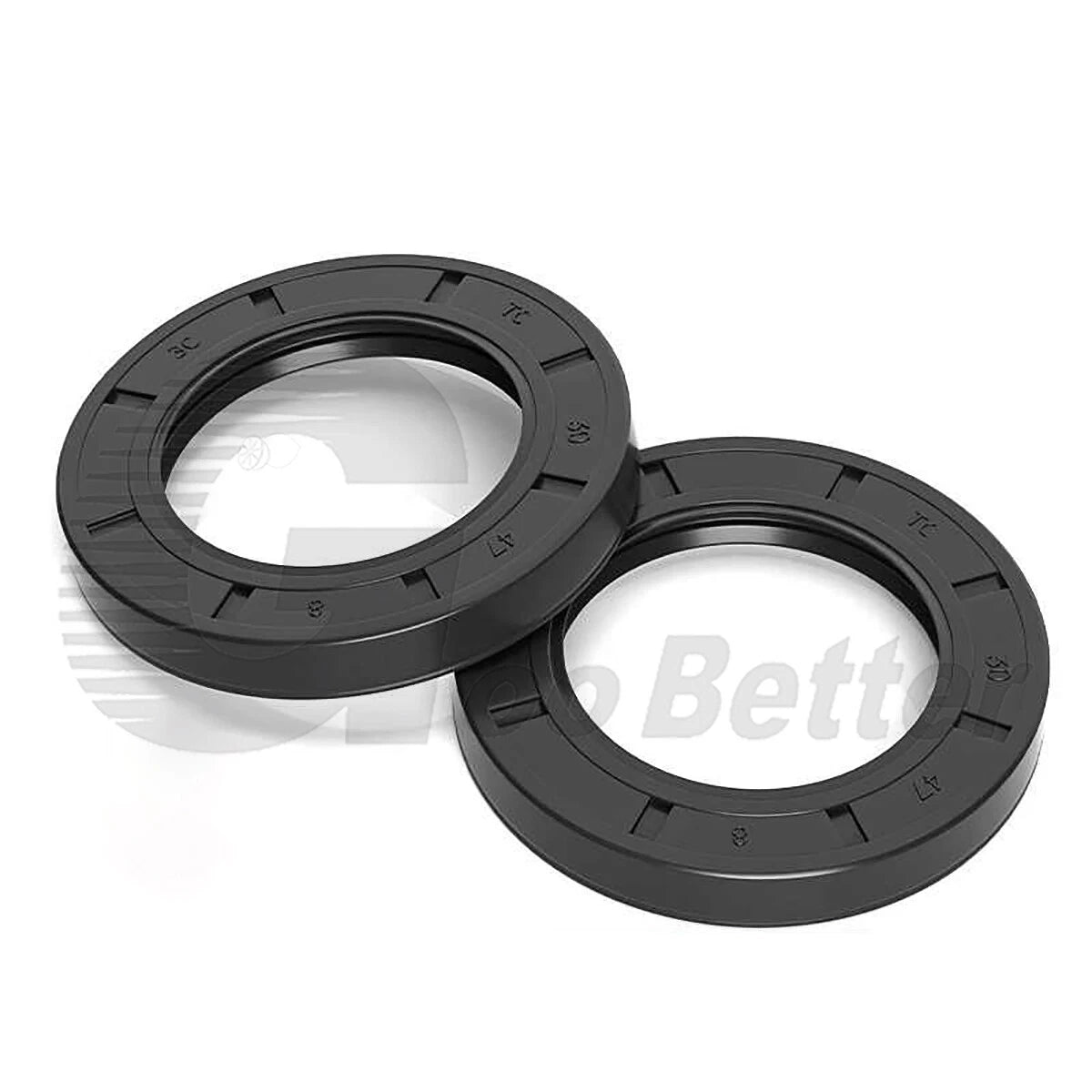
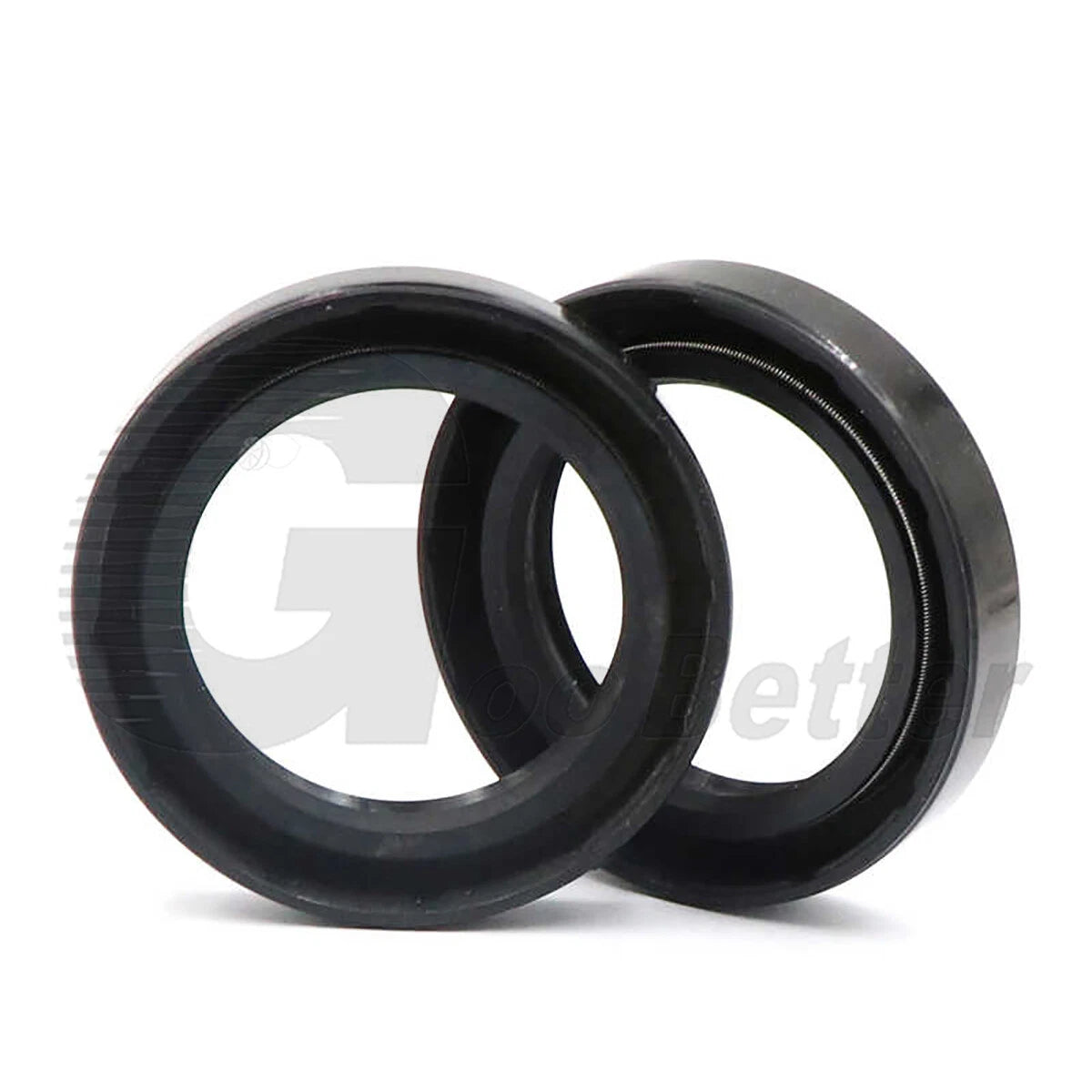
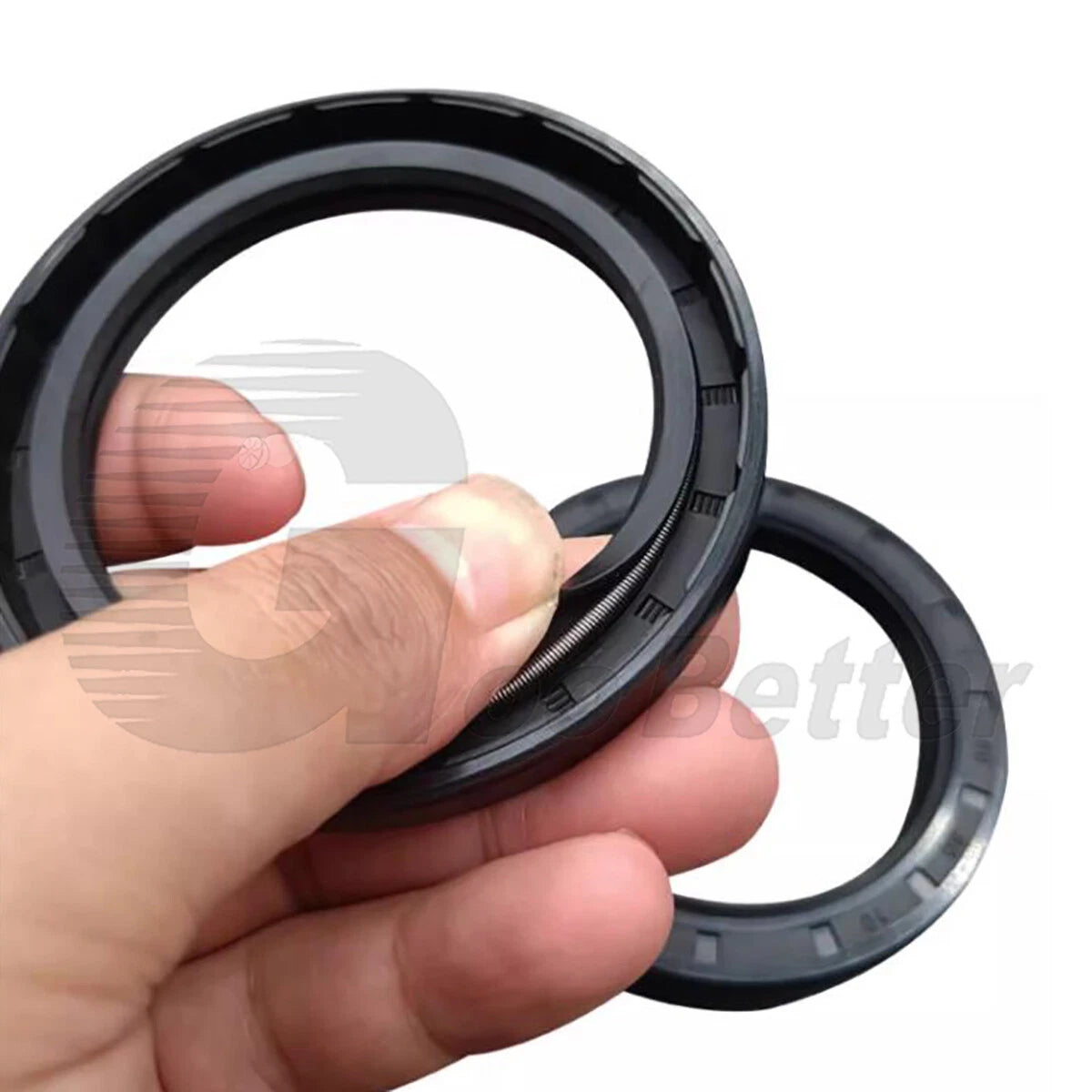
TC Skeleton Oil Seal ID 200–290mm | NBR Dual Lip Rotary Shaft Seal

No reviews

Price:
Sale price$15.14 USD
Stock:
In stock (500 units), ready to be shipped

Payment & Security

Ach Direct Debit Amazon American Express Apple Pay Bancontact Diners Club Discover Google Pay iDEAL Wero Mastercard PayPal Shop Pay USDC Visa

Your payment information is processed securely. We do not store credit card details nor have access to your credit card information.

Quantity Discount Promotion
🎯 BULK DISCOUNT: Buy More, Save More!
Buy 2 Items
5% OFF
Buy 4 Items
10% OFF
Buy 6 Items
15% OFF
Expert

DIY Expert Support

Get fitment advice & recommendations

Mon-Fri, 8:30AM-8PM
24-Hour Fast Ship
🚚
Arrives in 3-14 days
🌍
Global Reach
↩️
30-Day Returns
🌱 1 tree planted with every purchase

Description

TC Skeleton Oil Seal 200–290mm — Stop Leaks on Large-Bore Rotary Shafts

When a worn or undersized seal lets oil weep past a large-bore shaft — contaminating bearings, fouling brakes, or leaving puddles under heavy equipment — the repair window is short and the cost of a wrong-size seal is a wasted teardown. Mechanics, millwrights, and equipment rebuilders working on agricultural machinery, industrial gearboxes, axle assemblies, and large pumps need a TC skeleton oil seal that matches their exact bore without a long lead time.

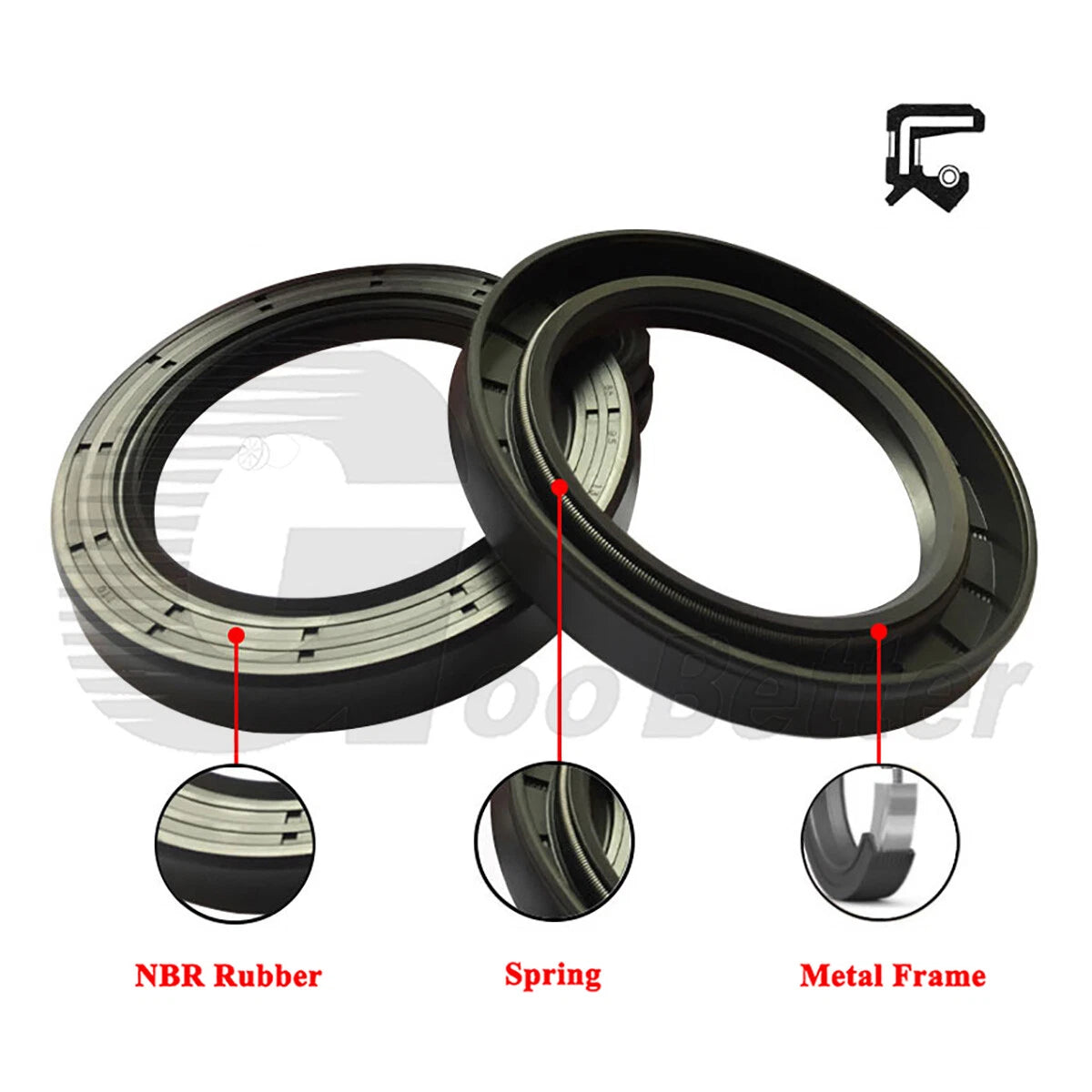
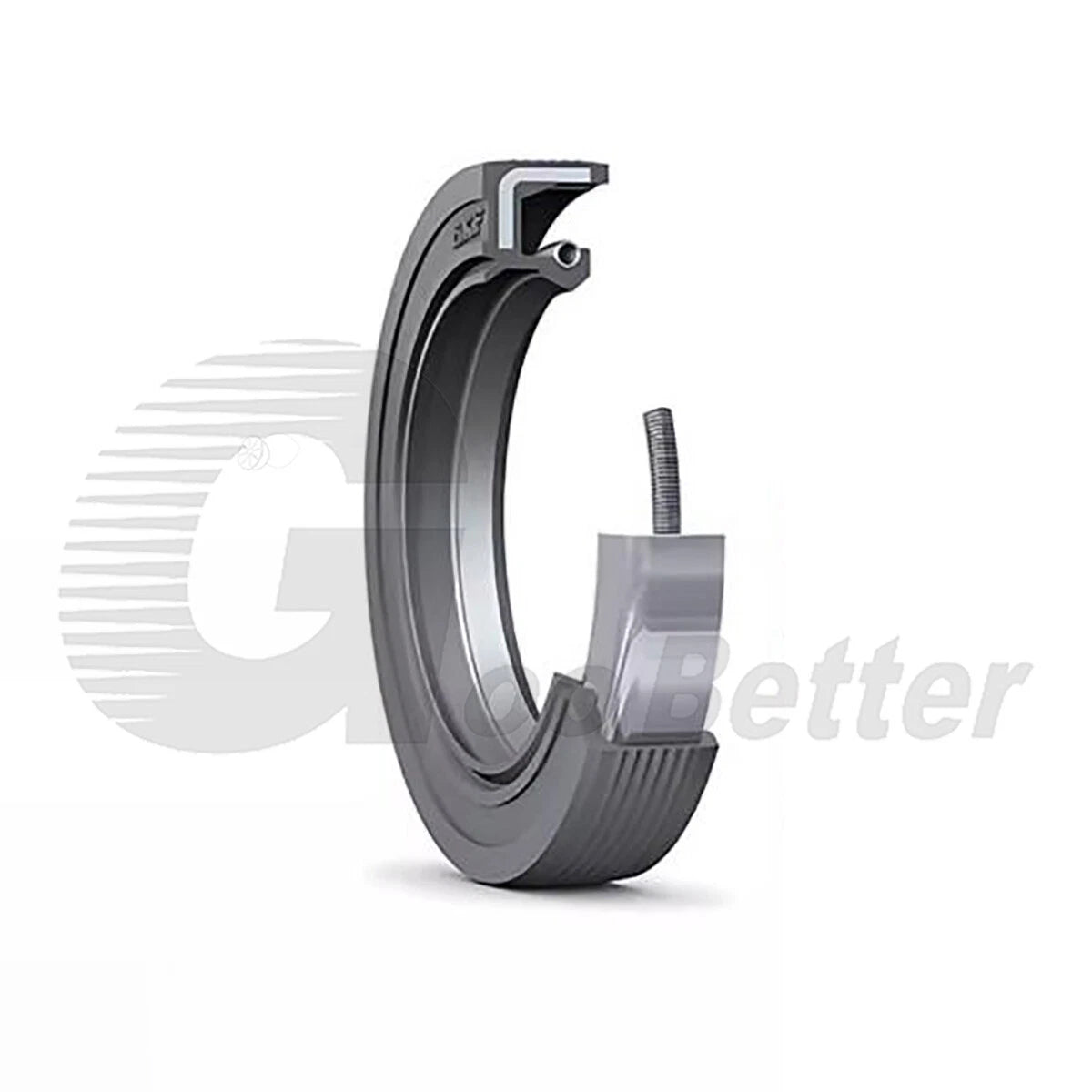
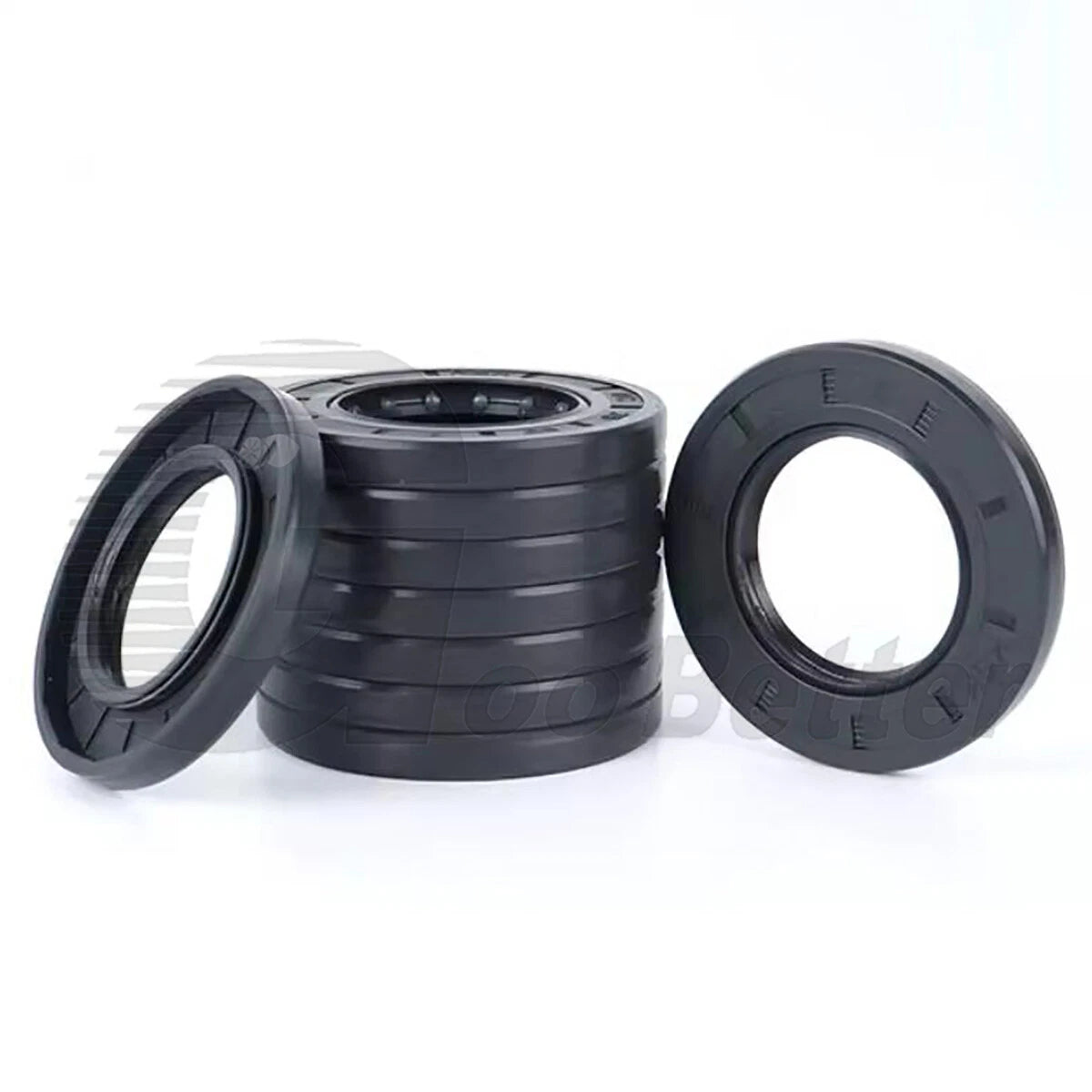
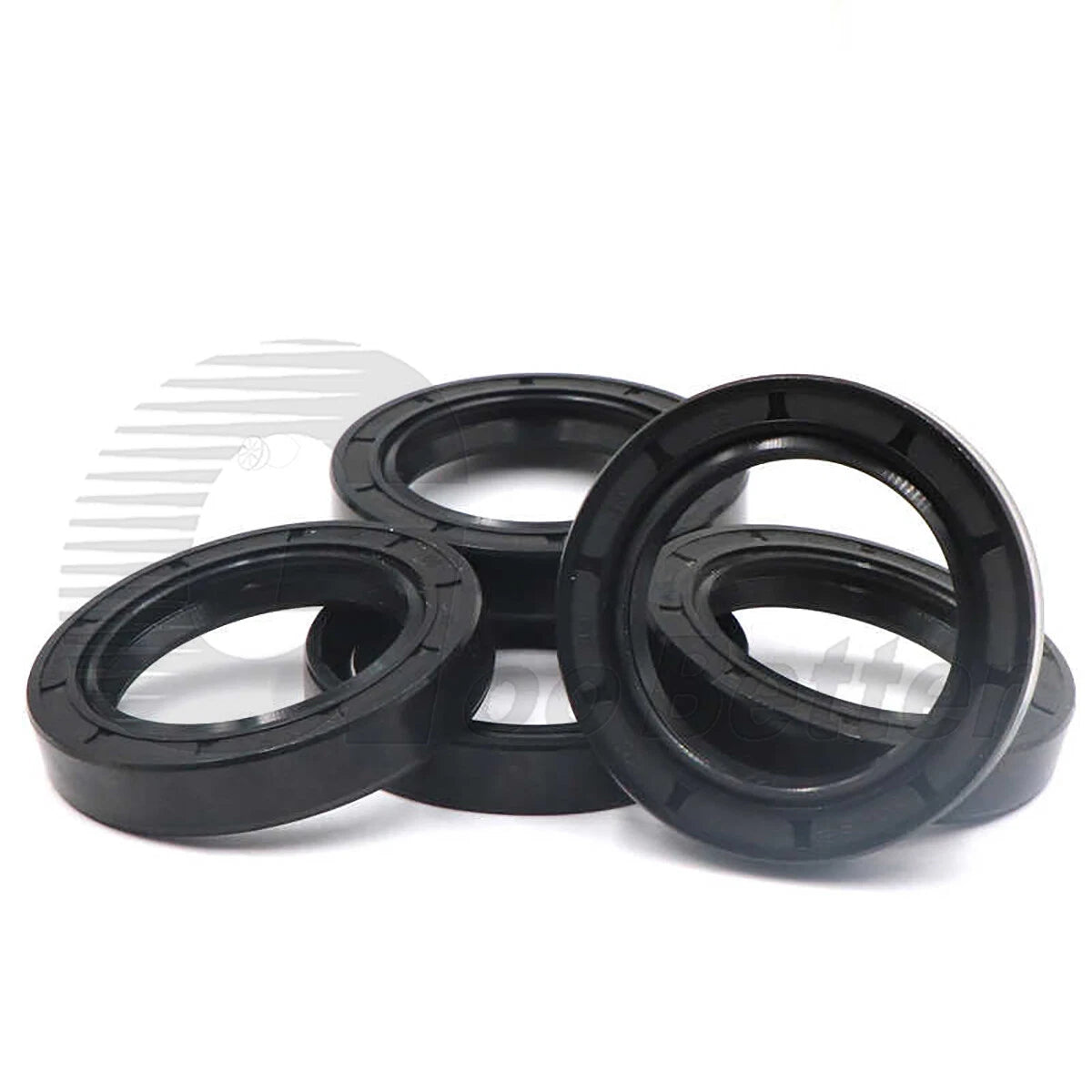
Each seal in this listing is a TC (dual-lip) skeleton-type rotary shaft seal. The metal skeleton provides dimensional stability under press-fit installation. The primary NBR nitrile rubber lip retains oil and grease; the secondary dust-exclusion lip blocks contaminants from the outside. Sizes span inner diameters from 200mm (≈7.87") to 290mm (≈11.42"), outer diameters from 220mm to 350mm, and thicknesses from 10mm to 25mm — select your exact ID×OD×Thickness combination from the variant dropdown. Sold individually (1 PCS per order) unless otherwise noted.

Typical applications include rear axle shaft seals on heavy trucks and agricultural tractors, output shaft seals on industrial gearboxes and reducers, pump shaft seals on hydraulic and irrigation systems, and wheel hub seals on construction equipment. The large-diameter NBR dual-lip TC seal is a direct replacement in most metric-dimensioned housings following ISO and DIN standards.

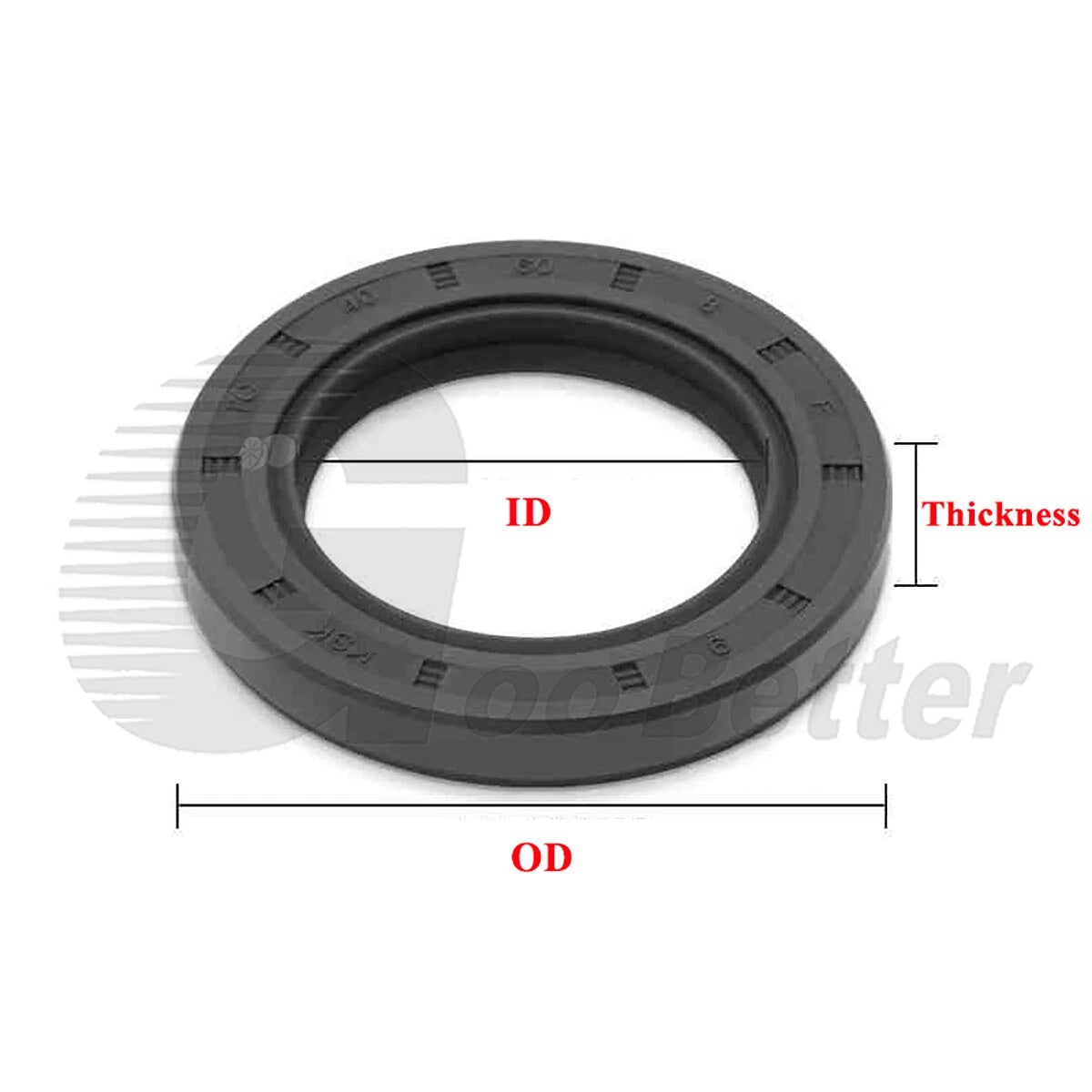
🔵 Compatibility Note: These are metric TC skeleton oil seals. Verify your shaft ID, housing bore OD, and housing depth (thickness) with calipers before ordering. Dimensions are listed as ID × OD × Thickness (mm) in the size selector above.
⚠️ Confirm your measurements: A 1–2mm difference in OD can mean a loose fit or an impossible press. If your housing shows wear, contact us before ordering.

✅ Key Features of These TC Skeleton NBR Dual-Lip Oil Seals

  • 🔩Metal Skeleton Construction — The rigid steel inner skeleton maintains roundness during press-fit installation into large-bore housings, preventing distortion that causes early leakage on large-diameter rotary shaft seals.
  • 💧Dual-Lip TC Design — The primary NBR lip seals oil and grease inward; the secondary lip excludes dust, dirt, and moisture from the outside — the standard configuration for agricultural and industrial shaft sealing.
  • 🌡️NBR Nitrile Rubber Compound — Nitrile rubber generally resists petroleum-based oils, ATF, gear oil, and hydraulic fluid across a broad temperature range, making it the go-to material for gearbox and axle seal replacements.
  • 📐Wide Size Coverage (200–290mm ID) — With 149 size variants covering IDs from 200mm to 290mm, this listing covers a broad range of large-bore rotary shaft seal applications without sourcing from multiple suppliers.
  • ⚙️Metric Dimensioning (ISO/DIN Compatible) — All dimensions follow metric standards, making these seals direct replacements in metric-dimensioned housings common on European and Asian-origin agricultural and industrial equipment.
  • 🚚In-Stock, Ships from US Warehouse — Stocked domestically so you can get the seal you need without waiting weeks for overseas shipping — critical when equipment downtime is costing you money.

📐 Technical Specifications — TC Skeleton Dual-Lip NBR Oil Seal

Seal Type TC (Dual Lip, Skeleton)
Inner Diameter (ID) Range 200mm – 290mm (≈7.87" – 11.42")
Outer Diameter (OD) Range 220mm – 350mm (see variant options)
Thickness Range 10mm – 25mm (see variant options)
Lip Material NBR (Nitrile Butadiene Rubber)
Skeleton / Case Material Steel (metal skeleton)
Lip Configuration Dual lip — primary oil seal + secondary dust exclusion
Operating Temperature Typically -40°C to +120°C (-40°F to +248°F)
Compatible Fluids Petroleum-based oils, gear oil, ATF, grease, hydraulic fluid (mineral-based)
Shaft Speed Typically up to 4–8 m/s surface speed (application-dependent)
Dimension Standard Metric (ISO/DIN compatible)
Quantity per Order 1 PCS
Installation Method Press-fit into housing bore
Spring Contact us to confirm

❓ Frequently Asked Questions

How do I choose the right TC oil seal size?

Measure the shaft (inner diameter), the bore (outer diameter), and the housing depth (thickness) with calipers. Match all three dimensions to the variant label shown as ID×OD×Thickness in mm. For example, 220×250×15mm means a 220mm shaft, 250mm bore, 15mm wide. If you need inch equivalents: 200mm ≈ 7.87", 220mm ≈ 8.66", 250mm ≈ 9.84", 290mm ≈ 11.42".

What material is the seal lip made from, and what fluids does it resist?

The sealing lip is NBR (nitrile butadiene rubber), which generally handles petroleum-based oils, gear oil, ATF, grease, and mineral hydraulic fluid well. NBR typically performs in temperatures from approximately -40°F to +248°F (-40°C to +120°C). For aggressive full-synthetic PAO or ester-based fluids, FKM (Viton) is typically recommended — contact us if you need an alternative.

Can these seals be used outdoors or in wet, dusty environments?

Yes — the dual-lip TC design includes a secondary dust and water exclusion lip, making it well-suited for moderately wet or dusty outdoor environments such as agricultural equipment and construction machinery. For continuous water immersion or highly corrosive chemical exposure, contact us to confirm suitability for your specific conditions.

What shaft speed can these large-bore oil seals handle?

TC skeleton oil seals in this size range typically handle rotary shaft surface speeds up to approximately 4–8 m/s, depending on shaft surface finish (Ra ≤ 0.8 µm is generally recommended), lubrication, and operating temperature. Consult your equipment manual or contact us to confirm for your specific application.

What is the difference between TC and SC oil seal types, and which do I need?

TC seals have a dual lip — a primary oil-retention lip and a secondary dust-exclusion lip — making them the standard choice for most industrial, agricultural, and automotive applications where both oil sealing and contamination exclusion are needed. SC seals have a single lip and are generally used in cleaner, enclosed environments. If you're replacing an existing seal, match the type stamped on the old seal or check your equipment manual.

Are these seals compatible with synthetic oils or automatic transmission fluid (ATF)?

NBR is generally compatible with mineral-based ATF, conventional gear oils, and many common hydraulic fluids. Compatibility with full-synthetic PAO or ester-based fluids varies — in most cases NBR performs adequately at moderate temperatures, but for high-temperature synthetic applications, FKM (Viton) seals are typically recommended. Contact us if you need FKM alternatives in these sizes.

How do I install a TC skeleton oil seal correctly?

1. Clean the housing bore and shaft journal thoroughly. 2. Lightly lubricate the seal lip with the fluid being sealed. 3. Press the seal squarely into the bore using a seal driver or flat plate sized to the OD — never hammer directly on the seal face or lip. 4. The metal skeleton side typically faces outward (away from the oil). 5. Verify the seal sits flush or slightly below the housing face. Misalignment during installation is the most common cause of early seal failure.

How do I know if my housing bore is worn and needs repair before installing a new seal?

Measure the housing bore with an inside micrometer or bore gauge. If the bore is out-of-round by more than approximately 0.05mm or shows visible scoring, the new seal may not seat correctly and will likely leak. In many cases, a bore repair sleeve (speedi-sleeve) can restore the shaft journal. Contact us if you're unsure — installing a new seal into a damaged bore is generally a wasted repair.

🛒 Select your size (ID × OD × Thickness) above, then add to cart — ships from our US warehouse.

You may also like

Recently viewed