
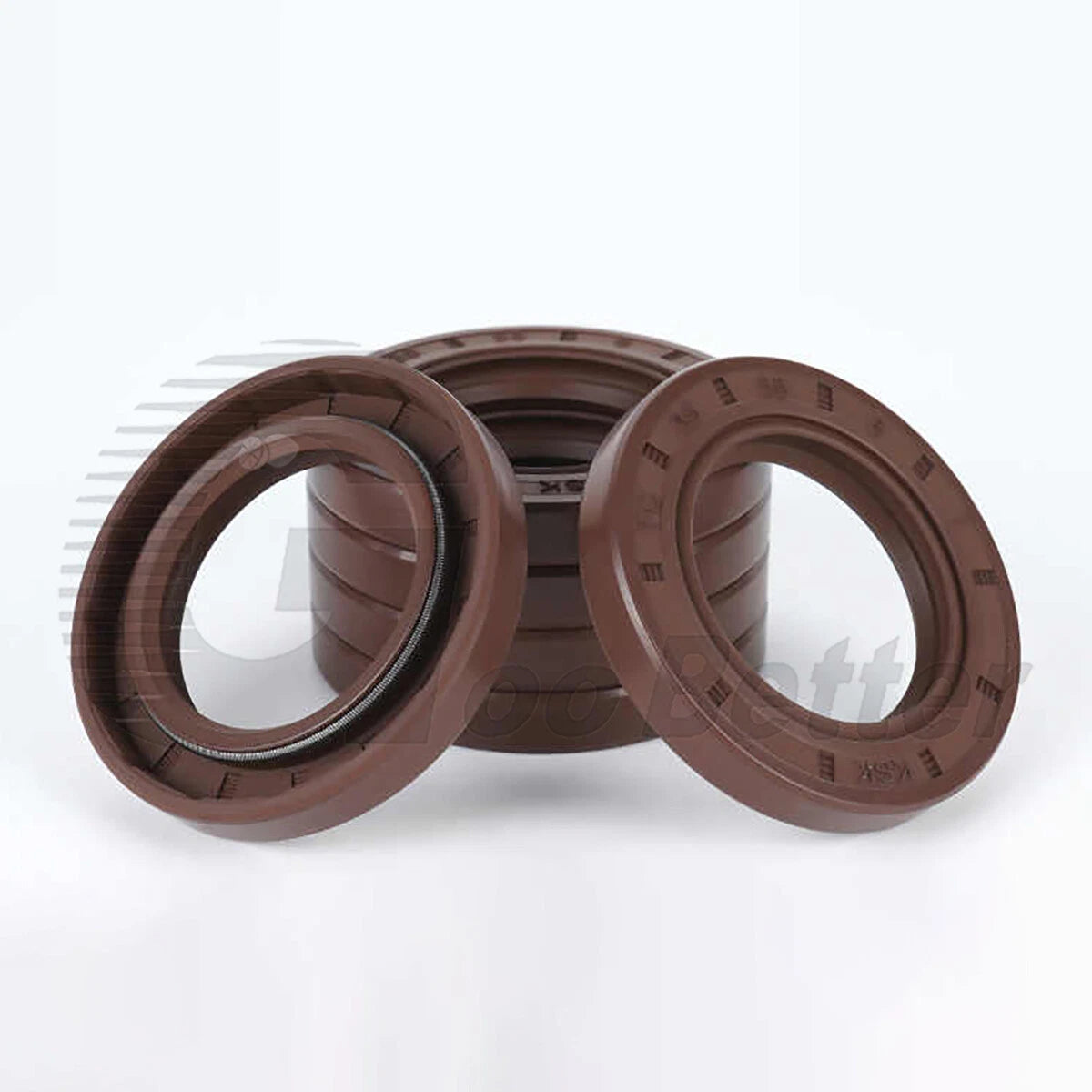
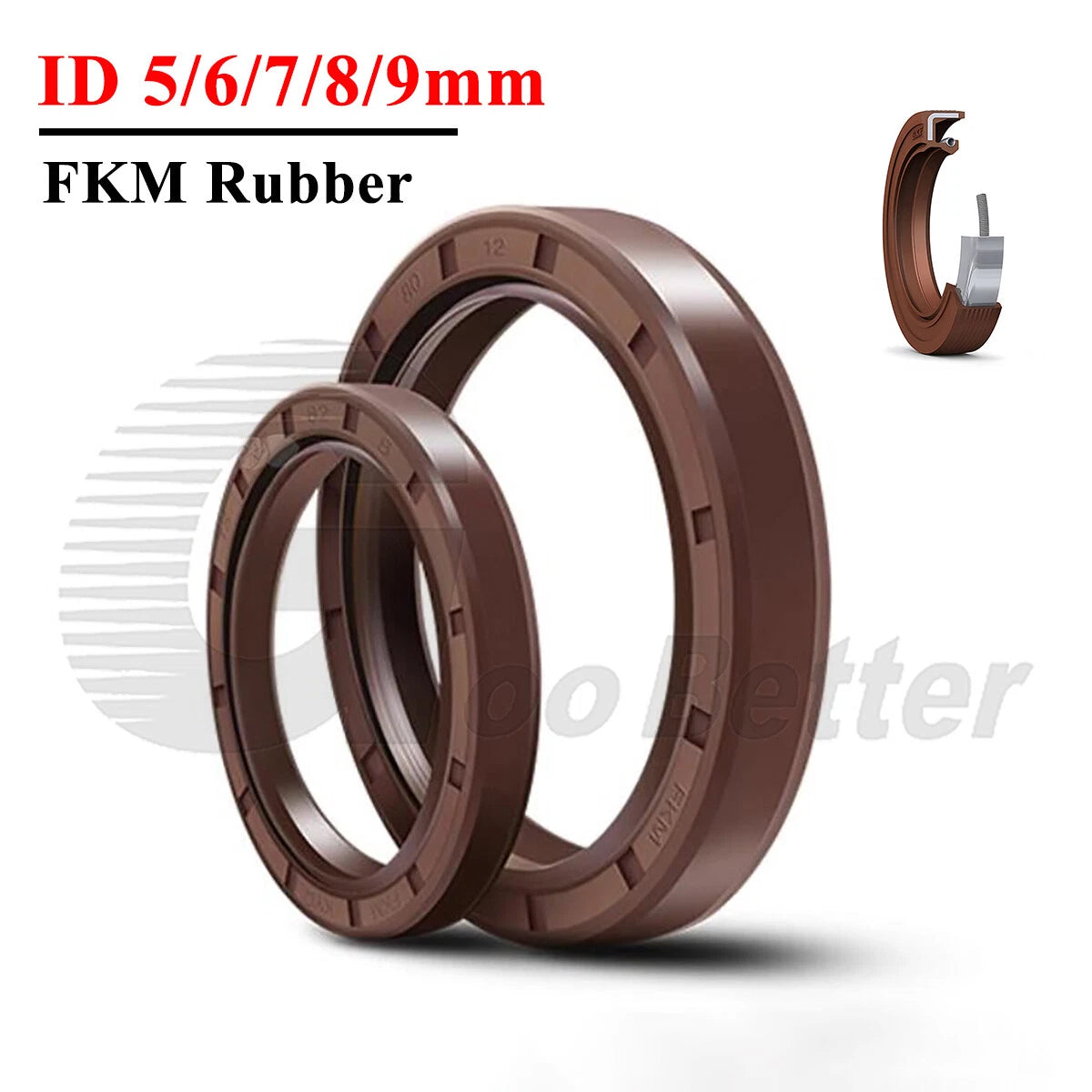
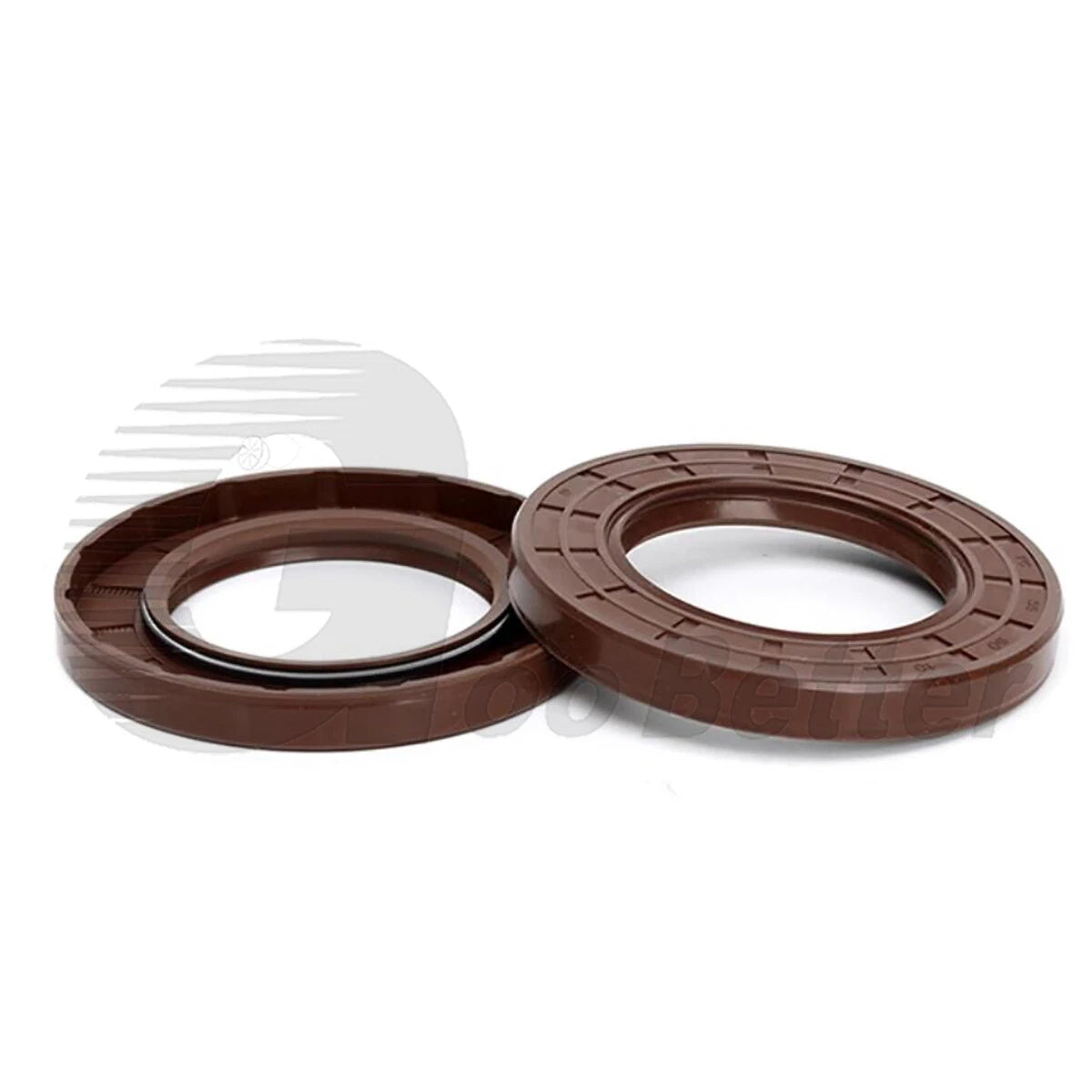
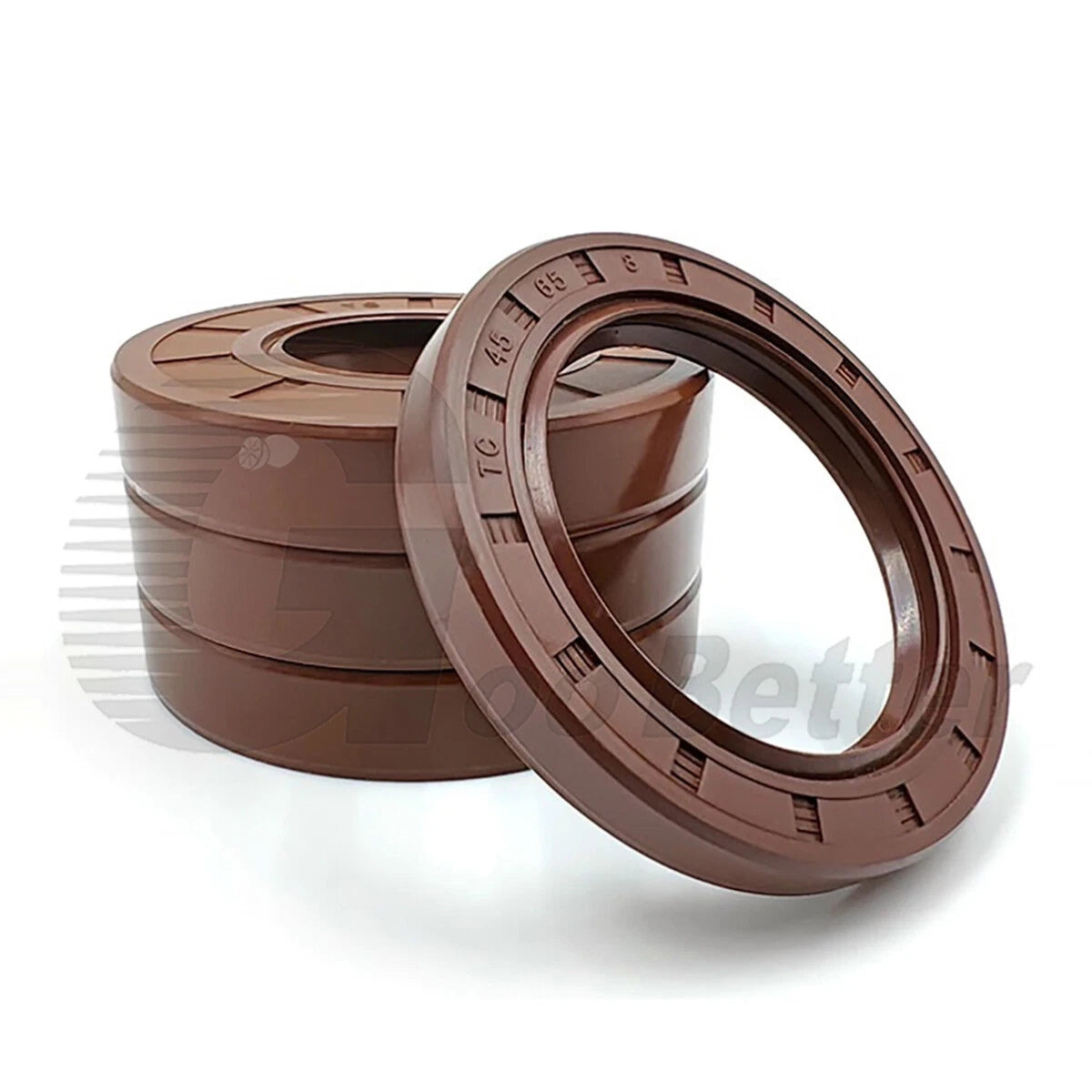
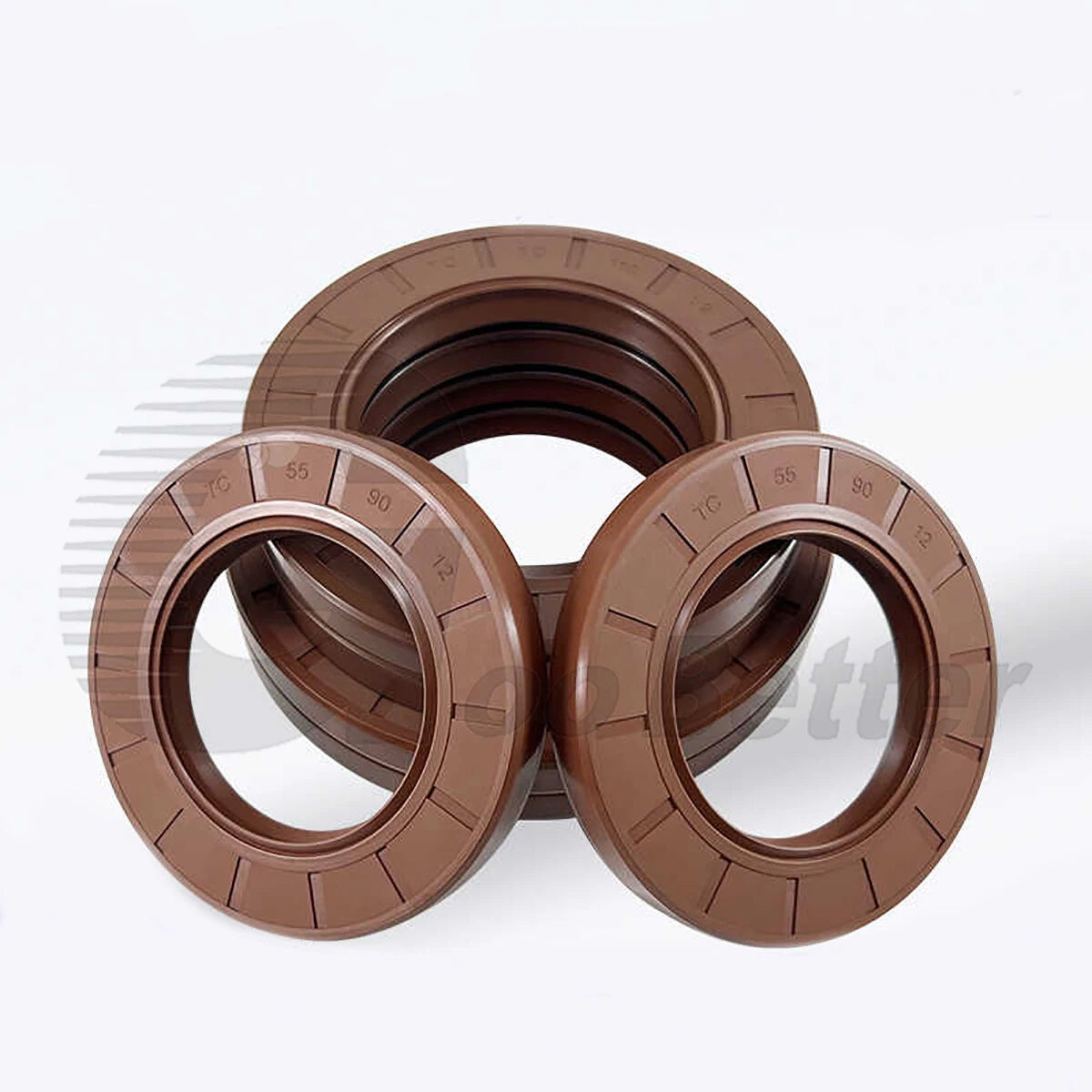
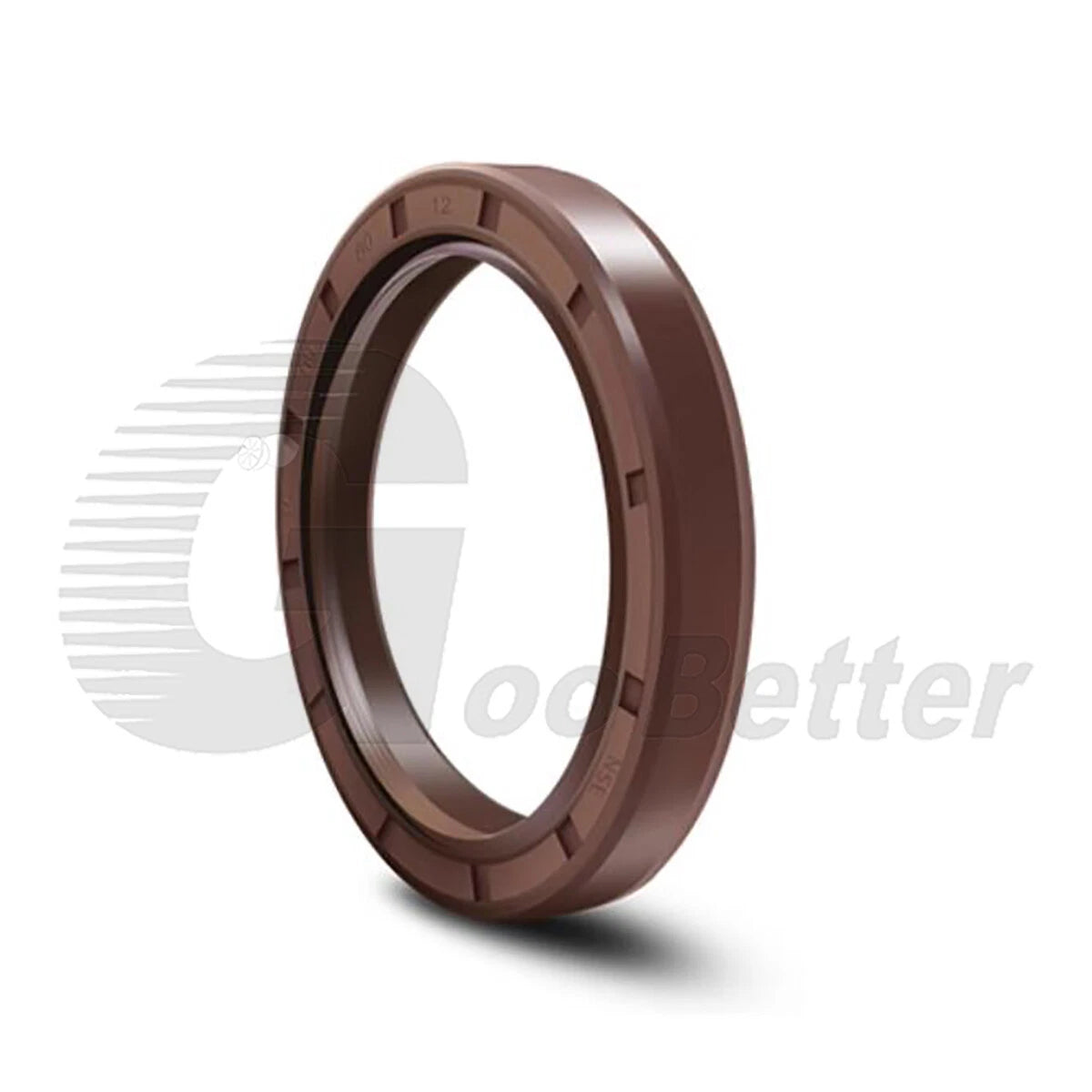
TC Skeleton Oil Seals ID 5-9mm FKM Rubber Dual Lip Rotary Shaft Seal Ring

No reviews

Price:
Sale price$5.47 USD
Stock:
In stock (500 units), ready to be shipped

Payment & Security

Ach Direct Debit Amazon American Express Apple Pay Bancontact Diners Club Discover Google Pay iDEAL Wero Mastercard PayPal Shop Pay USDC Visa

Your payment information is processed securely. We do not store credit card details nor have access to your credit card information.

Quantity Discount Promotion
🎯 BULK DISCOUNT: Buy More, Save More!
Buy 2 Items
5% OFF
Buy 4 Items
10% OFF
Buy 6 Items
15% OFF
Expert

DIY Expert Support

Get fitment advice & recommendations

Mon-Fri, 8:30AM-8PM
24-Hour Fast Ship
🚚
Arrives in 3-14 days
🌍
Global Reach
↩️
30-Day Returns
🌱 1 tree planted with every purchase

Description

TC Skeleton Oil Seals ID 5–9mm — Stop Leaks on Small Rotary Shafts

When a worn or missing shaft seal lets oil weep past a bearing housing, the mess is the least of your problems — contaminated grease, accelerated bearing wear, and unexpected downtime follow quickly. Mechanics, equipment rebuilders, and serious DIYers working on small-bore machinery need a reliable TC skeleton oil seal that fits precisely and holds up to heat and fluid exposure without cracking or swelling.

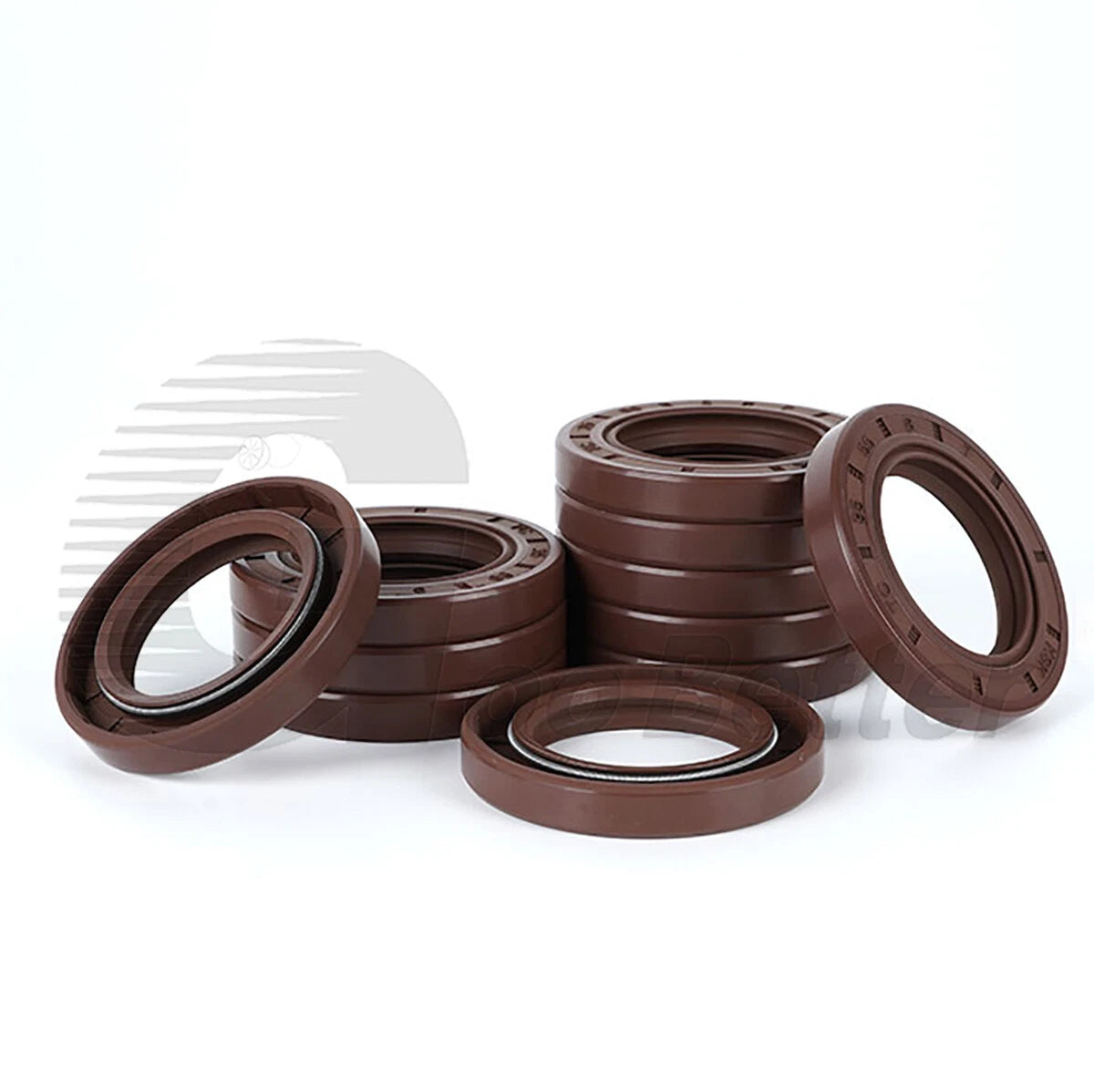
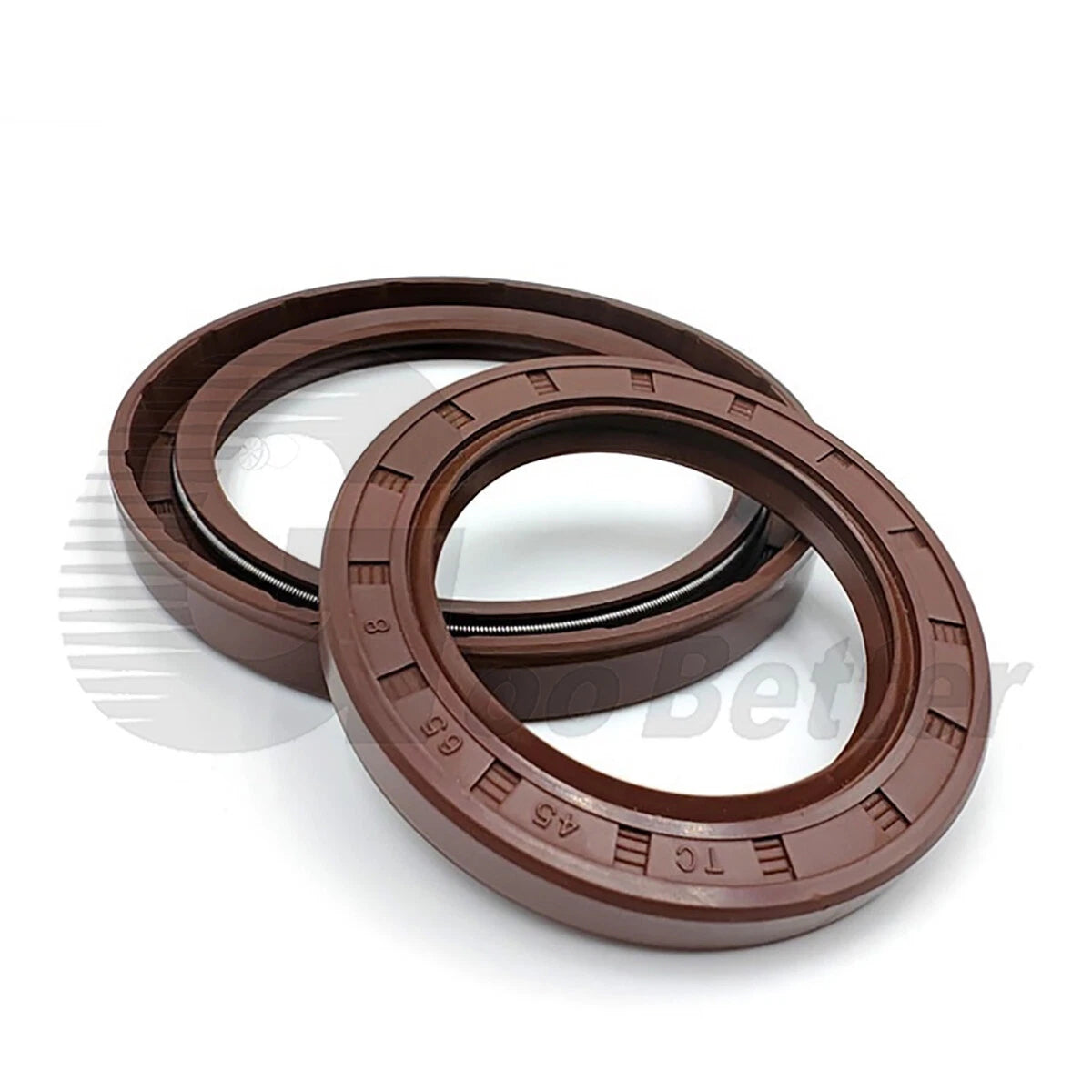
Each seal in this listing is a TC-type (dual-lip) skeleton oil seal made from FKM (fluoroelastomer) rubber bonded to a steel reinforcement ring. Available sizes span inner diameters from 5mm to 9mm and outer diameters from 12mm to 26mm, with thickness options from 4mm to 8mm — for example, 8*16*5mm (≈0.315" × 0.630" × 0.197") or 9*26*7mm (≈0.354" × 1.024" × 0.276"). Packing quantities of 1, 2, 5, 10, or 20 pieces let you order exactly what you need, whether it's a single repair or a maintenance stock-up.

These TC oil seals for small rotary shafts are commonly used in electric motor end shields, gearbox output shafts, pump impeller shafts, and precision instrument housings where a tight bore-to-shaft fit and chemical resistance are required. The FKM compound makes them a practical choice for hydraulic fluid environments and high-temperature applications where standard NBR seals degrade prematurely.

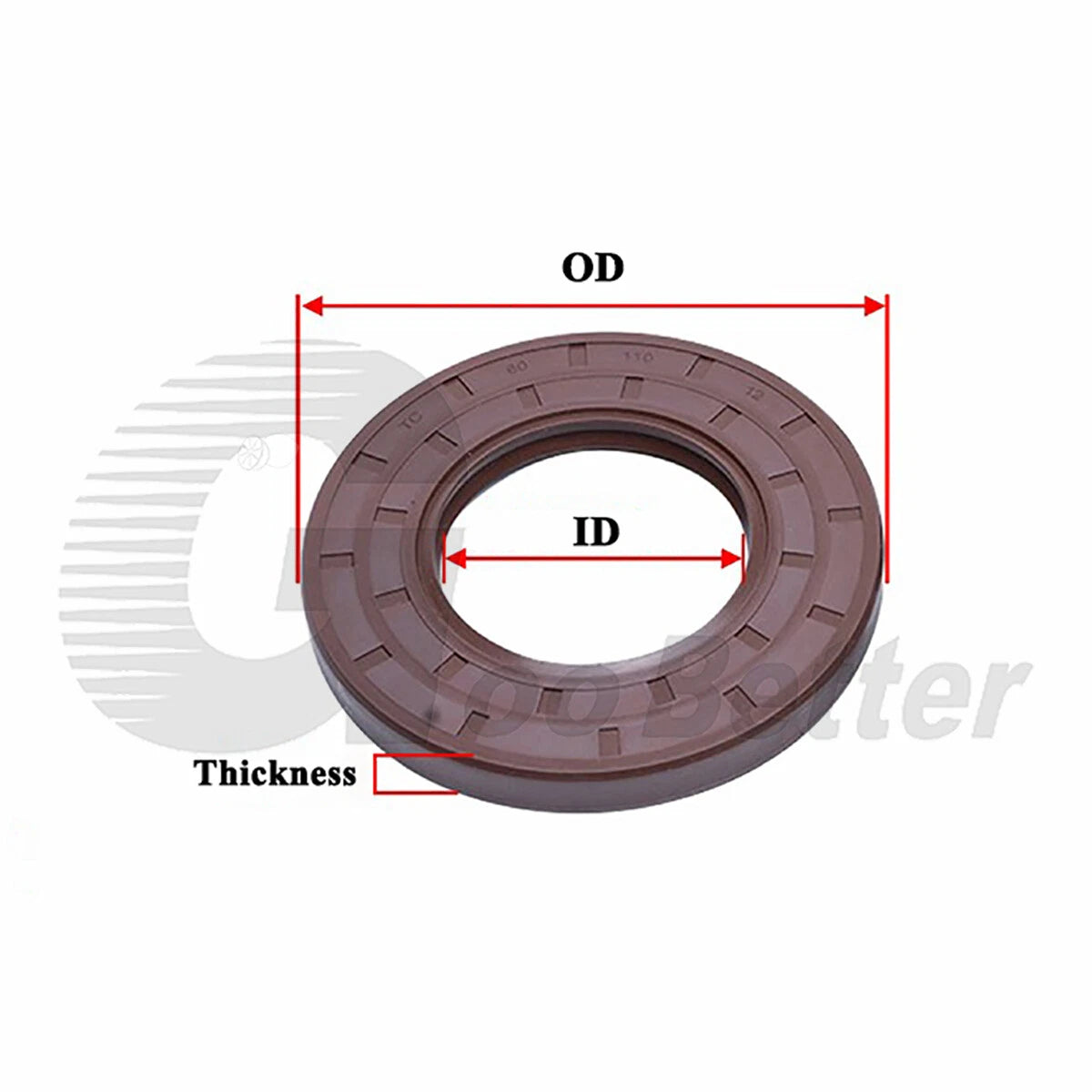
ℹ️ Compatibility Note: These are metric-dimensioned seals (ID × OD × Thickness in mm). Confirm all three dimensions — shaft diameter, bore diameter, and housing depth — before ordering. Sizes are not interchangeable with inch-standard seals.

✅ Key Features of These TC FKM Dual Lip Oil Seals

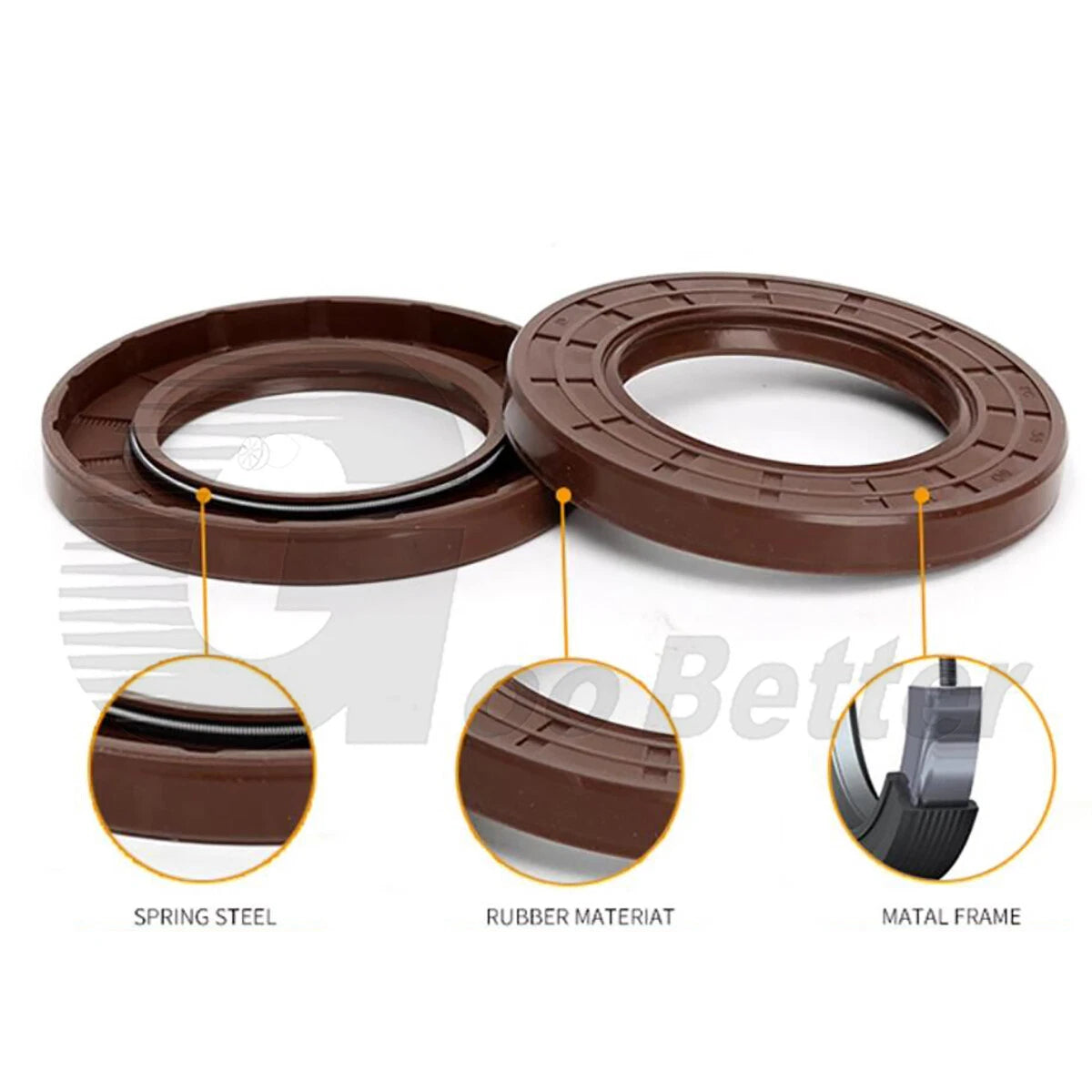
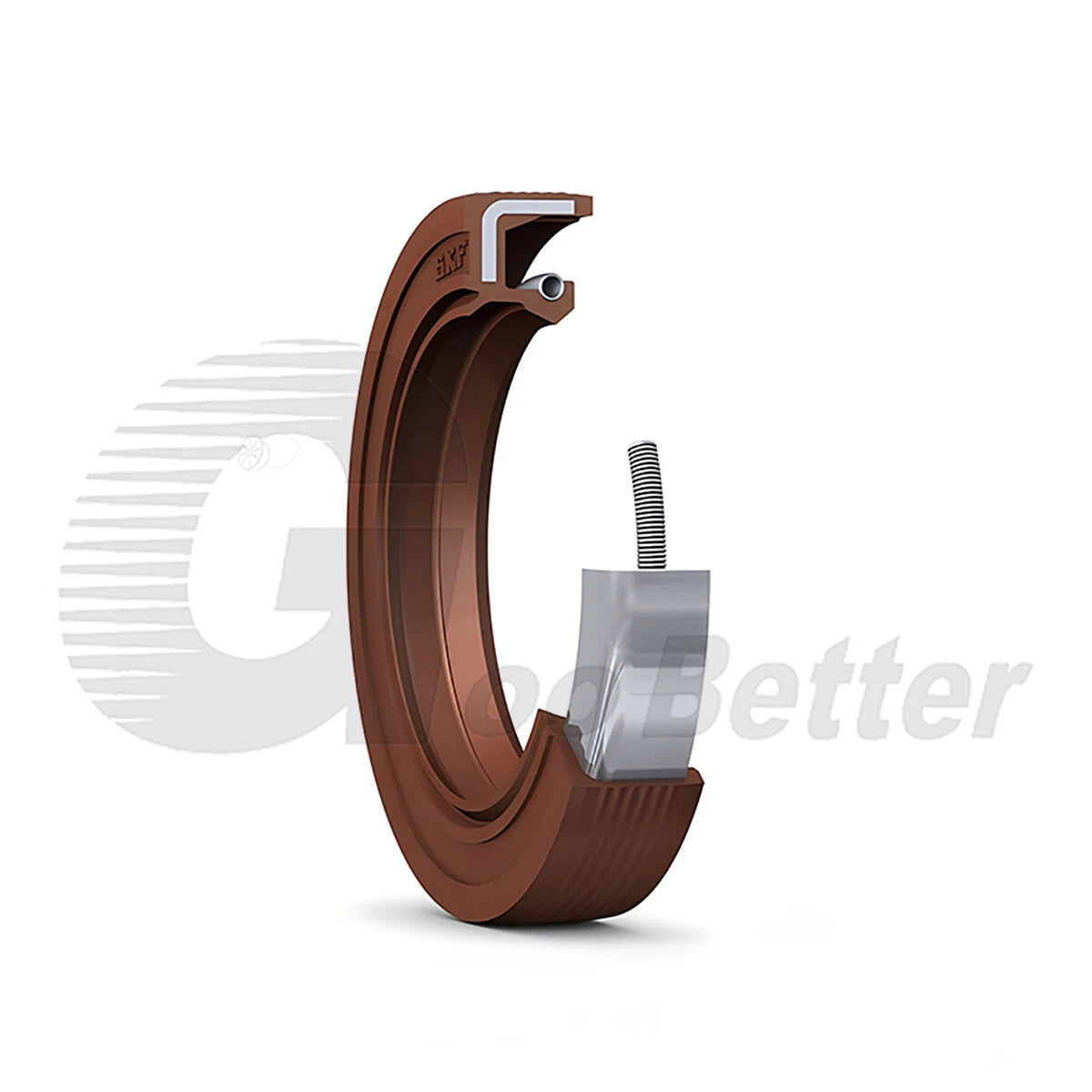
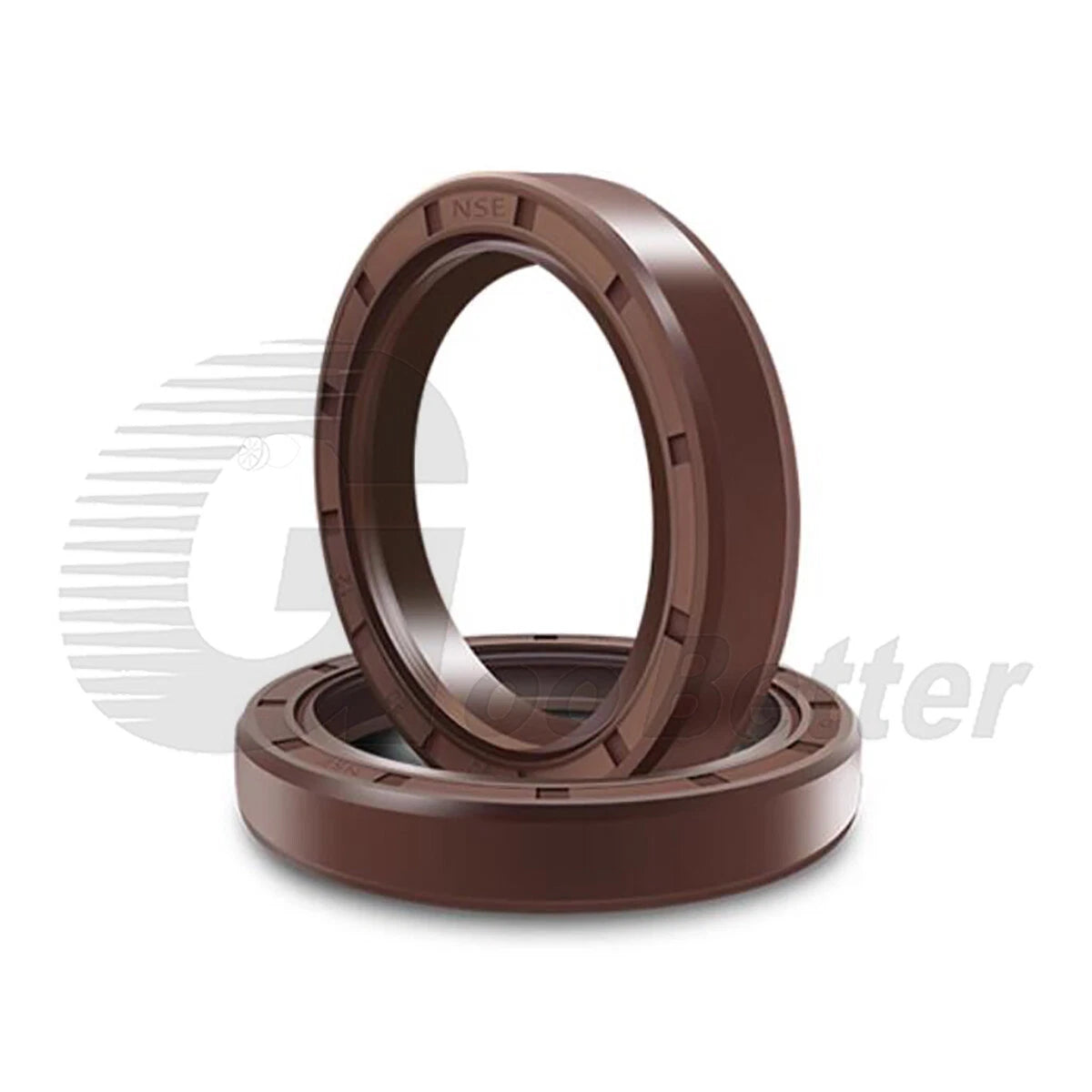
  • 🔵Dual-Lip TC Design — The primary lip retains oil or grease on the fluid side; the secondary dust lip faces outward to block dirt and moisture, providing two-barrier protection in a single seal.
  • 🌡️FKM Fluoroelastomer Compound — Resists petroleum oils, hydraulic fluids, fuels, and many solvents; generally rated for continuous service up to around 200 °C (392 °F), outperforming standard NBR rubber in high-heat rotary shaft applications.
  • 🔩Steel Skeleton Reinforcement — The embedded metal ring maintains the seal's round shape under press-fit installation and prevents distortion during operation, ensuring consistent lip contact with the shaft.
  • 📐Wide Size Selection — 25 size combinations from 5*15*6mm to 9*26*7mm cover a broad range of small-bore rotary shaft seal applications without requiring custom orders.
  • 📦Flexible Pack Quantities — Order 1, 2, 5, 10, or 20 pieces to match your job — single repair, fleet maintenance, or workshop inventory — with per-piece cost decreasing at higher quantities.
  • ⚙️Metric Dimensional Accuracy — Each seal is manufactured to metric ID × OD × Thickness tolerances consistent with ISO/DIN shaft seal standards, supporting reliable press-fit installation in metric housings.

📐 Technical Specifications — TC FKM Skeleton Oil Seal

Seal Type TC (Double Lip / Dual Lip with Metal Skeleton)
Lip Material FKM (Fluoroelastomer / Viton®-type rubber)
Reinforcement Steel skeleton ring (metal-cased)
Inner Diameter (ID) Range 5mm – 9mm (≈0.197" – 0.354")
Outer Diameter (OD) Range 12mm – 26mm (≈0.472" – 1.024")
Thickness Range 4mm – 8mm (≈0.157" – 0.315")
Available Sizes (ID×OD×Thickness) 5*15*6, 6*12*4, 6*14*6, 6*16*5, 6*16*7, 7*14*4, 7*20*7, 8*14*4, 8*15*4, 8*15*5, 8*15*6, 8*16*5, 8*16*6, 8*16*7, 8*18*5, 8*18*7, 8*20*7, 8*20*8, 8*22*7, 8*22*8, 8*24*7, 8*26*7, 9*20*7, 9*22*7, 9*26*7 (all in mm)
Pack Quantities 1 PCS / 2 PCS / 5 PCS / 10 PCS / 20 PCS
Dimensional Standard Metric (ISO/DIN); not compatible with inch-standard housings
Typical Operating Temperature Generally up to ~200 °C (392 °F) continuous for FKM compound
Typical Shaft Speed See variant options — confirm with equipment specifications
Pressure Rating Contact us to confirm for your specific application
Installation Method Press-fit into bore; primary lip faces fluid side
Color / Finish Black rubber lip, silver/grey metal skeleton
⚠️ Size Verification: Always measure your shaft (ID), bore (OD), and housing depth (thickness) with calipers before ordering. A seal that is even 0.5mm off in any dimension may not seal correctly or may not fit the housing.

❓ Frequently Asked Questions

How do I choose the right TC oil seal size?

Measure the shaft diameter (ID), the bore diameter (OD), and the housing depth (thickness) with calipers. The seal must match all three dimensions. For example, an 8mm shaft in a 16mm bore with a 5mm housing depth requires an 8*16*5mm seal — that's approximately 0.315" × 0.630" × 0.197". When in doubt, go by the shaft diameter first, then confirm OD and thickness against your housing.

What does "TC" mean on an oil seal?

TC designates a double-lip (dual-lip) seal with a metal skeleton reinforcement ring. The primary lip retains oil or grease; the secondary dust lip faces outward to block contaminants. This two-barrier design is generally preferred over single-lip SC seals in applications where both fluid retention and contamination exclusion matter.

Can FKM oil seals handle high temperatures and chemicals?

Yes. FKM (Viton®-type) rubber typically withstands continuous temperatures up to around 200 °C (392 °F) and resists petroleum oils, hydraulic fluids, fuels, and many solvents far better than standard NBR rubber. It is generally the preferred choice for high-heat or chemically aggressive environments such as engine compartments, hydraulic systems, and industrial gearboxes.

Are these seals suitable for outdoor or wet environments?

FKM rubber offers good resistance to weathering, ozone, and moisture, making these seals suitable for outdoor machinery in most cases. The metal skeleton provides structural rigidity. For fully submerged or salt-spray applications, confirm the specific shaft speed and pressure conditions with your equipment manual before installation.

What shaft speed range do these oil seals support?

TC-type skeleton oil seals in this size range typically support rotary shaft surface speeds up to around 4–8 m/s, depending on shaft finish, lubrication, and operating temperature. A smooth shaft finish (generally Ra ≤ 0.8 µm) and adequate lubrication at the lip are important for achieving rated service life. Consult your equipment specifications to confirm compatibility.

What dimensional standard do these seals follow — metric or inch?

These are metric-dimensioned seals (ID × OD × Thickness in mm), conforming to general ISO/DIN metric shaft seal standards. They are not inch-standard seals. Verify your housing bore and shaft are metric before ordering. If you only have inch measurements, multiply by 25.4 to convert to mm — for example, a 5/16" shaft is approximately 7.94mm, so an 8mm ID seal would typically be the correct fit.

How many seals come in each order, and which quantity should I choose?

You choose your pack quantity at checkout: 1, 2, 5, 10, or 20 pieces per order. For a single repair, 1 or 2 PCS is sufficient. For fleet maintenance or workshop stock, 10 or 20 PCS offers a lower per-piece cost. If you are rebuilding multiple units of the same equipment, ordering 5 PCS or more is generally more economical.

How do I install a TC skeleton oil seal correctly?

Clean the bore and shaft thoroughly. Lightly lubricate the seal lip with the fluid it will retain (oil or grease). Press the seal squarely into the bore using a flat driver or dedicated seal installation tool — never hammer directly on the seal face or lip. The primary lip should face the fluid side (inward). Avoid nicking the lip on keyways, splines, or sharp shaft edges during installation; use a tapered installation sleeve if available.

🛒 Select your size and quantity above, then add to cart — ships from our US warehouse.

You may also like

Recently viewed





