
The chain is fine...but I ordered the wrong size. Nine links of the chain I ordered equals six of the size I wanted. My error...
How can I straighten out the springs? I can't use them coil uo as is.
Your payment information is processed securely. We do not store credit card details nor have access to your credit card information.
Get fitment advice & recommendations
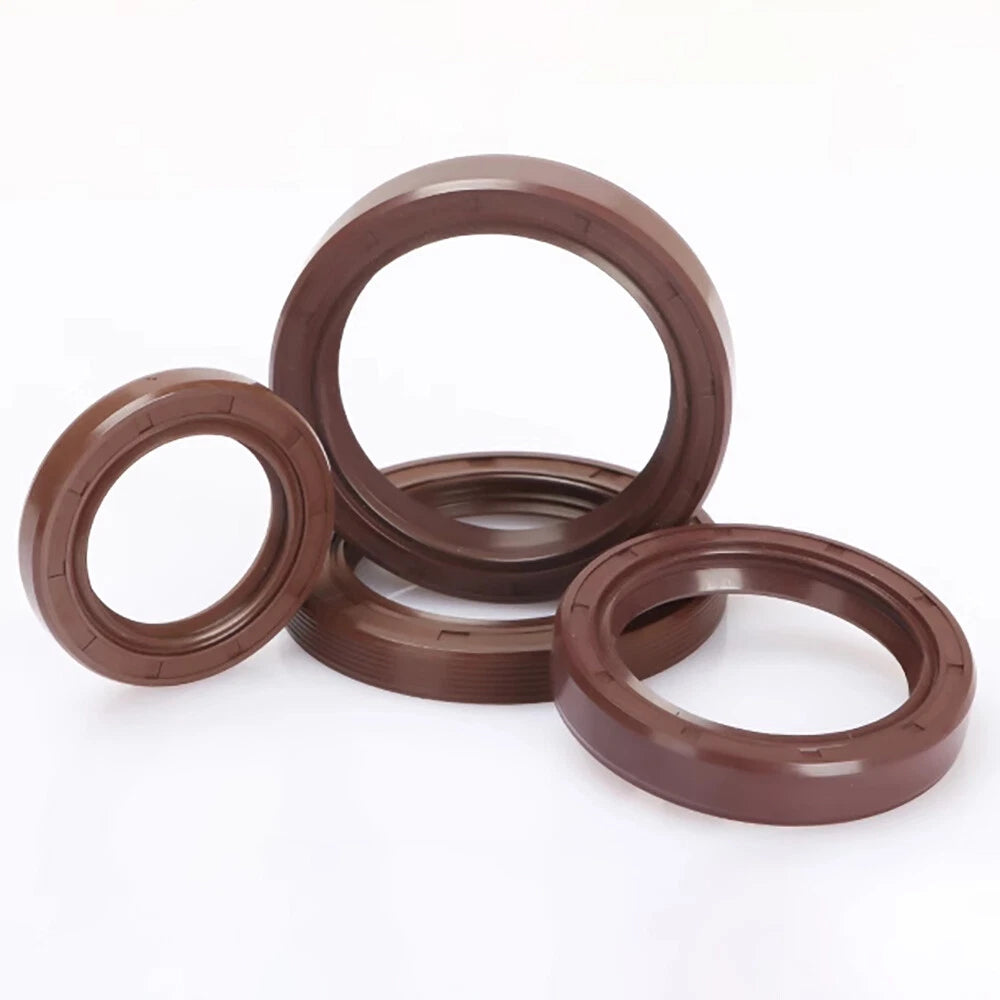
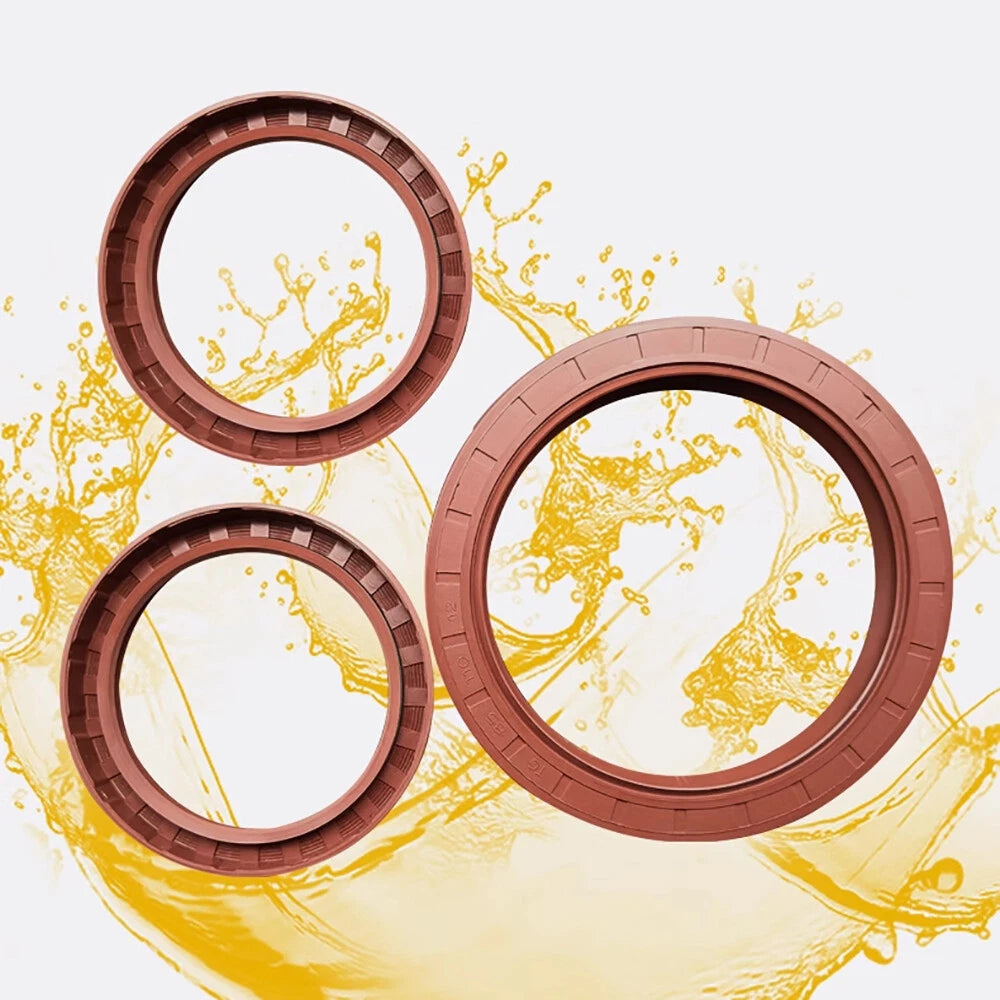
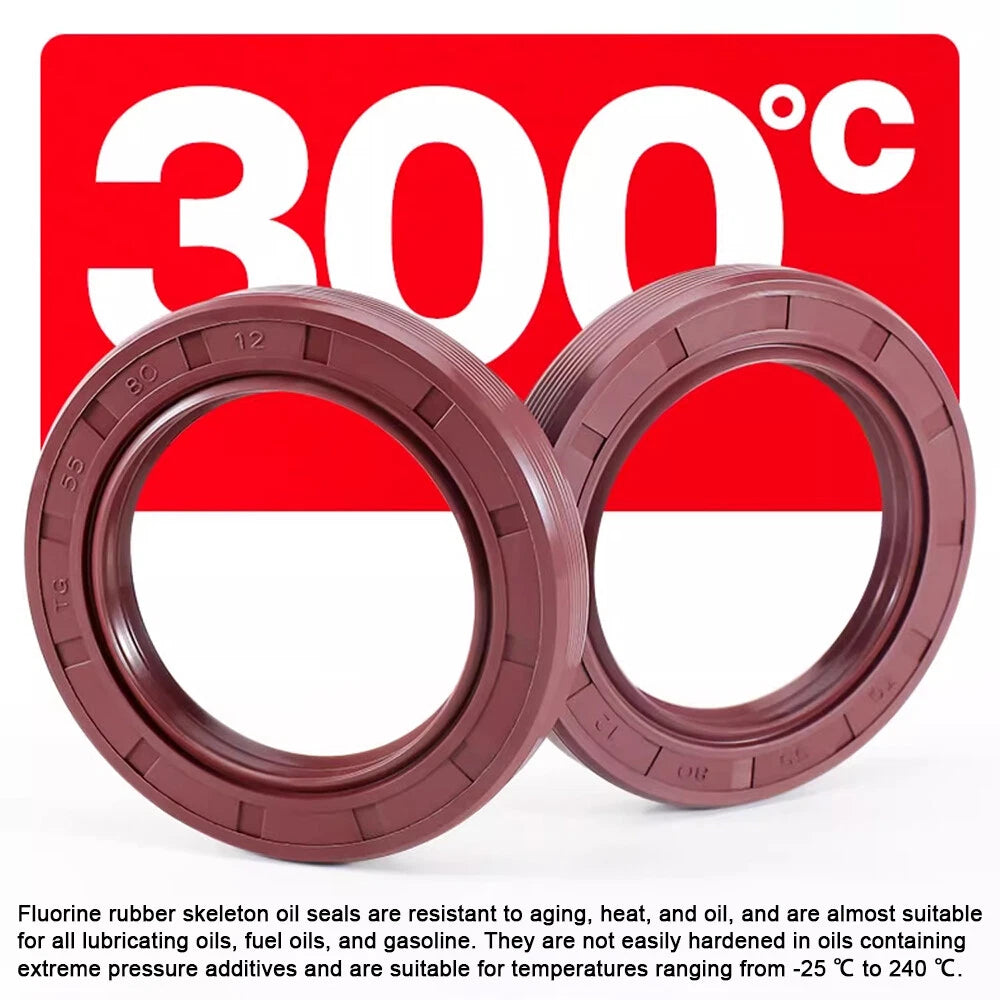
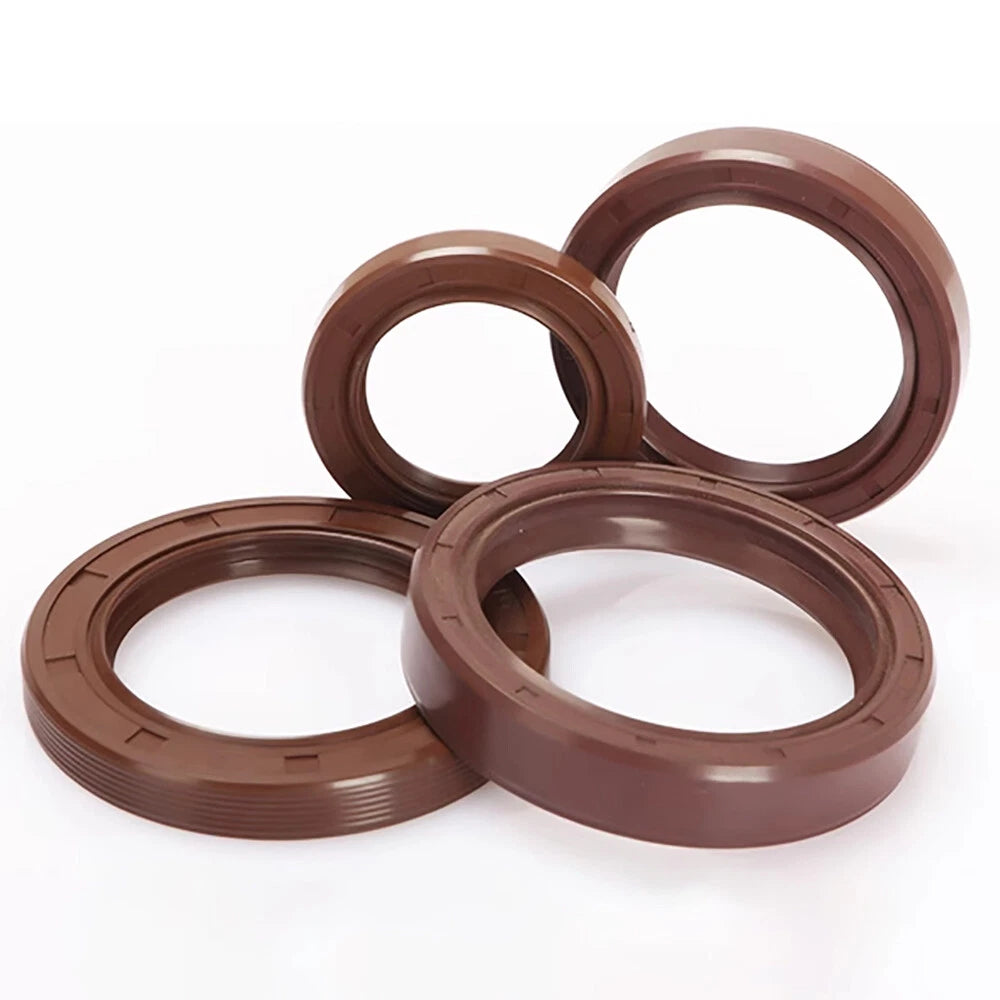
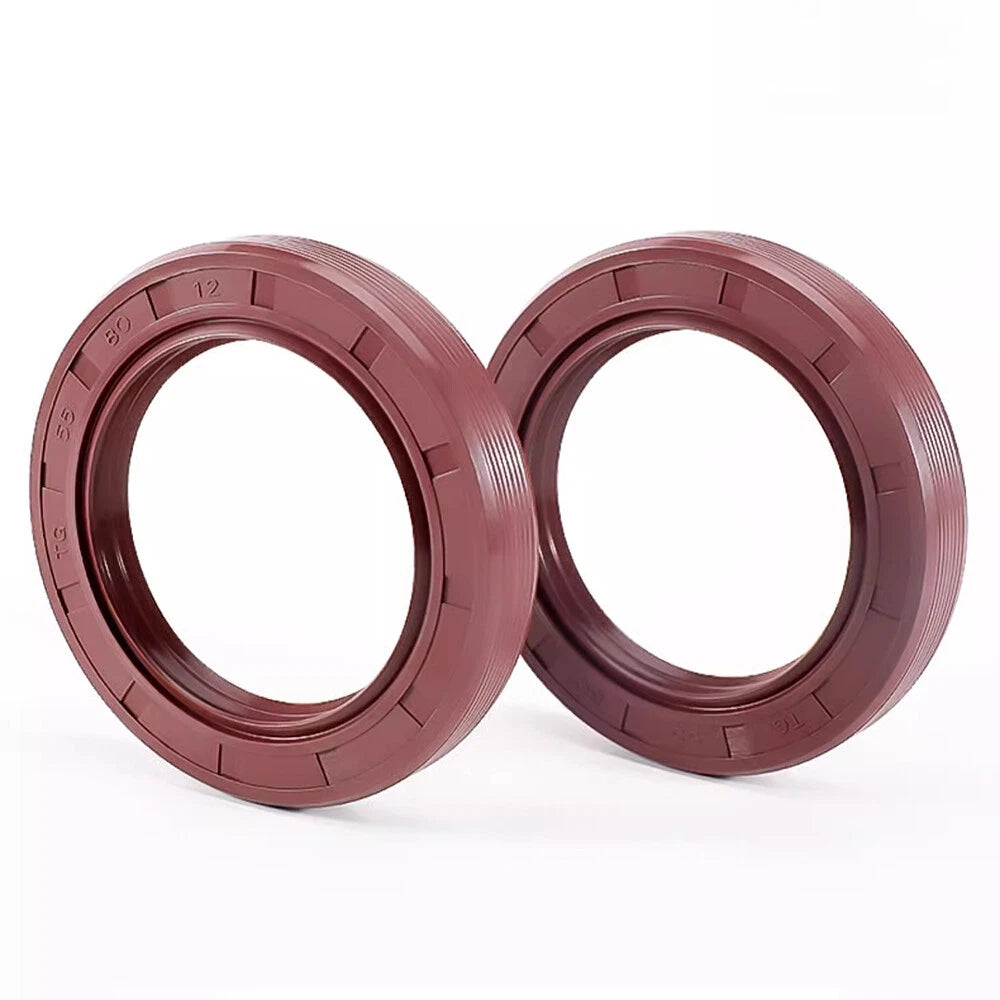
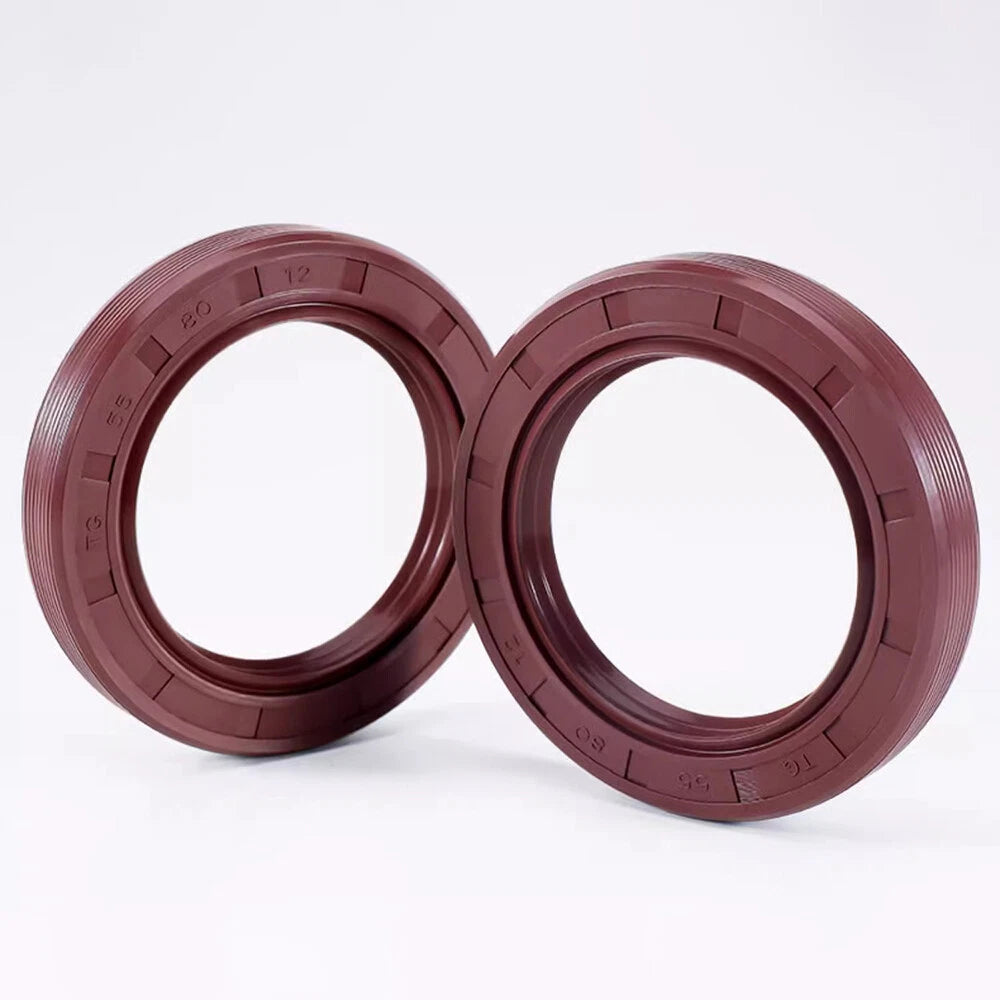
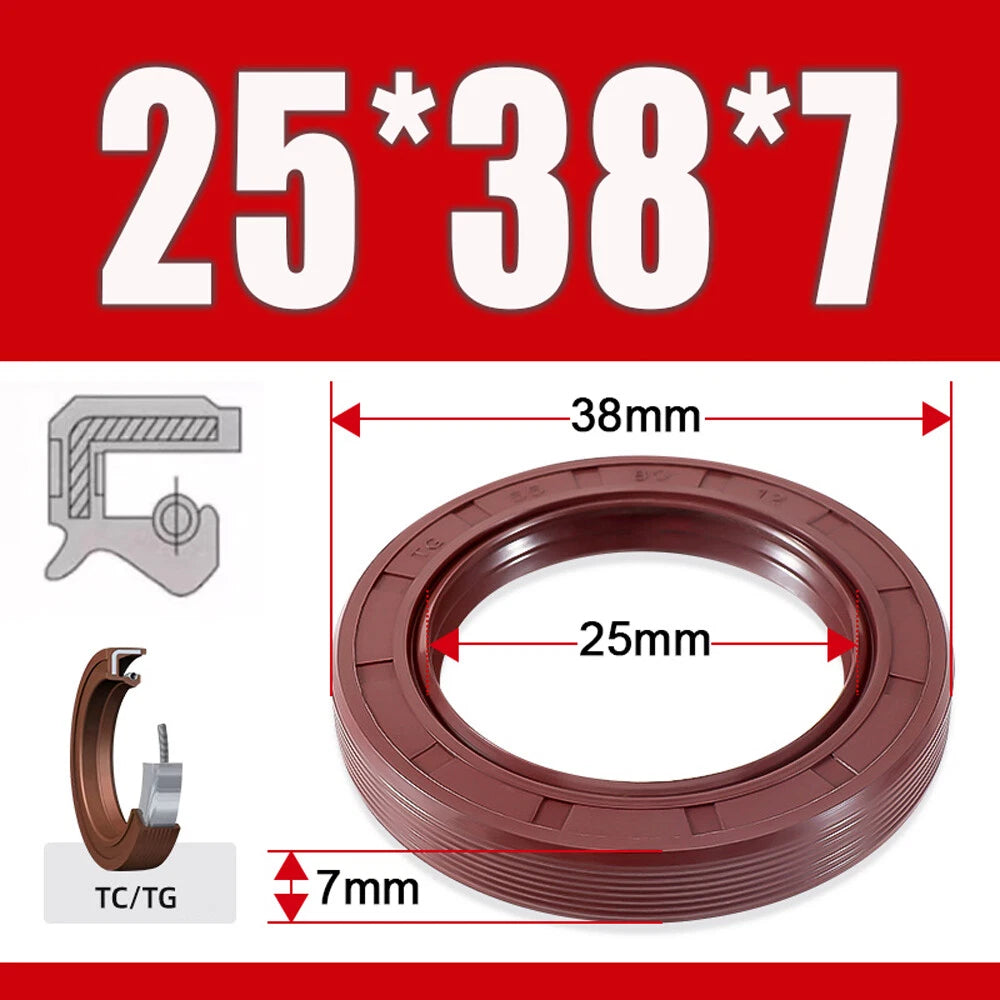
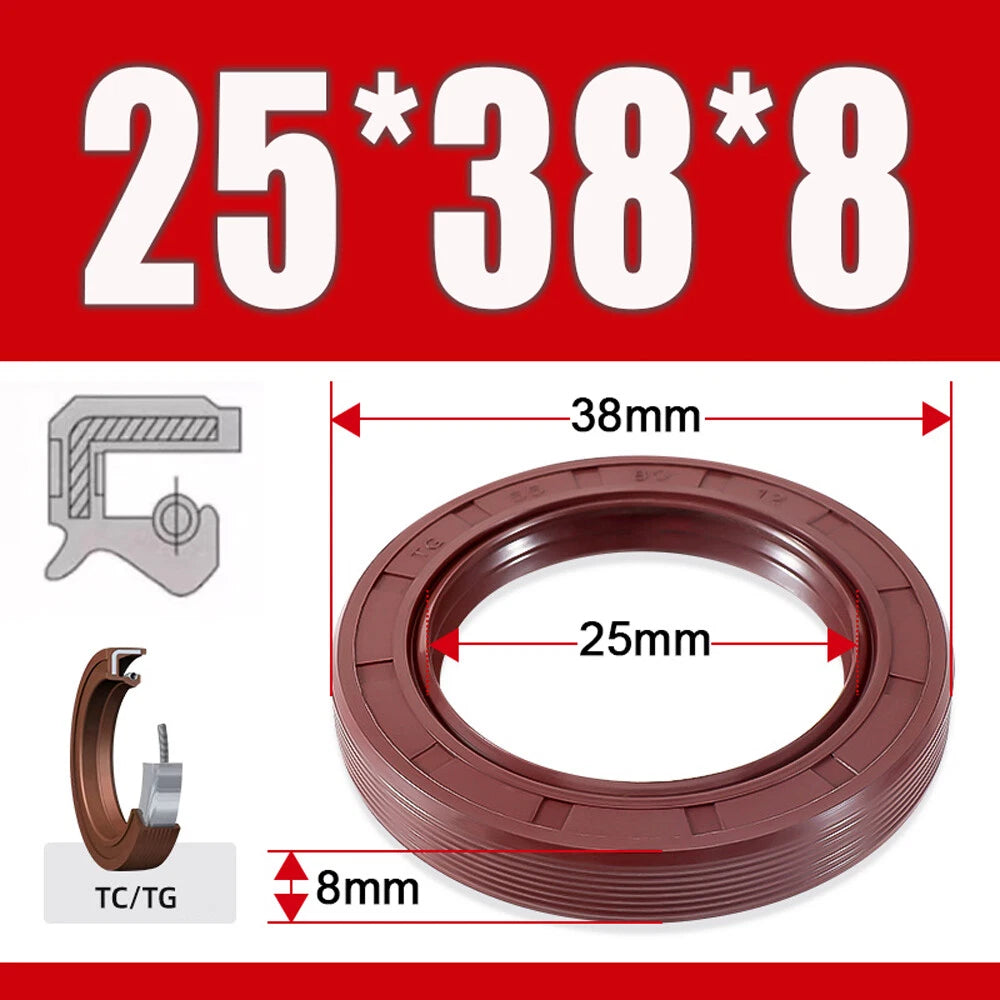
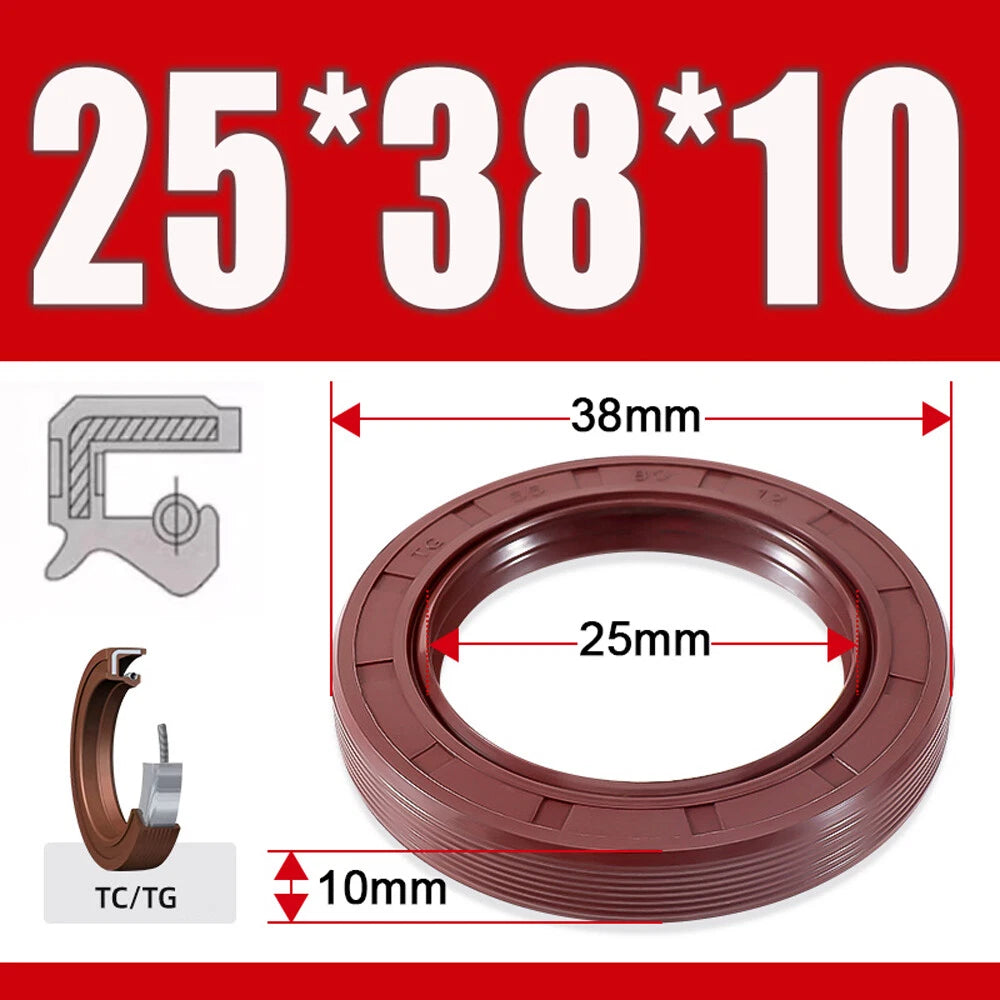
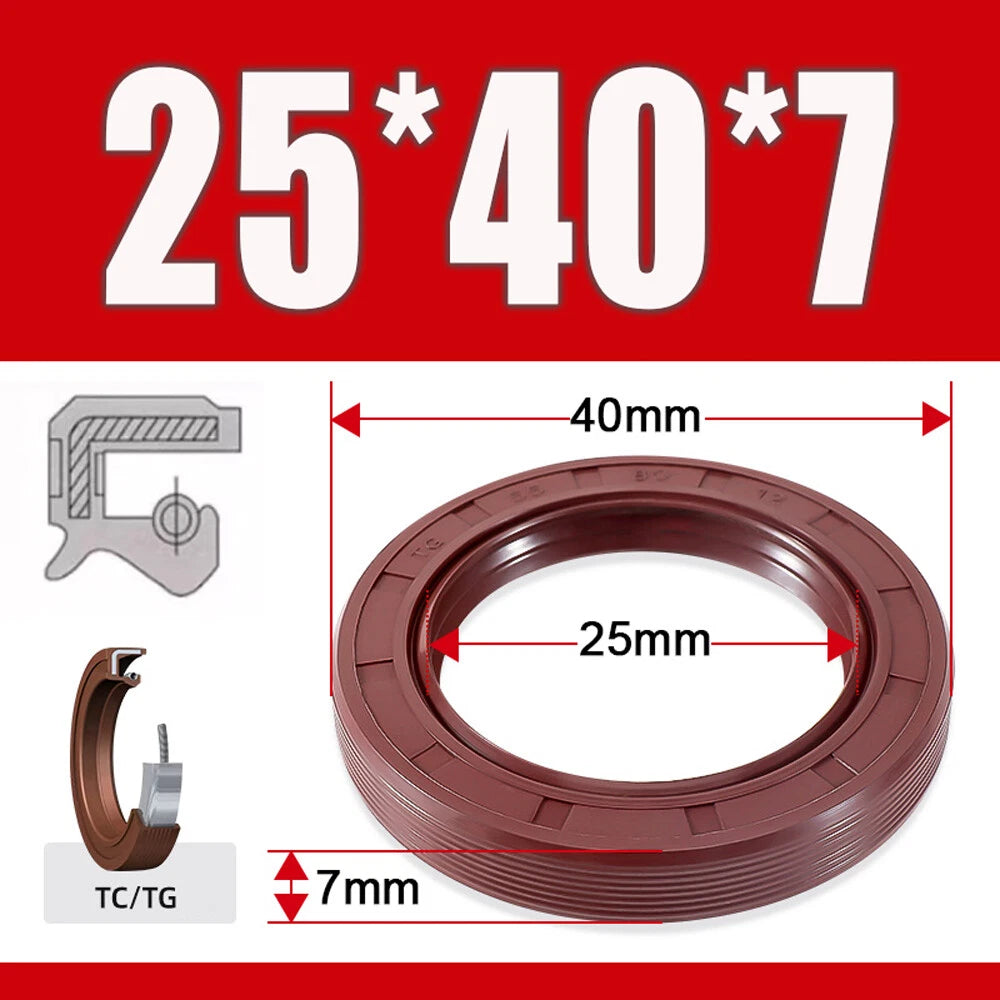
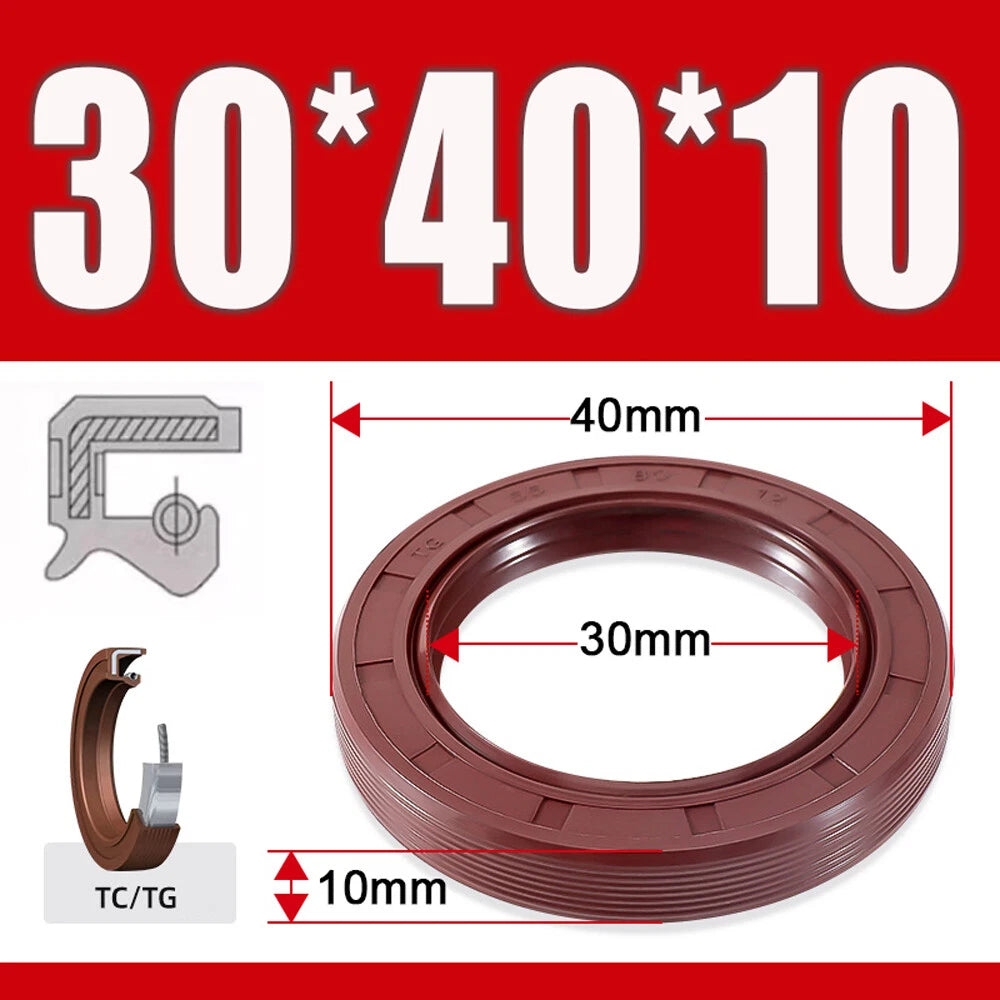
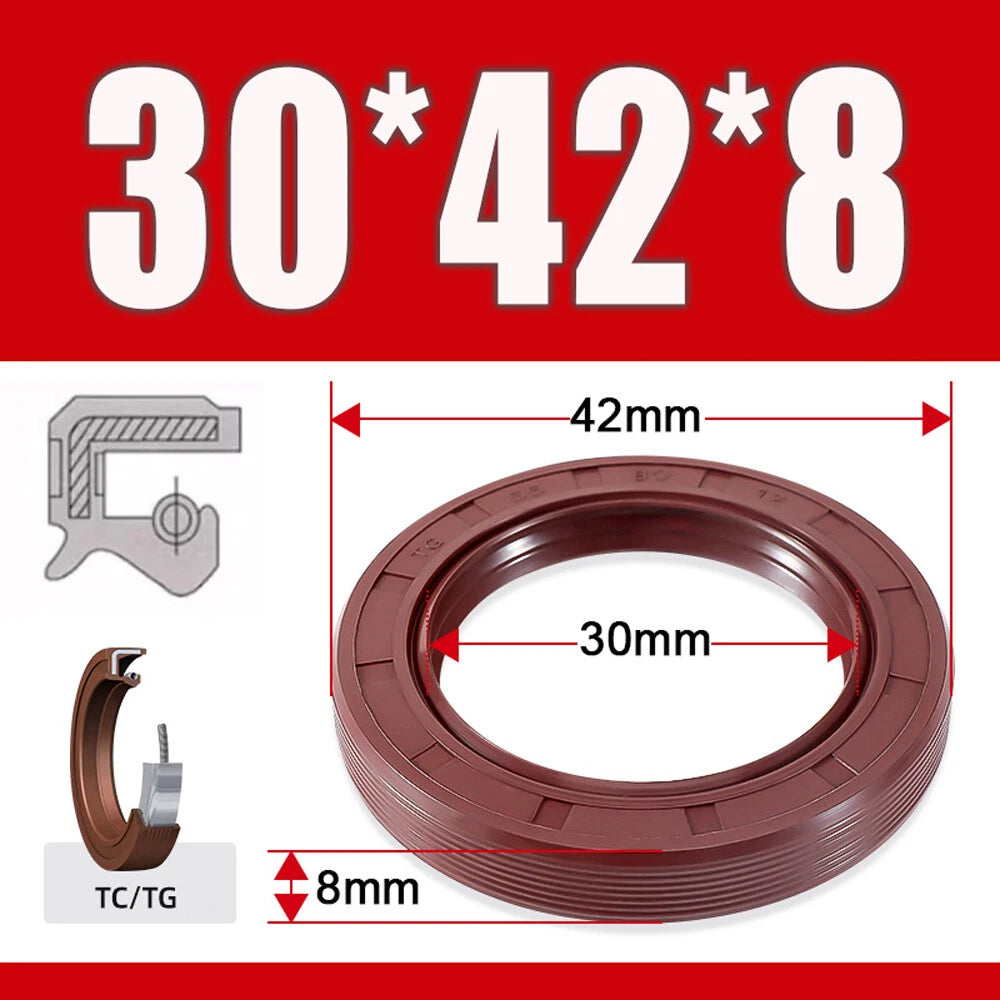
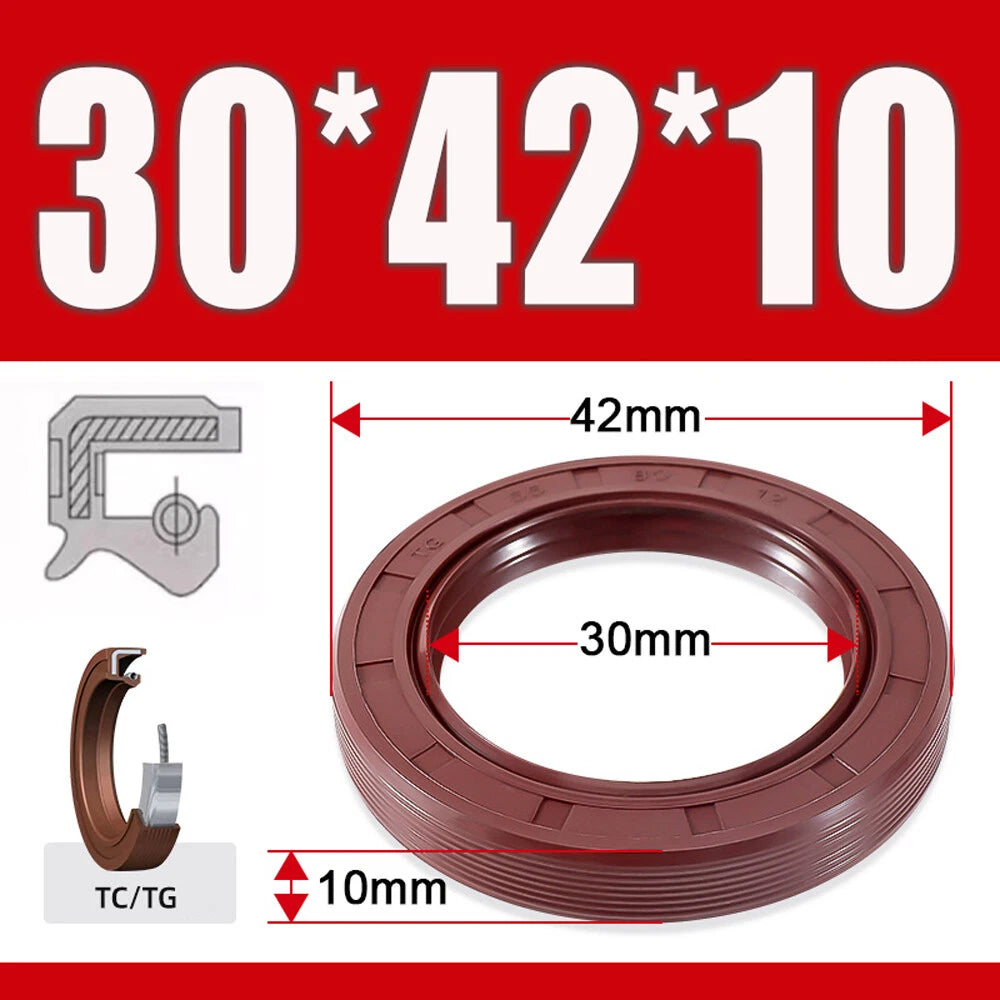
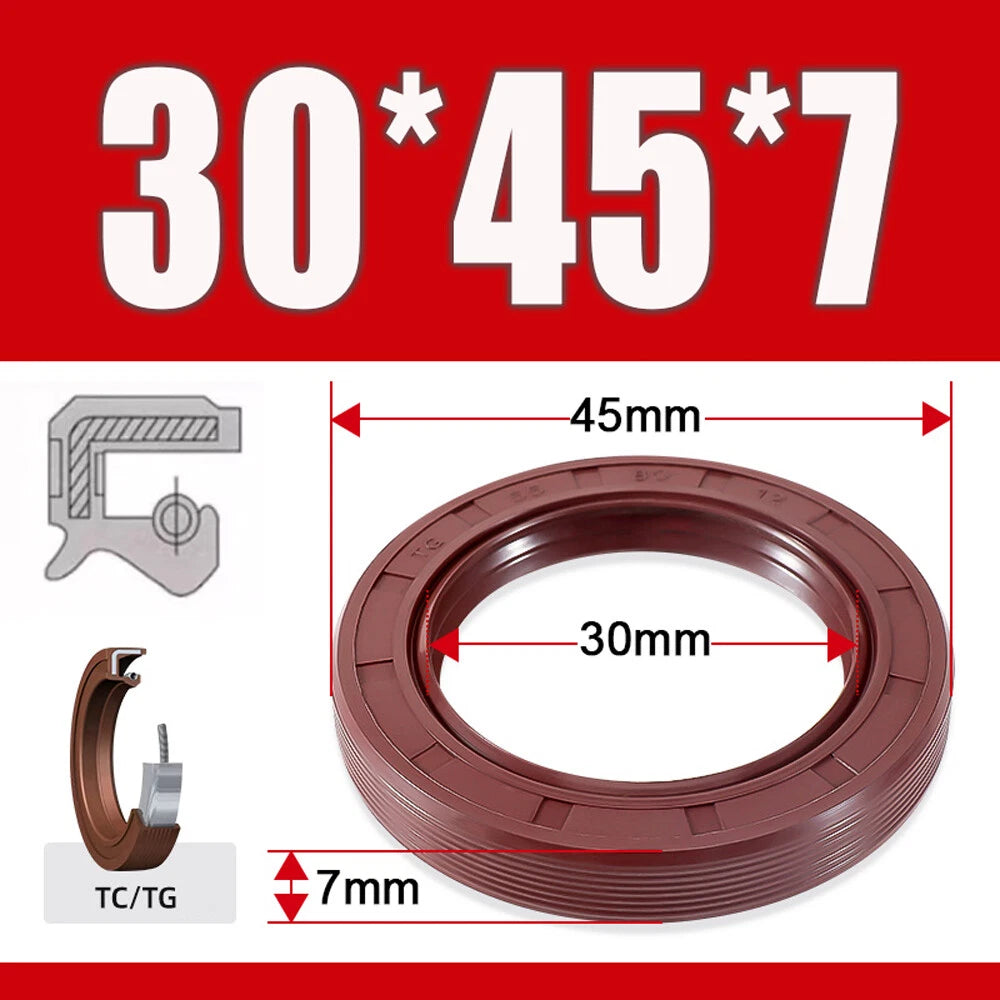
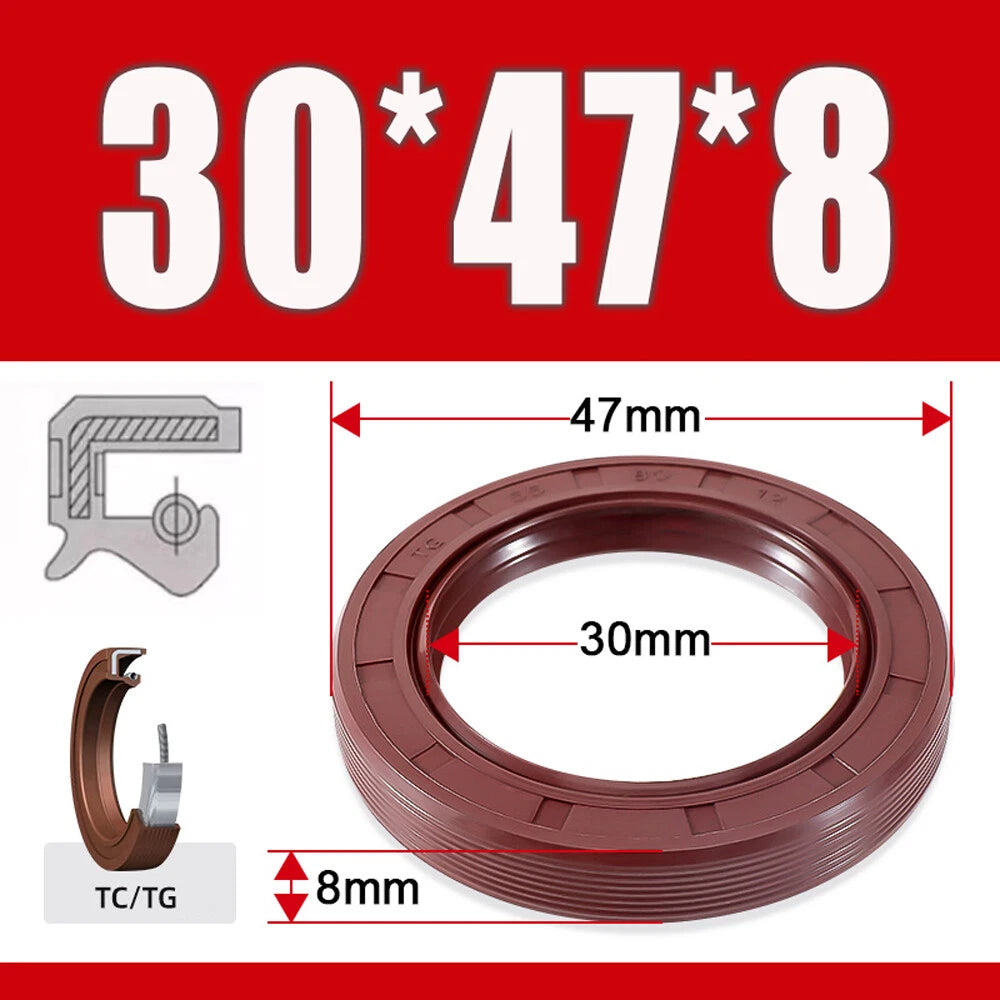
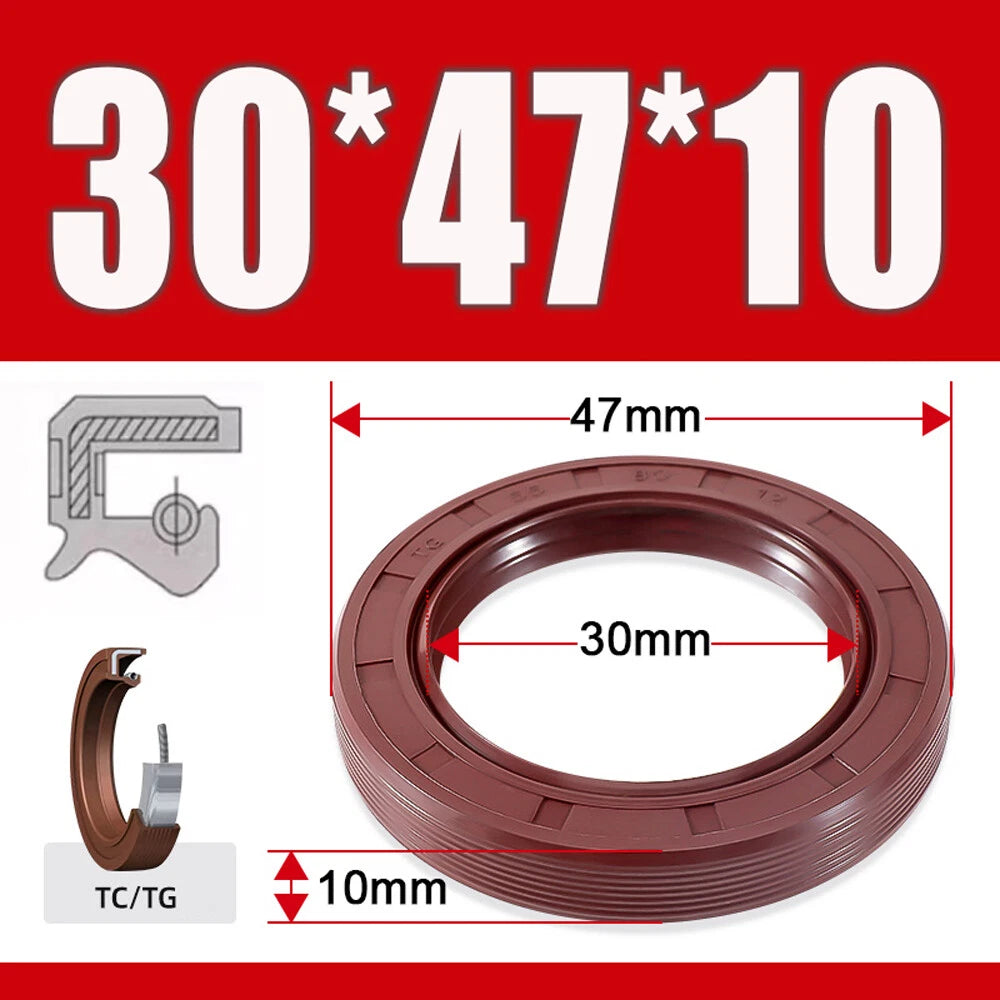
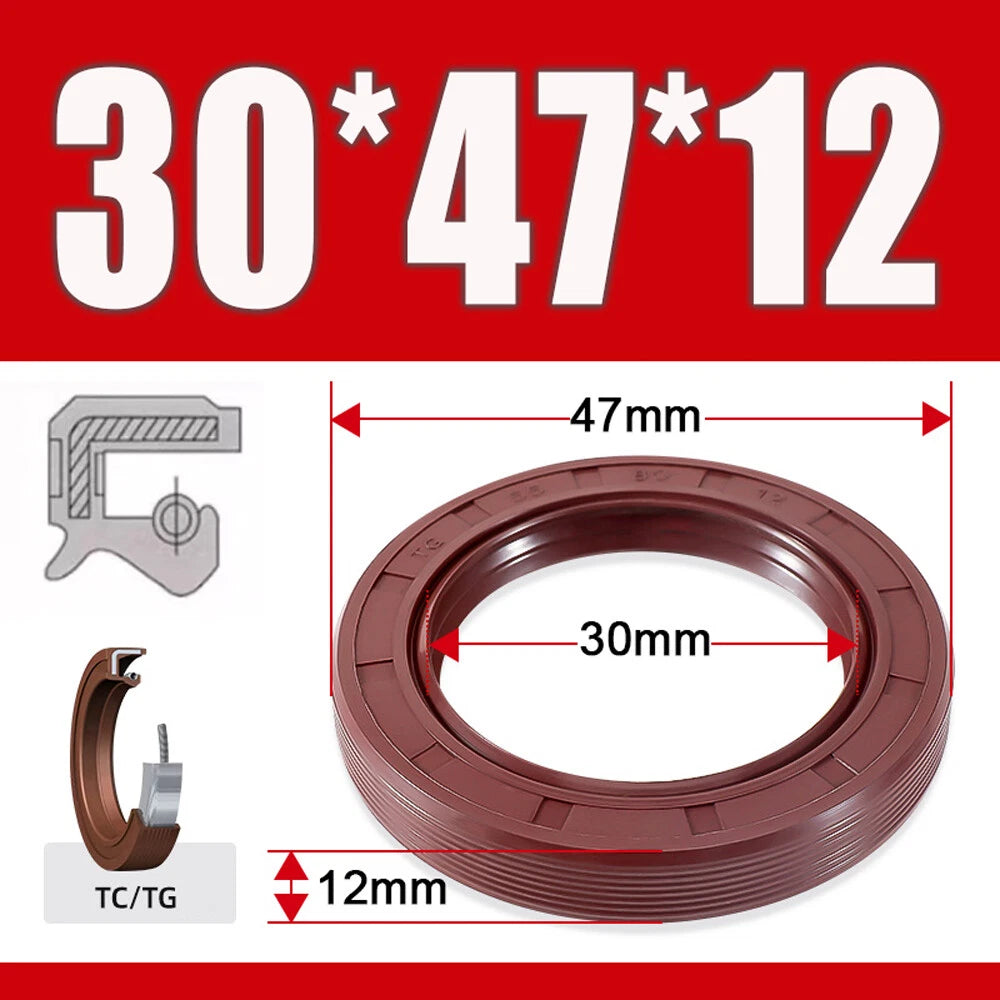
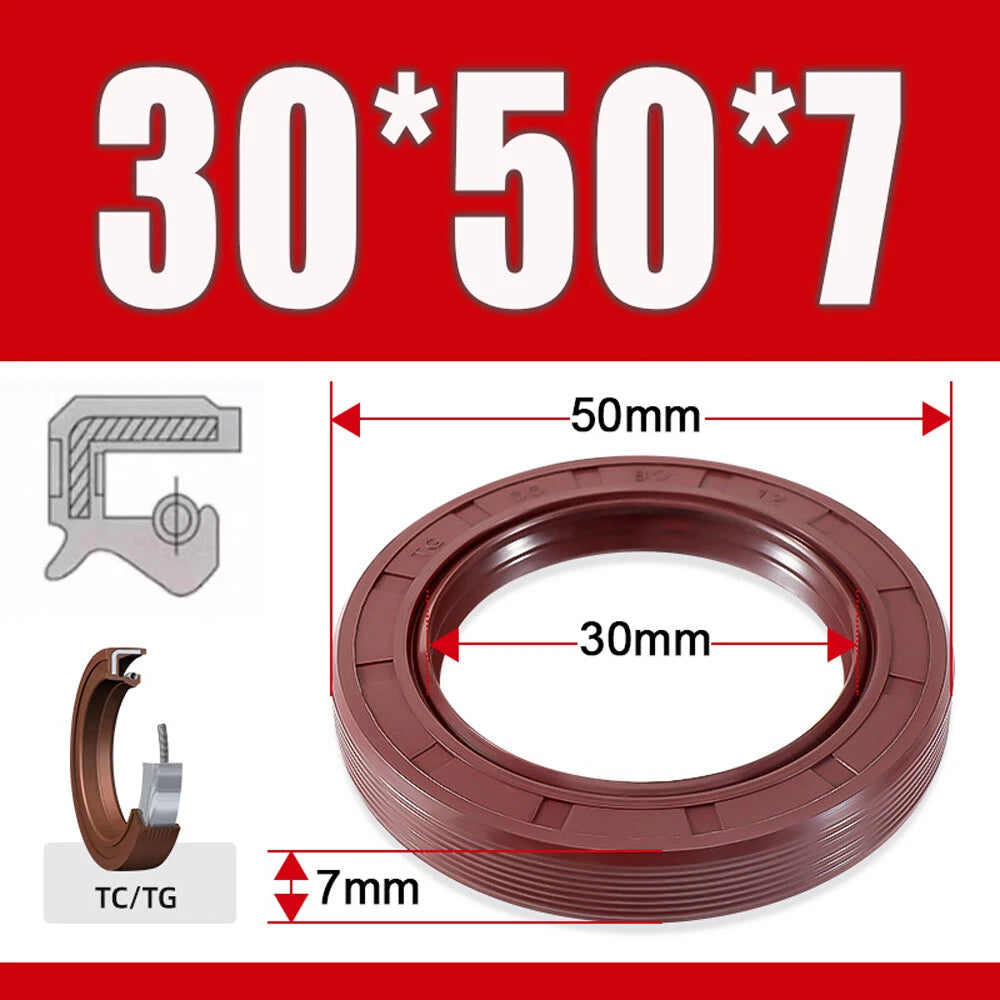
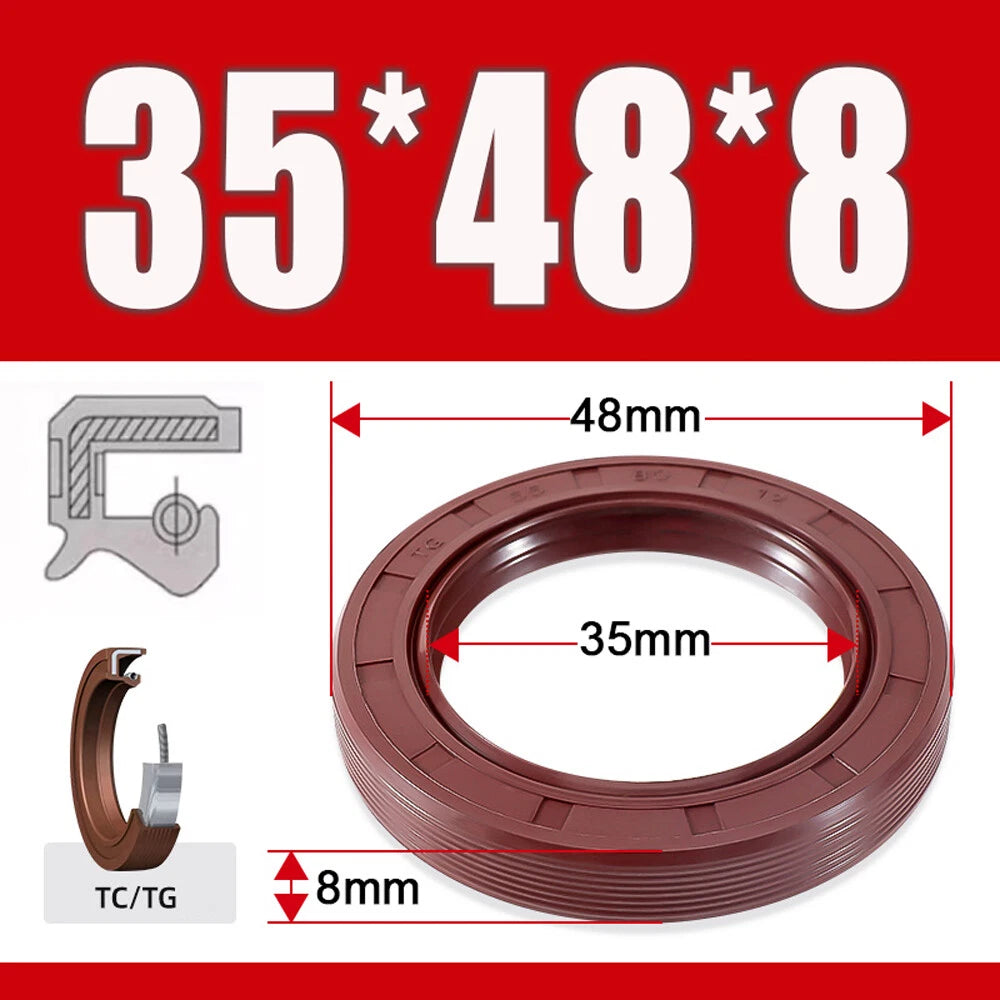
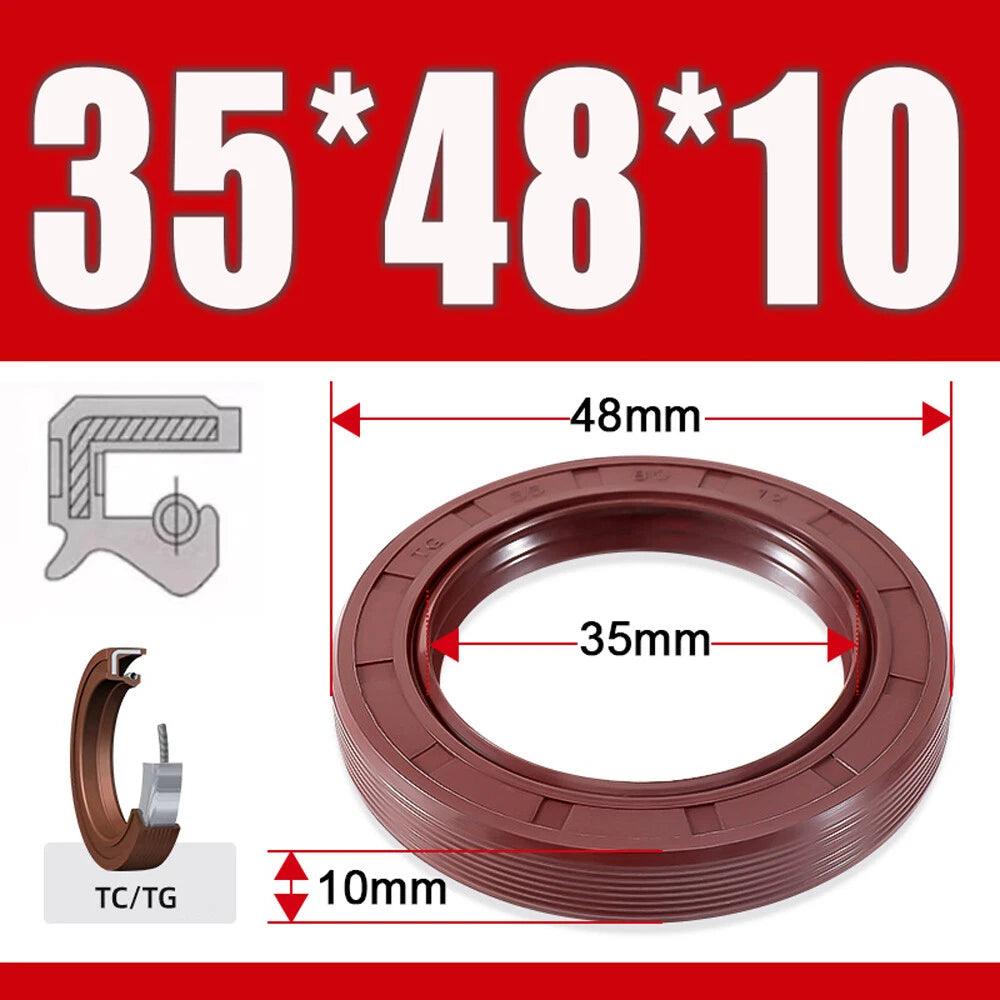
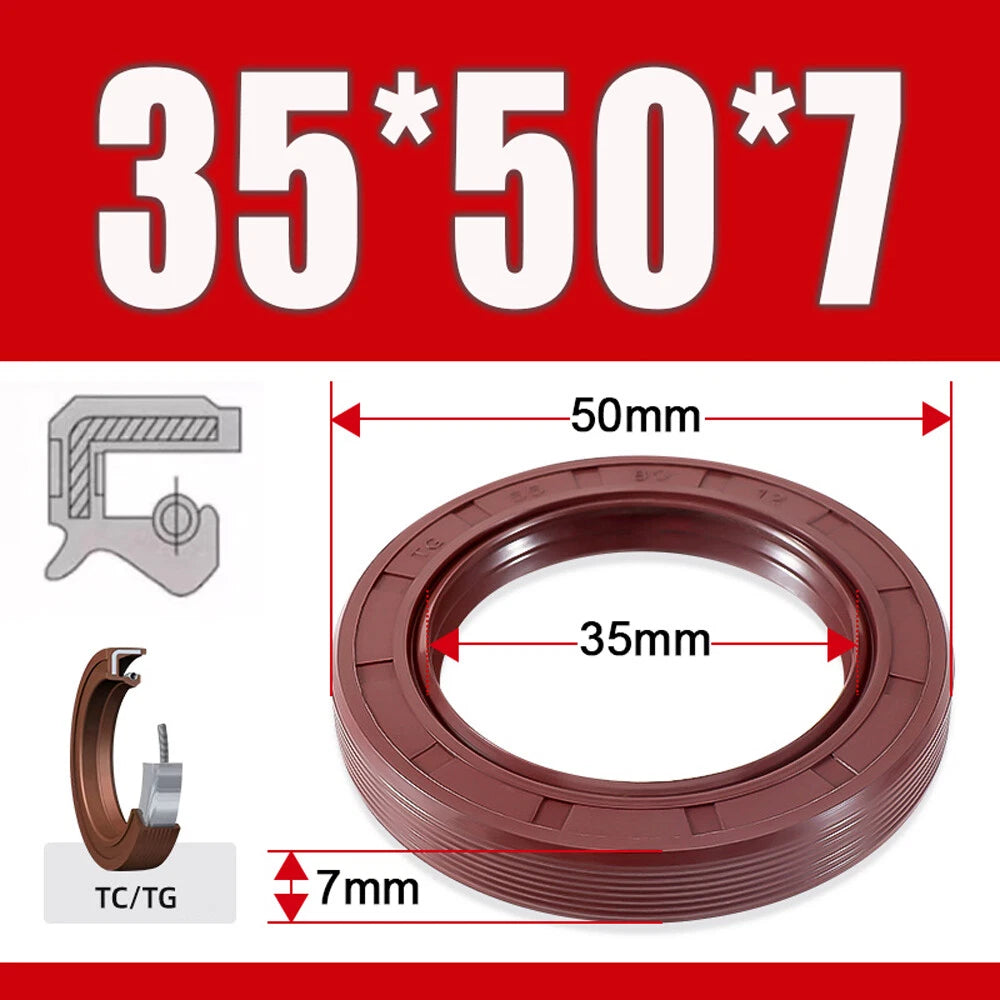
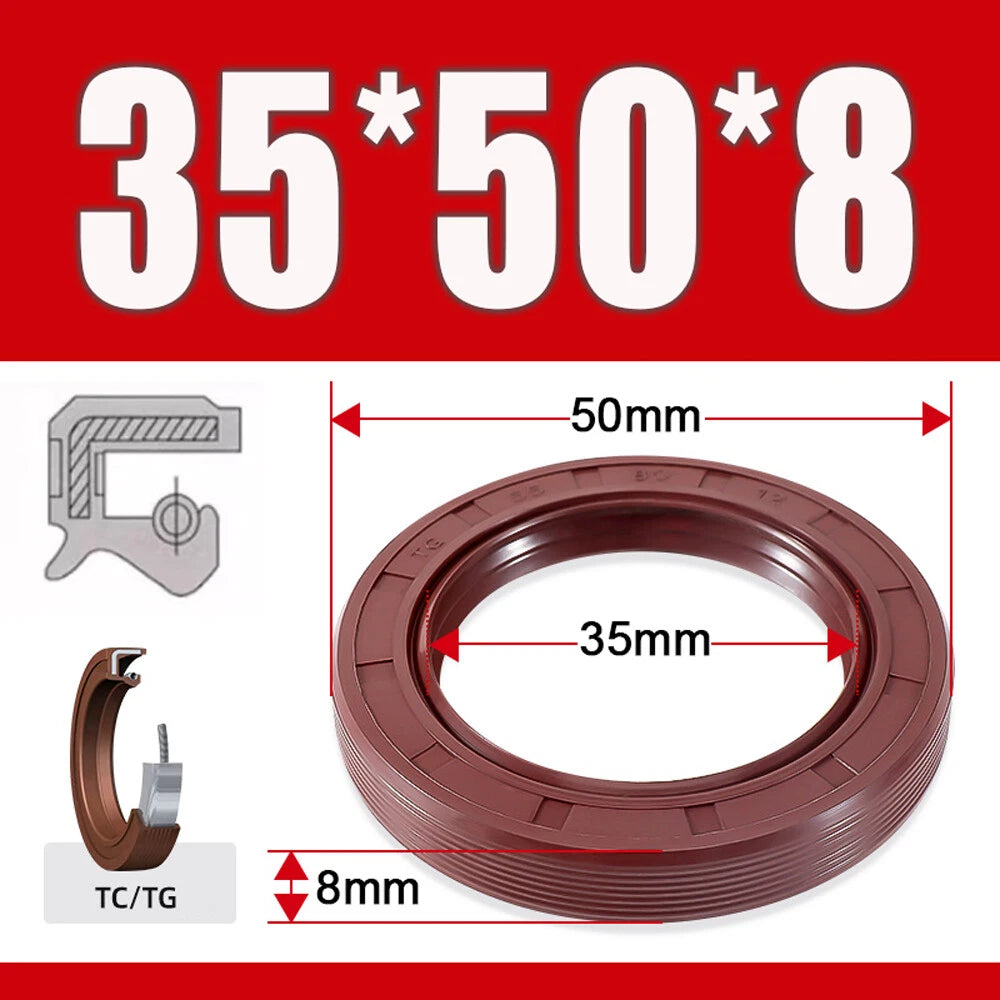
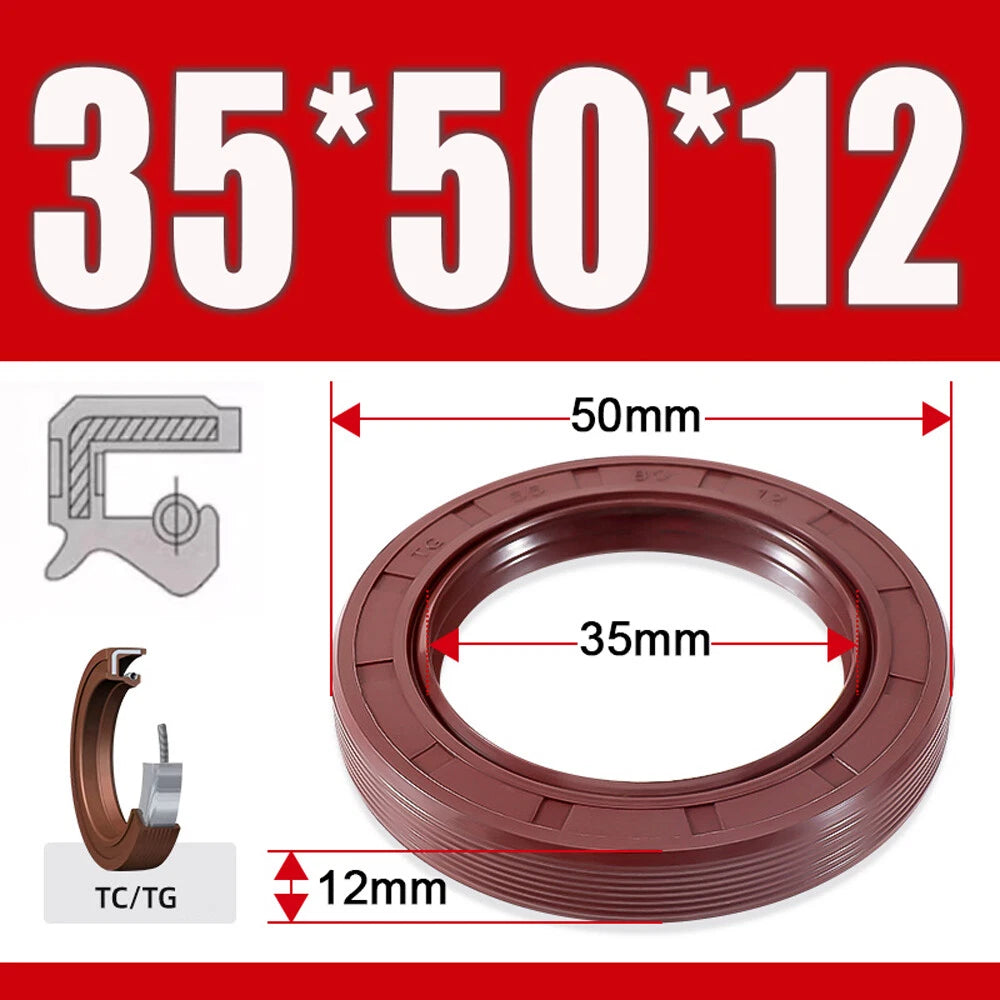
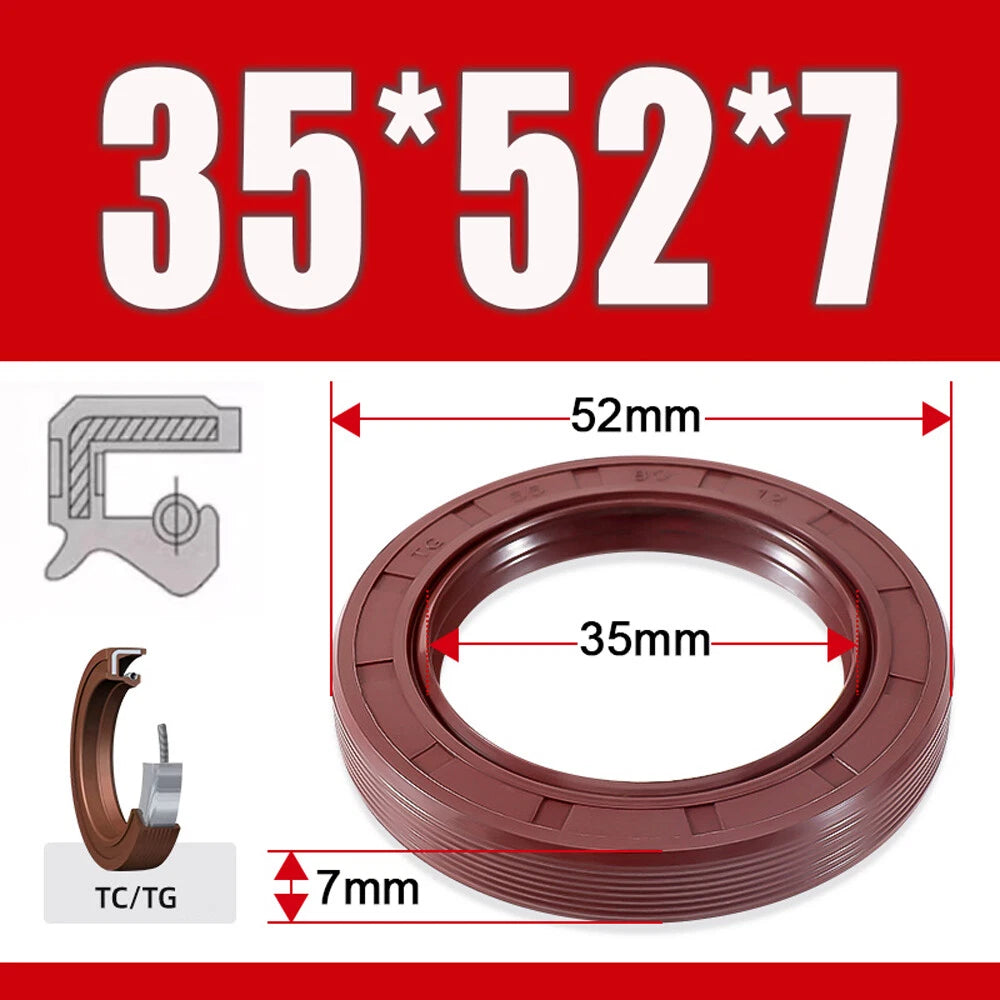
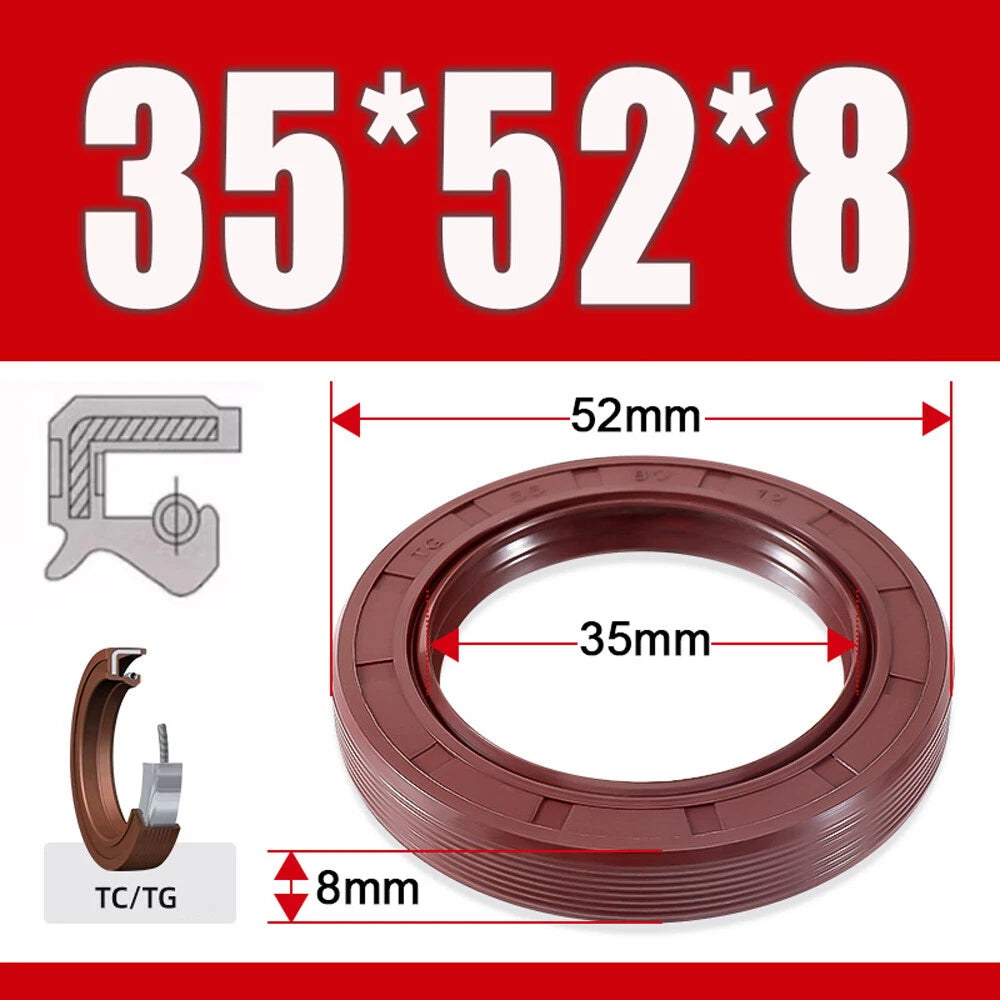
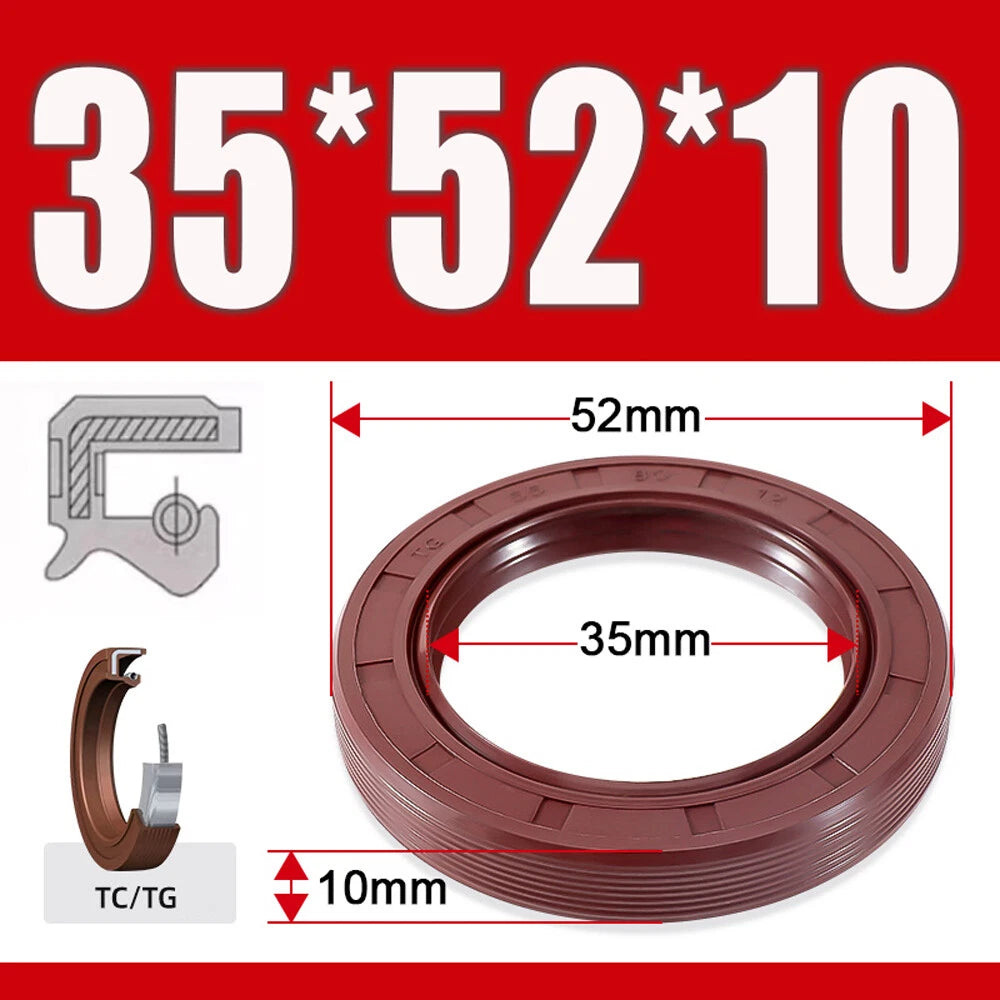
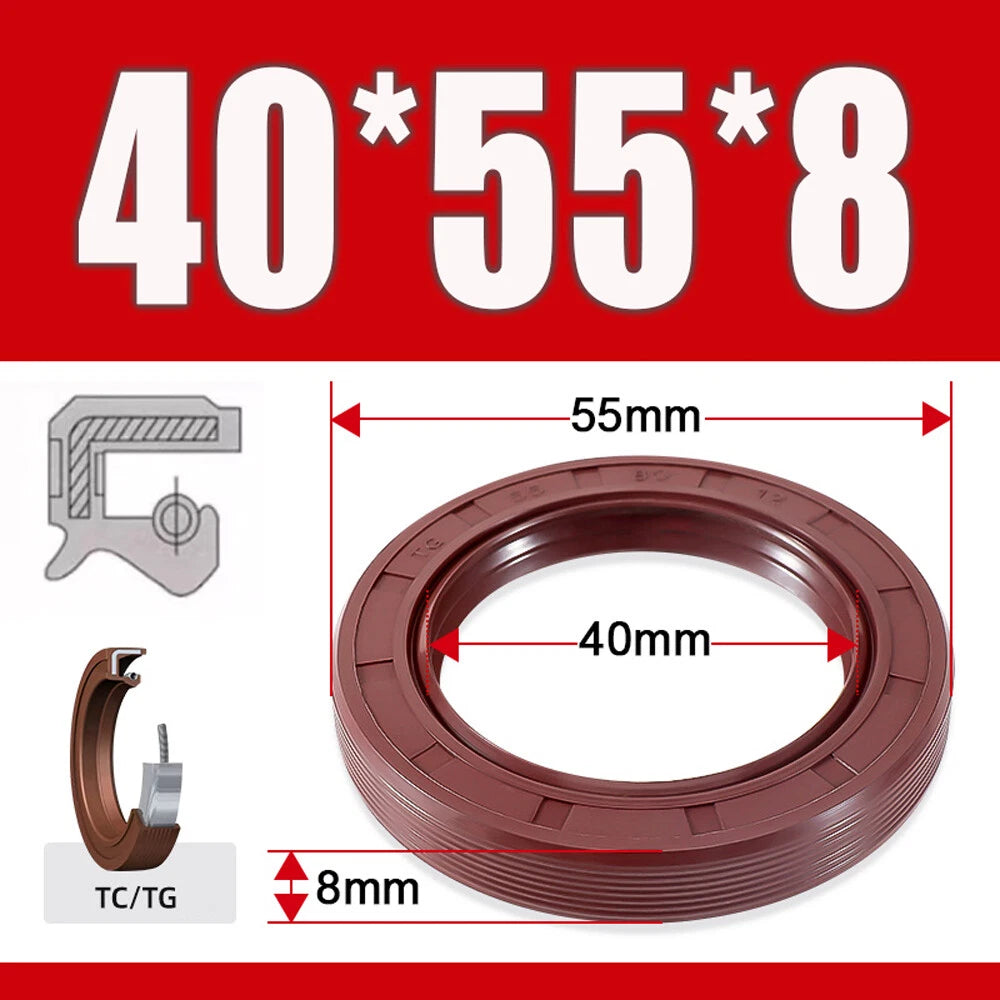
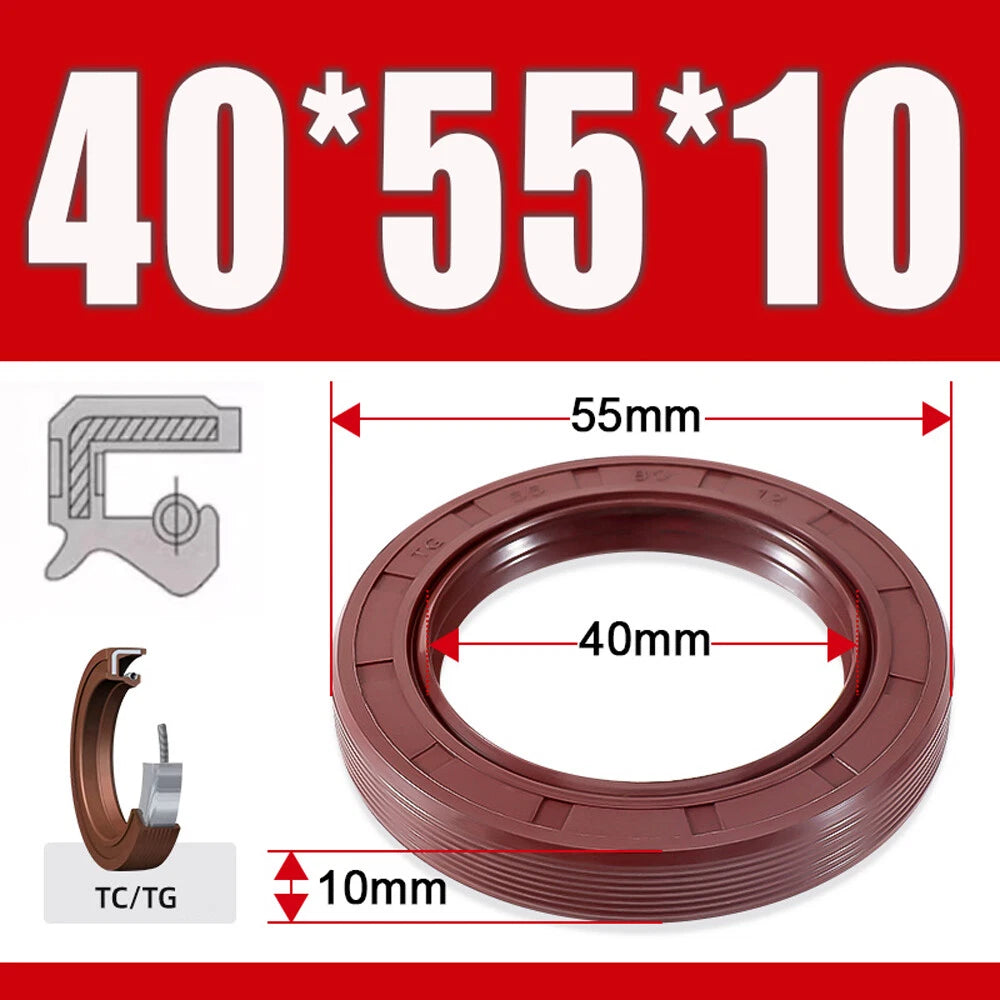
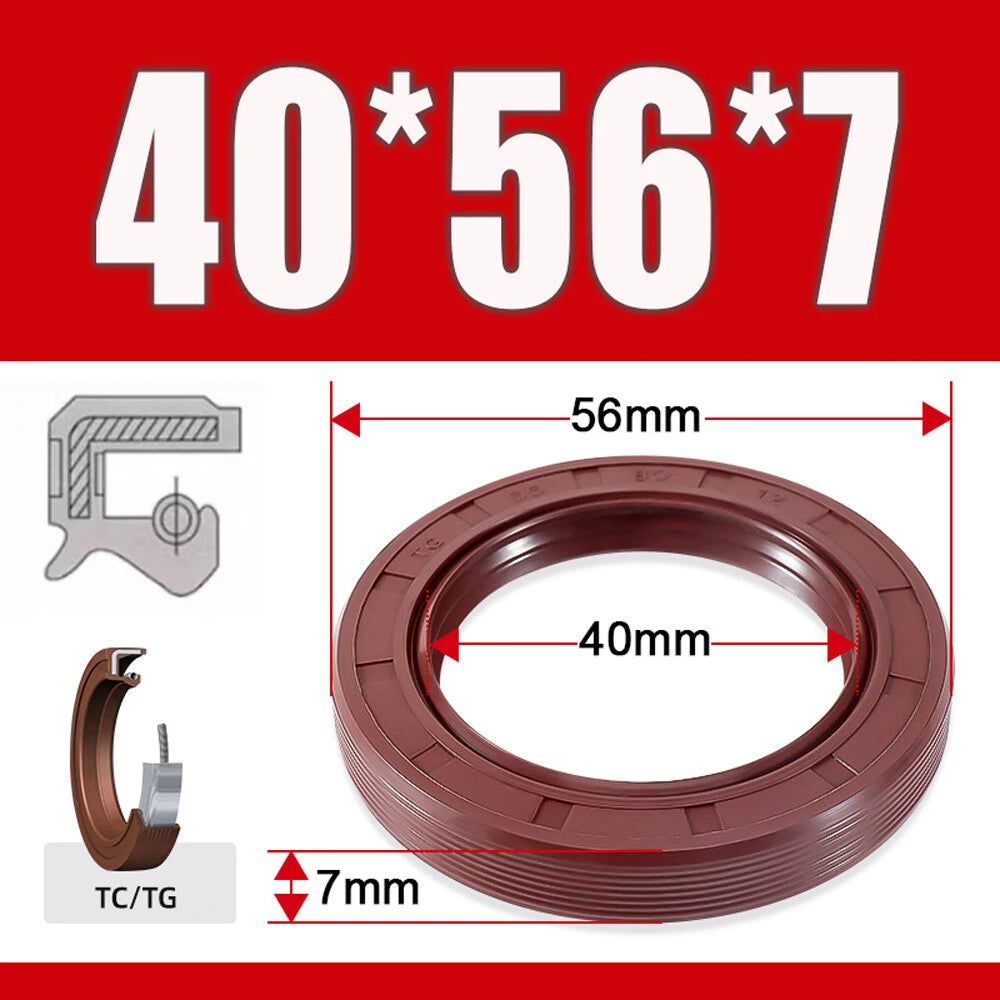
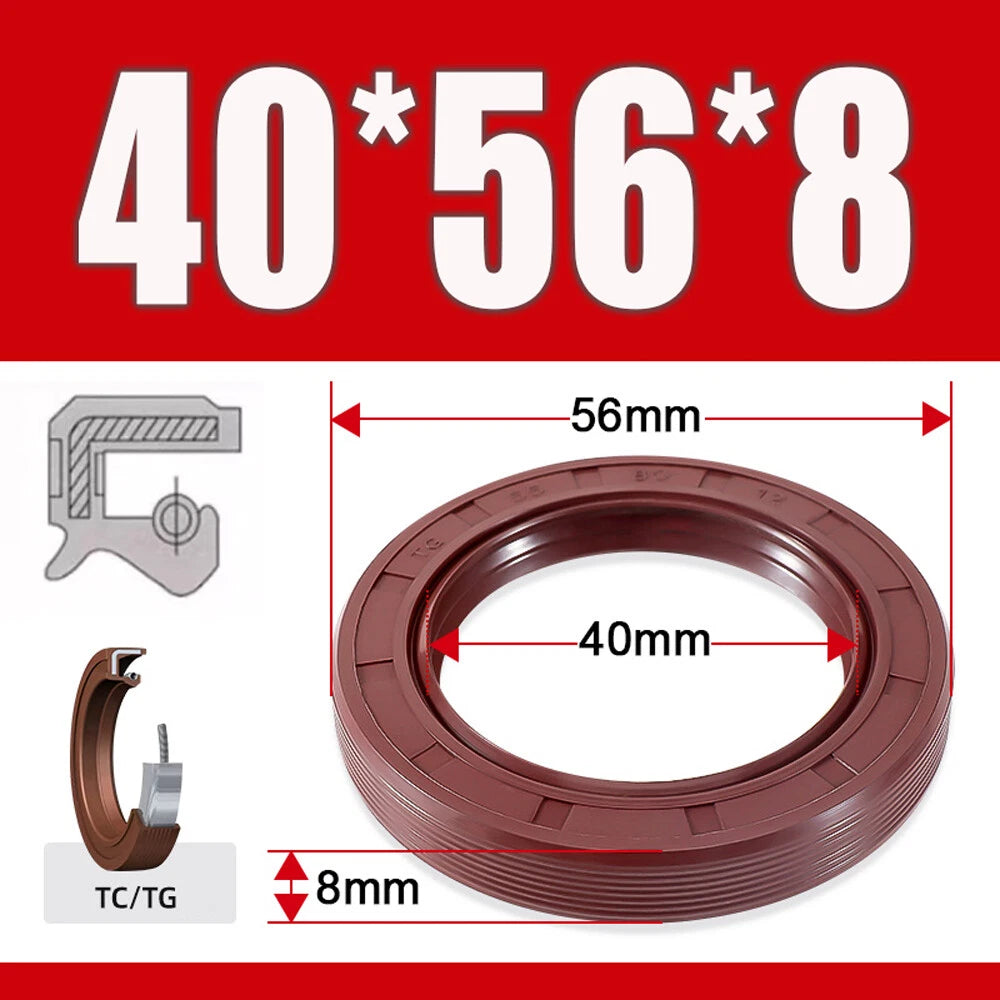
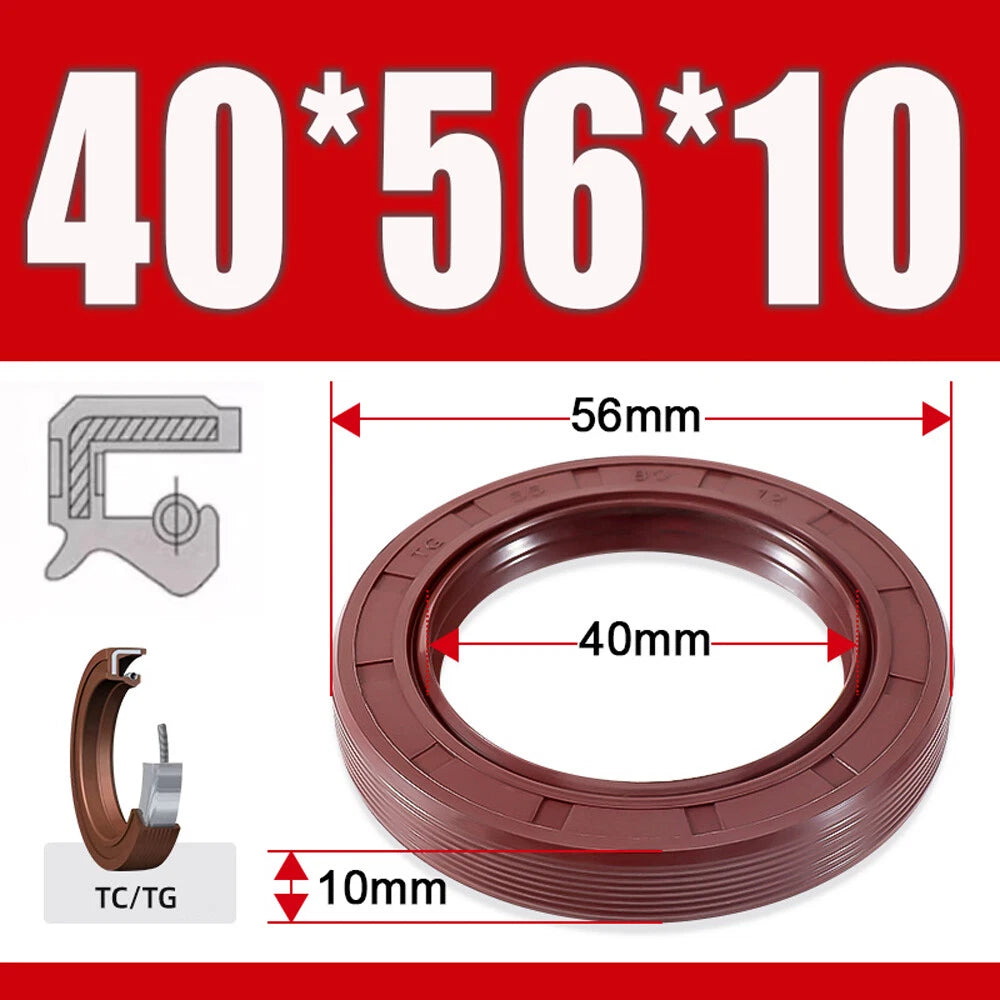
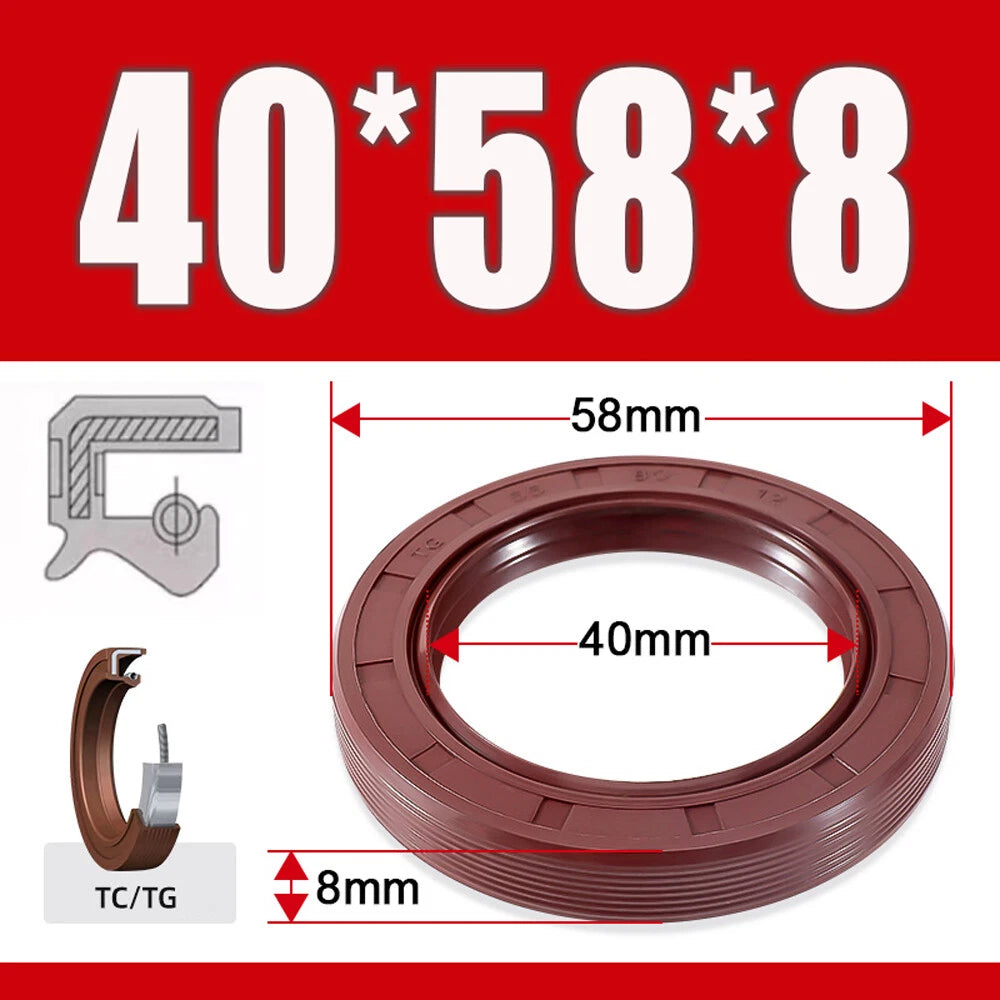
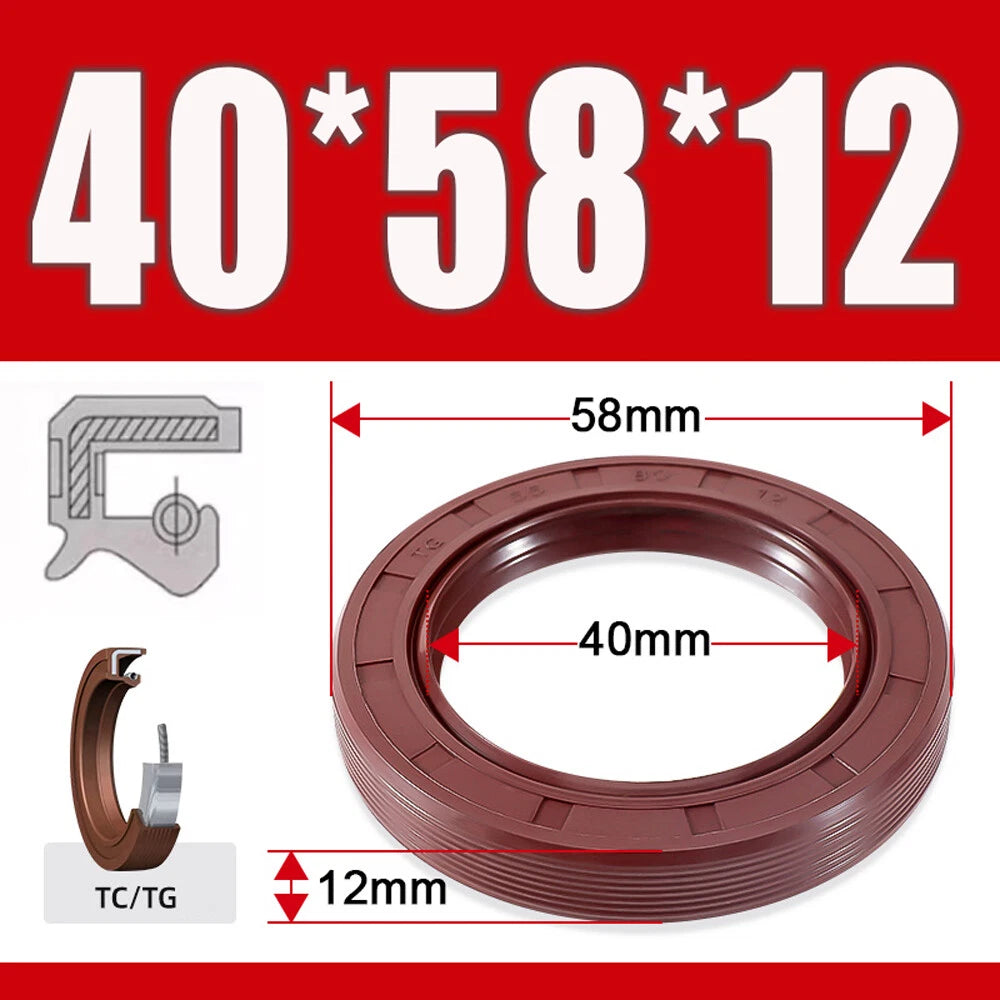
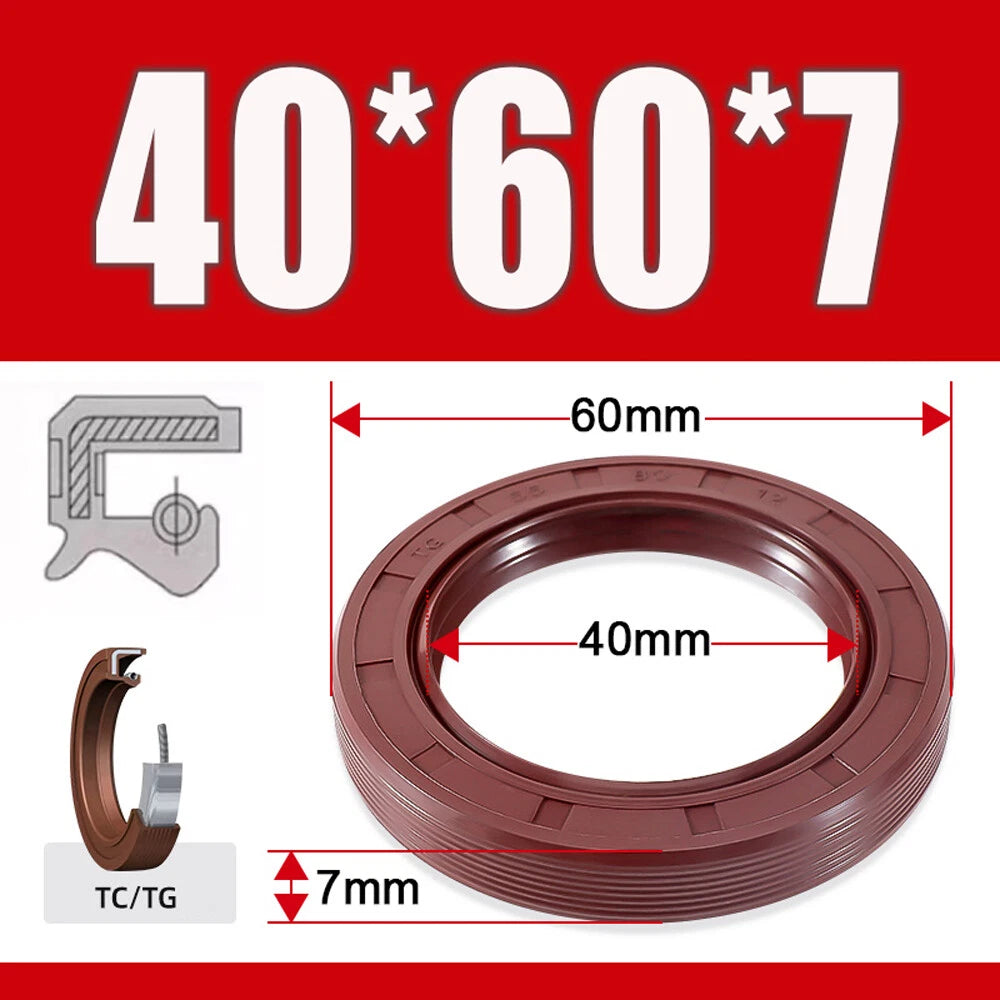
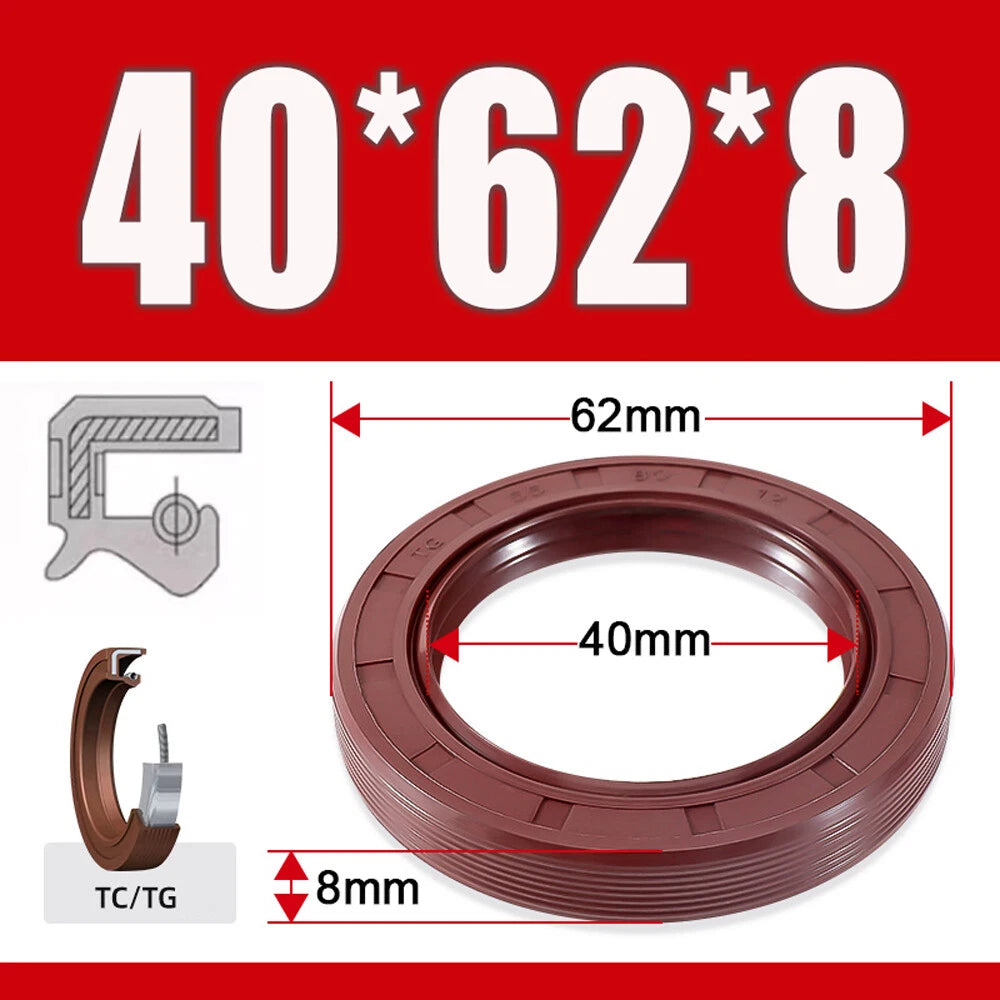
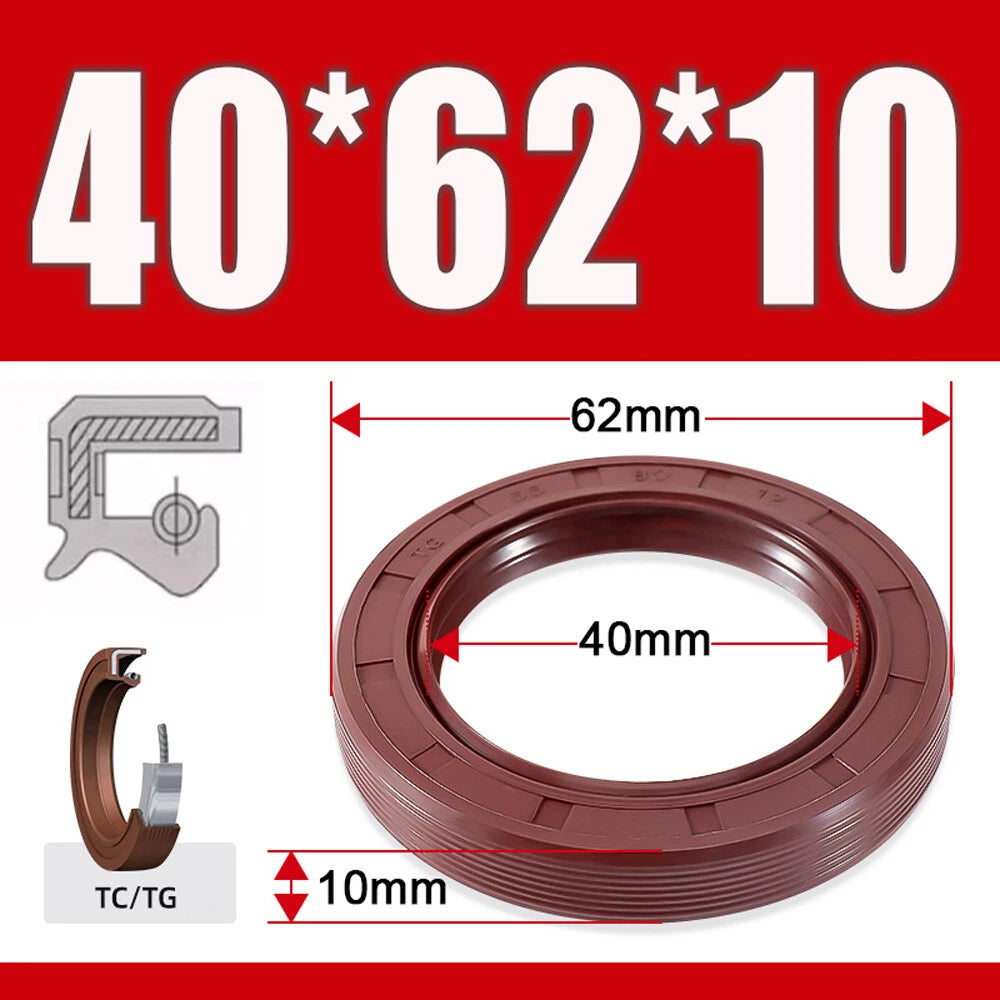
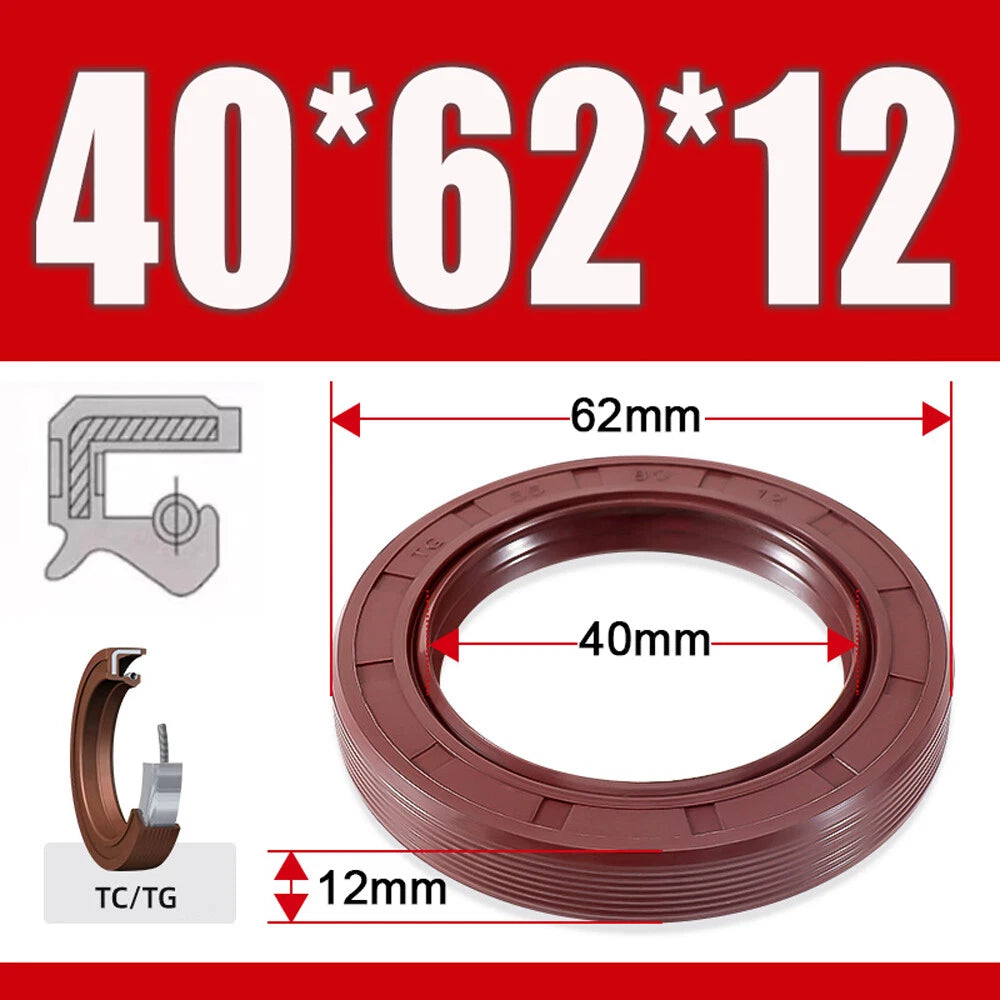
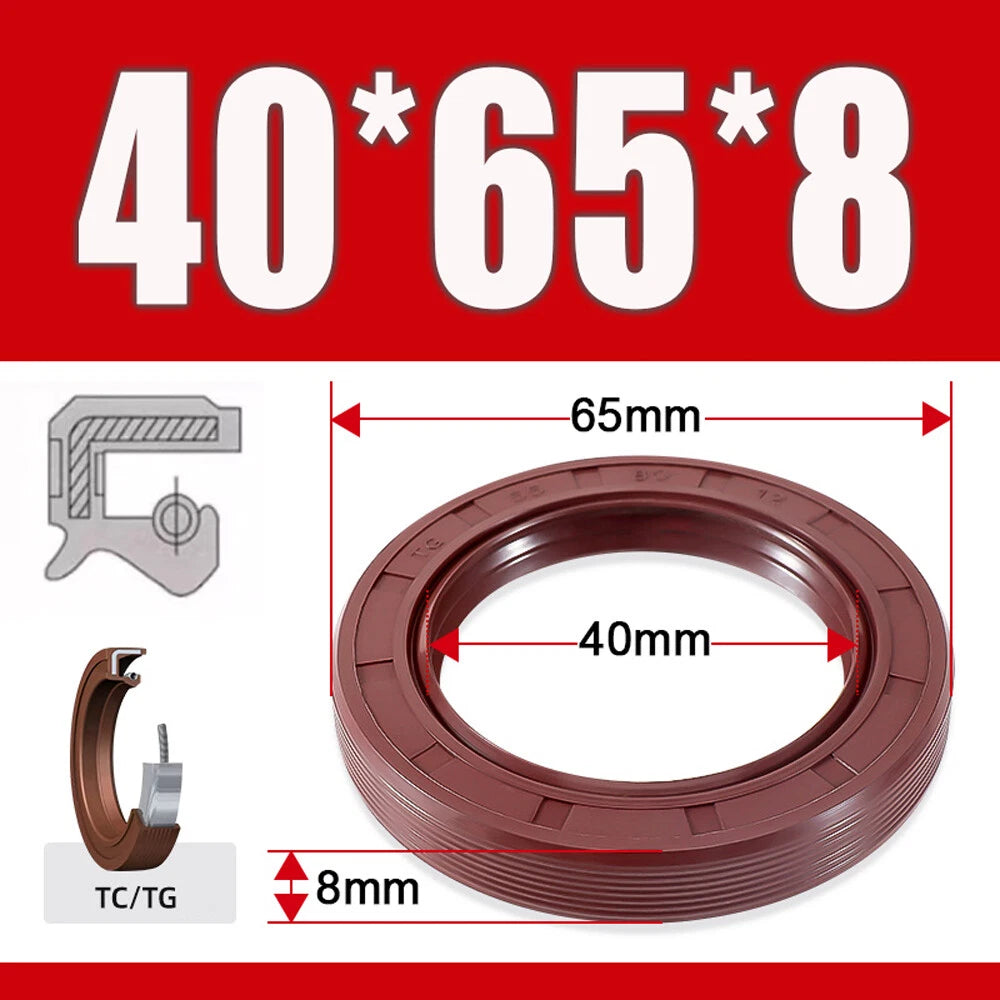
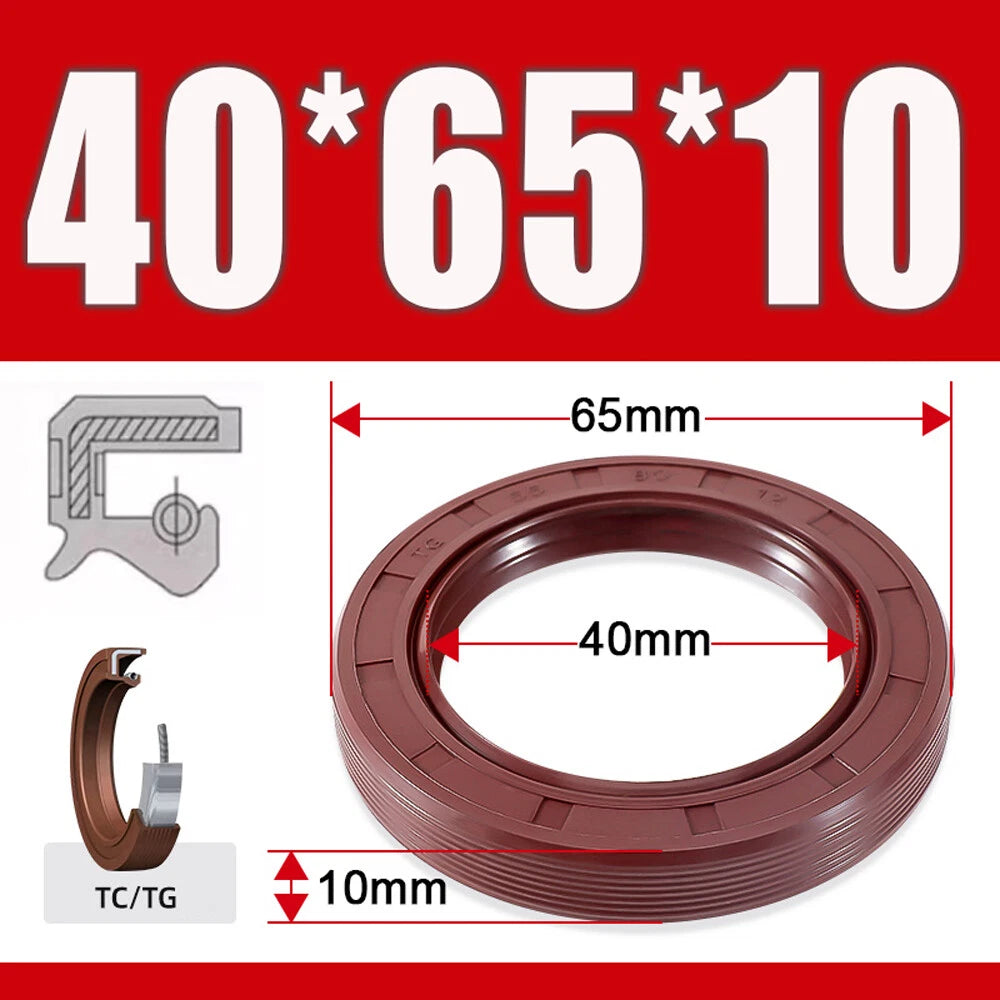
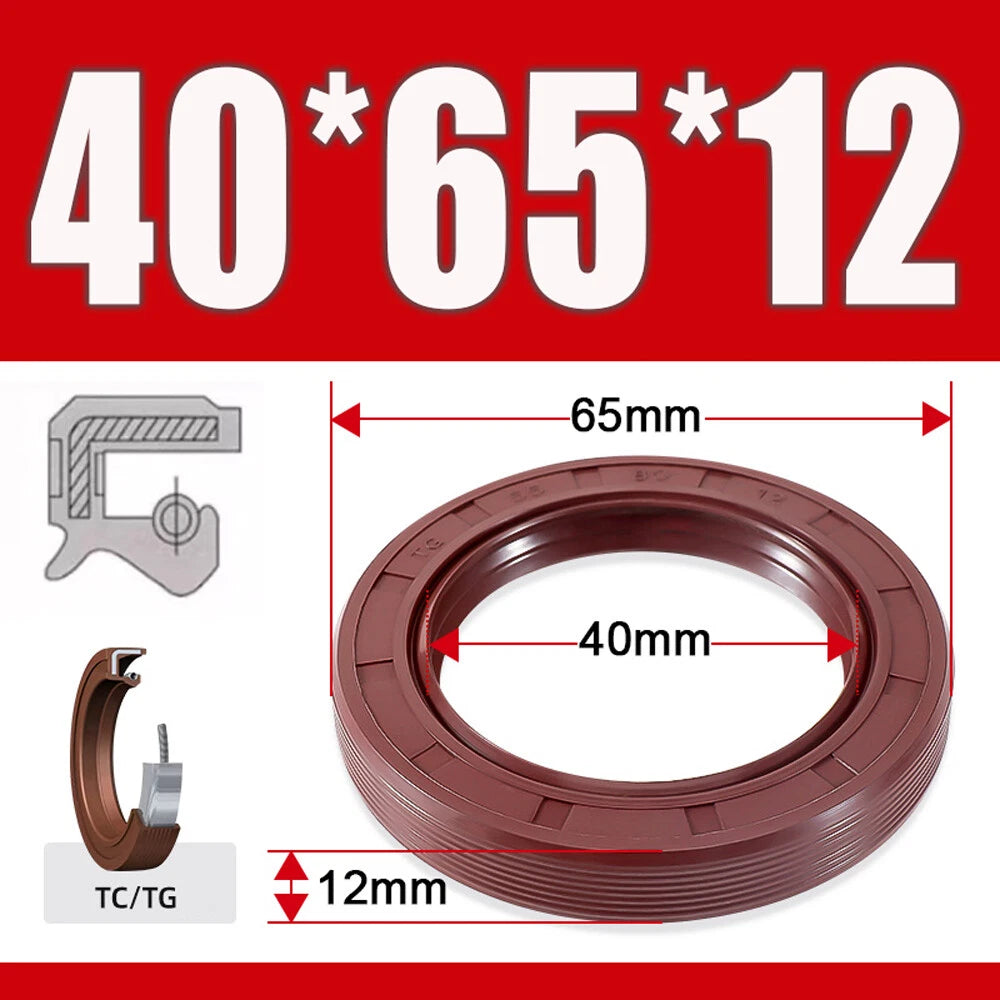
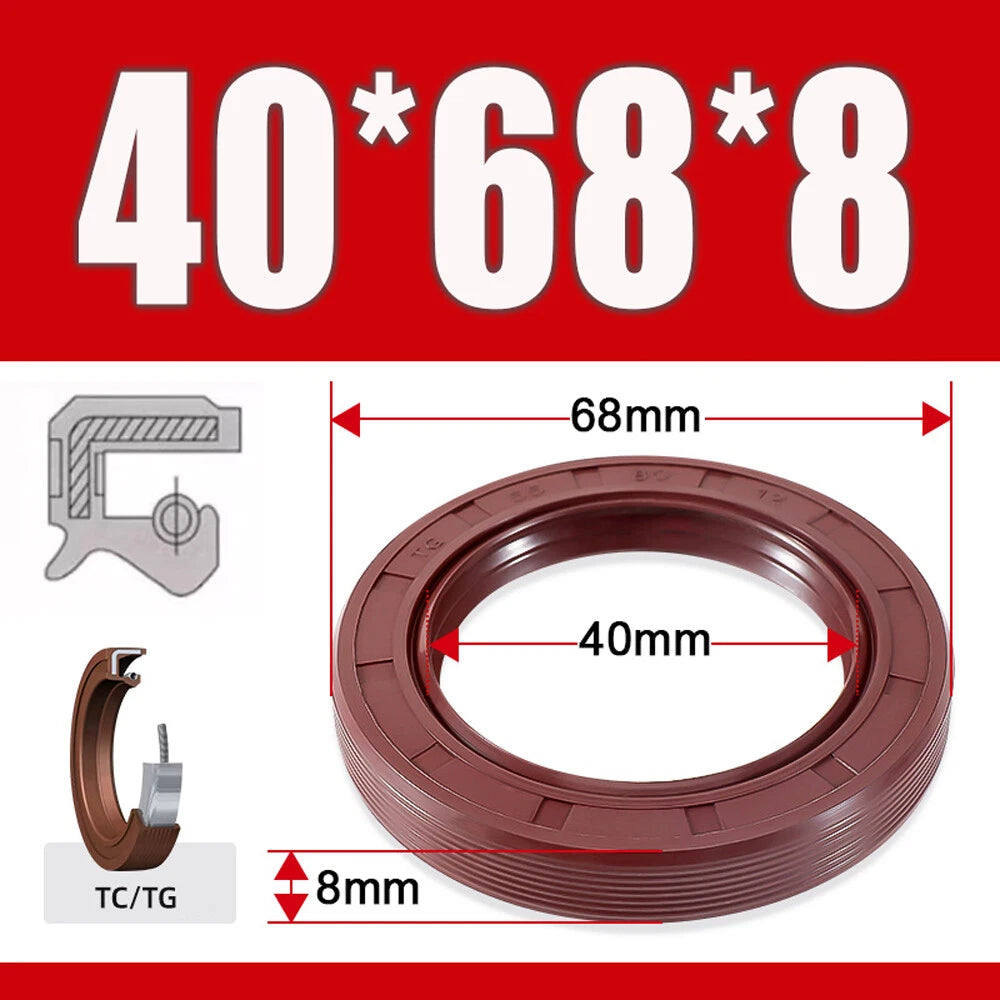
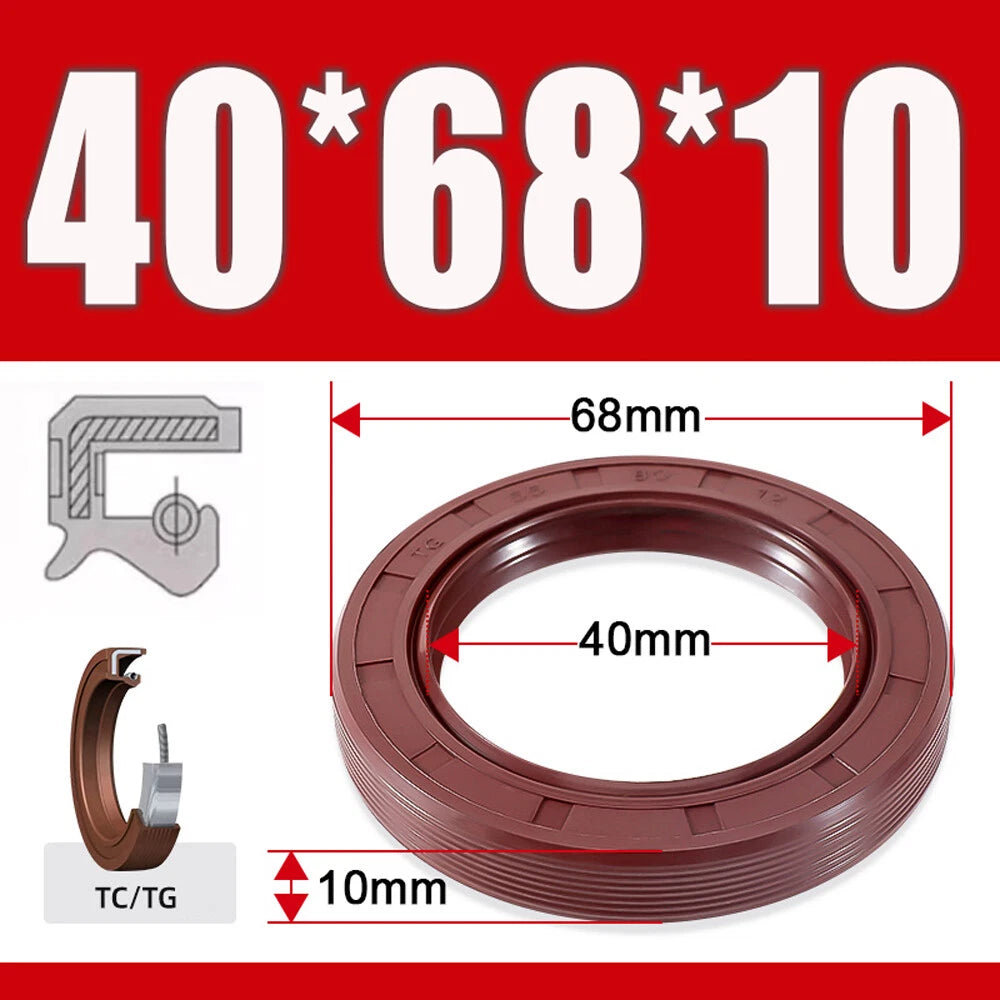
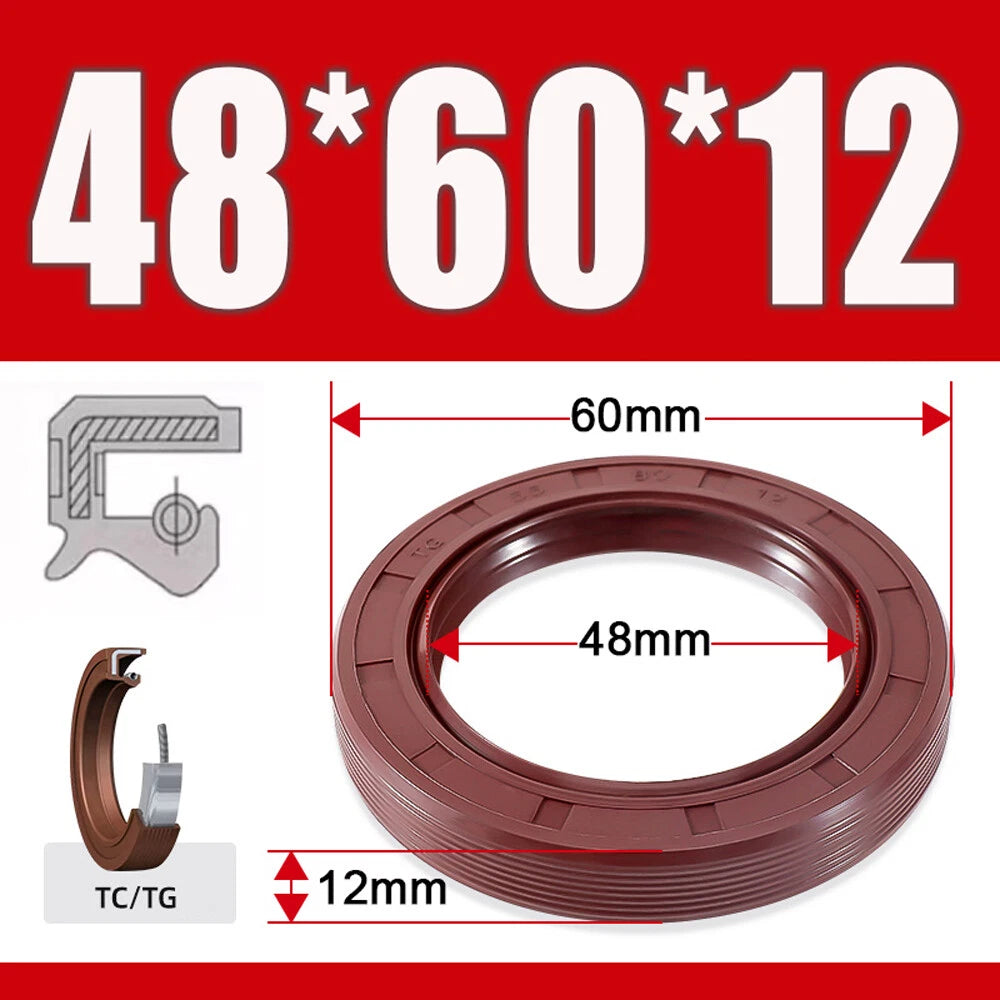
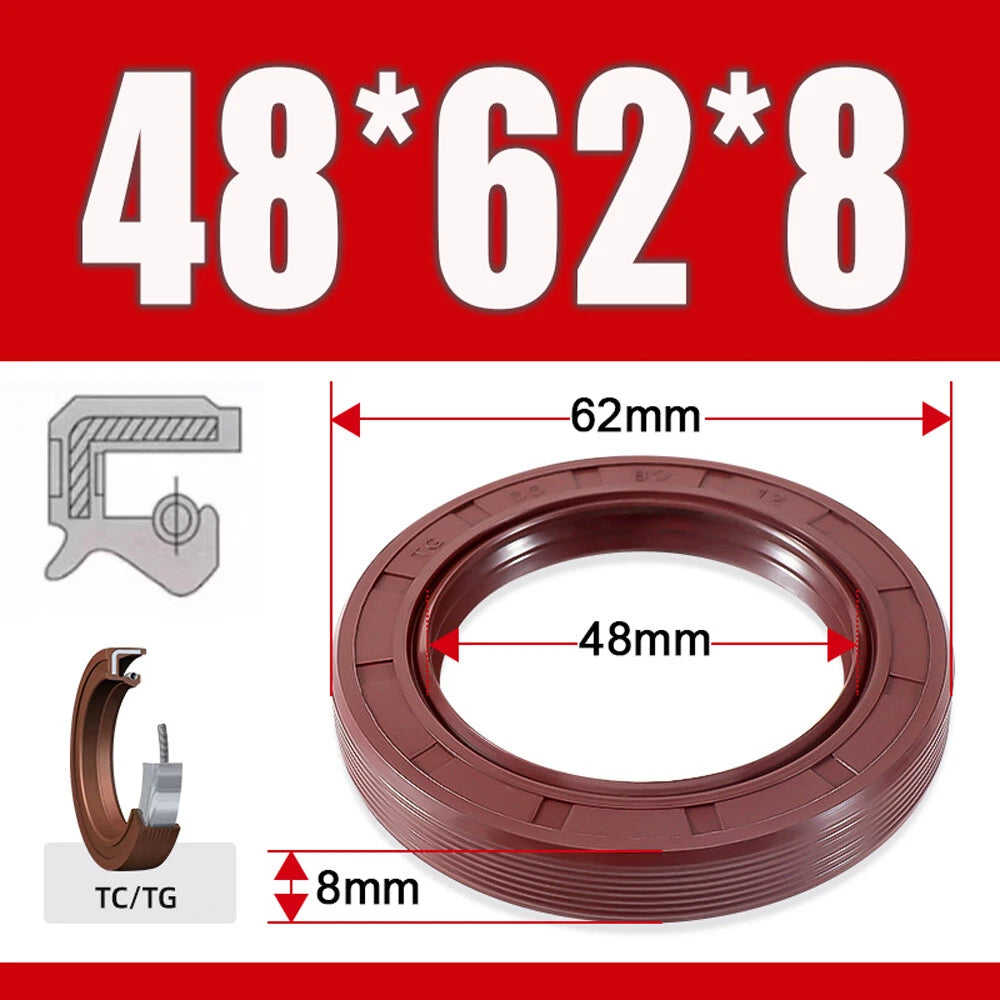
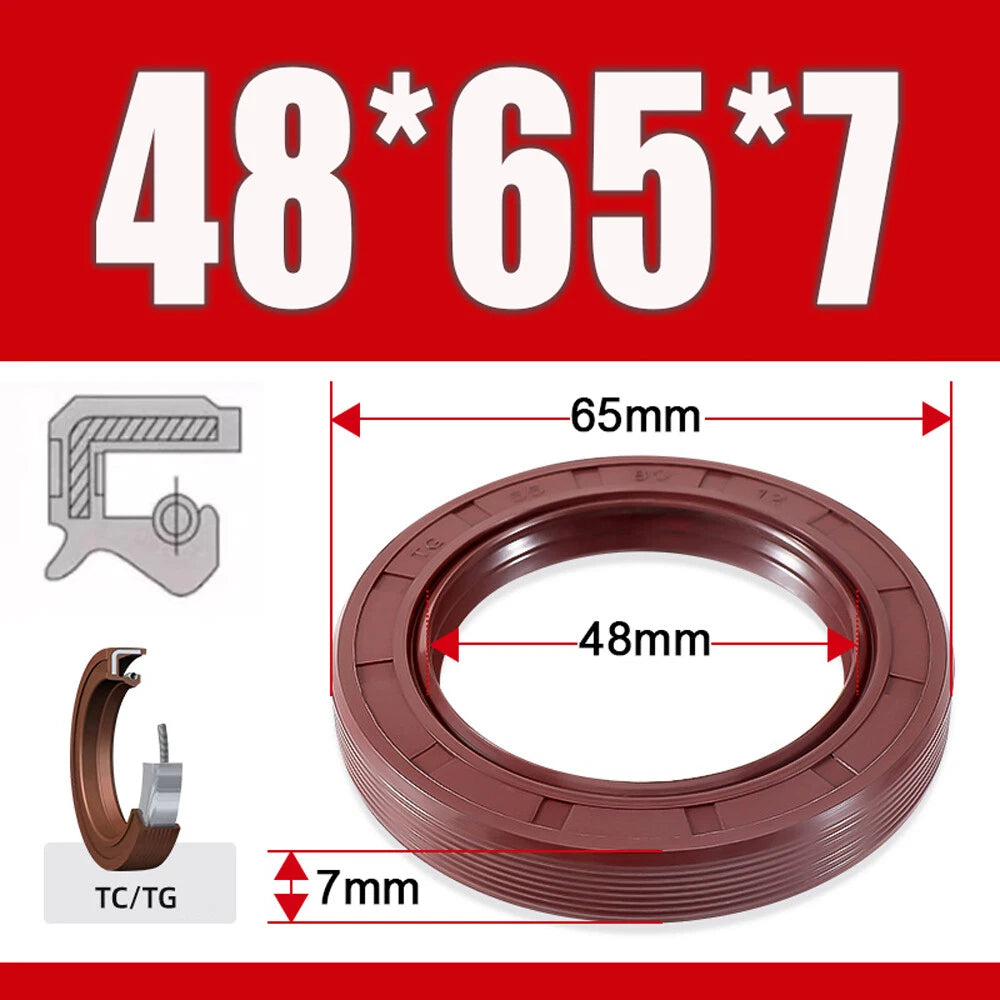
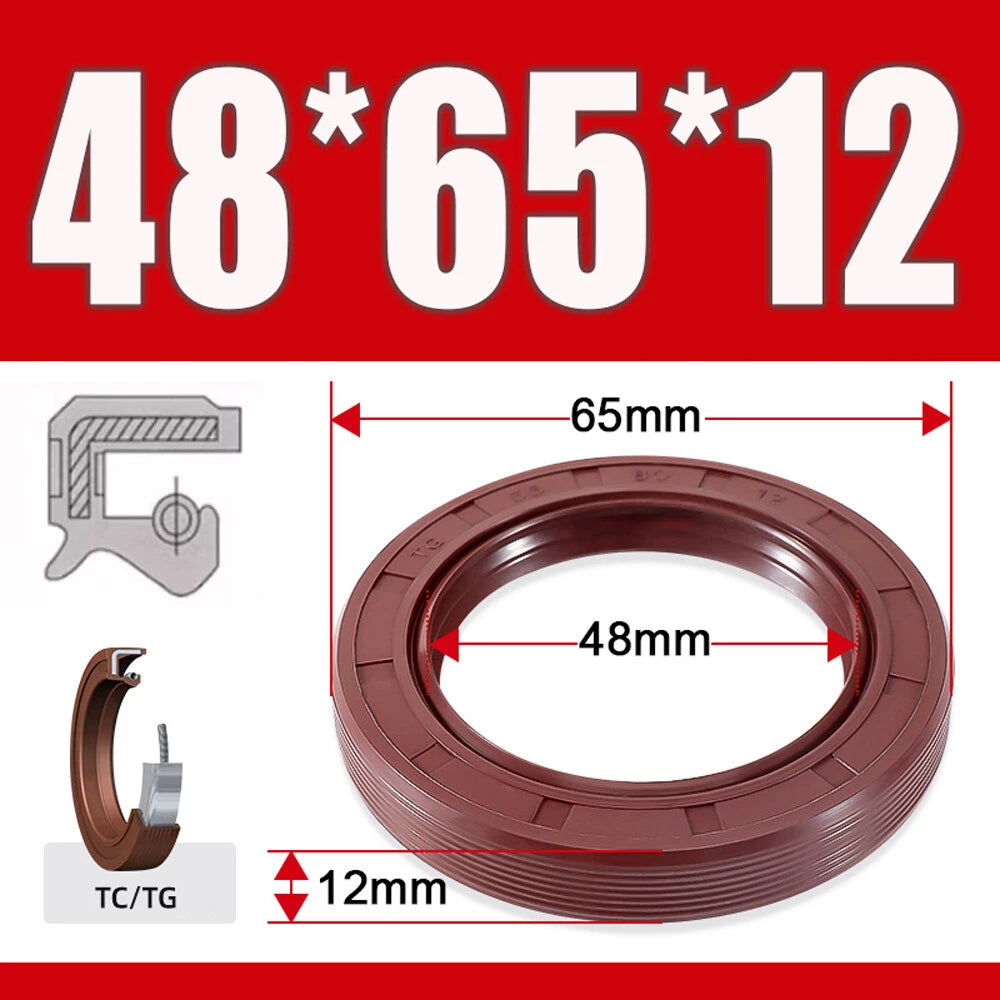
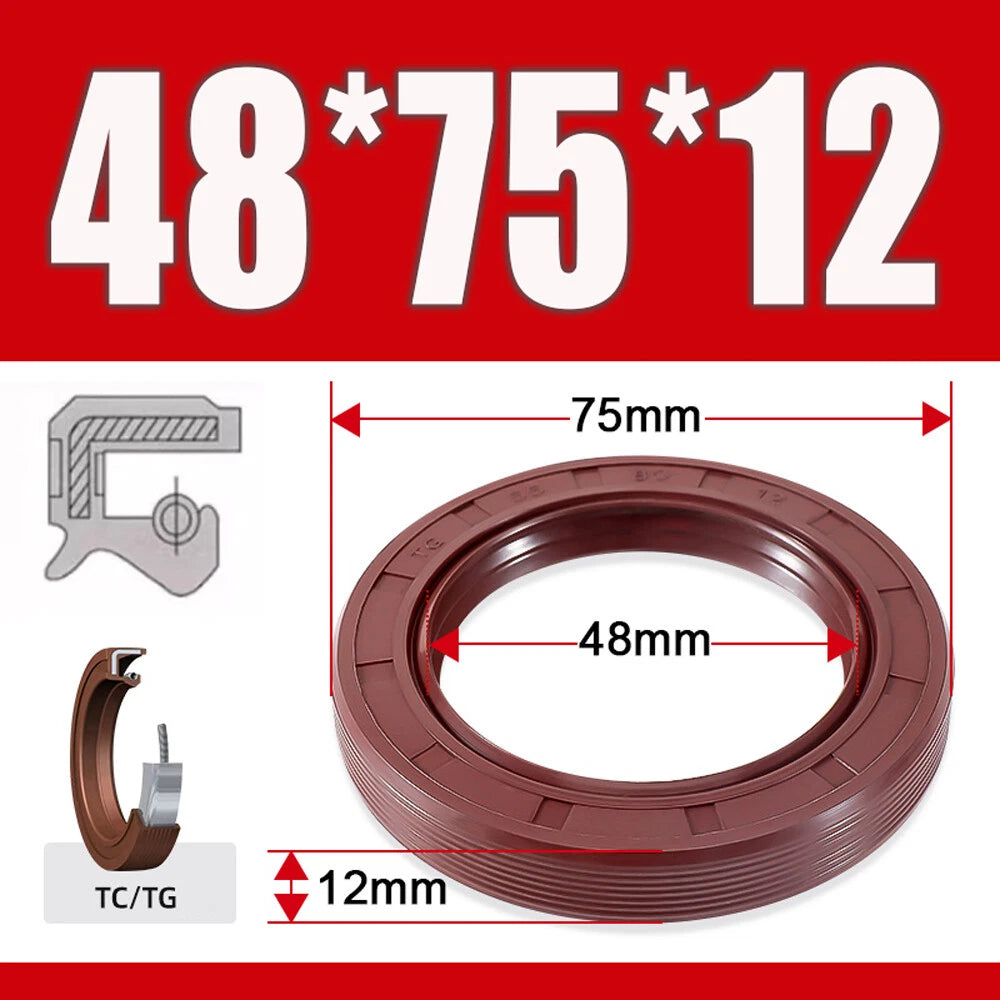
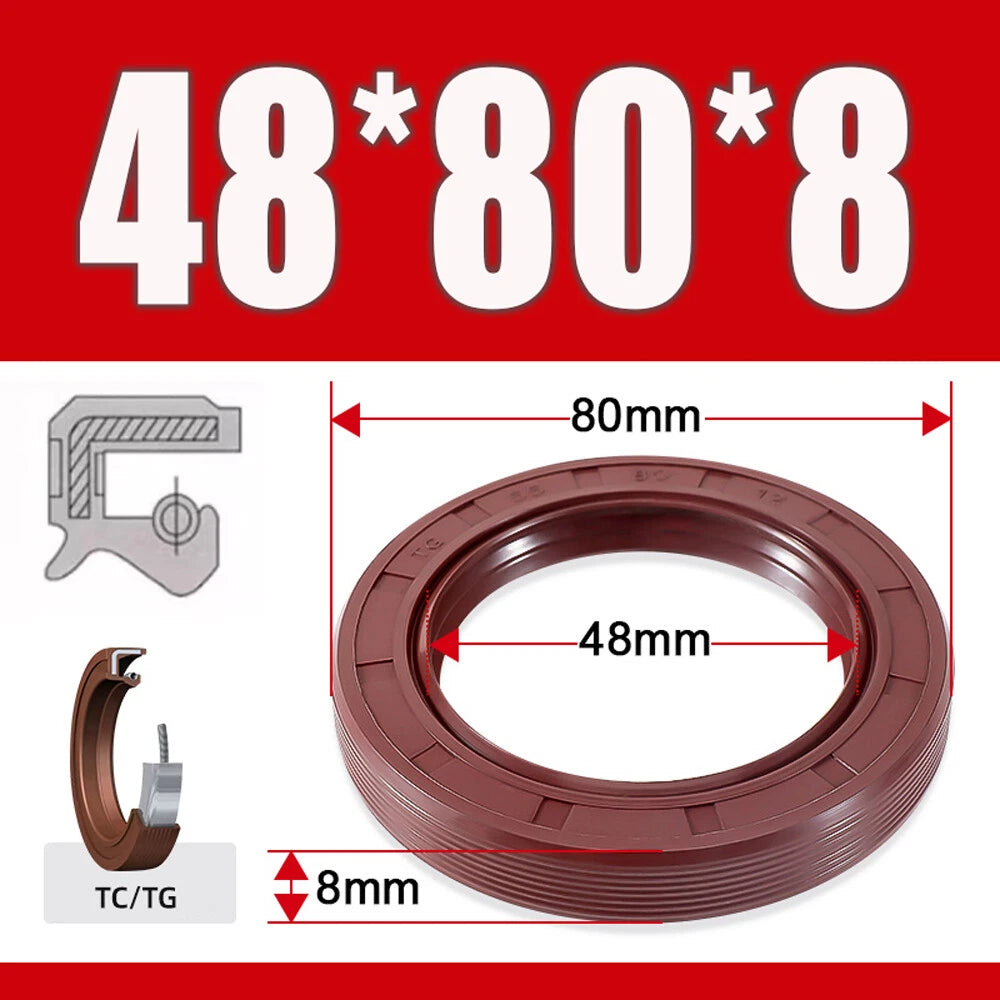
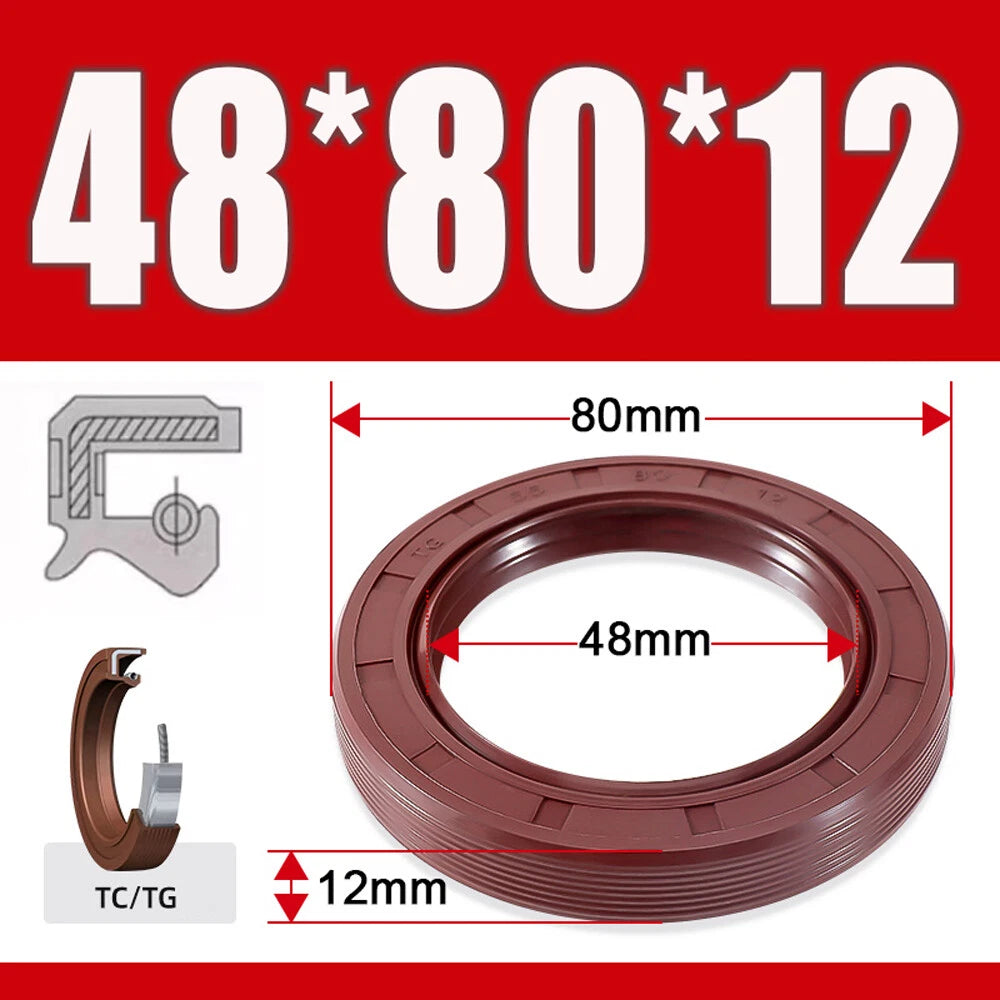
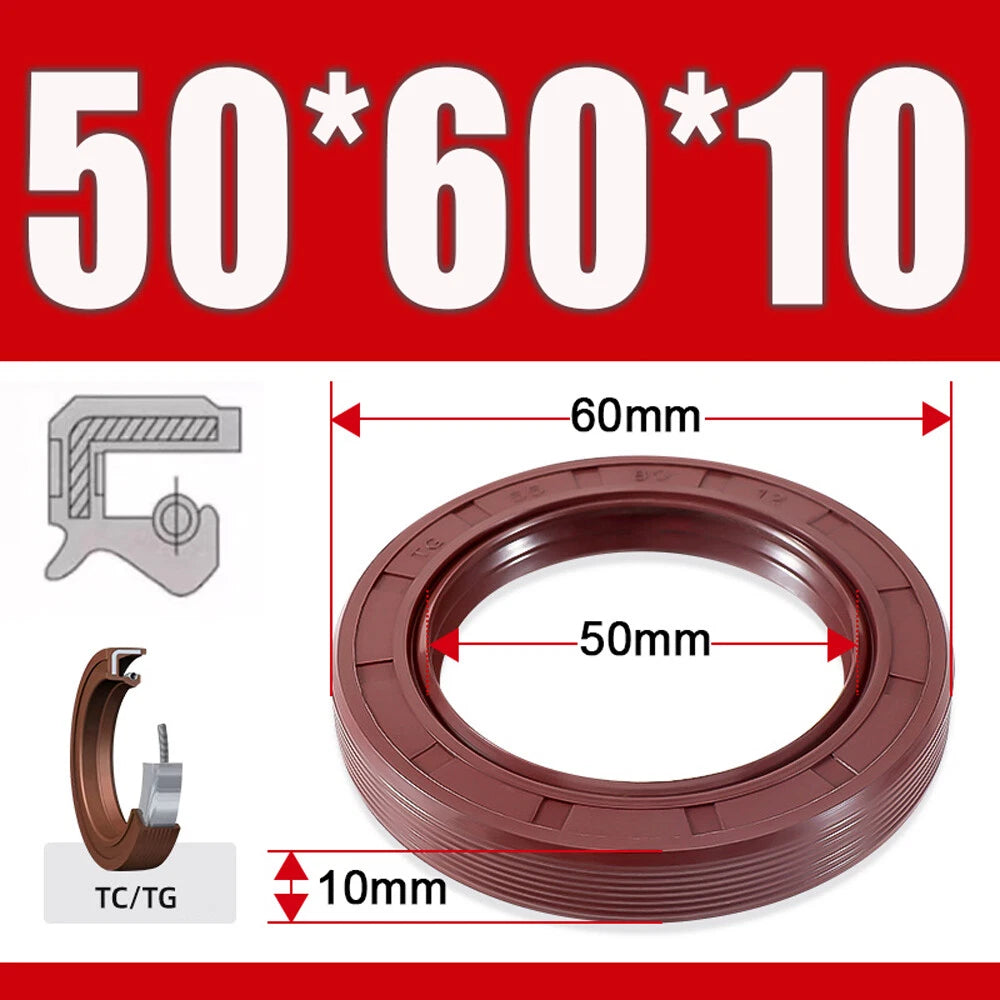
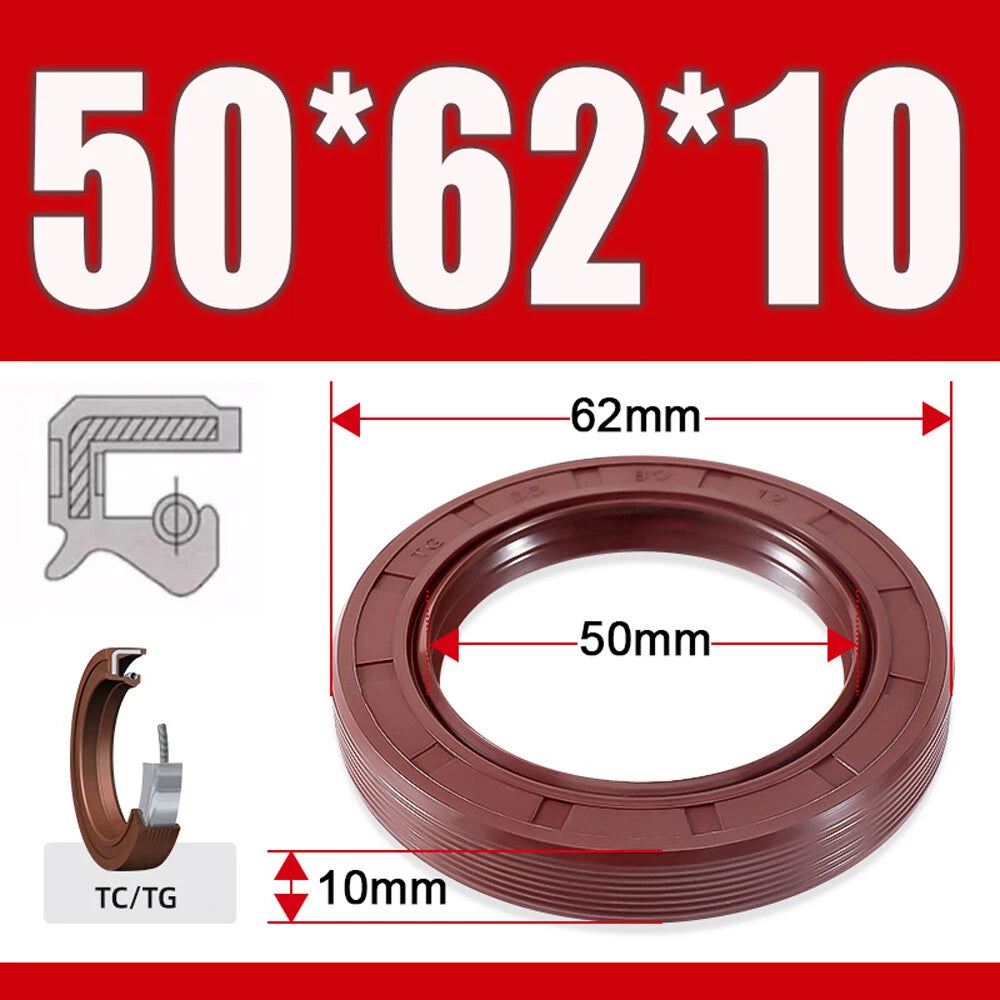
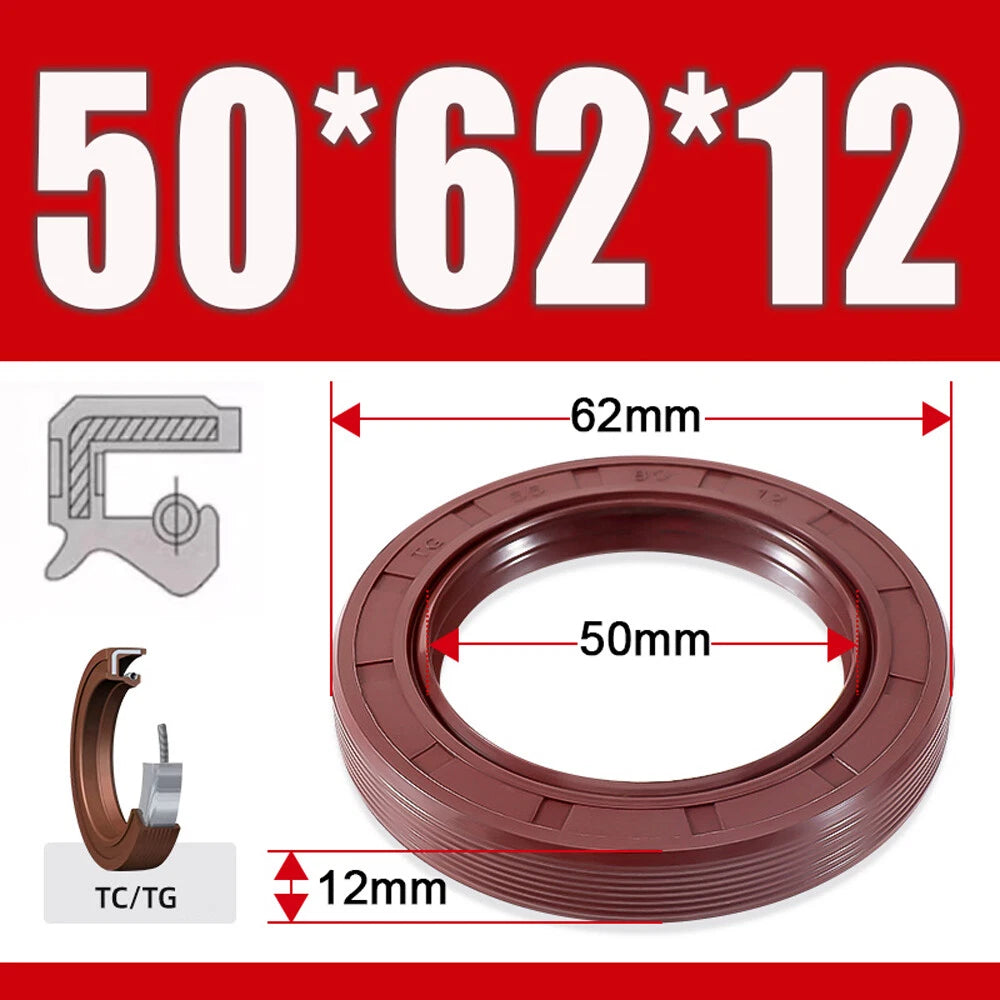
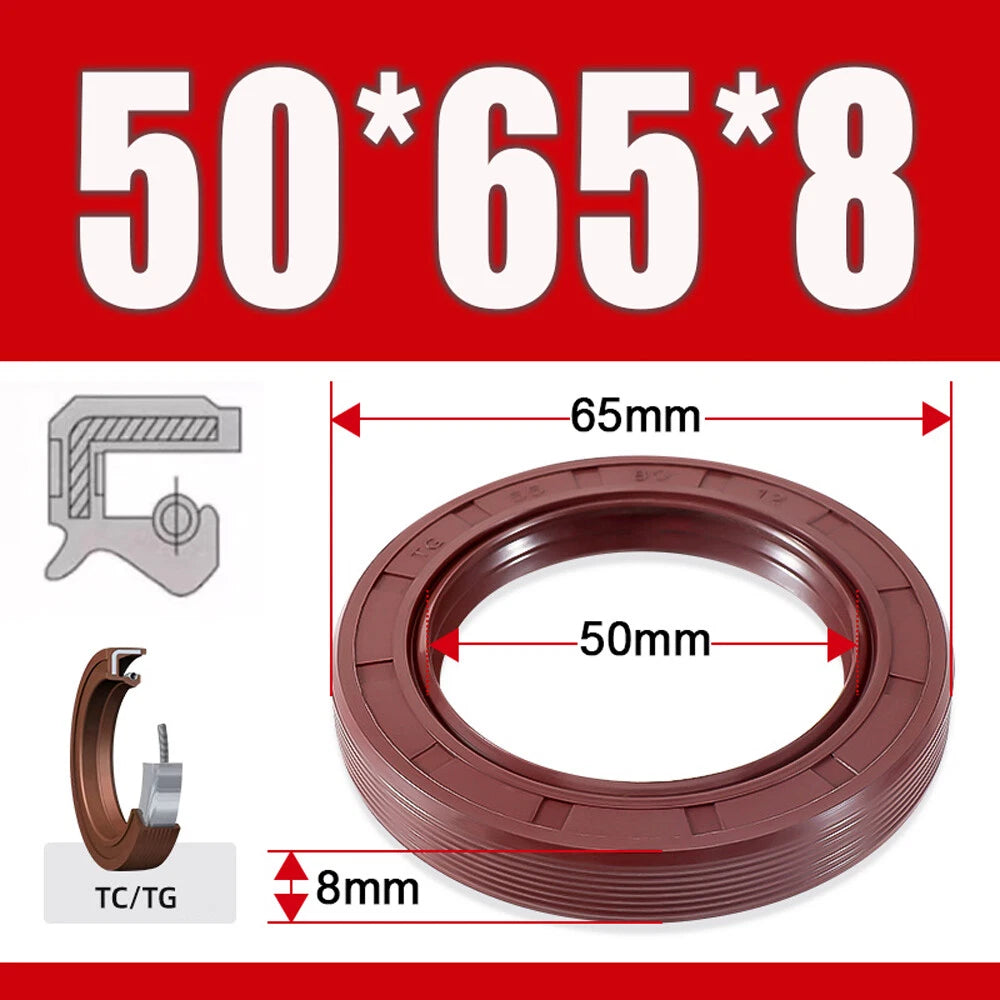
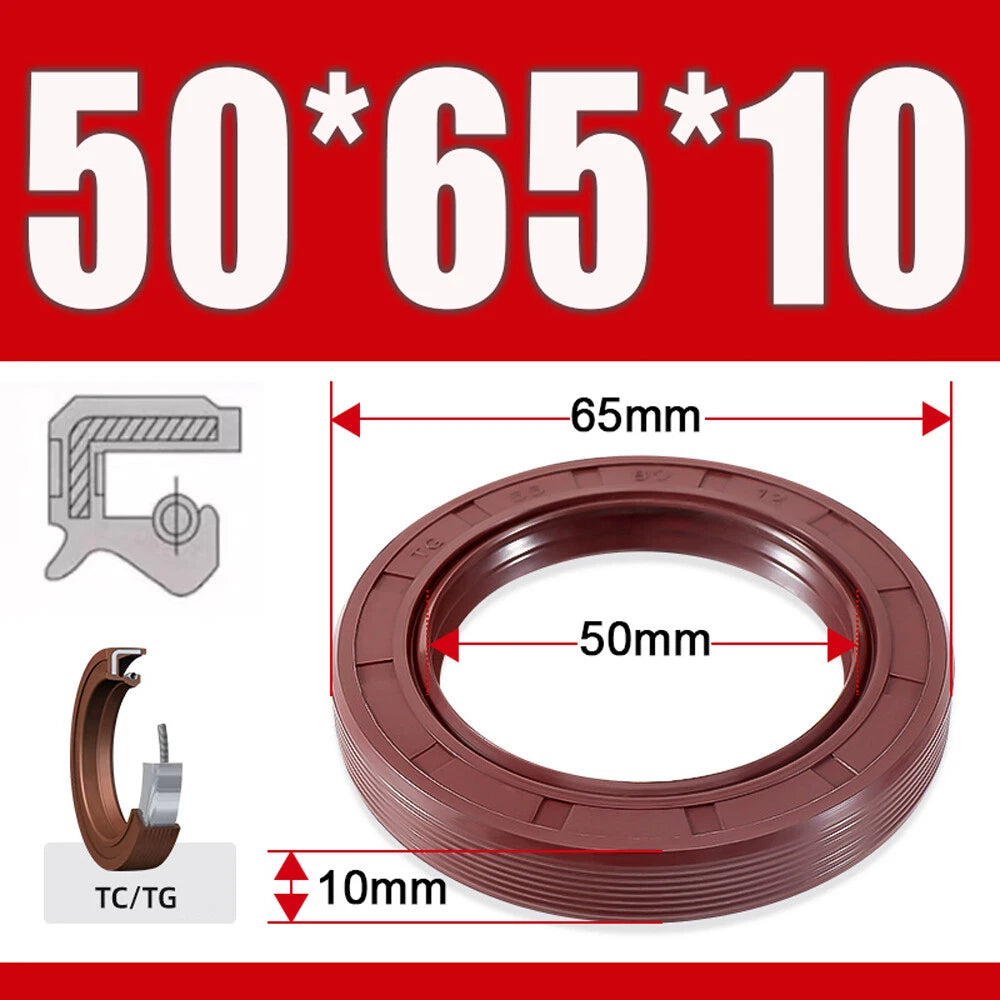
A leaking shaft seal is one of the most common — and most preventable — failures in engines, gearboxes, hydraulic pumps, and agricultural equipment. Whether you are rebuilding a tractor PTO, servicing a differential, or replacing a worn crankshaft seal, sourcing the exact metric TC/TG dual lip FKM oil seal in the right size should not require a week-long overseas order. These seals are stocked across a wide range of metric dimensions so you can match your application precisely and get back to work.
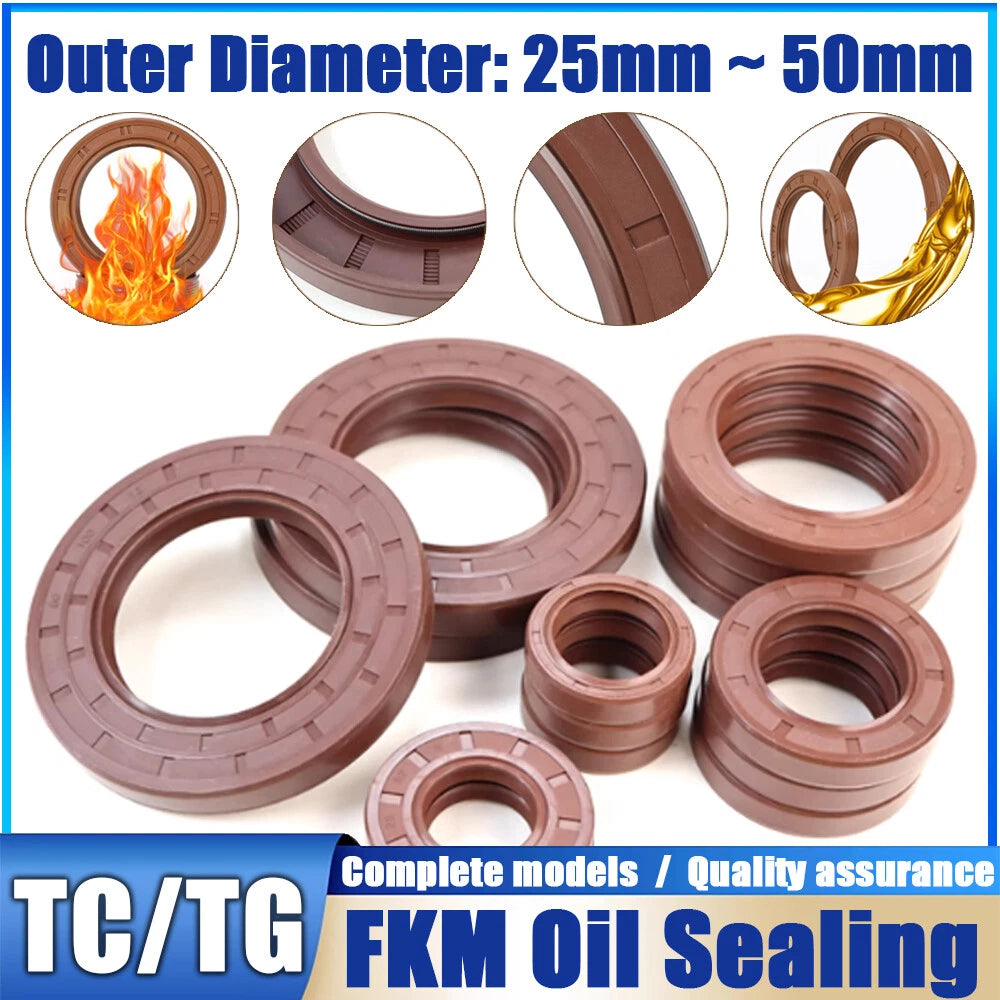
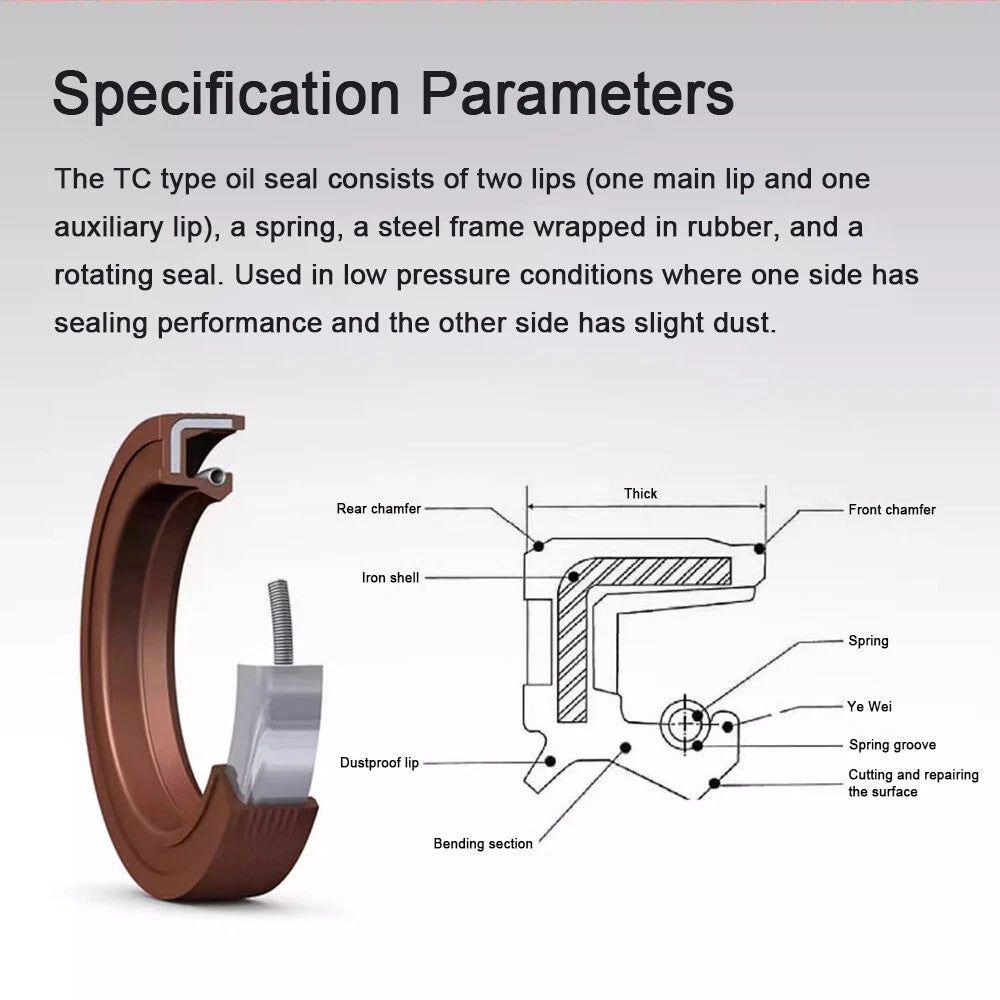
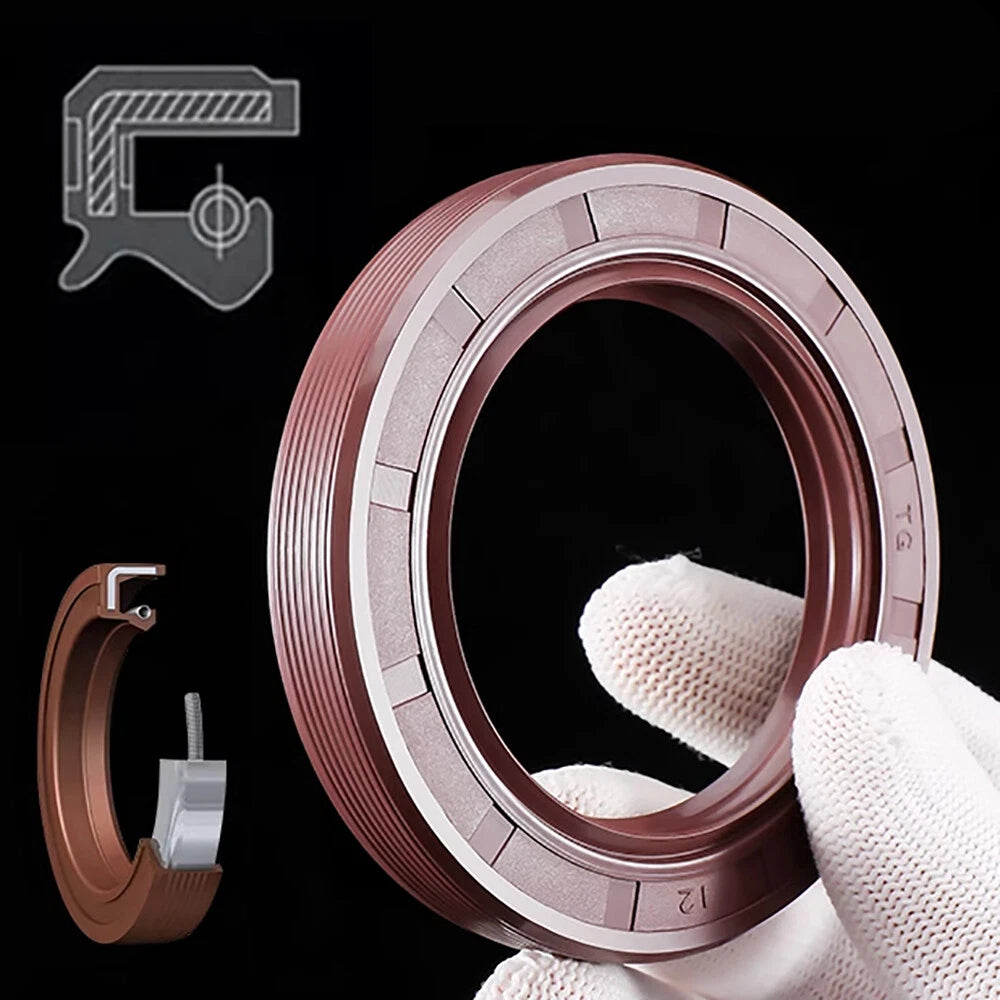
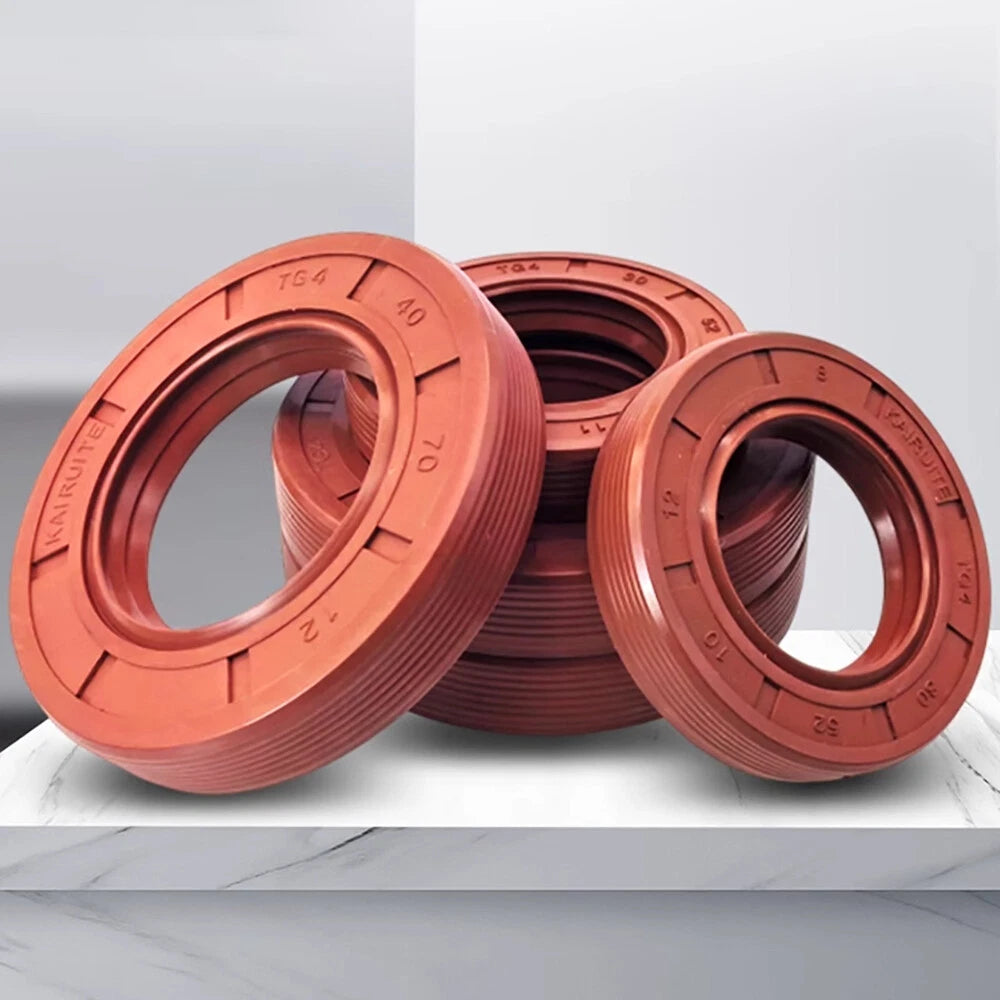
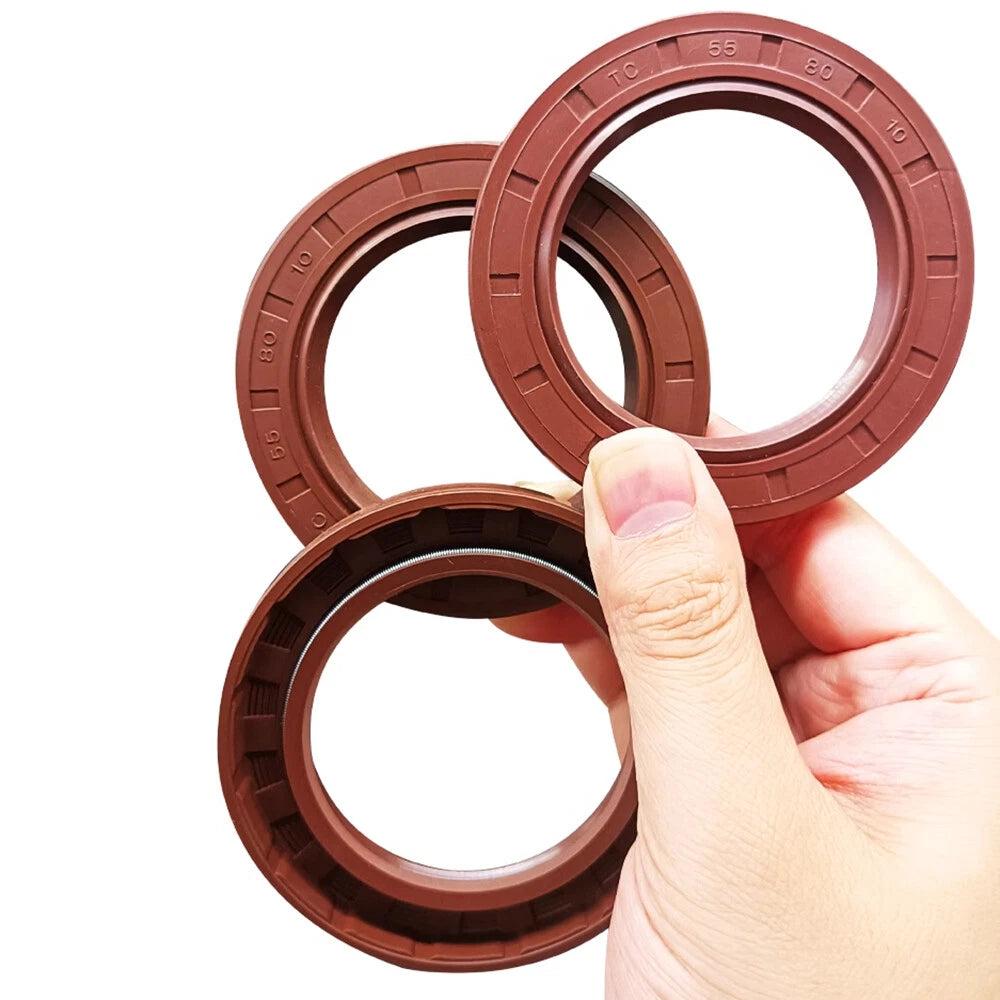
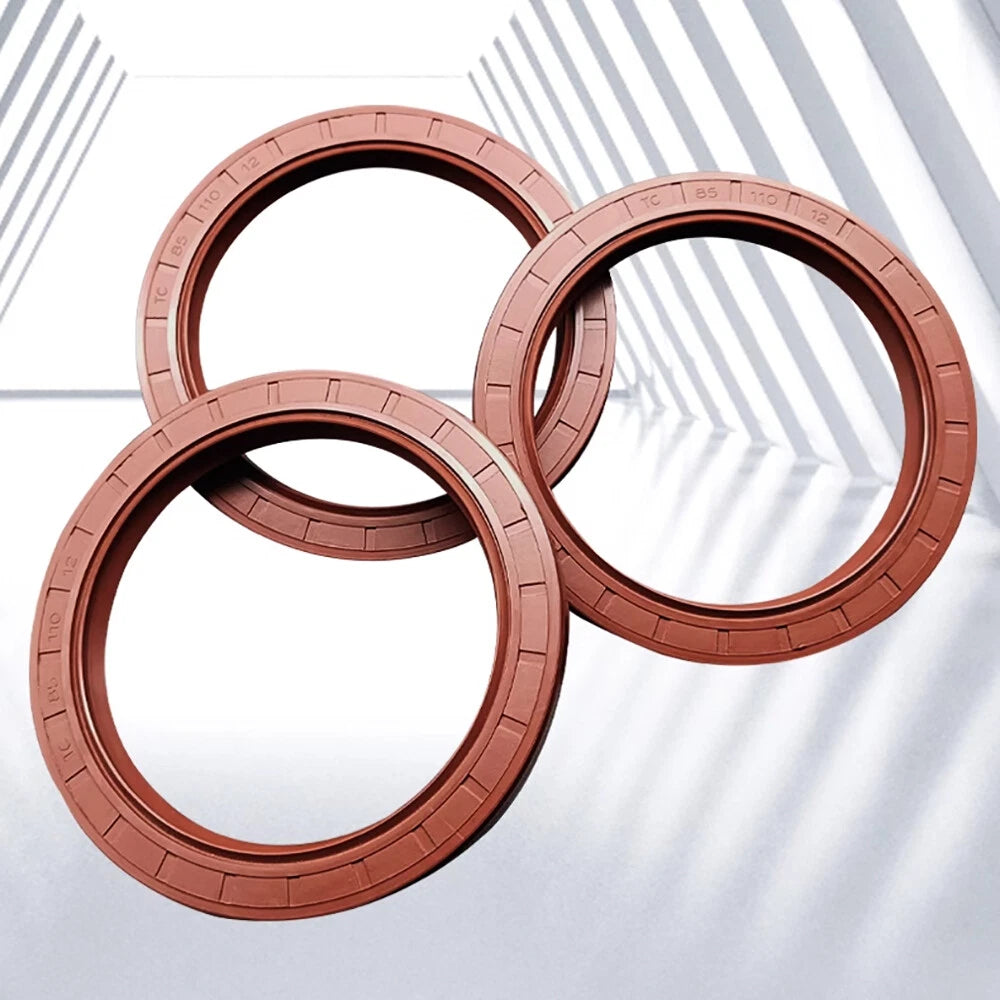
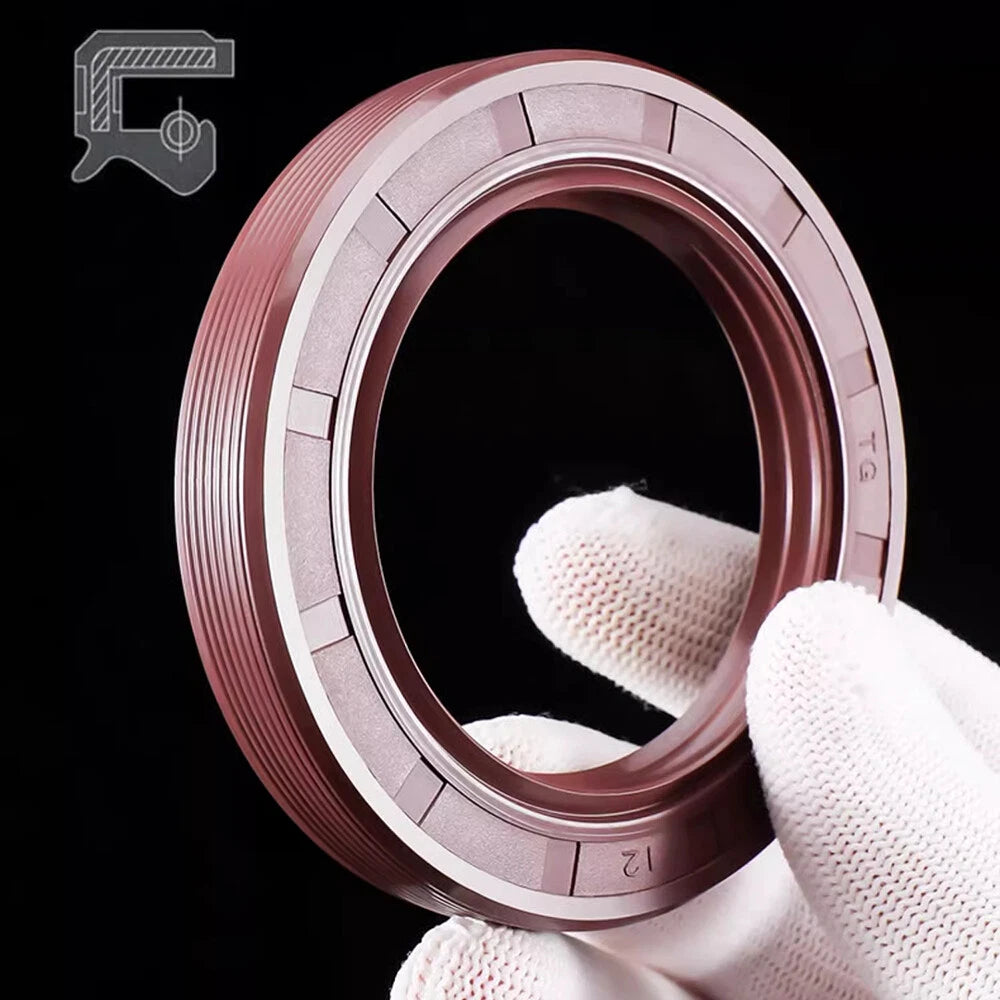
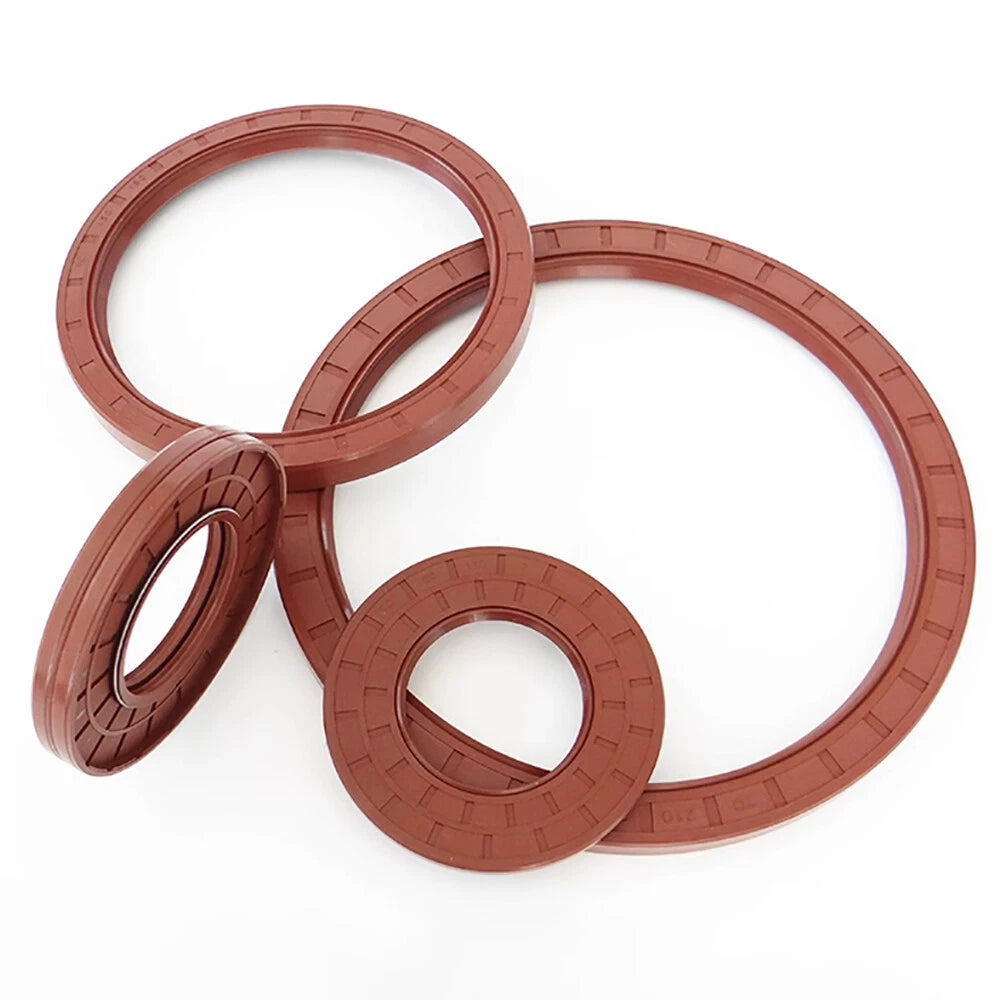
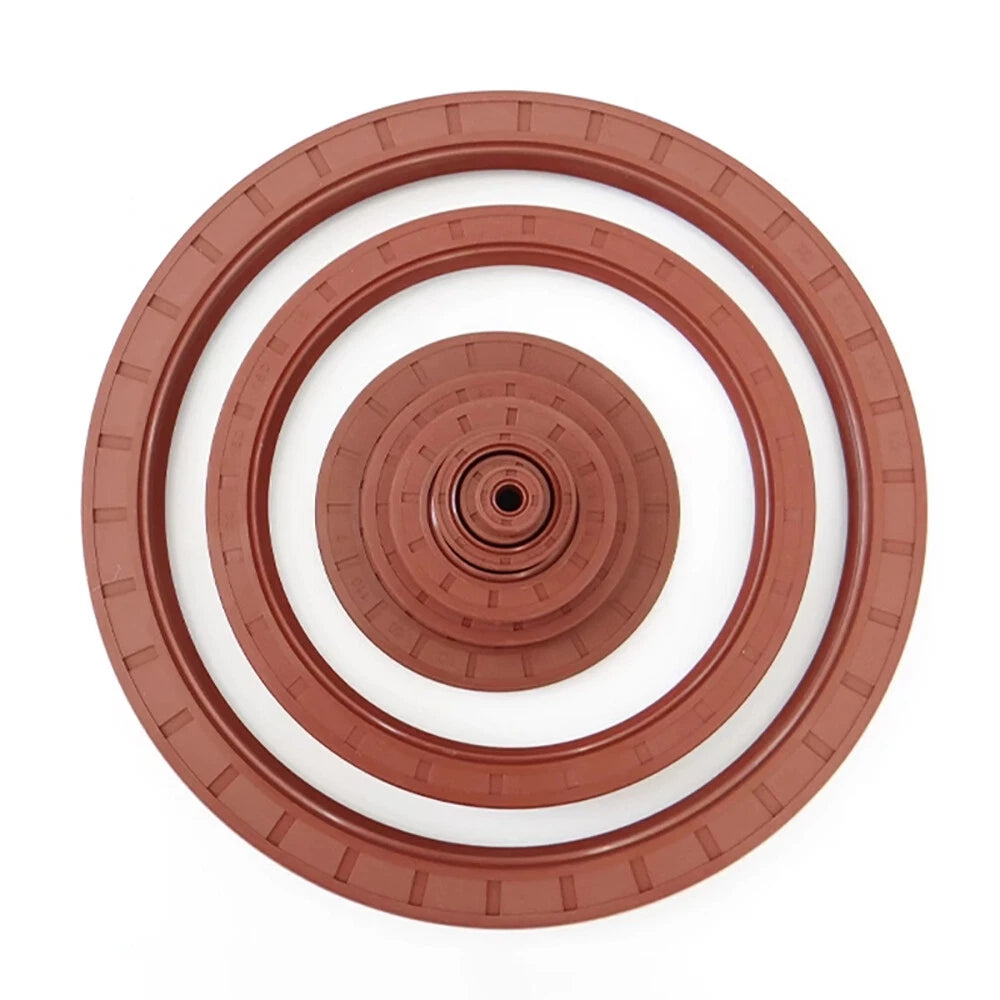
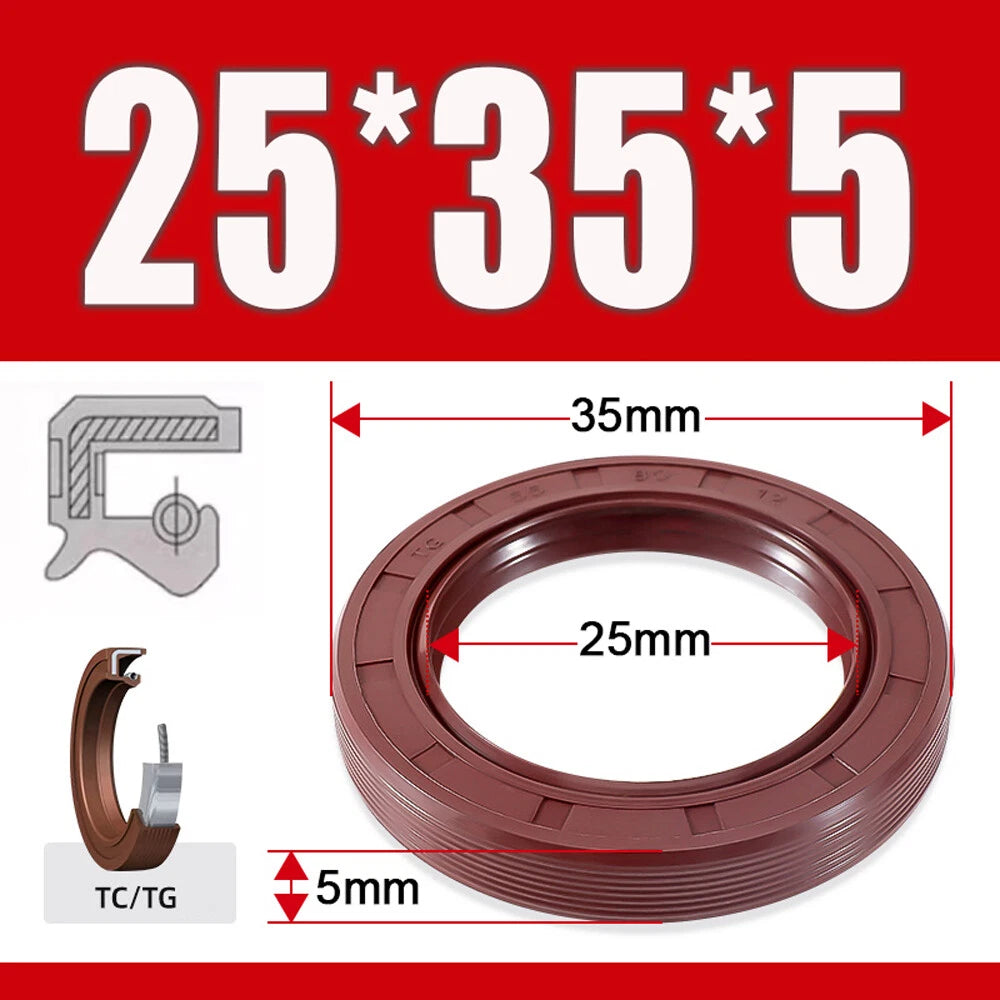
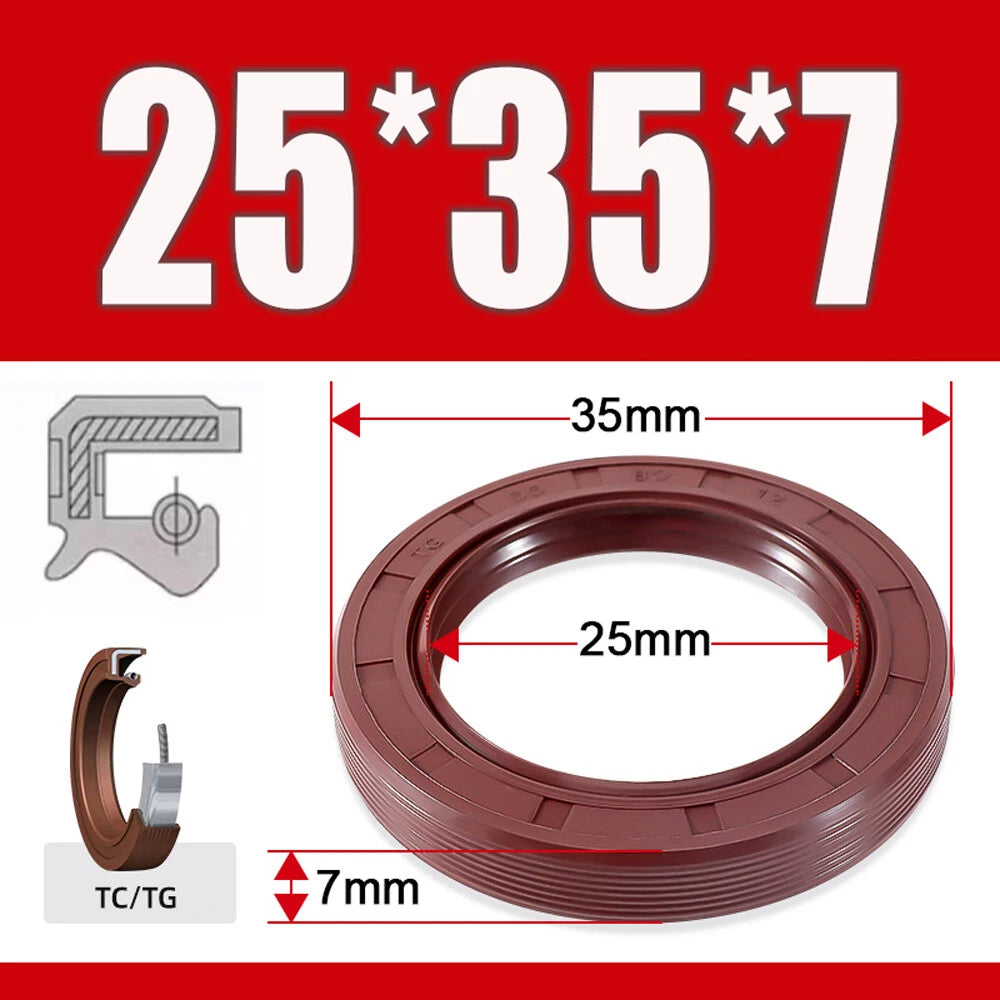
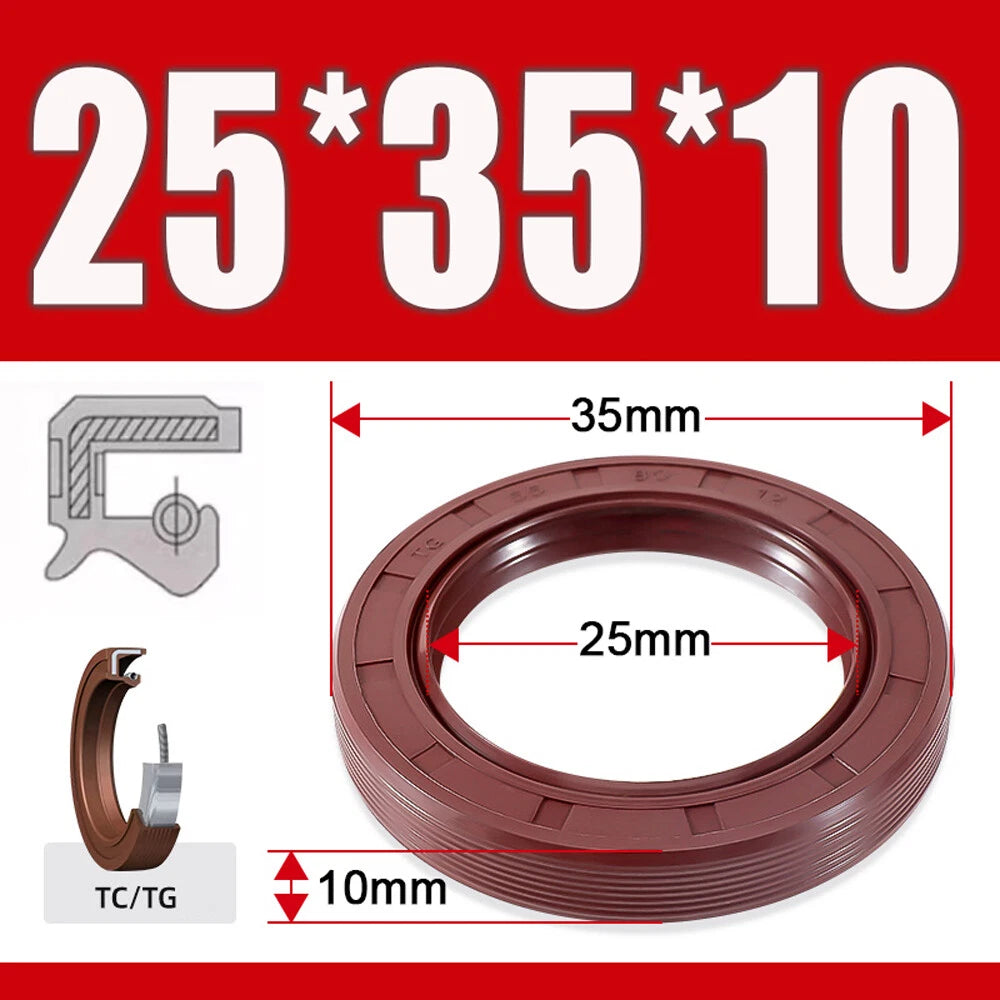
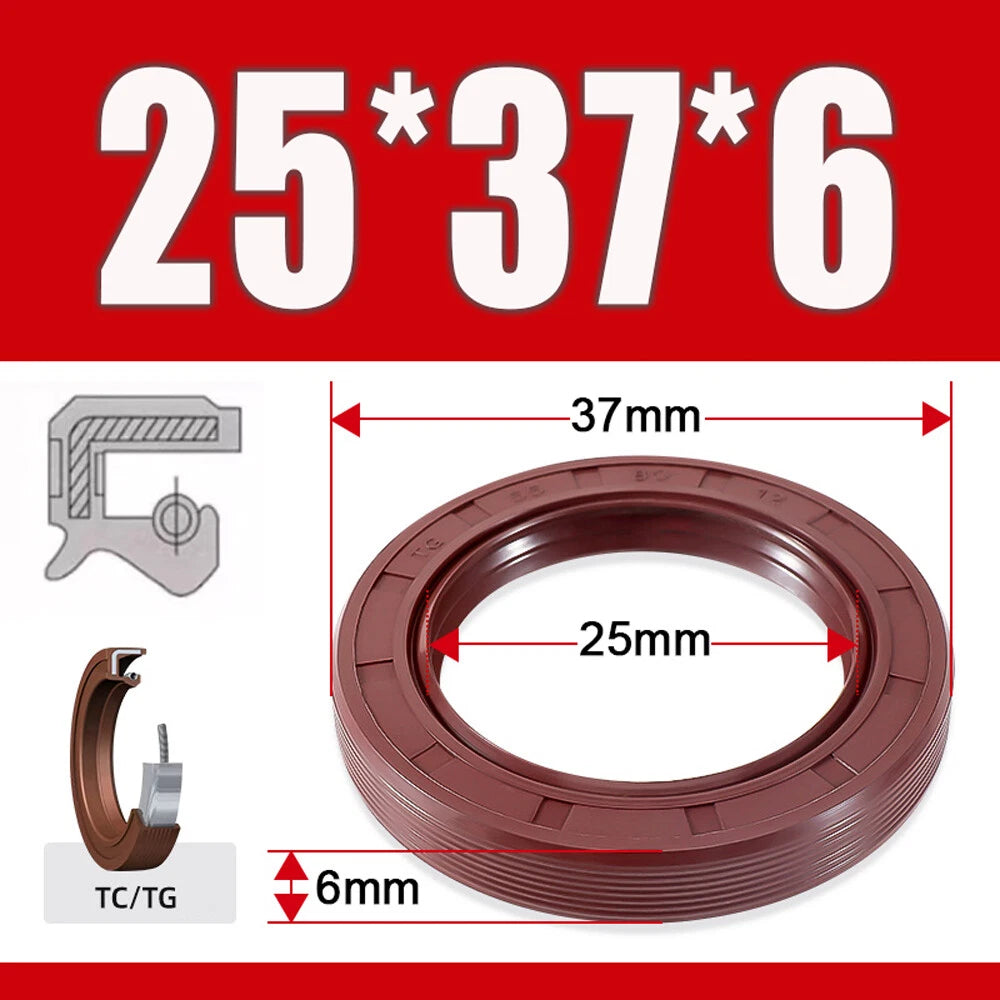
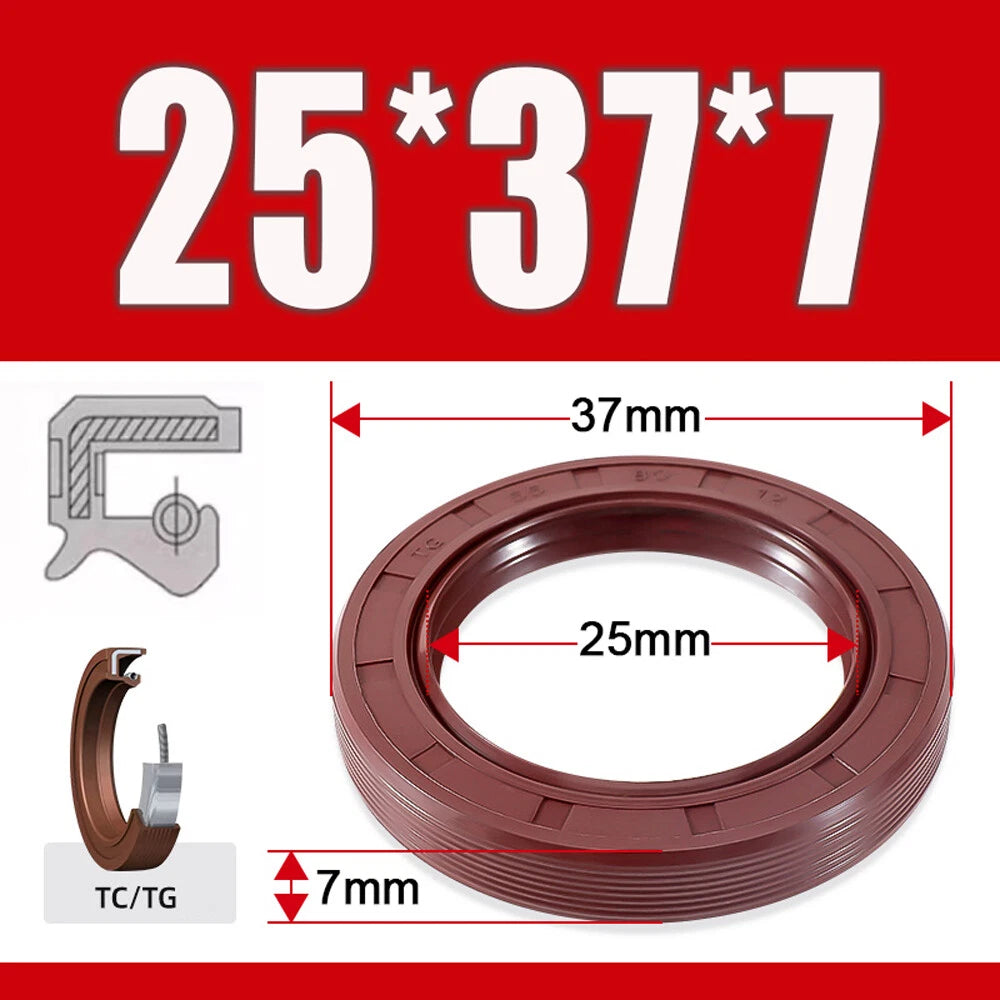
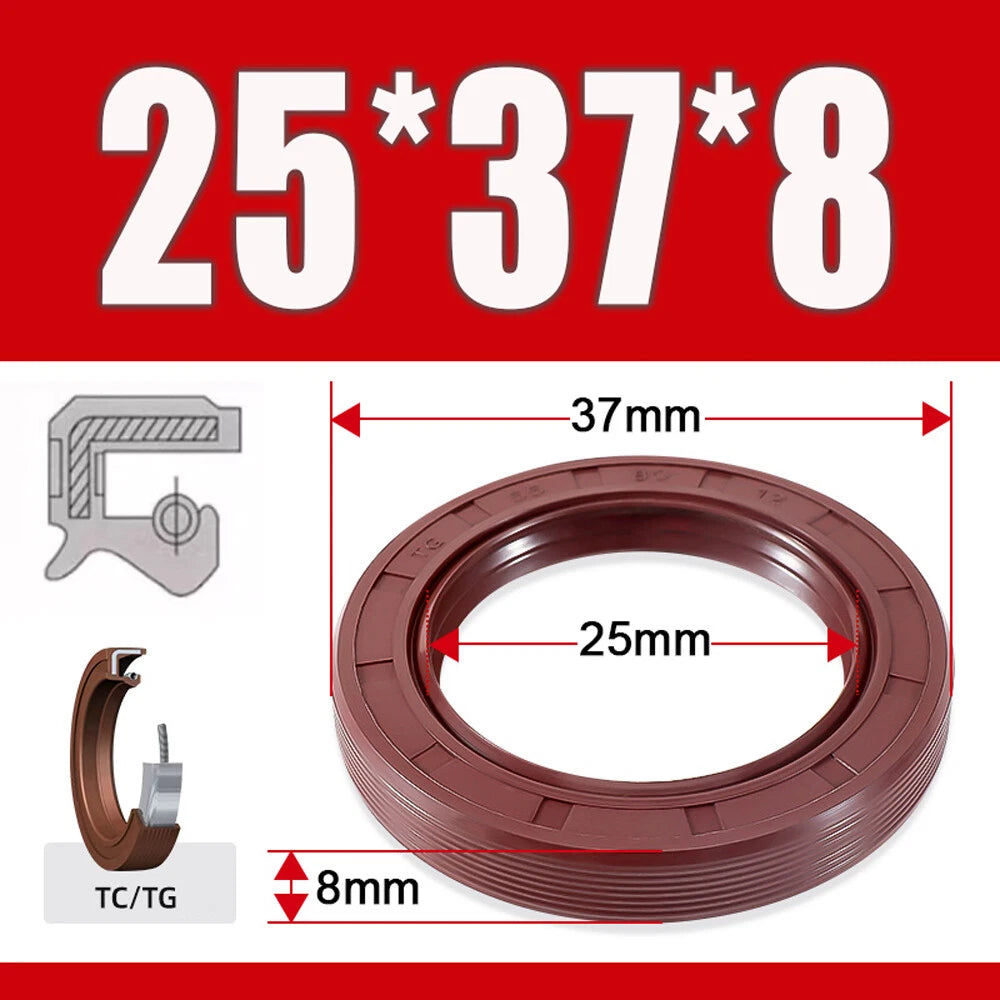
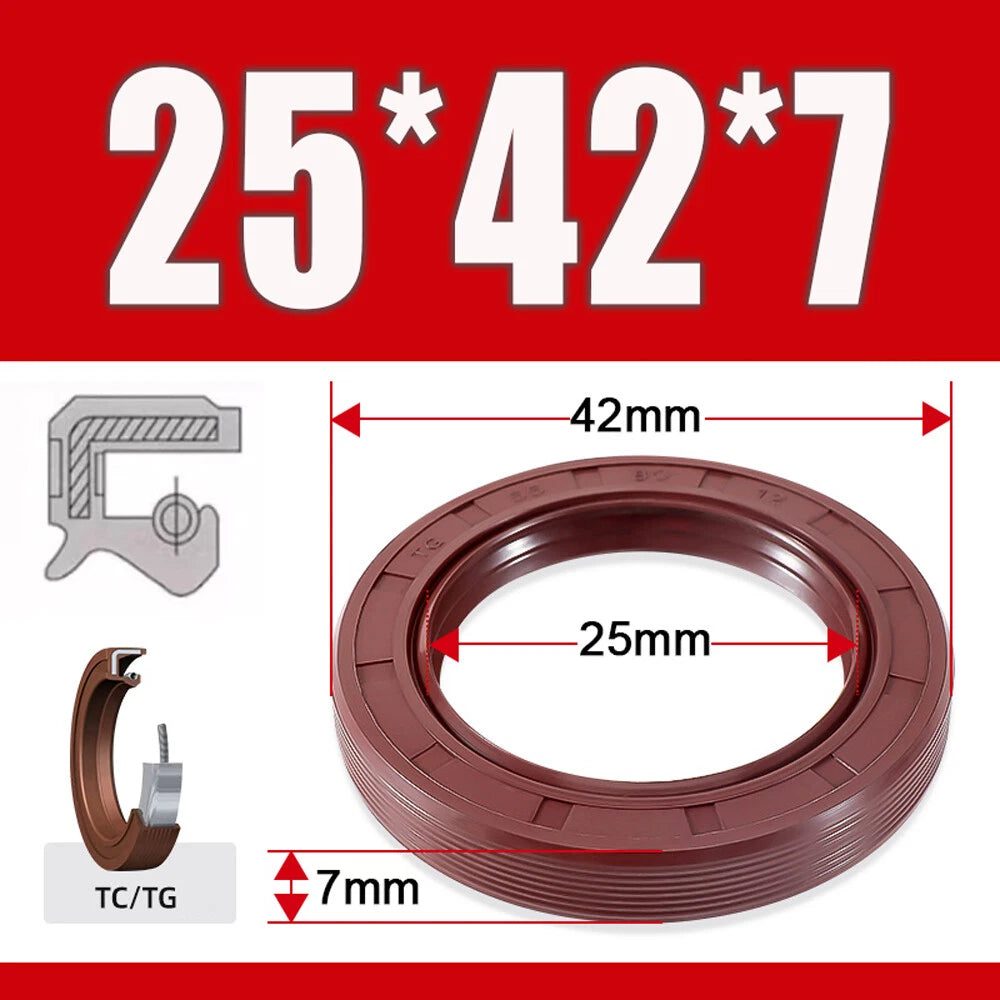
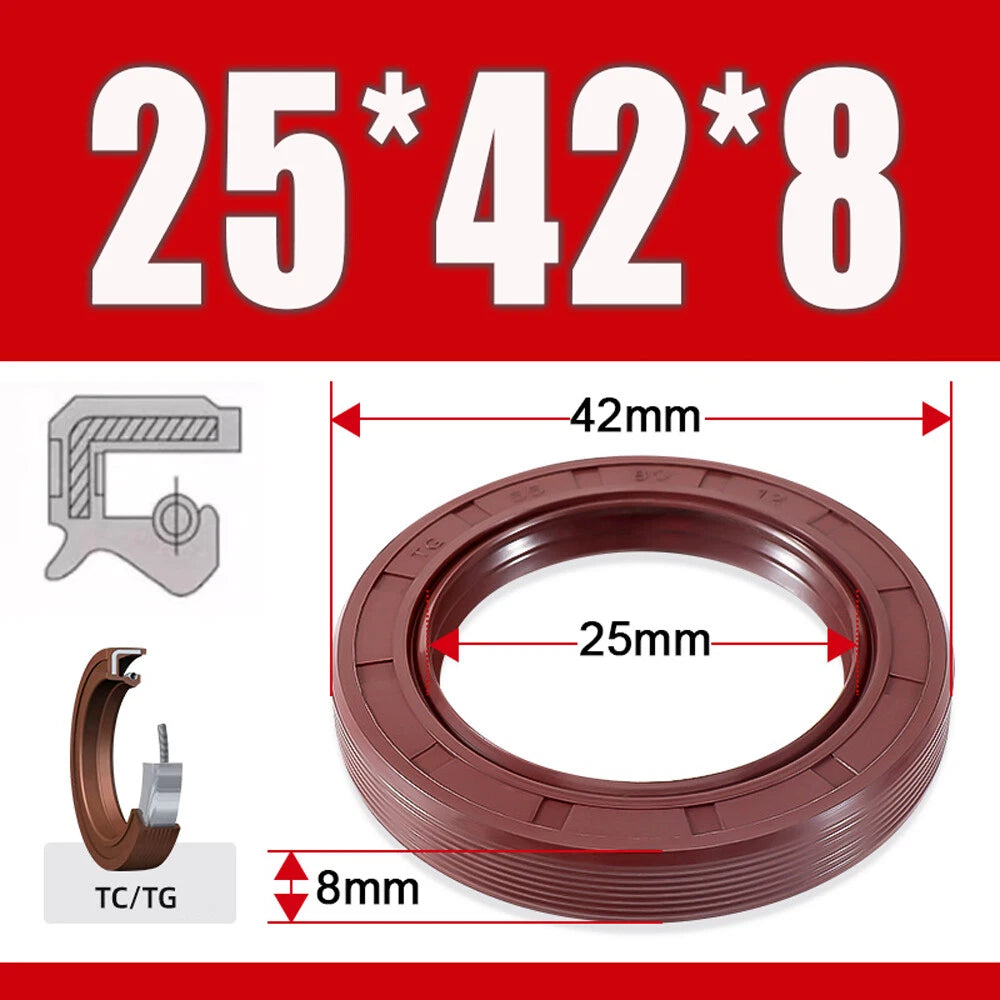
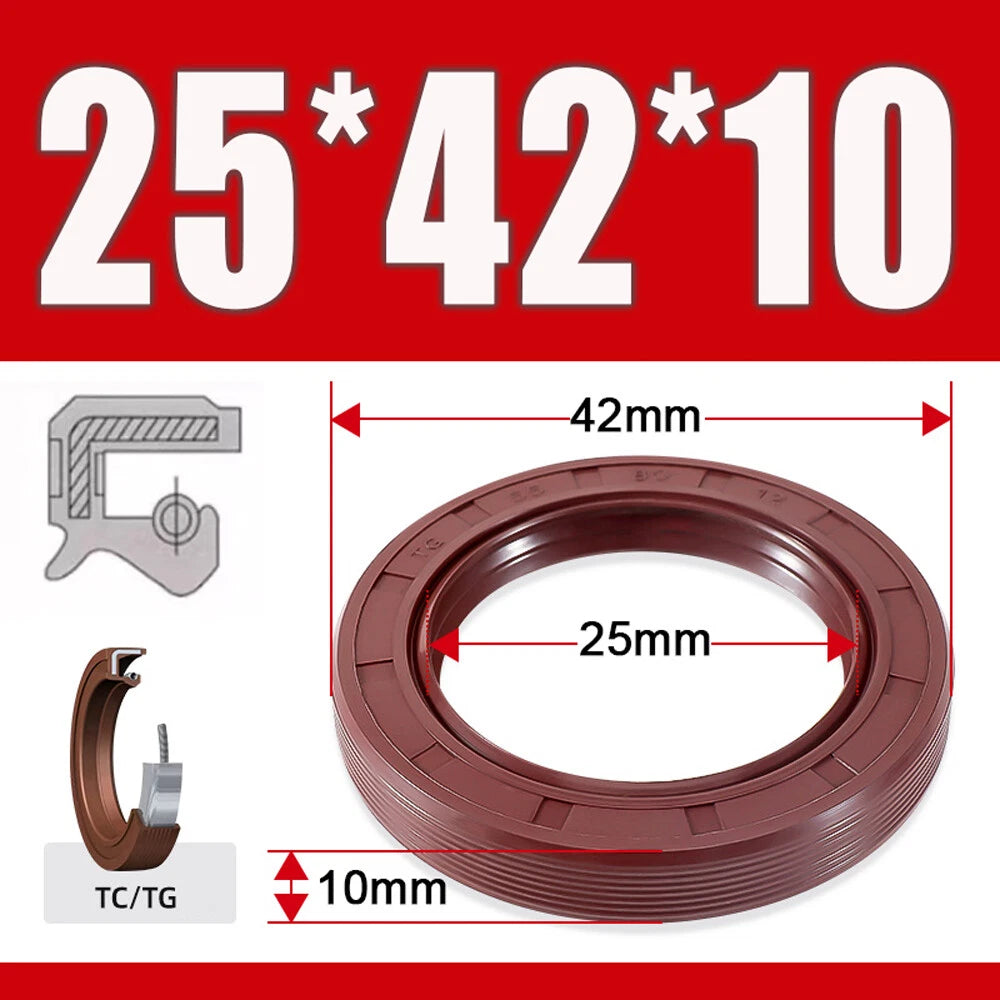
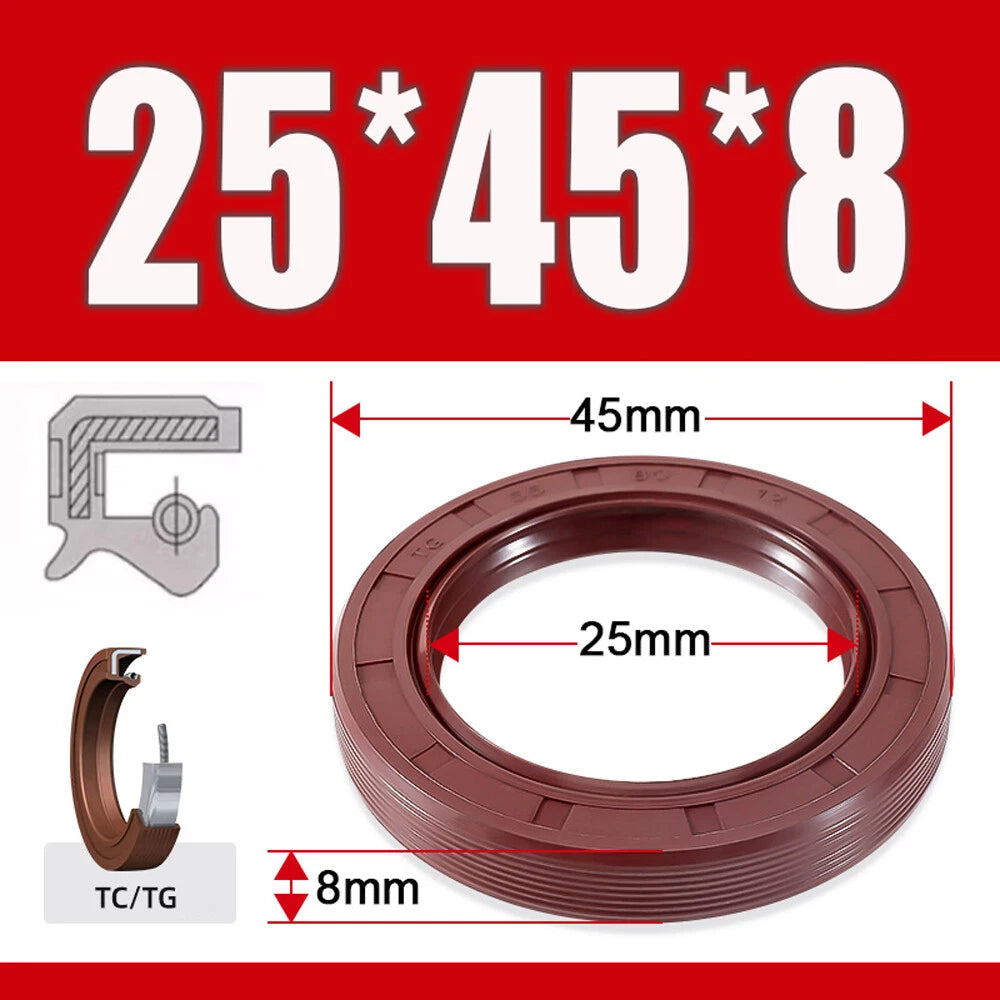
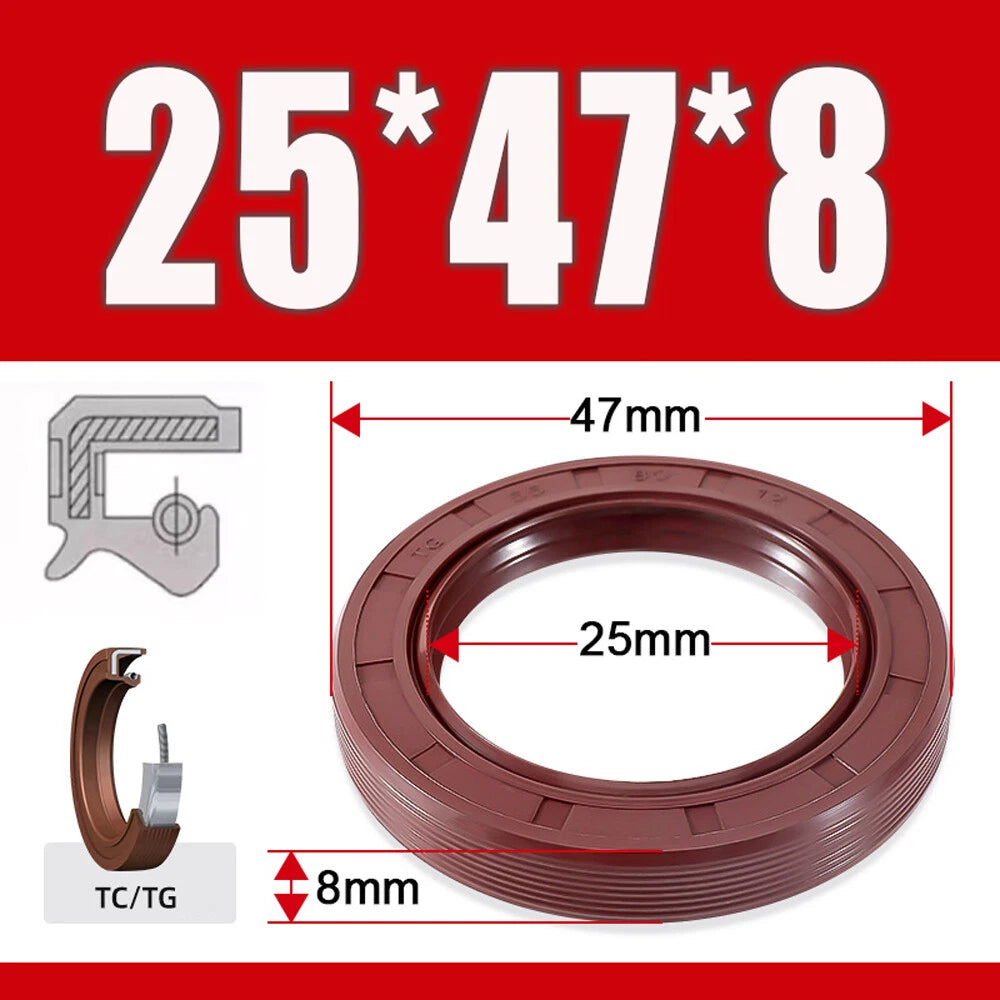
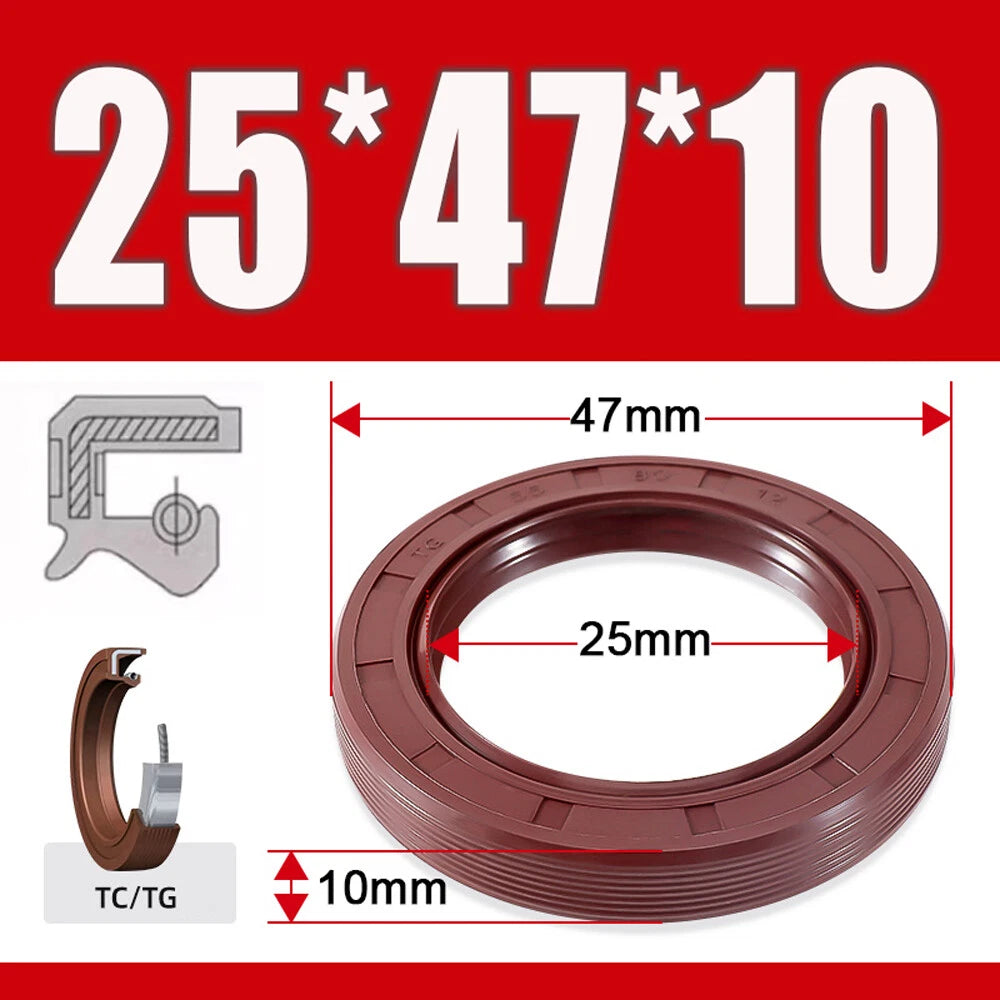
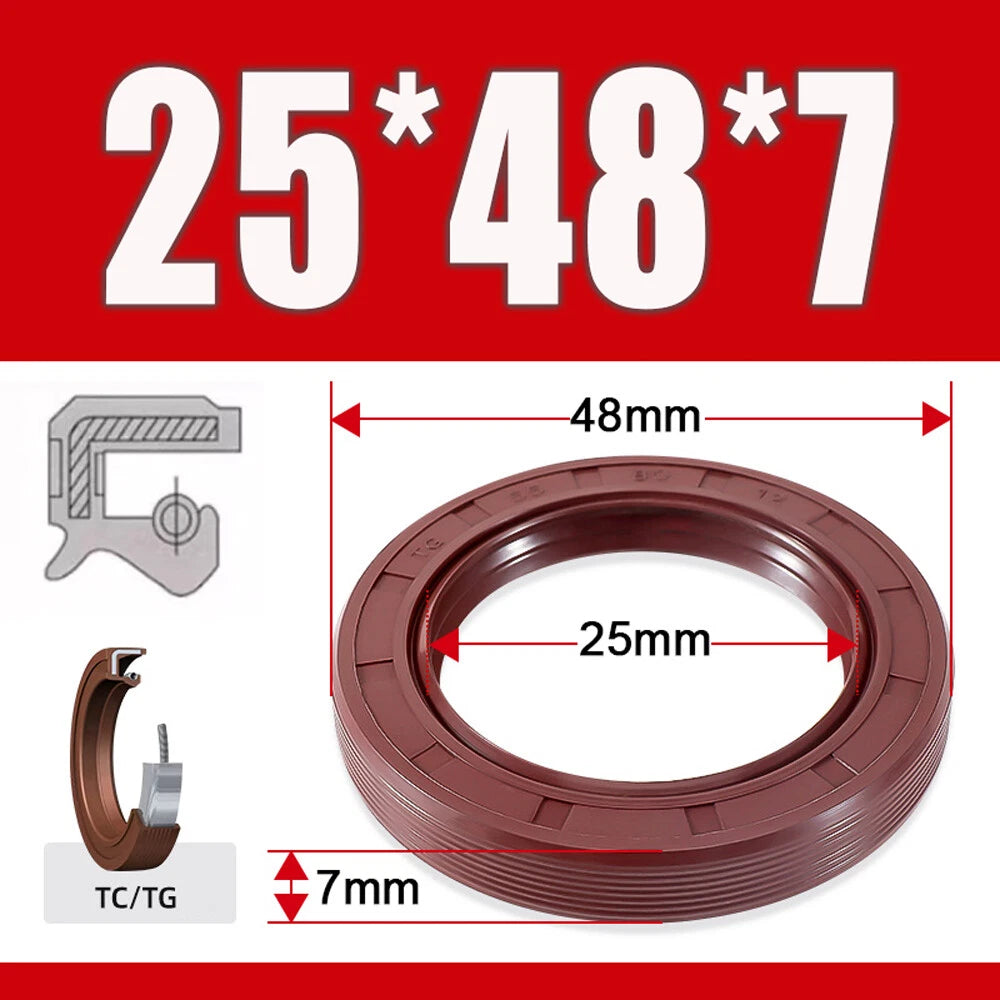
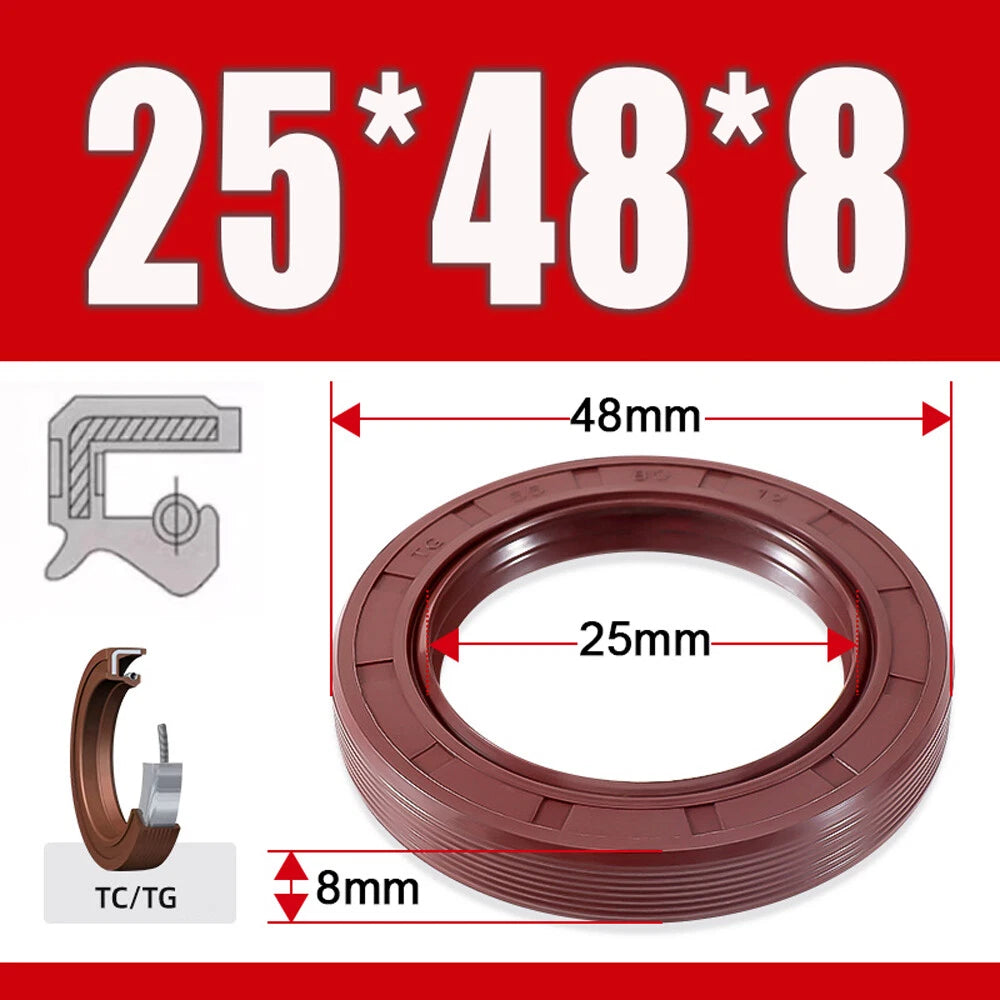
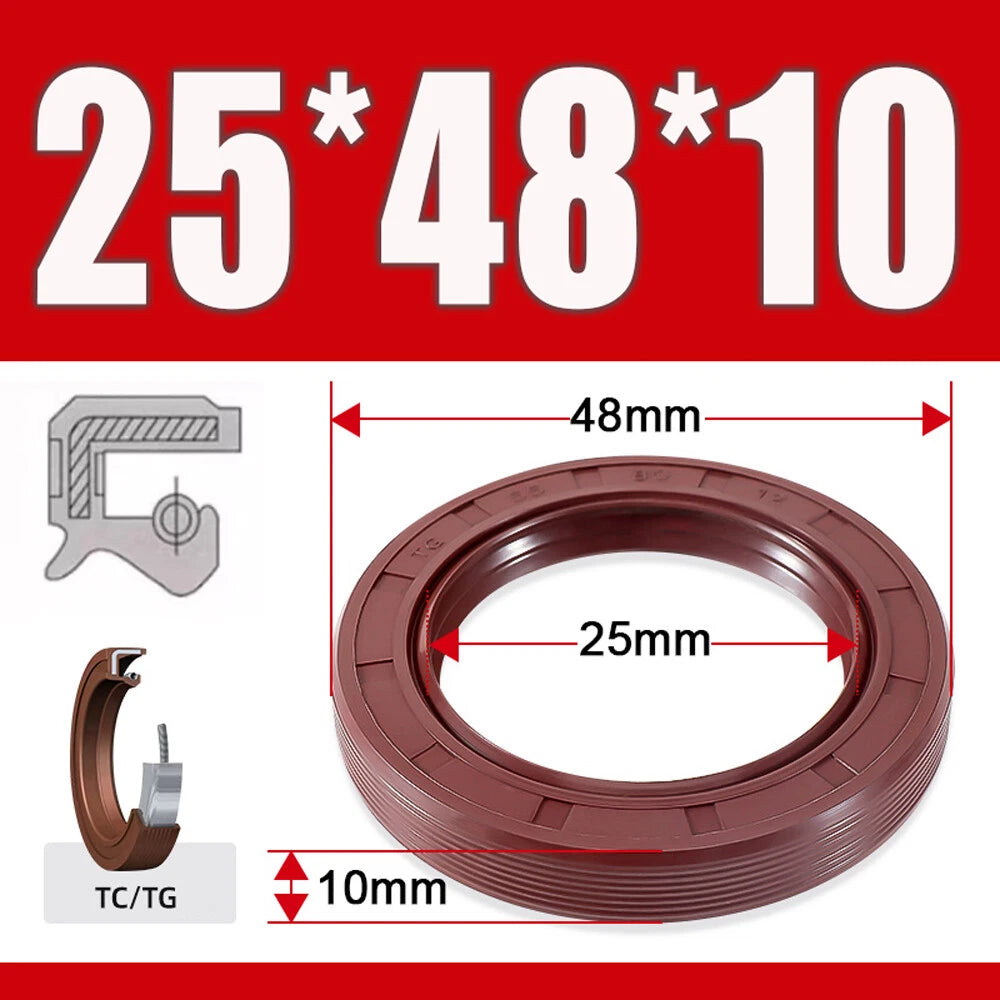
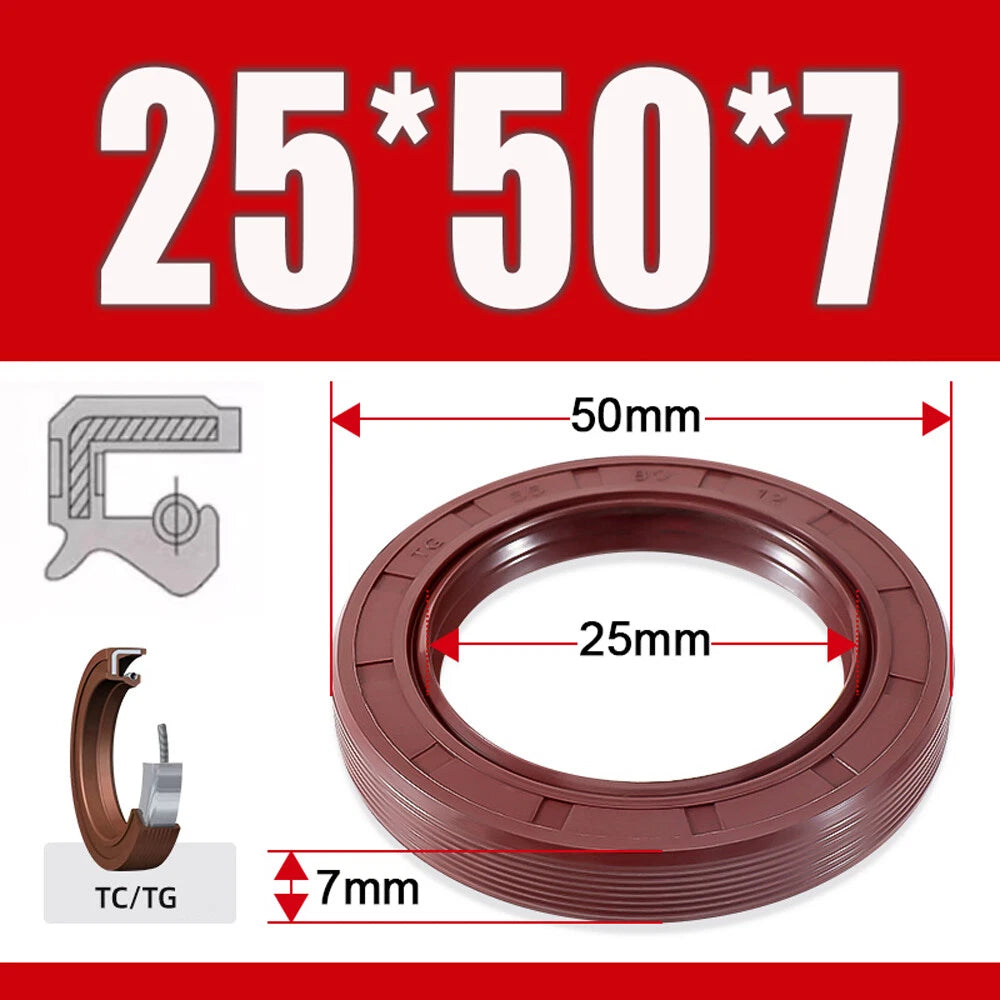
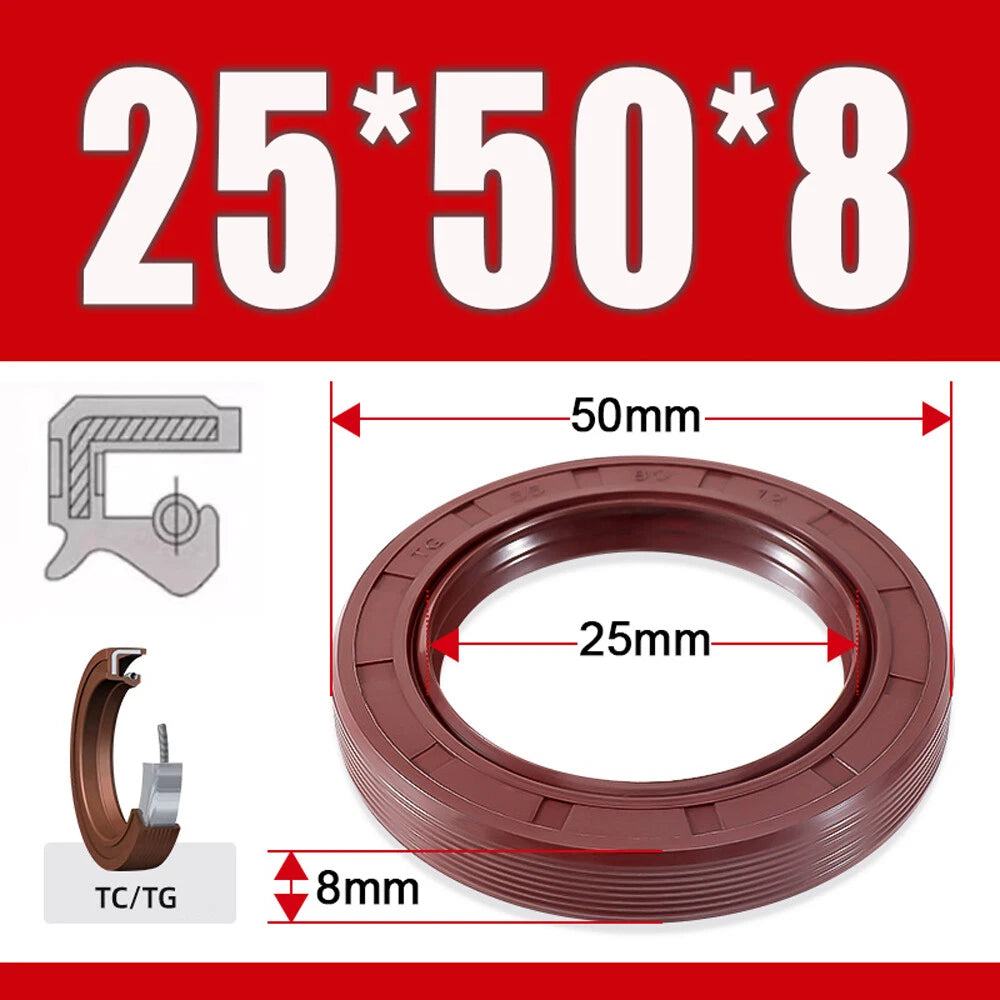
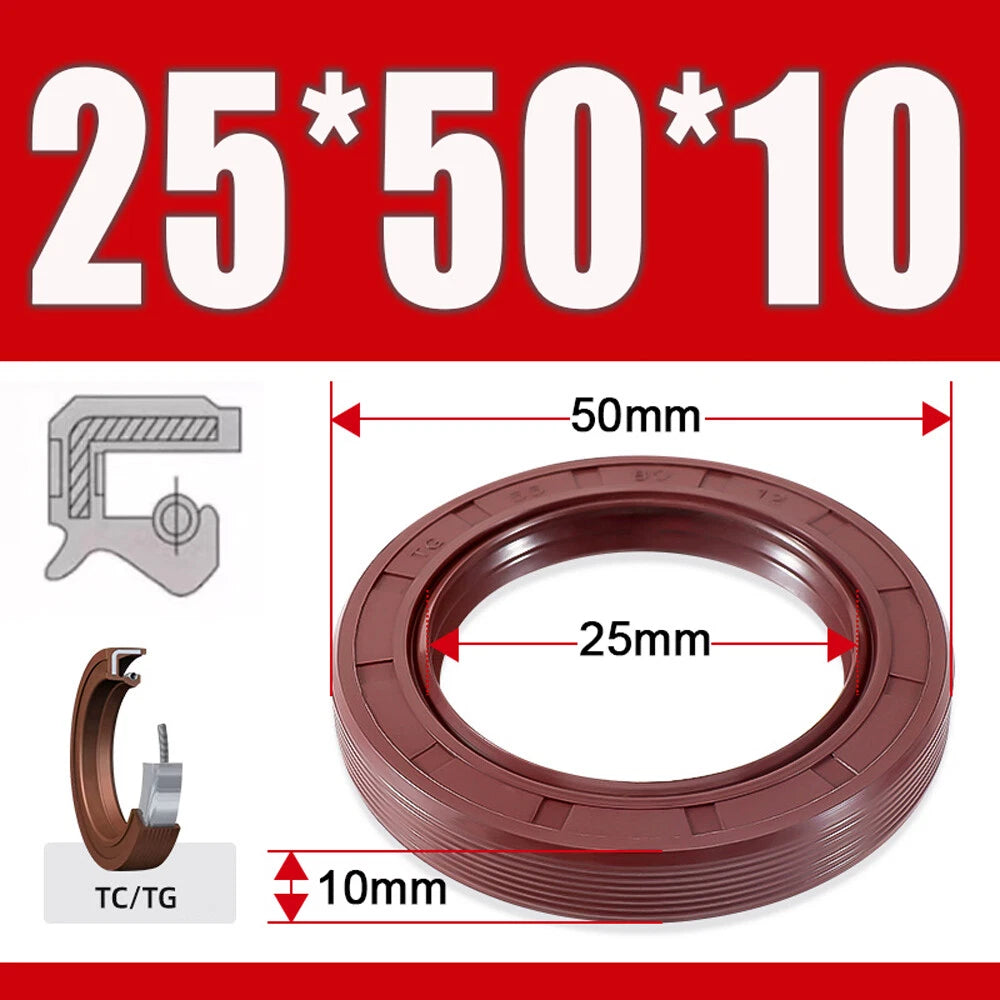
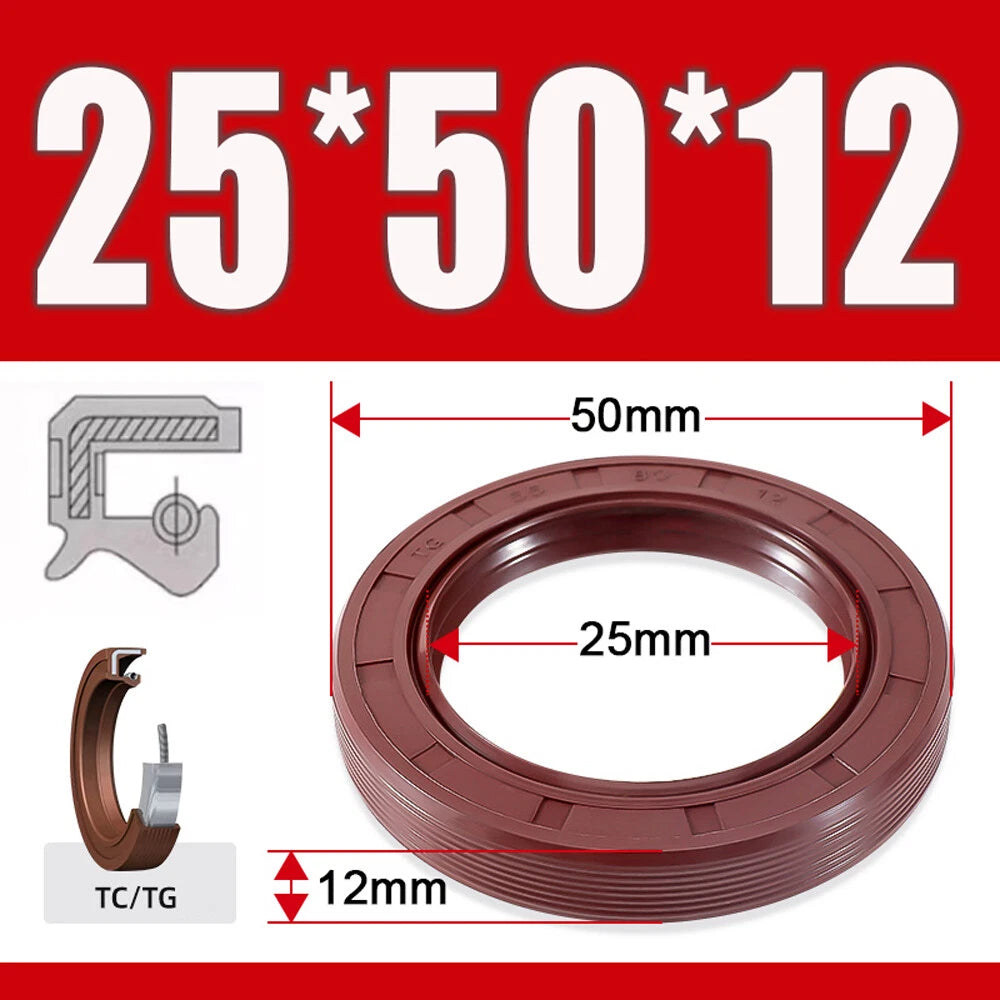
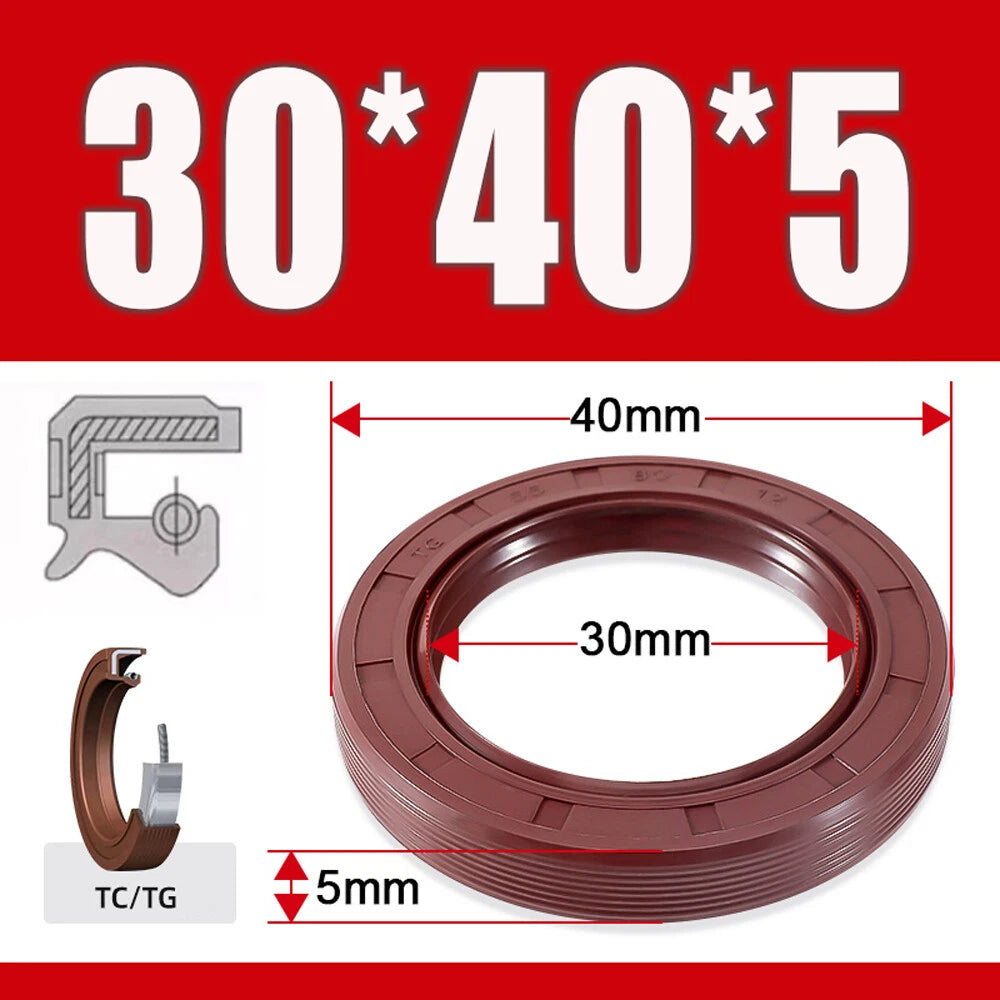
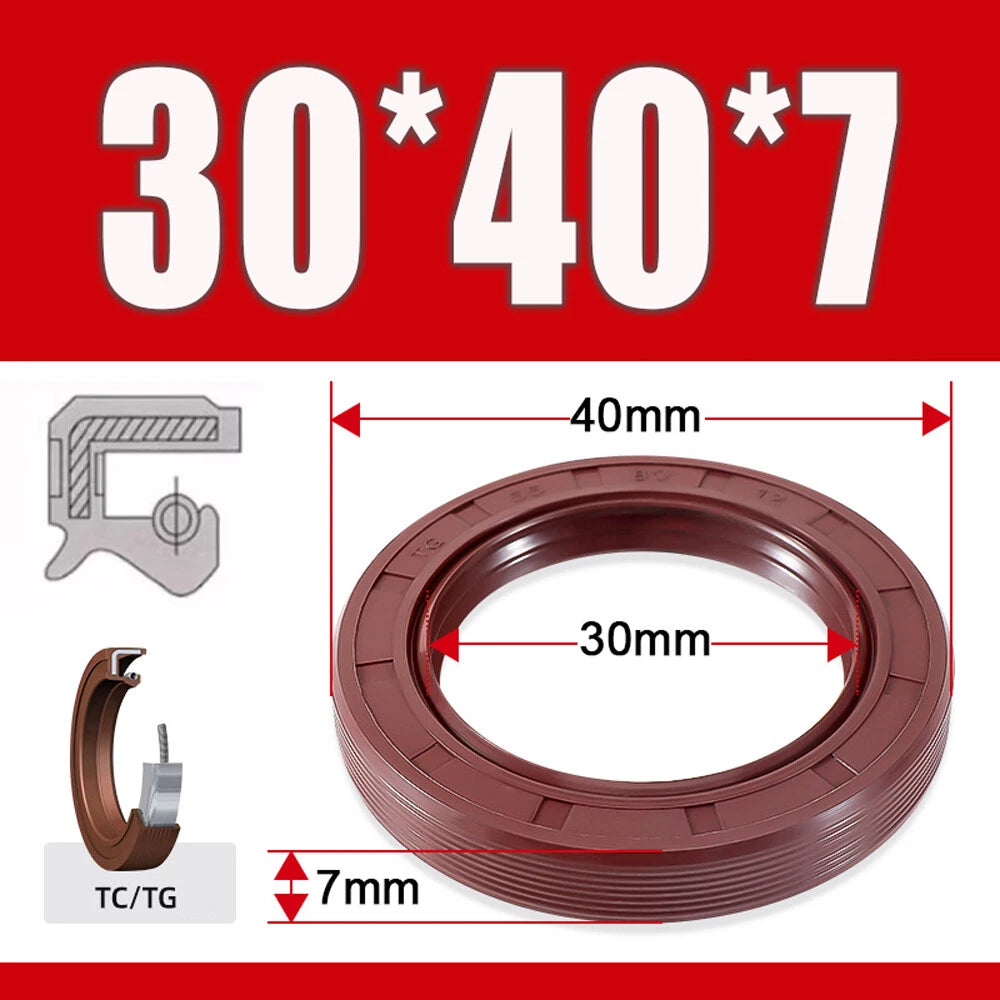
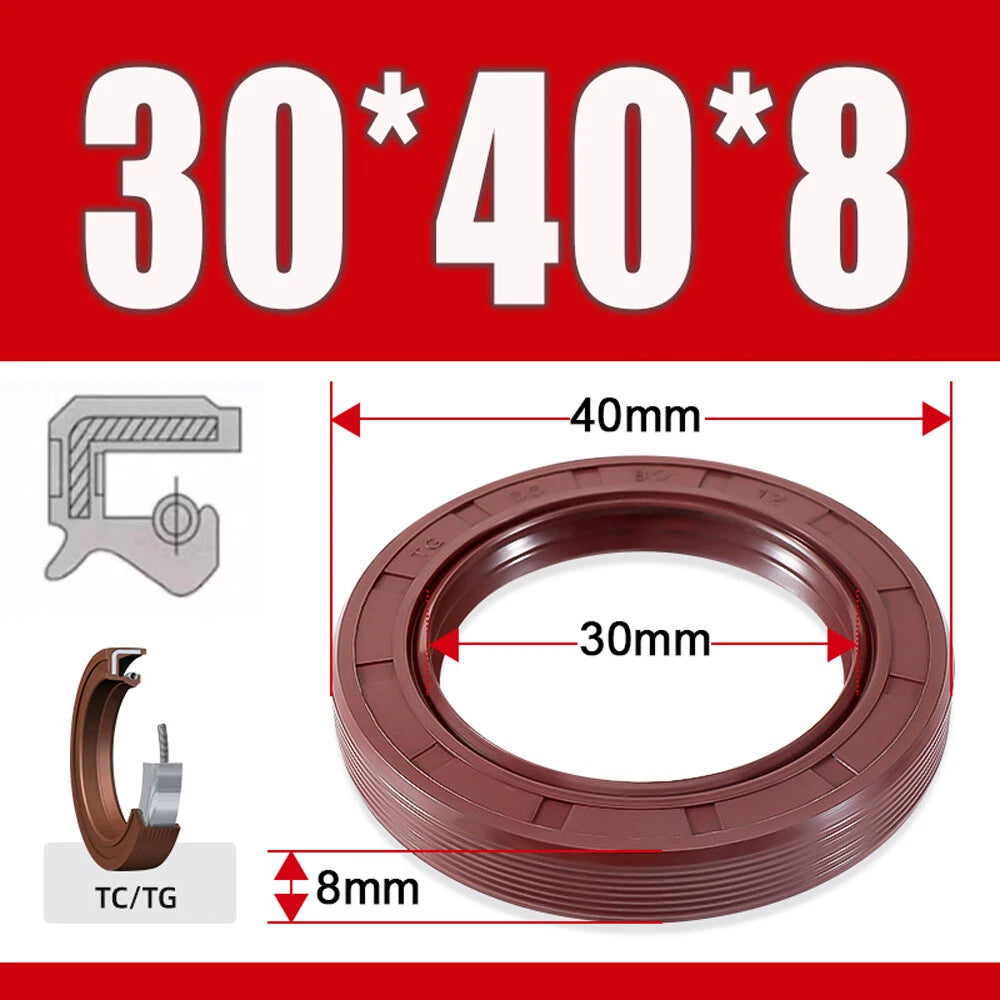
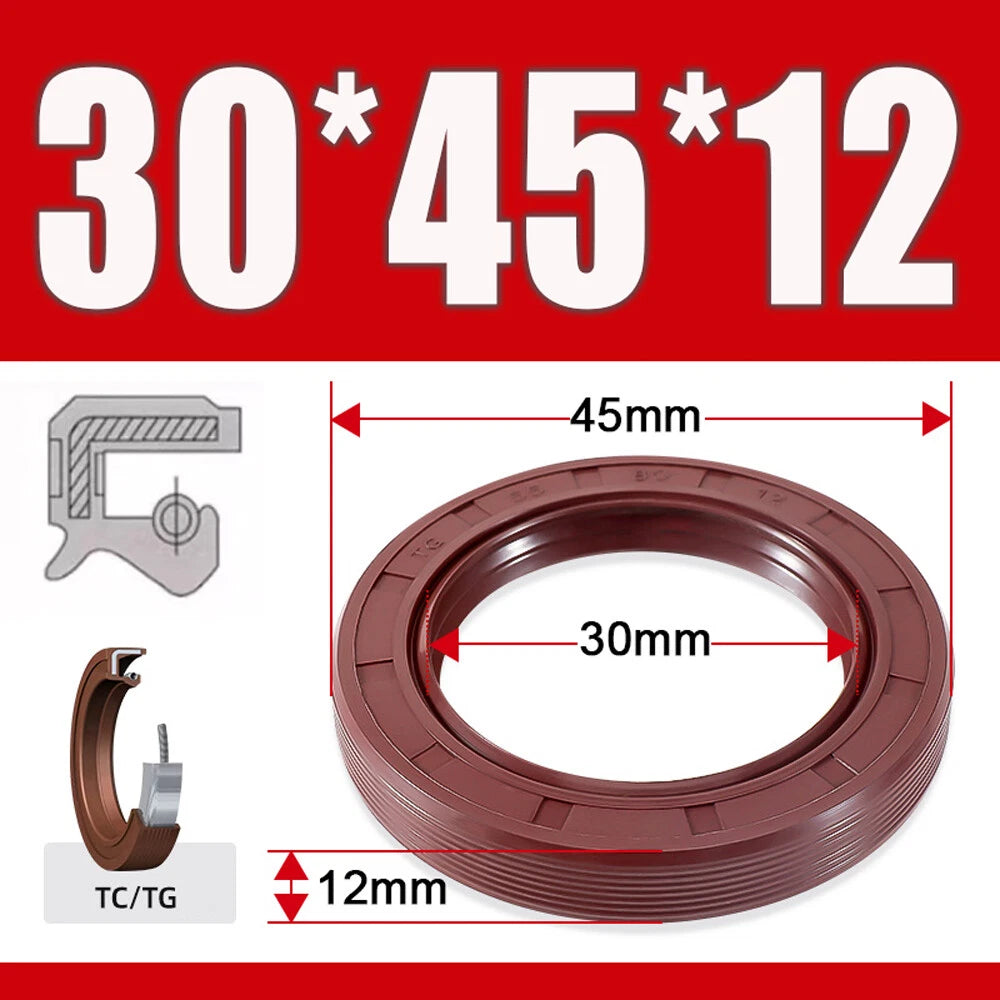
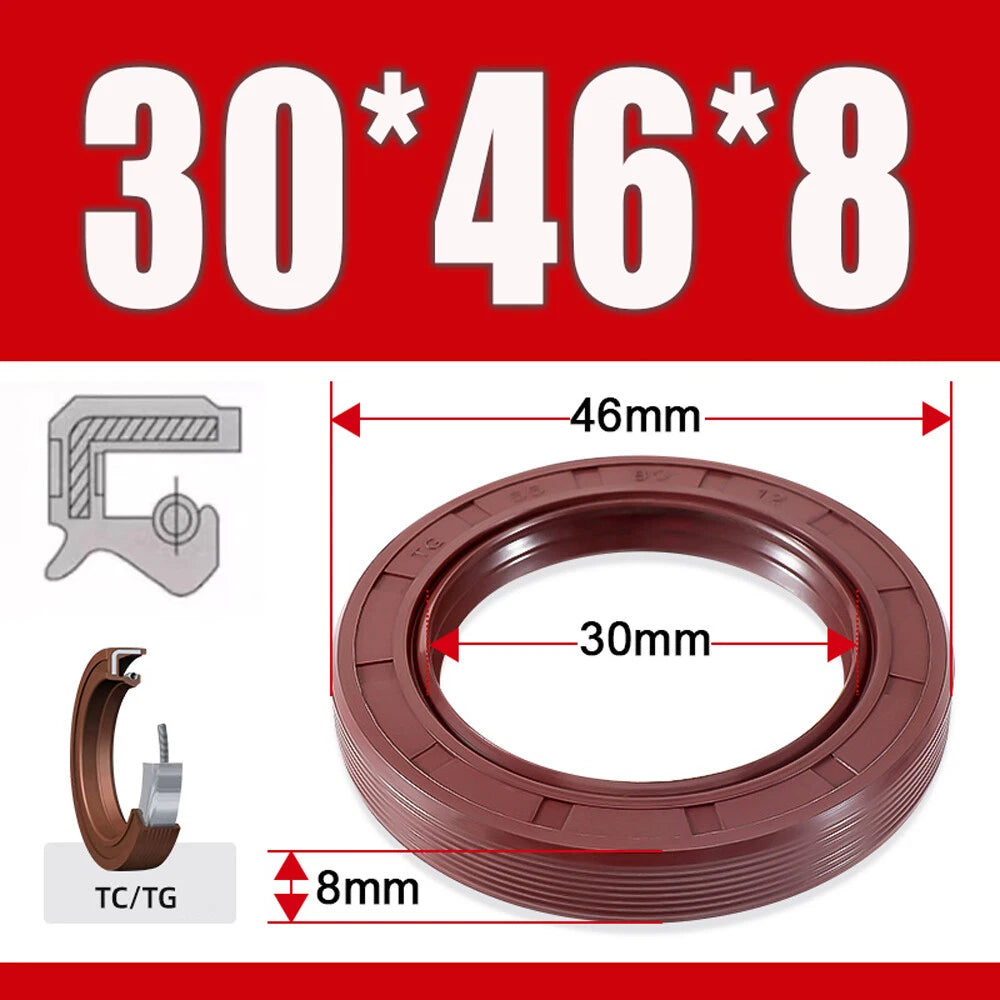
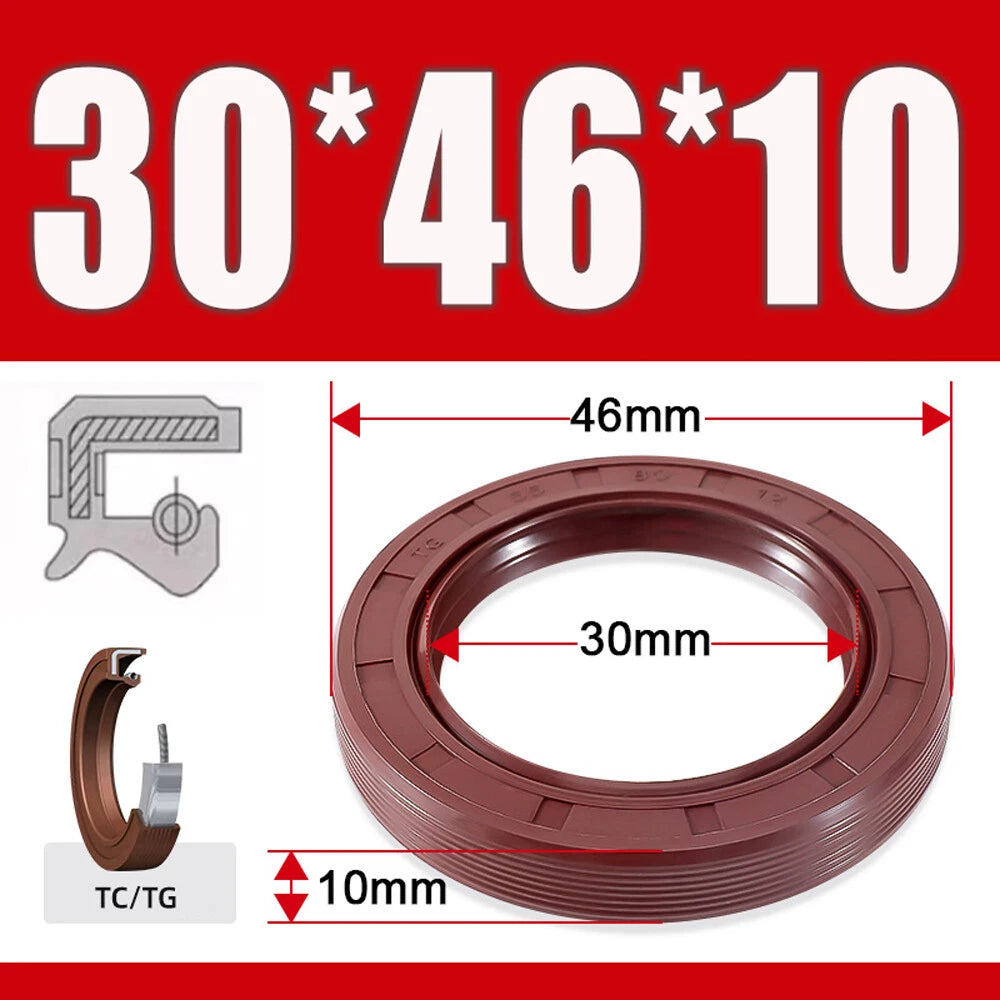
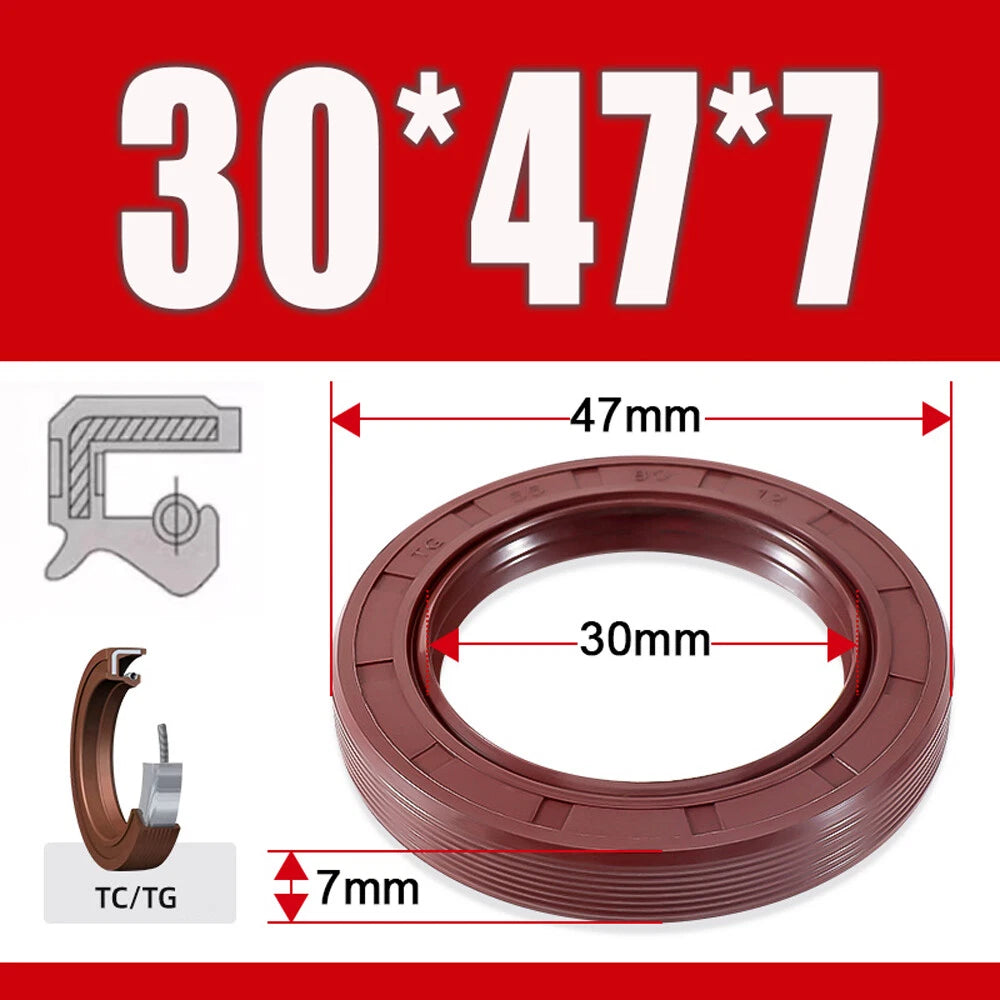
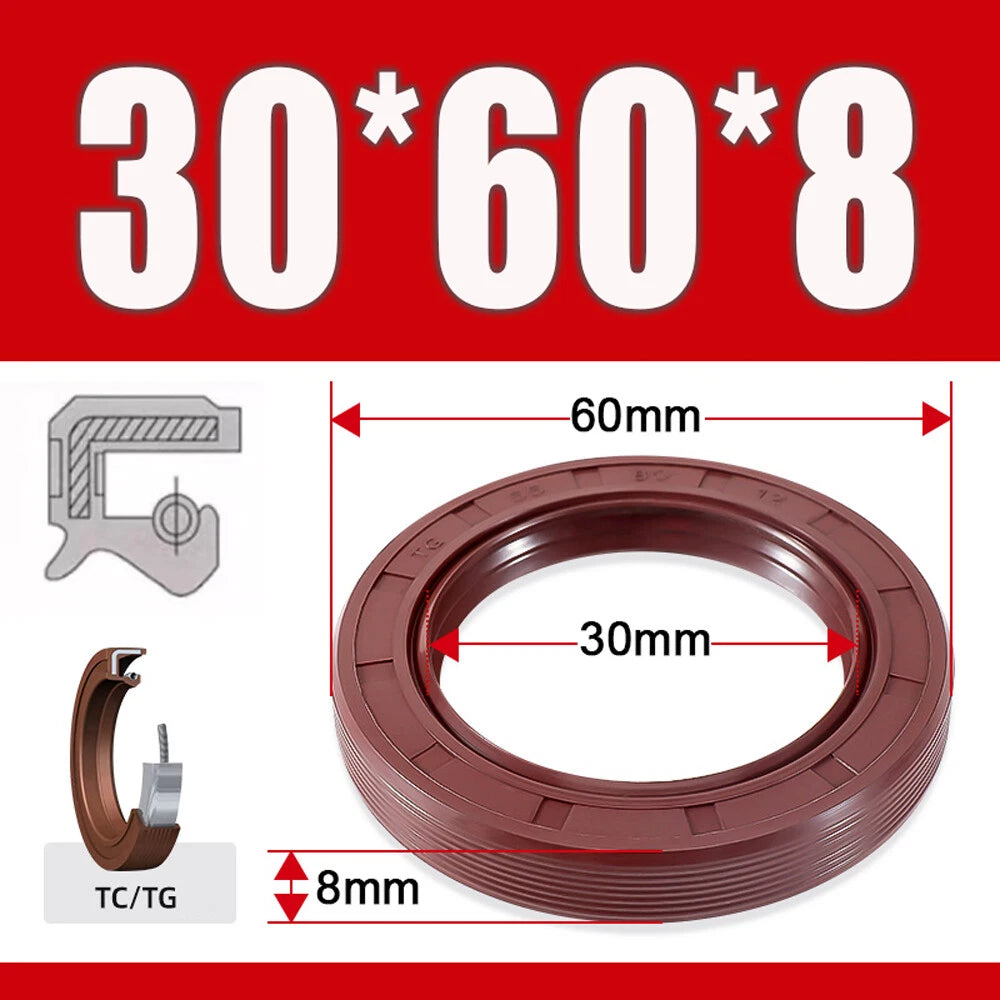
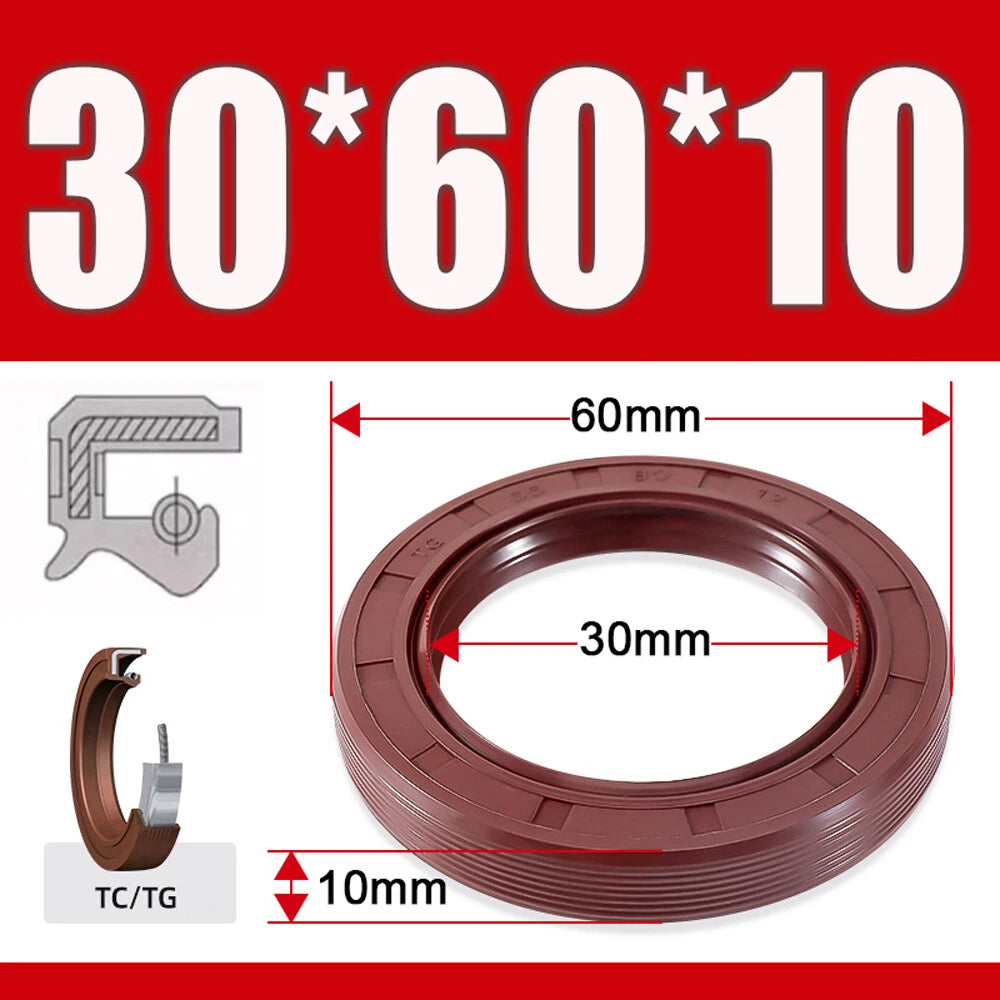
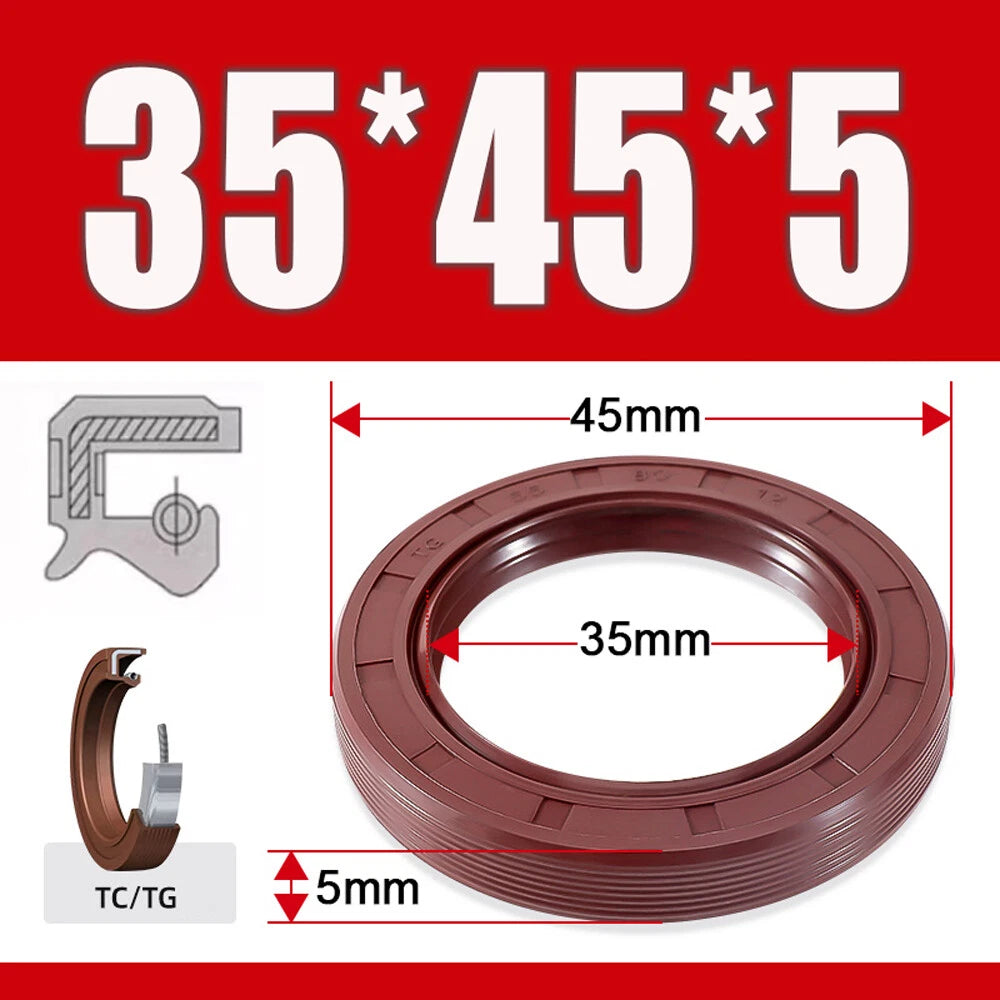
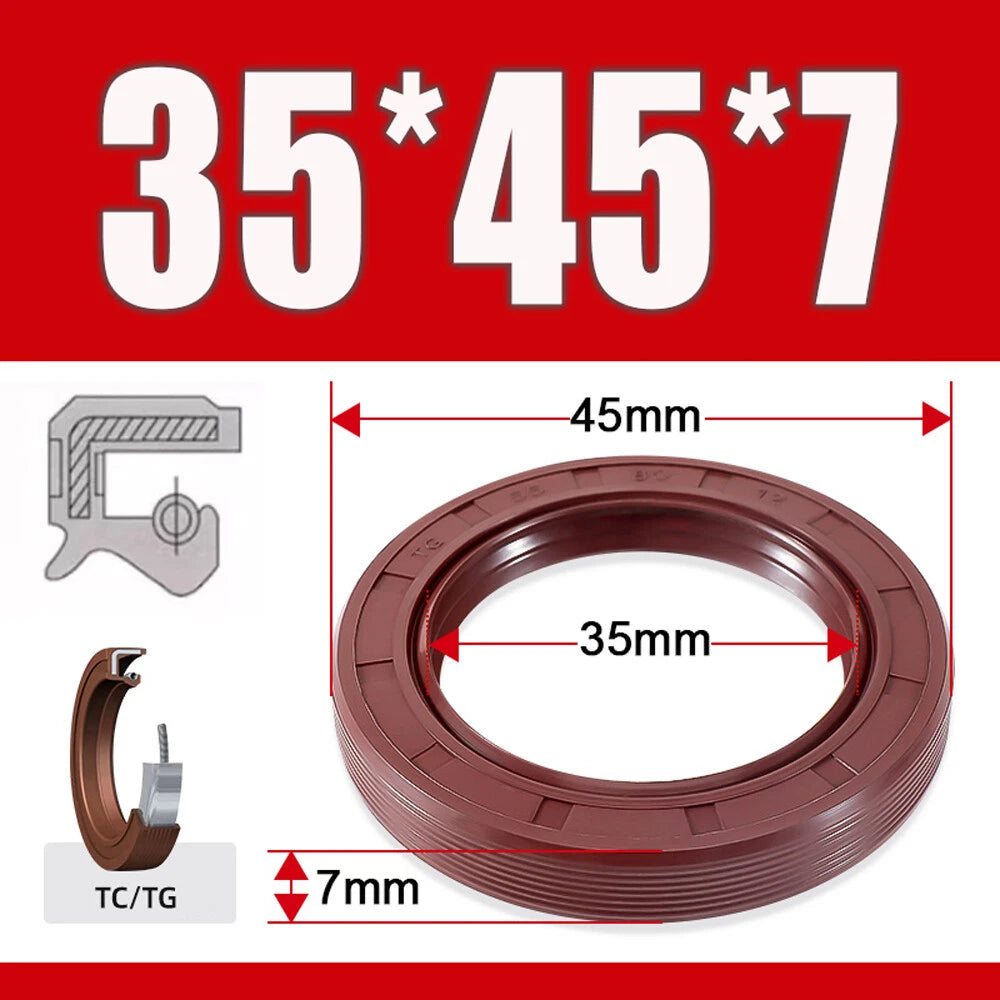
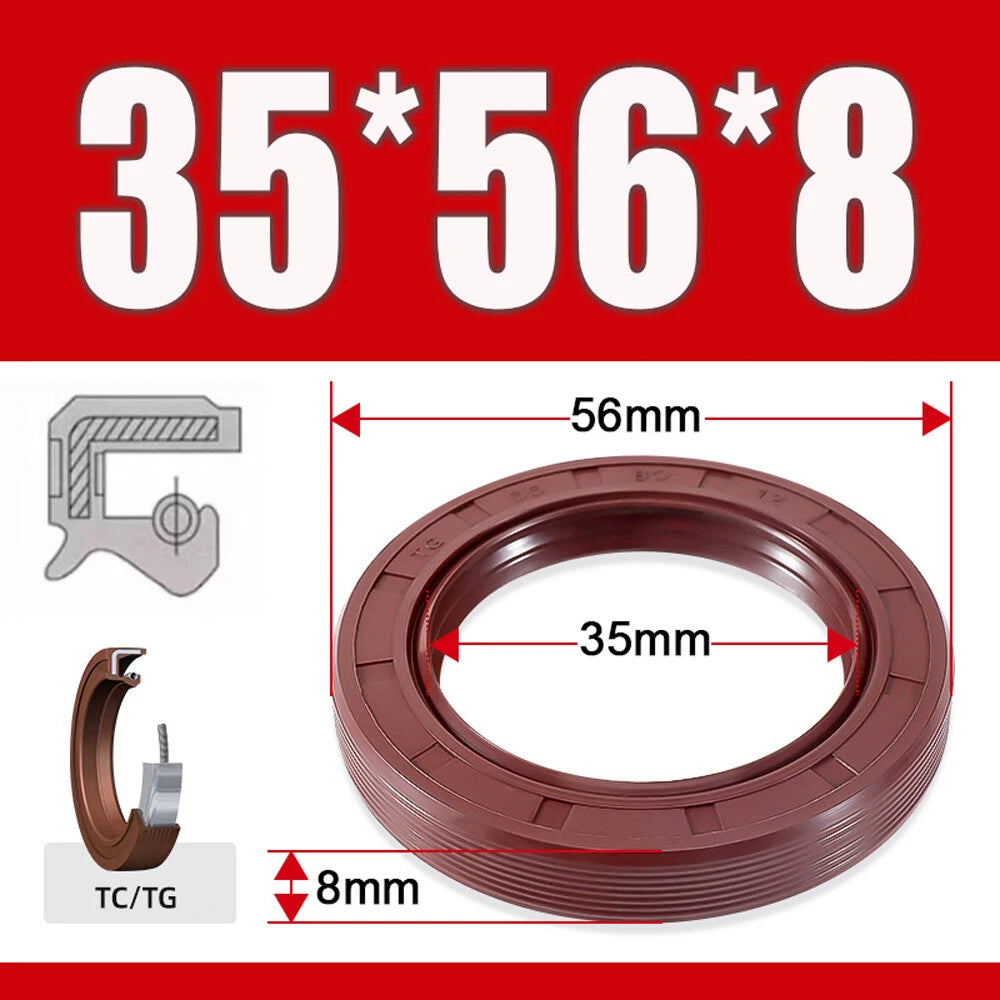
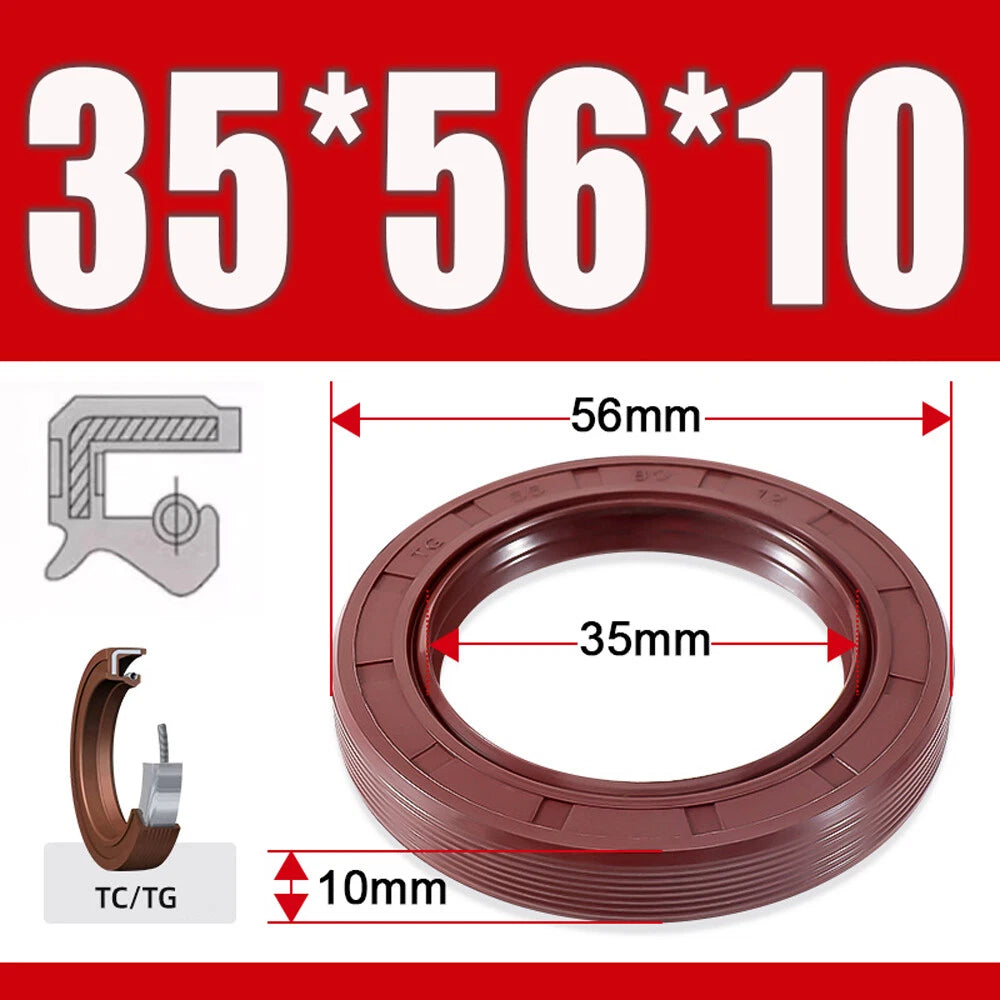
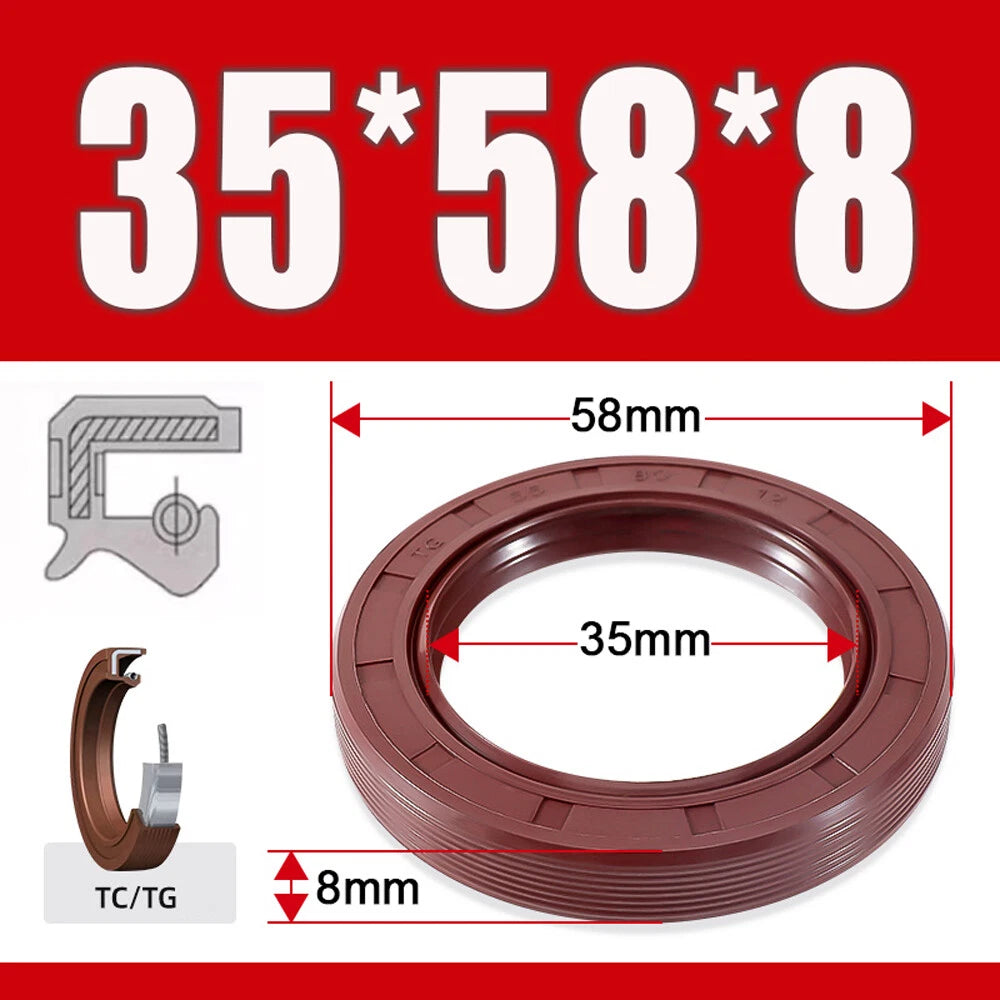
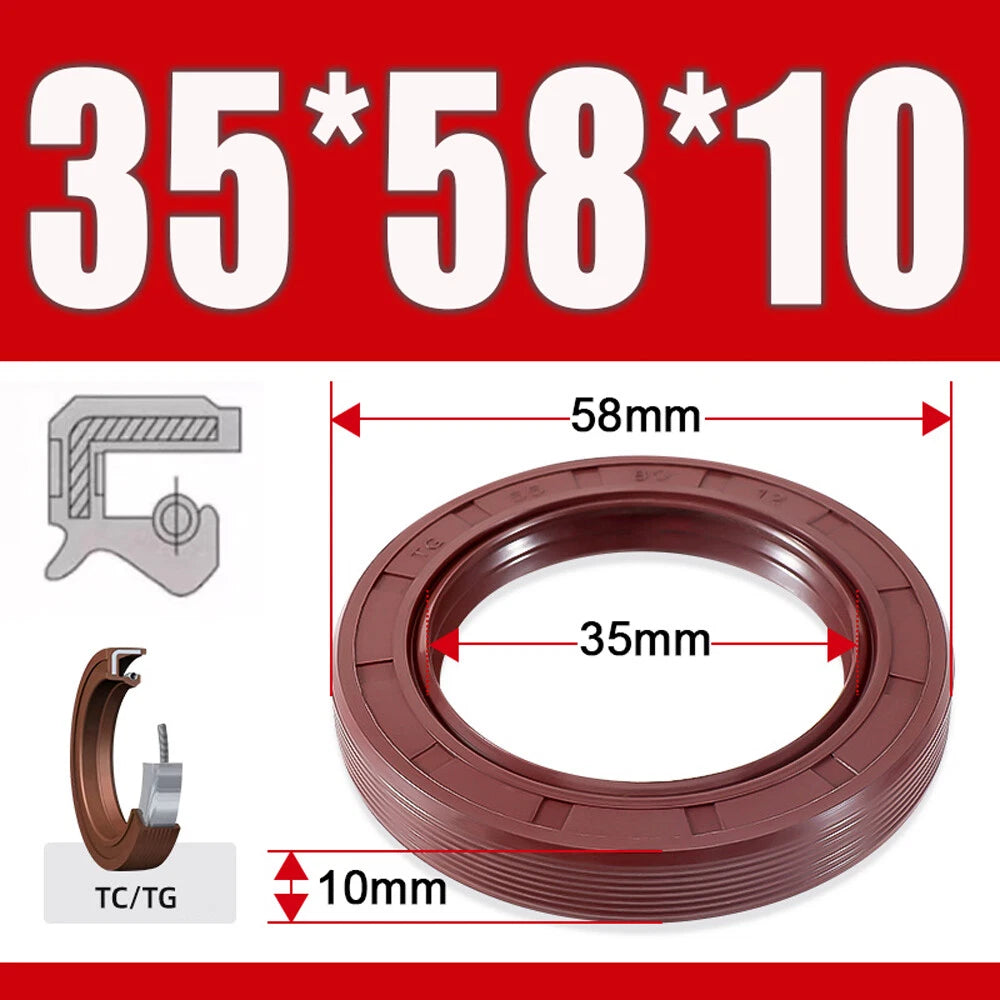
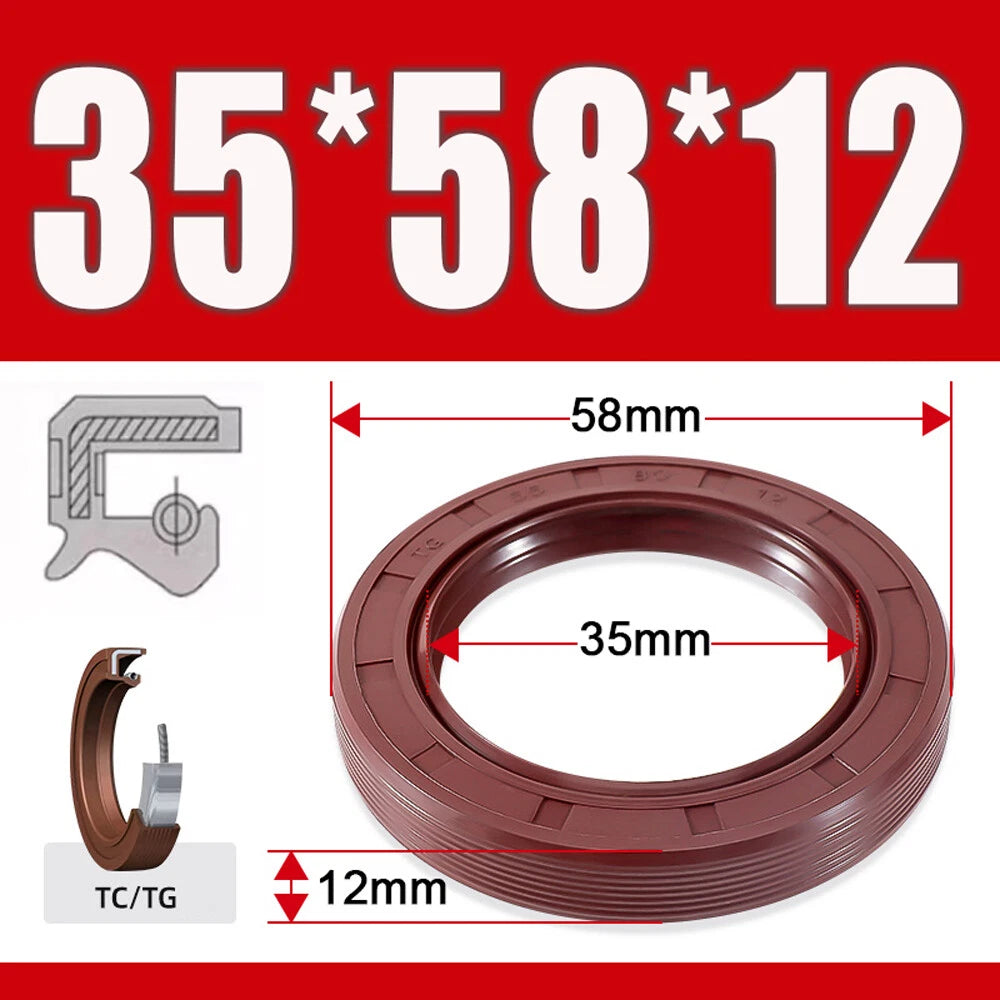
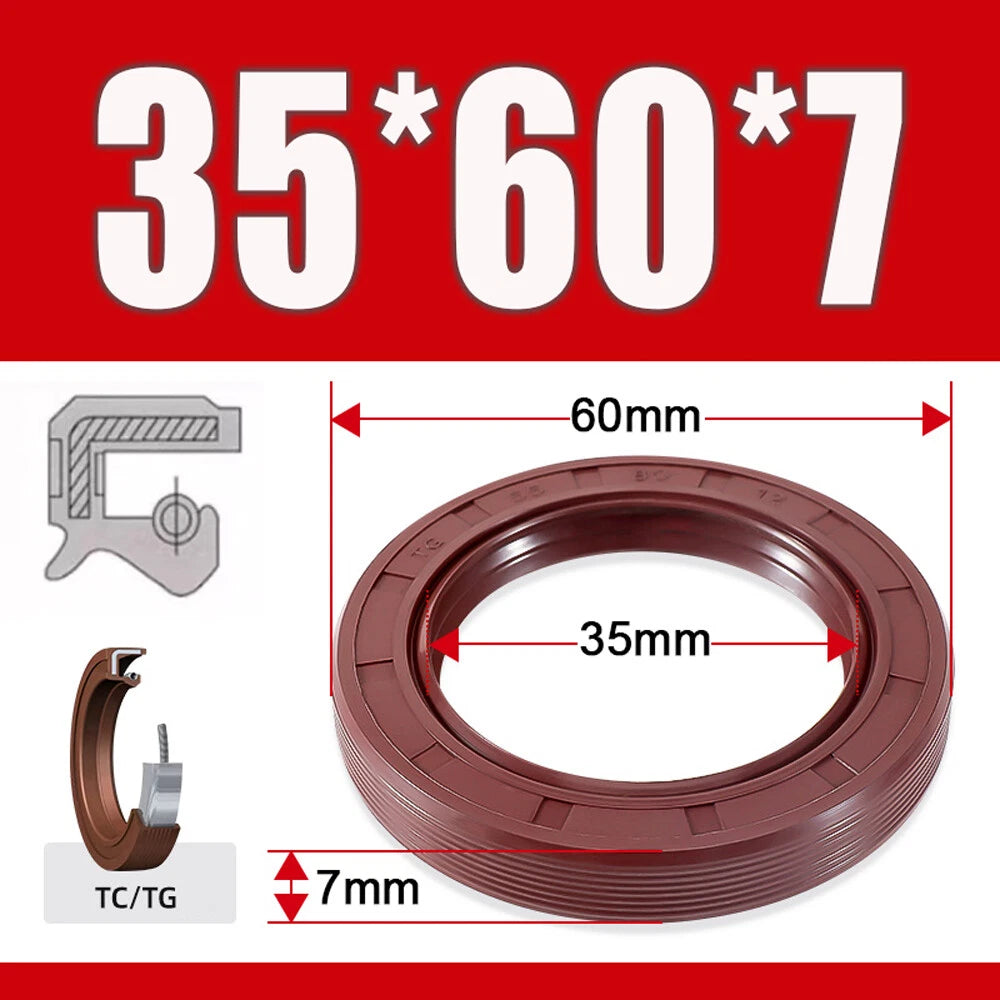
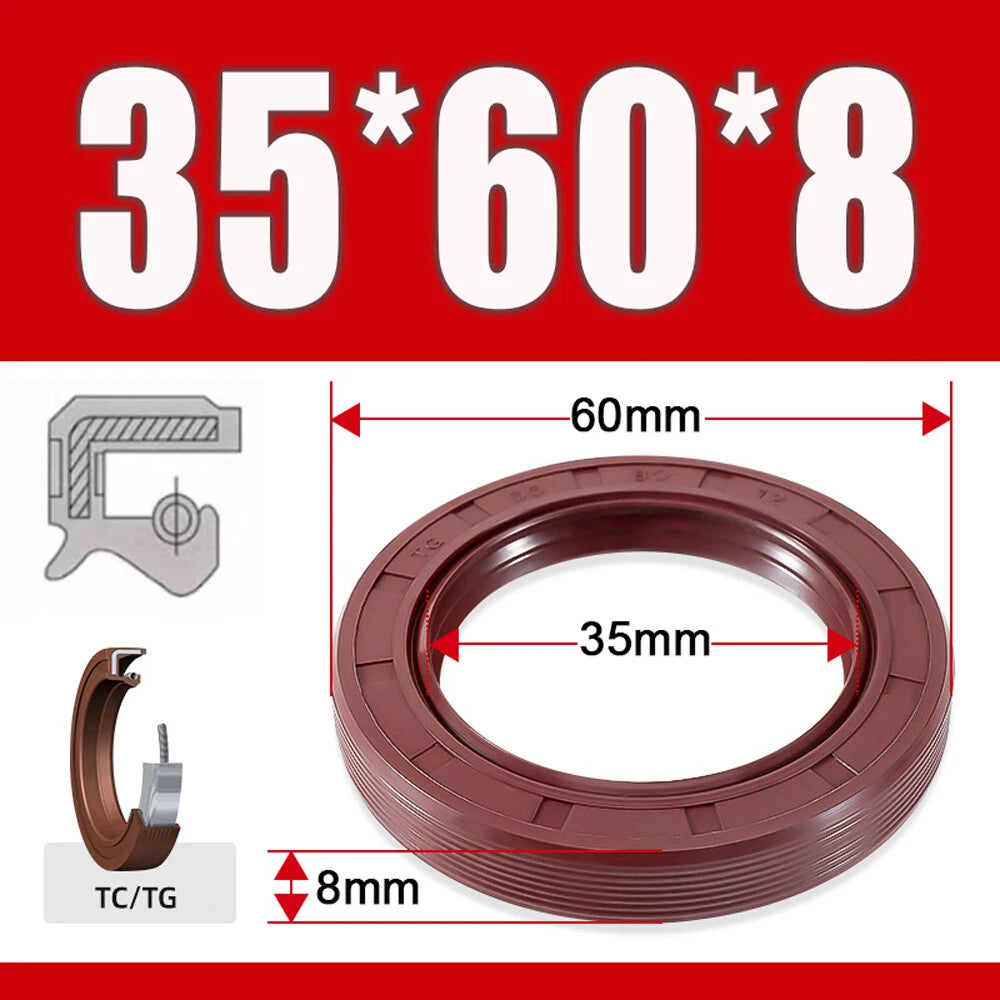
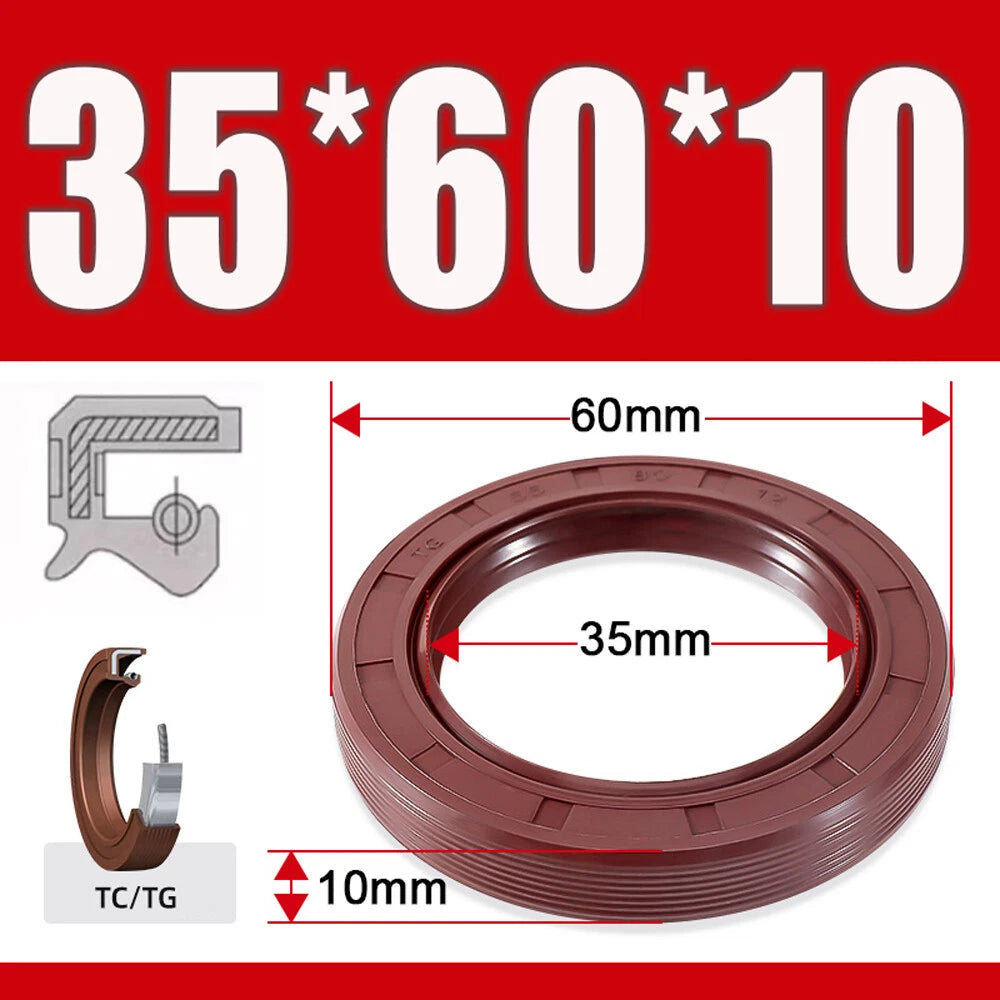
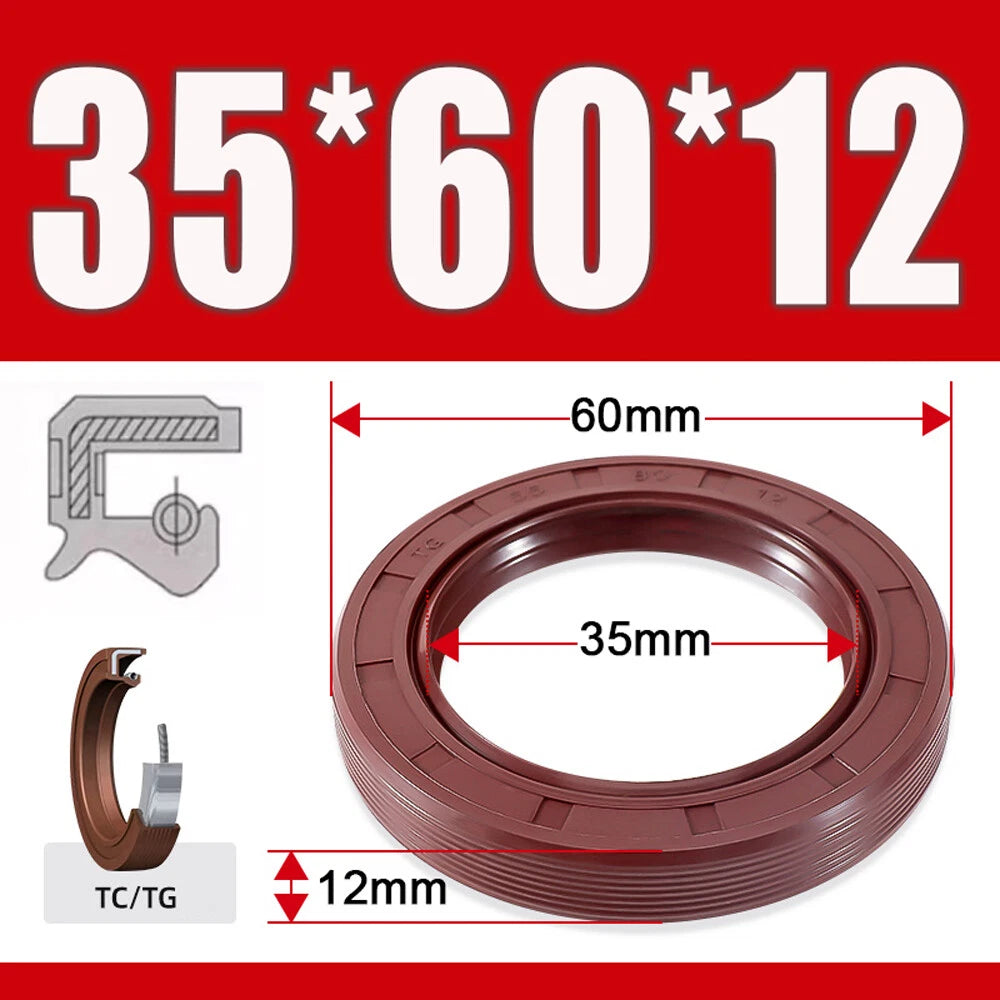
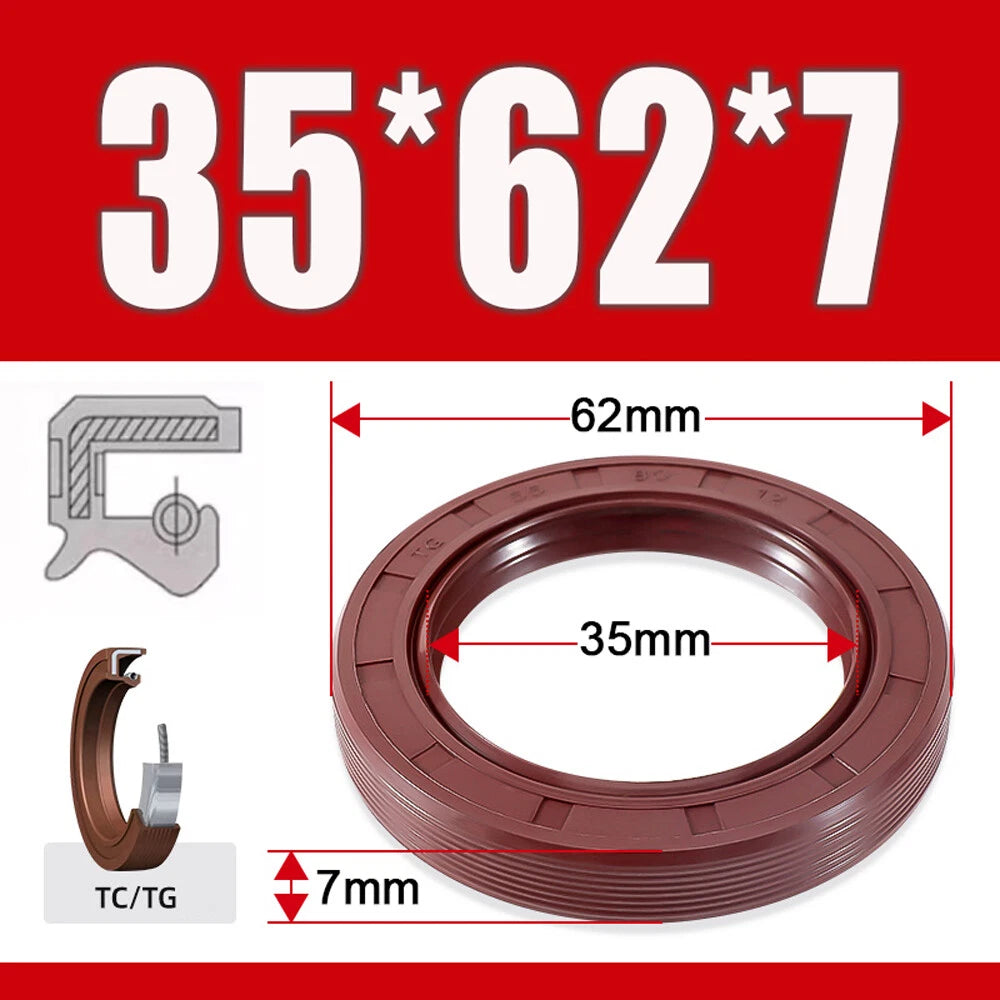
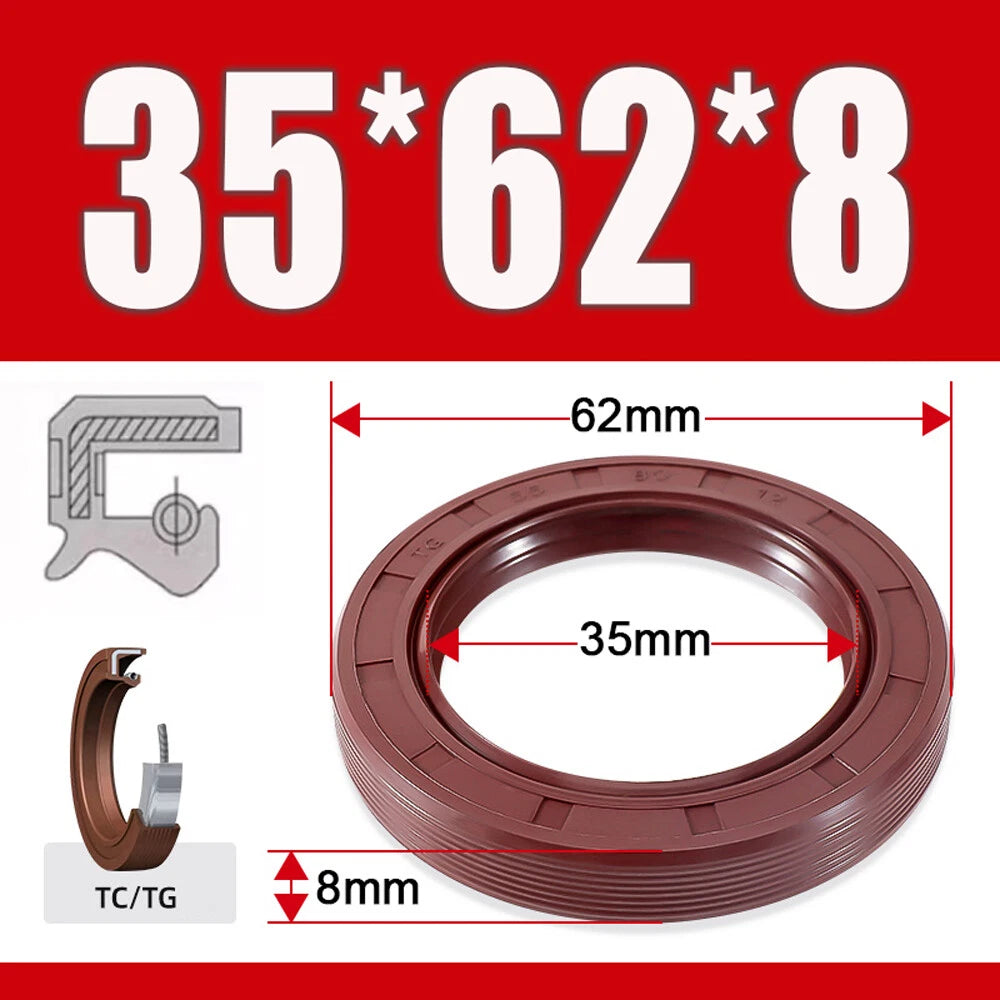
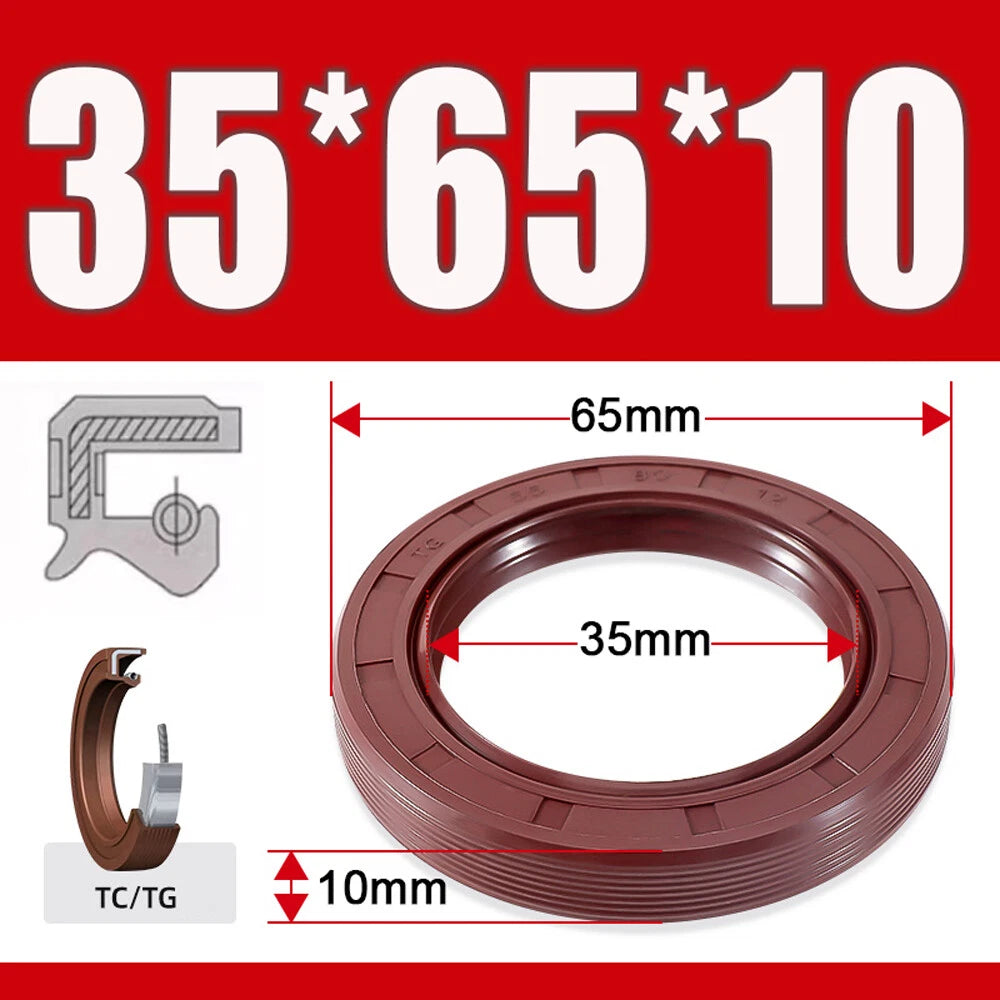
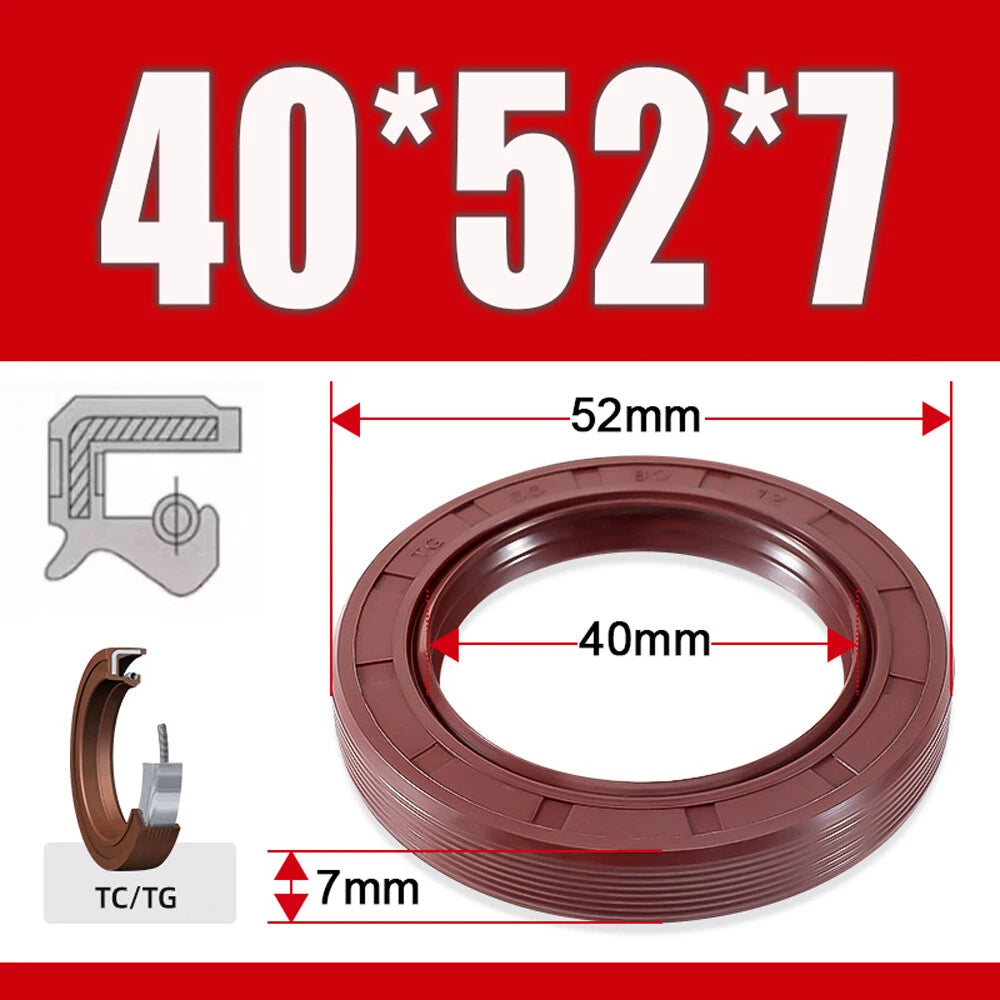
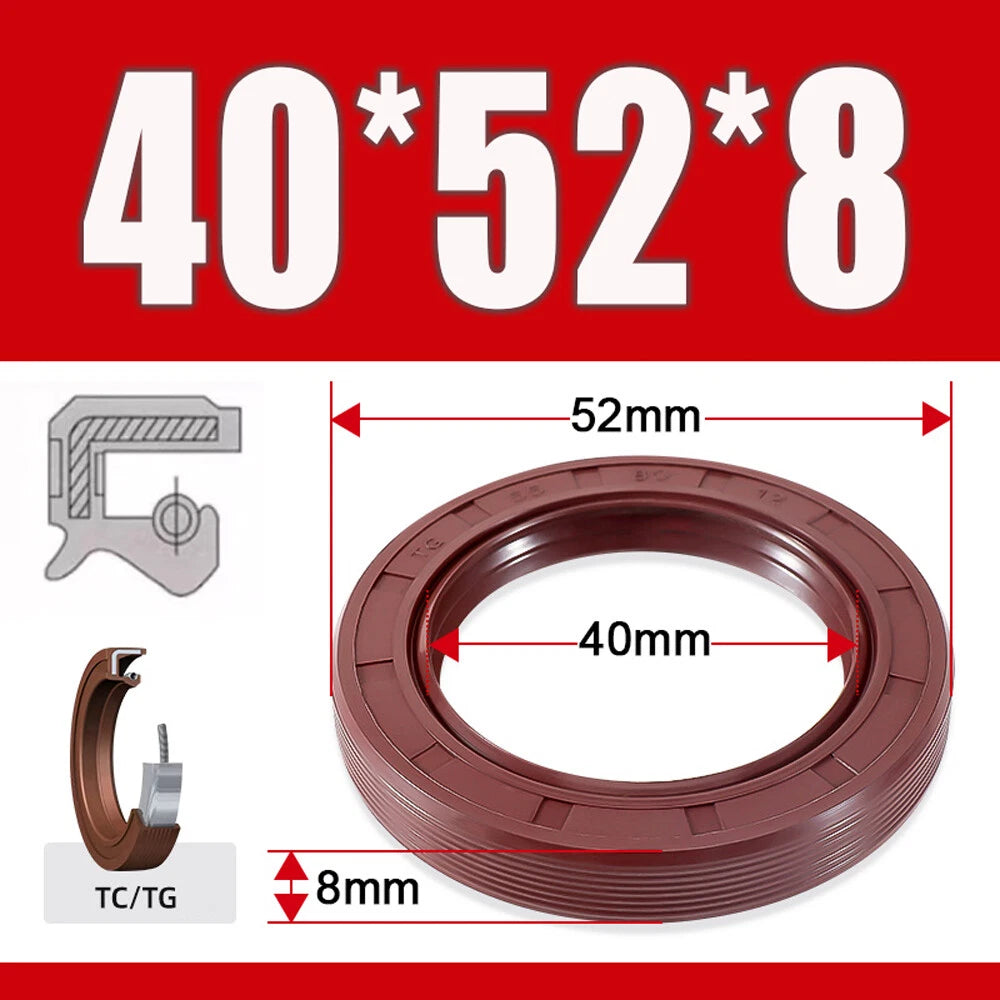
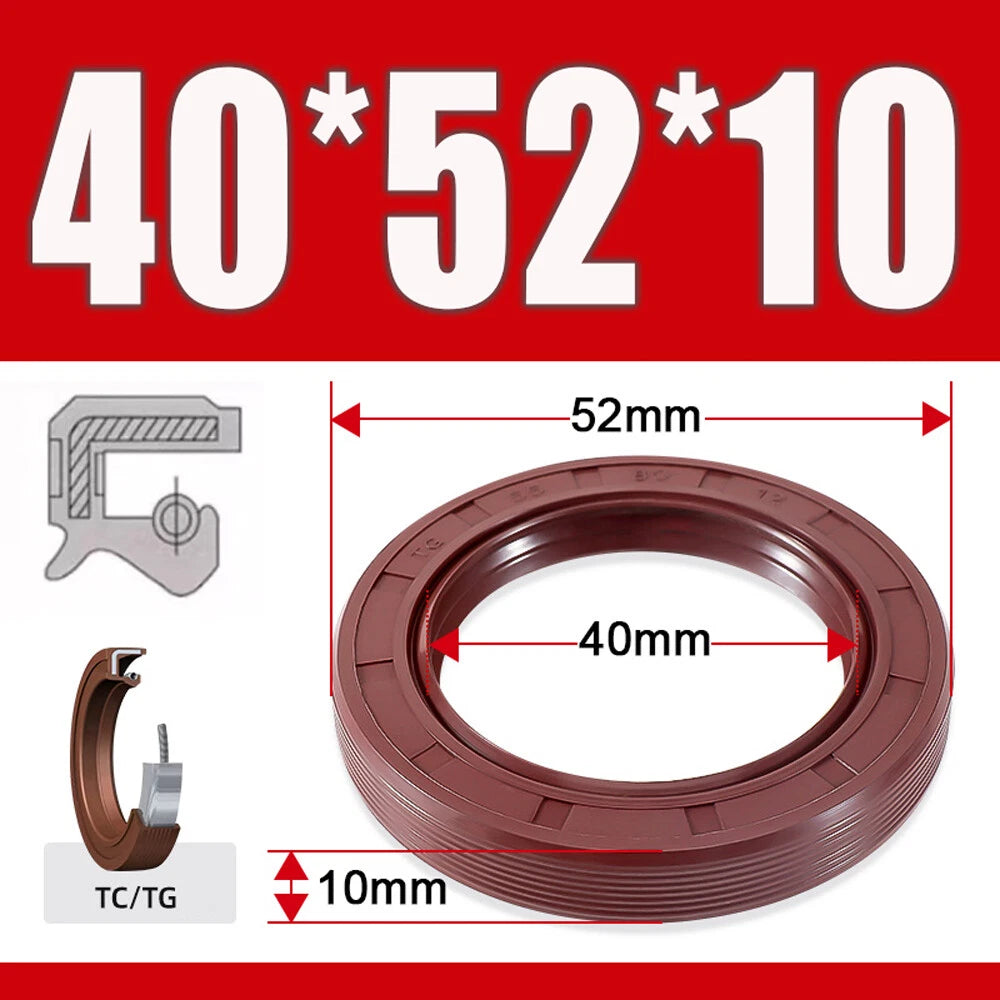
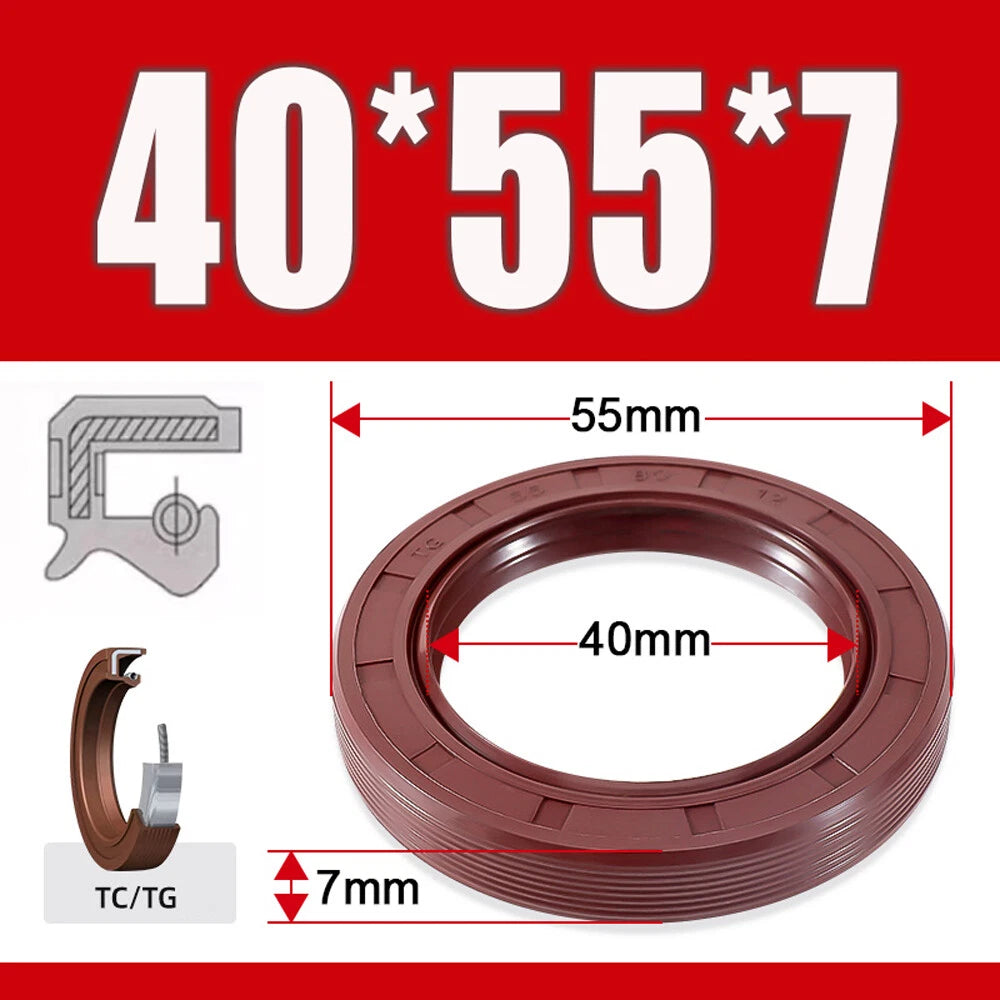
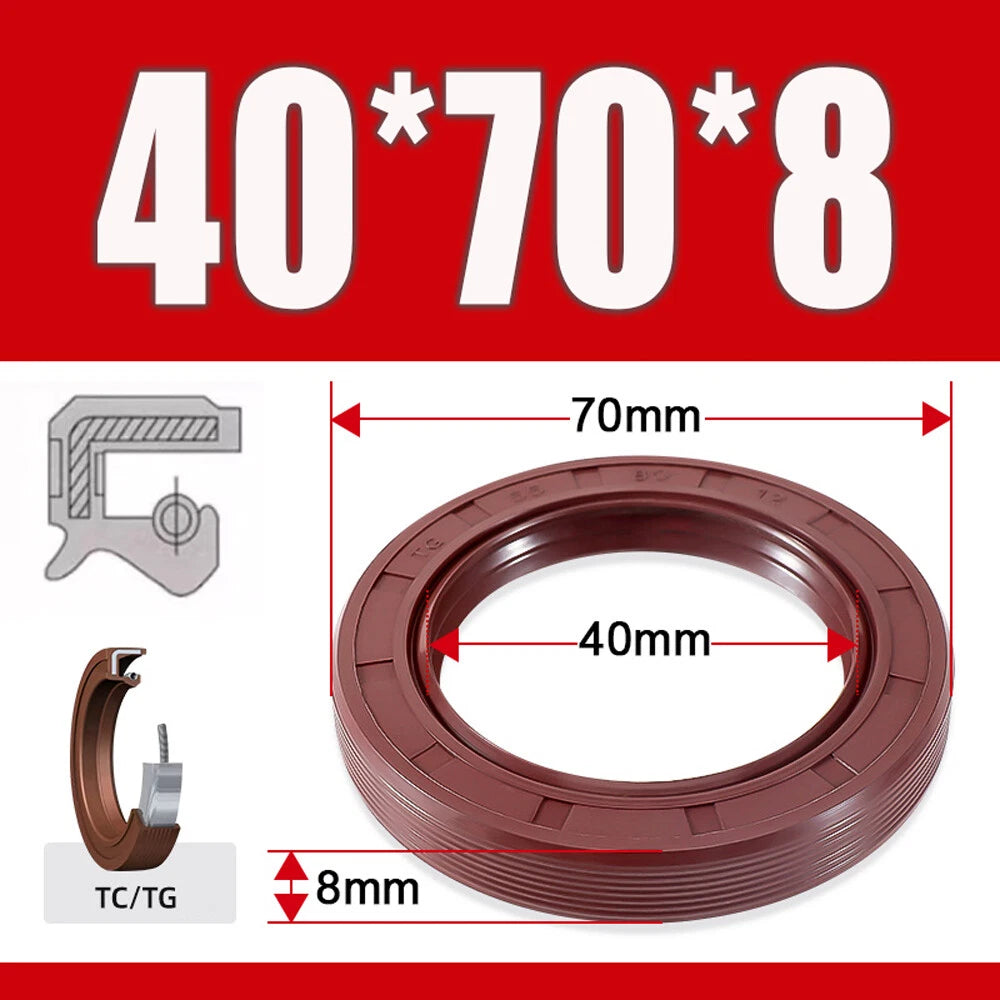
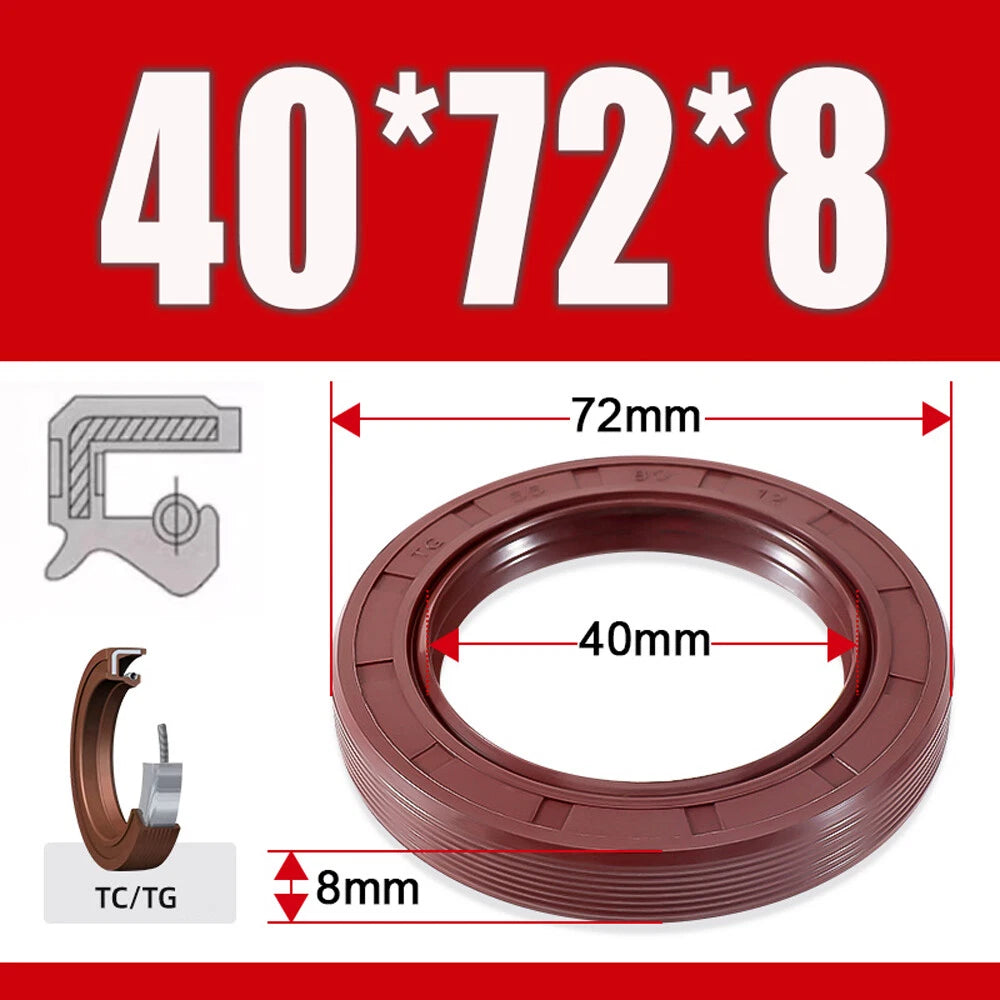
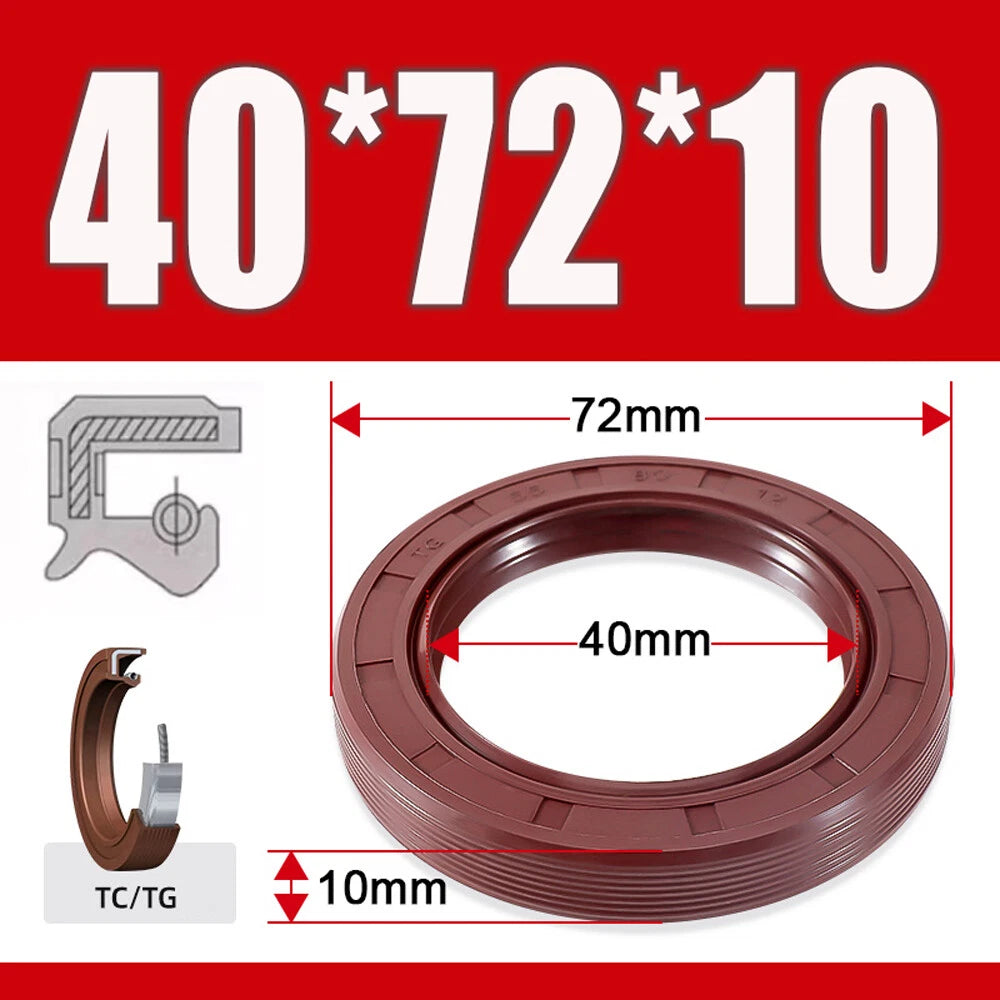
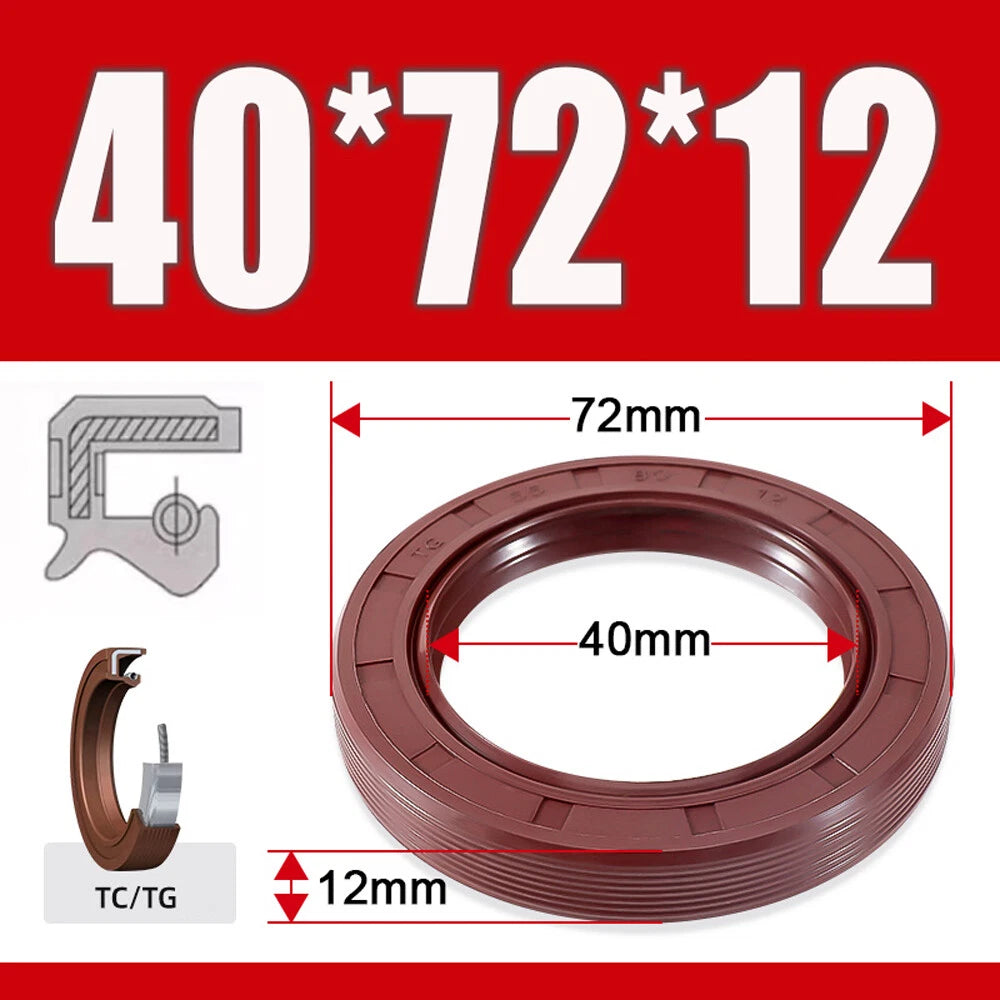
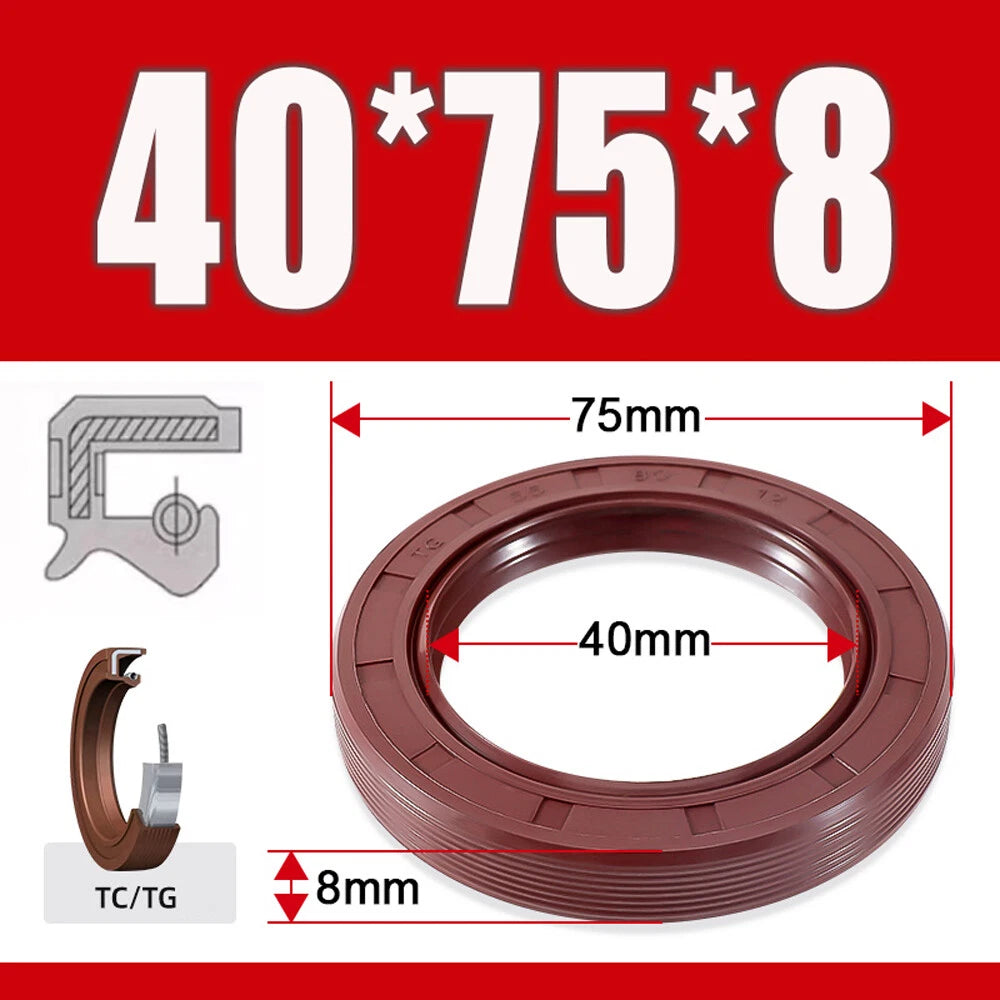
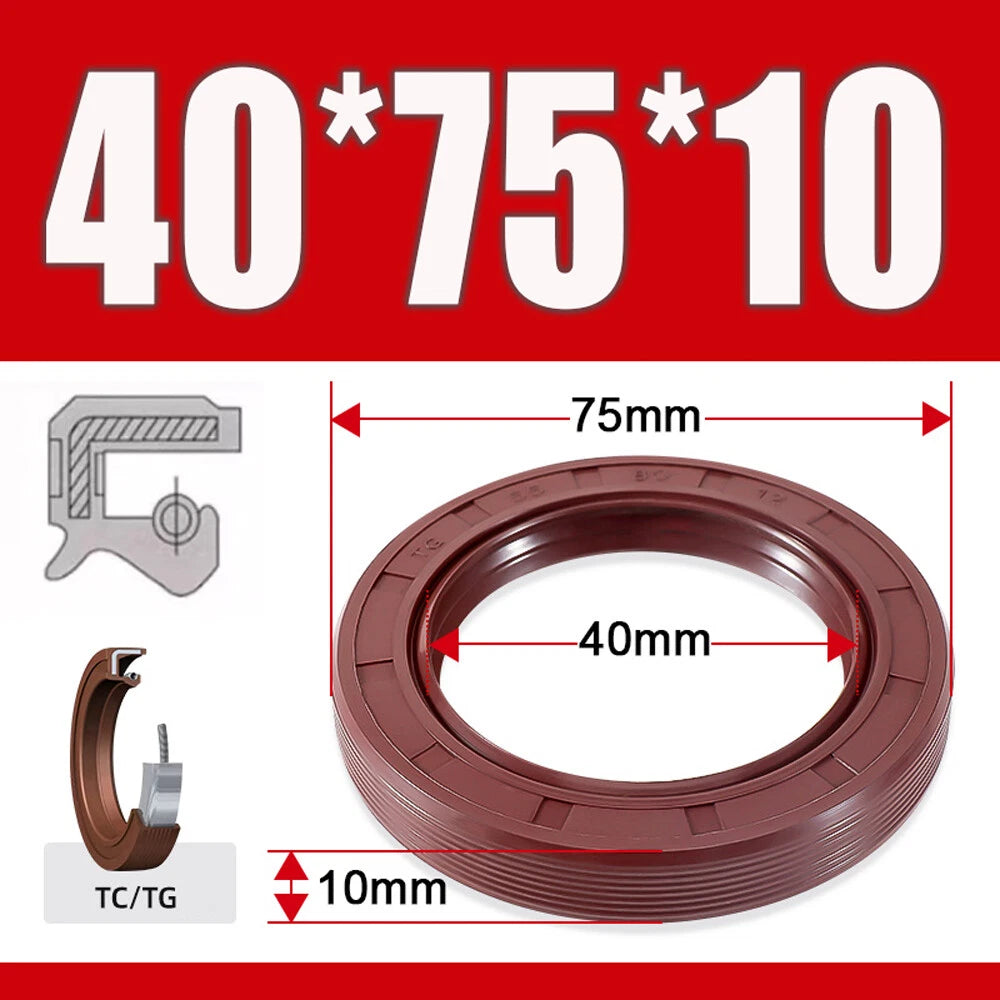
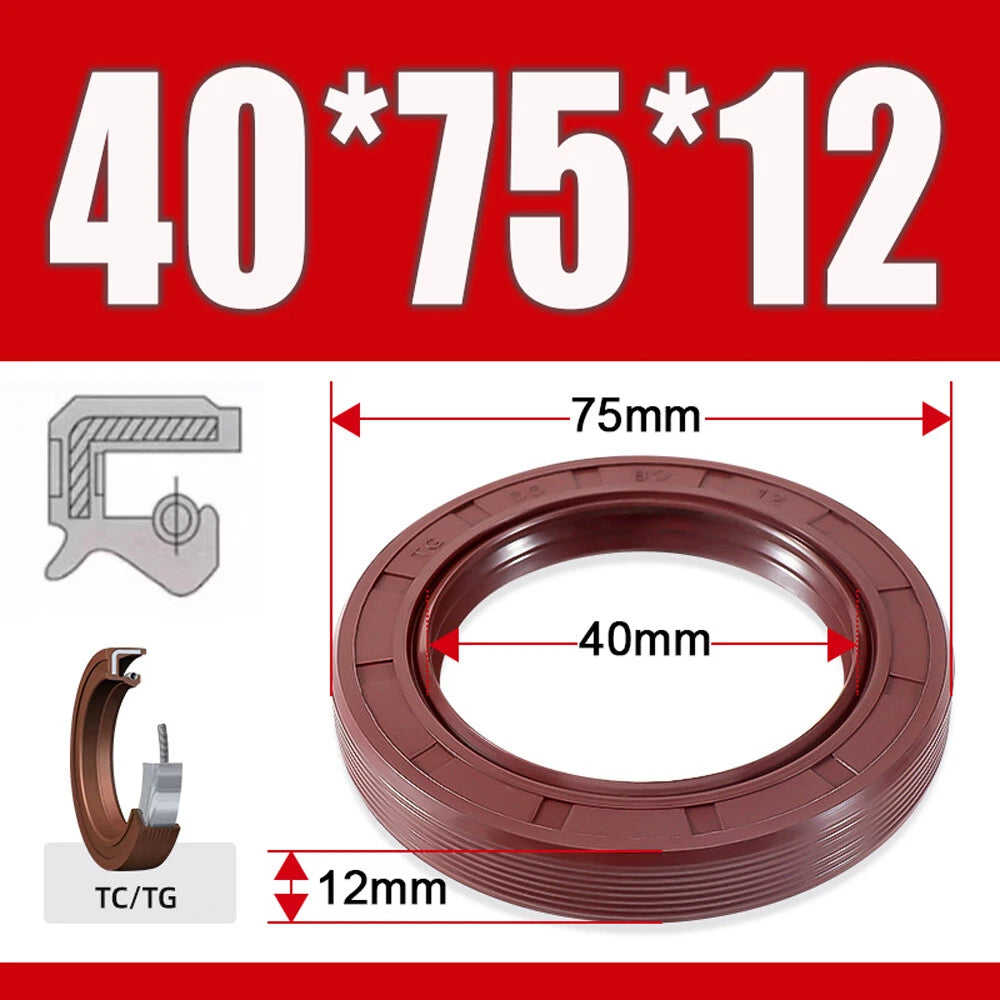
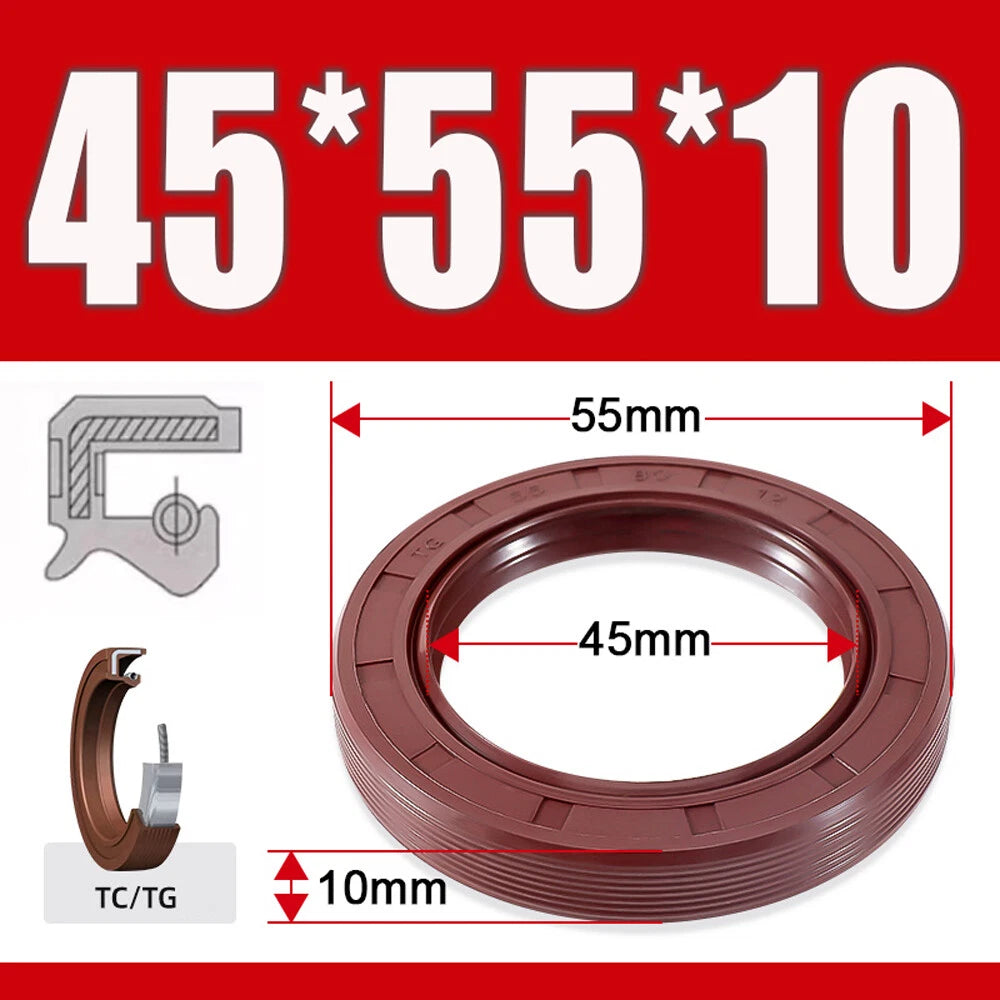
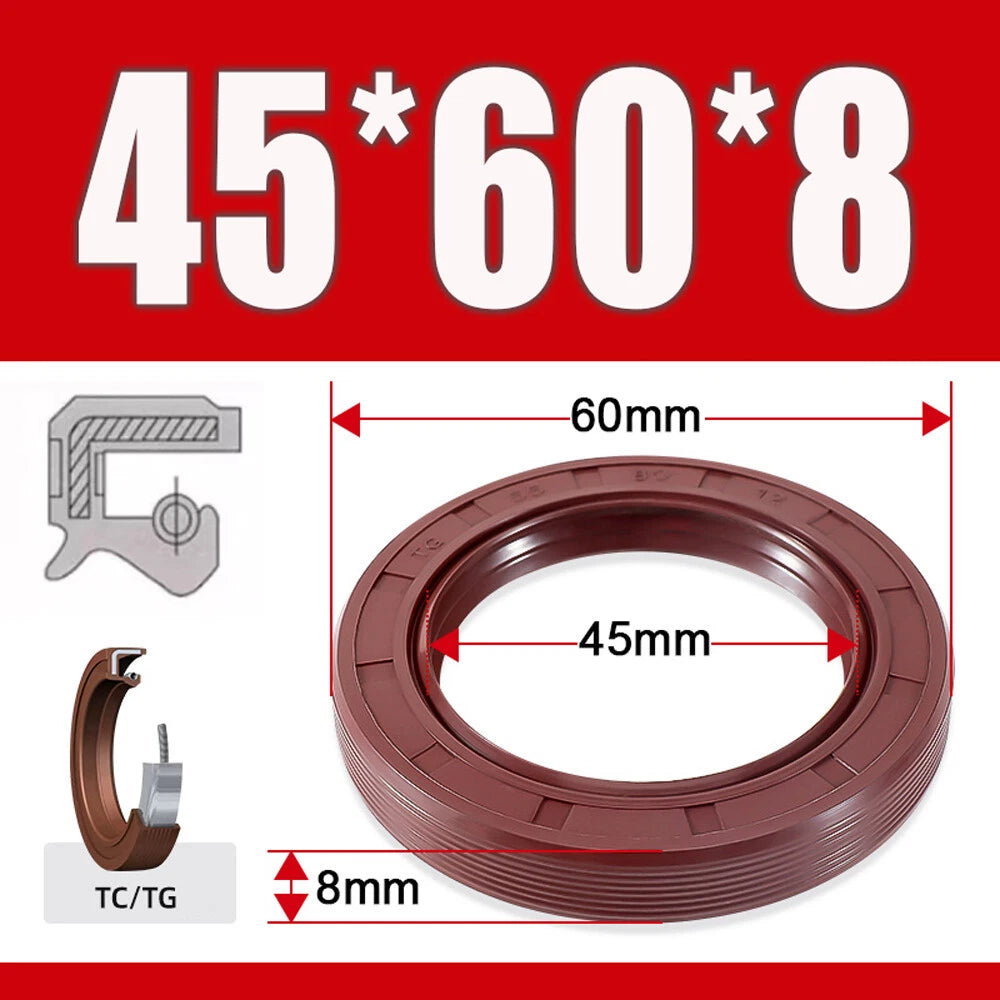
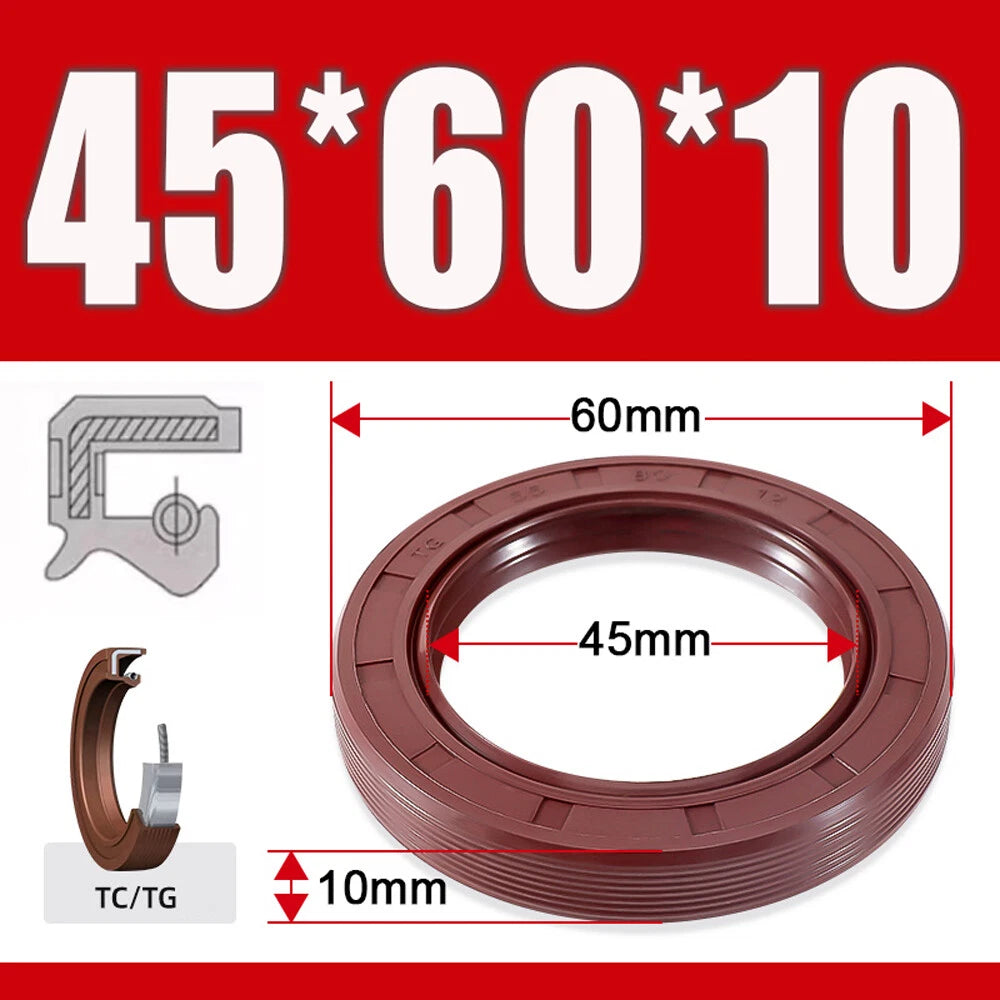
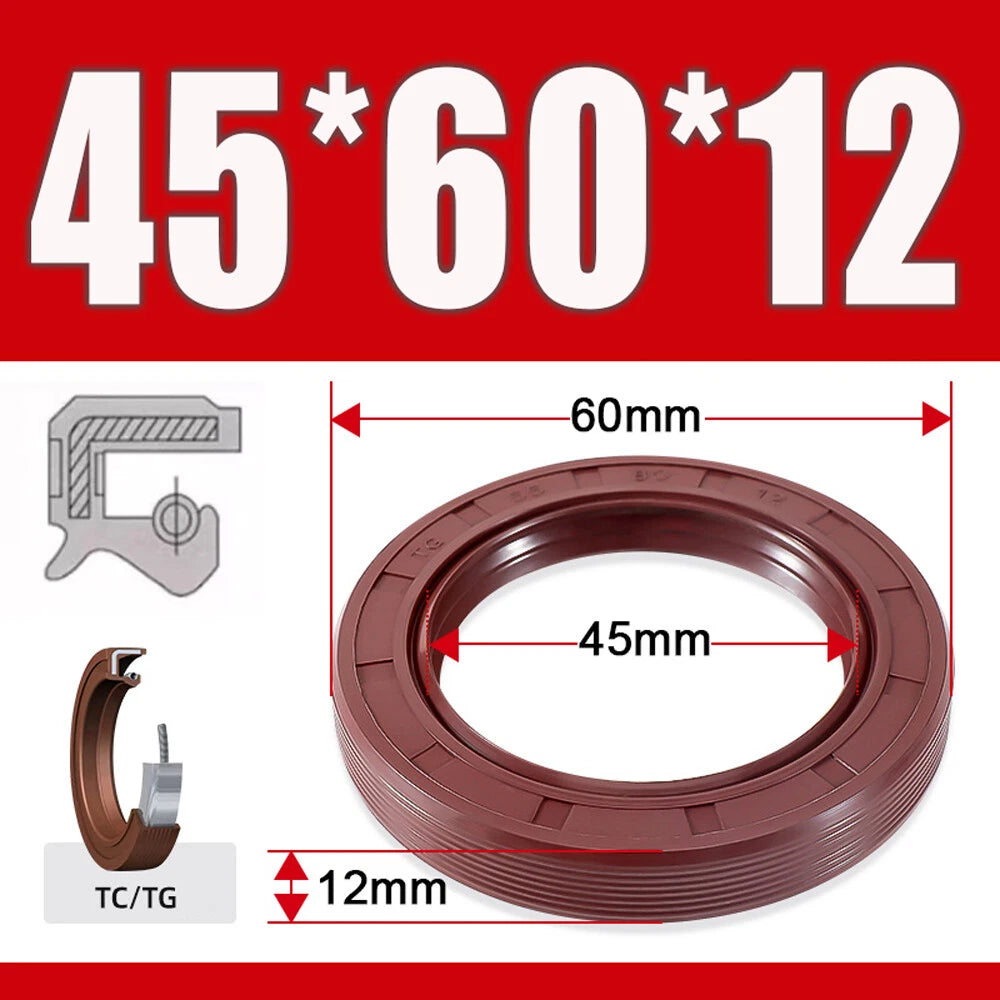
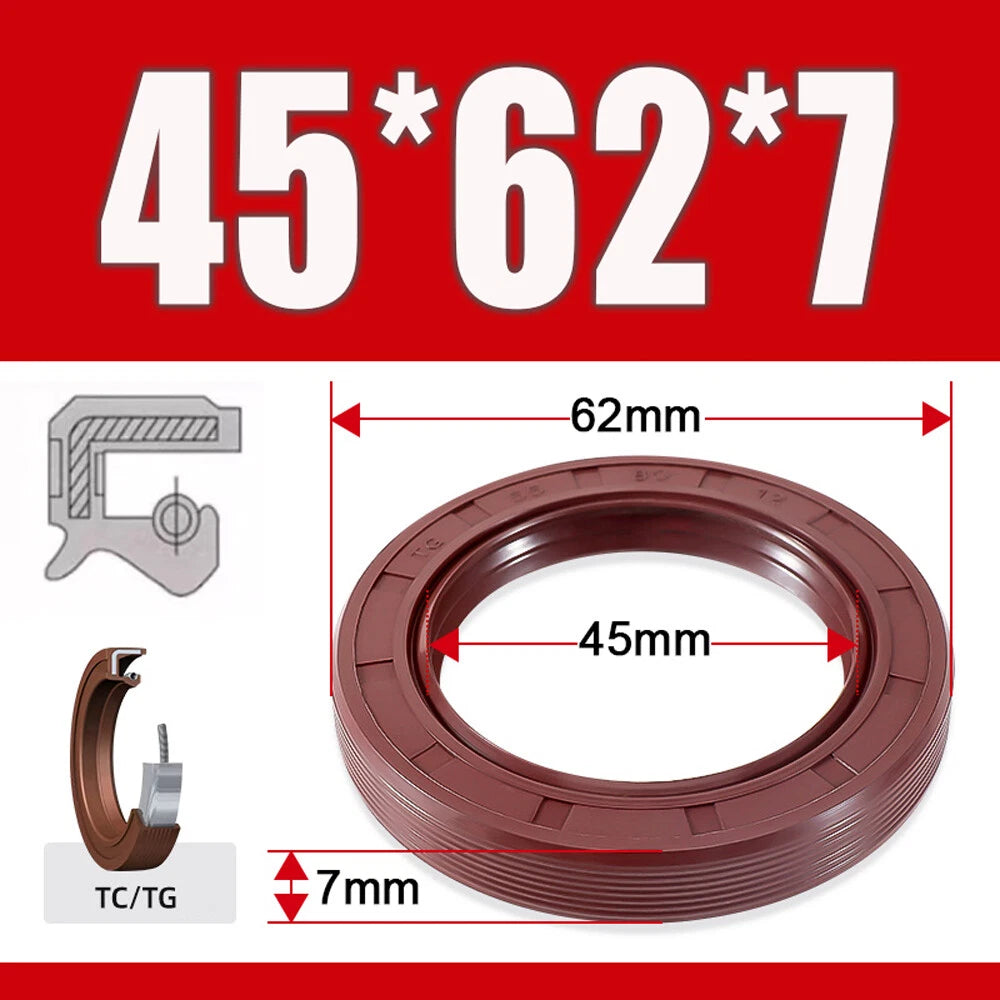
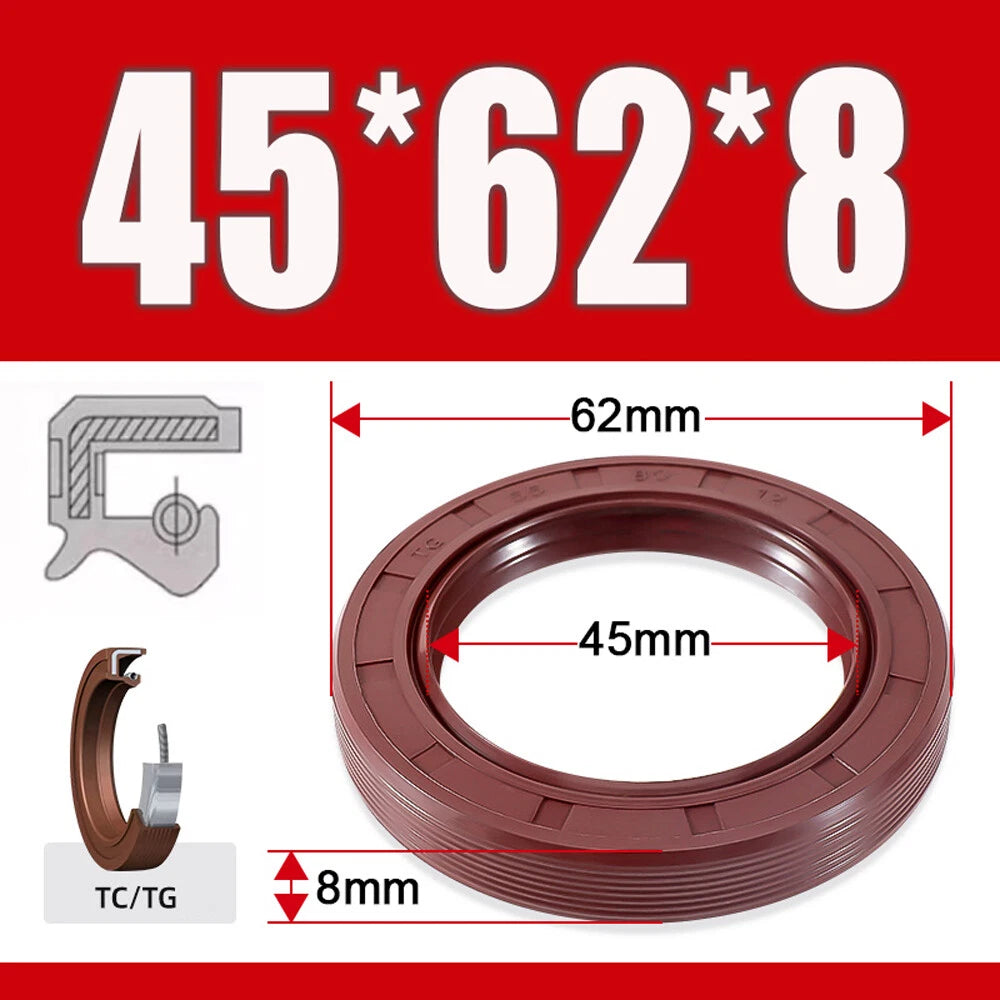
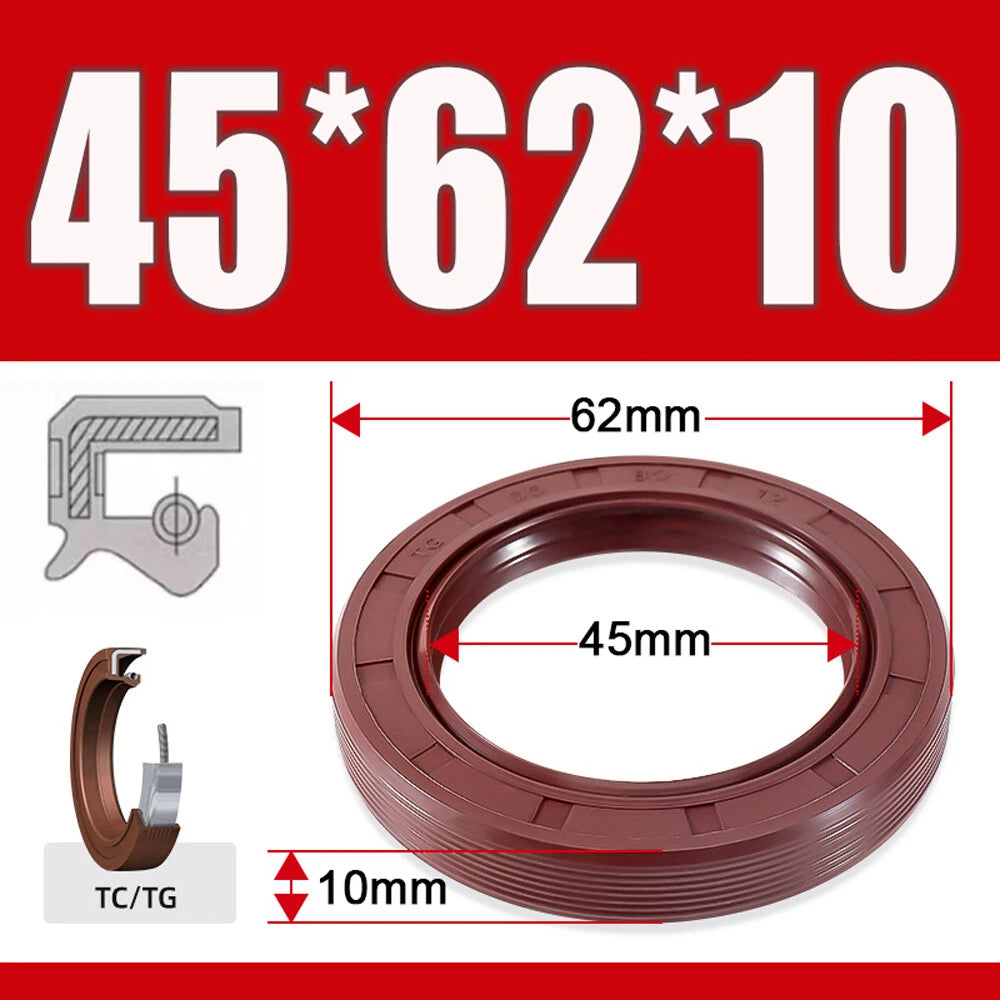
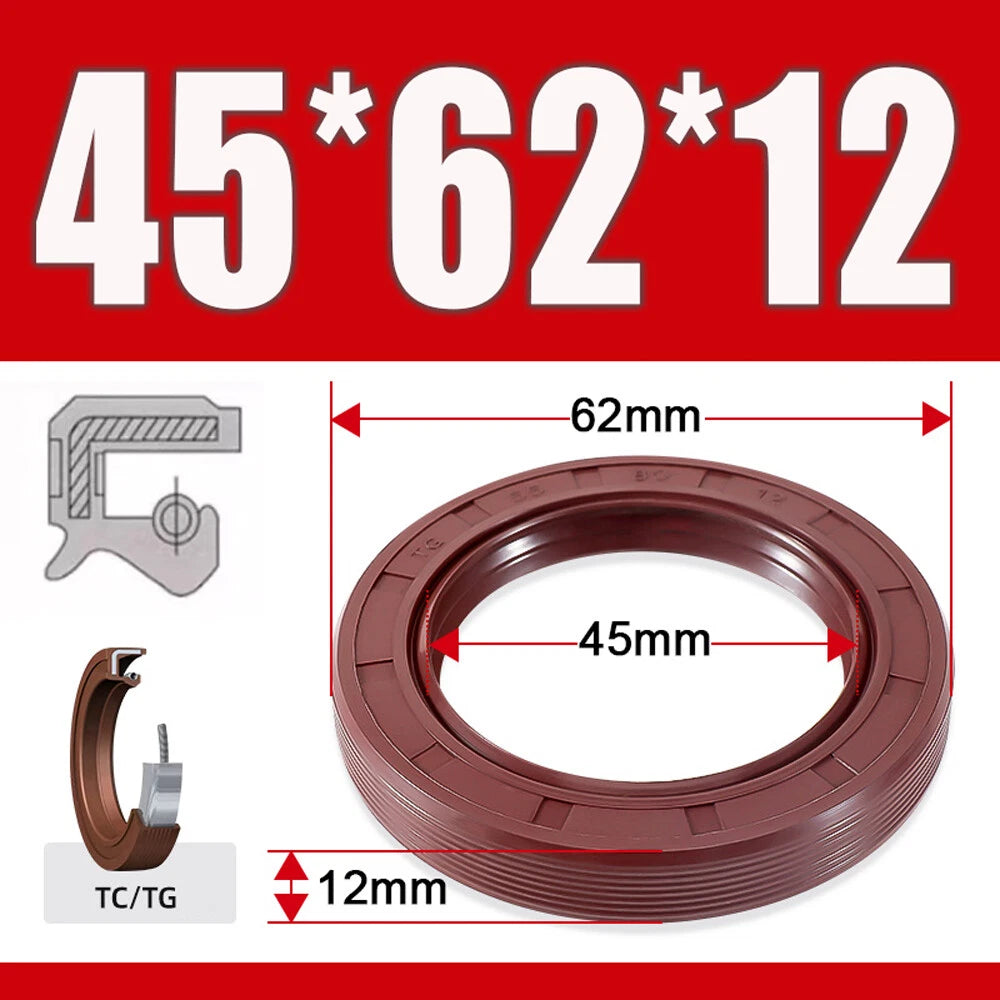
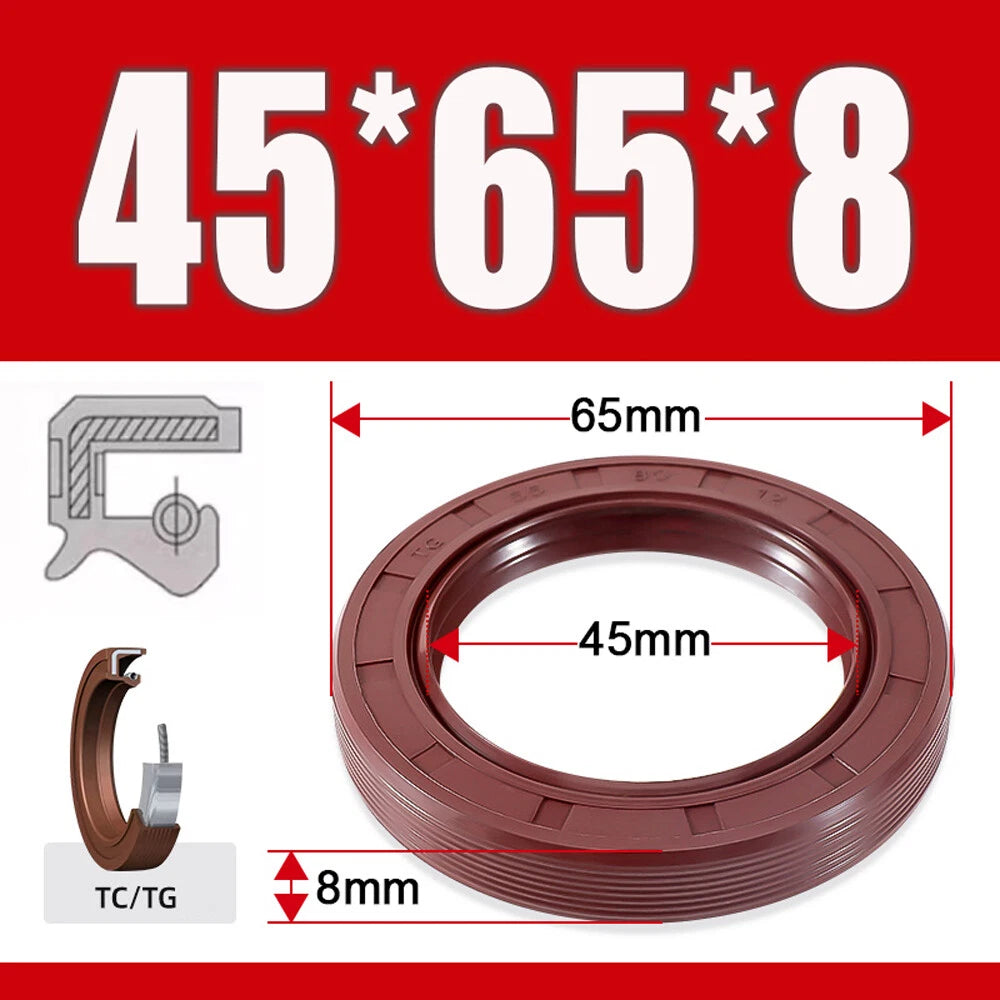
Each seal is sold individually (1 pc per order) and is available in inner diameters from 25mm (≈0.98") to 50mm (≈1.97"), outer diameters from 35mm (≈1.38") to 80mm (≈3.15"), and thicknesses from 5mm (≈0.20") to 12mm (≈0.47"). The sealing element is FKM (Viton-type fluoroelastomer) bonded to a steel outer case. A garter spring behind the primary lip maintains consistent radial load on the shaft throughout the seal's service life, compensating for minor runout and gradual lip wear.
Typical use cases include gearbox output shaft seals, engine crankshaft and camshaft seals, hydraulic cylinder rod seals, agricultural PTO shaft seals, and industrial pump shaft seals — anywhere a metric TC-profile rotary shaft oil seal is specified per DIN 3760 or ISO 6194.
| Seal Type | TC / TG Dual Lip Rotary Shaft Oil Seal |
|---|---|
| Lip Material | FKM (Fluoroelastomer / Viton-type) |
| Case Material | Carbon steel outer shell |
| Spring | Garter spring (stainless steel, typically) |
| Inner Diameter (ID) | 25mm (≈0.98") – 50mm (≈1.97") — see variant options |
| Outer Diameter (OD) | 35mm (≈1.38") – 80mm (≈3.15") — see variant options |
| Thickness | 5mm (≈0.20") – 12mm (≈0.47") — see variant options |
| Temperature Range | Typically -20°C to +200°C (-4°F to +392°F) |
| Max Shaft Speed | Typically up to 4–6 m/s (contact us for high-speed applications) |
| Pressure Rating | Generally suitable for low-pressure applications (≤0.05 MPa / ≈7 psi) |
| Dimensional Standard | DIN 3760 / ISO 6194 metric TC/TG profile |
| Quantity per Order | 1 pc (single seal) |
| Finish / Color | See variant options |
| Country of Origin | Contact us to confirm |
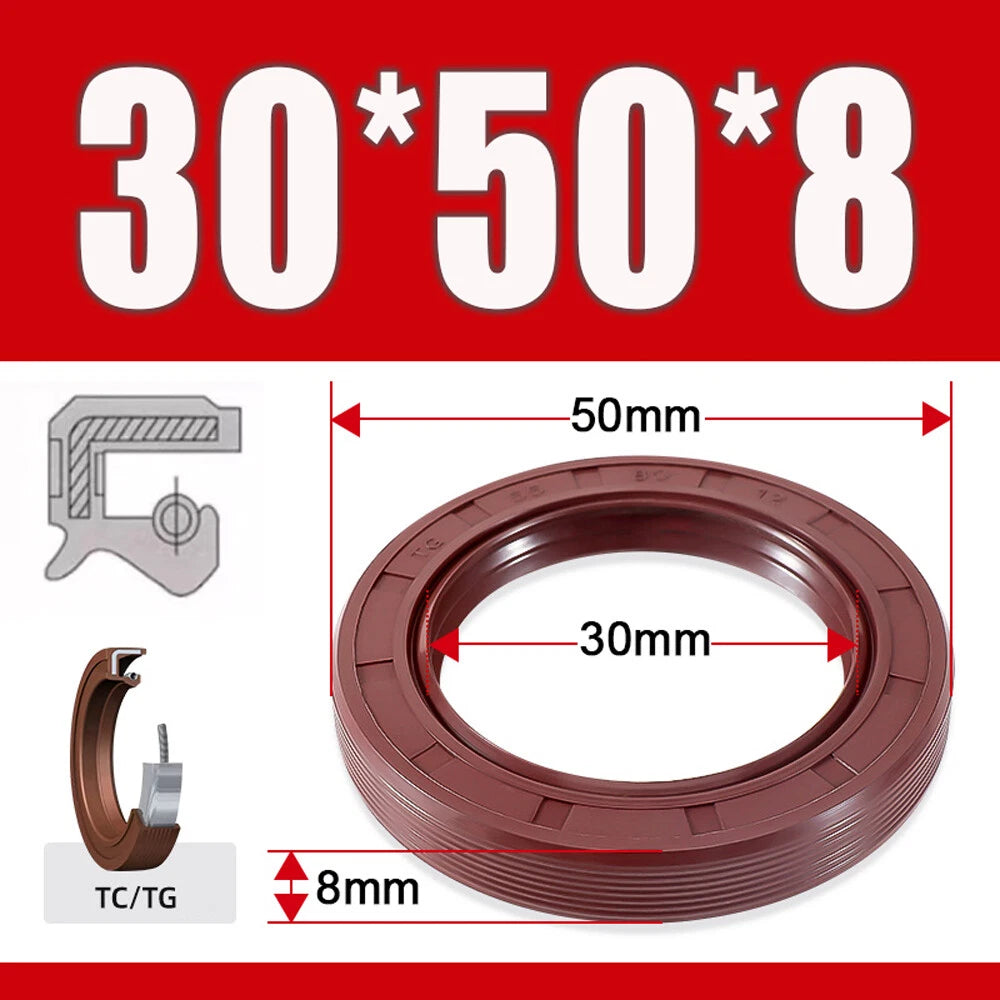
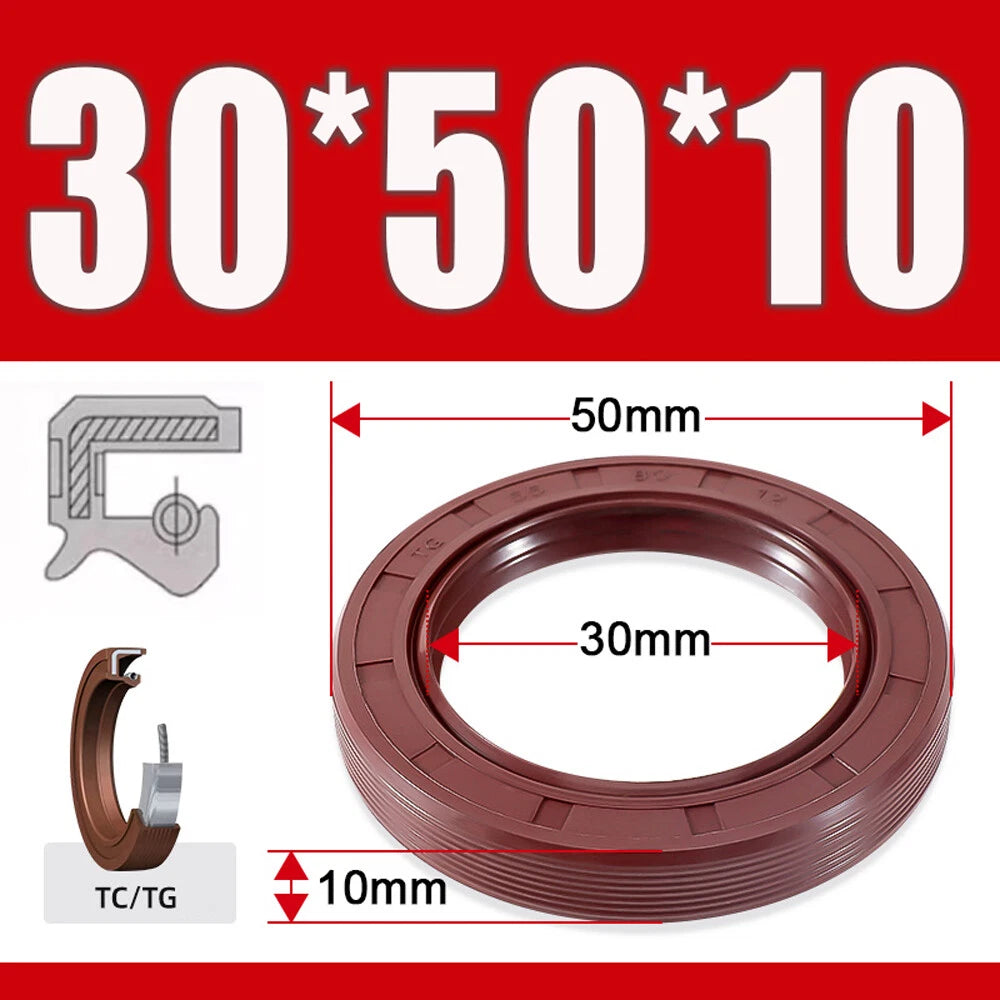
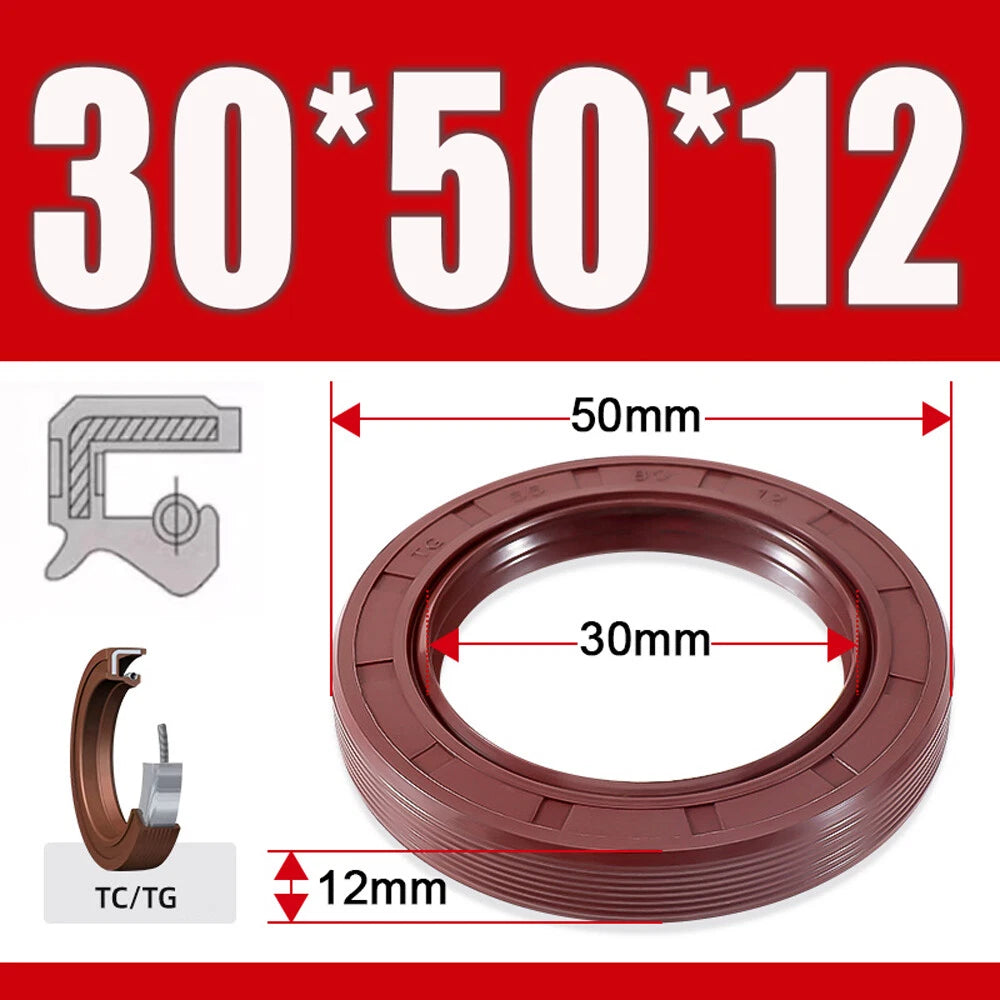
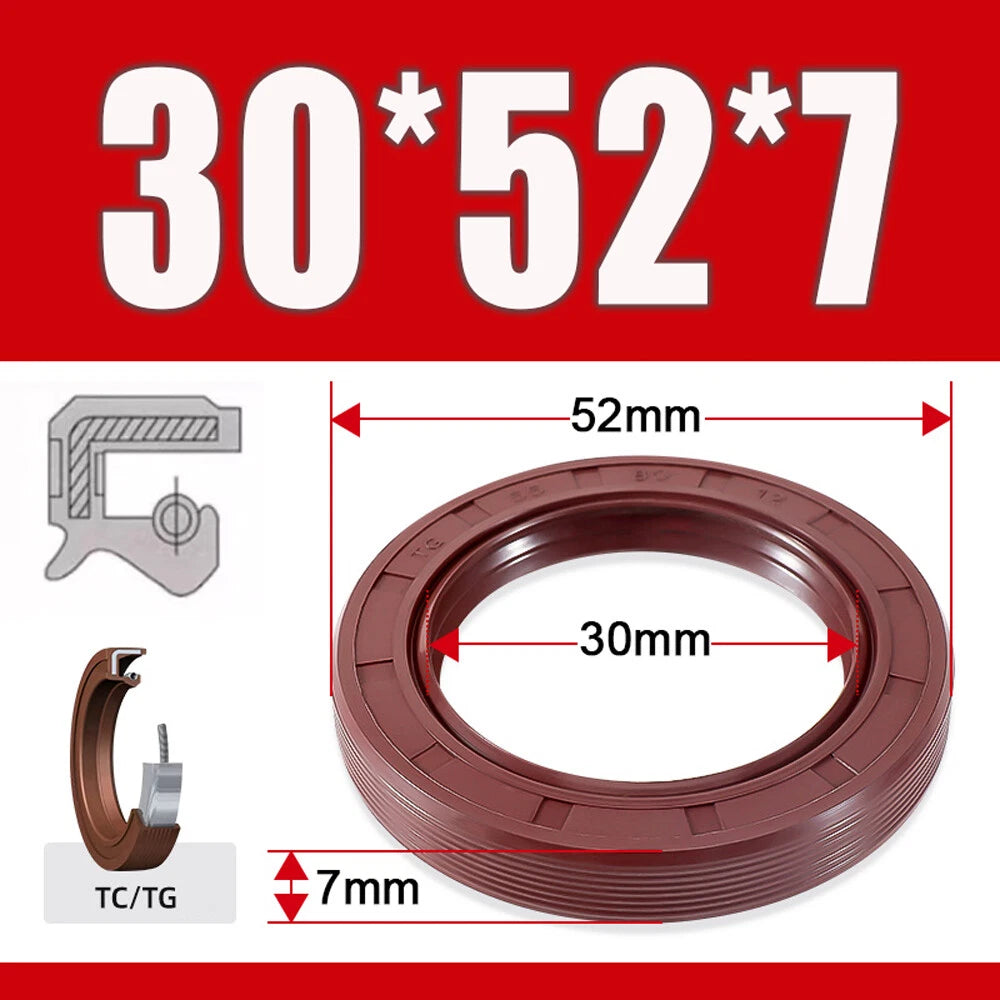
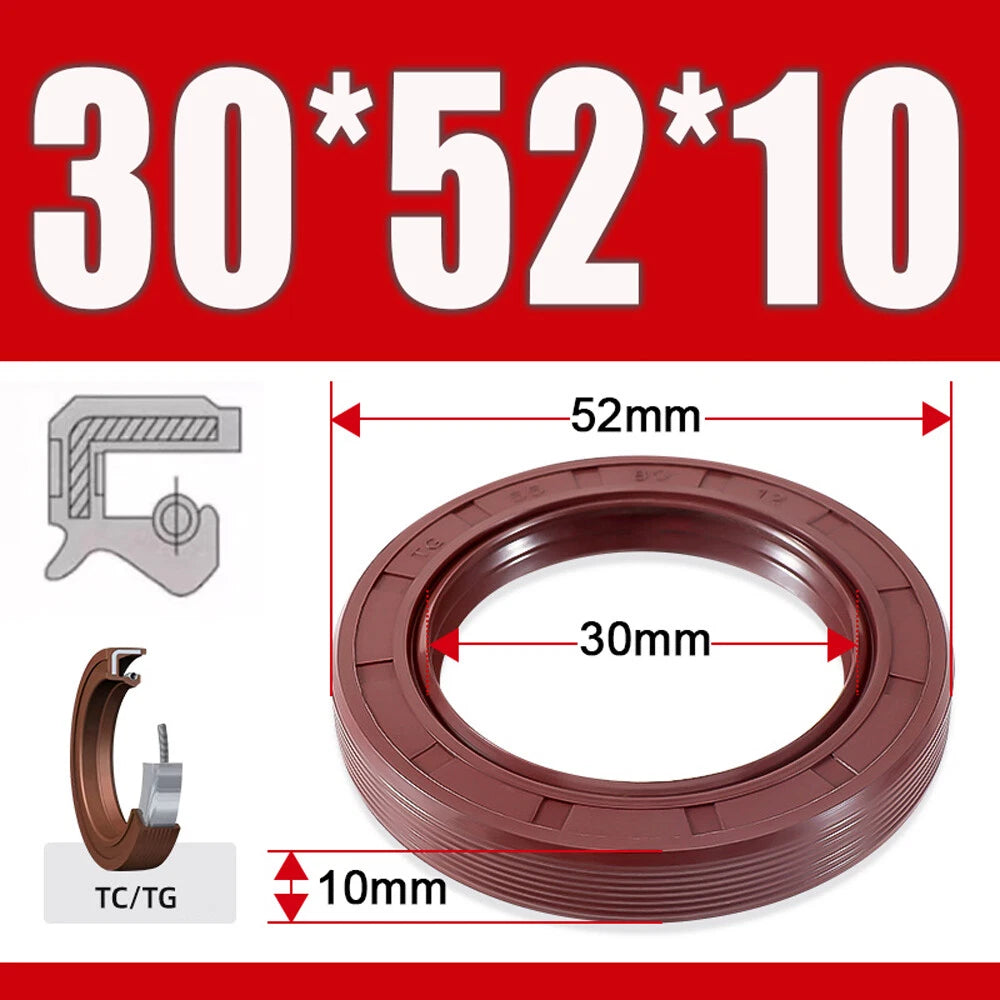
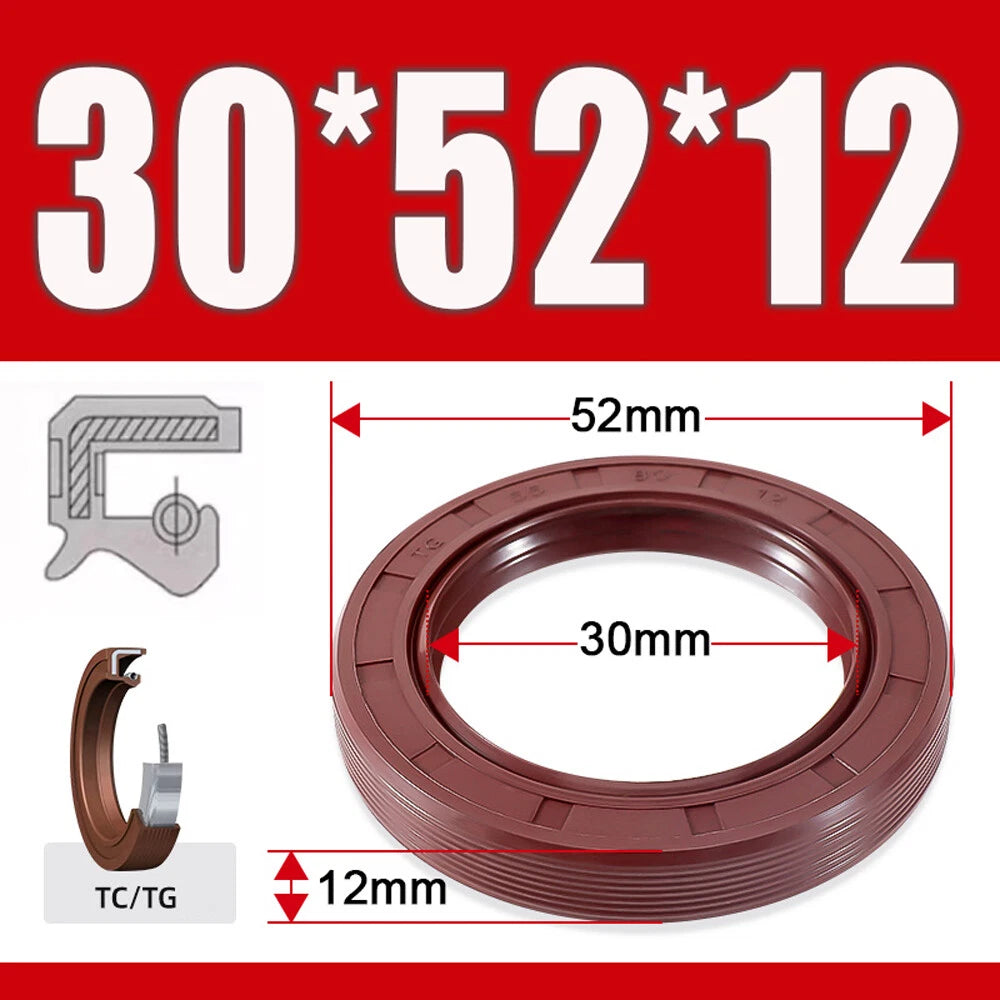
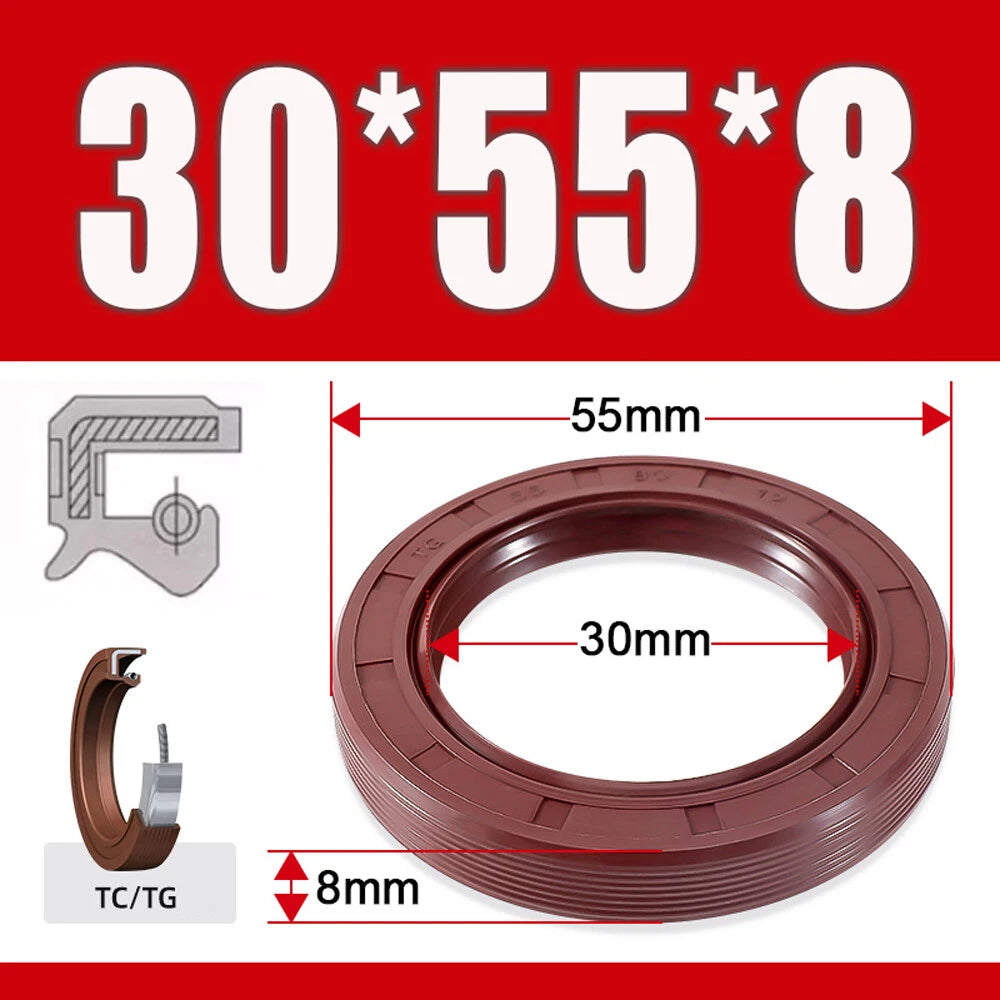
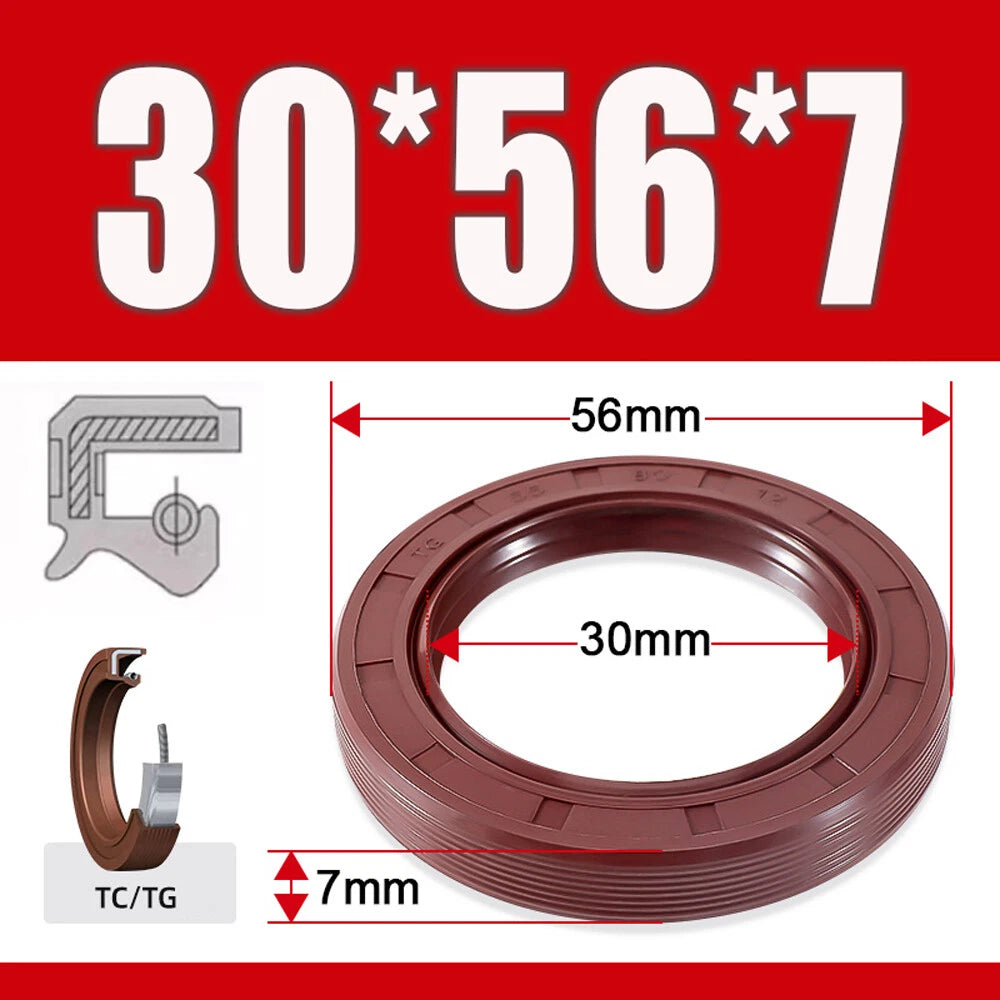
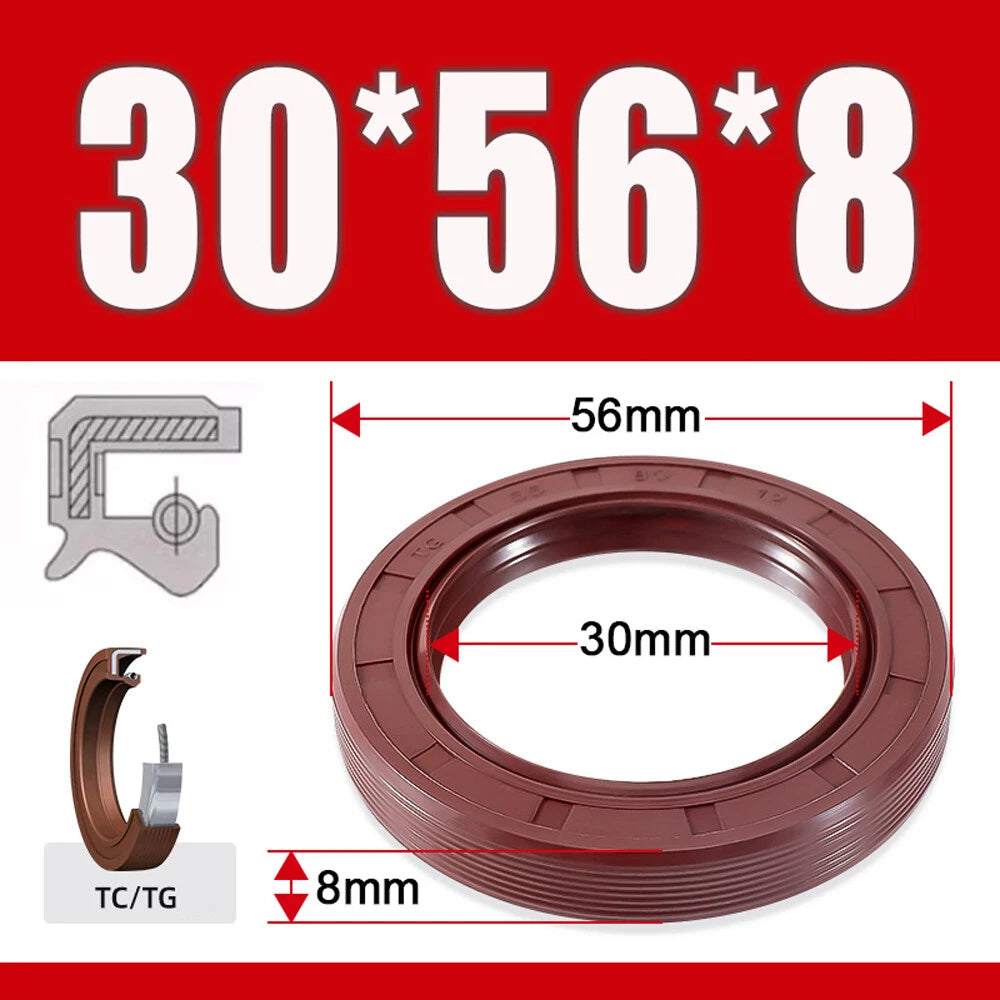
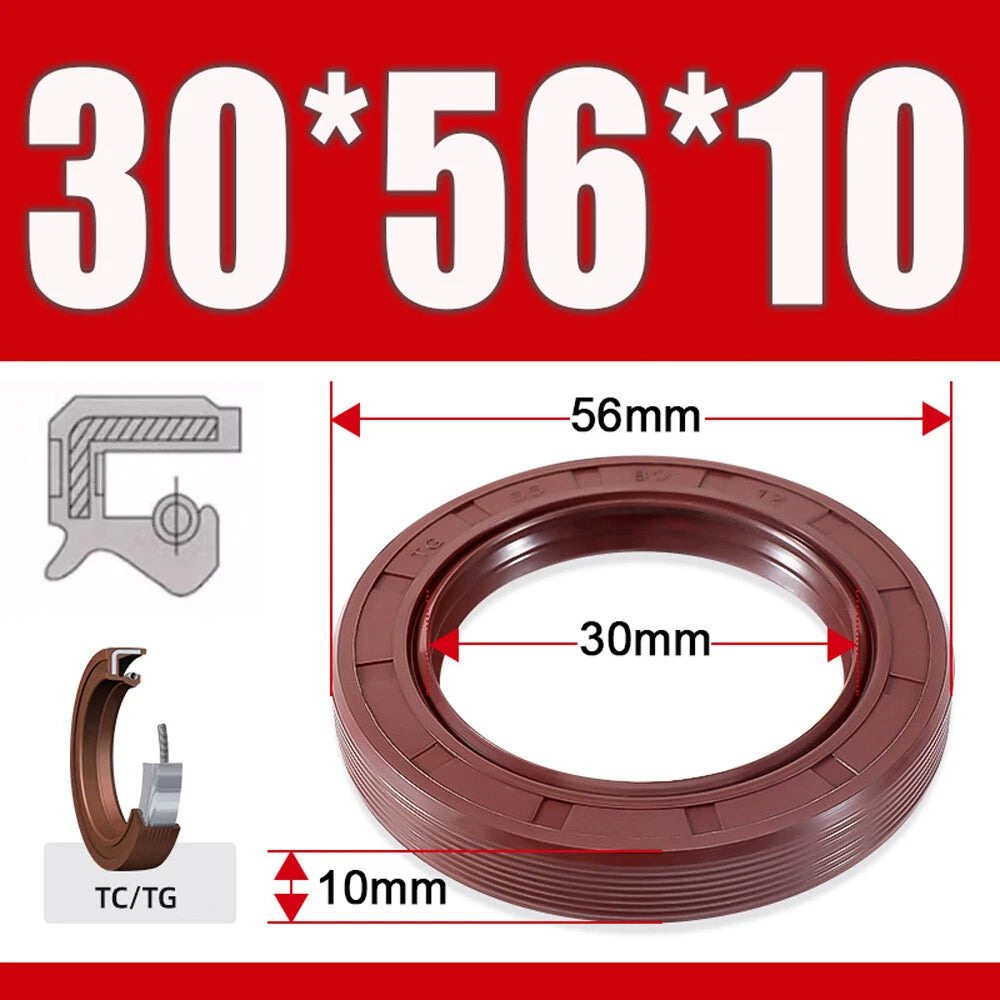
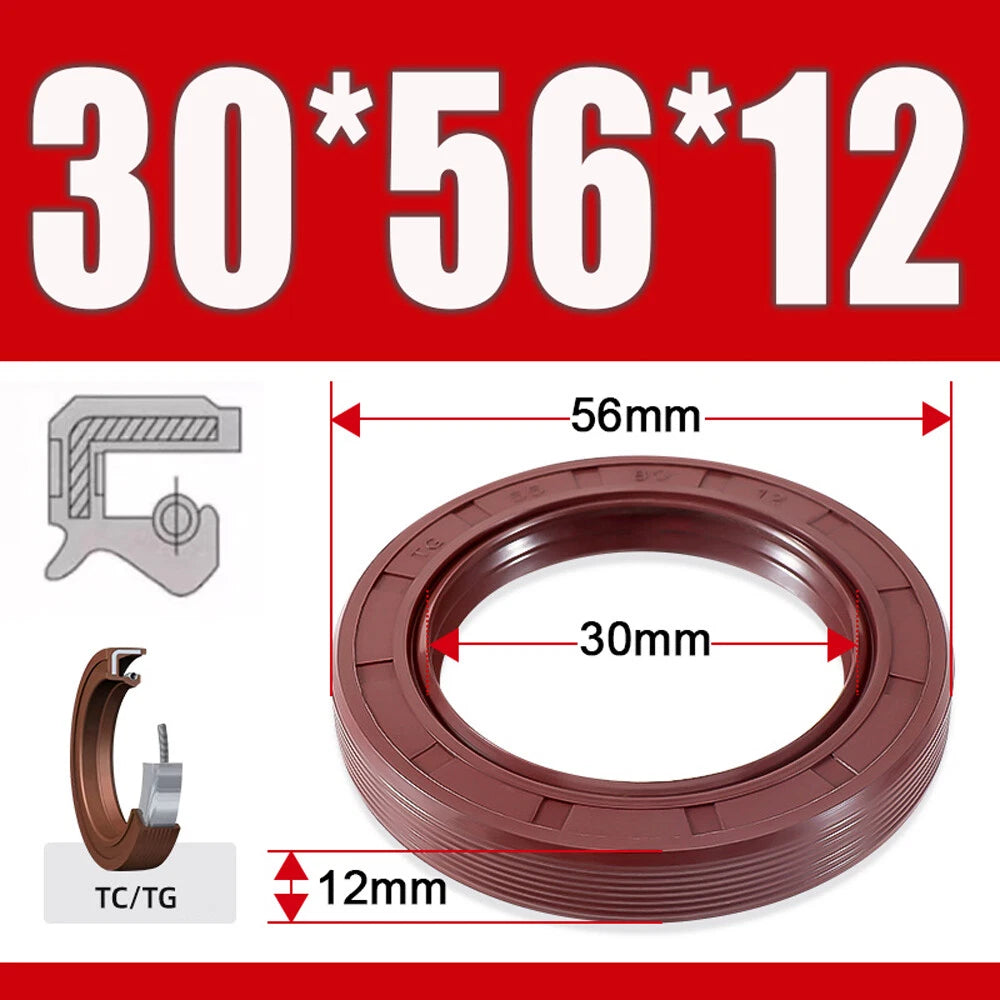
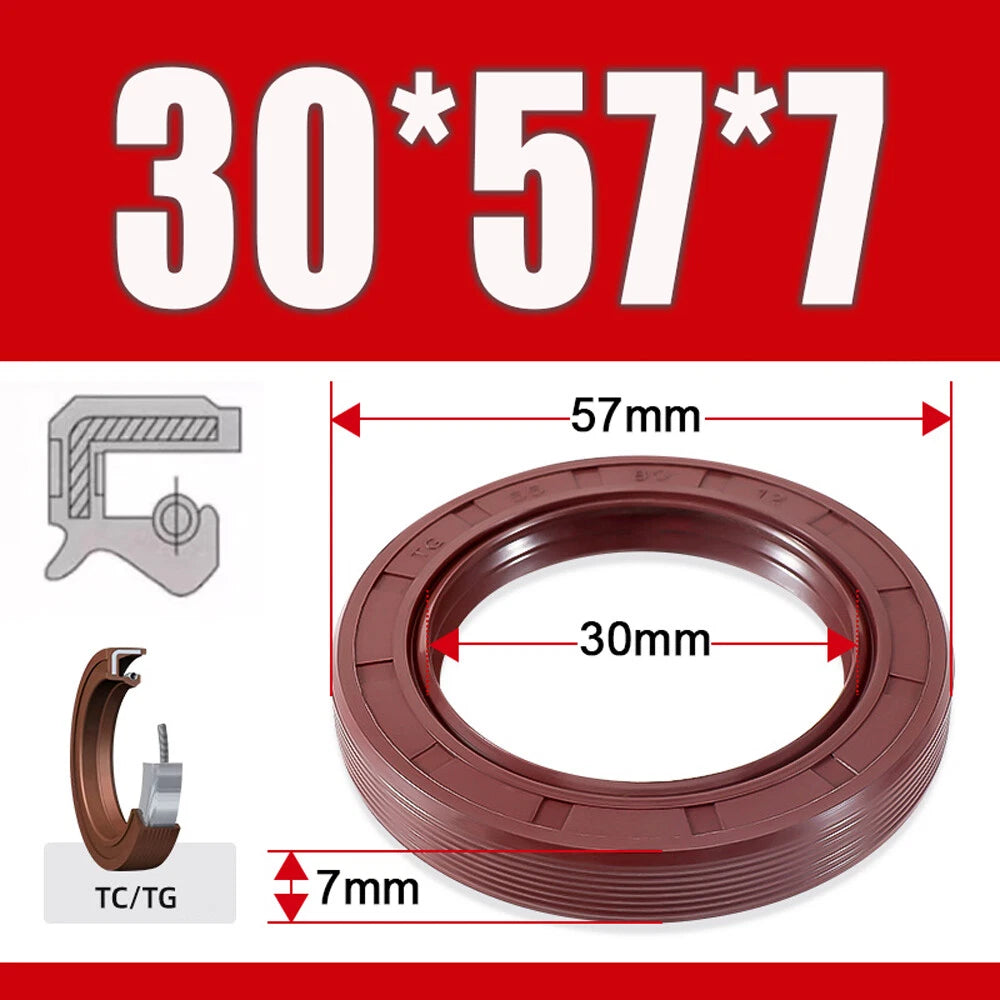
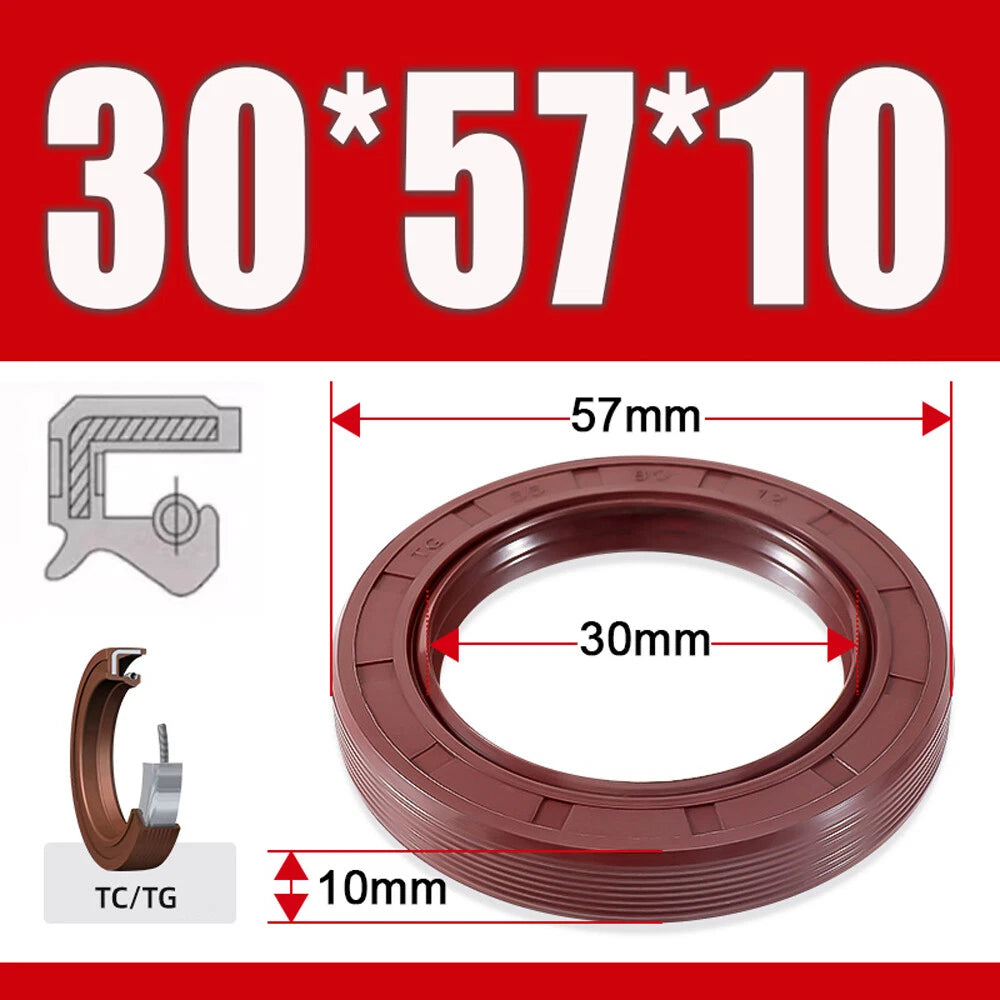
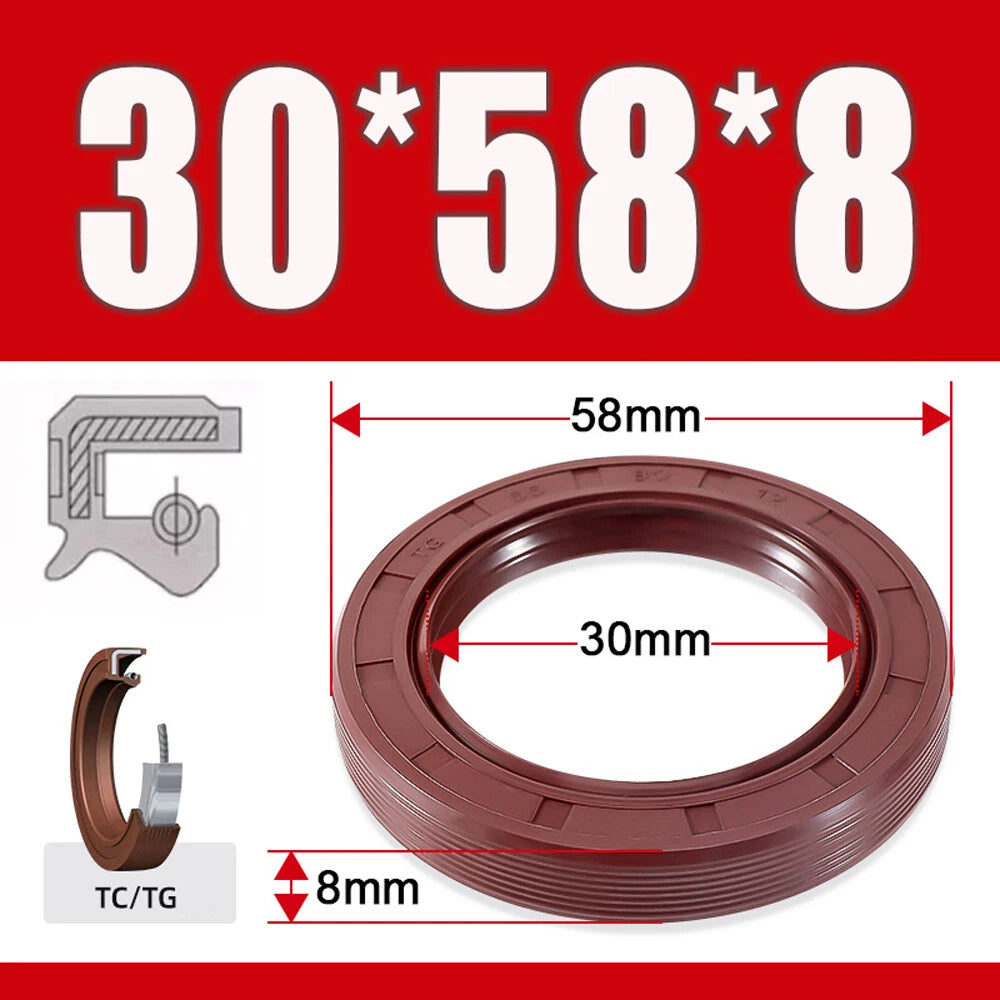
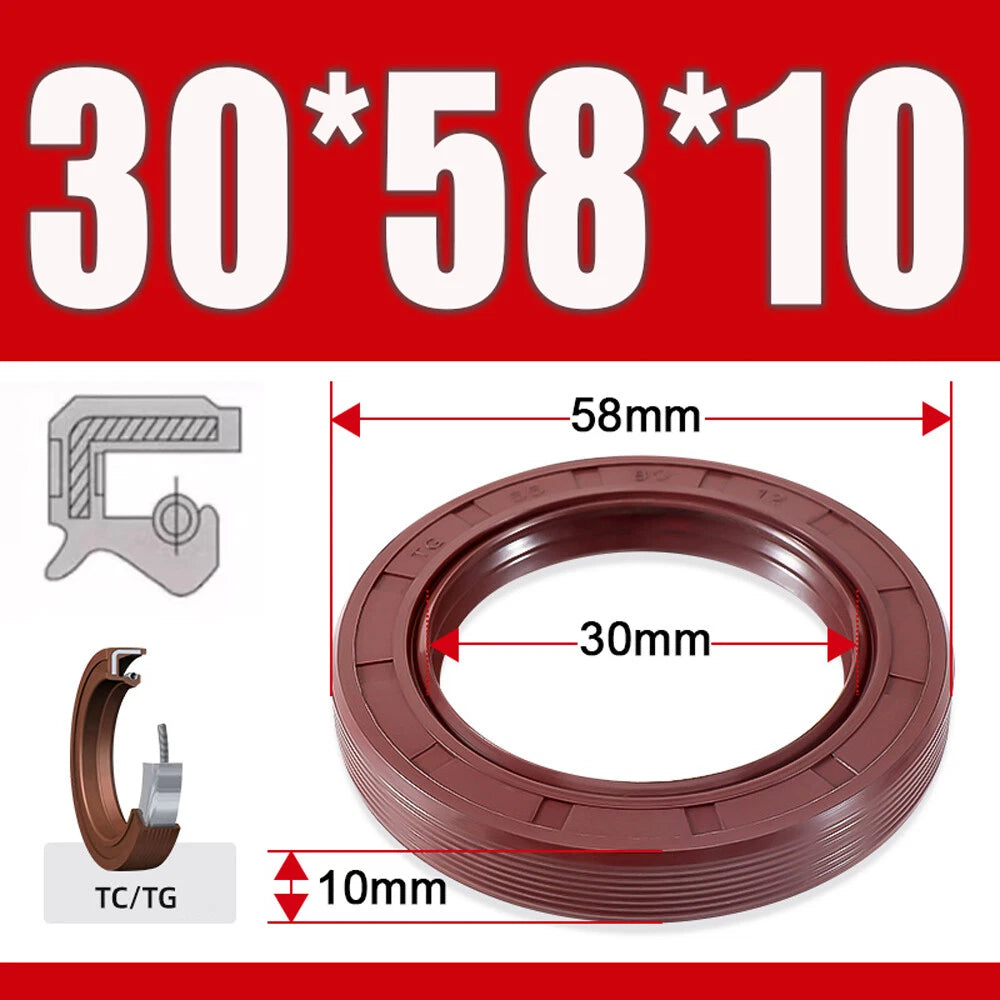
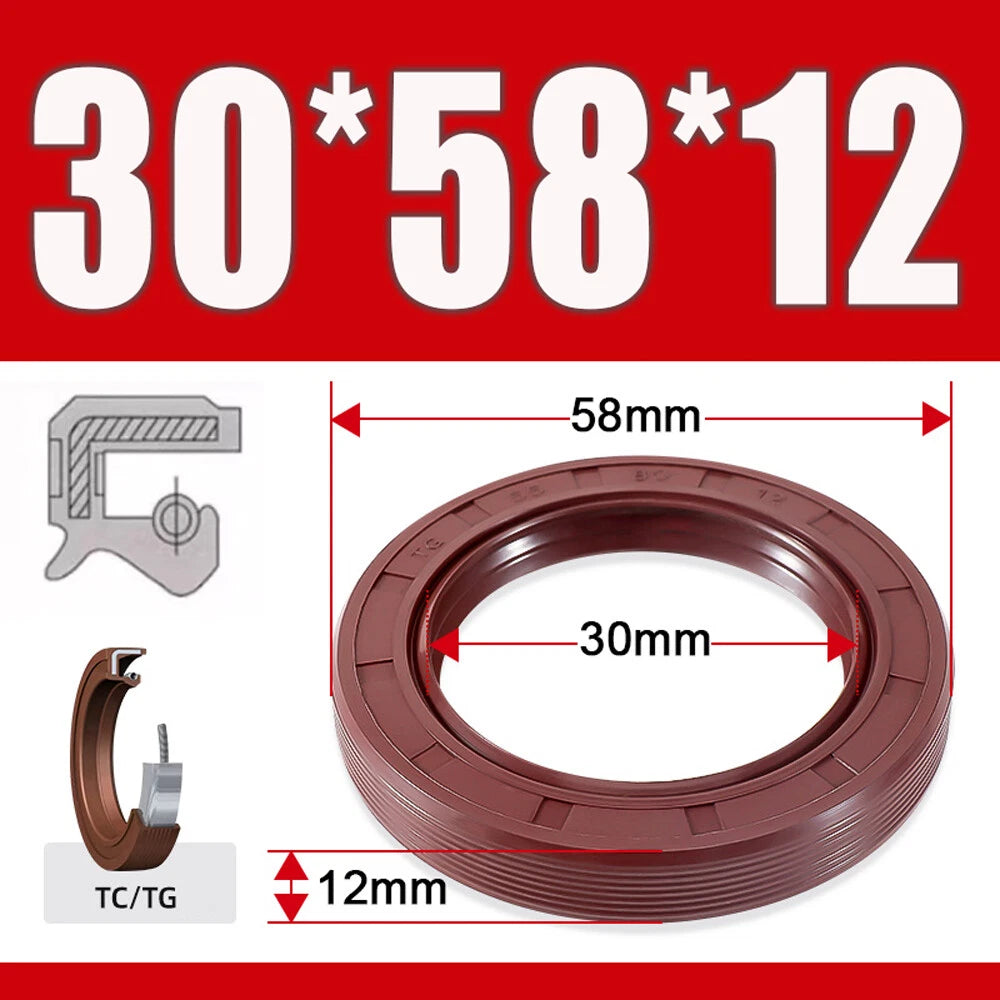
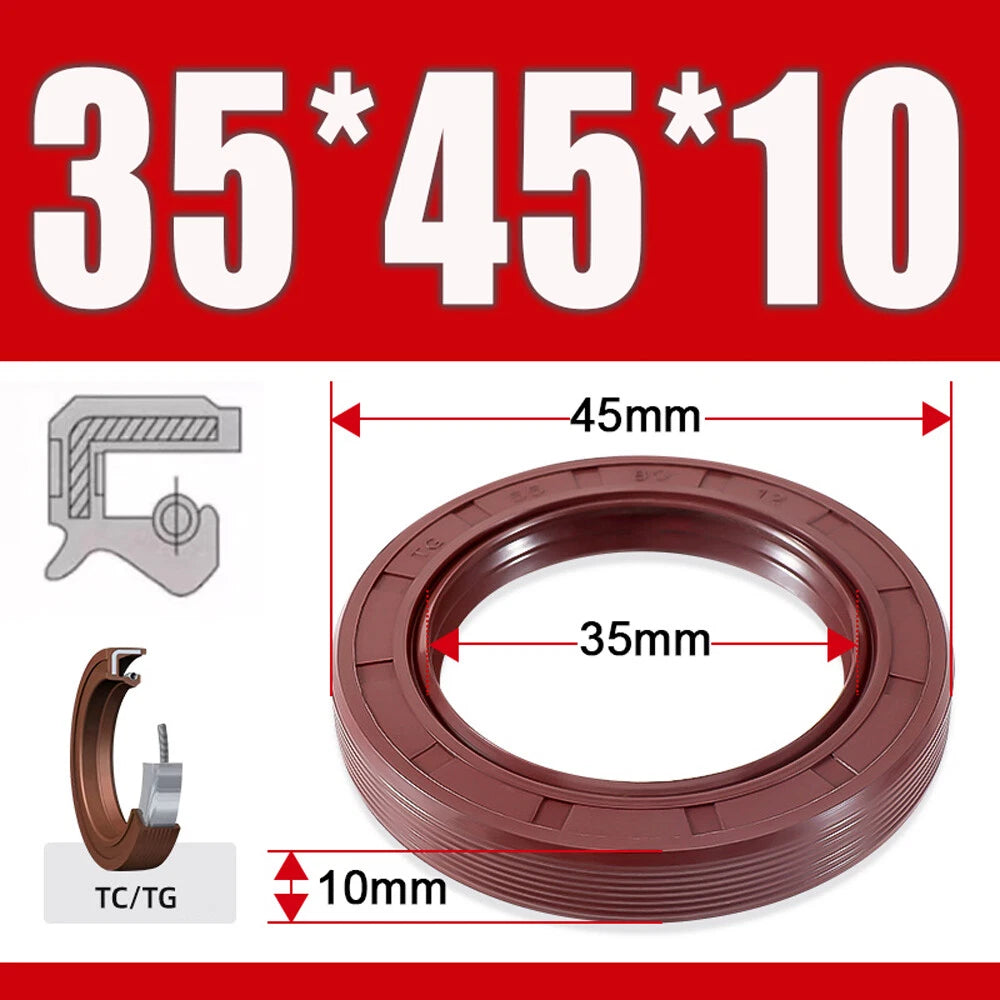
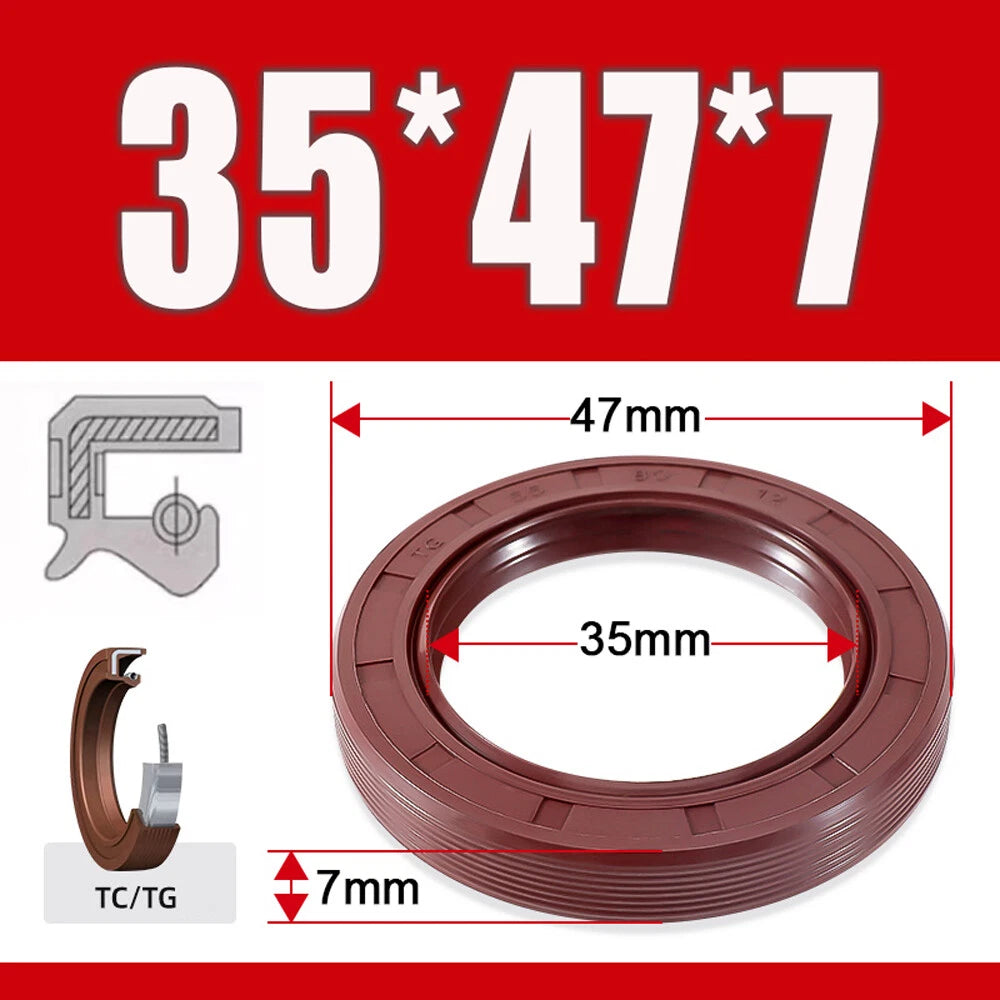
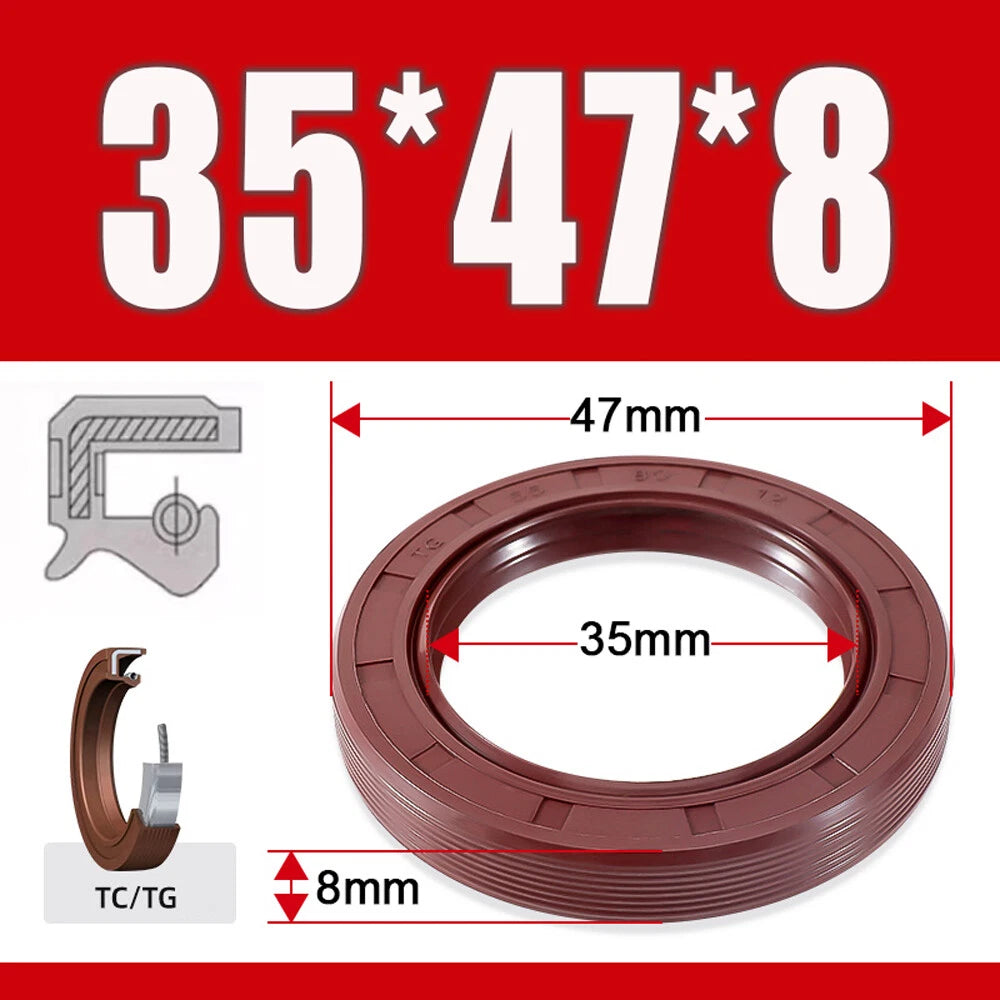
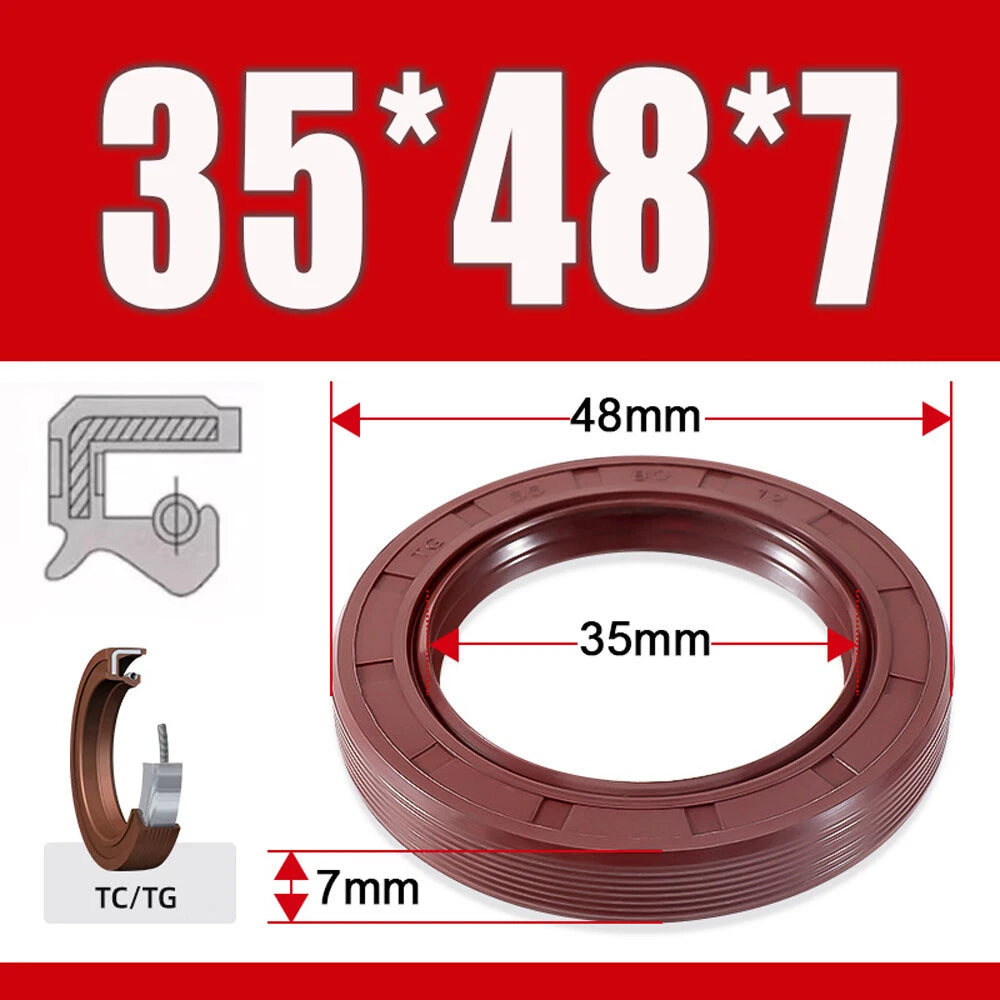
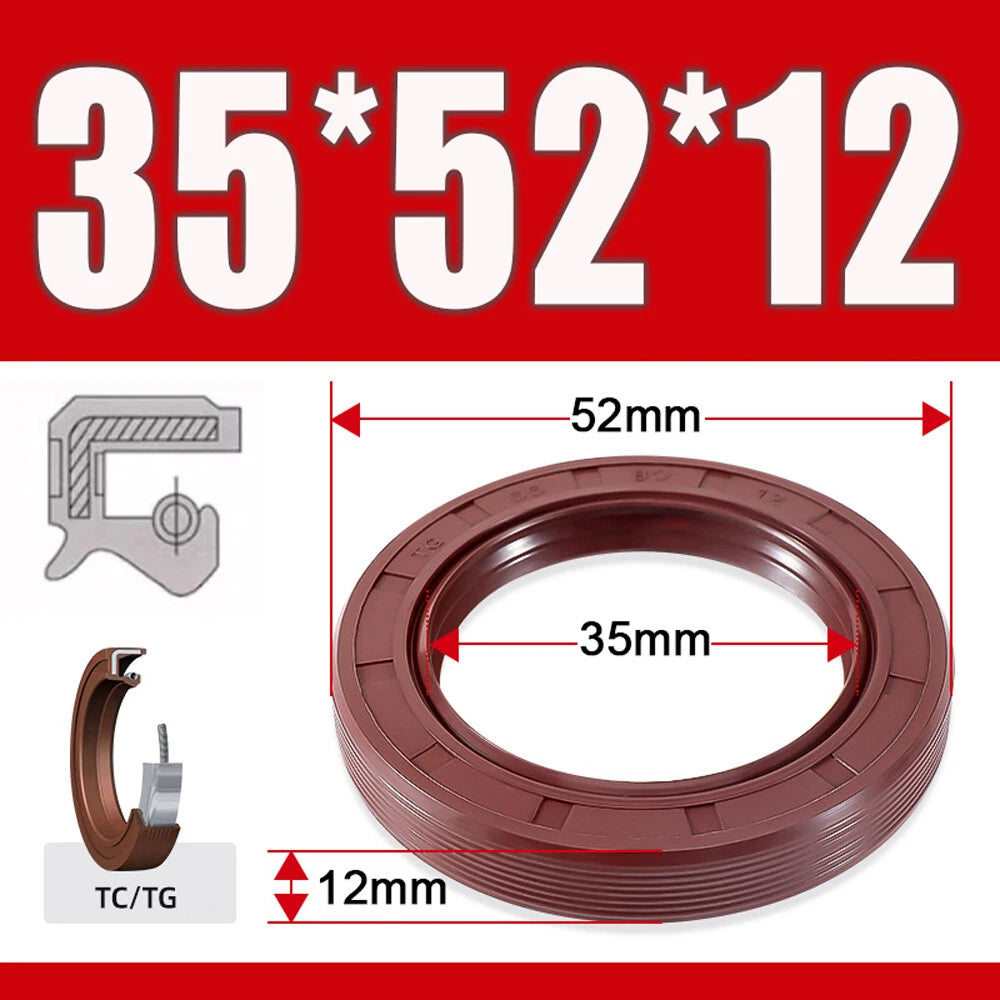
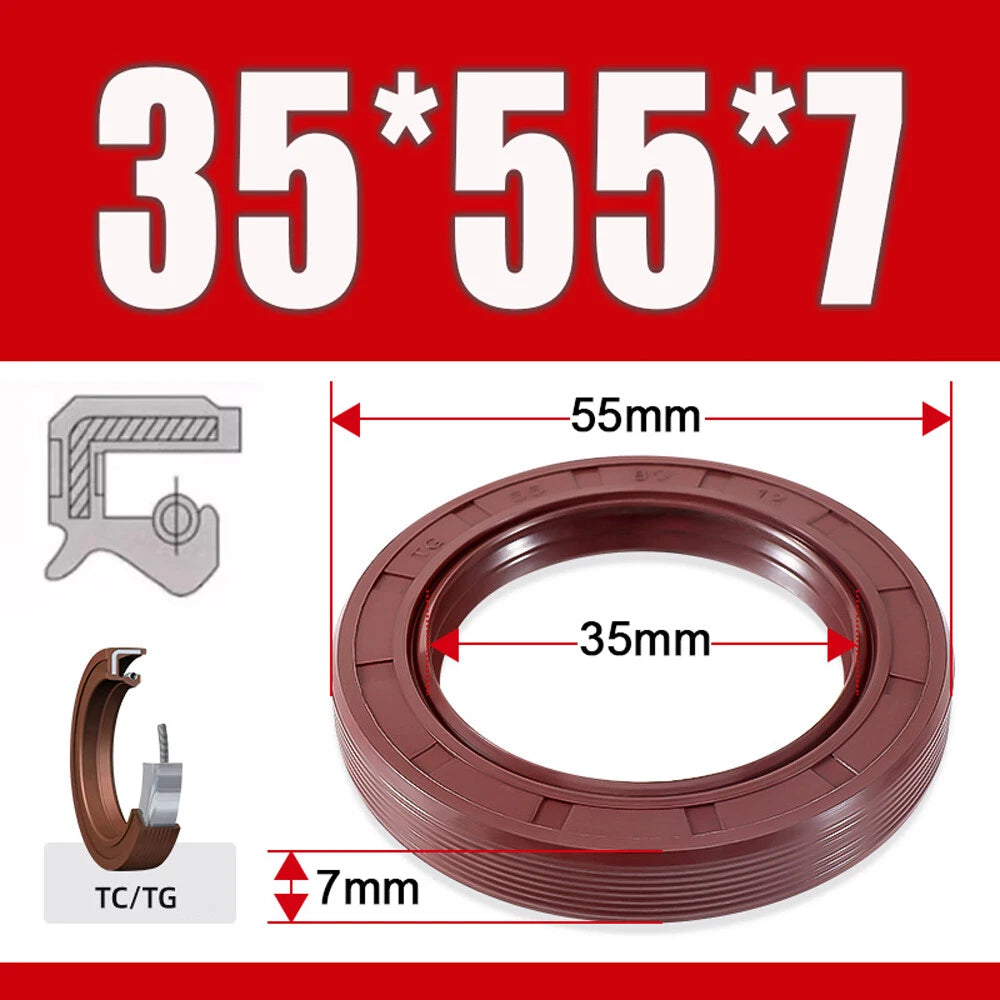
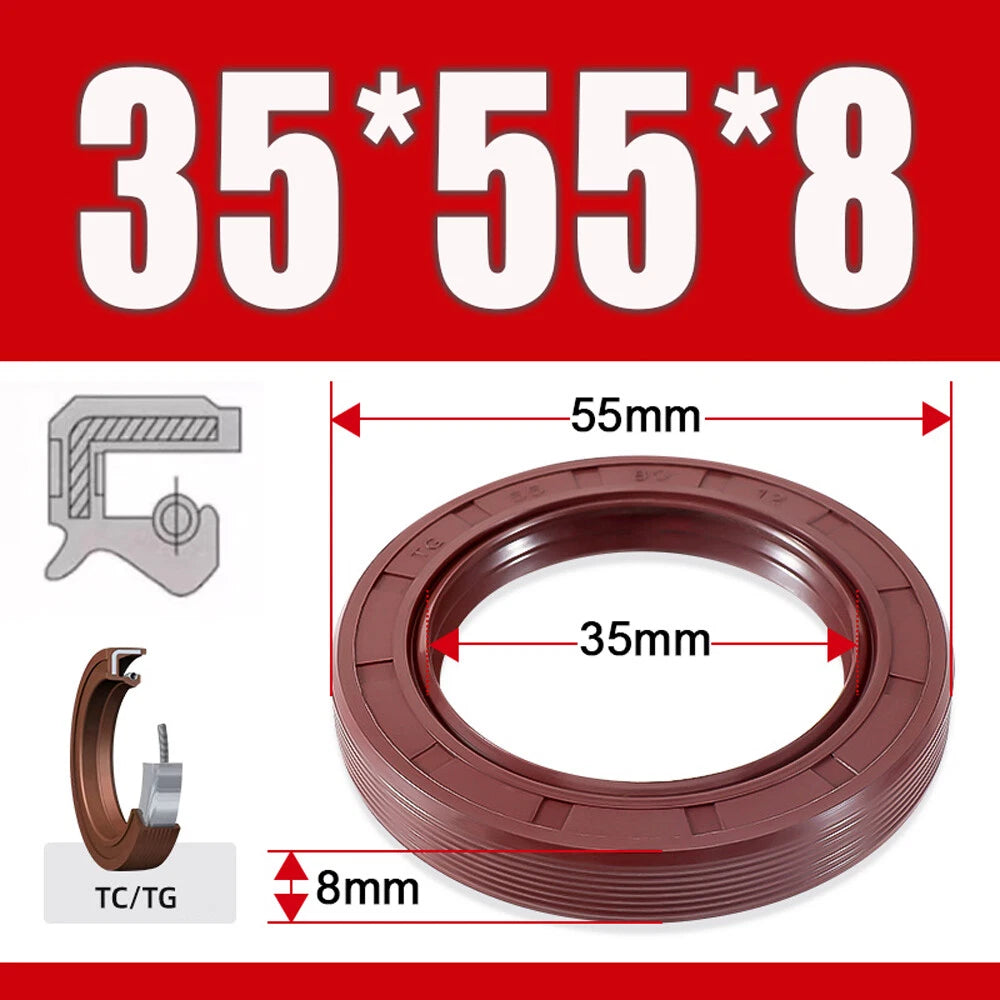
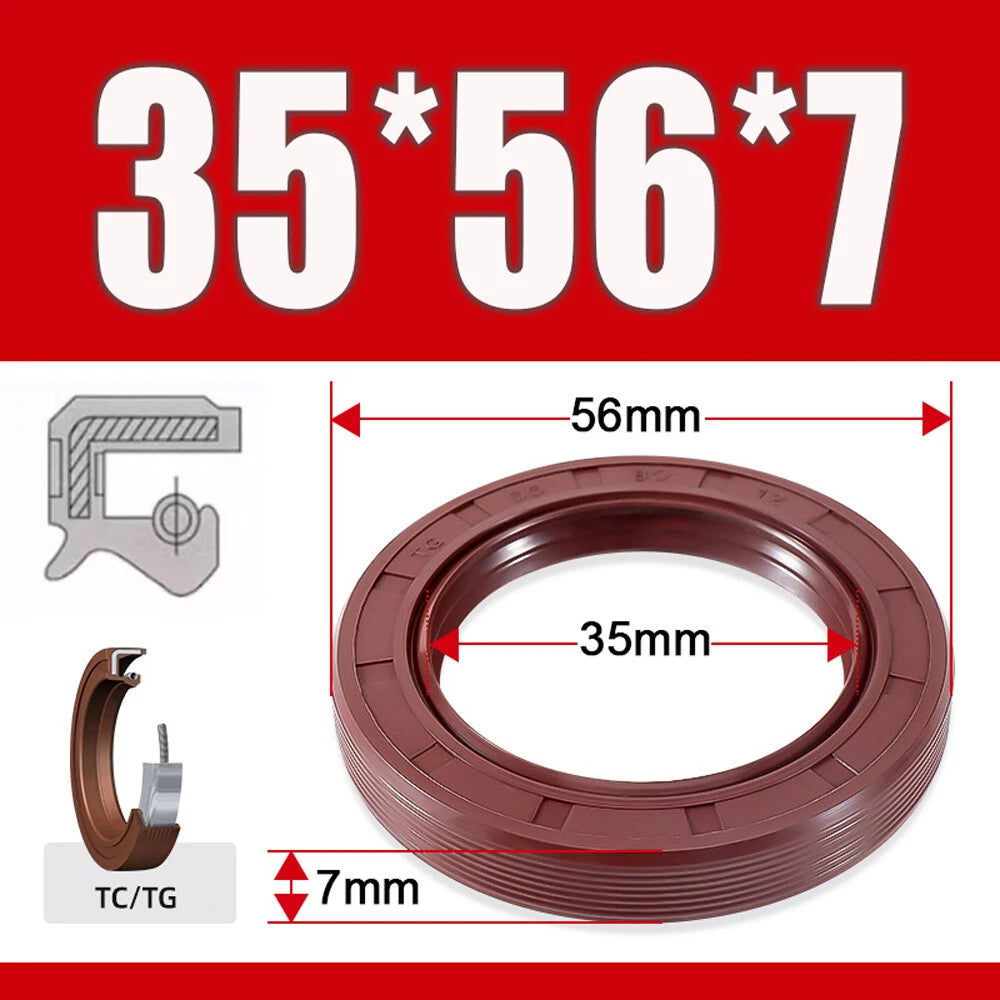
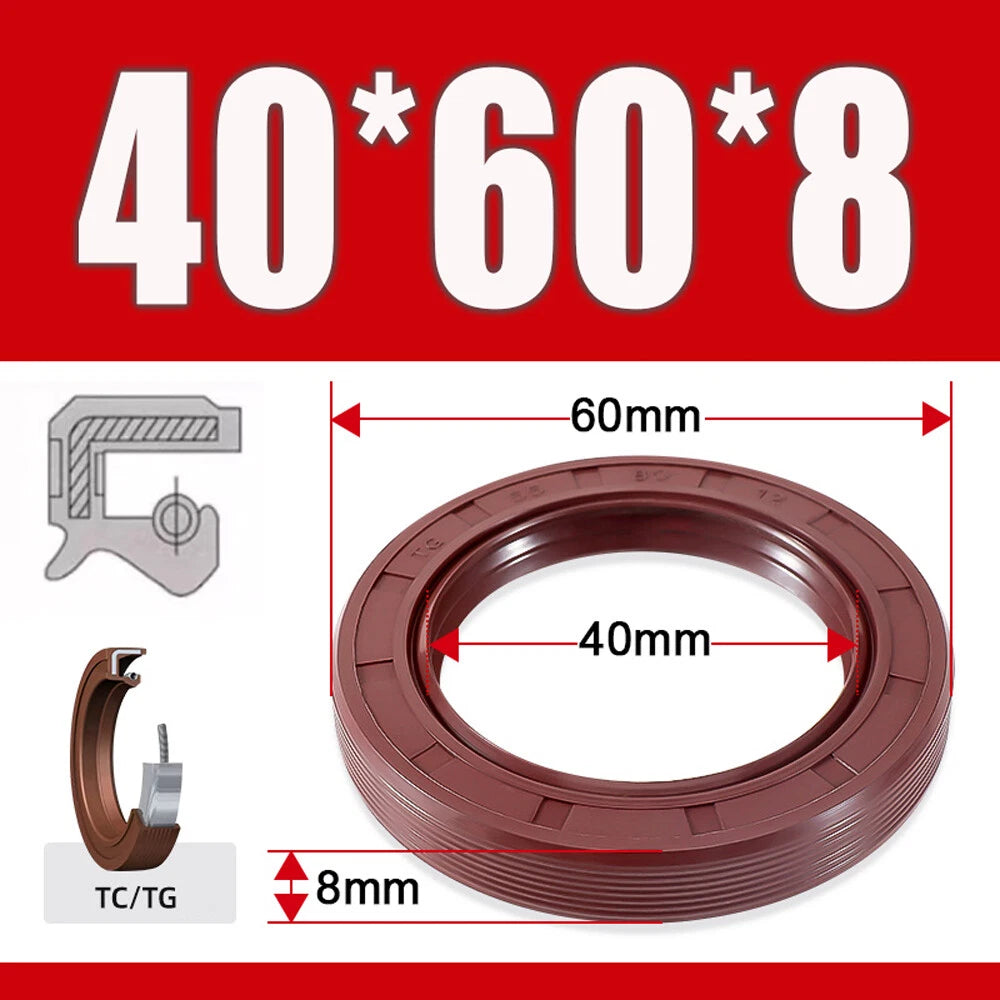
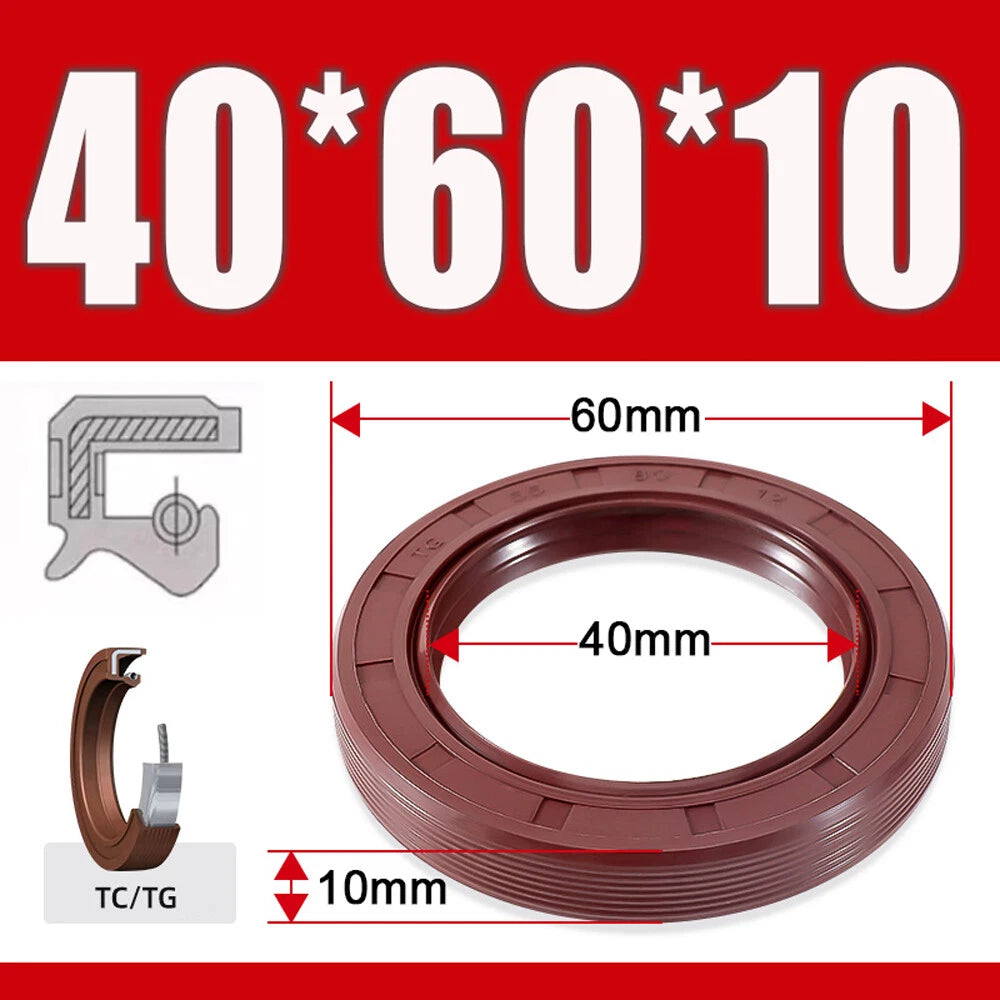
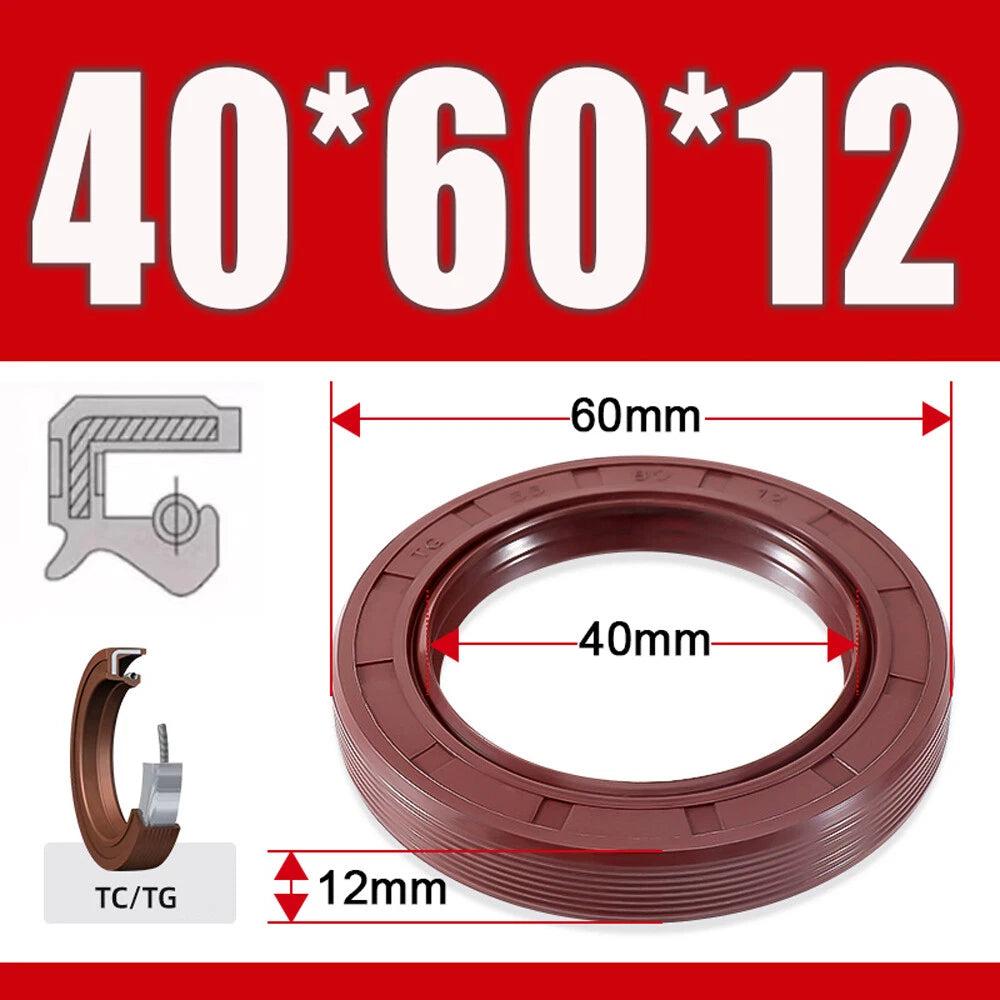
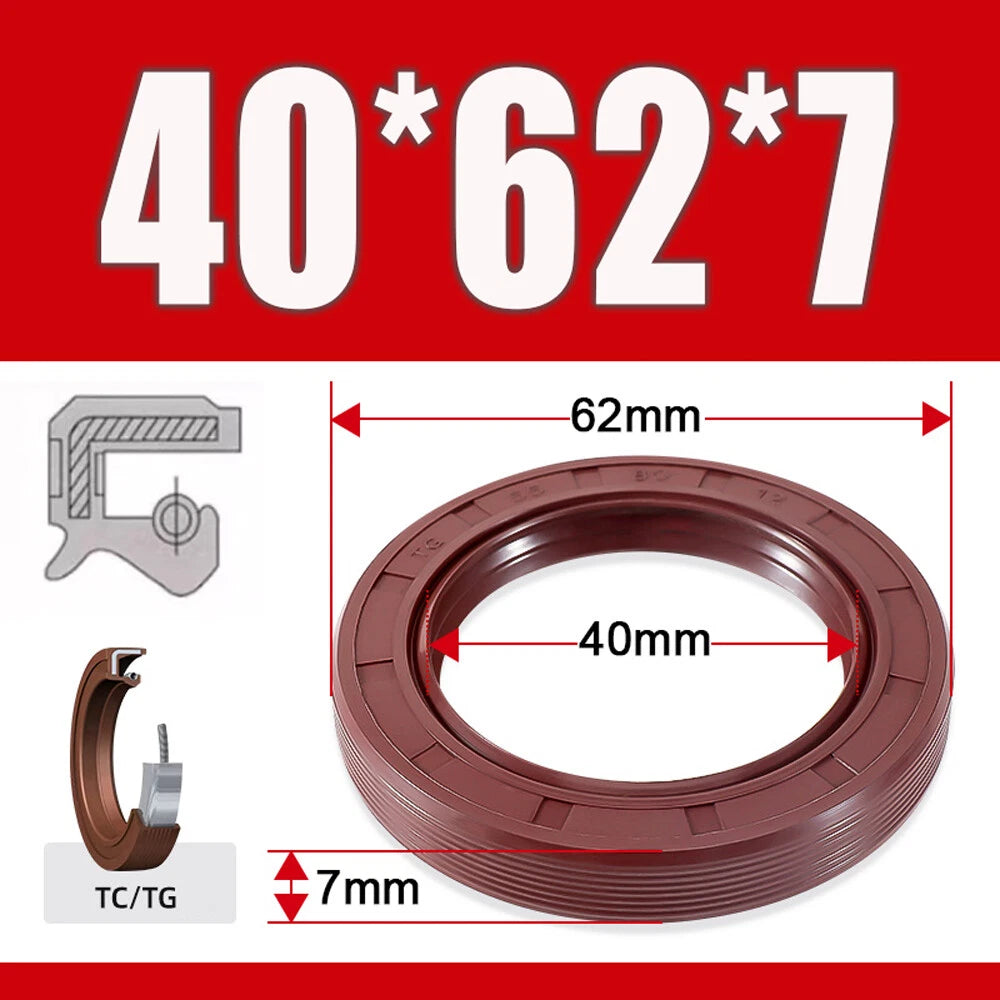
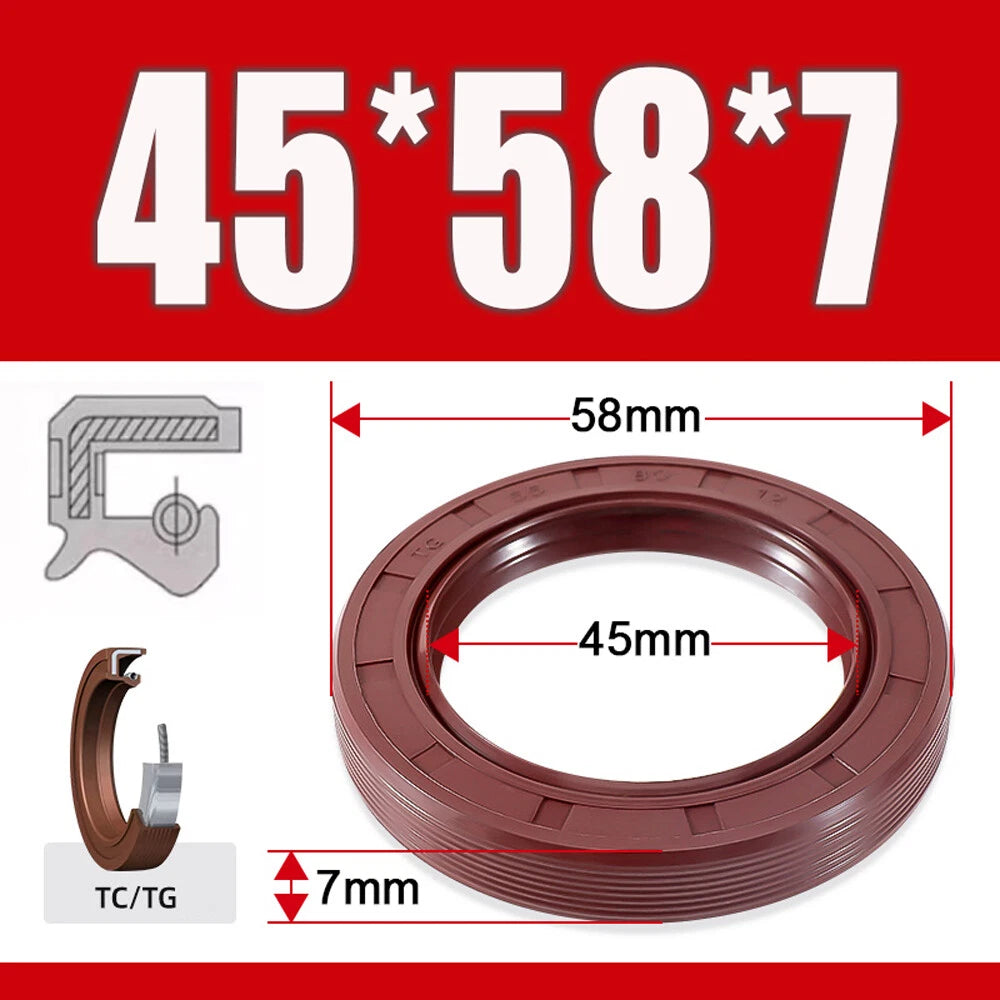
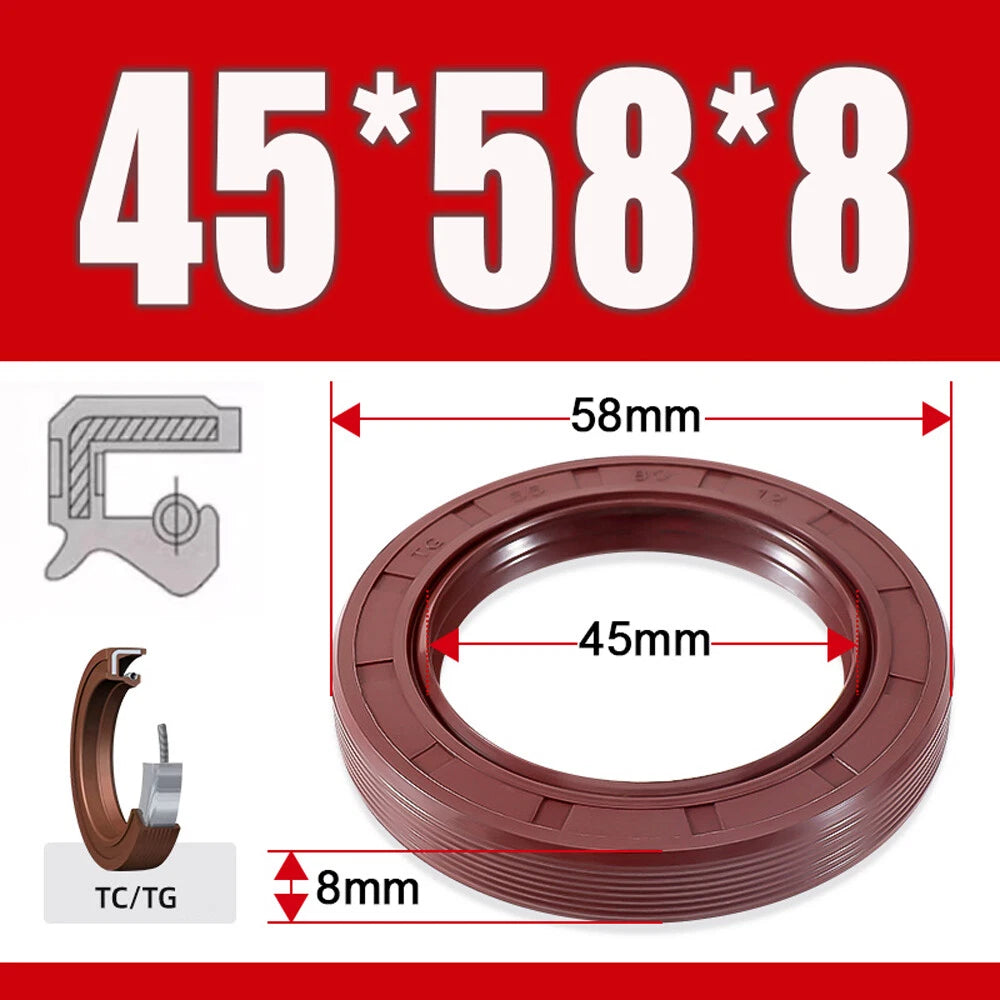
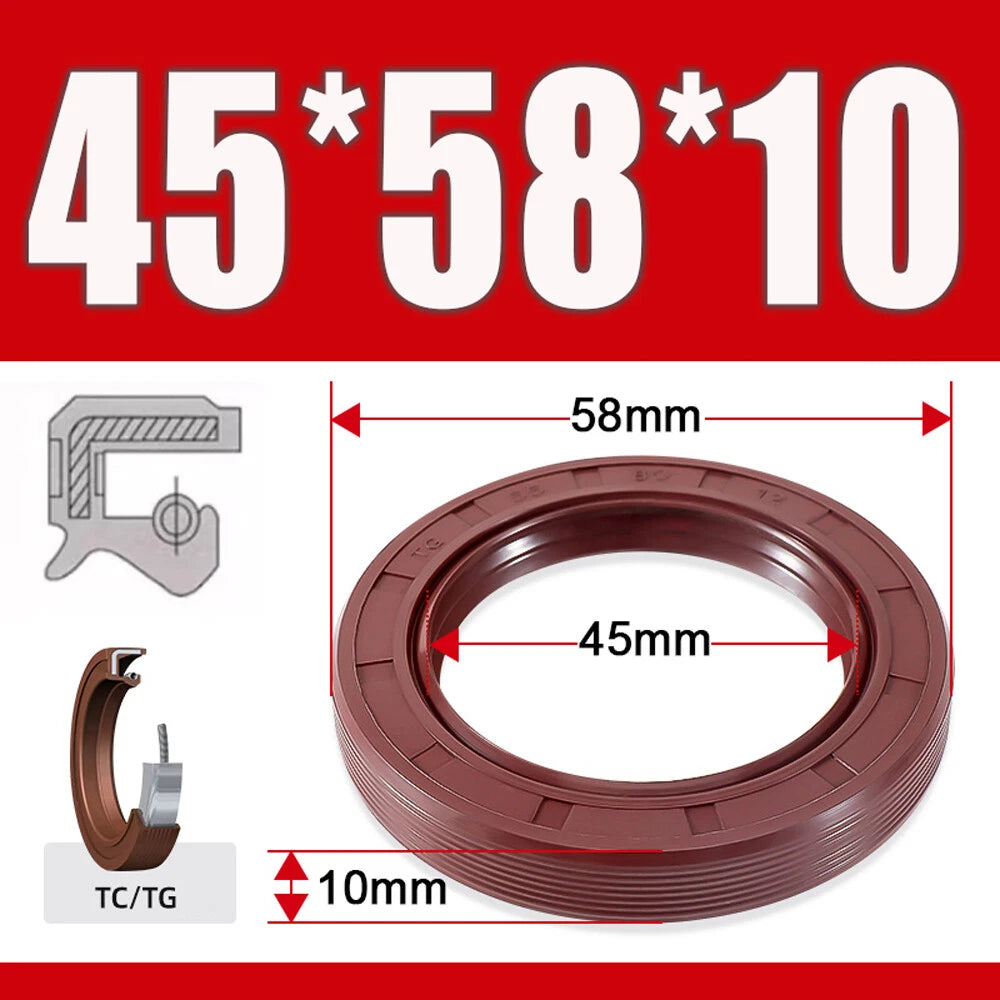
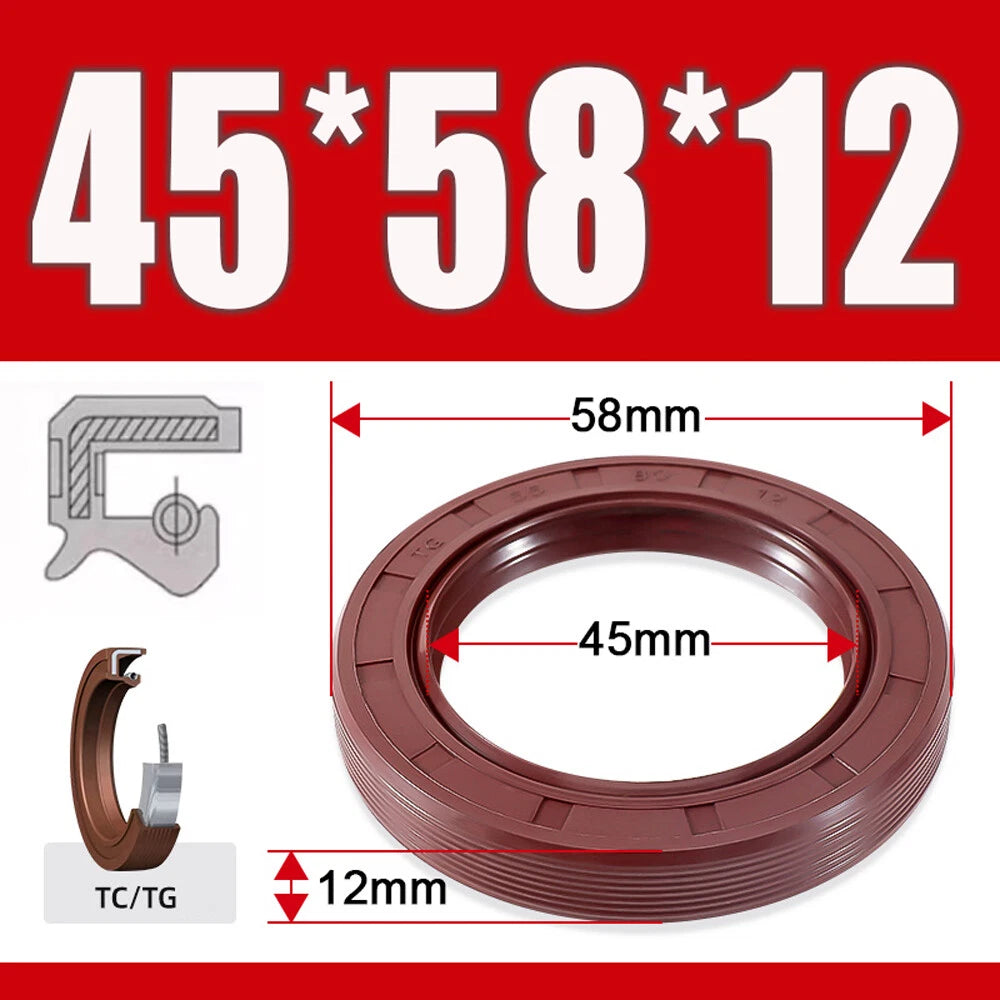
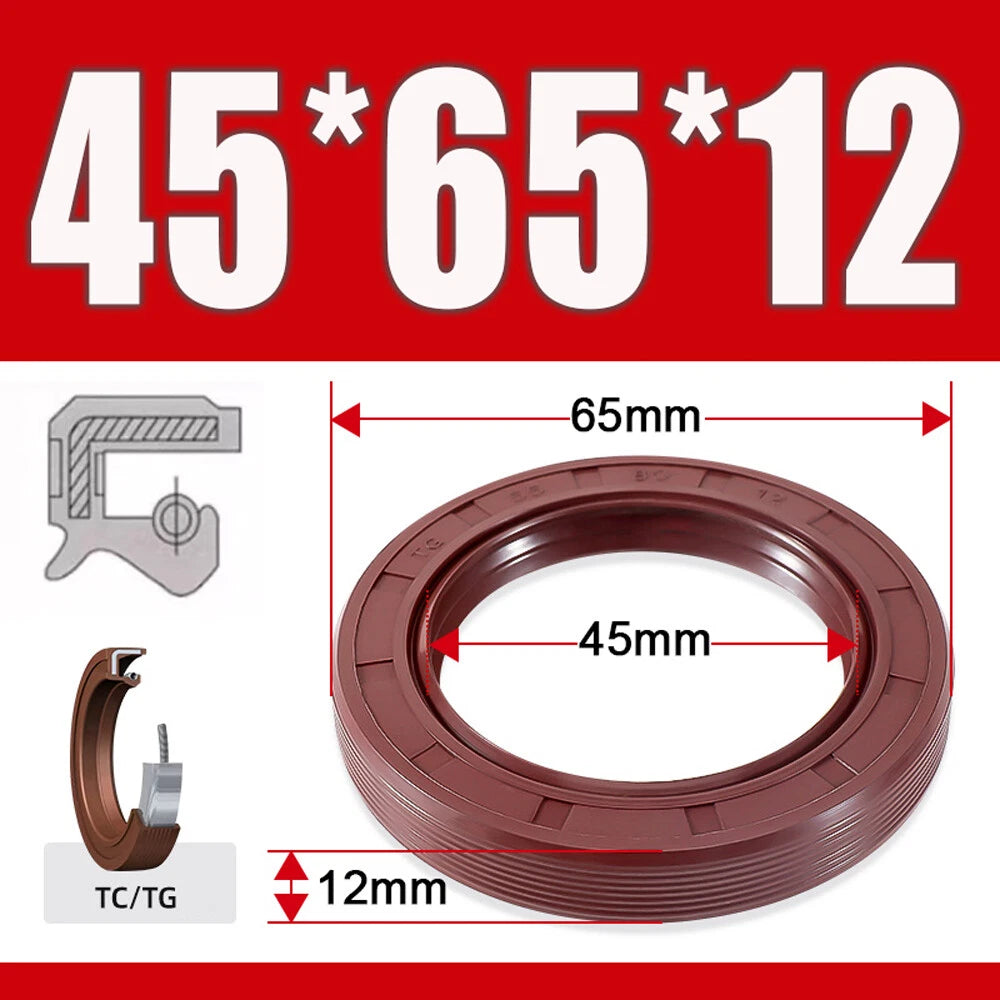
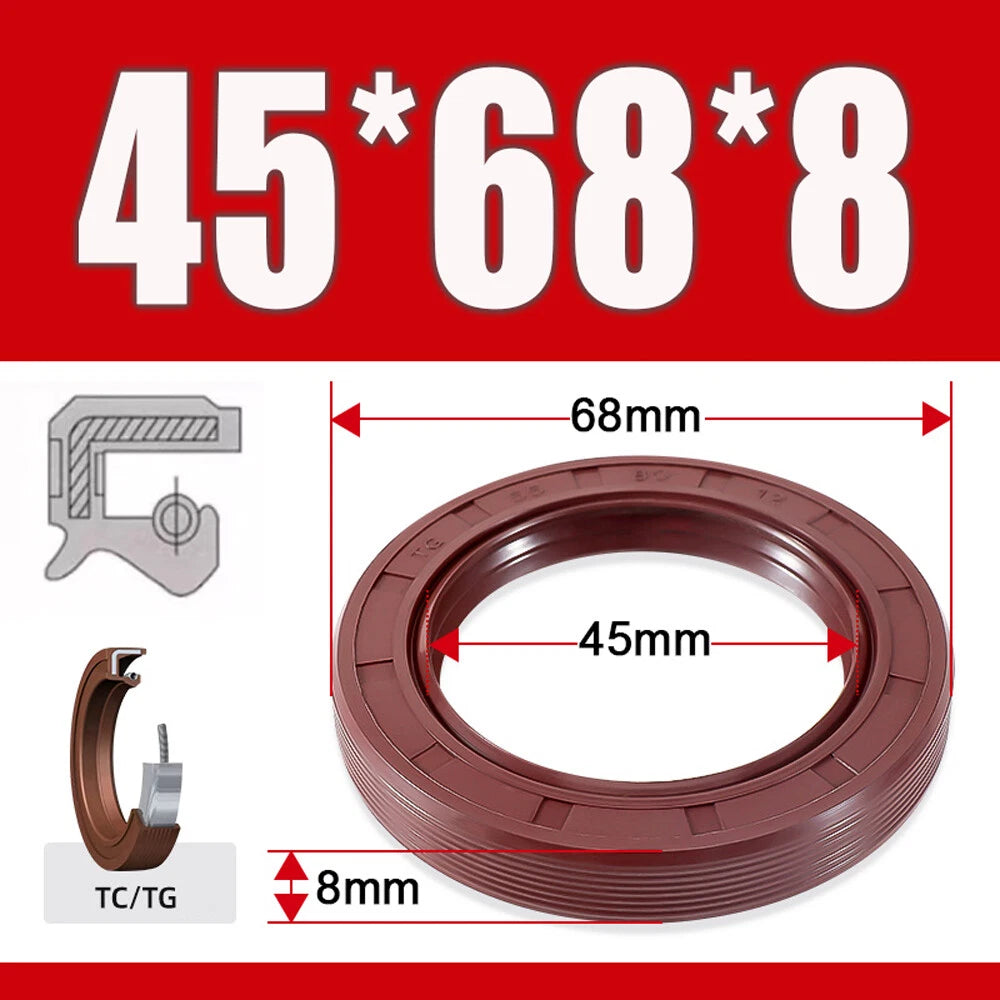
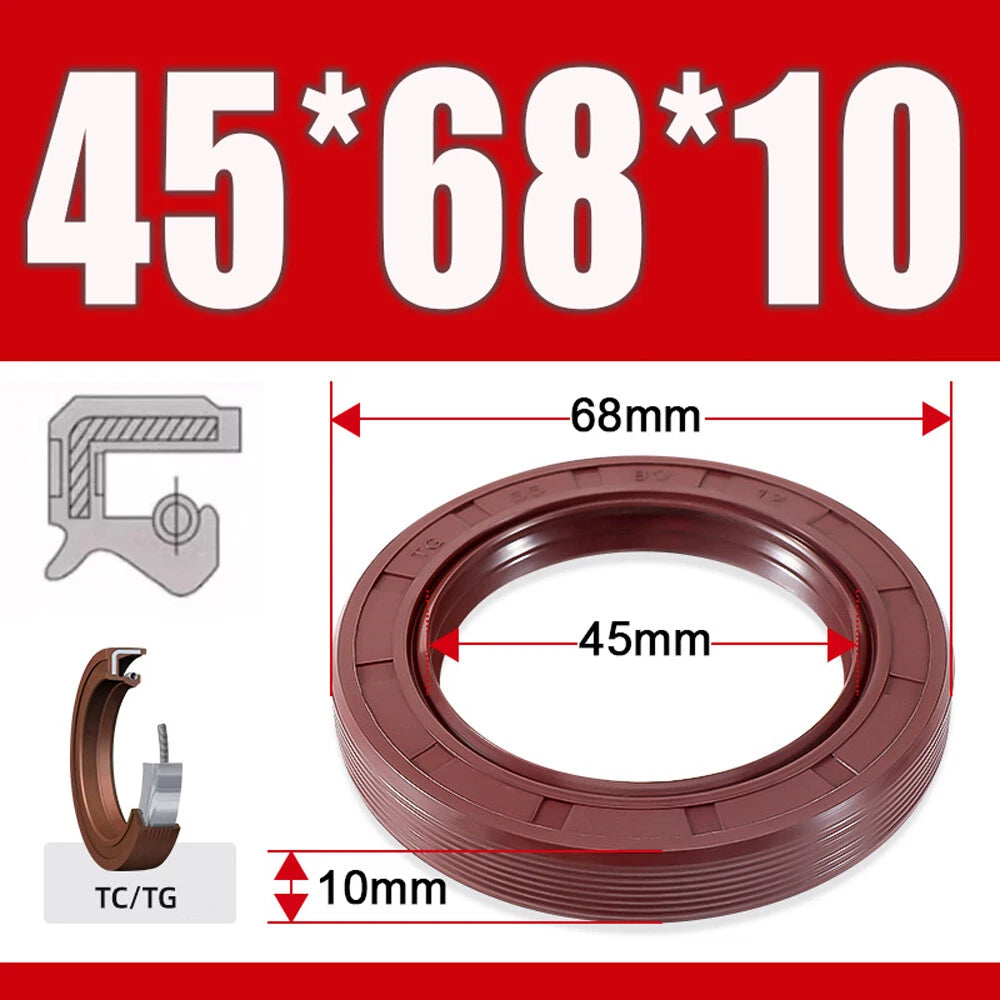
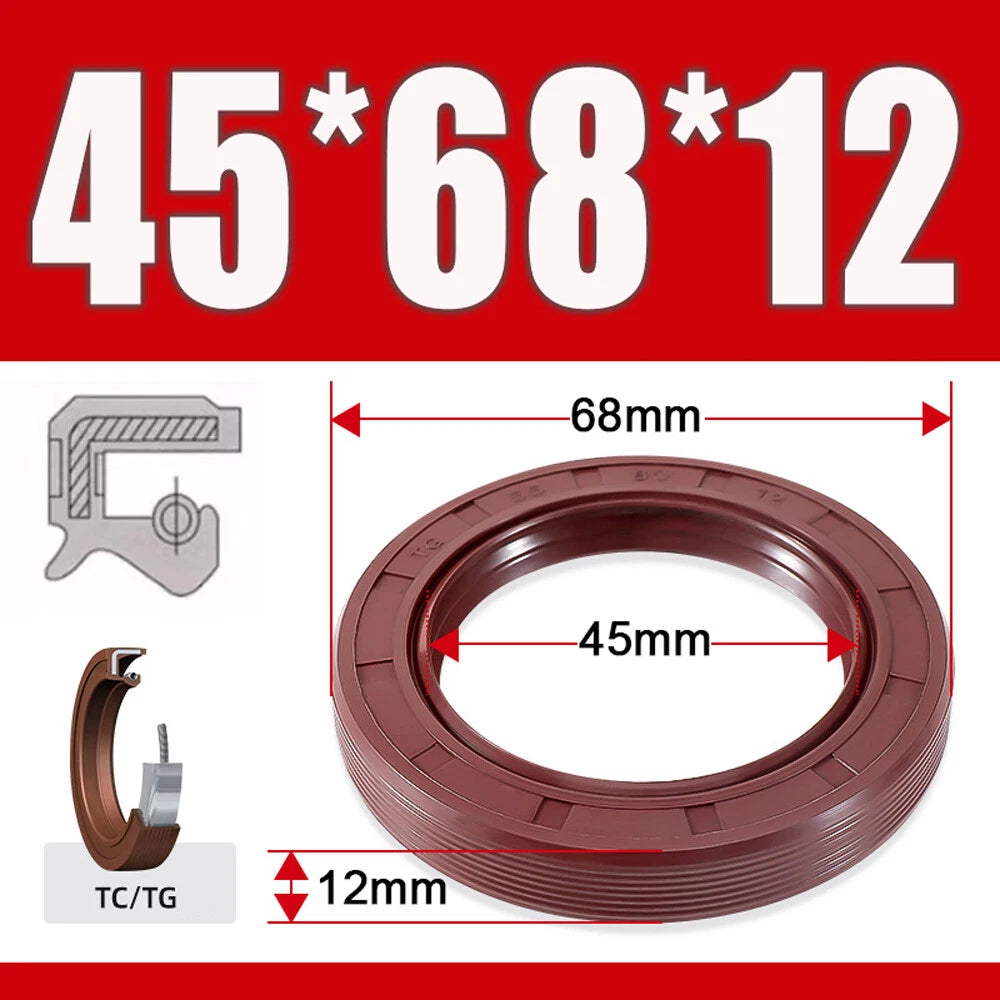
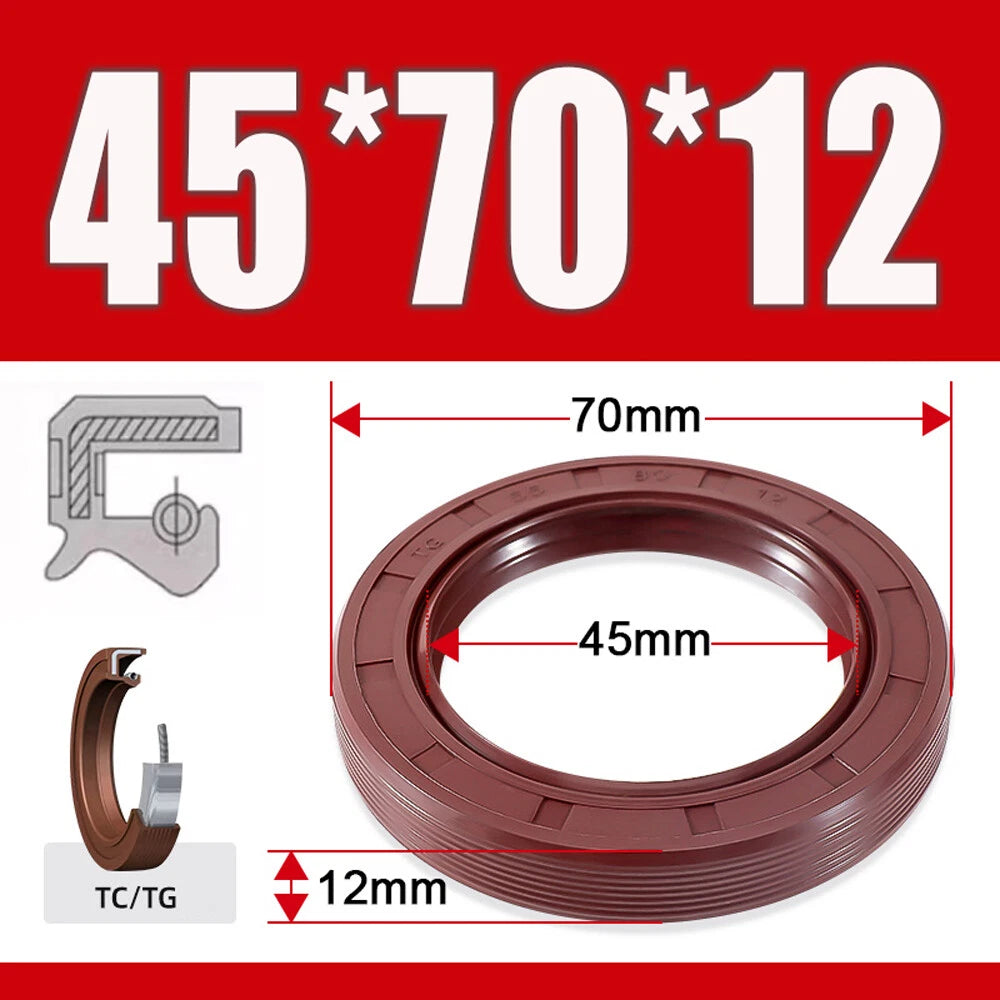
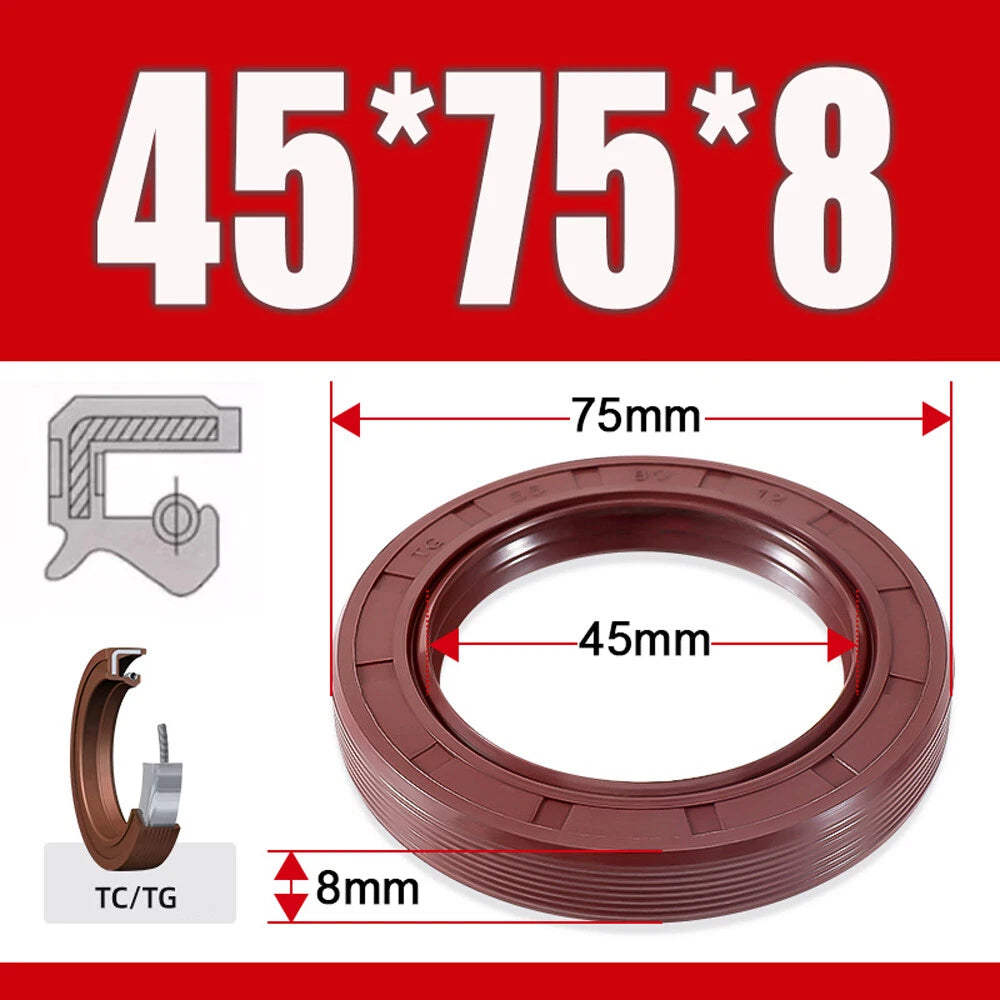
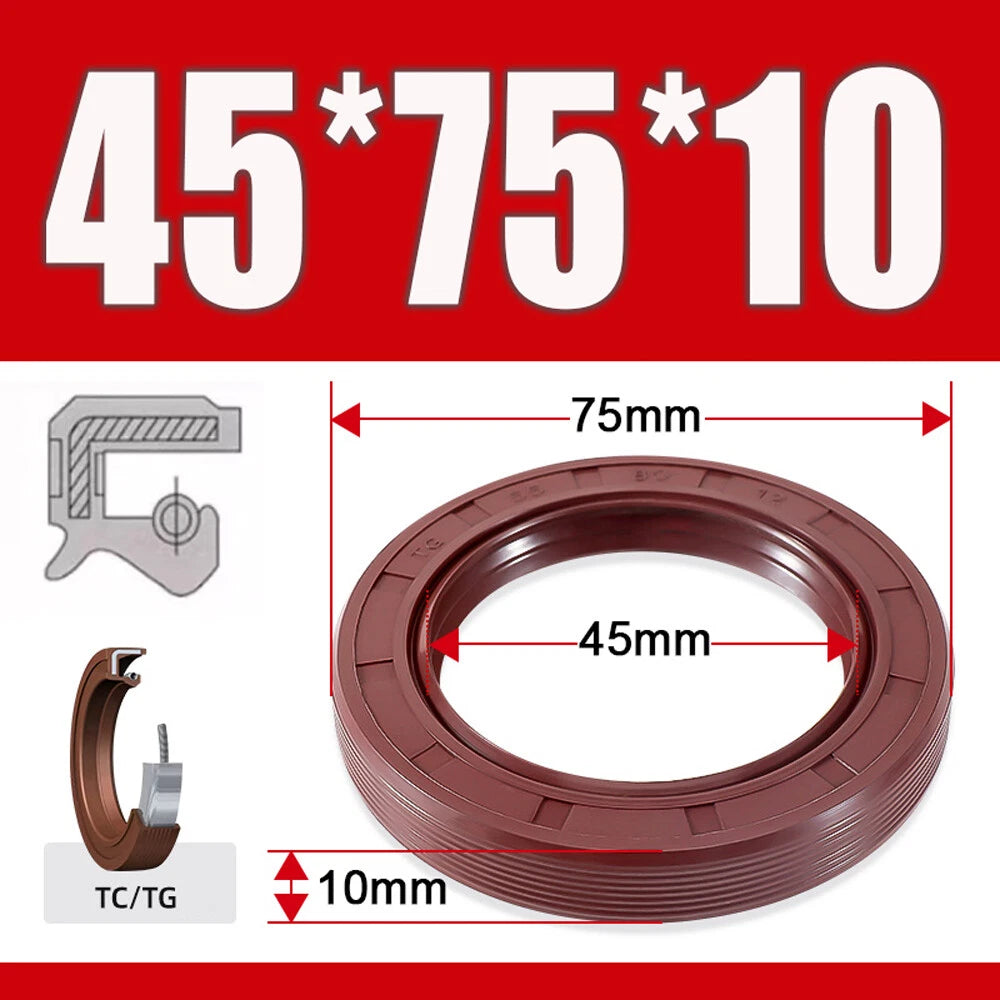
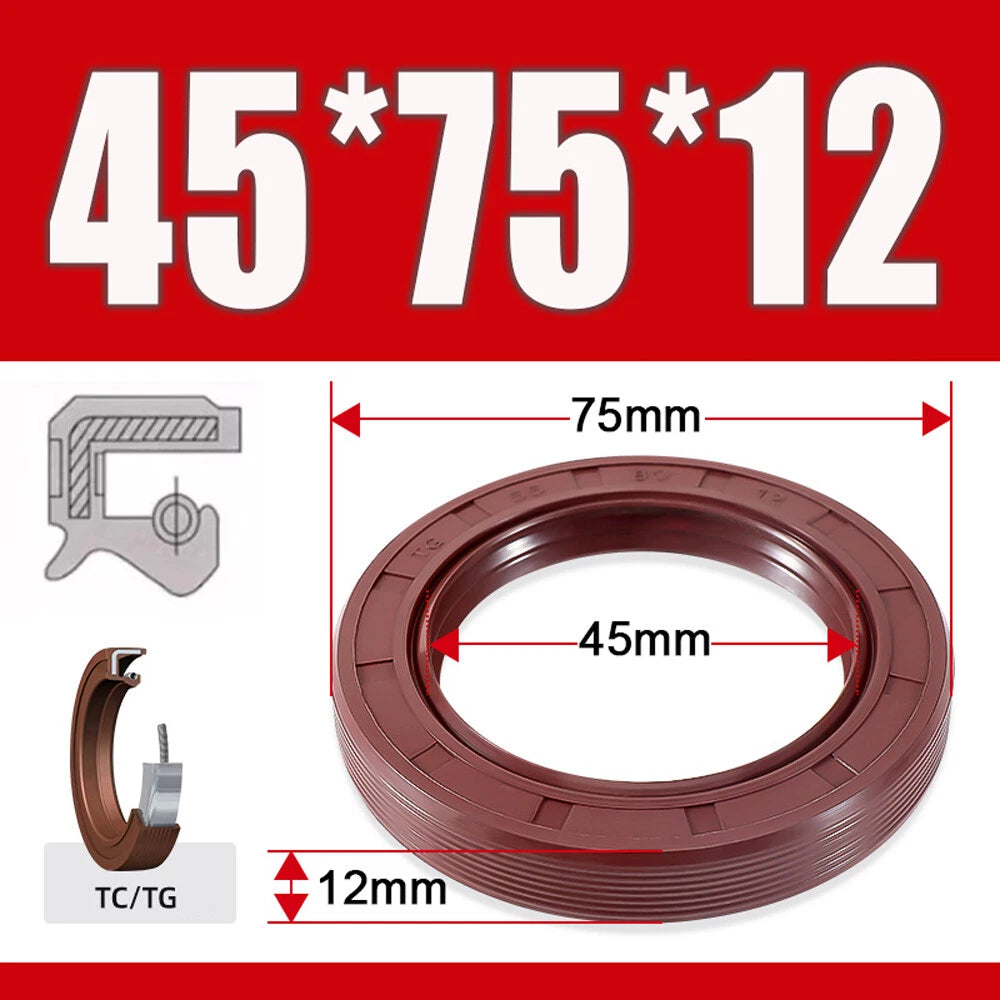
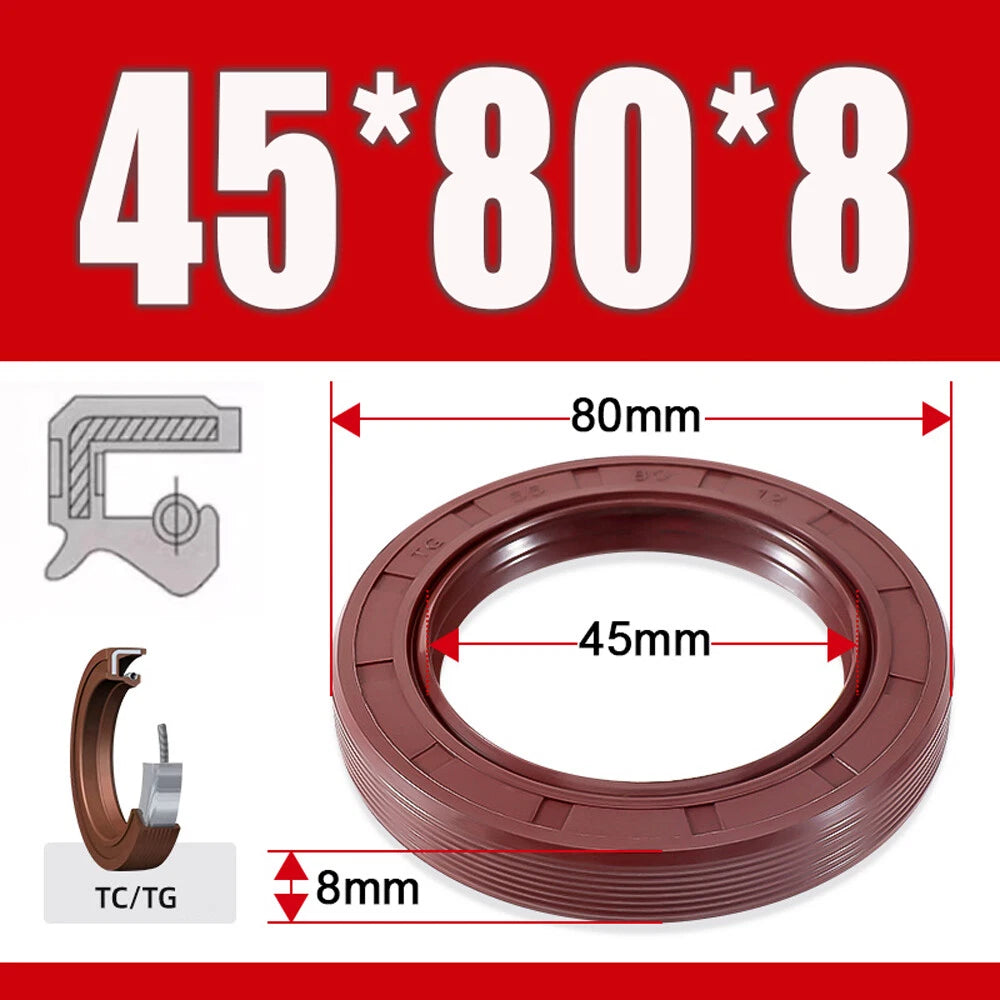
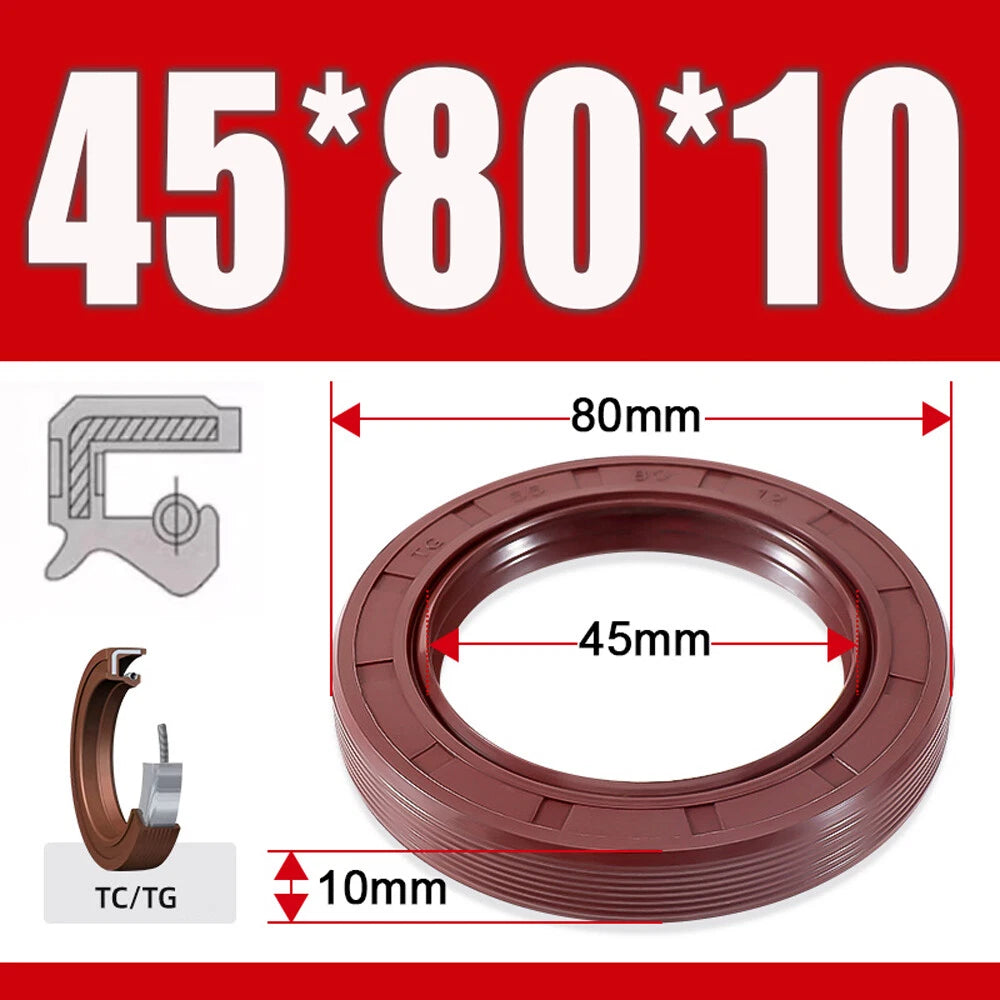
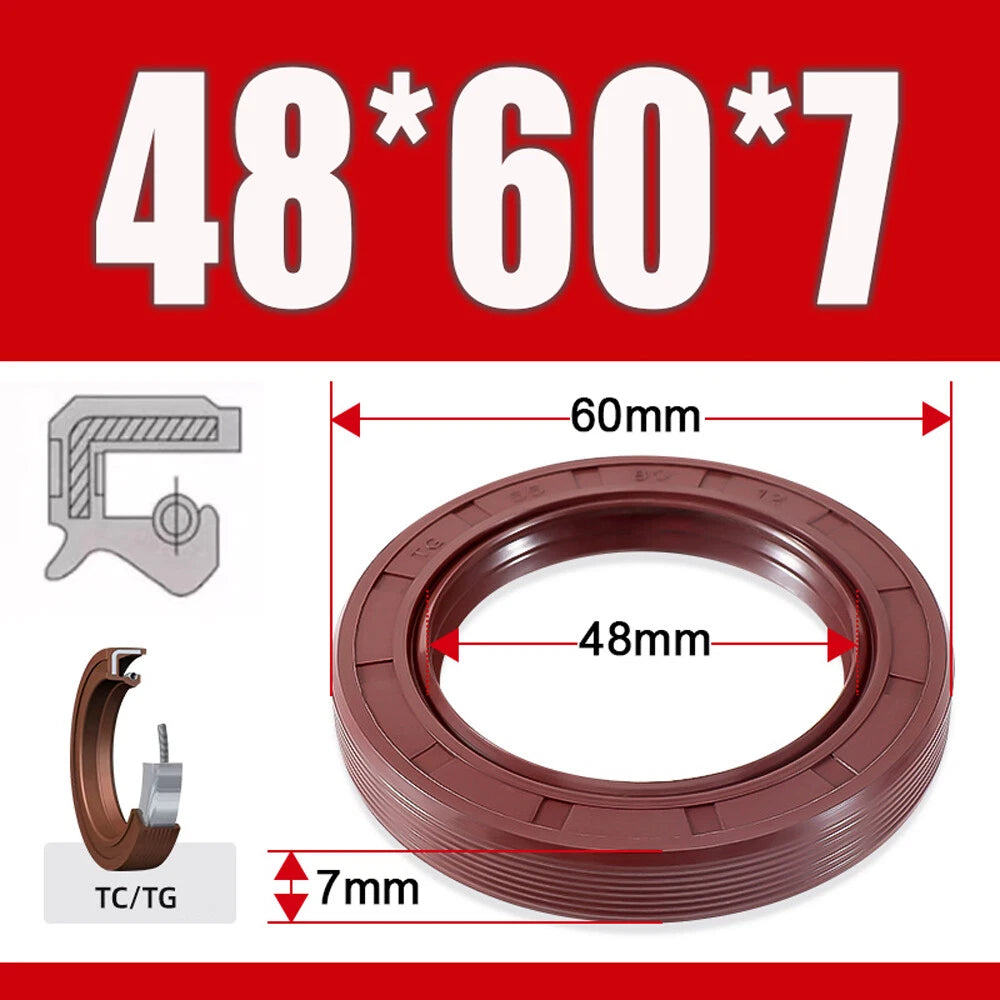
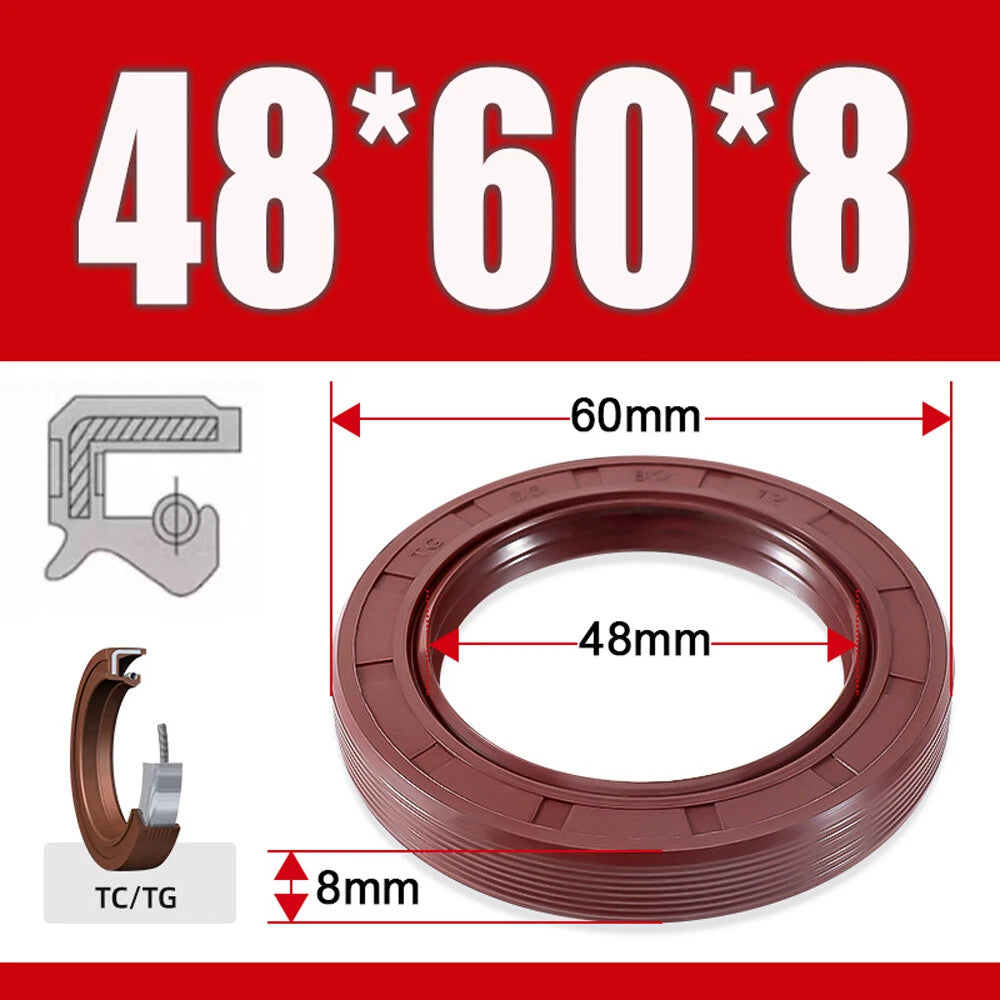
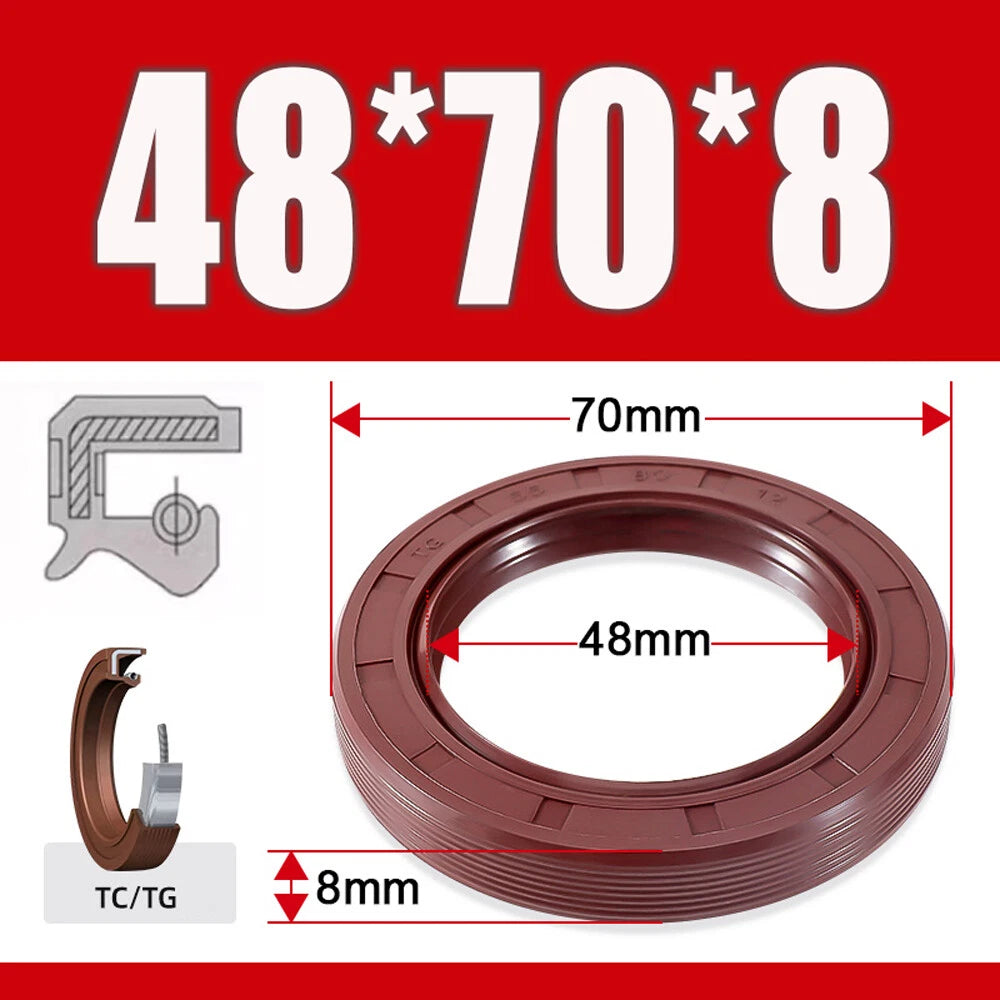
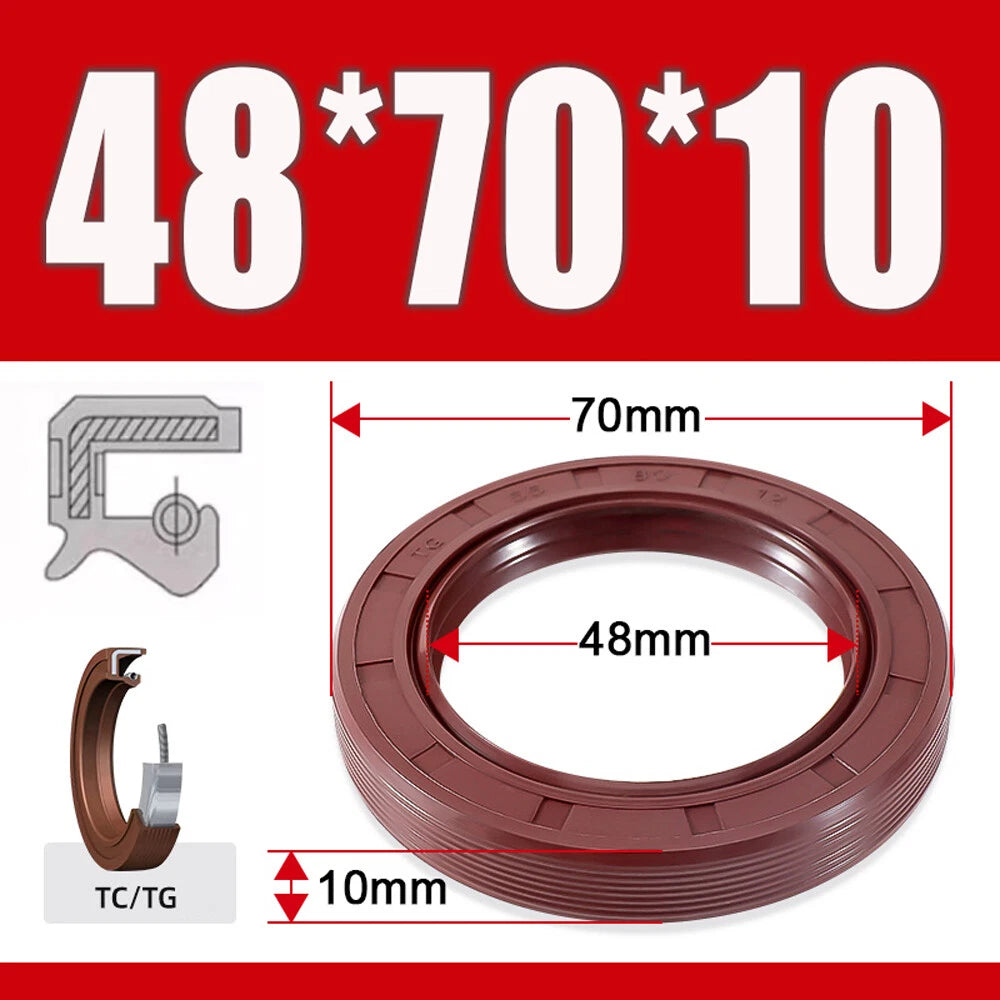
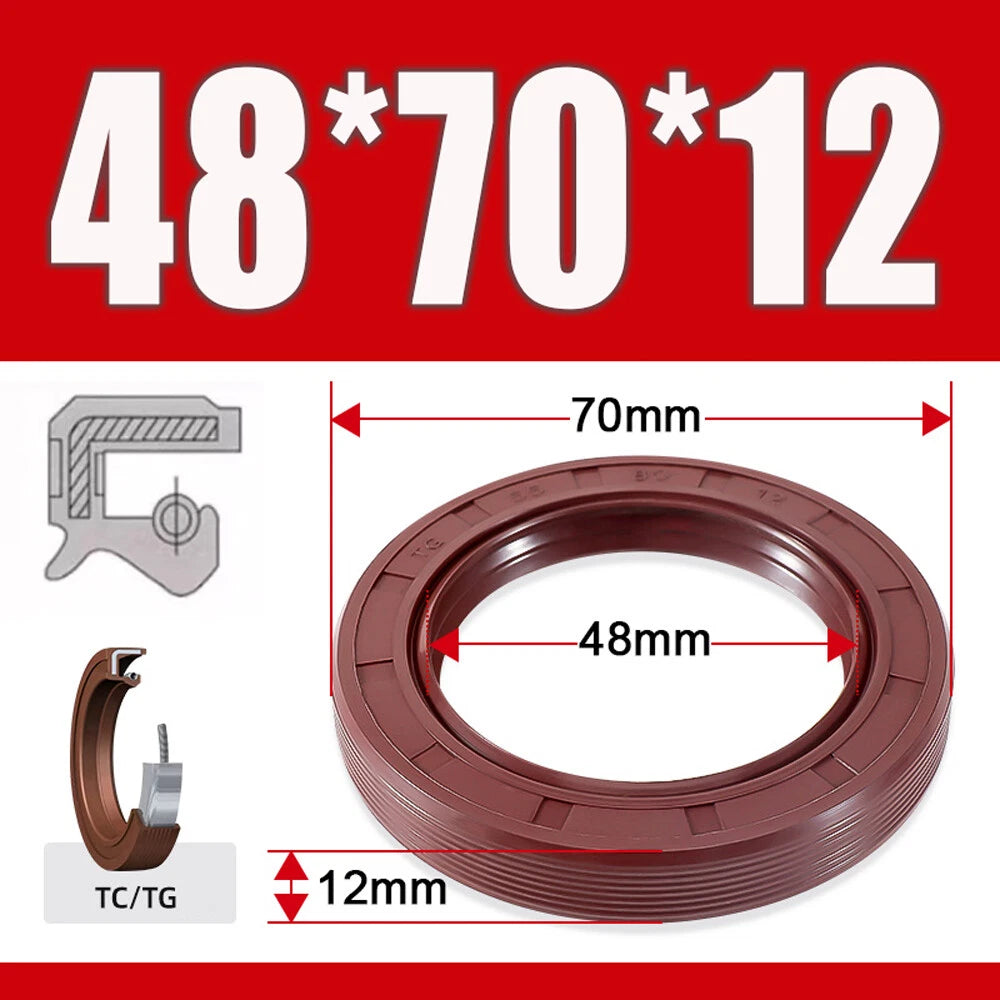
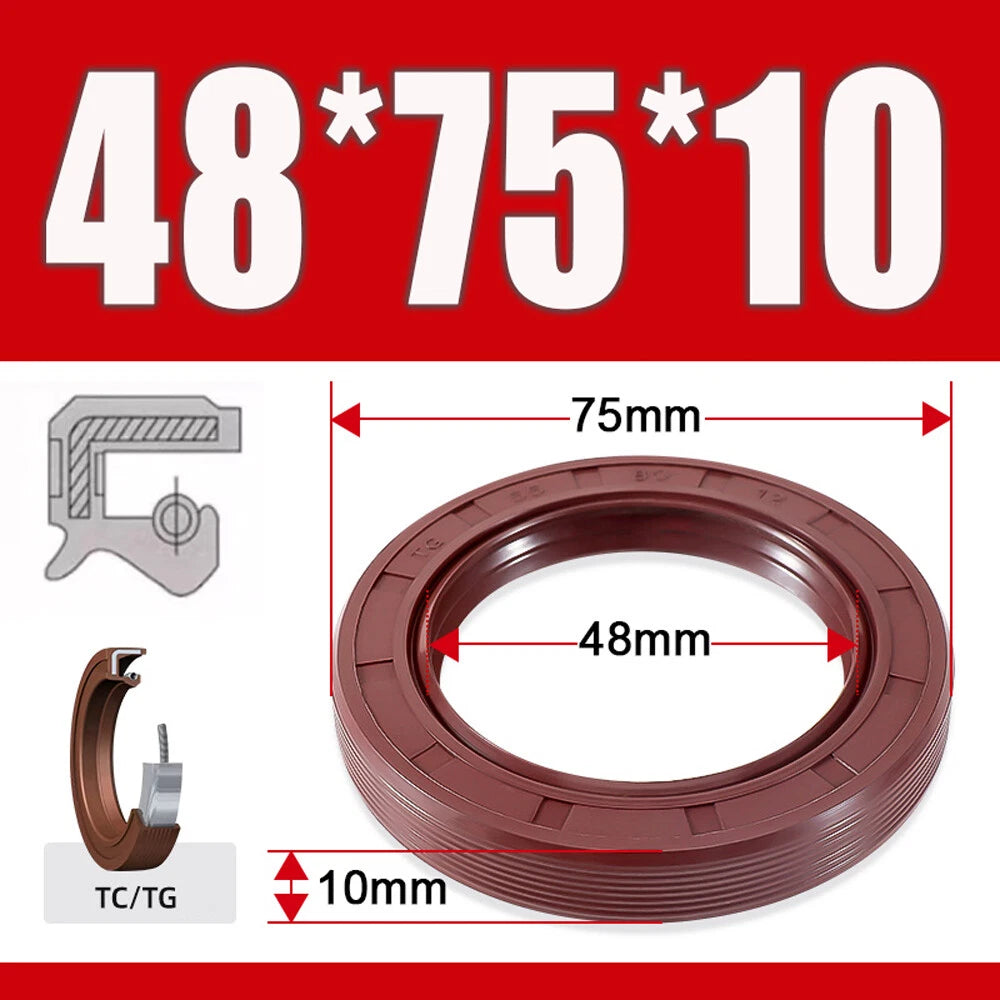
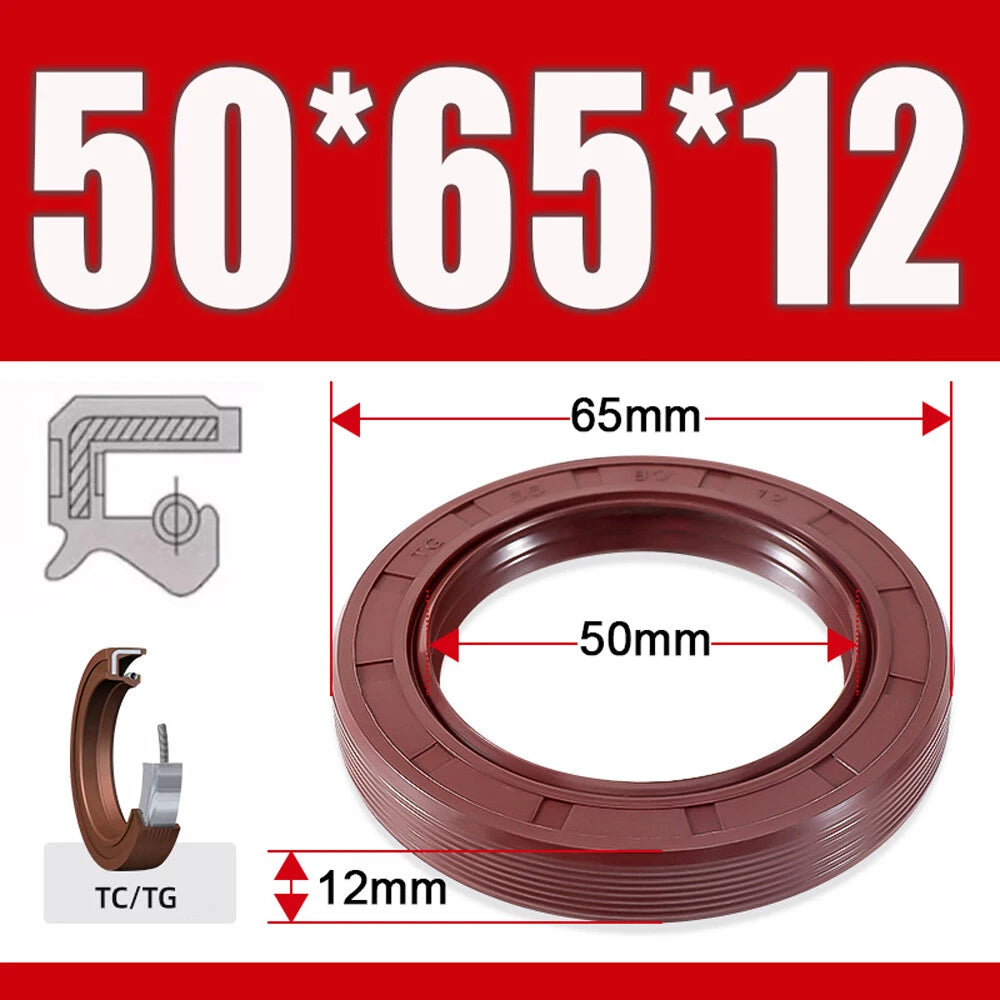
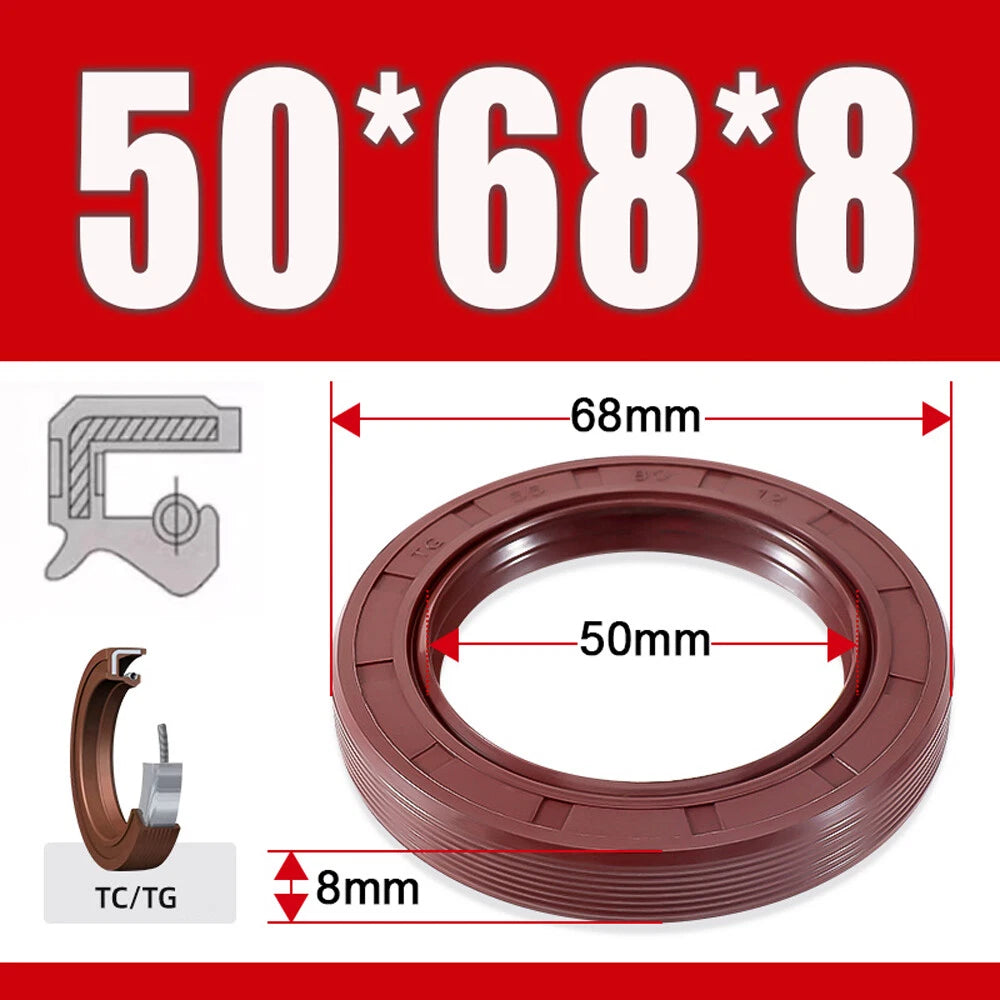
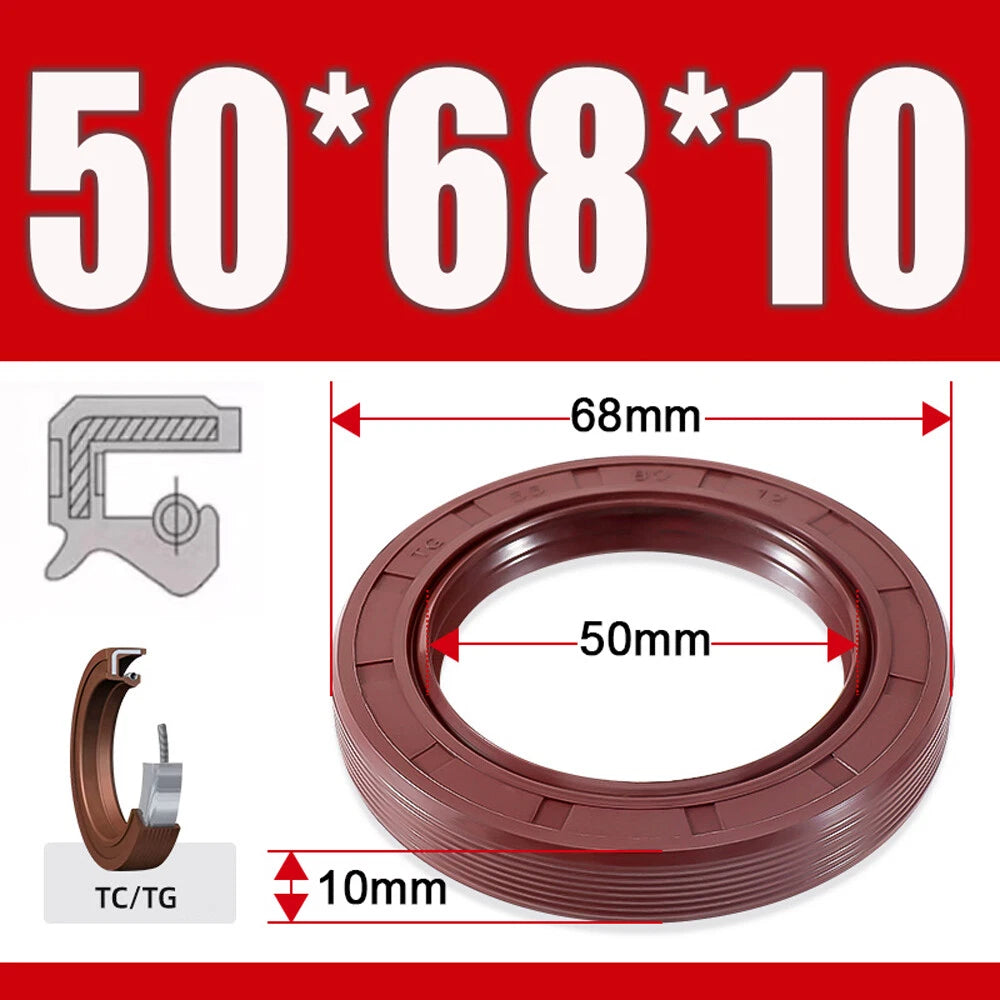
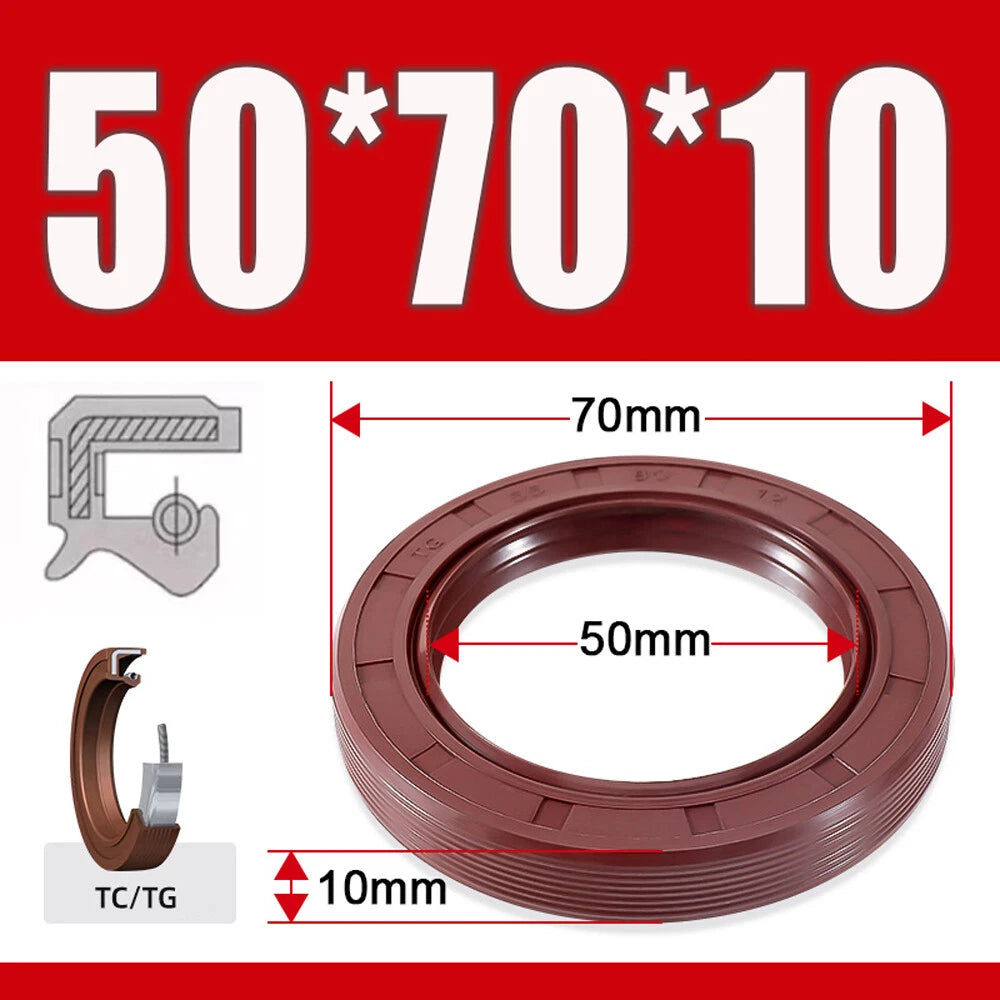
Measure three dimensions: the shaft diameter (Inner Diameter / ID), the housing bore diameter (Outer Diameter / OD), and the depth of the seal groove (Thickness). Match all three to the variant listed as ID*OD*Thick in millimeters. For example, a 30*50*10mm seal fits a 30mm (≈1.18") shaft, a 50mm (≈1.97") bore, and a 10mm (≈0.39") deep groove. When in doubt, contact us to confirm before ordering.
TC seals have a primary sealing lip and a secondary dust-exclusion lip, both spring-loaded against the shaft. TG seals feature a similar dual-lip arrangement generally optimized for grease retention. Both styles in this listing provide dual-lip protection suitable for most rotary shaft applications including gearboxes, engines, and pumps.
FKM lip seals generally handle shaft surface speeds up to approximately 4–6 m/s and low differential pressures (typically under 0.05 MPa / 7 psi). For high-speed spindle applications or pressurized housings, please contact us to confirm suitability before ordering.
Yes. FKM (Viton-type) material is generally rated for continuous service from approximately -20°C to +200°C (-4°F to +392°F) and resists UV, ozone, and many fuels and chemicals. This makes it well suited for outdoor machinery, agricultural equipment, engines, and industrial applications where standard NBR seals would fail prematurely.
FKM seals are generally compatible with mineral oils, synthetic oils, hydraulic fluids, fuels, and many solvents. They are not recommended for use with ketones (e.g., MEK, acetone), certain esters, or steam above their rated temperature. When in doubt, verify chemical compatibility with your specific fluid before installation.
Clean the bore and shaft thoroughly. Lightly lubricate the seal lip with the fluid being sealed. Press the seal squarely into the bore using a flat driver or dedicated seal installation tool — never hammer directly on the seal face. Ensure the spring side faces the fluid being retained (inward). Protect the lip from sharp edges, keyways, or splines during installation using a sleeve or tape.
In most cases, yes — provided the ID, OD, and thickness match your OEM seal dimensions exactly. These are metric-dimensioned seals following standard DIN 3760 / ISO 6194 TC/TG profiles. Always cross-reference your OEM part number dimensions before ordering. If you have an inch-dimensioned seal, contact us to check for a metric equivalent.
Divide the millimeter value by 25.4 to get inches. Common reference points: 25mm ≈ 0.984", 30mm ≈ 1.181", 35mm ≈ 1.378", 40mm ≈ 1.575", 45mm ≈ 1.772", 50mm ≈ 1.969". If your equipment uses inch-dimensioned seals, contact us to check for a metric equivalent before ordering.