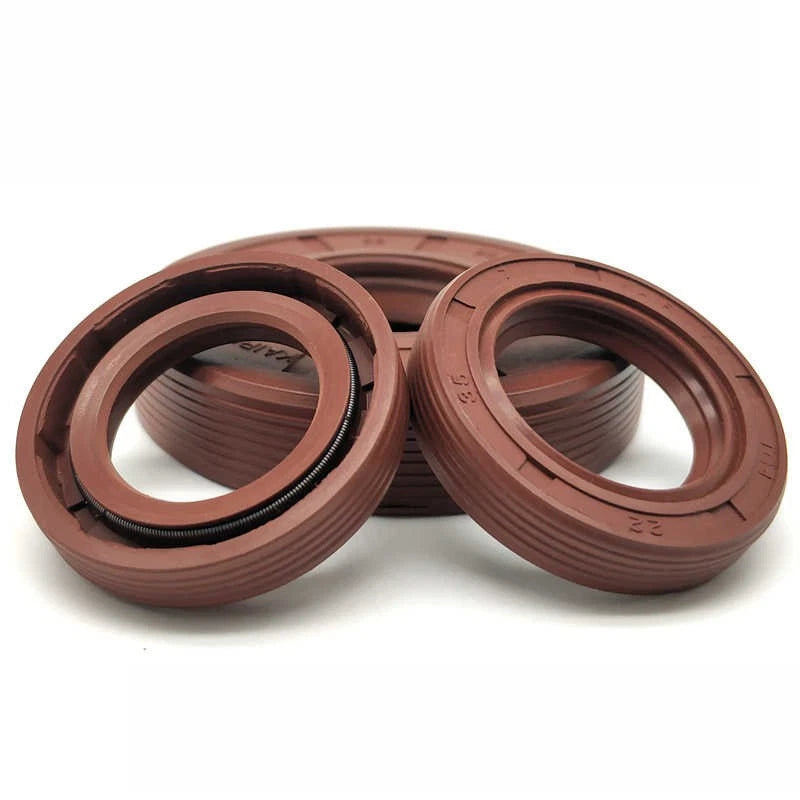
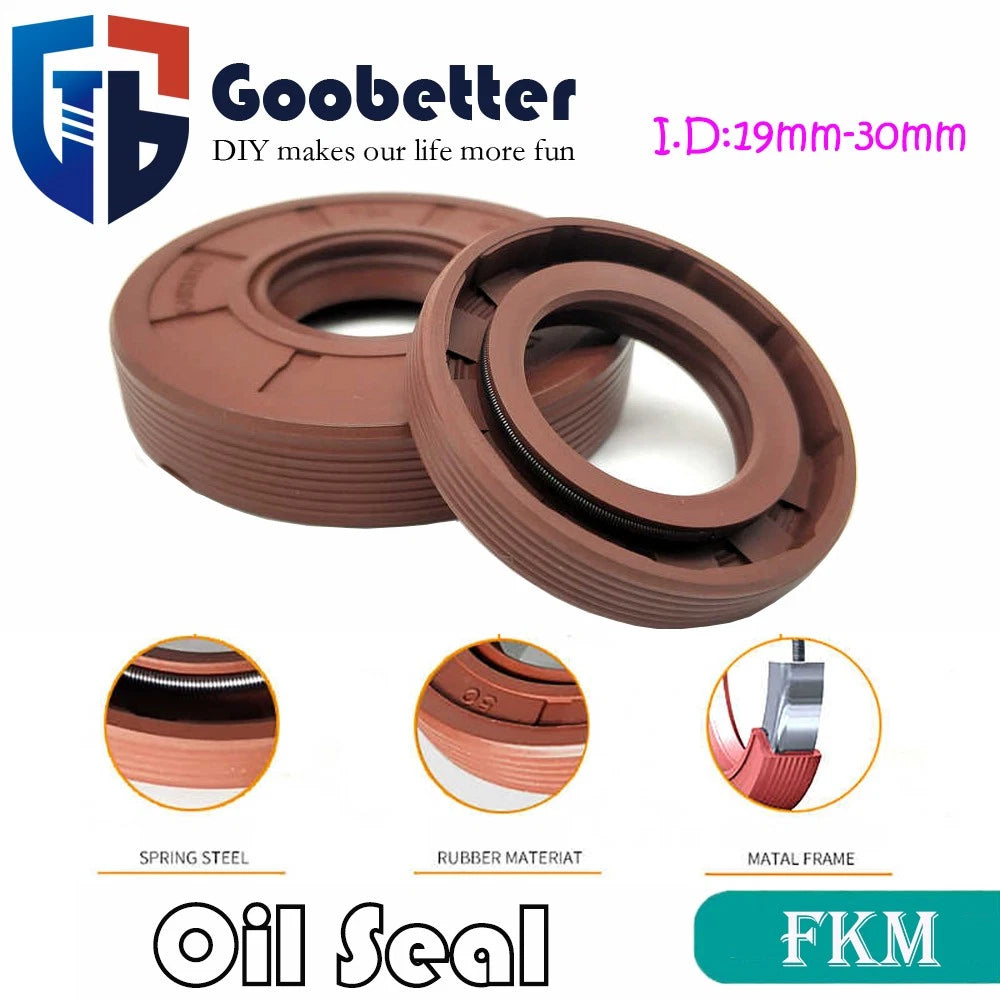
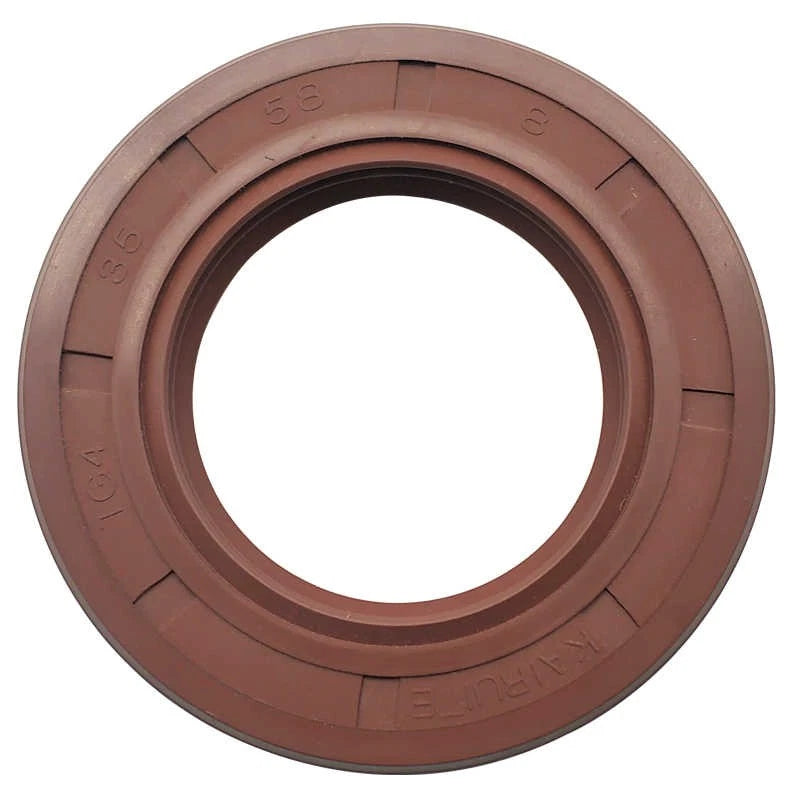
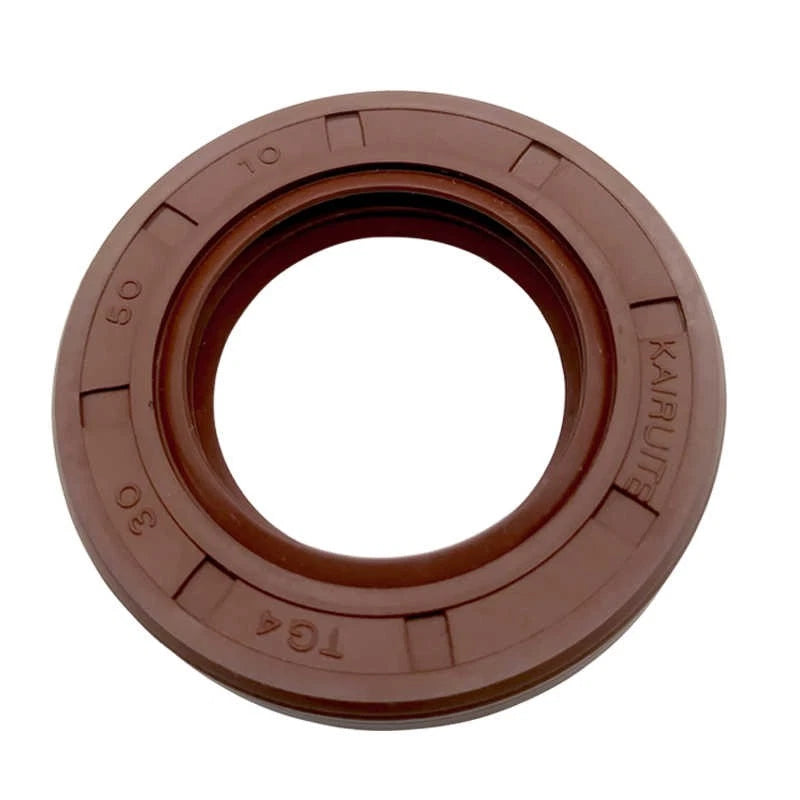
TC TG Oil Seal Skeleton FKM Rubber Framework Double Lip Oil Sealing Ring 19-30mm

No reviews

Price:
Sale price$3.74 USD
Stock:
In stock (500 units), ready to be shipped

Payment & Security

Ach Direct Debit Amazon American Express Apple Pay Bancontact Diners Club Discover Google Pay iDEAL Wero Mastercard PayPal Shop Pay USDC Visa

Your payment information is processed securely. We do not store credit card details nor have access to your credit card information.

Quantity Discount Promotion
🎯 BULK DISCOUNT: Buy More, Save More!
Buy 2 Items
5% OFF
Buy 4 Items
10% OFF
Buy 6 Items
15% OFF
Expert

DIY Expert Support

Get fitment advice & recommendations

Mon-Fri, 8:30AM-8PM
24-Hour Fast Ship
🚚
Arrives in 3-14 days
🌍
Global Reach
↩️
30-Day Returns
🌱 1 tree planted with every purchase

Description

TC / TG Double-Lip FKM Oil Seals — Reliable Shaft Sealing for 19–30mm Bores

When a worn or mismatched oil seal lets lubricant escape — or lets contaminants in — the damage spreads fast. Mechanics, maintenance engineers, and serious DIYers working on gearboxes, pumps, motors, and agricultural equipment need a seal they can trust to hold under pressure, heat, and chemical exposure. These TC/TG skeleton oil seals are built for exactly that job.

Each seal consists of a steel-reinforced skeleton body overmoulded with FKM (fluoroelastic) rubber, fitted with a double-lip sealing profile. Inner diameters span 19–30mm (approximately 0.75–1.18 in), outer diameters from 25mm to 60mm (approx. 0.98–2.36 in), and seal depths from 4mm to 12mm (approx. 0.16–0.47 in) — covering a wide range of shaft and bore combinations in a single listing.

Typical applications include rotary shaft seals on hydraulic pumps and motors, gearbox output shafts, agricultural PTO shafts, and industrial conveyor drives — anywhere a TC/TG double-lip oil seal is specified and chemical or thermal resistance is a requirement.

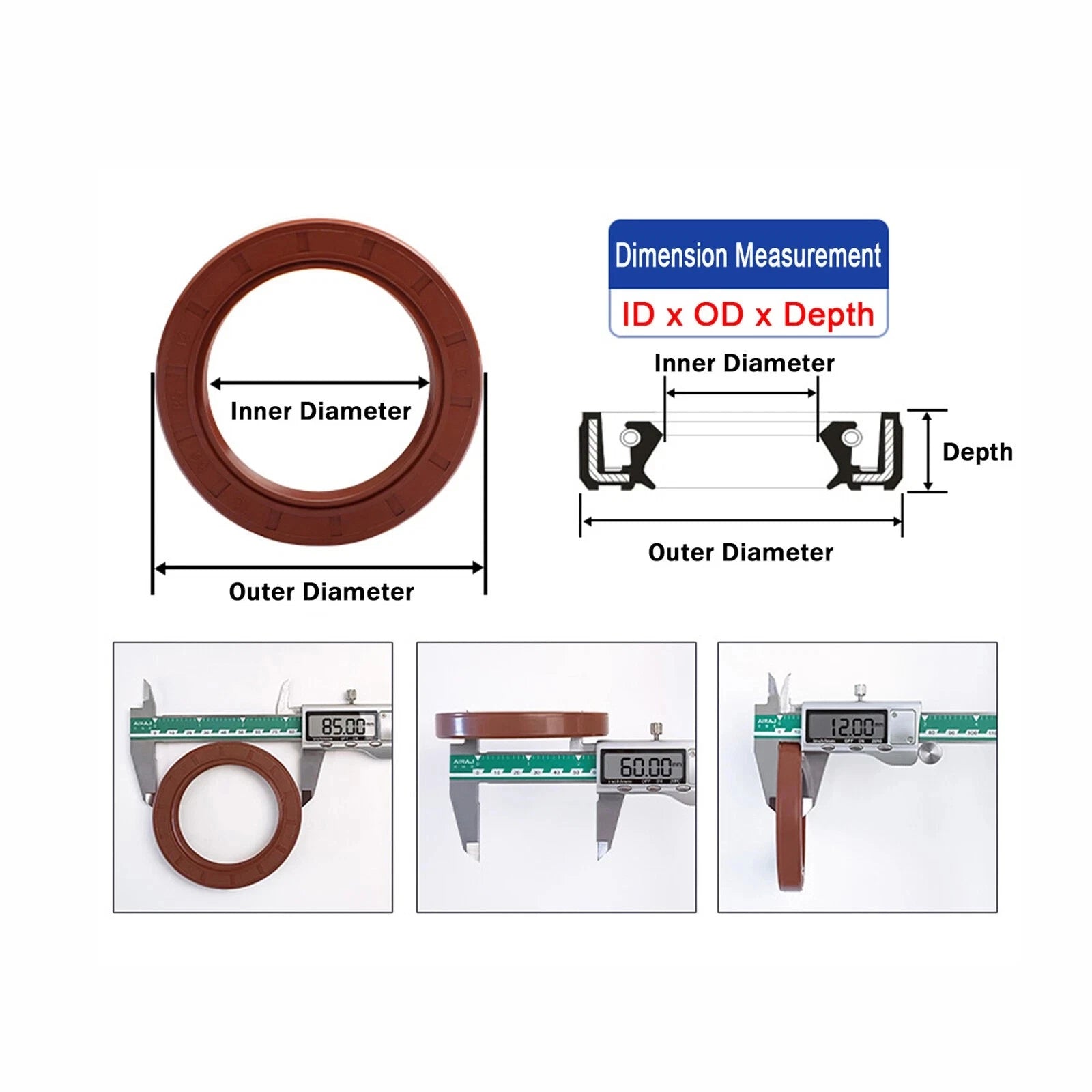
⚙️ Compatibility note: These seals follow the TC/TG double-lip skeleton standard. Verify your bore diameter, shaft diameter, and housing depth before ordering. Dimensions are listed as Inner φ × Outer φ × Depth (mm).

✅ Key Features of These TC/TG FKM Double-Lip Oil Seals

  • 🔬 FKM Fluoroelastic Rubber Body — Withstands continuous operating temperatures typically from −20 °C to +200 °C (−4 °F to +392 °F), and resists petroleum oils, hydraulic fluids, fuels, and many aggressive chemicals.
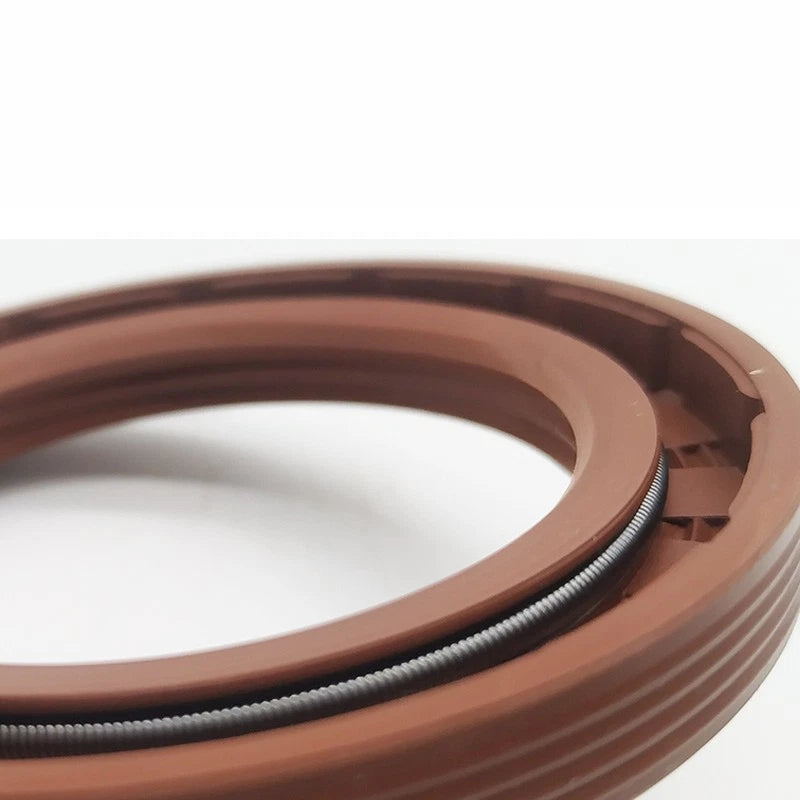
  • 🏗️ Steel Skeleton Reinforcement — An internal metal carrier maintains dimensional stability under press-fit installation and prevents the seal from distorting under housing pressure.
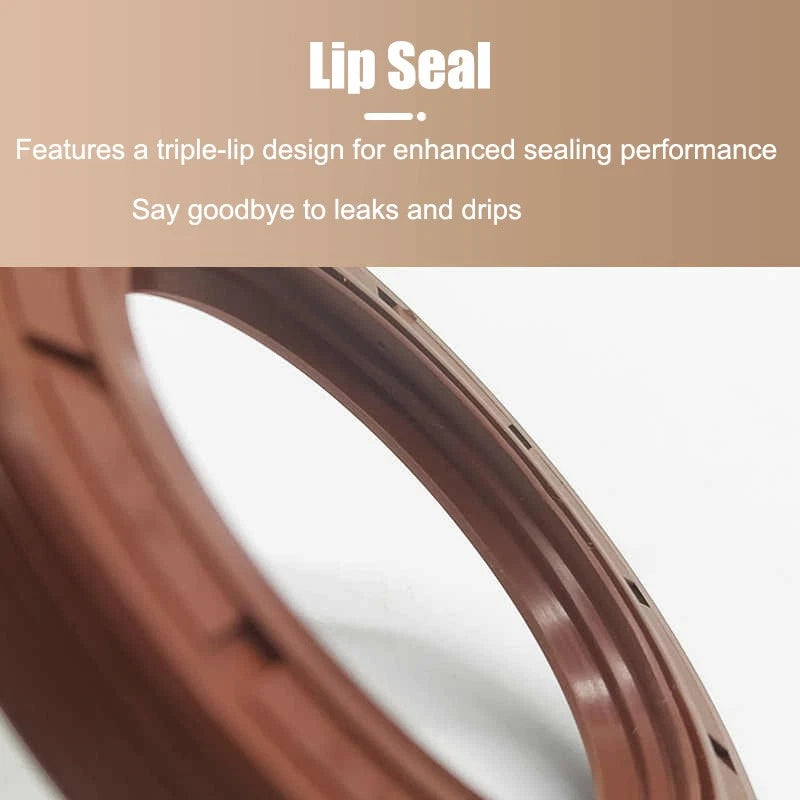
  • 💧 Double-Lip TC/TG Profile — The primary sealing lip retains lubricant; the secondary dust lip excludes particulates, moisture, and contaminants from the bearing cavity.
  • 📐 Wide Size Range in One Listing — Inner diameters 19–30mm, outer diameters 25–60mm, depths 4–12mm. Select your exact Inner φ × Outer φ × Depth combination from the variant selector.
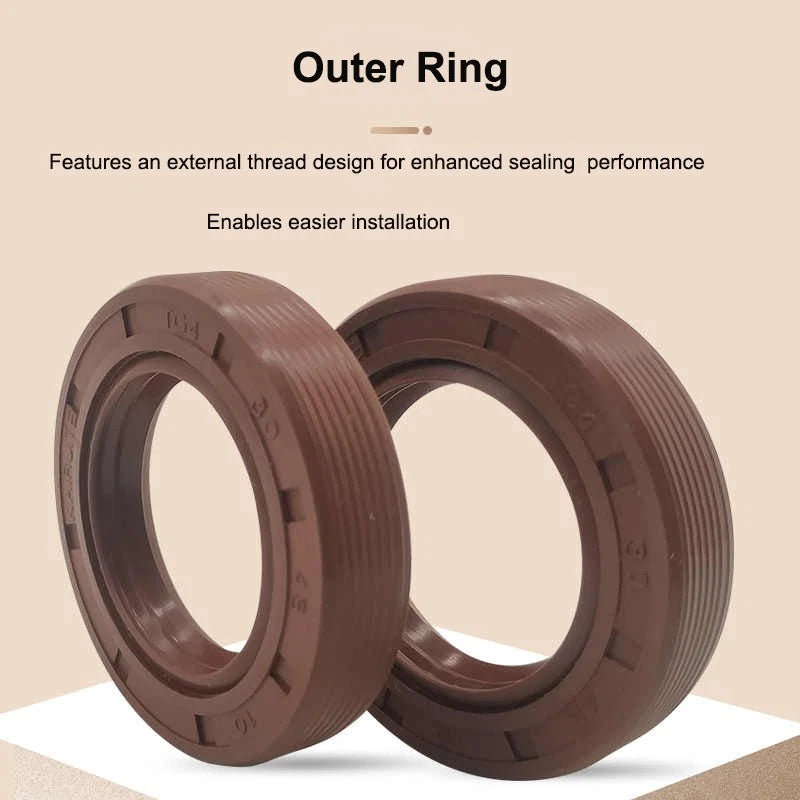
  • 🔩 Press-Fit Installation — Designed for interference-fit installation into a machined housing bore. No adhesive required; the steel skeleton provides the retention force.
  • 🔄 Direct Replacement Geometry — Follows standard TC/TG dimensional conventions, making these seals suitable as direct replacements for OEM seals of the same nominal size.

📐 Technical Specifications — TC/TG FKM Double-Lip Oil Seal

Seal Type TC / TG Double-Lip Skeleton Oil Seal
Seal Material FKM (Fluoroelastic / Viton-type) Rubber
Reinforcement Steel skeleton framework
Lip Configuration Double lip (primary sealing lip + secondary dust/exclusion lip)
Inner Diameter (ID) Range 19–30 mm (approx. 0.75–1.18 in)
Outer Diameter (OD) Range 25–60 mm (approx. 0.98–2.36 in)
Depth Range 4–12 mm (approx. 0.16–0.47 in)
Exact Dimensions See variant options (Inner φ × Outer φ × Depth)
Operating Temperature Typically −20 °C to +200 °C (−4 °F to +392 °F)
Media Compatibility Petroleum oils, hydraulic fluids, fuels, many solvents and chemicals
Installation Method Press-fit into machined housing bore
Shaft Speed See variant options / Contact us to confirm for high-speed applications
Pack Quantity 1 piece per pack (multi-pack options available via variant selector)
Product Type TC Oil Seal

❓ Frequently Asked Questions

How do I identify the correct seal size for my application?

Measure three dimensions on the housing or the old seal: the inner diameter (ID, which matches the shaft diameter), the outer diameter (OD, which matches the housing bore), and the depth (axial width of the housing recess). These correspond directly to the Inner φ × Outer φ × Depth format used in the variant selector. If the old seal is still in place, a digital caliper gives the most accurate readings.

What is the difference between a TC and a TG oil seal?

Both TC and TG designations describe double-lip skeleton oil seals with a metal-reinforced body. The primary difference lies in the secondary lip geometry and the degree of dust exclusion. TC seals have a secondary lip that contacts the shaft, while TG seals may have a non-contact or lightly loaded secondary lip. In practice, many suppliers use TC and TG interchangeably for this style. Check your OEM specification if the distinction is critical for your application.

Why choose FKM rubber over NBR (nitrile) for an oil seal?

FKM (fluoroelastic rubber, often referred to by the trade name Viton) offers significantly broader chemical resistance and a higher continuous temperature ceiling — typically up to 200 °C versus around 120 °C for standard NBR. If your application involves elevated operating temperatures, aggressive hydraulic fluids, fuels, or chemical exposure, FKM is the appropriate choice. NBR remains suitable for moderate-temperature, standard mineral-oil environments where cost is a priority.

Can these seals be used on high-speed rotating shafts?

TC/TG skeleton oil seals are designed for rotary shaft applications. Acceptable shaft surface speed depends on the specific seal size, lip geometry, lubrication conditions, and shaft surface finish (typically Ra 0.2–0.8 µm recommended). For high-speed applications, contact us with your shaft RPM and diameter so we can confirm suitability before you order.

How do I install a skeleton oil seal without damaging it?

Clean the housing bore and lightly lubricate the outer diameter of the seal with a compatible grease or oil. Use a flat press plate or a seal driver of the correct diameter to press the seal in squarely — never strike the seal face directly with a hammer. Press until the seal face is flush with or just below the housing face. Lightly lubricate the sealing lip before fitting the shaft to prevent dry-start damage.

Are these seals compatible with synthetic oils and ATF?

FKM rubber has broad compatibility with most synthetic lubricants, including PAO-based synthetic engine oils, automatic transmission fluids (ATF), and many hydraulic fluids. It is generally not recommended for use with ketone-based solvents or certain ester-based fluids at elevated temperatures. If you are working with an unusual fluid, contact us with the fluid specification for confirmation.

What shaft surface finish is required for a reliable seal?

For optimal sealing life, the shaft surface in the sealing zone should have a ground or polished finish with a roughness of Ra 0.2–0.8 µm (8–32 µin). The surface should be free of machining marks that run parallel to the shaft axis, as these can act as leak paths. A lead-in chamfer of approximately 15–20° at the shaft end helps guide the lip over the shaft without rolling or inverting it during installation.

🛒 Select your Inner φ × Outer φ × Depth above, then add to cart.

You may also like

Recently viewed