
The chain is fine...but I ordered the wrong size. Nine links of the chain I ordered equals six of the size I wanted. My error...
How can I straighten out the springs? I can't use them coil uo as is.
Your payment information is processed securely. We do not store credit card details nor have access to your credit card information.
Get fitment advice & recommendations
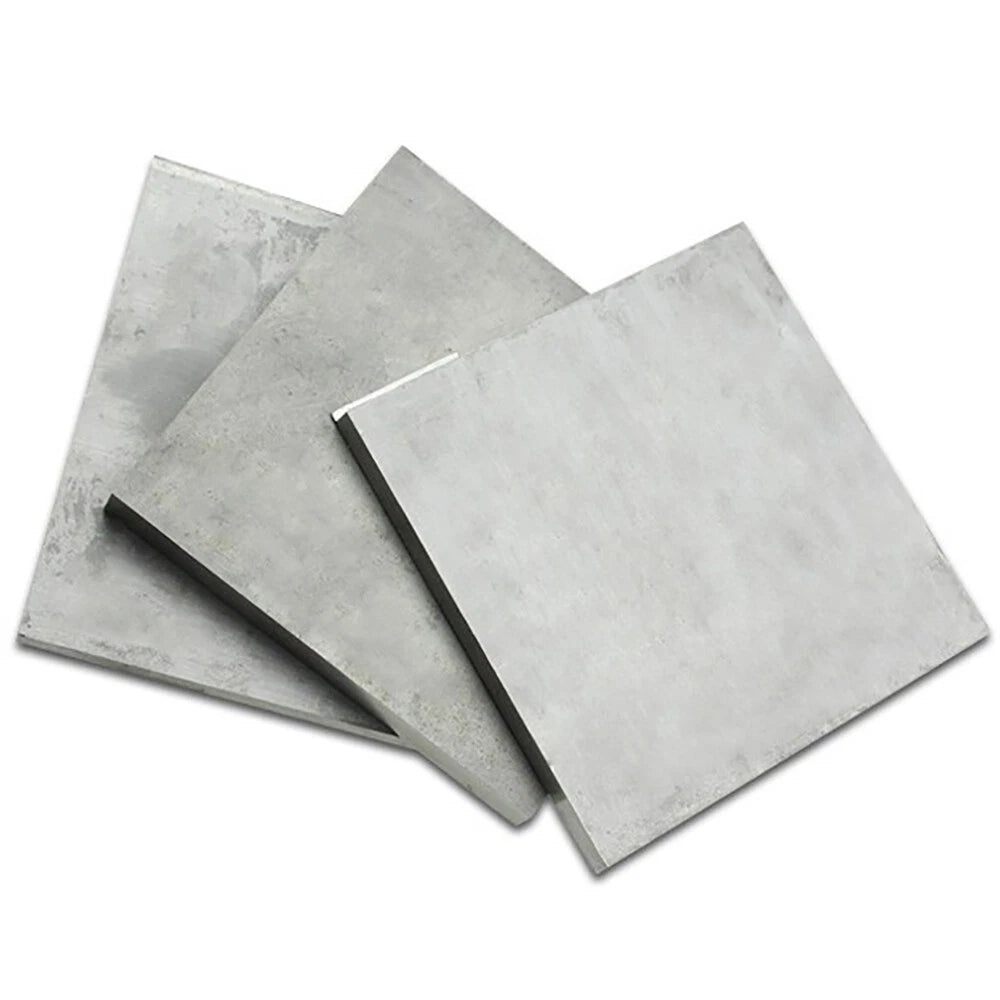
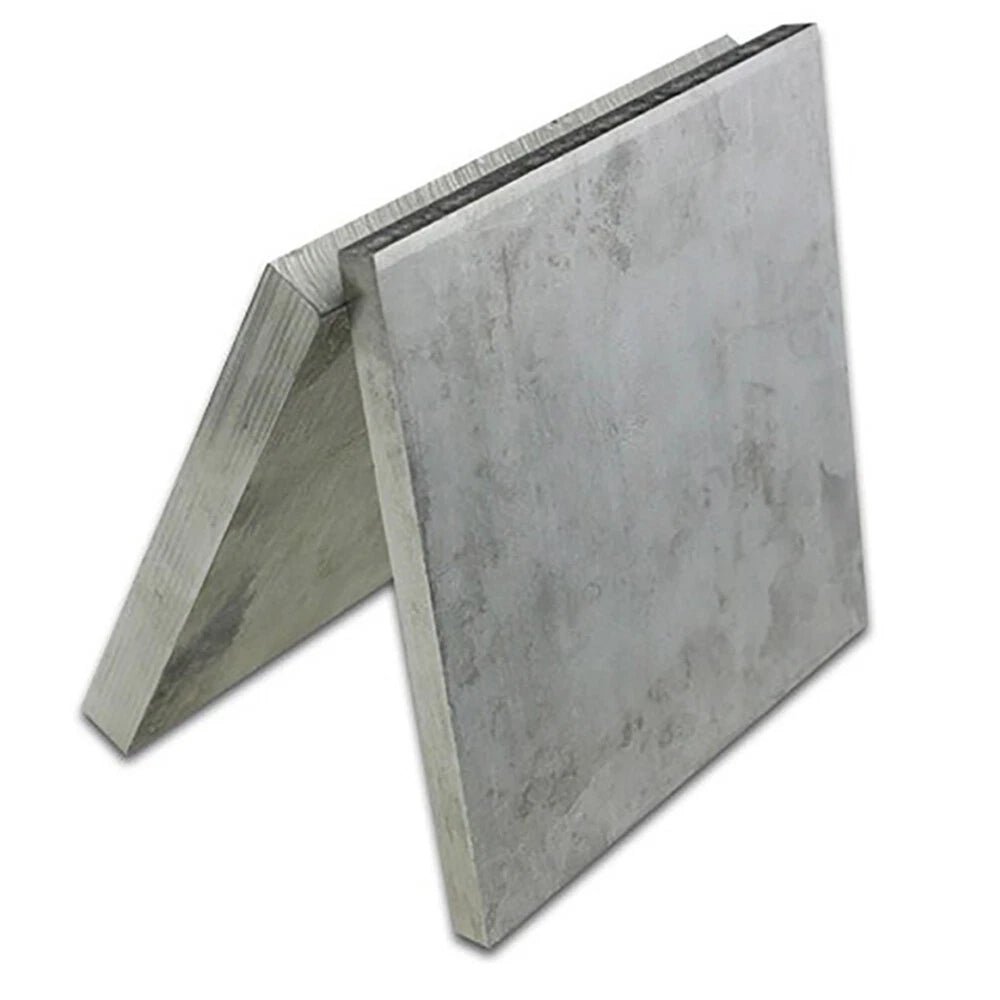
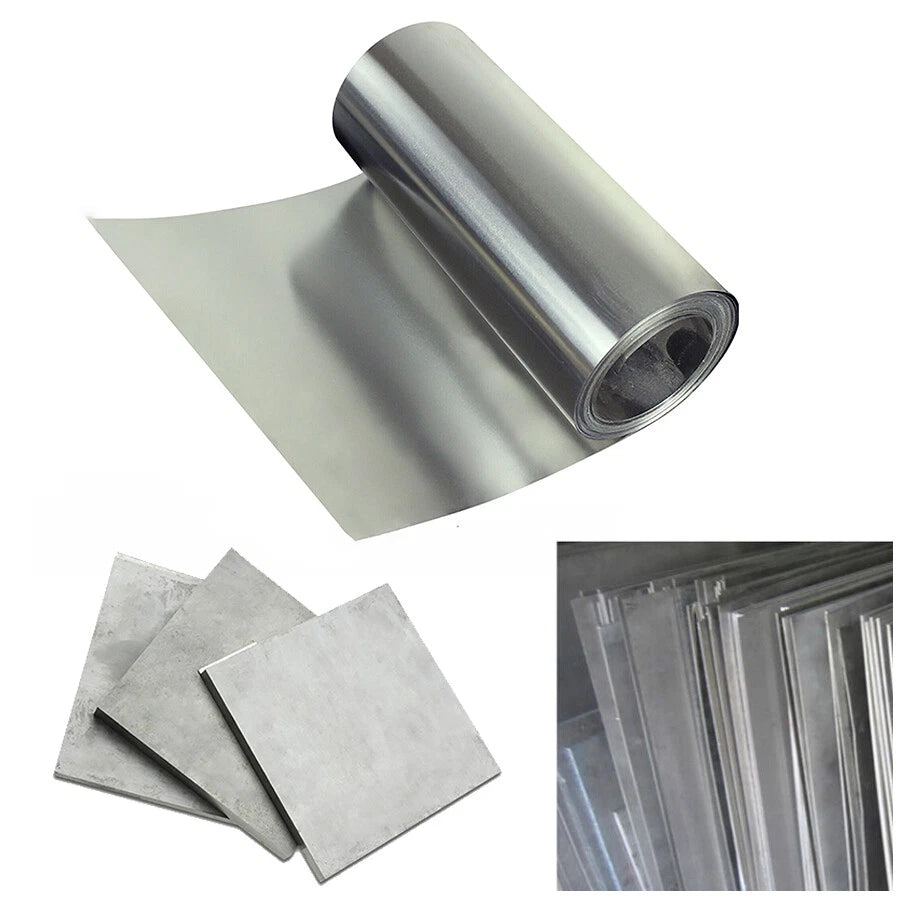
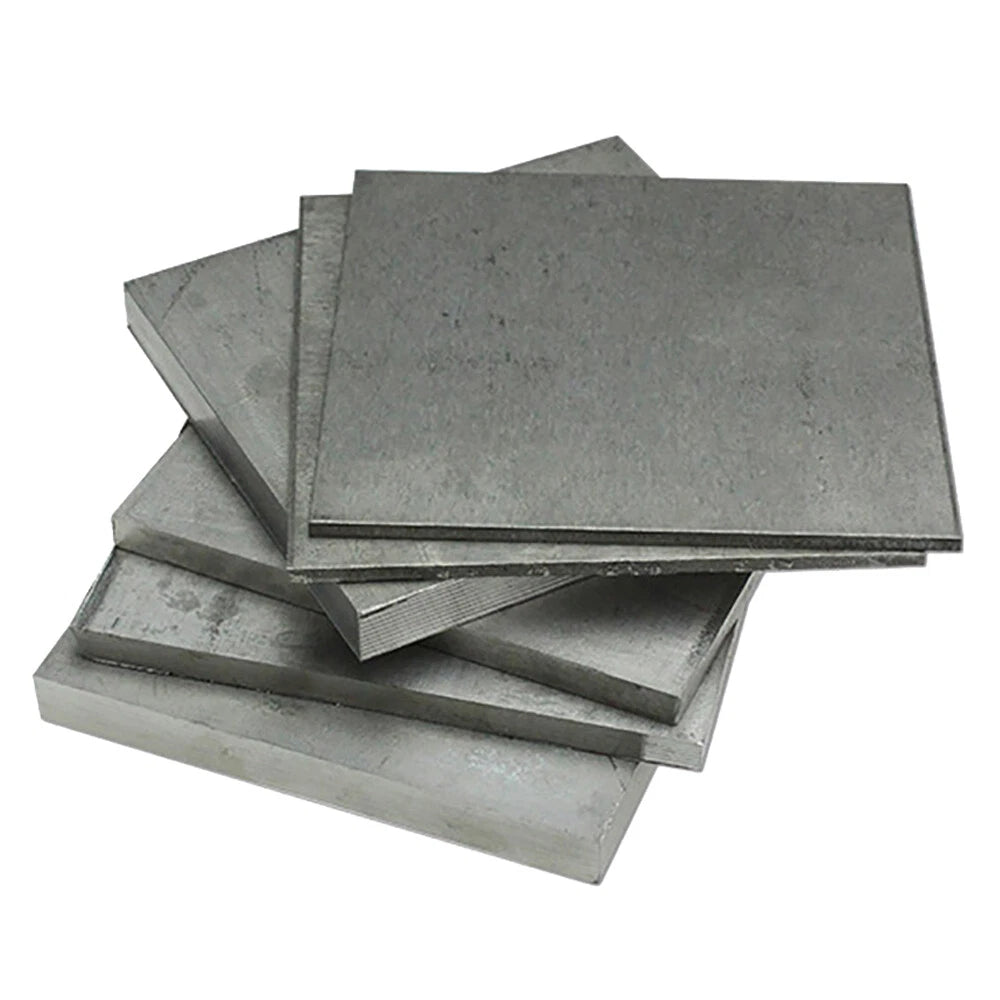
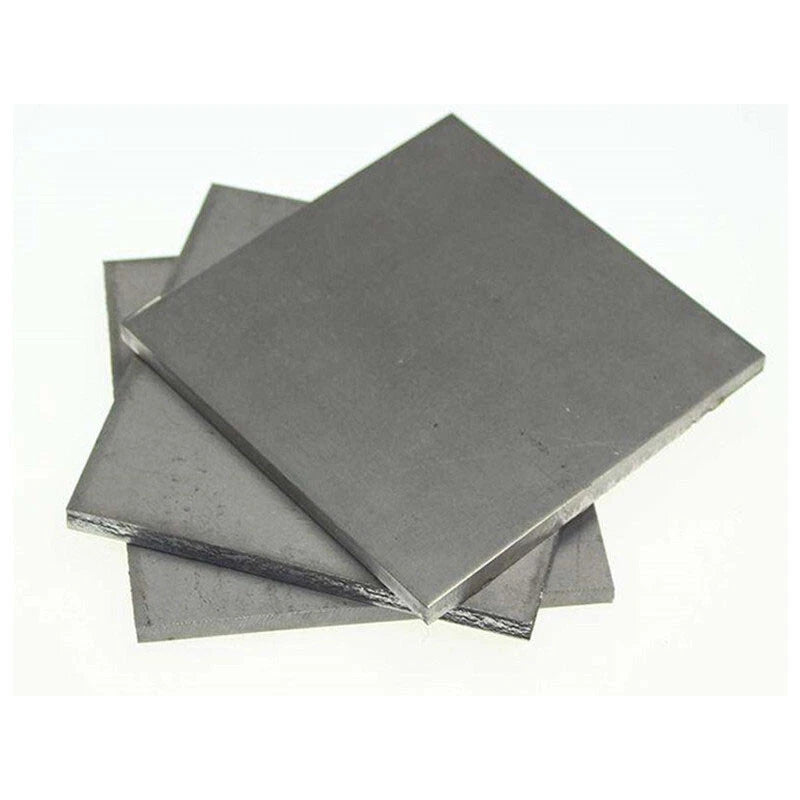
When your project demands a material that won't corrode, won't weigh you down, and won't let you down under stress, standard steel or aluminum simply falls short. Engineers, makers, and fabricators who work with aerospace components, chemical equipment, medical devices, or high-end DIY builds need a titanium sheet they can trust — cut to a usable size and ready to work with right out of the package.
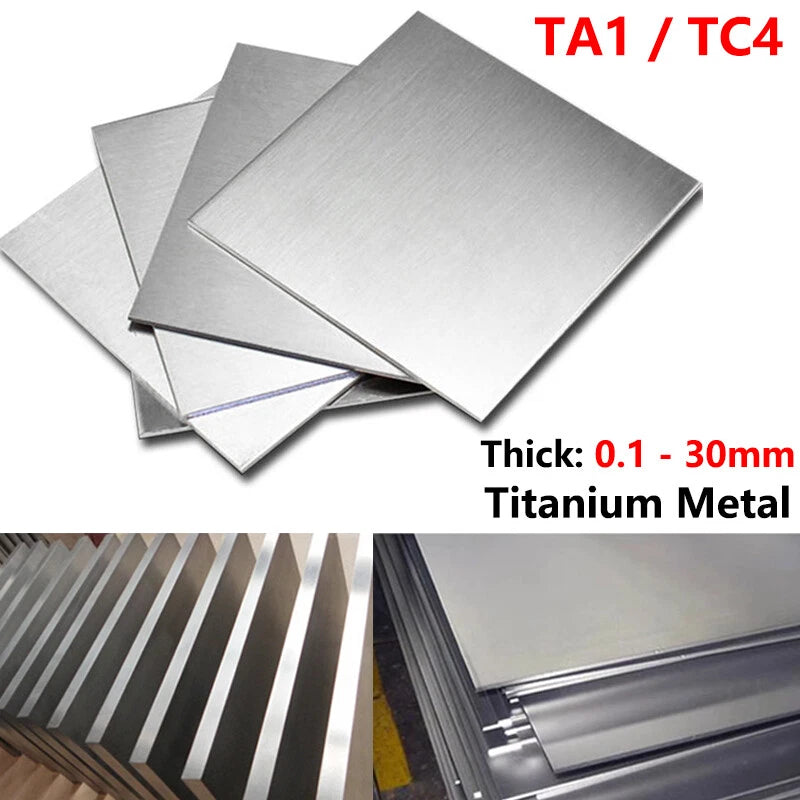
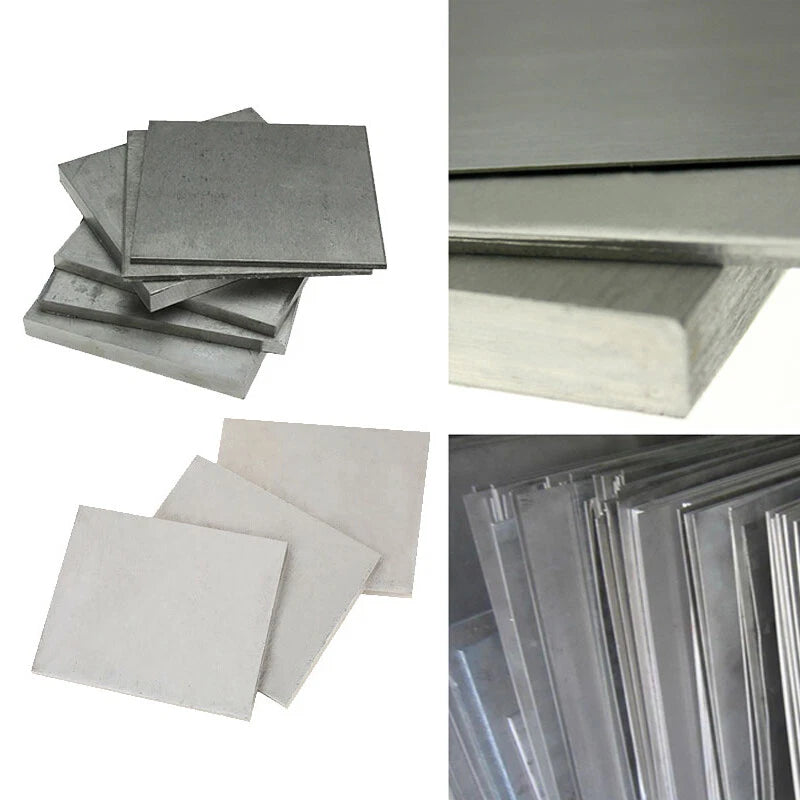
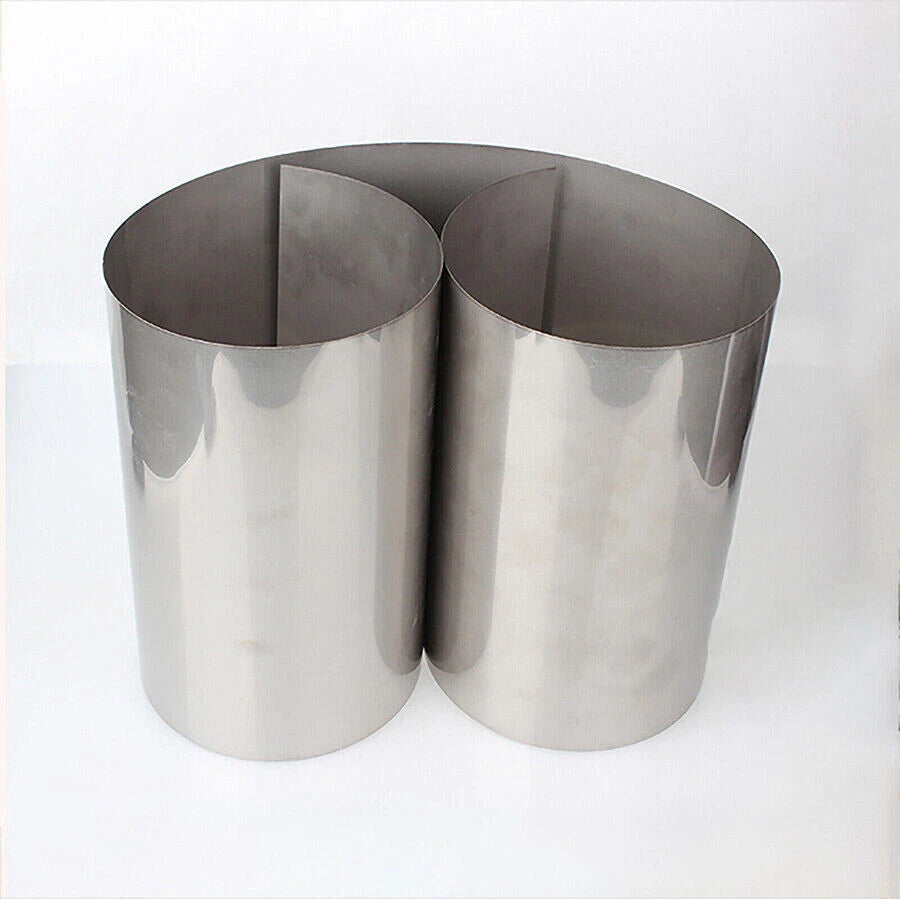
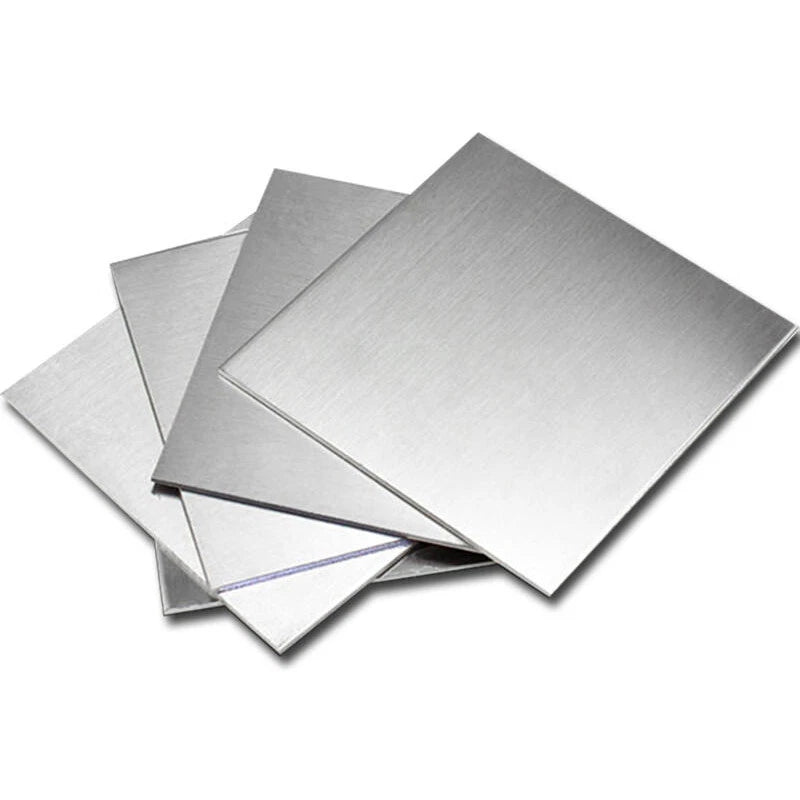
This titanium metal sheet is available in three alloy grades — TA1 (commercially pure, Grade 1), TC4 (Ti-6Al-4V, Grade 5), and Pure Titanium — each offered in a wide thickness range from 0.1 mm (approximately 0.004 in) up to 30 mm (approximately 1.18 in). Sheet dimensions span from compact 100 mm × 100 mm (approx. 3.94 in × 3.94 in) squares up to 200 mm × 240 mm (approx. 7.87 in × 9.45 in) and 150 mm × 410 mm (approx. 5.91 in × 16.14 in) panels, sold individually per piece.
Typical use cases include aerospace bracket and skin fabrication, chemical reactor lining and heat exchanger plates, medical implant prototyping, knife-making and custom blade blanks, RC model frames, and architectural accent panels where lightweight corrosion resistance is essential.
| Material / Alloy Grade | TA1 (Grade 1 Commercially Pure), TC4 (Ti-6Al-4V / Grade 5), Pure Titanium |
|---|---|
| Thickness Range | 0.1 mm – 30 mm (0.004 in – 1.18 in) |
| Available Sheet Sizes | 100×100 mm, 200×200 mm, 200×240 mm, 150×410 mm |
| Packing Quantity | 1 piece per order |
| Density (approx.) | ~4.5 g/cm³ |
| TC4 Tensile Strength (typical) | ~900–1000 MPa |
| TA1 Tensile Strength (typical) | ~240–370 MPa |
| Max Service Temperature | ~300–500 °C (572–932 °F), grade-dependent |
| Surface Finish | See variant options |
| Machinability | CNC, laser, waterjet, EDM, TIG weld compatible |
| Corrosion Resistance | Excellent — natural TiO₂ passive layer |
| Product Type | Metals & Alloys — Titanium Sheet / Plate / Foil |
TA1 (Grade 1) is the softest and most formable grade with the highest corrosion resistance — ideal for chemical processing, heat exchangers, and applications requiring bending or deep drawing. TC4 (Ti-6Al-4V / Grade 5) offers the highest strength-to-weight ratio and is the aerospace industry standard, best for structural brackets, blades, and load-bearing parts. Pure Titanium sits between the two and suits general-purpose metalworking where moderate strength and good corrosion resistance are both needed.
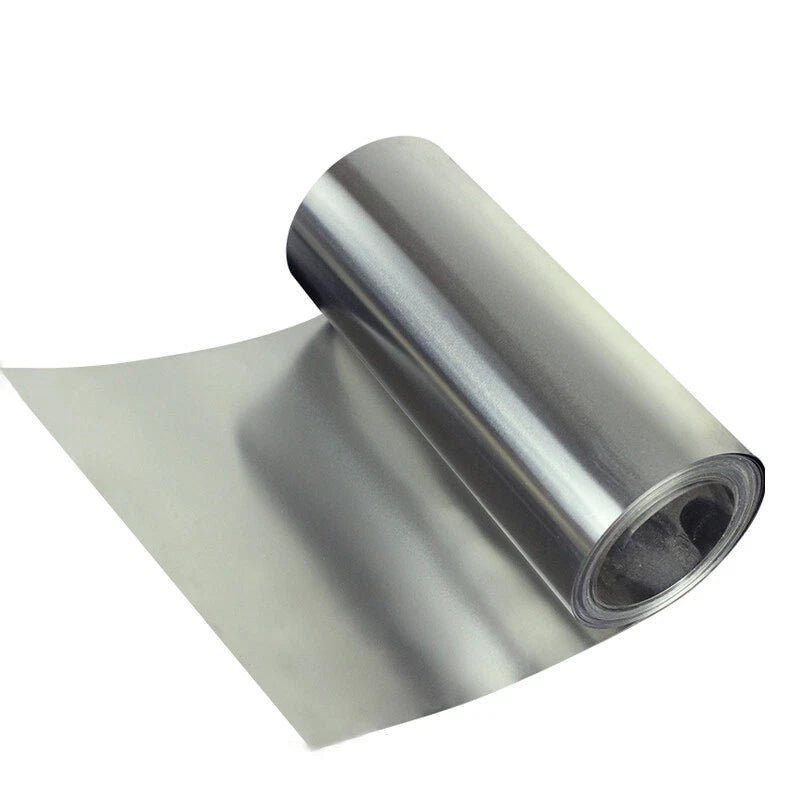
For shielding, gaskets, or foil wrapping, 0.1–0.5 mm is typical. For knife blanks, thin structural panels, or heat shields, 1–3 mm is a common choice. For machined brackets, flanges, or heavy structural components, 4–10 mm or thicker is appropriate. For heavy machining stock or tooling fixtures, 12–30 mm variants are available. When in doubt, select the next size up — titanium can be machined down but not added to.
Titanium can be cut with carbide-tipped tools, angle grinders with cutting discs, or waterjet/laser services. It work-hardens if machined too slowly, so use sharp tooling, adequate feed rates, and cutting fluid. Thin foil (under 0.5 mm) can be cut with heavy-duty shears or a rotary cutter. TIG welding is the preferred joining method; always use inert gas shielding to prevent oxidation.
No. Titanium forms a self-healing TiO₂ oxide layer on its surface that provides outstanding resistance to saltwater, chlorine, dilute acids, and most oxidizing environments. It does not rust. This makes it an excellent choice for marine hardware, coastal architectural elements, and chemical plant components without any additional coating or plating.
Yes. TIG (GTAW) welding with 100% argon shielding gas is the standard method. Both the weld pool and the back side of the joint must be shielded to prevent oxygen and nitrogen contamination (which causes embrittlement). Mechanical fastening with titanium or stainless fasteners is also common. Avoid galvanic contact with dissimilar metals in corrosive environments.
TA1 and Pure Titanium grades are biocompatible and widely used in medical implant prototyping and surgical instrument fabrication. However, these are raw industrial sheets and have not been certified or sterilized for implantable medical devices. For food-contact applications, titanium is generally considered safe due to its inert nature, but verify compliance with applicable regulations for your specific use case.
For a standard fixed-blade knife, a 200×200 mm or 200×240 mm sheet at 3–5 mm thickness in TC4 (Ti-6Al-4V) is a popular starting point. TC4 offers the hardness and strength needed for a functional blade edge. For a thinner utility or fillet knife, 2–3 mm may suffice. The 150×410 mm option provides extra length for longer blade profiles or two shorter blanks from one sheet.