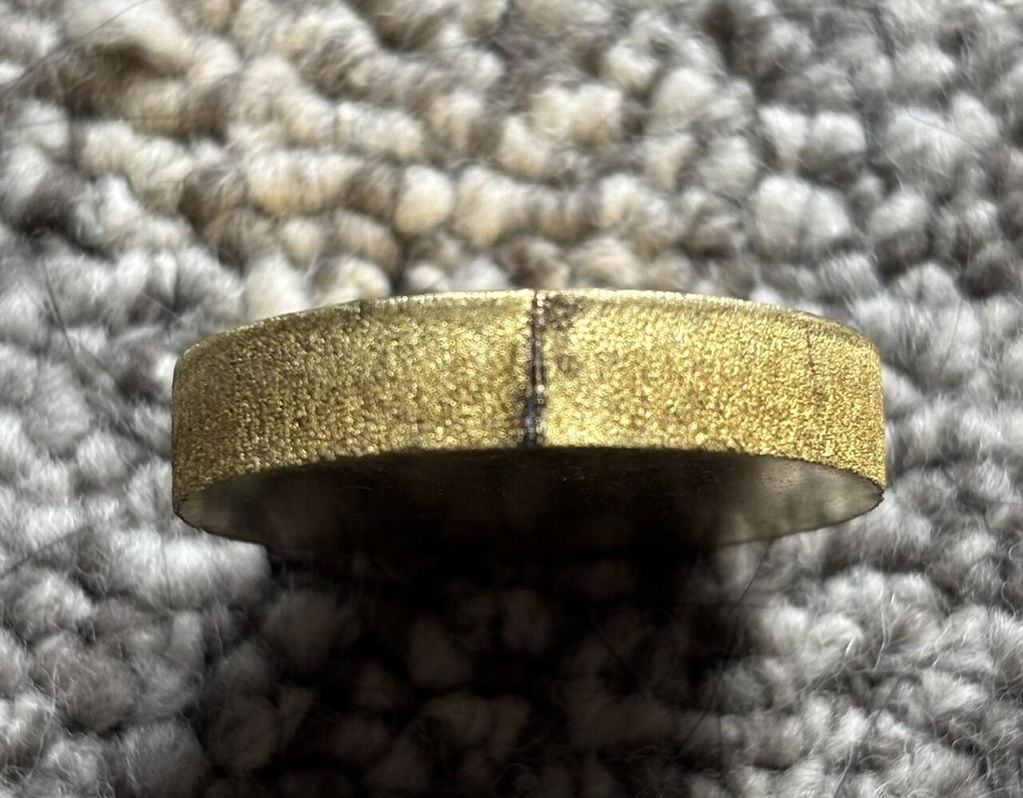
The chain is fine...but I ordered the wrong size. Nine links of the chain I ordered equals six of the size I wanted. My error...
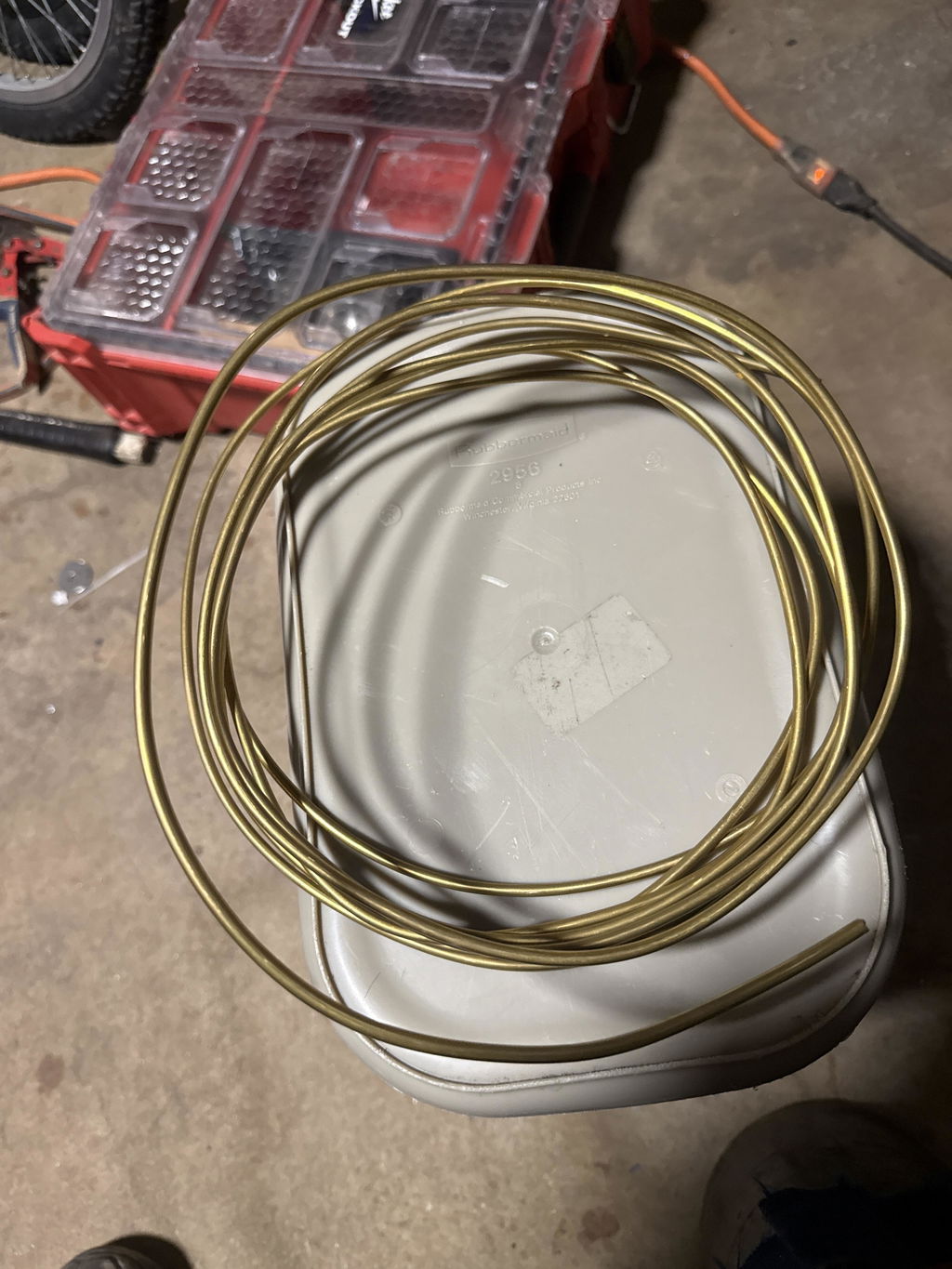
How can I straighten out the springs? I can't use them coil uo as is.
Your payment information is processed securely. We do not store credit card details nor have access to your credit card information.
Get fitment advice & recommendations
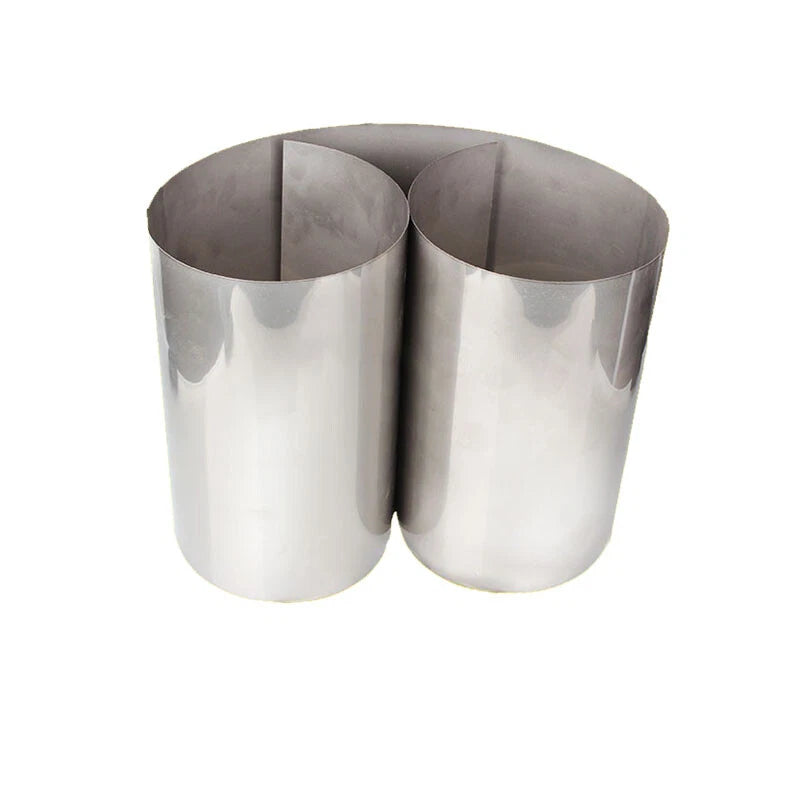
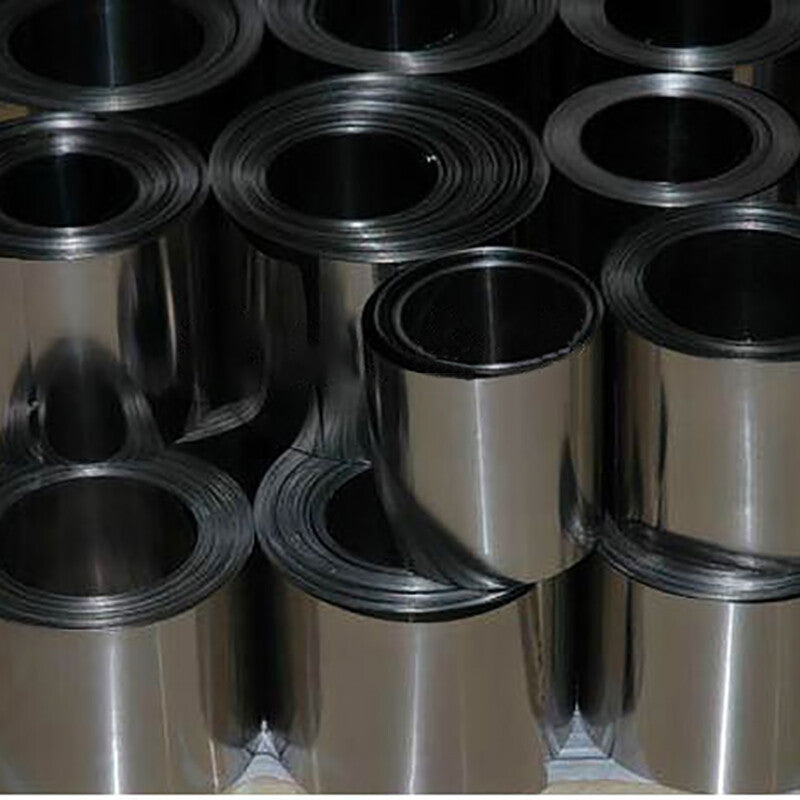
When your project demands a metal that won't corrode, won't weigh you down, and won't let you down under load, standard steel or aluminum often falls short. Makers, engineers, hobbyists, and fabricators who need a reliable titanium flat sheet turn to this listing for its consistent dimensions, clean-cut edges, and the choice between TC4 titanium alloy (Grade 5) and commercially pure titanium (Grade 1/2).
Each sheet is a solid flat plate available in two material grades — Titanium Alloy (TC4 / Ti-6Al-4V) and Pure Titanium — spanning thicknesses from 0.1 mm (≈ 0.004 in) up to 30 mm (≈ 1.18 in), with planar dimensions of 100 × 100 mm (≈ 3.94 × 3.94 in) or 200 × 200 mm (≈ 7.87 × 7.87 in). Edges are machine-cut for dimensional accuracy.
Typical use cases include custom aerospace brackets and structural inserts, corrosion-resistant shims and spacers for marine or chemical environments, lightweight structural panels for RC aircraft and drone frames, heat-resistant backing plates for welding fixtures, and biocompatible implant prototyping for medical device R&D.
| Material Grade | TC4 (Ti-6Al-4V, Grade 5) / Pure Titanium (Grade 1 or 2) |
|---|---|
| Alloy Composition (TC4) | Ti ≥ 87.7%, Al 5.5–6.75%, V 3.5–4.5% |
| Thickness Range | 0.1 mm – 30.0 mm (0.004 in – 1.18 in) |
| Sheet Dimensions | 100 × 100 mm (3.94 × 3.94 in) or 200 × 200 mm (7.87 × 7.87 in) |
| Density | ~4.43 g/cm³ (TC4) / ~4.51 g/cm³ (Pure Ti) |
| Tensile Strength (TC4) | 895–1000 MPa (typical) |
| Yield Strength (TC4) | ~828 MPa (typical) |
| Tensile Strength (Pure Ti) | 240–550 MPa (Grade 1–2 range) |
| Max Service Temp. | ~315 °C (TC4) / ~300 °C (Pure Ti) sustained |
| Surface Finish | See variant options |
| Tolerance | See variant options |
| Quantity per Order | 1 Pcs (per variant selected) |
TC4 (Ti-6Al-4V, Grade 5) is an alloy containing aluminum and vanadium, giving it significantly higher tensile strength (895–1000 MPa) and hardness — ideal for structural, aerospace, and load-bearing applications. Pure Titanium (Grade 1 or 2) is softer and more ductile, making it easier to form, weld, and bend, and it is the preferred choice for biocompatible, chemical-processing, and welding applications.
For thin shims, gaskets, or foil-type applications, select 0.1–0.5 mm. For structural brackets, drone frames, or heat shields, 1.0–3.0 mm is a common range. For heavy-duty tooling fixtures, jigs, or blocks, 5.0–30.0 mm plates are appropriate. When in doubt, calculate the required section modulus for your load case or contact us with your application details.
Titanium can be machined with standard carbide tooling, but it requires lower cutting speeds, higher feed rates, and generous coolant flow compared to aluminum or mild steel. TC4 is harder to machine than pure titanium grades. Use sharp tools, avoid work-hardening by maintaining consistent chip load, and never let the tool dwell. TIG welding is feasible for pure titanium with proper inert gas shielding.
No. Both TC4 and pure titanium form a self-healing TiO₂ passive oxide layer that provides excellent resistance to saltwater, chlorine, dilute acids, and most industrial chemicals. They are widely used in marine hardware, chemical plant components, and offshore equipment precisely because they do not rust or require protective coatings in most service environments.
Pure titanium (Grade 1/2) is biocompatible and widely used in medical device prototyping, dental implants, and surgical instruments. TC4 is also used in implants but requires surface treatment for direct long-term tissue contact. For food-contact applications, pure titanium is non-toxic and inert. Always verify compliance with the specific regulatory standard (e.g., ASTM F67, ASTM F136) required for your application.
The 100 × 100 mm (≈ 3.94 × 3.94 in) format is suited for small brackets, test coupons, prototyping inserts, and compact structural parts. The 200 × 200 mm (≈ 7.87 × 7.87 in) format provides more material for larger panels, heat shields, or parts that will be further cut down. Select the size that gives you adequate material with minimal waste for your specific geometry.
Yes. Sheets are machine-cut to the stated dimensions and supplied flat. Thinner foil variants (0.1–0.3 mm) may have minor handling curl that can be flattened under light pressure. Edges are cut but not deburred to a mirror finish — light deburring with a file or abrasive pad is recommended before handling thin sheets to avoid sharp edges.