The chain is fine...but I ordered the wrong size. Nine links of the chain I ordered equals six of the size I wanted. My error...
How can I straighten out the springs? I can't use them coil uo as is.
Your payment information is processed securely. We do not store credit card details nor have access to your credit card information.
Get fitment advice & recommendations
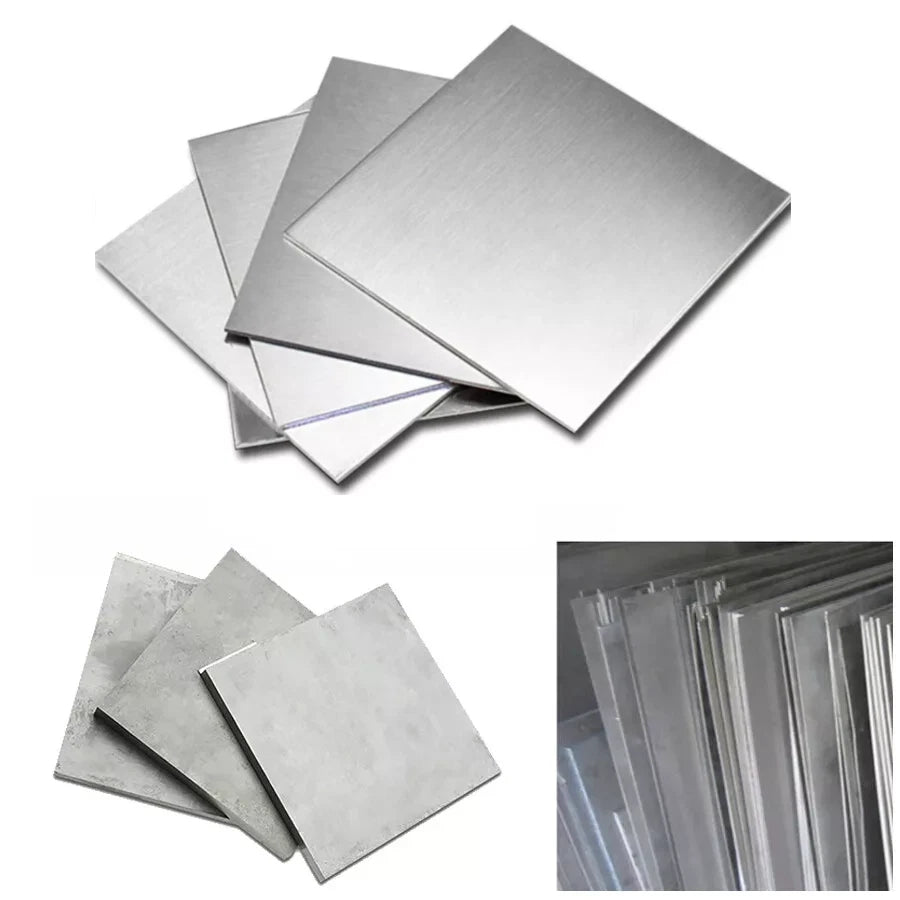
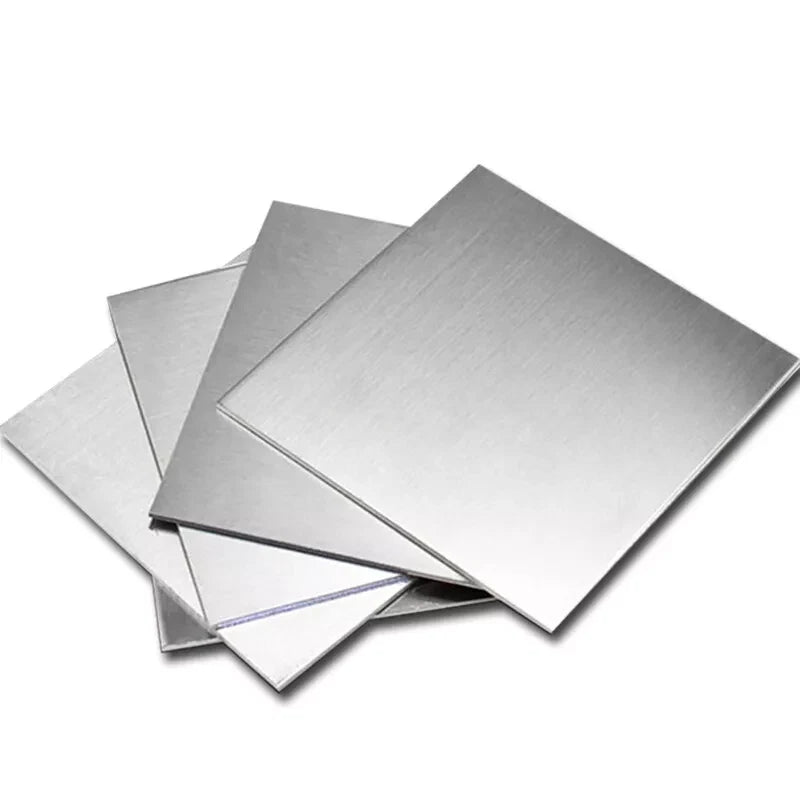
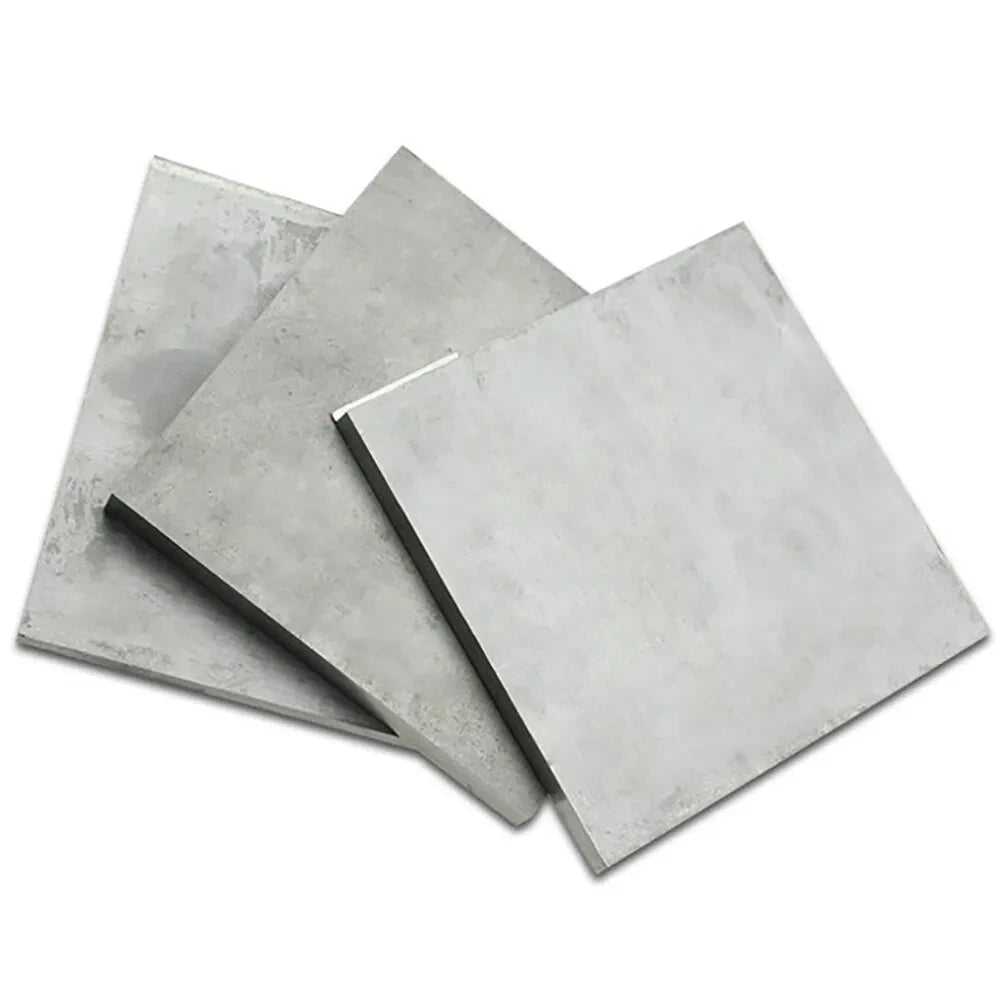
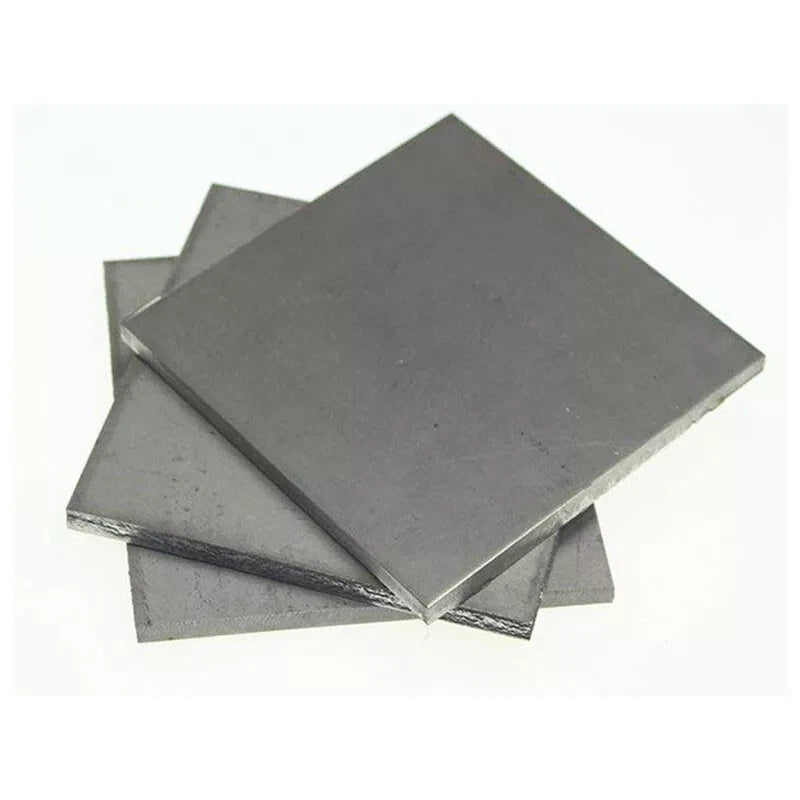
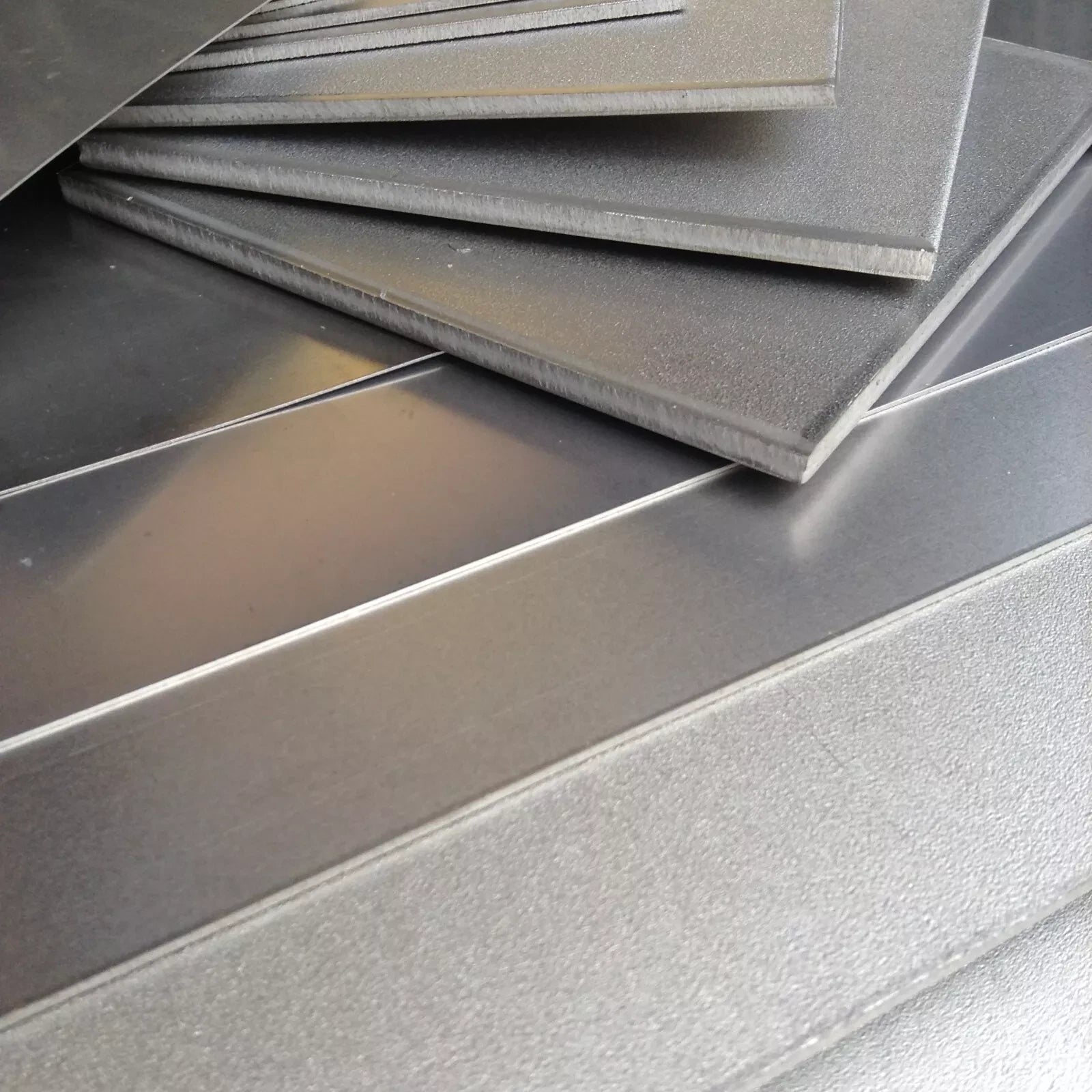
When your project demands a material that won't corrode, won't buckle under load, and won't add unnecessary mass, standard steel or aluminum sheets fall short. Makers, engineers, and fabricators who work with aerospace components, medical fixtures, marine hardware, or lightweight structural builds need a TC4 titanium sheet plate that delivers consistent thickness, clean edges, and reliable alloy composition right out of the box.
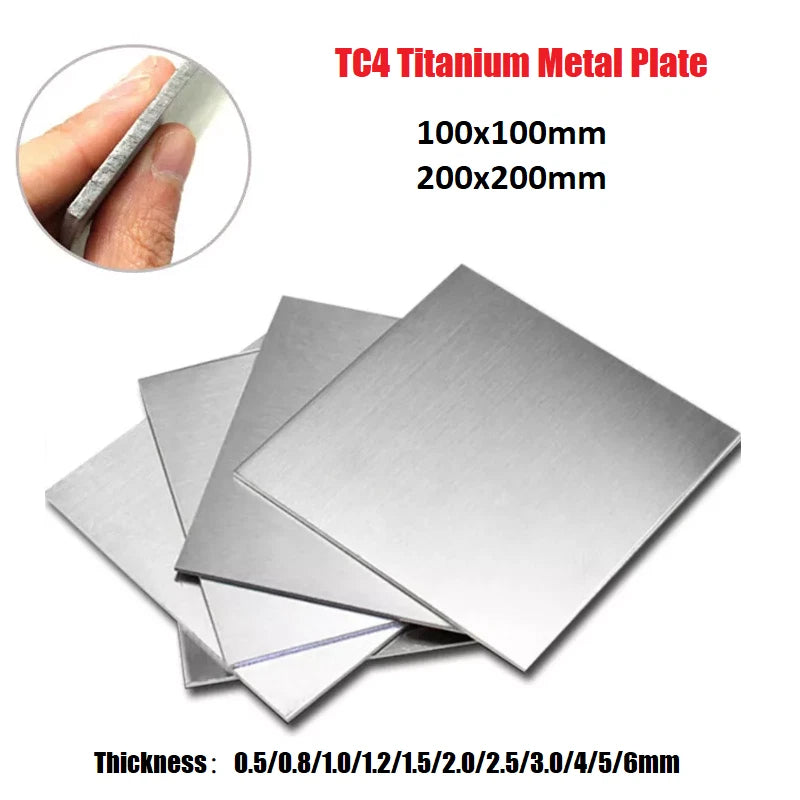
These TC4 titanium plates are cut from Ti-6Al-4V (Grade 5) alloy — the most widely used titanium alloy, combining roughly 6% aluminum and 4% vanadium for an exceptional strength-to-weight ratio. Thickness options span 0.5 mm to 6.0 mm (approximately 0.020" to 0.236"), and sheet sizes are available in 100 × 100 mm (~3.94" × 3.94") and 200 × 200 mm (~7.87" × 7.87") formats. Each piece is square-cut for dimensional accuracy.
Typical applications include custom aerospace brackets and heat shields, lightweight RC vehicle chassis and drone frames, corrosion-resistant marine fittings and saltwater hardware, medical device prototyping, and knife-making or bladesmithing where titanium liners or bolsters are required. The combination of low density (~4.43 g/cm³) and tensile strength typically exceeding 900 MPa makes these sheets a go-to choice for weight-critical metalworking projects.
Composed of titanium with ~6% aluminum and ~4% vanadium, delivering tensile strength typically above 900 MPa alongside a density of approximately 4.43 g/cm³ — far lighter than steel at comparable strength levels.
Available from 0.5 mm to 6.0 mm (0.020"–0.236") to cover thin-sheet forming, medium structural work, and thicker block-style applications without needing multiple suppliers.
Offered in 100 × 100 mm and 200 × 200 mm formats with square edges, reducing prep time and material waste when cutting to final dimensions on your project.
TC4 titanium forms a stable oxide layer that resists saltwater, acids, and atmospheric corrosion — making it reliable for marine, chemical, and outdoor environments where other metals degrade.
Retains mechanical properties at temperatures up to approximately 300–400 °C (572–752 °F), suitable for heat shield fabrication, exhaust components, and thermal management applications.
Order 1, 2, 3, or 5 pieces per size to match your exact project needs — whether you're prototyping a single part or stocking material for a short production run.
| Material | TC4 / Ti-6Al-4V (Grade 5 Titanium Alloy) |
|---|---|
| Alloy Composition | Ti balance, Al ~6%, V ~4% |
| Density | ~4.43 g/cm³ |
| Tensile Strength | Typically ≥ 895 MPa |
| Yield Strength | Typically ≥ 828 MPa |
| Hardness | Typically 30–36 HRC |
| Thickness Range | 0.5 mm / 0.8 mm / 1.0 mm / 1.2 mm / 1.5 mm / 2.0 mm / 2.5 mm / 3.0 mm / 3.5 mm / 4.0 mm / 5.0 mm / 6.0 mm |
| Sheet Size Options | 100 × 100 mm (~3.94" × 3.94") / 200 × 200 mm (~7.87" × 7.87") |
| Surface Finish | See variant options |
| Pack Quantity | 1 / 2 / 3 / 5 pieces per order |
| Max Service Temperature | ~300–400 °C (572–752 °F) |
| Machinability | CNC, waterjet, laser, TIG weld compatible |
Thinner sheets (0.5–1.2 mm) are suited for lightweight panels, drone frames, and forming applications where flexibility matters. Mid-range thicknesses (1.5–3.0 mm) work well for structural brackets, knife liners, and heat shields. Thicker plates (3.5–6.0 mm) are appropriate for load-bearing components, tooling fixtures, and block-style machining. If you are unsure, select the next thickness up from your minimum requirement to allow for machining tolerances.
TC4 (Ti-6Al-4V, Grade 5) is an alpha-beta alloy with significantly higher strength than commercially pure (CP) titanium grades 1–4. CP titanium is softer and more formable, making it suitable for medical implants and chemical processing. TC4 is chosen when strength, fatigue resistance, and elevated-temperature performance are priorities — such as aerospace structures, sporting equipment, and precision engineering parts.
Yes. TC4 titanium is weldable using TIG (GTAW) welding with appropriate shielding gas (argon or helium) to prevent oxidation. The weld zone should be protected front and back during welding. Post-weld heat treatment may be applied to relieve stress. Avoid MIG welding without proper inert gas coverage, as titanium oxidizes rapidly above approximately 400 °C when exposed to air.
TC4 titanium forms a passive titanium dioxide (TiO₂) surface layer that provides outstanding resistance to seawater, chloride solutions, and many dilute acids. It outperforms most stainless steels in marine environments and is widely used in offshore, naval, and coastal applications. It is not recommended for concentrated hydrofluoric acid or strong reducing acids without specialist advice.
Yes, TC4 can be CNC milled, turned, waterjet cut, and laser cut. Because titanium has low thermal conductivity, use sharp carbide tooling, adequate coolant, and conservative feed rates to prevent work hardening and tool wear. For laser cutting, nitrogen or argon assist gas is recommended over oxygen to avoid oxidation discoloration on cut edges.
Titanium offers a unique combination that neither aluminum nor stainless steel can fully match: it is approximately 45% lighter than steel while maintaining comparable strength, and it resists corrosion far better than aluminum in chloride-rich or acidic environments. Choose titanium when weight savings, long-term corrosion resistance, and high strength must all be achieved simultaneously — such as in aerospace, marine, medical, and performance motorsport applications.
Yes. Each size variant is available in packs of 1, 2, 3, or 5 pieces. Select your preferred thickness and sheet size, then choose the pack quantity that matches your project volume. Ordering in larger packs provides a per-piece cost advantage compared to ordering single pieces multiple times.