The chain is fine...but I ordered the wrong size. Nine links of the chain I ordered equals six of the size I wanted. My error...
How can I straighten out the springs? I can't use them coil uo as is.
Your payment information is processed securely. We do not store credit card details nor have access to your credit card information.
Get fitment advice & recommendations
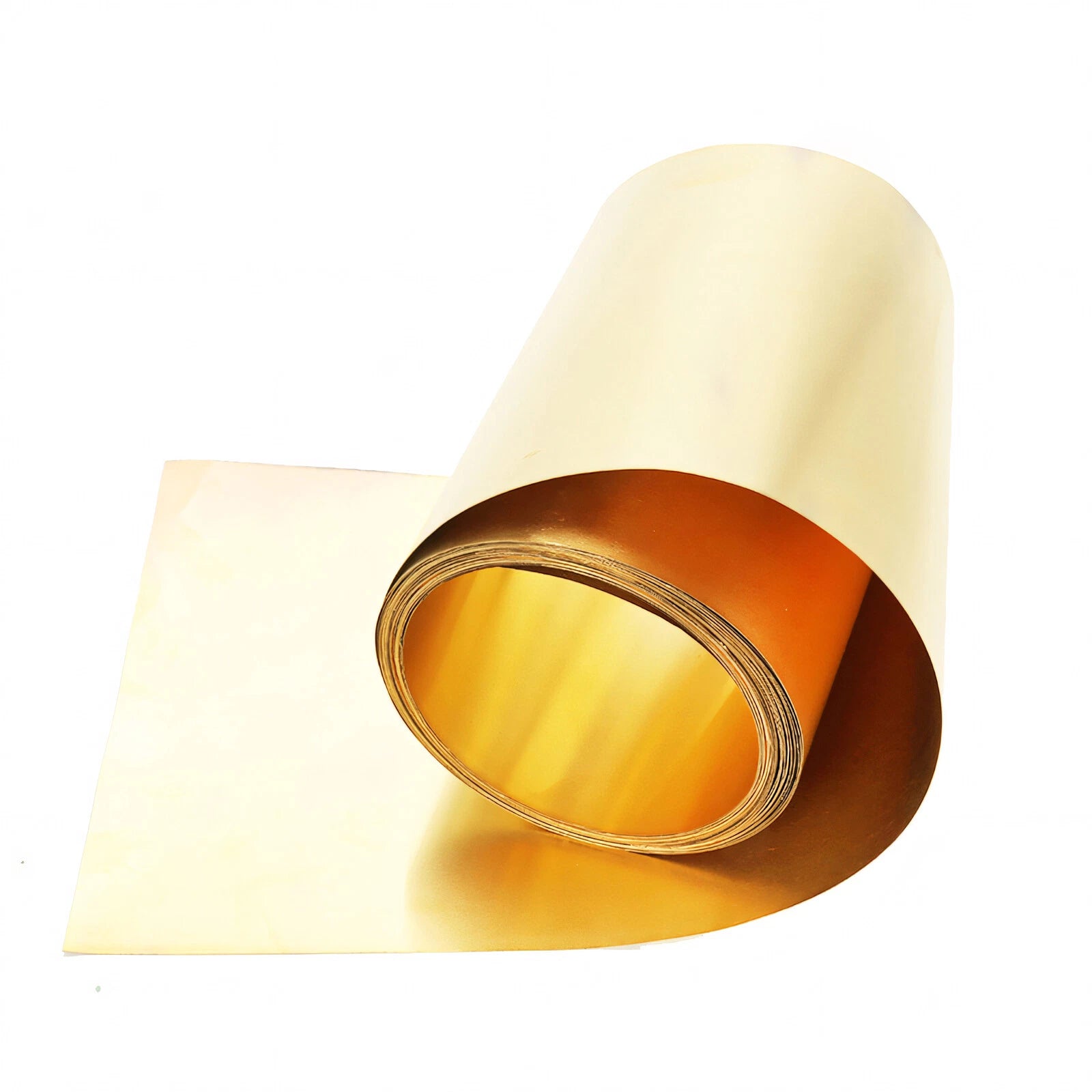
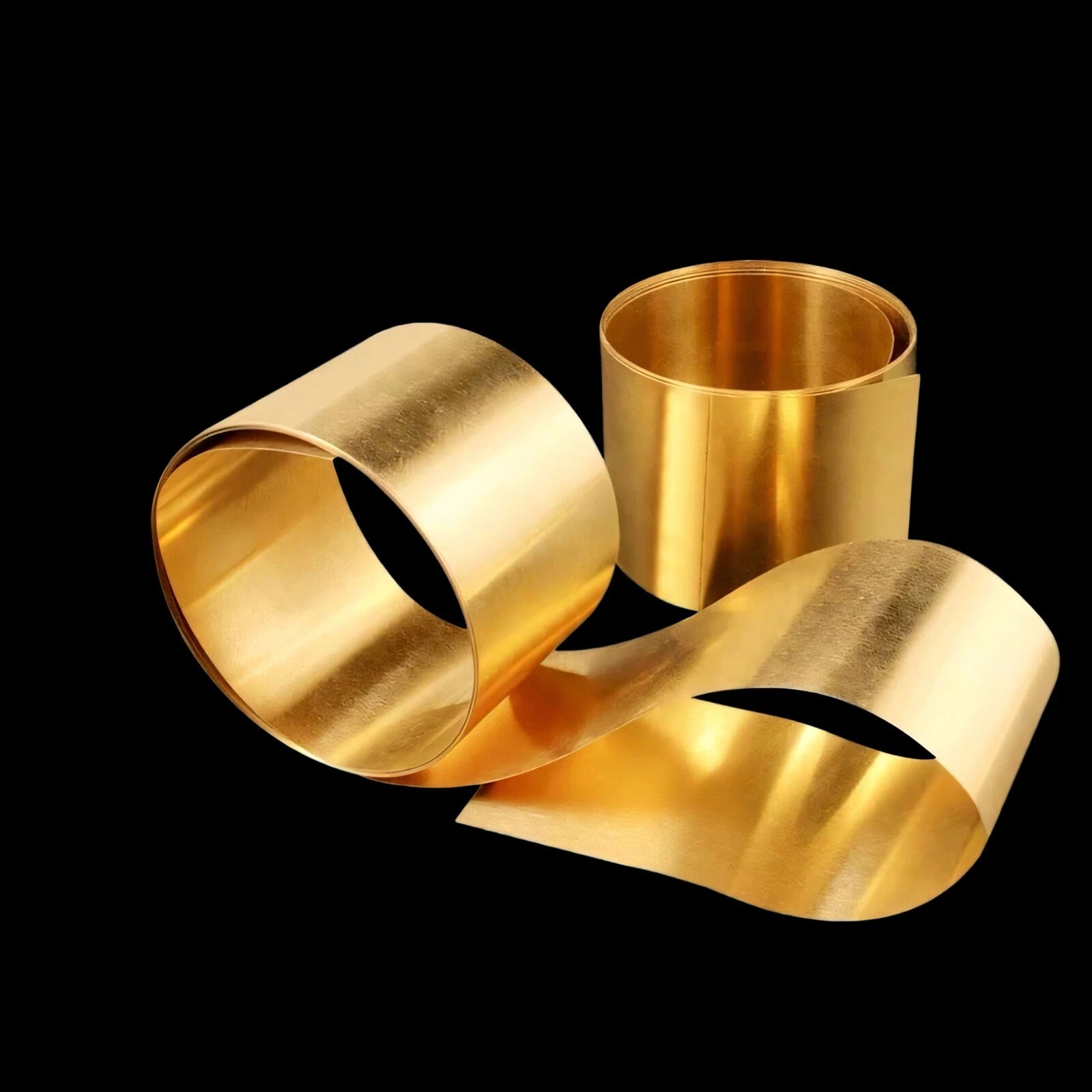
When a project demands exact tolerances — whether you're shimming a bearing, scribing a panel line, or laminating a scale model — even a fraction of a millimeter matters. Hobbyists, model engineers, and workshop technicians who need reliable, consistent metal foil know how frustrating it is to work with material that varies in thickness or tears under a blade. This brass shim sheet roll is designed for those who refuse to compromise on precision.
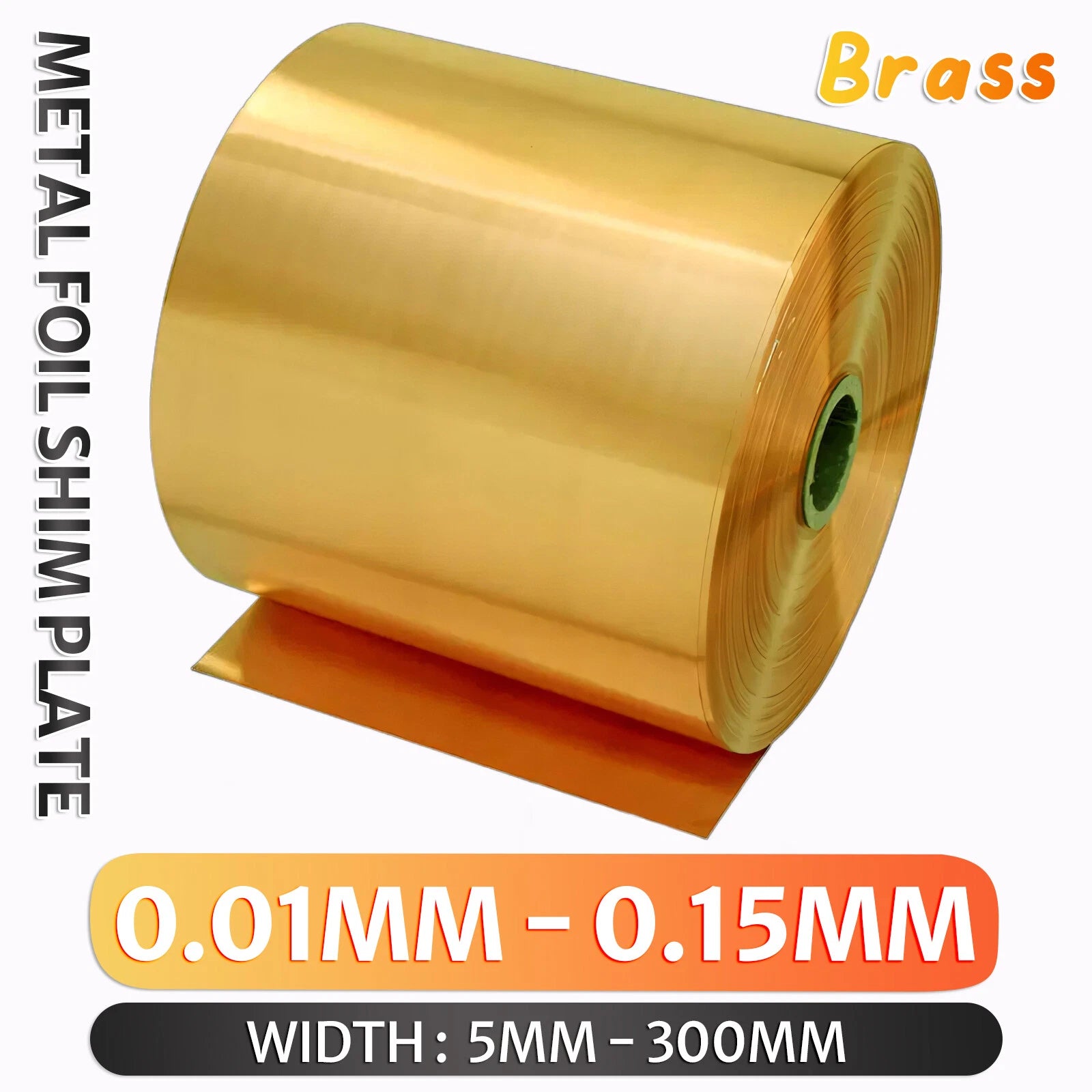
Each roll is made from brass alloy sheet stock, available in thicknesses from 0.01 mm (≈ 0.0004 in) to 0.15 mm (≈ 0.006 in), with widths ranging from 5 mm (≈ 0.2 in) to 300 mm (≈ 11.8 in). Length options are 1 meter (≈ 39 in) and 5 meters (≈ 197 in), giving you the flexibility to cut exactly what you need without waste.
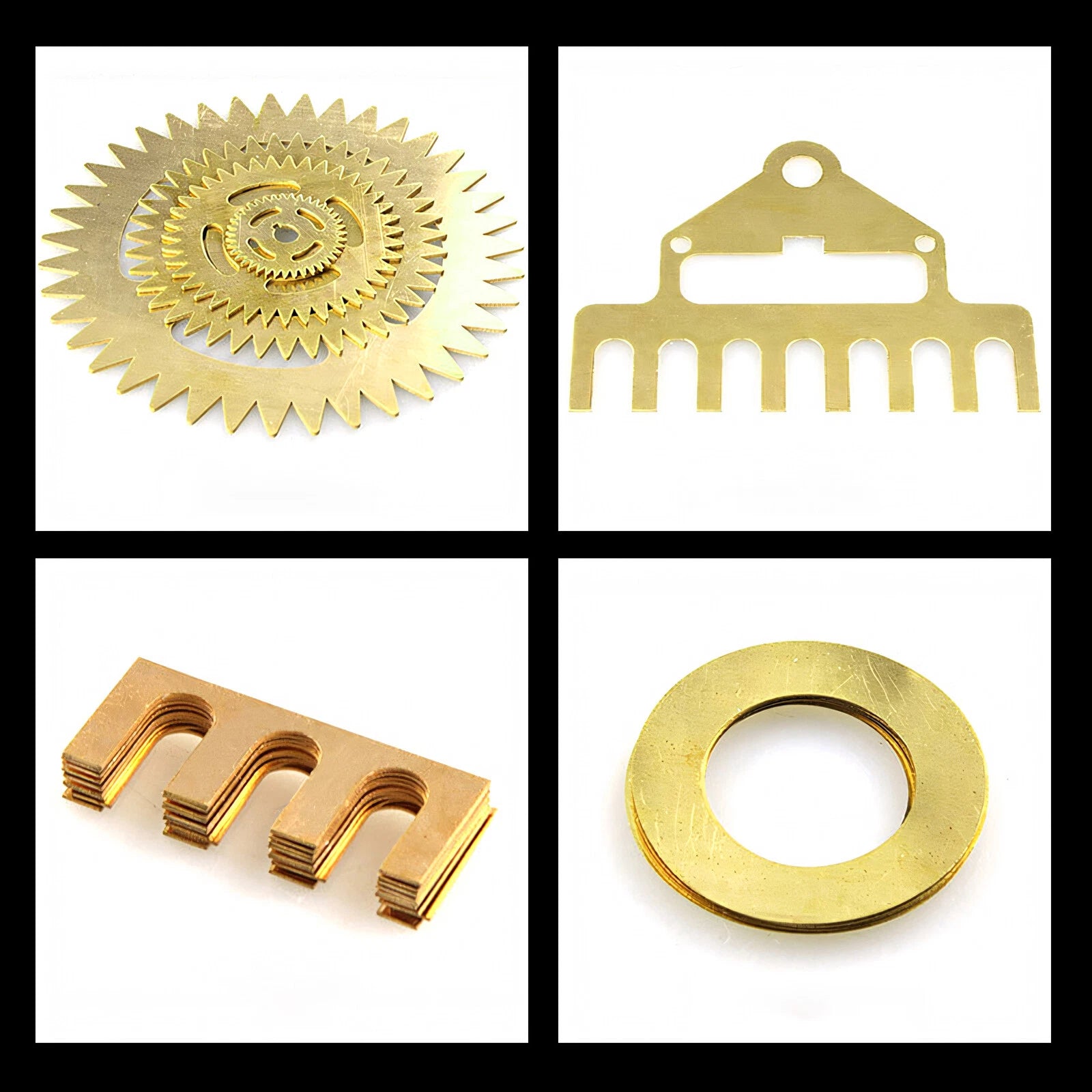
Typical applications include precision gap shimming in mechanical assemblies, surface detailing on architectural and scale models, thin-wall forming for miniature enclosures, and use as a heat-conductive interface layer in electronics prototyping. Long-tail use cases include brass foil for etching, model railway scratch-building, and fine art metalwork.
| Material | Brass alloy (copper-zinc) |
|---|---|
| Thickness Range | 0.01 mm – 0.15 mm (0.0004 in – 0.006 in) |
| Width Range | 5 mm – 300 mm (0.2 in – 11.8 in) |
| Length Options | 1 Meter / 5 Meter |
| Surface Finish | See variant options |
| Temper / Hardness | See variant options |
| Tolerance (Thickness) | See variant options |
| Form | Roll / Strip |
| Typical Applications | Shimming, model making, etching, forming, heat interface |
| Solderability | Yes — compatible with standard flux and solder |
| Machinability | Hand-cuttable with scissors or craft knife at listed thicknesses |
For precision gap shimming in mechanical assemblies, start with the thinnest option (0.01 mm) and stack layers to reach your target clearance. For structural foil or forming applications where the sheet needs to hold shape, 0.05 mm–0.15 mm is typically more suitable. If you're unsure, order a thinner gauge first — it's easier to add layers than to remove material.
Choose a width equal to or slightly wider than your target coverage area. Narrower strips (5–30 mm) suit bearing shims, panel scribing, and fine detail work. Wider sheets (100–300 mm) are better for surface lamination, large-format etching, or cutting multiple strips from a single roll.
Yes. Brass has good compressive strength for a thin-gauge metal and resists deformation under moderate clamping loads. It is widely used as a shim material in precision engineering. For very high-load applications, consider whether a thicker gauge (0.1–0.15 mm) is more appropriate than the ultra-thin options.
Brass has moderate corrosion resistance and performs well in dry indoor environments. It can tarnish over time when exposed to air and humidity, but this does not significantly affect its mechanical properties. For outdoor or high-humidity applications, consider applying a clear lacquer or protective coating after installation.
Yes. Brass is solderable using standard rosin or acid flux and appropriate solder. It is also compatible with ferric chloride etching, making it suitable for printed circuit board prototyping, decorative etching, and nameplate production. Ensure the surface is clean and free of oils before soldering or etching.
At the thicknesses listed (0.01–0.15 mm), brass foil is highly flexible and can be bent, rolled, or formed without cracking under normal handling. Tighter bends on thicker gauges may benefit from annealing (gentle heating and slow cooling) to restore ductility if the material has work-hardened during rolling.
The 5-meter roll offers a lower per-meter cost and is the better choice if you have ongoing or larger projects. The 1-meter roll is ideal for one-off tasks or when you want to test a specific thickness and width combination before committing to a larger quantity.