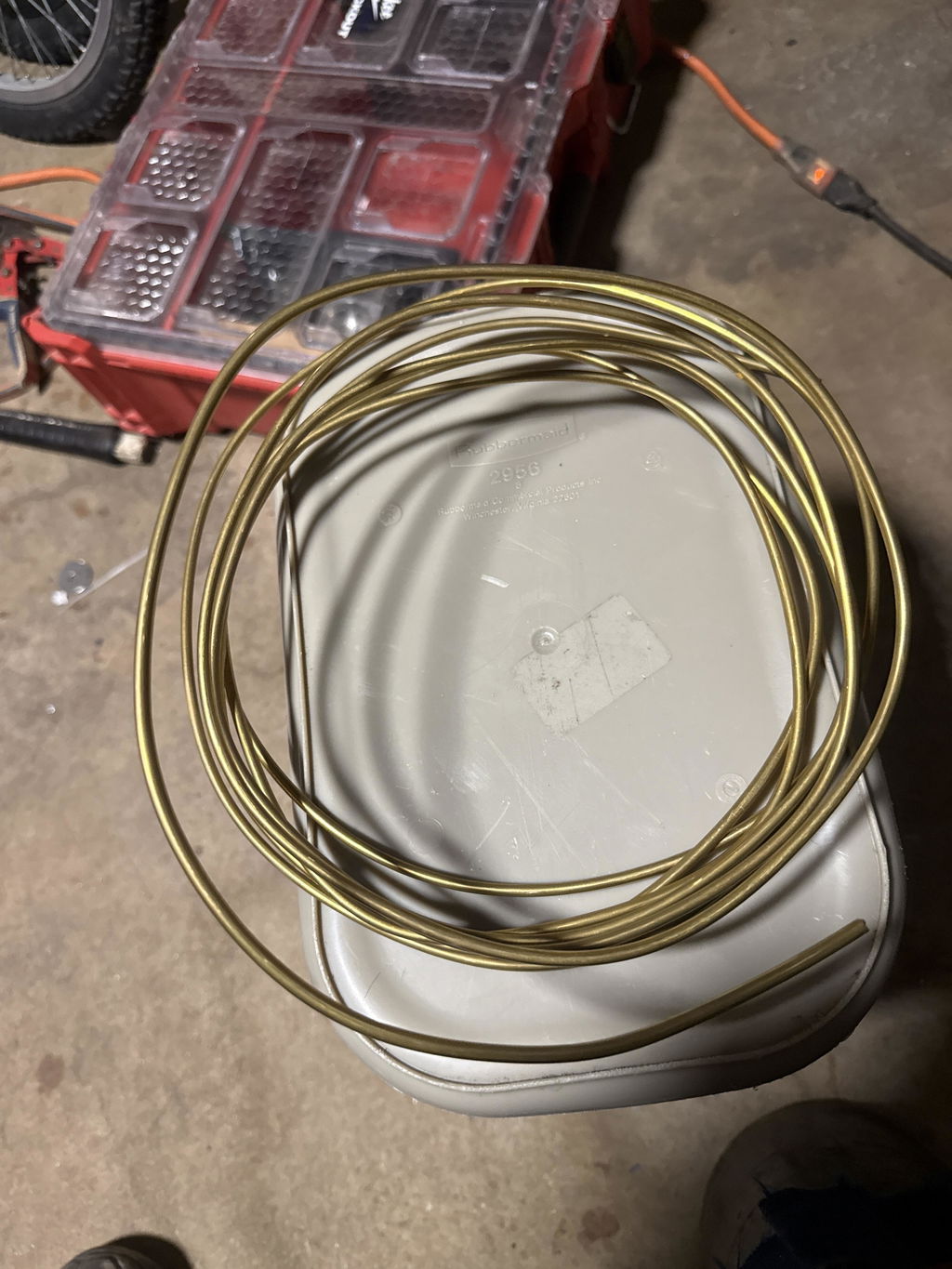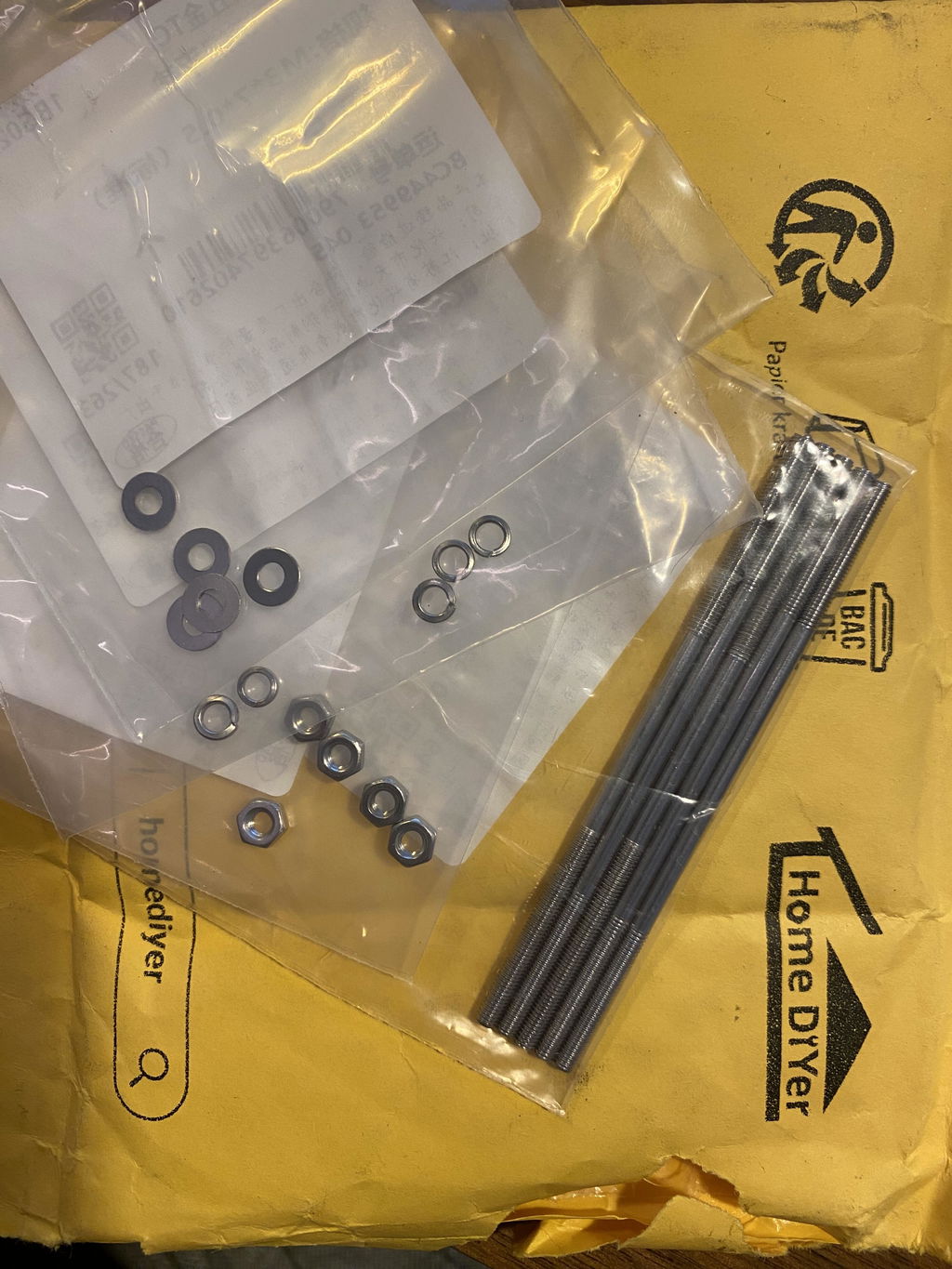


The chain is fine...but I ordered the wrong size. Nine links of the chain I ordered equals six of the size I wanted. My error...
How can I straighten out the springs? I can't use them coil uo as is.
Your payment information is processed securely. We do not store credit card details nor have access to your credit card information.
Get fitment advice & recommendations
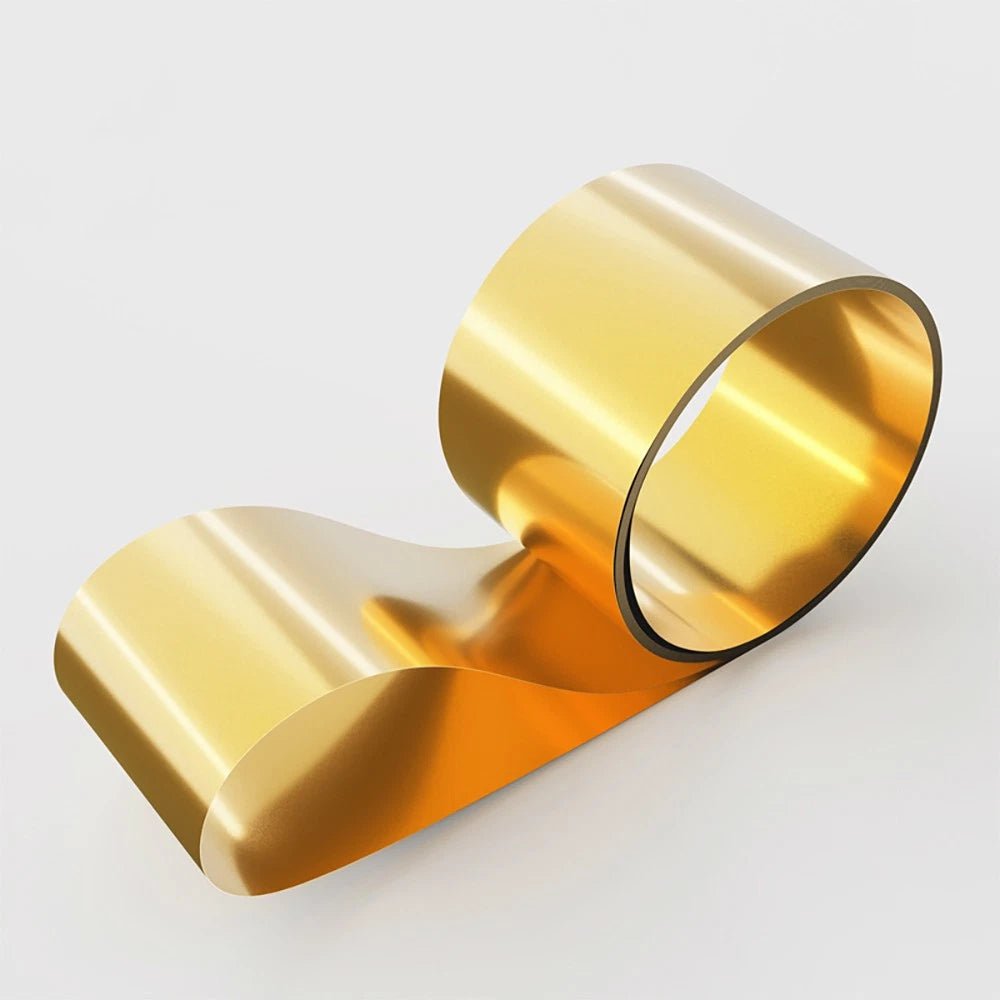
When a project demands exact tolerances and a material that holds its shape under pressure, standard sheet stock falls short. Machinists, scale modelers, and workshop builders who need a reliable thin brass sheet roll understand the frustration of sourcing foil that is either too thick, too narrow, or inconsistently rolled. This product is designed for those who require dimensional accuracy from the first cut to the last.
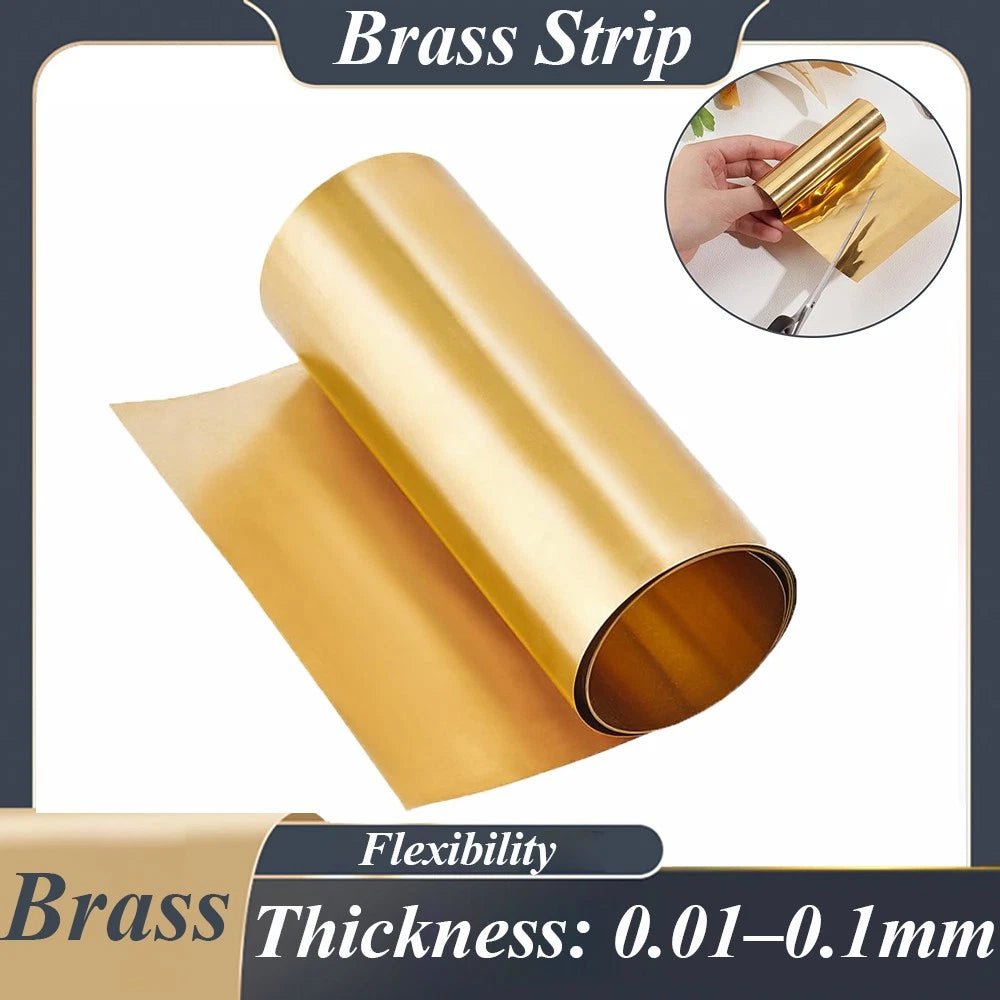
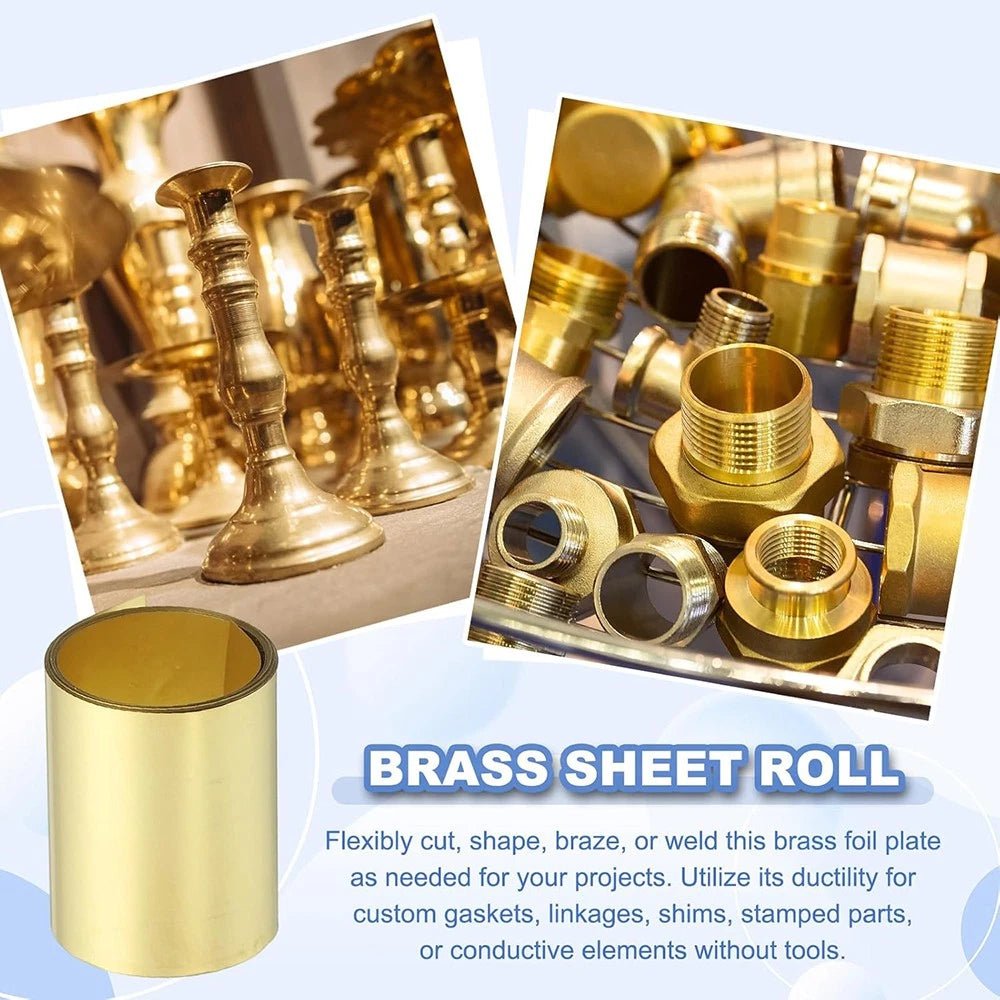
Each roll consists of brass alloy foil, cold-rolled to a consistent thickness ranging from 0.01 mm to 0.1 mm (approximately 0.0004 in to 0.004 in). Width options span 10 mm to 300 mm (roughly 0.39 in to 11.81 in), and rolls are available in 1 m, 5 m, and 10 m lengths. The surface is smooth and burr-free, with a characteristic golden-yellow brass finish.
Typical applications include precision shimming between mechanical components, thin-wall model aircraft and architectural scale model construction, gasket fabrication for low-pressure assemblies, decorative inlay work in woodworking, and electrical shielding in DIY electronics enclosures. Long-tail use cases such as "thin brass shim stock for lathe work" and "brass foil for scale model detailing" are well served by the range of thickness and width combinations available.
| Material | Brass alloy (copper-zinc), cold-rolled |
|---|---|
| Thickness Range | 0.01 mm – 0.1 mm (0.0004 in – 0.004 in) |
| Width Range | 10 mm – 300 mm (0.39 in – 11.81 in) |
| Available Lengths | 1 m / 5 m / 10 m |
| Surface Finish | Smooth, bright brass (golden-yellow) |
| Temper | See variant options |
| Tensile Strength | See variant options |
| Form | Continuous roll |
| Machinability | Suitable for cutting, bending, soldering, and brazing |
| Corrosion Resistance | Good — suitable for indoor and light outdoor use |
For shimming between close-tolerance mechanical parts (such as bearing housings or lathe tool posts), start with 0.05 mm or 0.1 mm and stack layers to reach your target gap. For scale model detailing, decorative inlay, or electrical shielding, thinner options like 0.01 mm–0.03 mm offer easier forming and cutting. If you are unsure, 0.05 mm is a versatile mid-range choice that balances rigidity and workability.
Brass foil at 0.05 mm and above handles well under normal workshop conditions and resists tearing when cut cleanly with sharp snips or a rotary cutter. Thinner gauges (0.01 mm–0.02 mm) are more delicate and benefit from being supported on a flat surface during cutting. All thicknesses maintain their shape once formed and do not spring back as aggressively as steel shim stock.
Brass offers good natural corrosion resistance in dry to moderately humid environments. For light outdoor applications — such as decorative trim or protected mechanical assemblies — it performs reliably. In continuously wet or salt-spray environments, a clear lacquer coating is recommended to extend service life. For fully submerged or marine applications, consider a more corrosion-resistant alloy.
Yes. Brass is one of the most solderable metals available. Soft soldering with standard rosin-core solder works well for electrical and light mechanical joints. Silver brazing is suitable for higher-strength joints. Clean the surface with fine abrasive or flux before soldering to ensure a strong bond. Thinner gauges (under 0.03 mm) require careful heat management to avoid warping.
For 1:72 or 1:48 scale aircraft models, widths of 10 mm–25 mm are typically sufficient for panel lines, control surface hinges, and structural details. Architectural scale models at 1:50 or 1:100 often use 50 mm–100 mm widths for floor plates and facade cladding. Ordering the width closest to your largest cut dimension minimizes waste and avoids unnecessary trimming.
The 1 m roll suits single-project use or when you need to trial a specific thickness and width combination before committing to a larger quantity. The 5 m roll is the most popular choice for workshop stock, offering enough material for multiple projects at a lower per-metre cost. The 10 m roll is best for production runs, repetitive shimming tasks, or when you regularly use the same specification.
Yes. Brass foil cuts cleanly on CO₂ and fiber laser cutters when the sheet is held flat with a sacrificial backer or vacuum table. CNC engravers and drag-knife cutters also work well for thicknesses of 0.05 mm and above. For thinner gauges, tape the foil to a rigid backing sheet before machining to prevent lifting or distortion during the cut.