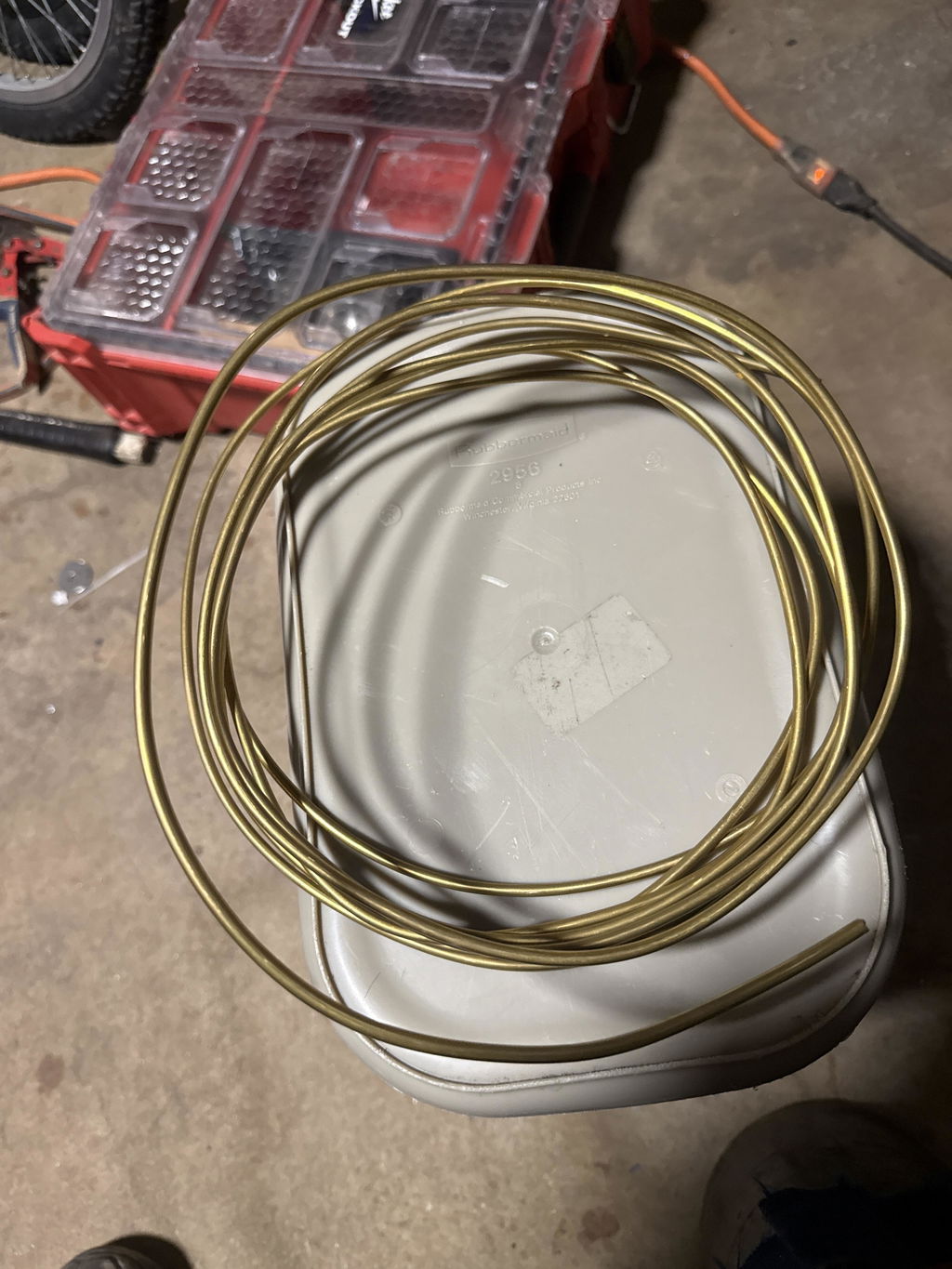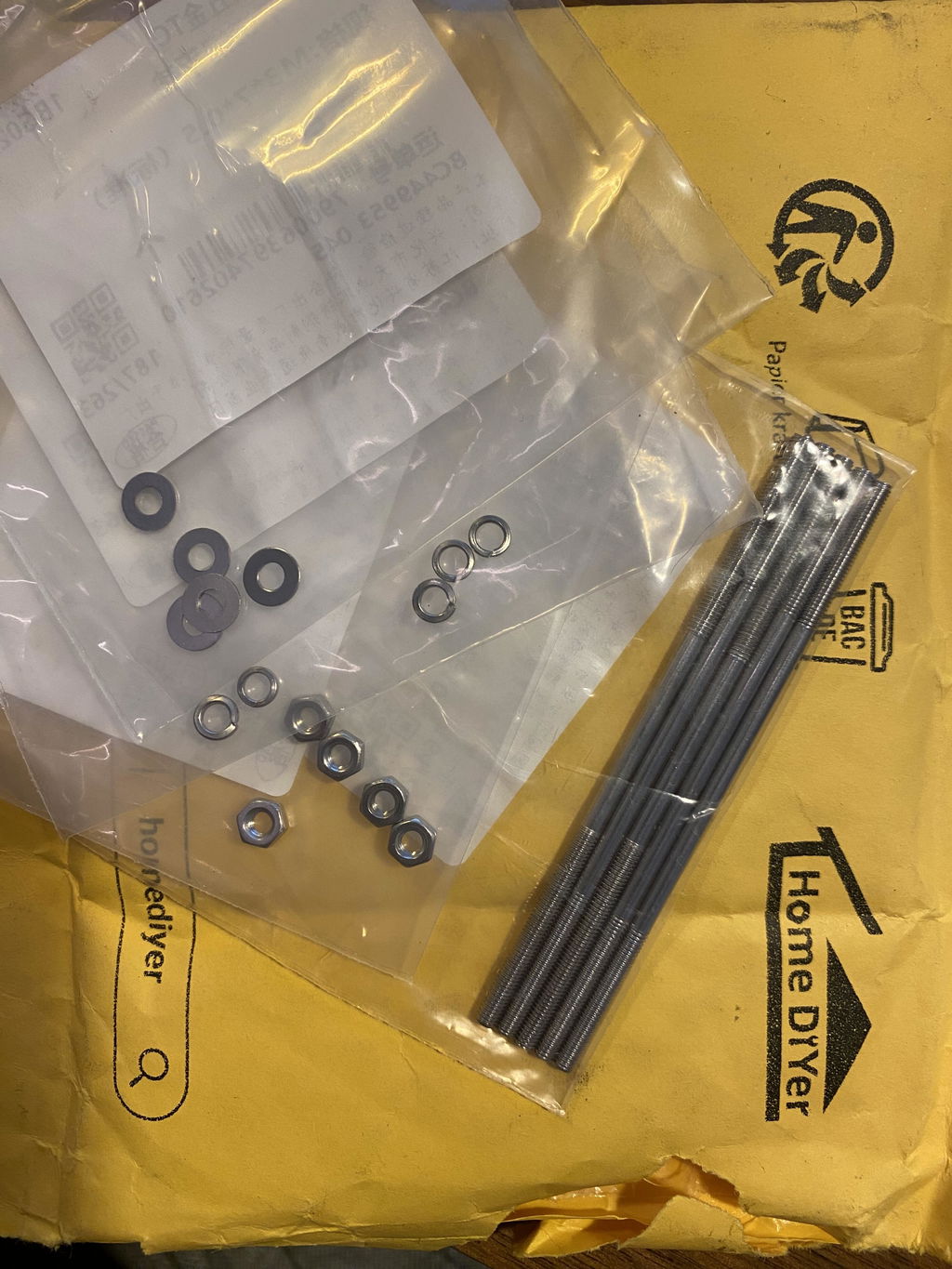
The chain is fine...but I ordered the wrong size. Nine links of the chain I ordered equals six of the size I wanted. My error...
How can I straighten out the springs? I can't use them coil uo as is.
Your payment information is processed securely. We do not store credit card details nor have access to your credit card information.
Get fitment advice & recommendations
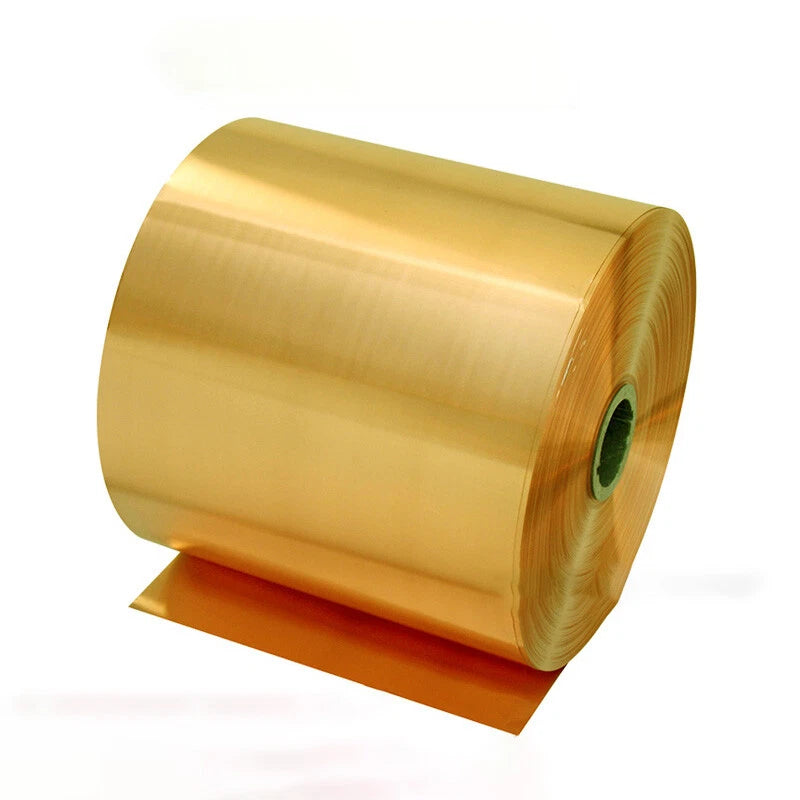
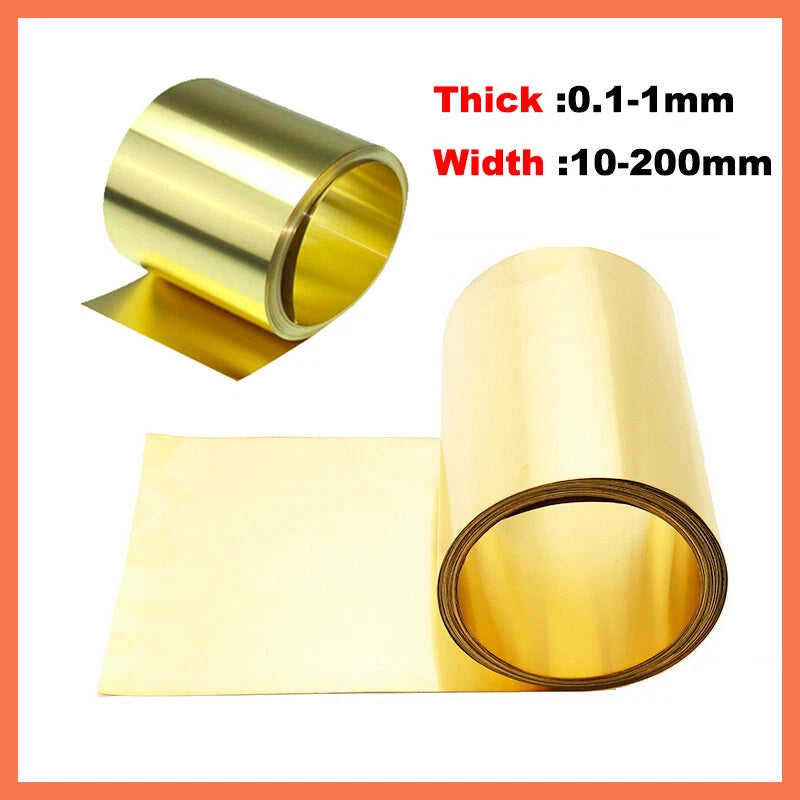
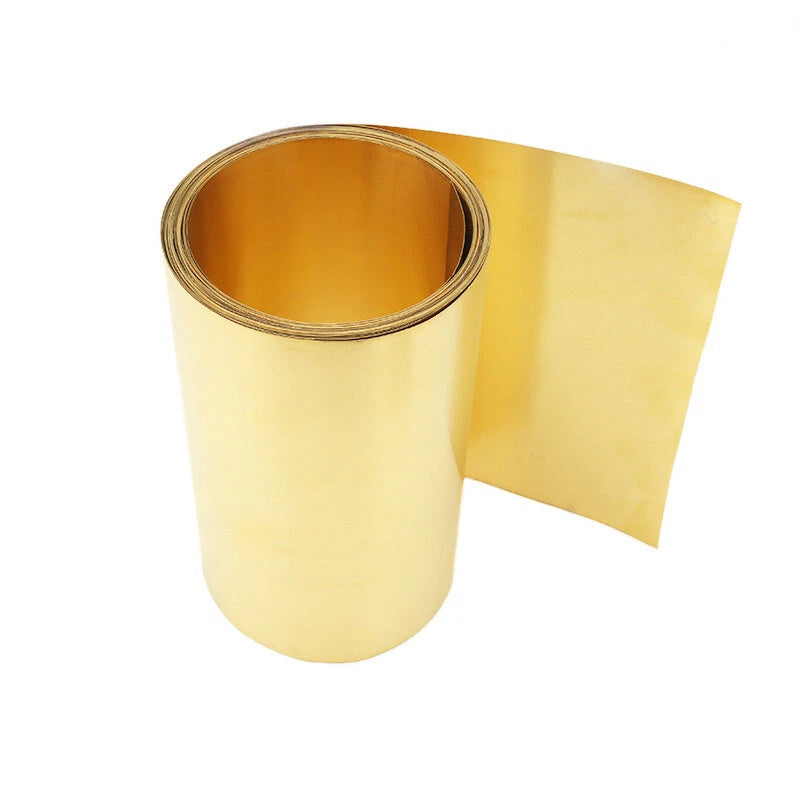
When a project demands exact tolerances — whether you're closing a gap in a mechanical assembly, building a scale model, or fabricating a custom bracket — finding brass sheet stock in the right thickness can be frustrating. This listing offers thin brass sheet strips in a wide range of thicknesses from 0.01mm to 1mm, giving makers, hobbyists, and workshop professionals the precise material they need without ordering custom cuts.
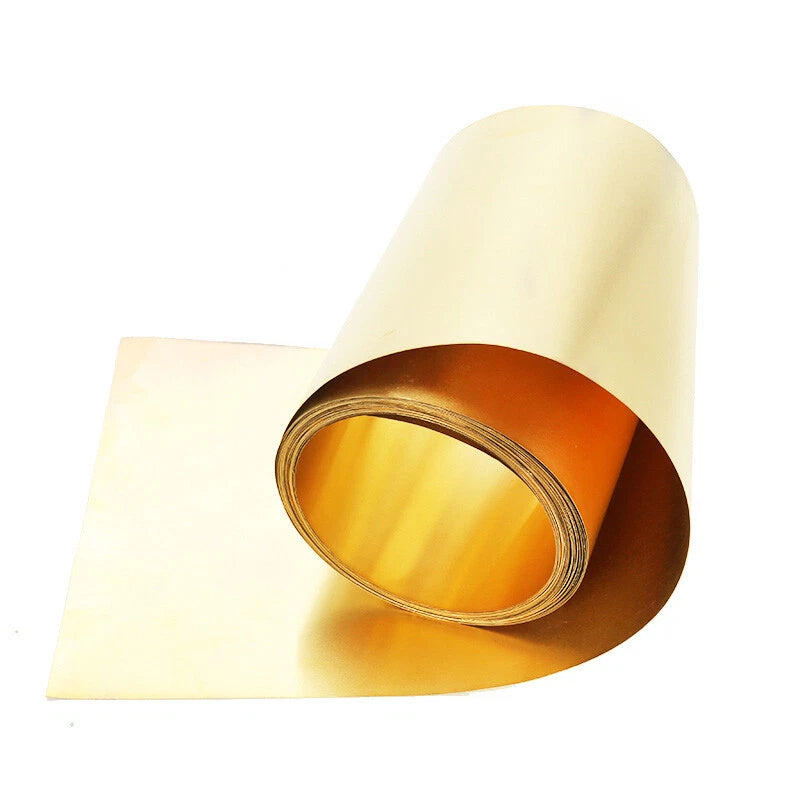
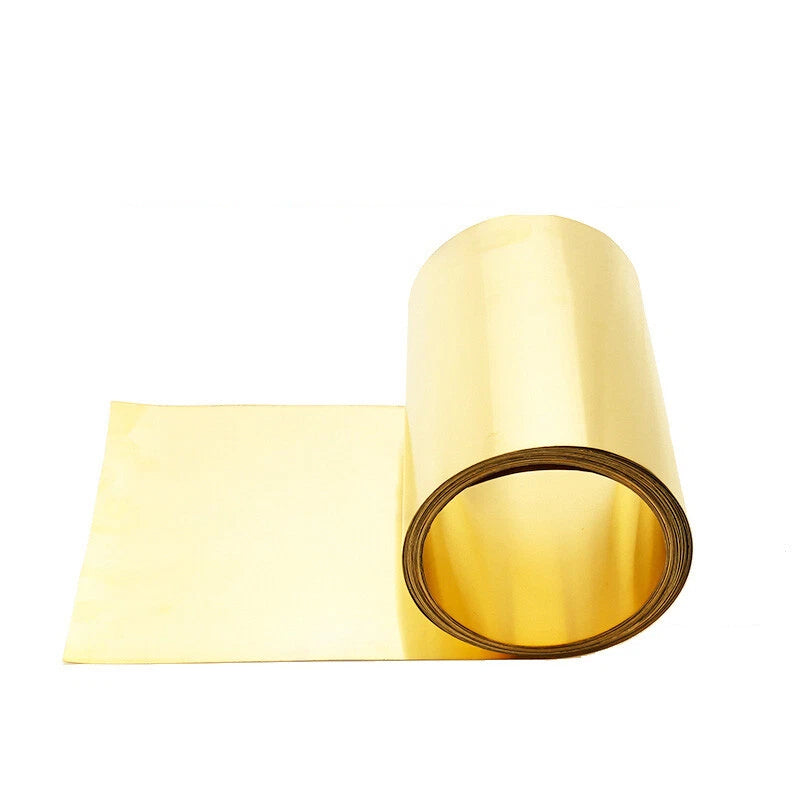
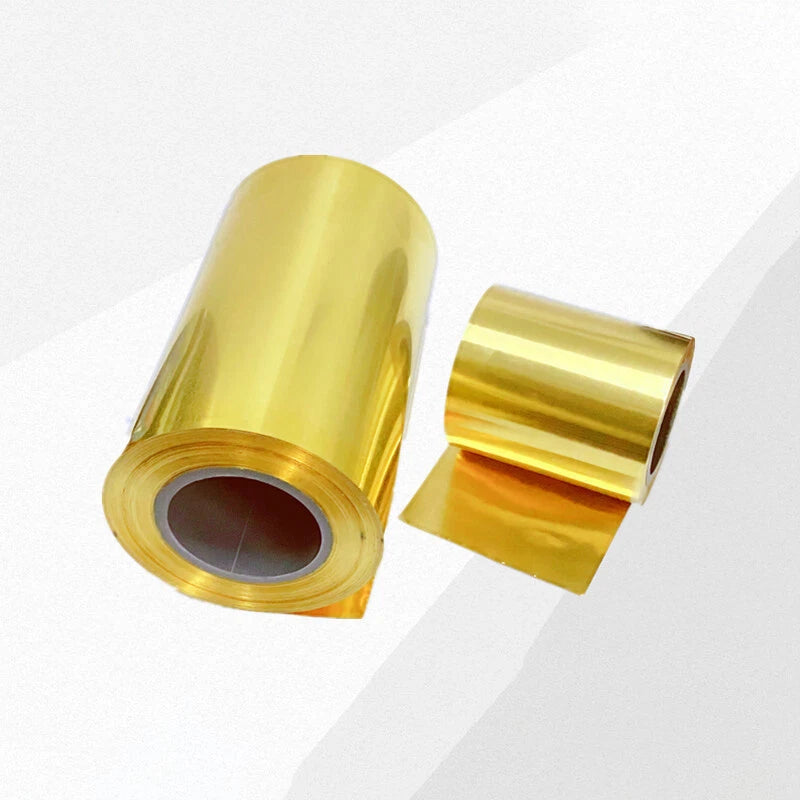
Each strip is made from brass alloy (copper-zinc), offering a balance of workability and corrosion resistance. Thickness options span 0.01mm–1mm (approximately 0.0004"–0.039"), widths range from 10mm to 300mm (approx. 0.39"–11.81"), and lengths are available in 500mm (~19.7") or 1 Meter (~39.4"). The material can be cut, bent, and formed with standard hand tools.
Typical applications include precision shimming between mechanical components, thin brass sheet for model railway and architectural scale models, decorative inlay work in woodworking, heat shielding in electronics prototyping, and custom gasket fabrication for small engines or pumps.
Available from 0.01mm to 1mm — choose the exact gauge your project requires without compromise.
Widths from 10mm to 300mm let you minimize waste by selecting the closest match to your required blank size.
Brass alloy is soft enough to score and snap at thin gauges, and can be bent, drilled, or soldered with standard workshop tools.
Brass naturally resists oxidation in typical indoor and light outdoor environments, keeping your finished work looking clean over time.
Ultra-thin options (0.01mm–0.1mm) are ideal as shim stock for bearing fits, mold alignment, and tight mechanical clearances.
Choose 500mm for smaller jobs or 1 Meter for longer runs — both lengths arrive flat and ready to use.
| Material | Brass alloy (copper-zinc) |
|---|---|
| Thickness Range | 0.01mm – 1mm (approx. 0.0004" – 0.039") |
| Width Range | 10mm – 300mm (approx. 0.39" – 11.81") |
| Length Options | 500mm (~19.7") / 1 Meter (~39.4") |
| Surface Finish | See variant options |
| Temper / Hardness | See variant options |
| Tolerance (Thickness) | See variant options |
| Form | Flat strip / sheet |
| Workability | Cuttable, bendable, solderable, drillable |
| Corrosion Resistance | Good — suitable for indoor and light outdoor use |
Measure the gap you need to fill with a feeler gauge, then select the closest thickness available. For stacked shims, you can combine two or more strips — for example, two 0.05mm strips equal 0.1mm. Ultra-thin options (0.01mm–0.05mm) suit precision bearing fits, while 0.1mm–0.5mm covers most general mechanical shimming tasks.
Thin brass sheet is not intended for load-bearing structural applications. It excels as shim stock, decorative inlay, heat shielding, and model-making material. For thicker gauges (0.3mm–1mm), it can handle light forming and bracket work in non-structural contexts.
Brass does not rust (it contains no iron), and it resists oxidation well in typical indoor environments. In humid or outdoor conditions, brass may develop a patina over time. For applications requiring maximum corrosion resistance, consider applying a clear lacquer or wax coating after cutting.
Yes. Brass is highly solderable with standard rosin-core solder and a suitable flux. It can also be silver-brazed for stronger joints. Clean the surface with fine abrasive paper or flux before soldering to ensure a good bond.
For thicknesses up to 0.1mm, a sharp craft knife or scissors can score and cut the strip cleanly. For 0.1mm–0.5mm, tin snips or a metal shear give cleaner edges. Thicker gauges (0.5mm–1mm) are best cut with a hacksaw, angle grinder, or CNC router. Always deburr cut edges with a fine file or sandpaper.
Measure the widest dimension of your finished part and choose the next size up. For example, if your part is 22mm wide, select the 25mm strip. This minimizes offcuts while giving you a small margin for layout and cutting. For multiple parts, calculate total area needed and consider ordering a wider strip to cut down.
Yes — both length options are the same brass alloy material, thickness, and width. The 500mm option is simply a shorter cut, suited for smaller projects or when you need less material. The 1 Meter option offers better value per millimeter for larger jobs.
Absolutely. Thin brass sheet is a staple material in scale modeling. The 0.1mm–0.3mm range is popular for etched or hand-cut detail parts, roofing, and structural framing in HO, N, and O scale models. The material holds fine detail well and can be painted or chemically blackened for realistic finishes.