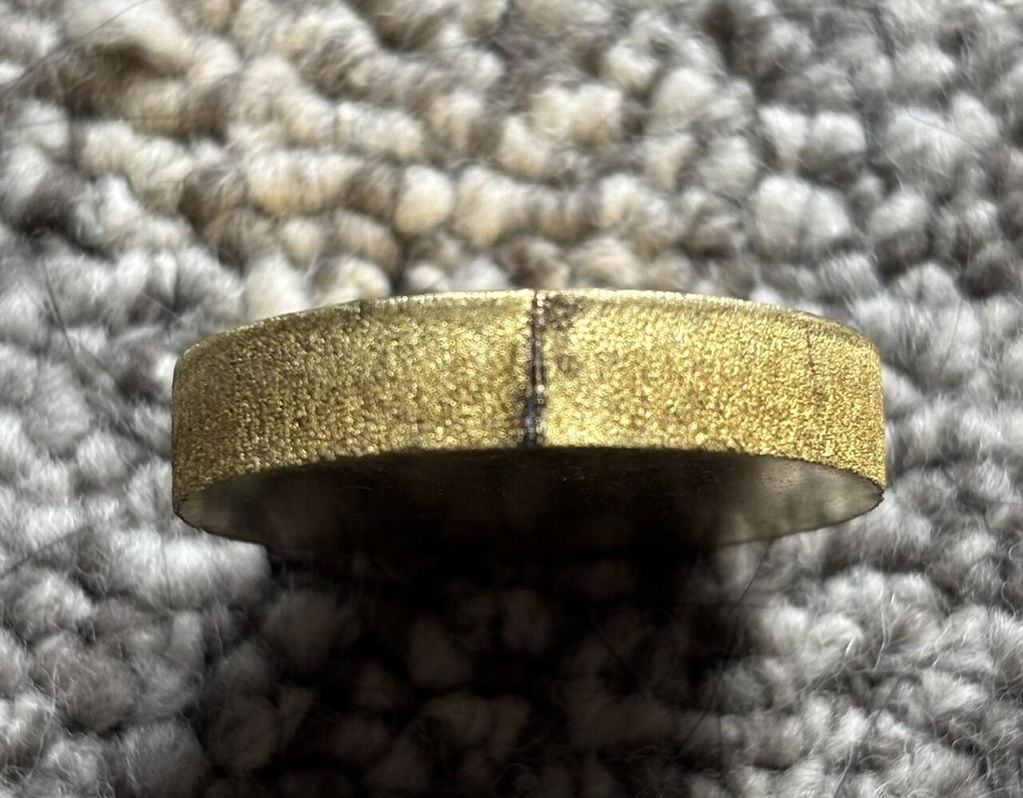
The chain is fine...but I ordered the wrong size. Nine links of the chain I ordered equals six of the size I wanted. My error...
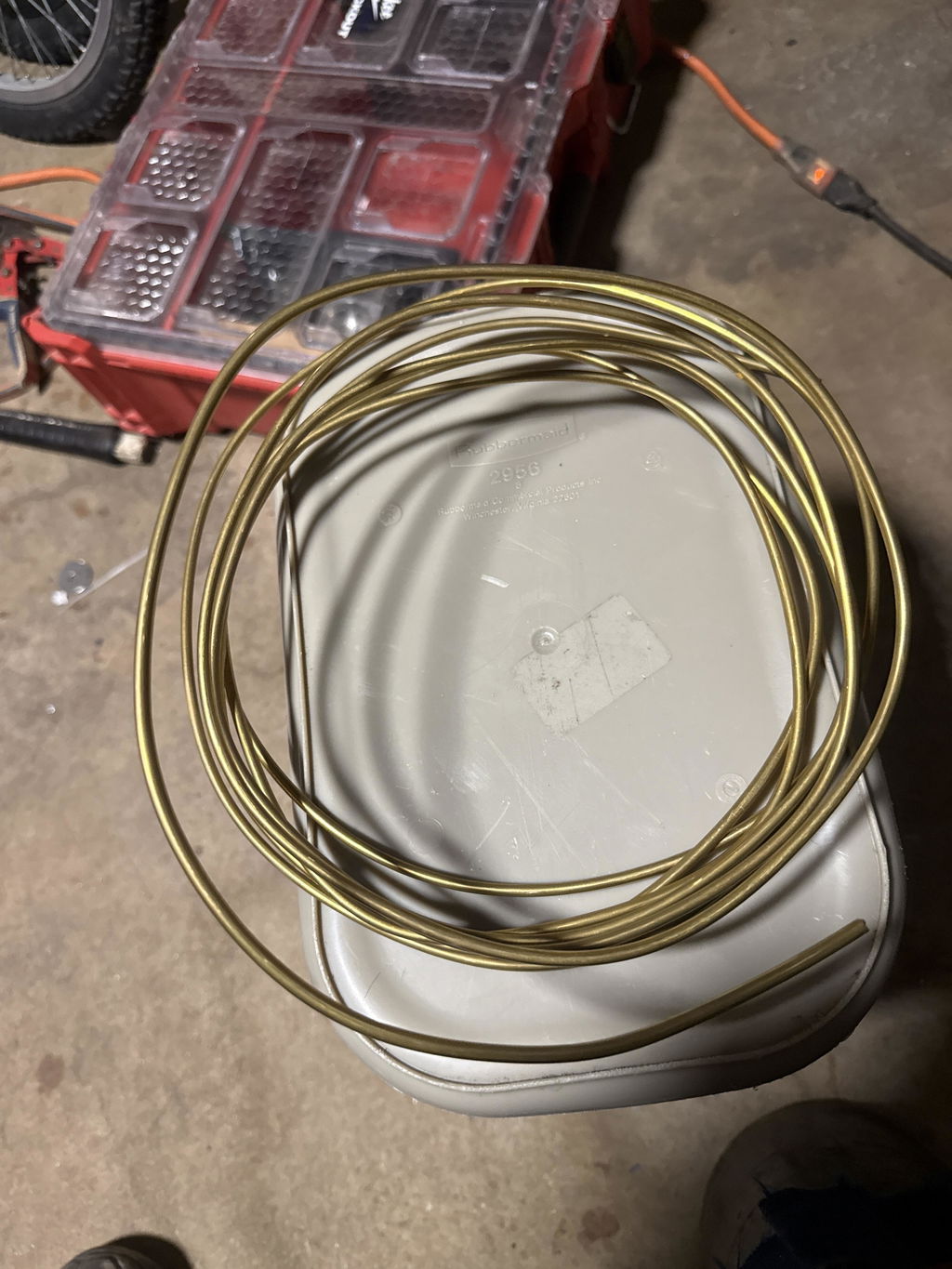
How can I straighten out the springs? I can't use them coil uo as is.
Your payment information is processed securely. We do not store credit card details nor have access to your credit card information.
Get fitment advice & recommendations
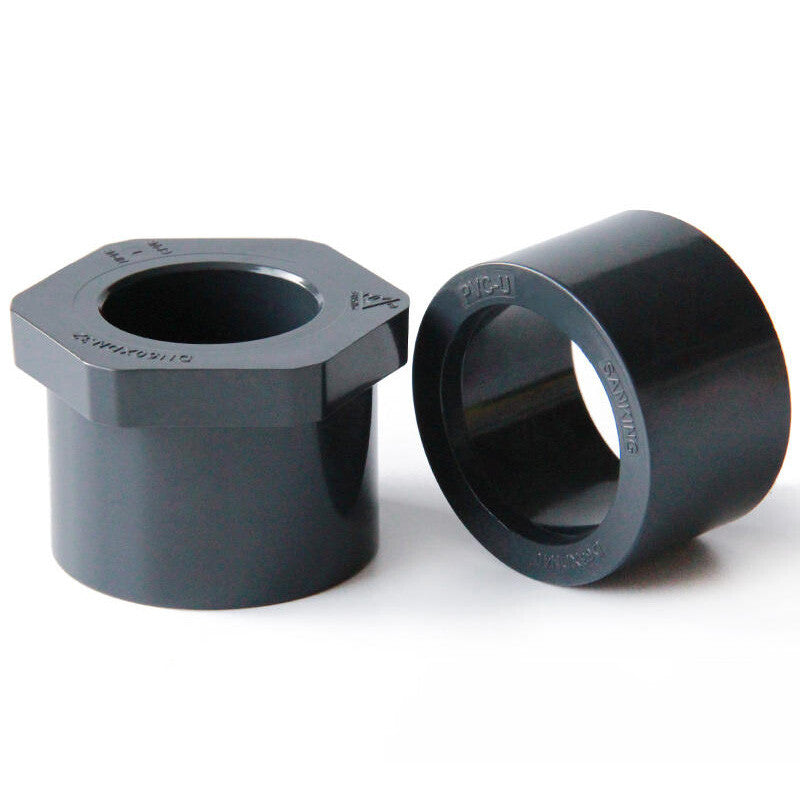
When your pipe run changes diameter and alignment matters, a standard concentric reducer simply won't do. DIYers, plumbers, and irrigation installers who need to maintain a flat bottom-of-pipe alignment rely on eccentric reducing bushings to prevent air pockets and ensure consistent flow. These UPVC eccentric reducing bushing fittings are engineered for exactly that challenge, delivering a secure, leak-resistant transition between two different pipe sizes without disrupting your system's grade.
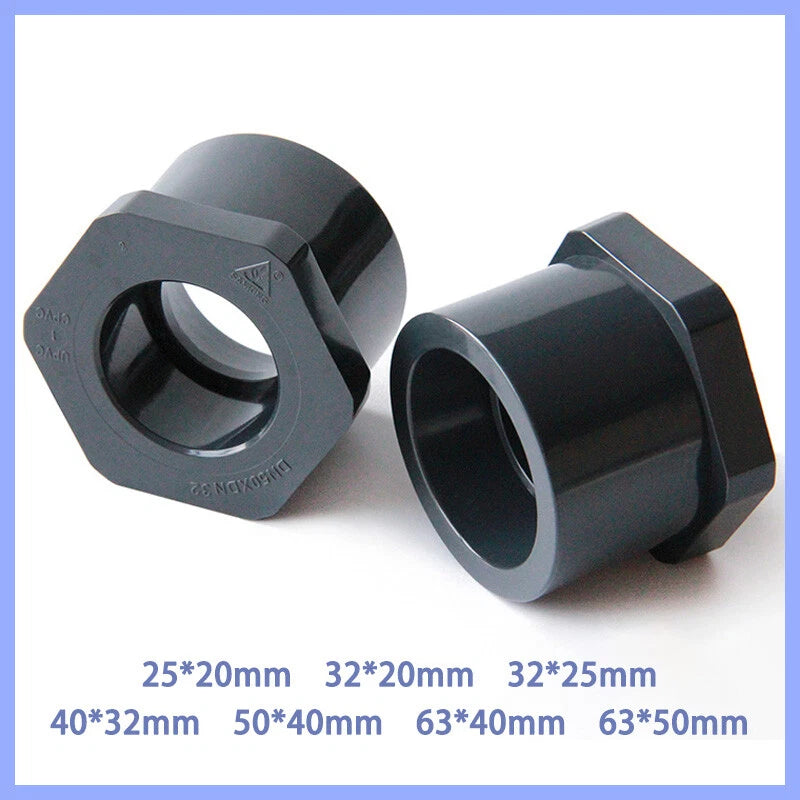
Each bushing is molded from rigid unplasticized PVC (UPVC), offering a wall thickness typically in the range of 2.5–4.5mm depending on size. The dark grey finish is UV-stabilized for extended outdoor service life. Available in seven outer-diameter × inner-diameter combinations — 25×20mm (~1"×¾"), 32×20mm (~1¼"×¾"), 32×25mm (~1¼"×1"), 40×32mm (~1½"×1¼"), 50×40mm (~2"×1½"), 63×40mm (~2½"×1½"), and 63×50mm (~2½"×2") — these fittings cover the most common residential and light-commercial pipe reduction scenarios.
Typical applications include residential cold-water supply line reductions, drip and sprinkler irrigation manifold connections, drainage and waste pipe transitions, and grey-water recycling system plumbing. Whether you are building a new irrigation system with UPVC eccentric reducer fittings or retrofitting an existing cold-water plumbing run, these connectors deliver a solvent-cement-ready socket that bonds permanently with standard UPVC pipe.
Flat-bottom alignment keeps the pipe invert level, preventing air traps in gravity-fed drainage and irrigation lines — a critical advantage over concentric reducers.
Unplasticized PVC resists corrosion, scale buildup, and chemical attack from fertilizers and mild cleaning agents, extending service life in both buried and exposed installations.
The dark grey pigment incorporates UV stabilizers that slow surface degradation when fittings are used in partially exposed outdoor plumbing or irrigation manifolds.
Both the spigot and socket ends are machined to standard UPVC tolerances, ensuring a full-contact bond with solvent cement for a leak-free, permanent joint.
Choose from 25×20mm up to 63×50mm in quantities of 1 to 15 pieces per order — ideal for single repairs or stocking a full project's worth of fittings at once.
The interior bore is smooth and free of burrs, reducing turbulence at the transition point and maintaining system pressure across the reducer joint.
| Material | Rigid UPVC (Unplasticized Polyvinyl Chloride) |
|---|---|
| Color / Finish | Dark Grey, UV-stabilized |
| Connection Type | Solvent-cement socket (spigot × socket) |
| Reducer Type | Eccentric (flat-bottom alignment) |
| Size Range (OD × ID) | 25×20mm to 63×50mm (see variant options) |
| Wall Thickness | See variant options |
| Pressure Rating | See variant options |
| Temperature Range | 0°C to 60°C (32°F to 140°F) — cold water only |
| Standards | See variant options |
| Available Quantities | 1, 2, 3, 4, 5, 8, 10, 15 pcs per order |
A concentric reducer is symmetrical — both pipe centerlines share the same axis, so the pipe drops equally on all sides. An eccentric reducer offsets the centerlines so one side (typically the bottom) remains flat. This flat-bottom alignment is essential in drainage and gravity-fed irrigation lines because it prevents air pockets from forming at the transition, which can disrupt flow or cause water hammer.
These bushings are designed for standard UPVC pressure pipe in the following OD × ID combinations: 25×20mm, 32×20mm, 32×25mm, 40×32mm, 50×40mm, 63×40mm, and 63×50mm. They are compatible with pipe manufactured to common UPVC pressure pipe standards. Always verify your pipe's actual outer diameter before ordering, as nominal pipe sizes can vary by standard (e.g., DIN, BS, AS).
No. UPVC is rated for cold-water service only, typically up to 60°C (140°F) at reduced pressure. For hot-water applications, you should use CPVC (chlorinated PVC) or another material rated for elevated temperatures. Using UPVC in hot-water lines can cause deformation and joint failure over time.
Installation follows standard UPVC solvent-cement procedure: (1) Cut pipe square and deburr the end. (2) Dry-fit to confirm alignment. (3) Apply UPVC primer to both the pipe spigot and the bushing socket. (4) Apply solvent cement evenly to both surfaces. (5) Push the pipe firmly into the socket with a slight twist and hold for 30 seconds. (6) Allow the joint to cure for at least 15 minutes before handling and 24 hours before pressurizing. Always orient the eccentric bushing with the flat side down for drainage applications.
Yes. UPVC is inherently resistant to corrosion, rust, and most common chemicals including fertilizers, mild acids, and chlorinated water. The dark grey UV-stabilized finish provides additional protection against surface degradation from sunlight exposure. For fully buried installations, UPVC is widely used in irrigation and drainage systems due to its long service life in soil environments.
Measure the outer diameter (OD) of your larger pipe and the outer diameter of your smaller pipe. Match these measurements to the OD × ID size listed in the variant options — the first number is the larger pipe's OD (the bushing's outer socket) and the second number is the smaller pipe's OD (the bushing's inner spigot). If you are unsure, a caliper measurement of the pipe end is the most reliable method. Do not rely solely on nominal pipe labels, as actual ODs can differ by standard.
You can order as few as 1 piece per size — perfect for a single repair or replacement. If you are stocking up for a larger project, quantity options of 2, 3, 4, 5, 8, 10, and 15 pieces are available at progressively lower per-unit costs. Simply select your preferred size and quantity from the variant dropdowns above.