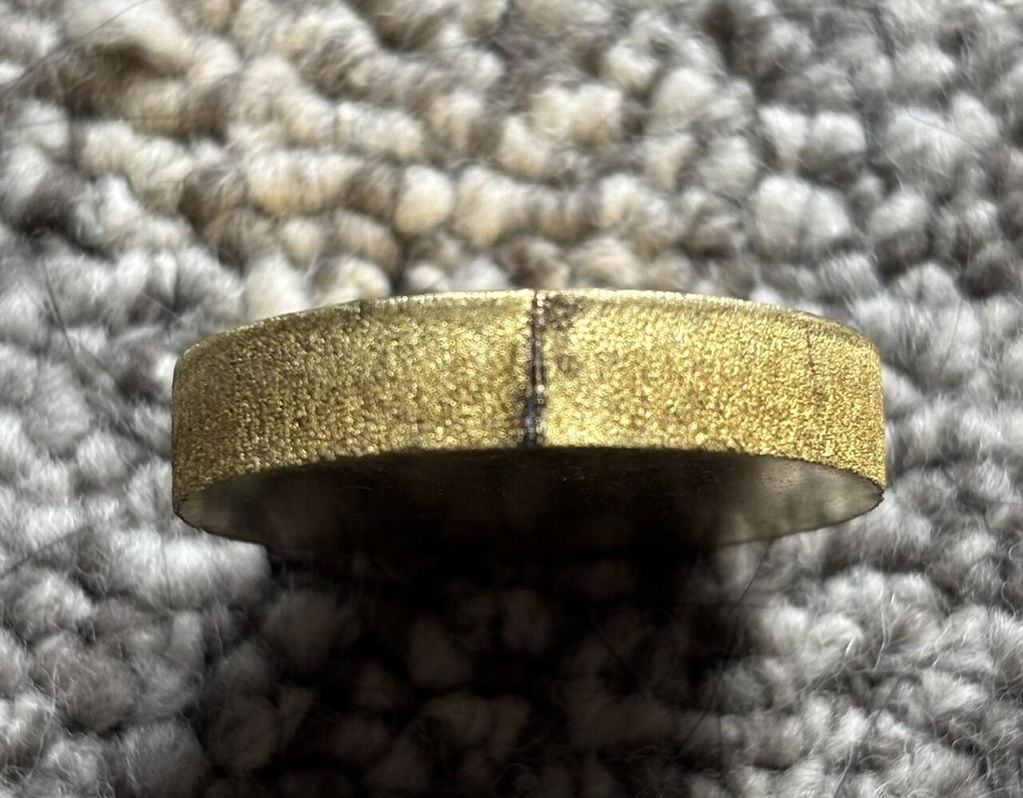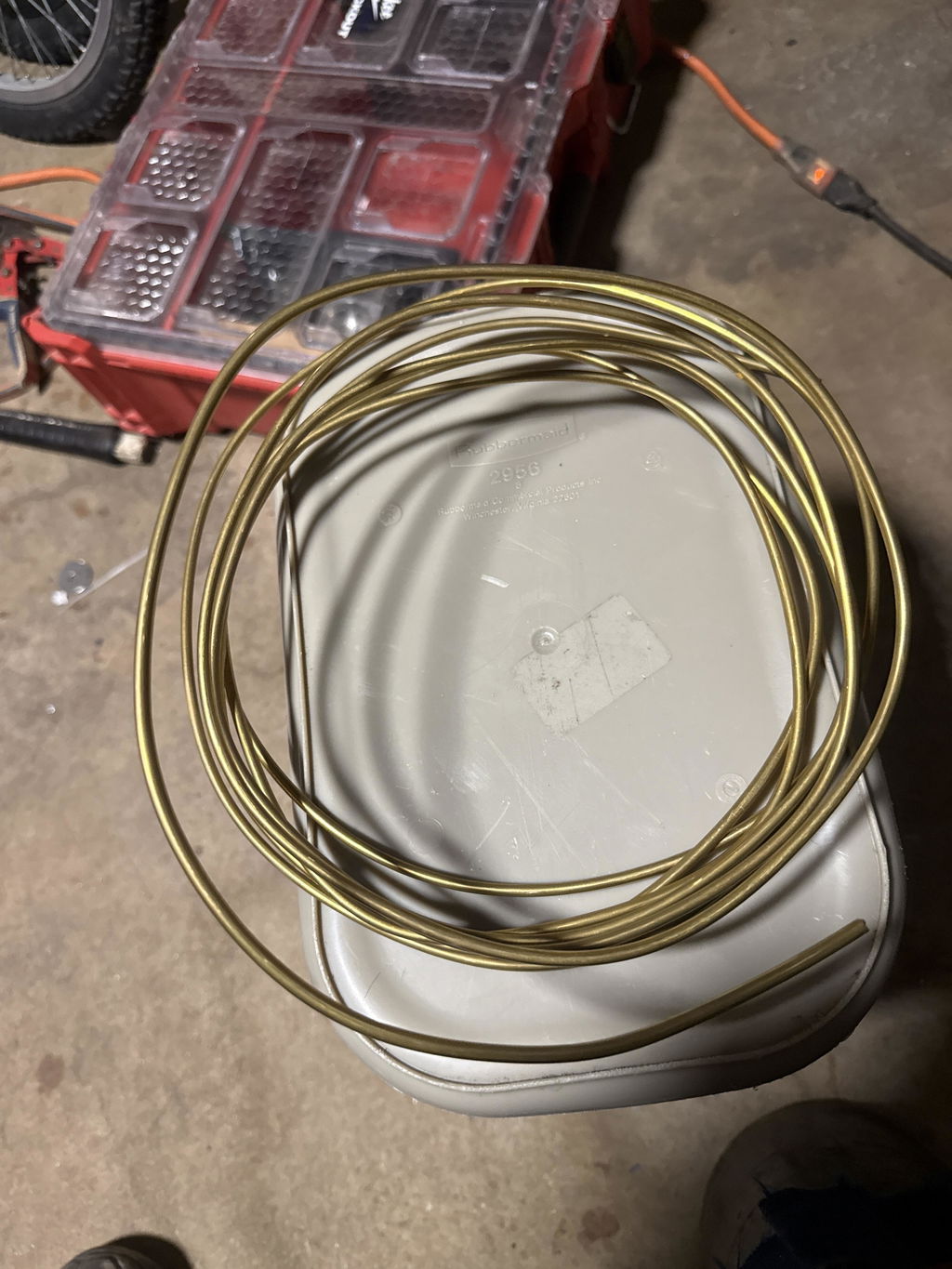
The chain is fine...but I ordered the wrong size. Nine links of the chain I ordered equals six of the size I wanted. My error...
How can I straighten out the springs? I can't use them coil uo as is.
Your payment information is processed securely. We do not store credit card details nor have access to your credit card information.
Get fitment advice & recommendations
When a leaking joint or a missing elbow brings your plumbing project to a halt, you need fittings that slip on fast and hold for years. Whether you are a homeowner tackling a bathroom renovation, a gardener building an irrigation grid, or a tradesperson completing a commercial fit-out, these UPVC and PVC pipe fittings give you the shapes and sizes to finish the job without a second trip to the supplier.
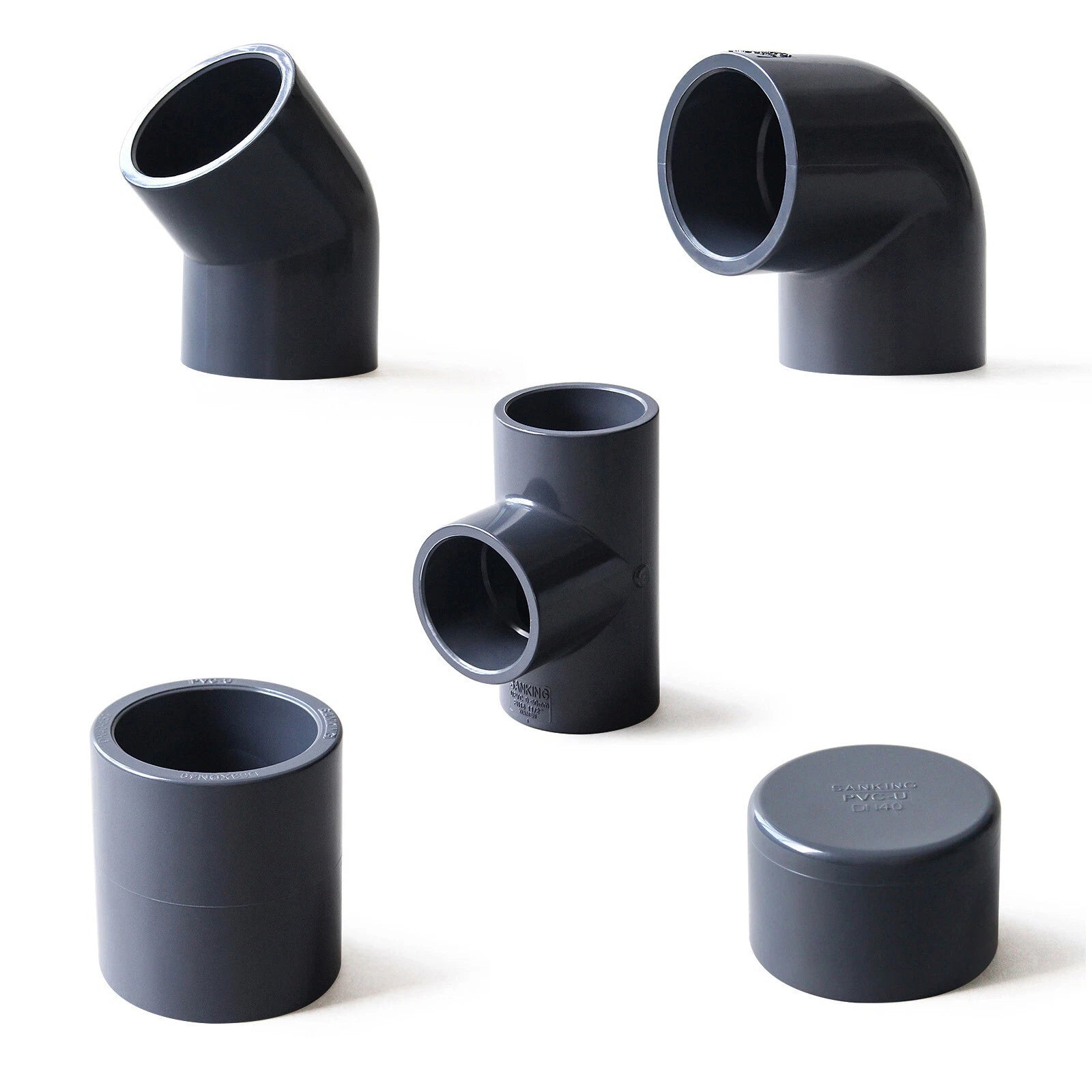
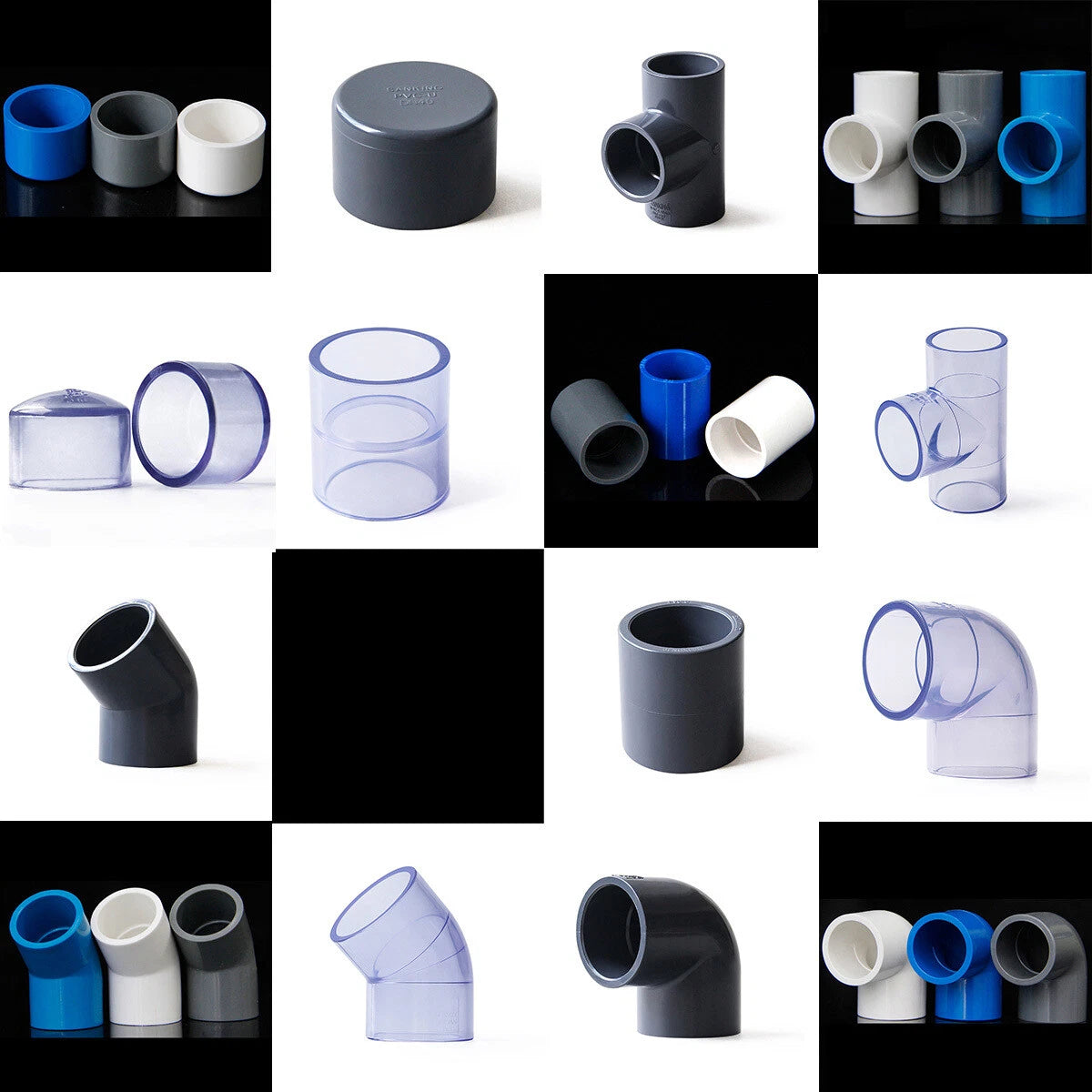
Each fitting is manufactured from rigid unplasticised PVC (UPVC) or standard PVC compound and is designed for solvent-weld assembly. Inner diameters span 16 mm (approx. 5/8 in) through 200 mm (approx. 7-7/8 in), with wall thickness proportional to pipe class. Available shapes include Straight couplings, 45° Elbows, 90° Elbows, Equal Tees, and End Caps. Five colour/material combinations — UPVC Clear, UPVC Dark Grey, PVC White, PVC Blue, and PVC Grey — let you match existing pipework or colour-code systems at a glance.
Typical applications include cold-water supply lines and drain-waste-vent (DWV) runs, drip and sprinkler irrigation manifolds, aquaponics and pond filtration loops, conduit routing for low-voltage cabling, and workshop dust-collection ducting. Long-tail search terms that describe these fittings: solvent weld UPVC coupling 20mm, PVC tee fitting 110mm plumbing, clear UPVC elbow irrigation, grey PVC end cap pipe repair.
Inner diameters from 16 mm to 200 mm (approx. 5/8 in – 7-7/8 in) cover everything from small garden drip lines to large-bore drainage runs.
Straight couplings, 45° Elbows, 90° Elbows, Equal Tees, and End Caps — one listing covers the full set of standard plumbing shapes.
UPVC Clear, UPVC Dark Grey, PVC White, PVC Blue, and PVC Grey allow colour-coding of systems or seamless matching to existing pipework.
Smooth socket bore accepts standard PVC solvent cement for a permanent, leak-free bond rated for cold-water pressure service.
PVC and UPVC are inherently resistant to rust, scale, and a broad range of household chemicals, making these fittings suitable for both indoor and outdoor installations.
No specialist tools required — cut pipe square, deburr, apply primer and cement, push and hold for 30 seconds. Suitable for first-time DIYers and experienced plumbers alike.
| Material | UPVC (unplasticised PVC) or PVC compound — see variant options |
|---|---|
| Available Colours / Finishes | Clear, Dark Grey (UPVC); White, Blue, Grey (PVC) |
| Fitting Shapes | Straight, 45° Elbow, 90° Elbow, Equal Tee, End Cap |
| Inner Diameter Range | 16 mm – 200 mm (approx. 5/8 in – 7-7/8 in) — see variant options |
| Wall Thickness | See variant options |
| Connection Type | Solvent weld (glued socket) |
| Working Pressure | See variant options |
| Working Temperature | Up to typically 60 °C (140 °F) for cold-water service |
| Standards | See variant options / Contact us to confirm |
| Weight per Piece | See variant options |
| Quantity per Order | 1 piece (single unit) |
Match the fitting's inner diameter (ID) to the outer diameter (OD) of your pipe. For example, a 20 mm fitting accepts pipe with a 20 mm OD. If you are unsure, measure the outside of your existing pipe with calipers or a tape measure and select the matching size from the variant dropdown above.
UPVC (unplasticised PVC) contains no plasticisers, making it harder, more rigid, and slightly more pressure-resistant than standard PVC. UPVC fittings are available in Clear and Dark Grey. Standard PVC fittings (White, Blue, Grey) are slightly more flexible and are widely used for drainage and irrigation. Both types use the same solvent-weld assembly method.
These fittings are rated for cold-water service, typically up to around 60 °C (140 °F) at reduced pressure. They are not recommended for continuous hot-water supply lines above that temperature. For hot water applications, please use CPVC or copper fittings instead.
Yes. PVC and UPVC are resistant to corrosion, soil acids, and most household chemicals, making them suitable for buried irrigation lines and outdoor drainage. For above-ground outdoor use in direct sunlight, consider painting or wrapping the pipe to protect against UV degradation over time.
Use a PVC/UPVC solvent cement appropriate for your pipe class. For pressure applications, apply a PVC primer first to clean and soften the socket surface, then apply cement to both the pipe end and the fitting socket. Push firmly and hold for 30 seconds. Allow the joint to cure for at least 15 minutes before handling and 24 hours before pressurising.
Use a 90° elbow when you need to make a sharp right-angle turn in a confined space. Use a 45° elbow when you want a gentler change of direction that reduces flow turbulence and pressure drop — common in drainage and irrigation runs where smooth flow matters. Two 45° elbows can also replace a 90° elbow to create a wider sweep.
An end cap is glued onto the open end of a pipe to permanently seal it. Common uses include capping off unused branch lines, creating a dead-end manifold, or temporarily sealing a pipe during staged construction. Once cemented, end caps form a permanent, pressure-rated seal.
No — solvent welding chemically fuses the pipe and fitting into a single piece. If you need to correct a mistake, cut the fitting out with a pipe cutter or hacksaw and install a new fitting with a short repair coupling. This is why dry-fitting and measuring carefully before applying cement is strongly recommended.