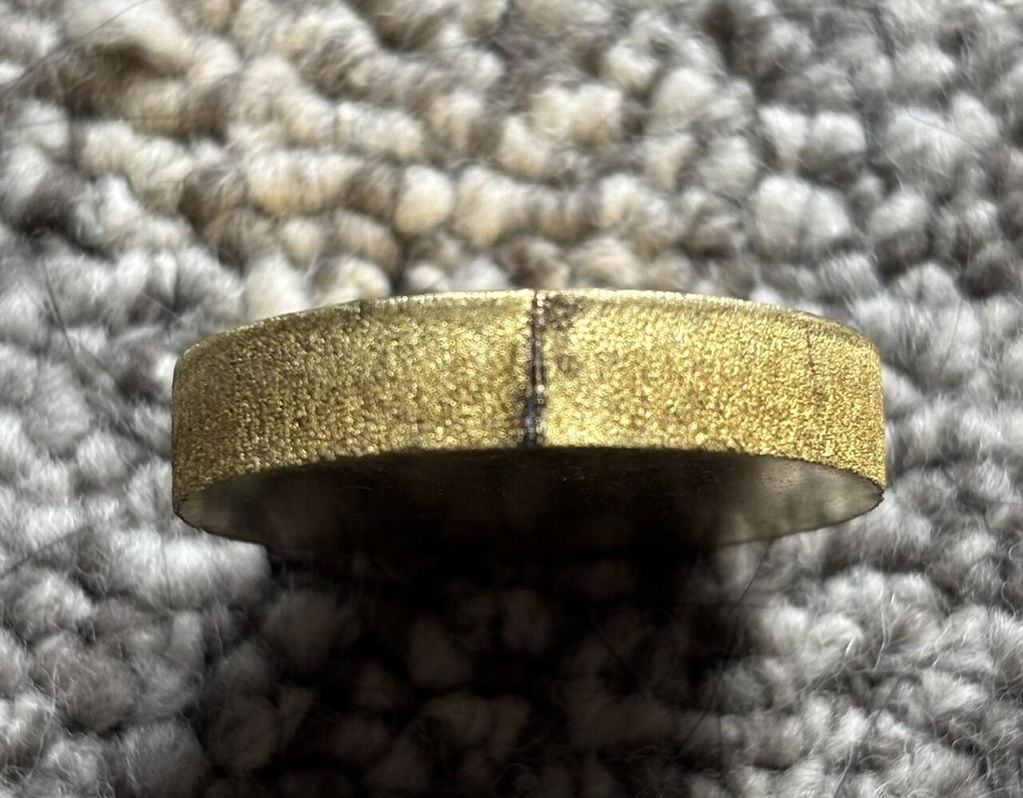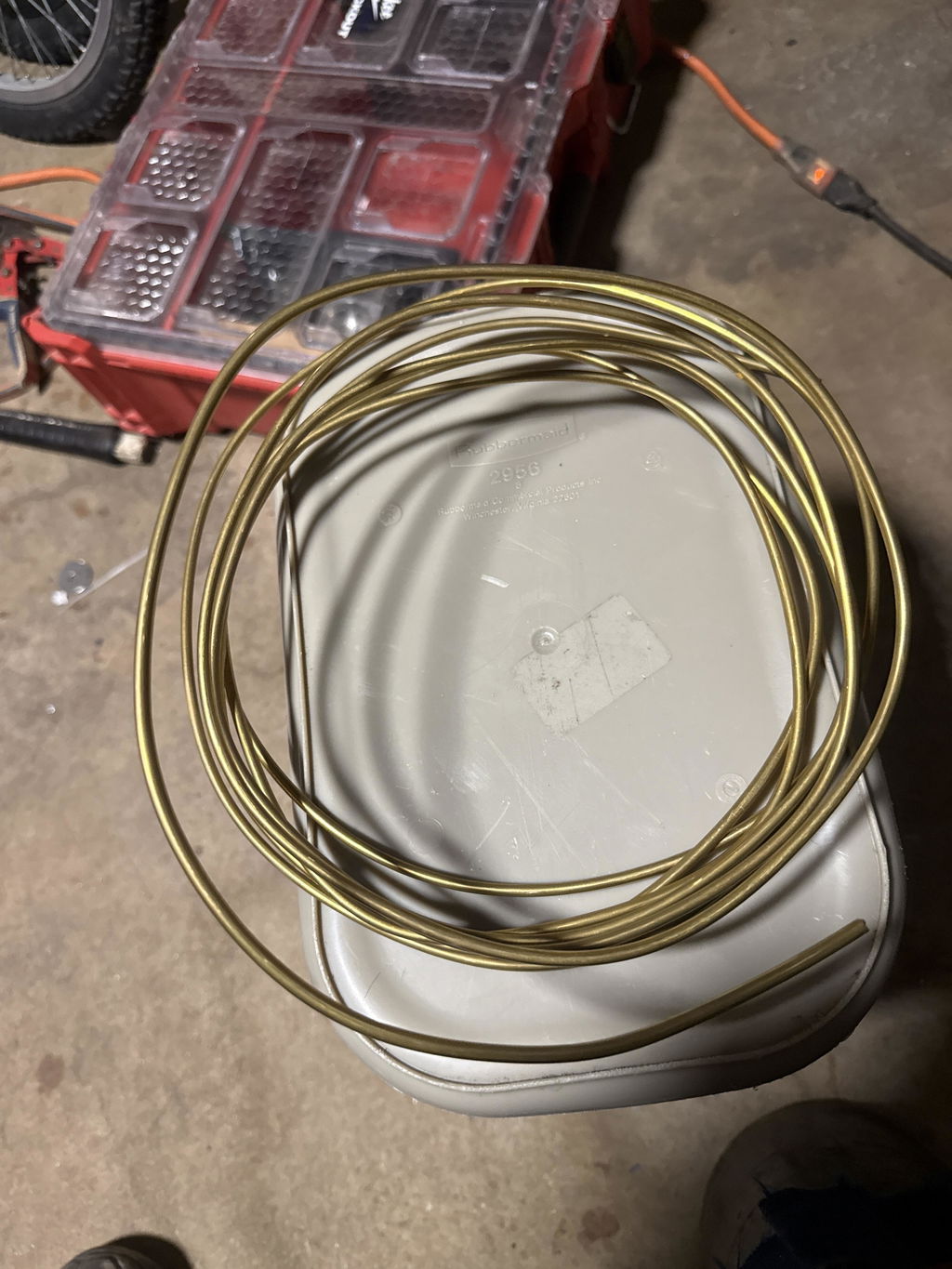
The chain is fine...but I ordered the wrong size. Nine links of the chain I ordered equals six of the size I wanted. My error...
How can I straighten out the springs? I can't use them coil uo as is.
Your payment information is processed securely. We do not store credit card details nor have access to your credit card information.
Get fitment advice & recommendations
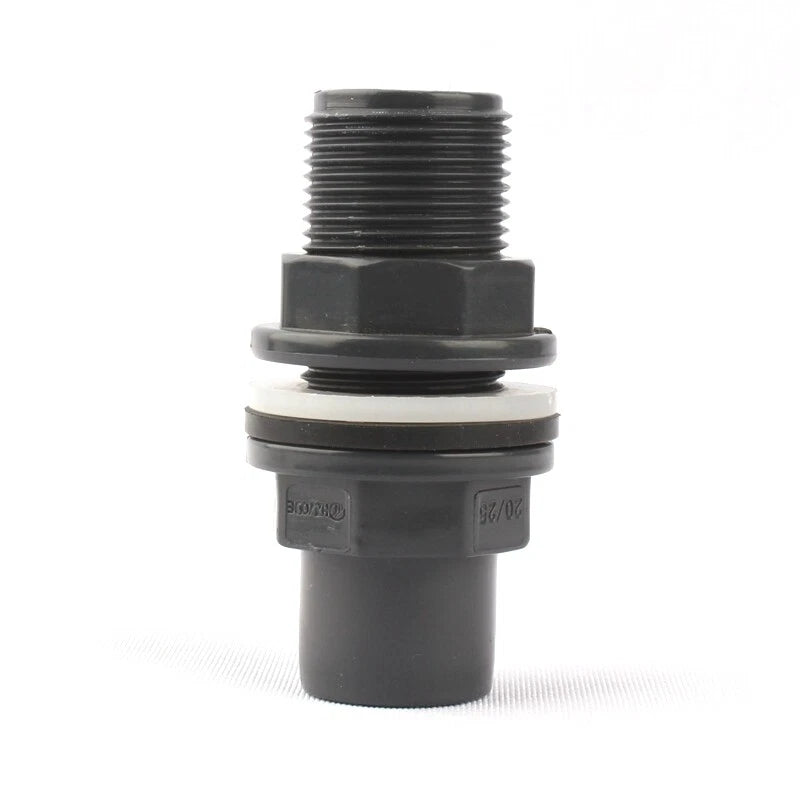
Dealing with a leaking tank connection or a poorly sealed overflow outlet is one of the most frustrating plumbing headaches for DIYers and tradespeople alike. These UPVC water tank overflow pipe fittings are engineered for homeowners, plumbers, and workshop builders who need a reliable, watertight seal on cisterns, storage tanks, header tanks, and rainwater collection systems — without the need for specialist tools.
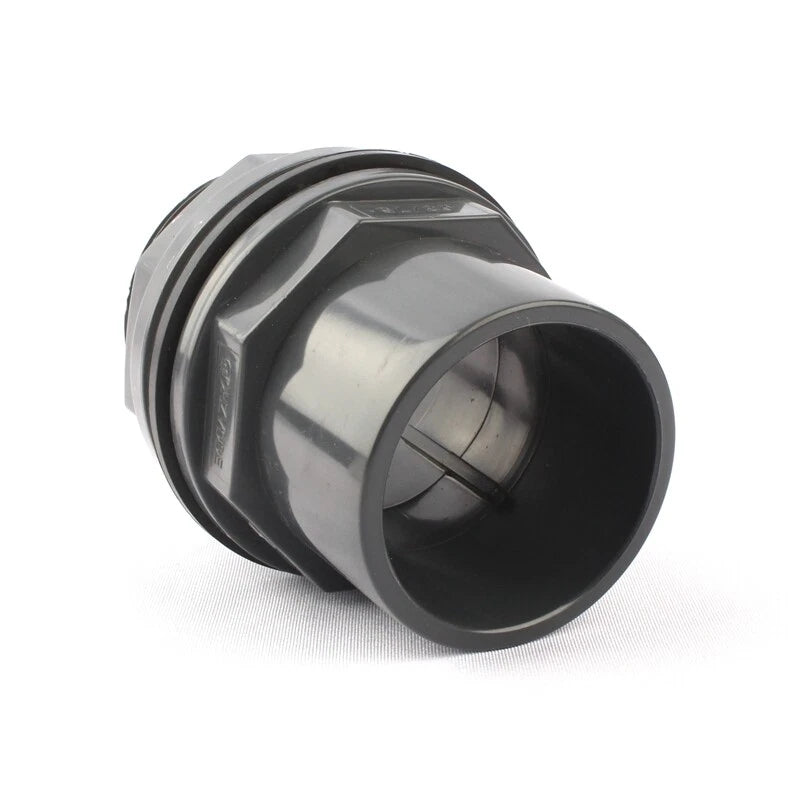
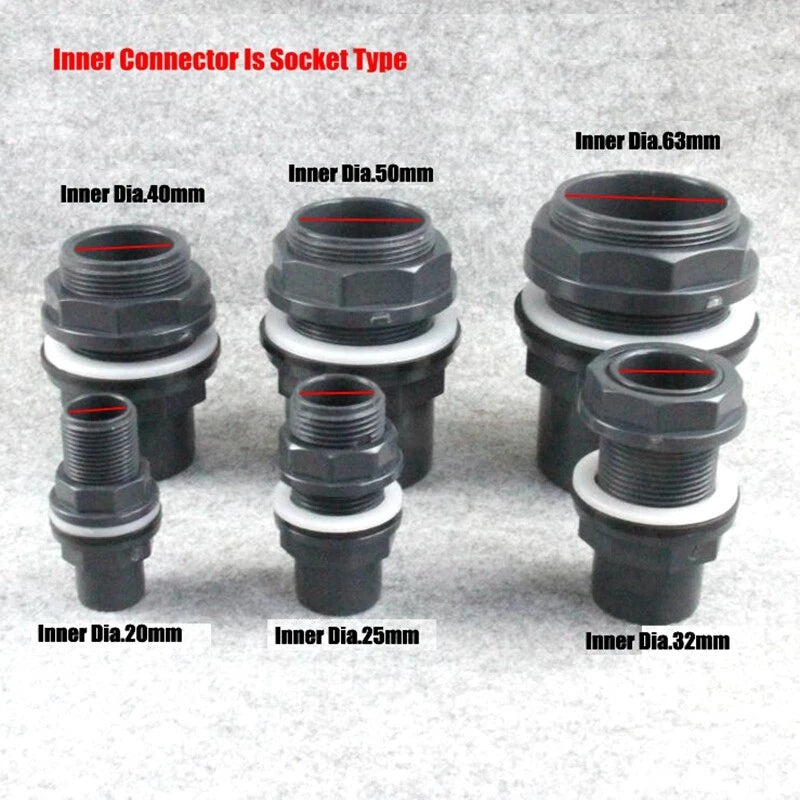
Each fitting is manufactured from rigid UPVC (unplasticized polyvinyl chloride), offering excellent resistance to corrosion, UV exposure, and common household chemicals. The fittings span an inner diameter range of 20mm (~¾ in) to 63mm (~2½ in), with a threaded or push-fit connection style suited to standard tank wall thicknesses of typically 3–10mm. The body profile is compact, allowing installation in confined tank spaces.
Typical applications include connecting overflow pipes on cold-water storage cisterns, fitting inlet or outlet joints on garden water butts and IBC tote tanks, and replacing worn bulkhead fittings on irrigation reservoirs. Long-tail use cases include UPVC tank bulkhead fitting replacement, overflow pipe connector for plastic water tank, and cistern outlet joint DIY repair.
Threaded design with rubber gasket seat creates a secure, leak-proof connection through tank walls — no solvent cement required for basic installations.
Rigid UPVC construction resists rust, scale, and common household chemicals, making these fittings suitable for long-term outdoor and indoor tank installations.
Six inner diameter options (20mm, 25mm, 32mm, 40mm, 50mm, 63mm) cover the most common pipe sizes used in residential and light commercial tank plumbing.
Designed for straightforward hand installation — simply drill the correct hole, insert the fitting, and tighten the lock nut to compress the gasket against the tank wall.
UPVC material maintains structural integrity under prolonged UV exposure, making these fittings reliable for outdoor water butts, rainwater tanks, and garden cisterns.
Functions as an inlet joint, outlet connector, or overflow pipe fitting depending on installation orientation — one fitting type covers multiple tank plumbing roles.
| Material | UPVC (Unplasticized Polyvinyl Chloride) |
|---|---|
| Inner Diameter Options | 20mm (~¾"), 25mm (~1"), 32mm (~1¼"), 40mm (~1½"), 50mm (~2"), 63mm (~2½") |
| Compatible Tank Wall Thickness | Typically 3–10mm |
| Connection Type | Threaded bulkhead with lock nut and rubber gasket |
| Colour / Finish | Grey (standard UPVC) |
| Max Operating Temperature | Up to 60°C (cold-water systems only) |
| Pressure Rating | Suitable for gravity-fed / low-pressure systems |
| Quantity per Order | 1 piece |
| Outer Diameter (body) | See variant options |
| Weight | See variant options |
Match the fitting's inner diameter to your pipe's outer diameter. For example, if your overflow pipe has a 20mm outer diameter, select the 20mm fitting. When in doubt, measure your existing pipe with calipers before ordering. Common residential overflow pipes are 20mm–32mm; larger storage tanks typically use 40mm–63mm outlets.
Yes — for gravity-fed and low-pressure cold-water systems. The threaded lock nut compresses the rubber gasket against both sides of the tank wall, creating a watertight seal. These fittings are not rated for mains-pressure hot-water systems or applications above 60°C.
UPVC is inherently resistant to rust, scale, and most household chemicals. It also withstands prolonged UV exposure without becoming brittle, making it suitable for outdoor tanks and garden cisterns. Avoid contact with strong solvents or concentrated acids.
These fittings are compatible with UPVC, PVC, ABS, polyethylene (PE), and fibreglass tank walls. They are not recommended for metal tanks where a different sealing method may be required. Always ensure the tank wall thickness falls within the 3–10mm range for a proper gasket seal.
Installation requires only a hole saw or step drill bit sized to match the fitting's body diameter, and a spanner or adjustable wrench to tighten the lock nut. No solvent cement or specialist plumbing tools are needed for standard tank-wall installations.
Yes. The bulkhead design is orientation-neutral — it can function as an inlet joint, outlet connector, or overflow pipe fitting depending on how you route your pipework. Simply connect your supply or overflow pipe to the appropriate side of the fitting after installation.
The hole diameter should match the outer body diameter of the fitting (not the inner pipe diameter). As a general guide, the body outer diameter is typically 6–10mm larger than the stated inner diameter. If you are unsure, contact us to confirm the exact body dimensions for your chosen size before drilling.