The chain is fine...but I ordered the wrong size. Nine links of the chain I ordered equals six of the size I wanted. My error...
How can I straighten out the springs? I can't use them coil uo as is.
Your payment information is processed securely. We do not store credit card details nor have access to your credit card information.
Get fitment advice & recommendations
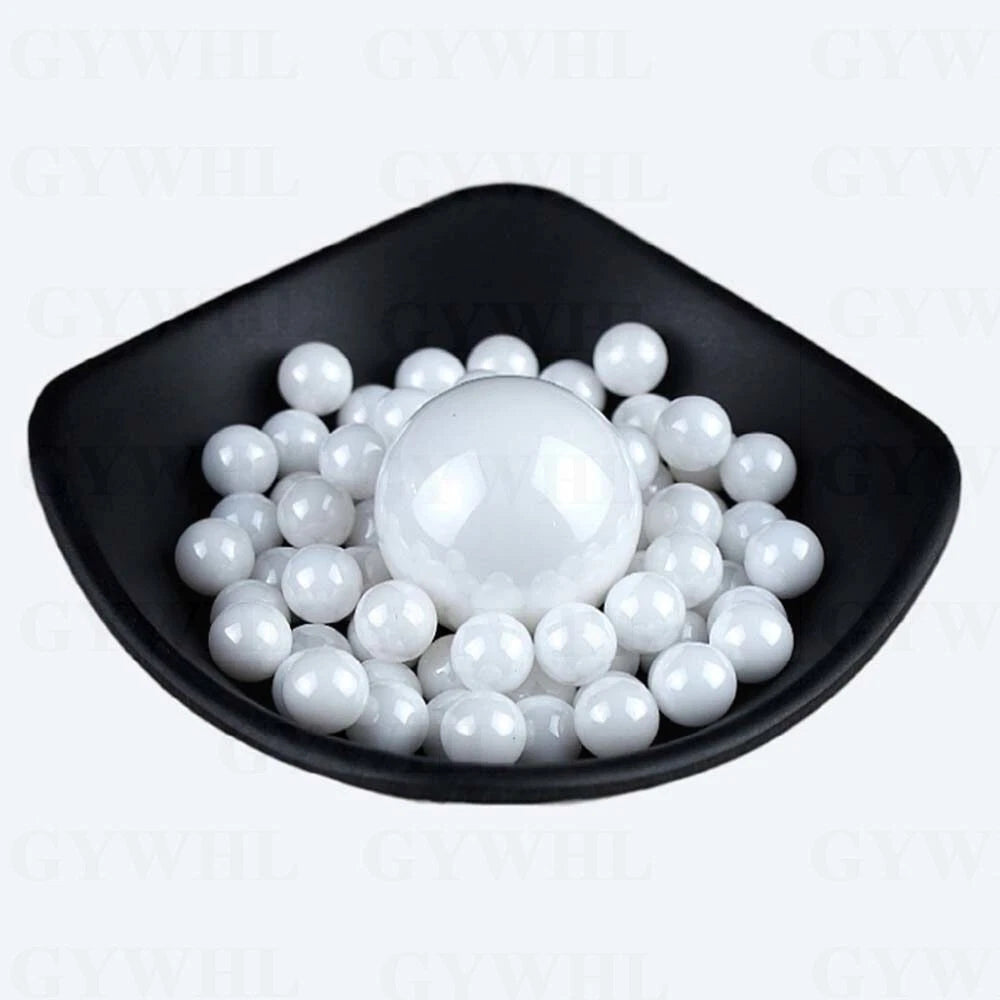
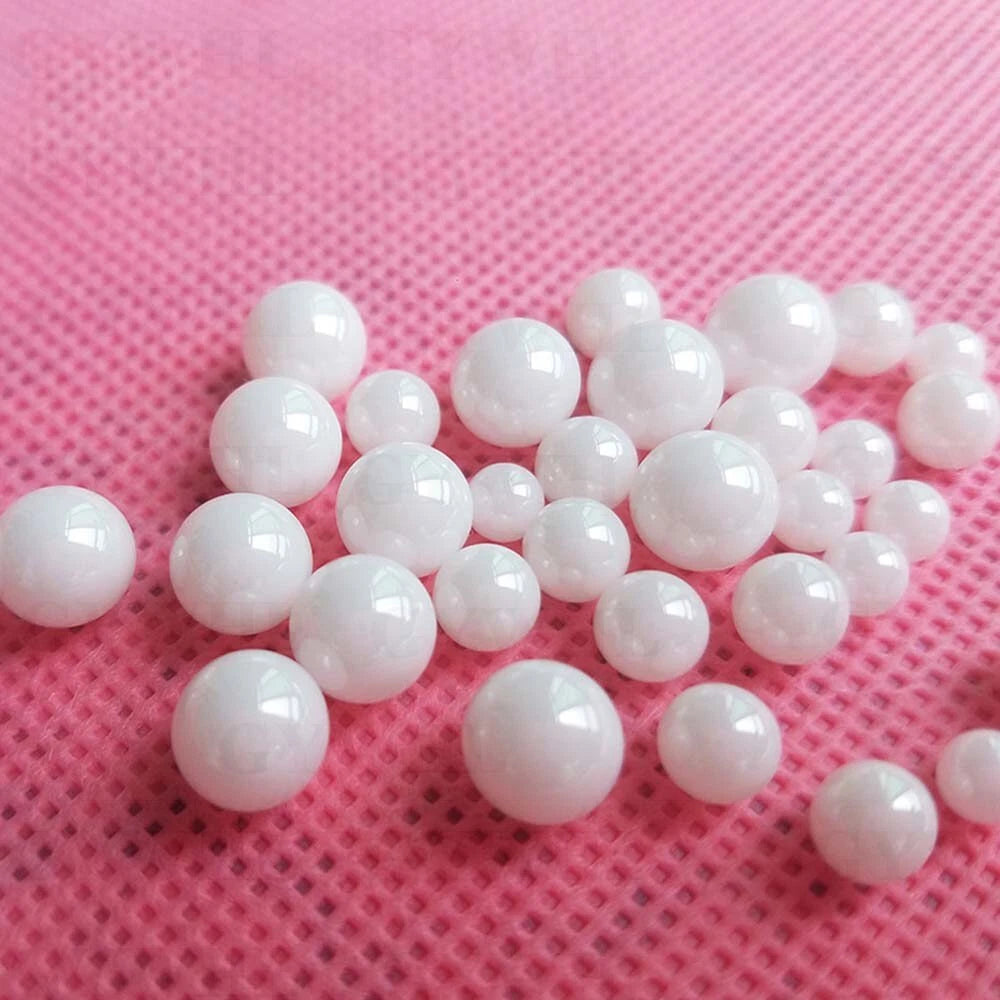
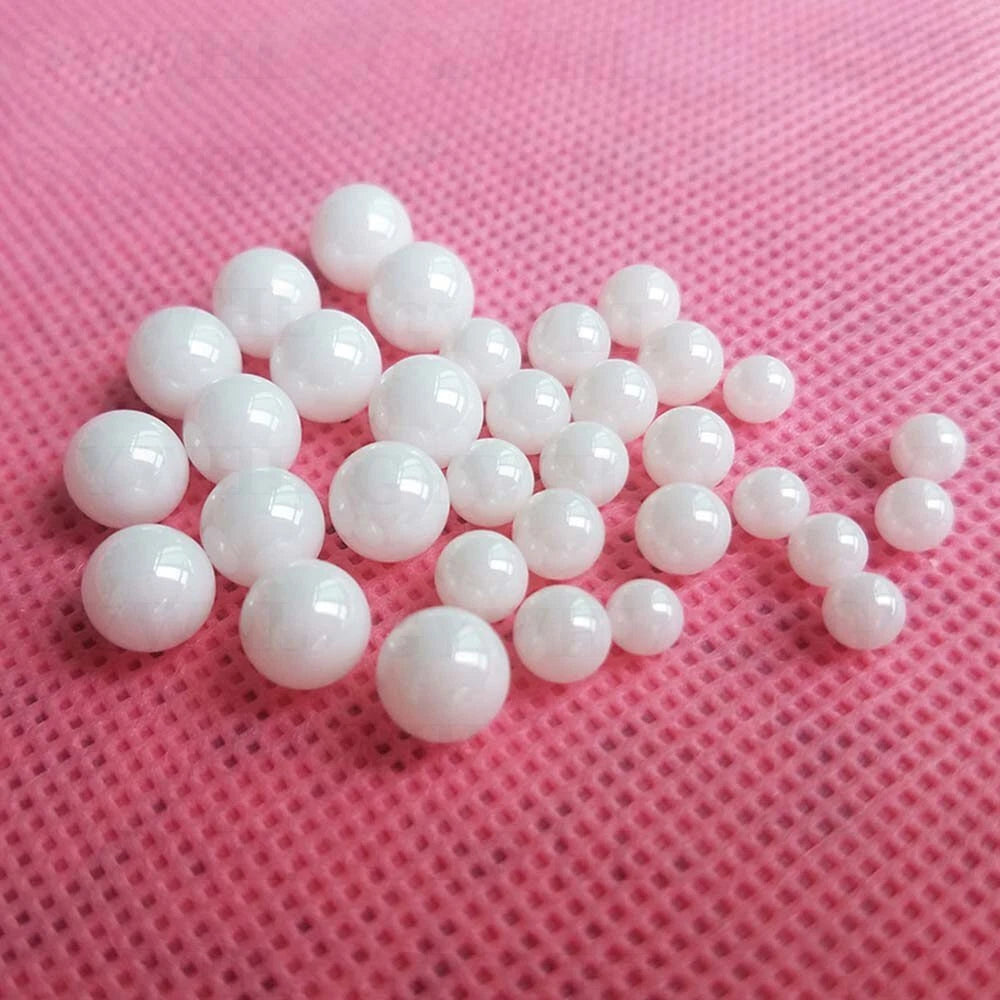
Engineers and maintenance professionals who rely on standard steel balls often run into the same wall: corrosion in wet environments, magnetic interference in sensitive equipment, and premature wear under high-speed or high-temperature loads. These zirconia ceramic balls are engineered to solve exactly those problems, making them a direct upgrade for anyone specifying rolling elements in critical assemblies.
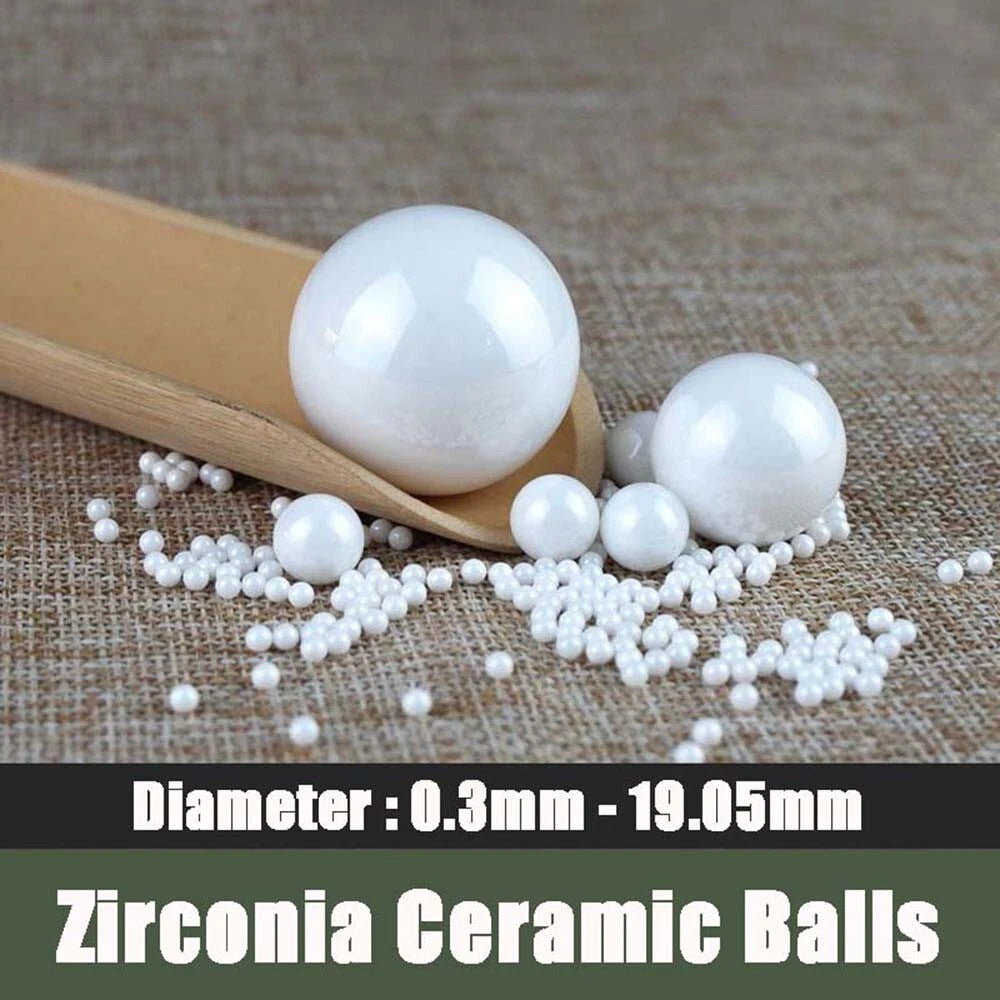
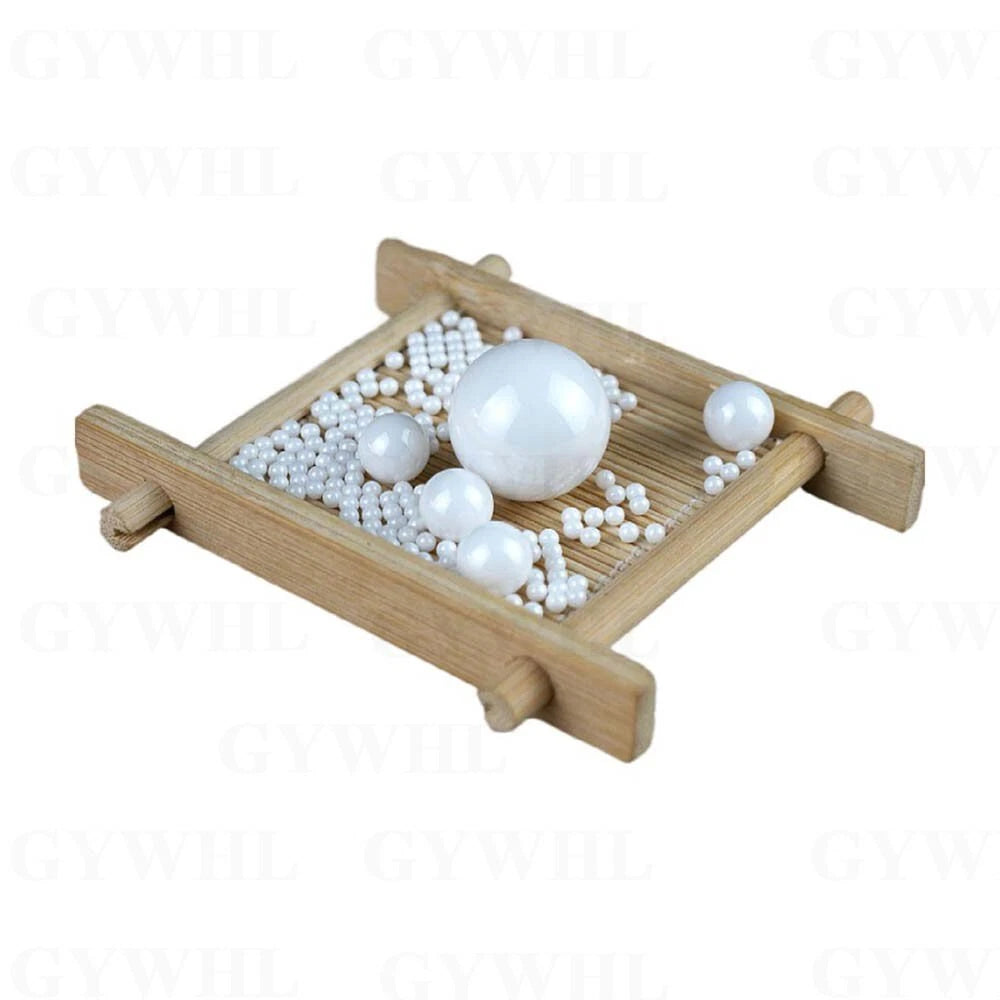
Each ball is machined from solid zirconium dioxide (ZrO2) and finished to G10 grade tolerances. Diameters span 0.3 mm (≈ 0.012 in) through 19.05 mm (≈ 0.75 in), with both metric and fractional imperial sizes available. Pack quantities range from 1 piece up to 200 pieces to suit prototype, maintenance, and production-volume needs alike.
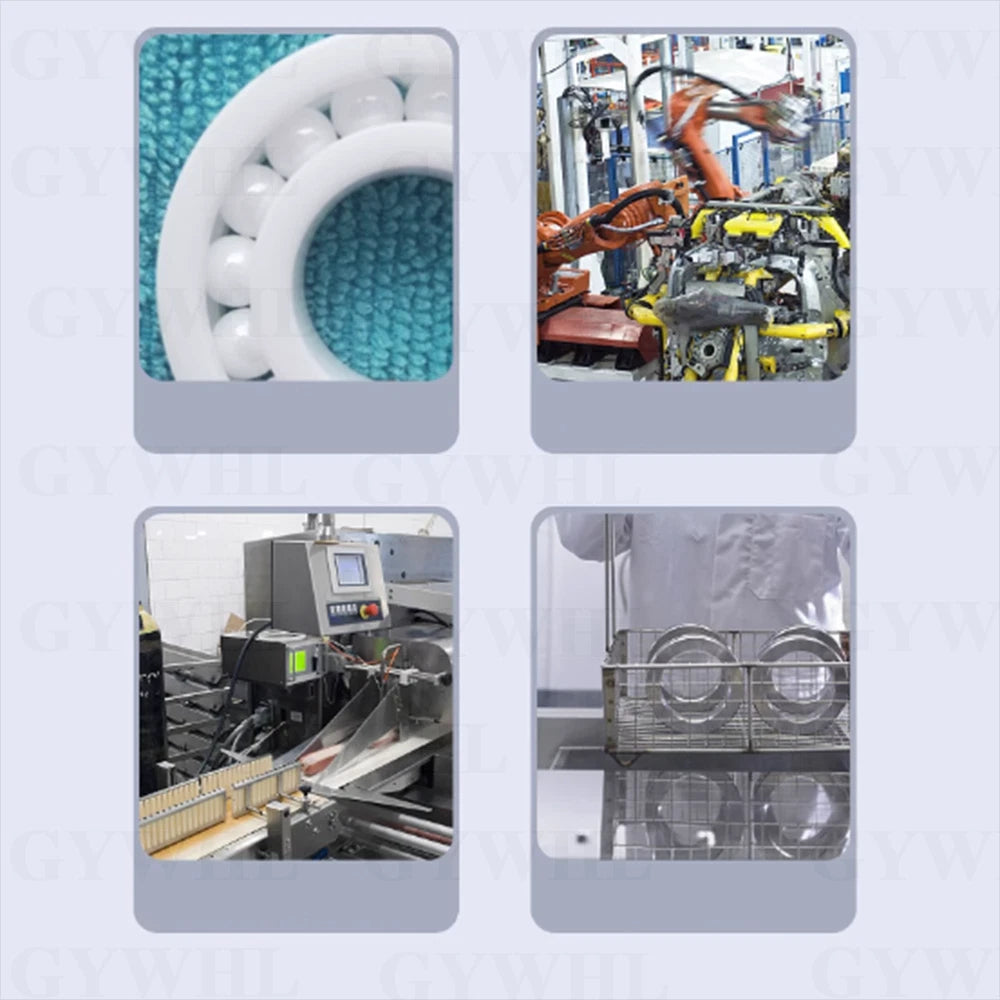
Typical deployment scenarios include hybrid ceramic bearings in spindle motors and CNC machining centers, check-valve seats in chemical dosing pumps, flow-control balls in medical fluid systems, and precision pivot points in optical and scientific instruments — all applications where a zirconia ceramic ball for bearings outperforms conventional steel in longevity and cleanliness.
| Material | Zirconium Dioxide (ZrO2) |
|---|---|
| Grade | G10 |
| Diameter Range | 0.3 mm – 19.05 mm (approx. 0.012 in – 0.75 in) |
| Surface Finish | Smooth, polished |
| Hardness | Typically 1,000–1,200 HV (Vickers) |
| Density | Approx. 6.0 g/cm³ |
| Max Operating Temperature | See variant options |
| Magnetic Properties | Non-magnetic |
| Electrical Properties | Electrically insulating |
| Color | White / off-white |
| Pack Quantity Options | 1, 5, 10, 20, 50, 200 pcs |
| Compliance / Standard | ABMA / ISO Grade 10 |
Match the ball diameter to the bearing race groove specification provided by the bearing manufacturer. For standard deep-groove ball bearings, the ball diameter is typically listed in the bearing datasheet. If you are replacing existing balls, measure the worn ball with a micrometer and select the same nominal size. Fractional imperial sizes (e.g., 1.588 mm = 1/16 in, 3.175 mm = 1/8 in) are available for inch-series bearings.
ZrO2 ceramic balls have a Vickers hardness of approximately 1,000–1,200 HV, which is significantly harder than standard 52100 bearing steel (approximately 700–800 HV). This translates to lower wear rates in rolling contact. However, ceramics are more brittle than steel under sharp impact loads, so they are best suited for smooth rolling applications rather than heavy shock-load environments.
Yes. Zirconia (ZrO2) exhibits excellent resistance to most acids, alkalis, and aqueous solutions. Unlike steel balls, ZrO2 balls will not rust or corrode in humid, submerged, or chemically aggressive conditions. They are widely used in pump check valves, marine equipment, and chemical processing applications for this reason.
Zirconia ceramic is chemically inert and non-toxic, making it a common choice in food-grade pumps, medical fluid handling, and semiconductor fabrication equipment. For regulated applications, verify that your specific use case meets the relevant industry standards (e.g., FDA, ISO 10993) before deployment. Contact us to confirm if you need documentation support.
G10 ceramic balls can be used as drop-in replacements in most standard bearing races, provided the diameter matches. Because ceramic is harder than steel, the race material may experience slightly different wear patterns over time. For hybrid ceramic bearing applications, steel or ceramic races are both compatible. Confirm the race groove radius (conformity) is appropriate for the ball diameter selected.
Single-piece (1 pc) and small packs (5–10 pcs) are ideal for prototyping, repair, or replacing individual failed balls in an existing assembly. Medium packs (20–50 pcs) suit small-batch production or stocking a maintenance kit. The 200-piece pack offers the lowest per-unit cost and is suited for production-line use or distributors. Pricing scales with quantity — larger packs provide a meaningful per-ball discount.
Ball grade numbers (G3, G5, G10, G25, etc.) refer to the maximum allowable deviation in diameter and sphericity, measured in units of 0.1 µm (per ABMA Standard 10). G10 means the diameter variation and sphericity error are each within 1.0 µm (0.00004 in). G10 is suitable for the majority of precision bearing, valve, and instrument applications. G5 and G3 are tighter grades used in ultra-precision spindles; G25 and above are used in lower-precision or decorative applications.