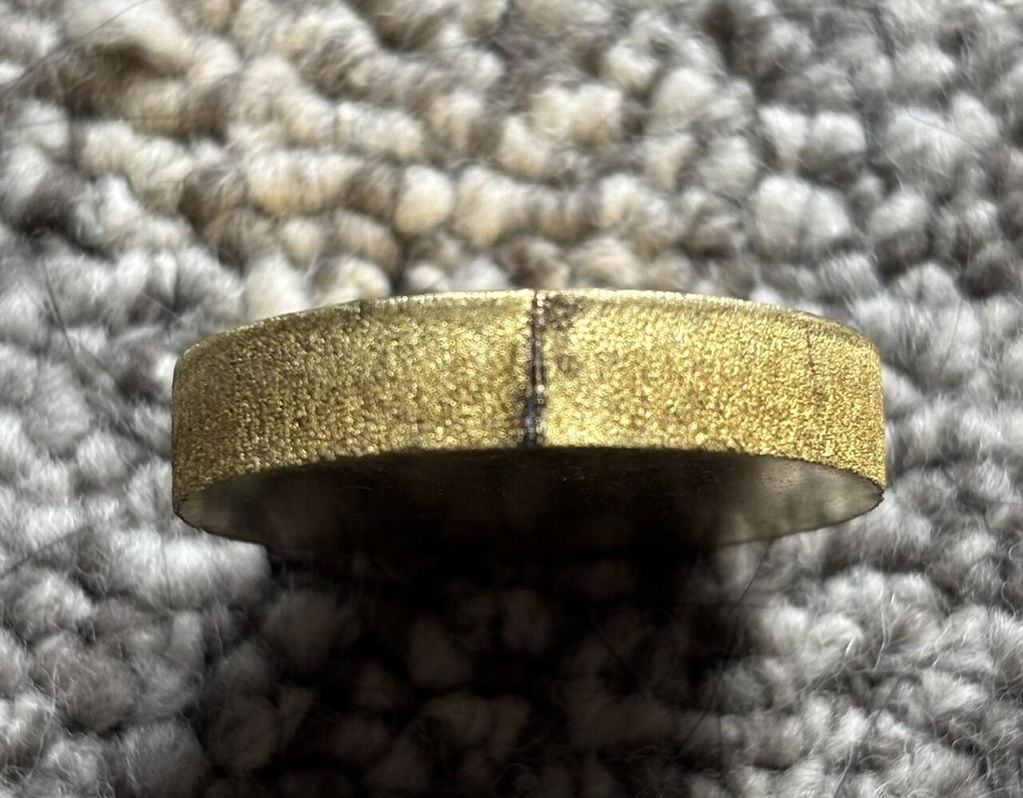
The chain is fine...but I ordered the wrong size. Nine links of the chain I ordered equals six of the size I wanted. My error...
How can I straighten out the springs? I can't use them coil uo as is.
Your payment information is processed securely. We do not store credit card details nor have access to your credit card information.
Get fitment advice & recommendations
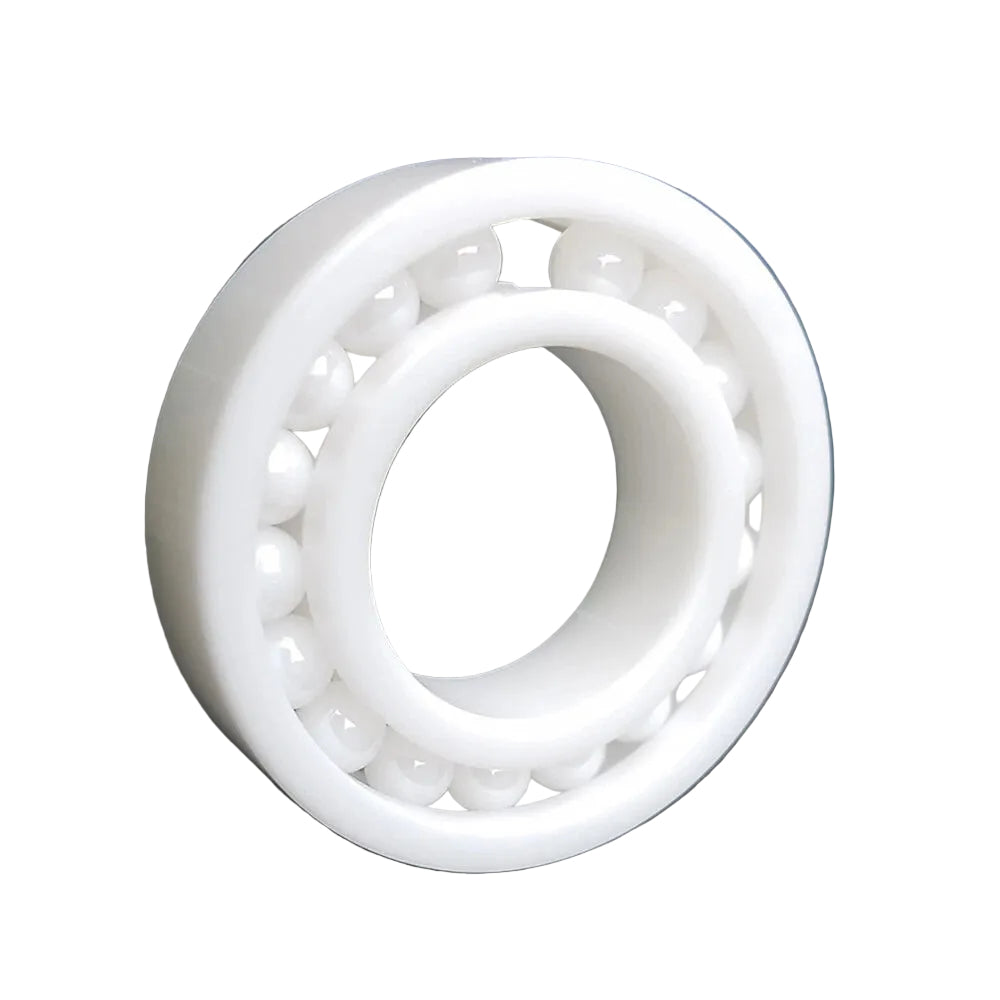
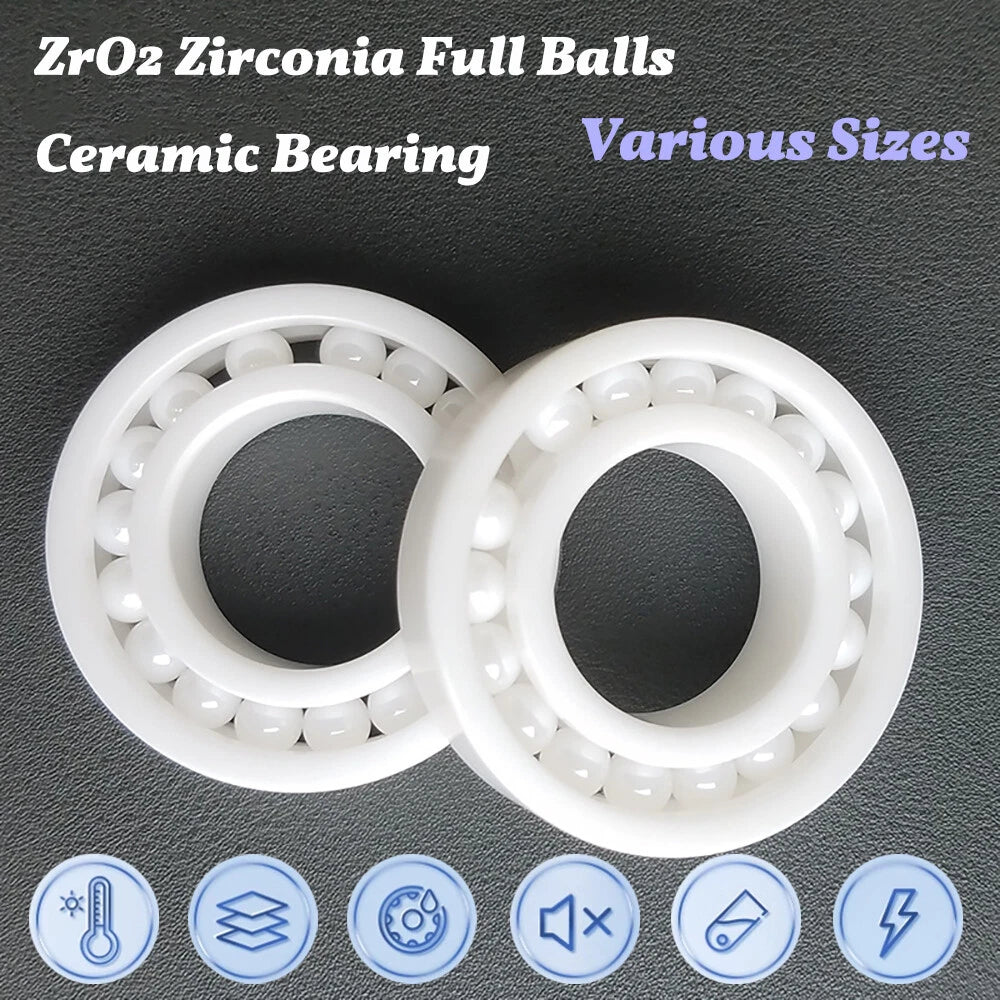
When standard steel bearings corrode, seize, or fail under extreme heat, engineers and makers reach for ZrO2 zirconia full ceramic bearings. Whether you are building precision RC vehicles, designing medical instruments, or maintaining industrial equipment exposed to chemicals and elevated temperatures, a bearing that cannot rust or conduct electricity is not optional — it is essential.
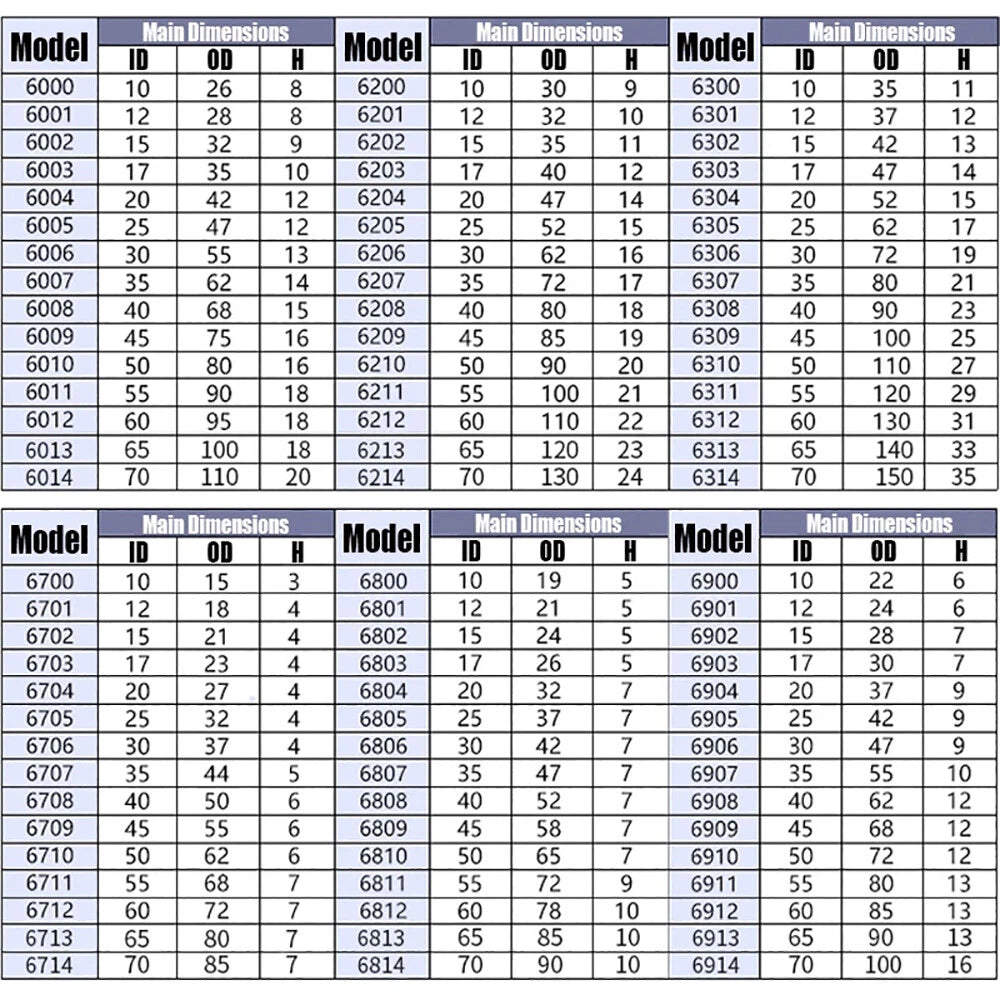
Each bearing in this listing is constructed entirely from zirconium dioxide (ZrO2) ceramic, including the balls, inner race, and outer race — no steel components. Sizes span from miniature 683 (3×7mm) up to large 6212 (60×110mm), with bore diameters ranging from 3 mm (approx. 0.12 in) to 60 mm (approx. 2.36 in) and outer diameters from 7 mm (approx. 0.28 in) to 110 mm (approx. 4.33 in). Width dimensions range from 2 mm to 22 mm depending on the series selected.
Typical use cases include high-speed spindle bearings for CNC routers and dental drills, corrosion-resistant bearings for marine pumps and chemical dosing equipment, and non-magnetic bearings for MRI-adjacent devices and semiconductor handling arms. Long-tail applications such as ceramic bearing for food processing machinery and high-temperature bearing for kiln conveyor are well served by this ZrO2 full ball design.
| Material | Zirconium Dioxide (ZrO2) — full ceramic, all components |
|---|---|
| Ball Material | ZrO2 ceramic full balls |
| Race Material | ZrO2 ceramic inner and outer race |
| Cage / Retainer | See variant options |
| Max Operating Temperature | 400°C (752°F) continuous |
| Bore Diameter (ID) | 3 mm – 60 mm (0.12 in – 2.36 in) depending on size selected |
| Outer Diameter (OD) | 7 mm – 110 mm (0.28 in – 4.33 in) depending on size selected |
| Width | 2 mm – 22 mm depending on size selected |
| Available Series | 683–688, 6800–6806, 6900–6906, 6000–6006, 6200–6206, 6210–6212 |
| Lubrication | Dry / unlubricated (ceramic-on-ceramic, no grease required) |
| Electrical Conductivity | Non-conductive |
| Magnetic Properties | Non-magnetic |
| Corrosion Resistance | Resistant to acids, alkalis, and saltwater |
| Bearing Type | Deep groove ball bearing, open type |
| Quantity per Order | 1 piece |
Match the bearing number to your housing specification. Each size option is listed as bearing number / bore × OD × width in mm (e.g., 6902/15×28×7mm). Measure your shaft diameter for the bore (ID), your housing pocket for the OD, and the available axial space for the width. If you are replacing an existing bearing, the number is usually stamped on the outer race.
ZrO2 ceramic has a hardness of approximately 8–9 on the Mohs scale and a flexural strength typically in the range of 900–1200 MPa, making it suitable for moderate radial and axial loads. However, ceramic is more brittle than steel under impact or shock loads. These bearings are best suited for smooth, continuous rotation rather than applications with heavy shock loading or press-fit interference that could crack the race.
Full ceramic ZrO2 bearings can run dry because ceramic-on-ceramic contact has inherently low friction and does not require oil or grease for corrosion protection. In very high-speed or high-load applications, a small amount of PTFE-based dry lubricant can extend service life. Avoid petroleum-based greases at temperatures above 200°C as they will carbonize.
Yes. Zirconium dioxide is chemically inert to most acids (including hydrochloric and sulfuric acid at moderate concentrations), alkalis, and saltwater. This makes ZrO2 bearings a reliable choice for chemical pumps, marine propulsion systems, food processing washdown environments, and laboratory equipment where stainless steel bearings would still corrode over time.
Yes. Because ZrO2 ceramic contains no ferrous metals, these bearings are fully non-magnetic and will not be attracted to or disturbed by strong magnetic fields. They are used in MRI-adjacent equipment, NMR instruments, and semiconductor handling systems where even trace ferromagnetism is unacceptable. Always verify your specific application requirements with a qualified engineer.
These are standard metric deep groove ball bearing series with different OD-to-bore ratios. The 68xx series has a thin cross-section (small OD relative to bore), making it compact and lightweight. The 69xx series is slightly wider. The 60xx series is the standard medium cross-section. The 62xx series has a larger OD for higher load capacity at the same bore size. Choose based on your housing space and load requirements.
A hybrid ceramic bearing uses ceramic balls (typically Si3N4) but steel races, while a full ceramic bearing like this one uses ceramic for all components — balls, inner race, and outer race. Full ceramic bearings offer complete electrical isolation, full corrosion resistance on all surfaces, and operation at higher temperatures, but are more sensitive to shock loads than hybrid designs. Hybrid bearings are generally a better fit for high-speed steel-housings where some conductivity is acceptable.