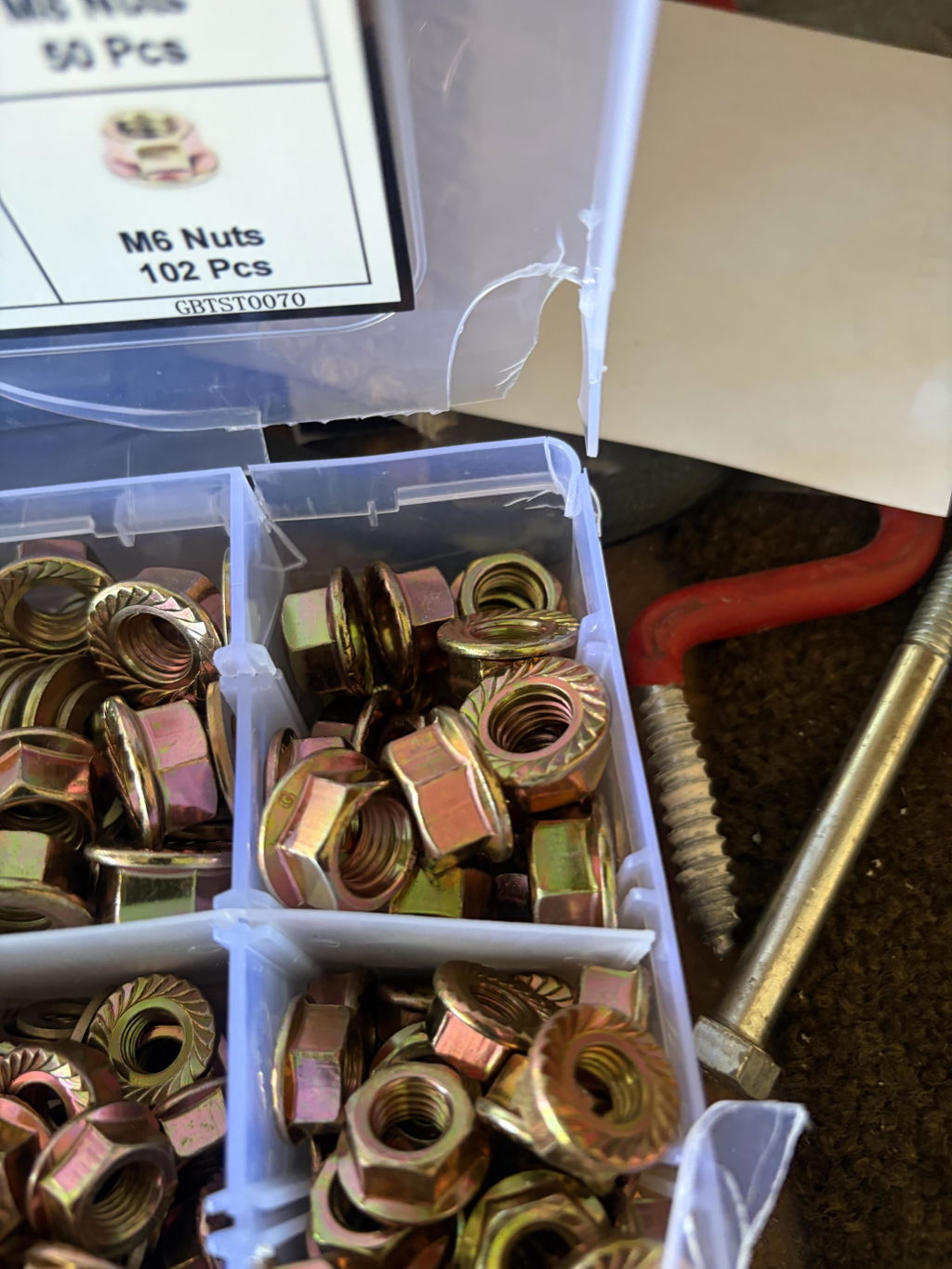
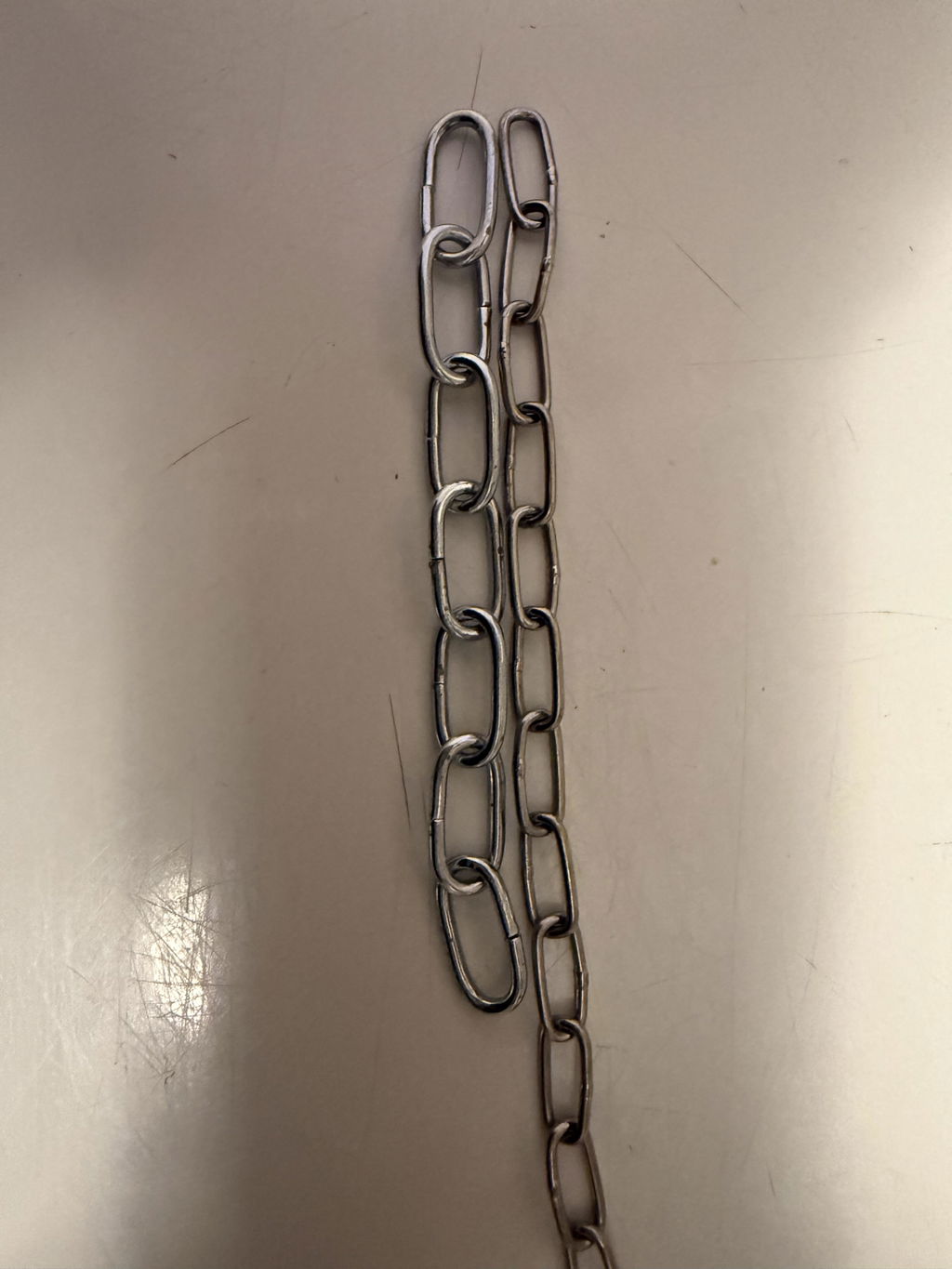
The chain is fine...but I ordered the wrong size. Nine links of the chain I ordered equals six of the size I wanted. My error...
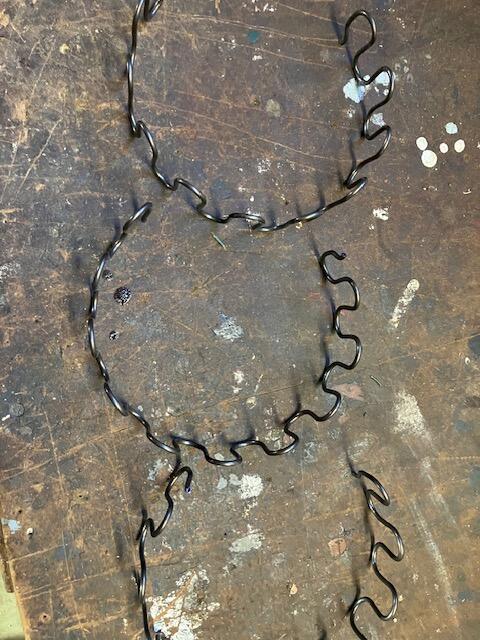
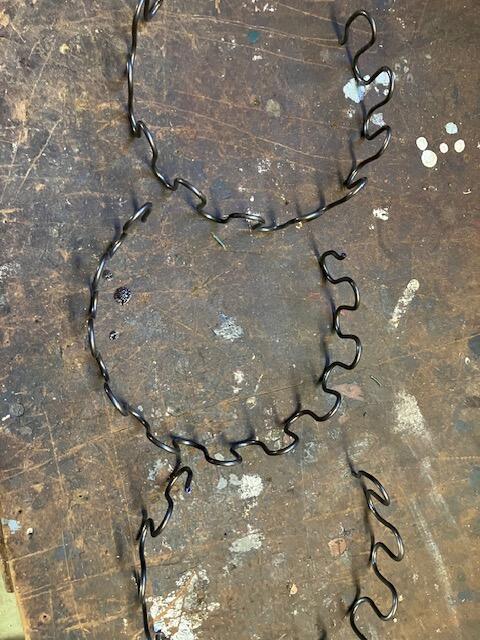
How can I straighten out the springs? I can't use them coil uo as is.


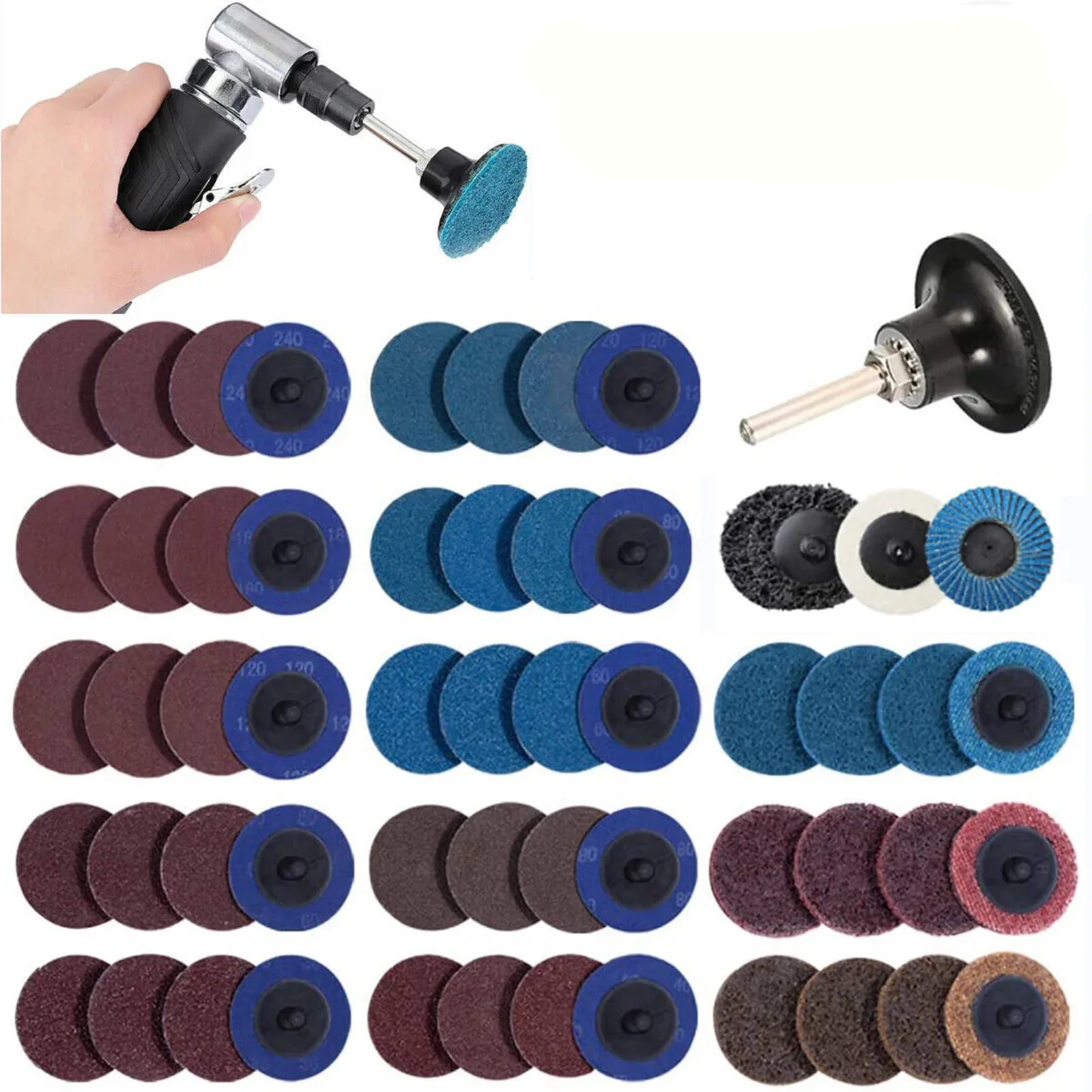
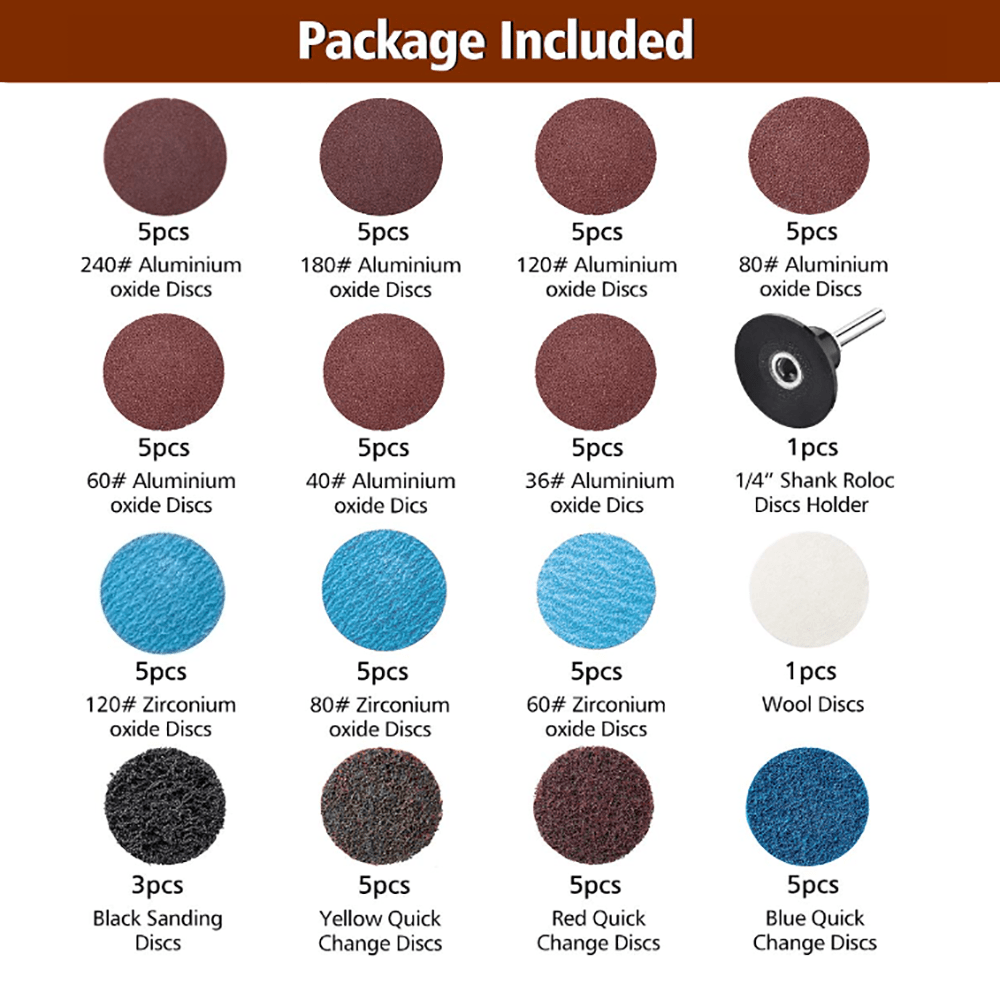
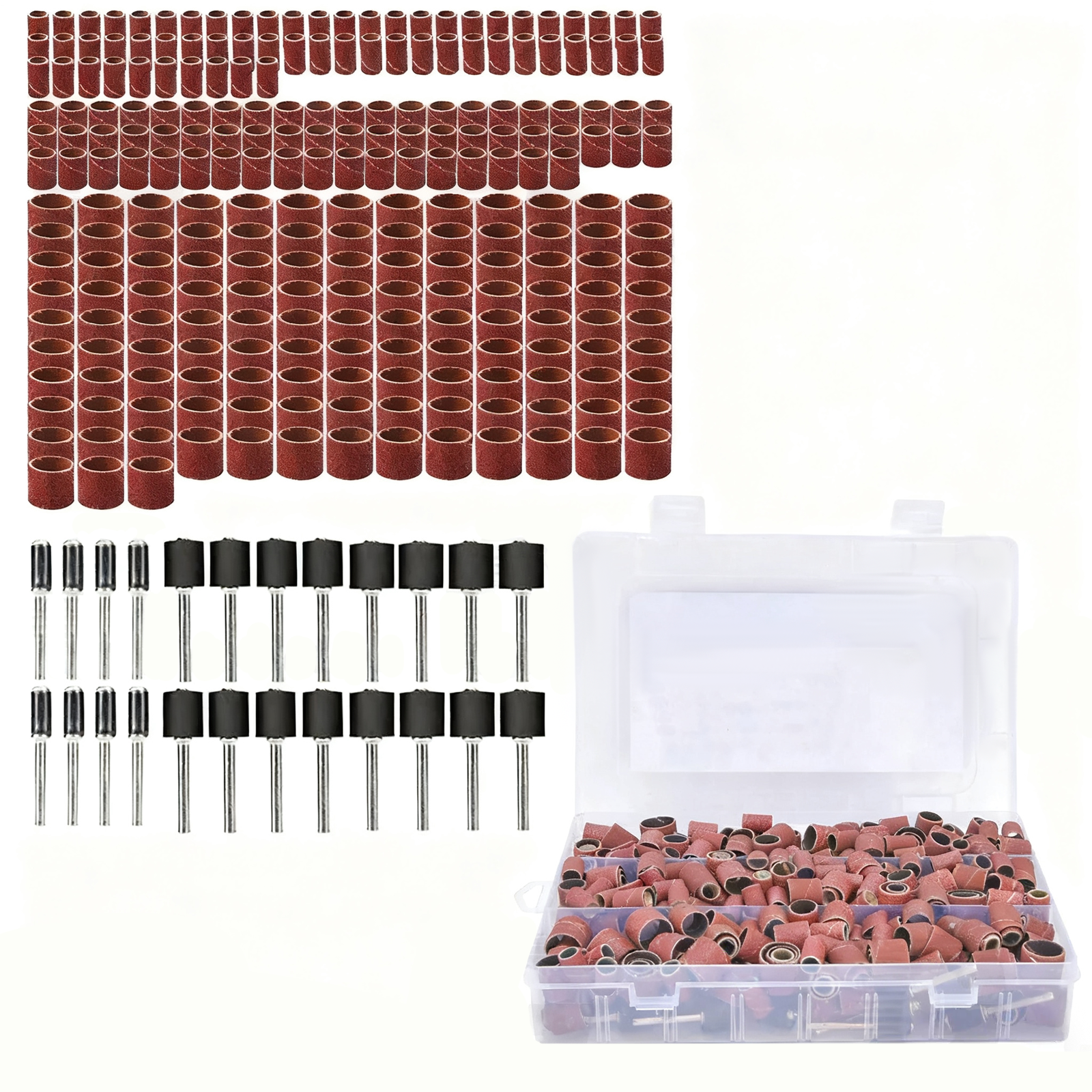
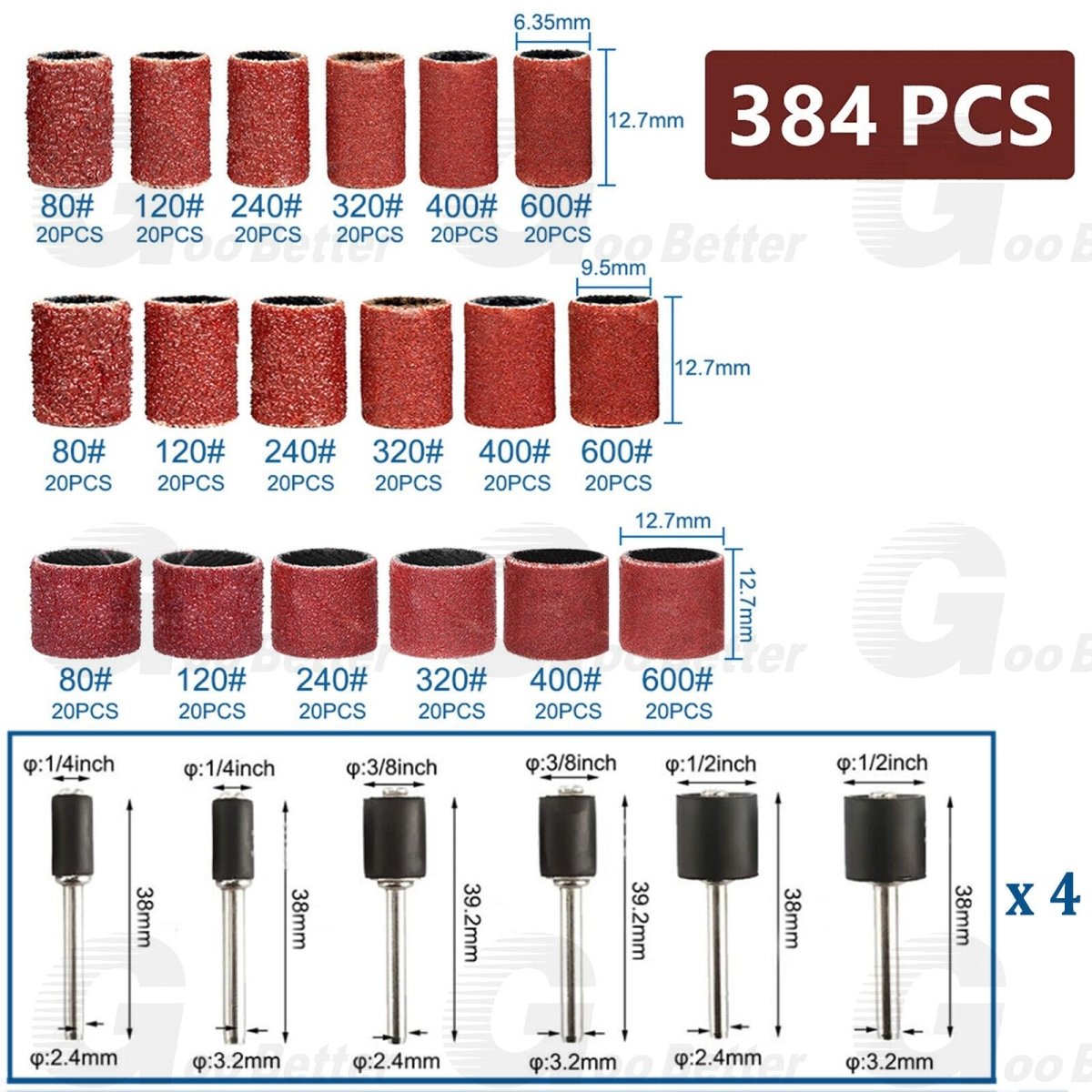
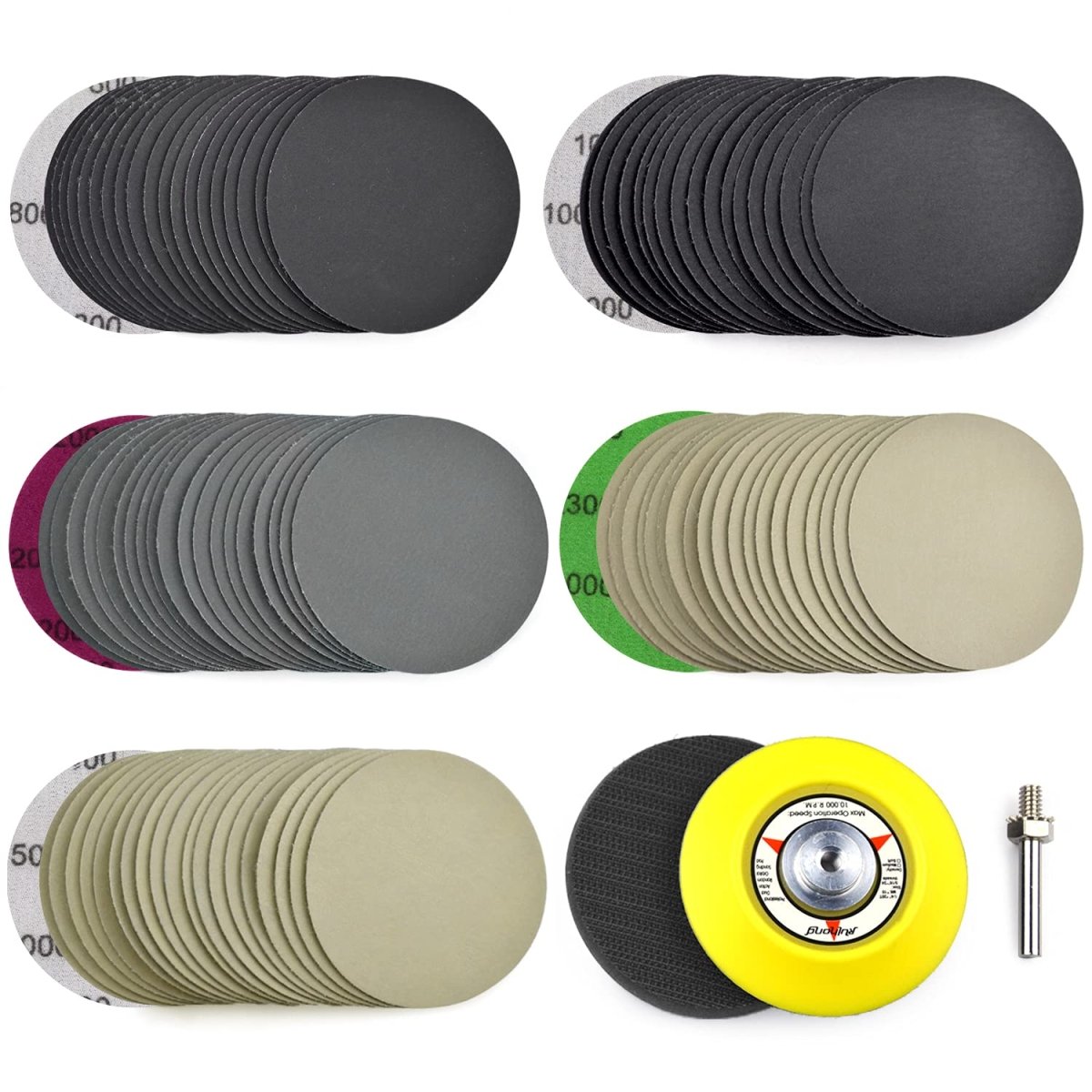
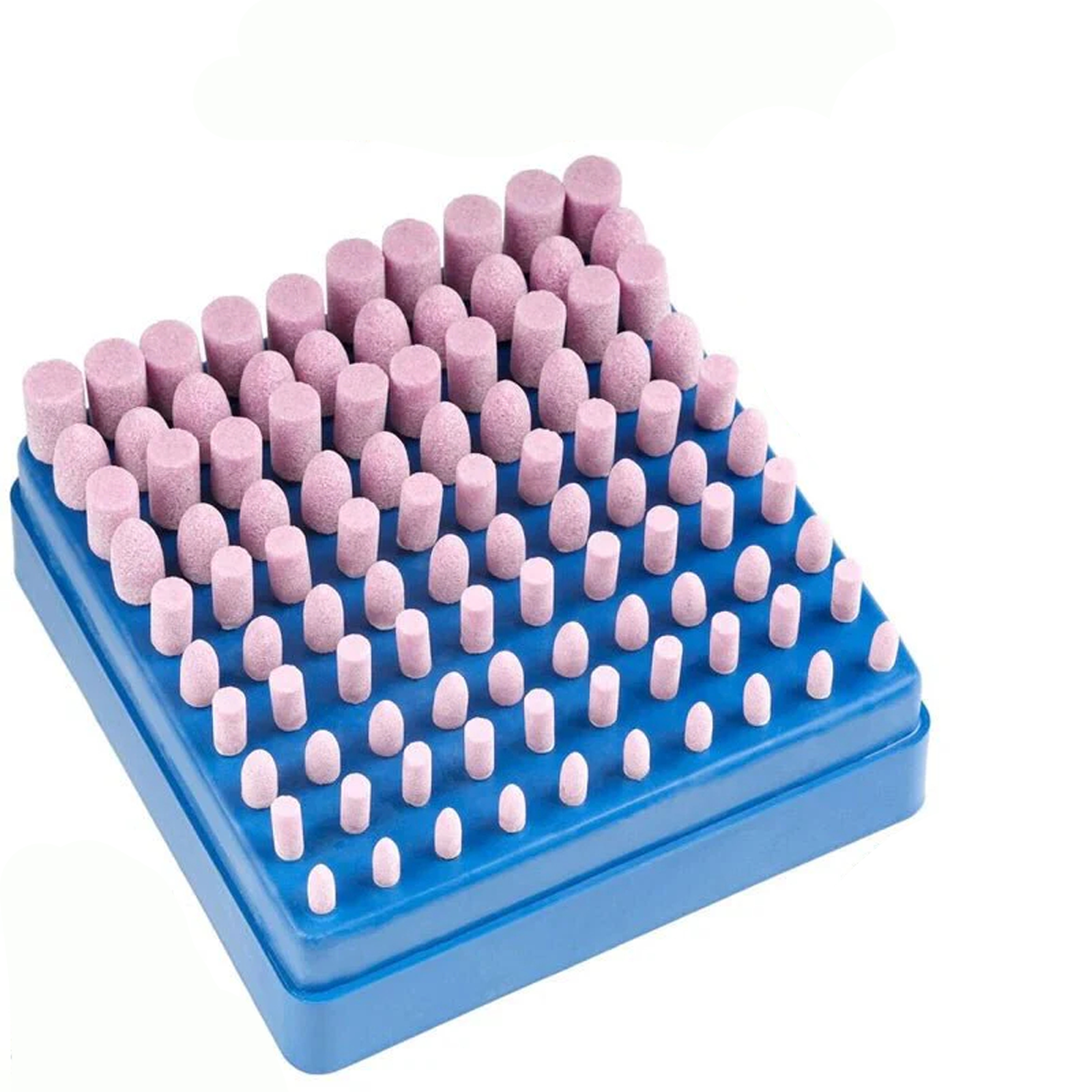
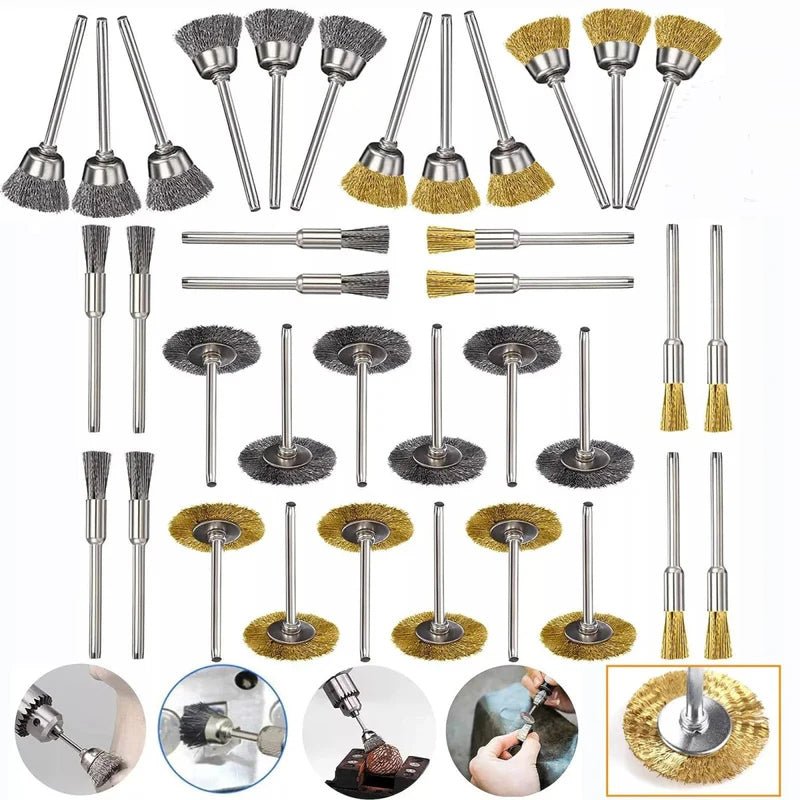
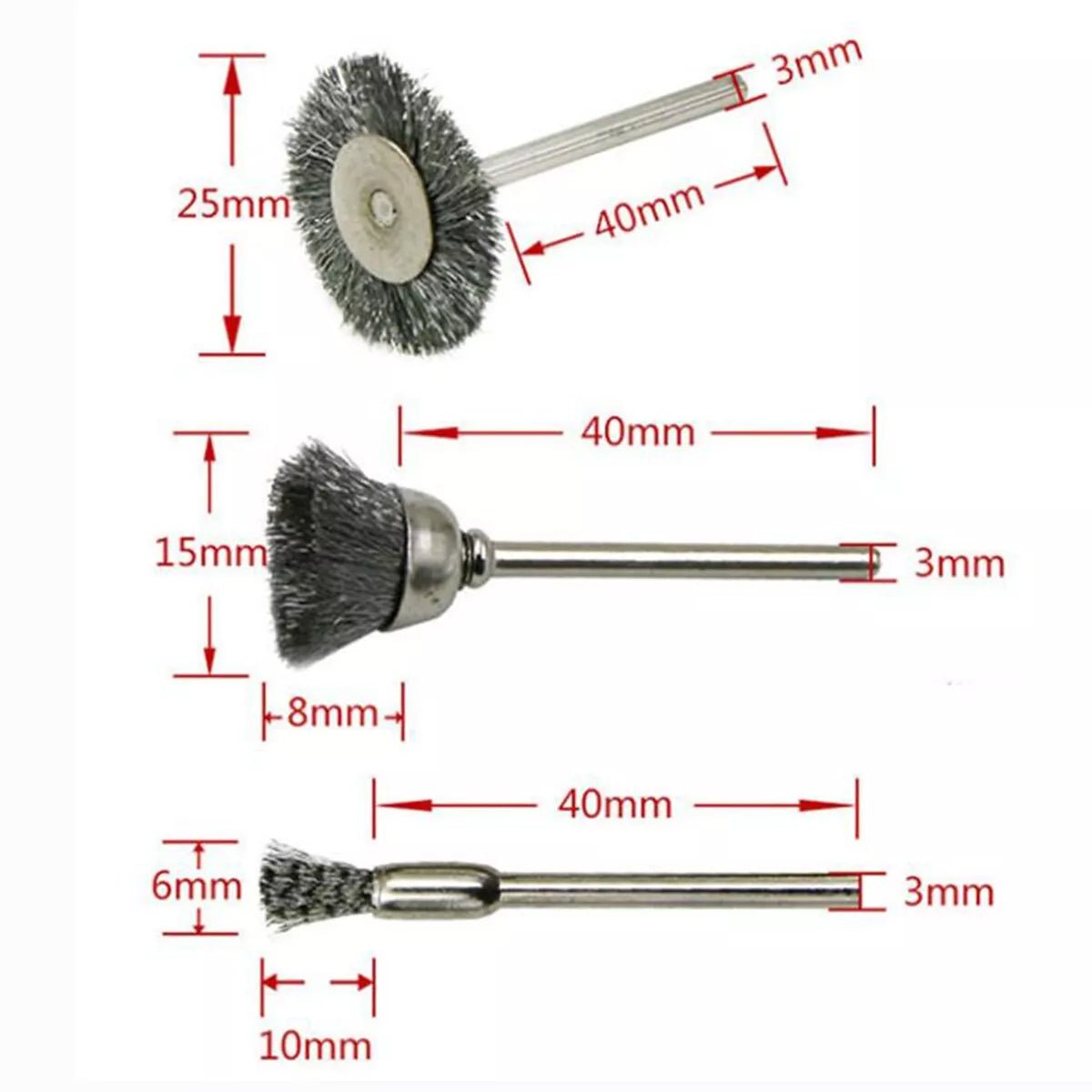
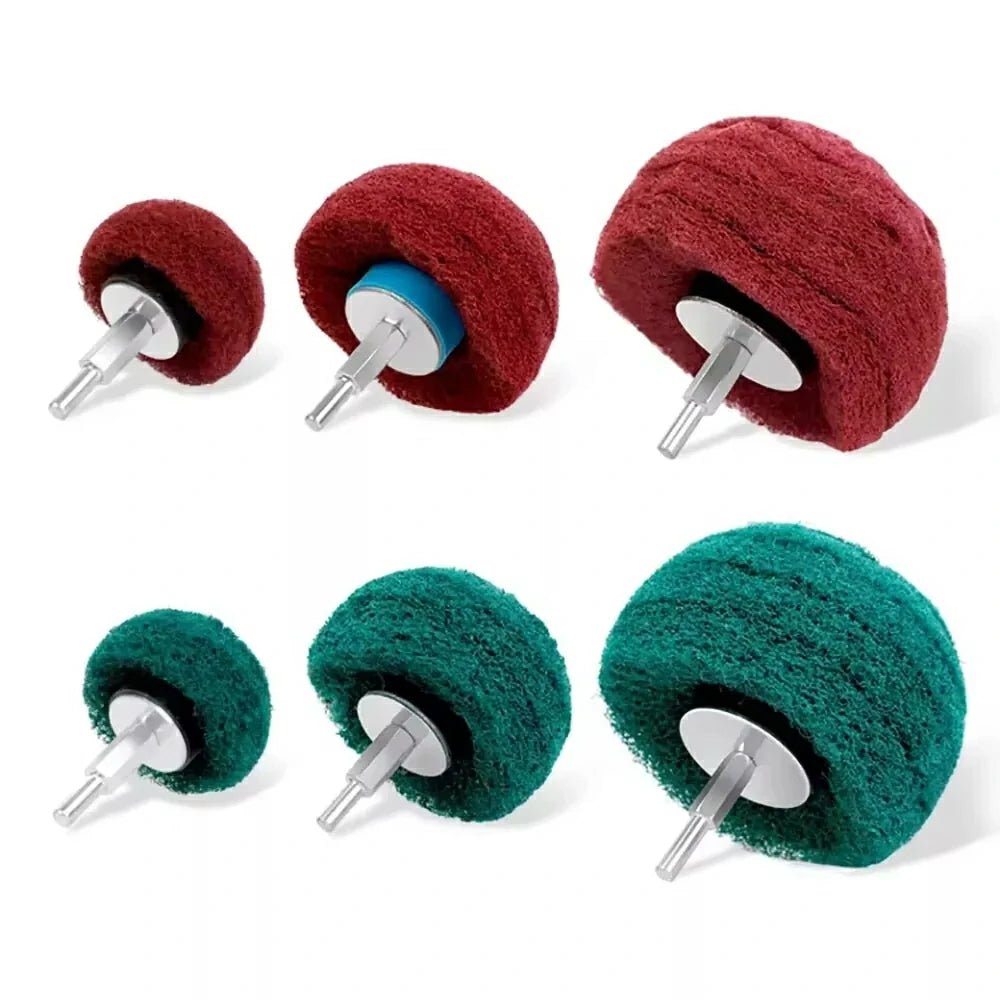
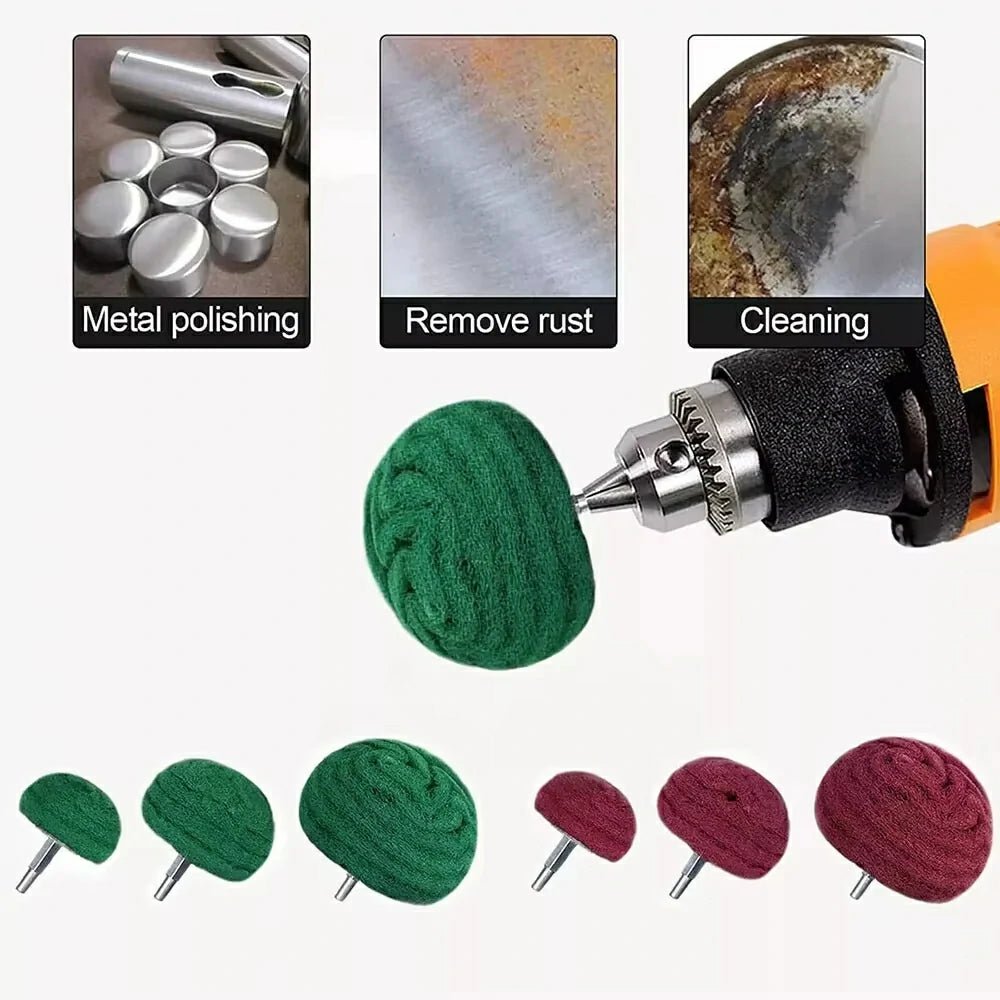
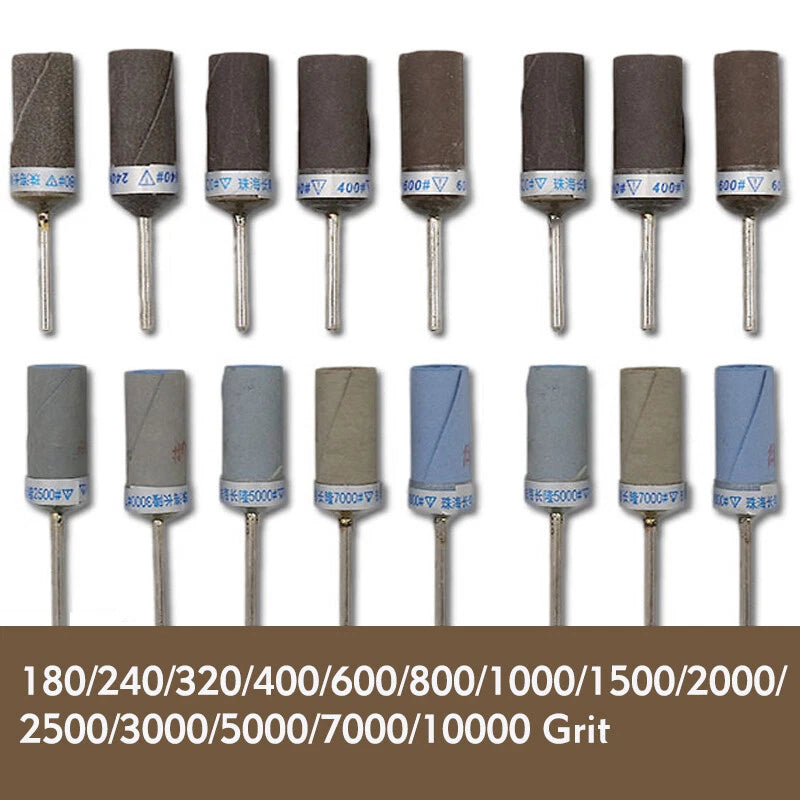
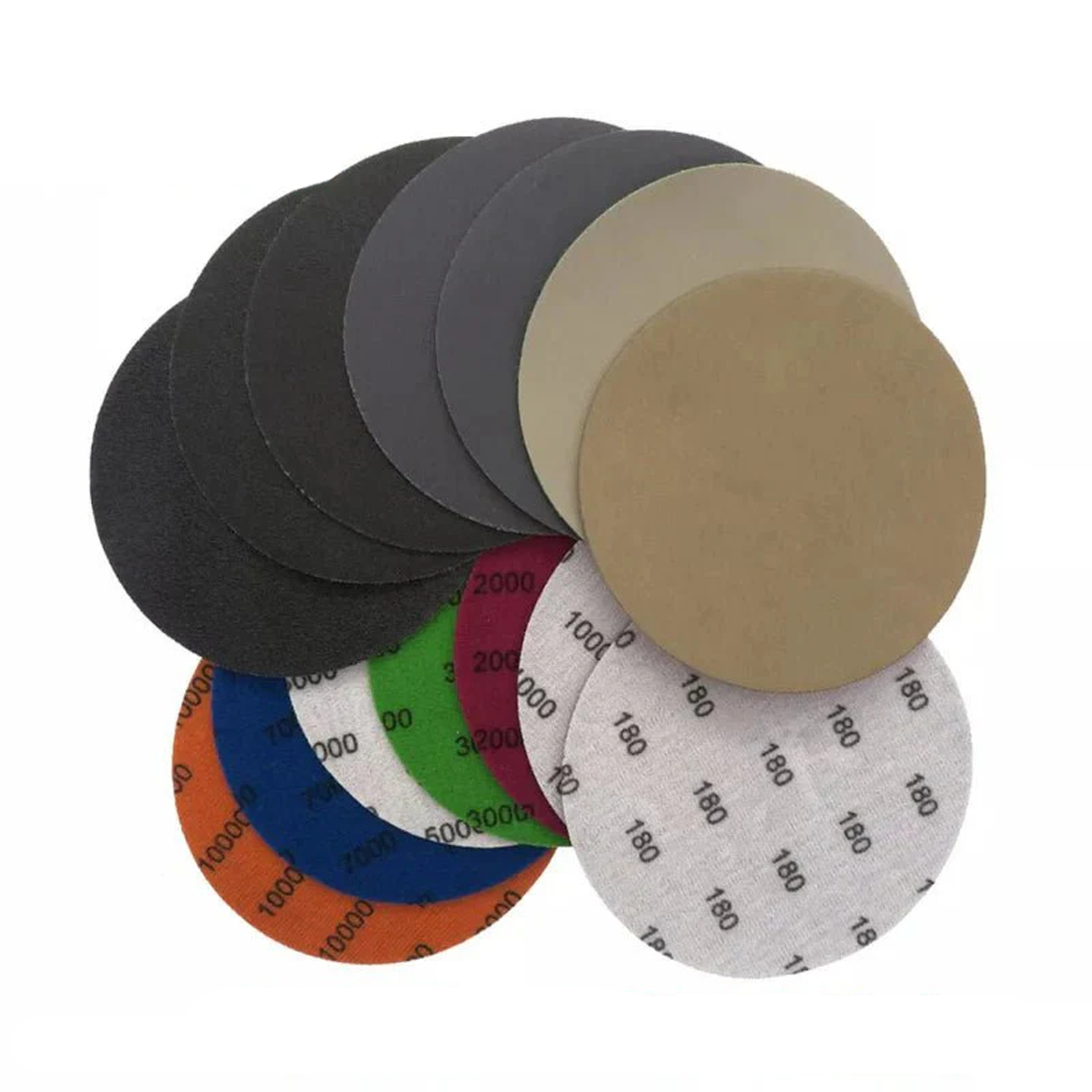
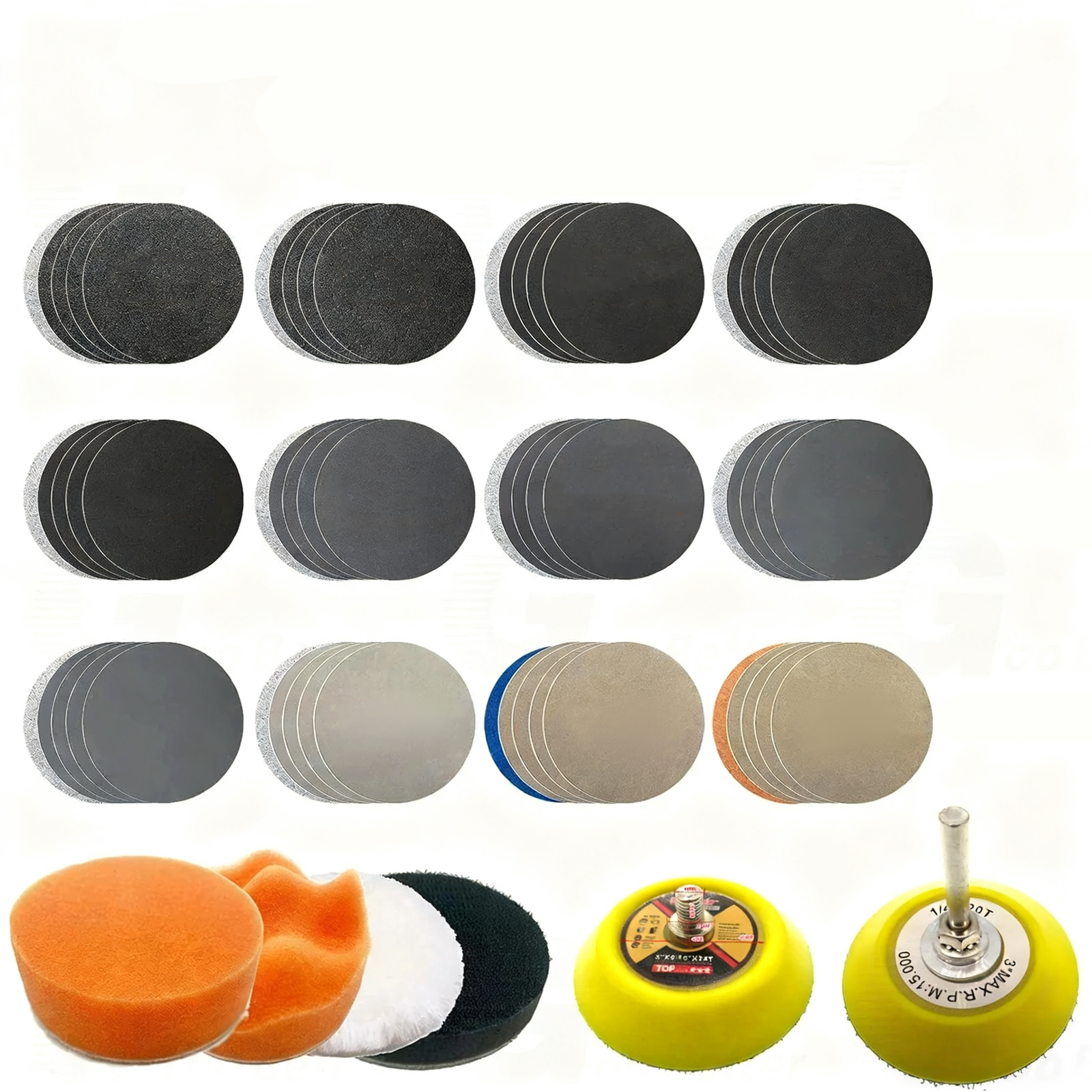
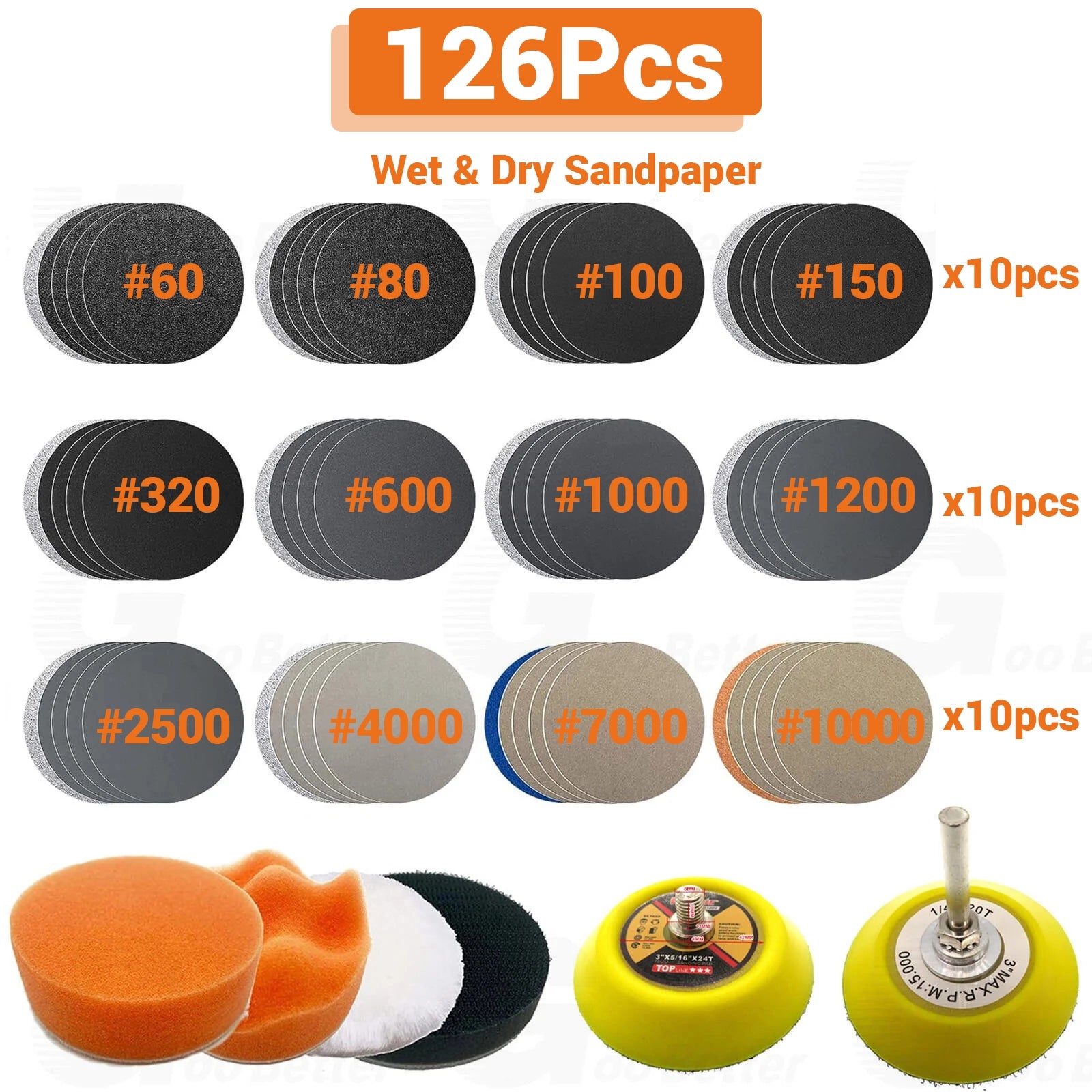
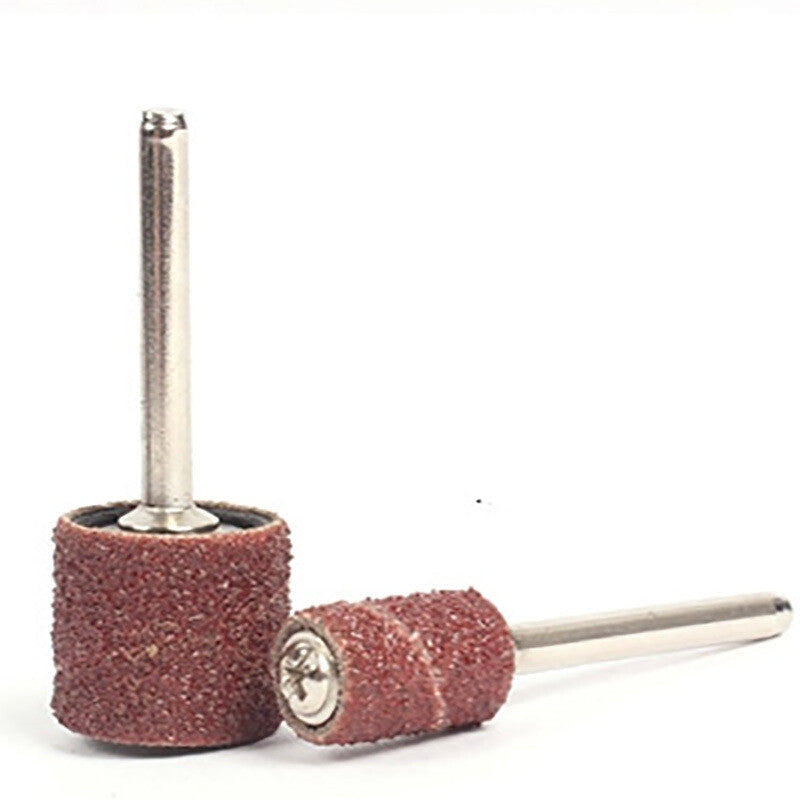
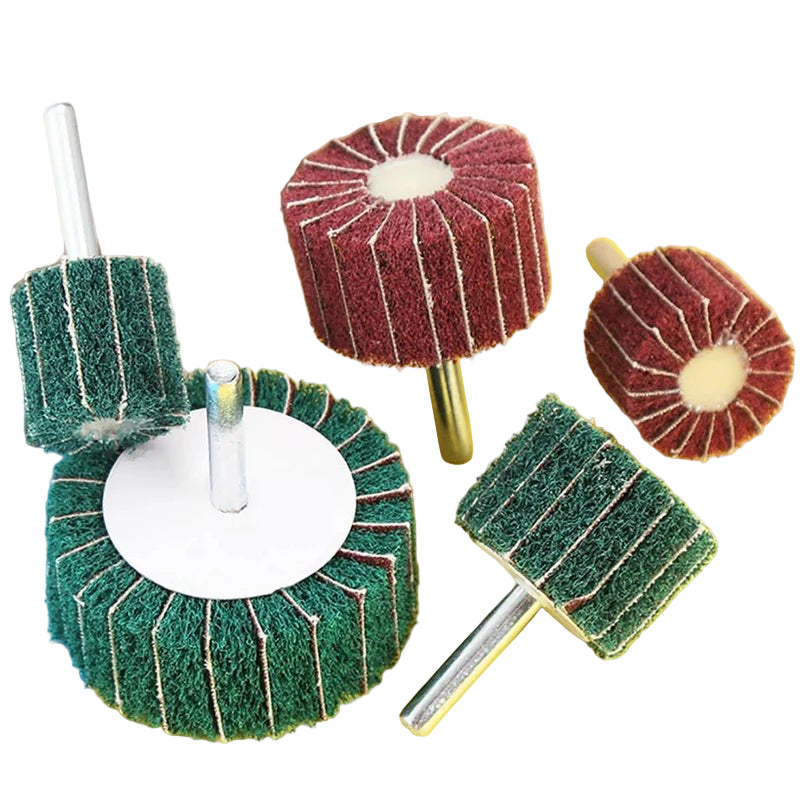
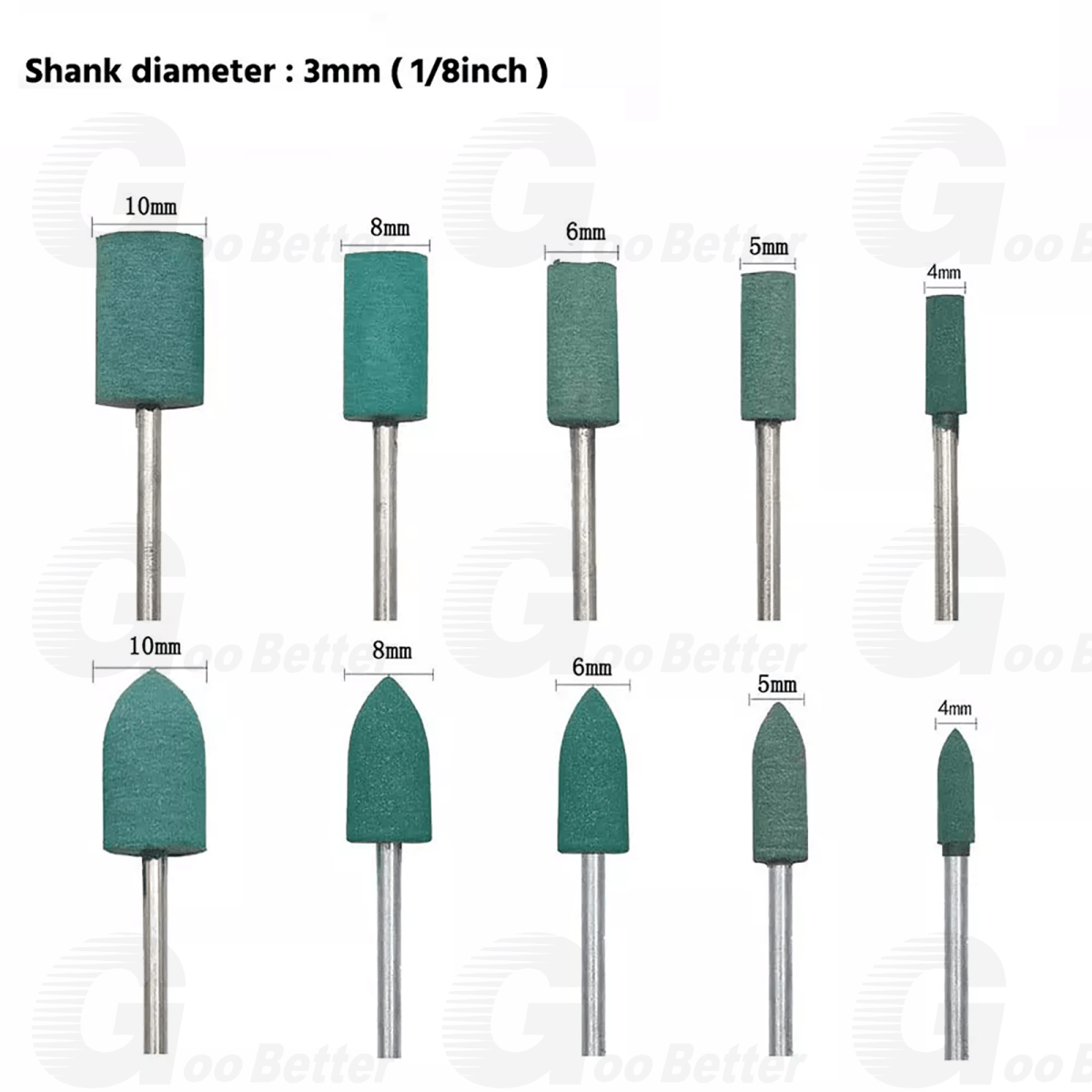
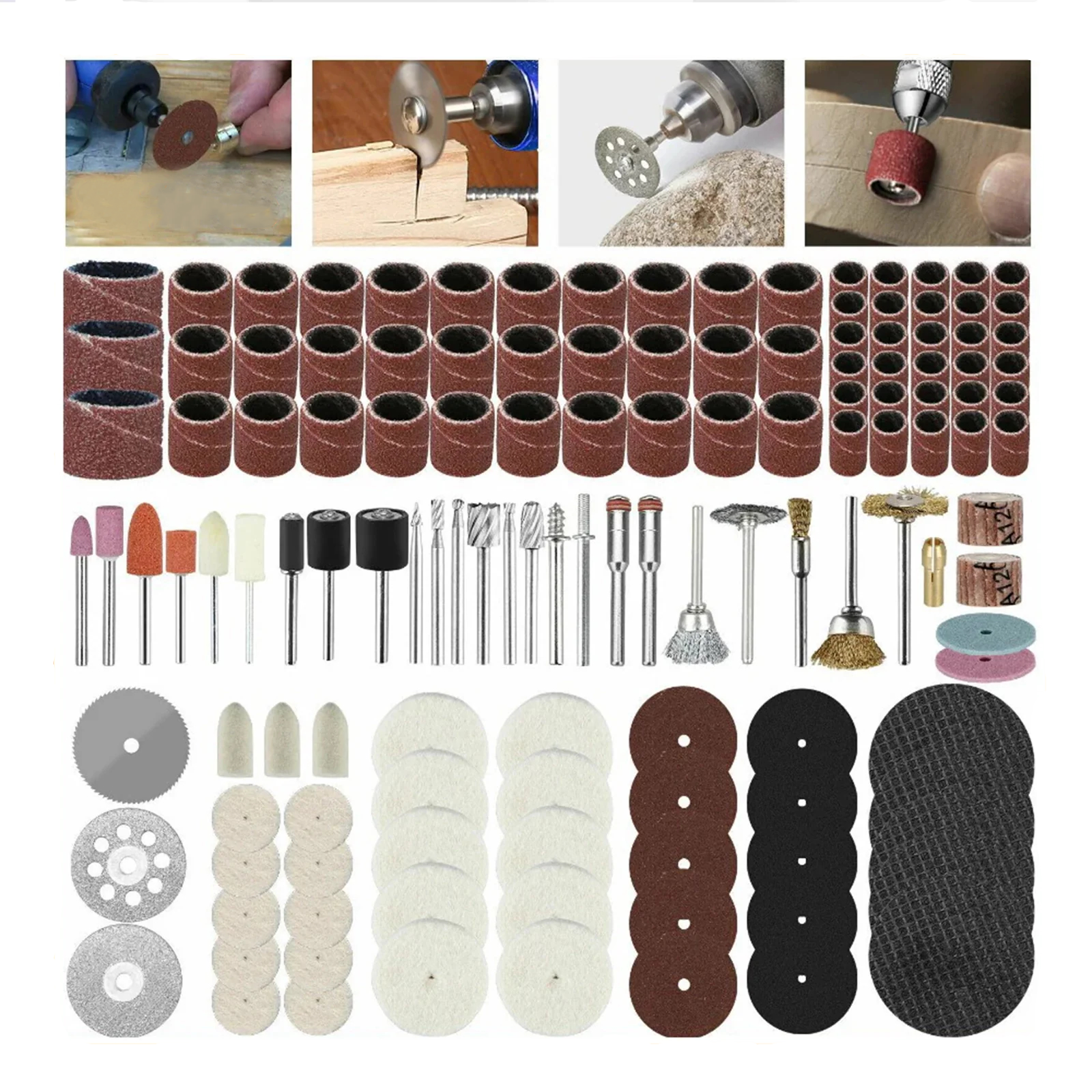
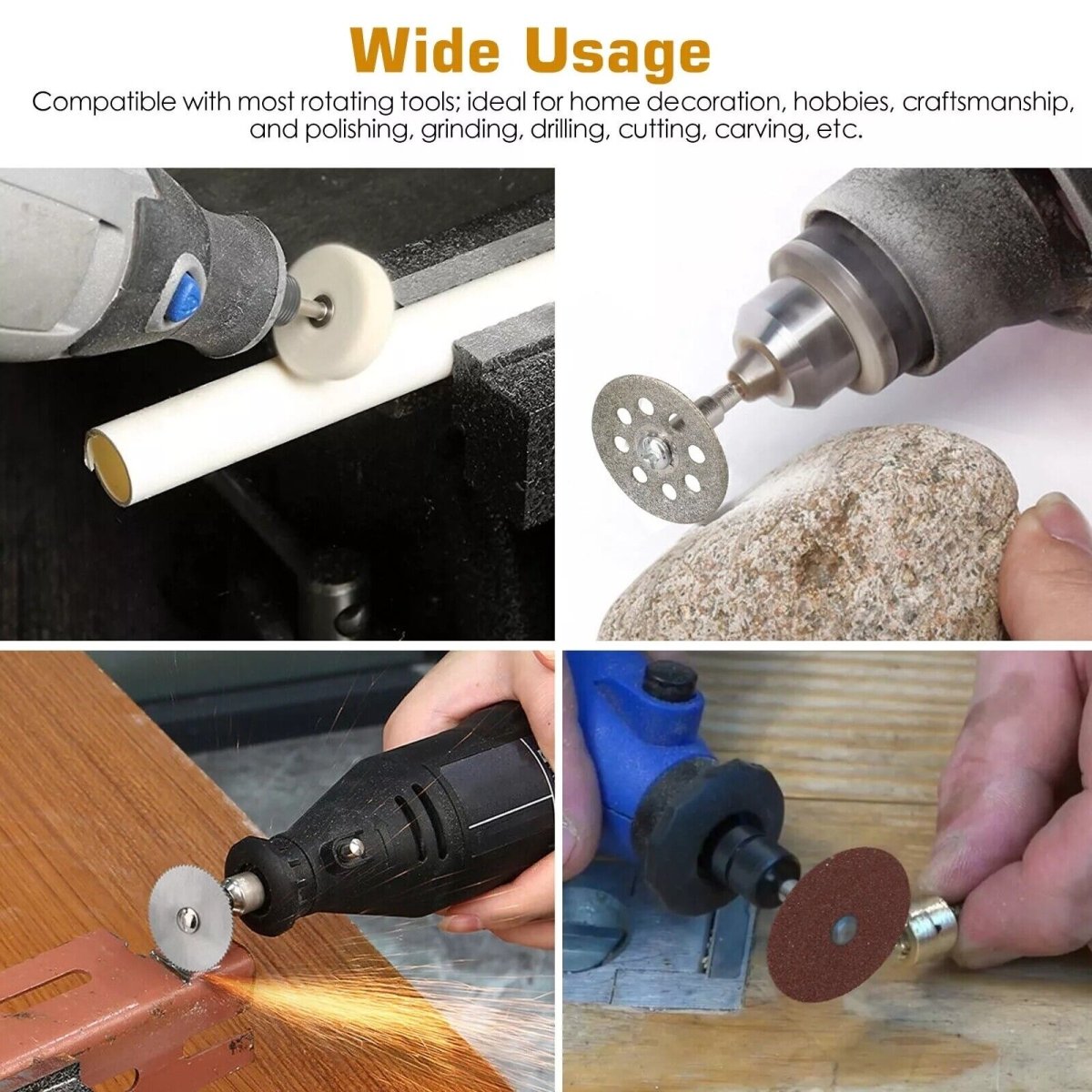
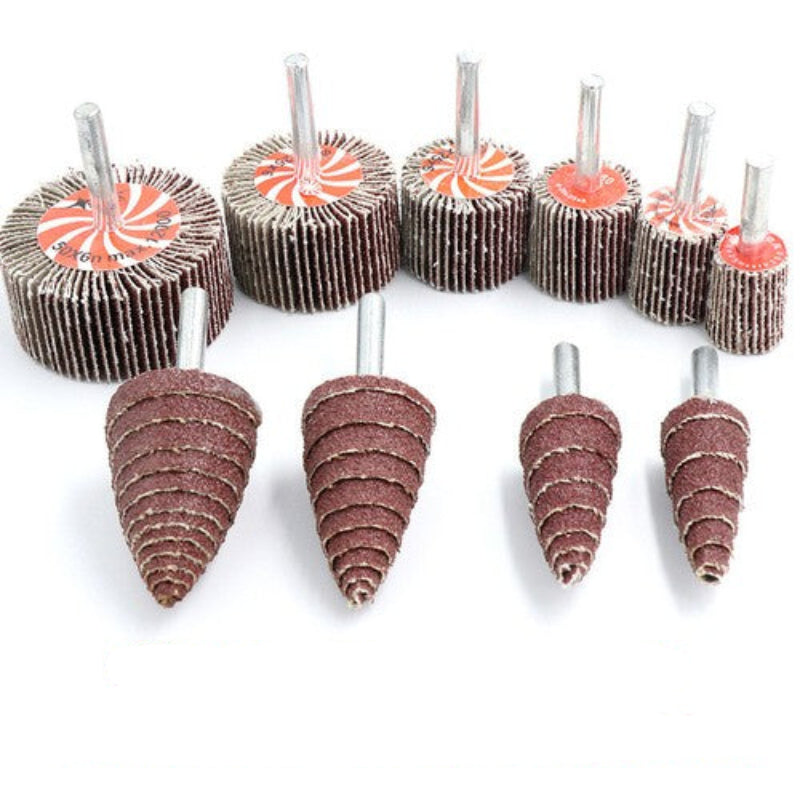
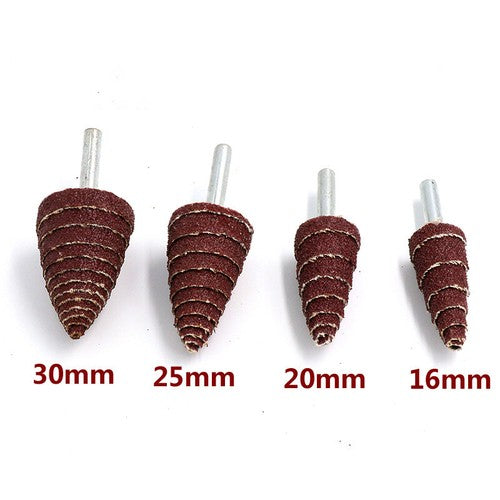
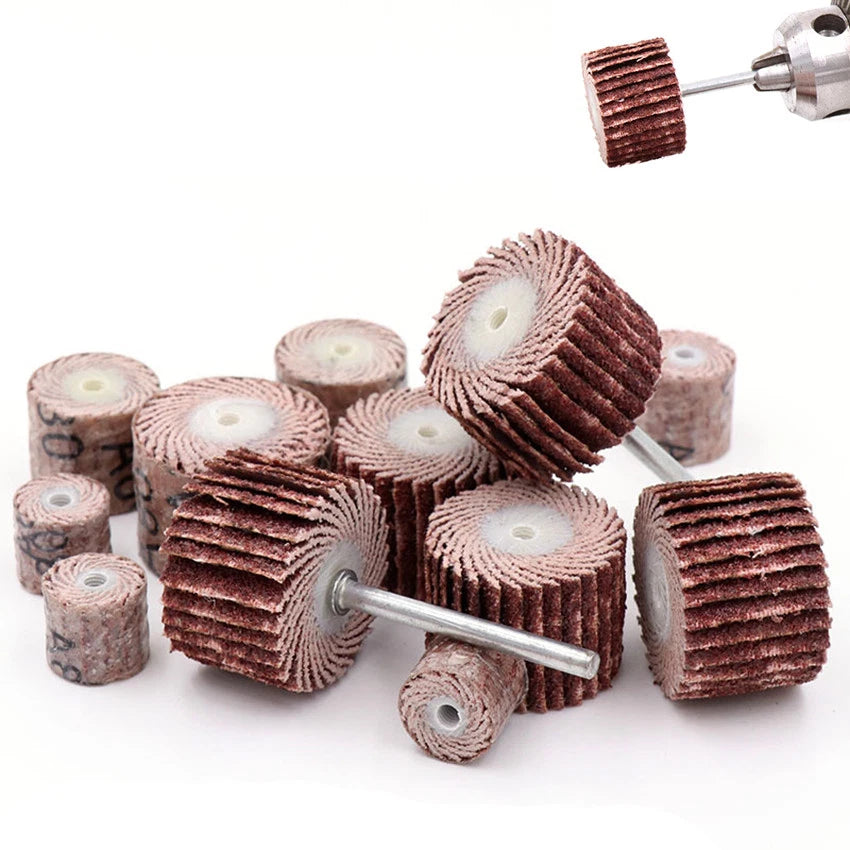
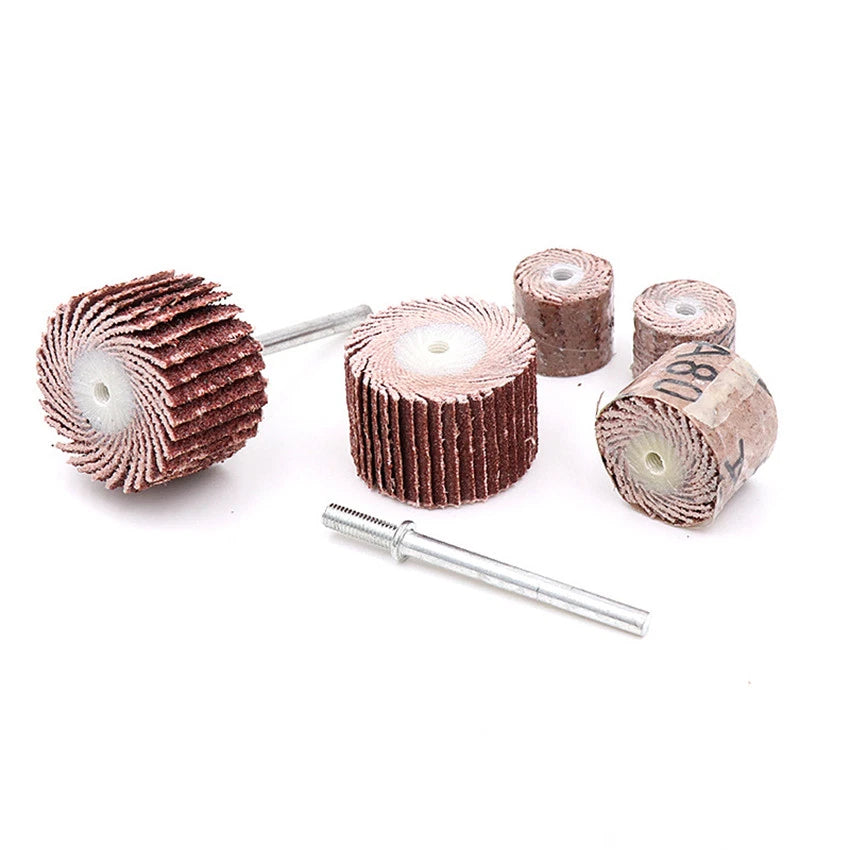
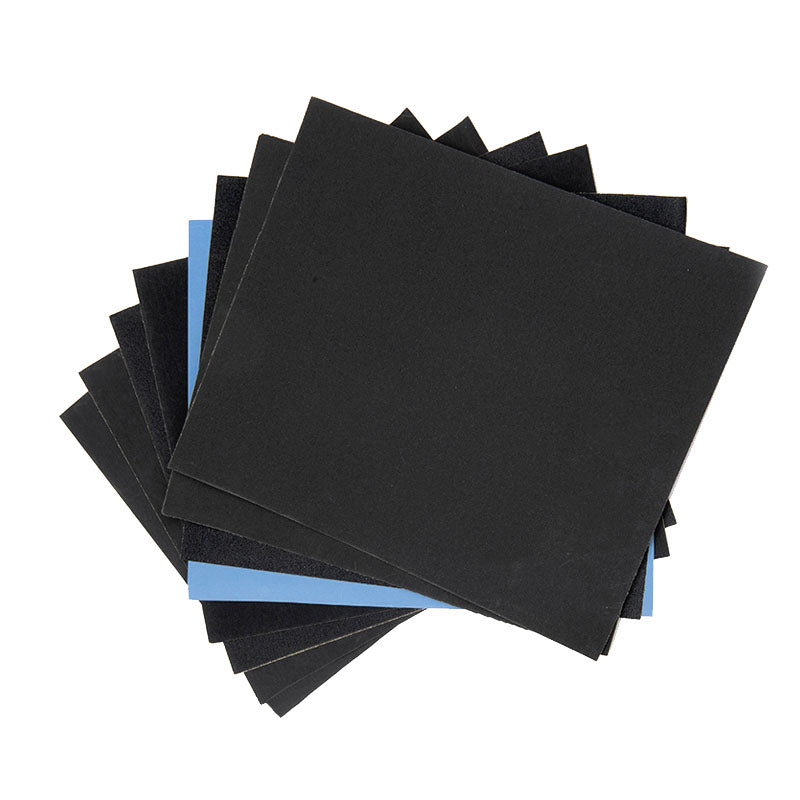
Sandpaper and abrasives are the backbone of surface preparation and finishing. Their grit composition, material type, and application method determine the quality of your results. Key advantages include:
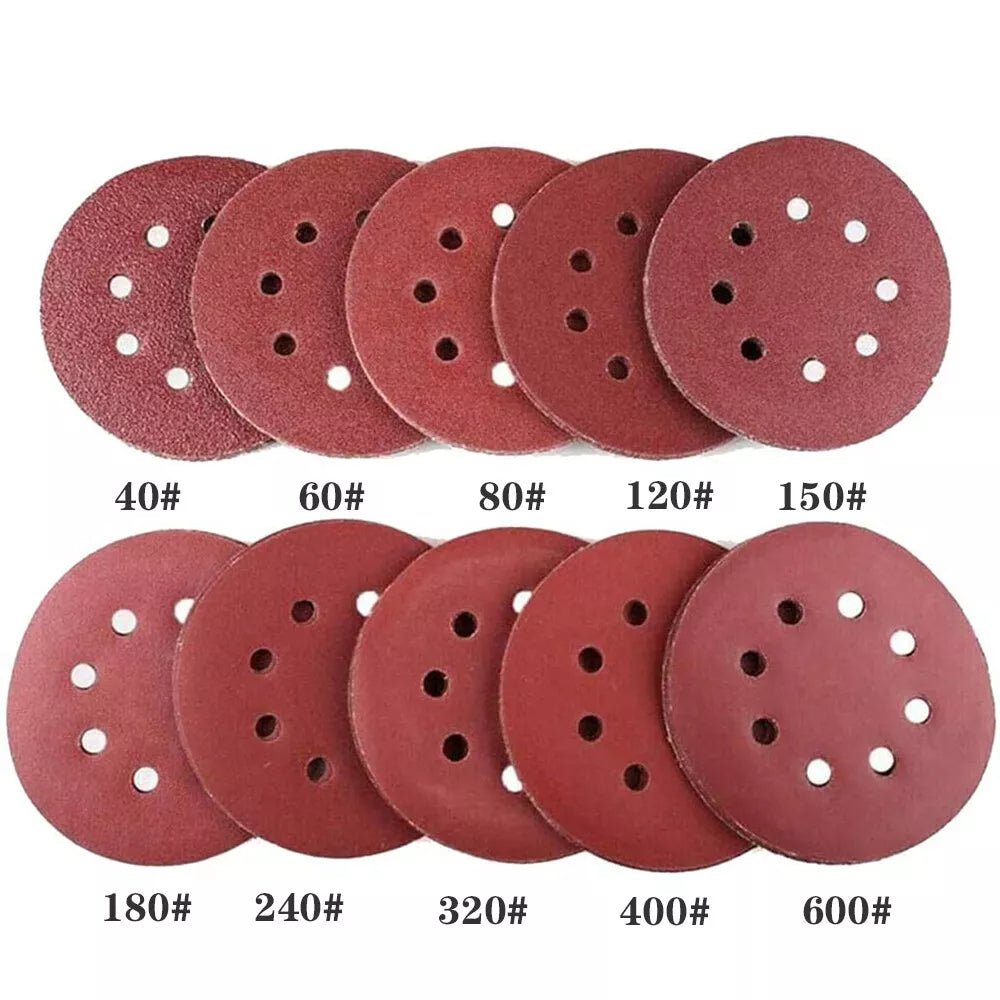
Long-lasting and self-sharpening. Ideal for wood, metal, and painted surfaces. Great for hand sanding and power tools.
Harder and sharper than aluminum oxide. Perfect for wet sanding on glass, stone, plastic, and automotive finishes.
Chemical-based solutions for removing oxidation and smoothing surfaces without dust. Ideal for large curved areas and delicate restorations.
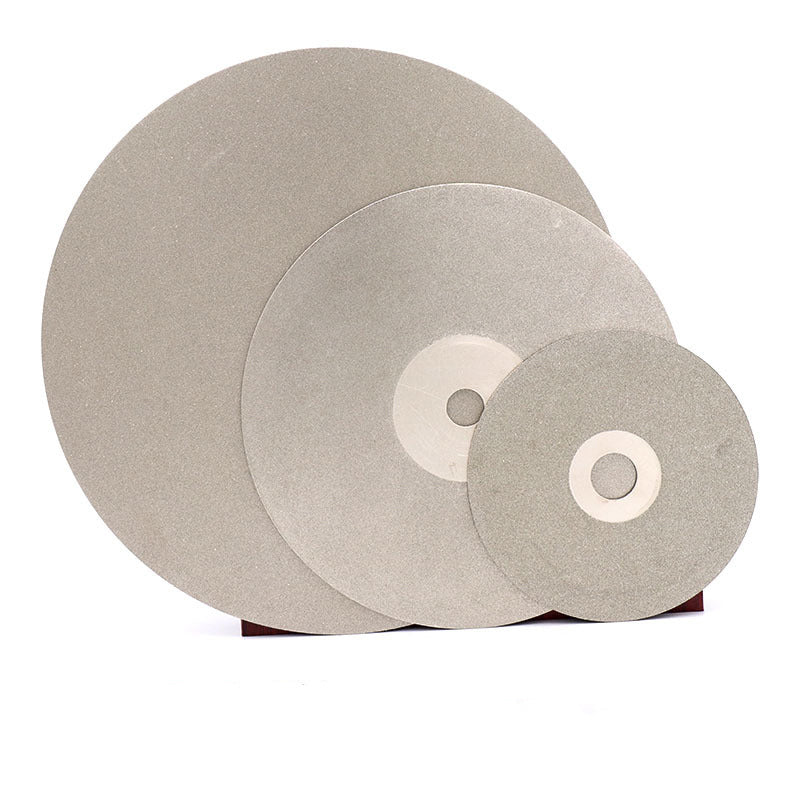
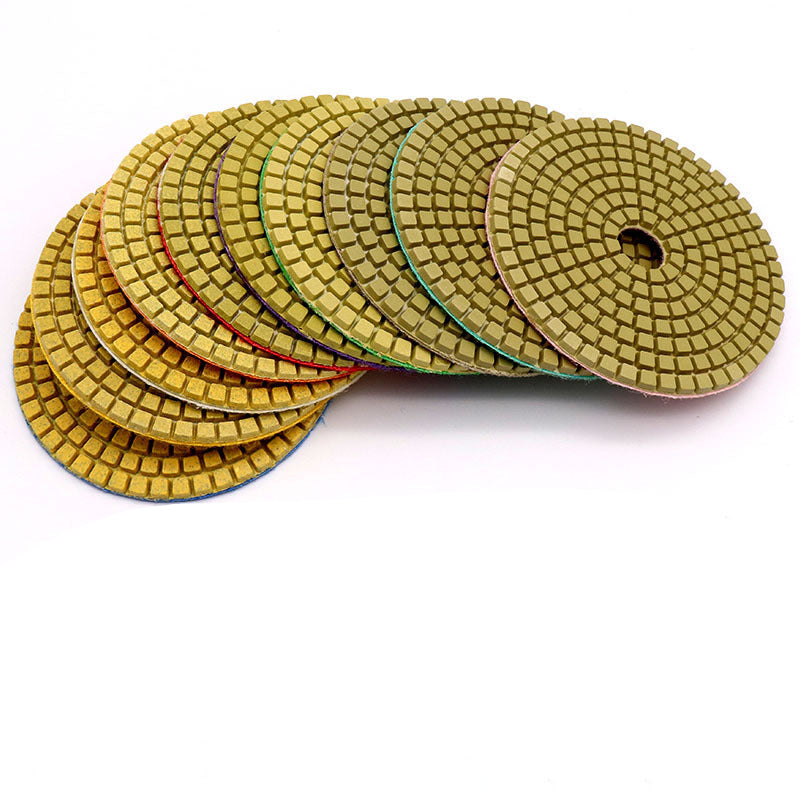
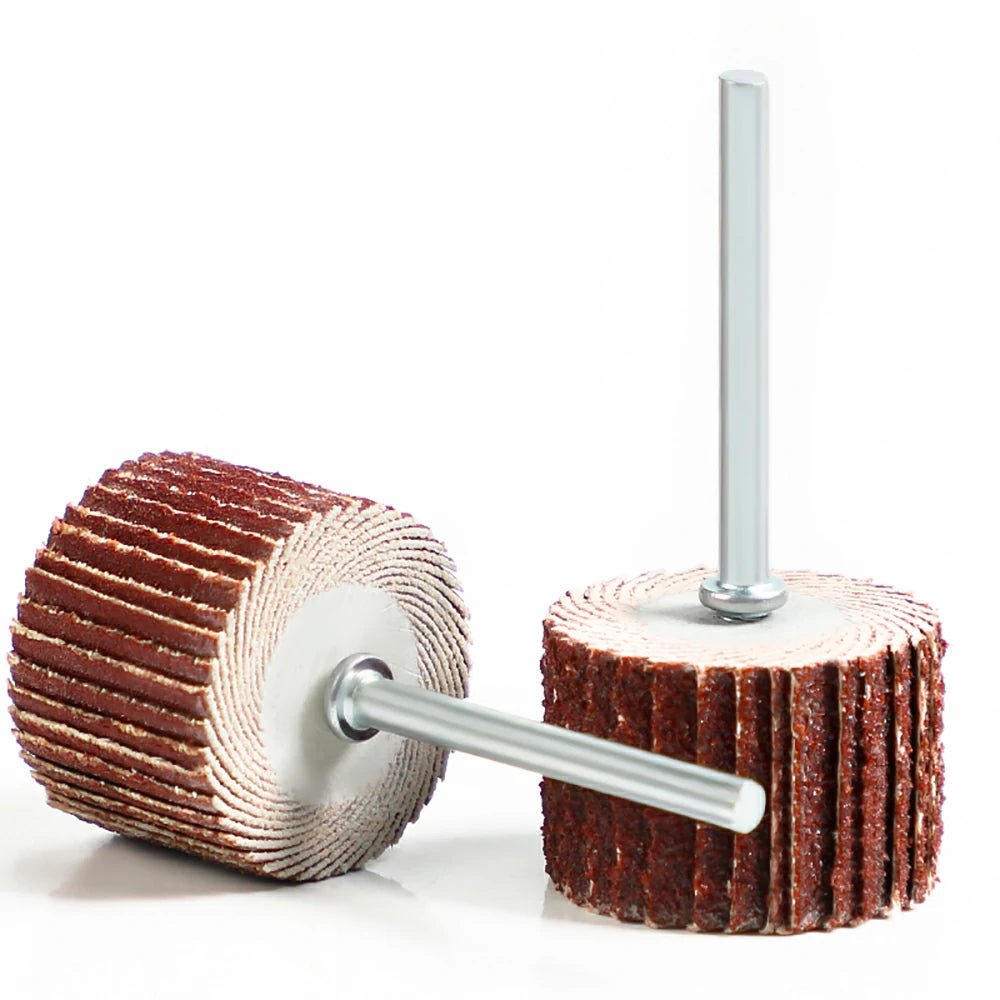
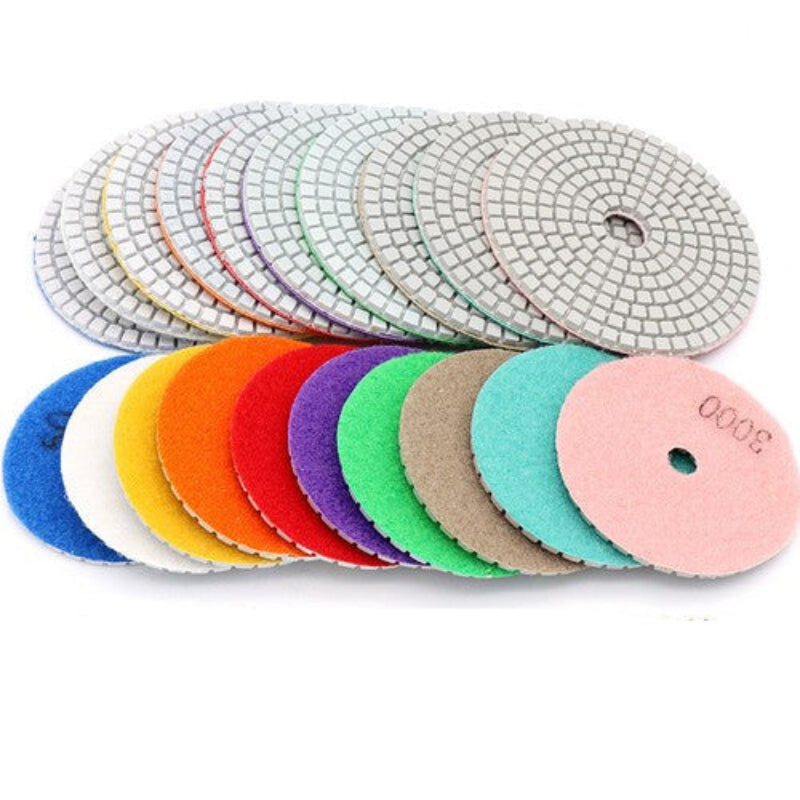
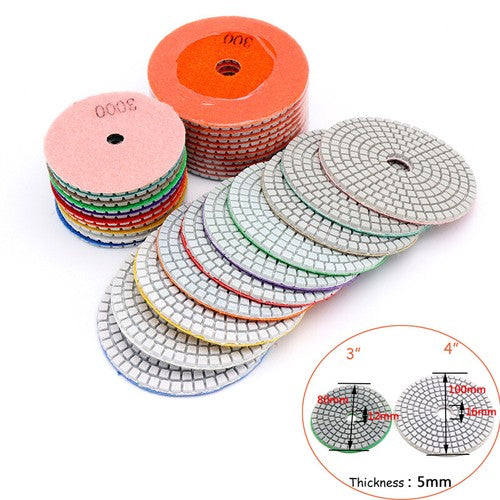
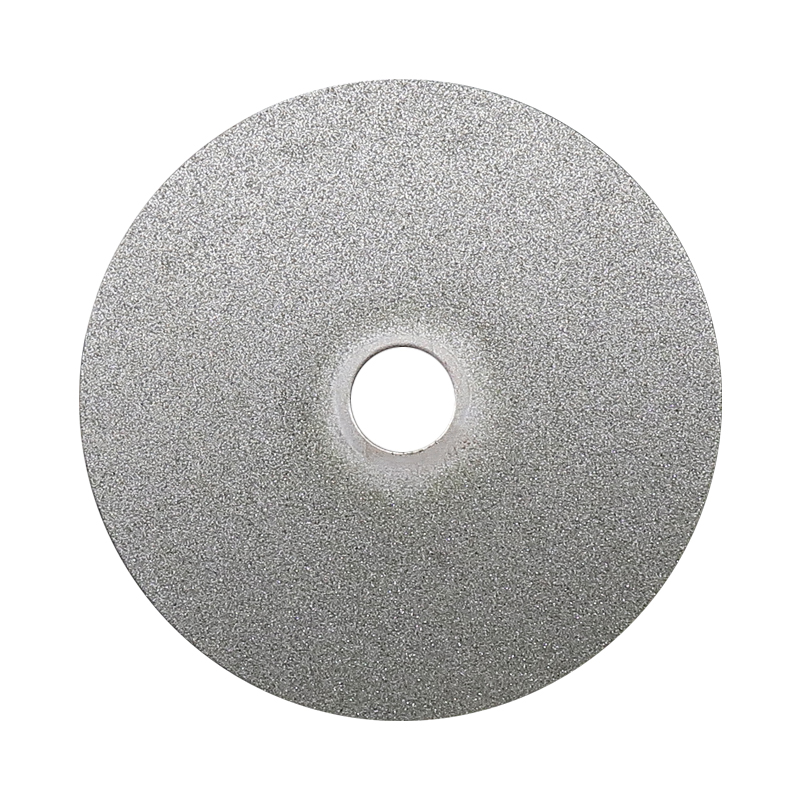
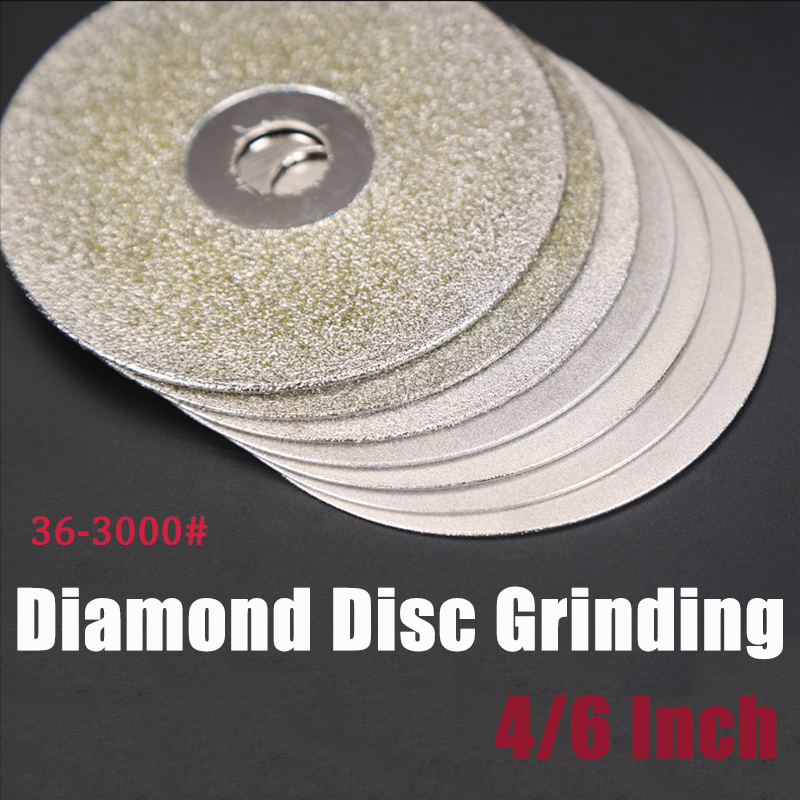
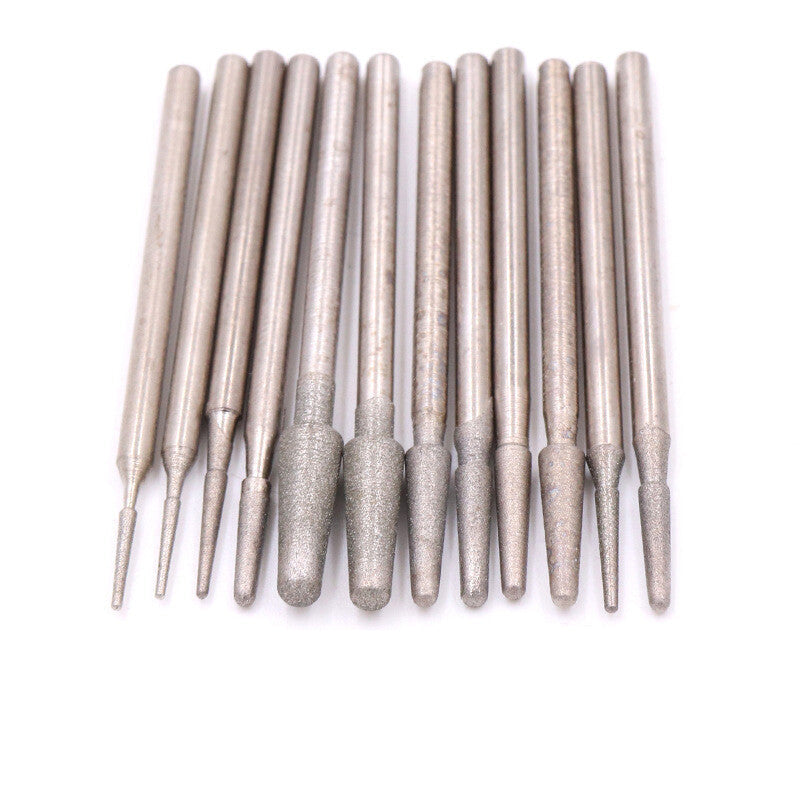
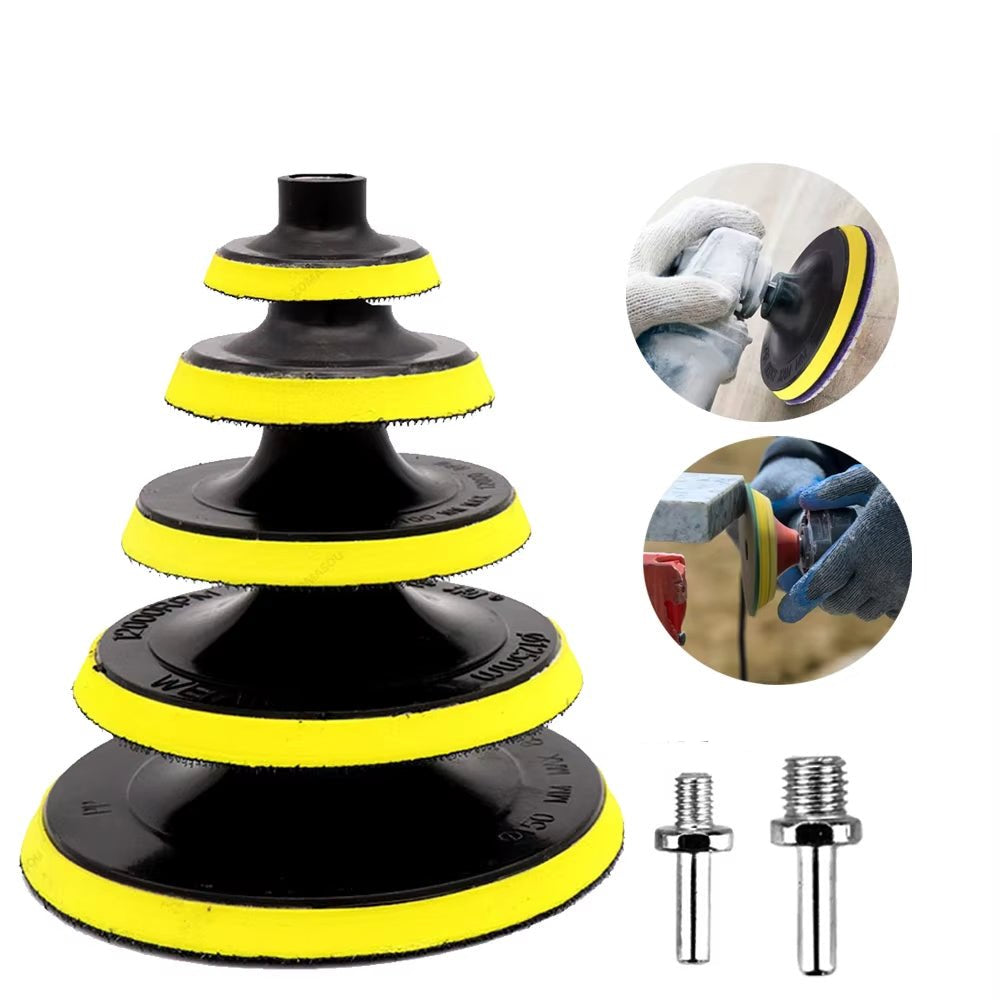
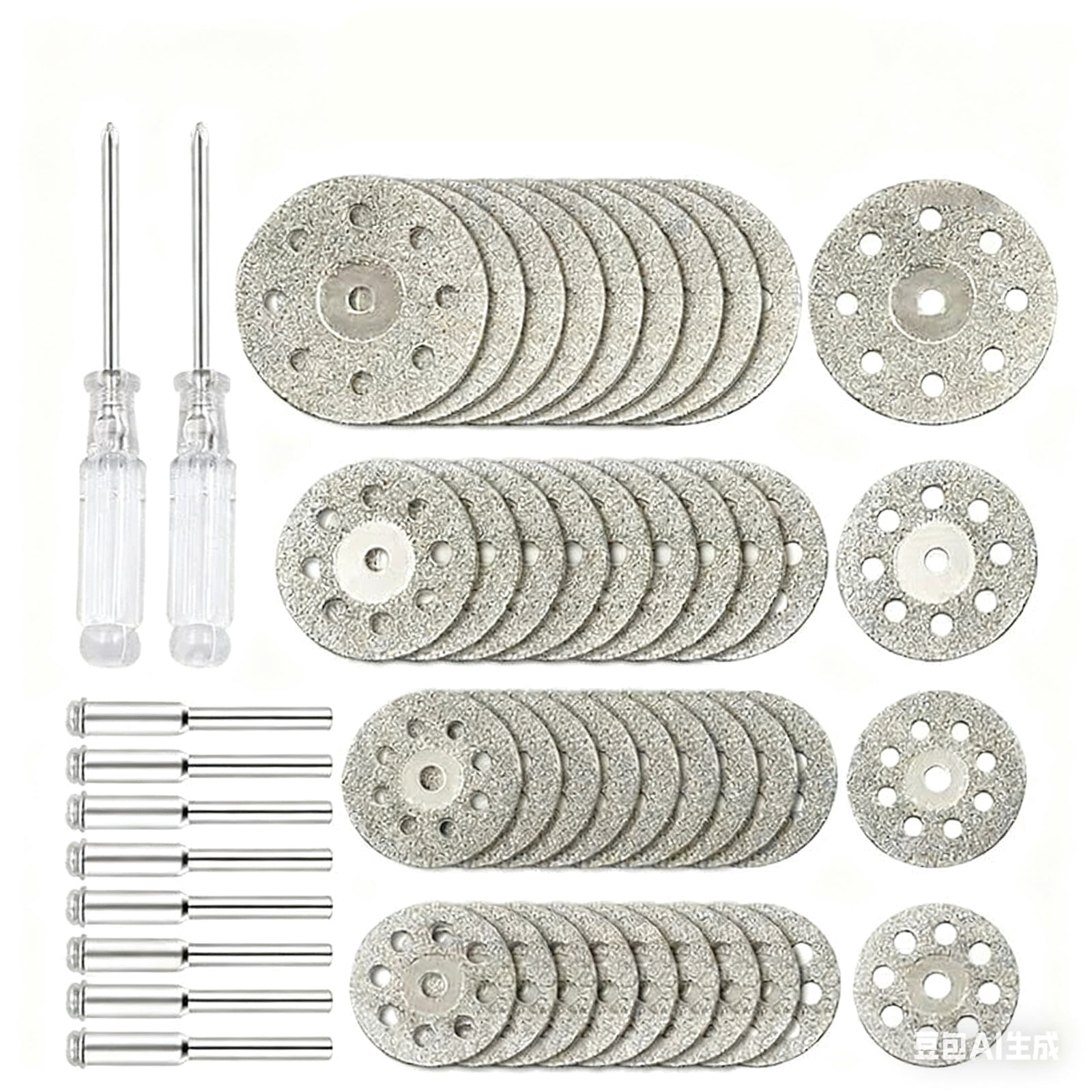
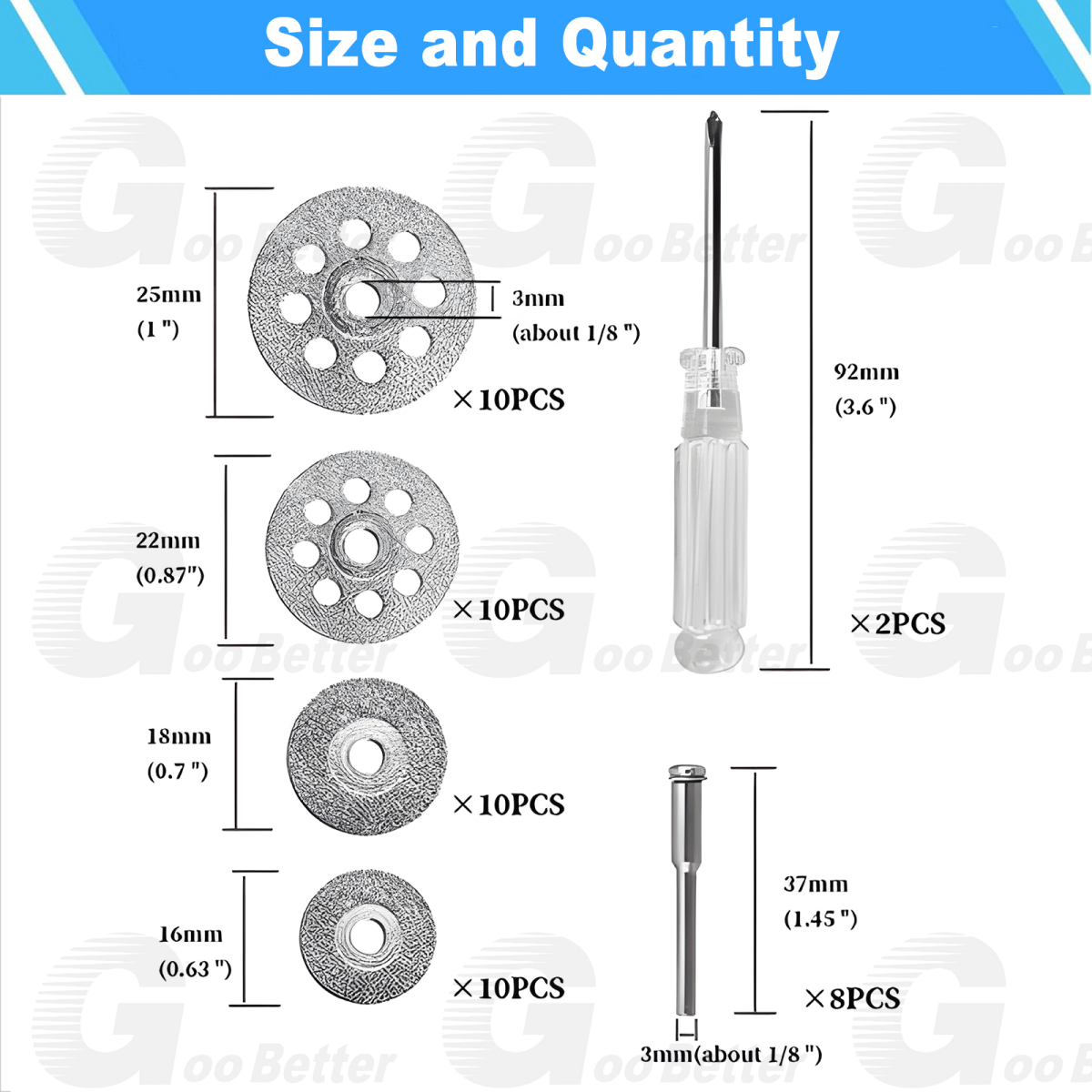
Diamond or ceramic grit for extreme material removal. Use on angle grinders for weld seams, heavy rust, and concrete polishing.
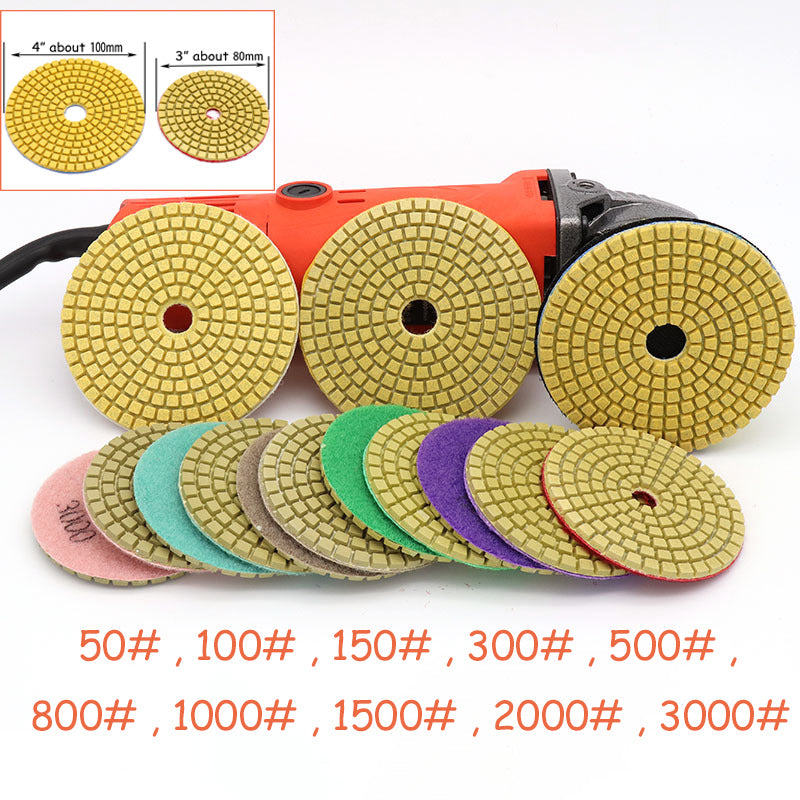
| Grit Range | Grade | Best For |
|---|---|---|
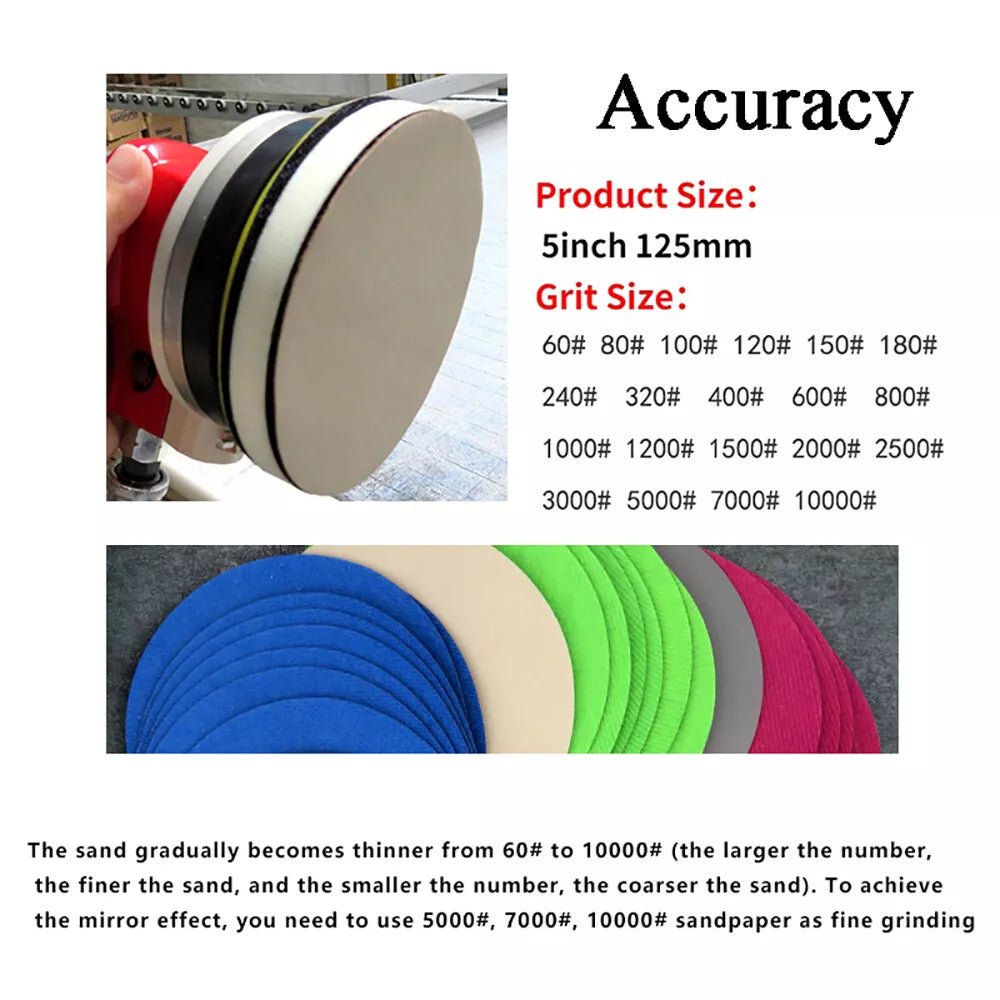
| 40-80 | Coarse Grit | Rapid material removal on hardwood or rusted metal. Stripping old paint and shaping wood. |
| 100-150 | Medium Grit | Smoothing surfaces before painting or staining. Removing scratches from coarse grit. |
| 180-220 | Fine Grit | Final finishing for silky-smooth results. Prep for stain, varnish, or primer. |
| 400+ | Ultra-Fine | Polishing metals or preparing surfaces for clear coats. Wet sanding between paint layers. |
Use "aluminum oxide sandpaper" to prep furniture or decking. Start with 80-grit for shaping, finish with 180-grit for smoothness.
Restore headlights with "silicon carbide abrasives" and water. Wet sanding removes haze and restores clarity.
Remove weld seams using "industrial abrasives" on angle grinders. Ceramic belts last longer on stainless steel.
Shape resin art with "liquid abrasive sandpaper" for seamless edges. Ideal for epoxy resin and 3D prints.
A: Aluminum oxide is versatile for general use on wood and metal, and it's more durable for power sanding. Silicon carbide is sharper and better for hard materials like metal, glass, or plastic, and it's the standard for wet sanding.
A: No—it’s designed for single use. Reapply fresh product for consistent results. The abrasive particles break down after one application.
A: Yes! Explore our "silicon carbide abrasives" for wet sanding applications. They are clearly labeled as waterproof in the product description.
A: Start with 80-grit coarse to remove heavy rust, then 120-grit to smooth, and finish with 180-grit. For light surface rust, 150-grit is often enough.
From hobbyists to professionals, HomeDIYer’s sandpaper and abrasives deliver unmatched precision. Whether you need the "most abrasive sandpaper" for heavy grinding or delicate "liquid abrasives" for curves, our products cater to every project. Shop now and transform raw materials into polished perfection!