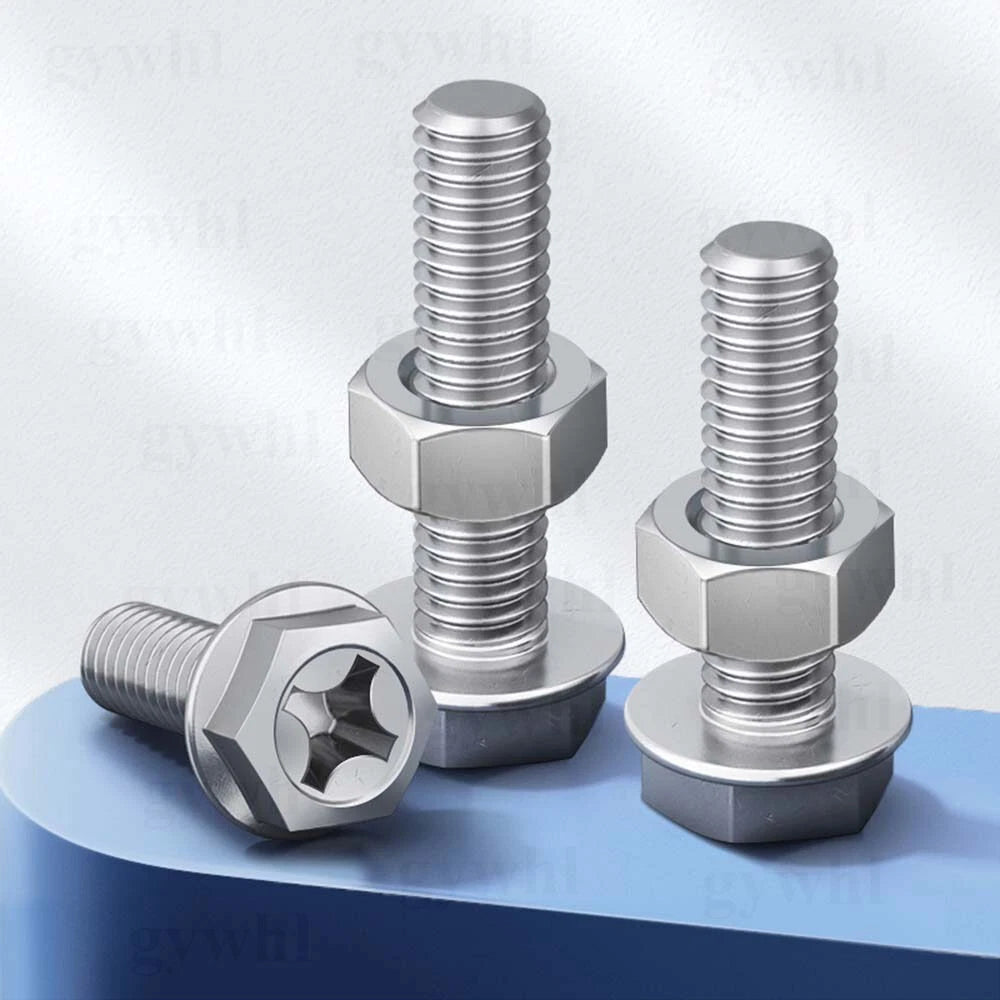
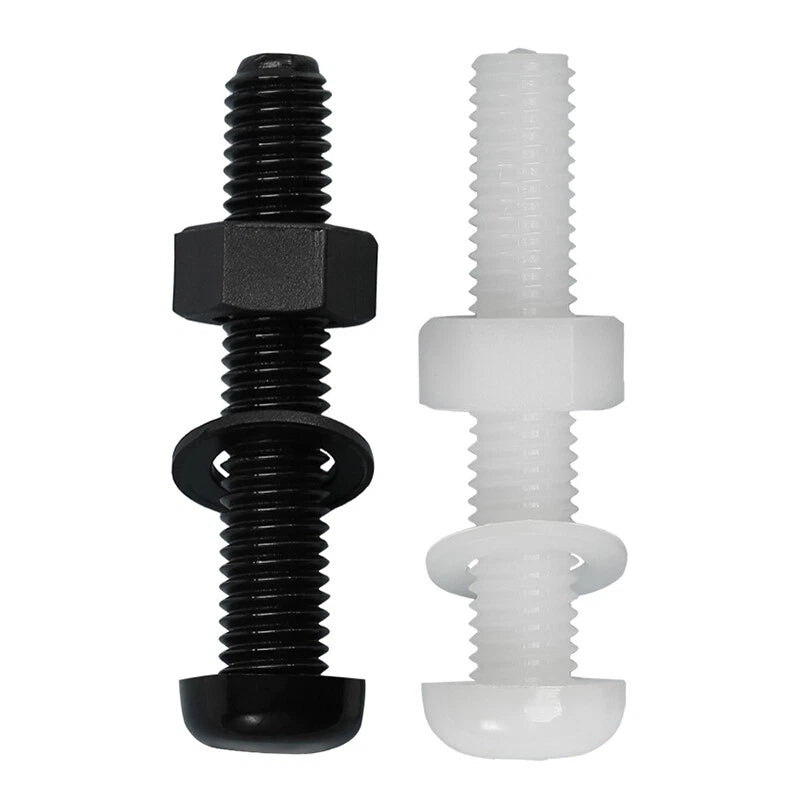
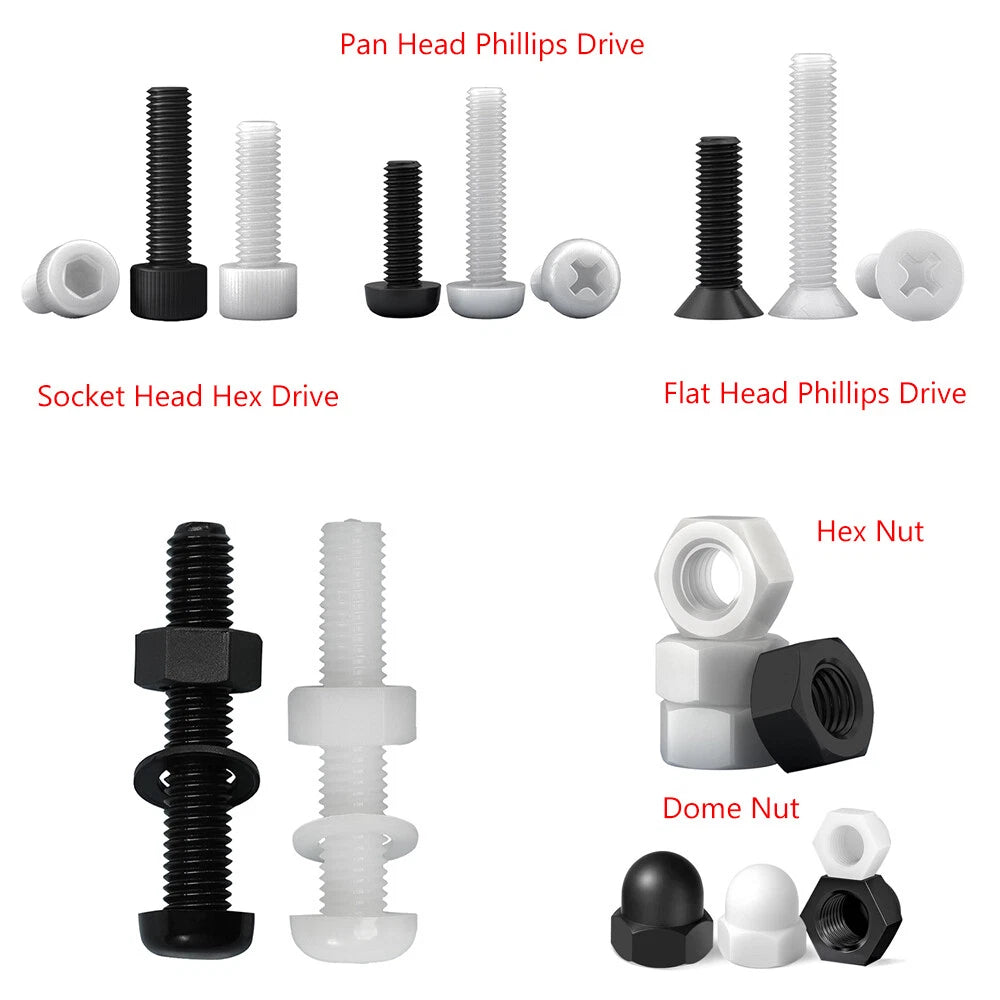
Hex Nuts for General-Purpose Metric & SAE Fastening
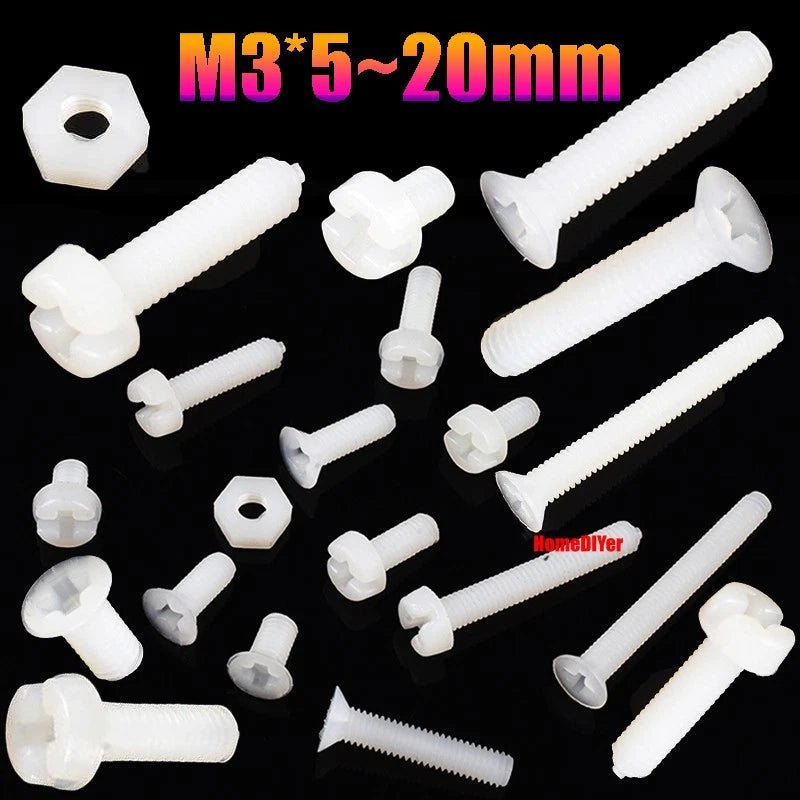
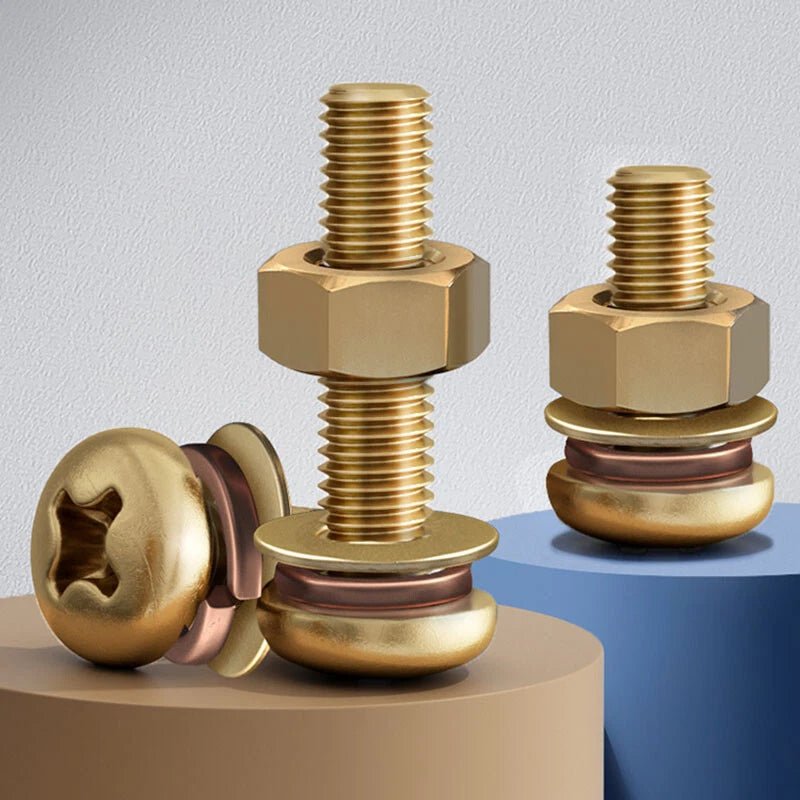
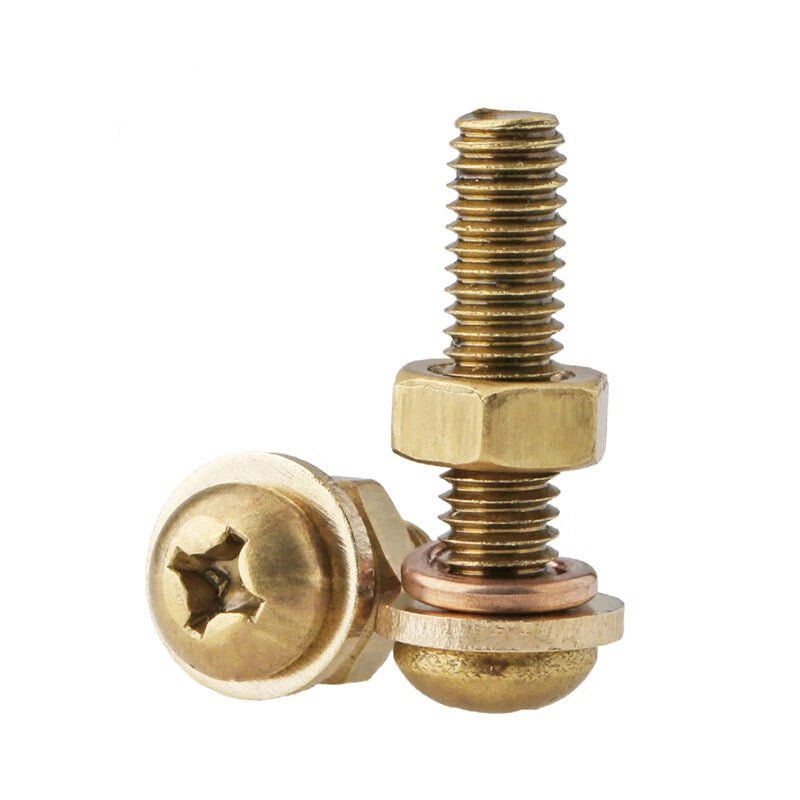
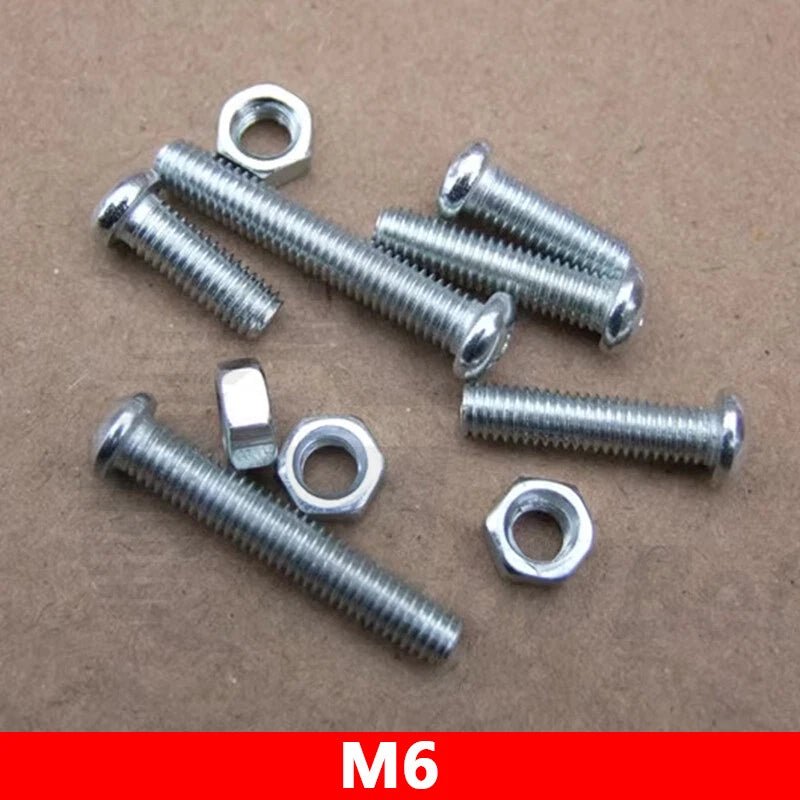
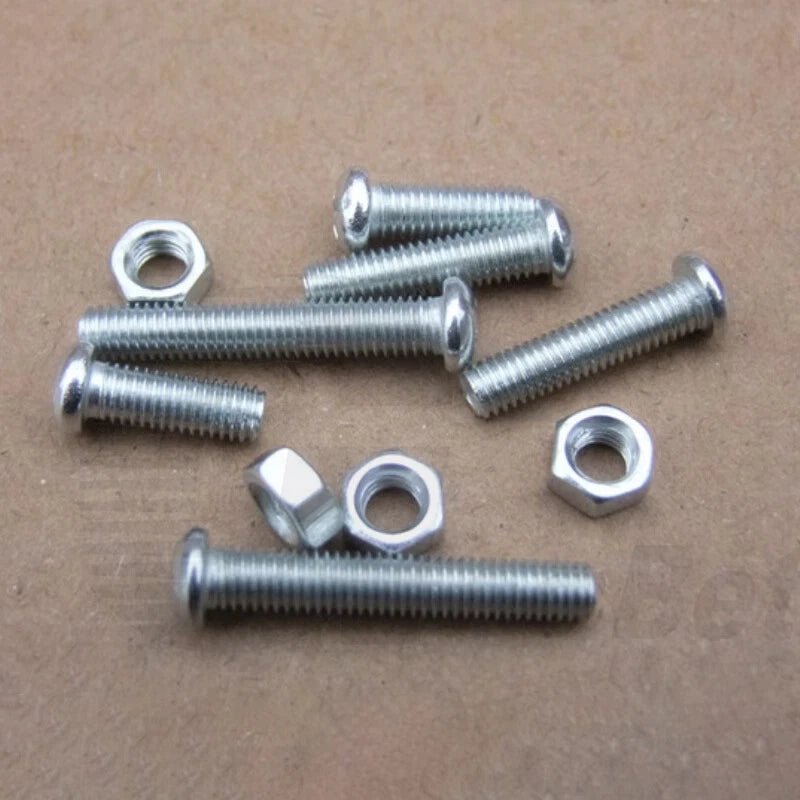
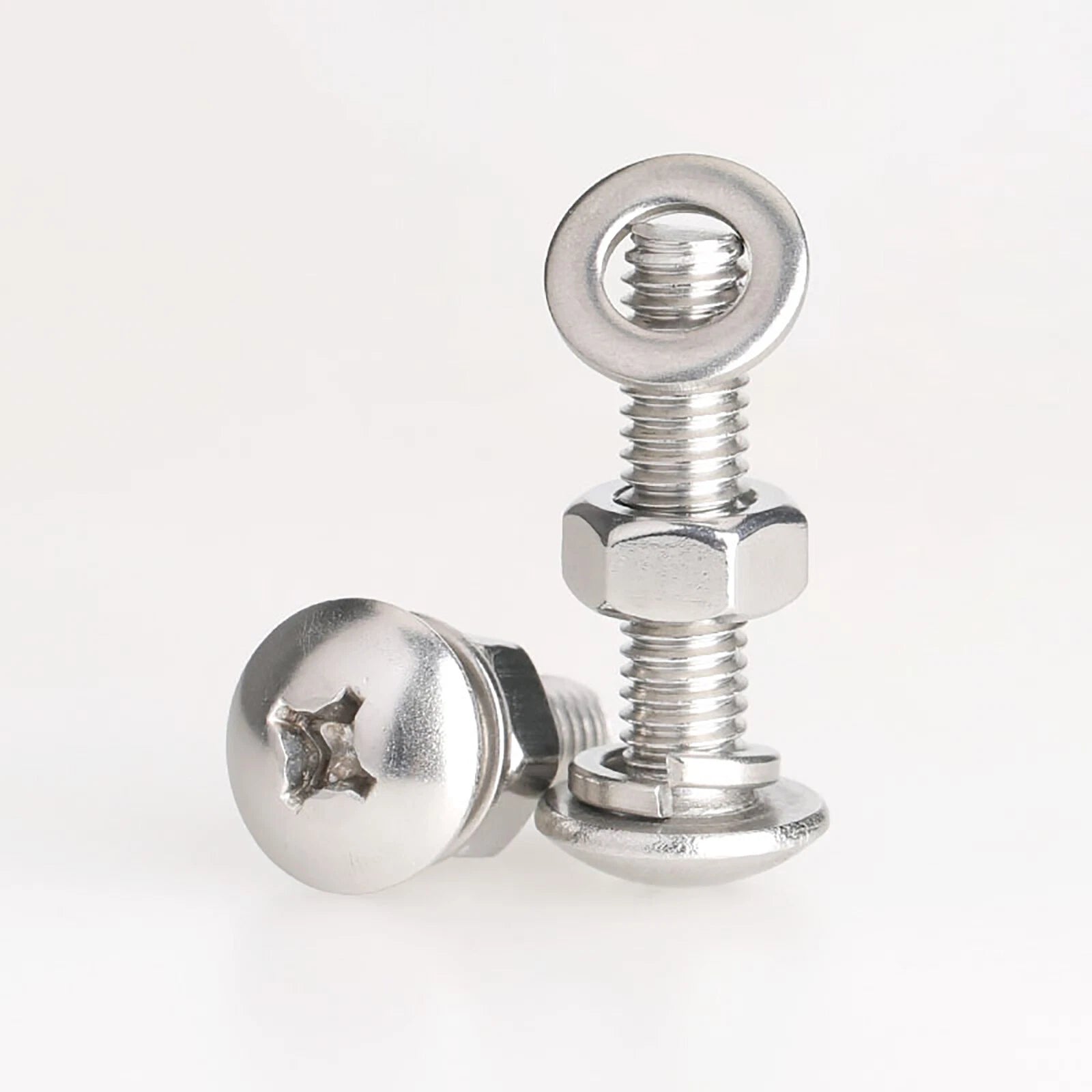
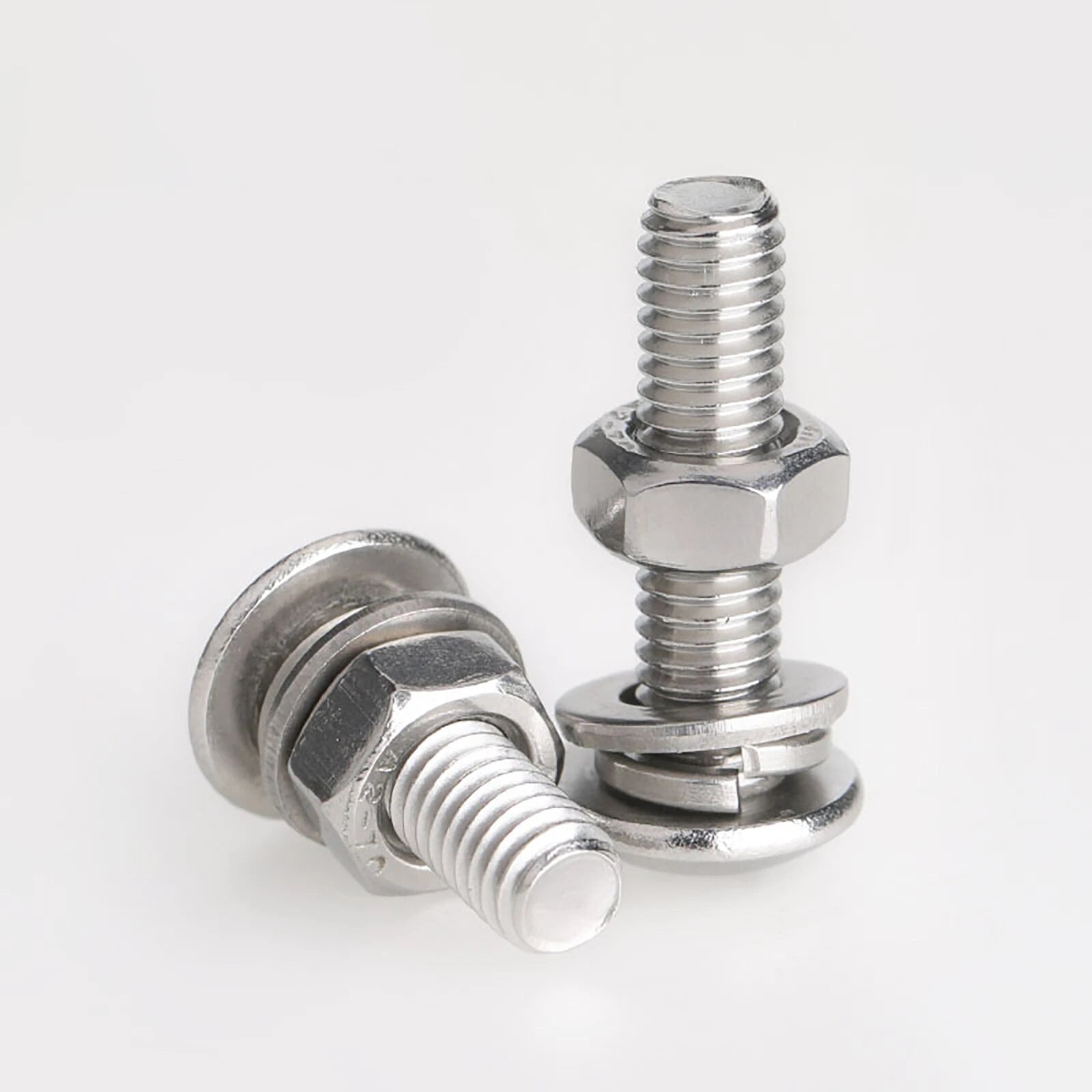
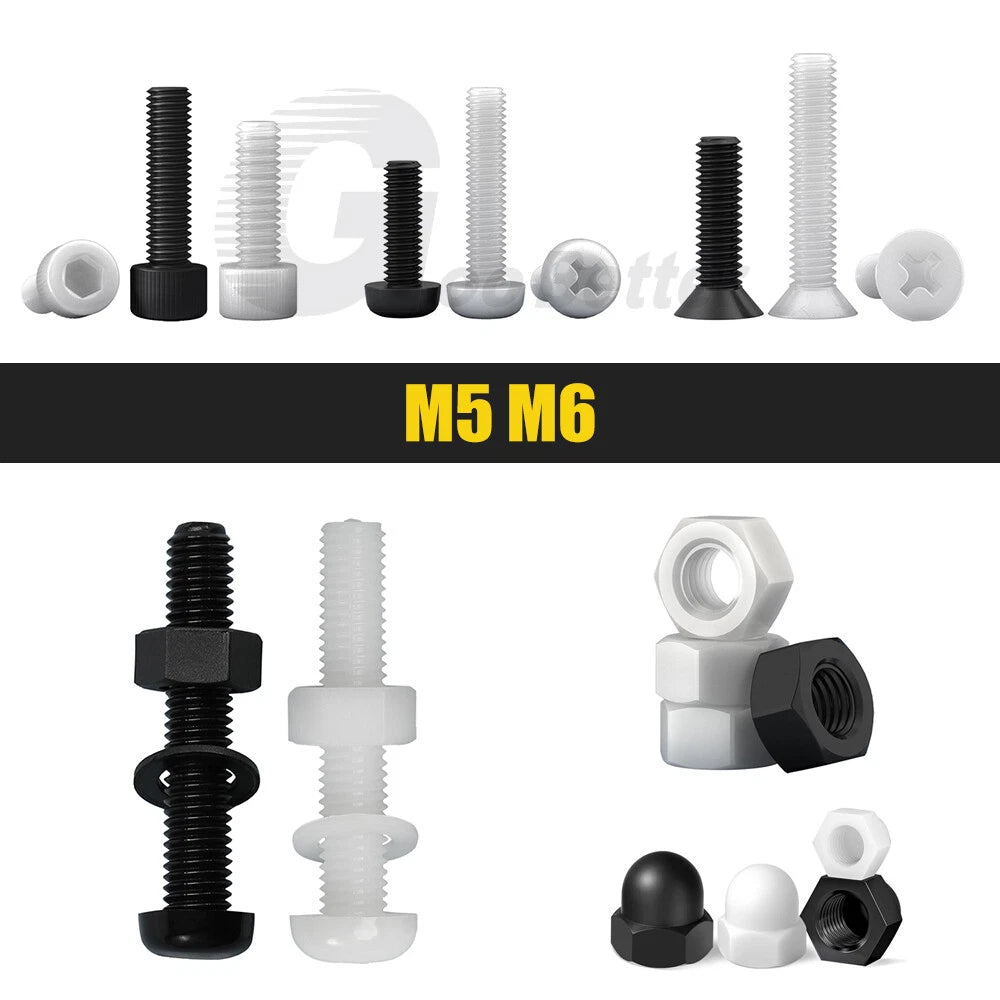
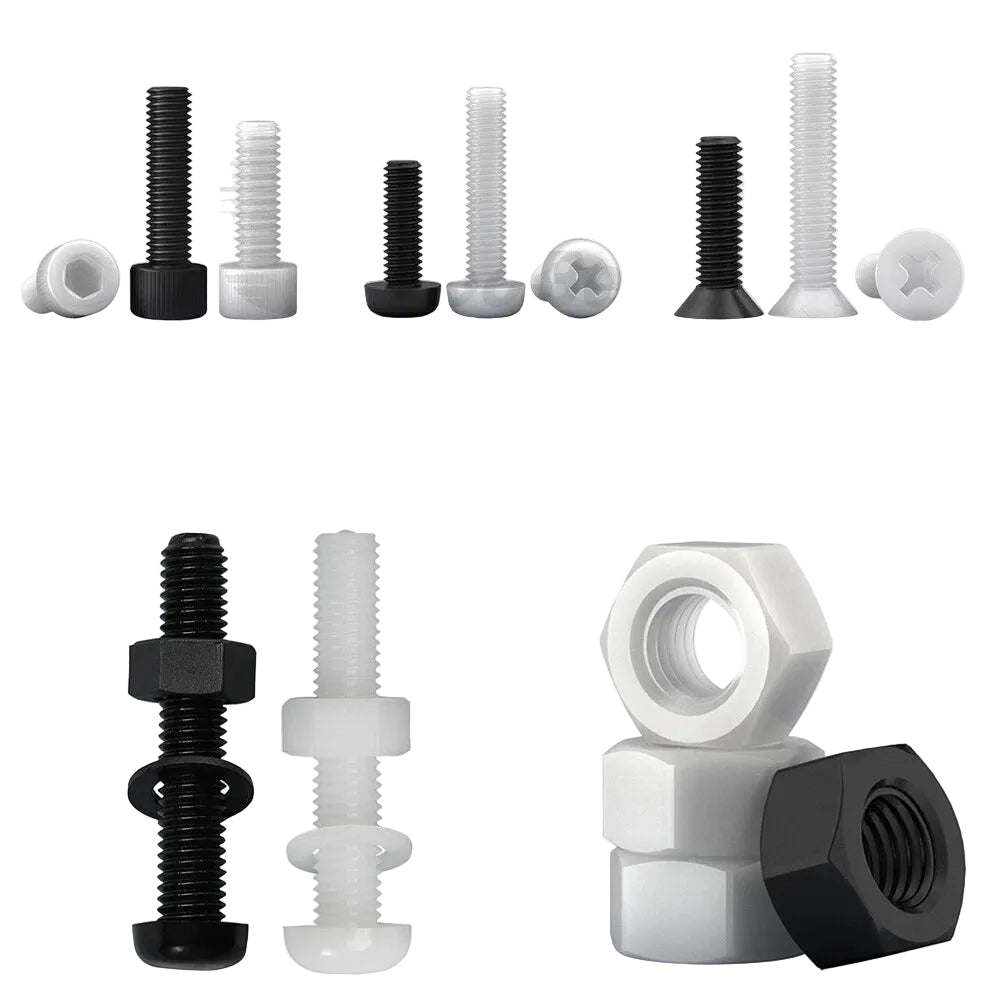
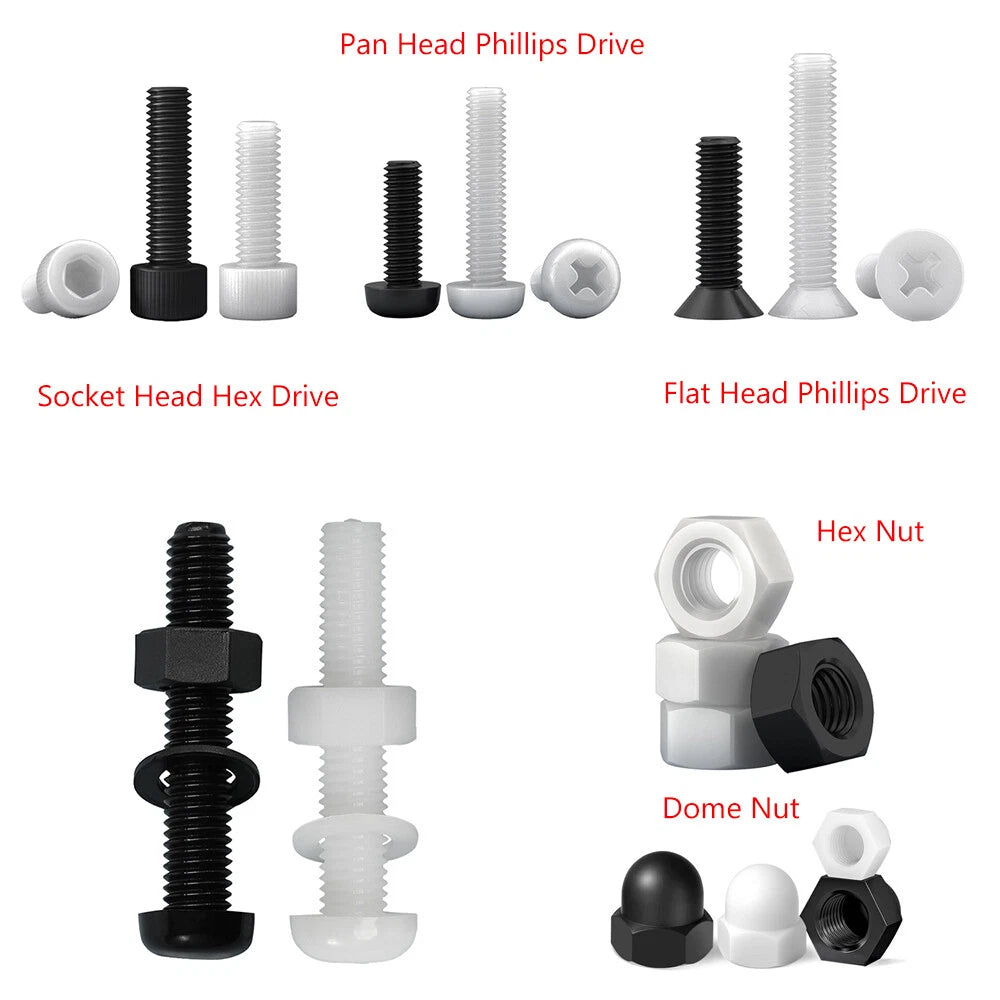
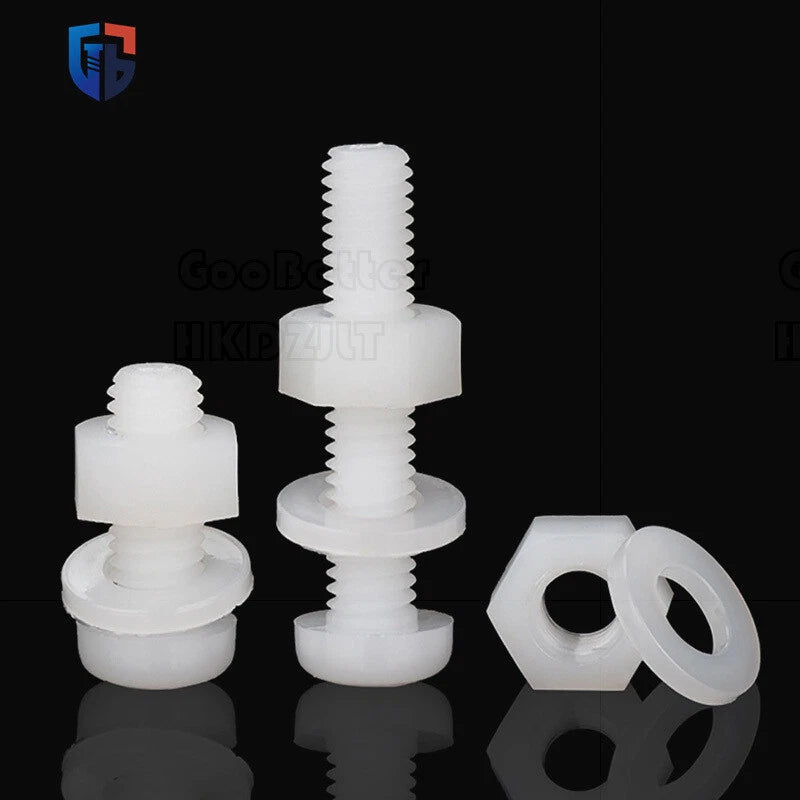
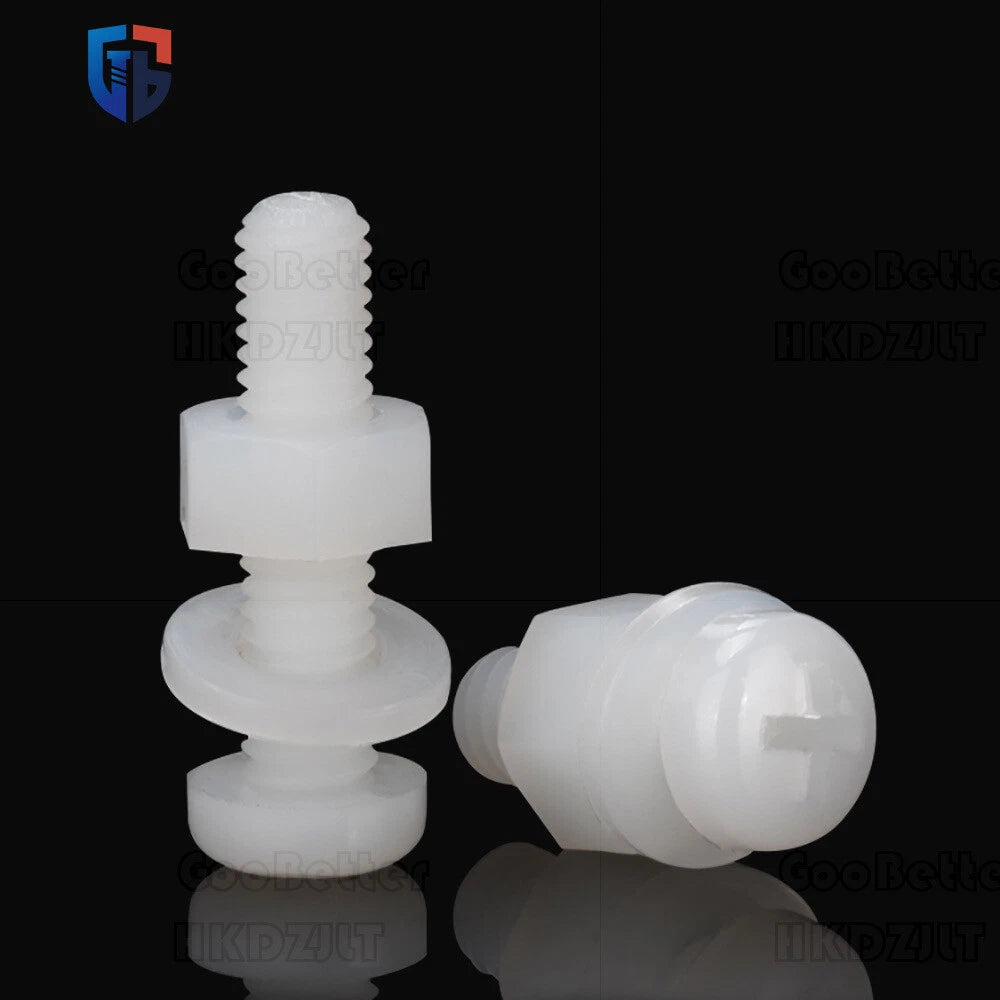
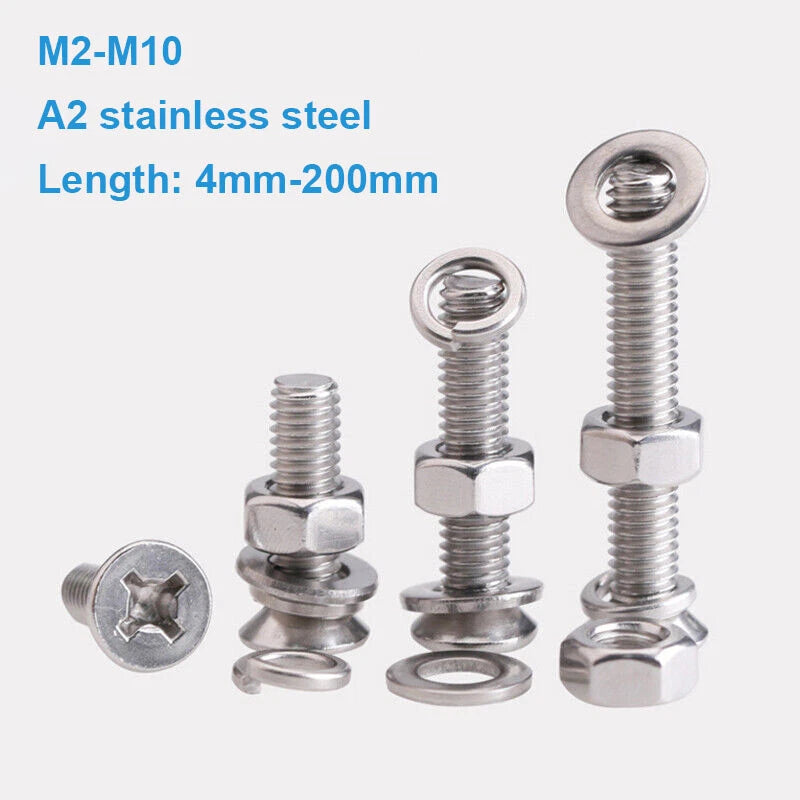
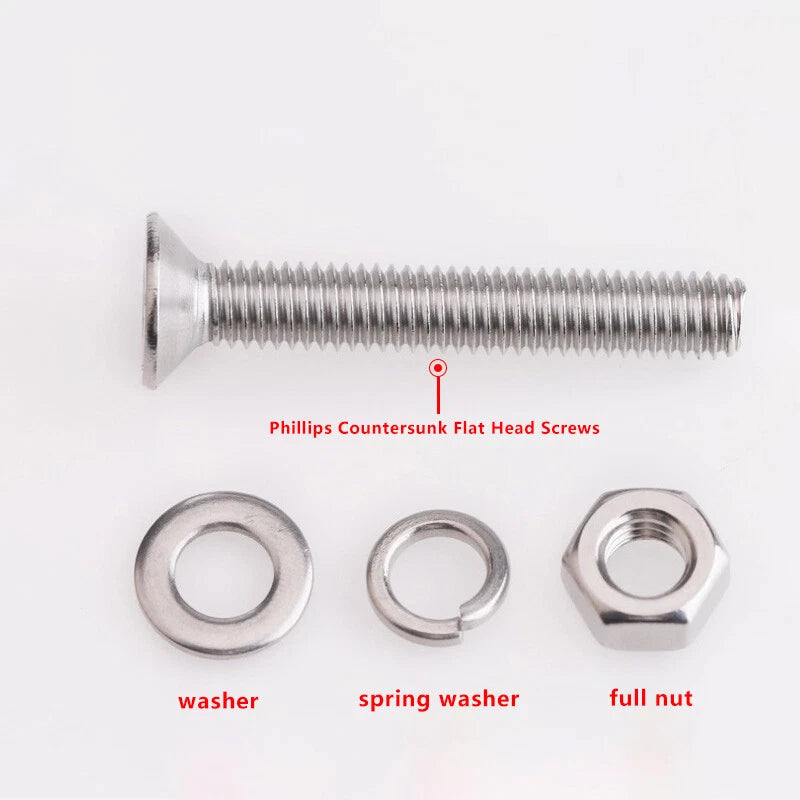
The standard six-sided hex nut is the workhorse of any fastener collection. Available in metric sizes from M2 to M16 and SAE sizes from #4 to 1/2", our hex nuts come in 304 stainless steel, zinc-plated steel, and brass. Use them with hex bolts, carriage bolts, and threaded rod for structural assemblies, machinery repairs, and general construction. Assortment kits give you a range of sizes in a single purchase—ideal for workshops, job sites, and maintenance crews.
Nylon Insert Lock Nuts (Nyloc) for Vibration-Resistant Joints
Nylon insert lock nuts—commonly called Nyloc nuts—add a nylon collar inside the nut that grips the bolt threads and resists loosening from vibration, thermal expansion, and dynamic loads. They're the go-to choice for automotive suspension components, power equipment, HVAC mounts, and any application where a standard nut would gradually back off. Available in stainless steel and alloy steel, metric and SAE, in individual packs and multi-size assortment kits.
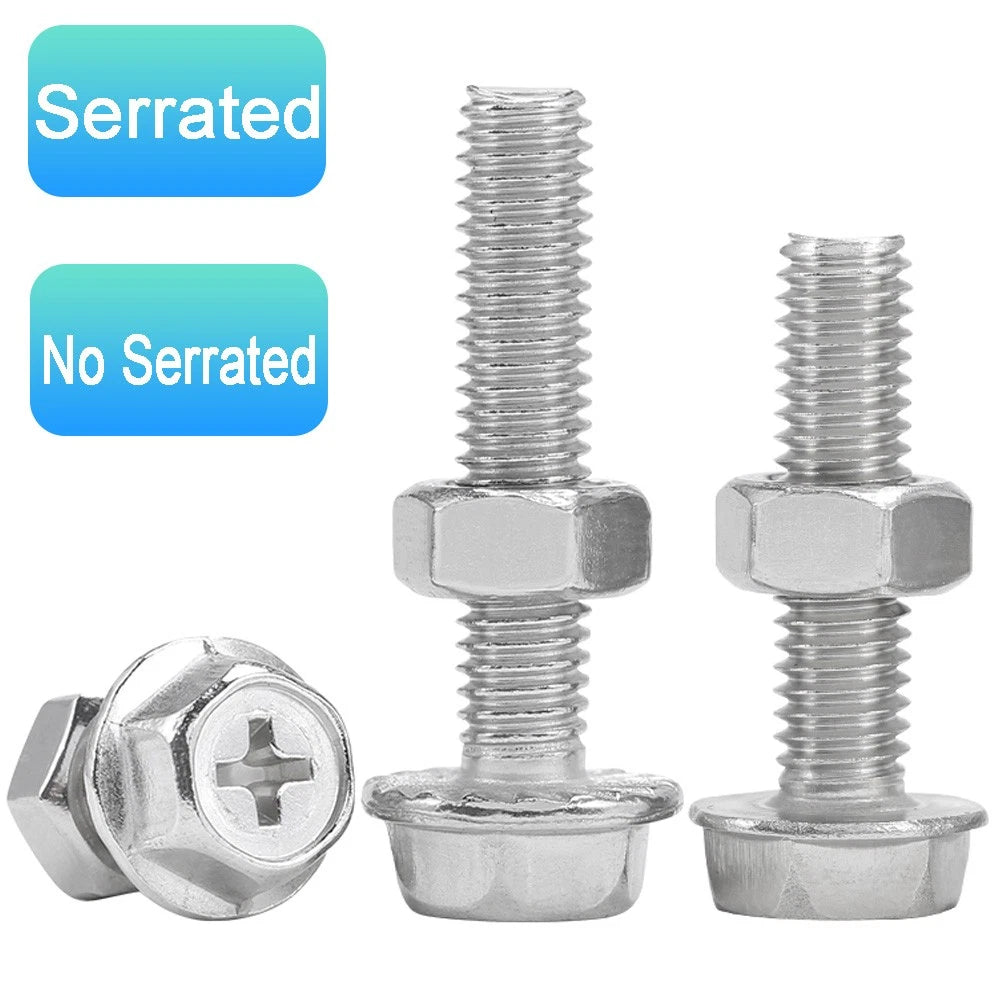
Flange Nuts for Load Distribution on Thin Materials
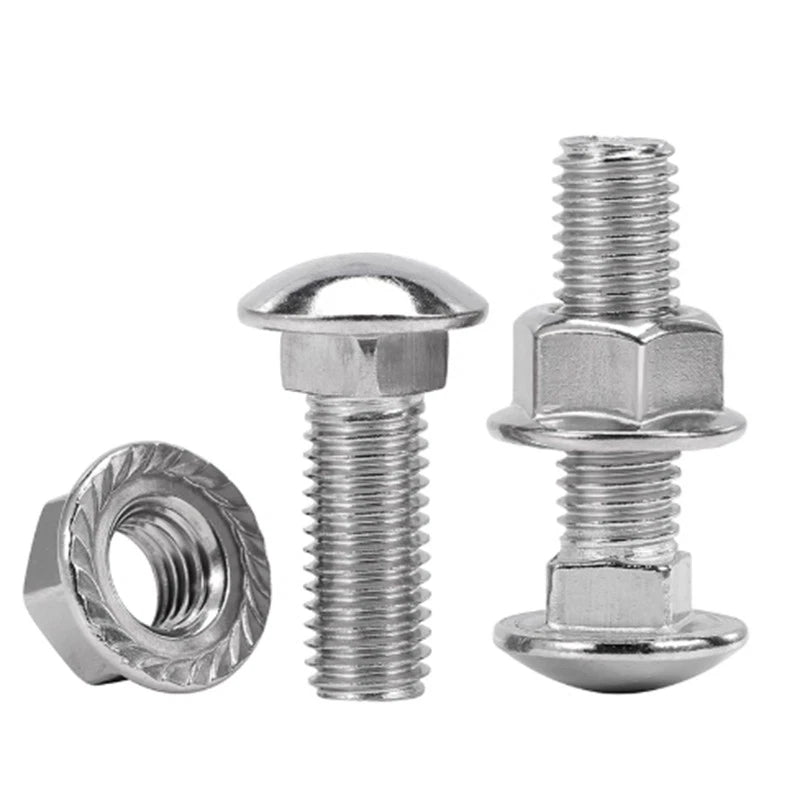
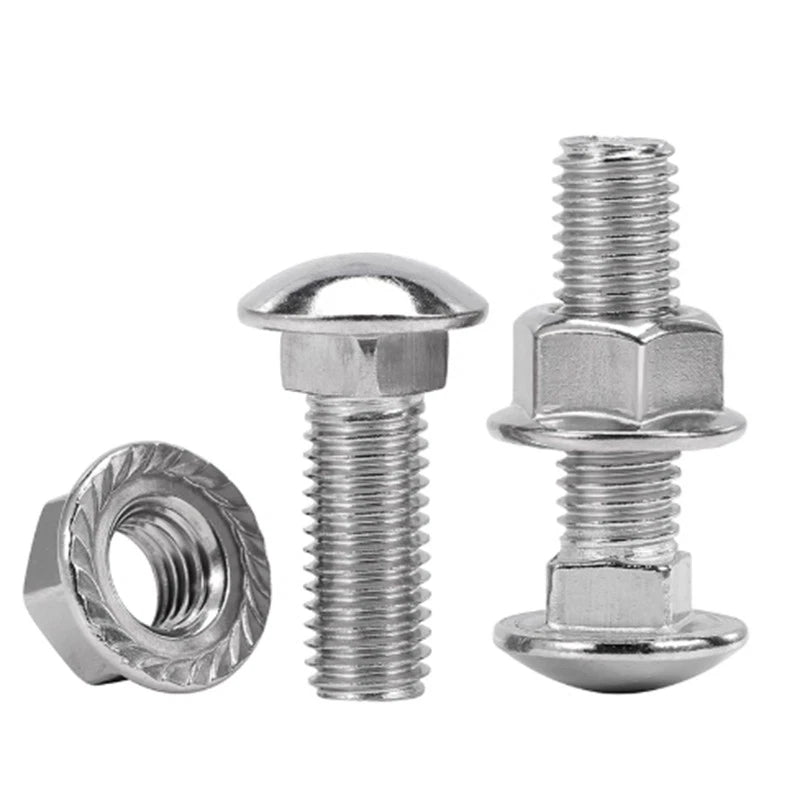
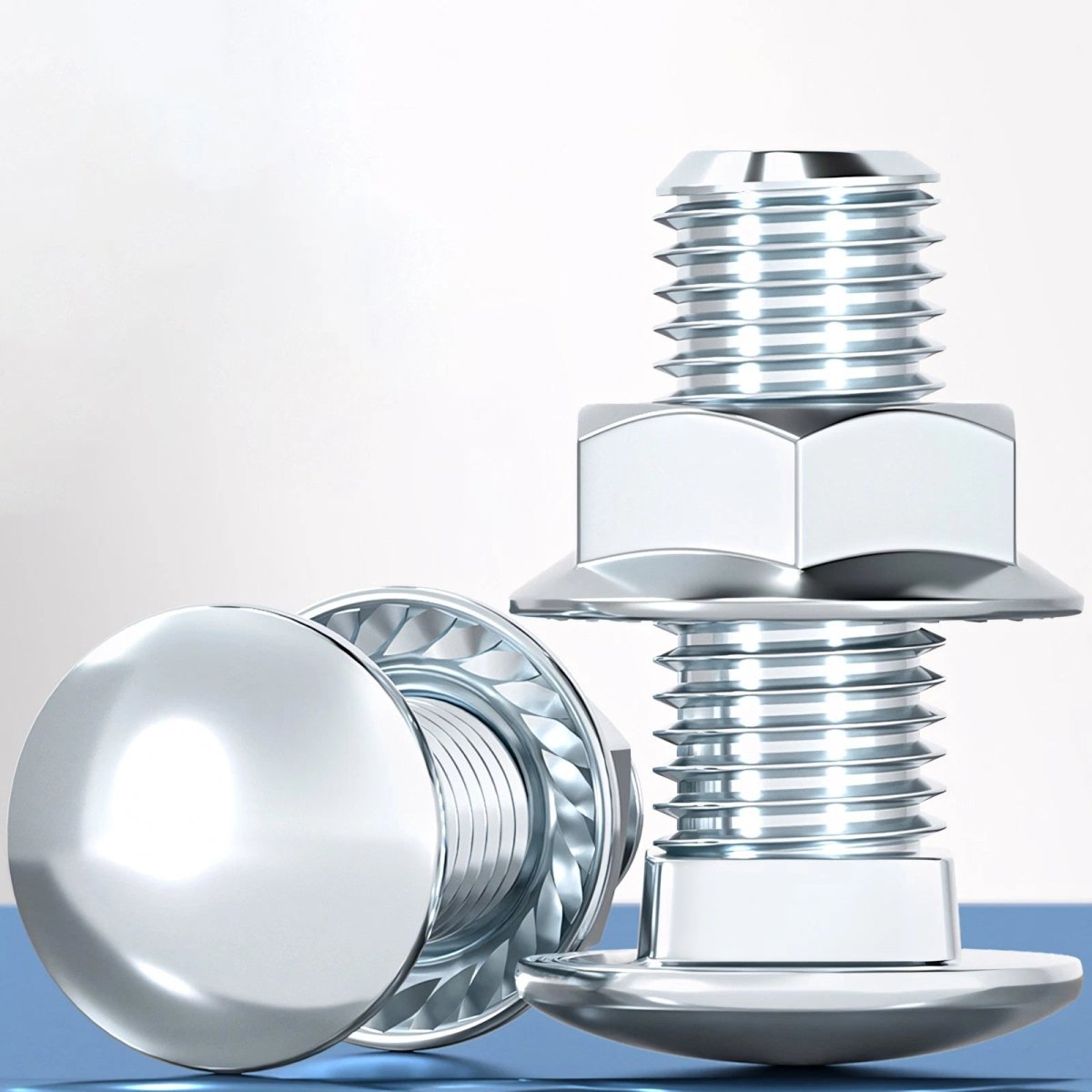
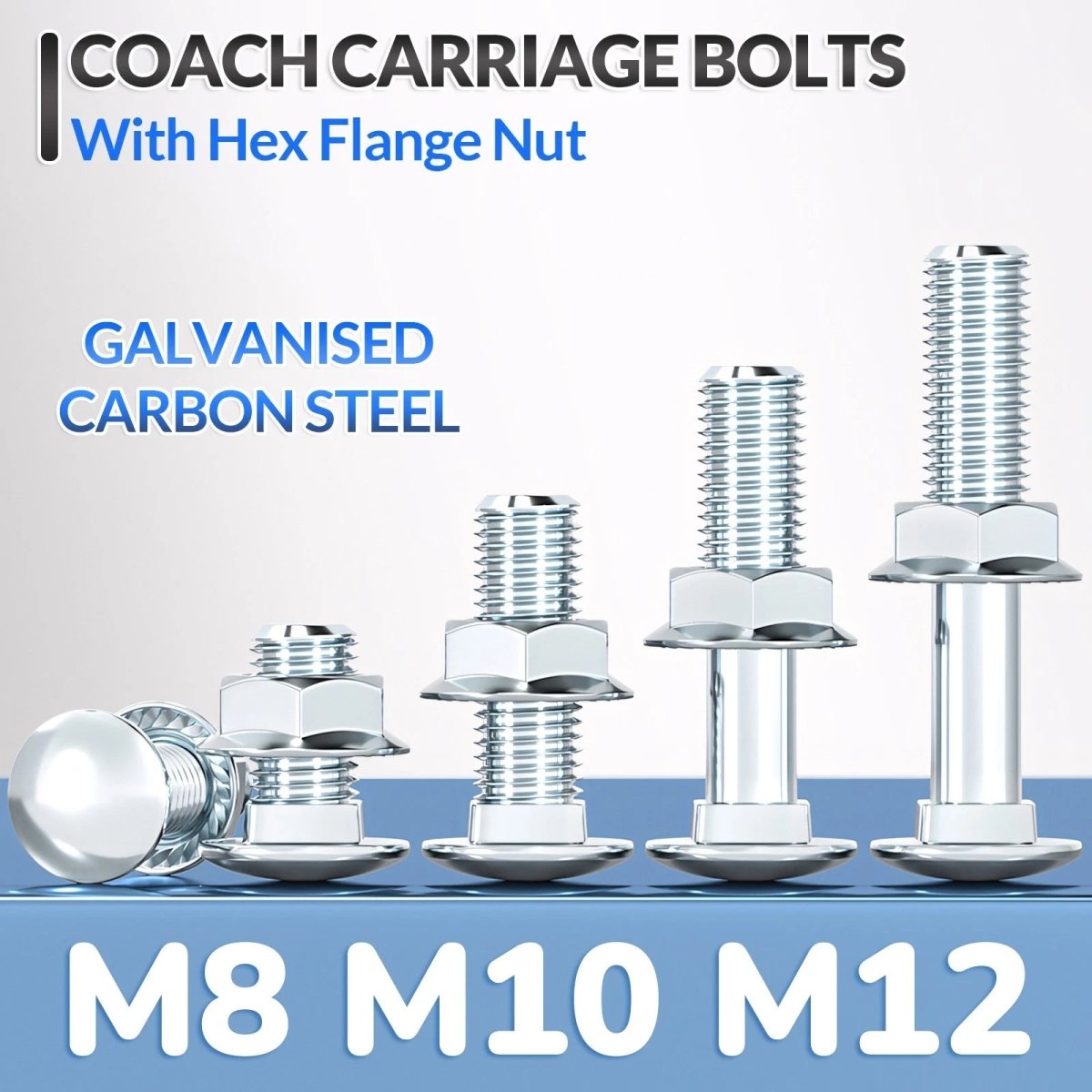
Flange nuts have a wide, serrated base that distributes clamping load over a larger surface area—eliminating the need for a separate washer in most applications. The serrations bite into the mating surface to provide additional resistance to loosening. They're widely used in automotive exhaust systems, frame assemblies, and sheet metal fabrication. Our flange nut kits include both metric and SAE sizes in alloy steel and stainless steel.
Rivet Nuts (Rivnuts / Nutserts) for Single-Side Panel Access
When you need a threaded anchor in sheet metal, fiberglass, or plastic and can only reach one side of the panel, rivet nuts are the answer. Also called rivnuts or nutserts, these fasteners are inserted through a pre-drilled hole and set with a rivet nut tool that collapses the back end, locking the nut permanently in place. Common applications include automotive body panels, electronics enclosures, trailer walls, and HVAC ductwork. We carry rivet nut kits in metric and UNC sizes, plus the setting tools to install them.
Wood Insert Nuts & Heat-Set Brass Inserts for Furniture & 3D Printing
Wood insert nuts provide a strong, reusable threaded anchor in softwood, hardwood, MDF, and plywood—far more durable than screwing directly into wood grain. Hex-drive versions install cleanly with an Allen key. Brass heat-set inserts serve the same purpose in 3D-printed parts: press them in with a soldering iron and they create a metal-threaded hole that survives repeated assembly and disassembly. Both types are essential for furniture makers, cabinetmakers, and anyone building with printed components.
Acorn Cap Nuts & Wing Nuts for Finished Assemblies
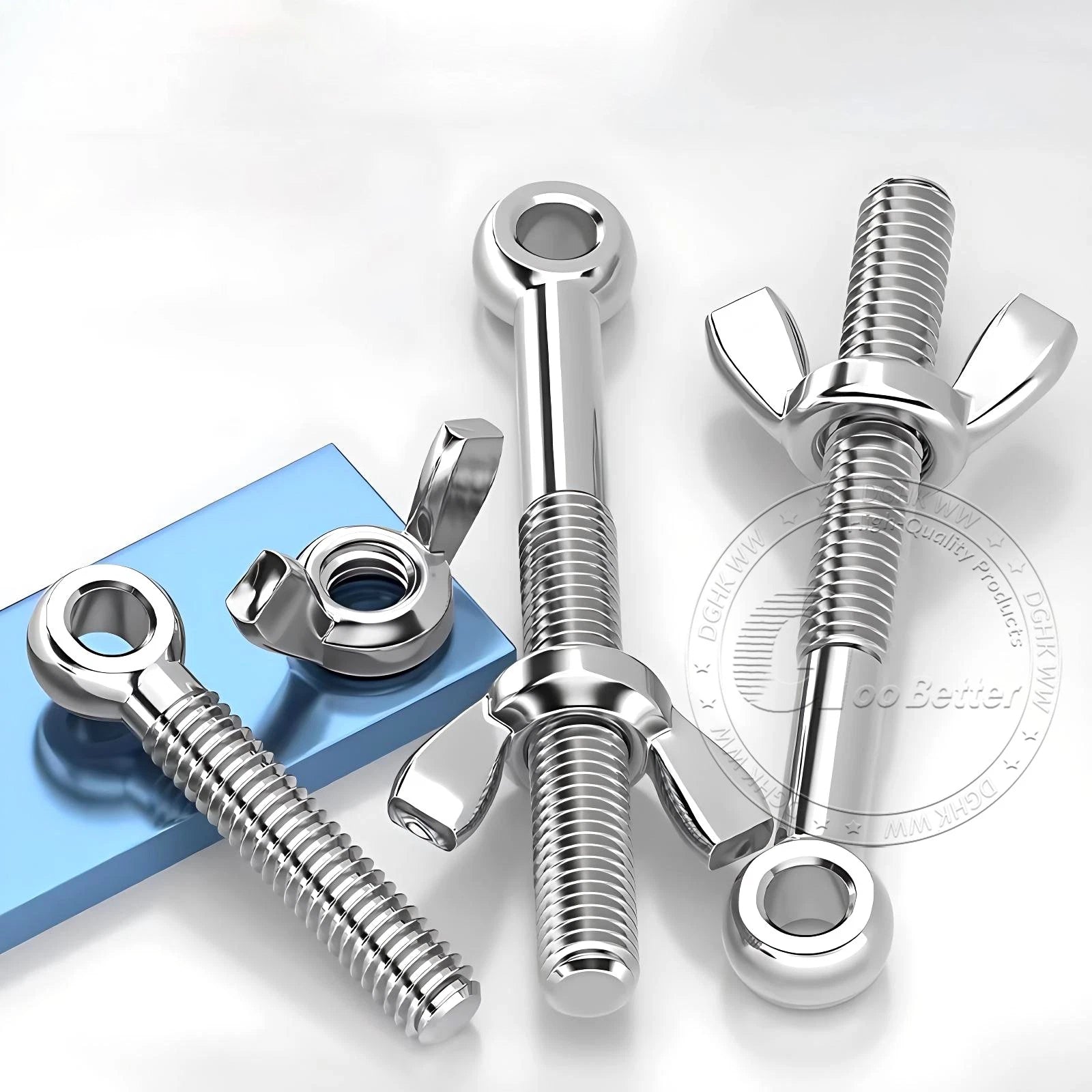
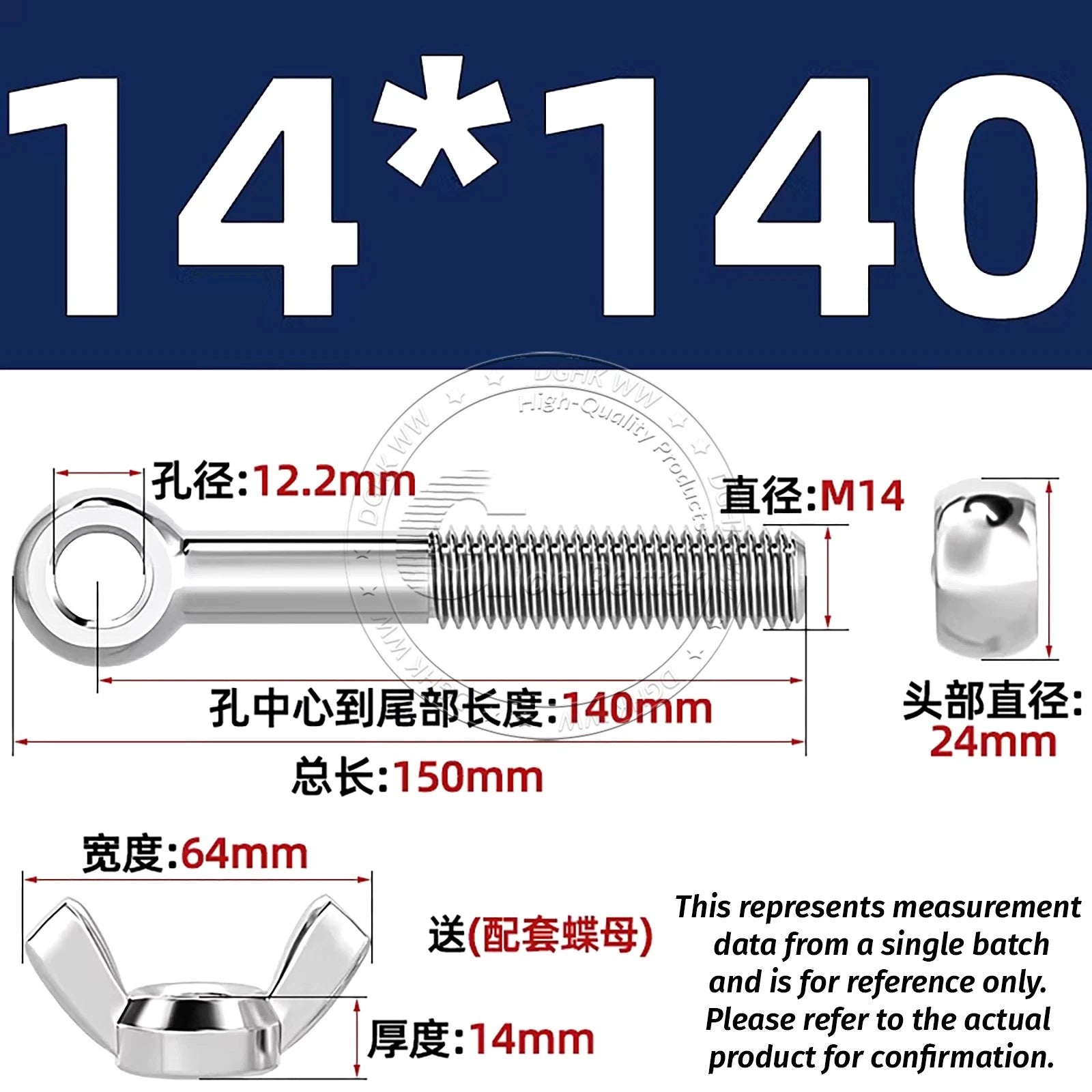
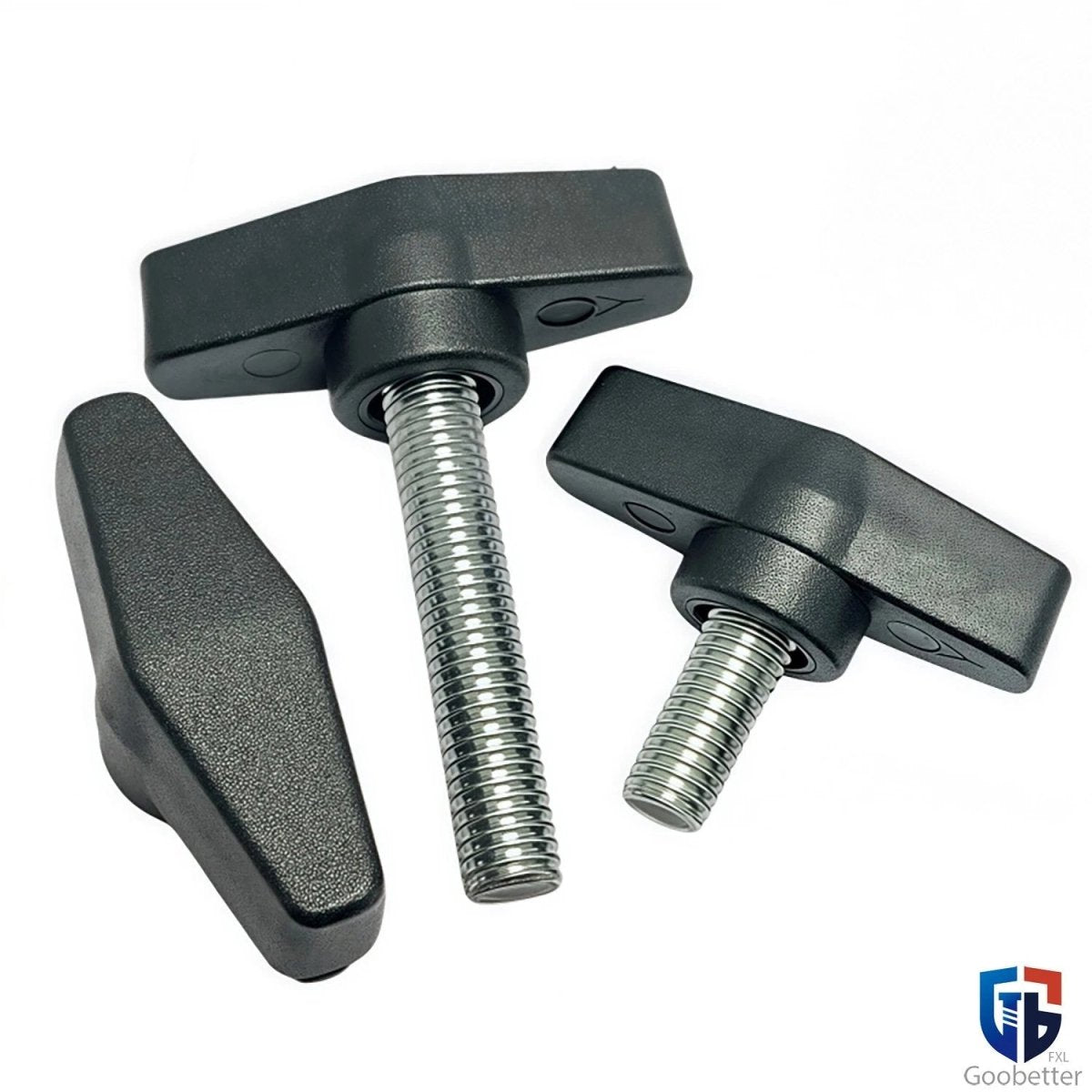
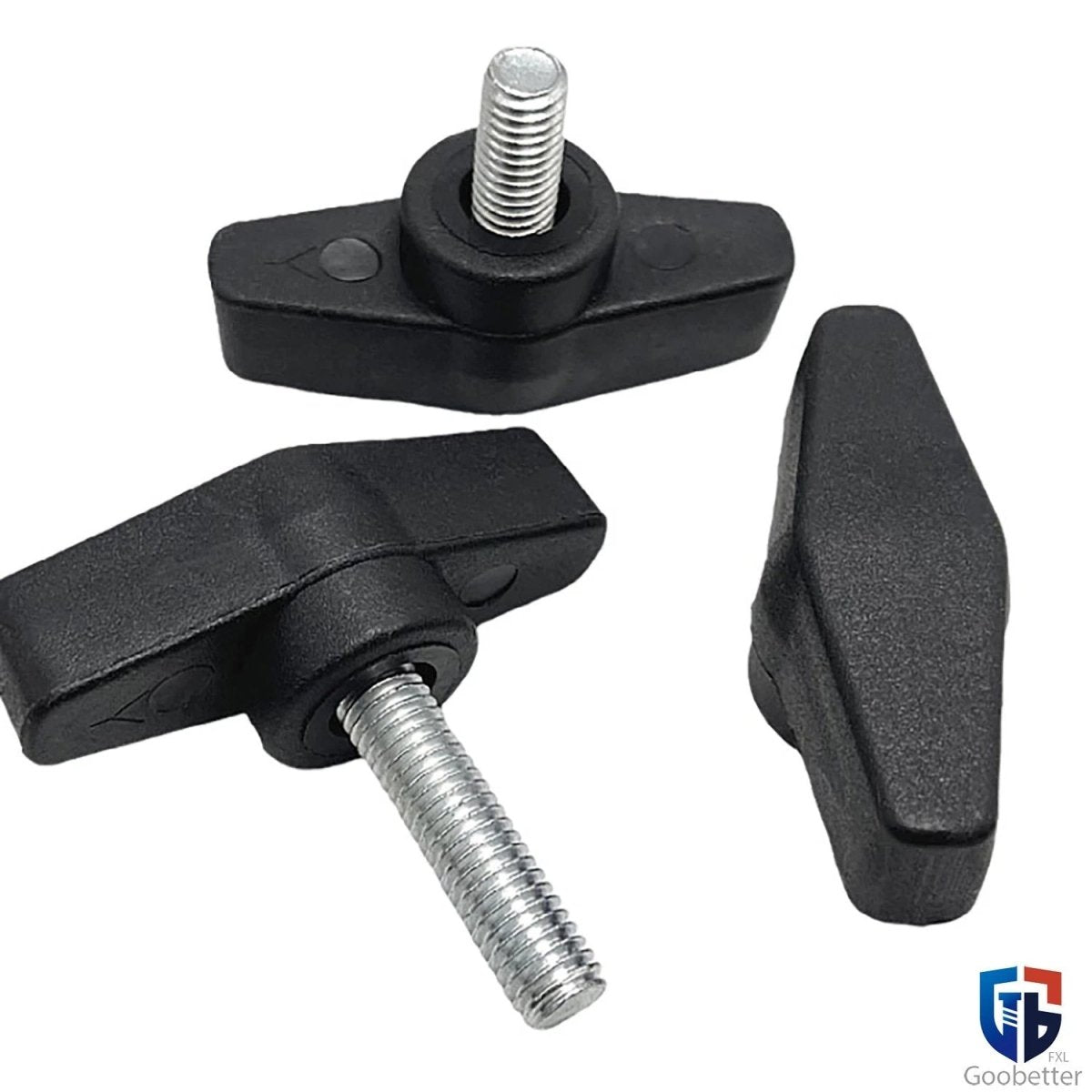
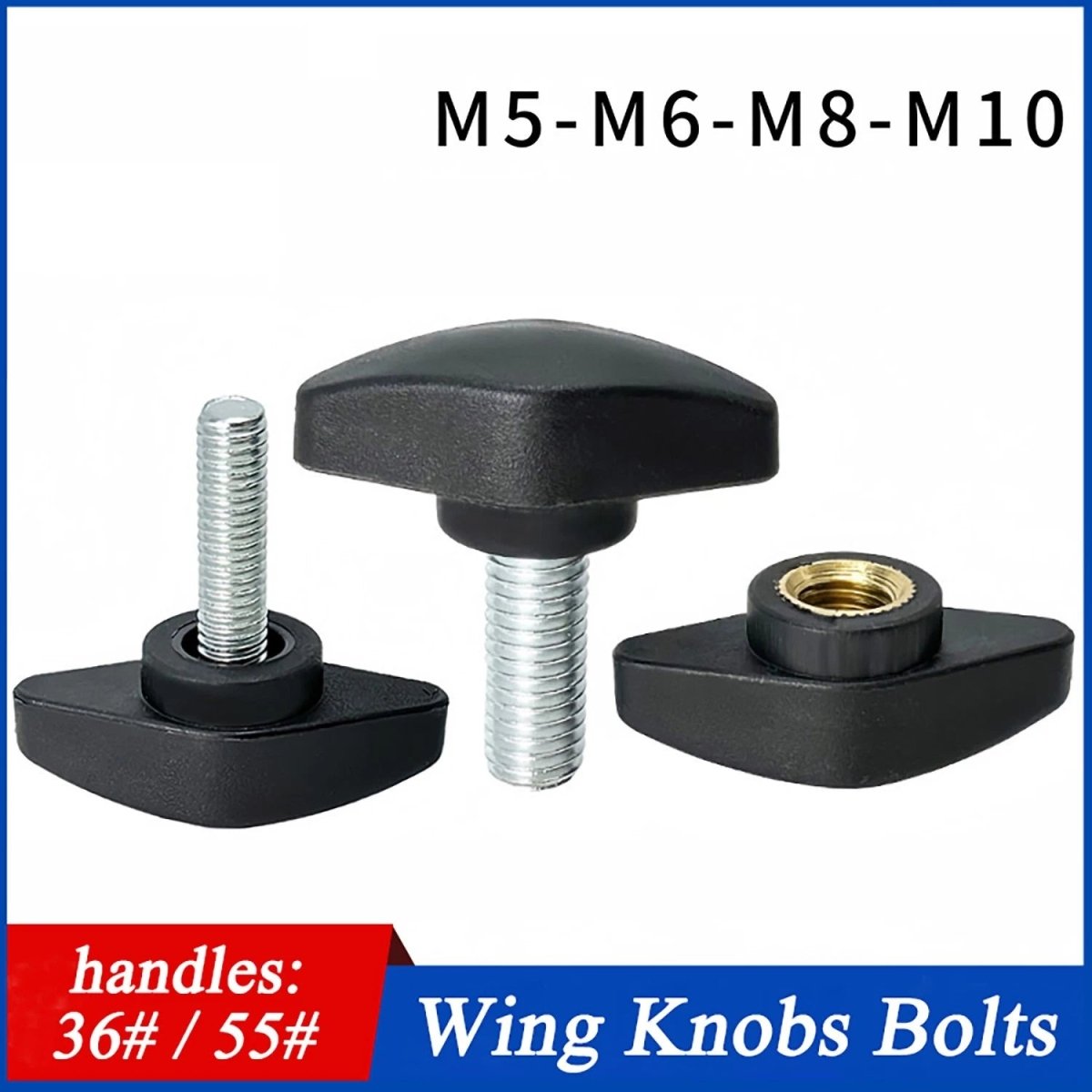
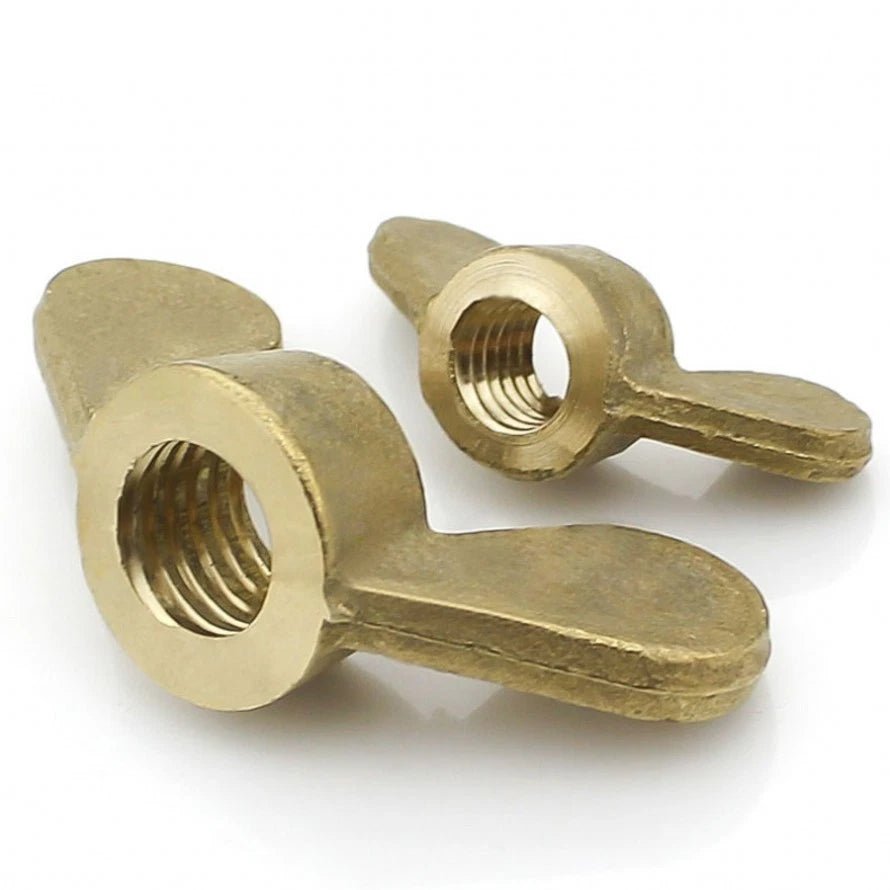
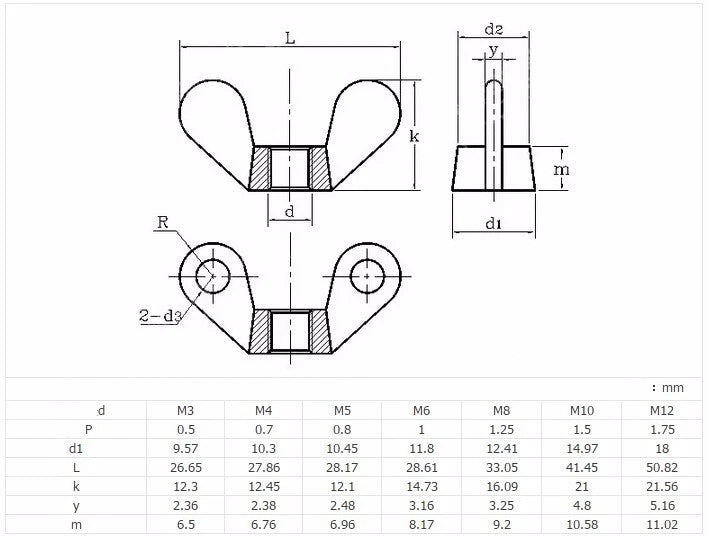
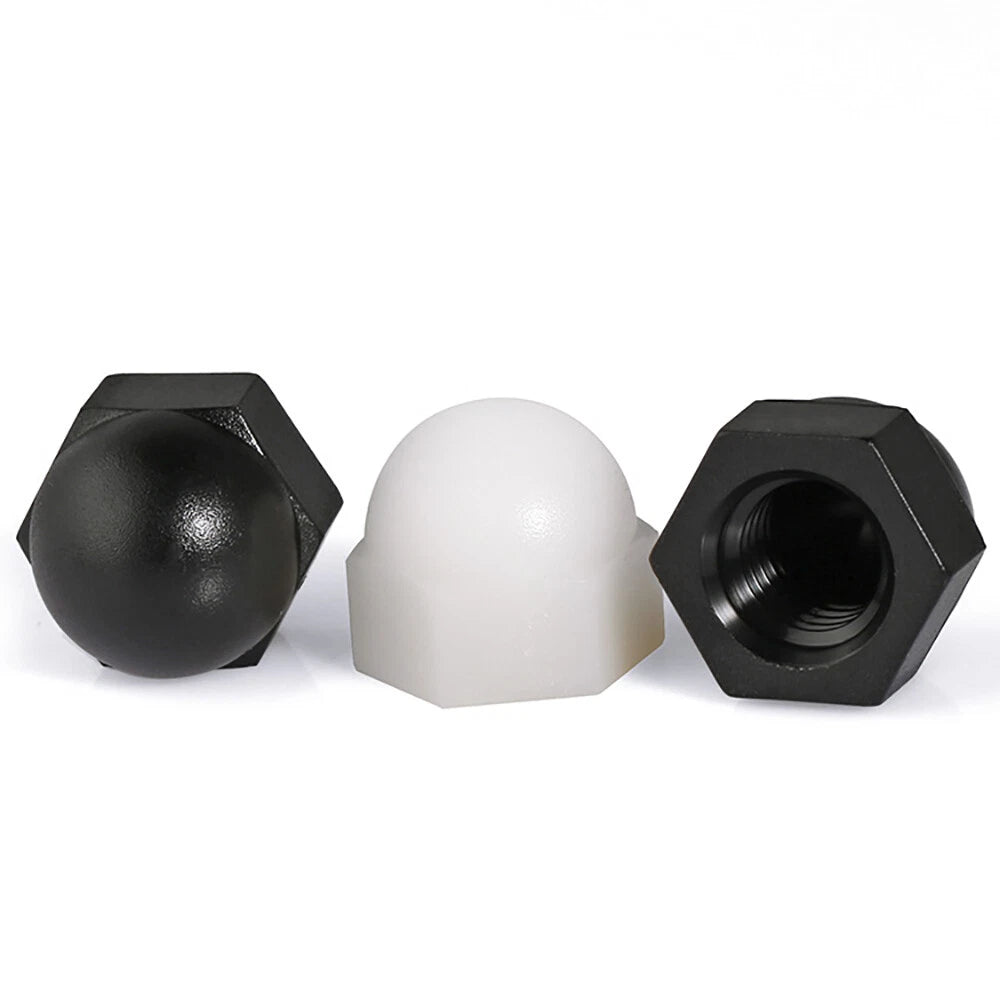
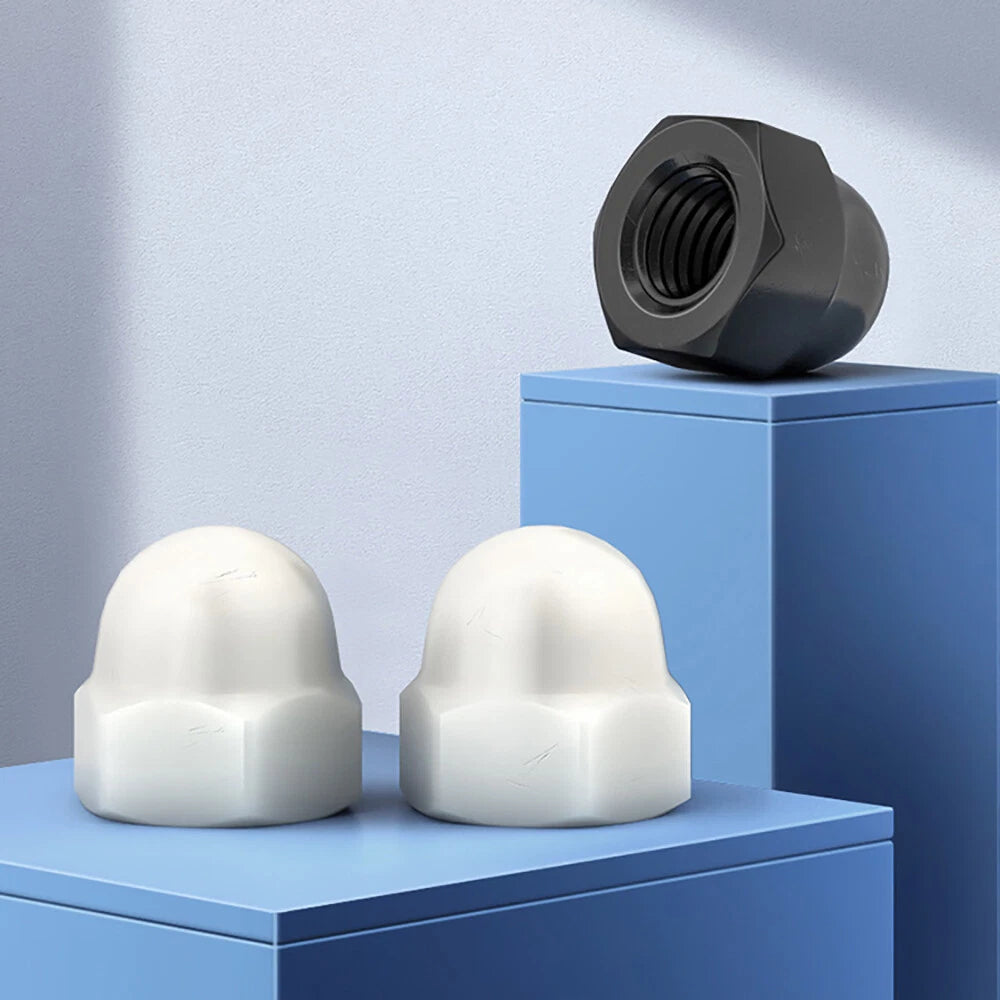
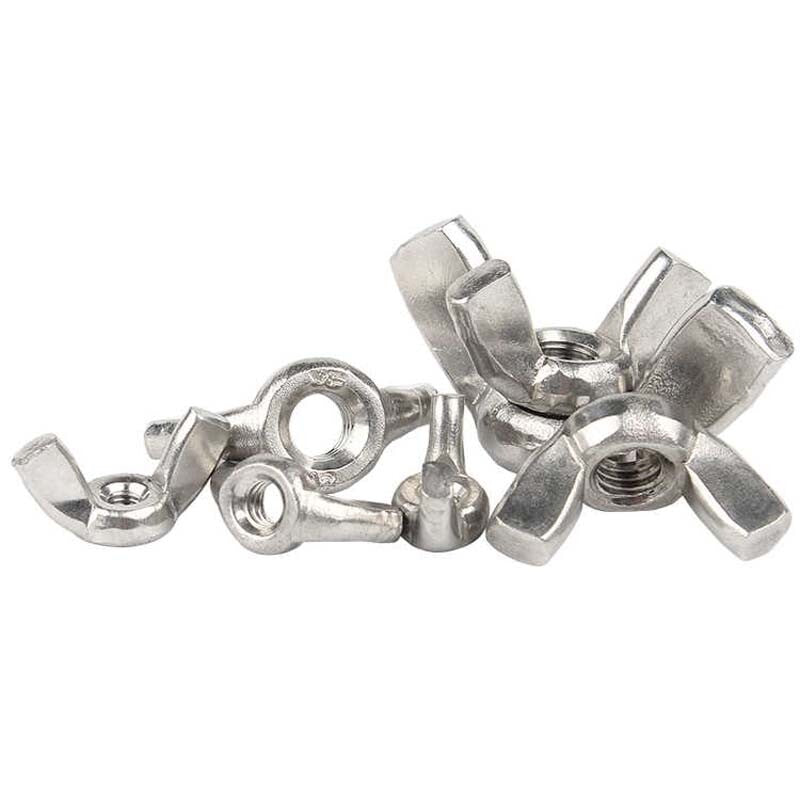
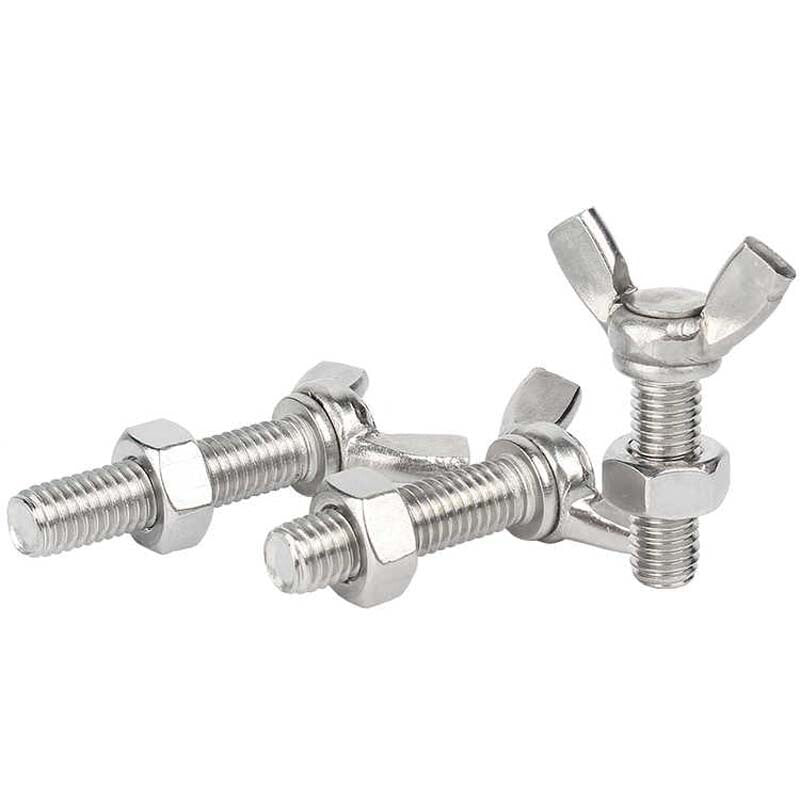
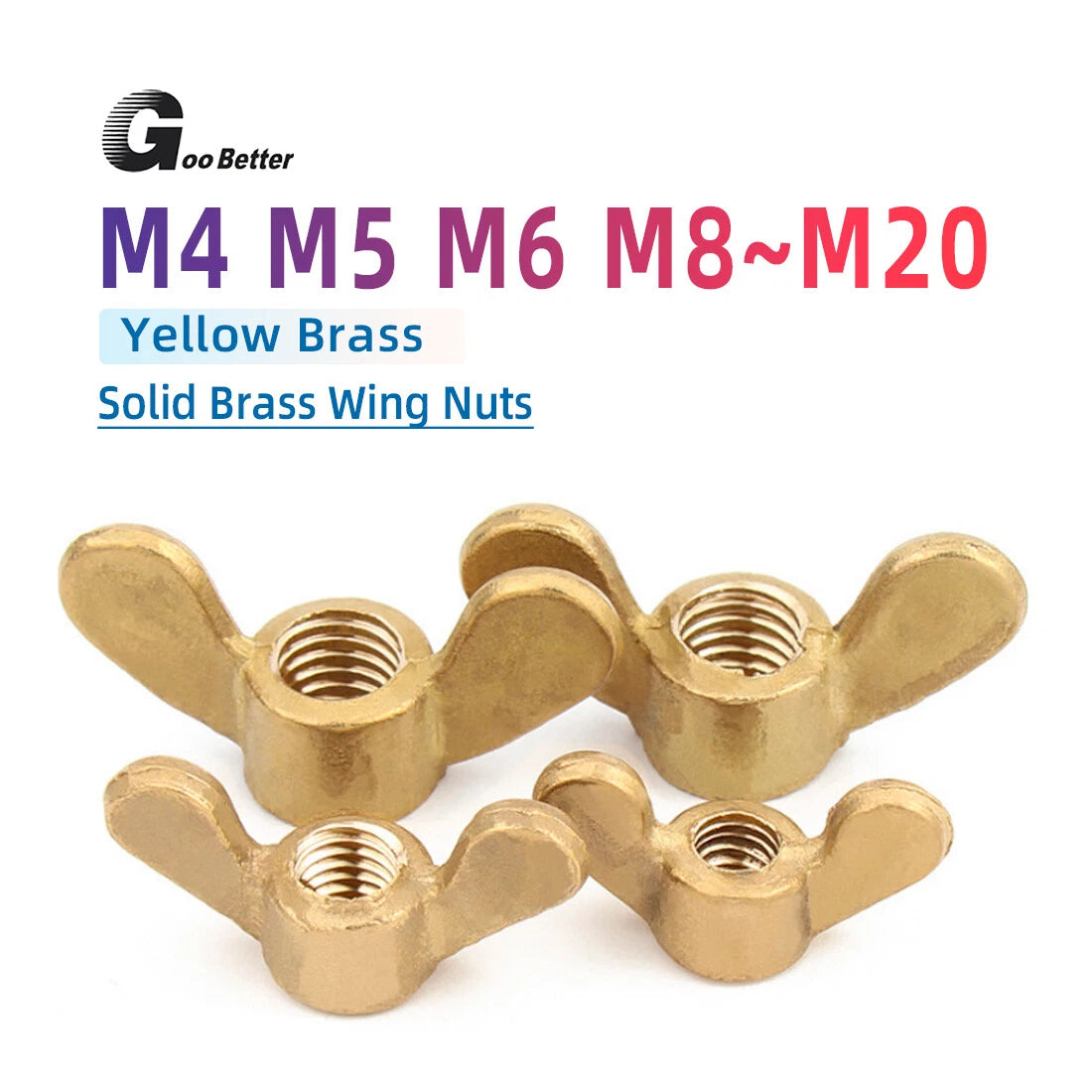
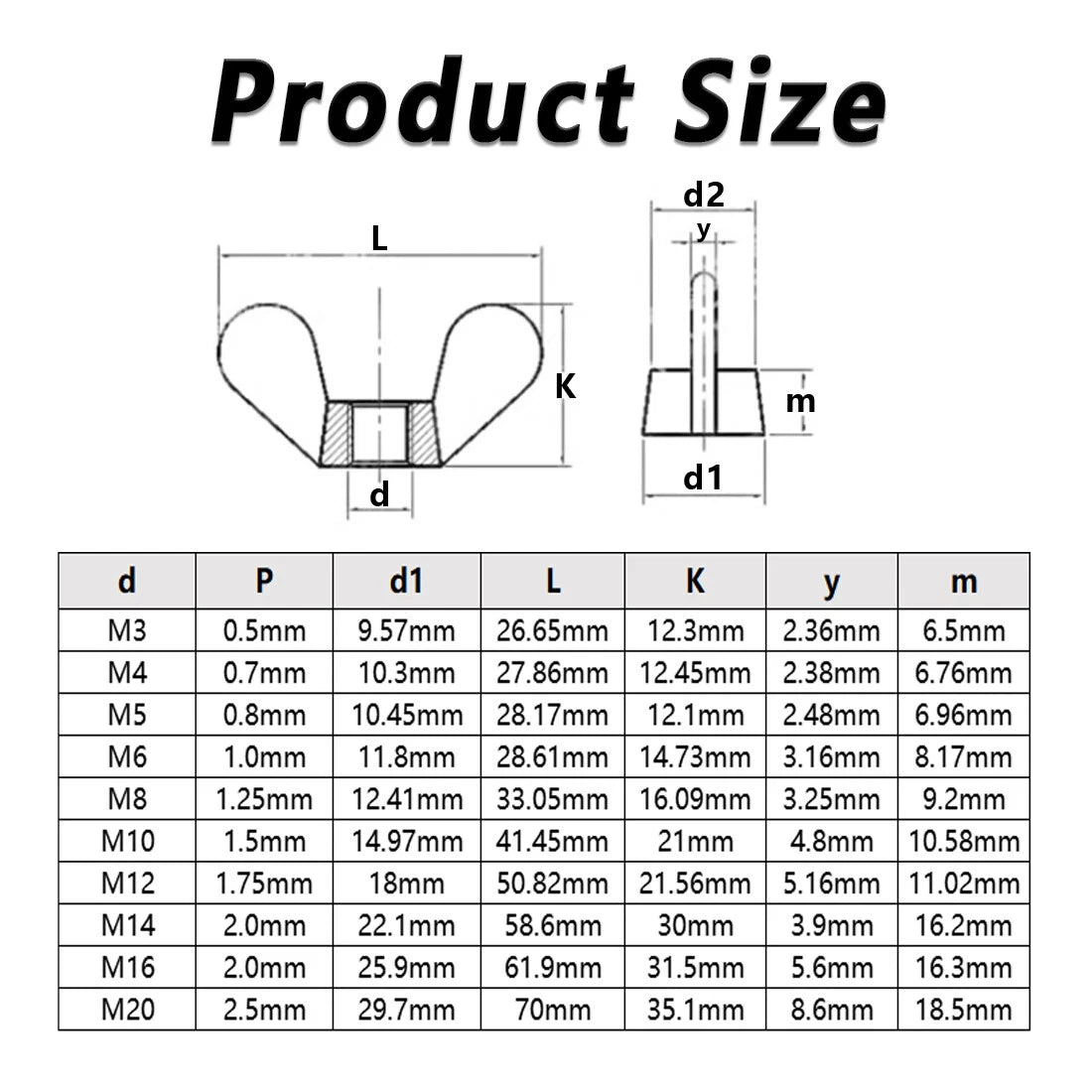
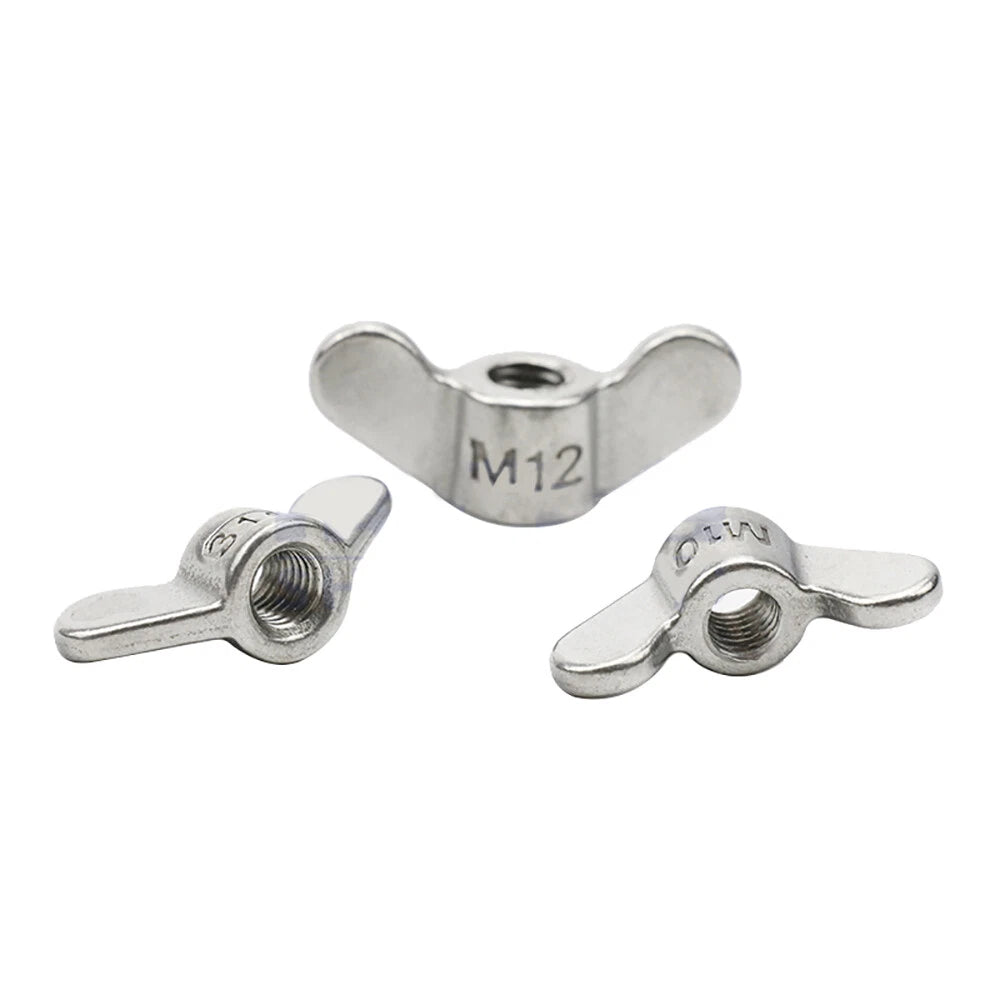
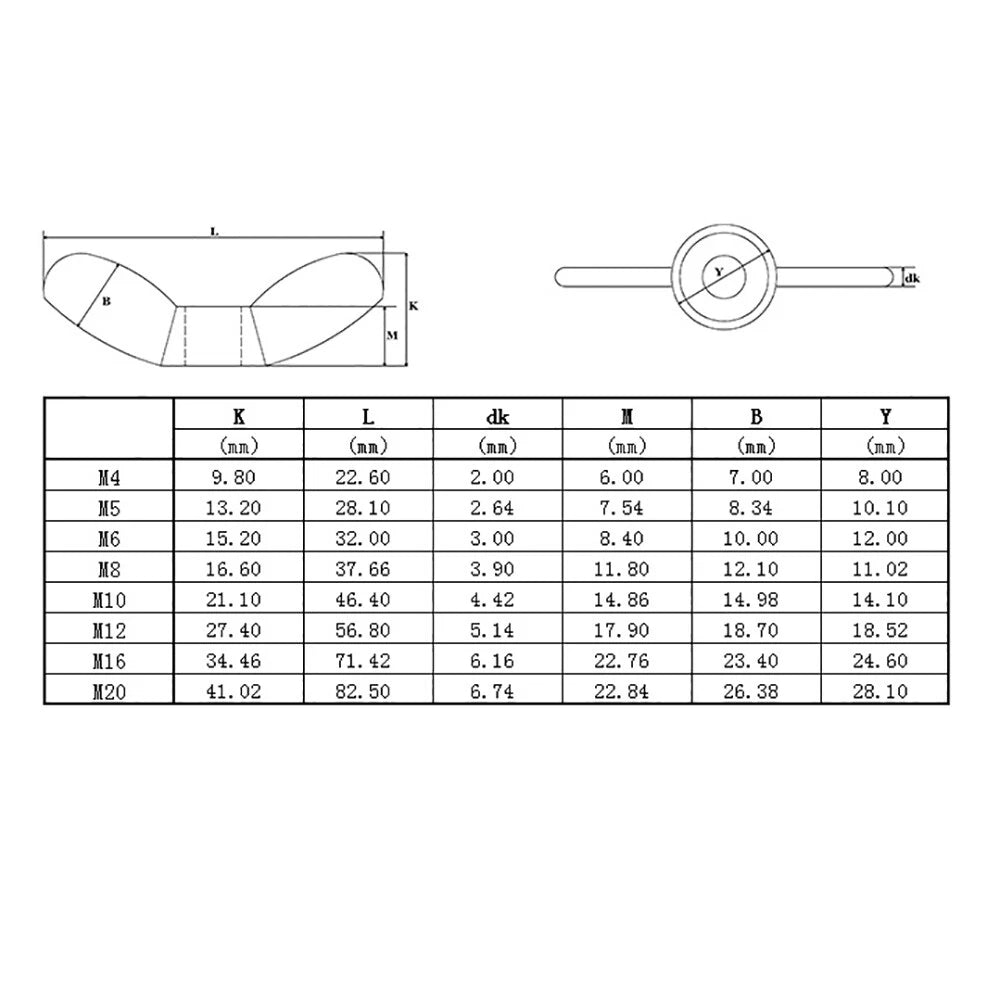
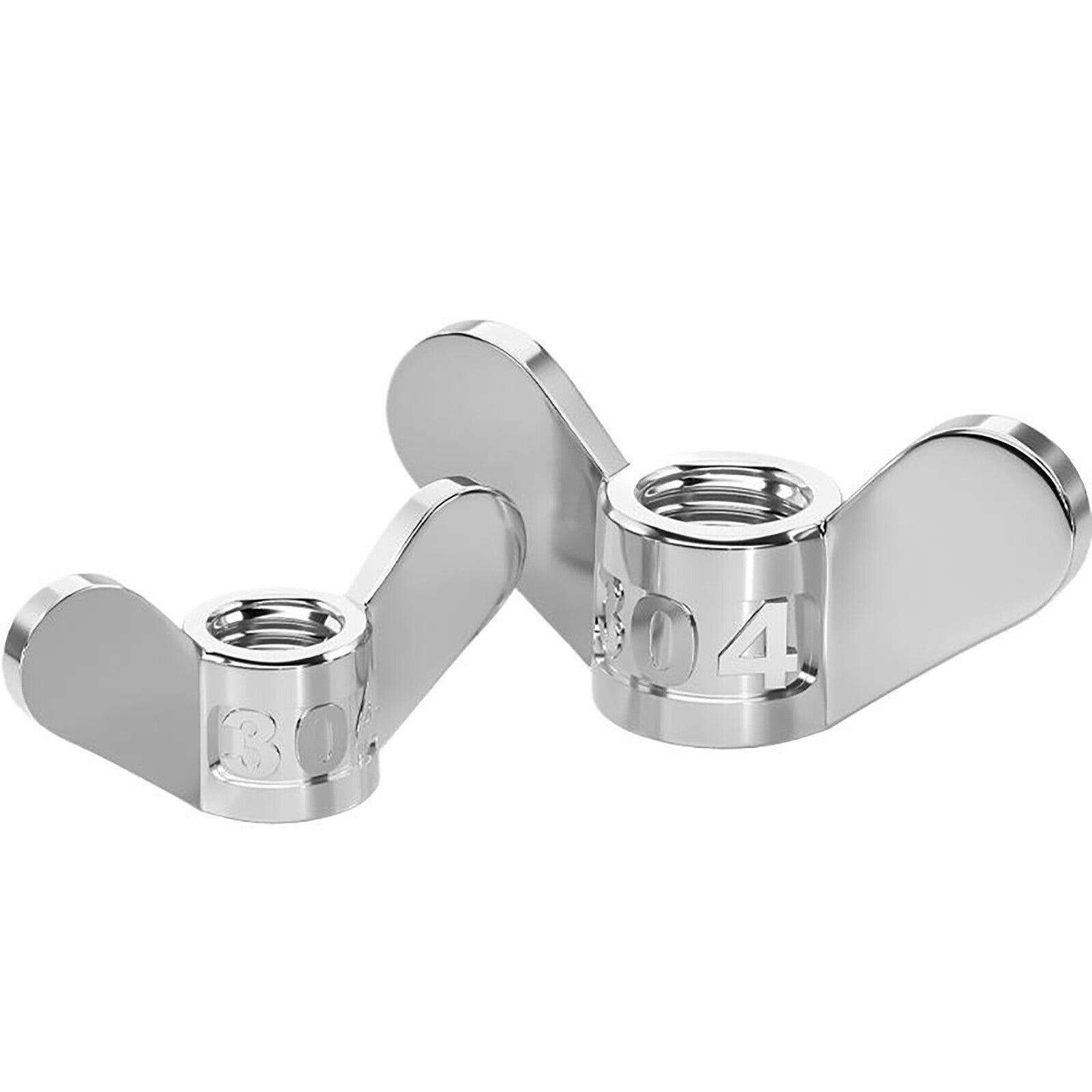
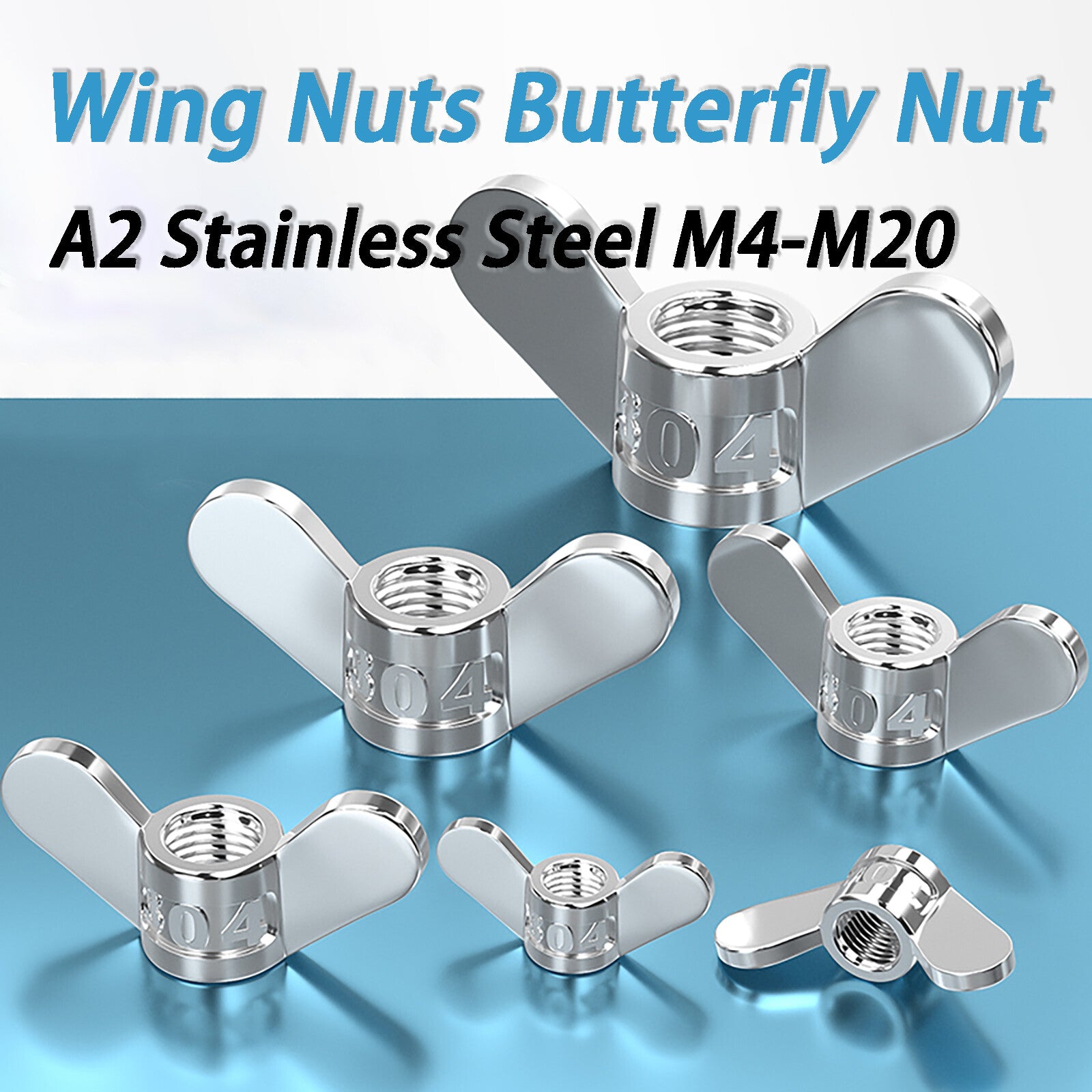
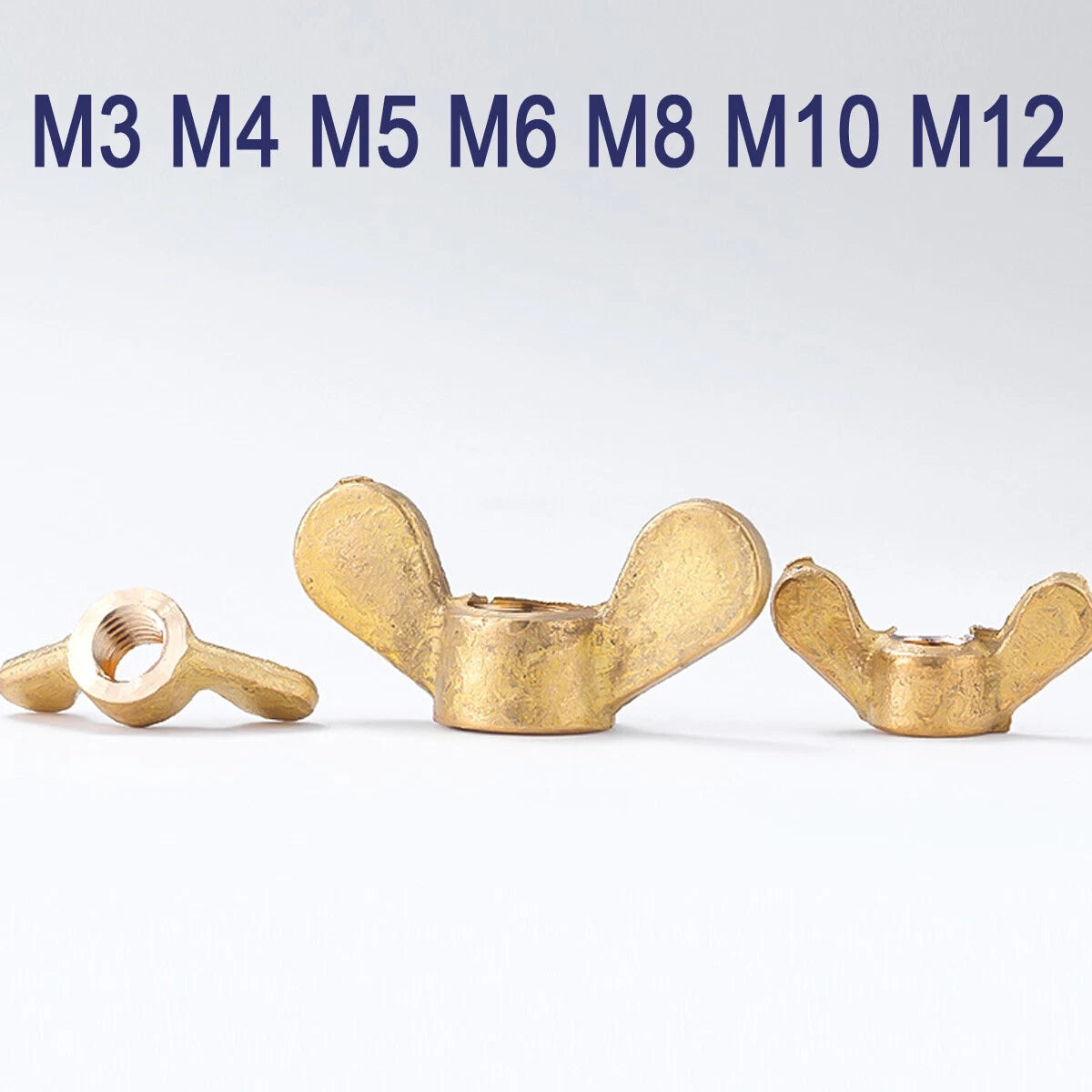
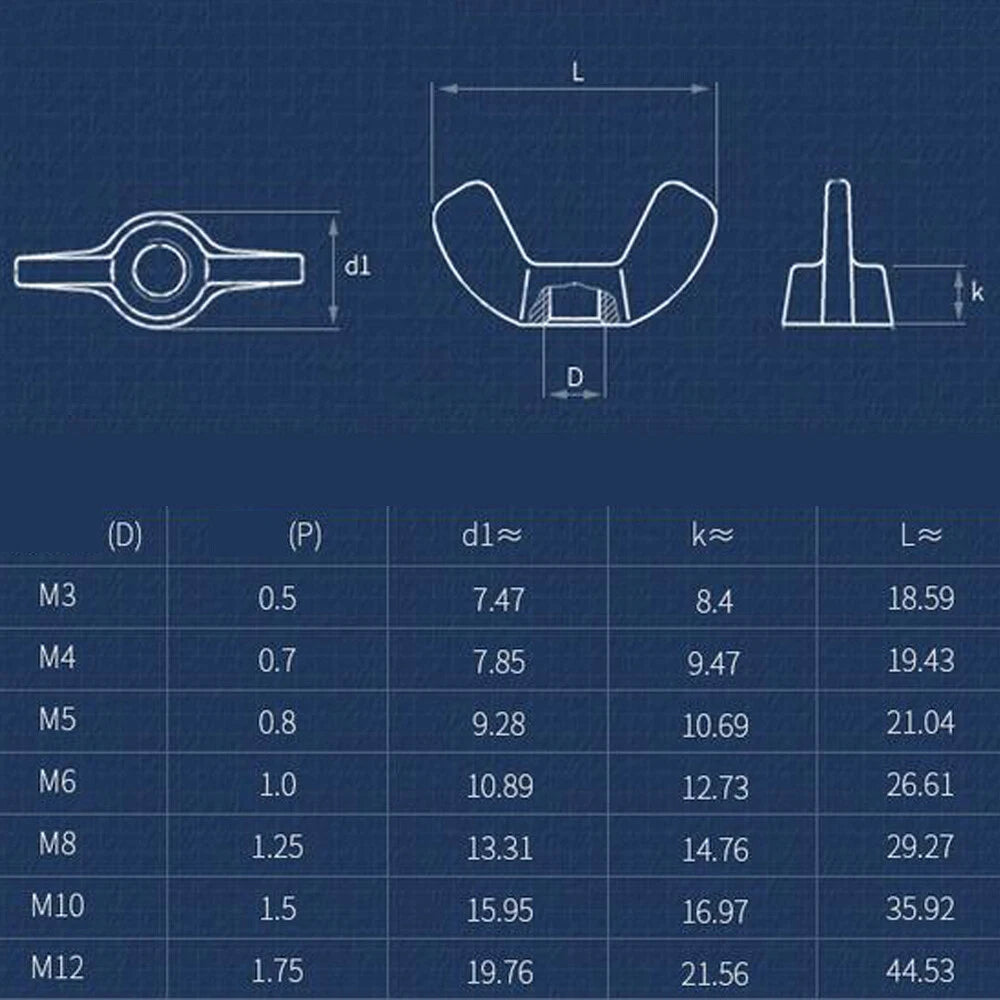
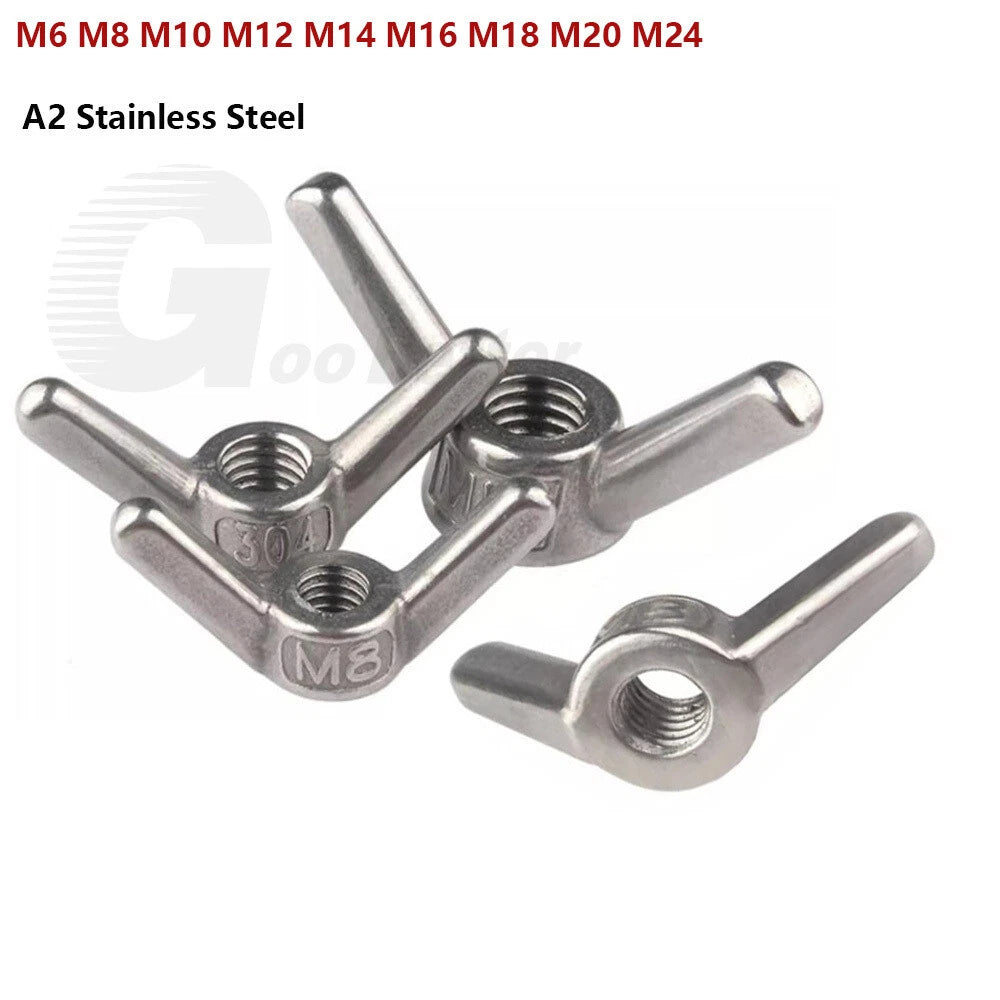
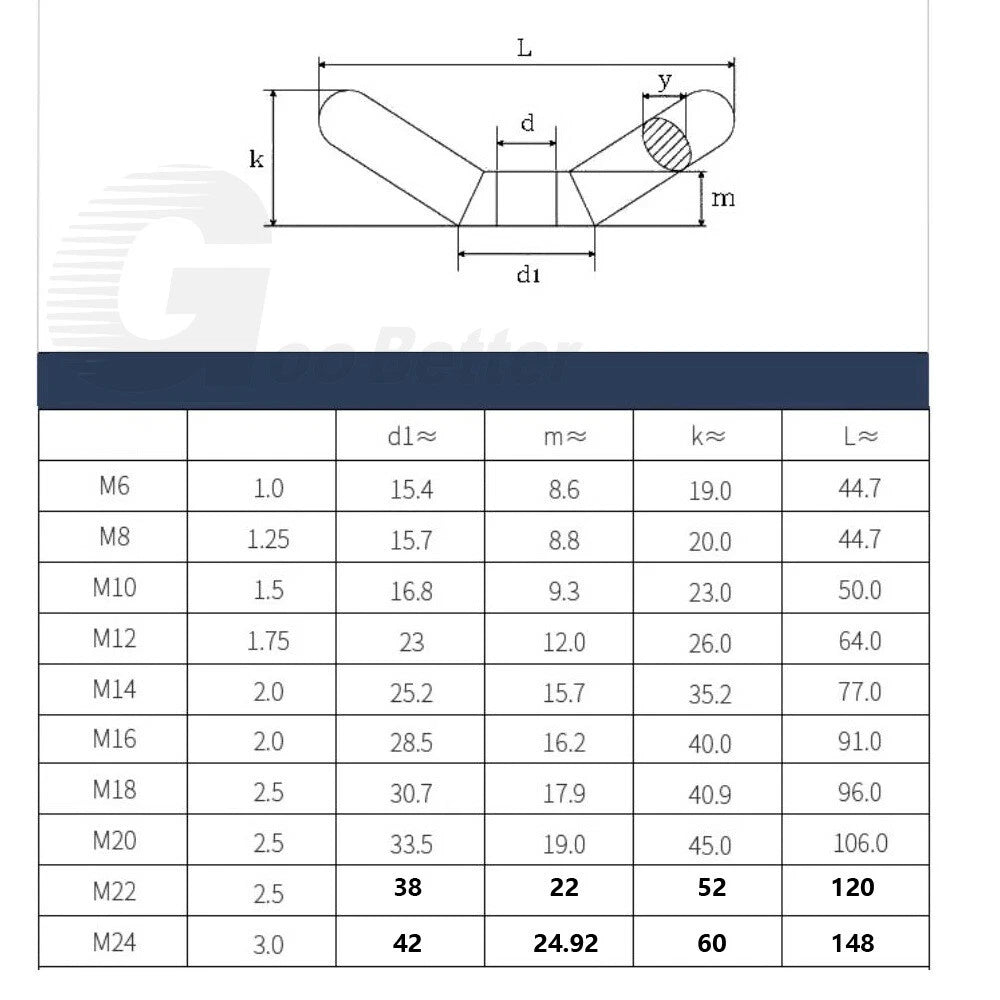
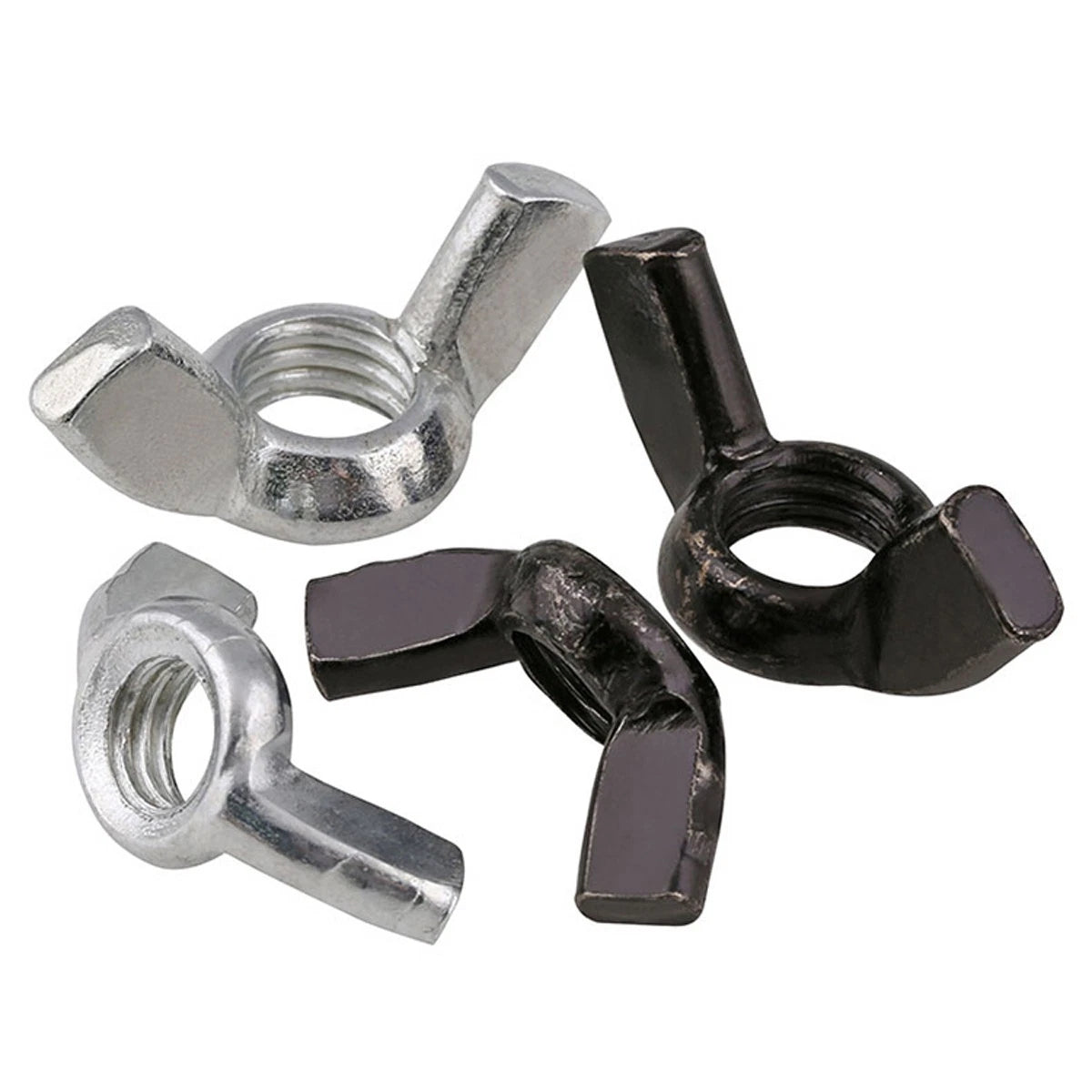
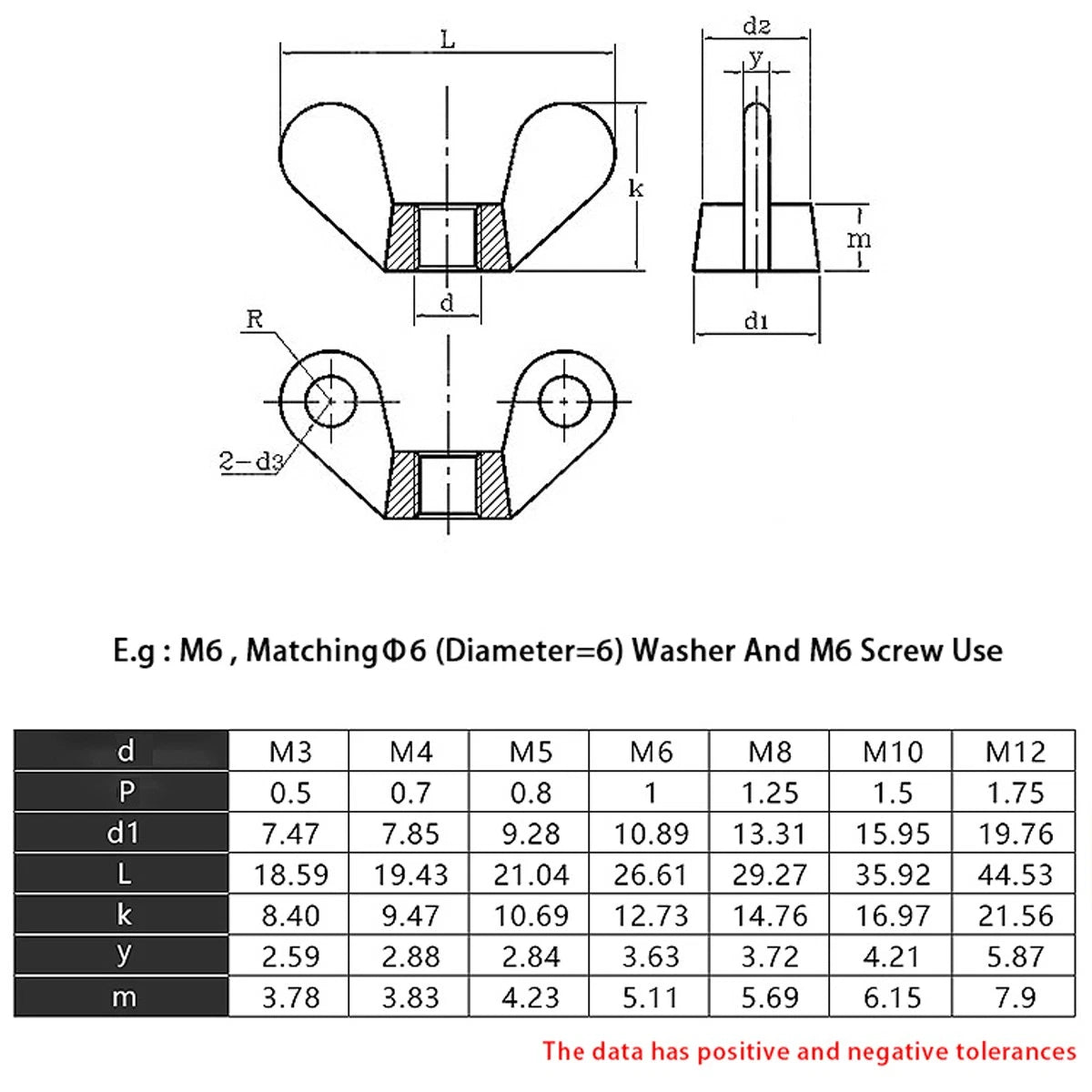
Acorn cap nuts (also called dome nuts) cover exposed bolt ends with a smooth, rounded profile—protecting threads from damage and giving assemblies a clean, finished look. Wing nuts allow hand-tightening without tools, making them ideal for panels, covers, and fixtures that need to be removed frequently. Both types are available in stainless steel and zinc-plated steel in standard SAE and metric sizes.
Seasonal Fastener Checklist: Spring and fall are the best times to inspect threaded connections on outdoor structures, gates, deck railings, and HVAC equipment. Temperature swings cause metal to expand and contract, which can loosen nuts over time—especially on joints that weren't installed with lock nuts.
-
Inspect and re-torque outdoor fasteners every spring after freeze-thaw cycles, which are especially hard on zinc-plated steel nuts that may have begun to corrode.
-
Apply anti-seize compound to stainless steel nut and bolt threads before assembly—stainless-on-stainless contact can gall (cold-weld) under high torque, making disassembly nearly impossible.
-
Replace nylon insert lock nuts any time you disassemble a safety-critical joint (suspension, load-bearing brackets, trailer hitches)—the nylon insert loses effectiveness after the first installation.
-
Store assortment kits in a dry, sealed container to prevent zinc-plated nuts from developing white rust (zinc oxide) that can make threads difficult to start cleanly.
-
Use a thread gauge or bolt checker before mixing metric and SAE hardware—cross-threading a mismatched nut onto a bolt damages both fasteners and can compromise joint integrity.
-
Lubricate seized or rusty nuts with penetrating oil 15–30 minutes before attempting removal; follow up with an impact driver or bolt extractor socket set to avoid rounding off the flats.
Frequently Asked Questions About Nuts & Threaded Fasteners
What types of nuts are best for outdoor or marine use?
For outdoor, marine, or high-moisture environments, 304 or 316 stainless steel nuts are the top choice. They resist rust and corrosion far better than zinc-plated steel. If weight is a concern, anodized aluminum hex nuts work well in dry outdoor settings.
What is the difference between a lock nut and a standard hex nut?
A standard hex nut relies on torque alone to stay in place. A lock nut—whether nylon insert (Nyloc) or all-metal—adds a secondary locking mechanism that resists loosening from vibration, thermal cycling, or dynamic loads. Use lock nuts anywhere the joint will experience movement or repeated stress.
How do I match a nut to the correct bolt thread?
Match the thread pitch and diameter exactly. For metric bolts, the designation looks like M8-1.25 (8 mm diameter, 1.25 mm pitch). For SAE/UNC bolts, it reads like 3/8-16 (3/8 inch diameter, 16 threads per inch). A thread gauge or bolt checker tool makes identification fast and accurate.
Can I reuse a nylon insert lock nut?
Technically yes, but it is not recommended for critical applications. The nylon insert deforms slightly on first use, reducing its locking effectiveness. For safety-critical joints—automotive, structural, or load-bearing—always install a fresh nylon lock nut.
What is a rivet nut and when should I use one?
A rivet nut (also called a rivnut or nutsert) is a threaded fastener installed into a pre-drilled hole in thin sheet metal, plastic, or composite panels where you only have access to one side. Once set, it provides a permanent threaded anchor point. Common uses include automotive body panels, electronics enclosures, and HVAC ductwork.
What is the difference between metric and SAE (UNC/UNF) nuts?
Metric nuts use millimeter-based sizing (M3, M6, M10, etc.) and are standard on most imported machinery, electronics, and modern vehicles. SAE nuts use inch-based sizing (1/4-20, 3/8-16, etc.) and are common on American-made equipment, plumbing fixtures, and older vehicles. They are not interchangeable—always match the nut to the bolt standard.
How do I install a threaded insert nut in wood or 3D-printed parts?
For wood, drill a hole slightly smaller than the insert's outer diameter, then drive the insert in with a hex key. For 3D-printed parts, use heat-set brass inserts: heat a soldering iron to around 200–250°C, press the insert flush into the printed hole, and let it cool. This creates a strong, reusable threaded anchor in plastic.
What grade or class of nut should I use for structural applications?
For structural or high-load applications, use Grade 8 (SAE) or Class 10.9 (metric) nuts paired with matching-grade bolts. For general-purpose work, Grade 5 / Class 8.8 is sufficient. Always match the nut grade to the bolt grade to avoid stripping or failure under load.
How do I remove a stripped or seized nut?
Start with penetrating oil and let it soak for 15–30 minutes. Then try a bolt extractor socket set, which bites into the damaged flats as you turn. For severely seized nuts, a nut splitter tool cuts through the nut without damaging the bolt threads. Impact drivers and heat from a torch are also effective on rusted fasteners.
Does HomeDIYer offer free shipping on nuts and fasteners?
Yes. HomeDIYer offers free standard shipping on qualifying orders. Check the current shipping policy at checkout for threshold details and estimated delivery times. Most in-stock fastener orders ship within 1–2 business days.