Welding vs Soldering: Choosing the Right Method for Your DIY Project
When it comes to joining materials, welding vs soldering is a common debate among DIY enthusiasts. Both techniques have unique applications, tools, and skill requirements. At HomeDIYer, we’ll help you understand the difference between welding and soldering, explore their uses, and recommend the best tools for metalwork, plastic repairs, and even jewelry making.
1. What’s the Difference Between Welding and Soldering?
If you’ve searched “soldering vs welding,” you’re likely confused about these two processes. Here’s a quick breakdown:
-
Welding: Uses high heat to melt and fuse materials (like metal or plastic) directly. Ideal for structural repairs (e.g., car frames).
-
Soldering: Uses lower heat and a filler metal (solder) to bond components. Perfect for electronics or delicate jewelry.
Pro Tip: For projects like plastic welding with a soldering iron, specialized tools (e.g., temperature-controlled irons) are essential to avoid melting the material.
🔥 QUICK REFERENCE
| Aspect |
Welding |
Soldering |
| Temperature range |
3,000°F – 10,000°F (steel) |
200°F – 800°F (solder melt) |
| Base material fusion |
Yes – melts parent metal |
No – only filler bonds |
| Joint strength |
Very high (structural) |
Low to medium (conductive, not load-bearing) |
| Typical applications |
Automotive frames, gates, pipe welding |
Circuit boards, jewelry, copper pipes |
2. When to Use Welding vs Soldering
Searching for “welding or soldering”? Choose based on your project:
Welding Works Best For:
- Structural steel / ironwork
- Exhaust systems & chassis repair
- Heavy-duty furniture (benches, trailers)
- Plastic welding (bumpers, tanks)
Soldering Is Ideal For:
- Circuit boards & electronics
- Stained glass & jewelry making
- Copper pipe plumbing (sweat soldering)
- Model building & hobby wiring
Did You Know? Some tools, like a soldering iron for welding plastic, blur the lines between these techniques!
🧪 PLASTIC WELDING INSIGHT
When using a soldering iron to weld plastic, you must use a flat tip and compatible filler rod (polypropylene, ABS, etc.). HomeDIYer’s adjustable-temperature plastic welder kits include a range of tips and mesh patches for bumper repairs, kayak cracks, and PVC structures. Pro tip: Always practice on scrap plastic first – overheating causes bubbling.
3. Essential Tools for Welding and Soldering
Whether you’re a beginner or pro, having the right gear is crucial. Our welding & soldering tools collection includes:
Welding Tools:
MIG/TIG/Stick welders
Auto-darkening helmet
Chipping hammer & wire brush
Welding magnets & clamps
Angle grinder
Soldering Tools:
Temperature-controlled soldering station
Solder wire (lead-free / rosin core)
Soldering iron stand & sponge
Desoldering pump / wick
Helping hands with magnifier
Trend Alert: Compact welding soldering iron hybrids are gaining popularity for small repairs.
4. Brazing vs Soldering vs Welding: What’s the Difference?
If you’ve Googled “brazing vs welding vs soldering,” here’s the answer:
-
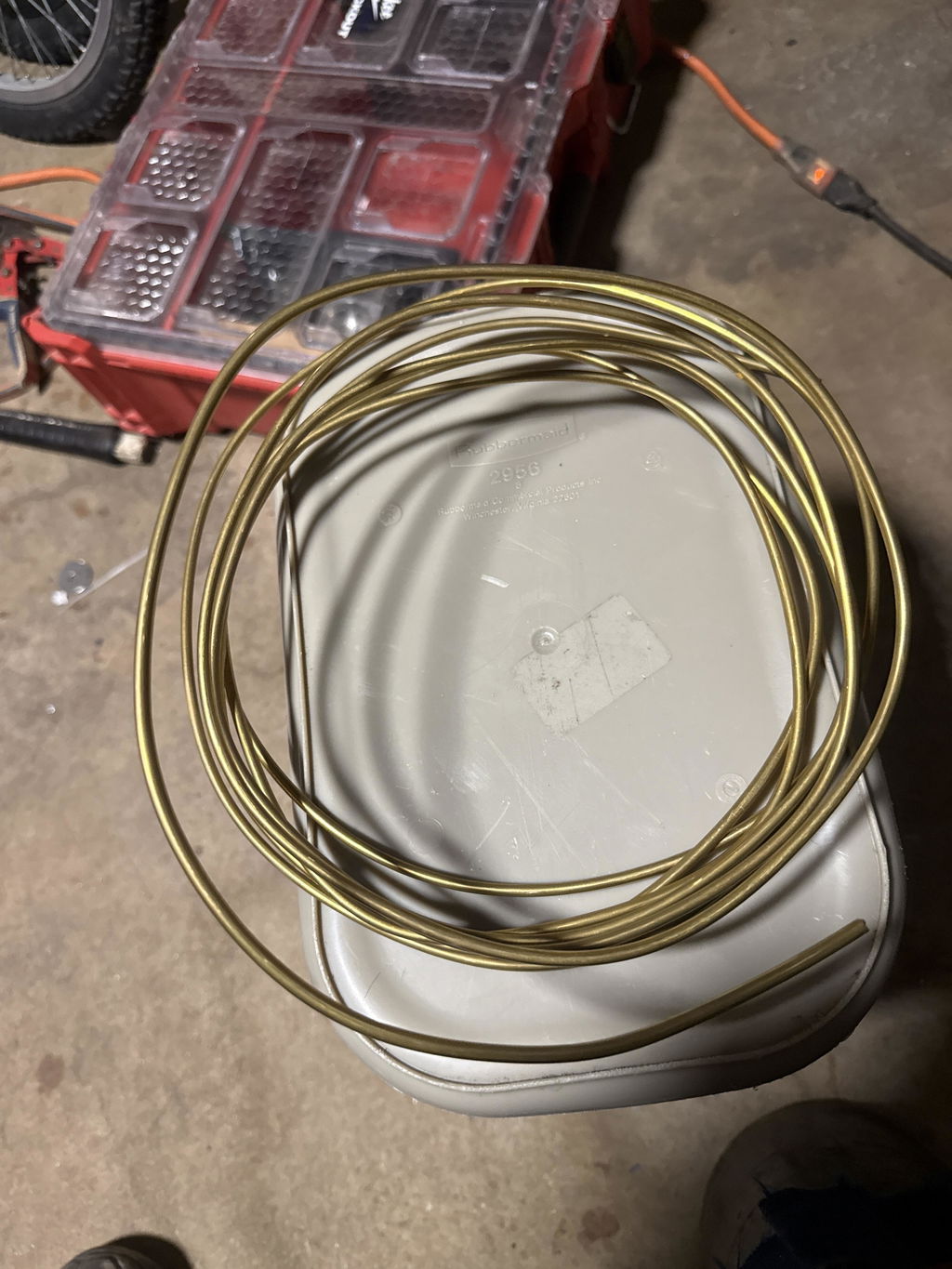
Brazing: Uses filler metal with a higher melting point than soldering but lower than welding. Great for joining dissimilar metals (e.g., brass to steel).
-
Soldering: Best for low-heat applications (under 450°C).
-
Welding: Requires melting the base material (over 6,500°C for steel).
Pro Tip: For automotive projects like exhausts, welding over brazed joints ensures long-lasting strength.
🔥 BRAZING FILLER GUIDE
Brazing uses filler rods (silver, brass, or nickel alloy) that melt above 840°F but below base metal melting point. Common for HVAC lines, bicycle frames, and carbide tooling. Unlike soldering, brazed joints can withstand moderate stress and high temperatures.
5. How to Choose the Right Kit
Keyword Alert: Searches like “best soldering iron for plastic welding” or “welding vs soldering tools” focus on tool quality. Consider:
-
Material Type: Metal, plastic, or electronics?
-
Skill Level: Beginners should start with low-cost soldering welder kits.
-
Safety Features: Look for auto-shutoff irons and ventilated workspaces.
HomeDIYer Pick: Our welding grinding soldering flame cutting combo kits save space and money.
📋 DECISION FLOW
Step 1: Is the base material metal? → Yes: Welding or brazing? If structural load → weld; if thin sheets or dissimilar metals → braze.
Step 2: Electronics or delicate assembly? → Soldering.
Step 3: Plastic repair? → Plastic welding (with hot air or soldering iron + flat tip).
Unsure? HomeDIYer’s online chat can recommend a starter kit based on your specific project.
6. Common FAQs About Welding and Soldering
Q: Can I use a soldering iron to weld metal?
A: No! Soldering vs welding metal requires vastly different heat levels. Use a proper welder for steel or aluminum.
Q: Is soldering stronger than welding?
A: Welding creates a stronger bond, but soldering is sufficient for electronics or lightweight repairs.
Q: What’s the best way to weld plastic?
A: Use a plastic welder soldering iron with compatible rods for seamless repairs.
💡 Q: Can I braze with a soldering iron?
A: No – brazing requires temperatures above 840°F (450°C), typically from an oxy-acetylene or propane torch. A soldering iron maxes out around 900°F but lacks the heat capacity for larger joints.
Q: Do I need a fume extractor for soldering?
A: Yes – rosin core flux produces irritating fumes. A small desktop fume fan or carbon filter is recommended for regular soldering work.
7. Safety Tips for DIYers
- Always wear heat-resistant gloves and goggles.
- Work in a well-ventilated area to avoid fumes.
- Store welding and soldering tools away from flammable materials.
⚠️ PRO REMINDER
For welding, never wear synthetic clothing (polyester melts to skin). Leather apron and 100% cotton coveralls are best. For soldering, keep a damp sponge to clean the tip – never flick excess solder.
8. Why Shop at HomeDIYer?
-
Expert-Curated Kits: From welding soldering brazing bundles to niche jewelry tools.
-
Competitive Pricing: Save on bulk orders for workshops or hobbyists.
-
5-Star Support: Need advice on using a soldering iron to weld plastic? Our team is here to help!
Ready to Start Your Project?
👉 Explore Welding & Soldering Tools