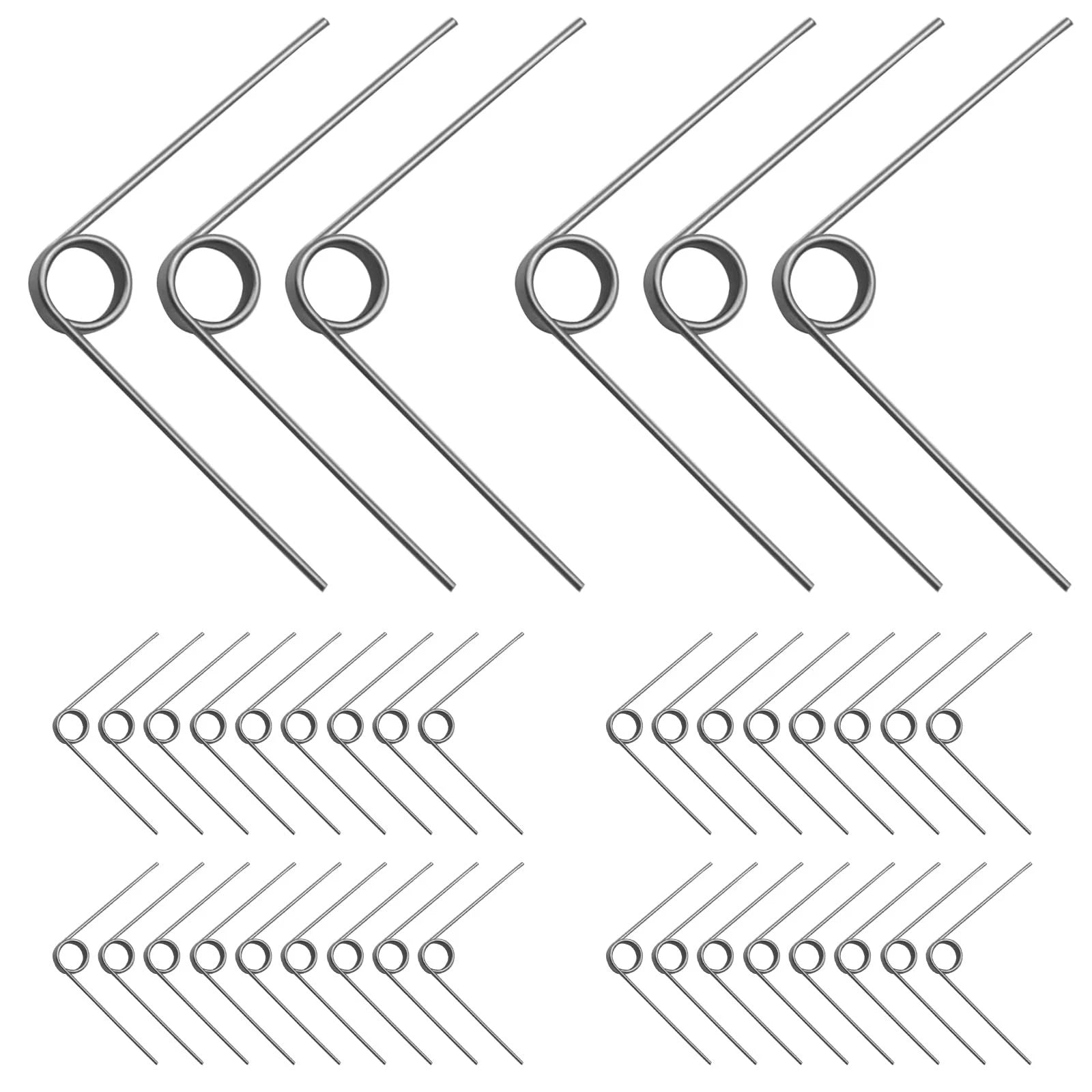
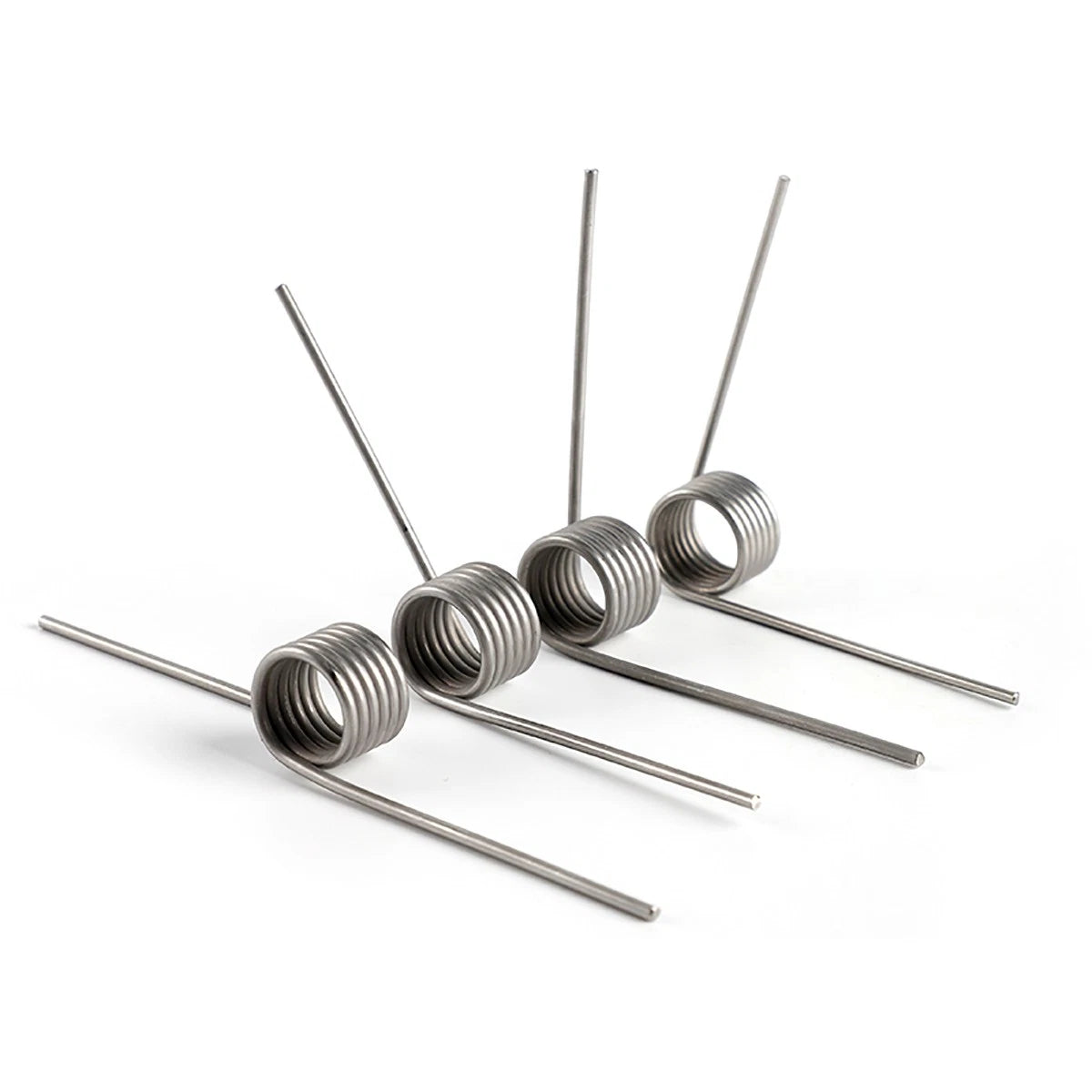

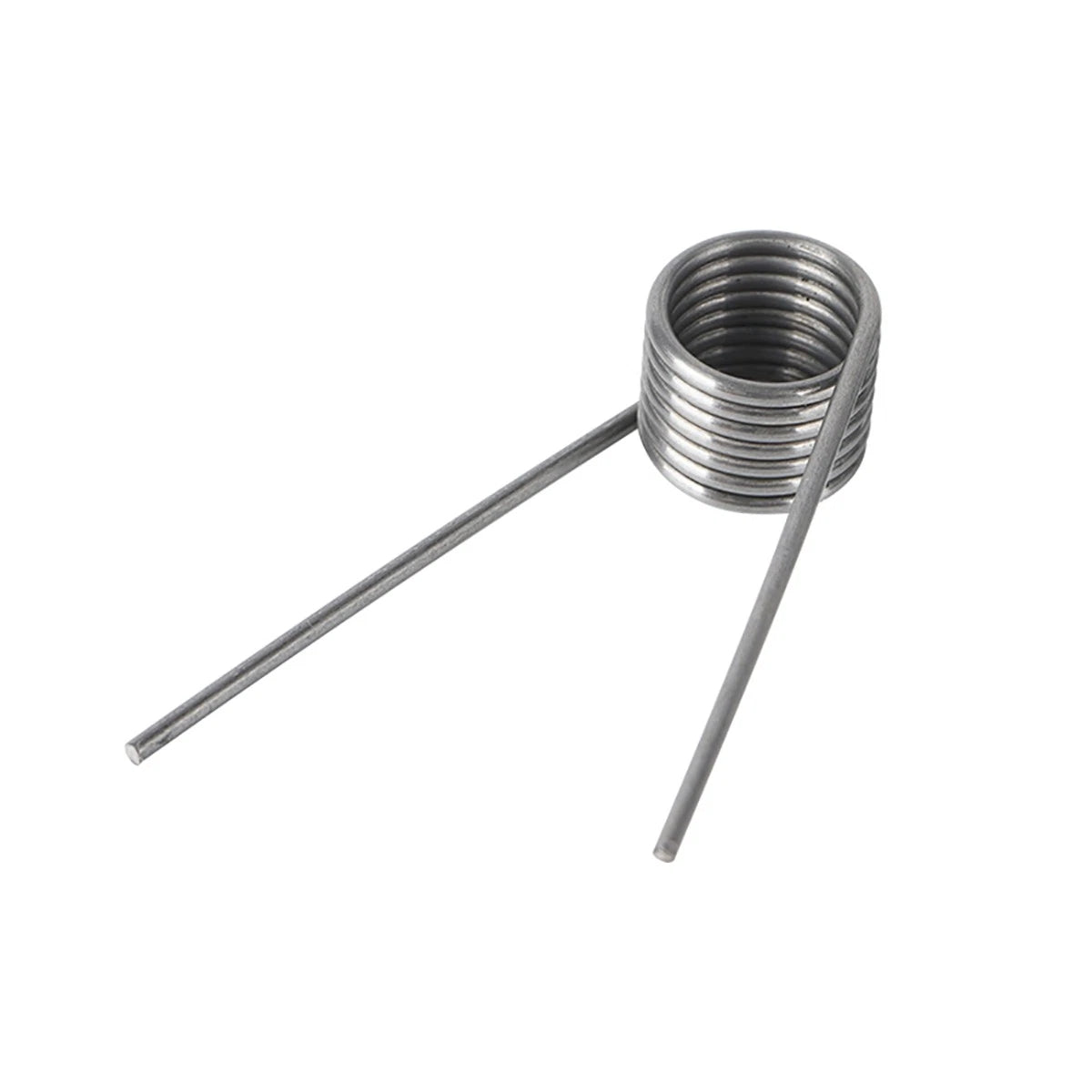
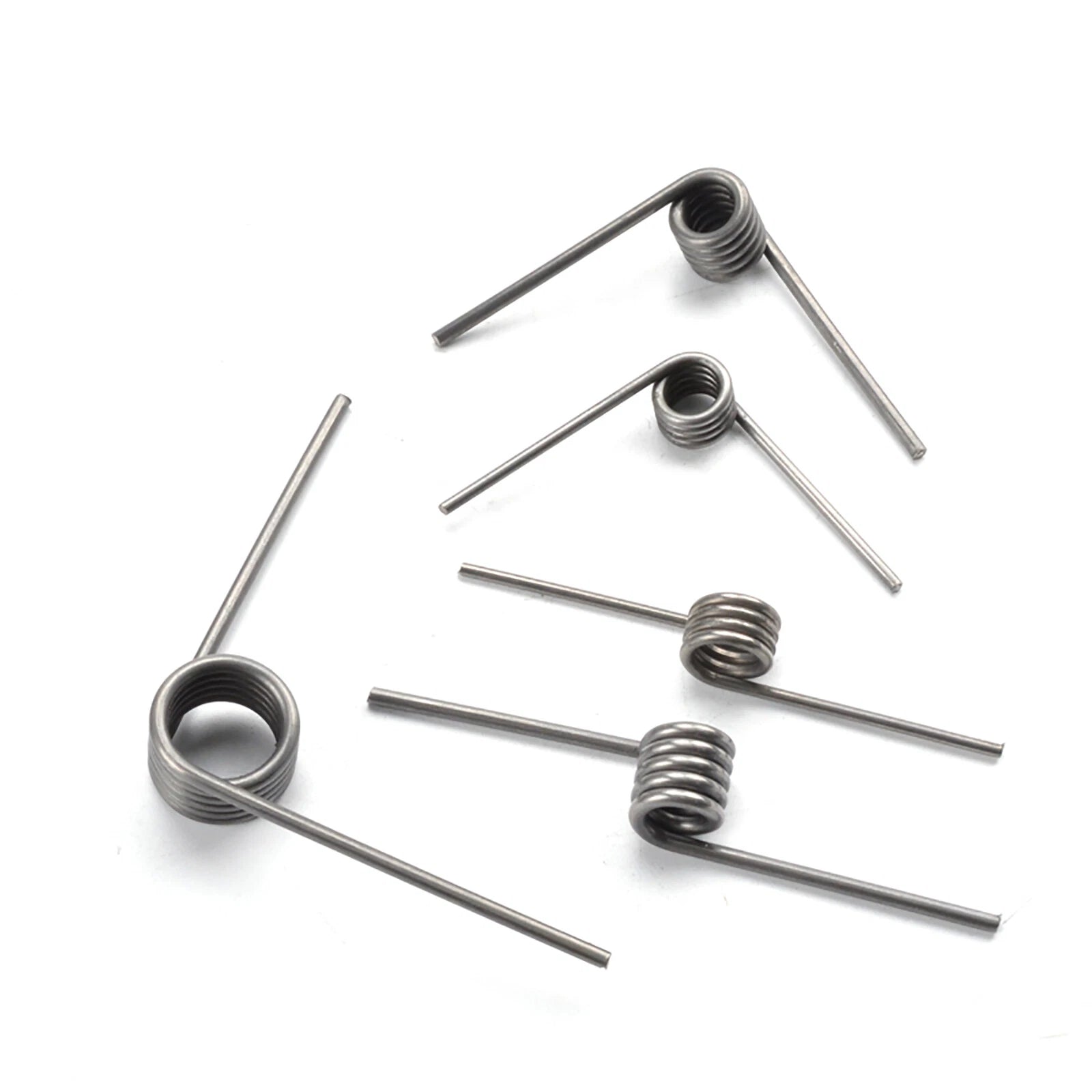
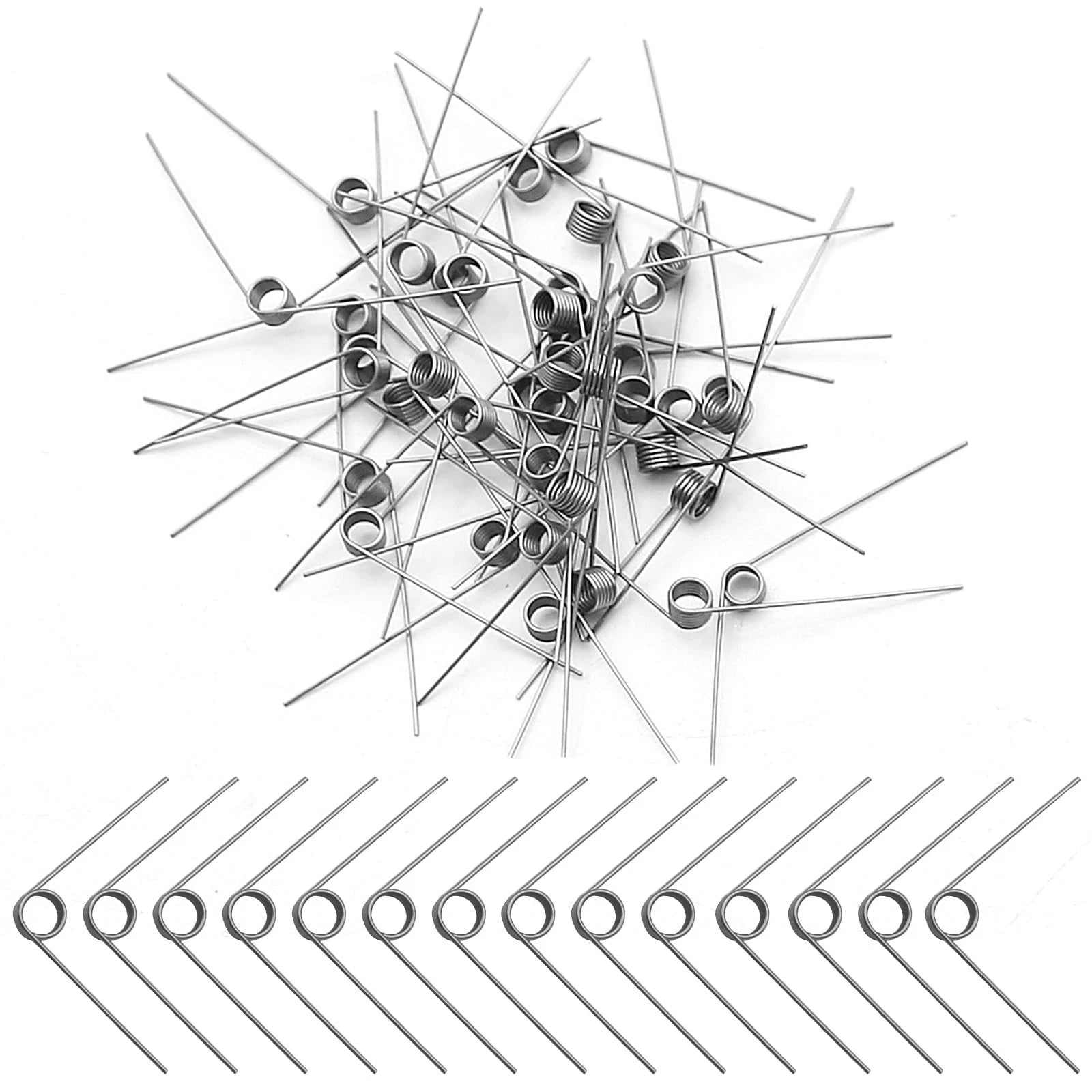
0.7mm Wiredia Stainless Steel Torsional Springs, Mechanical Small Torsion Spring

No reviews

Price:
Sale price$9.29 USD
Stock:
In stock (500 units), ready to be shipped

Payment & Security

Ach Direct Debit Amazon American Express Apple Pay Bancontact BLIK Diners Club Discover EPS Google Pay iDEAL Wero JCB Maestro Mastercard Multibanco MobilePay PayPal Przelewy24 Shop Pay Twint Union Pay USDC Visa

Your payment information is processed securely. We do not store credit card details nor have access to your credit card information.

Limited Offer — Spend More, Save More
Spend $55+
Save $5
Spend $100+
Save $10
Spend $200+
Save $25
HomeDIYer DIY Expert Support

DIY Expert Support

Get fitment advice & recommendations

Mon–Fri  8:30 AM – 8:00 PM
24-Hour Fast Ship
Arrives in 3–14 Days
Worldwide Shipping
30-Day Returns
1 tree planted with every purchase

Description

0.7mm Wire Stainless Steel Torsion Springs — Precision-Wound for Reliable Mechanical Performance

When a worn or undersized torsion spring causes a hinge to sag, a latch to misfire, or a mechanism to lose its return force, finding the exact wire diameter and coil count matters. These 0.7mm wire diameter stainless steel torsional springs are engineered for engineers, hobbyists, and repair technicians who need consistent rotational force in compact assemblies.

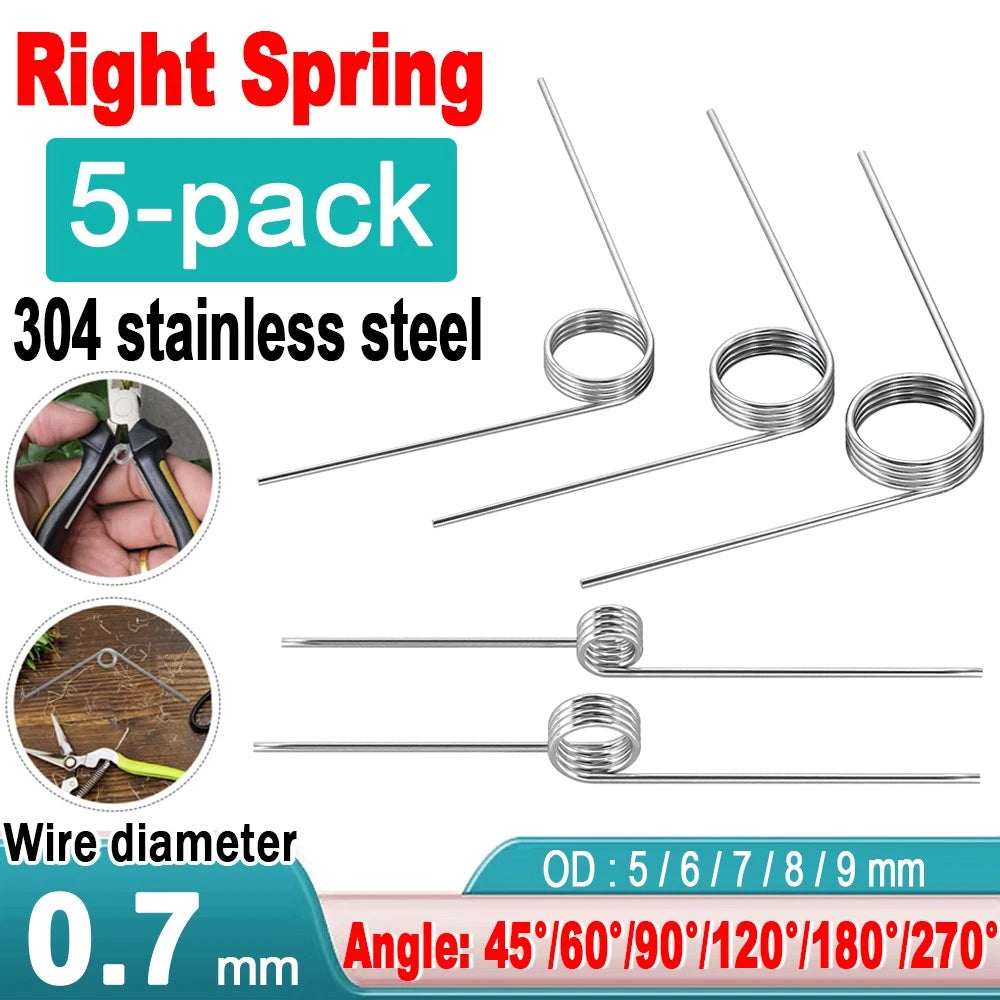
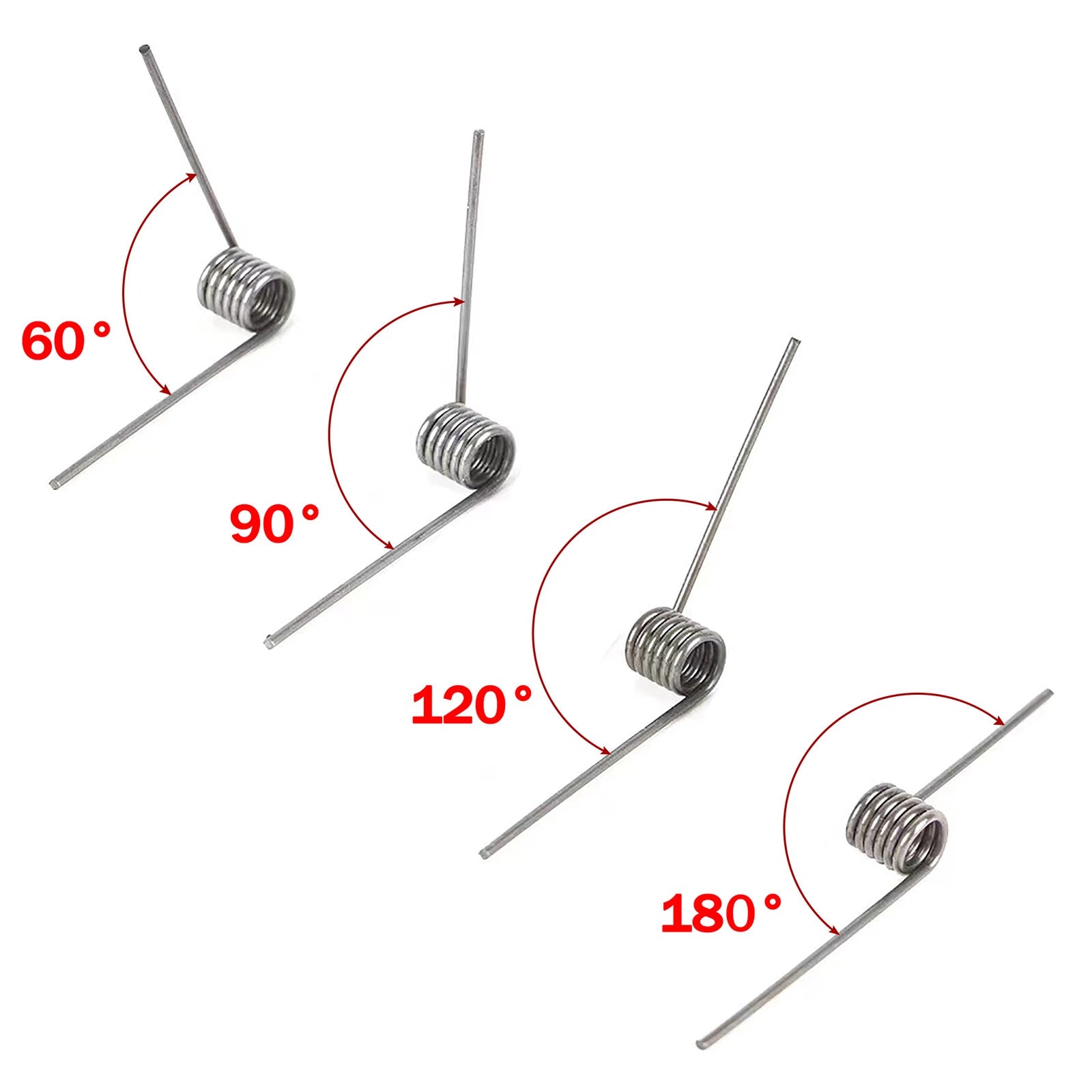
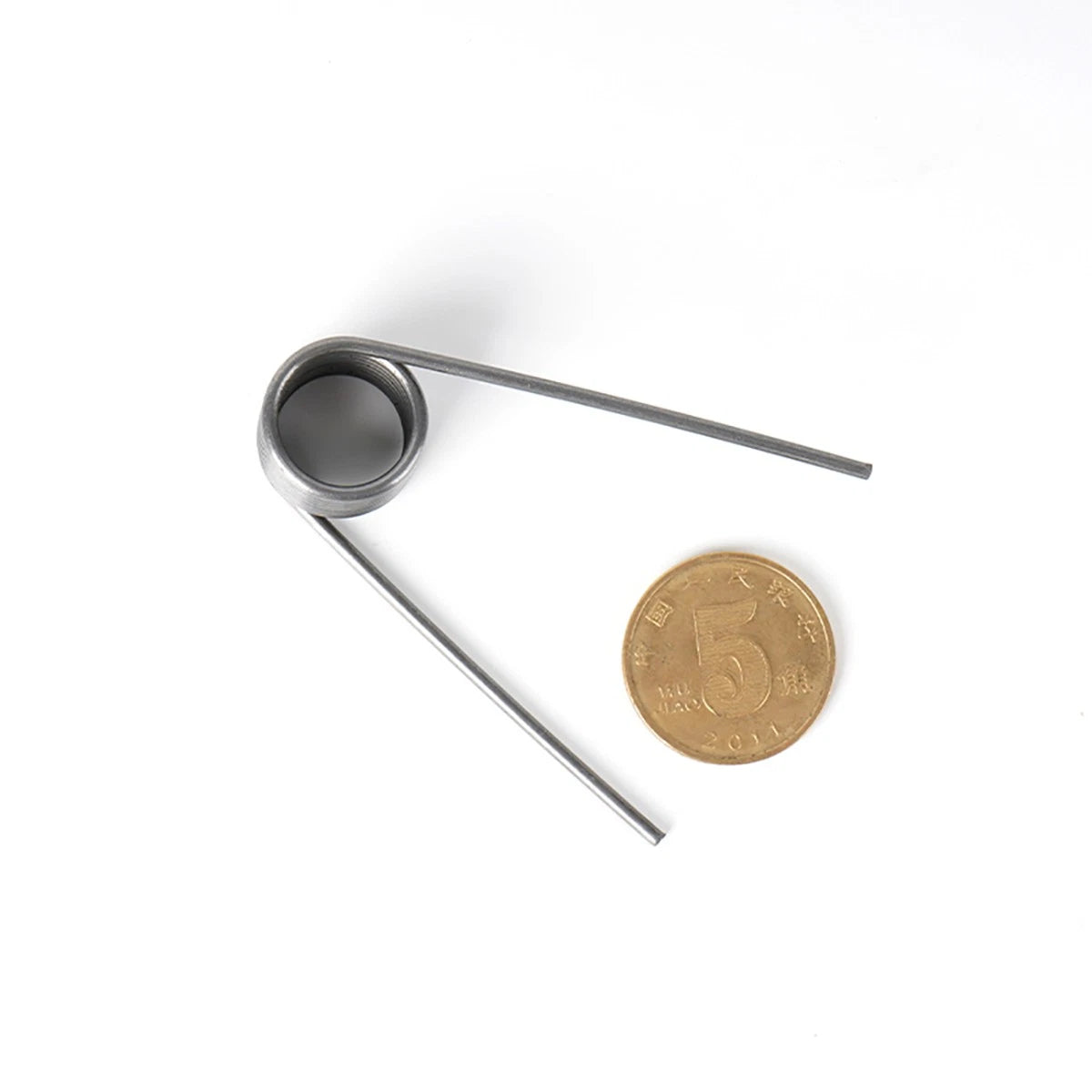
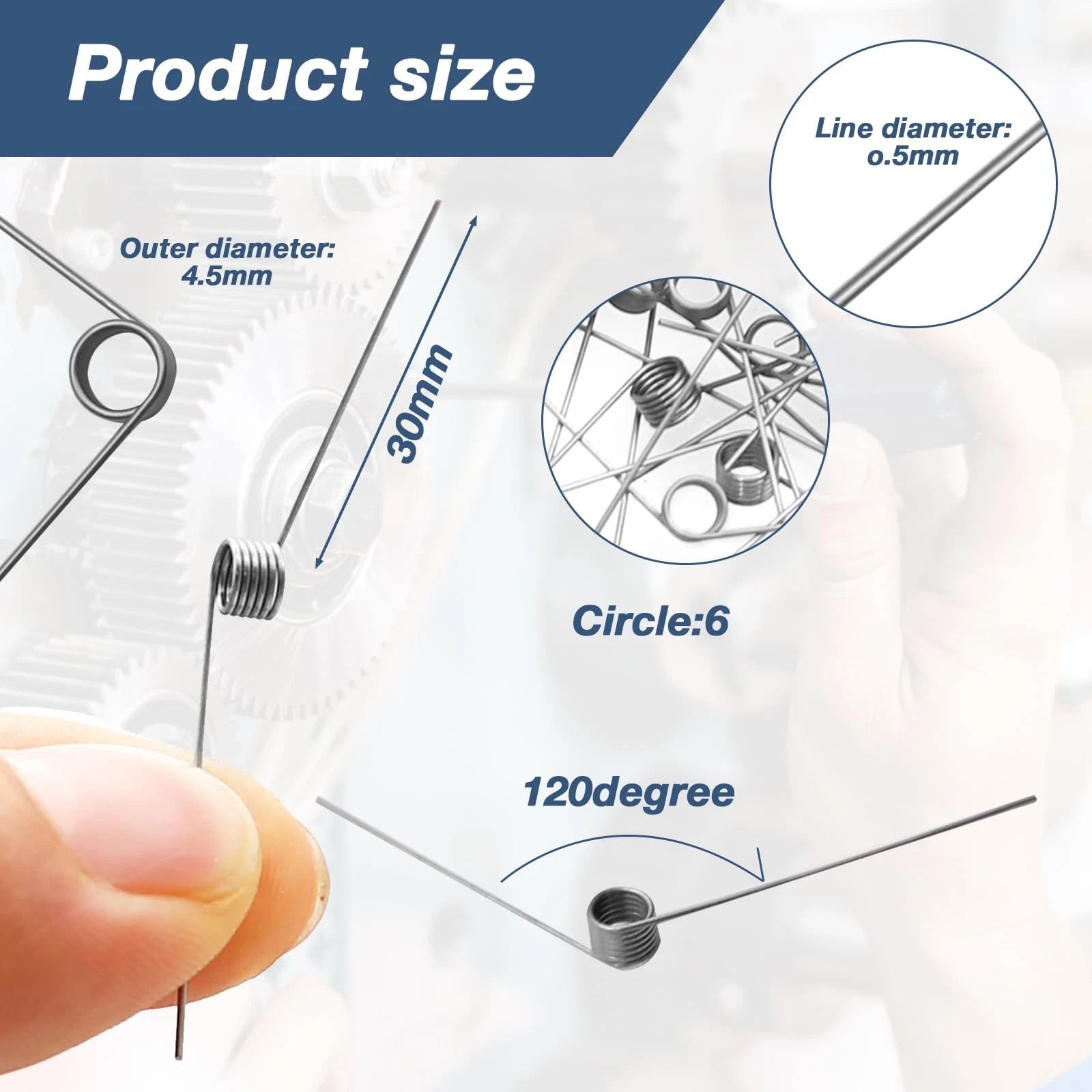
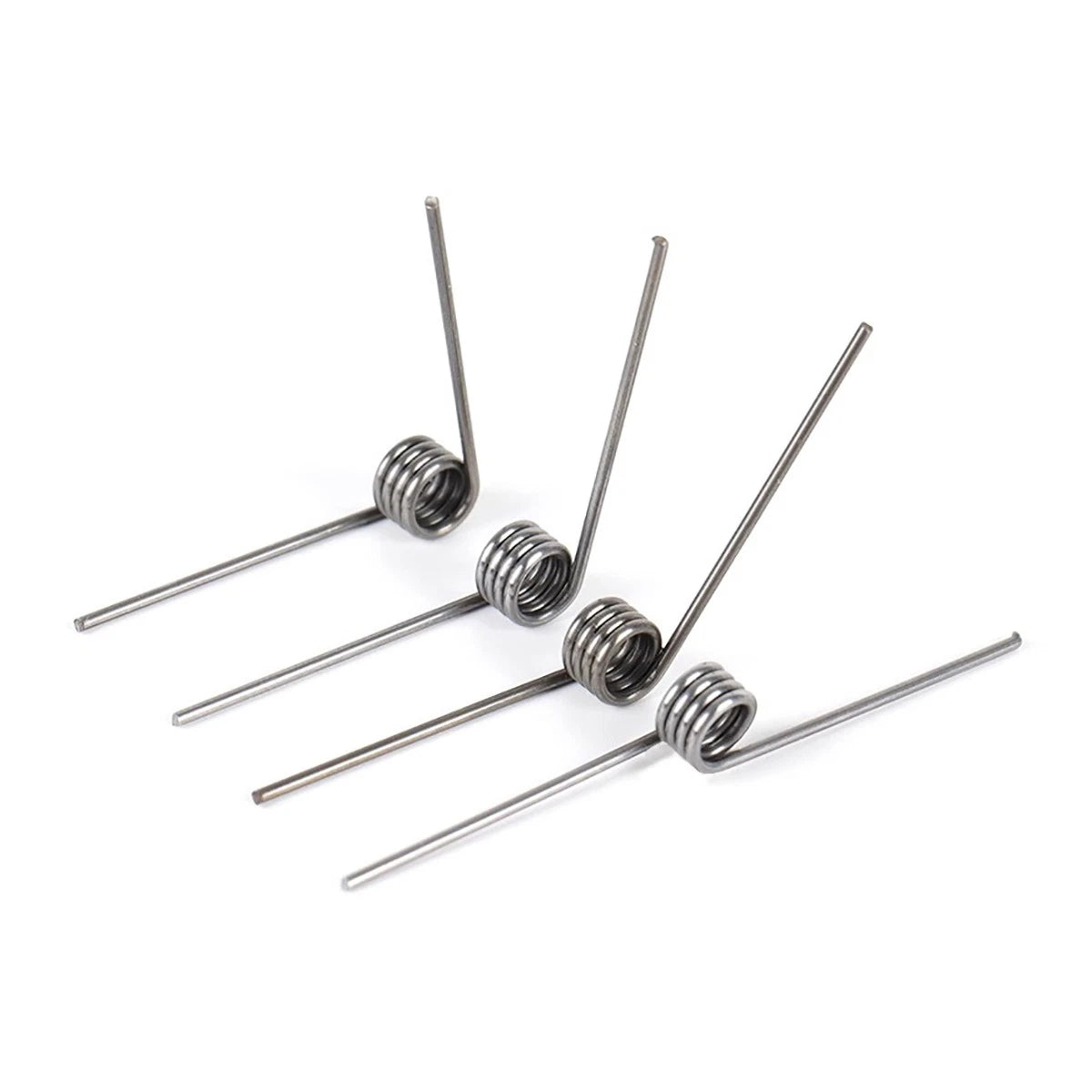
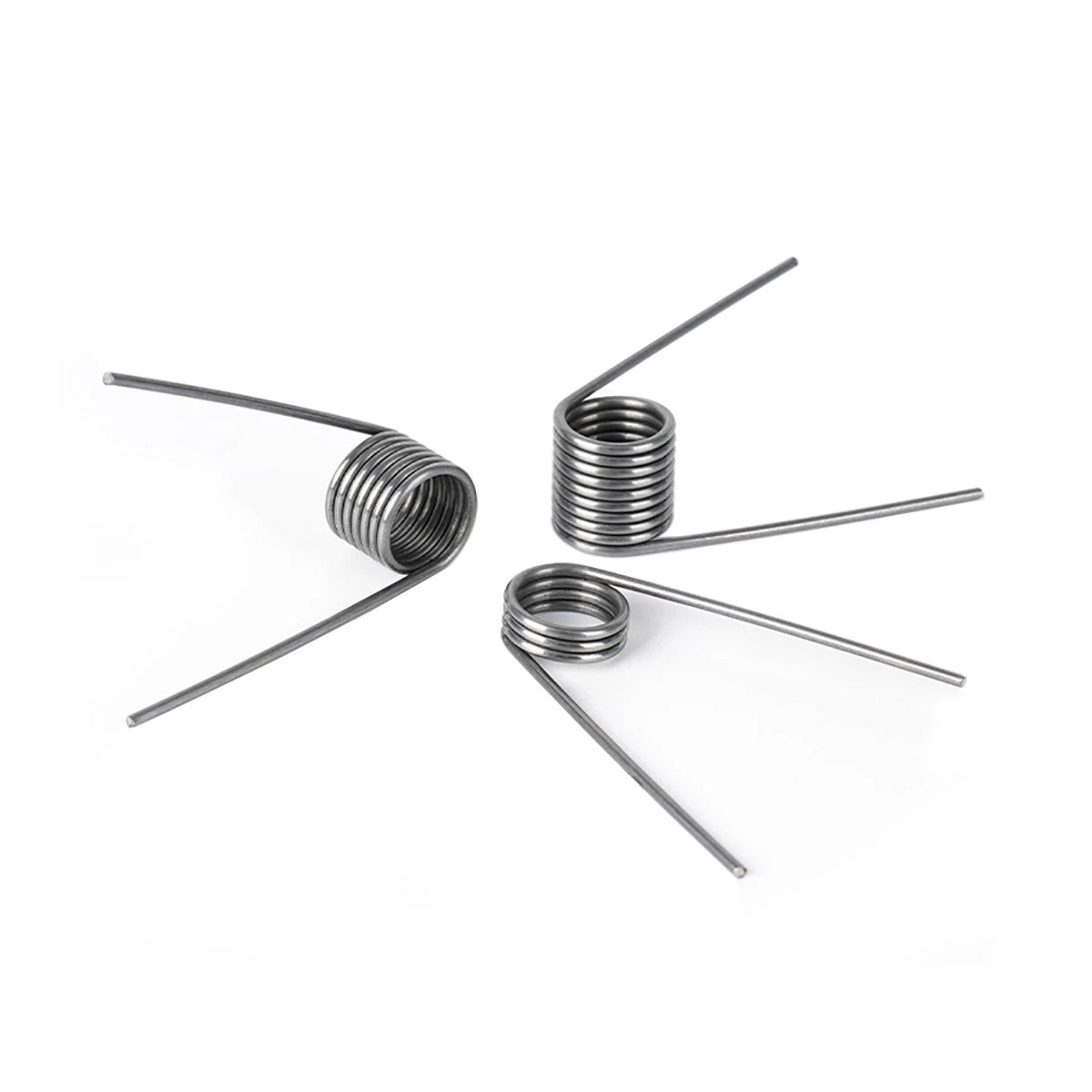
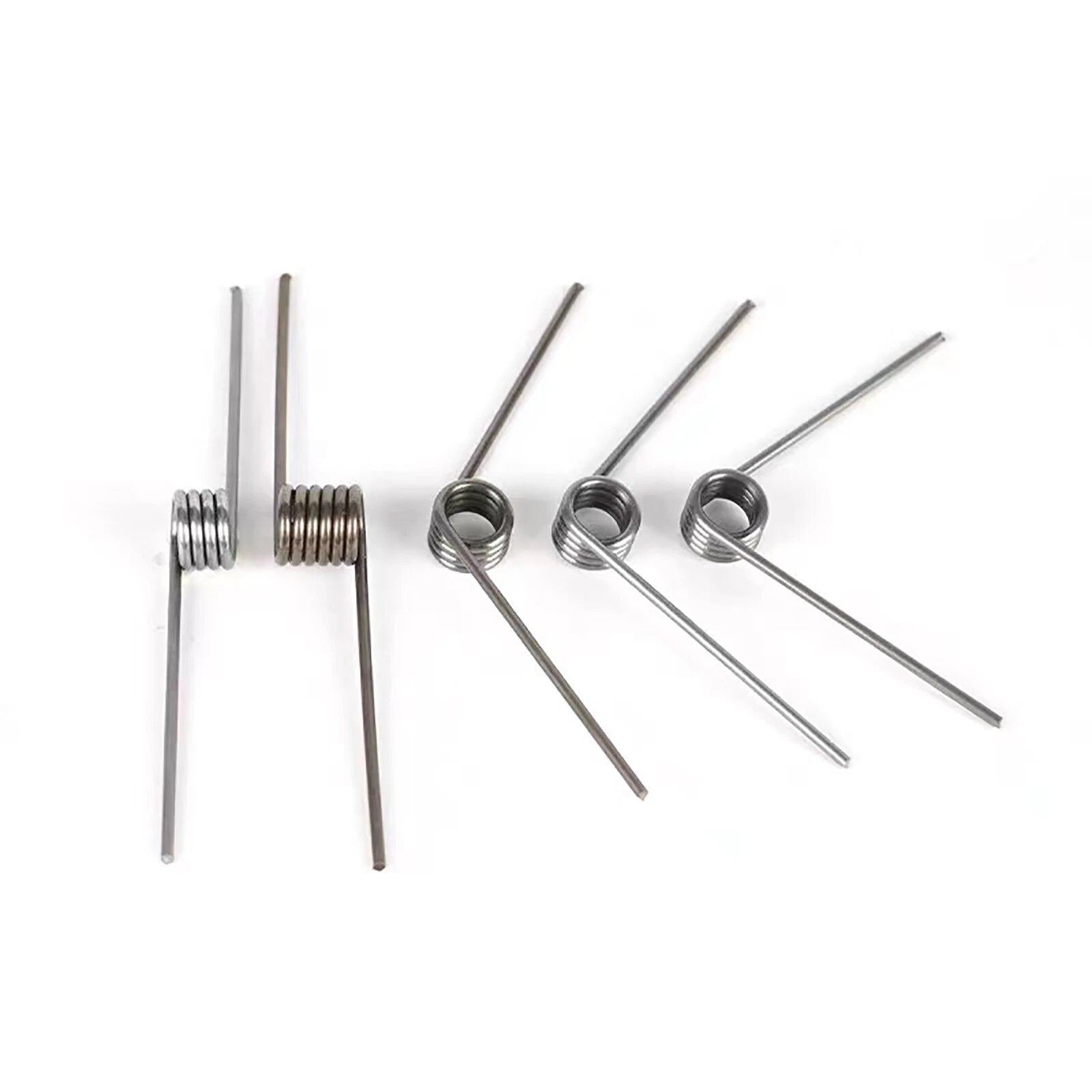
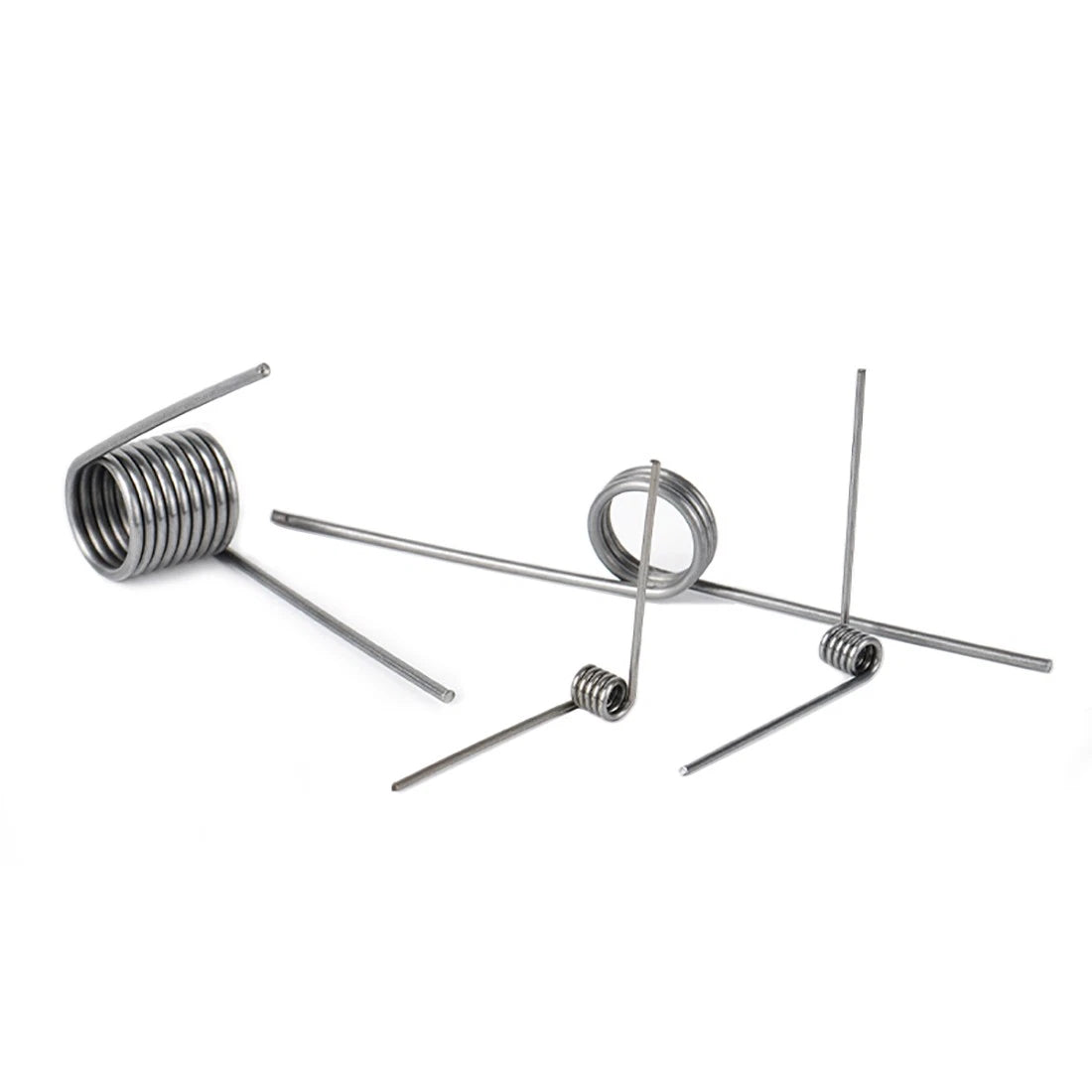
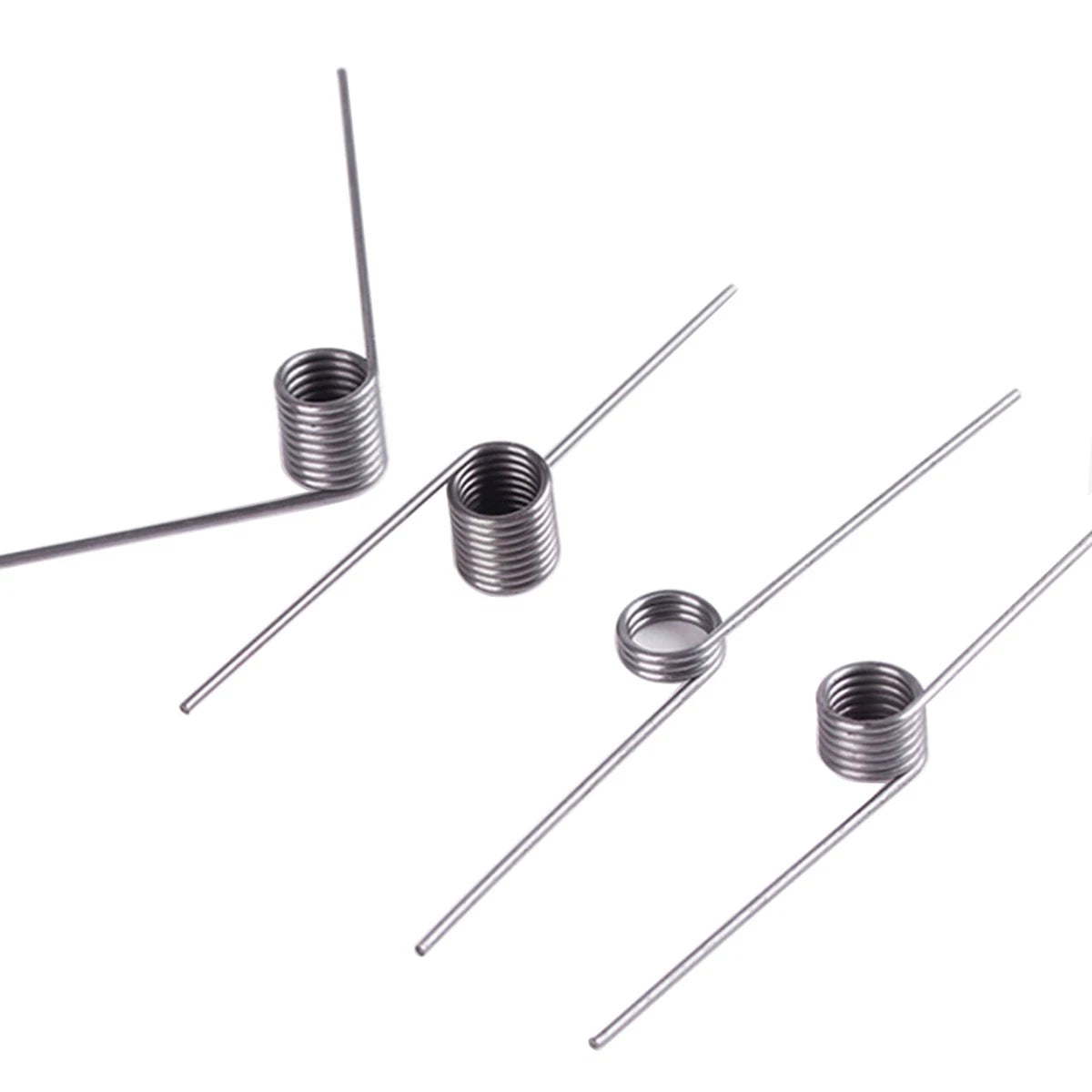
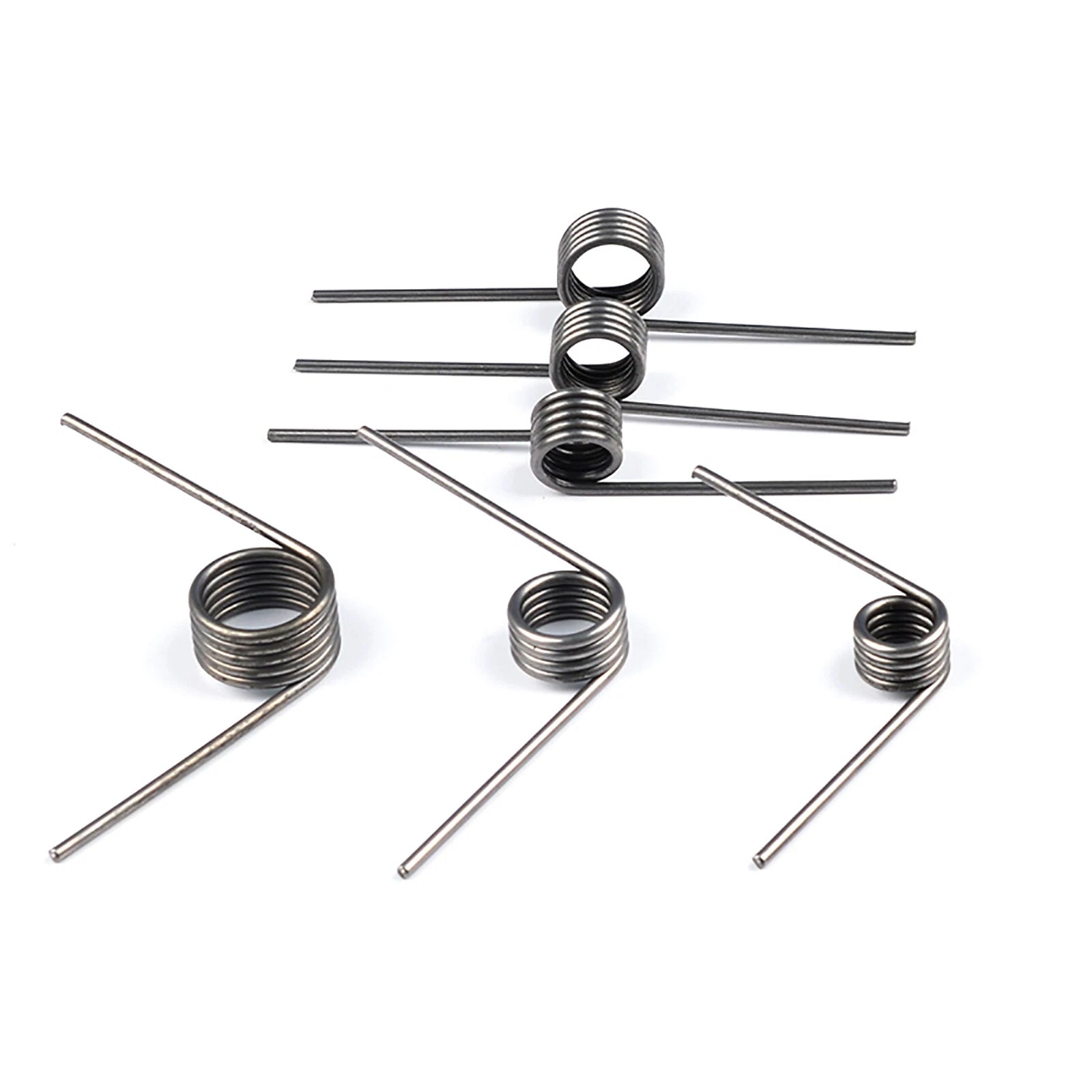
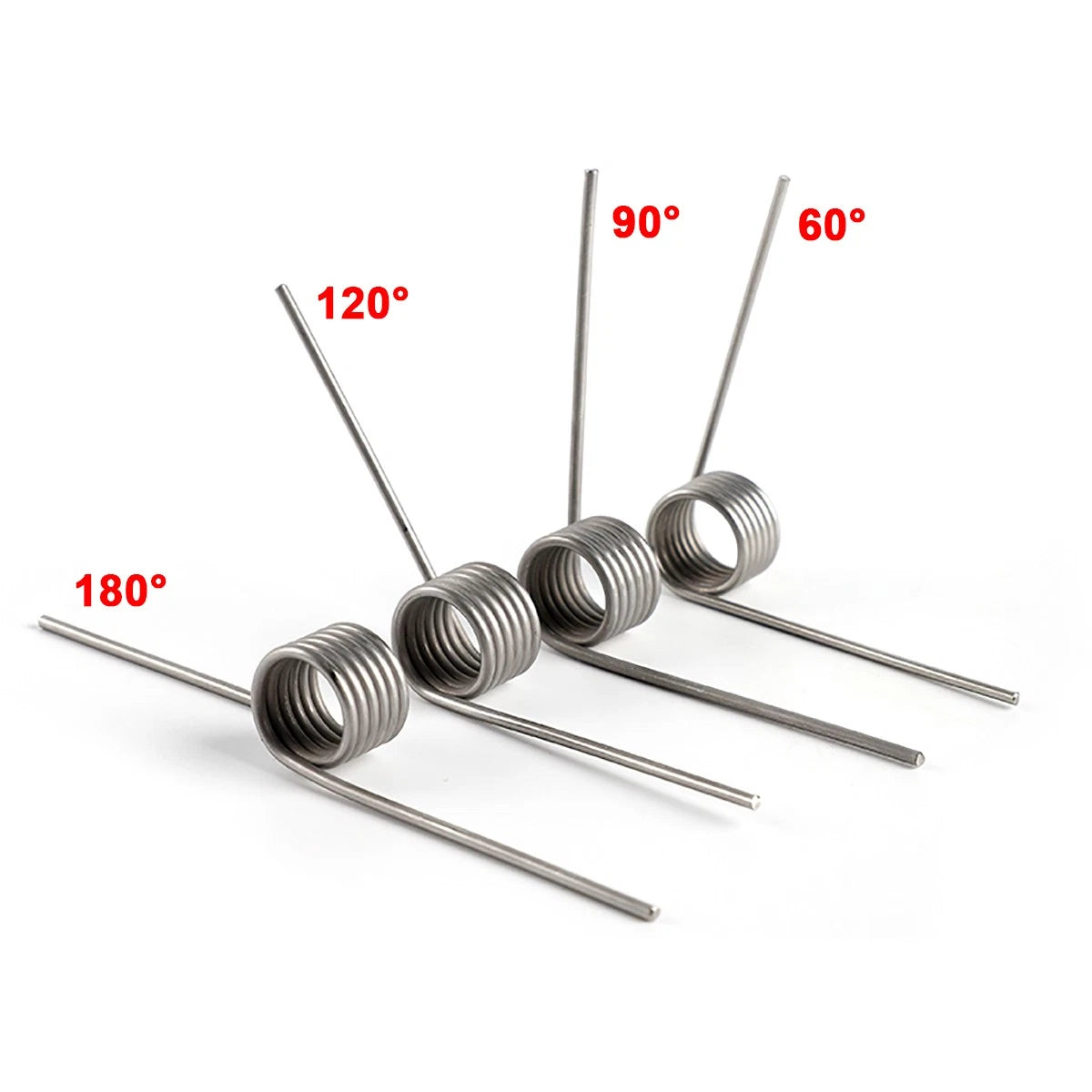
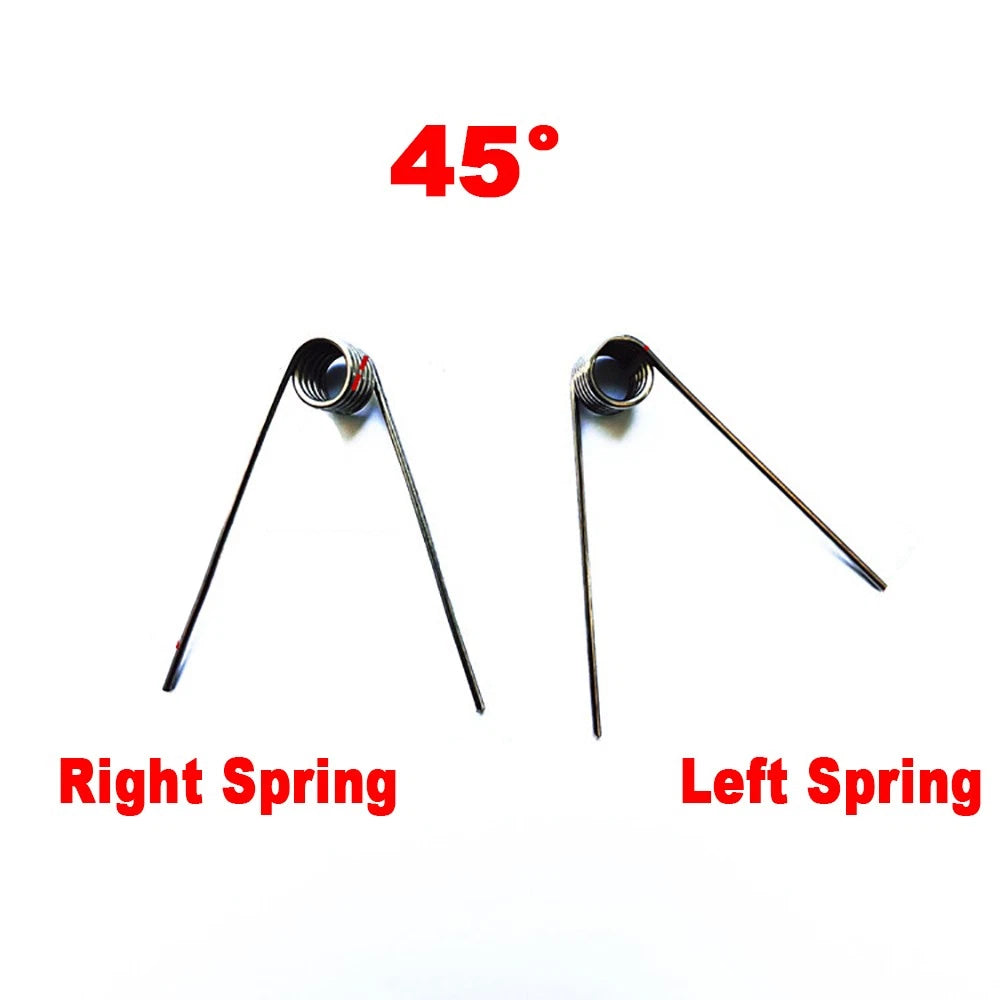
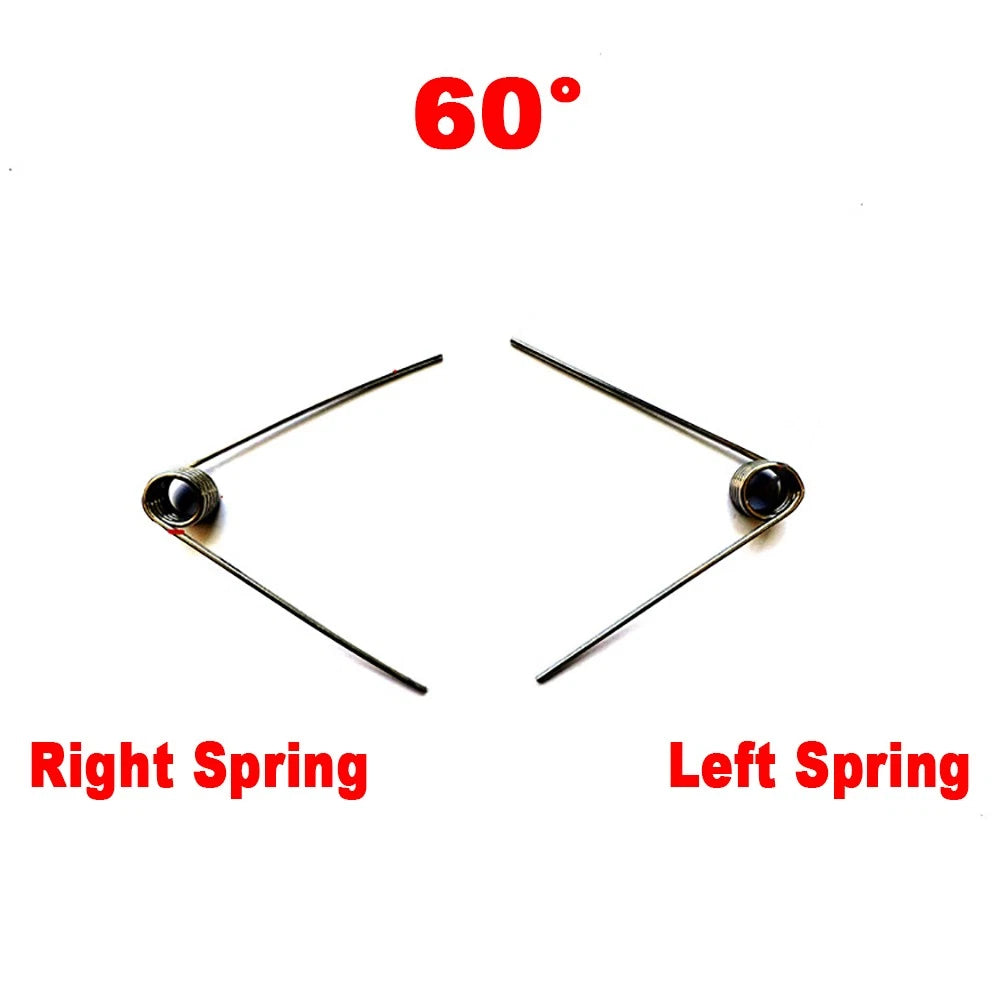
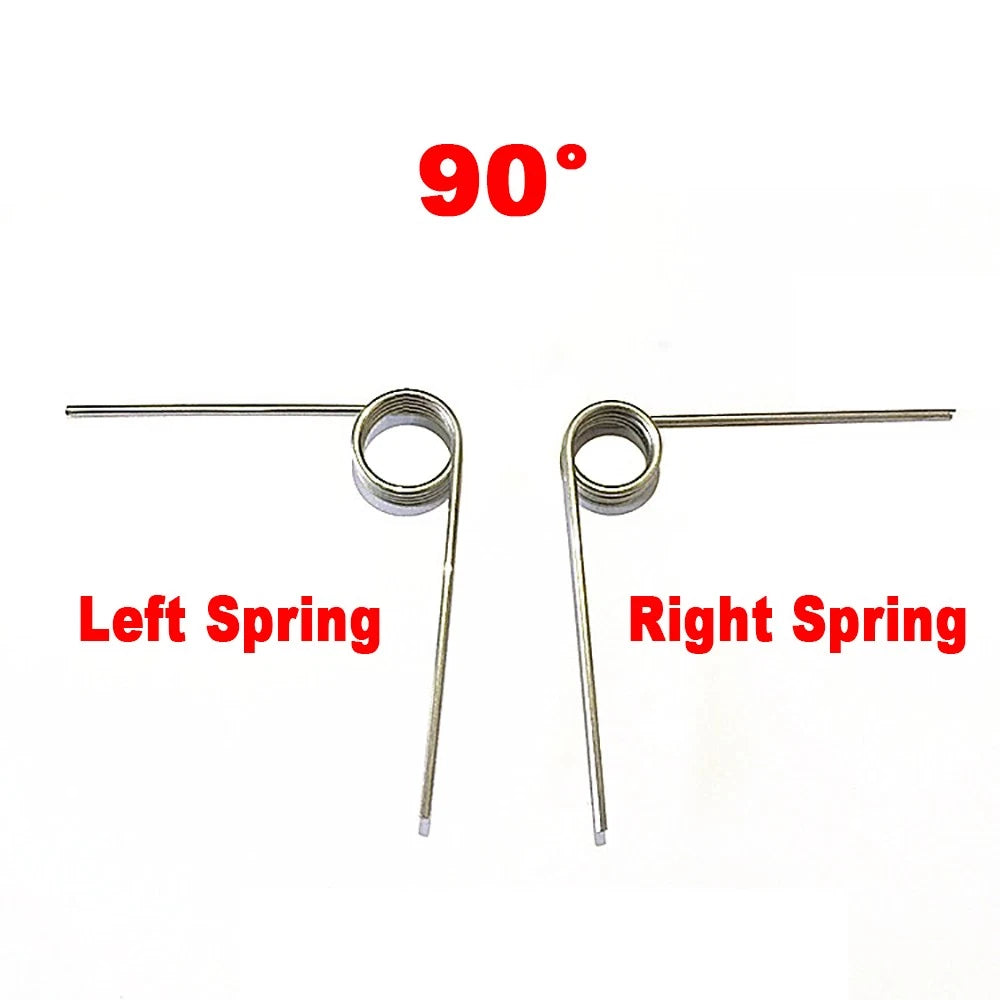
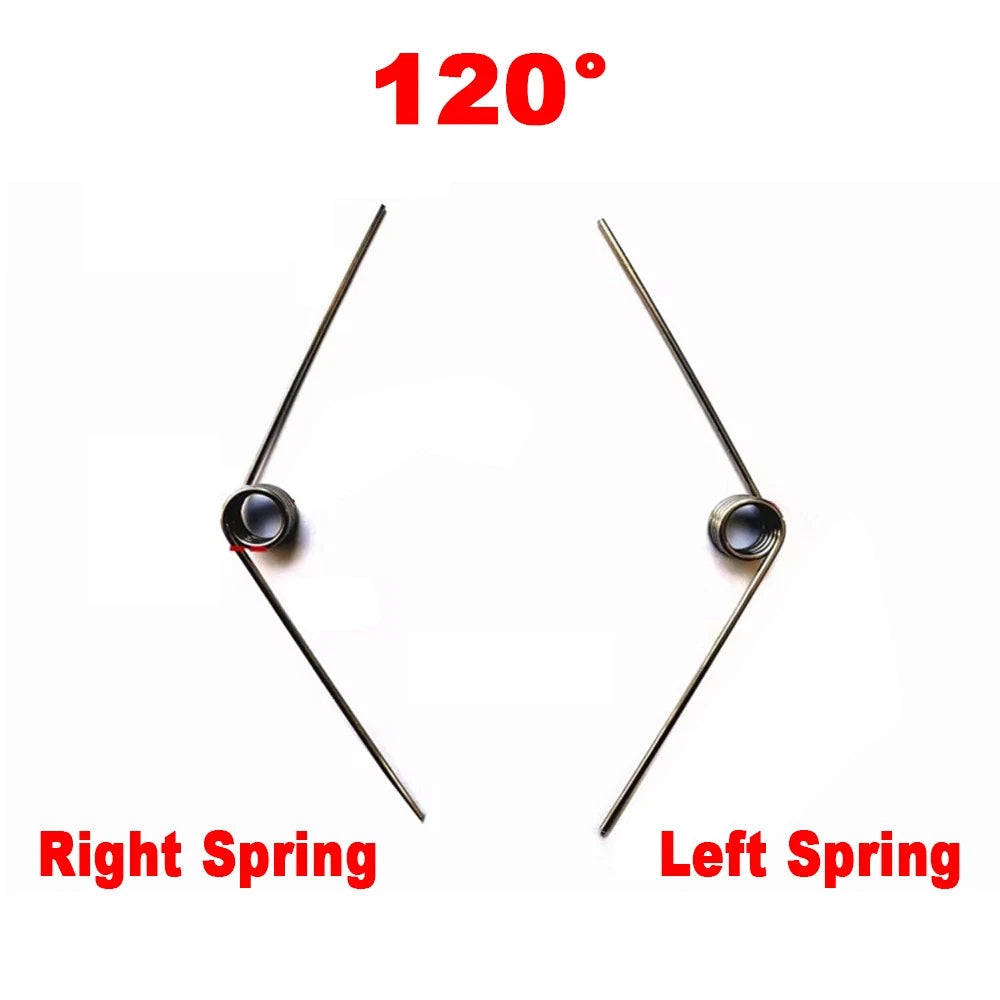
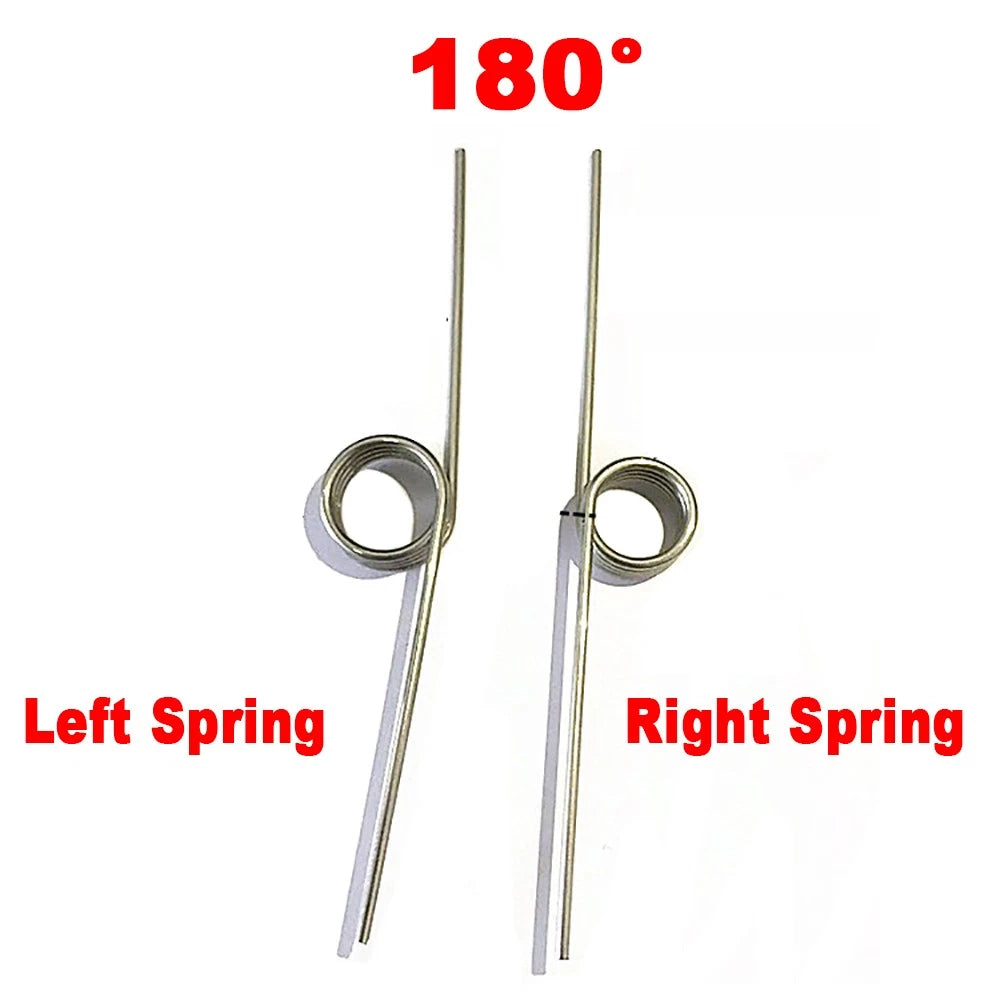
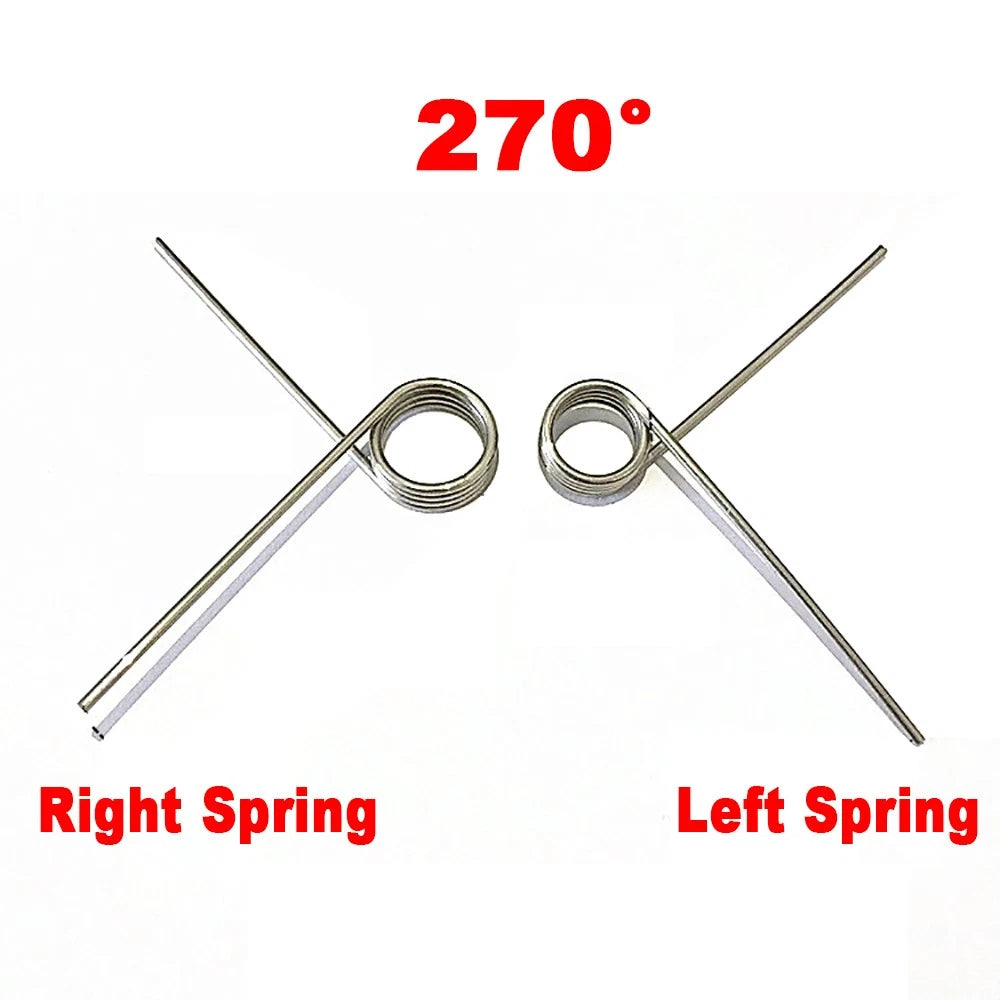
Each spring is wound from 0.7mm stainless steel wire with outer diameters ranging from 5mm to 9mm (approximately 0.20–0.35 in), available in 1 to 5 coils and right-hand winding. Leg angles span 45°, 60°, 90°, 120°, 180°, and 270°, giving you precise control over the spring's resting position and actuation arc.

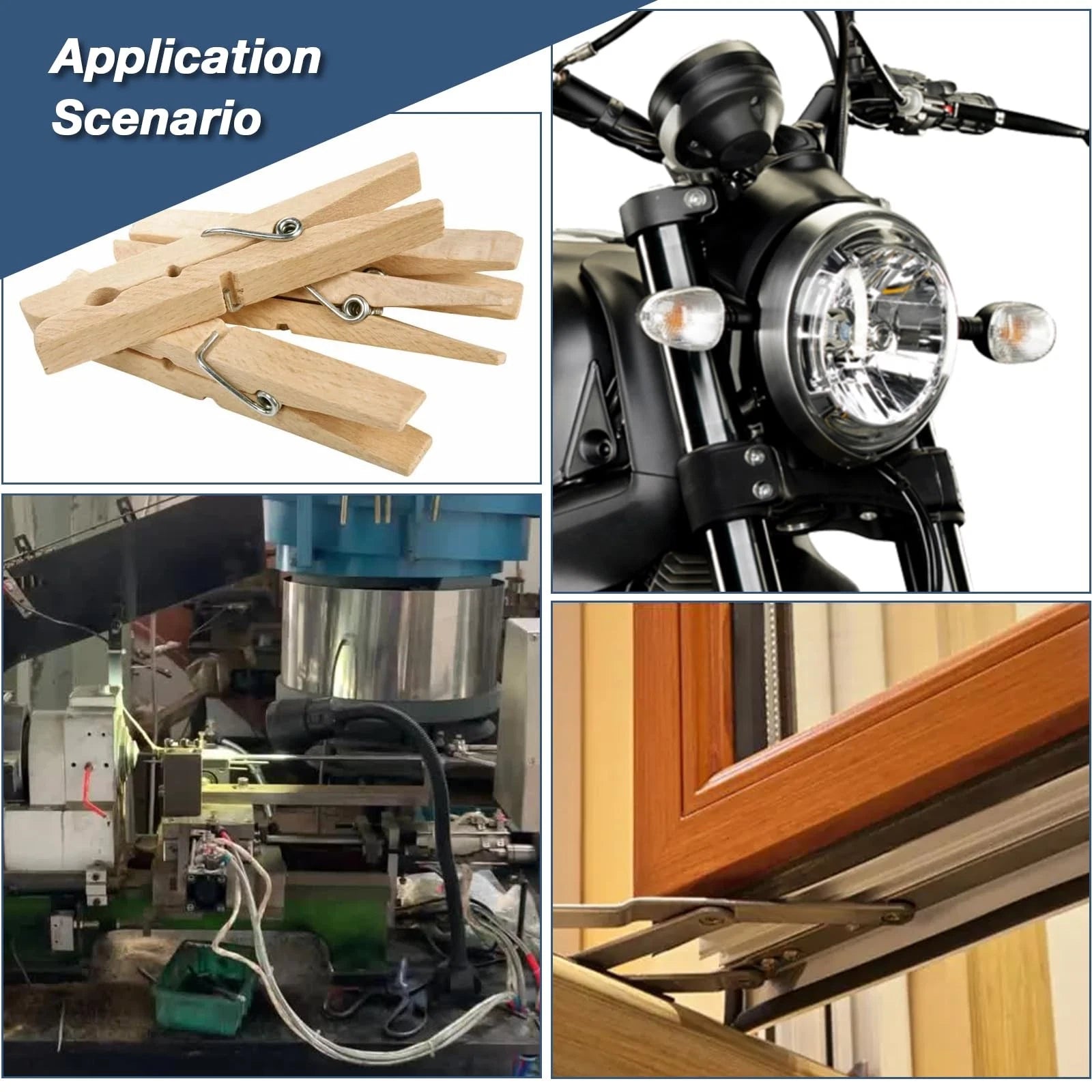
Typical use cases include small torsion spring replacement in cabinet hinges and door latches, precision mechanical assemblies requiring controlled rotational return force, and DIY electronics enclosures, robotics joints, or instrument mechanisms where compact spring geometry is critical.

⚙️ Compatibility: Suitable for mechanical assemblies, hinges, latches, robotics, and DIY repair applications requiring a 0.7mm wire diameter right-hand torsion spring with OD 5–9mm.

✅ Key Features of These 0.7mm Stainless Steel Torsion Springs

🔩 0.7mm Wire Diameter

Consistent 0.7mm wire gauge across all variants ensures uniform spring rate and predictable torque output in compact mechanisms.

📐 Wide Angle Selection (45°–270°)

Six leg angle options — 45°, 60°, 90°, 120°, 180°, and 270° — let you match the spring geometry to your specific actuation requirement.

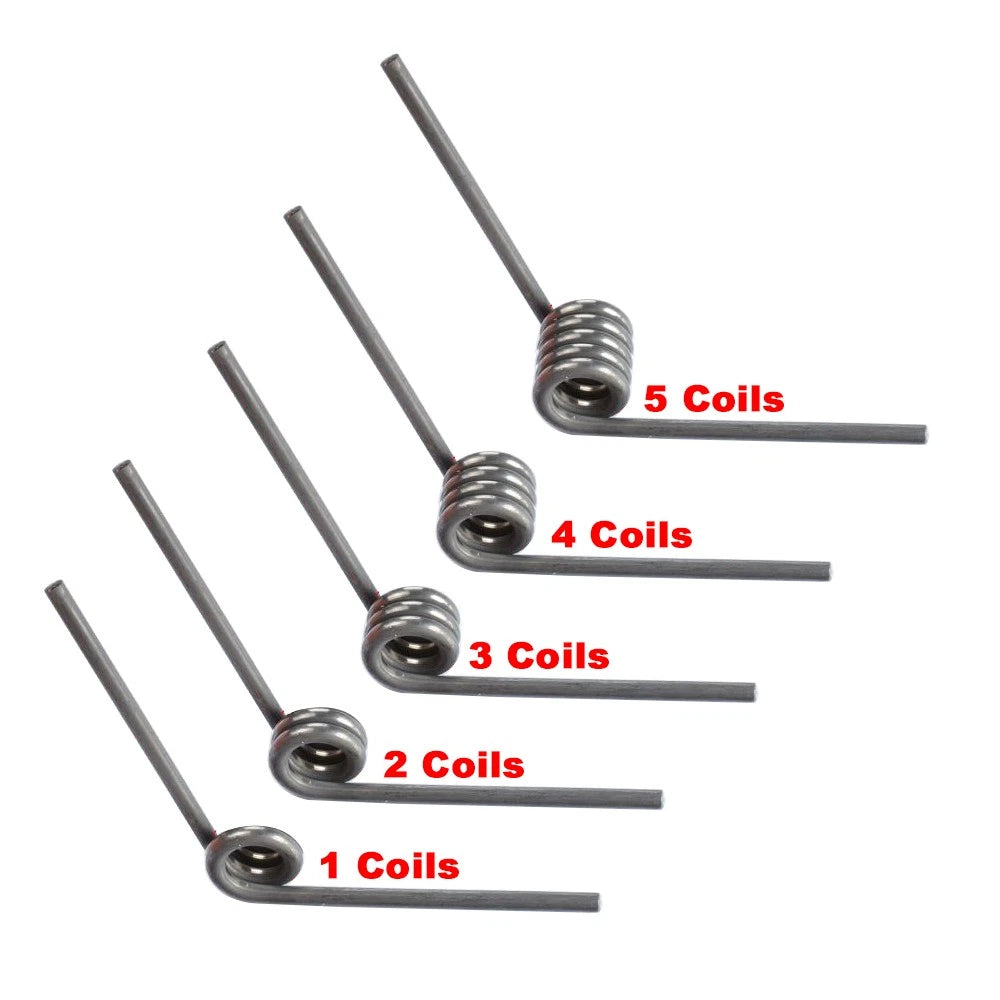
🔄 1 to 5 Coil Options

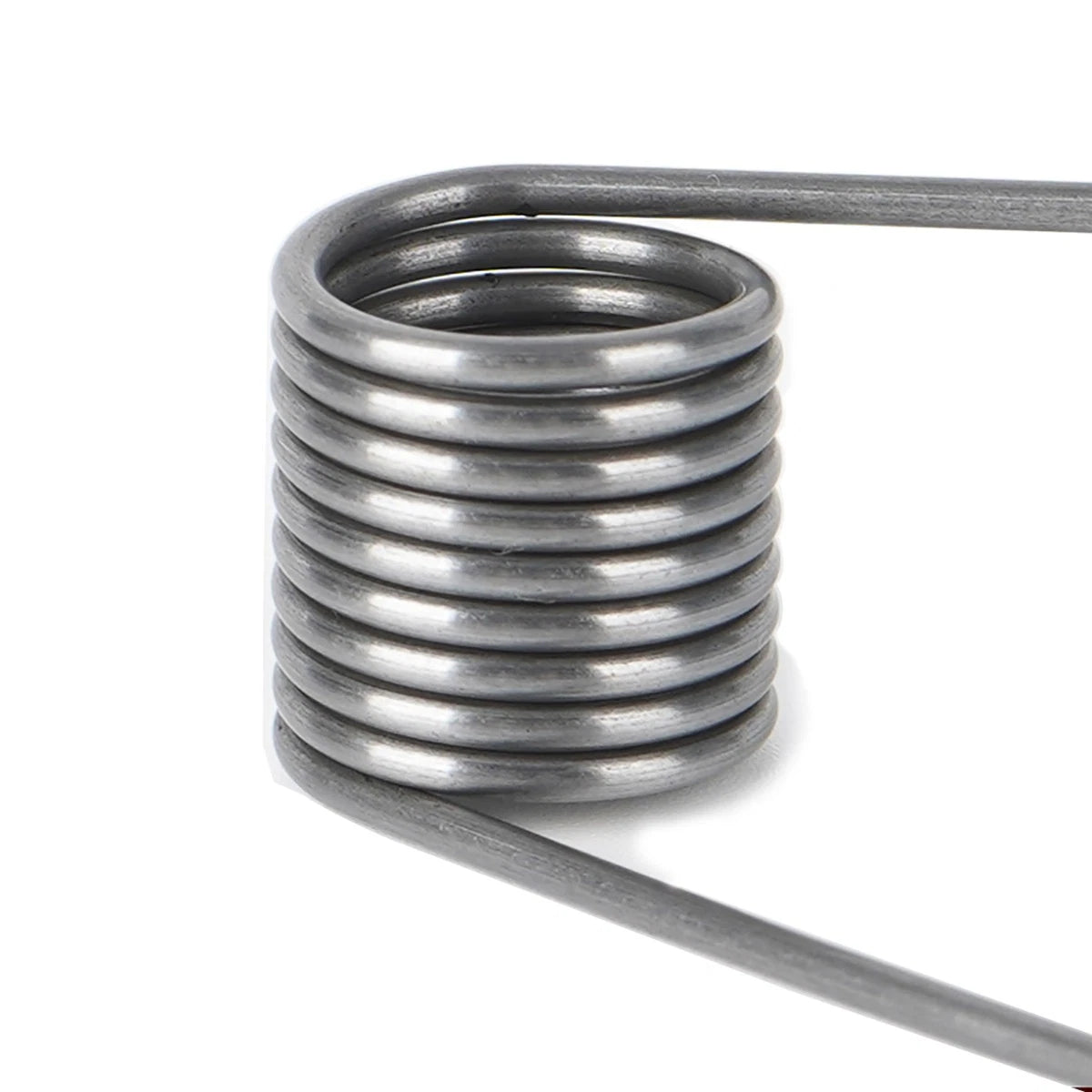
Choose from 1 to 5 coils to tune the angular deflection range and stored energy for your application, all in right-hand winding.

🛡️ Stainless Steel Construction

Stainless steel material provides corrosion resistance and durability, suitable for both indoor mechanisms and moderately humid environments.

📏 OD Range 5mm–9mm (0.20–0.35 in)

Five outer diameter sizes — 5, 6, 7, 8, and 9mm — cover a broad range of shaft and bore fits for miniature to small-scale assemblies.

🗂️ 150 Variants, One Consistent SKU System

Every combination of angle, OD, and coil count is individually SKU-coded for straightforward reordering and inventory tracking.

📐 Technical Specifications — Torsion Spring

Wire Diameter 0.7 mm
Outer Diameter (OD) 5 mm / 6 mm / 7 mm / 8 mm / 9 mm (see variant options)
Leg Angle 45° / 60° / 90° / 120° / 180° / 270° (see variant options)
Number of Coils 1 / 2 / 3 / 4 / 5 (see variant options)
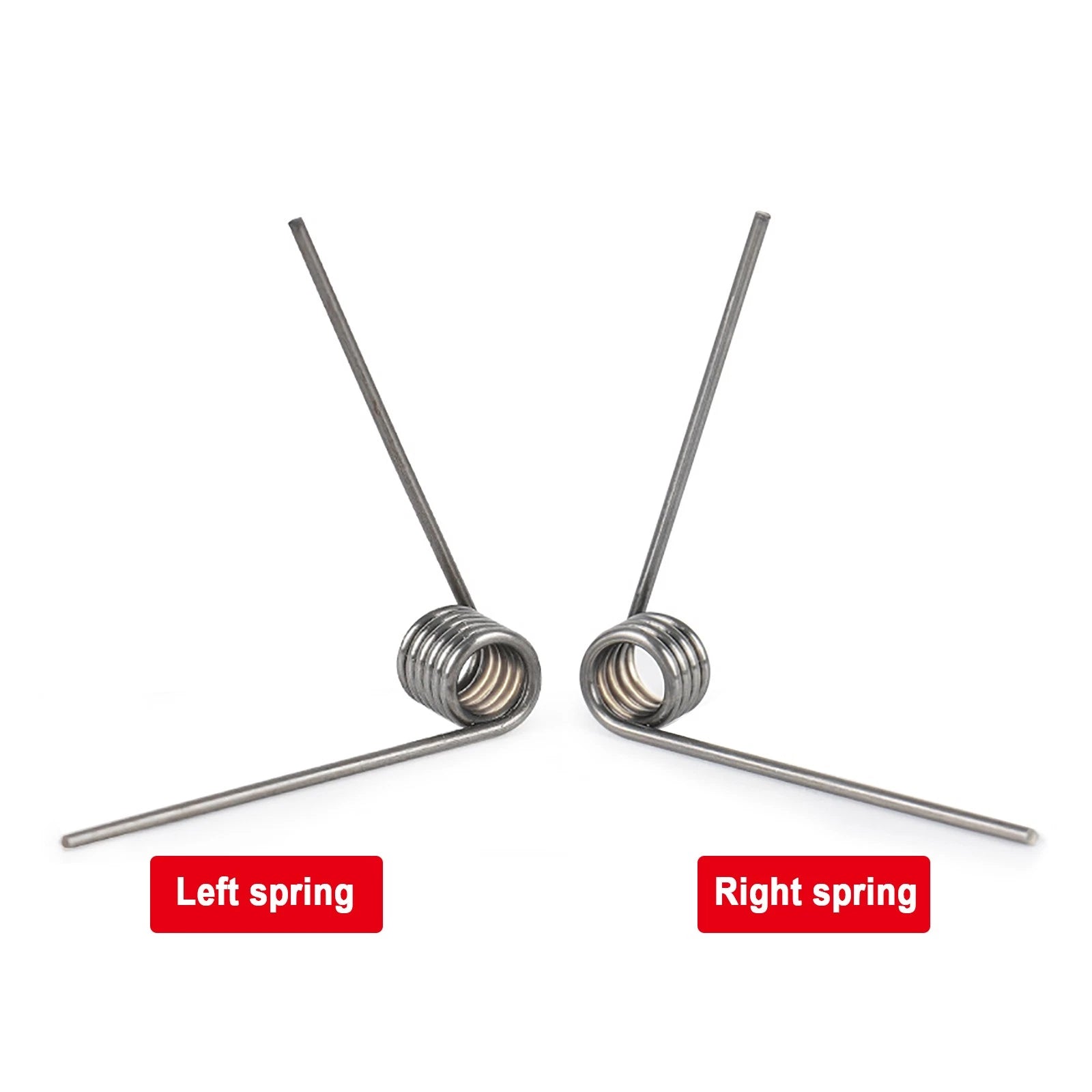
Wind Direction Right-hand (clockwise)
Material Stainless Steel
Spring Rate See variant options
Free Leg Length See variant options
Surface Finish Natural stainless (uncoated)
Application Hinges, latches, robotics, mechanical assemblies, DIY repair

❓ Frequently Asked Questions

How do I choose the right outer diameter for my application?

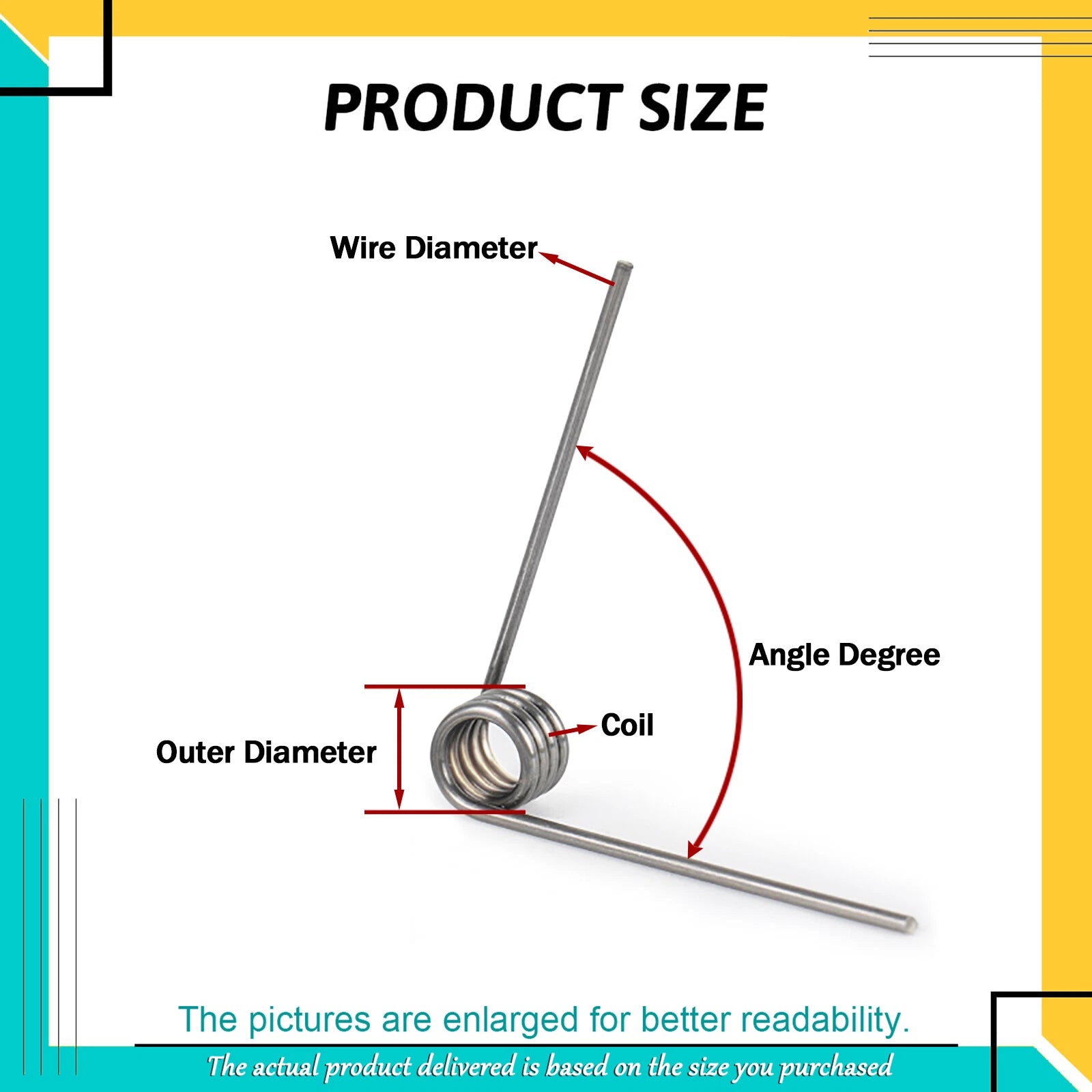
Measure the shaft or pin your spring will wrap around. The spring's inner diameter (ID = OD minus 2× wire diameter, so ID ≈ OD − 1.4mm) should fit snugly over the shaft with minimal clearance. For example, a 5mm OD spring has an ID of approximately 3.6mm, suitable for a 3–3.5mm shaft.

What does the leg angle mean, and how do I select it?

The leg angle is the angle between the two straight legs of the spring when it is in its free (unloaded) state. A 90° spring has legs perpendicular to each other; a 180° spring has legs pointing in opposite directions. Select the angle that matches your mechanism's geometry so the spring is neither pre-stressed nor over-deflected at its resting position.

Does more coils mean a stronger or weaker spring?

More coils generally means a lower spring rate (softer spring) for the same wire diameter and OD, because the additional active coils distribute the load over a longer body. If you need more stored energy with the same deflection, choose fewer coils; if you need a gentler return force, choose more coils.

Are these springs corrosion-resistant for outdoor or humid use?

Stainless steel offers good corrosion resistance for indoor and moderately humid environments. For prolonged outdoor exposure to saltwater or harsh chemicals, additional protective measures may be advisable. These springs are not coated, so the natural stainless surface is the only protection.

What is right-hand winding, and does it matter for my application?

Right-hand (clockwise) winding means the coils wind in a clockwise direction when viewed from the top. This determines which direction of rotation tightens the spring versus unwinds it. If your mechanism requires a left-hand spring, these variants would not be compatible — please confirm your winding direction before ordering.

Can I use these springs in electronics or robotics projects?

Yes. The compact OD range (5–9mm) and fine 0.7mm wire make these springs well-suited for robotics joints, servo return mechanisms, electronics enclosure latches, and instrument assemblies where space is limited and precise rotational force is needed.

How do I confirm the spring will fit before I order?

Check three dimensions: (1) the OD against your bore or housing clearance, (2) the ID (OD − 1.4mm) against your shaft diameter, and (3) the coil body length (approximately coil count × wire diameter) against your available axial space. If you are unsure, contact us with your application details and we can help you select the correct variant.

🛒 Select your angle, wire OD, and number of coils above, then add to cart.

You may also like

Recently viewed