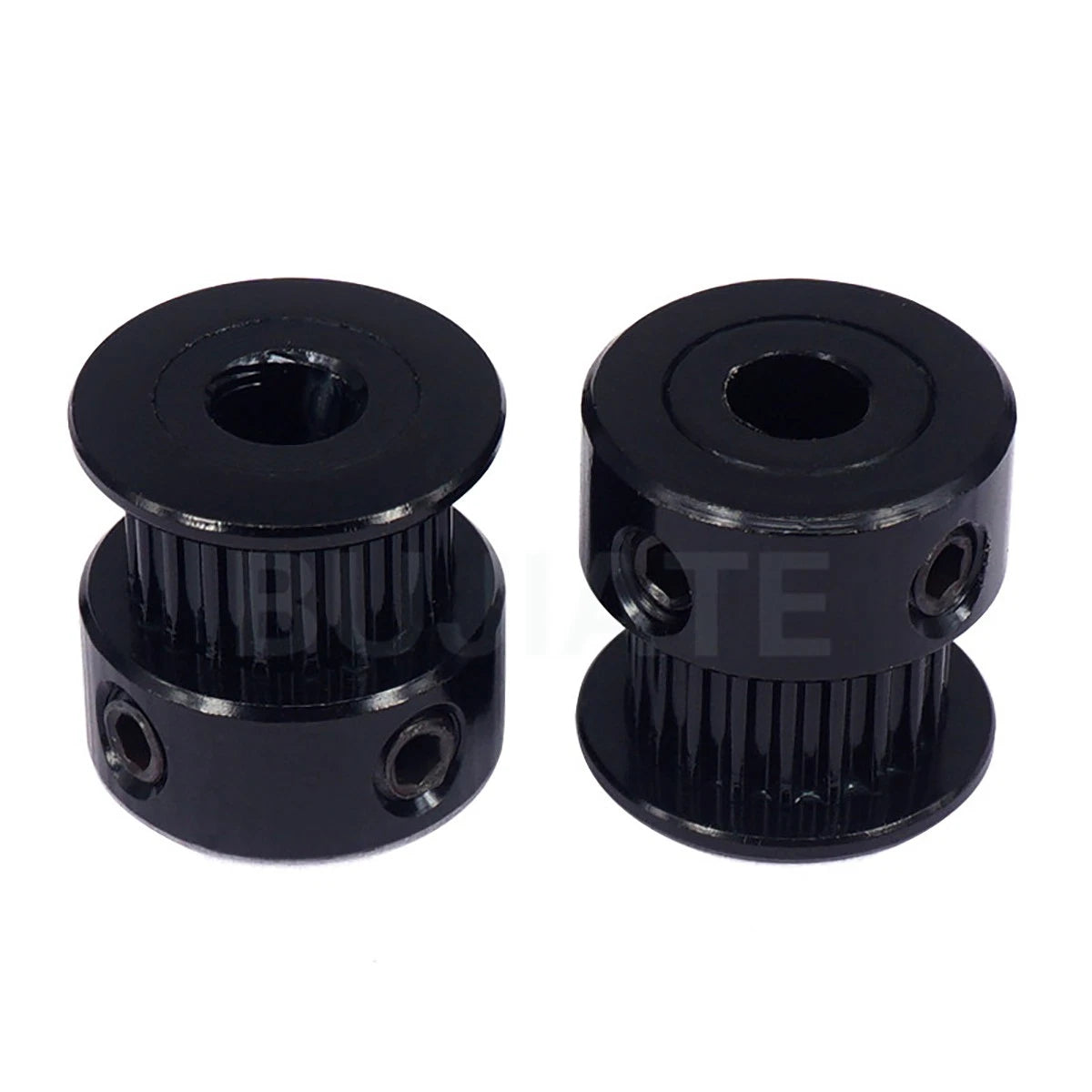
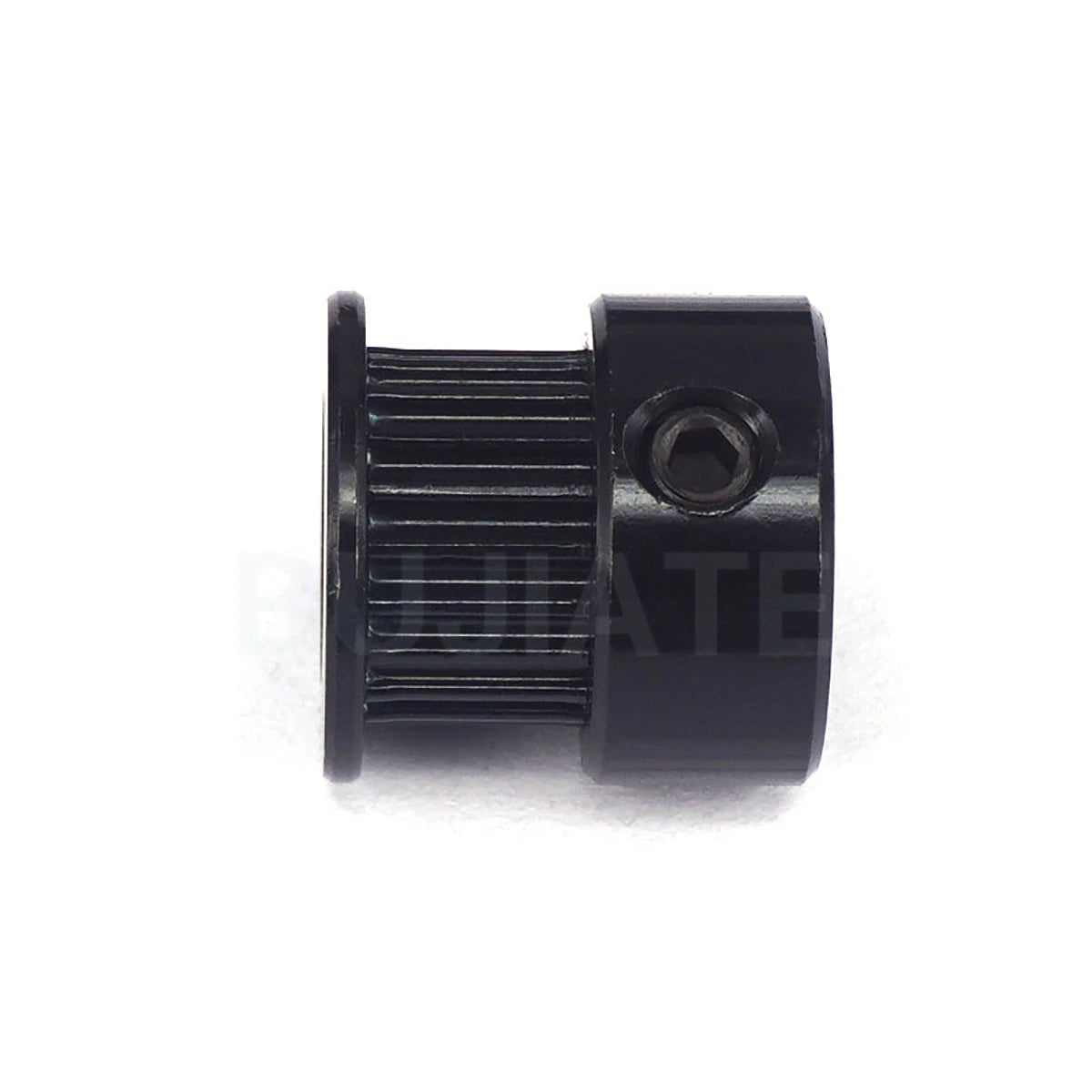
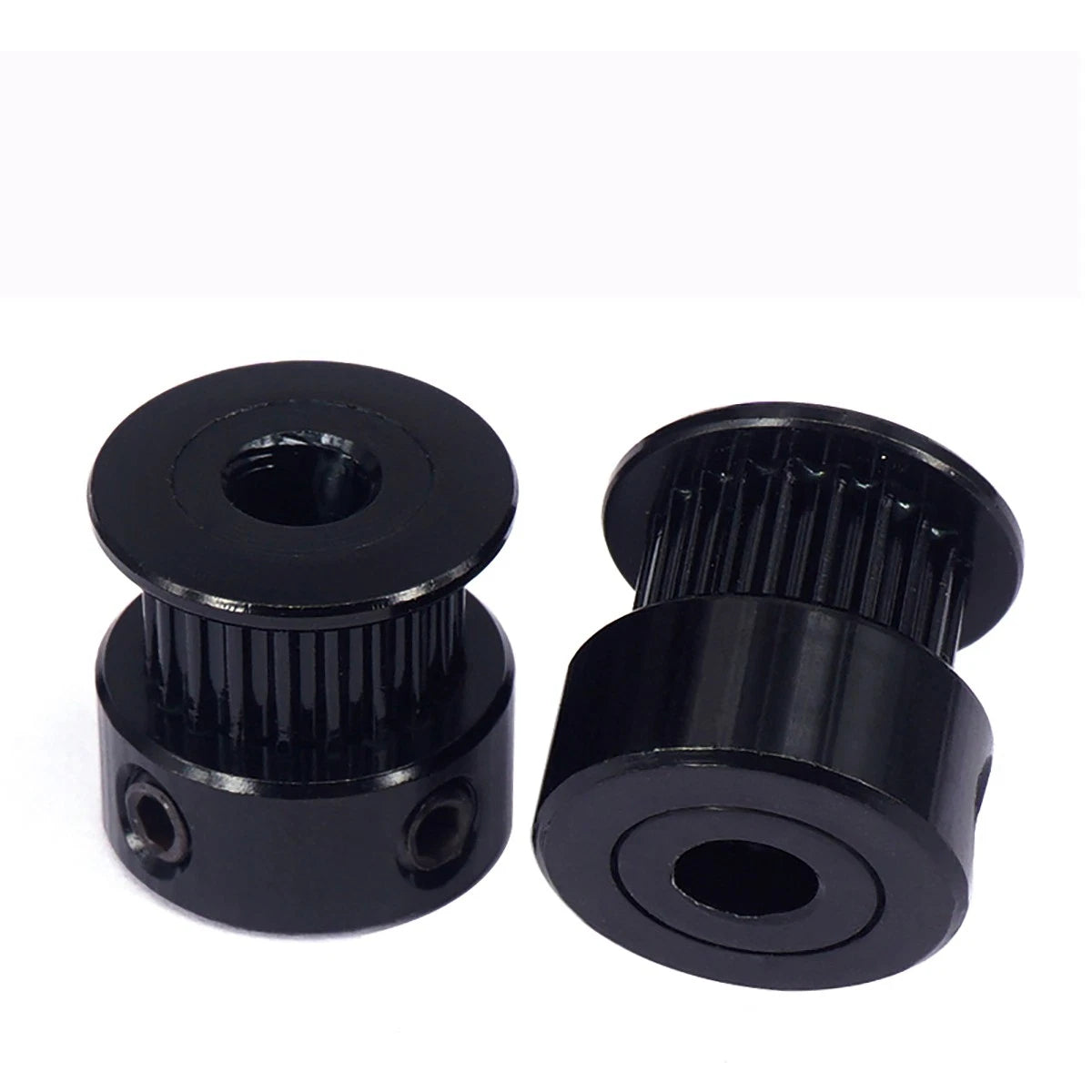
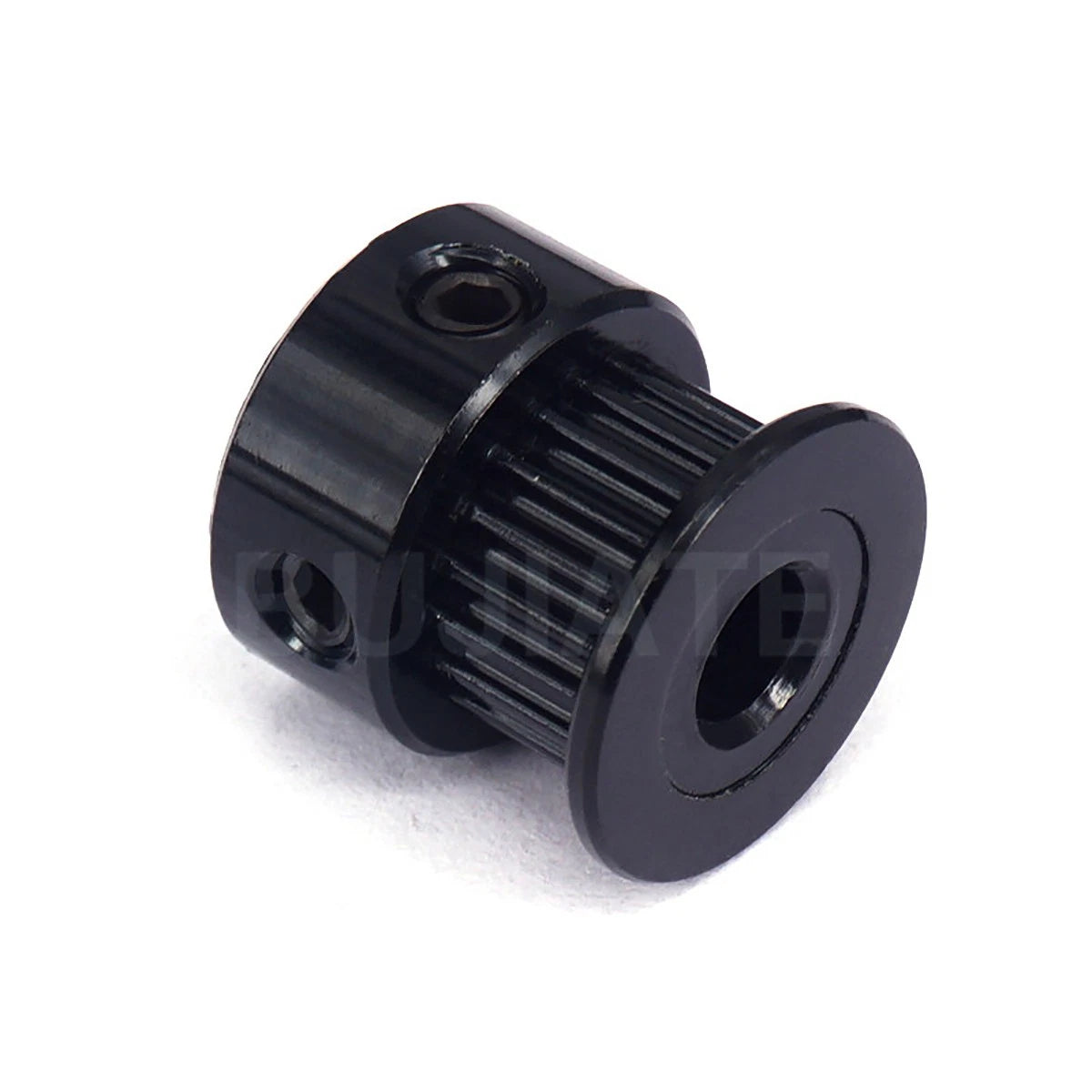
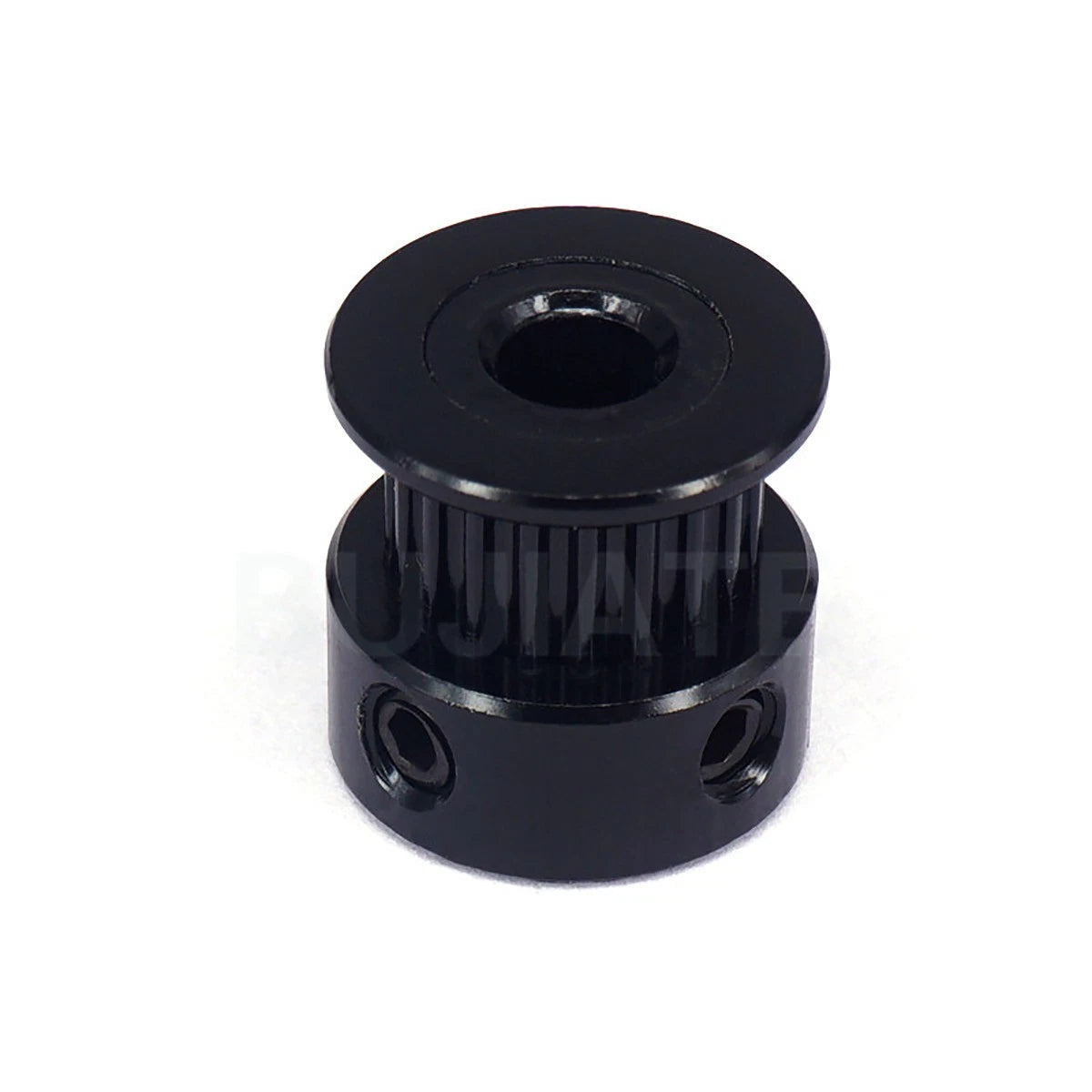
2GT 20T 5/8mm Bore Pulley Gear Wheel for 3D Printer Timing Belt 6mm Width Black

No reviews

Price:
Sale price$5.26 USD
Stock:
In stock (500 units), ready to be shipped

Payment & Security

Ach Direct Debit Amazon American Express Apple Pay Bancontact BLIK Diners Club Discover EPS Google Pay iDEAL Wero JCB Maestro Mastercard Multibanco MobilePay PayPal Przelewy24 Shop Pay Twint Union Pay USDC Visa

Your payment information is processed securely. We do not store credit card details nor have access to your credit card information.

Limited Offer — Spend More, Save More
Spend $55+
Save $5
Spend $100+
Save $10
Spend $200+
Save $25
HomeDIYer DIY Expert Support

DIY Expert Support

Get fitment advice & recommendations

Mon–Fri  8:30 AM – 8:00 PM
24-Hour Fast Ship
Arrives in 3–14 Days
Worldwide Shipping
30-Day Returns
1 tree planted with every purchase

Description

2GT Timing Pulley Gear Wheel — Precise Motion Control for 3D Printers & CNC Machines

When your 3D printer skips steps or your CNC axis loses position, the culprit is often a worn or mismatched timing pulley. Makers, engineers, and repair technicians who demand repeatable accuracy need a pulley that fits correctly and holds its position under continuous load. These 2GT timing pulley gear wheels are engineered for exactly that — delivering consistent tooth engagement and smooth belt tracking on every print or cut.

Each pulley is machined from black-anodized aluminum alloy, combining low weight with solid rigidity. The 2GT (GT2) tooth profile is compatible with standard 2mm-pitch GT2 timing belts. Available in 16-tooth and 20-tooth configurations, with bore options of 5mm or 8mm, and a belt width of 6mm (16mm hub height). Overall outer diameter ranges from approximately 11–14mm depending on tooth count.

Typical use cases include FDM 3D printer X/Y axis drives (Ender, Prusa, Voron, and similar open-frame designs), desktop CNC router feed axes, laser engraver gantry systems, and custom robotics or automation builds requiring low-backlash linear motion.

Compatible with standard GT2 / 2GT 2mm-pitch timing belts, 6mm belt width. Fits common 3D printer motor shafts (5mm and 8mm diameter). Works with NEMA 17 stepper motors and equivalent shaft sizes.

✅ Key Features of These 2GT Timing Pulley Gear Wheels

  • ⚙️2GT / GT2 Tooth Profile — 2mm pitch tooth geometry ensures positive engagement with GT2 belts, minimizing slip and backlash for accurate positioning.
  • 🔩Multiple Bore & Tooth Options — Available in 16T or 20T with 5mm or 8mm bore to match your motor shaft without adapters or shimming.
  • 🏗️Aluminum Alloy Construction — Machined aluminum body keeps rotating mass low, reducing inertia and improving acceleration response on fast-moving axes.
  • 🖤Black Anodized Finish — Hard anodizing adds surface hardness and corrosion resistance, extending service life in dusty or humid workshop environments.
  • 📐6mm Belt Width / 16mm Hub Height — Standardized dimensions align with the most common GT2 belt widths used in desktop 3D printers and compact CNC systems.
  • 🔧Set Screw Retention — Includes a grub/set screw for secure shaft locking, preventing rotational slip during high-speed or high-torque operation.

📐 Technical Specifications — 2GT Timing Pulley

Tooth Profile 2GT (GT2), 2mm pitch
Tooth Count 16T or 20T (see variant options)
Bore Diameter 5mm or 8mm (see variant options)
Belt Width 6mm
Hub Height 16mm
Outer Diameter ~11.5mm (16T) / ~14.0mm (20T)
Material Aluminum alloy
Finish Black anodized
Retention Set screw (grub screw)
Compatible Belt GT2 / 2GT, 6mm width, 2mm pitch
Compatible Shaft 5mm or 8mm diameter motor shaft
Weight See variant options

❓ Frequently Asked Questions

What is the difference between 16T and 20T, and which should I choose?

The tooth count determines your motion ratio. A 20-tooth pulley moves the belt farther per motor revolution than a 16-tooth pulley, resulting in faster axis travel but slightly lower torque. A 16-tooth pulley gives finer resolution per step and more torque. Most standard 3D printer builds (Ender 3, Prusa i3 variants) use 20T on the motor and an idler; choose 16T if you are tuning for higher resolution or matching an existing drive system.

Will this fit my NEMA 17 stepper motor shaft?

Standard NEMA 17 stepper motors have a 5mm diameter output shaft. Select the 5mm bore variant for a direct fit. The 8mm bore variant is intended for larger motors or custom shaft adapters. Always verify your motor's shaft diameter before ordering.

Is this compatible with GT2 belts from other brands?

Yes. The 2GT tooth profile is an open standard identical to the GT2 profile used by Gates, Filastruder, and most aftermarket belt suppliers. Any GT2 belt with 2mm pitch and 6mm width will mesh correctly with these pulleys.

How do I secure the pulley to the shaft so it does not slip?

Each pulley includes a set screw (grub screw) that clamps against the motor shaft. Use a 1.5mm or 2mm hex key to tighten the set screw firmly against the shaft flat (if present) or directly against the shaft surface. For added security on shafts without a flat, apply a small amount of thread-locking compound to the set screw before tightening.

Is the aluminum body strong enough for continuous 3D printing use?

Aluminum alloy pulleys are the industry standard for desktop 3D printers and light CNC machines. The material provides sufficient strength for the belt tension and cyclic loads typical of these applications. The black anodized surface adds hardness to the tooth flanks, reducing wear from belt contact over extended use.

Can I use this pulley in a humid or dusty workshop environment?

The hard anodized finish provides corrosion resistance suitable for typical workshop conditions, including moderate humidity and dust exposure. For environments with direct water contact or chemical exposure, additional protective measures may be needed. Wipe the pulley clean periodically to prevent abrasive dust buildup in the tooth grooves.

What belt tension is recommended for these pulleys?

For 6mm GT2 belts on 3D printer axes, a belt tension that produces a resonant frequency of approximately 100–130 Hz (measured with a smartphone app like Gates Carbon Drive or a tension meter) is a common starting point. Over-tensioning can increase bearing wear on the motor; under-tensioning causes layer shifting. Refer to your printer's documentation for the manufacturer-recommended tension value.

🛒 Select your Teeths, Inner Hole Diameter, and Height & Belt Width above, then add to cart.


You may also like

Recently viewed