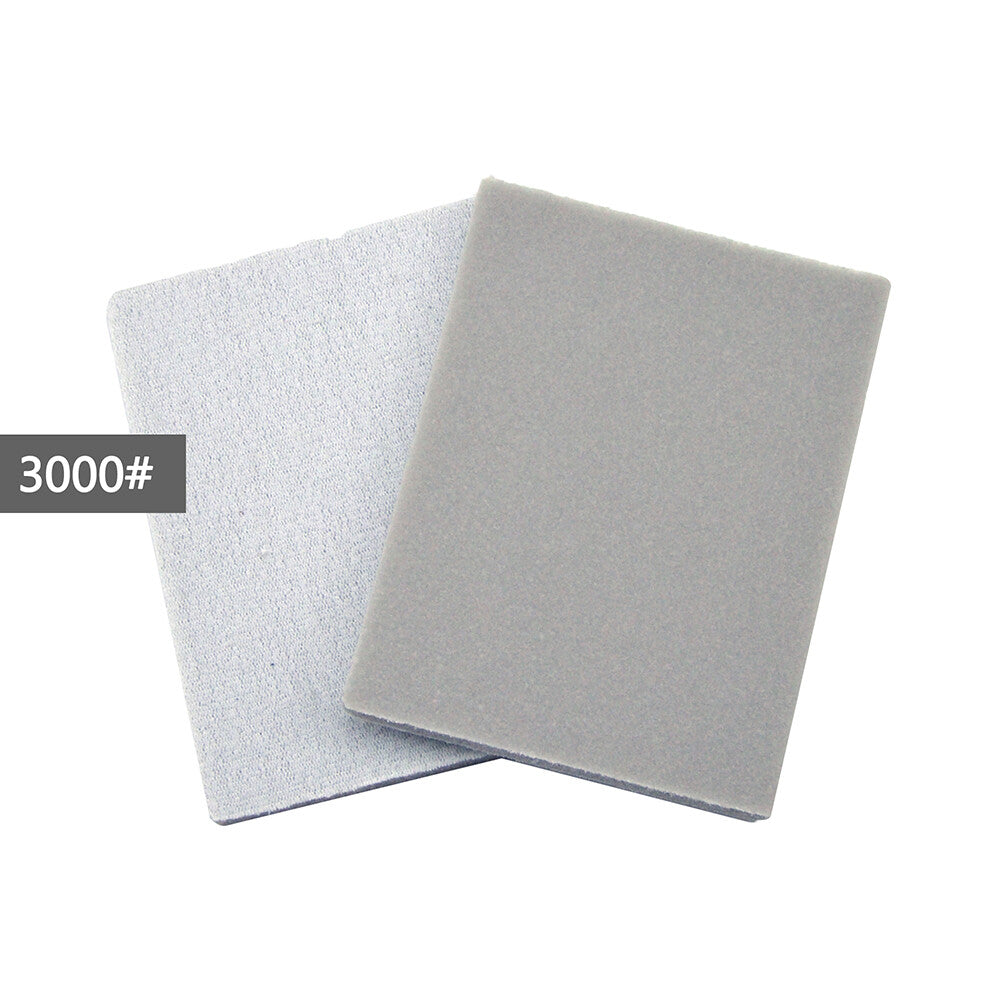
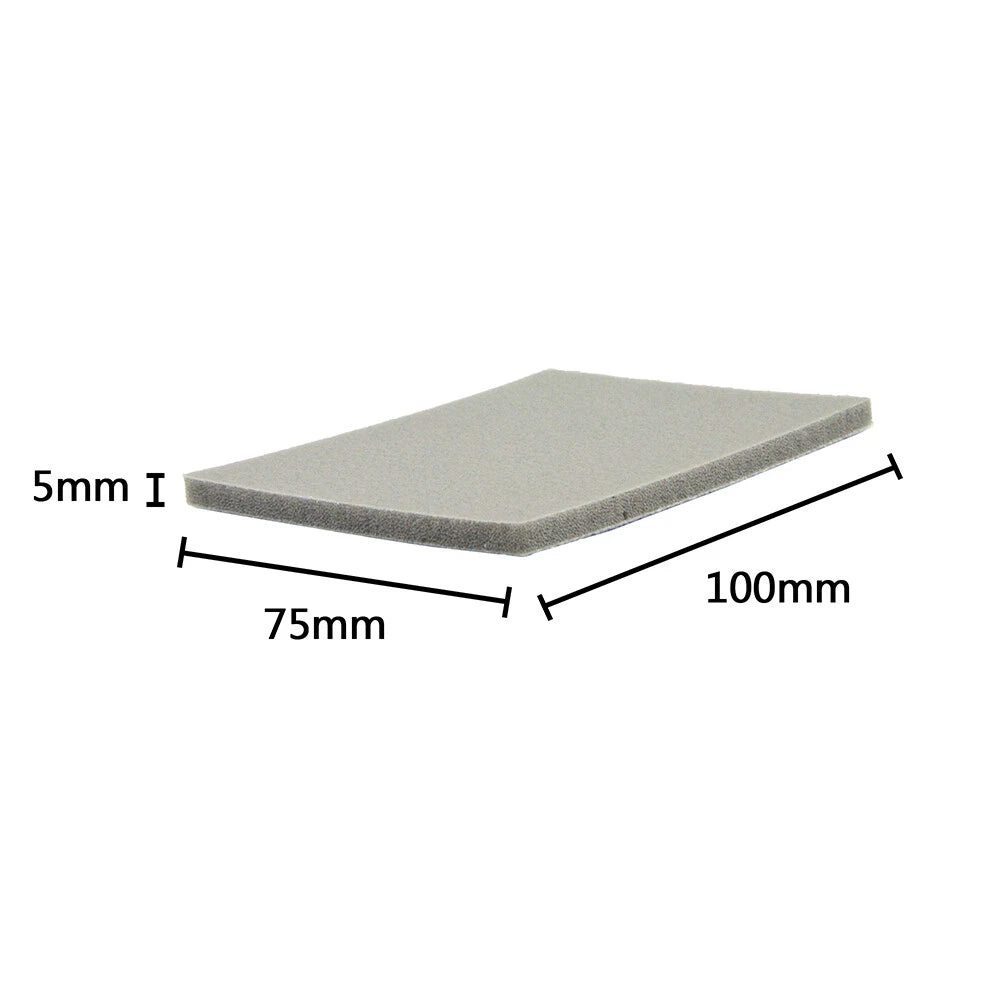
✨ 75x100mm Wet Dry Sanding Sponge Blocks – Hook & Loop Sandpaper for Orbital Sanders & Hand Polishing
Whether you're restoring a car’s clear coat, smoothing a wooden tabletop, or polishing out fine scratches on metal, these 75x100mm wet/dry sanding sponges make surface prep fast and frustration‑free. The flexible sponge core hugs curves and contours without digging in, while the hook‑and‑loop backing grabs securely onto your random orbital sander or hand block—no clamps or messy adhesives needed. From aggressive paint removal at 300 grit all the way to a mirror‑like shine at 3000 grit, you get the complete grit range in one grab‑and‑go kit. Use them dry for speed, or with water to keep dust down and the abrasive cooler. Designed for DIY auto body work, woodworking, and all‑around home improvement, these pads help you work cleaner and get professional results without the markup.
❓ 75x100mm Wet Dry Sandpaper FAQ
1. Are these 75x100mm hook & loop sanding blocks compatible with my orbital sander?
If your sander or hand block uses standard 75×100mm (approximately 3″×4″) hook‑and‑loop pads, these sponges will attach without any issue. Simply press the loop side firmly onto the tool’s hooks. Always verify your tool’s pad dimensions before ordering.
2. Can I really use these sanding sponges with water?
Absolutely. The abrasive and sponge are designed for both dry and wet sanding. Wet sanding helps float away debris, reduces dust in the air, and keeps the surface cooler—which is especially beneficial when working on automotive clear coats or delicate finishes above 1500 grit.
3. What exact grits will I receive in the 300–3000 grit set?
The pack includes multiple sheets covering the full range from coarse 300 up to ultra‑fine 3000. Typically, you’ll find intermediate steps like 400, 600, 800, 1000, 1200, 1500, and 2000. Exact counts per grit may vary, but the set is curated to take you through a complete sanding progression without needing extra purchases.
4. Will these sponge pads scratch my car’s paint?
When you follow a progressive grit sequence—starting with a higher grit appropriate for your surface and working upward—the flexible sponge backing distributes pressure more evenly than rigid discs. This significantly reduces the chance of deep pigtails or gouging. For automotive clear coats, many users begin around 1500 grit and move up to 3000 for a polished finish before compounding.
5. How should I clean and store these sanding sponges?
Rinse them under running water immediately after use and let them air dry with the abrasive side up. For stubborn loading (especially after dry sanding), gently brush the surface with a soft nylon brush. Store flat or in a cool, dry place to maintain the sponge’s shape and hook‑loop integrity.