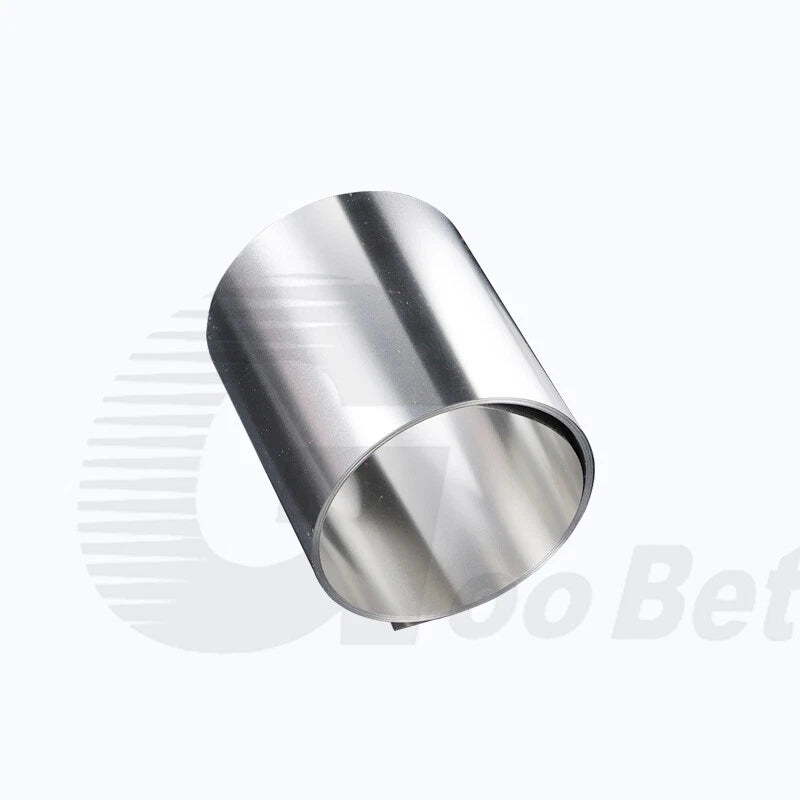
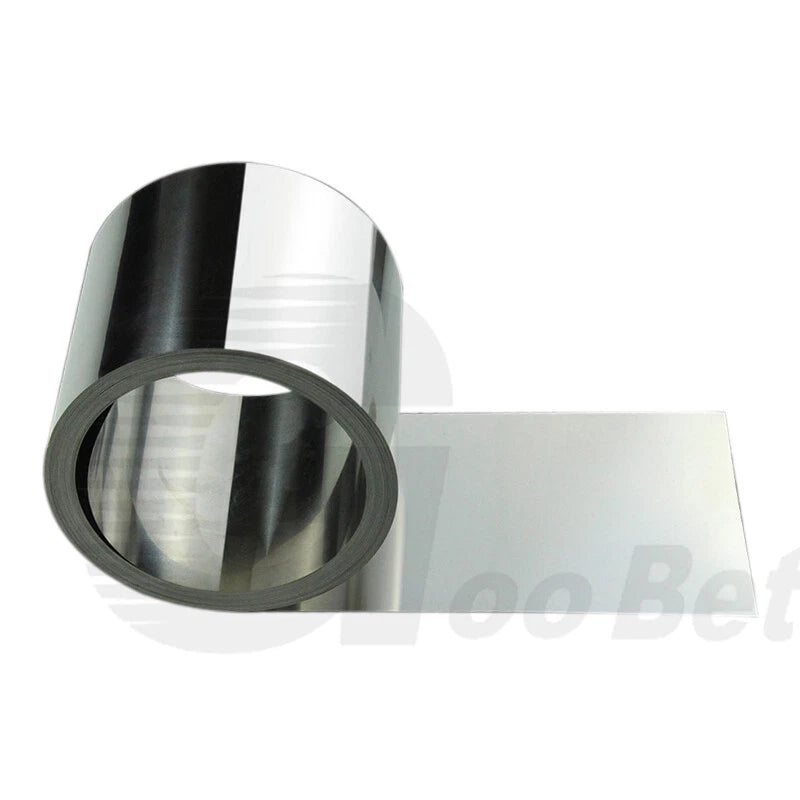
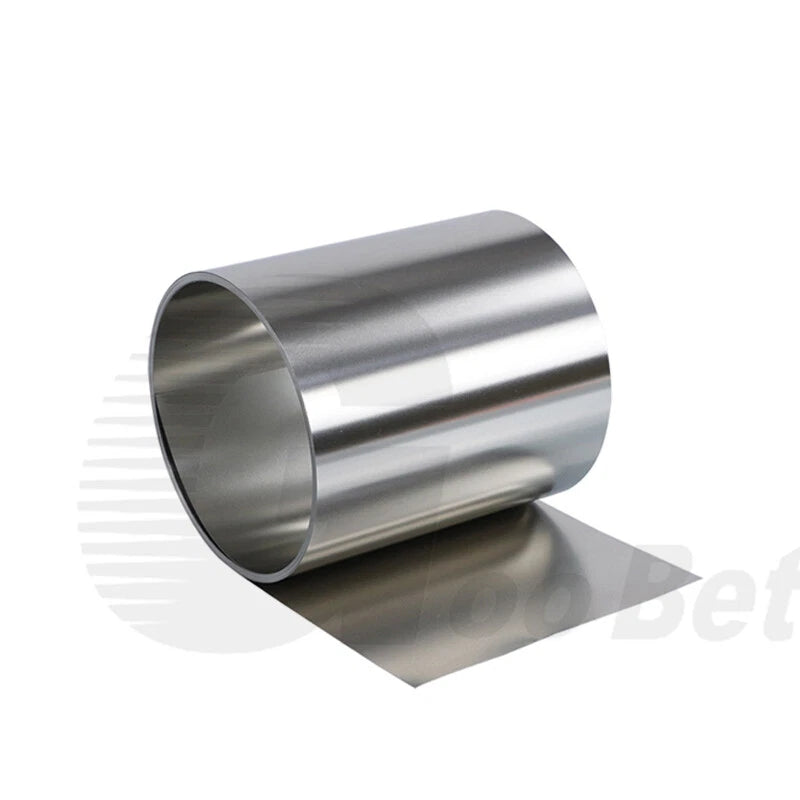
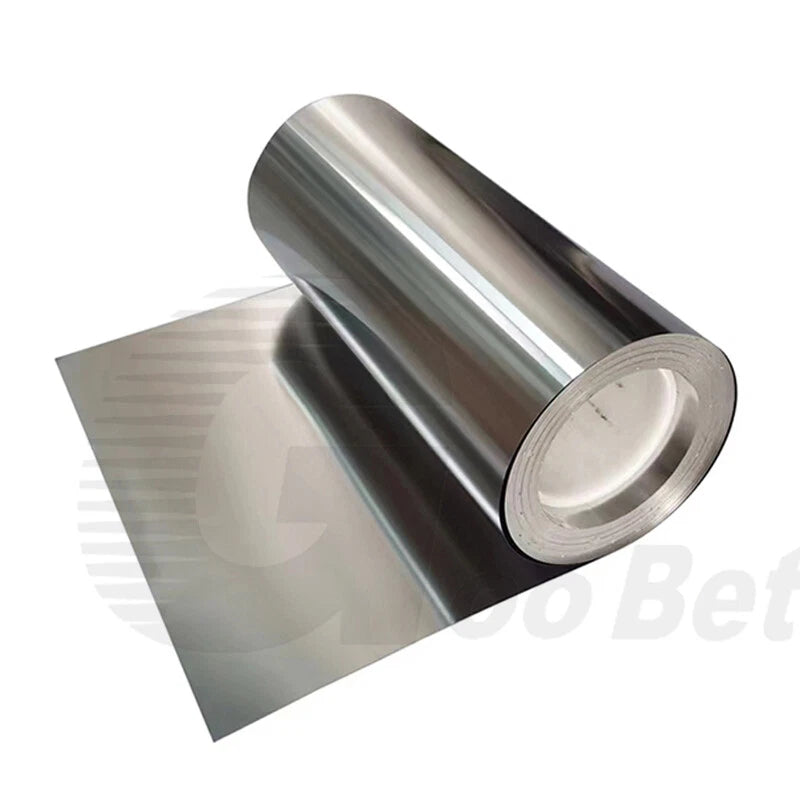
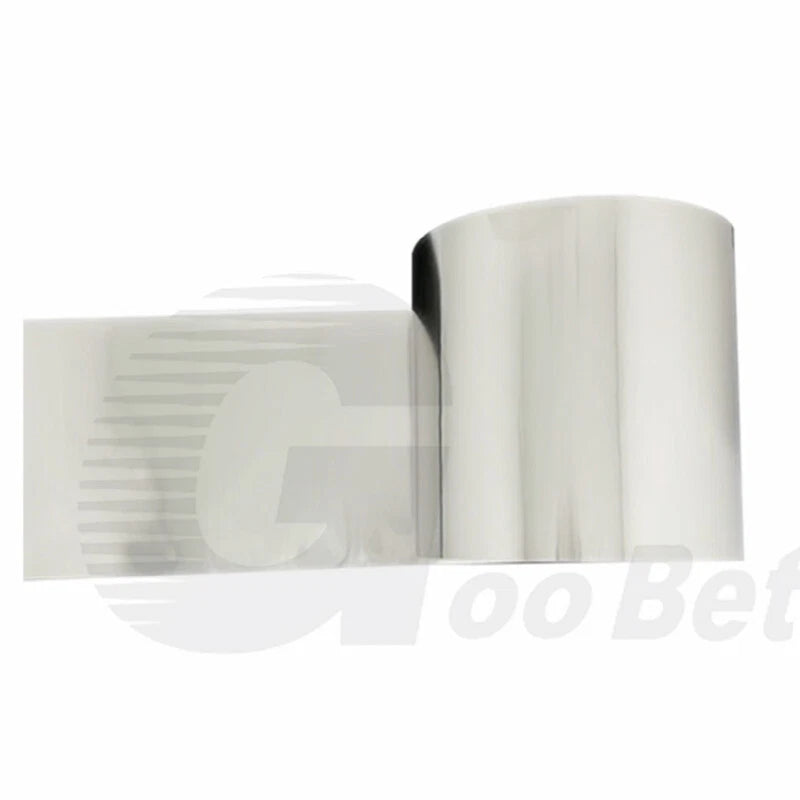
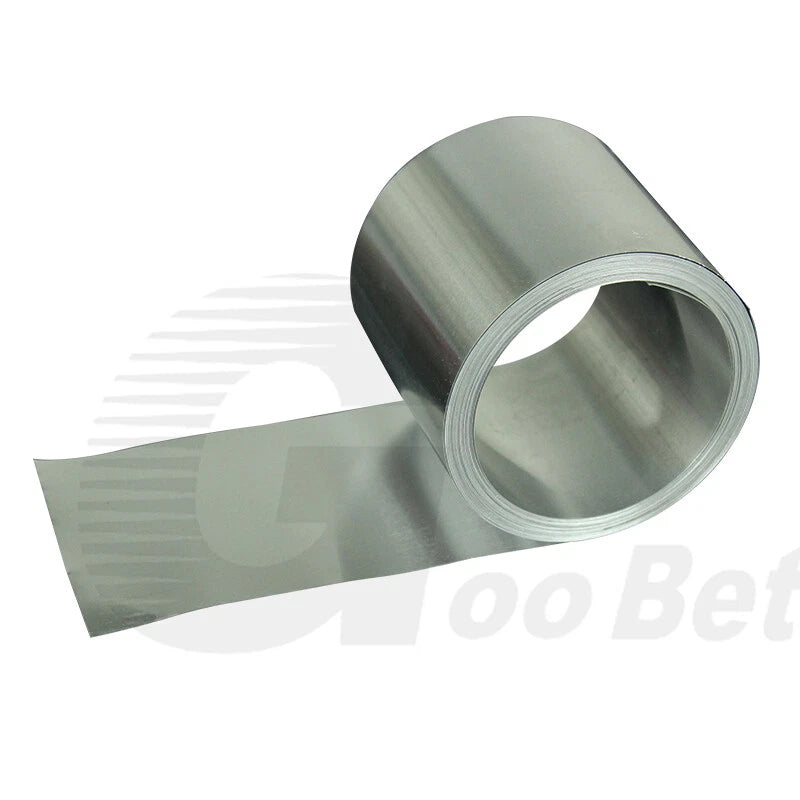
A2 Stainless Steel Strip Metal Sheet Foil Plate Roll Thick 0.05-1mm Width 300mm

No reviews

Price:
Sale price$24.00 USD
Stock:
In stock (500 units), ready to be shipped

Payment & Security

Ach Direct Debit Amazon American Express Apple Pay Bancontact Diners Club Discover Google Pay iDEAL Wero Mastercard PayPal Shop Pay USDC Visa

Your payment information is processed securely. We do not store credit card details nor have access to your credit card information.

Quantity Discount Promotion
🎯 BULK DISCOUNT: Buy More, Save More!
Buy 2 Items
5% OFF
Buy 4 Items
10% OFF
Buy 6 Items
15% OFF
Expert

DIY Expert Support

Get fitment advice & recommendations

Mon-Fri, 8:30AM-8PM
24-Hour Fast Ship
🚚
Arrives in 3-14 days
🌍
Global Reach
↩️
30-Day Returns
🌱 1 tree planted with every purchase

Description

A2 Stainless Steel Strip Sheet — Precision Foil Roll for DIY Fabrication & Repair

When a project demands a flat, corrosion-resistant metal surface that holds tight tolerances, finding the right gauge of stainless steel strip in a ready-to-cut format is half the battle. Whether you're a hobbyist building custom brackets, a maker prototyping enclosures, or a tradesperson patching worn surfaces, this A2 stainless steel strip sheet gives you a reliable starting point without ordering custom-cut stock.

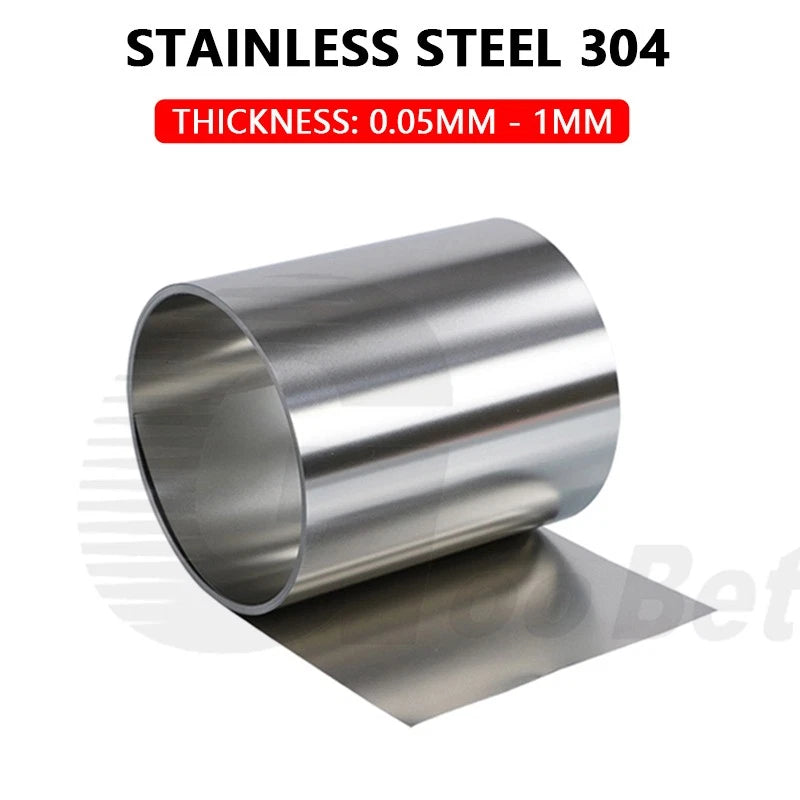
Each roll is made from A2 (304-grade) stainless steel — an austenitic alloy known for its balanced chromium-nickel content and consistent mechanical properties. The sheet measures 300mm (≈11.8 in) wide and 1000mm (≈39.4 in) long per piece, with thickness options ranging from 0.05mm (≈0.002 in) to 0.8mm (≈0.031 in). The surface finish is smooth and uniform, suitable for further cutting, bending, or forming.

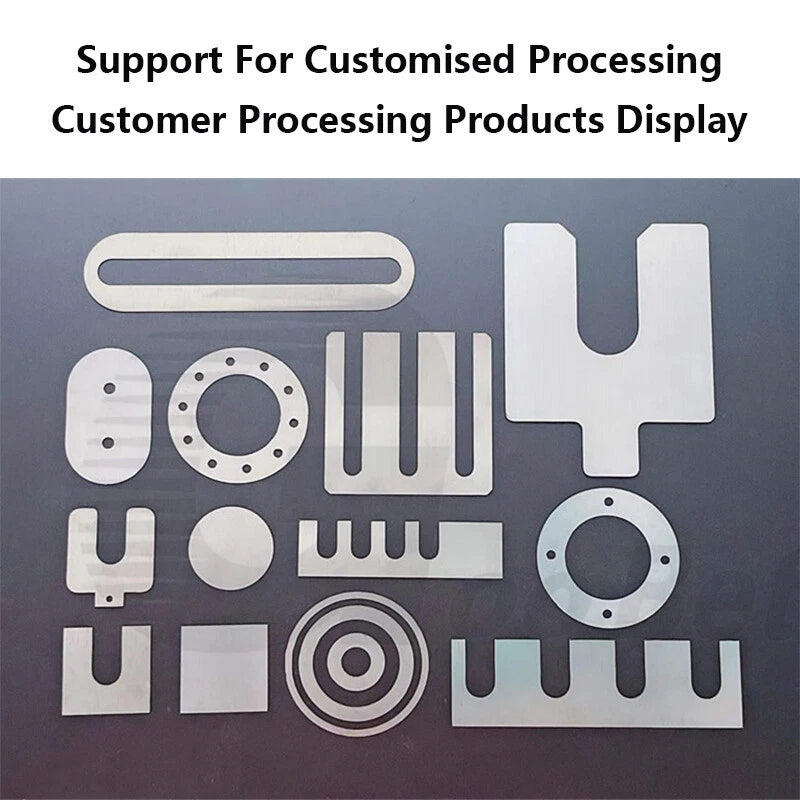
Typical use cases include shim stock and precision gap-filling between mechanical components, thin backing plates for welding or bonding applications, decorative inlay strips for woodworking and furniture projects, and protective lining for shelving, trays, or enclosures exposed to moisture or mild chemicals.

🔧 Compatible with: Standard metal shears, tin snips, rotary cutters, laser cutters, and CNC routers. Suitable for welding, soldering, riveting, and adhesive bonding. Works with most stainless-compatible coatings and primers.

✅ Key Features of These A2 Stainless Steel Strip Sheets

🧲 A2 / 304-Grade Alloy

Contains 18% chromium and 8% nickel for solid oxidation resistance in indoor and lightly outdoor environments — without the cost of marine-grade 316.

📏 Eight Thickness Options (0.05–0.8mm)

From ultra-thin 0.05mm foil for shimming and gaskets to a sturdier 0.8mm plate for structural backing — select the gauge that matches your load and bend requirements.

📐 Consistent 300 × 1000mm Sheet Size

Each piece is 300mm (11.8 in) wide and 1000mm (39.4 in) long, giving you a predictable blank to mark, cut, and form without waste from irregular stock.

✂️ Ready to Cut and Form

The annealed condition of thin gauges (≤0.3mm) allows hand-tool cutting with snips or a craft knife; thicker gauges (0.4–0.8mm) respond well to angle grinders and shears.

💧 Corrosion-Resistant Surface

The passive oxide layer on A2 stainless resists rust, staining, and mild acid exposure — making it suitable for kitchen, bathroom, and light industrial environments.

🔩 Weldable and Bondable

Compatible with TIG and MIG welding using 308L filler, and bonds reliably with structural epoxies and stainless-rated adhesives for no-weld assembly options.

📐 Technical Specifications — Stainless Steel Strip Sheet

Material A2 Stainless Steel (304 / 18-8)
Width 300mm (≈11.8 in)
Length 1000mm (≈39.4 in)
Thickness Range 0.05mm – 0.8mm (≈0.002 – 0.031 in)
Available Thicknesses 0.05 / 0.1 / 0.15 / 0.2 / 0.3 / 0.4 / 0.5 / 0.8mm
Surface Finish Smooth mill finish (2B equivalent)
Chromium Content 17–19%
Nickel Content 8–10%
Tensile Strength Typically 515–720 MPa (varies by thickness)
Magnetic Non-magnetic (austenitic)
Variant Dimension See variant options
Weight per Sheet See variant options

❓ Frequently Asked Questions

Which thickness should I choose for shimming applications?

For precision shimming between mechanical parts, the 0.05mm or 0.1mm options are most commonly used. These ultra-thin gauges compress minimally under load and allow fine adjustment of clearances in bearings, gearboxes, and mounting plates. If you need to fill a larger gap, stack multiple thin sheets rather than jumping to a thicker gauge.

Is A2 stainless steel strong enough for structural brackets?

A2 (304) stainless has a typical tensile strength of 515–720 MPa, which is adequate for light-duty brackets and support plates. For structural applications carrying significant dynamic loads, the 0.5mm or 0.8mm variants provide more rigidity. If your application involves heavy cyclic stress, consult a structural engineer to confirm suitability.

Will this sheet rust outdoors or near water?

A2 stainless steel performs well in indoor and sheltered outdoor environments. Its passive chromium-oxide layer resists rust and staining from fresh water, mild cleaning agents, and food acids. However, prolonged exposure to salt spray, chlorinated water, or industrial chemicals can cause surface pitting over time. For marine or pool environments, 316-grade stainless is a better choice.

Can I cut this sheet with standard hand tools?

Yes — gauges up to 0.3mm can be cut cleanly with aviation snips, a sharp craft knife and straightedge, or a rotary cutter on a cutting mat. Thicker gauges (0.4–0.8mm) are better suited to metal shears, an angle grinder with a thin cutting disc, or a CNC router with a carbide bit. Always deburr cut edges with a fine file or sandpaper for safe handling.

Is this material compatible with welding?

Yes. A2 / 304 stainless is readily weldable using TIG welding with ER308L filler rod, or MIG welding with 308L wire. For thin gauges (≤0.2mm), use low amperage and a backing strip to prevent burn-through. Spot welding is also viable for lap joints on thicker gauges. Avoid welding near sensitization temperatures (425–860°C) for extended periods to prevent intergranular corrosion.

How do I choose between 0.3mm and 0.5mm for a protective lining?

If the lining only needs to resist surface abrasion and light impacts (e.g., shelf liner, drawer insert), 0.3mm is sufficient and easier to form around curves. If the lining must withstand repeated mechanical contact, tool impacts, or needs to be self-supporting without a backing substrate, 0.5mm offers noticeably better rigidity and dent resistance.

Can I bend this sheet without cracking it?

A2 stainless in the annealed condition has good ductility. Gauges up to 0.3mm can be bent by hand around a straight edge with a minimum bend radius of approximately 1–2× the sheet thickness. Thicker gauges (0.4–0.8mm) should be bent in a sheet metal brake or press brake to achieve clean, crack-free bends. Avoid sharp 90° bends without a radius tool on gauges above 0.5mm.

🛒 Select your Thick x Width x Length above, then add to cart.

You may also like

Recently viewed