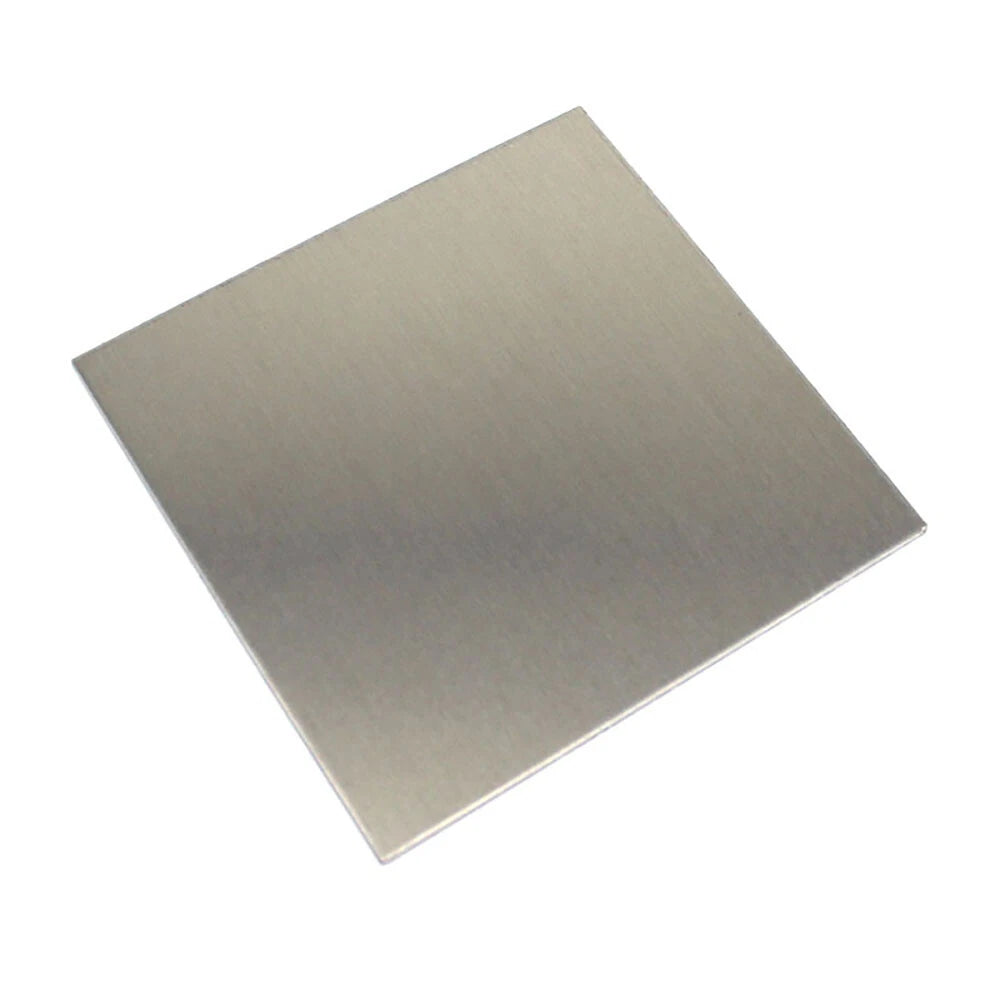
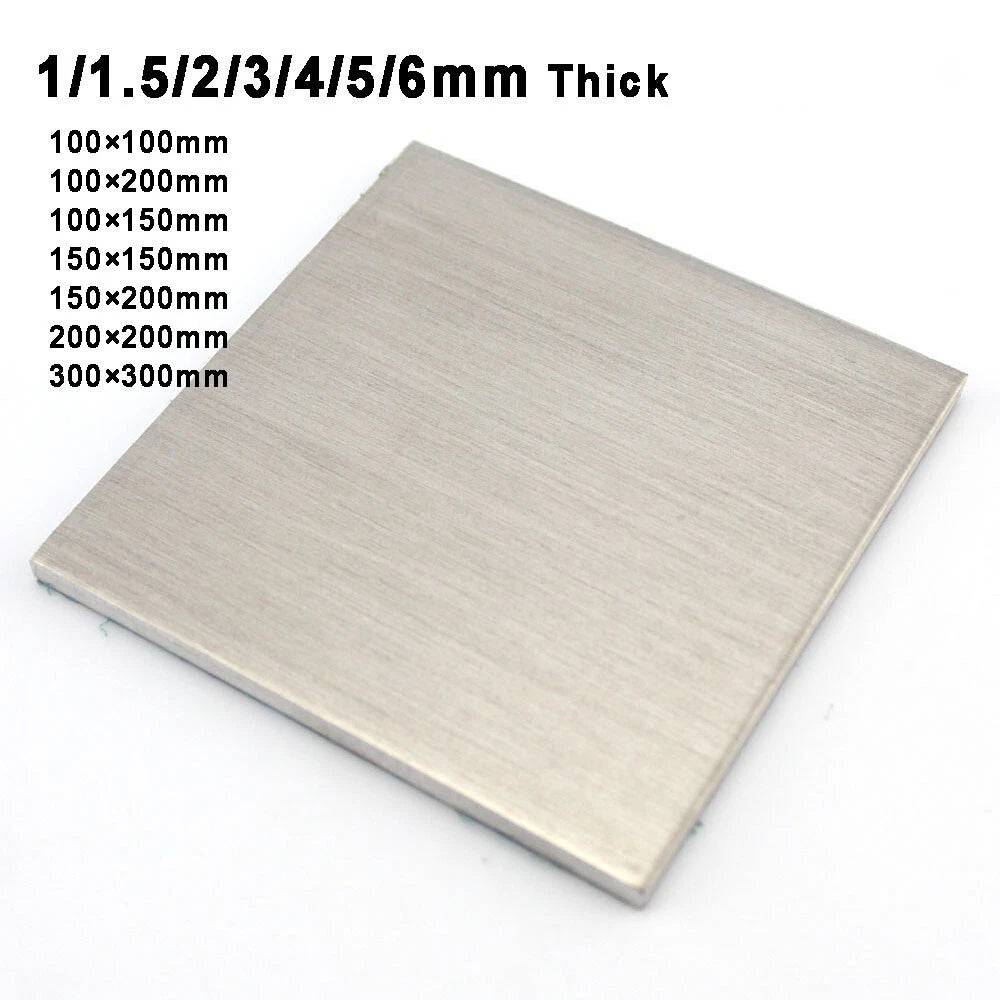
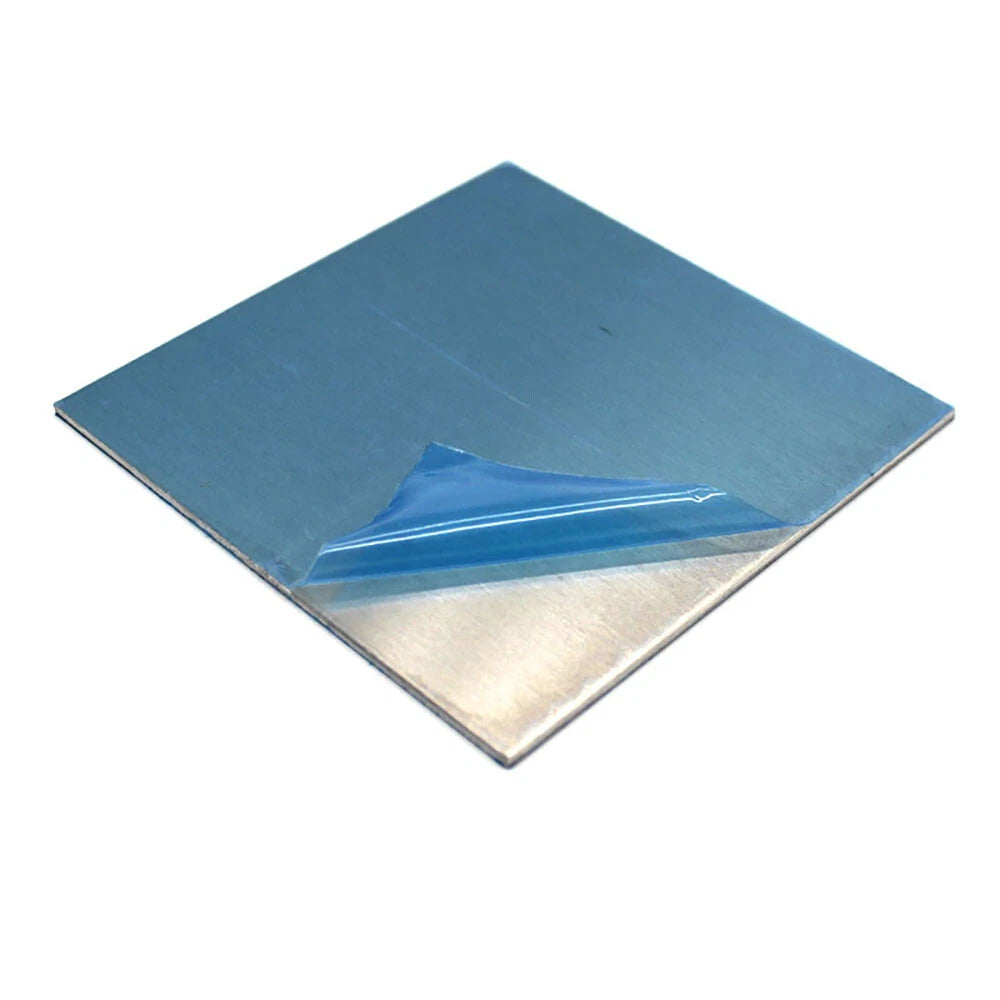
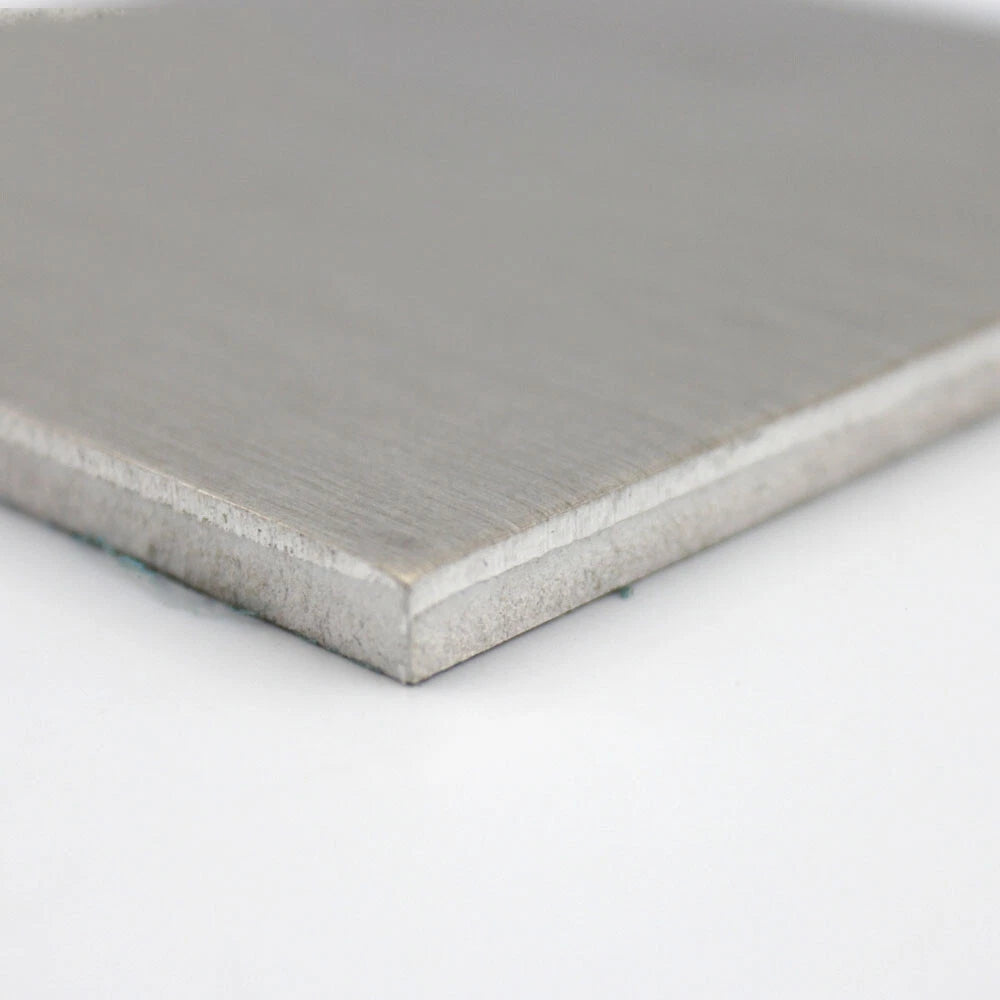
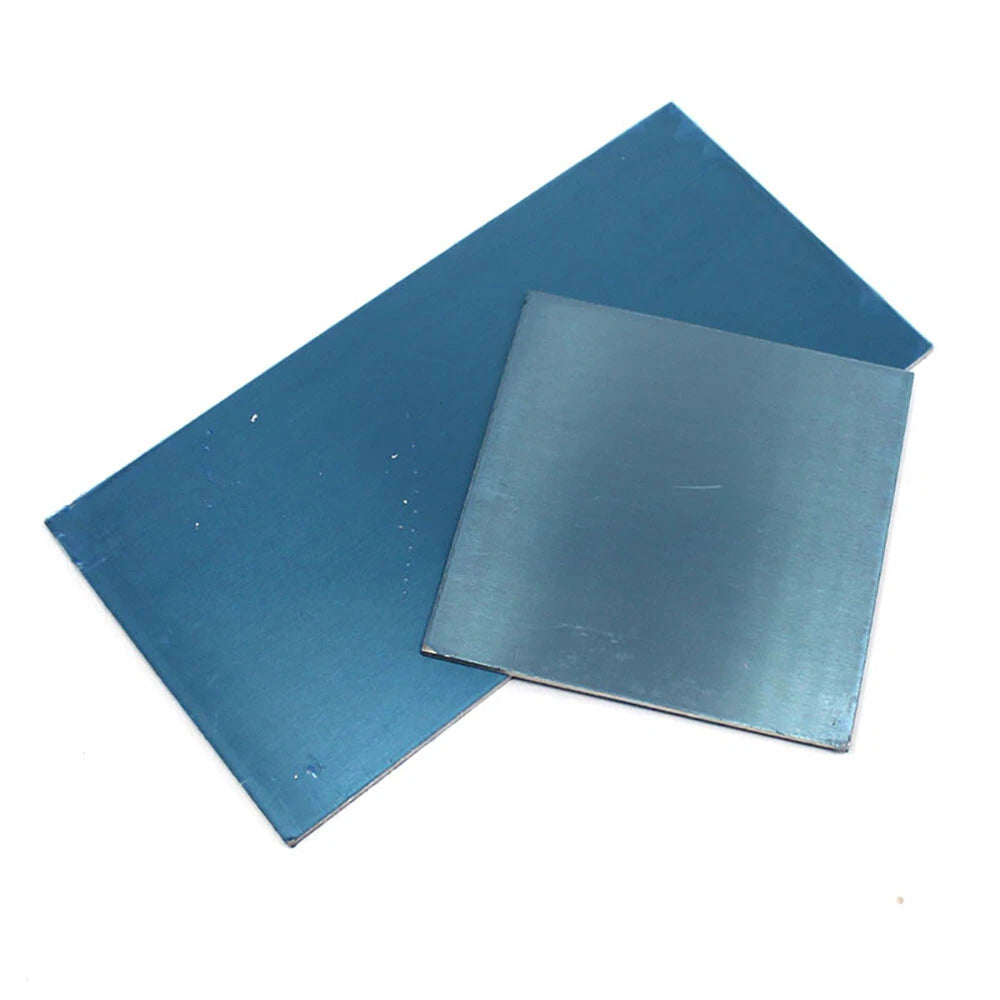
Aluminium Plate, Aluminum alloy Metal Sheet 1mm 1.5mm 2mm 3mm 4mm 5mm 6mm Thick

No reviews

Price:
Sale price$3.73 USD
Stock:
In stock (500 units), ready to be shipped

Payment & Security

Ach Direct Debit Amazon American Express Apple Pay Bancontact Diners Club Discover Google Pay iDEAL Wero Mastercard PayPal Shop Pay USDC Visa

Your payment information is processed securely. We do not store credit card details nor have access to your credit card information.

Quantity Discount Promotion
🎯 BULK DISCOUNT: Buy More, Save More!
Buy 2 Items
5% OFF
Buy 4 Items
10% OFF
Buy 6 Items
15% OFF
Expert

DIY Expert Support

Get fitment advice & recommendations

Mon-Fri, 8:30AM-8PM
24-Hour Fast Ship
🚚
Arrives in 3-14 days
🌍
Global Reach
↩️
30-Day Returns
🌱 1 tree planted with every purchase

Description

Aluminum Alloy Metal Sheet — Flat Stock for DIY Fabrication, Repair & Prototyping

When a project calls for a flat, workable metal panel that won't rust, warp, or add unnecessary weight, aluminum alloy sheet is the go-to choice for hobbyists, makers, and tradespeople alike. Whether you're patching a surface, building a bracket, or cutting a custom part, having the right thickness and size on hand saves time and avoids costly over-engineering.

These aluminum alloy metal sheets are available in a range of widths and lengths — from compact 100×100 mm (approx. 3.9″×3.9″) up to 300×300 mm (approx. 11.8″×11.8″) — with thickness options spanning 1 mm, 1.5 mm, 2 mm, 3 mm, 4 mm, 5 mm, and 6 mm. The alloy construction delivers a balance of machinability and structural rigidity suited to both hand tools and light machine work.

Typical applications include DIY enclosure panels and chassis plates, repair backing plates for automotive or HVAC sheet metal, custom brackets and mounting plates for electronics or shelving, and model-making or prototyping where precise flat stock is required. The consistent thickness across each sheet makes it straightforward to drill, cut with a jigsaw or angle grinder, and tap for threaded fasteners.

🔧 Compatibility: Suitable for general fabrication, DIY repair, and light structural use. Compatible with standard aluminum-rated drill bits, HSS taps, and carbide-tipped cutting tools. Not intended for load-bearing structural applications without engineering review.

✅ Key Features of These Aluminum Alloy Metal Sheets

  • 📐 Wide size range: Seven width×length combinations from 100×100 mm to 300×300 mm cover small patch work through medium panel fabrication.
  • 📏 Seven thickness options: 1 mm, 1.5 mm, 2 mm, 3 mm, 4 mm, 5 mm, and 6 mm let you match material to load and machining requirements without over-specifying.
  • ⚖️ Lightweight alloy construction: Aluminum alloy offers a favorable strength-to-weight ratio, making panels easy to handle and position during assembly.
  • 🛡️ Corrosion-resistant surface: The natural oxide layer on aluminum resists rust and atmospheric corrosion, reducing the need for additional protective coatings in most indoor and sheltered outdoor environments.
  • ✂️ Machinable and workable: Cuts cleanly with standard metal-cutting blades, drills without excessive burring, and accepts taps for M3–M8 threads depending on thickness.
  • 📦 Sold per piece: Each variant is priced and shipped as a single sheet, so you order exactly what your project needs without paying for surplus stock.

📐 Technical Specifications — Aluminum Alloy Flat Sheet

Material Aluminum alloy
Width × Length Options 100×100 mm / 100×150 mm / 100×200 mm / 150×150 mm / 150×200 mm / 200×200 mm / 300×300 mm
Thickness Options 1 mm / 1.5 mm / 2 mm / 3 mm / 4 mm / 5 mm / 6 mm
Surface Finish Mill finish (natural aluminum)
Corrosion Resistance Natural oxide layer; suitable for indoor and sheltered outdoor use
Machinability Drillable, cuttable, and tappable with standard aluminum-rated tooling
Packing Quantity 1 piece per order
Weight See variant options

❓ Frequently Asked Questions

How do I choose the right thickness for my project?

For light decorative or patch applications, 1 mm–1.5 mm is typically sufficient. For structural brackets or mounting plates that carry moderate loads, 2 mm–3 mm is a common choice. Thicker options (4 mm–6 mm) are suited to heavier-duty fixtures, jigs, or applications where rigidity is critical. When in doubt, size up one step — it's easier to remove material than to add it.

Can I cut these sheets with standard DIY tools?

Yes. Thinner sheets (1 mm–2 mm) can be scored and snapped or cut with aviation snips. All thicknesses cut cleanly with a jigsaw fitted with a fine-tooth metal blade or an angle grinder with a thin cutting disc. Always clamp the sheet securely and use cutting fluid or WD-40 to reduce heat and burring.

Are these sheets corrosion-resistant enough for outdoor use?

Aluminum alloy naturally forms a thin oxide layer that resists rust and atmospheric corrosion, making it suitable for sheltered outdoor environments such as under eaves, inside enclosures, or in covered structures. For prolonged direct exposure to rain, salt spray, or harsh chemicals, applying a clear lacquer or anodizing treatment is recommended for extended service life.

Can I drill and tap these sheets for screws or bolts?

Yes. Aluminum alloy machines readily with standard HSS drill bits. For tapping, sheets of 2 mm and above can typically accommodate M3 threads; 3 mm and above work well for M4–M5; and 5 mm–6 mm sheets can be tapped for M6–M8 depending on thread engagement requirements. Use a cutting lubricant and back the drill out frequently to clear chips.

What is the difference between the various width×length sizes?

The size options range from 100×100 mm (approx. 3.9″×3.9″) for small patches or brackets, up to 300×300 mm (approx. 11.8″×11.8″) for larger panels. Select the size closest to your finished part dimensions to minimize waste. If your part requires cutting, choose the next size up to ensure you have enough material for layout and clamping margins.

Is this material compatible with welding or bonding?

Aluminum alloy can be MIG or TIG welded using aluminum-compatible filler wire and appropriate shielding gas. It also bonds well with structural epoxy adhesives rated for metal-to-metal applications. For welding, ensure the surface is clean and free of oxide by wiping with acetone immediately before joining. Mechanical fastening (rivets, bolts) is also a reliable option for most DIY assemblies.

How do I decide between 1 mm and 1.5 mm for a thin panel application?

If the panel will be unsupported over a span greater than roughly 100 mm and needs to resist flexing under hand pressure, 1.5 mm provides noticeably more rigidity than 1 mm. For fully supported panels (e.g., glued to a backing board) or purely decorative overlays, 1 mm is lighter and easier to cut. The 0.5 mm difference also affects tapping depth, so consider thread requirements when choosing.

🛒 Select your Width×Length, Thickness, and Packing Qty above, then add to cart.

You may also like

Recently viewed