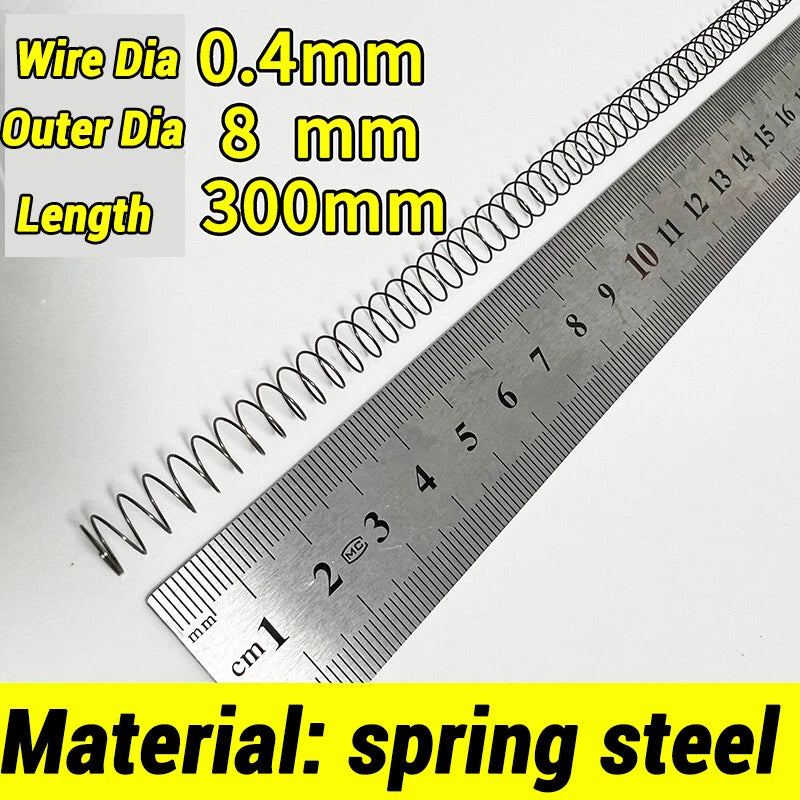
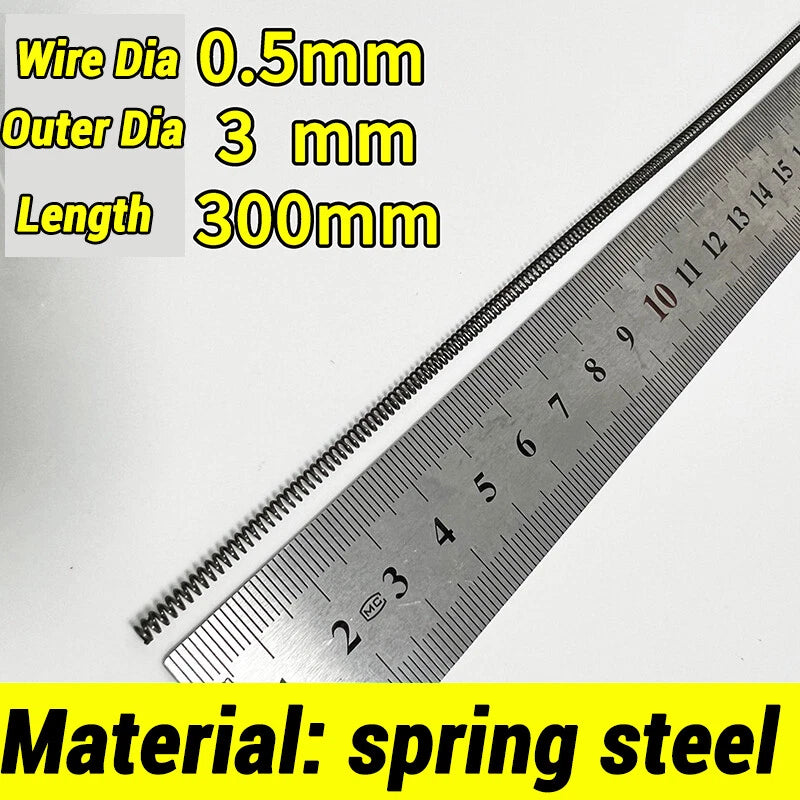
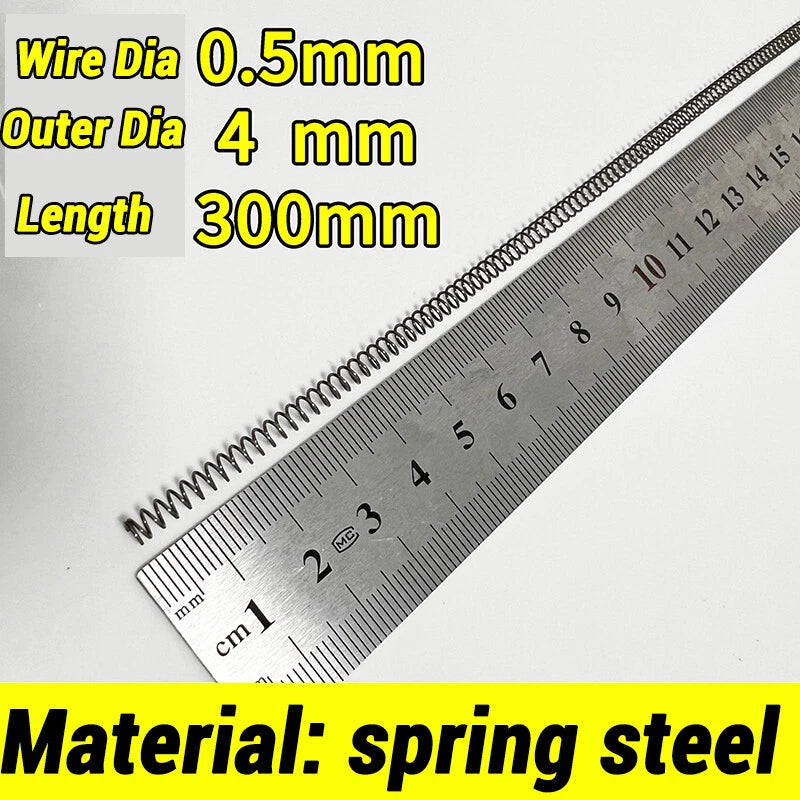
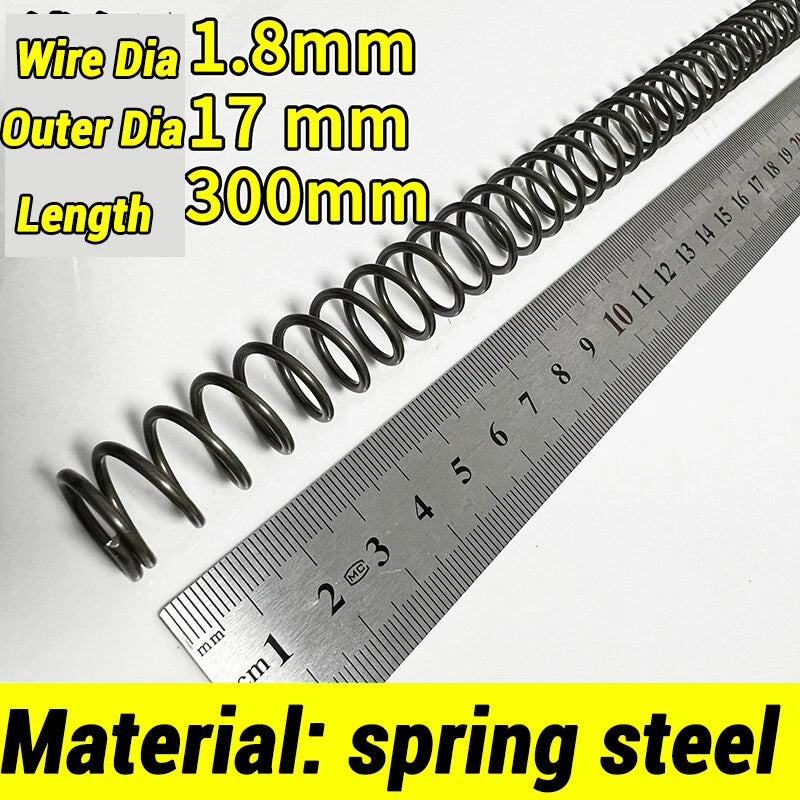
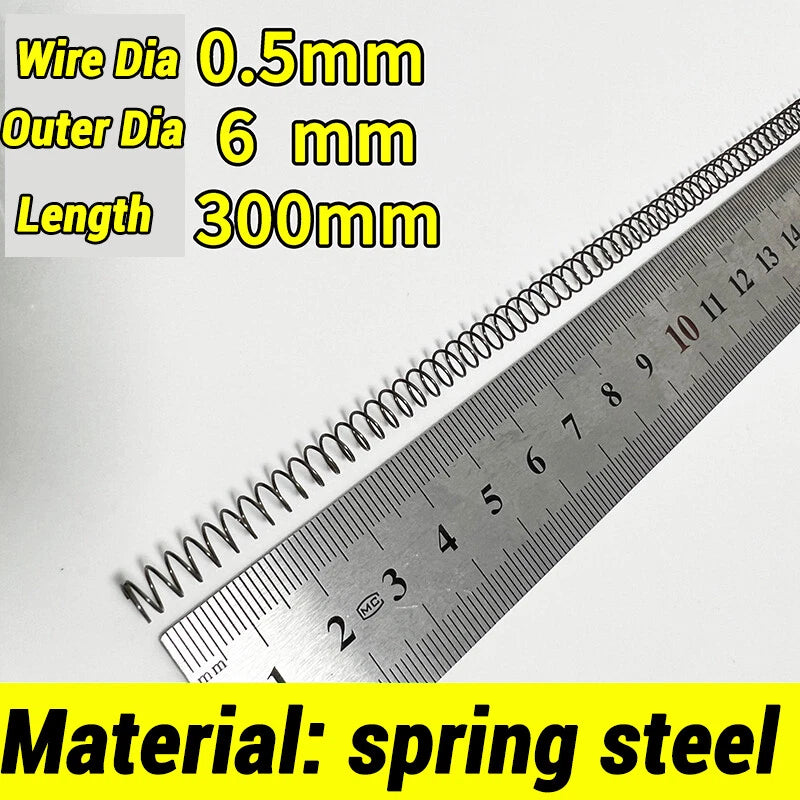
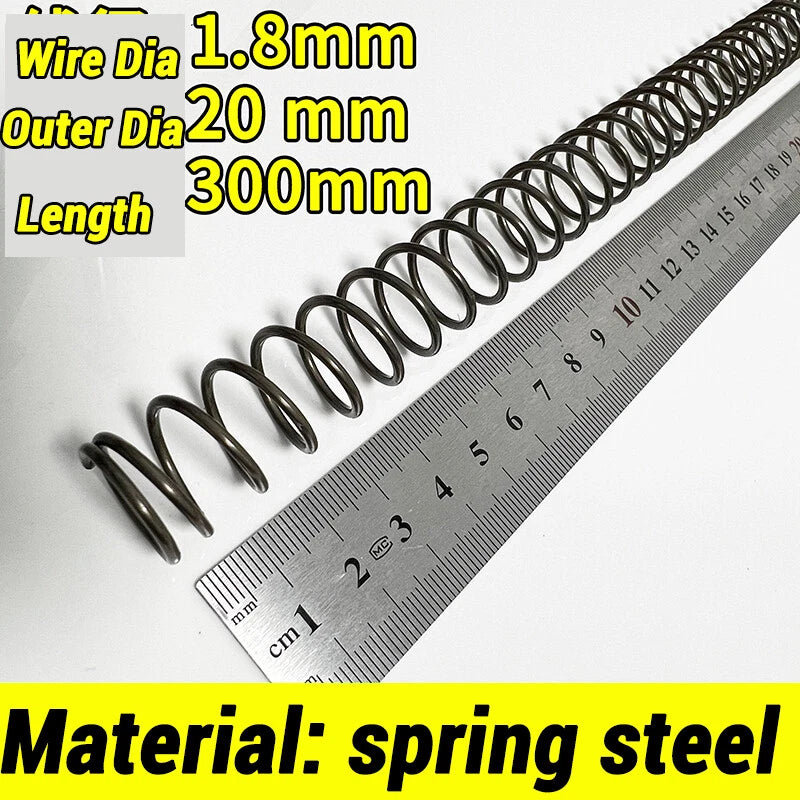
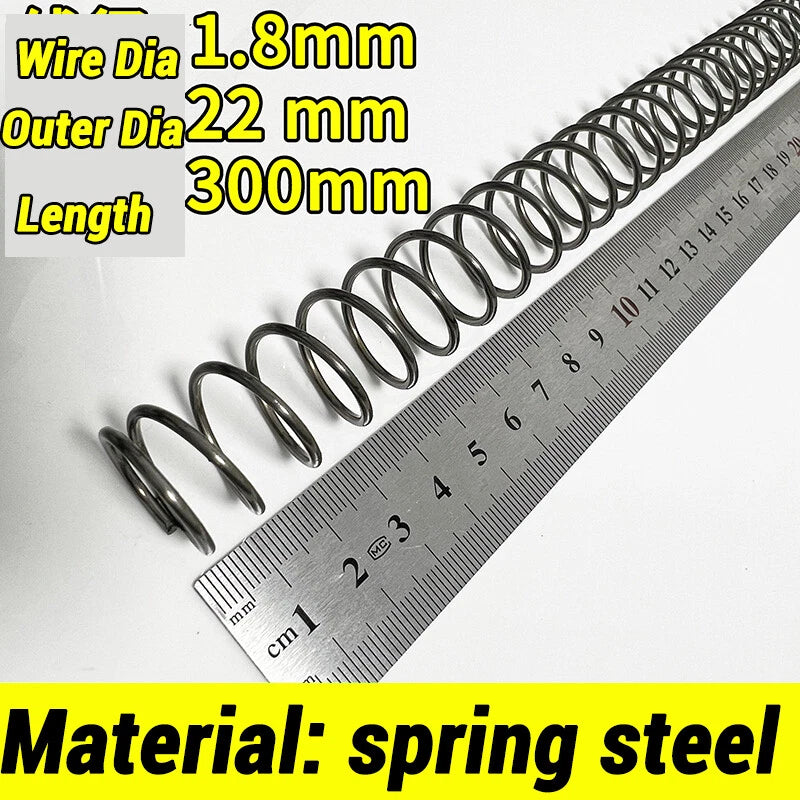
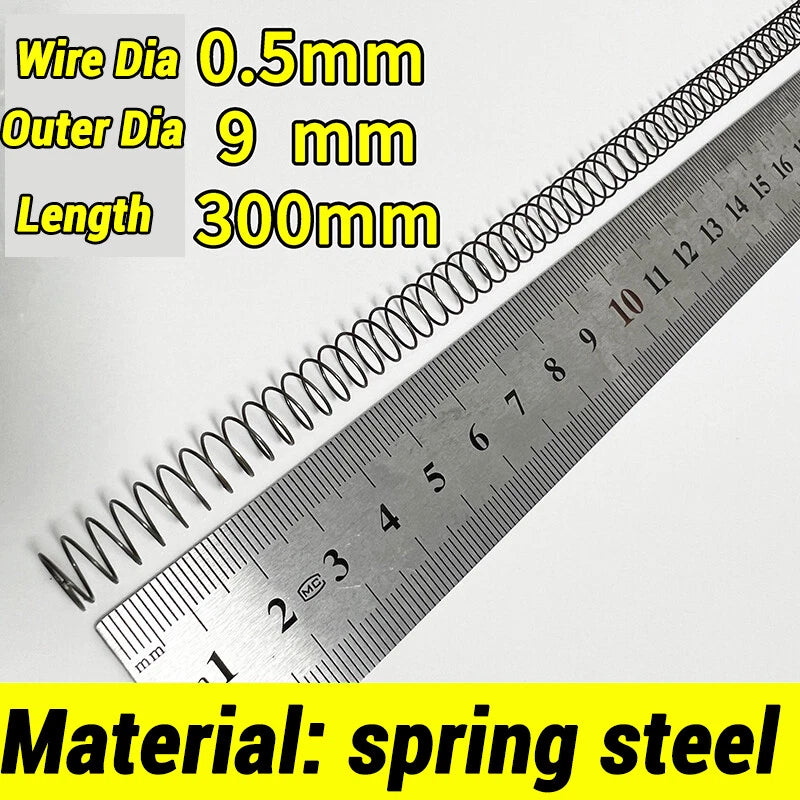
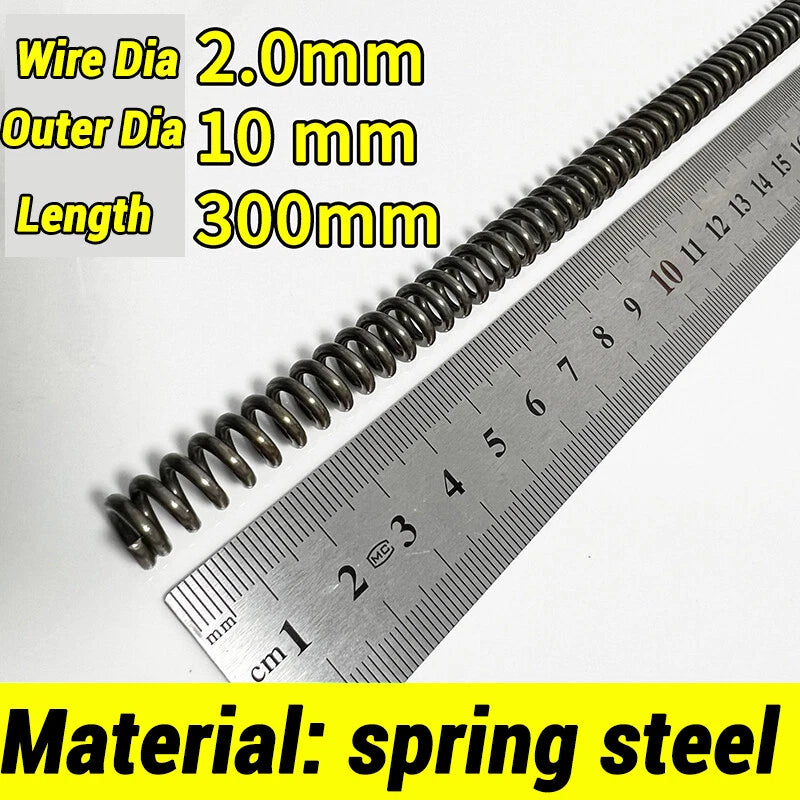
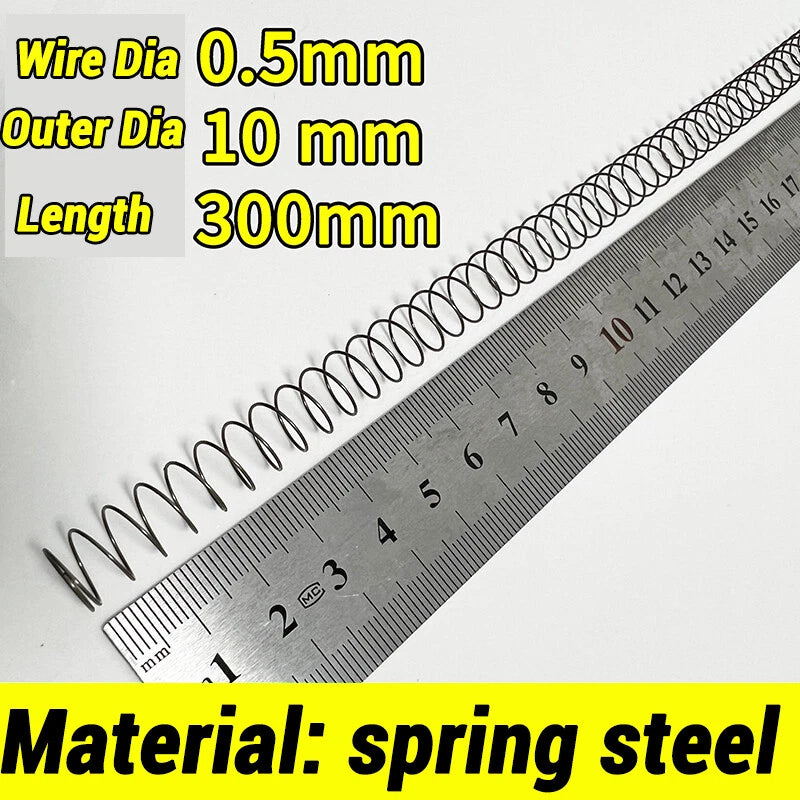
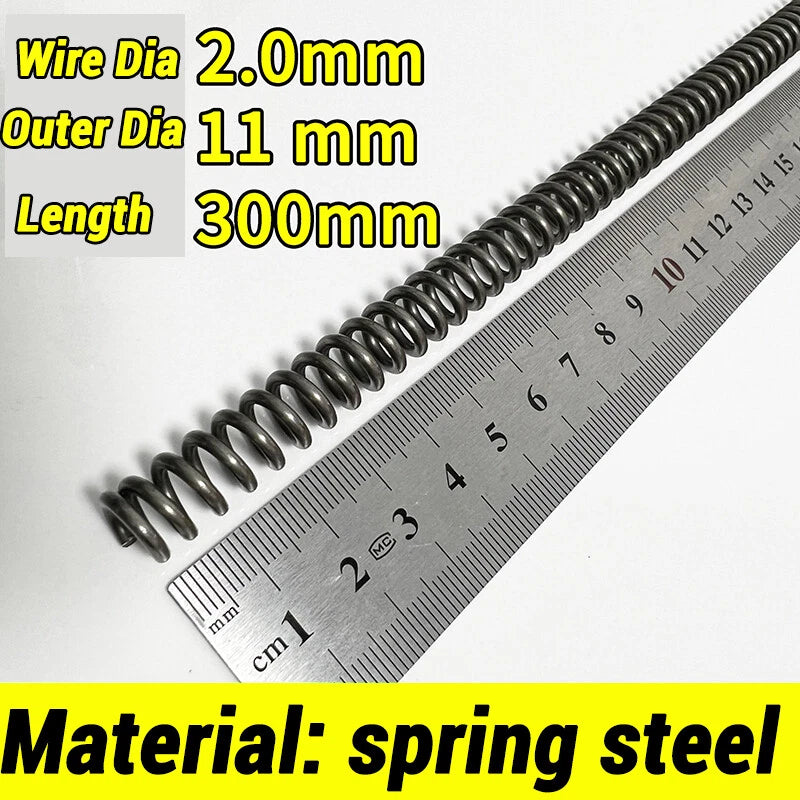
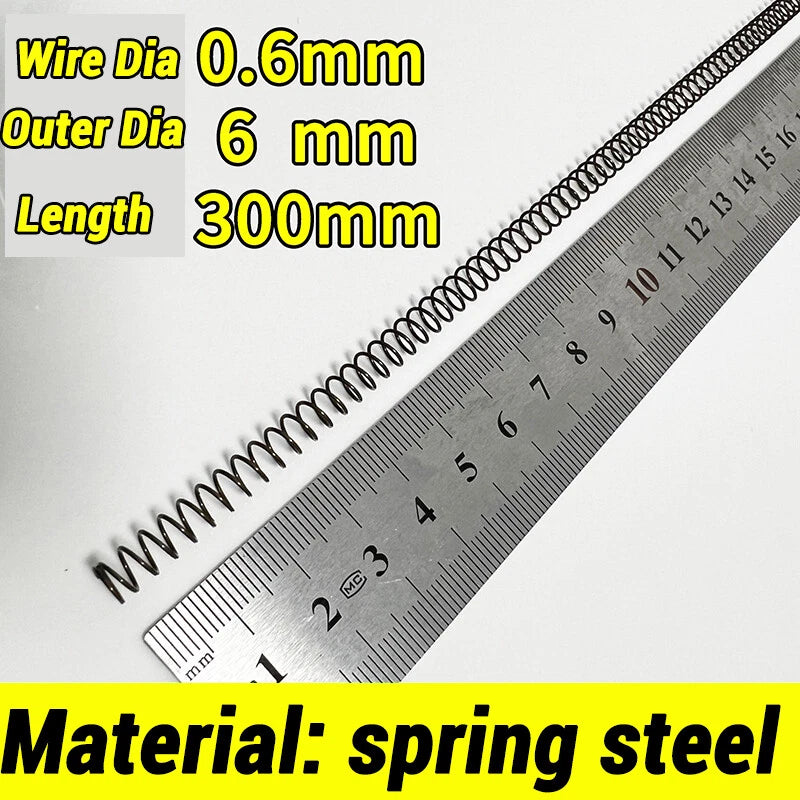
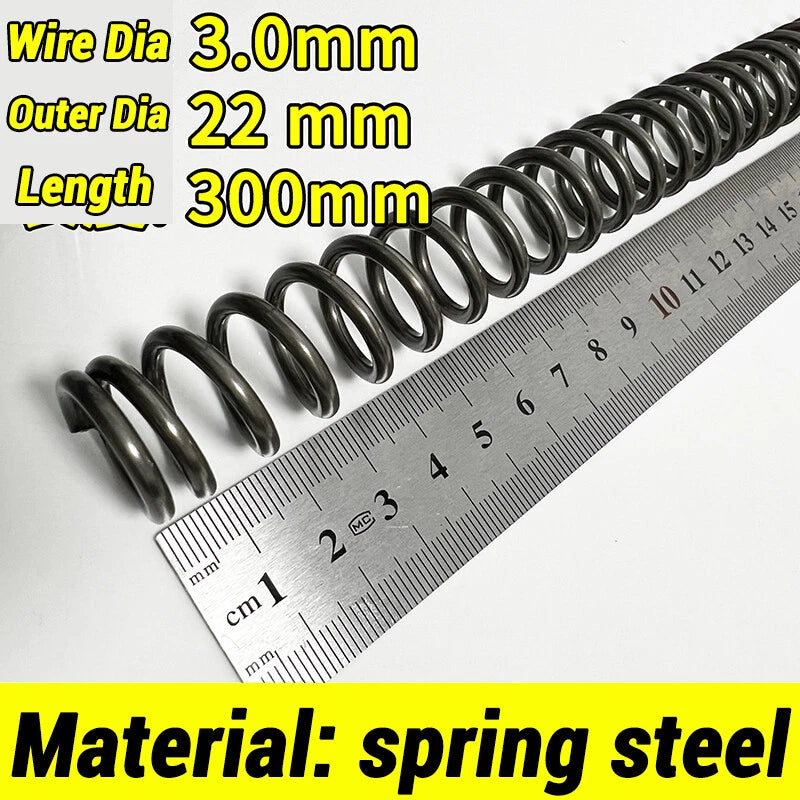
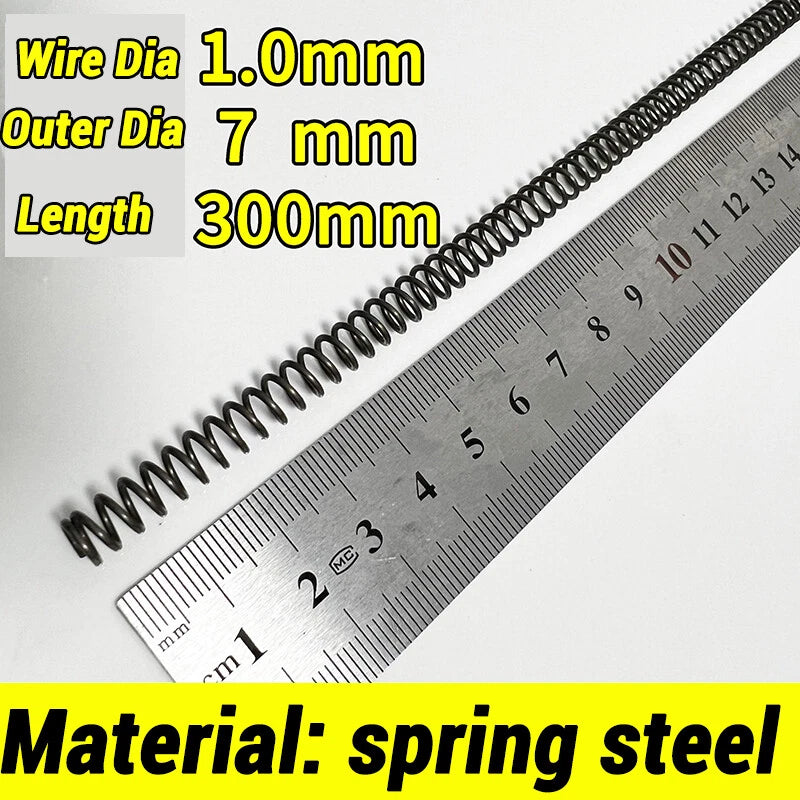
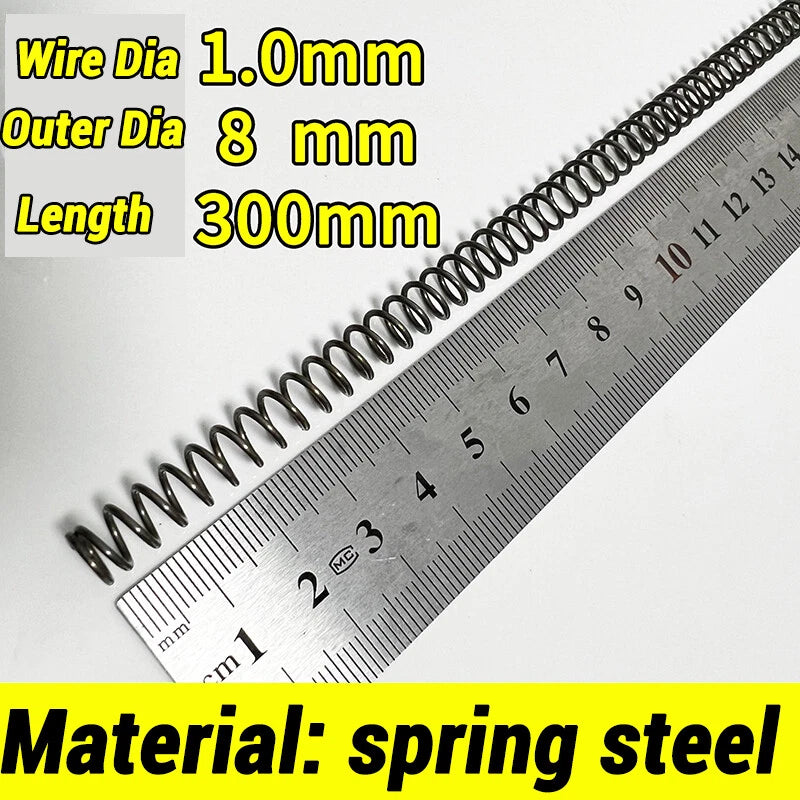
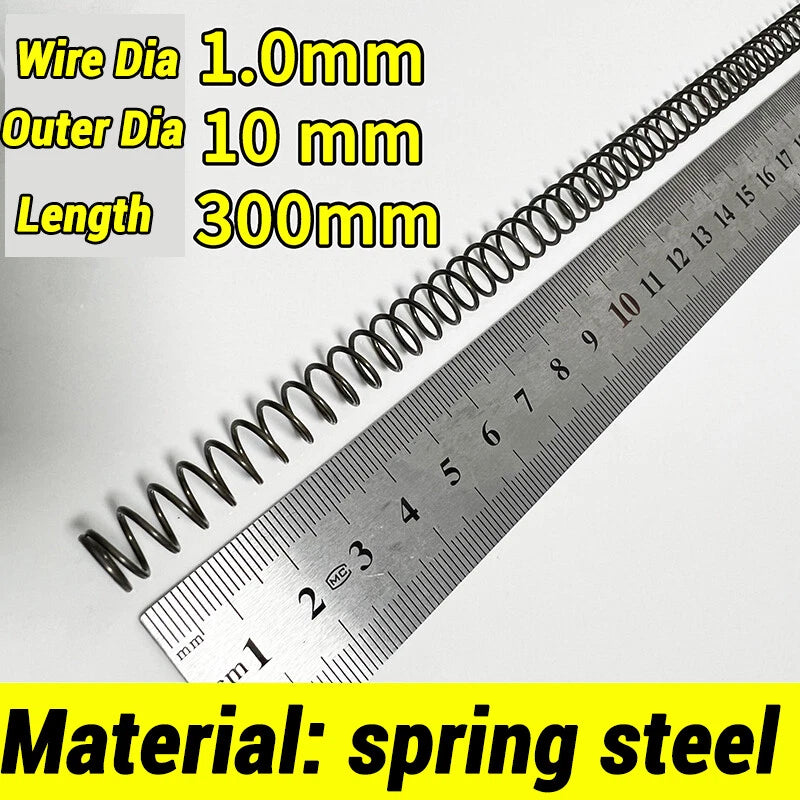
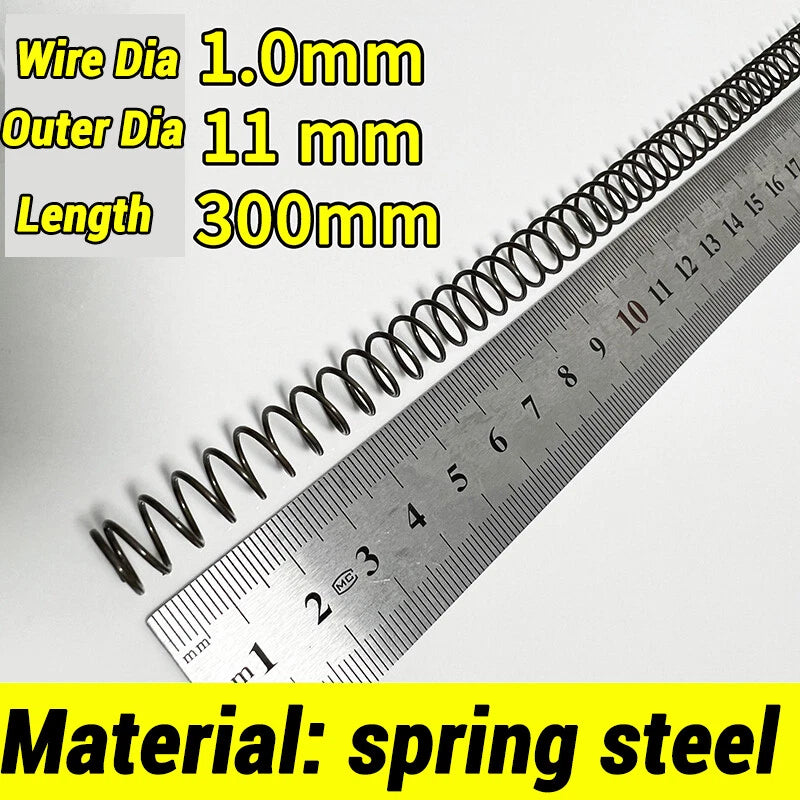
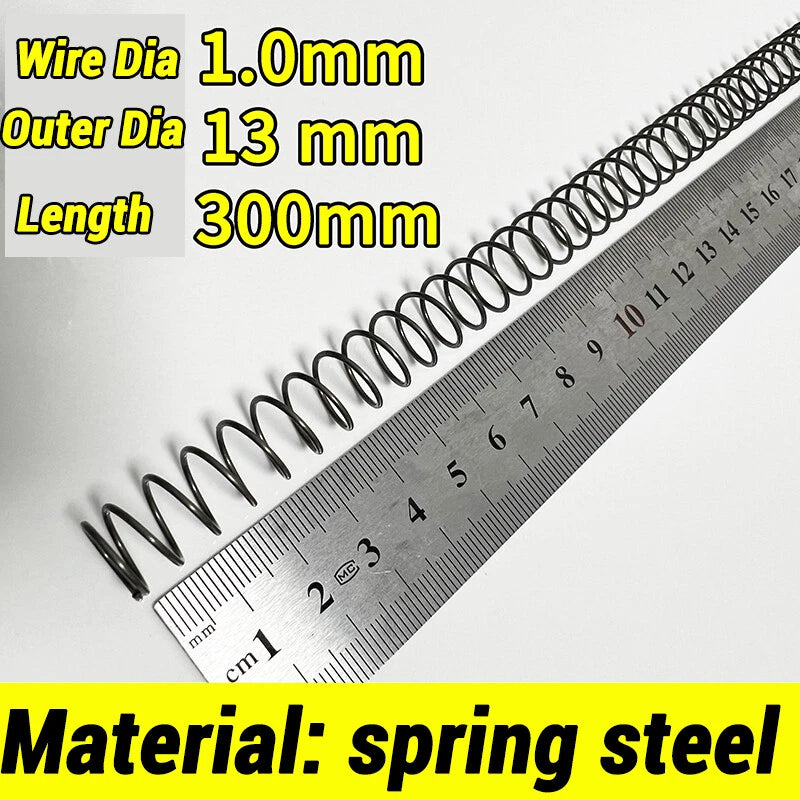
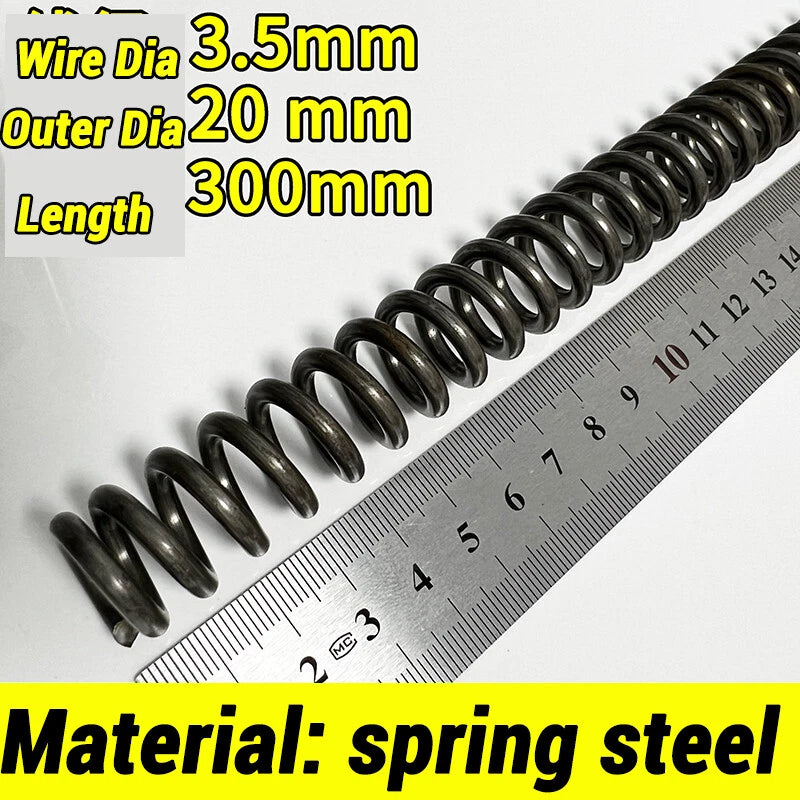
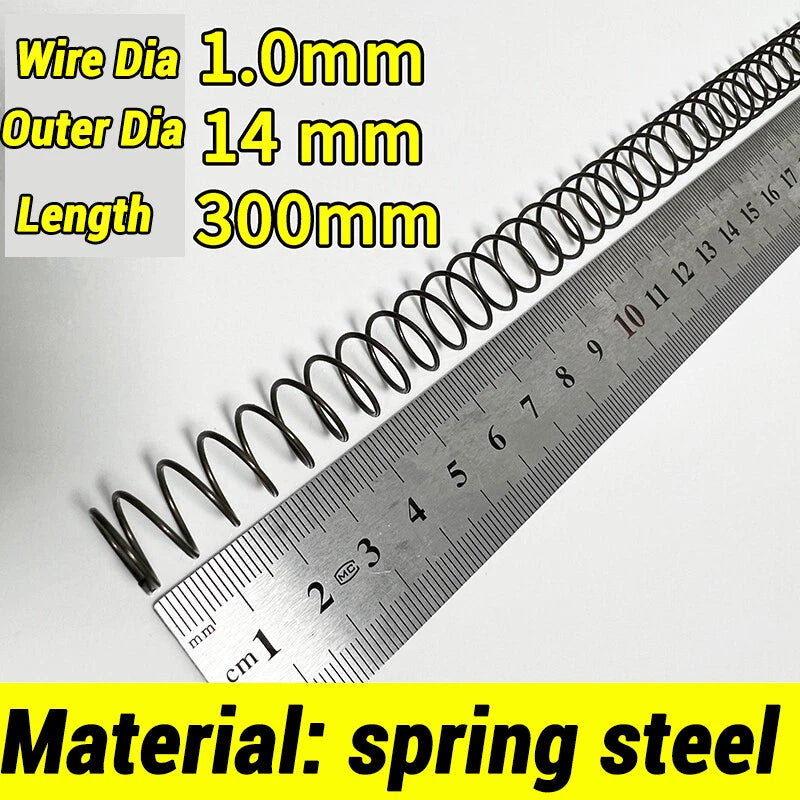
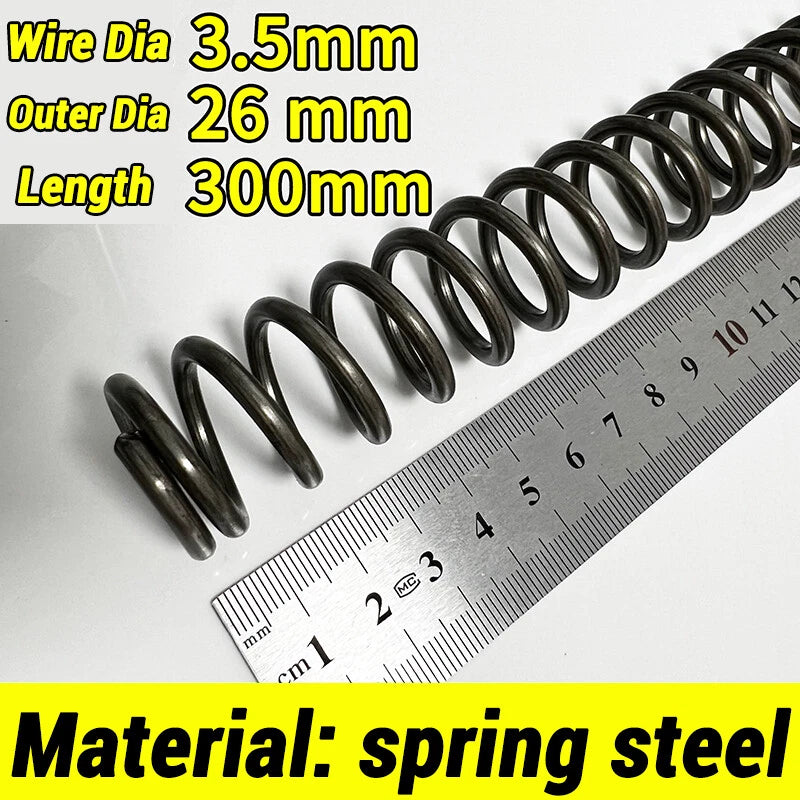
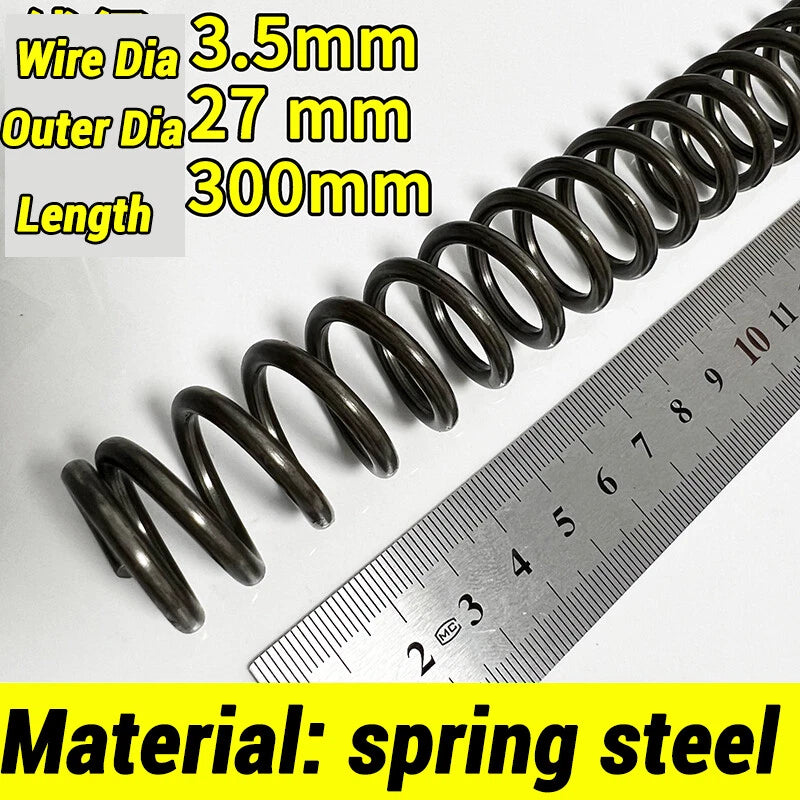
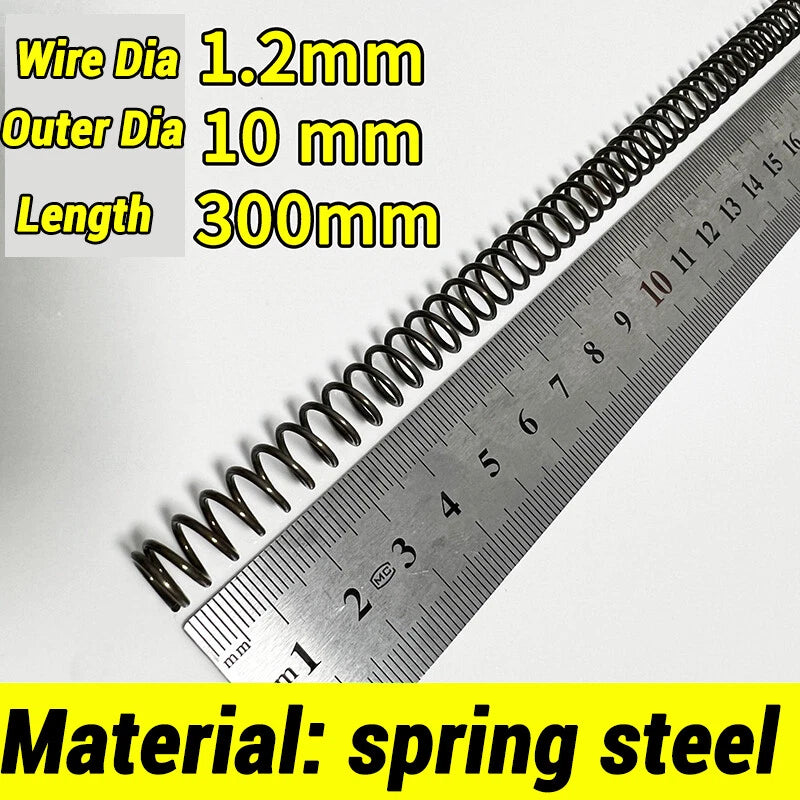
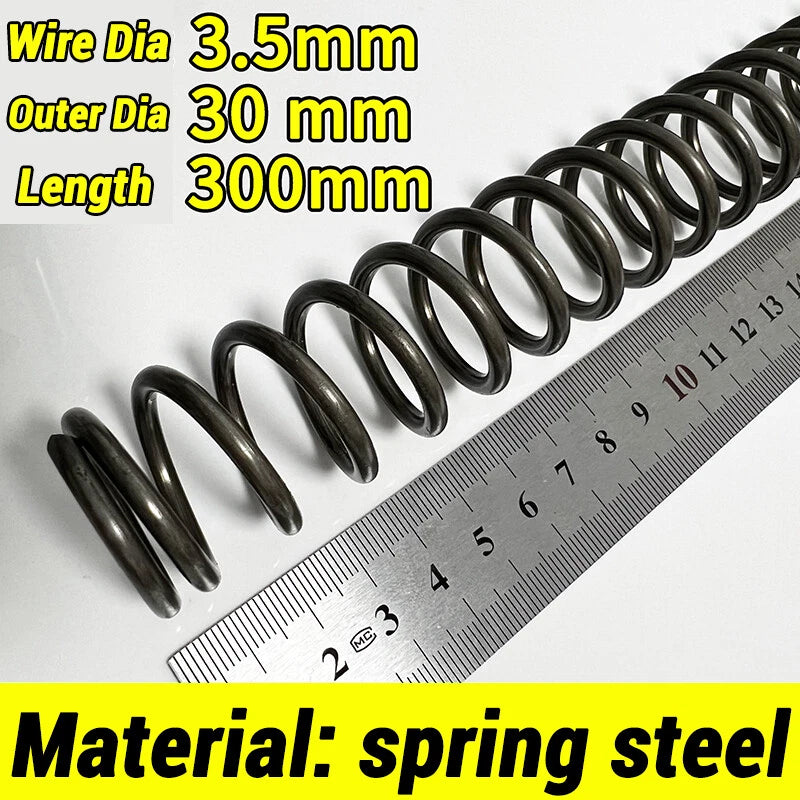
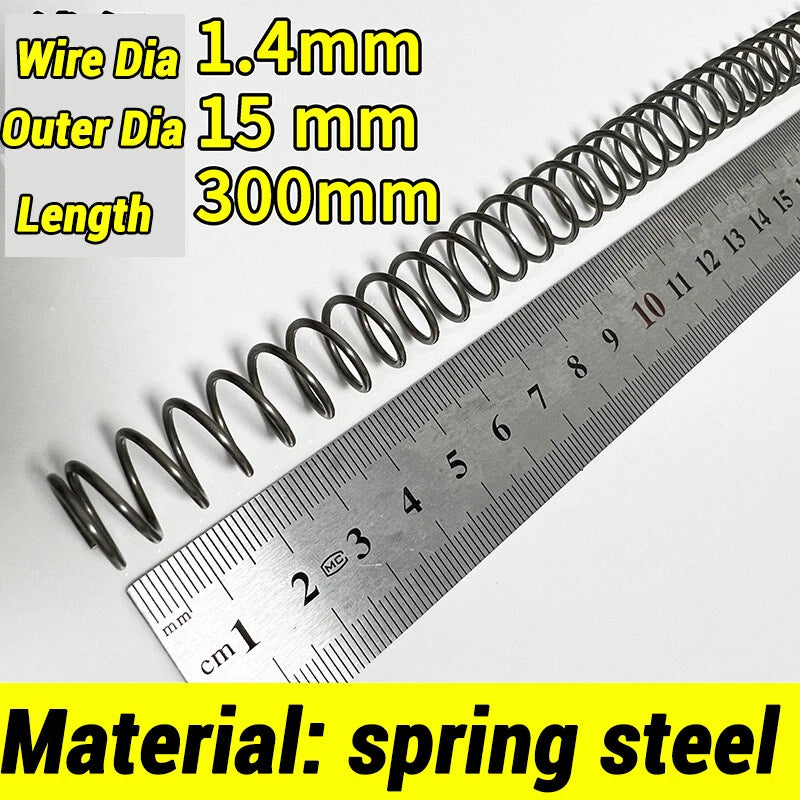
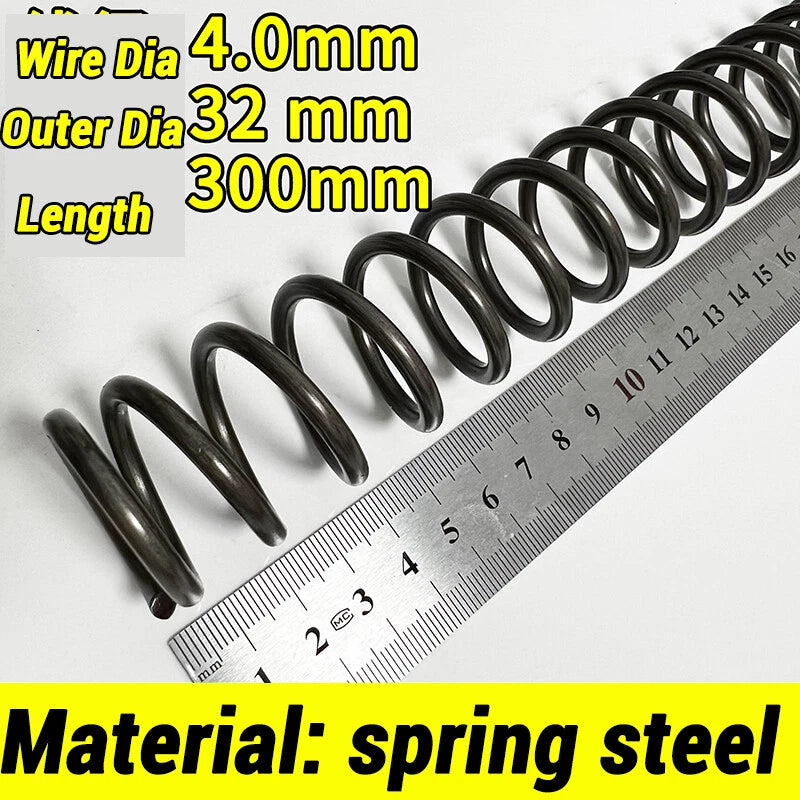
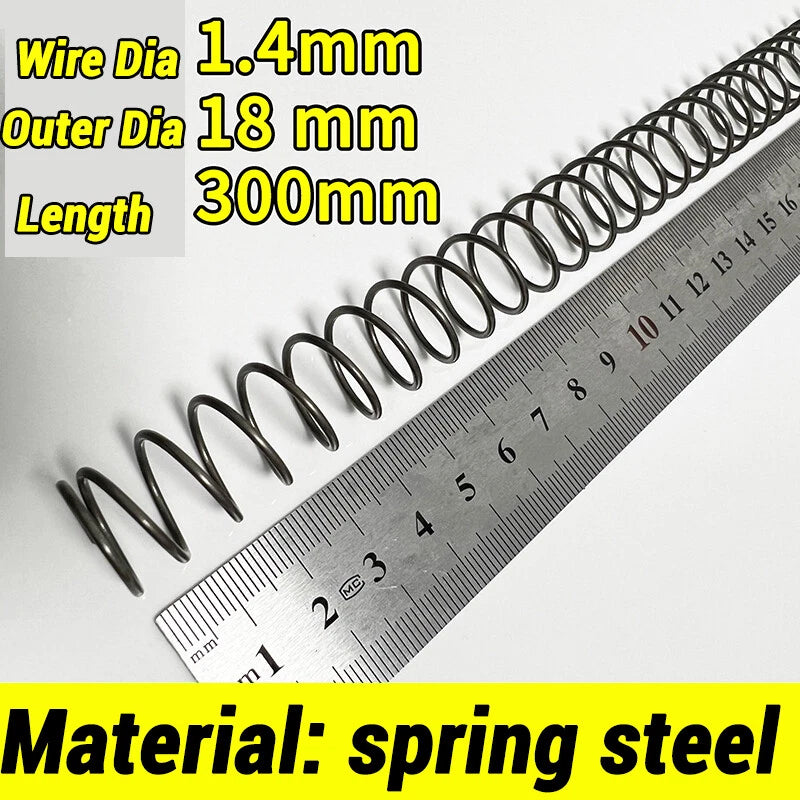
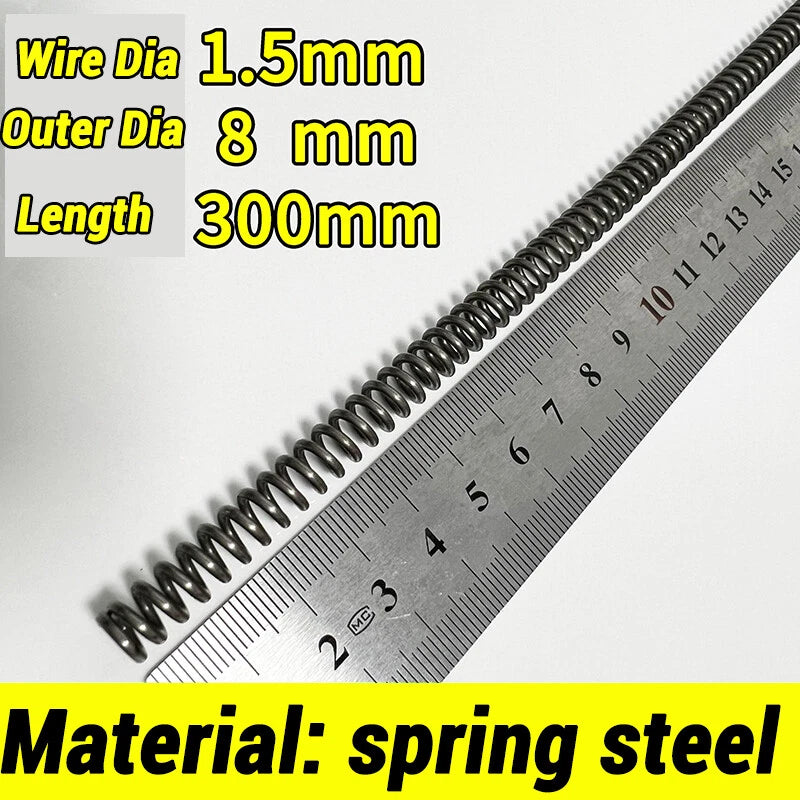
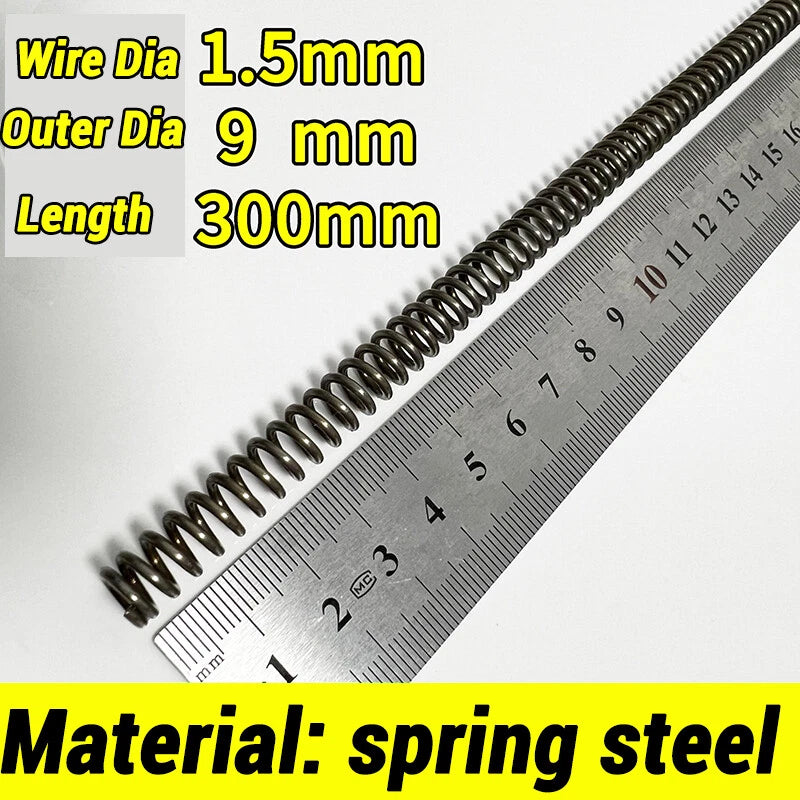
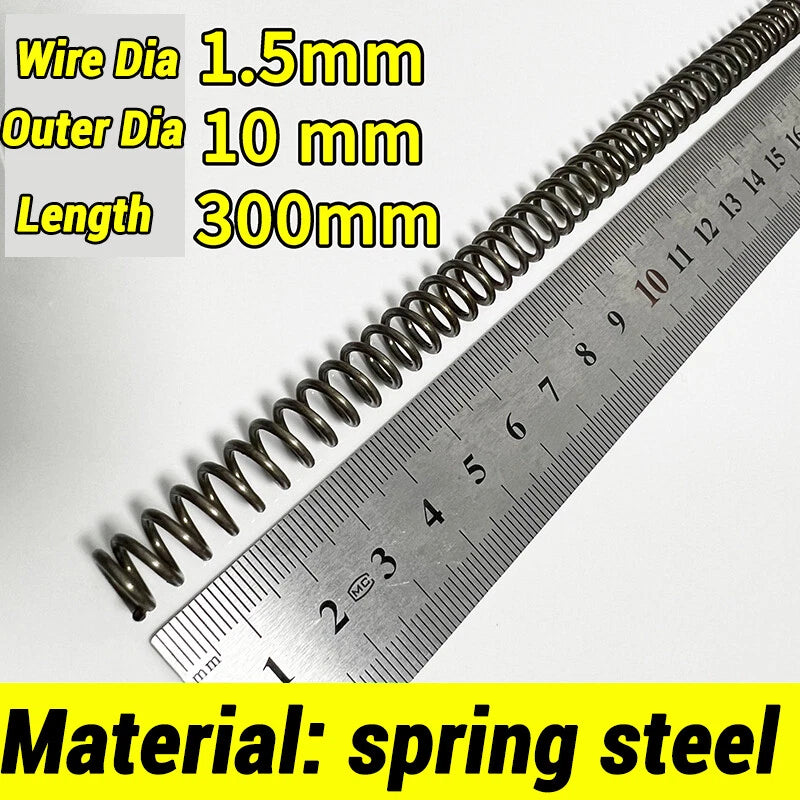
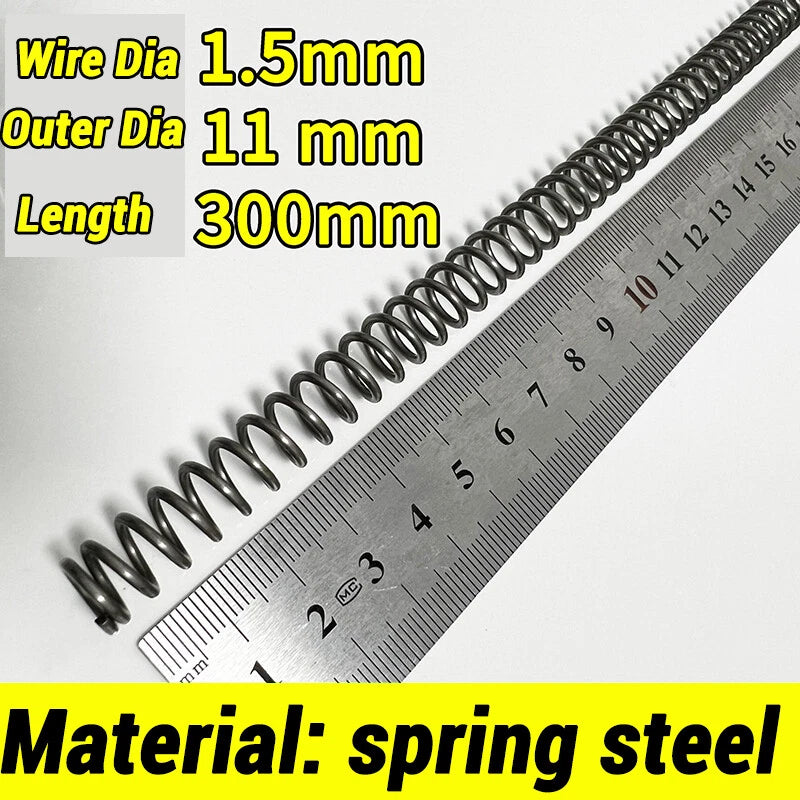
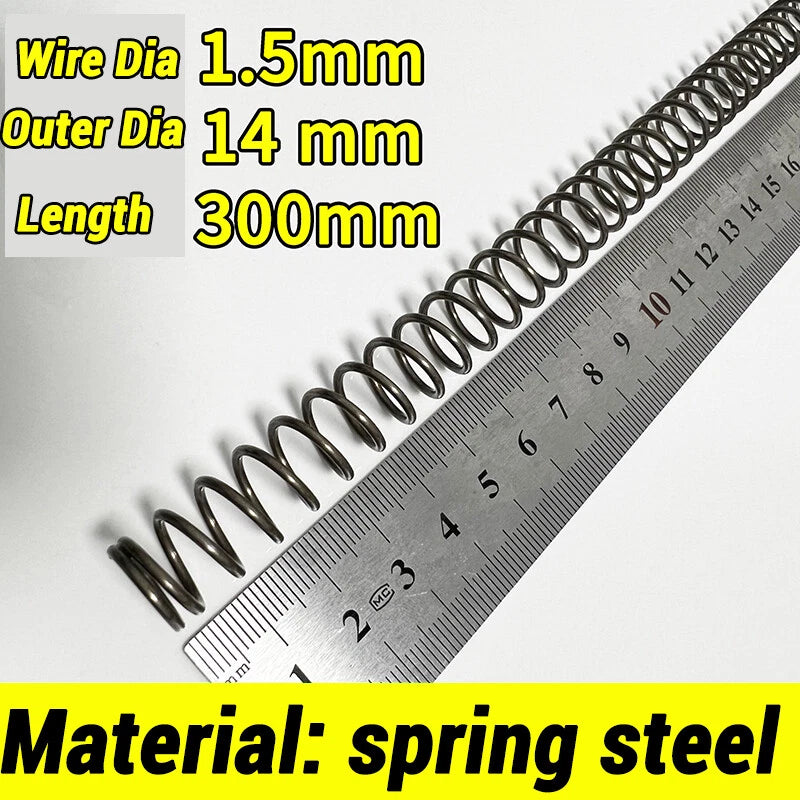
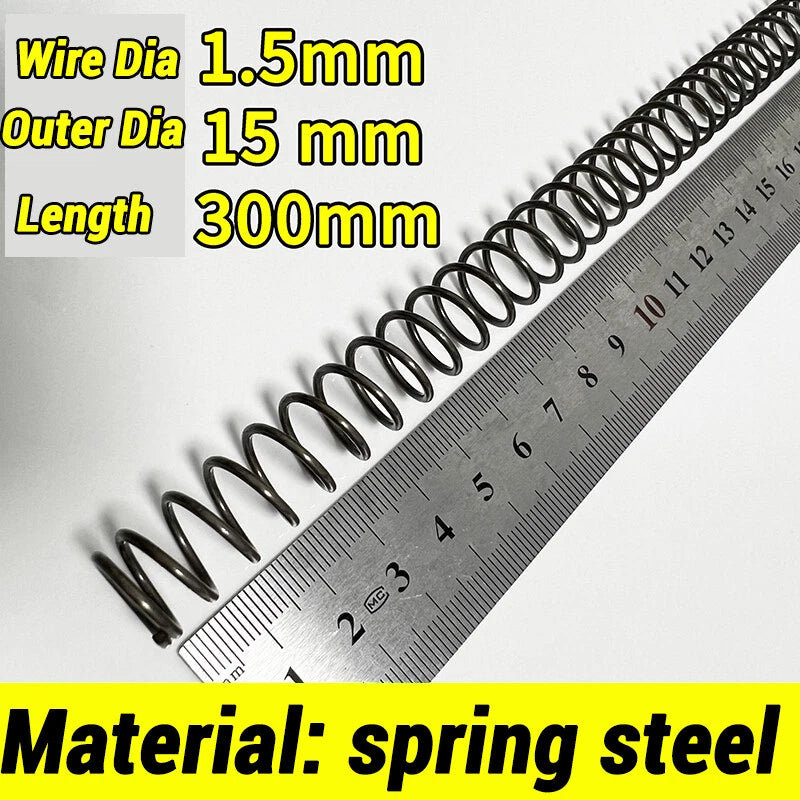
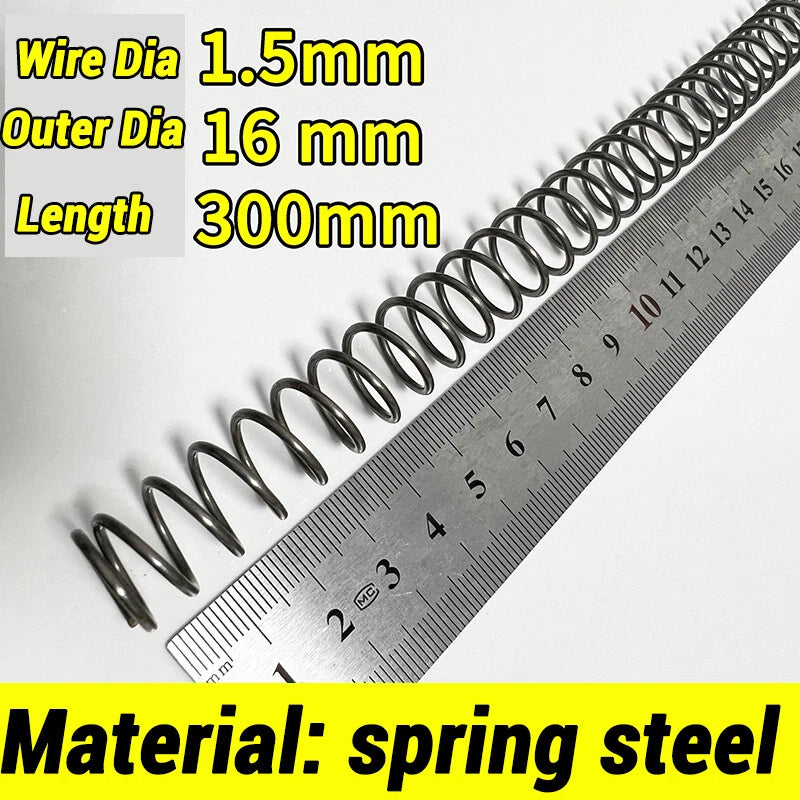
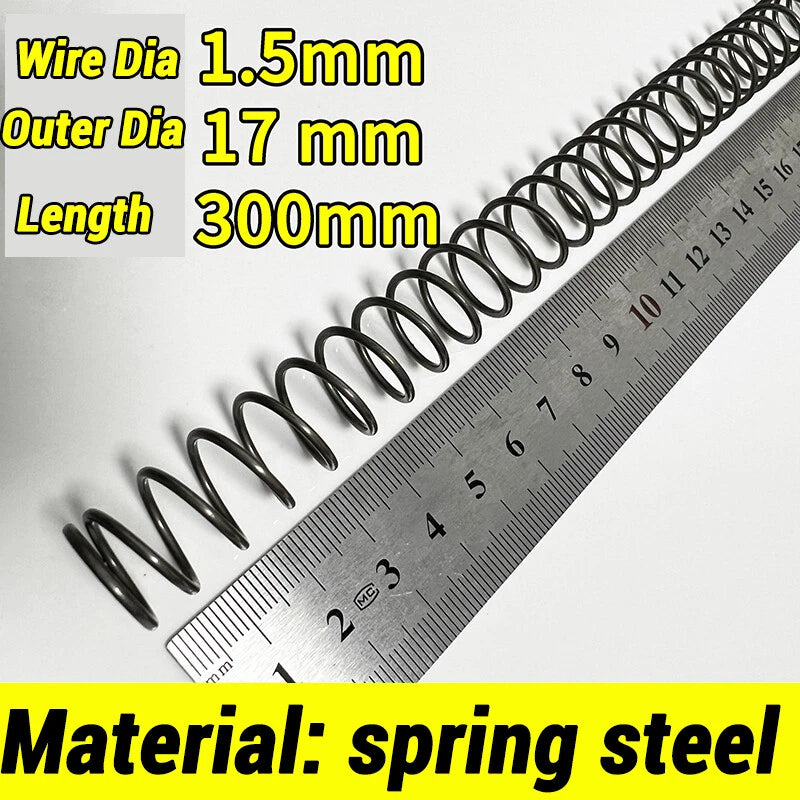
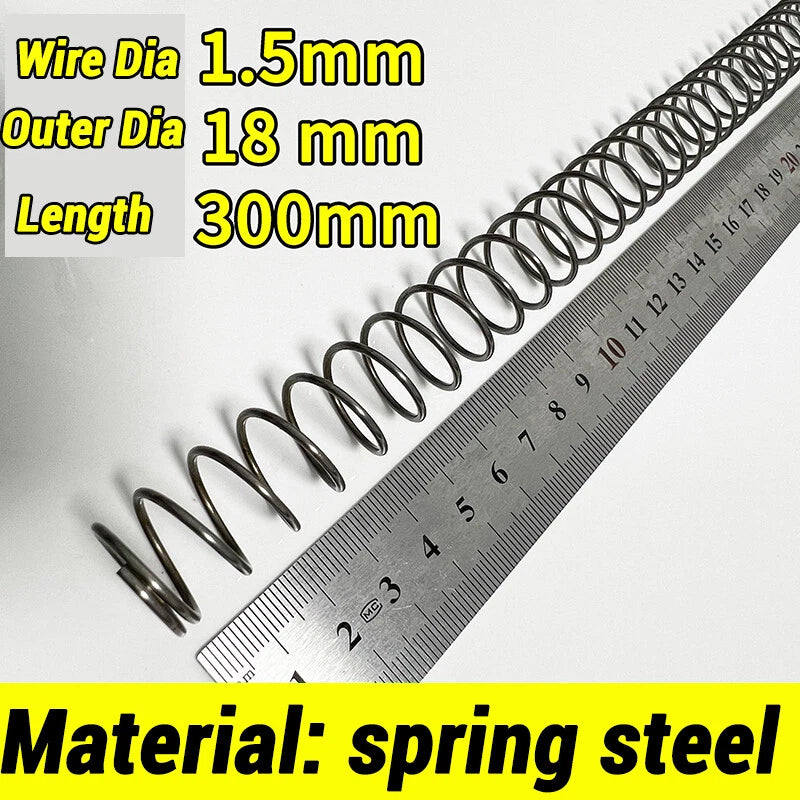
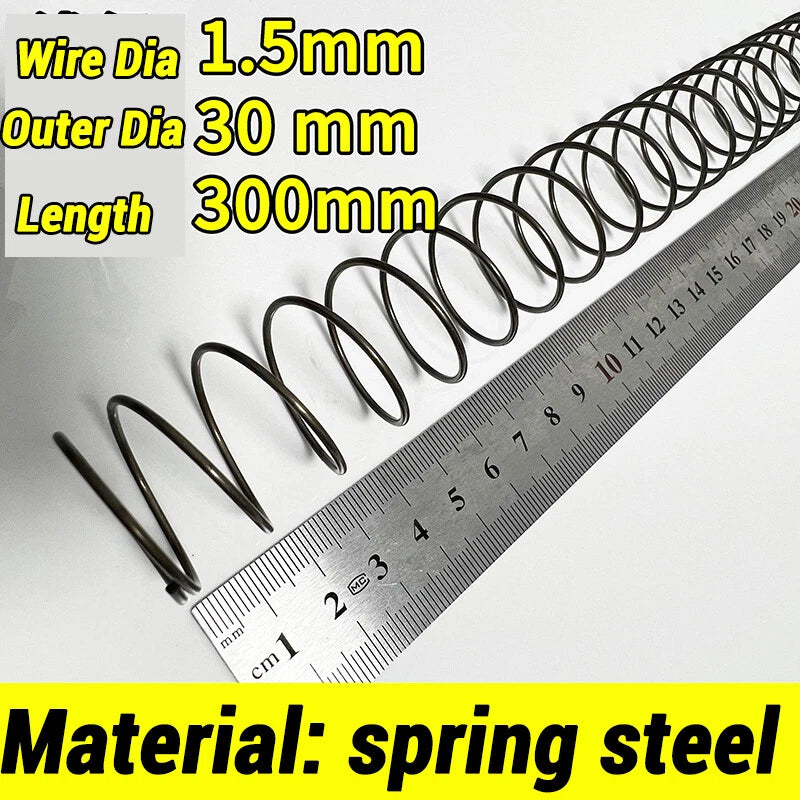
Compression Spring Various Size 2-60mm Diameter & 300mm Length Pressure Small

No reviews

Price:
Sale price$6.50 USD
Stock:
In stock (500 units), ready to be shipped

Payment & Security

Ach Direct Debit Amazon American Express Apple Pay Bancontact BLIK Diners Club Discover EPS Google Pay iDEAL Wero JCB Maestro Mastercard Multibanco MobilePay PayPal Przelewy24 Shop Pay Twint Union Pay USDC Visa

Your payment information is processed securely. We do not store credit card details nor have access to your credit card information.

Limited Offer — Spend More, Save More
Spend $55+
Save $5
Spend $100+
Save $10
Spend $200+
Save $25
HomeDIYer DIY Expert Support

DIY Expert Support

Get fitment advice & recommendations

Mon–Fri  8:30 AM – 8:00 PM
24-Hour Fast Ship
Arrives in 3–14 Days
Worldwide Shipping
30-Day Returns
1 tree planted with every purchase

Description

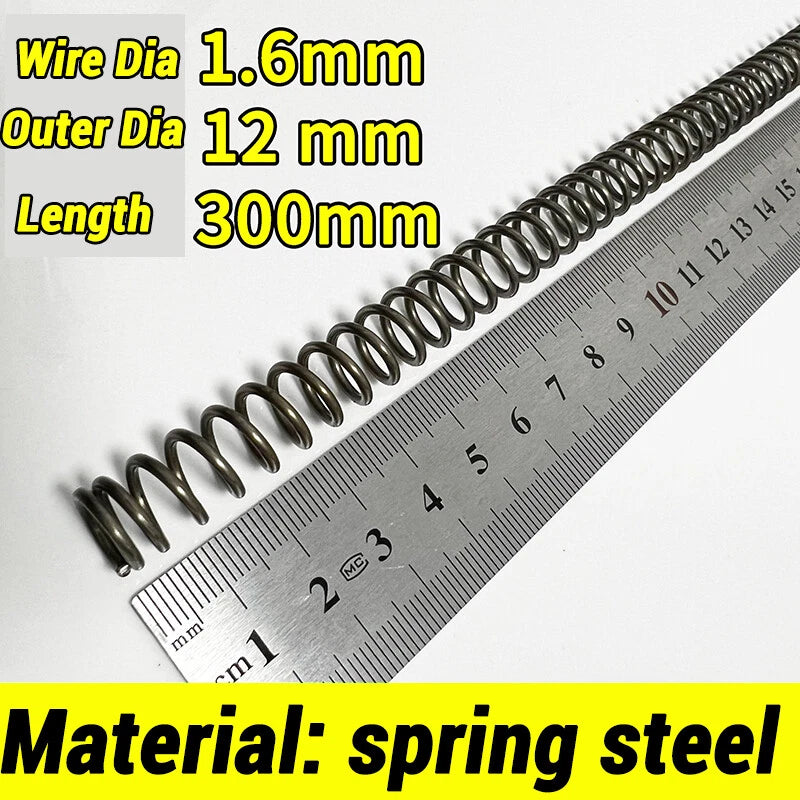
Compression Springs 2–60mm OD, 300mm Length — Reliable Elastic Force for Every Application

When a worn-out spring causes a mechanism to fail — a stuck valve, a sluggish latch, or a jammed industrial actuator — finding the exact replacement size is the real challenge. These compression springs are designed for engineers, maintenance technicians, and hands-on DIYers who need a precise, ready-to-install coil spring without waiting on custom fabrication.

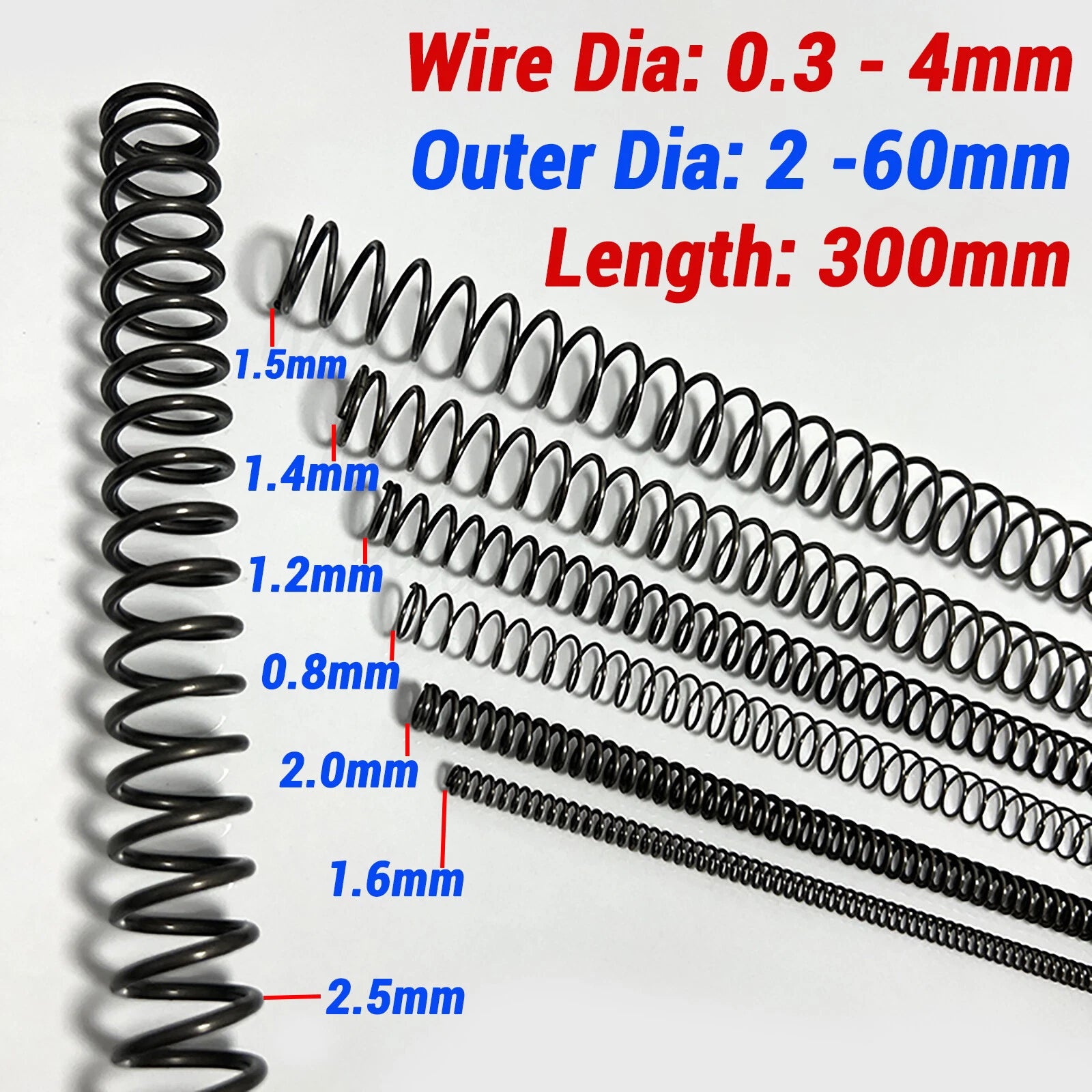
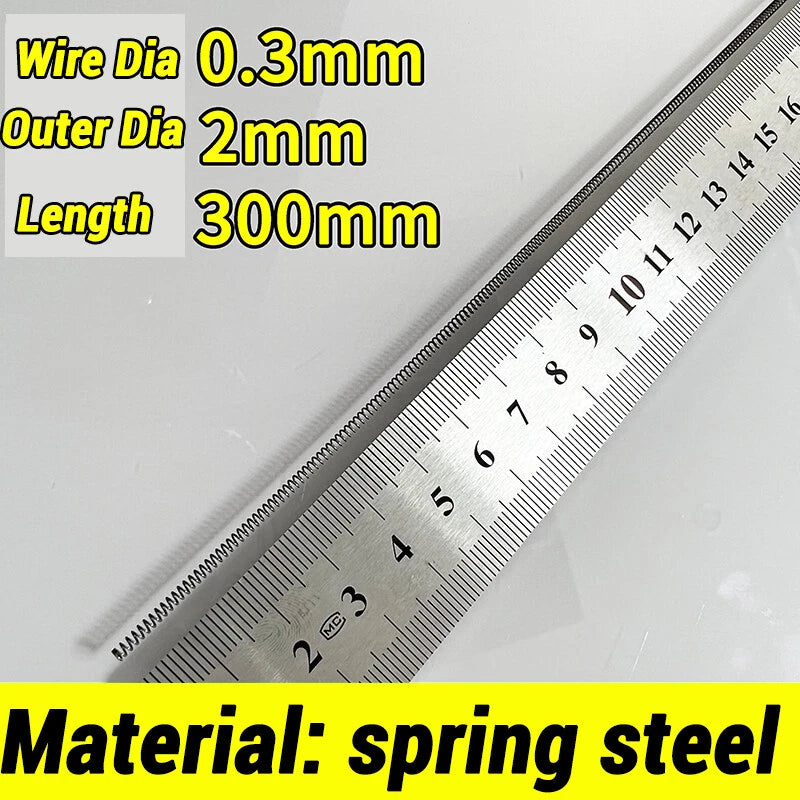
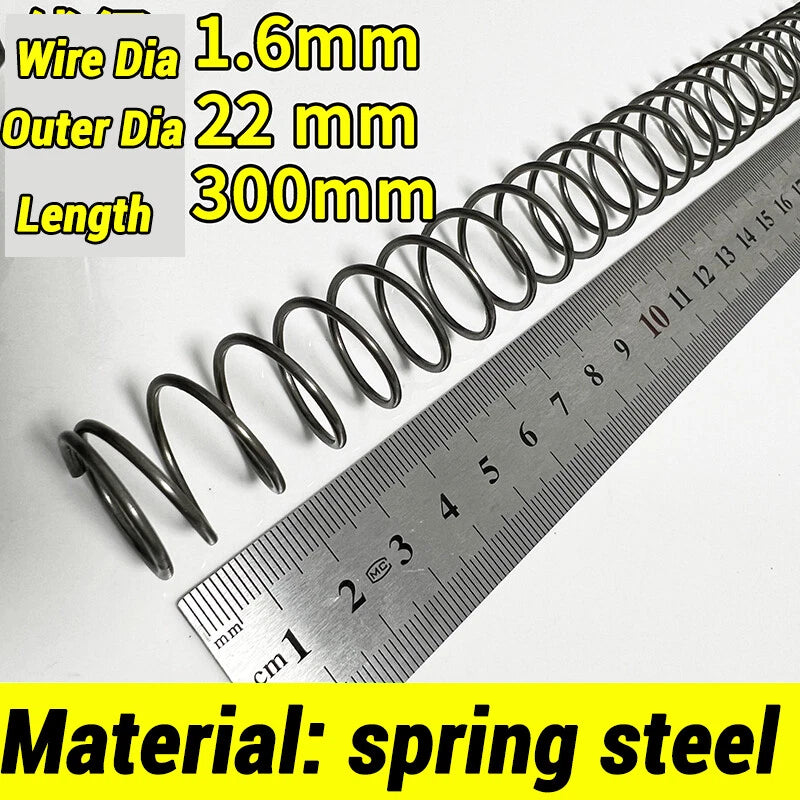
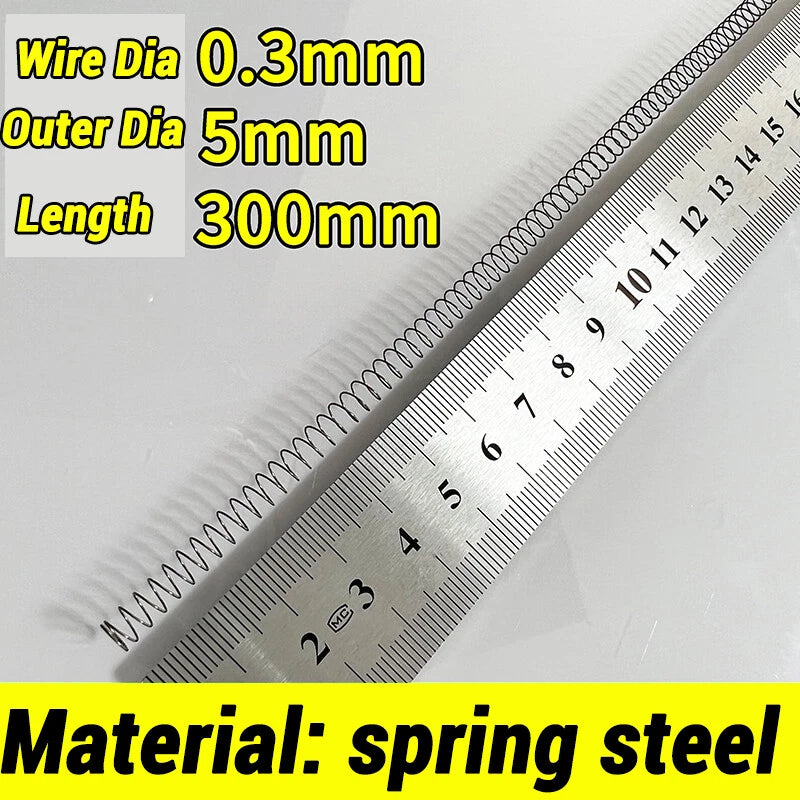
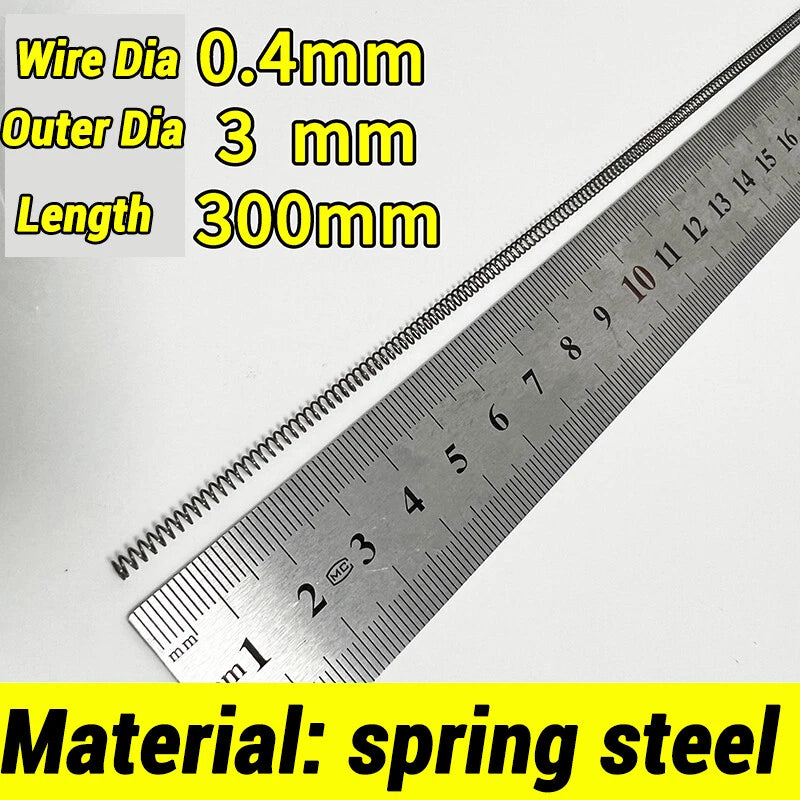
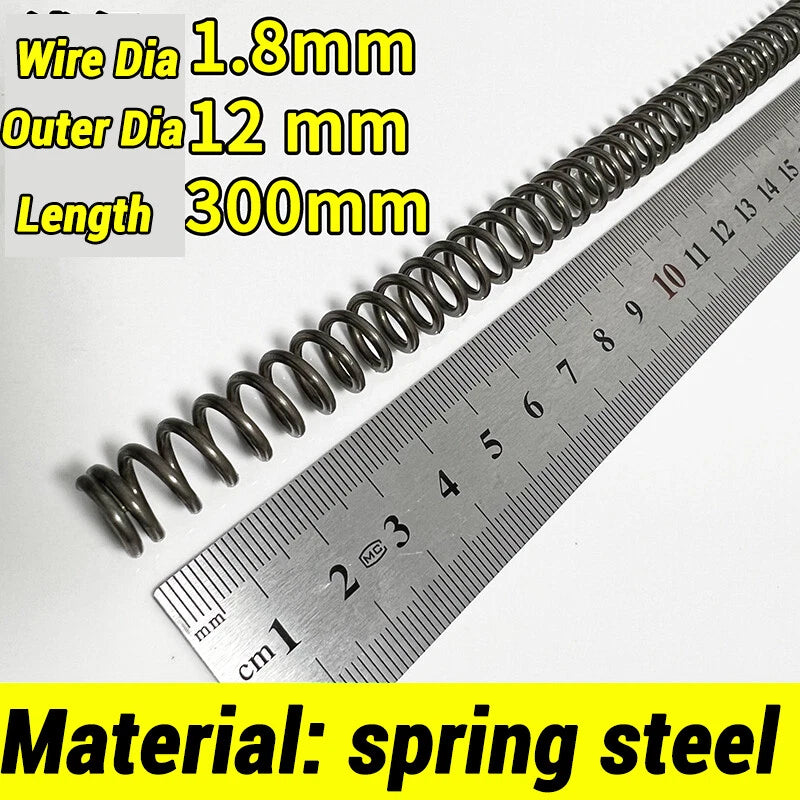
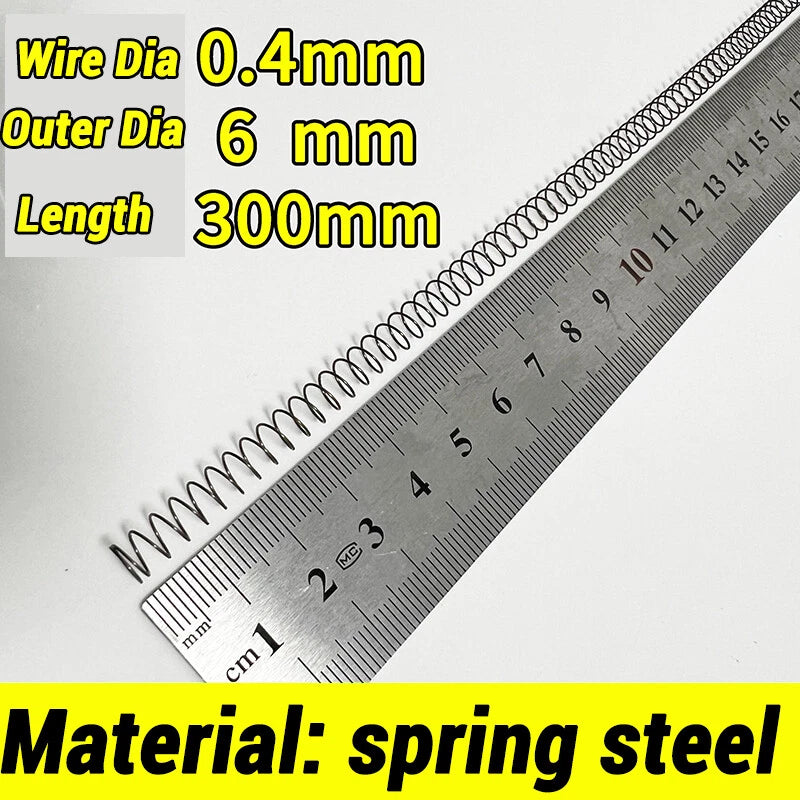
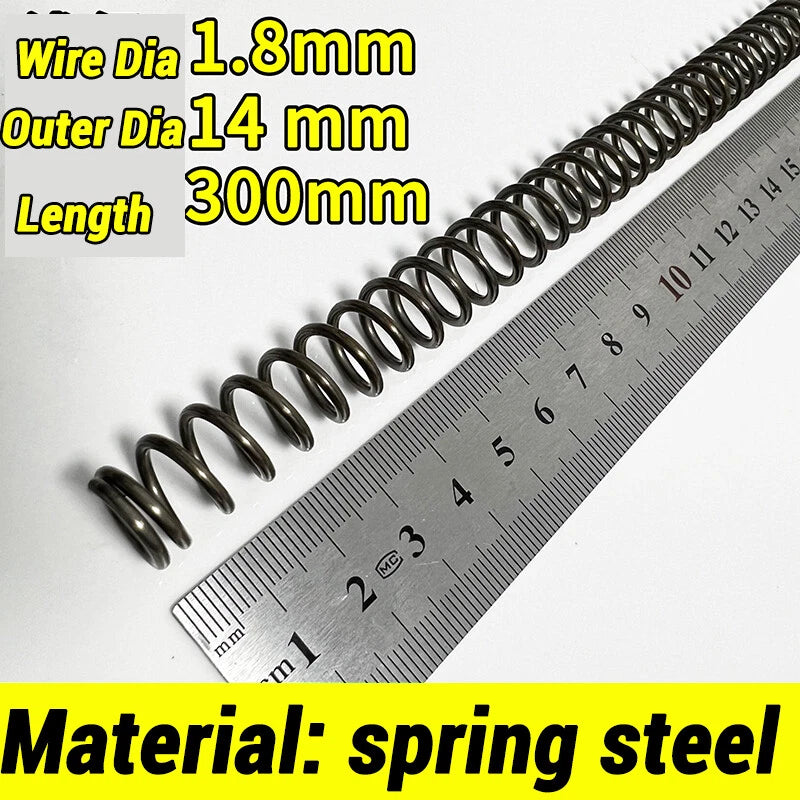
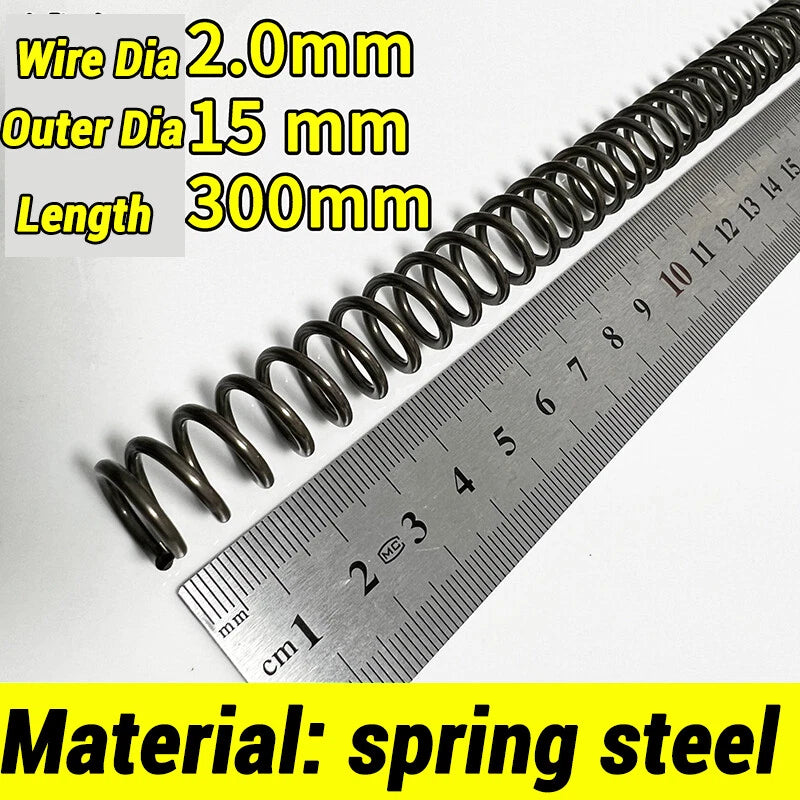
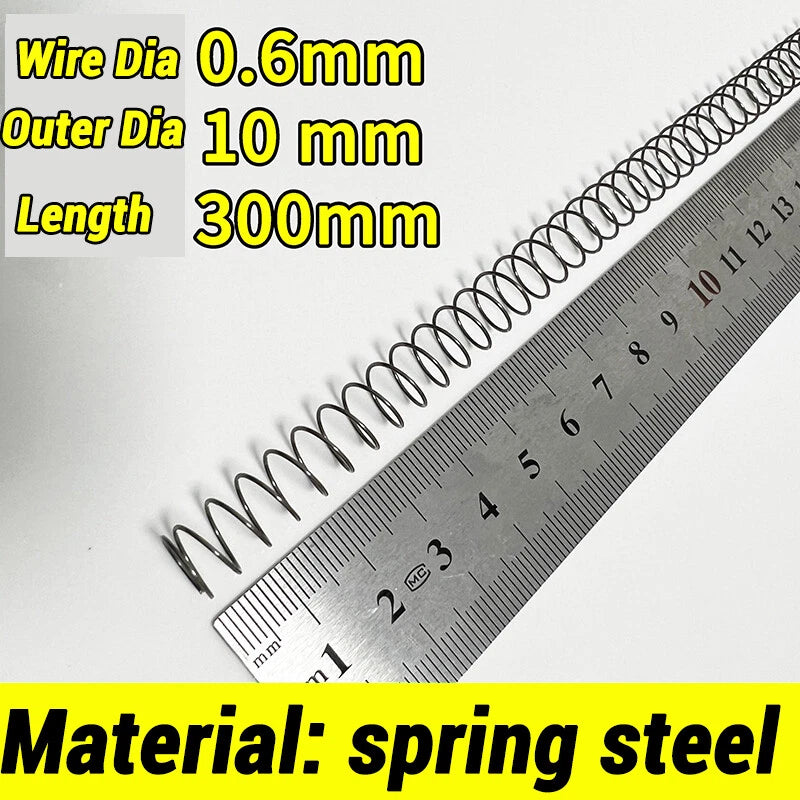
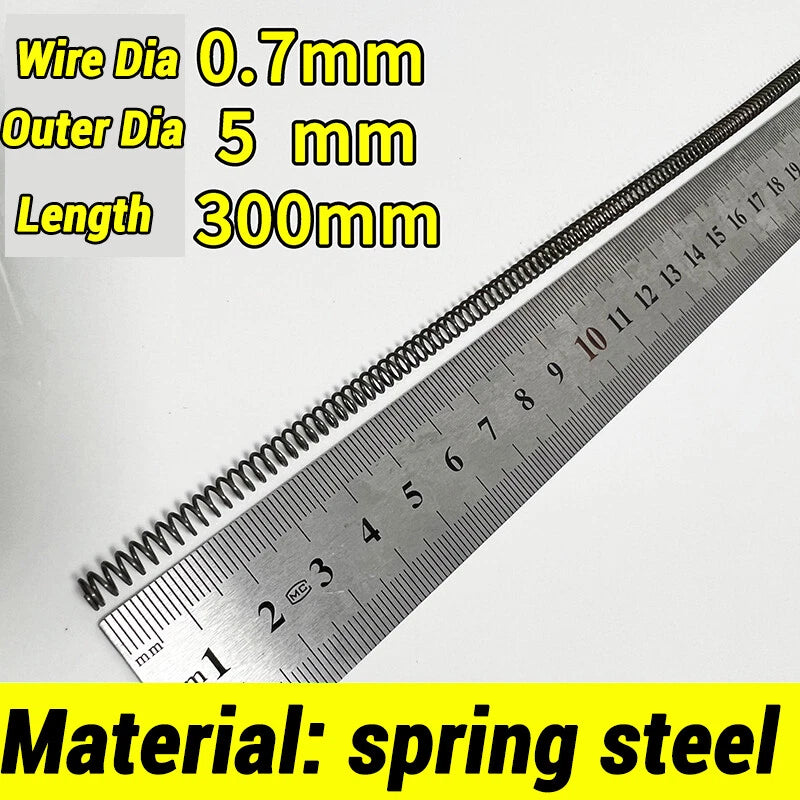
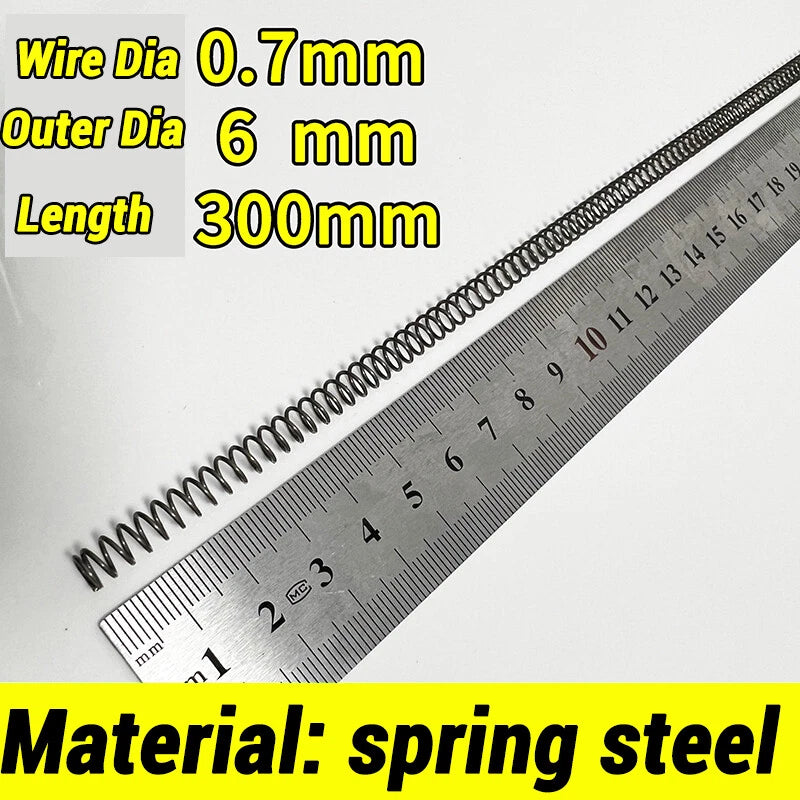
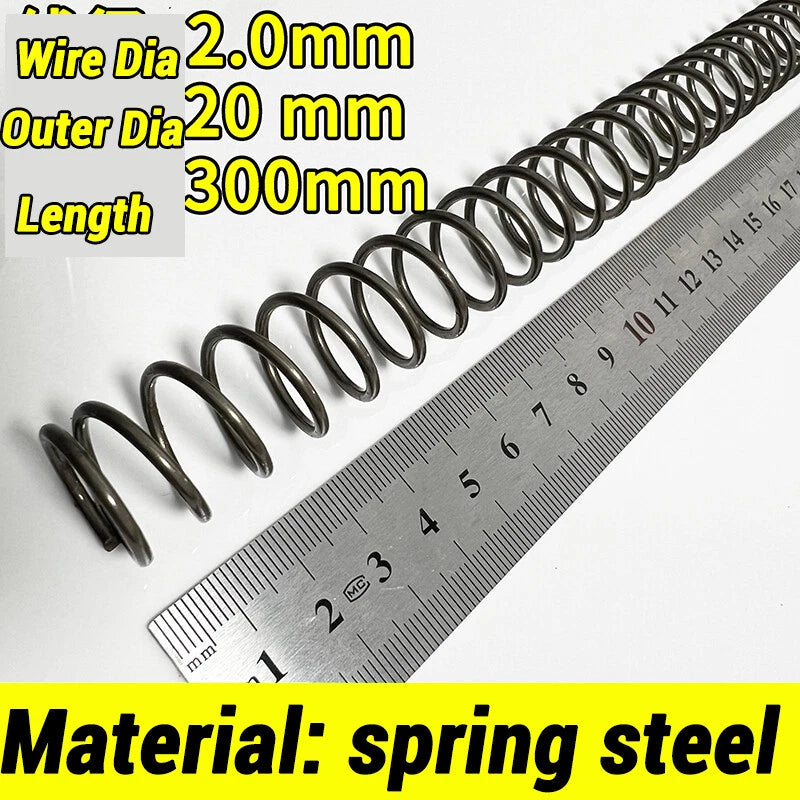
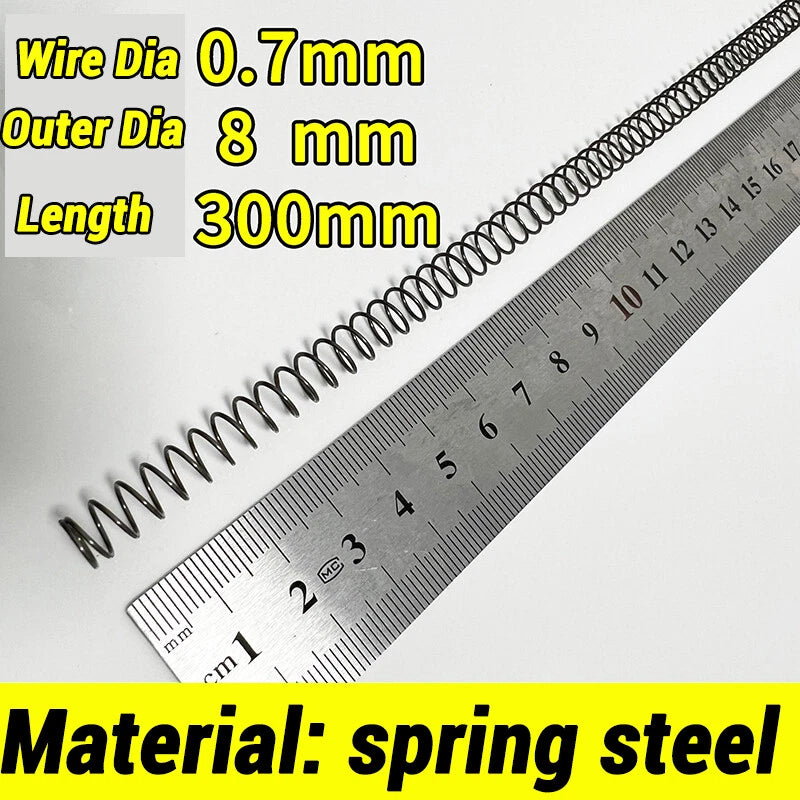
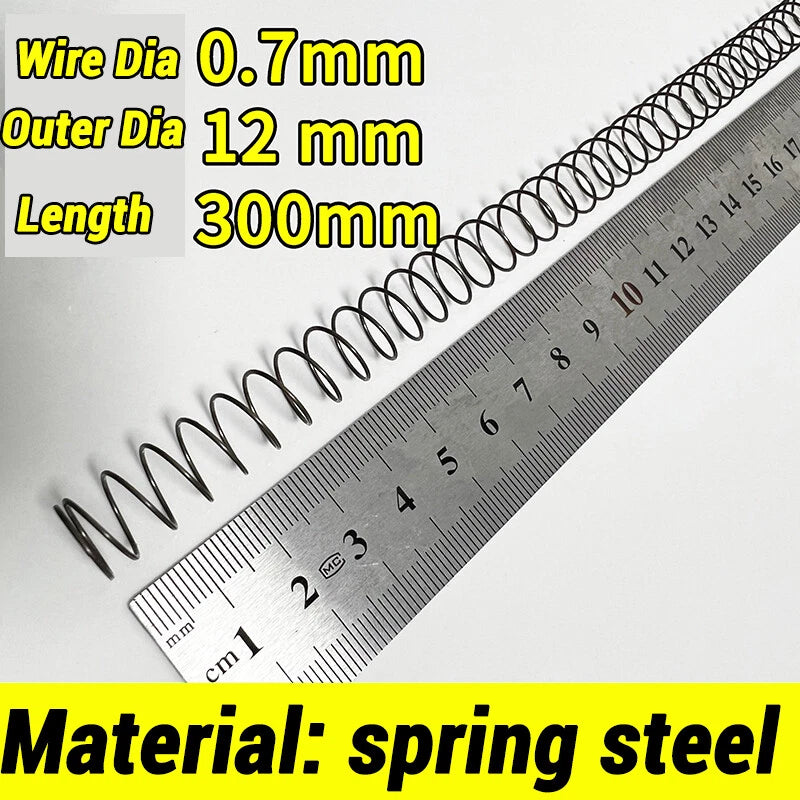
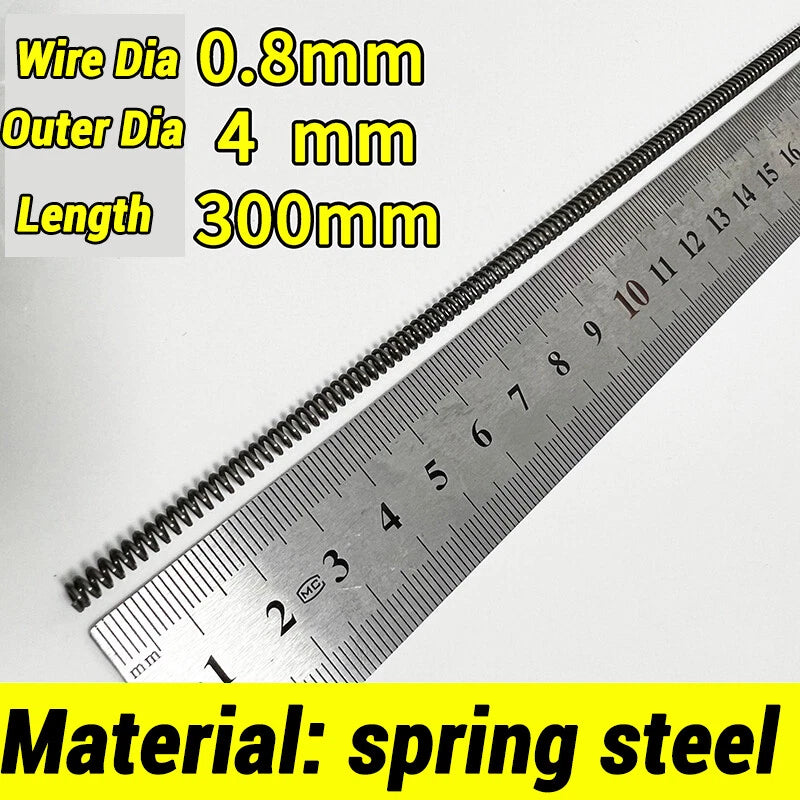
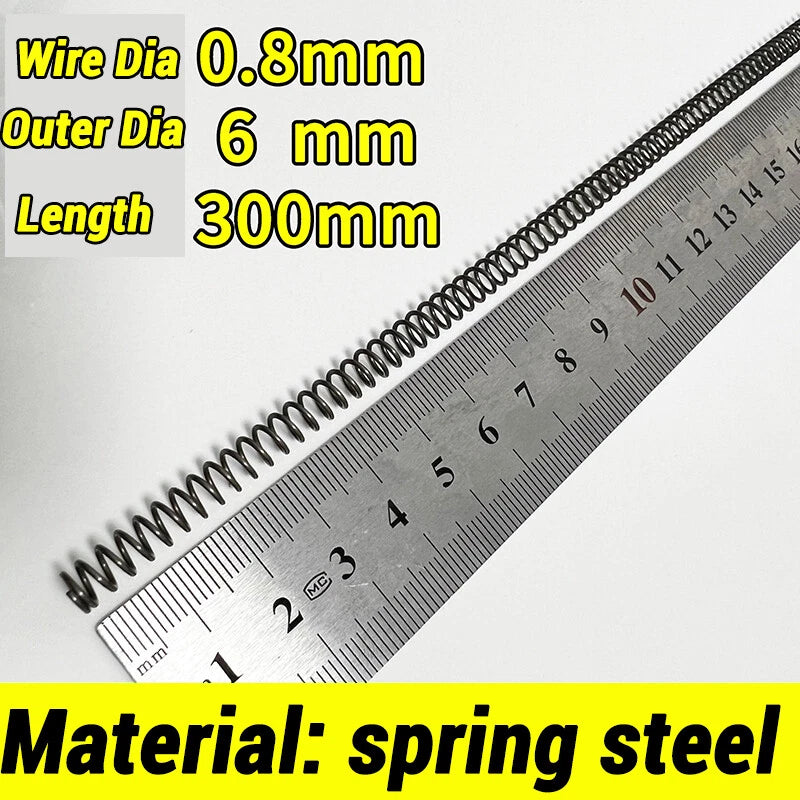
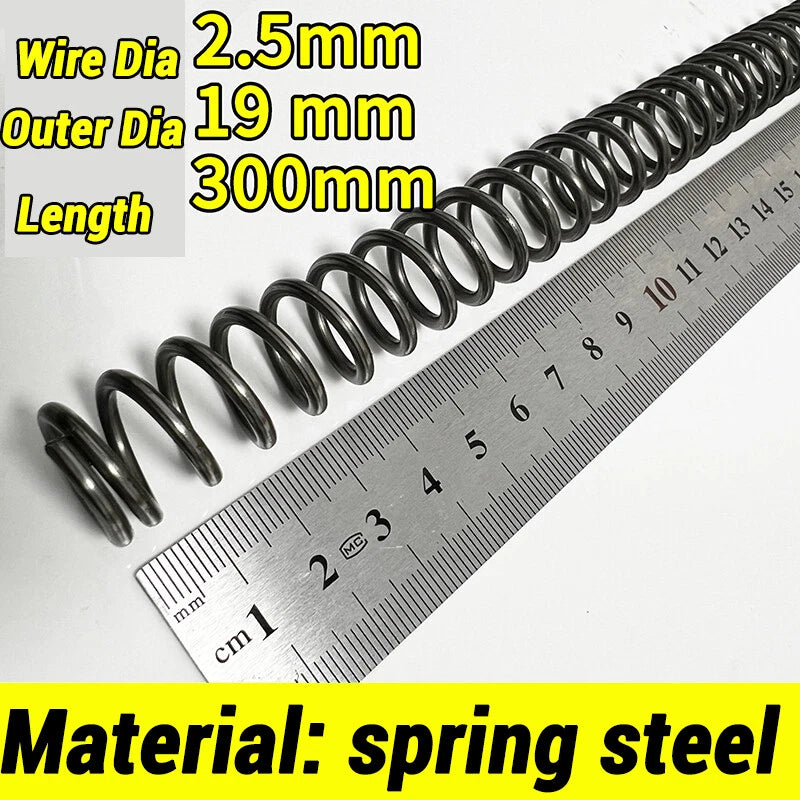
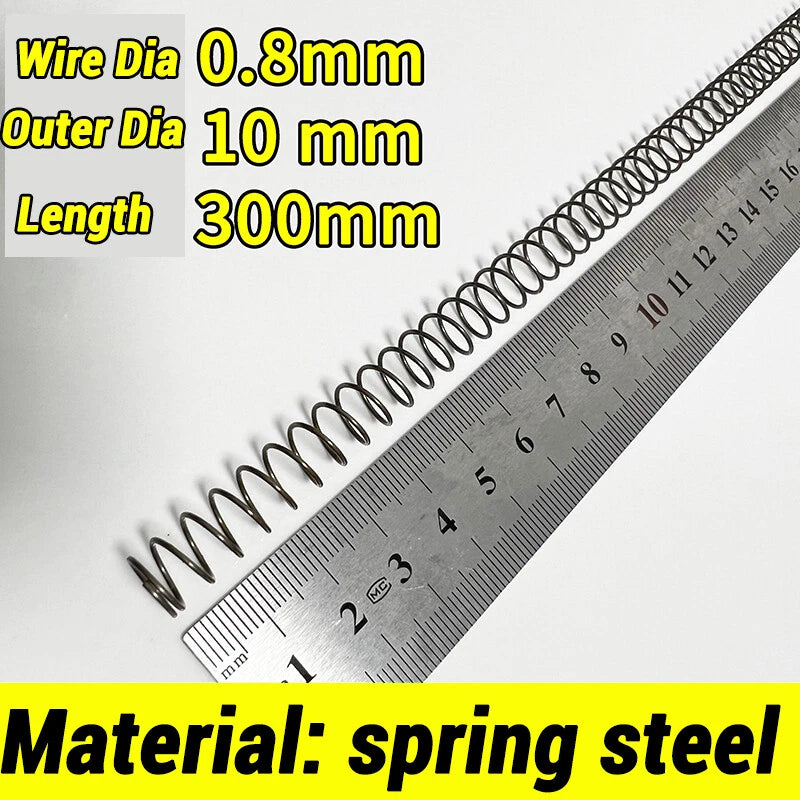
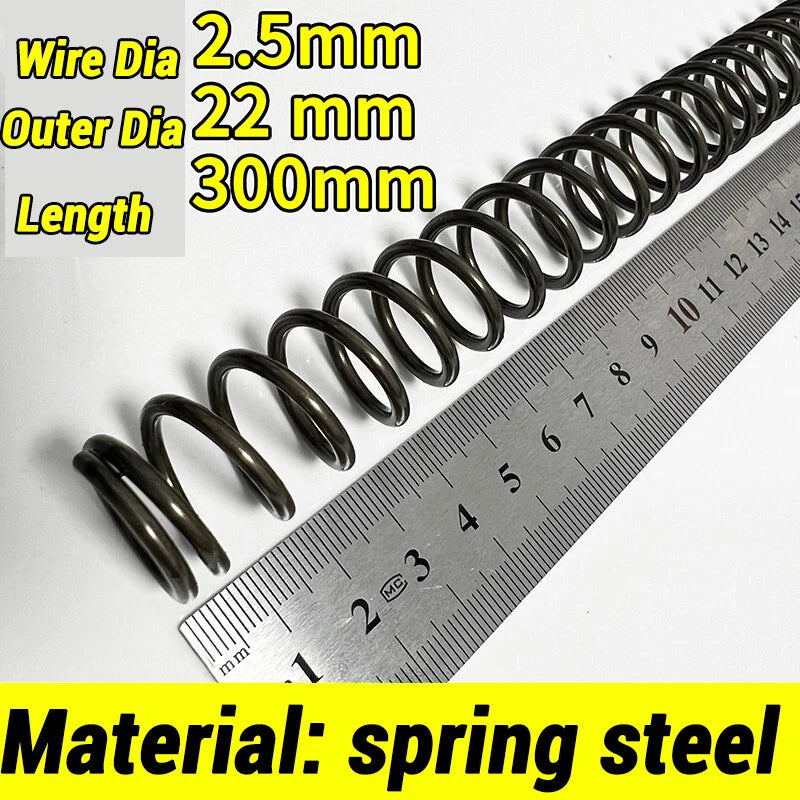
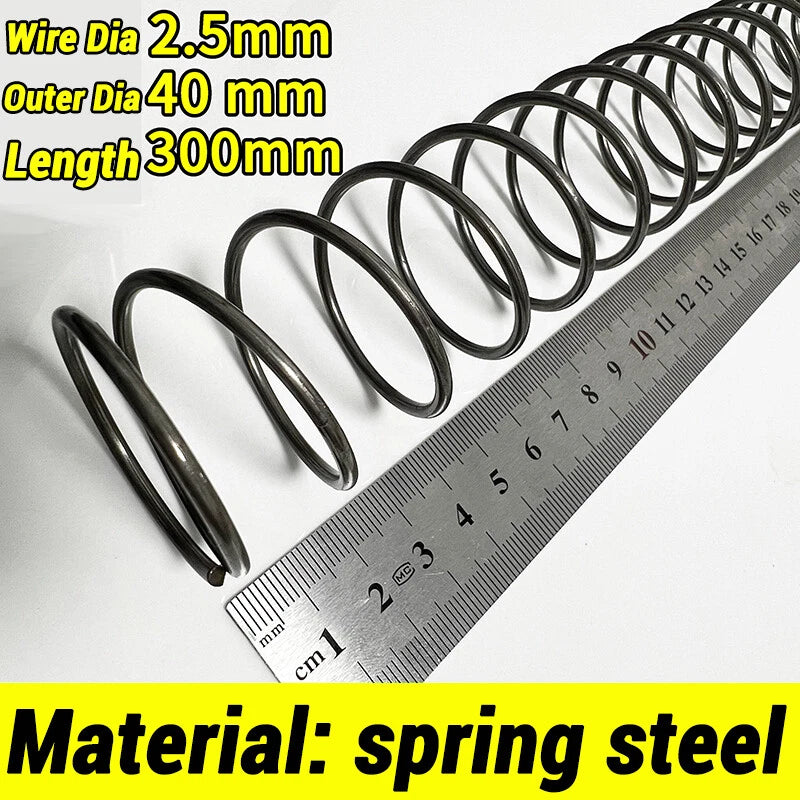
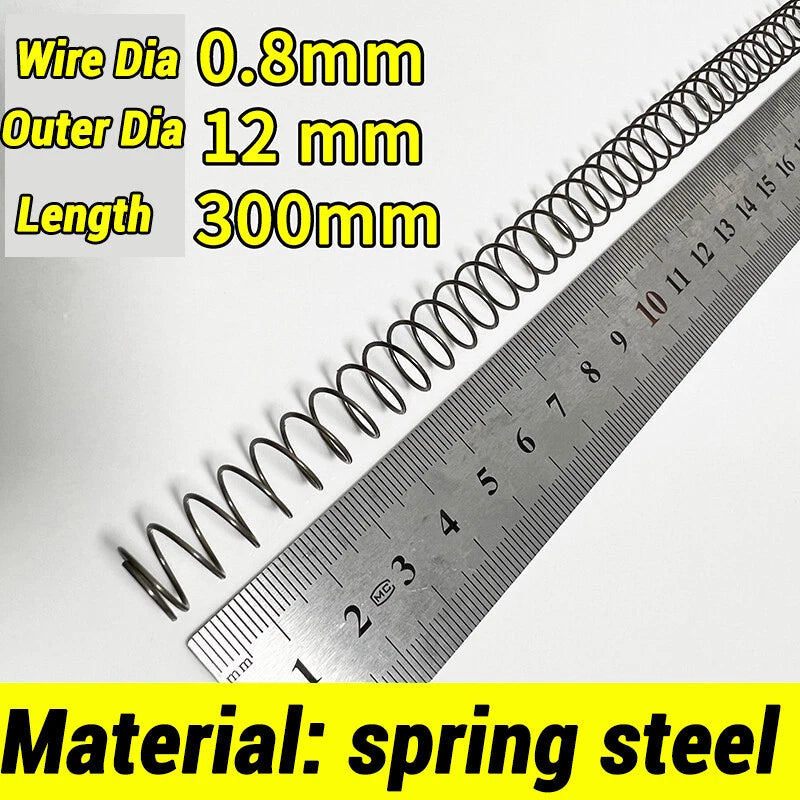
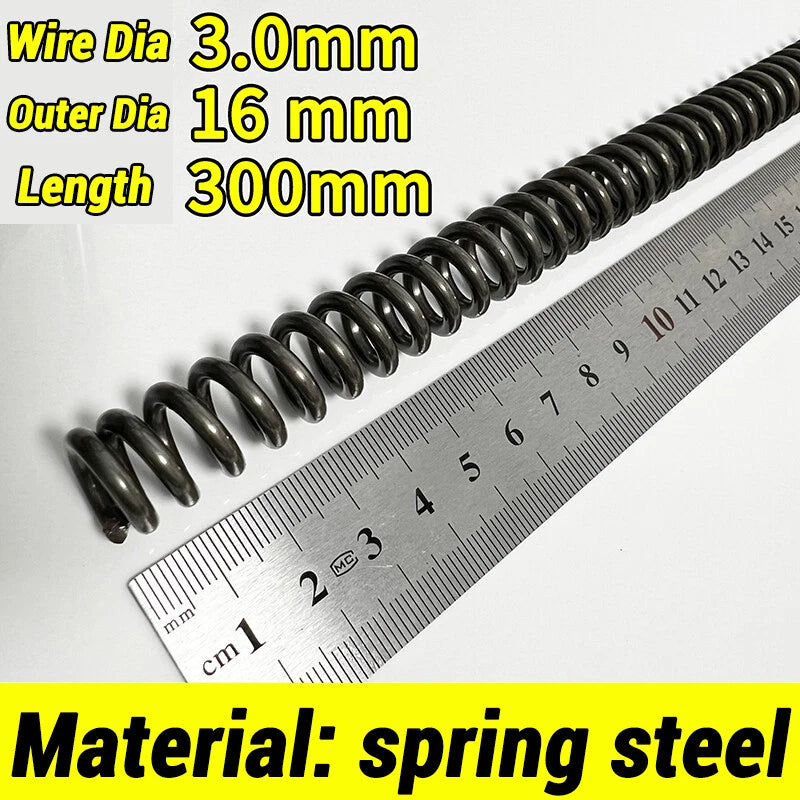
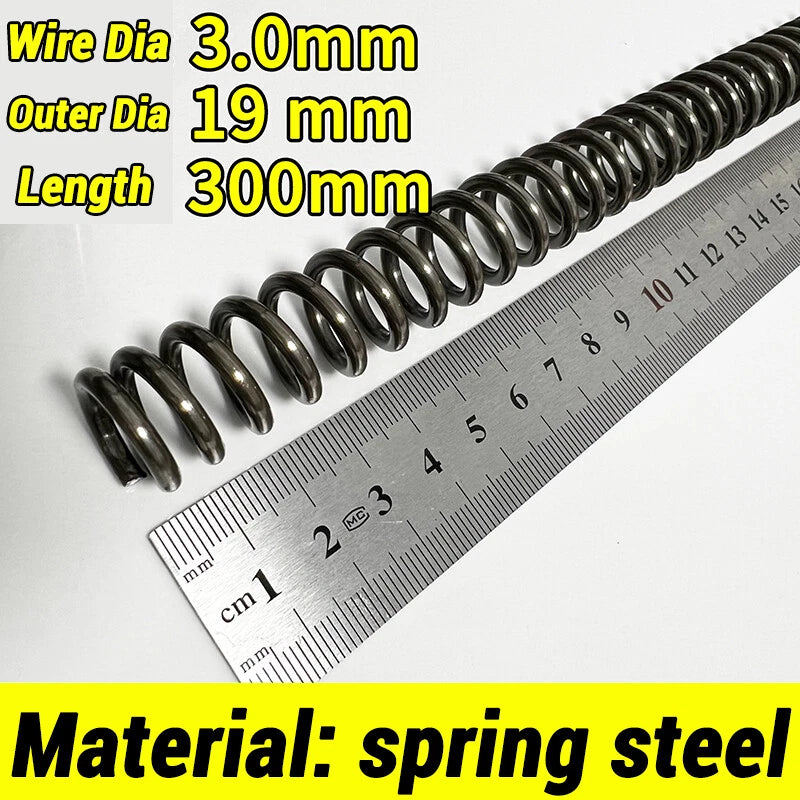
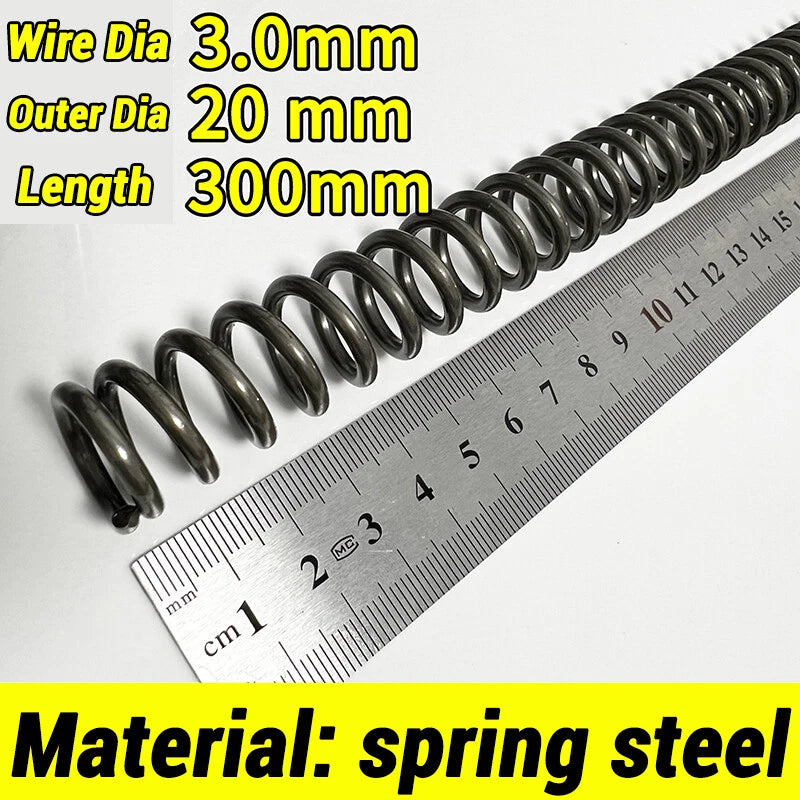
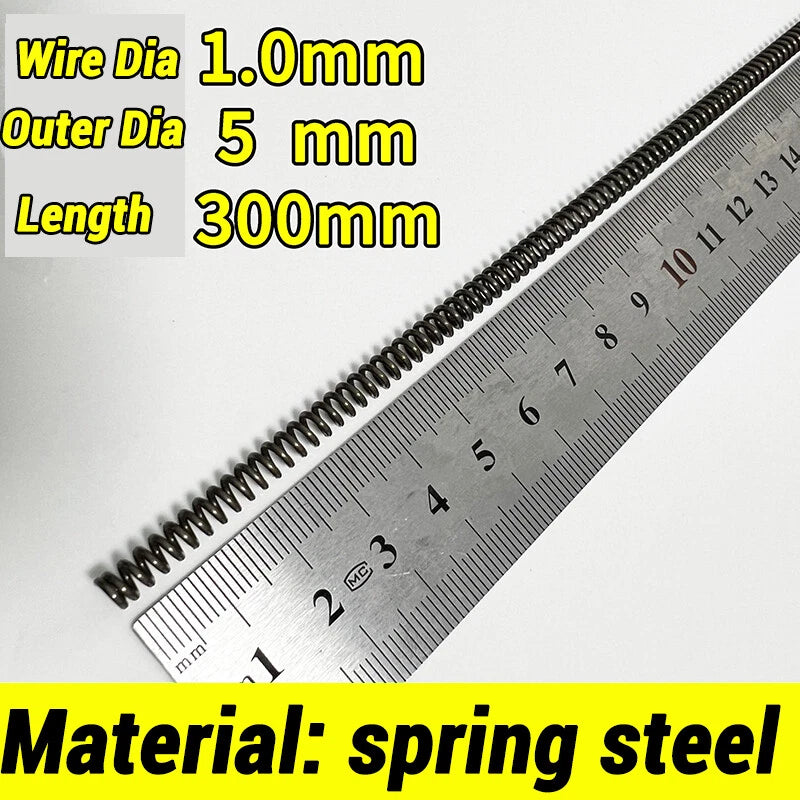
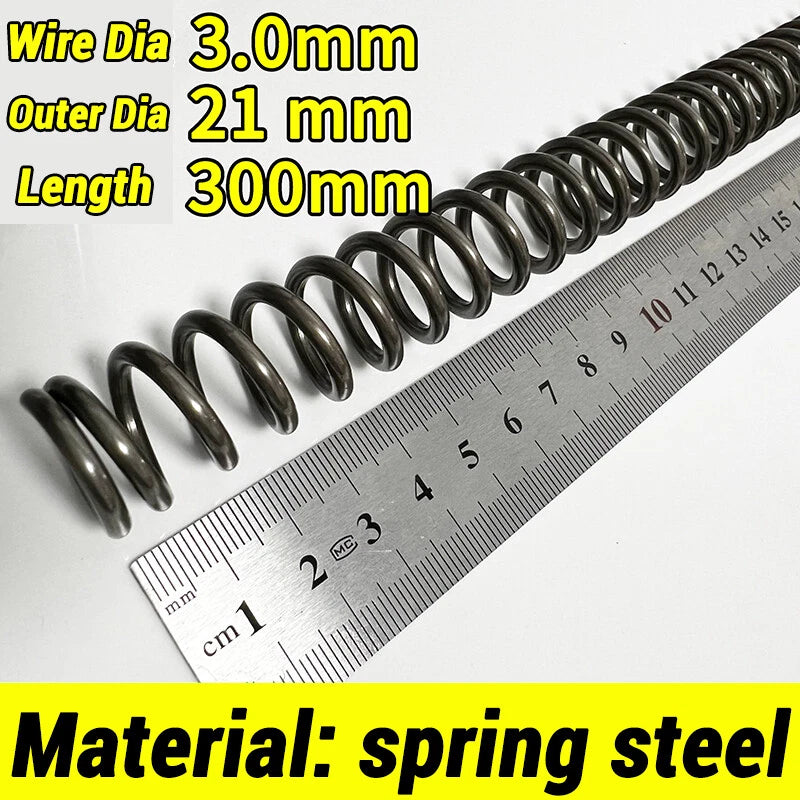
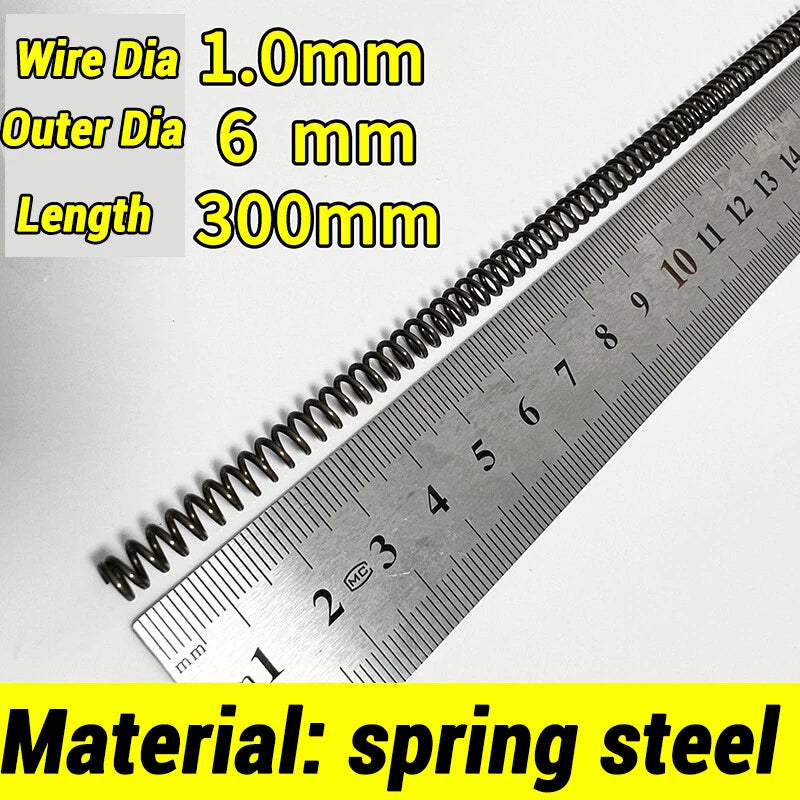
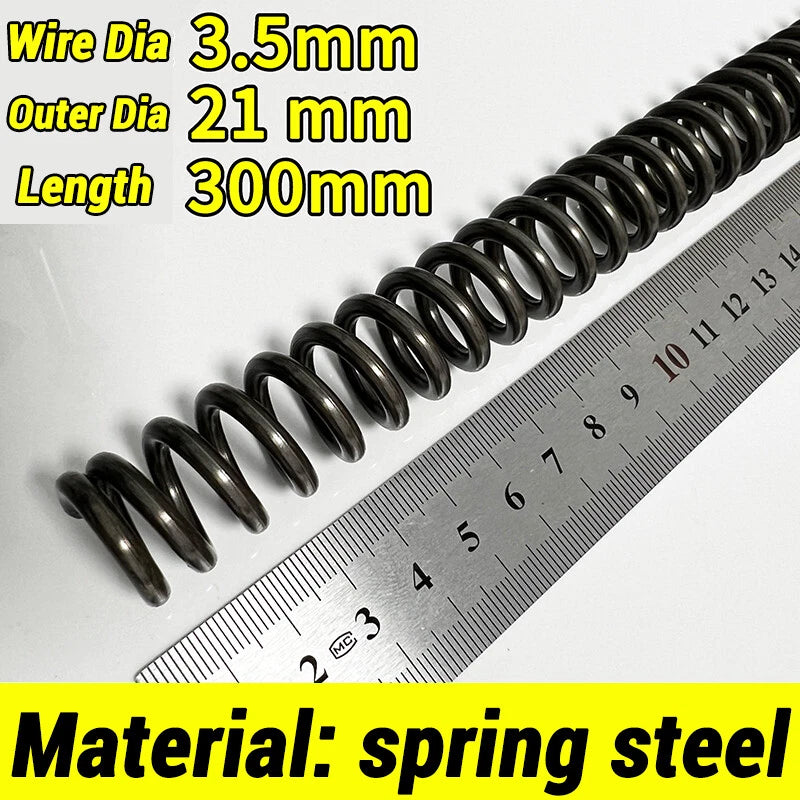
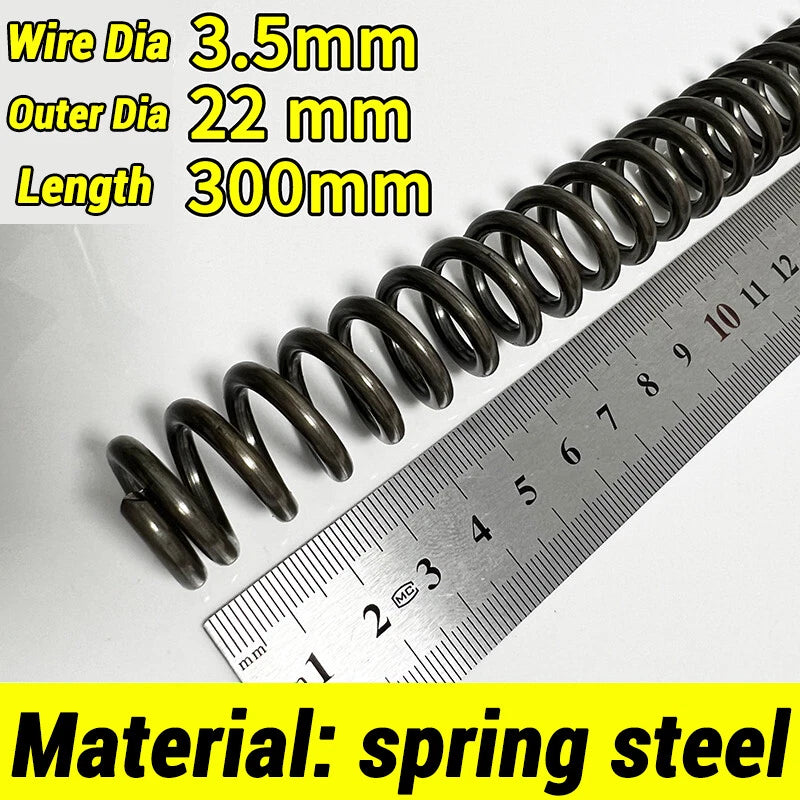
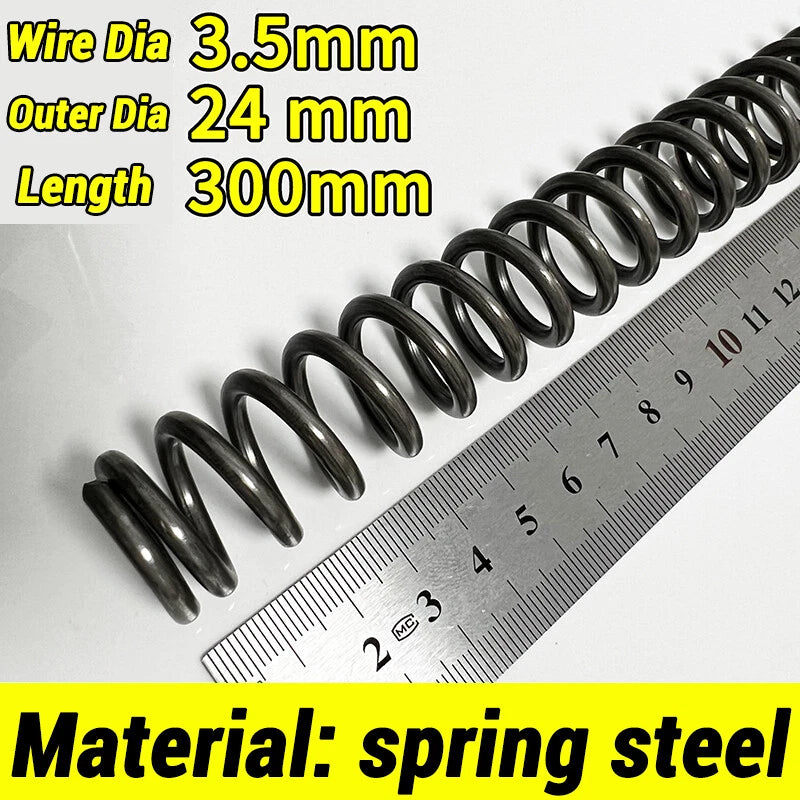
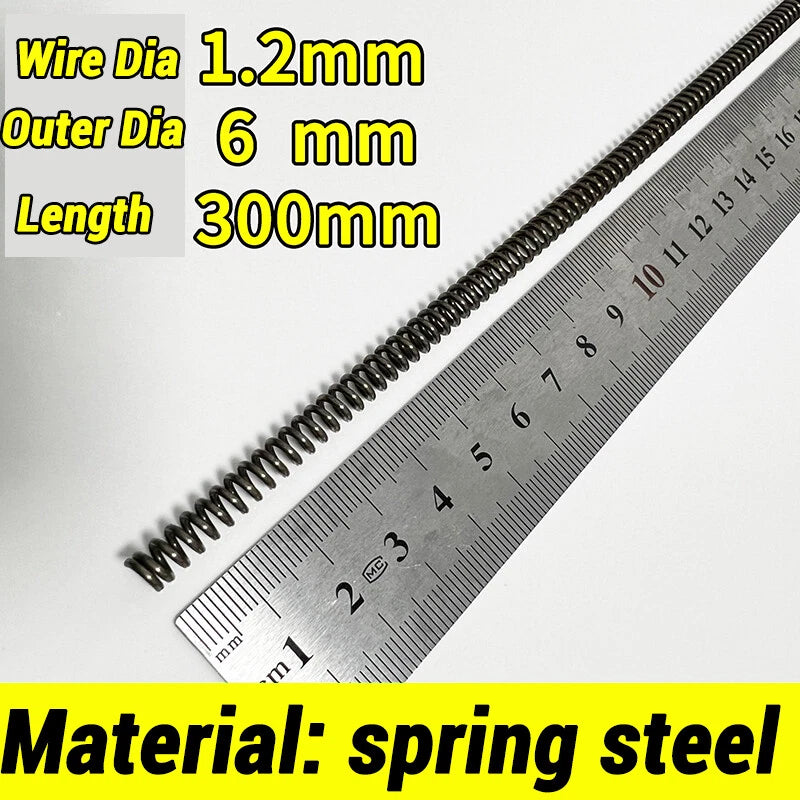
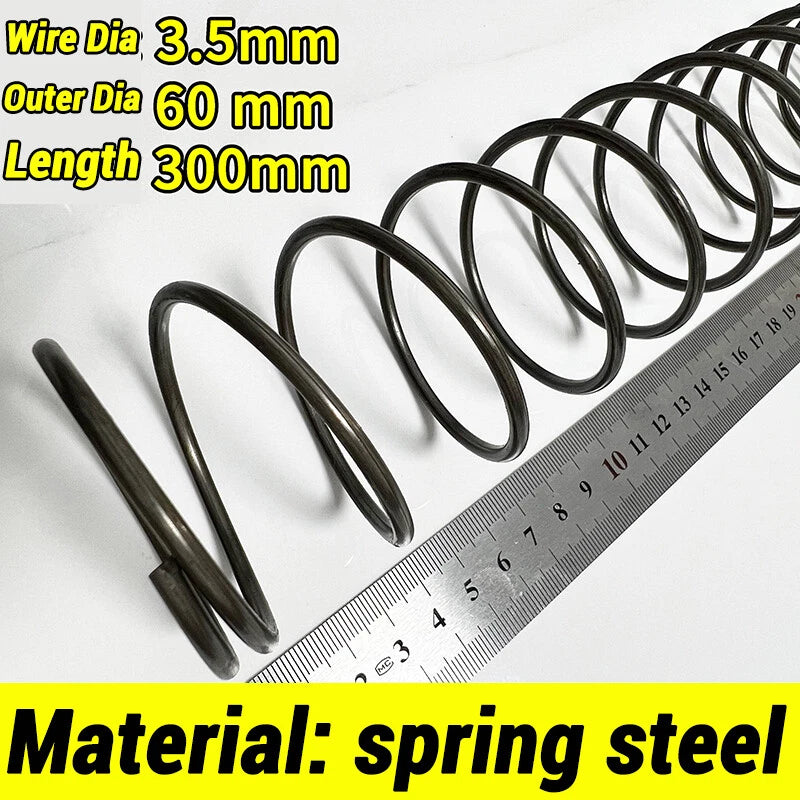
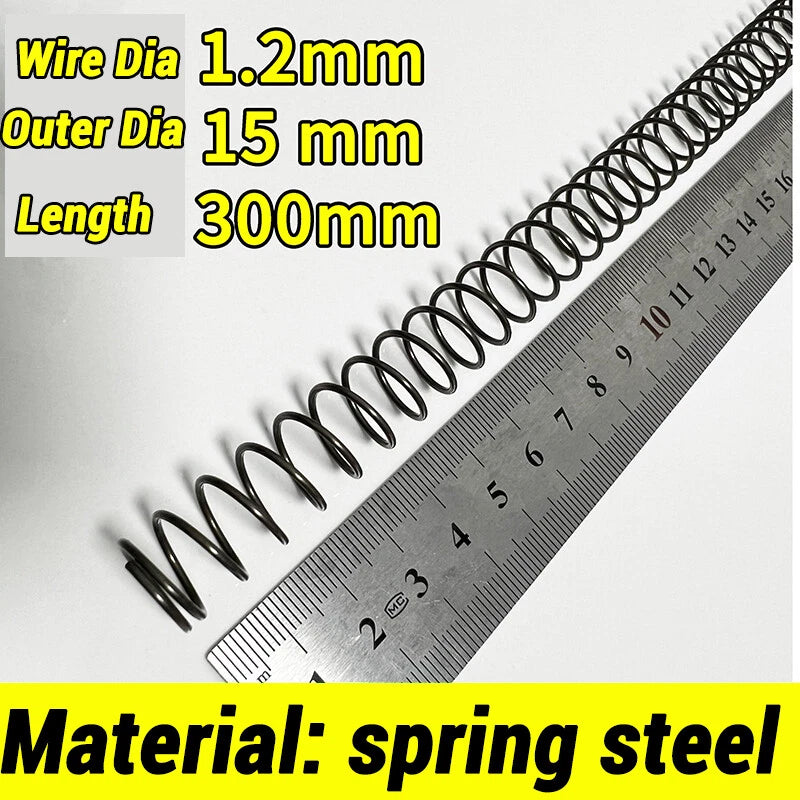
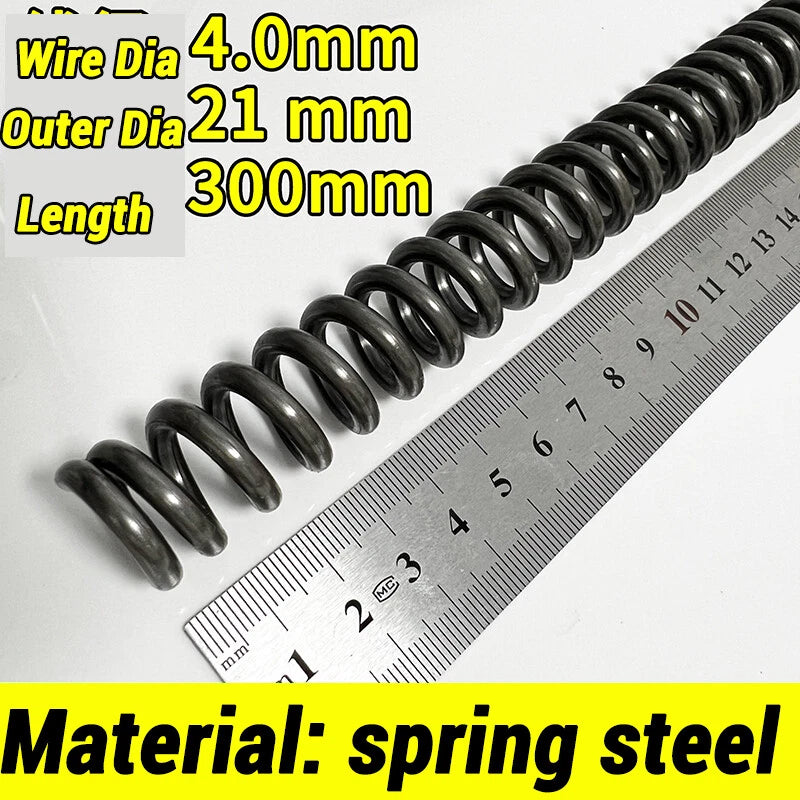
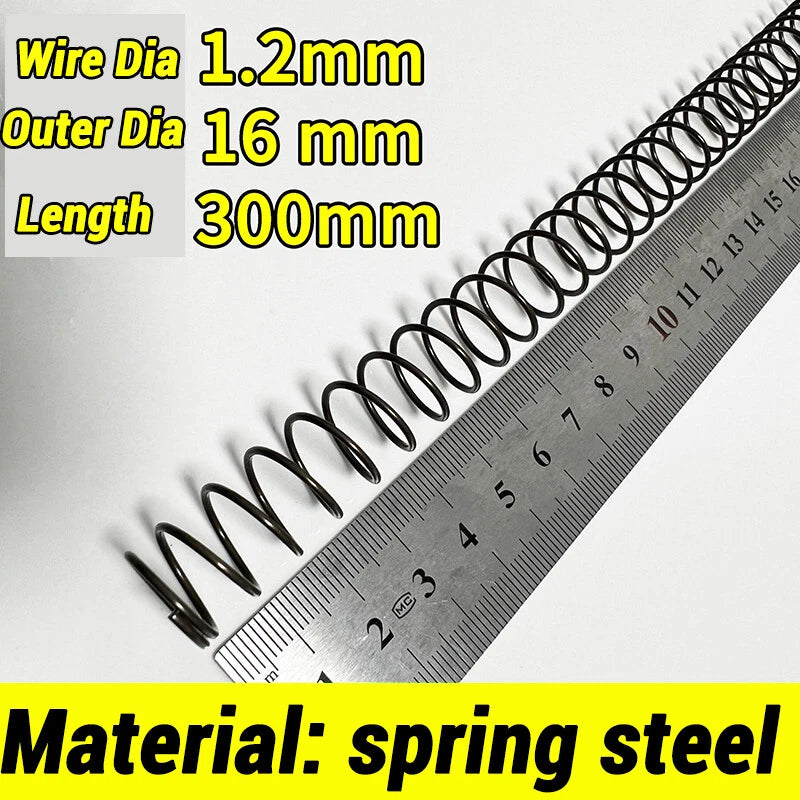
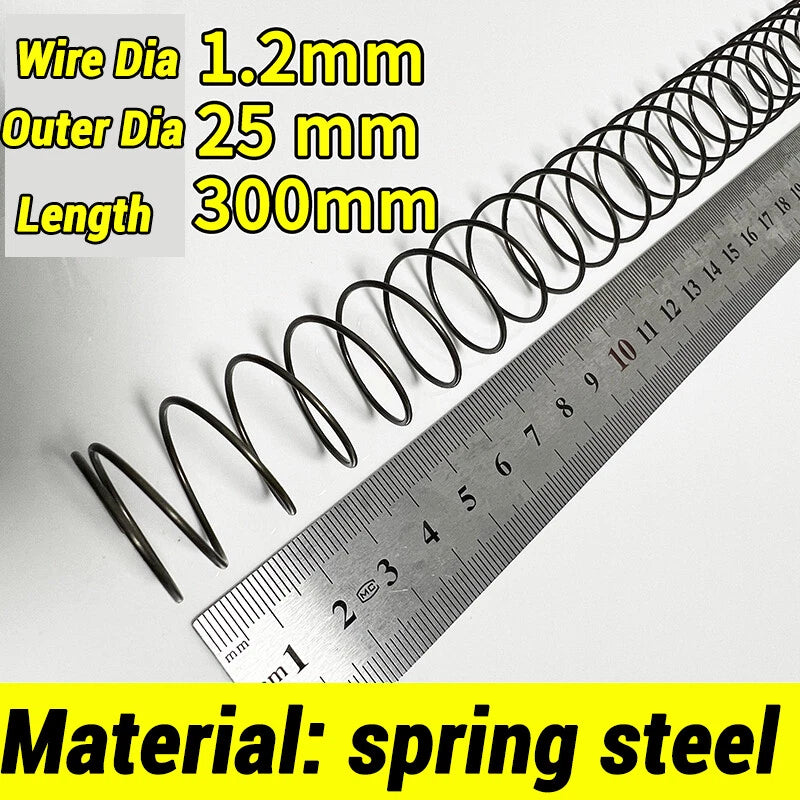
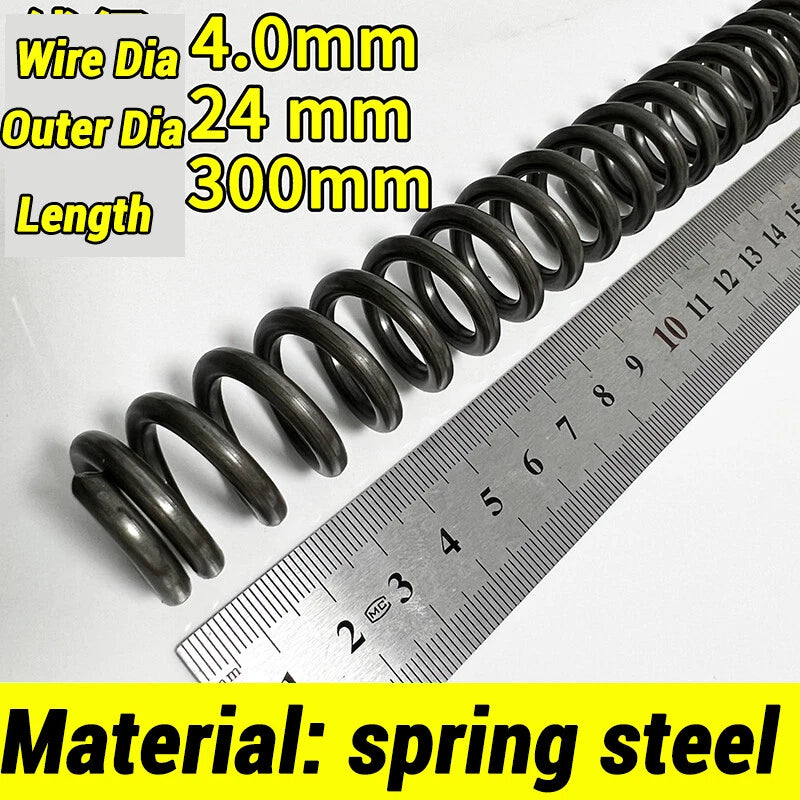
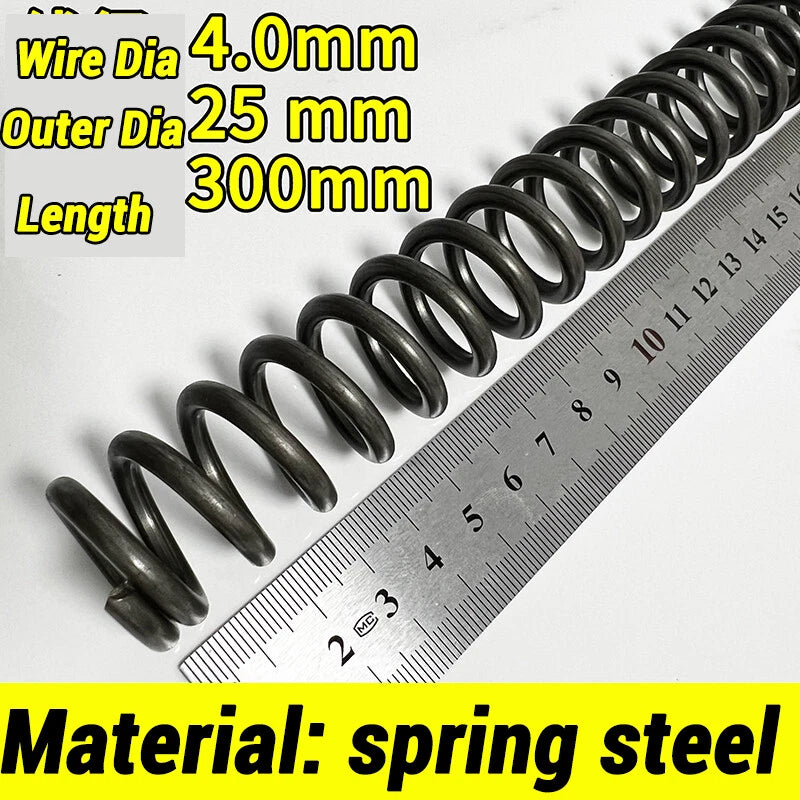
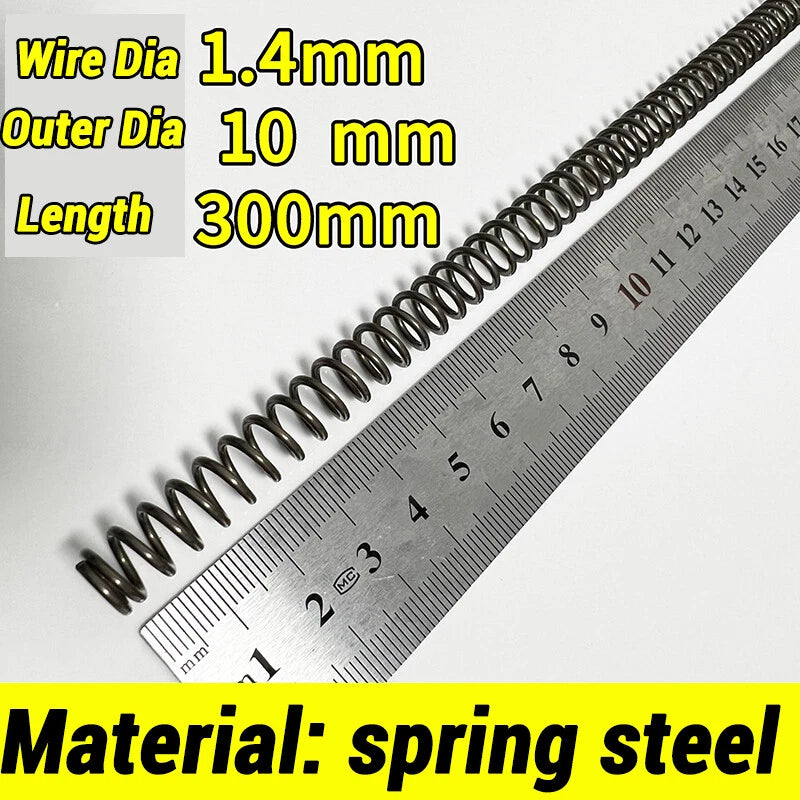
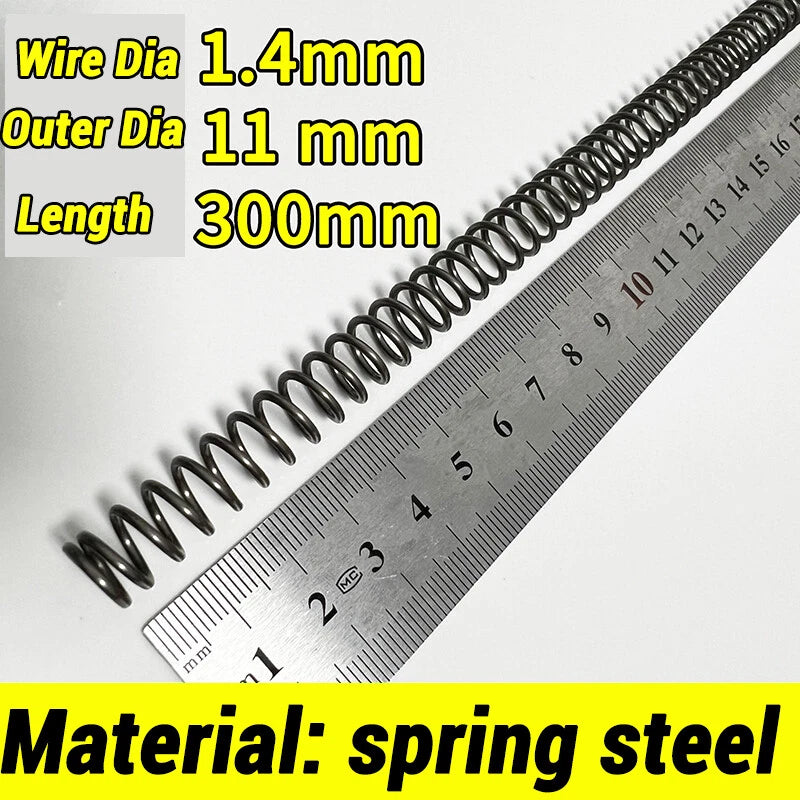
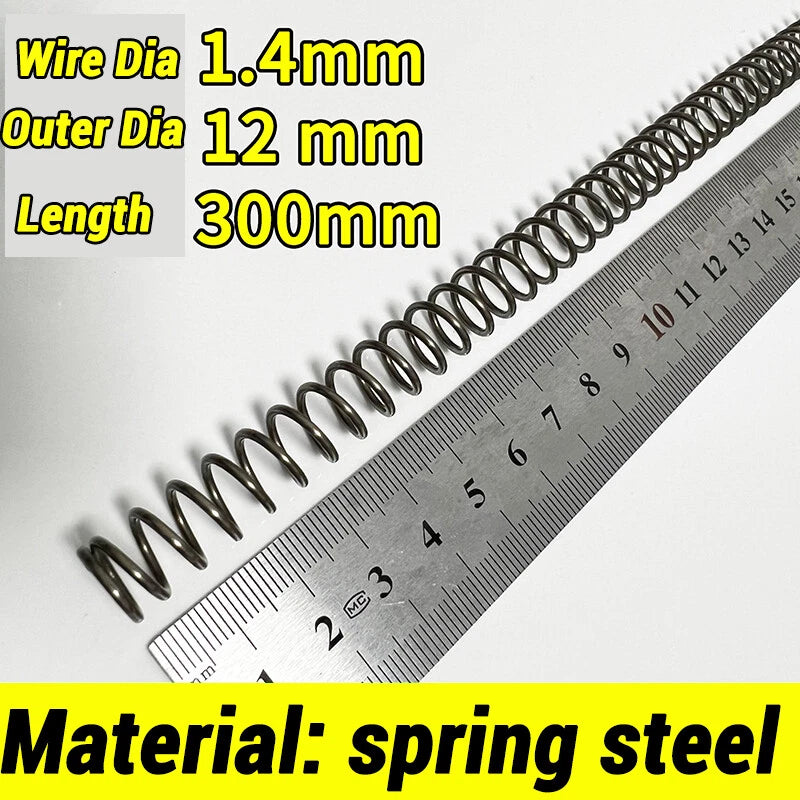
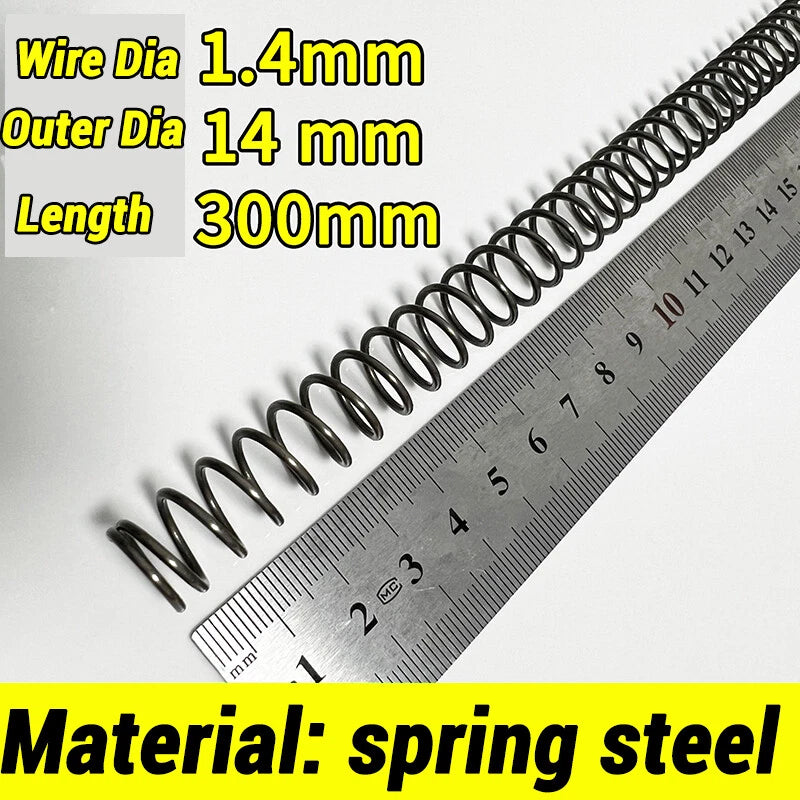
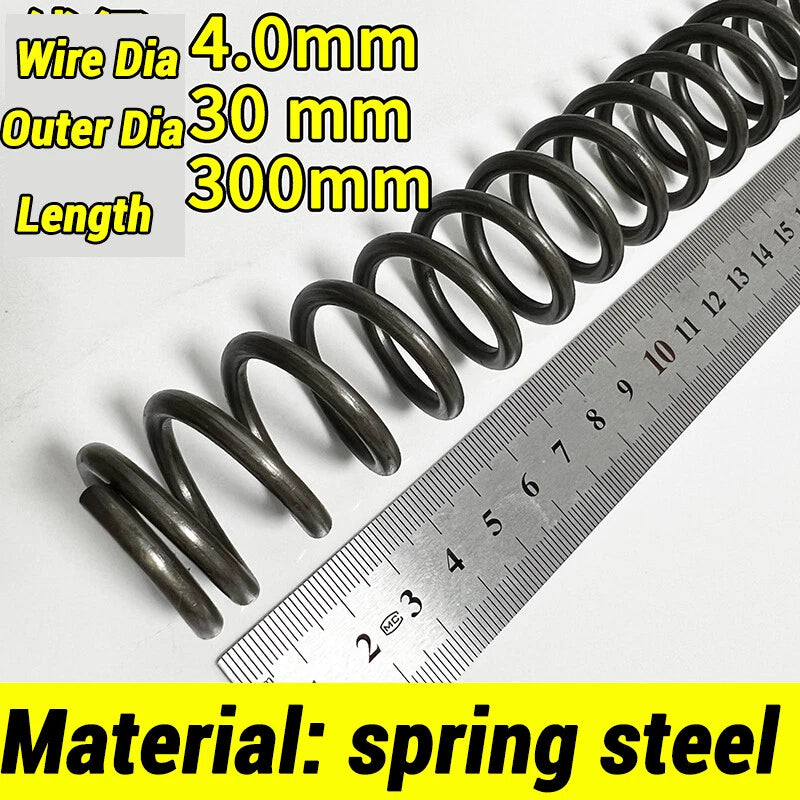
Each spring is wound from round steel wire in diameters ranging from 0.3 mm to 4 mm (0.012″–0.157″), with outer diameters spanning 2 mm to 60 mm (0.08″–2.36″) and a fixed free length of 300 mm (11.81″). The open-coil helical design delivers consistent axial compression force across the full deflection range.

Typical use cases include compression spring replacement for automotive suspension jigs, spring-loaded tooling fixtures, electronic enclosure latches, valve return mechanisms, and custom DIY fabrication projects requiring a small compression spring with a defined load rate.

⚙️ Compatibility: Suitable for general mechanical assemblies, DIY projects, light industrial machinery, and spring-loaded fixtures. Select wire diameter and outer diameter to match your housing bore and load requirements.

✅ Key Features of These Compression Springs

📐 Wide Size Range

Outer diameters from 2 mm to 60 mm (0.08″–2.36″) and wire diameters from 0.3 mm to 4 mm — covering the majority of standard replacement needs in a single listing.

📏 300 mm Free Length

All variants share a 300 mm (11.81″) free length, making it straightforward to cut-to-length or use as-is for long-stroke applications.

🔩 Open-Coil Helical Design

The open-coil geometry provides linear spring rate behavior and allows for predictable deflection under axial load — essential for consistent mechanical performance.

⚖️ Scalable Load Capacity

Wire diameter directly controls stiffness: lighter 0.3–0.8 mm wires suit delicate mechanisms, while 2–4 mm wires handle heavier industrial loads. Select the combination that matches your force requirement.

🛠️ Versatile Application Fit

Suited for valve springs, latch return springs, suspension test rigs, electronic enclosure mechanisms, and custom fabrication — wherever a small-to-medium compression spring is needed.

📦 Ready-to-Install

Each spring is supplied in finished condition — no additional machining or surface treatment required before installation in most standard applications.

📐 Technical Specifications — Compression Spring

Spring Type Compression (Open-Coil Helical)
Wire Diameter 0.3 mm – 4 mm (0.012″ – 0.157″)
Outer Diameter 2 mm – 60 mm (0.08″ – 2.36″)
Free Length 300 mm (11.81″)
Coil Direction See variant options
End Type See variant options
Material Steel wire (grade see variant options)
Surface Finish See variant options
Spring Rate See variant options
Load Capacity See variant options
Operating Temperature Contact us to confirm

❓ Frequently Asked Questions

How do I choose the right wire diameter and outer diameter for my application?

Wire diameter controls stiffness (spring rate) — a thicker wire produces a stiffer spring. Outer diameter must fit inside your housing bore with clearance, and the inner diameter (outer diameter minus 2× wire diameter) must clear your guide rod if one is used. Start by measuring your existing spring or the bore/rod dimensions, then select the closest matching variant.

What load can these compression springs handle?

Load capacity varies significantly by wire diameter and outer diameter combination. Lighter wire diameters (0.3–0.8 mm) are suited for low-force applications such as electronic latches and small valves. Heavier wire diameters (2–4 mm) support higher axial loads for industrial fixtures and mechanical assemblies. For precise load data, contact us with your specific variant selection.

Are these springs corrosion resistant?

The springs are manufactured from steel wire. For environments with moisture or chemical exposure, consider applying a light coating of corrosion-inhibiting oil after installation, or contact us to confirm whether a specific surface treatment is available for your required variant.

Can I use these springs in outdoor or wet environments?

Standard steel compression springs are not inherently weatherproof. For outdoor or wet-environment use, protective coatings or stainless steel alternatives are recommended. Contact us to confirm material options if corrosion resistance is a critical requirement for your application.

Is the 300 mm free length the compressed length or the natural length?

300 mm is the free length — the natural, unloaded length of the spring. When installed and compressed, the working length will be shorter depending on the applied load and spring rate. Ensure your assembly has sufficient travel space to accommodate the full free length before compression.

Can these springs be cut to a shorter length?

Open-coil compression springs can generally be cut to a shorter free length using appropriate cutting tools, though the end coils may need to be ground flat for stable seating. Note that cutting will alter the spring rate and load characteristics. For critical applications, we recommend selecting a variant closest to your required free length rather than cutting.

What is the difference between outer diameter and inner diameter?

Outer diameter (OD) is the overall outside measurement of the coil. Inner diameter (ID) equals OD minus twice the wire diameter. For example, a spring with 10 mm OD and 1 mm wire diameter has an 8 mm ID. Use OD to check bore fit and ID to check guide rod clearance.

🛒 Select your wire diameter and outer diameter above, then add to cart.

You may also like

Recently viewed