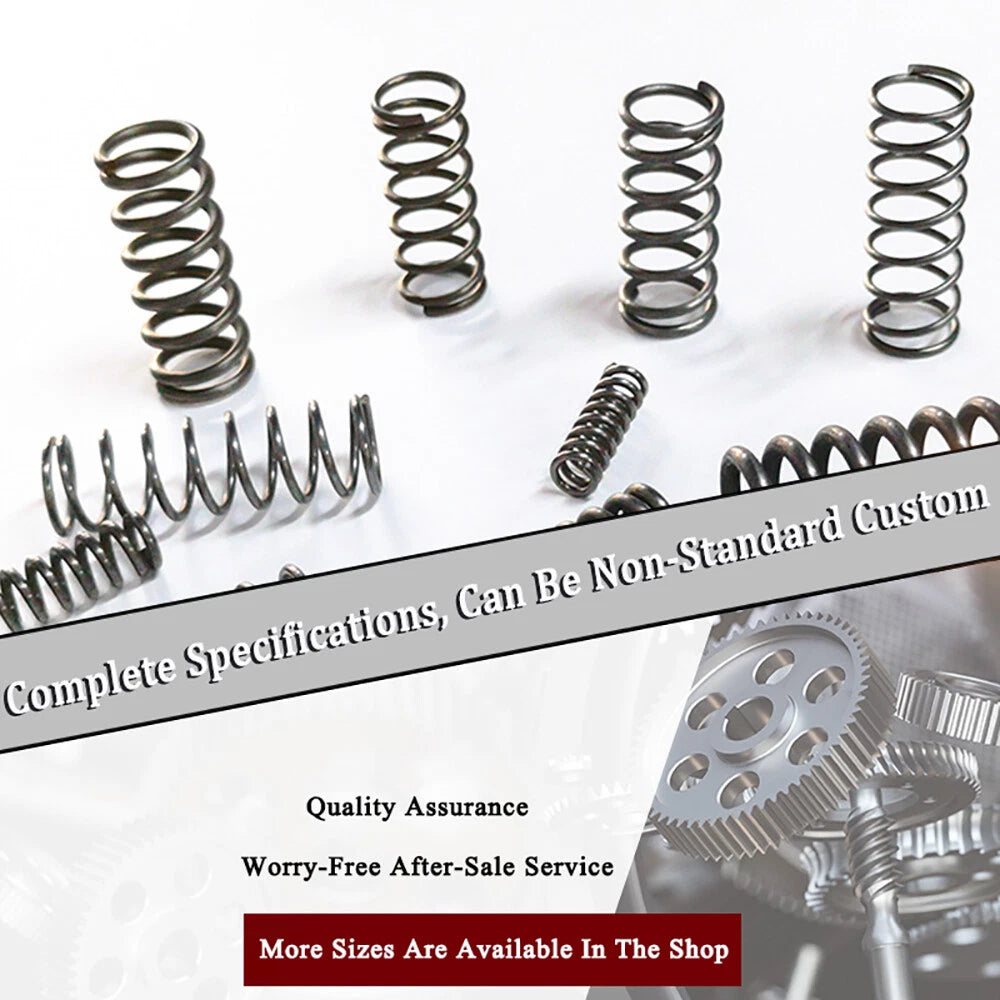

Compression Spring Various Size 8 - 60mm Diameter & 25mm Length Pressure Small

No reviews

Price:
Sale price$1.39 USD
Stock:
In stock (500 units), ready to be shipped

Payment & Security

Ach Direct Debit Amazon American Express Apple Pay Bancontact BLIK Diners Club Discover EPS Google Pay iDEAL Wero JCB Maestro Mastercard Multibanco MobilePay PayPal Przelewy24 Shop Pay Twint Union Pay USDC Visa

Your payment information is processed securely. We do not store credit card details nor have access to your credit card information.

Limited Offer — Spend More, Save More
Spend $55+
Save $5
Spend $100+
Save $10
Spend $200+
Save $25
HomeDIYer DIY Expert Support

DIY Expert Support

Get fitment advice & recommendations

Mon–Fri  8:30 AM – 8:00 PM
24-Hour Fast Ship
Arrives in 3–14 Days
Worldwide Shipping
30-Day Returns
1 tree planted with every purchase

Description

Compression Spring 8–60mm Diameter, 25mm Length — Reliable Elastic Force for Every Build

When a project demands consistent return force — whether you're repairing a mechanism, building a custom jig, or assembling a precision device — finding the right compression spring in the right size is often the bottleneck. Engineers, makers, and hands-on builders who work across a wide range of diameters need a dependable source that covers the full spectrum without ordering from multiple suppliers.

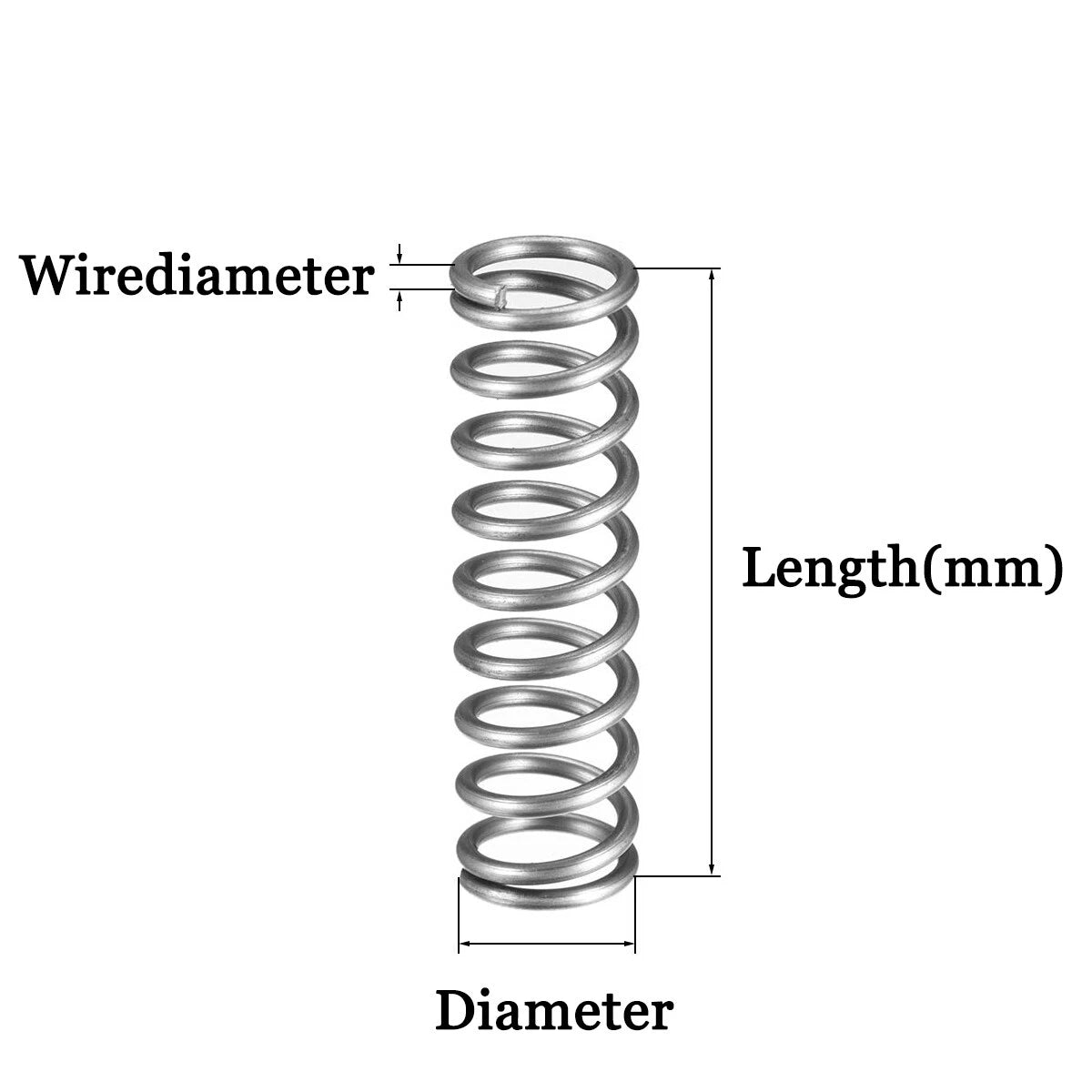
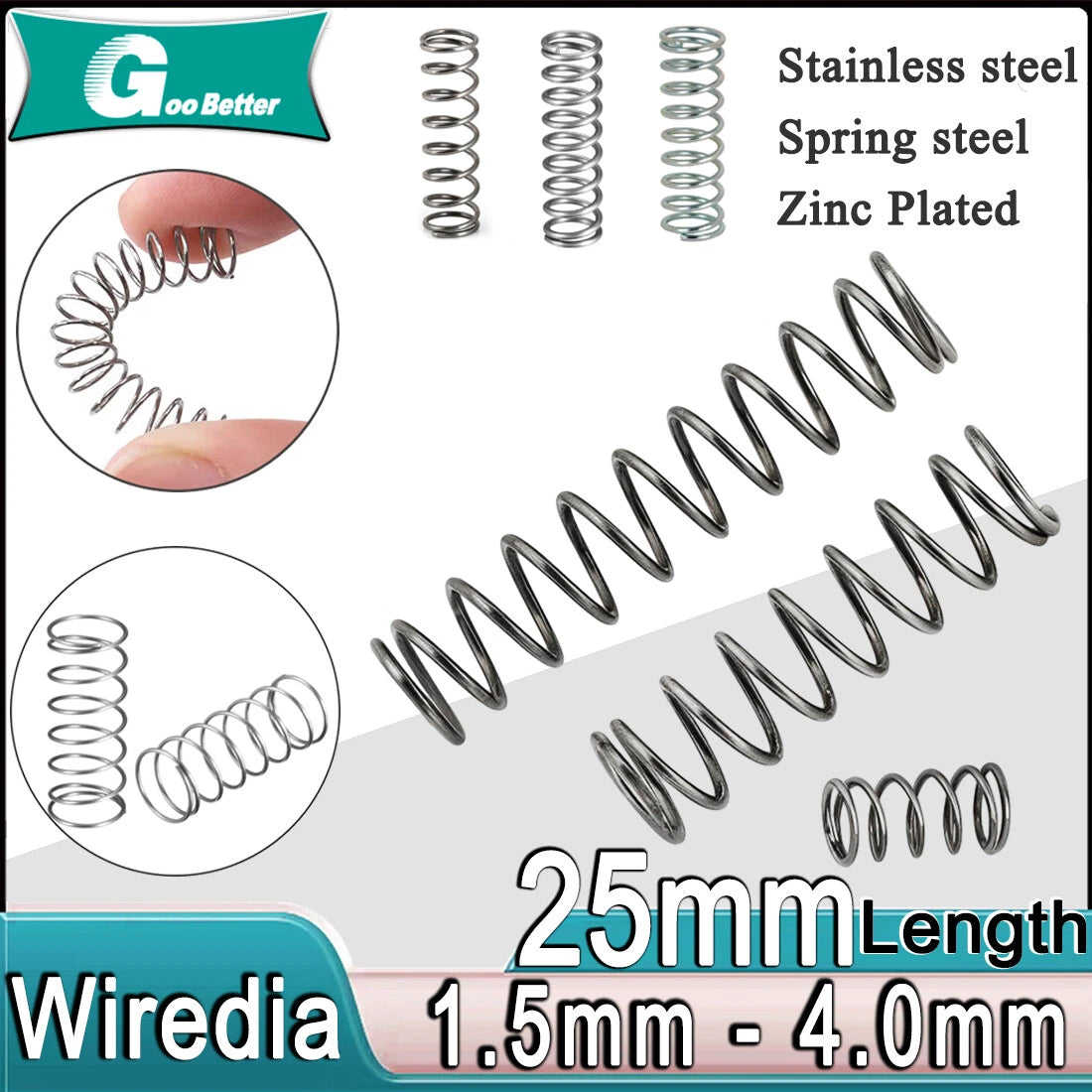
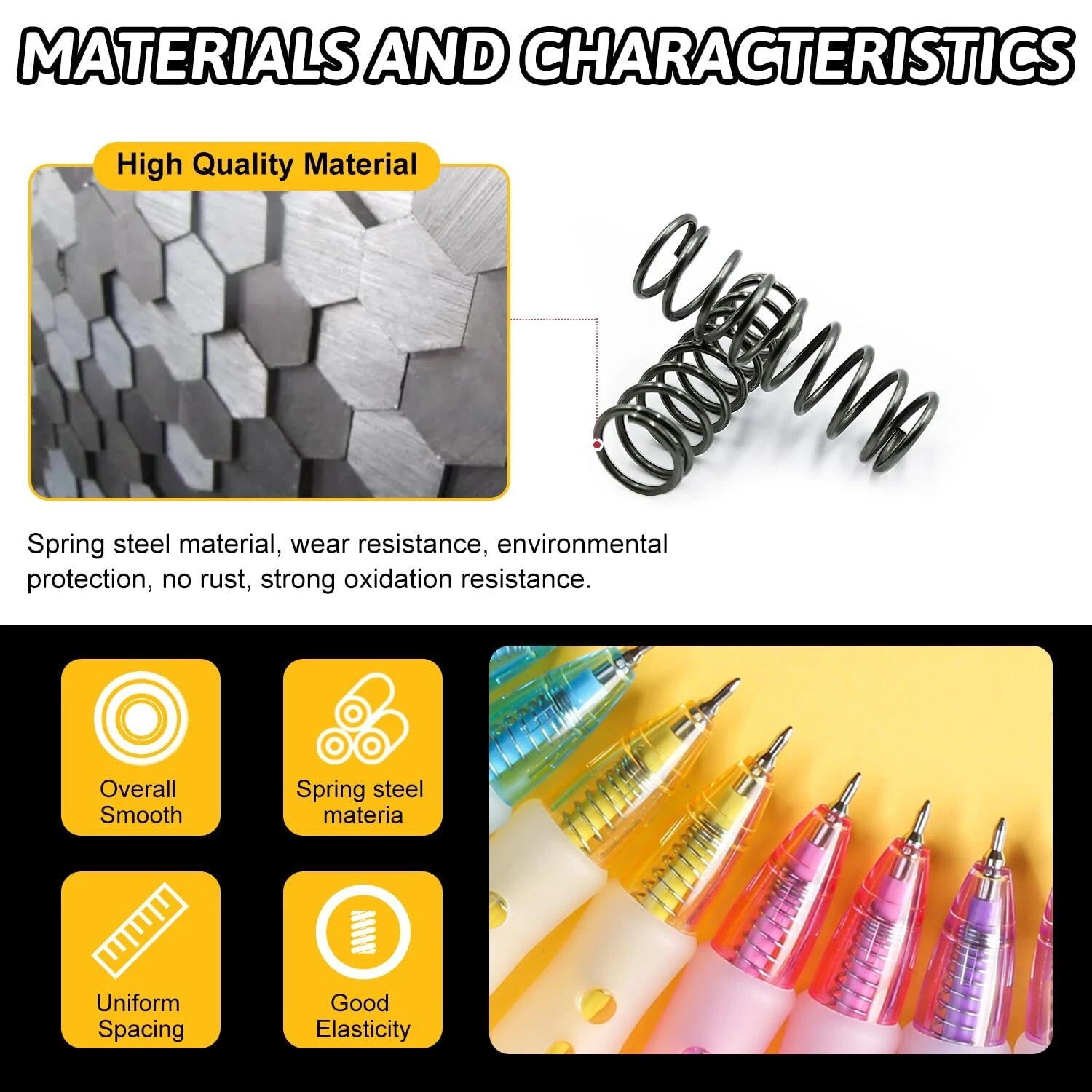
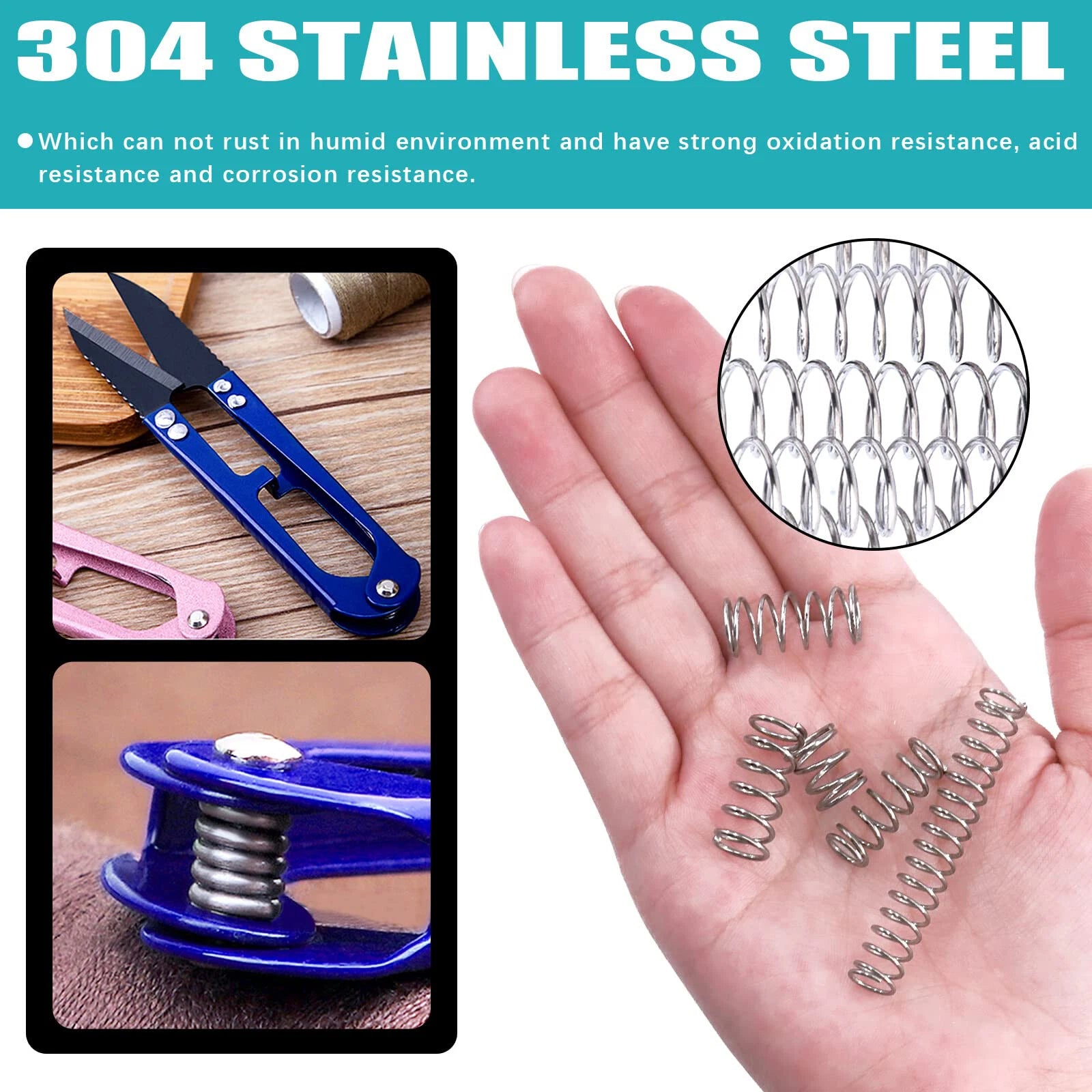
These compression springs are wound from either stainless steel (304 grade, corrosion-resistant) or spring steel (carbon steel, higher elasticity), with an outer diameter range of 8–60 mm (approx. 0.31–2.36 in) and a fixed free length of 25 mm (approx. 0.98 in). Wire diameters span 1.5 mm to 4 mm depending on the variant selected. Each listing is sold in packs of 1, 2, 5, or 10 pieces as indicated by the variant option.

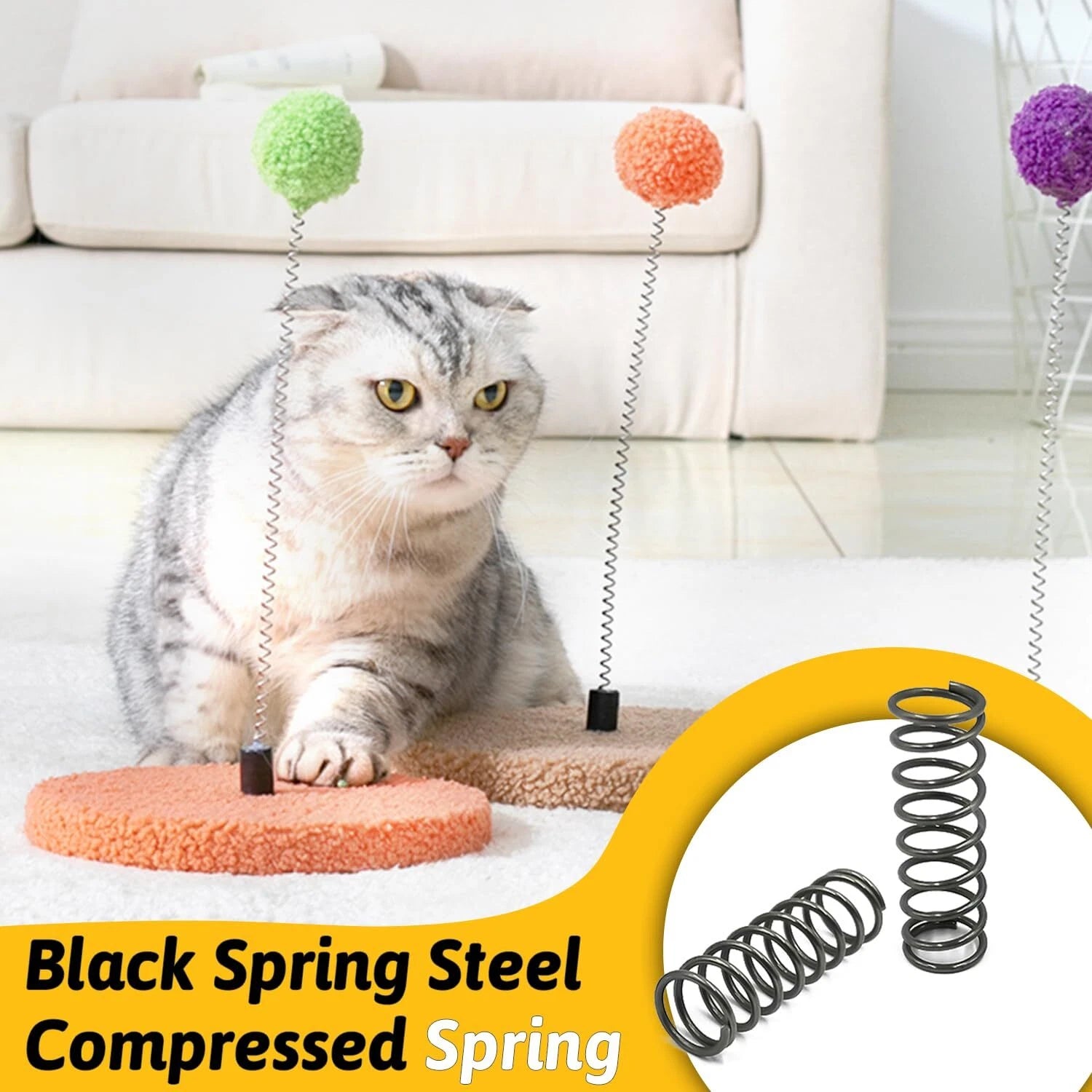
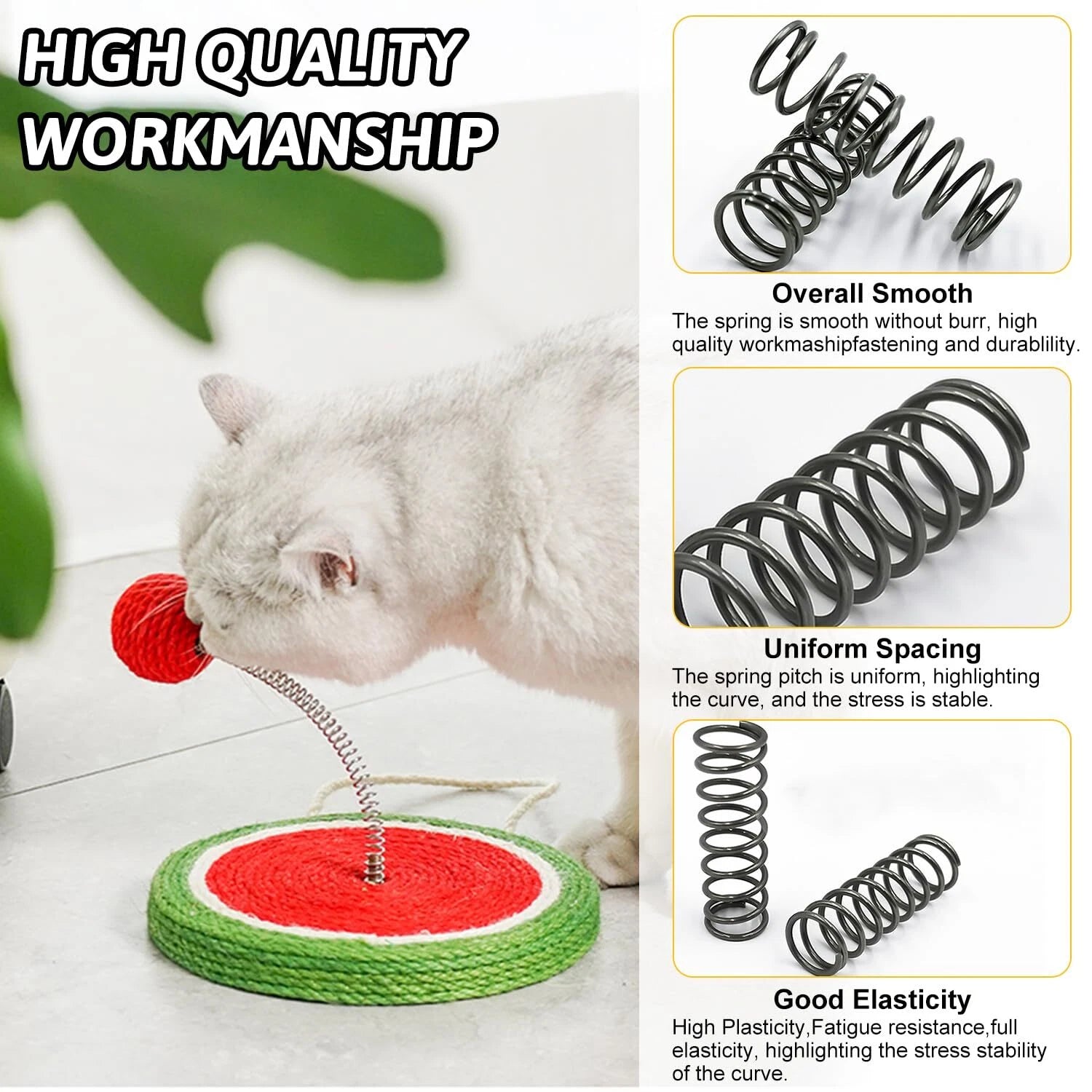
Typical use cases include compression spring replacement for mechanical assemblies, spring-loaded fixture design for CNC workholding, robotics actuator return mechanisms, and small appliance or tool repair where a specific outer diameter and free length must be matched precisely.

⚙️ Compatibility: Suitable for standard spring seats and bores sized to match the selected outer diameter. Verify bore clearance and seat recess depth against your assembly before ordering. Both stainless steel and spring steel variants follow standard helical compression geometry.

✅ Key Features of These Compression Springs

📐 Wide Diameter Range

Outer diameters from 8 mm to 60 mm (0.31–2.36 in) in a single product family, covering the majority of standard compression spring applications without sourcing from multiple vendors.

🔩 Two Material Options

Choose stainless steel (304) for corrosion resistance in humid or outdoor environments, or spring steel for higher elastic energy storage and cost efficiency in dry, indoor applications.

📏 Consistent 25 mm Free Length

All variants share a 25 mm (0.98 in) free length, making it straightforward to compare and substitute springs across different diameters within the same assembly depth.

🔄 Multiple Wire Diameters

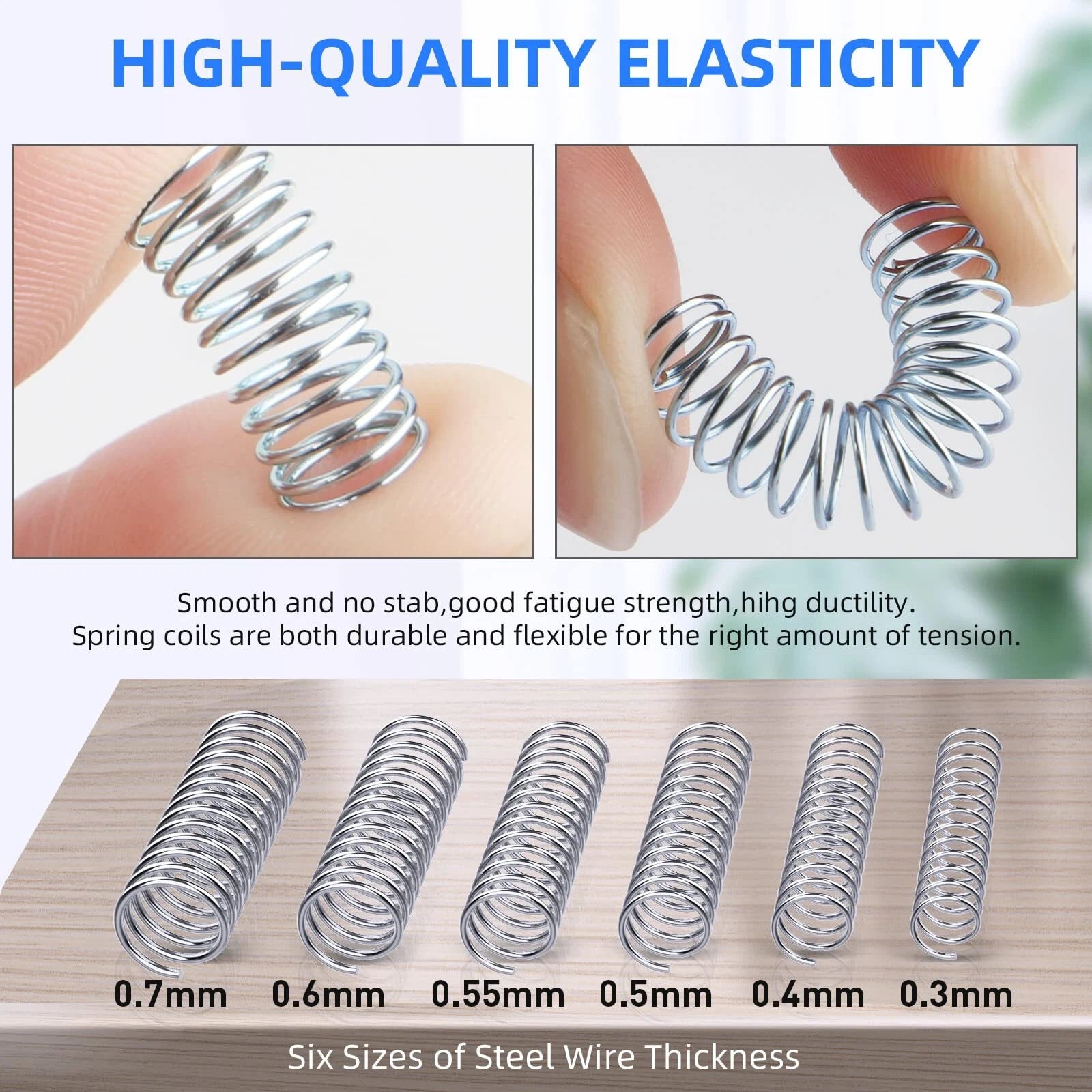
Wire diameters from 1.5 mm to 4 mm allow selection of appropriate spring rate and load capacity — thicker wire yields stiffer springs for heavier-duty applications.

📦 Flexible Pack Quantities

Available in packs of 1, 2, 5, or 10 pieces depending on the variant, so you can order exactly what a repair or prototype requires without excess stock.

🛠️ Broad Application Fit

Suited for mechanical repair, DIY fabrication, CNC fixtures, robotics return mechanisms, and small appliance servicing where a specific OD and free length must be matched to an existing seat.

📐 Technical Specifications — Compression Springs

Spring Type Helical Compression Spring
Free Length 25 mm (approx. 0.98 in)
Outer Diameter Range 8–60 mm (0.31–2.36 in) — See variant options
Wire Diameter Range 1.5–4 mm — See variant options
Material Stainless Steel (304) or Spring Steel (Carbon) — See variant options
End Type Closed ends (typical for this size range)
Surface Finish Natural / uncoated
Pack Quantity 1 / 2 / 5 / 10 pcs — See variant options
Spring Rate See variant options
Load Capacity See variant options

❓ Frequently Asked Questions

How do I choose the right diameter for my application?

Measure the bore or housing inner diameter where the spring will seat. The spring's outer diameter should be slightly smaller than the bore to allow free movement without binding. For a shaft-guided spring, the inner diameter of the spring must be larger than the shaft diameter. Use the variant selector to match the outer diameter to your measured bore clearance.

What is the difference between stainless steel and spring steel variants?

Stainless steel (304) offers good corrosion resistance, making it suitable for humid, wet, or outdoor environments where rust is a concern. Spring steel (carbon steel) typically provides a higher elastic modulus and can store more energy per unit weight, making it preferred for dry indoor applications where maximum spring performance is the priority. Spring steel variants are generally more cost-effective.

Will these springs corrode if used outdoors or in damp conditions?

The stainless steel (304) variants offer meaningful corrosion resistance for most outdoor and humid environments. Spring steel variants are not inherently corrosion-resistant and may develop surface rust if exposed to moisture over time. For consistently wet or chemically aggressive environments, select the stainless steel option and consider additional protective measures if needed.

Are these compatible with standard spring seats and fixtures?

Yes — these are standard helical compression springs with closed ends, compatible with conventional spring seats, bores, and shaft guides sized to the selected outer diameter. Always verify the seat recess depth (should be ≥ free length when compressed) and bore diameter against the variant's outer diameter before ordering to ensure a proper fit.

How do I select the right wire diameter and pack quantity?

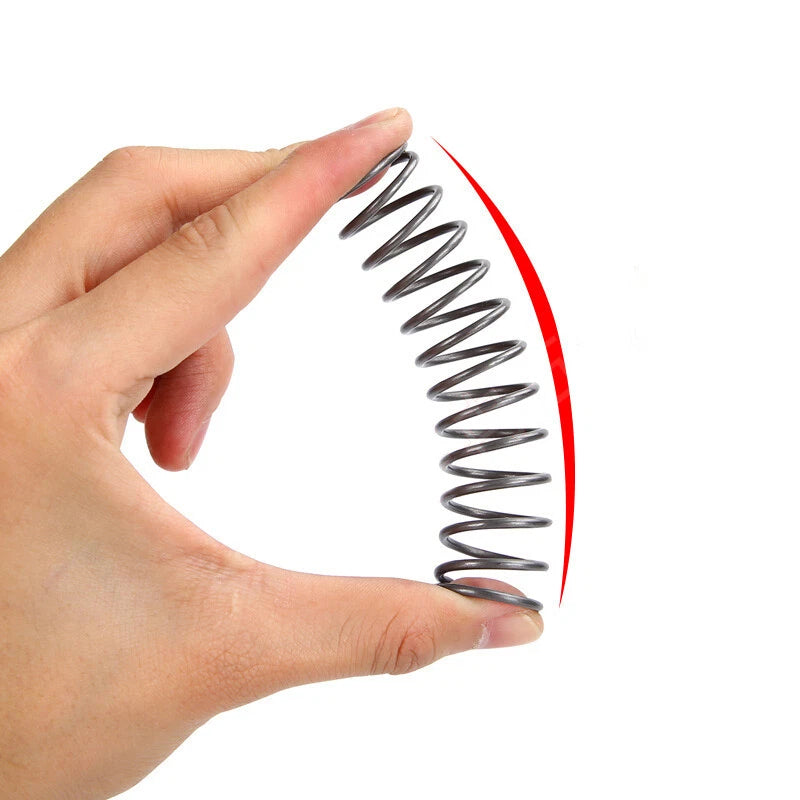
Wire diameter determines spring stiffness (spring rate): a thicker wire (e.g., 3–4 mm) produces a stiffer spring that resists compression more strongly, while a thinner wire (e.g., 1.5–1.6 mm) yields a softer spring. For prototyping or single repairs, choose a 1- or 2-piece pack. For production runs or batch repairs, 5- or 10-piece packs offer better value. Select the combination that matches your load requirement and quantity need.

Can these springs be used in CNC machines or robotics?

Yes. These compression springs are commonly used in CNC workholding fixtures (as return springs for clamps and stops), robotic actuator return mechanisms, and motion-control assemblies. Select the outer diameter and wire diameter that match your required spring rate and travel distance. For precision applications, verify the spring rate against your design load before finalizing the variant.

What is the free length and how does it affect my design?

The free length is 25 mm (0.98 in) — this is the uncompressed length of the spring. Your housing or assembly must accommodate this length when the spring is at rest, and must compress it to the required working length under load. Ensure your assembly depth is sufficient to house the spring at free length, and that the compressed length does not exceed the solid height of the spring to avoid coil bind.

🛒 Select your diameter, wire diameter, material, and quantity above, then add to cart.


You may also like

Recently viewed