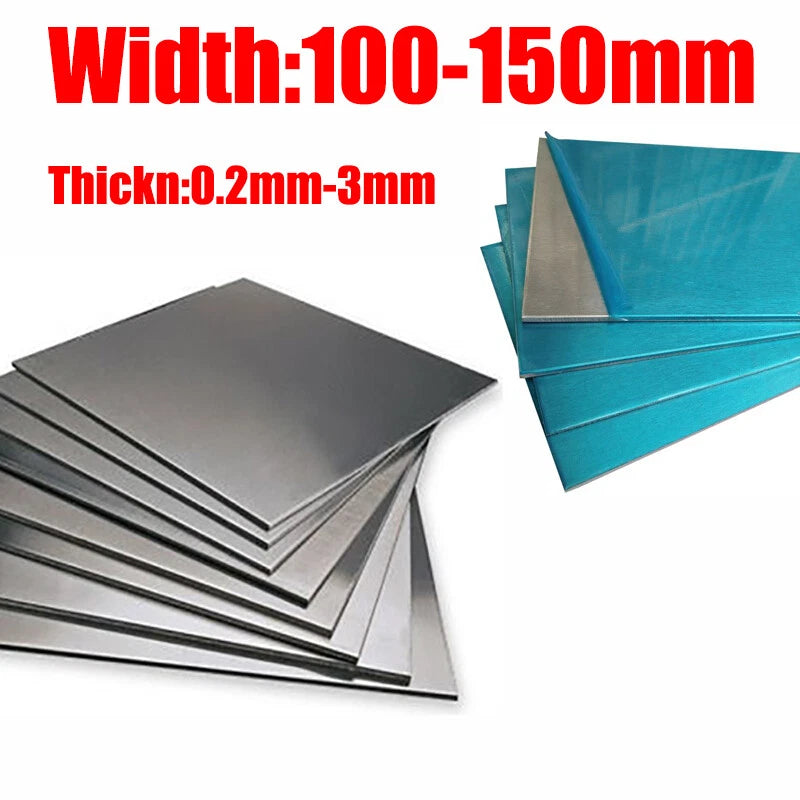
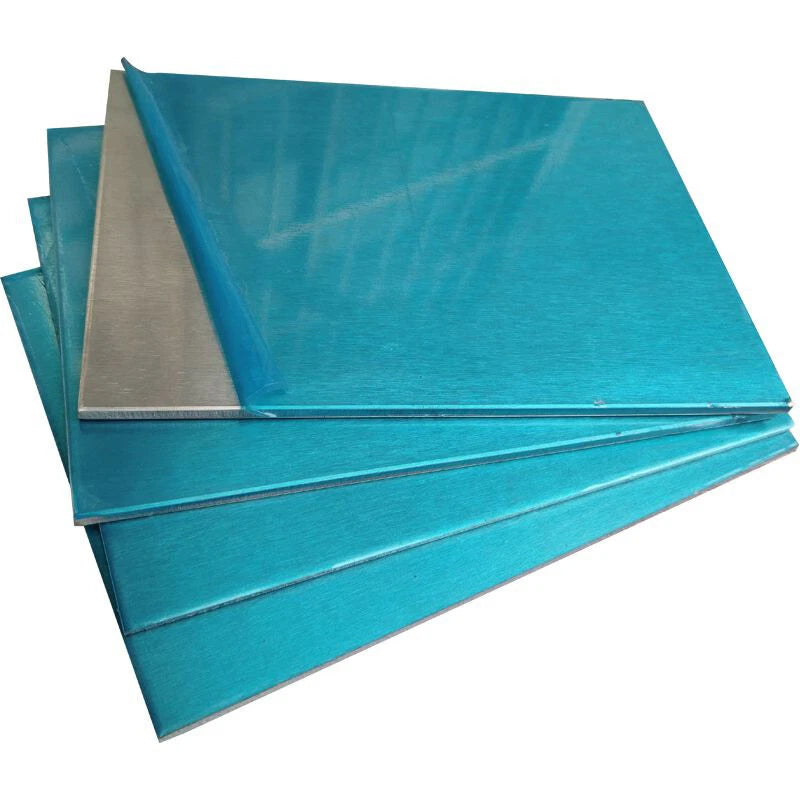
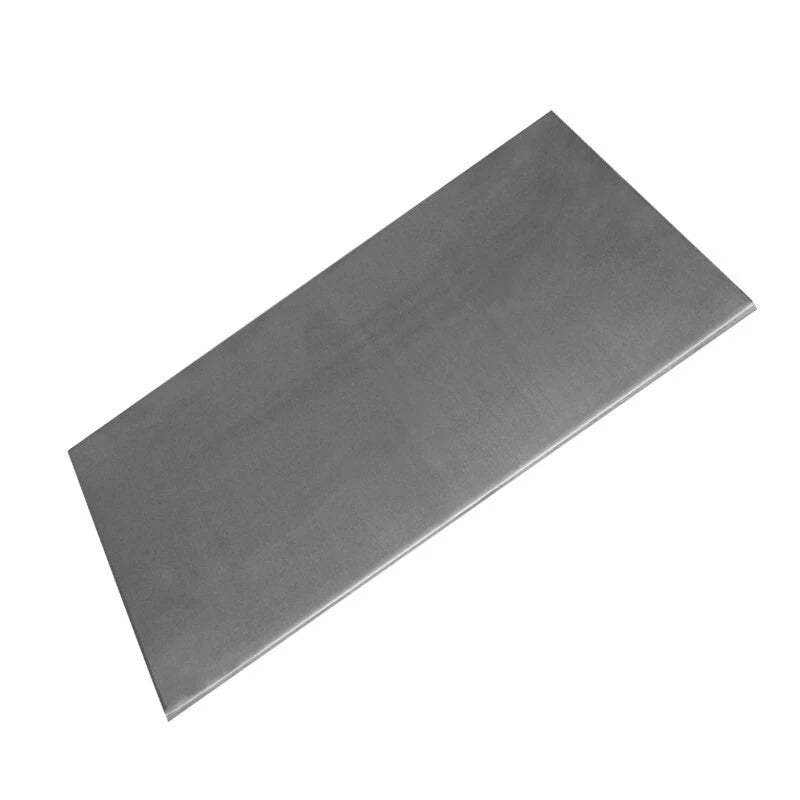
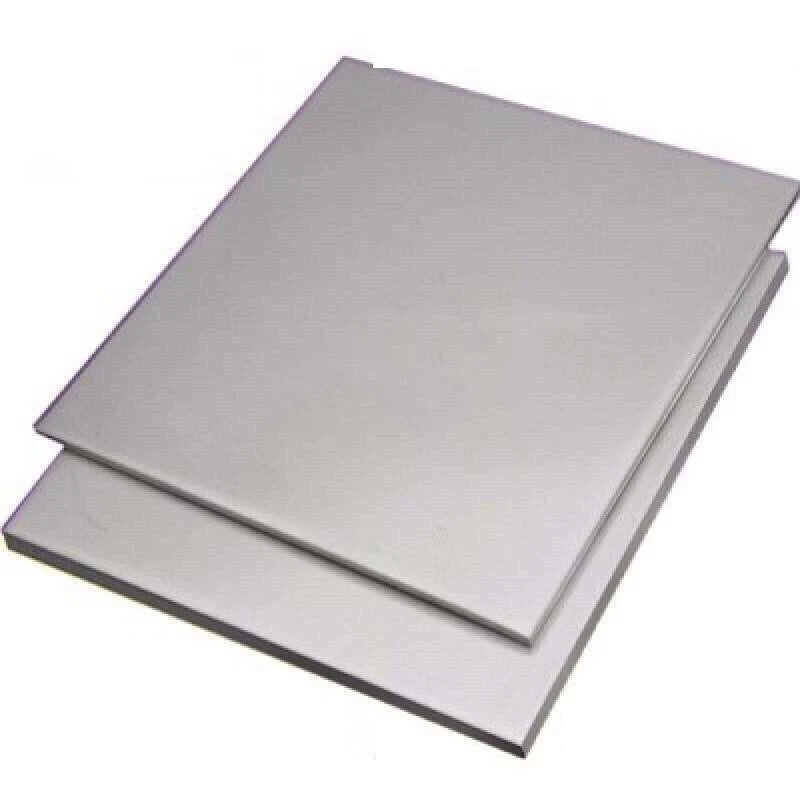
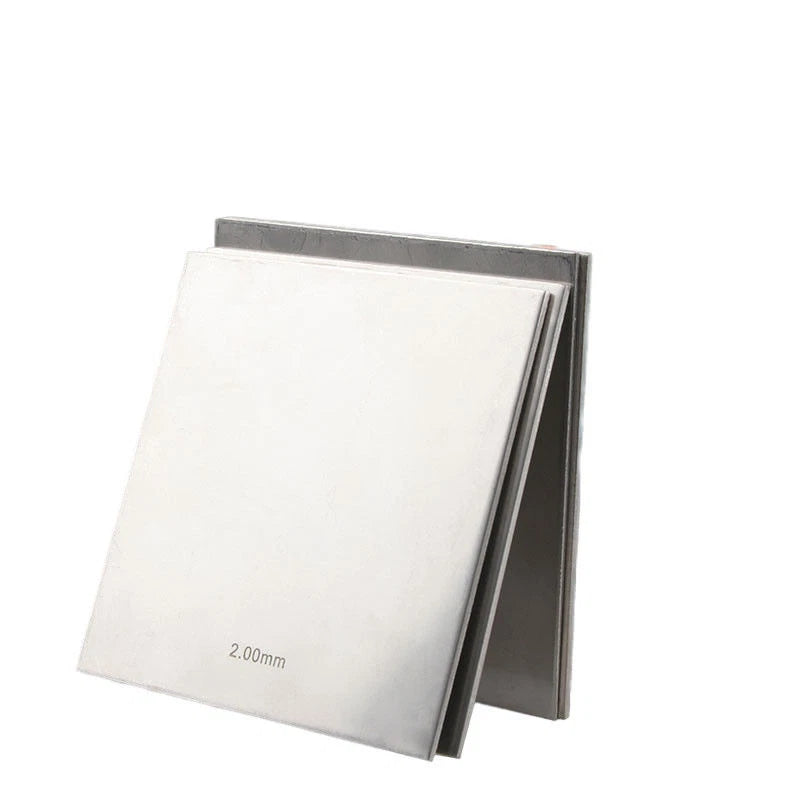
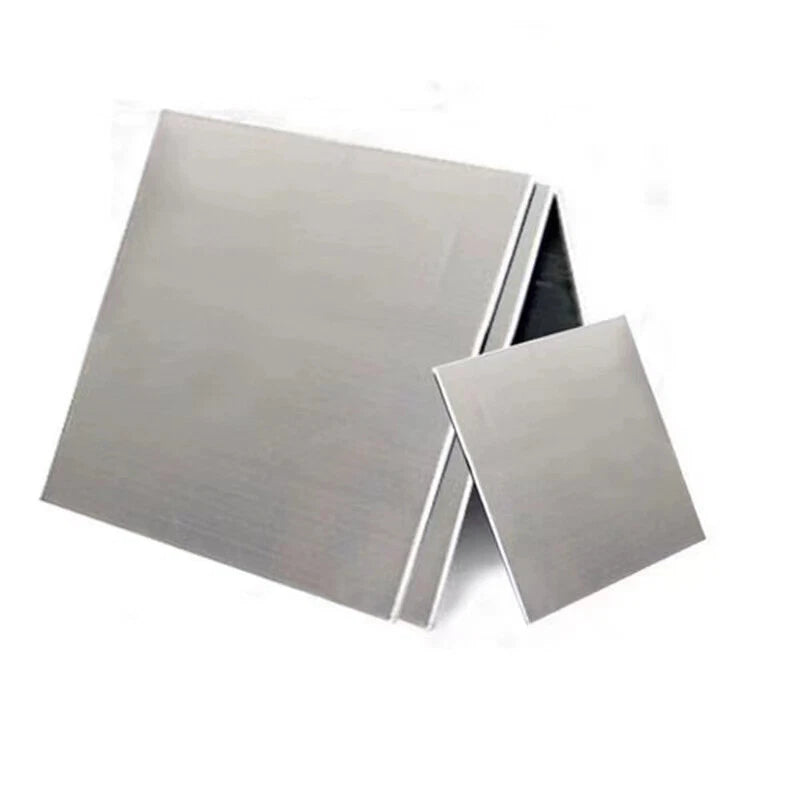
Cupronickel Sheet Metal Plate Flat Panel Foil Copper Nickel Thickness 0.2mm-3mm

No reviews

Price:
Sale price$31.10 USD
Stock:
In stock (500 units), ready to be shipped

Payment & Security

Ach Direct Debit Amazon American Express Apple Pay Bancontact Diners Club Discover Google Pay iDEAL Wero Mastercard PayPal Shop Pay USDC Visa

Your payment information is processed securely. We do not store credit card details nor have access to your credit card information.

Quantity Discount Promotion
🎯 BULK DISCOUNT: Buy More, Save More!
Buy 2 Items
5% OFF
Buy 4 Items
10% OFF
Buy 6 Items
15% OFF
Expert

DIY Expert Support

Get fitment advice & recommendations

Mon-Fri, 8:30AM-8PM
24-Hour Fast Ship
🚚
Arrives in 3-14 days
🌍
Global Reach
↩️
30-Day Returns
🌱 1 tree planted with every purchase

Description

Cupronickel Sheet Metal Plate — Thin-Gauge Copper-Nickel Foil for Marine, Electrical & Fabrication Use

Finding flat metal sheet stock that resists saltwater corrosion, conducts heat evenly, and machines cleanly without cracking is a challenge that sends many builders through multiple material iterations. These cupronickel sheet metal plates solve that problem by offering a copper-nickel alloy in a flat panel format, available in ultra-thin foil gauges down to 0.2 mm and structural thicknesses up to 3 mm — all in one listing.

Each panel is a flat, single-layer sheet of cupronickel (copper-nickel alloy, comparable to C70600 or C71500 grades). Panel sizes range from compact 100 mm × 100 mm squares (approximately 3.9" × 3.9") up to 150 mm × 150 mm (approximately 5.9" × 5.9") and 100 mm × 300 mm strips (approximately 3.9" × 11.8"). Thickness options span 0.2 mm, 0.3 mm, 0.4 mm, 0.5 mm, 0.8 mm, 1 mm, 1.5 mm, 2 mm, and 3 mm, covering both foil-weight and structural-weight applications. Quantity options of 1 or 2 pieces per order are available on select size-thickness combinations.

Typical applications include marine heat exchanger shims and gaskets where seawater resistance is critical, electrical bus bar blanks and shielding foil for EMI suppression, decorative inlay panels for woodworking and knife handles, and corrosion-resistant lining patches for plumbing fittings. The alloy's warm golden-silver tone also makes it a popular choice for artistic metalwork and jewelry-scale flat stock.

🔧 Compatibility note: These sheets are supplied flat and uncoated. They are compatible with shearing, laser cutting, bending, soldering, and silver brazing. Verify your required size and thickness combination in the variant selectors — not all size/thickness/qty combinations are available.

✅ Key Features of These Cupronickel Sheet Metal Plates

  • 🌊 Seawater and corrosion resistance — Cupronickel's copper-nickel composition forms a stable, adherent oxide film that resists pitting and crevice corrosion in marine, brackish, and freshwater environments — outperforming standard copper sheet in chloride-rich conditions.
  • 📏 Wide thickness range in one listing — From 0.2 mm foil (suitable for shims, gaskets, and decorative inlay) to 3 mm structural plate, this listing covers the full spectrum of thin-gauge cupronickel flat stock without needing multiple suppliers.
  • Good electrical and thermal conductivity — Cupronickel retains meaningful electrical conductivity (typically 4–6% IACS depending on nickel content) and thermal conductivity suitable for heat spreader and shielding applications where pure copper would corrode.
  • ✂️ Readily cut, bent, and formed — The alloy's ductility allows clean shearing, laser cutting, and cold bending without cracking, even at thinner gauges. Thinner foil variants (0.2–0.5 mm) can be cut with heavy-duty scissors or a craft knife on a cutting mat.
  • 🔥 Solderable and brazeable — Cupronickel joins reliably with silver solder, soft solder (with appropriate flux), and silver brazing alloys, making it practical for plumbing patch work, heat exchanger assembly, and electrical connections.
  • 🎨 Distinctive warm silver-gold appearance — The alloy's natural color — warmer than stainless steel, cooler than pure copper — makes it a sought-after material for decorative metalwork, knife bolsters, and artistic inlay where appearance matters alongside function.

📐 Technical Specifications — Cupronickel Flat Sheet Plate

Material Cupronickel (Copper-Nickel alloy, C70600 / C71500 comparable)
Form Flat sheet / plate / foil (single layer, uncoated)
Available Sizes (W × L) 100×100 mm, 100×200 mm, 100×300 mm, 150×150 mm
Thickness Range 0.2 mm – 3 mm (see variant options for available combinations)
Quantity per Order 1 or 2 pieces (see variant options)
Surface Finish Mill finish (as-rolled; unpolished)
Copper Content Typically 70–90% Cu (varies by grade)
Nickel Content Typically 10–30% Ni (varies by grade)
Density Approx. 8.9–8.95 g/cm³
Tensile Strength Typically 300–380 MPa (annealed)
Elongation Typically 30–40% (annealed)
Thermal Conductivity Approx. 29–40 W/(m·K)
Magnetic Non-magnetic
Weight See variant options (varies by size and thickness)

❓ Frequently Asked Questions

How do I choose the right thickness for my application?

For shims, gaskets, and decorative inlay, 0.2–0.5 mm foil is typically sufficient and easy to cut by hand. For structural brackets, heat exchanger plates, or parts that will be drilled and tapped, 1.5–3 mm provides the rigidity needed. If you need a bendable but semi-rigid panel for cladding or patch work, 0.8–1 mm is a practical middle ground.

Is cupronickel the same as nickel silver or German silver?

No. Cupronickel is a binary copper-nickel alloy (no zinc), while nickel silver (German silver) is a copper-zinc-nickel ternary alloy. Cupronickel has superior corrosion resistance in marine environments and better thermal conductivity. Nickel silver has a brighter, whiter appearance. For seawater or plumbing applications, cupronickel is the correct choice.

Will cupronickel sheet corrode in saltwater or outdoor environments?

Cupronickel is one of the most seawater-resistant copper alloys available. It forms a stable, self-renewing oxide-hydroxide film that resists pitting, crevice corrosion, and biofouling. It is widely used in marine heat exchangers, ship hulls, and desalination equipment. For outdoor atmospheric exposure, it develops a stable patina over time rather than active rust.

Can I solder or braze these sheets to other metals?

Yes. Cupronickel solders well with soft solder (tin-lead or lead-free) using a mildly activated rosin flux. For stronger joints, silver brazing with a 45% silver alloy and appropriate flux works reliably. When joining to stainless steel, use a flux rated for both metals and ensure thorough surface cleaning. Avoid zinc-based brazing alloys, which can cause dezincification-type issues at the joint.

How do I cut the thinner foil variants (0.2–0.5 mm) cleanly?

Foil gauges (0.2–0.5 mm) can be cut with heavy-duty scissors, aviation snips, or a sharp craft knife against a steel ruler on a cutting mat. For straight cuts on 0.8 mm and above, a metal shear or angle grinder with a thin cutting disc gives cleaner edges. Laser cutting is suitable for all thicknesses and produces the most precise results. Deburr cut edges with a fine file or 220-grit sandpaper.

Is cupronickel sheet suitable for electrical shielding or EMI applications?

Yes, with caveats. Cupronickel has lower electrical conductivity than pure copper (typically 4–6% IACS vs. 100% IACS for copper), so it is less effective as a primary conductor. However, its combination of conductivity, corrosion resistance, and formability makes it useful for EMI shielding enclosures, grounding straps in corrosive environments, and RF gaskets where pure copper would oxidize and lose contact integrity.

How does cupronickel compare to stainless steel sheet for marine use?

Both resist seawater corrosion, but they suit different needs. Cupronickel has better resistance to biofouling (marine organisms are less likely to attach) and is easier to solder and braze. Stainless steel (especially 316L) offers higher tensile strength and hardness, making it better for structural parts under load. For heat exchangers, gaskets, and plumbing fittings in marine environments, cupronickel is generally the preferred choice.

🛒 Select your Size, Thickness, and Qty above, then add to cart.

You may also like

Recently viewed