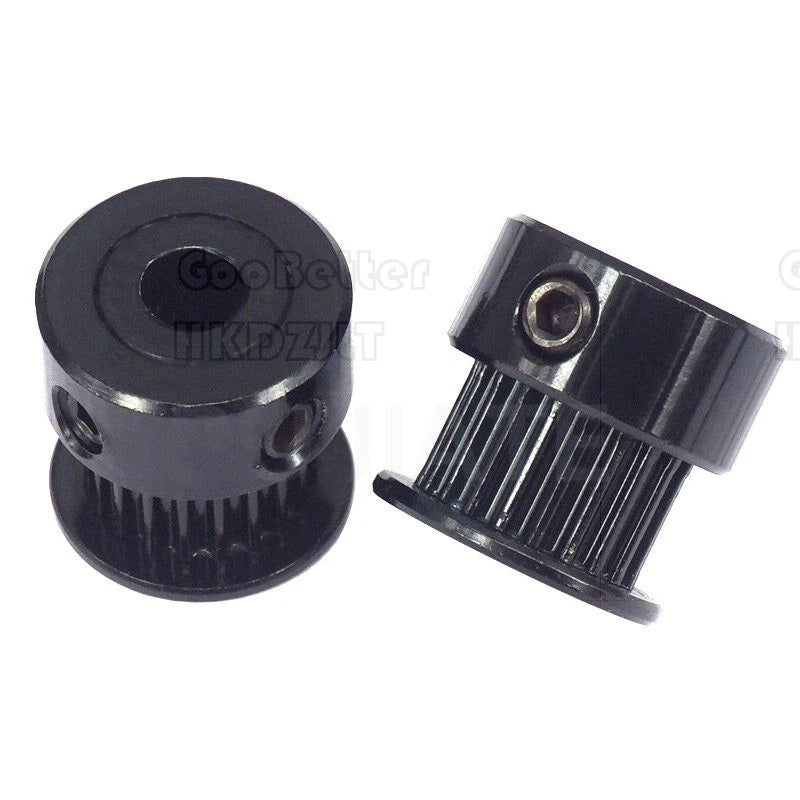
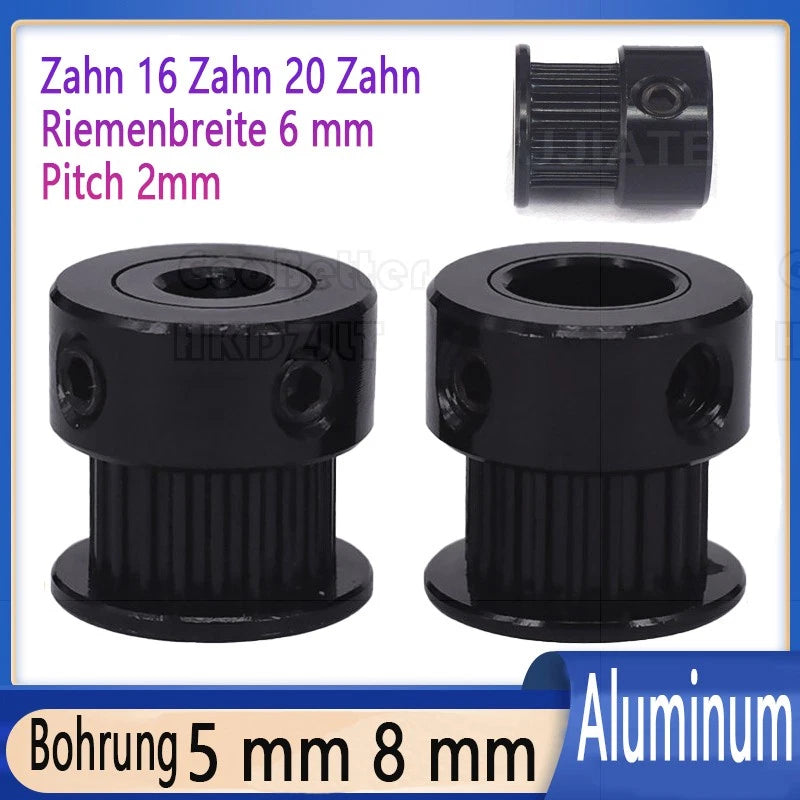
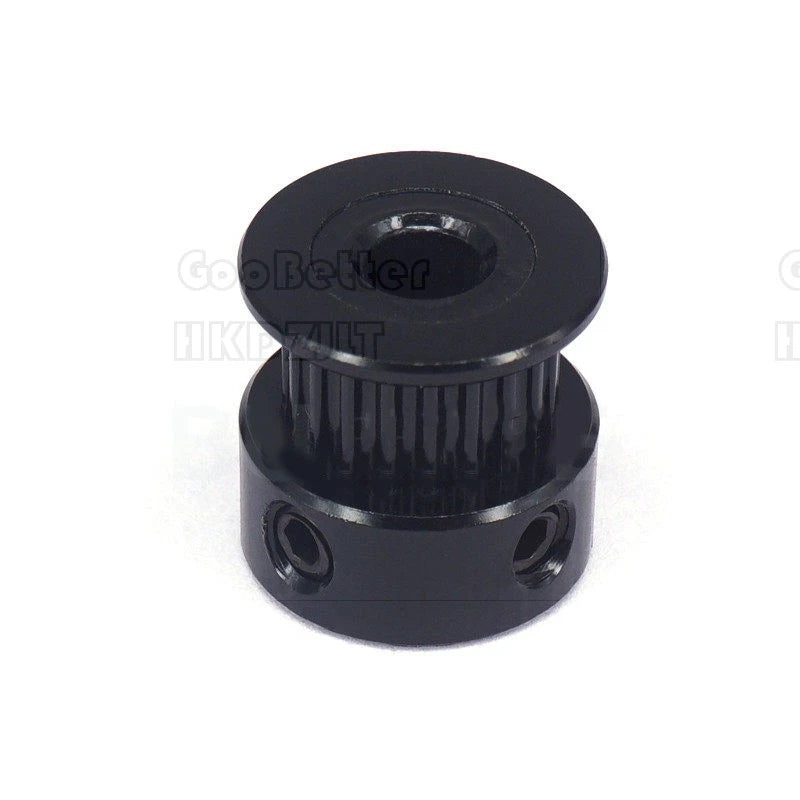
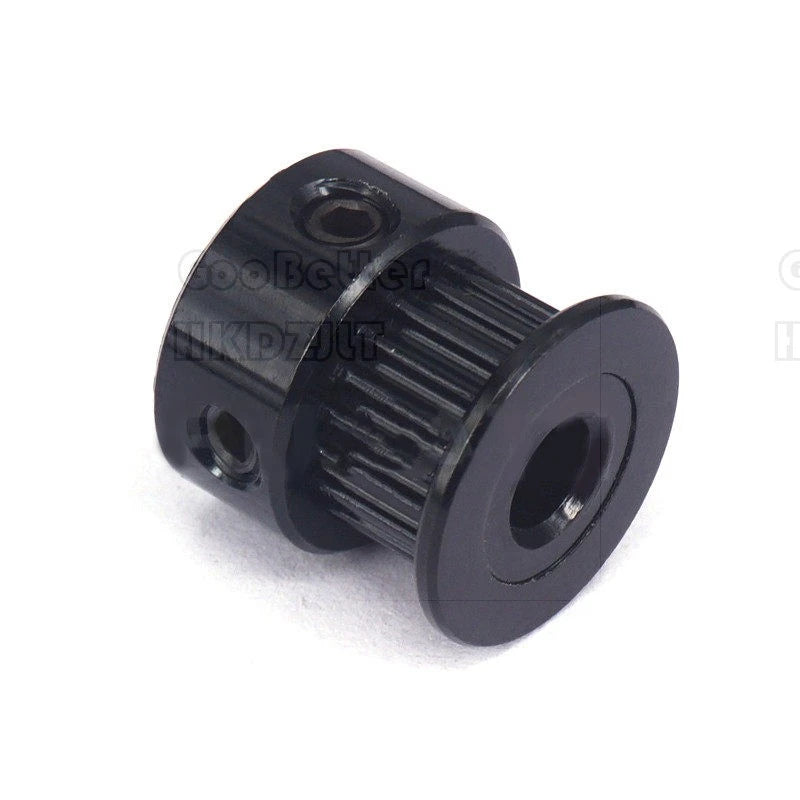
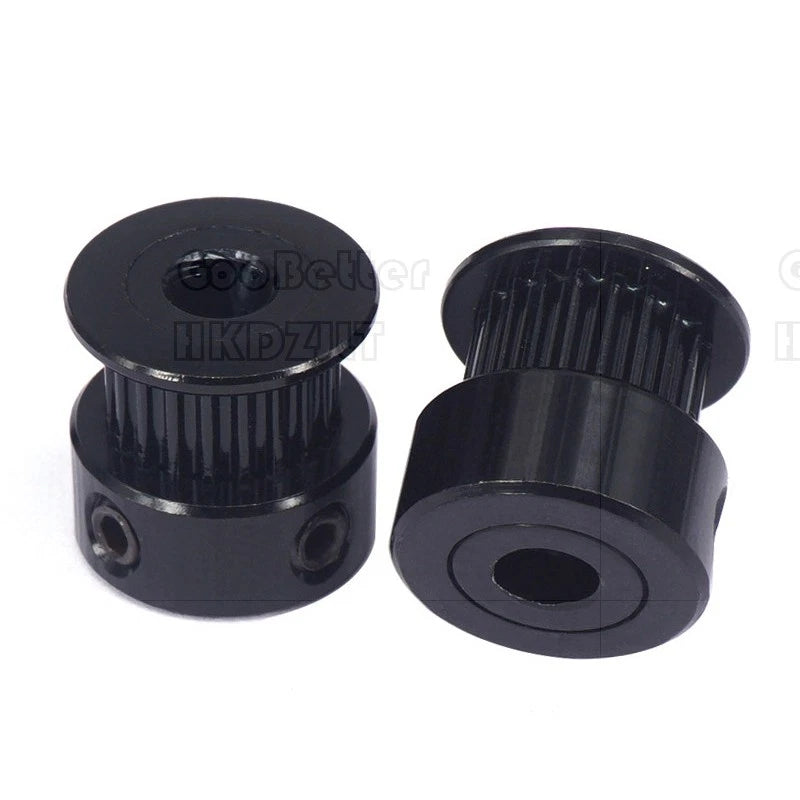
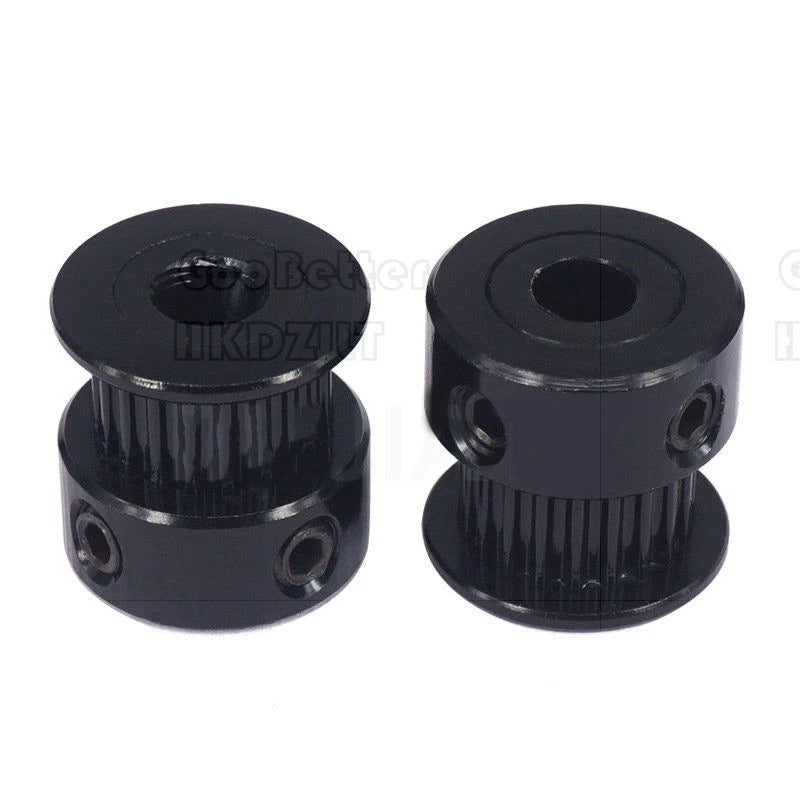
GT2 Riemenscheibe, Pulleye, 16/20 Zähne 5mm/8mm Bohrung für 6mm Zahnriemen, 2GT

No reviews

Price:
Sale price$1.77 USD
Stock:
In stock (500 units), ready to be shipped

Payment & Security

Ach Direct Debit Amazon American Express Apple Pay Bancontact BLIK Diners Club Discover EPS Google Pay iDEAL Wero JCB Maestro Mastercard Multibanco MobilePay PayPal Przelewy24 Shop Pay Twint Union Pay USDC Visa

Your payment information is processed securely. We do not store credit card details nor have access to your credit card information.

Limited Offer — Spend More, Save More
Spend $55+
Save $5
Spend $100+
Save $10
Spend $200+
Save $25
HomeDIYer DIY Expert Support

DIY Expert Support

Get fitment advice & recommendations

Mon–Fri  8:30 AM – 8:00 PM
24-Hour Fast Ship
Arrives in 3–14 Days
Worldwide Shipping
30-Day Returns
1 tree planted with every purchase

Description

GT2 Timing Pulleys — Precise 2GT Drive for 3D Printers, CNC & Robotics

When your motion system demands slip-free synchronization, a mismatched or worn pulley is the first thing to fail. Makers, engineers, and workshop builders who rely on belt-driven axes need a GT2 timing pulley that holds tight tolerances run after run. These 2GT pulleys are engineered for exactly that — delivering consistent, backlash-free power transfer in compact DIY automation setups.

Each pulley features a 2GT tooth profile machined to mesh cleanly with standard 6 mm wide GT2 timing belts. Available in 16-tooth and 20-tooth configurations, with bore options of 5 mm (~0.197 in) or 8 mm (~0.315 in). The standard and iron-material 20-tooth variants are aluminum alloy; the enhanced 20-tooth version uses a reinforced construction for higher-load applications. Outer diameter ranges typically from 10–14 mm depending on tooth count.

Typical use cases include: replacing worn pulleys on Cartesian 3D printer X/Y axes, building custom CNC router belt drives, and assembling lightweight robotic arm joints where a small-diameter GT2 pulley for 6mm belt is required. Available in packs of 1, 5, or 10 for prototyping through production runs.

⚙️ Compatibility: Designed for standard 2GT / GT2 timing belts, 6 mm wide. Fits motor shafts with 5 mm or 8 mm bore. Compatible with NEMA 17 stepper motors (5 mm shaft) and common brushless/DC motors with 8 mm shafts.

✅ Key Features of These GT2 Timing Pulleys

🦷 16 & 20 Tooth Options

Choose 16T for higher speed ratios or 20T for smoother, lower-noise operation — both machined to 2GT pitch for accurate belt engagement.

🔩 5 mm & 8 mm Bore Sizes

Fits the most common DIY motor shaft diameters. The 5 mm bore suits NEMA 17 steppers; the 8 mm bore works with larger DC and servo motors.

🏗️ Multiple Material Grades

Standard aluminum alloy for lightweight builds, iron-material variant for added rigidity, and an enhanced version with reinforced construction for demanding load cycles.

📐 6 mm Belt Width Matched

Flanged groove profile keeps the 6 mm GT2 belt centered and prevents lateral drift during high-speed or reversing motion.

📦 Flexible Pack Quantities

Order 1, 5, or 10 pieces per variant — ideal for single-machine repairs, small batch builds, or stocking a maker workshop.

🔄 Drop-In Replacement Ready

Standard 2GT tooth geometry ensures direct compatibility with most open-source 3D printer designs (Ender, Prusa-style, Voron, etc.) and common CNC belt kits.

📐 Technical Specifications — GT2 Timing Pulley

Belt Profile 2GT (GT2)
Belt Width 6 mm
Tooth Count 16T / 20T (see variant options)
Bore Diameter 5 mm / 8 mm (see variant options)
Tooth Pitch 2 mm
Outer Diameter (16T) Typically ~10.2 mm (~0.40 in)
Outer Diameter (20T) Typically ~12.7 mm (~0.50 in)
Material Aluminum alloy (standard & enhanced) / Iron (iron-material variant)
Flange Yes — dual flange to retain 6 mm belt
Set Screw See variant options
Pack Quantity 1 / 5 / 10 pieces (see variant options)
Weight (per piece) See variant options

❓ Frequently Asked Questions

Which tooth count should I choose — 16T or 20T?

The 16-tooth pulley gives a higher speed ratio and is often used on the motor side of a drive system where you want faster belt travel per revolution. The 20-tooth pulley produces smoother, quieter motion and is the most common choice for 3D printer X/Y axes. If you are replacing an existing pulley, match the tooth count of the original.

What is the difference between the Standard, Enhanced, and Iron-Material 20-tooth versions?

The Standard 20-tooth is a lightweight aluminum alloy pulley suited for typical 3D printing loads. The Enhanced version uses a reinforced construction (thicker hub or harder alloy) for higher torque or more demanding duty cycles. The Iron-Material variant is made from steel/iron for maximum rigidity and is a good choice when the pulley is subject to side loads or frequent reversals.

Will this pulley fit my NEMA 17 stepper motor?

Yes — NEMA 17 stepper motors have a standard 5 mm output shaft. Select the 5 mm bore variant and it will fit directly. Secure it with the set screw after aligning the pulley to your belt path.

Is this pulley compatible with GT2 belts from other brands?

Yes. The 2GT tooth profile is an open standard. These pulleys are compatible with any GT2 / 2GT timing belt that is 6 mm wide, regardless of brand, as long as the belt pitch is 2 mm.

How do I secure the pulley to the motor shaft?

The pulley is secured using a set screw (grub screw) that clamps against the motor shaft. Use a hex key (Allen key) to tighten the set screw firmly. For 5 mm shafts, ensure the flat on the motor shaft (if present) is aligned with the set screw for maximum grip.

How many pieces do I need for a typical CoreXY or Cartesian 3D printer?

A standard Cartesian printer (e.g., Ender-style) uses 2 motor pulleys — one per axis motor. A CoreXY printer typically uses 2 motor pulleys plus several idler pulleys. Ordering a 5-pack gives you spares for future maintenance. For a full build or workshop stock, the 10-pack offers the best per-unit value.

Can I use these pulleys for CNC router or laser cutter belt drives?

Yes. GT2 belt drives are widely used in desktop CNC routers and laser cutters. Select the bore size that matches your stepper or servo motor shaft. For higher-load CNC applications, the iron-material or enhanced version is recommended for added durability.

🛒 Select your tooth count, bore size, and quantity above, then add to cart.


You may also like

Recently viewed