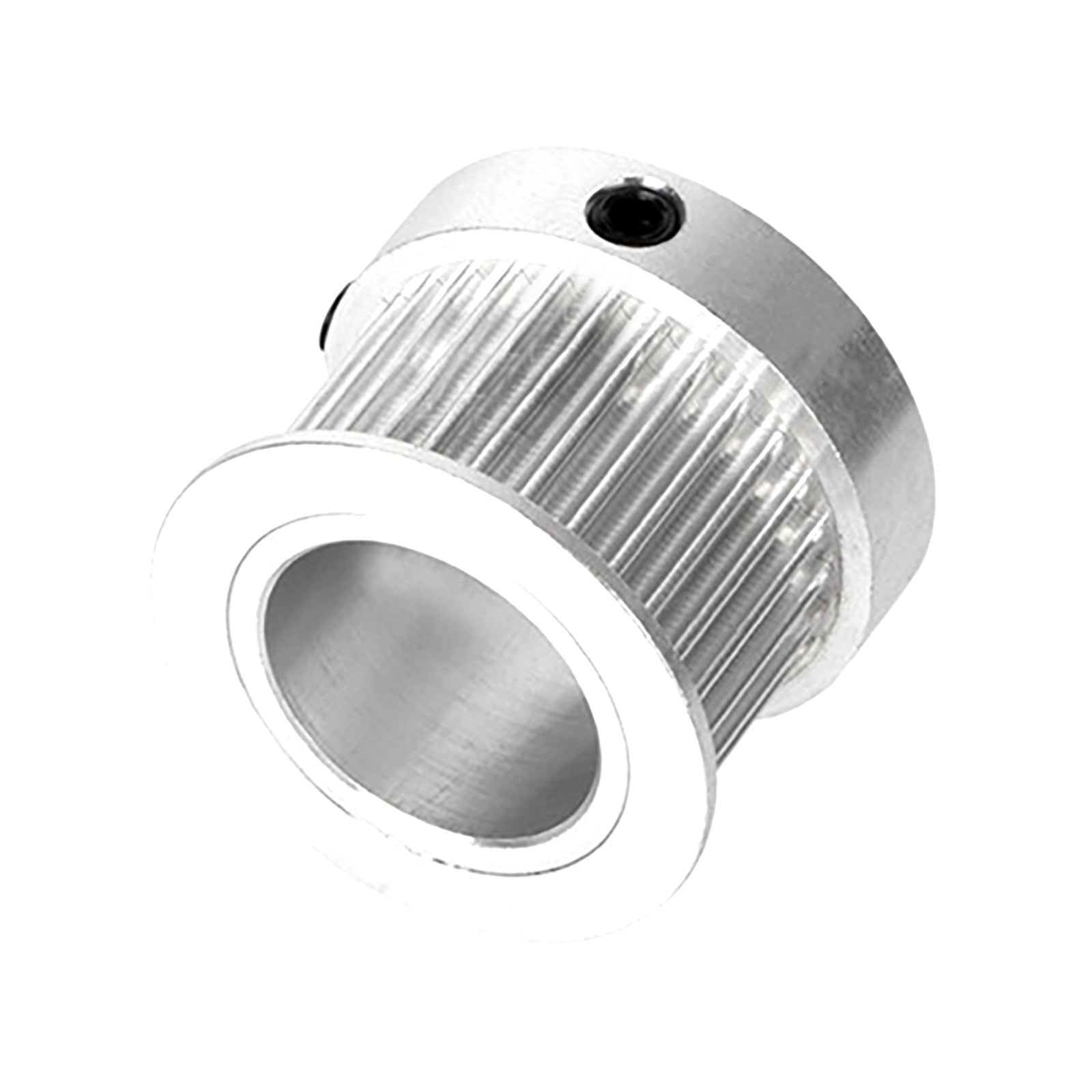
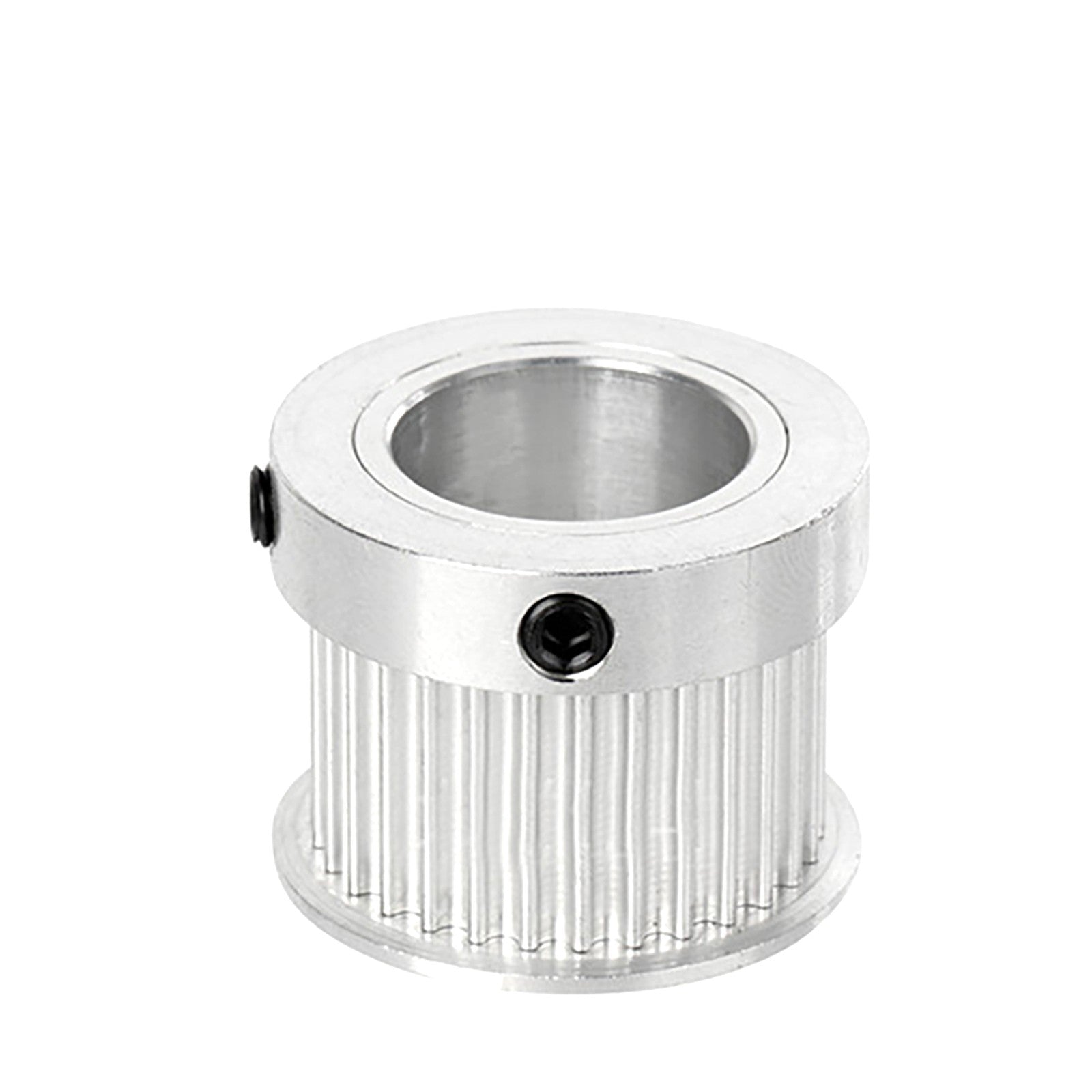
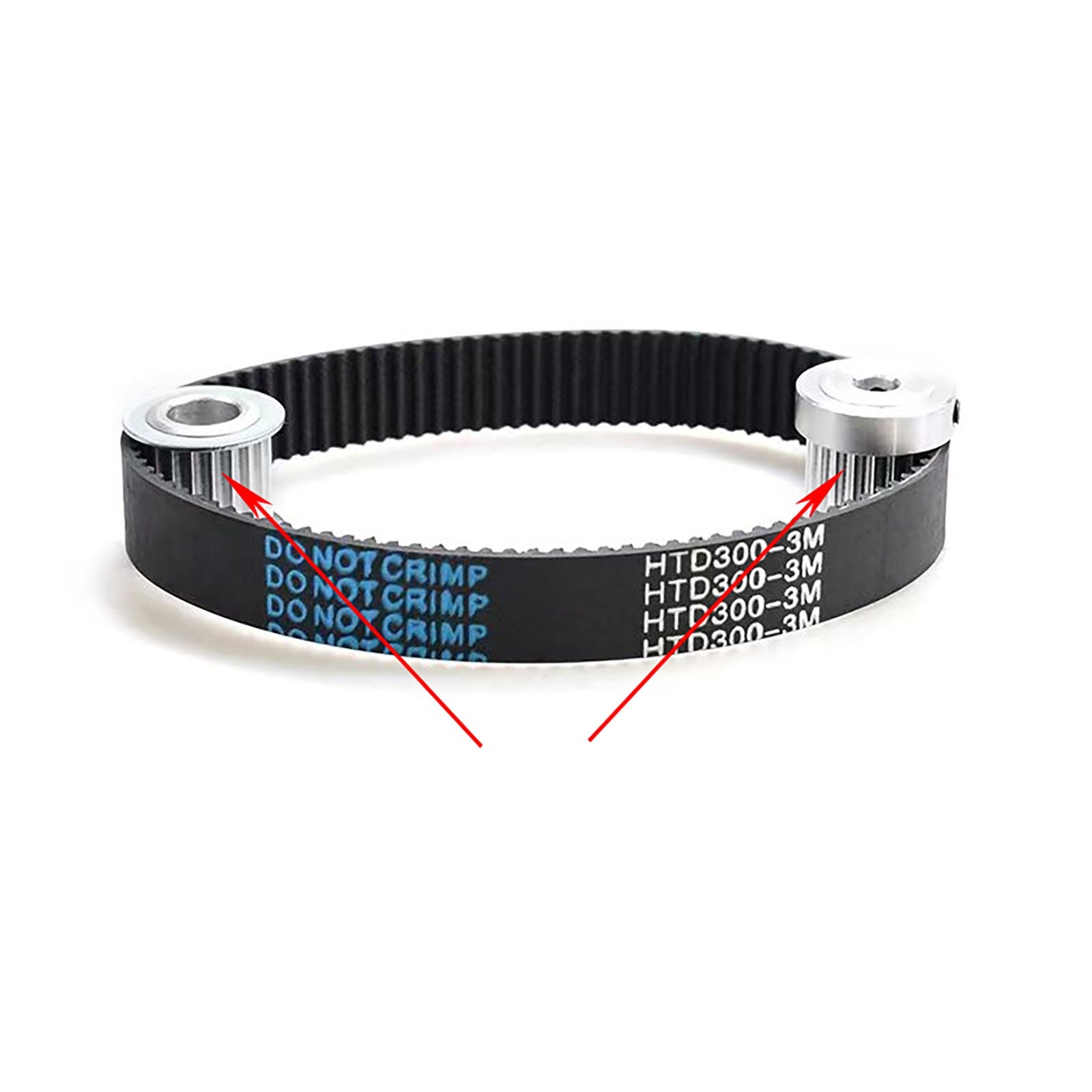
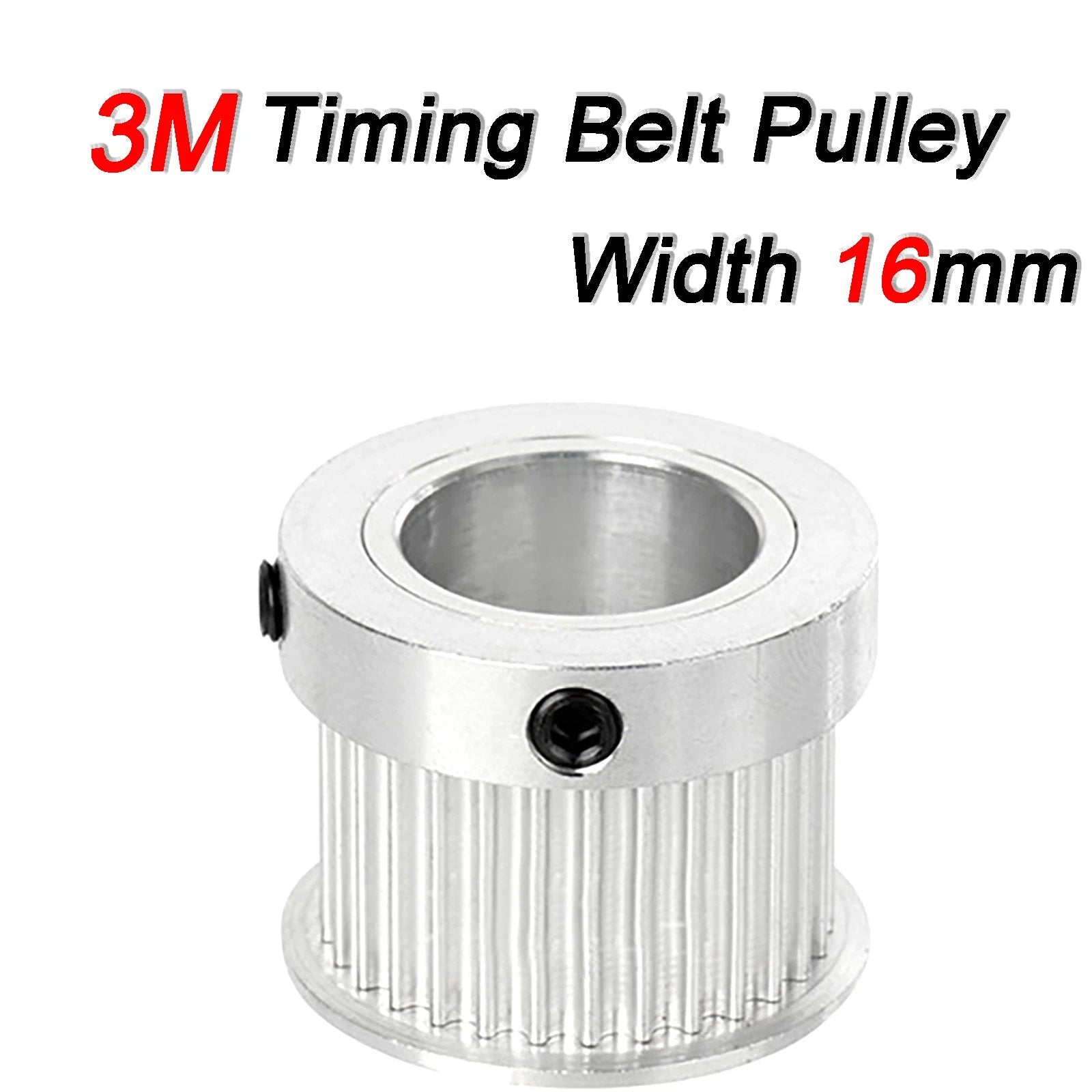
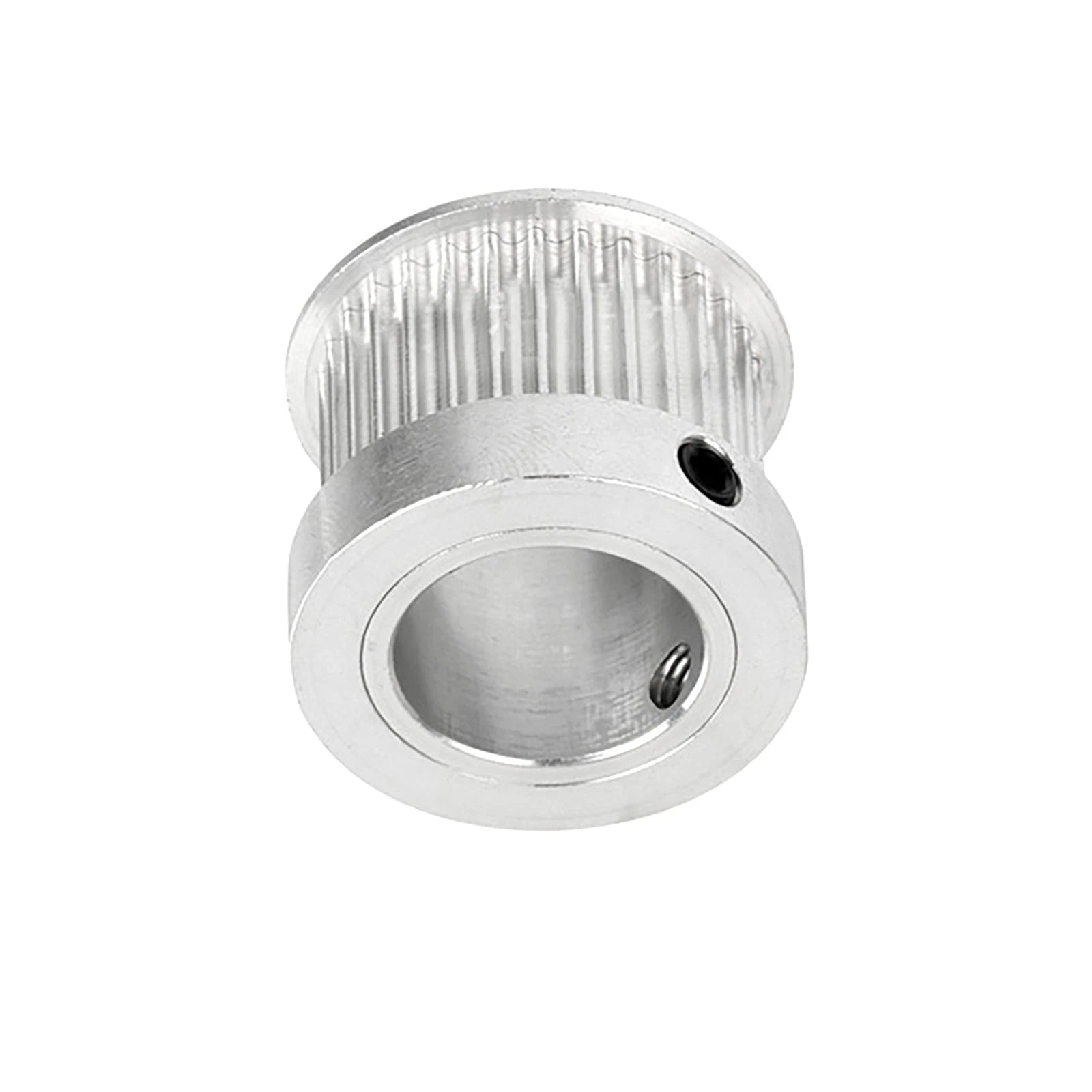
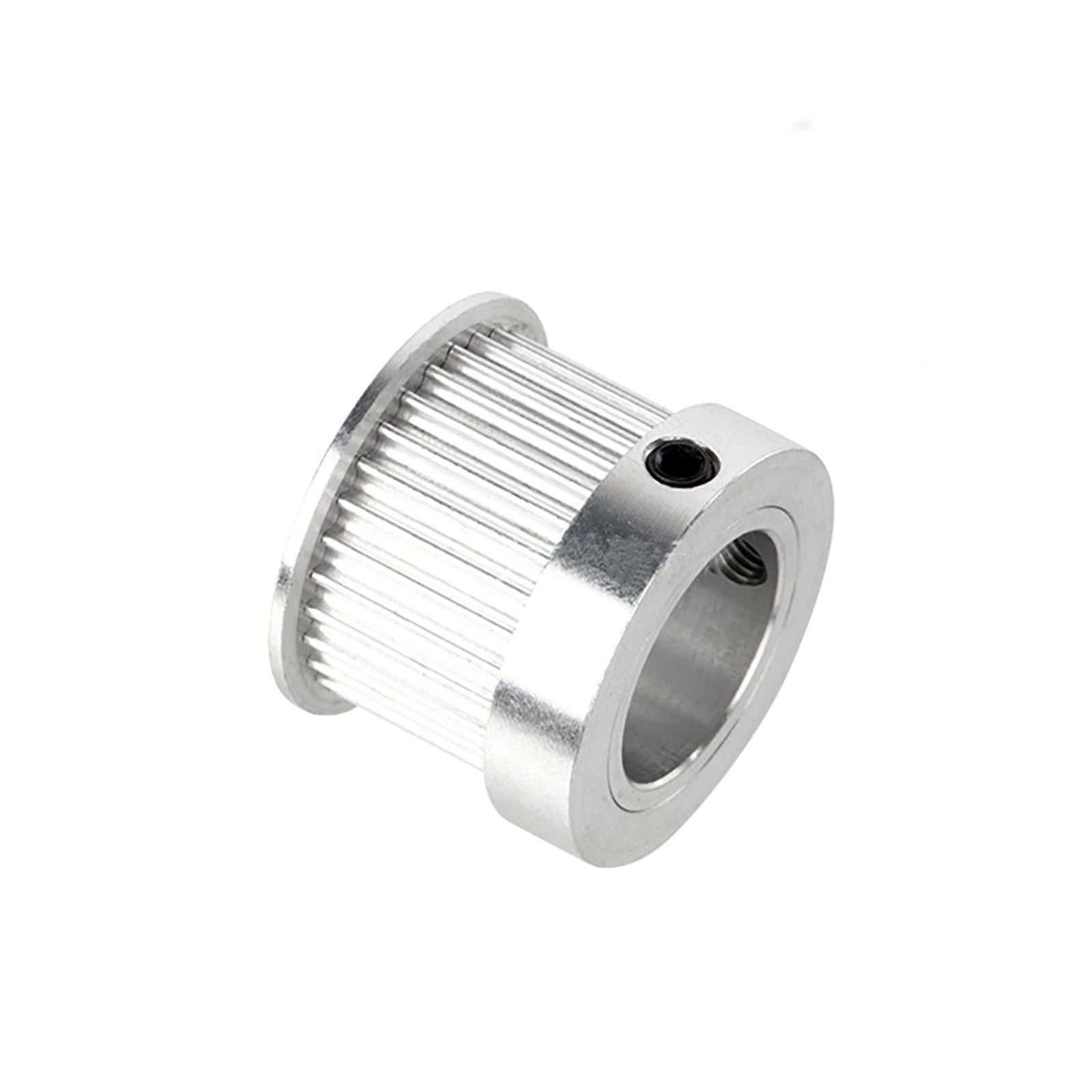
Synchronous Wheel HTD-3M 12 - 30 Teeth Timing Belt Pulleys Pitch 3mm ,Width 16mm

No reviews

Price:
Sale price$8.69 USD
Stock:
In stock (500 units), ready to be shipped

Payment & Security

Ach Direct Debit Amazon American Express Apple Pay Bancontact BLIK Diners Club Discover EPS Google Pay iDEAL Wero JCB Maestro Mastercard Multibanco MobilePay PayPal Przelewy24 Shop Pay Twint Union Pay USDC Visa

Your payment information is processed securely. We do not store credit card details nor have access to your credit card information.

Limited Offer — Spend More, Save More
Spend $55+
Save $5
Spend $100+
Save $10
Spend $200+
Save $25
HomeDIYer DIY Expert Support

DIY Expert Support

Get fitment advice & recommendations

Mon–Fri  8:30 AM – 8:00 PM
24-Hour Fast Ship
Arrives in 3–14 Days
Worldwide Shipping
30-Day Returns
1 tree planted with every purchase

Description

HTD-3M Timing Belt Pulley — Precise Synchronous Drive for CNC, Robotics & Automation

When slipping or misaligned pulleys cause positioning errors in your CNC router, 3D printer, or automation rig, the root cause is often an undersized or poorly matched synchronous wheel. Engineers and makers who demand repeatable, zero-slip motion need an HTD-3M timing belt pulley that is machined to spec and ready to mount without rework.

These HTD-3M synchronous wheels feature a 3 mm pitch HTD tooth profile and a 16 mm belt-contact width. Tooth counts span 12 to 30 teeth, covering pitch diameters from approximately 11.5 mm (0.45 in) for 12T up to approximately 28.6 mm (1.13 in) for 30T. Bore options range from 5 mm to 20 mm (0.20 in – 0.79 in), including a 6.35 mm (1/4 in) and 12.7 mm (1/2 in) imperial bore for mixed metric/imperial builds. Each pulley ships with a set-screw collar for secure shaft retention.

Typical use cases include: stepper-motor drive trains in desktop CNC mills and laser cutters requiring HTD-3M belt pulley replacement; extruder and axis drives in FDM 3D printers needing a 3mm pitch synchronous wheel upgrade; and compact servo or BLDC motor gearless reduction stages in robotics and pick-and-place automation where a timing pulley gear ratio change is needed without adding a gearbox.

⚙️ Compatibility: Designed for use with HTD-3M timing belts, 16 mm belt width. Verify shaft diameter matches your selected bore before ordering.

✅ Key Features of These HTD-3M Timing Belt Pulleys

  • 🔩 HTD-3M Tooth Profile — 3 mm pitch curvilinear tooth form delivers smooth, low-noise power transfer and reduces belt fatigue compared to trapezoidal profiles.
  • 📐 16 mm Belt Width — Matched to standard 16 mm wide HTD-3M belts; wider contact surface distributes load evenly for sustained torque transmission.
  • 🎯 Wide Tooth Count Range (12–30T) — Fourteen tooth-count options let you dial in the exact gear ratio or pitch diameter your drive system requires without custom machining.
  • 🔧 Multi-Bore Options (5–20 mm) — Bore sizes from 5 mm to 20 mm, including 6.35 mm and 12.7 mm imperial sizes, accommodate stepper shafts, servo shafts, and standard motor outputs.
  • 🛡️ Set-Screw Shaft Retention — Each pulley includes a radial set-screw collar to lock the wheel firmly onto the shaft and prevent axial or rotational slip under load.
  • Drop-In Replacement Geometry — Standard HTD-3M flange and hub dimensions ensure direct compatibility with off-the-shelf HTD-3M belts and most open-frame CNC and 3D-printer carriages.

📐 Technical Specifications — HTD-3M Timing Belt Pulley

Belt Profile HTD-3M (curvilinear)
Pitch 3 mm
Belt Width 16 mm
Tooth Count 12 / 13 / 14 / 15 / 16 / 17 / 18 / 19 / 20 / 24 / 25 / 26 / 28 / 30 Teeth
Bore Diameter 5 / 6 / 6.35 / 7 / 8 / 10 / 12 / 12.7 / 14 / 15 / 16 / 17 / 18 / 19 / 20 mm
Pitch Diameter Range Approx. 11.5 mm (12T) – 28.6 mm (30T)
Shaft Retention Set-screw collar (included)
Material See variant options
Flange See variant options
Weight (per piece) See variant options

❓ Frequently Asked Questions

How do I choose the right tooth count for my application?

Tooth count determines the pitch diameter and, combined with your belt length and center distance, sets the gear ratio. For a 1:1 drive use identical pulleys on both shafts. To reduce speed (increase torque) use a larger tooth count on the driven shaft. Use an online belt-drive calculator: enter pitch (3 mm), desired center distance, and tooth counts to confirm belt length before ordering.

Which bore size should I select for my stepper motor shaft?

Common NEMA 17 stepper shafts are 5 mm; NEMA 23 shafts are typically 6.35 mm (1/4 in) or 8 mm. Measure your shaft diameter with calipers before selecting a bore. The set-screw collar accommodates minor shaft tolerance variation, but the bore must match the shaft diameter — do not attempt to force a smaller bore onto a larger shaft.

Are these pulleys compatible with standard HTD-3M timing belts?

Yes. These pulleys are machined to the HTD-3M tooth profile standard (3 mm pitch, curvilinear tooth form) and are compatible with any HTD-3M timing belt of 16 mm width. They are not interchangeable with MXL, GT2, or T5 profile belts — verify your belt profile before ordering.

How strong are these pulleys under continuous load?

Load capacity depends on tooth count, belt tension, and operating speed. The HTD-3M profile distributes stress across the curved tooth root, reducing peak stress versus trapezoidal profiles. For continuous-duty or high-cycle applications, keep belt tension within the belt manufacturer's recommended range and avoid shock loads that exceed the belt's rated tensile strength. Contact us if you need load data for a specific configuration.

Do these pulleys resist corrosion in humid or outdoor environments?

Corrosion resistance depends on the pulley material. Please refer to the variant listing or contact us to confirm the material and surface finish for your selected variant. For humid or mildly corrosive environments, consider applying a light machine oil or dry-film lubricant to the bore and set-screw area after installation.

Can I use these pulleys for a speed-reduction drive in a robotics project?

Yes. Pair a small-tooth-count pulley (e.g., 12T) on the motor shaft with a large-tooth-count pulley (e.g., 30T) on the output shaft to achieve a 2.5:1 speed reduction with corresponding torque multiplication. The 16 mm belt width provides adequate torque capacity for most small-robot and pick-and-place applications. Confirm center distance and belt length using a belt-drive calculator before finalising your design.

What is the difference between HTD-3M and GT2 3mm pitch pulleys?

Both use a 3 mm pitch but have different tooth profiles. HTD-3M uses a circular-arc (curvilinear) tooth form optimised for higher torque and power transmission. GT2 (Gates Tooth) uses a modified curvilinear profile with tighter tolerances, often preferred in precision 3D-printer motion systems. These pulleys are HTD-3M profile only and are not interchangeable with GT2 belts.

🛒 Select your Gears (tooth count) and Bore diameter above, then add to cart.


You may also like

Recently viewed