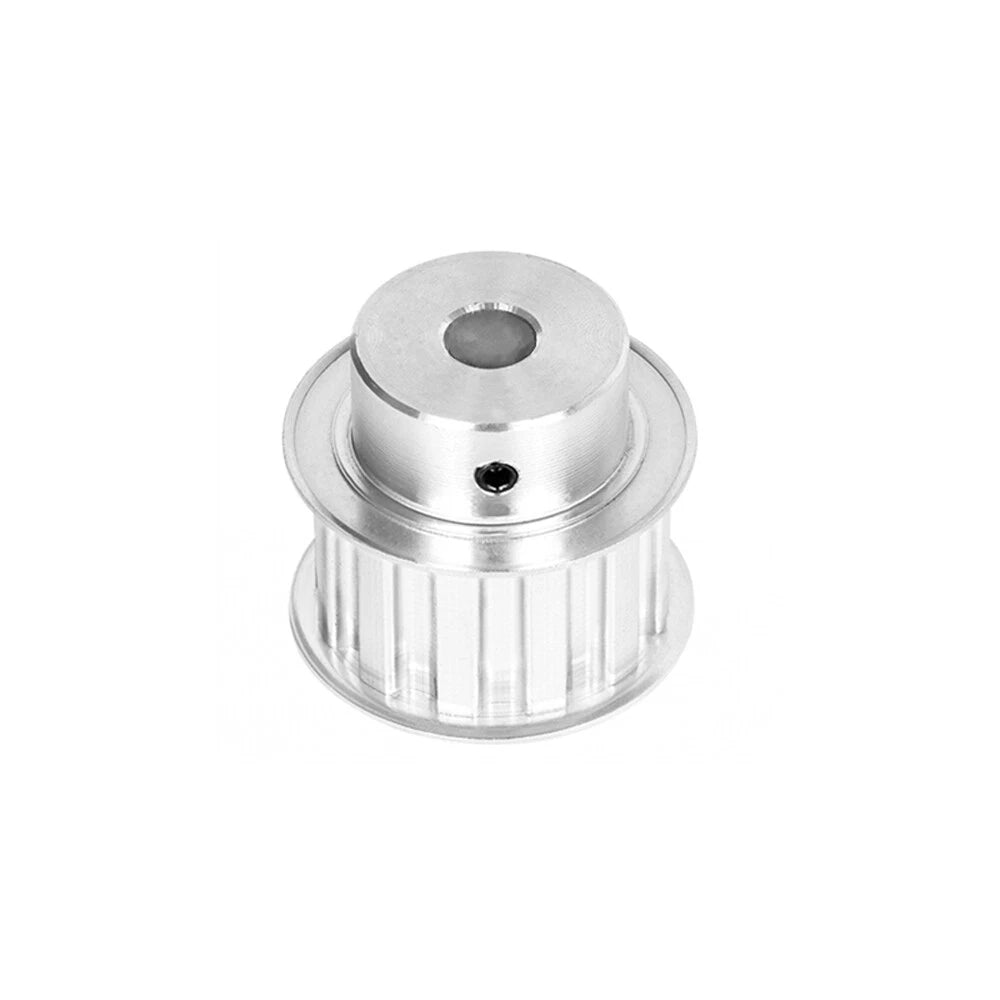
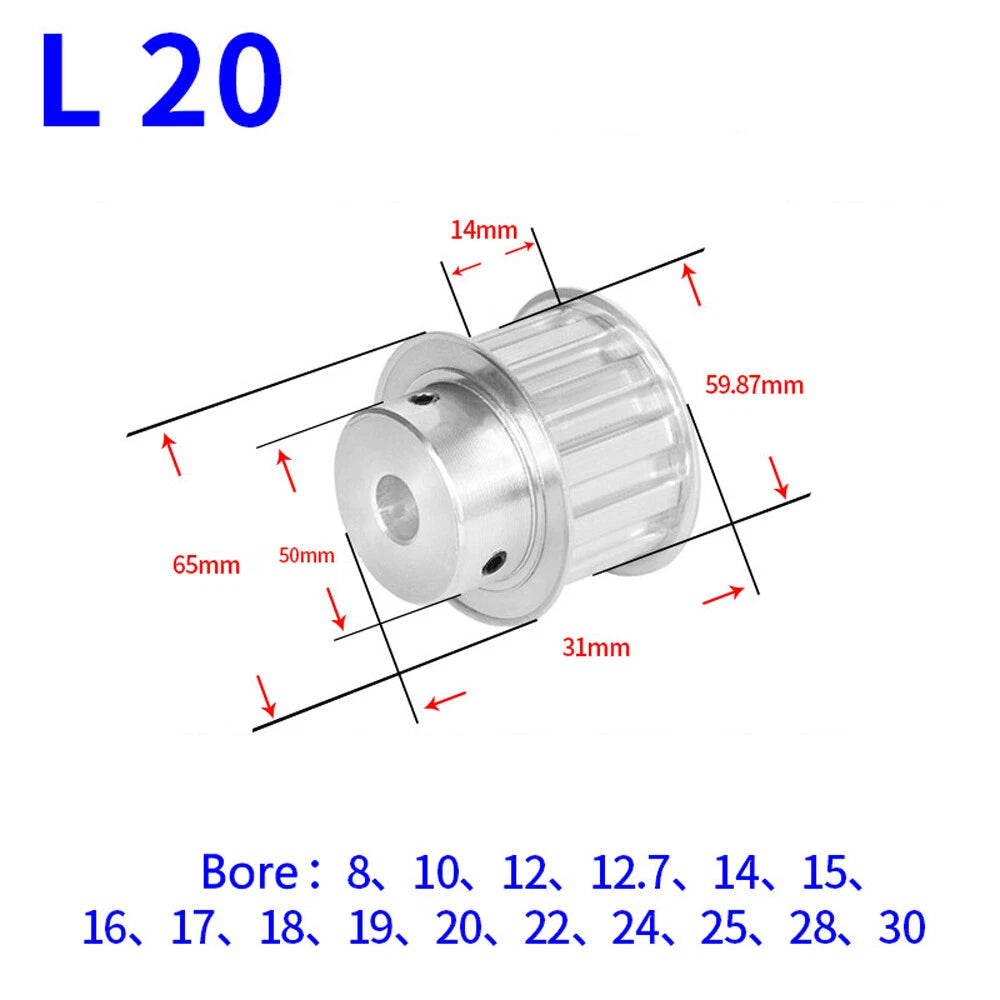
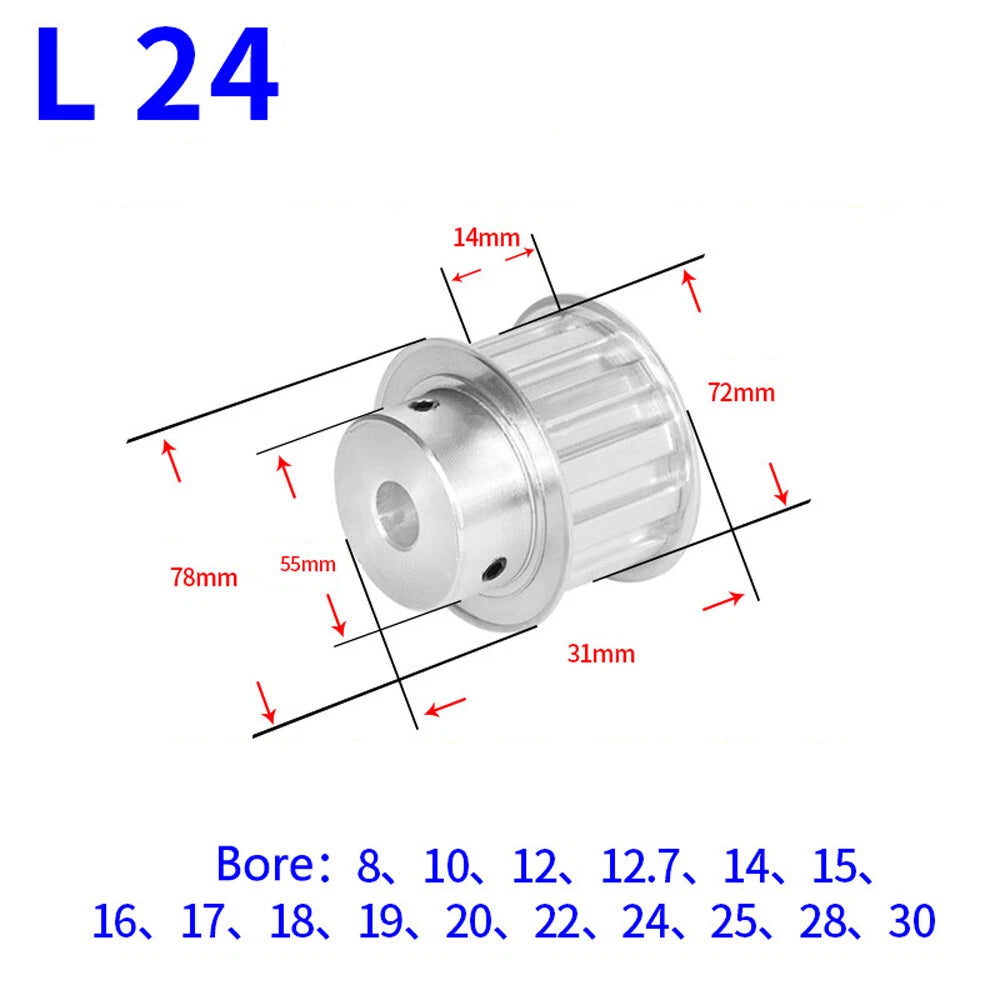
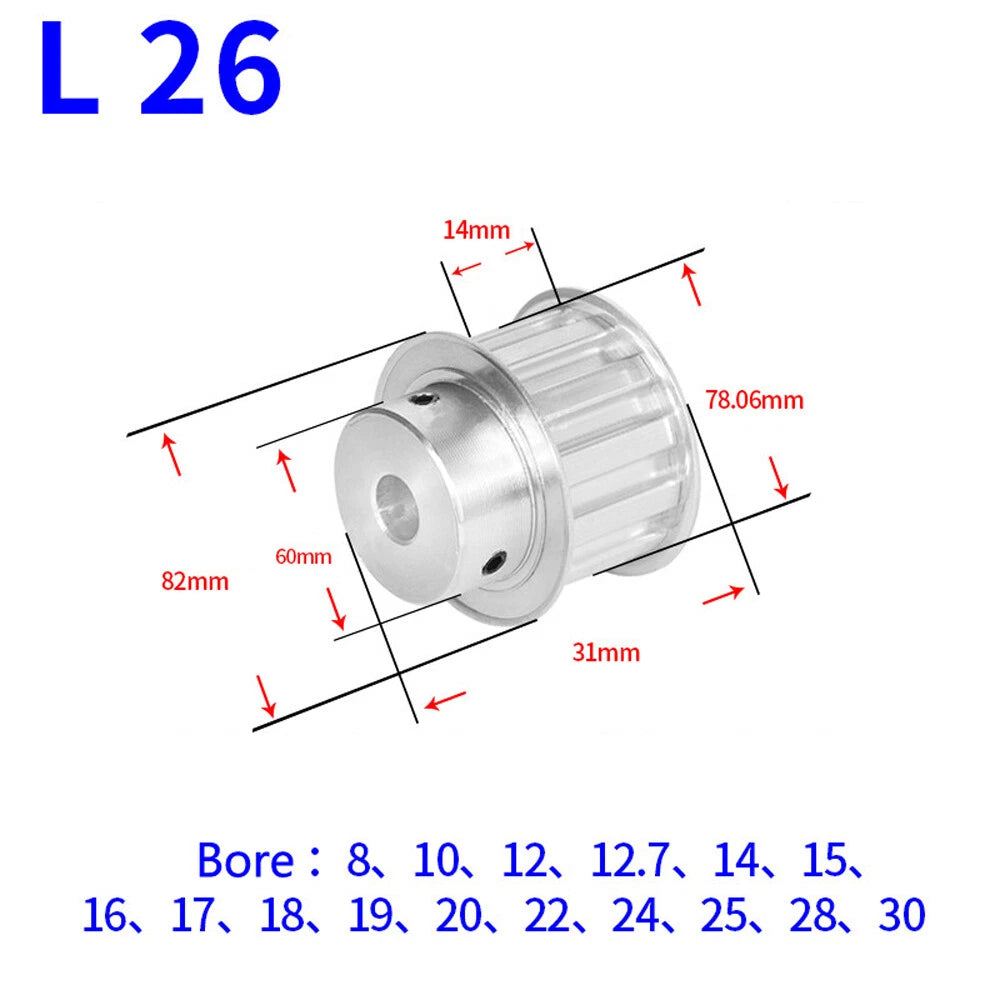
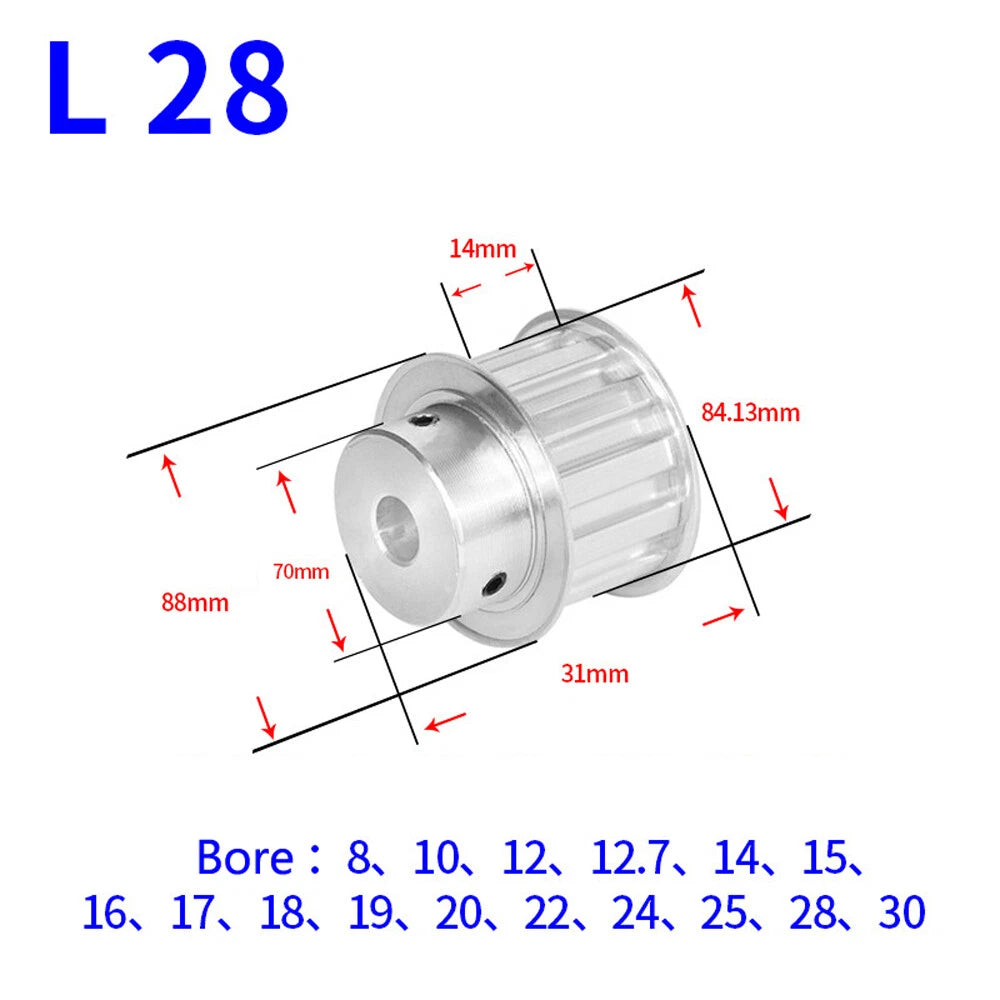
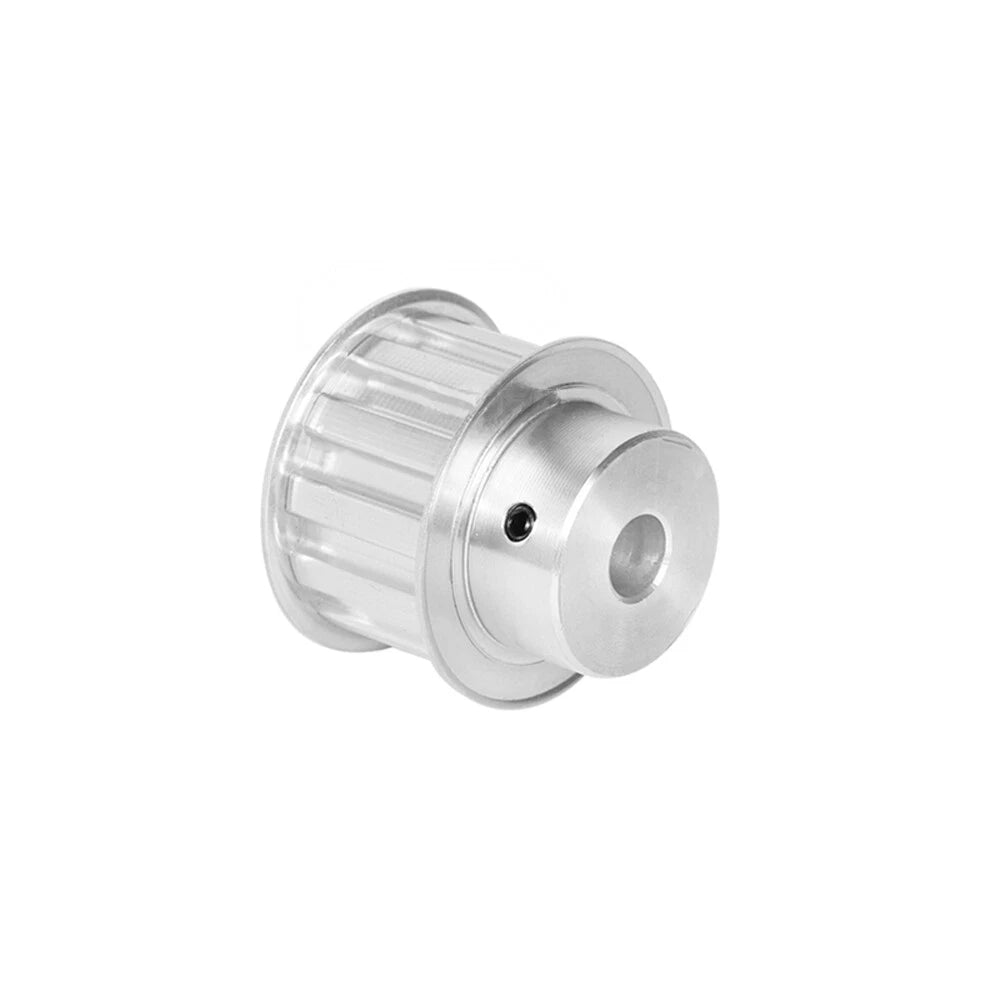
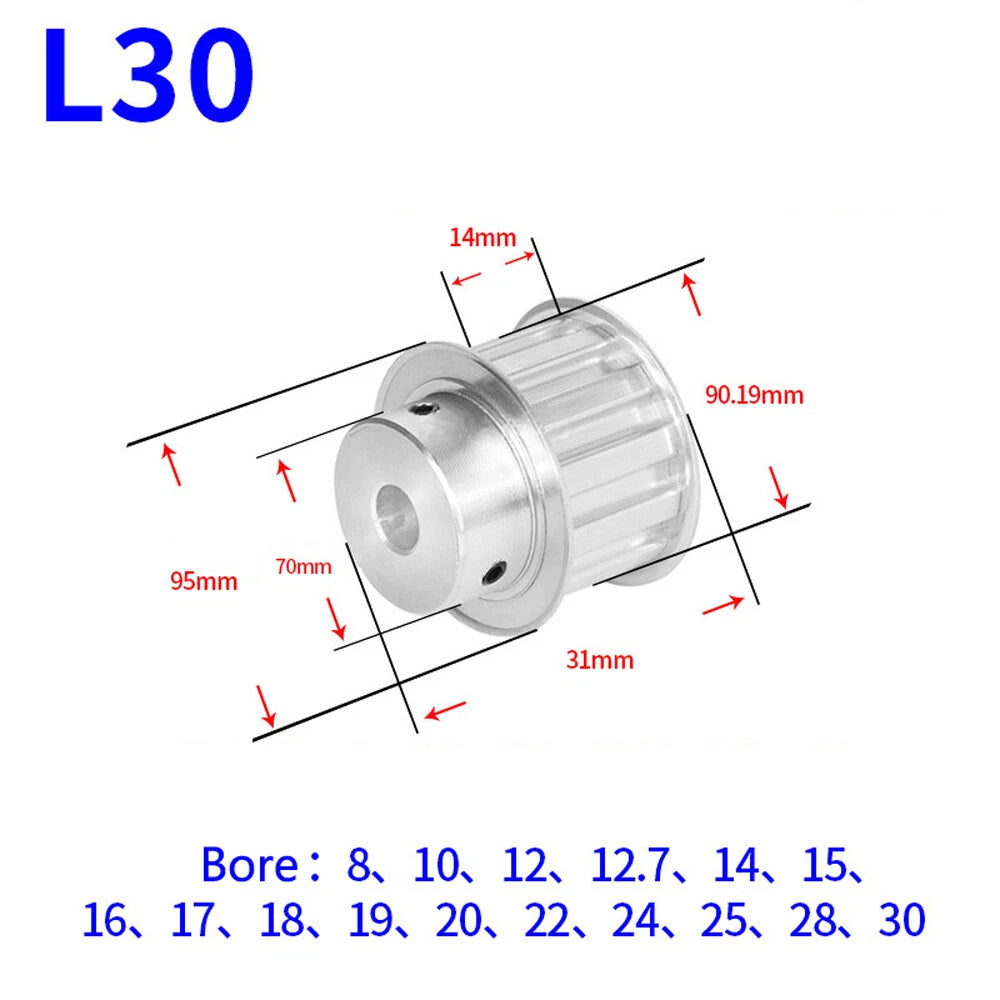
L-Type Timing Belt Pulley 10T-30T Pitch 9.525mm BF-type Drive Pulleys Width 14mm

No reviews

Price:
Sale price$6.01 USD
Stock:
In stock (500 units), ready to be shipped

Payment & Security

Ach Direct Debit Amazon American Express Apple Pay Bancontact BLIK Diners Club Discover EPS Google Pay iDEAL Wero JCB Maestro Mastercard Multibanco MobilePay PayPal Przelewy24 Shop Pay Twint Union Pay USDC Visa

Your payment information is processed securely. We do not store credit card details nor have access to your credit card information.

Limited Offer — Spend More, Save More
Spend $55+
Save $5
Spend $100+
Save $10
Spend $200+
Save $25
HomeDIYer DIY Expert Support

DIY Expert Support

Get fitment advice & recommendations

Mon–Fri  8:30 AM – 8:00 PM
24-Hour Fast Ship
Arrives in 3–14 Days
Worldwide Shipping
30-Day Returns
1 tree planted with every purchase

Description

L-Type Timing Belt Pulley for Precise Motion Control

When building a CNC router, 3D printer, or automated conveyor, slippage and backlash can ruin repeatability. These L-type timing belt pulleys are machined for makers, mechanical engineers, and DIY automation builders who need exact synchronous motion.

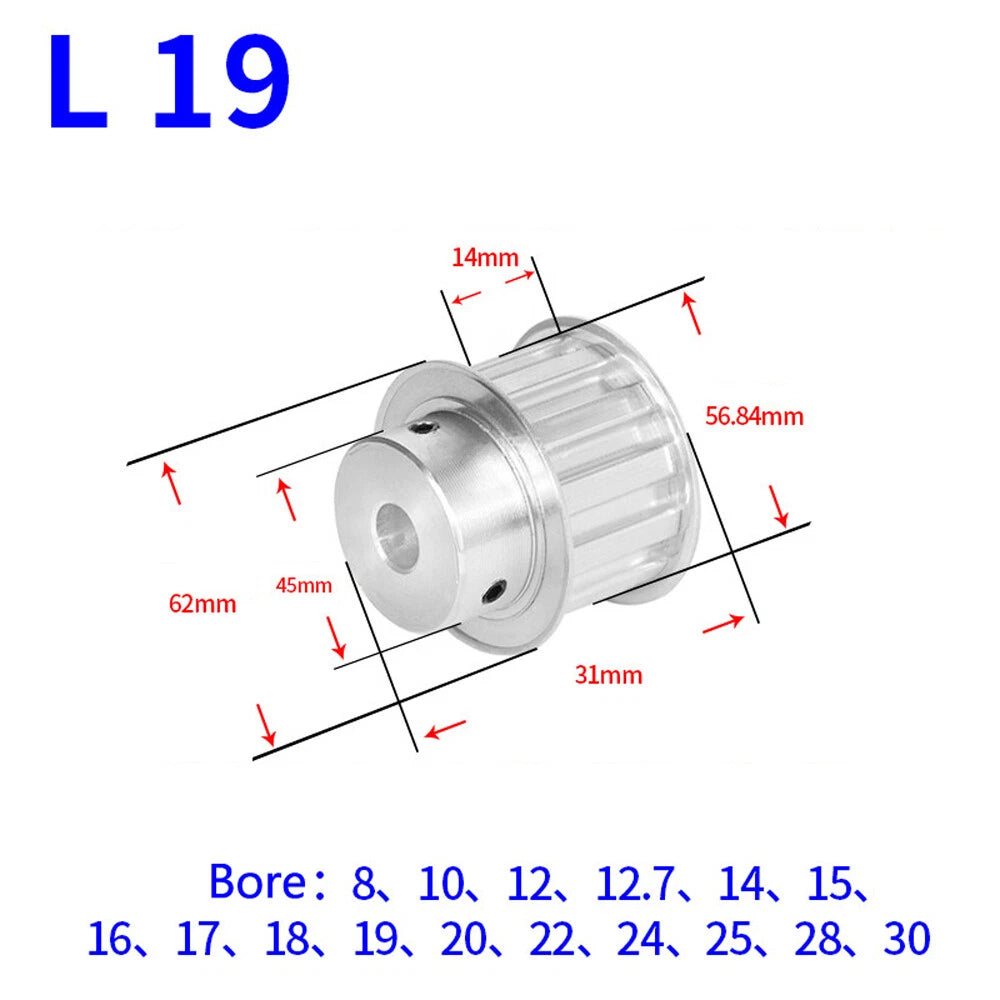
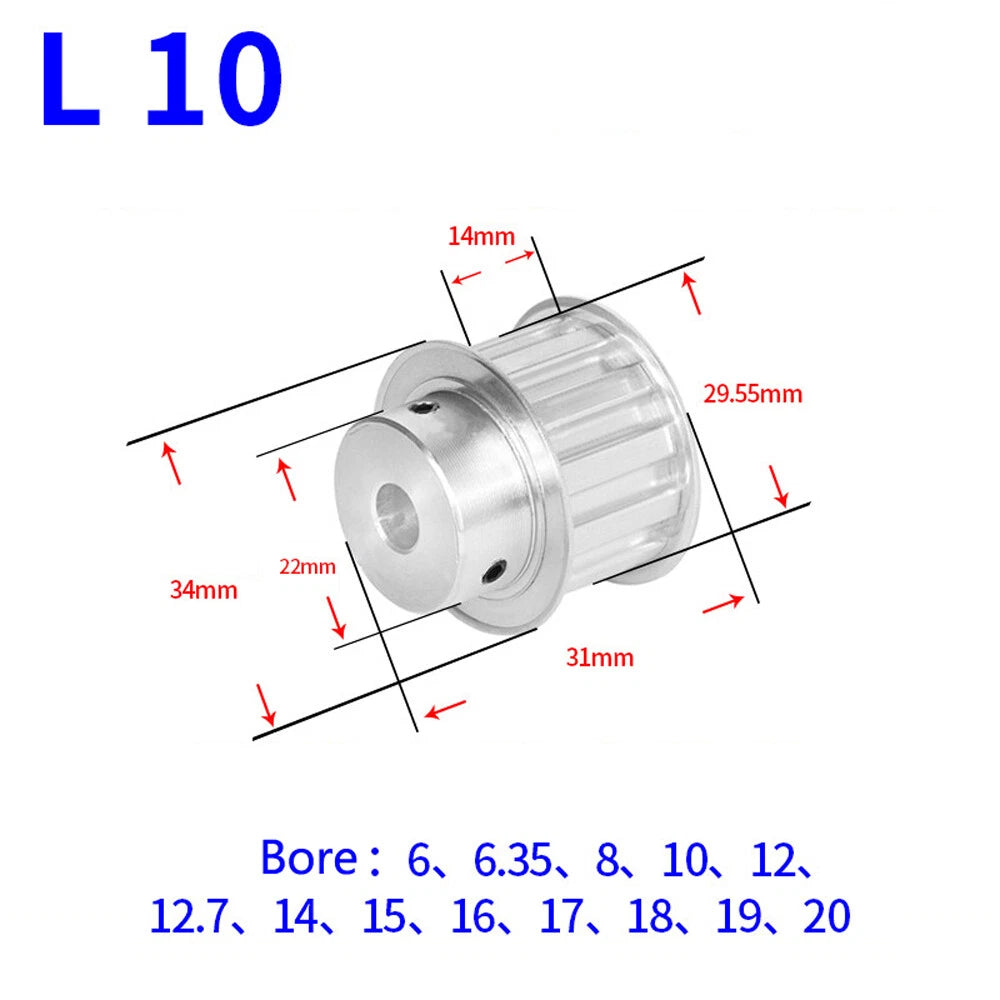
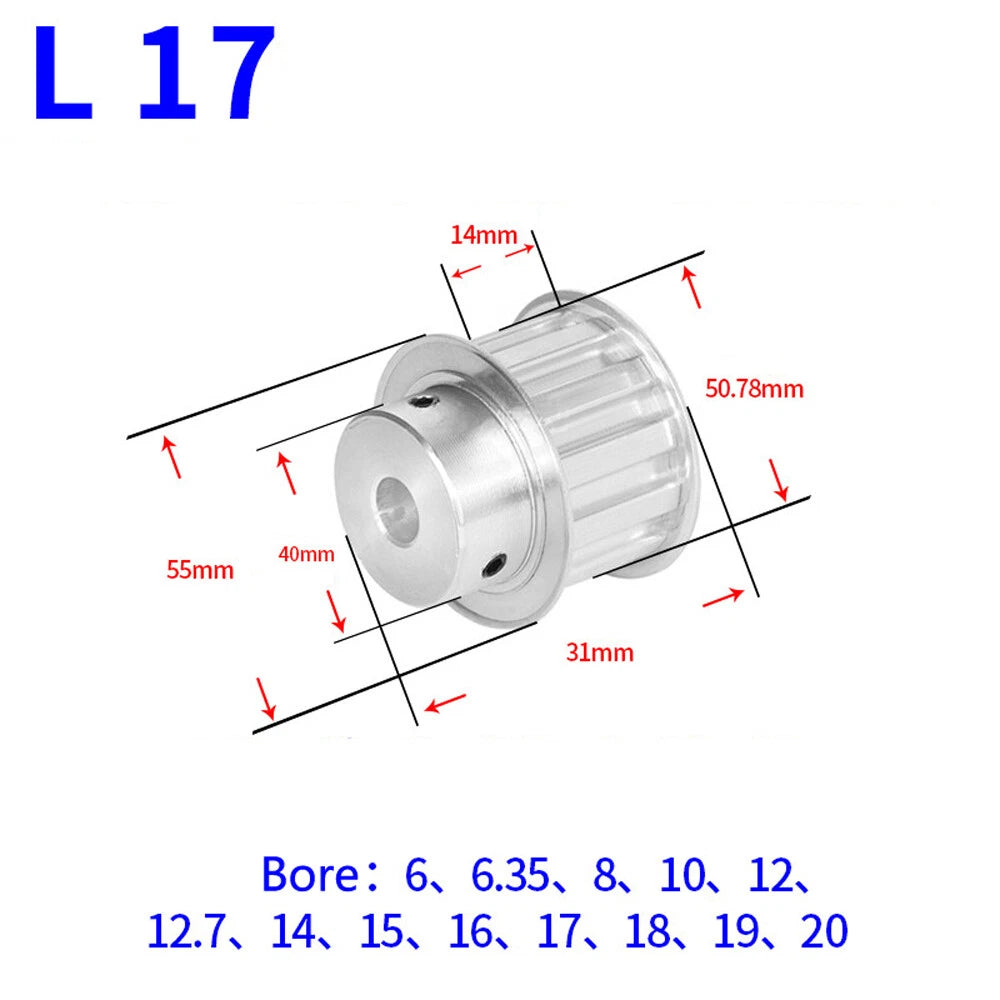
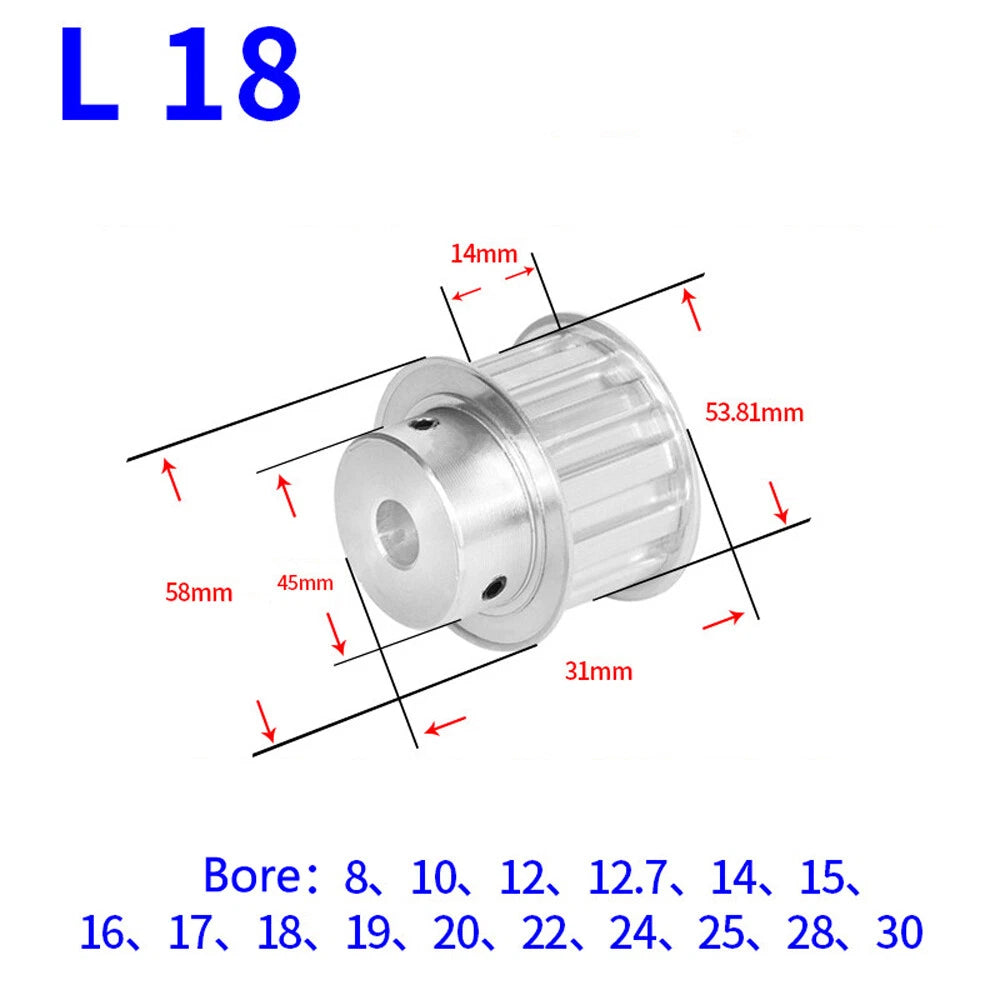
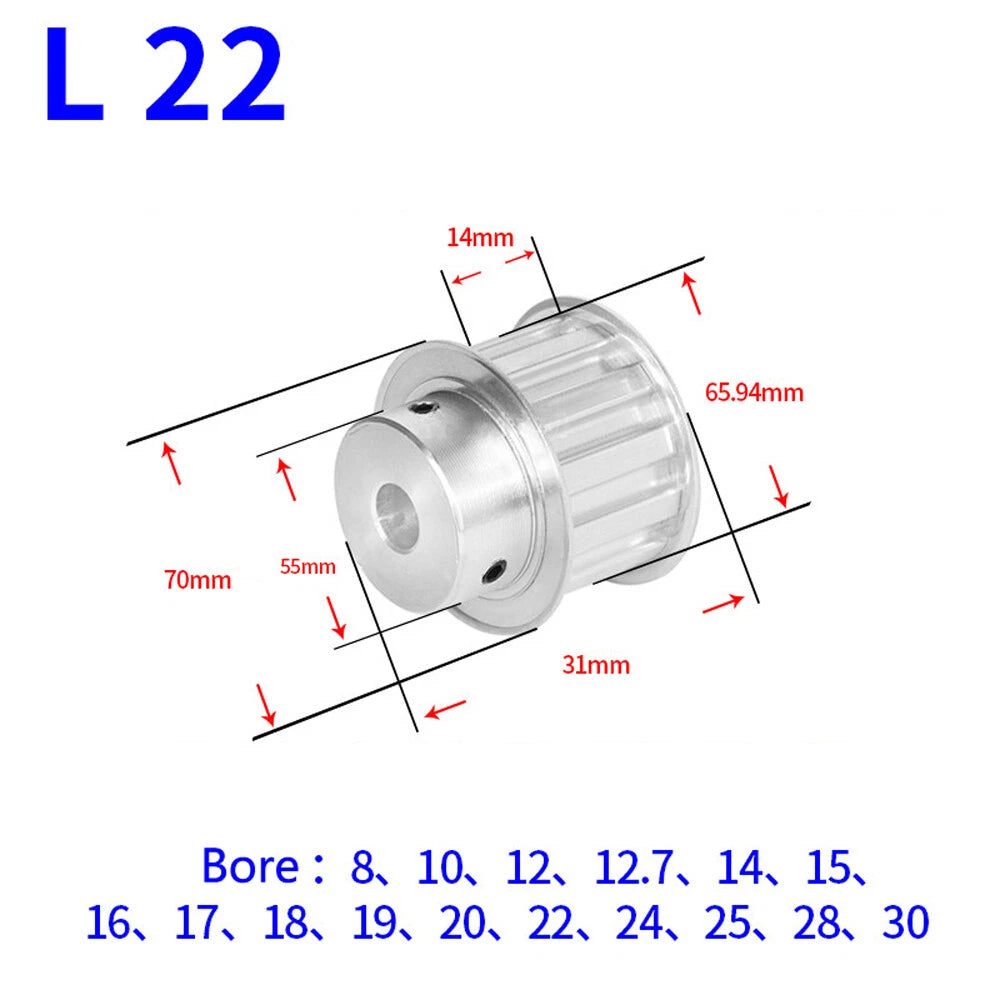
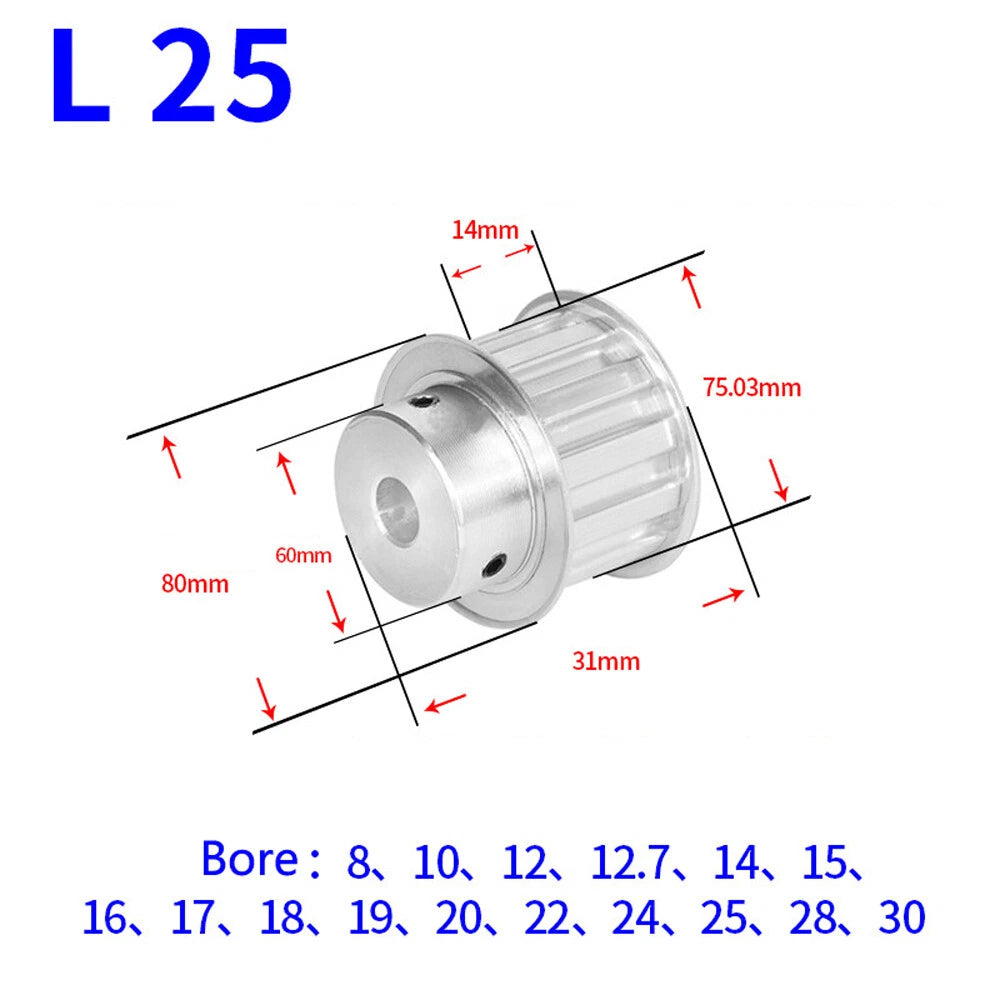
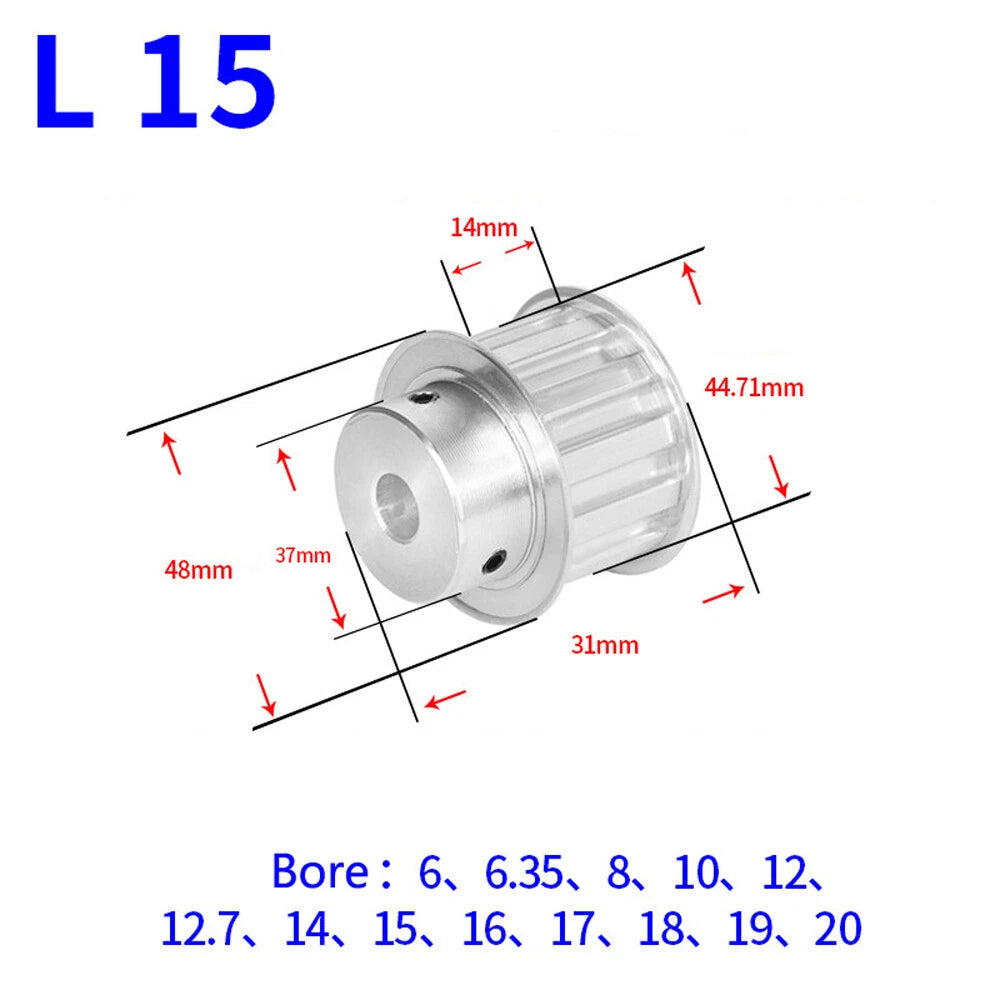
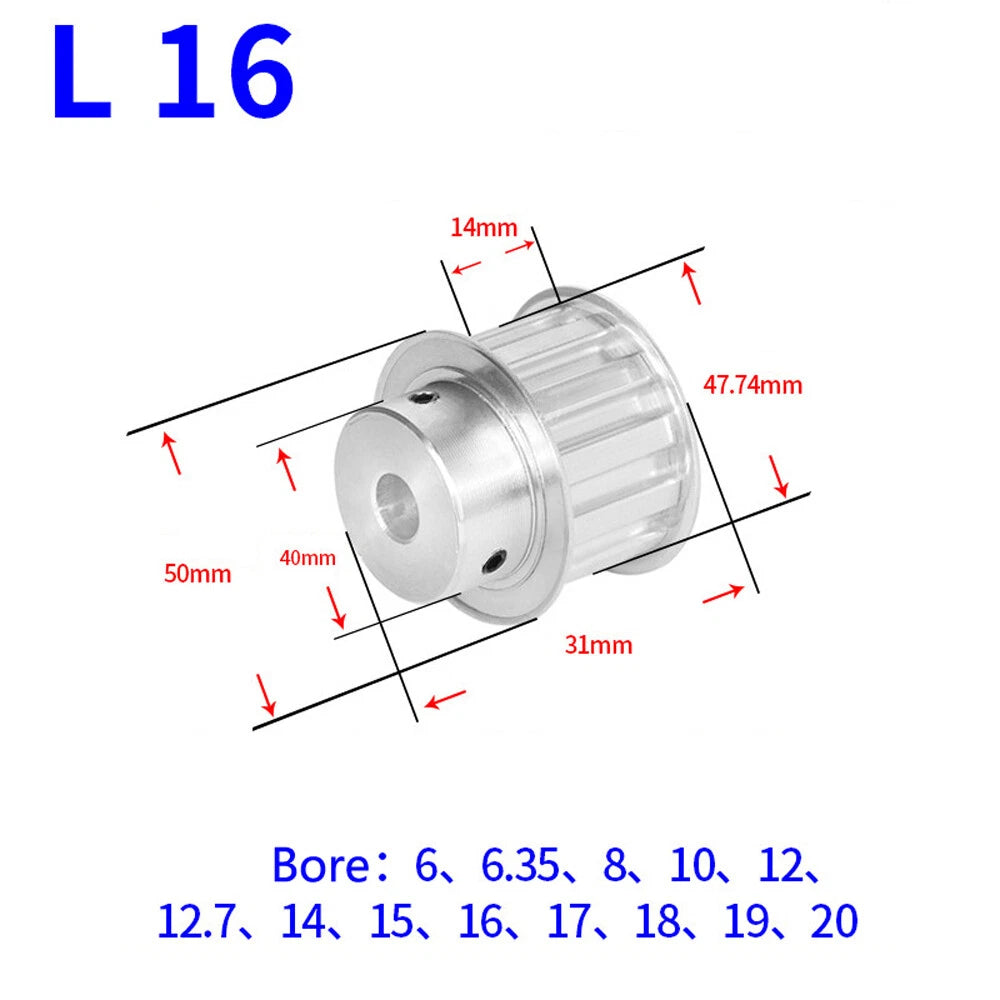
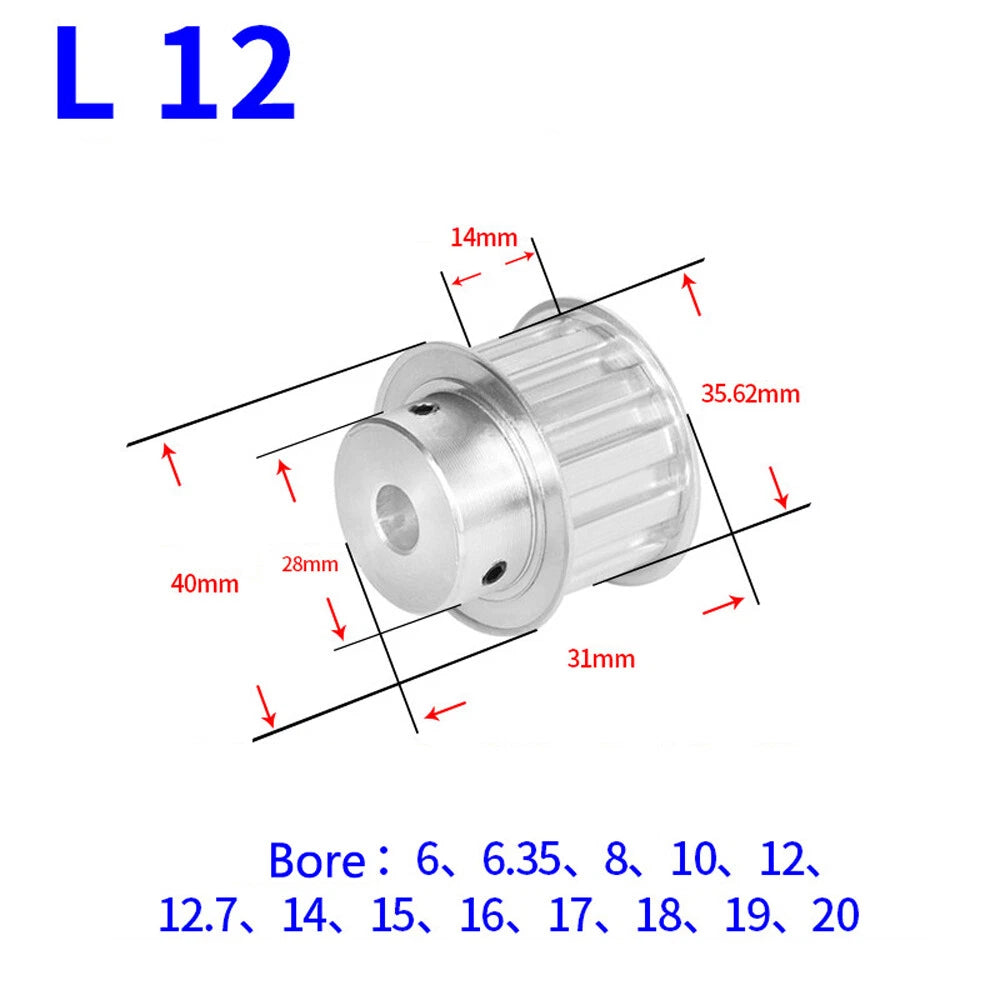
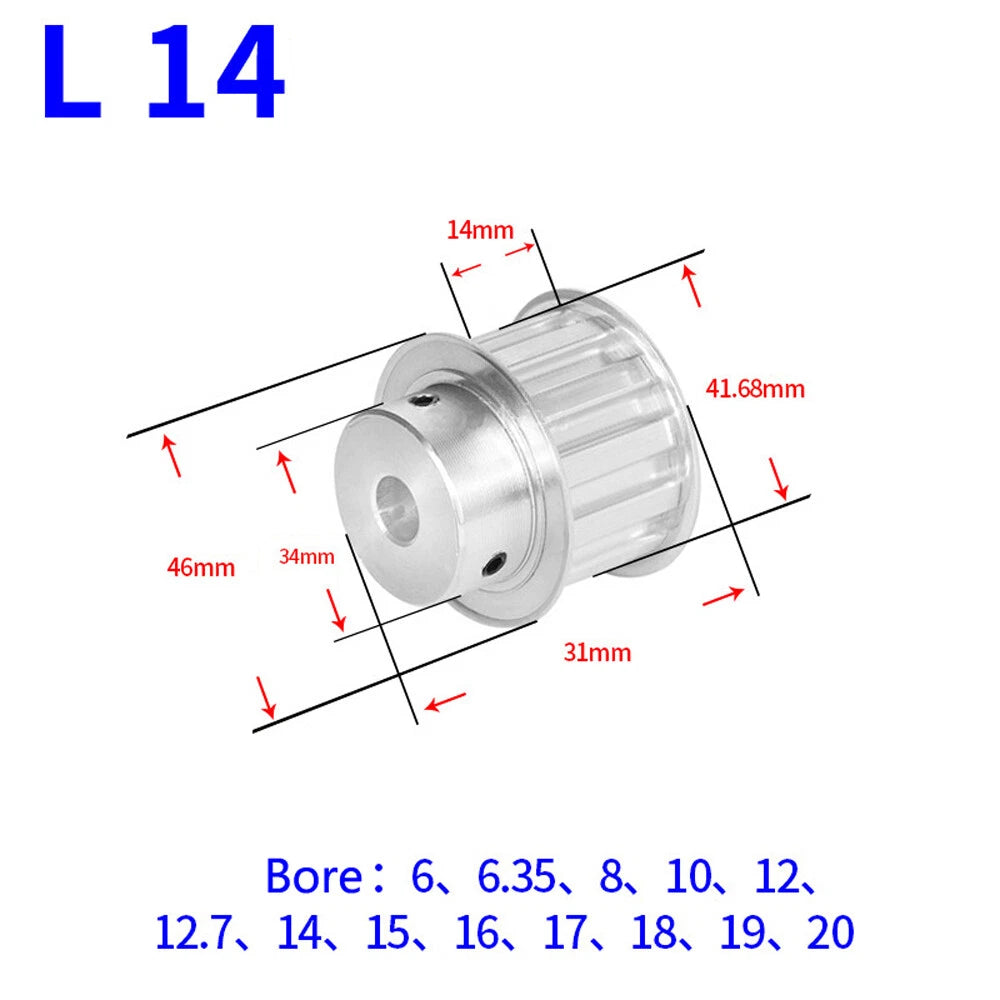
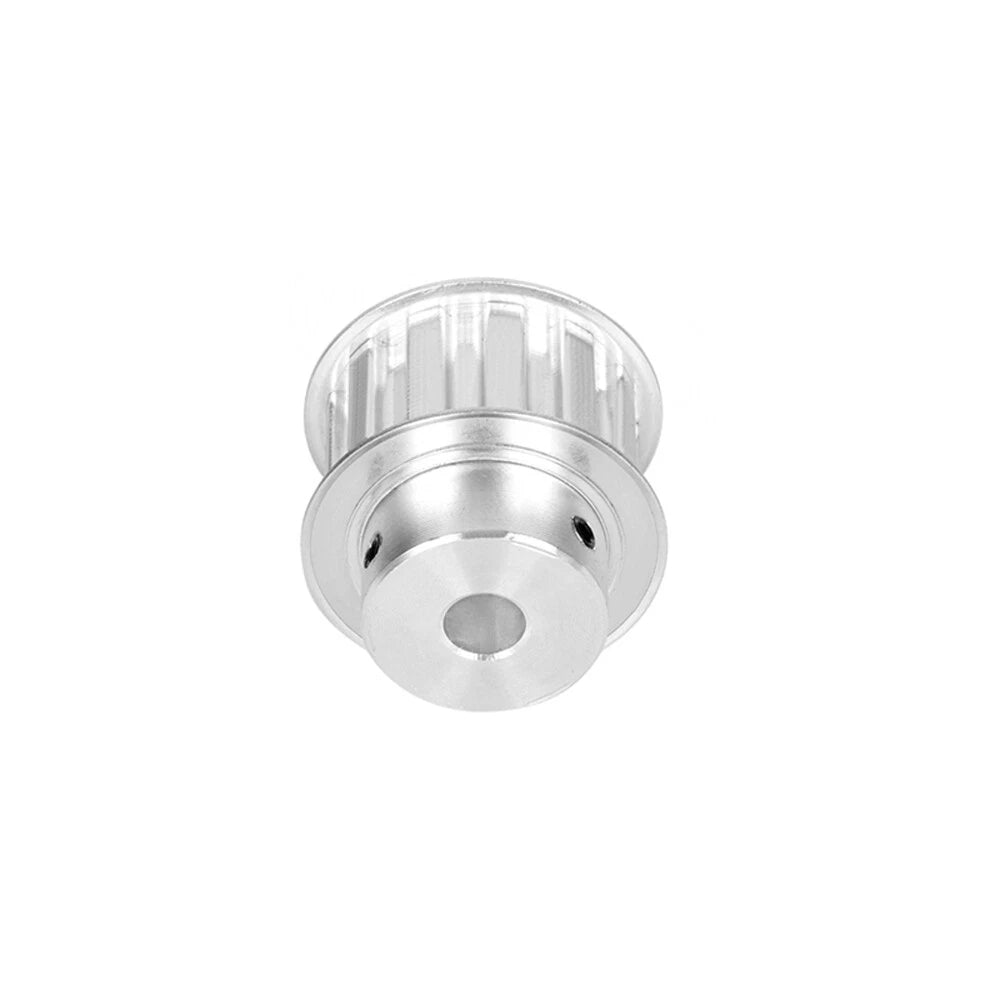
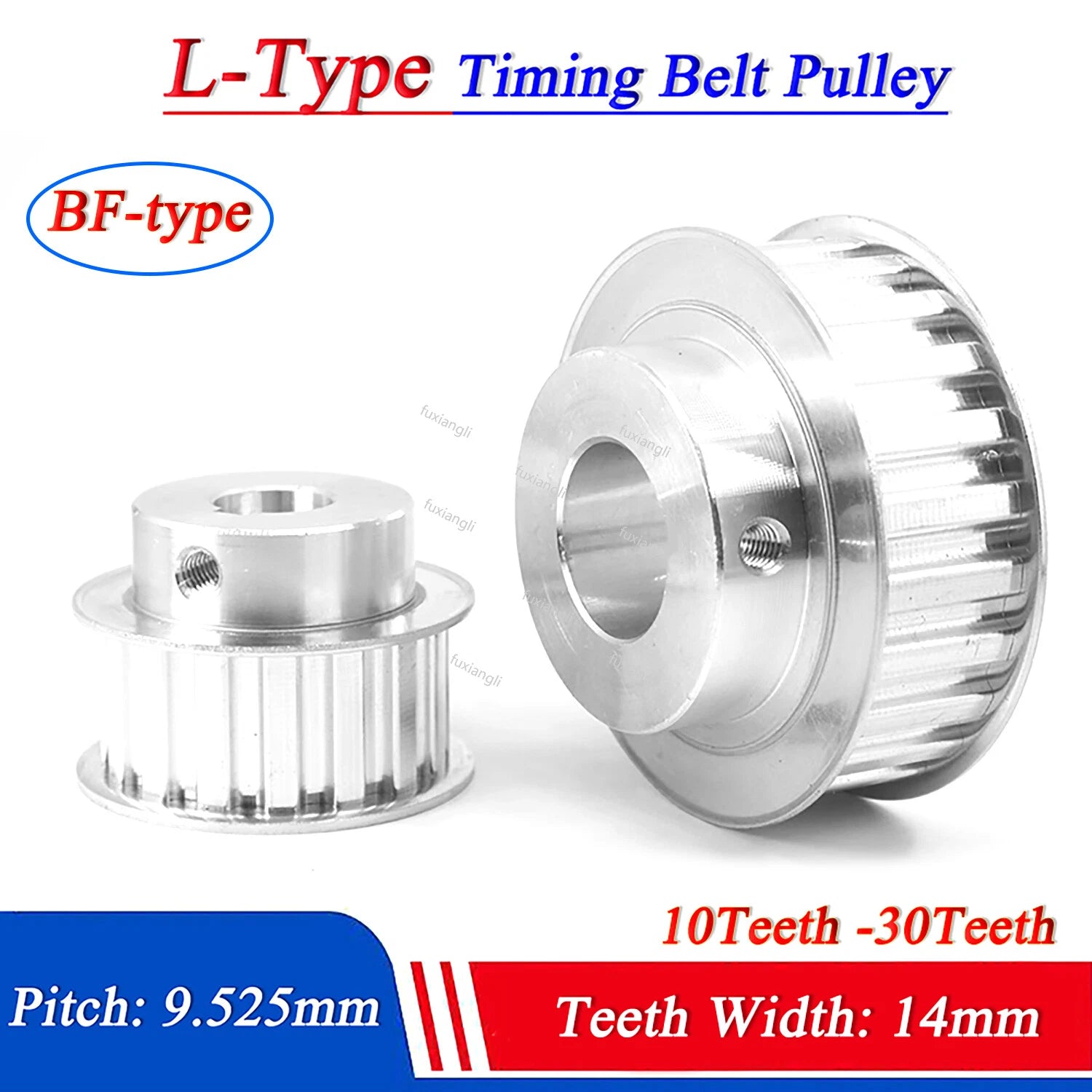
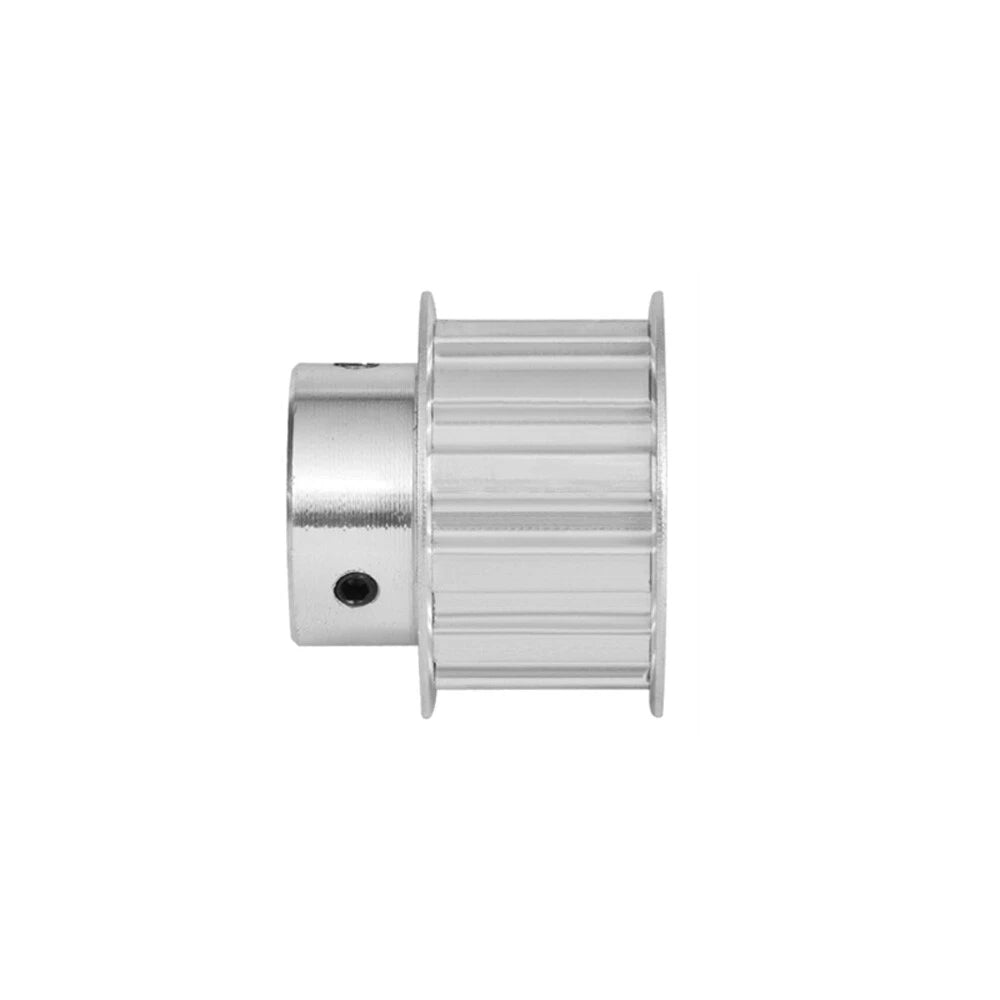
Each pulley is CNC-machined from aluminum alloy with a corrosion-resistant finish. The 9.525 mm (3/8 inch) pitch matches standard L-type belts, while the 14 mm width accommodates common belt sizes. Bore diameters range from 6 mm to 30 mm (0.24–1.18 inch) to fit NEMA stepper shafts, servo motors, and custom drive spindles.

Use these pulleys in linear actuator drives, belt-driven Z-axis assemblies, and robotic arm joint mechanisms. They pair with closed-loop or open-ended timing belts for smooth, low-backlash power transmission in workshop and prototyping environments.

⚙️ Compatible with L-type (9.525 mm pitch) timing belts. Fits NEMA stepper motors, servo shafts, and custom drive spindles. Check bore size before ordering.

✅ Key Features of These L-Type Timing Belt Pulleys

🎯

Precise Tooth Profile

Machined teeth engage L-type timing belts with minimal backlash for accurate positioning in CNC and automation projects.

🔧

Wide Bore Range

Available with bore diameters from 6 mm to 30 mm to suit NEMA 17/23 stepper motors, servo shafts, and custom spindles.

📐

BF-Type Design

Flangeless (BF) profile allows flexible mounting in tight frame assemblies and linear actuator carriages.

➡️

14 mm Belt Width

Supports standard 14 mm wide L-type timing belts commonly used in 3D printers and conveyor systems.

🛡️

Corrosion-Resistant Finish

Anodized or oxide-coated surface helps prevent rust in workshop environments.

Broad Tooth Count Range

Choose from 10T to 30T to match your desired gear ratio, belt speed, and torque requirements.

📐 Technical Specifications — Timing Belt Pulleys

Product Type Timing Belt Pulley
Pitch 9.525 mm (3/8 inch)
Belt Width 14 mm
Teeth Options 10T – 30T
Bore Range 6 mm – 30 mm
Material See variant options
Finish See variant options
Drive Type BF-type (flangeless)
Weight See variant options

❓ Frequently Asked Questions

How do I choose the right bore size?

Measure your motor or drive shaft diameter with calipers. Select a pulley bore that matches or is slightly larger; shim sleeves or reducers can adapt minor differences. Common NEMA 17 stepper shafts are 5 mm, so a 6 mm bore with a shim works, or choose 8 mm for NEMA 23 motors.

What belt type matches these pulleys?

These pulleys are designed for L-type timing belts with a 9.525 mm pitch and 14 mm width. Ensure your belt is labeled with a 9.525 mm (3/8 inch) pitch and a width of 14 mm or less for proper tooth engagement.

Are these pulleys strong enough for CNC routers?

Aluminum alloy timing pulleys handle typical loads found in desktop CNC routers, 3D printers, and conveyor systems. For heavy-duty milling or high-torque spindle drives, verify the specific load and RPM against your machine requirements. Most DIY and light-industrial automation projects fall well within the strength limits of standard alloy pulleys.

Will these pulleys rust in a humid workshop?

The pulleys feature an anodized or oxide-coated surface that resists oxidation in typical workshop environments. Wipe them down occasionally and avoid prolonged exposure to moisture to maintain appearance and fit.

What is the difference between BF and BK type pulleys?

BF-type pulleys are flangeless on both sides, while BK-type pulleys feature flanges to prevent the belt from walking off. Choose BF for constrained spaces or guided tracks; choose BK for open-frame builds where belt retention is critical.

How do I calculate the gear ratio with these pulleys?

Divide the driven pulley tooth count by the driver pulley tooth count. For example, a 20T driver and 30T driven pulley gives a 1:1.5 ratio, increasing torque while reducing speed. Match this ratio to your motor torque curve and axis speed requirements.

Do these pulleys work with 3D printer builds?

Yes, L-type timing pulleys with a 9.525 mm pitch are commonly used in larger 3D printer frames, laser cutters, and CNC routers. Verify that your frame rails and motor mounts accommodate the selected pulley diameter and bore size.

🛒 Select your number of teeth and bore size above, then add to cart.


You may also like

Recently viewed