

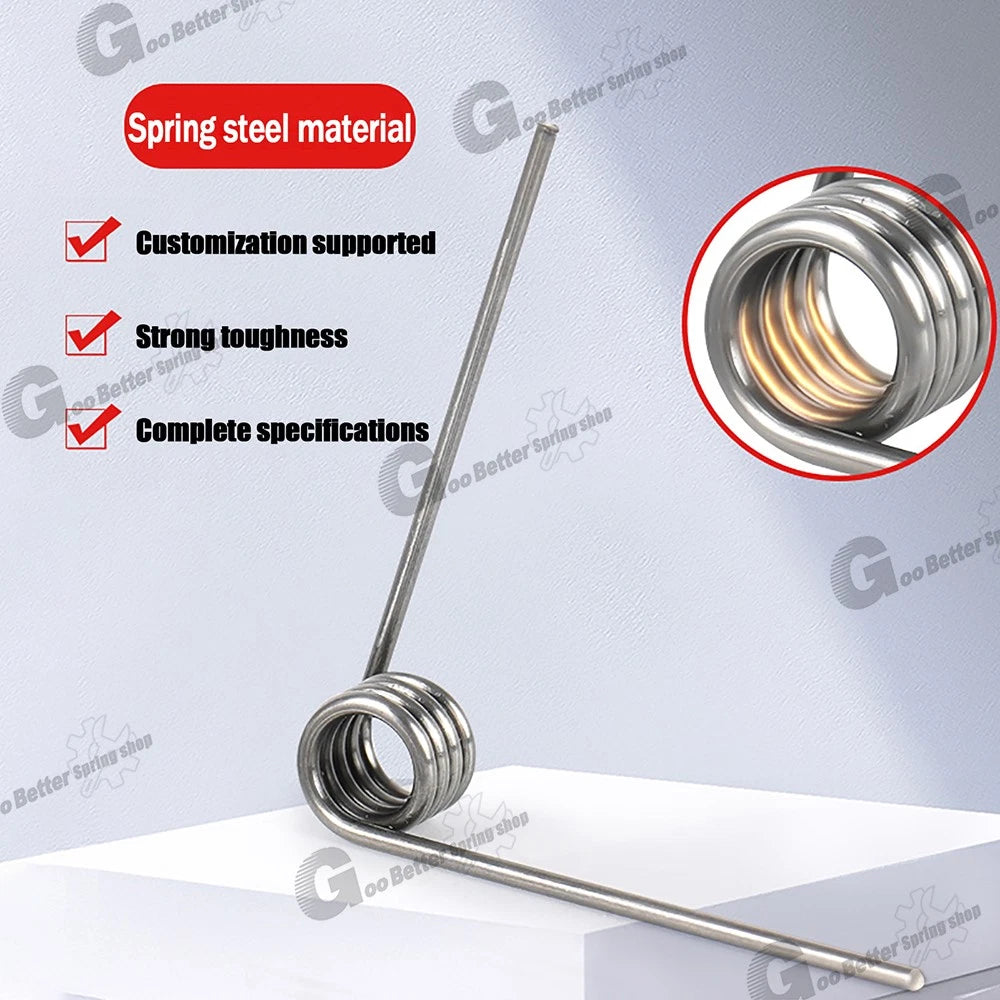
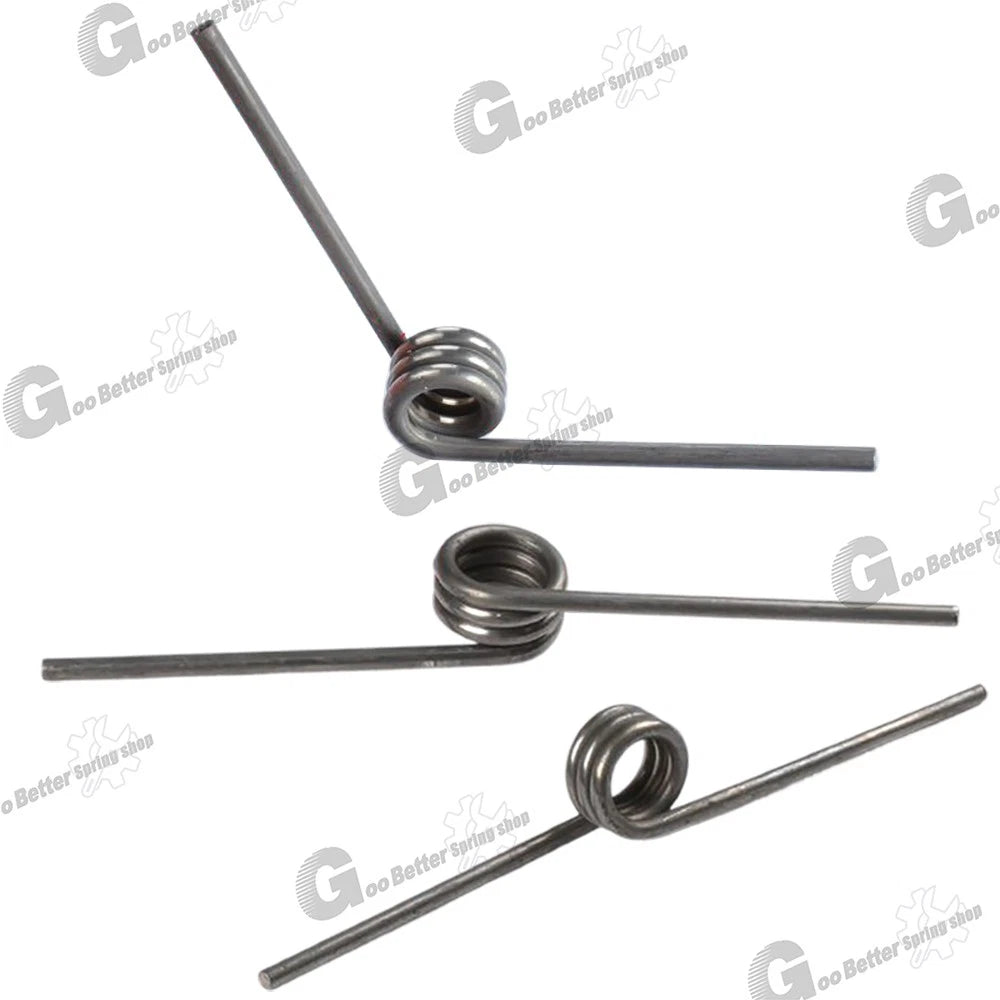
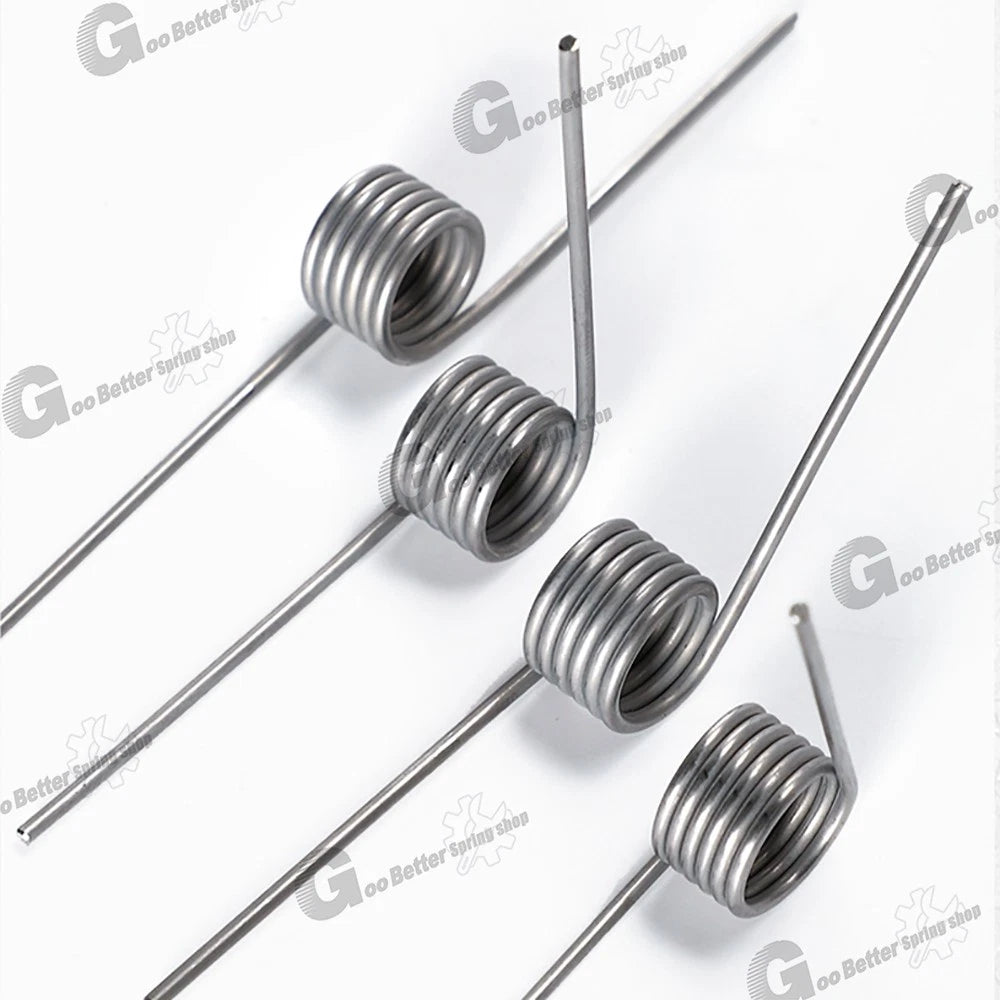
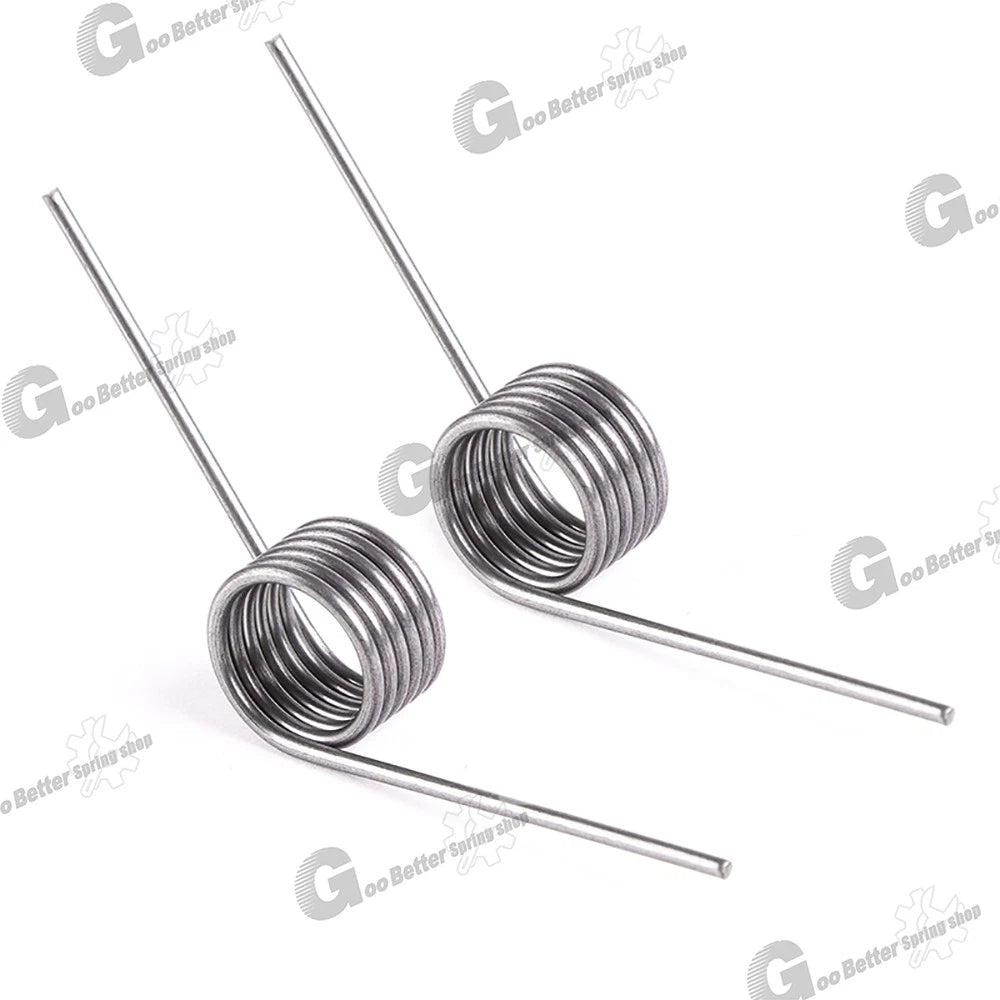
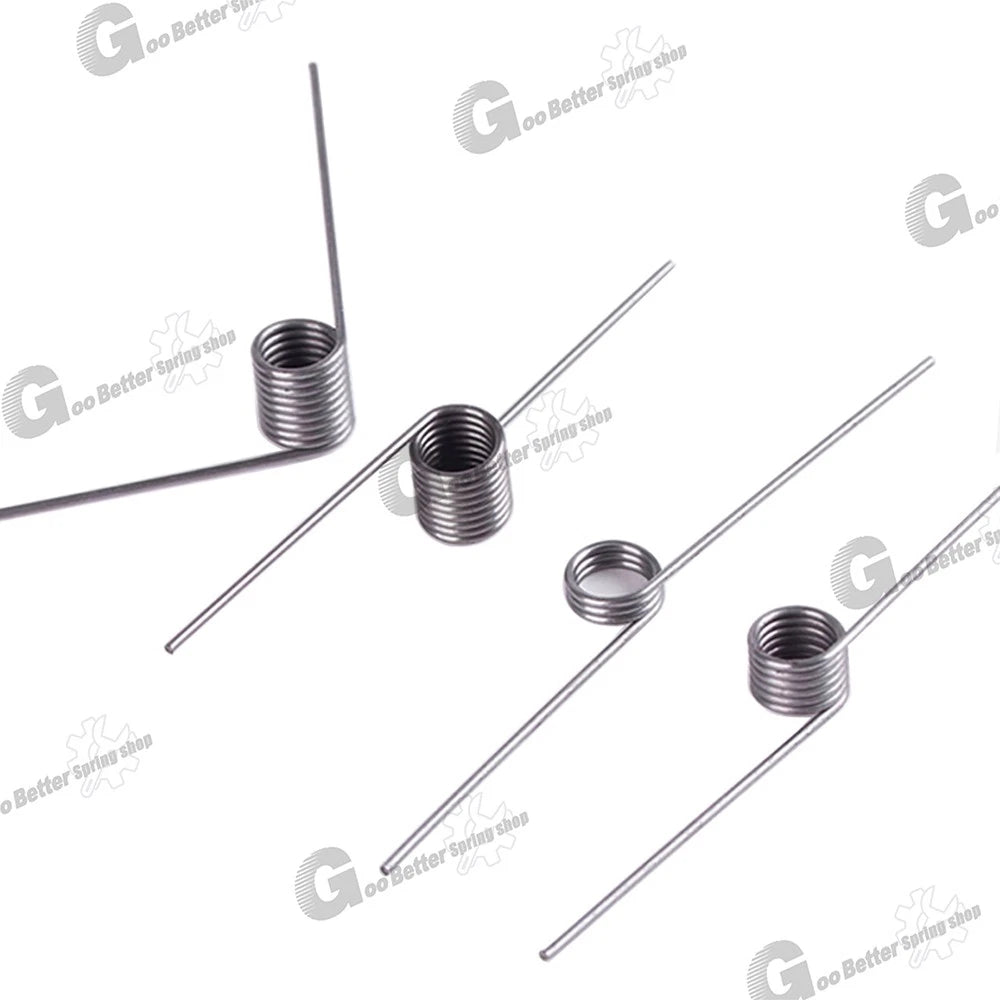
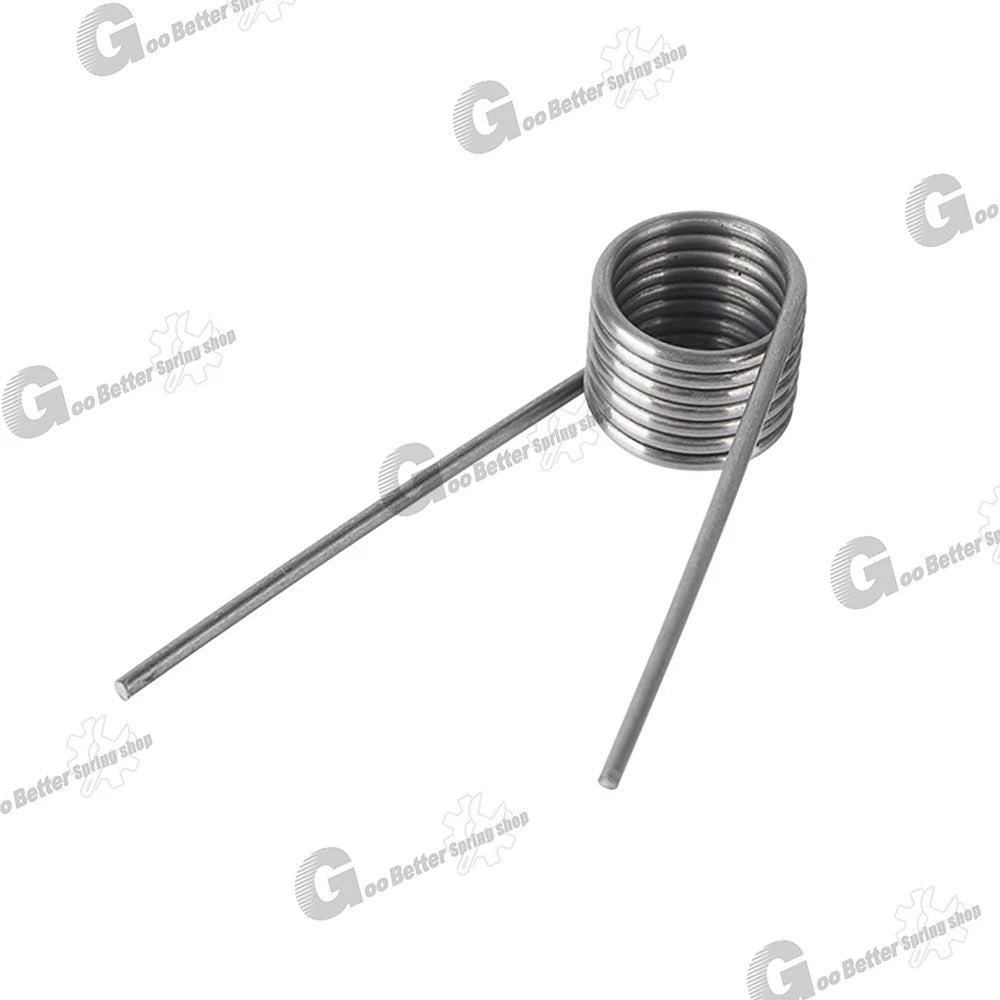
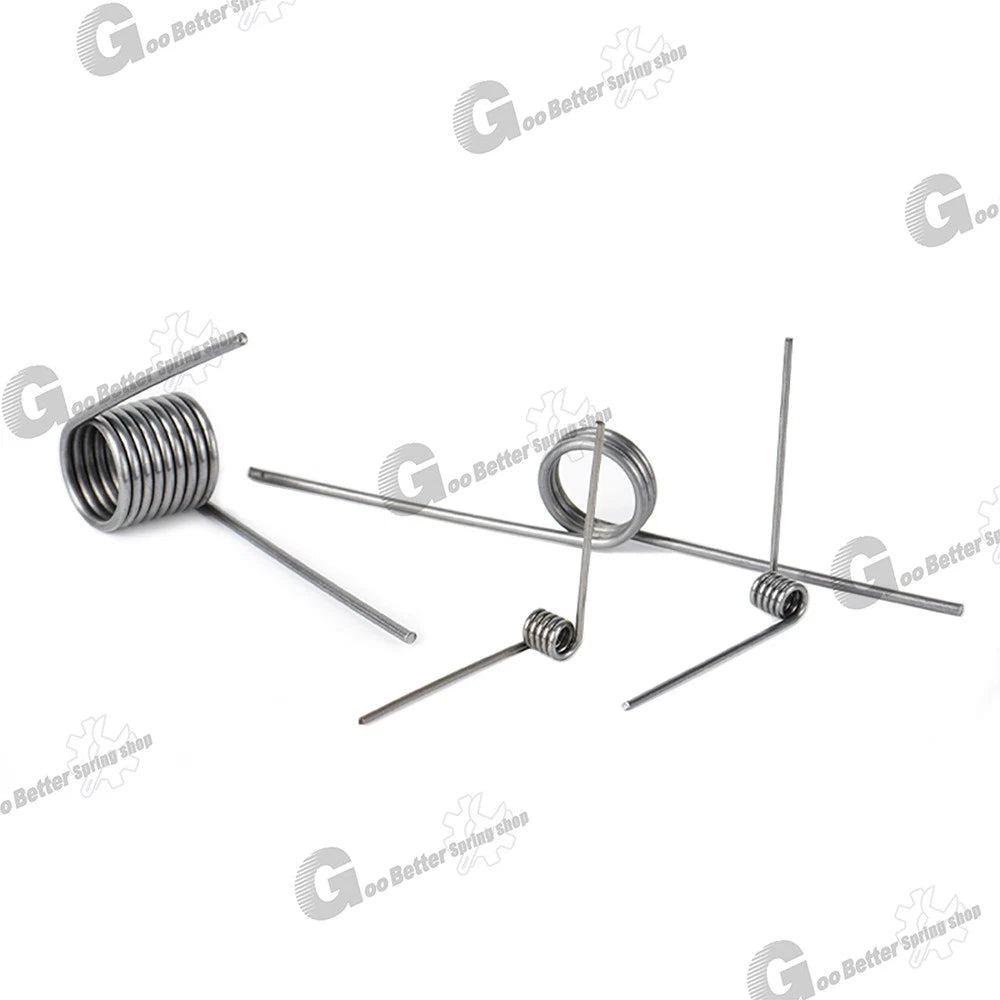
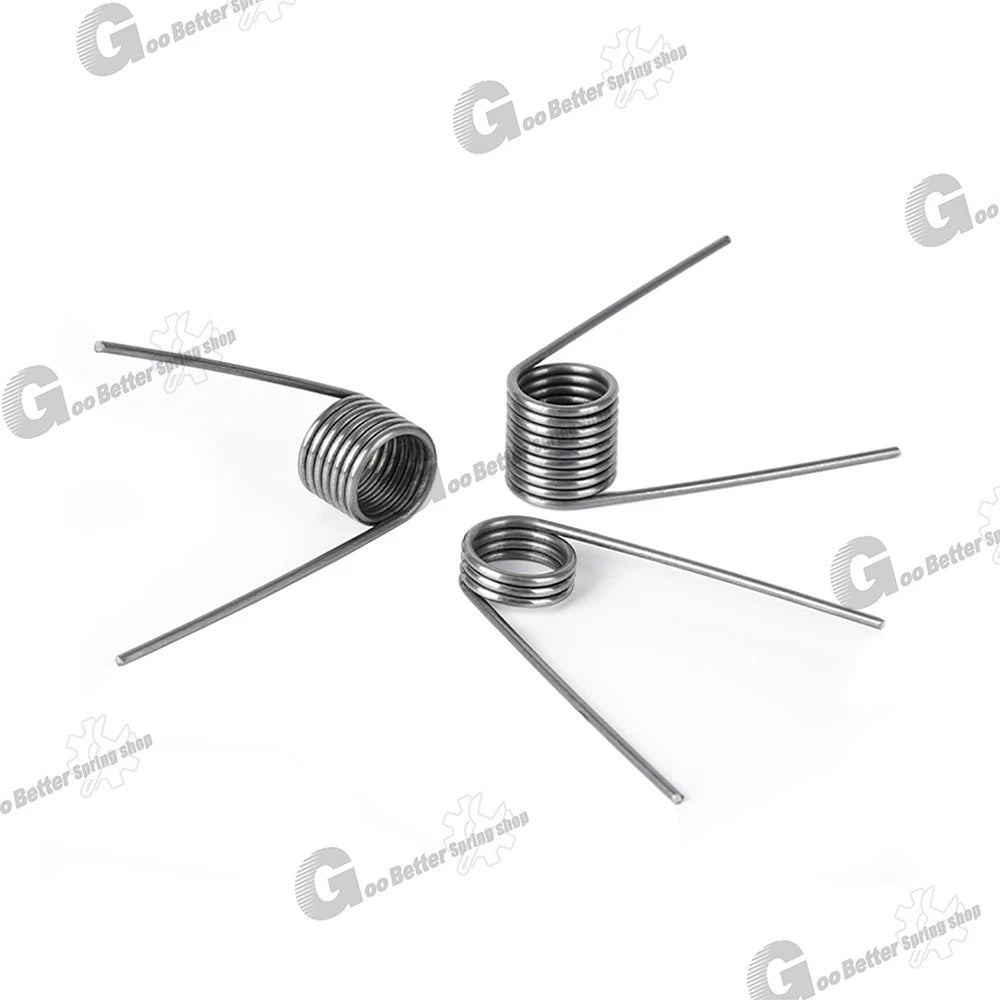
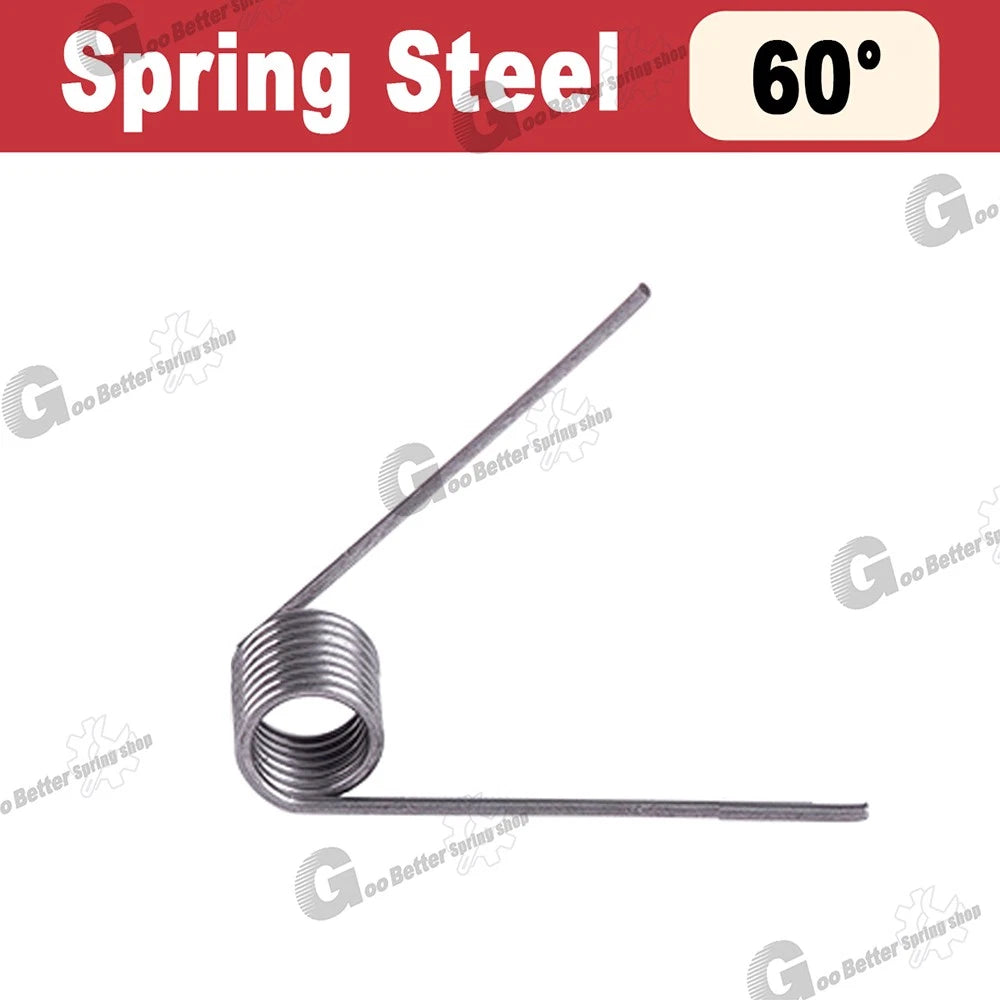
Schenkelfeder/Torsionsfeder/Drehfeder/D 1,6 mm Øa 8-18 mm Spannfeder linke Feder

No reviews

Price:
Sale price$6.46 USD
Stock:
In stock (500 units), ready to be shipped

Payment & Security

Ach Direct Debit Amazon American Express Apple Pay Bancontact BLIK Diners Club Discover EPS Google Pay iDEAL Wero JCB Maestro Mastercard Multibanco MobilePay PayPal Przelewy24 Shop Pay Twint Union Pay USDC Visa

Your payment information is processed securely. We do not store credit card details nor have access to your credit card information.

Limited Offer — Spend More, Save More
Spend $55+
Save $5
Spend $100+
Save $10
Spend $200+
Save $25
HomeDIYer DIY Expert Support

DIY Expert Support

Get fitment advice & recommendations

Mon–Fri  8:30 AM – 8:00 PM
24-Hour Fast Ship
Arrives in 3–14 Days
Worldwide Shipping
30-Day Returns
1 tree planted with every purchase

Description

Left-Hand Torsion Spring — 1.6mm Wire, Precision-Wound for Reliable Return Force

When a mechanism fails to snap back, a door hinge loses its tension, or a DIY assembly needs consistent rotational force, the culprit is almost always an undersized or wrong-hand spring. These left-hand wound torsion springs are engineered for builders, repair technicians, and hobbyists who need a dependable, precisely specified component — not a generic substitute.

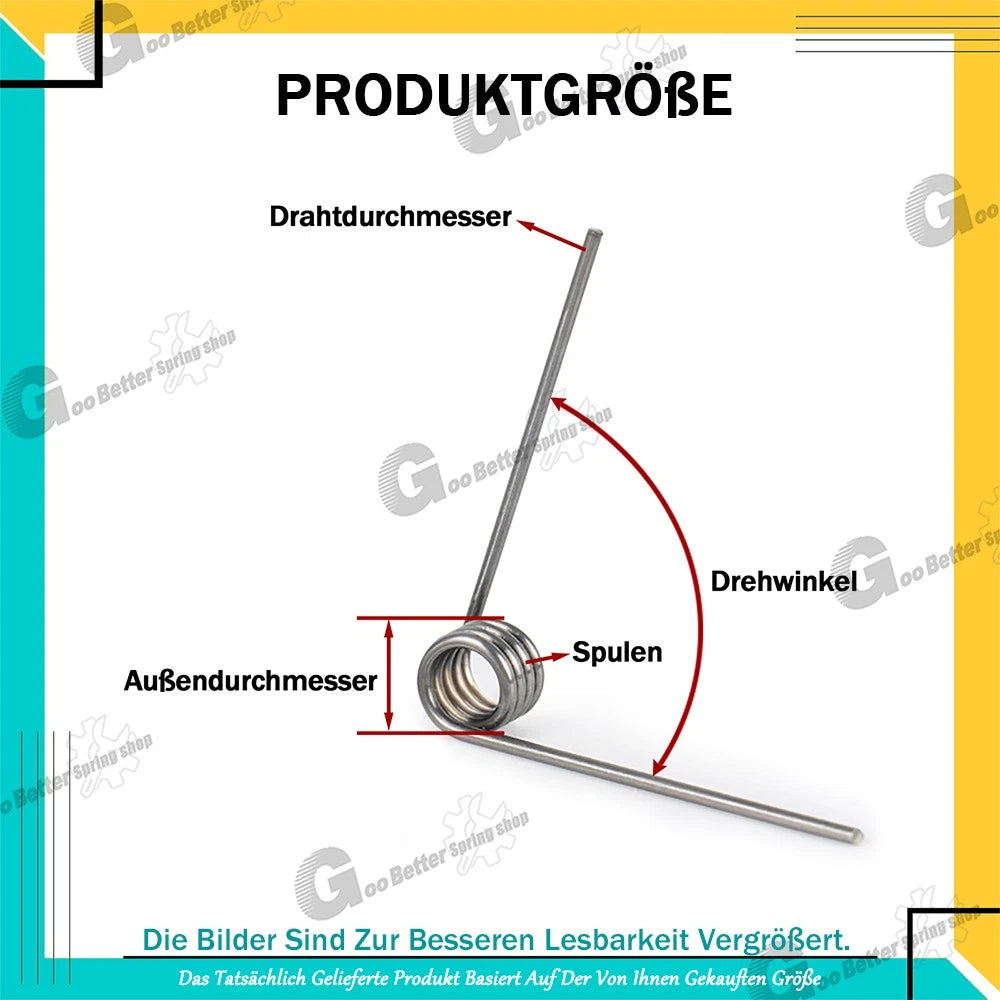
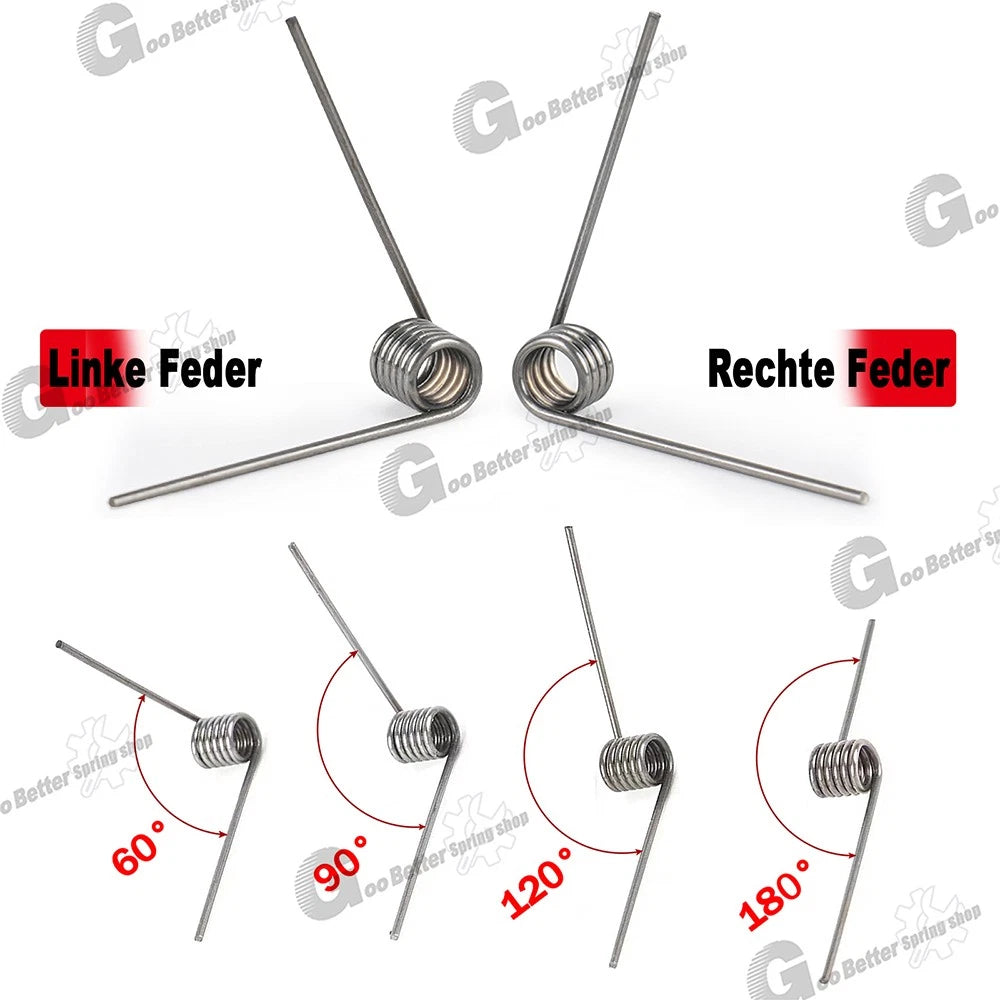
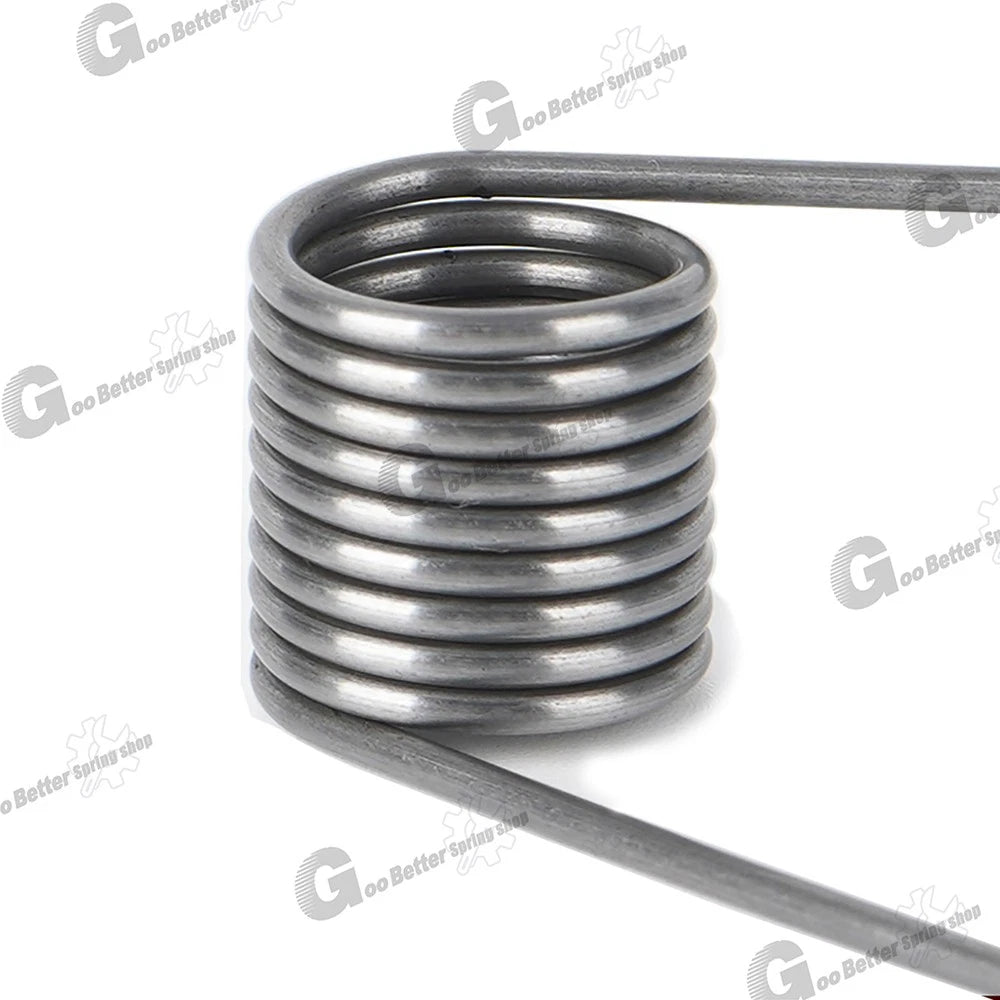
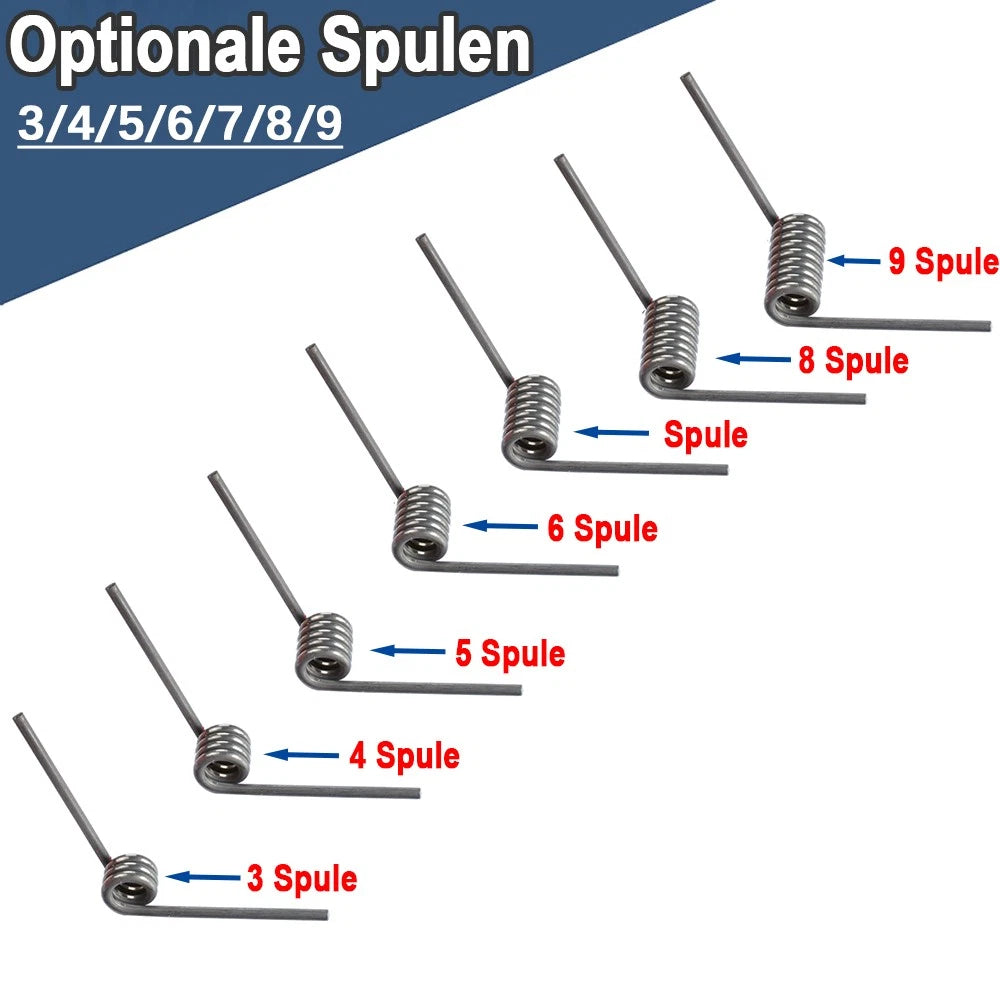
Each left-hand torsion spring is wound from 1.6 mm (0.063 in) spring steel wire with an outer diameter ranging from 8 mm to 18 mm (0.31 in to 0.71 in). Coil counts span 3 to 9 turns, and leg angles are available at 60°, 90°, 120°, and 180°, giving you fine control over the spring's free position and working range.

Typical applications include cabinet door return mechanisms requiring a left-hand torsion spring with 90° leg angle, compact hinge assemblies needing a 1.6mm wire torsion spring with small outer diameter, and precision DIY jigs or fixtures where a specific coil count and leg angle determine the correct preload torque.

⚙️ Compatibility: Suitable for shafts and mandrels sized to match the selected inner diameter. Verify your shaft diameter against the chosen outer diameter and wire gauge before ordering. Left-hand wind direction — confirm your assembly requires a left-hand (counterclockwise) spring.

✅ Key Features of These Left-Hand Torsion Springs

  • 🔩1.6 mm Wire Diameter — Consistent cross-section throughout each coil for uniform stress distribution and predictable spring rate.
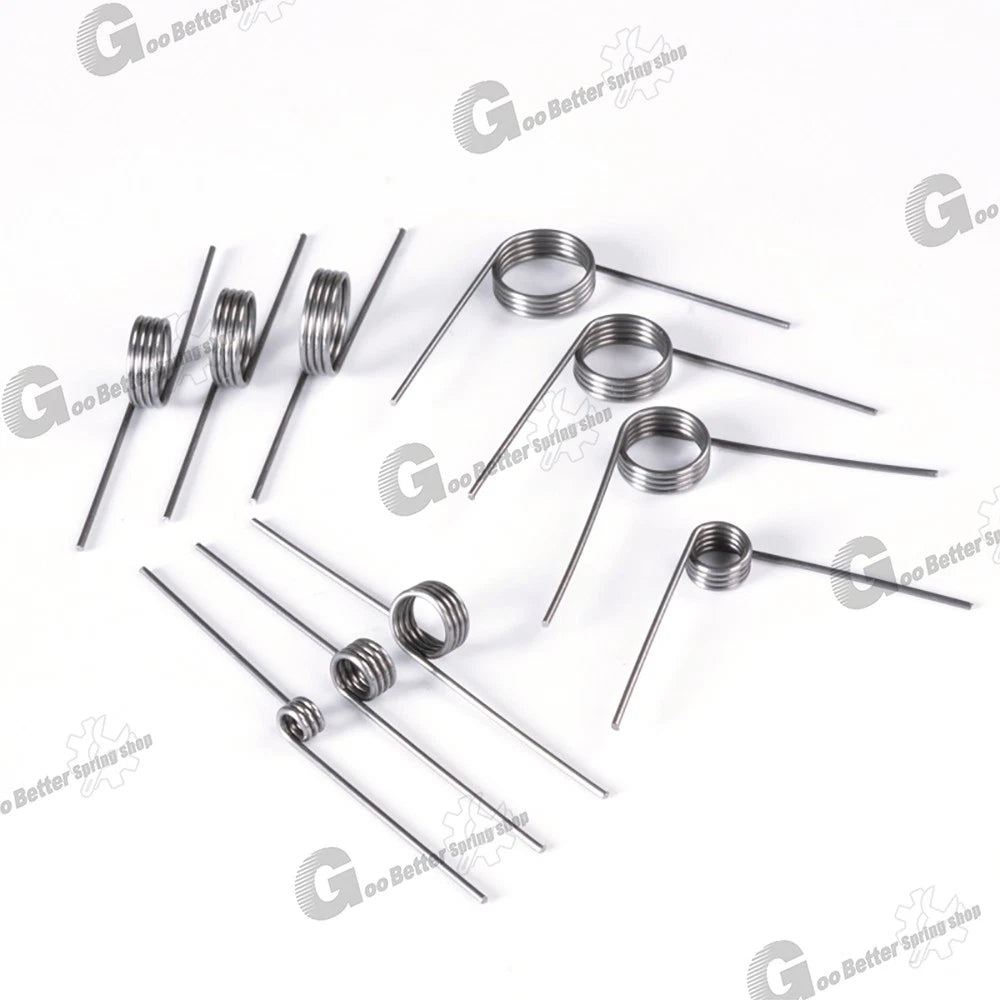
  • 📐Wide OD Range: 8–18 mm — Nine outer diameter options (8, 9, 10, 11, 12, 14, 15, 16, 18 mm) to match a broad range of shaft and housing sizes.
  • 🔄Left-Hand Wind Direction — Correctly wound for counterclockwise-loading applications; prevents unwinding under operational torque.
  • 🎯Multiple Leg Angles: 60°, 90°, 120°, 180° — Choose the leg angle that sets the correct free position and working stroke for your mechanism.
  • 🔢3–9 Active Coils — More coils increase angular deflection capacity; select the coil count that matches your required torque and travel.
  • 🛡️Spring Steel Construction — Wound from hardened spring steel wire for resilience under repeated cycling and resistance to permanent set.

📐 Technical Specifications — Torsion Spring

Wire Diameter 1.6 mm (0.063 in)
Outer Diameter (OD) 8 mm – 18 mm (0.31 in – 0.71 in)
Active Coils 3 – 9 coils (see variant options)
Leg Angle 60°, 90°, 120°, 180° (see variant options)
Wind Direction Left-hand (counterclockwise)
Material Spring steel
Surface Finish See variant options
Spring Rate See variant options
Free Angle Determined by leg angle selected
Inner Diameter OD minus 2× wire diameter (varies by variant)

❓ Frequently Asked Questions

How do I choose the right outer diameter for my application?

The outer diameter (OD) should be slightly larger than the shaft or mandrel it wraps around. The inner diameter equals the OD minus twice the wire diameter (1.6 mm × 2 = 3.2 mm). For example, a 10 mm OD spring has an inner diameter of approximately 6.8 mm. Choose an OD so the spring slides freely over the shaft without excessive play.

What does the coil count affect?

More active coils increase the spring's angular deflection capacity and reduce the spring rate (softer feel per degree of rotation). Fewer coils produce a stiffer spring with less total travel. Match the coil count to your required torque output and the angular range your mechanism needs to operate through.

Why does leg angle matter, and which should I choose?

The leg angle defines the free (unloaded) position of the two legs relative to each other. A 90° spring has its legs at a right angle at rest; a 180° spring has them pointing in opposite directions. Choose the angle that matches your assembly's geometry so the spring is neither pre-stressed nor slack when installed in its neutral position.

Is this spring left-hand or right-hand wound, and does it matter?

This spring is left-hand (counterclockwise) wound. Wind direction matters because loading a torsion spring in the correct direction tightens the coils and increases the spring rate, while loading in the wrong direction loosens them and can cause the spring to unwind or fail prematurely. Confirm your mechanism loads the spring counterclockwise before ordering.

What material is used, and how does it handle repeated cycling?

These springs are wound from hardened spring steel wire, which provides a good balance of strength, elasticity, and resistance to permanent set under repeated loading. For applications in humid or corrosive environments, consider whether additional surface protection is needed; contact us to confirm finish options for your use case.

Can I use this spring outdoors or in wet conditions?

Standard spring steel has limited corrosion resistance. For outdoor or wet environments, a protective coating or stainless steel alternative is recommended. Contact us to confirm available finish options before purchasing for outdoor applications.

How do I calculate the torque this spring will produce?

Torsion spring torque depends on the wire diameter, coil diameter, number of active coils, and the angular deflection from the free position. For a precise torque calculation for your specific variant, contact us with your selected OD, coil count, leg angle, and required deflection angle, and we can assist with the engineering data.

🛒 Select your wire diameter × outer diameter, coil count, and leg angle above, then add to cart.

You may also like

Recently viewed