🎻 Product Overview
Changing strings on a violin or cello is one of those tasks that takes far longer than it should — especially when you're manually spinning each peg dozens of times just to get the string up to tension. It's tedious, hard on your fingers, and easy to lose track of winding direction when you're in a hurry before a rehearsal or lesson.
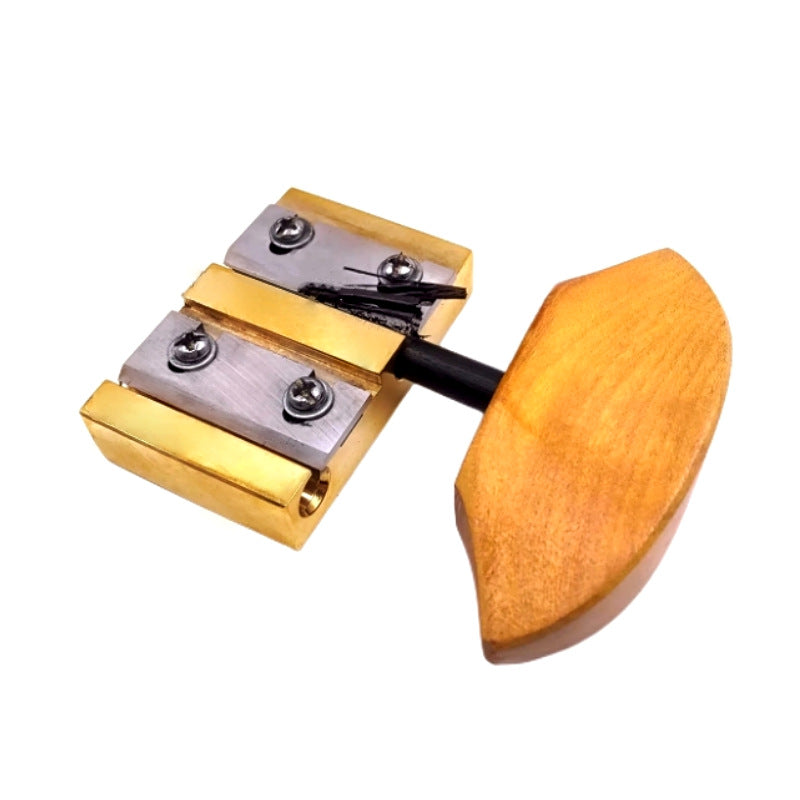
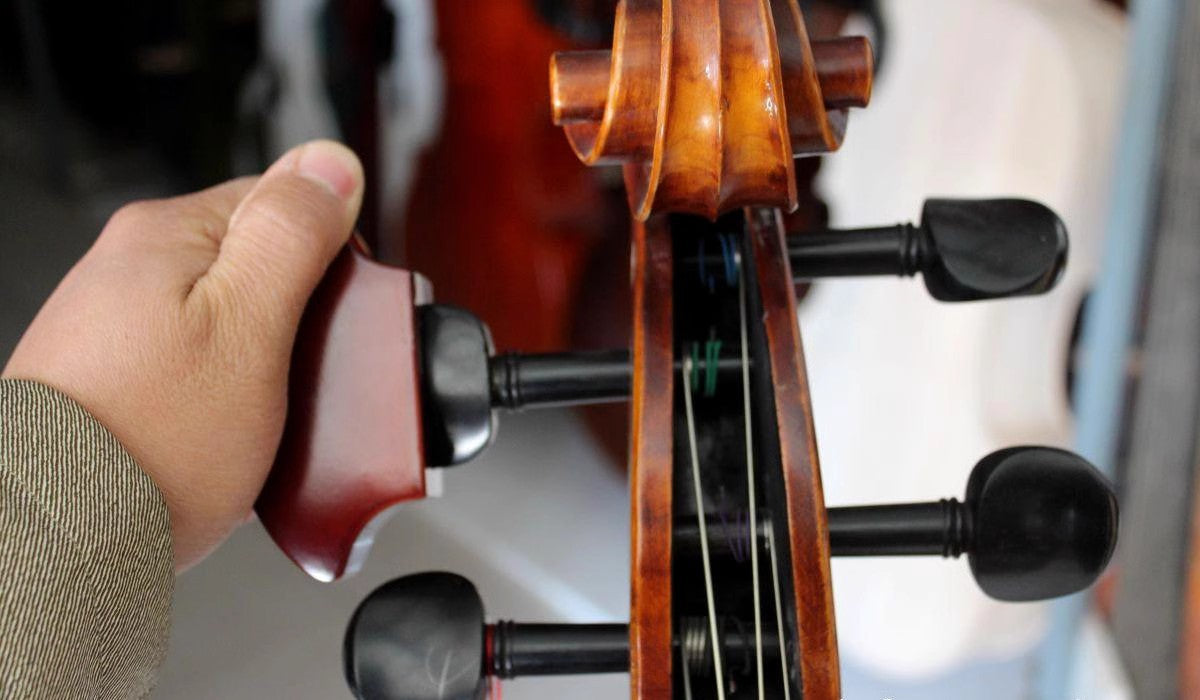
This Solid Maple Wood Peg Winder fits over your instrument's tuning pegs and lets you spin strings up to tension quickly and comfortably. Made from real maple wood with a smooth handle and hinge shaft design, it gives you better grip and control than turning pegs by hand — making string changes faster, easier, and less frustrating. 🎶
✅ Why String Players Choose This Tool
- ✔ Save Time on String Changes
Spin pegs up to tension in a fraction of the time it takes by hand — ideal before lessons, rehearsals, or performances.
- ✔ Reduce Hand Fatigue
The ergonomic handle design takes the strain off your fingers during long restringing sessions or when working on multiple instruments.
- ✔ Protect Your Instrument
Controlled, smooth winding reduces the risk of over-tightening or slipping, which can damage the peg box or crack the peghead.
- ✔ Natural Maple Wood Construction
Solid wood feels warm and comfortable in hand — a step up from plastic alternatives that can feel cheap or slip during use.
- ✔ Beginner Friendly
Makes the string-changing process more approachable for students who are still learning how to handle their instrument.
- ✔ Compact & Portable
Lightweight at 300g and small enough to fit in any violin or cello case accessory pocket.
🔧 Common Problem → Solution
Problem: Winding violin or cello strings by hand takes too long and leaves your fingers sore, especially when changing all four strings at once.
Solution: The peg winder fits over the tuning peg and lets you spin quickly with a comfortable grip, cutting restringing time significantly.
Problem: Gripping small wooden pegs directly is awkward, especially for students with smaller hands or less finger strength.
Solution: The handle design gives you a larger, more ergonomic surface to hold, making peg turning easier and more controlled for players of all ages.
Problem: Plastic peg winders feel flimsy and can slip off the peg mid-wind, which is frustrating and potentially risky for the instrument.
Solution: Solid maple wood construction provides a sturdy, reliable fit that stays on the peg throughout the winding process.
Problem: You need a tool that works for both violin and cello without buying separate accessories for each instrument.
Solution: Available in two variants — one sized for violin pegs and one for cello pegs — so you can get exactly the right fit for your instrument.
🎻 Instrument Compatibility
Works With:
- ✔ Violin (select "Suitable for Violin" variant)
- ✔ Cello (select "Suitable for Cello" variant)
Not Recommended For:
- ✖ Guitar or Bass (different peg style — use a guitar-specific string winder)
- ✖ Viola (peg sizing may vary — verify peg diameter before ordering)
⭐ Key Features
- Solid maple wood violin peg winder and cello string tightening tool
- Hinge shaft design for smooth, controlled peg rotation
- Available in two sizes: violin variant and cello variant
- Color random — natural wood tones, each piece unique
- Lightweight at 300g — easy to carry in your instrument case
- Ergonomic handle for comfortable grip during extended use
- Reusable and durable — solid wood construction built to last
- Essential string instrument accessory for players, teachers, and repair technicians
📋 How to Use
Step 1 — Select the correct variant for your instrument (violin or cello) to ensure the winder fits your peg size.
Step 2 — Loosen the old string and remove it from the peg. Place the peg winder over the tuning peg head.
Step 3 — Thread the new string through the peg hole, then use the winder to spin the peg and wind the string up toward pitch.
Step 4 — Once near tension, remove the winder and fine-tune by hand or with your fine tuners as usual. Trim any excess string length.
📐 Product Specifications
| Specification |
Details |
| Material |
Solid Maple Wood |
| Weight |
300 g |
| Color |
Random (natural wood tones) |
| Variants |
Violin / Cello |
| Package Includes |
1 × Peg Winder (choose your instrument) |
| Compatibility |
Violin, Cello |
🎯 Perfect For
- 🎻 Student violinists and cellists learning to change their own strings
- 🎻 Private music teachers who restring student instruments regularly
- 🎻 Orchestral musicians who want faster string changes before rehearsals
- 🎻 String instrument repair technicians
- 🎻 Music stores handling instrument maintenance and setup
- 🎻 Parents helping younger students with instrument upkeep
❓ FAQ
Q: Is this suitable for beginners?
A: Yes. It actually makes string changes easier for beginners by reducing the hand strength and coordination needed to wind pegs manually.
Q: Will this damage my instrument's pegs or peg box?
A: When used correctly, no. The winder is designed to fit snugly over the peg without applying lateral stress. Avoid forcing it onto pegs that are an incorrect size.
Q: What does "color random" mean?
A: Each piece is made from natural maple wood, so the grain pattern and exact shade will vary slightly. You'll receive one winder in a natural wood tone — no two are exactly alike.
Q: Can I use the violin variant on a viola?
A: Viola peg sizes vary by instrument. The violin variant may fit some violas, but we recommend verifying your peg diameter before ordering to ensure compatibility.
Q: How long will this last?
A: Solid maple wood is a durable hardwood. With normal use and basic care (keep dry, avoid dropping), this tool should last for many years.
Q: Does this work for all violin string brands?
A: Yes. The peg winder works with the tuning peg itself, not the string — so it's compatible with any string brand or type.
Q: Is the cello variant noticeably larger than the violin one?
A: Yes. Cello pegs are larger in diameter than violin pegs, so the cello variant is sized accordingly. Make sure to select the correct variant for your instrument.