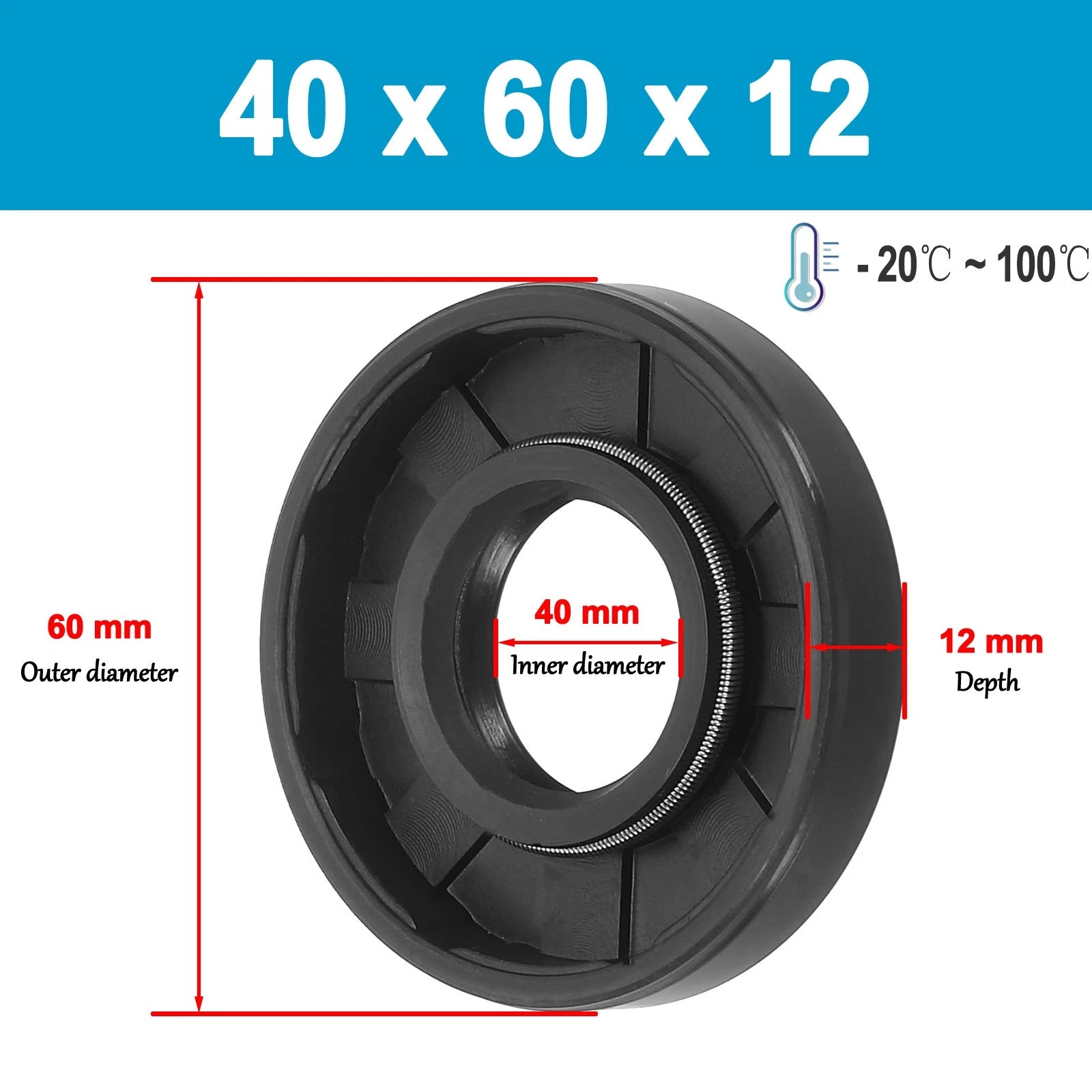
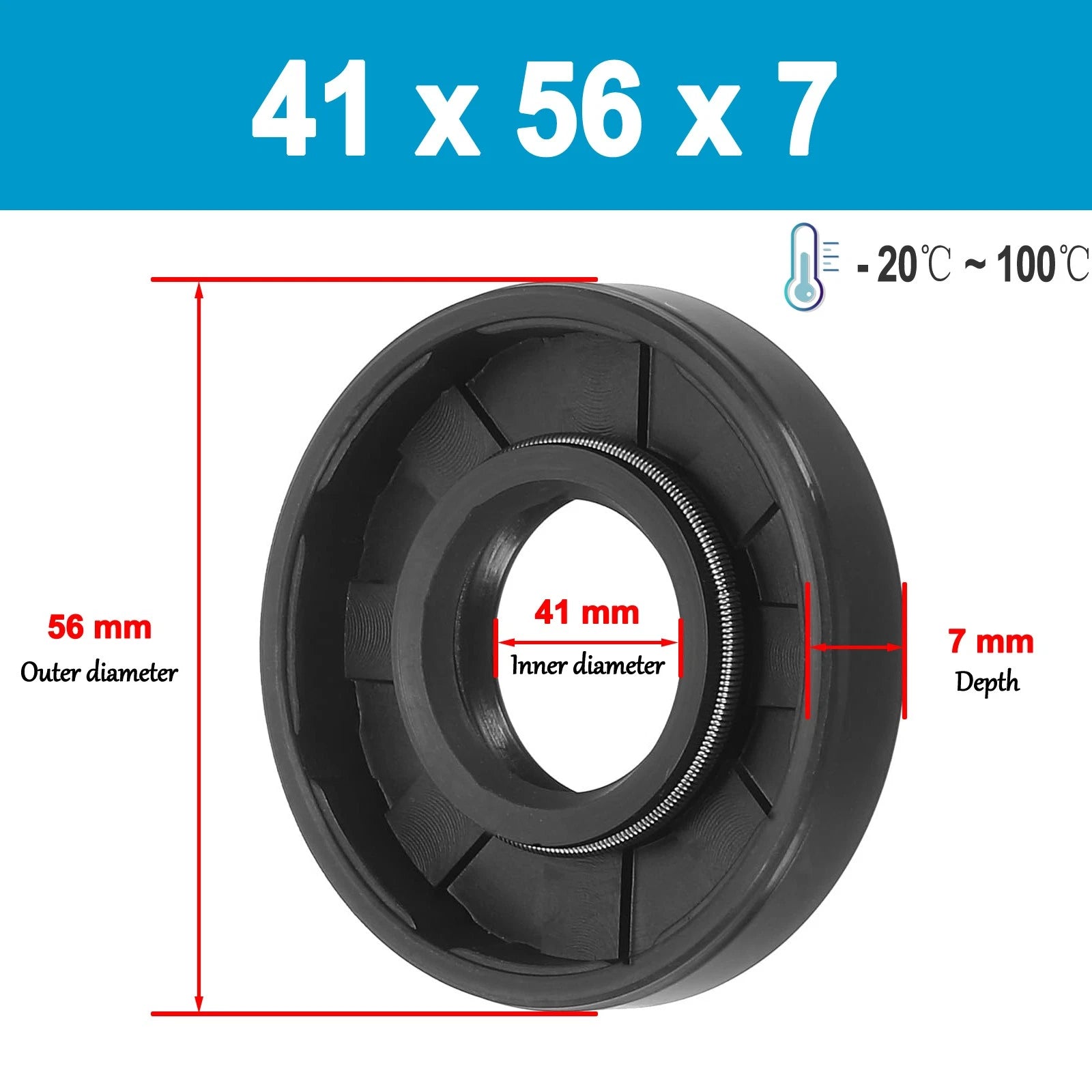
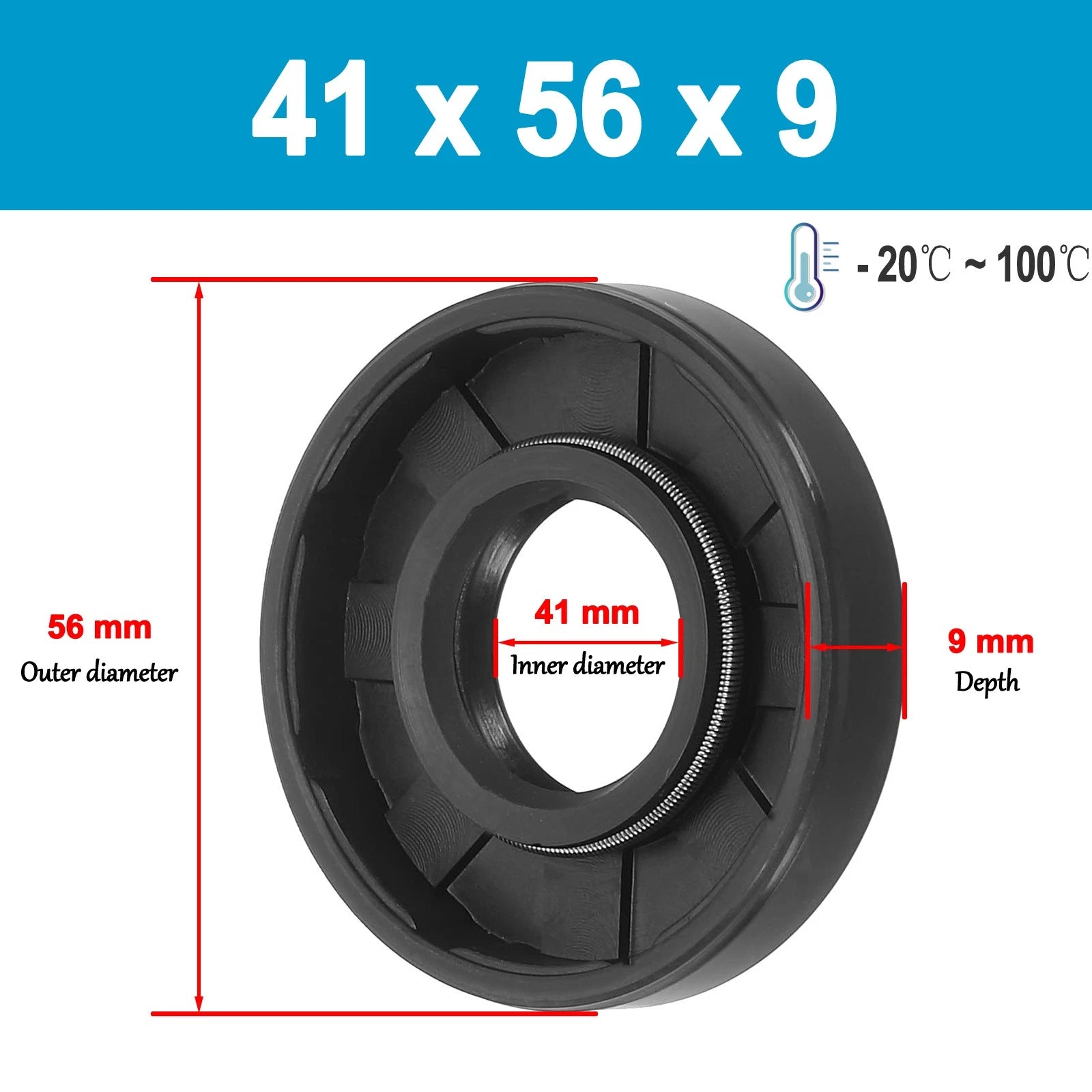

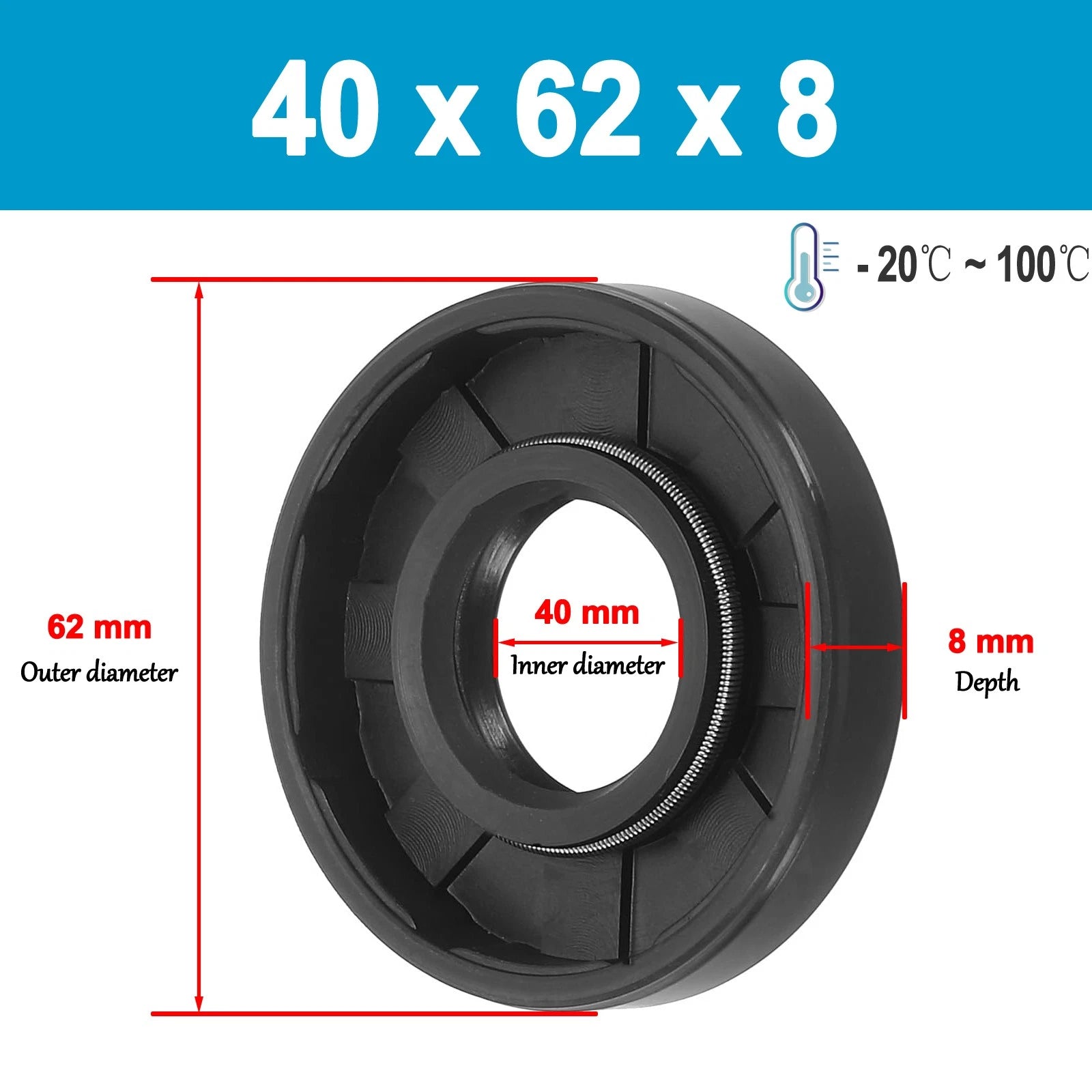
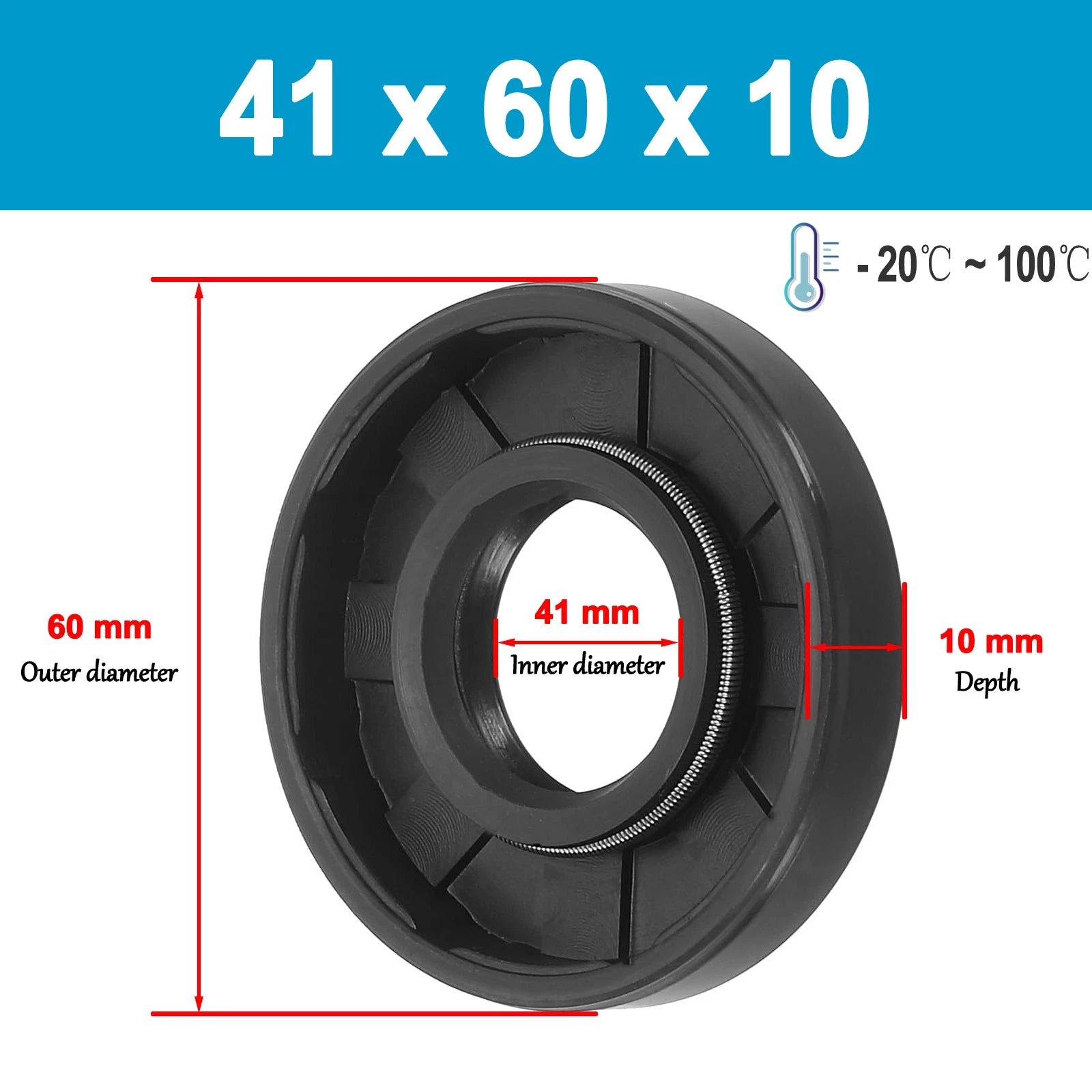
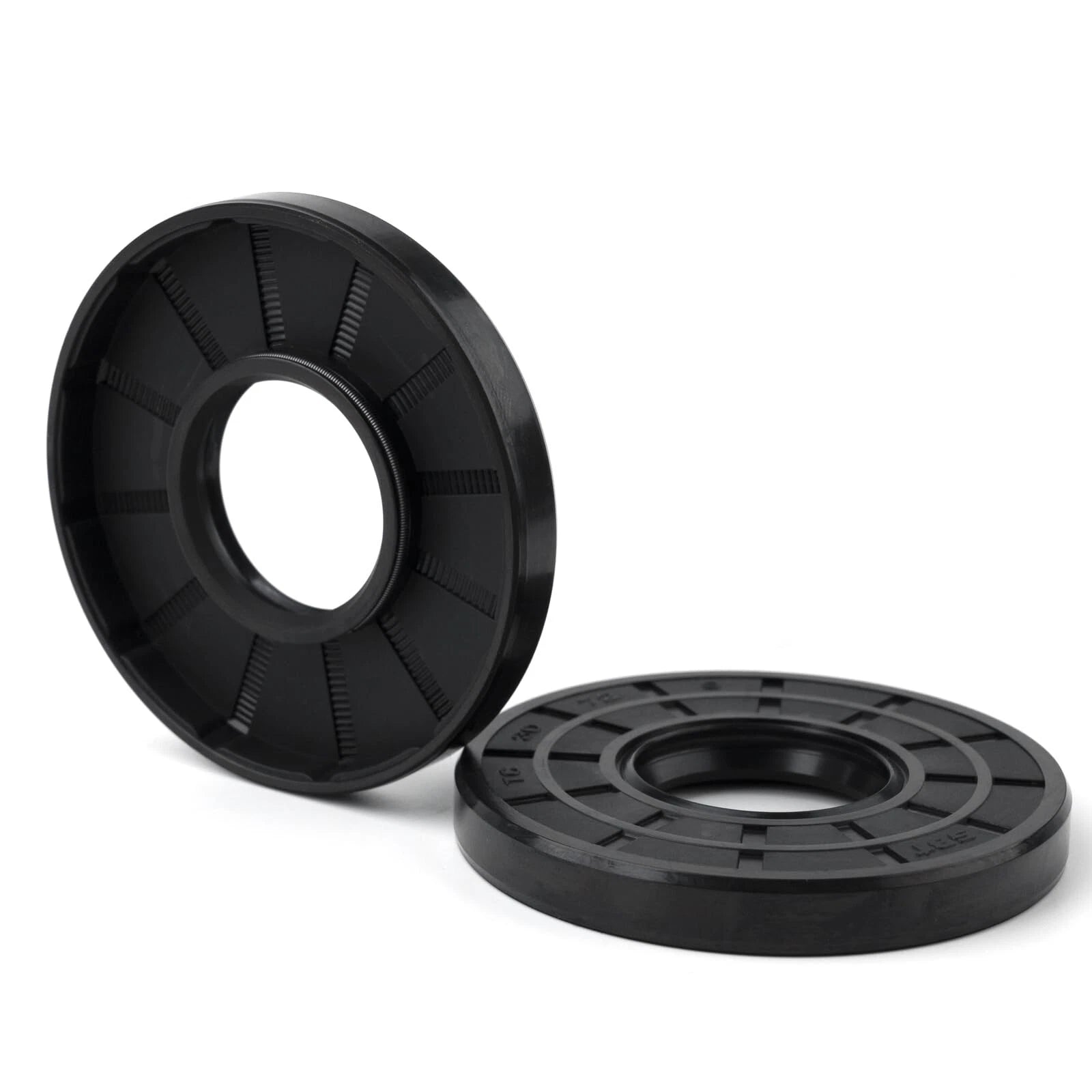
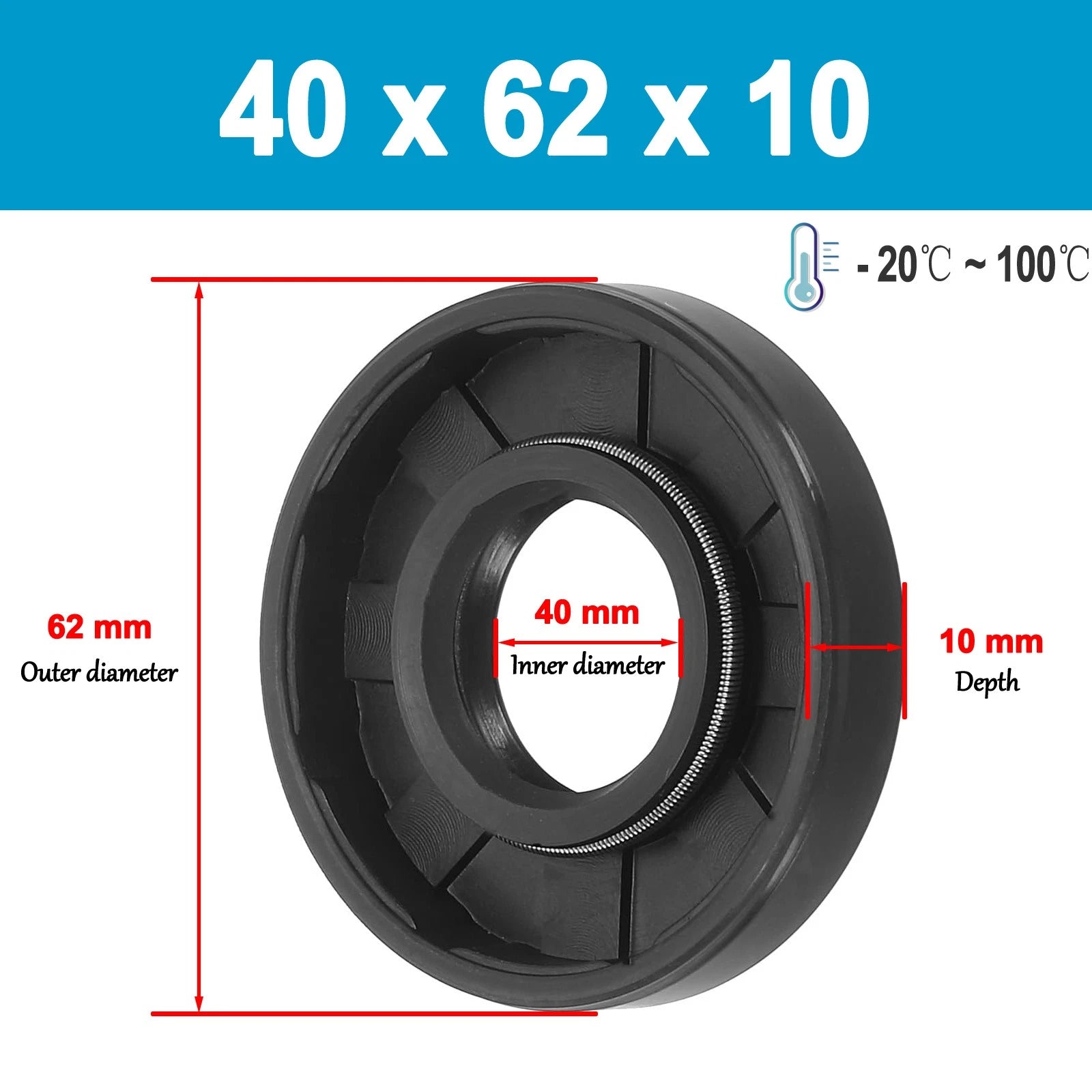
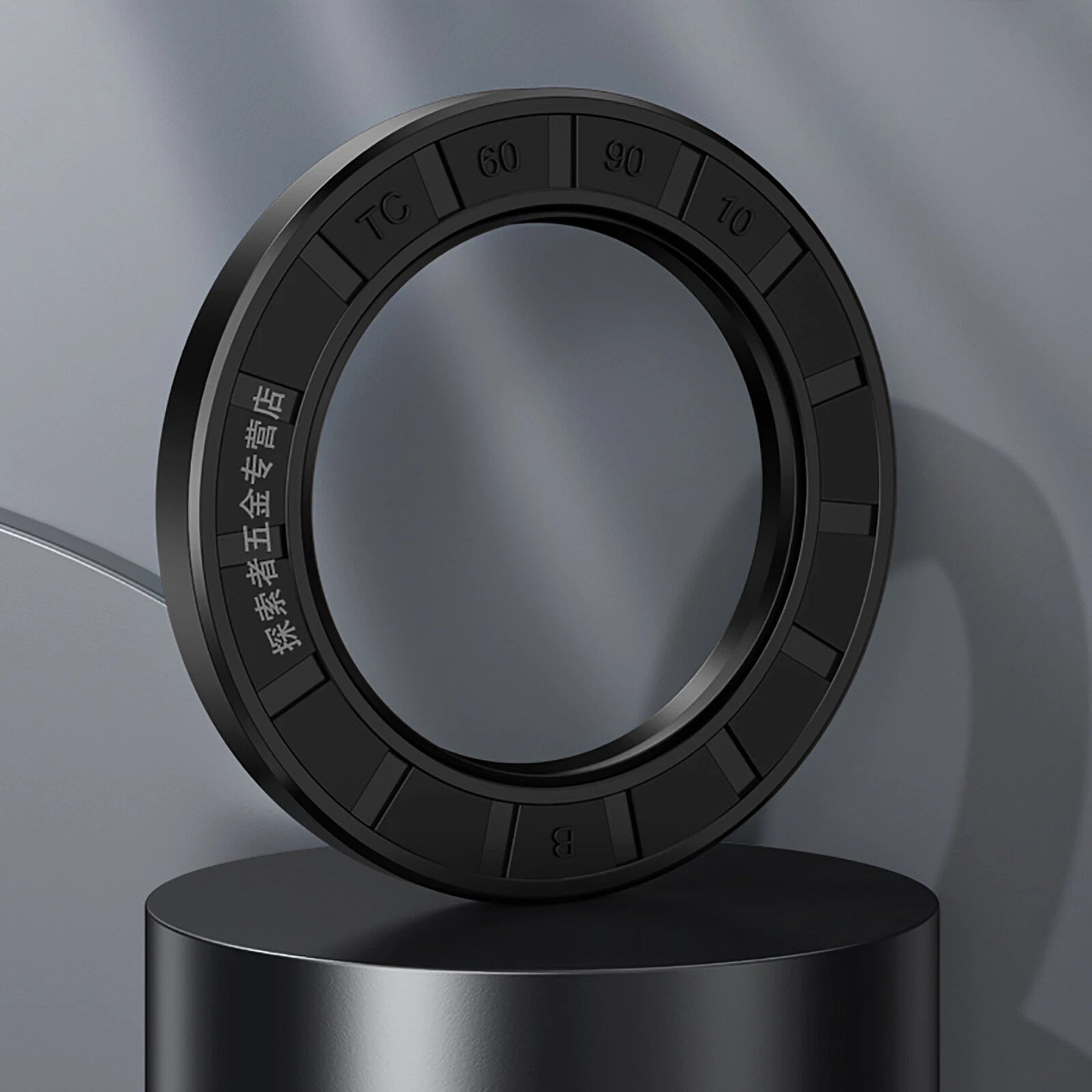
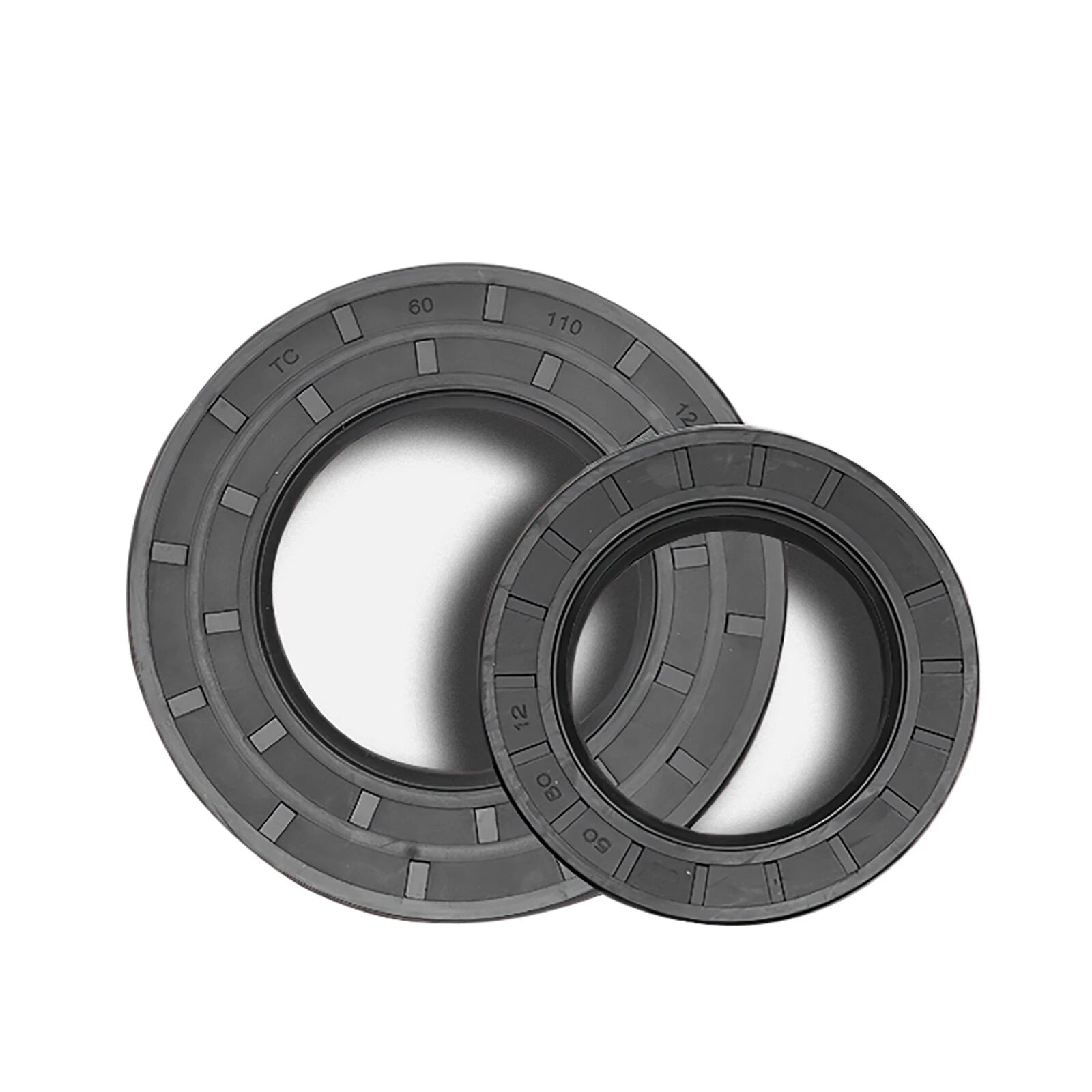
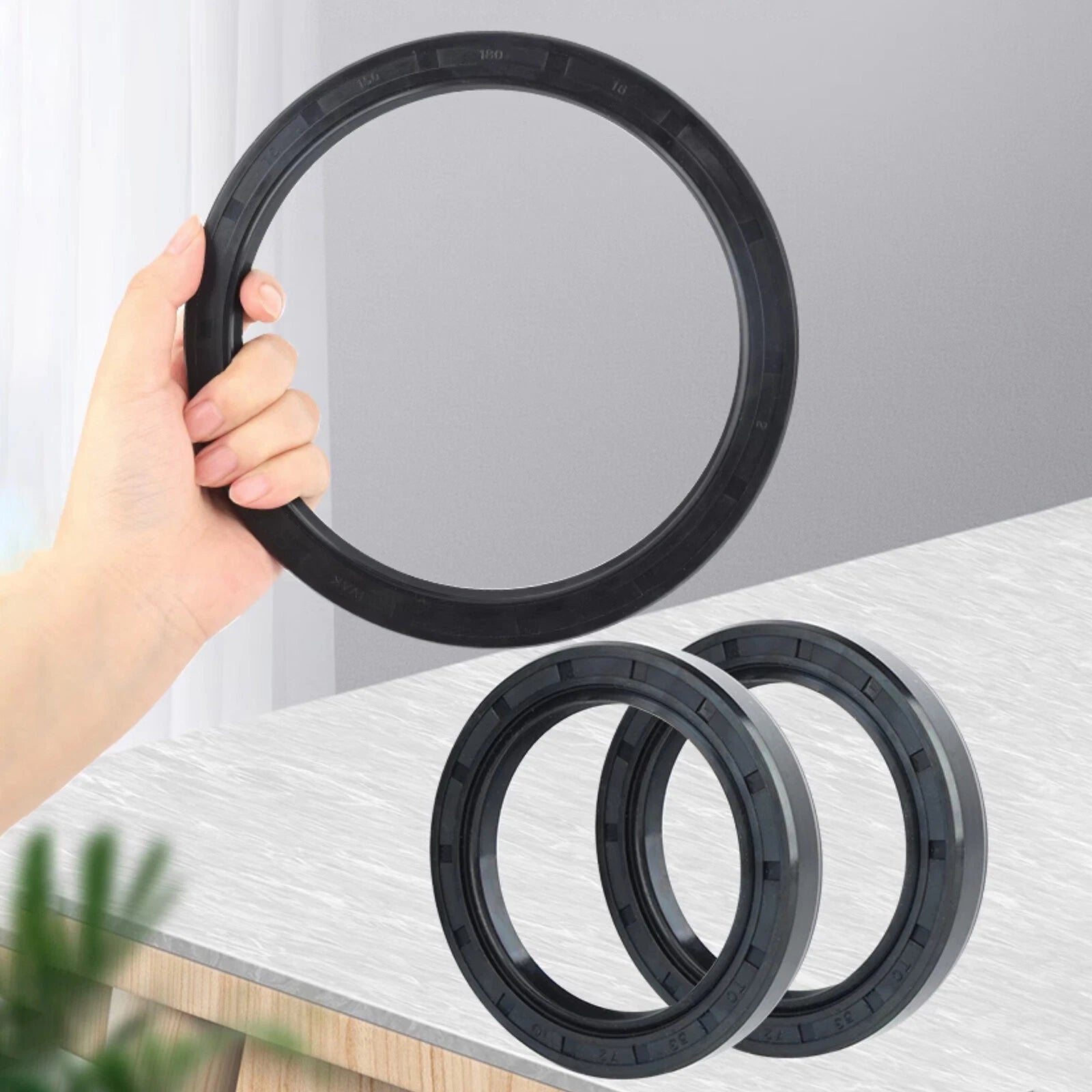
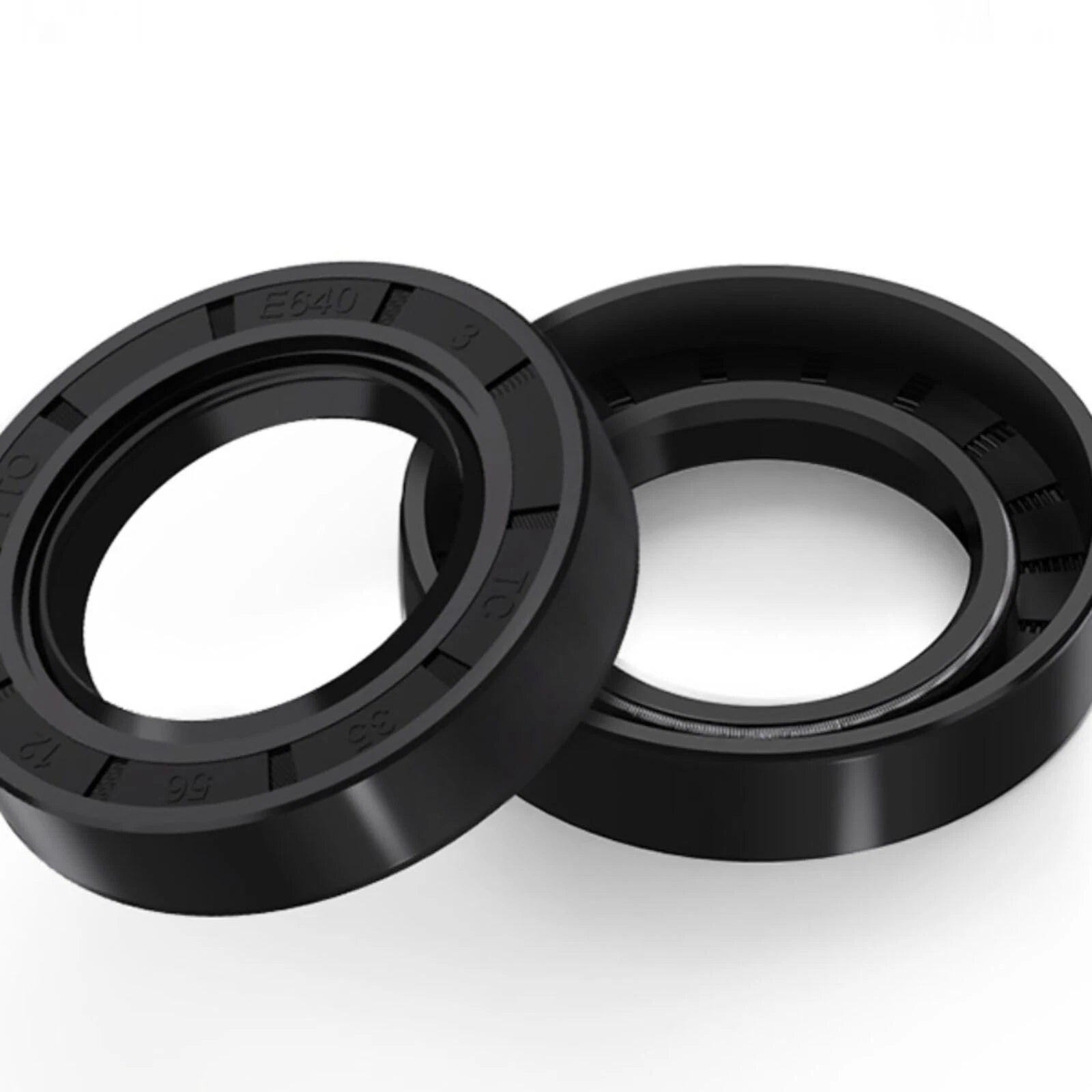
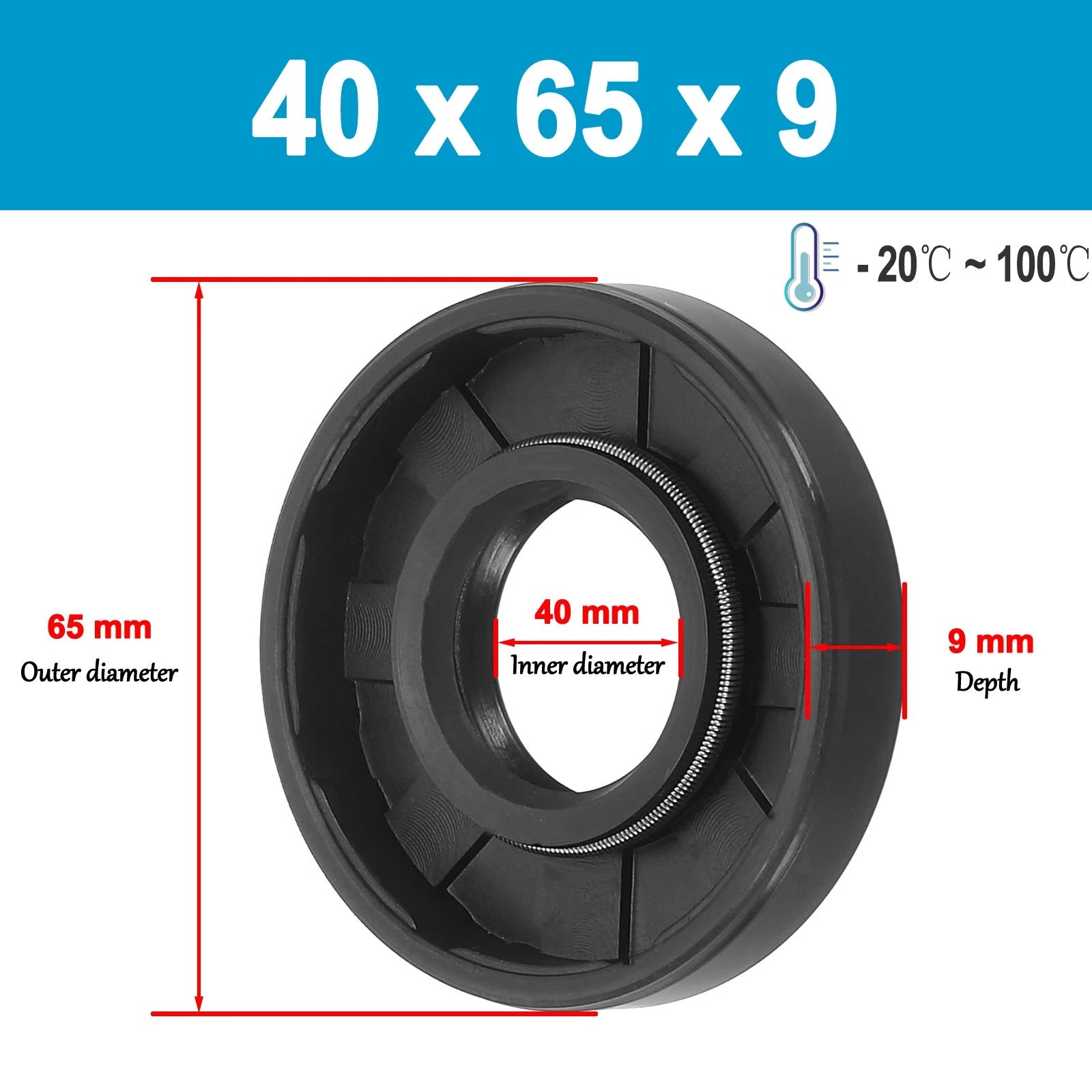
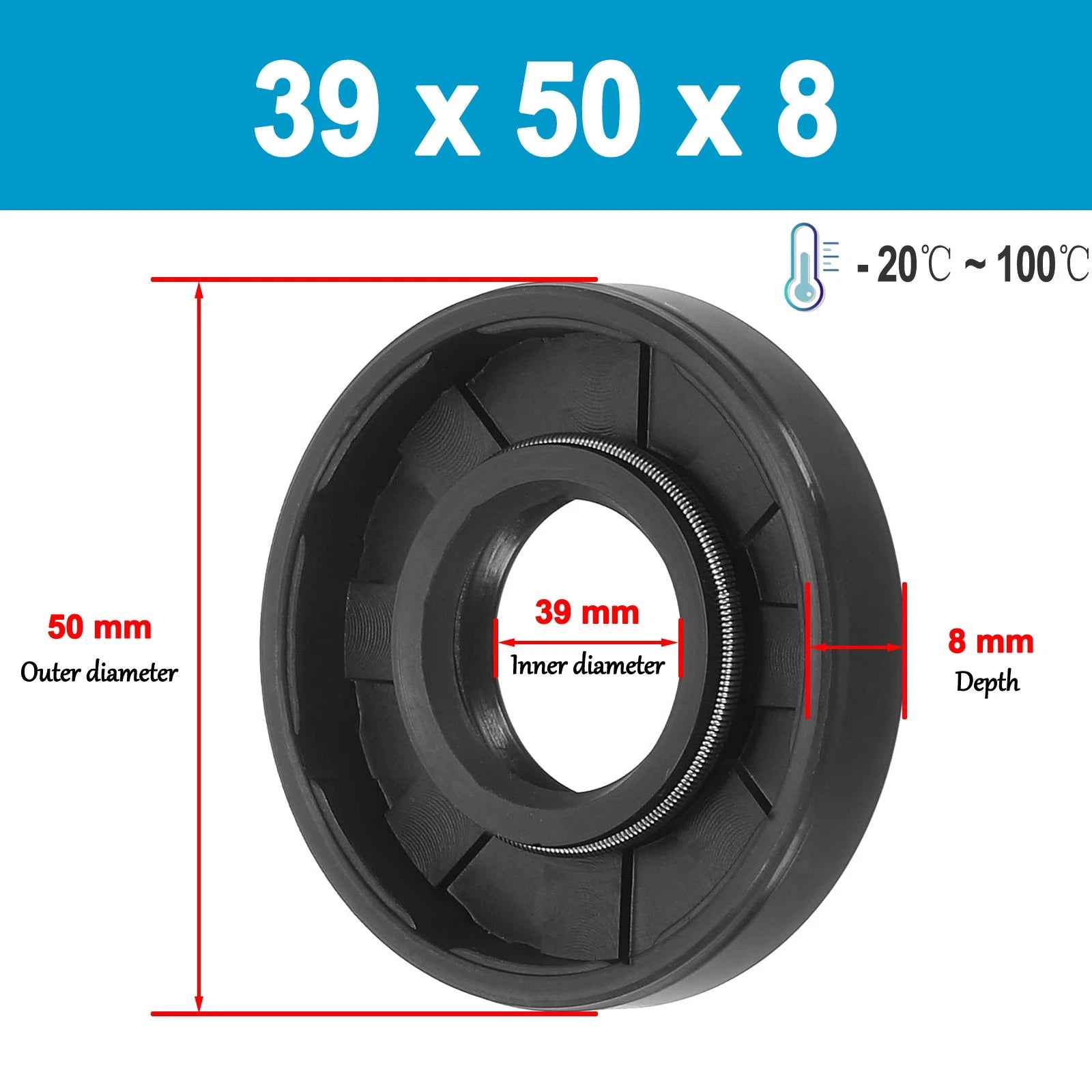
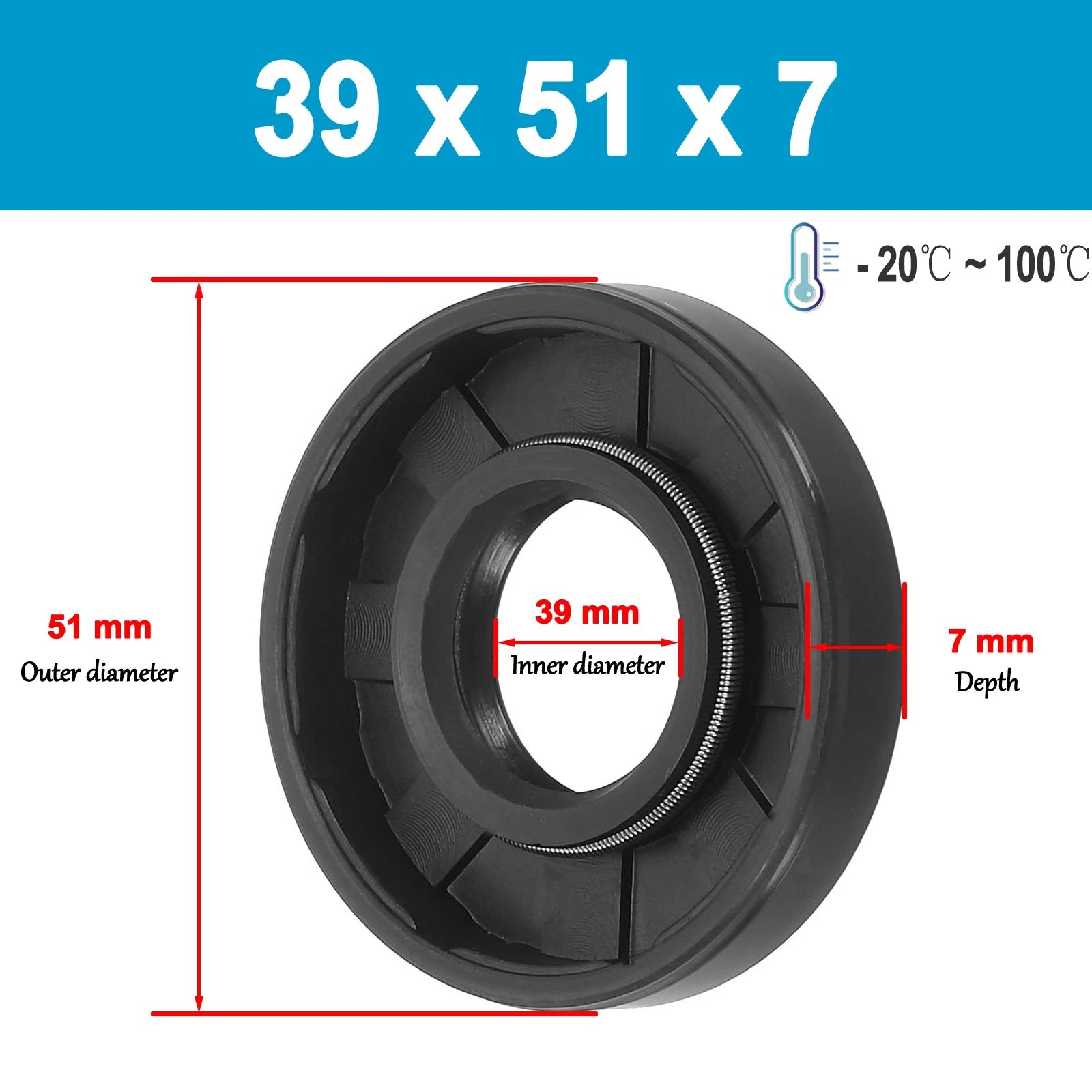
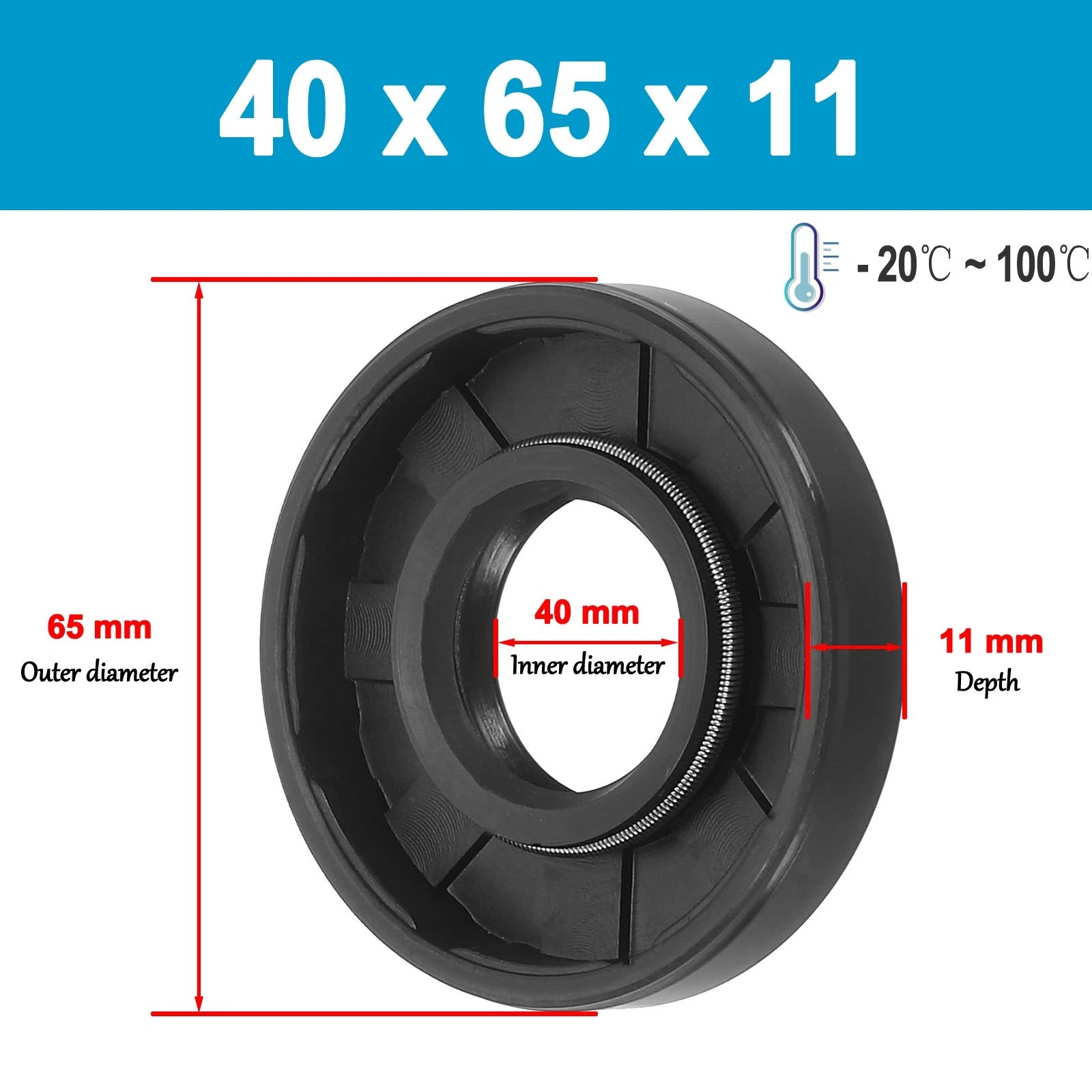
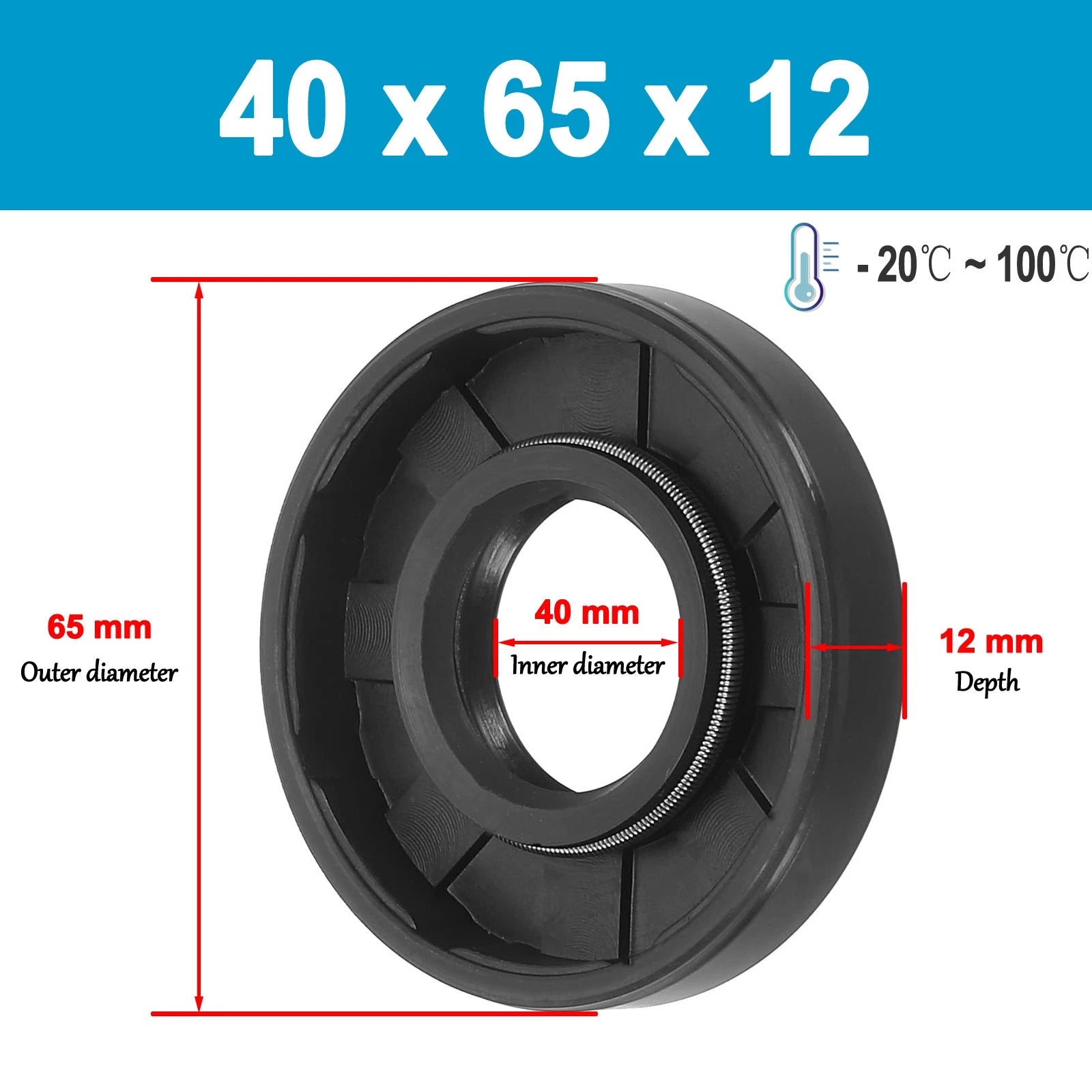
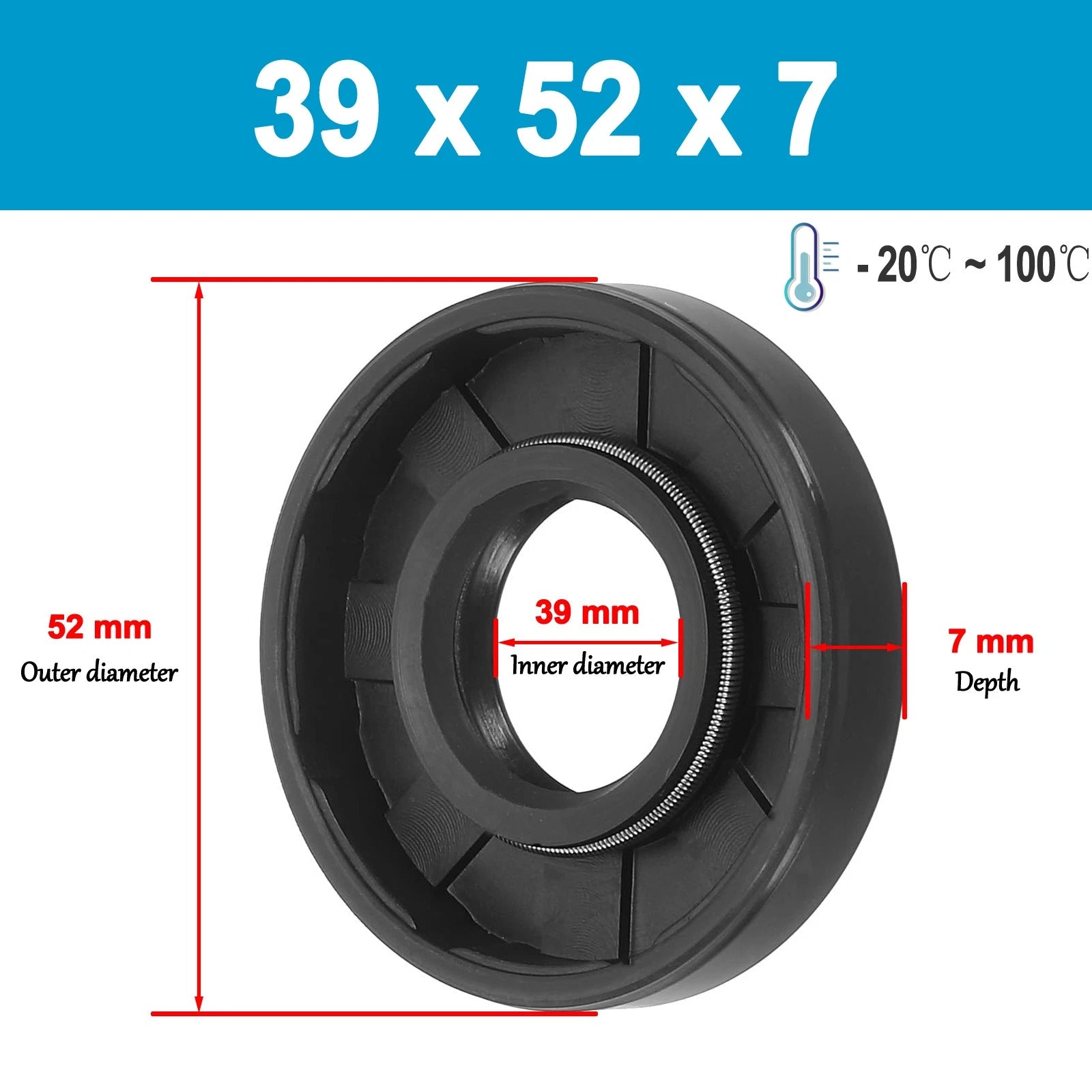
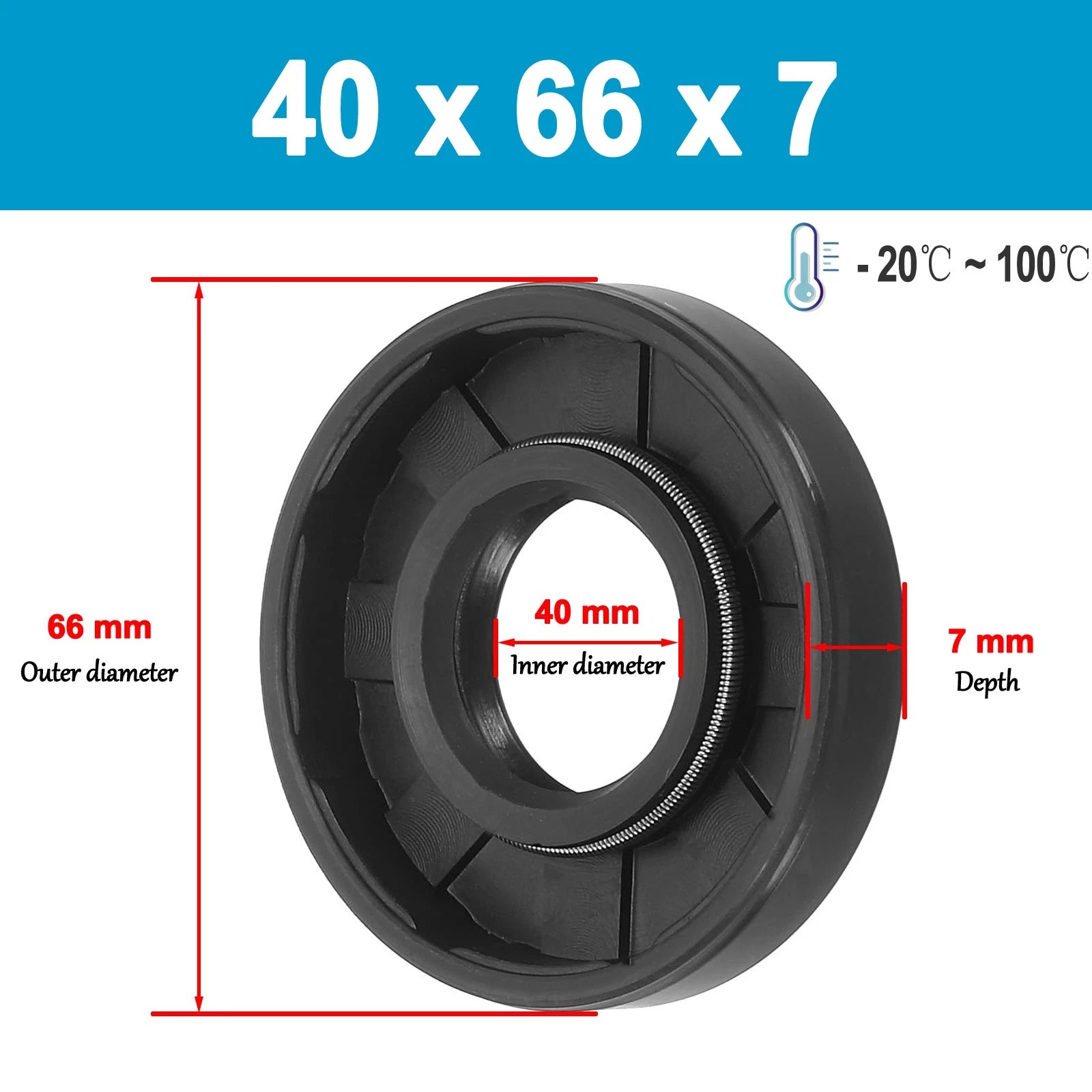
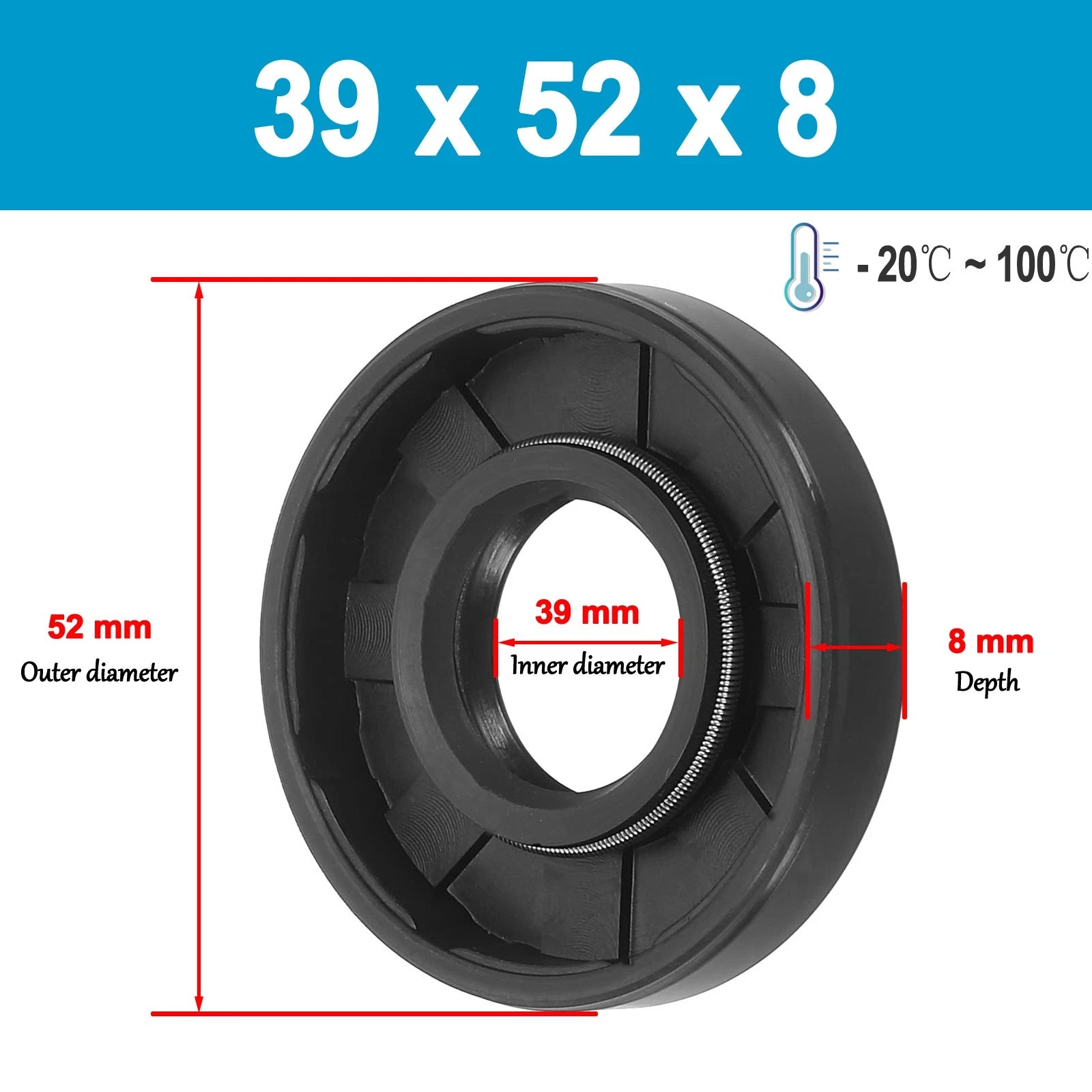
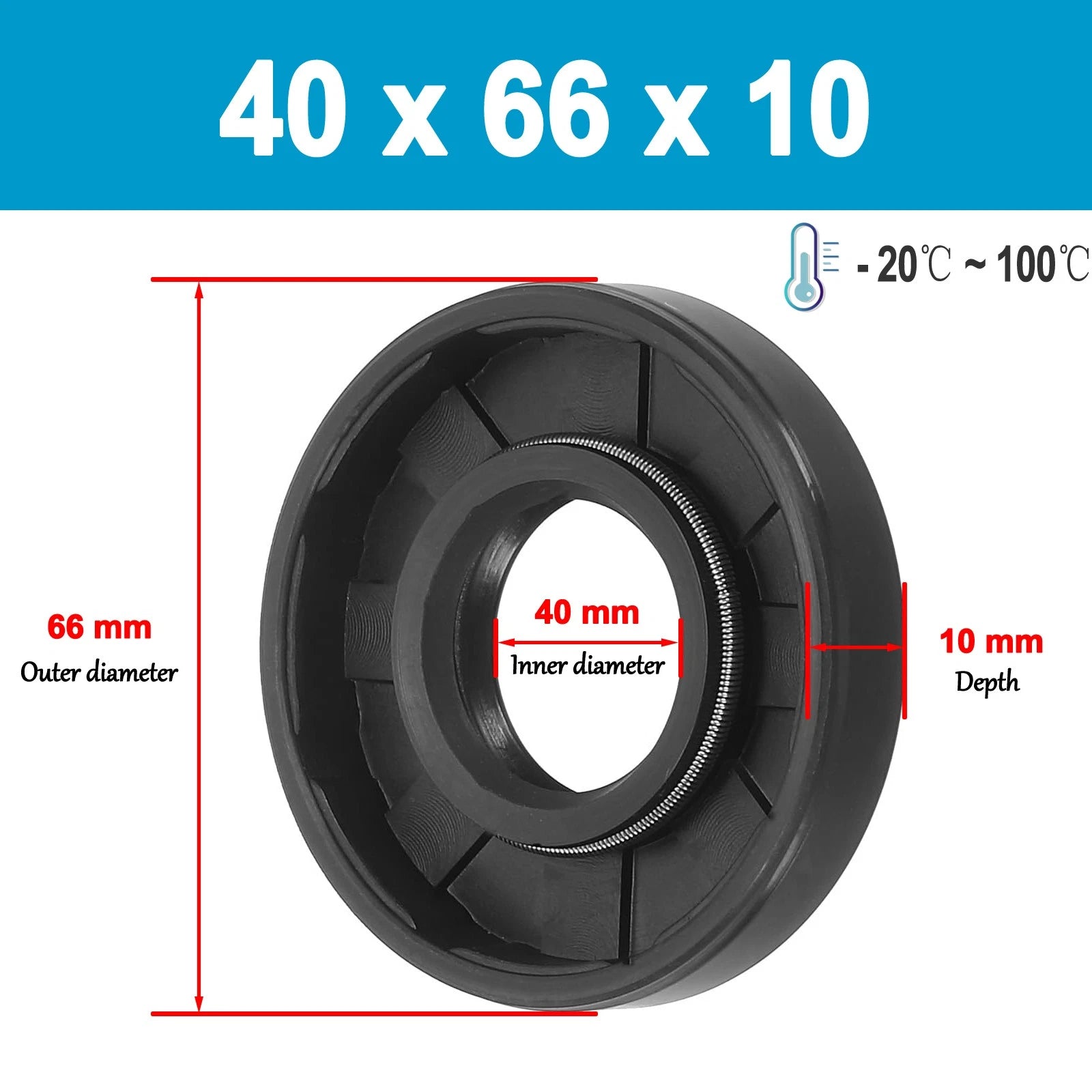
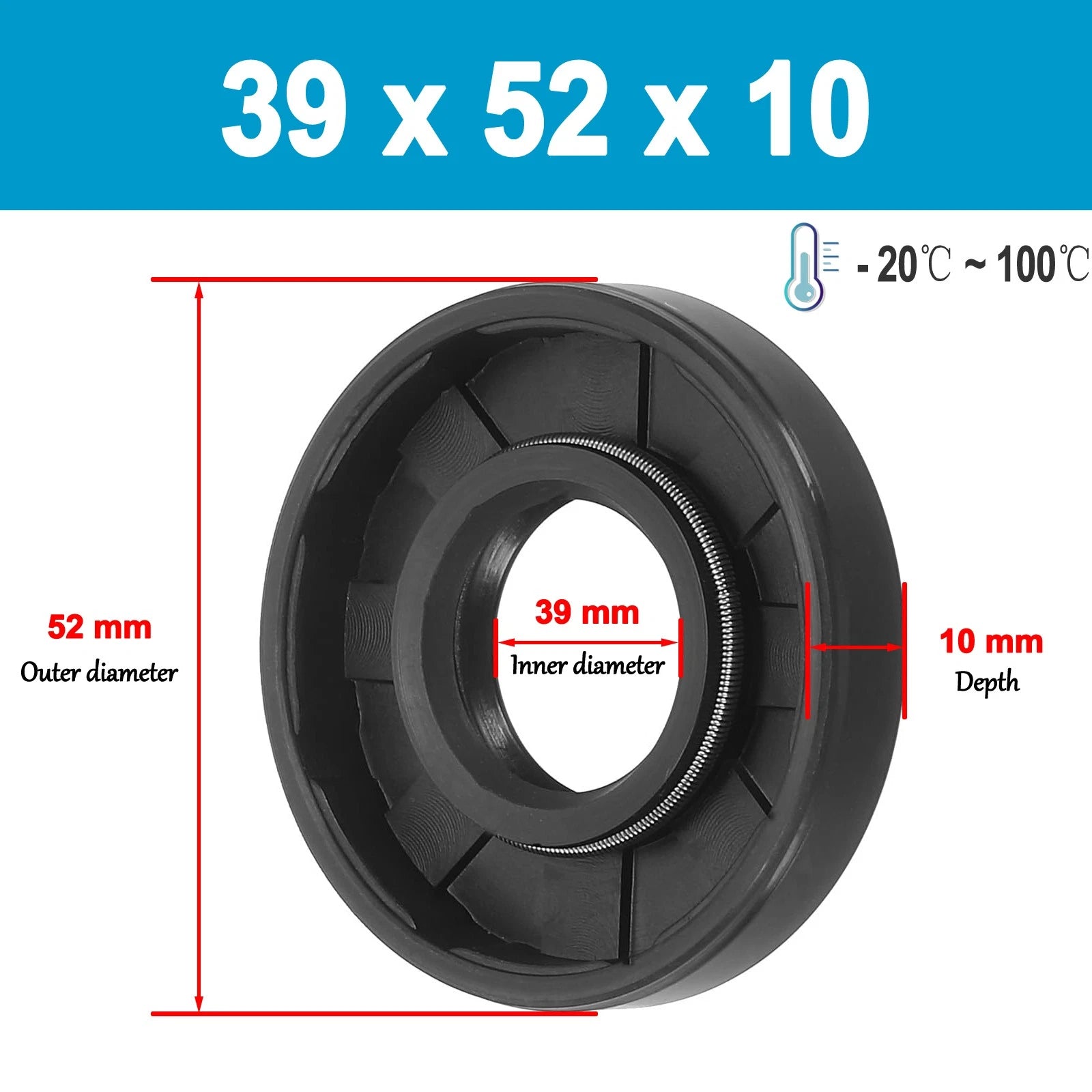
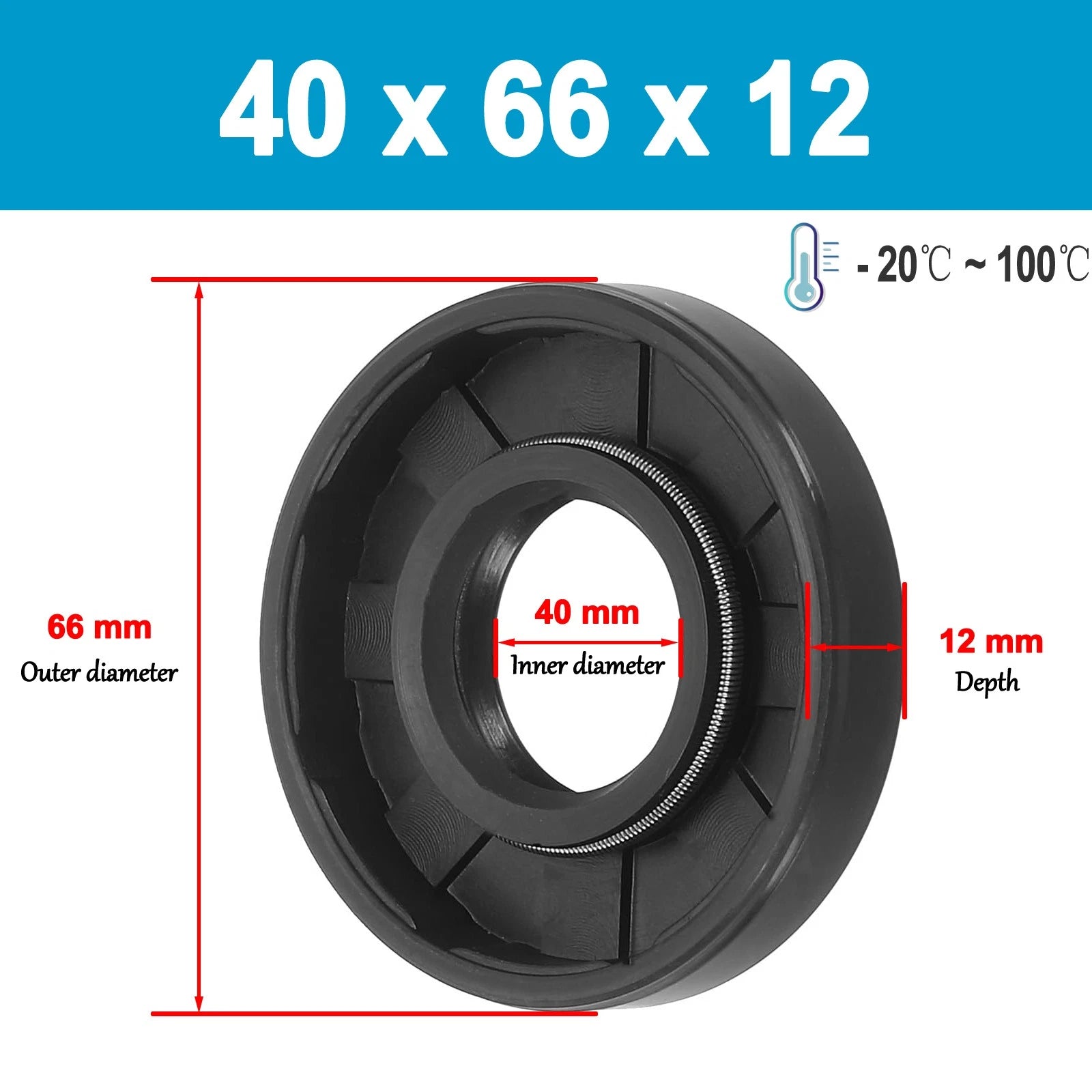
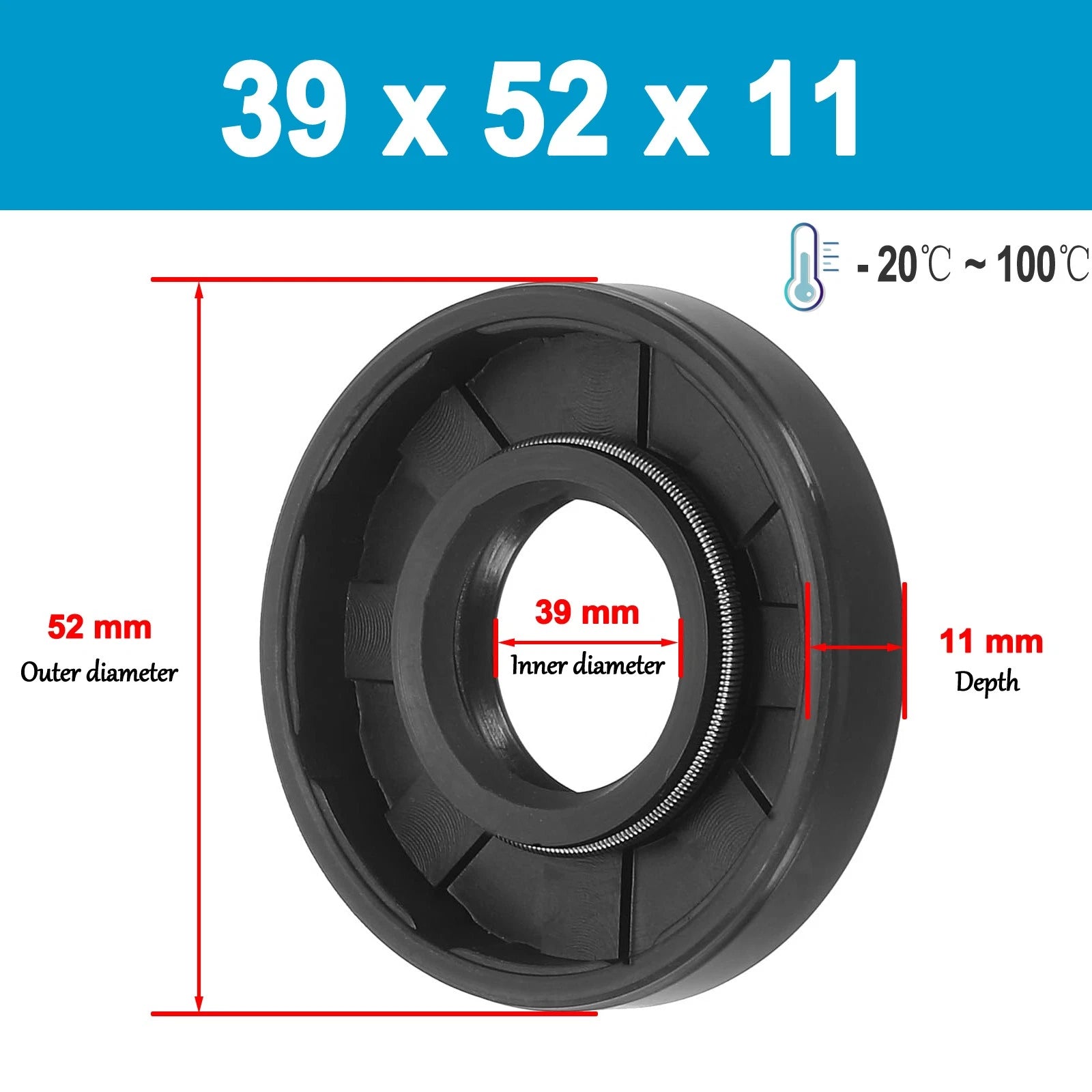
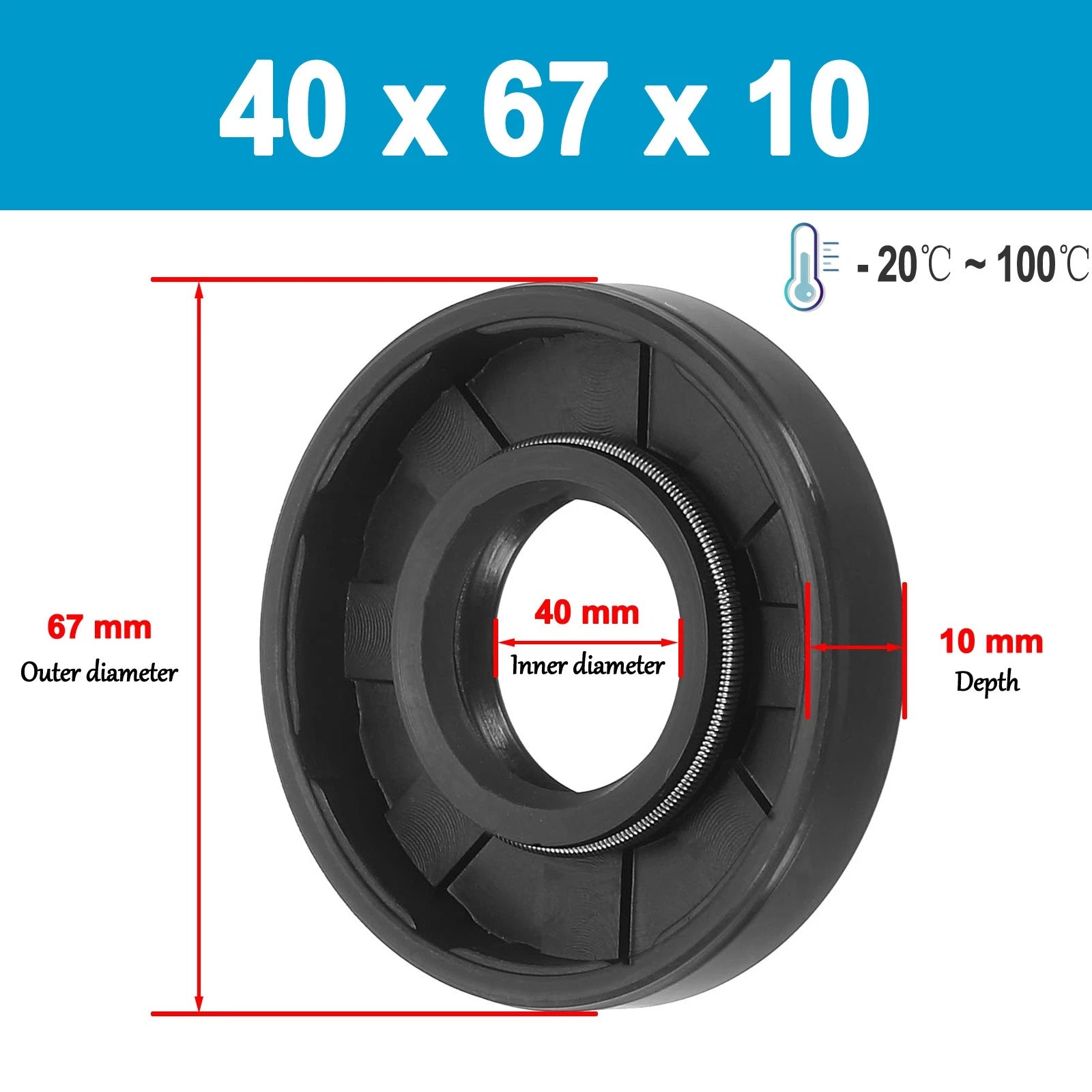
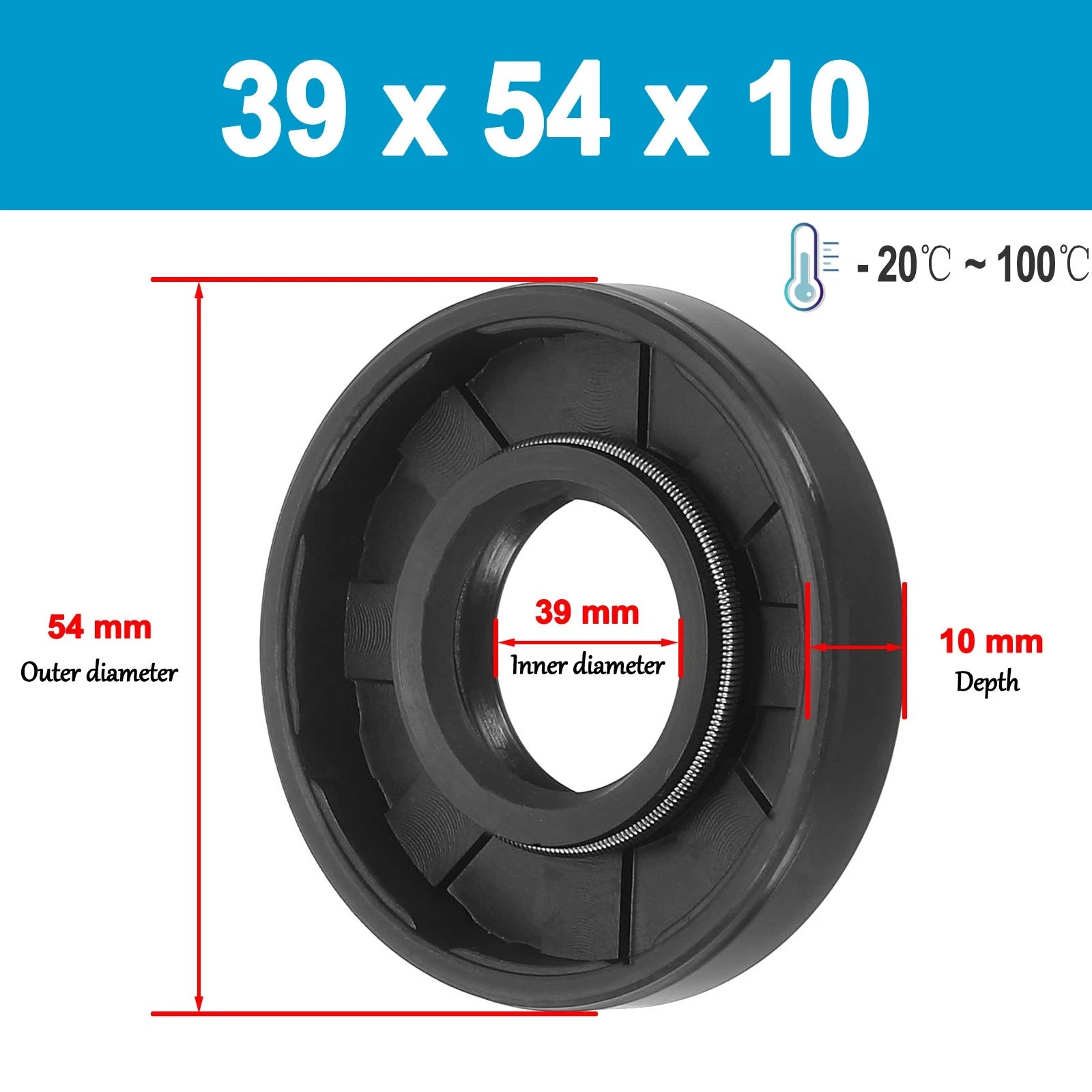
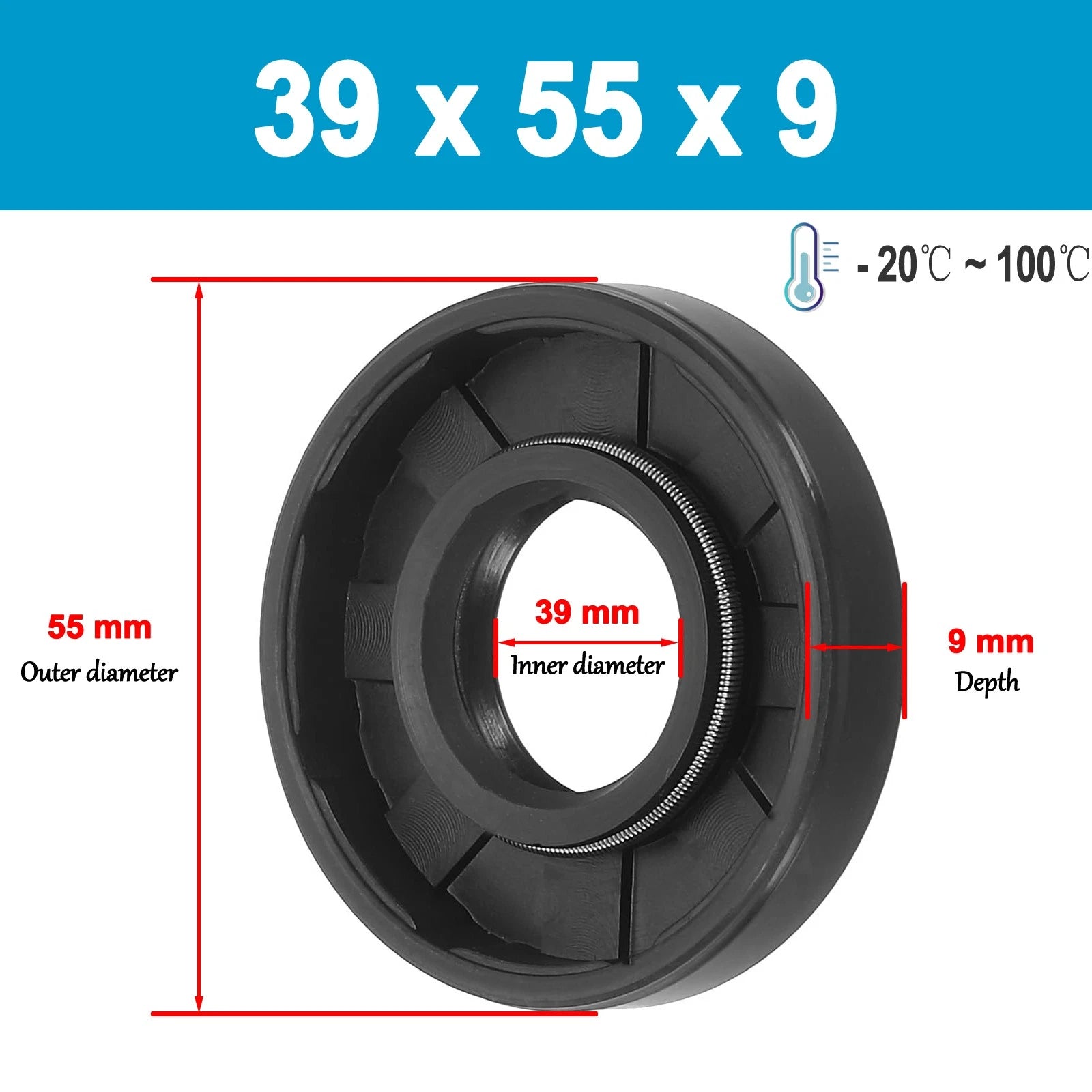
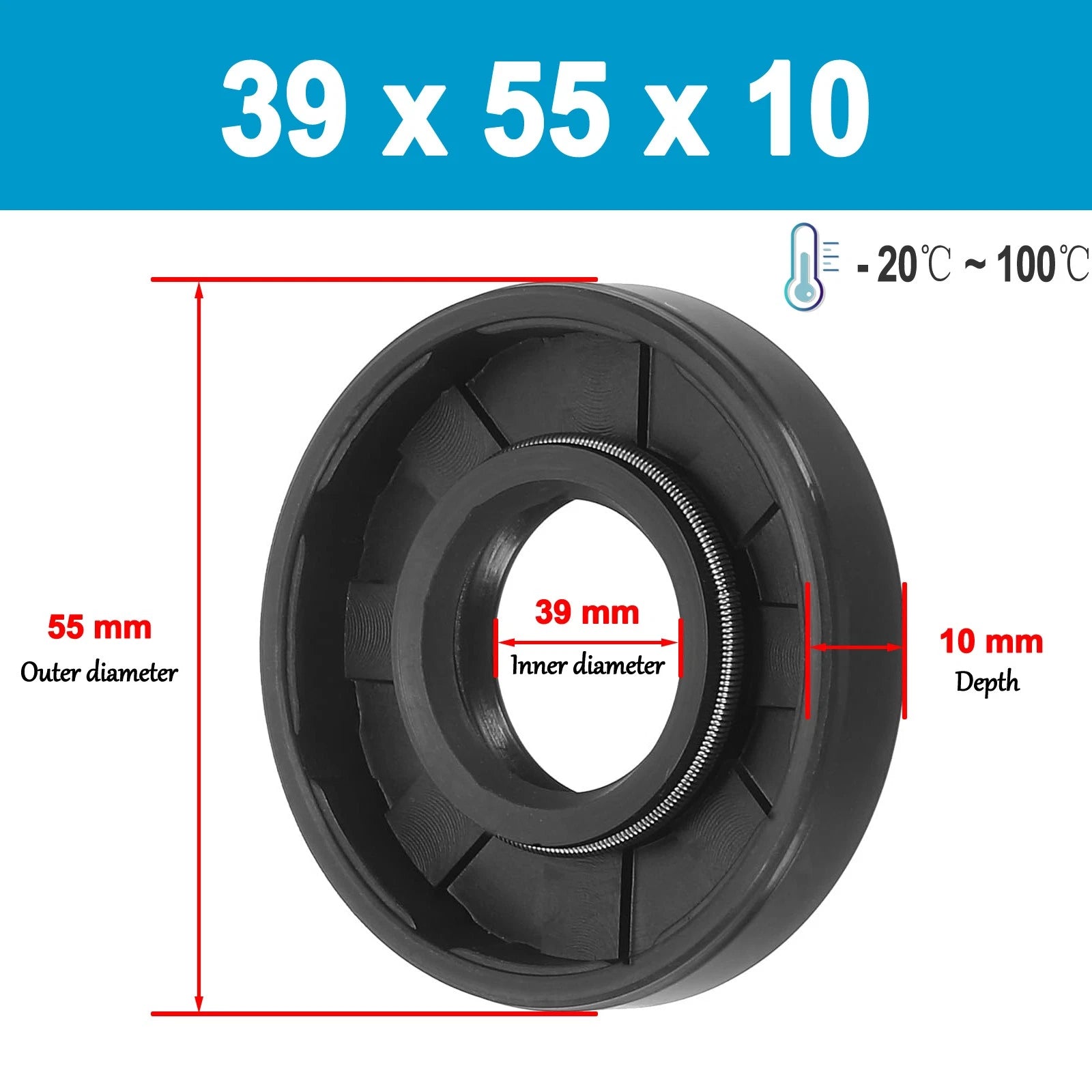
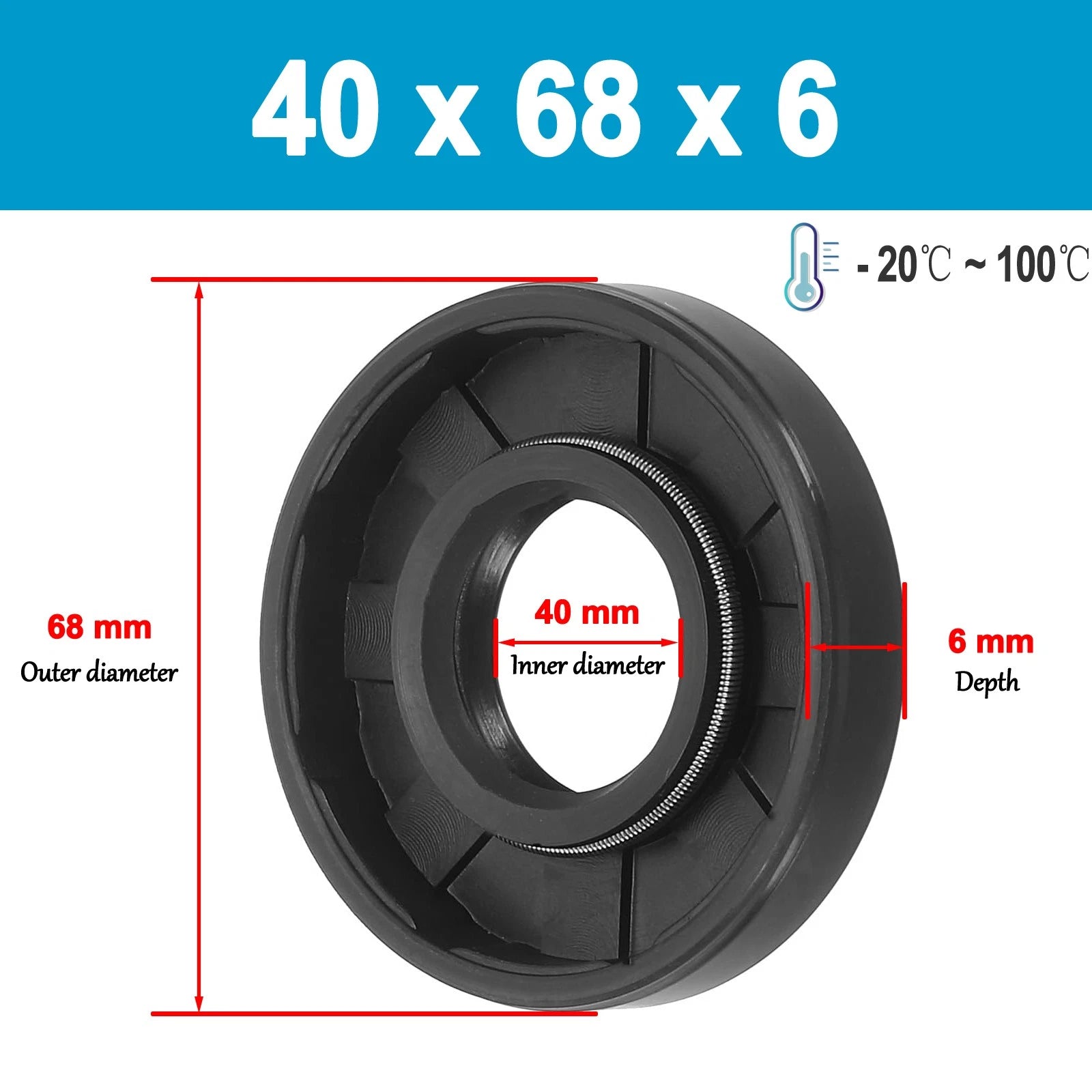
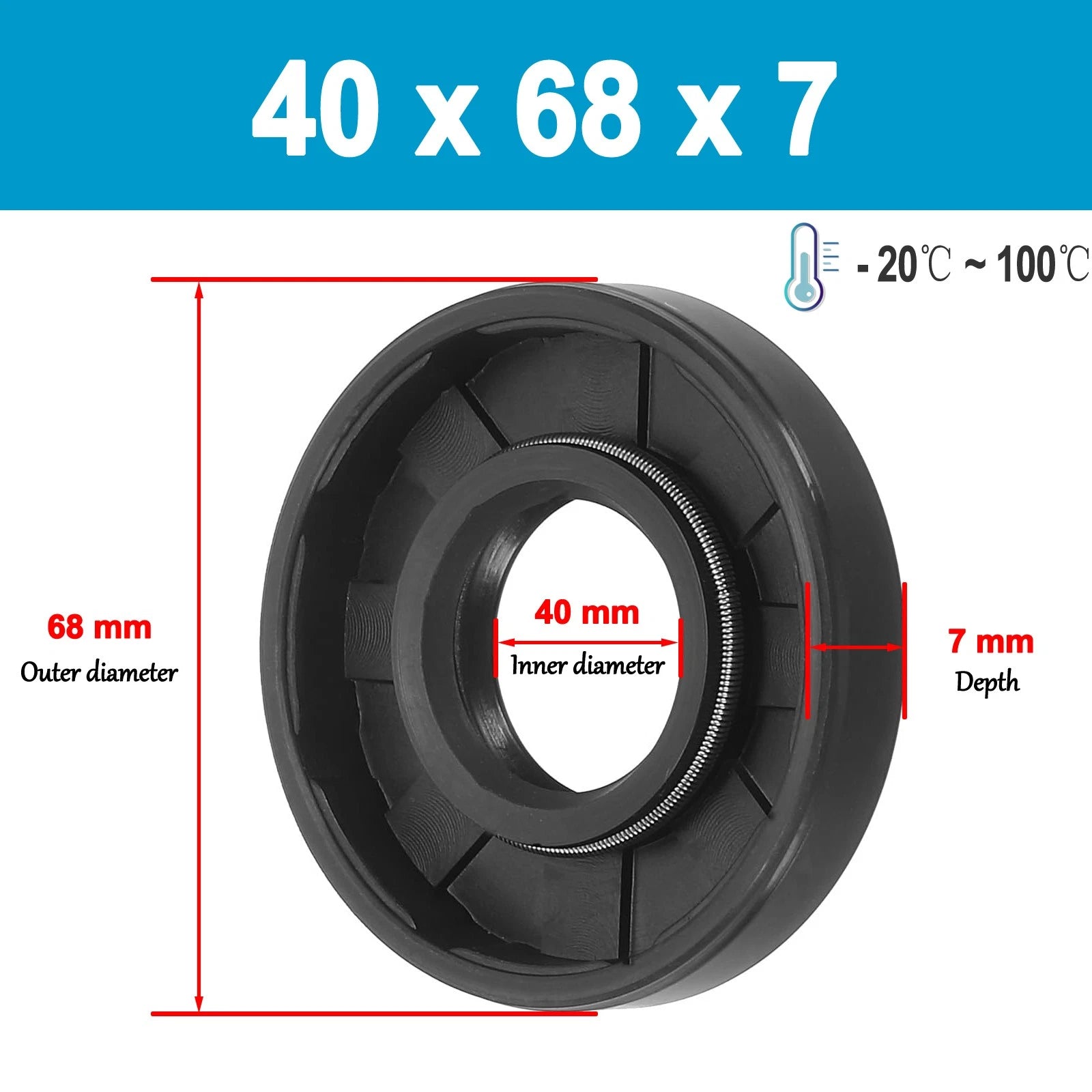
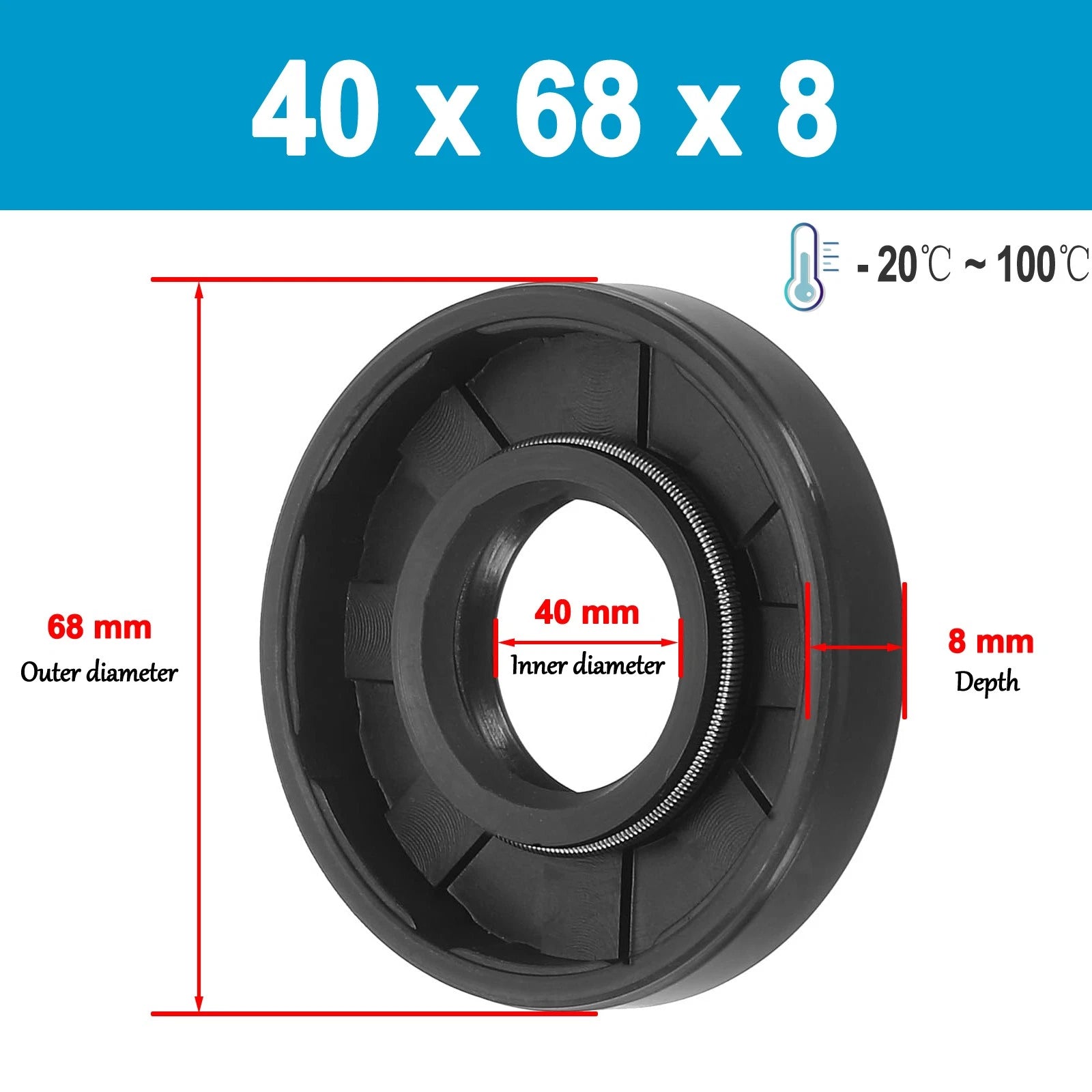
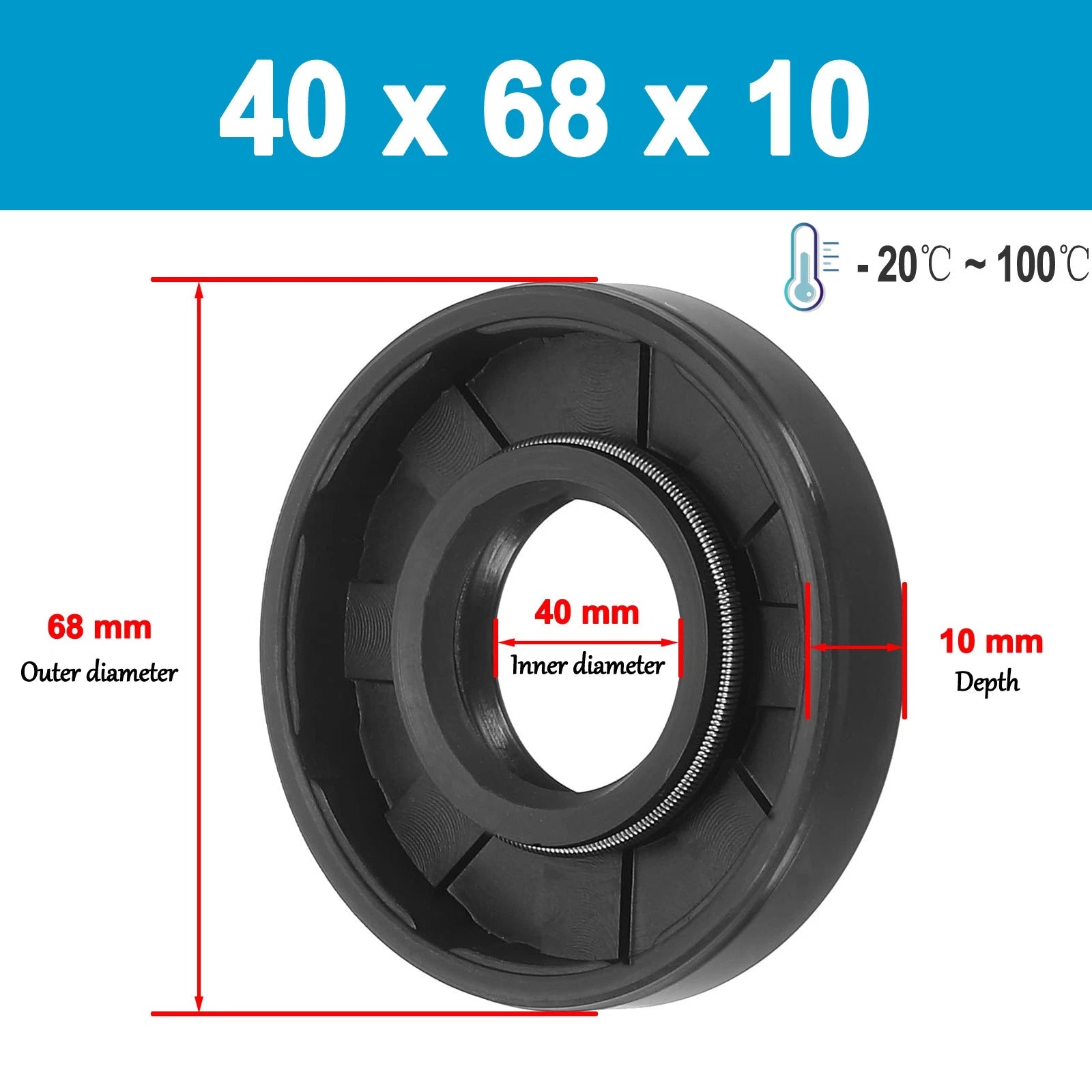
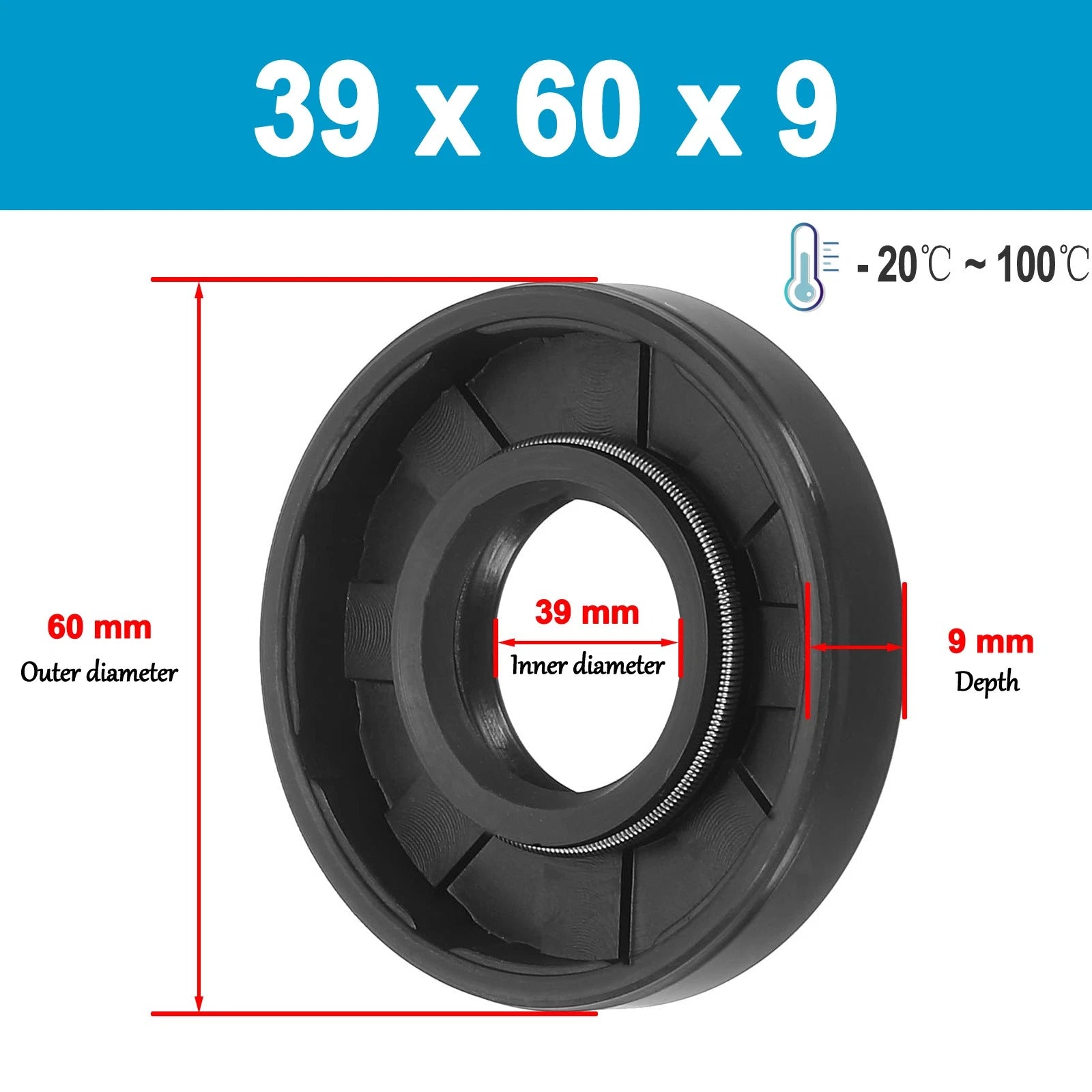
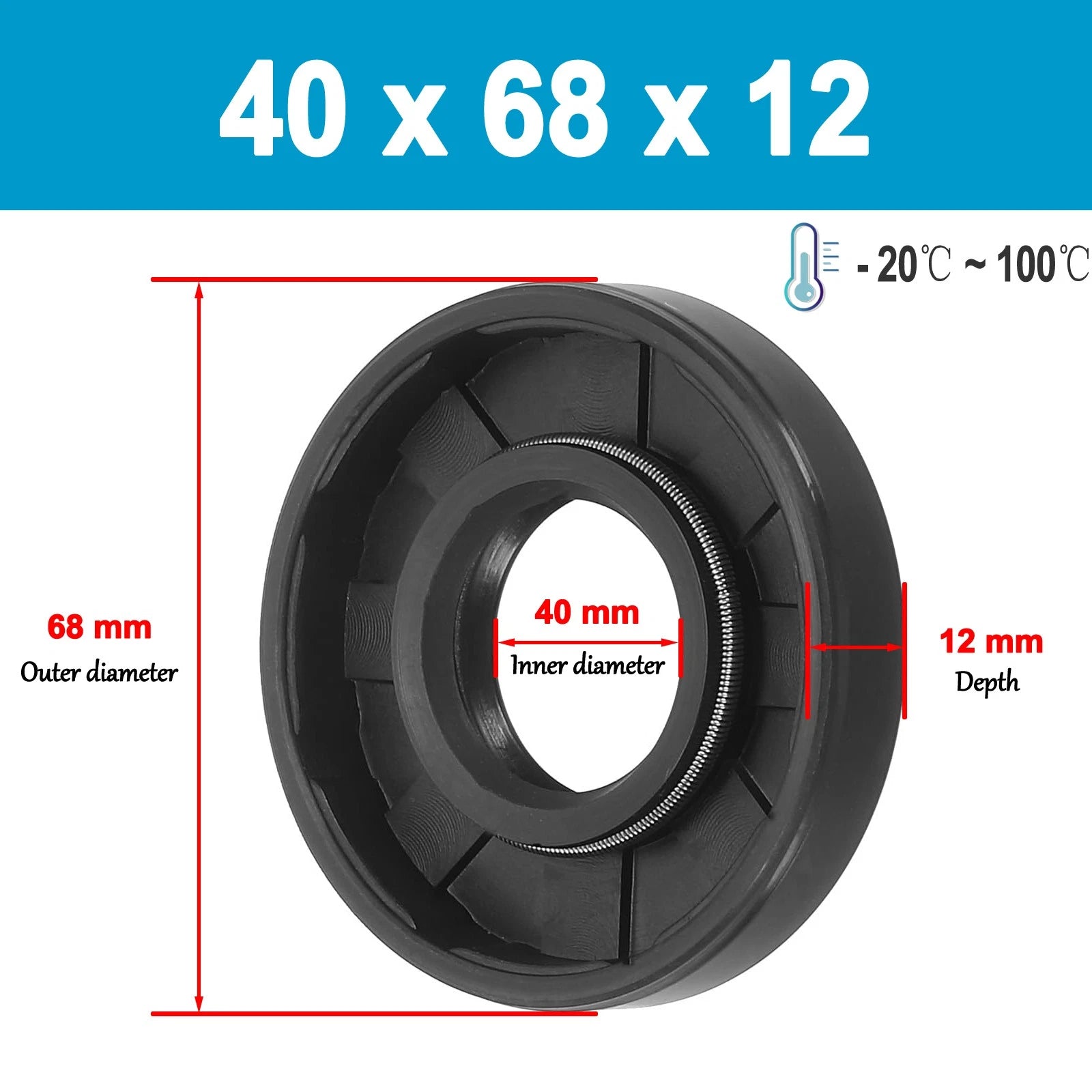
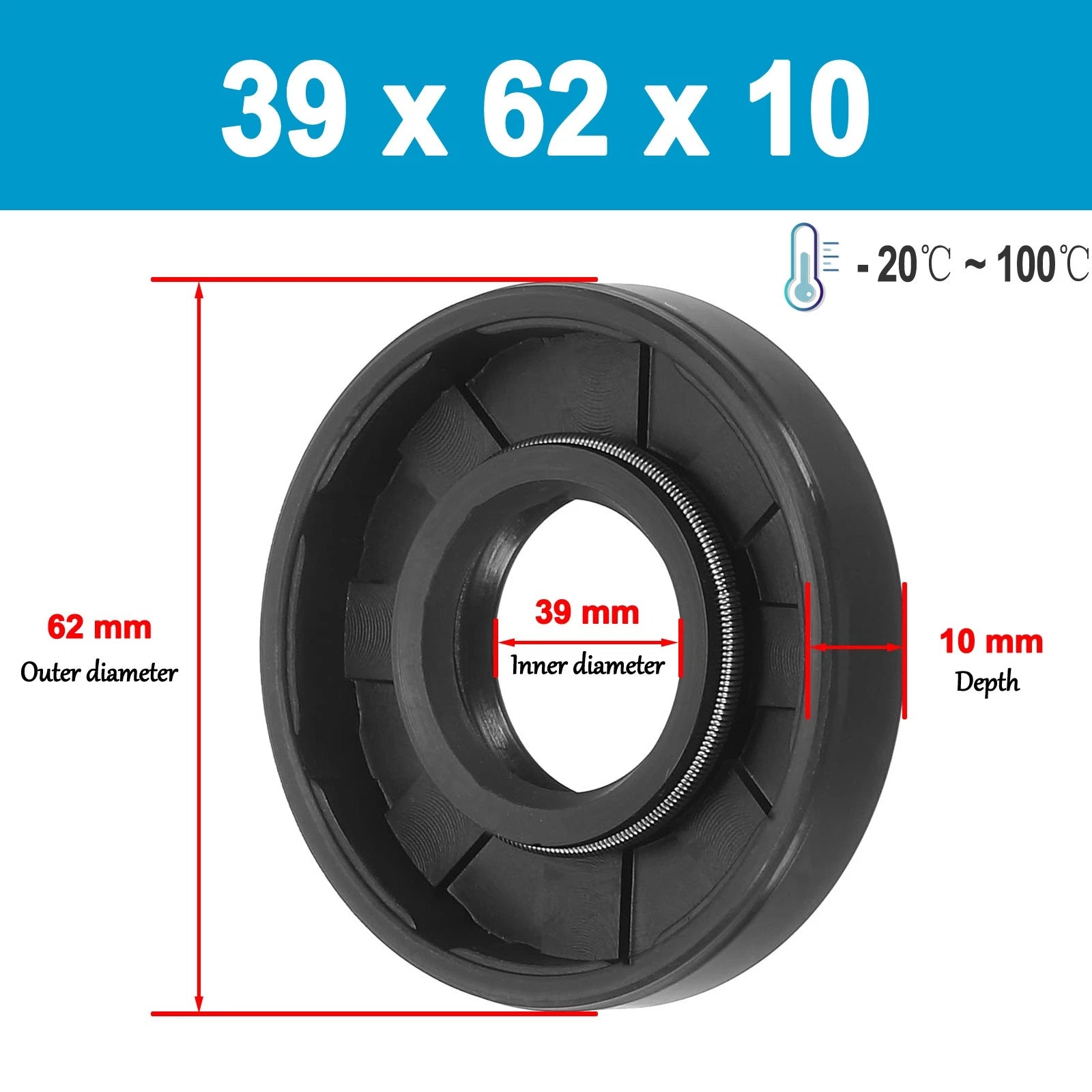
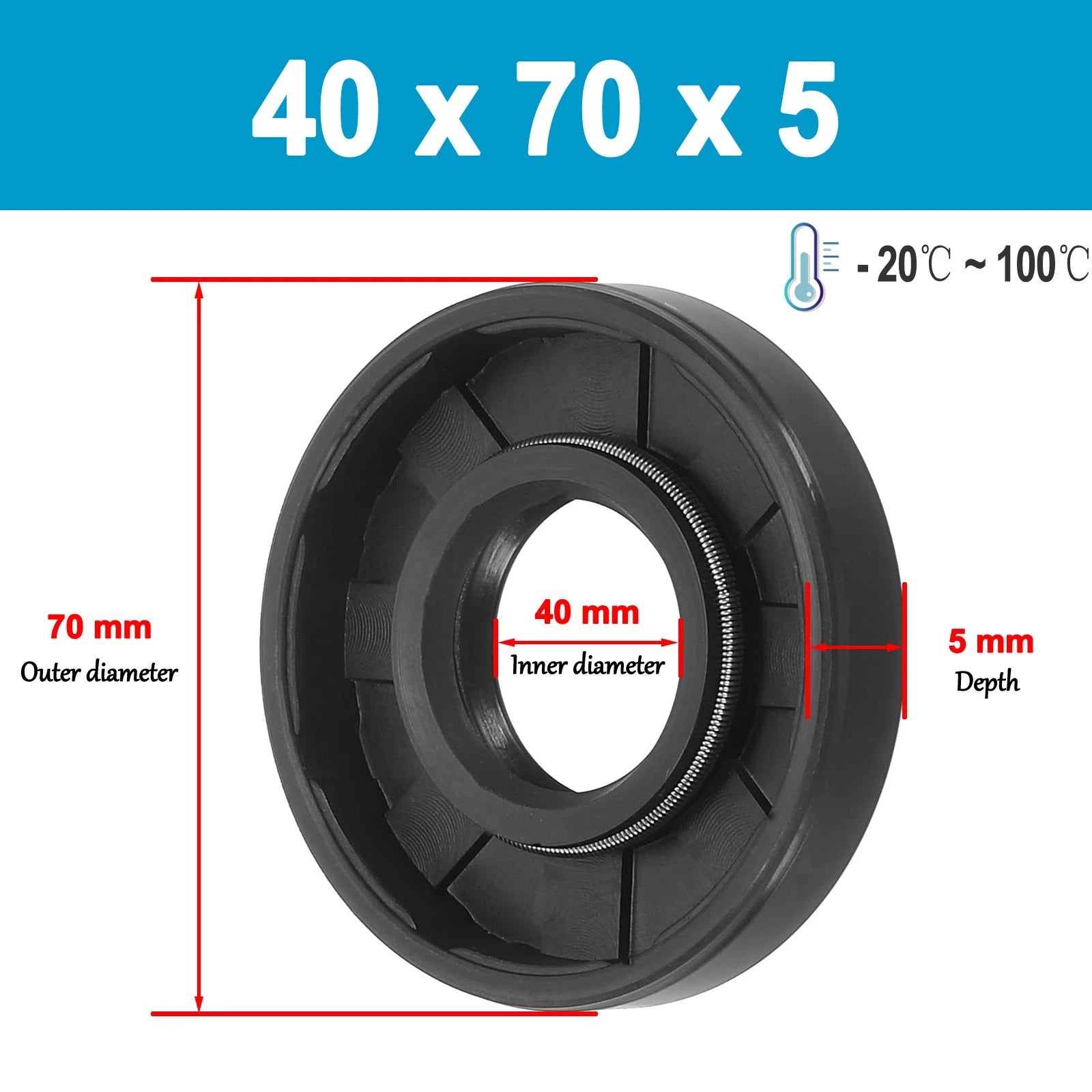
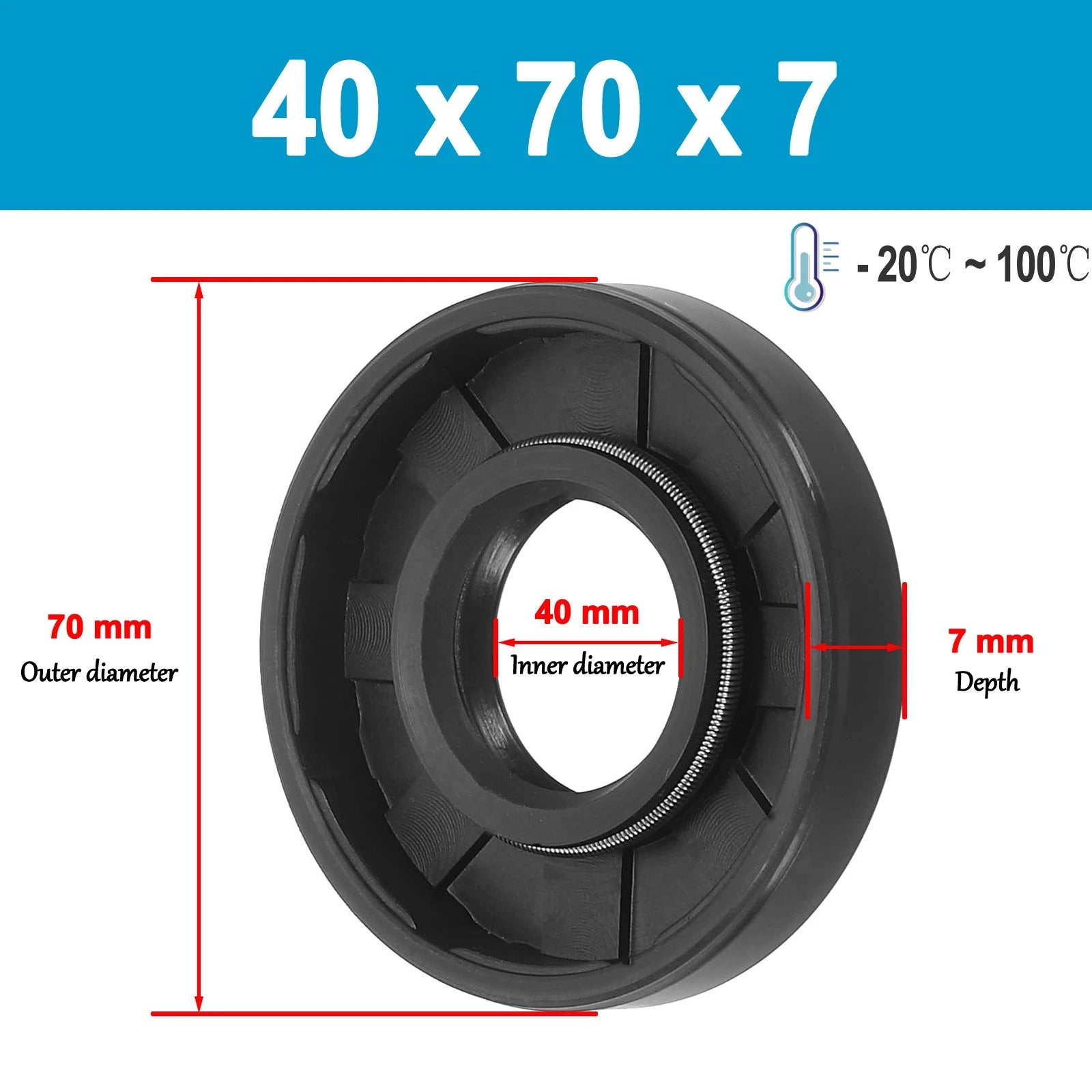
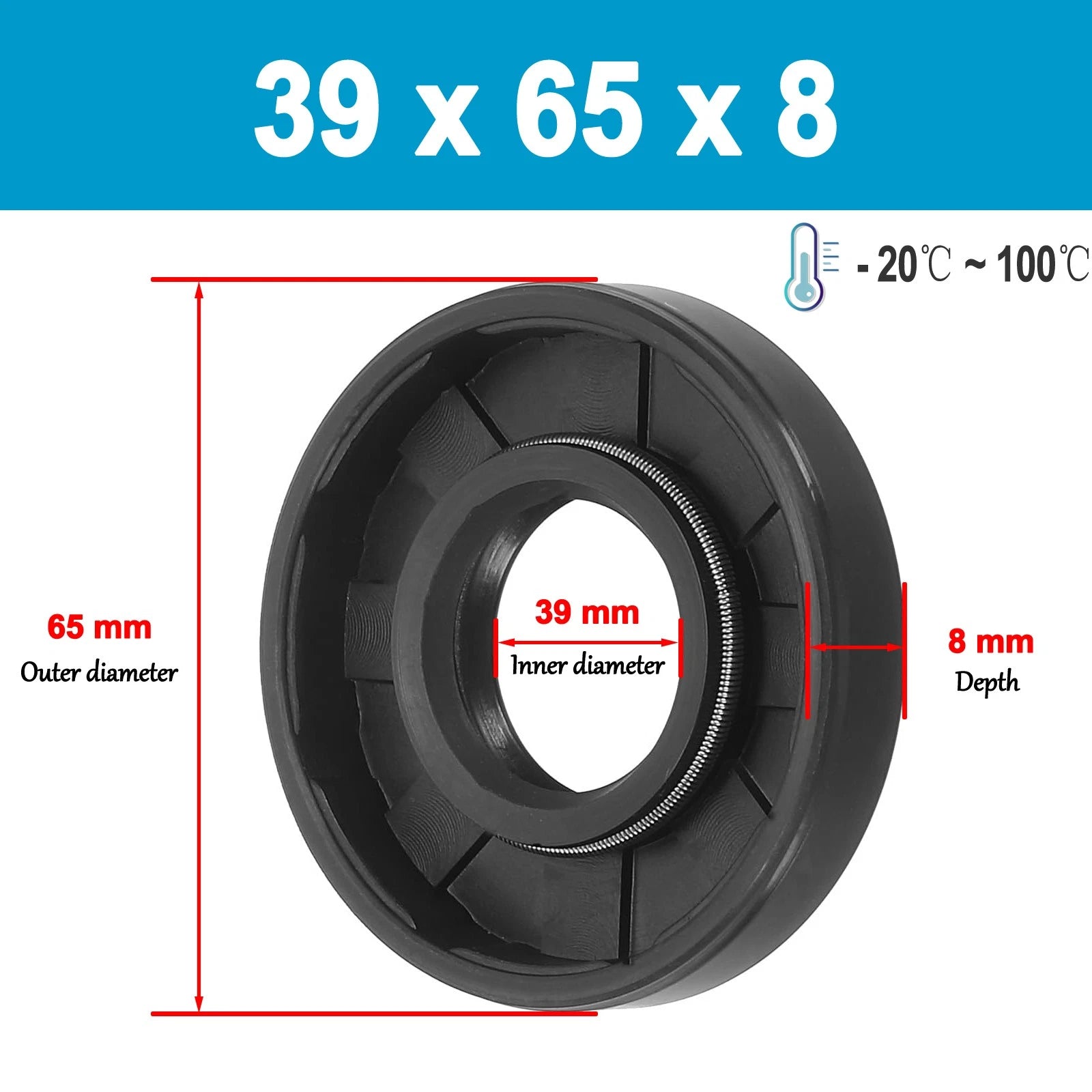
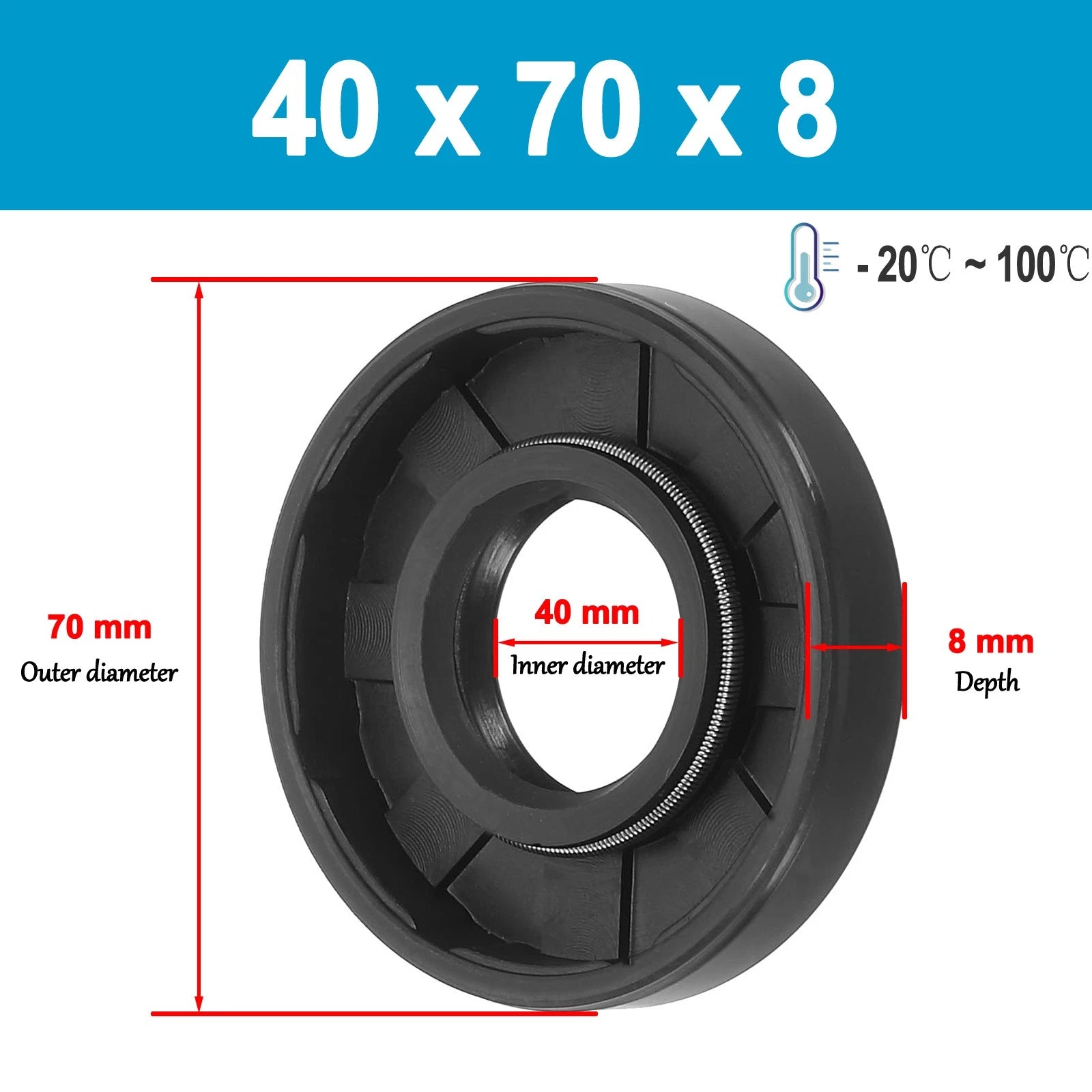
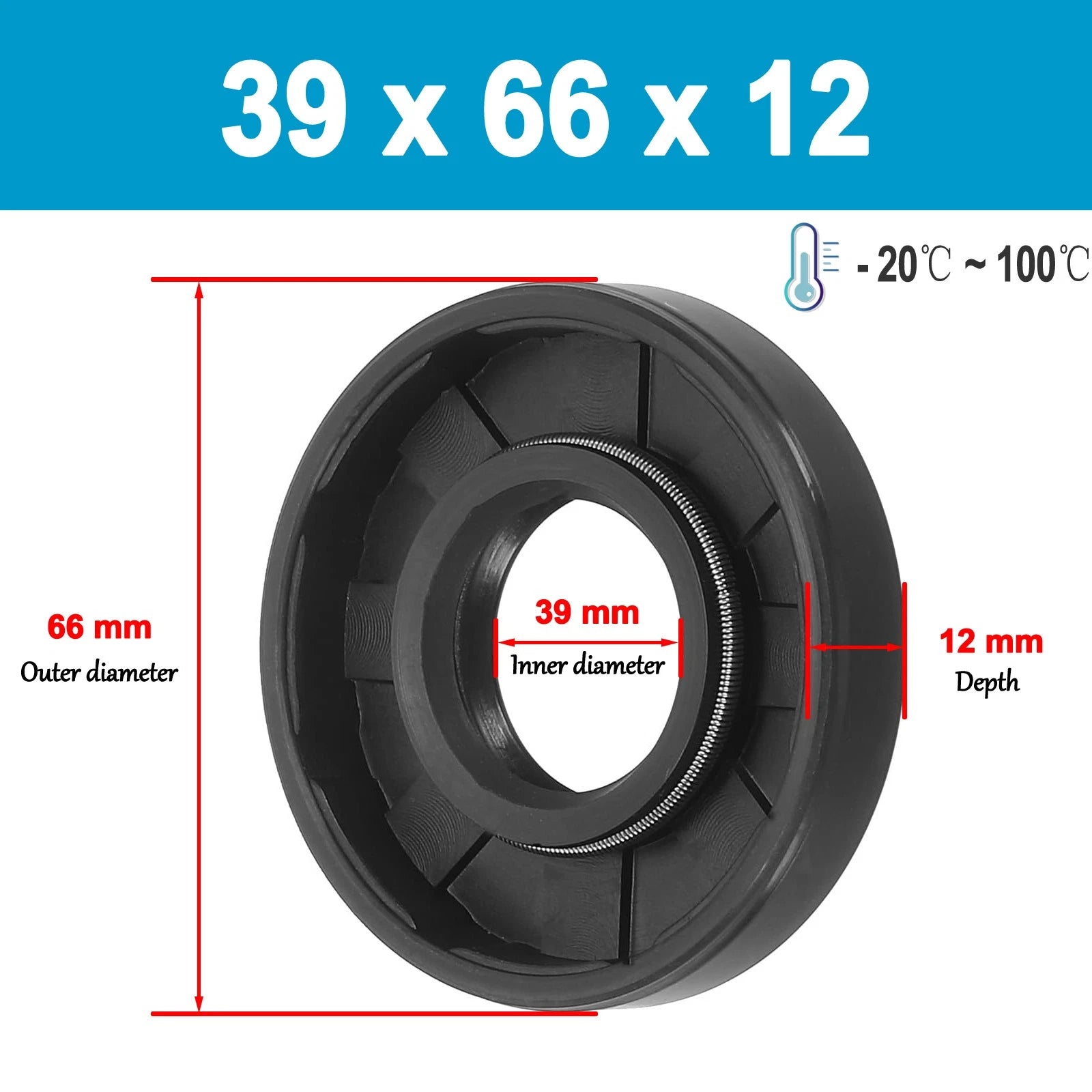
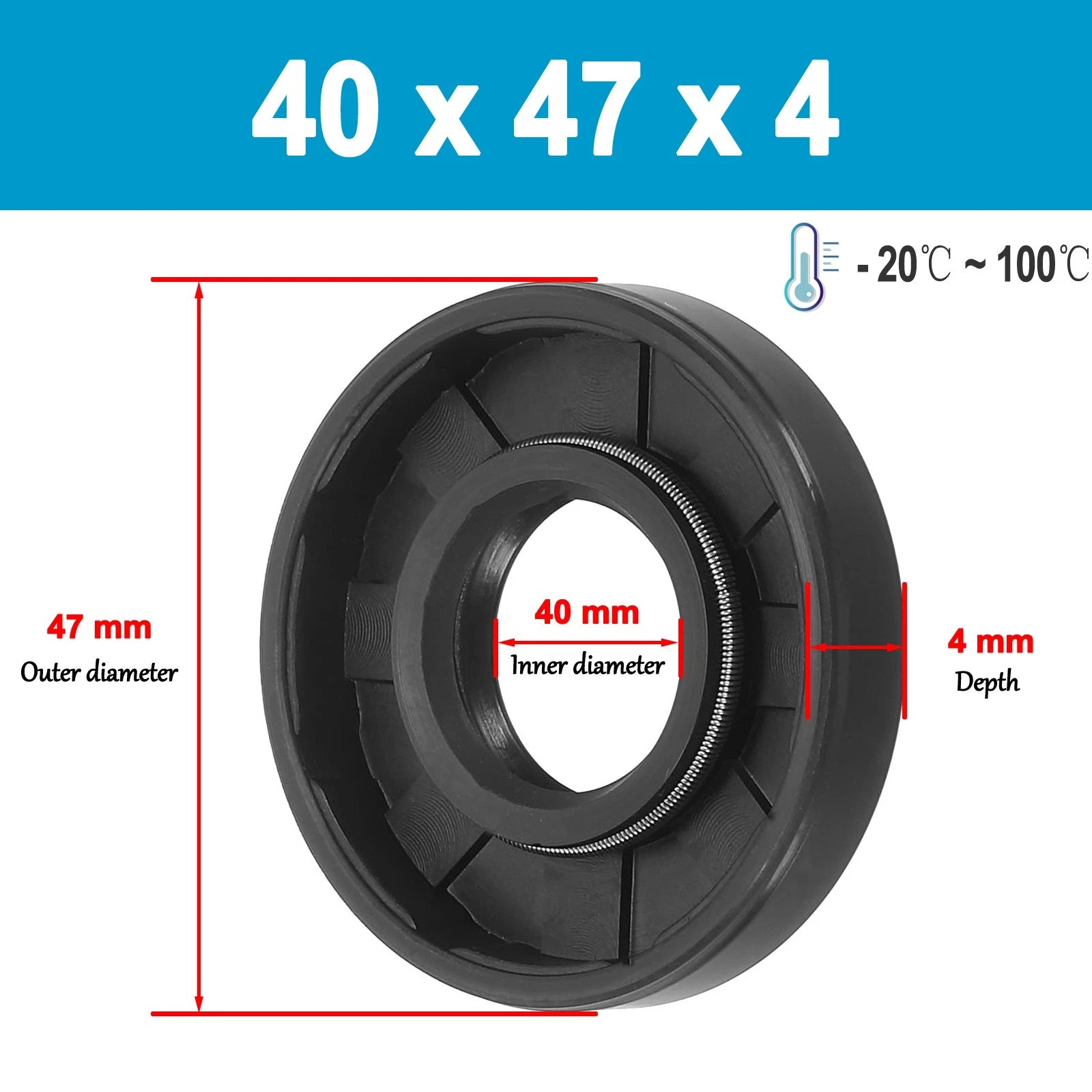
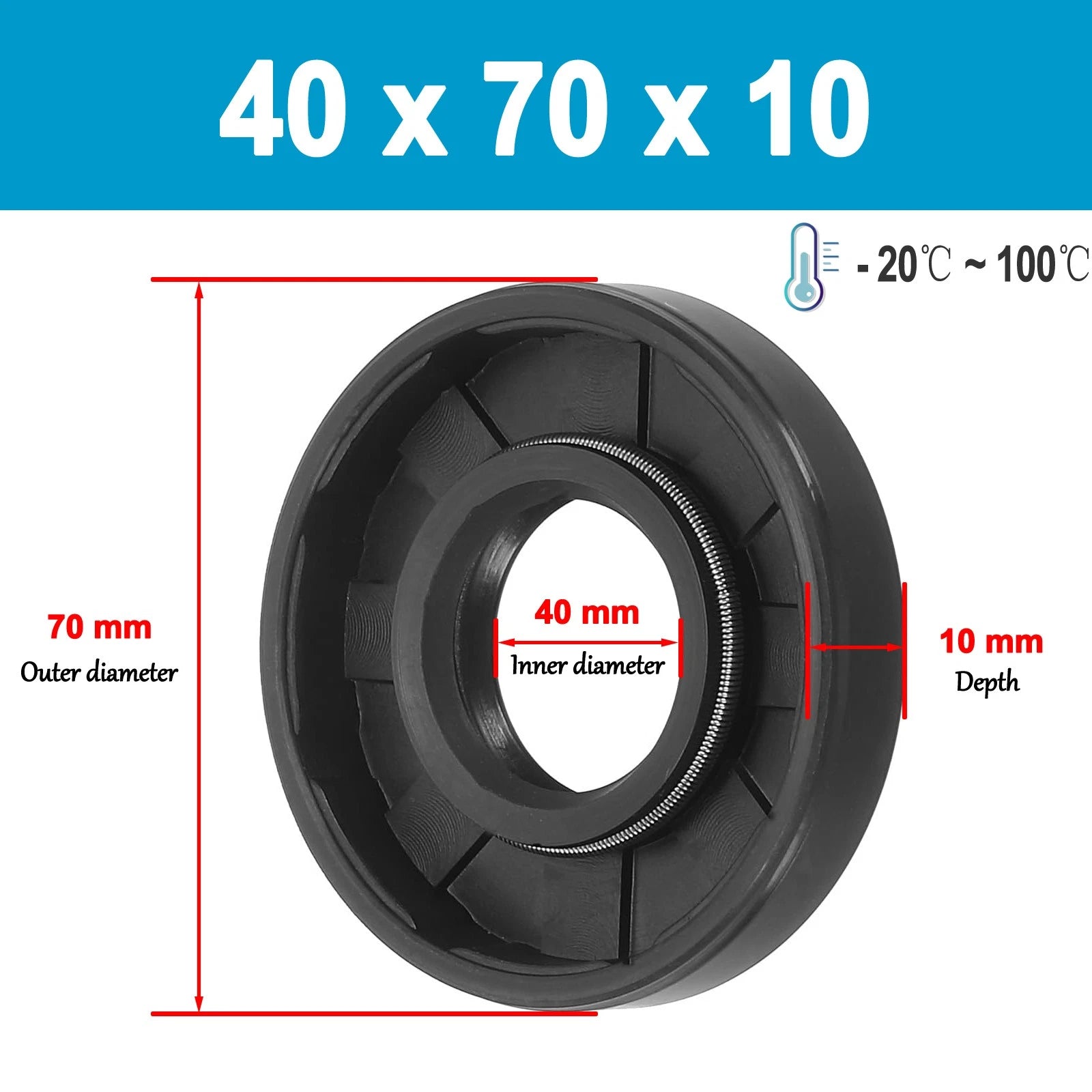
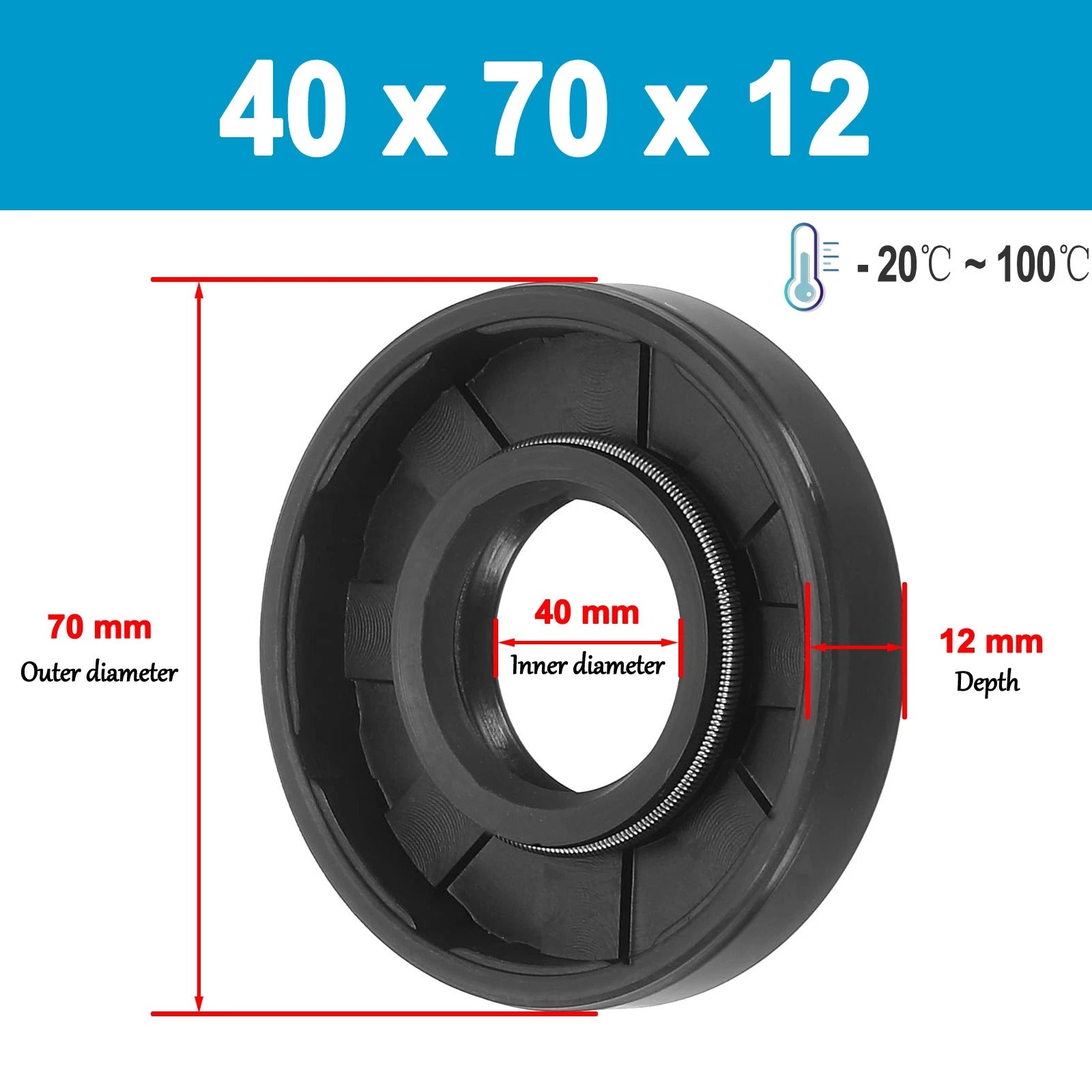
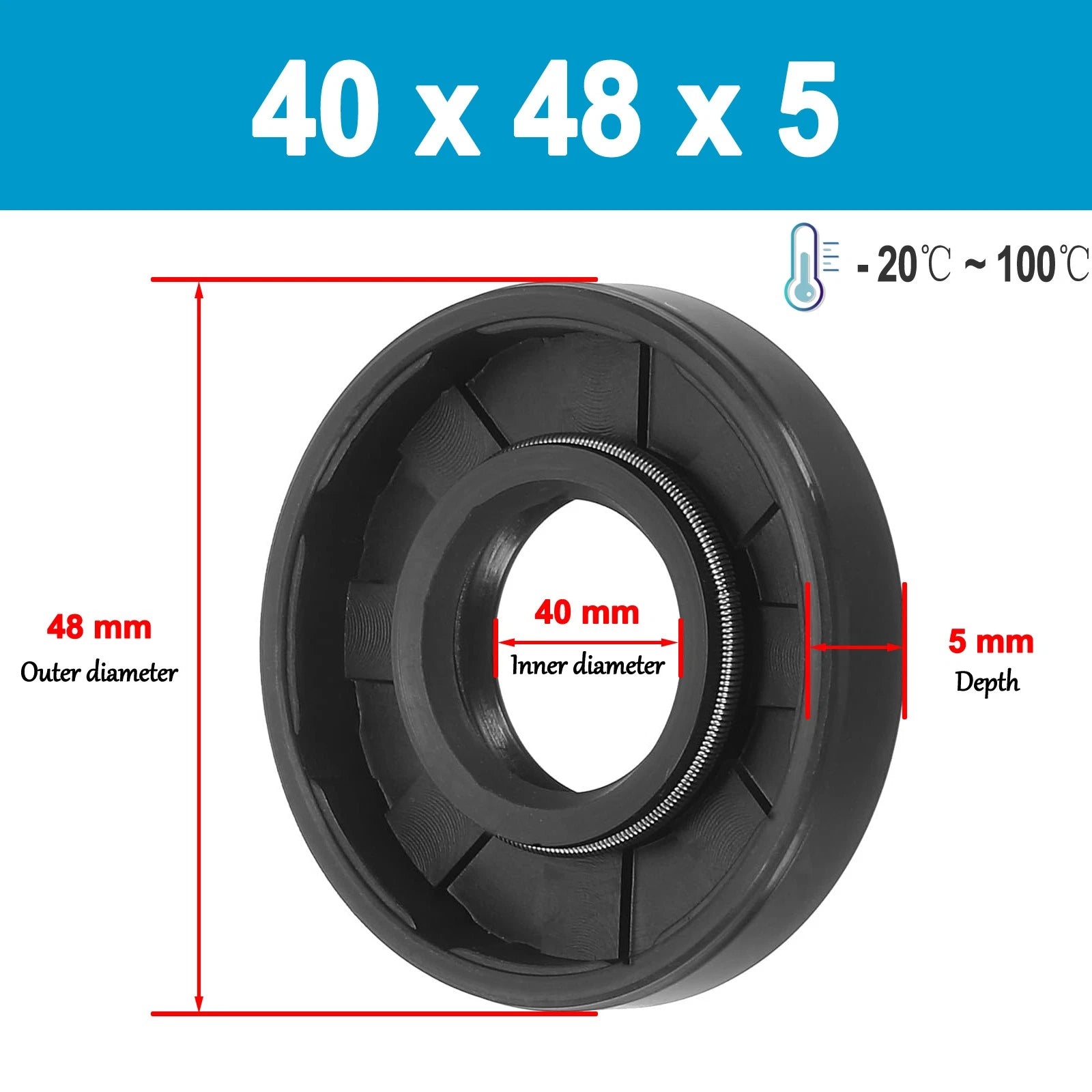
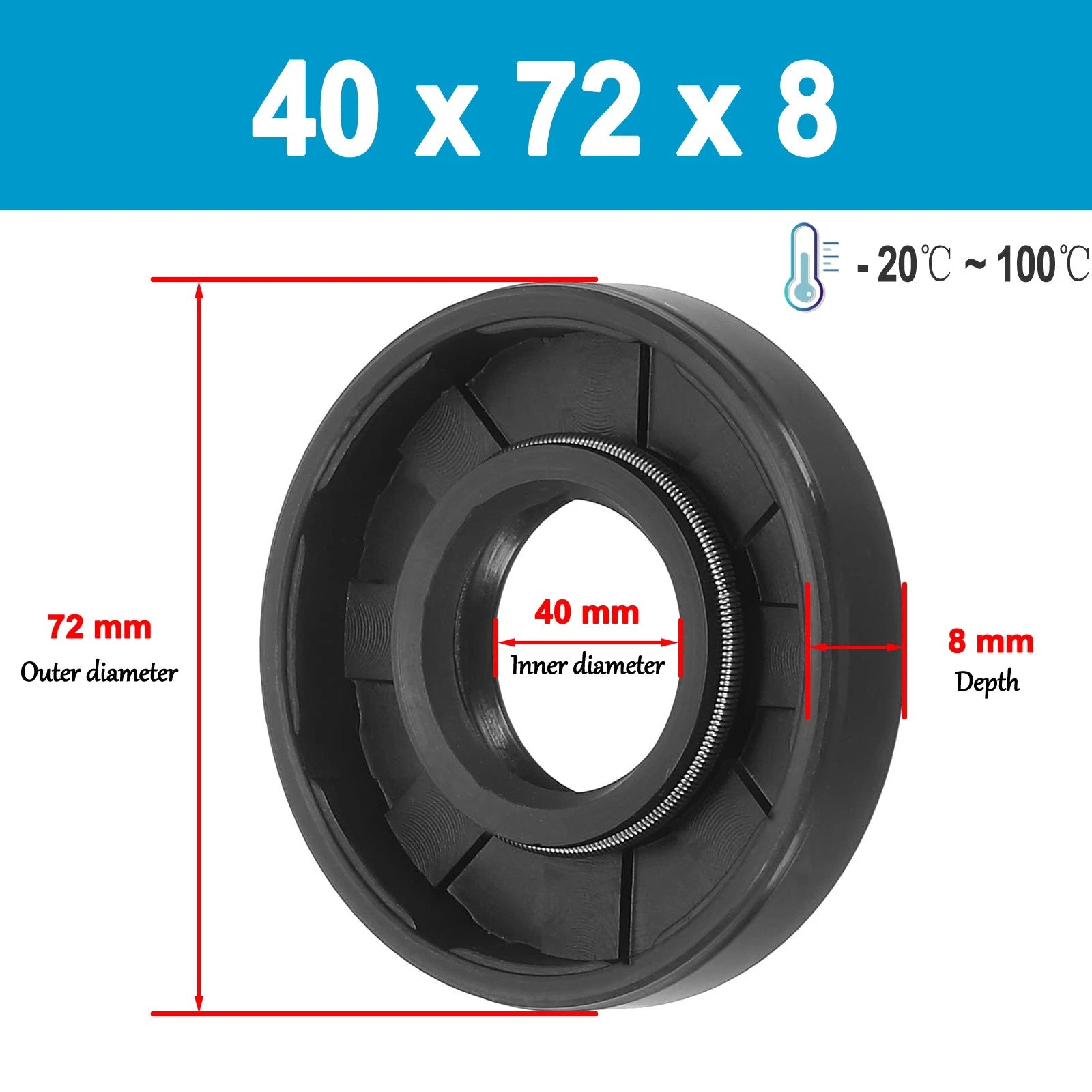
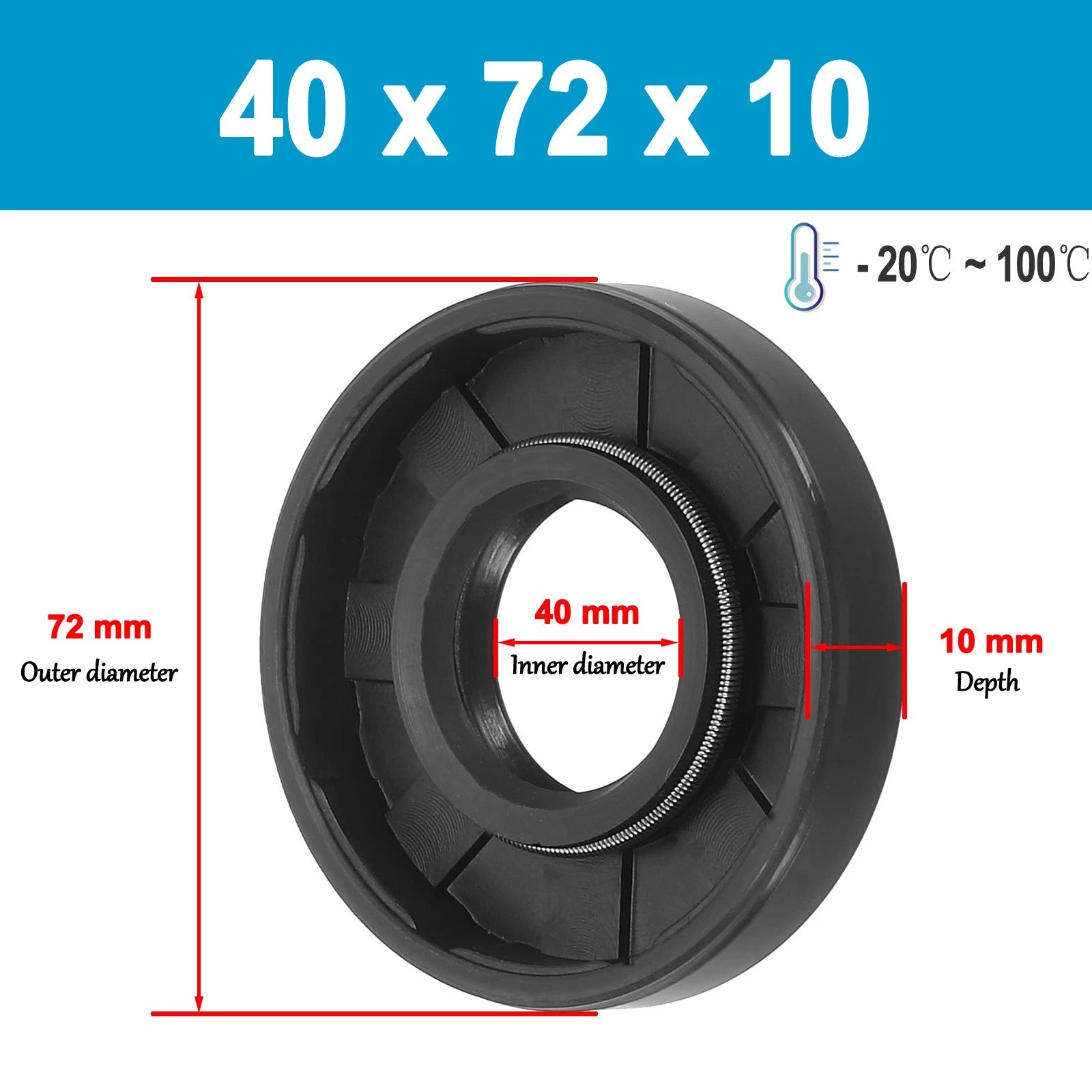
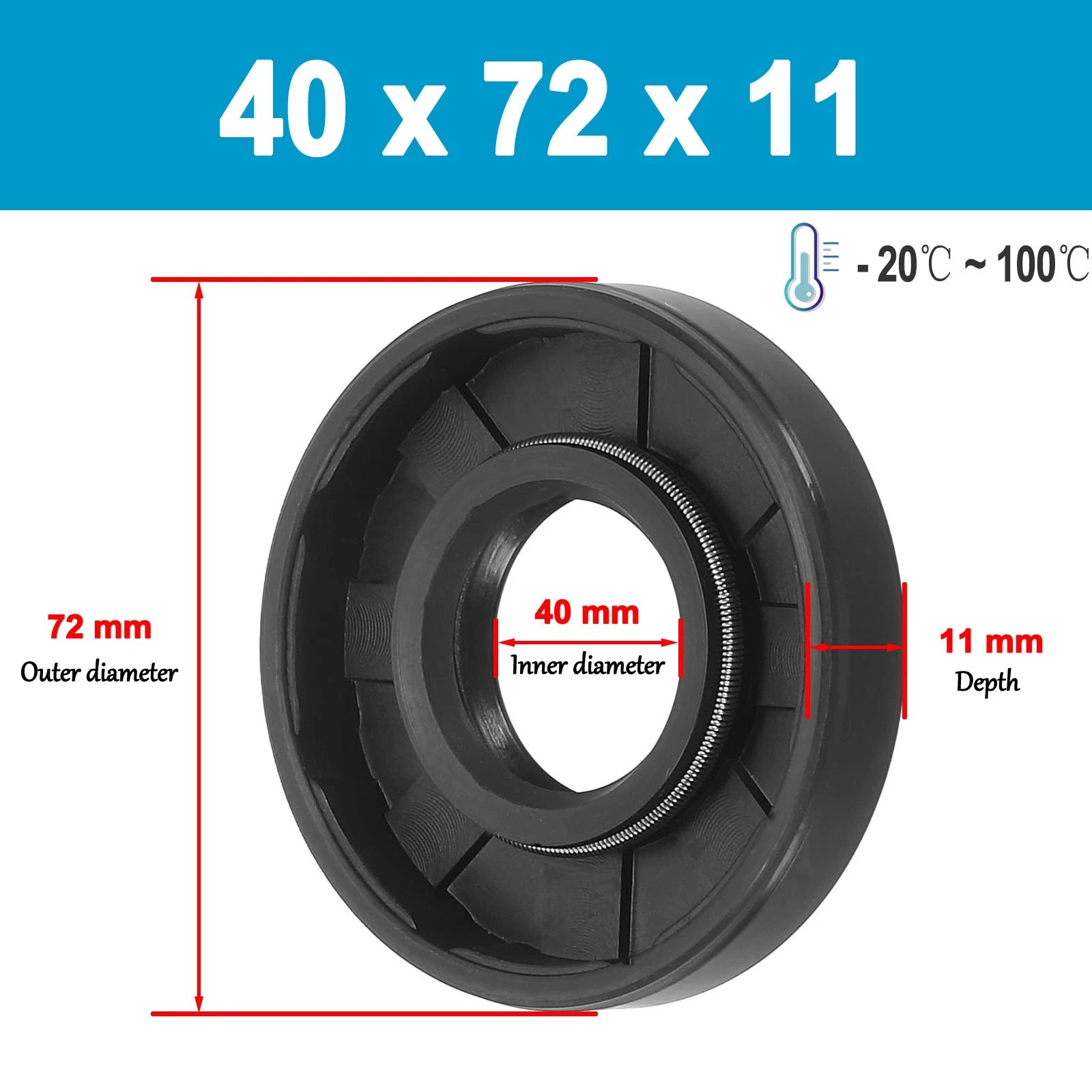
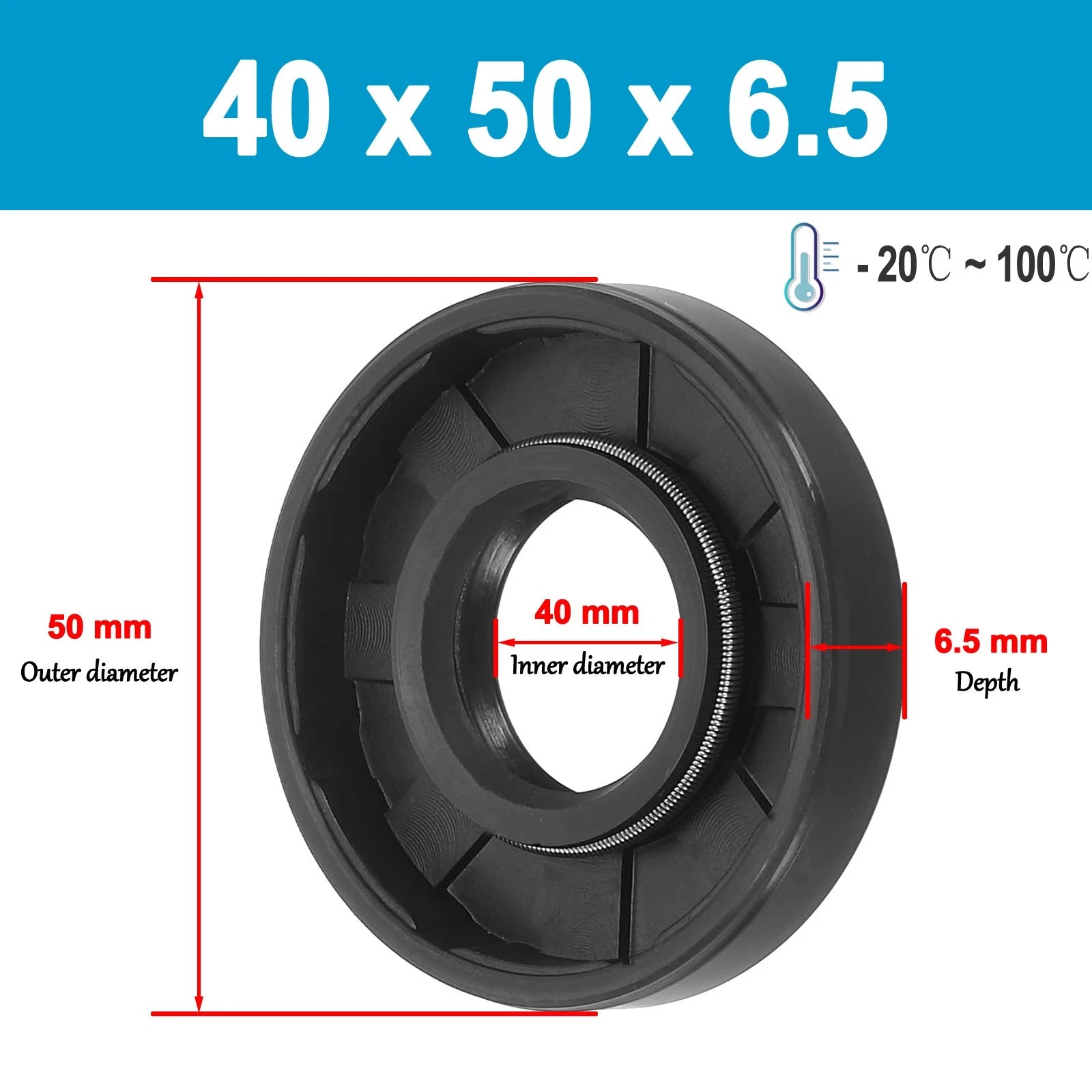
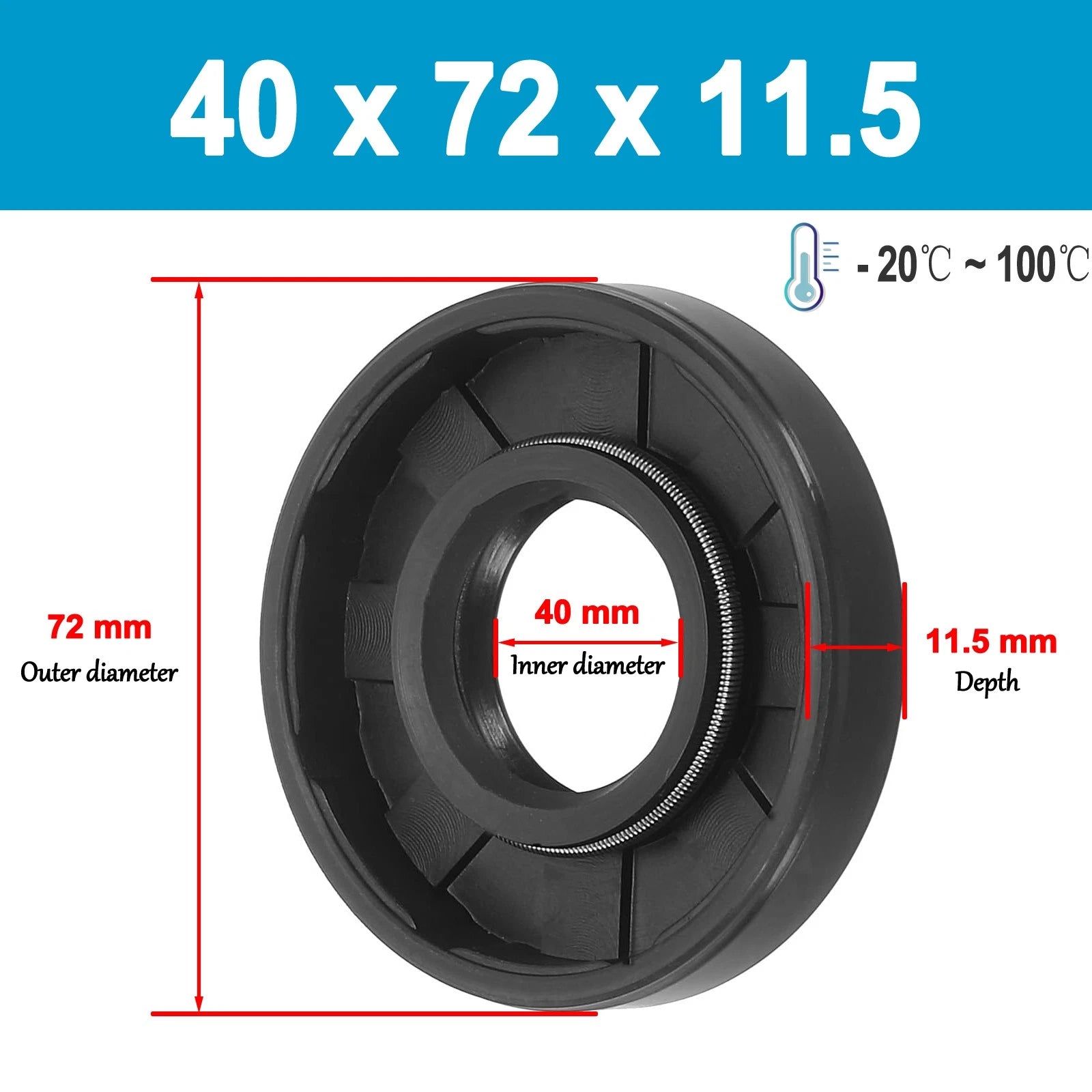
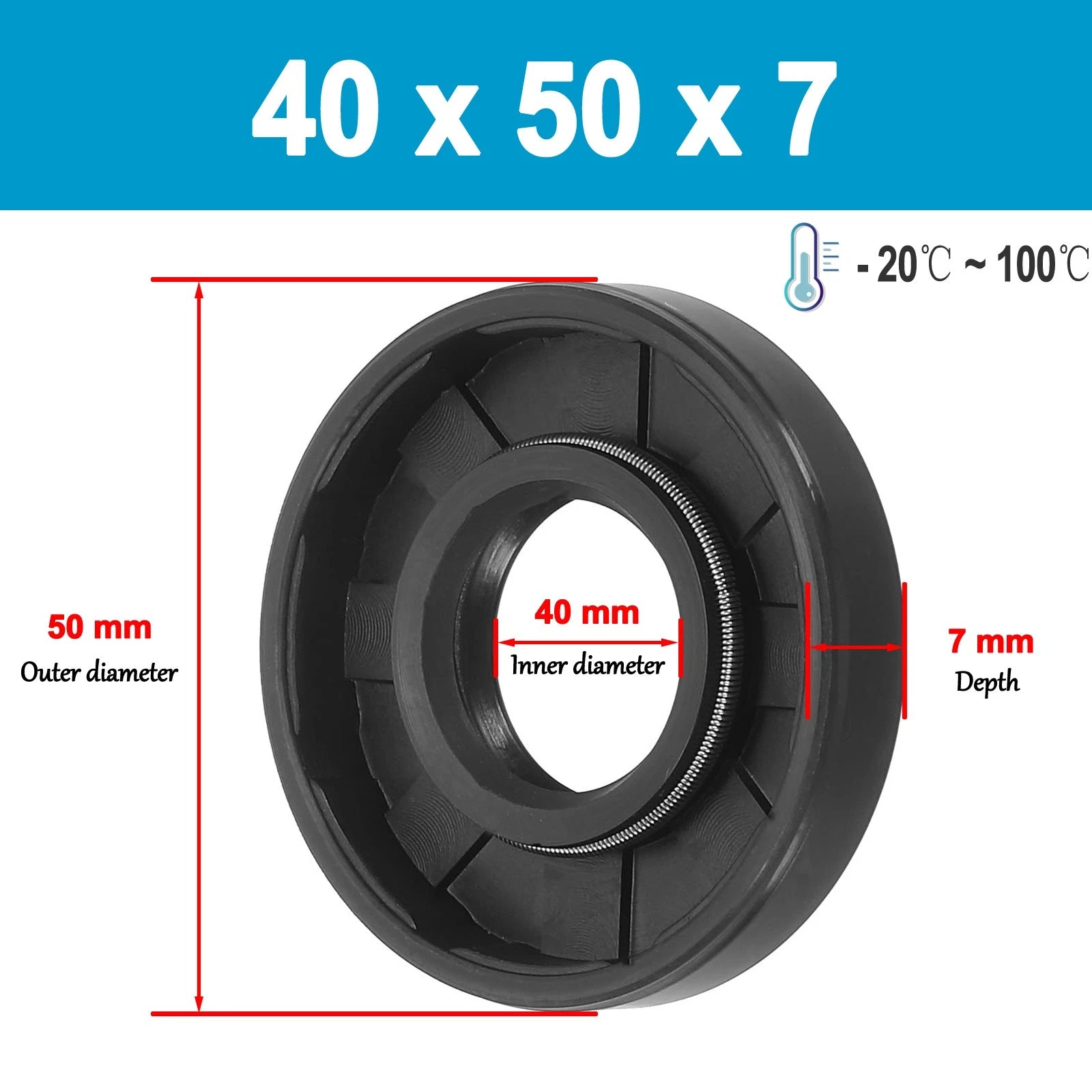
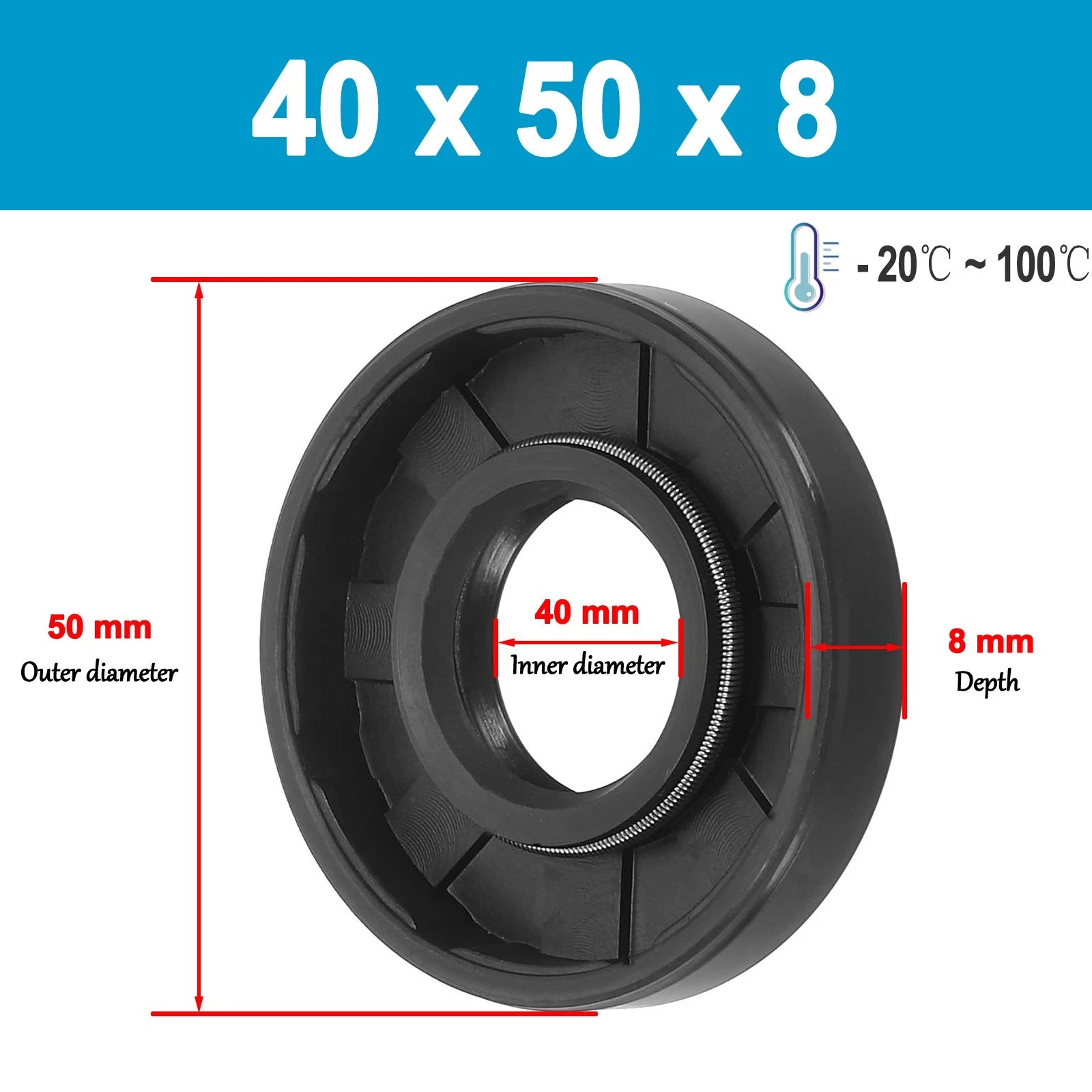
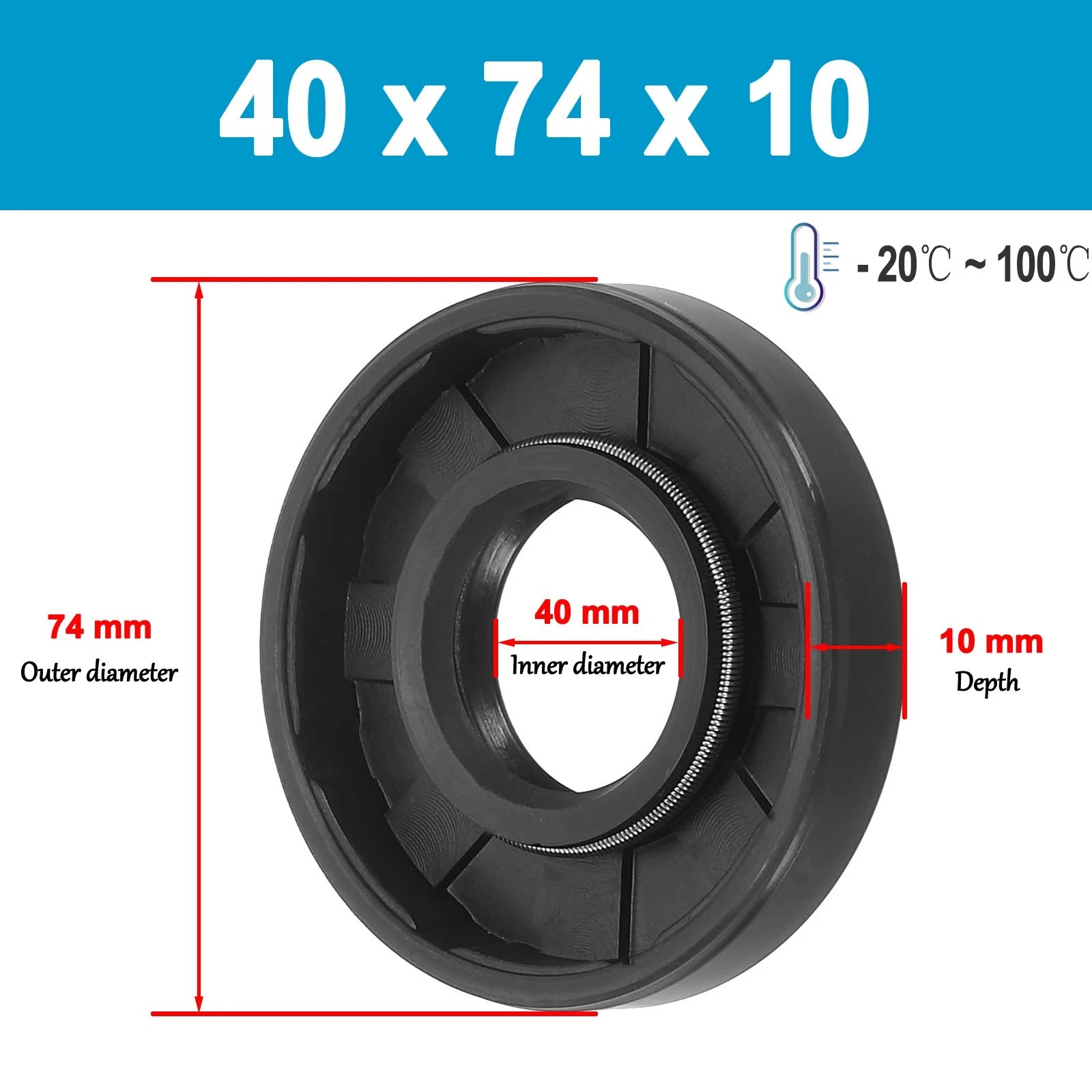
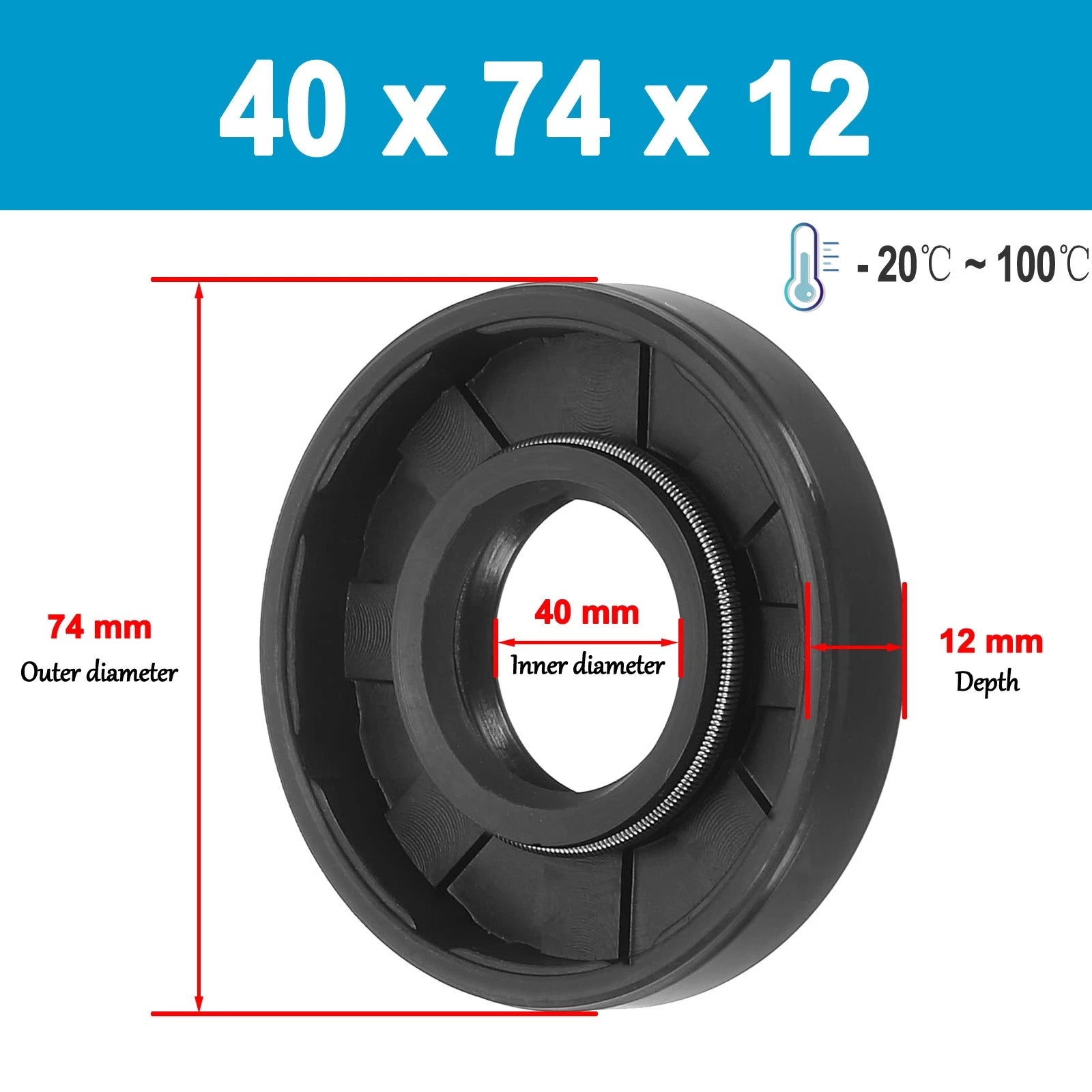
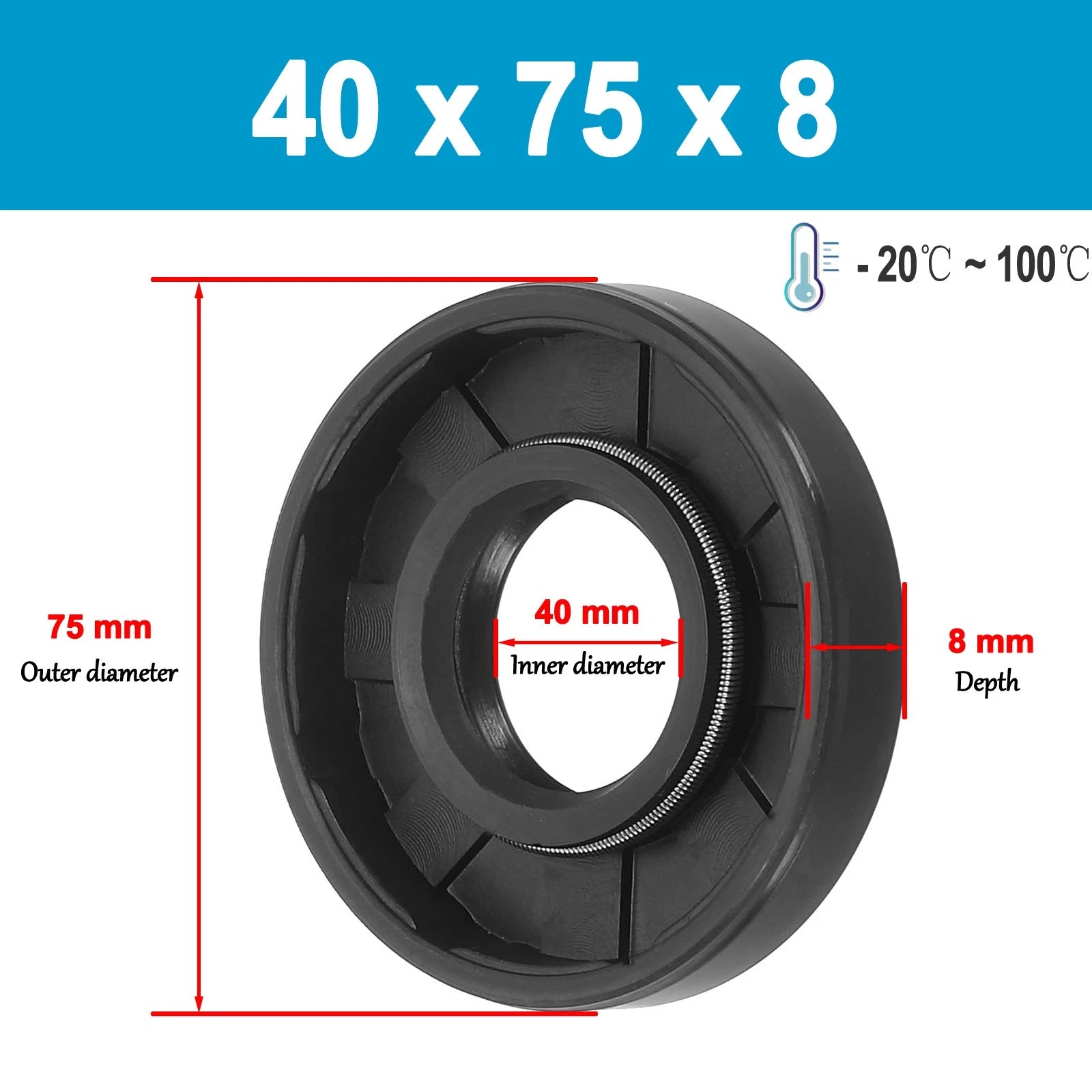
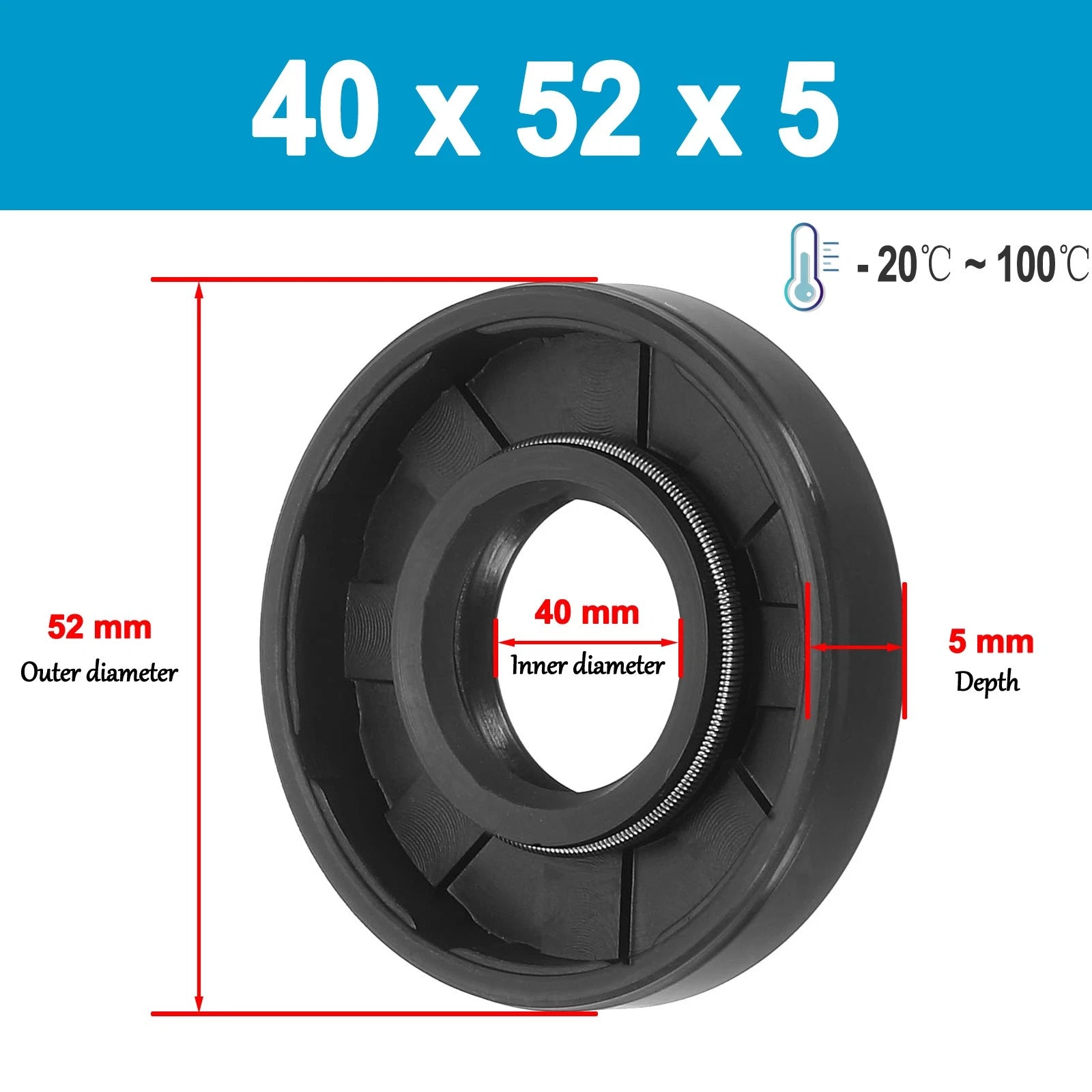
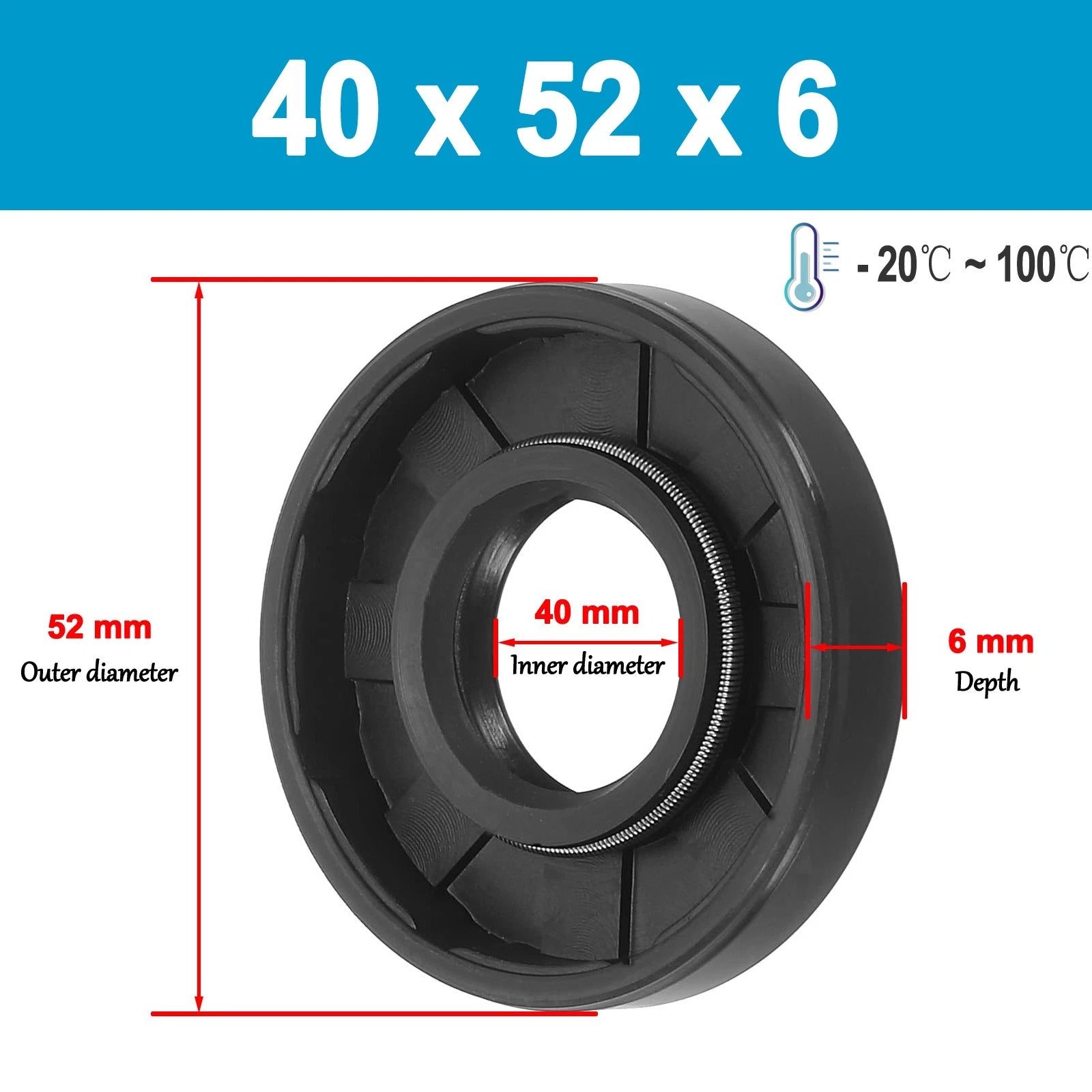
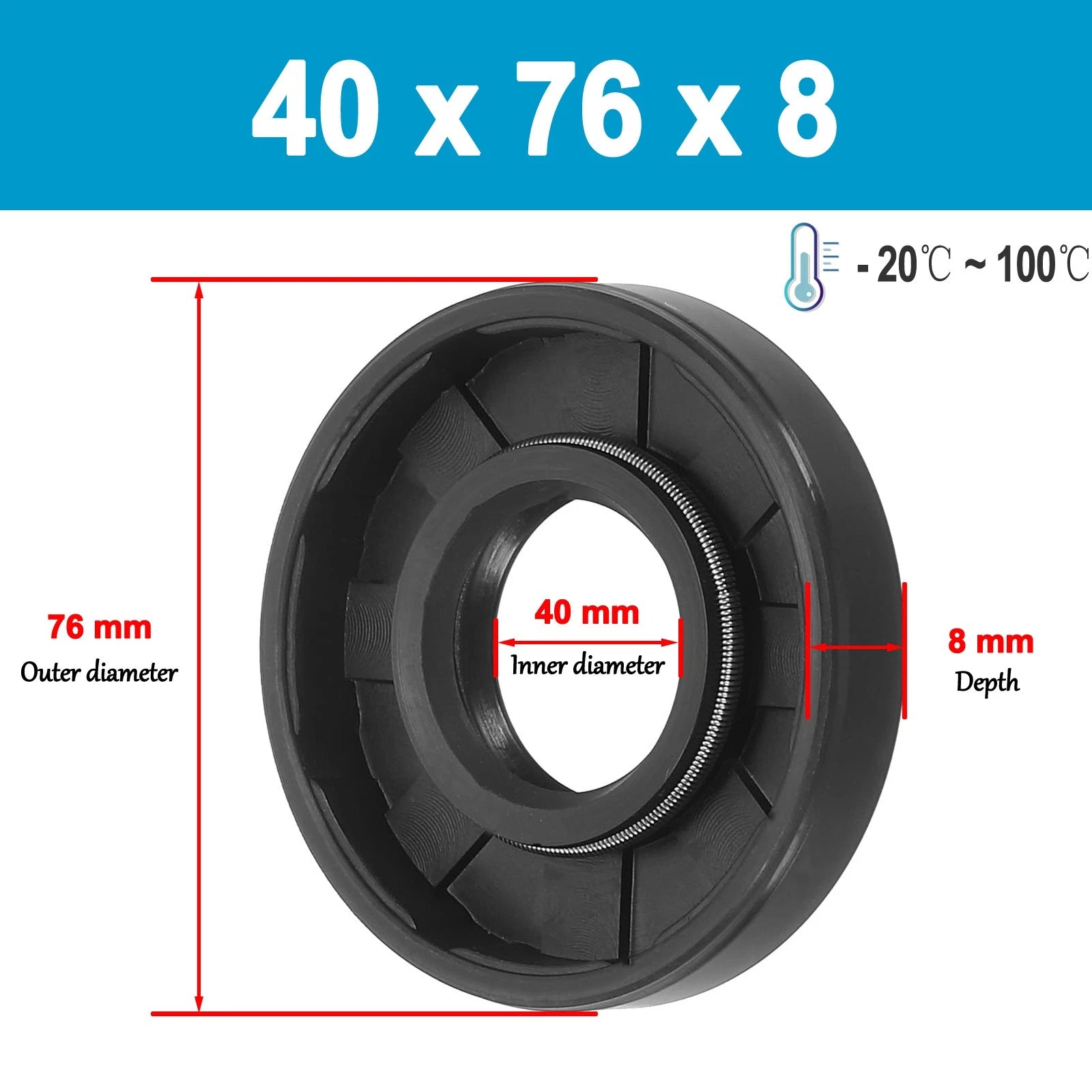
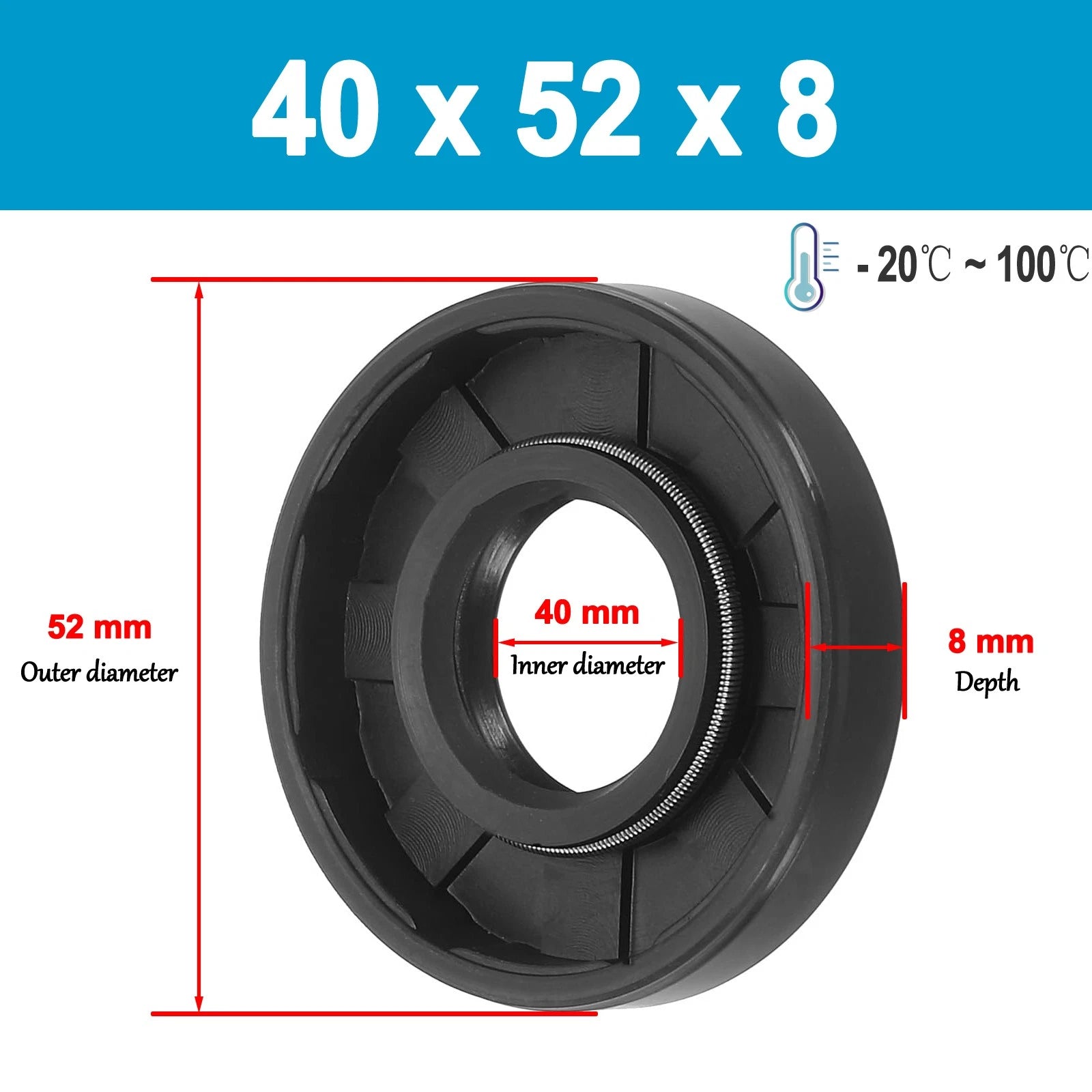
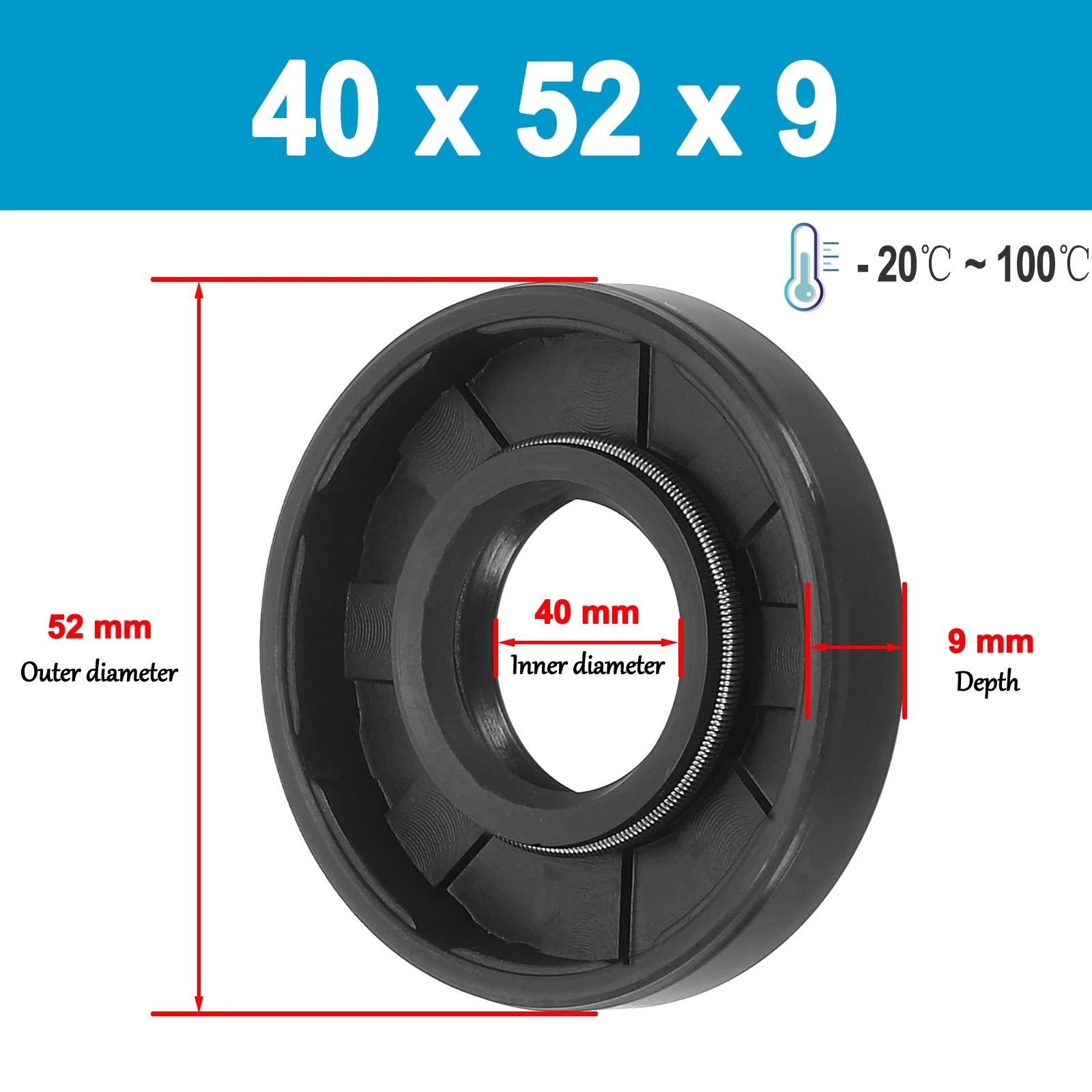
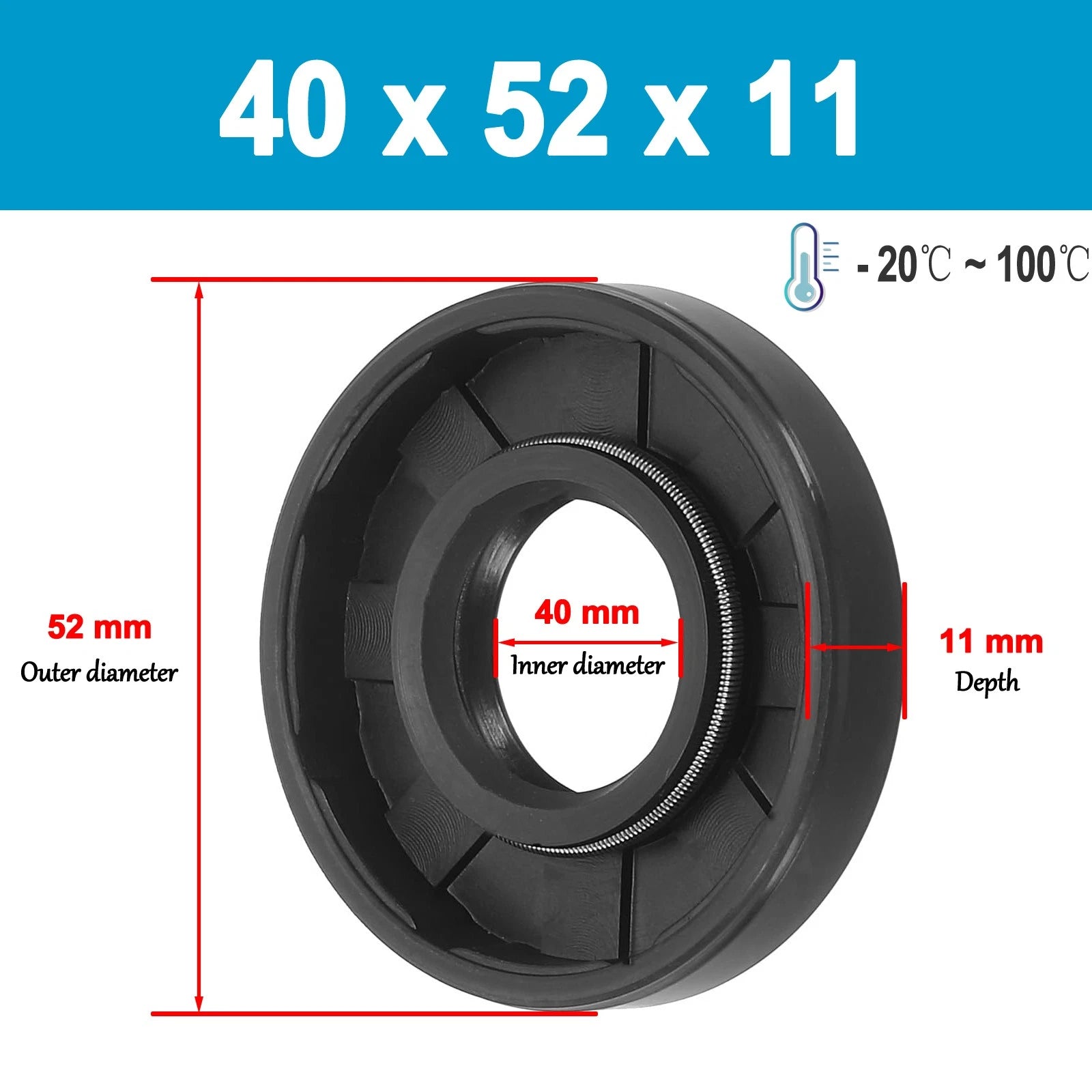
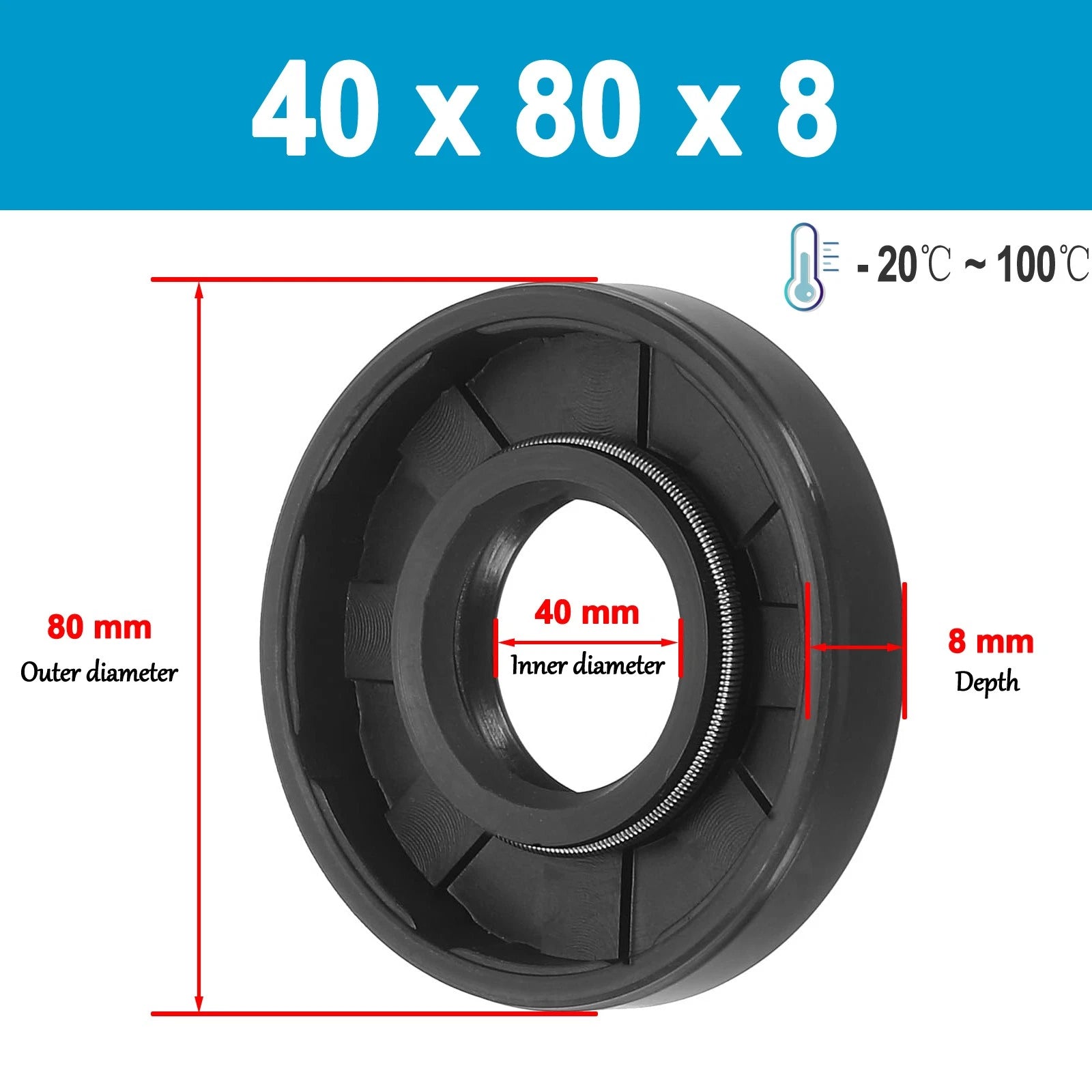
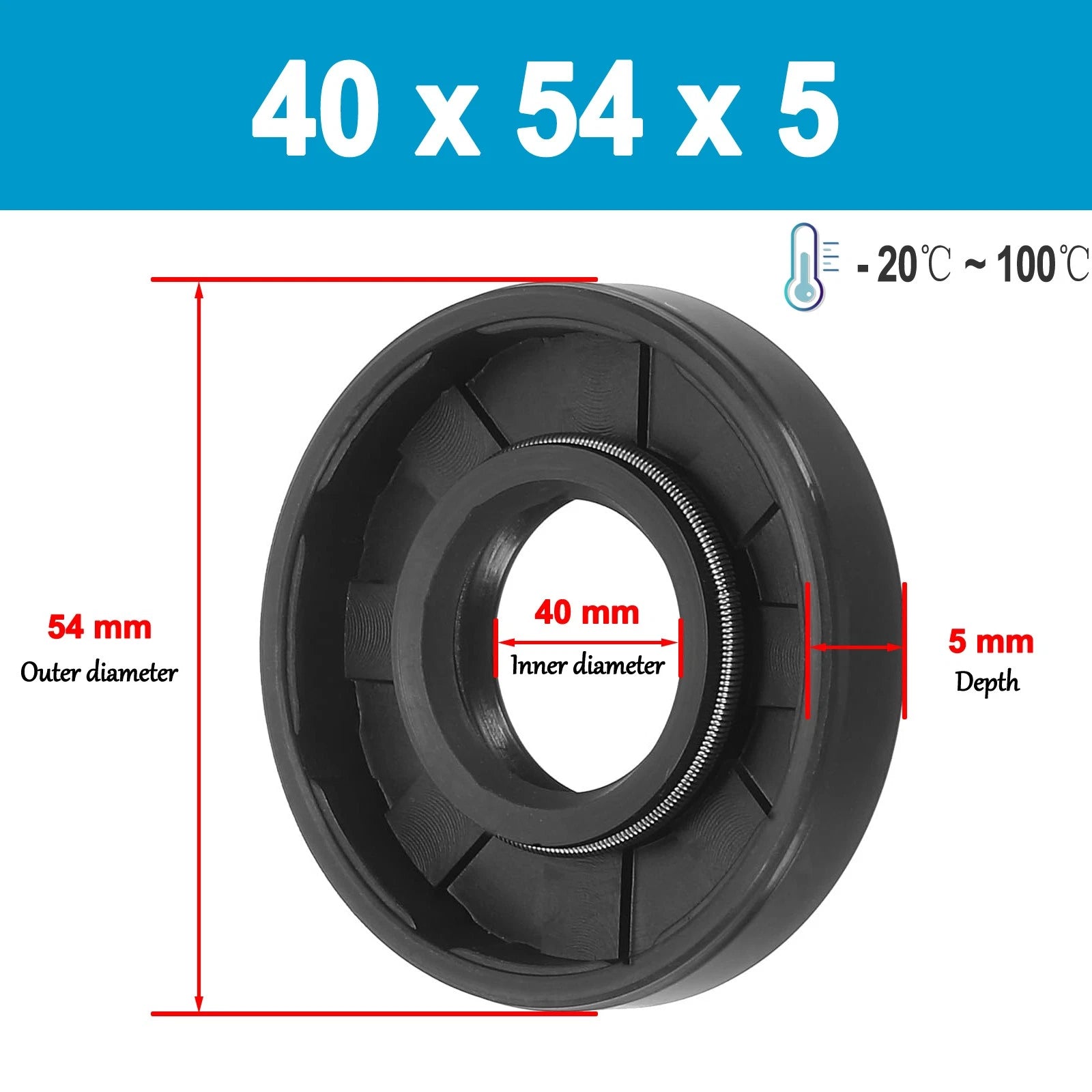
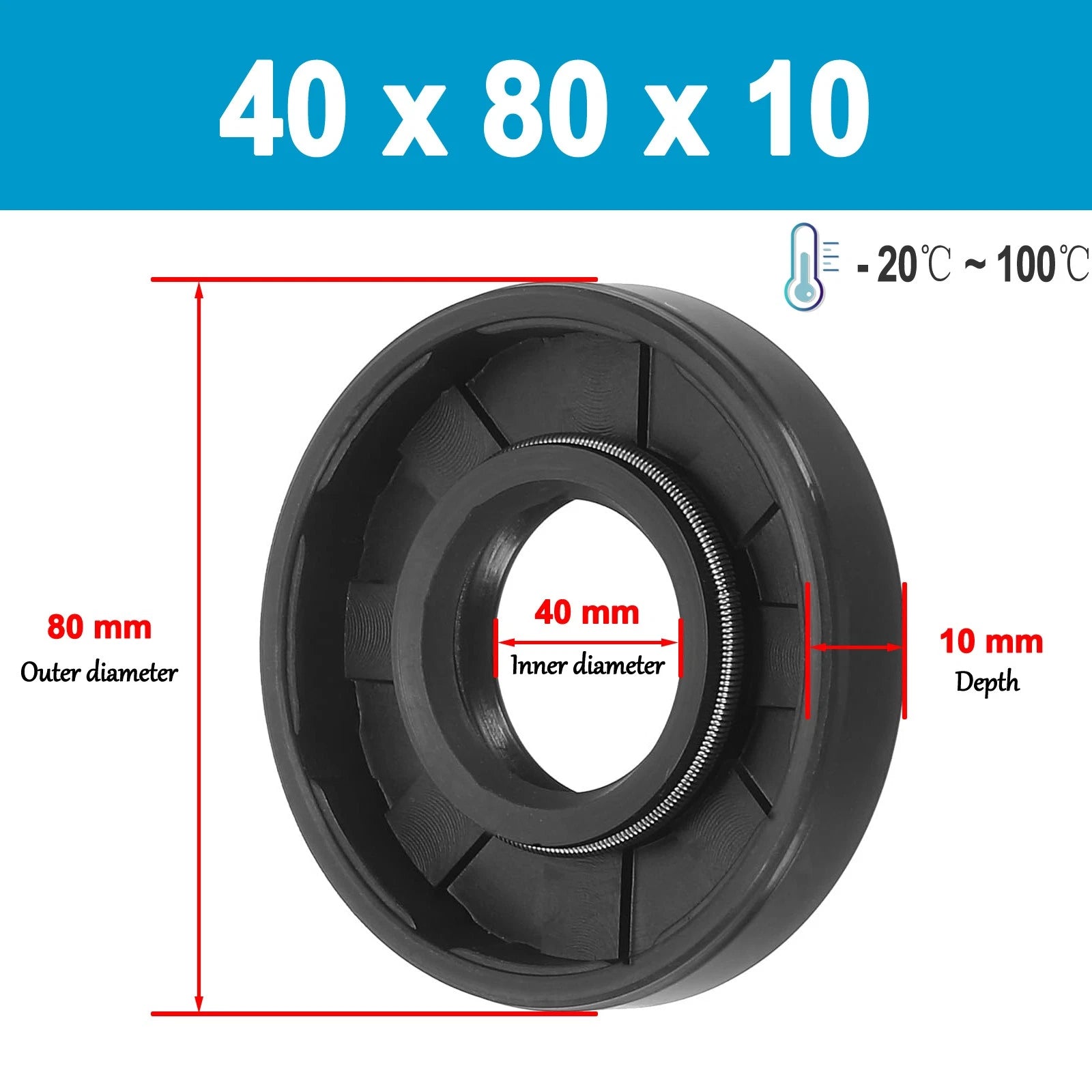
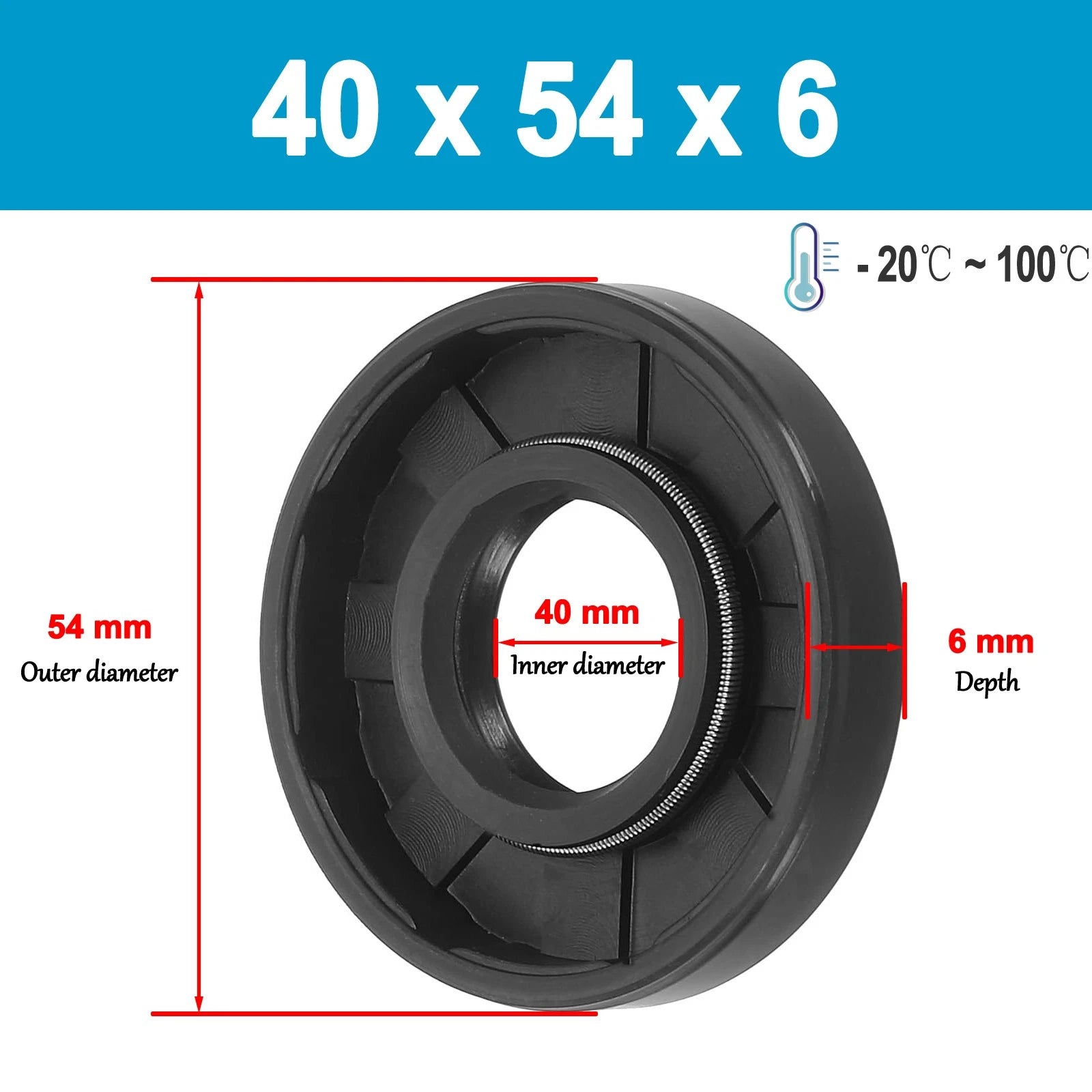
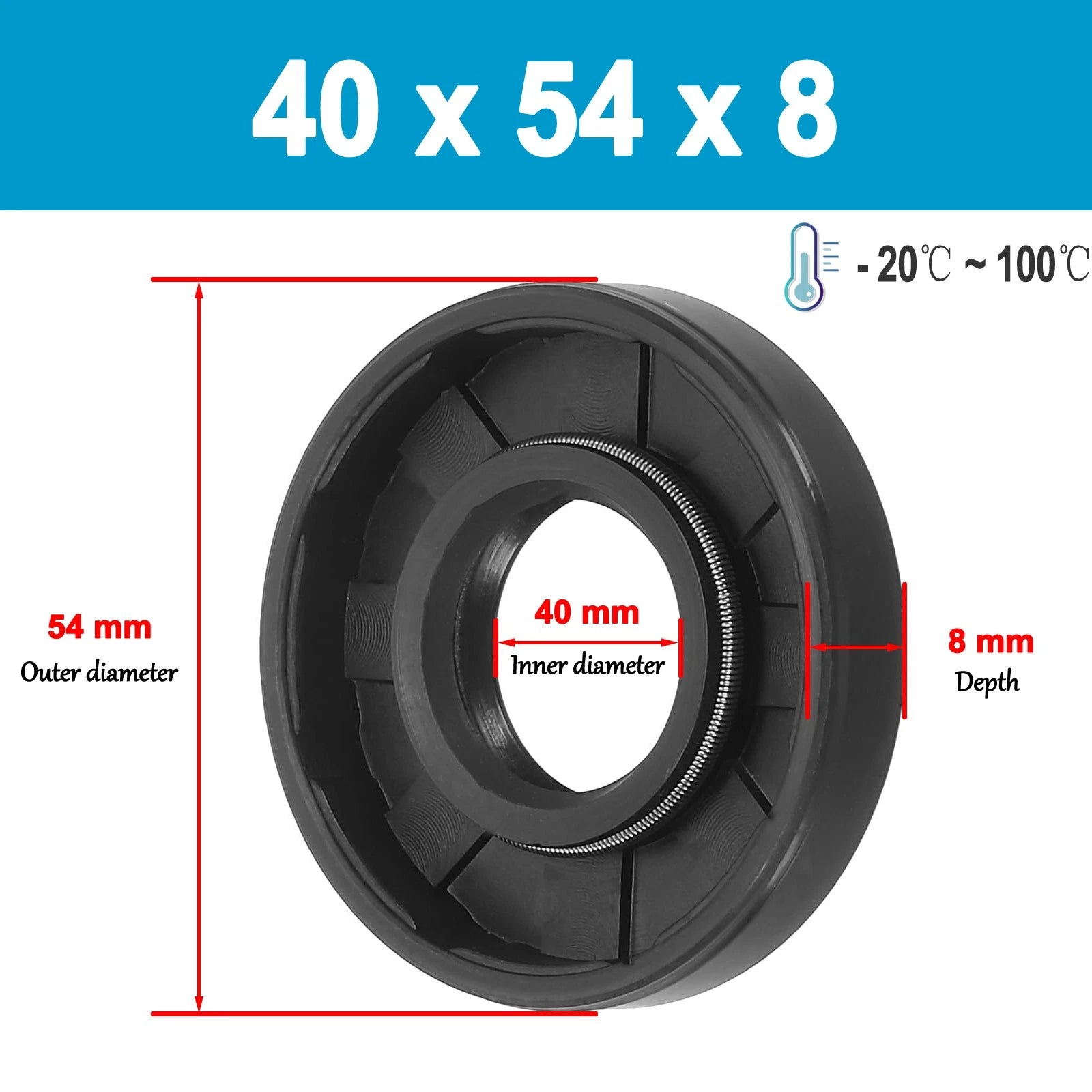
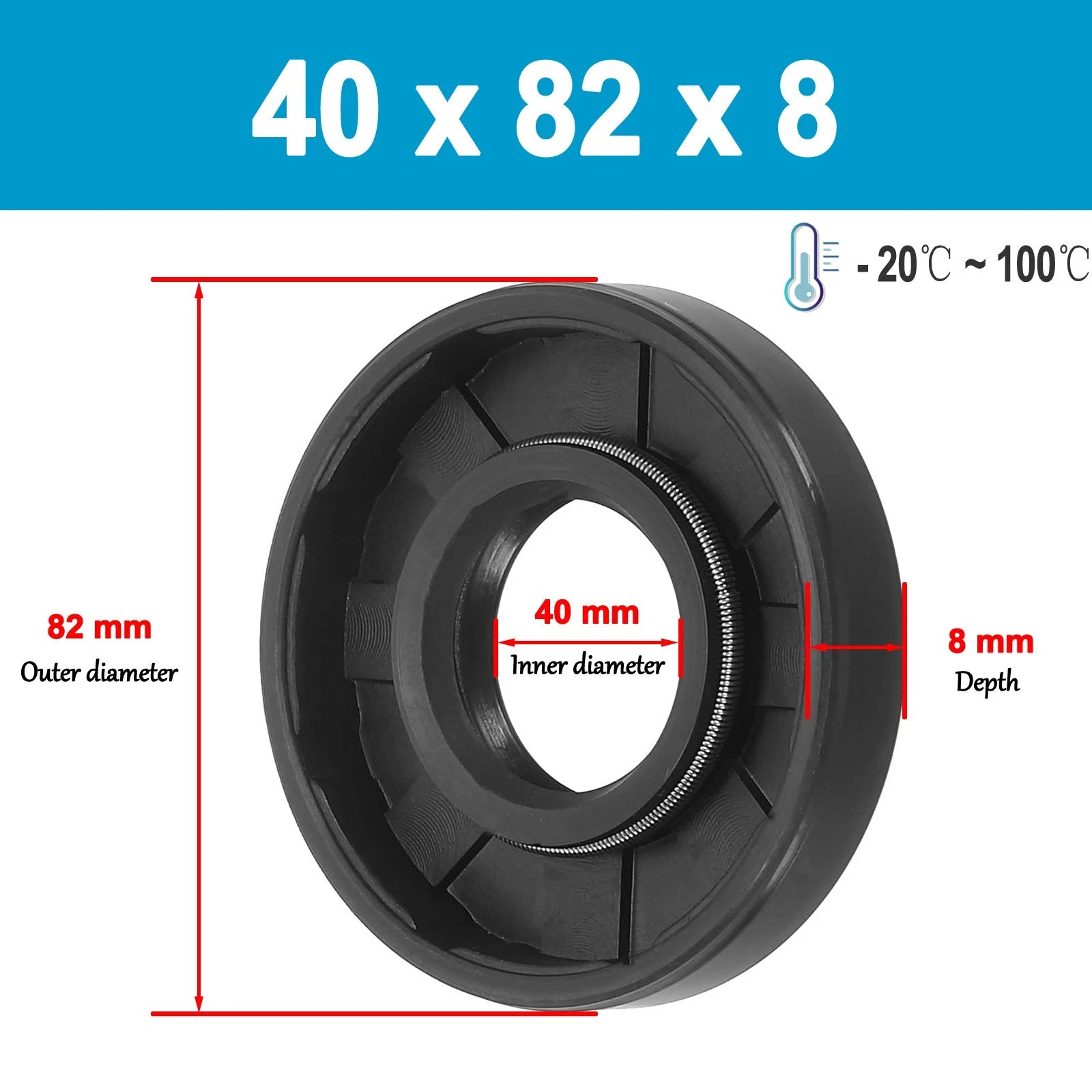
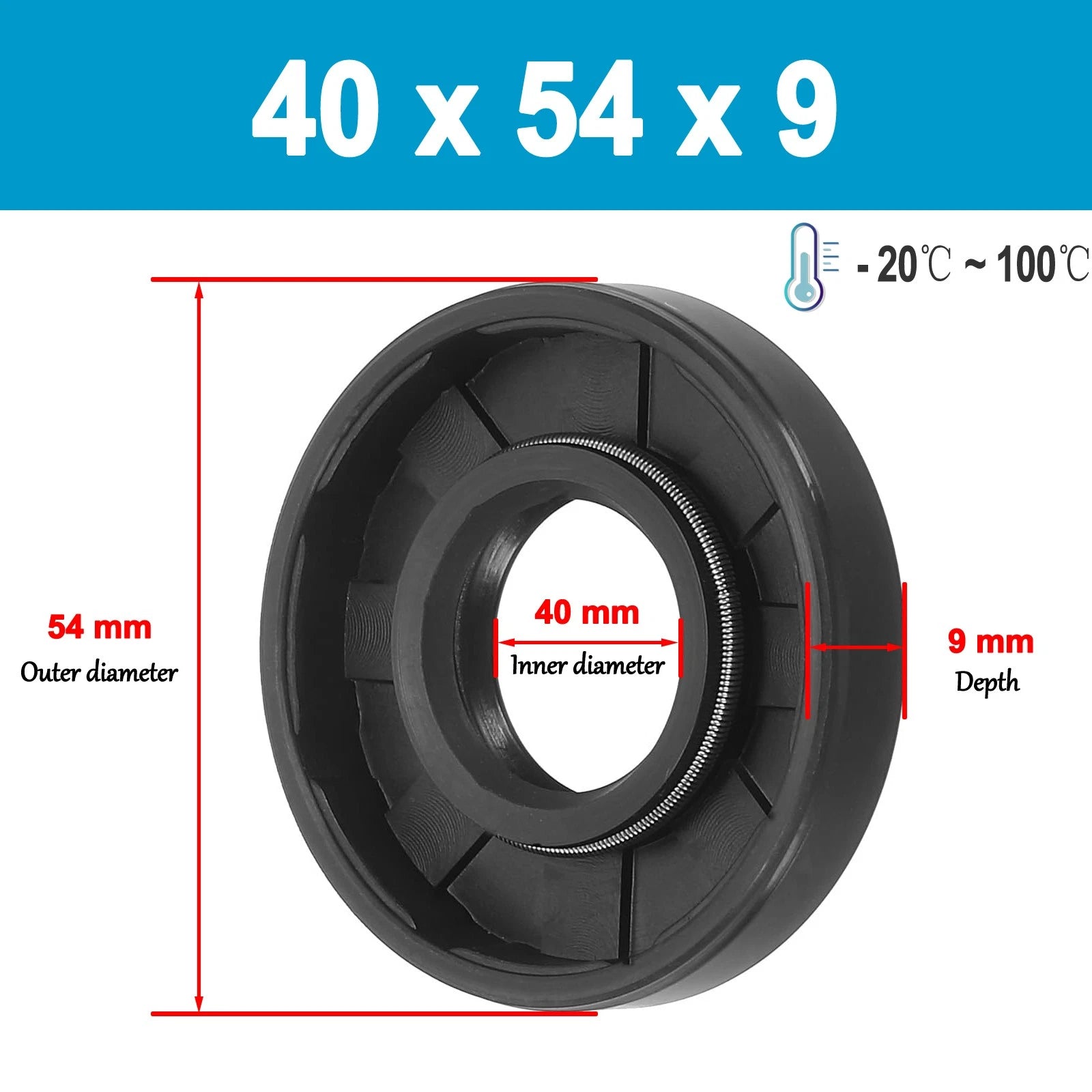
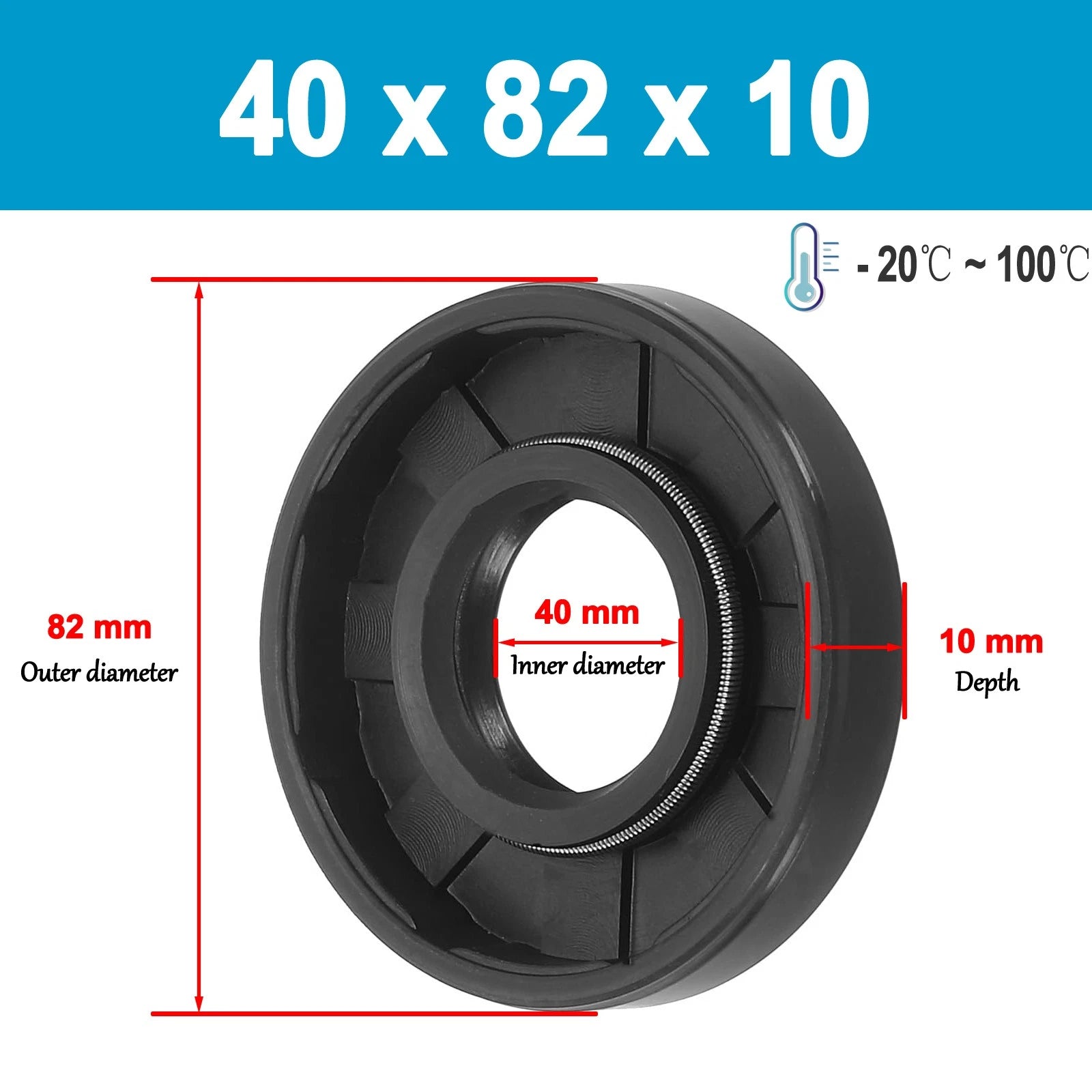
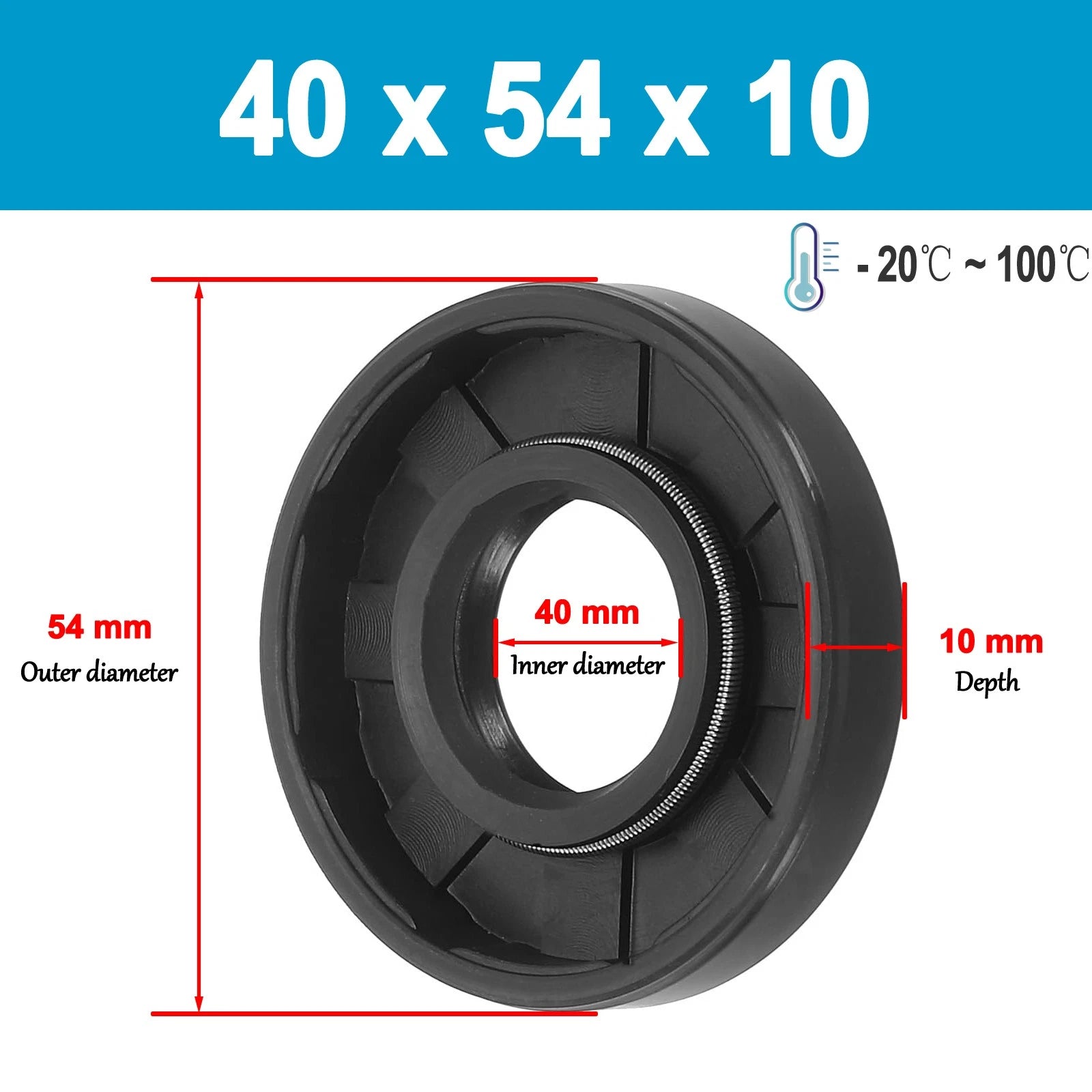
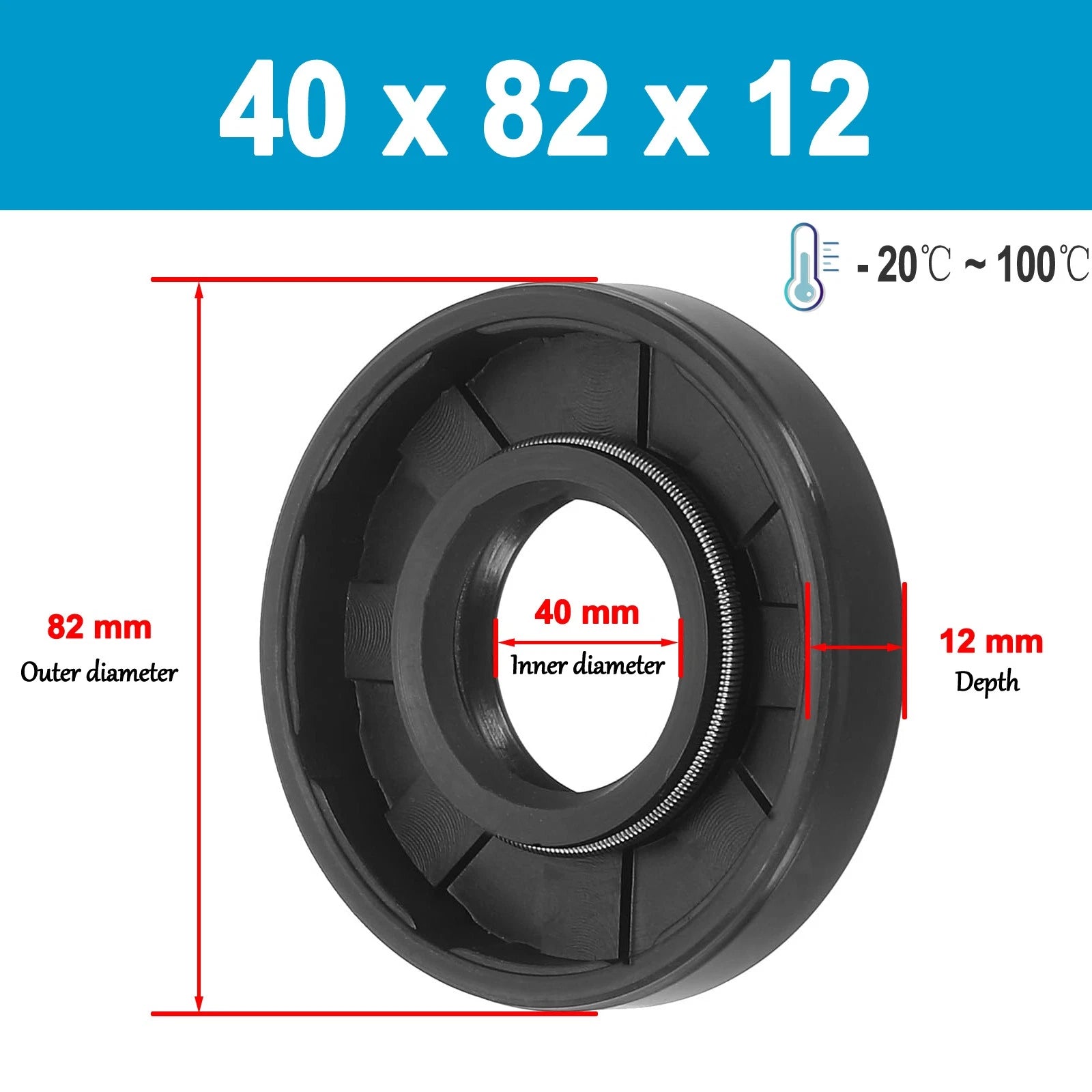
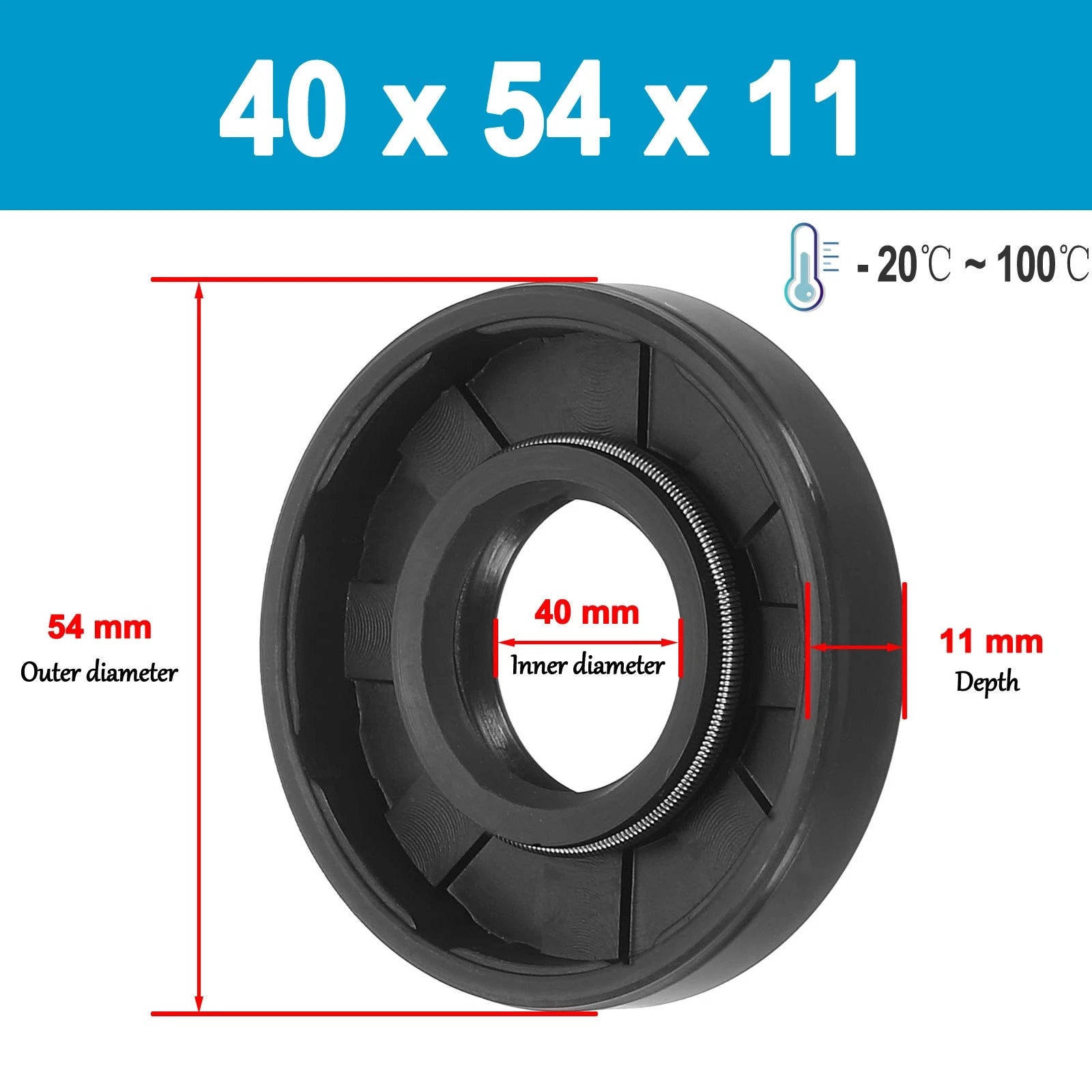
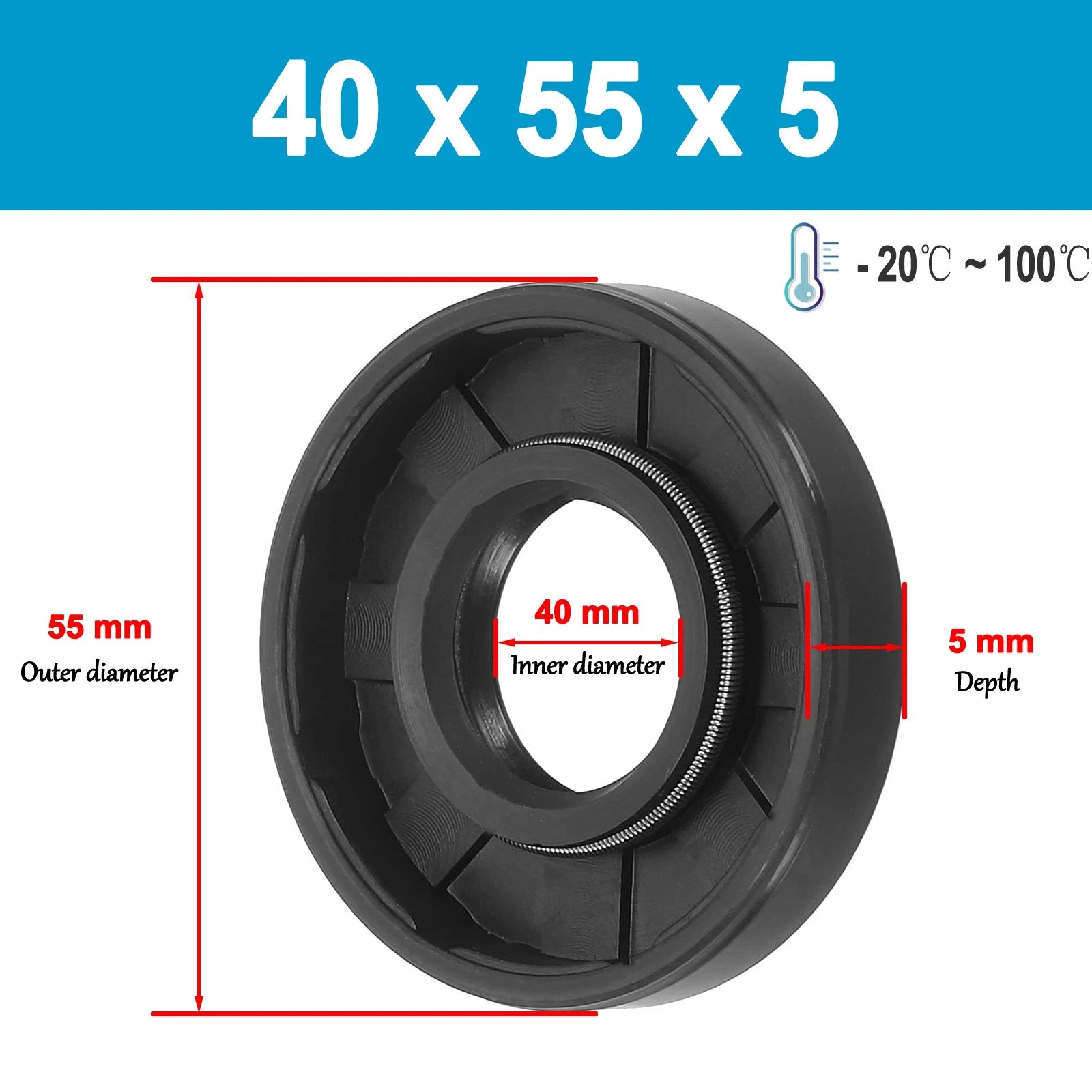
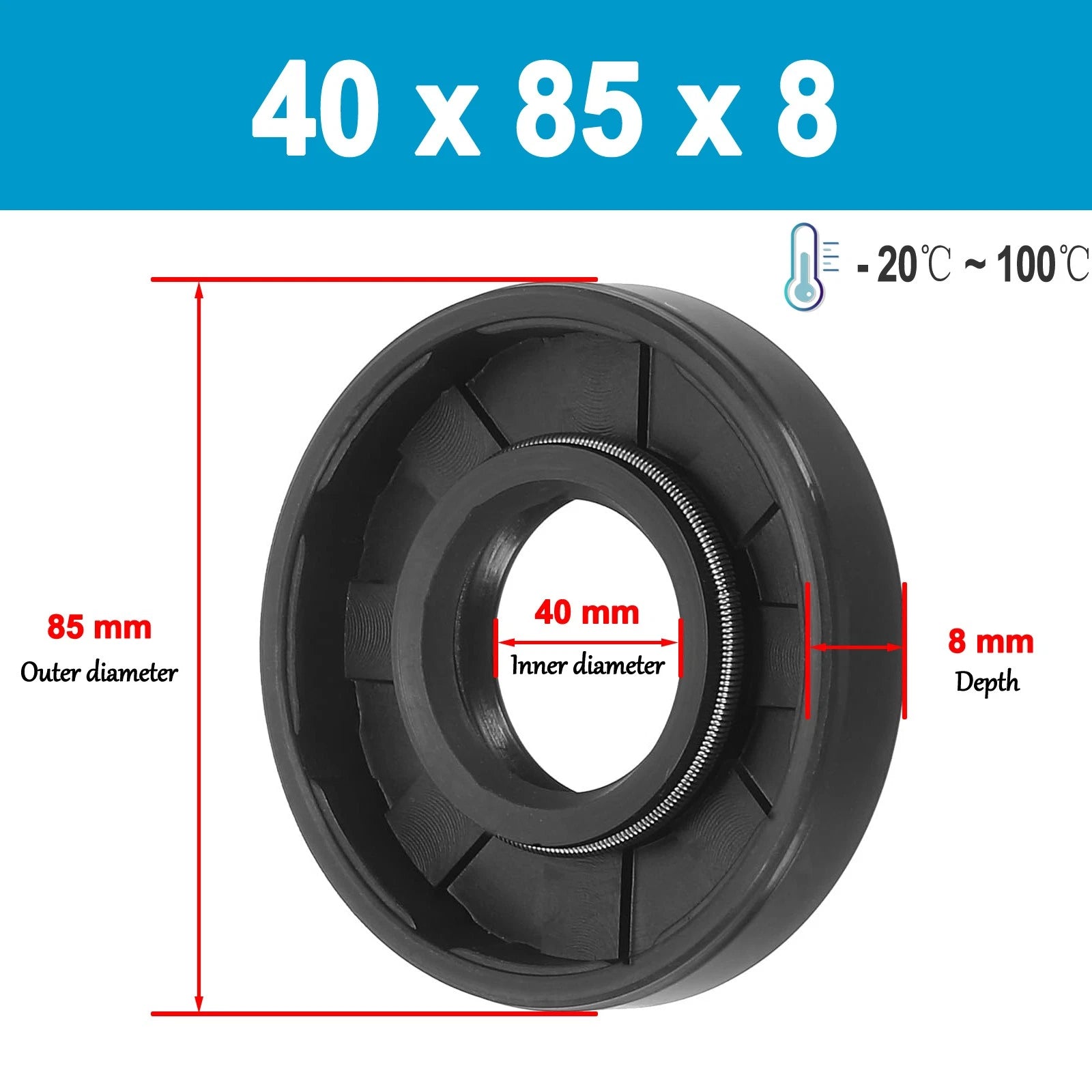
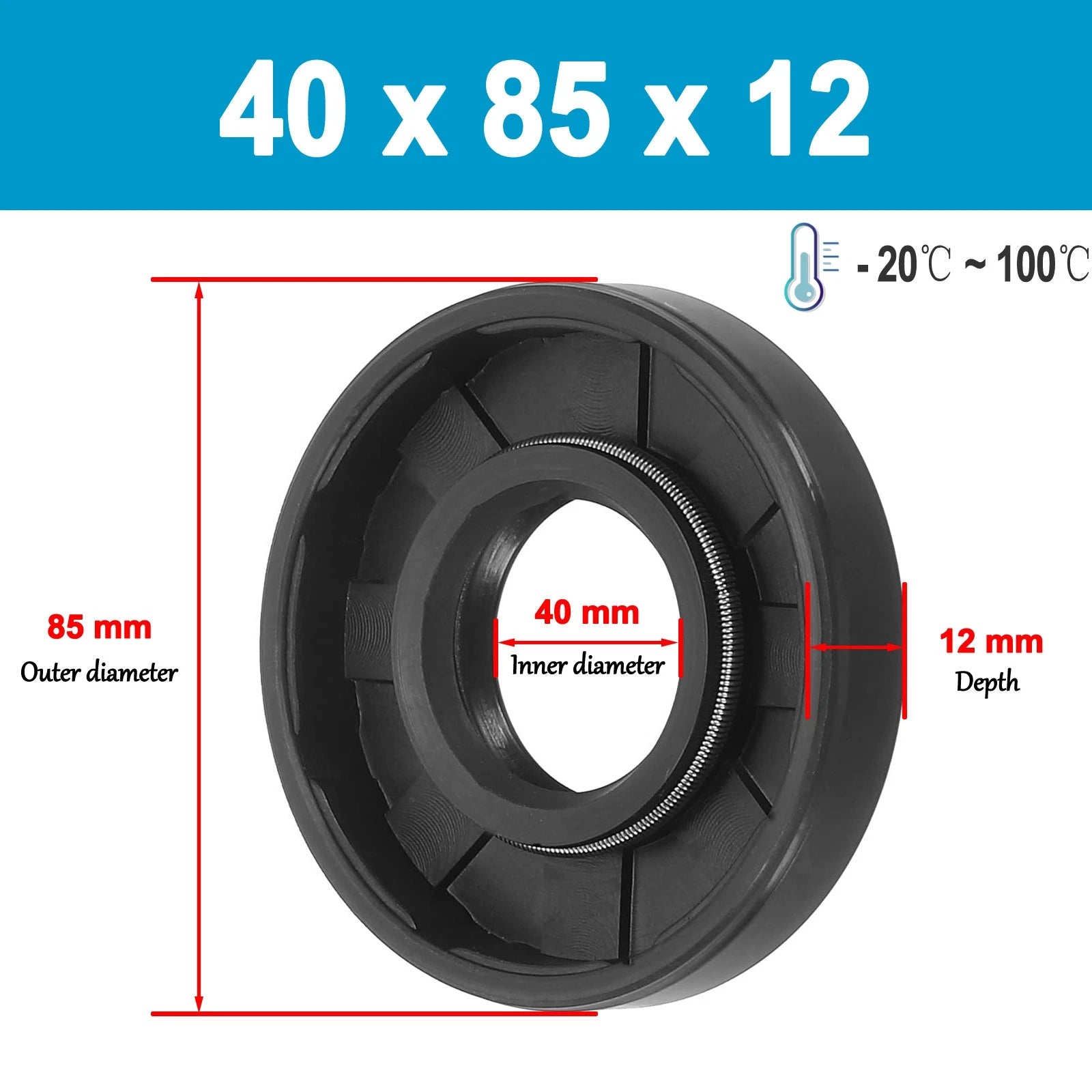
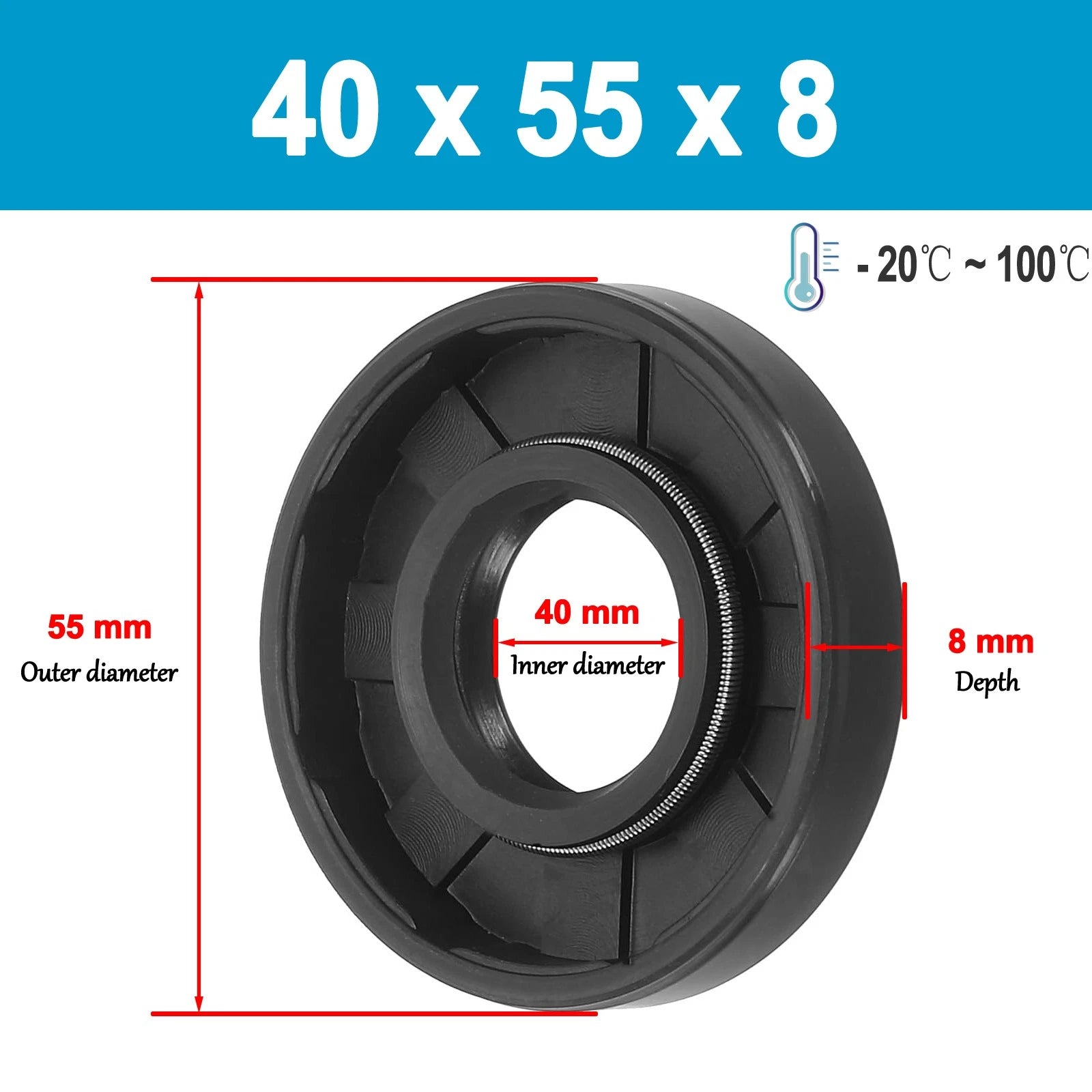
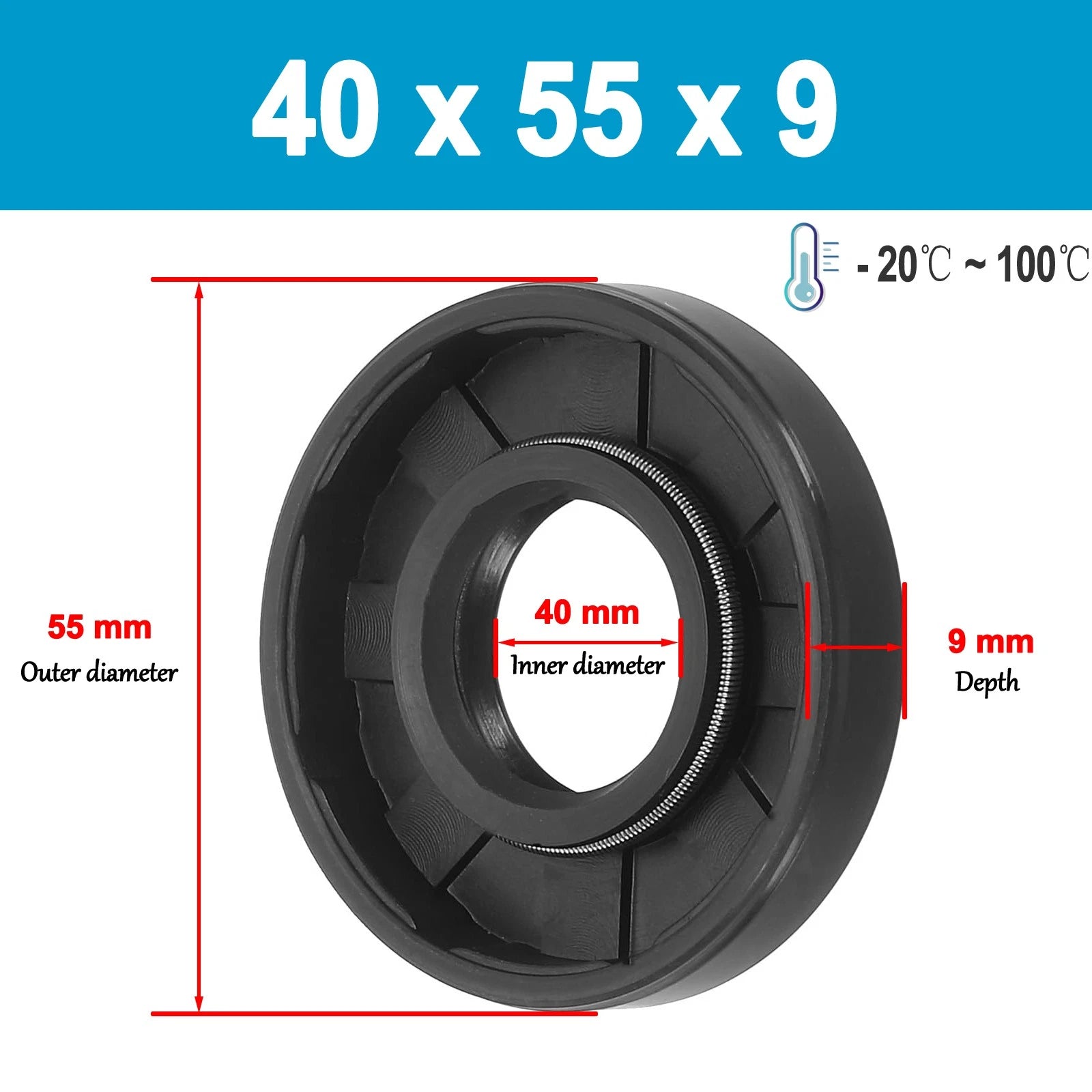
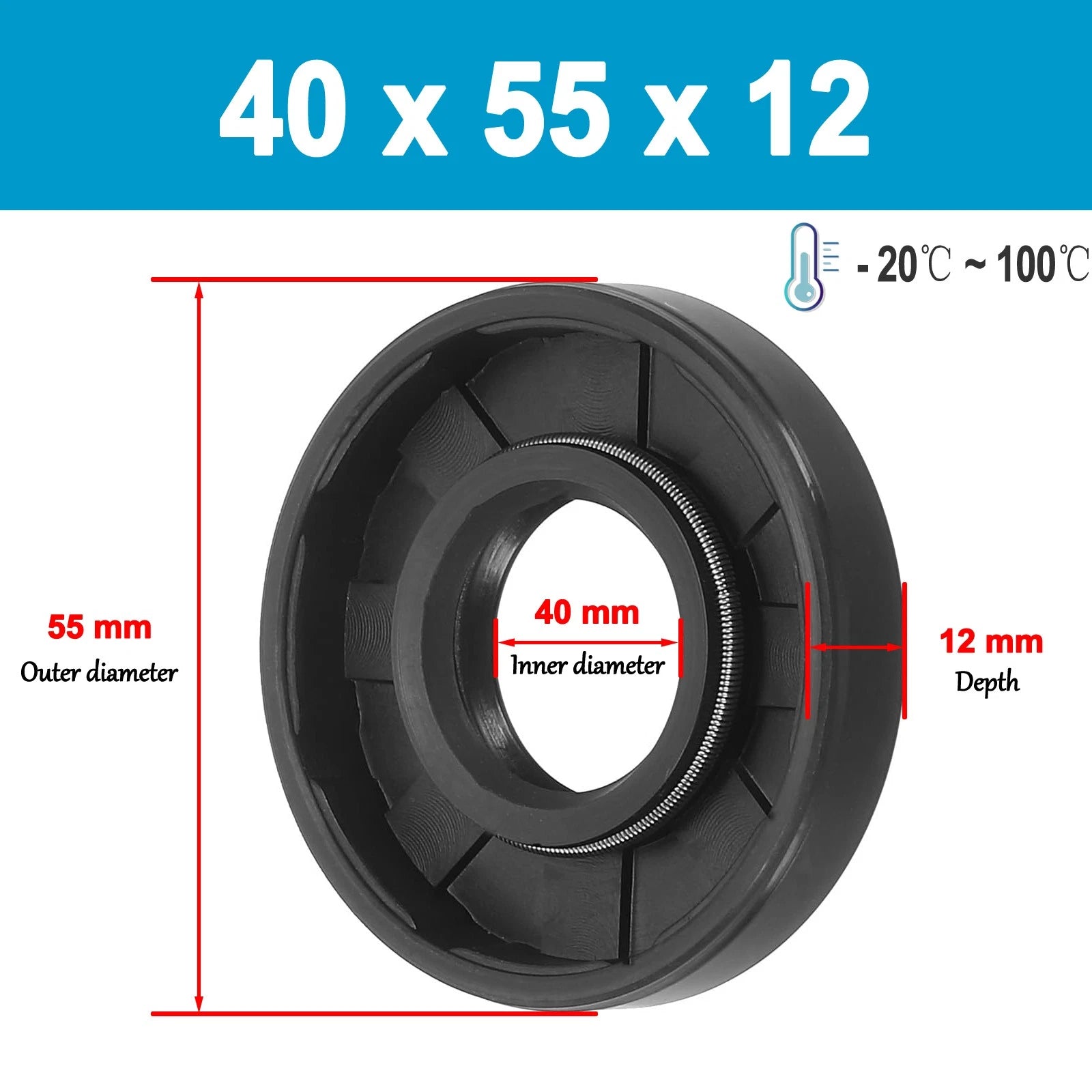
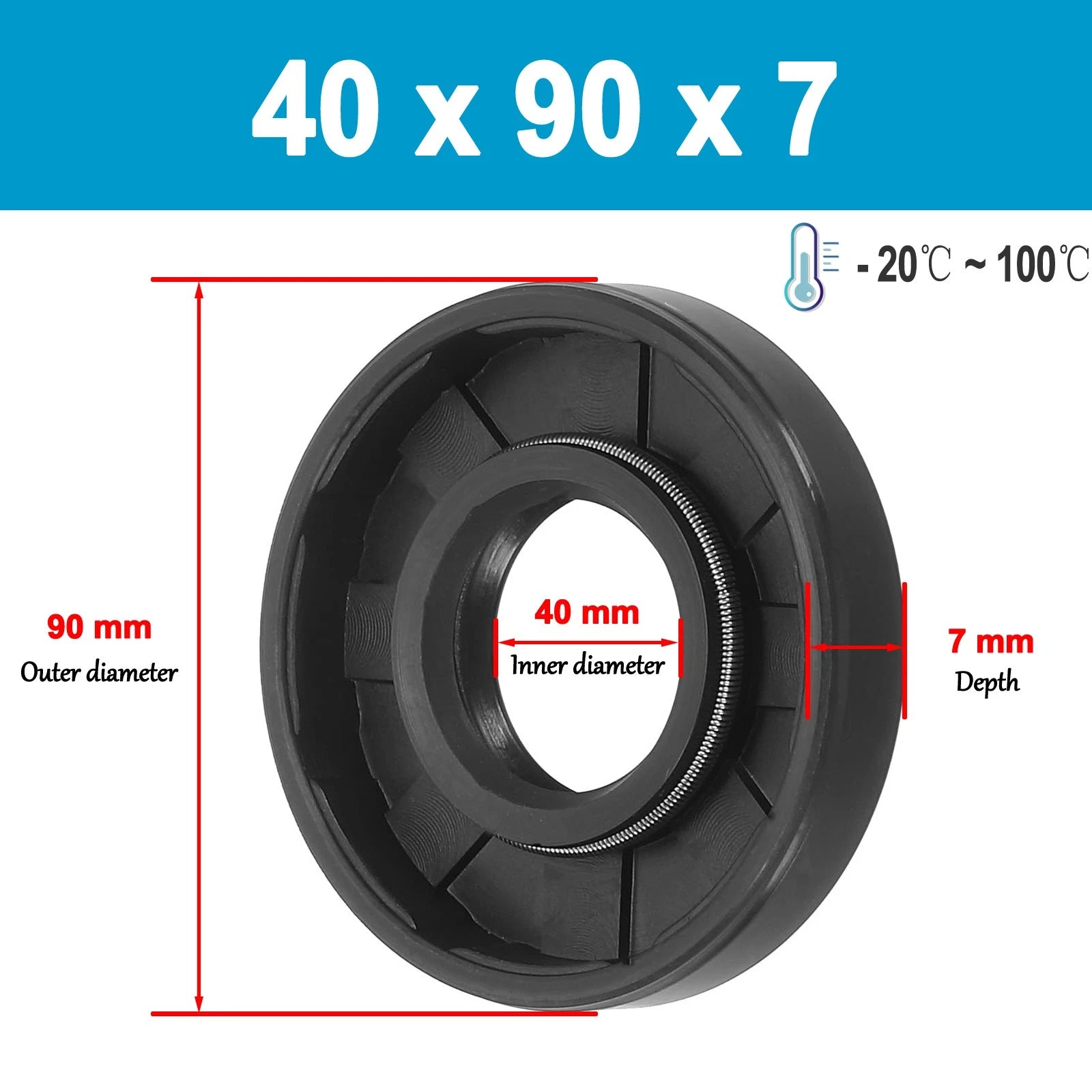
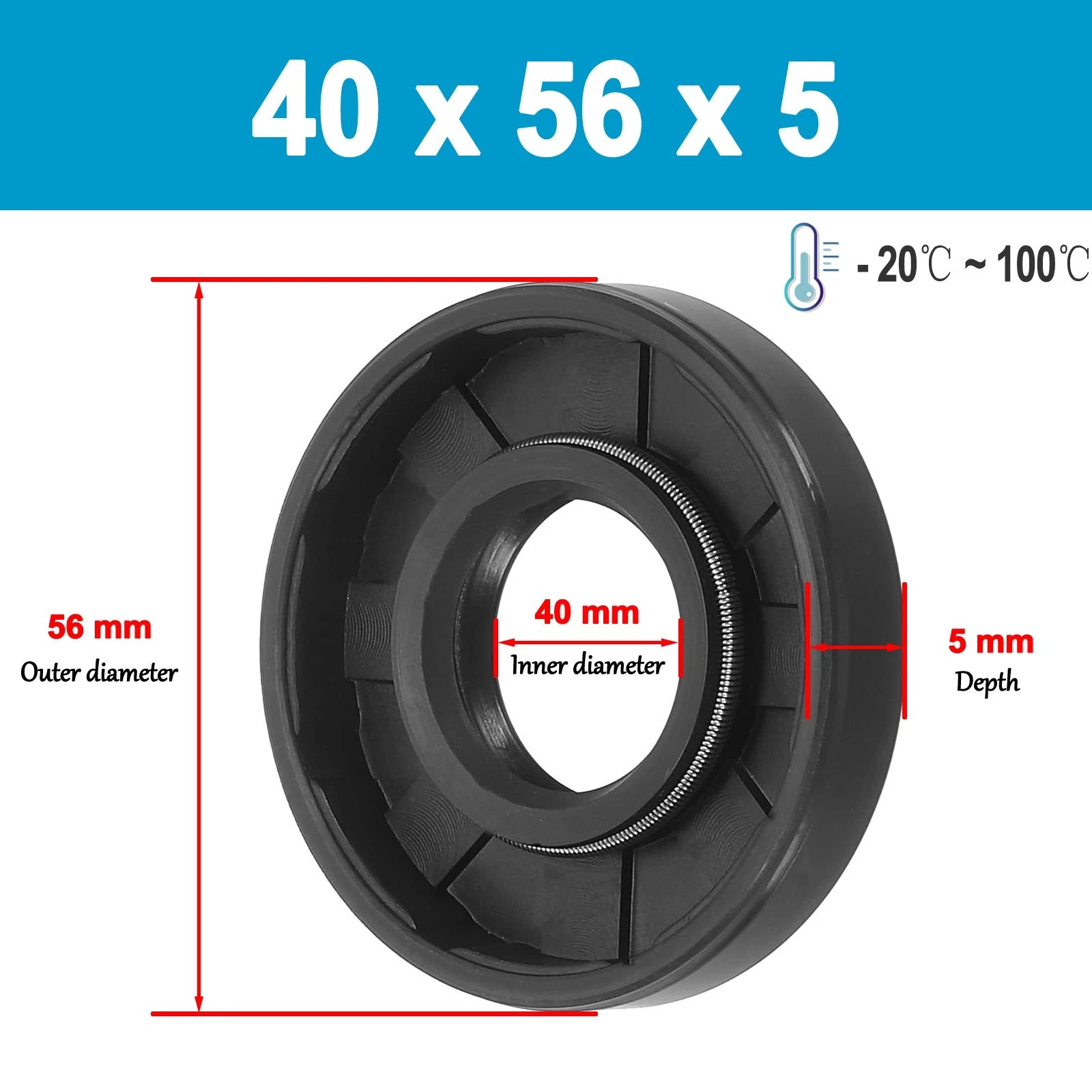
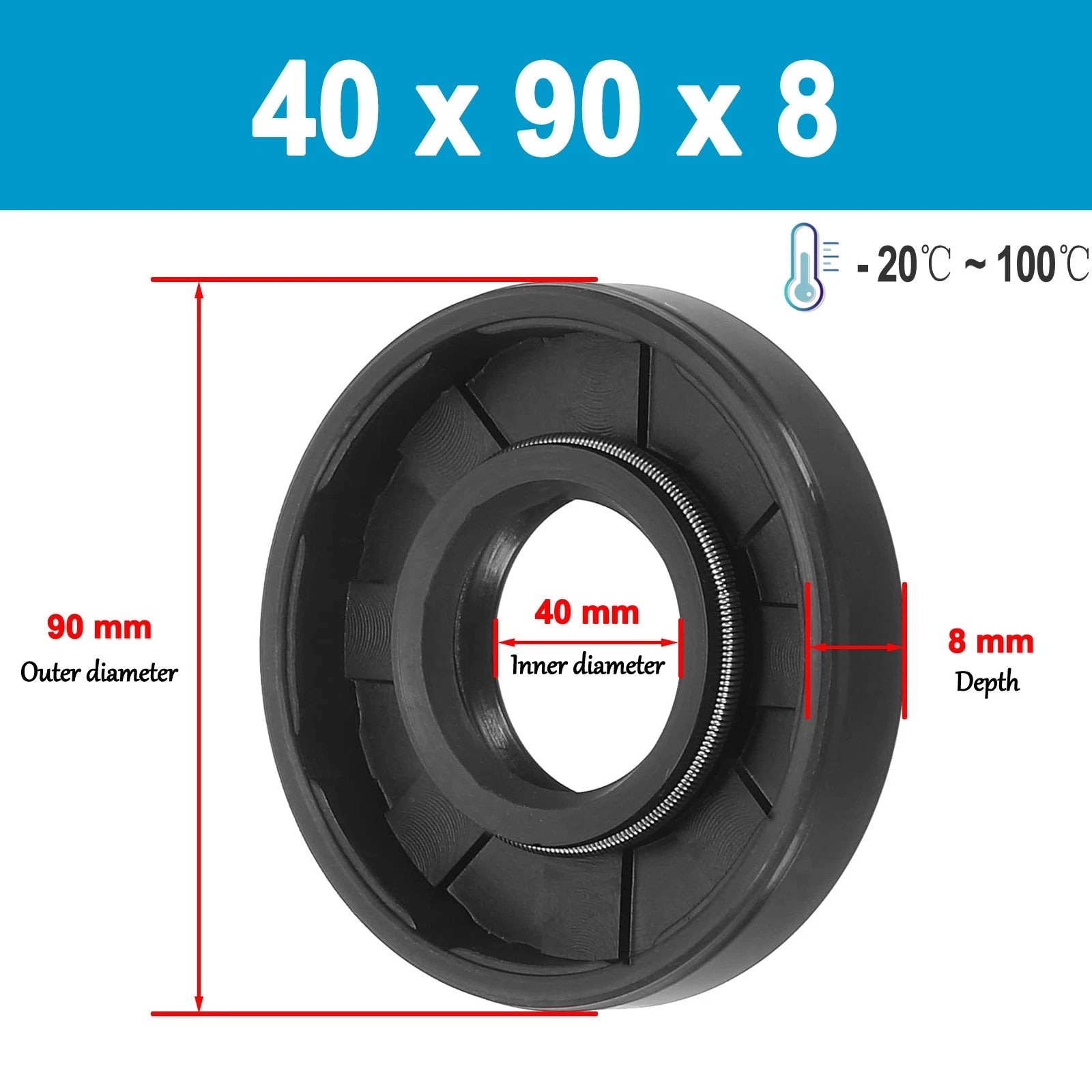
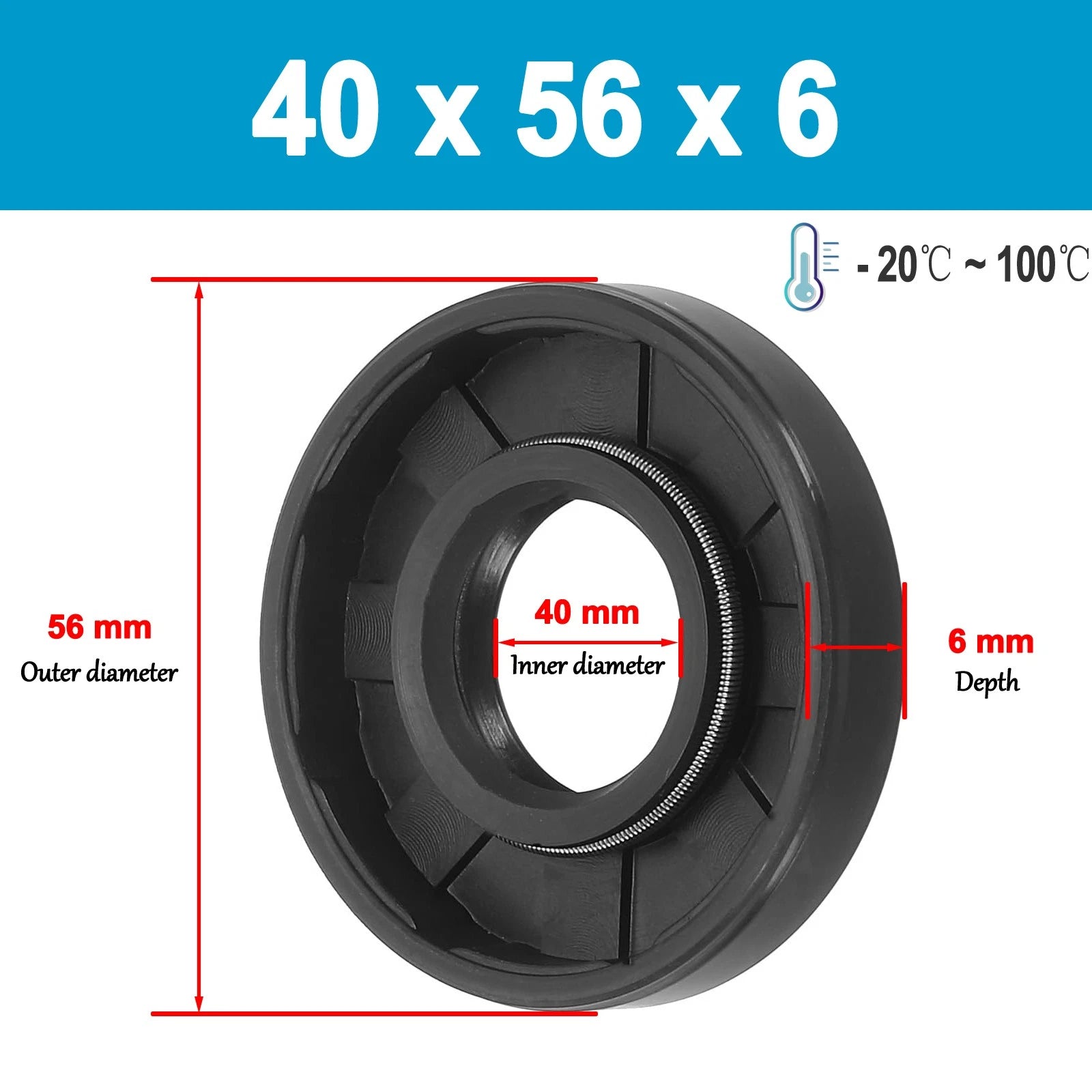
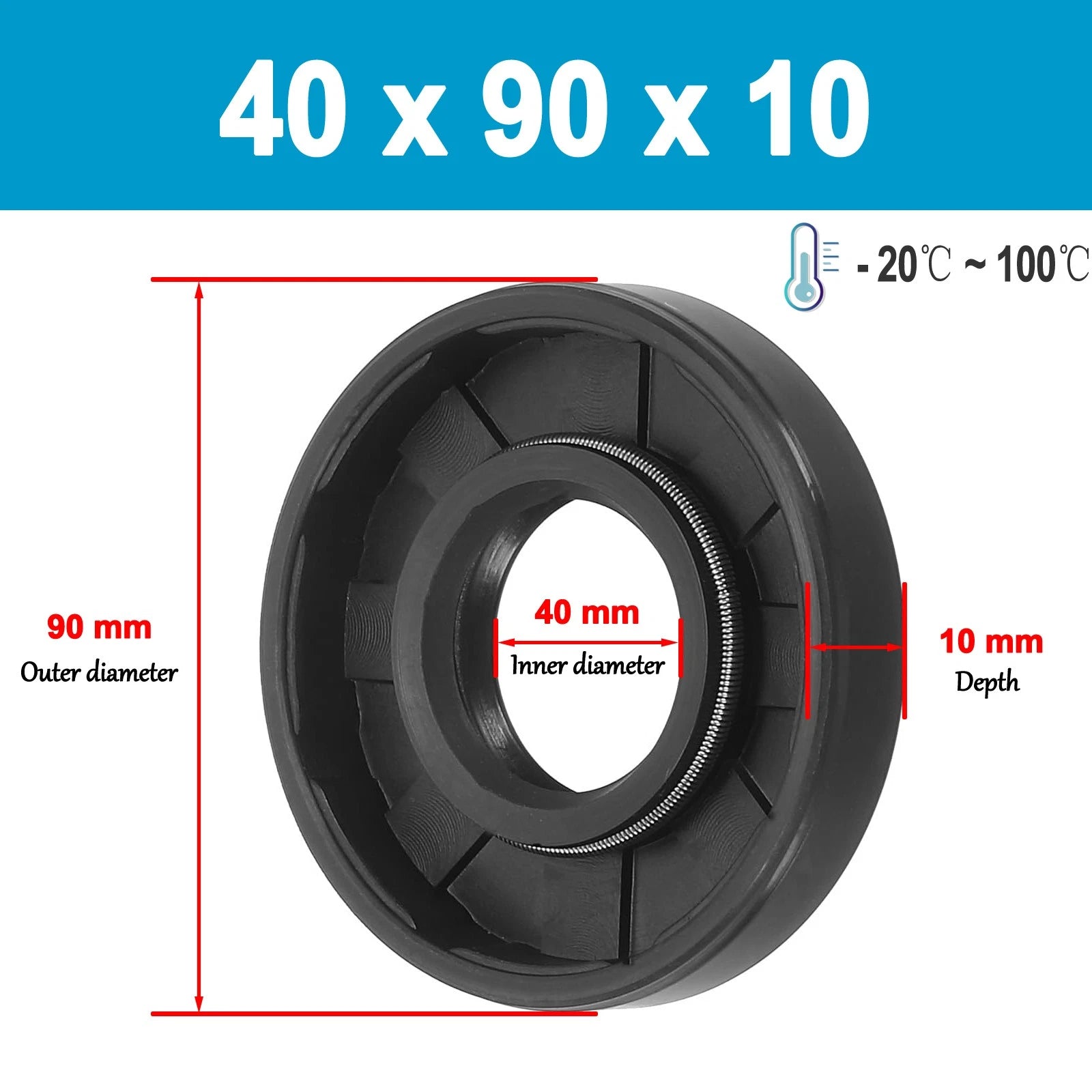
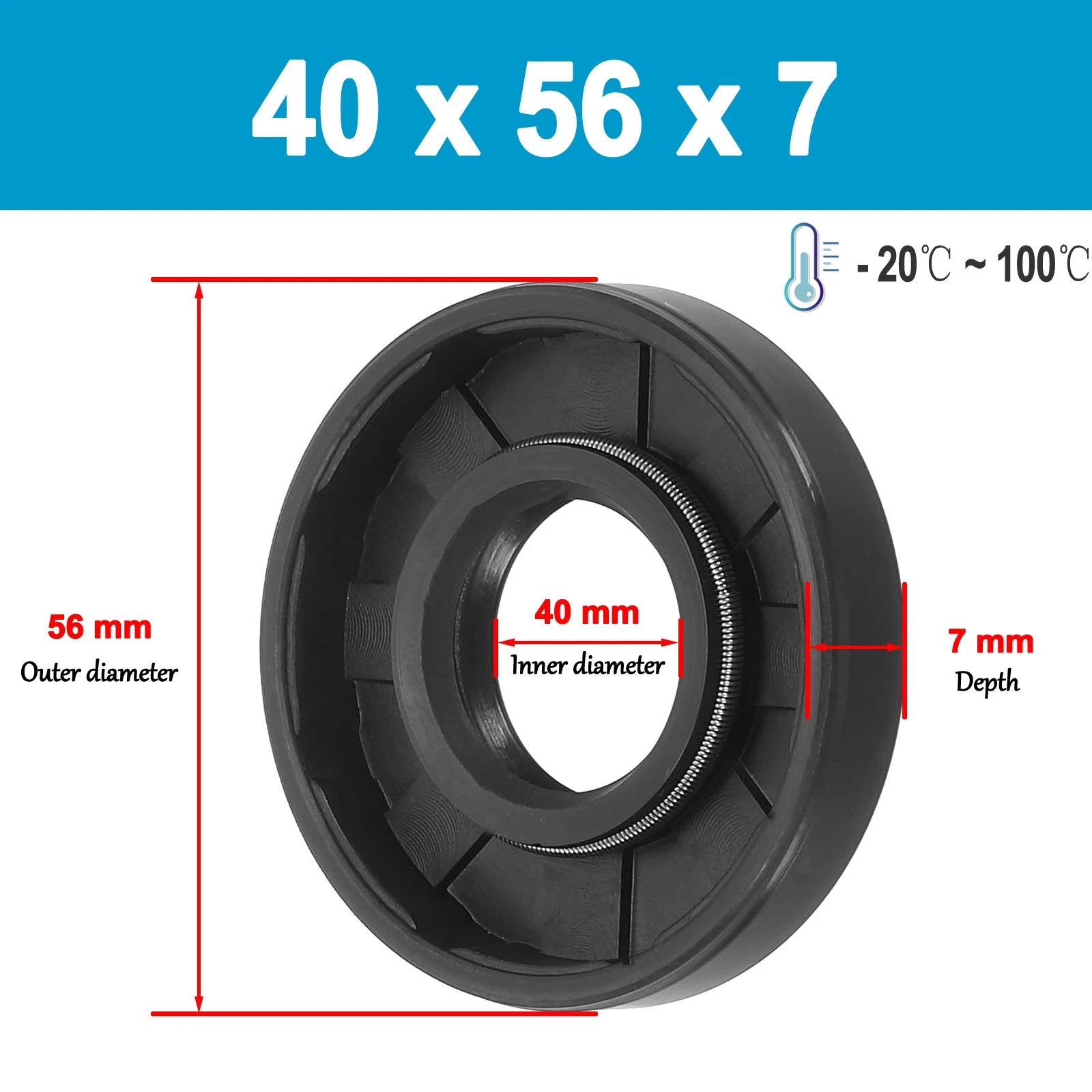
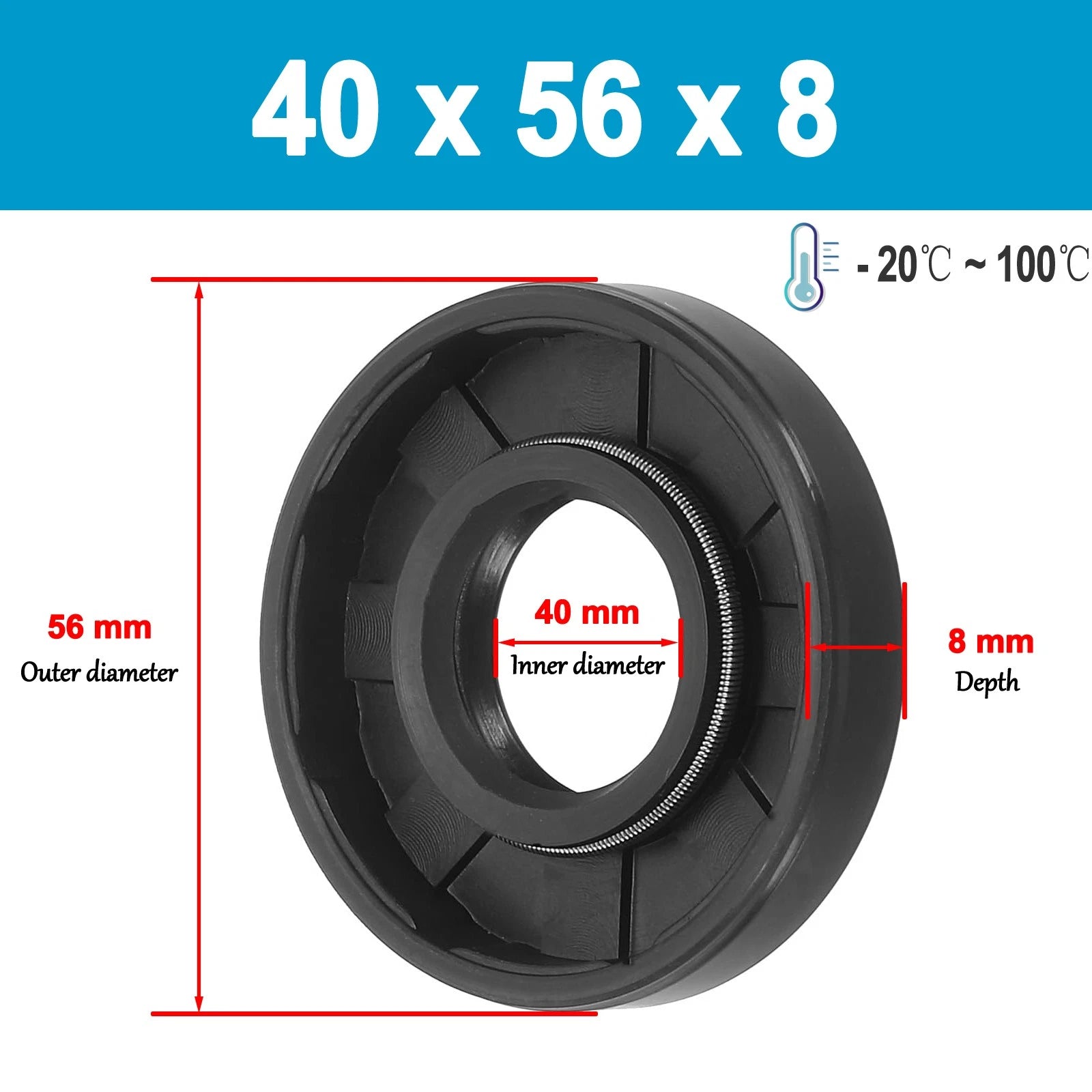
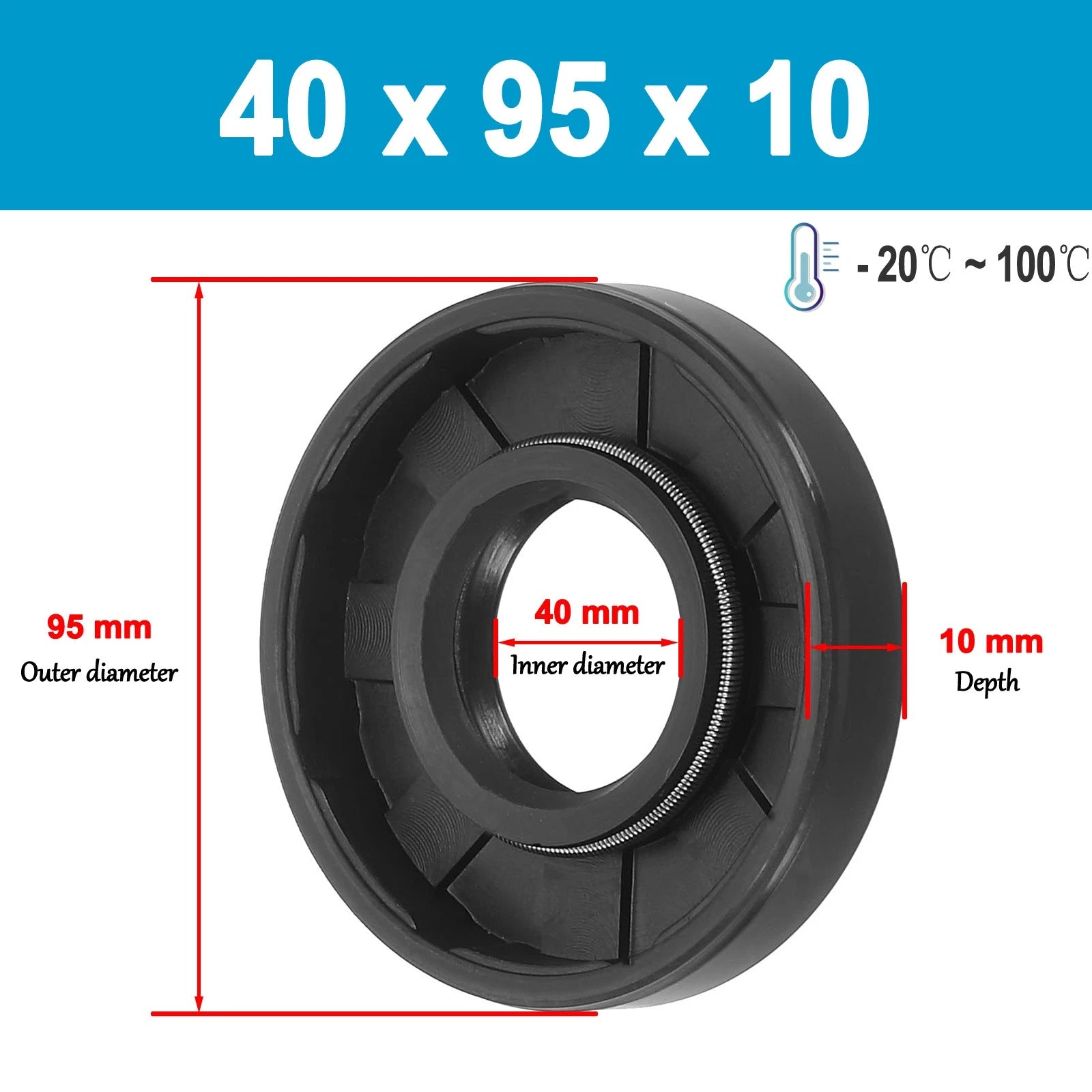
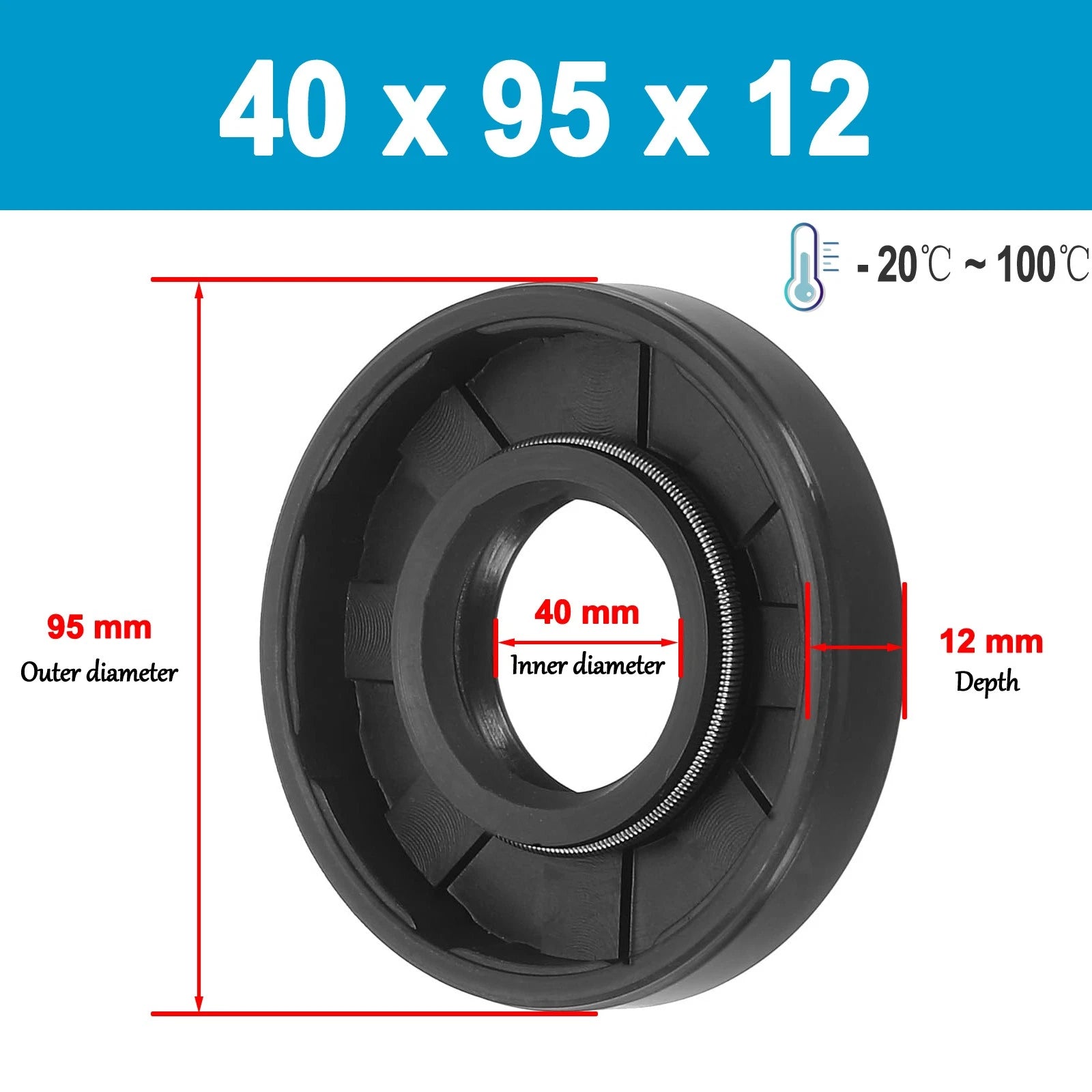
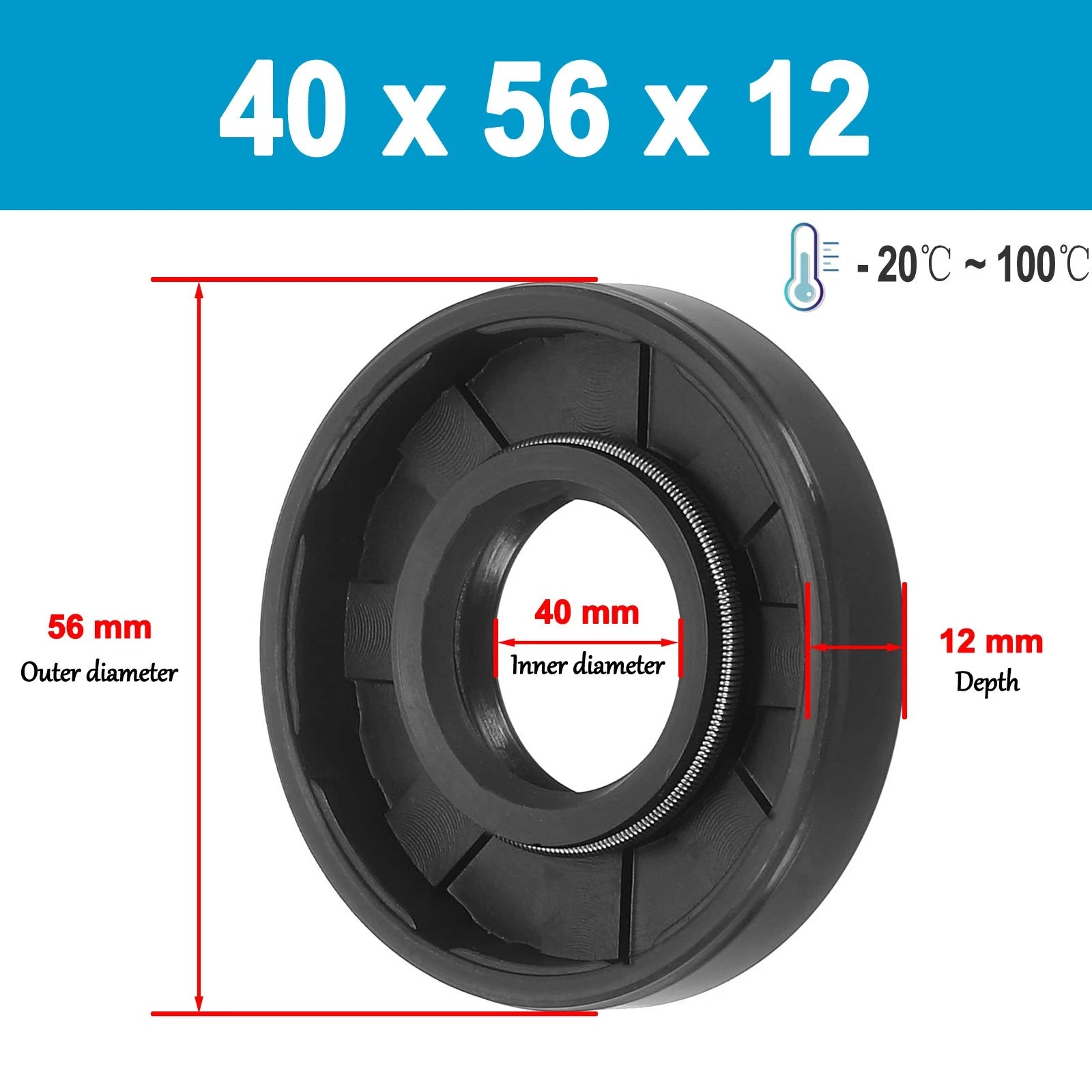
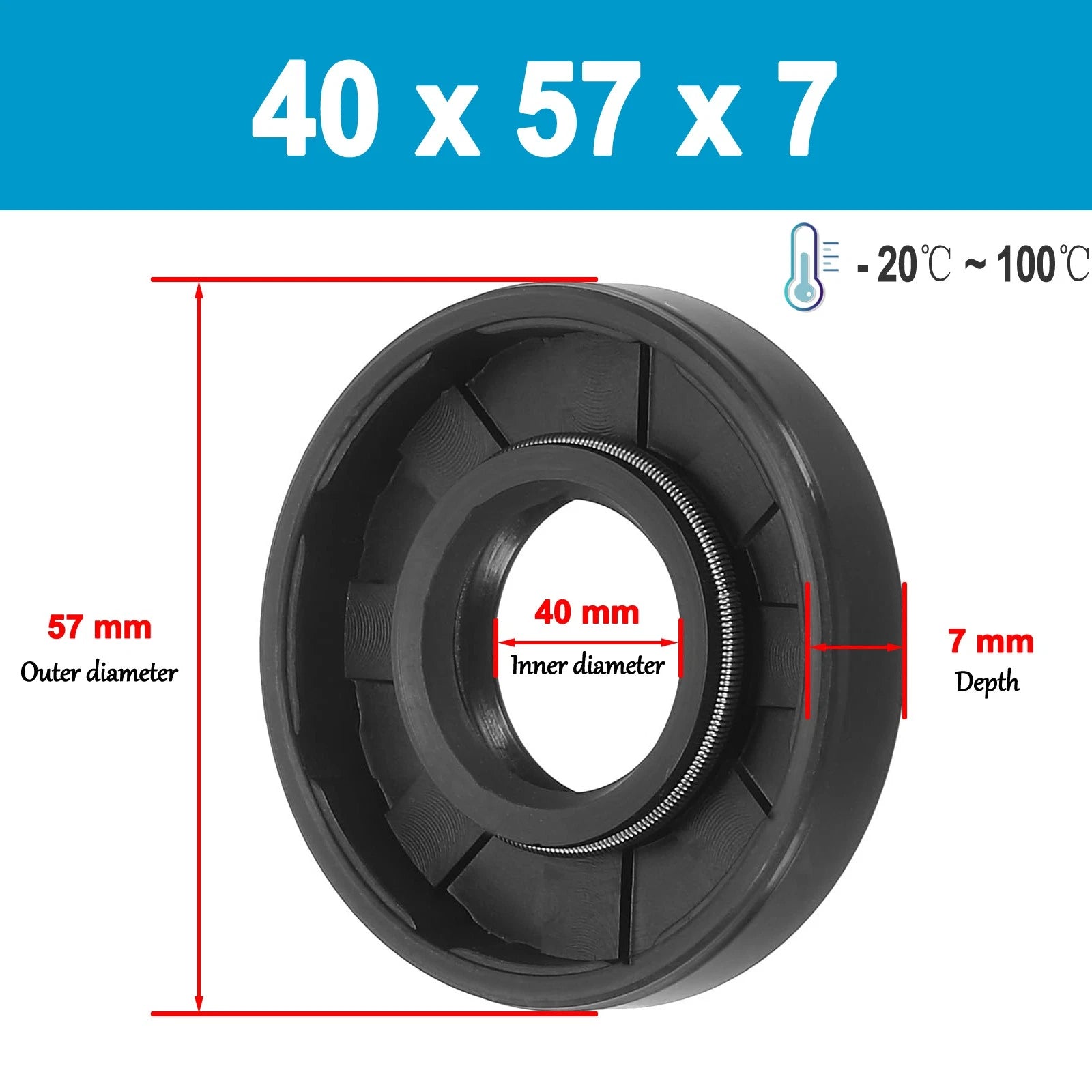
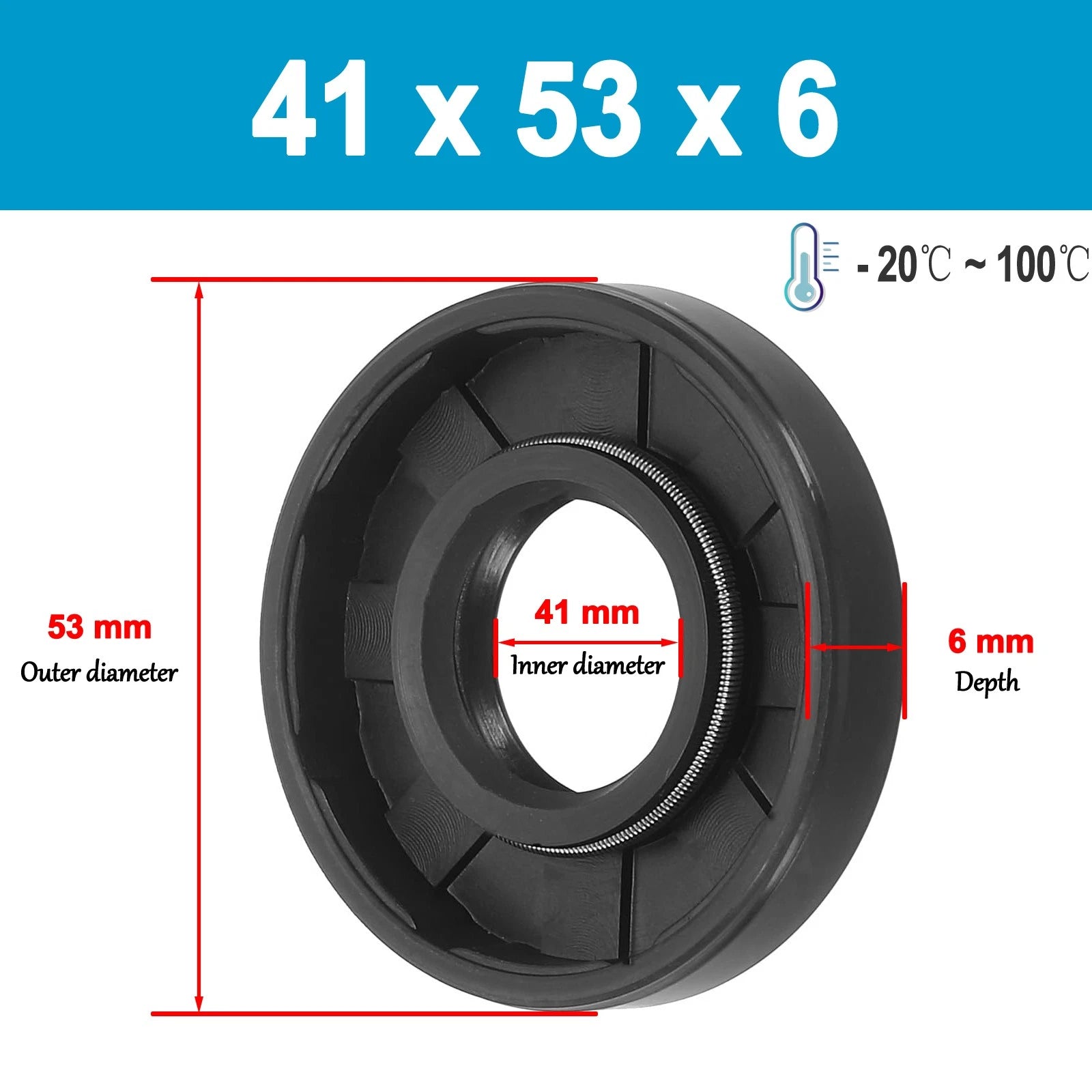
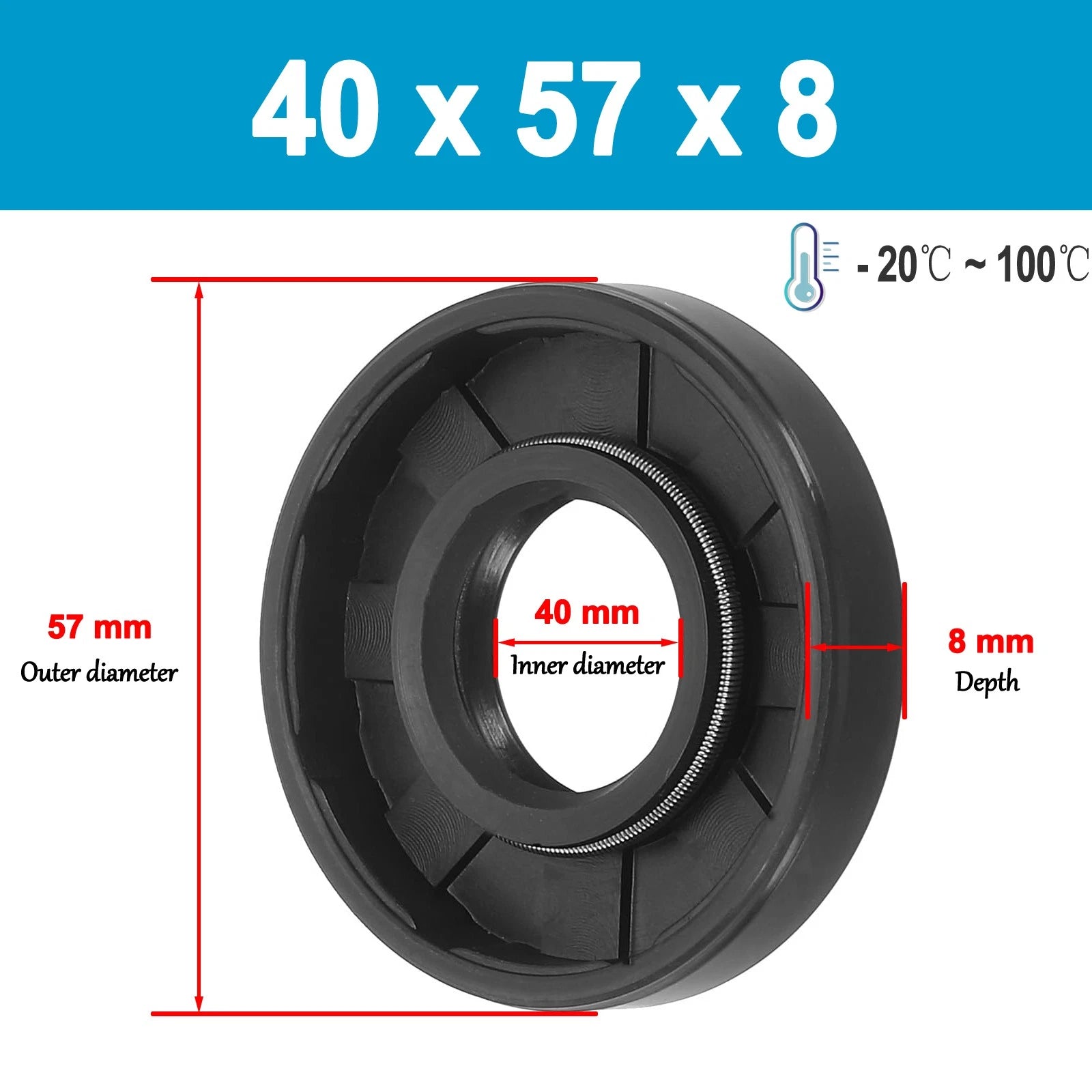
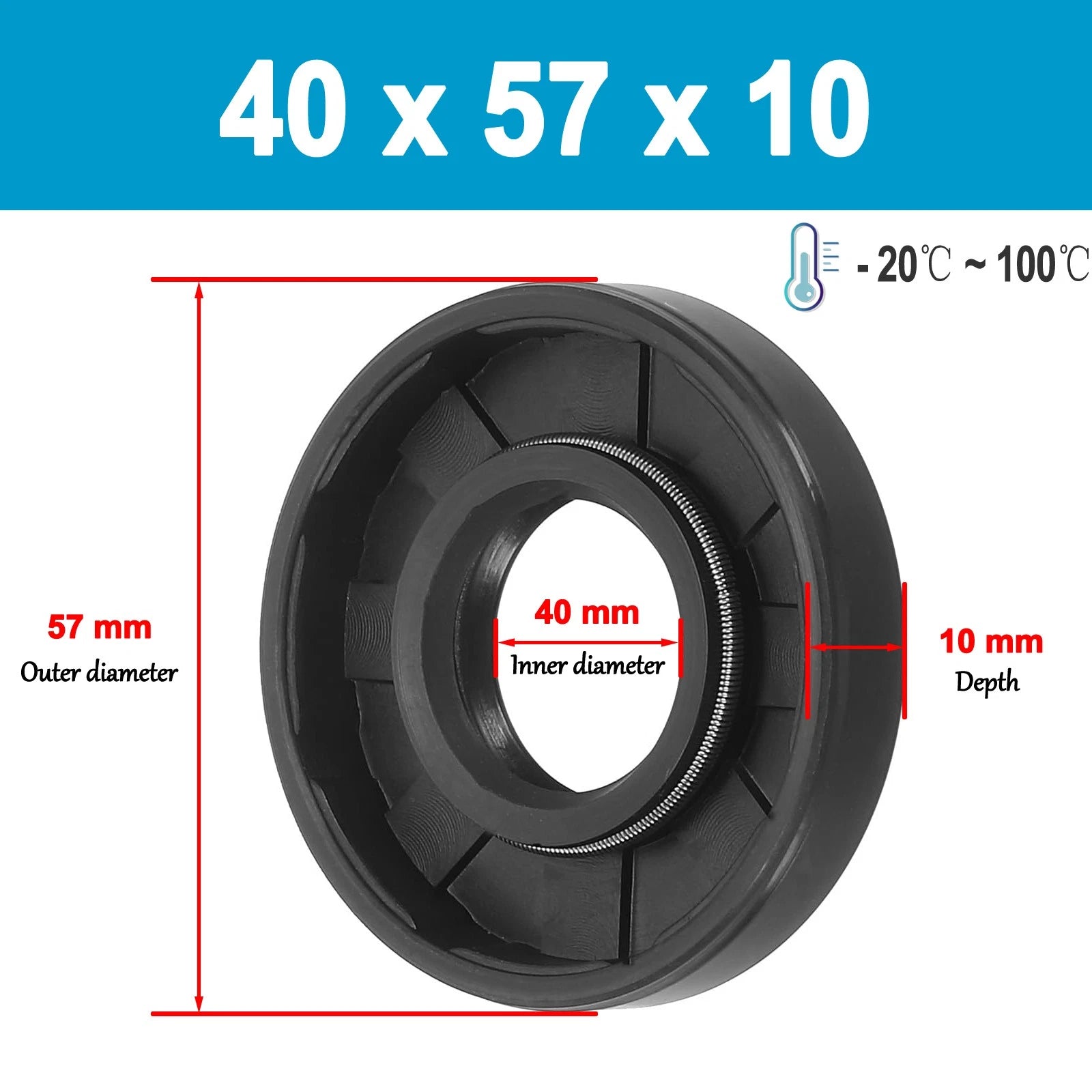
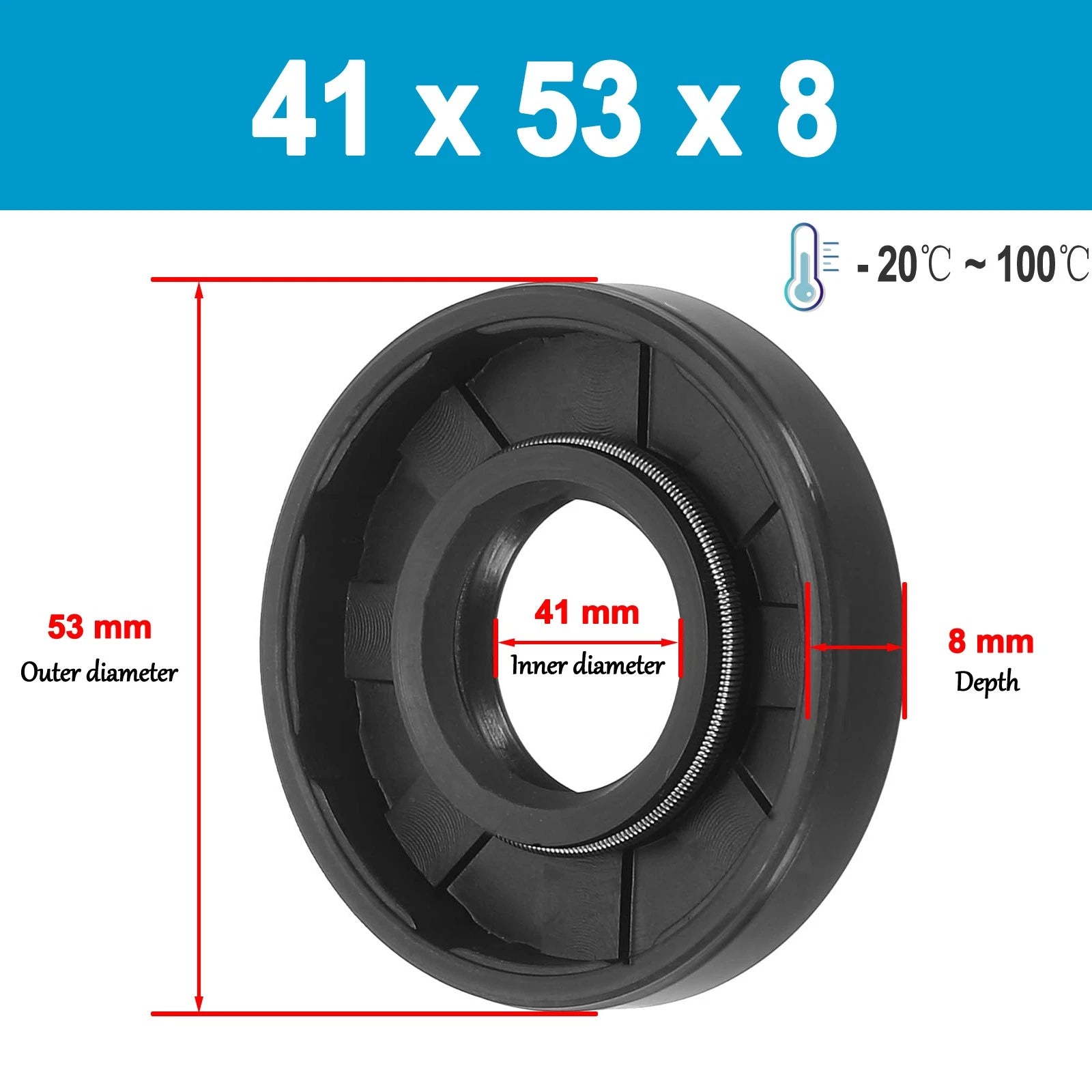
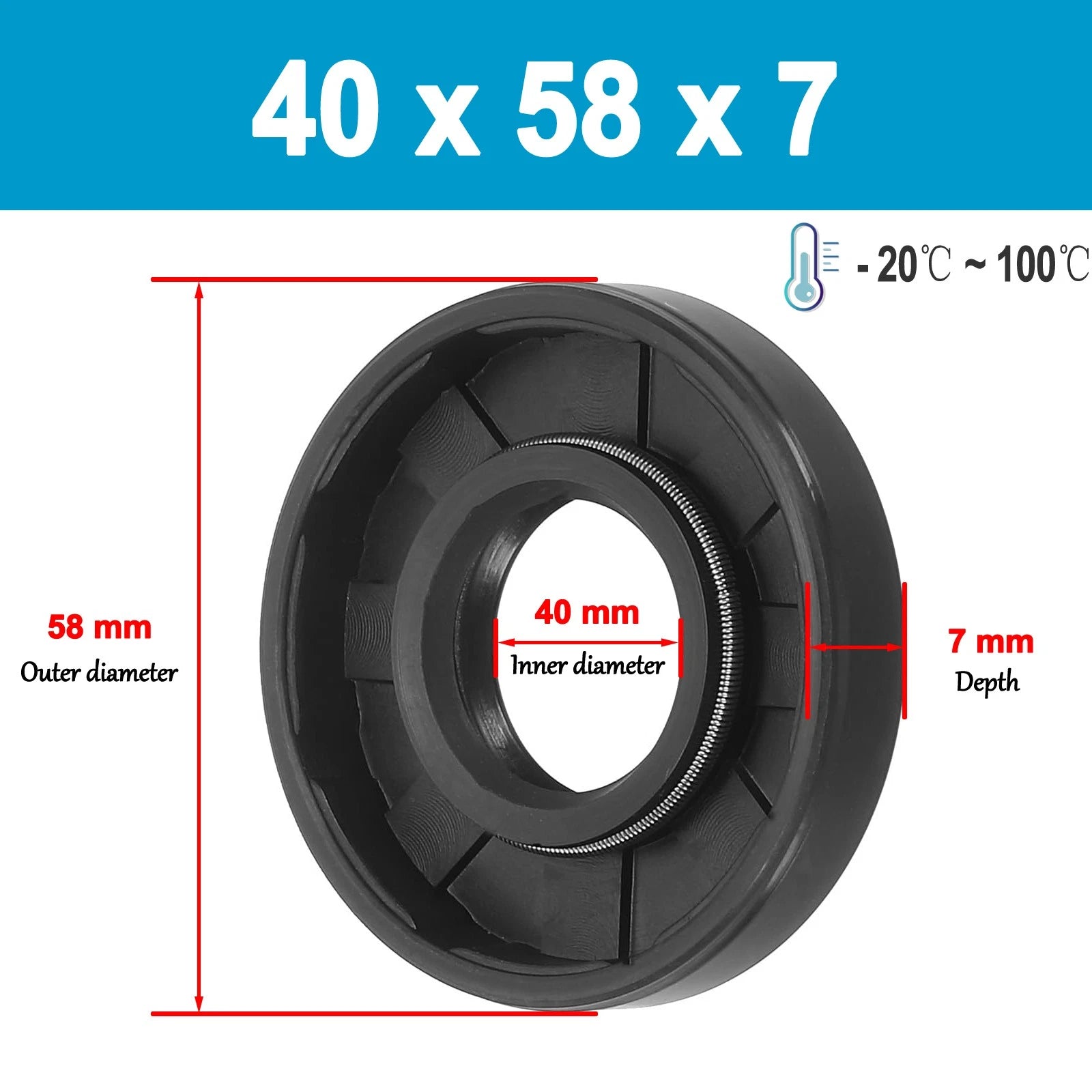
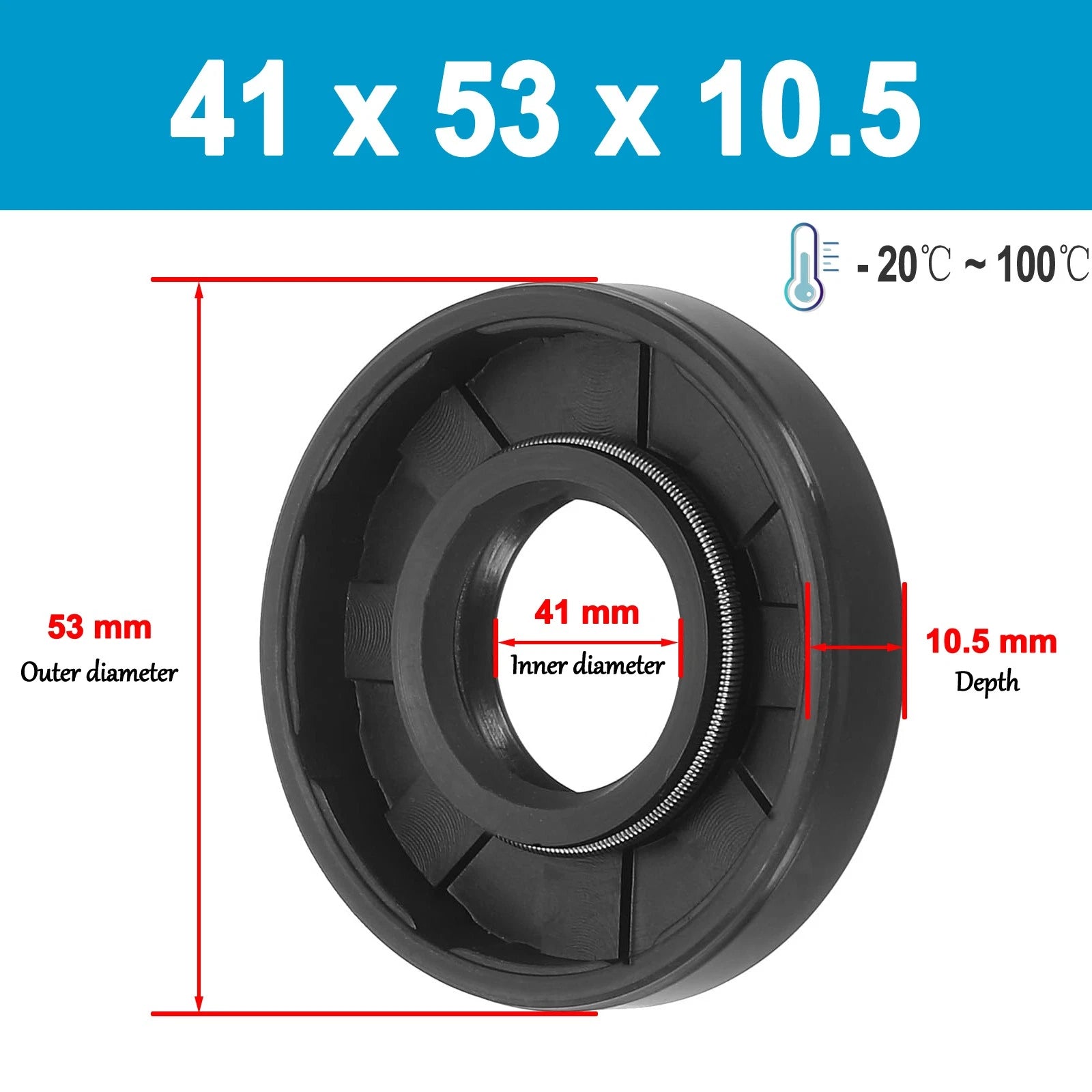
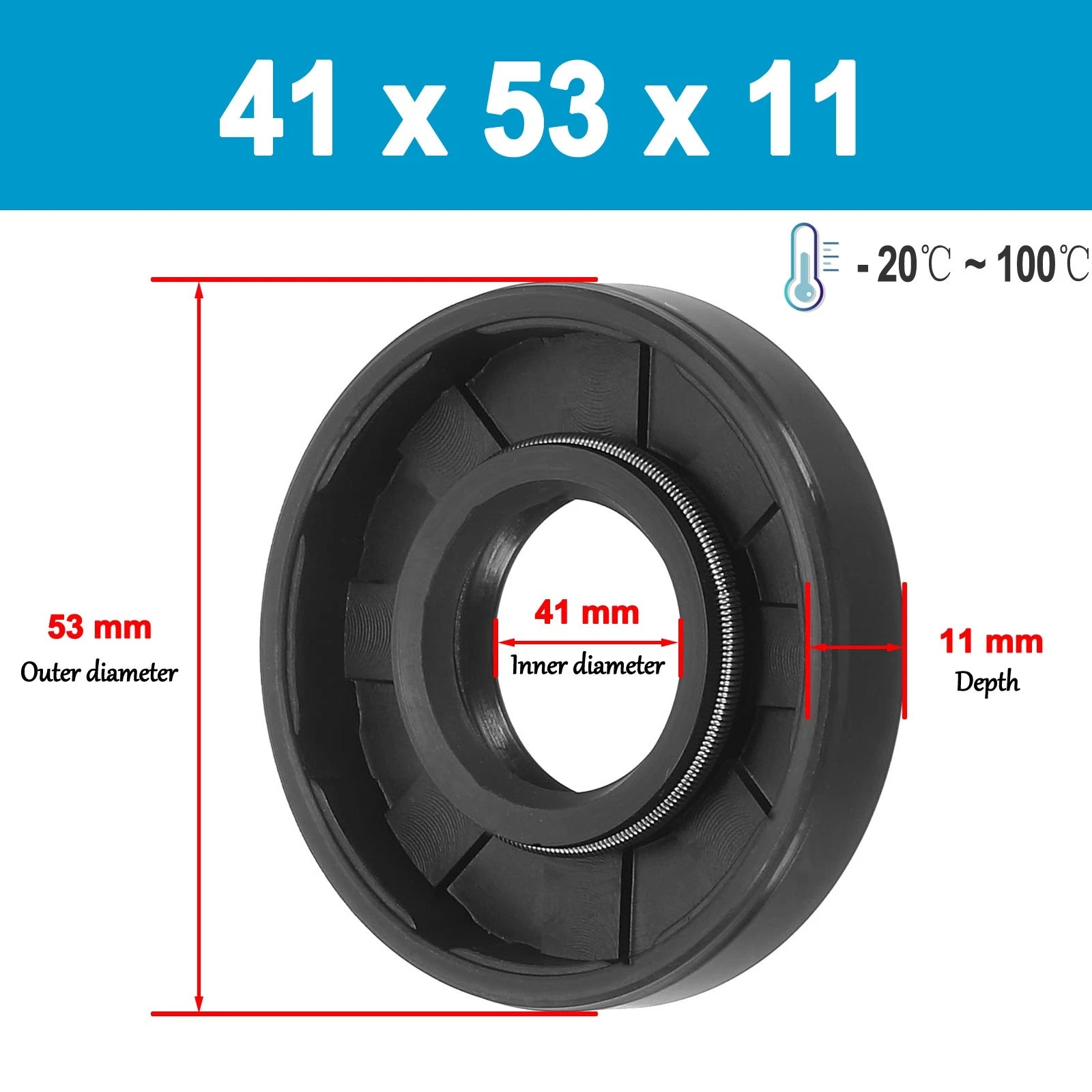
Metric Oil Shaft Seal 39mm - 41mm Dust Grease Seal TC Double Lip w Spring

No reviews

Price:
Sale price$12.58 USD
Stock:
In stock (500 units), ready to be shipped

Payment & Security

Ach Direct Debit Amazon American Express Apple Pay Bancontact BLIK Diners Club Discover EPS Google Pay iDEAL Wero JCB Maestro Mastercard Multibanco MobilePay PayPal Przelewy24 Shop Pay Twint Union Pay USDC Visa

Your payment information is processed securely. We do not store credit card details nor have access to your credit card information.

Limited Offer — Spend More, Save More
Spend $55+
Save $5
Spend $100+
Save $10
Spend $200+
Save $25
HomeDIYer DIY Expert Support

DIY Expert Support

Get fitment advice & recommendations

Mon–Fri  8:30 AM – 8:00 PM
24-Hour Fast Ship
Arrives in 3–14 Days
Worldwide Shipping
30-Day Returns
1 tree planted with every purchase

Description

Metric TC Oil Shaft Seal 39–41mm — Stop Leaks Before They Start

When a worn or missing shaft seal lets grease escape or contaminants creep in, the damage to bearings, gearboxes, and axles adds up fast. Mechanics, equipment owners, and serious DIYers who need an exact-fit metric TC oil shaft seal with a 39 mm to 41 mm inner diameter will find a precise match in this range — without hunting through generic assortments or waiting on special orders.

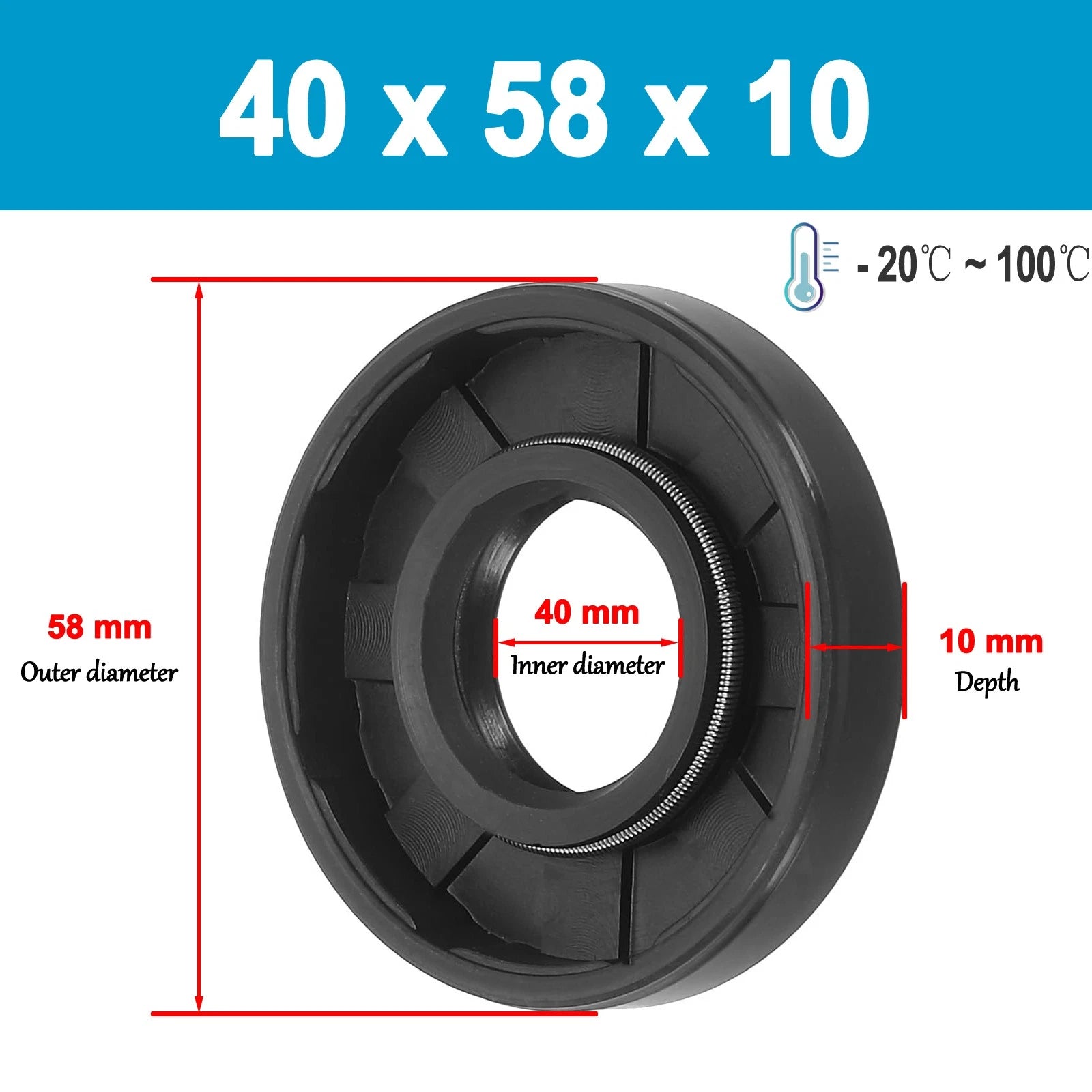
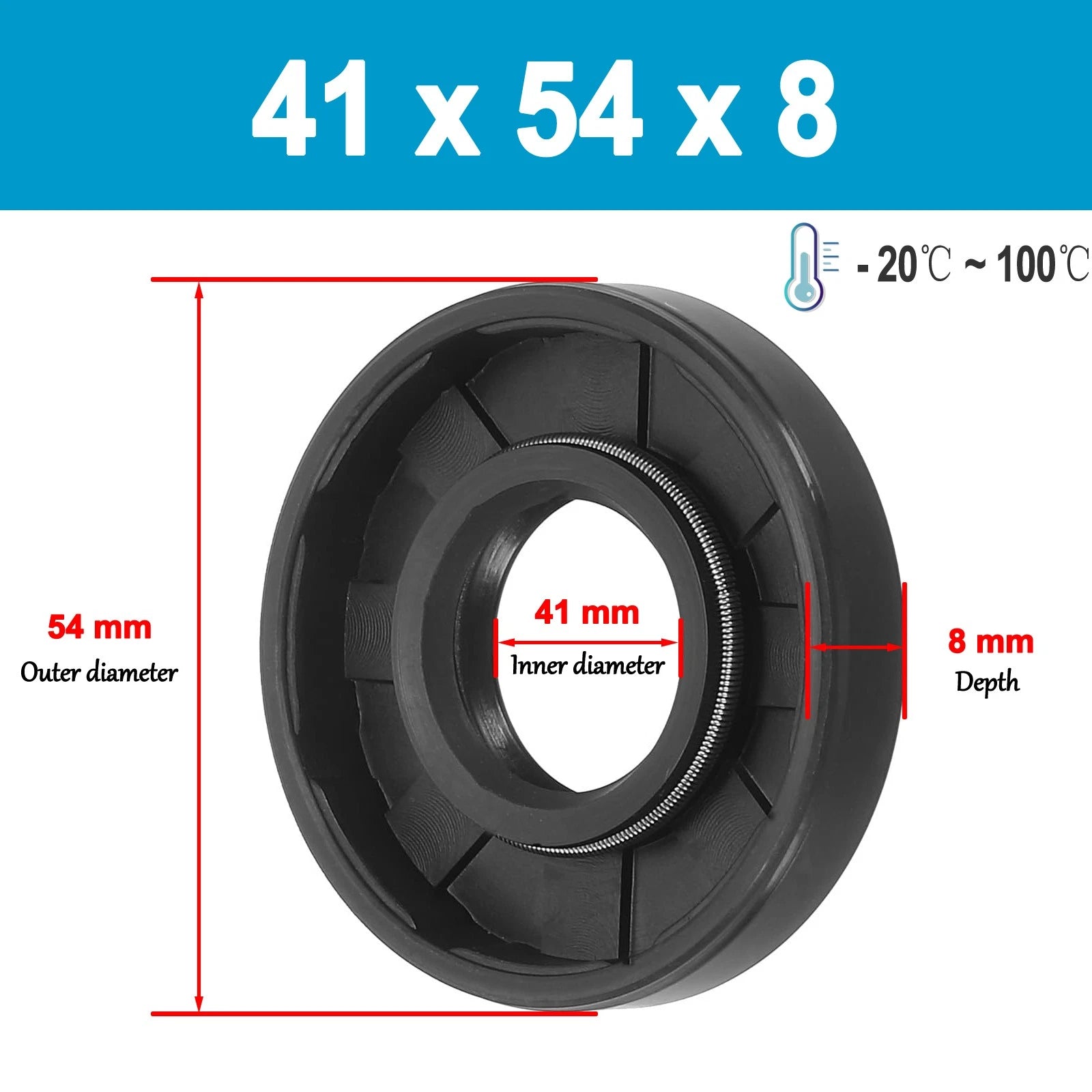
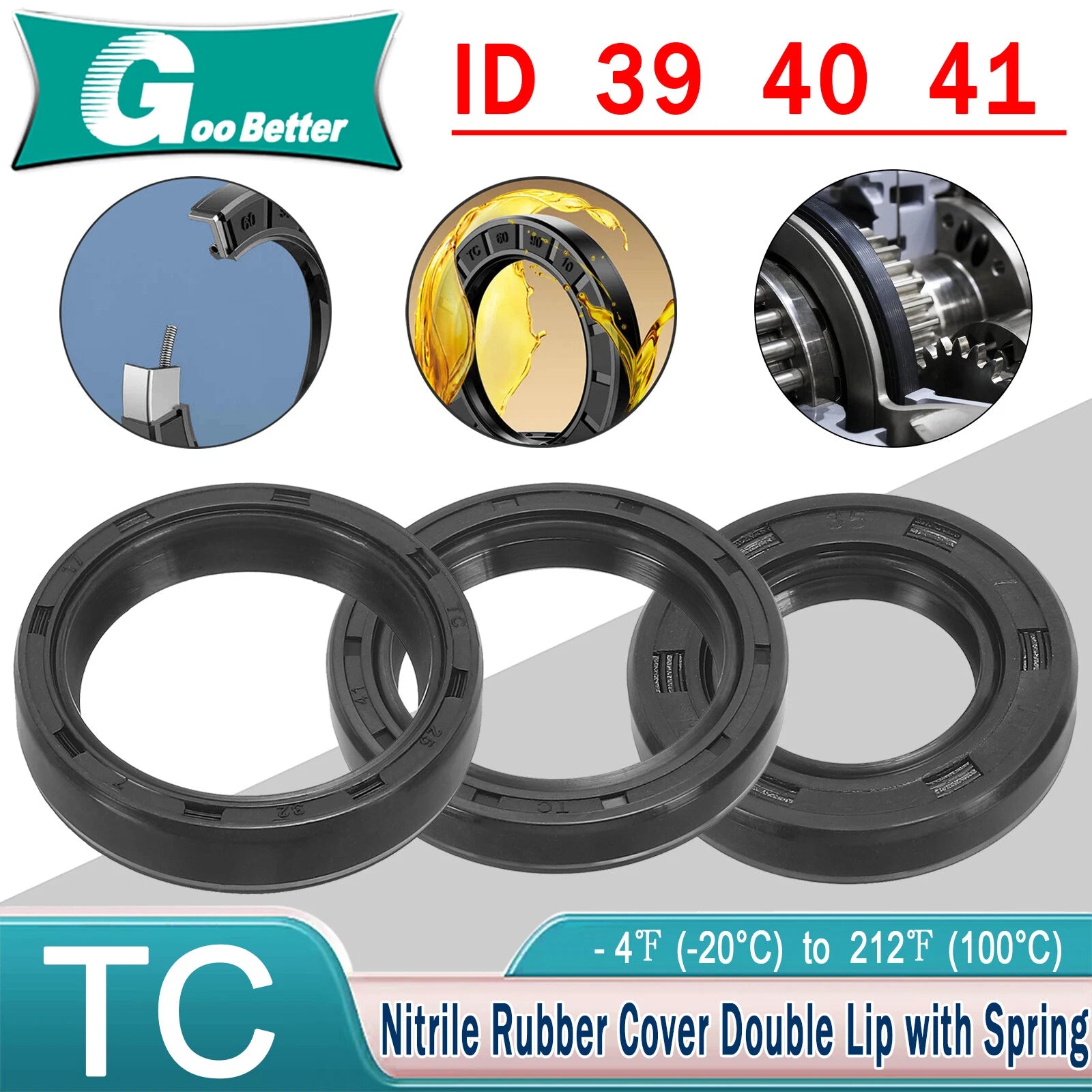
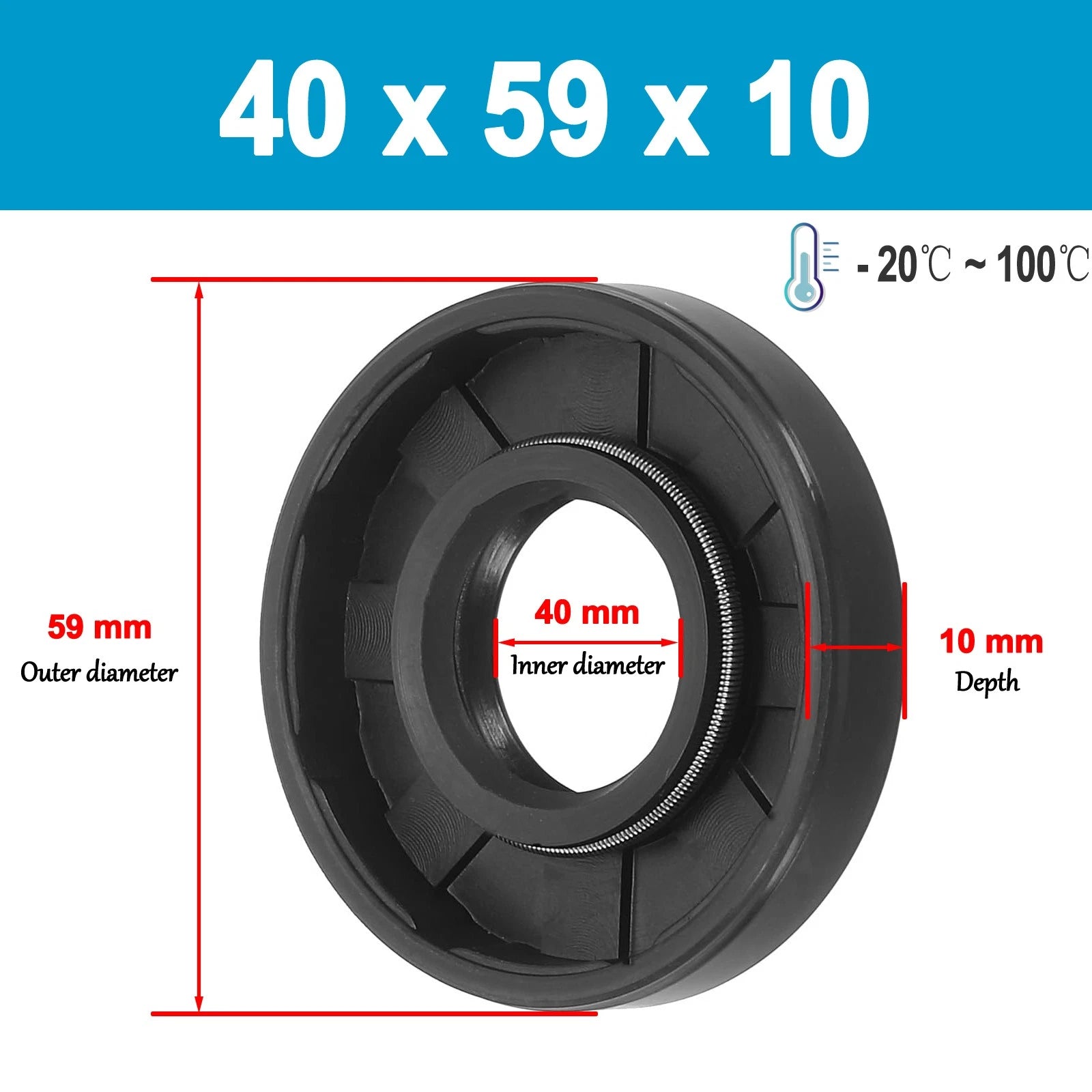
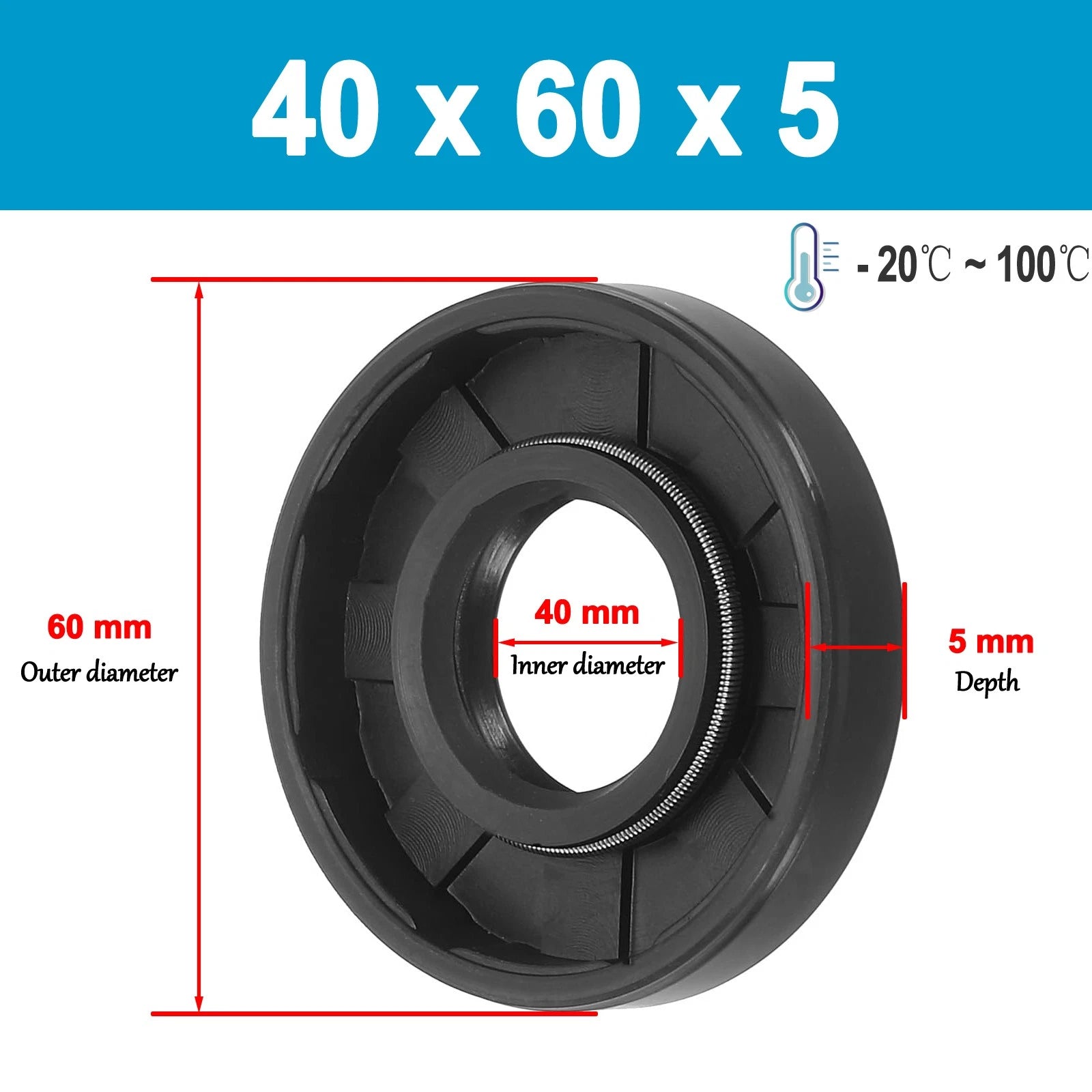
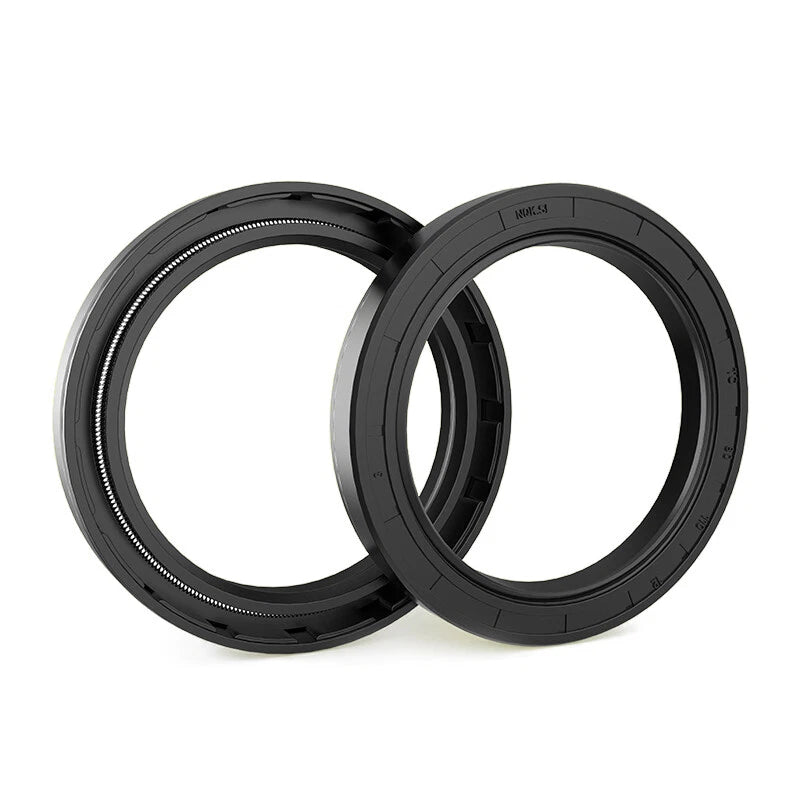
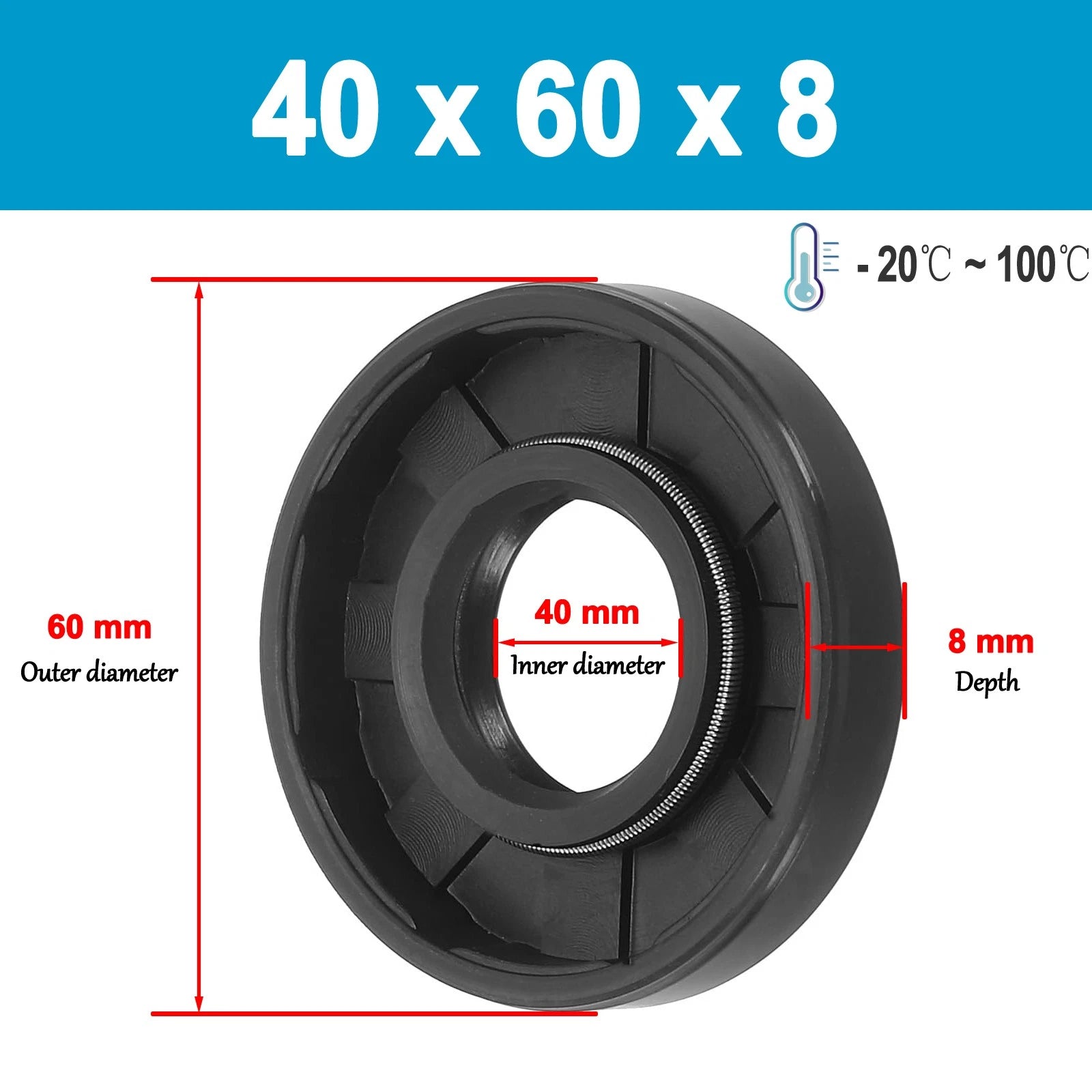
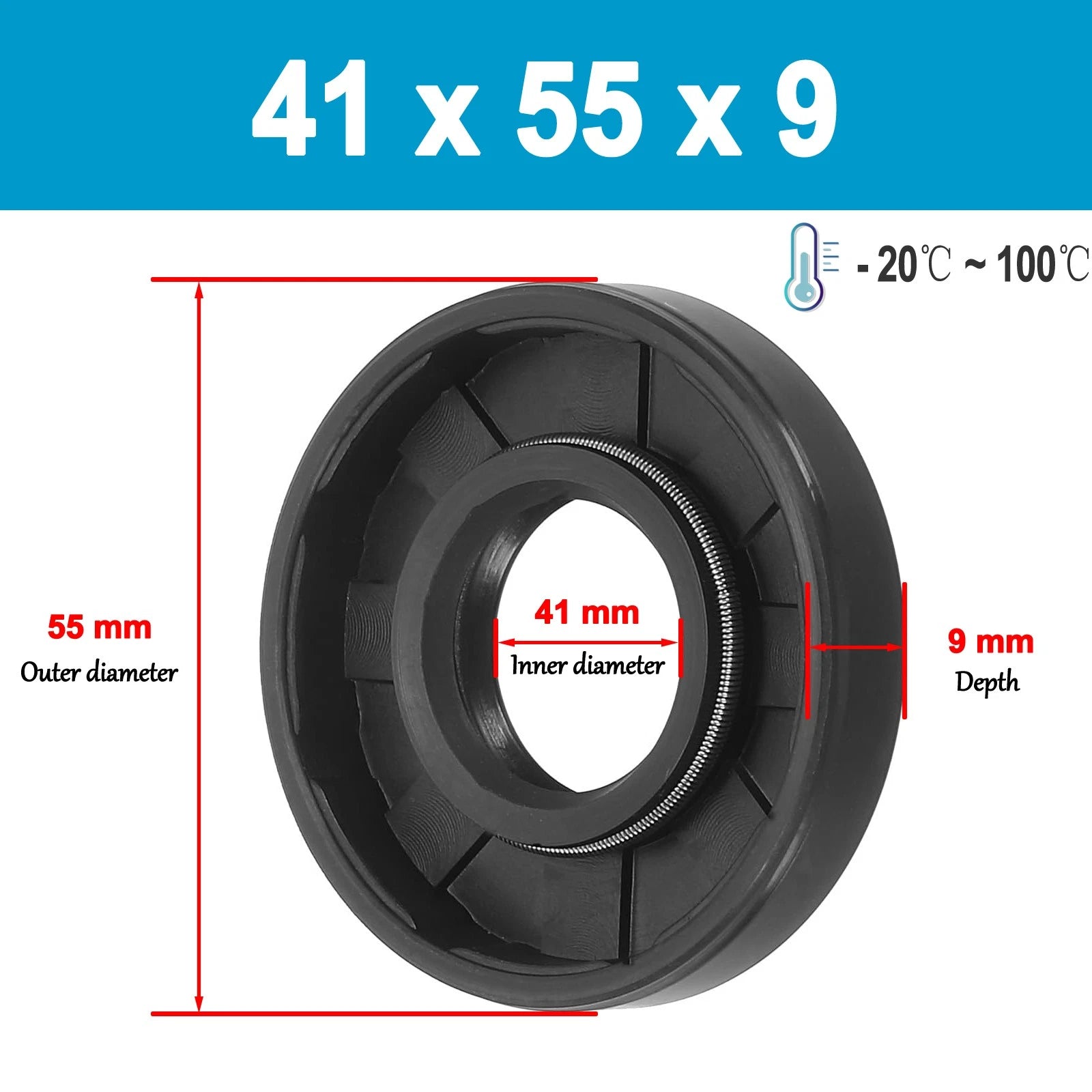
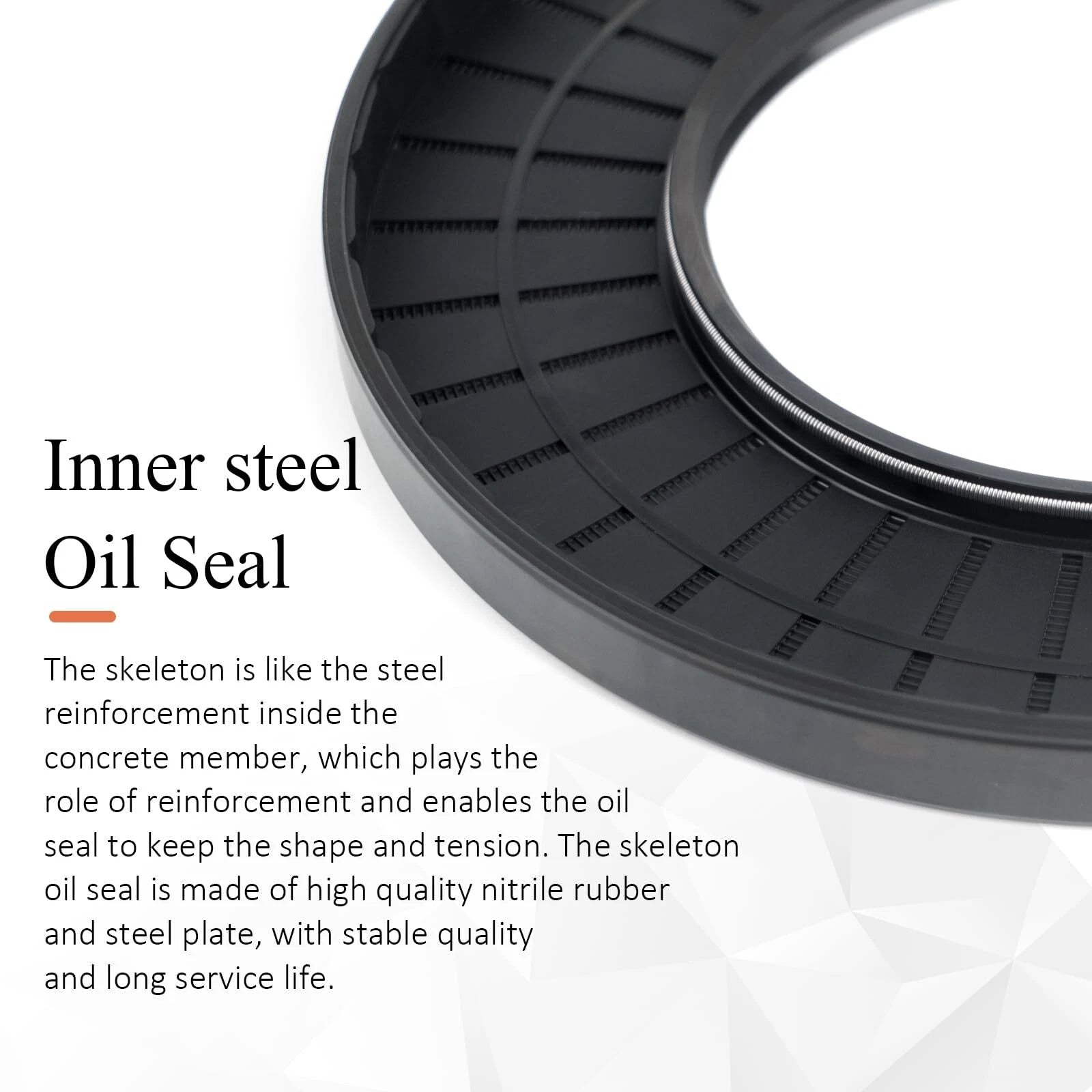
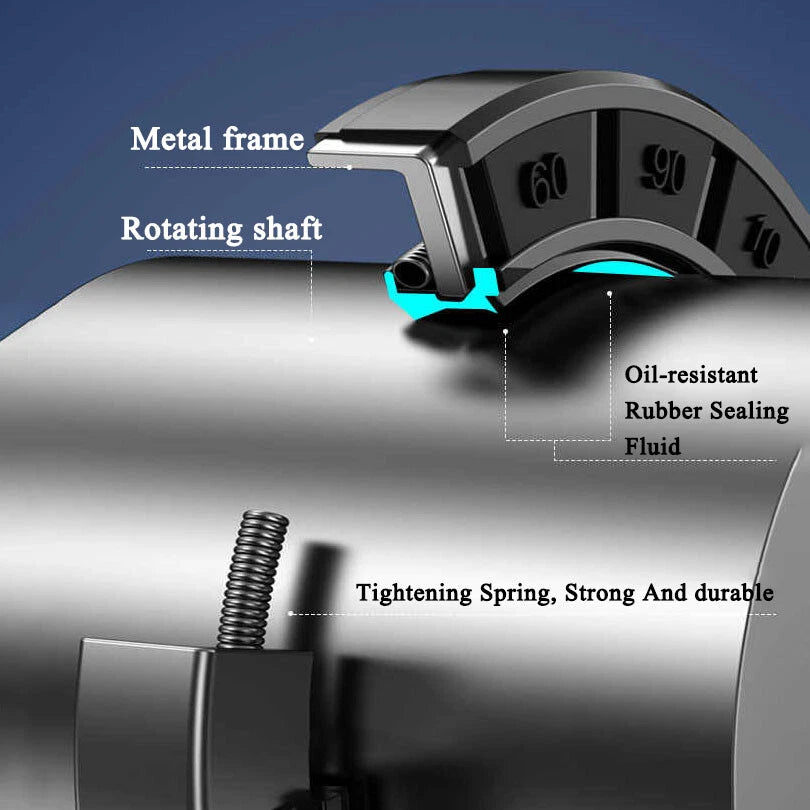
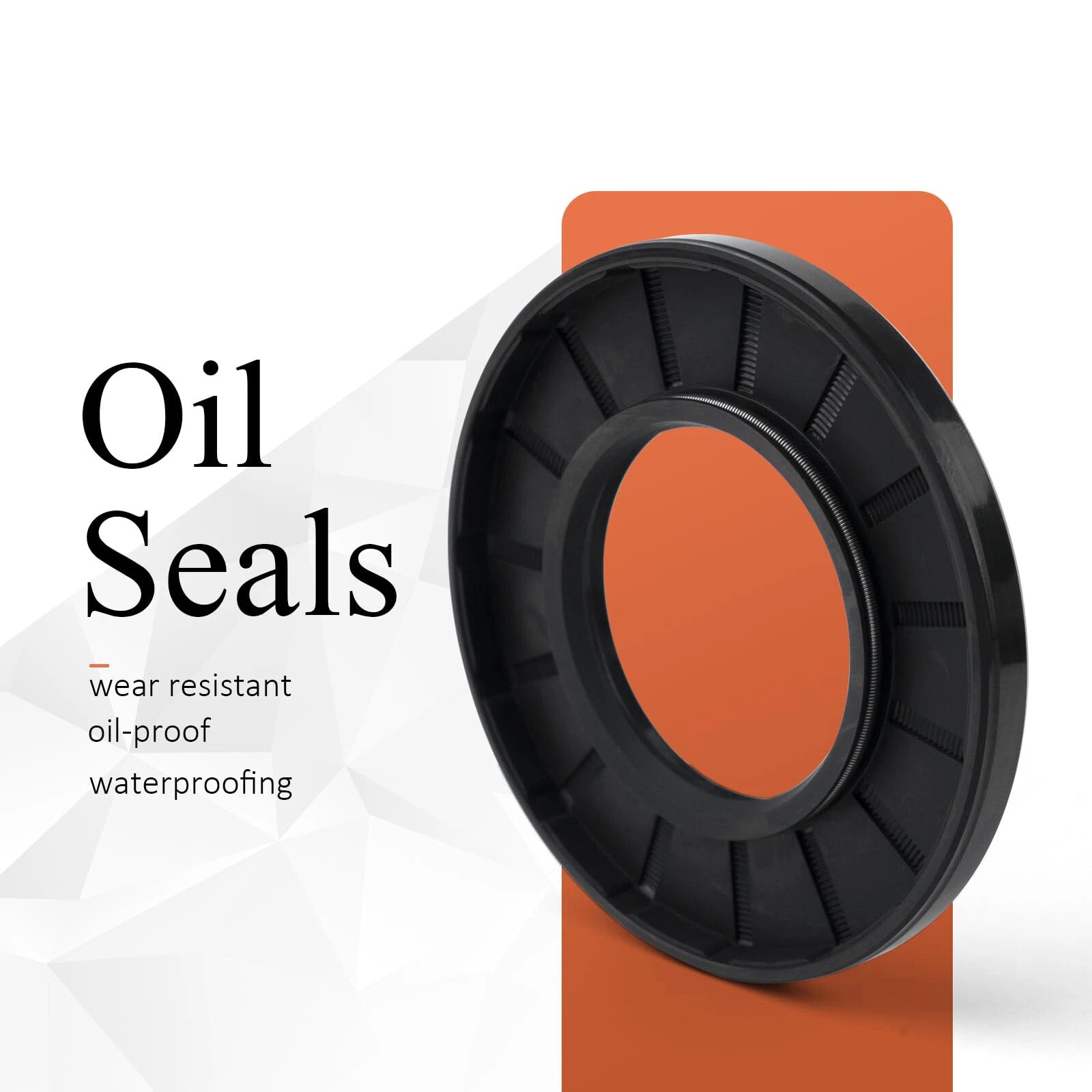
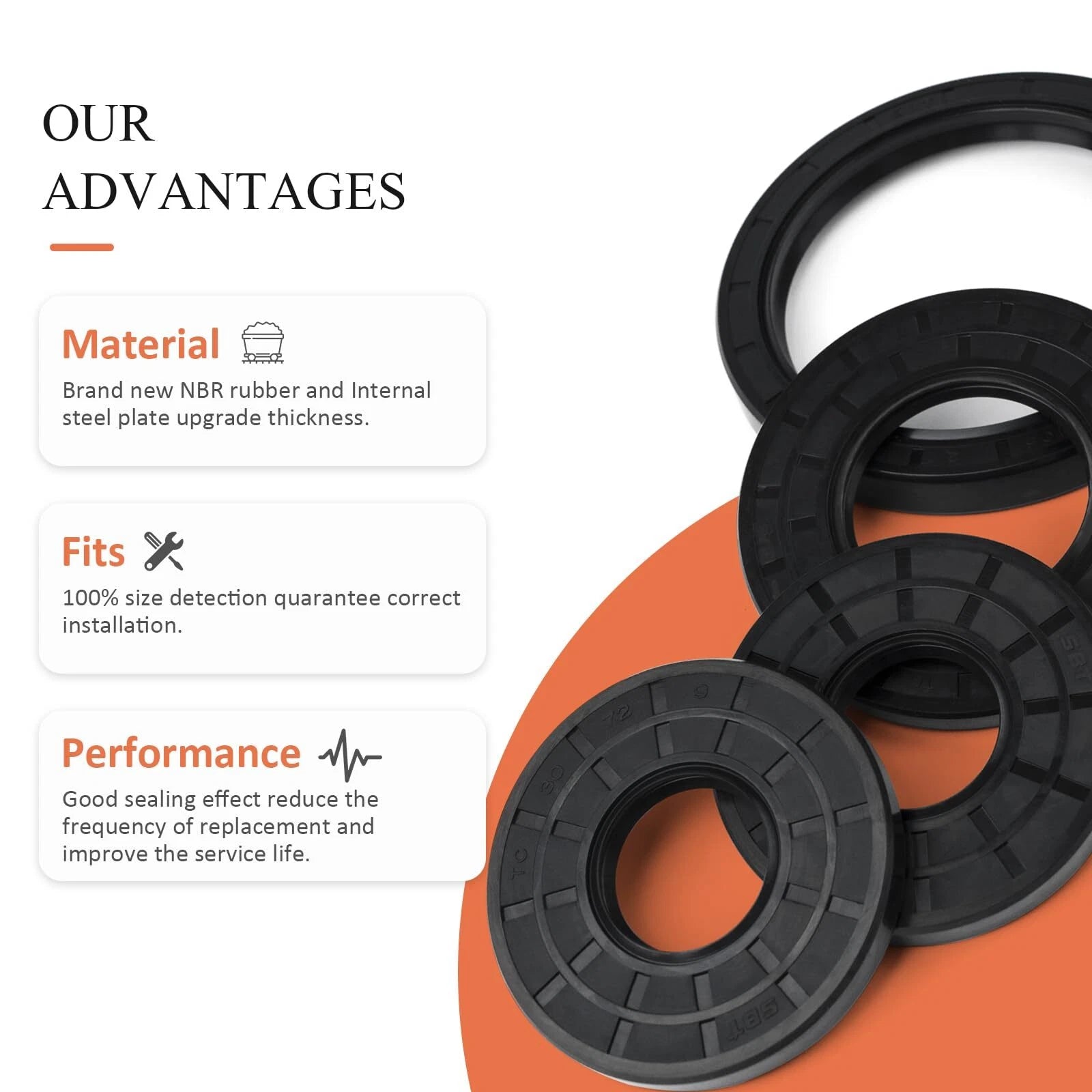
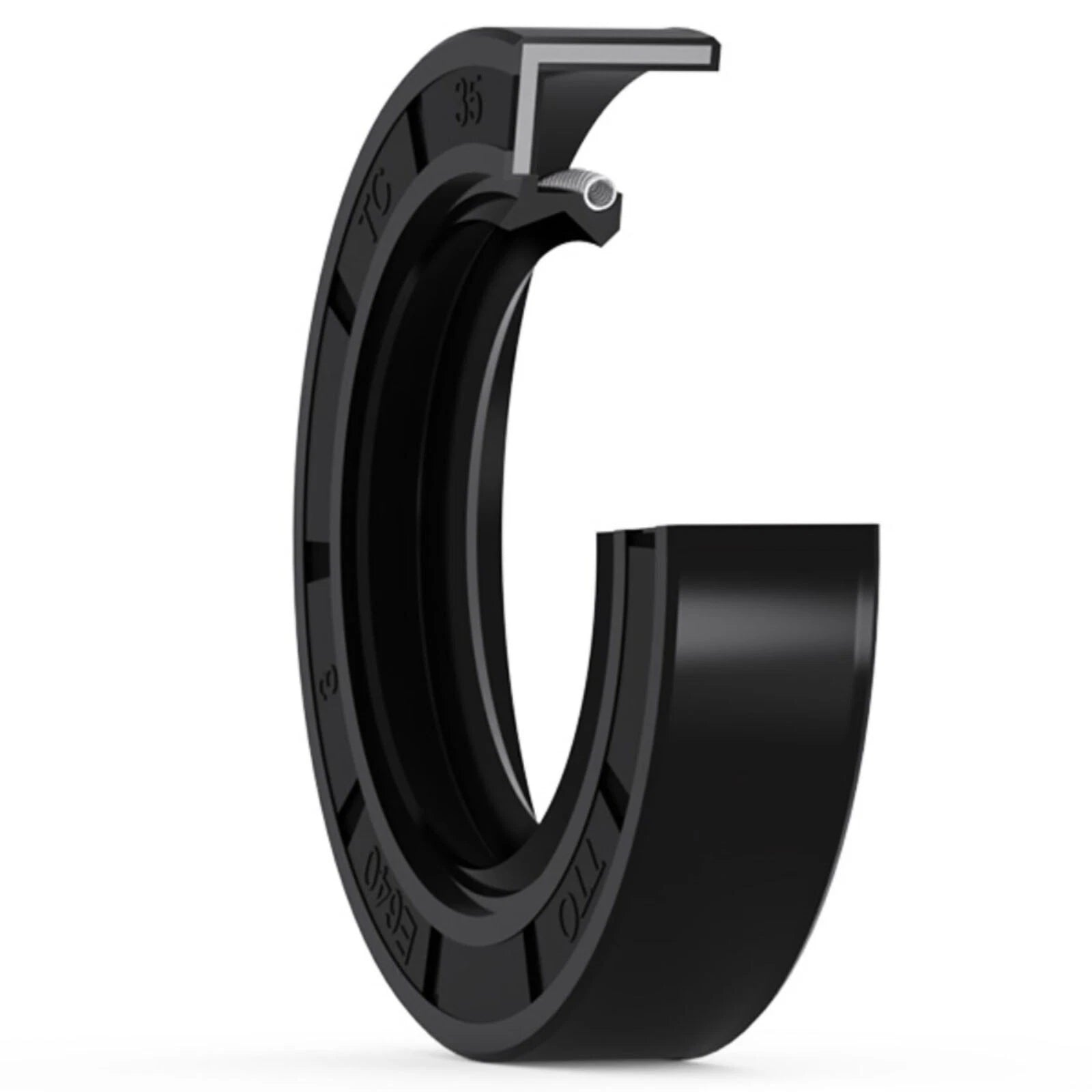
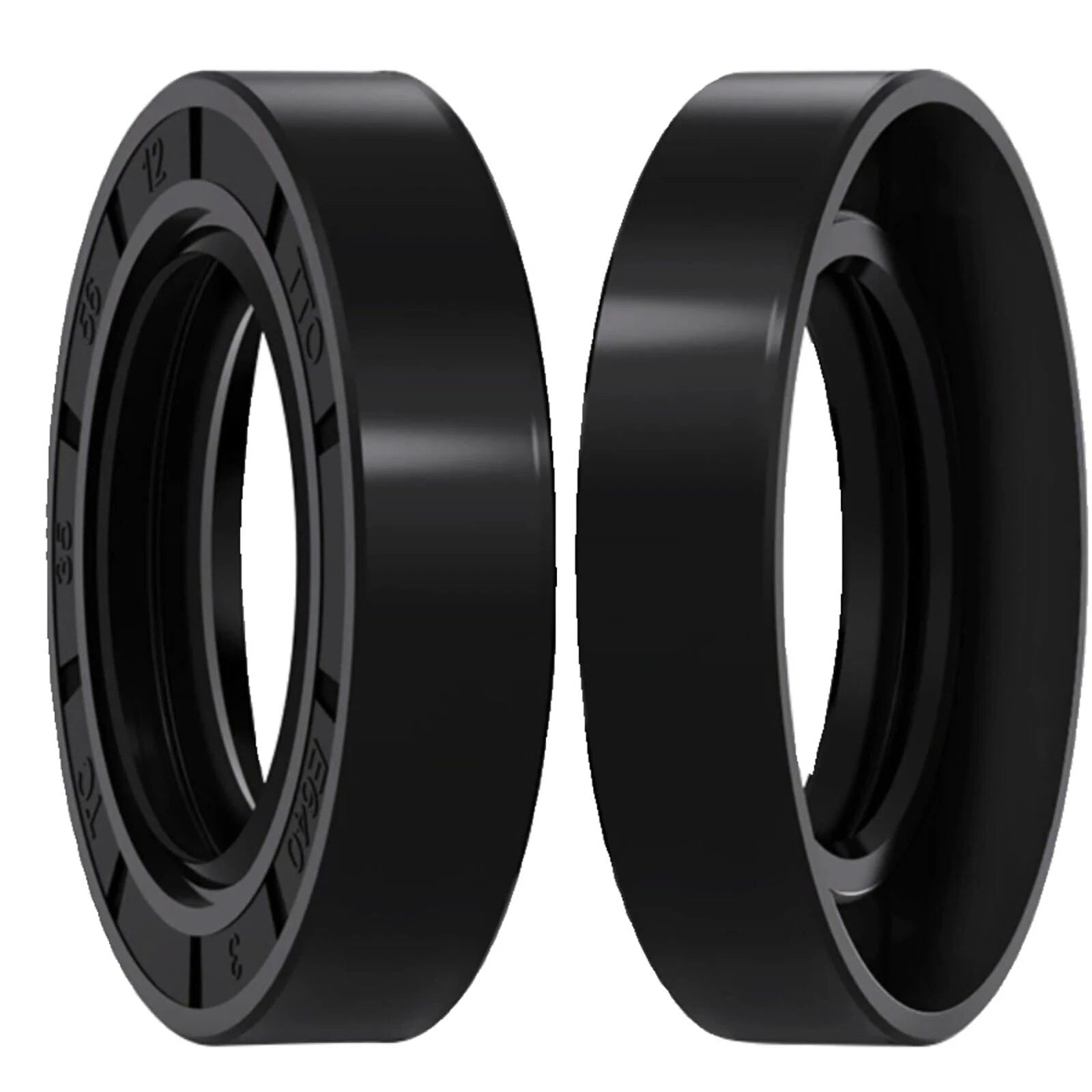
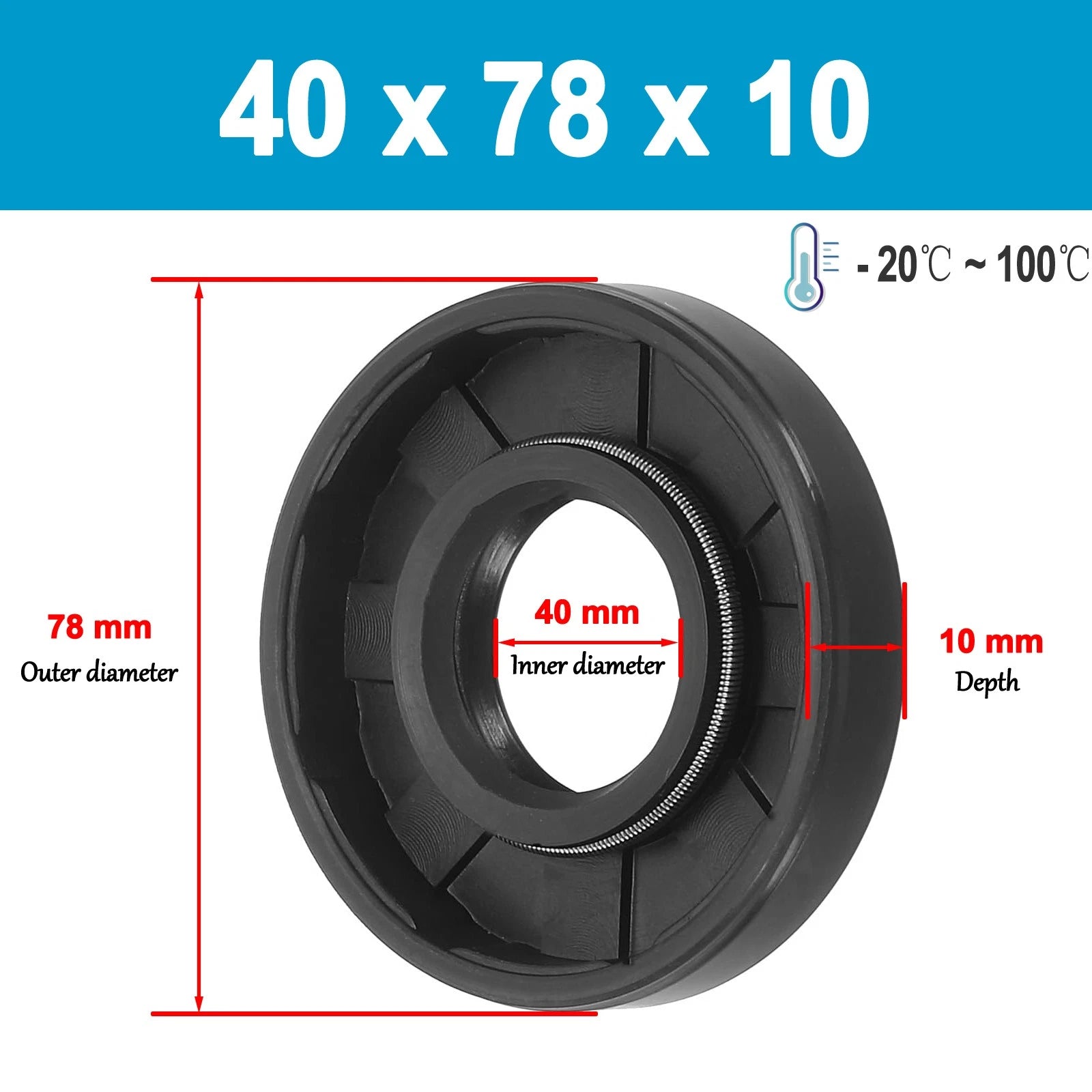
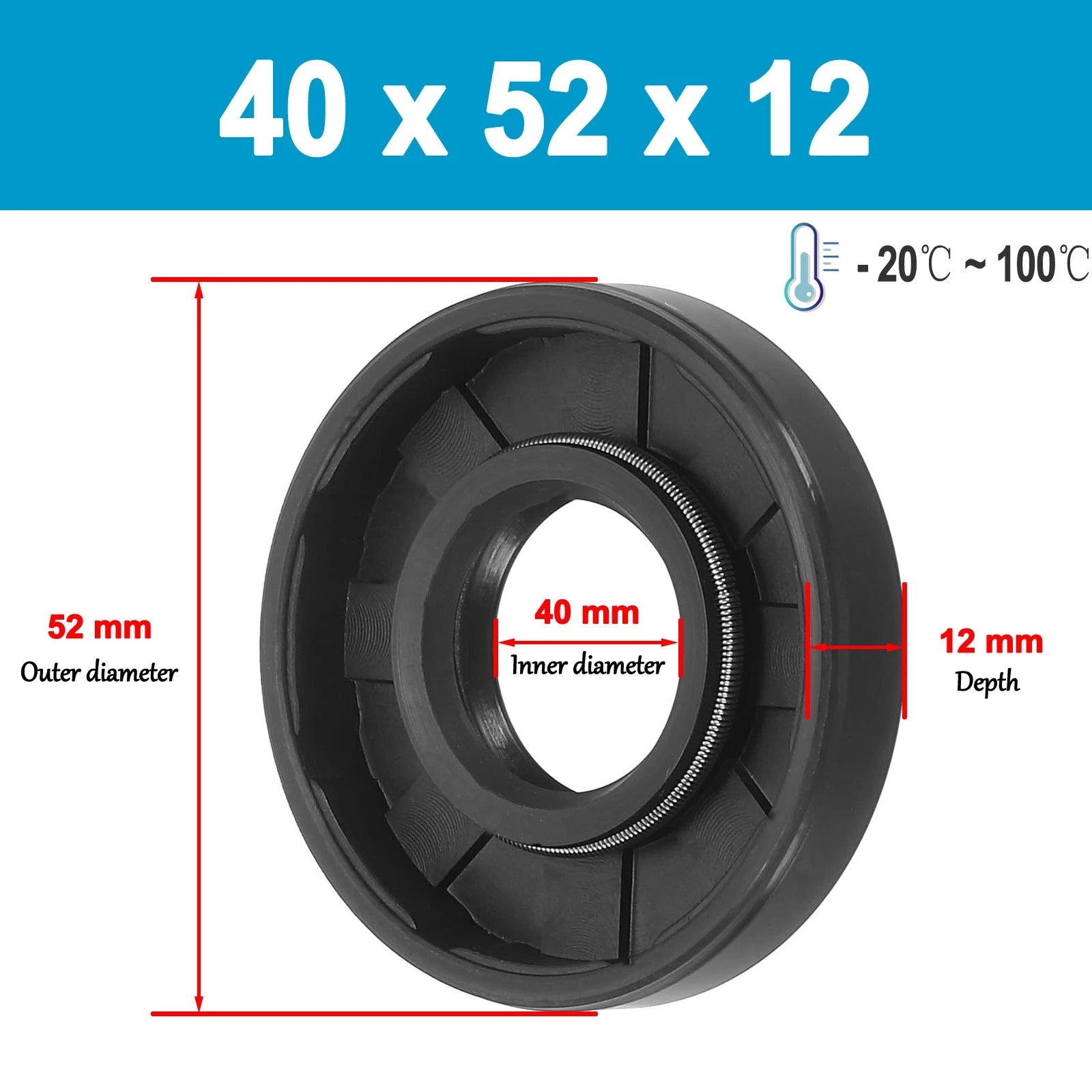
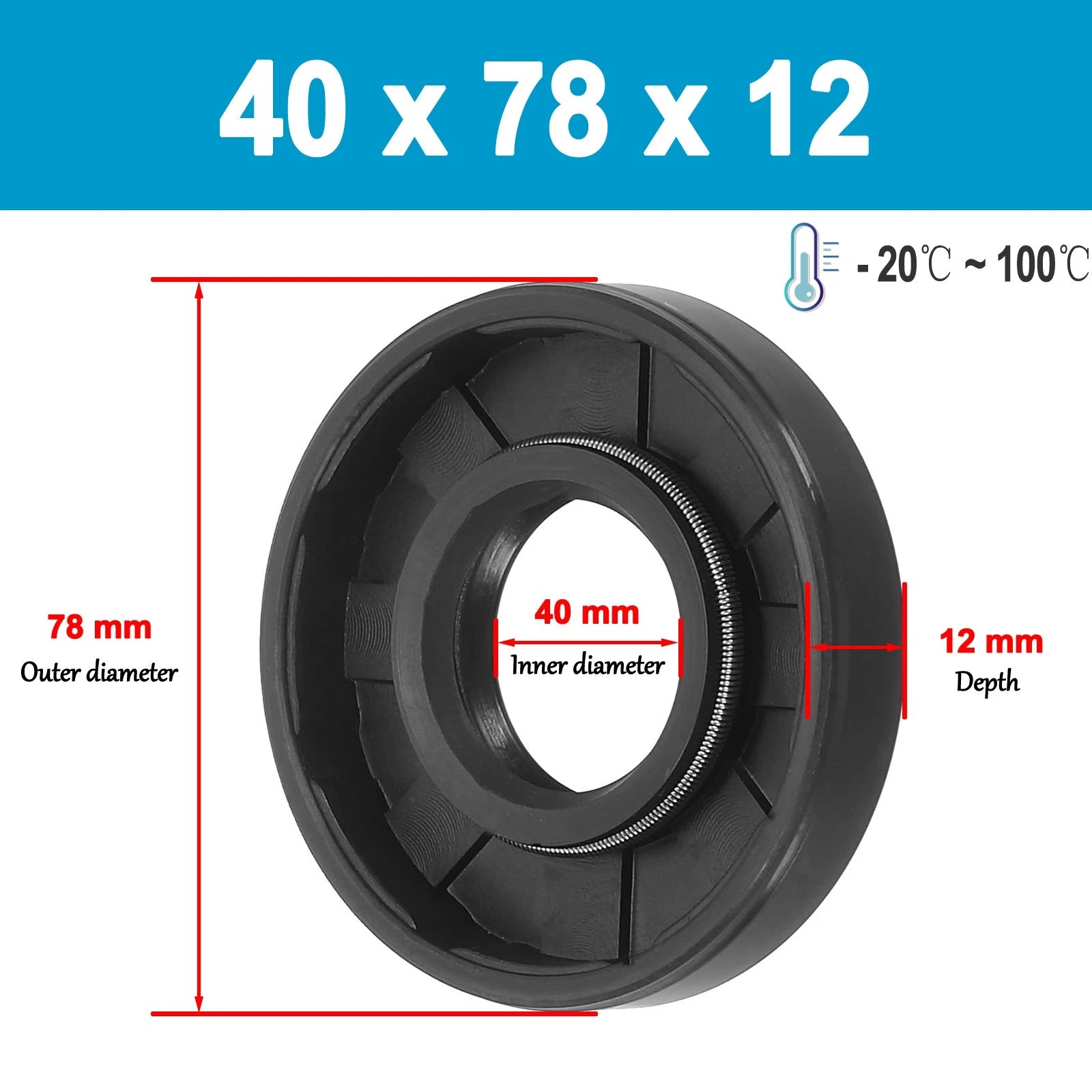
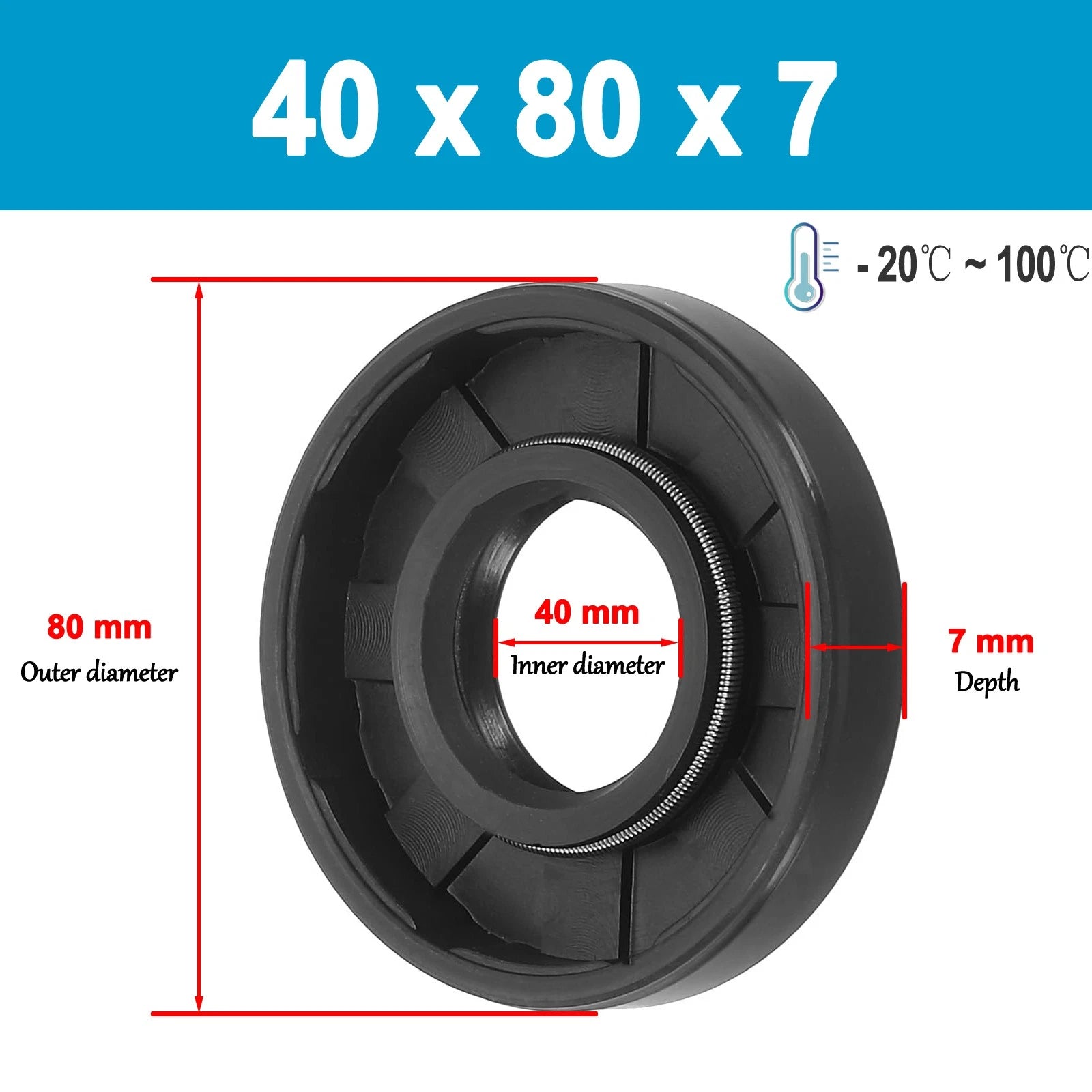
These metric TC oil shaft seals are constructed from nitrile rubber (NBR) with a carbon-steel outer case and a garter spring that keeps constant radial pressure on the sealing lip. Each seal follows the TC (double-lip) profile: a primary dynamic lip that contacts the rotating shaft and a secondary static dust lip that blocks external contamination. Inner diameters span 39 mm to 41.27 mm (approximately 1.54 in to 1.63 in); outer diameters range from 45 mm to 100 mm (approximately 1.77 in to 3.94 in); cross-section depths run from 4 mm to 13 mm (approximately 0.16 in to 0.51 in). Packing options of 1, 5, or 10 pieces are available depending on the size selected.

Typical applications include agricultural gearboxes and PTO shafts where grease retention is critical, automotive differential and transmission output shafts requiring a reliable metric seal, and industrial conveyor or pump shafts exposed to dust, water splash, or light chemical mist. The spring-loaded double lip makes these seals well suited for any rotating shaft seal replacement where a standard metric TC oil seal is specified.

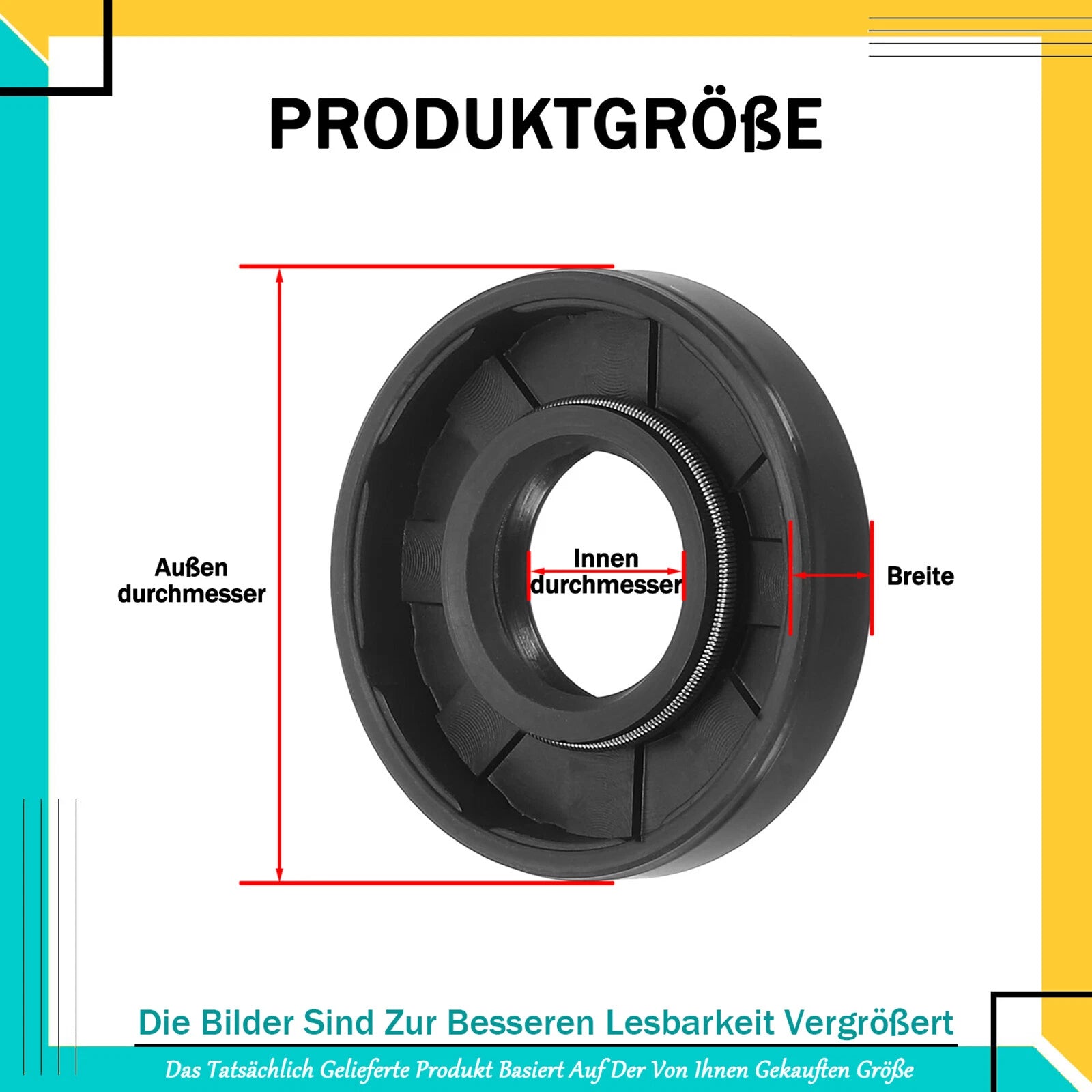
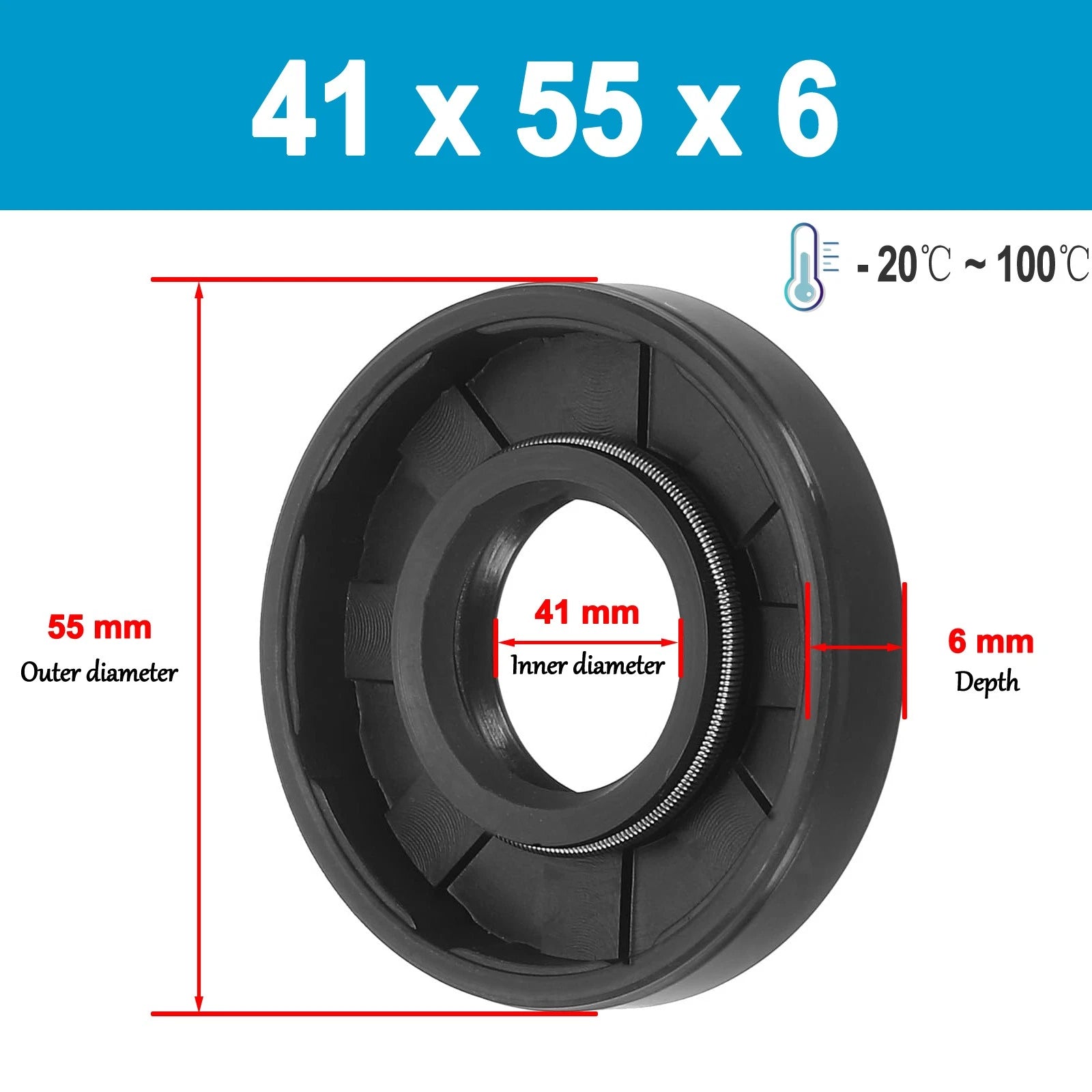
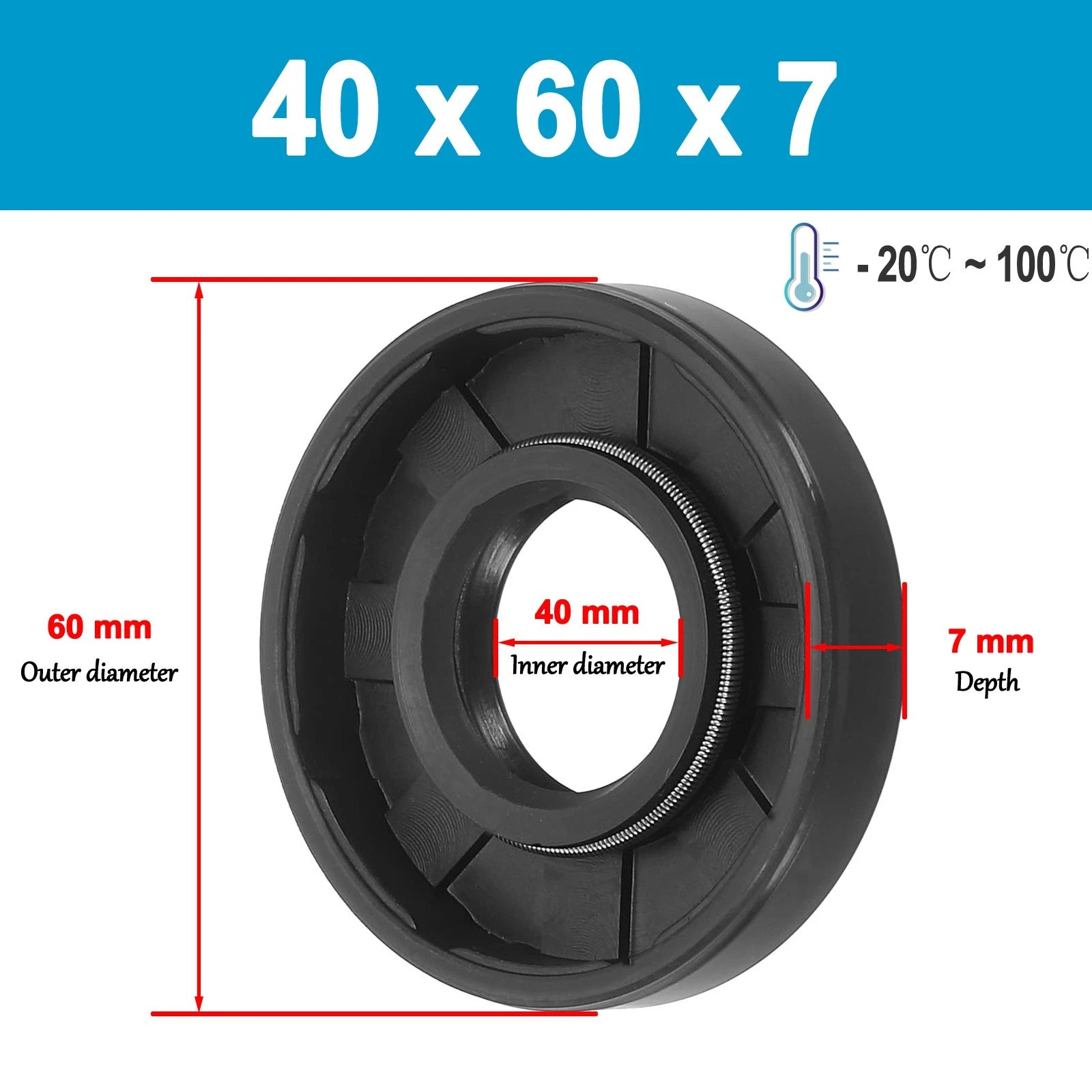
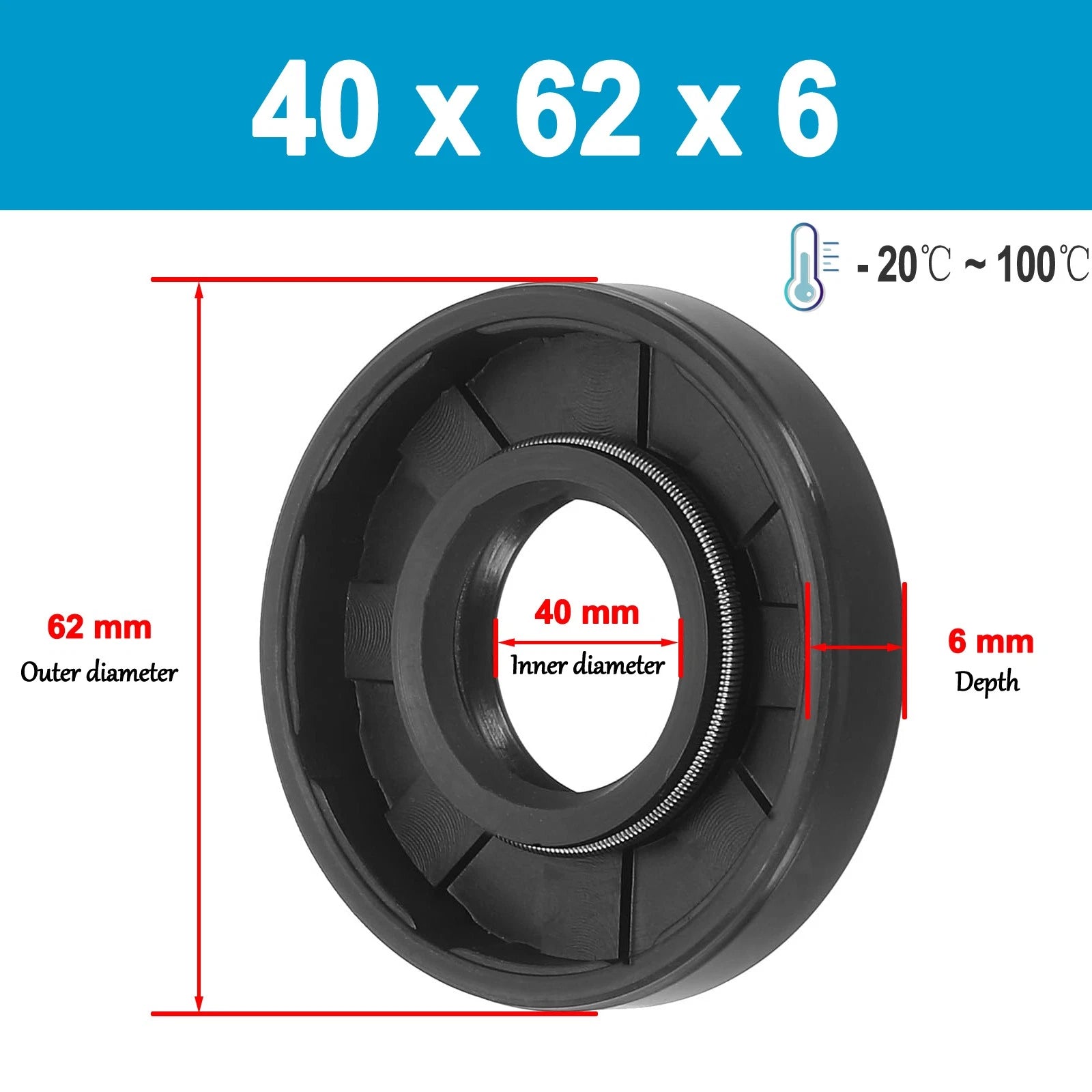
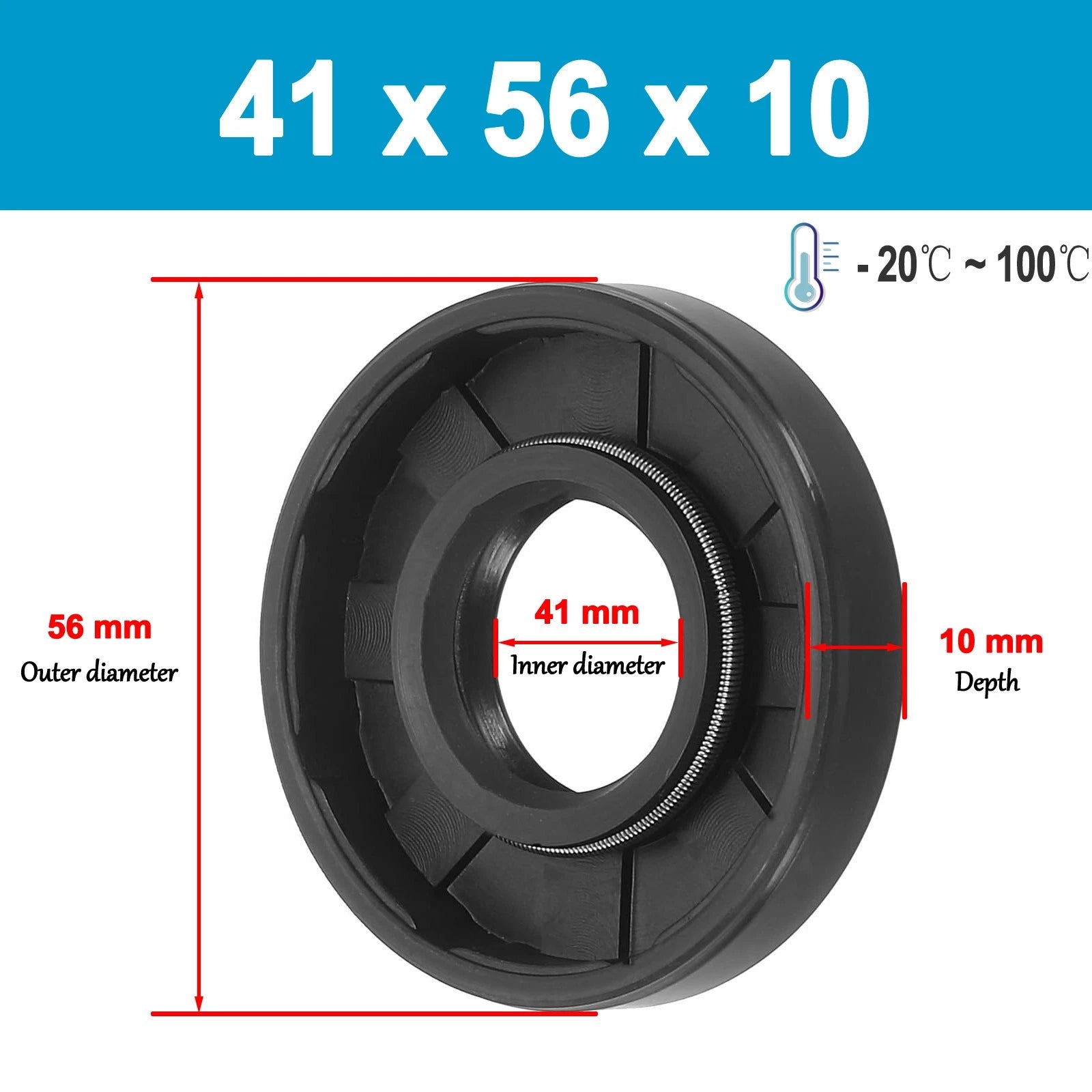
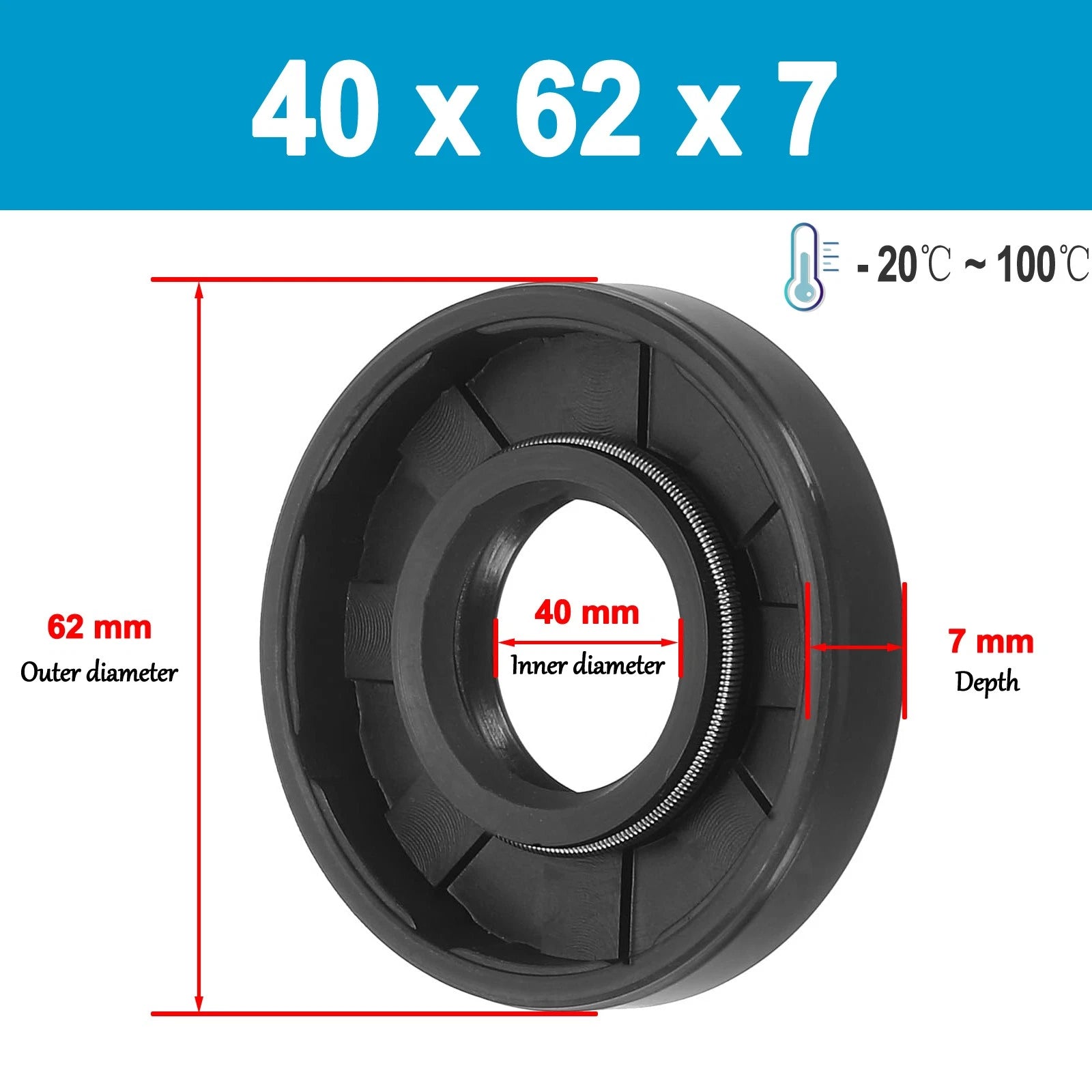
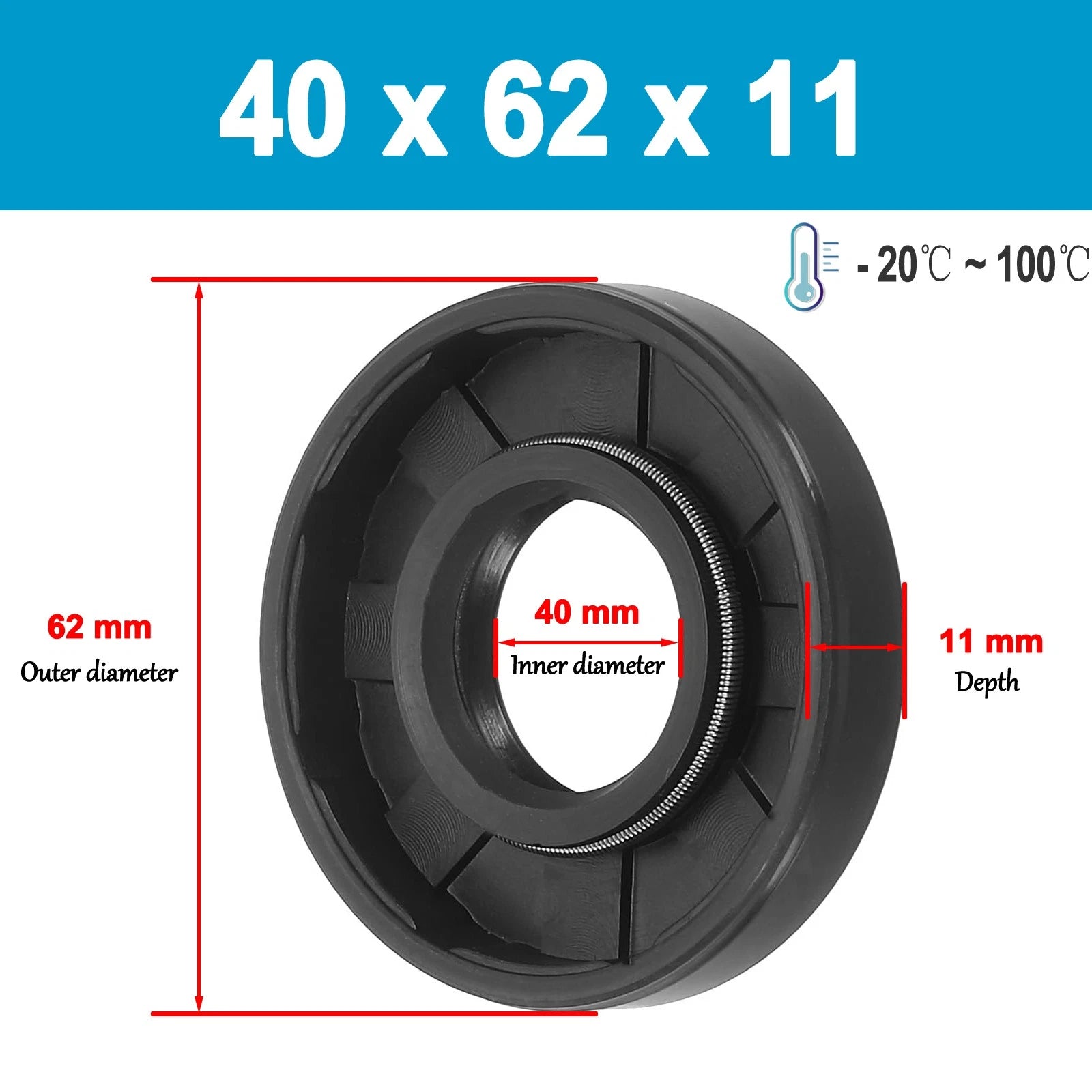
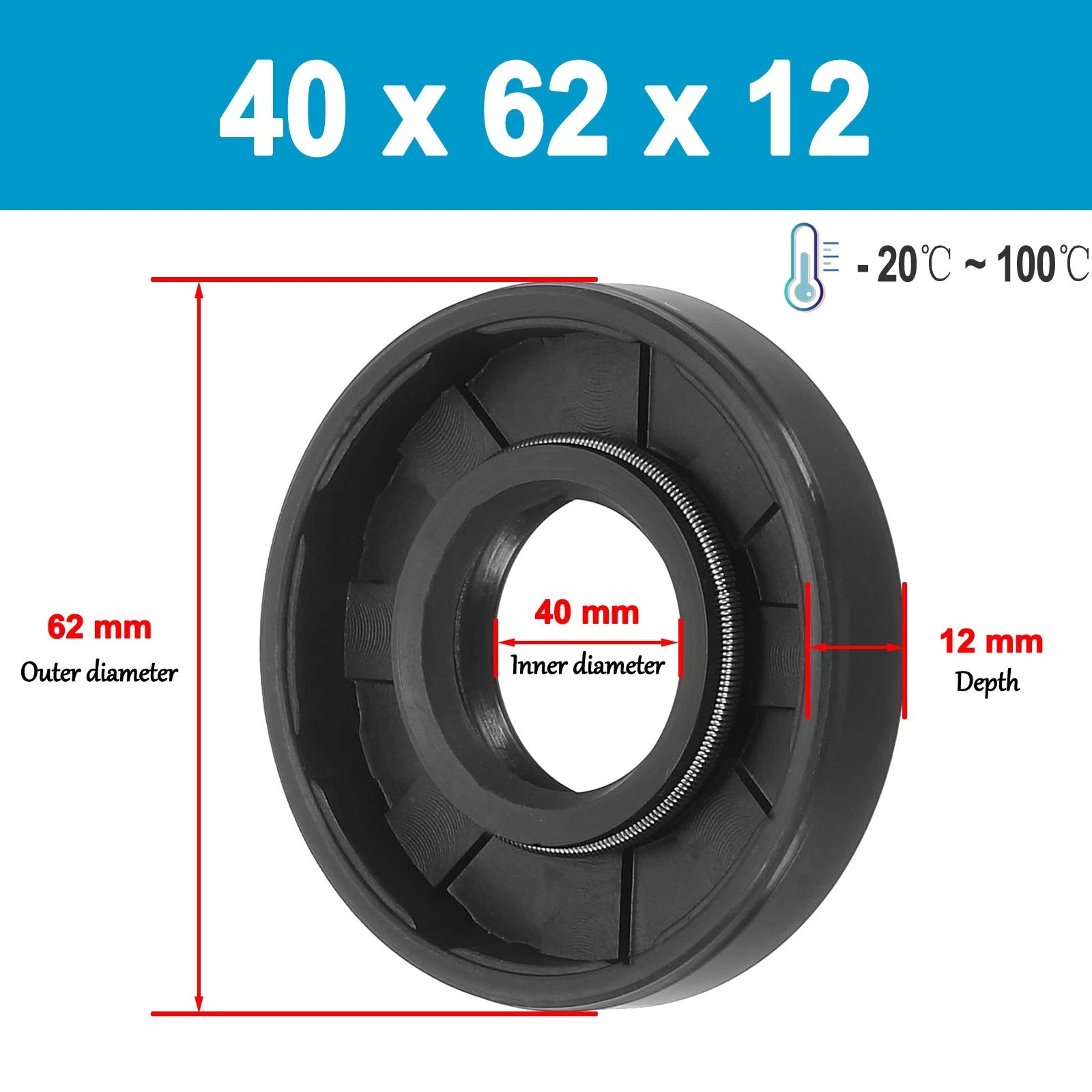
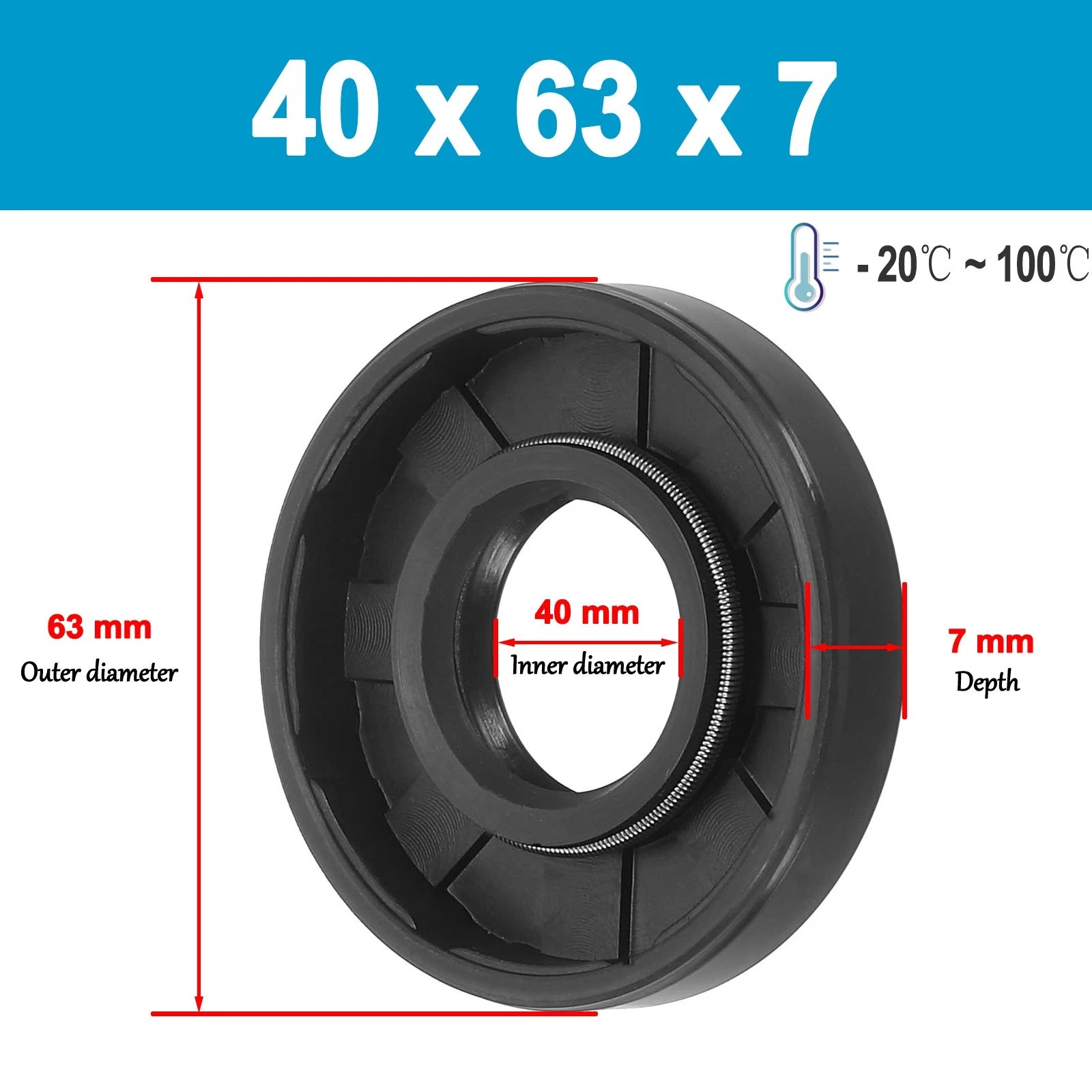
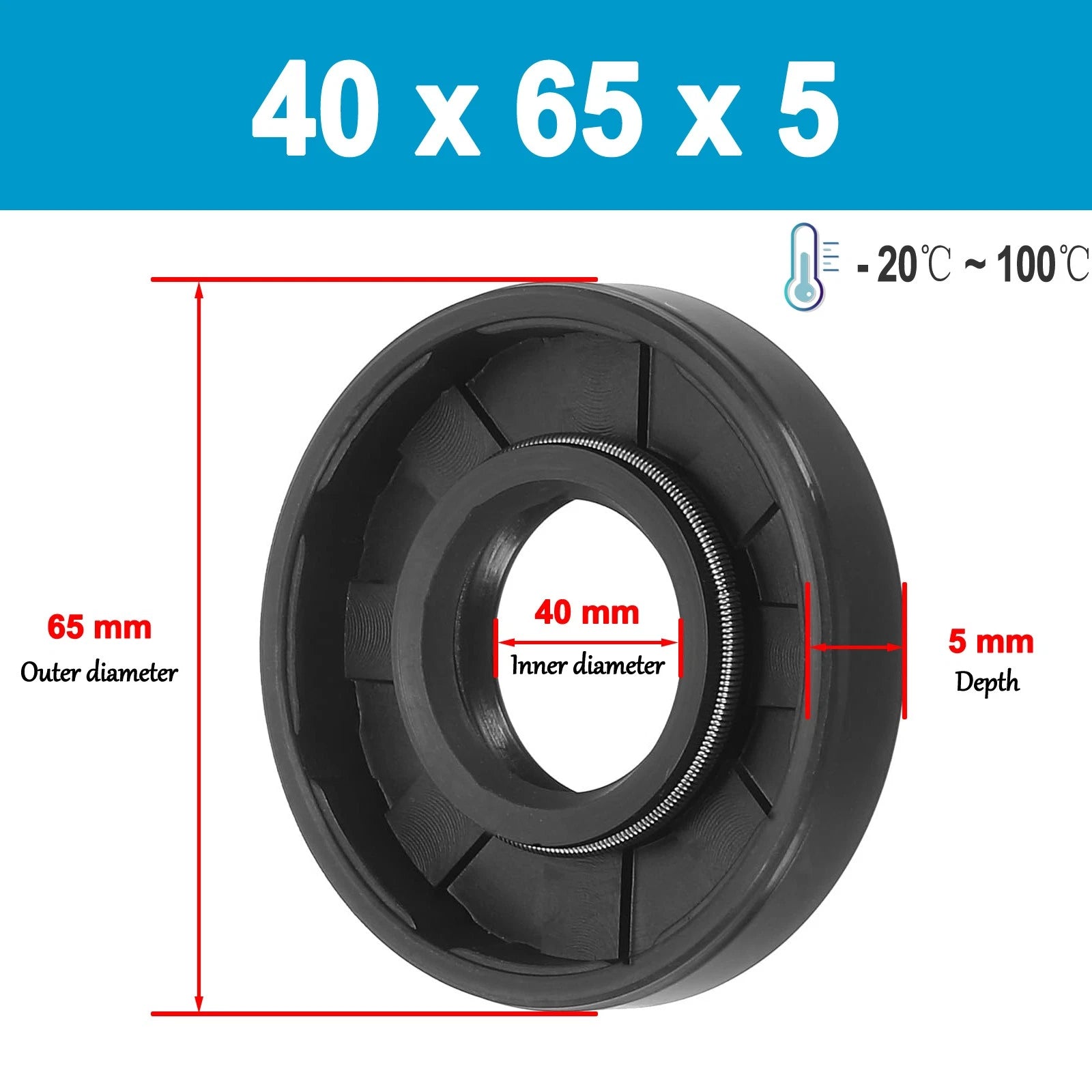
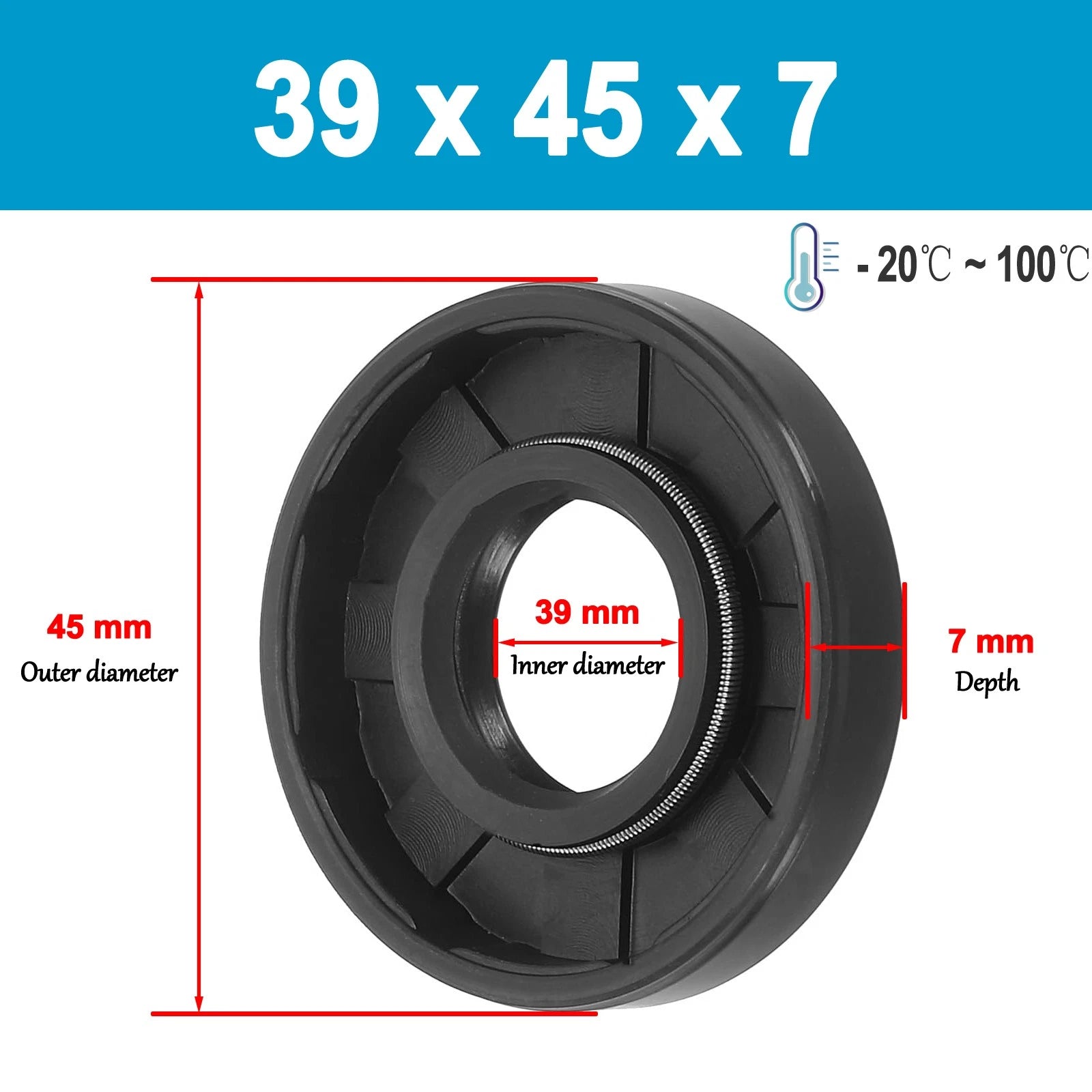
⚠️ Compatibility Note: These seals are sized by Inner Ø × Outer Ø × Depth (mm). Always verify all three dimensions against your existing seal or housing bore before ordering. Select your size using the variant options above.

✅ Key Features of These Metric TC Oil Shaft Seals

  • TC Double-Lip Design — Primary dynamic lip seals rotating shafts against oil and grease loss; secondary dust lip blocks dirt, water, and airborne particles from entering the bearing cavity.
  • Garter Spring Loaded — An internal garter spring maintains consistent radial contact force on the shaft, compensating for minor shaft runout and lip wear over time.
  • Nitrile Rubber (NBR) Construction — NBR compound offers solid resistance to petroleum-based oils, greases, and mild hydraulic fluids across a typical operating temperature range of approximately −40 °C to +120 °C (−40 °F to +248 °F).
  • Carbon-Steel Outer Case — The rigid metal shell provides a secure press-fit into the housing bore, preventing rotation and maintaining concentricity with the shaft.
  • Wide Metric Size Coverage — Inner diameters from 39 mm to 41.27 mm paired with outer diameters from 45 mm to 100 mm and depths from 4 mm to 13 mm cover a broad range of agricultural, automotive, and industrial shafts.
  • Flexible Pack Quantities — Available in packs of 1, 5, or 10 pieces (depending on size) so you can stock exactly what your workshop or fleet maintenance schedule requires.

📐 Technical Specifications — TC Oil Shaft Seal

Seal Type TC (Double Lip with Garter Spring)
Inner Diameter (ID) 39 mm – 41.27 mm (approx. 1.54 in – 1.63 in)
Outer Diameter (OD) 45 mm – 100 mm (approx. 1.77 in – 3.94 in)
Depth / Width 4 mm – 13 mm (approx. 0.16 in – 0.51 in)
Lip Material Nitrile Rubber (NBR)
Case Material Carbon Steel
Spring Garter Spring (included)
Operating Temperature Typically −40 °C to +120 °C (−40 °F to +248 °F)
Media Compatibility Petroleum-based oils, greases, mild hydraulic fluids
Packing Quantity See variant options
Exact Size See variant options

❓ Frequently Asked Questions

How do I find the correct seal size for my application?

Measure the shaft diameter (inner Ø), the housing bore diameter (outer Ø), and the housing depth (seal width) using calipers. Match all three dimensions to the variant listed as Inner Ø × Outer Ø × Depth. If you have the old seal in hand, the dimensions are often stamped on the metal case or molded into the rubber.

What is the difference between a TC seal and a single-lip seal?

A TC (double-lip) seal has two sealing lips: the primary lip retains lubricant on the inboard side, while the secondary lip faces outward to exclude dust and moisture. A single-lip seal has only the primary lip. TC seals are preferred wherever contamination ingress is a concern, such as agricultural equipment, outdoor machinery, or wet environments.

Are these seals compatible with synthetic oils and greases?

These seals use a nitrile rubber (NBR) compound, which performs well with conventional petroleum-based oils and greases. NBR has limited compatibility with some fully synthetic PAO or ester-based lubricants at elevated temperatures. If your application uses synthetic fluids, confirm the fluid's compatibility with NBR before ordering, or contact us to confirm.

What temperature range can these seals handle?

NBR lip seals typically operate reliably from approximately −40 °C to +120 °C (−40 °F to +248 °F). Short-term excursions slightly above 120 °C may be tolerated, but sustained high temperatures can accelerate lip hardening and reduce seal life. For continuous high-temperature applications above 150 °C, a Viton (FKM) seal would be more appropriate.

How do I install a TC oil shaft seal correctly?

Clean the housing bore and shaft thoroughly. Lightly lubricate the seal lip with the same oil or grease used in the application. Press the seal squarely into the bore using a seal driver or a flat block — never hammer directly on the seal face. Ensure the seal sits flush or just below the housing face. Avoid nicking the lip on shaft keyways or splines during installation; use a protective sleeve if needed.

Can I order a single piece to test fitment before buying a larger pack?

Yes. For selected sizes, a single-piece (qty 1) option is available in the Packing Quantity variant. Check the variant selector — sizes that offer a qty-1 option will show "1" as a packing quantity choice. Packs of 5 and 10 are also available for workshop stock or fleet maintenance.

What causes a shaft seal to fail prematurely?

Common causes include excessive shaft runout or surface roughness (the shaft contact surface should ideally be 0.2–0.8 µm Ra), incorrect installation angle, incompatible lubricants that swell or harden the rubber, operating temperatures outside the rated range, and contamination from abrasive particles that score the lip. Using the correct seal size and following proper installation procedures significantly extends service life.

🛒 Select your Inner Ø × Outer Ø × Depth size and Packing Quantity above, then add to cart.

You may also like

Recently viewed