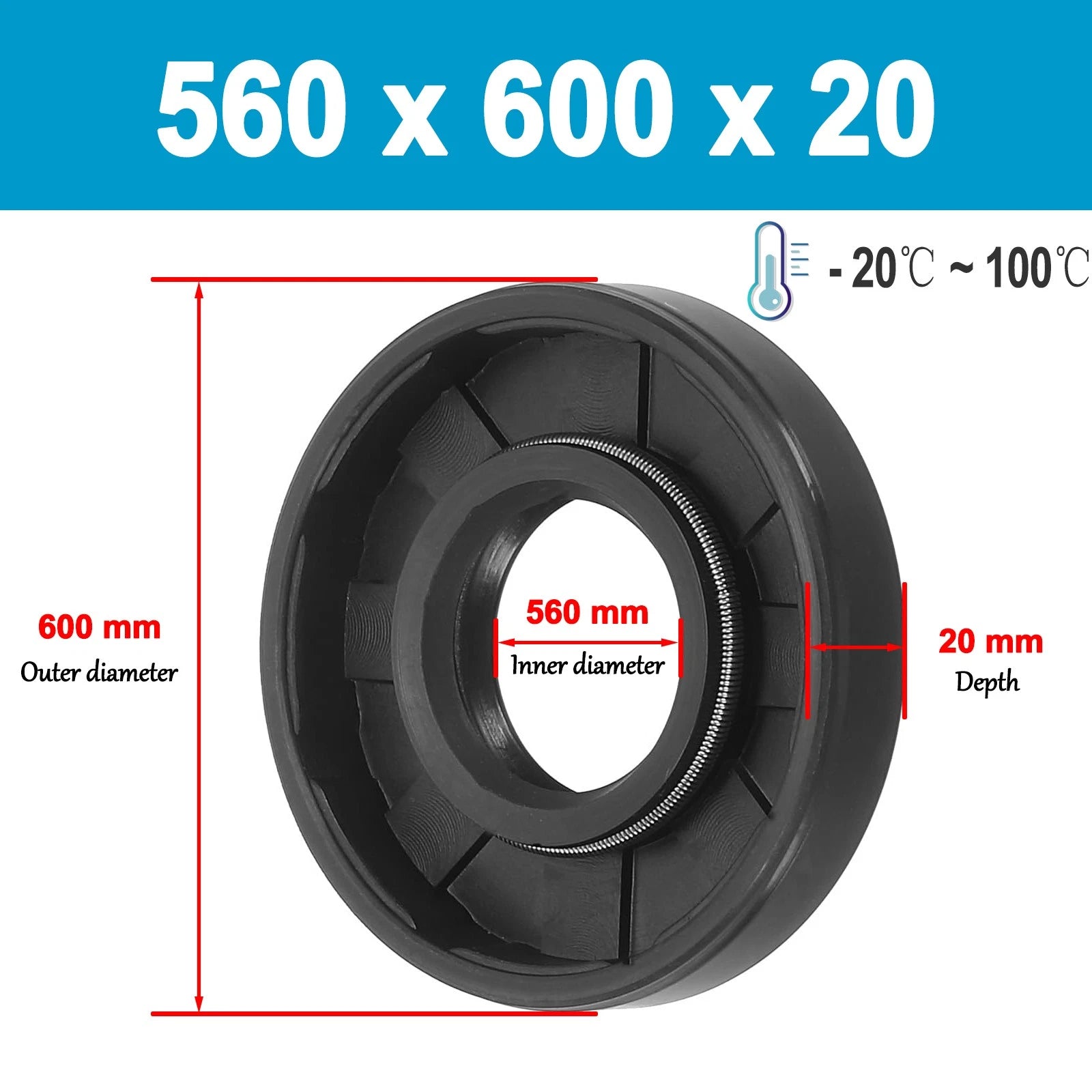
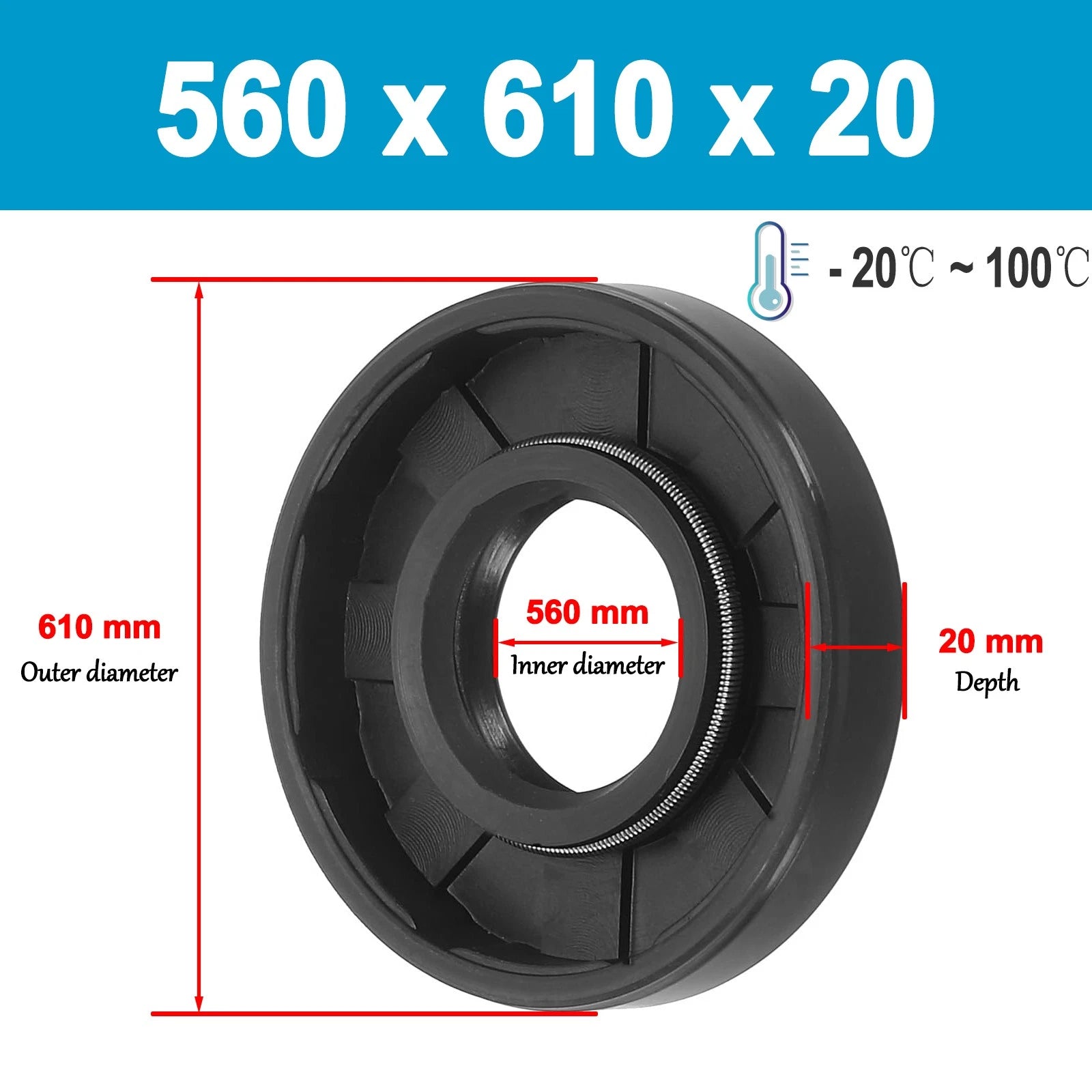
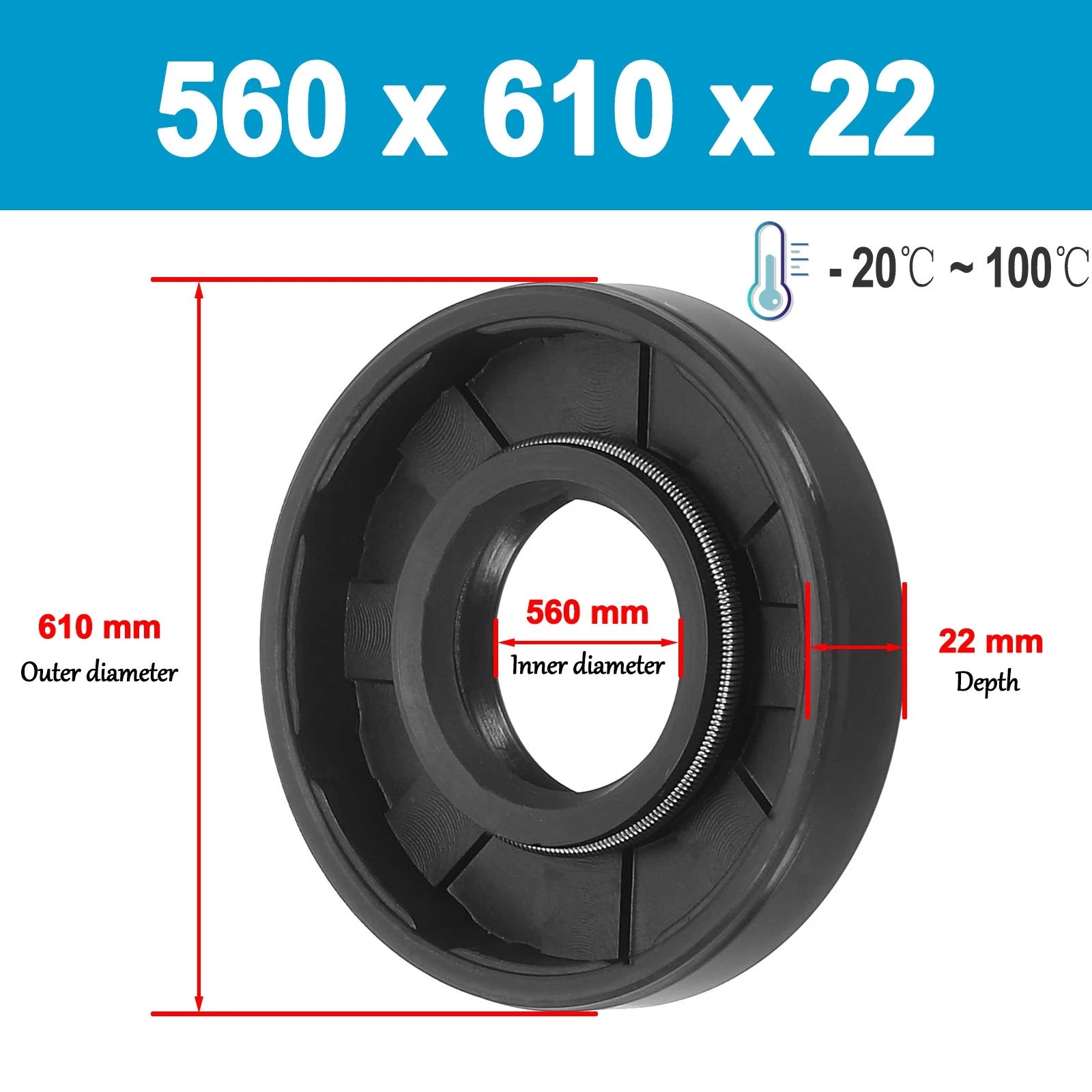
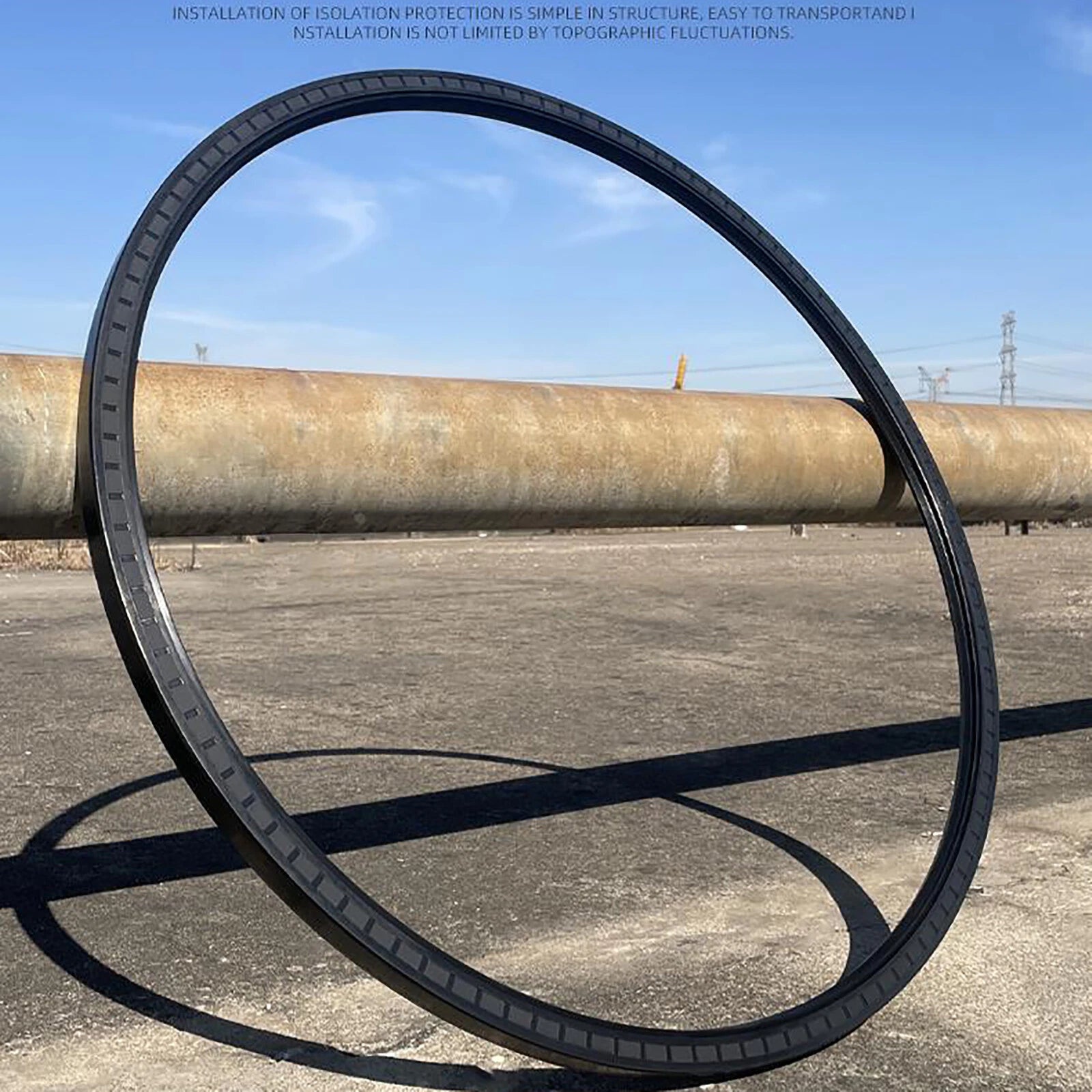
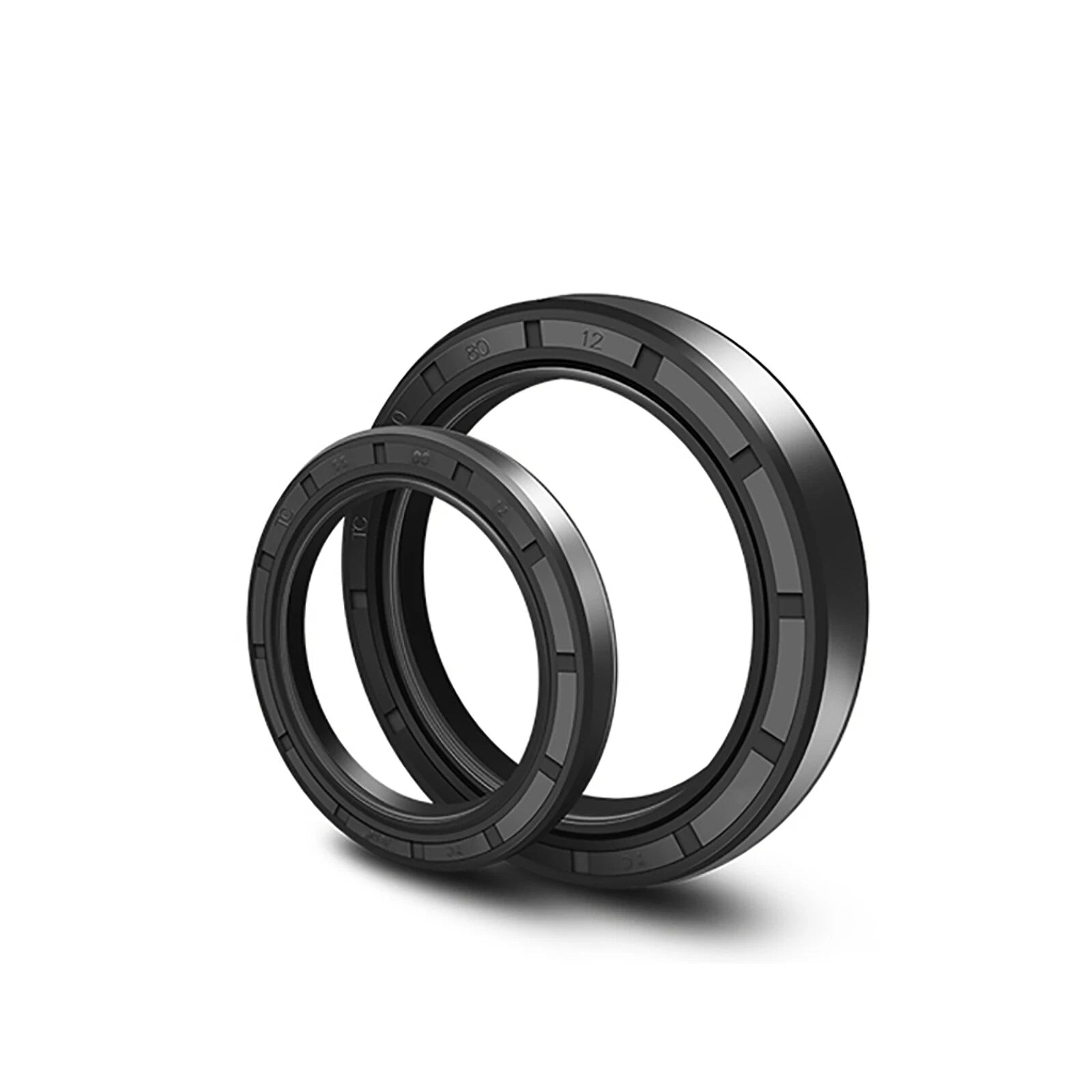
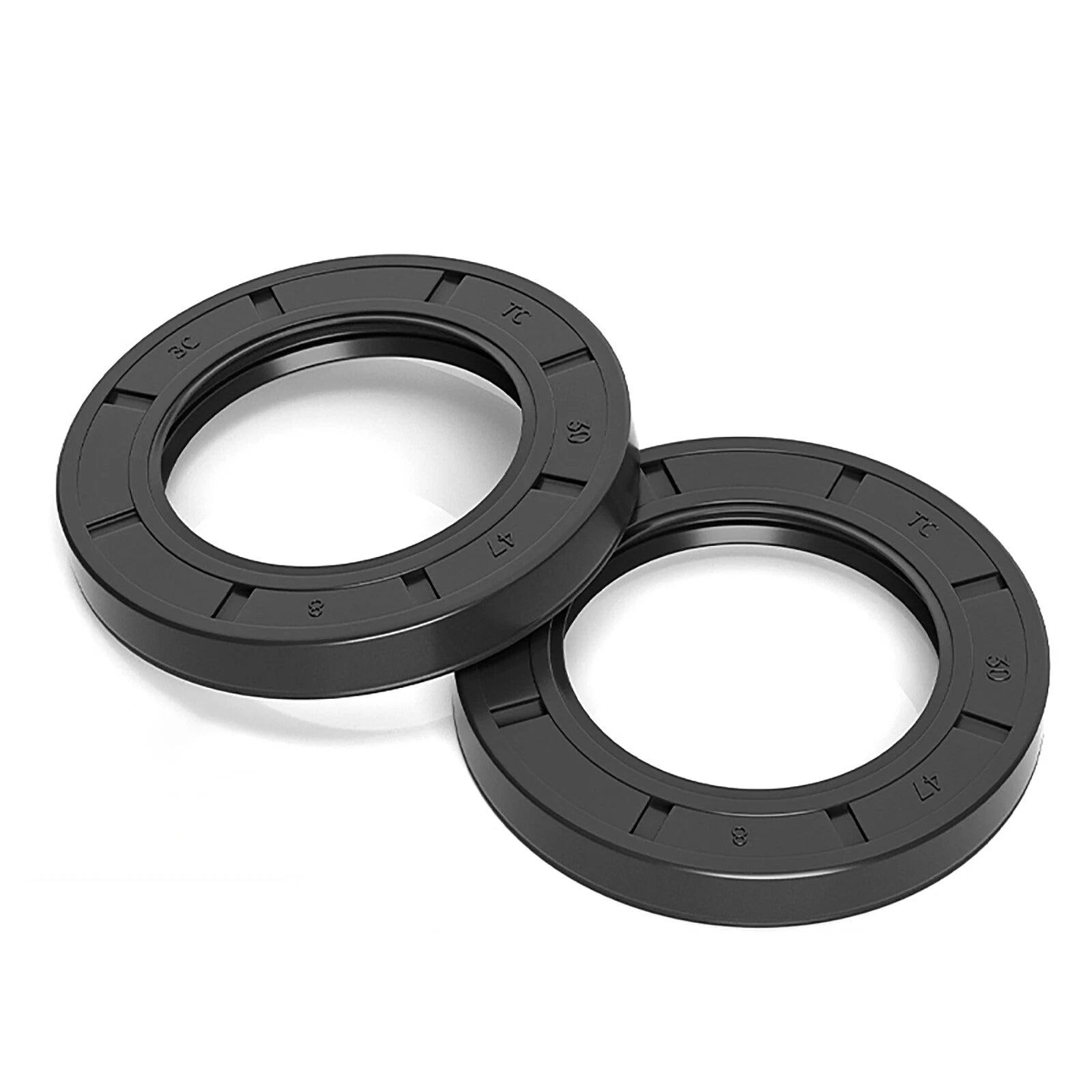
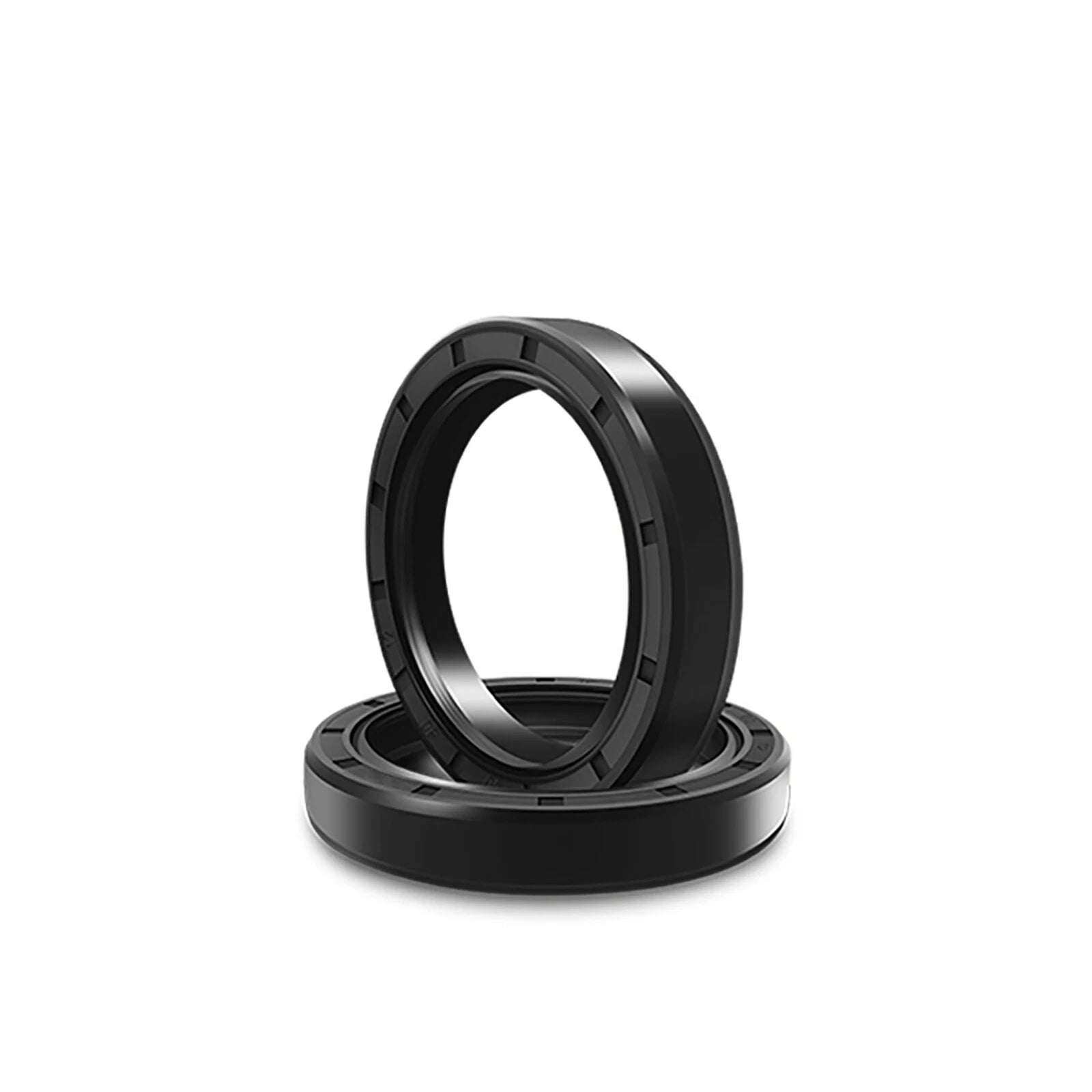
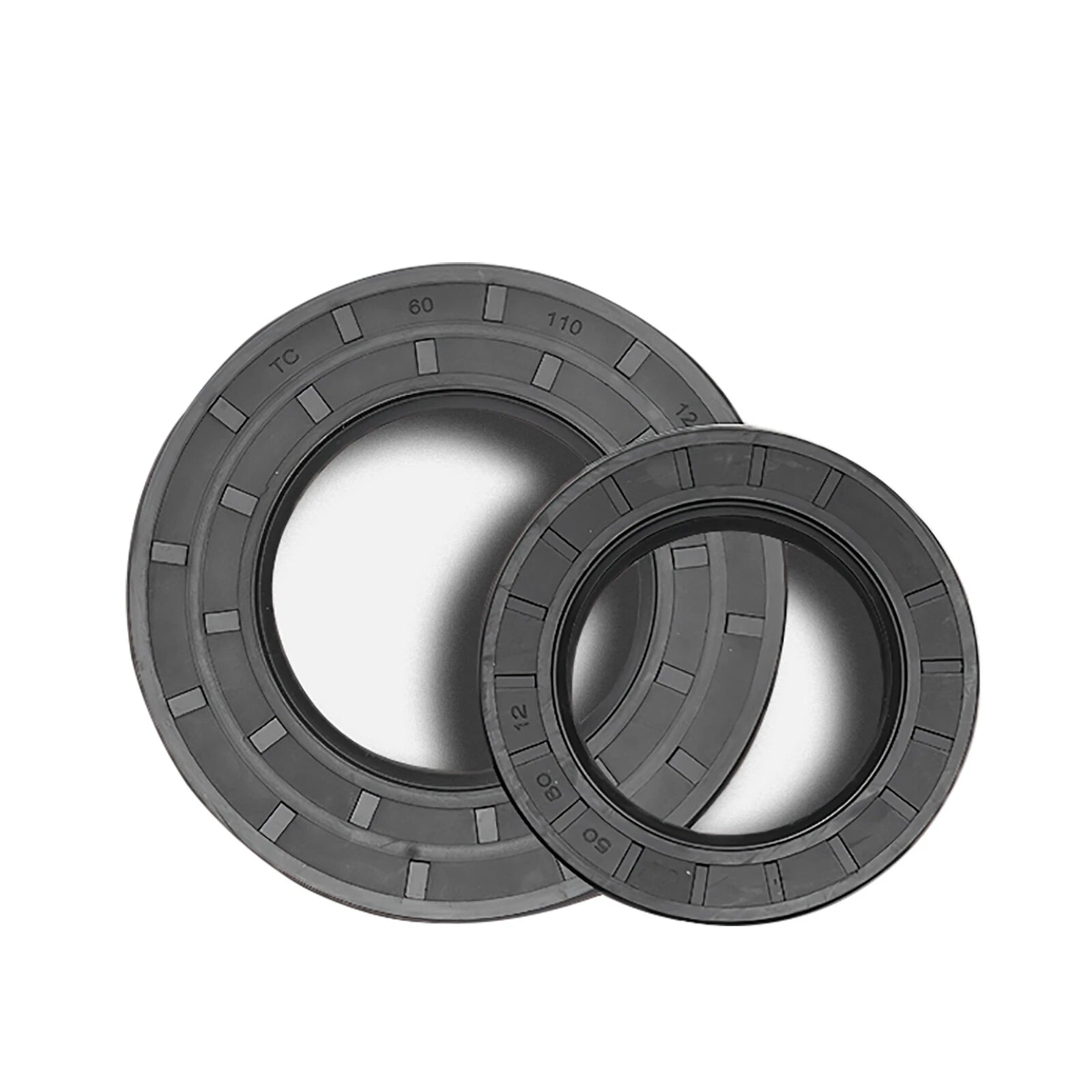
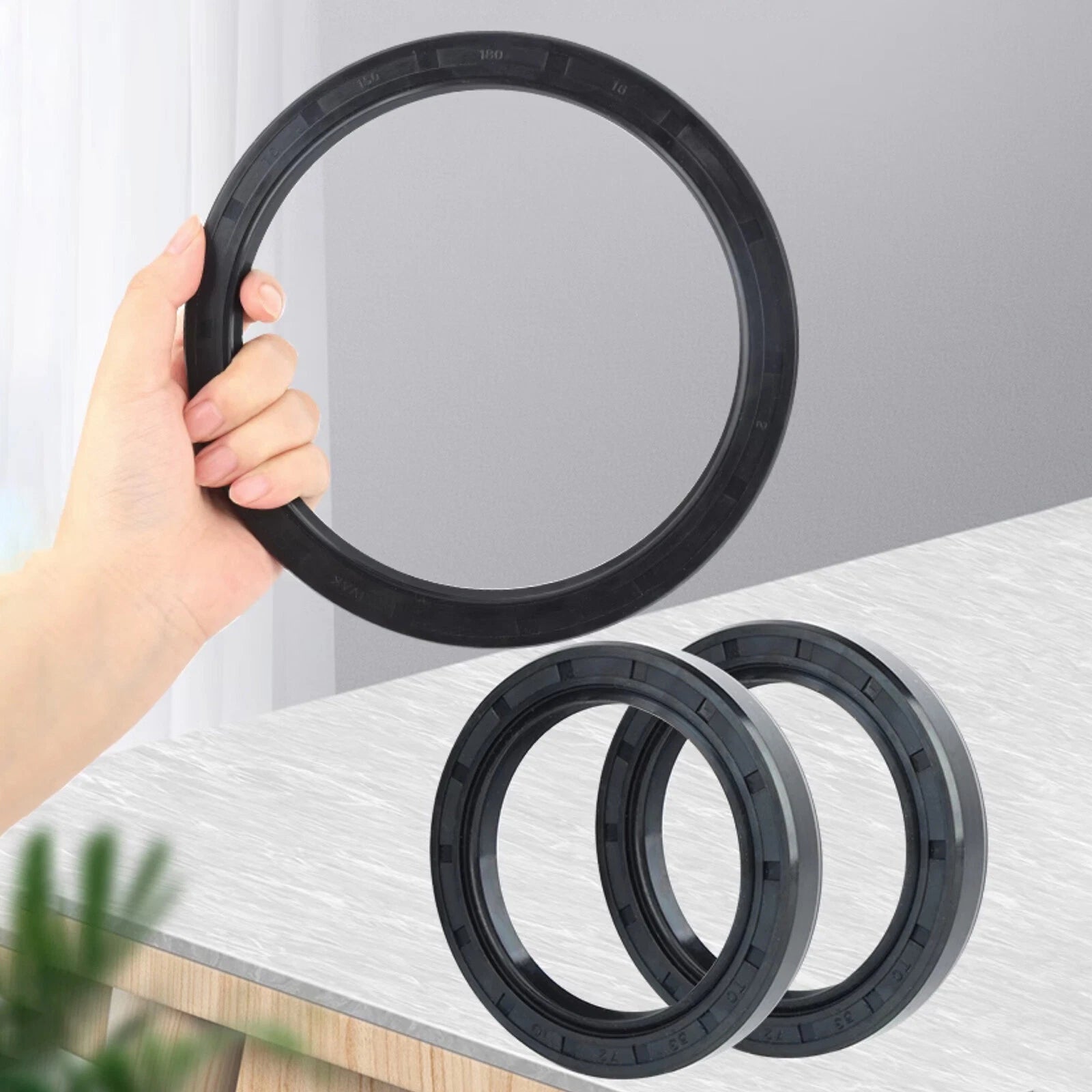
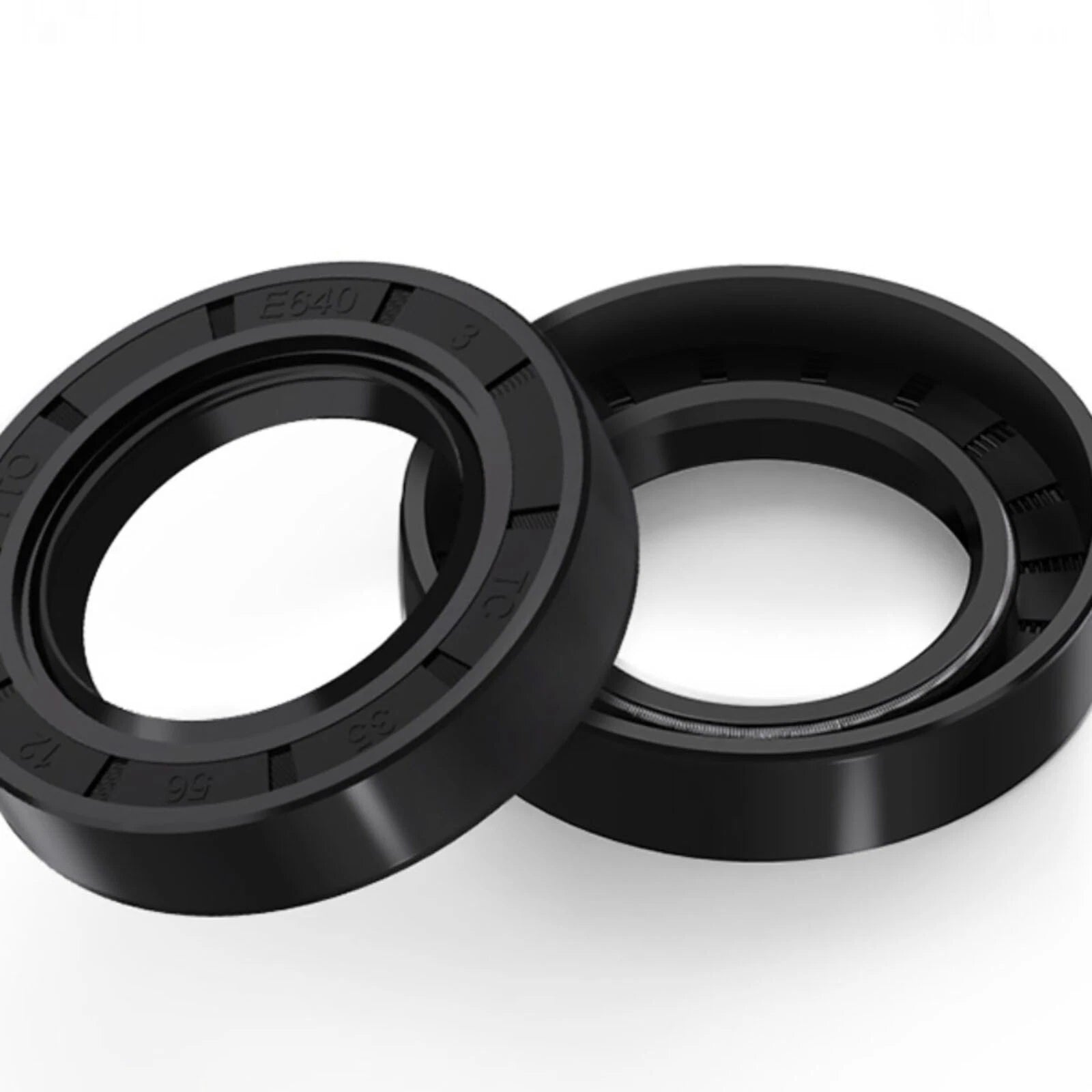
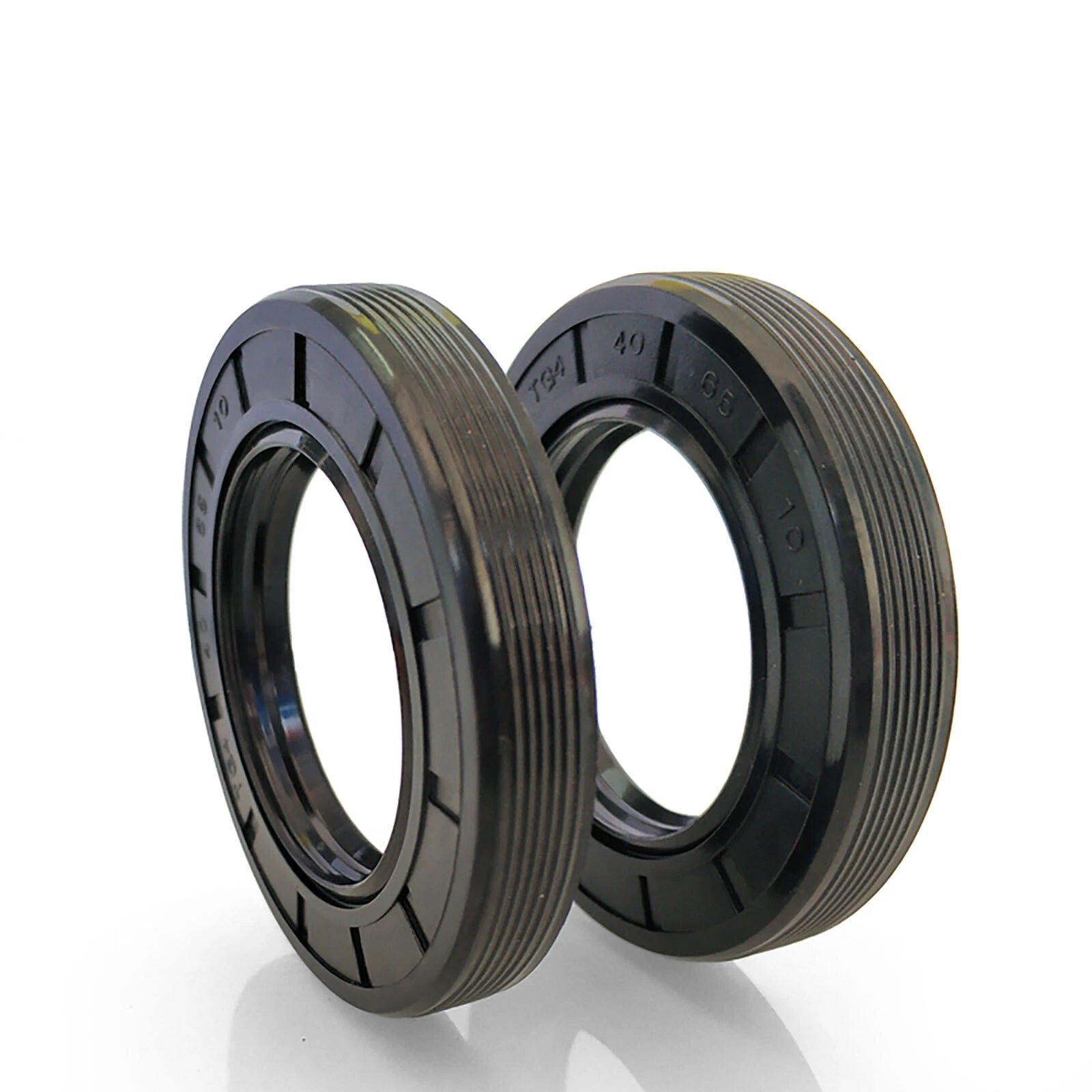
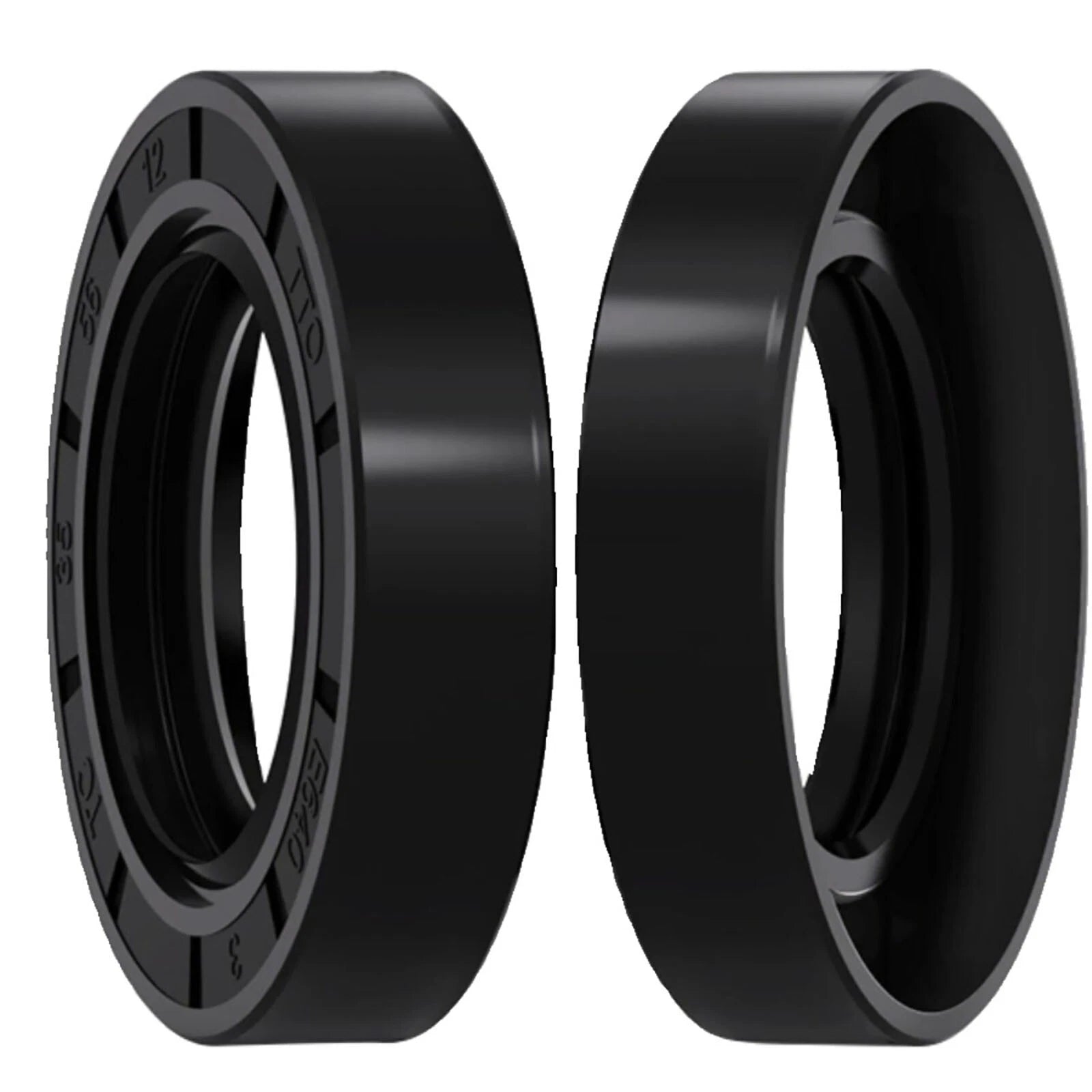
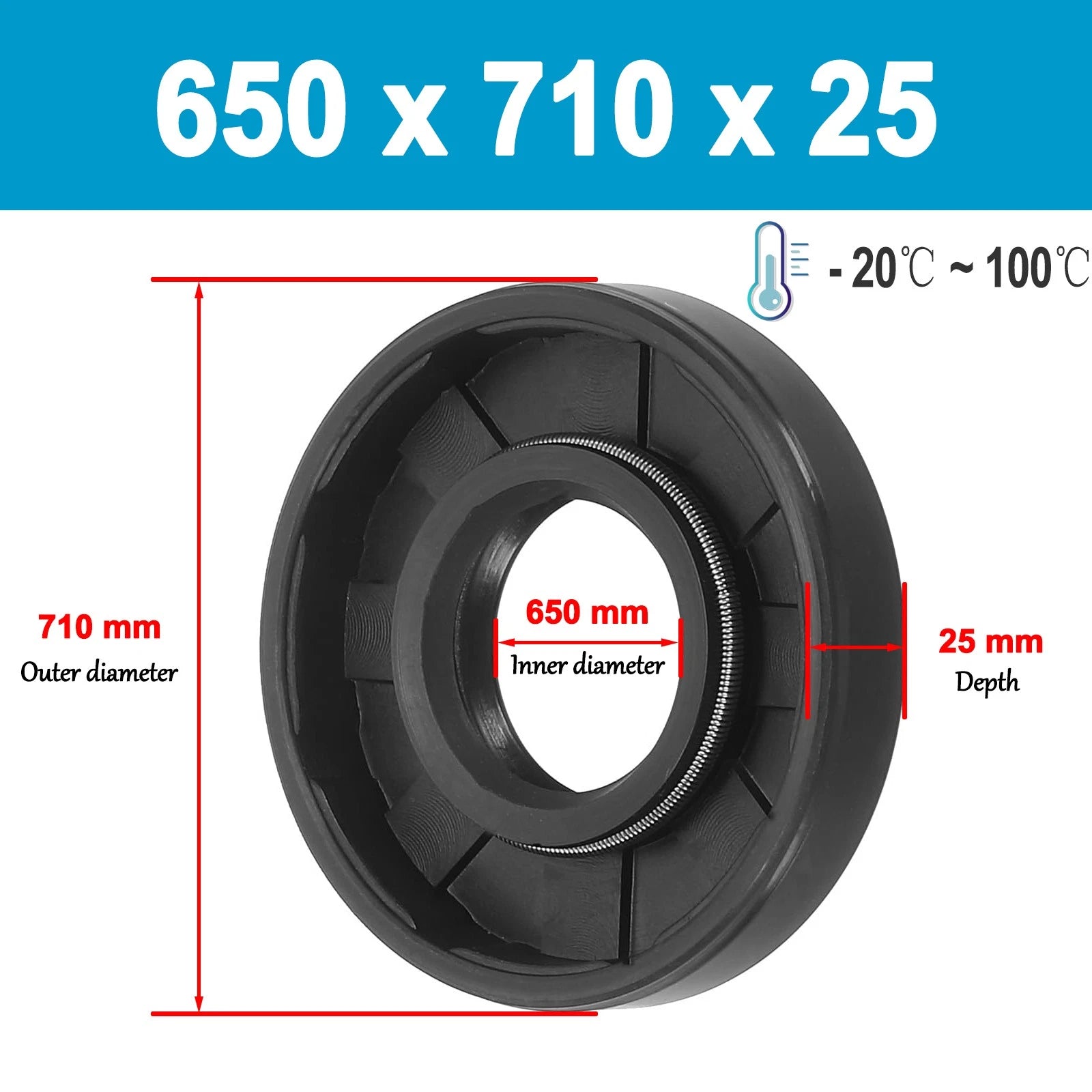
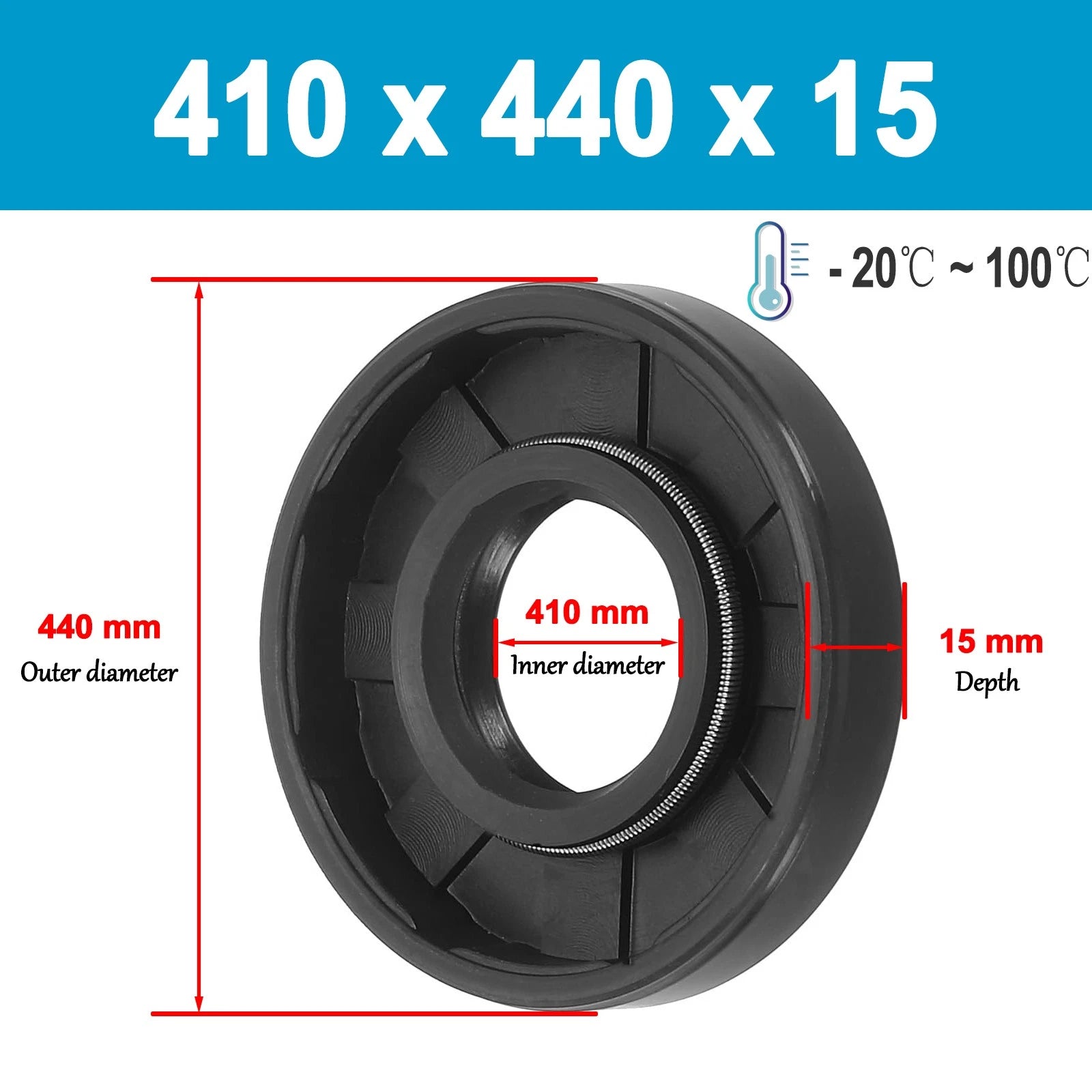
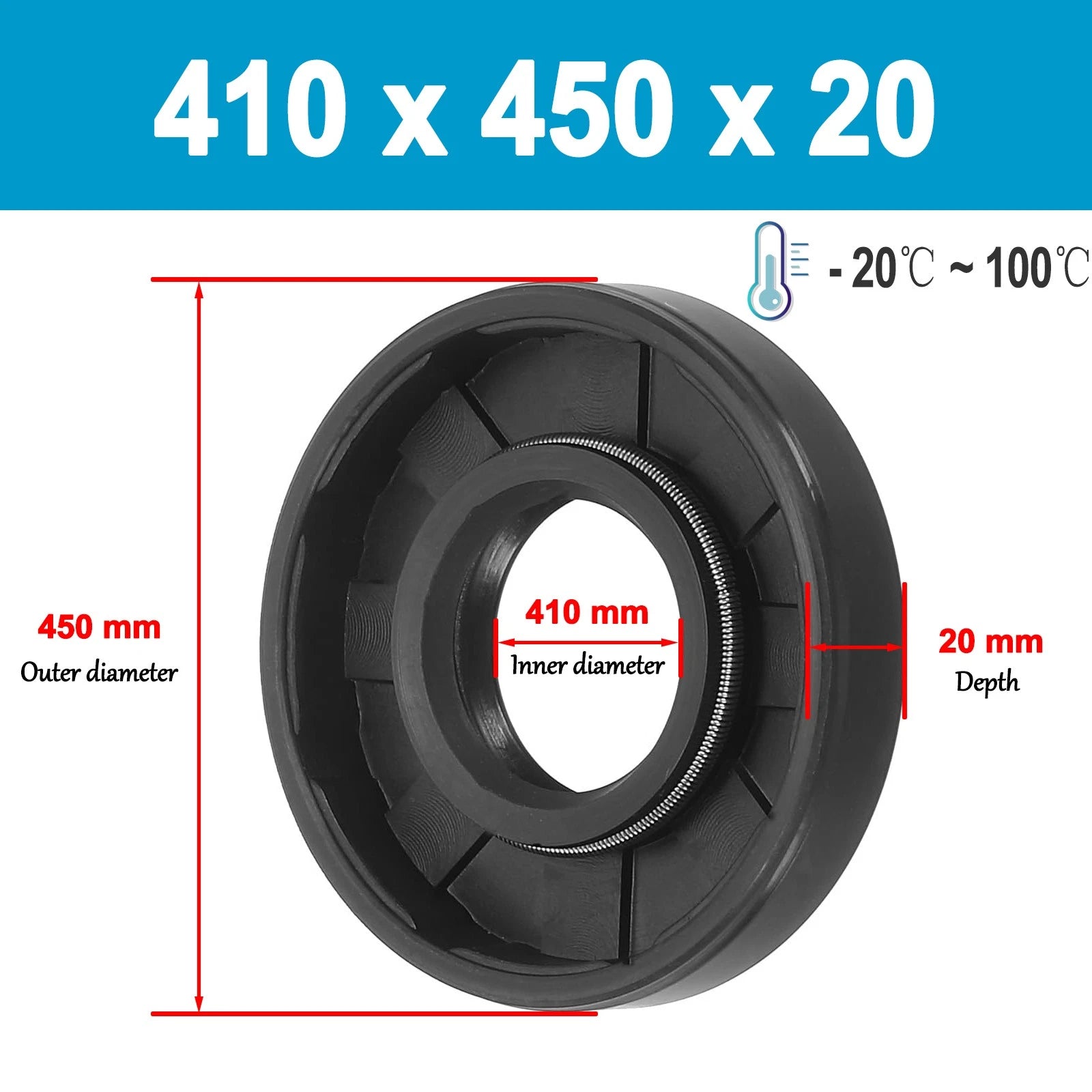
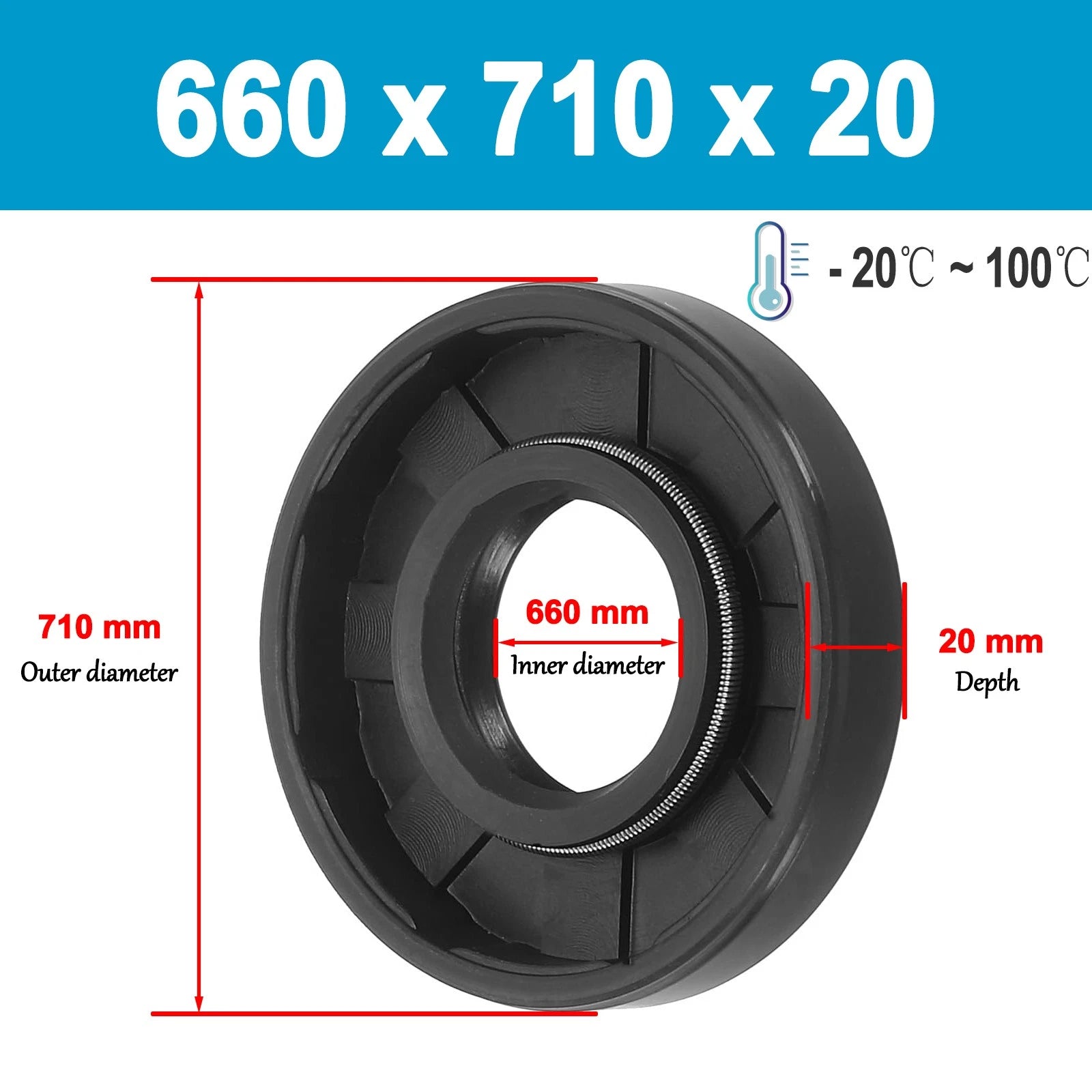
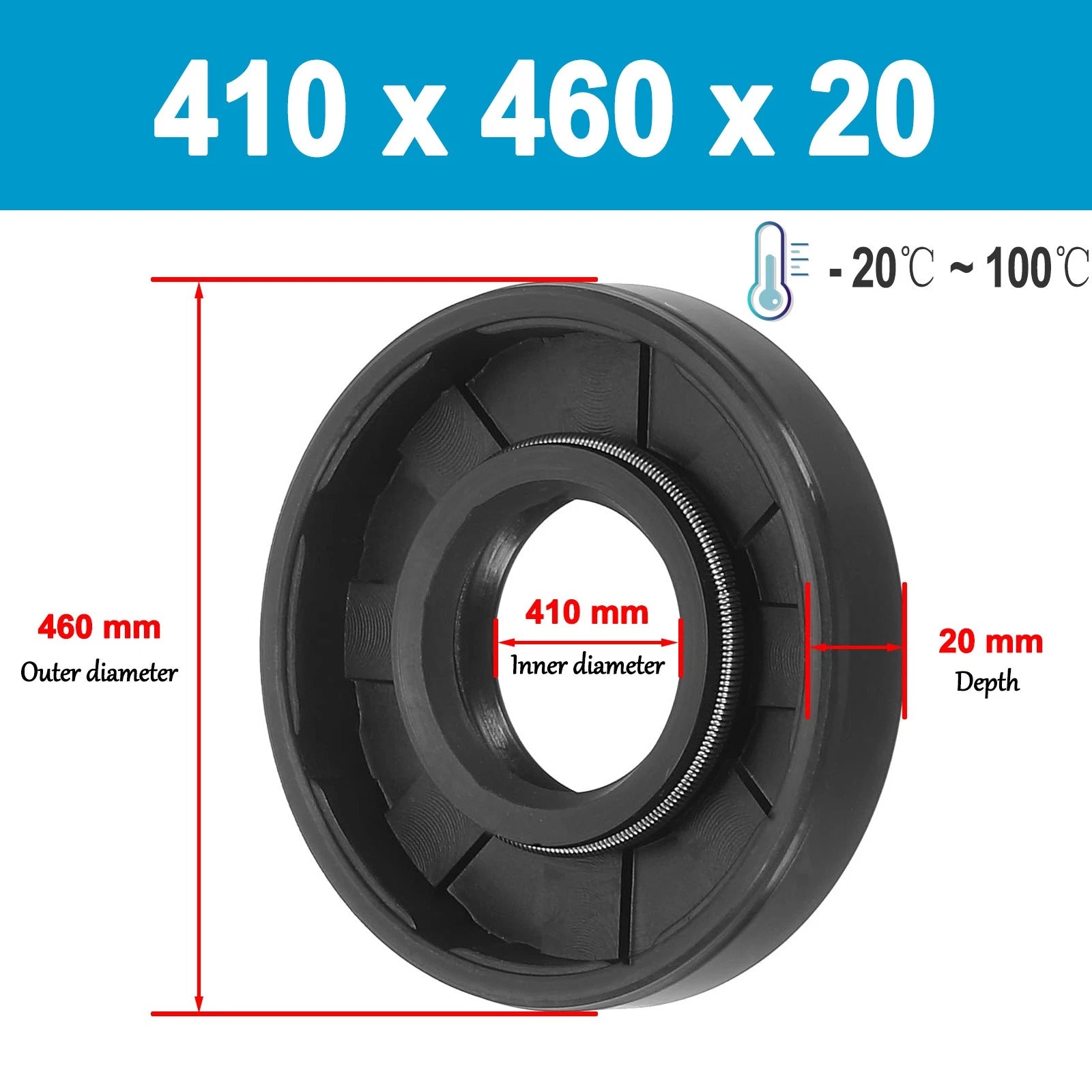
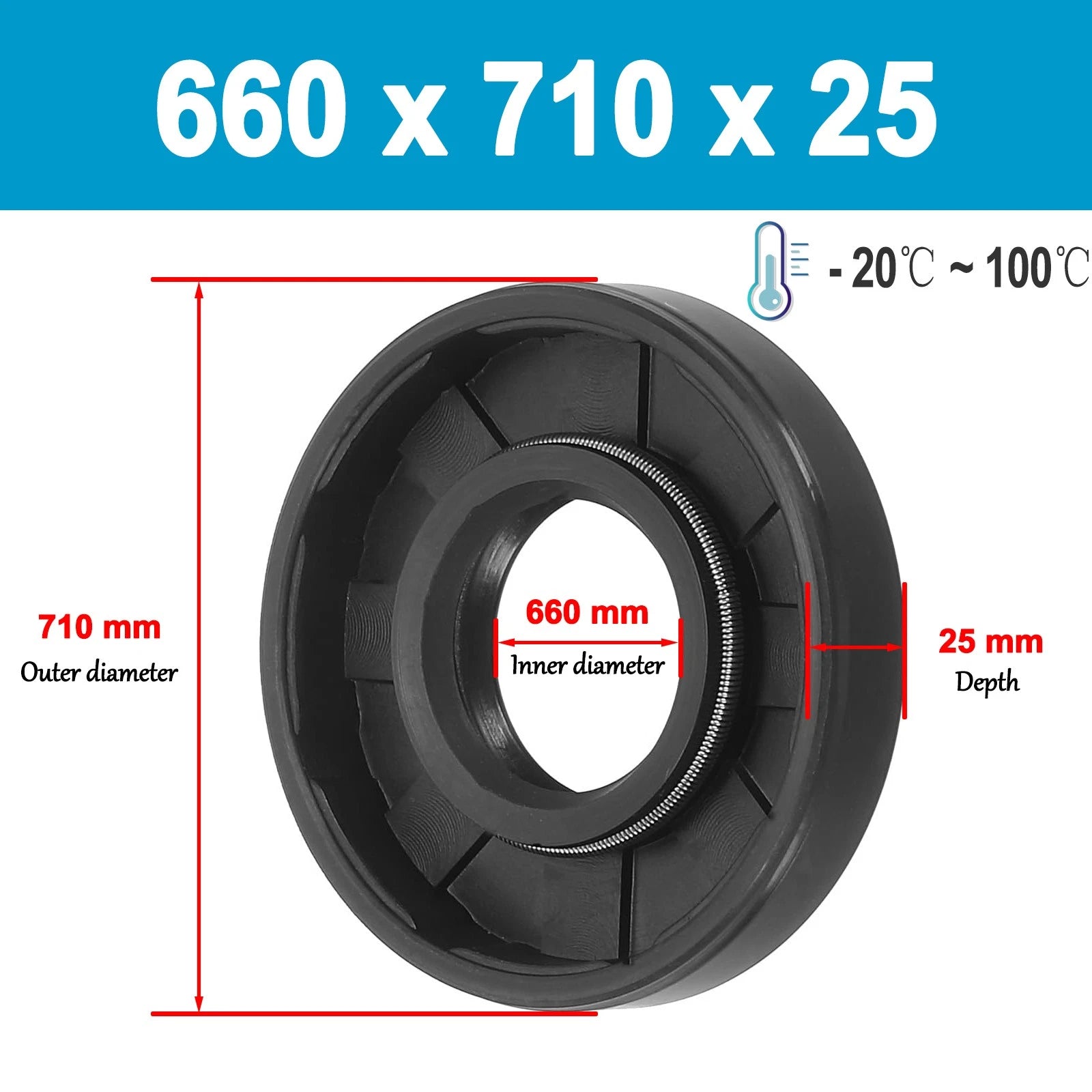
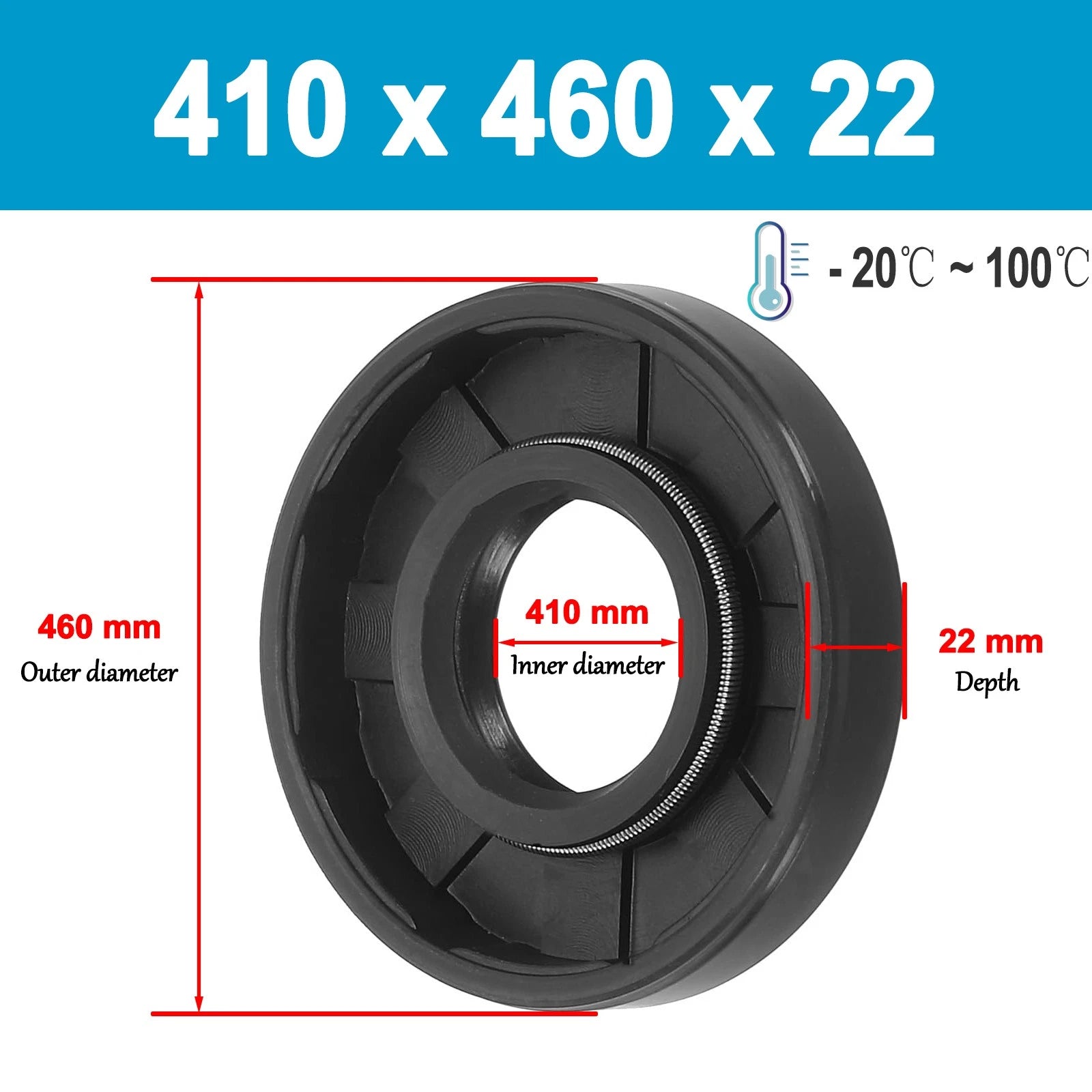
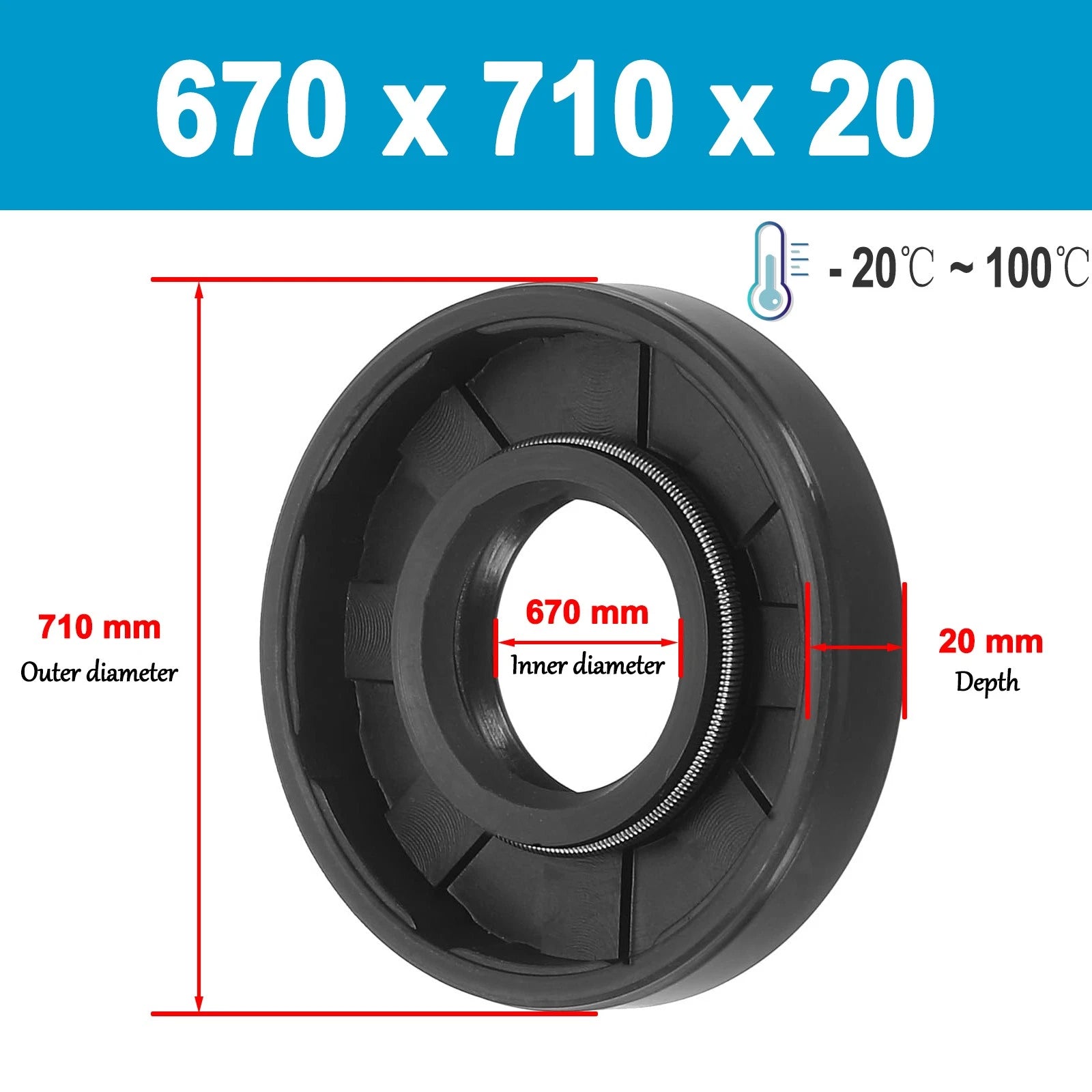
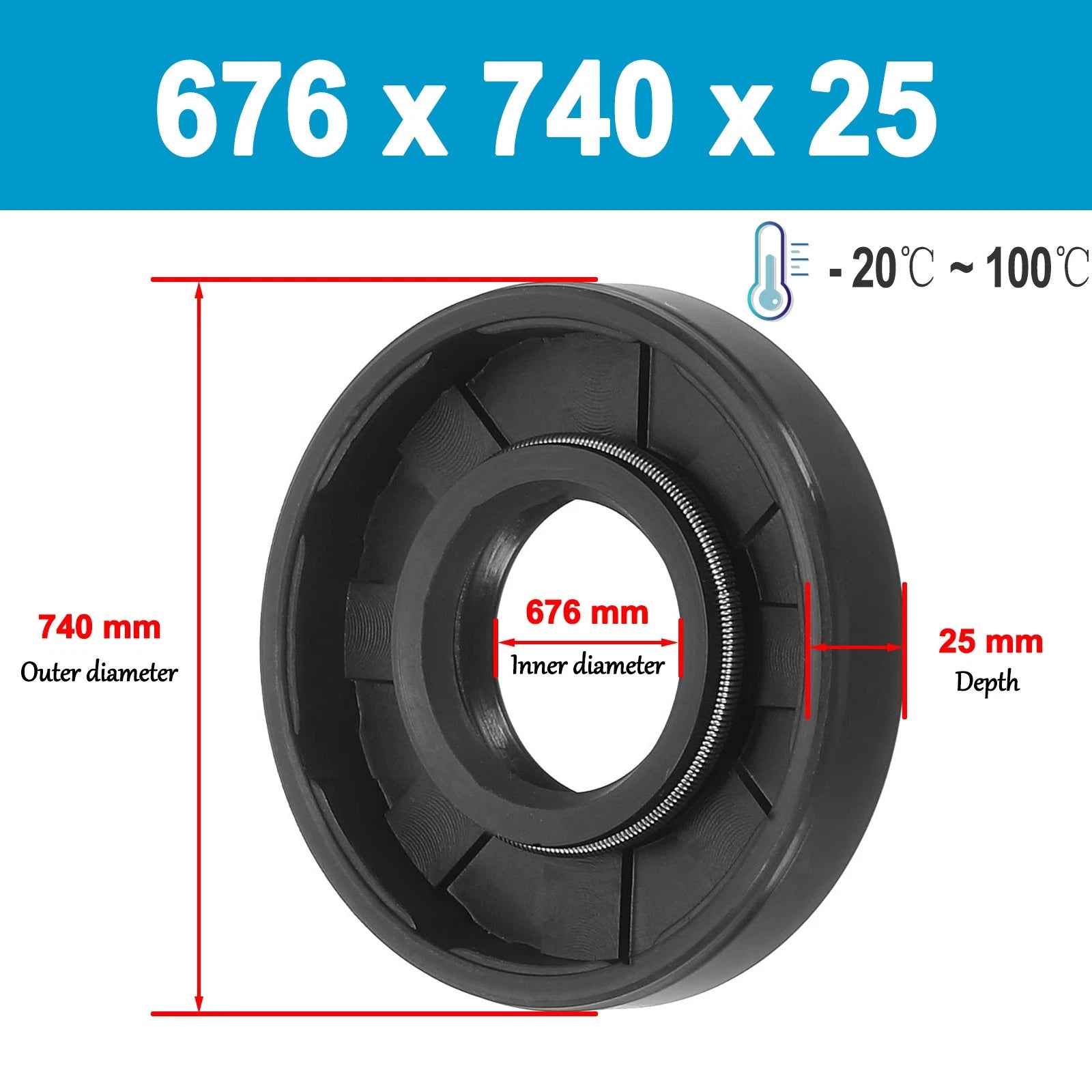
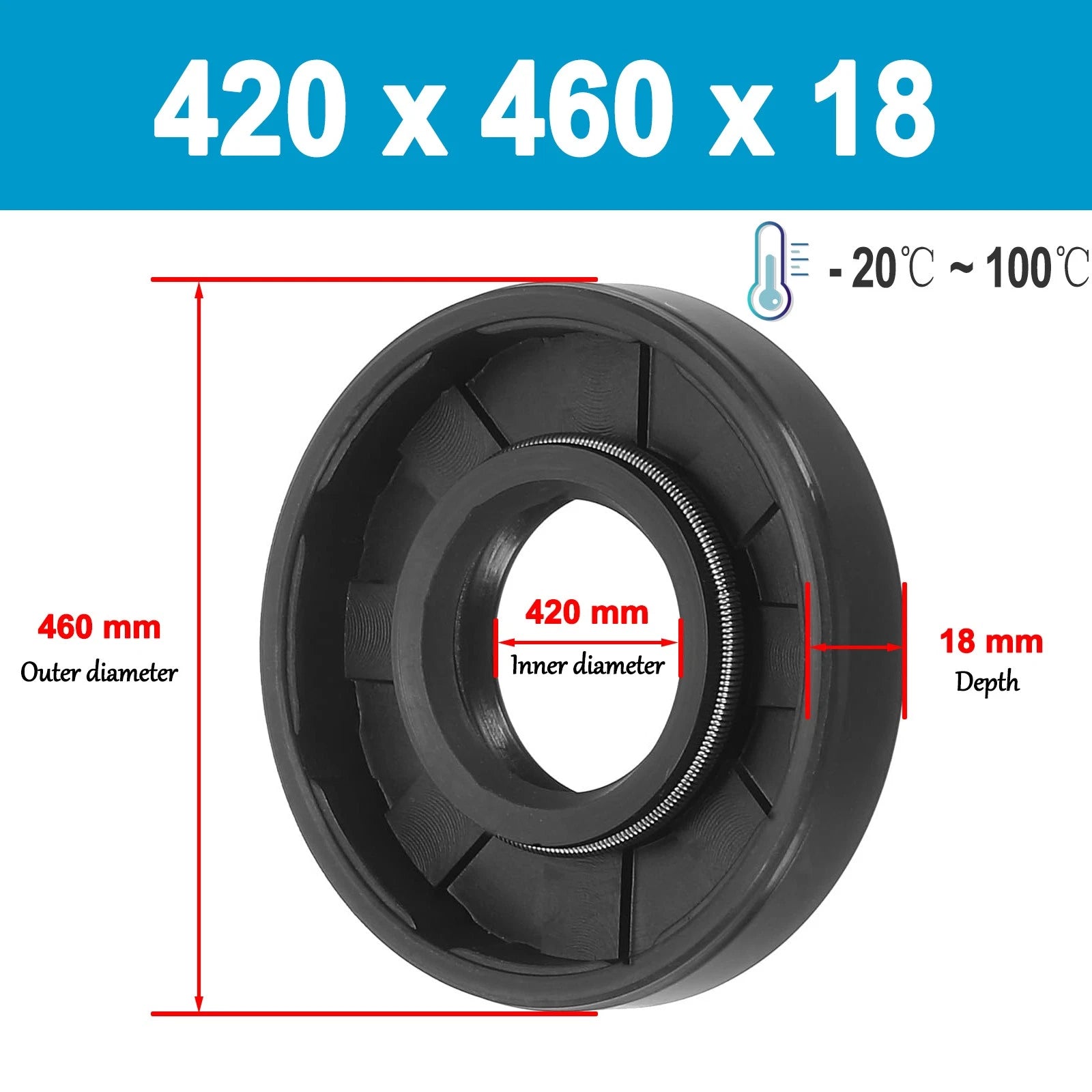
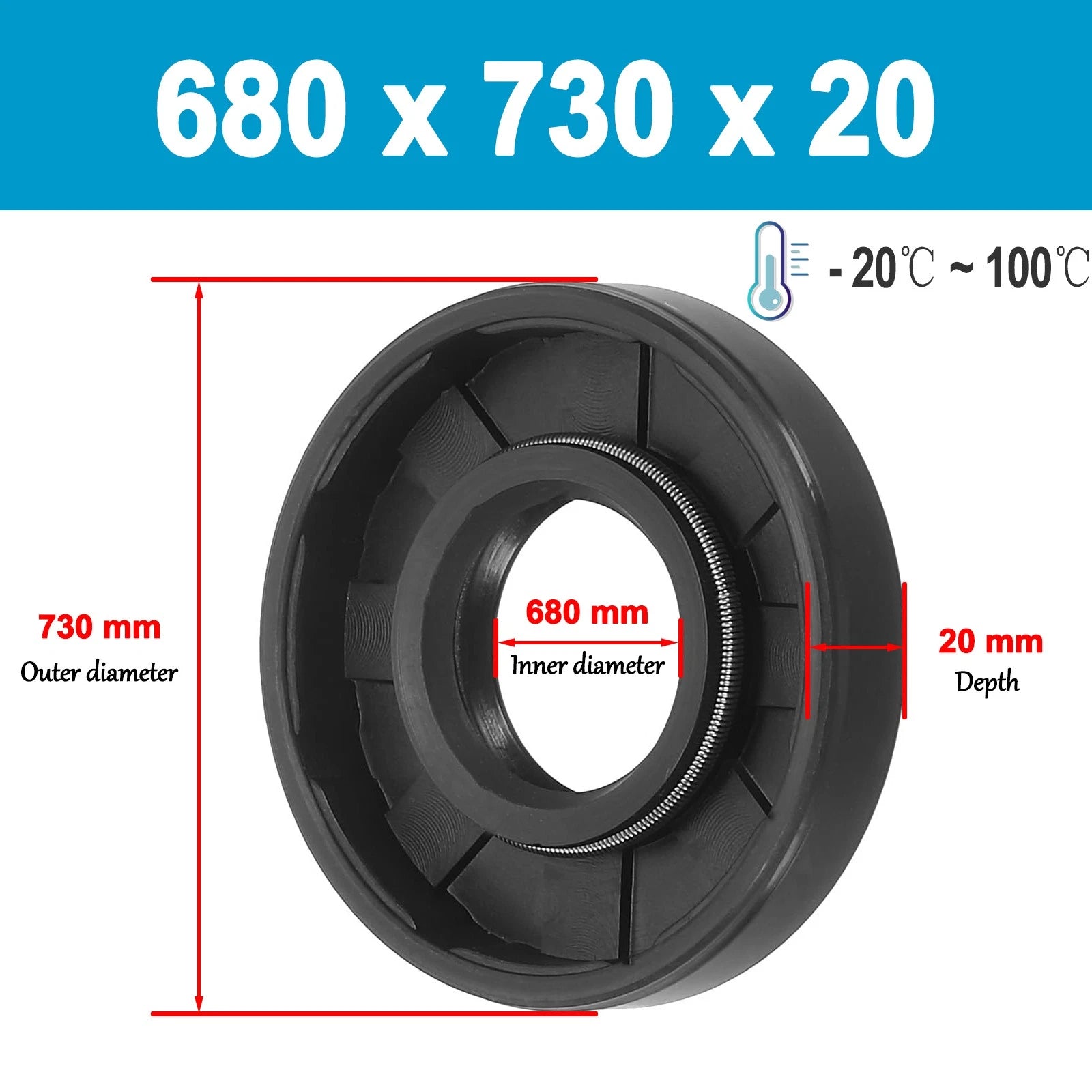
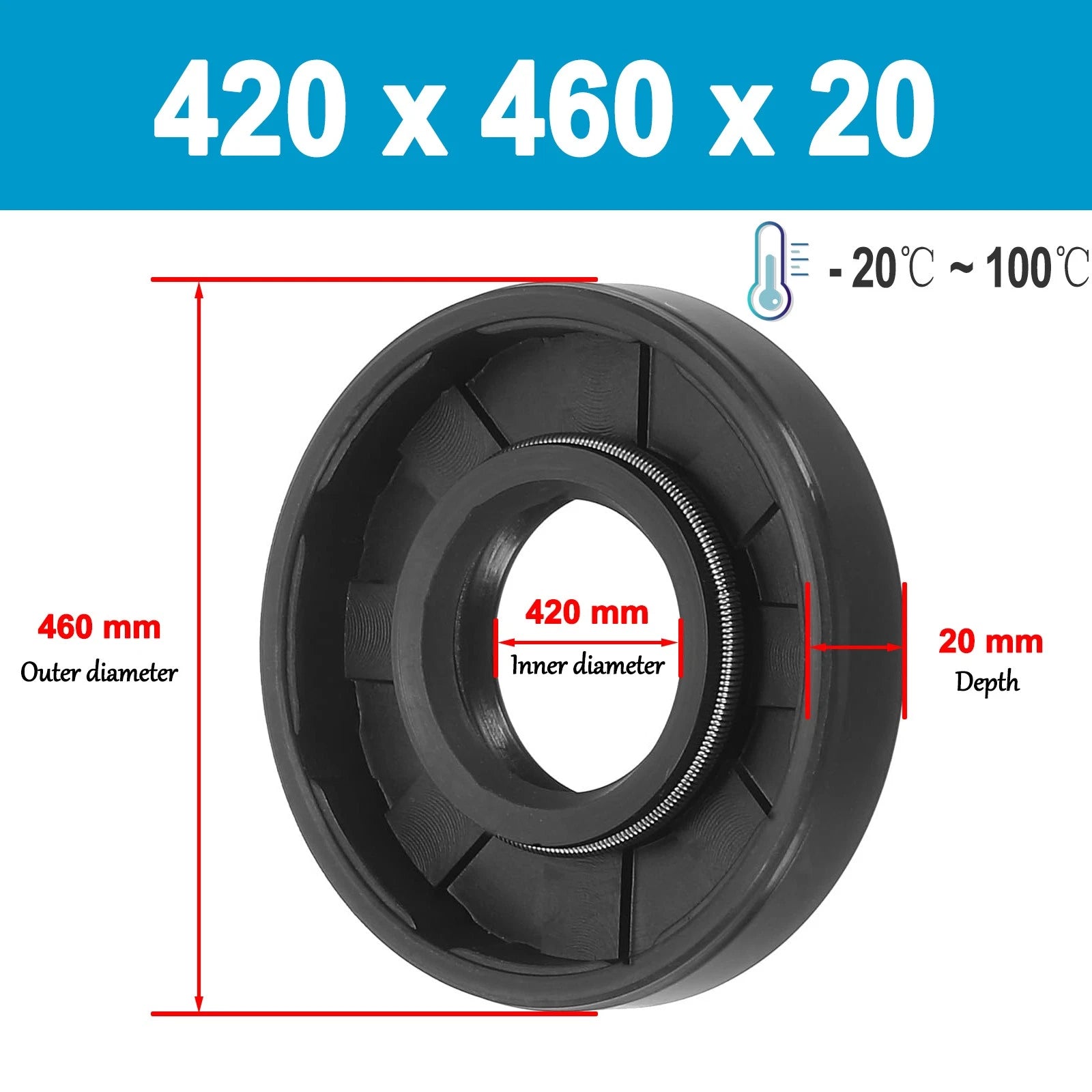
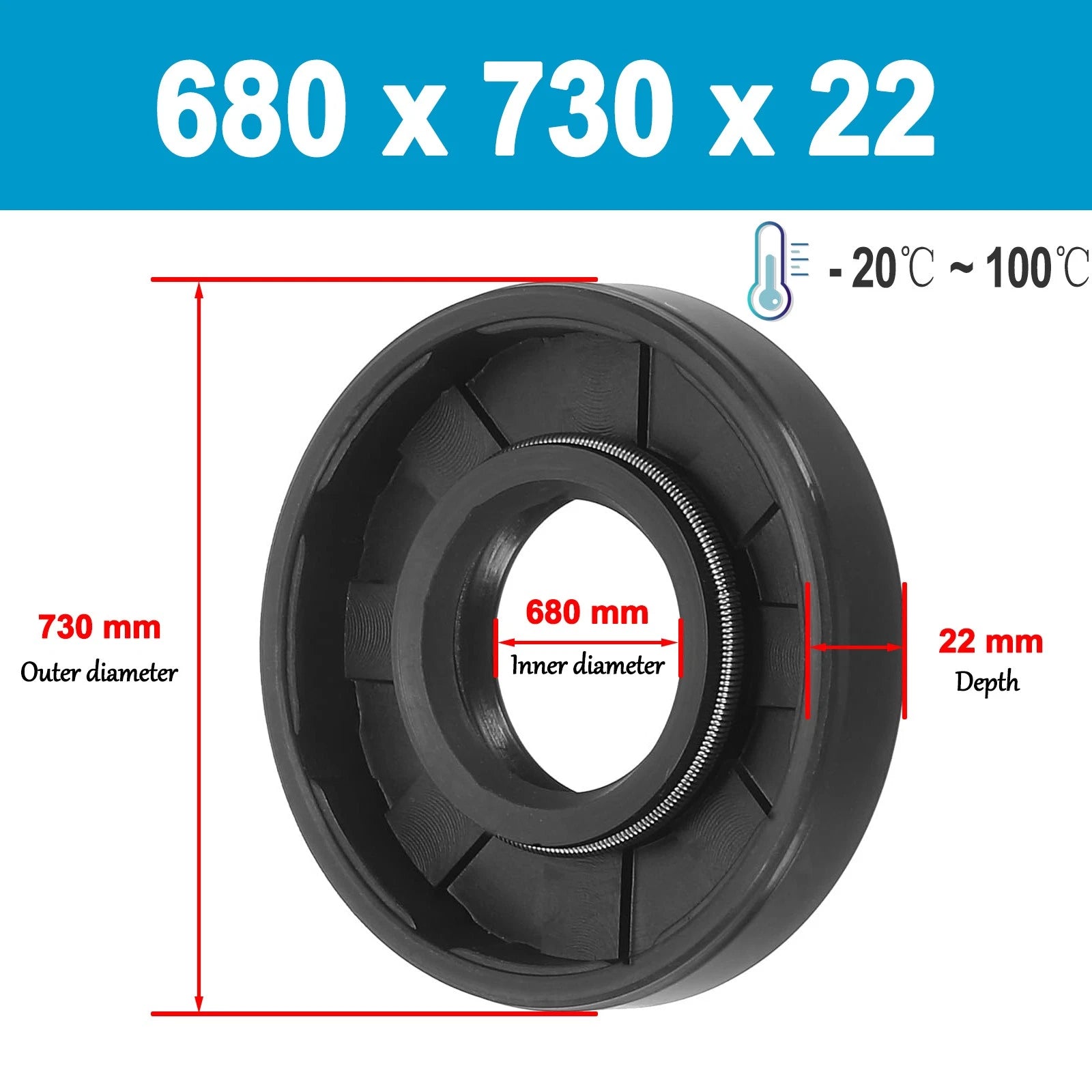
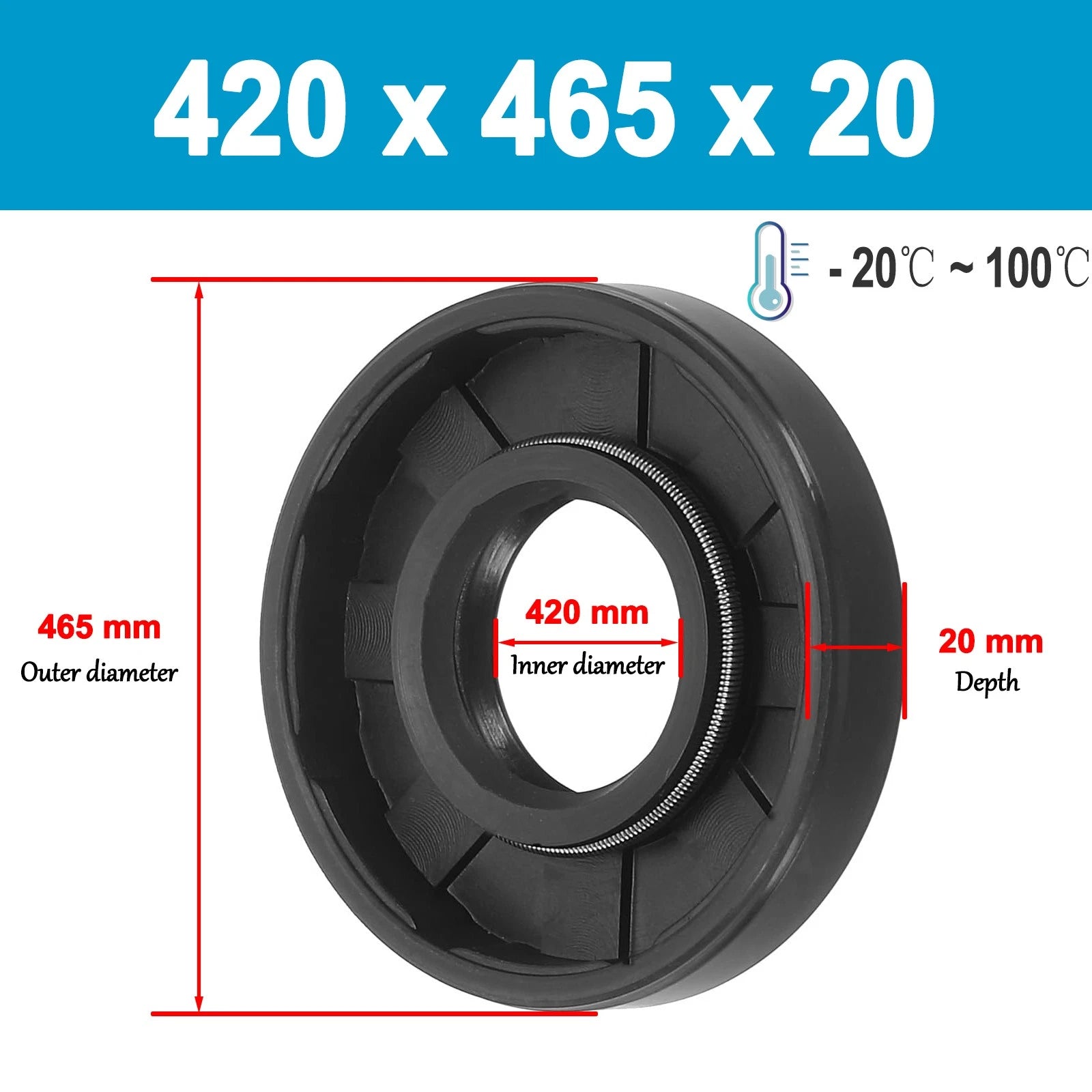
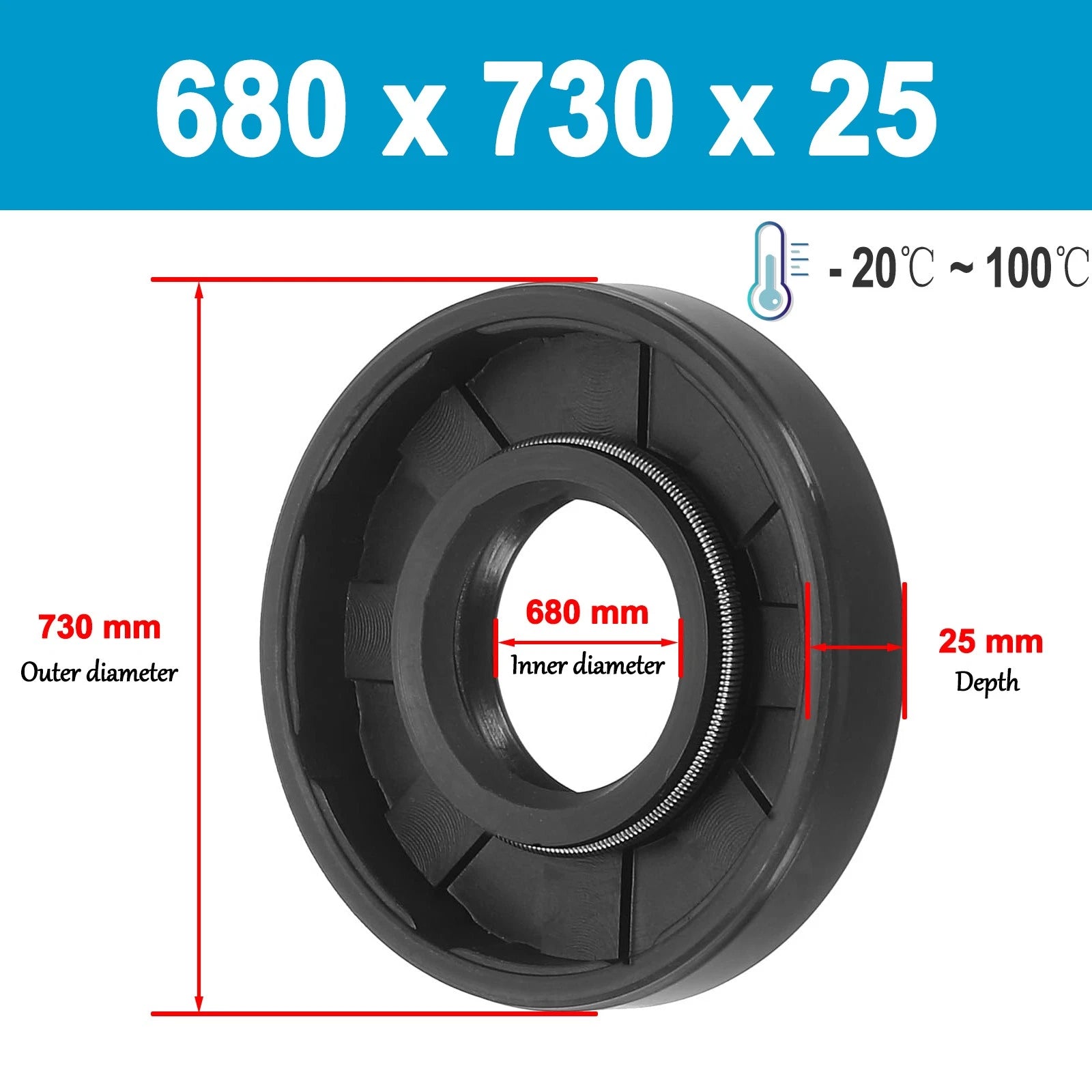
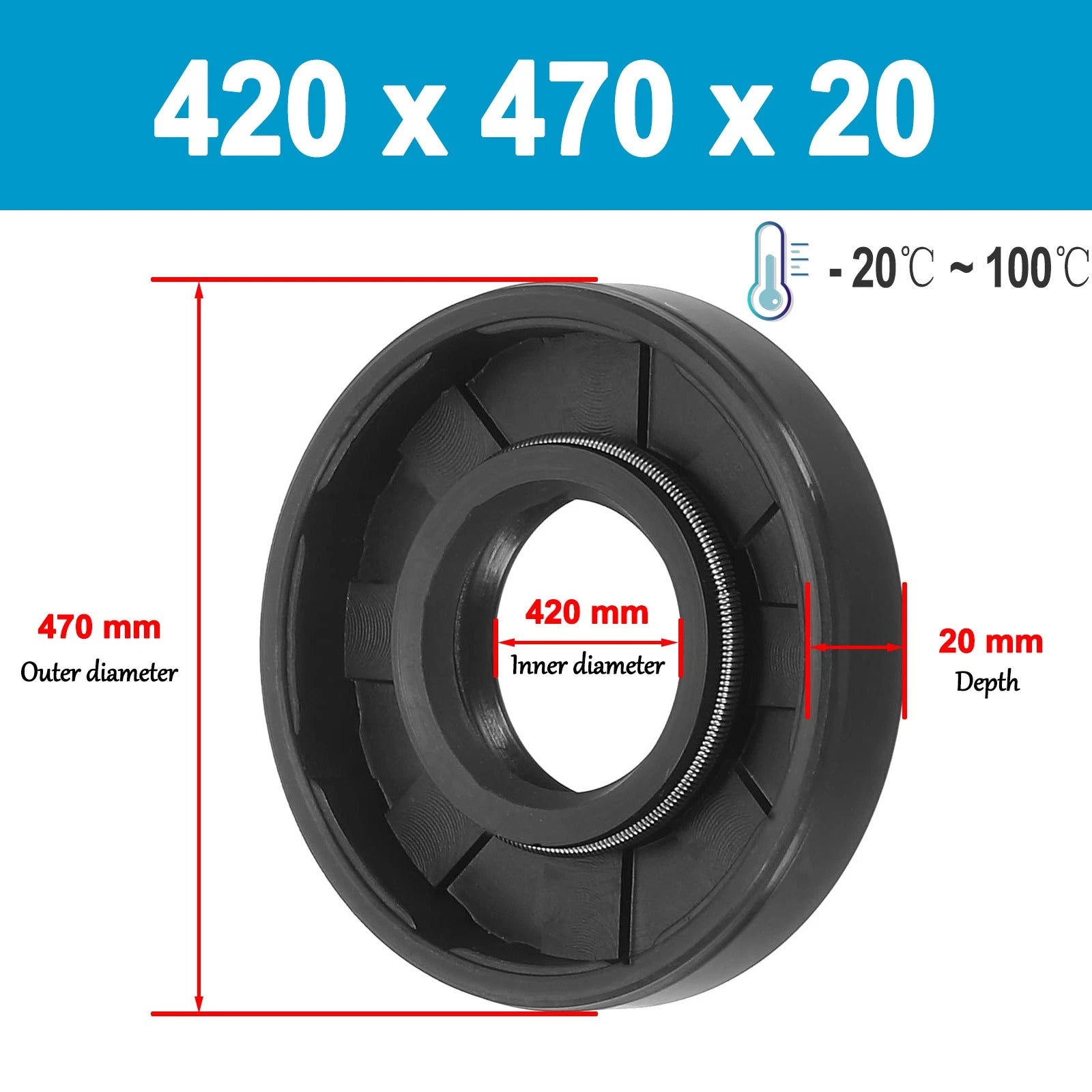
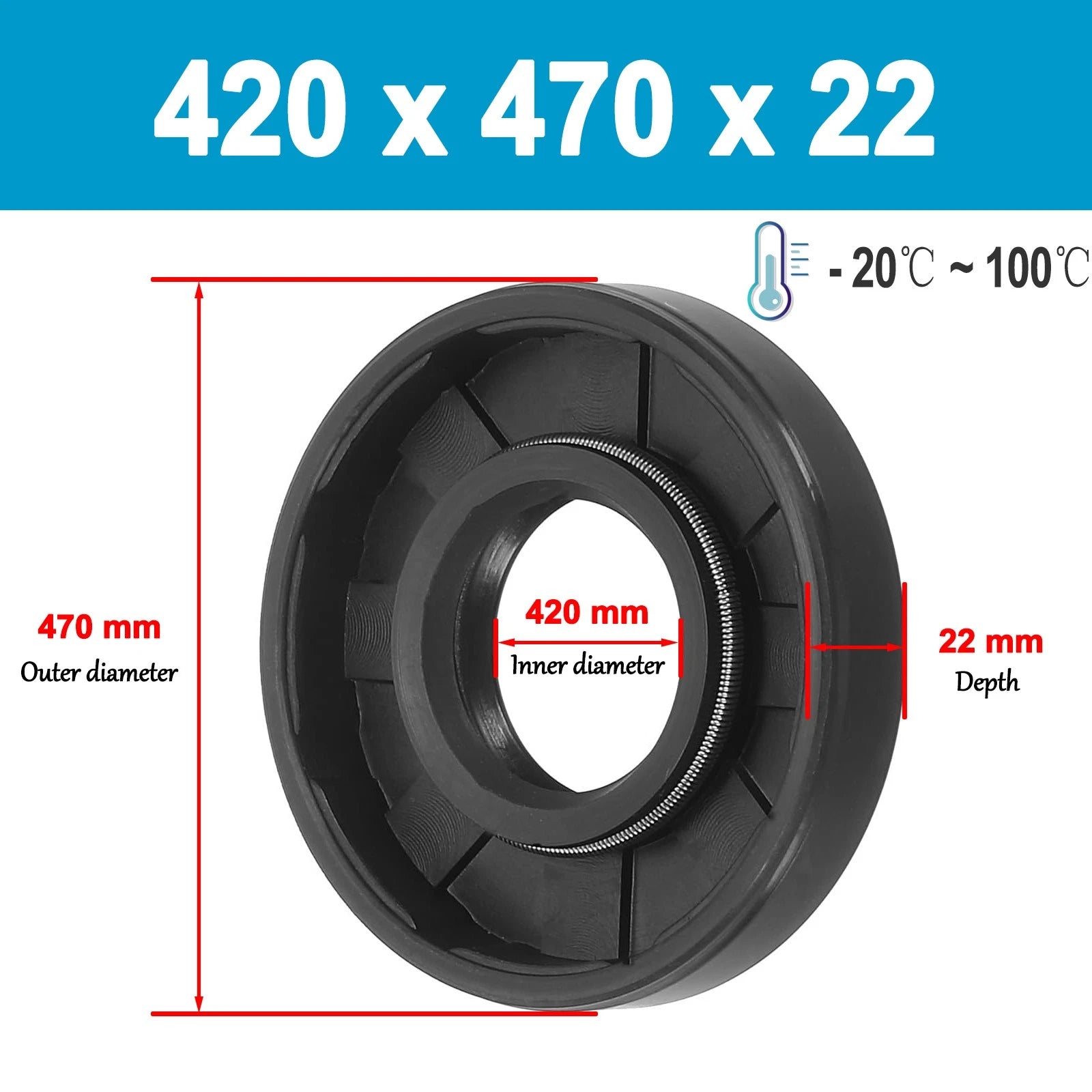
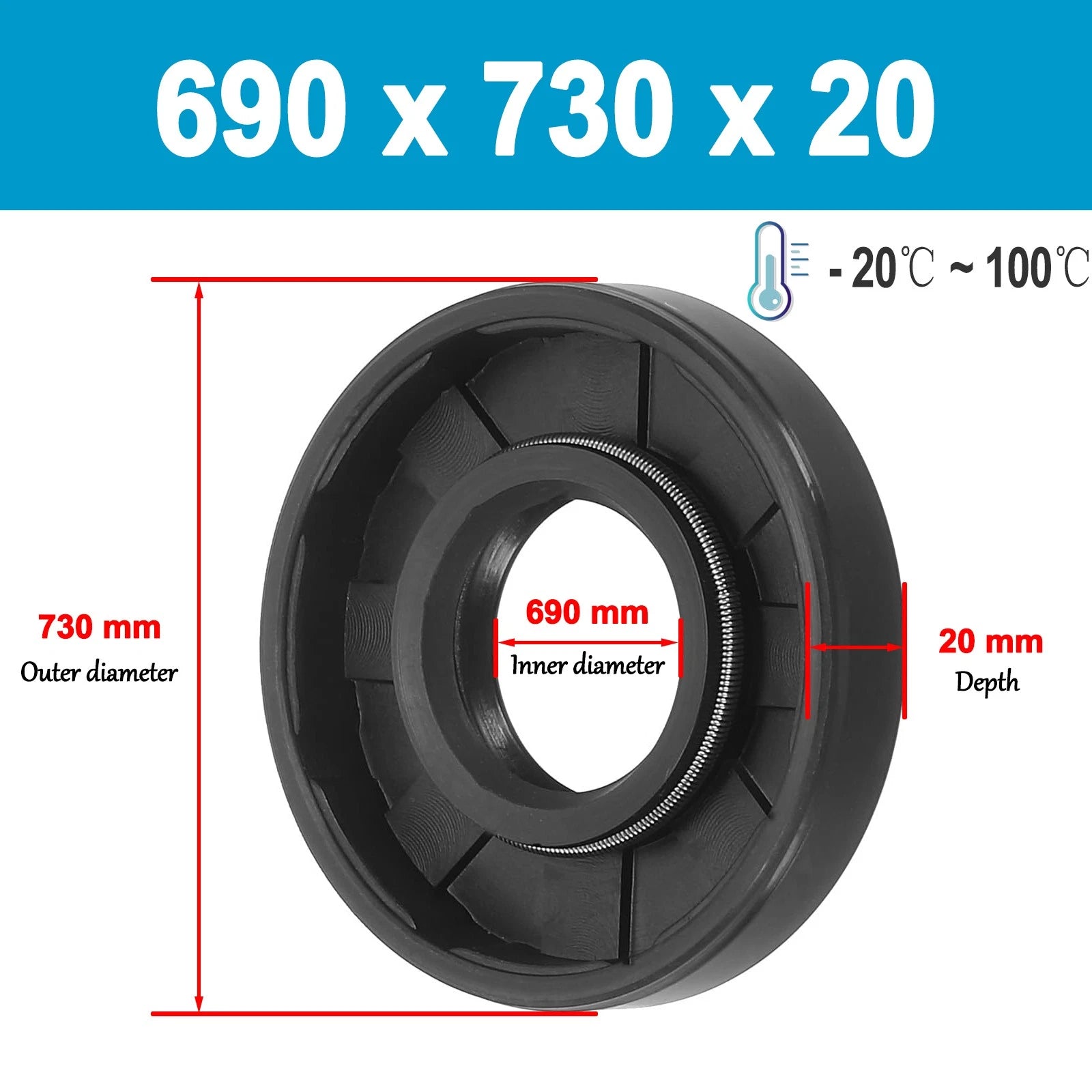
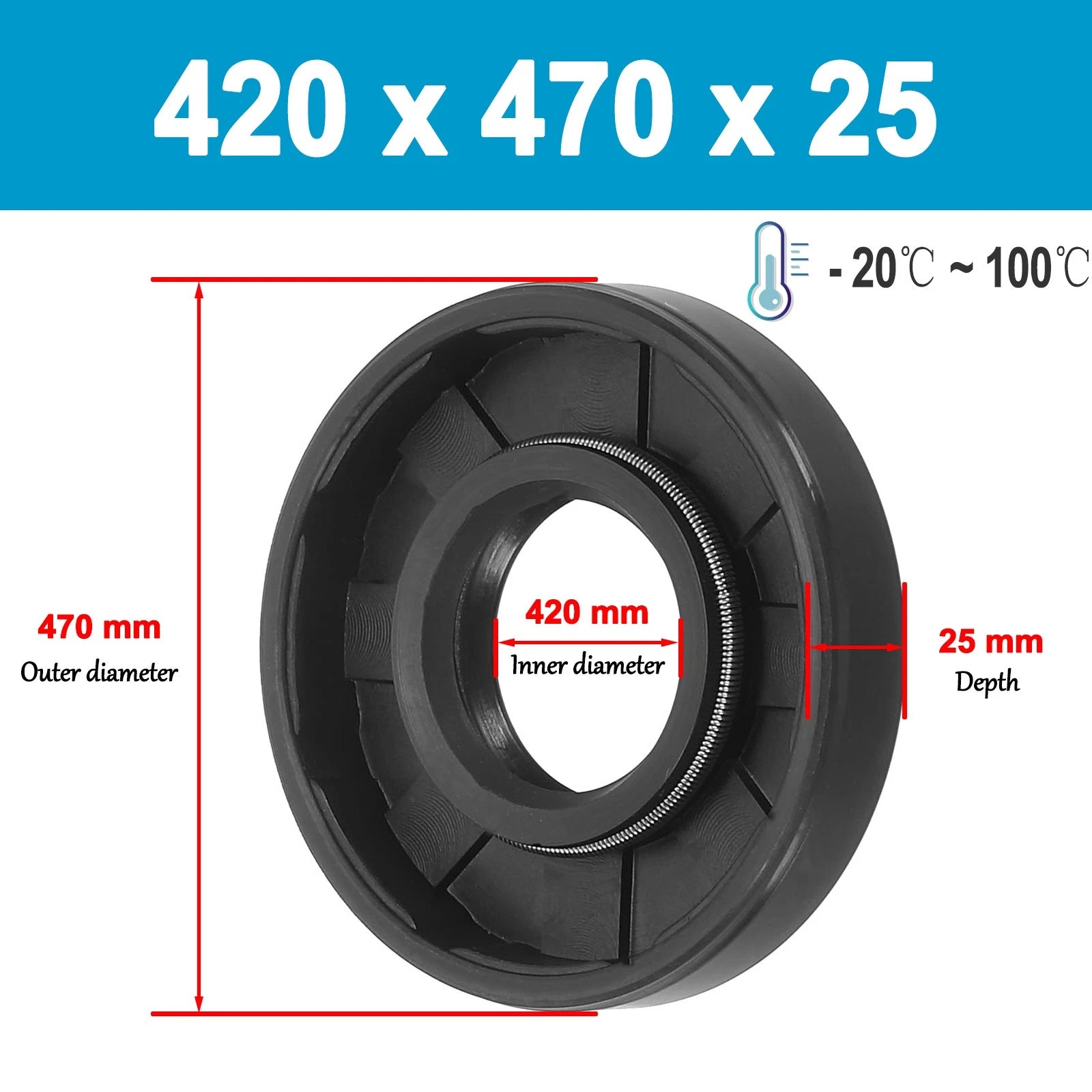
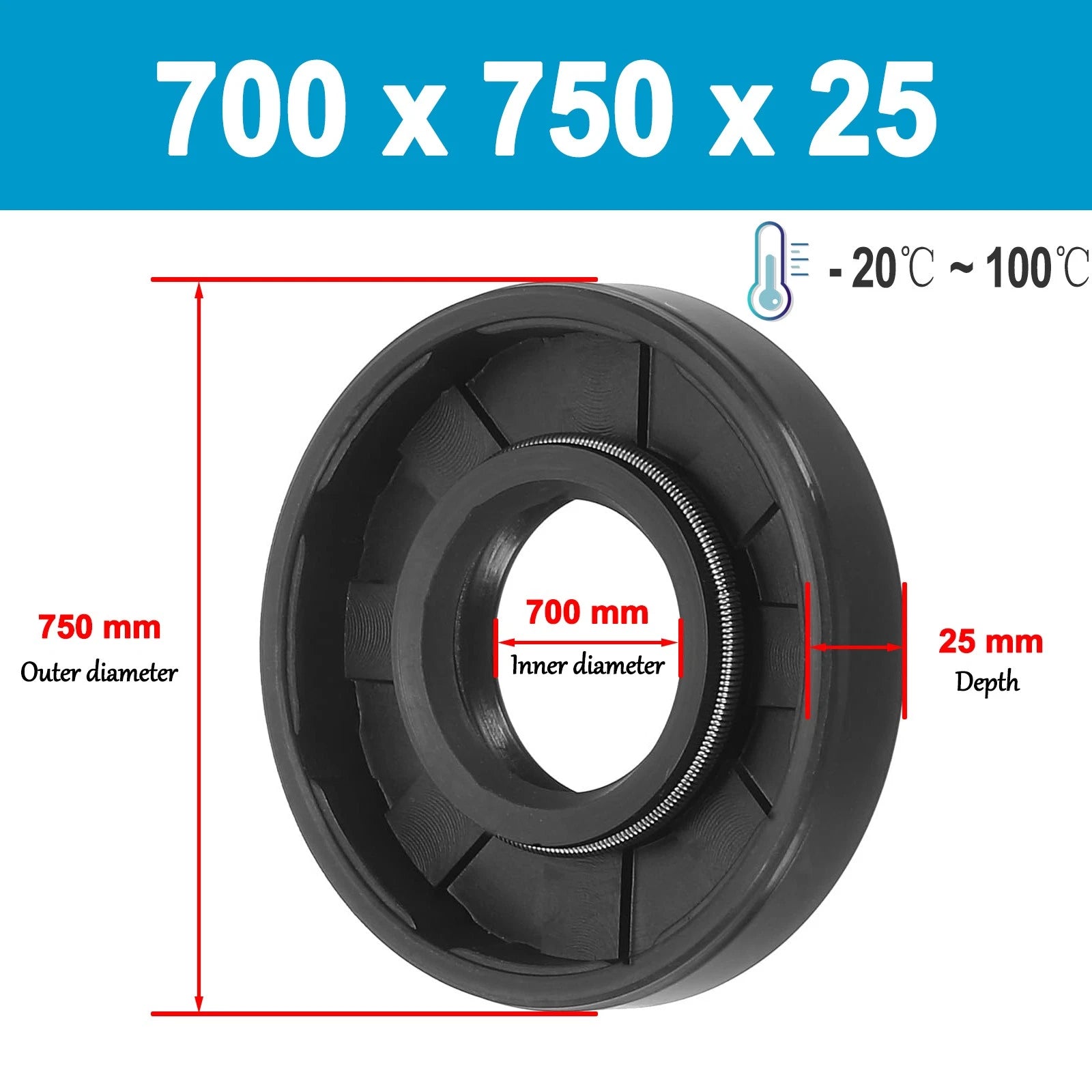
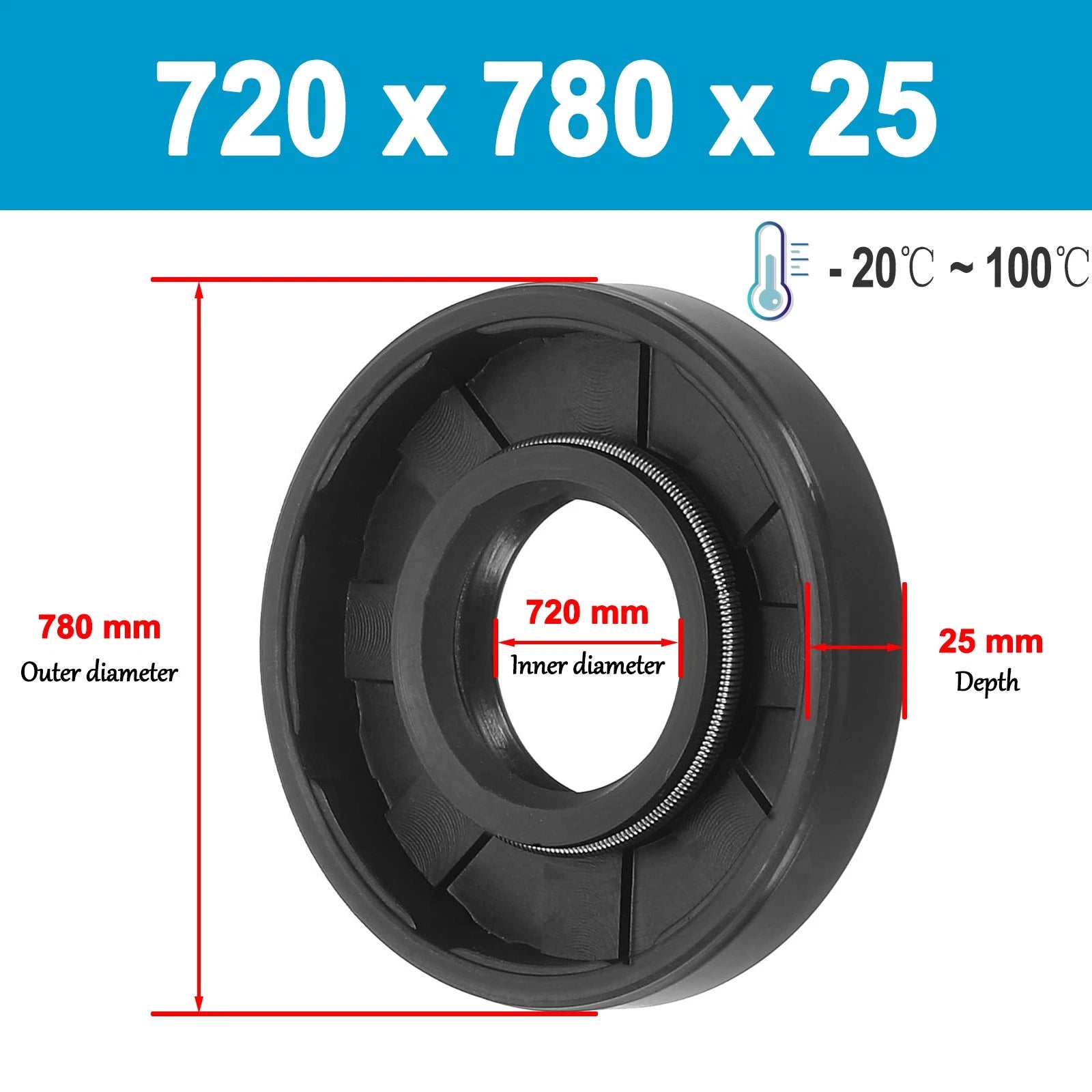
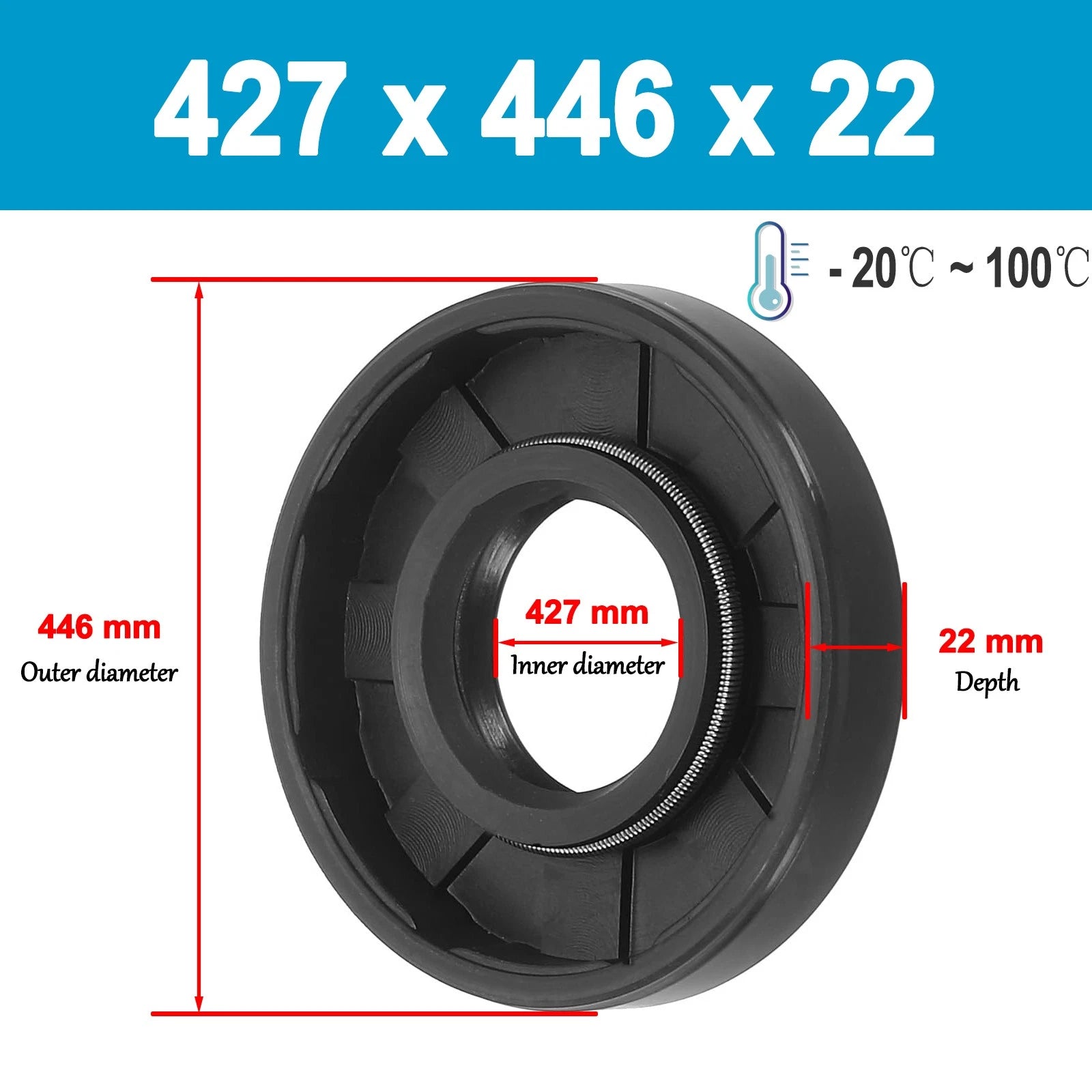
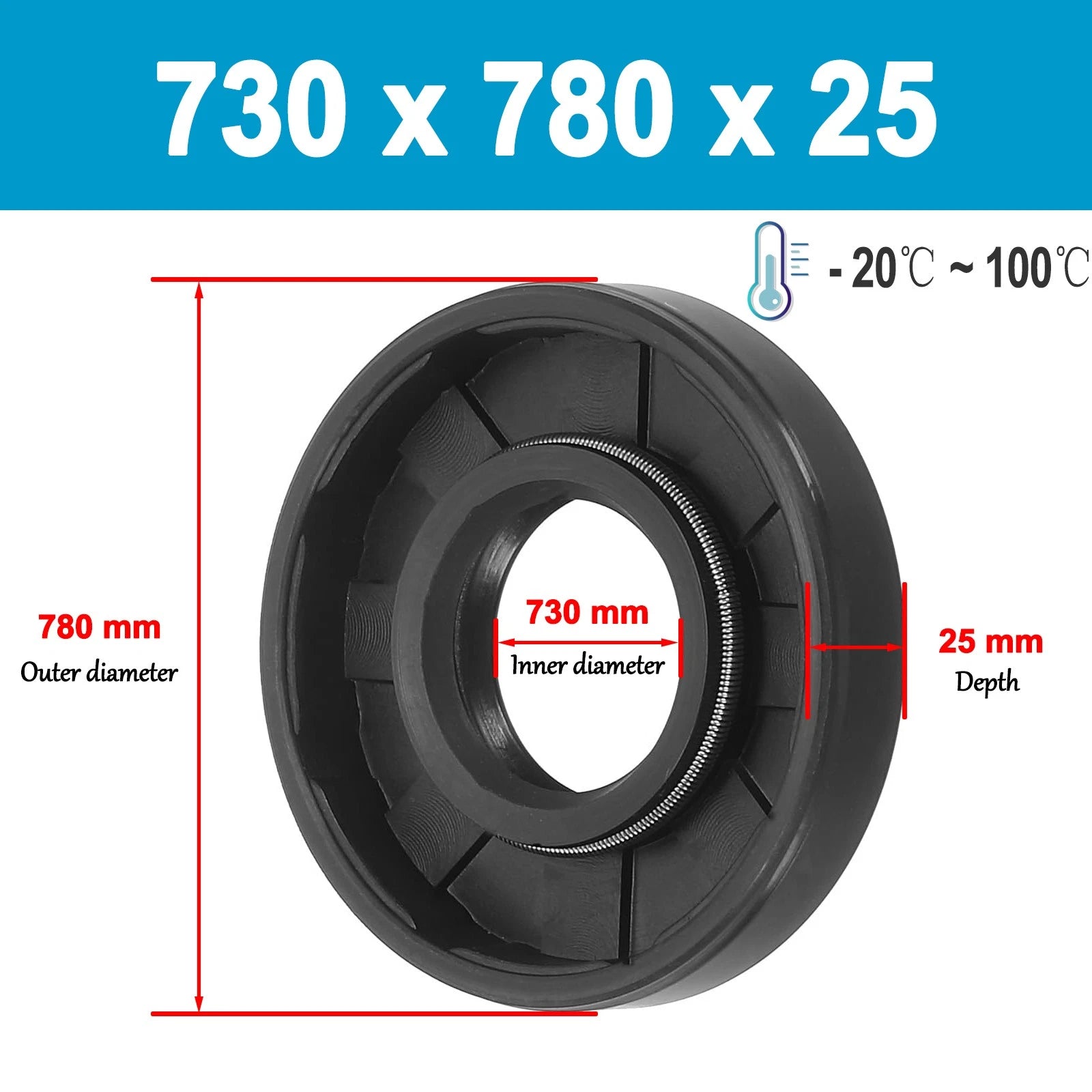
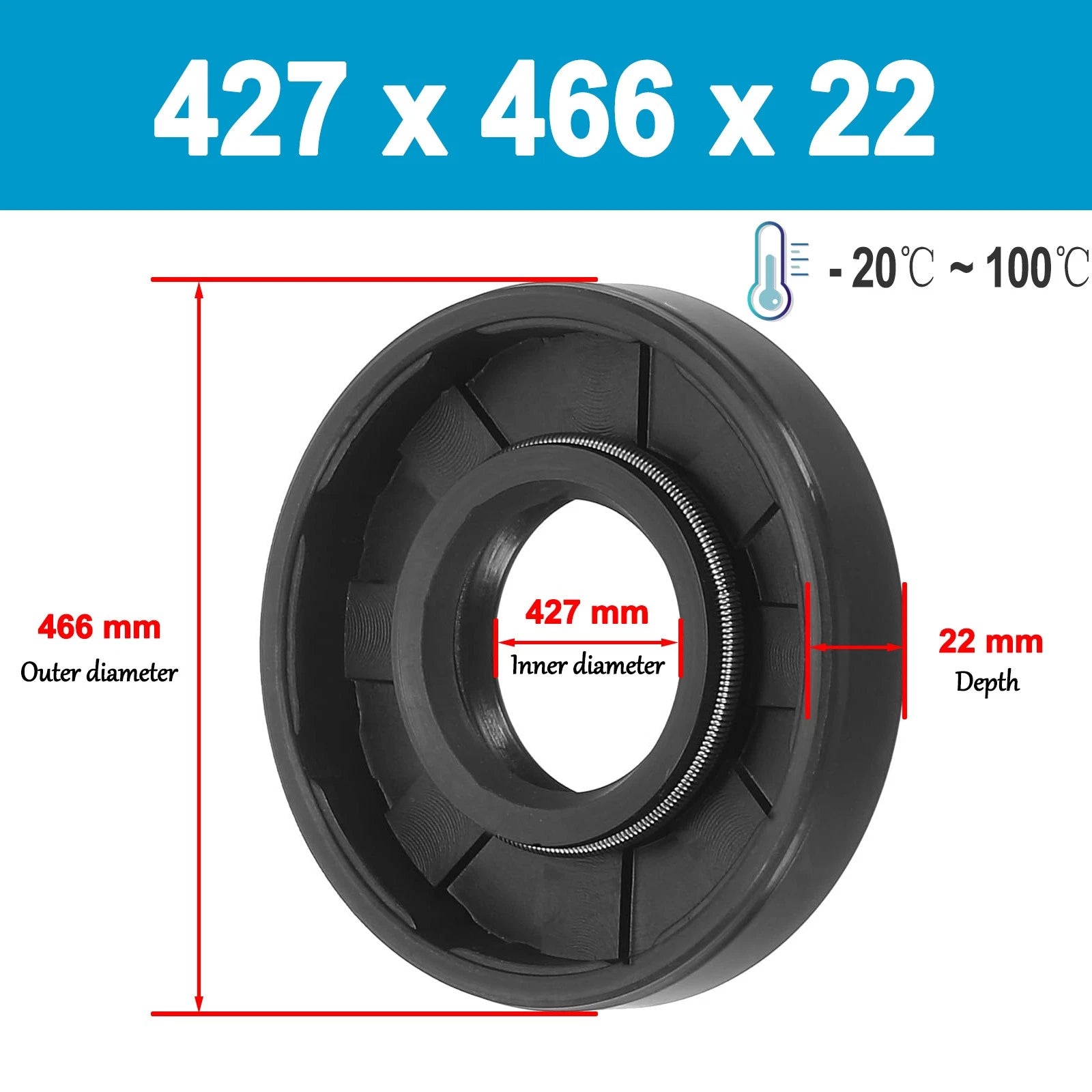
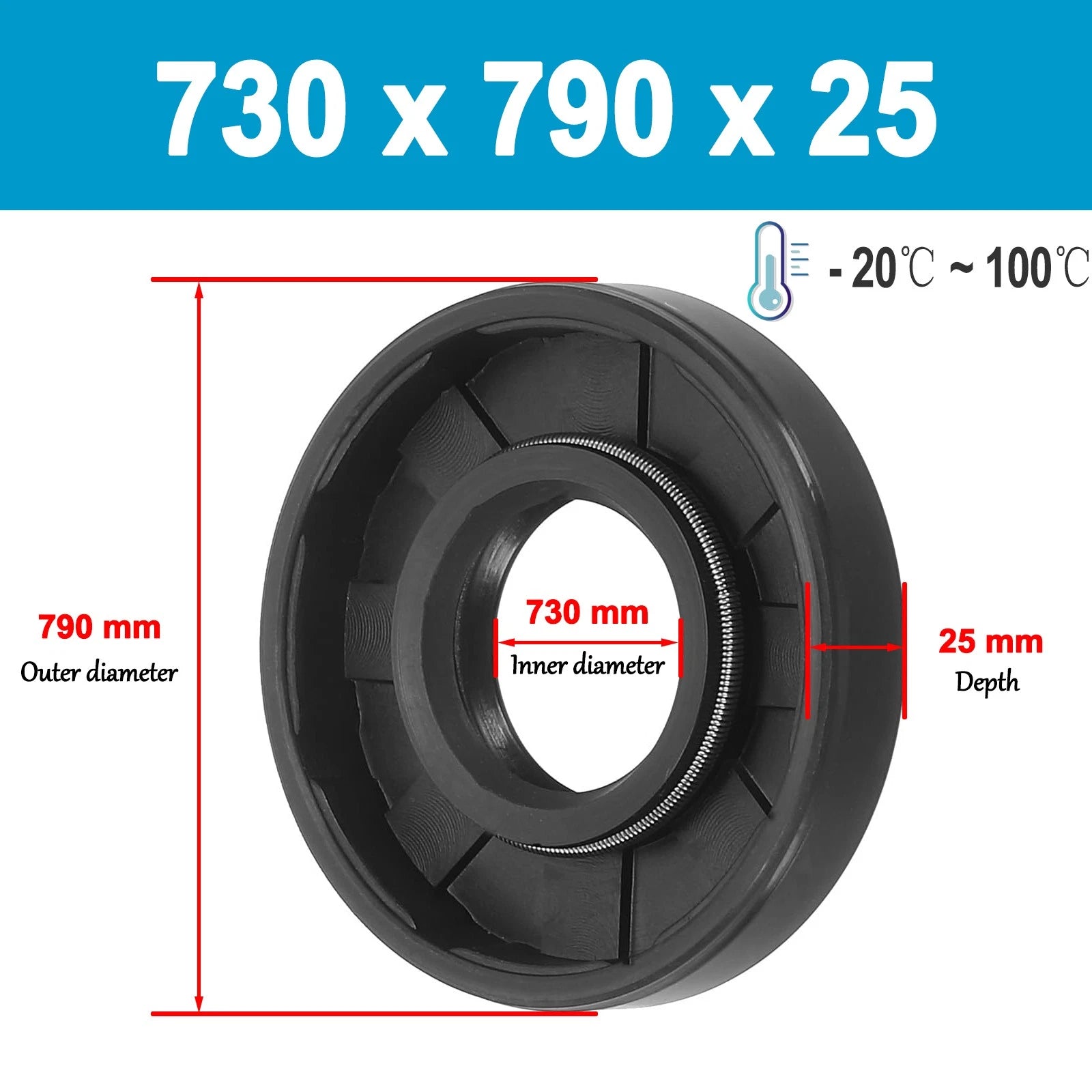
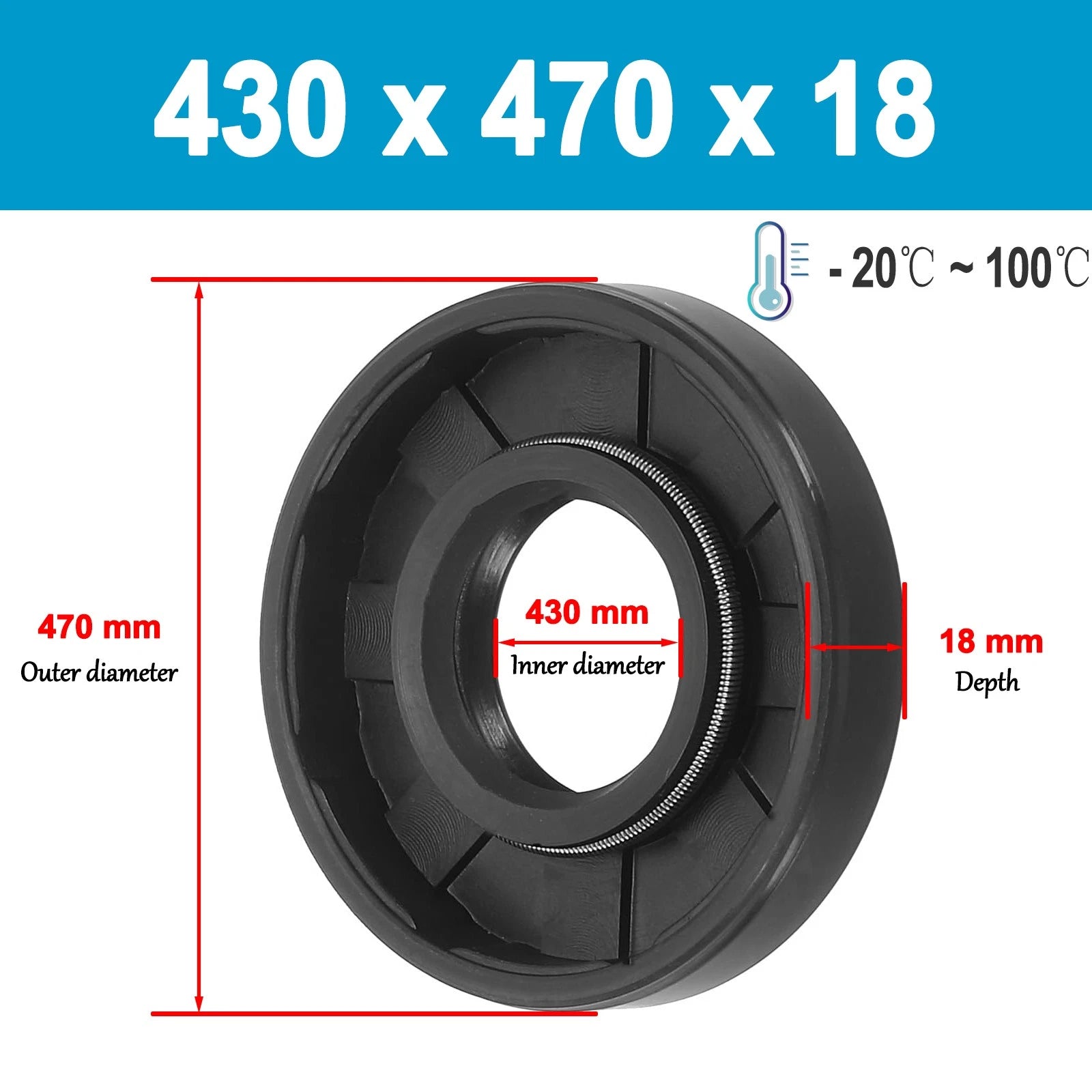
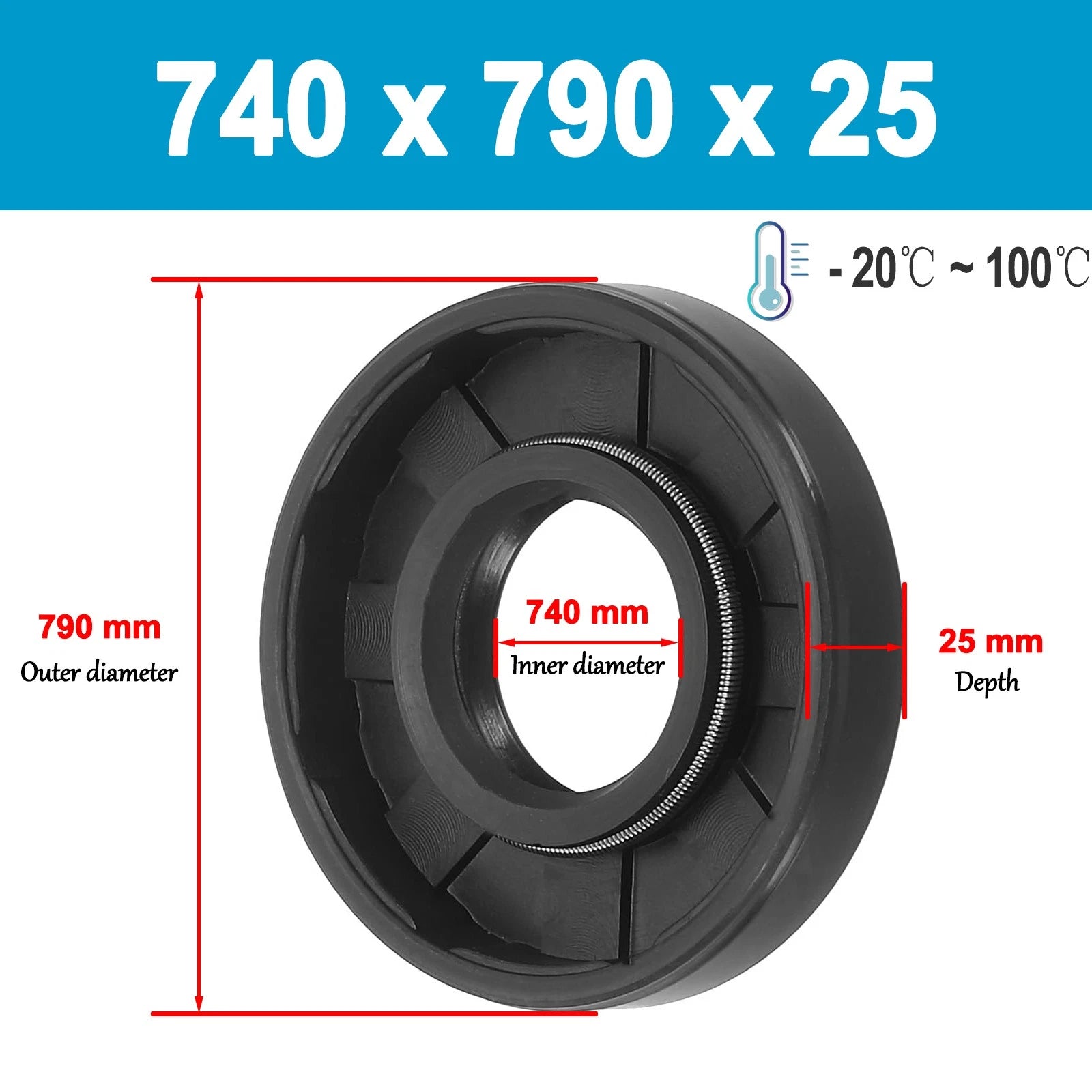
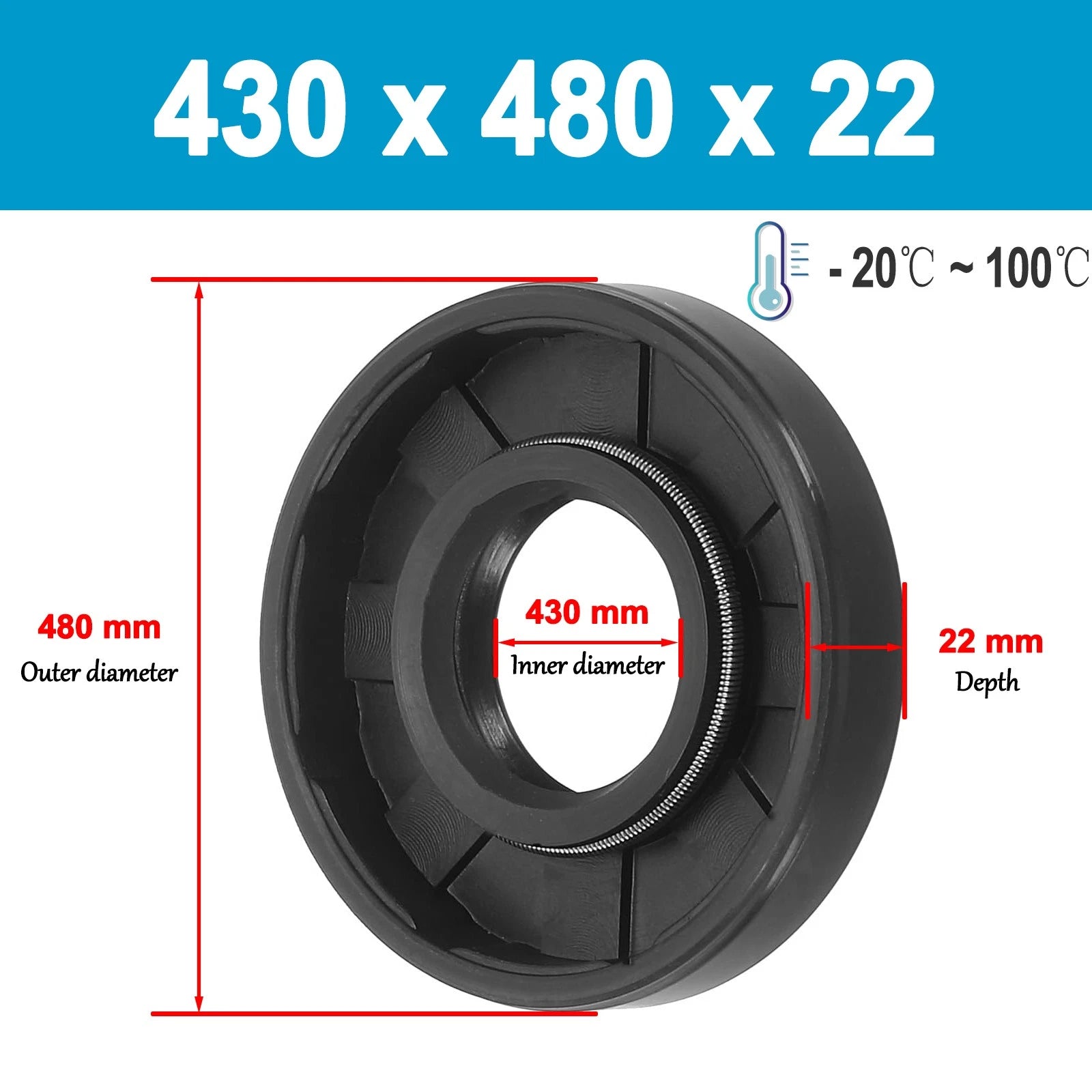
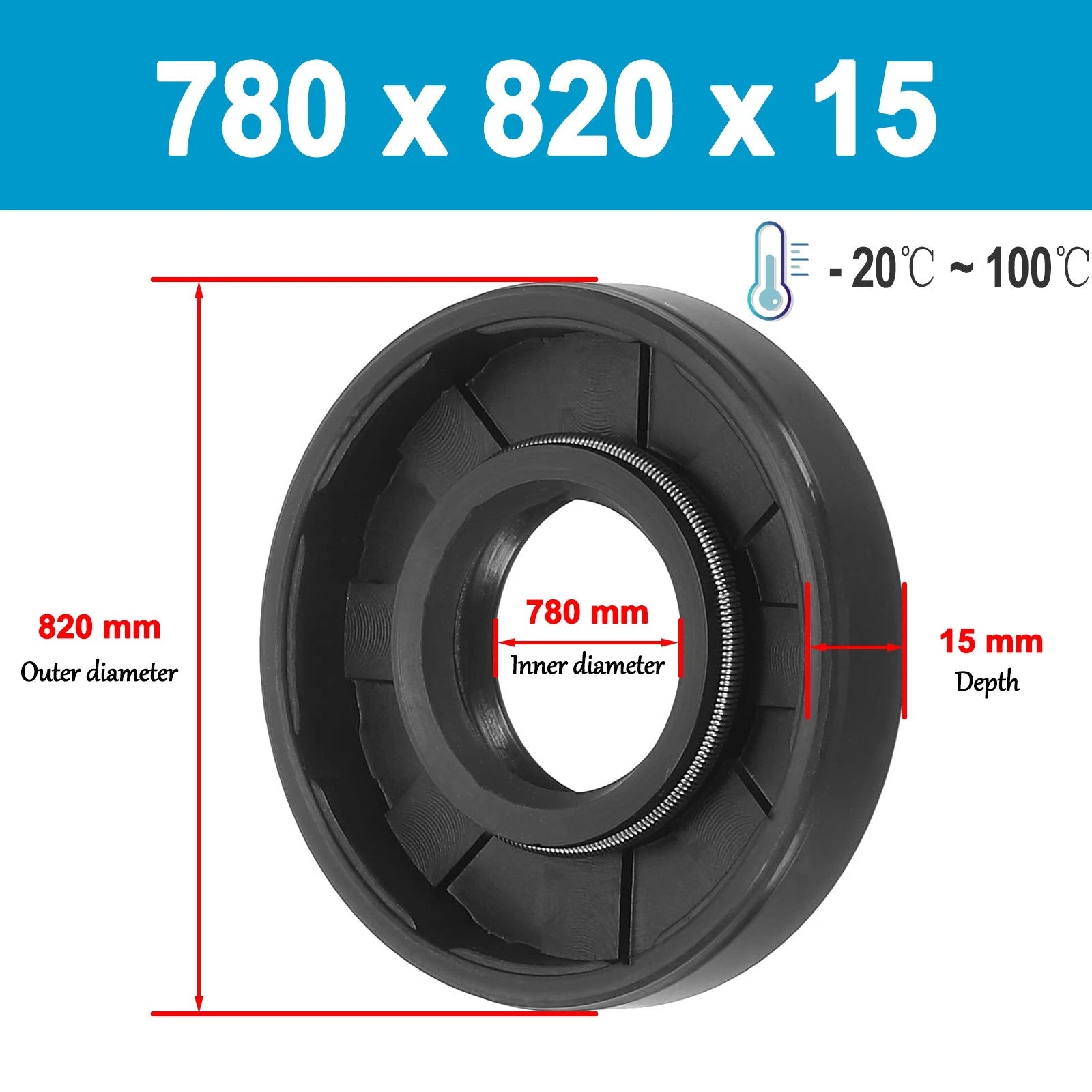
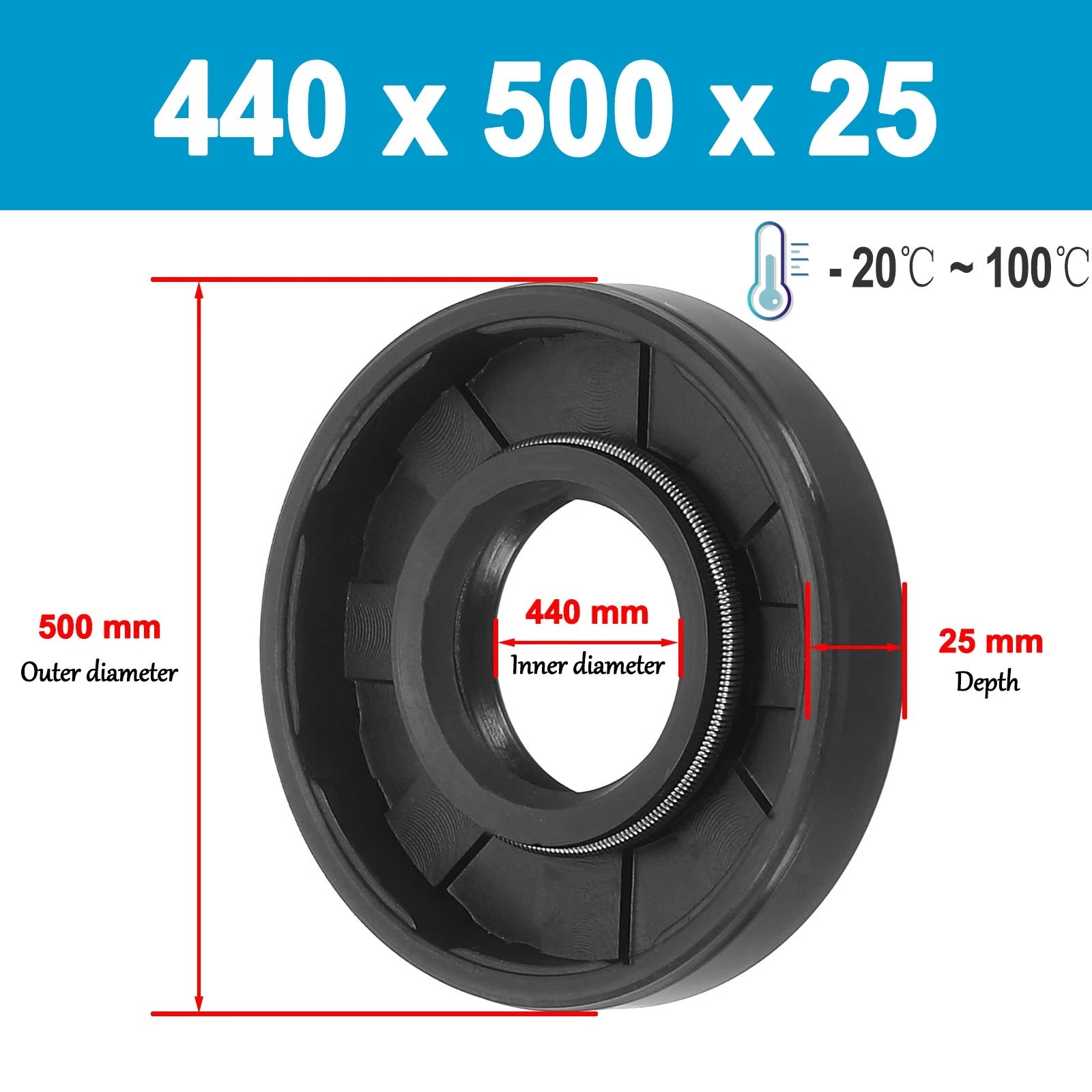
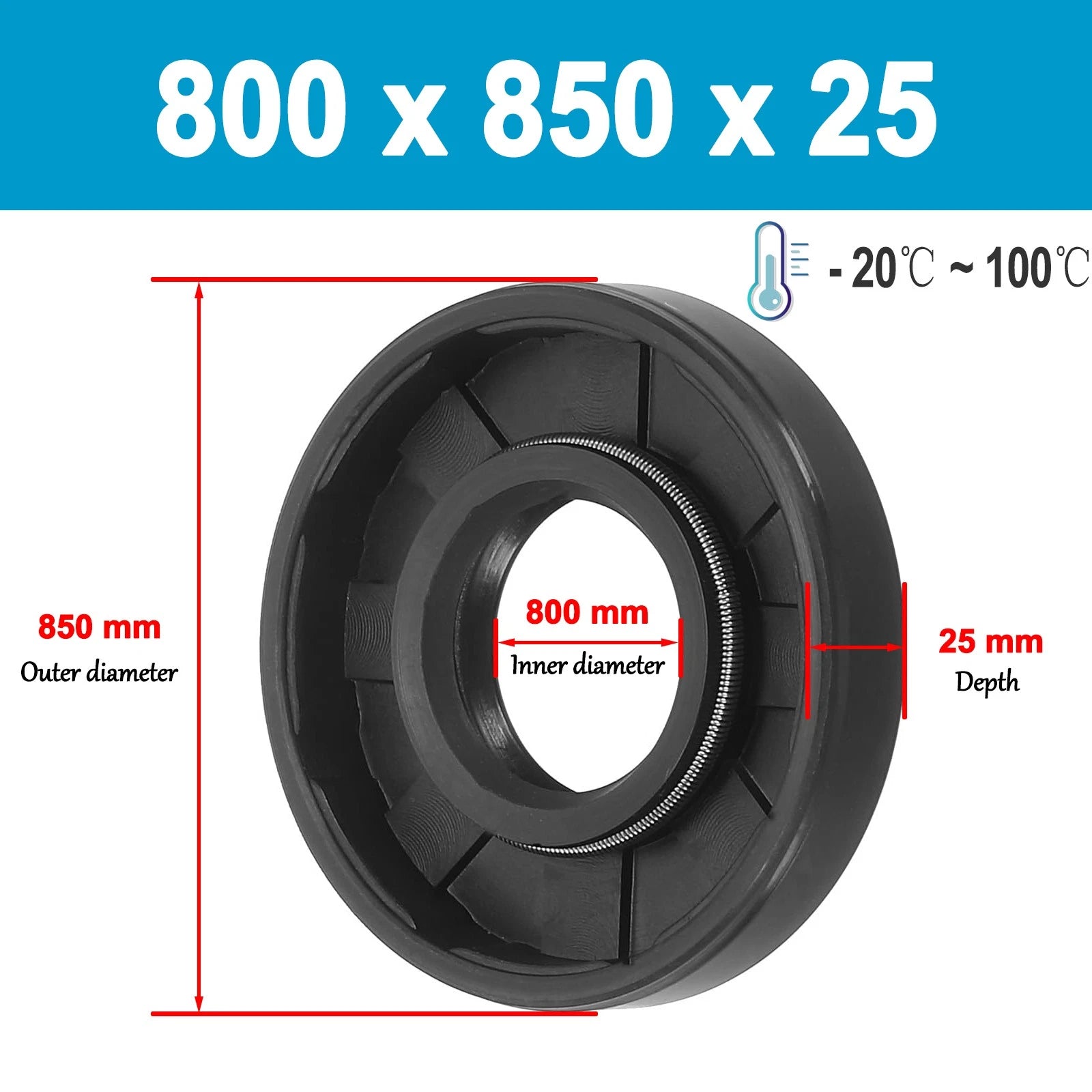
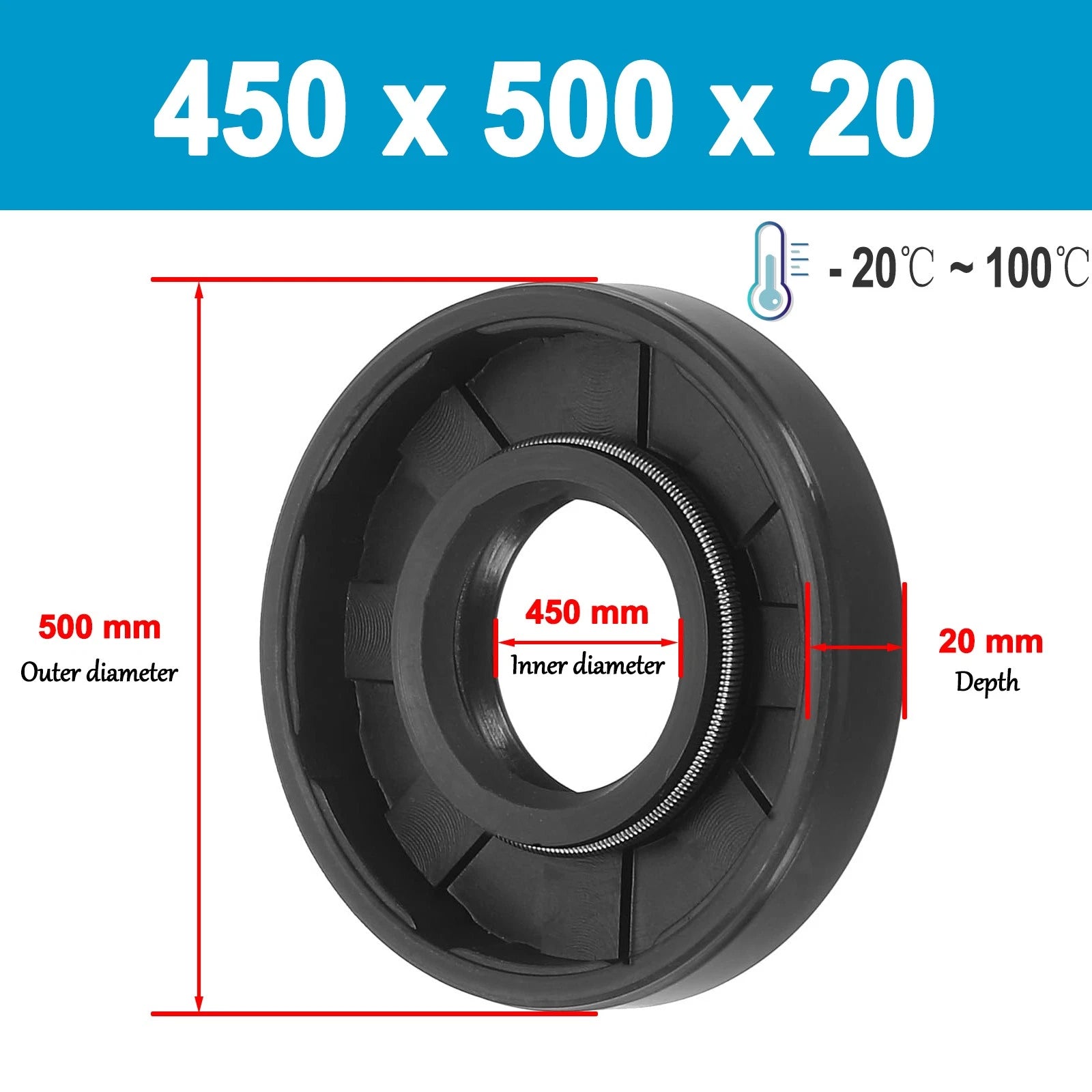
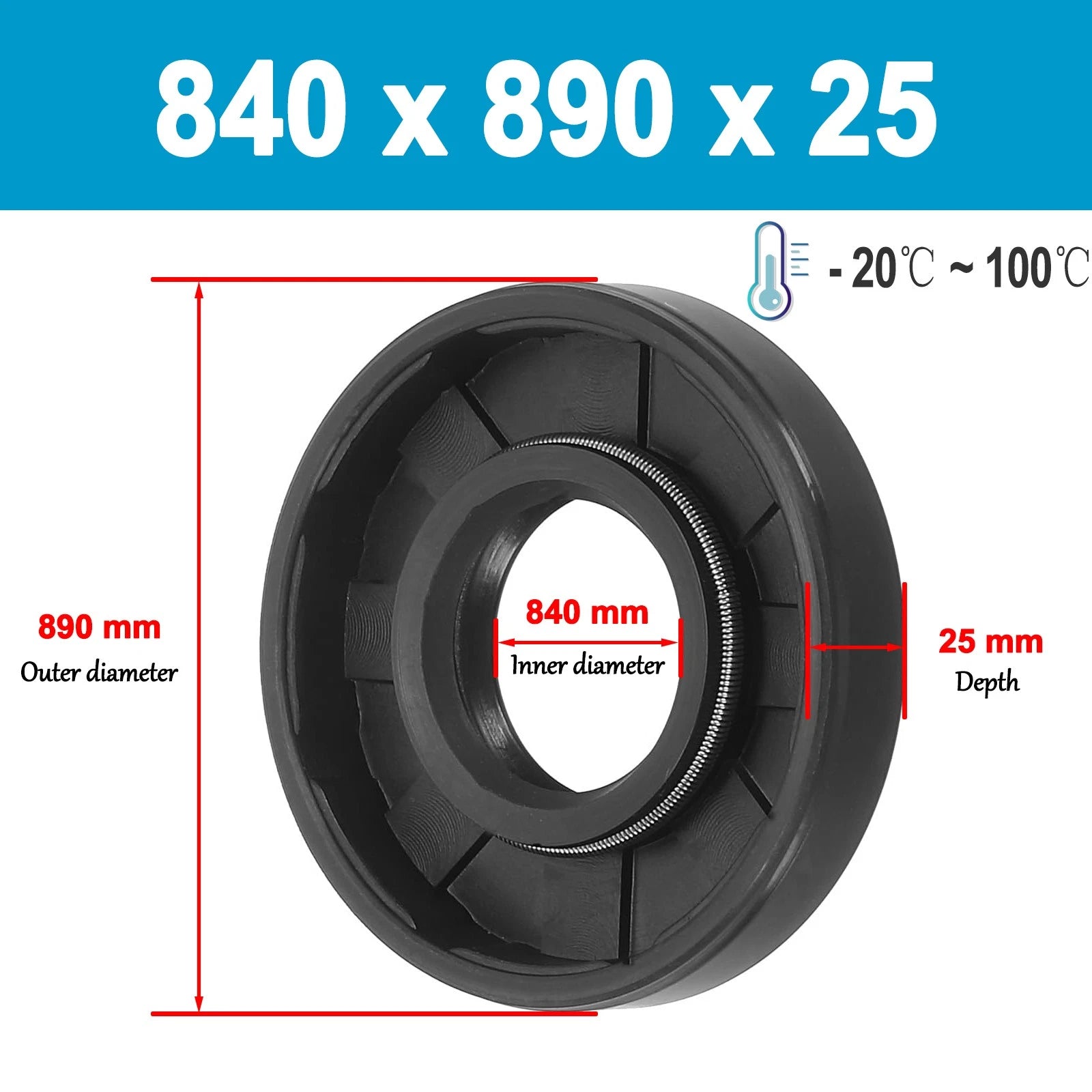
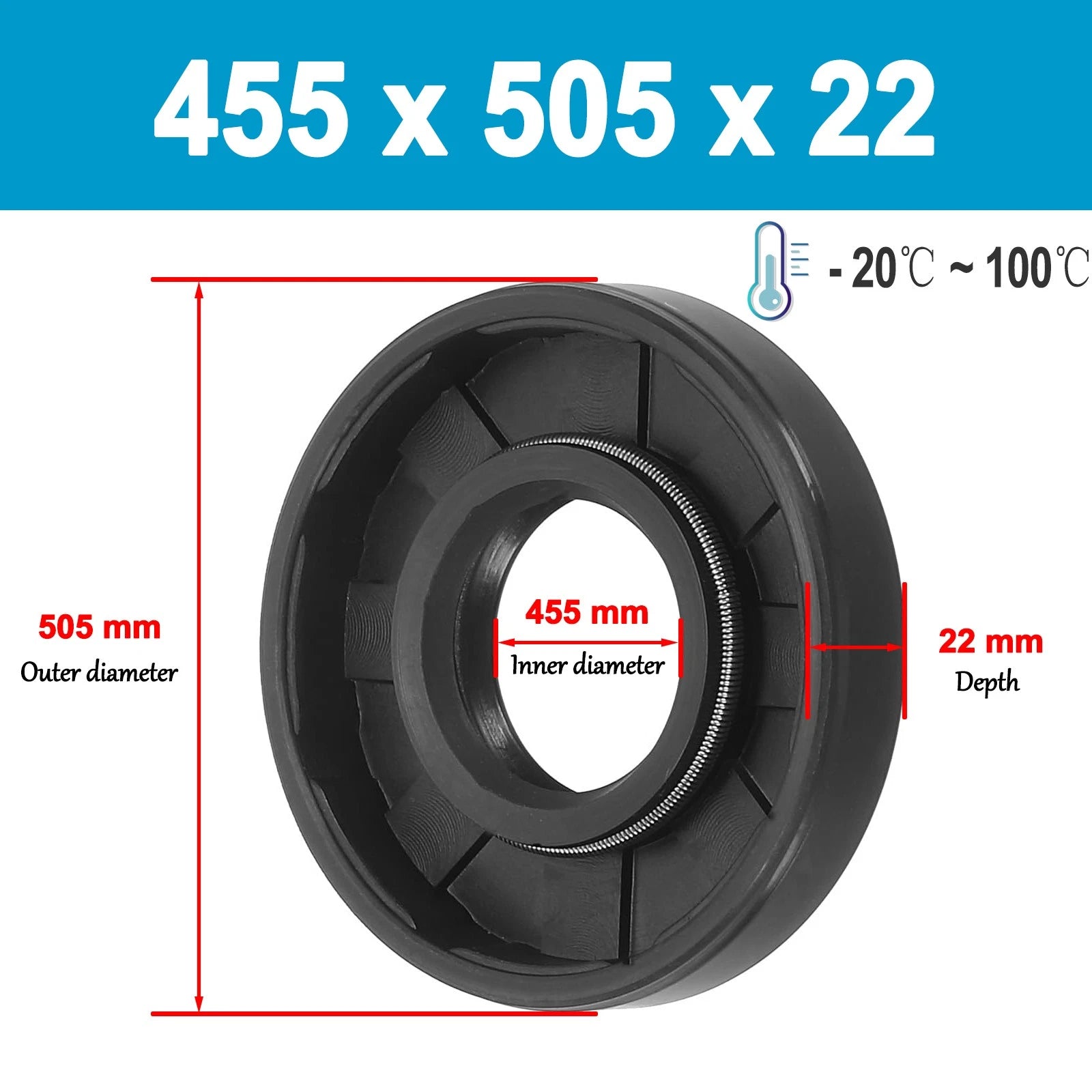
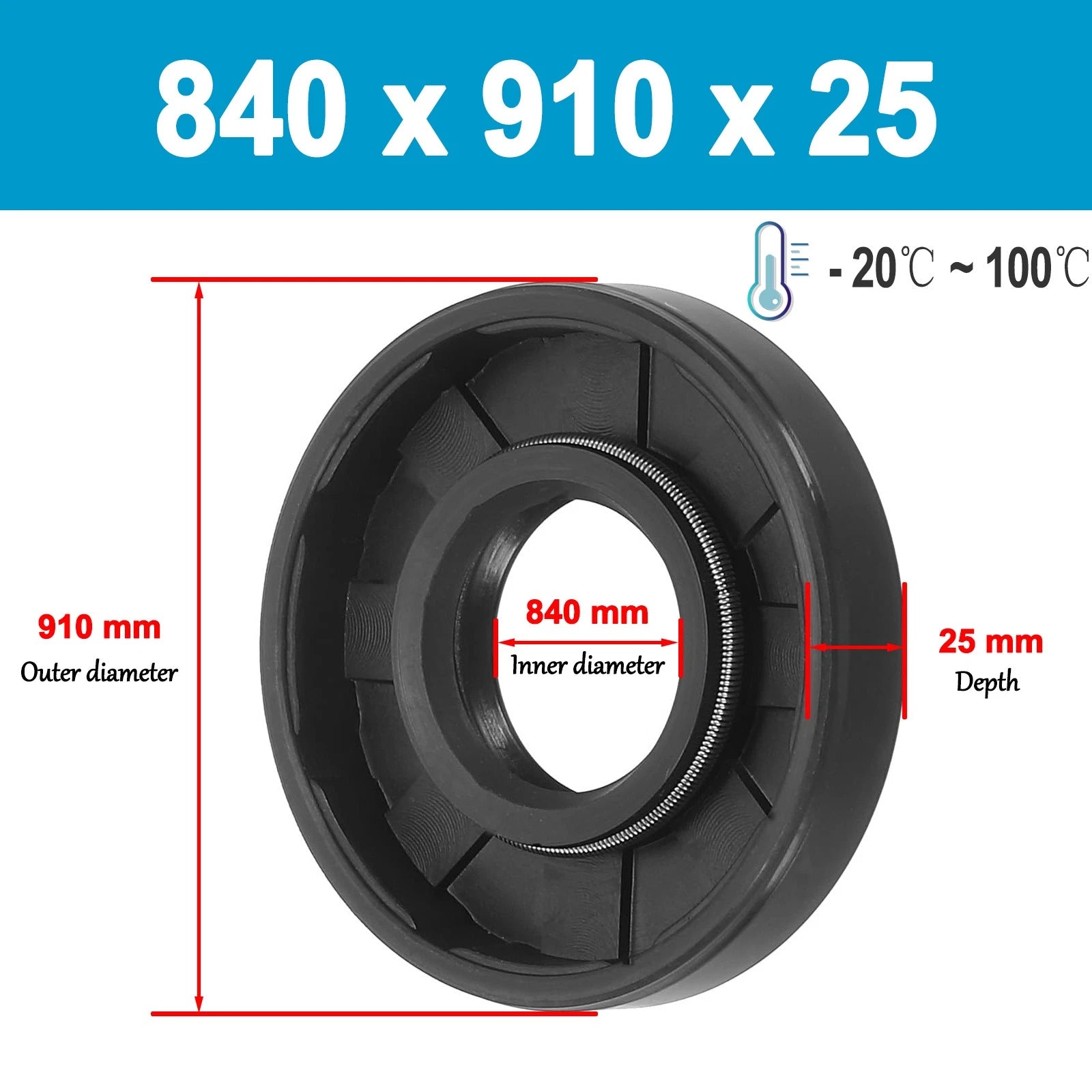
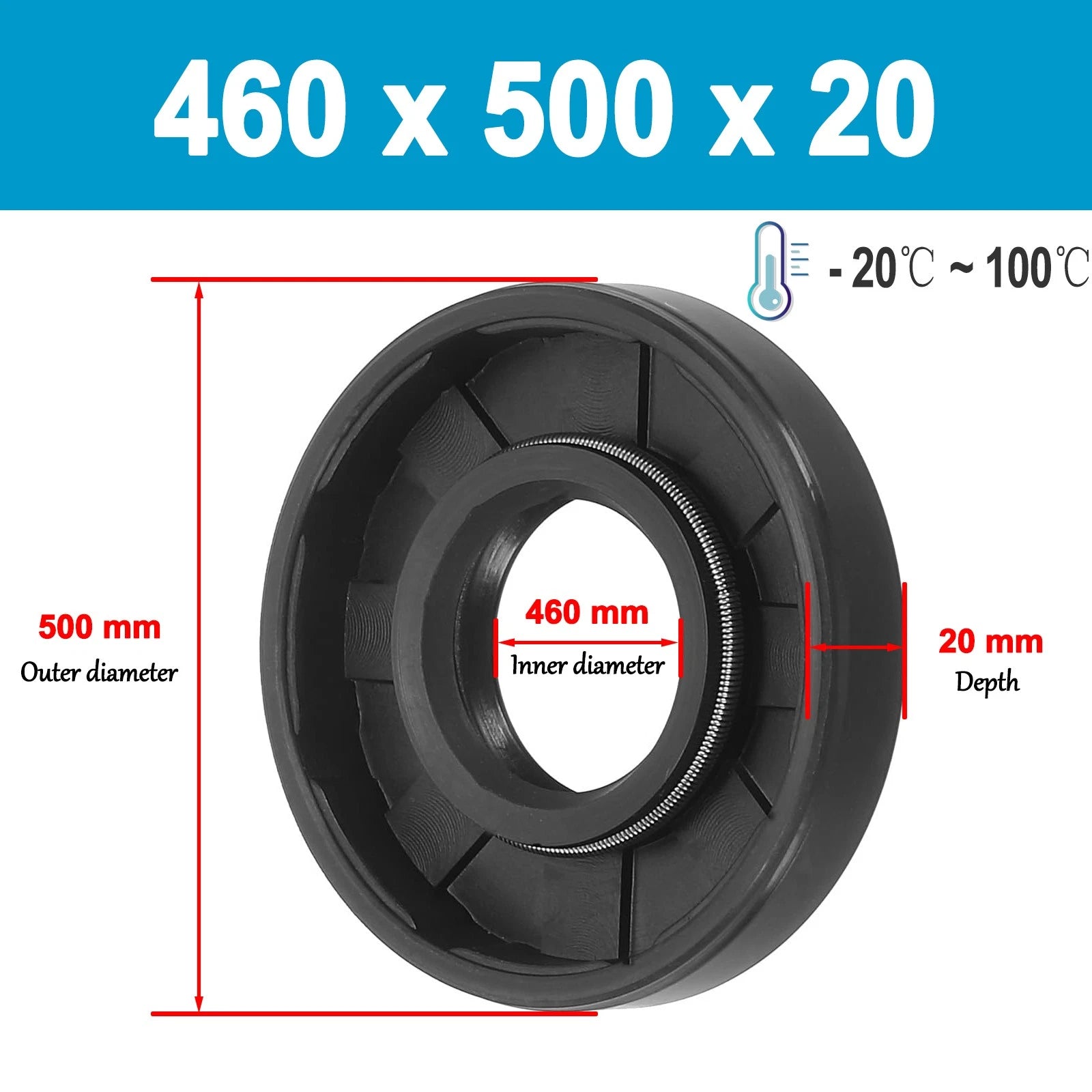
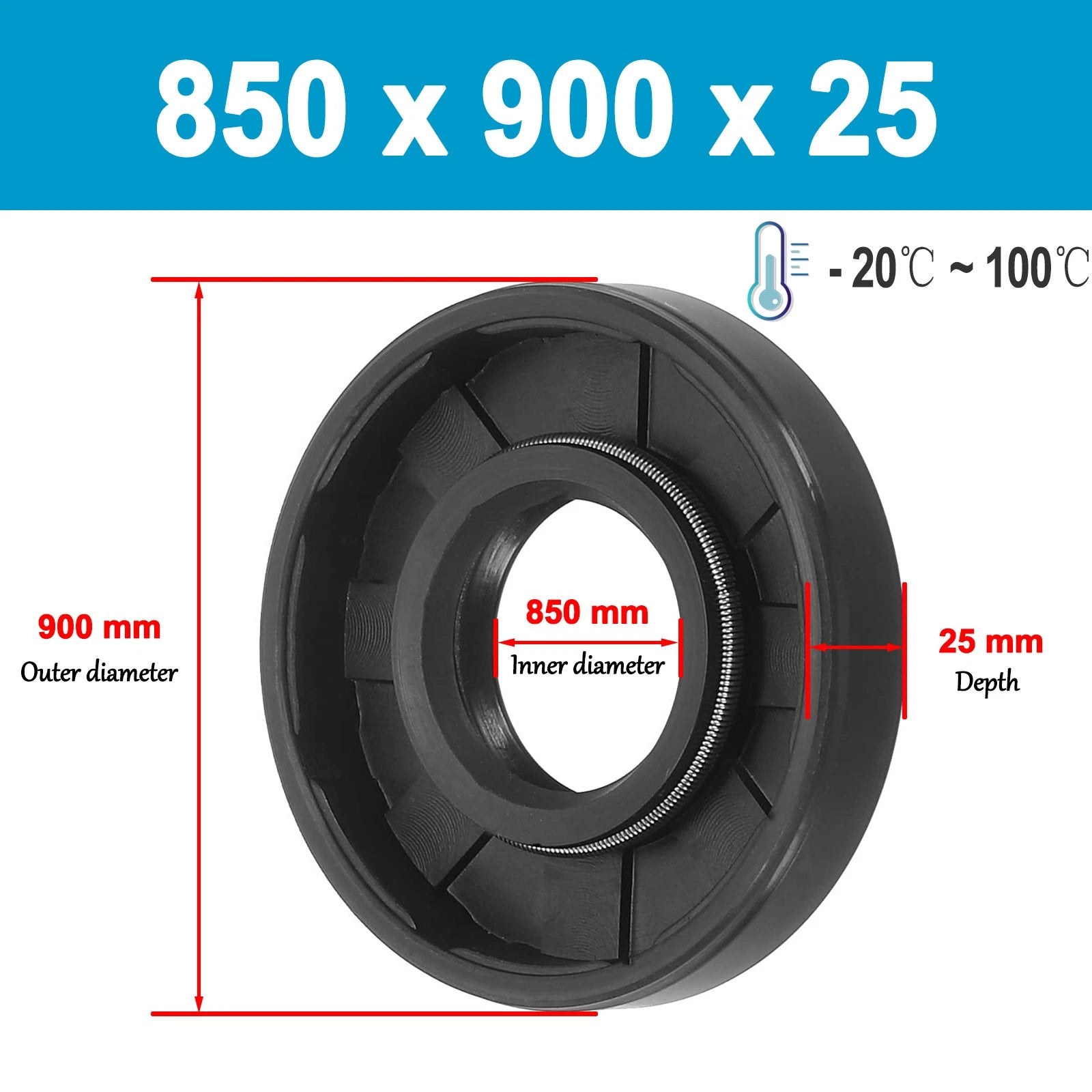
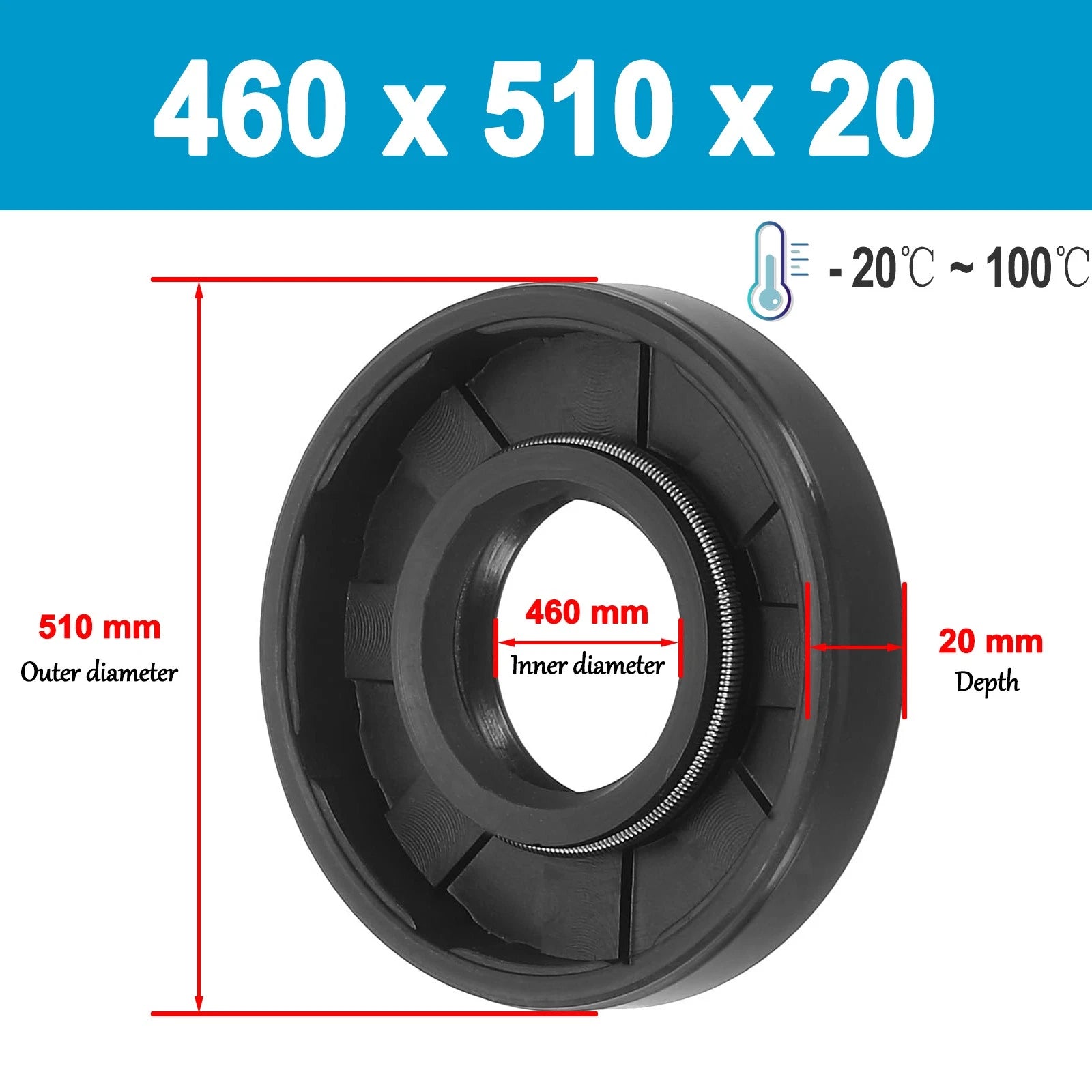
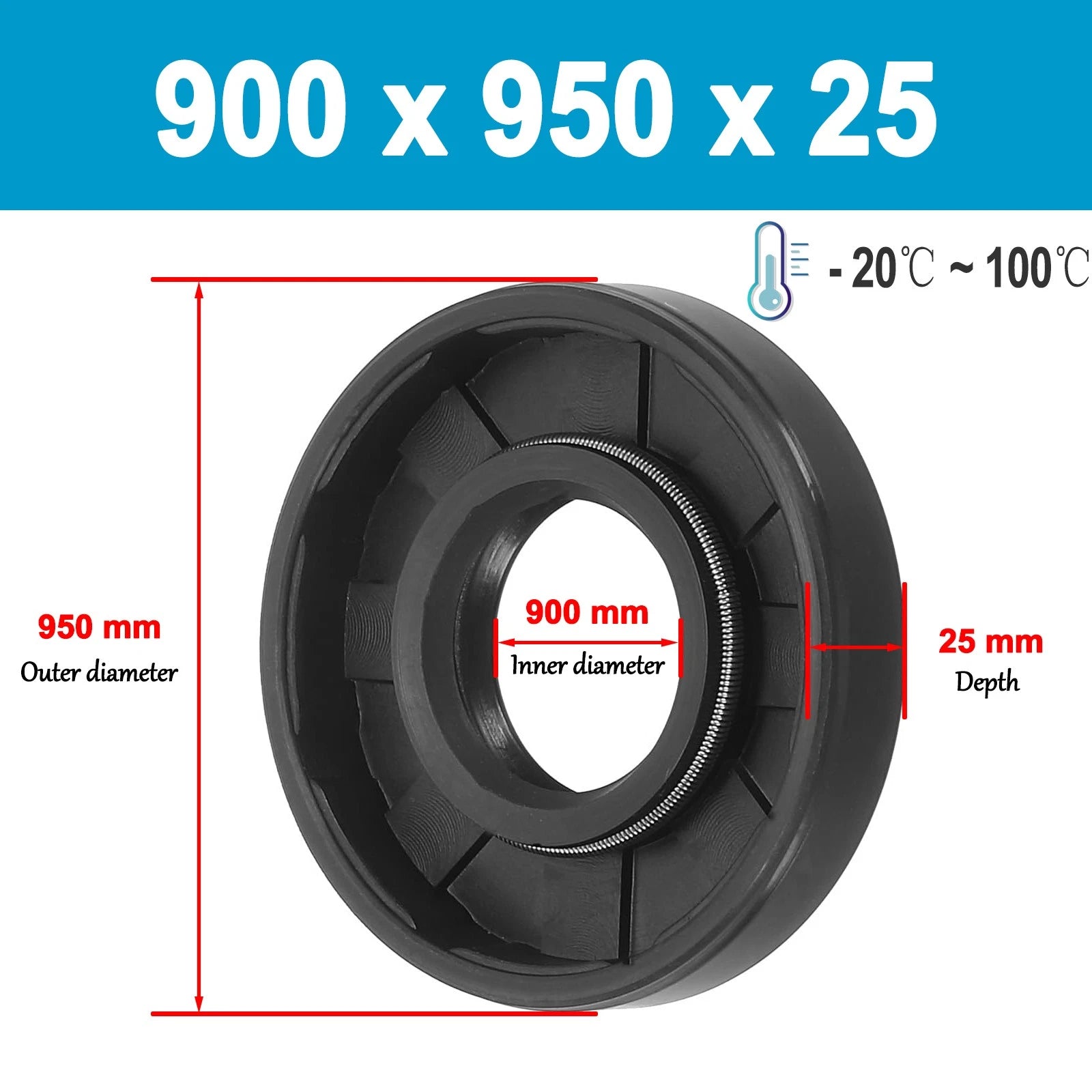
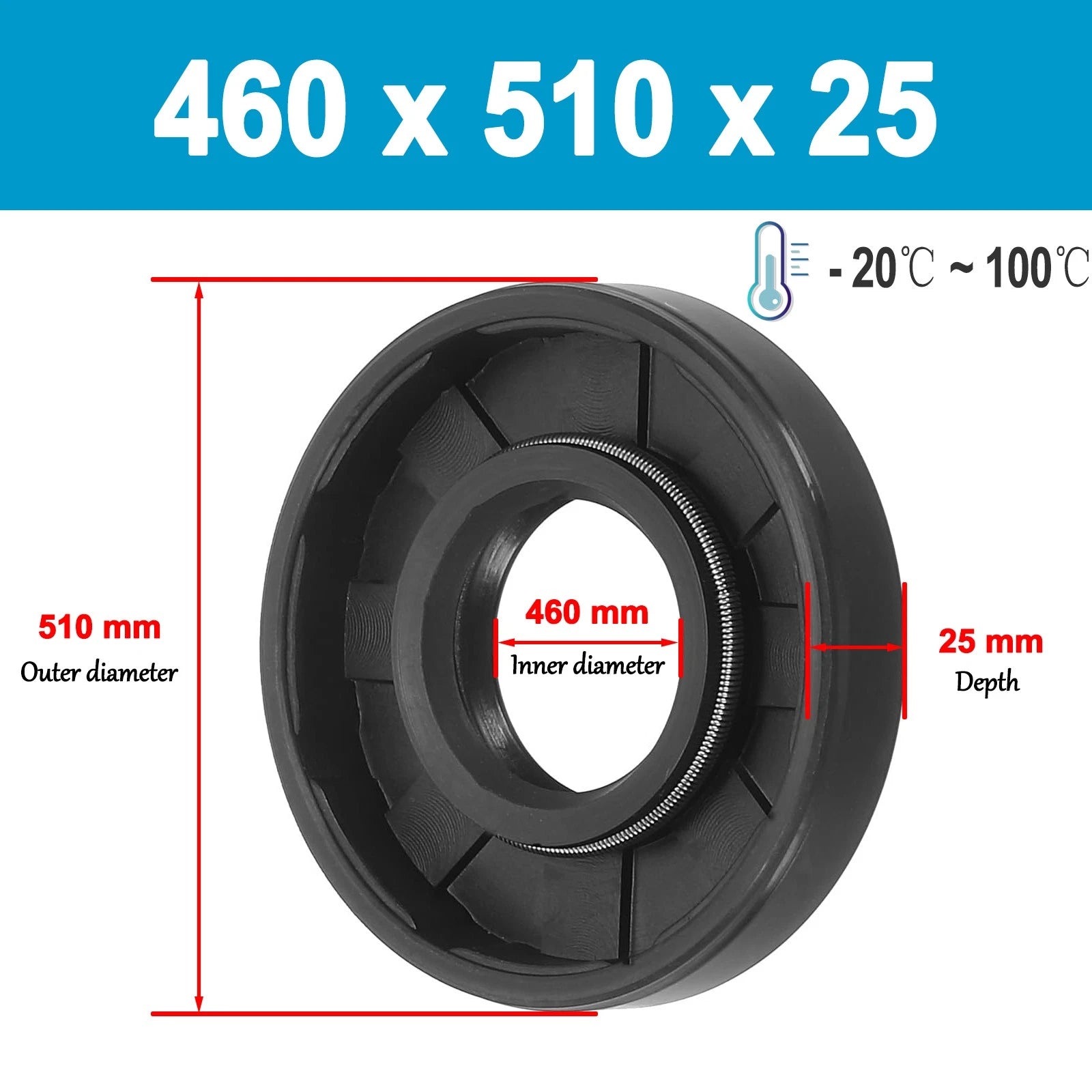
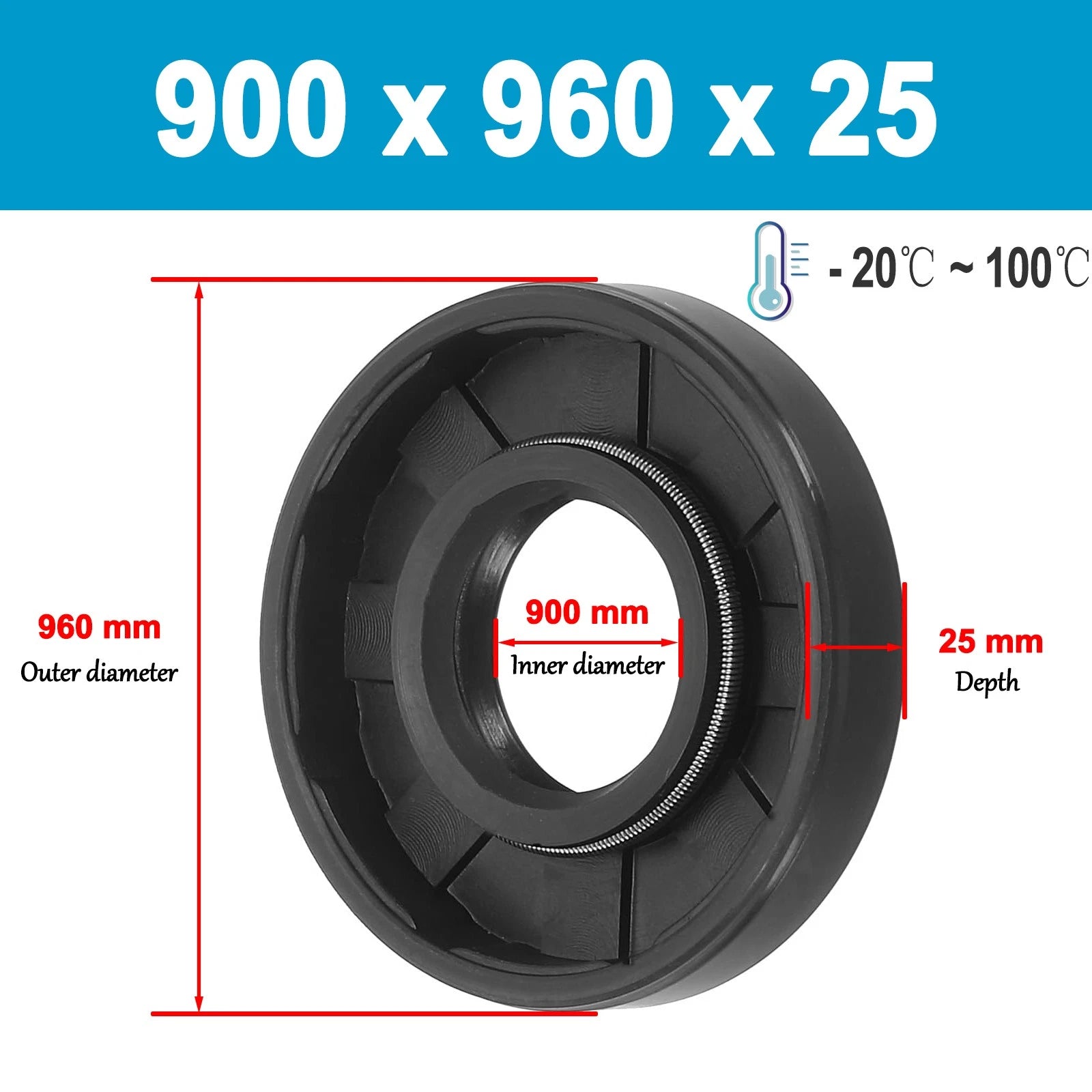
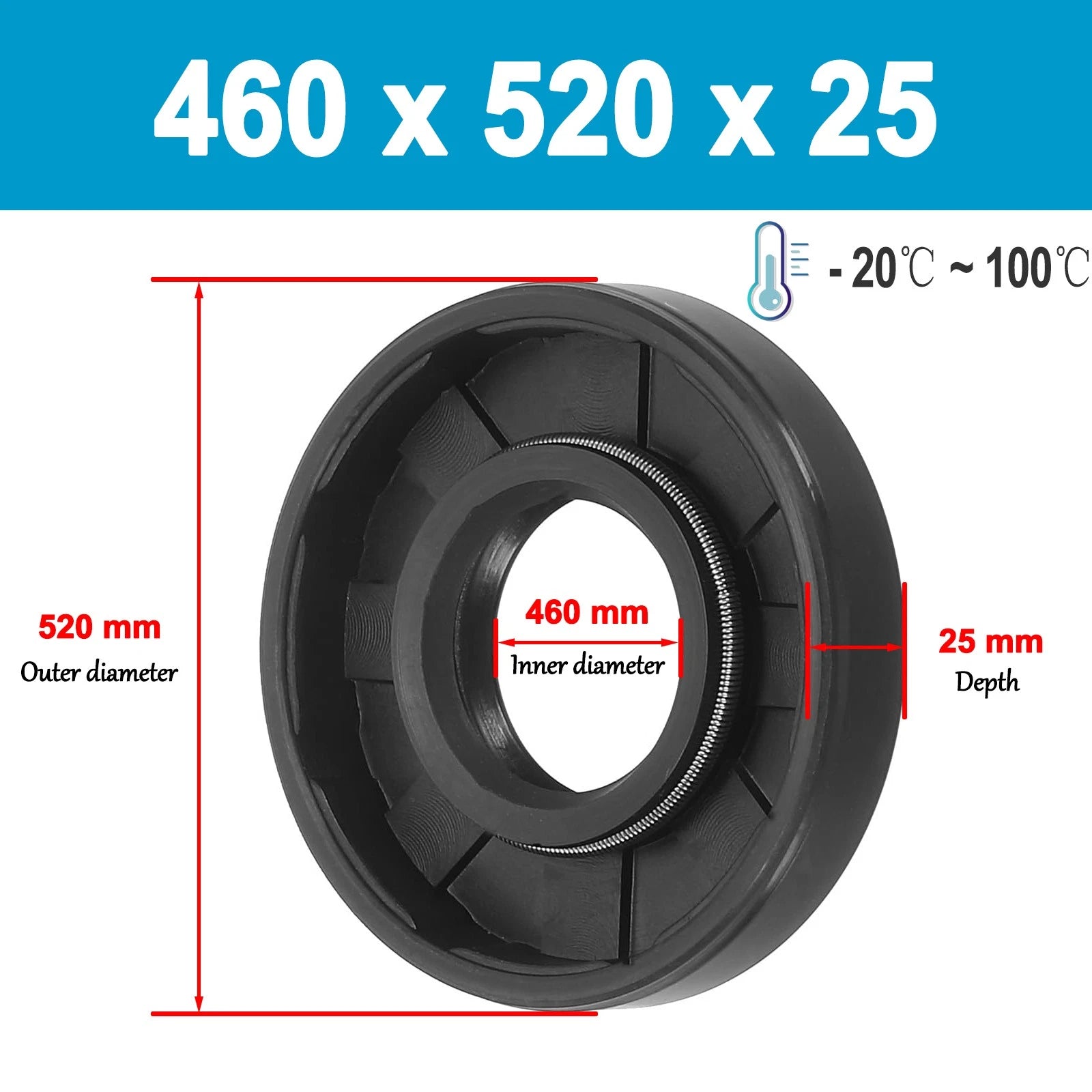
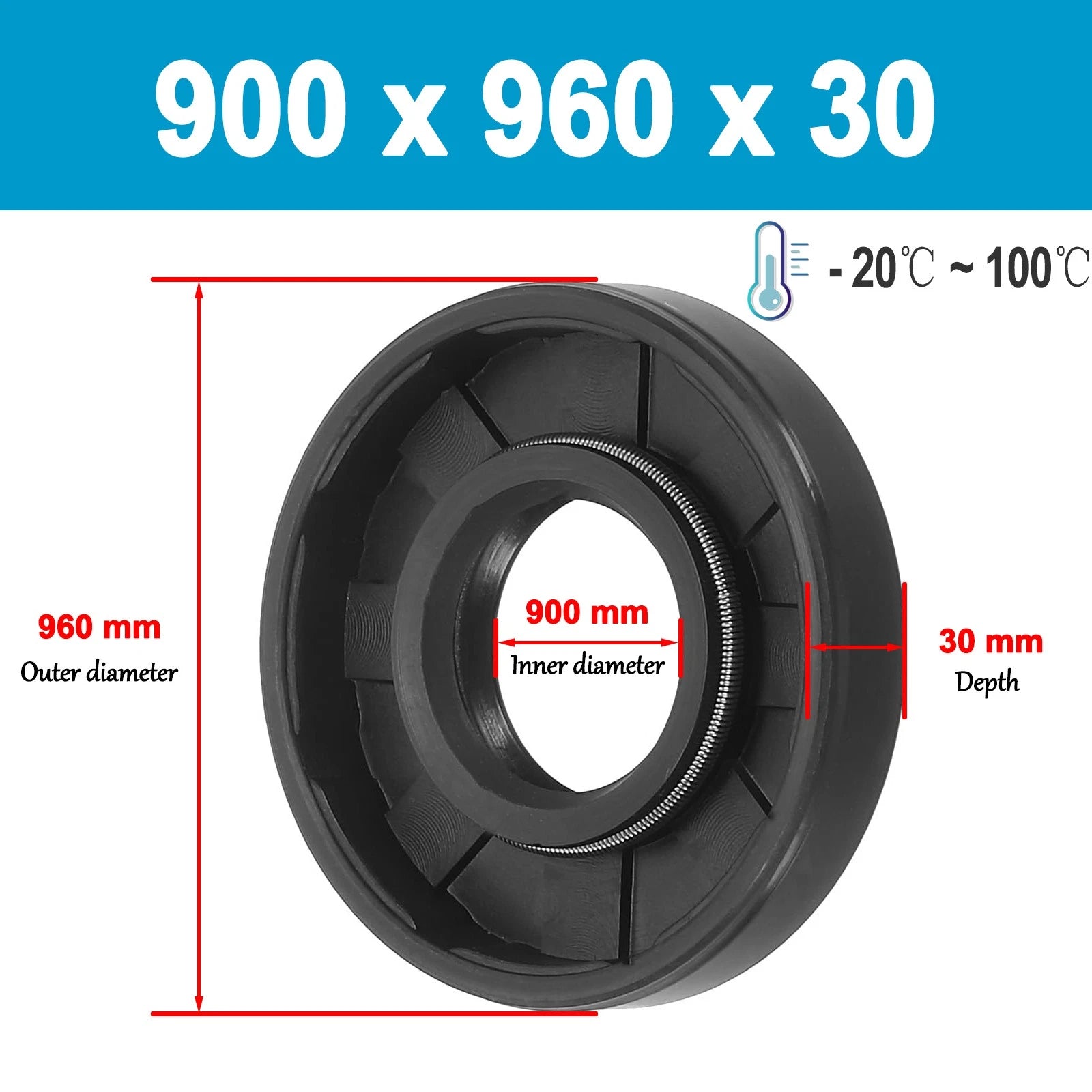
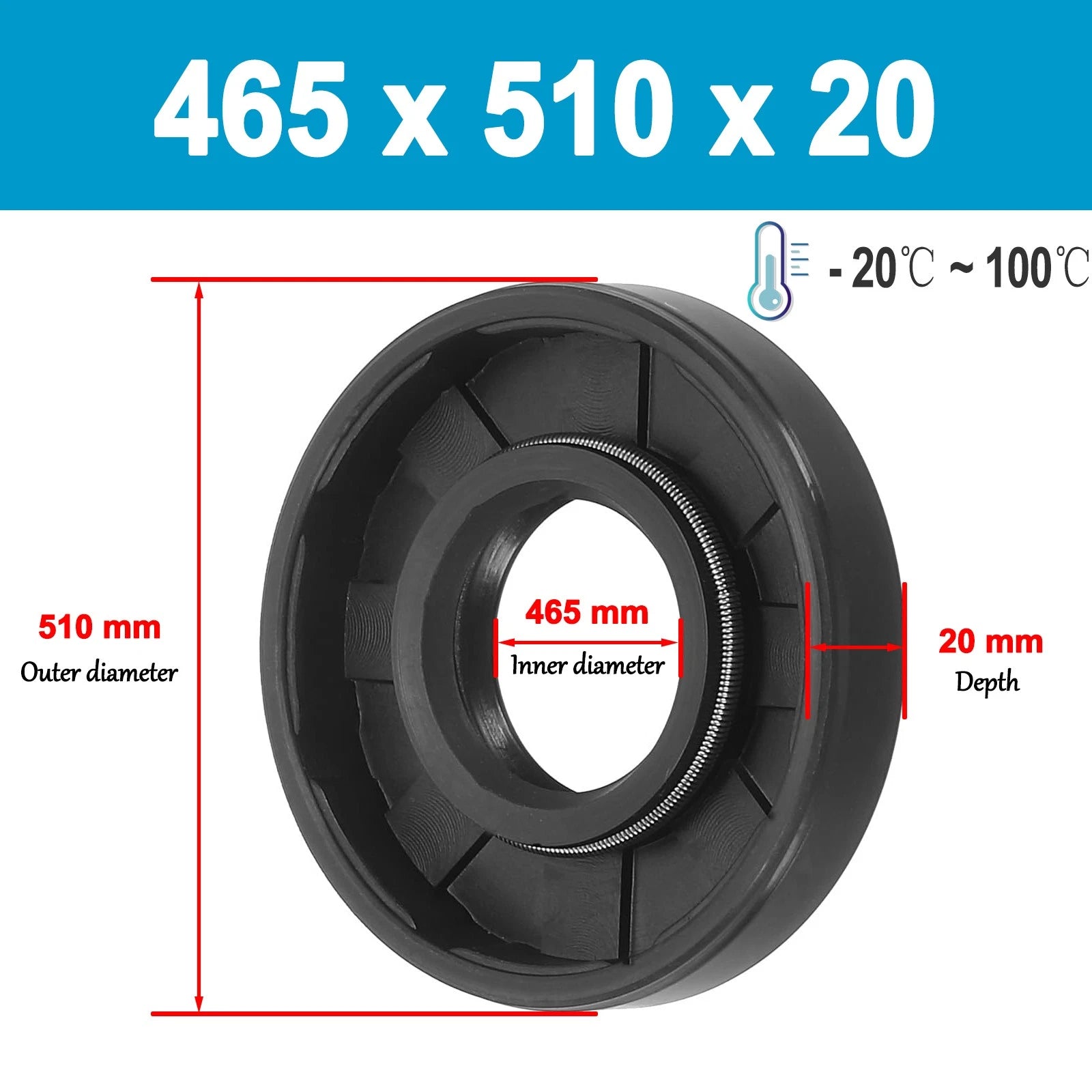
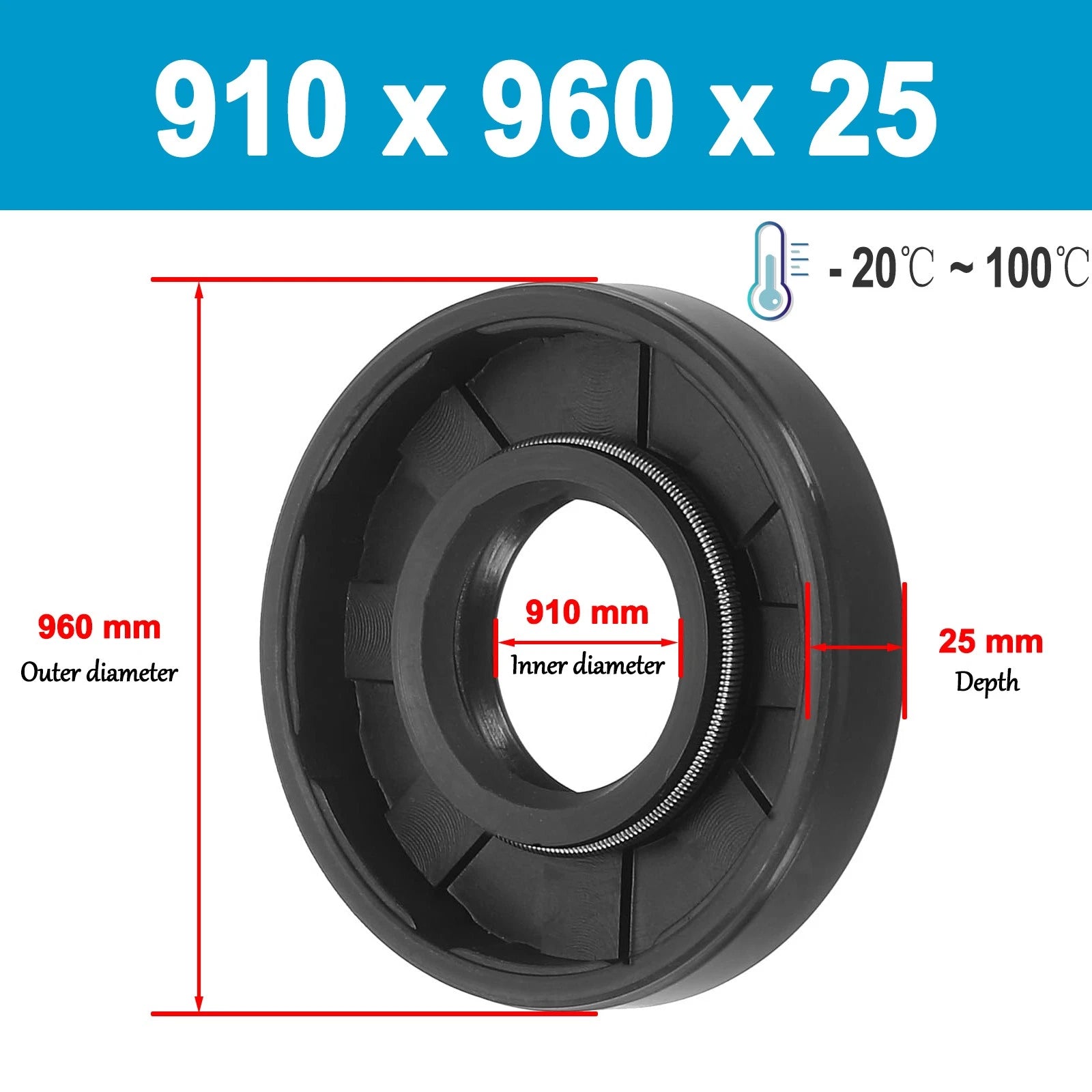
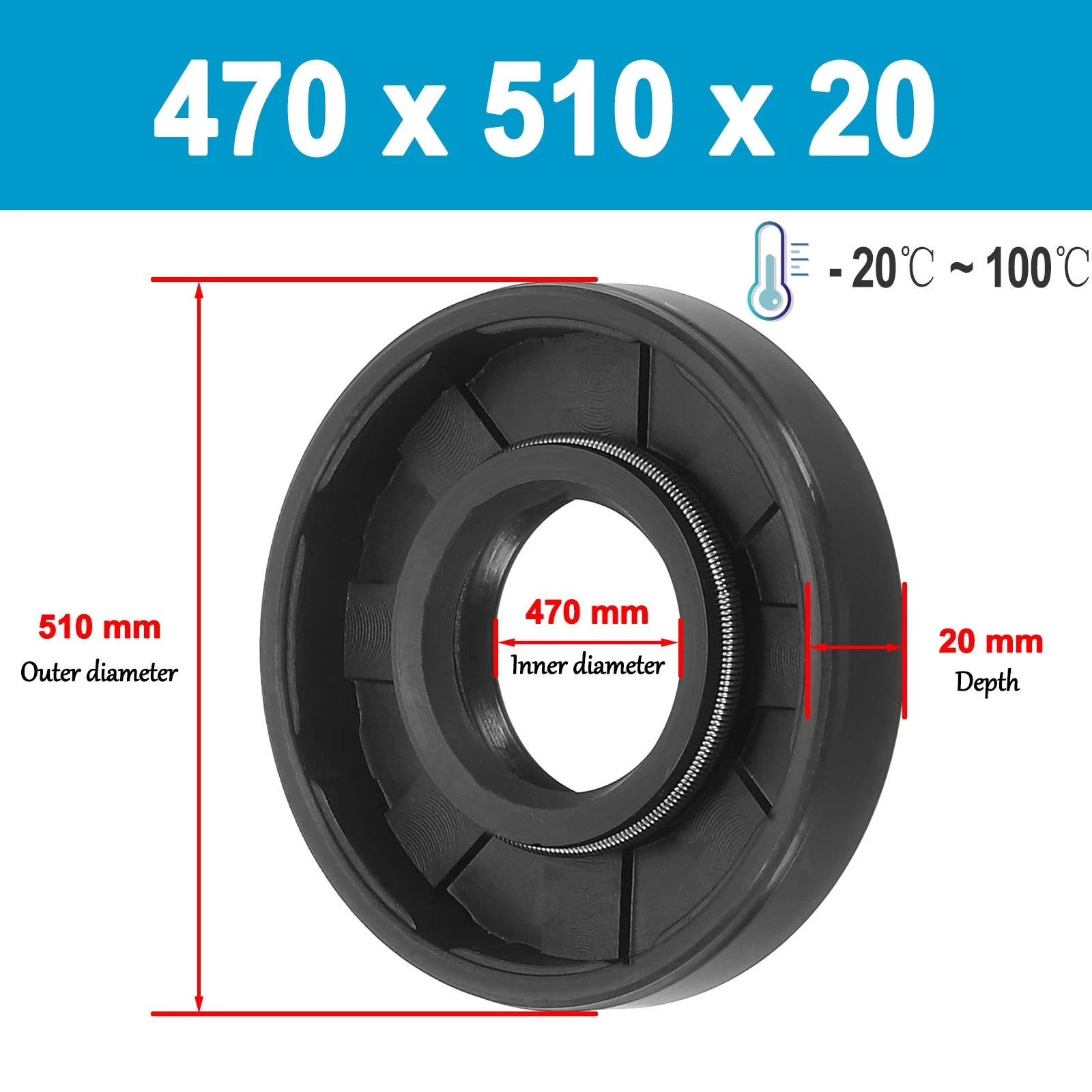
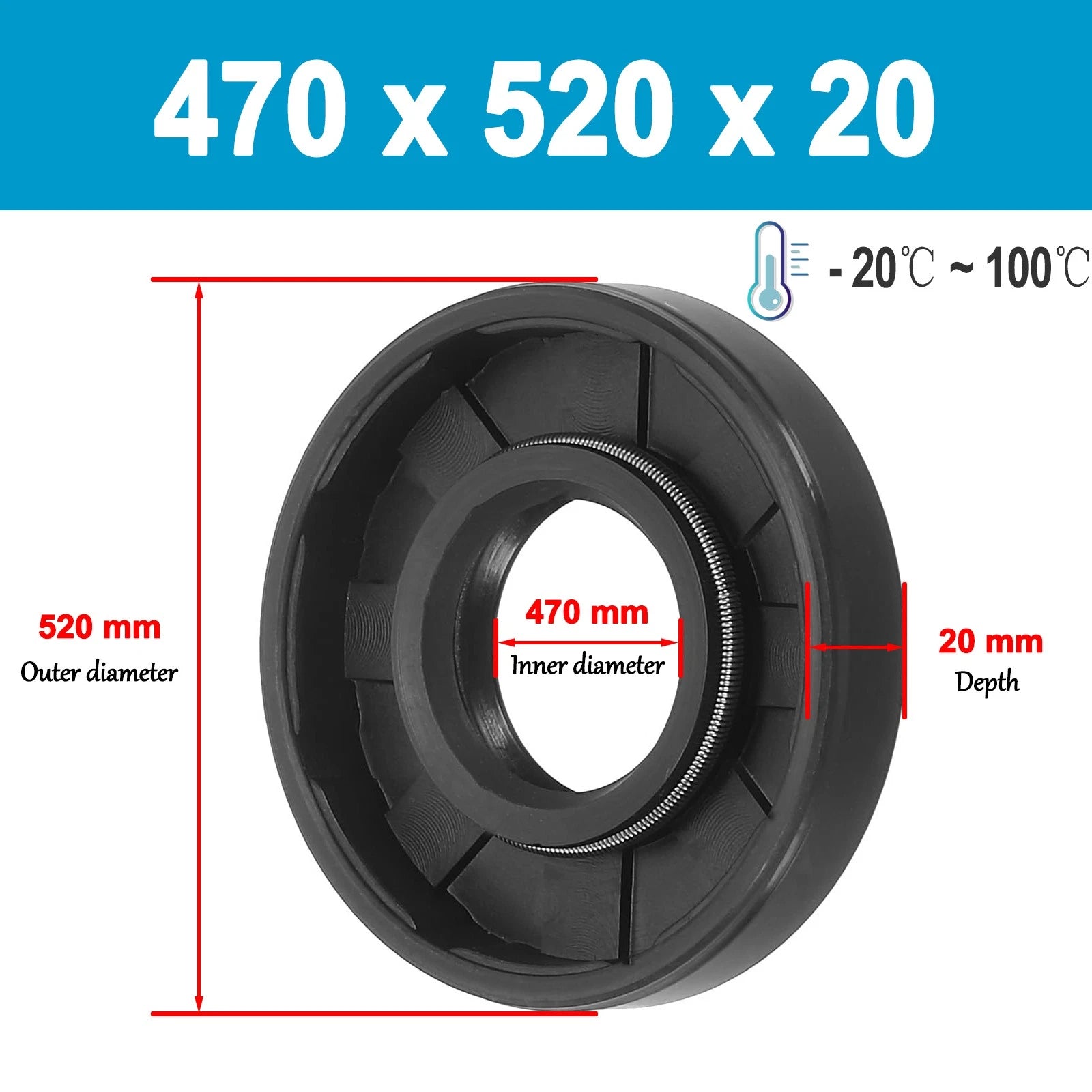
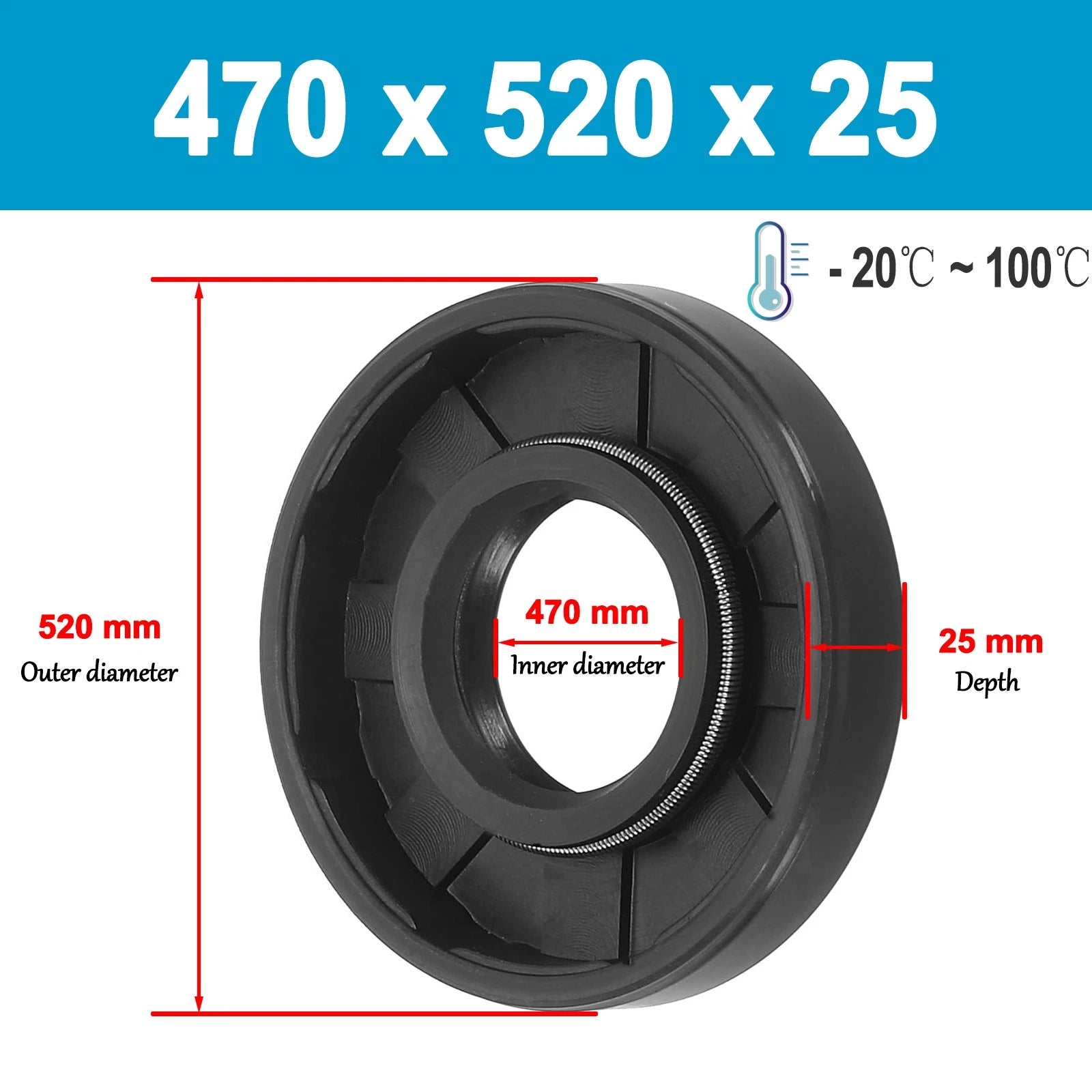
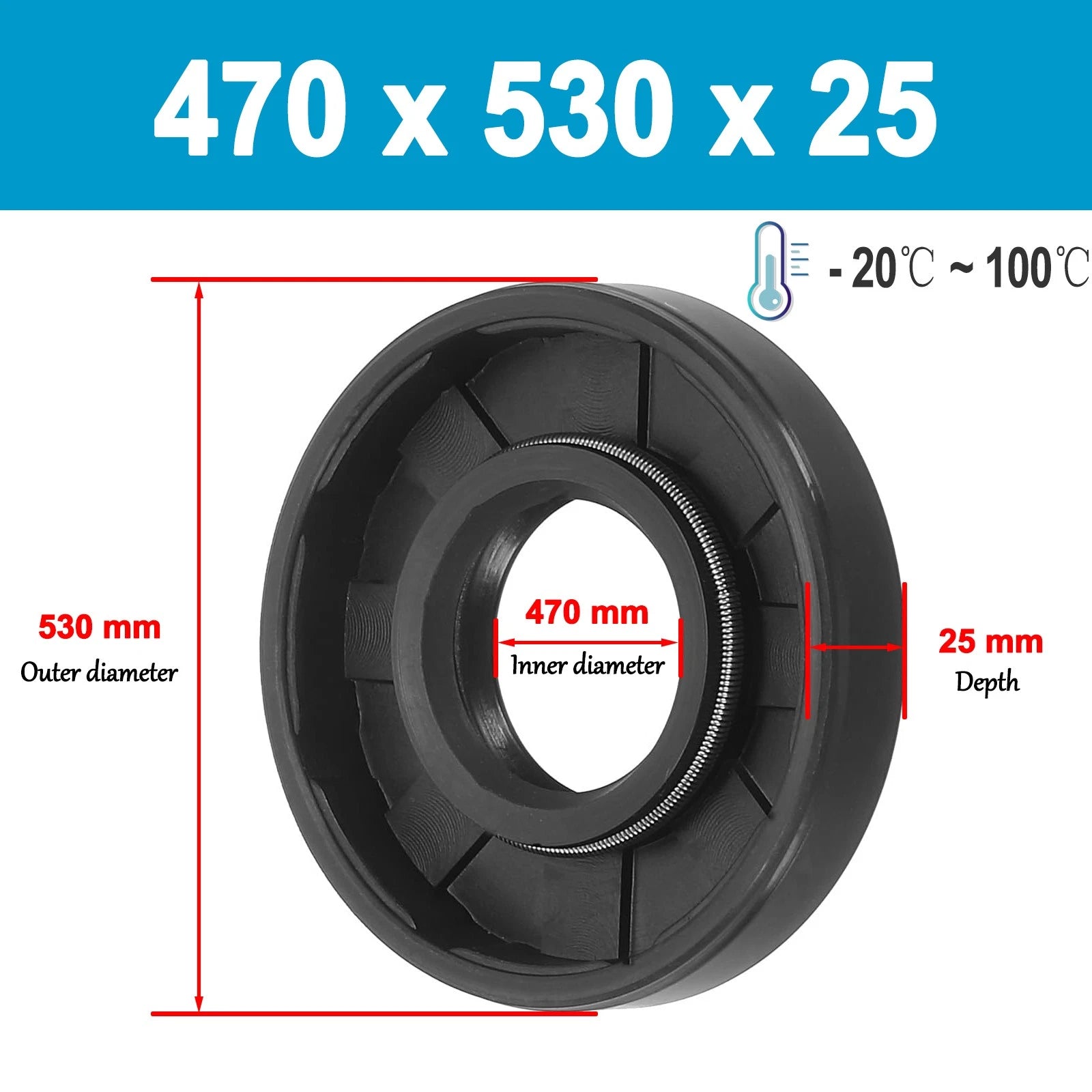
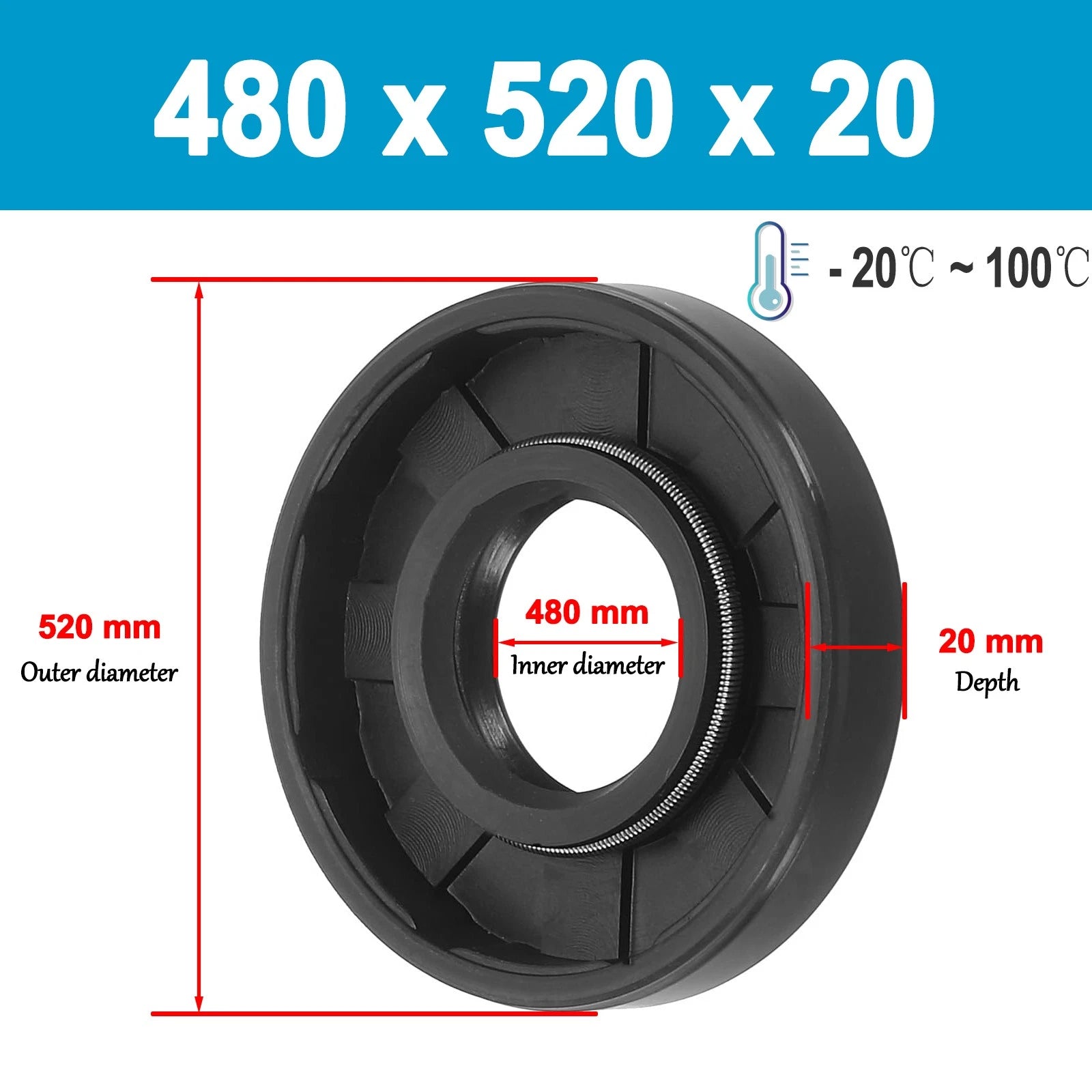
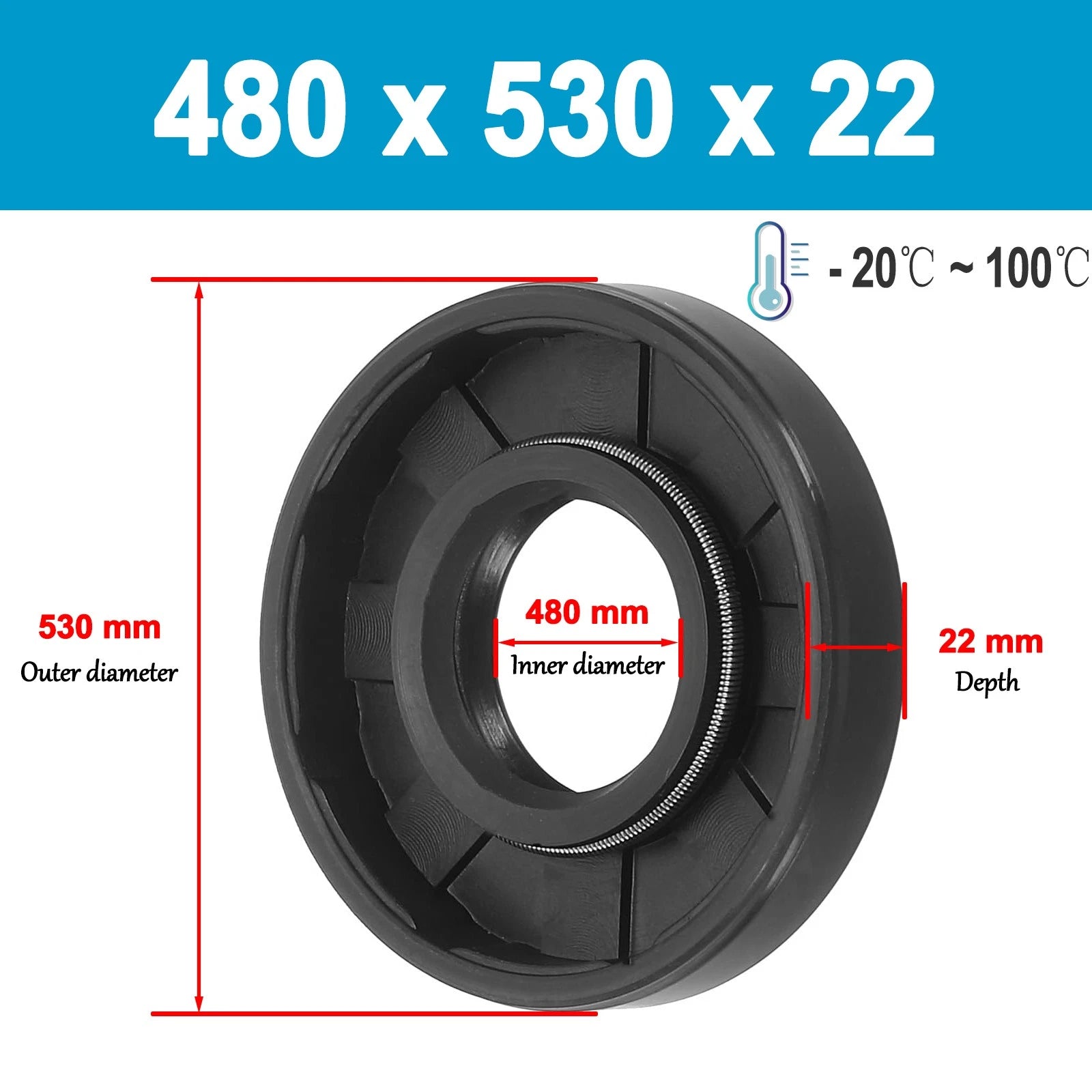
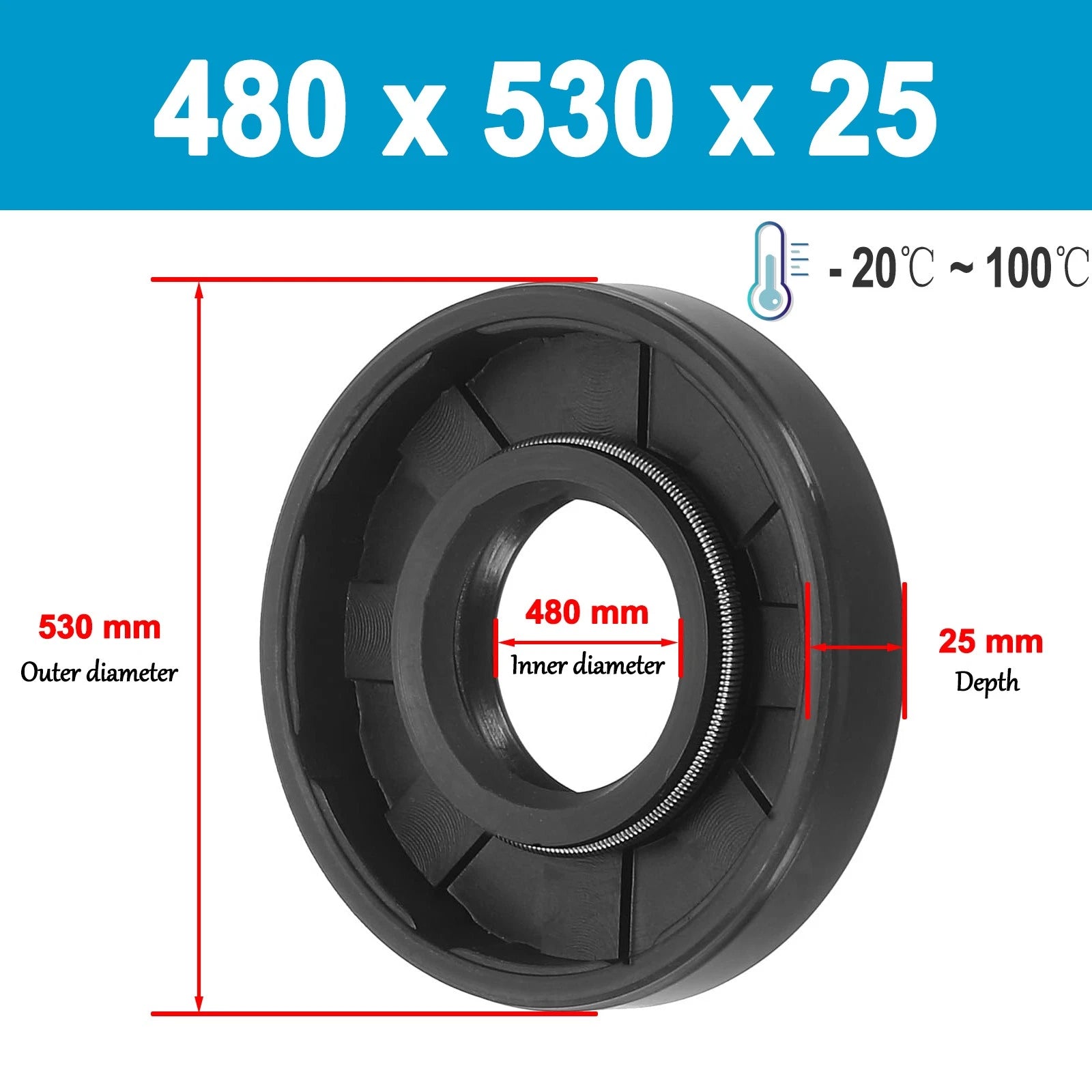
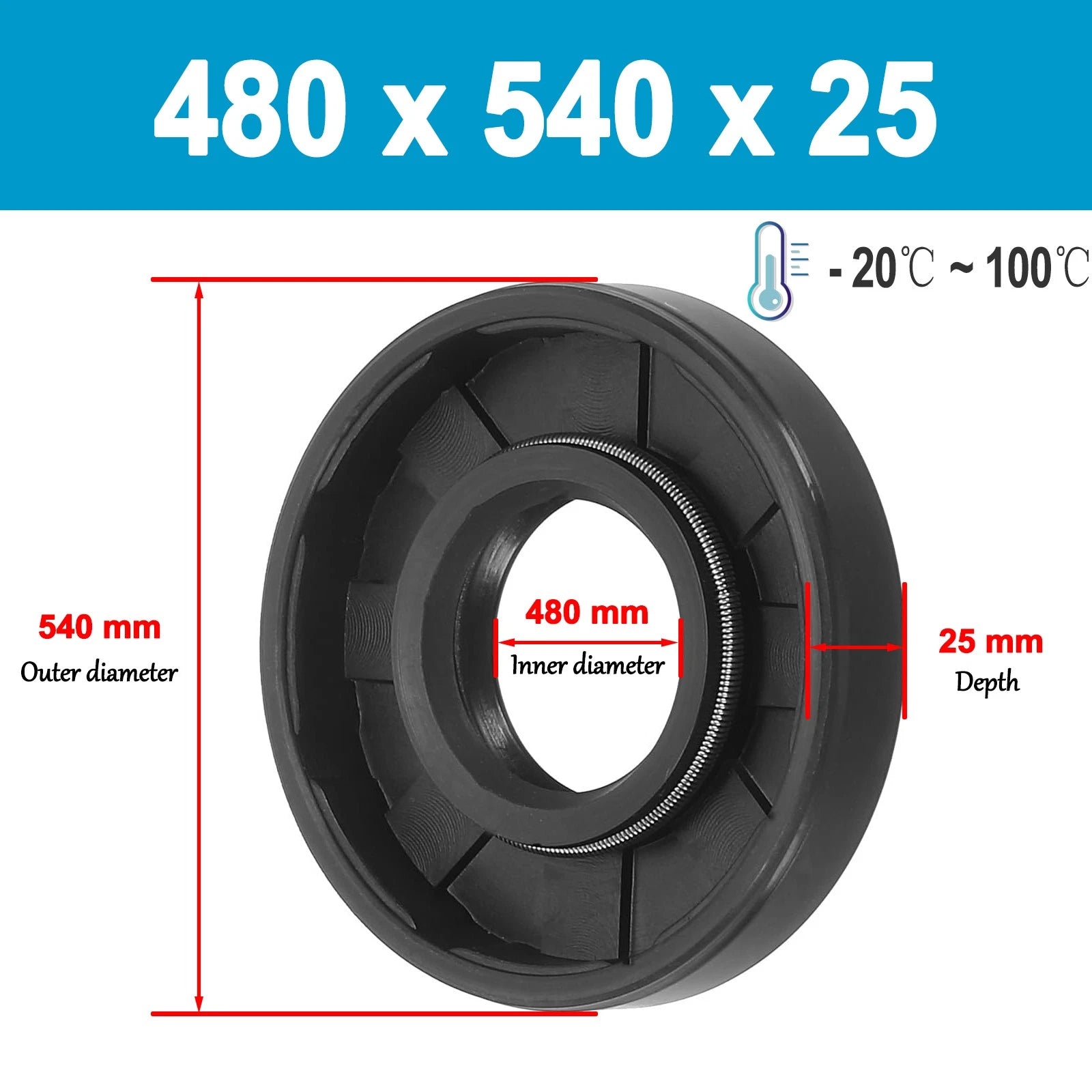
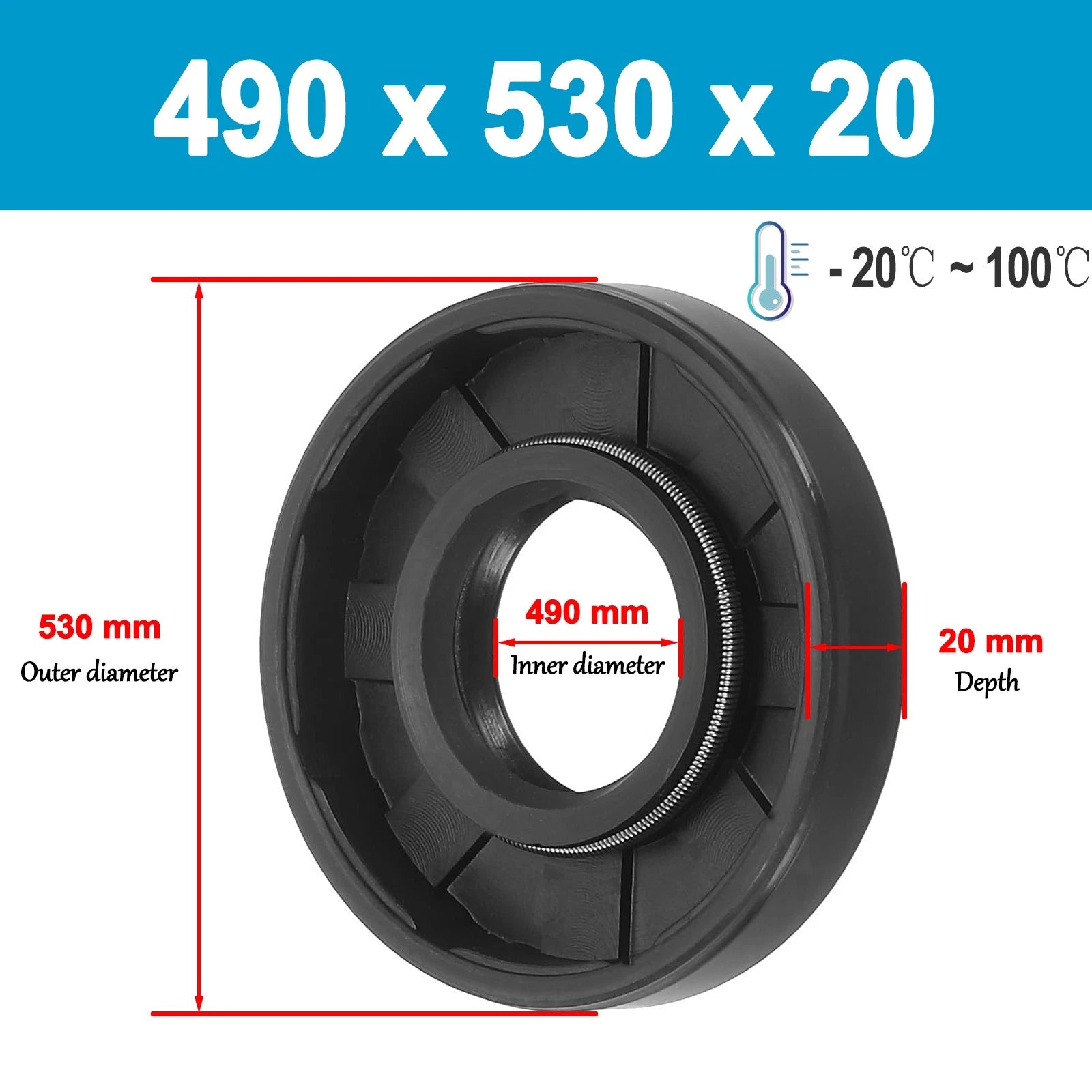
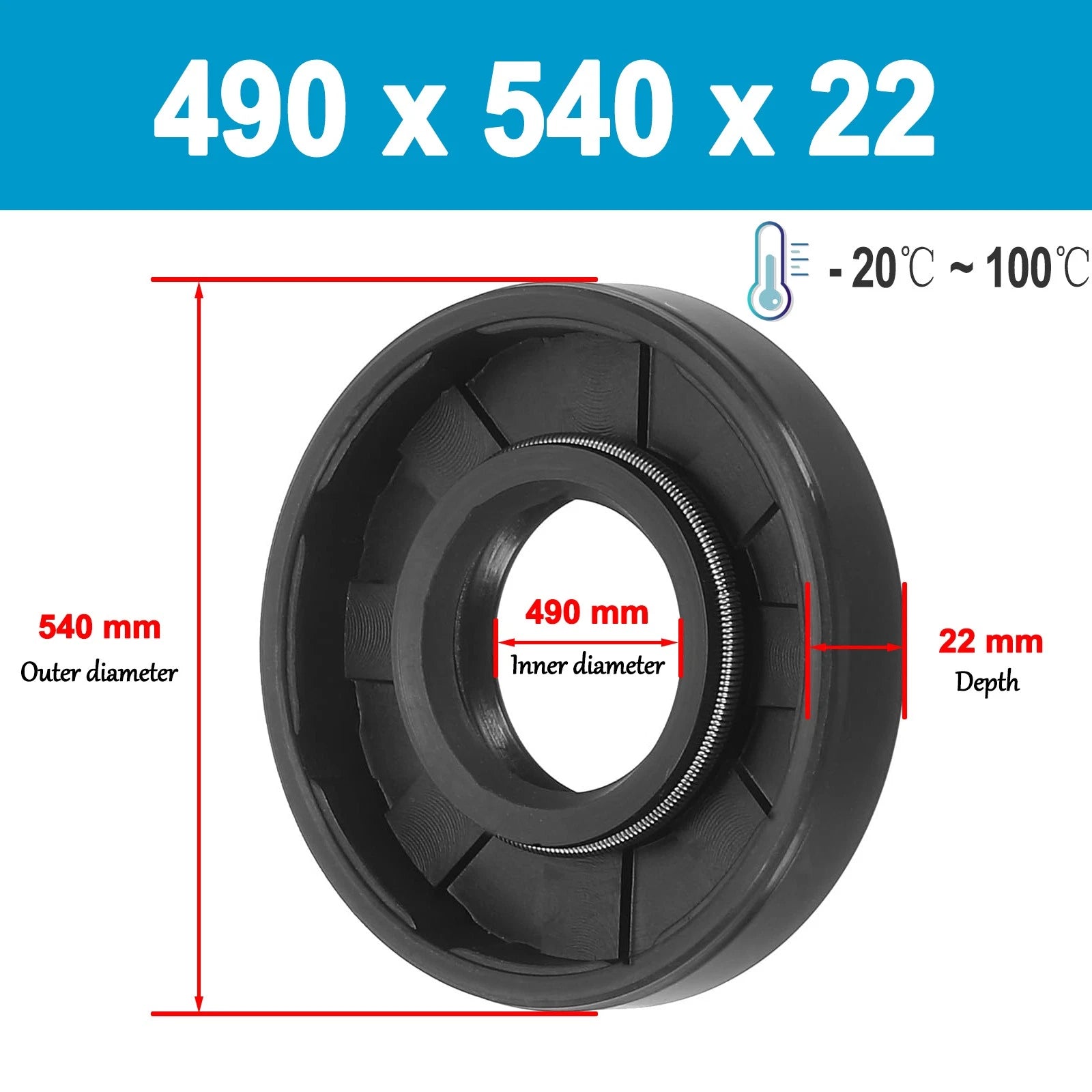
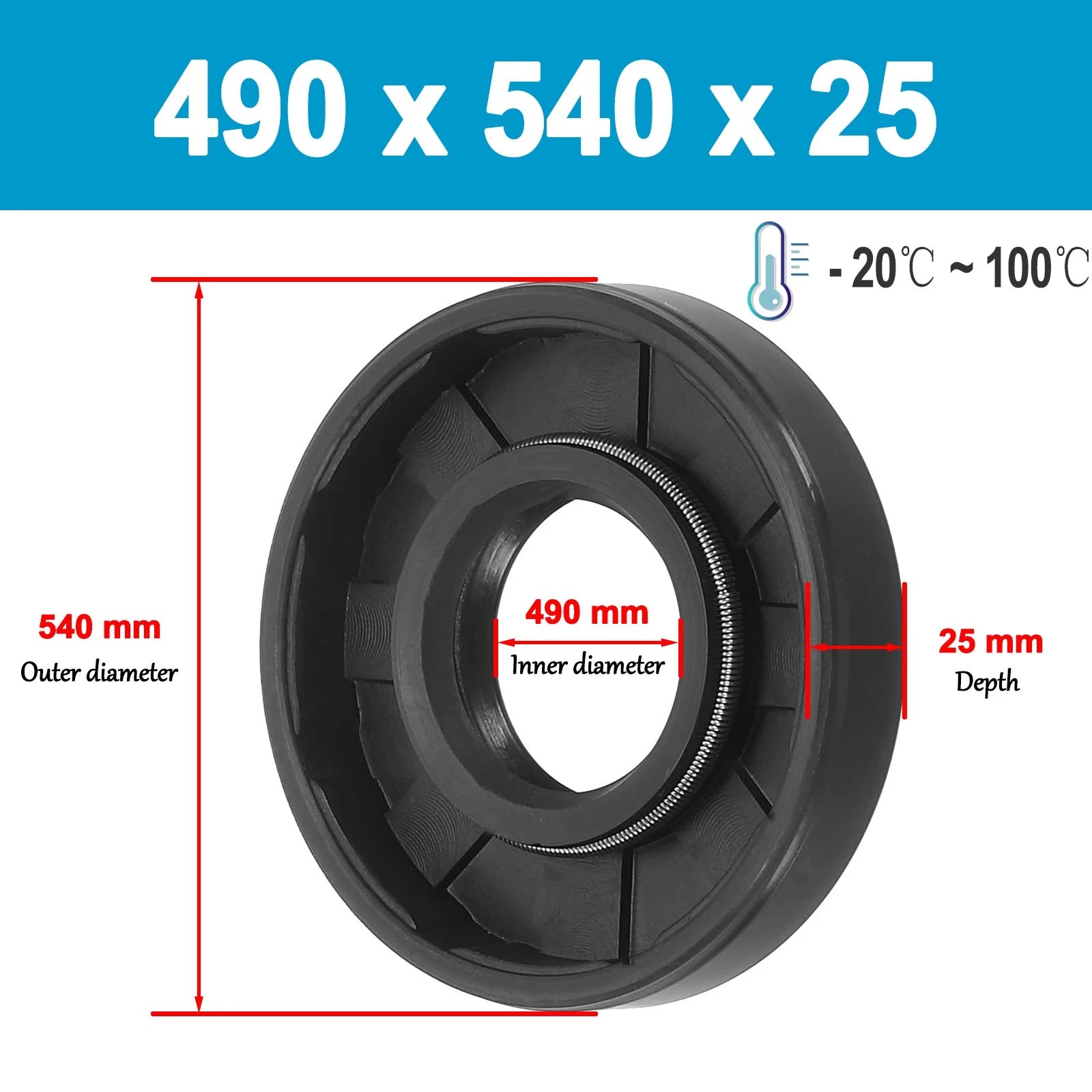
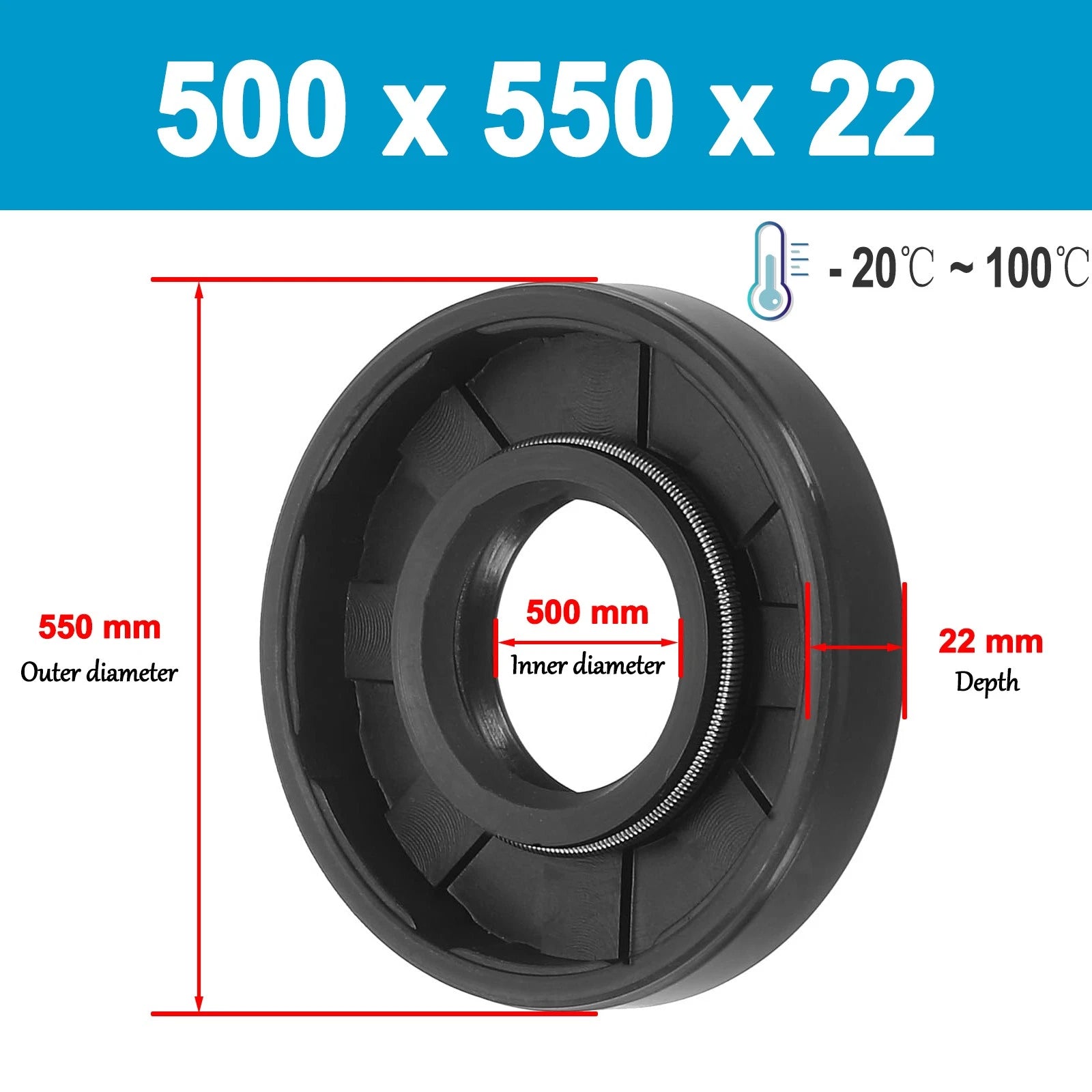
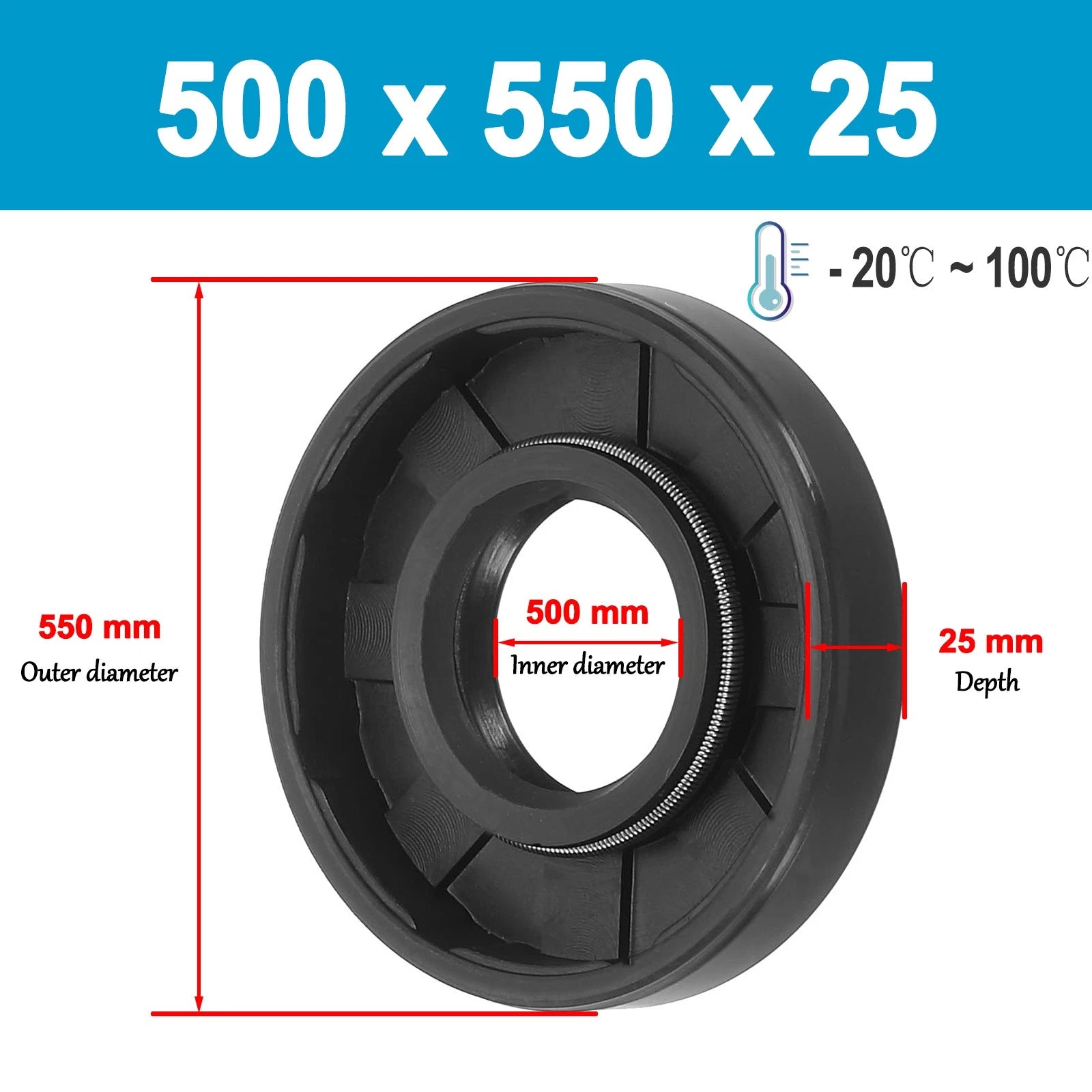
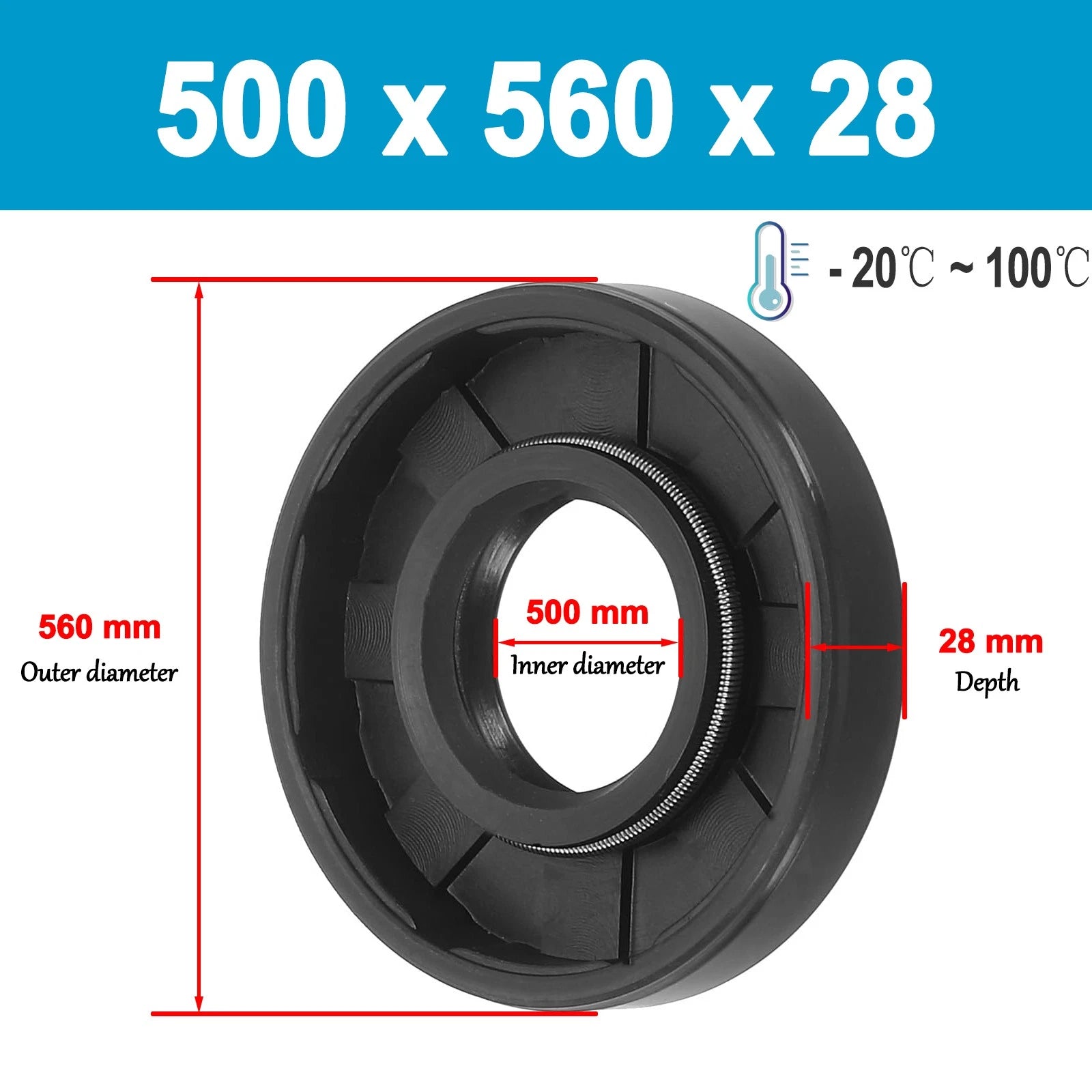
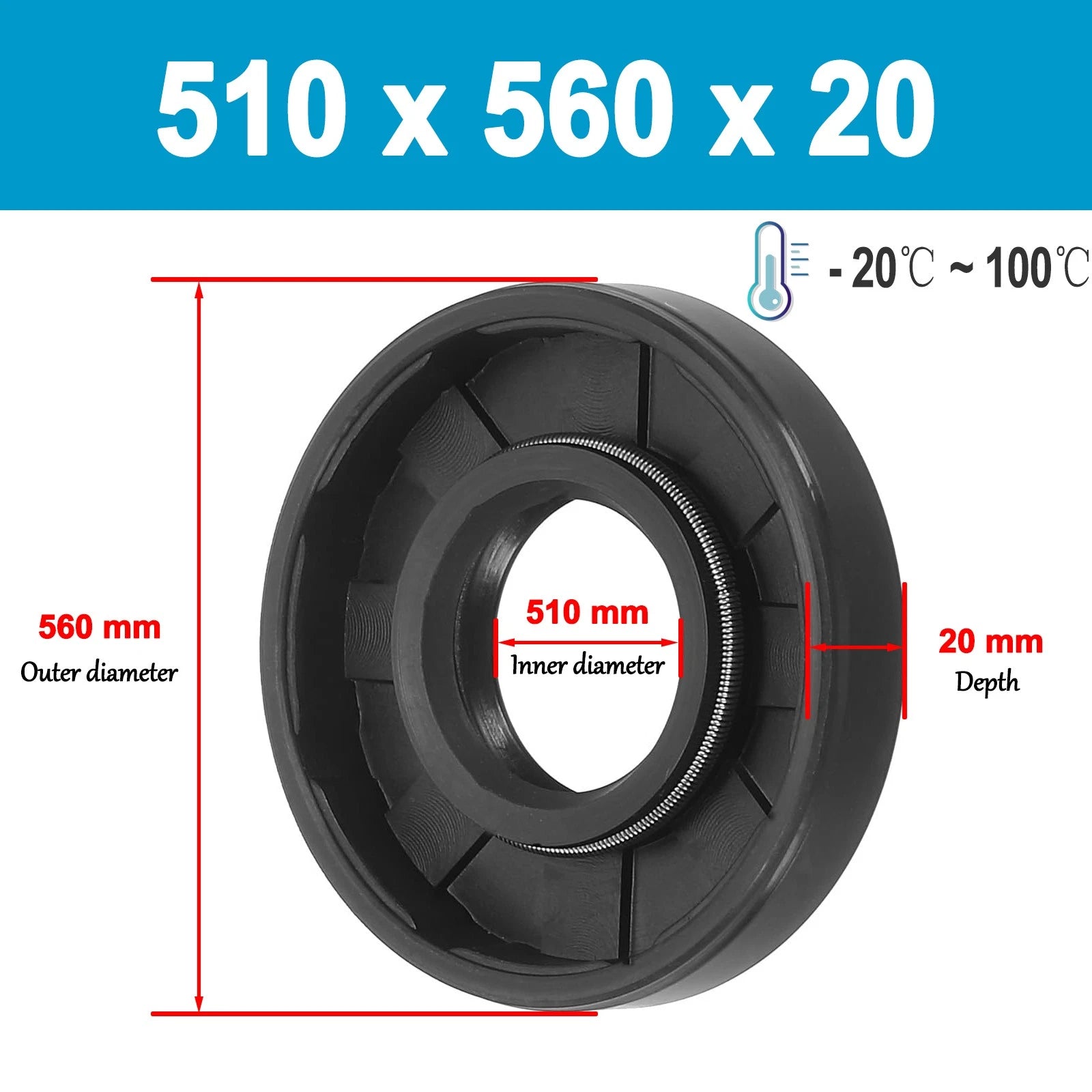
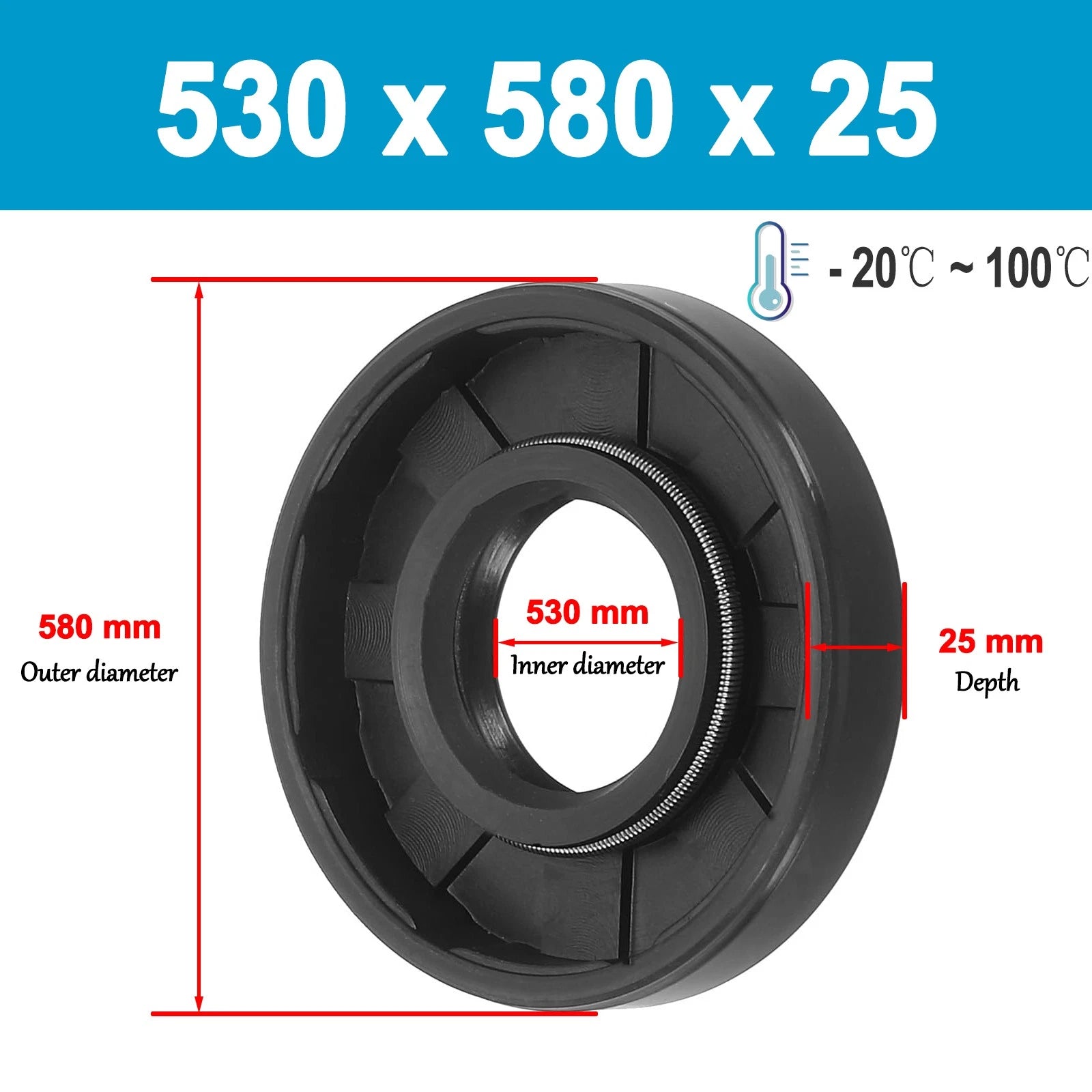
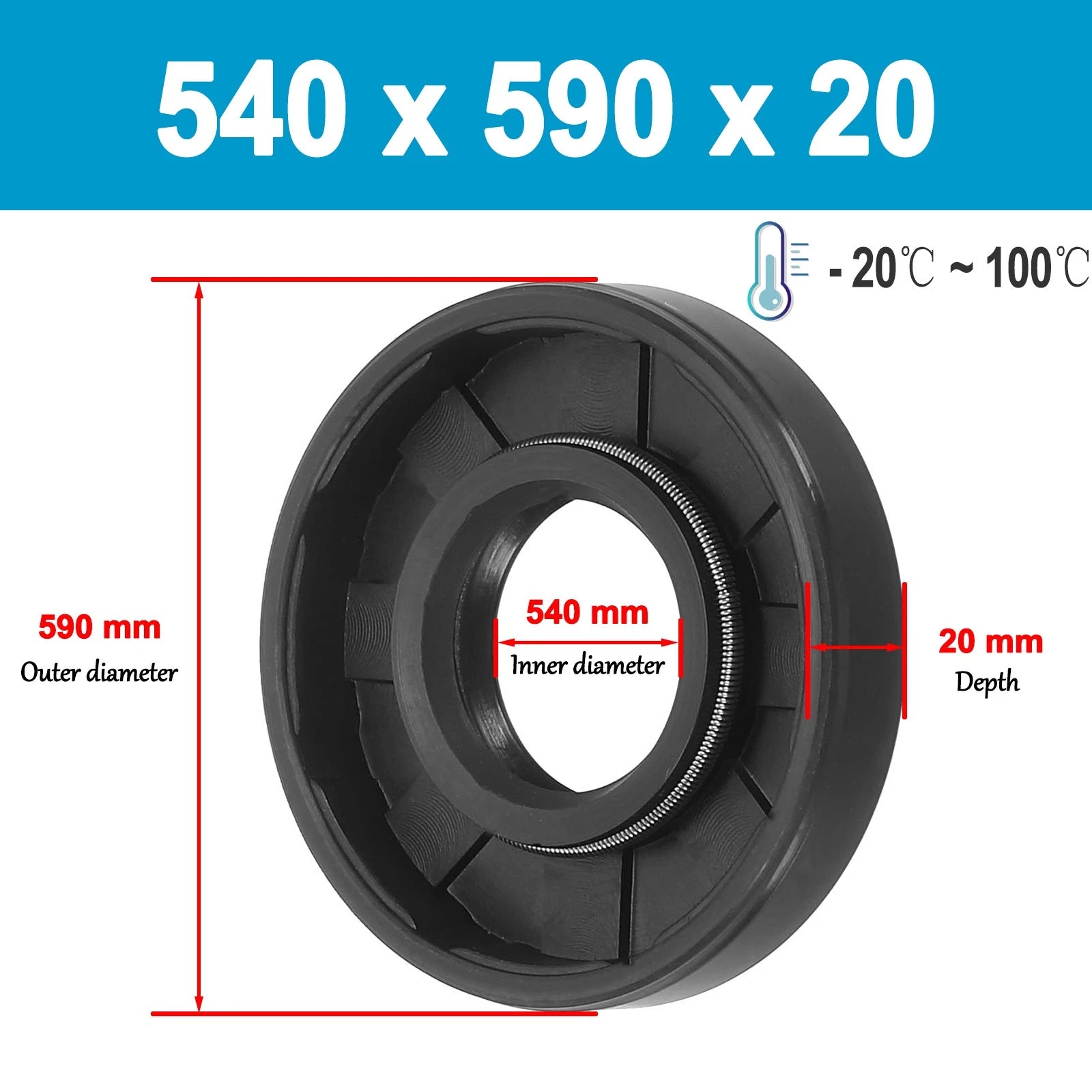
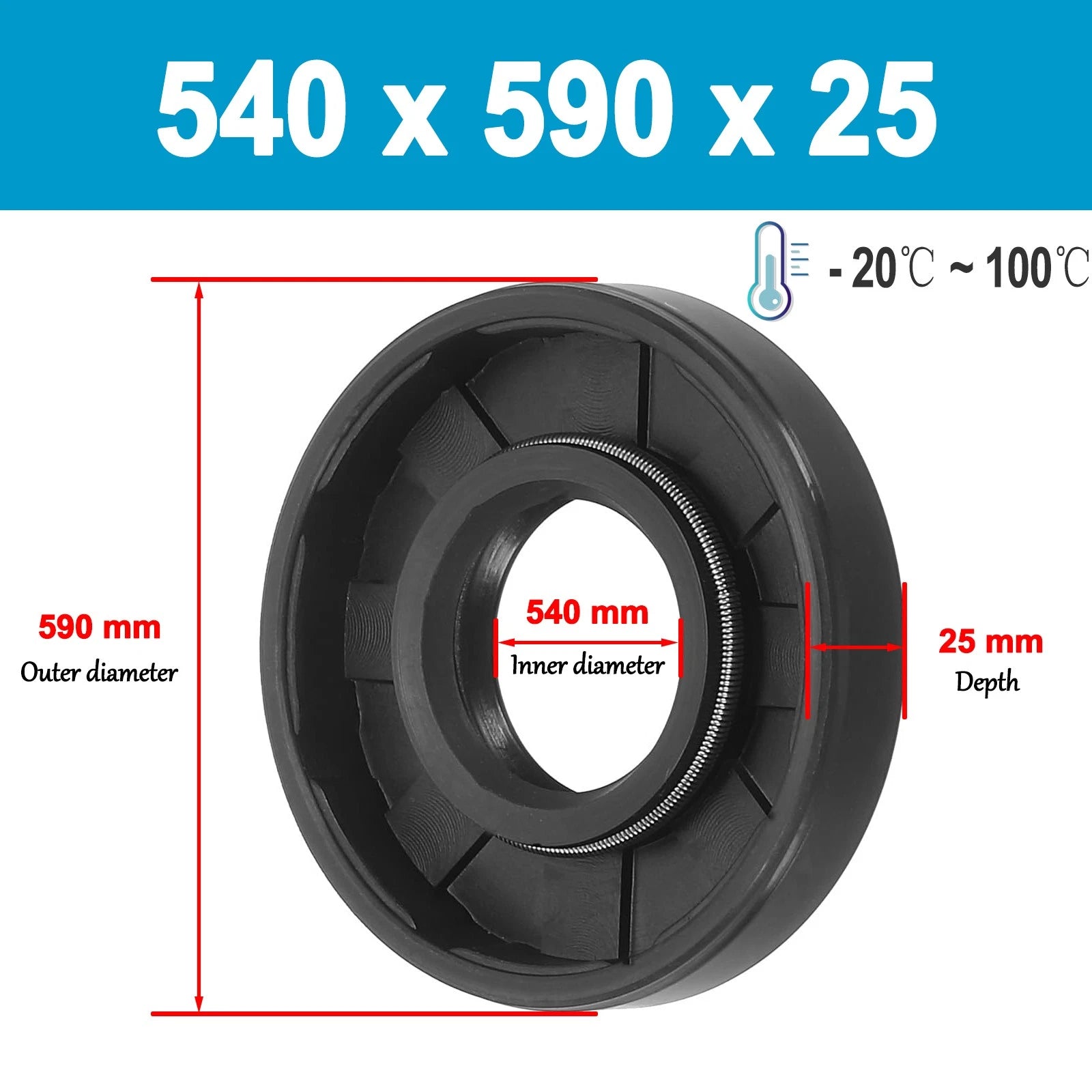
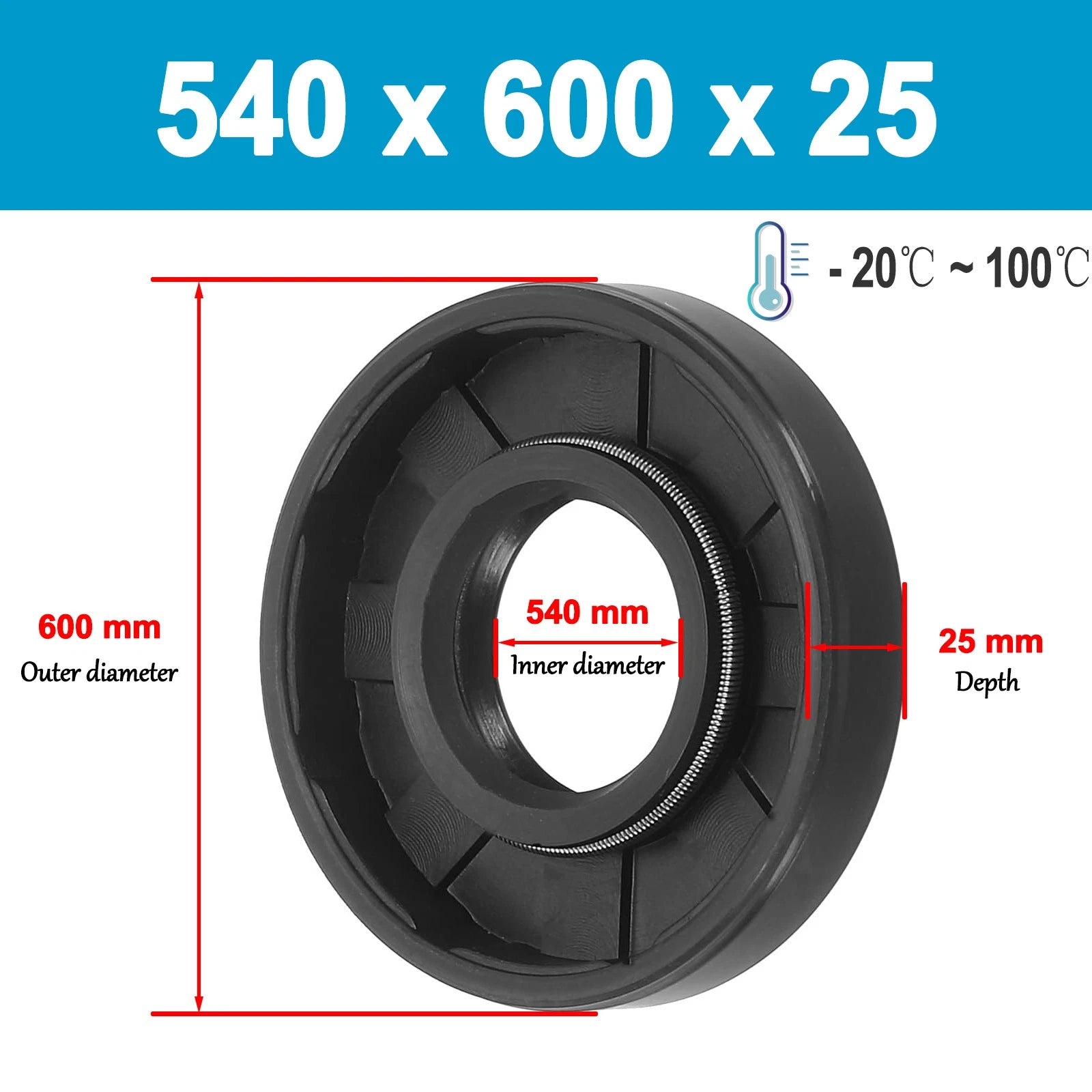
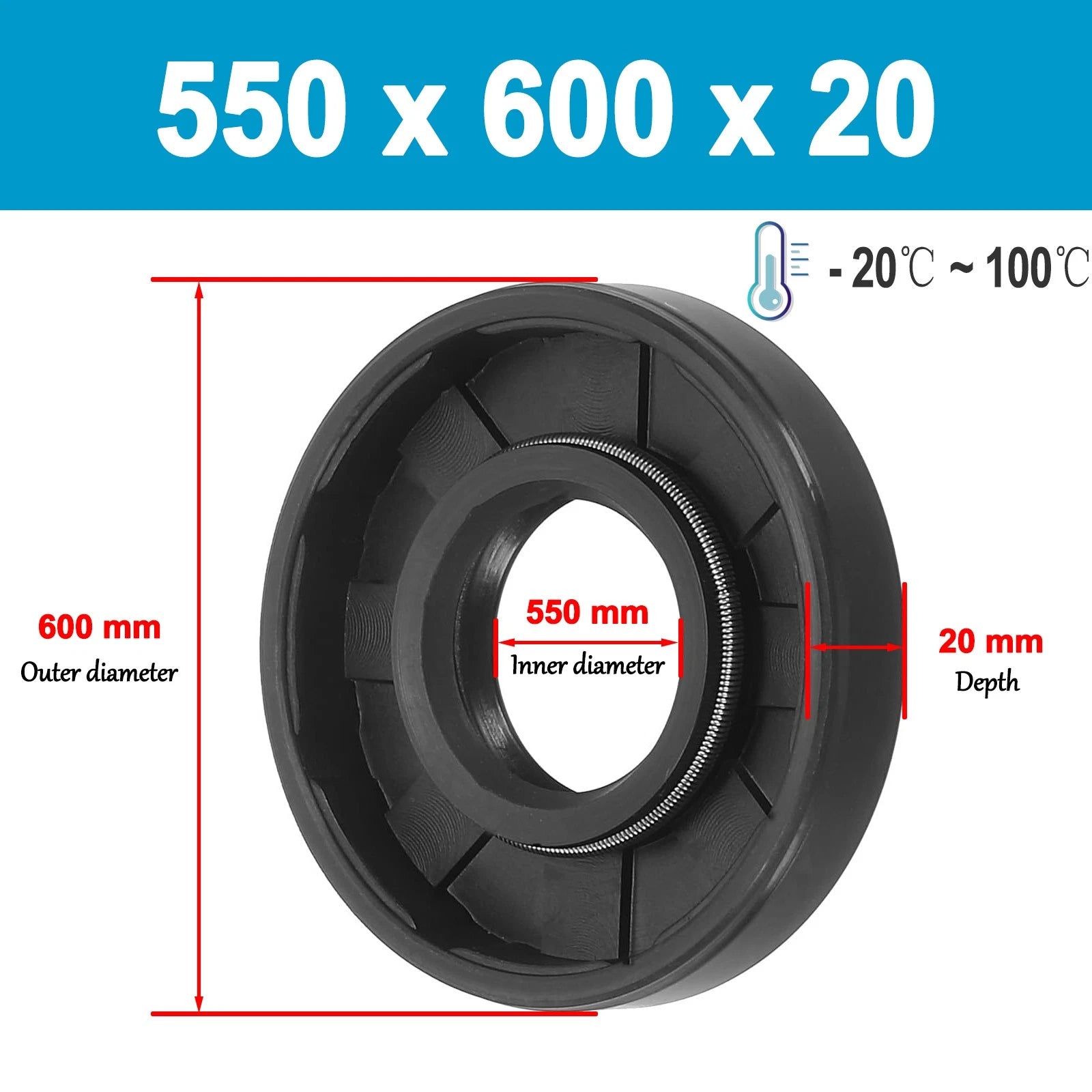
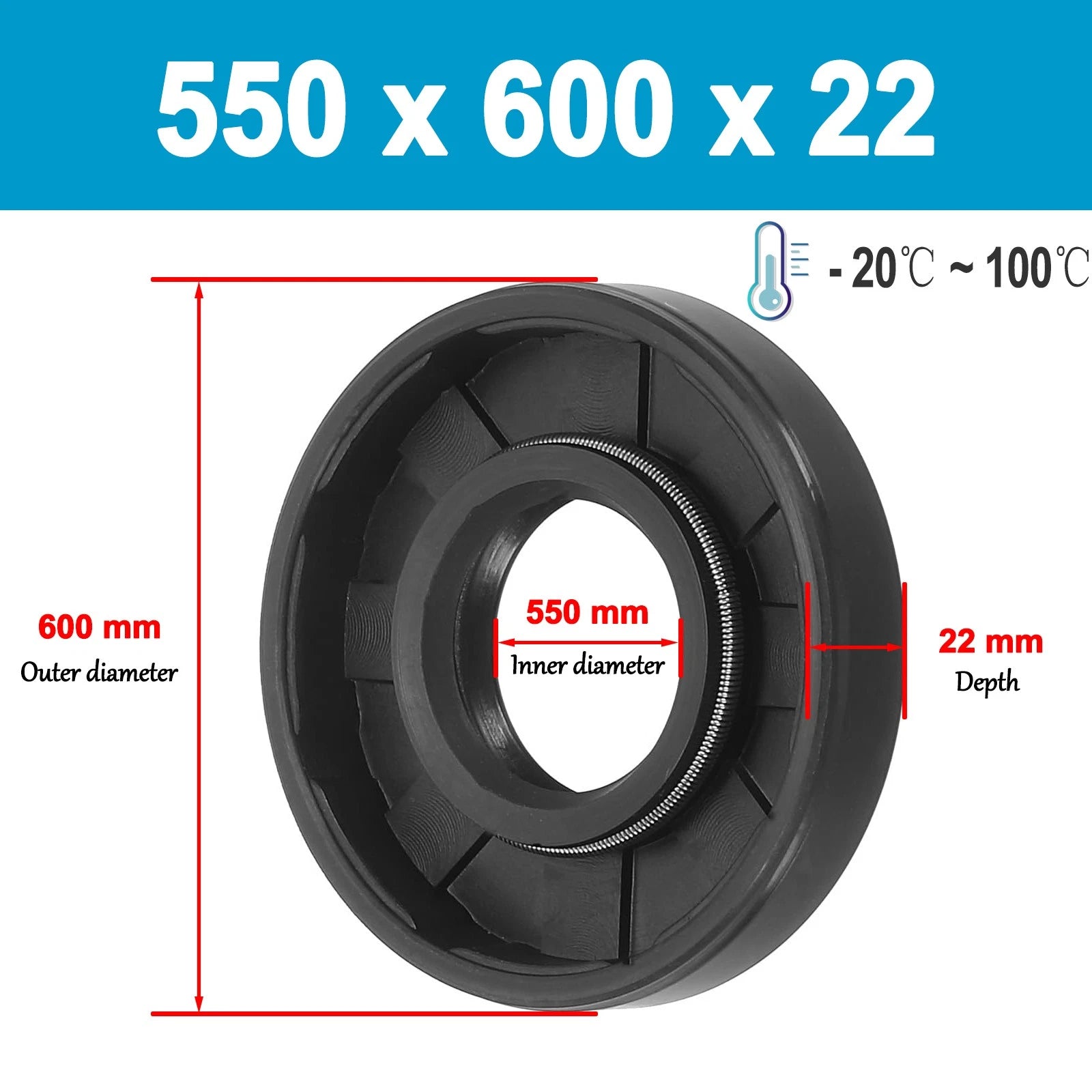
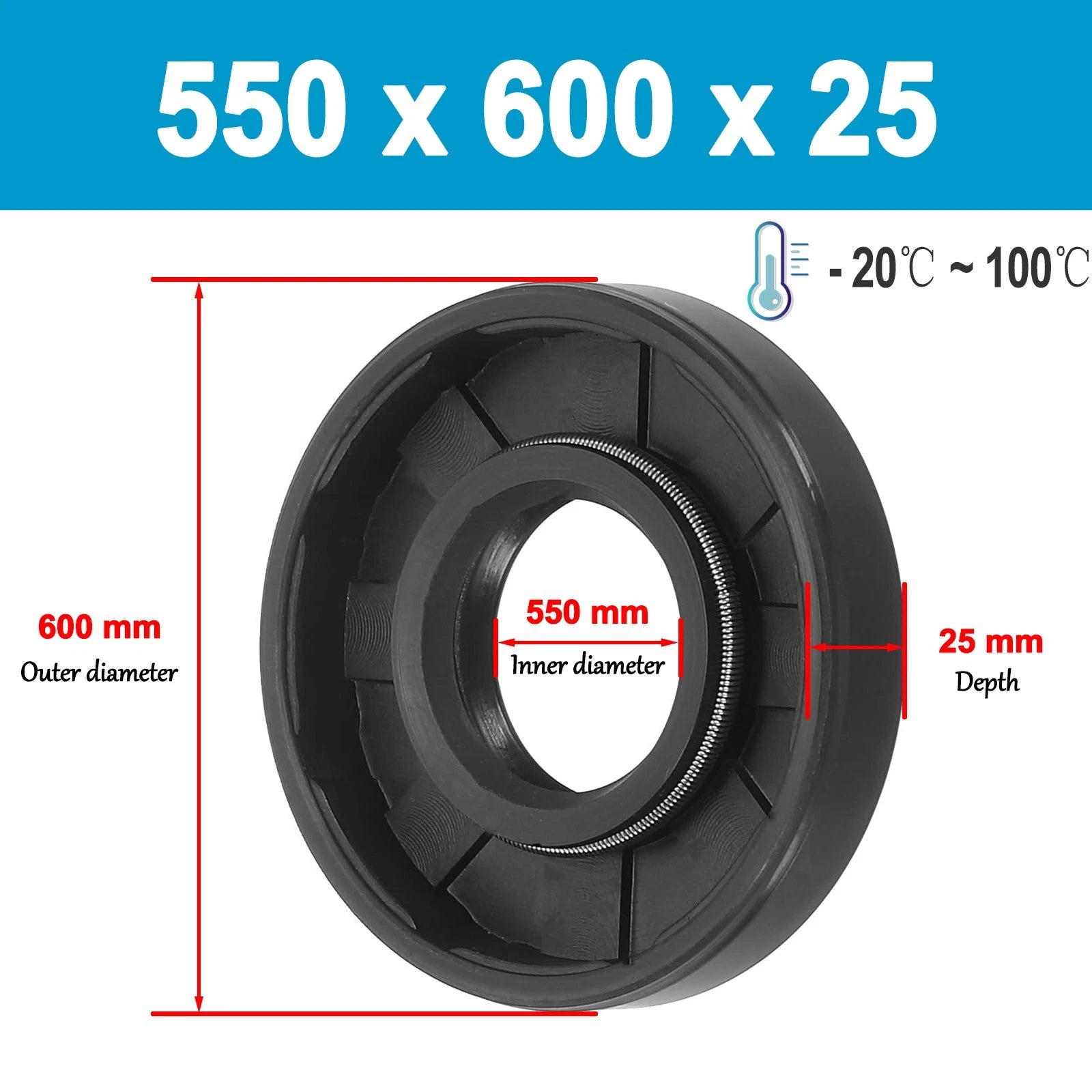
Metric Oil Shaft Seal 410mm - 910mm Dust Grease Seal TC Double Lip w Spring

No reviews

Price:
Sale price$92.51 USD
Stock:
In stock (500 units), ready to be shipped

Payment & Security

Ach Direct Debit Amazon American Express Apple Pay Bancontact BLIK Diners Club Discover EPS Google Pay iDEAL Wero JCB Maestro Mastercard Multibanco MobilePay PayPal Przelewy24 Shop Pay Twint Union Pay USDC Visa

Your payment information is processed securely. We do not store credit card details nor have access to your credit card information.

Limited Offer — Spend More, Save More
Spend $55+
Save $5
Spend $100+
Save $10
Spend $200+
Save $25
HomeDIYer DIY Expert Support

DIY Expert Support

Get fitment advice & recommendations

Mon–Fri  8:30 AM – 8:00 PM
24-Hour Fast Ship
Arrives in 3–14 Days
Worldwide Shipping
30-Day Returns
1 tree planted with every purchase

Description

Metric TC Oil Shaft Seal 410–910mm — Reliable Dust & Grease Protection for Large Rotating Shafts

When a worn or incorrectly sized shaft seal allows lubricant to escape or contaminants to enter, the resulting damage to bearings and gearboxes can be costly and time-consuming to repair. Engineers, maintenance technicians, and equipment rebuilders working on large industrial machinery, agricultural equipment, and heavy-duty vehicles need a seal they can specify with confidence — one that fits precisely and holds up under continuous rotation.

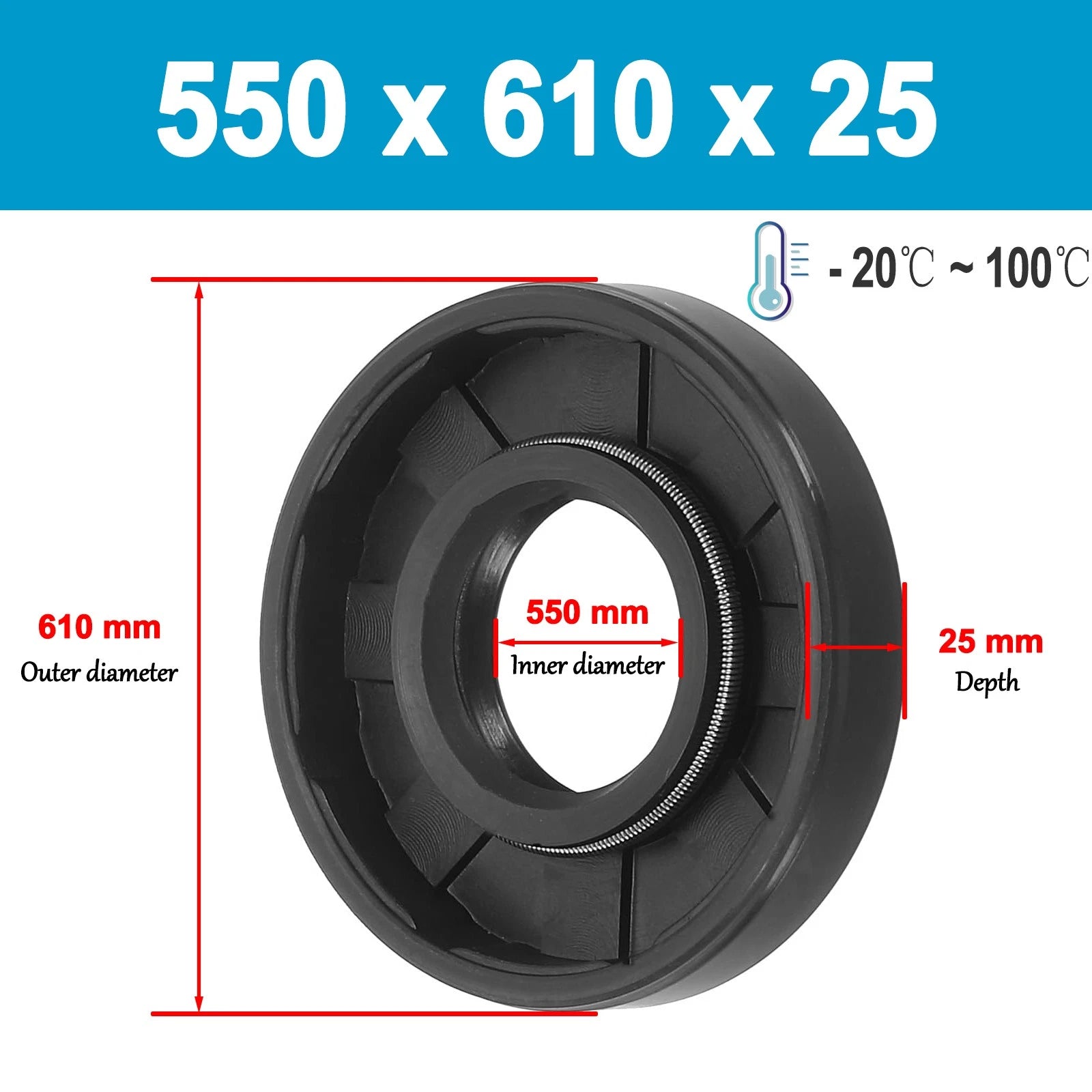
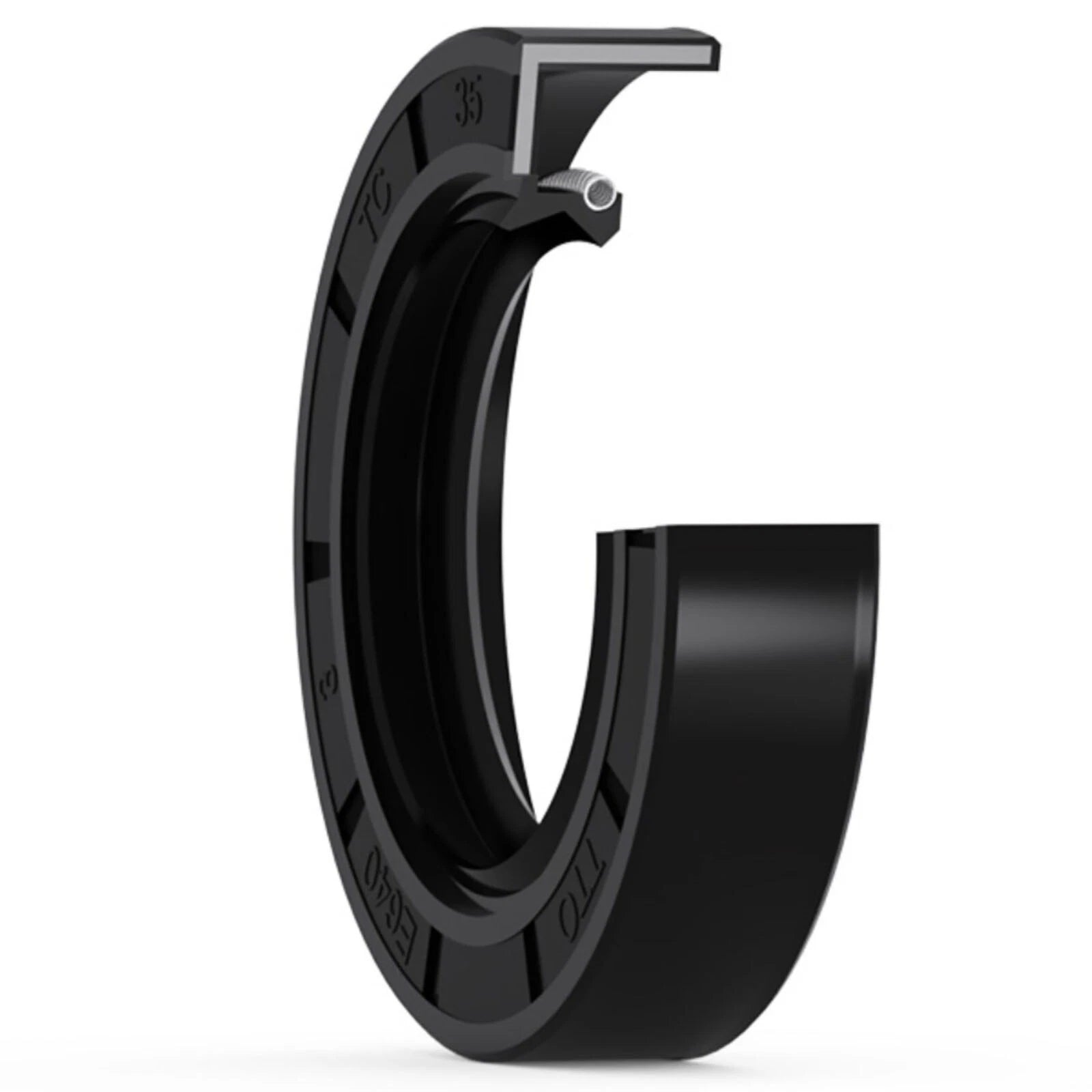
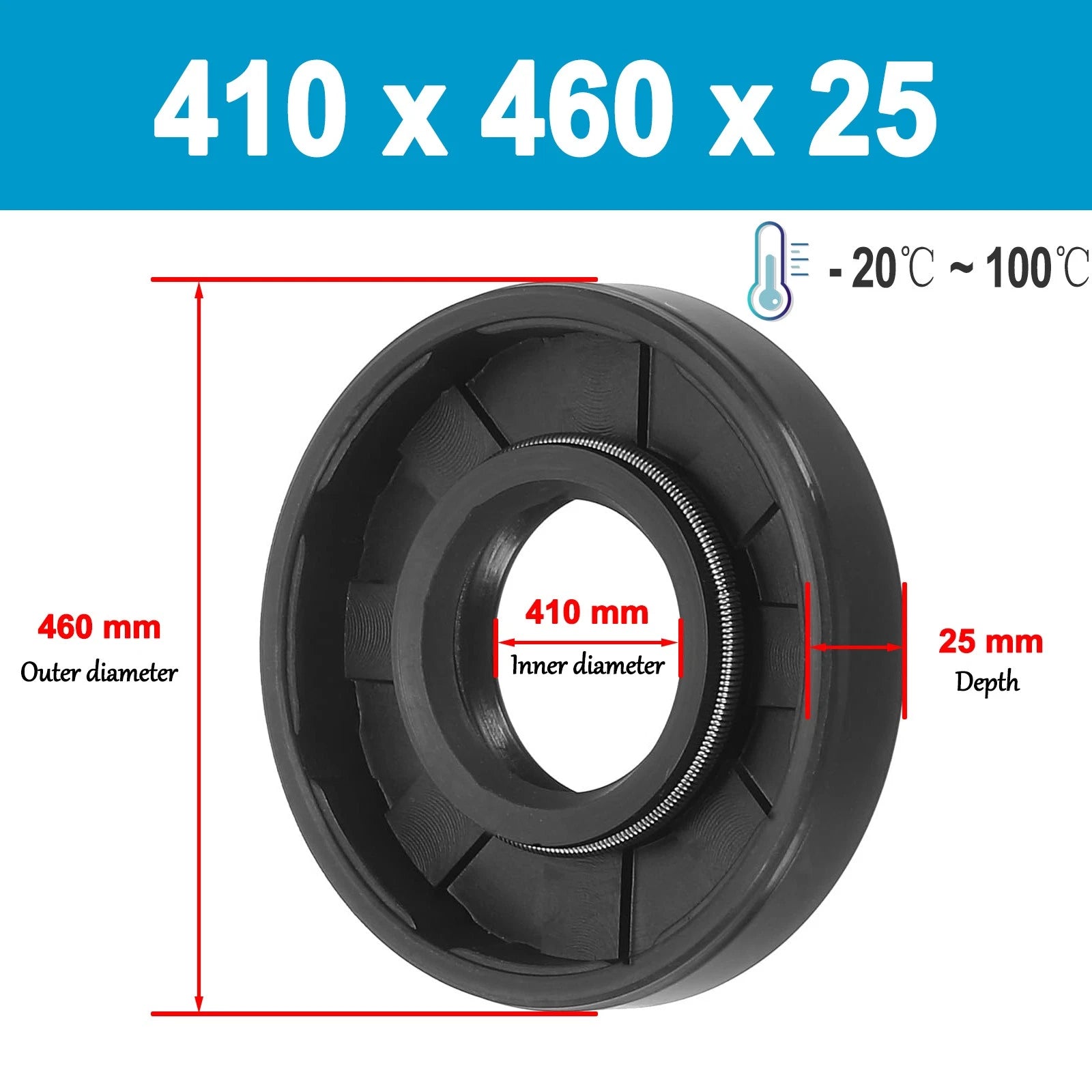
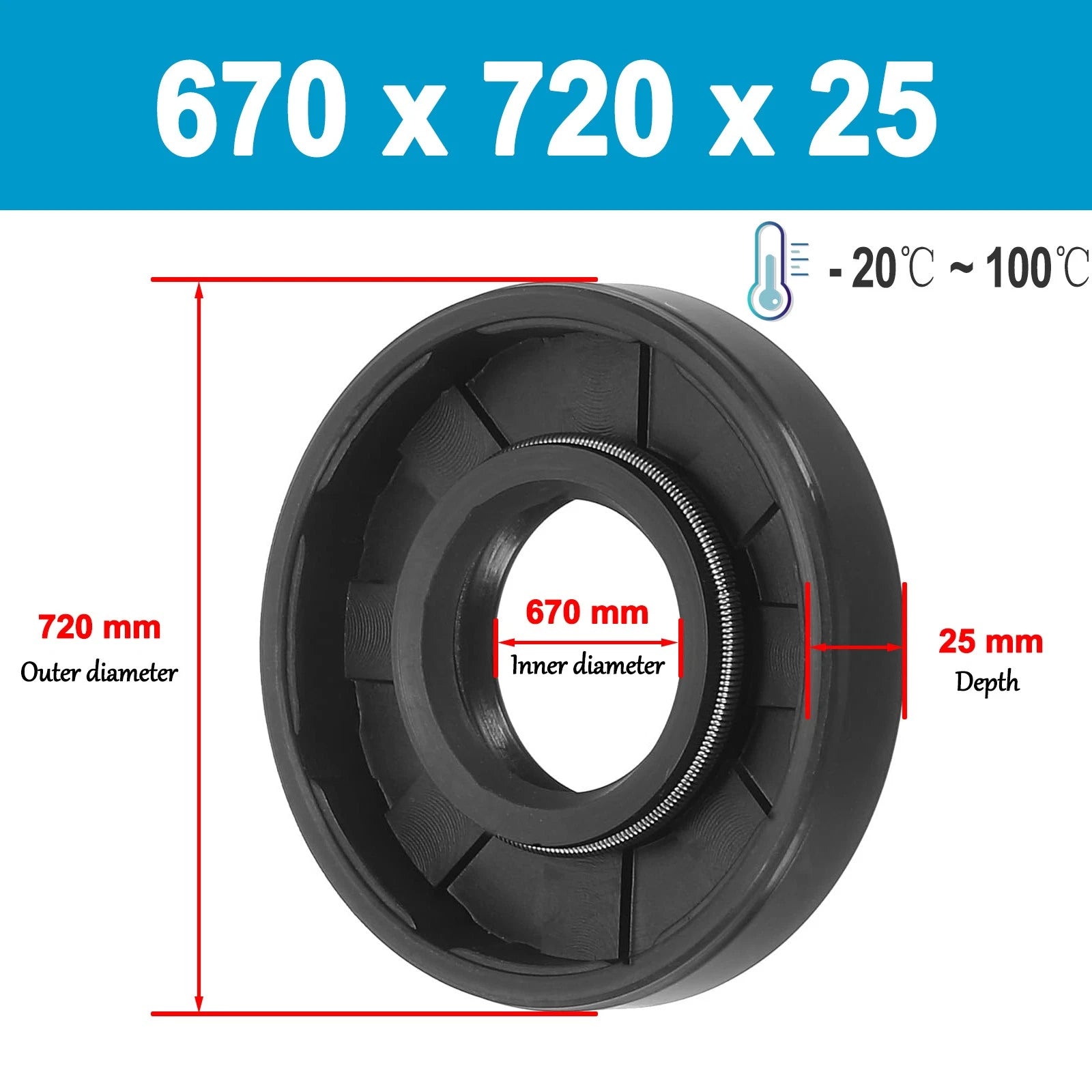
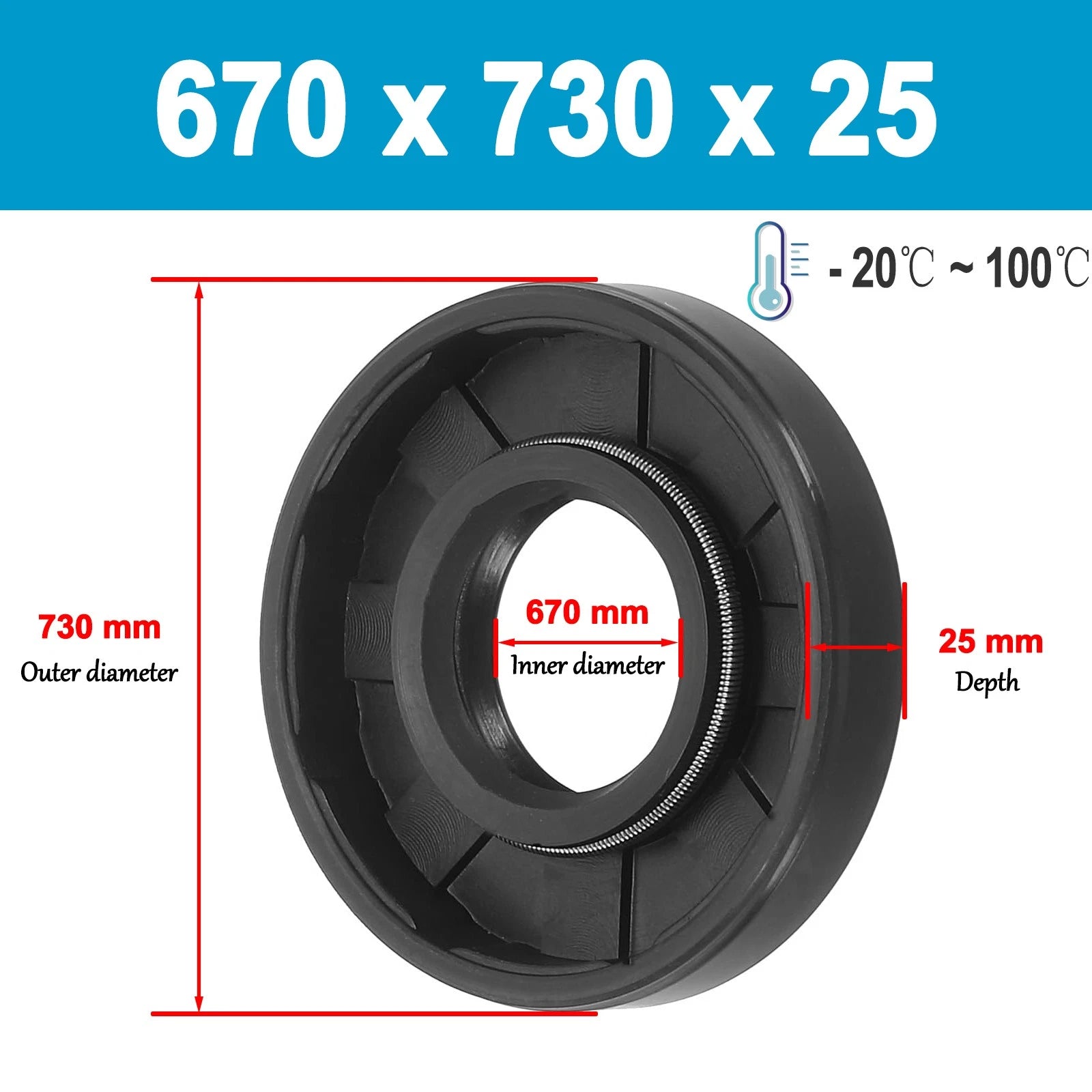
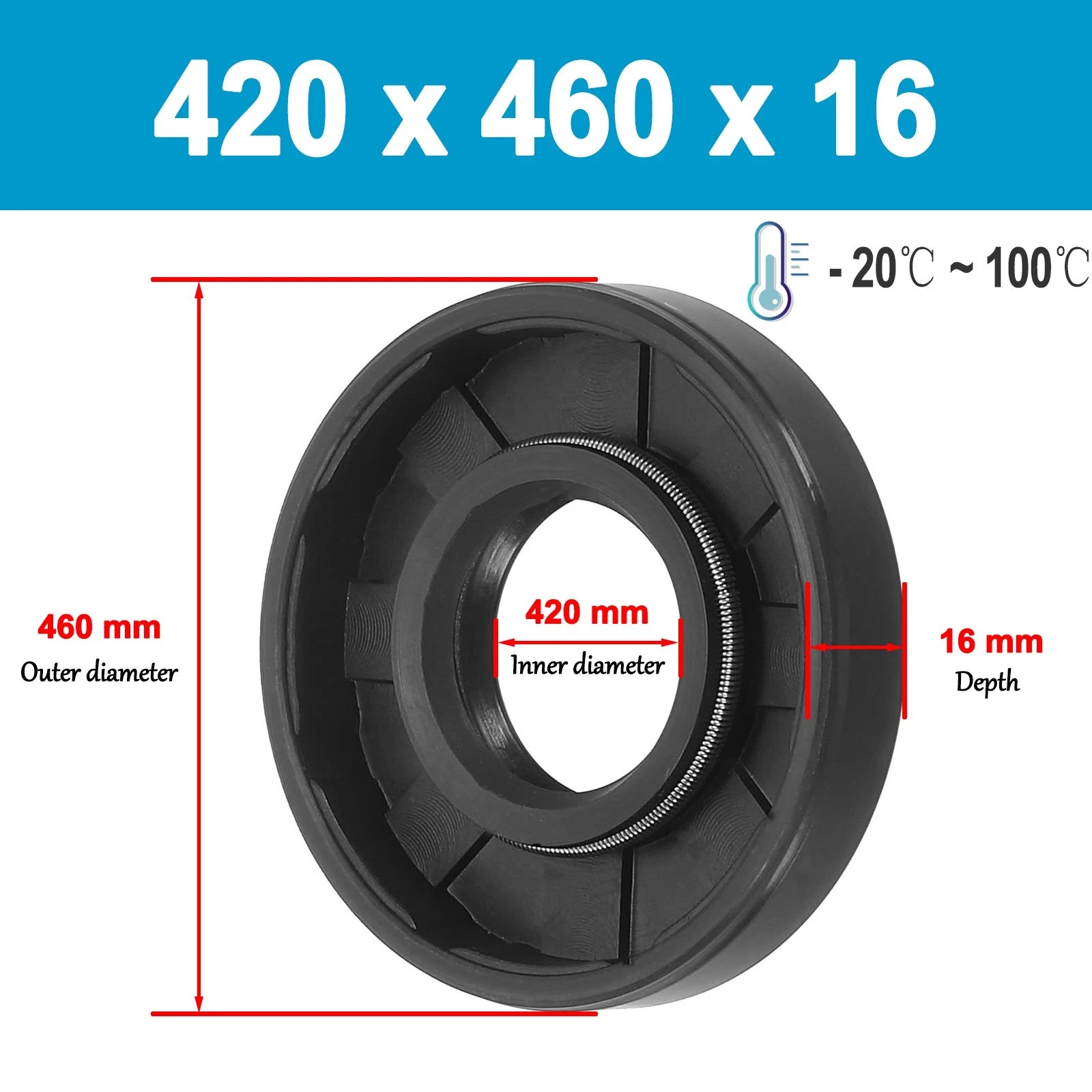
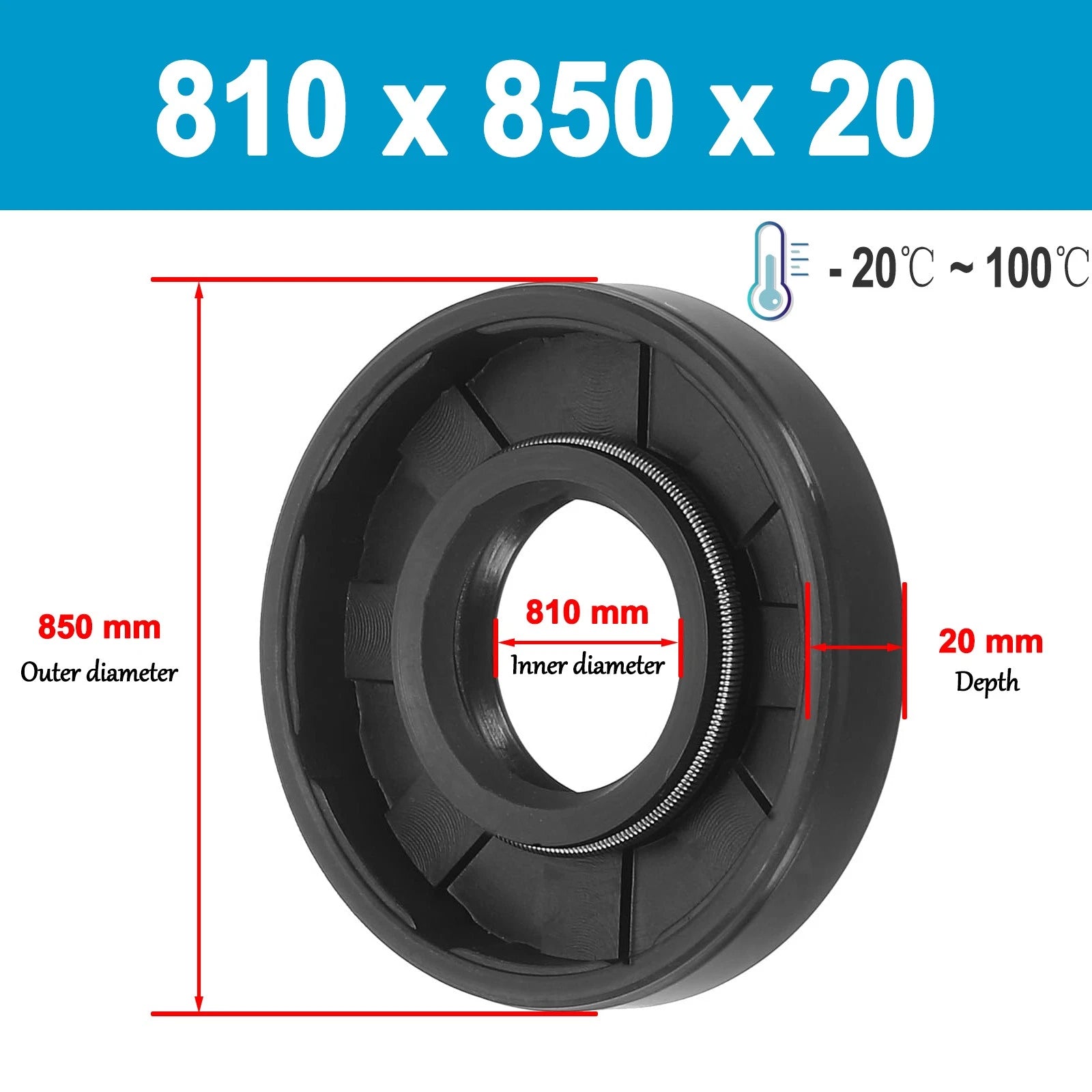
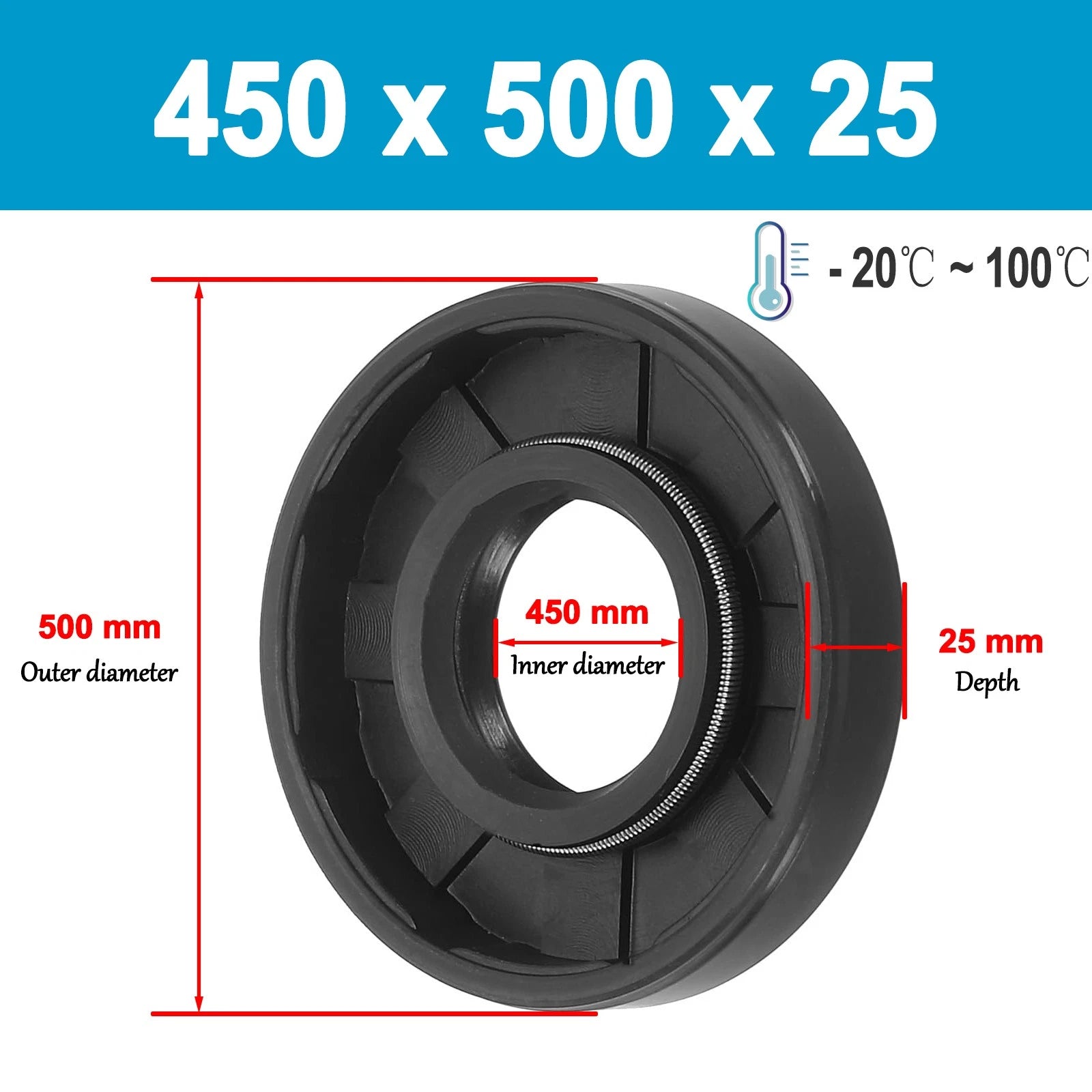
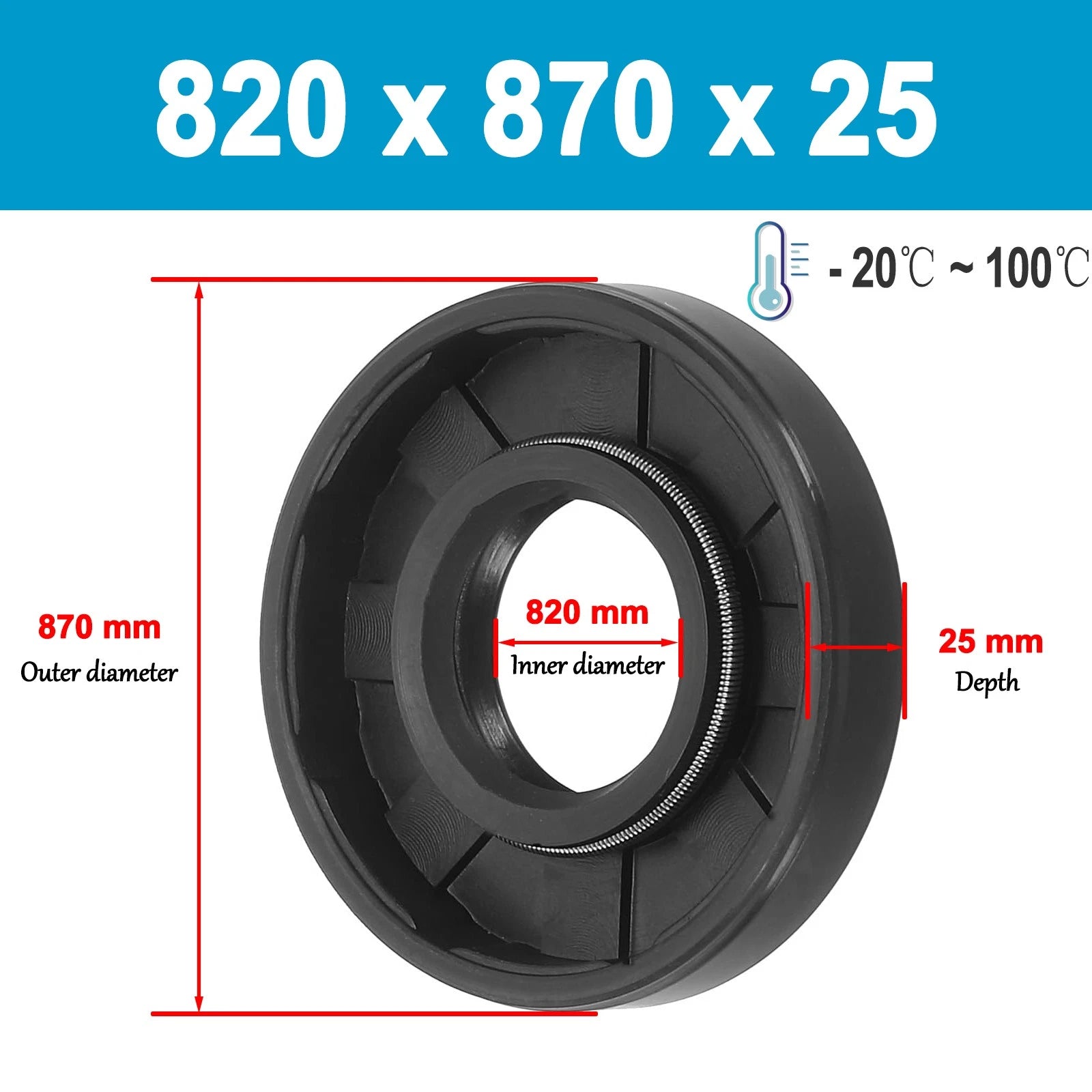
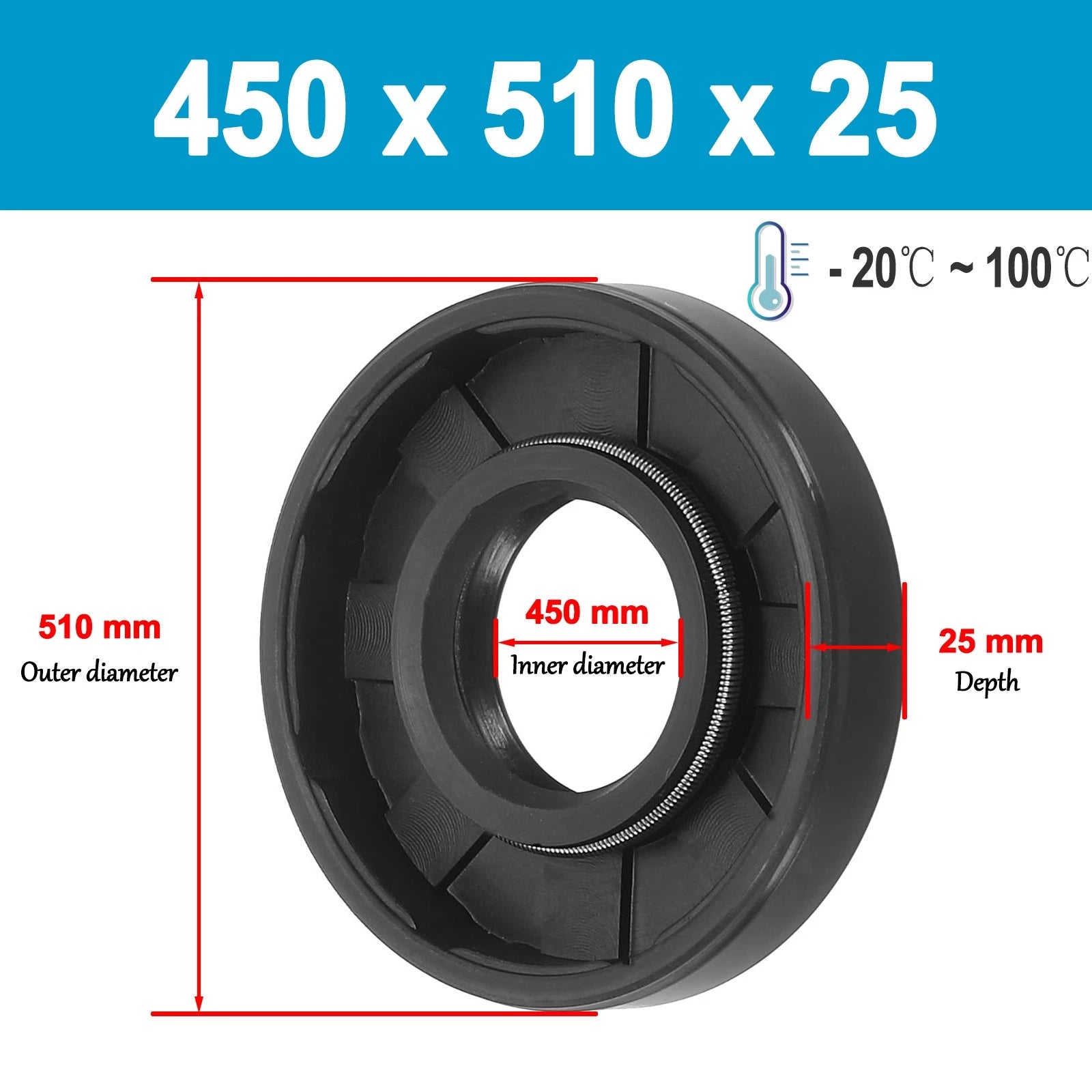
These TC double-lip oil shaft seals are constructed from nitrile rubber (NBR) bonded to a steel shell, with a garter spring that maintains consistent lip contact pressure against the shaft. The sealing lip range spans inner diameters from 410 mm (approx. 16.14 in) to 910 mm (approx. 35.83 in), with outer diameters and depths varying by variant — depths typically range from 15 mm to 30 mm (approx. 0.59 in to 1.18 in). The TC (double-lip) design provides a primary sealing lip for oil retention and a secondary dust lip for contamination exclusion.

Typical applications include large industrial gearbox output shafts, agricultural combine and tractor axle seals, heavy construction equipment final drives, marine propeller shaft seals, and wind turbine main shaft assemblies — anywhere a metric TC oil seal in the 410–910 mm bore range is required for long-service-interval sealing.

⚙️ Compatibility: Designed for metric shafts with bore diameters from 410 mm to 910 mm. Verify your shaft's inner diameter, housing bore (outer diameter), and groove depth before ordering. Suitable for use with petroleum-based oils and greases; confirm compatibility with synthetic fluids before installation.

✅ Key Features of These Metric TC Oil Shaft Seals

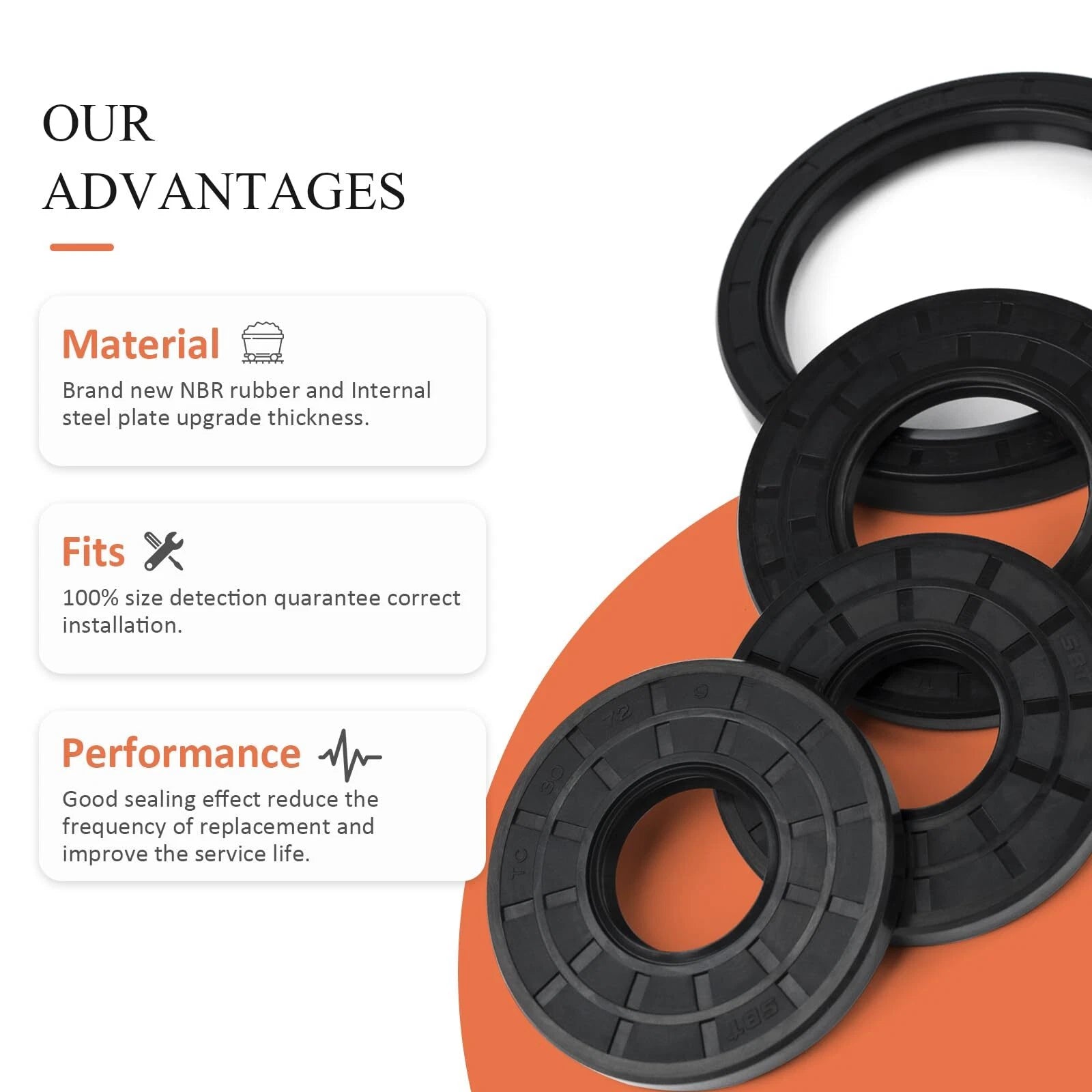
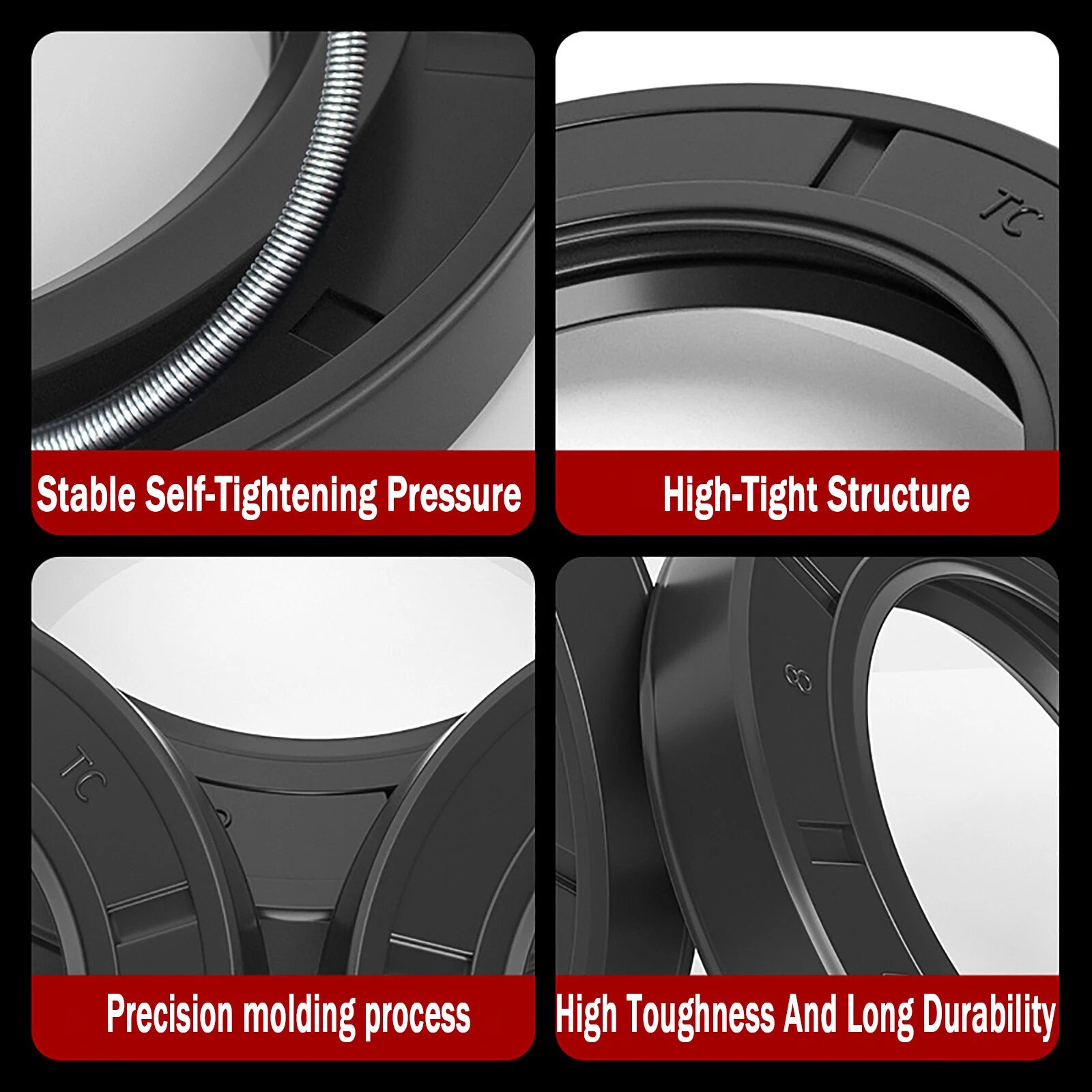
  • 🔩TC Double-Lip Design — Primary oil-retention lip plus secondary dust-exclusion lip work together to keep lubricant in and contaminants out under continuous shaft rotation.
  • 🌀Garter Spring-Loaded Lip — An internal garter spring maintains consistent radial lip force against the shaft, compensating for minor shaft runout and wear over time.
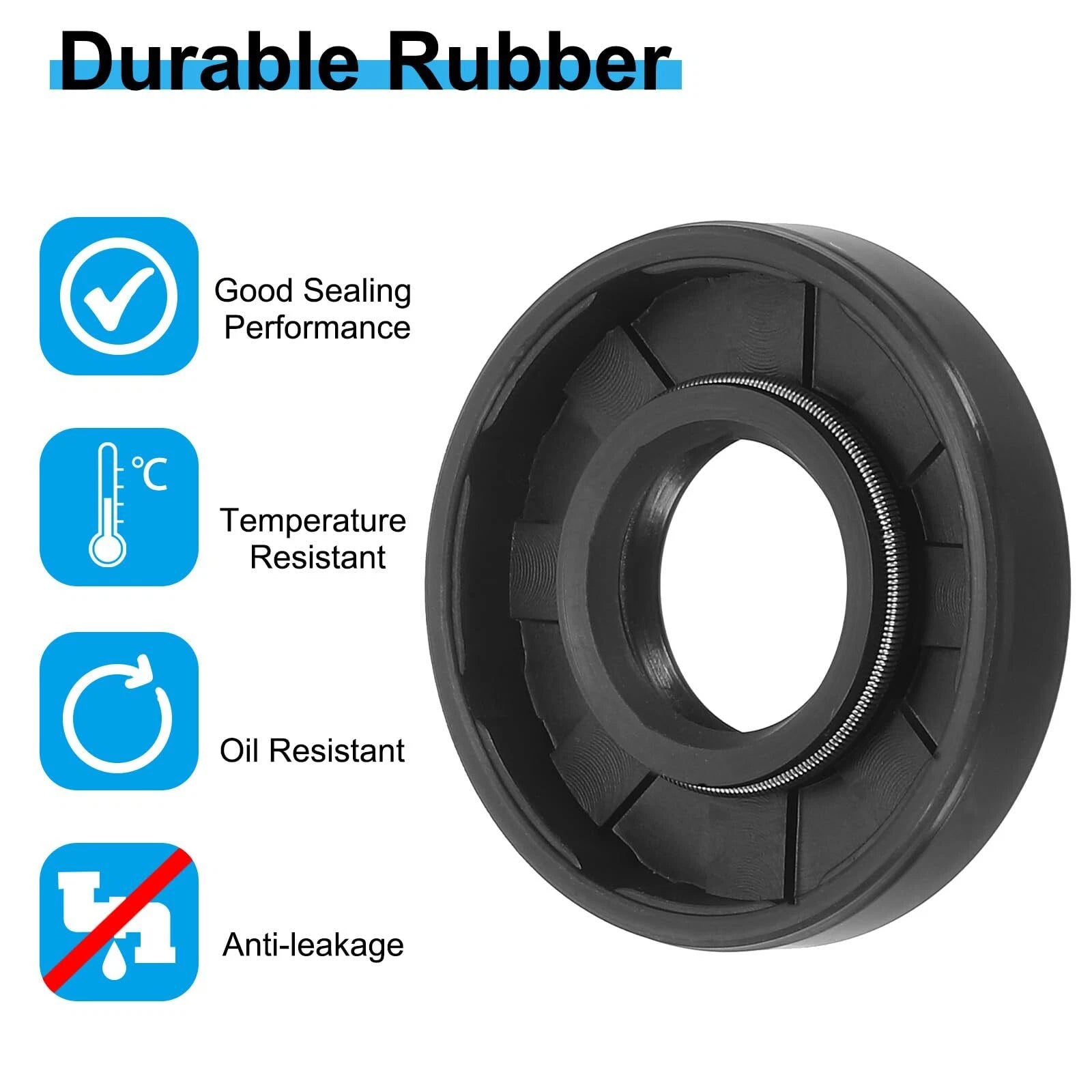
  • 🛡️NBR Rubber Construction — Nitrile rubber compound offers resistance to petroleum oils, greases, and moderate temperatures, making it suitable for a wide range of industrial and agricultural applications.
  • 🔧Steel-Reinforced Shell — A rigid steel outer case ensures a secure press-fit into the housing bore, preventing rotation and maintaining concentricity during operation.
  • 📐Wide Size Range — 137 Variants — Inner diameters from 410 mm to 910 mm with matching outer diameters and depths, covering a broad spectrum of large-bore metric shaft seal applications in a single product listing.
  • 📦Individually Packed — Each seal is sold and packed individually (1 pc per order unit), allowing precise quantity ordering for maintenance, rebuild, or OEM replacement projects.

📐 Technical Specifications — TC Oil Seal

Seal Type TC (Double Lip with Garter Spring)
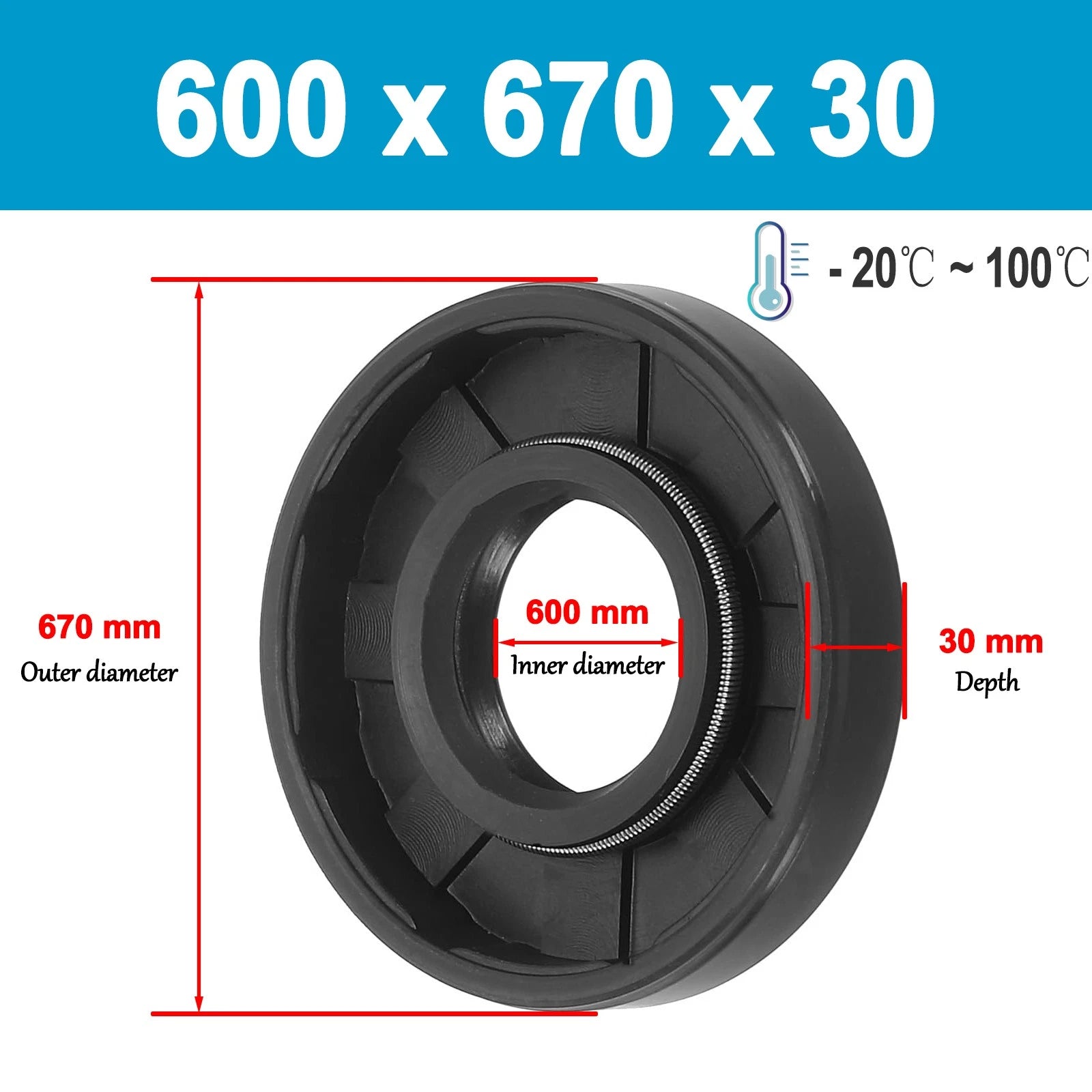
Inner Diameter (ID) Range 410 mm – 910 mm (16.14 in – 35.83 in)
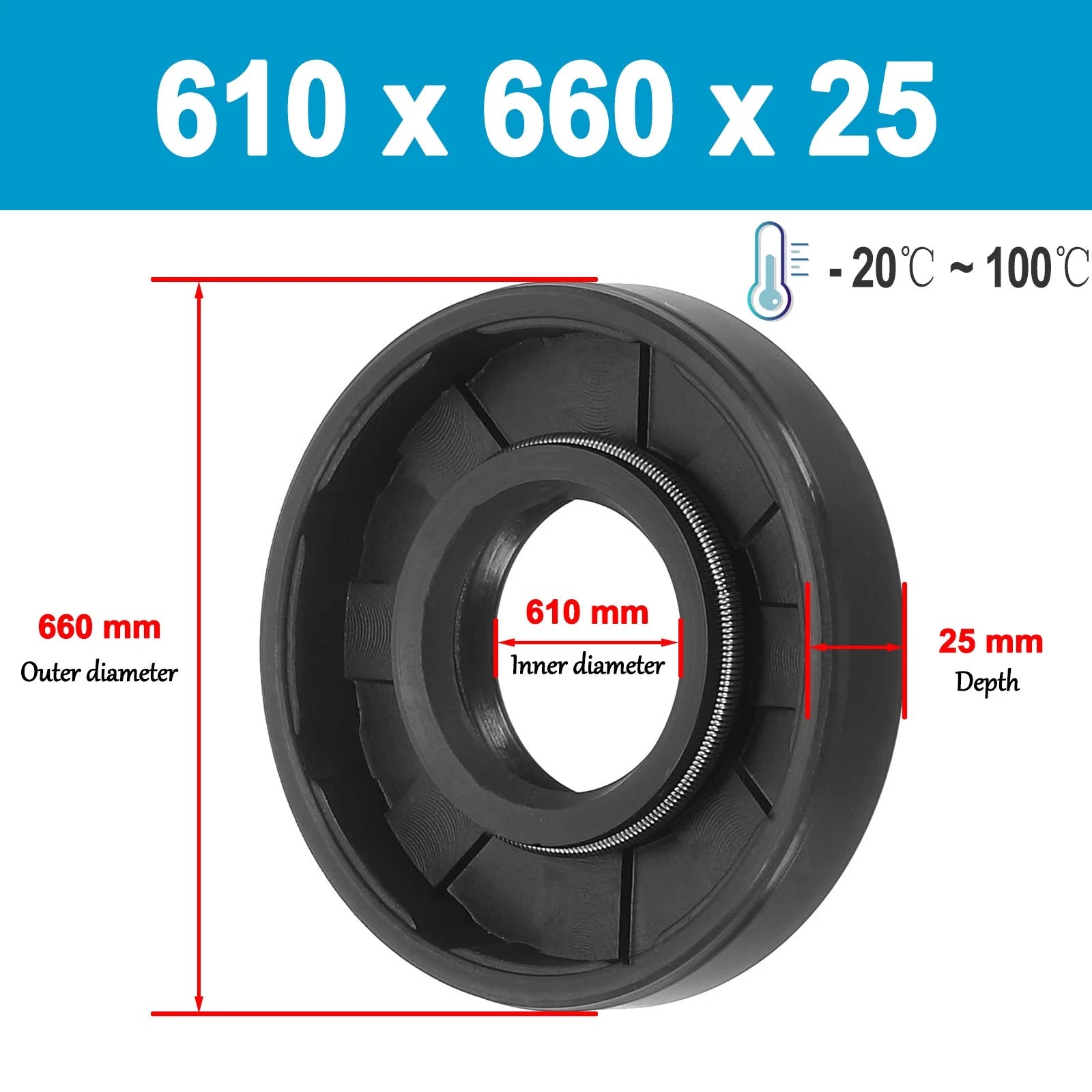
Outer Diameter (OD) Range See variant options
Depth Range 15 mm – 30 mm (0.59 in – 1.18 in)
Material Nitrile Rubber (NBR) with Steel Shell
Spring Type Garter Spring
Lip Configuration Double Lip (Primary Oil Lip + Secondary Dust Lip)
Standard Metric
Fluid Compatibility Petroleum-based oils and greases
Operating Temperature Typically −40°C to +120°C (−40°F to +248°F) for NBR
Packing Quantity 1 pc per unit
Number of Size Variants 137

❓ Frequently Asked Questions

How do I select the correct seal size for my application?

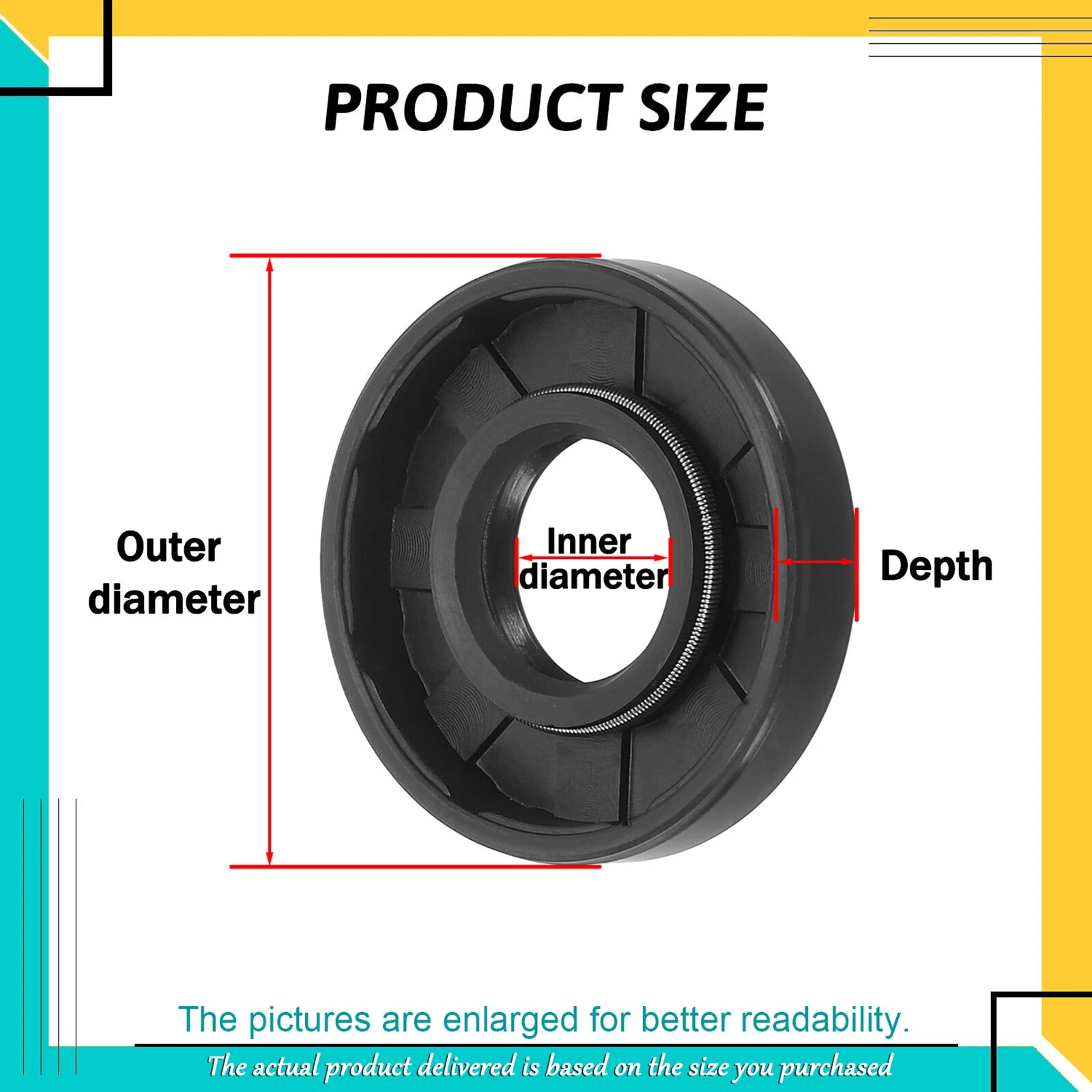
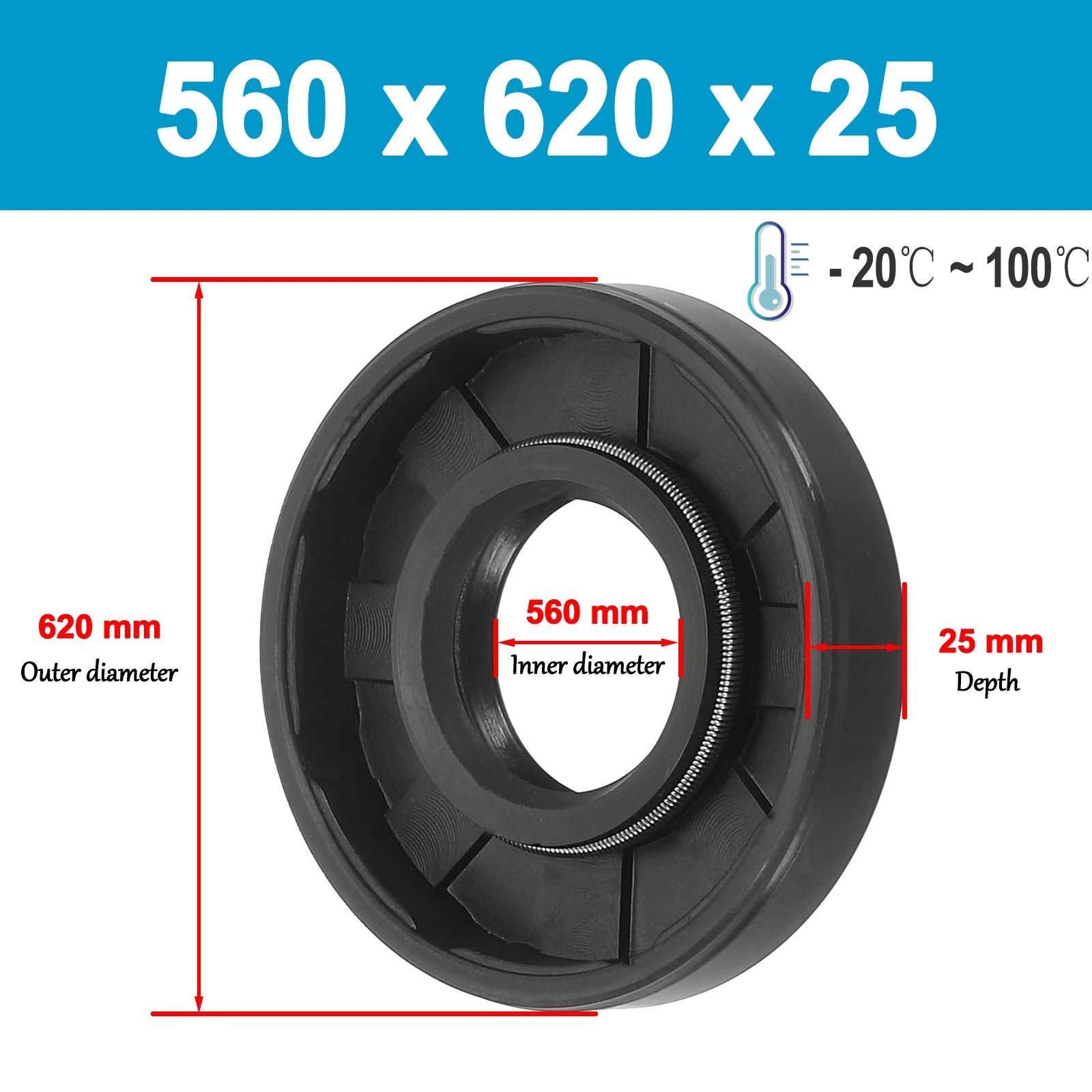
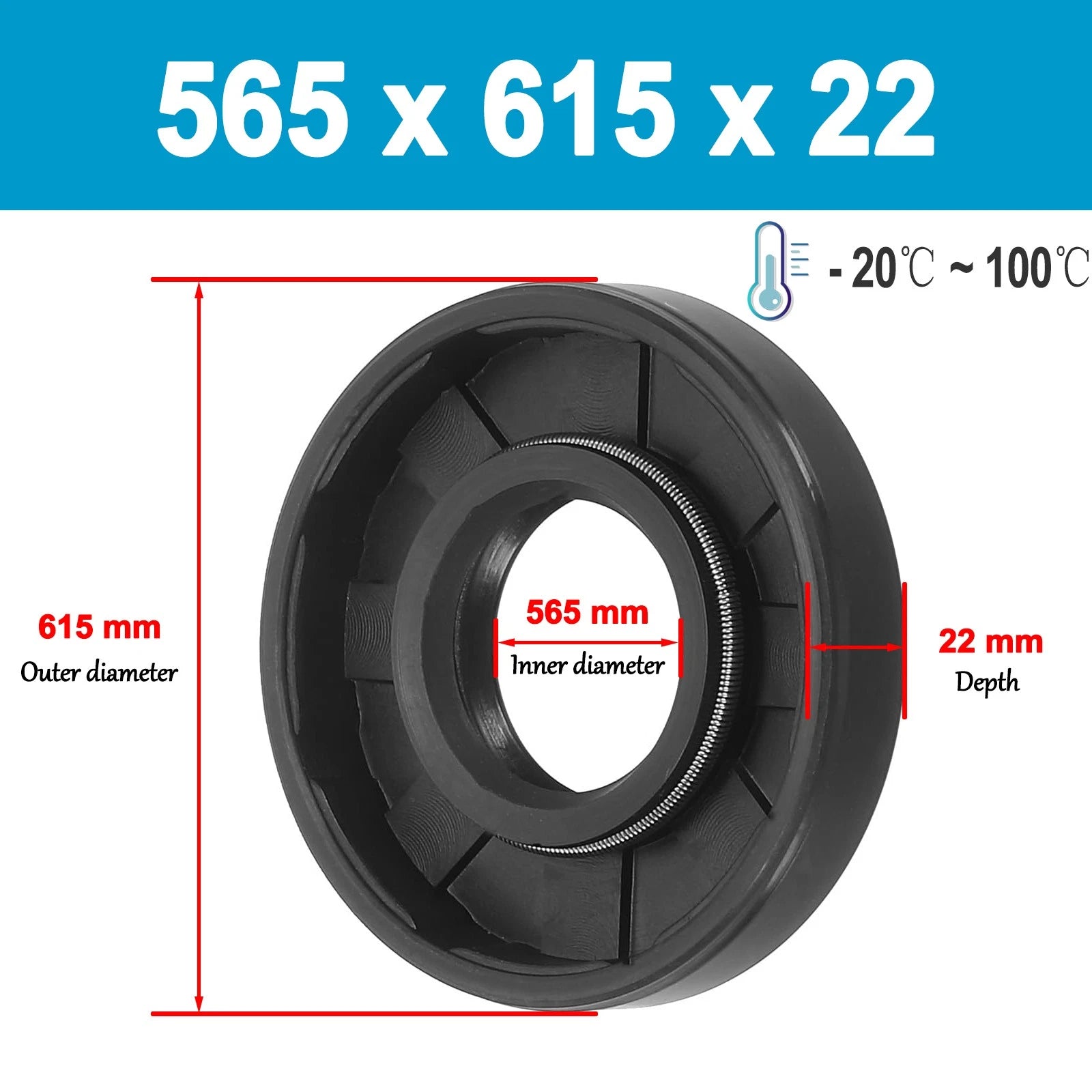
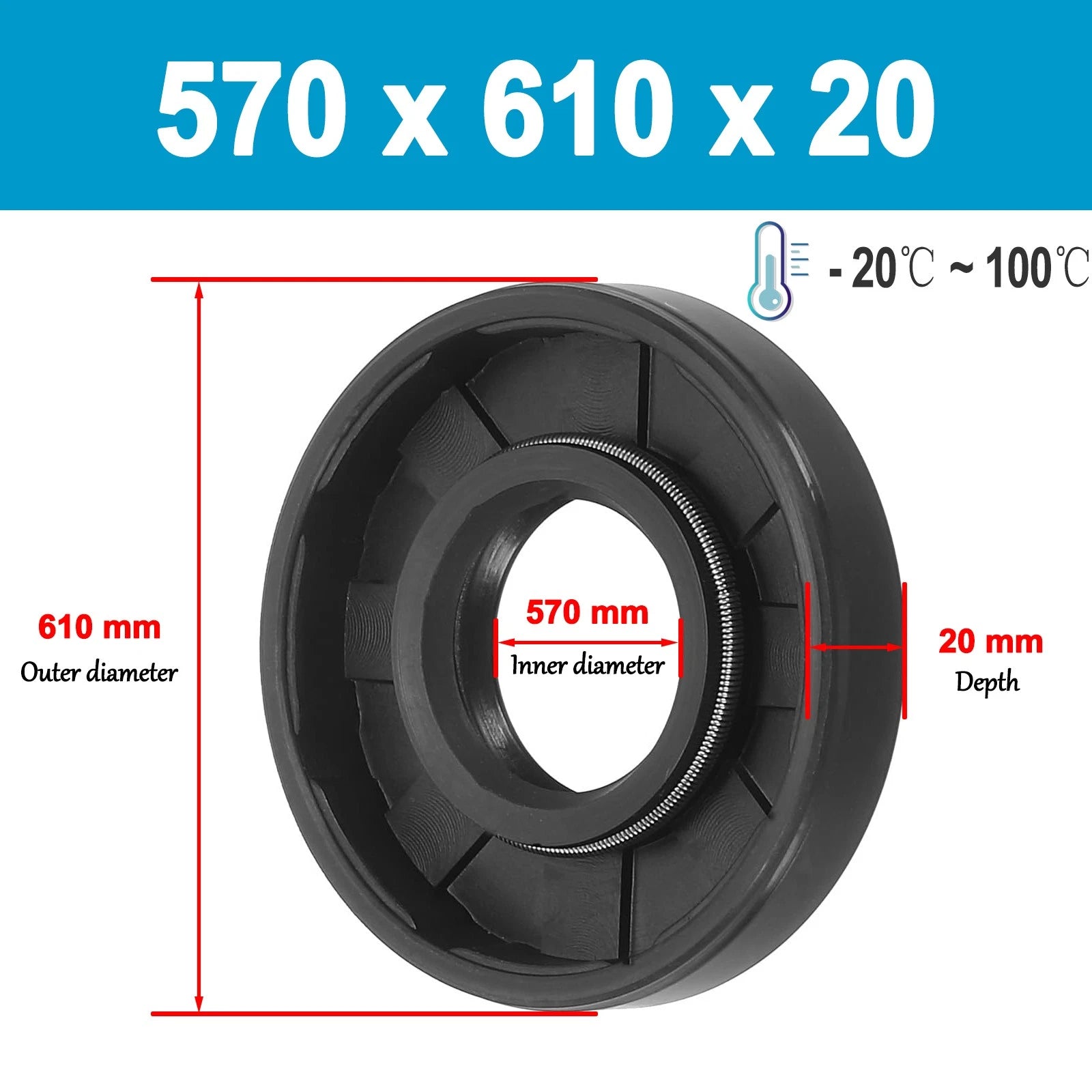
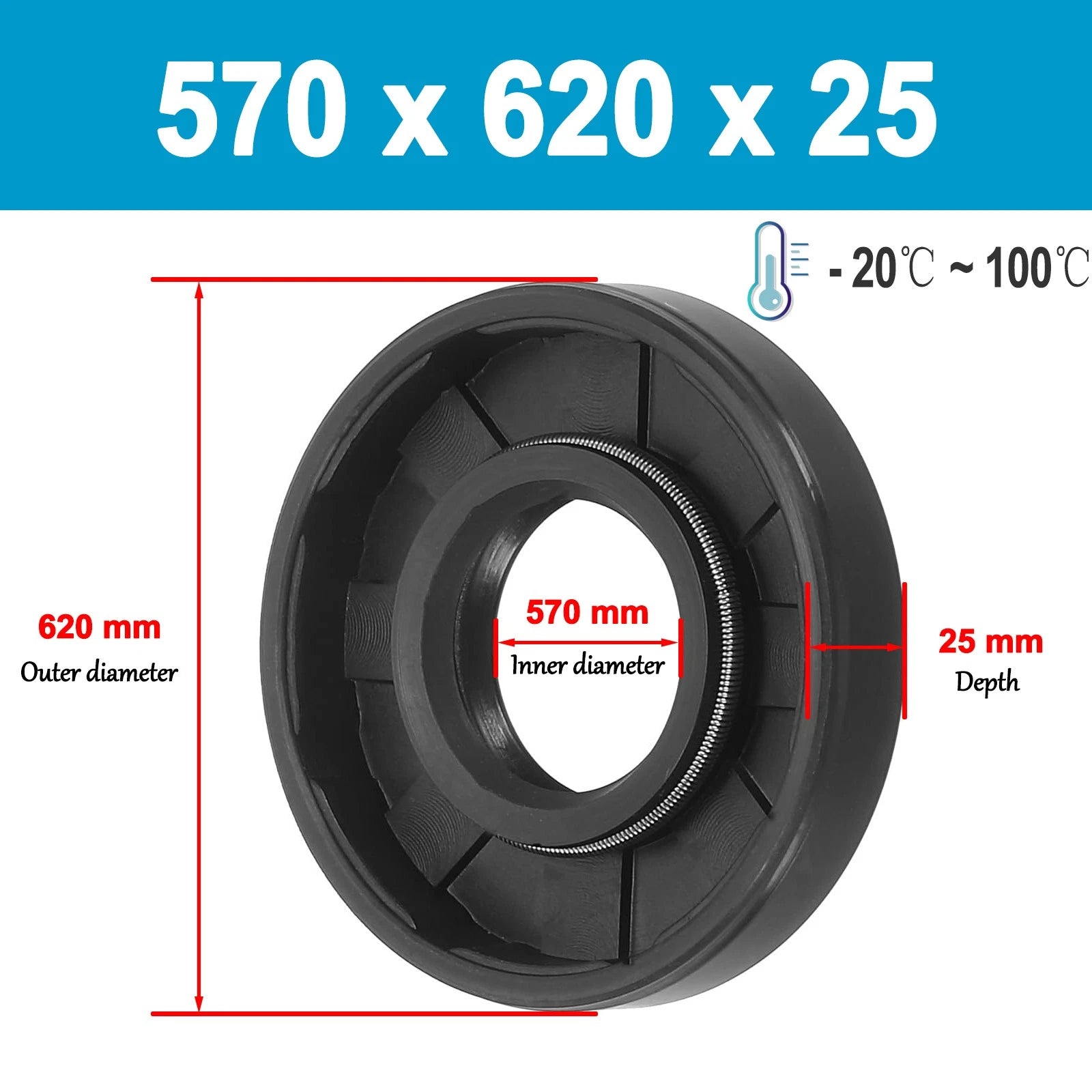
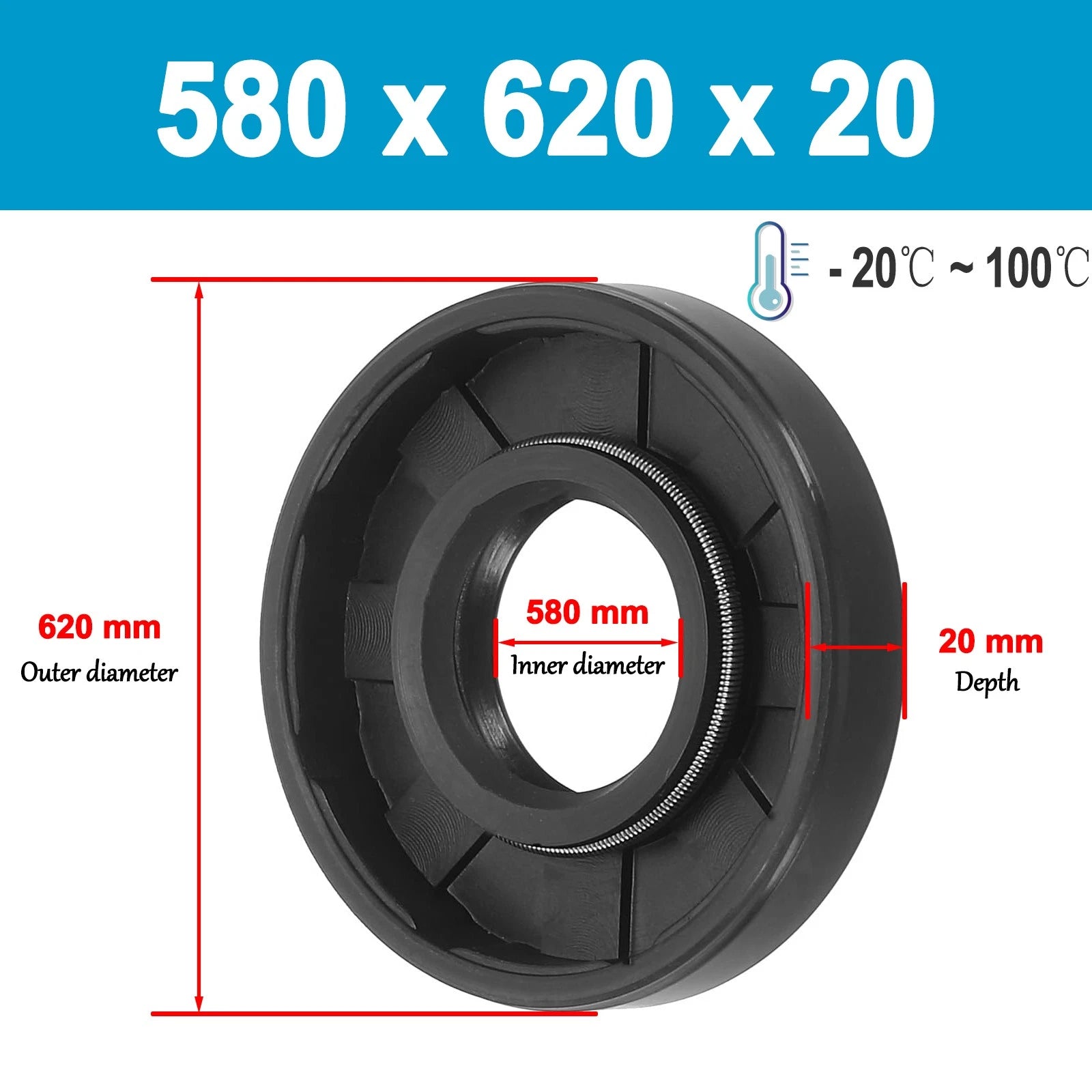
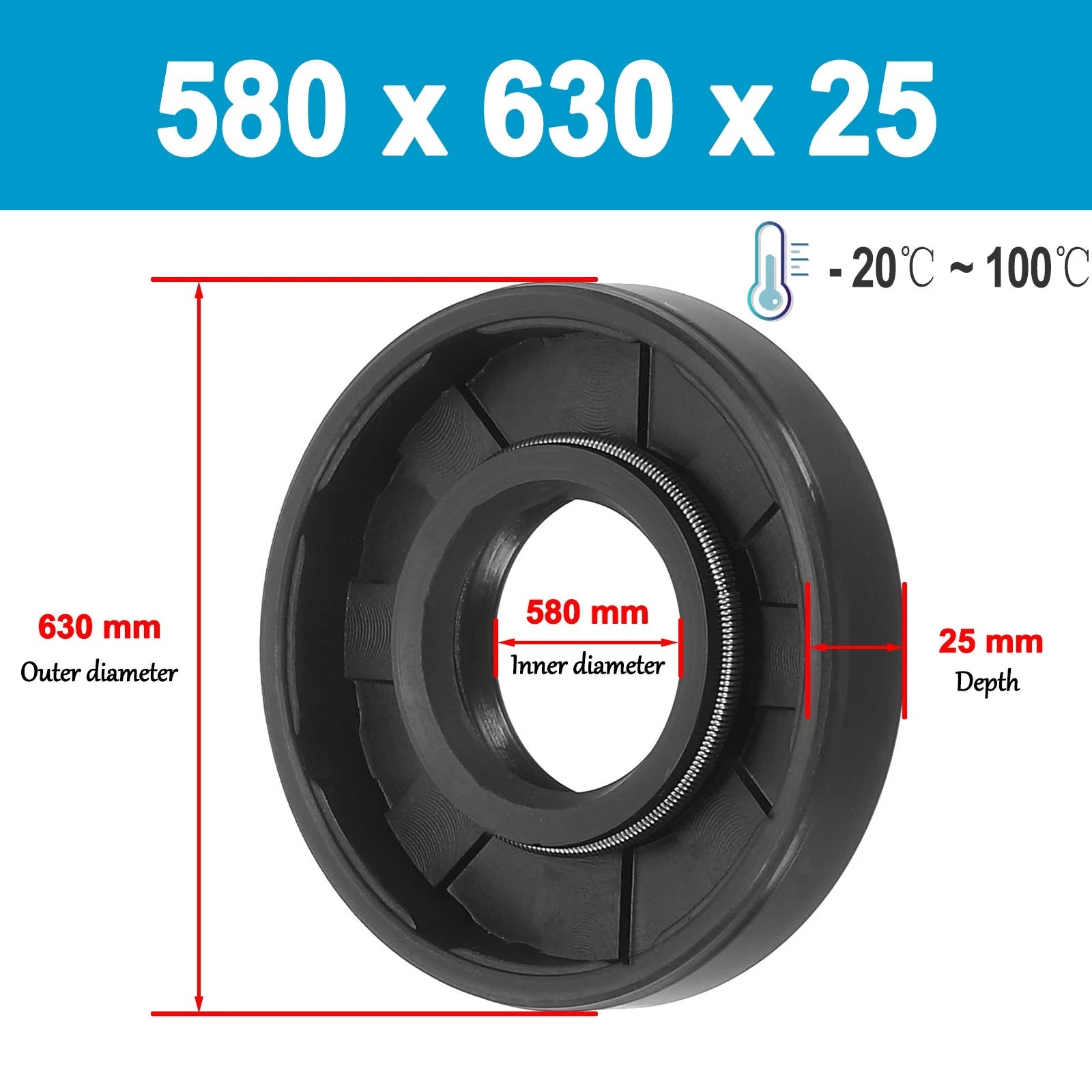
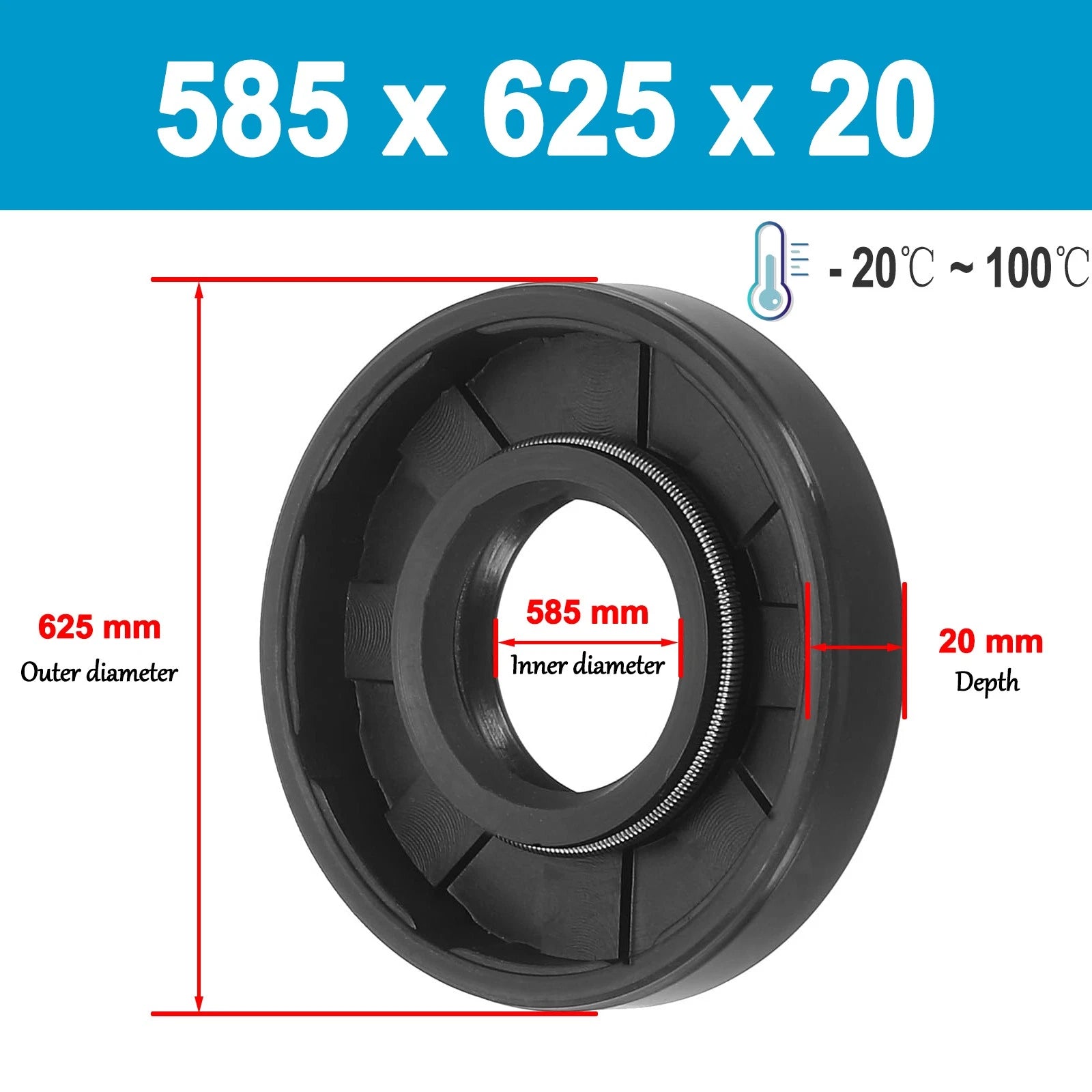
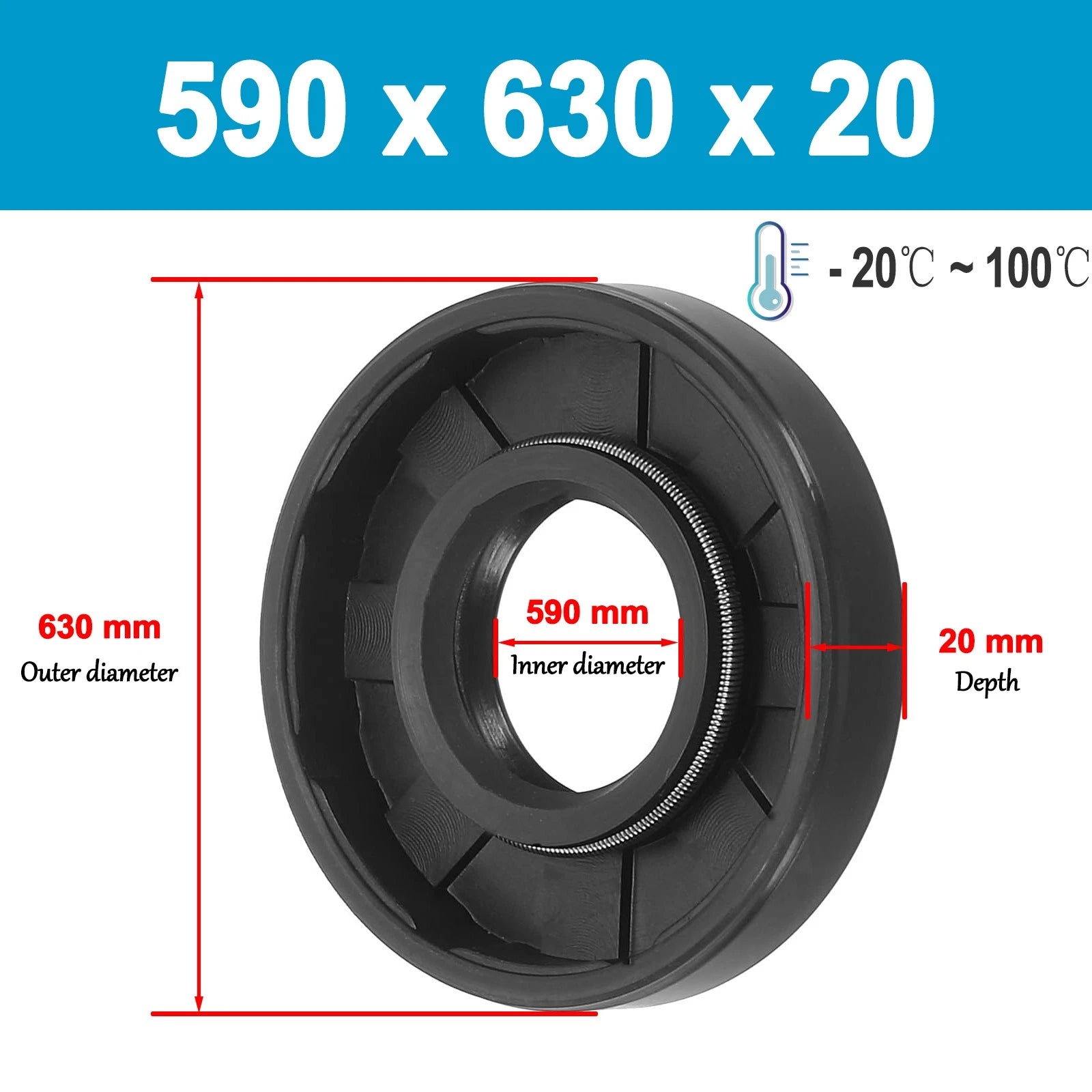
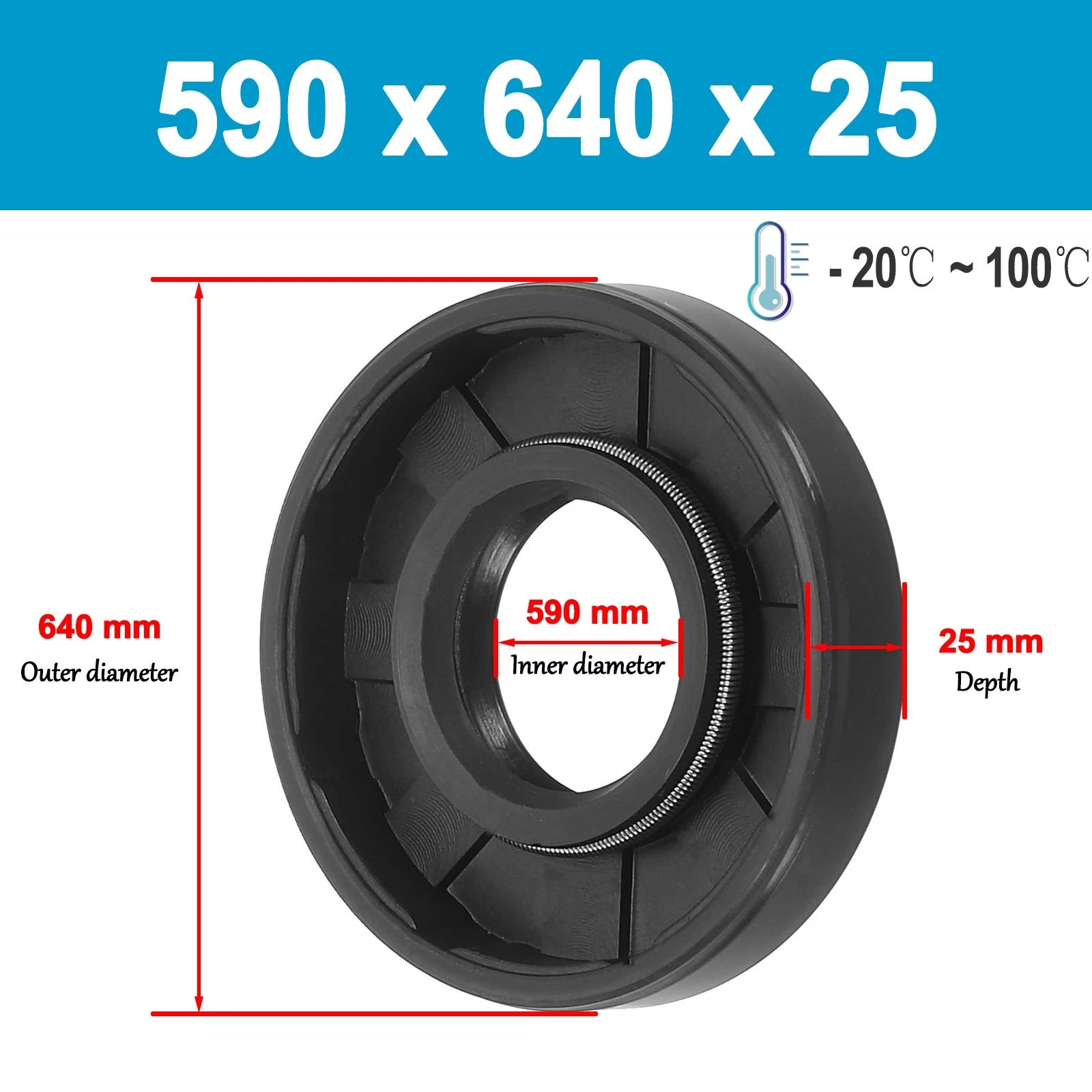
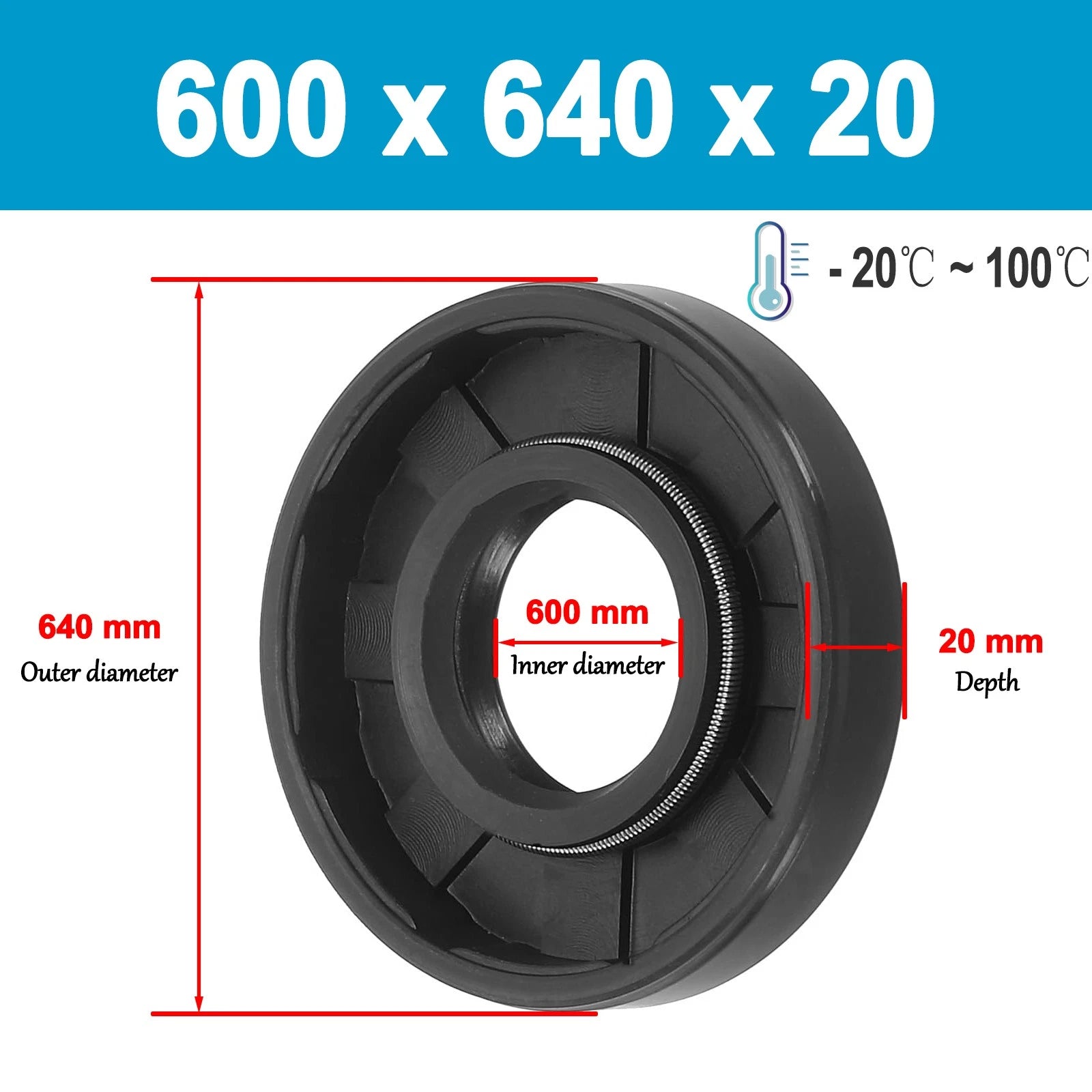
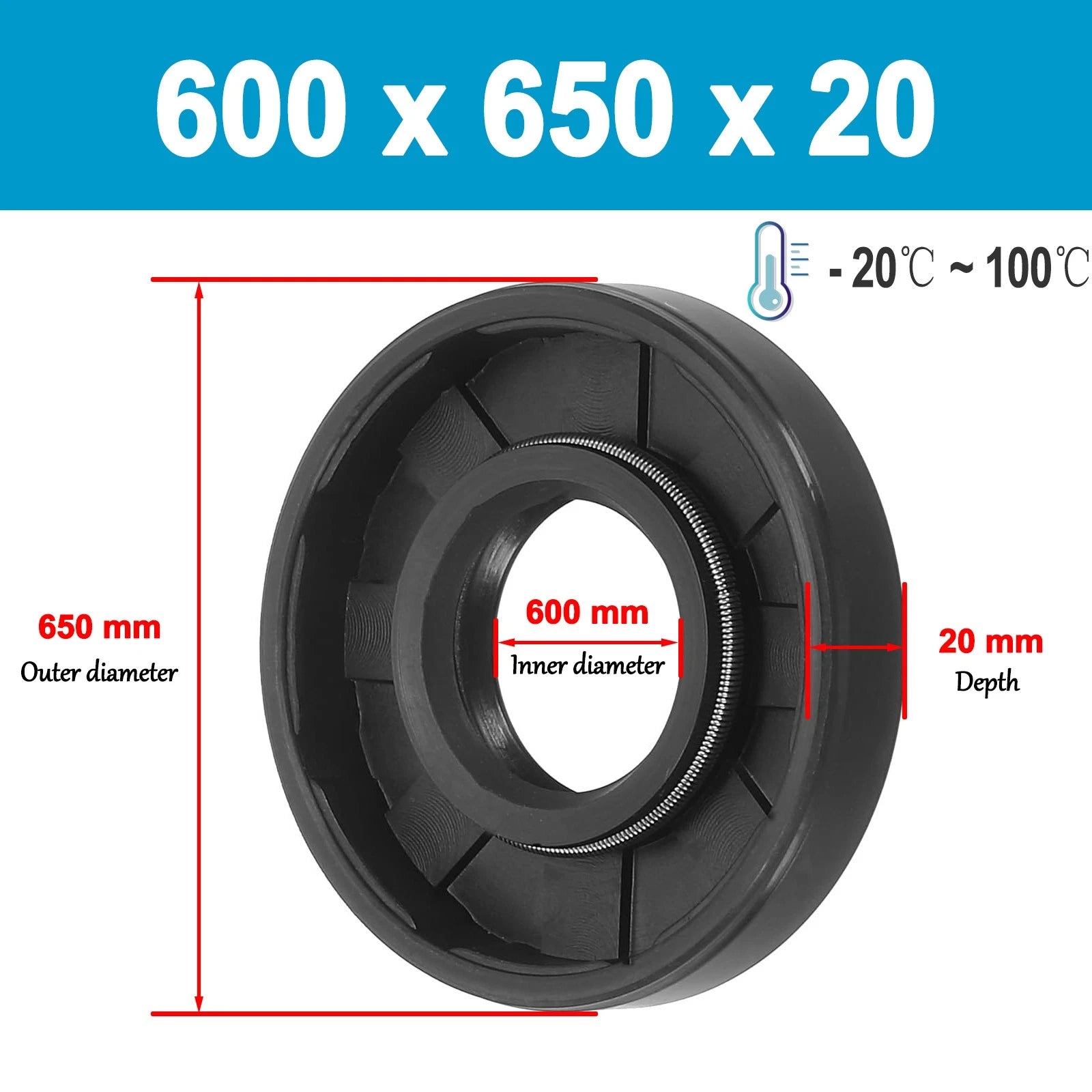
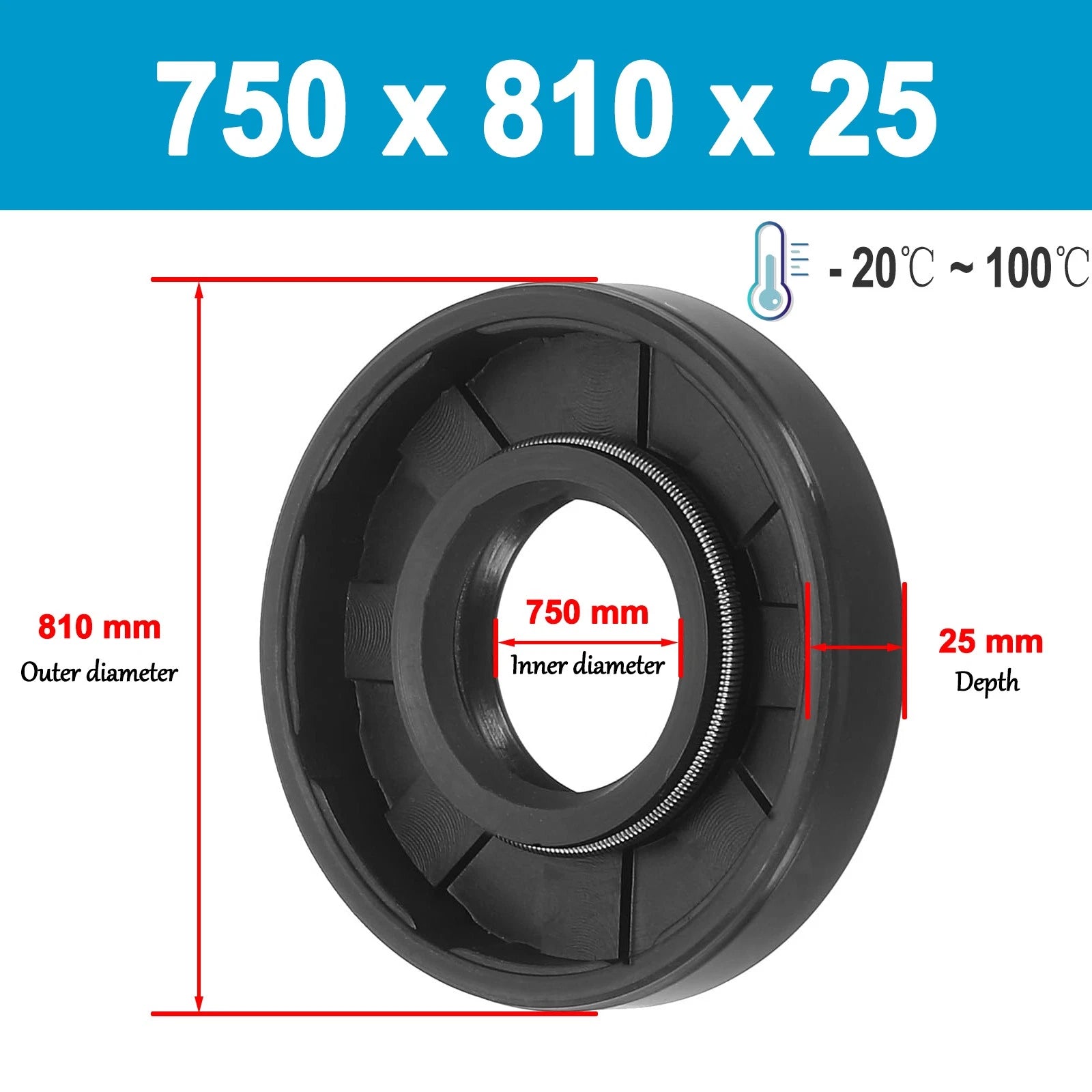
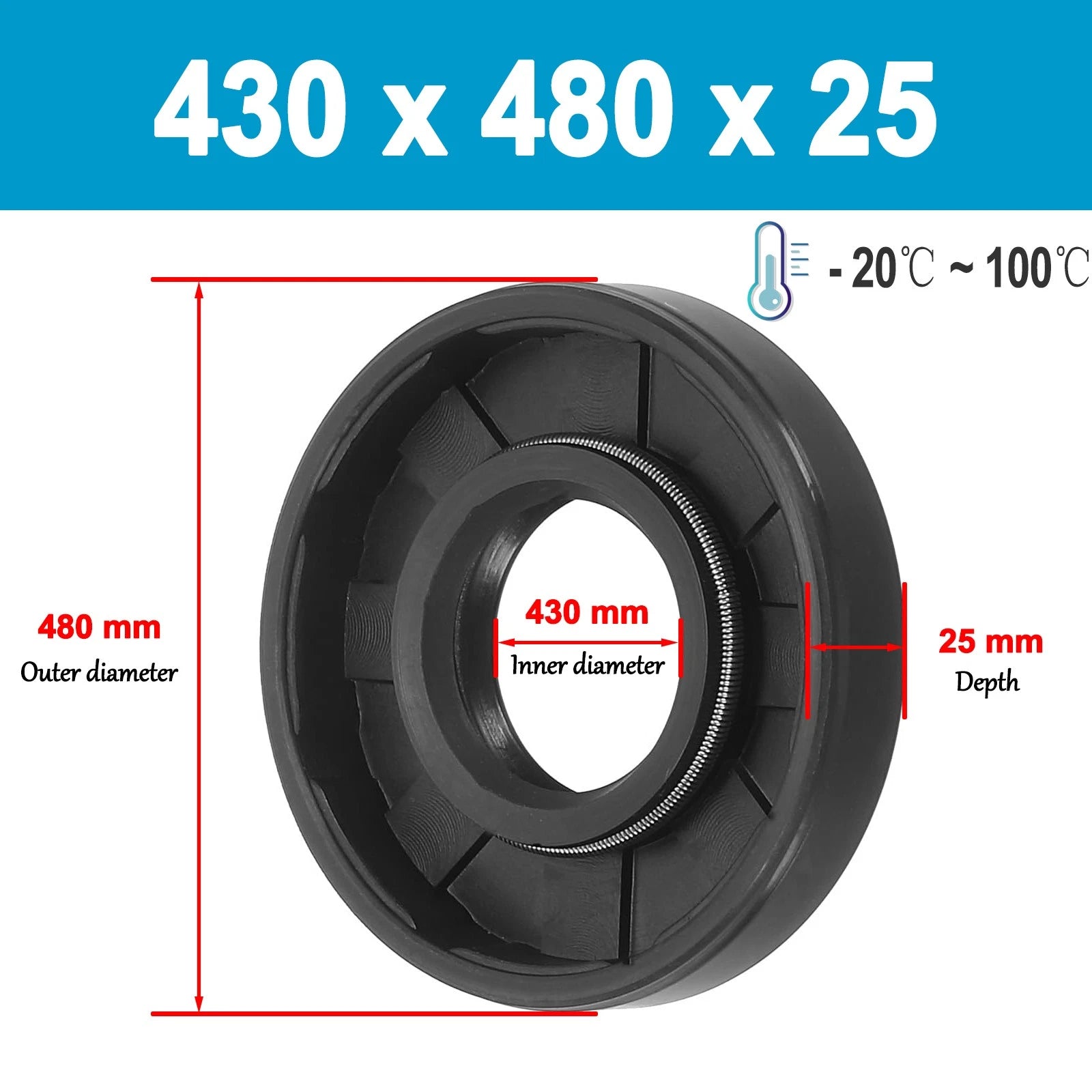
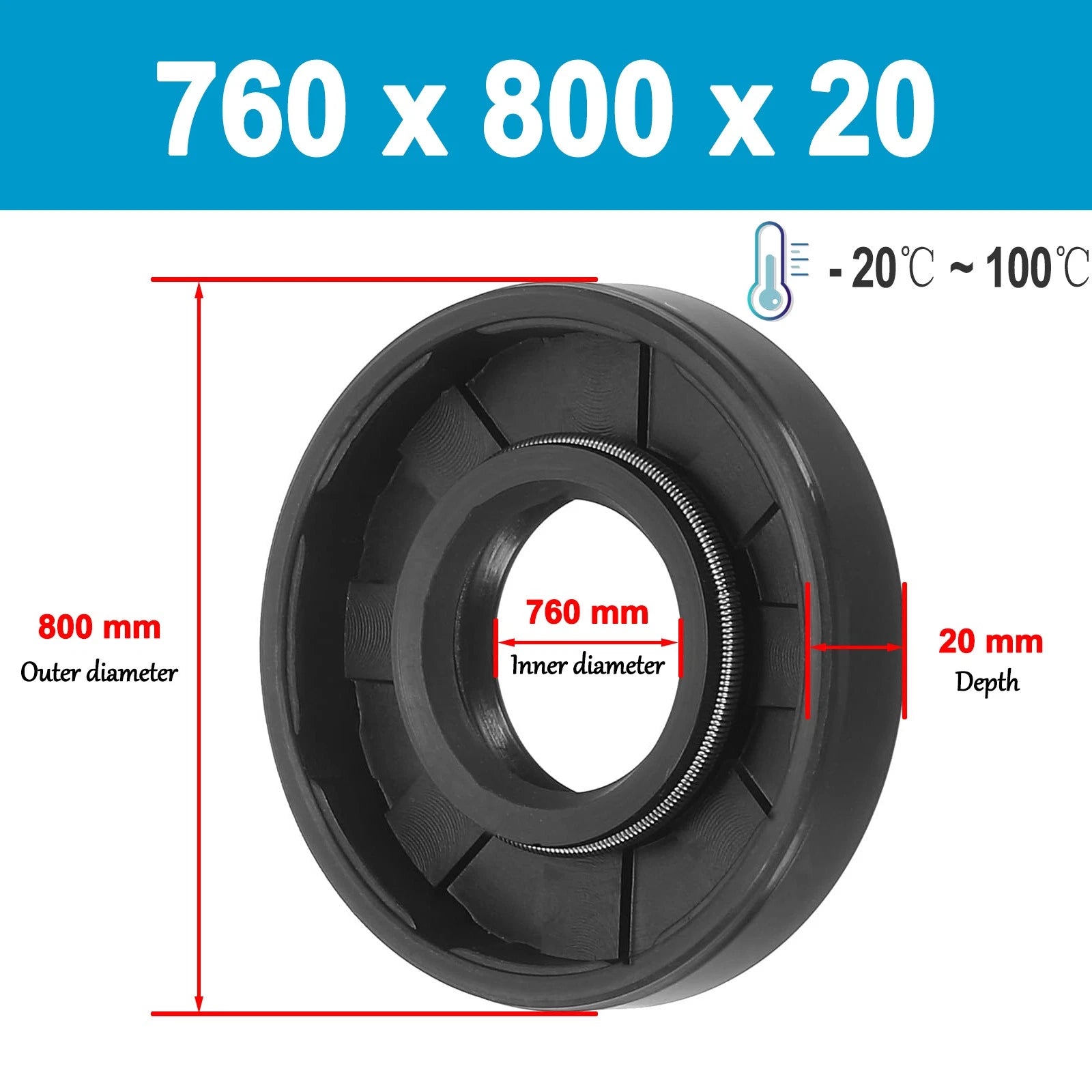
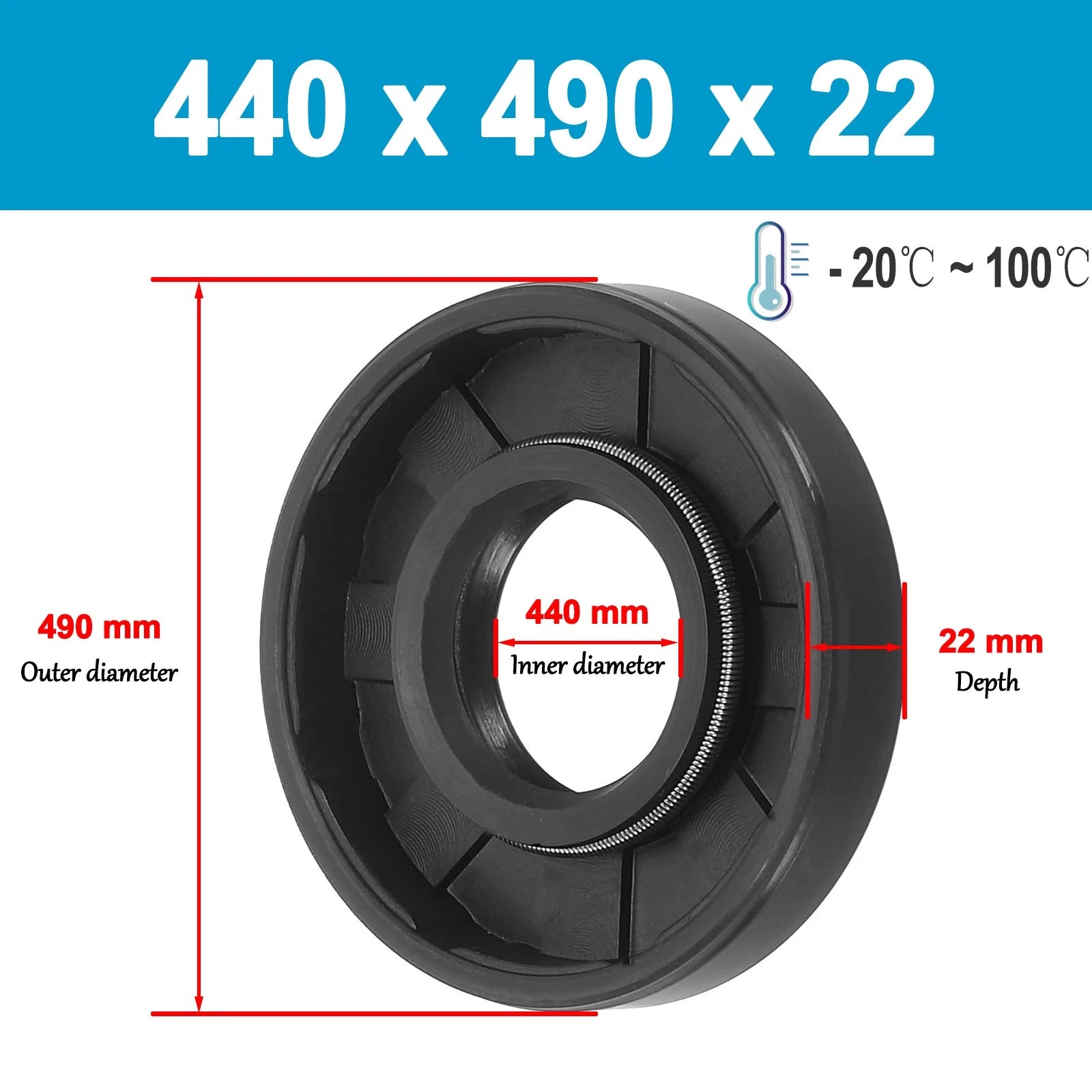
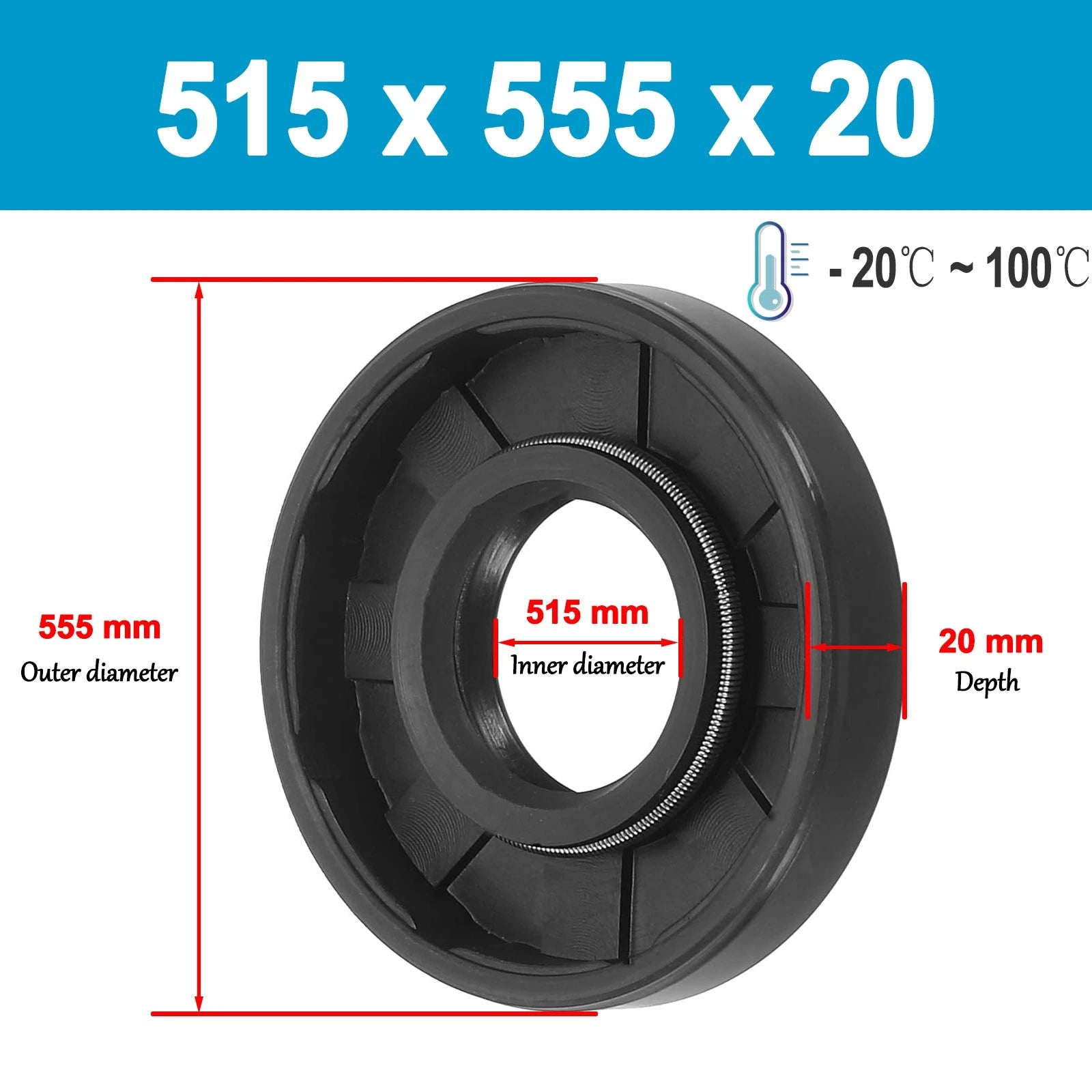
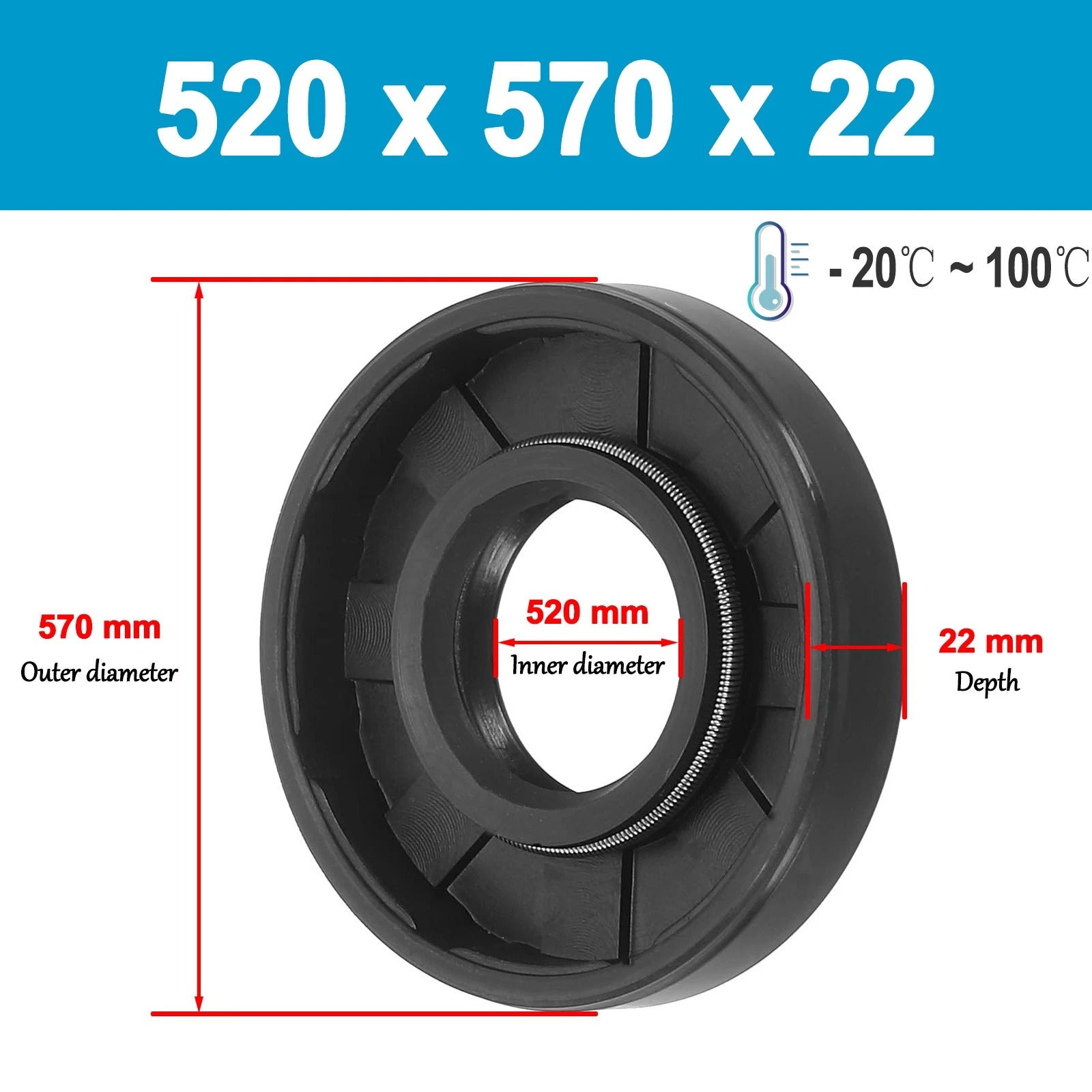
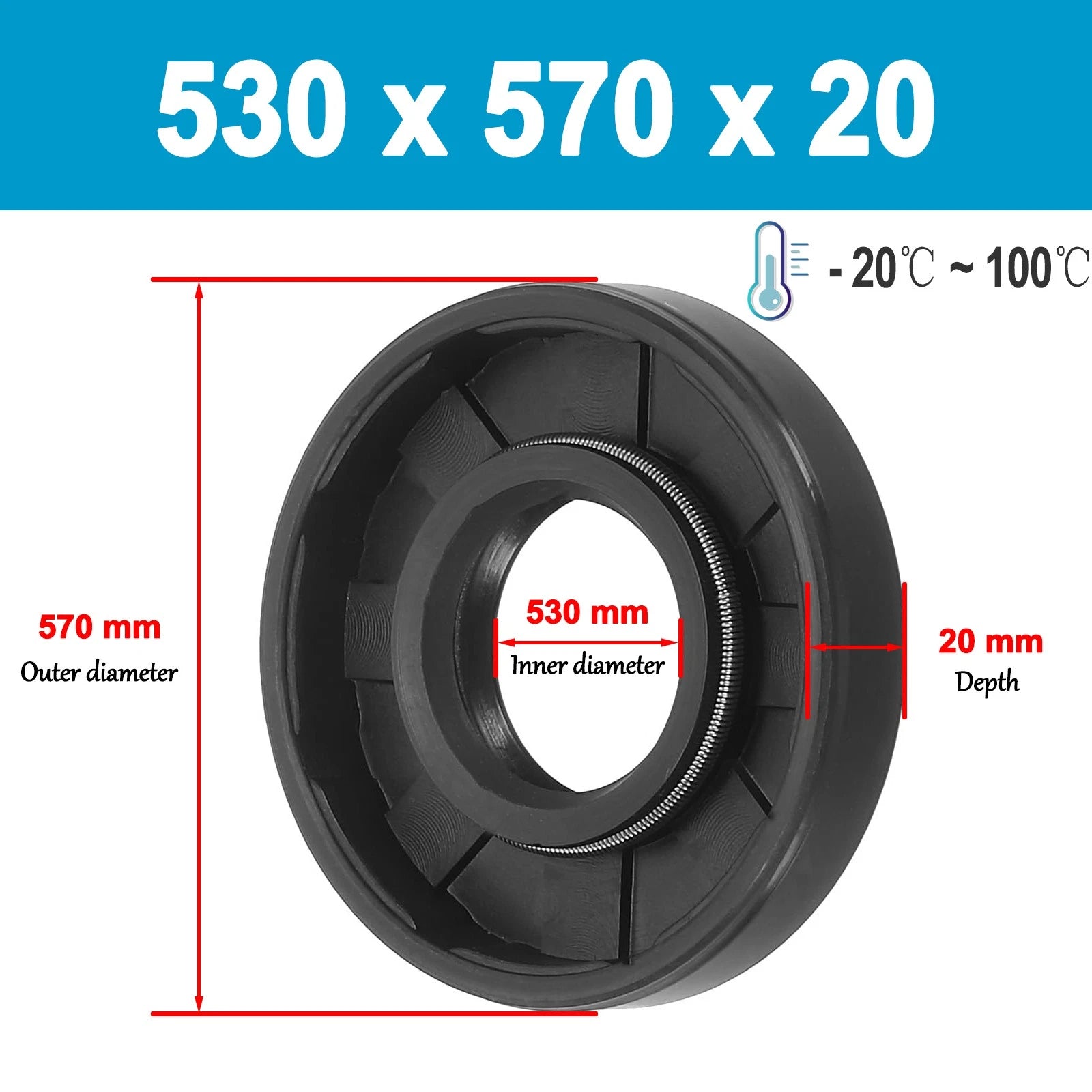
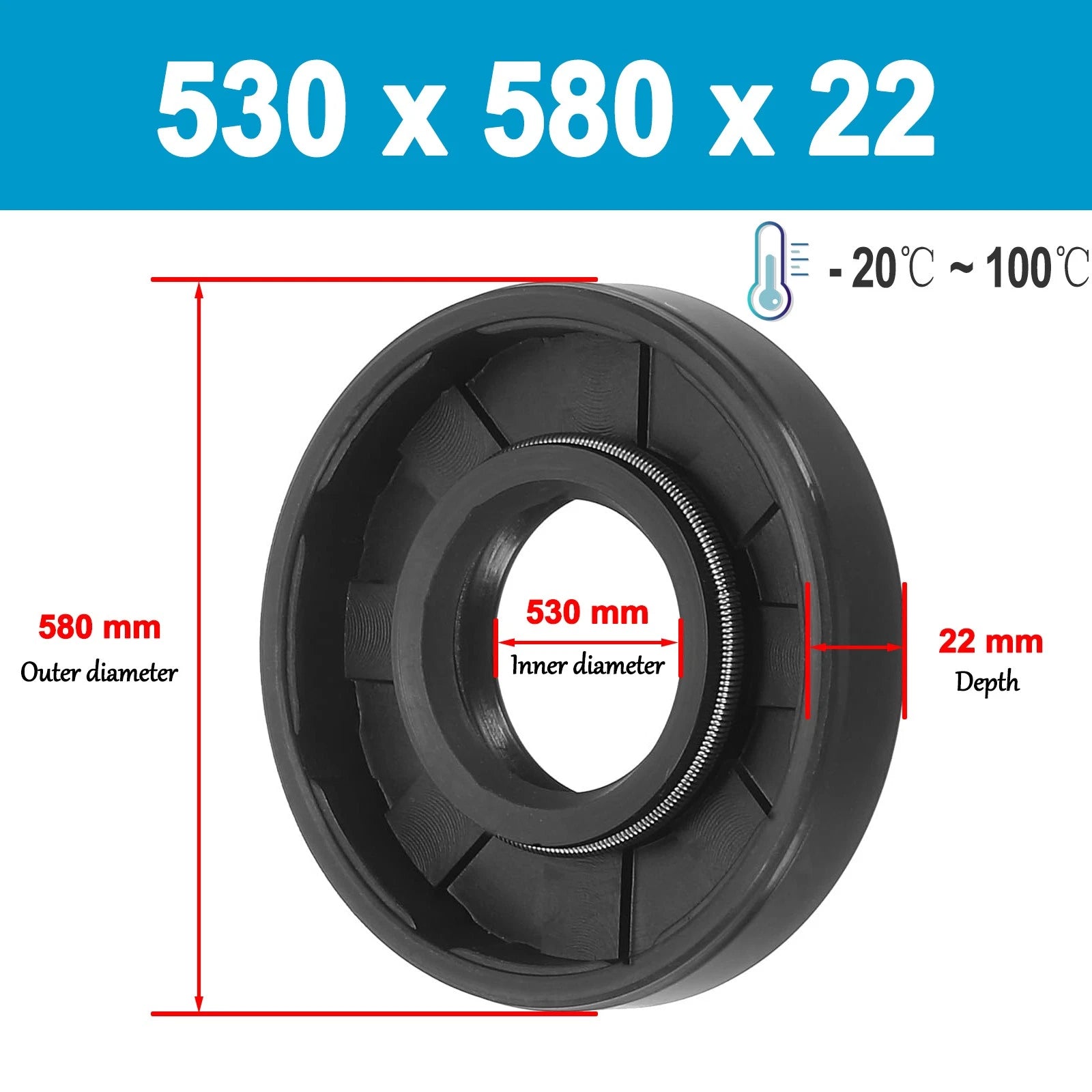
Measure three dimensions on your existing seal or housing: the inner diameter (ID) — the shaft diameter the seal lip contacts; the outer diameter (OD) — the housing bore the seal presses into; and the depth (width) of the seal groove. Match all three to the variant listed as "Inner Ø x Outer Ø x Depth" in the dropdown above. If your shaft is worn, measure the housing bore and depth first, then confirm the shaft diameter falls within the seal's rated range.

What does "TC" mean, and why does it matter?

"TC" designates a double-lip seal with a garter spring. The first (primary) lip retains oil or grease inside the housing. The second (secondary) lip faces outward and acts as a dust and dirt excluder. The garter spring keeps the primary lip in constant contact with the shaft even as the rubber wears slightly over time. This two-barrier design makes TC seals the standard choice for most rotating shaft applications where both lubrication retention and contamination exclusion are required.

Are these seals compatible with synthetic oils and greases?

These seals use nitrile rubber (NBR), which performs well with conventional petroleum-based oils and greases. NBR has limited compatibility with some synthetic fluids, particularly polyglycol-based (PAG) oils and certain ester-based synthetics. If your application uses synthetic lubricants, verify NBR compatibility with your fluid supplier before installation. For synthetic-fluid environments, a fluoroelastomer (FKM/Viton) seal may be more appropriate.

How do I install a large-bore TC oil seal without damaging the lip?

Clean the housing bore and shaft thoroughly before installation. Apply a thin film of clean grease to the seal lip and the shaft surface. Use a seal driver or a flat pressing plate that contacts only the outer steel shell — never press on the rubber lip. Press the seal in squarely until it is flush with or slightly below the housing face. Avoid driving the seal in at an angle, as this can distort the shell and cause leakage. For very large seals (600 mm+), a hydraulic press with a correctly sized adapter plate is recommended.

What causes a TC oil seal to fail prematurely?

Common causes of early seal failure include: incorrect size selection (ID, OD, or depth mismatch); excessive shaft runout or surface roughness (shaft finish should typically be 0.2–0.8 µm Ra); installation damage to the lip from improper tooling; operating temperatures or fluid types outside the NBR rating; and shaft speeds exceeding the seal's rated peripheral velocity. Ensuring the shaft surface is smooth, the seal is correctly sized, and installation is performed with proper tooling will significantly extend service life.

Can I use these seals on both static and dynamic (rotating) applications?

TC oil seals are designed primarily for dynamic applications where the shaft rotates relative to the seal. The garter spring and lip geometry are optimized for rotary shaft sealing. They are not intended for reciprocating (linear) motion or purely static face-sealing applications. For static sealing, an O-ring or gasket is typically the correct choice.

How do I know if my existing seal needs replacement?

Signs that a TC oil seal requires replacement include: visible oil or grease leakage around the shaft; a hardened, cracked, or deformed rubber lip on the removed seal; scoring or grooving on the shaft surface at the seal contact area; and contamination (dirt or water) found in the lubricant. Routine replacement at major service intervals — even before visible failure — is recommended for critical equipment to prevent unplanned downtime.

🛒 Select your Inner Ø x Outer Ø x Depth above, then add to cart.

You may also like

Recently viewed