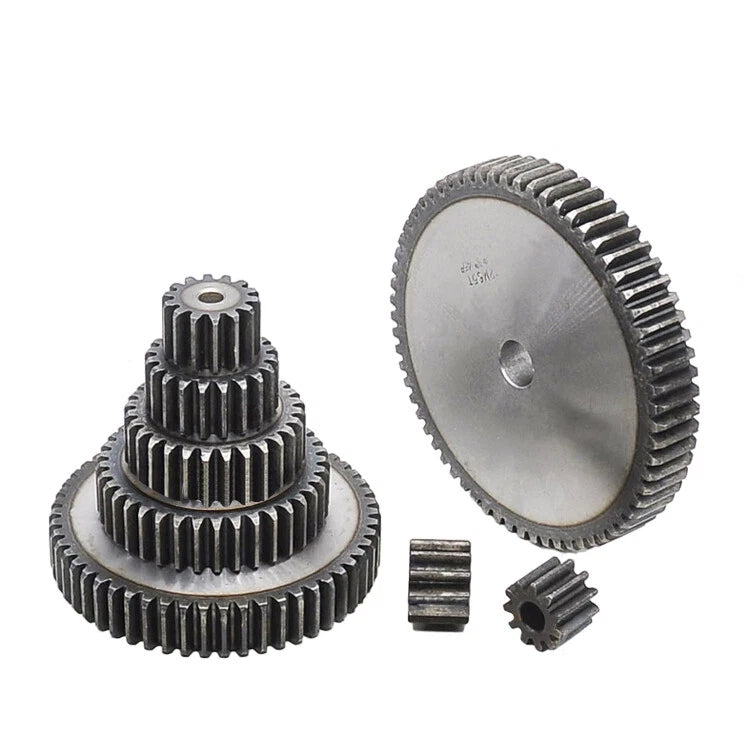
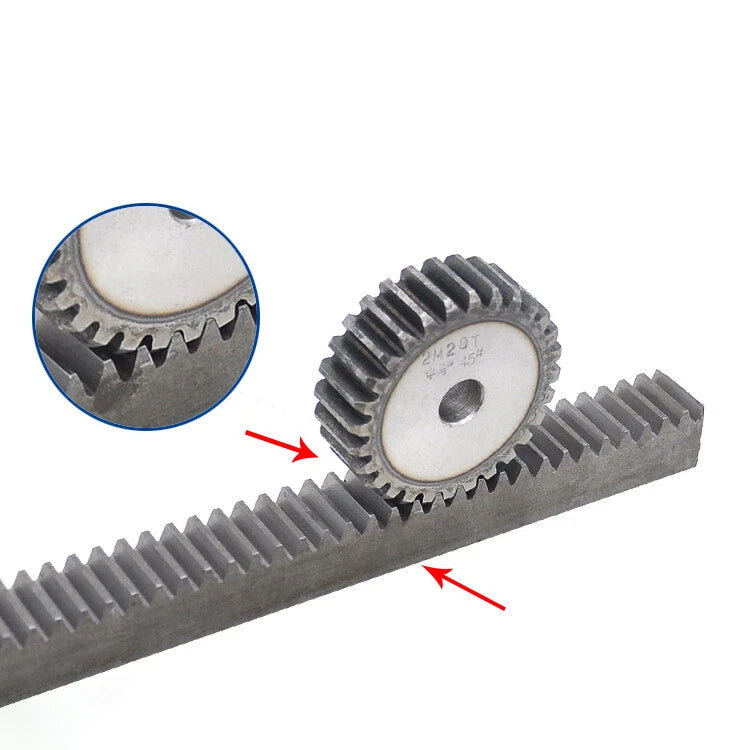
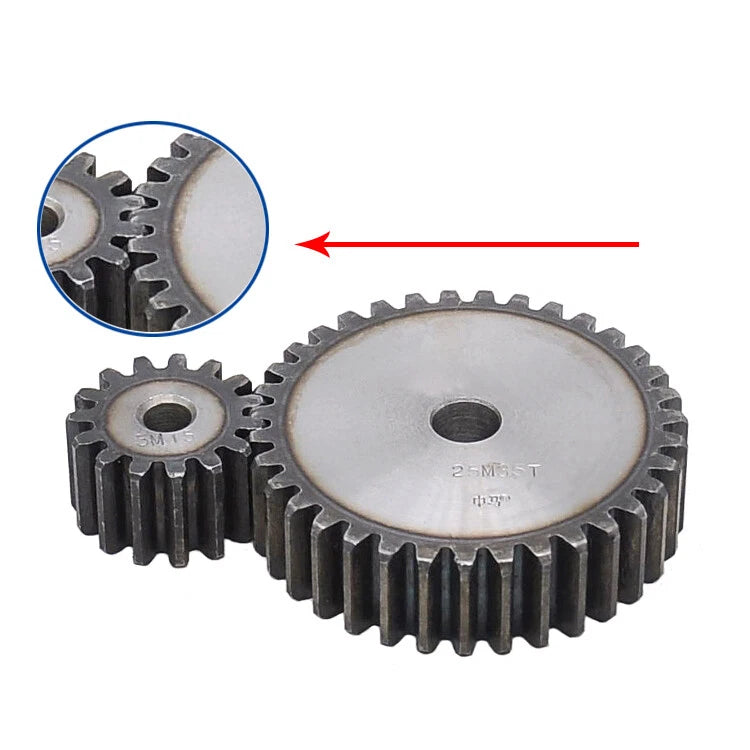
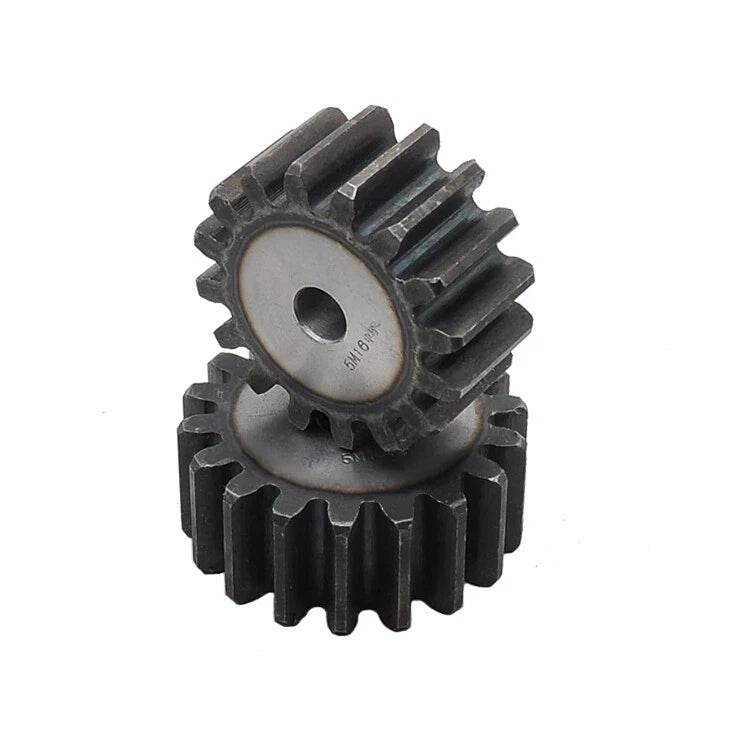
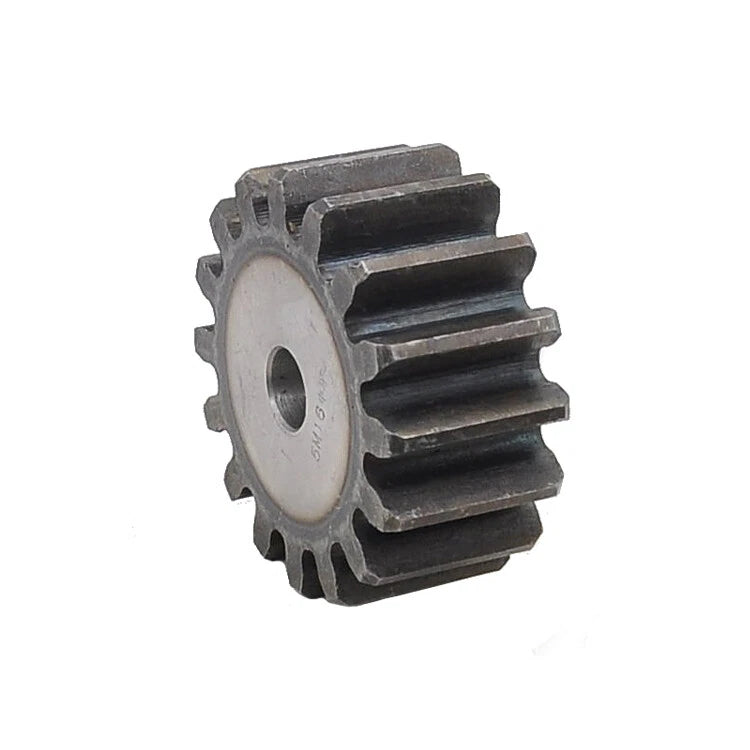
Module 2.5M, 3M, 4M 5M Spur Gear Wheels Spur Wheel With 10 To120 Teeth Flat Gear

No reviews

Price:
Sale price$5.64 USD
Stock:
In stock (500 units), ready to be shipped

Payment & Security

Ach Direct Debit Amazon American Express Apple Pay Bancontact BLIK Diners Club Discover EPS Google Pay iDEAL Wero JCB Maestro Mastercard Multibanco MobilePay PayPal Przelewy24 Shop Pay Twint Union Pay USDC Visa

Your payment information is processed securely. We do not store credit card details nor have access to your credit card information.

Limited Offer — Spend More, Save More
Spend $55+
Save $5
Spend $100+
Save $10
Spend $200+
Save $25
HomeDIYer DIY Expert Support

DIY Expert Support

Get fitment advice & recommendations

Mon–Fri  8:30 AM – 8:00 PM
24-Hour Fast Ship
Arrives in 3–14 Days
Worldwide Shipping
30-Day Returns
1 tree planted with every purchase

Description

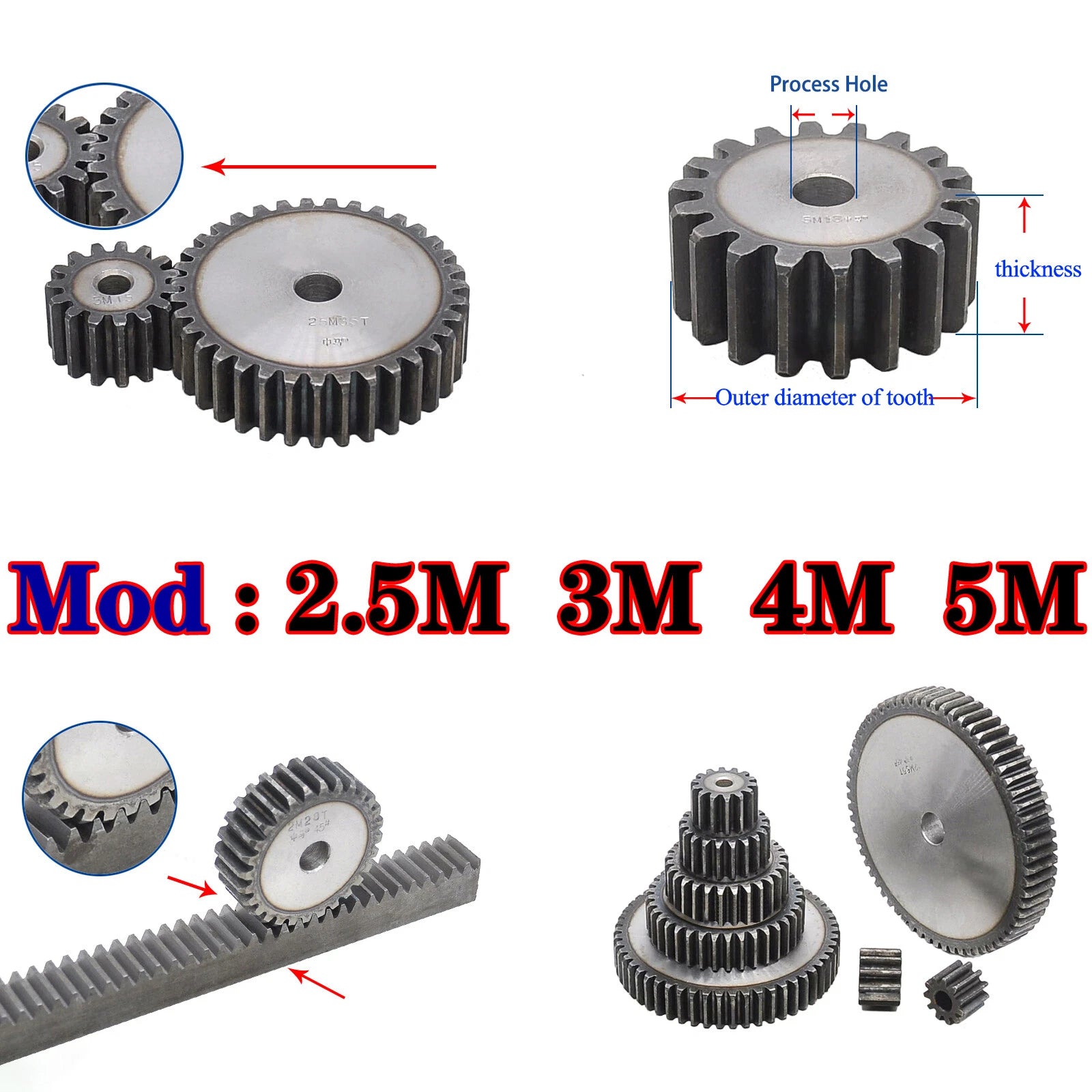
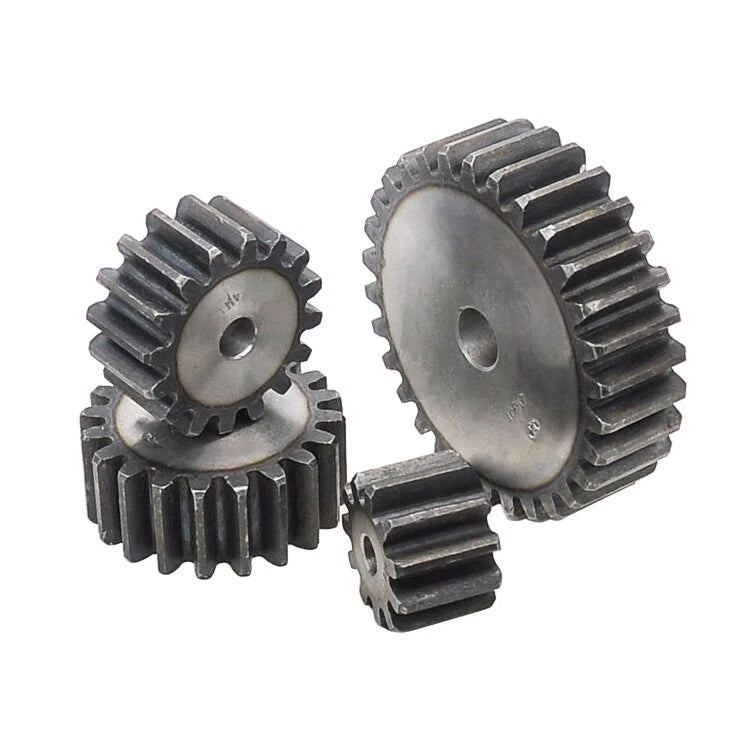
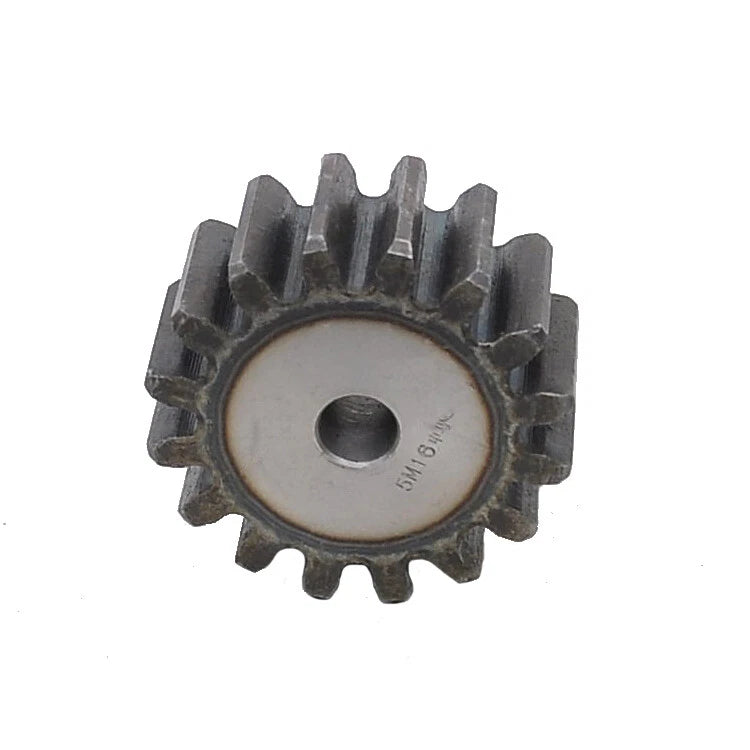
Spur Gear Wheels in 2.5M–5M Modulus — Precision Flat Gears for DIY Automation

When your automation project demands reliable, consistent power transmission, finding a spur gear that matches your exact modulus and tooth count can be a frustrating bottleneck. These 45# steel spur gear wheels are engineered for makers, small workshop builders, and robotics enthusiasts who need a broad selection of sizes without compromising on dimensional accuracy or material strength.

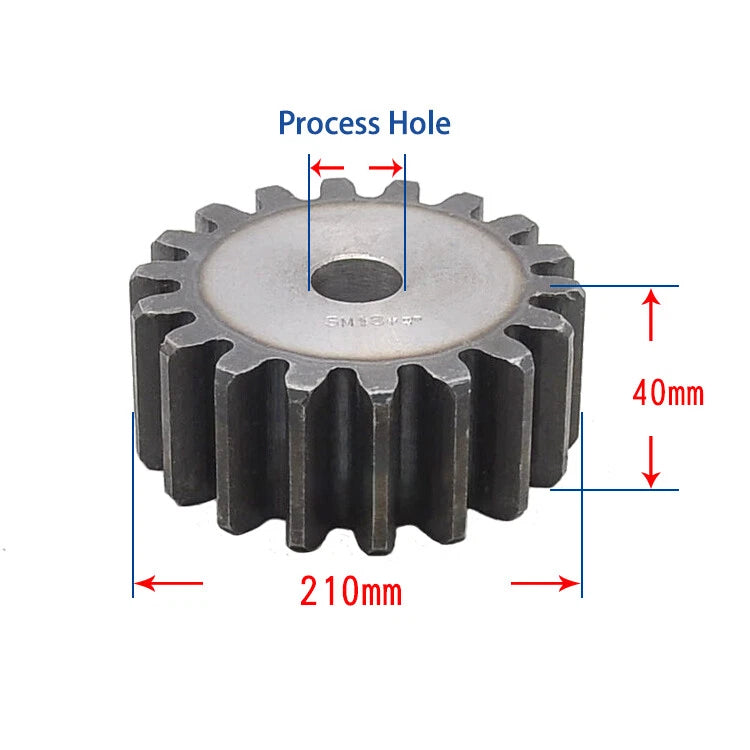
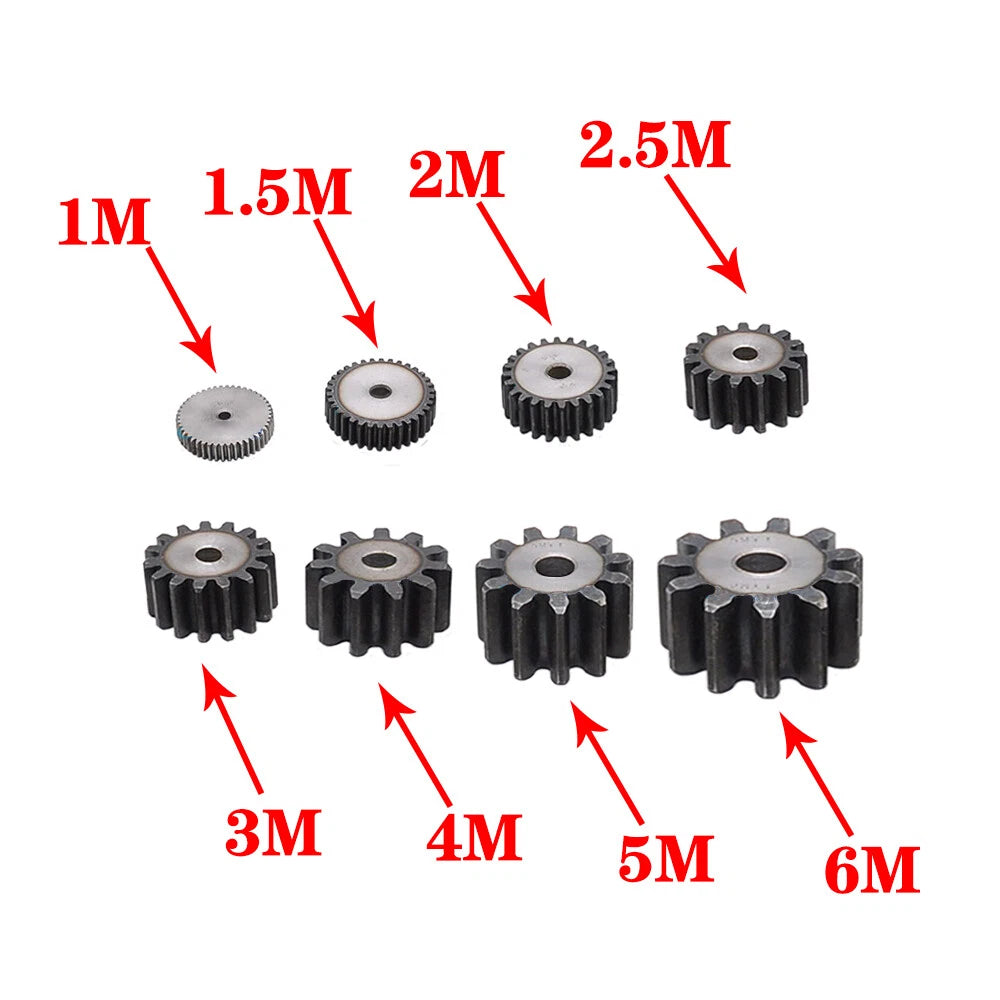
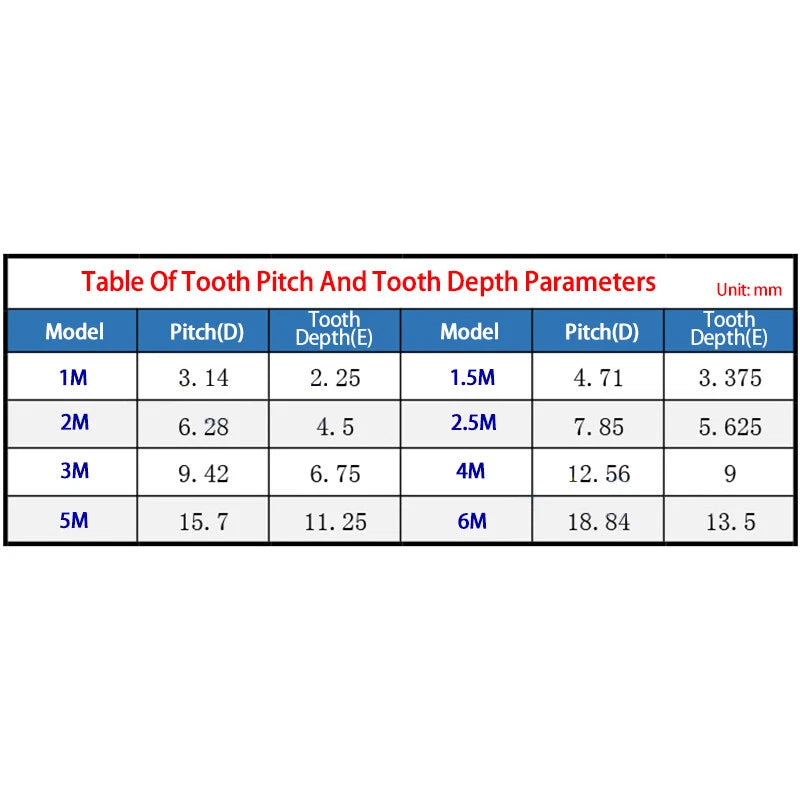
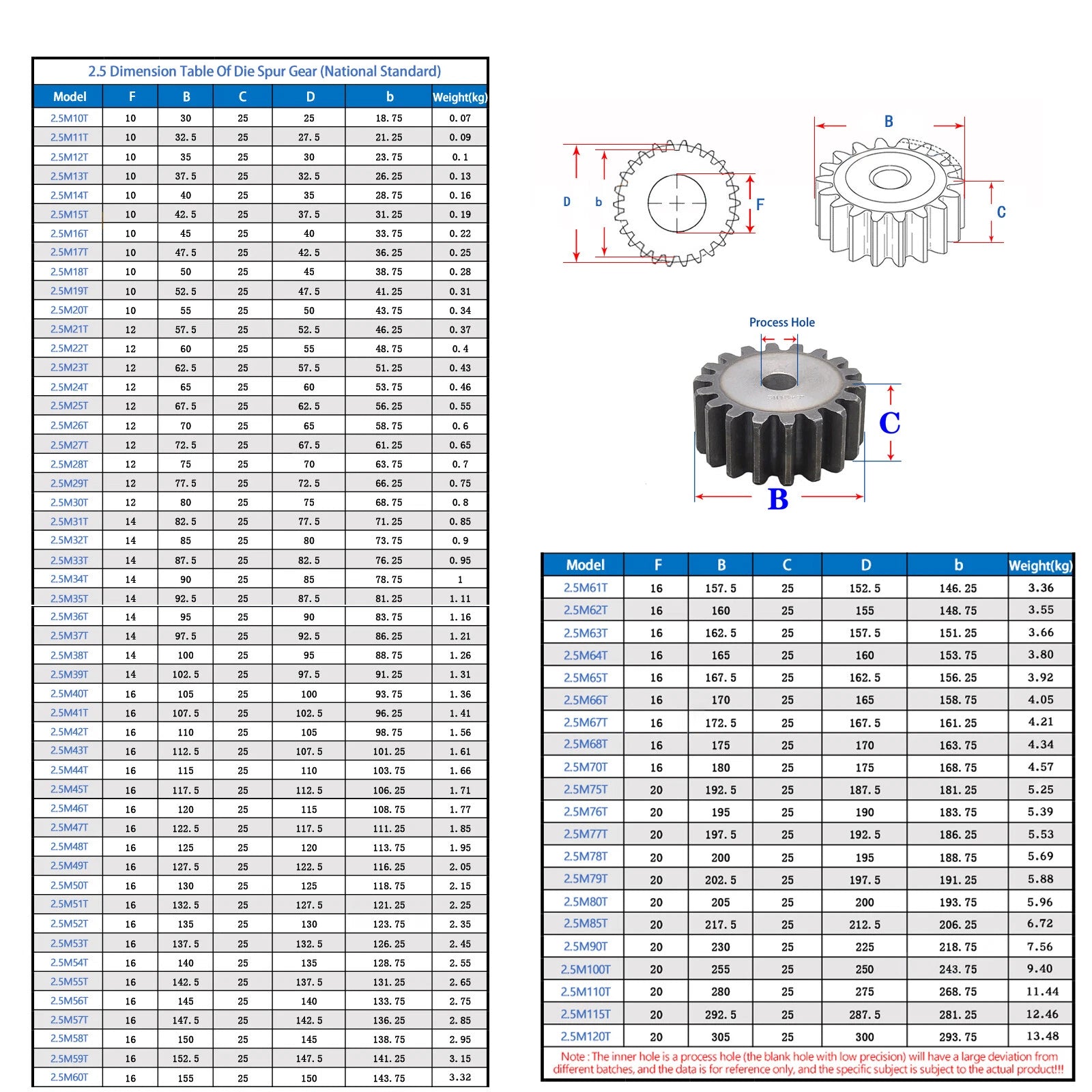
Each gear is machined from 45# medium-carbon steel, offering a solid balance of hardness and machinability. Available in four modulus sizes — 2.5M, 3M, 4M, and 5M — with tooth counts ranging from 10 to 120 teeth. Pitch diameter scales accordingly with modulus and tooth count: for example, a 2.5M 20-tooth gear has a pitch diameter of approximately 50 mm (1.97 in), while a 5M 60-tooth gear reaches approximately 300 mm (11.81 in).

Typical use cases include DIY CNC router drive trains requiring spur gear sets for axis motion, tabletop robotics platforms using modular gear trains for torque multiplication, and small conveyor or indexing systems in maker labs and educational workshops where repeatable gear meshing is critical.

⚙️ Compatibility: Designed for standard metric modulus gear systems. Confirm bore diameter and keyway requirements against your shaft specs before ordering — bore dimensions vary by variant. Pairs with matching modulus rack, pinion, or mating spur gears.

✅ Key Features of These Spur Gear Wheels

🔩
45# Steel Construction

Medium-carbon steel provides reliable tensile strength and wear resistance for sustained gear meshing in light-to-medium duty applications.

📐
Wide Modulus Range

Available in 2.5M, 3M, 4M, and 5M — covering a broad spectrum of torque and speed requirements for different drive system designs.

🦷
10 to 120 Tooth Options

Extensive tooth count selection lets you dial in your gear ratio precisely, from compact 10-tooth pinions to large 120-tooth ring-style flat gears.

Flat Gear Profile

Standard involute tooth profile ensures smooth engagement, low noise, and compatibility with mating gears of the same modulus across your drivetrain.

🔄
Consistent Pitch Accuracy

Machined to metric modulus standards, these gears maintain consistent center-distance requirements for predictable meshing in multi-gear assemblies.

🛠️
Versatile Application Fit

Suited for CNC machines, robotics, conveyor systems, indexing tables, and educational automation rigs where standard metric spur gears are required.

📐 Technical Specifications — Spur Gear Wheels

Material 45# Medium-Carbon Steel
Gear Type Spur Gear (Flat Gear)
Tooth Profile Standard Involute
Available Modulus 2.5M / 3M / 4M / 5M
Tooth Count Range 10 – 120 Teeth (see variant options)
Pressure Angle 20° (standard metric)
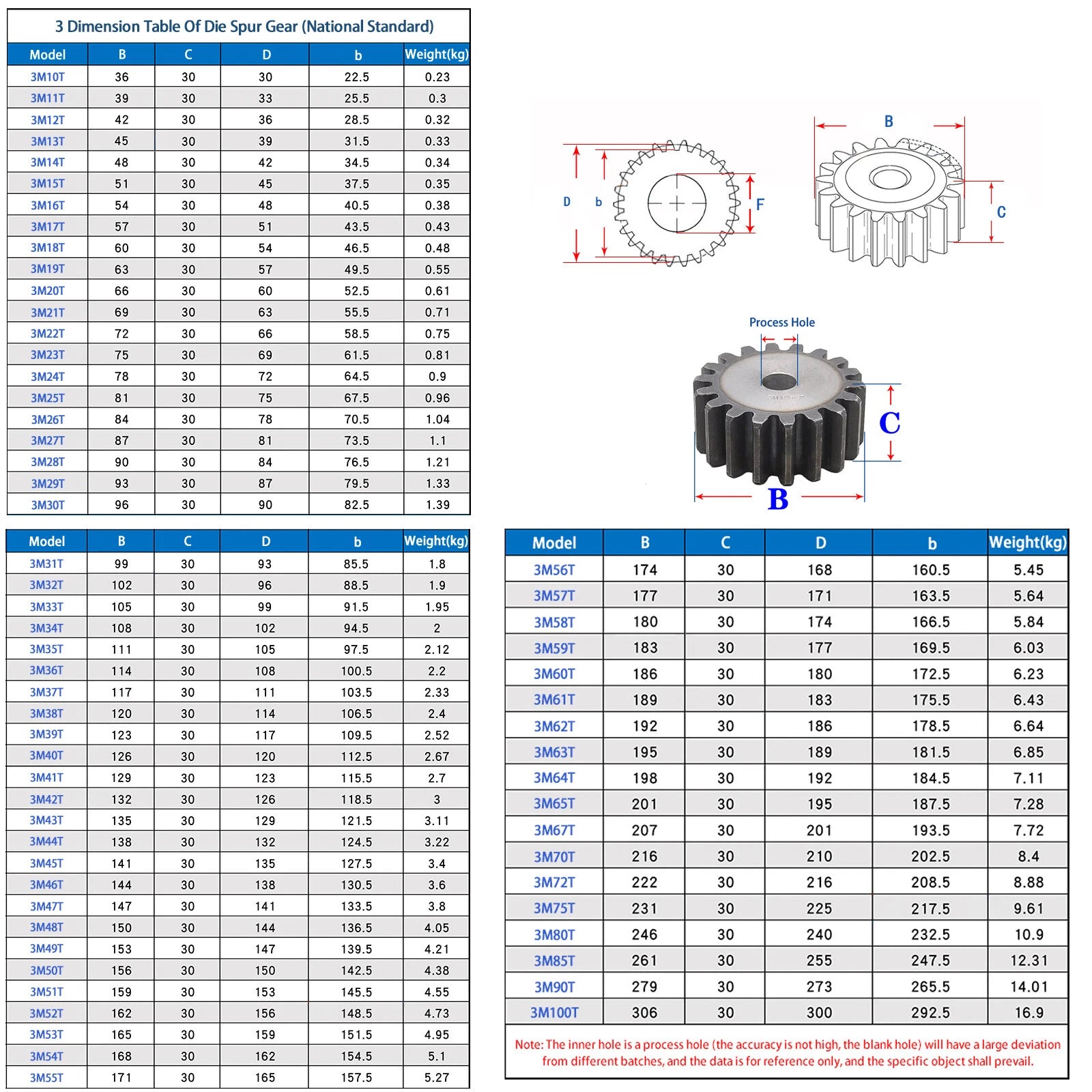
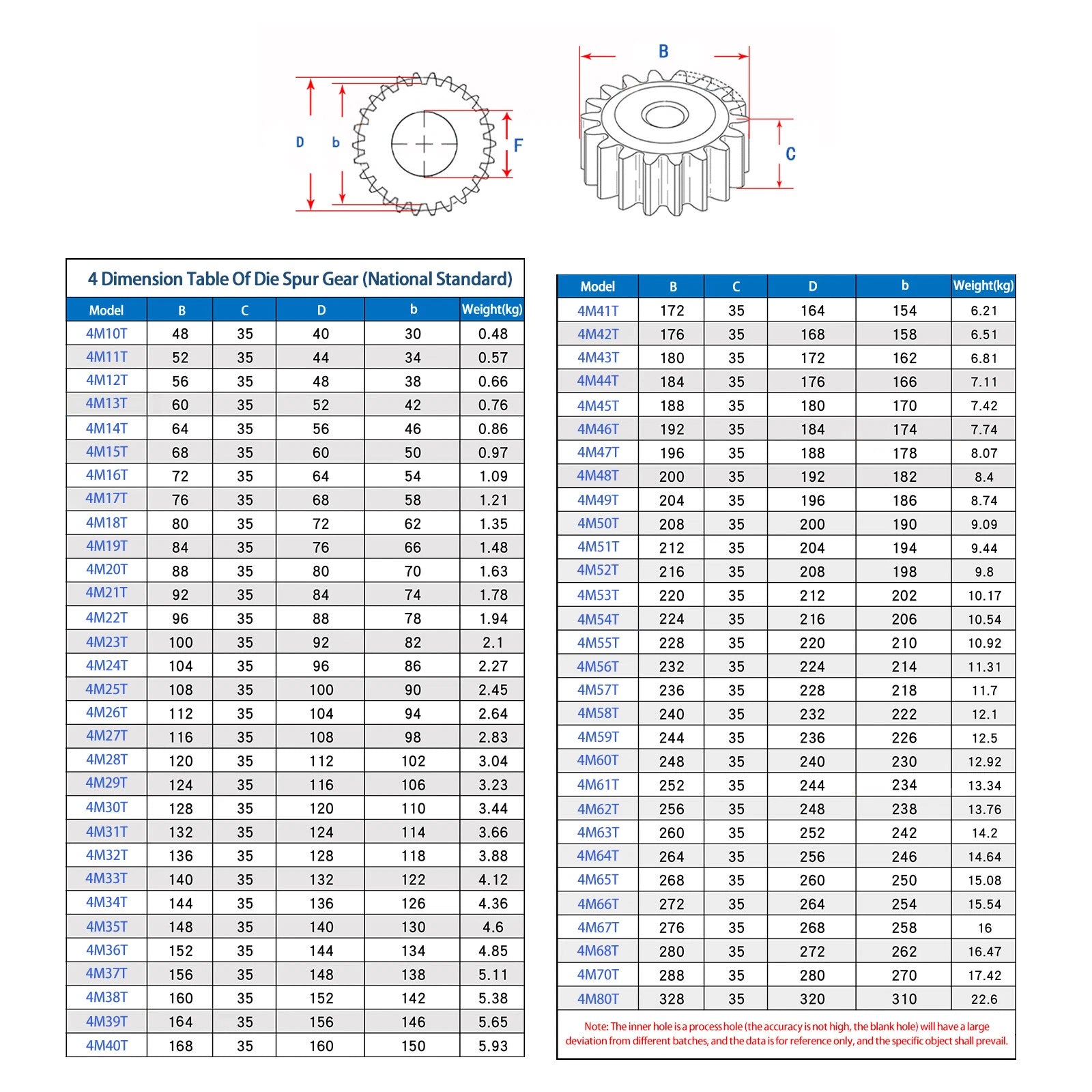
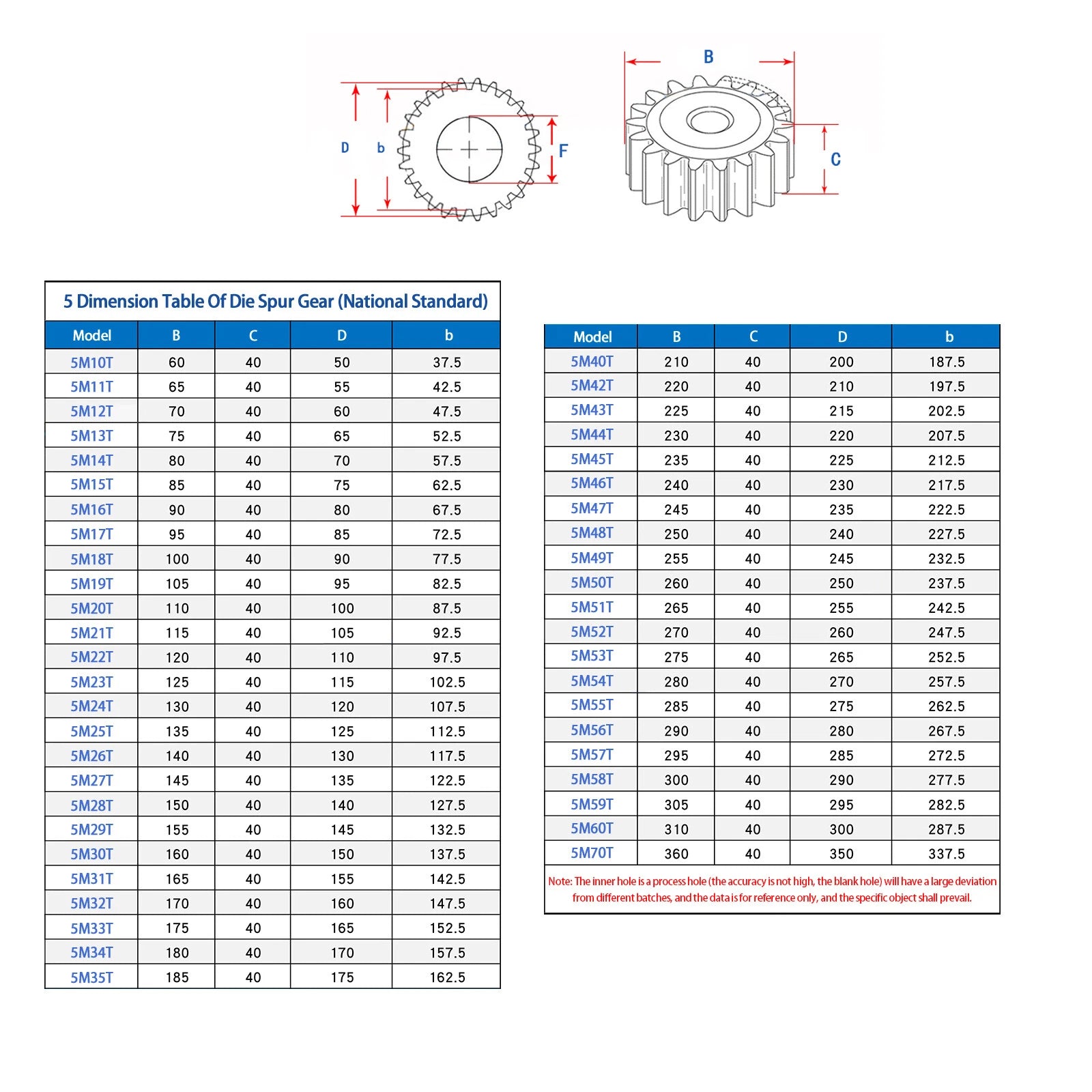
Pitch Diameter See variant options (Modulus × Teeth)
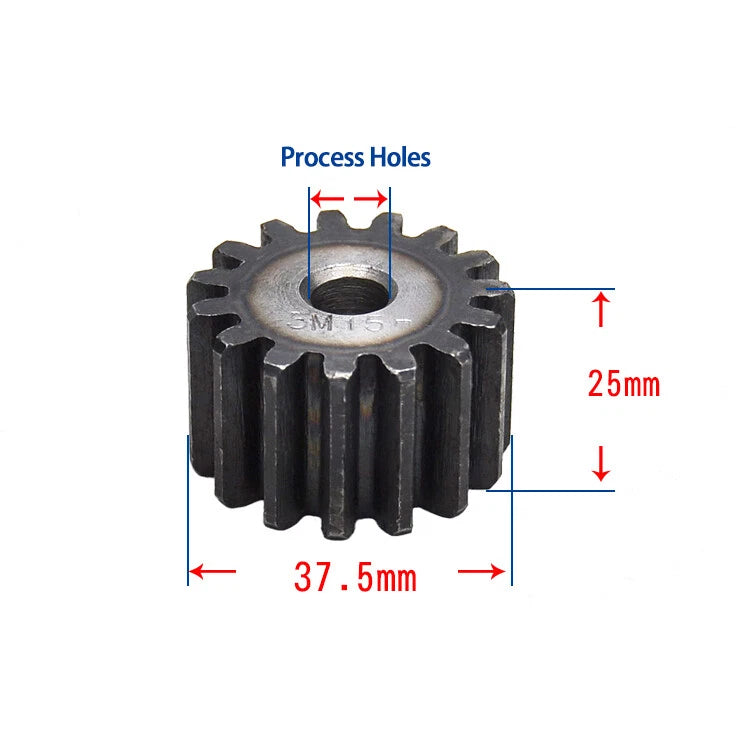
Bore Diameter See variant options
Face Width See variant options
Surface Finish Machined, natural steel
Weight See variant options

❓ Frequently Asked Questions

How do I choose the right modulus and tooth count for my project?

Modulus determines the size of each tooth — a higher modulus means larger, stronger teeth suited for higher torque. Tooth count controls your gear ratio: divide the driven gear's tooth count by the driving gear's tooth count to get the ratio. For light-speed applications, use smaller modulus (2.5M or 3M) with higher tooth counts. For torque-heavy drives, use 4M or 5M with fewer teeth on the pinion.

What is the pressure angle of these spur gears?

These gears use a standard 20° pressure angle, which is the most common metric standard. This ensures compatibility with other 20° involute spur gears of the same modulus, including racks and pinions from other suppliers following the same standard.

Are these gears compatible with metric gear racks of the same modulus?

Yes. As long as the rack shares the same modulus (e.g., 3M rack with a 3M spur gear) and the same 20° pressure angle, the gears will mesh correctly. Always verify the rack's pitch and tooth profile specification before pairing.

How strong are 45# steel spur gears for my application?

45# steel (equivalent to AISI 1045) has a typical tensile strength of approximately 600–800 MPa in its normalized state. This makes it suitable for light-to-medium duty power transmission — such as CNC routers, small conveyors, and robotics. For heavy industrial loads or high-speed continuous operation, consider heat-treated or alloy steel gears instead.

Do these gears require any surface treatment for corrosion resistance?

45# steel is not inherently corrosion-resistant. For indoor, dry environments these gears perform well with standard lubrication. If your application involves moisture, humidity, or outdoor exposure, we recommend applying a rust-preventive grease or oil, or considering a zinc-plated or stainless steel alternative for long-term protection.

What bore diameter do these gears have, and can I modify it?

Bore diameter varies by modulus and tooth count — please refer to the specific variant details or contact us to confirm the bore size for your chosen combination. 45# steel is machinable, so bore enlargement or keyway cutting by a local machine shop is feasible if the standard bore does not match your shaft diameter.

How do I calculate the center distance between two meshing spur gears?

Center distance = (Modulus × (Teeth on Gear 1 + Teeth on Gear 2)) ÷ 2. For example, a 3M 20-tooth gear meshing with a 3M 40-tooth gear: center distance = (3 × (20 + 40)) ÷ 2 = 90 mm. This formula applies to all standard involute spur gears of the same modulus.

🛒 Select your Modulus and Teeth count above, then add to cart.

You may also like

Recently viewed