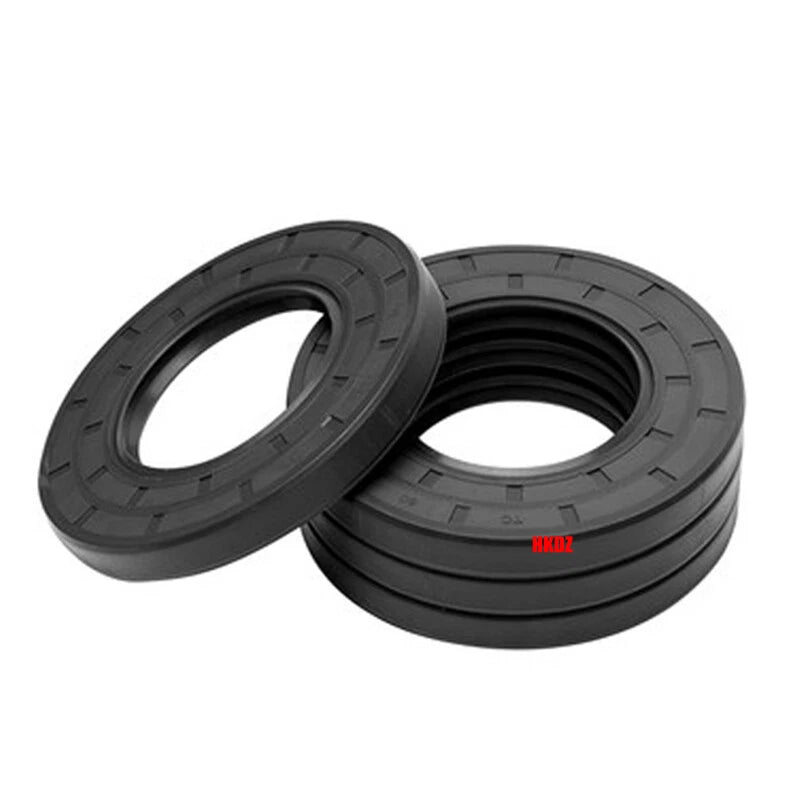
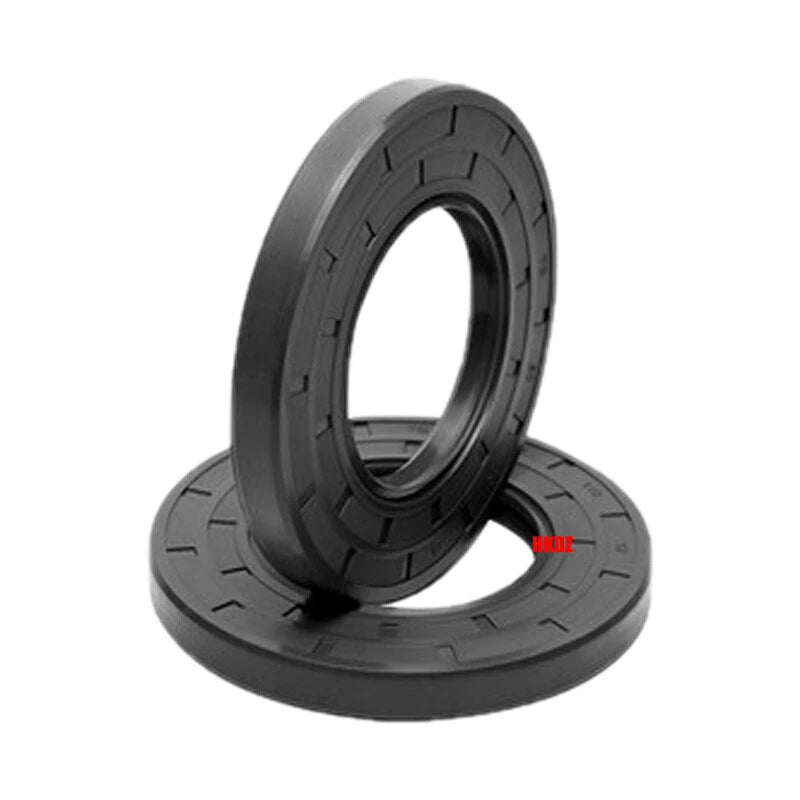
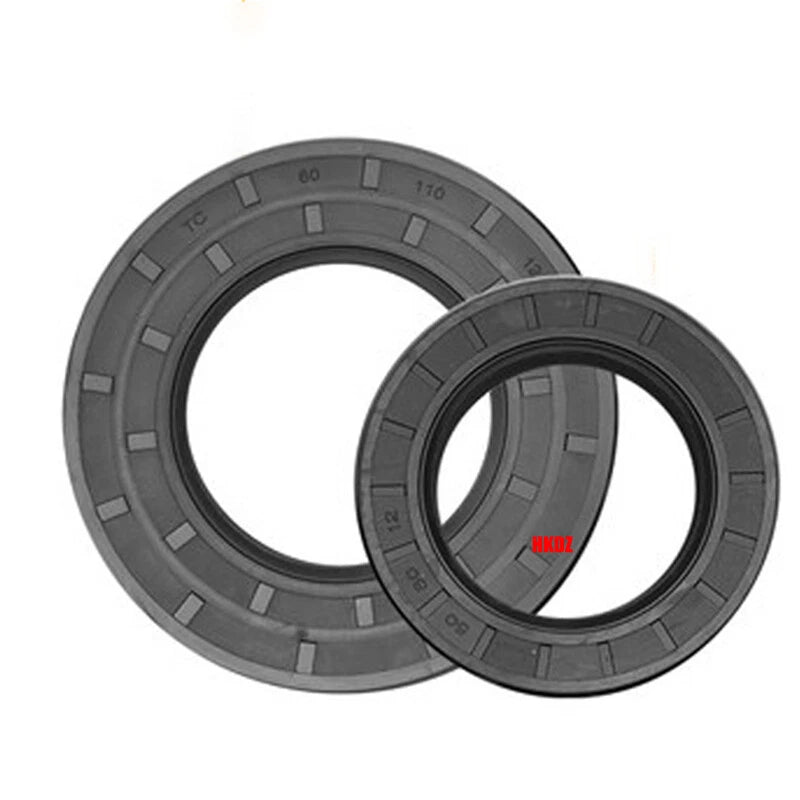
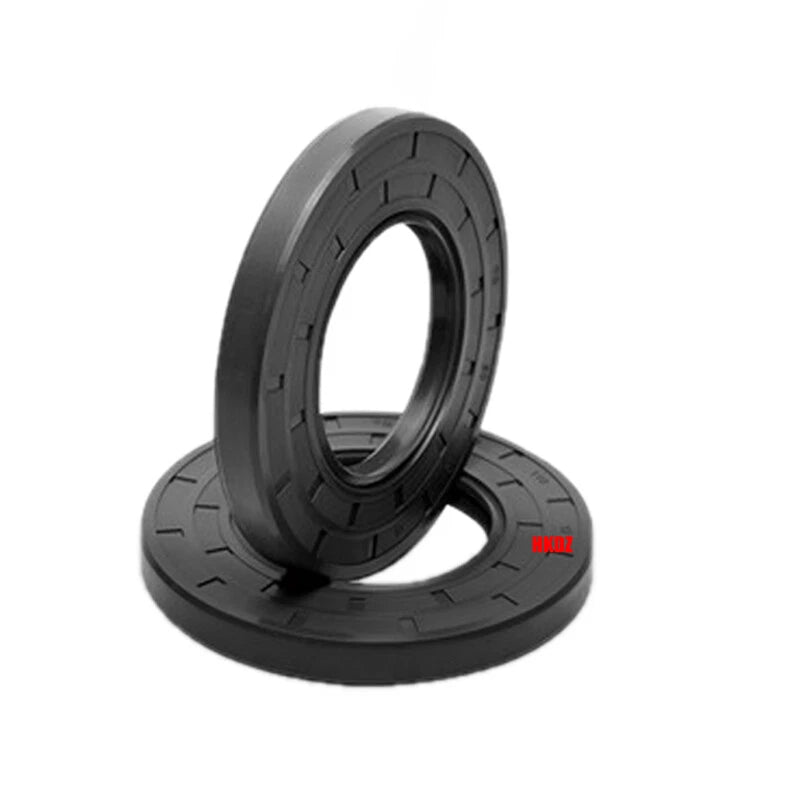
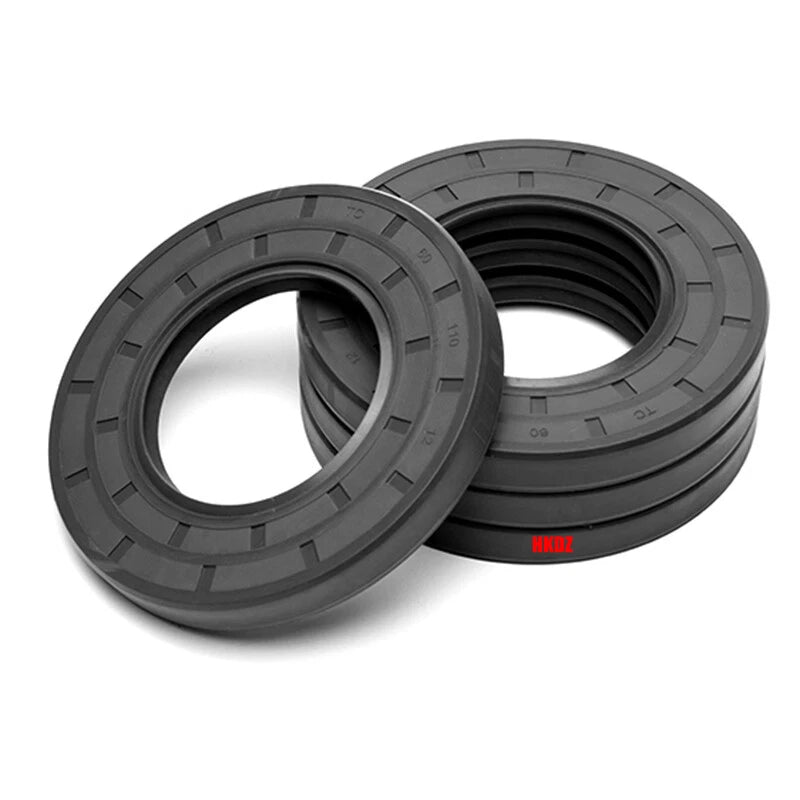
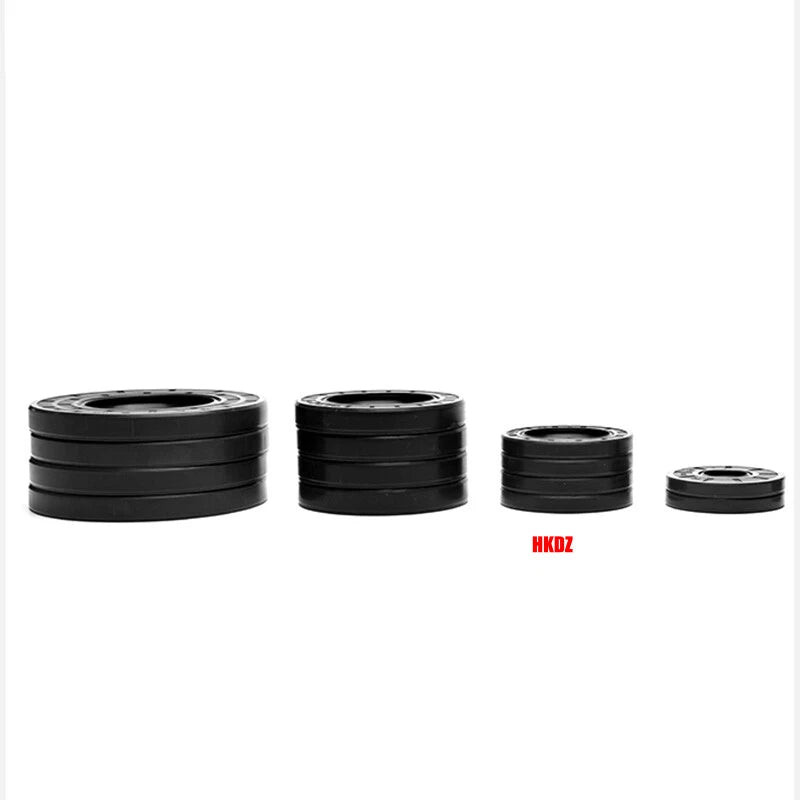
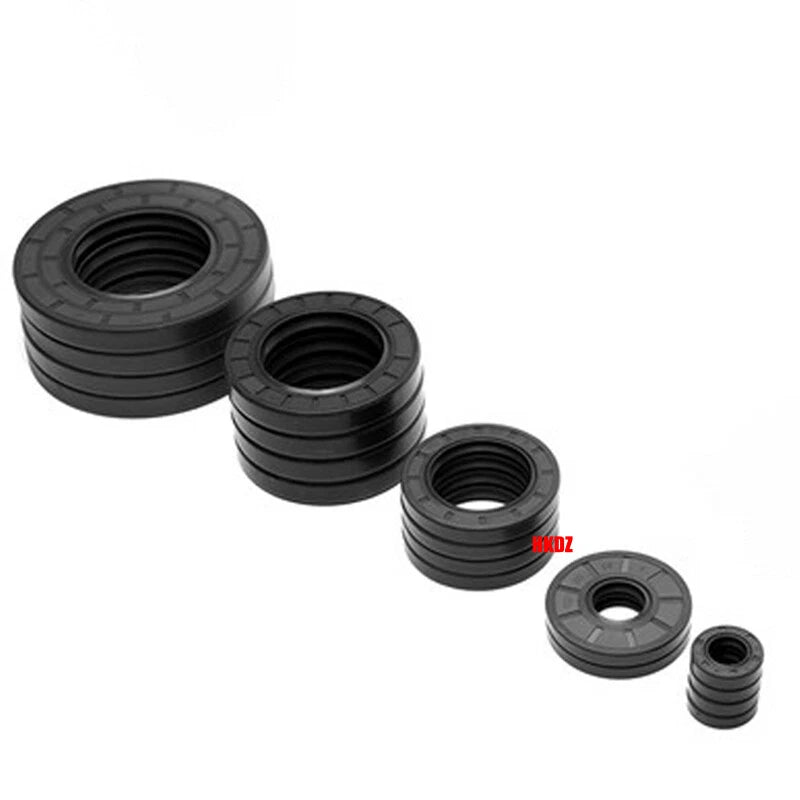
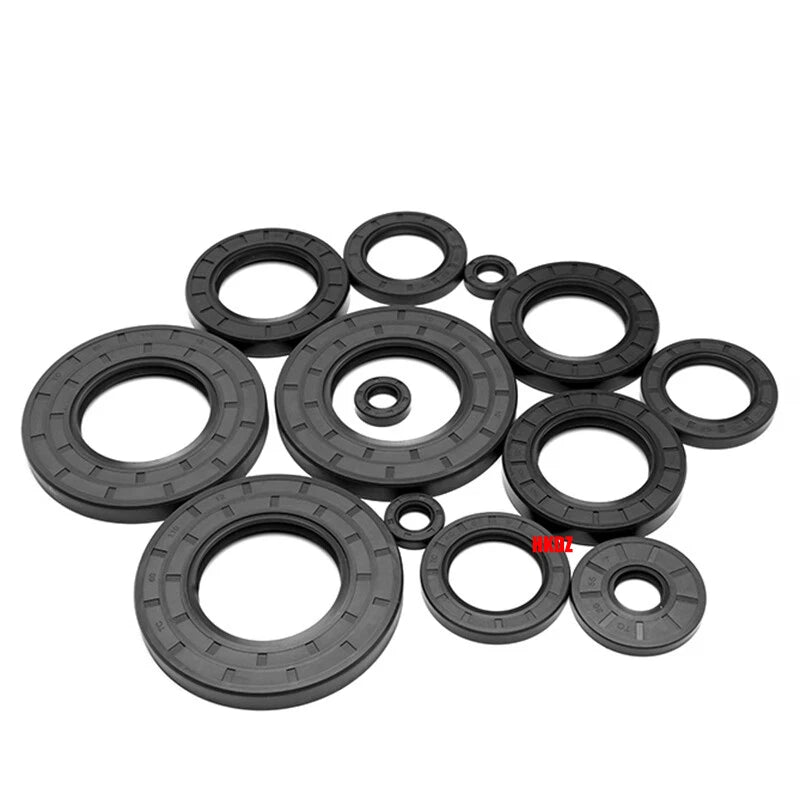
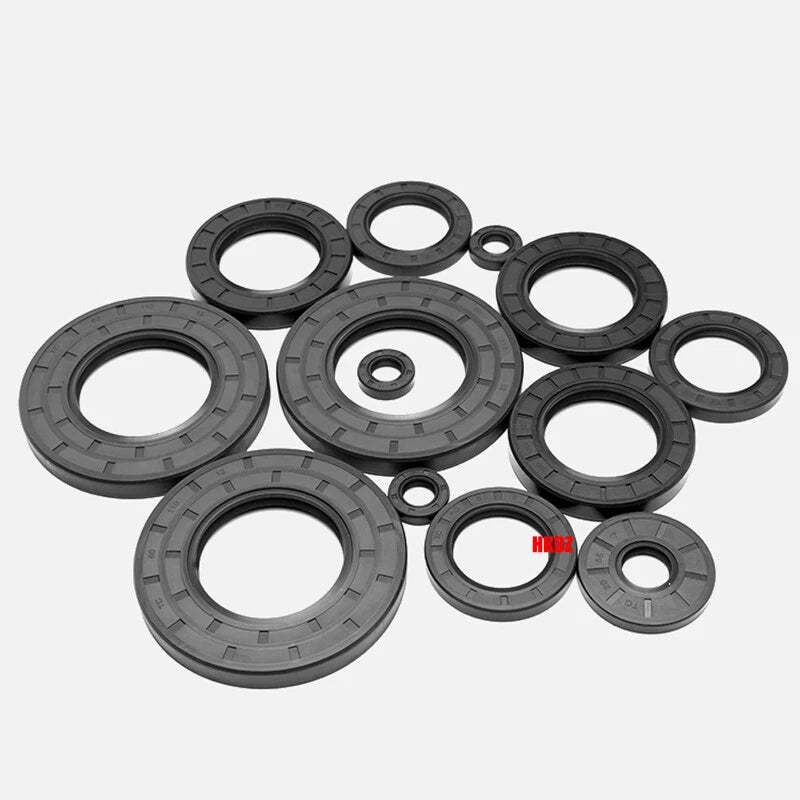
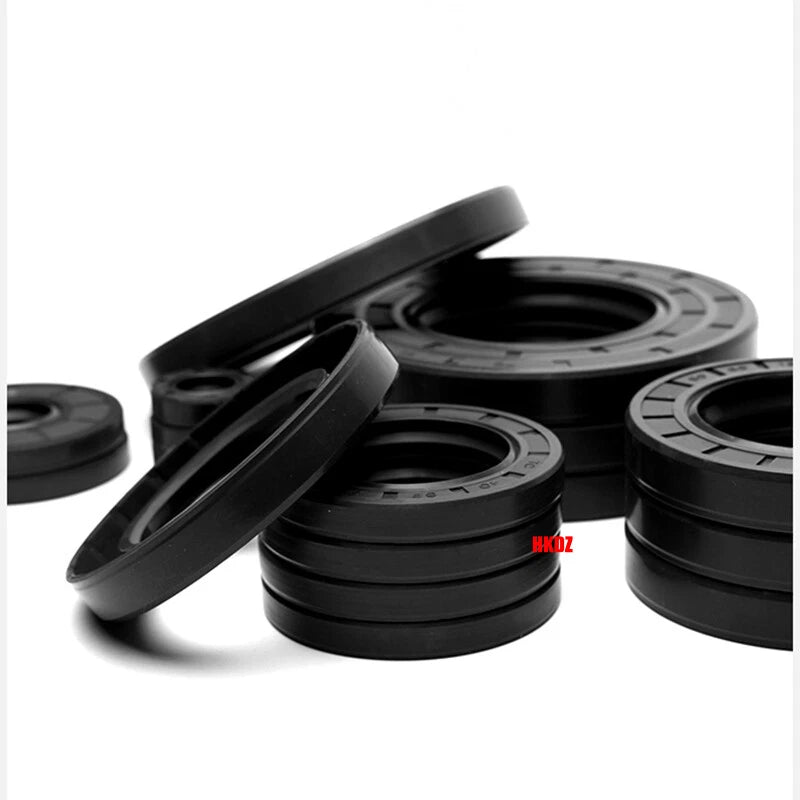
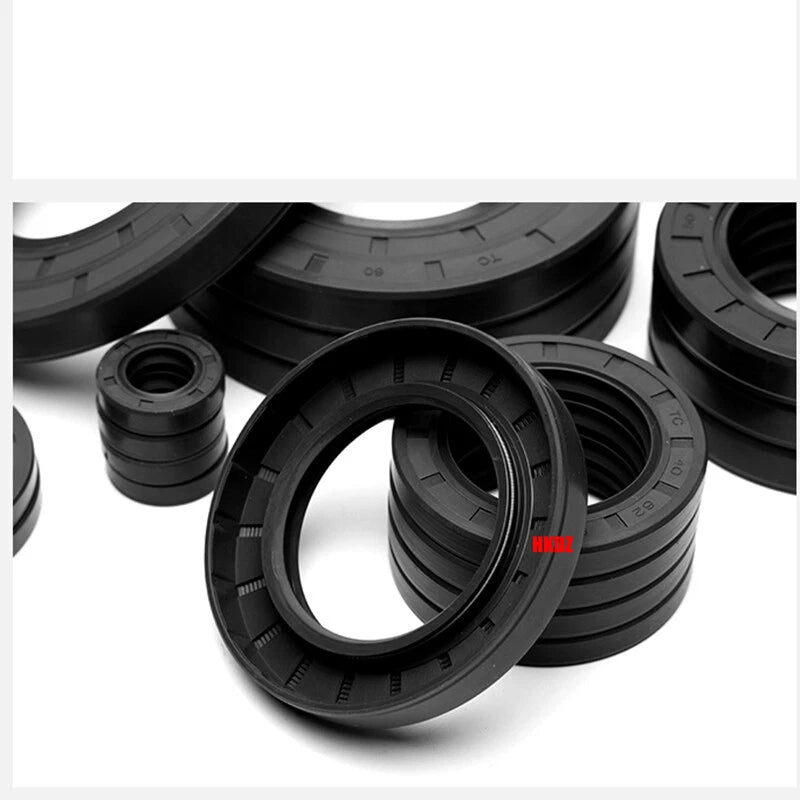
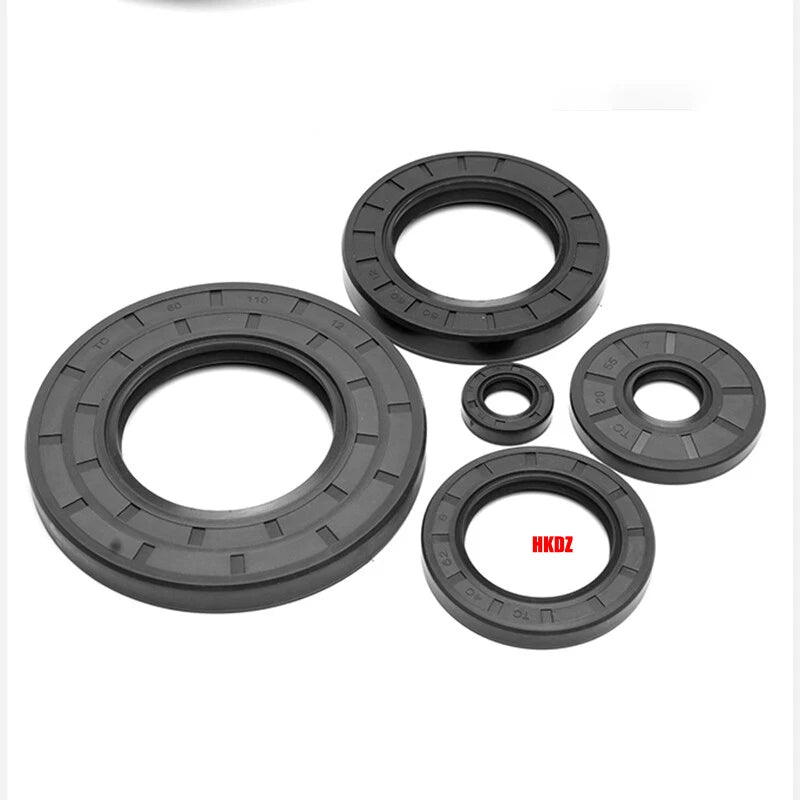
NBR Rotary Shaft Oil Seals — Metric TC Skeleton Nitrile Sealing Lip (34–420mm ID)

No reviews

Price:
Sale price$4.79 USD
Stock:
In stock (500 units), ready to be shipped

Payment & Security

Ach Direct Debit Amazon American Express Apple Pay Bancontact Diners Club Discover Google Pay iDEAL Wero Mastercard PayPal Shop Pay USDC Visa

Your payment information is processed securely. We do not store credit card details nor have access to your credit card information.

Quantity Discount Promotion
🎯 BULK DISCOUNT: Buy More, Save More!
Buy 2 Items
5% OFF
Buy 4 Items
10% OFF
Buy 6 Items
15% OFF
Expert

DIY Expert Support

Get fitment advice & recommendations

Mon-Fri, 8:30AM-8PM
24-Hour Fast Ship
🚚
Arrives in 3-14 days
🌍
Global Reach
↩️
30-Day Returns
🌱 1 tree planted with every purchase

Description

NBR TC Skeleton Oil Seals — Stop Shaft Leaks with the Right Metric Fit

A weeping gearbox, a dripping axle seal, or a pump that leaves puddles on the shop floor — these are the headaches that bring mechanics, equipment owners, and DIY rebuilders to search for a reliable rotary shaft oil seal. Whether you're overhauling a tractor PTO, rebuilding a differential, or servicing an industrial pump, getting the seal material and dimensions exactly right is the difference between a lasting repair and doing the job twice.

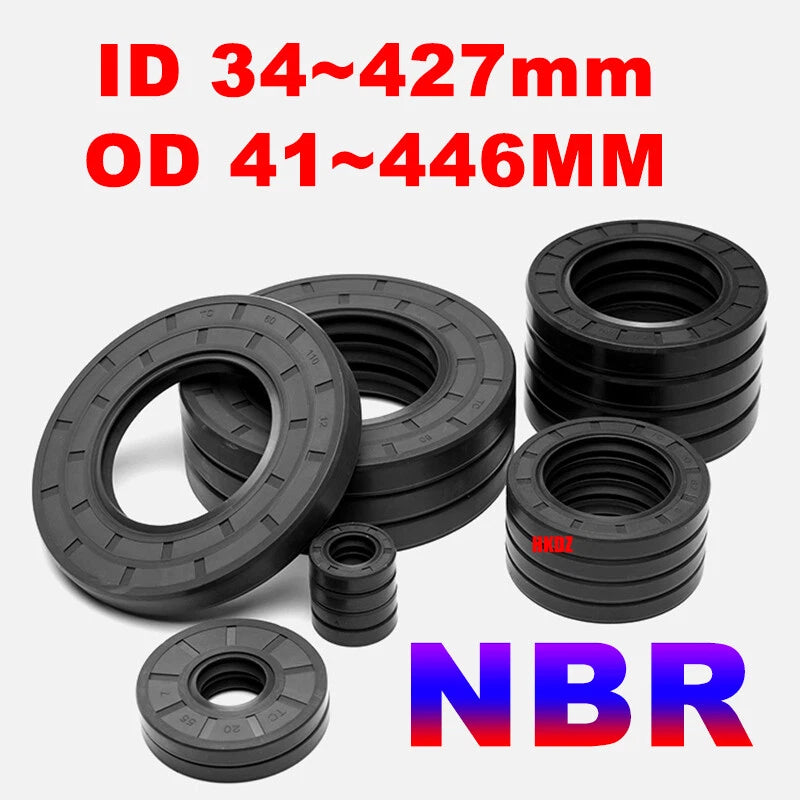
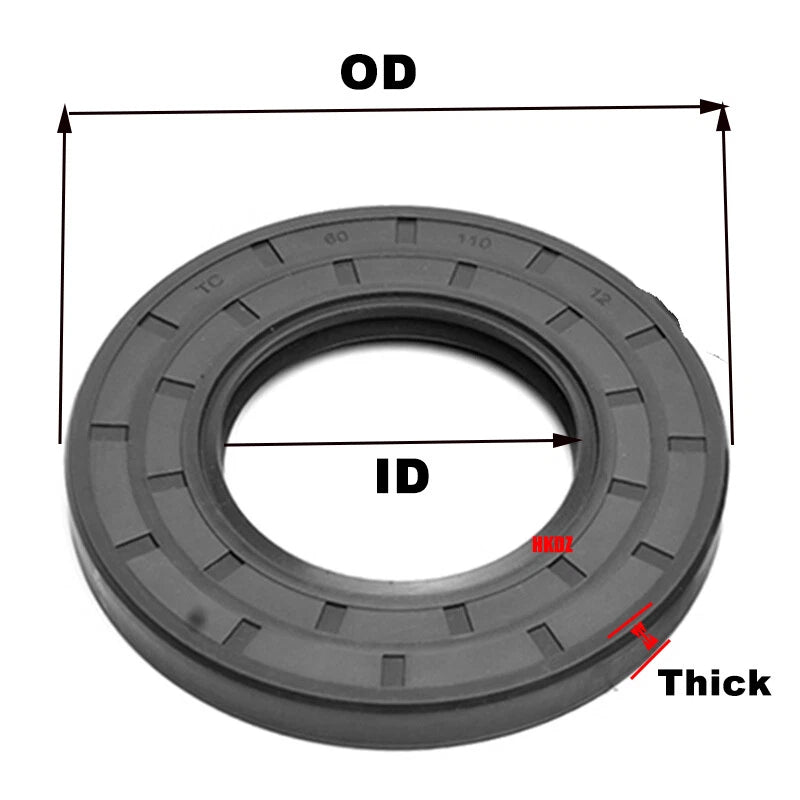
Each seal in this range is a TC (twin-contact) skeleton design made from NBR (Nitrile Butadiene Rubber) over a rigid steel frame. The inner diameter (ID) spans 34mm (≈1.34″) to 420mm (≈16.54″), the outer diameter (OD) from 41mm (≈1.61″) to 470mm (≈18.50″), and thickness from 4mm (≈0.16″) to 25mm (≈0.98″). Hardness is 70 Shore A. Available in multiple size combinations — select your exact ID × OD × thickness from the variant options above.

Typical use cases include metric gearbox output shaft seals, agricultural equipment axle seals, hydraulic pump shaft seals, and electric motor bearing housing seals — anywhere a rotating shaft passes through a stationary housing and needs a leak-free barrier between lubricant and the outside world.

🔵 Compatibility Note: These are metric-dimensioned TC skeleton seals. Confirm your shaft ID, housing bore OD, and housing depth before ordering. These seals are not interchangeable with inch-standard (Imperial) seal sizes without verification.

✅ Key Features of These NBR TC Skeleton Rotary Shaft Oil Seals

  • 🔩 Twin-Lip TC Design — The dual-contact lip configuration keeps lubricant in and contaminants out simultaneously, reducing the risk of cross-contamination in gearboxes and axle housings.
  • 🛡️ NBR Nitrile Rubber Construction — Nitrile rubber resists petroleum oils, greases, diesel fuel, and water splash — the fluids most commonly found in automotive and industrial rotating shaft applications.
  • 🏗️ Rigid Steel Skeleton Frame — The internal metal skeleton maintains a true circular profile during press-fit installation and prevents the seal from collapsing or distorting under operating loads.
  • 🌡️ Wide Operating Temperature Range — Rated from -40°C to 120°C (-40°F to 248°F), these seals perform reliably in cold-start conditions and sustained high-temperature operation alike.
  • 📐 Broad Metric Size Range — With ID options from 34mm to 420mm, this range covers a wide variety of metric shaft sizes found in European and Asian machinery, agricultural equipment, and industrial drives.
  • ⚙️ 70 Shore A Hardness — Balanced hardness provides a conforming lip seal against the shaft surface while resisting extrusion under moderate fluid pressure — a practical choice for most rotary shaft sealing applications.

📐 Technical Specifications — NBR TC Skeleton Rotary Shaft Oil Seals

Seal Type TC (Twin-Contact / Double-Lip) Skeleton
Material NBR (Nitrile Butadiene Rubber) with steel skeleton
Color Black
Hardness 70 Shore A
Inner Diameter (ID) 34mm–420mm (≈1.34″–16.54″)
Outer Diameter (OD) 41mm–470mm (≈1.61″–18.50″)
Thickness 4mm–25mm (≈0.16″–0.98″)
Working Temperature -40°C to 120°C (-40°F to 248°F)
Dimension Standard Metric (mm)
Fluid Compatibility Petroleum oils, greases, diesel — see variant options
Exact Size (ID × OD × Thickness) See variant options
Country of Origin China
⚠️ Sizing Tip: Due to manufacturing tolerances, actual dimensions may vary by approximately ±0.5mm. Always measure your housing bore and shaft diameter with calipers rather than relying solely on part numbers from other brands.

❓ Frequently Asked Questions

How do I choose the correct oil seal size?

Measure three dimensions with calipers: the shaft inner diameter (ID), the housing bore outer diameter (OD), and the housing depth (thickness). Match all three to the seal variant you select. For example, a 40mm (≈1.57″) shaft in a 52mm (≈2.05″) bore with a 7mm (≈0.28″) depth requires a 40×52×7 seal. When in doubt, consult your equipment's service manual or measure the old seal directly.

What temperature range can these oil seals handle?

These NBR nitrile seals are rated for continuous use from -40°C (-40°F) to 120°C (248°F). This covers most automotive, agricultural, and light industrial applications. For sustained temperatures above 120°C, consider a Viton (FKM) seal instead.

Are these seals suitable for outdoor or wet environments?

NBR nitrile rubber generally offers good resistance to petroleum-based oils, greases, and water splash, making it suitable for outdoor equipment like tractors and construction machinery. However, NBR is not recommended for prolonged ozone exposure, strong UV, or ketone/ester-based fluids. For fully submerged or chemically aggressive environments, a Viton (FKM) compound is typically a better fit.

What does "TC skeleton" mean on an oil seal?

TC stands for twin contact — a double-lip design where the outer lip excludes dirt and moisture while the inner lip retains lubricant. The skeleton refers to the internal steel frame that keeps the seal round and rigid during press-fit installation and under operating loads. This construction is the most common standard for rotary shaft sealing in metric machinery.

What equipment are these seals compatible with?

These metric TC skeleton seals are generally compatible with any rotating shaft application using a standard metric bore housing — including gearboxes, differentials, axles, hydraulic pumps, electric motors, and agricultural machinery. Always verify that the ID, OD, and thickness match your specific housing before ordering. They are not a direct replacement for inch-standard (Imperial) seals without dimensional verification.

How do I install a TC skeleton oil seal correctly?

Clean the housing bore and remove any burrs. Lightly coat the seal lip with the fluid it will retain (oil or grease). Press the seal in squarely using a seal driver or a flat wooden block — never hammer directly on the seal face. The seal should sit flush with or just below the housing face. Avoid cocking the seal during installation, as this is the most common cause of early failure.

What hardness rating do these seals have, and why does it matter?

These seals are rated at 70 Shore A. This hardness balances flexibility — allowing the lip to conform to the shaft surface for a reliable seal — with enough rigidity to resist extrusion under moderate fluid pressure. Softer compounds (lower Shore A) seal better at very low pressures; harder compounds handle higher pressures without deforming past the lip edge.

🛒 Select your size (ID × OD × thickness) above, then add to cart — ships from our US warehouse.

You may also like

Recently viewed